Korea Travel 2021 | Creatrip Locals' Guide
A Comprehensive Guide For Your Trip To Korea Covering From Currency Exchange And Transportation To Food And Activities

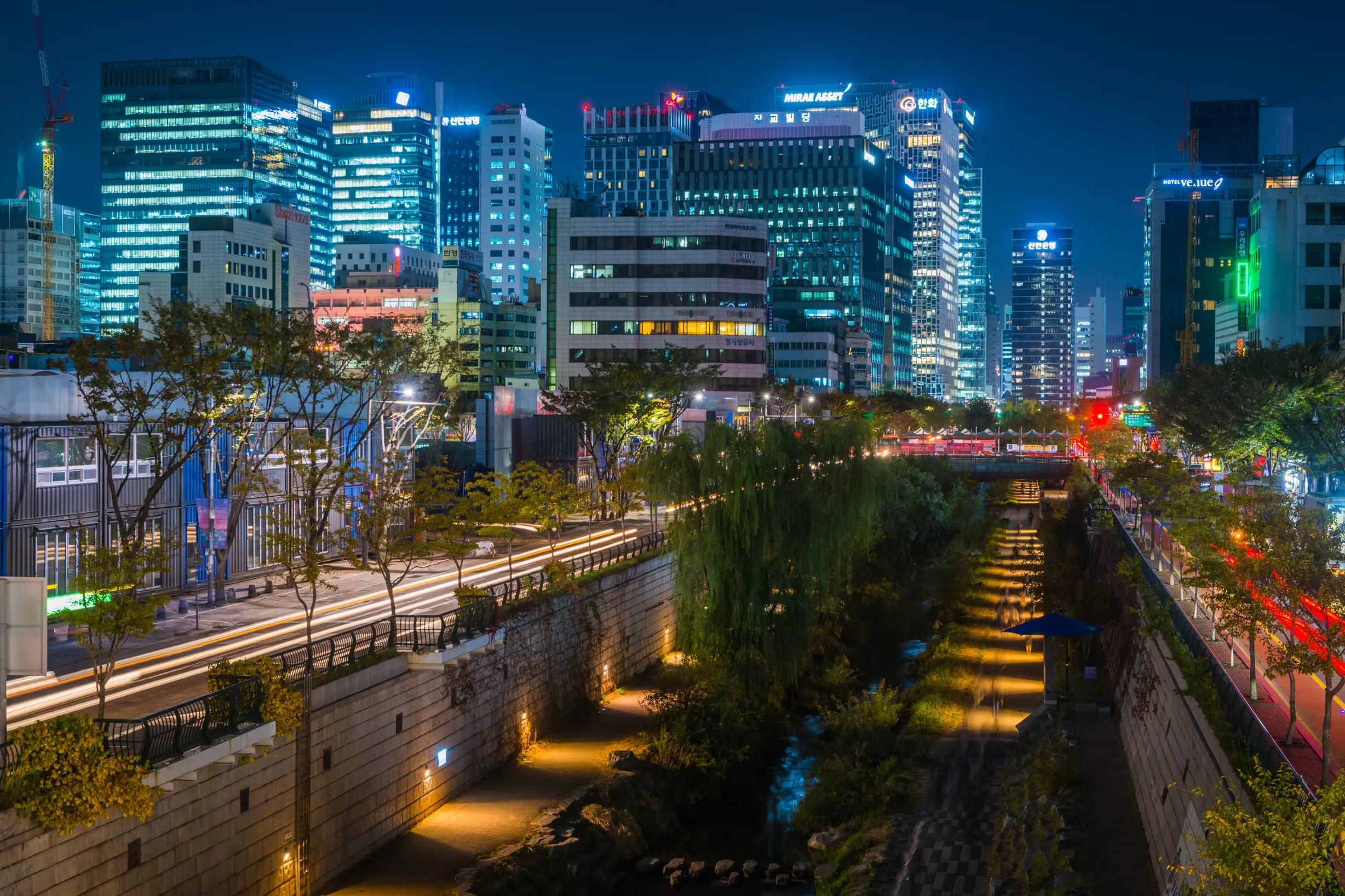
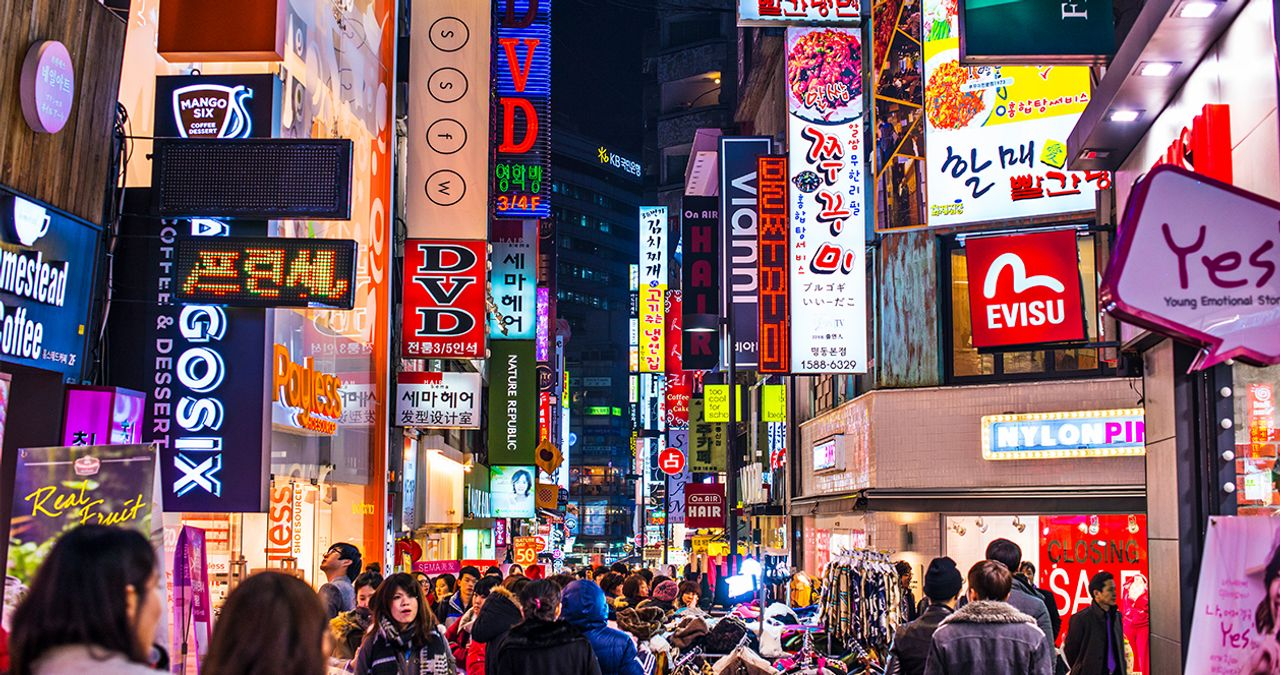
Lines of bright neon signs and moving crowds filling up the small alleys of the city of Seoul, open horizons of teal-coloured Busan's oceans reflecting shining sunlights, and arrays of breathtaking hanoks making up a village full of traditions in Jeonju - these unique experiences make a trip (or more) to Korea all worthwhile.
Korea, with its long history and booming pop culture, offers a lot more than what tour packages show. That's why our team at Creatrip decided to provide local-recommended information for a more genuine, authentic peek into the culture here.
Preparing For Your Trip
Visa
Depending on your nationality, you might need to apply for a visa before coming to Korea. Countries under the Visa Waiver Agreement, where visa-free entries for short visits are permitted, include USA, Singapore, Malaysia, Canada, Japan, Taiwan, Thailand and more. To find out more about the types of visas to Korea and visa application requirements, check out our visa summary.
Currency Exchange
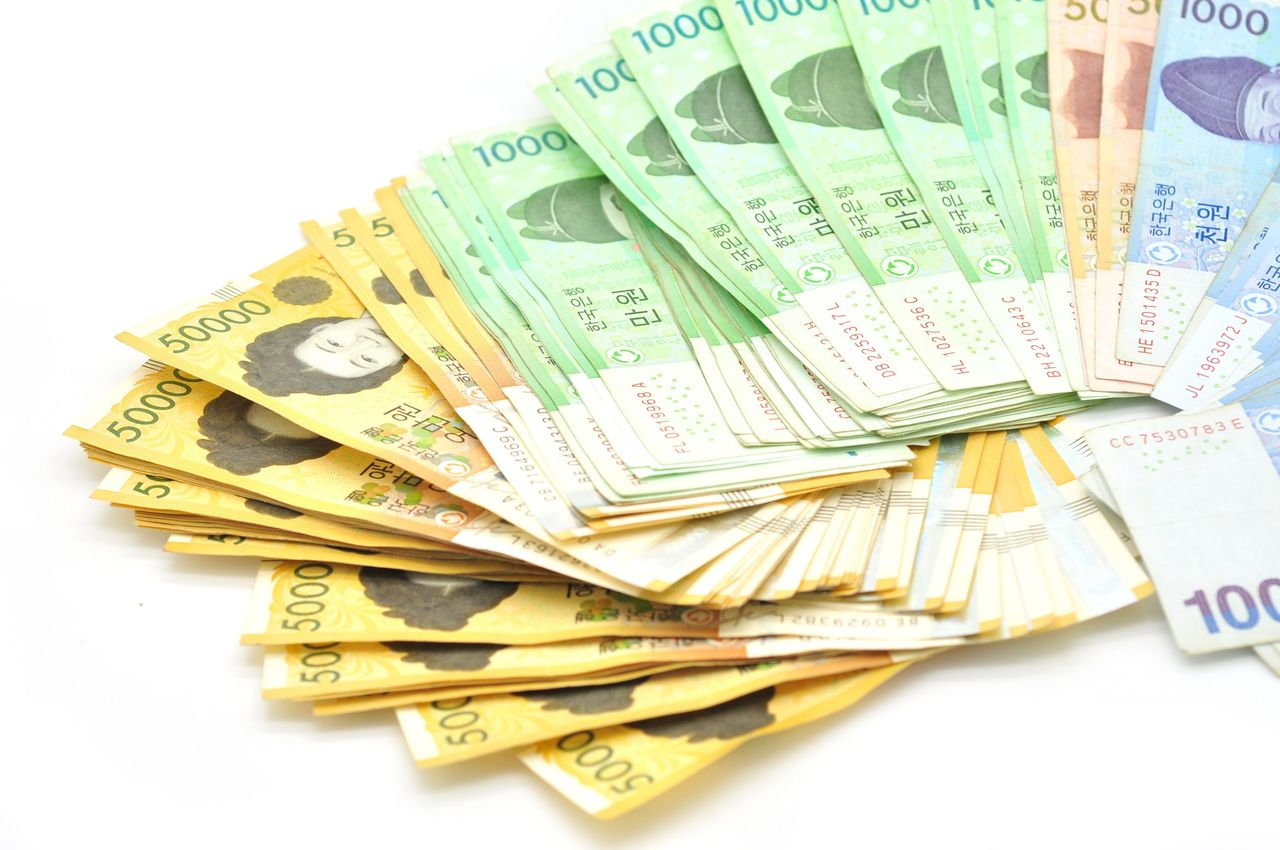 The four types of paper money you'll see in Korea are ₩50,000, ₩10,000, ₩5,000 and ₩1,000. 5 types of coins are worth ₩500, ₩100, ₩50, ₩10 and ₩1 in value. Any coin worth below ₩100 will not likely be used as they are very low in value.
Before and during your travel in Korea, check out our daily updates on currency rates in Korea and stay up to date. One of the most convenient ways to exchange money is to use Wow Exchange's automated machines. You'll find these machines in major attractions, hotels and shops throughout Seoul.
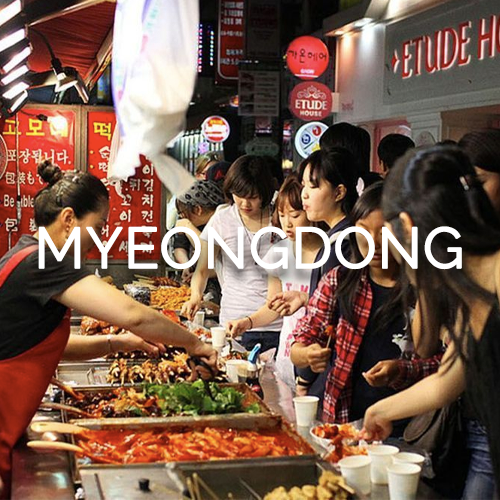
There's a cluster of currency exchange shops in Myeongdong. The ones that offer good rates include Myeongdong Embassy Money Exchange, Myeongdong Ilpumhyang Money Exchange and Myeongdong Daesin Money Exchange. We wouldn't recommend the exchange shops in Dongdaemun as their rates tend to be lower.
Airport currency exchange booths tend to have terrible rates. I wouldn't recommend you exchange your money there unless it's urgent.
Transportation
Flights to Korea
USA: The time difference is around 14 to 17 hours and flight time around 14 to 17 hours. There are over 7 airlines that operate to and from Korea, both direct and transfer flights, so you will have lots of options to choose from.
Philippines: The flight time is a little over 4 hours and the time difference is only an hour, making travelling to Korea from the Philippines nice and simple. The only downside is that Filipino nationals are required visas to enter Korea.
India: Korean Air operates flights between Korea and India and the flight time is around 8 hours.
Macau: More than 5 airlines operate flights between Korea and Macau and the flight time is around 3.5 hours. Checked baggage regulations differ by airline, so we advise you to check the regulations beforehand and pack accordingly.
Indonesia: Expect to fly a little over 7 hours and confirm checked baggage regulations beforehand.
Singapore: More than 4 airlines operate between Singapore and Korea. Flights are a little shy of 7 hours and checked baggage regulations may differ by airline.
Malaysia: Lots of flights operate between Malaysia and Incheon as well as Malaysia and Busan. Double-check your baggage requirements before packing your bags.
Vietnam: More than 8 airlines operate from Vietnam to Seoul and to Busan.
Hong Kong: More than 10 airlines operate from Vietnam to Seoul, to Busan and to Jeju. Visitors from Hong Kong surely have their options!
Transportation from Incheon International Airport
Incheon International Airport offers many different options for getting you to the city, simply choose the one that fits your schedule and budget the best.
AREX: These airport express trains will get you to Seoul Station in about an hour. The express train will go straight to Seoul Station, while the regular train will stop at key stations including Hongik University Station, Gongdeok Station and Digital Media City Station. (9,000KRW ➡ 6,400KRW when you reserve here)
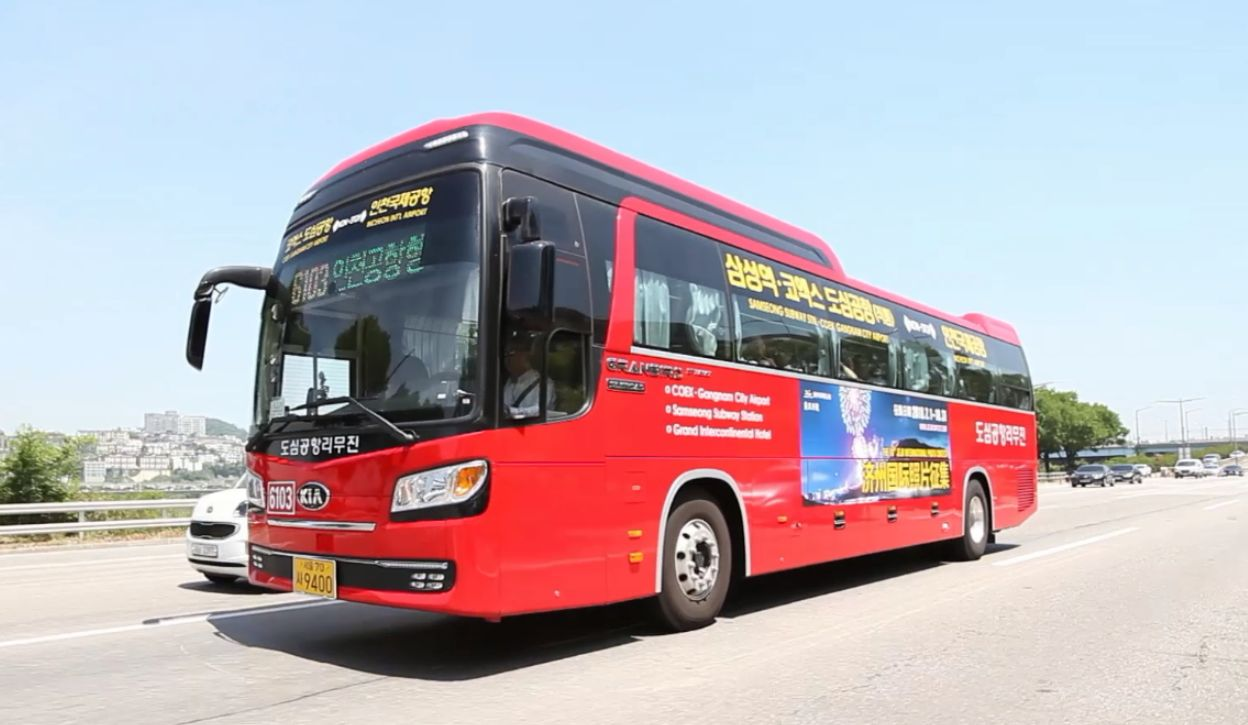
Buses: There are lots of buses that will take you from the airport to practically all the important cities and stops in Korea. If you're not sure which bus to board, look for bus ticket booths and show them the destination address. (14,000KRW and up)
Van Pickup: TADA private vans are clean and comfortable, working as a great option for group travellers (69,000KRW and up). For even bigger groups, consider a 13-person Solati van pickup (121,000KRW). If you plan on heading straight to ski resorts in Gangwondo like Vivaldi, Elysian and Yongpyong, book a Rockko pickup van (360,000KRW).
Taxis: Cost of taxis from Incheon International Airport to Seoul starts at 45,000KRW. You can also book an international taxi to operate between the airport and Seoul starting at 76,300KRW.
Luggage Delivery: You can travel light to your accommodation by using a luggage delivery service. Simply drop off your luggage at their service centre inside the airport and have your luggage delivered to your accommodation (12,000KRW and up).
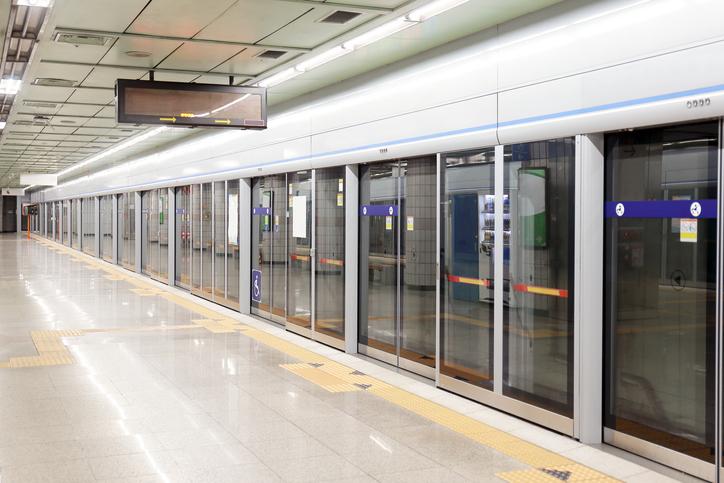
T-money: A traveller-friendly option, T-money cards are easy to purchase and use on the go. Not only can you use them on public transportation, but you can also use your T-money card at select convenience stores and cafes. You can check the balance on your phone too.
There are four colours of public buses in the Seoul metropolis, each colour indicating a different route. For example, red buses indicate express buses that connect Seoul with neighbouring cities including Incheon and Gyeonggi. Bus fares start at 900KRW for adults and 300KRW for children. There are night buses that run in Seoul as well.
Bus fares tend to be fairly similar in other cities as well.
Similar to buses, taxis in Korea are also colour-coded. Orange taxis with 'International TAXI' written on the vehicle offer free translation services in English, Chinese and Japanese. Black taxis are premium taxis which offer clean, spacious seatings but cost more.
Consider downloading ride-hailing apps such as T Map Taxi, TADA, Kakao T and Uber just in case you run into situations where you can't wave one down. Due to regulations in Korea, Uber can only operate Uber Black services for now which tend to be costly.
Ddareungi is a bike rental service operated by the city of Seoul and is available for use for anyone. If you feel like biking around the city, check out our guide on how to rent one of these bikes!
Trains, Express Buses, Domestic Flights
Express terminals throughout Korea offer transportation services from a city to another via express buses. Fares differ depending on distance and types of buses (luxury, premium and general).
KTX will get you from Seoul to Busan in just 2.5 hours. Although a pricey option, it's great for those who want to save time on transportation. For travellers planning a trip to multiple cities in 2 to 10 days, KR Pass is a great option as travellers can ride KTX and ITX at discounted prices.
Weather
Weather In Korea : Our comprehensive guide to what to wear, what to eat and what to do each season.

Simple Breakdown
Spring: Roughly from March to May, Korea's spring tends to be warm for the most part with temperatures ranging between 0ºC to 22ºC, but you still want to pack a coat or a jacket from March to mid-April. We recommend long sleeves, thick trousers, jackets and warm shoes.
Summer: From June to September, you can expect high temperatures of 22ºC to 38ºC. Summer officially starts mid- to late June and the rainy season starts in July. Remember to bring an umbrella during the monsoon season and be prepared to take in some humid heat.
Fall: Temperatures will be between 3ºC to 25ºC from September all the way to November. Make sure to layer up as temperatures can reach up to 30ºC during the day and suddenly drop down to below 15ºC at night. The good news is that humidity drops and falls in Korea tend to be mostly sunny.
Winter: Pack down jackets and scarves as temperatures will drop drastically to -15ºC to 5ºC starting in December. January and February are snowy seasons so you might run into a snowfall or two during this time period.
Other Things To Prepare Beforehand
Useful Apps : We recommend you download apps for navigating, translating and weather information. We don't recommend you use Google Maps as it tends to be inaccurate in Korea.
Voltage in Korea : We use 220v, different from 110v used in countries like Hong Kong and the USA. Lots of hotels will have multi-voltage adapters available on-site. If you're in need of getting one in Korea, you can find them in places such as Daiso.
Survival Korean : Learn basic cafe terms so you can get your cup of java nice and easy!
The Basics of Korean Culture : You might find that some Koreans are shy or closed off with interacting with foreigners while others tend to be friendly and helpful. A lot of the younger generation Koreans will speak simple English, so you won't find yourself super isolated and lost in Korea.
Restaurant Manners : There really is no need to stress about going to restaurants in Korea! Servers will likely be very understanding with foreign customers. Some restaurants with lineups have a board and a pen by their front door, a self-guided waitlist, for you to write down your name and the number of persons. Ordering at restaurants is usually easy especially if they have pictures on their menu. There's no tipping culture in Korea, so you just need to pay the amount written on the bill.
Accommodation : There are lots of different types of accommodations in Korea, from luxury hotels and quaint hanok accommodations to inexpensive guesthouses and AirBnBs. If you're looking to stay in Seoul, each region of Seoul offers different things, so you want to weigh out the pros and cons before going ahead and booking a place.
FOOD
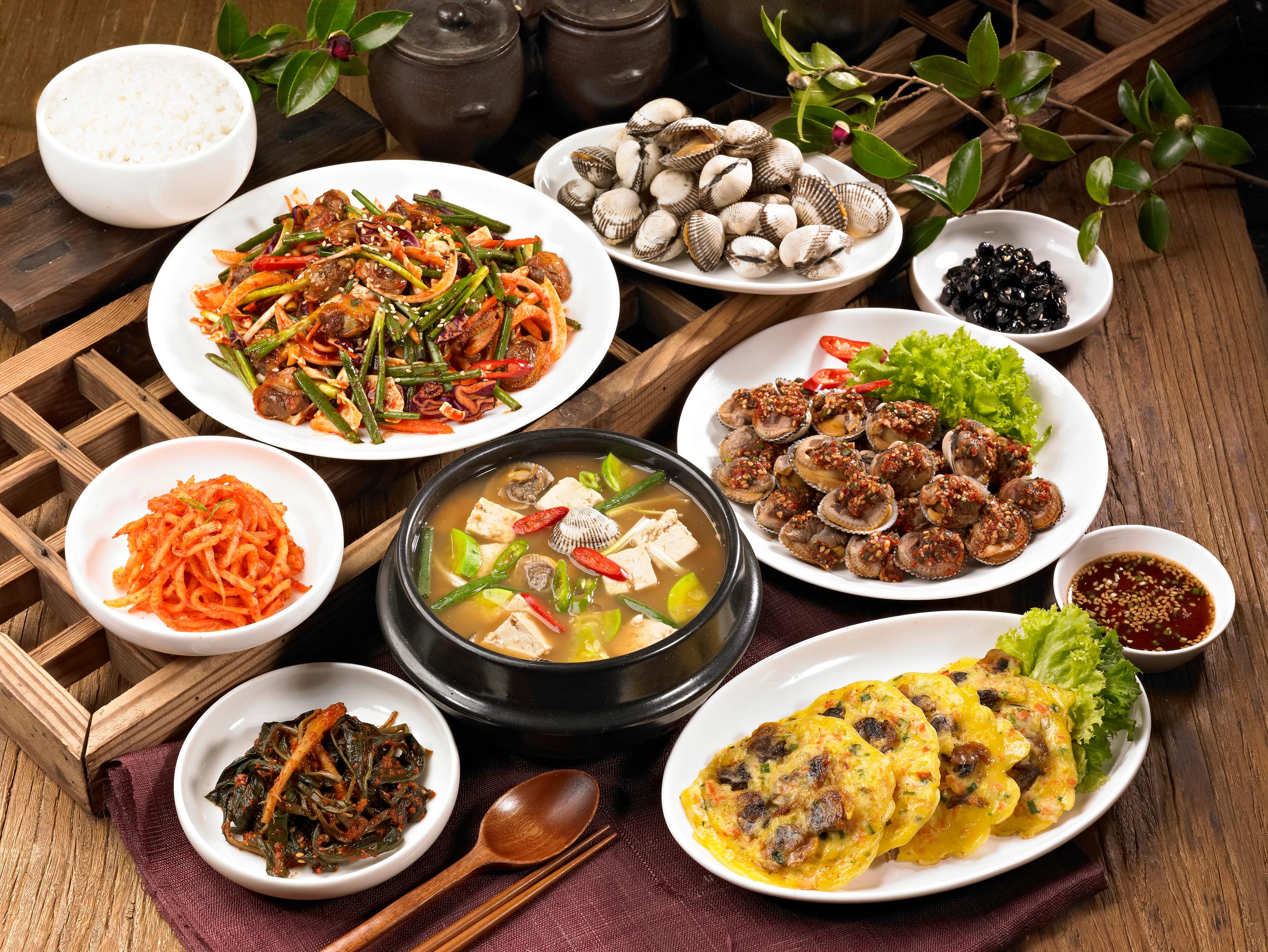
Food culture in Korea is extremely diverse, ranging from traditional dishes to new fusion dishes and inexpensive street foods. Check out our KOREA FOOD GUIDE to access information on restaurants categorized by region, cuisine, price range and more.
You can also browse our food guides by region in Seoul.
Must-Eat Classics: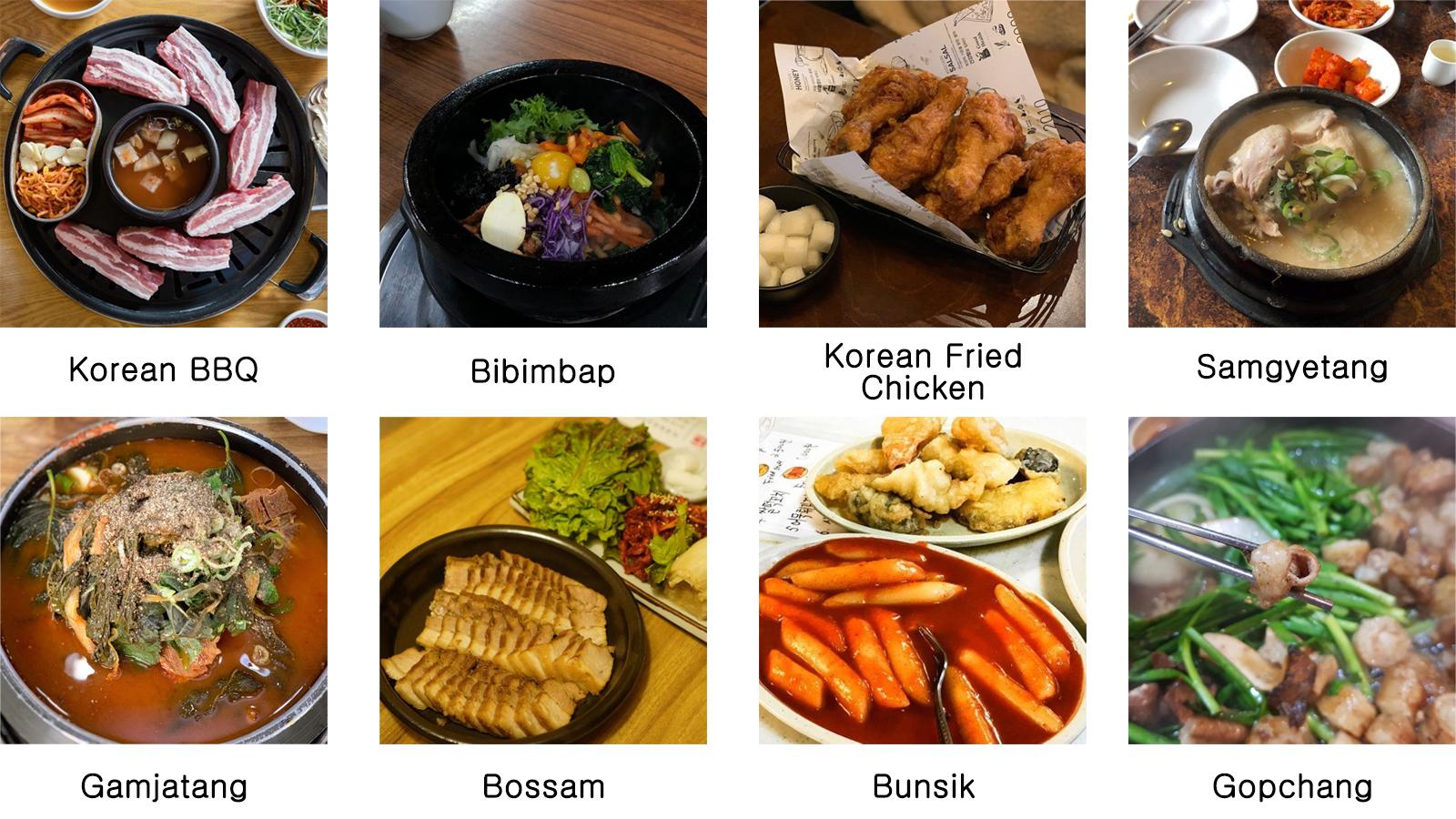
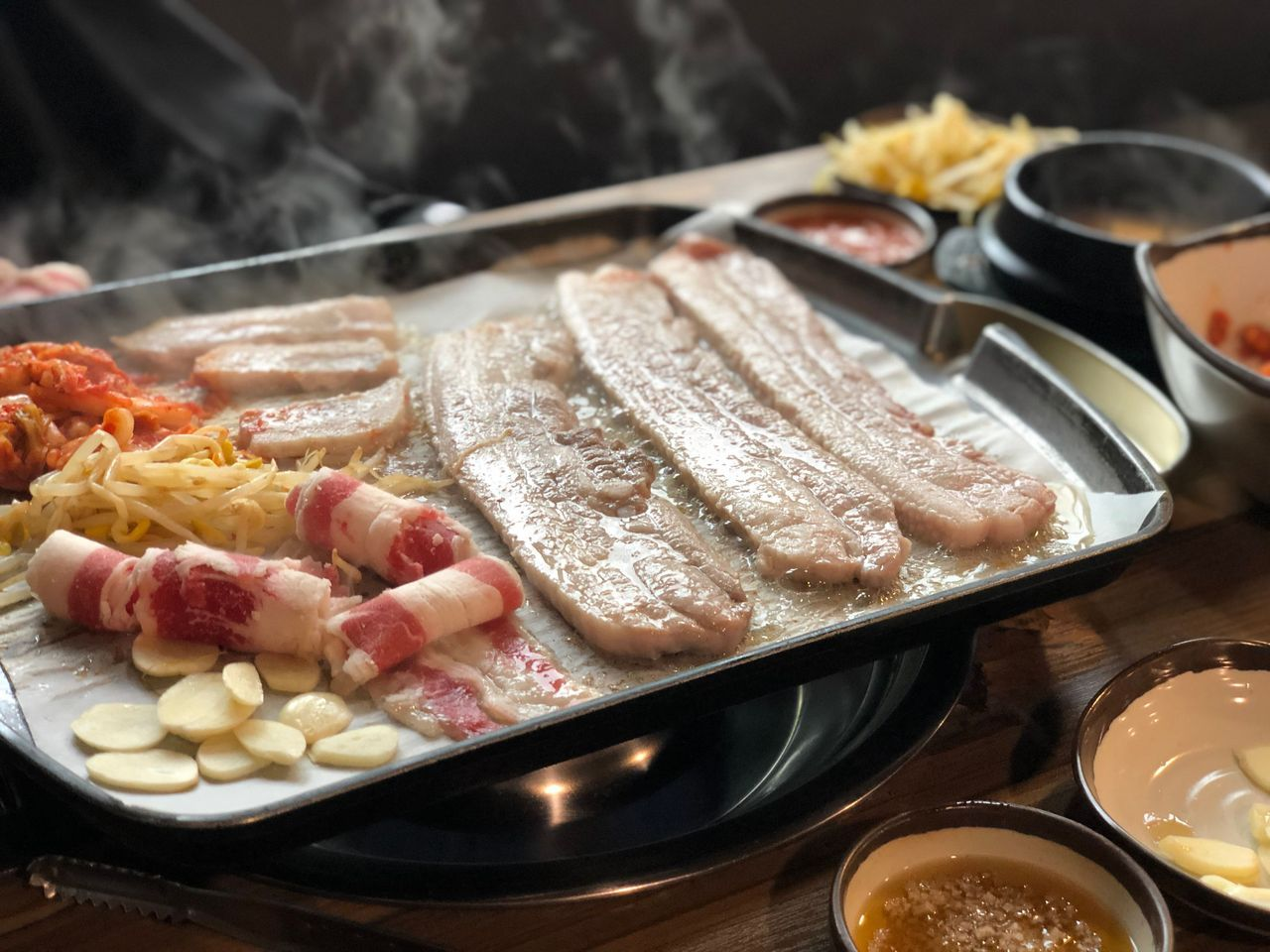
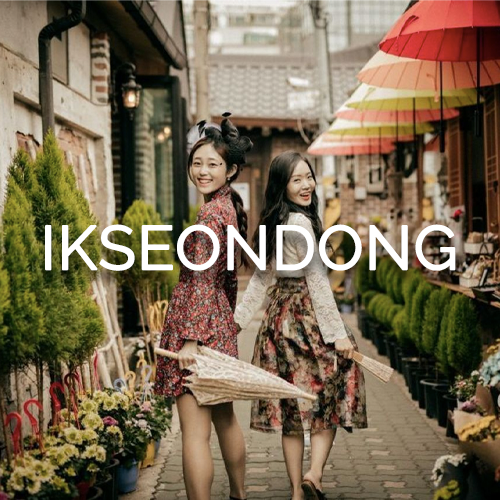
Korean BBQ is a cuisine with a global presence accessible in any big city outside of Korea, so it's quite likely that you've already had a taste of this delicious meal of meats over a grill accompanied by kimchi, lettuce wraps, rice and flavourful sauces. If you're a KBBQ lover like myself, try out different kinds of barbeques in Korea including premium hanwoo (Korean beef), all-you-can-eat KBBQ and street KBBQ in Ikseondong.
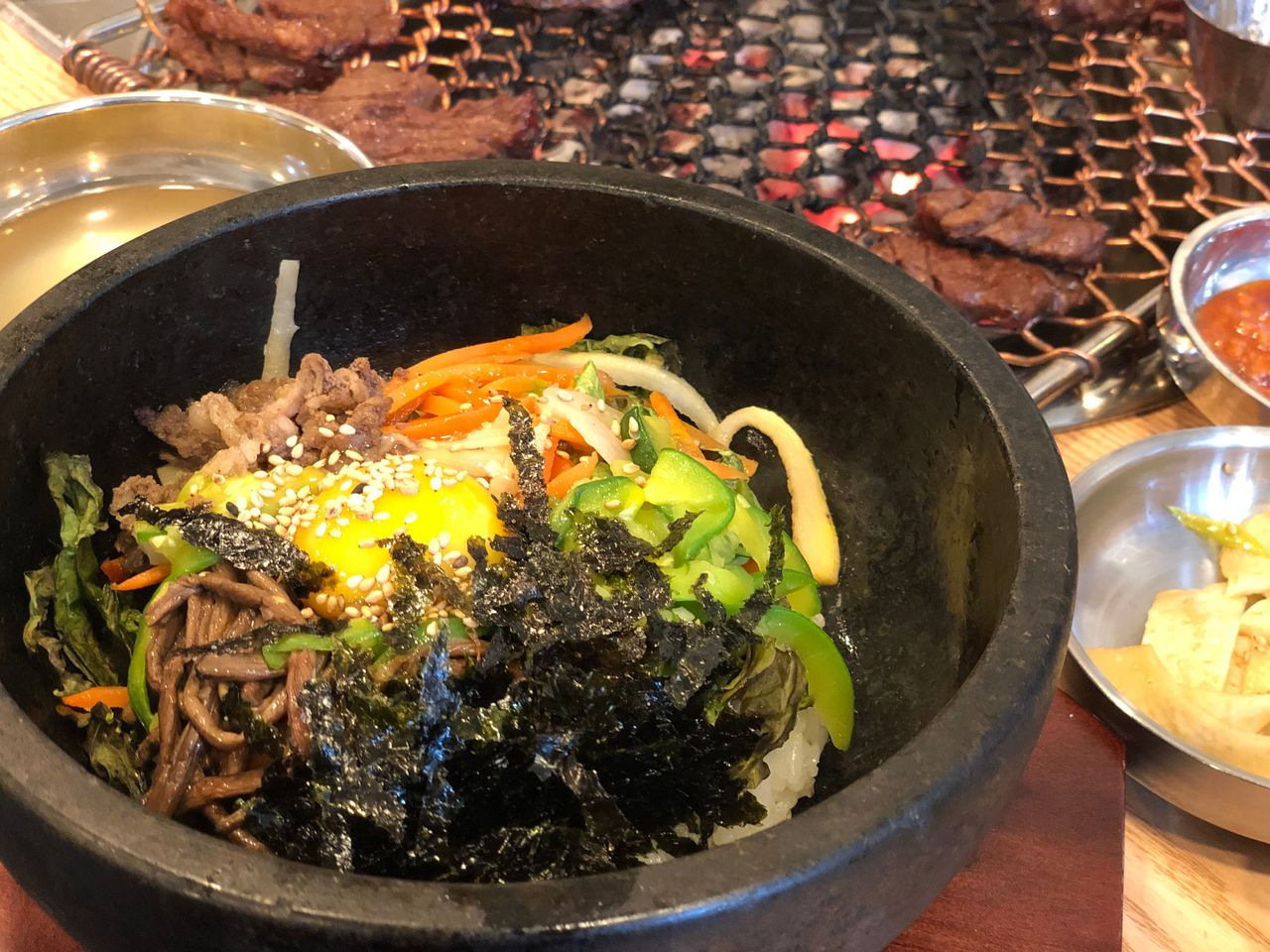
Bibimbap, a colourful dish of assorted vegetables, meat and sauces over rice, is also a popular option for many visitors. It's inexpensive, full of nutrients, and hearty. Lots of restaurants take meats out of their bibimbaps if you ask, working as a great option for vegetarian travellers as well.
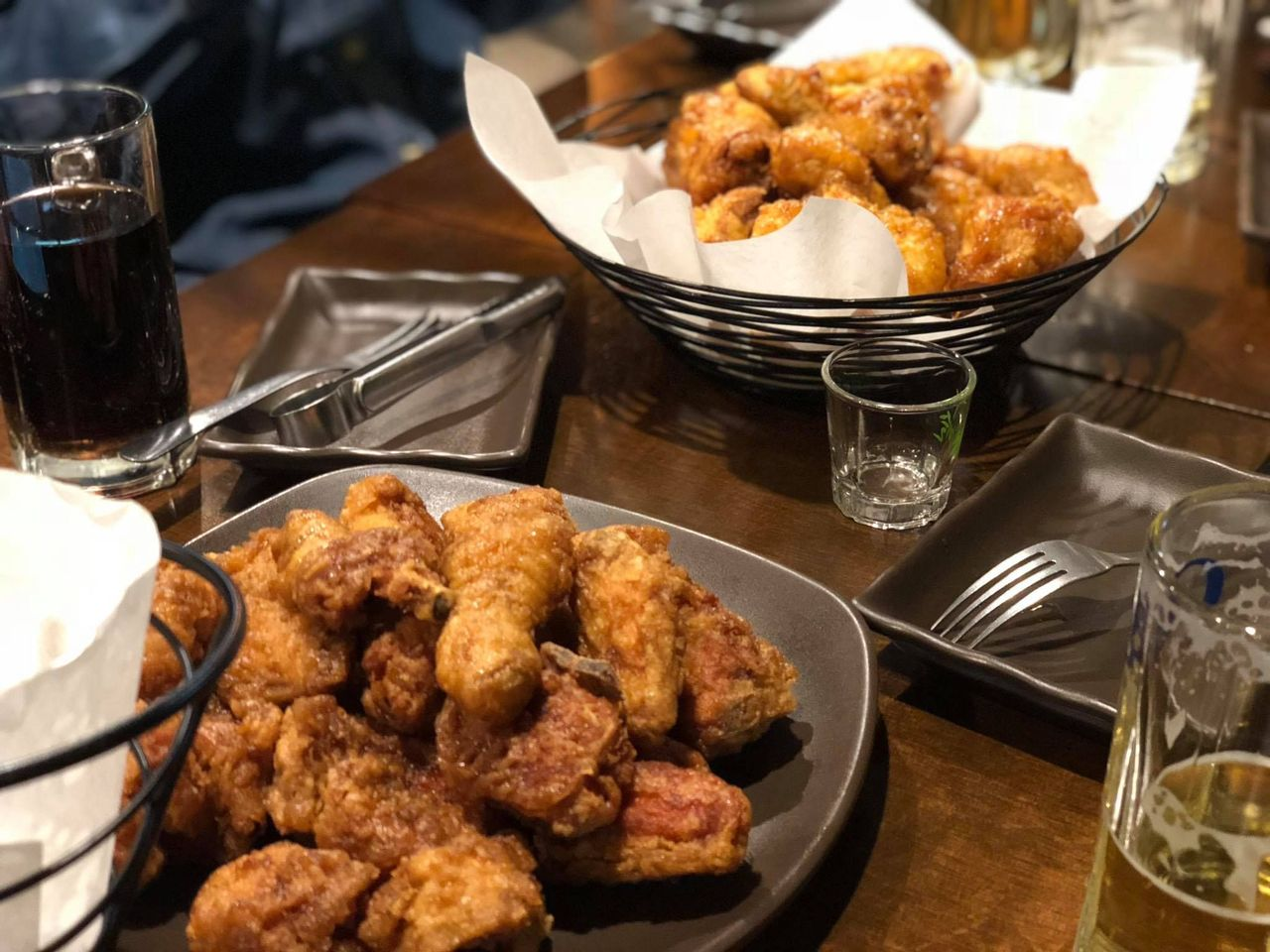
Did you know there are more Korean fried chicken places in Korea than McDonald's locations all over the world? Fried chicken is well-loved among locals as well as tourists. Steamy, crispy breading covering loads of meat underneath surely makes for a mouthwatering cuisine that also goes well with alcohol, hence the prominent chimaek (chicken and beer) culture here.
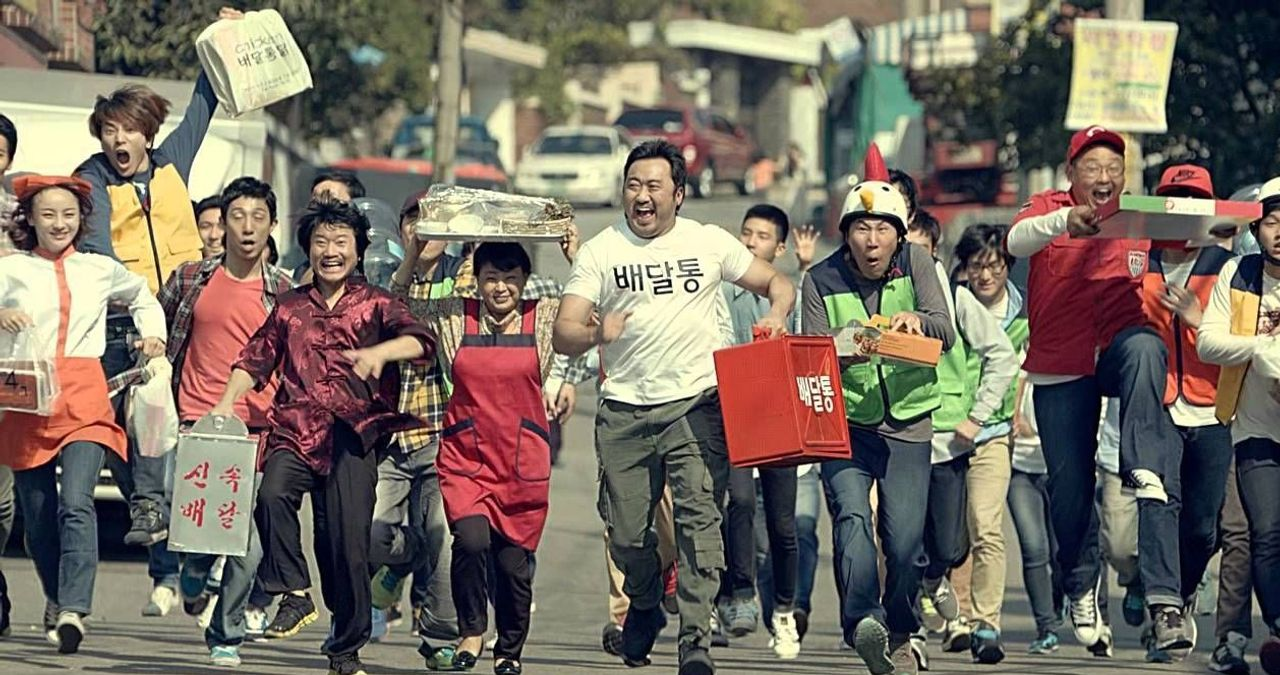
Fried chicken also makes up a huge portion of Korea's food delivery culture, available with just a click on a smartphone.
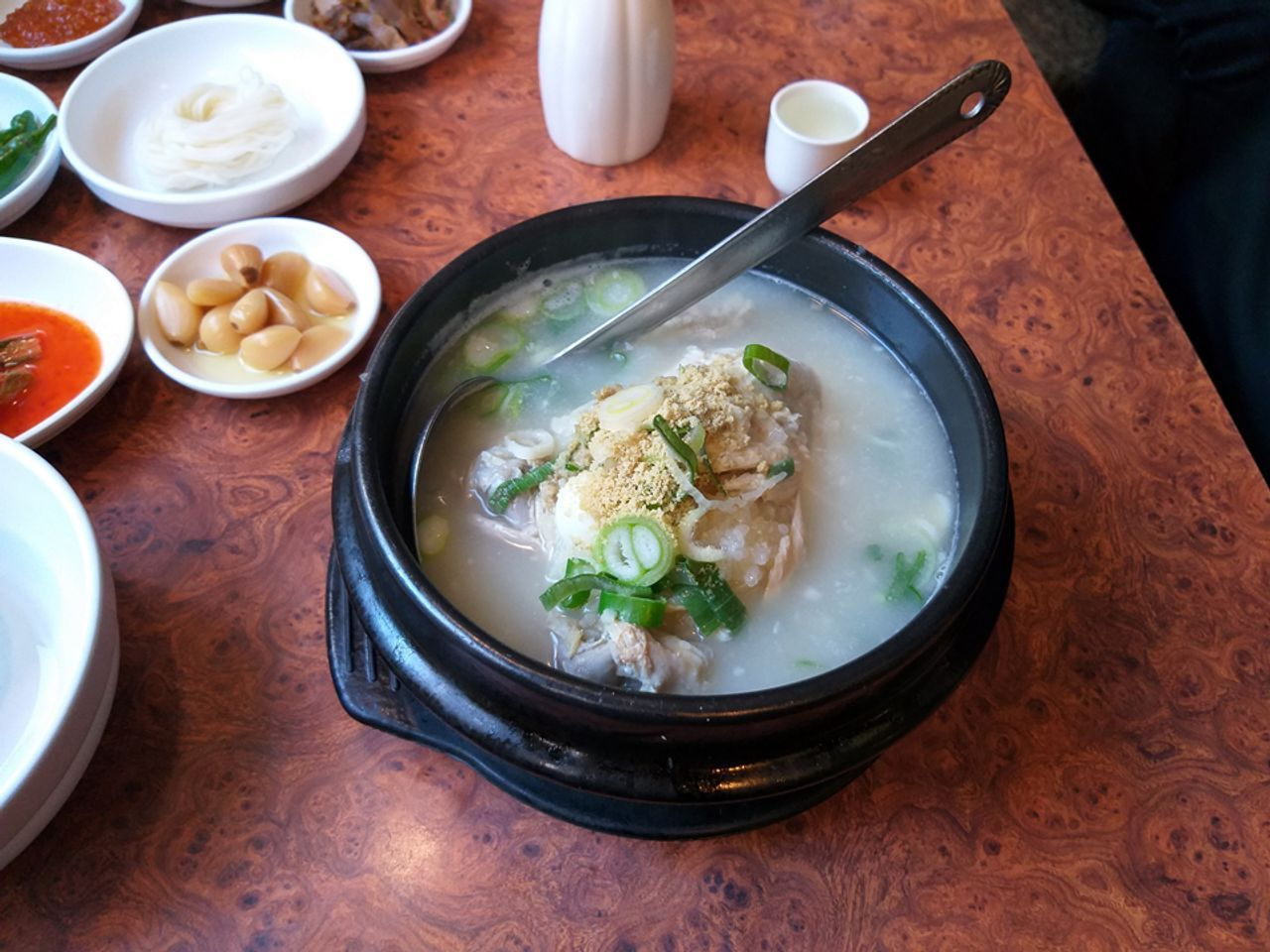
This is the go-to dish for locals who want to energize and replenish their bodies. Chicken stuffed with rice and healthy ingredients such as ginger and dates is cooked in fragrant soup for long hours, then served in a hot stone pot. Pair a chunk of the chicken with kimchi for a piquant kick to the flavour.
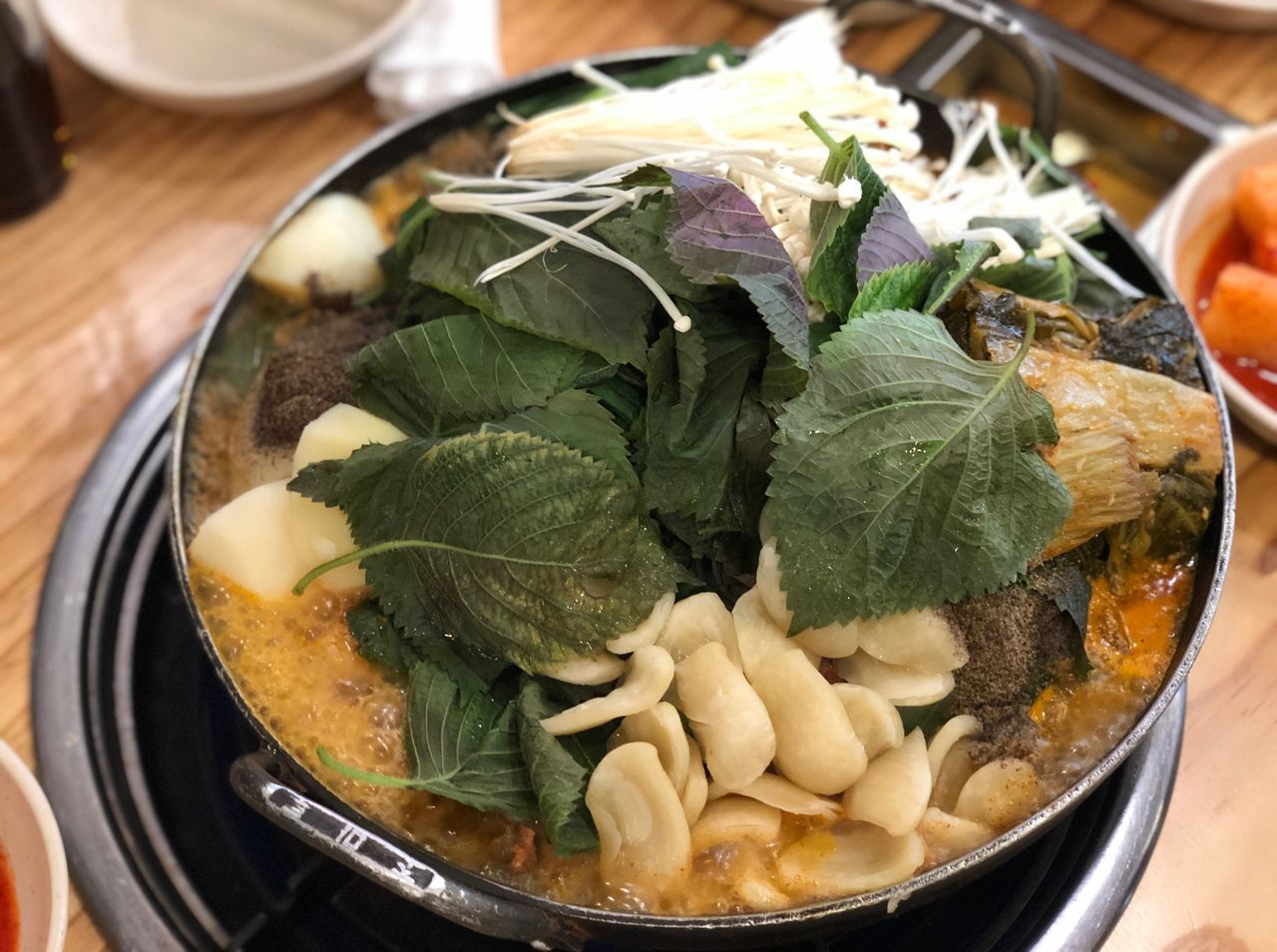
Many haejangguk (hangover soup) places serve gamjatang, savoury soup with huge chunks of pork bones and potatoes served with rice and vegetables. Lots of these places are open 24/7, so it's a worthy option if you're craving something hot and filling at the most random of times.
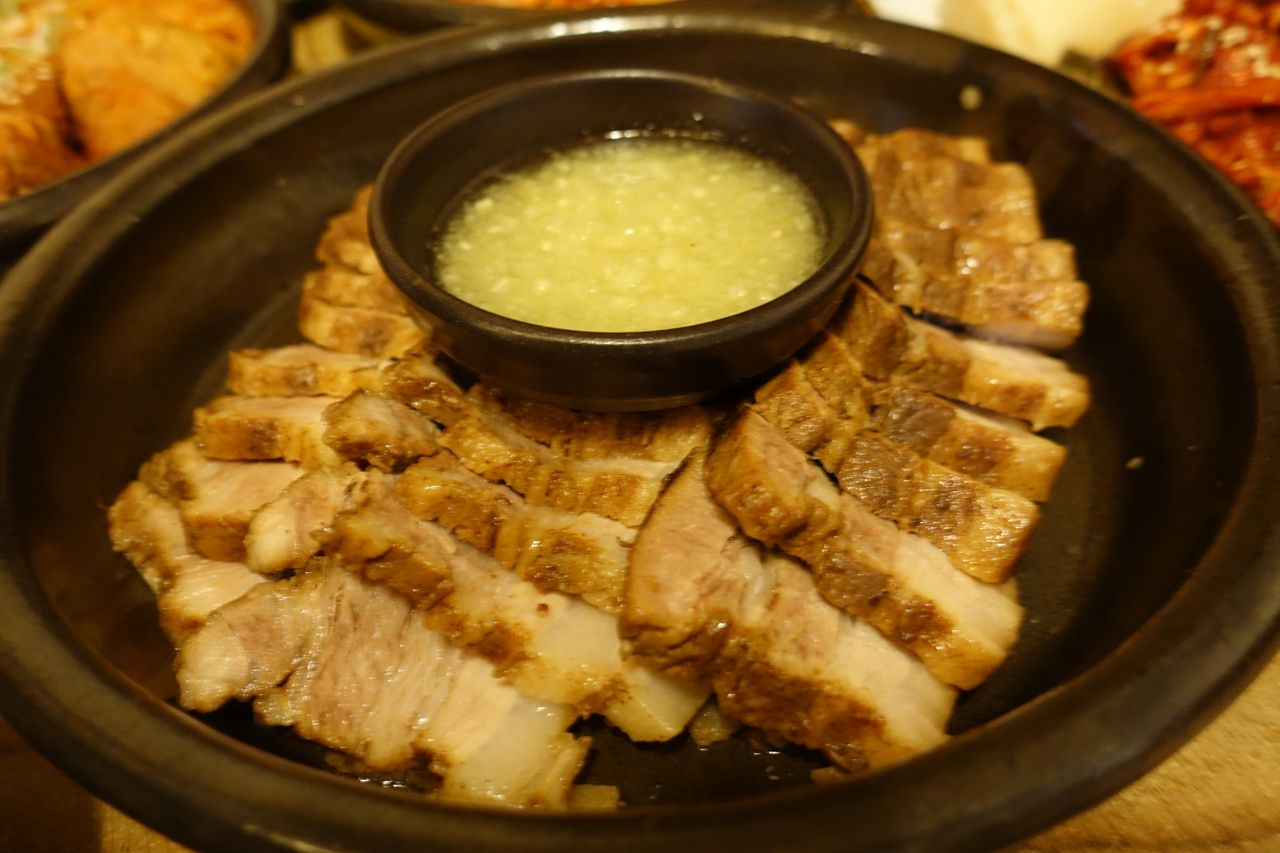
Thin slices of boiled pork are served with fresh kimchi, seasoned cabbage wraps and savoury radishes along with different sauces. Because the pork is boiled instead of grilled, it's not greasy and has a very light texture.
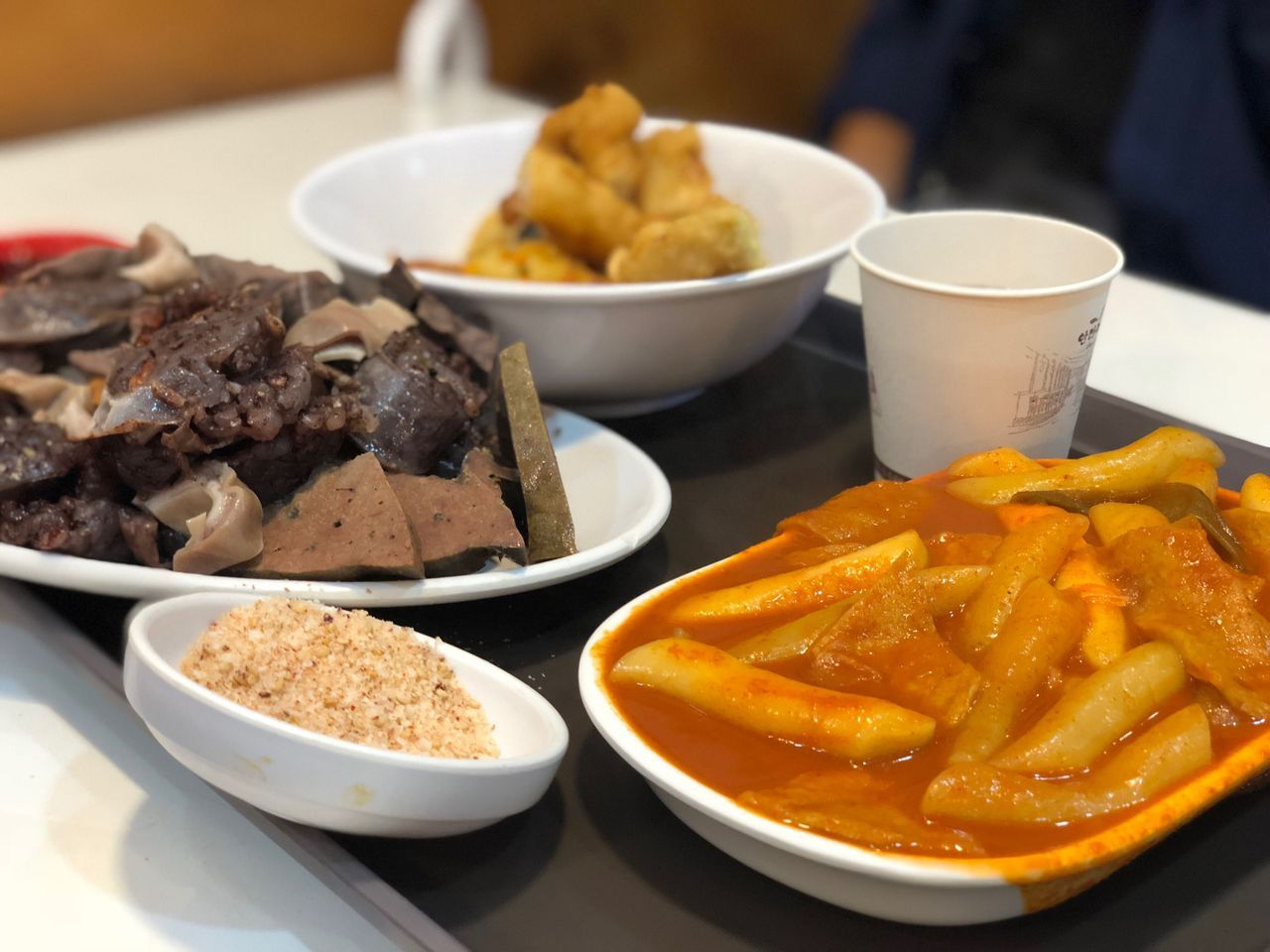
Bunsik refers to the classic combination of tteokbokki (spicy rice cake), sundae (blood sausages), assorted deep-fried ingredients and kimbap (rice and ingredients rolled in seaweed) Koreans grow up eating. Bunsikjips, or bunsik restaurants, can be found in close vicinity to local schools in Korea. Whether it's the nostalgia or simply the great tastes, bunsik dishes are widely enjoyed by locals regardless of age and gender.
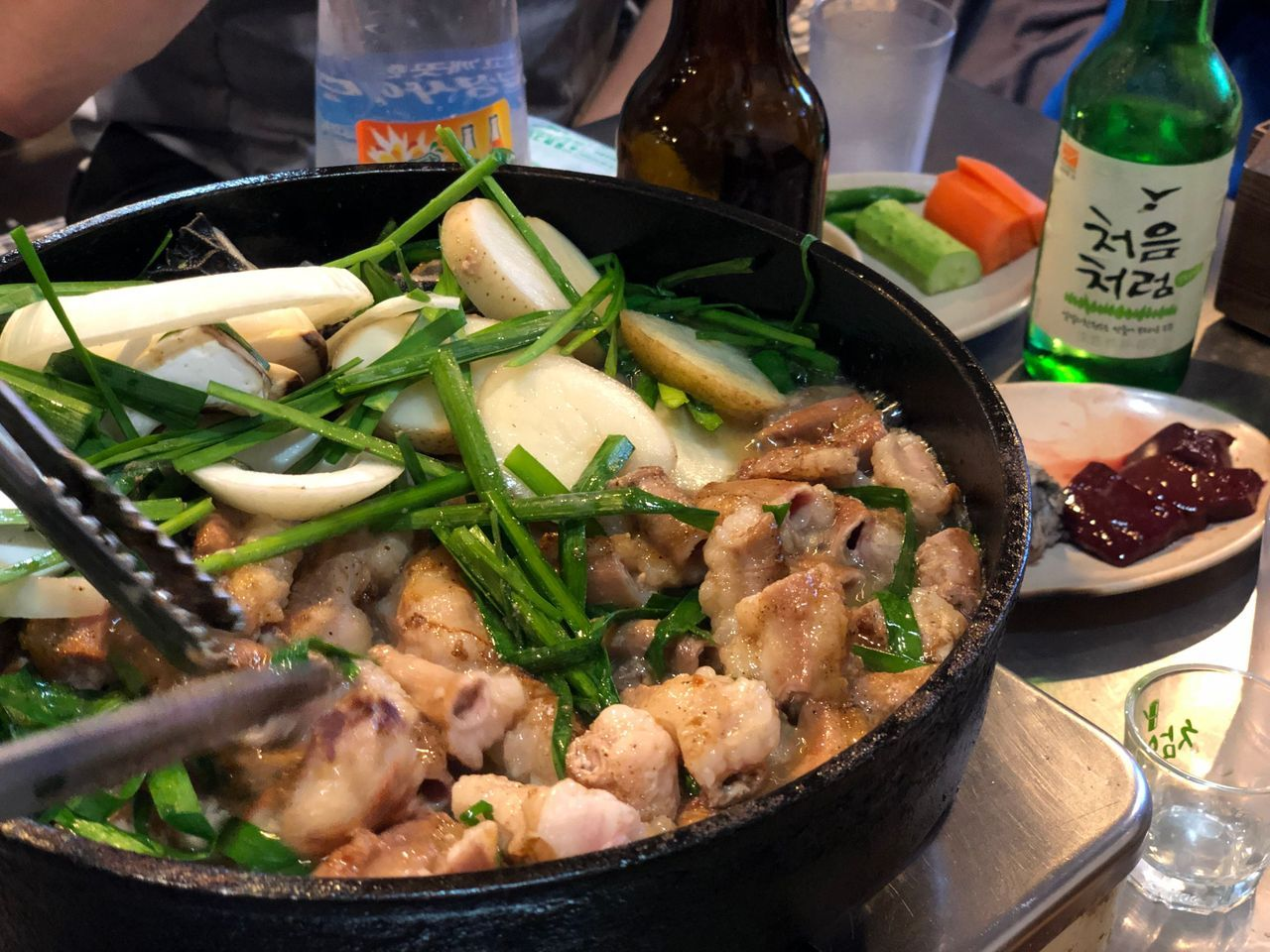
The idea of gopchang (tripes on a grill) and other intestine dishes including makchang and daechang might be strange to some and it definitely is an acquired taste. Once you get a taste of gopchang packed with flavours and juices, you'll find yourself digging in for more.
CAFES
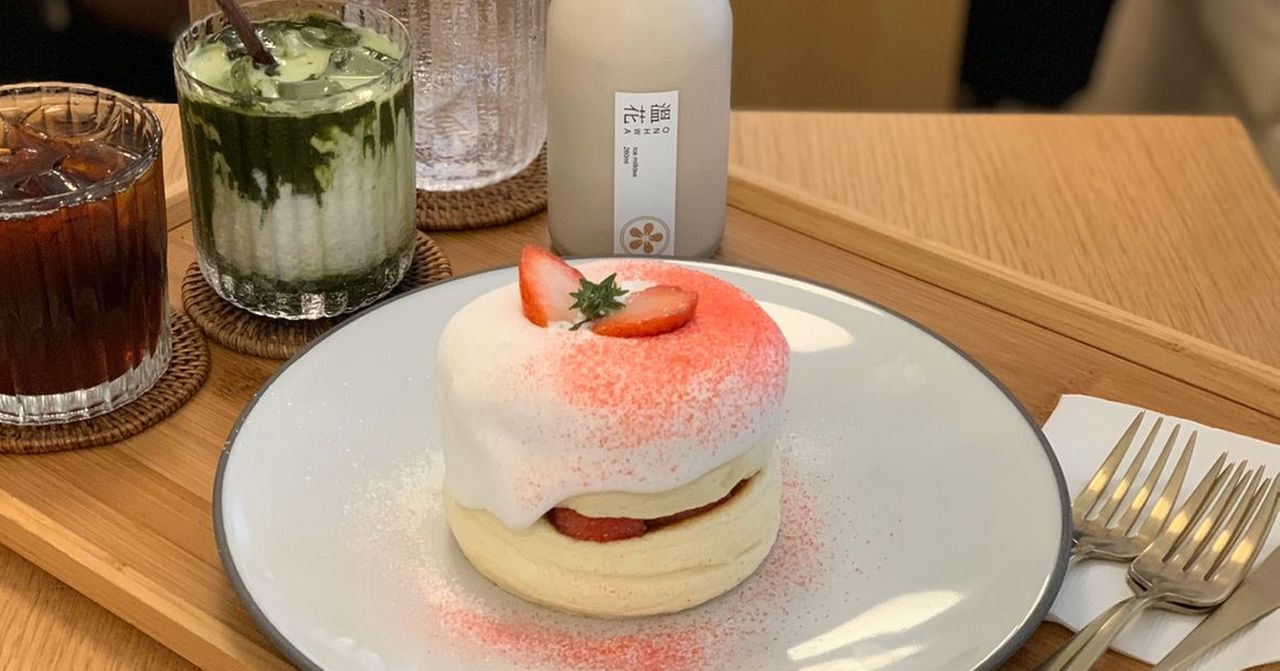
You'll find lots of unique cafes in Korea from stunning hanok cafes, traditional teahouses and tranquil gallery cafes to cafes filled with all things pink and a Harry Potter-themed cafe.
Some cafes take the quality of their coffees very seriously, while some will focus on creating desserts that are both delightful to look at and delicious, and some will focus on its Insta-worthy photo zones filled with flowers. Check out our KOREA CAFE GUIDE for a full list of cafes in Korea.
MUST-DOS
Check out our THINGS TO DO IN KOREA guide for an extensive list or check out the essentials below first:
Nightlife

Drinking
Locals like to pair dishes with certain beverages. For example, pajeon (green onion pancake) is usually paired with makgeolli (rice wine). Bars in Korea offer unique scenes featuring from locally brewed beer and traditional liquor to colourful cocktails and street drinking.
Clubs
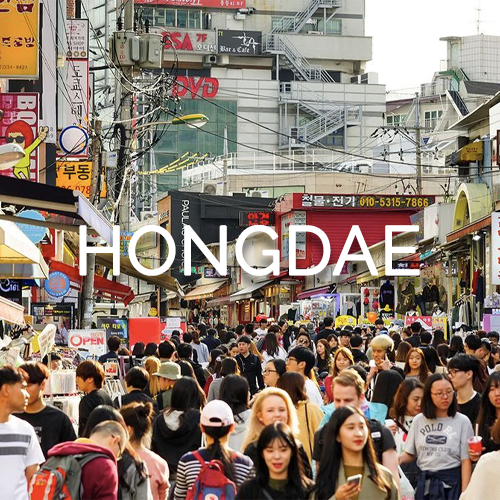
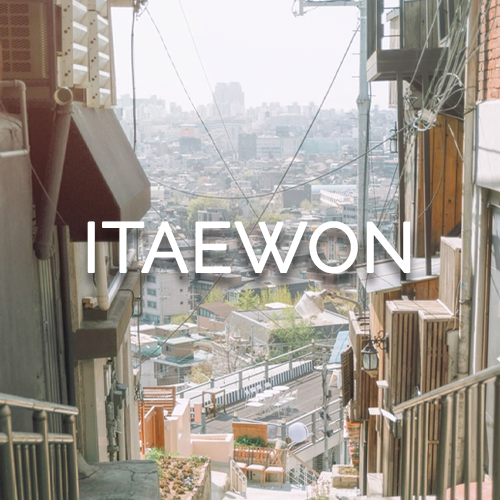
You'll find areas of Gangnam, Itaewon and Hongdae poppin' at night. You'll see lots of young office workers de-stressing the night away in Gangnam whereas, in Itaewon, you'll find yourself in the middle of international night scenes. Hongdae oozes youthful vibes as university students gather to party and drink.
Shopping
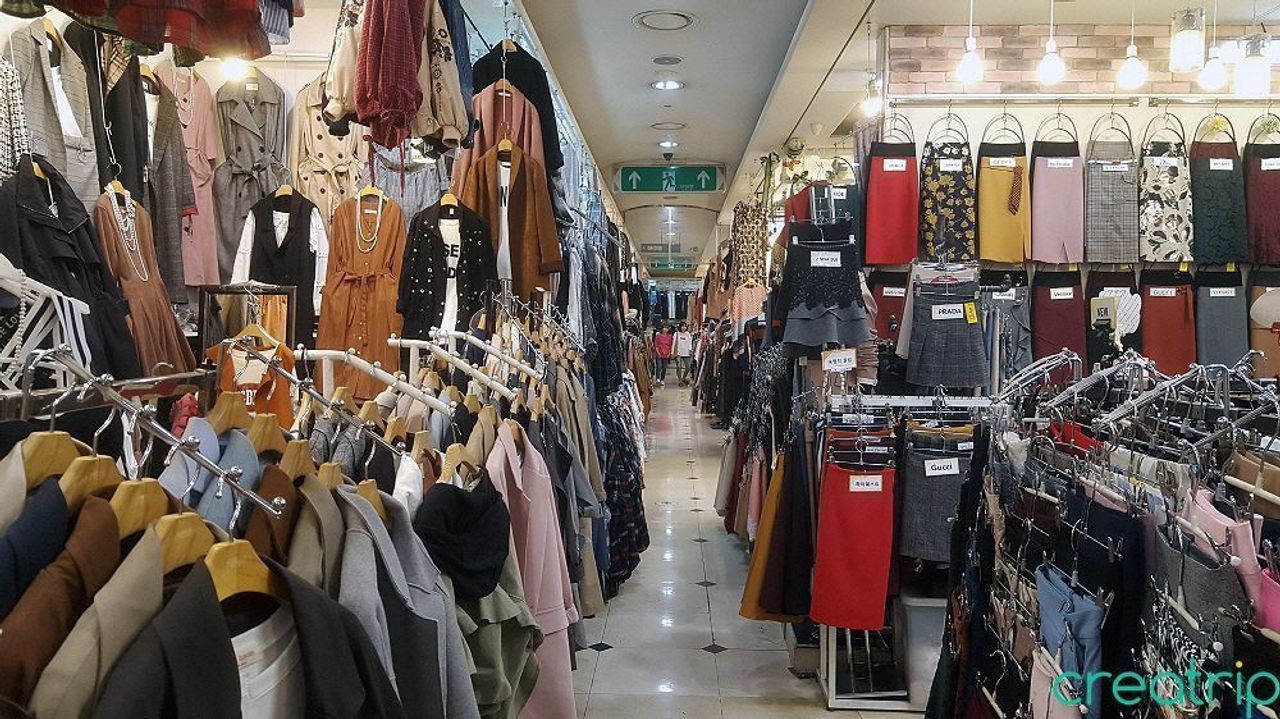 One of the must-dos in Korea has to be shopping! Whether you're looking for a load of cosmetics or Disney merchandise, Korea's got it all! Go to our KOREA SHOPPING GUIDE to find out where to find the stuff you're looking for.
Hanbok

One of the best activities to document a cultural experience in Korea is to rent a hanbok and touring around a palace or two. Check out our HANBOK OVERVIEW 2020 to see prices and locations of hanbok rental shops. A lot of these places will do your hair and makeup, as well as rent out accessories and shoes, providing a full-on hanbok experience!
Activities
 Exotic animal cafes, palaces with long histories, museums, one-day cooking classes, hiking tours, ski resorts, jjimjilbangs (Korean saunas), cherry blossoms, VR zones, beautiful beaches of Busan... The list goes on and on, and because Korea is packed with activities and fun places, it's really up to you to customize your itinerary and add on the ones that interest you.
You'll find more details on THINGS TO DO IN KOREA.
WHERE TO GO
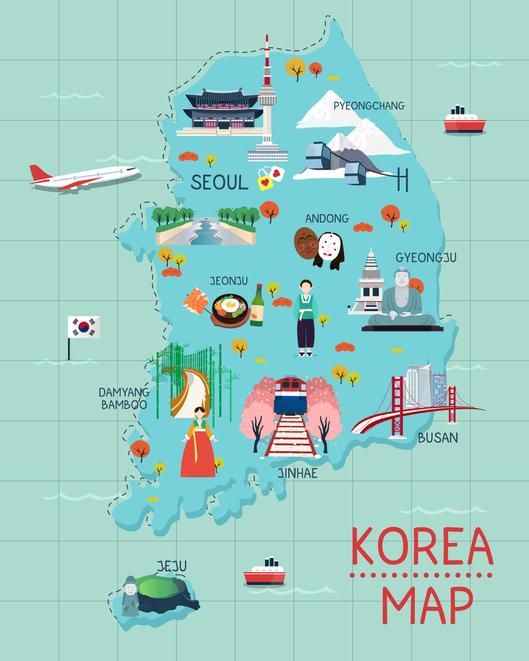
Seoul Travel Guide
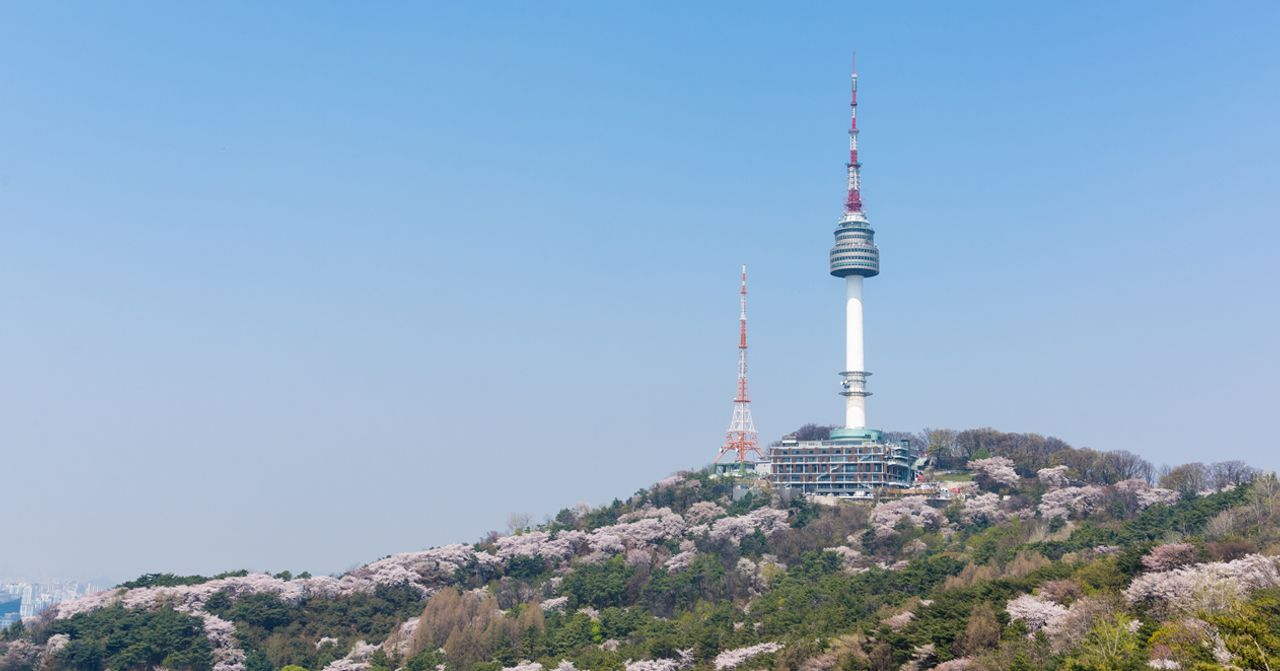
Seoul, the biggest metropolis in Korea, is great for travellers who want to experience Korea's old mixed with new.
You'll see classic restaurants with rusty plastic chairs on one street and see huge skyscrapers on the next. You'll see street stalls selling grilled food with beers and soju on one side and run into fancy bars that take their cocktails very seriously on the other. Overall, it's an amazing place to see Korea's many different colours!
Take a look at our SEOUL TRAVEL GUIDE to learn more about different areas of the city.
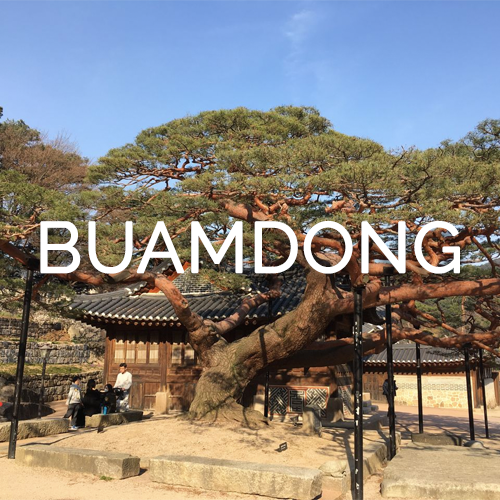
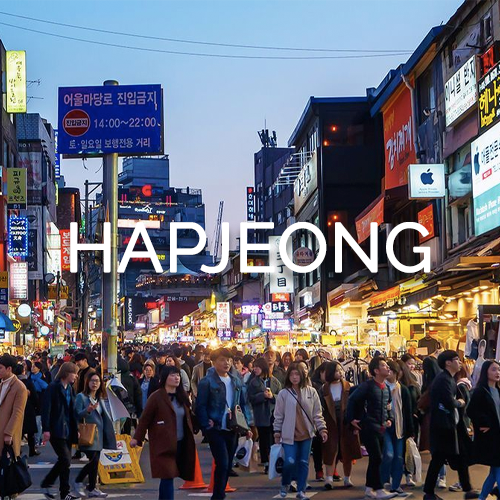
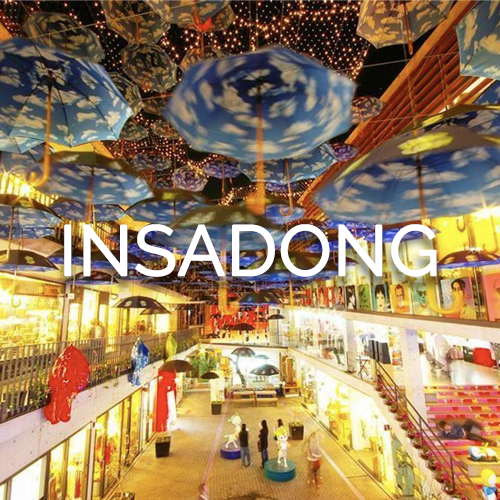
Seoul Guides By Region
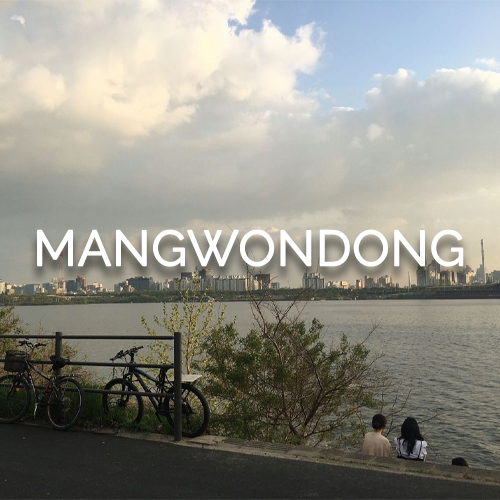
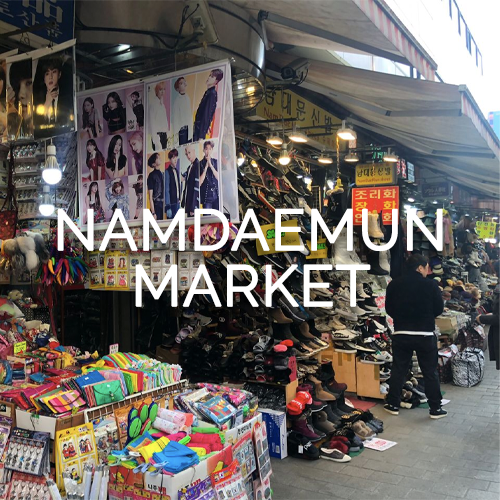
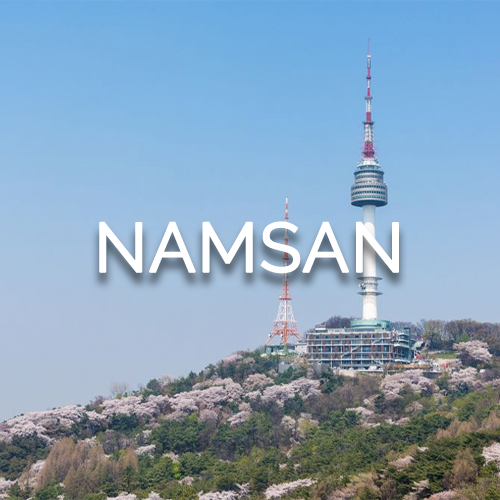
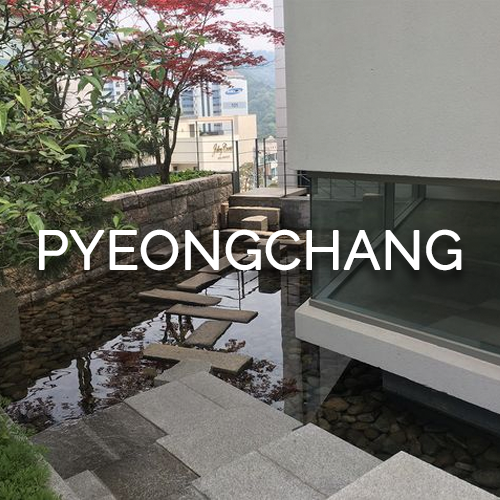
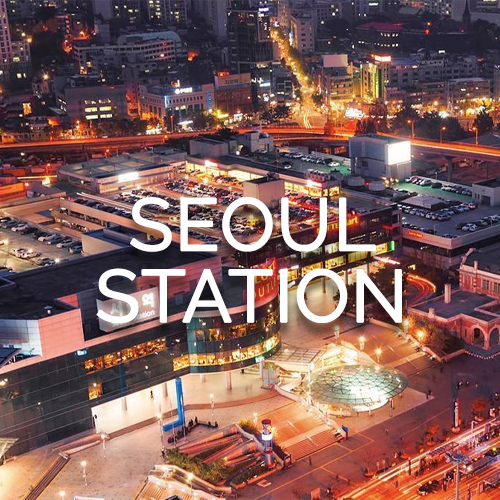
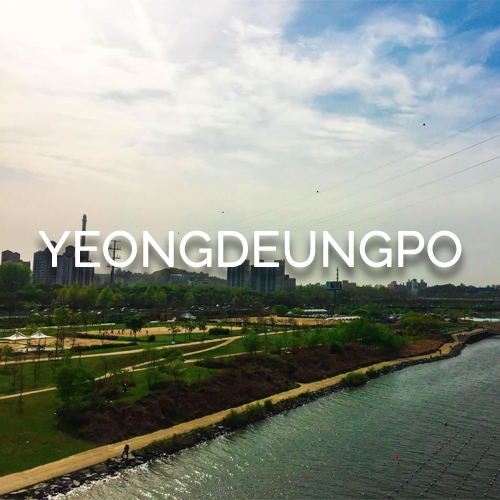
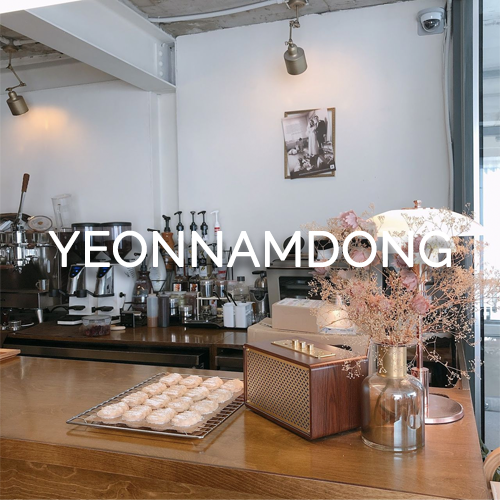
Click on the area you'd like to explore!
 | 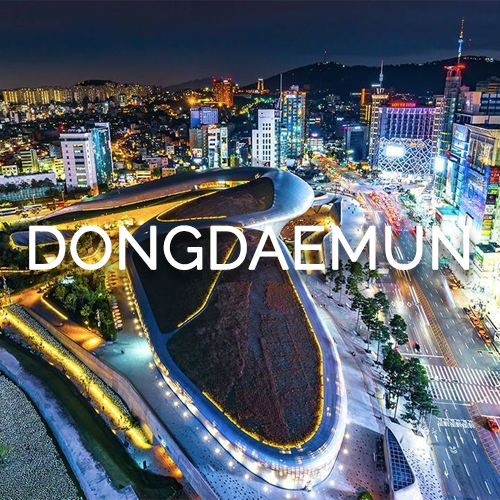 | 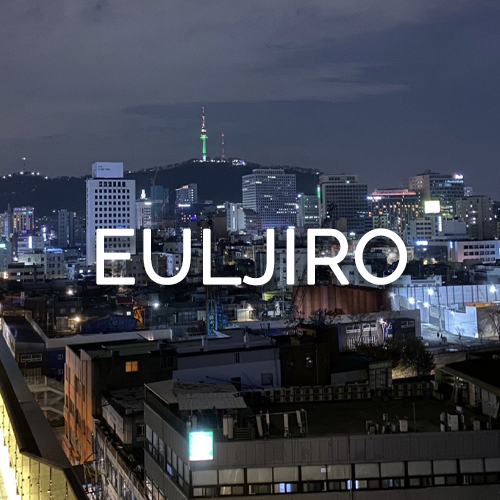 |
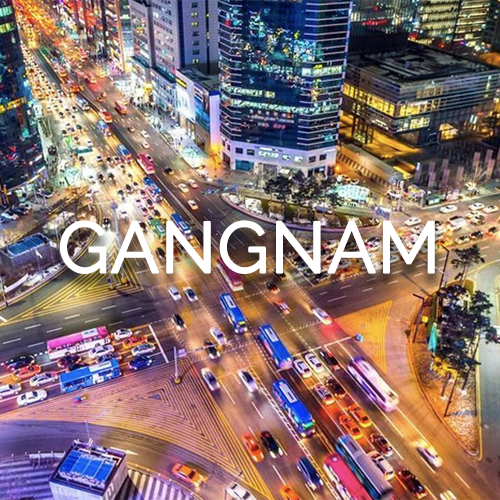 | 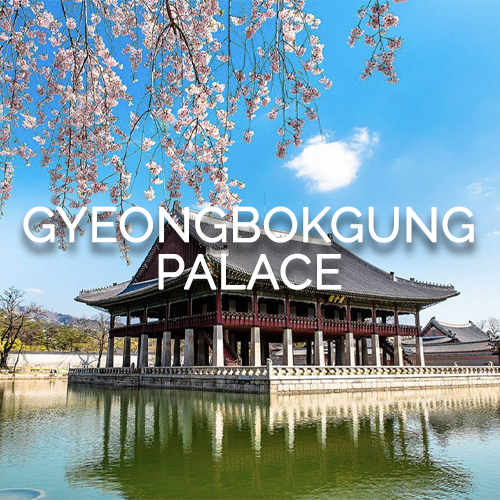 |  |
 |  |  |
 |  |  |
 |  |  |
 |  |  |
Busan Travel Guide
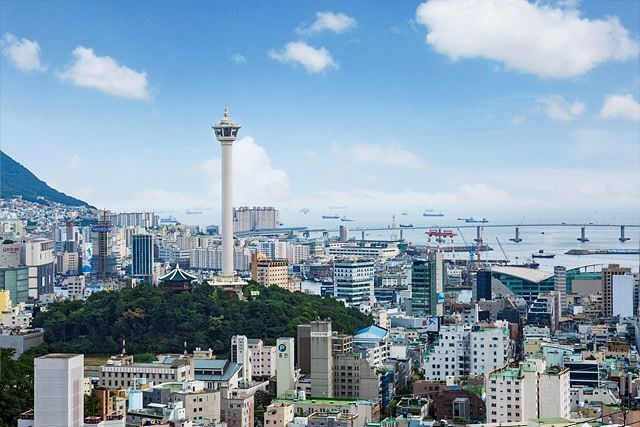
Busan is a popular destination for its beautiful beaches and amazingly fresh seafood. Young locals like to take a trip down to this bustling city to sunbathe in the daytime and devour into seafood dishes accompanied by drinks at night. Cafes in Busan boast unique views not easily found in other cities of Korea.
Transportation Guide From Seoul To Busan: Weigh out options among trains, buses and airplanes!
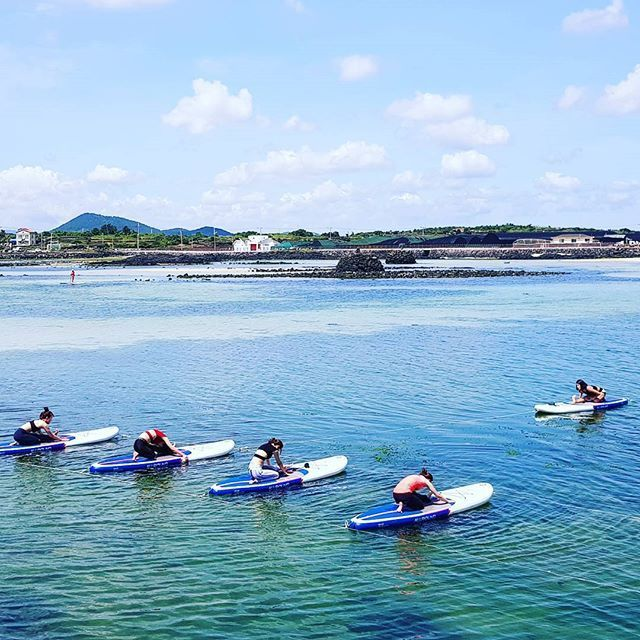
Locals go to Jeju Island for different reasons, some for a tranquil healing experience involving stunning nature views and cafes with characters, some for action-involved activities among nature, and others for its fresh food and dishes not found in land. To many locals, Jeju is a place of a vacation close to home.
DEPARTURE
One easy way to get to the airport from the heart of the city is to use the COEX express check-in service where you check in your luggage at their counters in Gangnam, get your passport checked for exit, and take the express bus that will take you straight to the airport. The express check-in is available for select airlines only so be sure to check the list of participating airlines before heading over.
We hope you found this guide helpful! There are so many wonderful things to do in Korea that one or two trips can't do it justice. We continuously update and add on to this post, so do check back for when you plan your next trip here.
ABOUT THE CULTURE
If you'd like to gain more understanding about Korea and its culture. Check out some of the articles below:
Korean Dialects: Just as many other countries in the world, different regions of Korea have different dialects.
 7 Strange Things About Korea: You might find some of these things odd, but they are completely okay to locals here!

6 Unusual Things You Can Find In Korea: If you're feeling like a truly local experience, try any of the 6 on the list (except for Hwabyung)!
What To Expect At A Korean Wedding: If you're going to be in Korea for a wedding, find out things you can expect at a typical wedding.

8 Perks Of Living In Korea: Are you considering living in Korea whether permanently or just for some time? Read up about these perks and see exactly what you'll love about living here!
If you have questions and comments regarding information not covered in this post, please leave a comment below or email us at help@creatrip.com.
Book all things trending in Korea on Creatrip! If you have any questions or concerns, please leave a comment below or send us an email at help@creatrip.com! You can follow us on Instagram, TikTok, Threads, and Youtube to stay updated on all things Korea!