
Seoul to Busan: KTX, SRT, Bus & Flight Comparison (2026)
From a traveler’s perspective, I’ll clearly explain the differences between KTX, SRT, express buses, and airplanes — covering travel time, approximate cost, and ease of getting around after arrival.

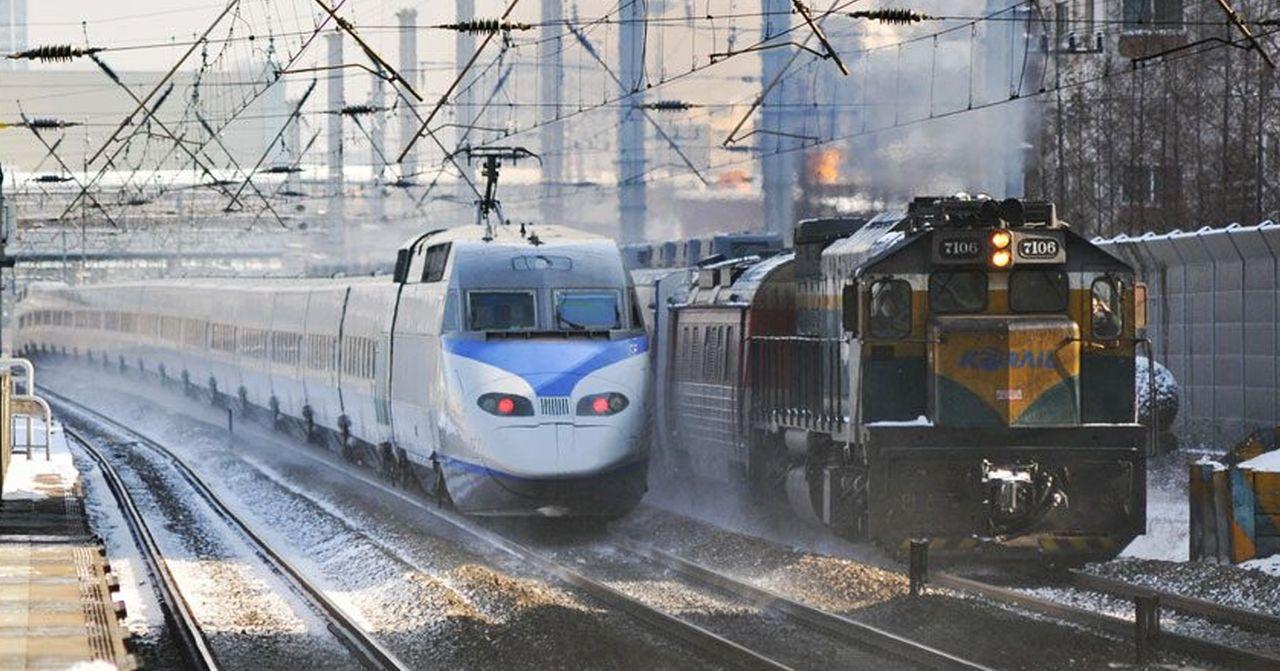
- If you’re going from Seoul to Busan, which option is ultimately the most convenient?
- What’s the difference between KTX and SRT, and which should you choose if you’re departing from Seoul?
- Where do express buses arrive in Busan? Which is more convenient, Nopo or Sasang?
- Who is the express bus recommended for?
- When is it convenient to choose a flight?
- What should you check before booking?
- FAQ about getting from Seoul to Busan
- From Seoul to Busan, not sure which transport to choose?
Last updated: July 20, 2026
If you’re traveling from Seoul to Busan, KTX is the most reliable and convenient option for most travelers. SRT may be more convenient if you’re staying in Gangnam, while an express bus is best for budget travelers. Flying is mainly worth considering if you’re already near Gimpo Airport.
For this guide, Creatrip’s Korea-based editors visited Busan Central Bus Terminal in Nopo and Busan West Bus Terminal in Sasang and reviewed onward routes from Busan Station. We compared travel times, estimated fares, and local connections to help international travelers choose the most practical option. Based on travel time, estimated costs, and how efficiently you can get around after arriving in Busan, we organized the options from a traveler’s perspective so they’re easy to compare. Please note that fares, schedules, and departure and arrival terminals can change depending on the season, so be sure to check the latest operating information on the official booking page before you make your reservation.
If you’re going from Seoul to Busan, which option is ultimately the most convenient?
If it’s your first trip to Korea, the easiest option to use is the KTX. It’s convenient to travel from Seoul Station to Busan Station, and it offers a well-balanced mix of travel time, simplicity, and smooth connections after you arrive in Busan.
On the other hand, if you’re staying around Gangnam, Jamsil, or the Suseo area, SRT is a good choice. If your top priority is the lowest price, go with an express bus. If you’re staying near Gimpo Airport or can grab a cheap flight, flying is also an option.
Transportation Comparison Table (Seoul to Busan)
Transportation option | Travel time | Estimated fare | Arrival station/terminal on the Busan side | Best-matched areas to stay on the Seoul side | Main features |
|---|---|---|---|---|---|
KTX | About 2 hr 30 min | From ₩60,000 | Busan Station | Myeongdong, Hongdae, around Seoul Station | Runs frequently and connects Seoul Station to Busan Station directly, the easiest option for travelers to understand |
SRT | About 2 hr 20 min | From ₩52,000 | Busan Station | Gangnam, Jamsil, around Suseo | Mainly departs from and arrives at the Gangnam area (Suseo Station), convenient if the location works for you |
Express bus | About 4 hours and up | From ₩25,000 | Nopo or Sasang | Around the Express Bus Terminal, southern Gangnam area | Often the cheapest, and it’s easy to pick a late-night bus, however depending on the class, the price difference vs. rail can be small |
Plane | About 1 hour (*) | Varies | Gimhae International Airport | Around Gimpo Airport | Worth considering if you’re staying around Gimpo Airport |
Note: the travel times above are approximate in-vehicle/in-flight times. They do not include getting to the station or airport, security checks, or travel after arriving in Busan. Especially for flights, once you include airport access, KTX or SRT can sometimes be more efficient overall.
Times and fares are approximate and vary by service, route, seat class, traffic, and booking date. Flight time does not include airport transfers, check-in, or security screening. Bus arrival terminals also vary by route, so check the exact departure and arrival points before booking.
(Fare information checked on July 20, 2026, using the official KORAIL and SRT booking websites. Prices vary depending on seat class, time of day, and when you book, so please check the latest fares on each transport provider’s official booking page before you reserve.)
If you’re unsure, we recommend choosing based on where you’re staying and what matters most to you
- If it’s your first trip to Korea and you’re staying around Myeongdong, Hongdae, or Seoul Station, choose 【KTX】
- If you’re staying around Gangnam, Jamsil, or the Suseo area, choose 【SRT】
- If you want to keep transportation costs down, or you want to travel late at night, choose 【express bus】
- If you’re already near Gimpo Airport and the flight options work well for you, choose 【plane】
What’s the difference between KTX and SRT, and which should you choose if you’re departing from Seoul?
If you’re unsure about how to get between Seoul and Busan, the easiest way to decide is based on where you’re staying. If your base is around Myeongdong, Hongdae, or Seoul Station, taking KTX is the most convenient option. If you’re based around Gangnam, Jamsil, or the Suseo area, it’s more efficient to use the SRT.
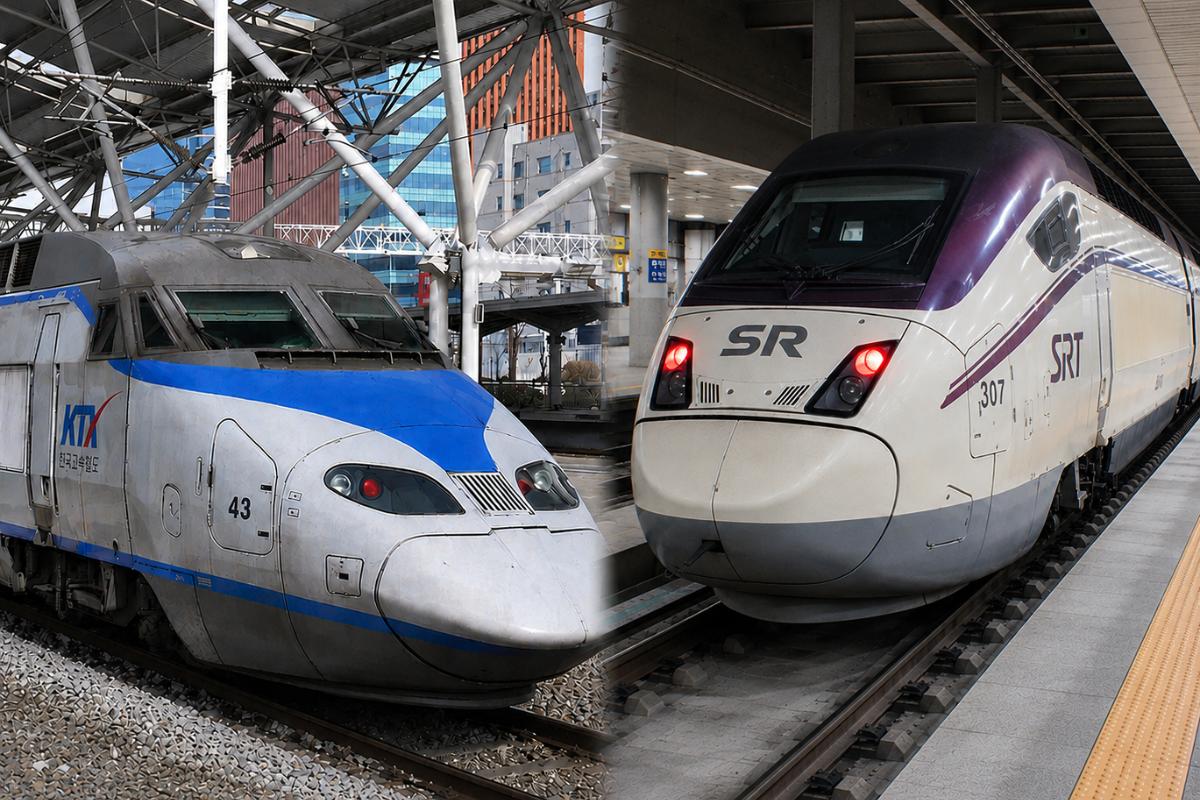
The biggest advantage of KTX is its direct city-center connection between Seoul Station and Busan Station. Both stations are linked to local public transportation, making onward travel relatively straightforward for first-time visitors. From there, it’s also easy to reach sightseeing areas like Seomyeon and Nampodong by transferring to the subway, which makes planning your travel route much simpler.
On the other hand, SRT is especially convenient for travelers staying in the Gangnam area. If you’re staying in southern Seoul, departing from Suseo Station may save you the cross-city journey to Seoul Station. However, compare the total travel time from your accommodation, as access to Suseo can be less convenient from northern or central Seoul.
Most SRT services still use Suseo Station. However, a limited Seoul Station–Busan Station SRT service began operating as part of a pilot program on February 25, 2026. Because only selected trains use Seoul Station, check the train number and departure station carefully when booking.
Where do express buses arrive in Busan? Which is more convenient, Nopo or Sasang?
If you’re traveling from Seoul to Busan by bus, check the exact departure and arrival terminals before booking. Many express buses on the Seoul–Busan route use Busan Central Bus Terminal in Nopo, while services to Busan West Bus Terminal in Sasang may depart from a different terminal in Seoul or be classified differently depending on the route. Because schedules and terminal combinations vary, confirm both terminals on the official booking page rather than choosing based on price alone.
Also, while express buses are certainly a budget-friendly way to get around, if you choose the highest seat grade, Premium, the price difference compared with a standard-class ticket on high-speed rail (SRT or KTX) is not that large. Rather than judging purely by the low fare, it is more practical to compare the arrival location, the roughly 4-hour travel time, and seat comfort as well.
Busan Bus Terminal Comparison Chart
Facility | Ease of access | Best for | Key points |
|---|---|---|---|
Busan Central Bus Terminal (Nopo) | Directly connected to Nopo Station (Subway Line 1) | Northern Busan and transfers to nearby cities | Direct subway connection, but far from major tourist areas |
Busan West Bus Terminal (Sasang) | Near Sasang Station (Subway Line 2 and light rail) | Those who want to get to Seomyeon or the Gimhae Airport area | Convenient for the west side of the city, and it is easy to plan a route that stays closer to the airport |
Getting around after arriving in Busan
- Busan Station, Easy to get to Seomyeon and Nampodong, and straightforward even for first-time visitors
- Sasang, Convenient for heading to Seomyeon and the Gimhae Airport area, ideal for travelers who prioritize efficient transfers
- Nopo, Directly connected to Subway Line 1 so it feels reassuring, and it is also convenient for reaching the eastern area and transferring to other cities
Even if it is the same “arriving in Busan,” how easy it is to get around afterward can vary a lot depending on where you arrive. We recommend choosing based on where you are staying and what you are doing next.
Who is a good fit for buses that arrive in Nopo-dong?


Nopo-dong’s “Busan Comprehensive Bus Terminal” is directly connected to Nopo Station on Subway Line 1, and it also serves as a key hub with great convenience for long-distance intercity travel between regional cities. Even if it’s your first time using it, the signage is easy to follow, and the route to the subway gates is relatively straightforward. During our visit, the indoor connection to Nopo Station was clearly signposted and easy to follow. This makes the terminal practical for travelers who want to transfer directly to Subway Line 1 after arrival.
If you’re heading to tourist areas such as Seomyeon, Nampodong, or Haeundae, you’ll need to take the subway again after you arrive. For example, it takes around 30 minutes on Subway Line 1 from Nopo Station to Seomyeon Station, so depending on where your hotel is, it may feel a bit out of the way.


Inside the terminal, you’ll find plenty of useful facilities like waiting areas and various shops, which is more than enough to grab a quick bite after a long ride or pick up a drink before heading into the city. Among regional bus terminals, it’s a well-equipped, user-friendly environment.
Nopo is most practical for travelers heading to northern Busan or transferring to regional bus services. It can also work for parts of eastern Busan, but check the full route to your accommodation because major tourist areas such as Haeundae may still require a lengthy subway or bus transfer.
Who is a bus that arrives in Sasang best for?


Located in the Sasang area, the “Busan Seobu Bus Terminal” is close to Sasang Station, where Subway Line 2 and the Busan–Gimhae Light Rail Transit intersect, making it a convenient transportation hub for getting around the west side of Busan. Sasang is particularly convenient for travelers heading to Seomyeon or Gimhae International Airport because it connects with Subway Line 2 and the Busan–Gimhae Light Rail Transit.
That said, if you are heading to southern or eastern areas such as around Busan Station, Nampodong, or Haeundae, access from Sasang is not always the shortest route. While it is very efficient for reaching the west side, depending on where you are going, arriving at Nopo-dong or taking the high-speed rail (KTX) may make your overall travel route smoother.


It is also reassuring for travelers that the terminal is close to the station and surrounded by convenient shopping and amenities, making it easy to picture “where to go next” after you arrive. The terminal itself is on the smaller side, but there are plenty of options like cafes, and since everything is concentrated on the first floor, it is easy to move around without getting lost.
In conclusion, services that depart from and arrive at Sasang are a good choice if you want to keep transportation costs down while prioritizing efficient onward travel after arriving in Busan. For example, Sasang Station is only about 15 minutes from Seomyeon Station on Subway Line 2, so for travelers using the Seomyeon area as their sightseeing base, it offers a great balance of cost and convenience.
Nopo and Sasang, which is more convenient for travelers?
Which one is more convenient depends on where you’re heading after you arrive in Busan. Sasang can be more convenient if your accommodation is near Seomyeon or Gimhae Airport, while Nopo may work better for northern Busan or regional bus transfers. Before booking, confirm that a suitable service from your Seoul departure terminal actually arrives at your preferred Busan terminal.
On the other hand, Nopo-dong is one of Busan’s larger terminals, and it also feels reassuring because it’s directly connected to Subway Line 1.
- If you want a smooth trip toward Seomyeon or Gimhae Airport, choose Sasang
- If you’re also considering transfers to the eastern areas or to other cities, choose Nopo
Who is the express bus recommended for?
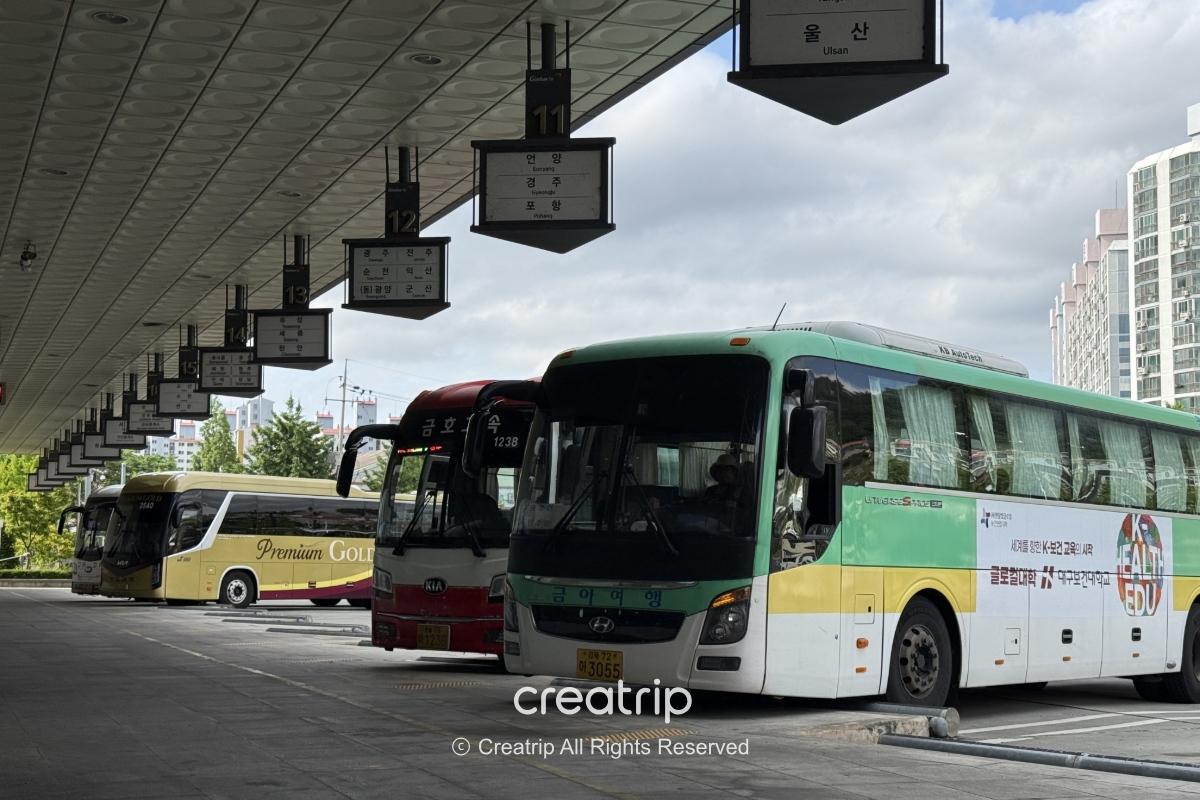
Express buses connecting Seoul and Busan are a good fit for travelers who want to keep transportation costs as low as possible, or for itineraries where you want to make good use of late-night travel time. Standard or deluxe buses are generally cheaper than high-speed rail, while premium bus fares may be closer to KTX or SRT fares.
So rather than thinking of the express bus as simply the cheapest option, it’s better to see it as a choice you make based on the balance of budget, travel time, and where you arrive. In particular, if you want easy access toward Seomyeon or Gimhae Airport, Sasang is a strong option, and if you want to consider the eastern areas or transfers to other cities as well, Nopo is worth considering.
Also, on the Seoul side, convenience varies depending on the departure terminal. If you want more details on the differences between boarding points in Seoul, such as the Express Bus Terminal and the East Seoul Bus Terminal, along with how to book and what to expect on the day, be sure to check the related article here as well.
※Before you travel, it’s a good idea to double-check your departure point, arrival point, and fare on official booking pages such as Kobus.
When is it convenient to choose a flight?
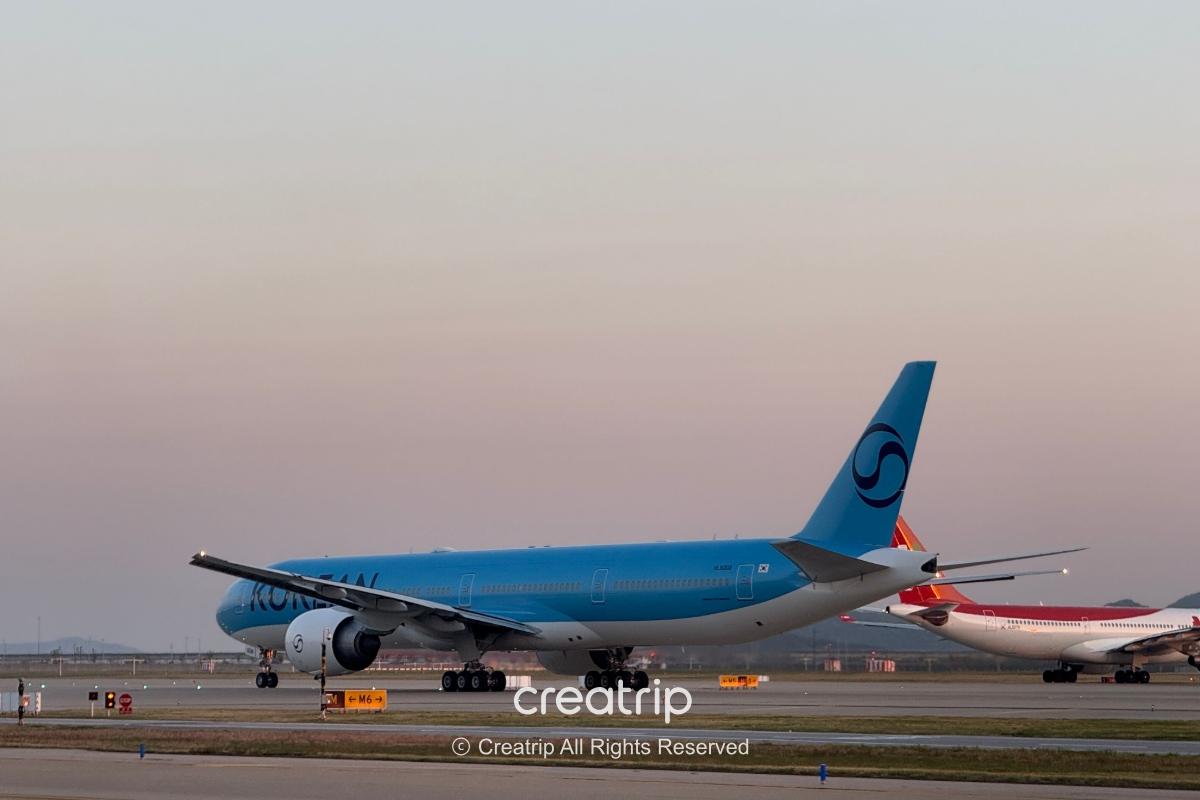
Flying is a good option for travelers staying near Gimpo Airport, or when airfare drops significantly due to a ticket sale. Although the flight itself is short, once you factor in the time to get from Seoul to the airport, security procedures, and then traveling into the city after arriving in Busan (Gimhae Airport), the high-speed rail (KTX), which connects city center to city center directly, often ends up being more time-efficient overall.
For that reason, flights are not always the first choice for many travelers. It is easiest to think of them as an option best suited for people whose starting point is closer to the airport.
*This article was updated using publicly available information as of July 20, 2026. Fares, schedules, and departure and arrival points may change, so check the relevant official website before booking.
What should you check before booking?
The Seoul to Busan route is extremely popular. In particular, Friday evening departures, Sunday afternoon to evening return trips, and the periods right before and after Korean long weekends tend to sell out quickly. KTX and SRT often fill up first in the most popular time slots, and even express buses can run out of seats early for late-night services and other convenient departure times, so if your dates are set, booking as early as possible is recommended.
Also, with express buses, convenience can vary depending on which departure terminal you use in Seoul and where you arrive in Busan. Rather than choosing based on price alone, it is less likely to go wrong if you also confirm where you depart from and where you will arrive.
If you have a large suitcase, it is important to consider not only the shorter travel time, but also how easy it is to move around within the station, airport, or terminal. In general, KTX is the easiest to manage because it is convenient for traveling city center to city center, and SRT can also be a convenient option if it matches your accommodation area.
On the other hand, express buses and flights can feel more demanding once you factor in both the departure location and the onward trip after arrival, so it is reassuring to check the route to your hotel as well.
FAQ about getting from Seoul to Busan
Q1. If you’re traveling from Seoul to Busan, which transportation option is the most recommended?
A. If it’s your first trip to Korea, KTX is the most recommended. It offers a great balance of travel time, ease of use, and convenience for getting around after you arrive in Busan, making it the best all-around option.
Q2. Which is more convenient, KTX or SRT?
A. In general, the best choice depends on where you’re staying. If you’re around Myeongdong, Hongdae, or Seoul Station, KTX is convenient, while if you’re in Gangnam, Jamsil, or the Suseo area, SRT tends to be easier to use. Also, in 2026, some SRT services to and from Seoul Station are being run on a trial basis, but they may not operate regularly, so when booking, be sure to double-check the departure and arrival stations for your preferred date and time.
Q3. What’s the cheapest way to get from Seoul to Busan?
A. In many cases, regular and excellent-class express buses tend to be cheaper than the KTX. However, if you choose the premium class, the price difference compared with the SRT or KTX may not be very large. We recommend choosing based not only on the fare, but also on travel time and how you’ll get around after you arrive.
Q4. Where in Busan do express buses arrive?
A. They mainly arrive at the Busan Central Bus Terminal (Nopo) or the Busan West Bus Terminal (Sasang). If you are staying closer to Seomyeon, a service that arrives in Sasang may be easier for getting around.
Q5. Can foreign travelers book KTX or SRT tickets online?
A. Yes. Foreign travelers can book KTX through KORAIL’s official English website and SRT through the official SRT booking service where supported. Use the same name shown on your passport, and avoid unofficial booking sites that may charge additional fees.
Q6. Is flying faster than KTX?
A. The flight itself is shorter, but once you factor in the time from Seoul city to the airport and security screening, KTX is often easier. If you are already at Gimpo Airport, flying is a strong option.
Q7. If you have a large suitcase, which option is the easiest?
A. KTX is often the most convenient city-center option, but luggage space can be limited on busy trains. If you’re traveling with a large suitcase, arrive early, use the luggage racks near the carriage entrances where available, and keep valuables with you.
Q8. What’s the best option if you want to travel late at night?
A. An overnight bus may help you preserve daytime sightseeing hours, but availability varies by date and route. Before booking, confirm the arrival time and whether the subway or local buses will be operating when you reach Busan.
Q9. Should I book in advance for weekends or long holiday periods?
A. Yes. Both KTX and express buses tend to sell out quickly during popular time slots, so if your itinerary is set, it’s best to book ahead. Since Seoul to Busan is a classic route, securing your ticket early during peak seasons is the safest choice.
From Seoul to Busan, not sure which transport to choose?
If you’re still unsure, KTX is the most reliable option for most travelers going from Seoul to Busan. SRT may be more convenient if you’re staying in Gangnam. Choose an express bus if price is your top priority, or consider flying if you’re already near Gimpo Airport. Fares, schedules, and departure points may change, so check the official booking site before reserving.
We hope this blog was helpful in planning a trip to Busan! If you have any questions or concerns, please leave a comment below or send us an email at help@creatrip.com. You can follow us on Instagram, TikTok, Twitter, and Facebook to stay updated on all things Korea!