Busan Transportation Guide 2026 | Subway, Airport Access, Taxis & Buses
First time in Busan? Learn how to get from Gimhae Airport to the city and get around Busan by subway, bus, and taxi with this complete transportation guide.

- What should you base your choice of transportation on when traveling in Busan?
- Can you explore Busan using only the subway?
- How can you get from Gimhae International Airport to downtown Busan?
- When is it useful to take buses in Busan?
- When should you use a taxi in Busan?
- Busan Transportation FAQs
- What is the best way to get around Busan on your first trip?
Last updated: July 20, 2026
For most first-time visitors, the easiest way to get around Busan is to use the subway as your main mode of transportation and add buses or taxis when needed. Major areas such as Seomyeon, Nampo-dong, Haeundae, Gwangalli, and Busan Station are all accessible by subway, and the numbered lines and station names make routes relatively easy to follow.
However, Busan’s long coastline and hilly terrain mean that some attractions require a significant walk from the nearest subway station. Using a bus or taxi for these routes can save both time and energy.
This guide compares Busan’s subway, buses, taxis, and airport transportation to help you choose the best option for your route, budget, and luggage. Our Korea-based editorial team reviewed the fares and transportation information using official sources on July 20, 2026. Fares, routes, and operating hours may change, so check the relevant official website or transportation app before traveling.
What should you base your choice of transportation on when traveling in Busan?
The best way to get around Busan depends on your budget, luggage, destination, and travel time.
Travel situation | Recommended transportation | Why it works |
First time in Busan, focused on saving money | Subway | You can get to the main areas for the lowest cost, and the routes are straightforward. |
Want to reduce walking and save energy | Taxi | You can avoid stairs and all the long walks inside stations. |
Your destination is far from a subway station | Bus / taxi | They cover the final part of routes that the subway does not reach. |
Late-night or early-morning travel | Taxi | Travel time is easier to estimate when public transportation is less frequent. |
What should you prepare before using public transportation in Busan?
Before your trip, install a reliable navigation app and prepare a rechargeable transit card.
First, when searching routes in Korea, relying on “Google Maps” alone may not give you enough guidance for transfers or walking routes, so we recommend using “NAVER Map” as your main app.
For taxis, use Kakao T or Uber to enter your destination and check the estimated fare before booking.
Transit cards such as T-money, WOWPASS, and NAMANE Card can be used on Busan’s subway and buses. Drivers may not be able to provide change, so top up your card before boarding.
NAMANE Card also works as a transit card and can be customized with your own image. Reserving it online in advance can make pickup at the kiosk faster.
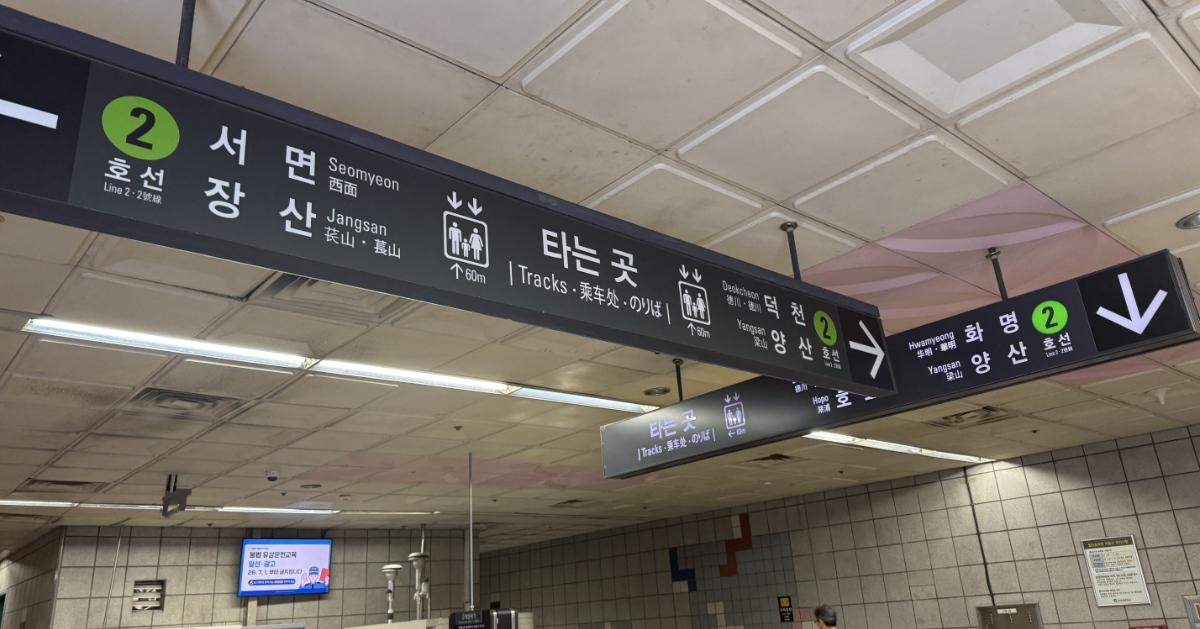
Can you explore Busan using only the subway?
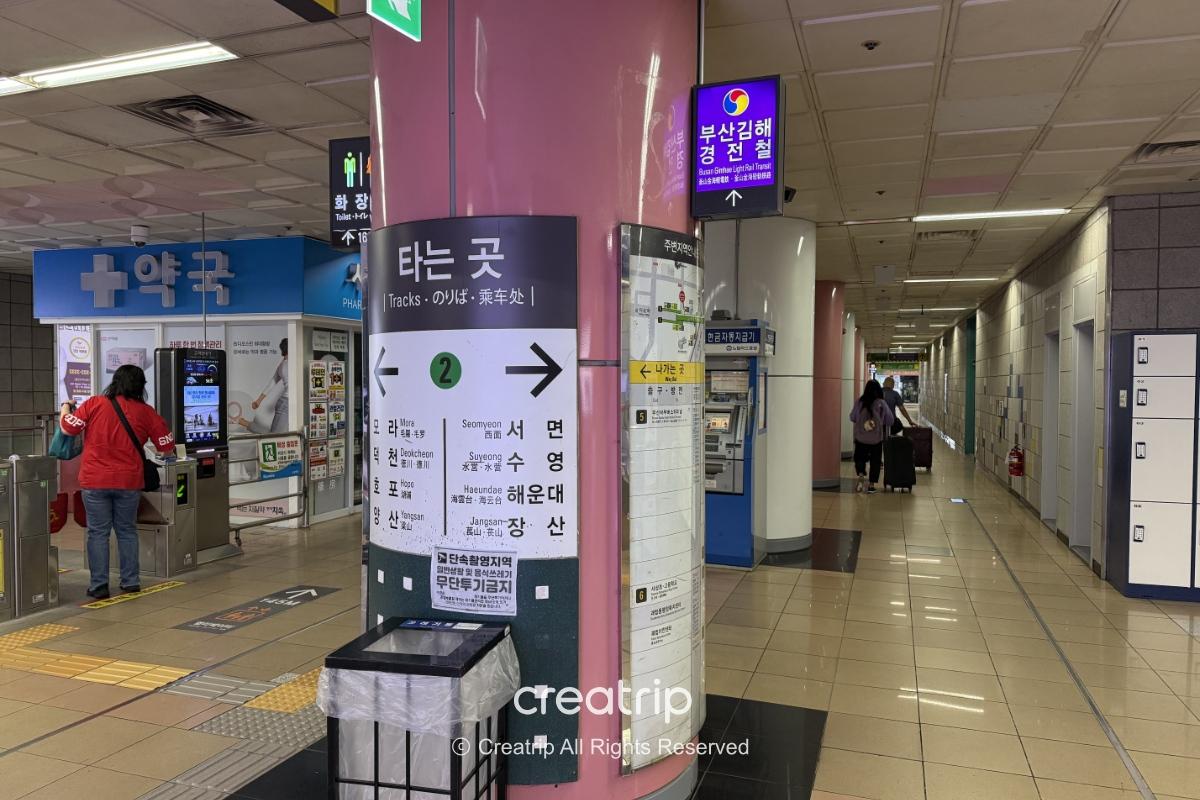 If your trip mainly focuses on major areas such as Seomyeon, Nampo-dong, Haeundae, Gwangalli, and around Busan Station, the subway alone is more than enough to get around. As of July 20, 2026, the adult fare for one subway section, covering up to 10 km, is 1,600 won when using a transit card.
The subway is usually easier for first-time visitors because routes are organized by numbered lines and station names. Compared with local buses, it is easier to confirm your direction and follow routes to major areas such as Seomyeon and Haeundae.
Using the subway as your default option keeps most Busan itineraries simple. However, some attractions are far from the nearest station or located in hilly areas, so relying on the subway alone can involve long and tiring walks.
Add a bus or taxi when your destination is far from a station, the weather makes walking difficult, you are traveling at night, or you have luggage, shopping bags, children, or older travelers in your group.
[Editor’s Tip] Carrying a large suitcase through stations can be tiring because of stairs and long transfer corridors. Major stations such as Busan Station and Seomyeon Station have coin lockers, so consider storing your luggage before sightseeing. Check our Busan Station and subway locker guide for locations, prices, and instructions. |
How can you get from Gimhae International Airport to downtown Busan?
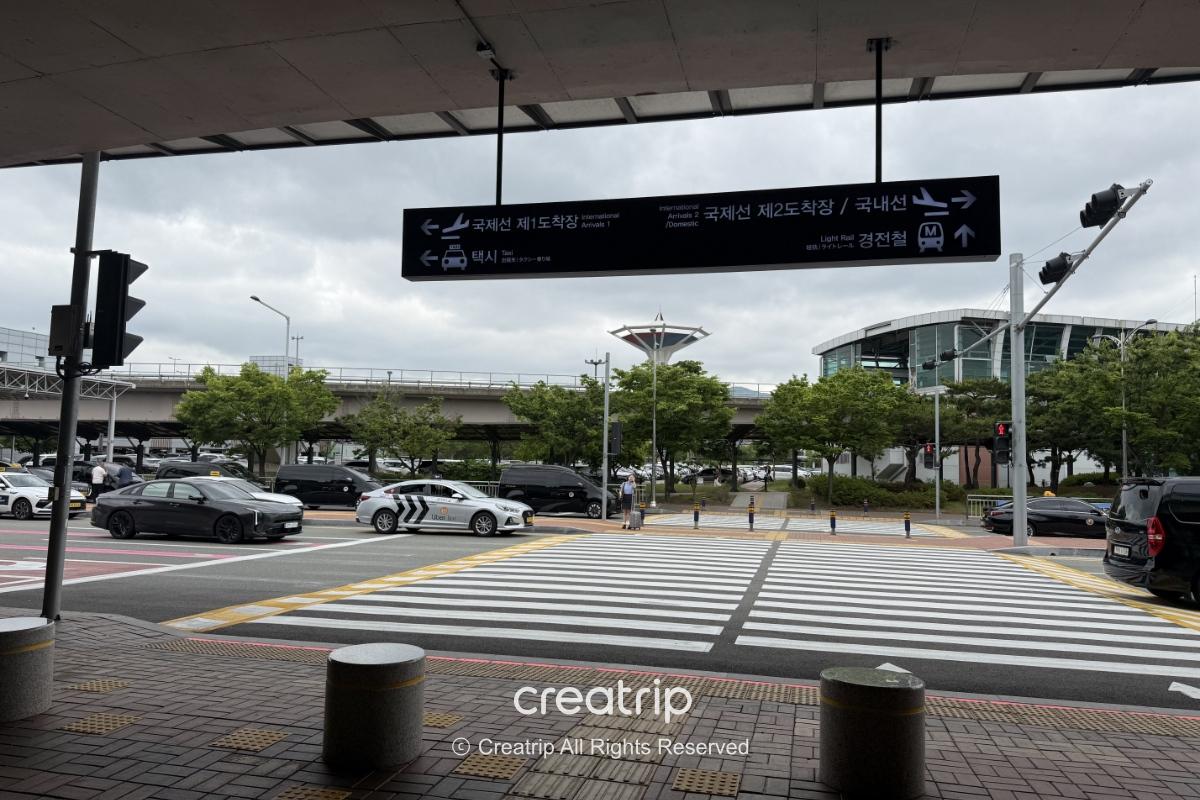
The best way to travel from Gimhae International Airport to downtown Busan depends on where you are staying, how much luggage you have, and when your flight arrives. The light rail and subway are usually the most affordable options, while airport buses and taxis are more convenient when traveling with a lot of luggage.
Destination (where you’re staying) | Best transportation options | Estimated fare | Traveler tips |
Seomyeon (city center) | Subway / Taxi / Airport bus | Subway: 2,000 won Airport bus: 6,000 won Taxi: around 20,000 won | If you’re traveling light, take the subway. If you have a lot of luggage, take a taxi or the airport bus to Seomyeon or Bujeon. |
Nampo-dong (southern area) | Subway / Taxi | Subway: 2,100 won Taxi: around 23,000 won | If you arrive at night or have heavy luggage, a taxi is recommended. Note that the airport bus does not serve this route. |
Haeundae (east-side beach area) | Airport bus / Taxi | Bus: 9,500 won Taxi: around 35,000 won | A direct airport bus or taxi is the most convenient option because neither requires a transfer. |
KTX Busan Station area | Subway / Taxi | Subway: 2,000 won Taxi: around 22,000 won | You’ll need to transfer from the Gimhae Light Rail Transit to the subway. This route is useful if you plan to take the KTX or another train from Busan Station after arriving. |
Airport bus fares and schedules were checked in July 2026 but may change without notice. Confirm the latest information in Gimhae International Airport’s official public transportation guide before traveling. Taxi fares are estimates and may vary depending on traffic, route, tolls, and late-night surcharges.


If saving money is your priority and you are traveling with light luggage, take the Busan–Gimhae Light Rail Transit and transfer to the subway. This is particularly convenient for Seomyeon. However, transferring at stations such as Sasang may involve stairs and long walks, which can be difficult with a large suitcase.
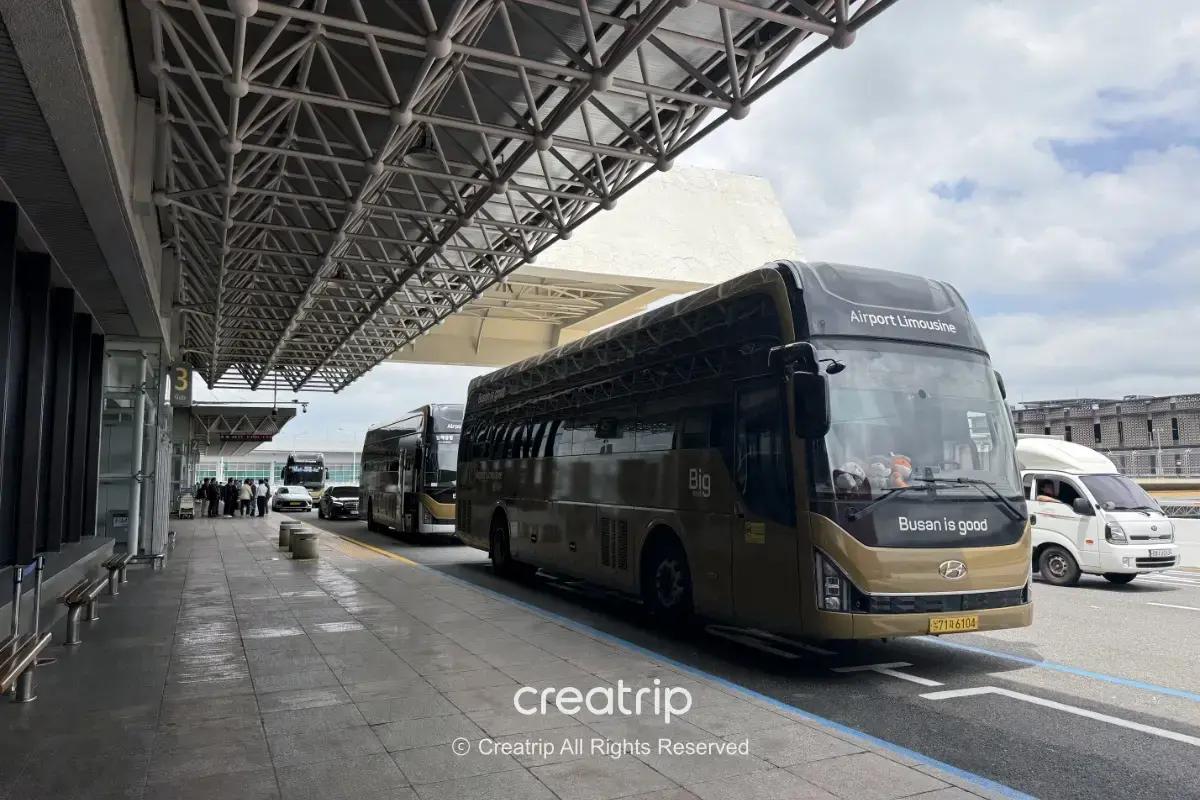
If you have heavy luggage or want to avoid multiple transfers, an airport limousine bus may be more convenient. Routes, stops, fares, and operating schedules may change, so check Gimhae International Airport’s official public transportation guide or Busan Metropolitan City website before traveling. Confirm that the bus stops near your accommodation, as you may still need a taxi for the final part of your journey.
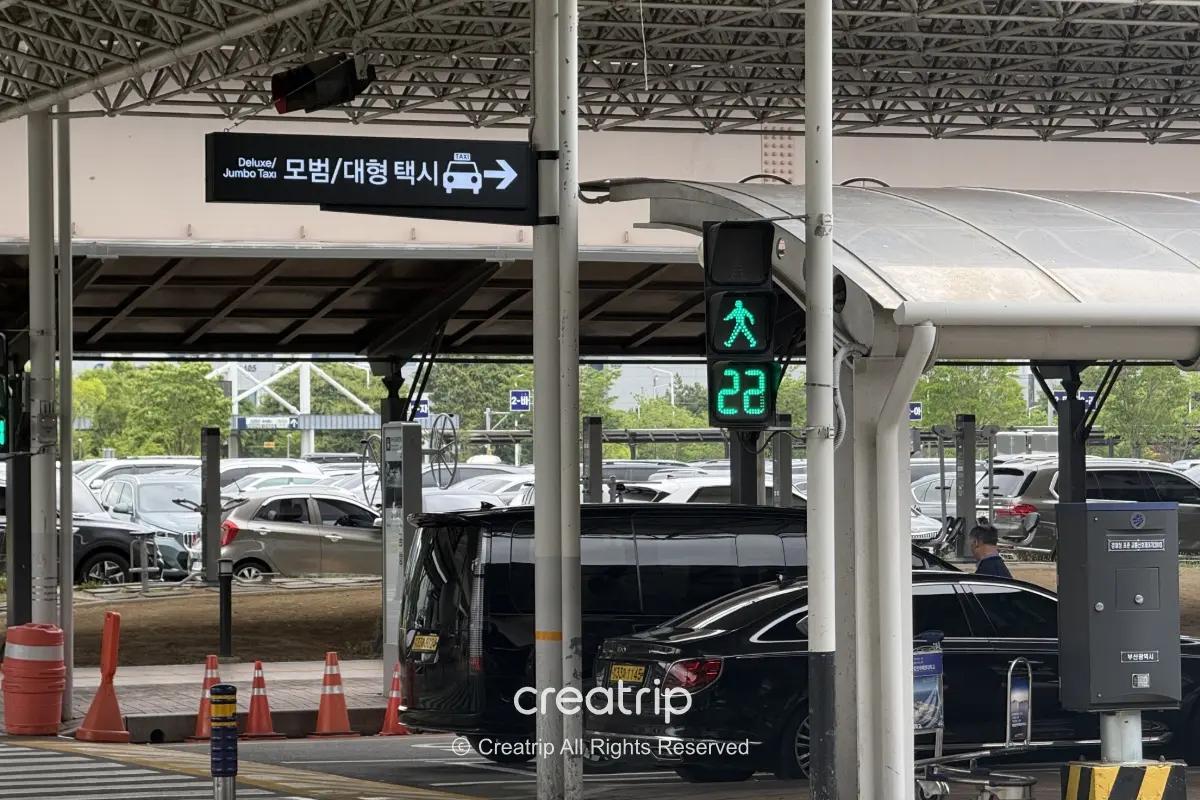
A taxi is the most convenient option if you have several suitcases, arrive late at night, or want to travel directly to your accommodation. The total fare depends on your destination, traffic conditions, route, and any applicable late-night surcharge.
If you are traveling with others, splitting the fare can also make a taxi more affordable per person.
[Editor’s Tip] Public transportation and airport bus services become less frequent later in the evening. Check the final departure time before your flight, and keep a taxi or pre-booked airport transfer as a backup. Some airport facilities and currency exchange counters may also close before the final flights arrive. |
After arriving at Gimhae International Airport, check the airport’s transportation facilities, currency exchange options, and SIM or eSIM pickup information before heading into the city. For more details, read our Gimhae International Airport Guide and our comparison of currency exchange options in Seomyeon, Nampo-dong, Haeundae, and Gimhae International Airport.
When is it useful to take buses in Busan?
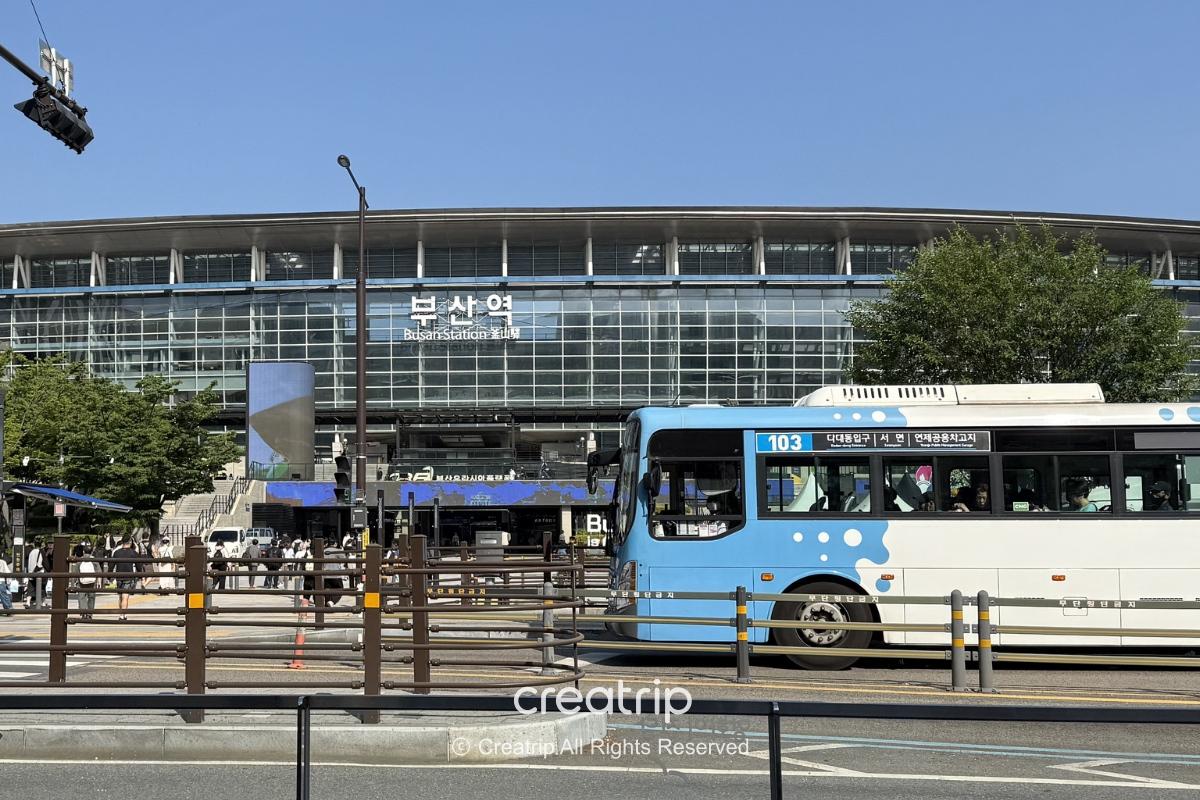
Buses are extremely helpful when you want to visit attractions that are a bit far from a subway station, or when you want to move around more precisely within the same area. As of July 20, 2026, the adult fare for a regular Busan city bus is 1,550 won when using a transit card.
That said, on your first trip to Busan, you do not need to make buses your main way of getting around from the start. Compared to the subway, there are more things to figure out, like direction of travel and where the stops are, so it can feel more challenging. Rather than relying on buses for every trip, use them for places that are difficult to reach by subway.
Specifically, buses are great when the destination is a bit far from the nearest subway station, when you are heading to hilly areas, when you want to cut down on walking, or when you want to move in smaller increments within the same neighborhood. If you are mainly traveling around major areas like Seomyeon, Nampo-dong, and Haeundae, you can still visit most attractions without relying heavily on buses.
How do transfer discounts work on Busan public transportation?
When you use an eligible transit card and transfer between Busan’s subway, city buses, and village buses within the permitted transfer window, the transfer discount is applied automatically. Depending on the transportation modes used, you may still need to pay the difference in fares or an additional distance-based charge.
Make sure to tap your transit card when getting off a bus, even if it is your final ride. In general, transfers must be completed within 30 minutes, or within 60 minutes during the designated late-evening and early-morning period. The discount does not apply when transferring back to the same bus route, and other restrictions may apply.
When should you use a taxi in Busan?
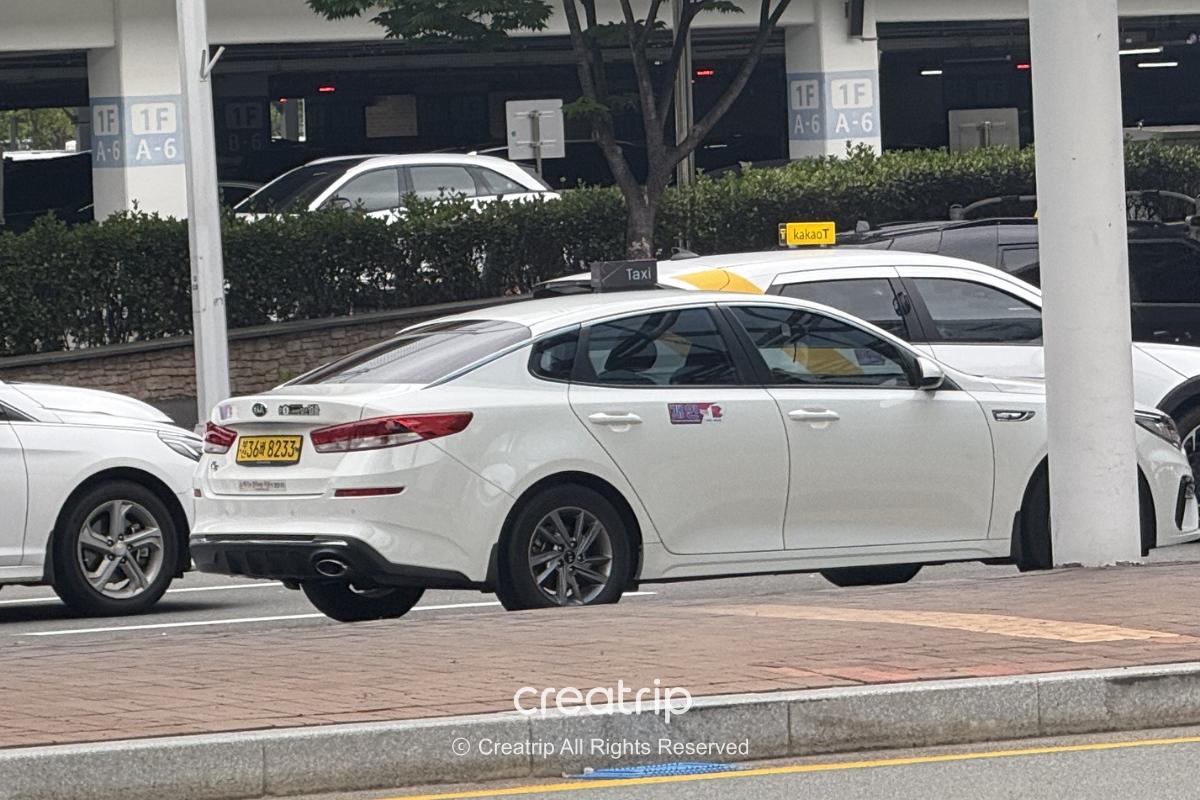
In Busan, use the subway for most trips, buses for destinations far from stations, and taxis when you are traveling with a group, carrying luggage, or traveling late at night. As of July 20, 2026, the base fare for a standard taxi in Busan is 4,800 won for the first 2 km.
A taxi can be worth the extra cost when using the subway would involve long walks, multiple transfers, or significant delays. Consider taking a taxi in the following situations.
- Late-night or early-morning travel: A taxi is useful when returning to your hotel late or traveling to the airport or station early in the morning. It also makes your travel time easier to estimate.
- When you have heavy luggage: Carrying a large suitcase through stations and making transfers can be tiring. A taxi is often more practical when traveling between the airport, your hotel, and Busan Station.
- When traveling with two to four people: Splitting the fare can make a taxi reasonably priced per person, especially for families and groups of friends.
- When visiting attractions far from stations: Busan’s hills can make even a short walk more demanding than expected. Taking a taxi for the final 5 to 10 minutes can save time and energy.
You can hail a taxi on the street, but apps such as Kakao T and Uber are often easier for international travelers. You can enter your destination in advance, check the estimated fare, and follow the route without needing to explain your destination in Korean.
[Notice] Standard taxis in Busan apply a late-night surcharge from 11:00 PM to 4:00 AM. The surcharge is generally 20%, increasing to 30% between midnight and 2:00 AM. Additional charges may apply when traveling outside Busan. |
*Late-night surcharge hours and surcharge rates may vary depending on the time period and operating conditions. Before using the service, please check the fare shown in your ride-hailing app or local guidance.
Busan Transportation FAQs
Q1. Is the subway alone enough for sightseeing in Busan?
A. If your trip focuses on the main areas, it’s easy enough to get around using only the subway. That said, for spots that are a bit far from stations or areas with hills, you’ll be more comfortable combining buses or taxis.
Q2. What’s the most convenient way to get to Seomyeon from Gimhae International Airport?
A. If you’re traveling light and want to save money, take the light rail and subway. If you have a lot of luggage or want to travel directly to your hotel, take a taxi or the airport bus to Seomyeon or Bujeon.
Q3. What is the best way to get from Gimhae International Airport to Haeundae?
A. The airport limousine bus or a taxi is usually the most convenient option, especially if you have luggage. Public transportation using the Busan–Gimhae Light Rail Transit and subway is cheaper, but it requires transfers and takes longer. Check the latest airport bus schedule before traveling, as routes and departure times may change.
Q4. In Busan, which is easier to use, buses or the subway?
A. If it’s your first trip, the subway is by far easier to use because the routes are straightforward. We recommend thinking of buses as a helpful supplement for getting to places that are harder to reach by subway alone.
Q5. When is it worth taking a taxi in Busan?
A. Taxis are especially useful when you have large luggage, travel late at night or early in the morning, or visit somewhere far from a station. You do not need to take a taxi for every trip; use one when it can save significant time or reduce difficult walks and transfers.
Q6. Is it easy to get to tourist spots from Busan Station?
A. Yes. Busan Station is a major transportation hub with convenient subway and bus connections. Depending on your final destination, taking a taxi from the station may also save time.
Q7. How can I keep transportation costs down on a Busan trip?
A. Use a transit card, take the subway for most trips, and use buses for destinations far from stations. Take advantage of eligible transfer discounts, and reserve taxis for late-night trips, heavy luggage, or routes that require long walks.
Q8. How late does public transportation run in Busan?
A. Operating hours vary by line and route, and services become less frequent late at night. Check NAVER Map and the relevant official transportation website for the last departure. If you plan to travel after the final train or bus, use a taxi.
Q9. Can you get around Busan using only cash?
A. Cash may be accepted on some services, but a transit card is much more convenient and is required to receive eligible transfer discounts. Top up your card before traveling, as drivers may not be able to provide change.
What is the best way to get around Busan on your first trip?
For most first-time visitors, the simplest approach is to use the subway for major areas and add a bus or taxi when your destination is far from a station. The cheapest route is not always the most practical, especially when you are carrying luggage, traveling with children or older travelers, or visiting hilly areas.
- Airport to hotel: Take public transportation if you are traveling light; consider an airport bus or taxi if you have a lot of luggage.
- Travel within central Busan: Use the subway and check routes on NAVER Map.
- Destinations far from stations: Use a bus or take a taxi for the final part of the trip.
- Late nights, hot weather, or rainy days: A taxi may save significant time and energy.
This approach keeps transportation simple while helping you save time and energy during your trip.
Related articles to read for your Busan trip
- For those who want to compare long-distance transportation from Seoul (KTX, SRT, express bus, plane)
➔ “How to get from Seoul to Busan” (a thorough comparison, from travel time and estimated fares for each option to how easy it is to get around after you arrive) - For travelers who want to understand how to use taxis safely and confidently in Korea
➔ “The Complete Guide to Taxis in Korea” (a practical guide covering standard and deluxe taxi types, the fare system, and must-have ride-hailing apps)
We hope this blog was helpful in planning a trip to Busan! If you have any questions or concerns, please leave a comment below or send us an email at help@creatrip.com. You can follow us on Instagram, TikTok, Twitter, and Facebook to stay updated on all things Korea!