Busan Airport 2026: Arrival Guide
Everything you need for a smooth first arrival in Busan — the step-by-step arrival process at Gimhae Airport, the facilities worth knowing, how to get into the city, and what to know before you fly out.

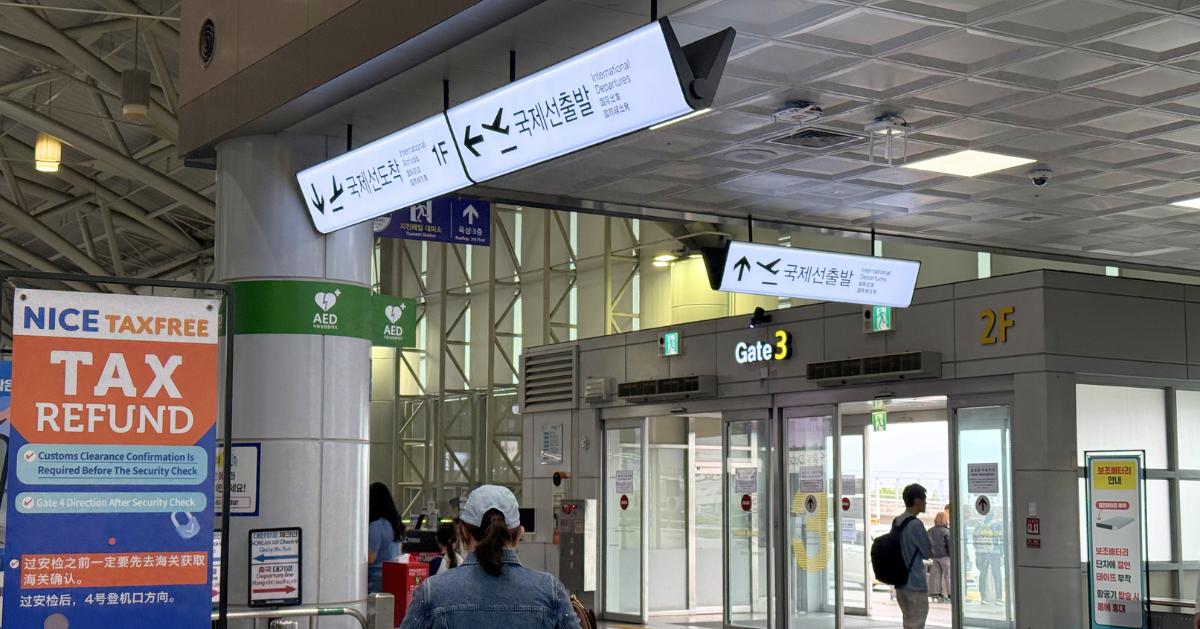
- What Kind of Airport Is Gimhae International Airport (PUS)?
- What Should You Do After Arriving at Gimhae Airport?
- How Do You Get from Gimhae Airport to Busan City Center?
- What Facilities Are Available at Gimhae Airport? Floor Guide
- What Should You Know Before Departing from Gimhae Airport?
- How Do You Transfer to a Domestic Flight at Gimhae Airport?
- Gimhae Airport FAQ: WiFi, Transport, Tax Refunds & More
- How Can You Prepare for a Smooth Gimhae Airport Arrival?
Last updated: July 20, 2026
Just landed in Busan and not sure what to do first?
The golden rule for a smooth start at Gimhae International Airport (PUS) is simple. Just follow this order:
get connected ➔ exchange only what you need ➔ head into the city.
In the arrivals lobby, sort out your phone connection first (SIM, eSIM, or pocket WiFi). Then exchange just the minimum cash you will actually need right away, like topping up a transit card, since Korea runs almost entirely on cards anyway. This little routine is the easiest way to avoid the classic first-day mistakes.
For getting into the city, you have three solid options depending on your situation:
🚈 Busan-Gimhae Light Rail Transit (BGL) + subway transfer: the budget champion at just ₩1,600 (KRW 1,600)
🚌 Airport bus: a guaranteed seat straight to Haeundae or Seomyeon at ₩7,500–9,500 (KRW 7,500–KRW 9,500)
🚕 Taxi: the stress-free pick for heavy luggage or groups with a base fare from ₩4,800 (KRW 4,800)
For this article, the Korea-based Creatrip editorial team visited Gimhae Airport multiple times in June 2026 (including late-night and early-morning hours) to verify every detail firsthand, from the currency exchange counter operating hours to the actual taxi queue wait times. We cross-checked all facility information against official sources and tested each transport option ourselves to bring you the most accurate, up-to-date guide.
What Kind of Airport Is Gimhae International Airport (PUS)?
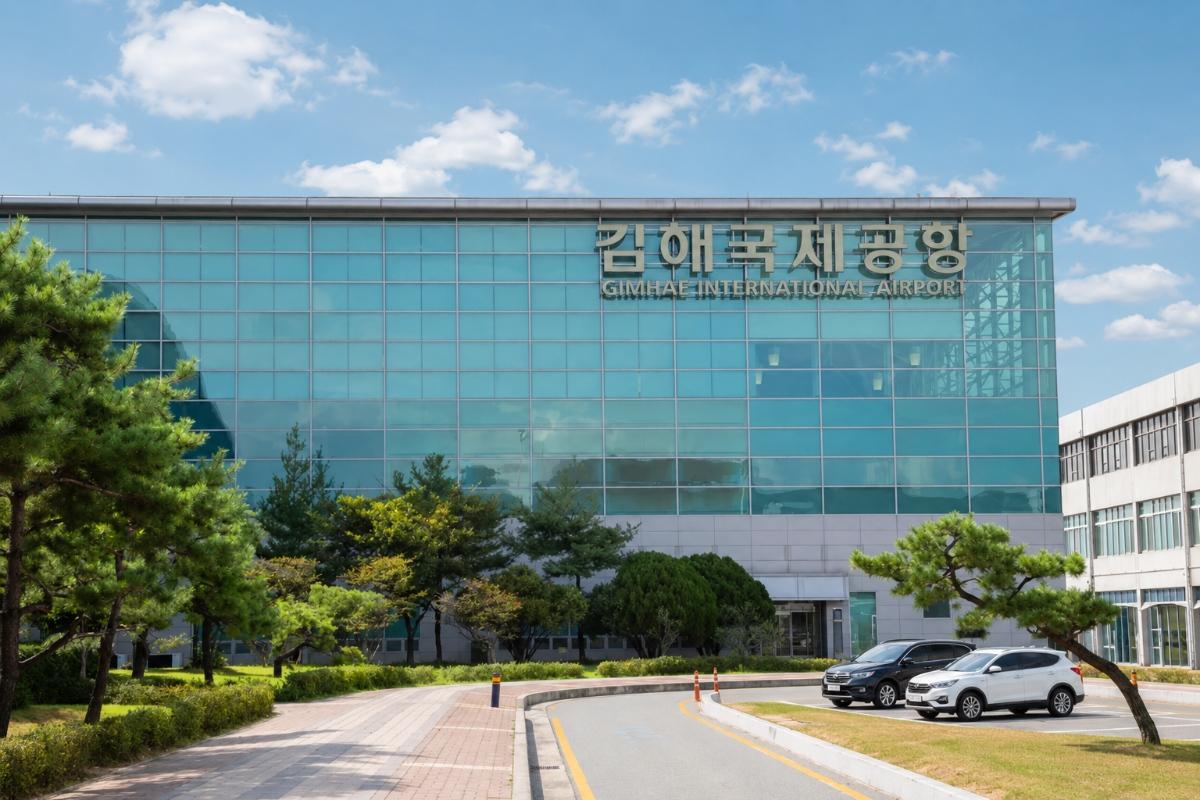
Gimhae International Airport is Busan's main gateway, with direct flights from and to many major Asian cities and connections from around the world. The terminal is designed to be compact, so even first-time visitors are unlikely to get seriously lost inside.
One thing worth knowing, though: Gimhae is not a 24-hour airport. A night flight restriction bans takeoffs and landings between 23:00 and 06:00. If you are arriving on a late-evening flight and immigration or baggage claim runs long, don't be surprised if the currency exchange counters and service desks are already closed by the time you reach the arrivals lobby. This is one of the reasons to have your card and connectivity plan sorted before you land!
Also, if you are connecting onward to other Korean destinations like Jeju Island, you will need to move to the domestic terminal next door. It is only a few minutes on foot between the two, but allow plenty of buffer for your connection. Crowds and re-checking your luggage can eat up more time than you would expect.
What Should You Do After Arriving at Gimhae Airport?
Once you finish immigration and pick up your luggage, the most efficient way to start is this 3-step flow:
get connected ➔ exchange only the minimum amount of cash ➔ choose your transport.
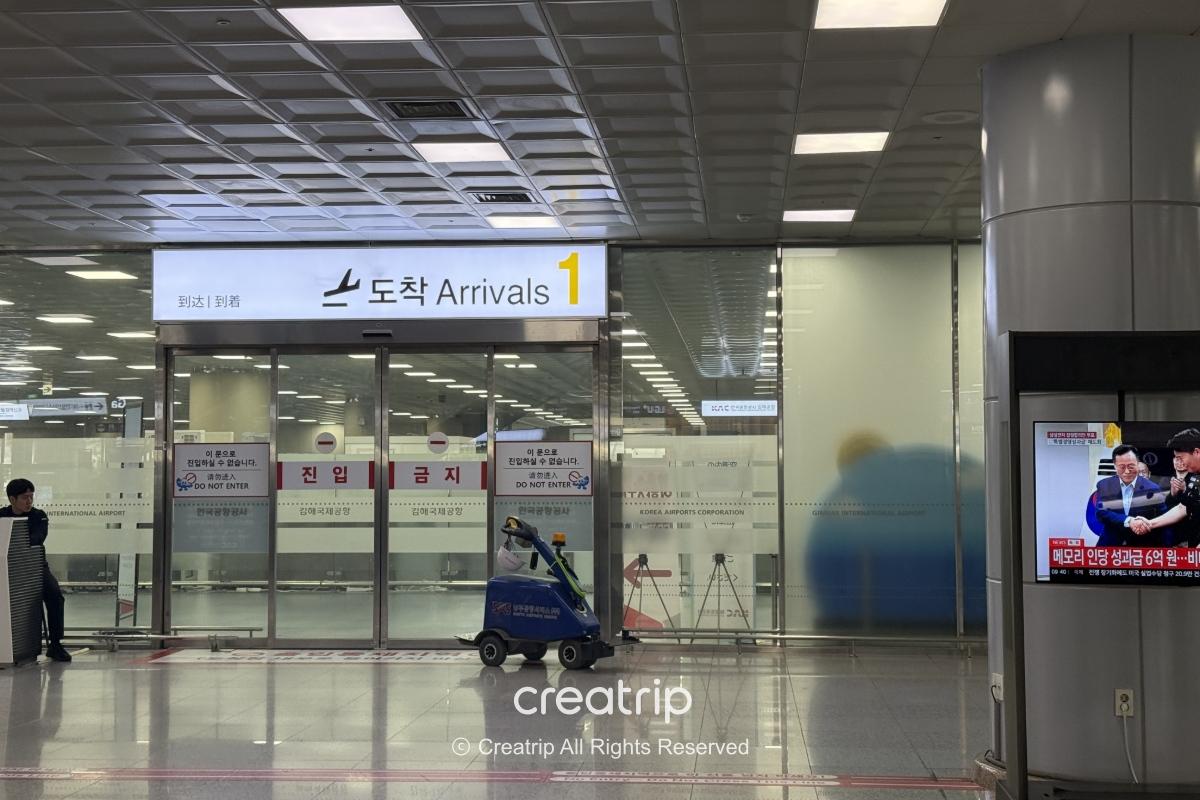
① Get connected
The very first thing to do in the arrivals lobby is get your phone online. Looking up maps, checking your hotel address, opening a taxi app — everything starts with having internet access.
② Exchange only the minimum amount of cash you need
Korea is largely cashless, but it is still reassuring to have a small amount of Korean won on hand for topping up a transit card (like T-money) and for small purchases. That said, airport exchange counters usually offer worse rates than the ones in the city, so it is best to exchange only what you need right after arrival (around ₩20,000–30,000 / roughly KRW 20,000–KRW 30,000) and change larger amounts at an authorized exchange office in town. For details, see our blog post about where to get the most convenient currency exchanges in Busan!
③ Check how to get into the city
With internet and a little cash sorted, it is time to head to your accommodation.
💡Editor's Tip: If you only start looking up your hotel's address and route once you are in the arrivals lobby, you will waste precious time. Set up your eSIM before departure, and save your hotel's address in Korean (a screenshot works great) while you still have WiFi at home. |
How Do You Get from Gimhae Airport to Busan City Center?
Getting from Gimhae Airport into Busan comes down to three options. The right one depends on where you are staying, what time you arrive, and how much luggage you have.
Transportation | Estimated fare | By destination (Seomyeon, Nampodong, Haeundae) | Pros / things to note |
Light rail | From ₩1,600 (KRW 1,600) | [Seomyeon] Best option (1 transfer, about 30 min) [Nampodong] 2 transfers * Haeundae is not recommended | Cheapest fare and zero traffic worries. On the other hand, there are lots of ticket gates and stairs, which makes it hard to travel with big carriers. |
Airport bus | ₩7,500–9,500 (KRW 7,500–9500) | [Seomyeon] ₩7,500 (KRW 7,500) | A guaranteed seat and a comfortable ride the whole way. Be sure to check the frequency and the last bus time. |
Taxi | From around ₩20,000 (KRW 20,000) | [All areas] | The easiest option since it takes you straight to your hotel. If you are with others, splitting the fare keeps the cost low. |
When the light rail (with subway transfers) is the best option


The base fare on the Busan–Gimhae Light Rail (BGL) from the airport is ₩1,600 (KRW 1,600) for adults when paying with a transit card (T-money, WOWPASS, etc.).
If keeping transport costs down is the priority, the most budget-friendly route is taking the light rail and transferring to the subway at Sasang Station. This is especially a strong option for those heading toward Seomyeon. If you arrive during the day, have light luggage, and do not mind making a transfer or two, it is a very convenient way to get around.
That said, once you factor in navigating stations like Sasang, with its stairs, ticket gates, and making transfers with a large suitcases, it can be more of a workout than you would expect.
As for what to pay with: any standard transit card works, but if you want a fun souvenir out of it, the NAMANE Card lets you create a one-of-a-kind transit card printed with your own photo or design. Reserve online in advance and you can pick it up smoothly at an on-site kiosk, then tap straight through the light rail gates with it.
→ Where to find NAMANE Card kiosks
When taking the airport bus (limousine bus) is the best option
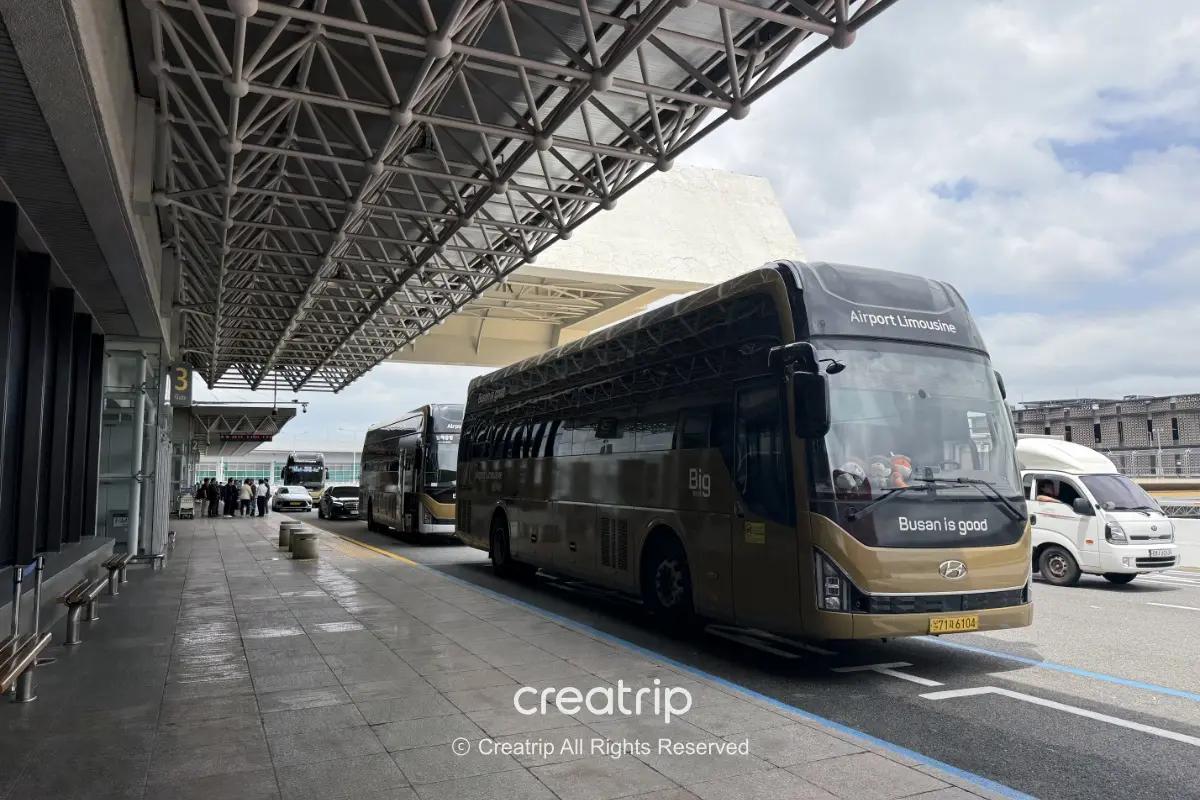
If you want to keep the distance you have to drag heavy suitcases after exiting the arrivals gate as short as possible, the airport limousine bus that you can board from the 1st-floor bus platforms is your best bet. It is especially recommended if you are heading to Seomyeon or Haeundae, or if it is your first time in Busan and subway transfers with luggage sound like a headache.
Two routes currently serve the main areas:
- Haeundae · Jangsan · Gijang direction: Adults ₩9,500 (KRW 9,500; some buses terminate at Jangsan Station, so be careful)
- Seomyeon · Bujeon direction: Adults ₩7,500 (KRW 7,500; service is limited, so check whether it matches your arrival time)
Always check the latest timetable in advance on the official Gimhae Airport website, and for the most reliable plan on the day, use our NAVER Map guide to search real-time routes and a rough ETA.


Prefer to pay in cash, or want your ticket sorted before boarding? Stop by the Bus Ticket Office (staffed counter + ticket machine) just outside the 1st-floor arrivals lobby, near Stop 3. In principle, cash payment and currency exchange on the bus are not available, so if you prefer cash, it is essential to stop by this ticket office first.
The biggest advantage of the airport limousine: a guaranteed seat the whole way, no matter how much luggage you have. The catch: last buses in both directions leave in the 9 PM hour, so if you're landing on a late-night flight, skip straight to the taxi section below.
When taking a taxi is the best option
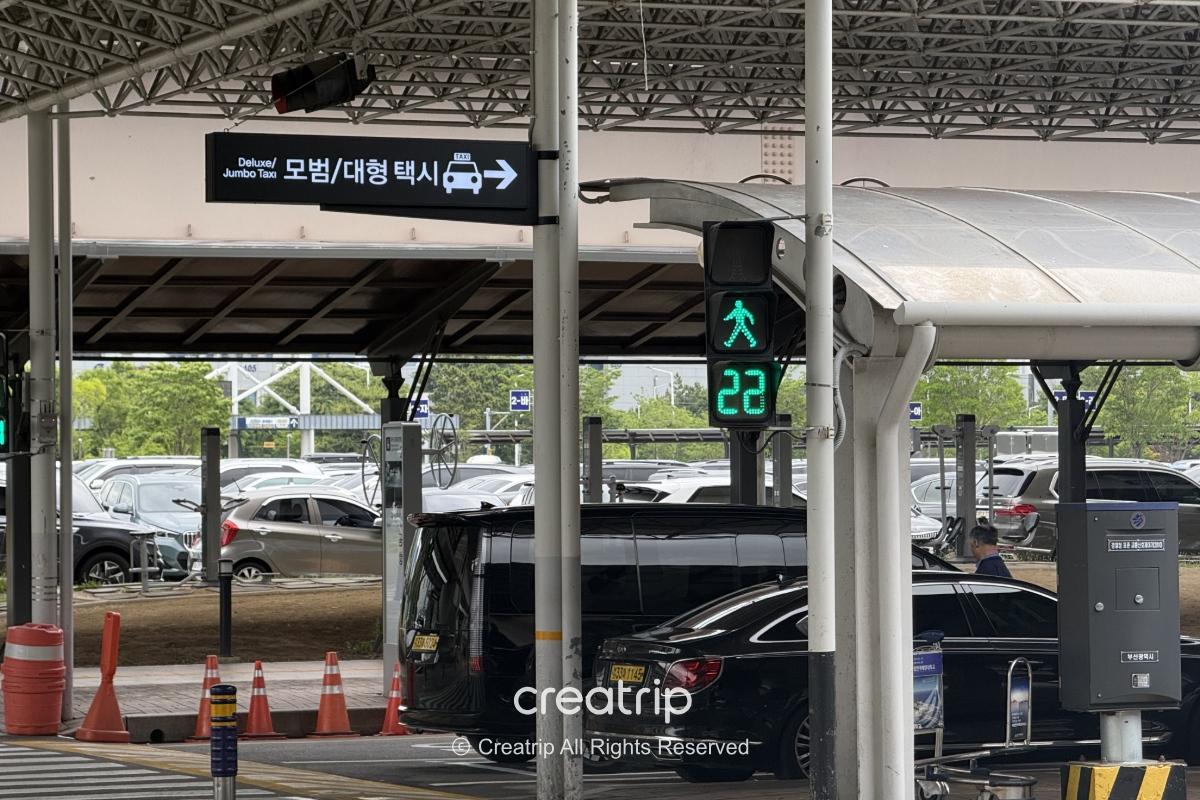
The base fare for a regular taxi from the airport taxi stand is ₩4,800 (KRW 4,800; covering the first 2 km).
A taxi makes the most sense for travelers with lots of luggage, first-timers who would rather not risk getting lost, and anyone arriving late at night who wants to prioritize efficiency. Since it can take you directly to the front of your accommodation, it helps minimize post-arrival fatigue from getting around. Yes, it is the priciest of the three, but for groups of 2–4 the split math changes everything: per person, it can come out close to a bus ticket.
One thing to budget for: between 23:00 and 04:00, late-night surcharges of 20–40% apply. And since the airport buses stop running in the 9 PM hour anyway, late-night arrivals are effectively taxi territory. If that applies to you, the most reliable move is booking an airport pickup taxi in advance at a flat rate. Your driver is waiting when you land, no taxi-stand queue, and the price is locked regardless of surcharge hours.
Things to know if you are arriving late at night (after ~9 PM)
Because of night flight restrictions, Gimhae Airport has no takeoffs or landings between 23:00 and 06:00. It is not a 24-hour airport, so late in the evening, the facilities and services still open become very limited.
Even if your flight is scheduled to land around 21:00, delays and crowded immigration can easily push back the time you actually step into the arrivals lobby. After 22:00, the SIM card counters and currency exchange desks inside the airport start closing one after another. Therefore, a plan of "I'll sort everything out at the airport when I land" simply won't work on a late flight.
The fix: handle it all before you fly. Set up your connection (eSIM, etc.) and save your hotel's address in Korean while you are still at home, so that when you land, getting to your accommodation is the only thing left on the list.
Specifically, make sure you do these two things:
🚕 Plan on taking a taxi
After 22:00, the limousine buses stop running and light rail service thins out fast as it approaches the last train in the 23:00 hour. On a late arrival, heading straight to the taxi stand is the safest bet.
⏰ Set up your taxi app before departure
In Korea, calling a taxi through an app (Kakao T is the local standard) beats hailing one on the street. Setting your destination in the app also spares you any language-barrier confusion with the driver. Install it and complete the sign-up (it needs a working phone number, which is one more reason to have your eSIM sorted first) before you board your flight.
What Facilities Are Available at Gimhae Airport? Floor Guide
The international terminal has a simple three-floor layout. We have summarized a floor-by-floor rundown of the facilities you will actually use — both on arrival day and when it is time to fly home.
[1F] Arrivals Lobby (Connectivity, Bank & Currency Exchange, Convenience Store)


Connectivity counters (SIM, WiFi): Official booths for Korea's three major carriers (SKT, KT, LG U+) line up between Gates 2 and 4 (06:00–23:00; hours may vary by counter). This is also where you pick up a pre-booked SIM card or rent a pocket WiFi device. If you reserved online before your trip, collection takes just a few minutes.


Bank & currency exchange (BNK Busan Bank): There is a branch inside the arrivals lobby near Gate 4 (exchange services: 06:00–21:00). They can help with essential currency exchange right after you arrive, plus ATM cash withdrawals.
💡Editor's Tip: During our on-site visit in June 2026, notices throughout the airport directed travelers to use the Busan Bank branch next to Gate 3 on the 2nd floor for foreign currency exchange. Heading straight to the 2nd-floor branch may save you a redirect. |
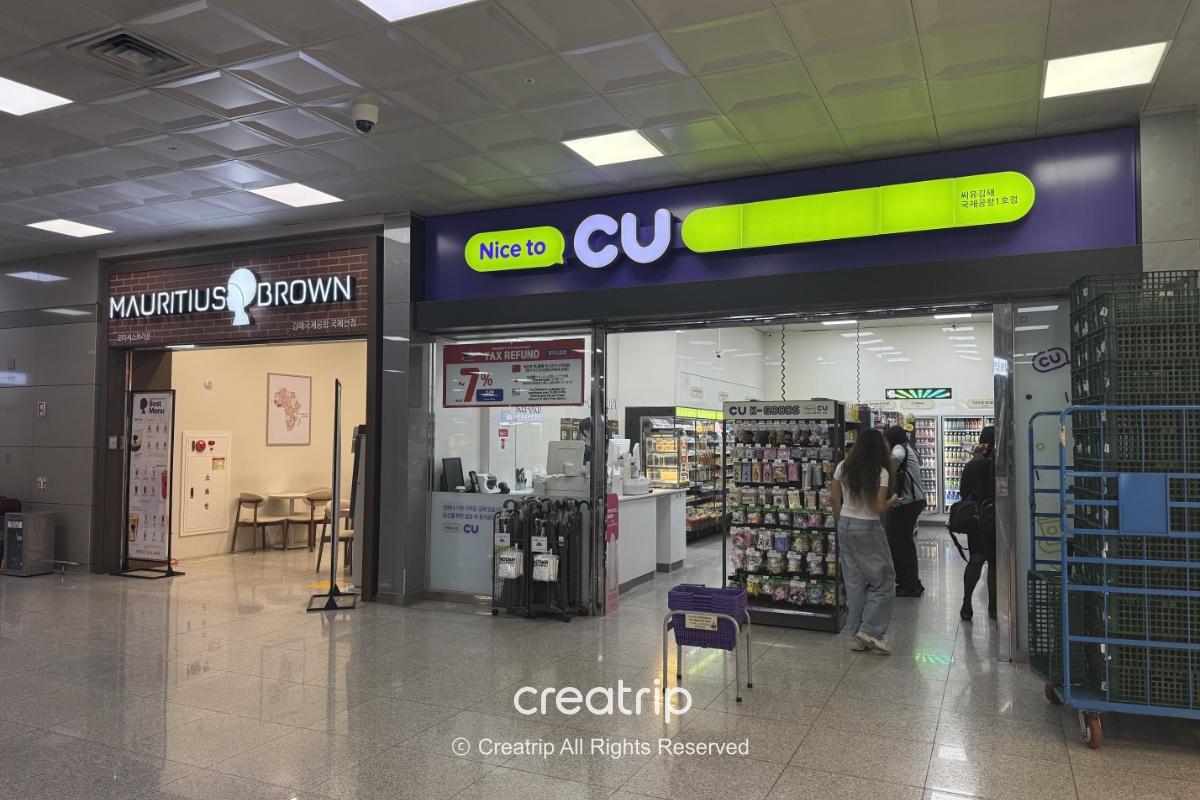
Convenience store (CU): Located inside the arrivals lobby, this is where you can buy and top up a transit card (like T-money) and grab drinks or a snack before heading into the city.
[2F] Departure Lobby (Check-in Counters, Pharmacy, Customs)
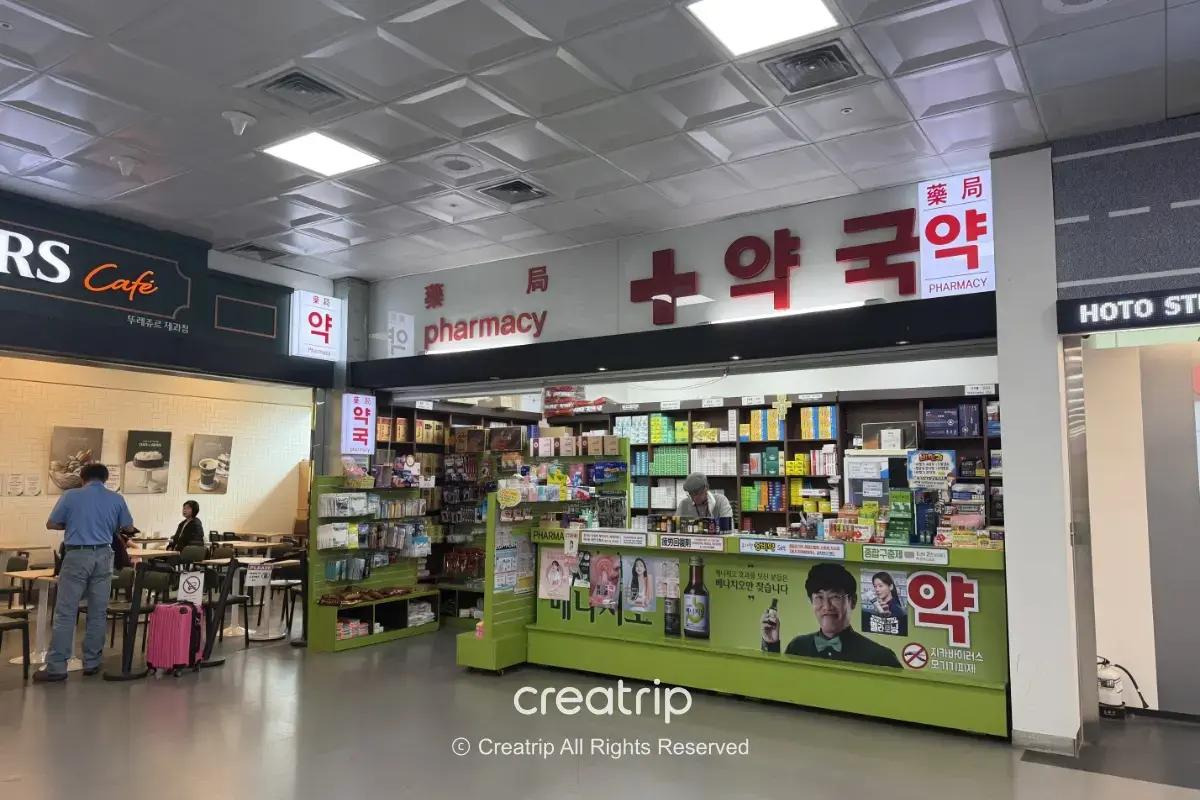
Airport pharmacy: Near Gate 1. Reassuring to know that you can pick up medicine before going through immigration, whether you suddenly feel unwell, need motion sickness meds for the flight, or forgot your regular medication.
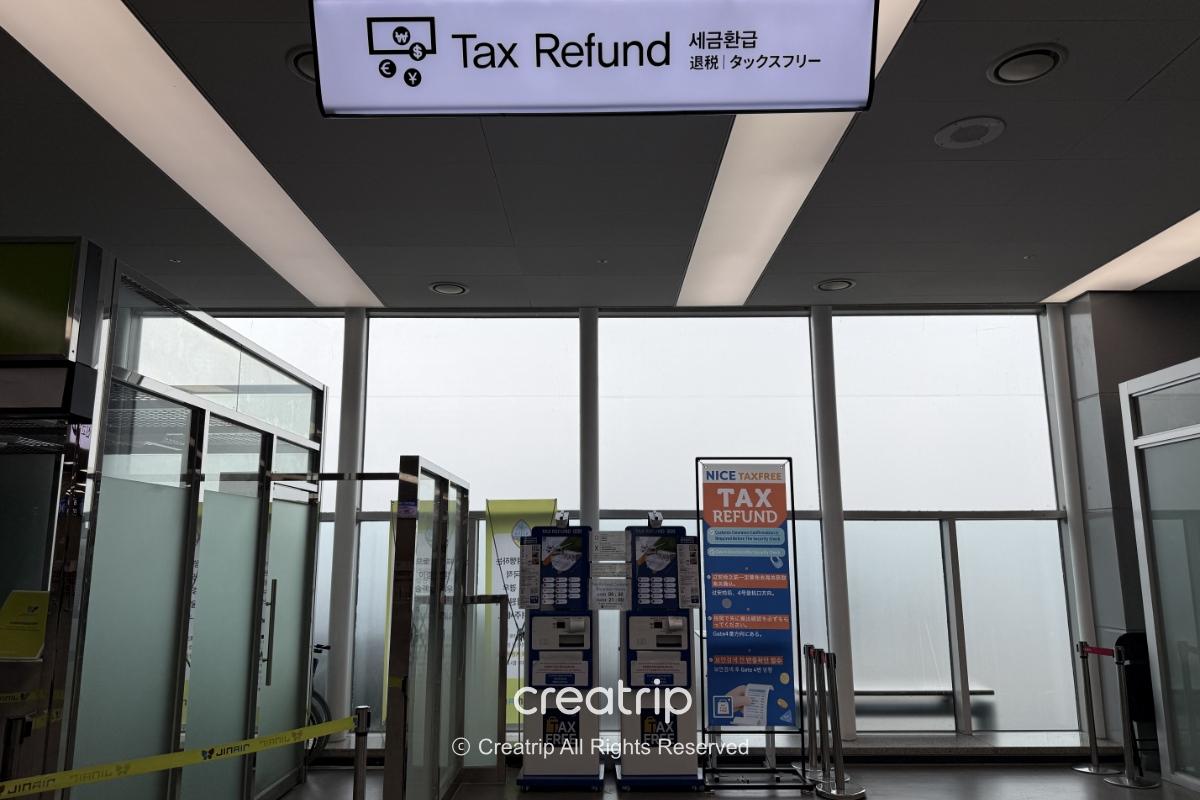
Tax refund kiosks & customs: In the public area before bag drop (near Gate 4), you will find self-service kiosks for scanning your tax refund documents, with the customs declaration counter right beside them — handle both in one stop before checking your luggage.
[3F] Restaurants, Cafes, and Baggage Delivery
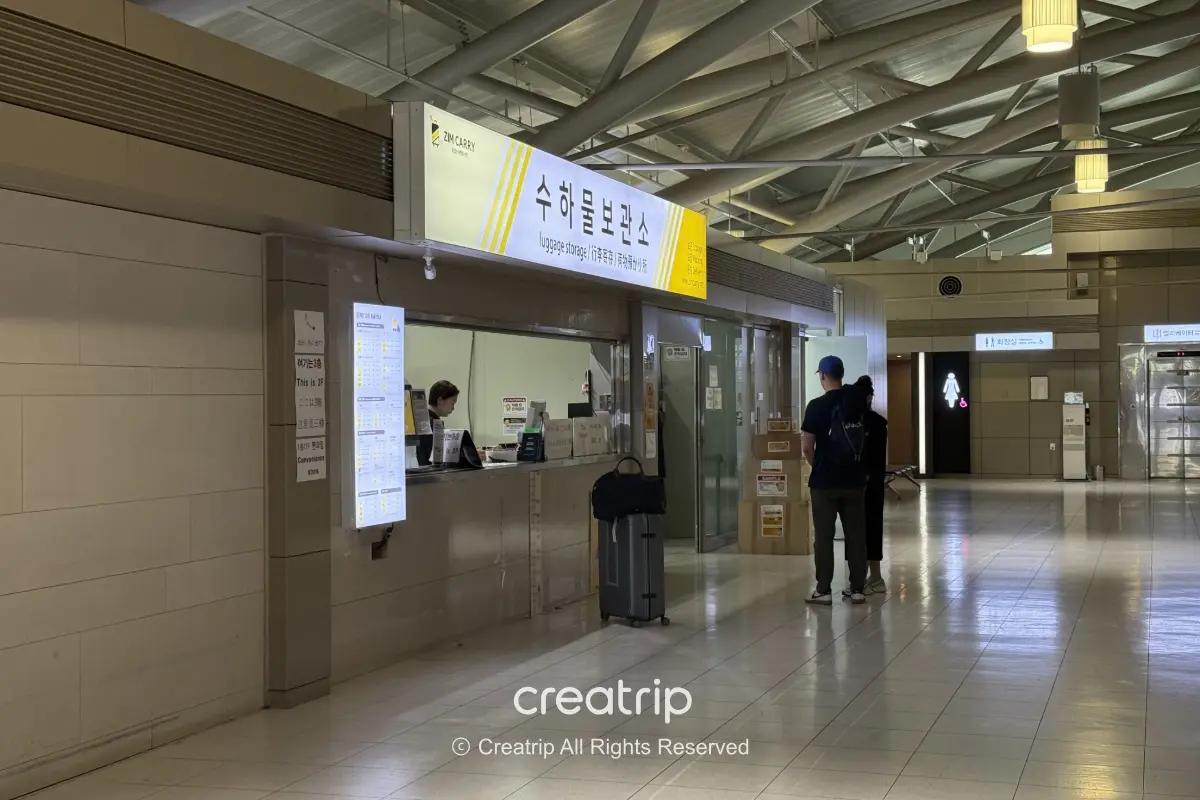
Baggage delivery & storage (Zim Carry): If you want to start sightseeing hands-free the moment you arrive, this service delivers your heavy suitcases directly from the airport to your hotel in downtown Busan. The counter is on the 3rd floor near EDIYA COFFEE. Just take the elevator up from the 1st-floor arrivals lobby and drop off your bags there (international terminal hours: 06:00–20:50).


Restaurants & cafes: For a proper first (or last) Korean meal, there are Korean restaurants serving Bibimbap and piping-hot soup set meals like Gomtang (Korean beef soup). Most restaurants operate with touch-screen kiosks for ordering and payment. You will also find fast food chains like Lotteria and a range of cafes.
After security: the duty-free & boarding area
Once you are through the carry-on screening and immigration, you will enter a spacious boarding lounge. This area has shopping zones such as Lotte Duty Free, lined with well-known Korean brand cosmetics and perfumes, tobacco, alcohol, and classic souvenir snacks, so you can enjoy shopping right up until boarding. And if you shopped at a duty-free store in the city during your trip, the pickup counter for pre-purchased items is inside this area too.
What Should You Know Before Departing from Gimhae Airport?
Even on the day you head home, leave plenty of buffer in your schedule so airport procedures go smoothly — especially if you are claiming a tax refund.
⏰ Arrive 2.5–3 hours before departure
For international flights, the golden rule is arriving about 2.5–3 hours early. This matters most when flying with an LCC (low-cost carrier), where check-in counters get crowded and security can take longer than expected.
🎟️ TAX REFUND: how to get your money back


In Korea, purchases of ₩15,000 (KRW 15,000) or more per store at participating "TAX FREE" / "TAX REFUND" shops qualify for a refund. Many stores like Olive Young and Daiso now offer instant tax-free (discount applied right at the register), so there is nothing to do later. But for any purchases where you were handed tax refund documents (receipts), you claim the refund at Gimhae Airport when you depart.
The one mistake to avoid: checking in your suitcase with the refund items inside before completing the kiosk step. For high-value items (luxury goods, for example), customs may ask to see the actual item — so follow this sequence:
[Before checking your baggage] Go straight to the tax refund kiosk on the 2nd floor
The kiosks are in the public area of the international terminal's 2nd floor (near Gate 4). Scan your passport and the barcodes on all your refund receipts.
[Check the on-screen instructions] What you do next depends on whether you see “○” or “✕”
- "○" (approved): Customs has cleared it electronically. Keep the items in your suitcase and head to the airline counter to check in.
- "✕" (or high-value items*): Go to the customs counter next to the kiosks (06:30–21:00), show your passport, refund documents, and the unused, unopened items themselves, and get an approval stamp. *Applies to items with a refund amount over ₩75,000 (KRW 75,000)
💡Editor's Tip: The customs counter operates mostly in Korean. If your kiosk screen shows an ✕, snap a photo of that screen. Showing the photo at the counter gets you through the process smoothly even with zero shared language. |
[After immigration] Collect your refund in the departure lounge
Once you are through security and immigration, make your way to the refund points in the duty-free area: the kiosk terminals near Gates 5–6 pay out on the spot in Korean won. Just scan your passport and take your cash. A staffed Refund Desk is also available nearby if you prefer a counter or your currency options differ.
🧳 Check baggage rules before you depart
The easiest place to get caught off guard at airport security is the carry-on rules. These three items are prone to be overlooked by travelers, so keep them in mind from the moment you start packing:
- Power banks: never in your checked suitcase; always carry them on board
- E-cigarettes: devices like IQOS can't be checked either; bring them in your carry-on
- Lighters: limited to one per person, and it can't be checked
The pattern is simple: none of these can go in your checked luggage, all of them travel in your carry-on. Exact quantity, wattage, and capacity limits vary, so check your airline's latest guidance before you fly. And for the broader entry and exit rules, our "Comeplete Guide to Immigration Procedures in Korea" is worth a read too! A few minutes there saves you unexpected trouble at the airport.
How Do You Transfer to a Domestic Flight at Gimhae Airport?
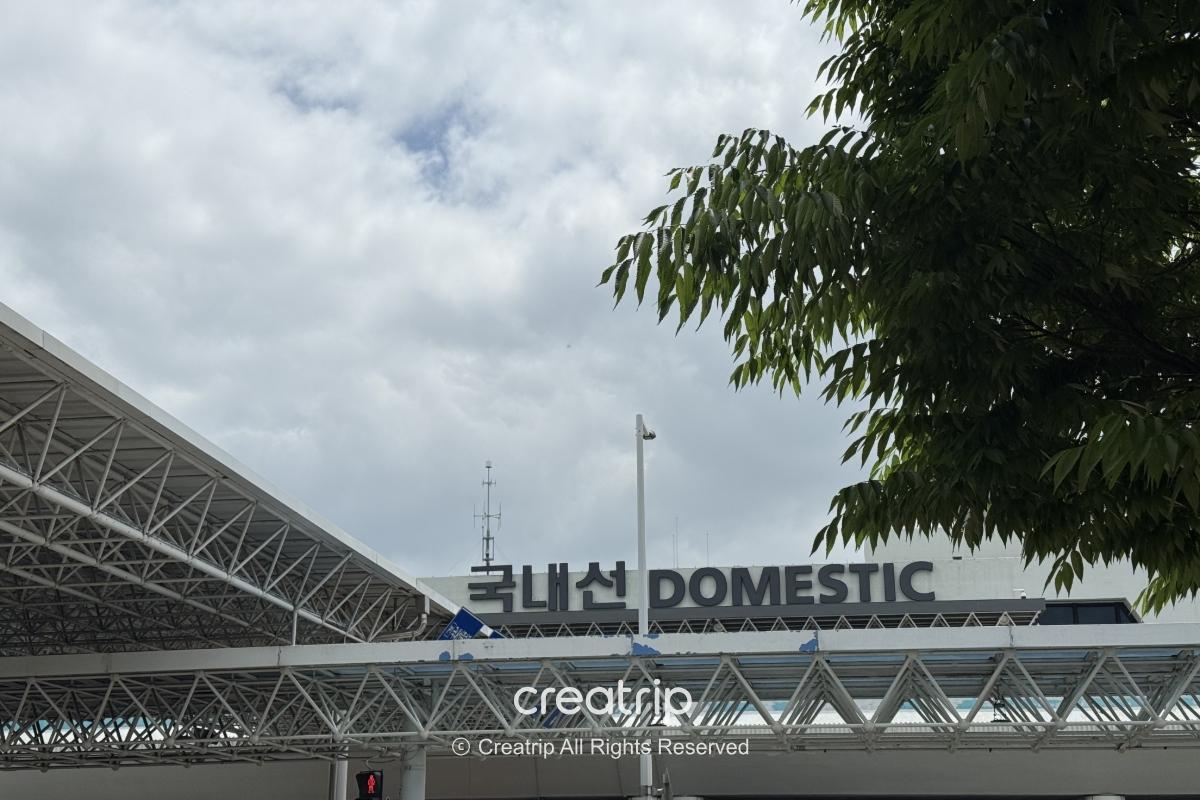
If you are flying from Busan to another city in Korea — Jeju Island or Seoul, for example — you will use the Domestic Terminal. The International and Domestic Terminals are only a few minutes apart on foot (or under a minute on the free shuttle bus looping between them).
That said, quick terminal transfer doesn't mean a quick connection: check-in and security for domestic flights can still eat up time depending on crowds. If your itinerary includes a domestic connection, build in a comfortable buffer. At least 2 hours is recommended.
Gimhae Airport FAQ: WiFi, Transport, Tax Refunds & More
Q1. Is there free WiFi and charging inside Gimhae Airport?
A. Yes, both are available at no cost. The airport's public WiFi works freely throughout the international and domestic terminals, and you will find charging stations with power outlets (some with USB ports) all over, including boarding gates and in lobby waiting areas.
Q2. Is it better to exchange money at the airport or in the city?
A. Authorized exchange booths in the city offer much better rates. Bank counters at the airport tend to have lower rates. At the airport, exchange only what you need to get moving (transit card top-up and your first ride into town; around ₩20,000–30,000/KRW 20,000–KRW 30,000), then change larger amounts at an authorized exchange booth downtown, such as in Seomyeon or Nampodong.
Q3. Can I still claim a TAX REFUND when flying with a budget airline?
A. Yes, the refund depends on meeting the tax-free requirements, not on your airline. That said, LCC check-in counters get extremely crowded, so plan to arrive about 30 minutes earlier than usual to leave room for the refund steps.
Q4. What if my suitcase might be overweight on the way home?
A. Free self-service baggage scales sit near the 2nd-floor check-in counters. Before you hand your luggage over at the counter, you can weigh it yourself on these scales. Over the limit? Head to the benches in the 3rd-floor public area and redistribute (heavy items into your carry-on is the classic move).
Q5. Are there any transport options after 11 PM or around 5 AM?
A. Basically, it is safest to plan on taking a taxi (or a pre-booked private transfer). Gimhae's flight curfew runs between 23:00–06:00, and in those late-night/early-morning windows, the light rail and limousine buses aren't running.
Q6. How do I get between the international and domestic terminals?
A. On foot or via the free loop shuttle. Even though the two buildings are a walkable distance from each other, with a big suitcase, the free shuttle from outside the 1st-floor arrivals lobby saves the hauling.
Q7. What should I do if I lose something inside the airport?
A. Head to the Lost & Found Information Center on the 1st floor of the international terminal. However, if you left something behind on the plane rather than inside the airport, you will need to contact the counter or support desk of the airline you used directly, not the airport.
How Can You Prepare for a Smooth Gimhae Airport Arrival?
Gimhae International Airport is compact and easy to navigate, but because of the nighttime flight curfew, the later your flight, the more important it is to prepare before you depart, from your eSIM to your hotel address. Once you land, move in this order and your first day in Busan starts without wasting a single minute:
get connected ➔ exchange only the minimum ➔ head to your accommodation
Related articles we recommend for your Busan trip
- Want the full picture of getting around Busan?
➔ “Busan sightseeing transportation guide” (a thorough breakdown, including how to use the subway, buses, and taxis like a local) - Comparing ways to travel from Seoul to Busan (KTX, SRT, express bus, or flight)?
➔ “How to get from Seoul to Busan” (a detailed comparison of travel time and estimated costs for each option, plus how convenient each option is upon arrival) - Want to ride taxis confidently without overpaying?
➔ “The complete guide to taxis in Korea” (a practical guide to regular taxis and deluxe taxis, the fare system, and must-have apps)
Book all things trending in Korea on Creatrip! If you have any questions or concerns, please leave a comment below or send us an email at help@creatrip.com! You can follow us on Instagram, TikTok, Threads, and Youtube to stay updated on all things Korea!