Nampo-dong Busan 2026: Food, Markets & Itinerary
A practical guide to Nampo-dong, Busan—from Gukje Market and Bupyeong Kkangtong Market to local restaurants, Gamcheon Culture Village, and easy half-day routes.

- Why First-Time Visitors Should Add Nampo-dong to Their Busan Itinerary
- What to Do in Nampo-dong: 6 Places to Add to Your Route
- More Places to Visit Near Nampo-dong
- Nampo-dong Itineraries: Half-Day and Full-Day Routes
- Frequently Asked Questions (FAQ)
- Why Nampo-dong Is Best Explored on Foot
Last updated: August 12, 2026
Nampo-dong is Busan’s historic downtown for market browsing, street food, shopping, and easy waterfront detours. Gukje Market, Bupyeong Kkangtong Market, Gwangbok-ro, and Jagalchi Market are all within easy reach on foot.
Allow about half a day for the markets and food stops. If you also want to visit Gamcheon Culture Village, plan a full day and start there while the light is best for photos.
Based on Creatrip’s on-site reporting in June 2026, this guide covers six places to visit, two easy route ideas, and practical tips for choosing between Nampo Station and Jagalchi Station.
Why First-Time Visitors Should Add Nampo-dong to Their Busan Itinerary
Traditional markets, street-front shops, underground arcades, and restaurants are packed into a compact, walkable area around Nampo-dong. Rather than rushing from one famous sightseeing spot to the next, this is an area that really suits a style of travel where you stroll the neighborhood and enjoy the shops you stumble upon and casual local eats.
Save your next stop and nearest station in a map app before entering the market alleys, as the streets can be easy to lose track of.
- Shopping: Gwangbok-ro, underground shopping arcades, and Gukje Market
- Market browsing and snacks: Gukje Market and Bupyeong Kkangtong Market
- Seafood and local food: Jagalchi Market, street-food stalls, and nearby restaurants
If you are not sure “what to do in Nampo-dong,” start by using the recommended spots by purpose below to plan your walk!
What you want to do | Recommended spots | Best time to go |
|---|---|---|
Browse lifestyle goods and clothes | Gukje Market, Nampo-dong street stroll | Daytime to early evening |
Enjoy market food | Bupyeong Kkangtong Market | Late afternoon to evening |
Enjoy photos and views | Gamcheon Culture Village | During daylight hours |
Sit down for a meal | Handasot, Asura, Ijemo Pizza | Lunch or dinner |
What to Do in Nampo-dong: 6 Places to Add to Your Route
1. Gukje Market and Bupyeong Kkangtong Market
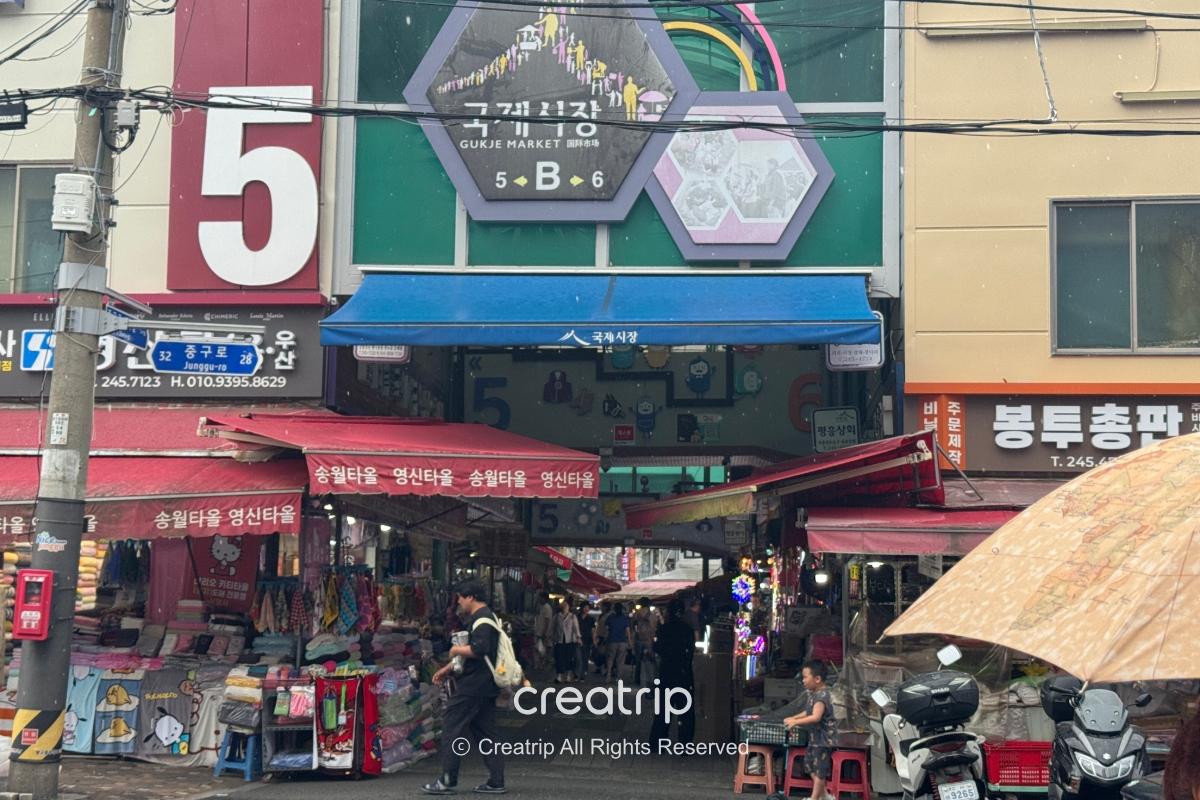
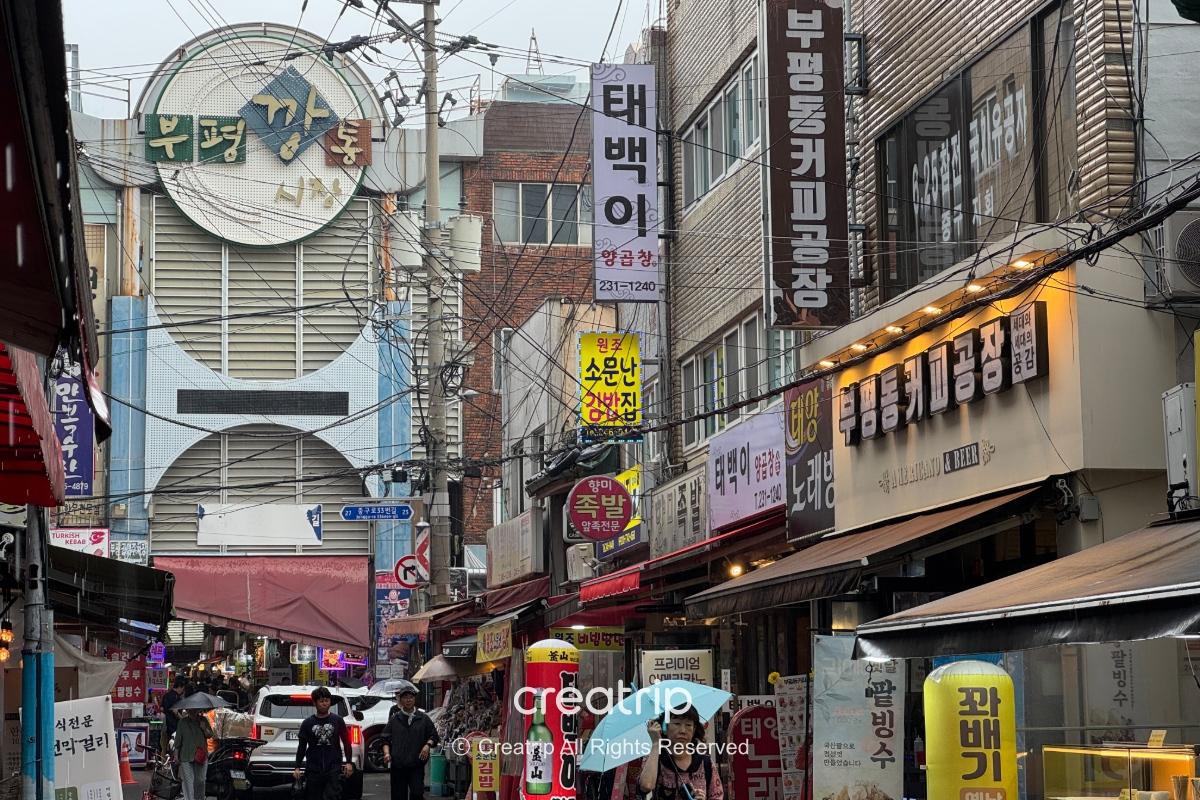
As you slip through the back alleys of Nampo-dong, you naturally end up in “Gukje Market” and “Bupyeong Kkangtong Market.” If it’s your first time, it can be hard to tell where one ends and the other begins, but each has its own unique charm.
Gukje Market is better for browsing clothing, household goods, souvenirs, and small specialty shops. Its narrow alleys developed as a commercial hub after the Korean War, and exploring without a strict route is part of the experience.
Bupyeong Kkangtong Market, right next door, is the stronger choice for street food and prepared dishes. Visit later in the day if food stalls are your priority, but check current night-market operating hours before you go.
Editor’s Tip: Keep a small amount of Korean won for market snacks, as payment methods can vary by stall. Save your next stop in a map app before entering the alleys, especially if you plan to continue to Jagalchi Market or your dinner reservation.
2. Walk Gwangbok-ro for Shopping and Street Food
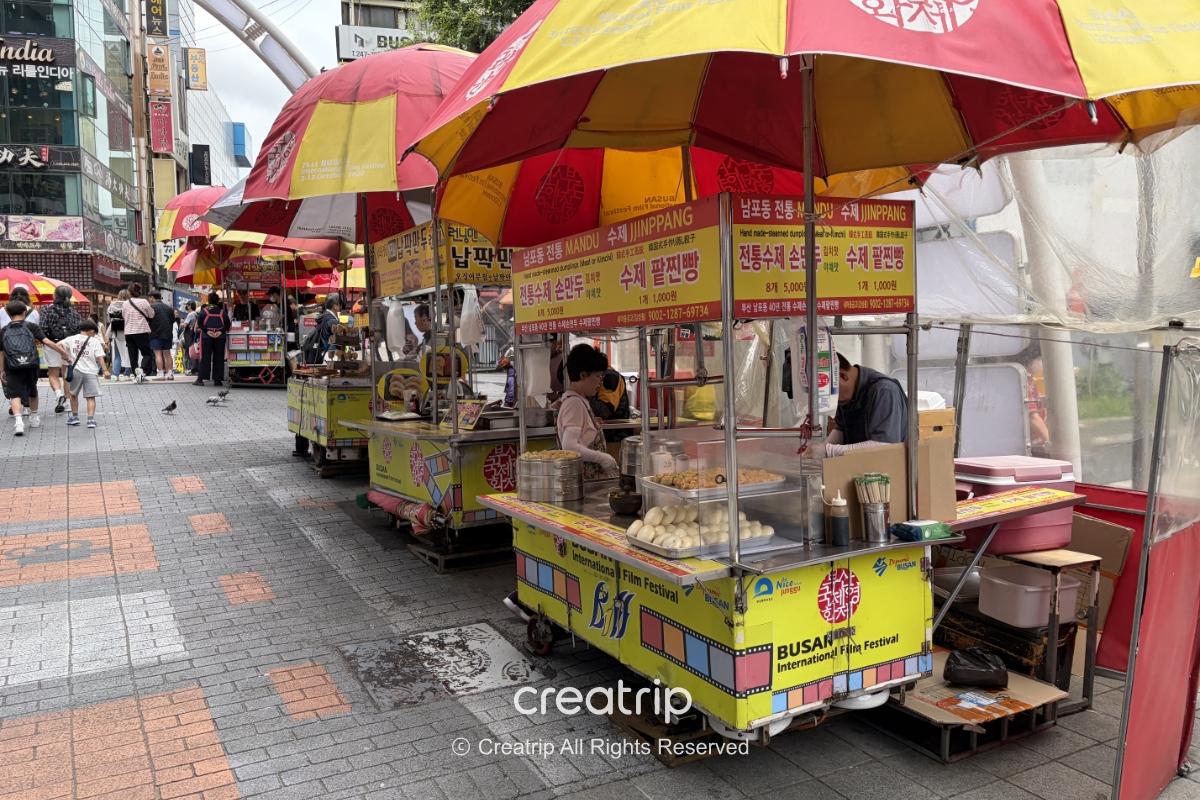

Nampo-dong is not only about traditional markets. Around Nampo Station and Gwangbok-ro, you will find cosmetics stores, fashion shops, cafés, and busy pedestrian streets before the scenery gradually shifts toward older market alleys.
This contrast, where the neighborhood shifts from a polished main street to a traditional market, is exactly what makes exploring Nampo-dong so enjoyable. Exploring the side streets, storefront displays, and lively alleys reveals a more local side of Busan beyond the city’s best-known attractions.
Start at Nampo Station if shopping on Gwangbok-ro is your priority. Start at Jagalchi Station if you want to begin with seafood or market food. The streets can get crowded, so keep to the side when taking photos and allow extra time during weekends and holidays.
3. Gamcheon Culture Village
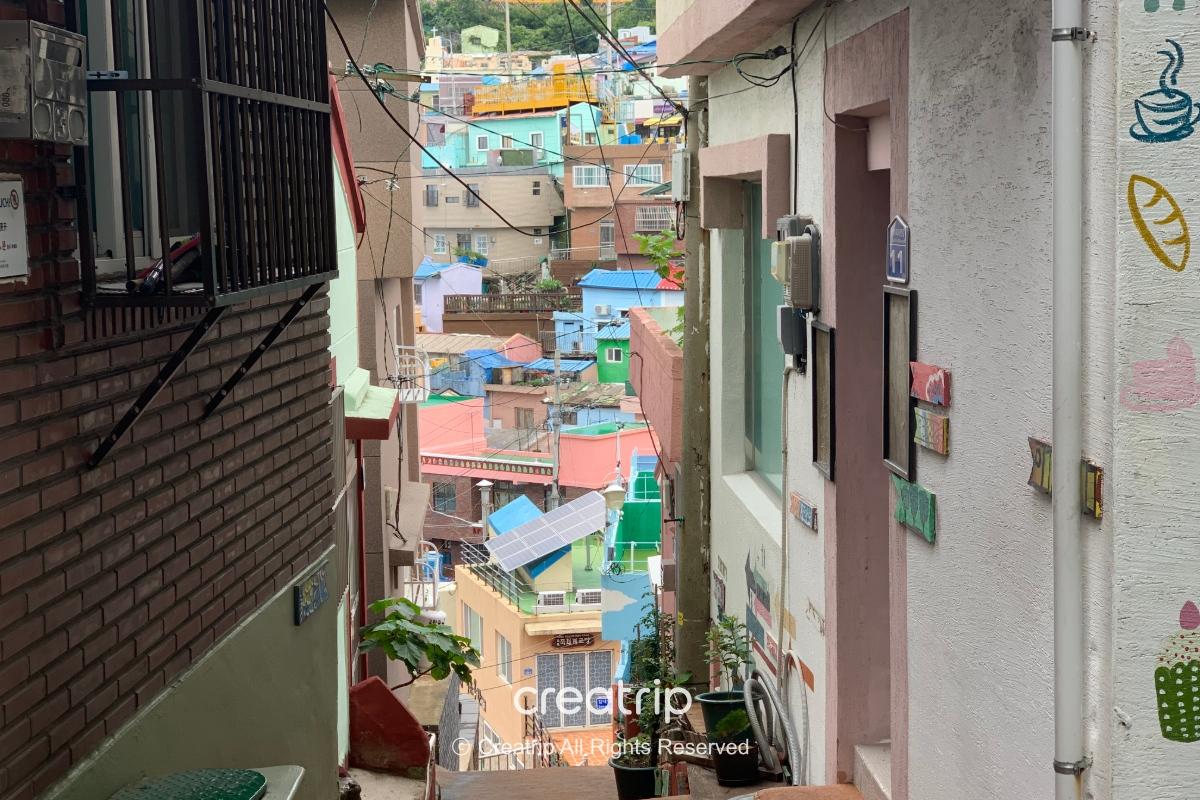
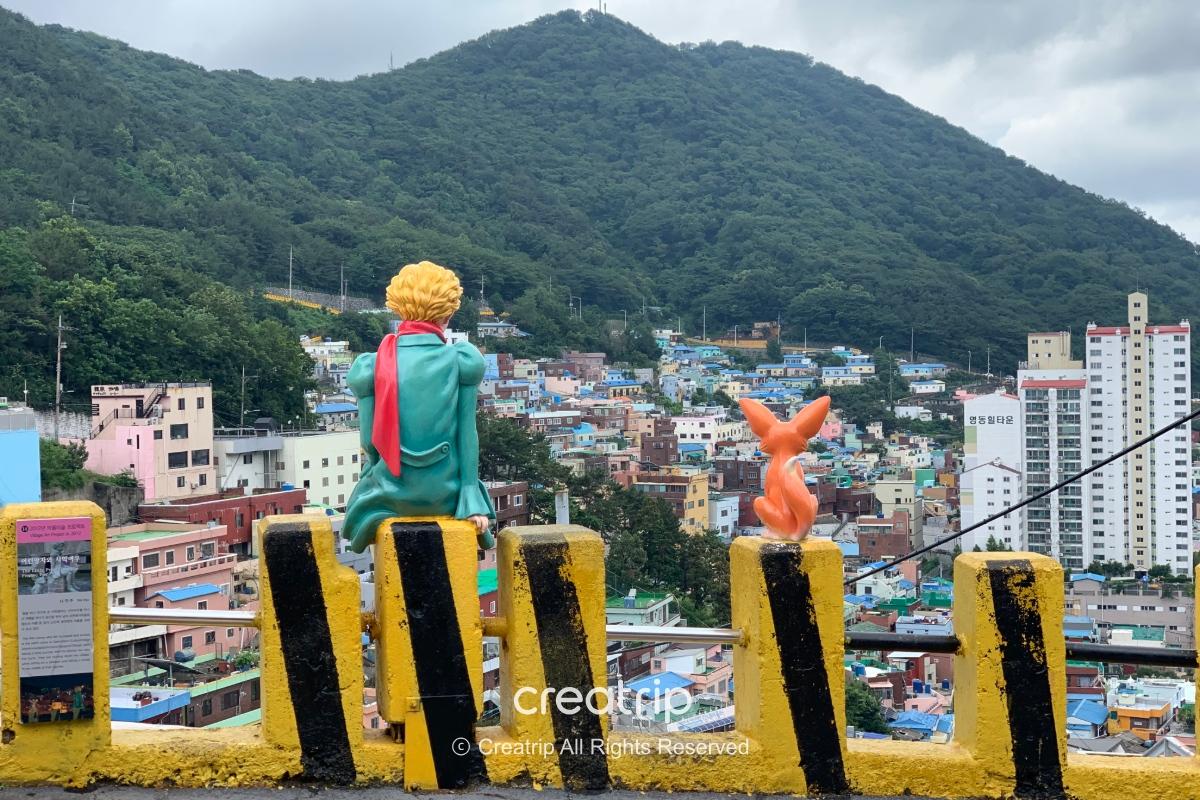
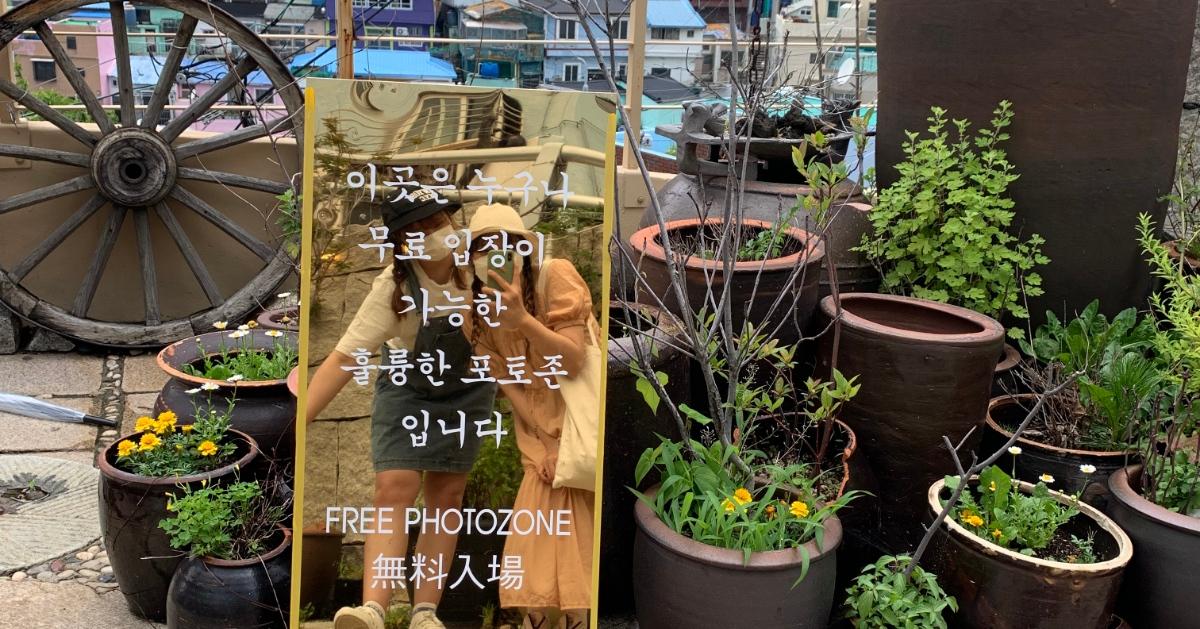
Gamcheon Culture Village, where colorful houses layer across the hillside, is a spot where you can find scenery a little different from Nampo-dong. It is known for its vibrant art and photogenic murals, but it originally began as a settlement built on the mountain slope by refugees of the Korean War. In the terraced rows of homes and the maze-like narrow alleys, Busan’s history is still etched into the landscape today.
Easy to pair with Nampo-dong by bus or taxi, Gamcheon Culture Village is best enjoyed by spending about 1 to 2 hours strolling around during the day, then heading back to Nampo-dong from late afternoon to enjoy street food and shopping. Because it is also a living neighborhood where residents still live, be mindful of local etiquette, and visit in comfortable, walkable shoes that can handle steep slopes.
4. Handasot Nampo Branch
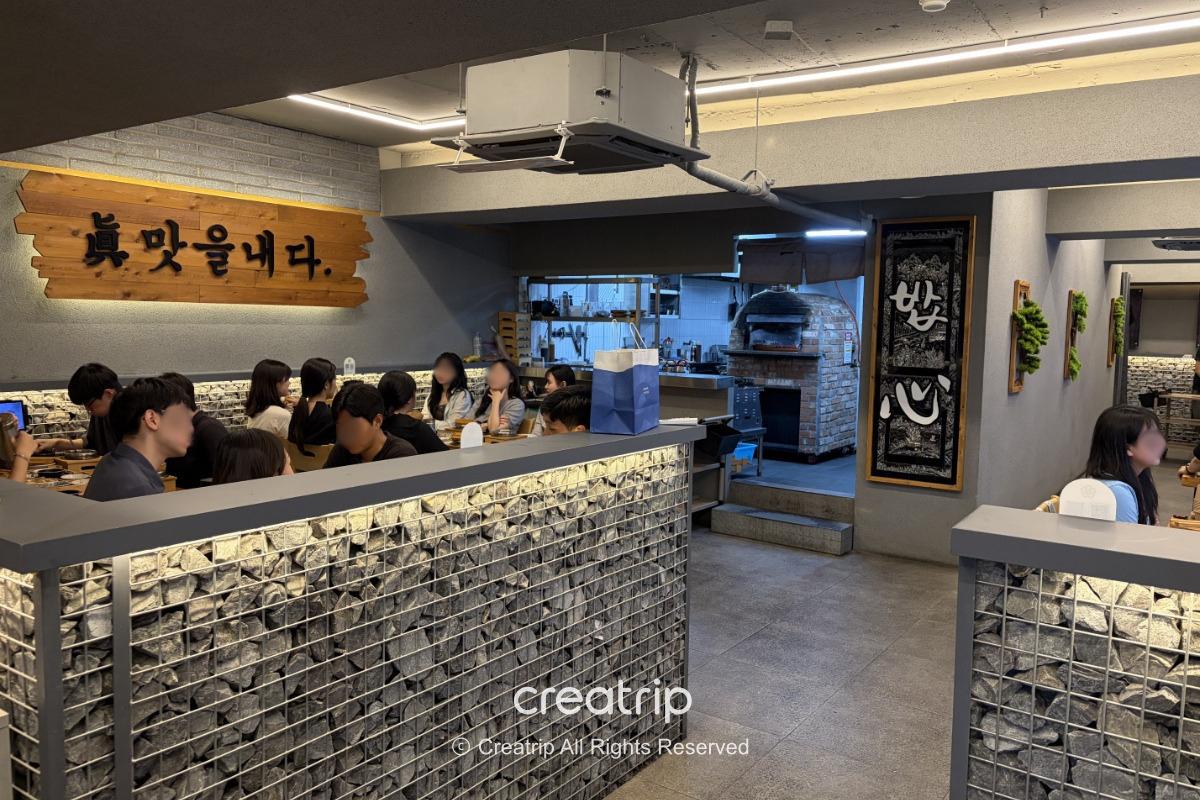
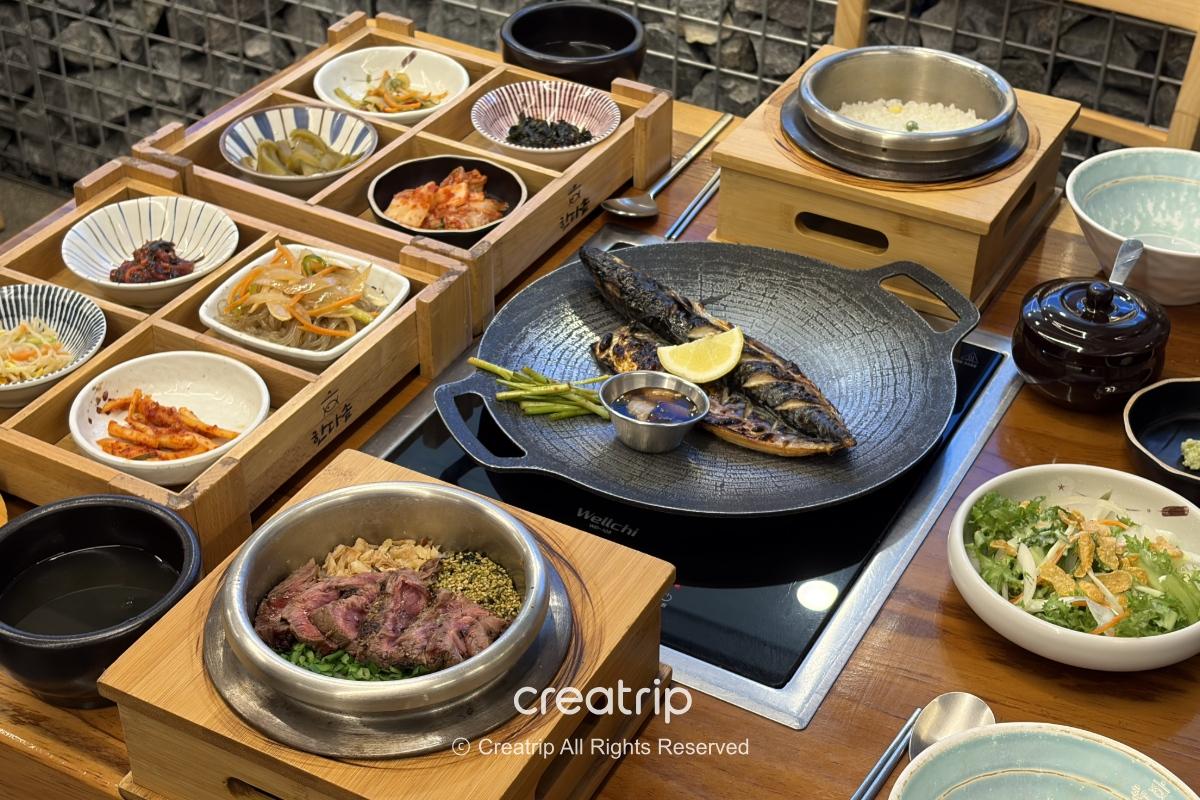
After market hopping, Handasot Nampo Branch is a good choice for travelers who want a proper Korean meal in a calmer setting.
The stars here are freshly cooked, fragrant pot rice and generously sized grilled fish. Your table fills up with stew and colorful side dishes (banchan), letting you savor tender, flaky fish with warm rice in a truly satisfying moment. There are plenty of options for toppings, like abalone, eel, beef, and salmon, so it’s an easy pick even when meat lovers and seafood lovers are dining together.
To finish, a classic Korean way is to pour hot water over the crispy scorched rice left in the pot and enjoy it as nutty nurungji tea right down to the last bite. Since the spread is so plentiful and filling, it’s best to plan your visit at a different time from your market snacking.
If you’d like to wind down after exploring the market and enjoy pot rice and grilled fish at a leisurely pace, check the location, latest menu, and any usage details before adding it to your itinerary.
5. Asura Nampo Branch
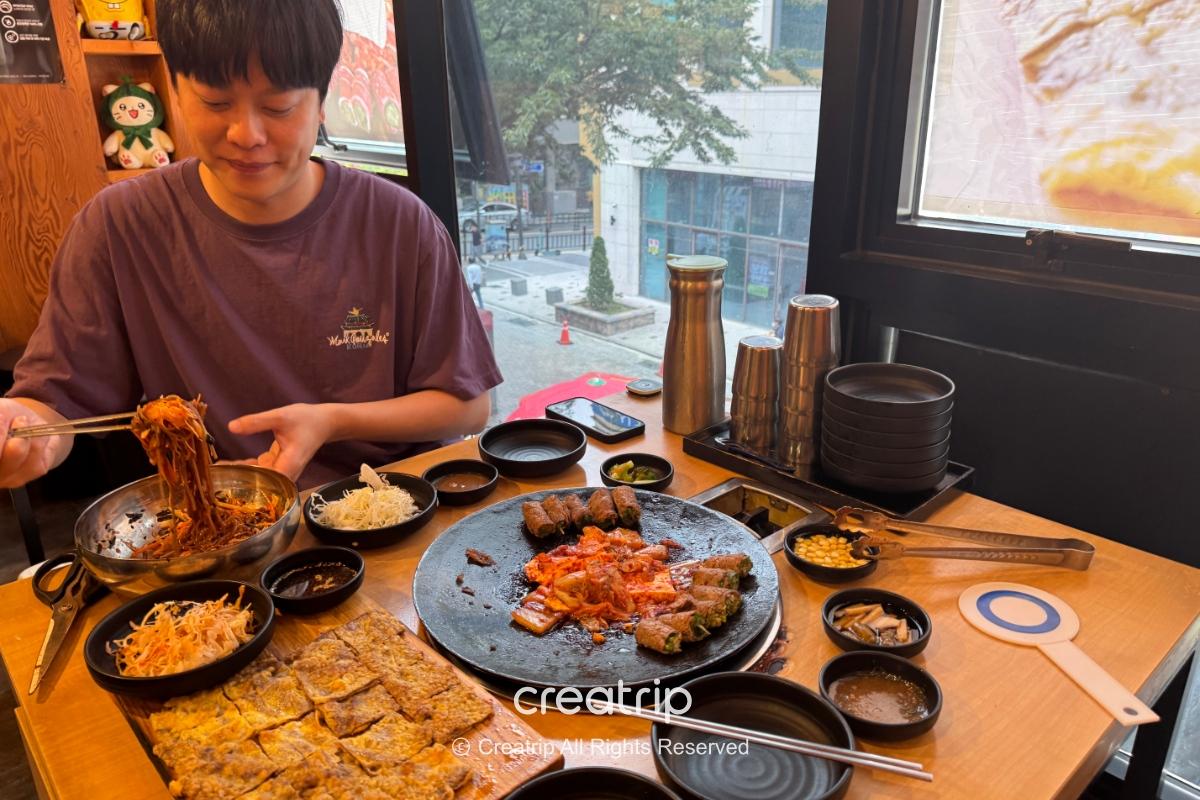
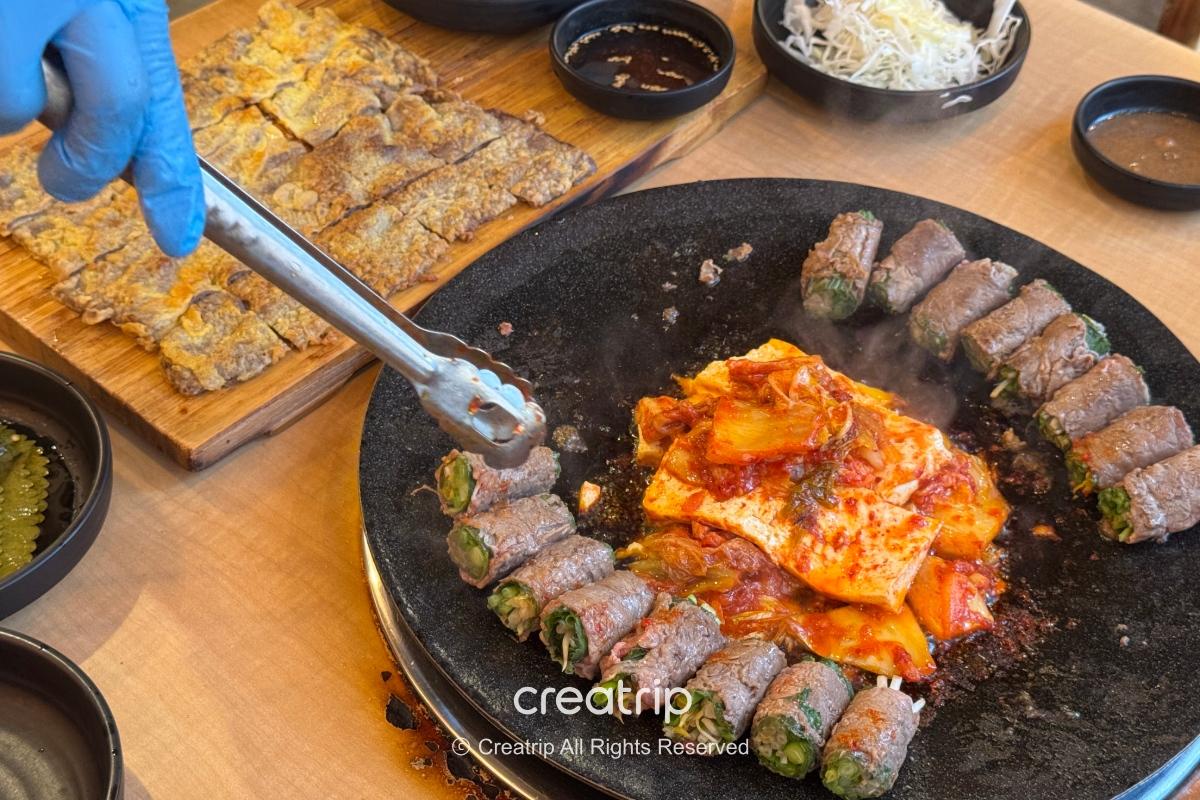
For a meat dish that feels different from a typical Korean barbecue meal, consider Asura Nampo Branch. Their signature menu item is “meat rolls (gogimari),” where thinly sliced perilla leaves, scallions, and more are rolled up in beef.
In a calm, cozy dining space, the rolls are cooked juicy on a hot plate. As the meat browns and turns fragrant, the bright green of the vegetables peeks through, making it as appetizing to look at as it is to eat. The rich flavor of the beef, the crisp bite of the vegetables, and the aroma come together in a perfect balance, so it never feels too heavy and goes down easily.
The beef rolls are easy to share, making Asura a practical dinner choice for couples, friends, and families after a day of market hopping.
6. Ijemo Pizza Main Branch
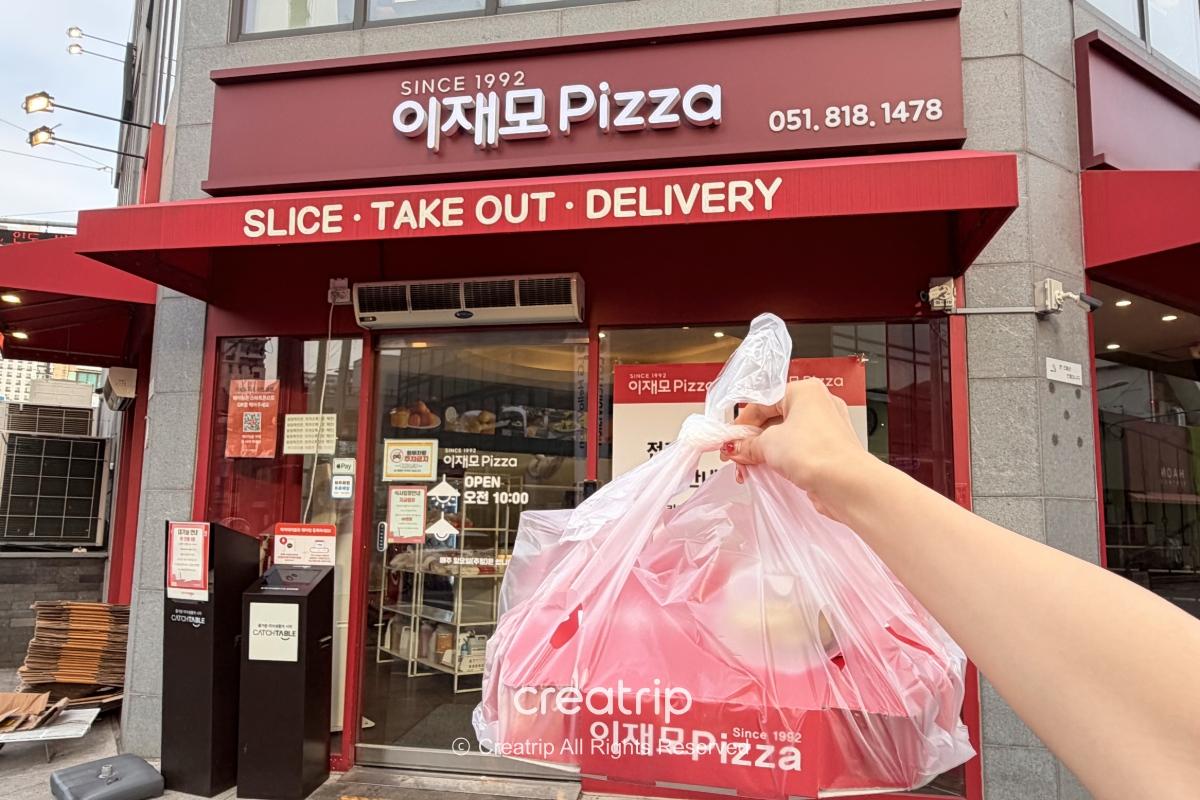

Ijemo Pizza, founded in Nampo-dong in 1992, is a long-running Busan-born pizza brand. It is a convenient shareable option for travelers who want a break from Korean food or market snacks.
The biggest draw is how satisfyingly hearty it is, you can enjoy the presence of cheese all the way to the crust. One bite and the cheese stretches beautifully, making it a filling, crowd-pleasing dish that is easy to share.
It’s easy to share with a group and works well as a change of pace during your trip. Check the latest opening hours and expected wait directly with the restaurant before visiting.
More Places to Visit Near Nampo-dong
If you still have some room in your schedule and energy, be sure to check out the three spots below too. From a seafood market to a stunning lookout, and beautiful harbor views, they will open up even more ways to enjoy your trip.
Jagalchi Market
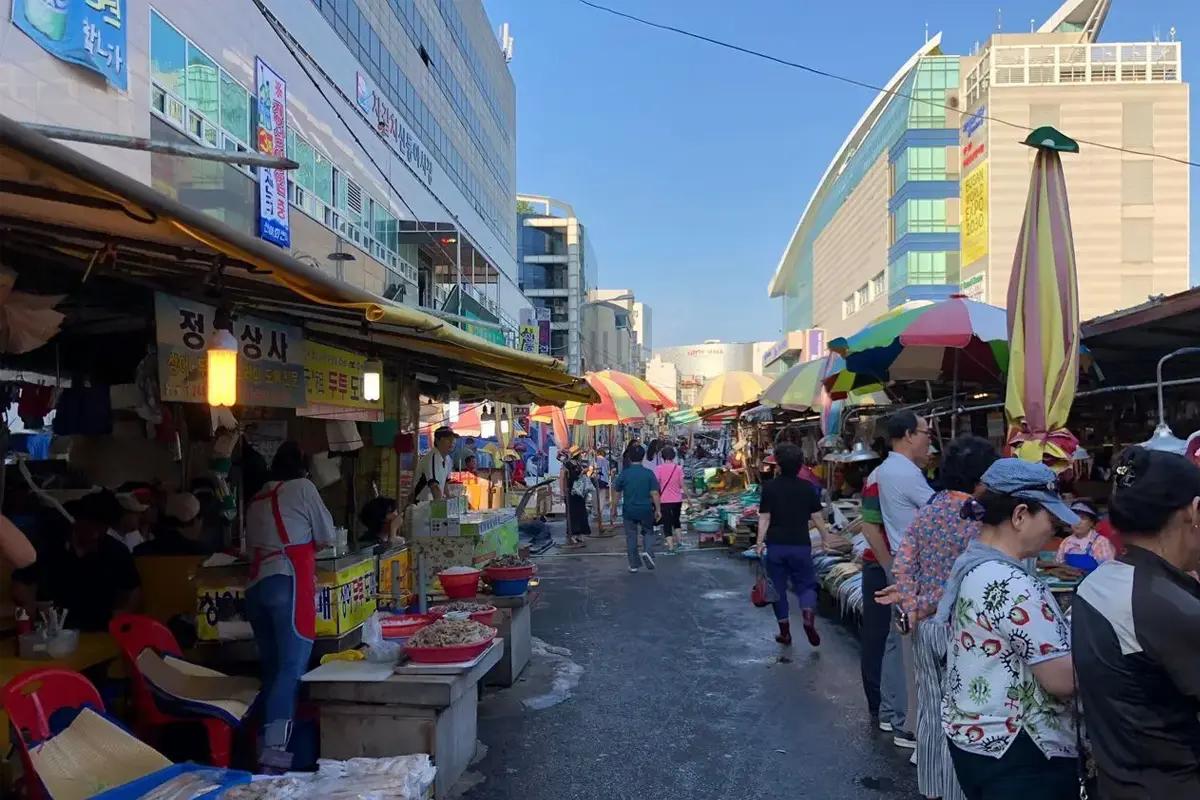
A lively seafood market that captures Busan’s port-city energy
While Gukje Market focuses on clothing and miscellaneous goods, and Bupyeong Kkangtong Market is packed with street food, Jagalchi Market is all about seafood. The sight of freshly landed catch lined up in rows feels like the very essence of the port city of Busan. If you want to experience a powerful, energetic atmosphere that is different from the inland markets, or simply enjoy the buzz of a fish market, start your walk from the Jagalchi Station side and drop by.
Yongdusan Park, Busan Tower
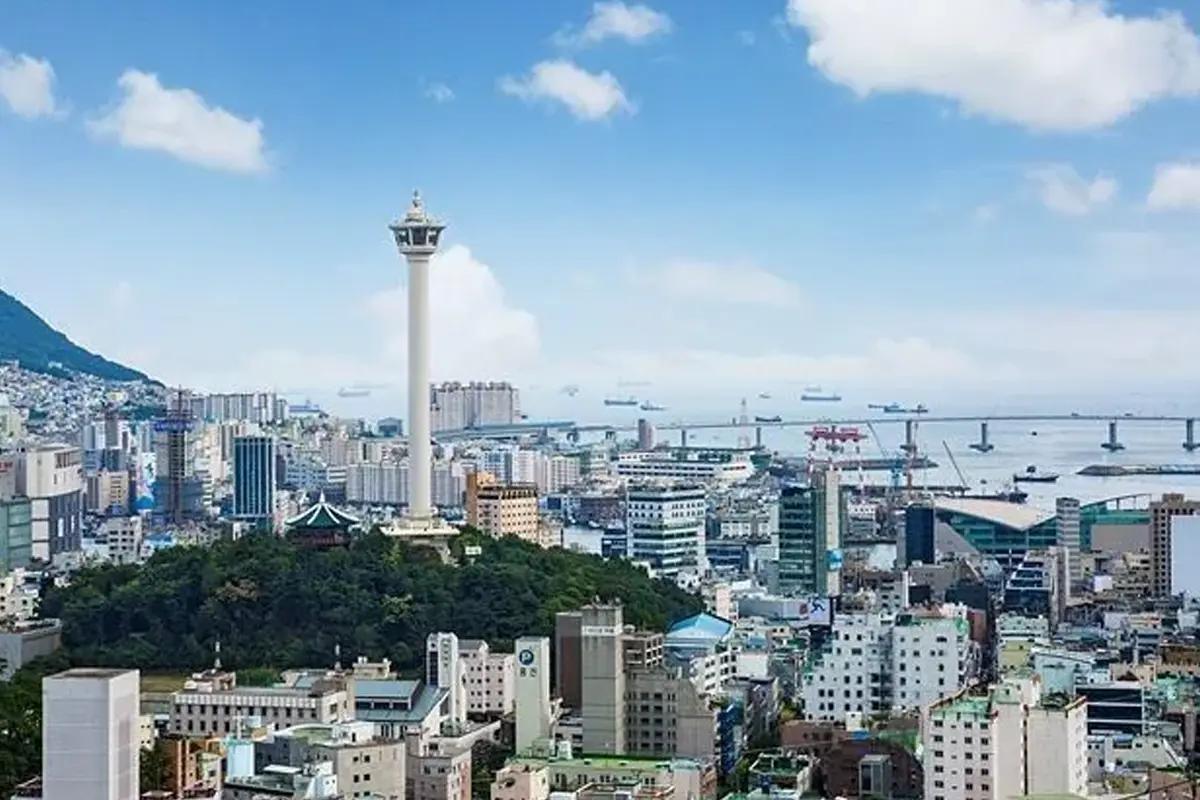
A viewpoint over Nampo-dong’s streets and Busan Harbor
If you want to enjoy the scenery as well as markets and shopping, head to Yongdusan Park, located right near Gwangbok-ro. From Busan Tower rising within the park, you can take in a 360-degree view of Busan Port and toward Yeongdo. One of the fun parts is looking down and spotting the lively streets you were just walking through. It is the perfect place to take a break during your stroll and enjoy the refreshing view.
Yeongdo Bridge
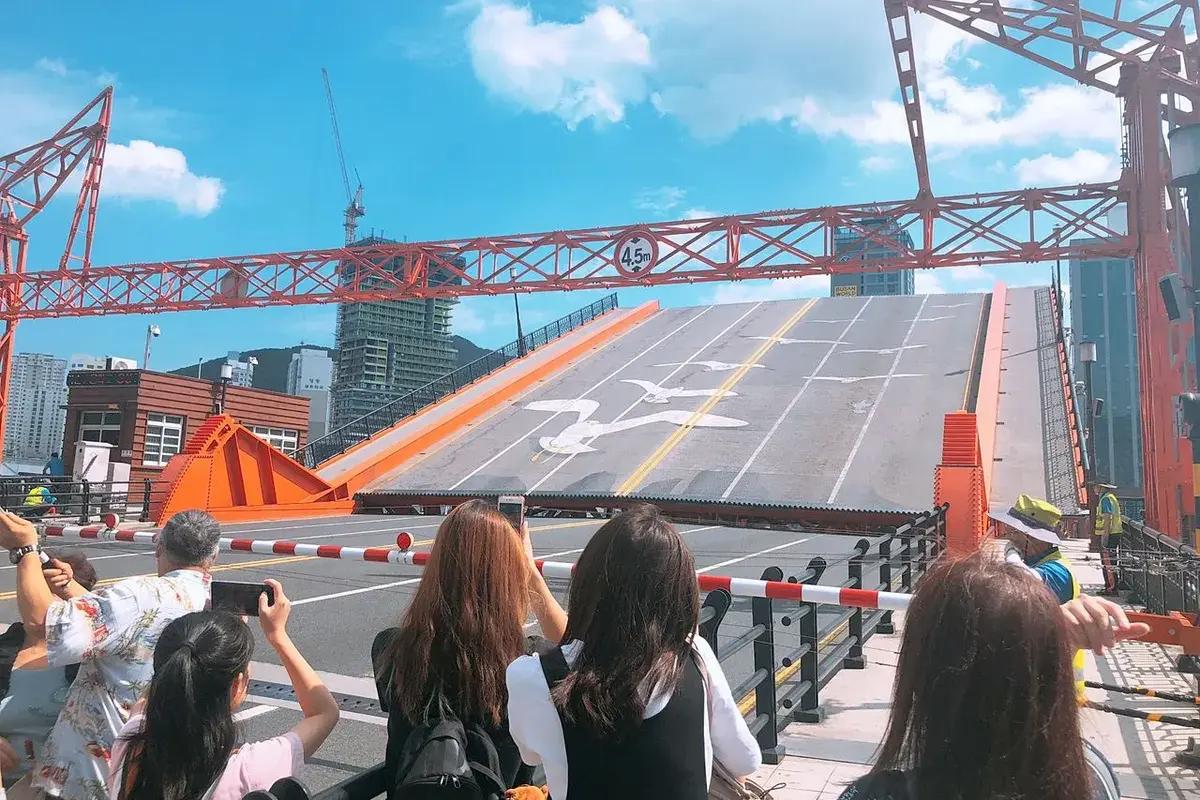
A short waterfront walk with sea views and passing ships
Yeongdo Bridge, which connects Nampo-dong and Yeongdo, is just a short walk from Nampo Station, and it is a great spot to find that fresh, port-city scenery. Around the bridge, you will see the blue sea, large ships coming and going, and the streets of Yeongdo across the water, showing a calm side that feels completely different from the busy markets and shopping streets. Even a casual walk here, feeling the sea breeze between shopping and meals, makes a lovely accent to your trip.
Nampo-dong Itineraries: Half-Day and Full-Day Routes
Half-Day Nampo-dong Itinerary: Markets, Shopping, and Dinner
Nampo Station → Gwangbok-ro, Nampo-dong stroll → Gukje Market → Bupyeong Kkangtong Market → One dinner spot
This route is easy to put together even if you only start in the afternoon. While it’s still bright out, enjoy shopping along Gwangbok-ro and at Gukje Market, then head to Bupyeong Kkangtong Market in the early evening. If you want to see seafood, add Jagalchi Market, if you want a panoramic city view, add just one of Yongdusan Park or Busan Tower, and it won’t feel too packed even in half a day. For dinner, choose one place: Handasot for a Korean set meal, Asura for meat dishes, or Ijemo Pizza for a Busan local favorite.
One-Day Busan Itinerary: Gamcheon Culture Village and Nampo-dong
Gamcheon Culture Village → Nampo-dong stroll → Gukje Market, Bupyeong Kkangtong Market → One dinner spot
Visit Gamcheon Culture Village during the brighter hours when it’s easiest to take photos, then move to Nampo-dong in the afternoon. Since Gamcheon Culture Village has lots of hills, doing it first makes it easier to pace yourself. Even if you plan to snack as you go at the markets, keep portions small so you still have room to enjoy dinner. Pick one restaurant that fits what you want to eat and who you’re traveling with, and save the rest for another day, you’ll be able to take your time and enjoy the Nampo-dong walk itself.
Frequently Asked Questions (FAQ)
Q1. What do you recommend doing in Nampo-dong?
A. If it’s your first time, we recommend combining a stroll along Gwangbok-ro, shopping at Gukje Market, snacking your way through Bupyeong Kkangtong Market, and having a meal at a local restaurant. If you also want great views, add Gamcheon Culture Village to your plan.
Q2. How many hours do you need to enjoy Nampo-dong?
A. If you are mainly visiting the markets and eating, half a day is a good guideline. If you want to include Gamcheon Culture Village, or if you would like to take your time shopping, setting aside a full day is a safe bet.
Q3. What’s the difference between Gukje Market and Bupyeong Kkangtong Market?
A. Gukje Market gives off more of a “shopping” vibe, with clothing, general goods, and everyday items, while Bupyeong Kkangtong Market stands out for its “food” scene, like street stalls and prepared side dishes. Since they’re right next to each other, you can easily visit both on the same day.
Q4. Which should I use, Nampo Station or Jagalchi Station?
A. Use Nampo Station if you want to start with Gwangbok-ro and shopping. Jagalchi Station is more convenient if you plan to begin with Jagalchi Market or the food-focused market area.
Q5. Is Gamcheon Culture Village in Nampo-dong?
A. It is not in Nampo-dong itself, but it is a classic tourist spot that is easy to combine with Nampo-dong on the same day. Considering the travel time and walking up and down the hills, we recommend including it in a one-day itinerary.
Q6. Can I still enjoy it on a rainy day?
A. Yes, you can, if you focus on the markets, underground shopping streets, and restaurants. Since the slopes and stairs at Gamcheon Culture Village can get slippery, wear shoes with good grip and explore at a comfortable pace.
Q7. Can I use a credit card at markets in Nampo-dong?
A. It depends on the shop. You may be able to use a card at road shops and restaurants, but at smaller market stalls, cash can be more convenient. Have some small amounts of Korean won ready, and check whether cards are accepted before you pay.
Q8. Do you need reservations for restaurants in Nampo-dong?
A. Reservation policies vary by restaurant. Check current opening hours and reservation availability directly with the restaurant before visiting.
Why Nampo-dong Is Best Explored on Foot
Nampo-dong is best enjoyed without trying to rush through every stop. Start with the part of the area that matches your priority, shopping around Gwangbok-ro, browsing Gukje Market, seafood at Jagalchi Market, or street food at Bupyeong Kkangtong Market, and build the rest of your route around it.
If you have half a day, focus on the markets, food, and Gwangbok-ro. With a full day, add Gamcheon Culture Village. For dinner, choose one sit-down option, whether that is Korean pot rice (sotbap), beef rolls, or Busan-style pizza.
Planning to spend more time around Haeundae and Cheongsapo? You may also like our Busan 1-Night, 2-Day Relax Trip Model Course.
This guide was created by the Creatrip Editorial Team based on on-site reporting in June 2026. Business hours, menus, prices, and what is offered may change. Please check the latest information for each shop and facility before your visit.
Need help planning your Korea trip? Contact Creatrip at help@creatrip.com. Support availability may vary by language and time.