The Most Common Ways To Get Fined In Korea & How Much They Cost
Here's a look at things that can lead to some hefty fines in our daily lives in Korea!


How much do you know about Korean law?
You don't necessarily need to be an expert, but it wouldn't be the best experience to visit Korea and end up having to pay a fine because you were clueless.
Today, we are going to learn about the most common fines that people face in their daily lives in Korea.
Without further ado, let's take a look at the most interesting and useful tips to avoid getting fined.
Fines

First, we need to learn about the fine system in Korea. A fine is a penalty or punishment that requires a certain amount of money paid to the country for breaking a law.
The Korean criminal law stipulates that a fine is more than 50,000 won, and if it's less than 50,000 won, it's simply called a 'minor fine' (과료).
Other fines and penalties are administrative acts, not criminal penalties.
As such, fines, minor fines, penalties, overdue penalties, and tickets, are all classified as different categories but we will use the term 'fine' to address all acts of paying money to the state for their wrongdoings.
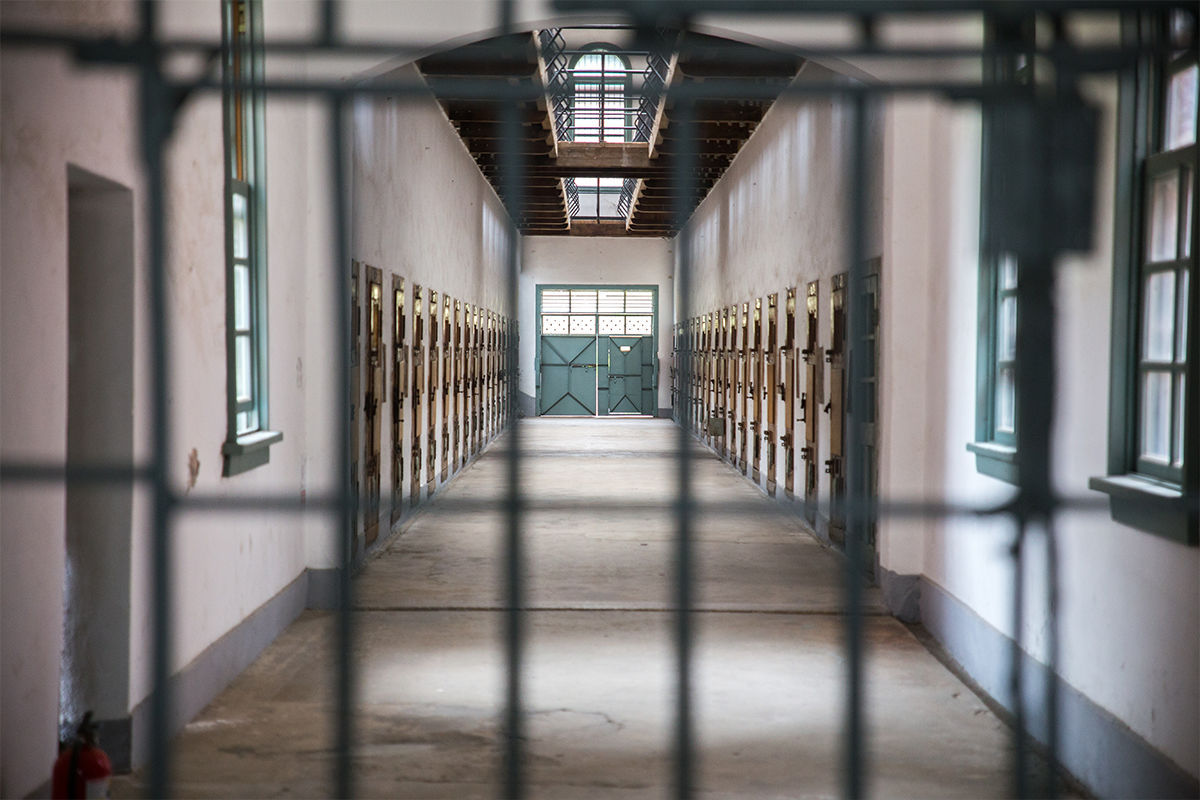
Fines are to be paid within 30 days.
If it's not paid on time, individuals will be held at a workhouse, a place created for those who have not paid their fines.
Now that we've got that out of the way, let's look at how these fines occur and their costs.
Parking Violation Fine
 Source: young Hyundai
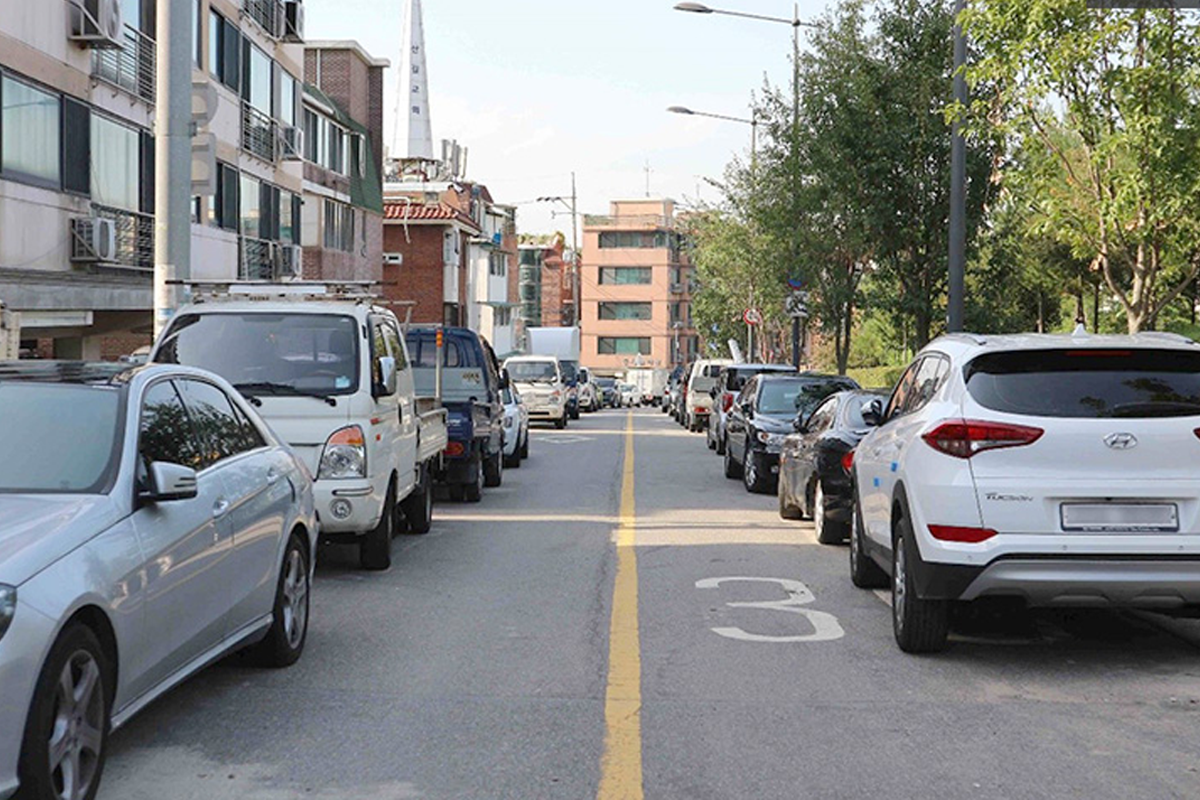
Those that have parked at an unauthorized parking spot or have made parking violations are given parking fines.
In other words, it's a very common fine that you need to pay when you park at an unauthorized parking spot.
 Source: Hankyung
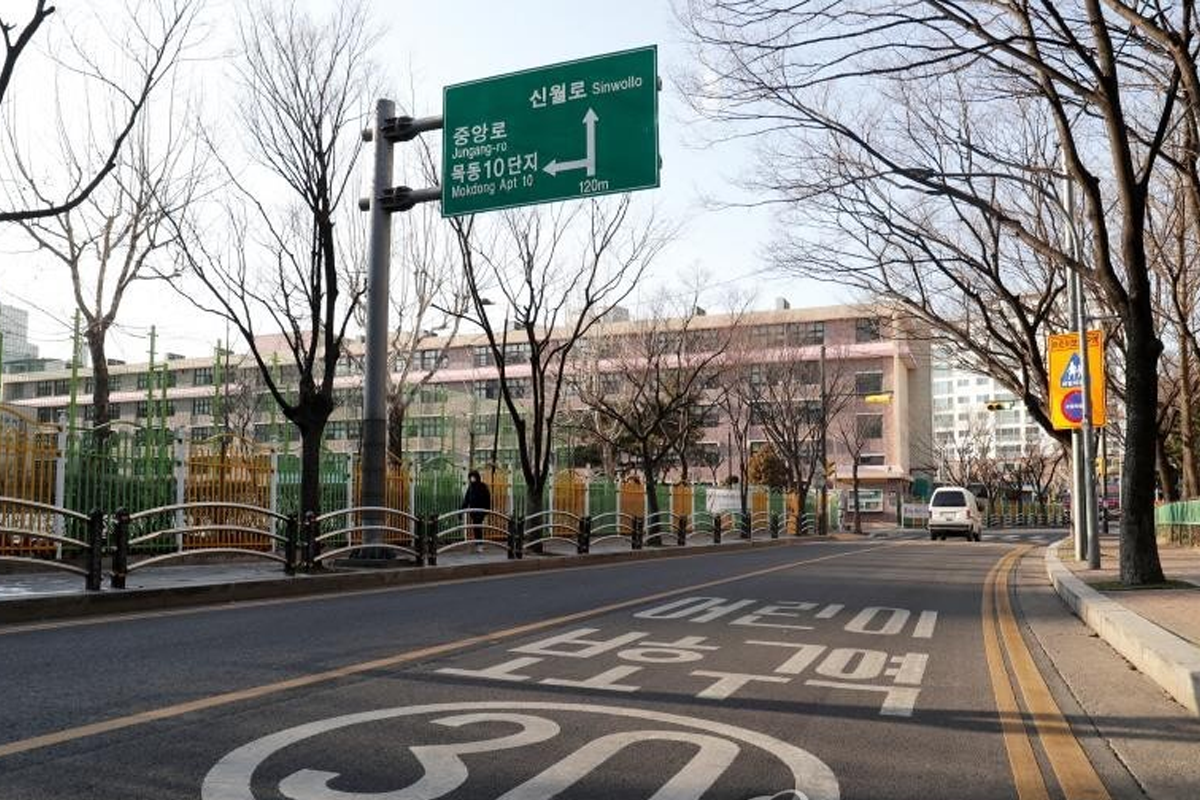
According to the Enforcement Decree of the Road Traffic Act, the fine for parking violations varies slightly depending on the situation.
Passenger car | Van | |
General road | 40,000 won | 50,000 won |
School zone | 120,000 won | 130,000 won |
Within 5m of fire hydrant | 80,000 won | 90,000 won |
Senior/disabled protection area | 80,000 won | 90,000 won |
Unlike general roads, the school zone that protects children, and senior/disabled protection areas have higher fines.
Also, illegal parking within 5 meters of a fire hydrant can cause a huge risk of blocking fire trucks in case of emergency, so they have higher fines.
Splashing Rainwater Fine
 Source: Welcome to Waikiki
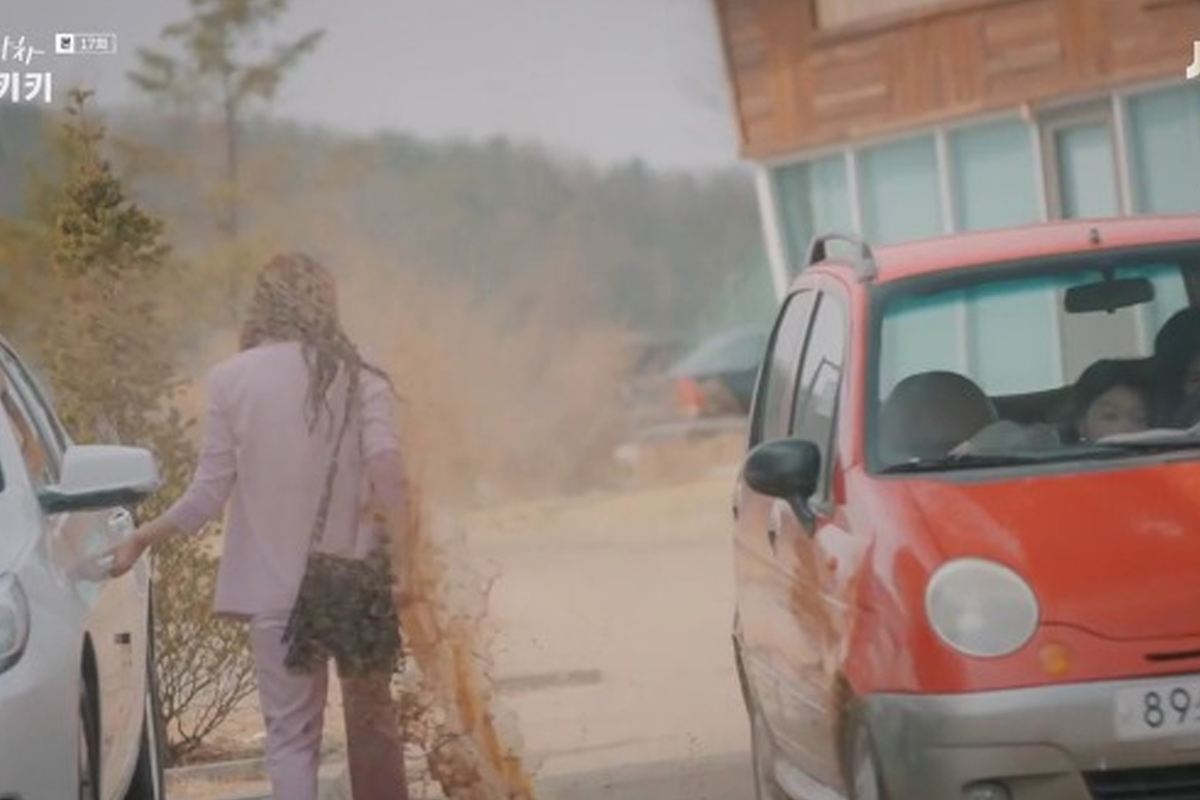
Have you ever experienced the misfortune of being completely soaked with rainwater on a rainy day?
It's honestly the worst experience that could easily ruin your day.
If a pedestrian reports the vehicle number and the damage done, the car owner must pay a fine.
The fine is 20,000 won for passenger cars and vans, and 10,000 won for motorcycles and bicycles.
So if you're ever driving in the rain in Korea, make sure to drive slow and be cautious not to splash others with water!
Shutdown System
 Source: 중앙일보
The shutdown system is a law that prohibits young teenagers from playing late-night games.
Teenagers under the age of 16 cannot play online games from 0:00 AM to 6:00 AM to ensure healthy growth and prevent gaming addictions at a young age.
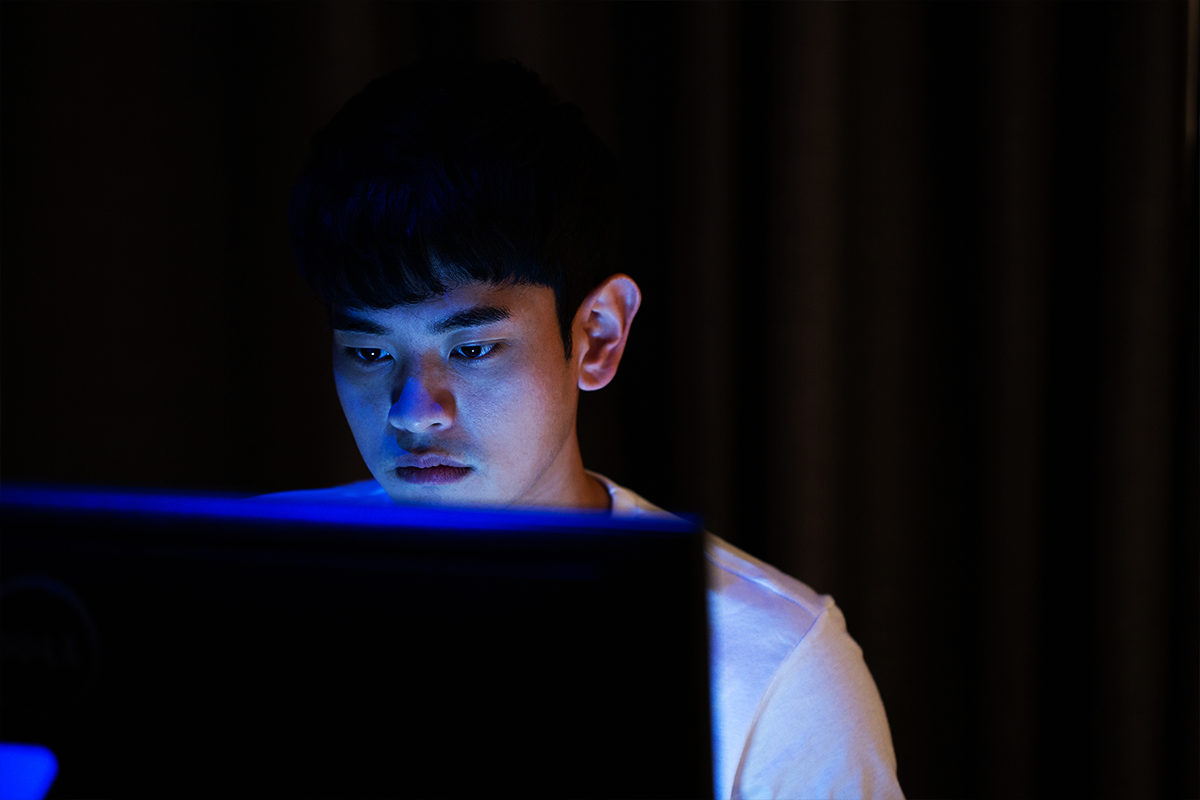
During a game, users under the age of 16 are kicked out of the server during the prohibited hours.
Companies that violate this law and provide games to these young students will be sentenced to up to two years in prison or a fine of up to 10 million won (approx. 8.8K USD).
However, this law hasn't been very effective as many teenagers are figuring out secret ways to play games to avoid the shutdown system and it's not easy to crack down on each individual.
Smoking In Non-smoking Areas
 Source: Newsis
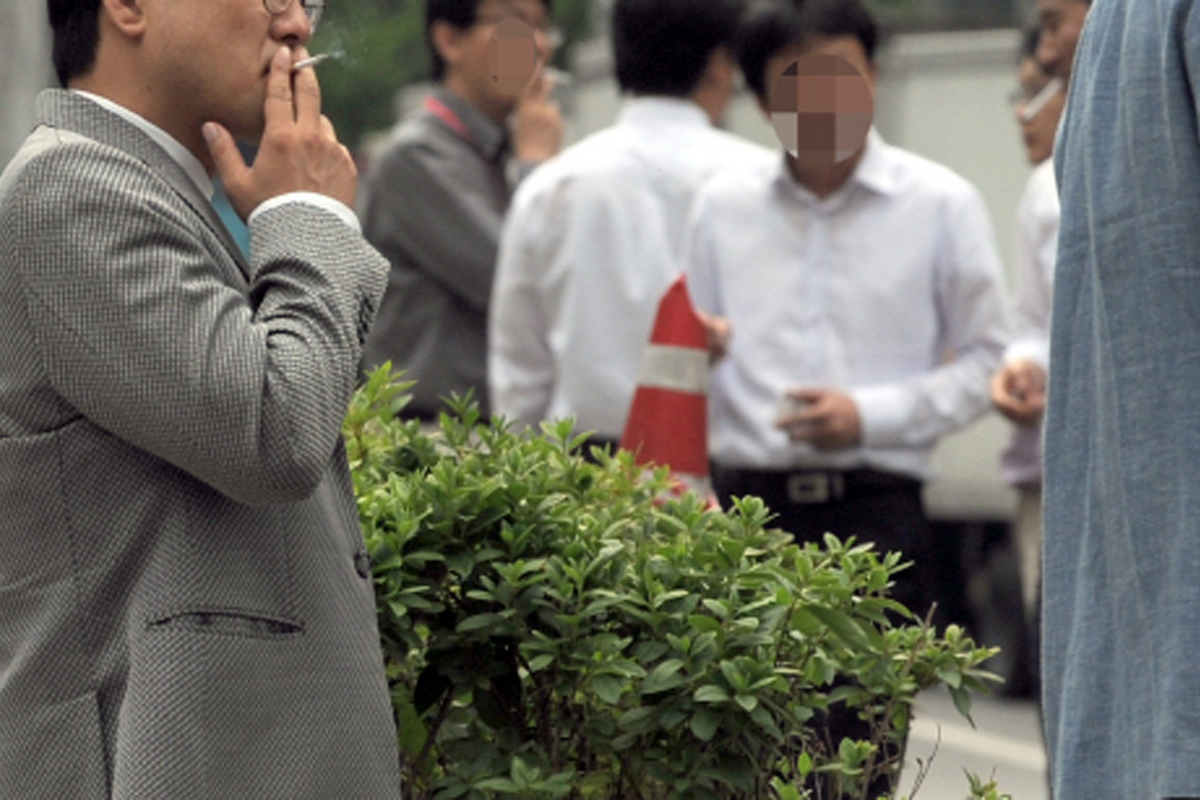
A fine of 100,000 won will be imposed for smoking in public facilities designated as non-smoking areas under the National Health Promotion Act.
In addition, if you throw away cigarette butts on the street, you will be fined 50,000 won.
I actually heard of a friend that visited Korea from Europe and was caught by the police on the street while they were smoking and had to pay a fine.
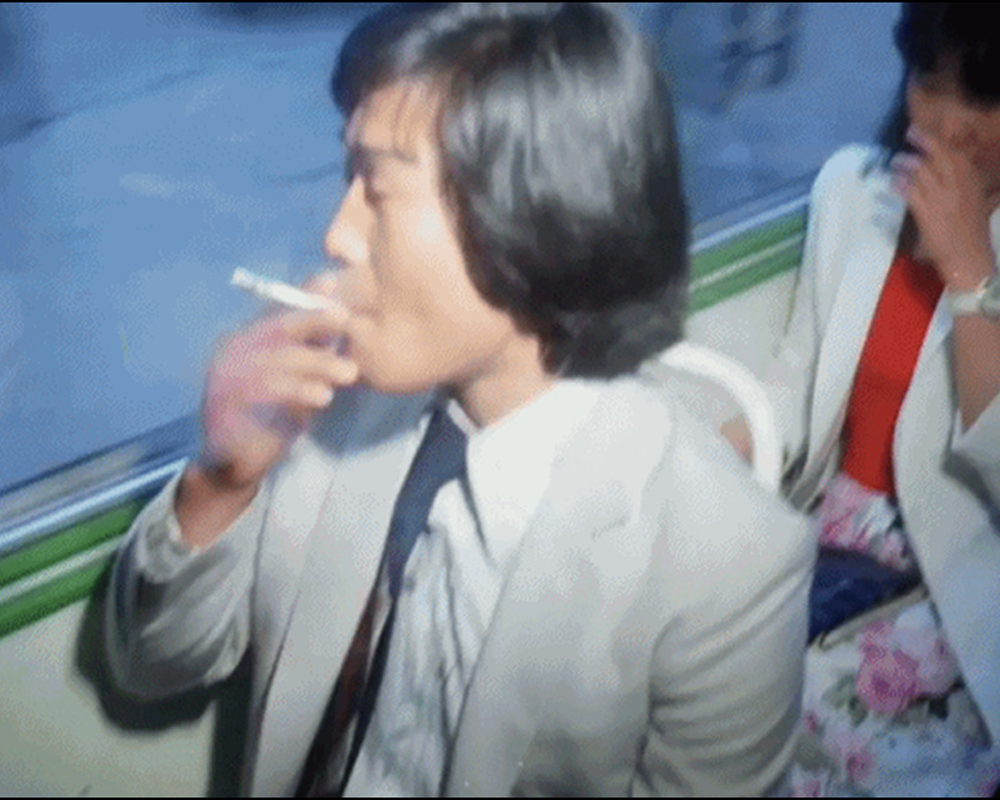
In fact, until the early 1990s, smoking indoors or on public transportation was very common to see.
However, a ban on smoking on public transportation began in 1995 as civic awareness grew and people recognized cigarettes as harmful to one's health.
Since 2015, smoking has been banned in all restaurants, bars, cafes, and more.
Drinking While Hiking
 Source: Korea National Park
In Korea's hiking culture, there is a wide group of people that like to go for a hike and have a drink together, often referred to as "Jungsangju" (정상주) or "Hasanju" (하산주).
Some mountaintops even have street vendors selling alcohol.
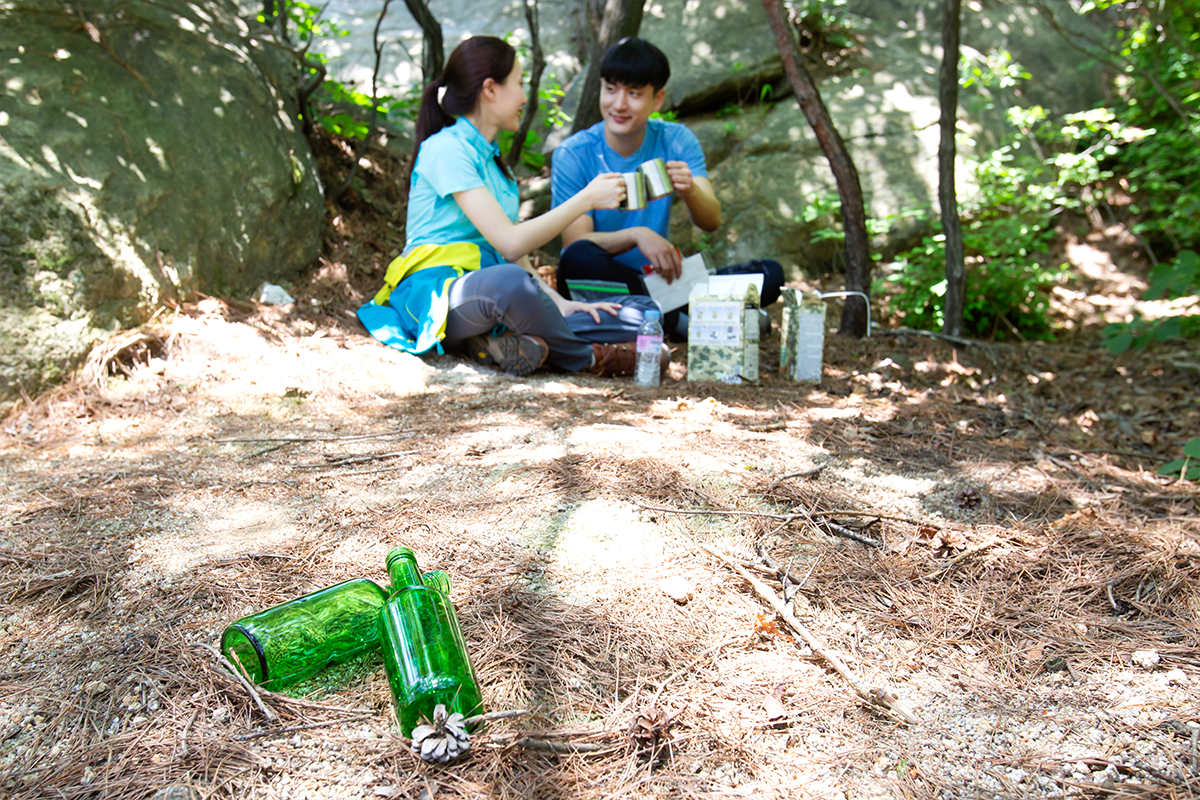
However, as risky accidents and deaths started to occur as a result of hiking while intoxicated, the government set regulations on hiking while drinking.
Since 2018, people now have to pay a fine if they drink alcohol in the mountains designated as a national park, provincial park, or county park according to the Enforcement Decree of the Natural Parks Act.
The fine is 50,000 won for the first violation, 100,000 won for more than two violations.
A cup of cool makgeolli after a hike is amazing, but safety should always be the top priority, right?
Drinking At Hangang
 Source: Yonhap News Agency
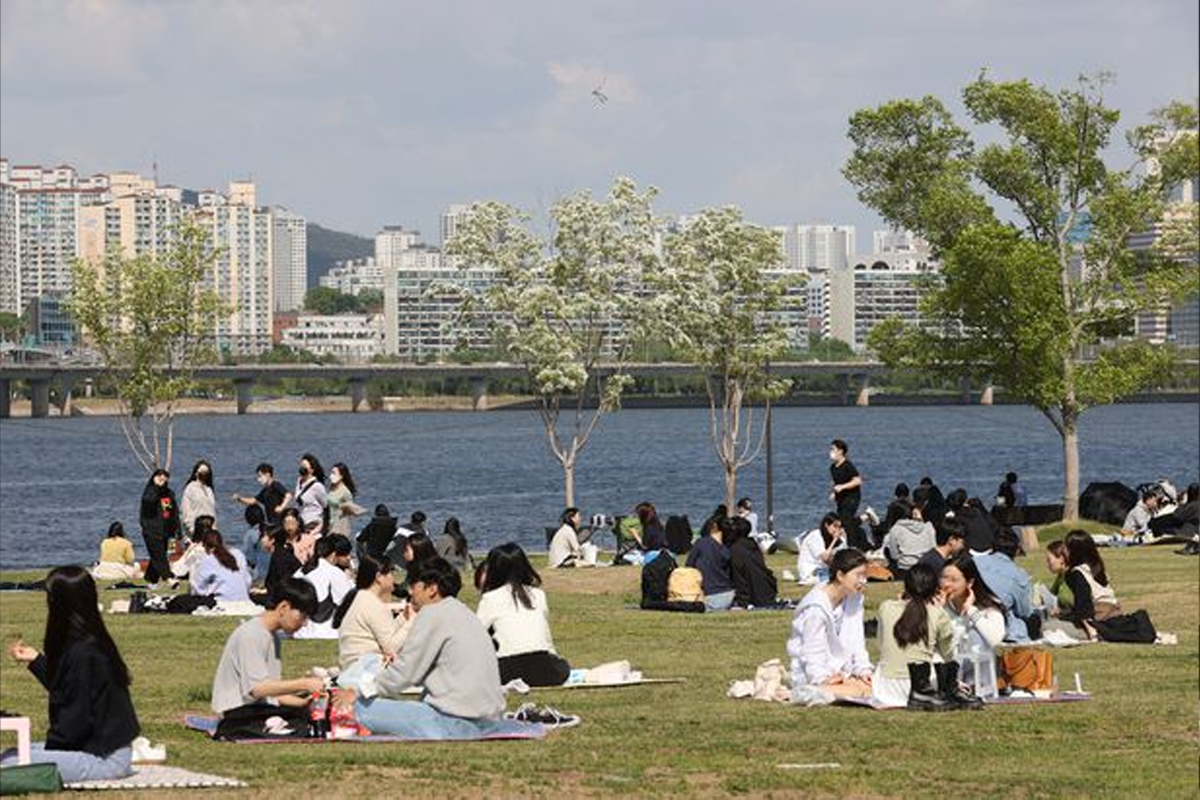
If drinking while hiking is not permitted, is it permissible at Hangang?
Drinking at Hangang is not prohibited as one of the most popular things to do by the river is to have chicken and beer.
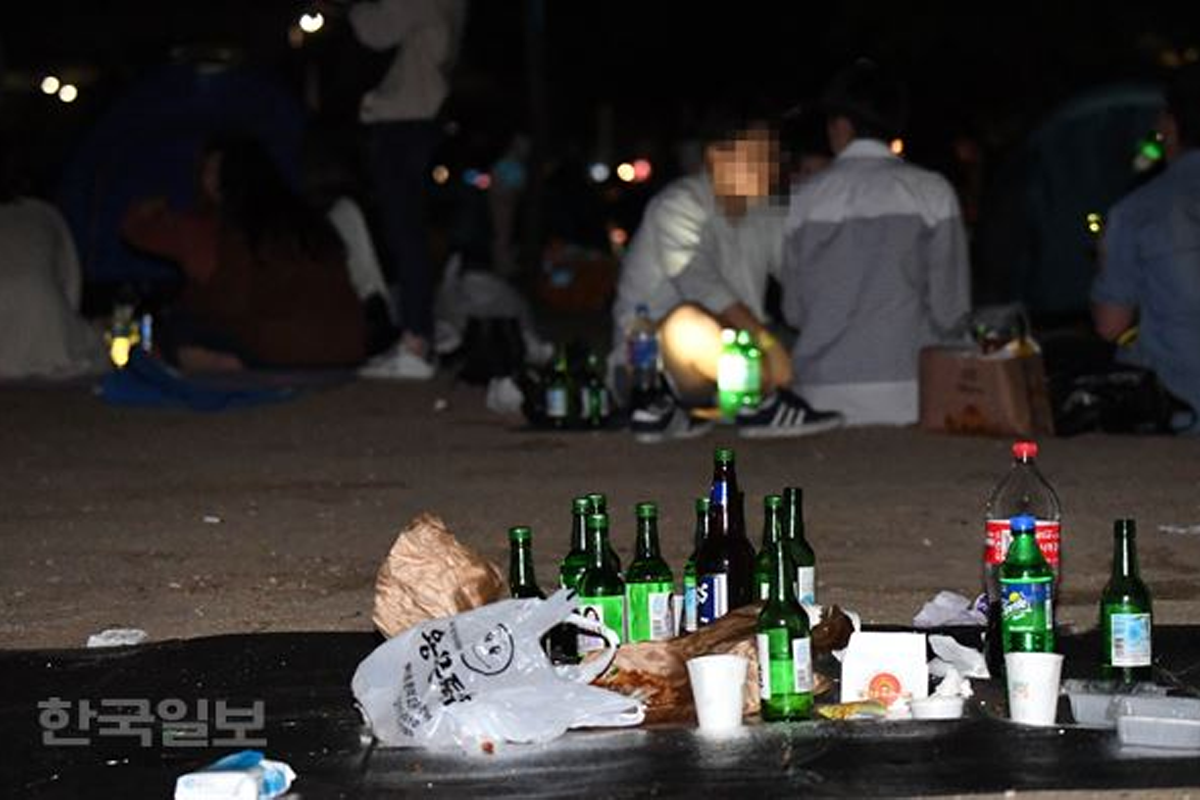 Source: Hankook Ilbo
However, a fine of 70,000 won is imposed for acts that may cause disgust, anxiety, or harm to others, such as causing severe noises or odor due to being intoxicated.
It's fine to drink a can of beer, but we should always drink in moderation and be mindful of others.
Minors Smoking & Drinking

In most countries, minors cannot drink or smoke. The same goes for Korea.
However, minors aren't punished for smoking and drinking, per se.
In other words, there is no law banning minors from smoking and drinking.

Instead, owners of stores that are caught selling cigarettes or alcohol to minors will be fined up to 20 million won (approx. 17k USD) or sentenced to up to two years in prison.
On top of being fined, their business may even get suspended.
This often causes great damage to restaurants and stores that sell alcohol and cigarettes to minors.
If minors buy alcohol and/or cigarettes with a fake ID, the owners are the ones that are punished even though they themselves have been deceived.
Electric Scooter Related Fines
 Source: Newsis
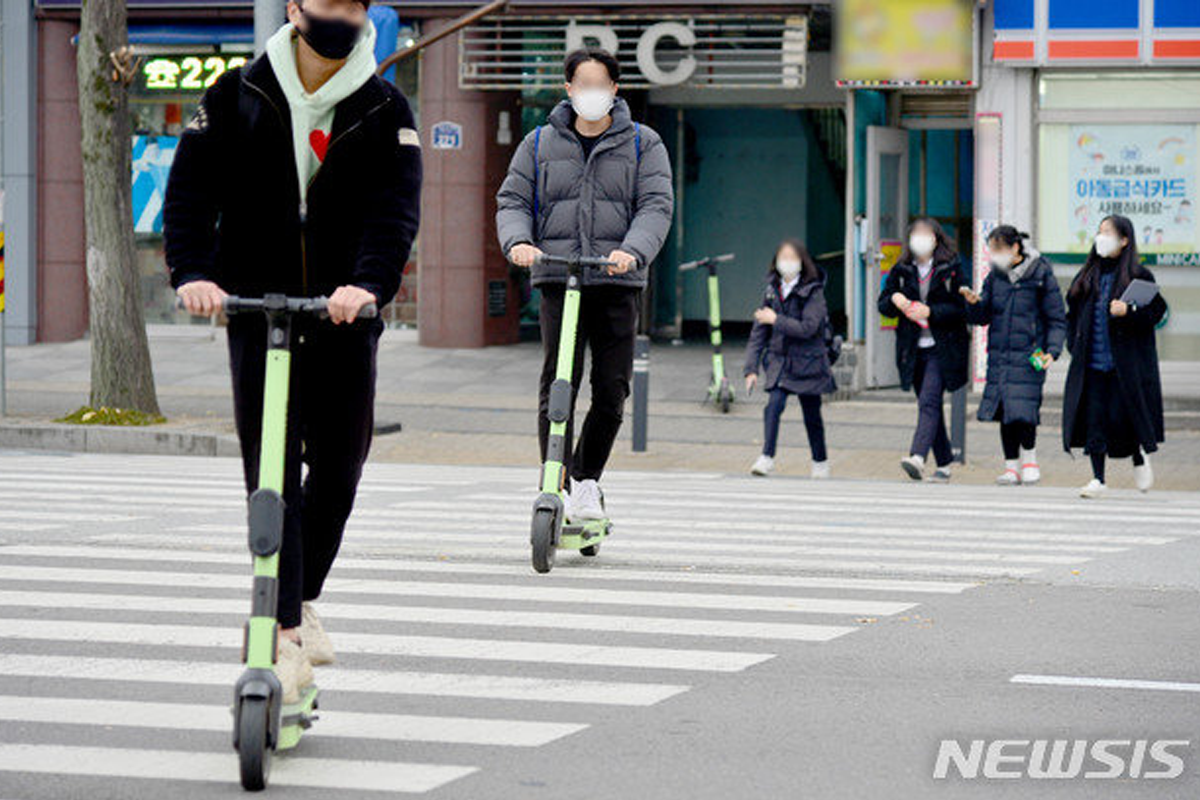
In the past two years, a new means of transportation has been established in Korea, the electric scooters.
Many electric scooter rental services from overseas have gained wide popularity, and the number of people riding electric scooters on the streets has increased noticeably.
However, this also led to several incidents and laws to regulate them.
 Source: Maeil Business Newspaper
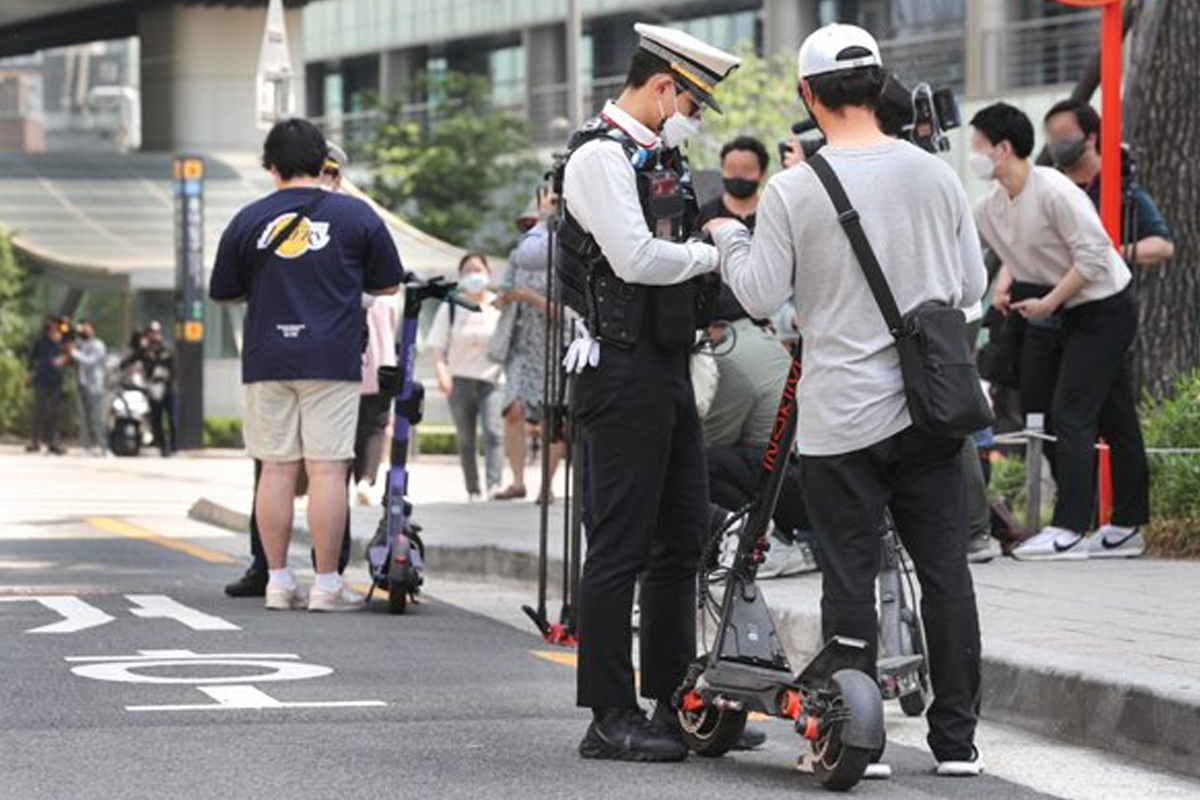
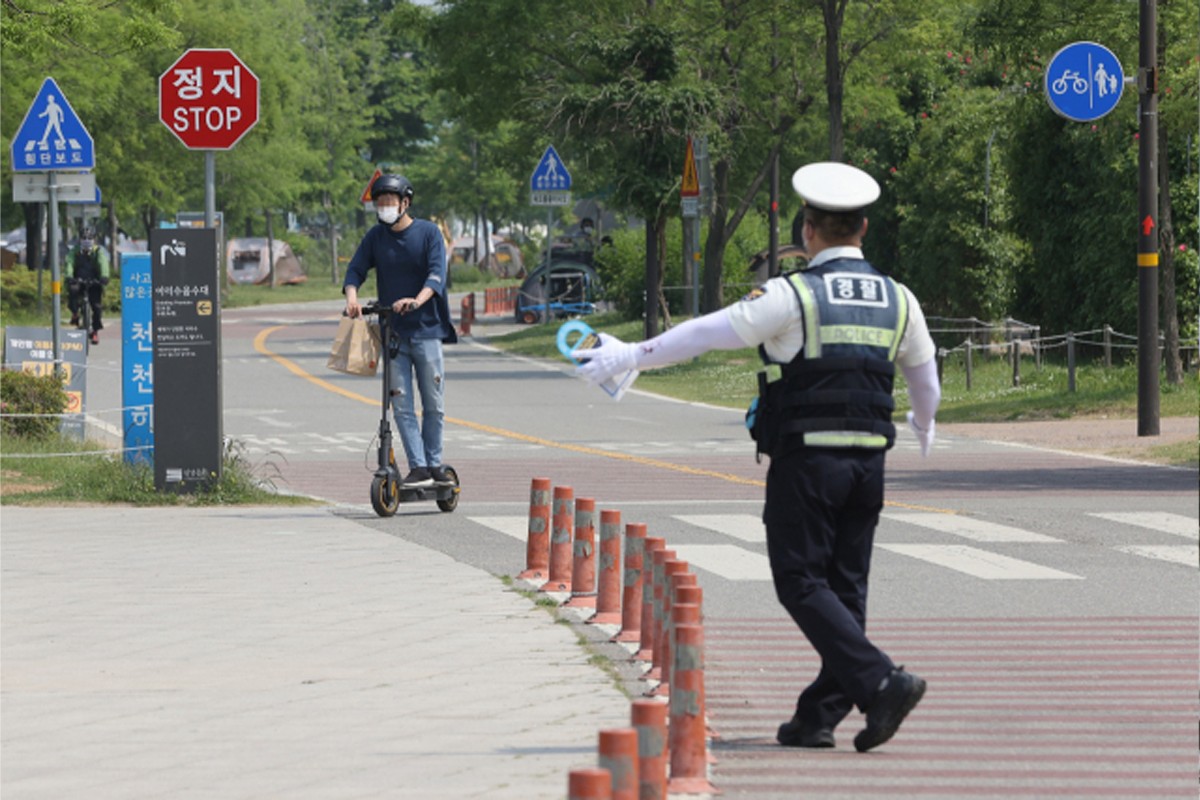
Only those with a license can ride an electric scooter.
Only those with a driver's license of more than a class 2 motorized bicycle license that can be acquired from the age of 16 or higher can use an electric scooter.
A fine of 100,000 won will be imposed for driving without a license.
One of my friends recently had to pay a 100,000 won fine for riding an electric scooter without a license because he didn't know that it was a requirement.
 Source: Edaily
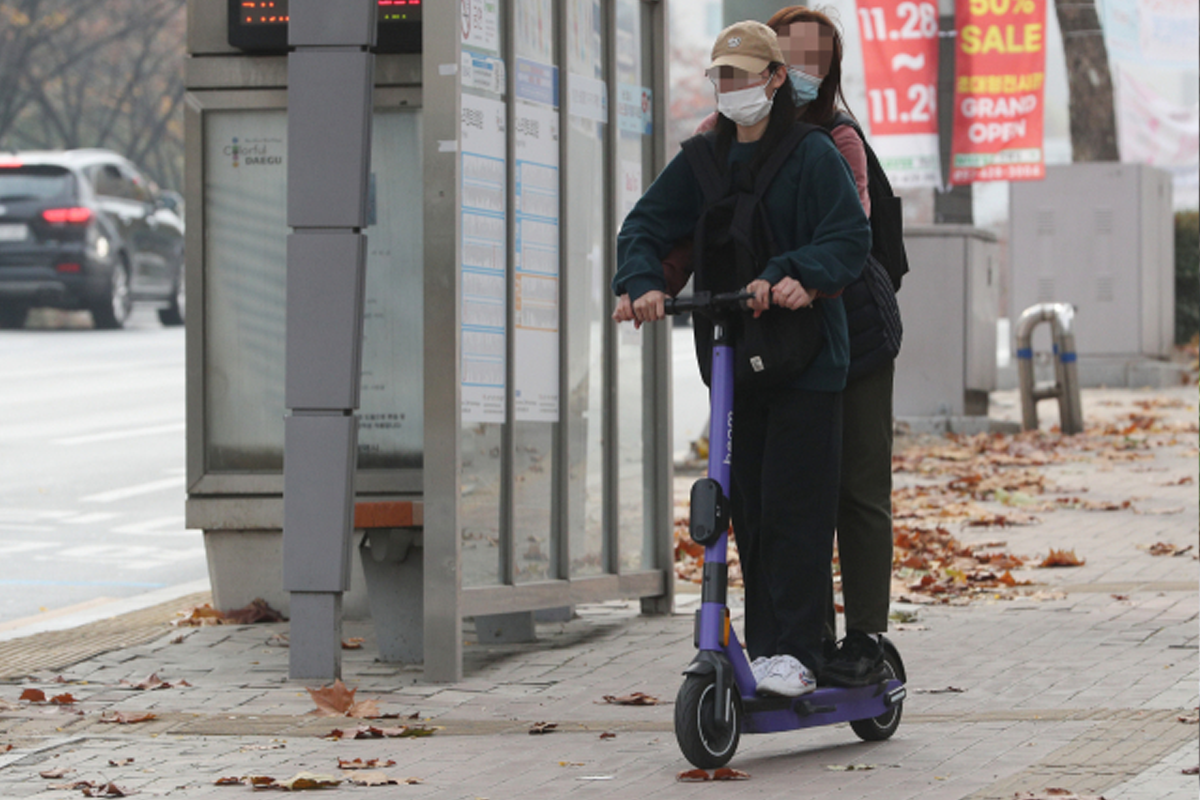
40,000 won fine for sharing your ride.
If you walk through the streets of Seoul, you'll witness a lot of couples and friends that share an electric scooter together.
If the number of passengers exceeds the limit, the possibility of a big accident increases, so it became closely regulated.
Sharing an electric scooter around Seoul may be cute, but safety is more important!
 Source: imaeil
30,000 won fine for riding on the sidewalk.
It's extremely dangerous for pedestrians on the sidewalk as the maximum speed of an electric scooter is 25km/h.
So electric scooters should only be used on the roads or bike paths.
COVID-19 Related Fines
Below I will introduce a few COVID-19 related fines that many will probably be most curious about!
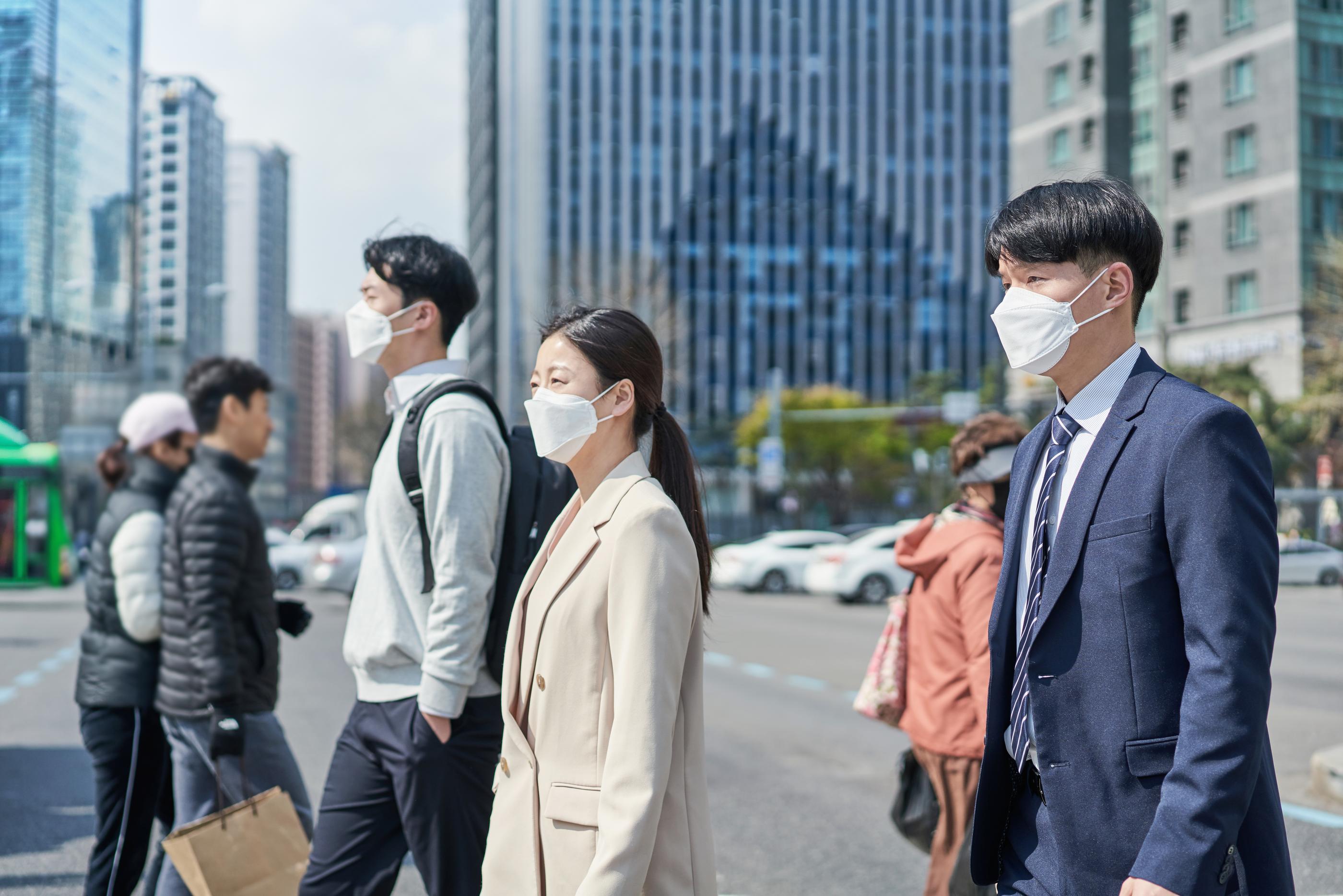
100,000 won fine for not wearing a mask.
Due to the mandatory mask use in Korea, you will have to pay a fine of 100,000 won if you don't wear one properly.
Also, a fine of 1.5 million won (approx. 1.3k USD) will be imposed on businesses and facilities that neglect the mask mandate.
Previously, the facilities subject to a mask mandate varied depending on the stage of social distancing.
However, from April 12, 2021, wearing masks has become mandatory regardless of the stage of social distancing, and other aspects such as indoor facilities, outdoor areas where 2m social distancing is not maintained, and gatherings of multiple people.
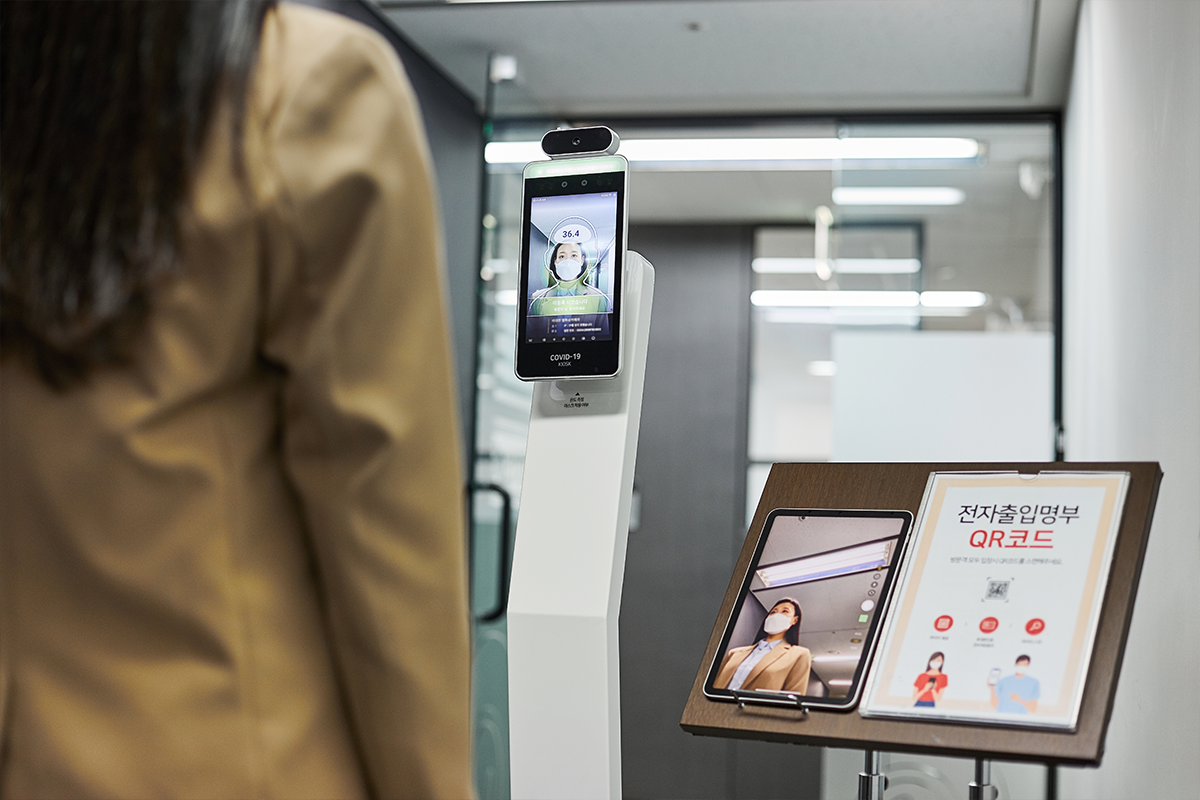
Fines for violations of basic quarantine rules for individuals and owners.
Violations of basic quarantine rules will result in a fine of 100,000 won for individuals and 3 million won (approx. 2.6k USD) for owners of restaurants and facilities.
The 7 basic quarantine measures are 'wearing a mask', 'informing quarantine rules', 'managing the entry list', 'periodic disinfection and ventilation', 'no food intake', 'restrict the entry of patient', and 'designating quarantine manager'.
Wherever you go, you must remember and follow the basic quarantine rules, right?
 Source: segye ilbo
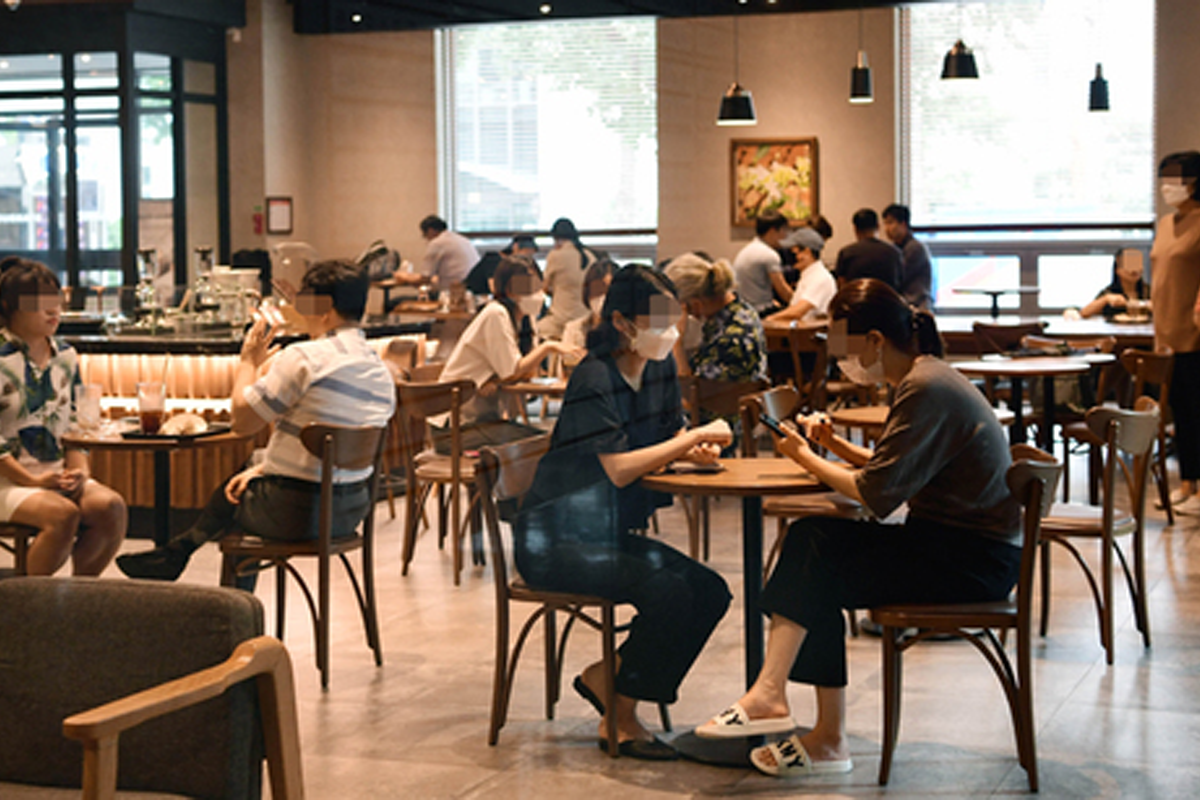
Fines for gatherings of more than 5 people.
Since the end of last year, Korea has banned private gatherings of more than five people except for family members and immediate family members living together.
Many people in Korea have been carefully following this rule for more than half a year because there is a fine of up to 3 million won (approx. 2.6k USD) if they violate this rule.
As a result, from July 2021, regulations may ease to more than 7 people, instead of 5 people.
 Source: Yonhap News Agency
Today, learned about the most common fines you can face in your daily life in Korea as of 2021.
Which law is similar to where you're from and which law were you surprised to find out about most? Let us know down in the comments below.
If you visit Korea, please have fun while being mindful of these laws!
Book all things trending in Korea on Creatrip! If you have any questions or concerns, please leave a comment below or send us an email at help@creatrip.com! You can follow us on Instagram, TikTok, Threads, and Youtube to stay updated on all things Korea!