



The ancient capital of Korea during the Baekje era.

Olga
4 months ago
The Baekje era is one of the most interesting and mysterious periods in Korean history. The Baekje period refers to one of the three ancient Korean kingdoms, which existed from 18 BCE to 660 CE. Its history is divided into three main periods based on the capital's location: the Hanseong period (18 BCE–475 CE) in present-day Seoul, the Ungjin period (475–538) in Gongju, and the Sabi period (538–660) in Buyeo.
The city of Gongju became one of the capitals of this state in 475–538. A fortress in the Geumgang River area, Gongsanseong is one of the earliest walls made to protect Gongju, the capital of the Baekje Dynasty. It was originally earthen walls but rebuilt with stones in the Joseon Dynasty.
The fortress's appearance immediately impresses. I've never seen anything like it in Seoul or another city.
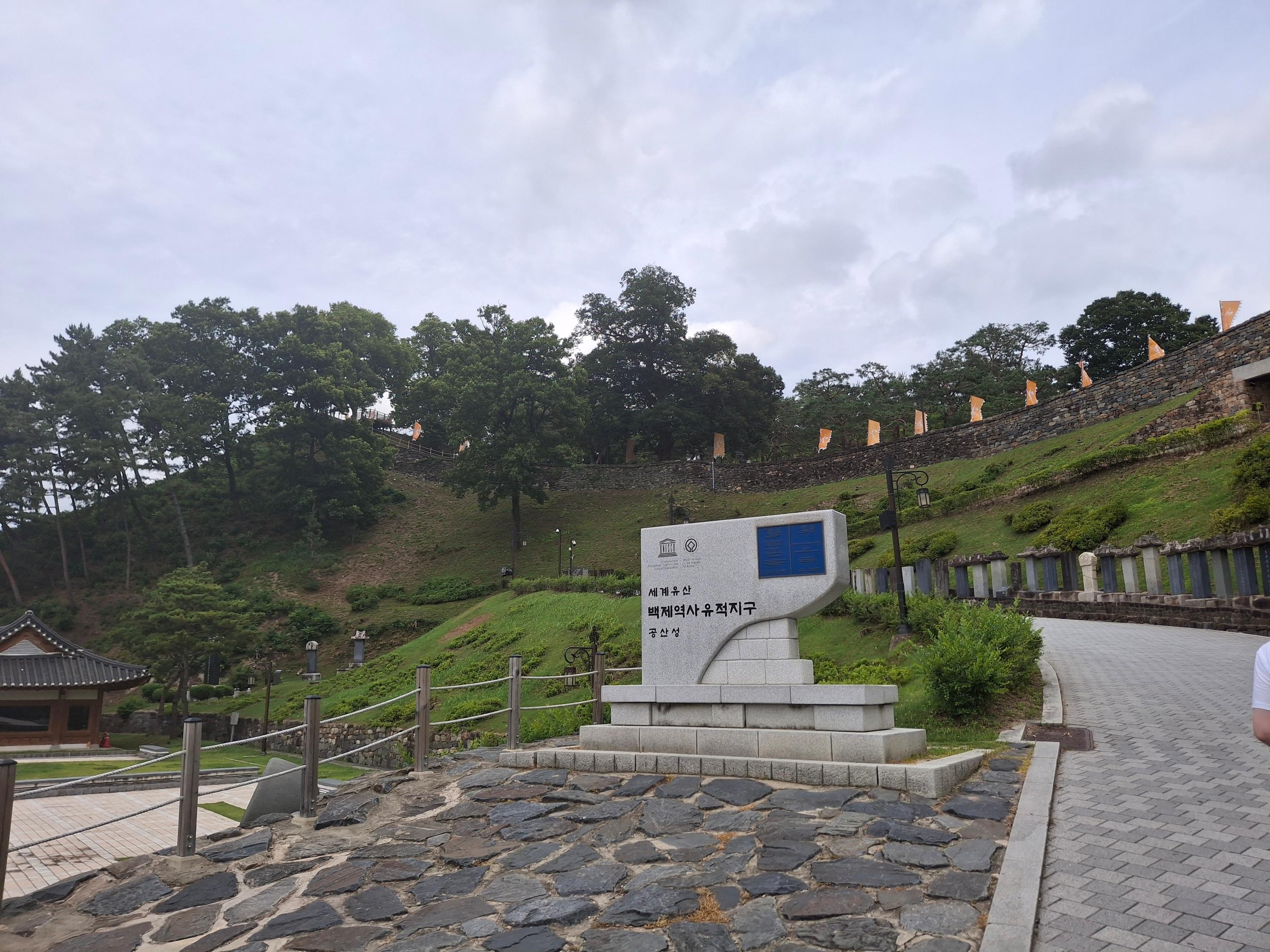
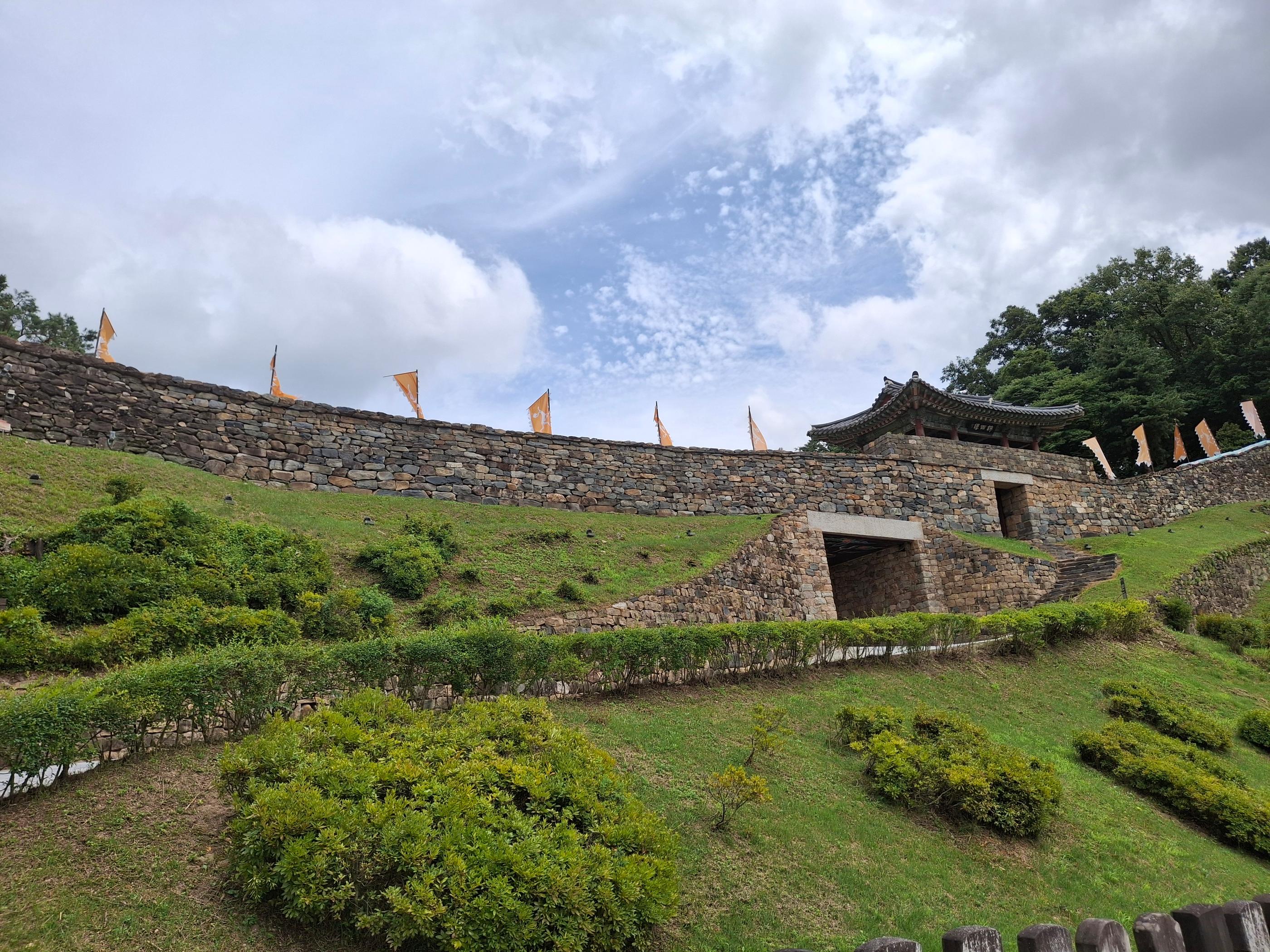
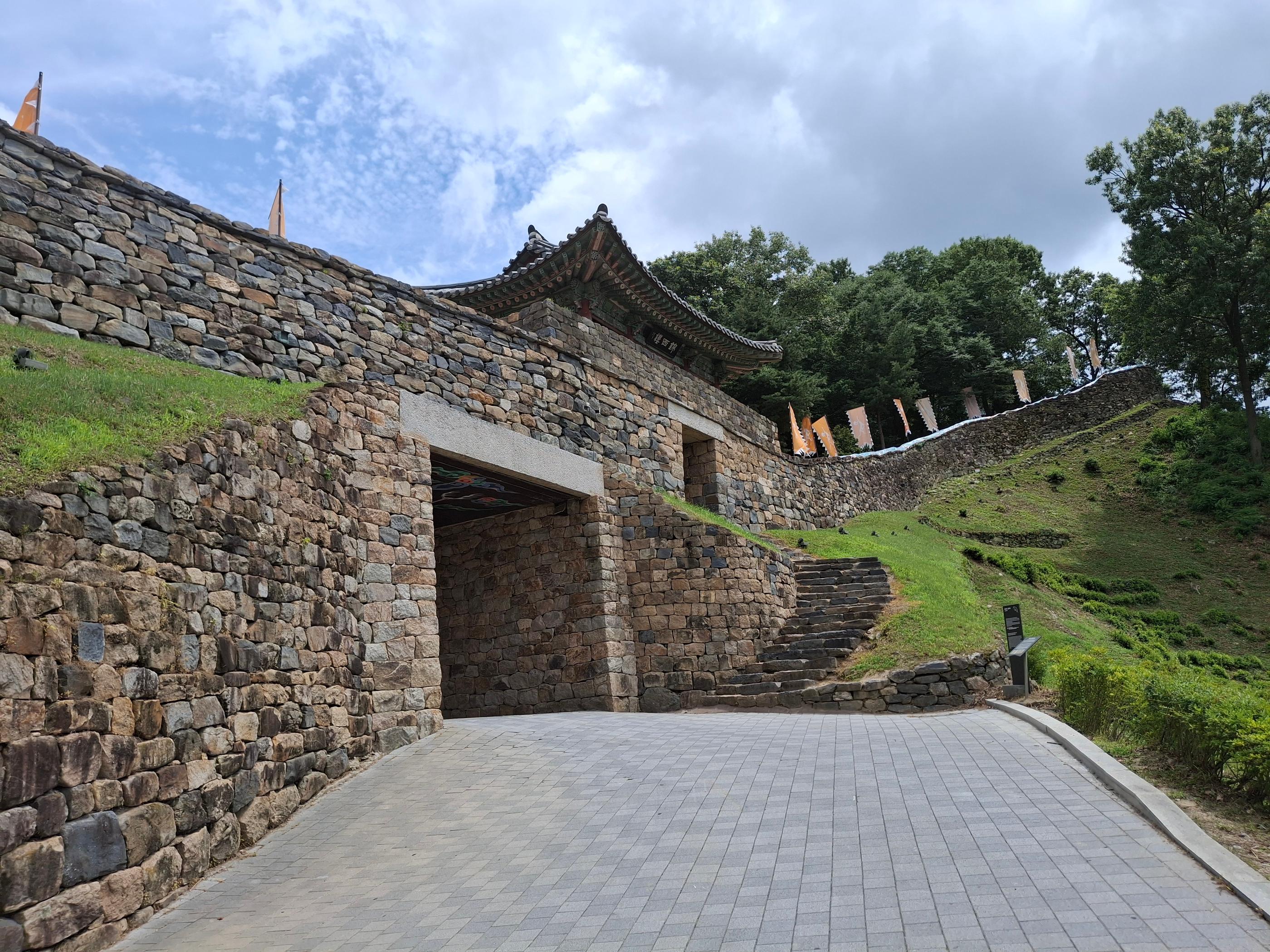
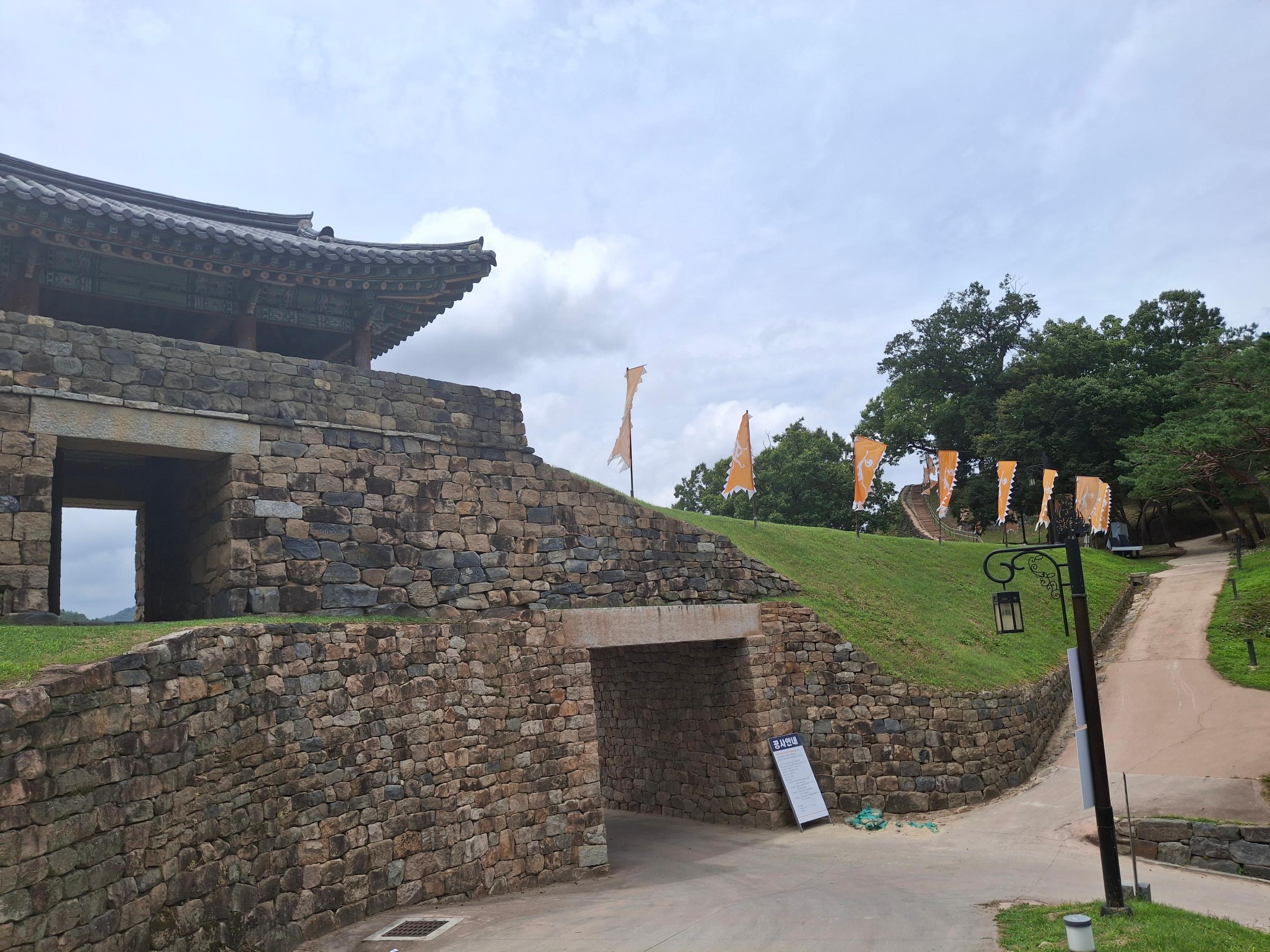
A high earthen embankment opens before your eyes, and on it a stone wall. Banners flutter on the walls, as if the fortress were still the capital of a great kingdom.
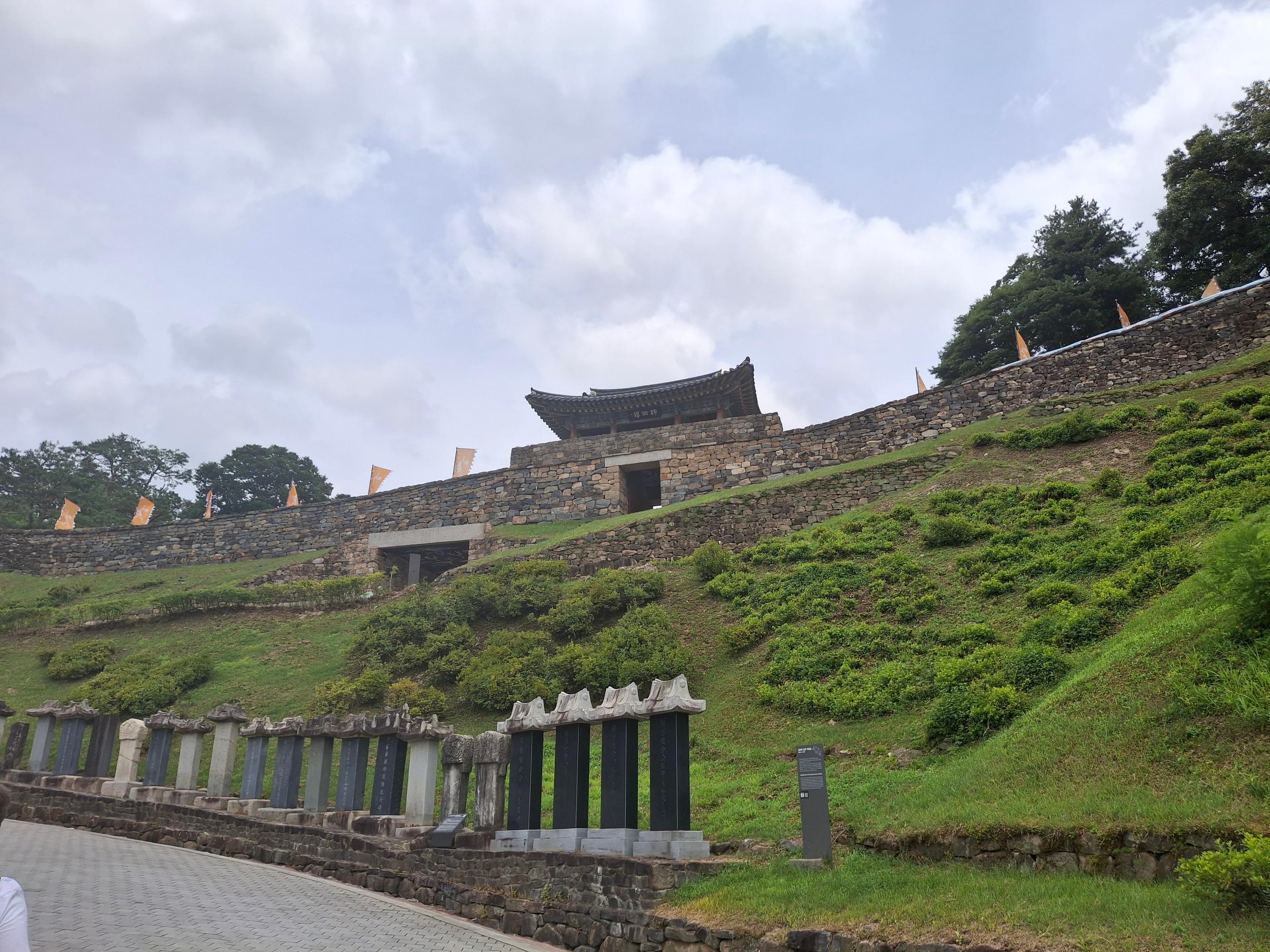
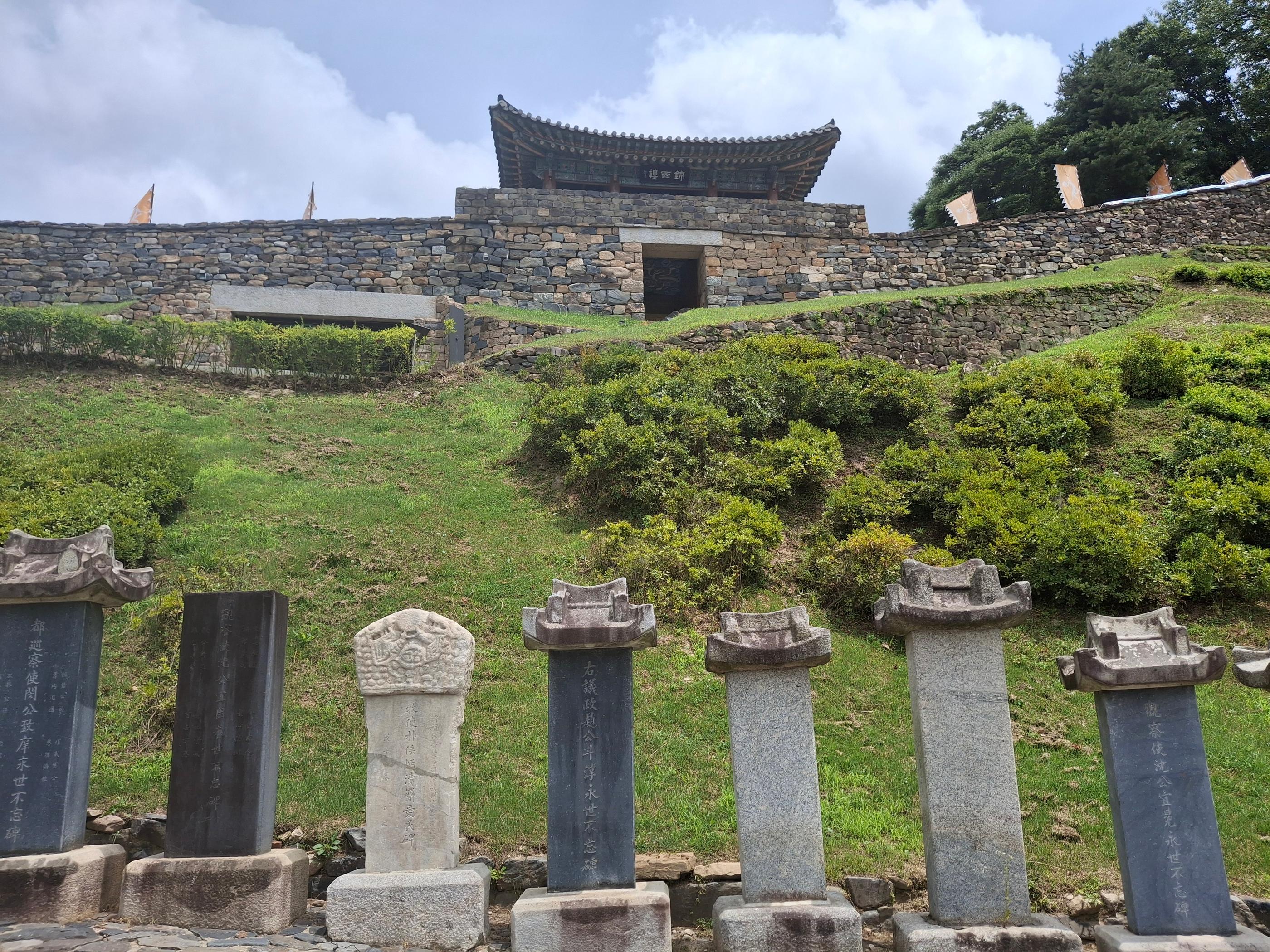
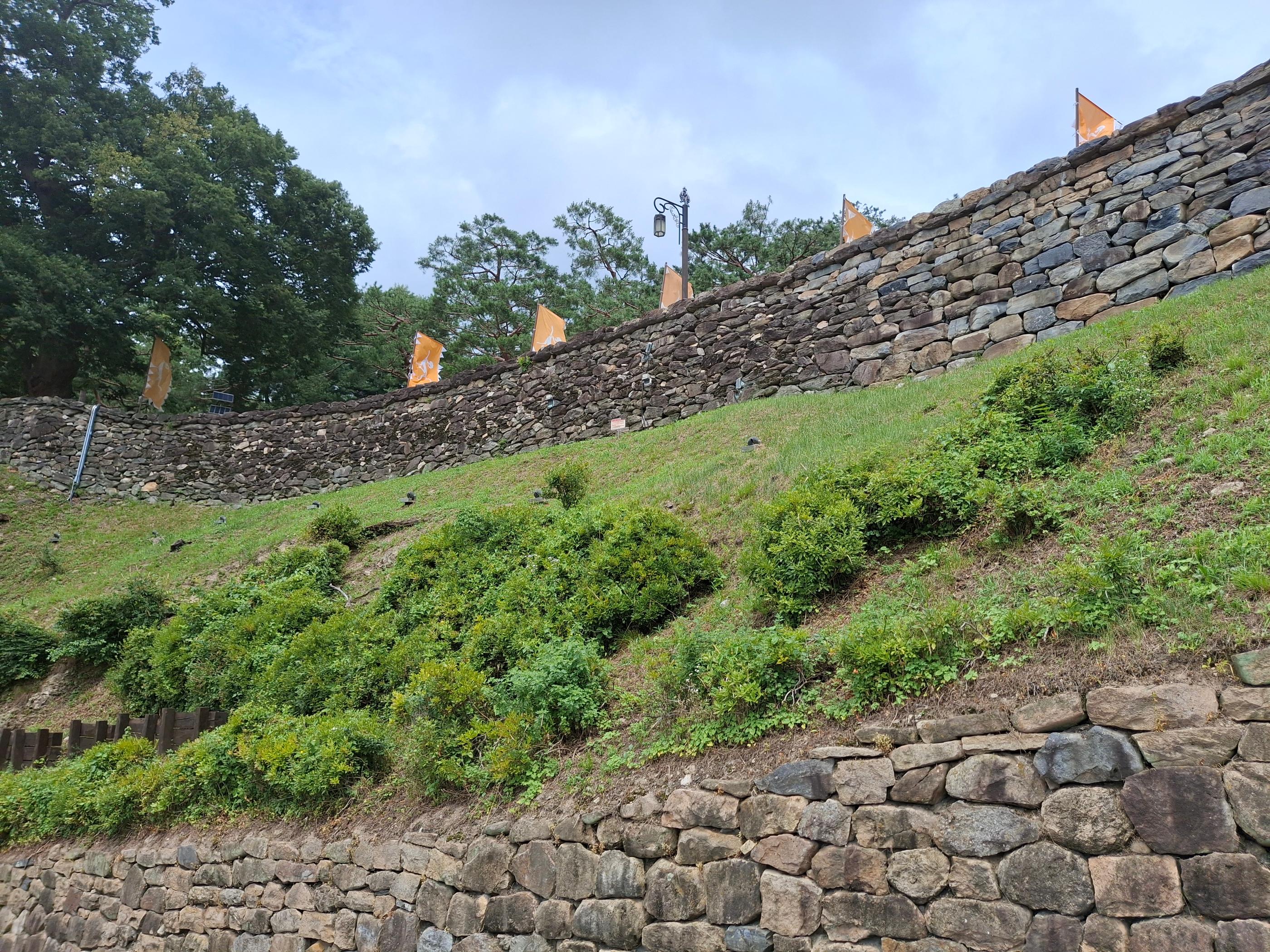
There were four gates in the fortress, but only two of them remained before 1993: Jinnamnu Pavilion in the south and Gongbungnu Pavilion in the north. In 1993, the other two gates, Yeongdongnu Pavilion in the east and Geumseoru Pavilion in the west were restored.
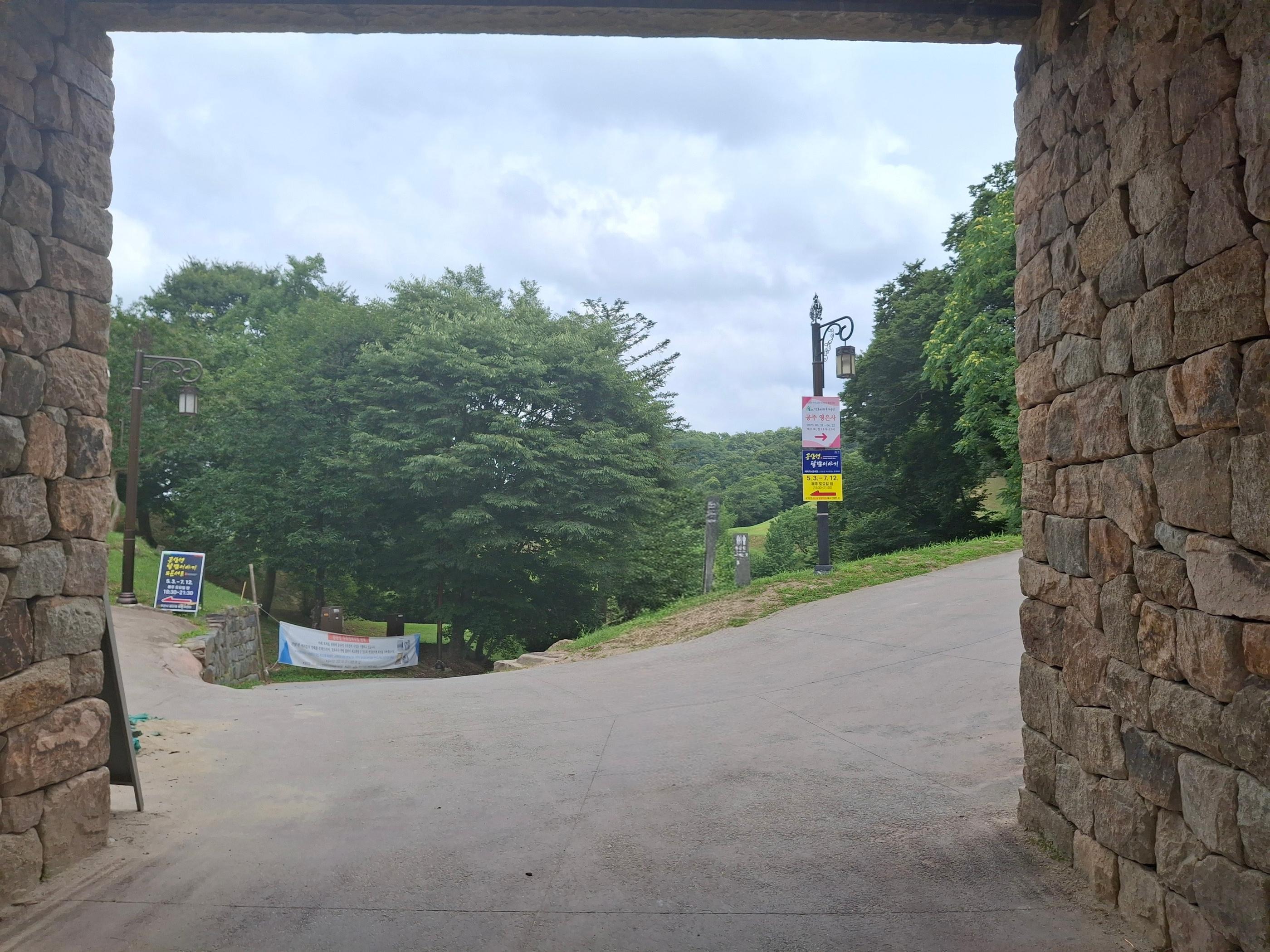
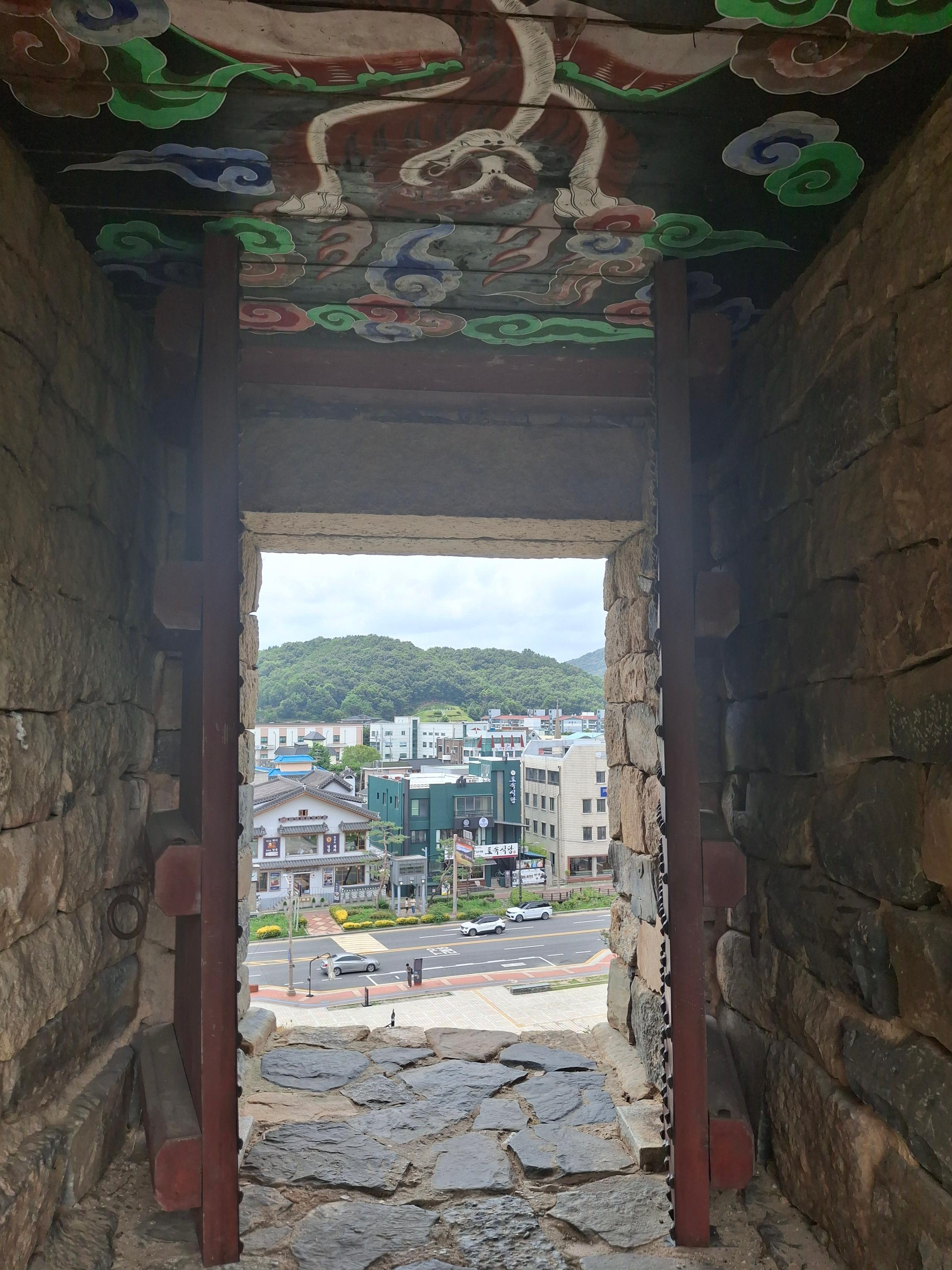
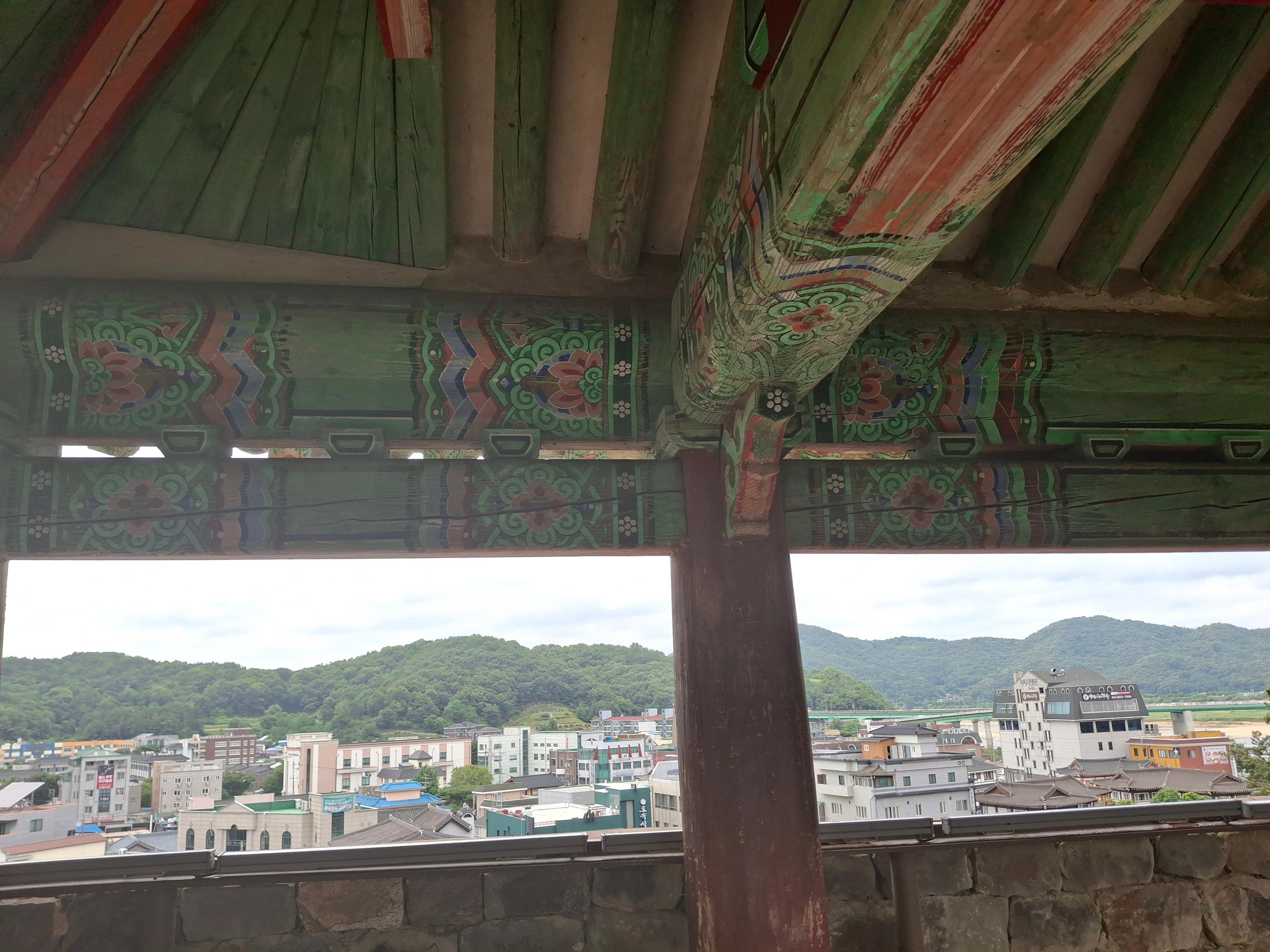
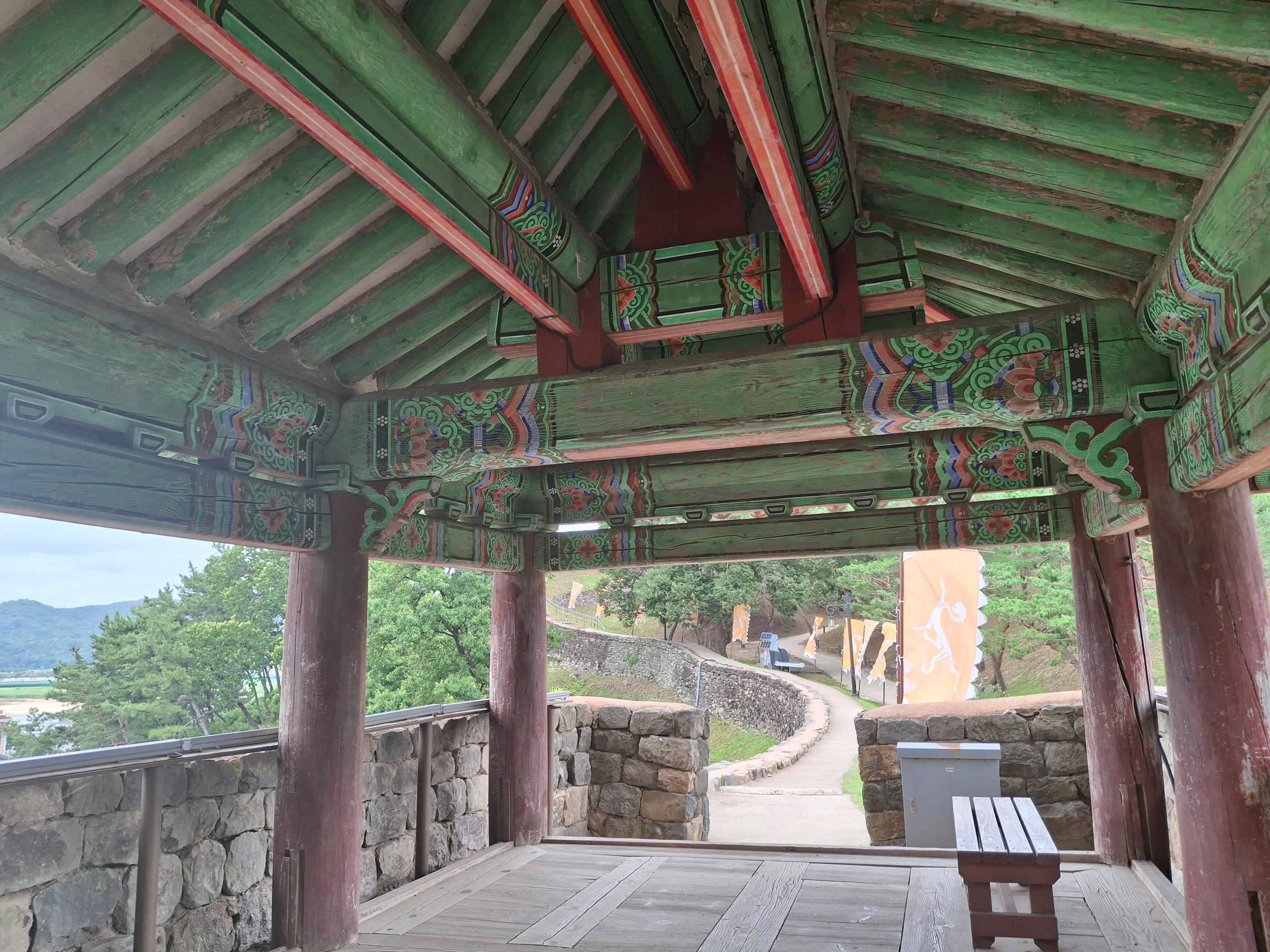
When passing through the gate, you can see how thick the walls of the fortress are. The gate also has a small side passage with a steep staircase. At the top of the gate there is a pavilion, traditional for Korean fortresses, with beautiful paintings and carvings.
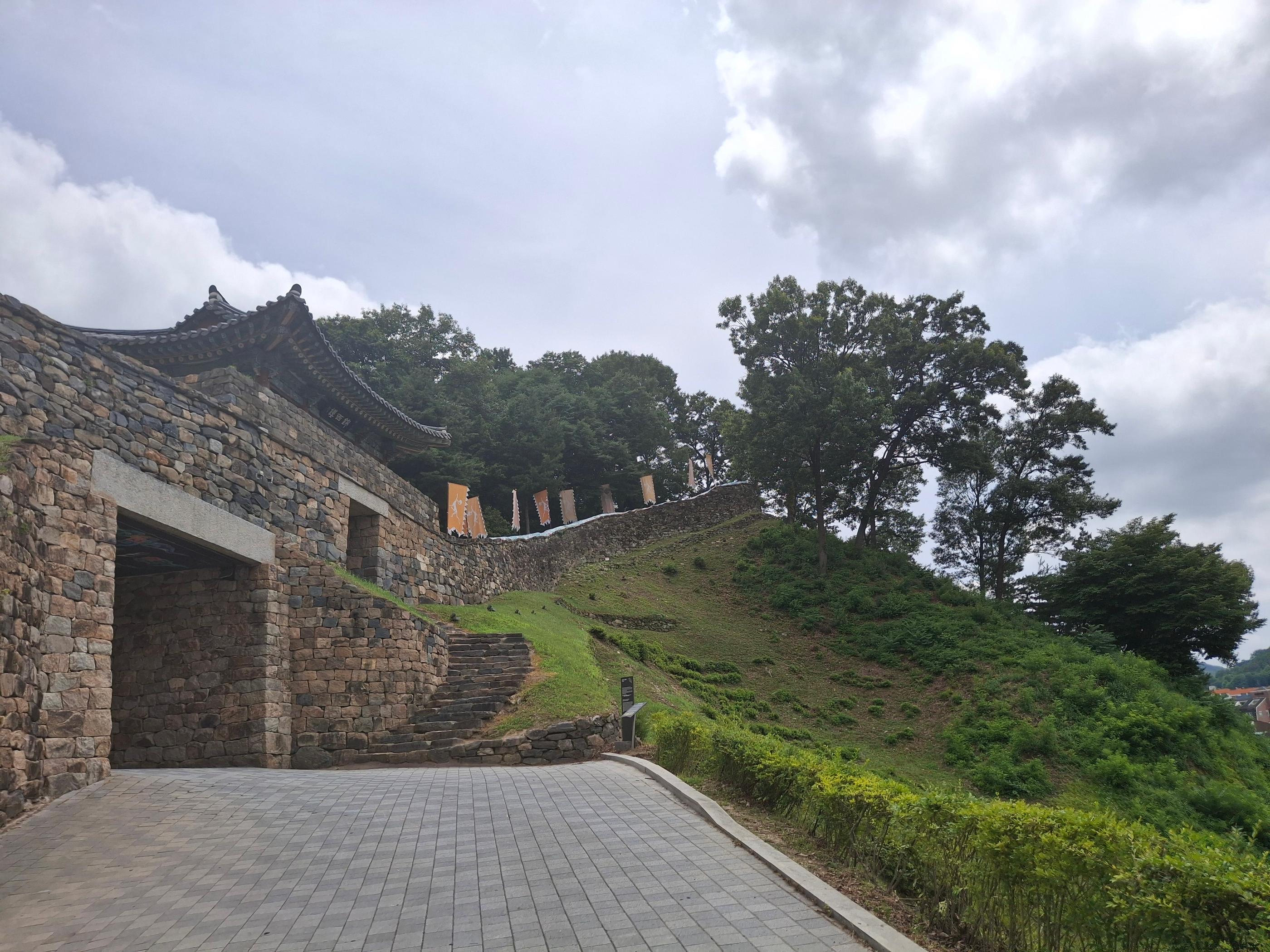
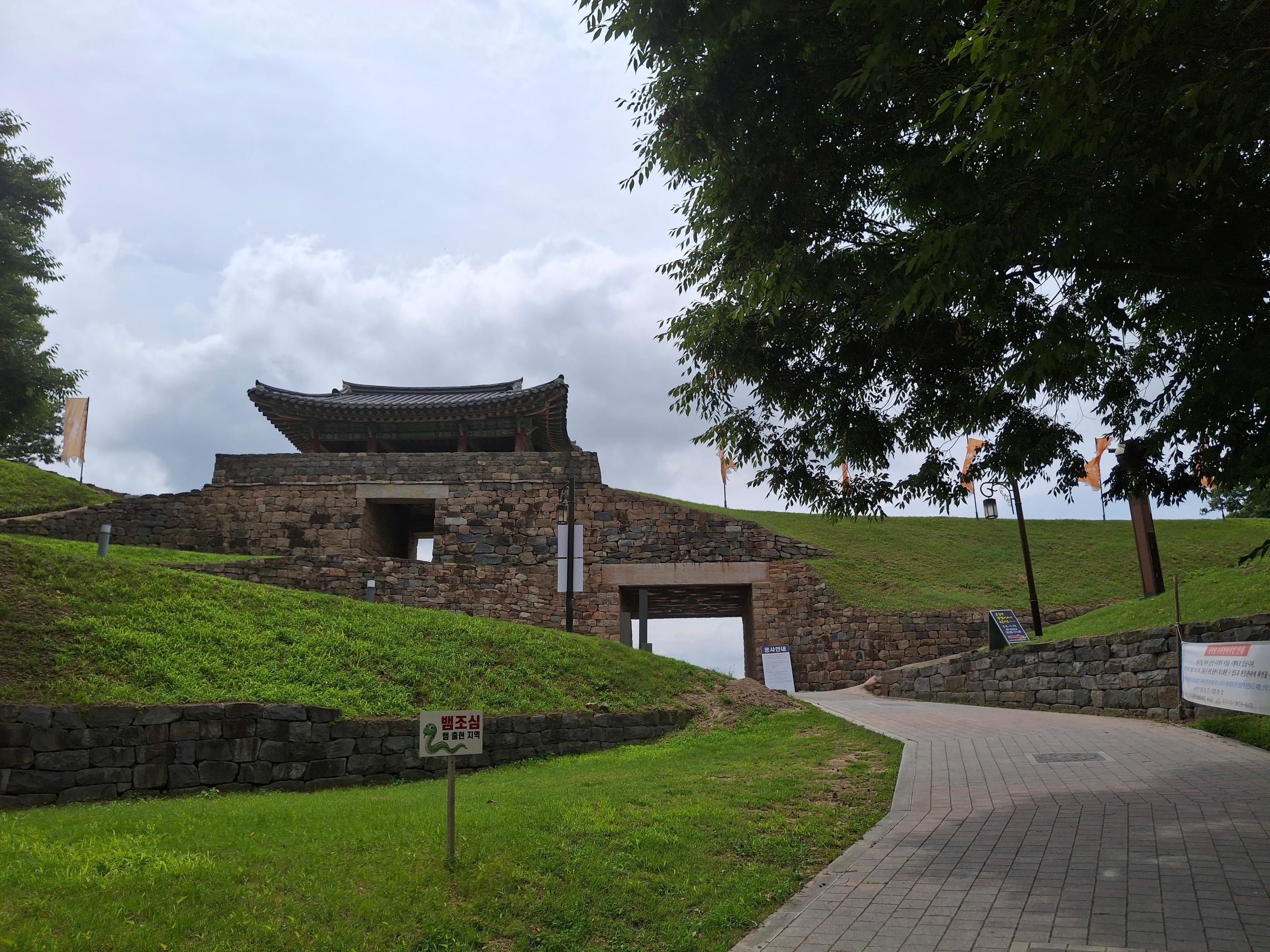
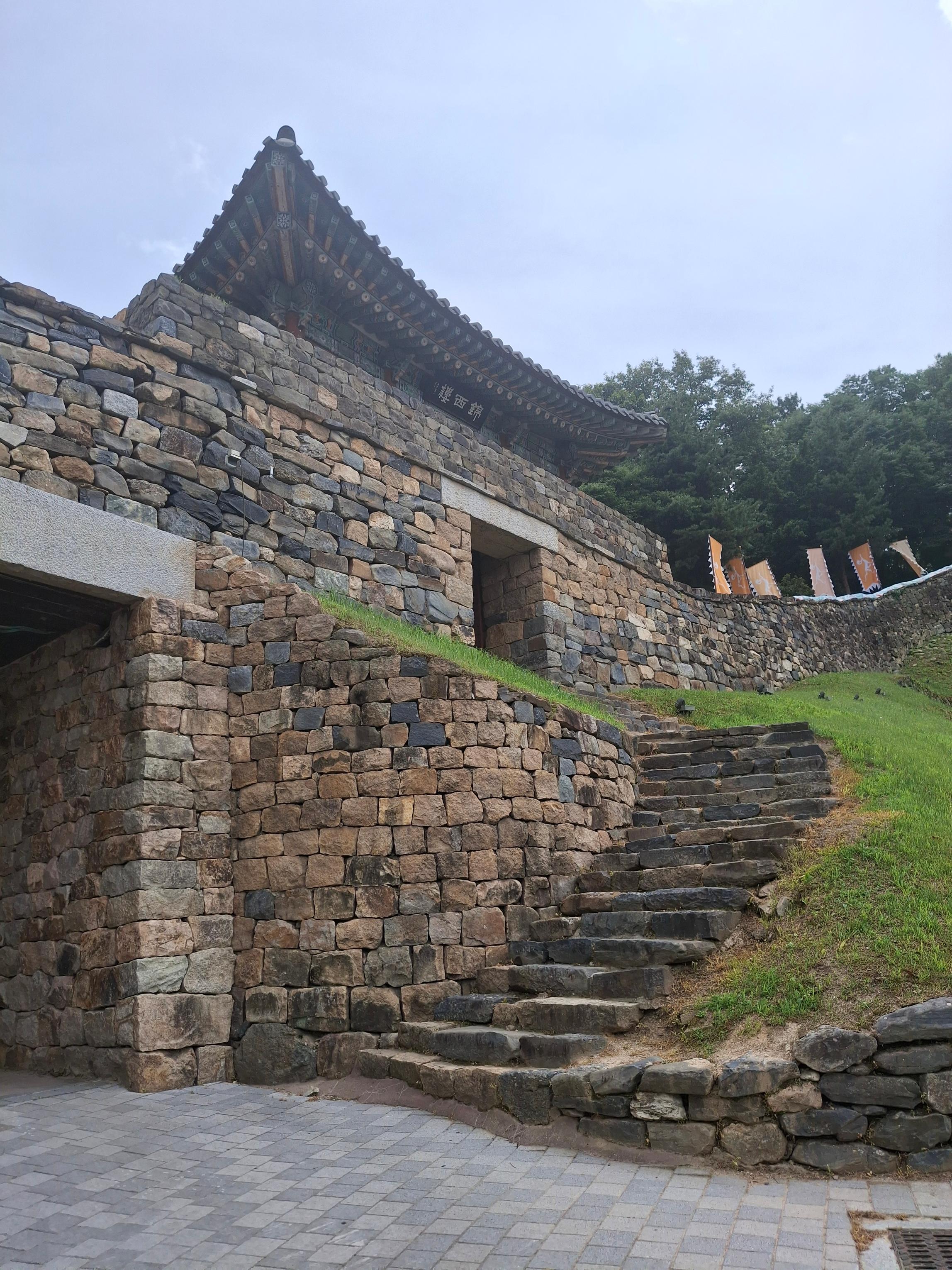
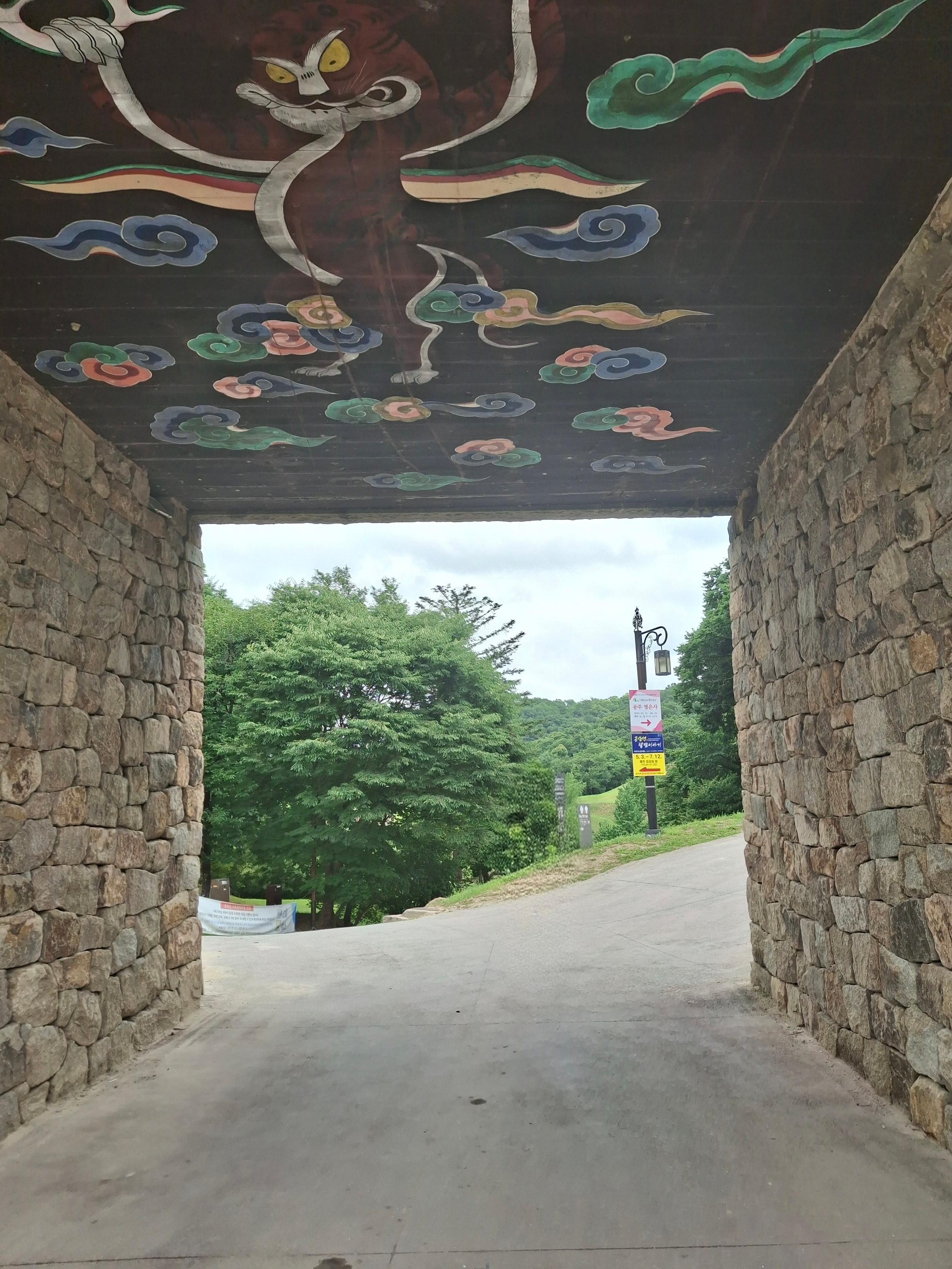
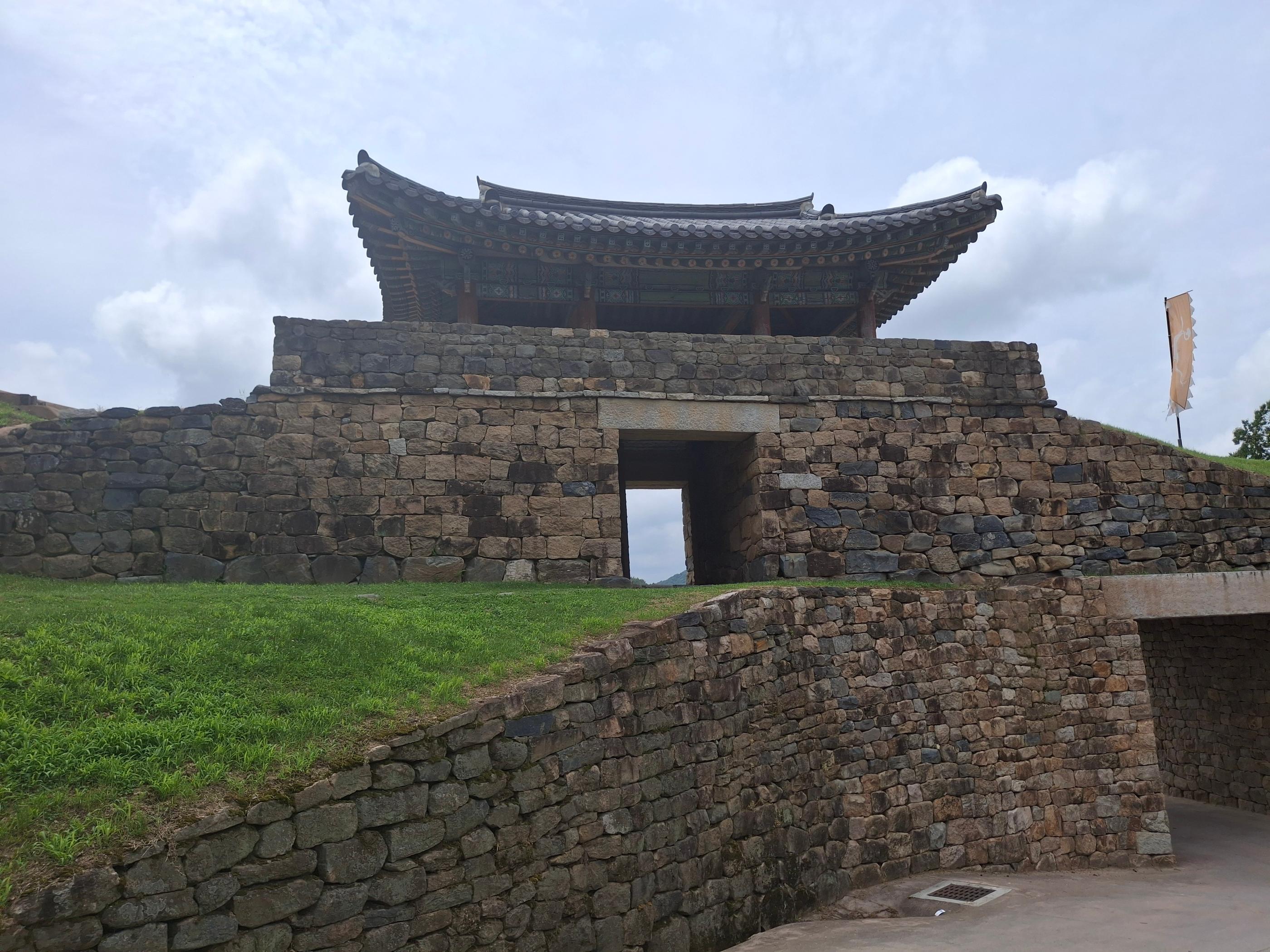
You can climb up into the pavilion and examine all the details, as well as enjoy a beautiful view of the city.
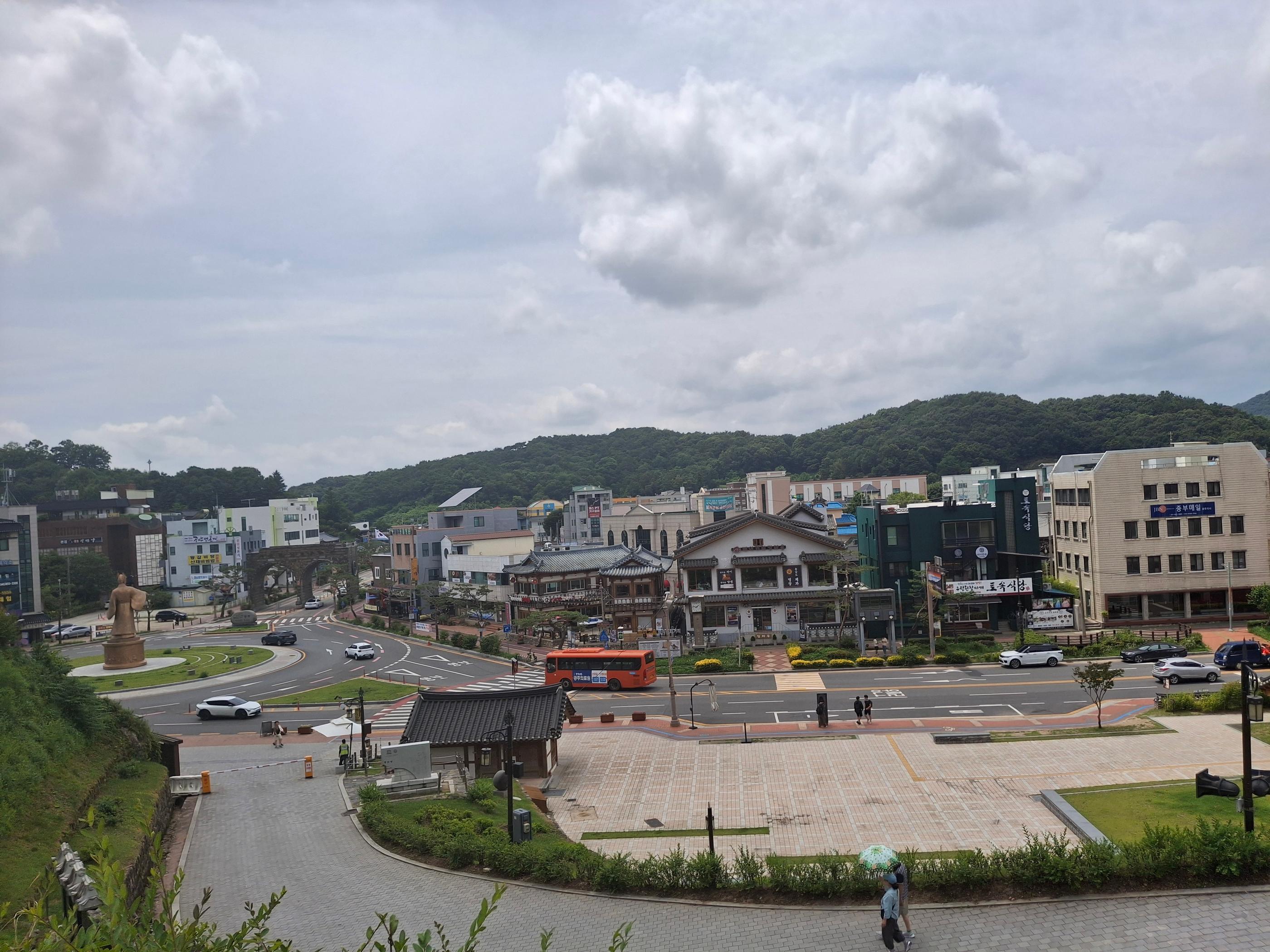
Then begins the most wonderful part - a walk along the fortress wall. The Gongsanseong Fortress wall spans 2,660m in length. It is primarily a stone wall, except for the 735m-long earthen fortifications in the eastern part of the fortress. A significant part of the fortress wall was rebuilt after the Joseon Dynasty.
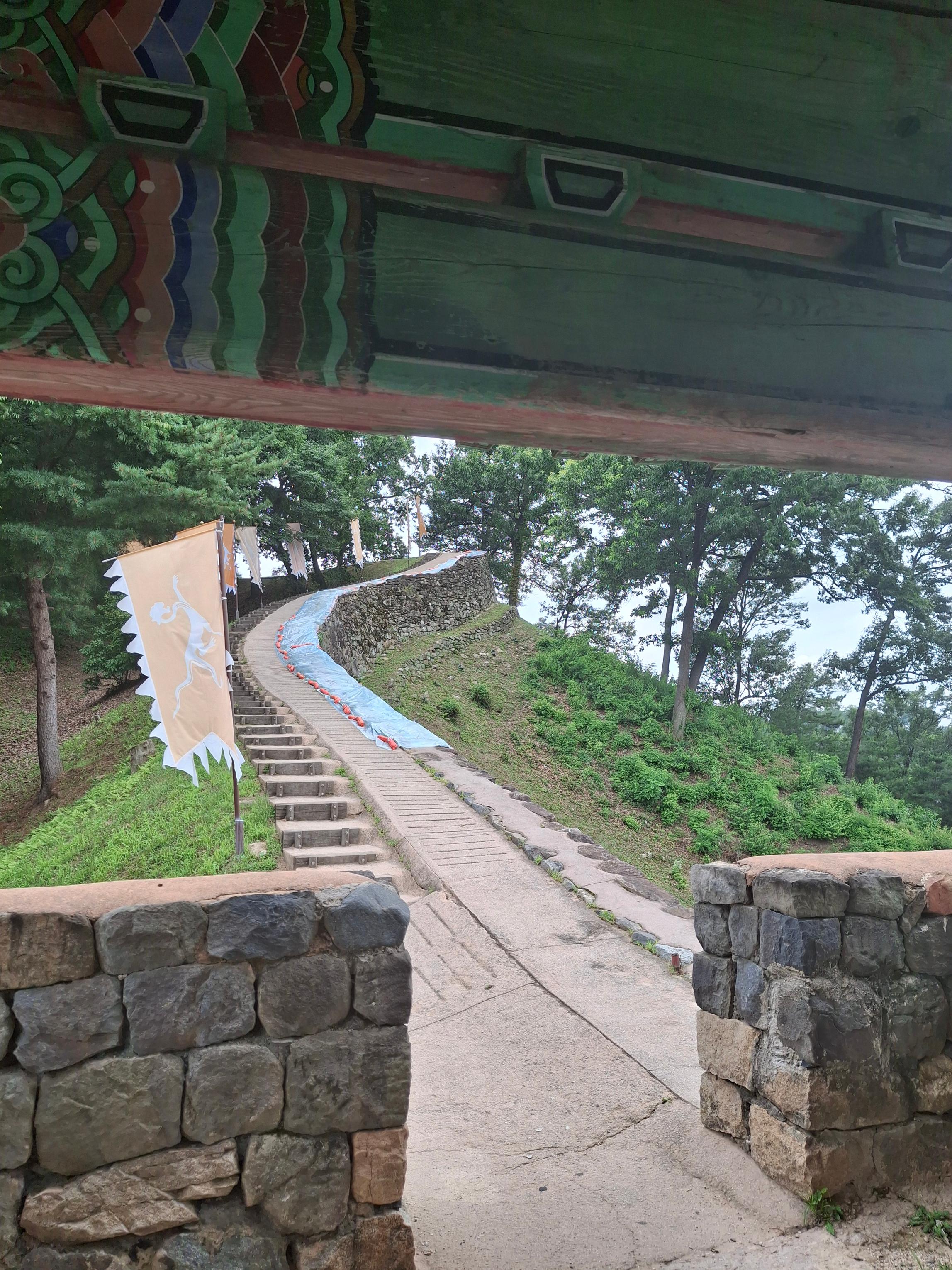
A walk along the fortress wall isn't suitable for those afraid of heights. The wall itself is very high, the stone part itself is quite low, and there's a small fence on the inside. And the path along the wall itself is also narrow. But the views and the walk are breathtaking!
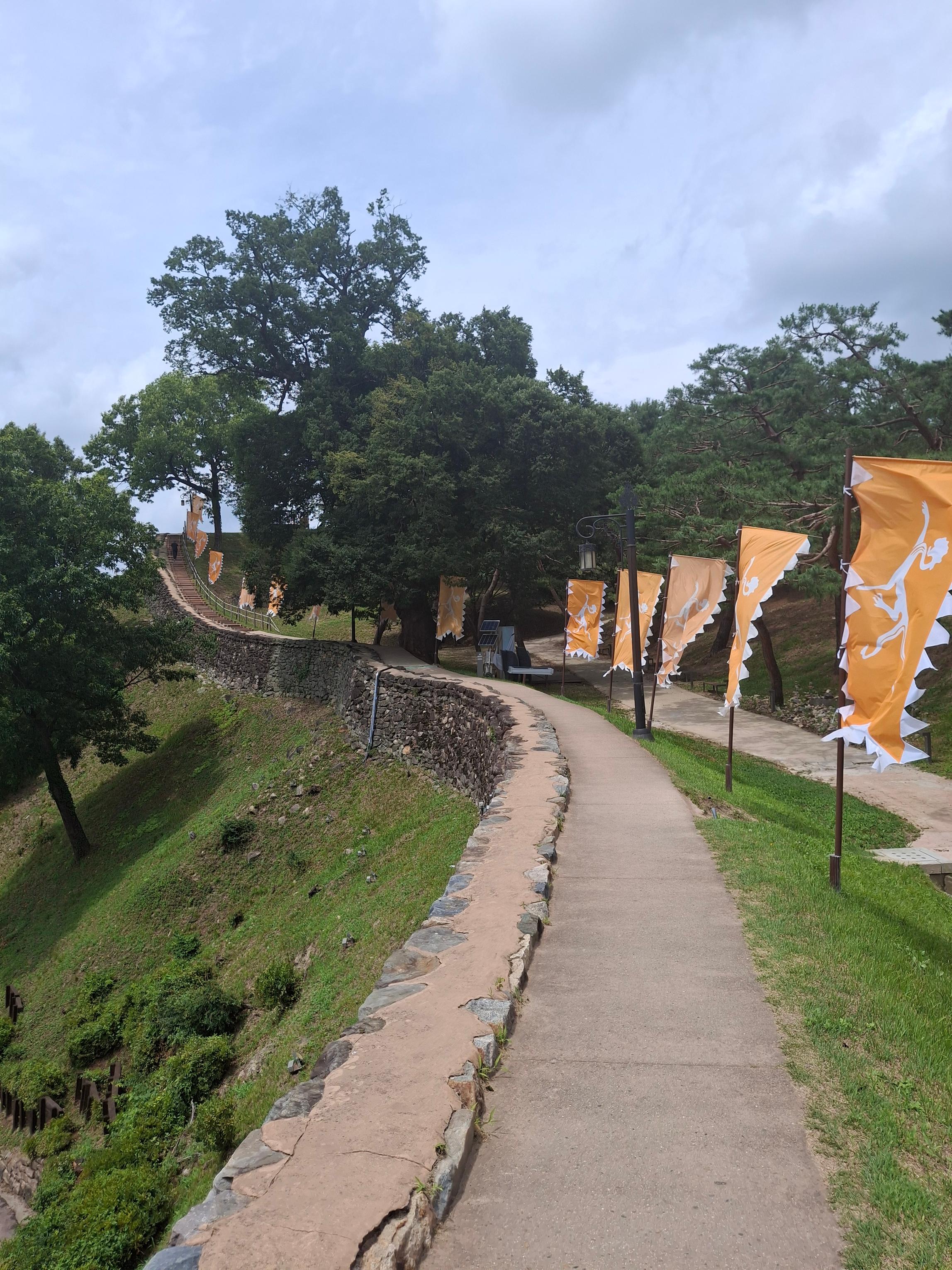
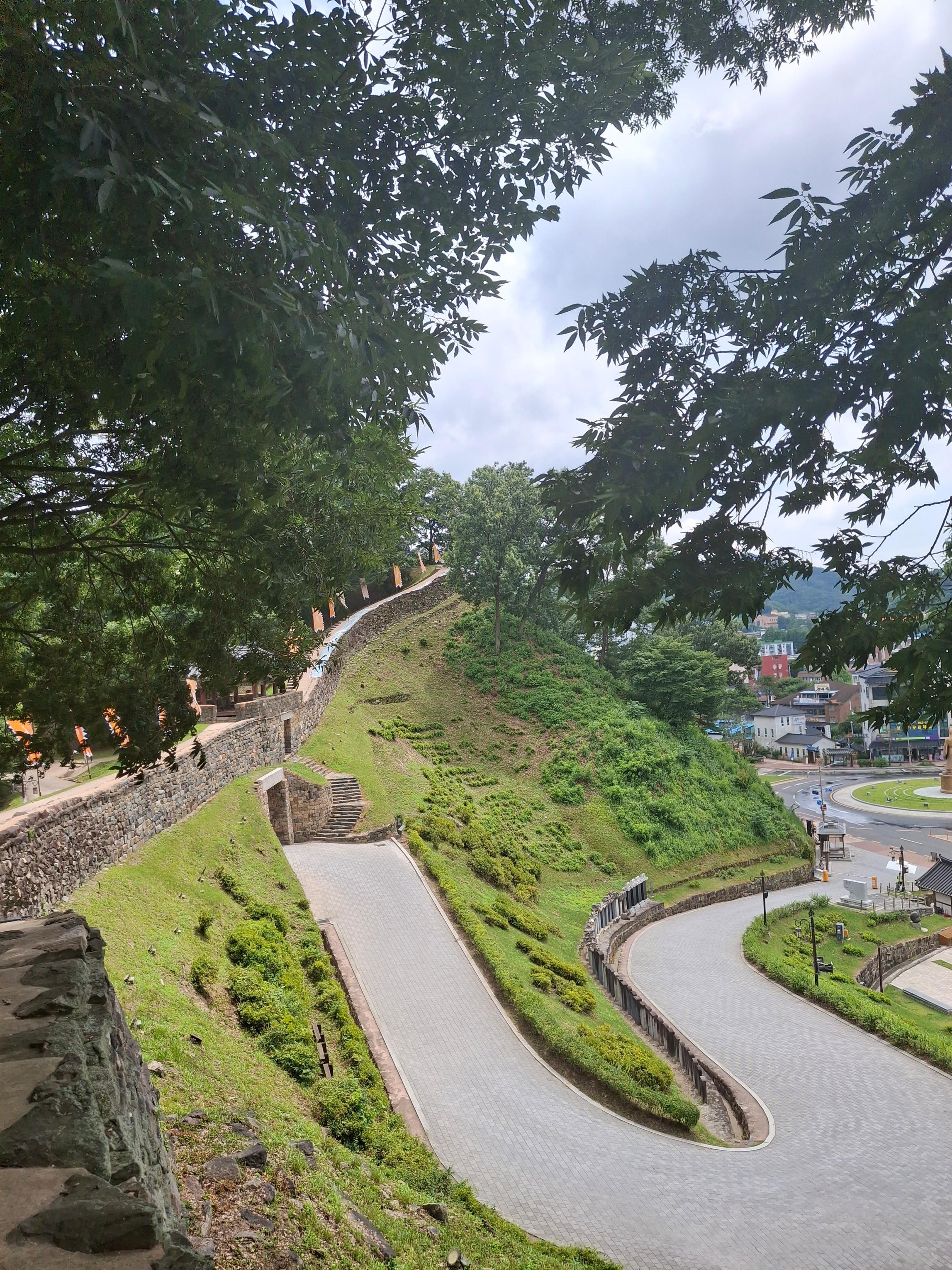
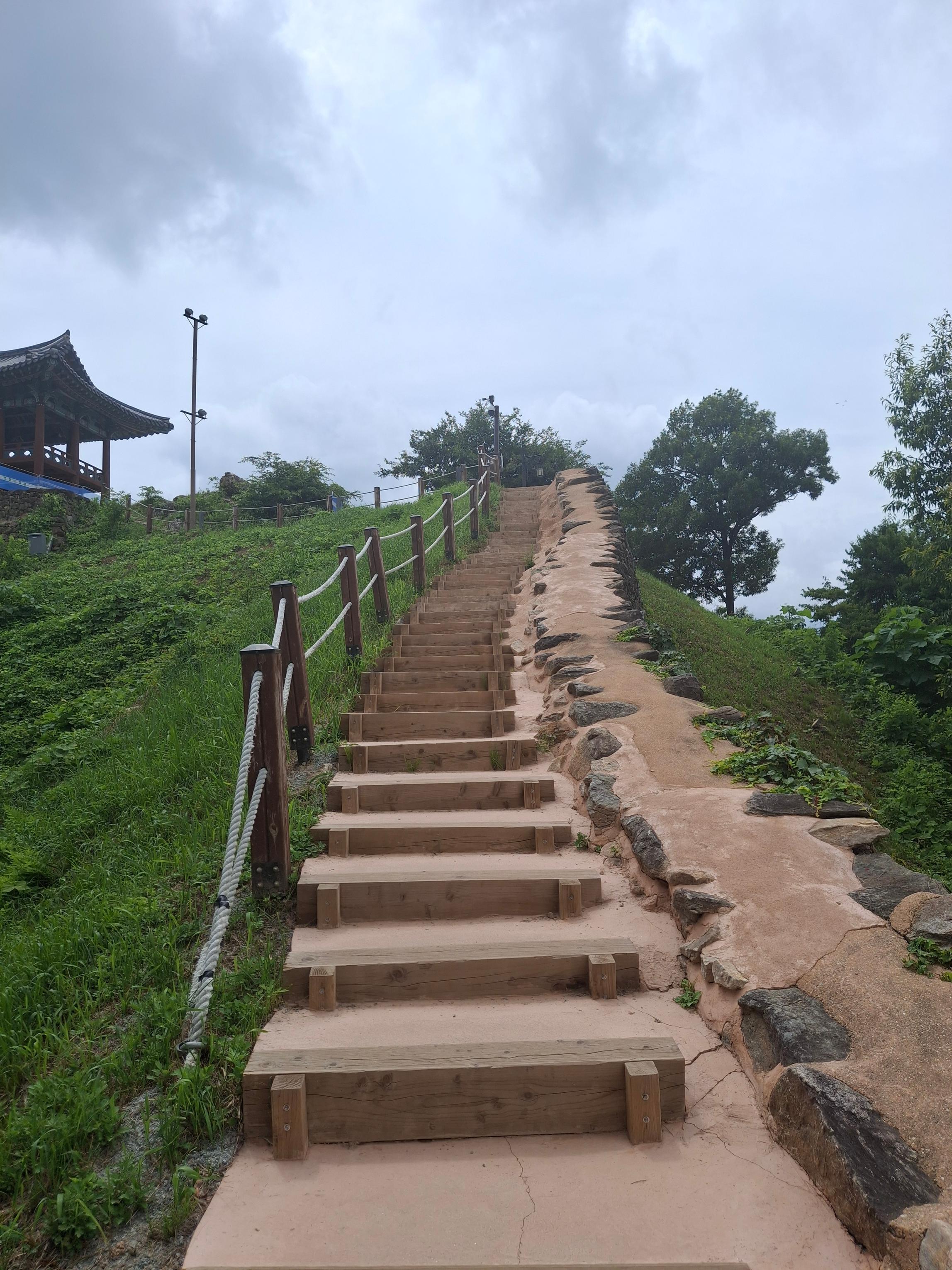
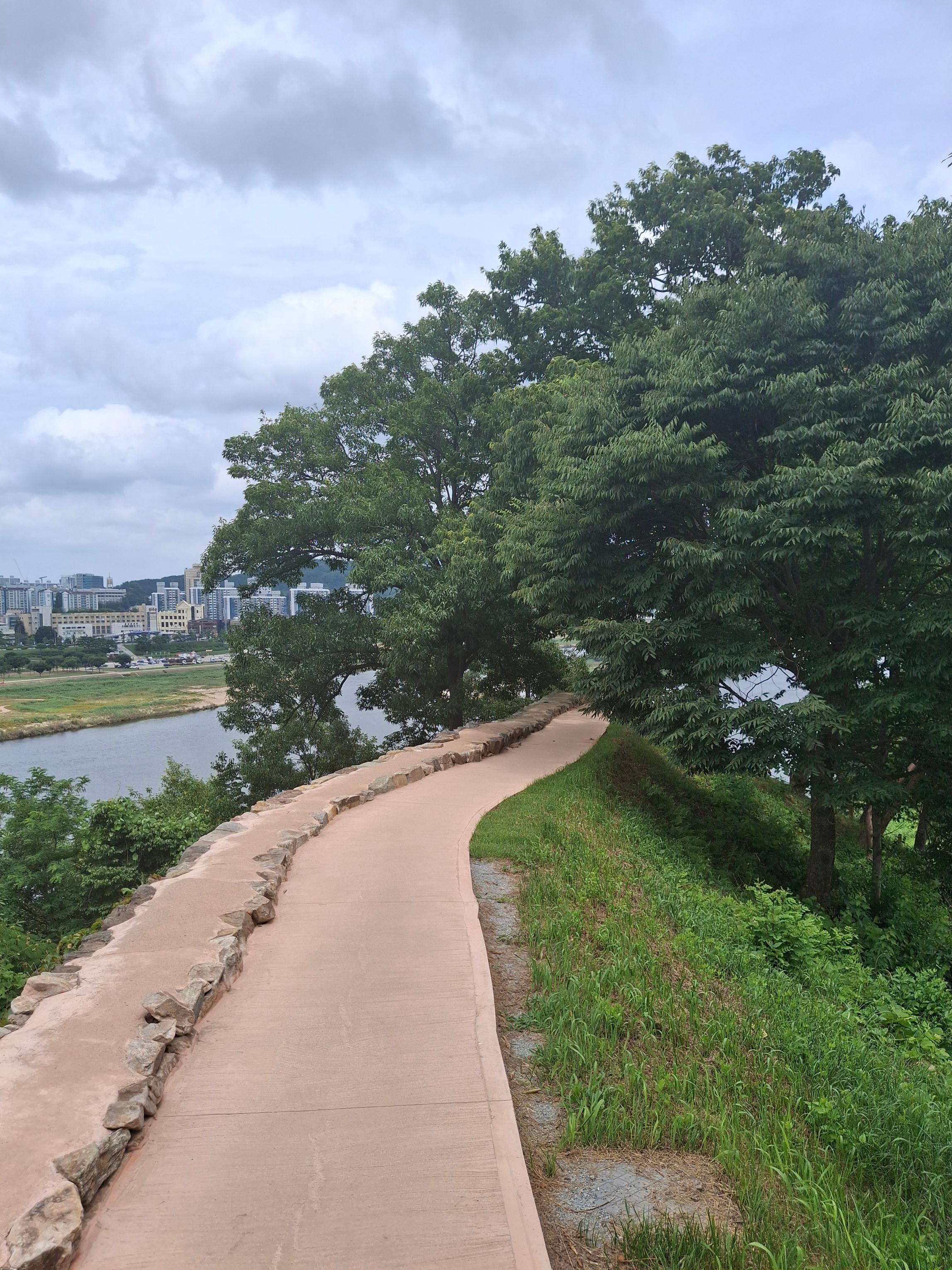
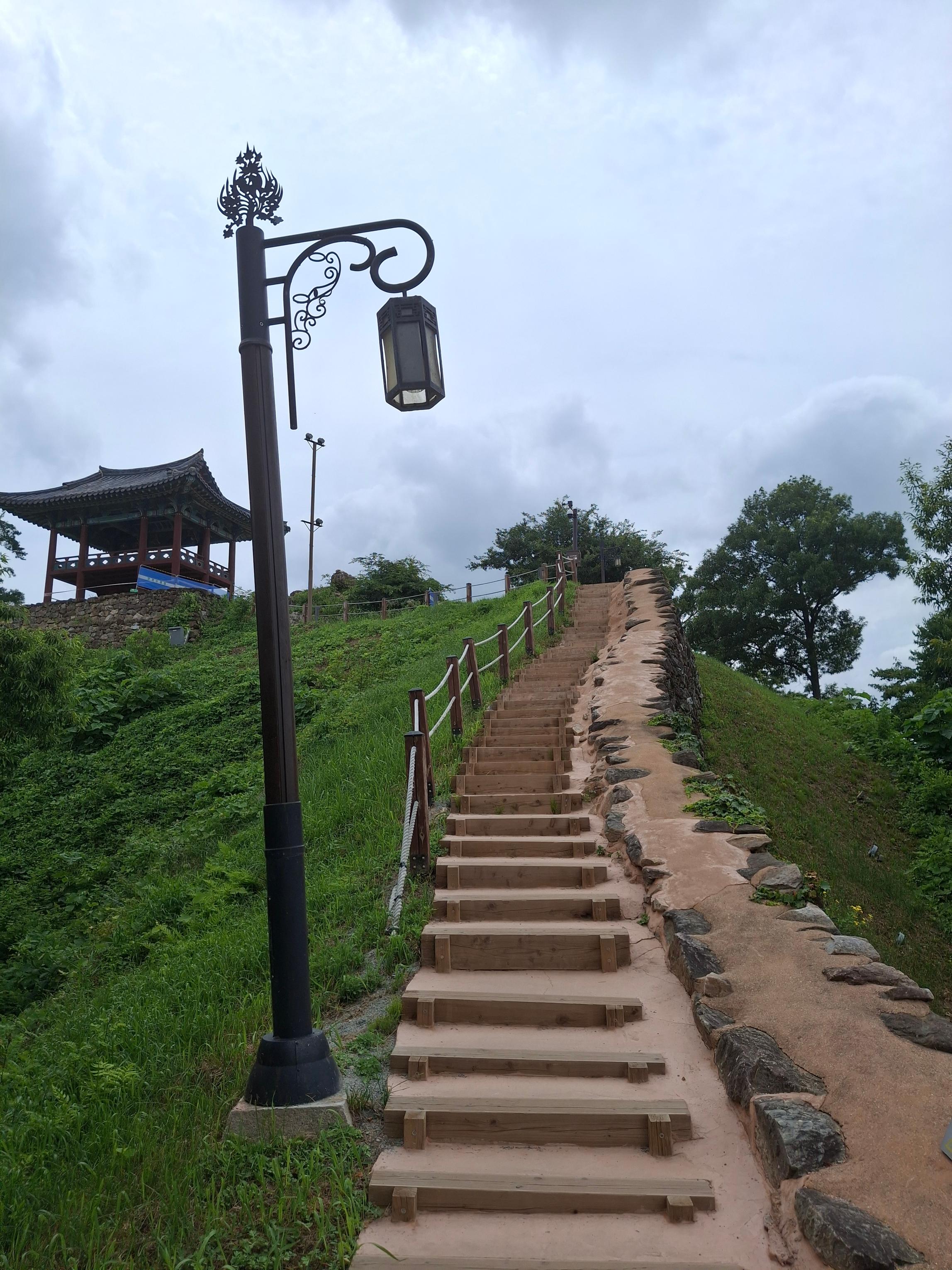
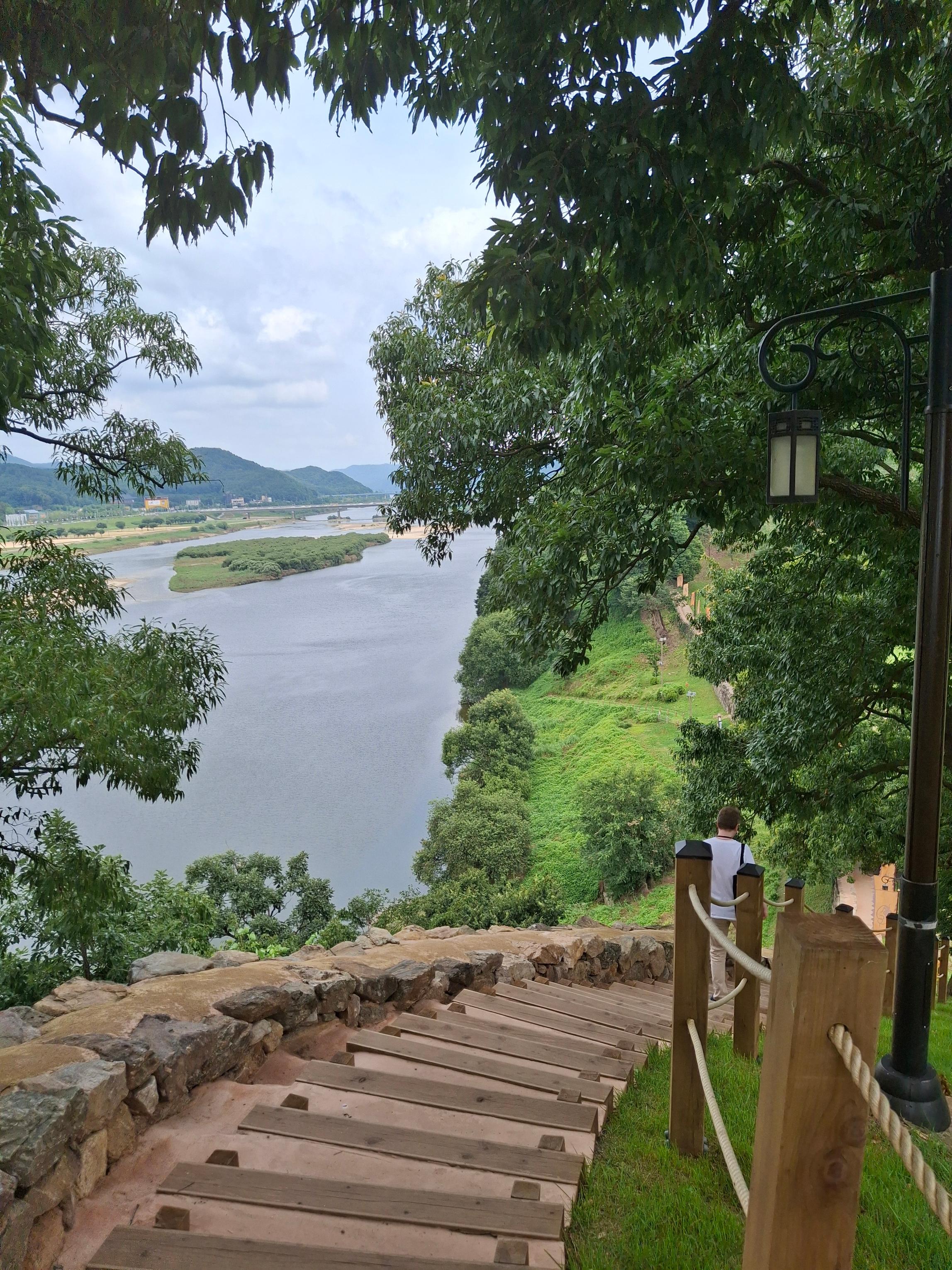
It is amazing and exciting to look at the river, imagining that the inhabitants of the fortress saw the same thing hundreds of years ago.
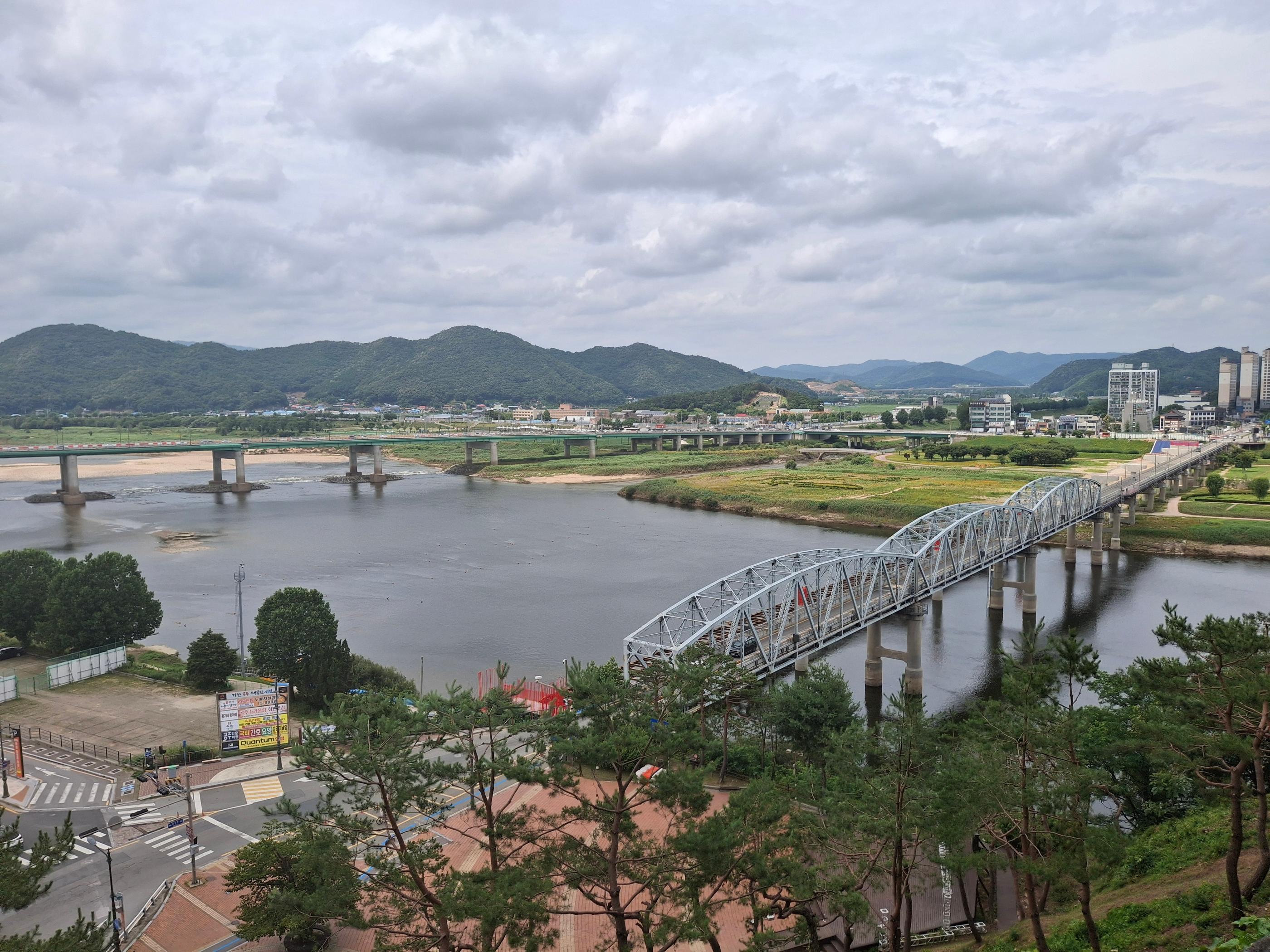
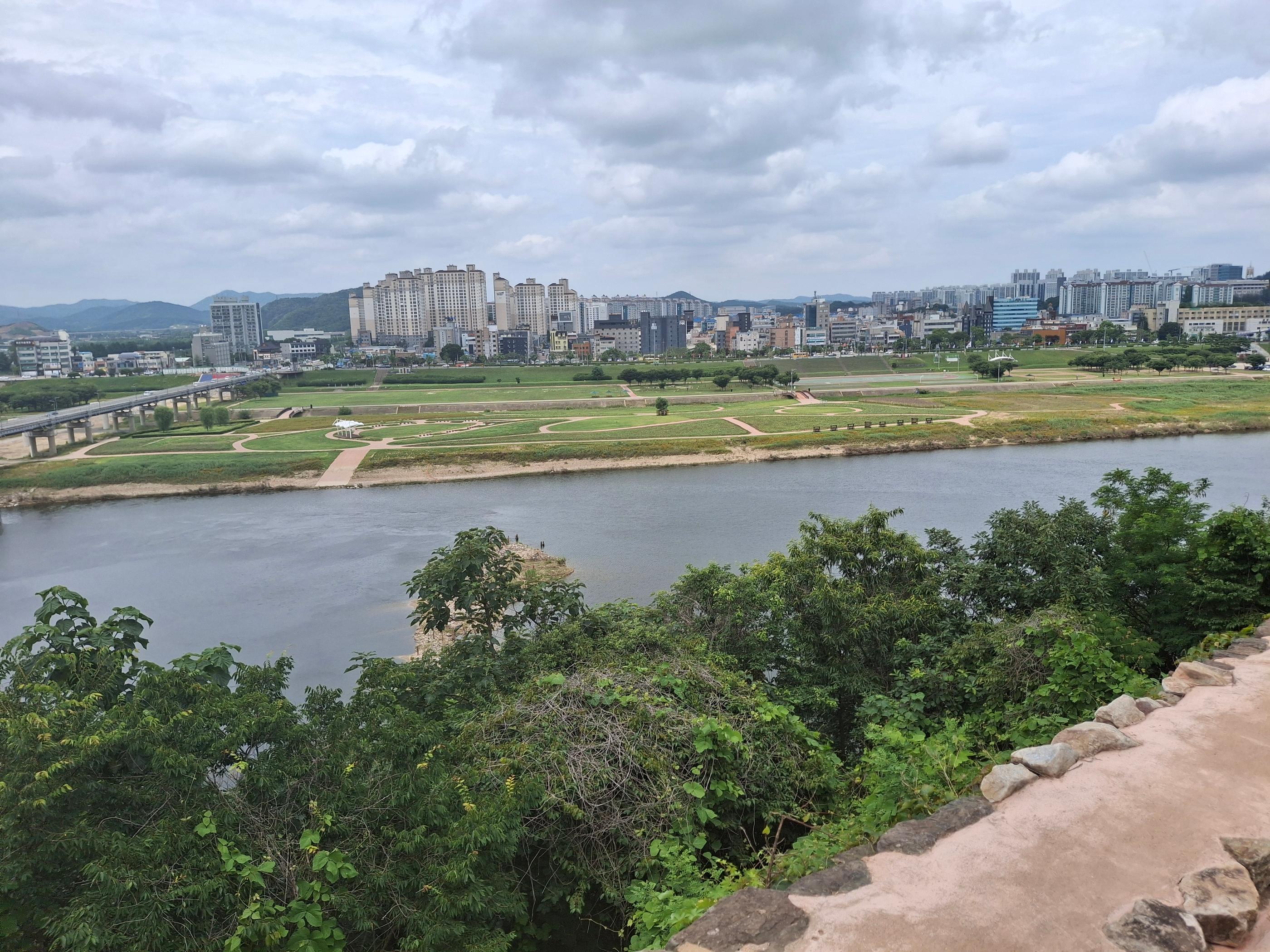
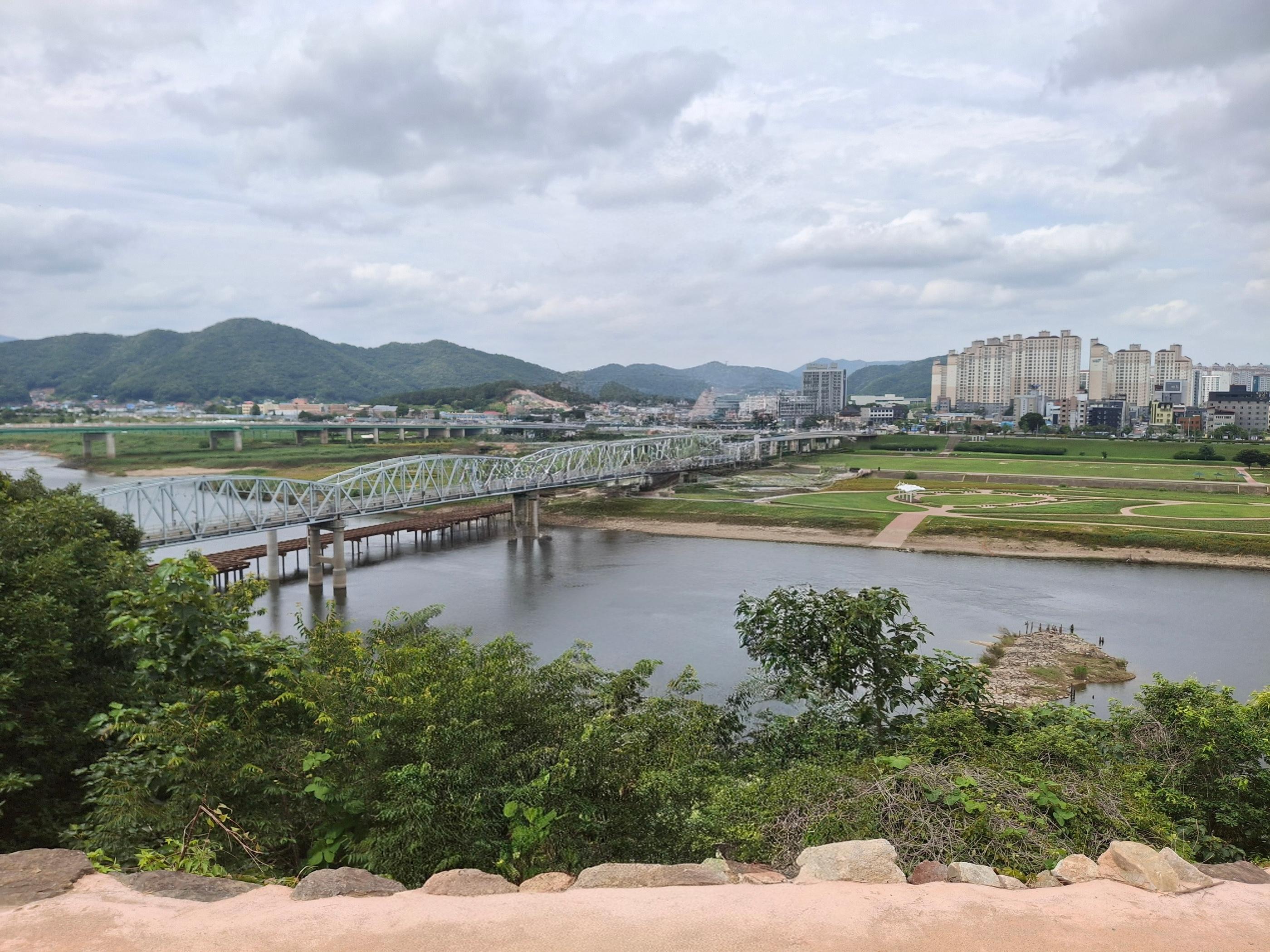
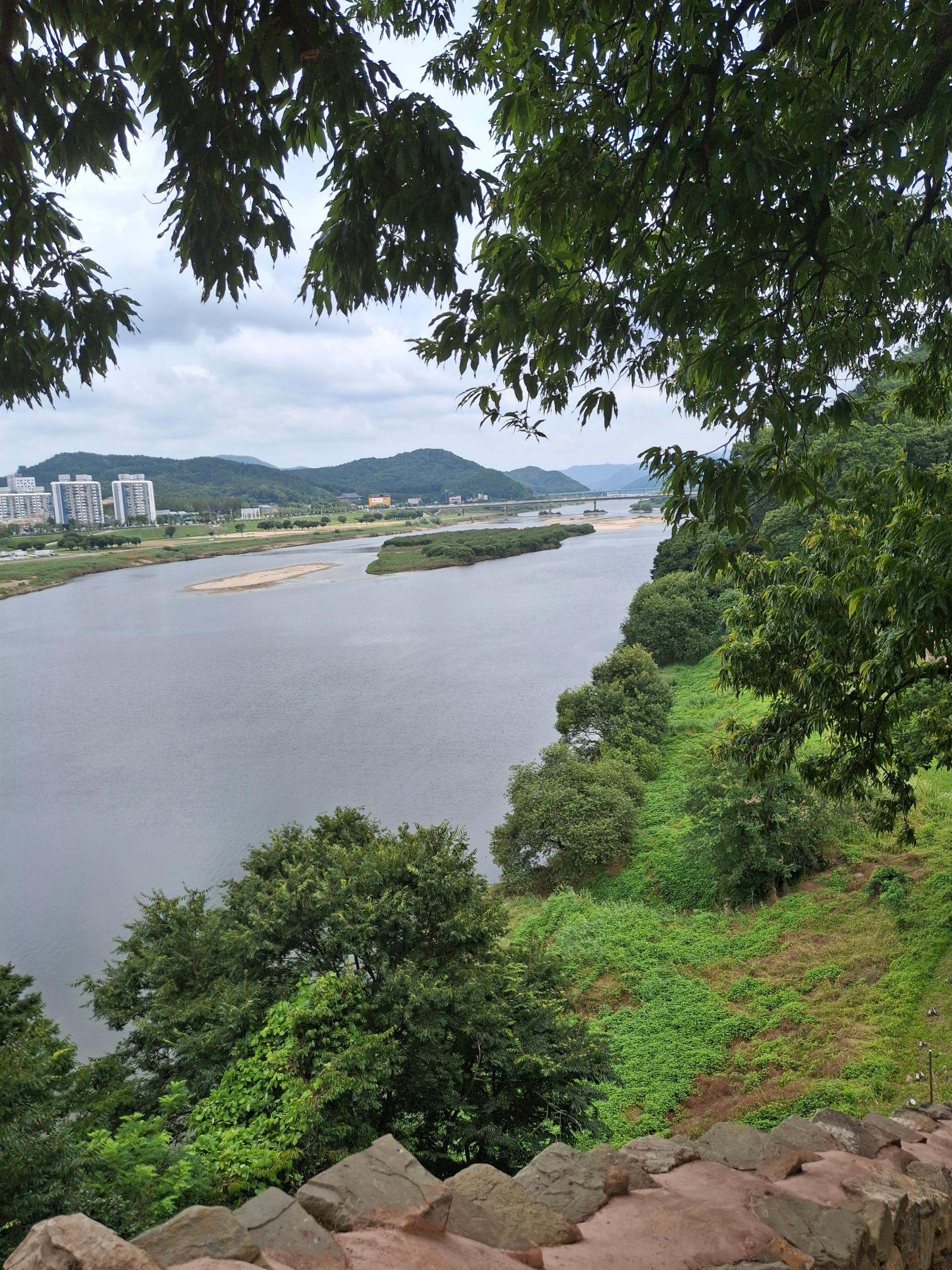
Along the wall there are occasional pavilions where you can relax and enjoy the beautiful views.
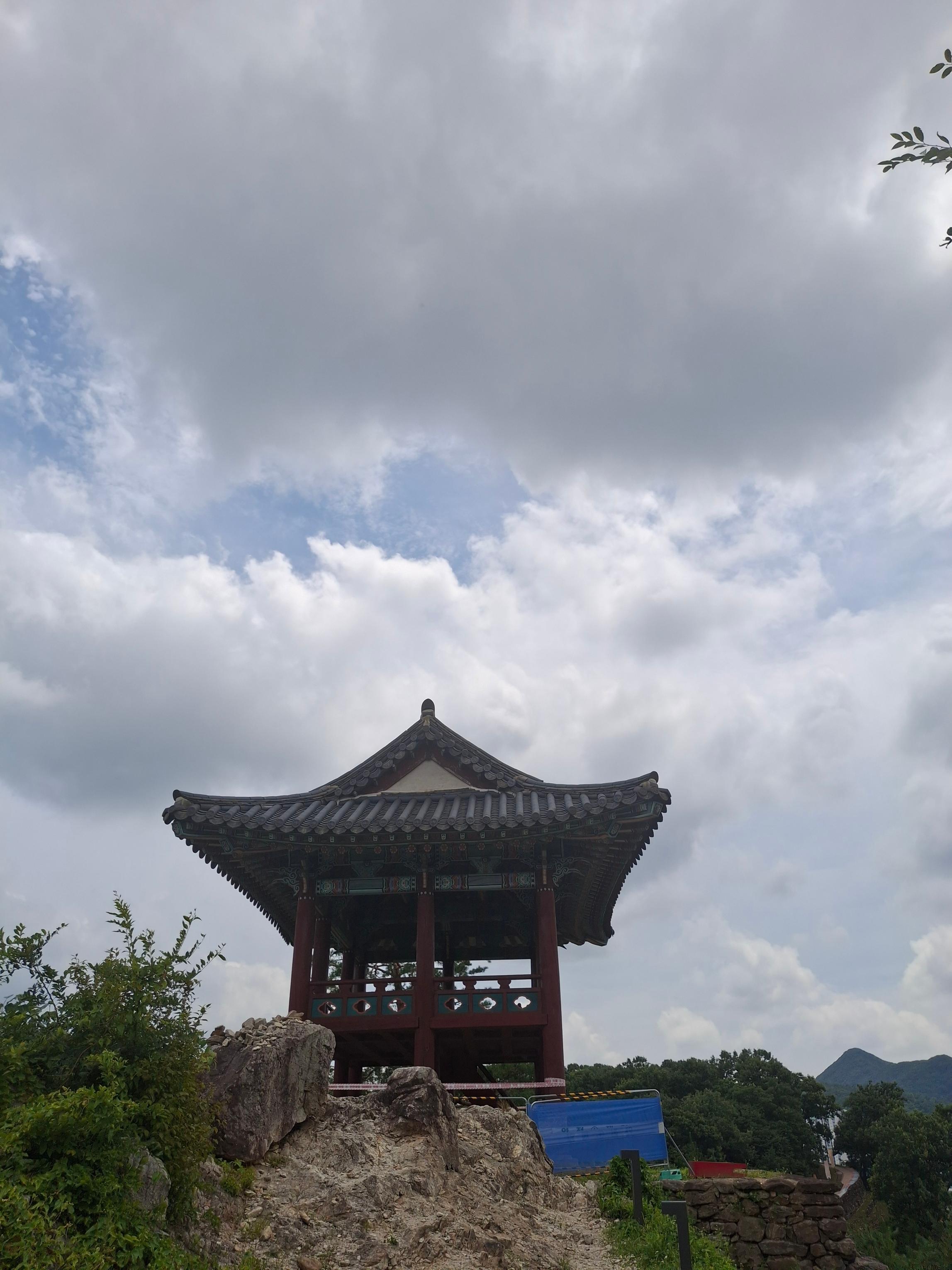
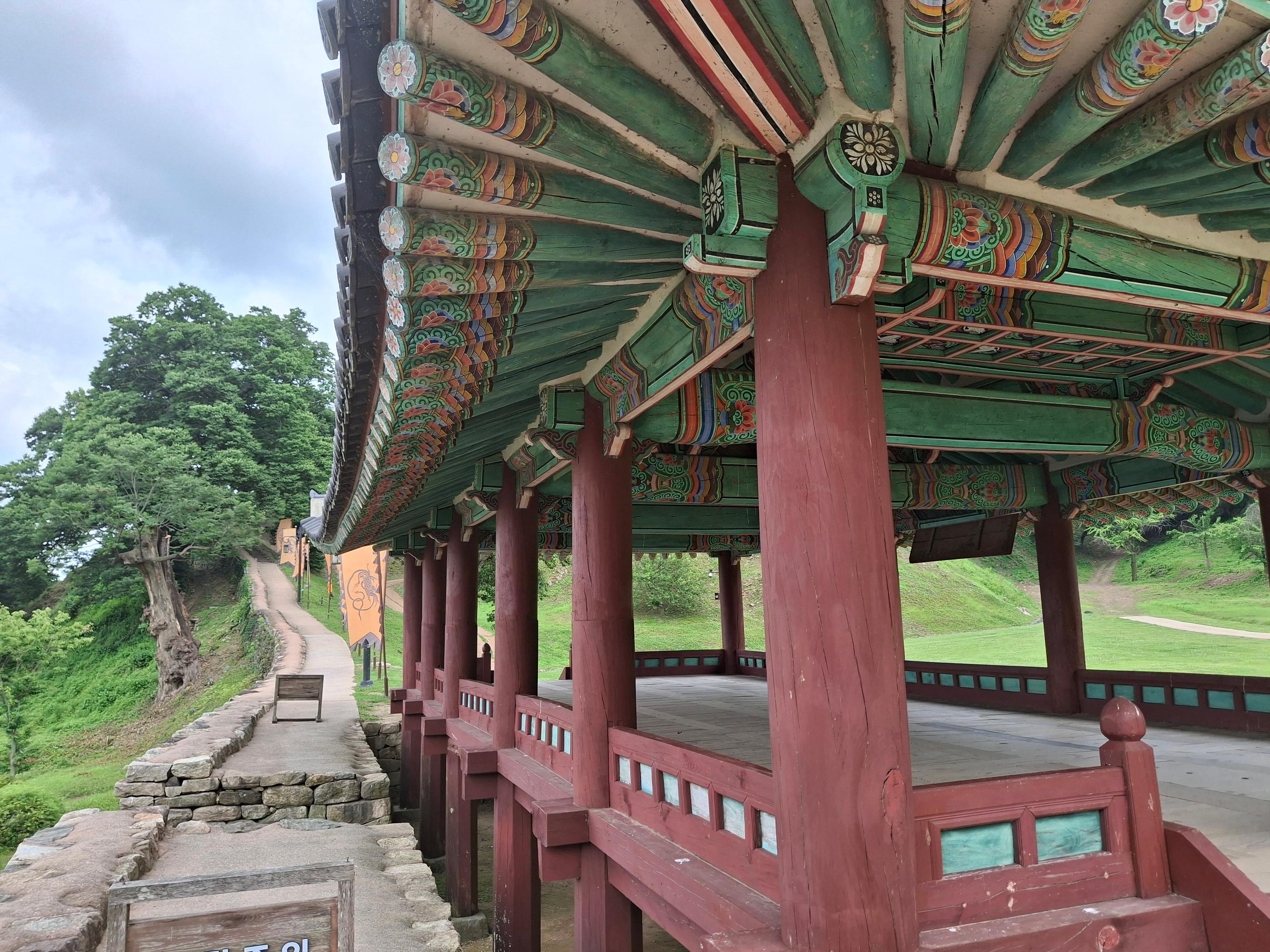
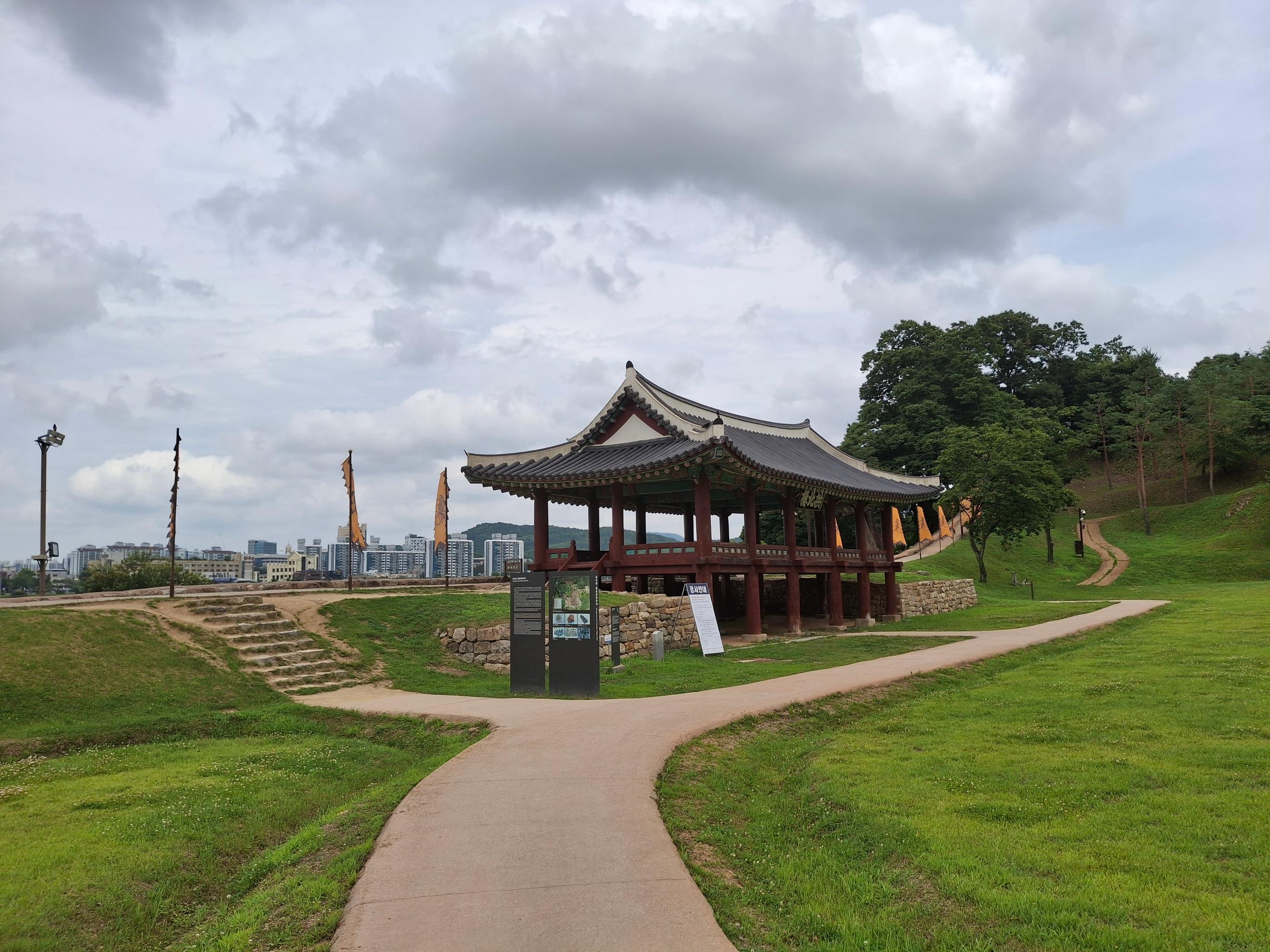
For those who are afraid to walk on the wall, you can enjoy the beauty of the fortress by walking along the numerous paths inside the fortress.
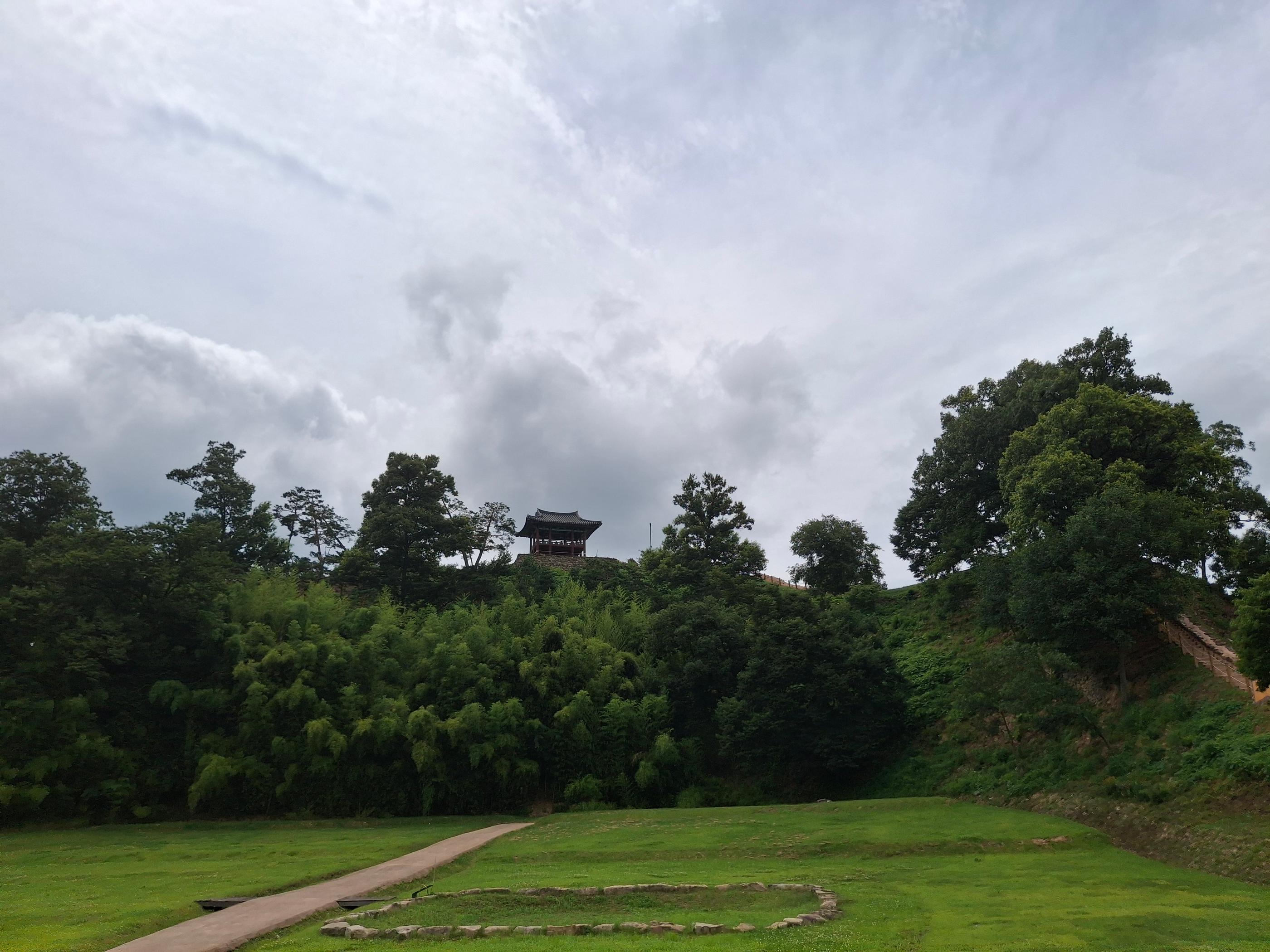
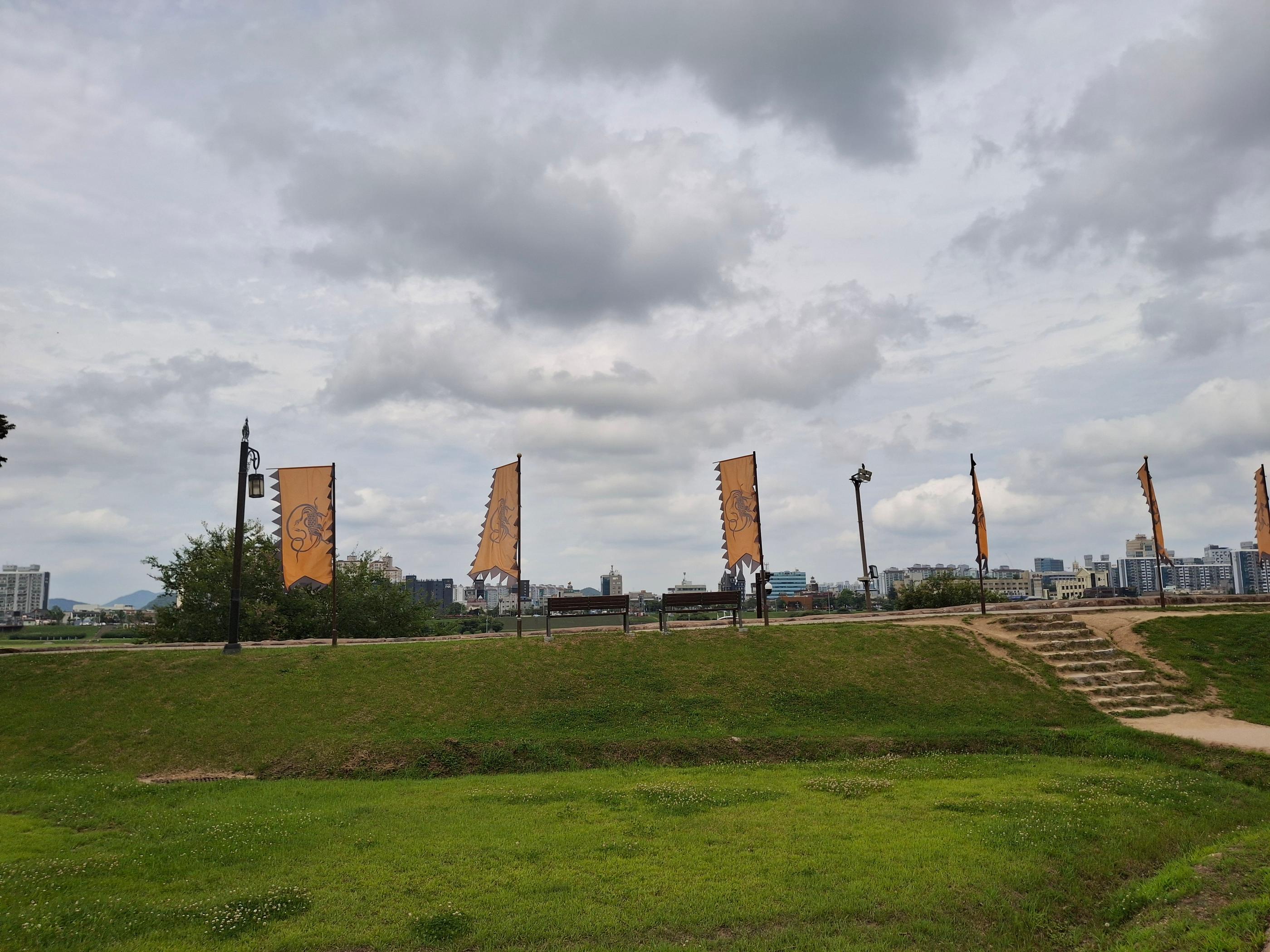
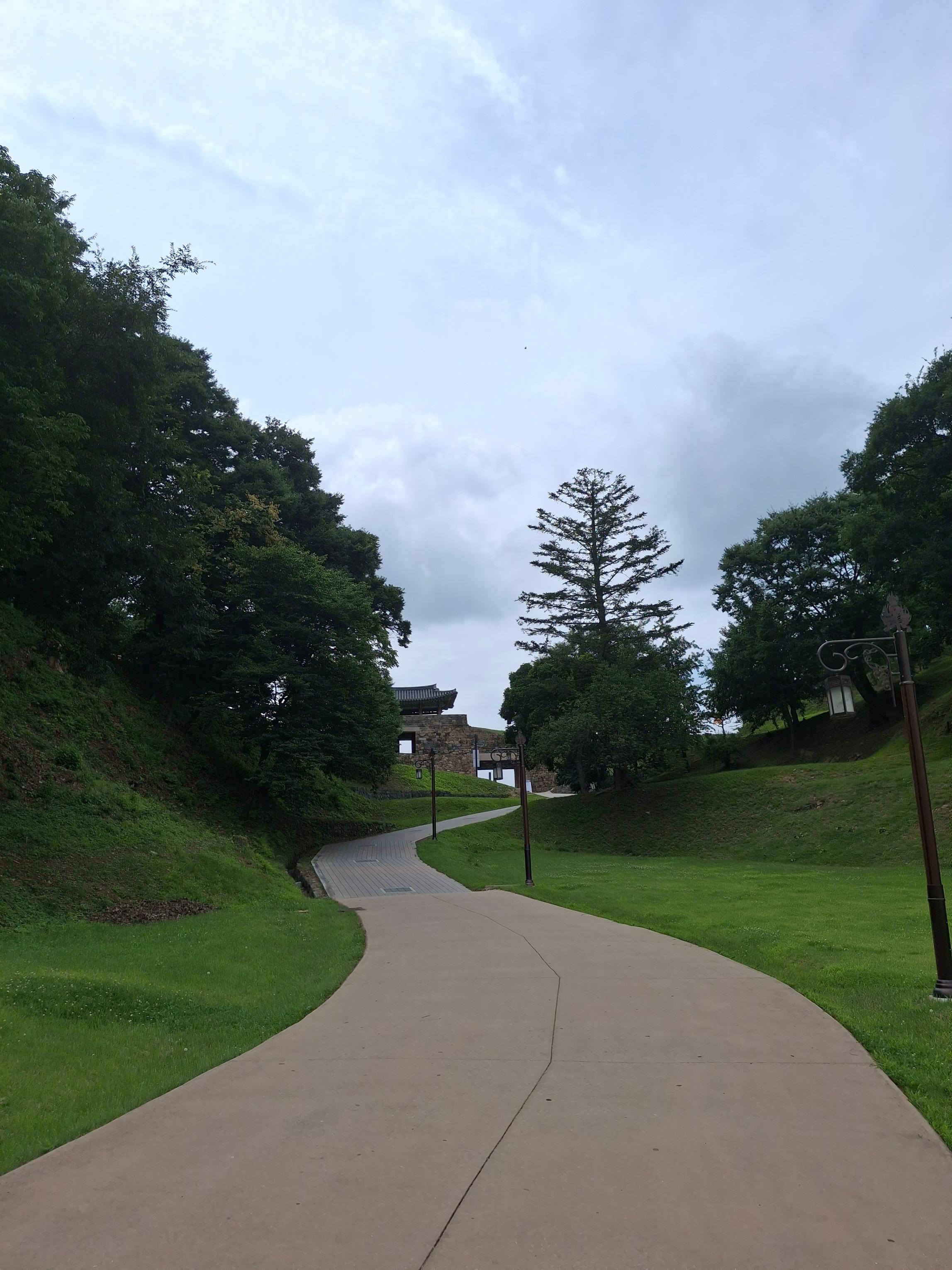
The Gongsanseong Fortress isn't the only landmark of Gongju during the Baekje era. It also houses a famous tomb of King Muryeong and Royal Tombs from that period.
The Tomb of King Muryeong and Royal Tombs are royal tombs built in the Ungjin (475~538) period of Baekje. This is a large complex consisting of several tombs. Immediately upon entering, visitors are greeted by a sculpture of an unknown mythical creature, whose figurine was found in the tombs and became their symbol.
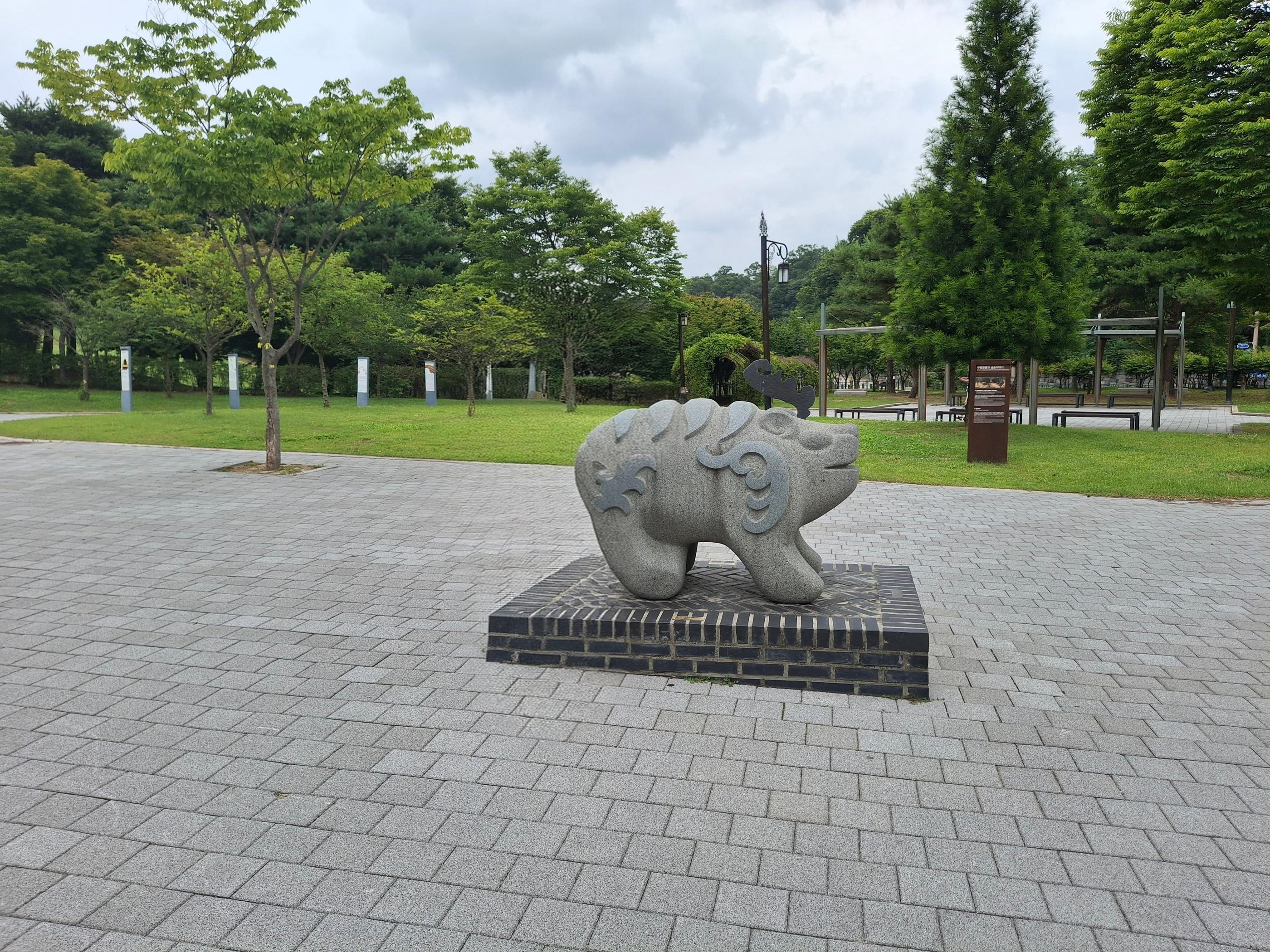
The tombs are located within enormous mounds, very similar to the famous Gyeongju tombs.
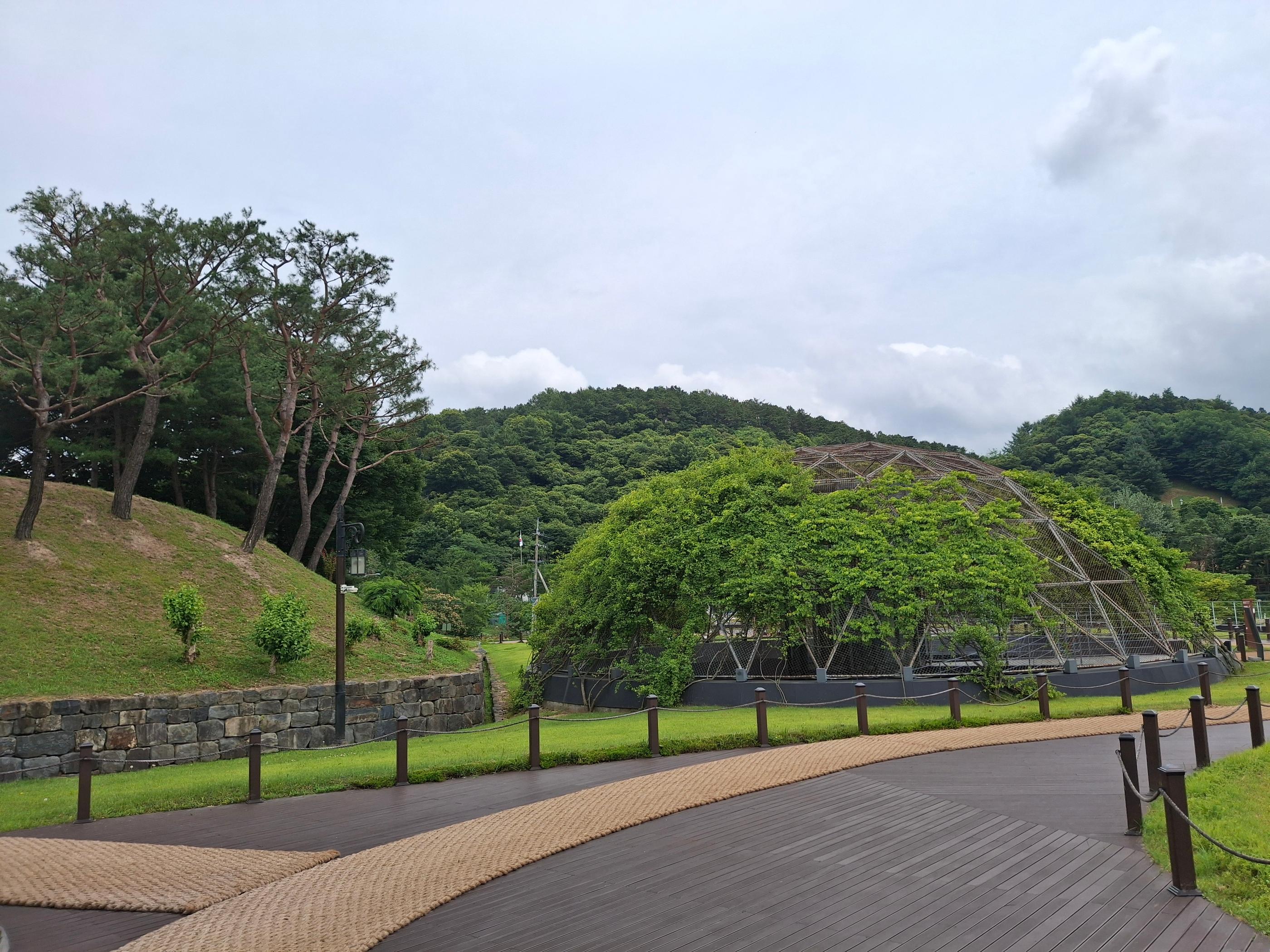
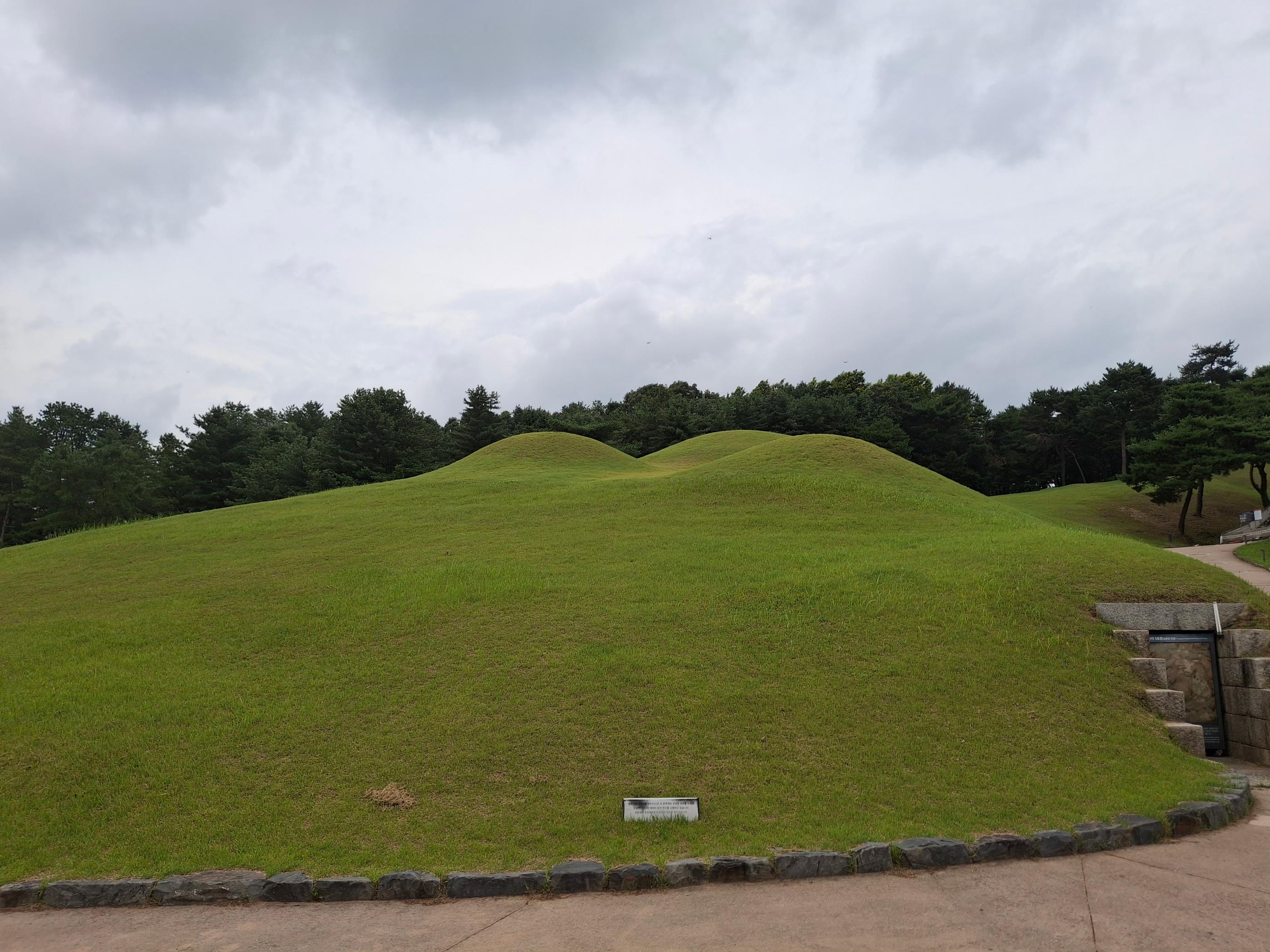
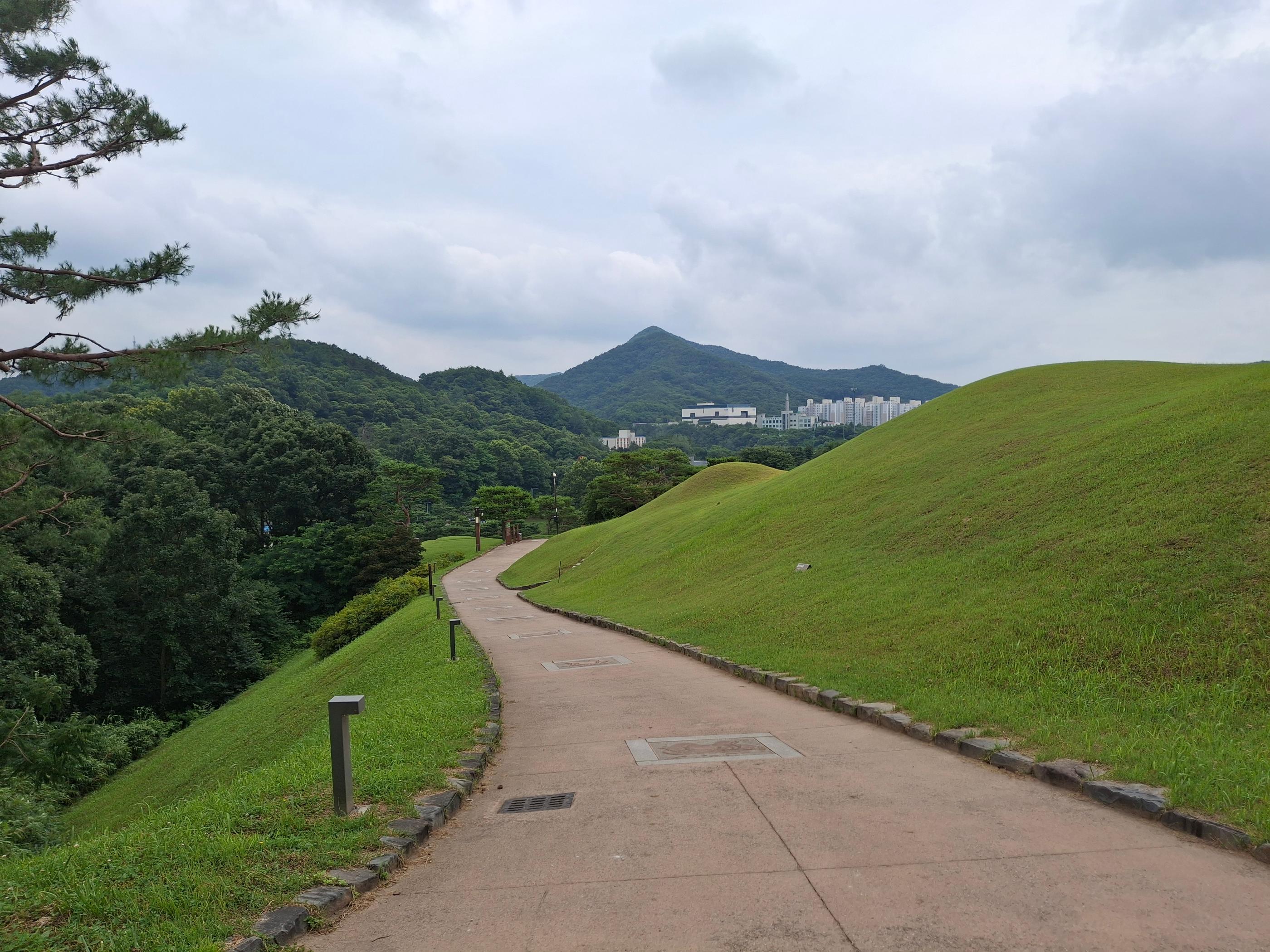
The Tomb of King Muryeong and Royal Tombs retain the traces of the royal family that ruled over Baekje during the Ungjin period (475~538). Located in the southern hillsides near the Geumgang River, the site originally contained dozens of tombs, but there only remain seven tombs including the Tomb of King Muryeong.
Tombs No. 1 to 5 each feature a stone chamber with a tunnel entrance, a type of tomb that was commonly built in Baekje, while Tomb No. 1 and the Tomb of King Muryeong were built as brick chambers, which were popular in China at the time.
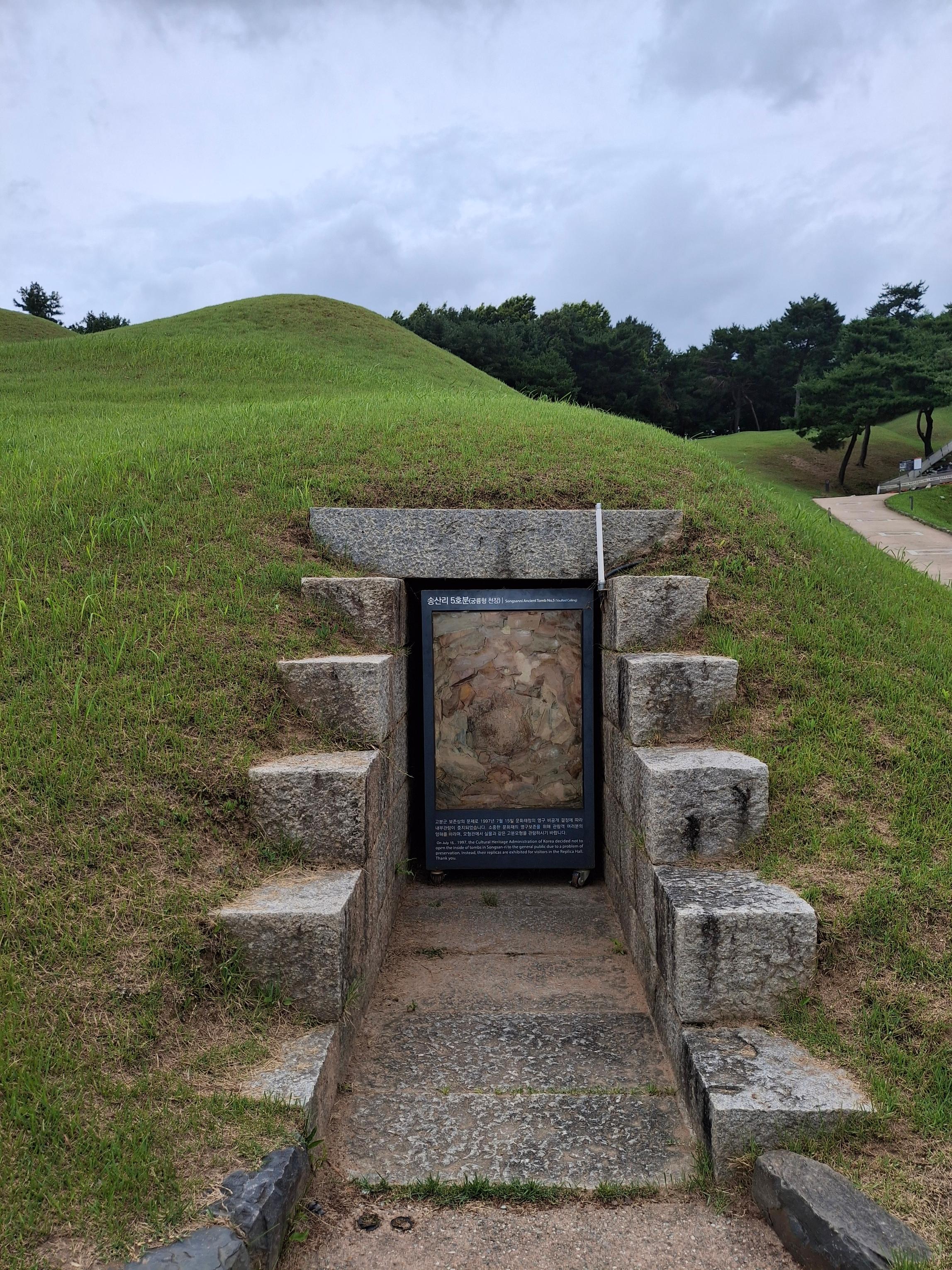
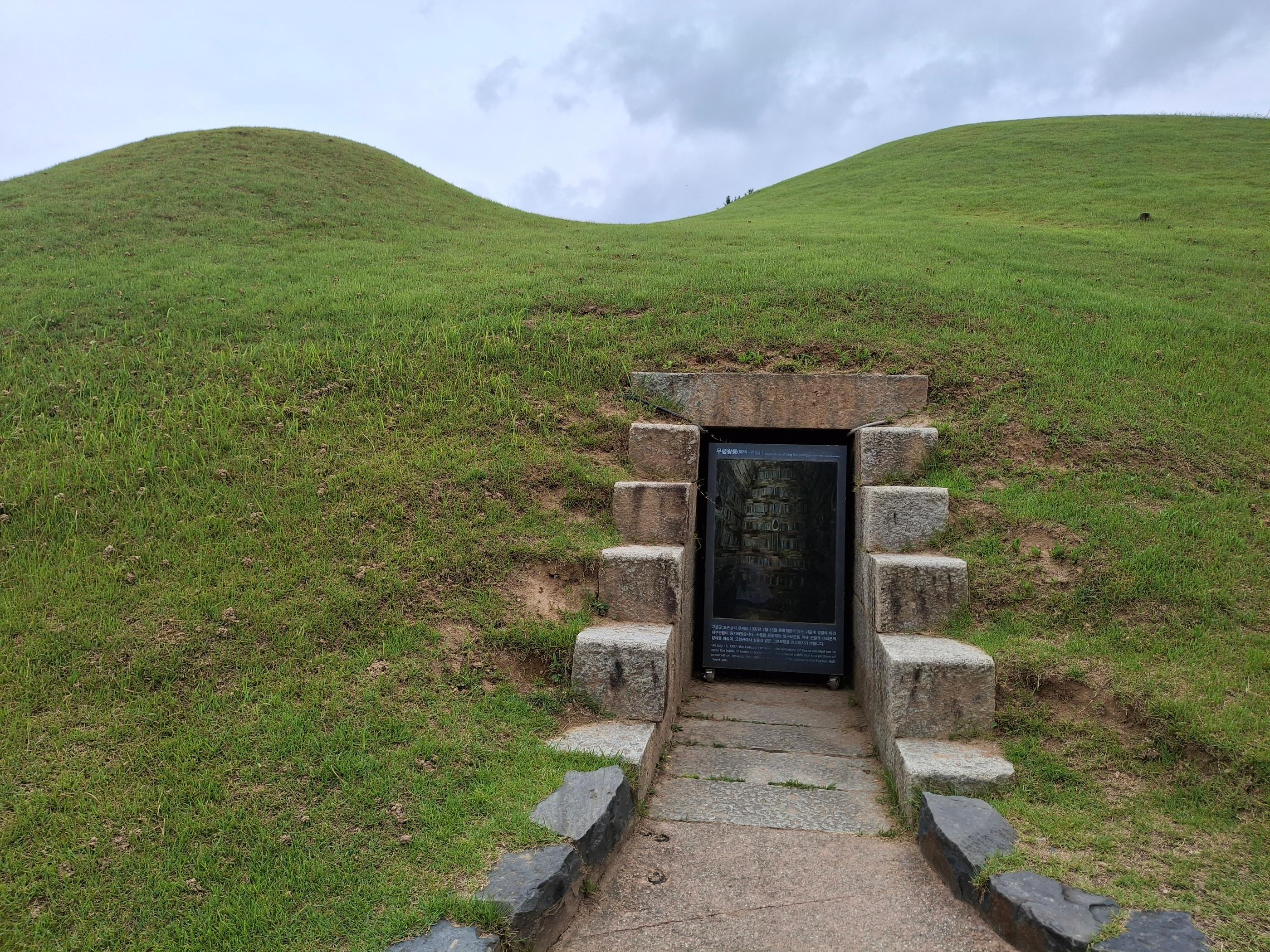
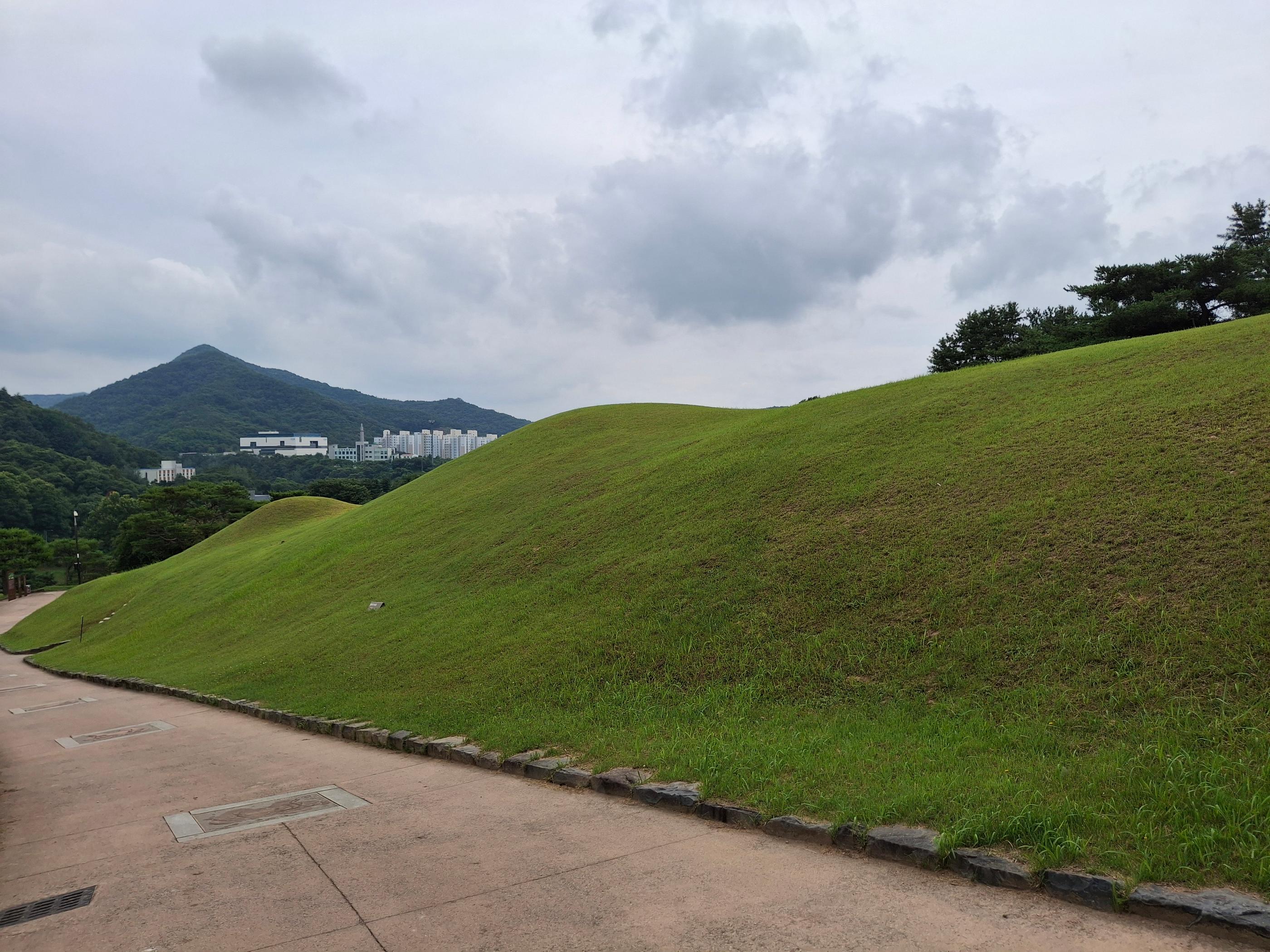
The most famous Tomb of King Muryeong inside the hill, which has been converted into a museum, is open to visitors. The Tomb of King Muryeong is where Muryeong, the 25th king of Baekje, and his queen have been laid to rest. This is the sole royal tomb built during the Three Kingdoms Period where the identities of the buried persons are accurately known. The tomb was discovered inadvertently during the drainage work on tombs No. 5 and 6 in 1971, around 1,500 years after it was originally constructed.
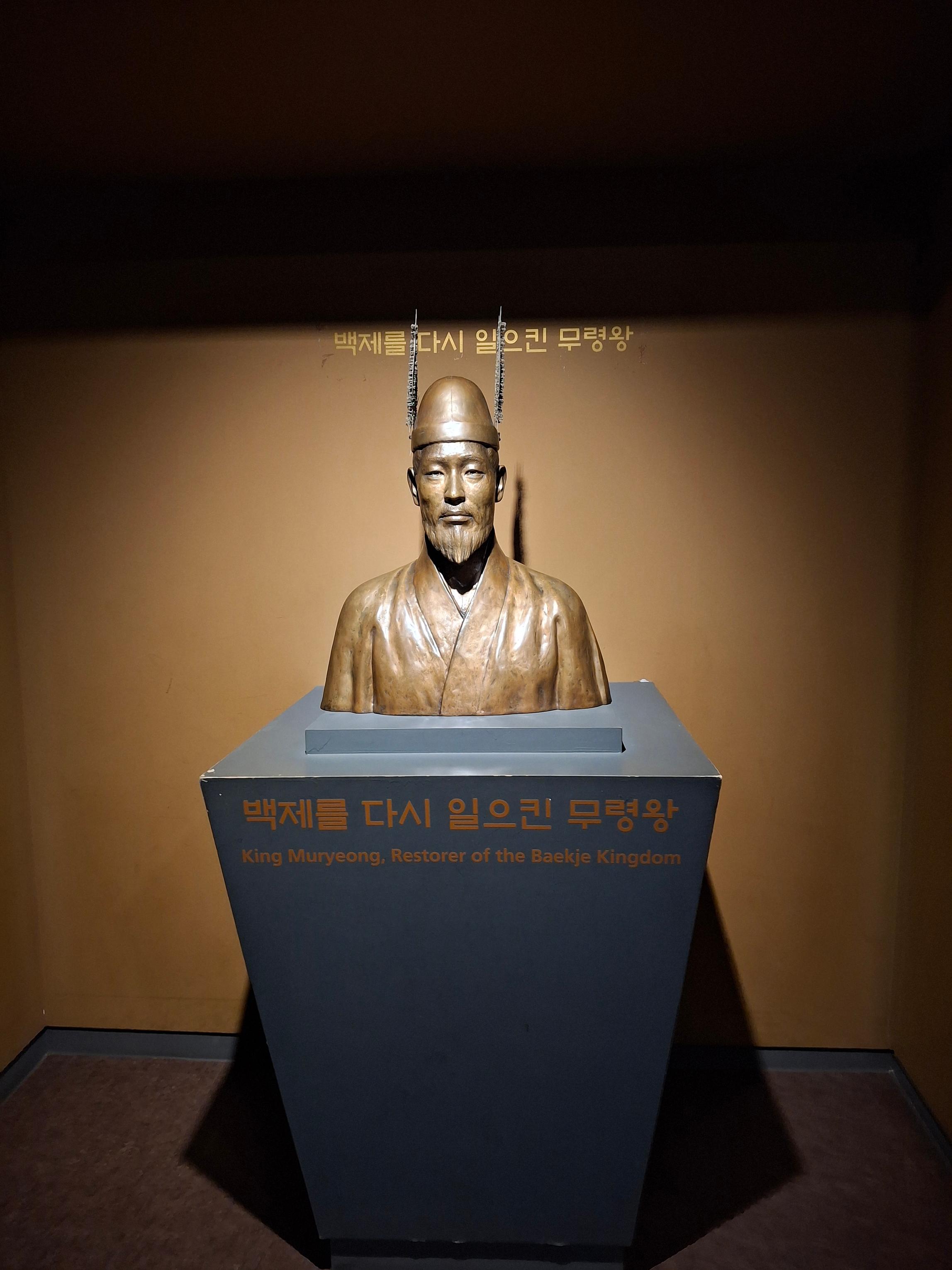
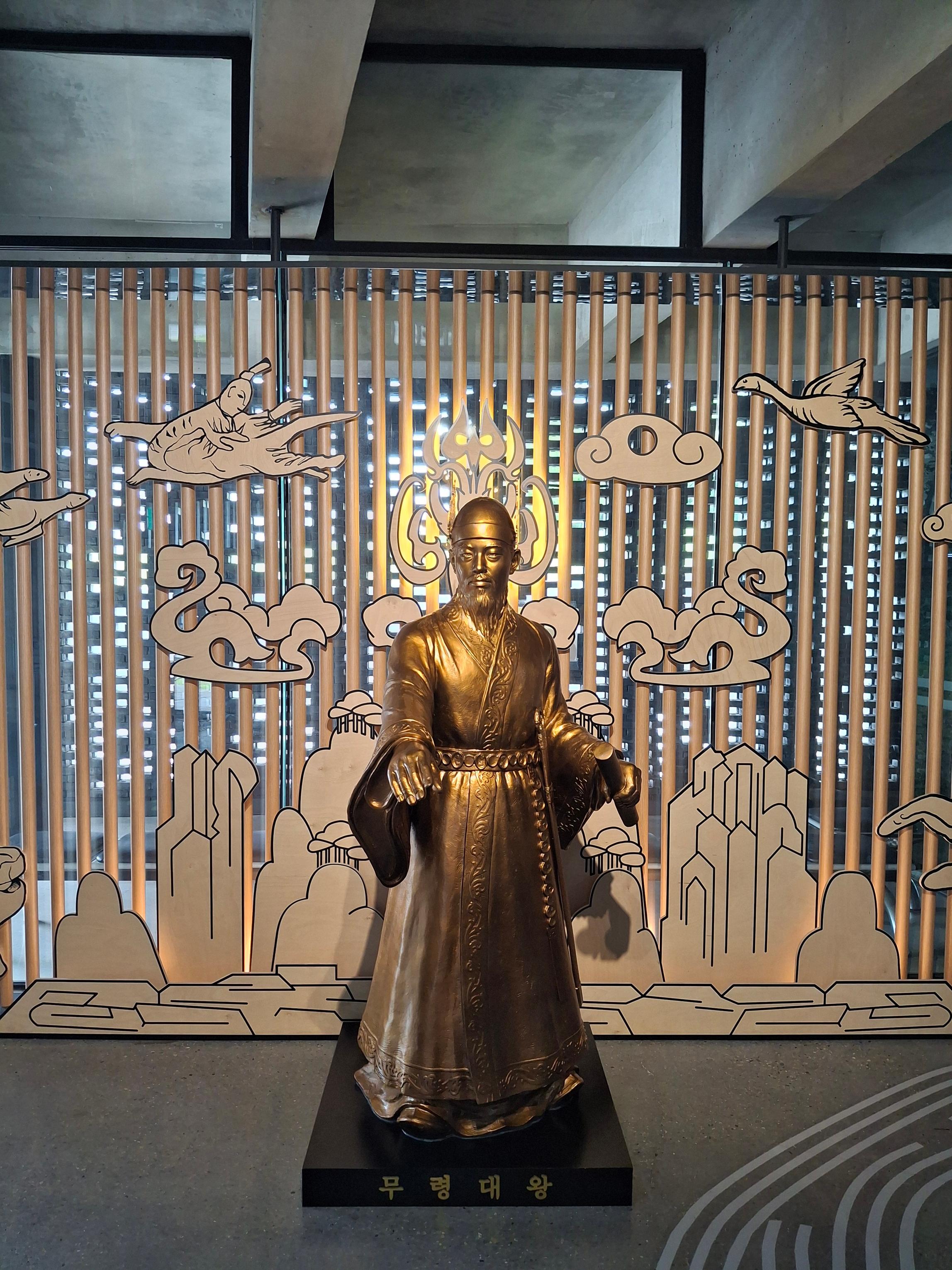
The tomb consists of two separate chambers, which can only be entered by bending over and squeezing through a narrow tunnel. But the view is simply breathtaking. This unique burial site is striking in its antiquity and beauty.
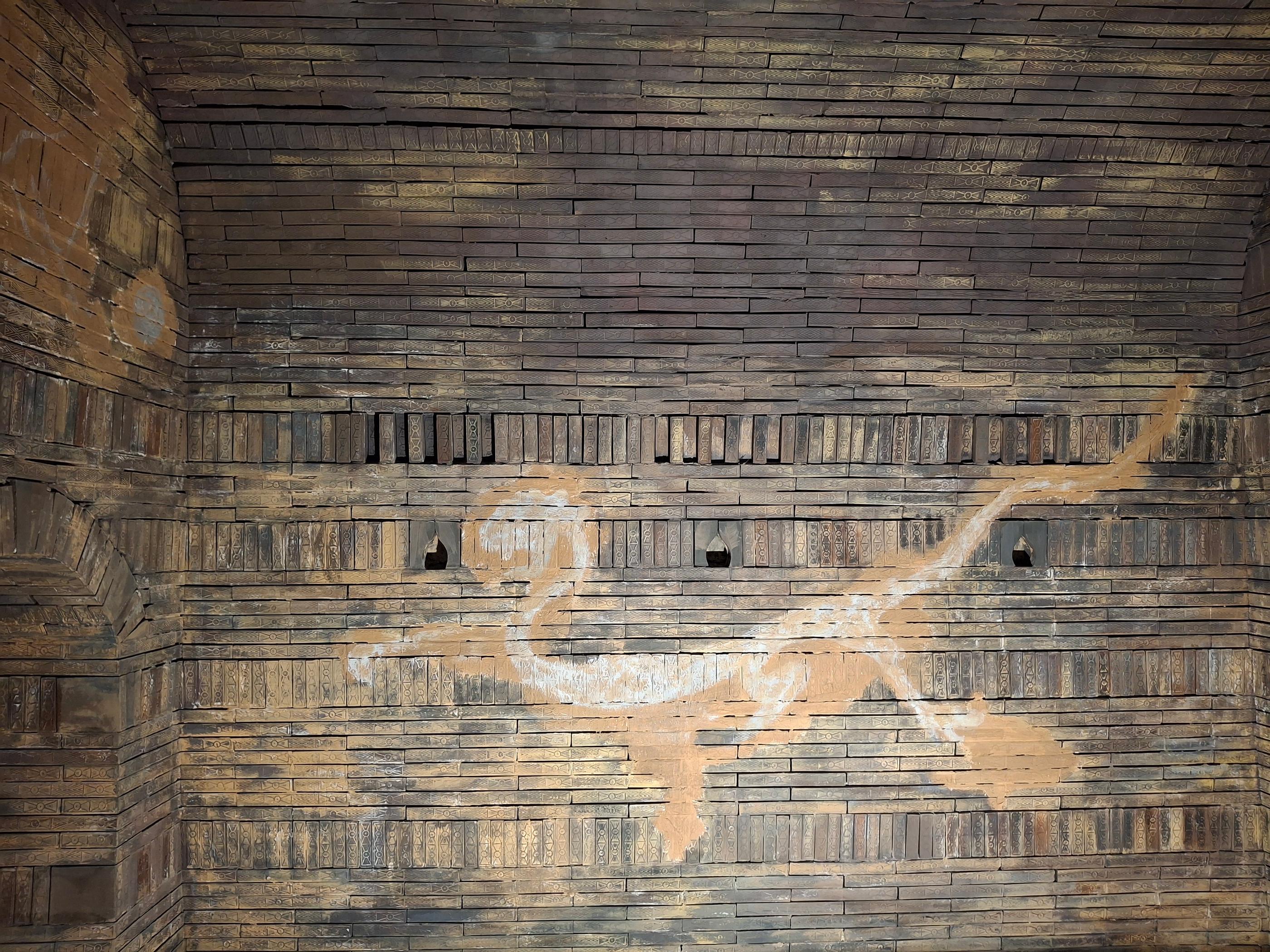
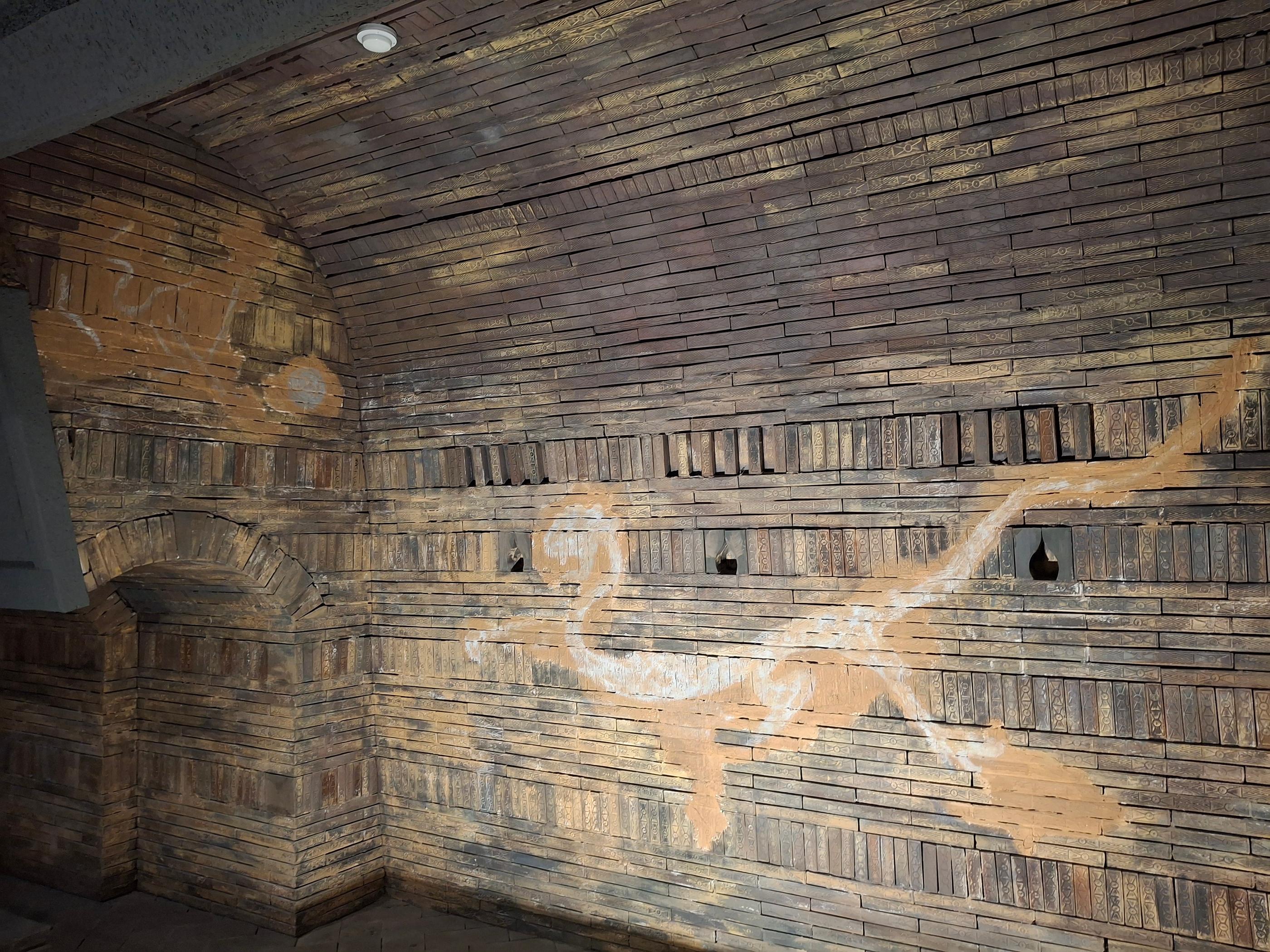
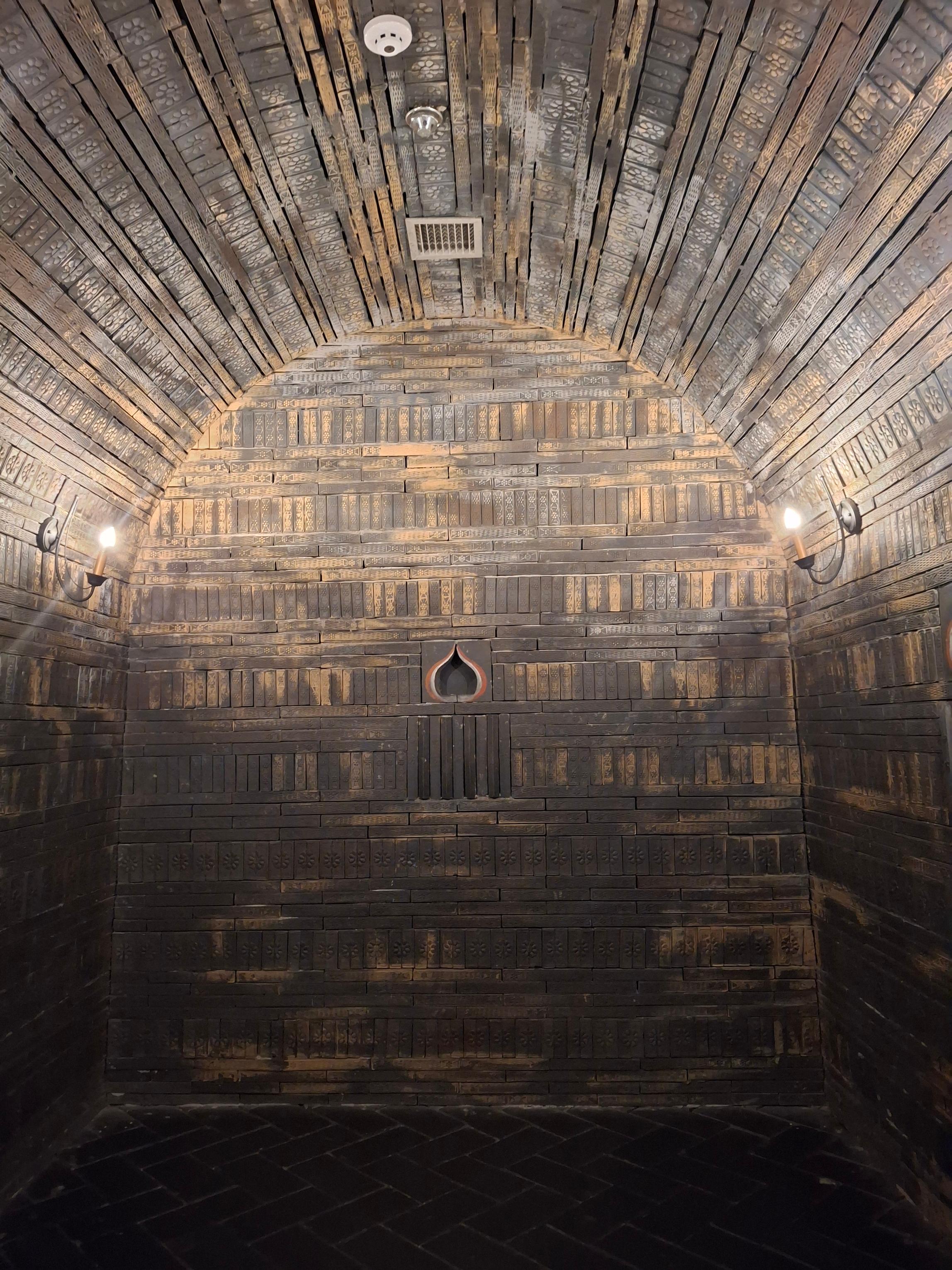
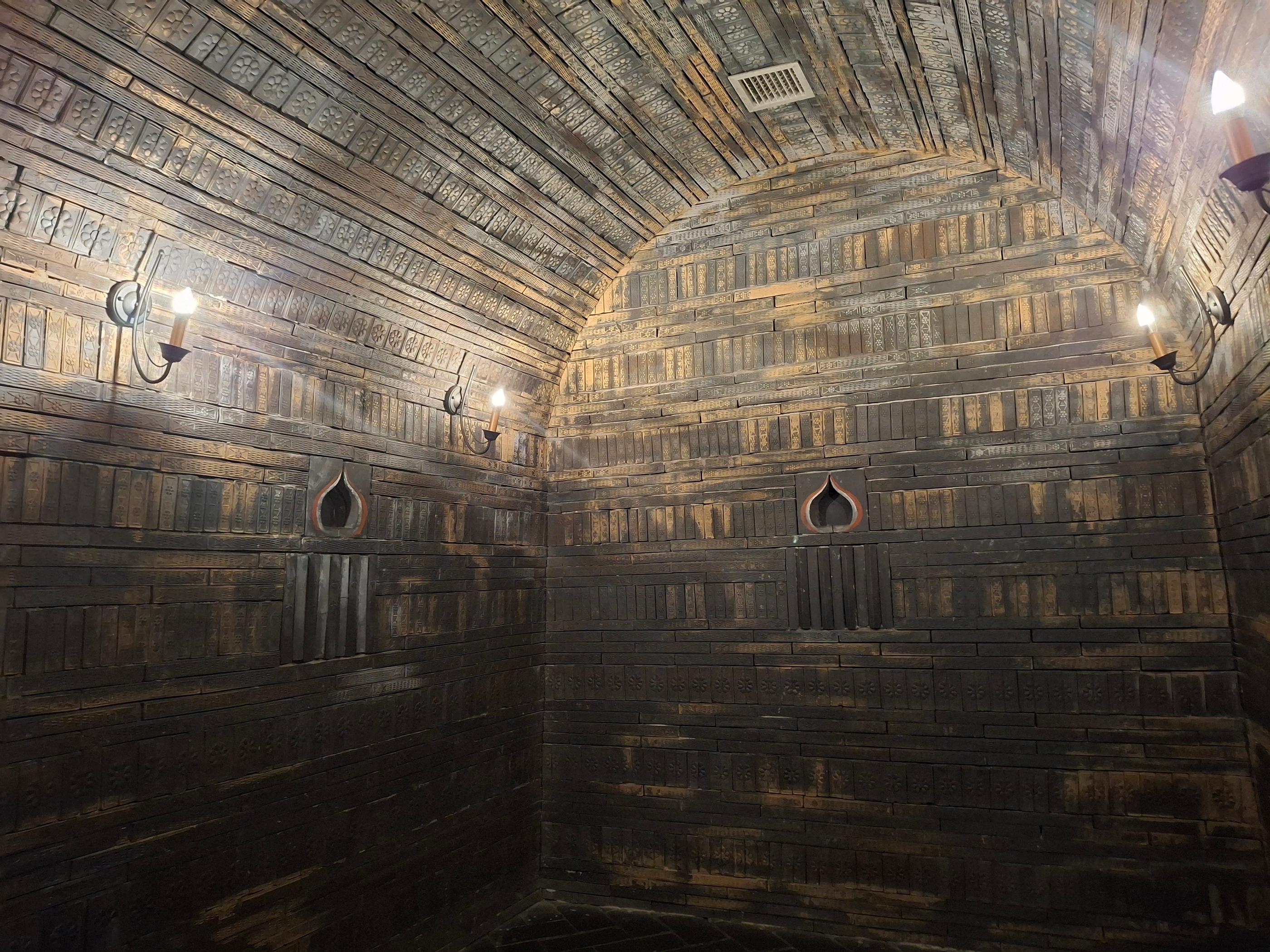
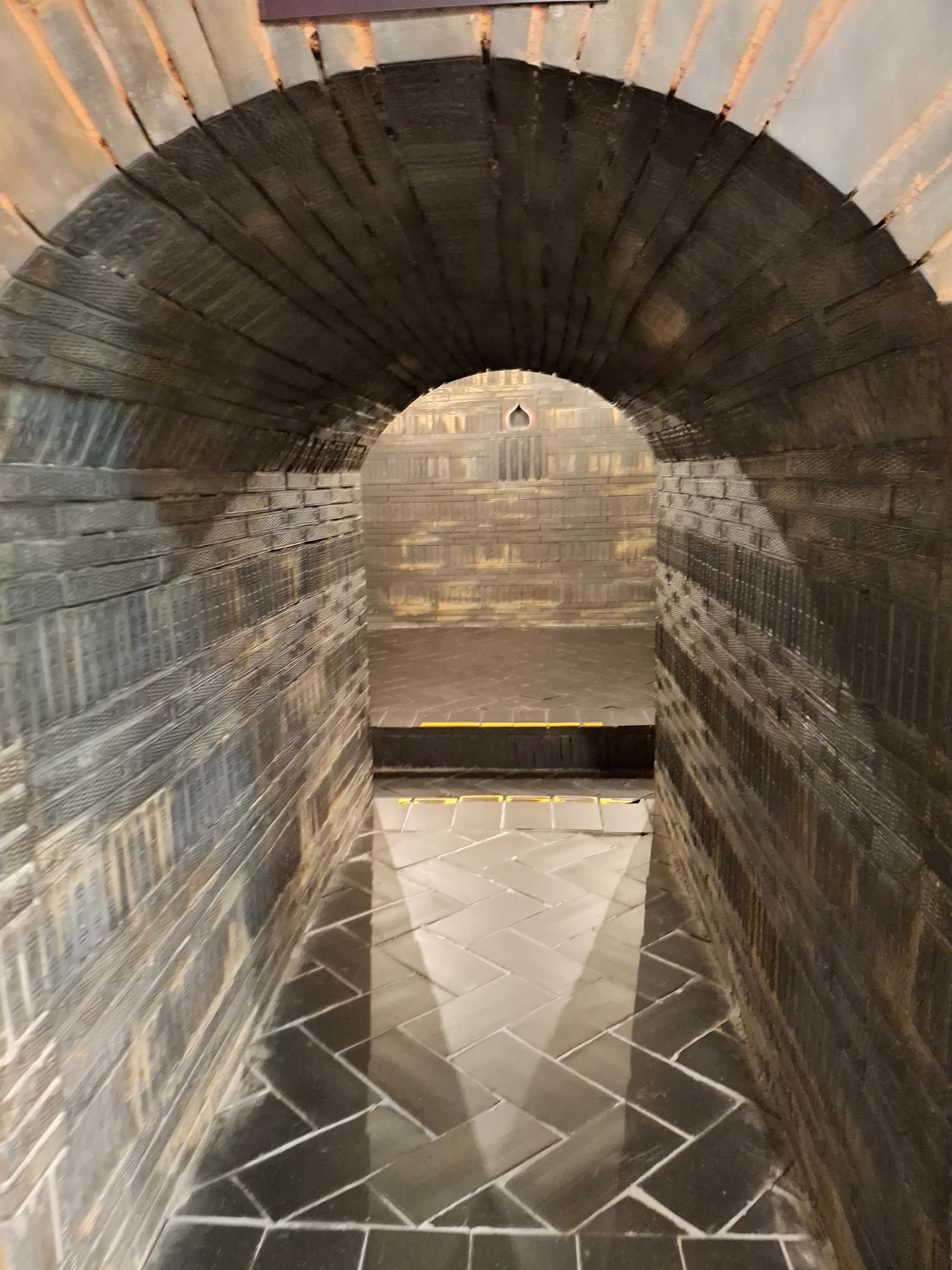
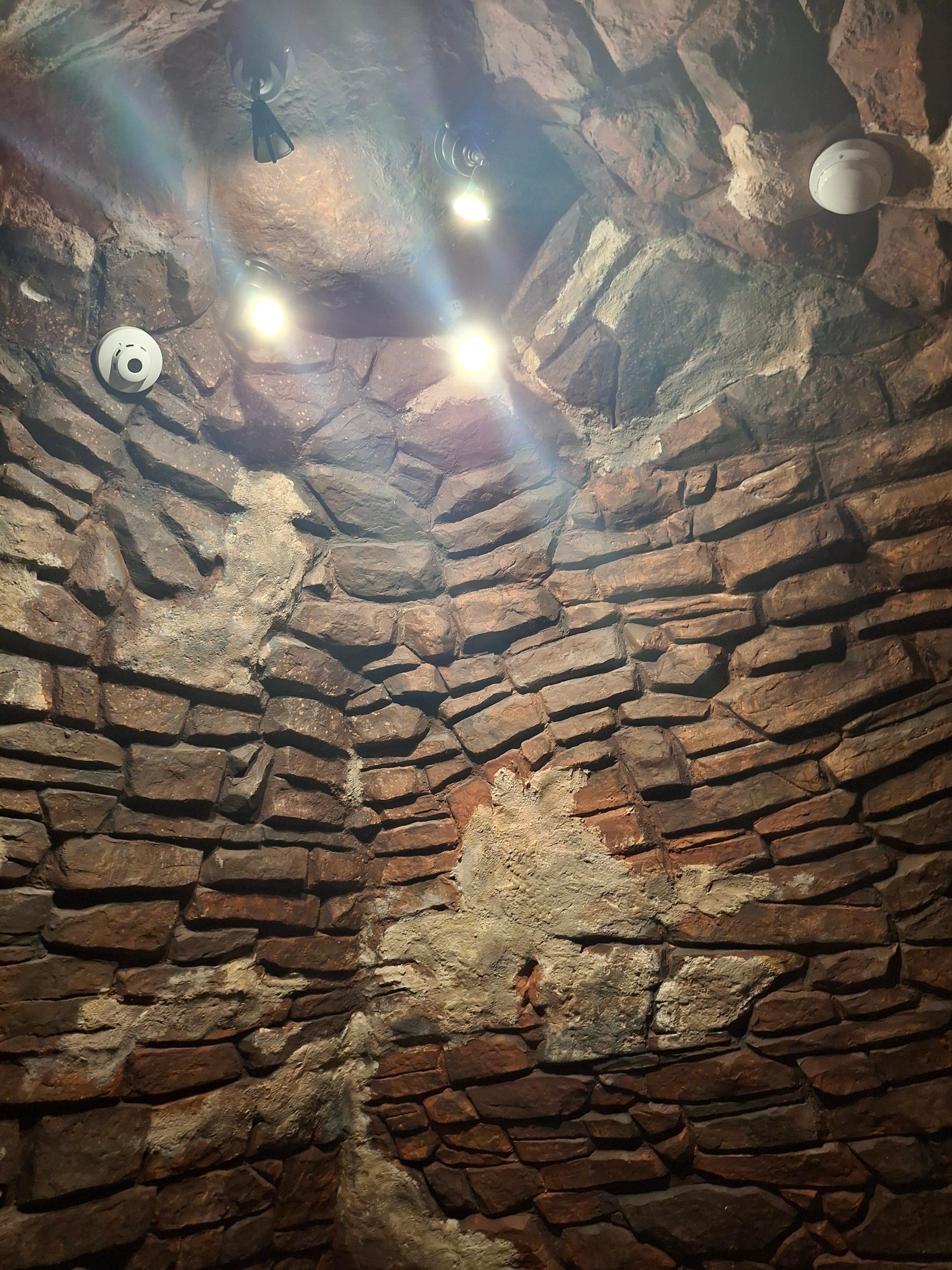
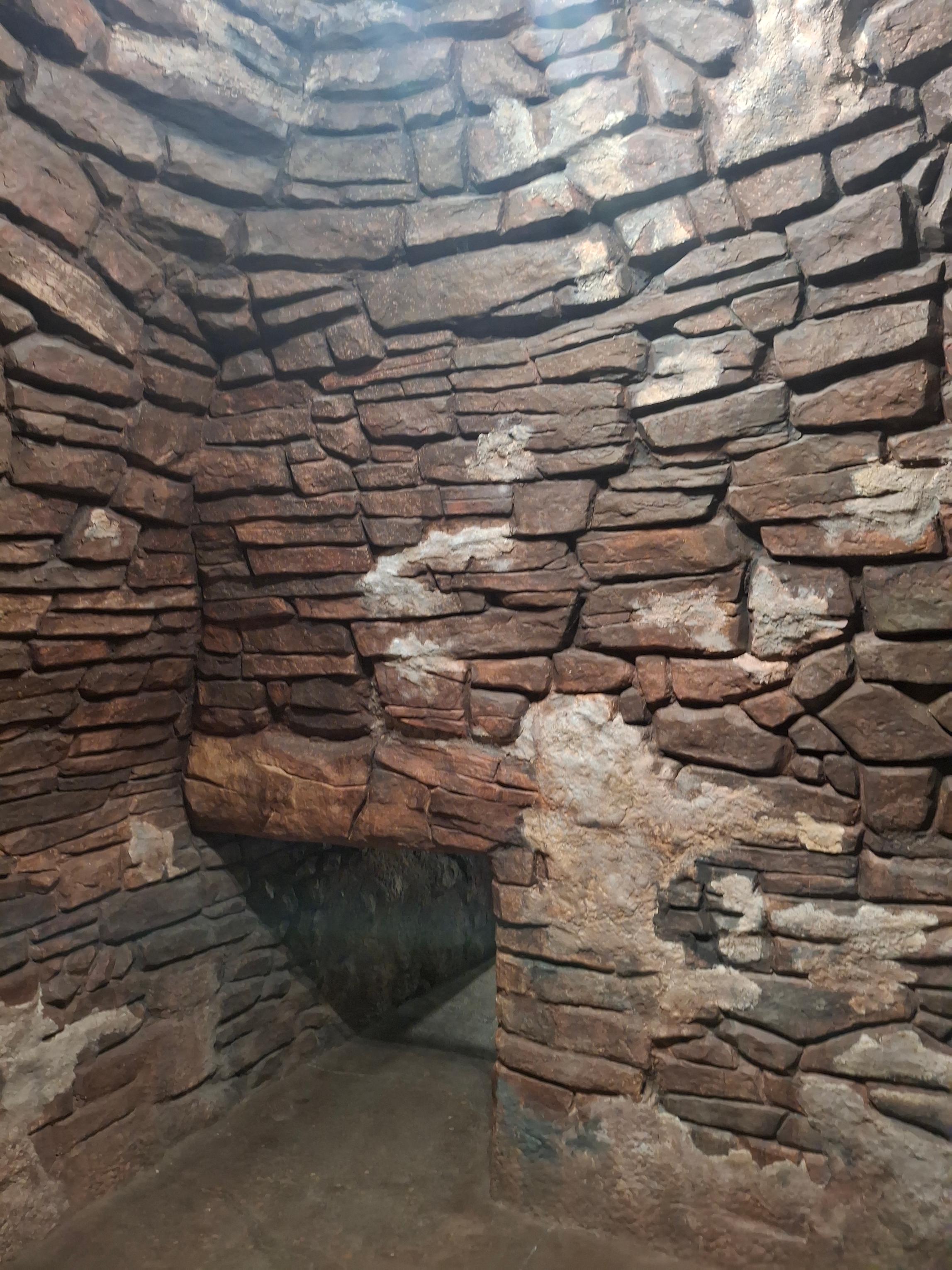
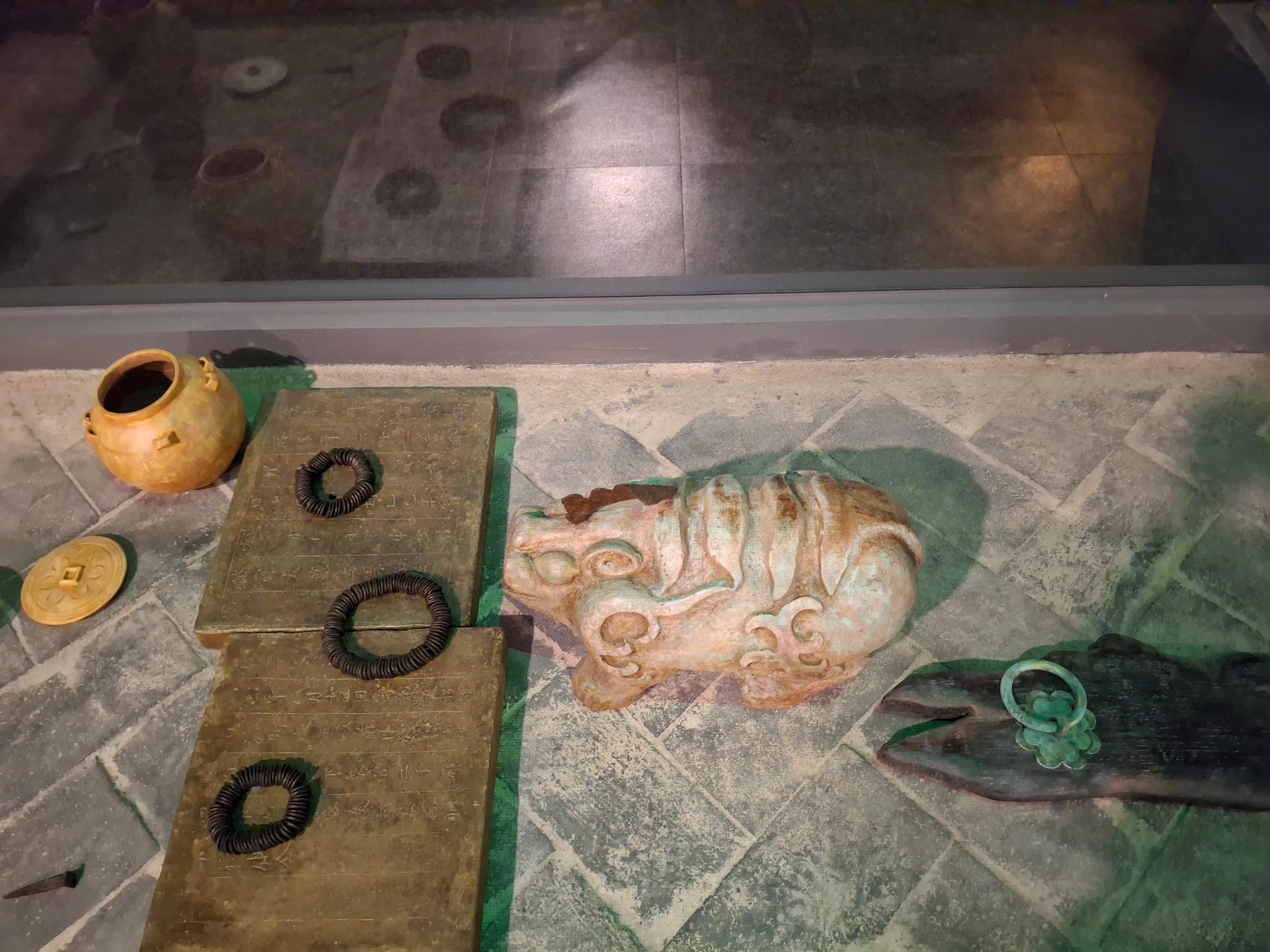
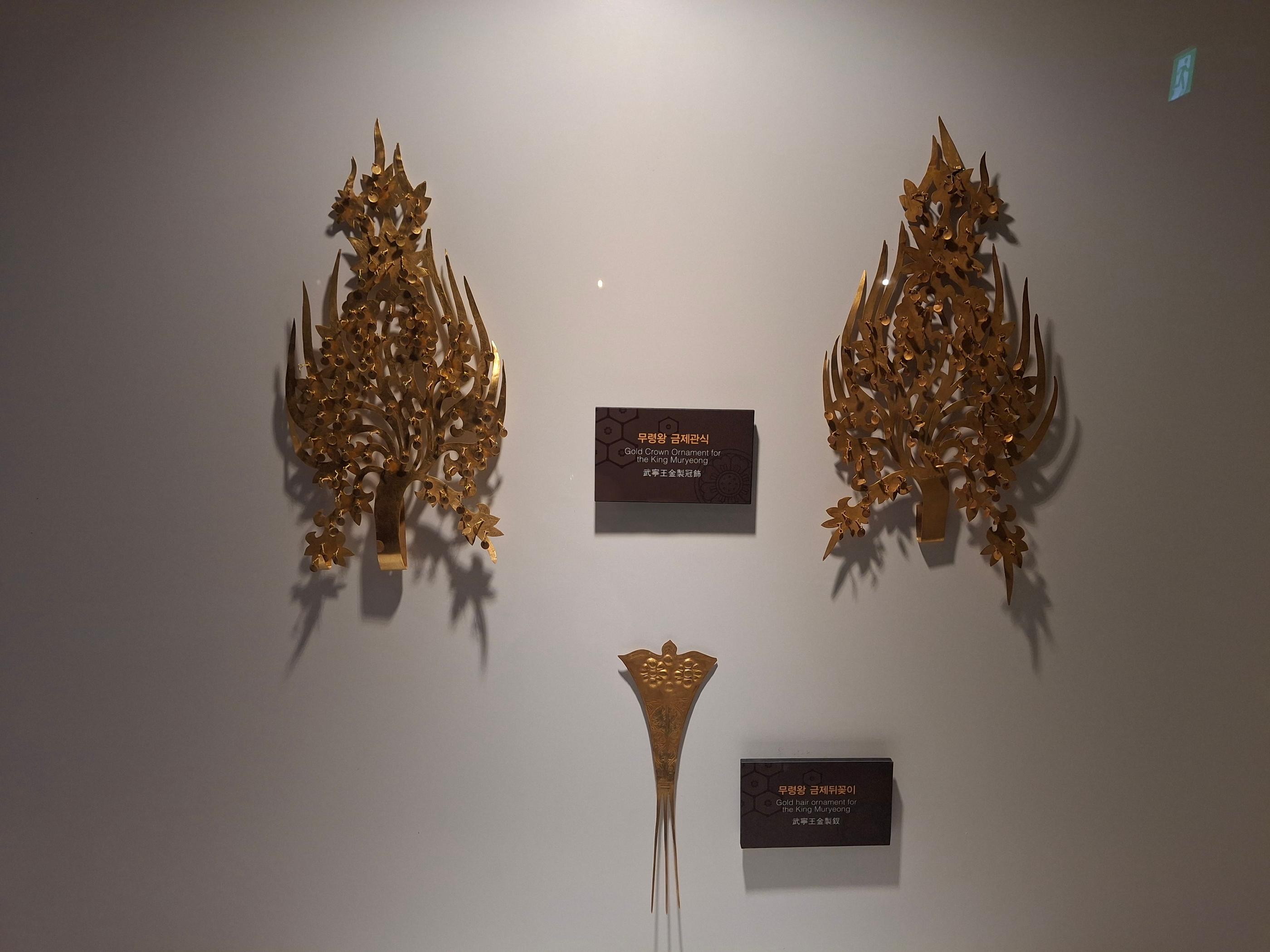
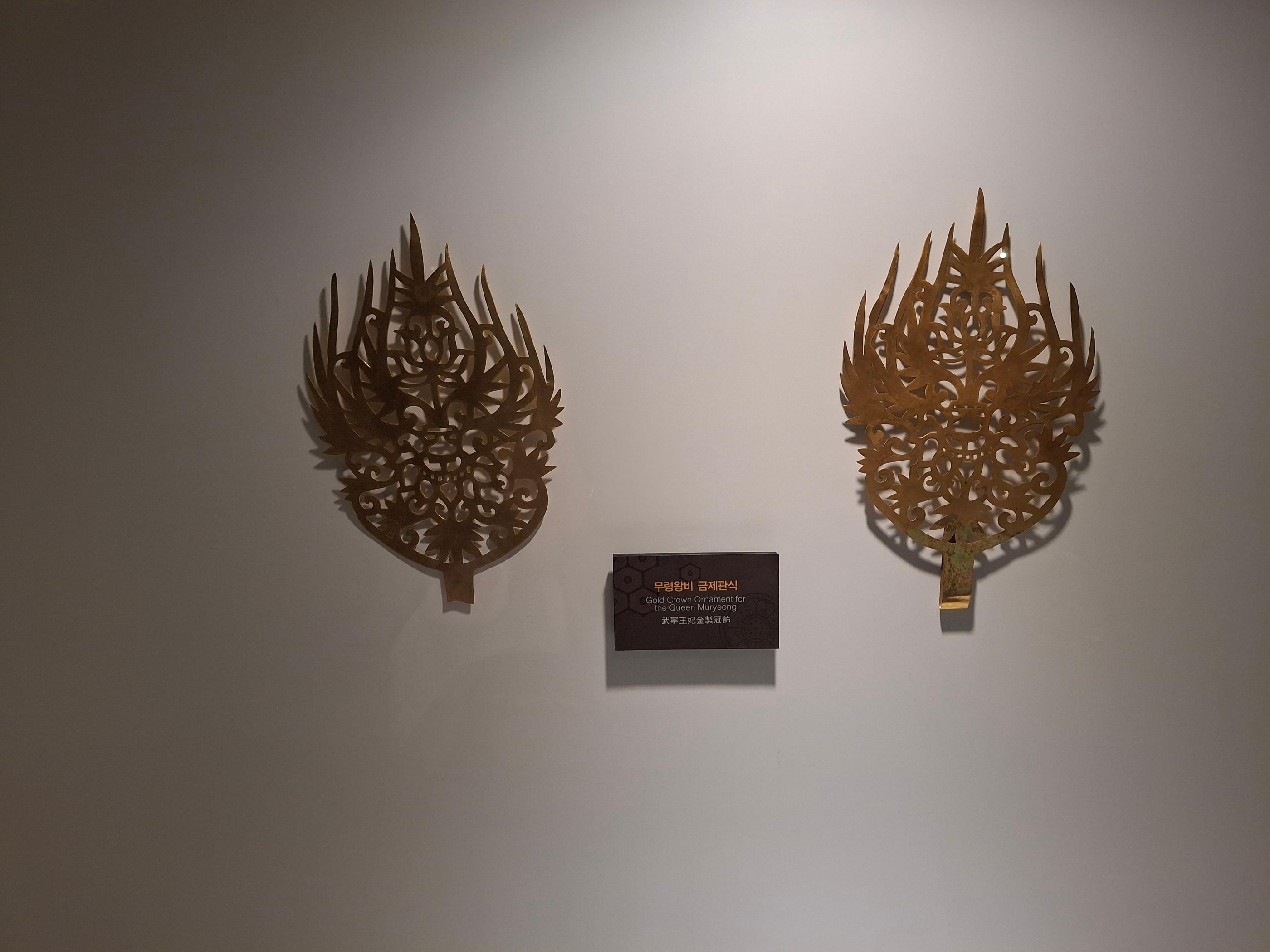
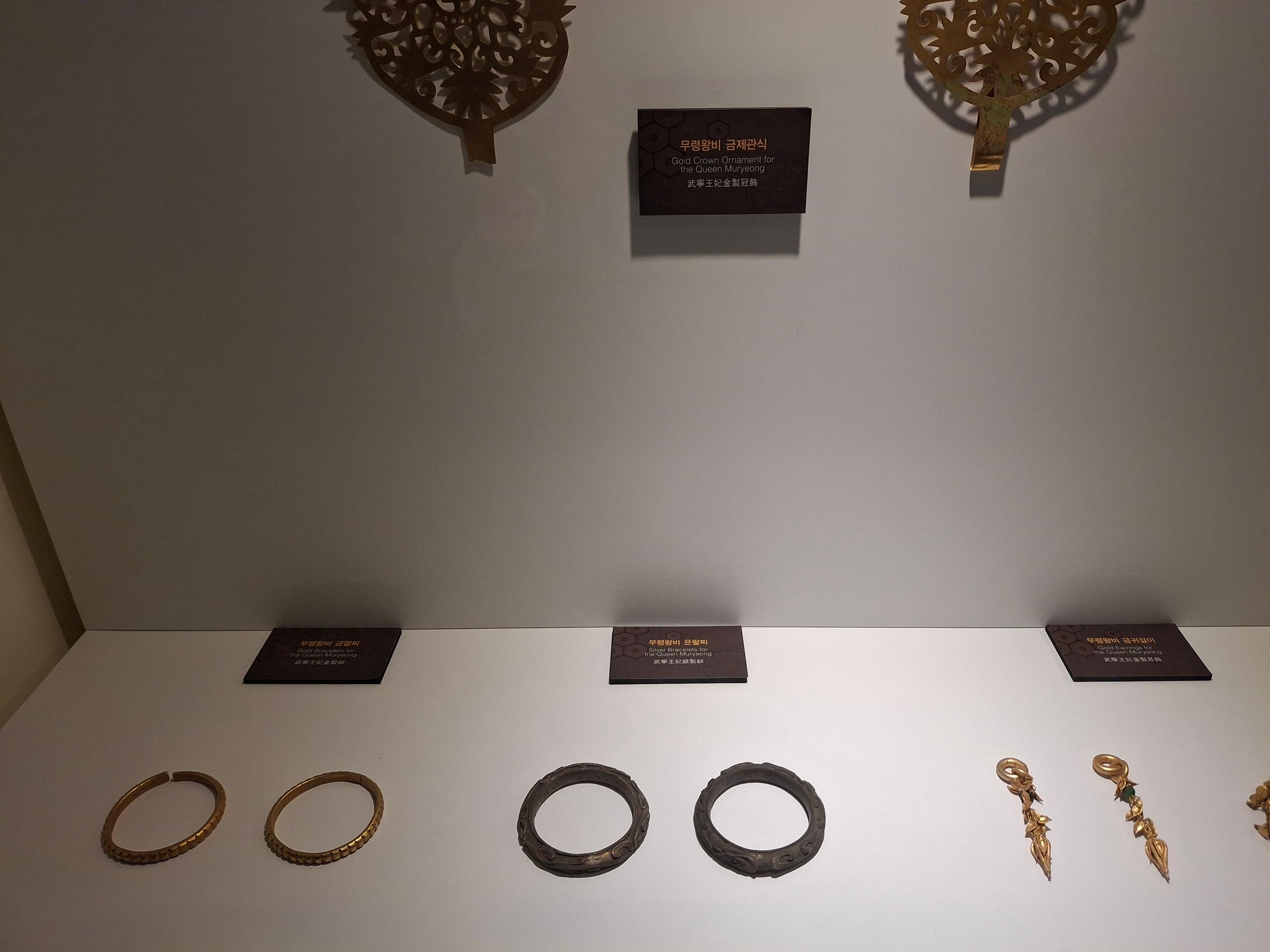
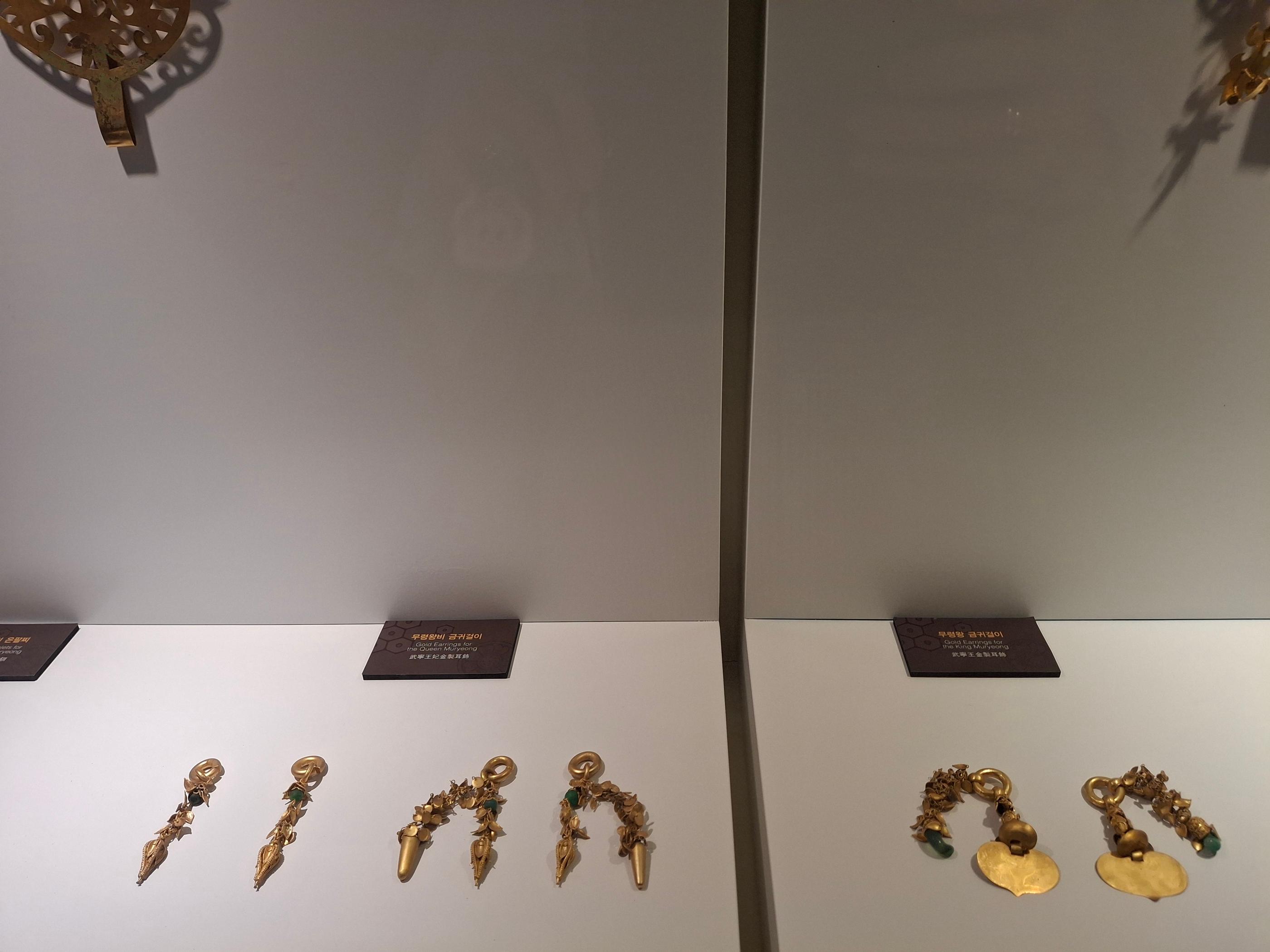
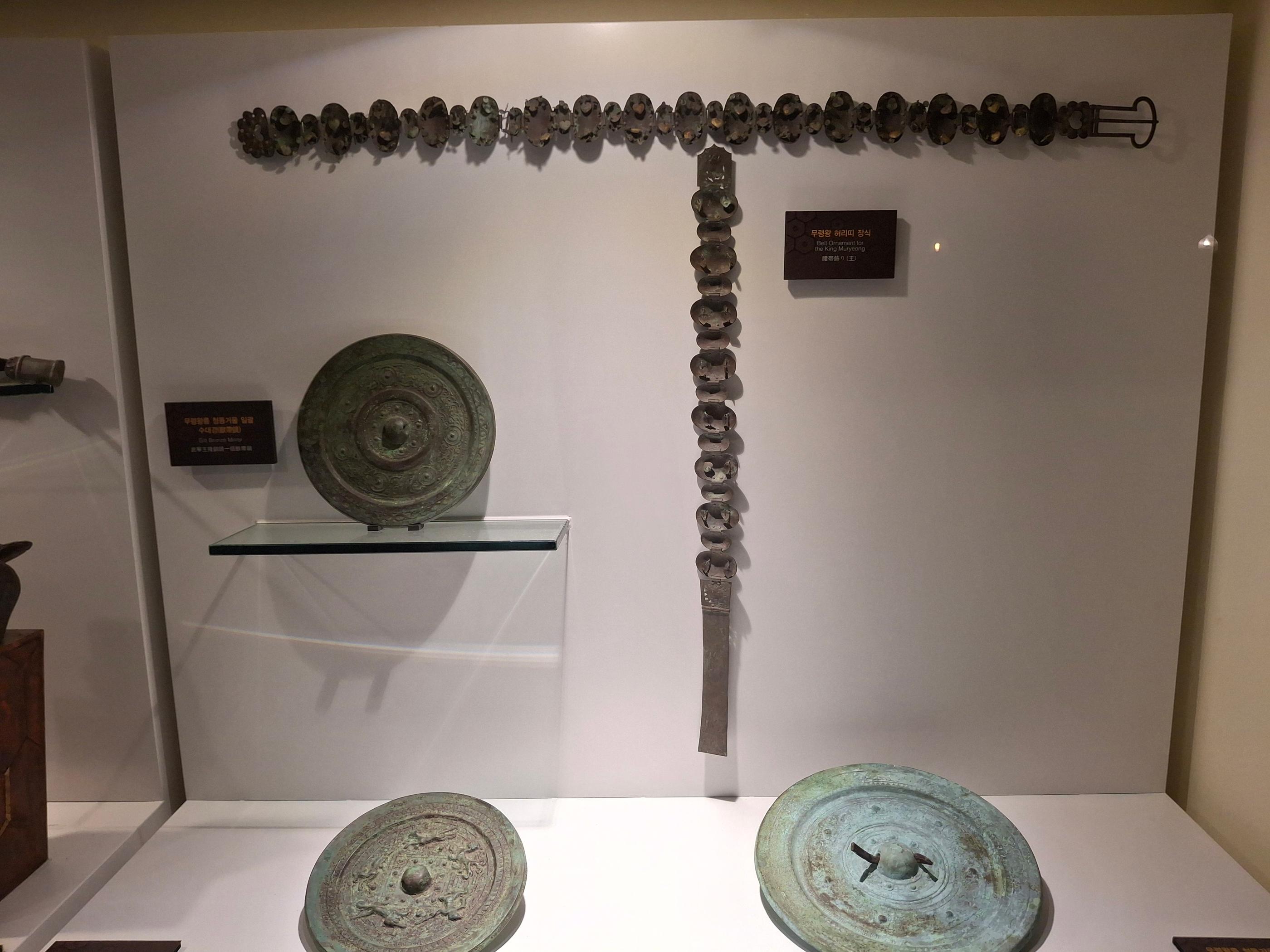
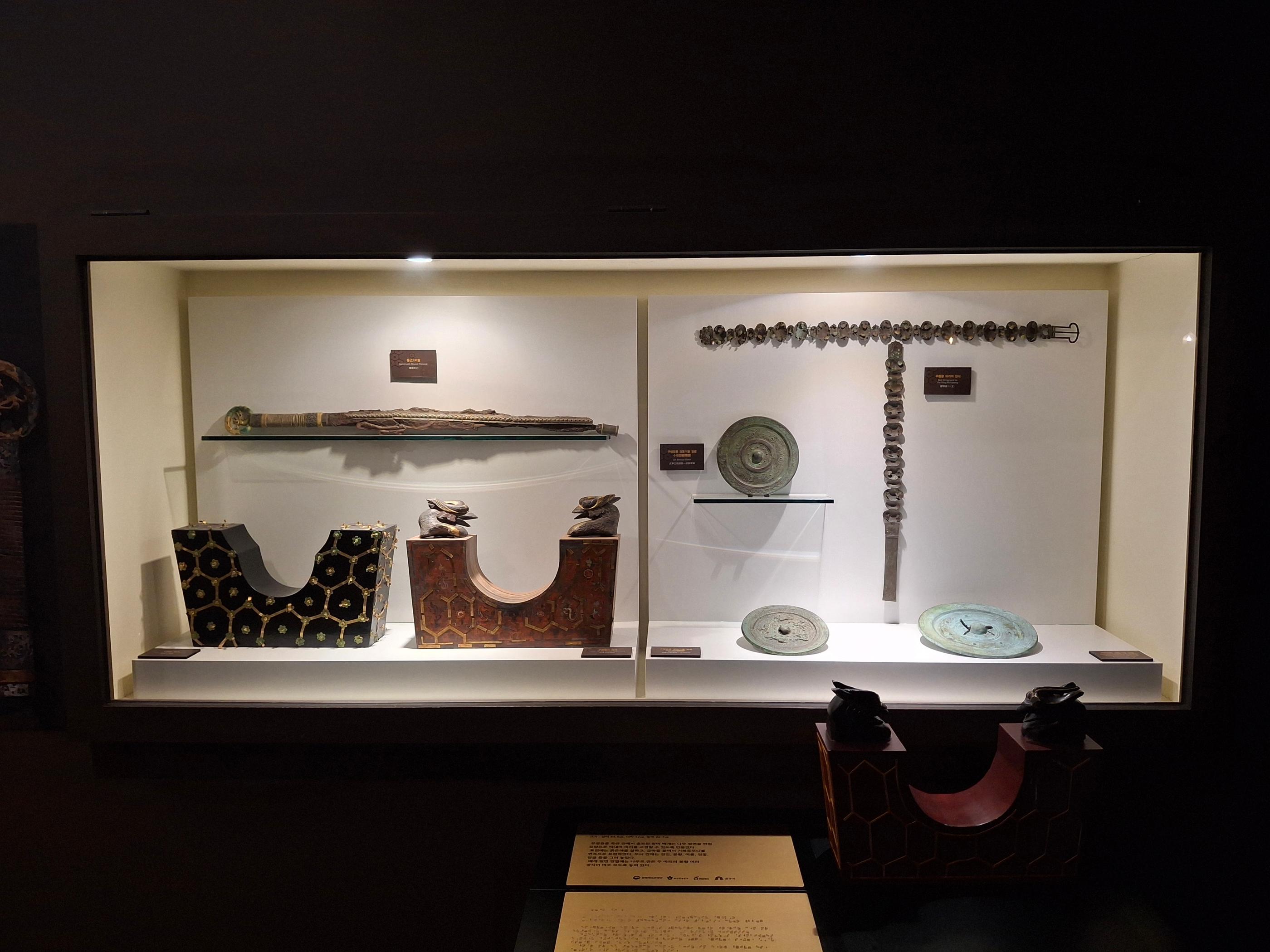
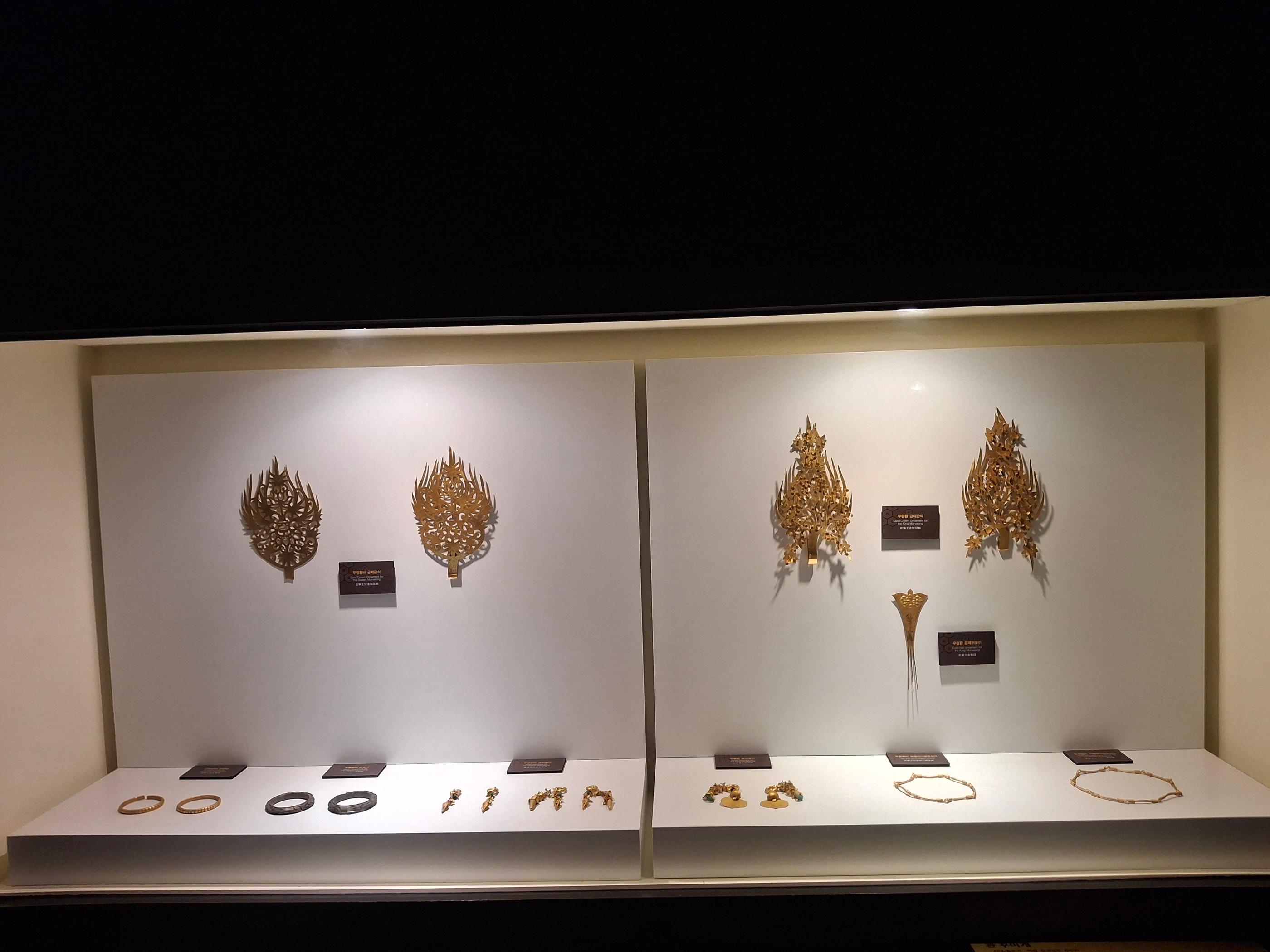
The Tomb of King Muryeong was well-preserved in its original state, with a wealth of artifacts found inside. The number of artifacts uncovered amount to about 4,600, and 12 of them were designated as national treasures. A broad range of items was uncovered including the memorial stone revealing the identity of the person buried inside as King Muryeong as well as gold diadem ornaments, earrings, necklaces, bracelets, swords with decorative rings, bronze mirrors, stone guardian figures, pottery, glass beads and clothes iron.
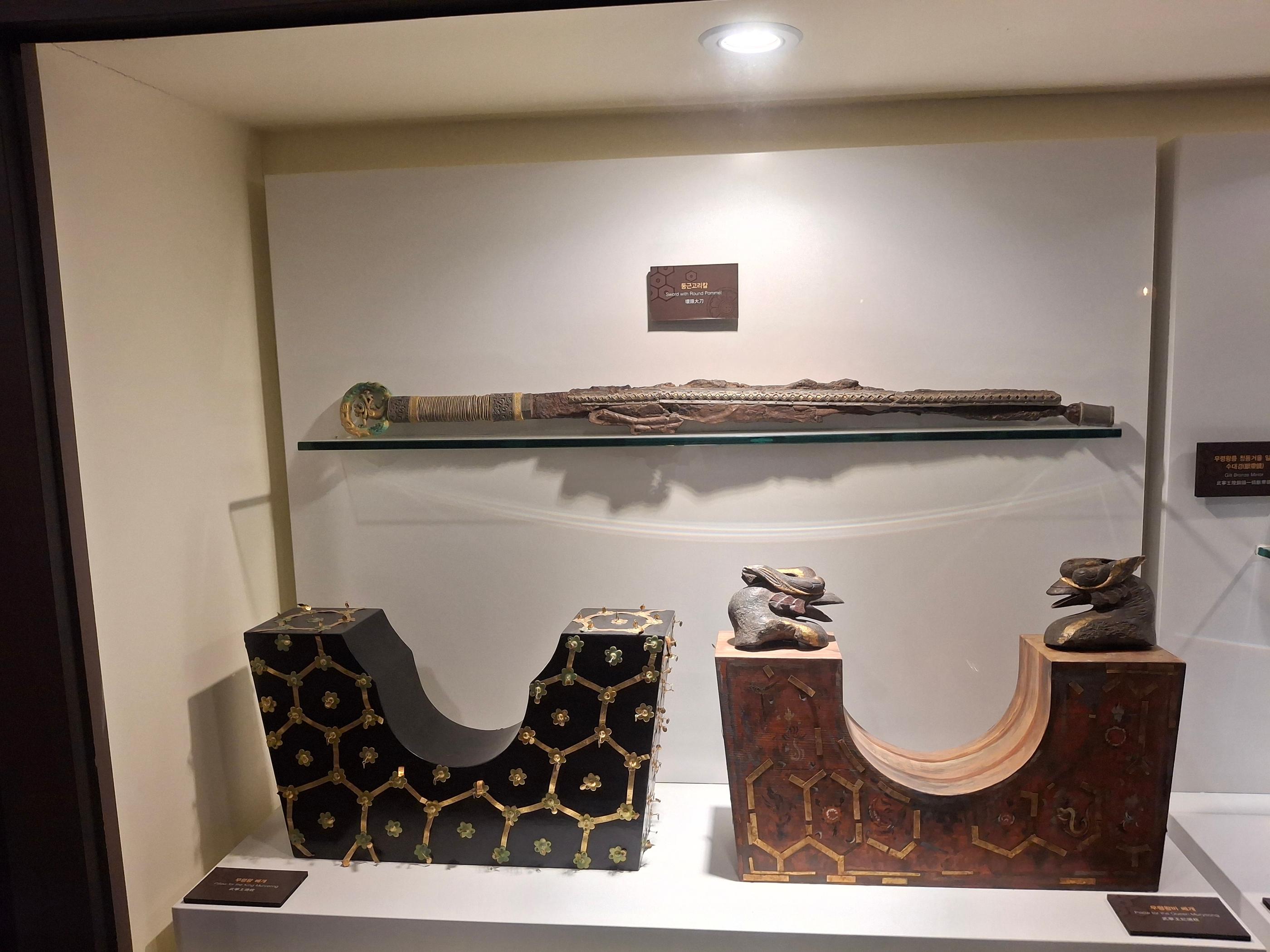
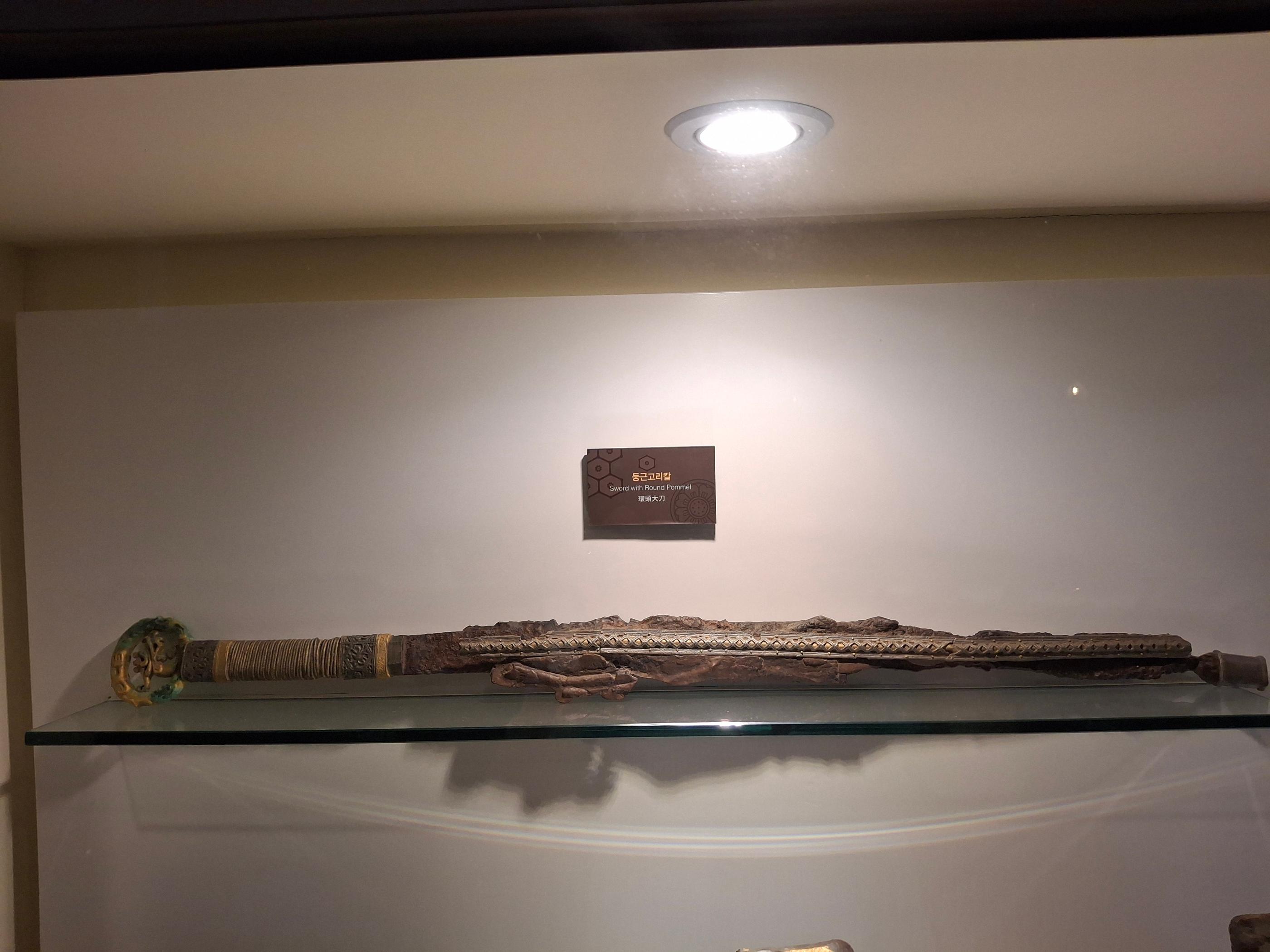
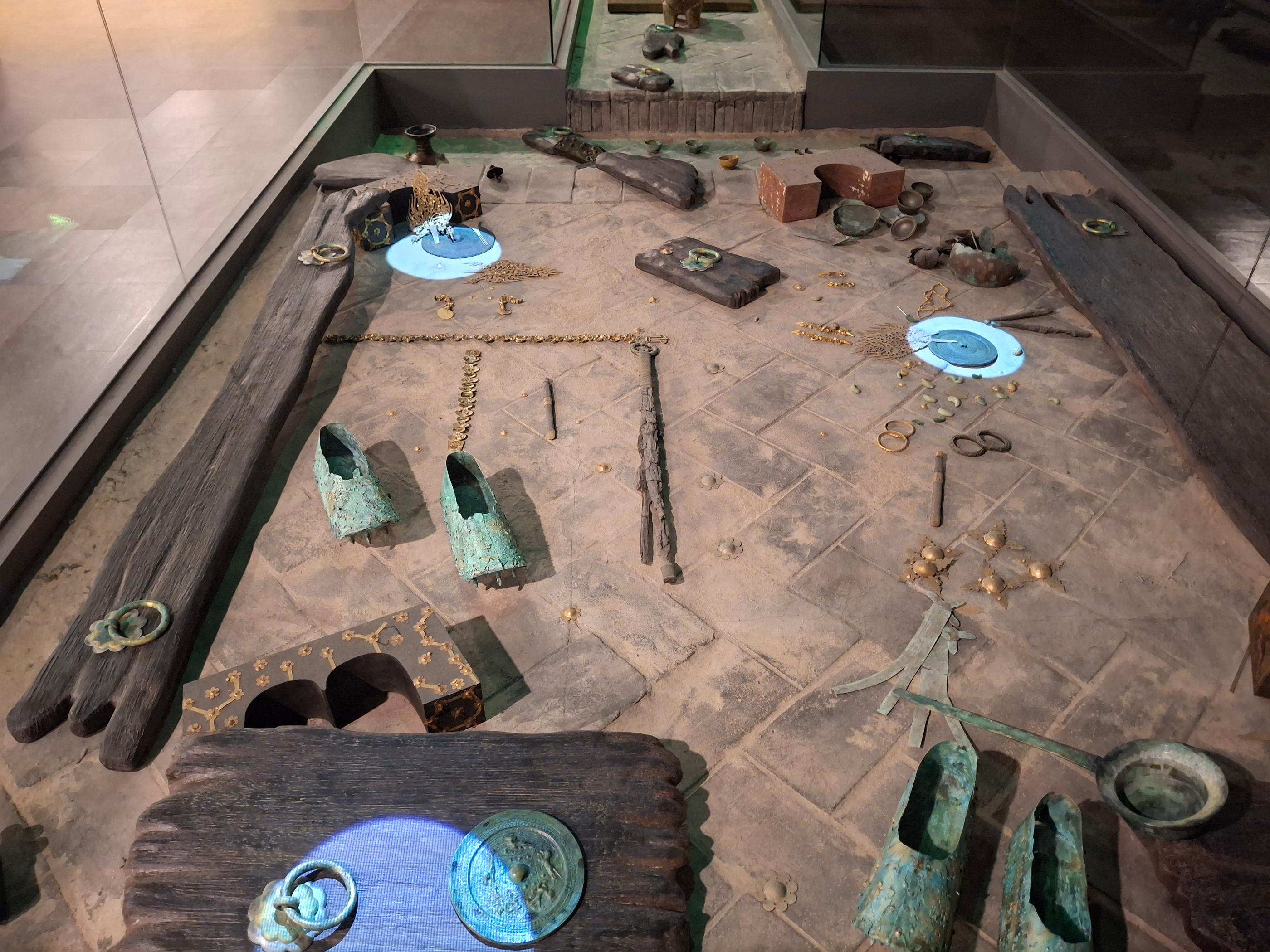
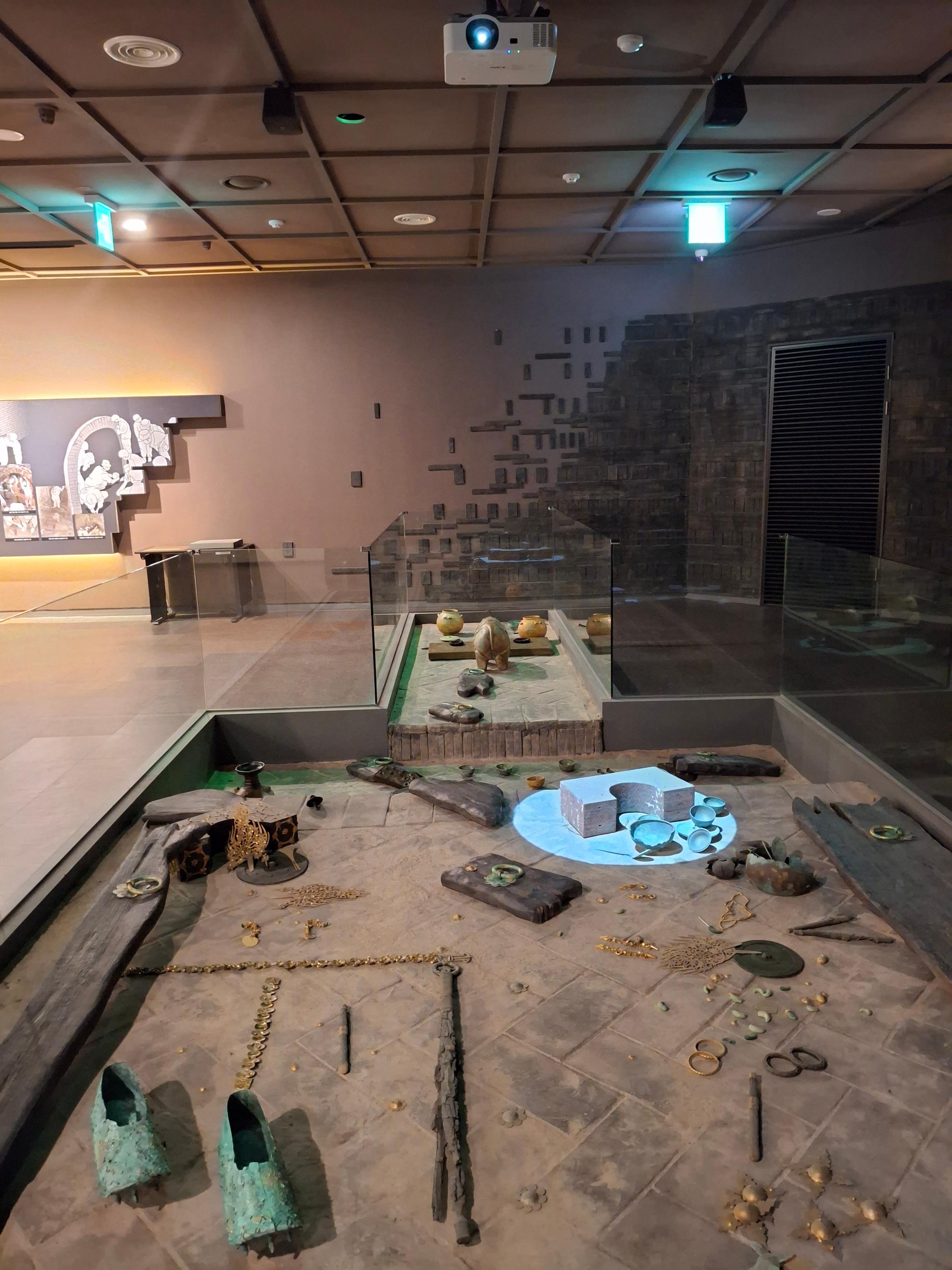
I really enjoyed Gongju and was also very impressed by its unique artifacts from the Baekje era. I recommend it to all lovers of antiquity and especially Korean history.