



In the second half of life, I want to see things more clearly

HsuanTung Liaw
2 months ago
I made a decision: to say goodbye to the glasses that had accompanied me for more than twenty years.
Undergoing LASIK is actually a decision that requires repeated weighing. We are not as impulsive as we were in our twenties, and we consider more dimensions: Is presbyopia approaching? What are the surgical risks? Will the recovery period affect work?
This article is not a spontaneous diary entry, but a complete reflection I compiled after observing and processing for one and a half months (about 45 days) following my SMILE Pro surgery completed on October 4, 2025, in Seoul, South Korea. If you have hesitated because of the high surgical costs in Taiwan or felt uncertain about cross-border medical care, I hope this share can offer you some practical references.
Stage 1: Decision and Price Comparison — Why Choose Korea?
As someone who always does their homework first, I spent a lot of time researching current laser technologies before deciding to have surgery.
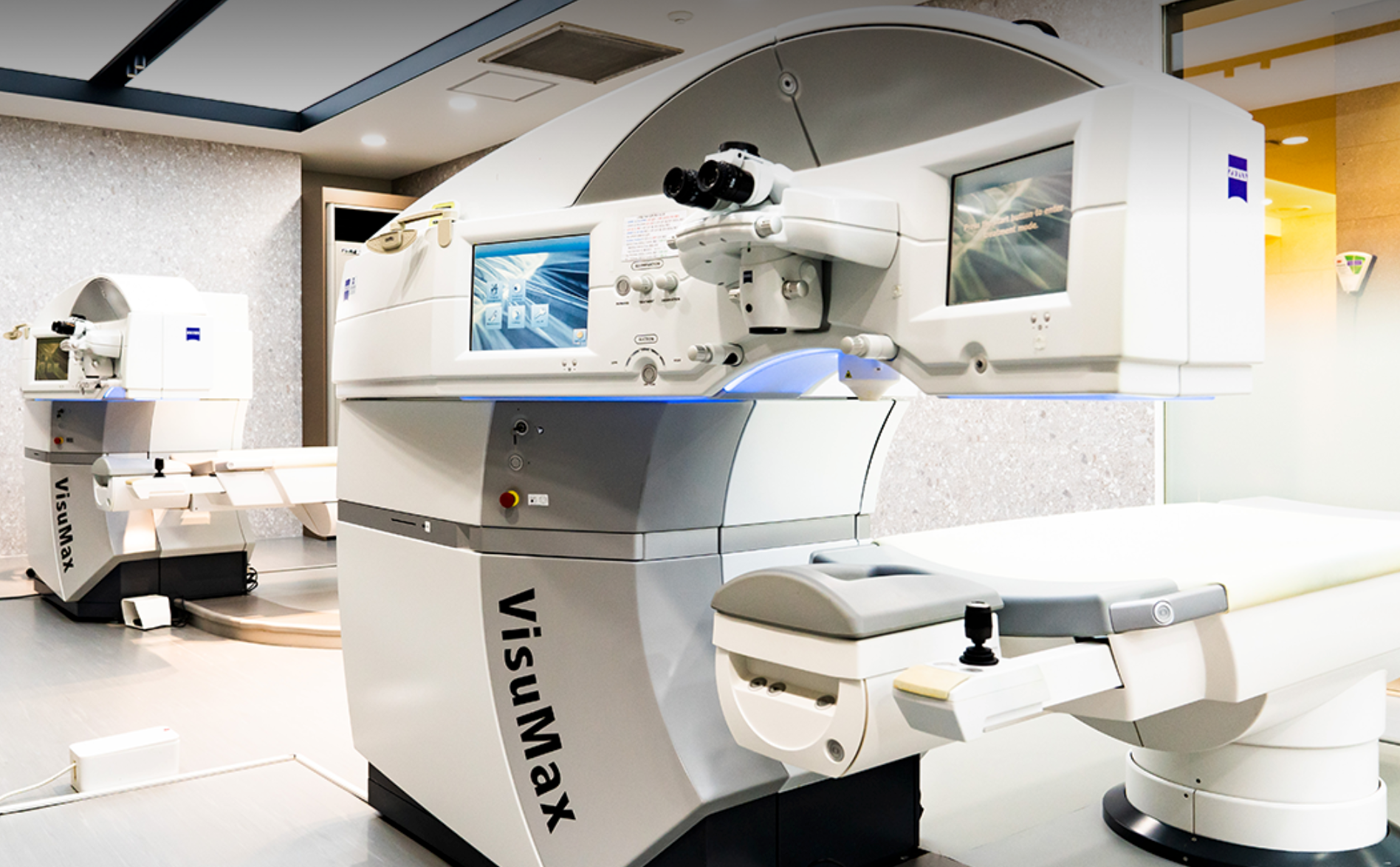
Taiwan's current SMILE Pro technology is already quite mature, having introduced the ZEISS VisuMax 800 model, which advertises a single-eye laser time of only 10 seconds. However, after consulting several well-known clinics in Taipei, the quoted prices generally fall between NT$100,000 and NT$130,000. This price is not unaffordable, but after researching global market conditions, I found that South Korea, as a powerhouse in medical aesthetics and ophthalmology, has an absolute advantage in equipment updates and price competitiveness.
After detailed price comparisons and forum research, I found that the SMILE Pro procedure in Korea of the same grade costs only about 50% to 60% of Taiwan’s price. Even after adding airfare and accommodation, the total cost is still lower than having the surgery in Taiwan, and you can also arrange a short trip.
But when receiving medical care in a foreign country, 'trust' is the greatest barrier. What if we don't speak the language? Who do I contact if there are problems after surgery? Those are my biggest concerns.
Phase Two: Targeting Creatrip and Gangnam Myeongmo Eye Clinic
To address issues of 'trust' and 'communication,' I avoided the traditional method of corresponding directly with clinics by email and instead looked for a more secure way to make appointments. In the end, I chose the Creatrip platform.

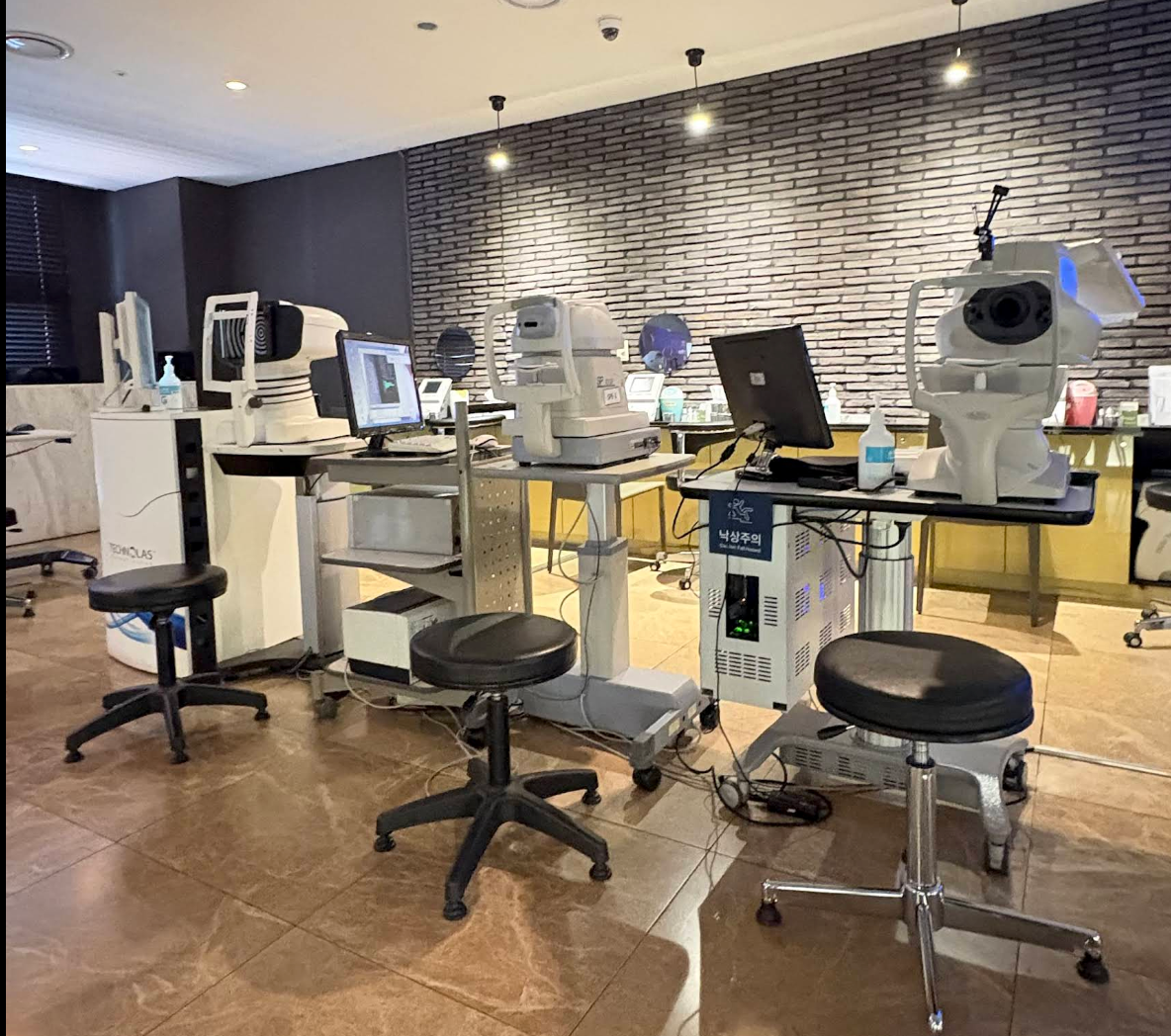
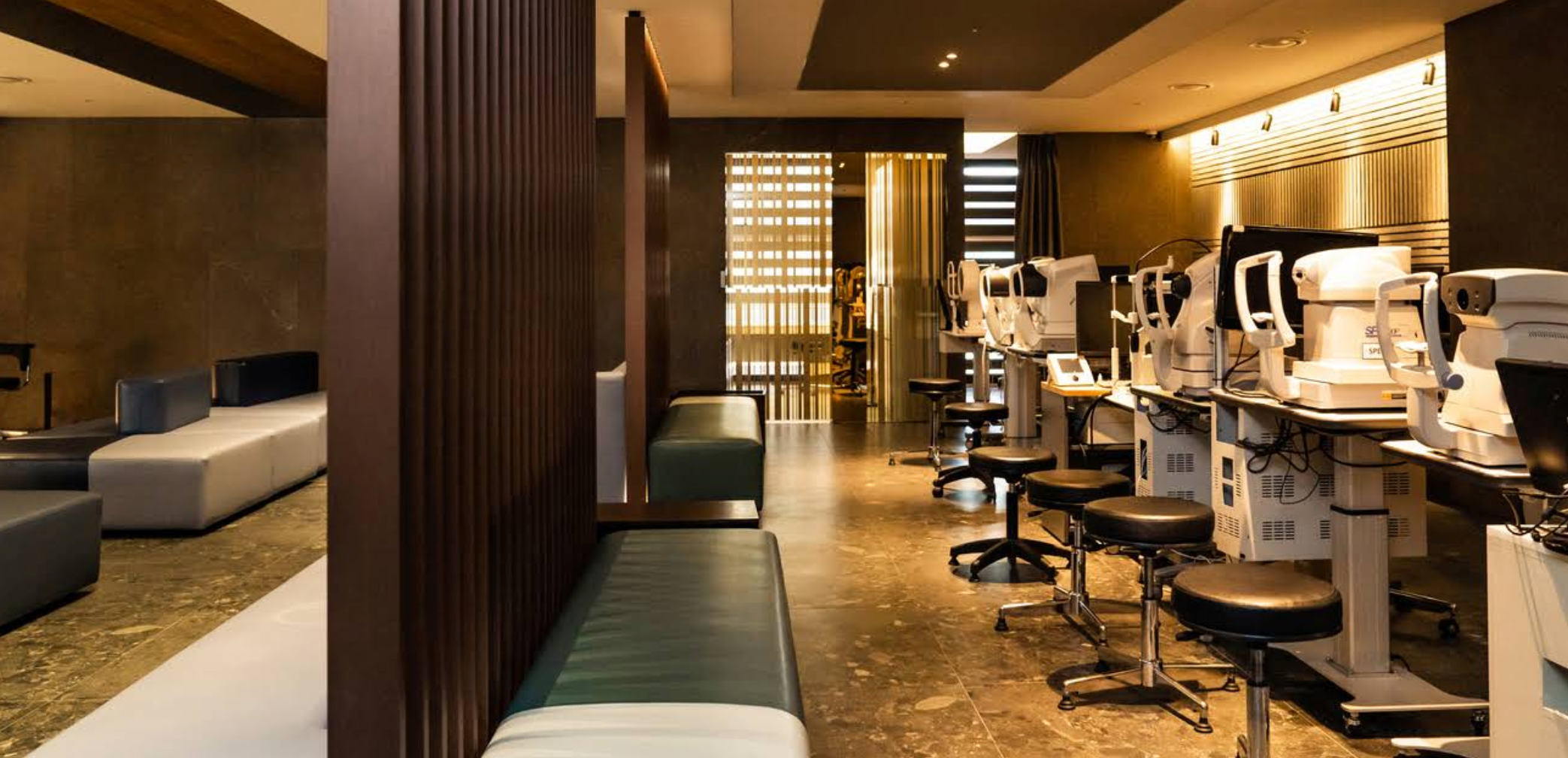
The reason for choosing Creatrip is simple:
Transparent pricing: Prices on the platform are updated in real time and often include foreigner-specific discounts, so there's no risk of being overcharged on site.
Chinese language support: This is the point I value most. Medical terminology is extremely specialized, and booking through the platform ensures that during consultations and examinations there is sufficient language assistance or clear Chinese guidance.
Screening mechanism: The clinics they partner with are typically large institutions that have been vetted and are foreign-visitor friendly.
After comparing several partner clinics, I chose 'Gangnam Balgeun Sesang Ophthalmology' in Gangnam, Seoul. This clinic is a large, well-established facility in Korea and holds JCI international medical accreditation; its number of SMILE surgery cases is among the highest in the industry. For someone like me who sought 'low risk, high success rate,' it was undoubtedly a reassuring choice.
Phase 3: 2025/10/04 — The day of surgery — a battle between reason and fear
On the day of the appointment, I arrived in Gangnam, the bustling area of Seoul. The clinic's scale was indeed impressive, the environment bright and spacious, and the procedures highly standardized — it felt very much like running a precise software testing process.
Preoperative examinations were very tedious, from corneal thickness, intraocular pressure, tear tests to retinal OCT scans, and even included DNA genetic testing (to confirm whether there is corneal dystrophy). Although these one- to two-hour tests were tiring, they greatly reduced my anxiety—because they feared making mistakes even more than I did.
After the director personally evaluated me, my corneal condition was suitable for SMILE Pro. After confirming payment and changing into the surgical gown, the real test began.
Even though I am a rational person, when I lie on the operating table and watch the massive machine slowly descend, a primordial fear still wells up inside me. It is a helpless feeling of entrusting the most vulnerable organ to a machine.
'Don't move, look at the green light.'
The director's voice was calm and professional. The advantages of SMILE Pro were revealed in that moment—speed. The single-eye laser scan really only took less than 10 seconds. Although having the eye held open during the procedure was uncomfortable, and removing the lens left a white blur in my vision, the director's practiced technique completed the whole process before my panic reached its peak.
When I walked out of the operating room, my vision was still blurry, like looking through water, but I knew the hardest part was over.
Stage 4: 45 Days Postoperative — From a Watery Haze to a High-Definition World
The first week after surgery is the hardest. Although there isn’t any obvious pain, that kind of “haze” is definitely present, and my eyes feel drier when I wake up in the morning. I keep reminding myself that this is a necessary part of the cornea’s healing process.
About two weeks later, the watery haze gradually subsided. After one month, vision stabilized.
It has now been a month and a half since the surgery. At my follow-up appointment yesterday (followed by ophthalmology in Taiwan), my vision in both eyes reached 1.2. It's a wonderful feeling — when I wake up in the morning I no longer have to fumble for my glasses, I can read the labels on the shampoo and body wash bottles in the shower, and when I work out my glasses no longer slide down and get in the way.
What frees me the most is the act of 'travel.'
When I traveled in the past, I always had to painfully choose between 'wearing contact lenses and enduring dryness' or 'wearing prescription sunglasses but becoming blind as soon as I went indoors' so photos looked good or to block the sun.
Last week I tried on the Ray-Ban sunglasses I just bought for a drive; the sun was blinding, so I put them on, and when I entered a tunnel I casually took them off and hung them on my collar. This seemingly insignificant action, for people with nearsightedness, is decades‑late freedom.
Conclusion: For those of you who are still hesitating
If you ask me whether this medical trip to Korea was worth it, my answer is yes — and I regret not having done it a few years earlier.
If you are also considering going to Korea for SMILE Pro, I have a few well-considered suggestions:
Make good use of tools: booking through Creatrip can save a lot of unnecessary communication effort and psychological stress, and that service value is definitely worth it.
Allow time: Although the surgery takes only one day, it is recommended to schedule at least 4–5 days. You must return the day after surgery for a wound check, and high-intensity sightseeing is not suitable immediately afterward.
Choosing Jiangnan Mingmu Ophthalmology: this is not an advertisement, but a genuine recommendation based on my personal experience. The director's skill and judgment were the main factors that helped me overcome my fear of surgery.
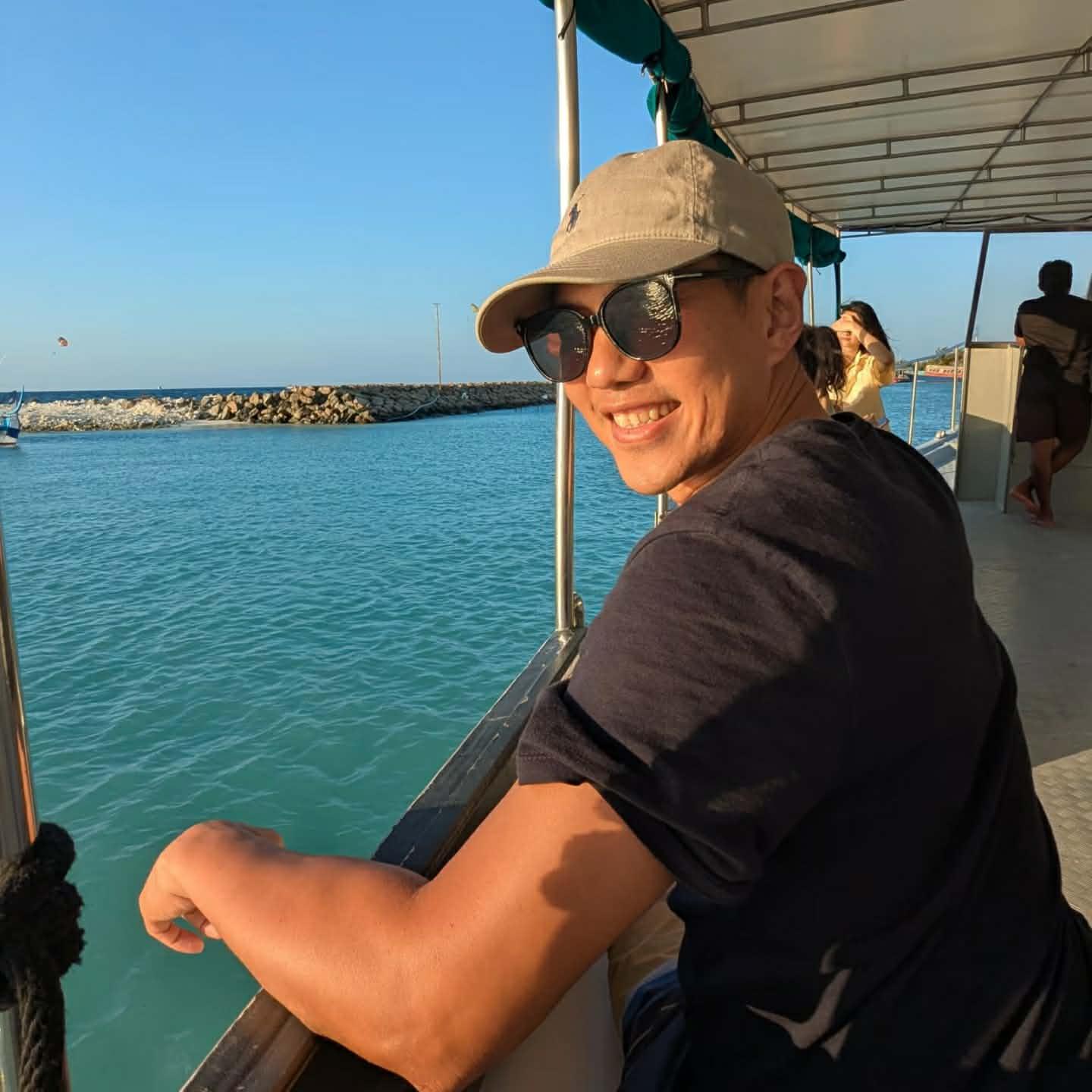
At 38, I can look at the world ahead with clear eyes — awesome!