


3・1運動の時代を歩く
Olga
2 months ago
韓国の歴史には重要で大きな出来事が数多くあります。その中で近代韓国国家の運命に大きな影響を与えた重要な出来事の一つが、サミル運動です。
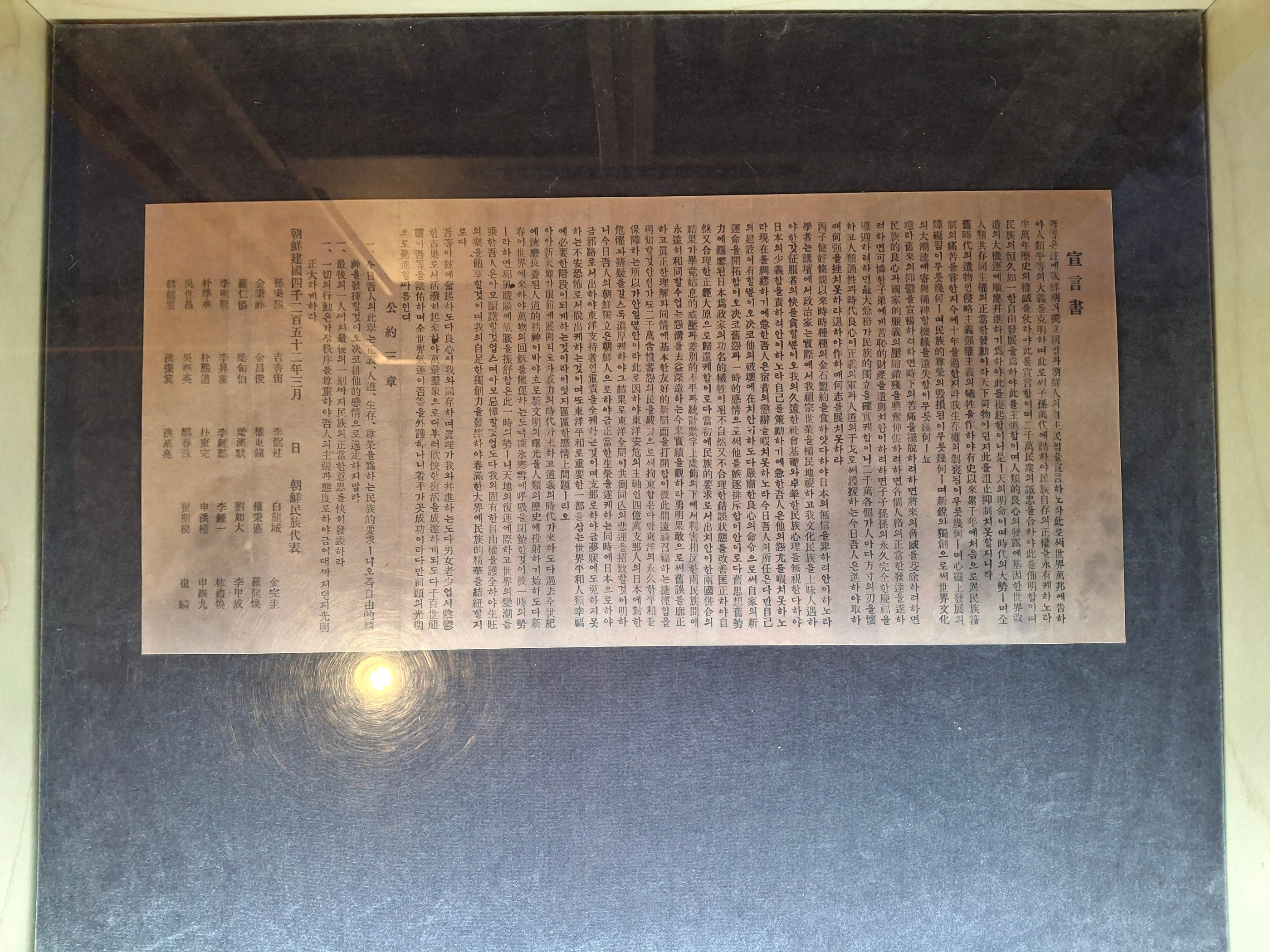
韓国独立運動は、1910年以降日本から韓国を解放するための継続的な運動でした。この運動は1919年三・一(3月1日)に頂点に達しました。
この日に、まだ日本が韓国を占領していた時期に、一連の公開デモが起こりました。これは日本政府に対する公開抗議で、韓国における日本の軍政に対する国家的な抵抗と結束の表れでした。最終的に、およそ7,000人が死亡し、16,000人が負傷し、46,000人が日本の警察と軍人によって逮捕されました。
この出来事を記念して、三・一(3月1日)は現在、韓国の公式な祝日であり、その当時の様々な博物館や記念碑が全国で丁寧に保存され、祭りや記念行事が開催されています。
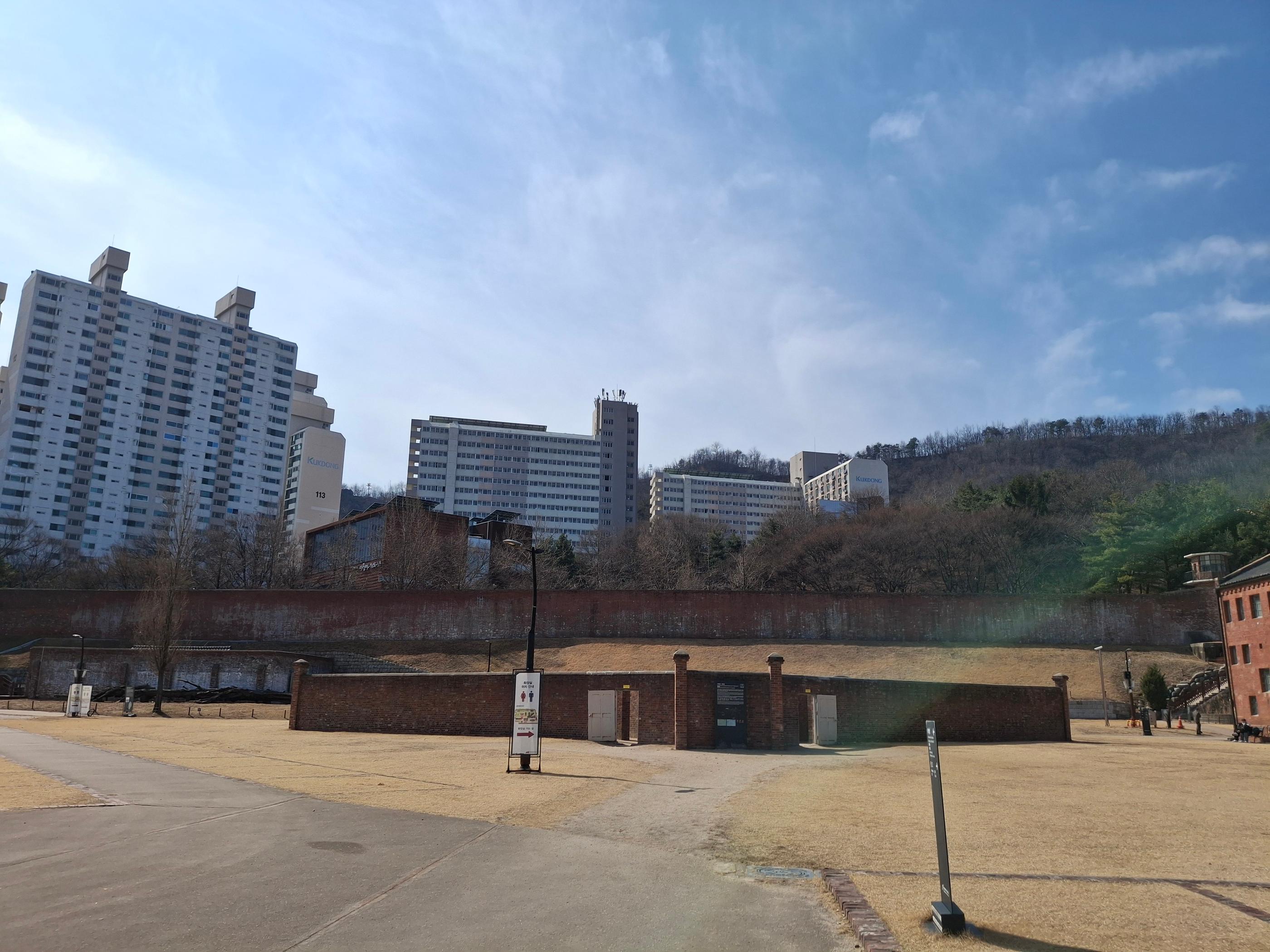
ソウルにはサミル運動に関連する史跡が数多くあります。そのうちいくつかはソデムン区にあり、中でも悪名高いソデムン刑務所は現在博物館になっています。
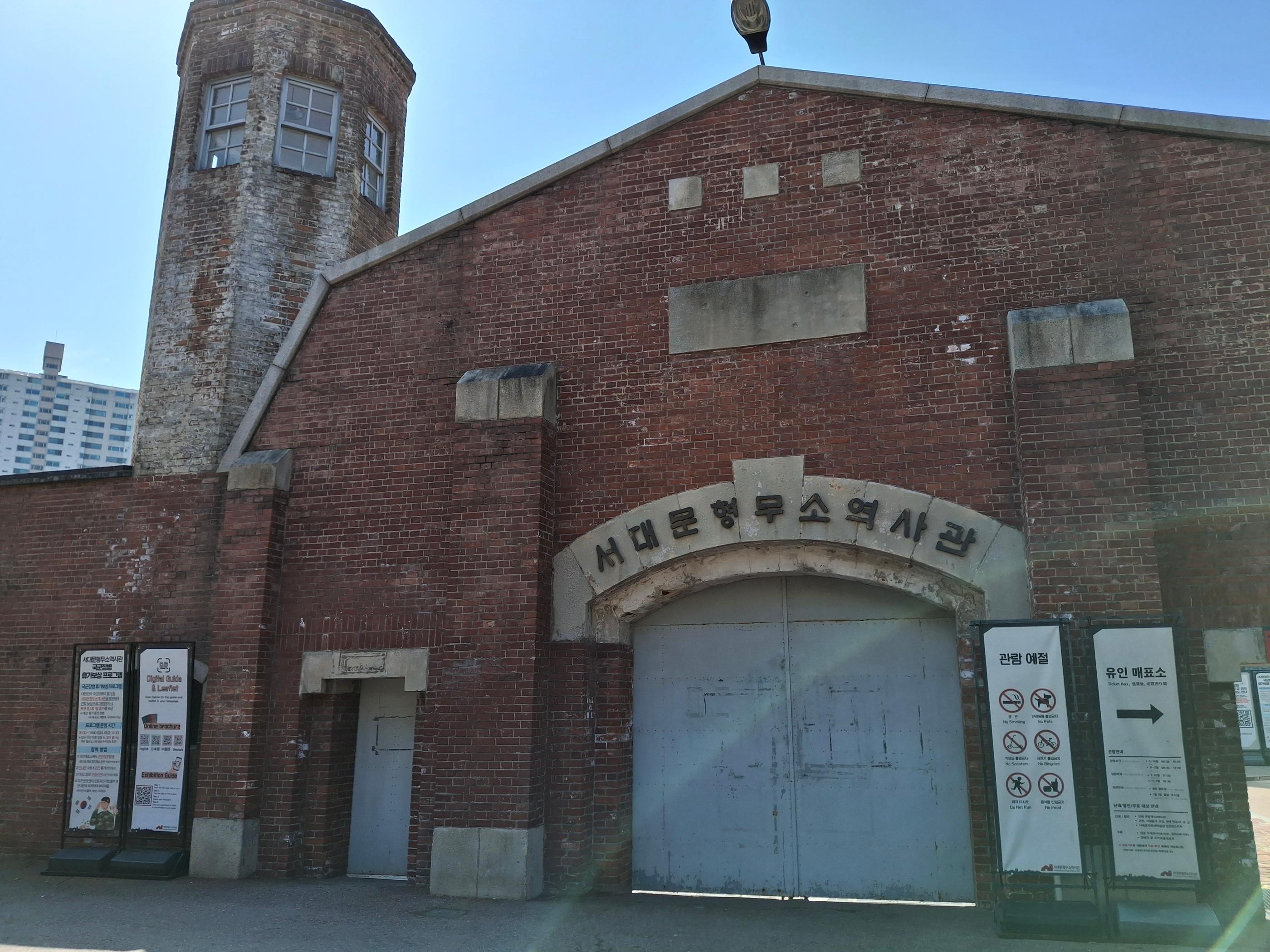
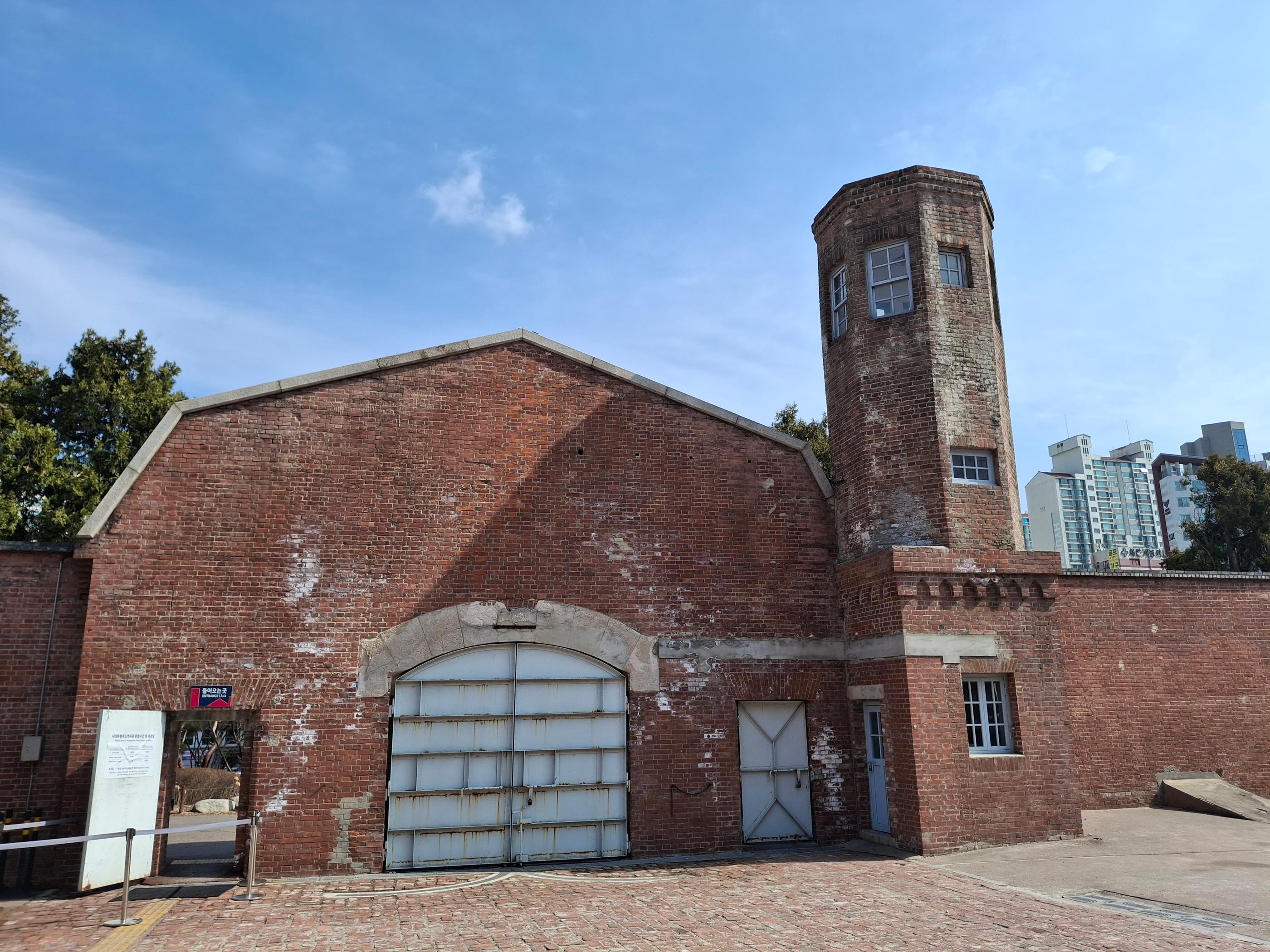
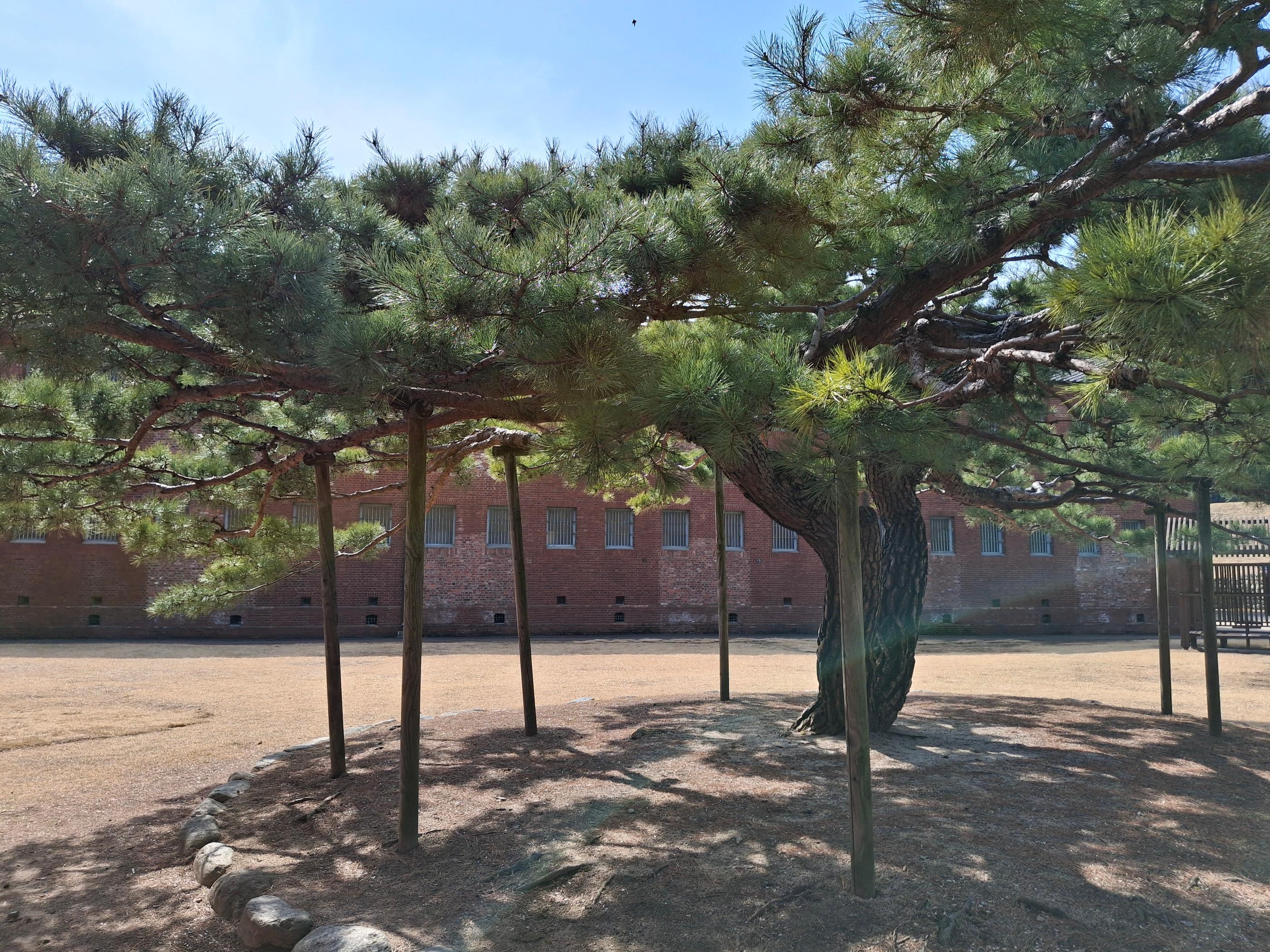
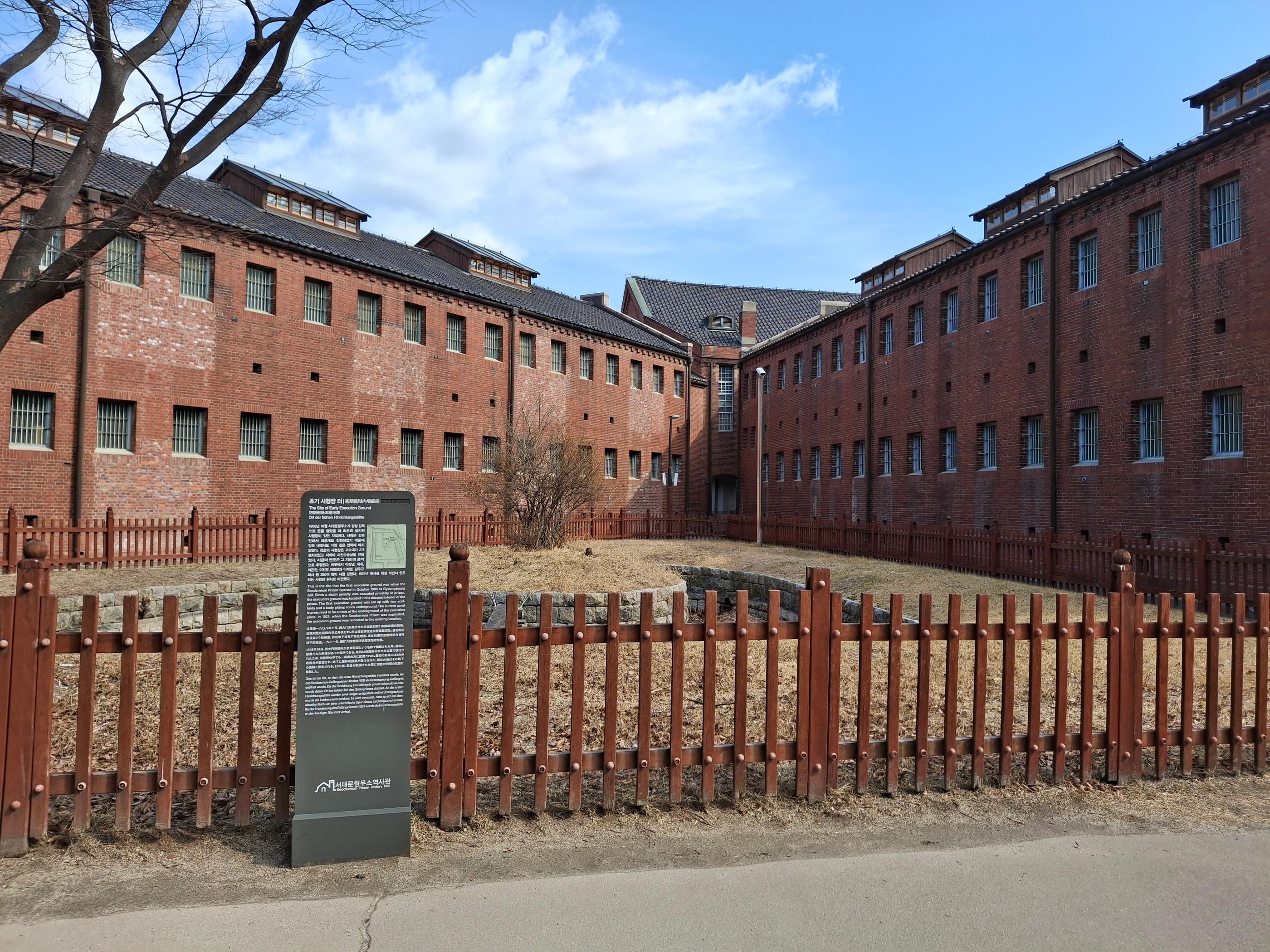
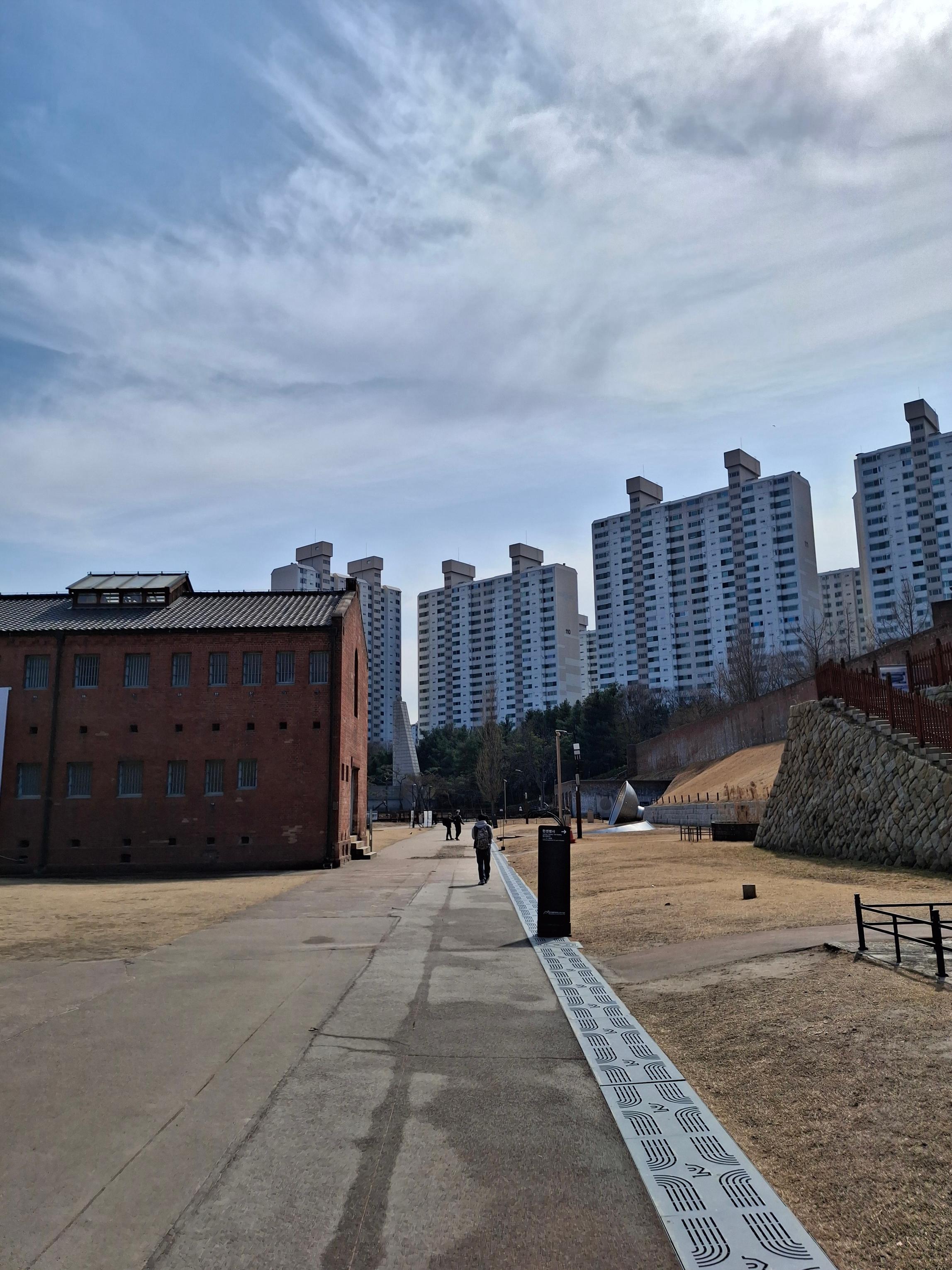
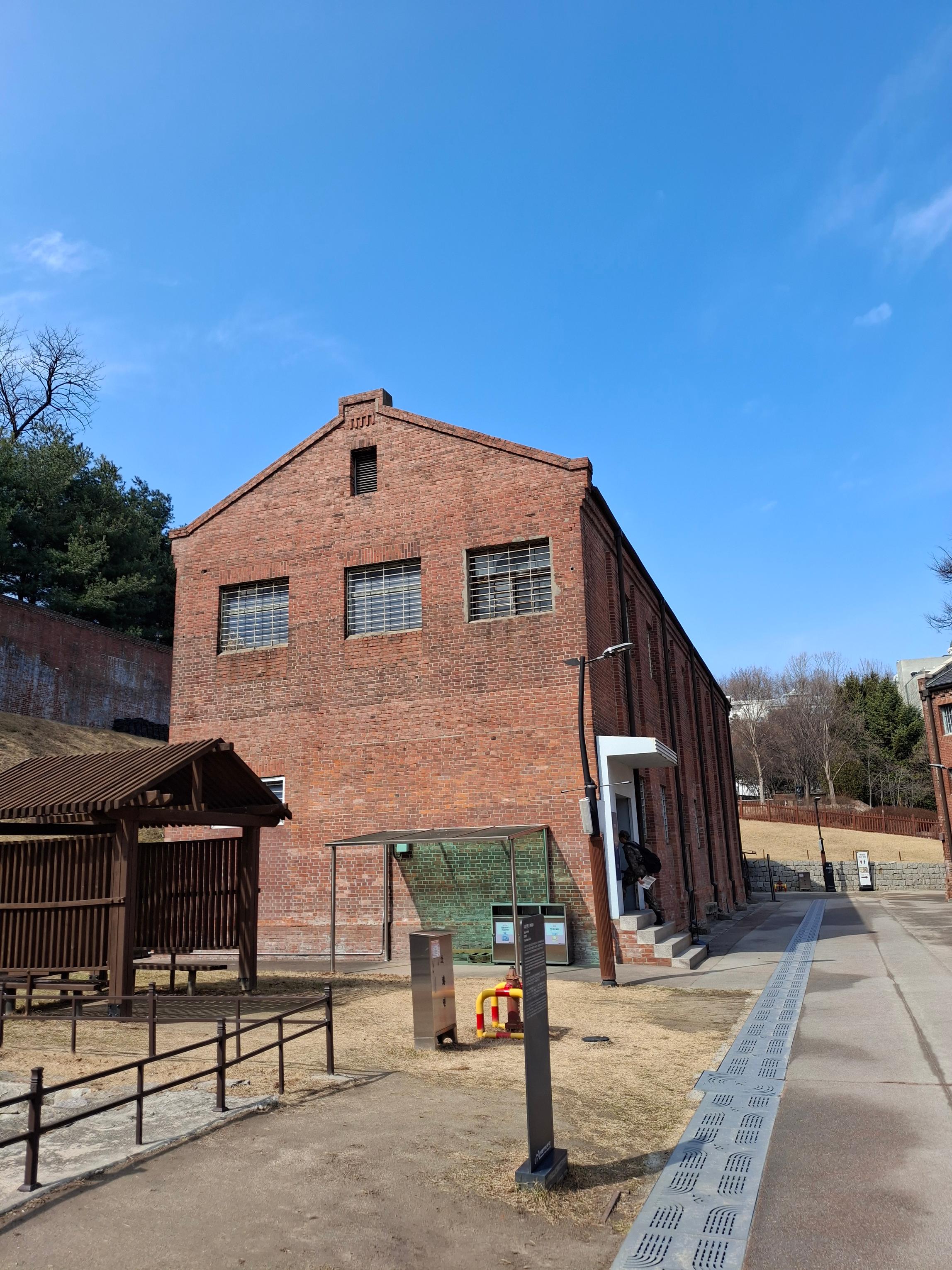
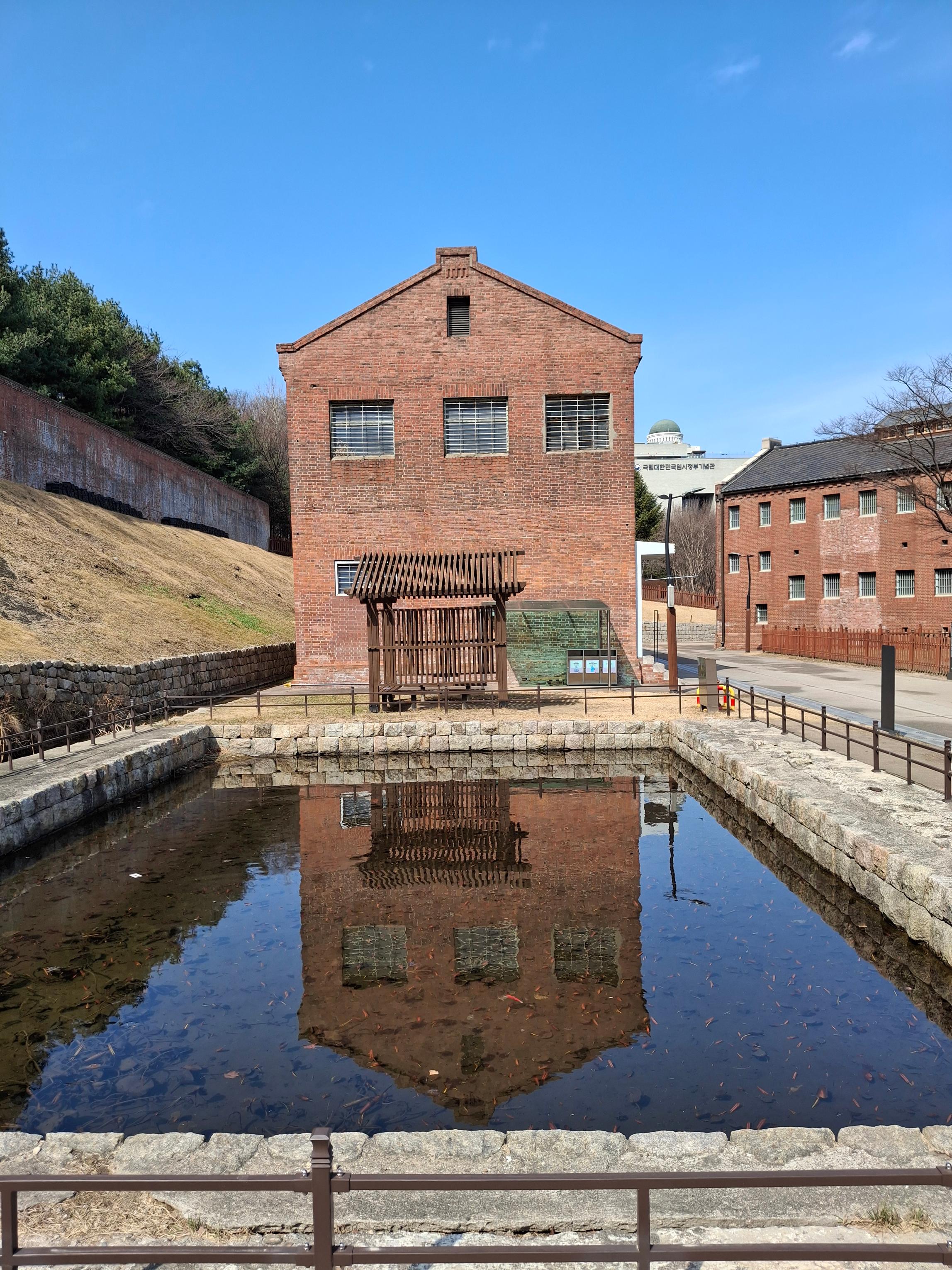
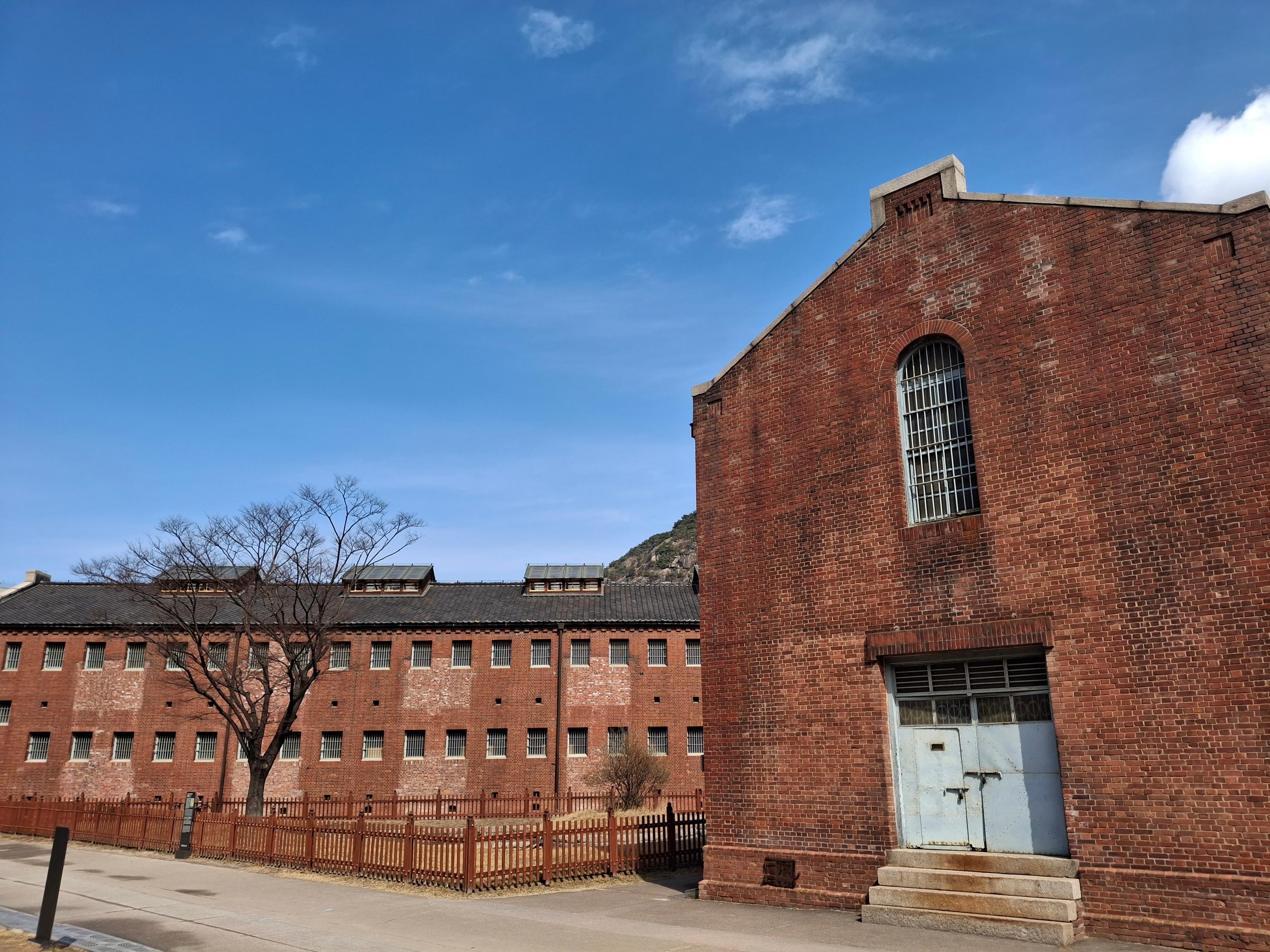
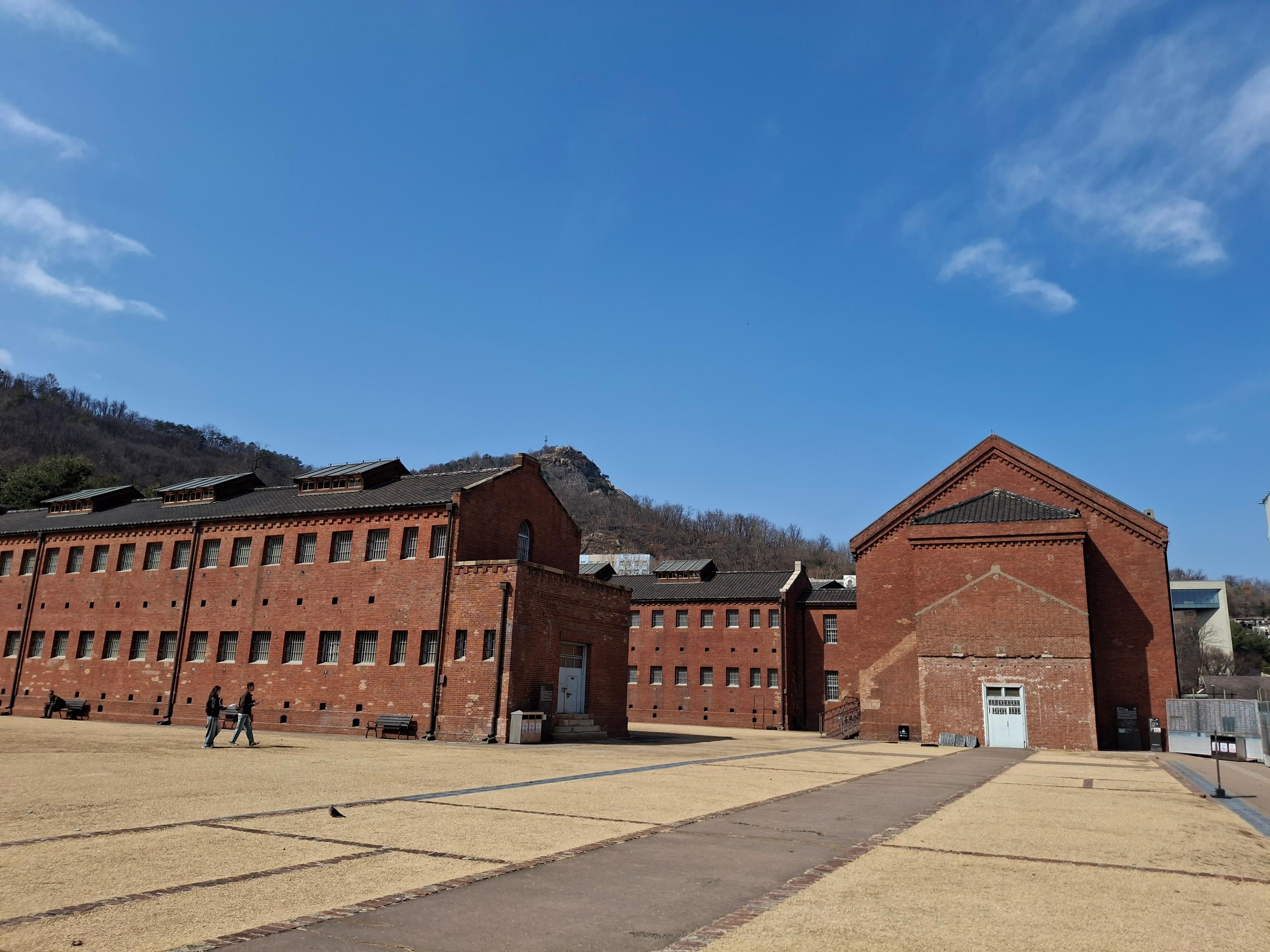
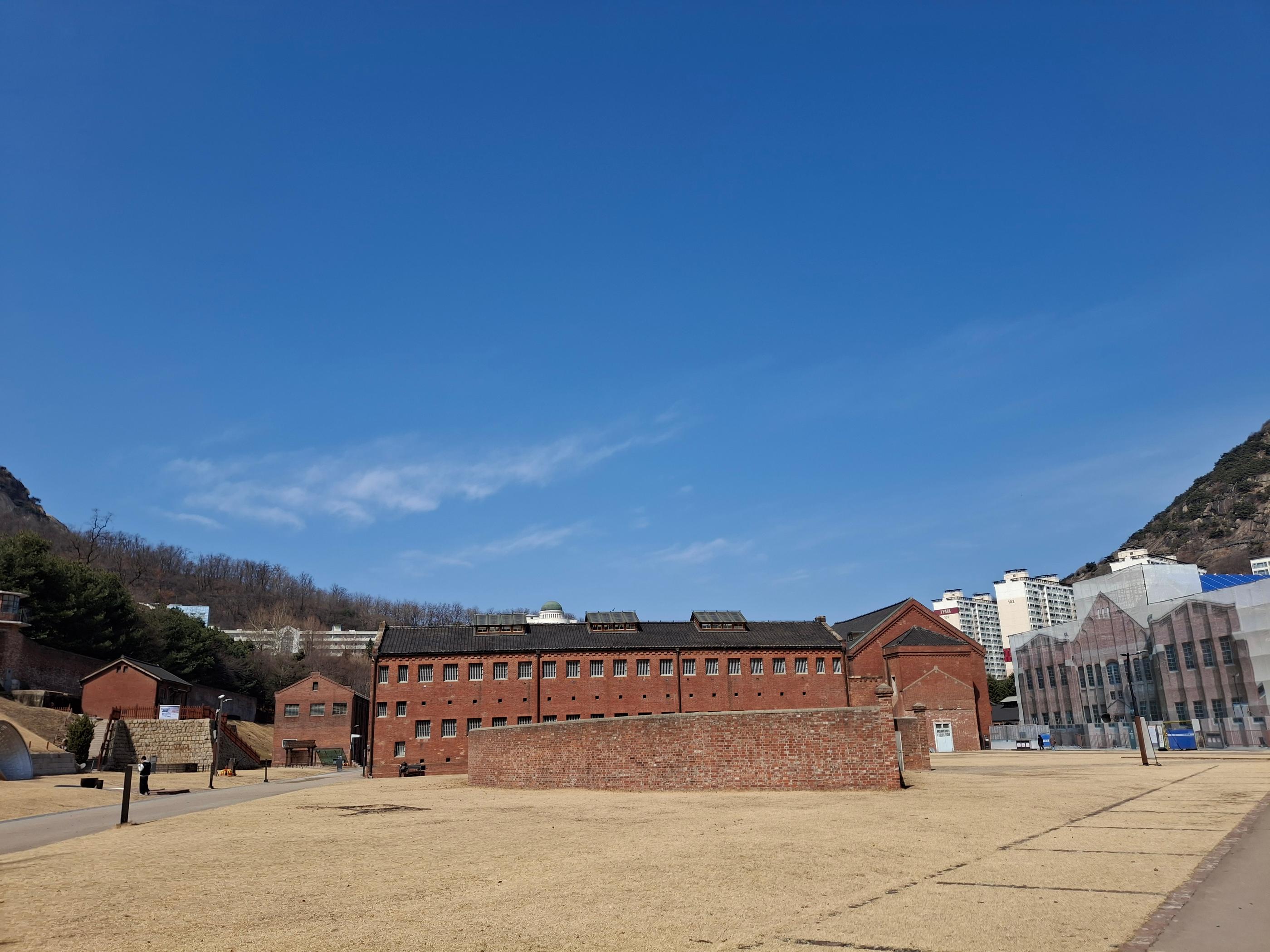
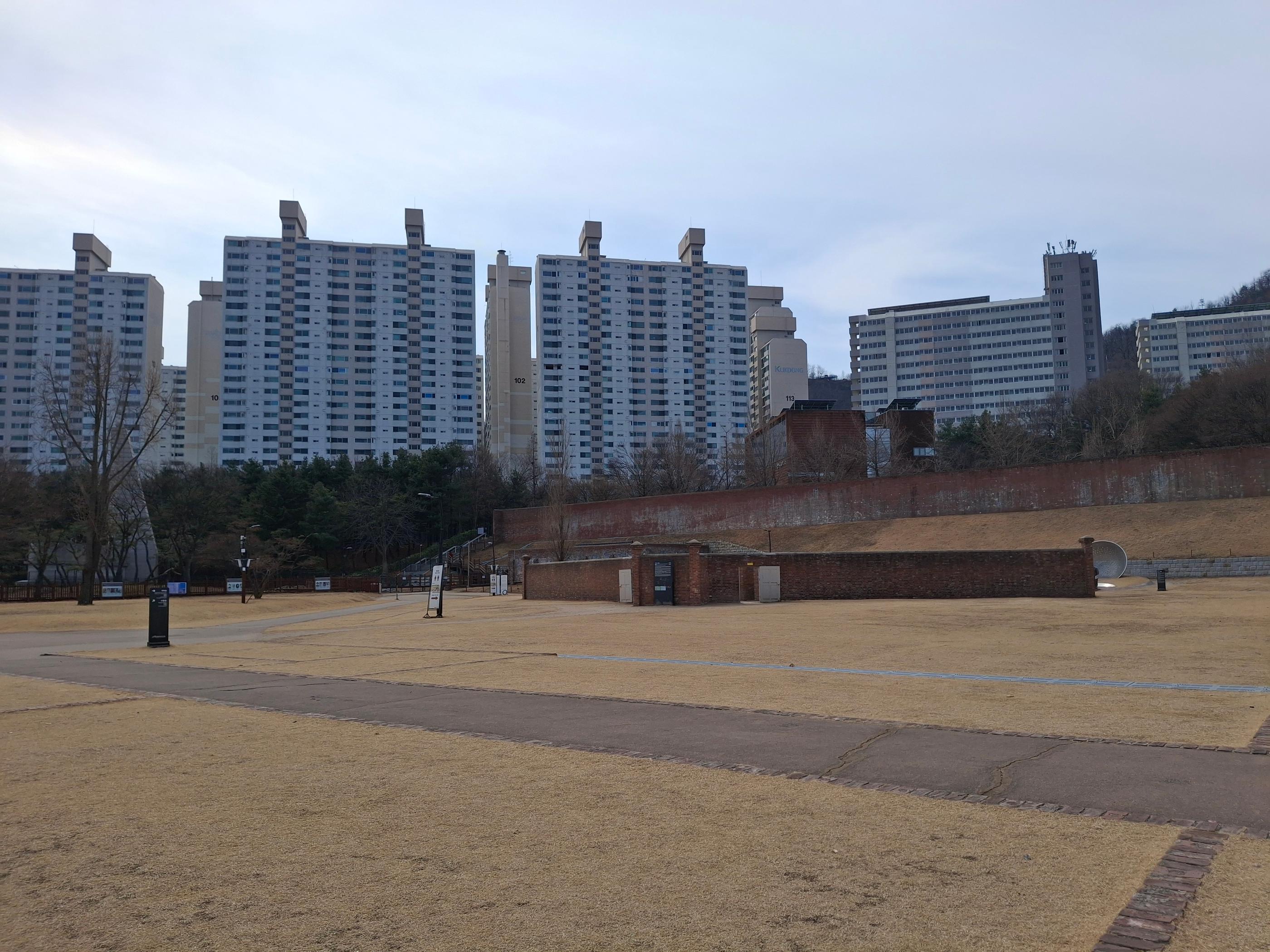
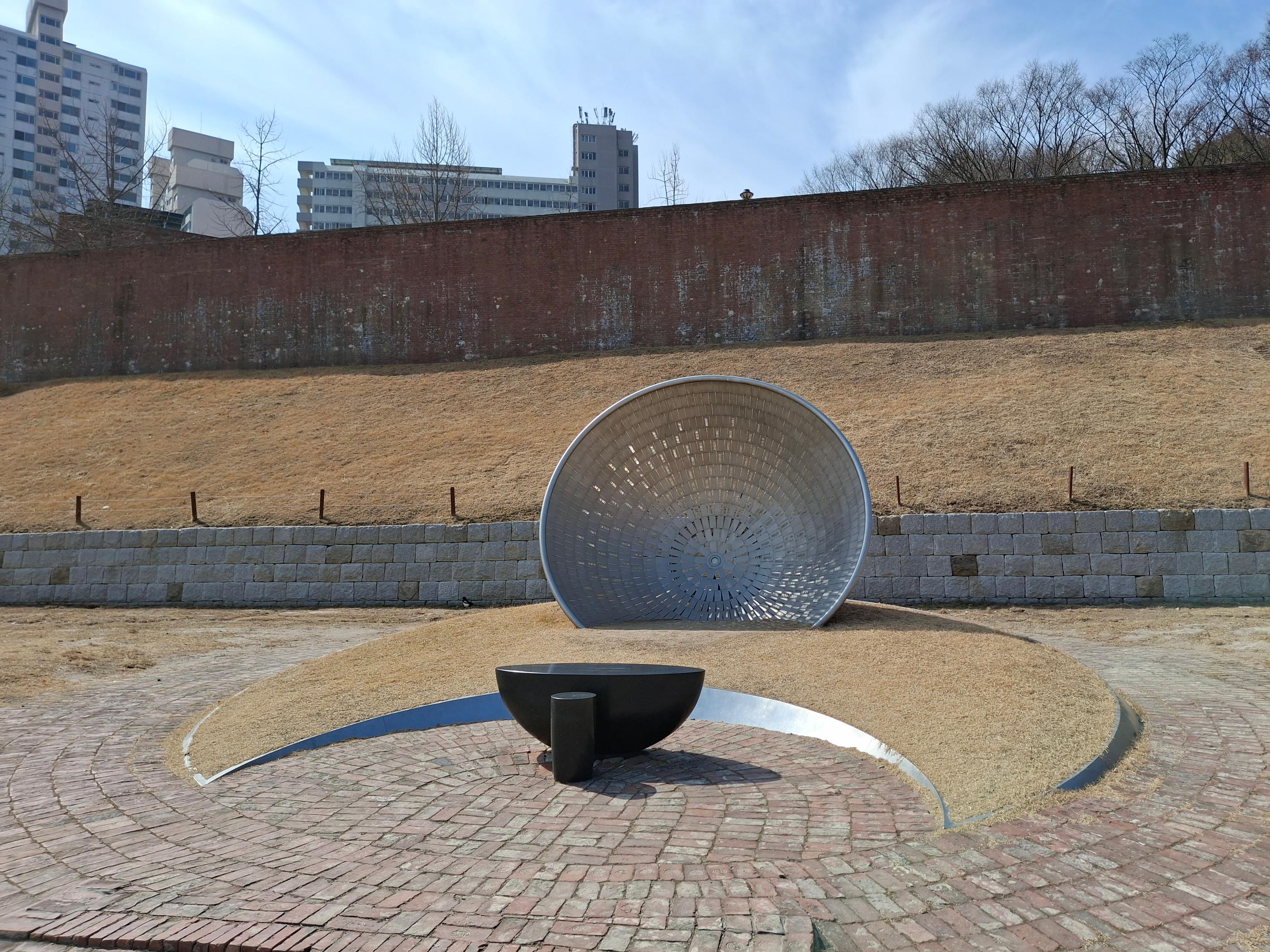
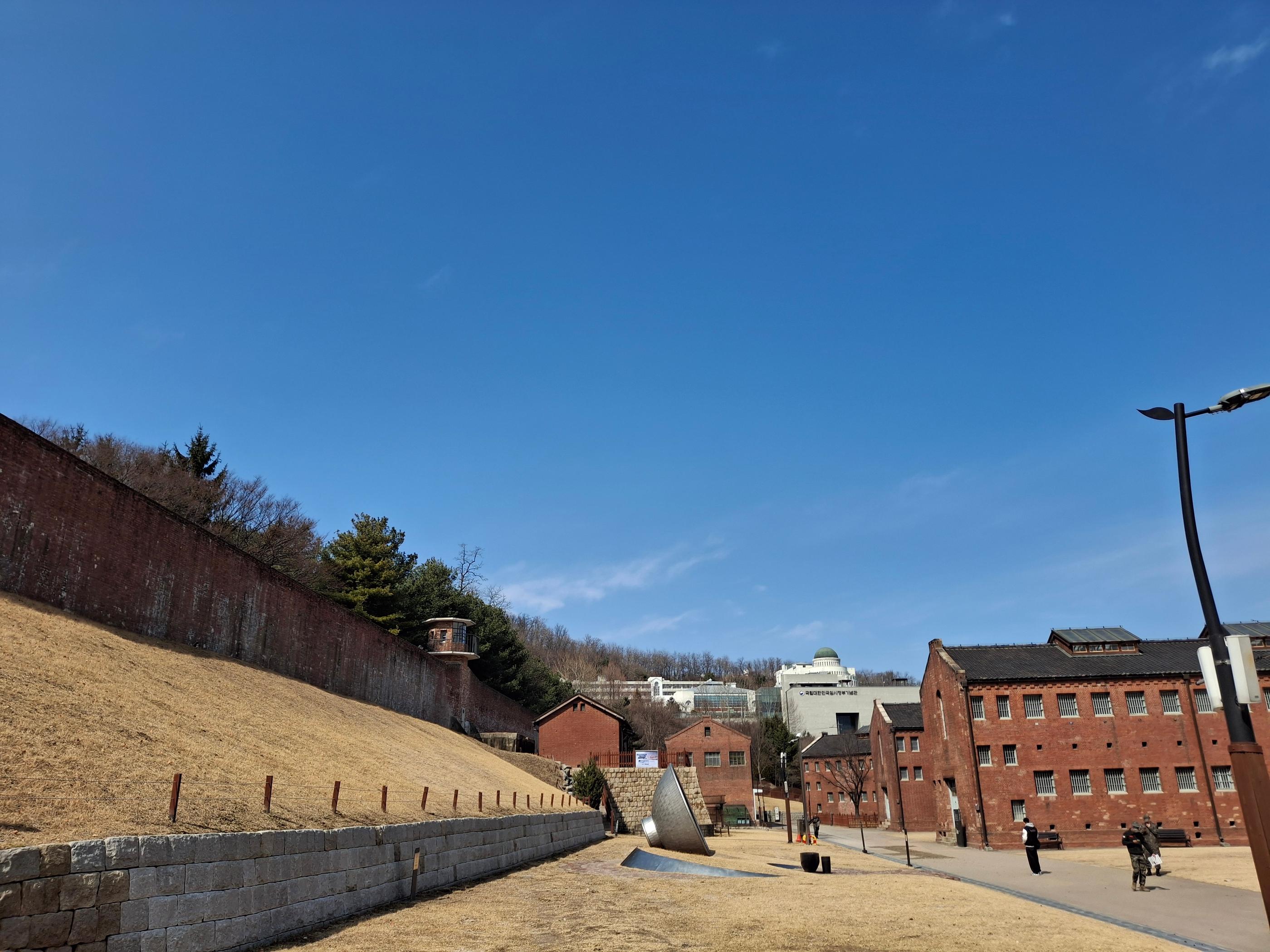
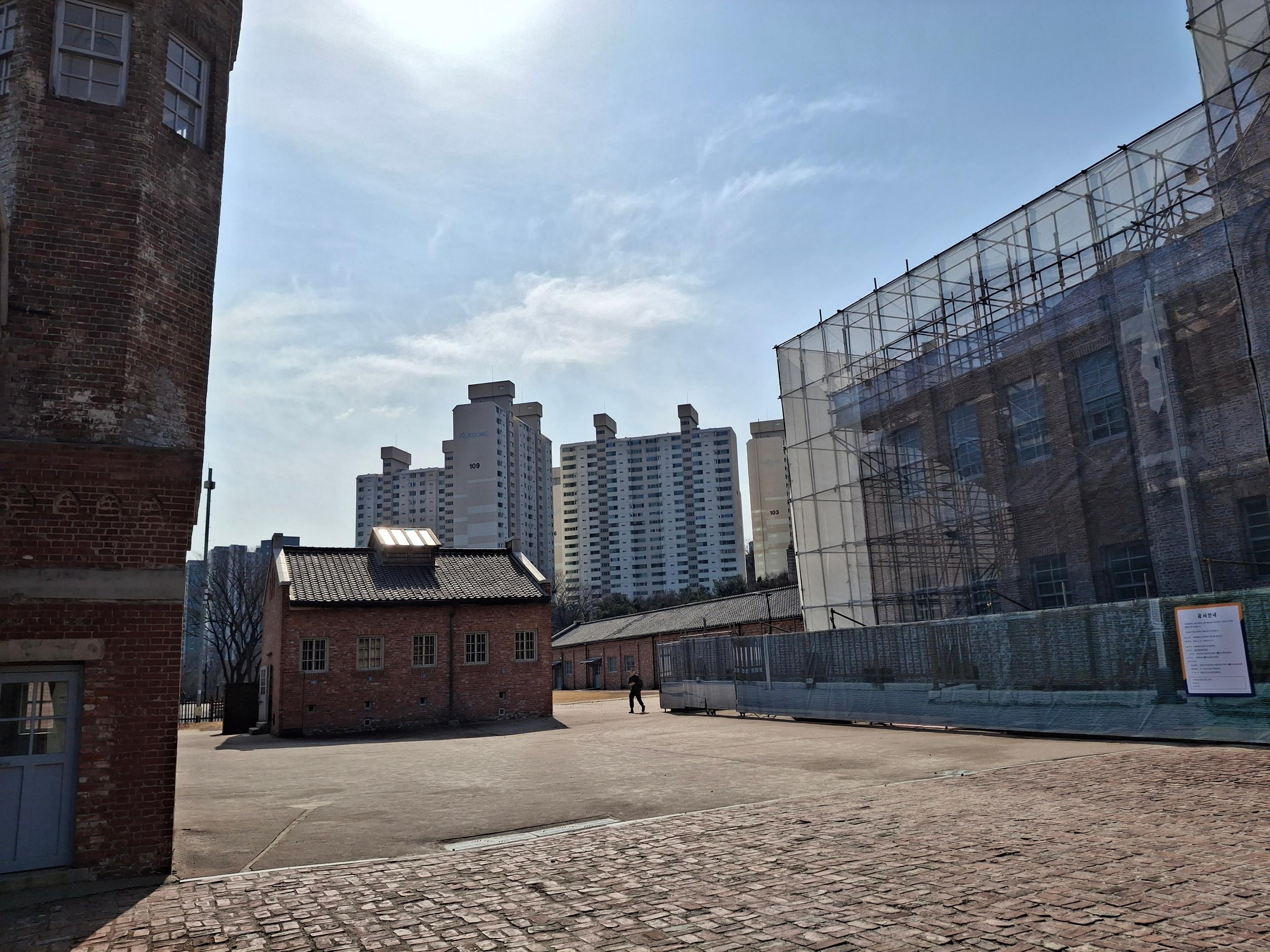
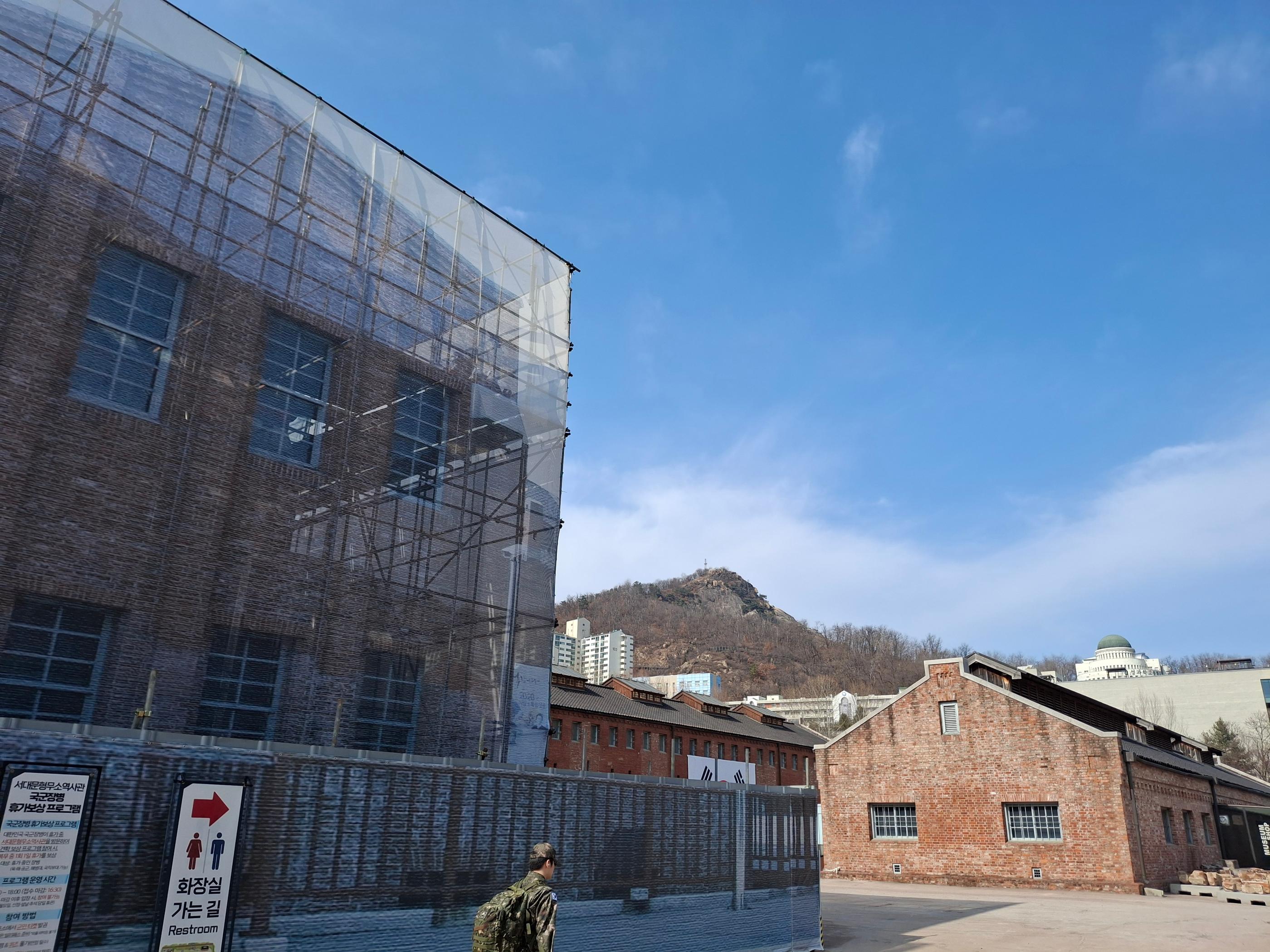
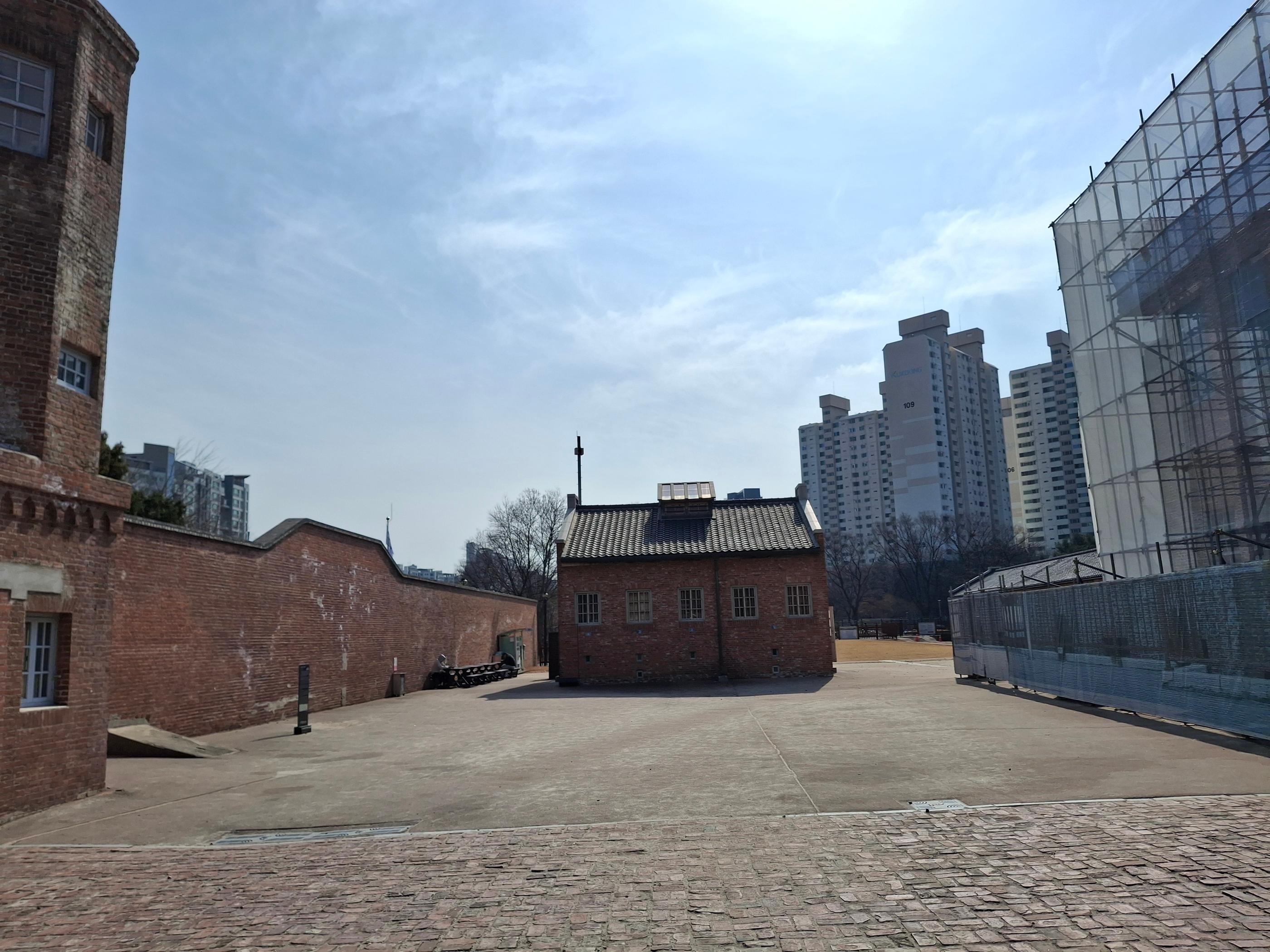
ソデムン刑務所は、日本帝国が政治犯や独立運動家を収容するために建てたもので、日韓併合期(1910-1945)に使われました。囚人たちの血と汗で築かれた赤みを帯びた刑務所の建物は、歴史を体験しに来る訪問者であふれています。
門のすぐ先にある大きな中央の建物は、ソデムン刑務所歴史館です。ここには刑務所の歴史を詳しく紹介する興味深い展示がある博物館があります。必要かつ有益ですが、悲しい内容です。
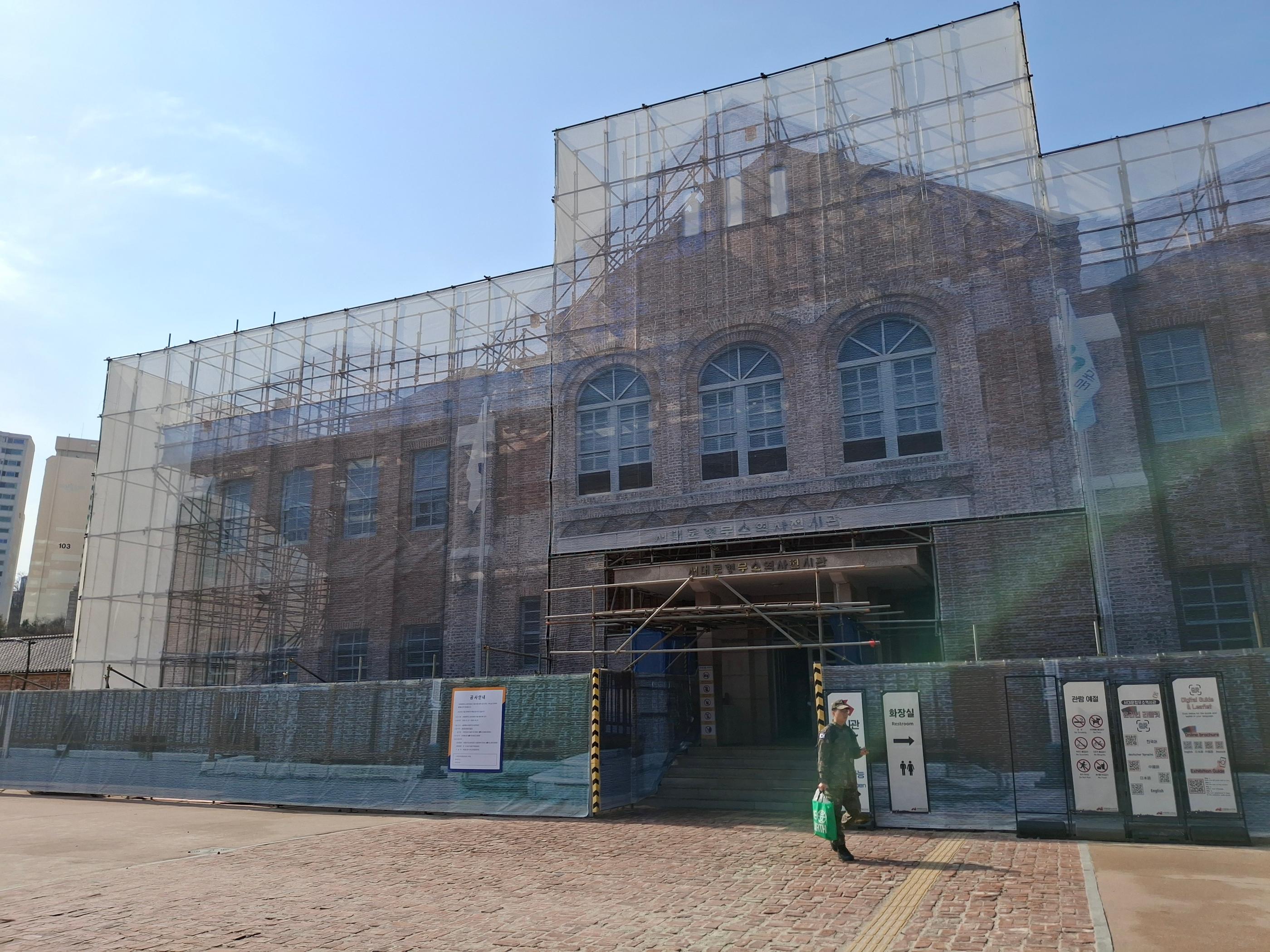
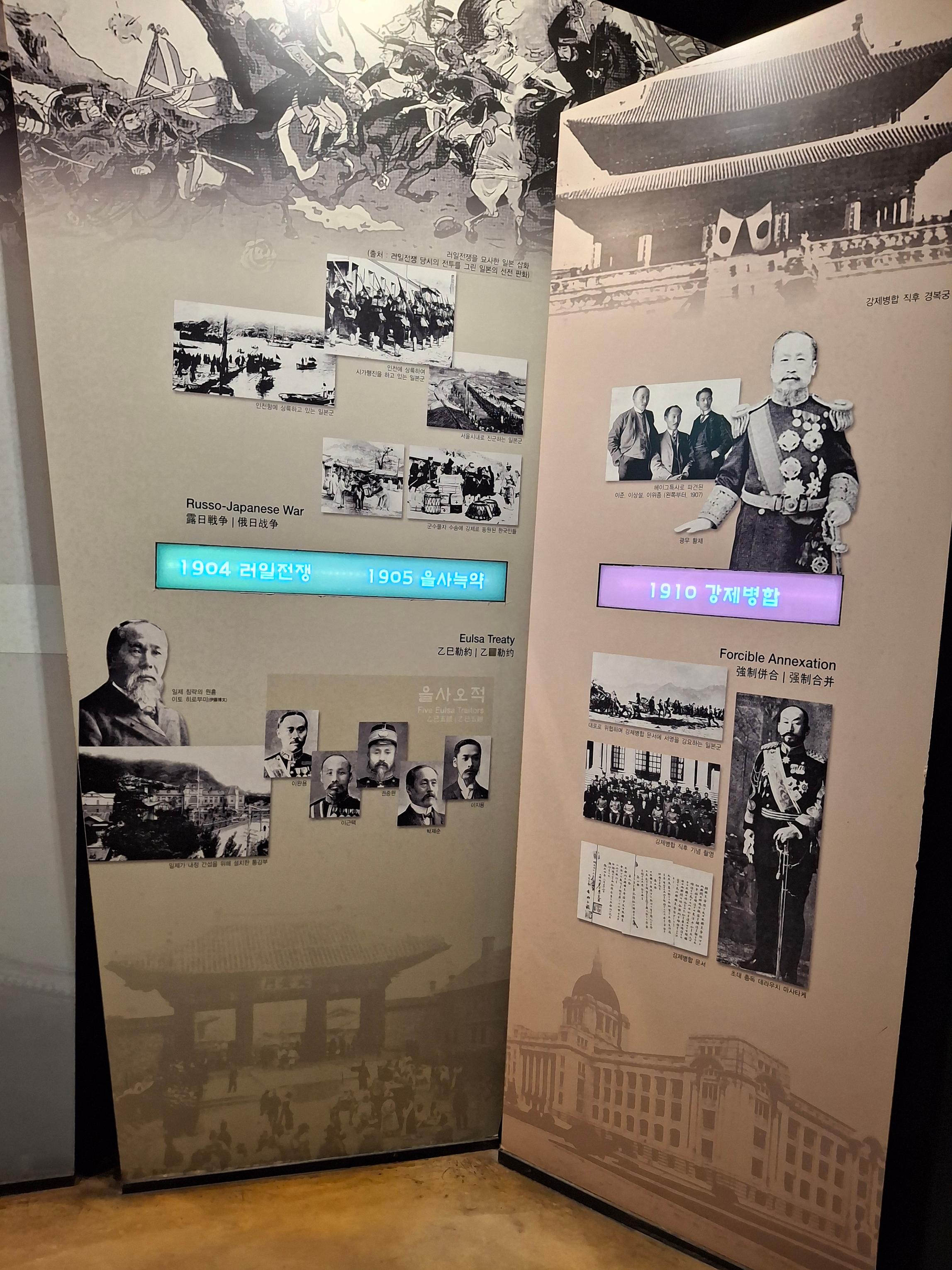
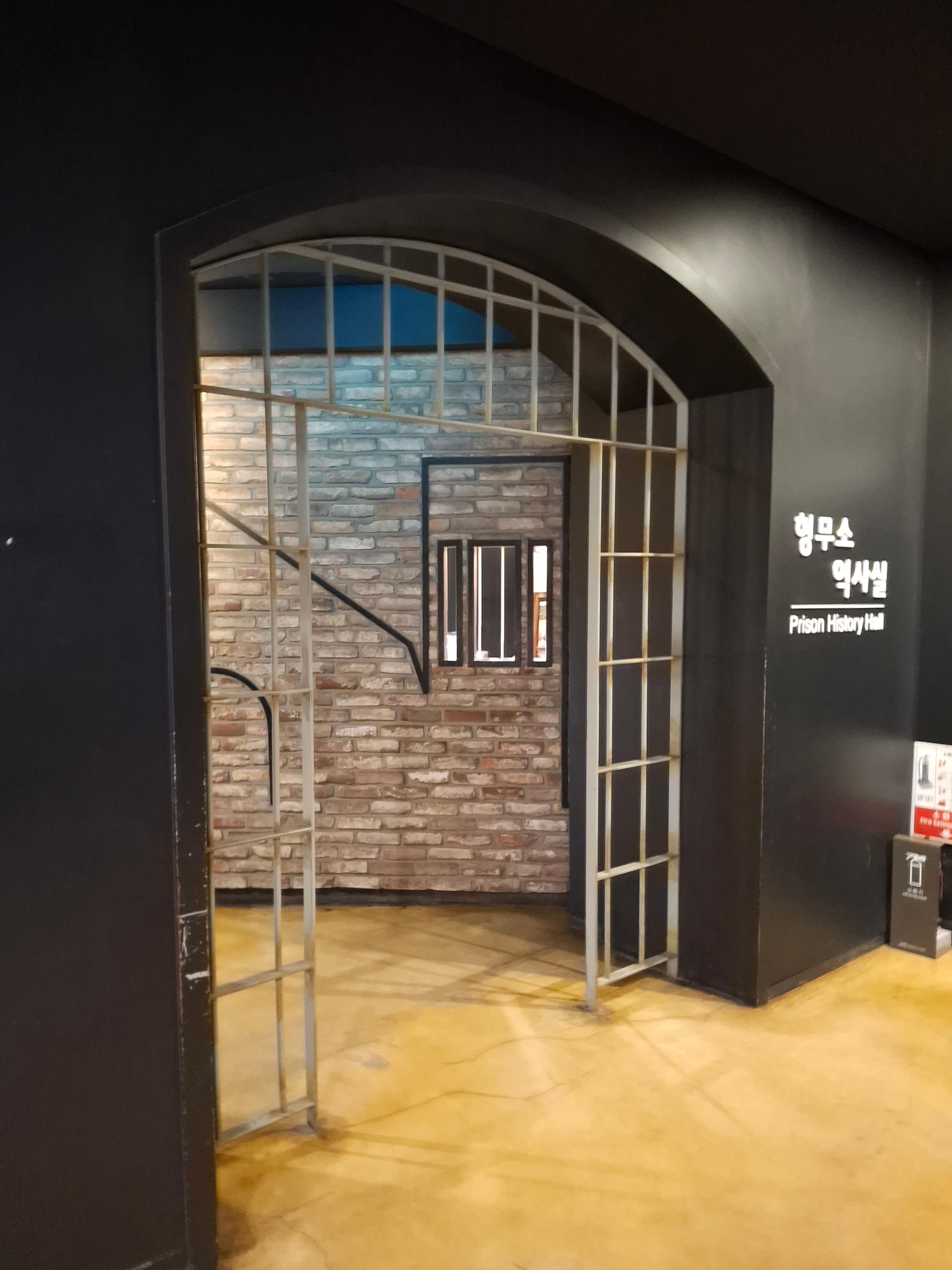
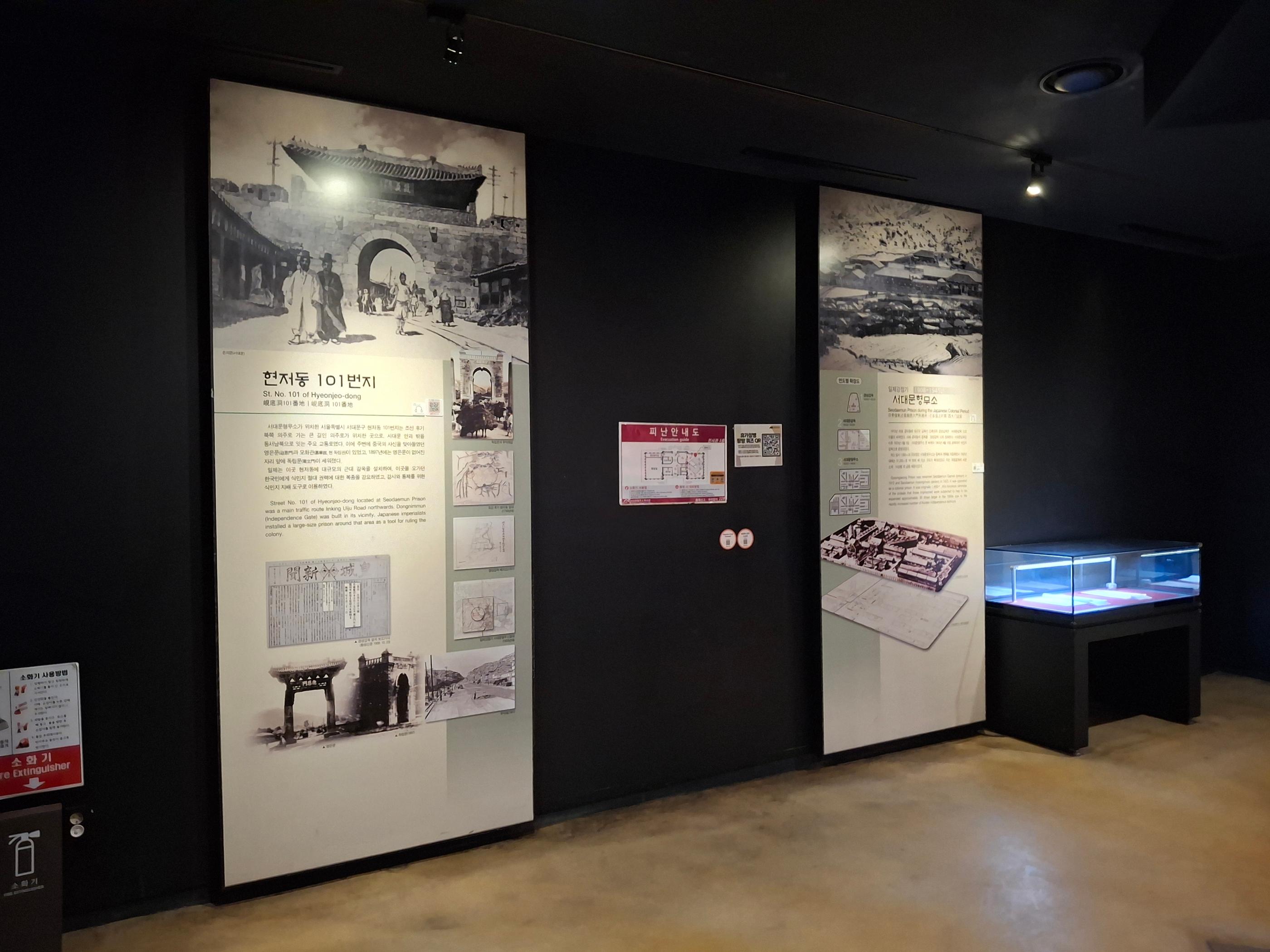
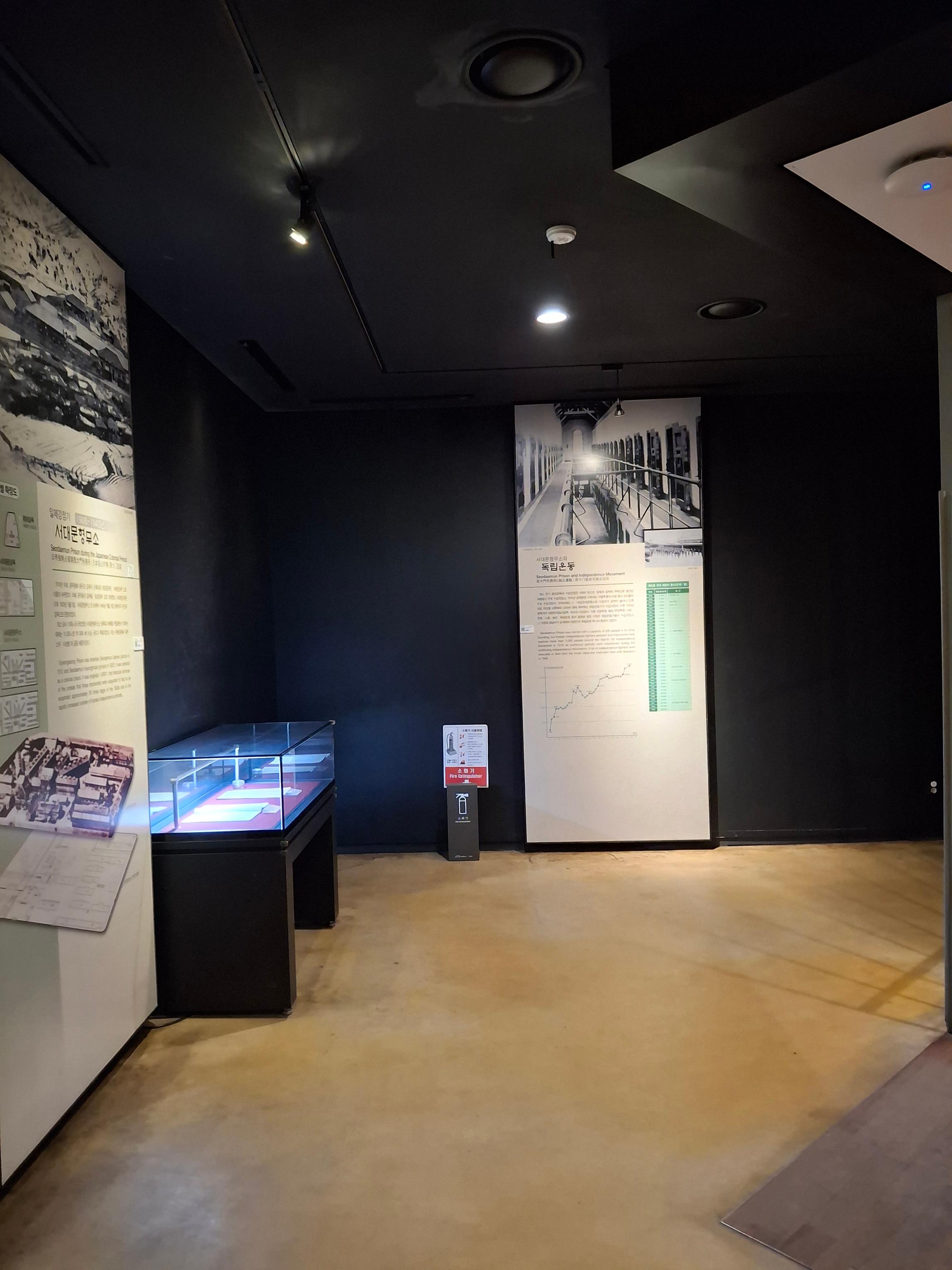
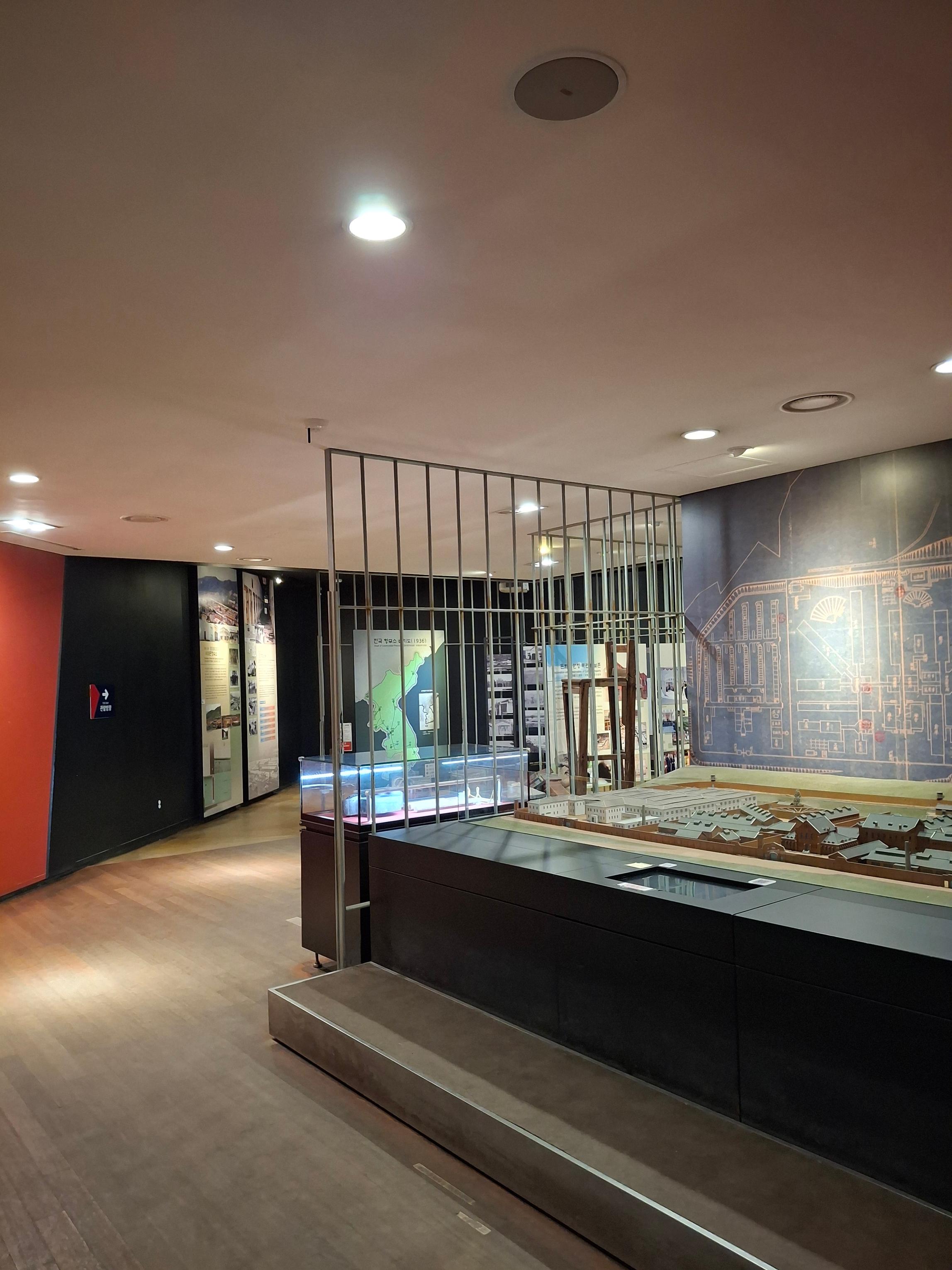
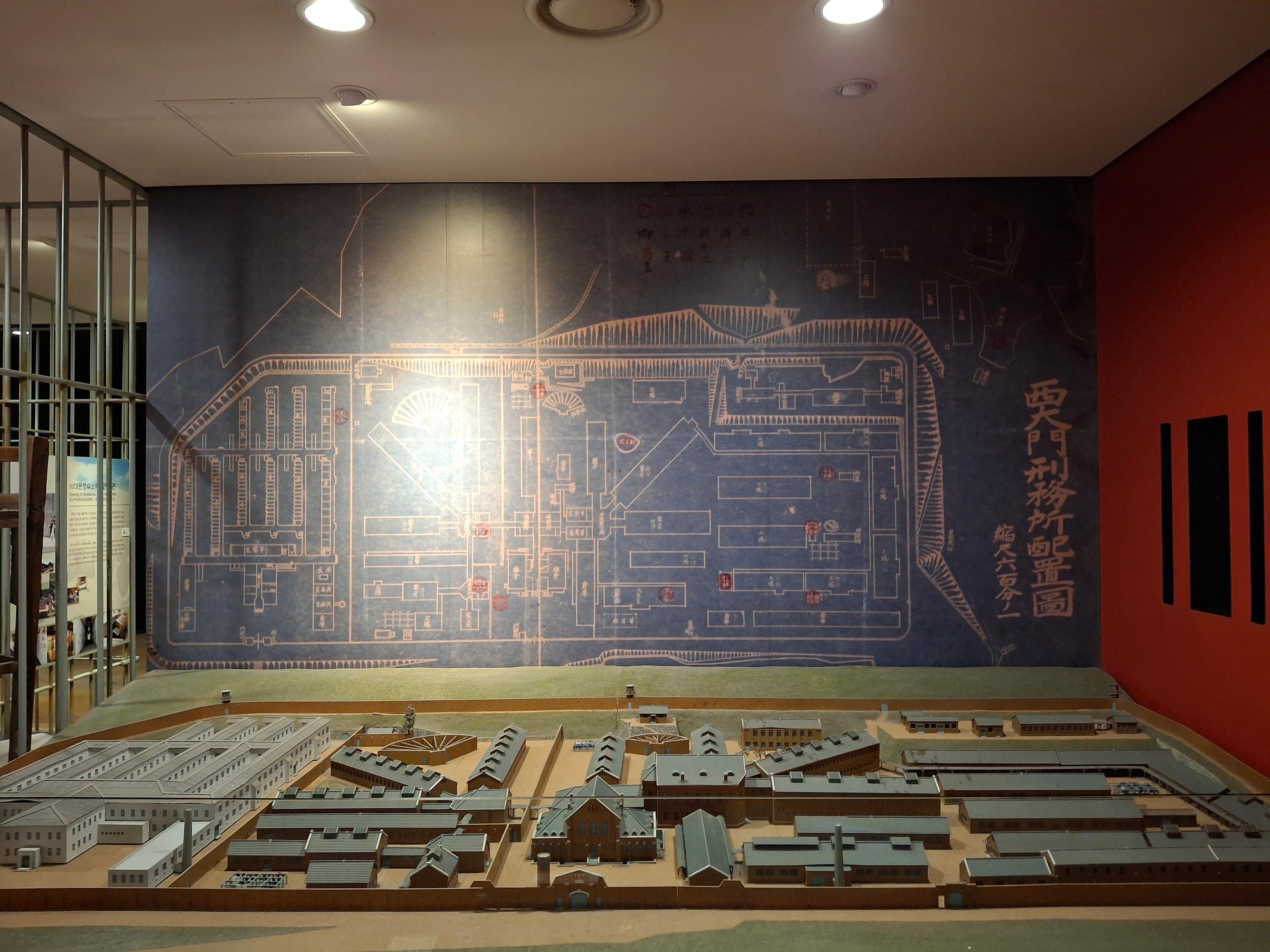
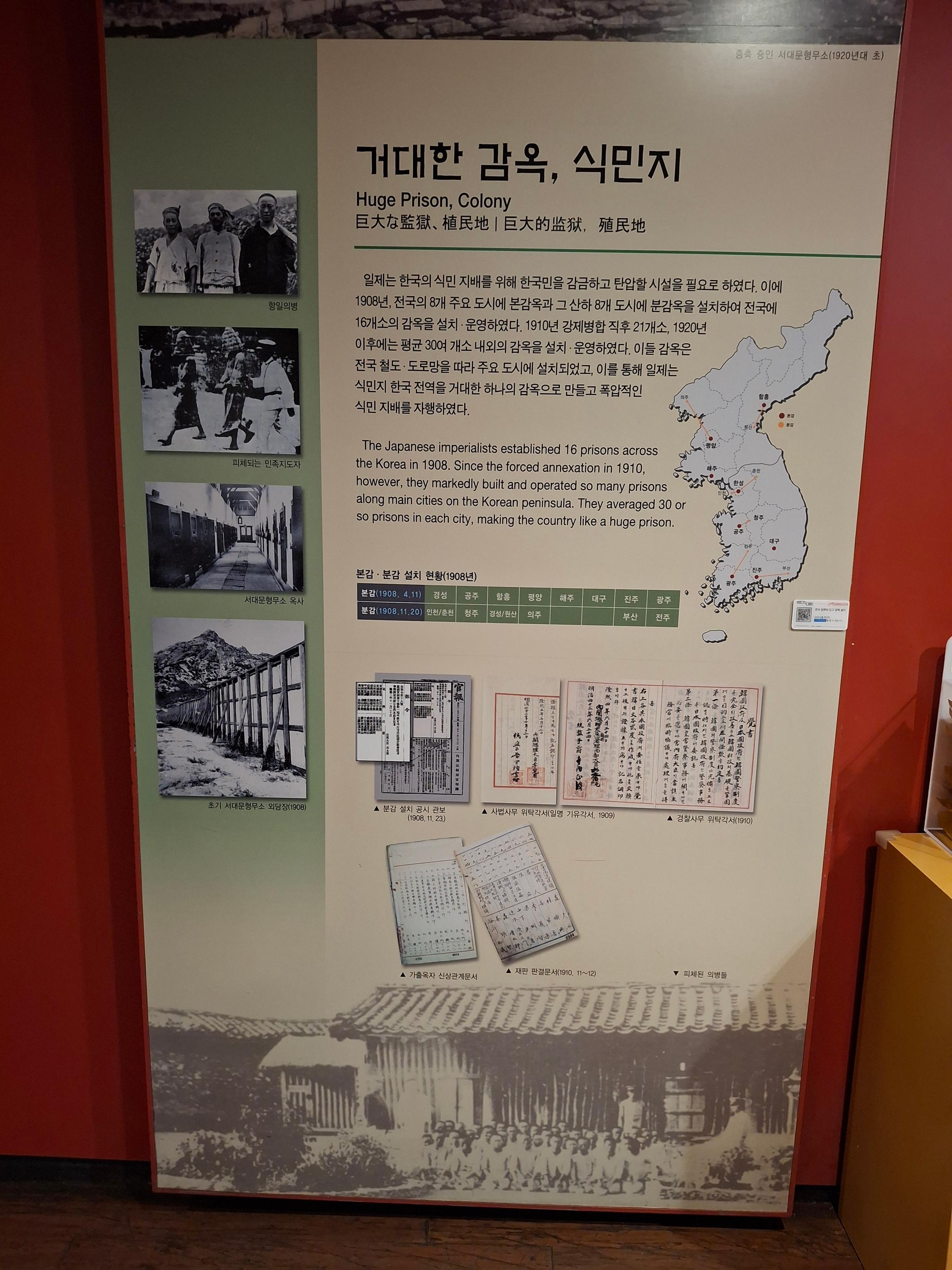
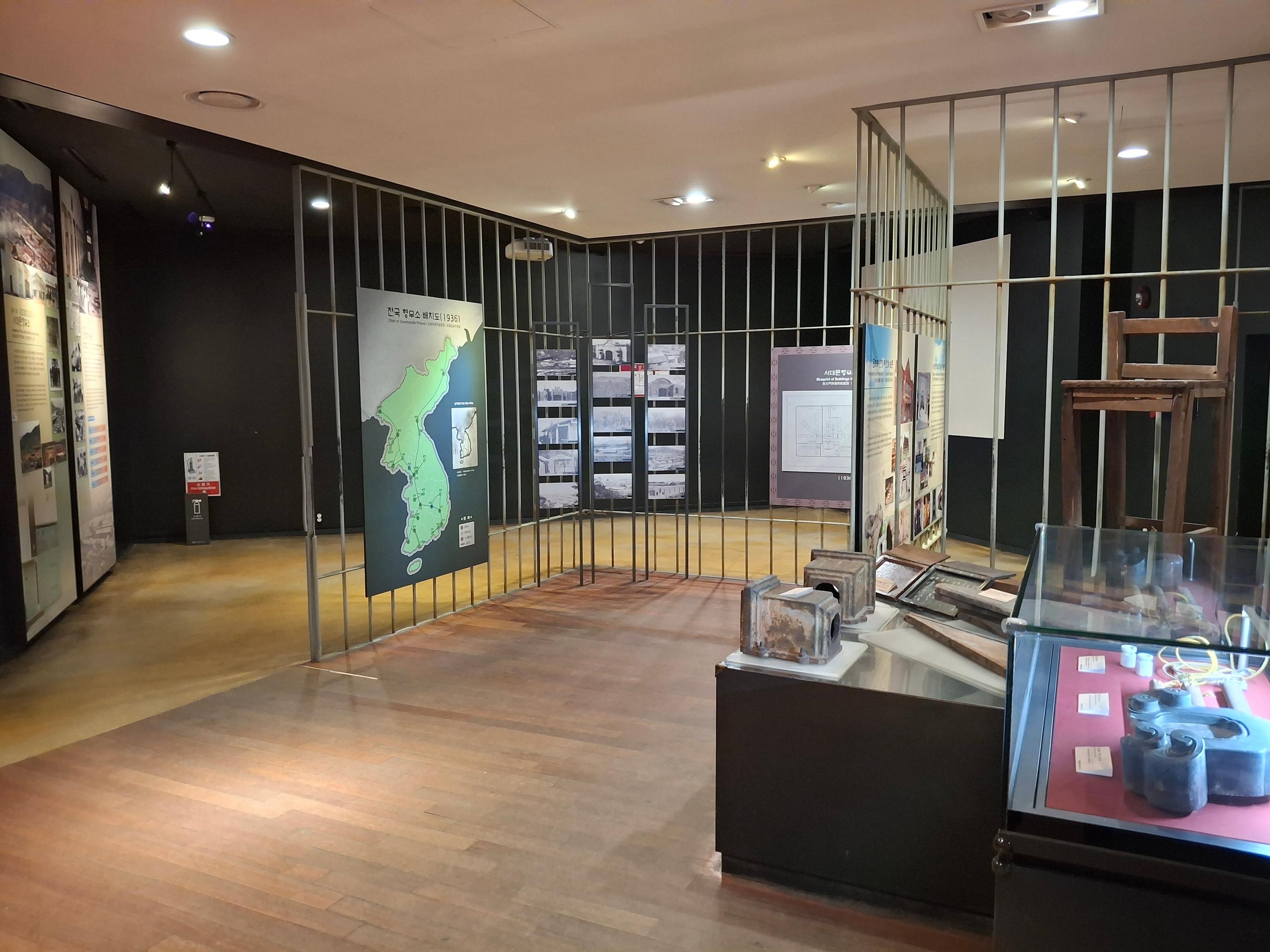
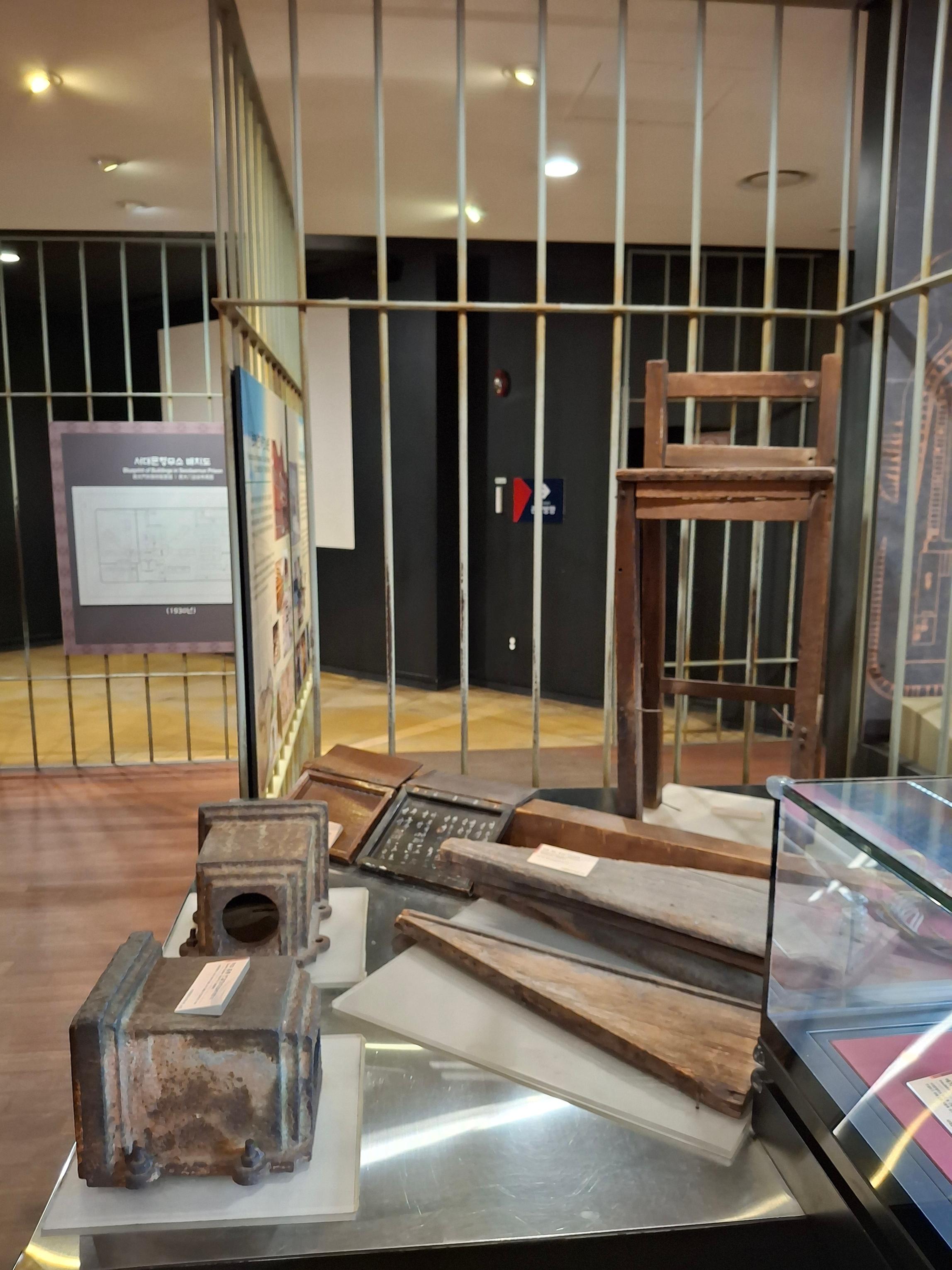
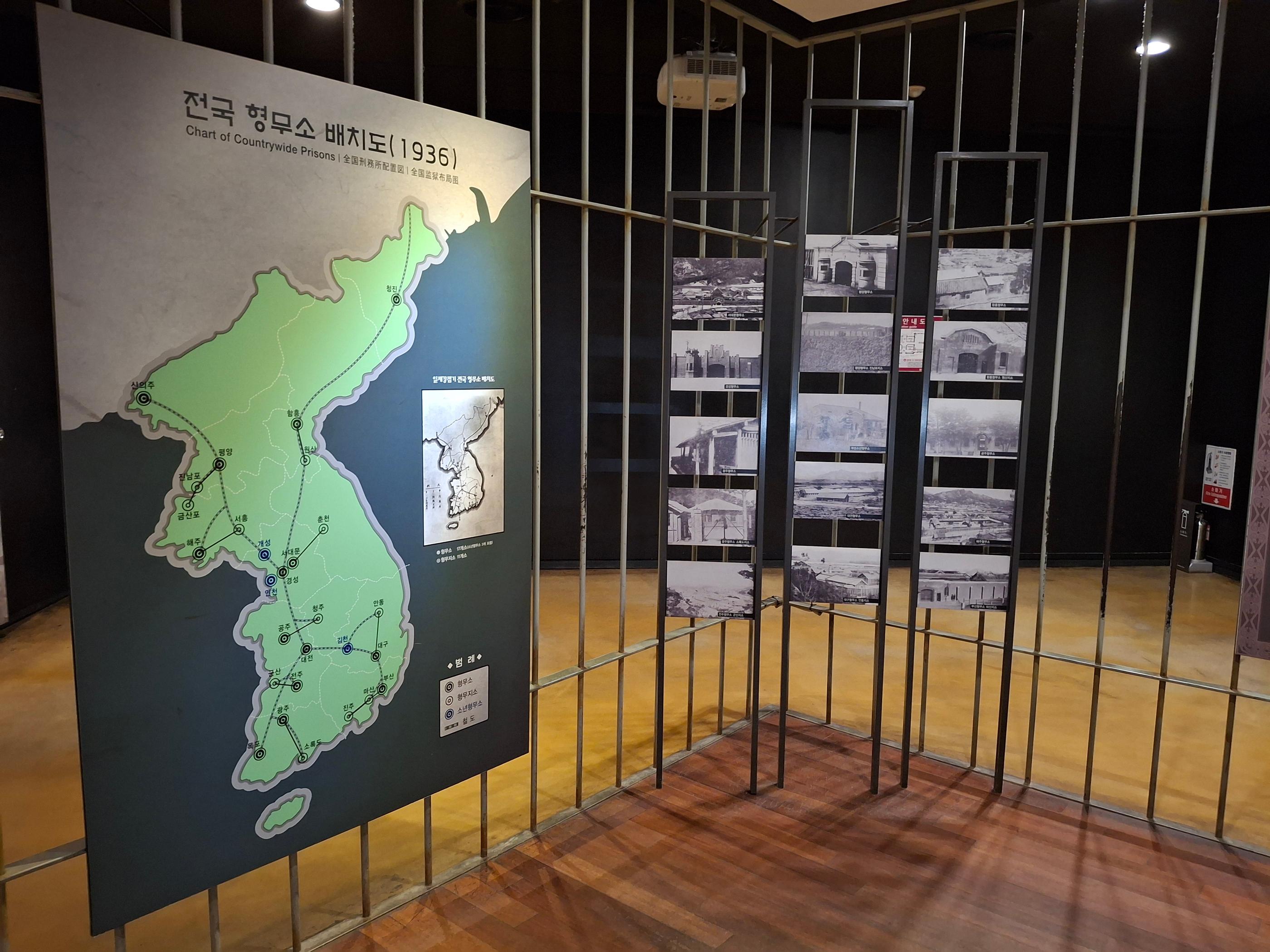
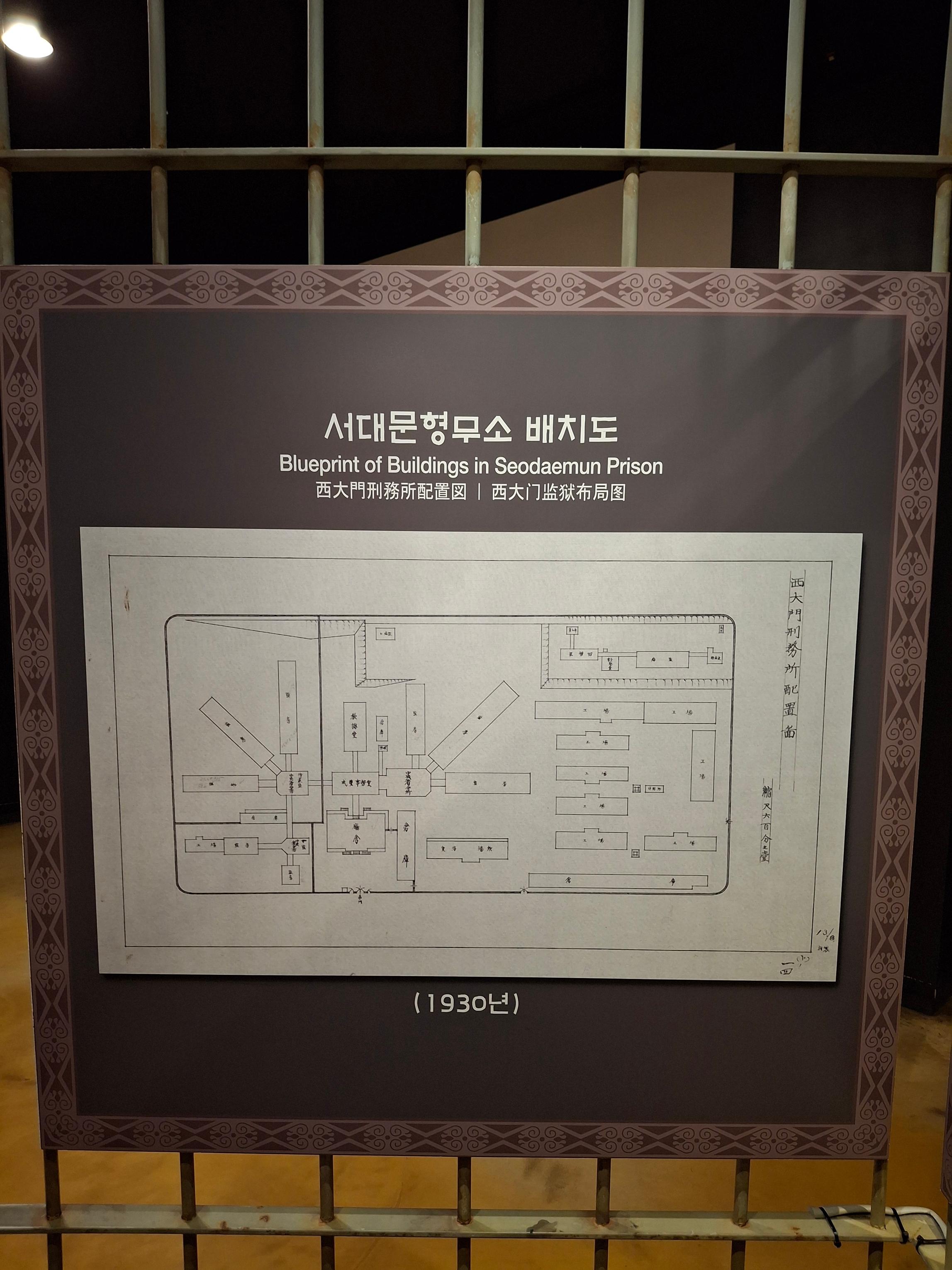
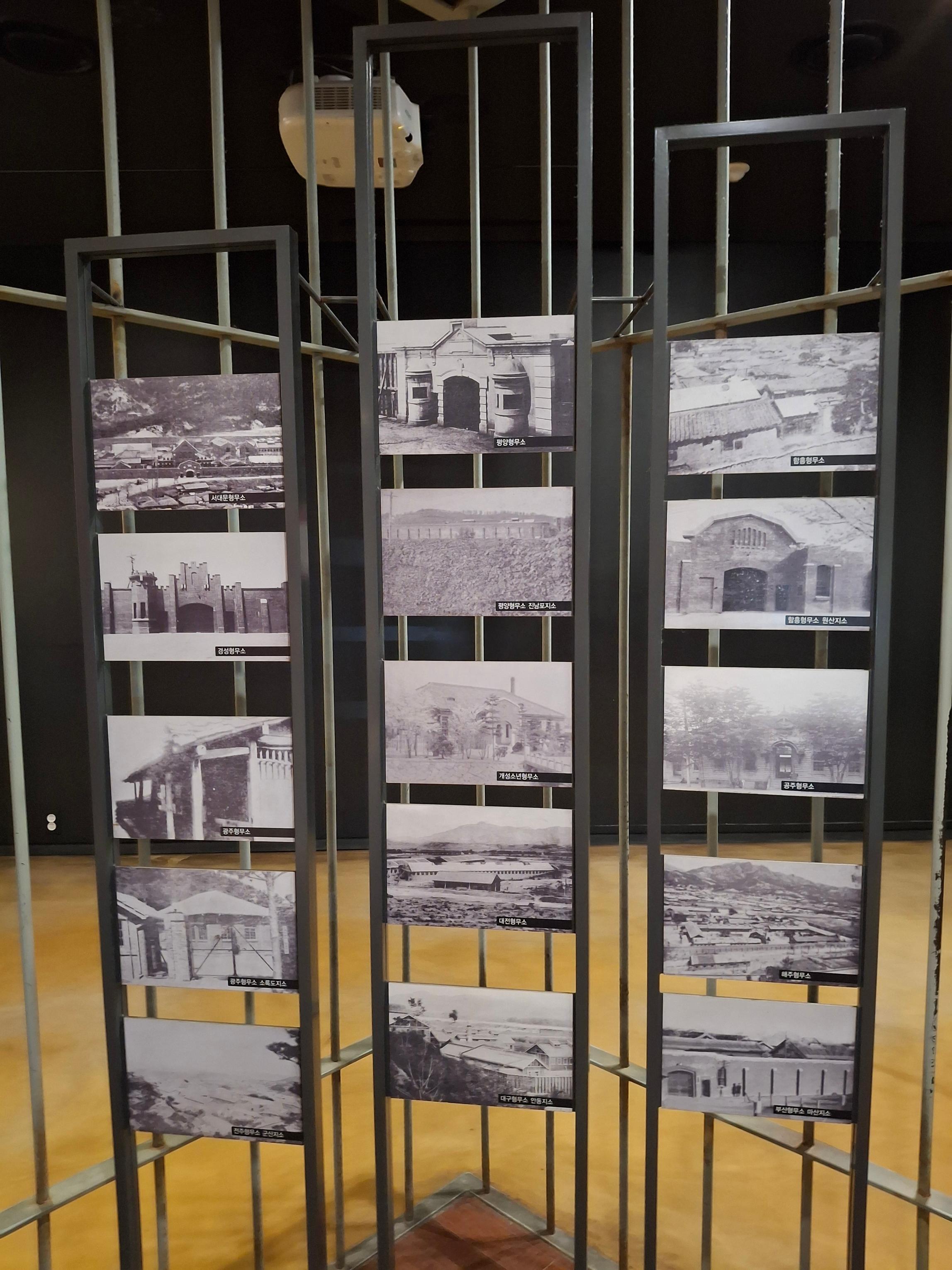
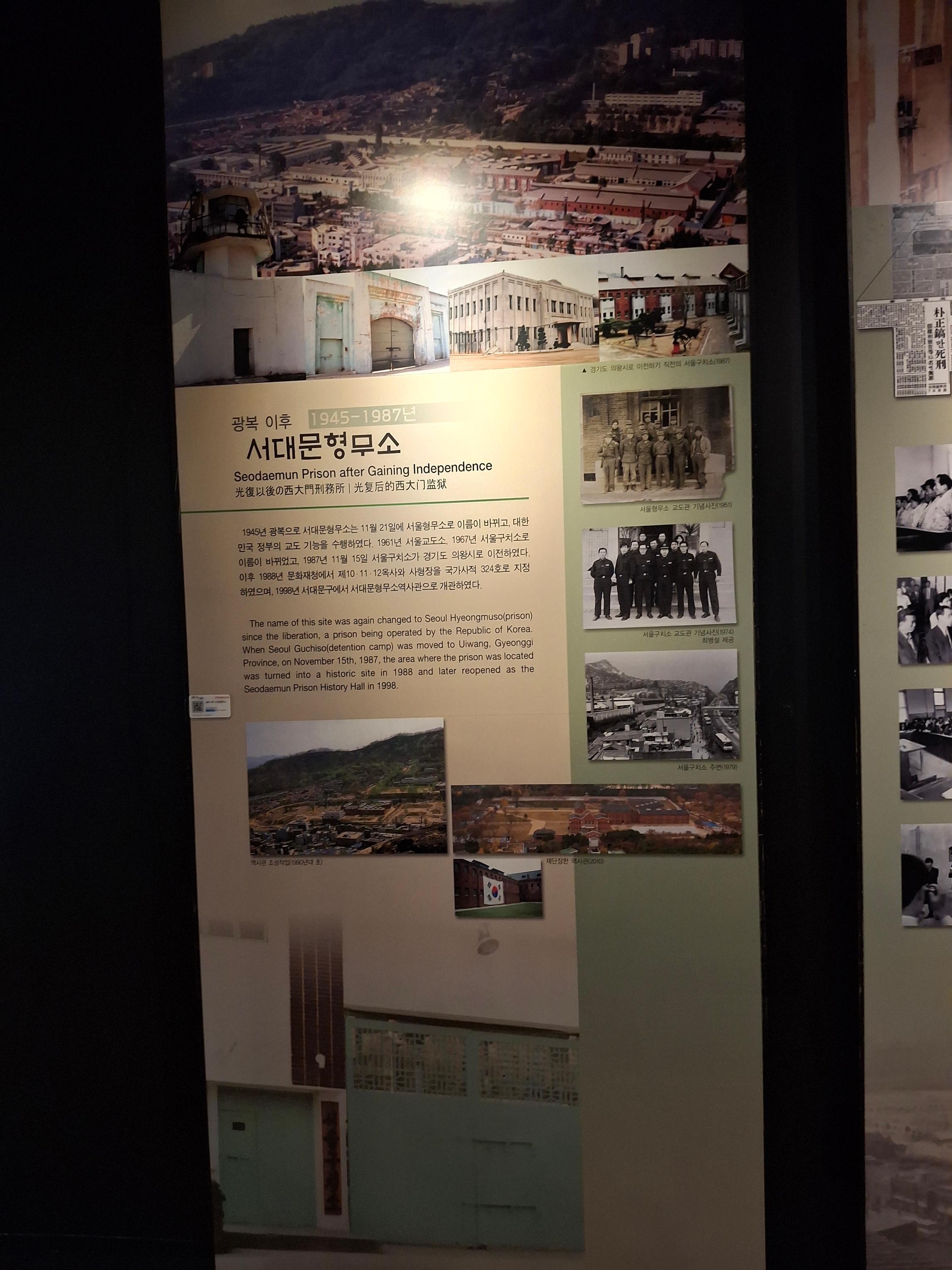
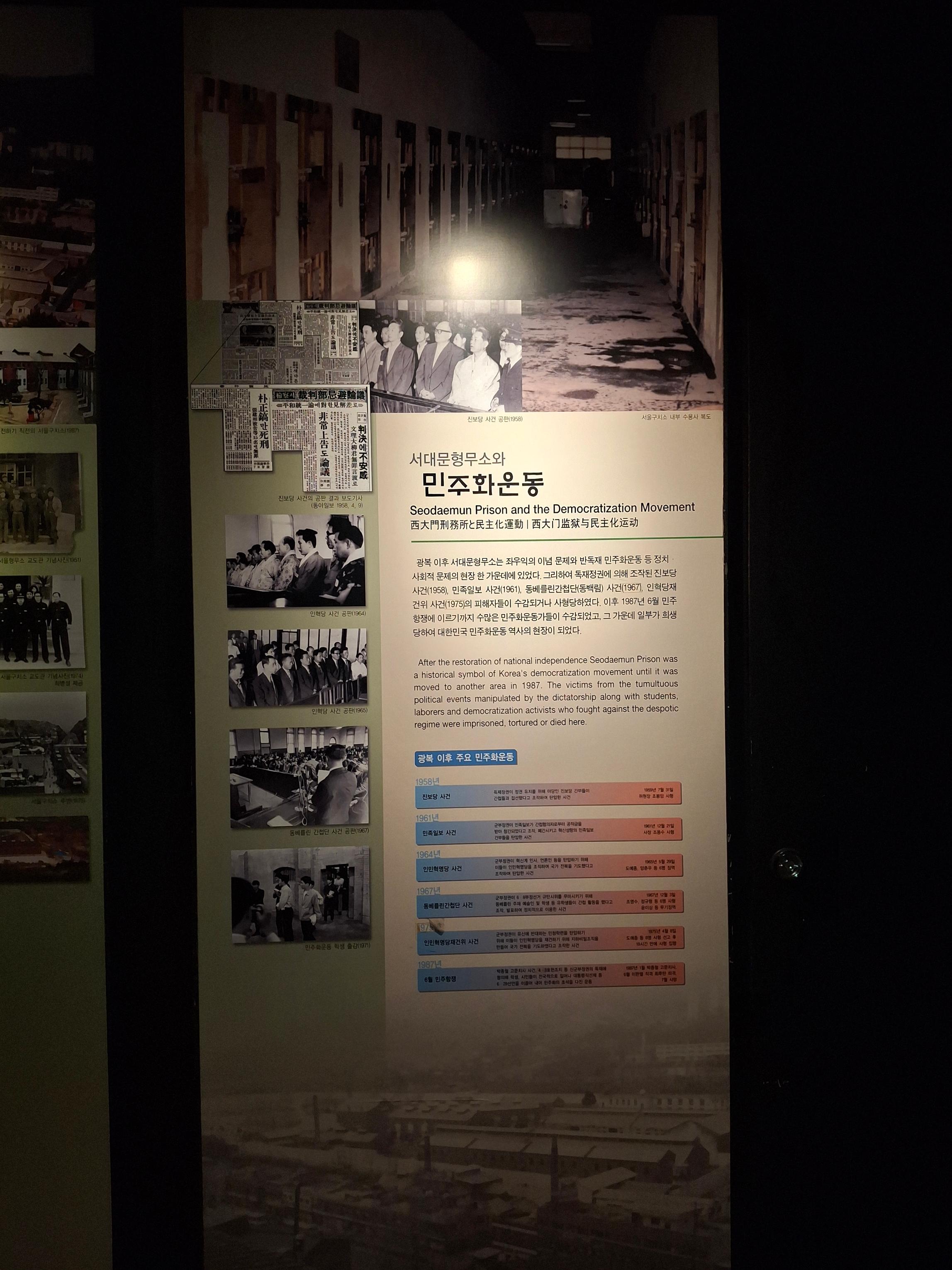
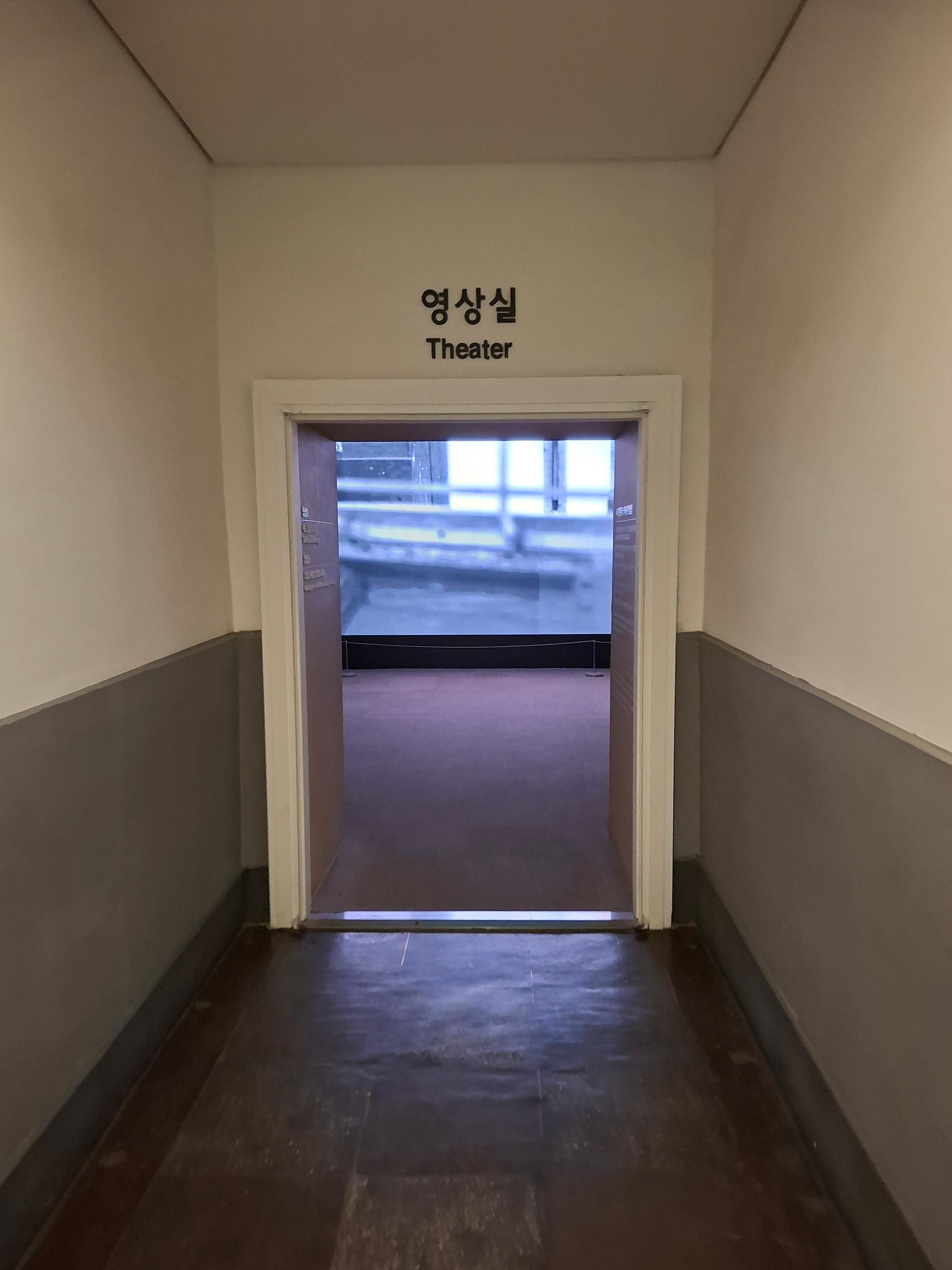
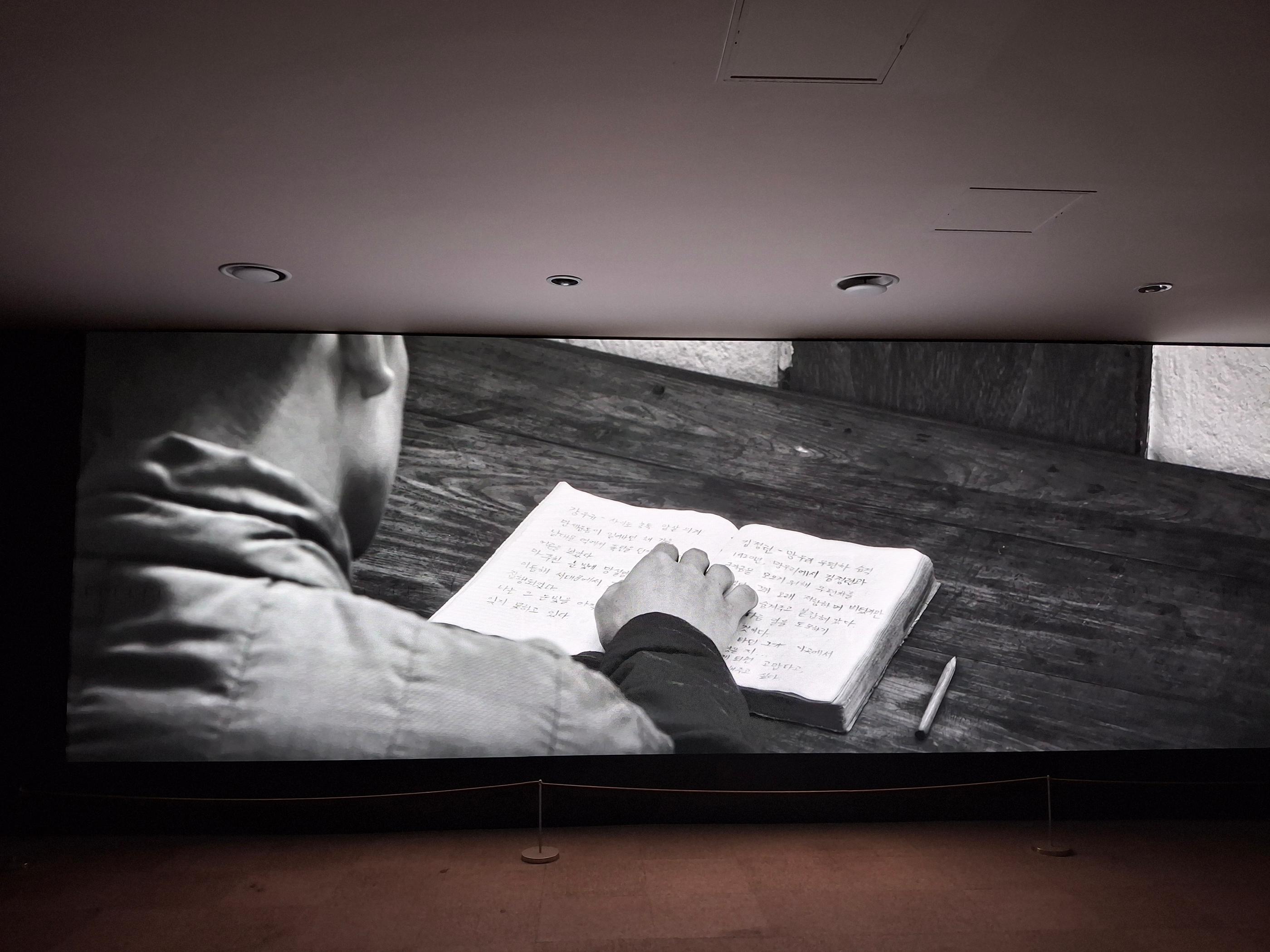
中央建物の地下には、刑務所で最も恐ろしい部屋、拷問室があります。ここは日本の検察官が収容者を取り調べた場所で、取り調べの際に行われた拷問や、生き残った愛国者たちの証言が展示されています。とても悲しい場所で、強い印象を受けました。
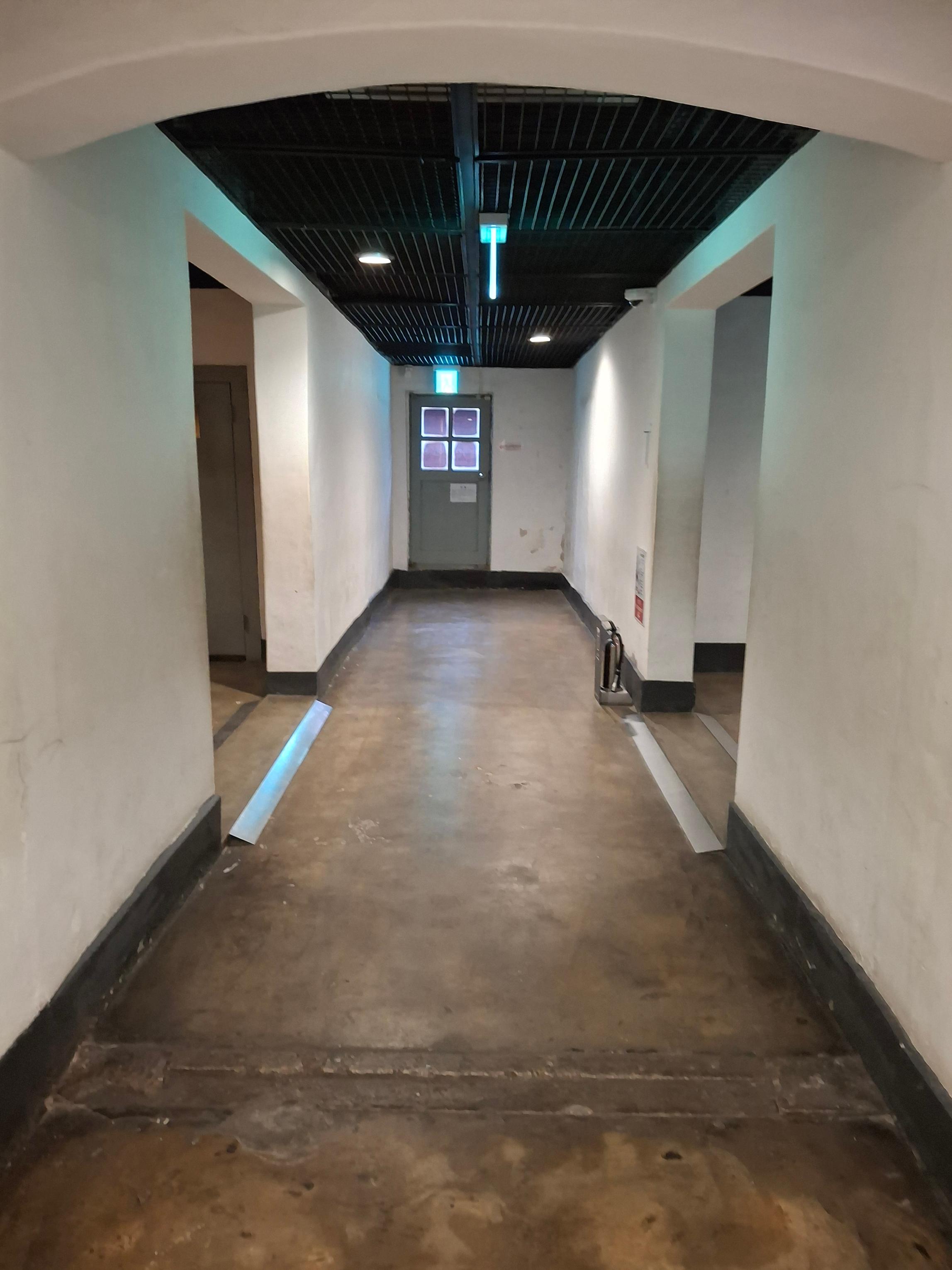
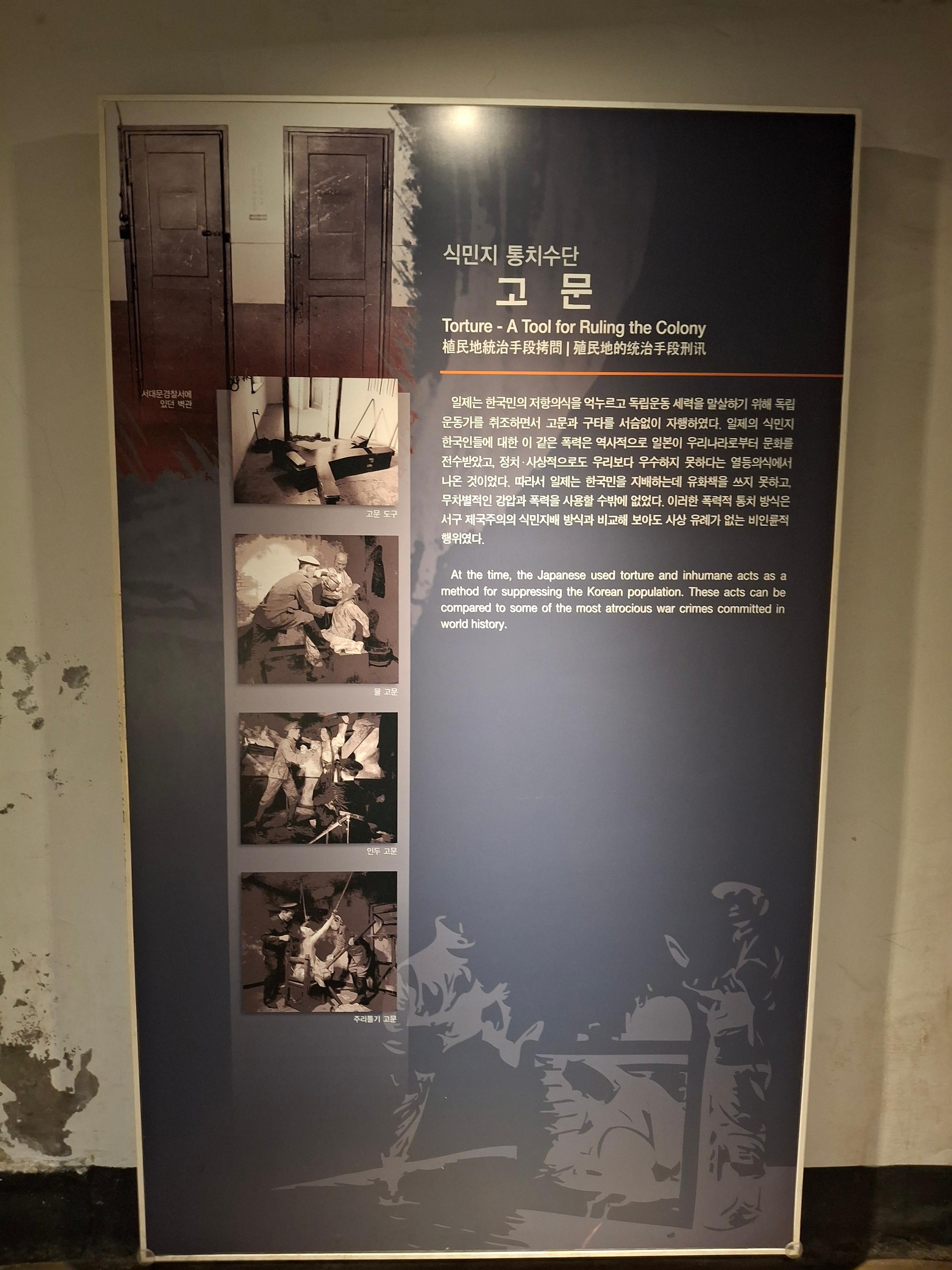
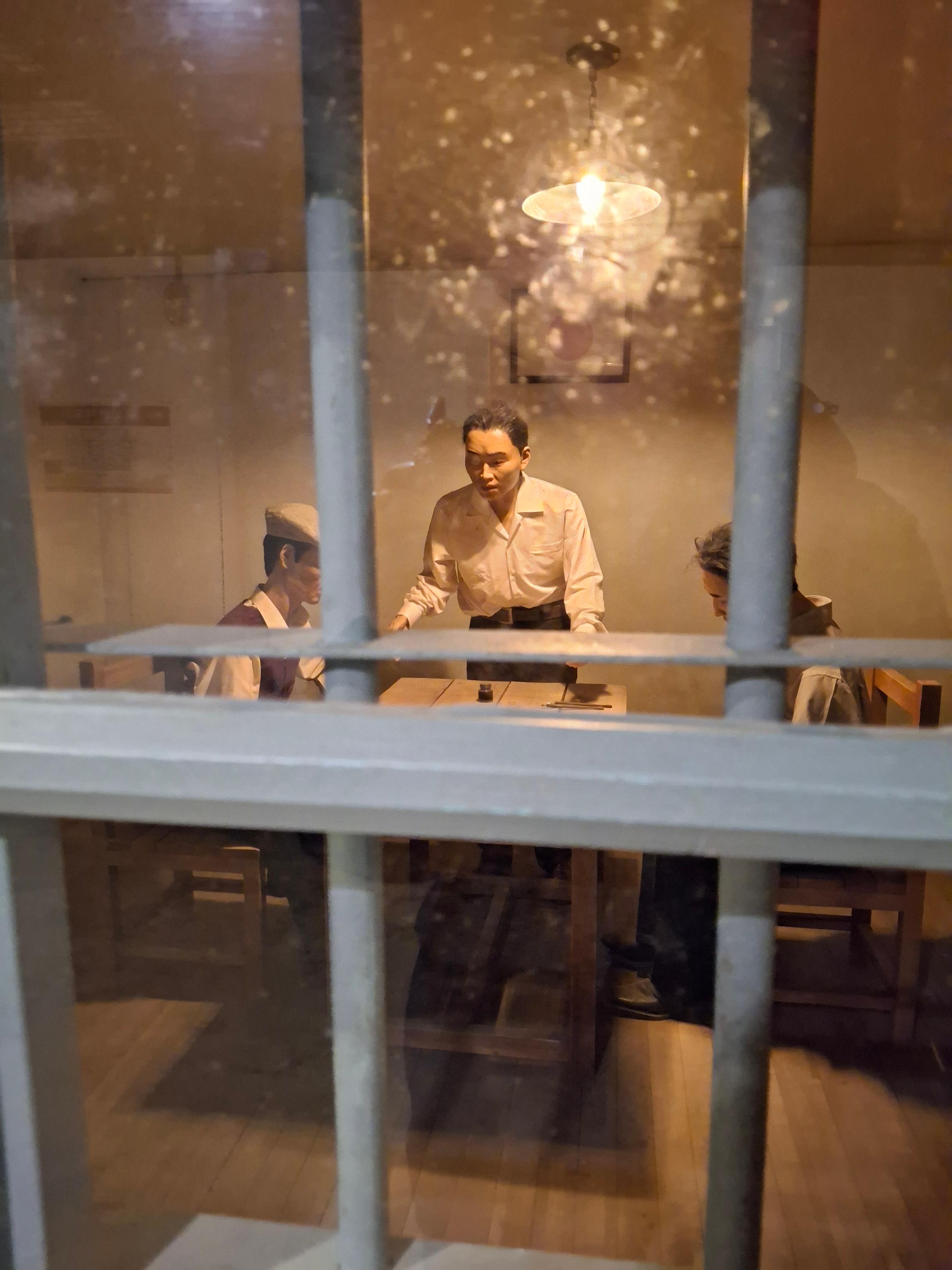
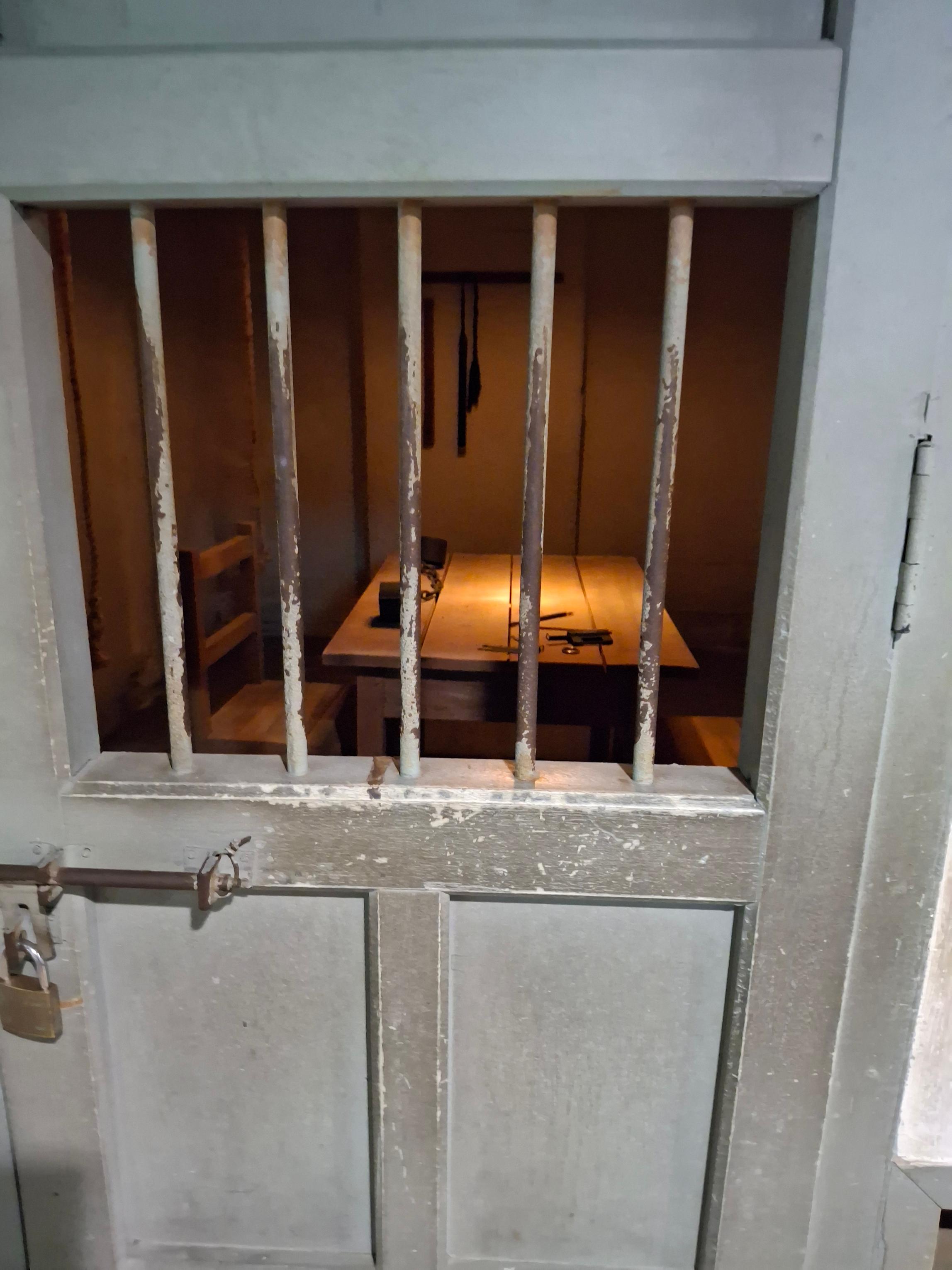
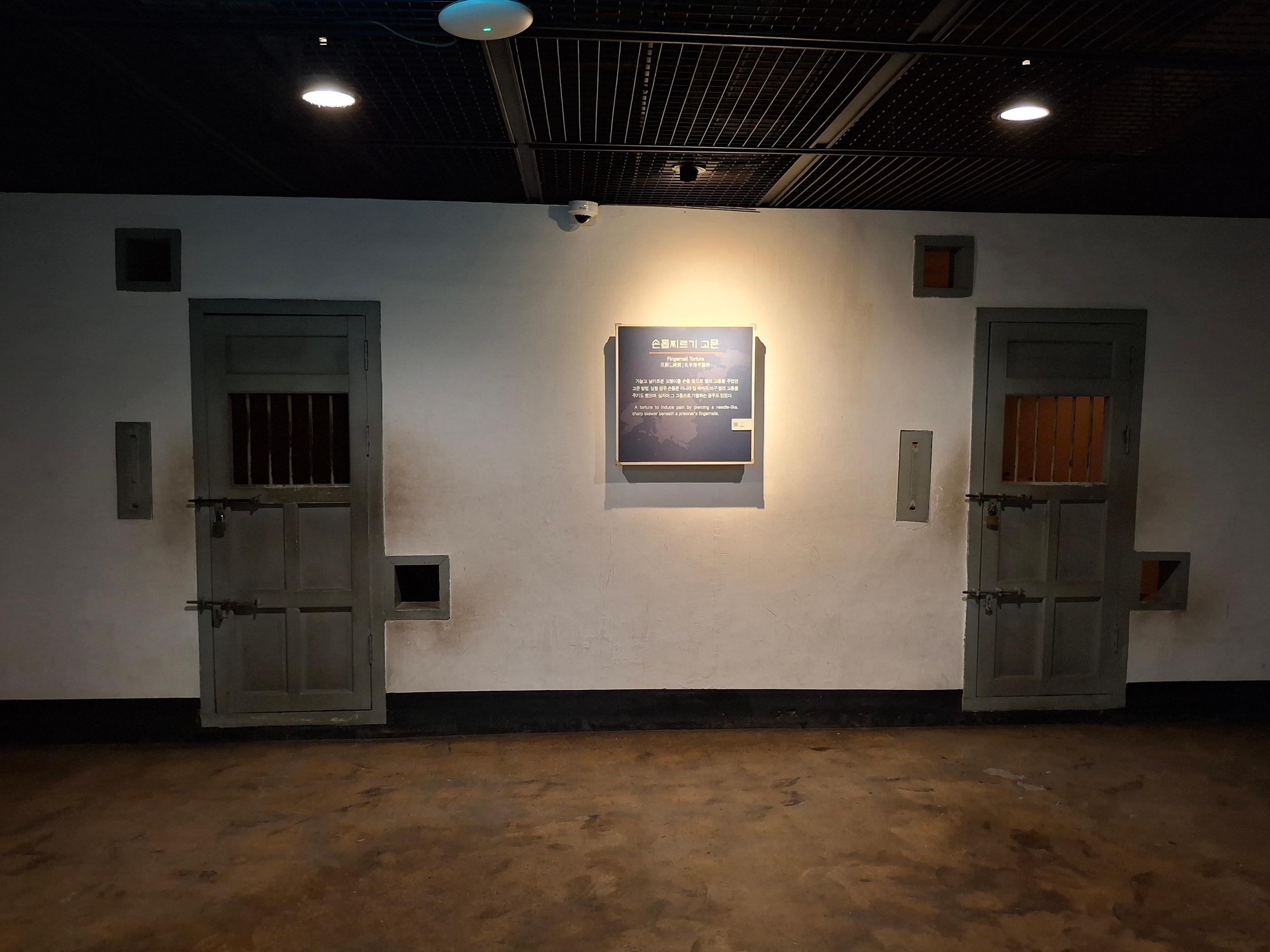
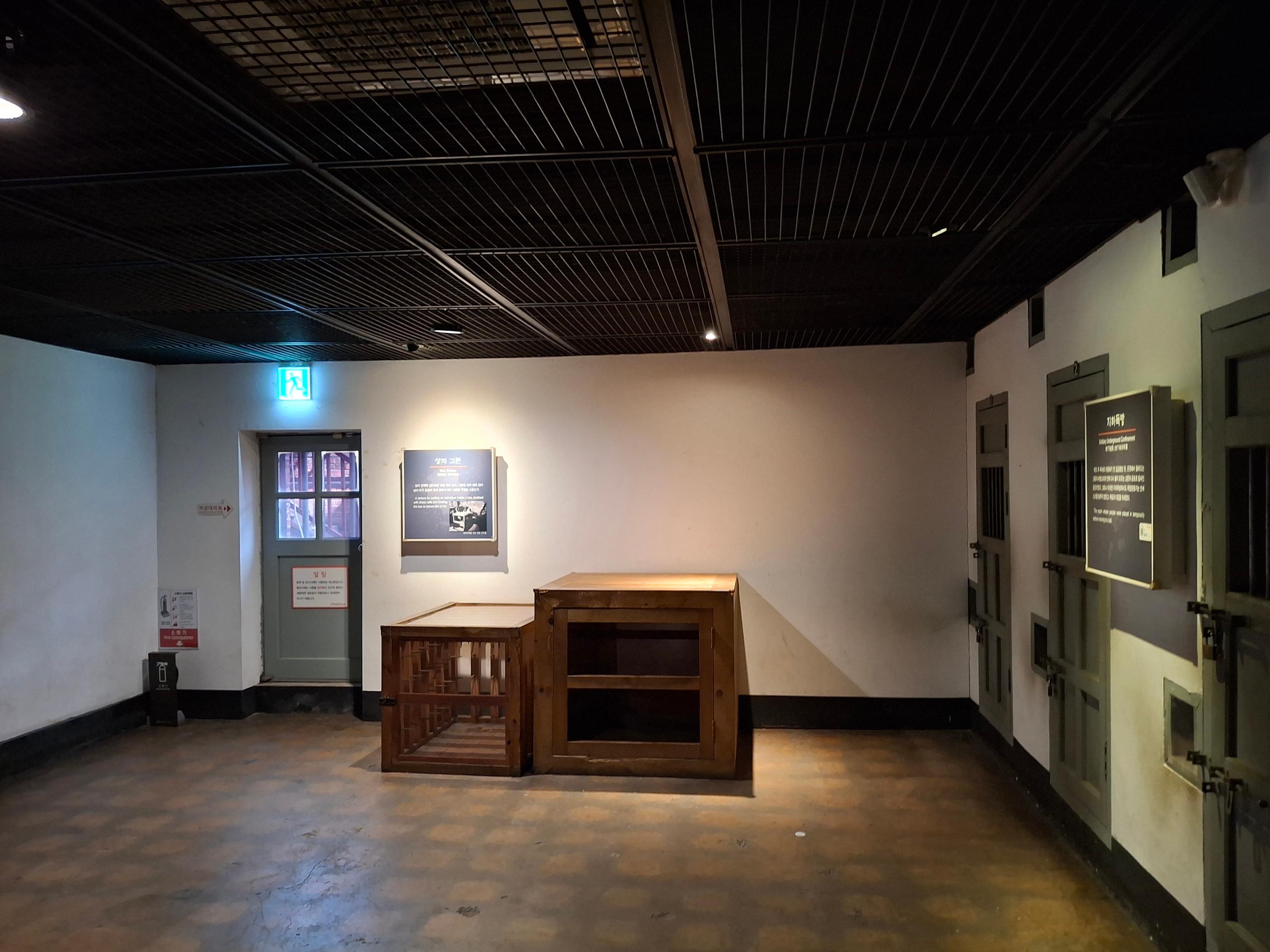
展示ホールの隣にあるのは、監房棟とつながった中央看守署の建物です。ここは独立運動家と民主化運動家が実際に収容されていた場所で、刑務所の構造や看守の仕事の様子が見られ、独房の内部に入って拘禁を体験できます。
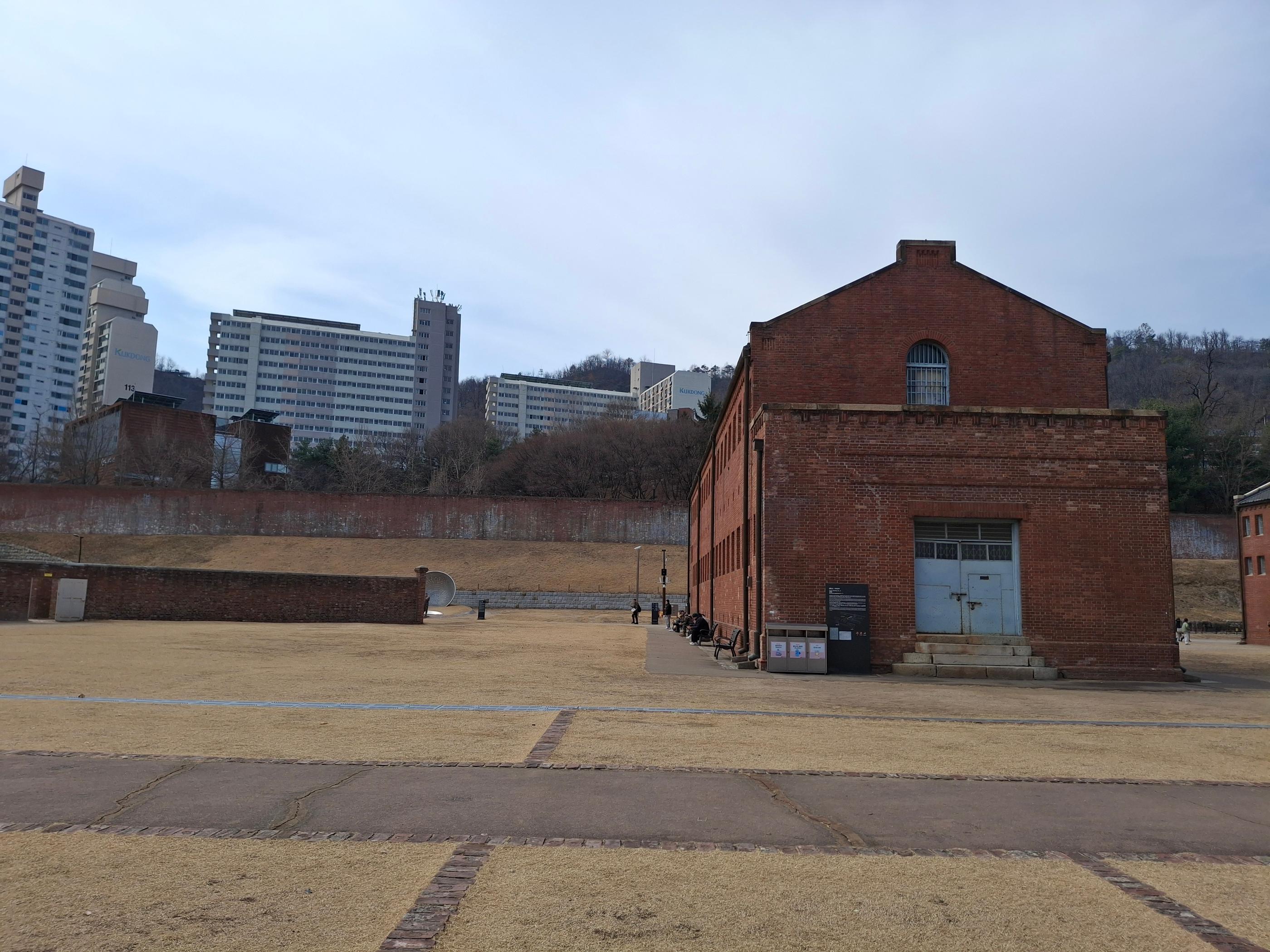
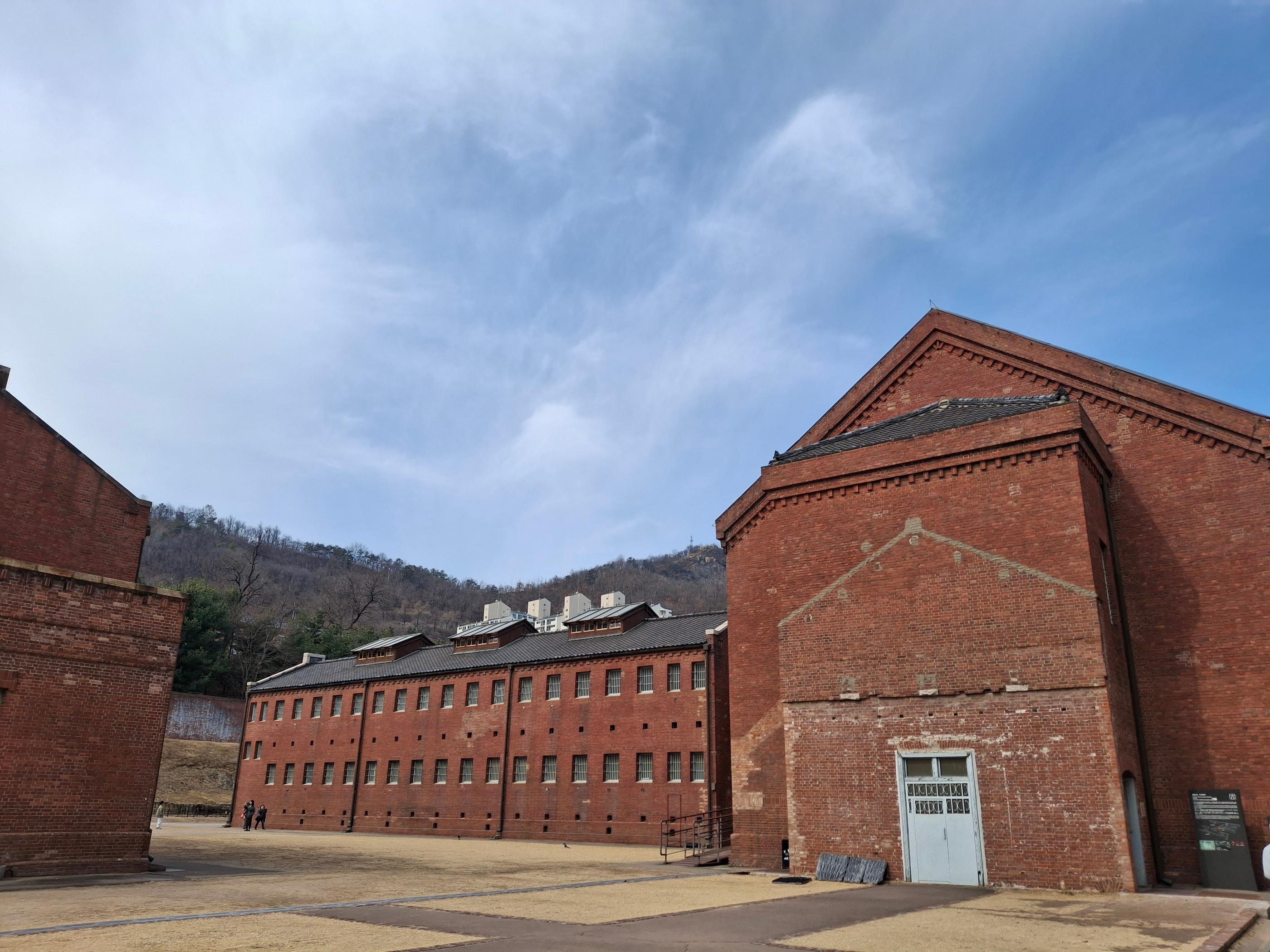
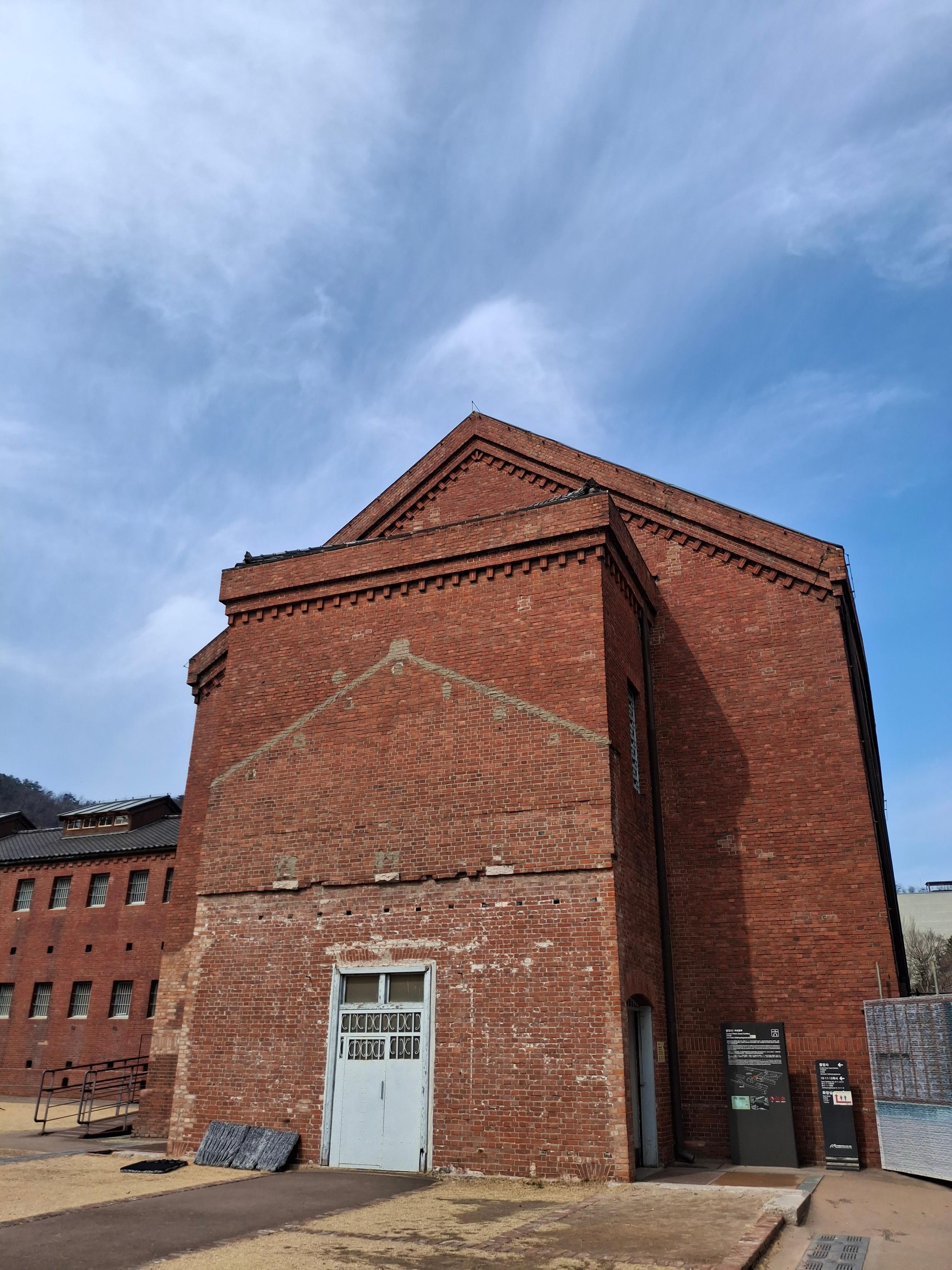
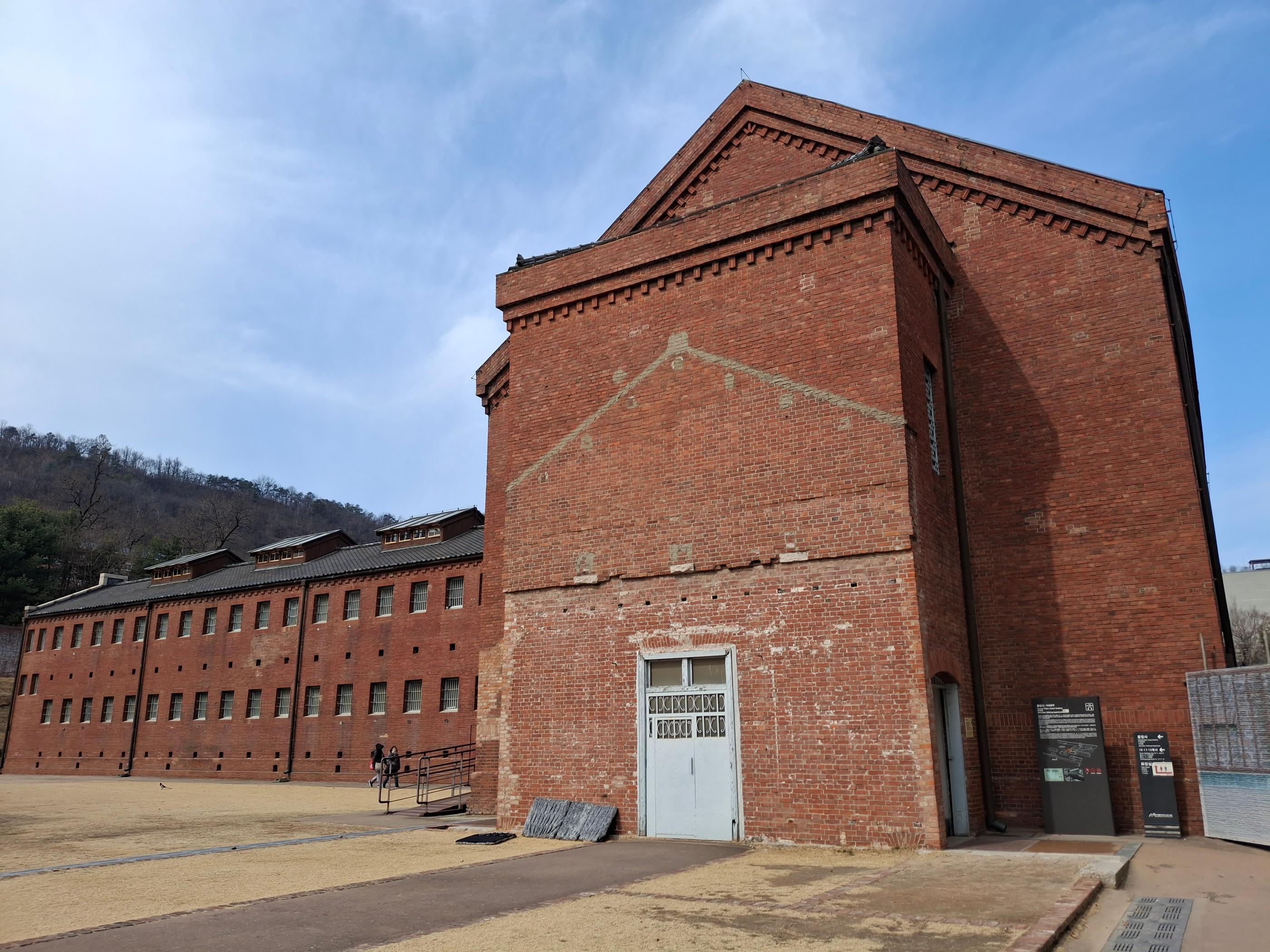
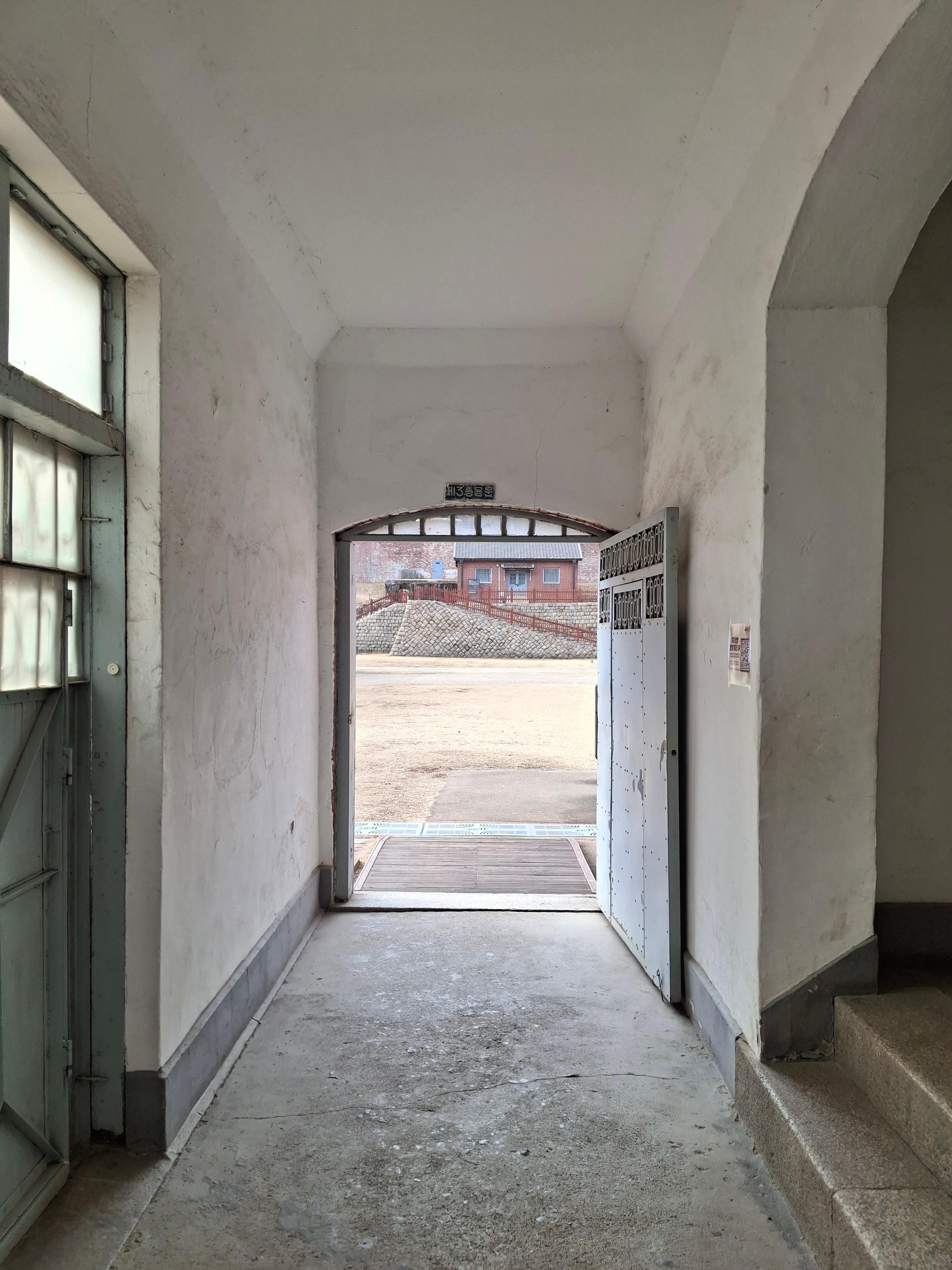
入口すぐに、中庭を監視し刑務所の建物を管理するために建てられた中央看守所の建物があります。1階は看守の事務室や、房へ出入りするための玄関として使われていました。
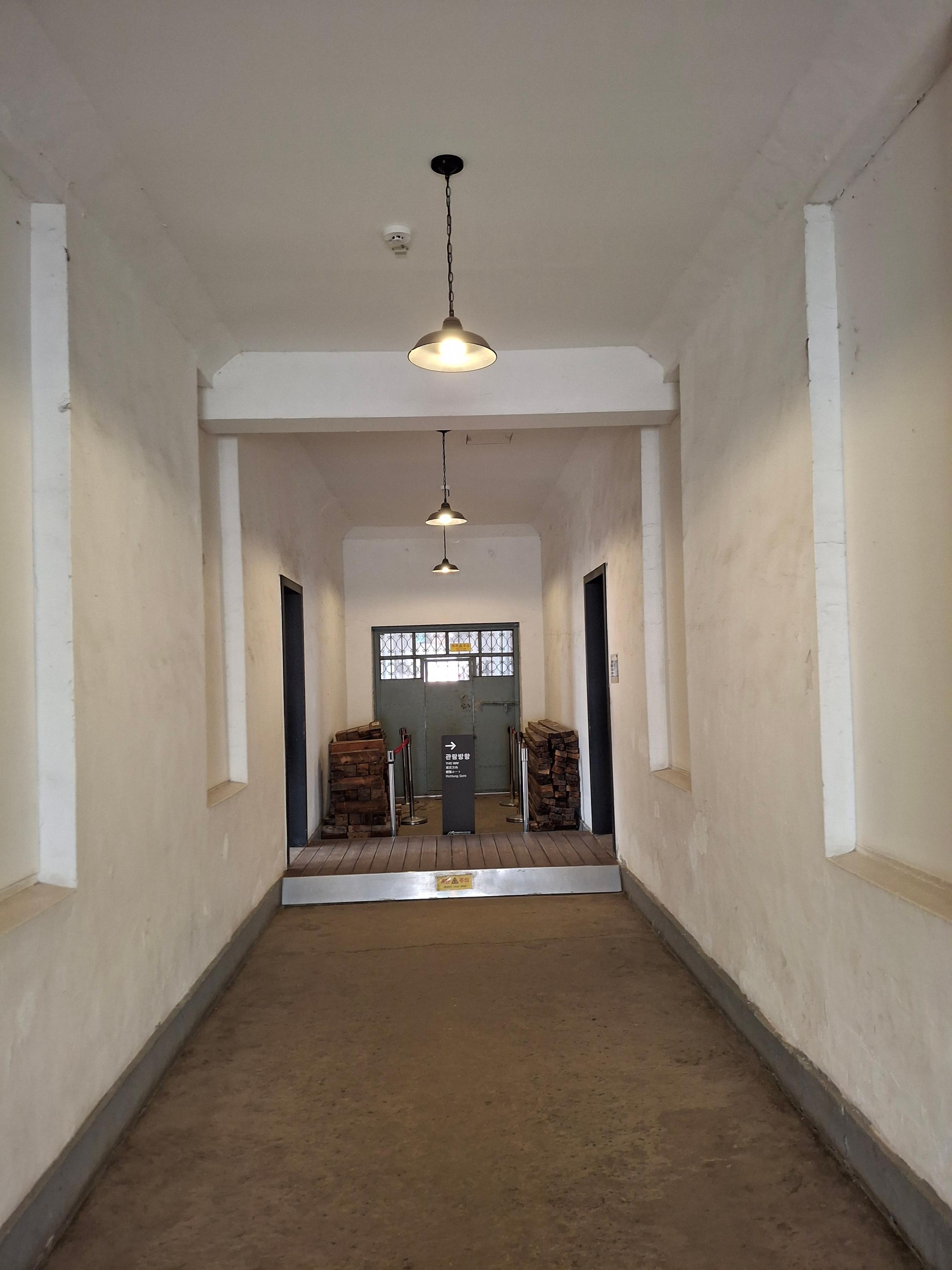
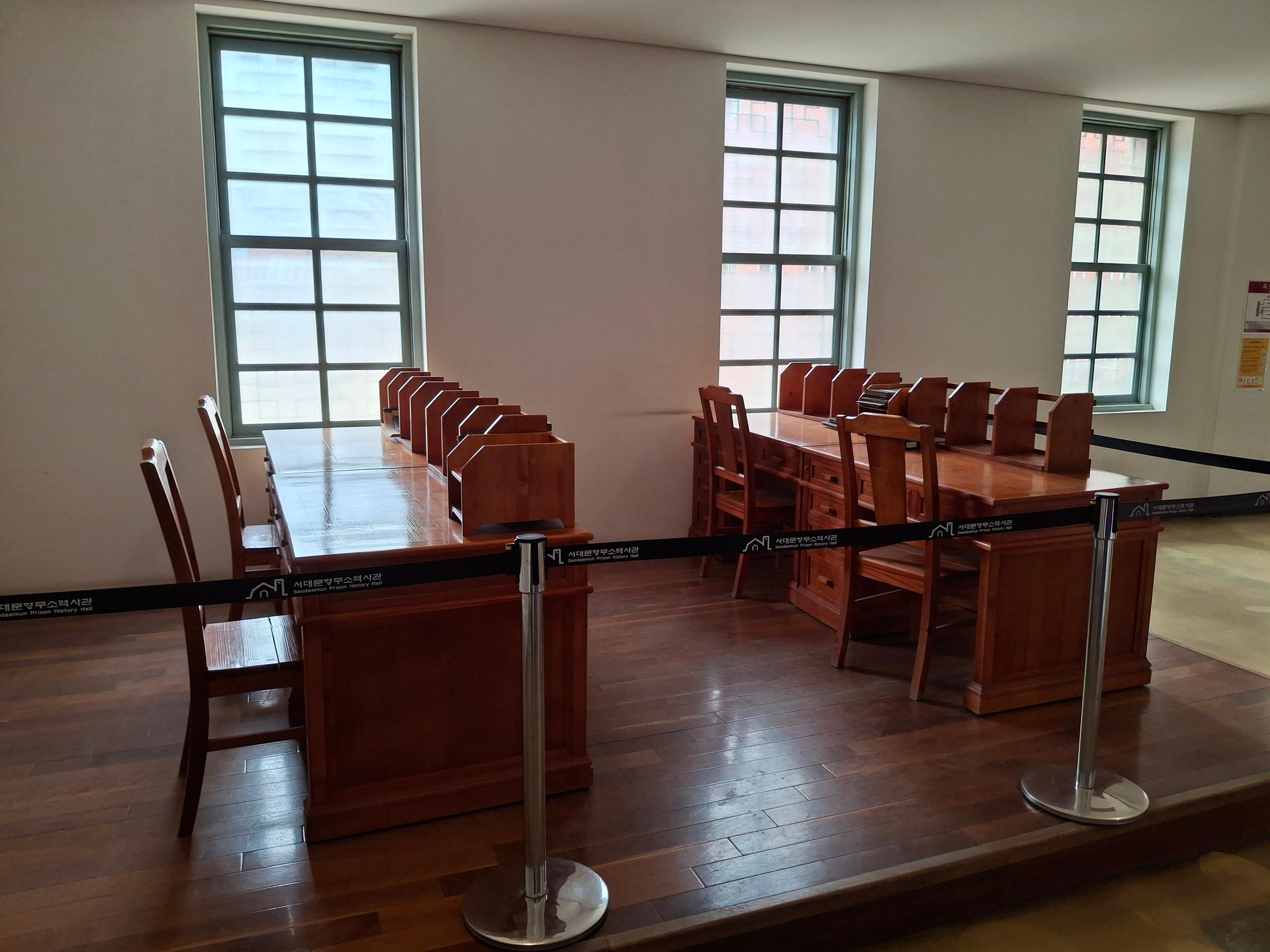
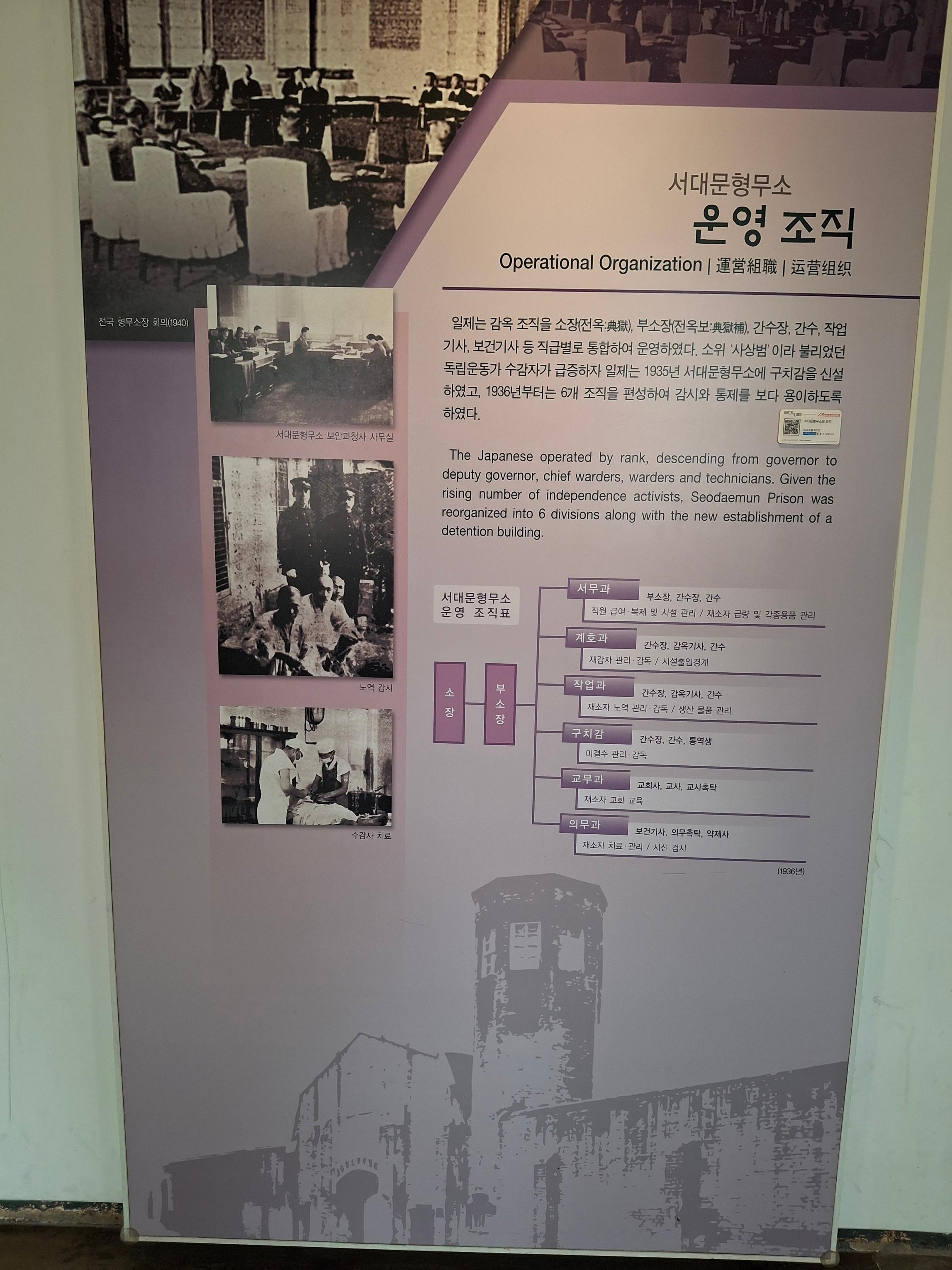
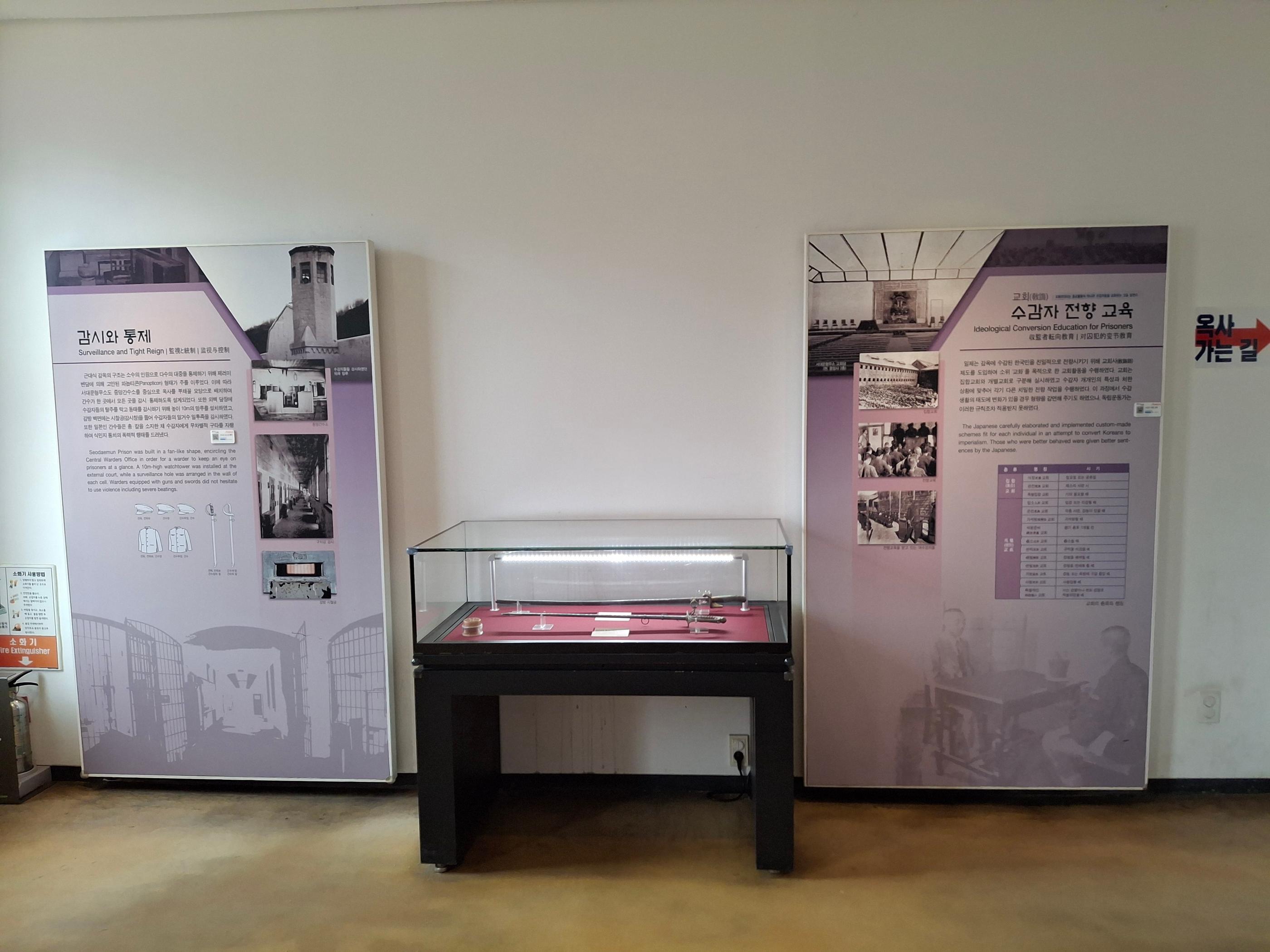
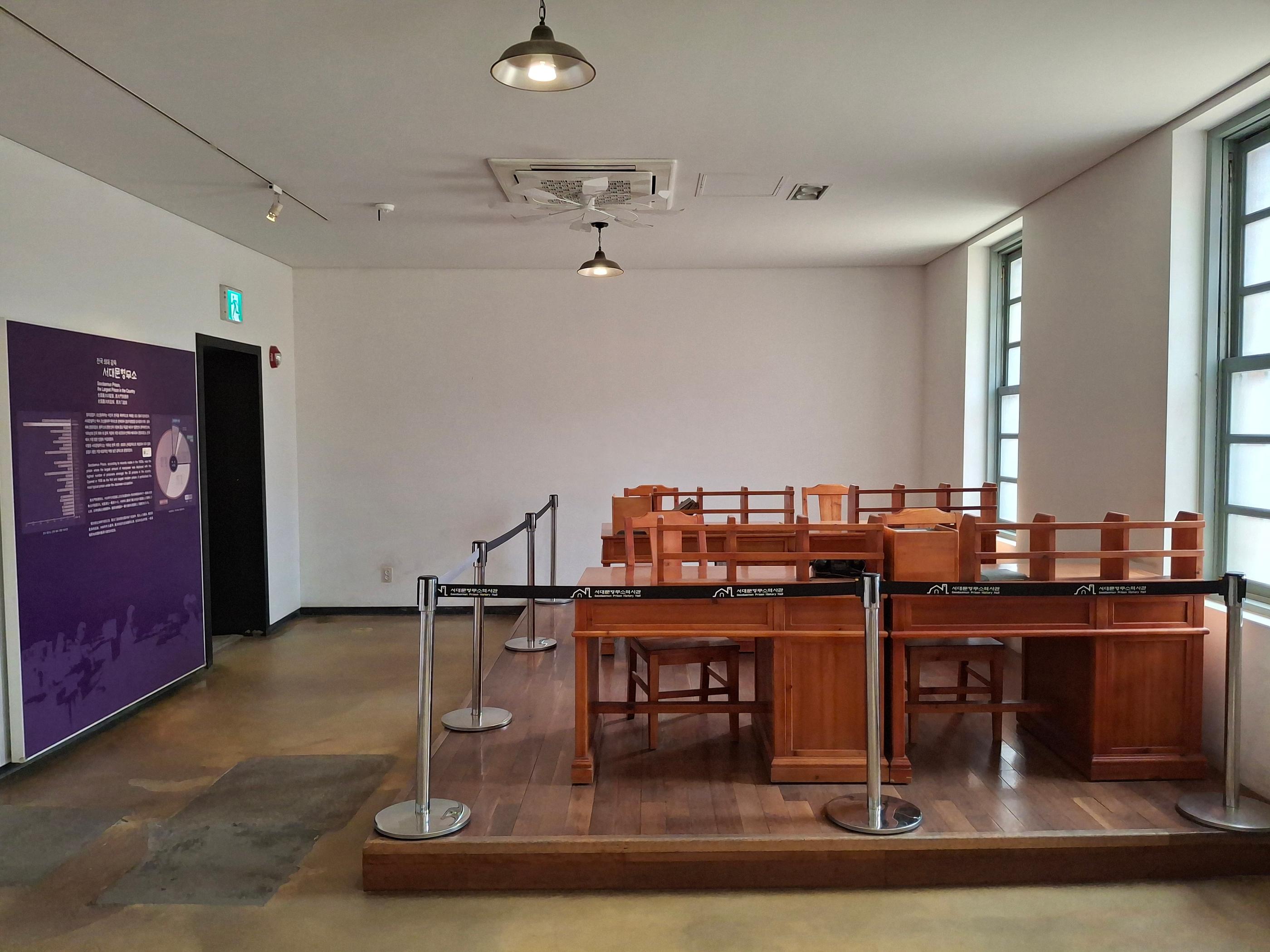
近くには、受刑者の日常生活を詳述した展示を行っている部屋があります。
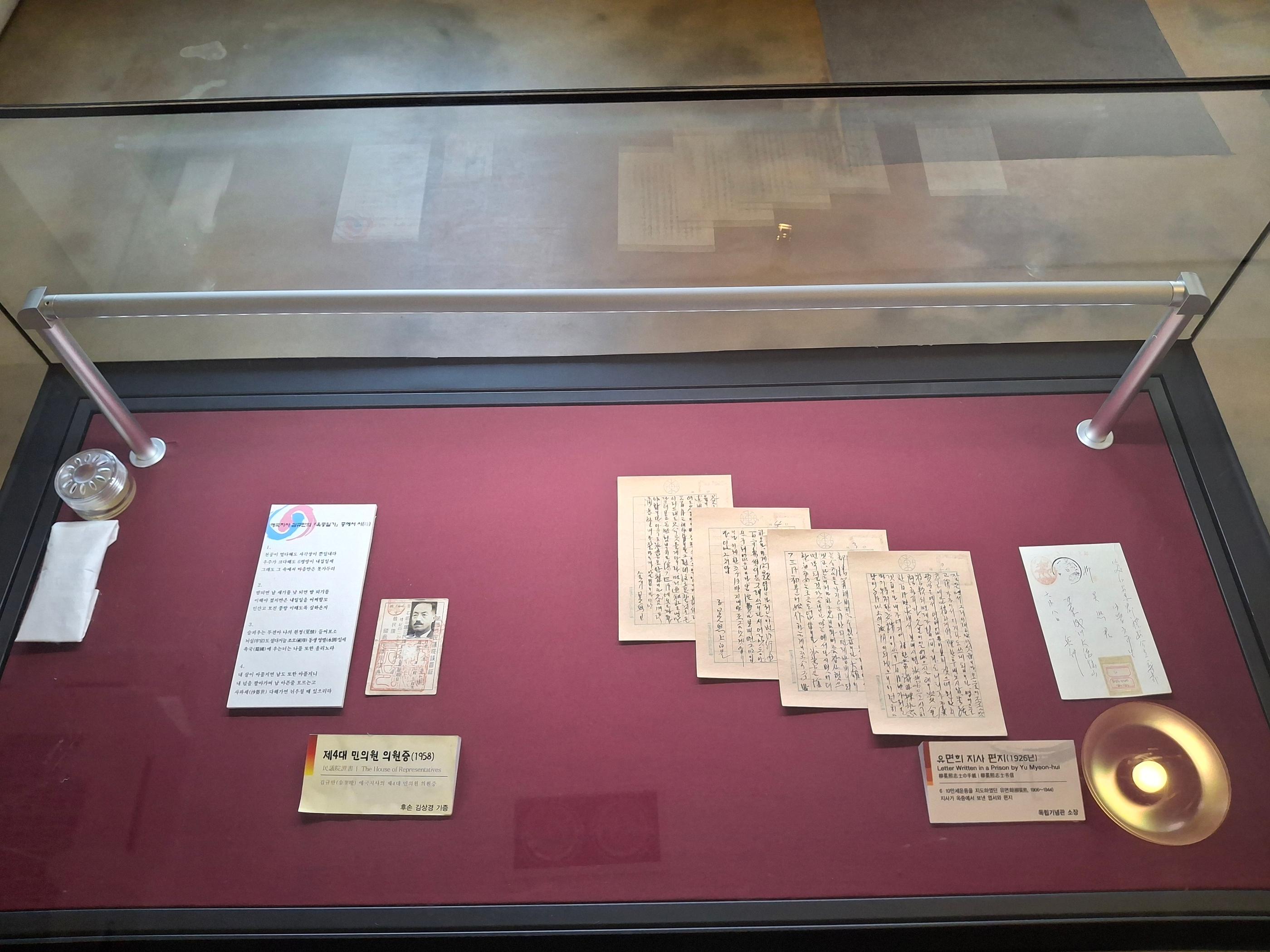
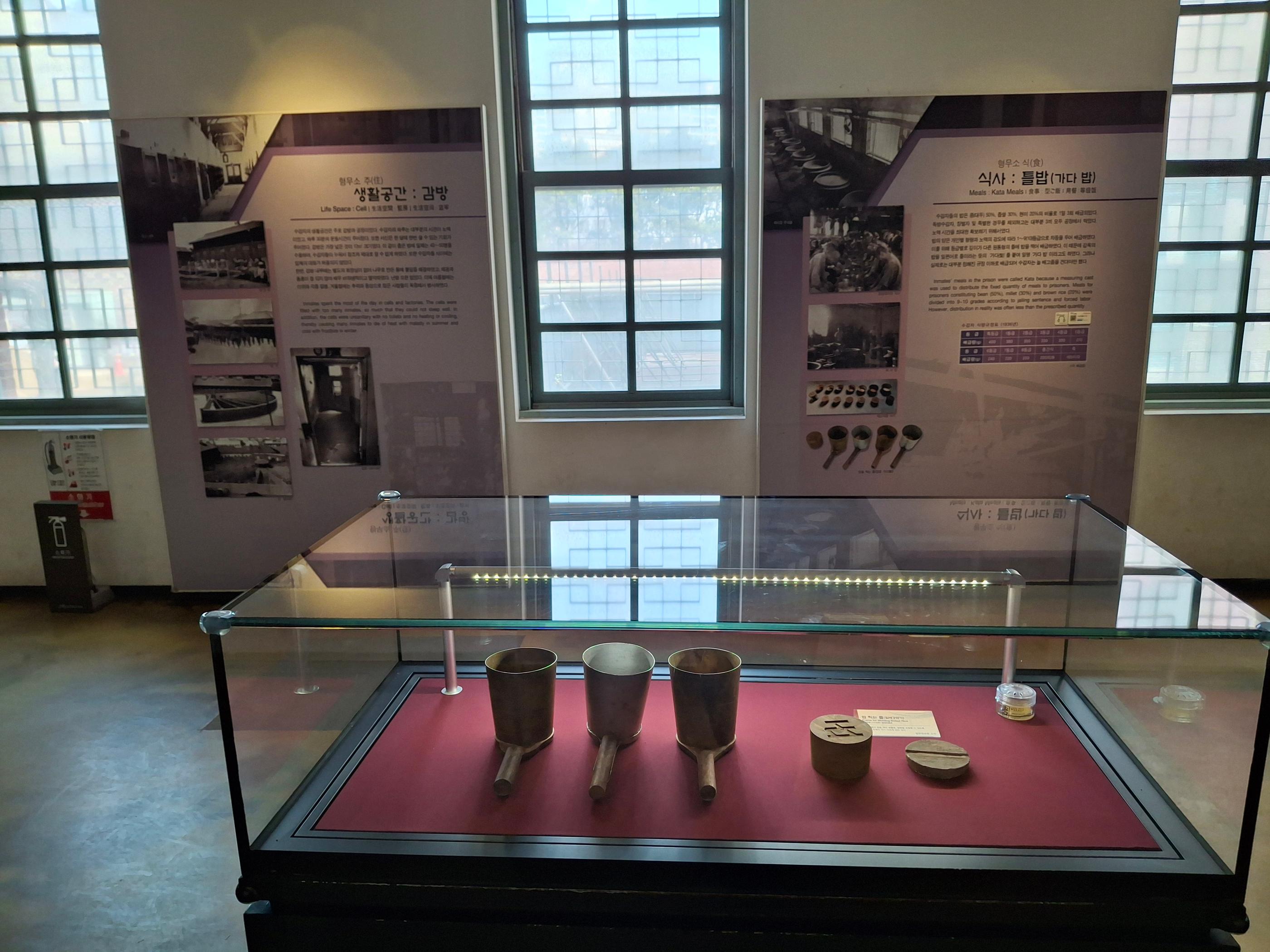
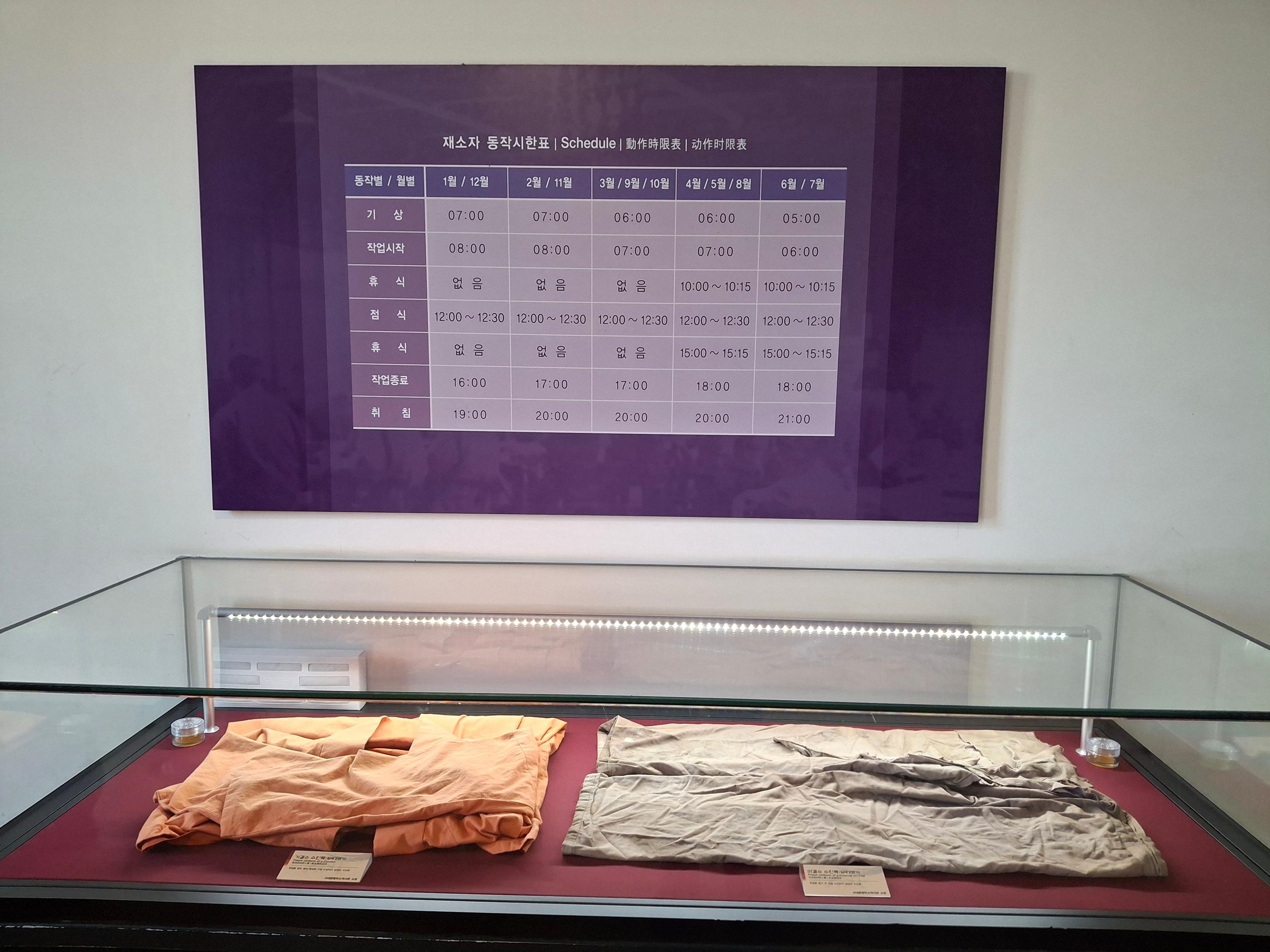
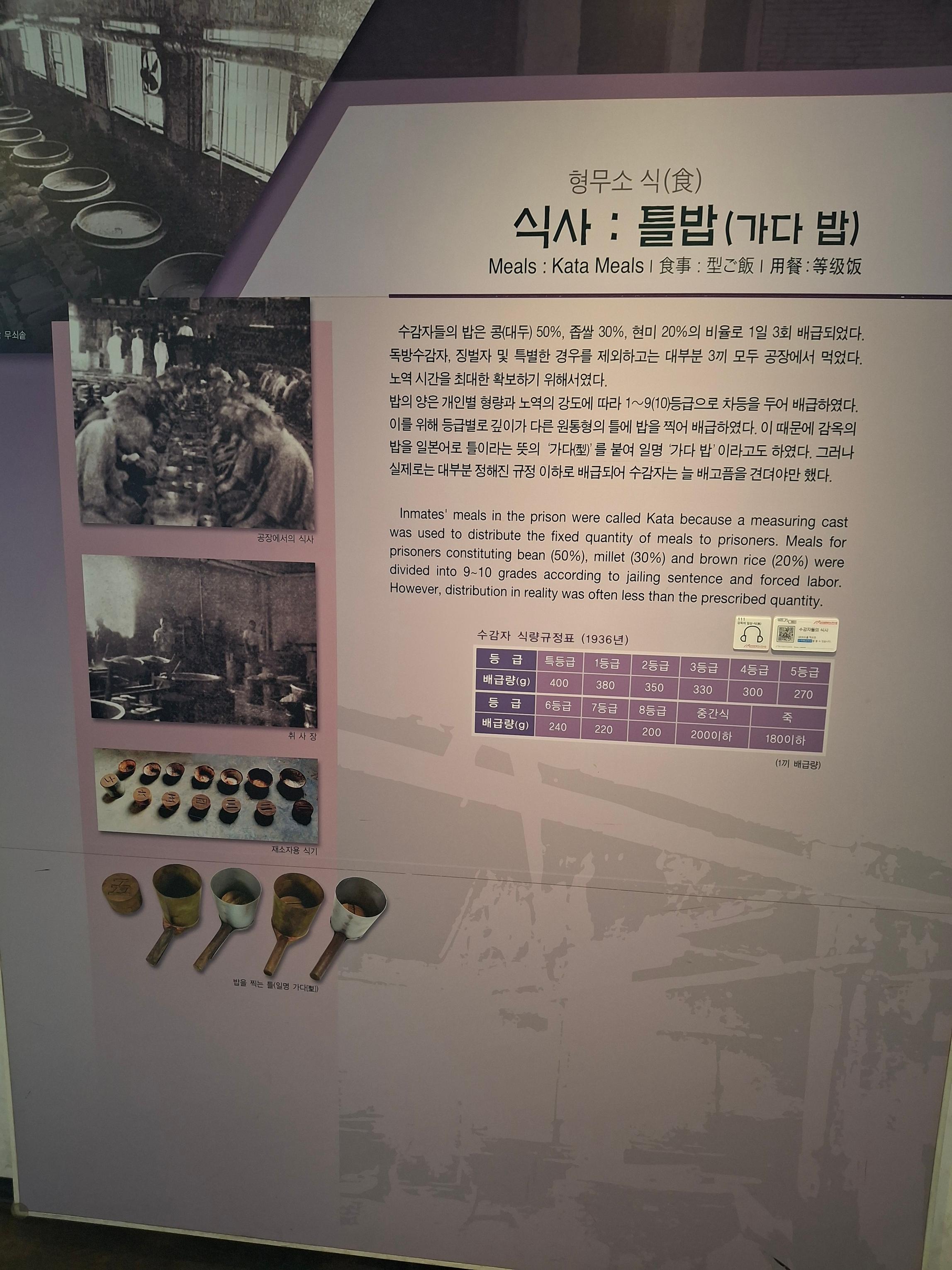
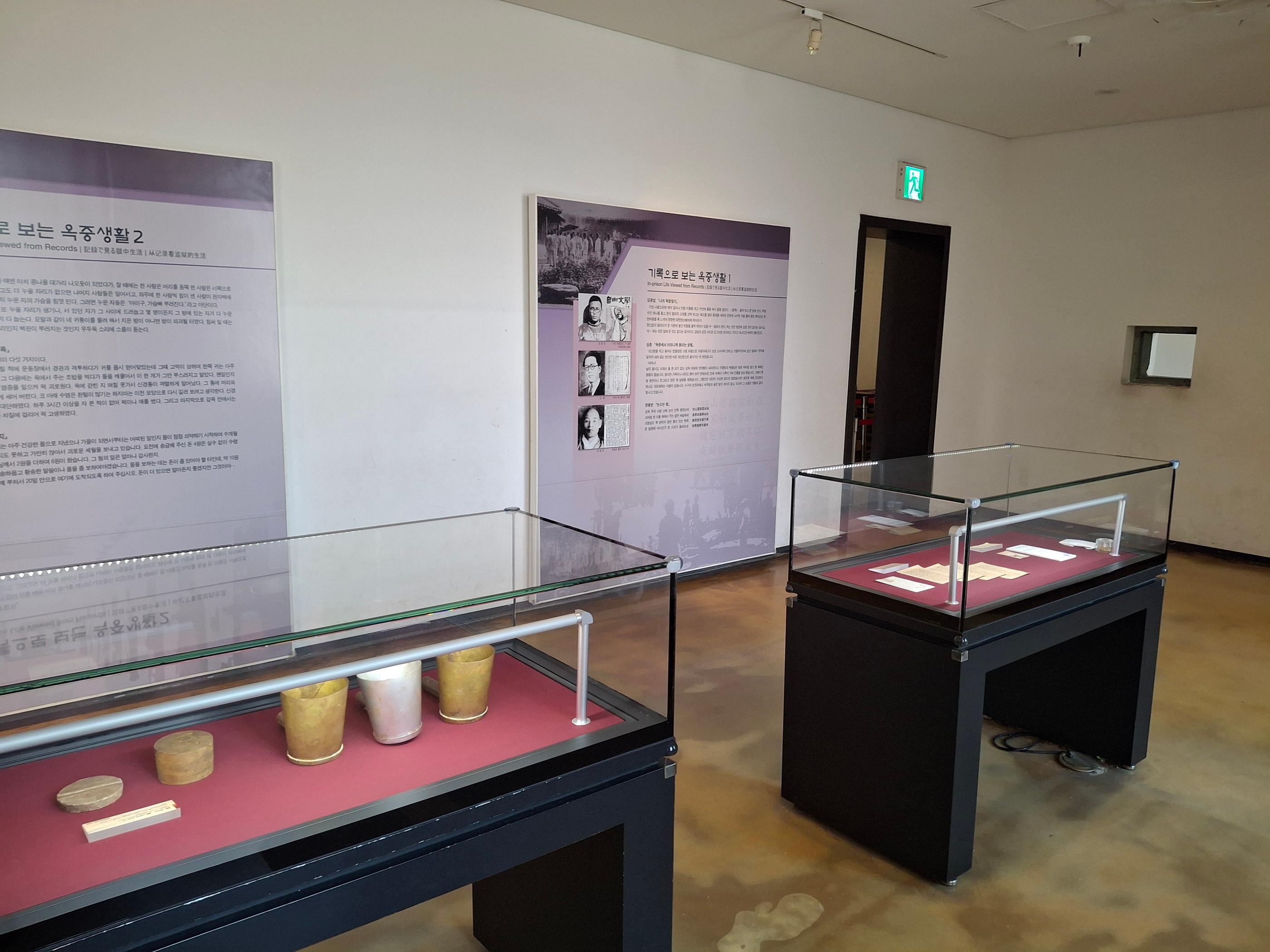
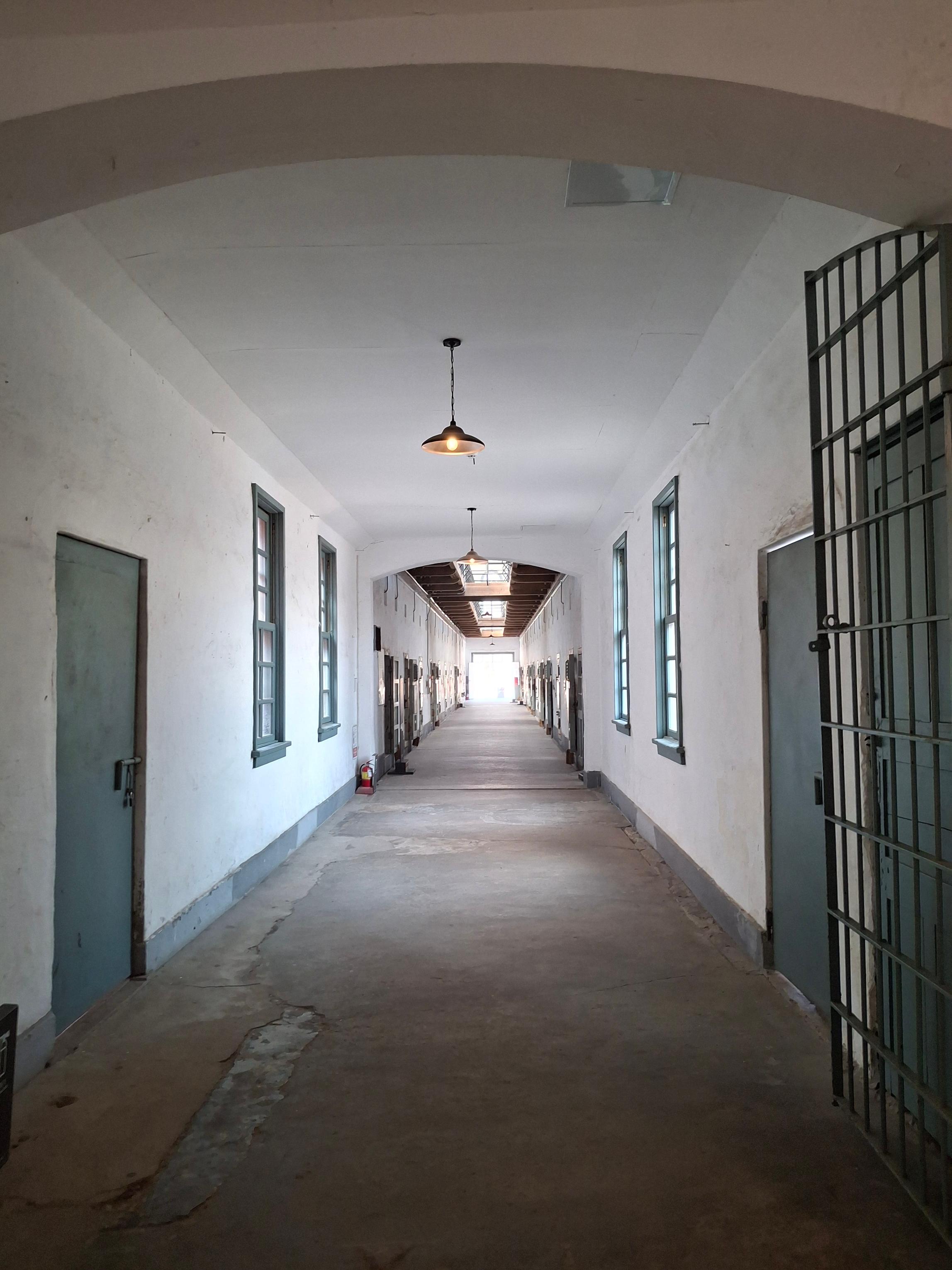
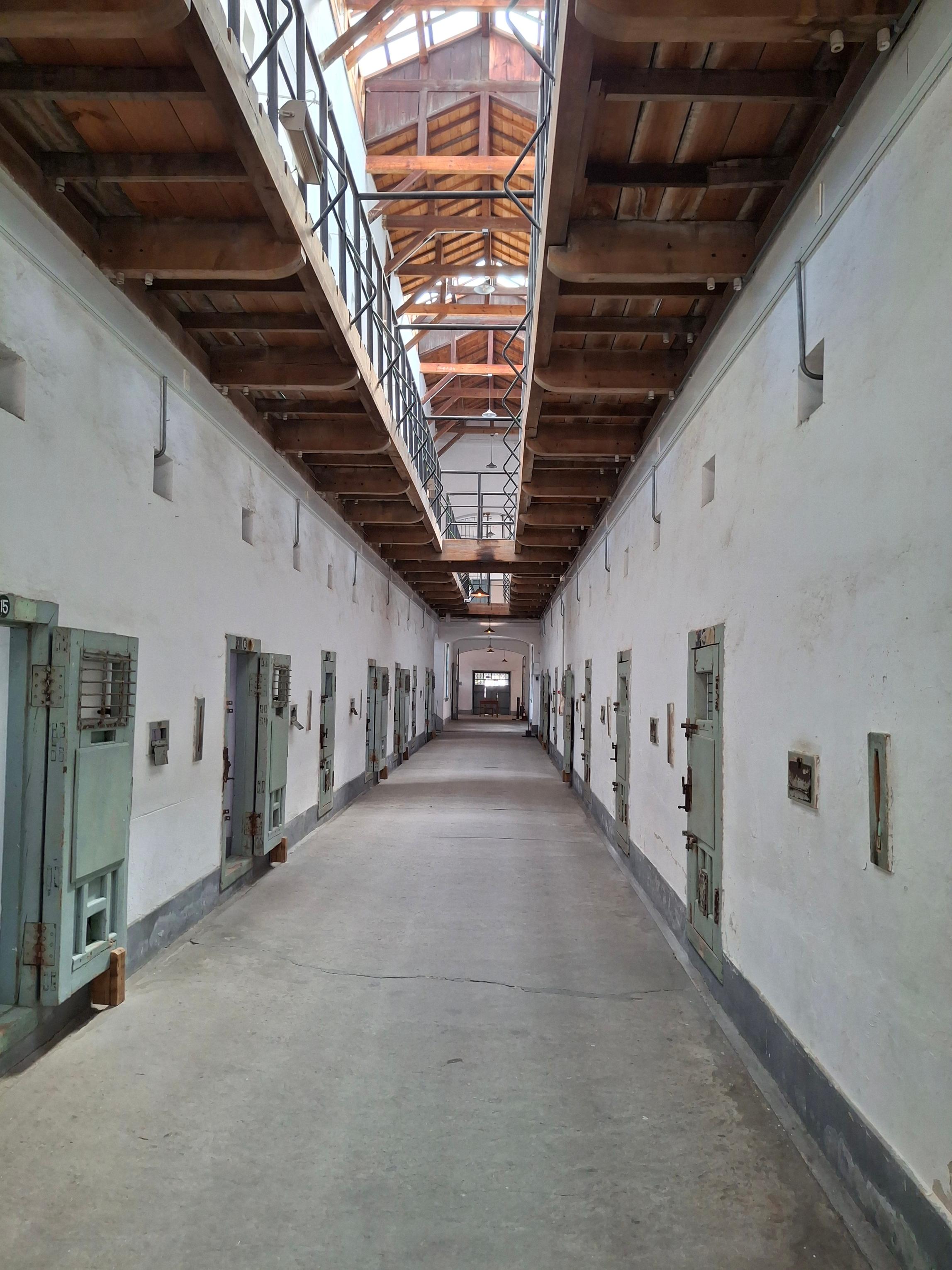
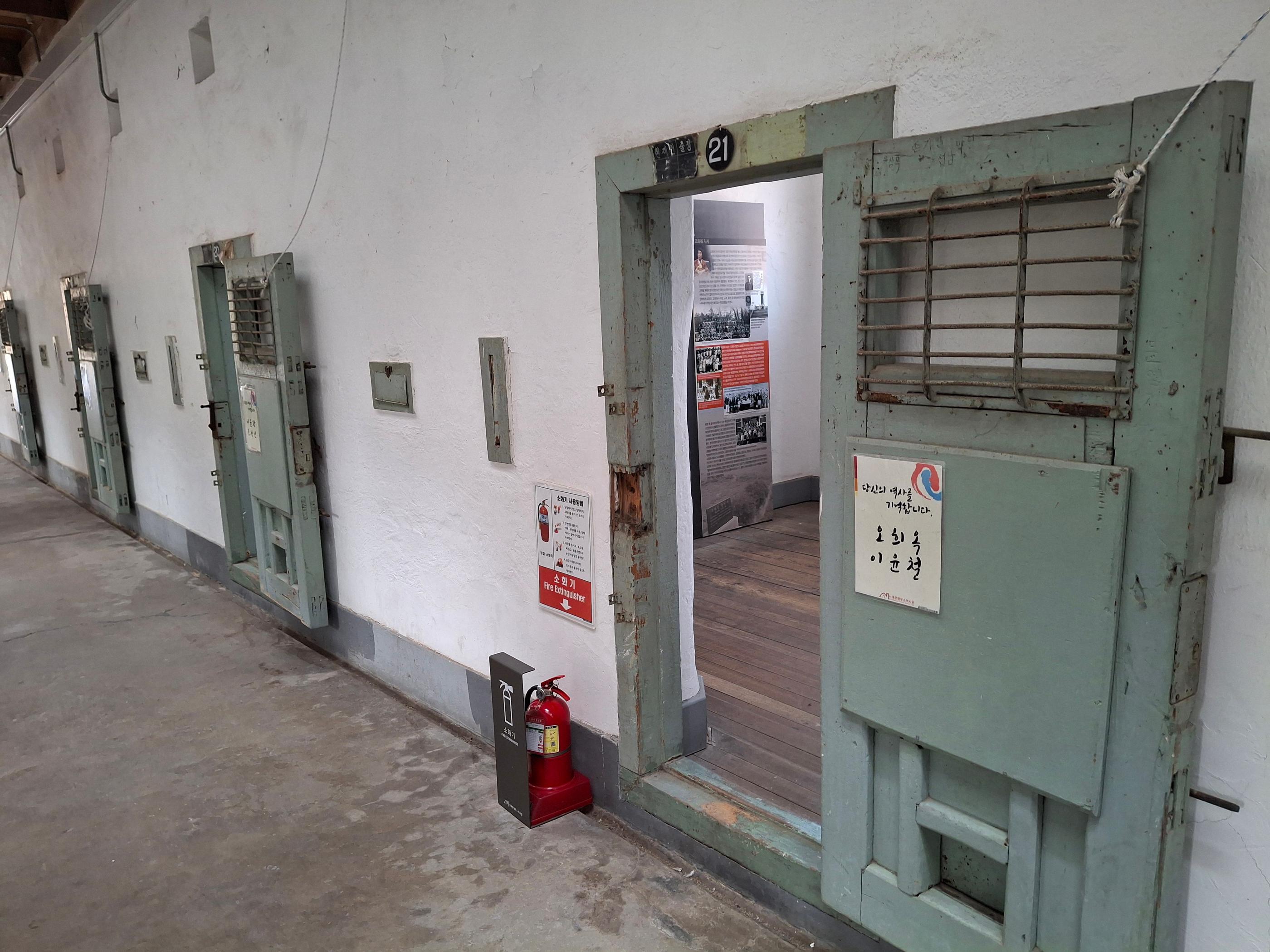
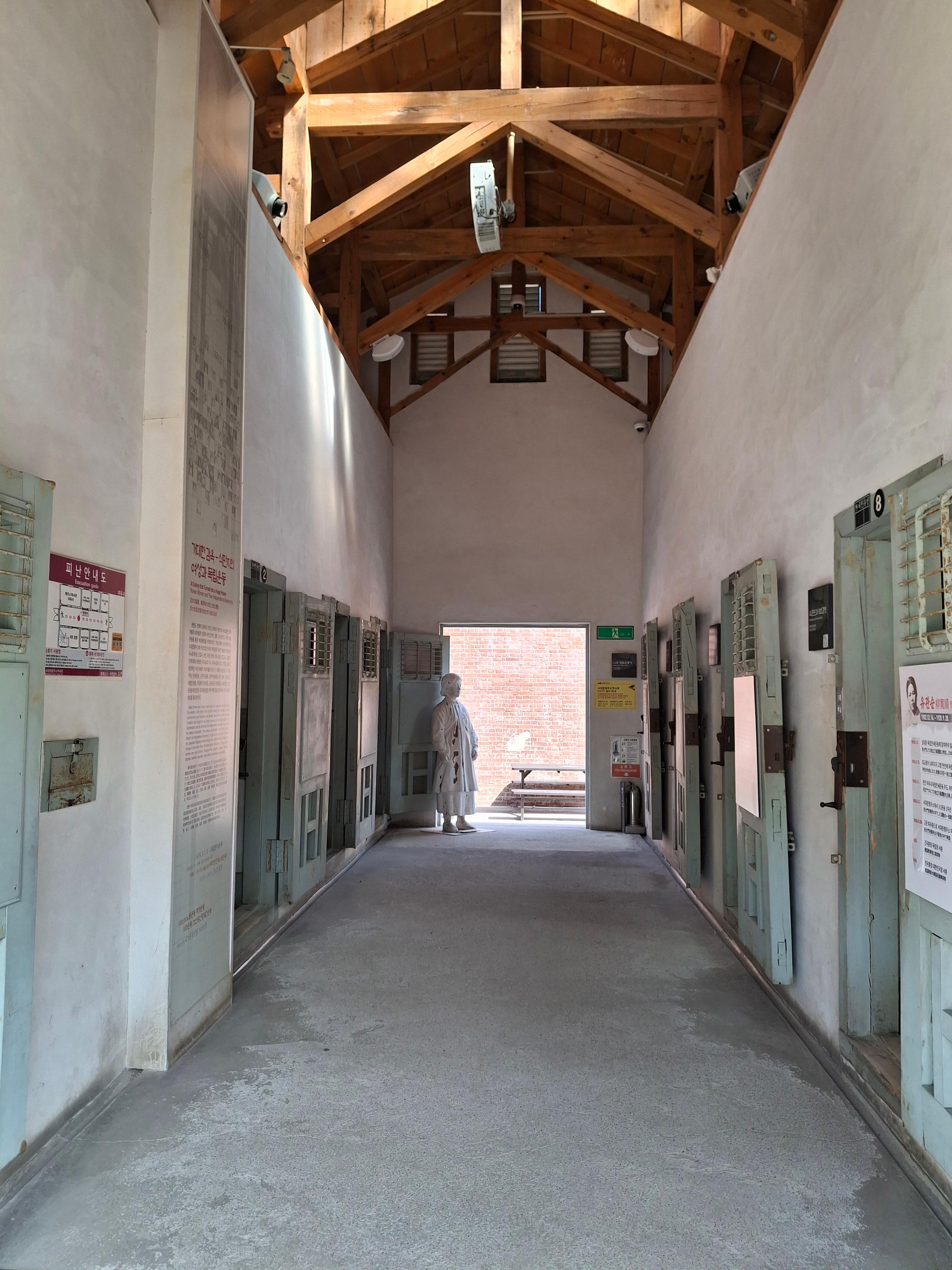
次は刑務所で最も悲しい場所、独房が並ぶ列です。ここは独立運動家と民主化運動家が実際に投獄された場所です。
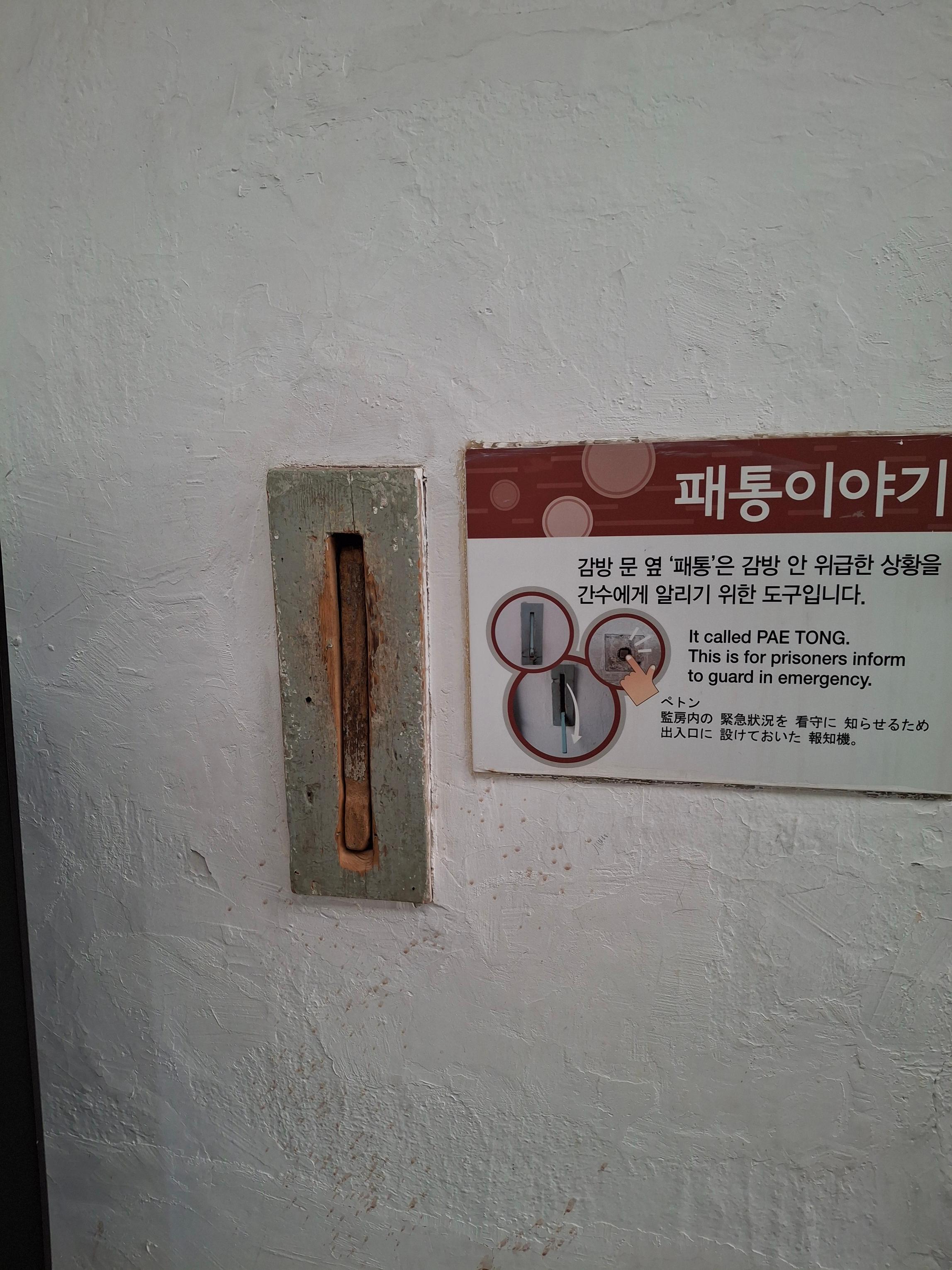
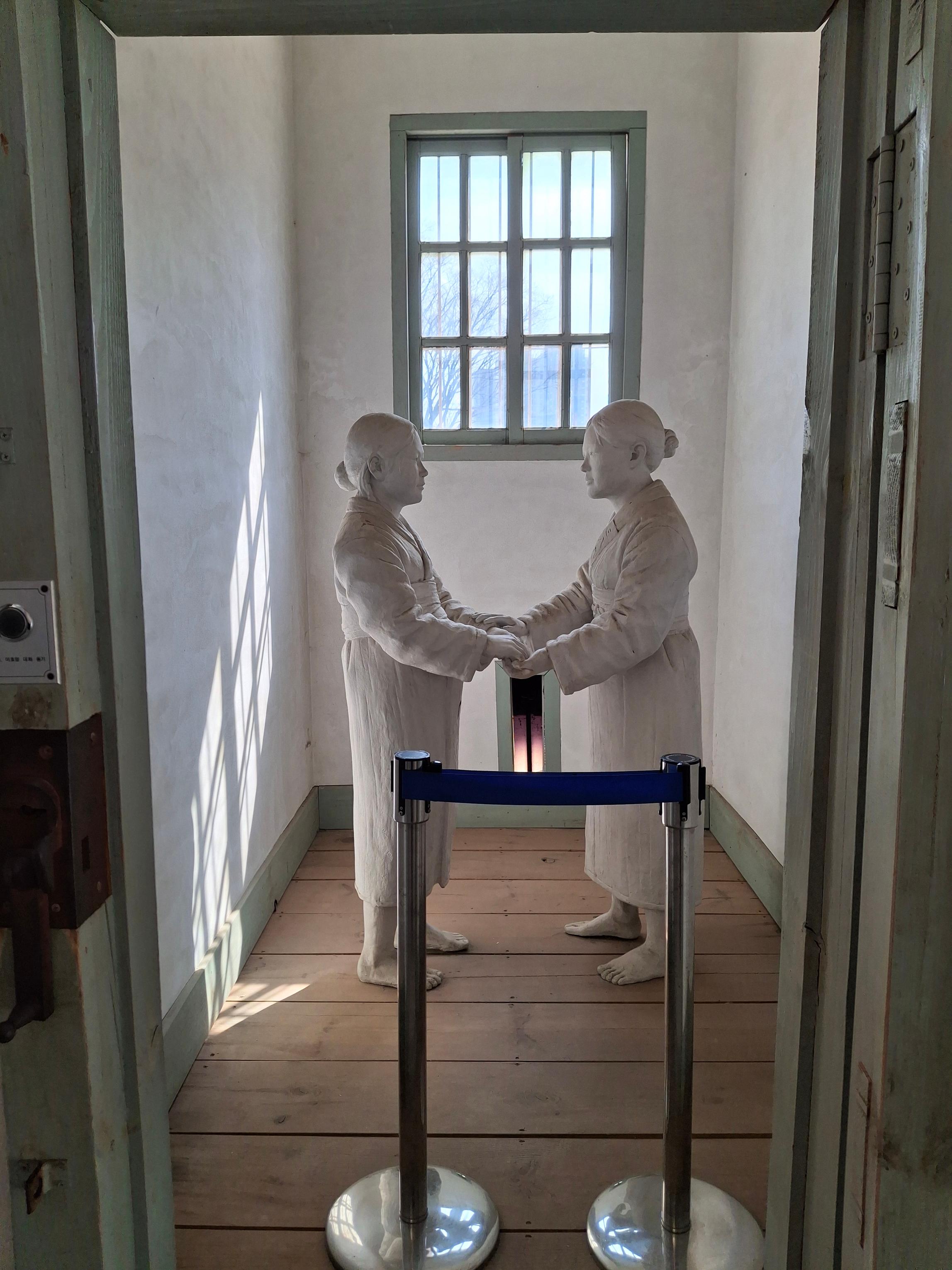
長く続く無機質な格子付きの独房は、重苦しい印象を与えます。一部の独房の中をのぞくと、その狭さに息をのむでしょう。囚人が看守とやり取りできた仕組みも見ることができます。
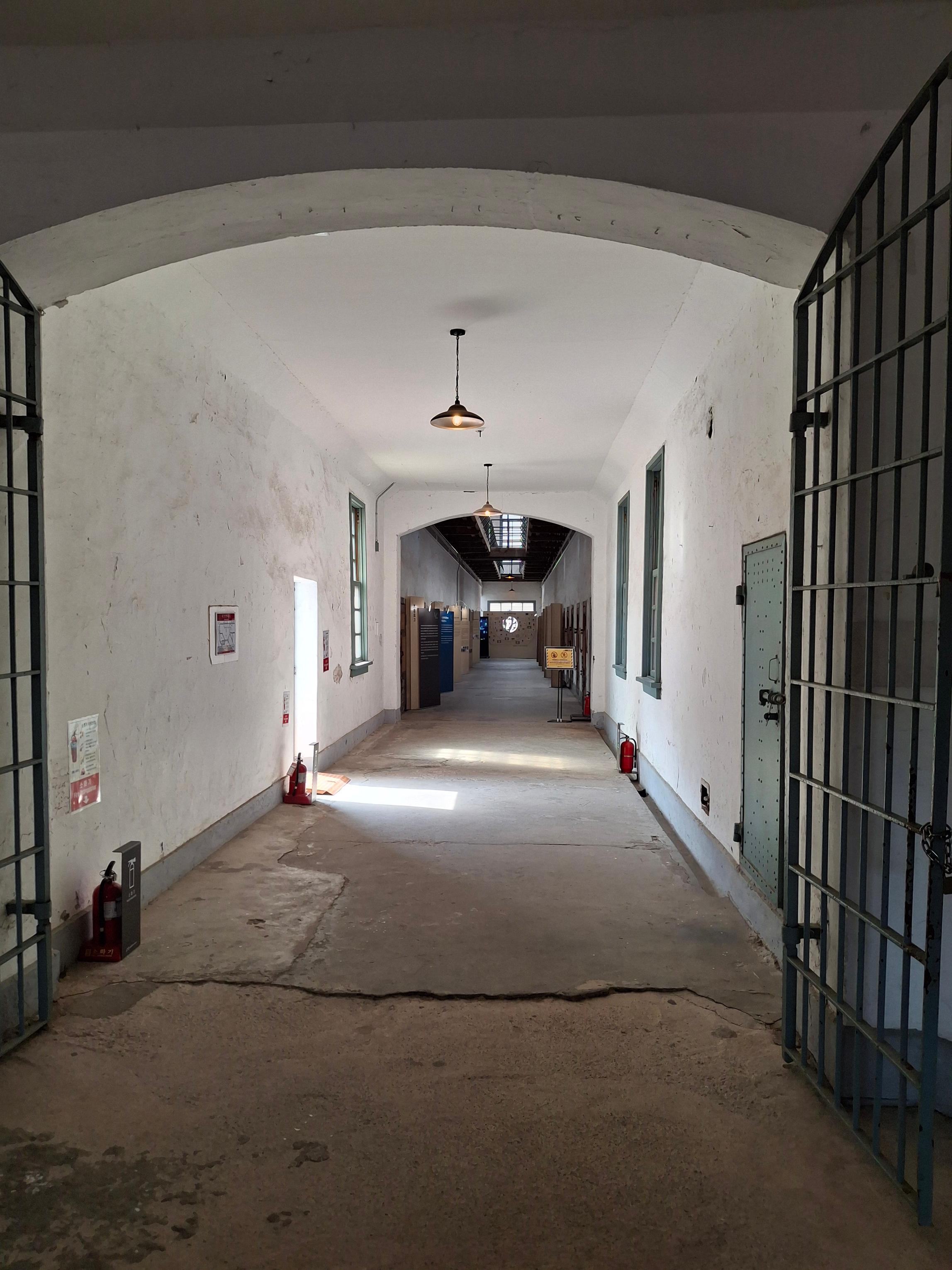
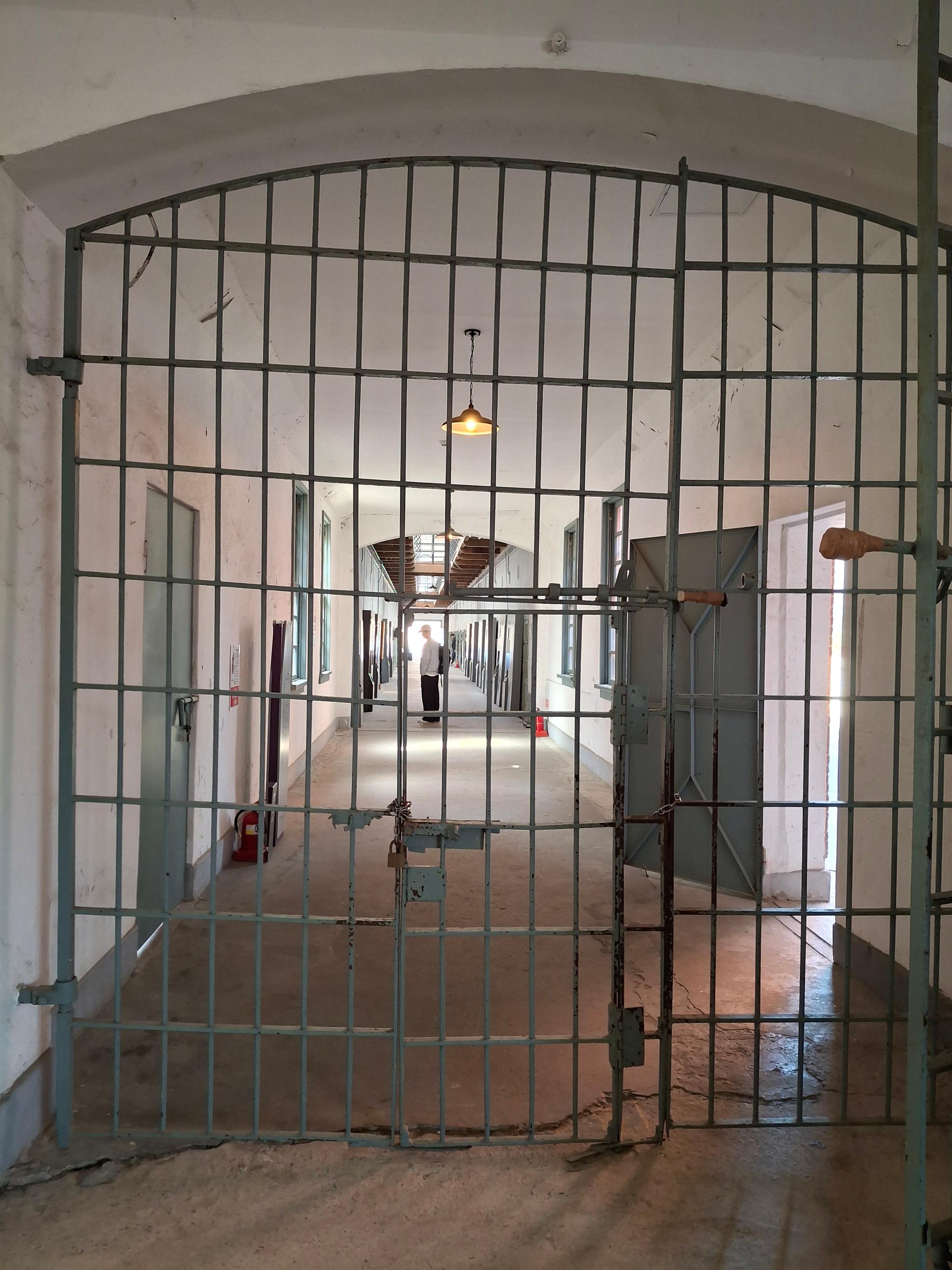
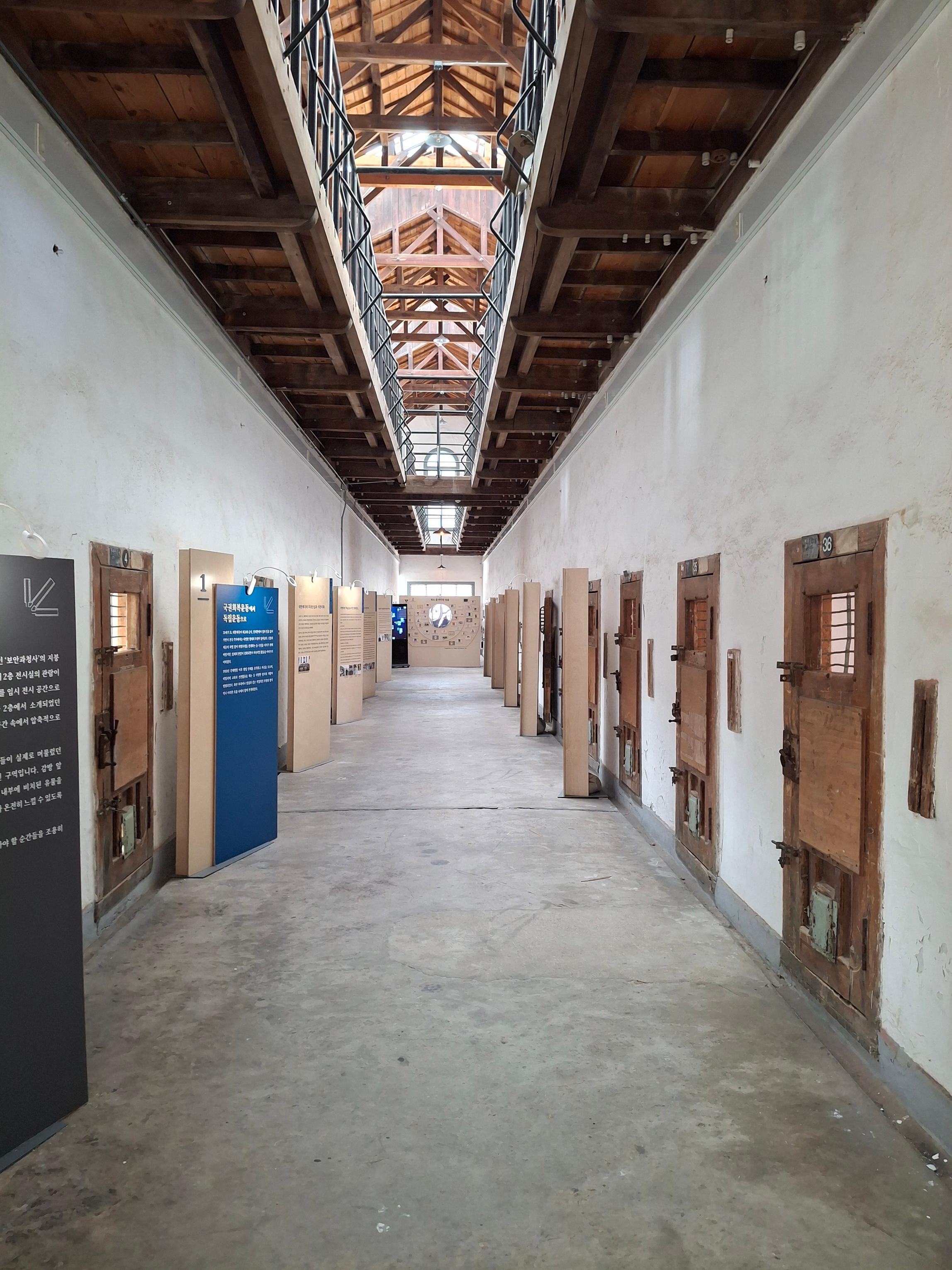
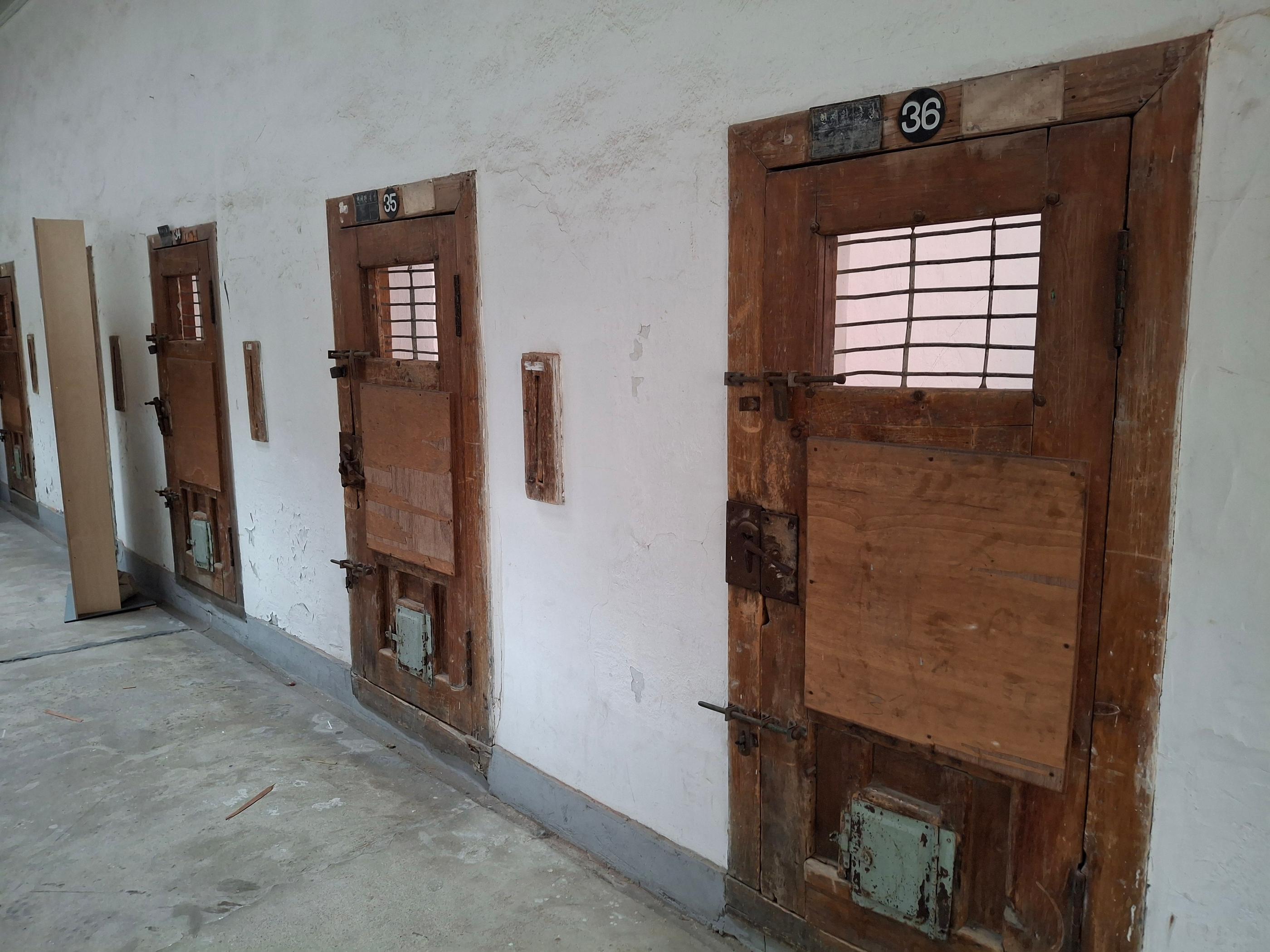
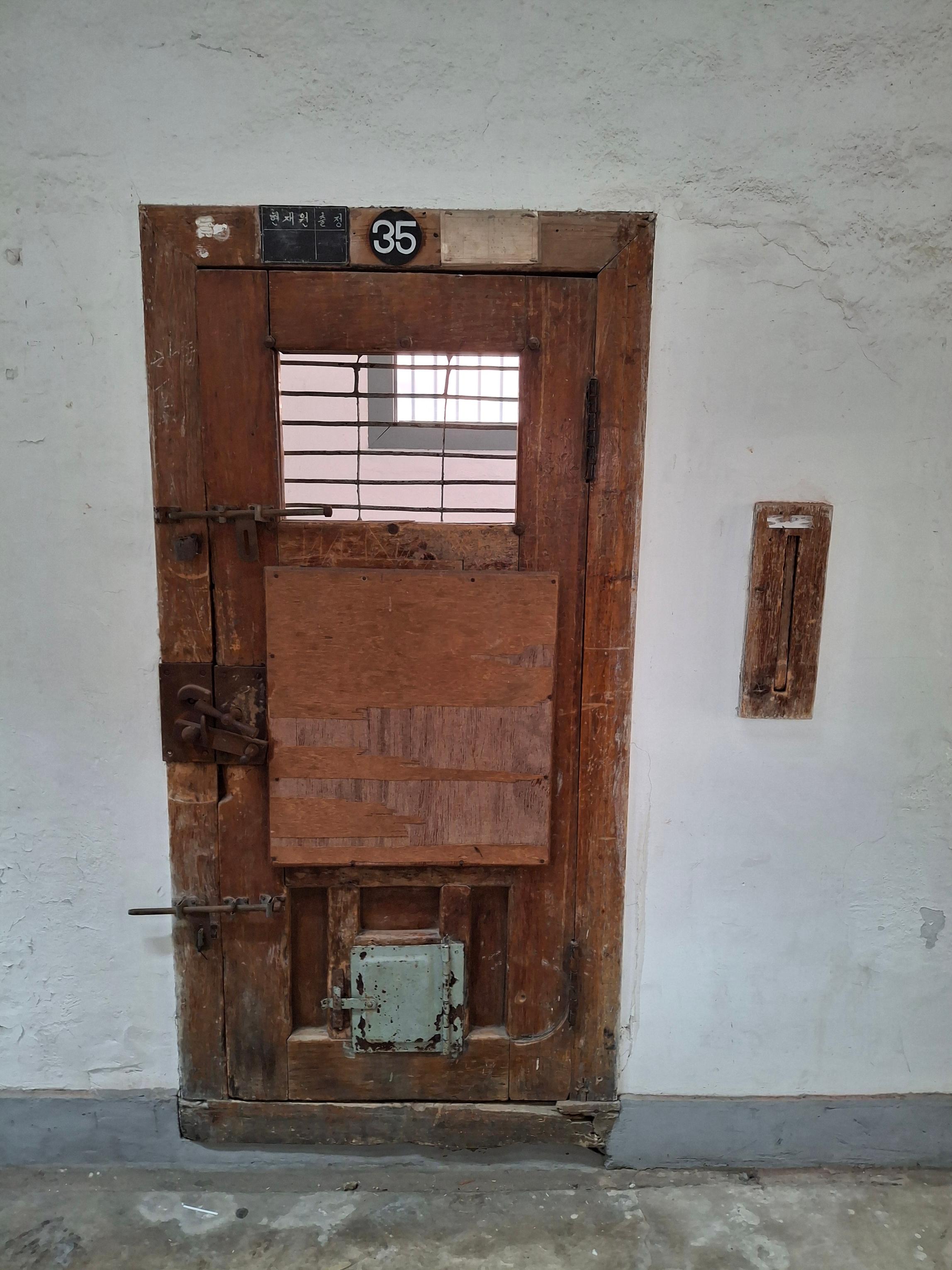
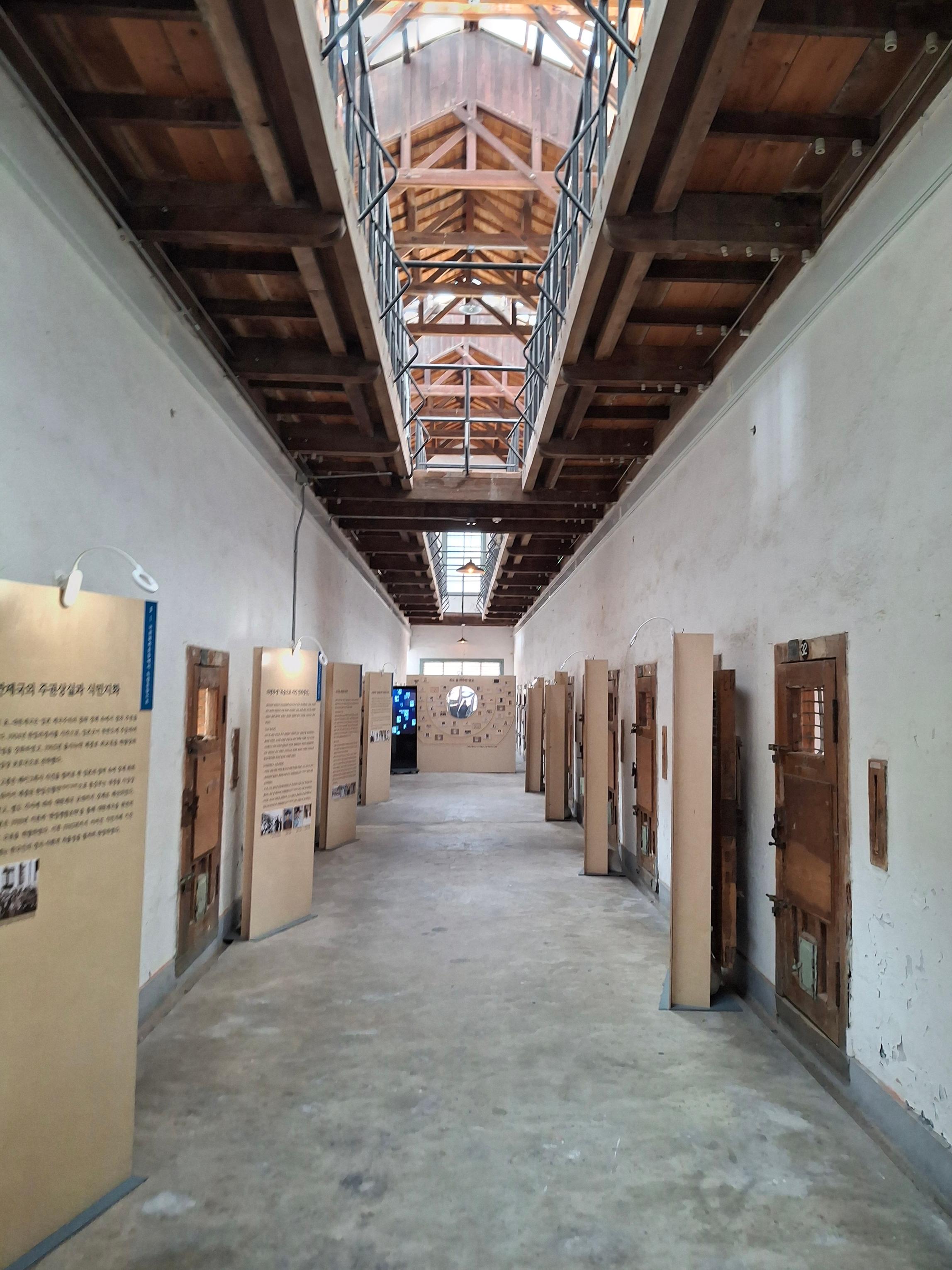
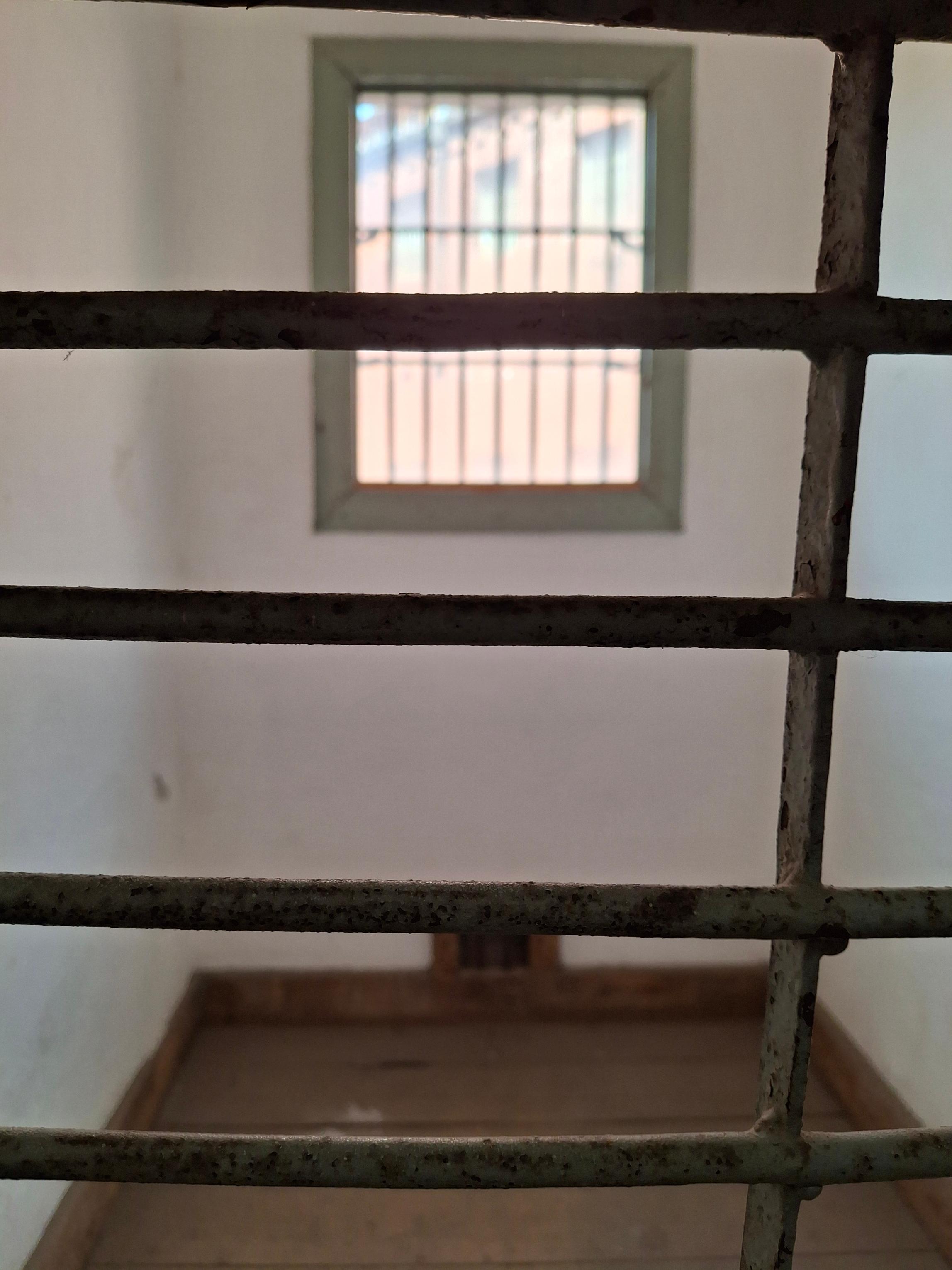
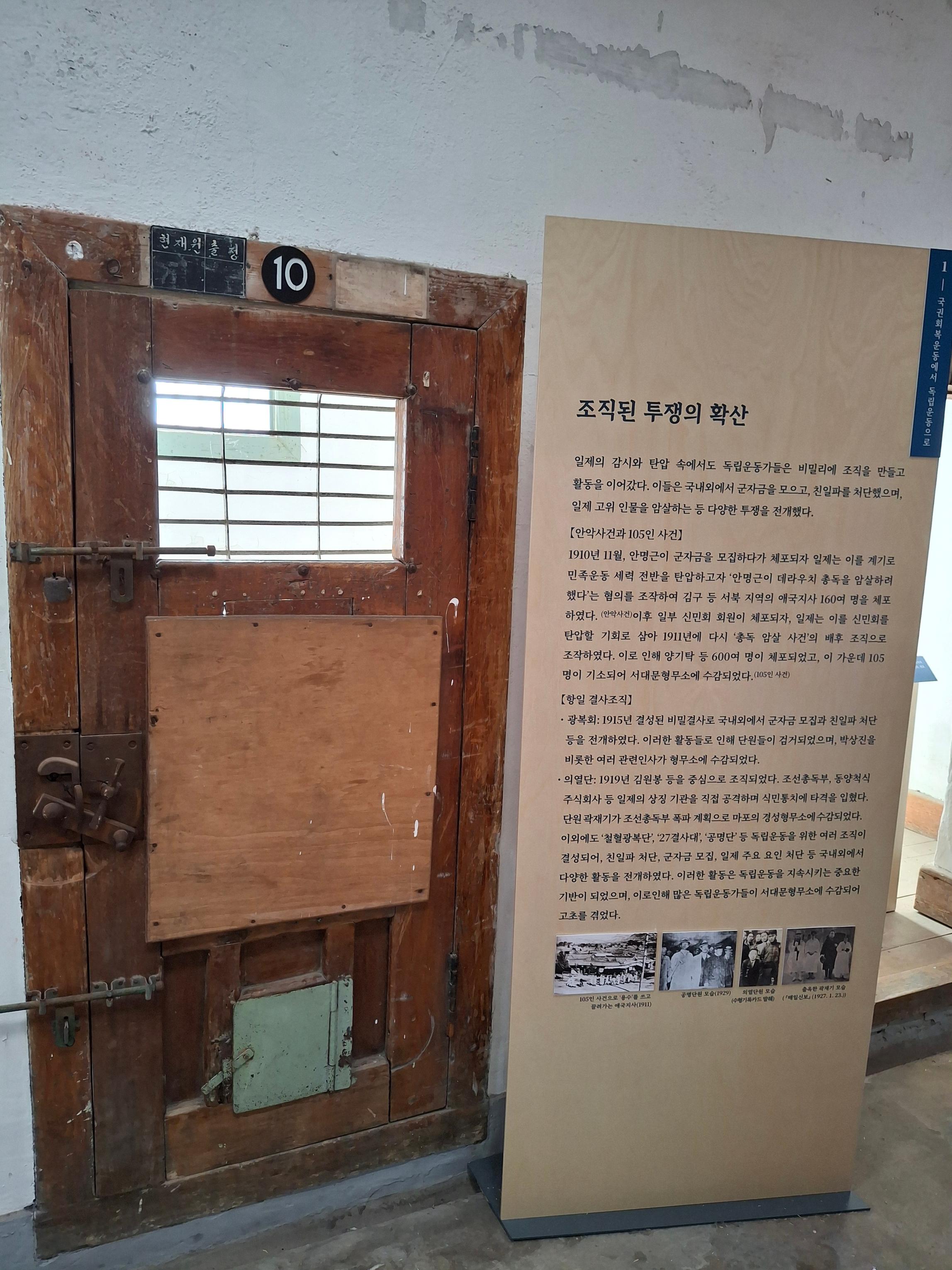
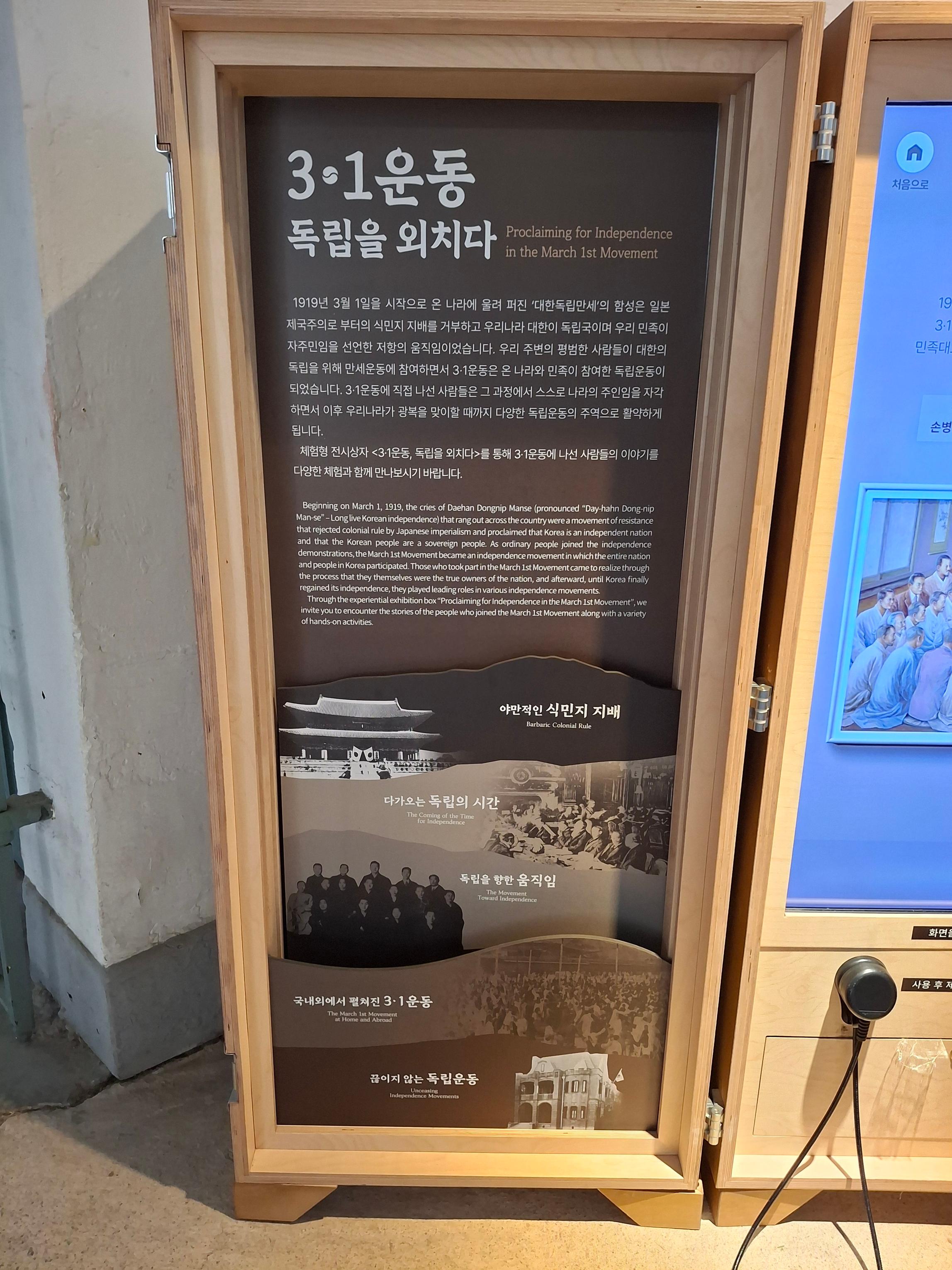
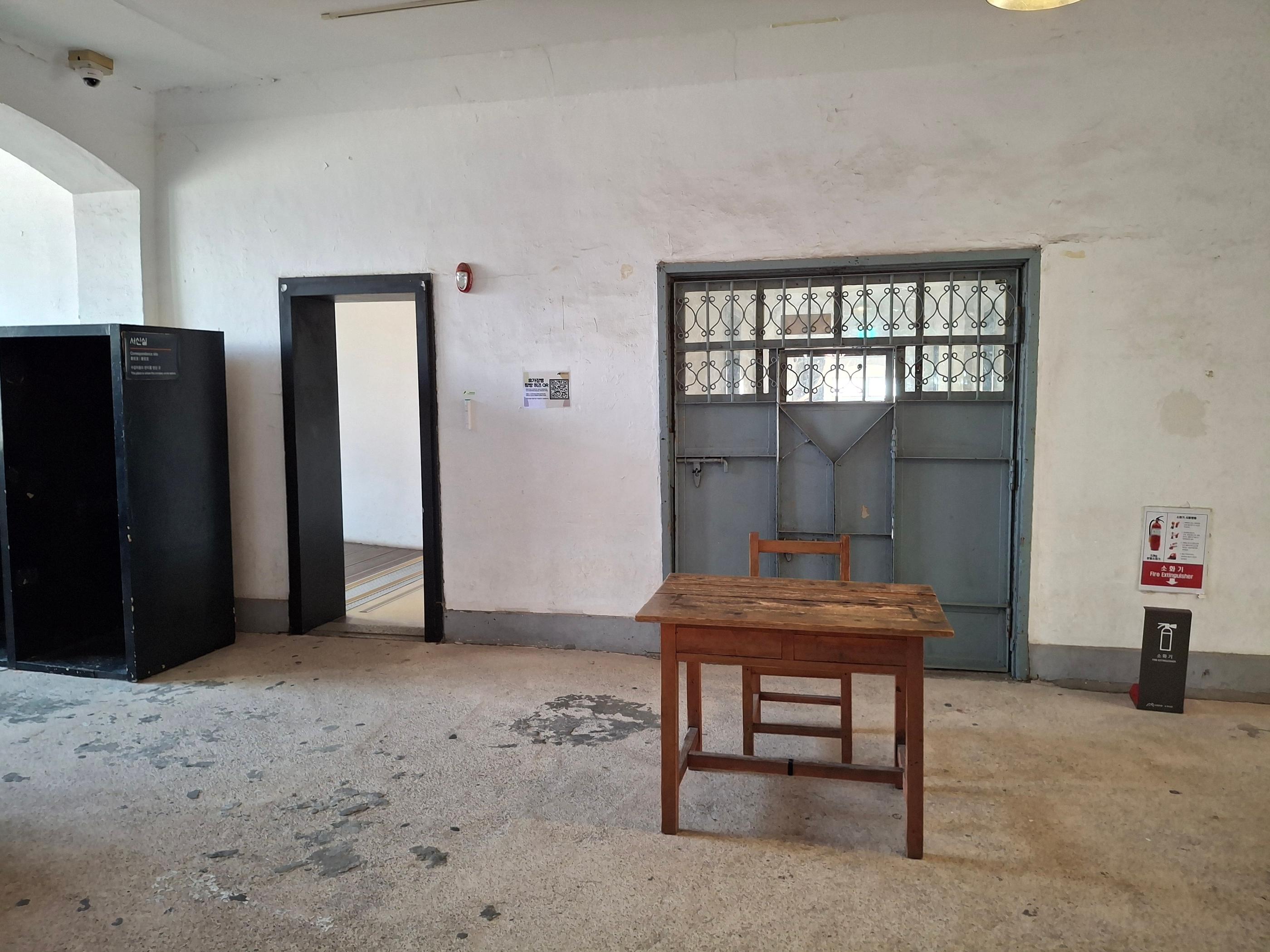
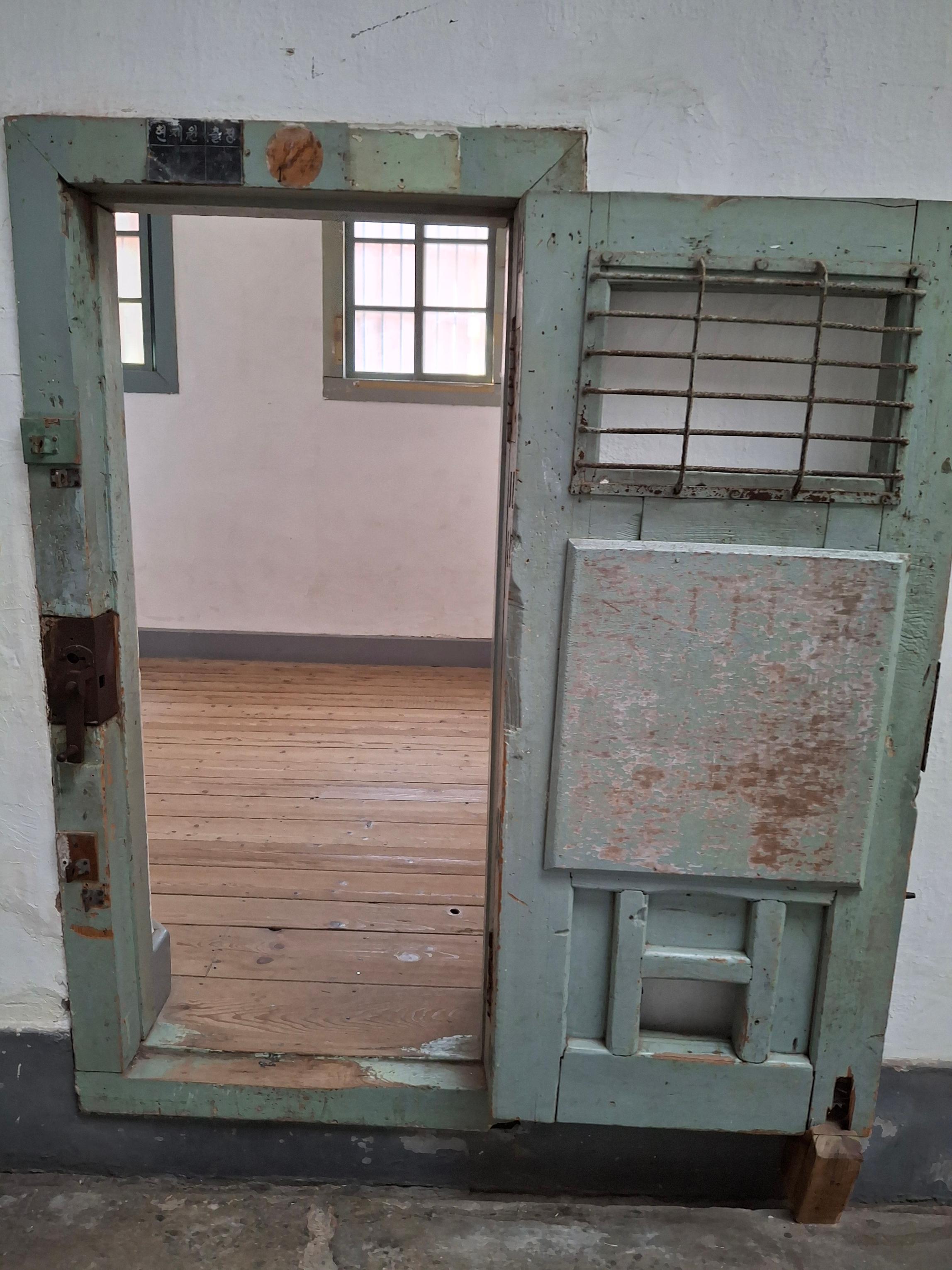
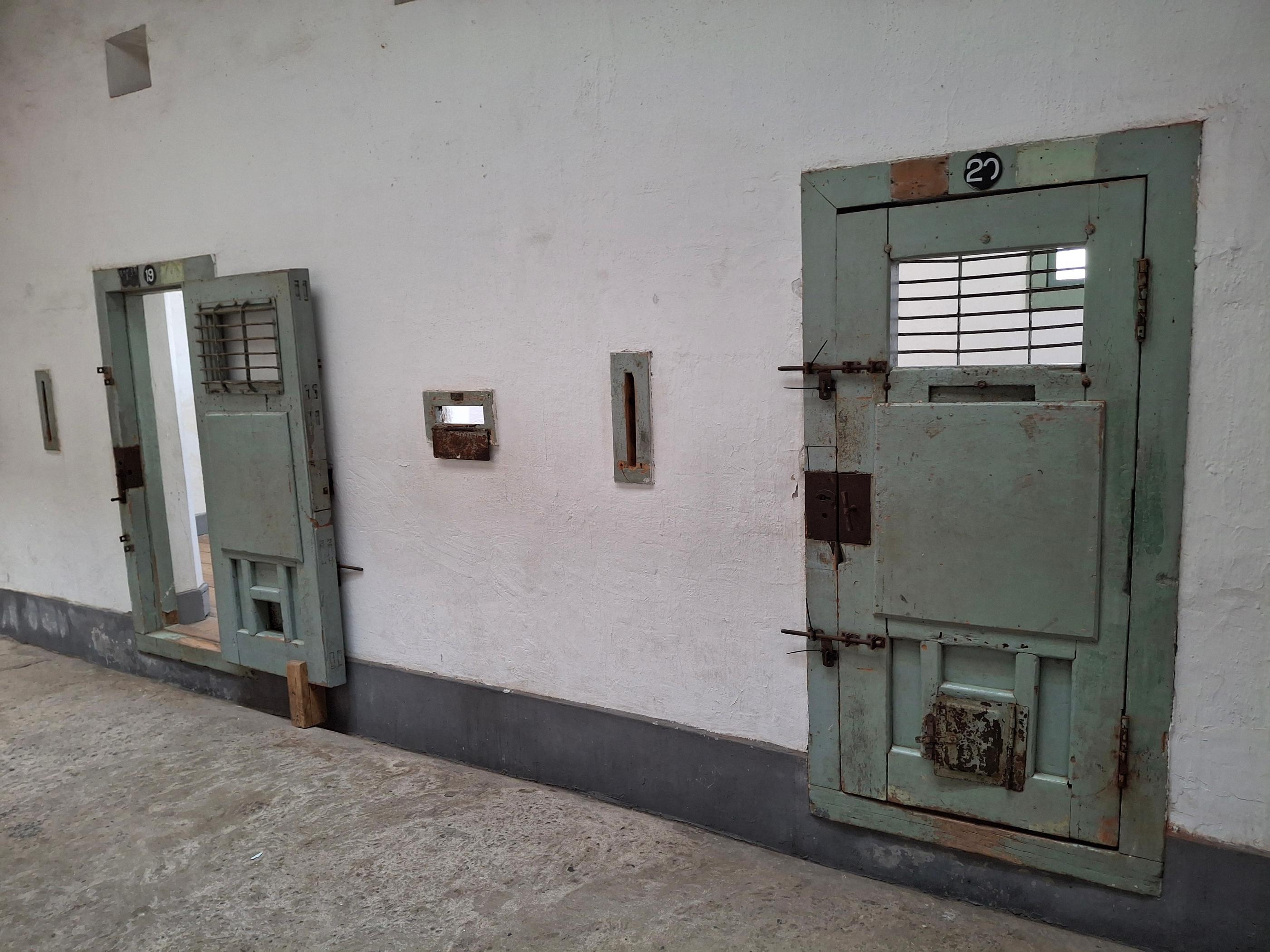
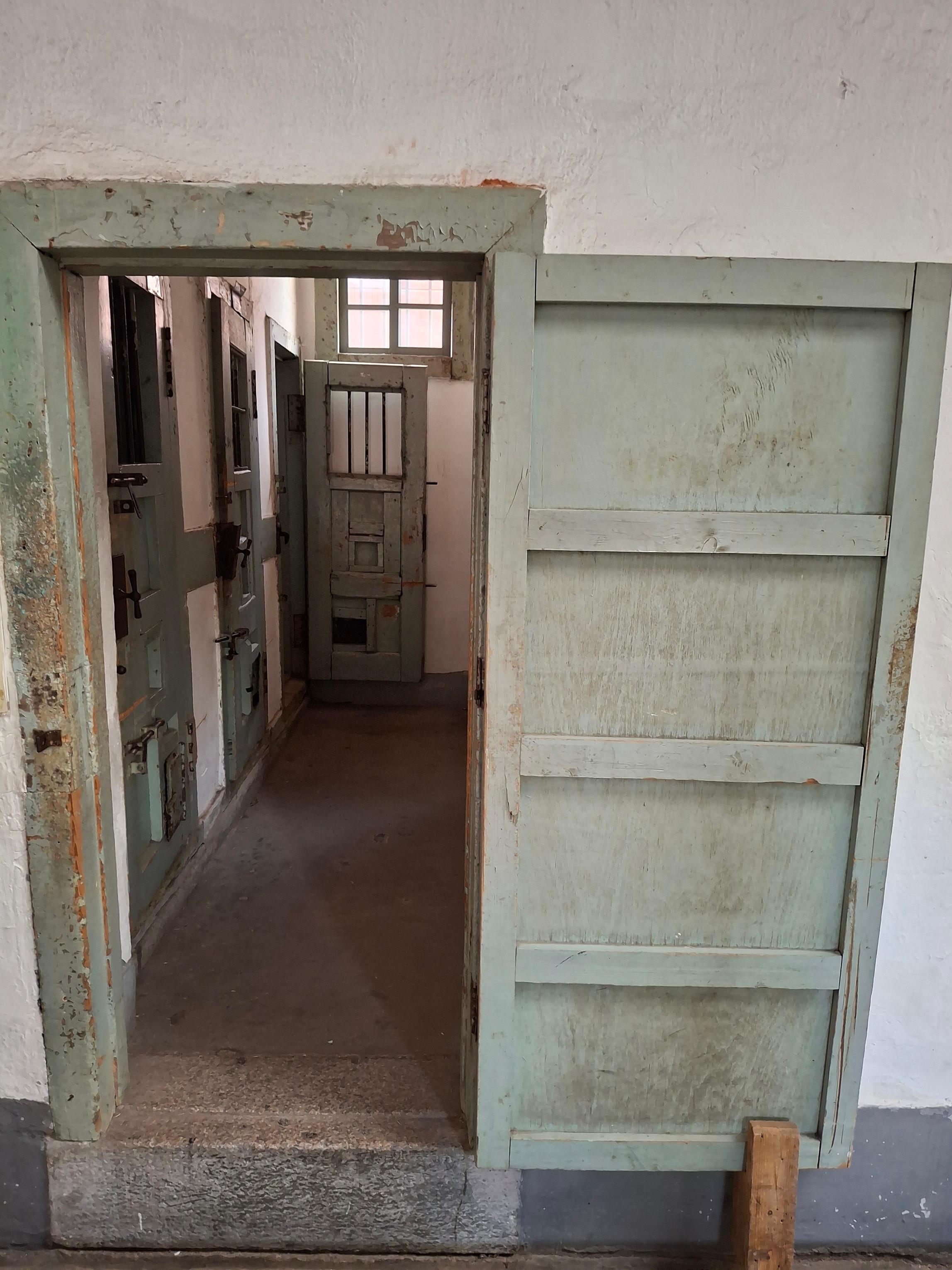
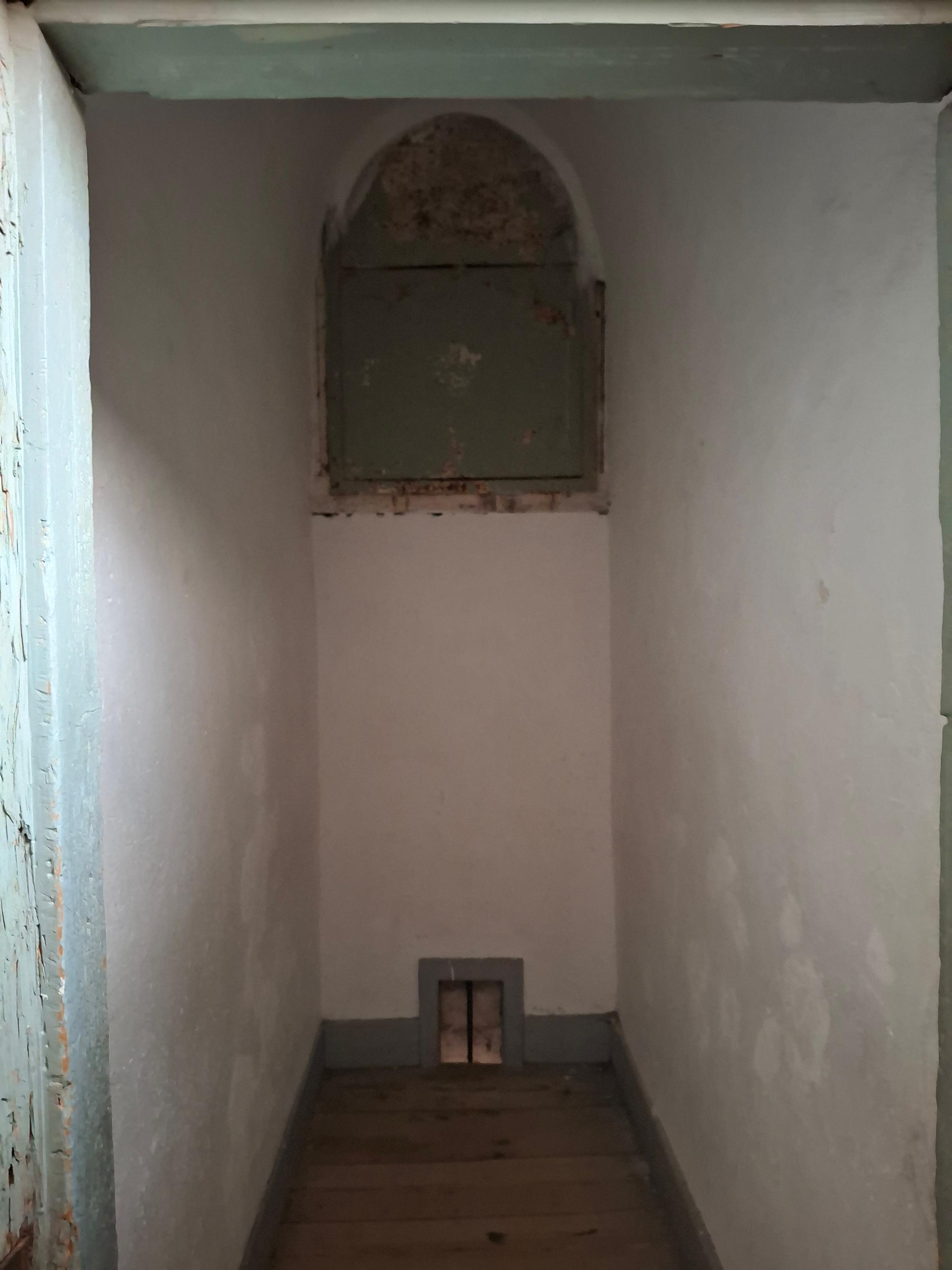
ここでは、個々の囚人が懲罰のために入れられた独房も見ることができます。これらは光のない、小さく孤立した独房で、人は身動きが取れず、まもなく昼と夜の区別がつかなくなってしまいます。今見ても、恐ろしさを感じます!
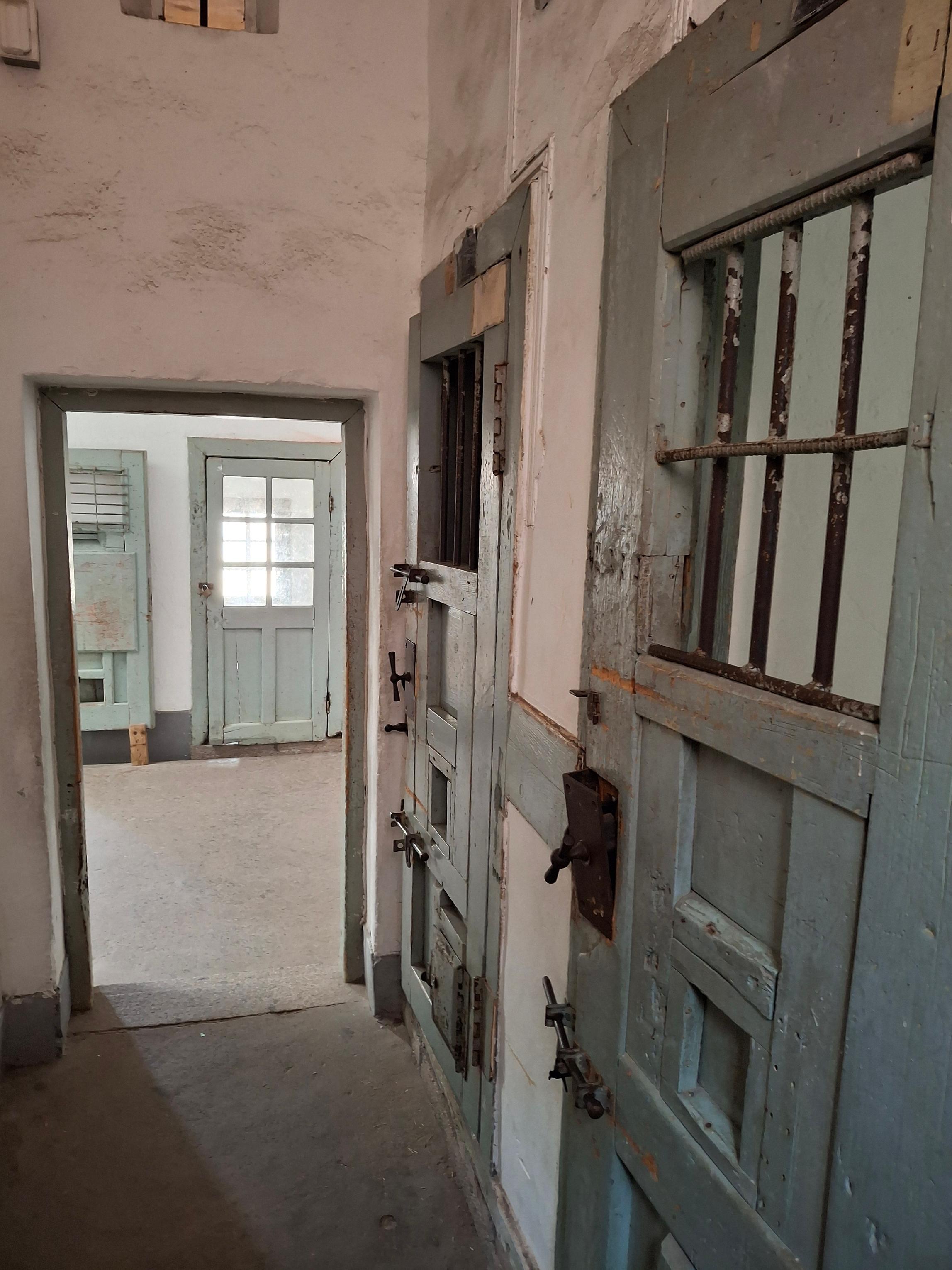
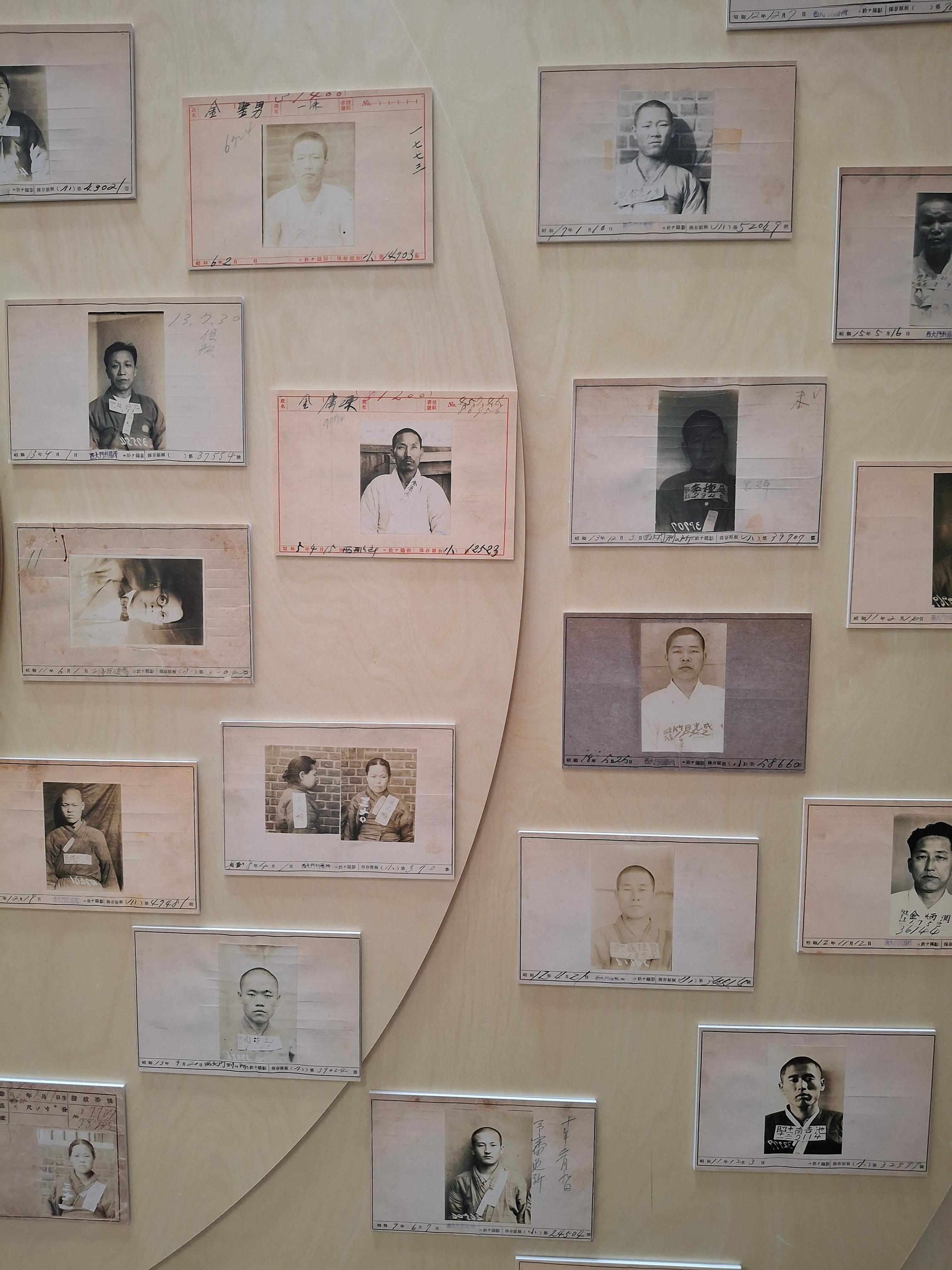
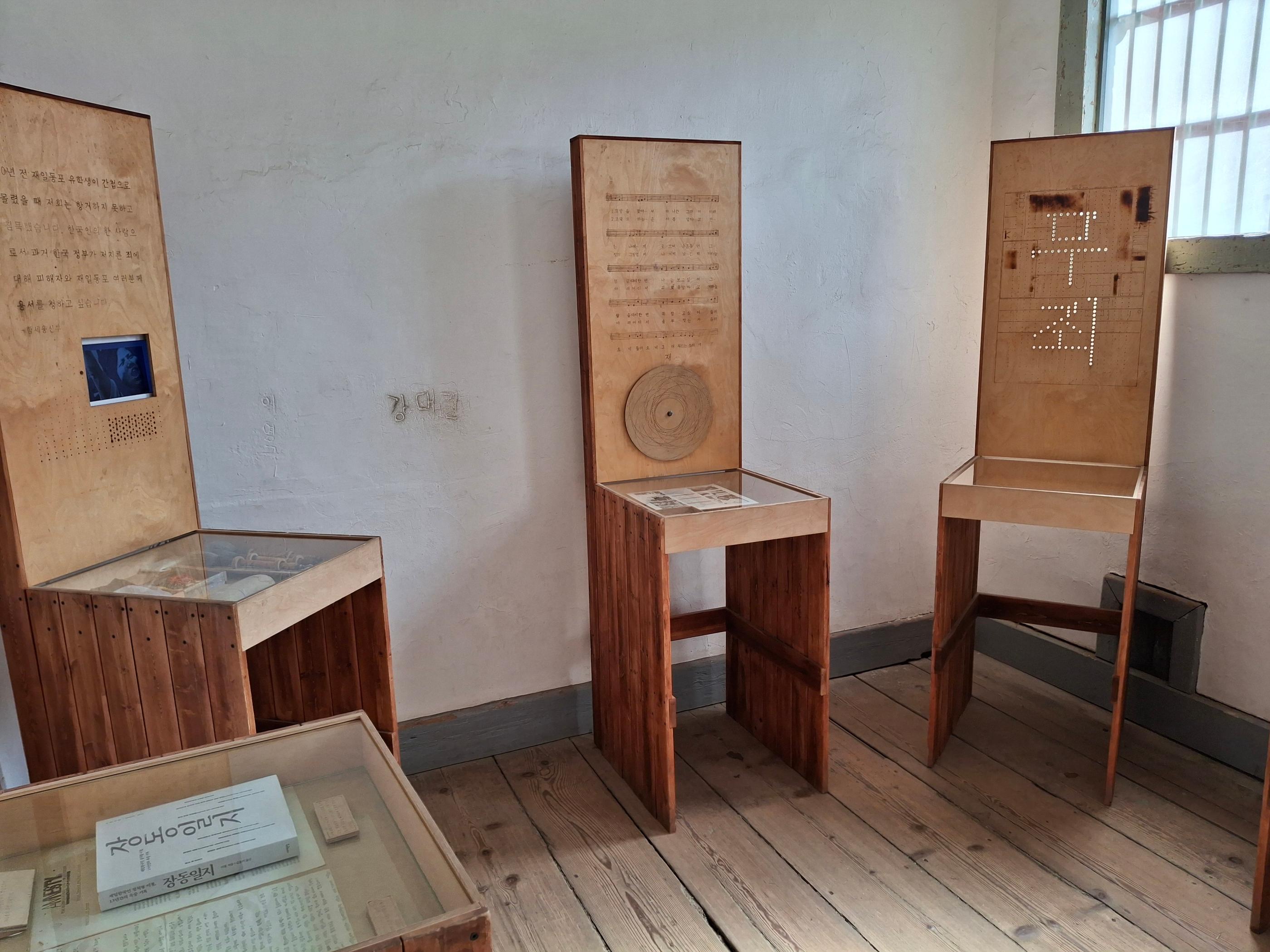
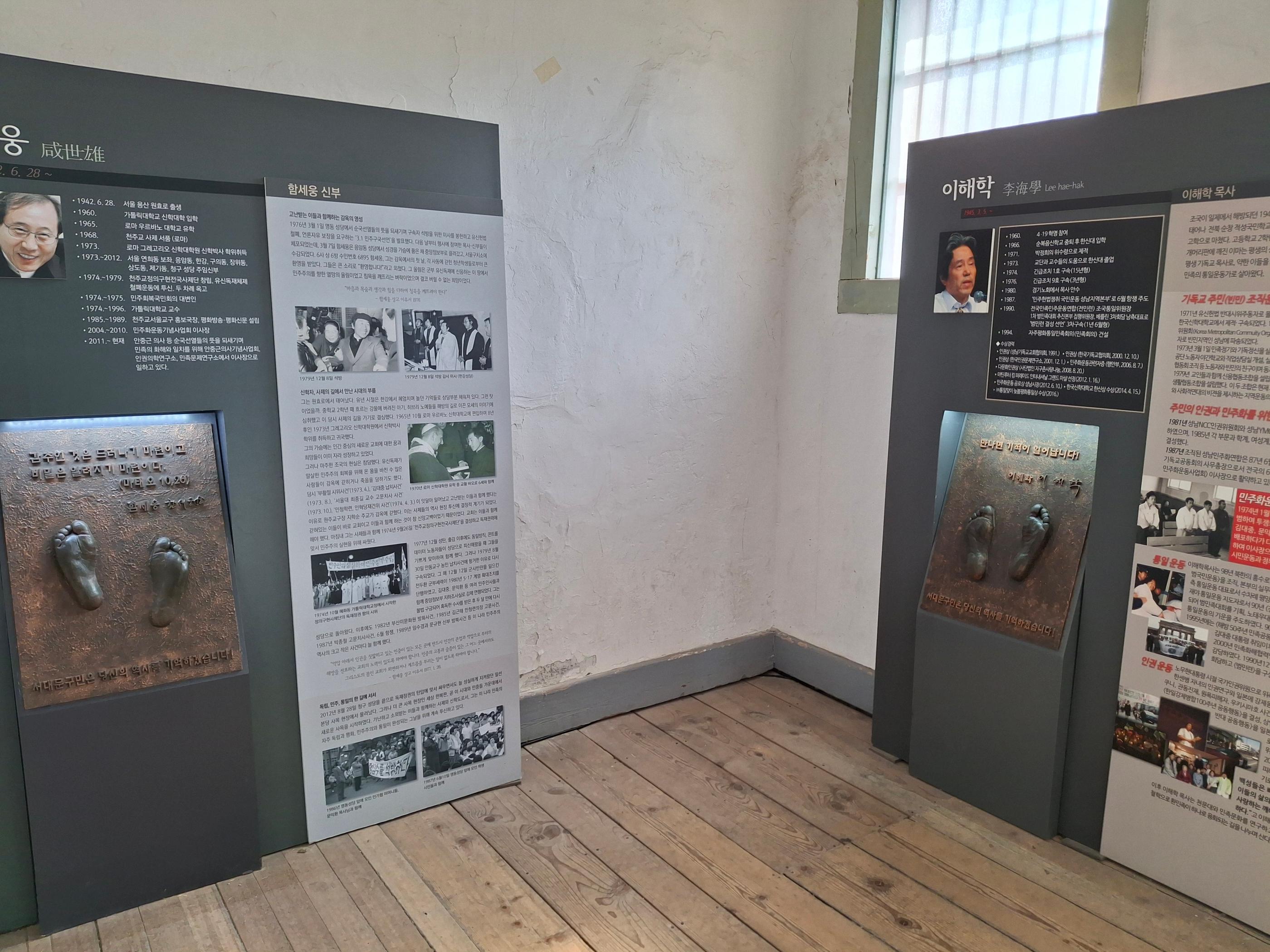
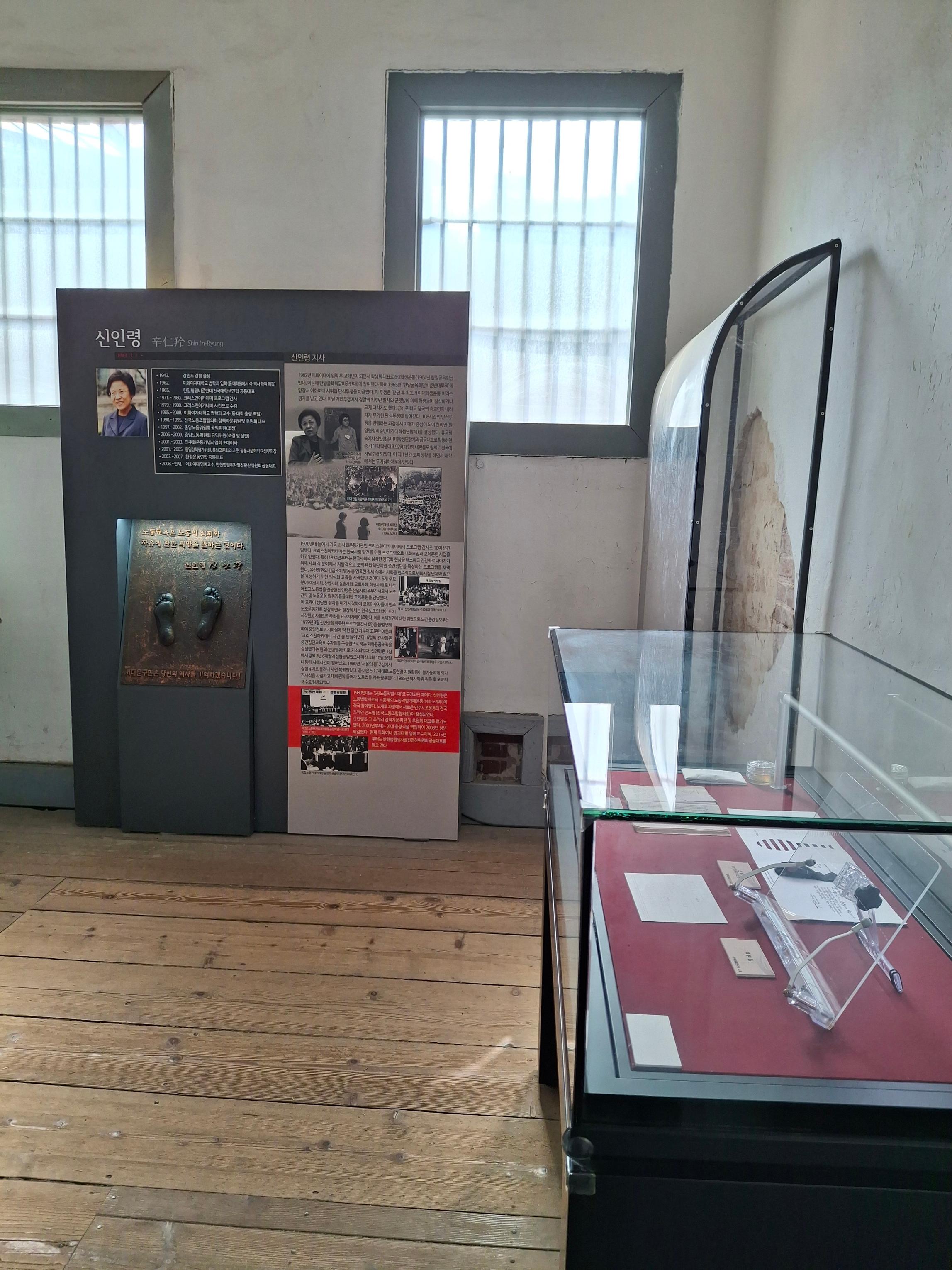
近くにはもう一つの棟があり、独房があります。ここには、これらの独房に収容されていた有名な受刑者たちに関する豊富な情報があり、彼らの演説やパフォーマンスの映像や写真も含まれています。これにより、刑務所の歴史はさらに身近で悲劇的に感じられます。
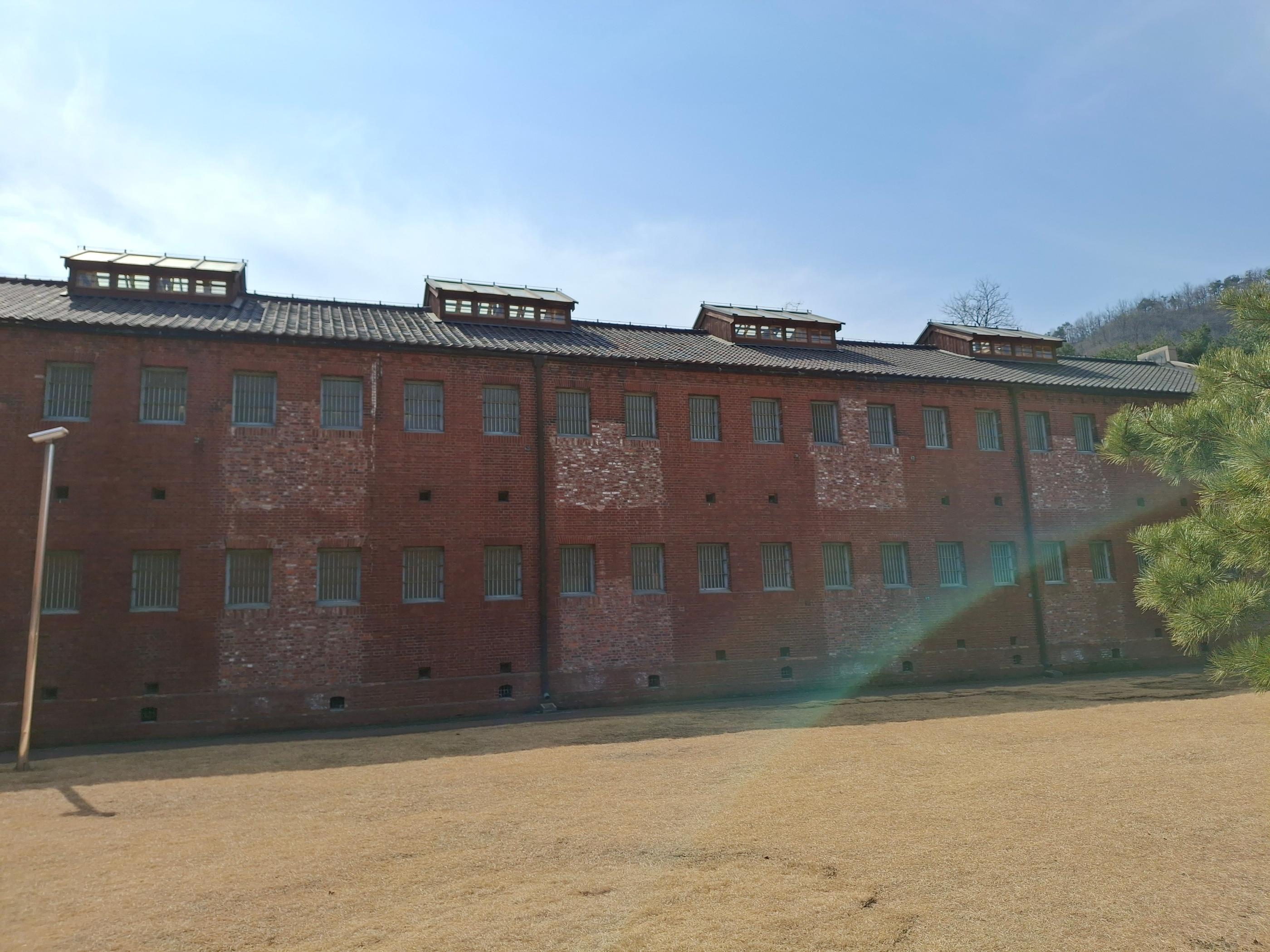
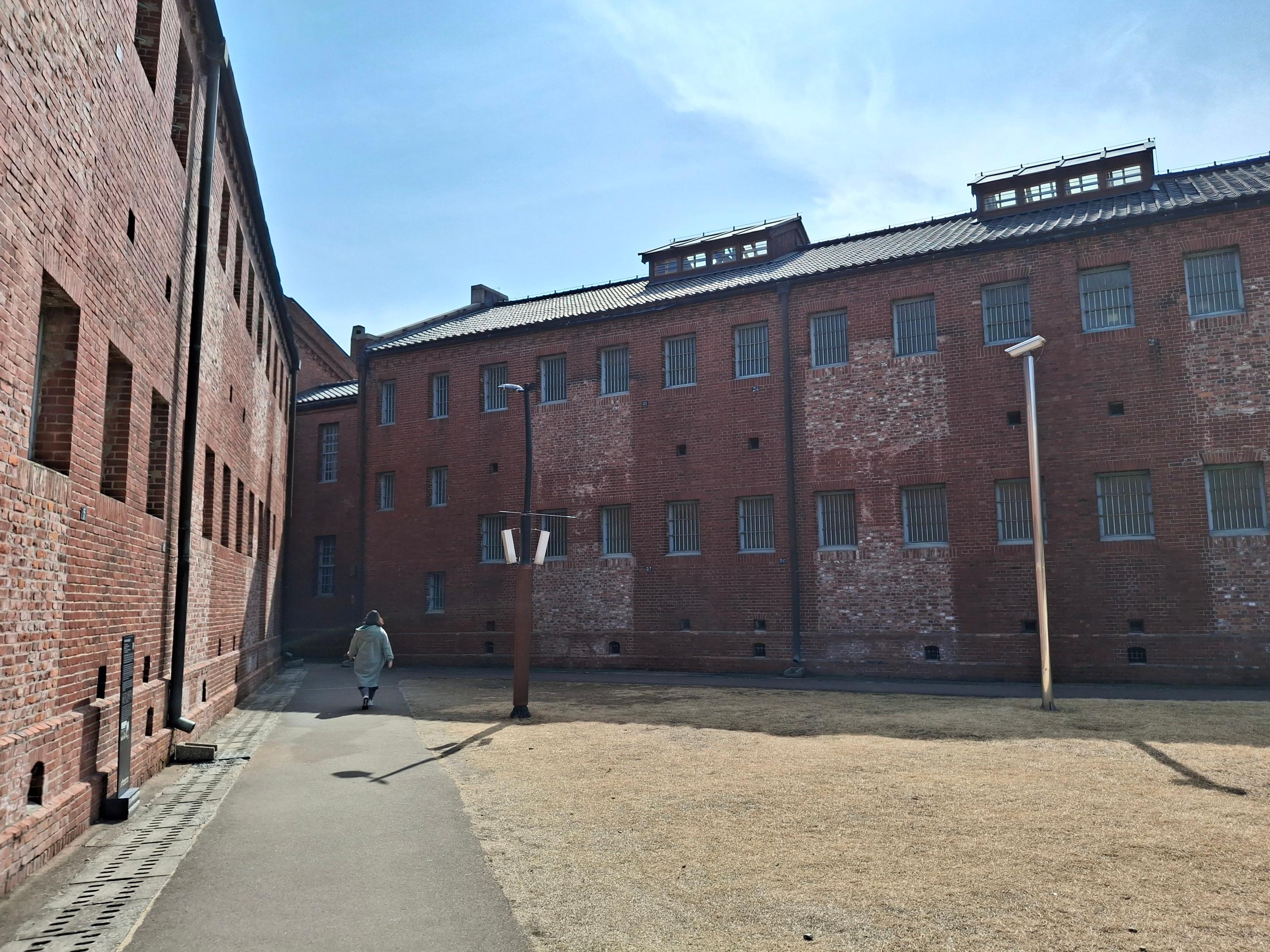
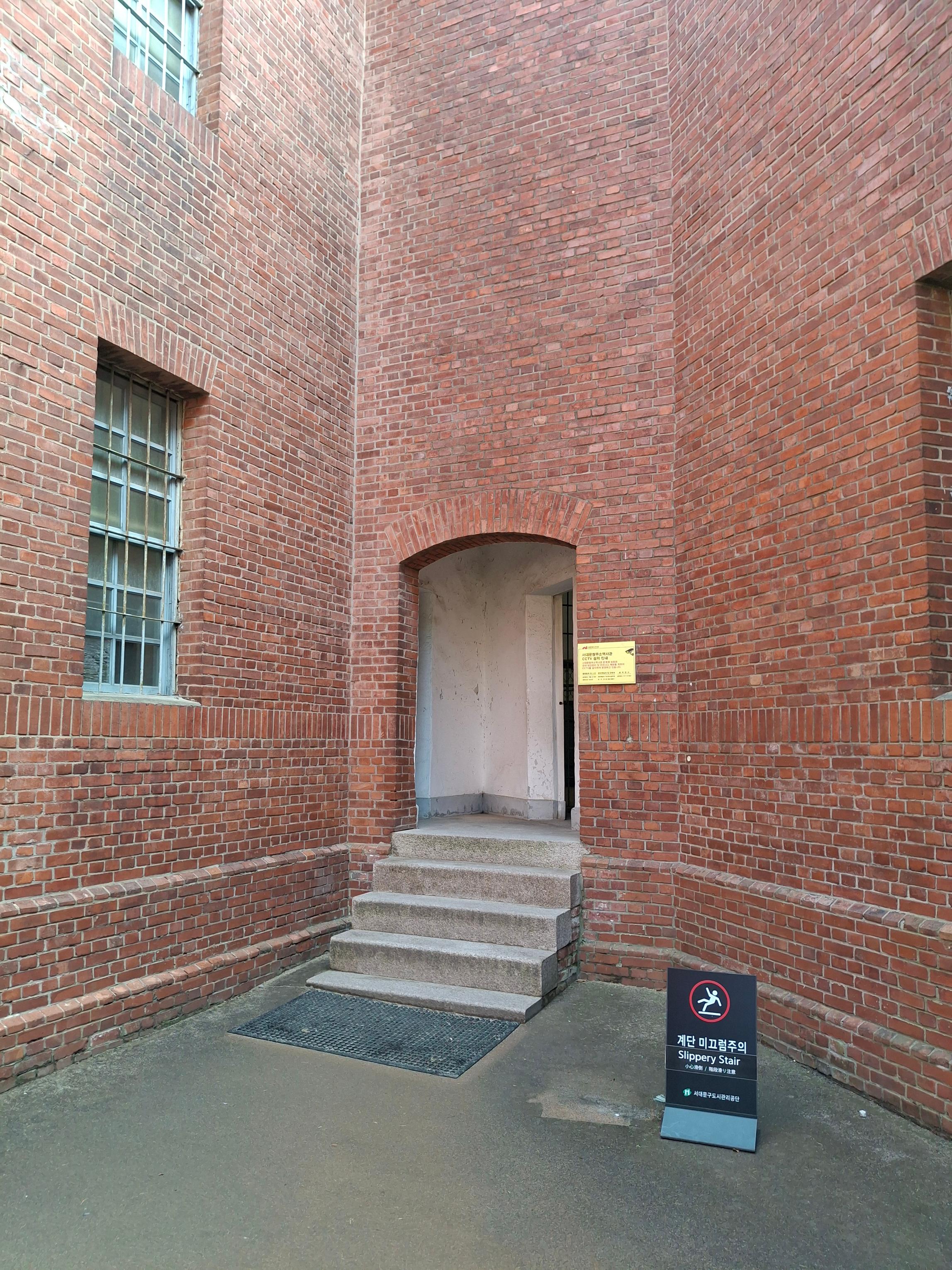
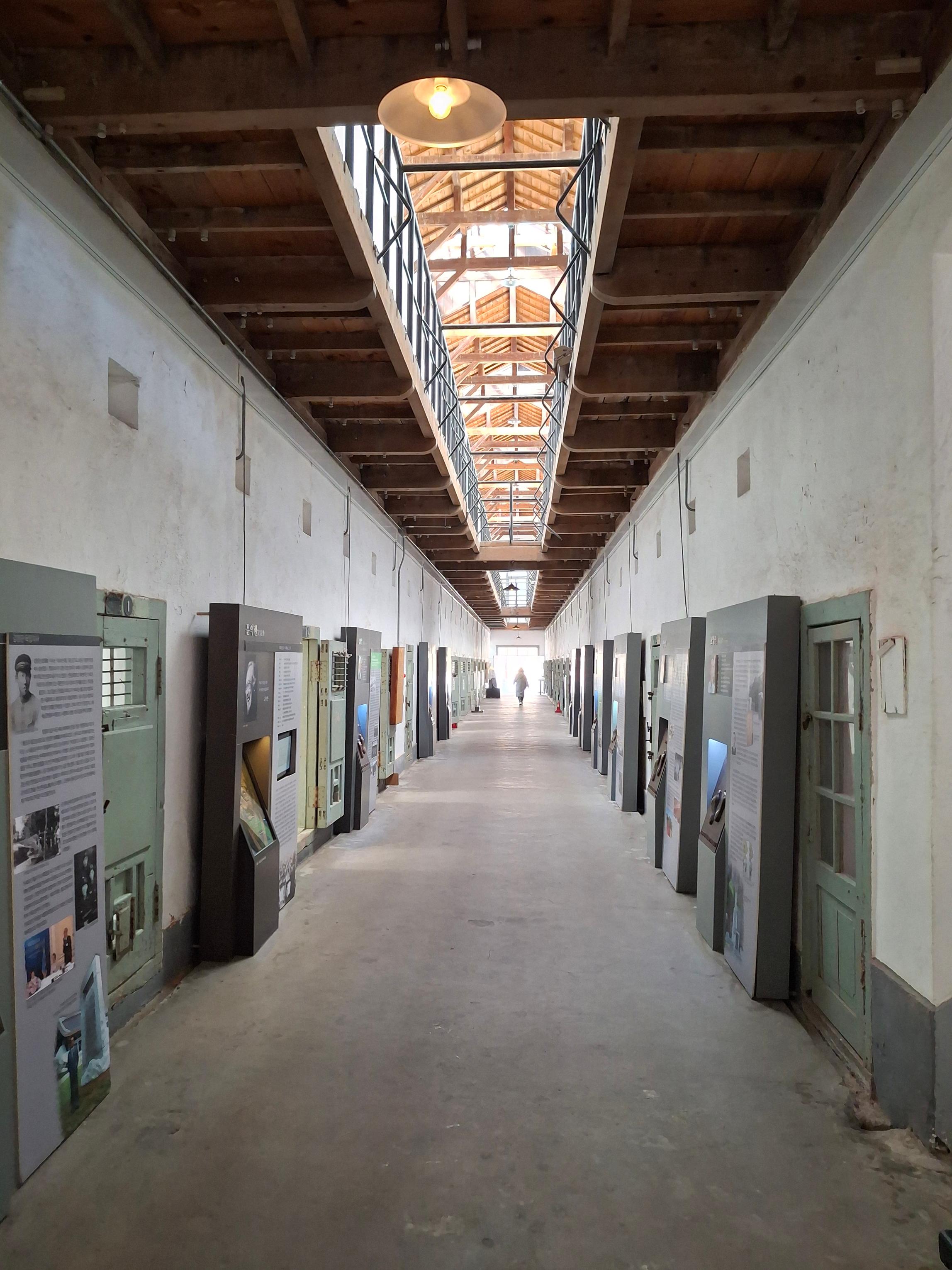
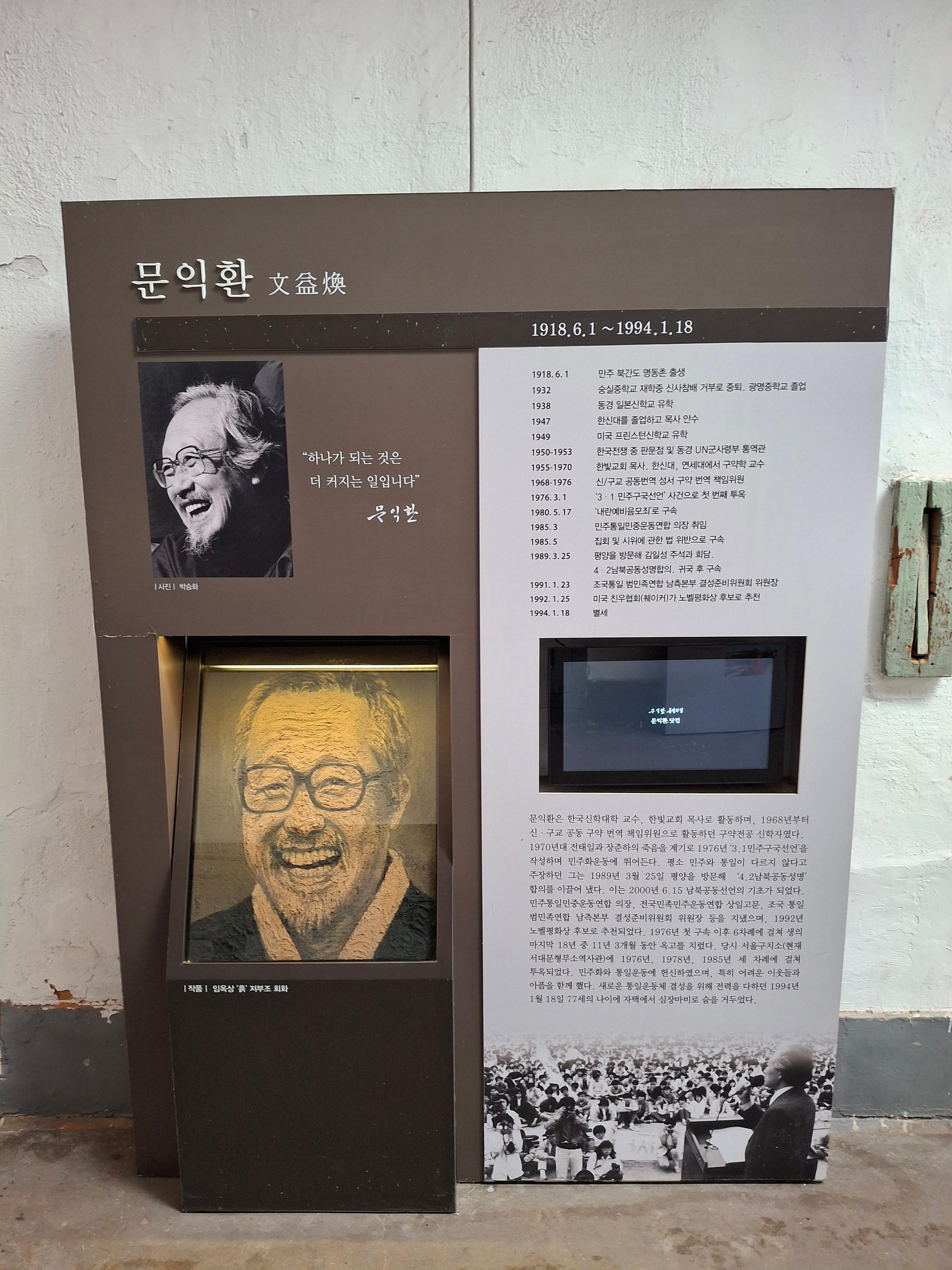
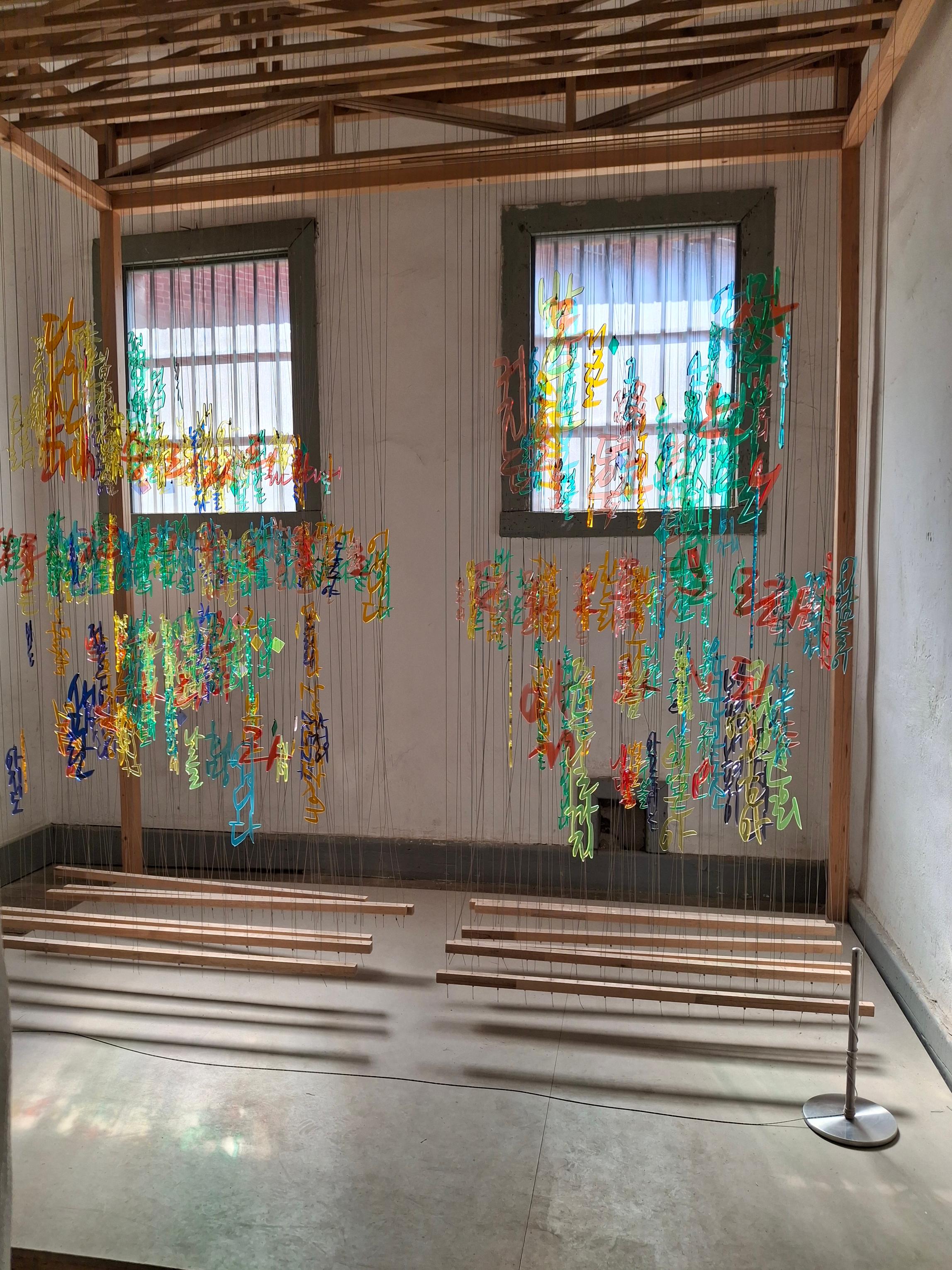
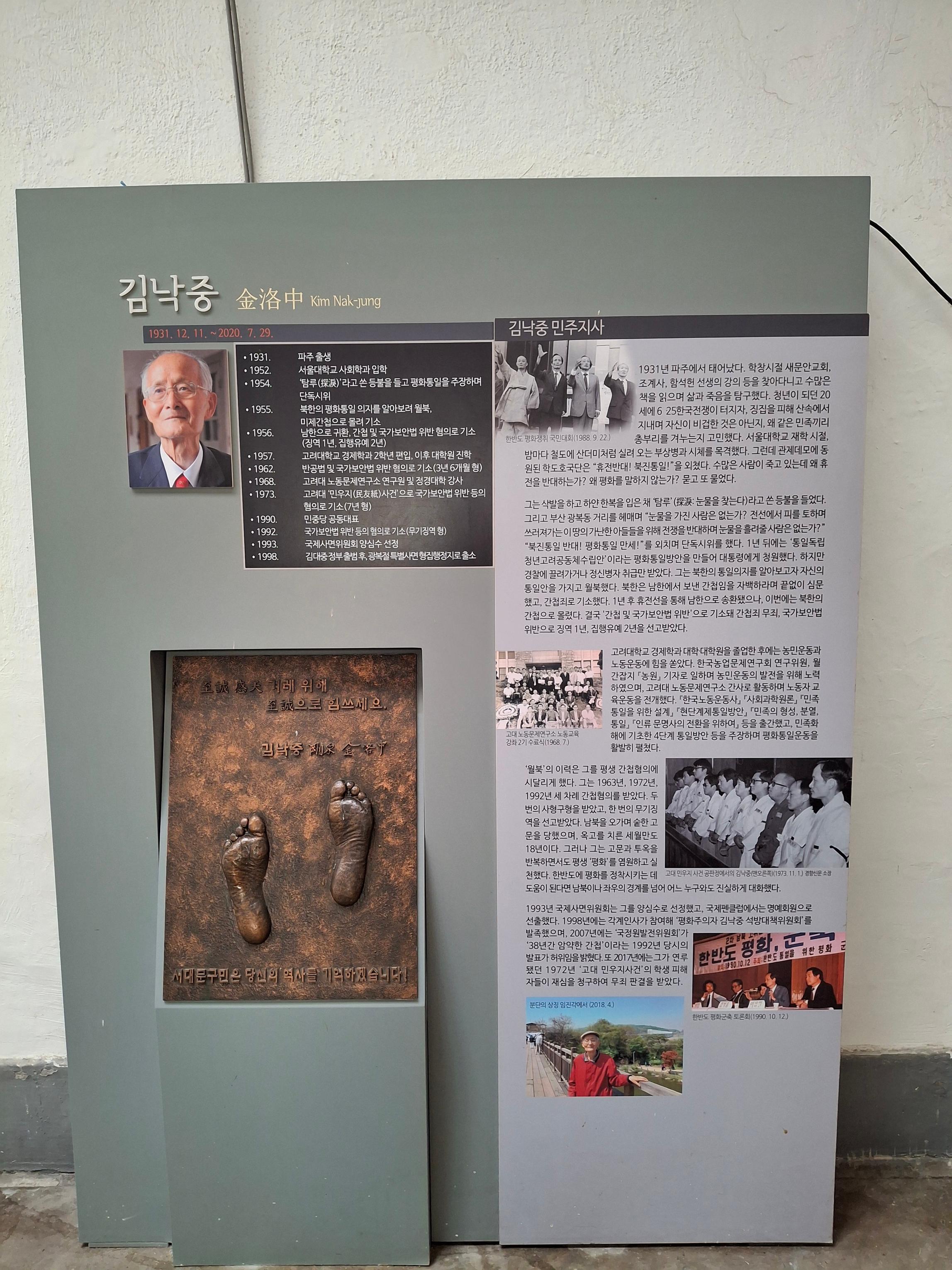
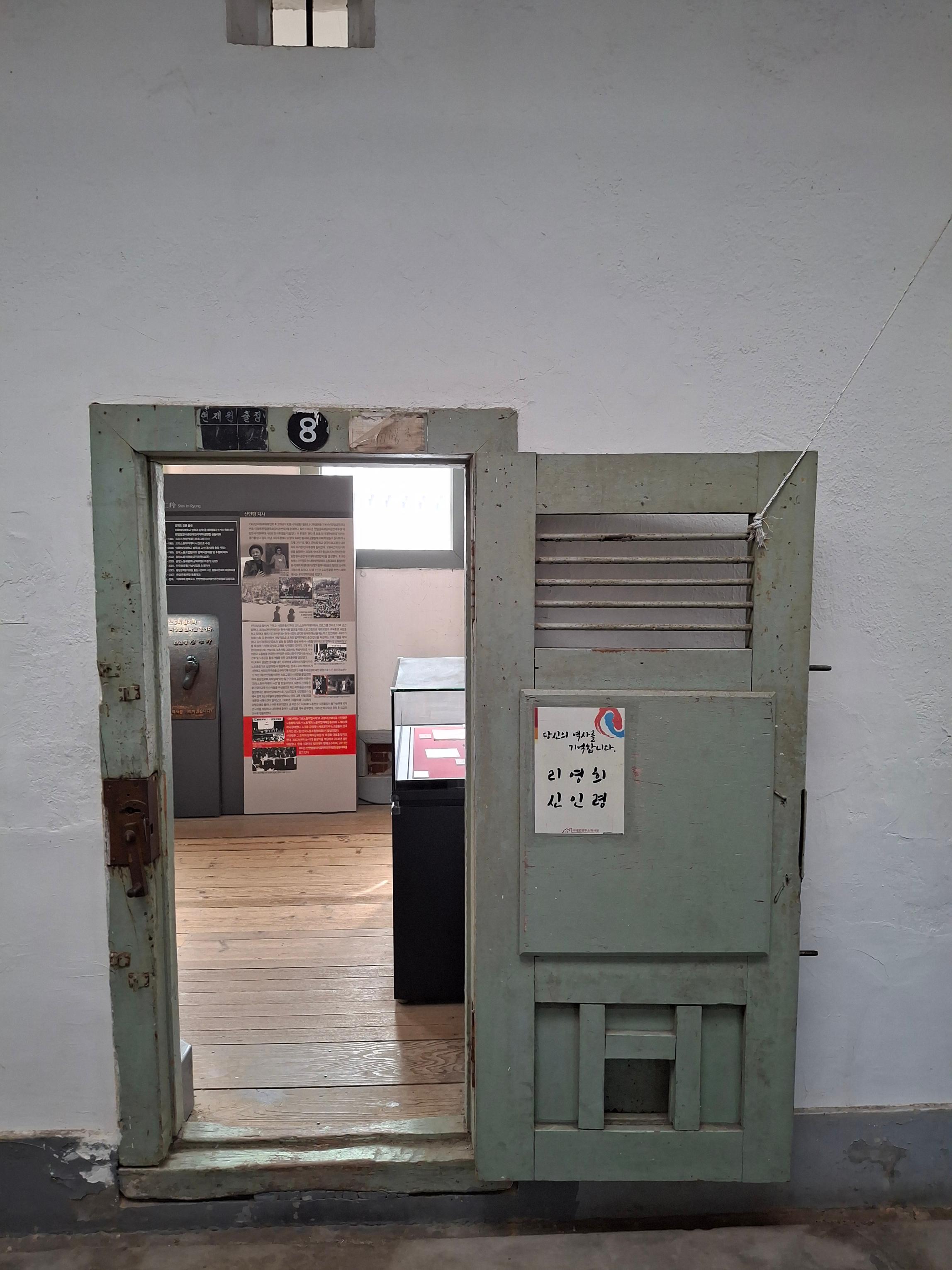
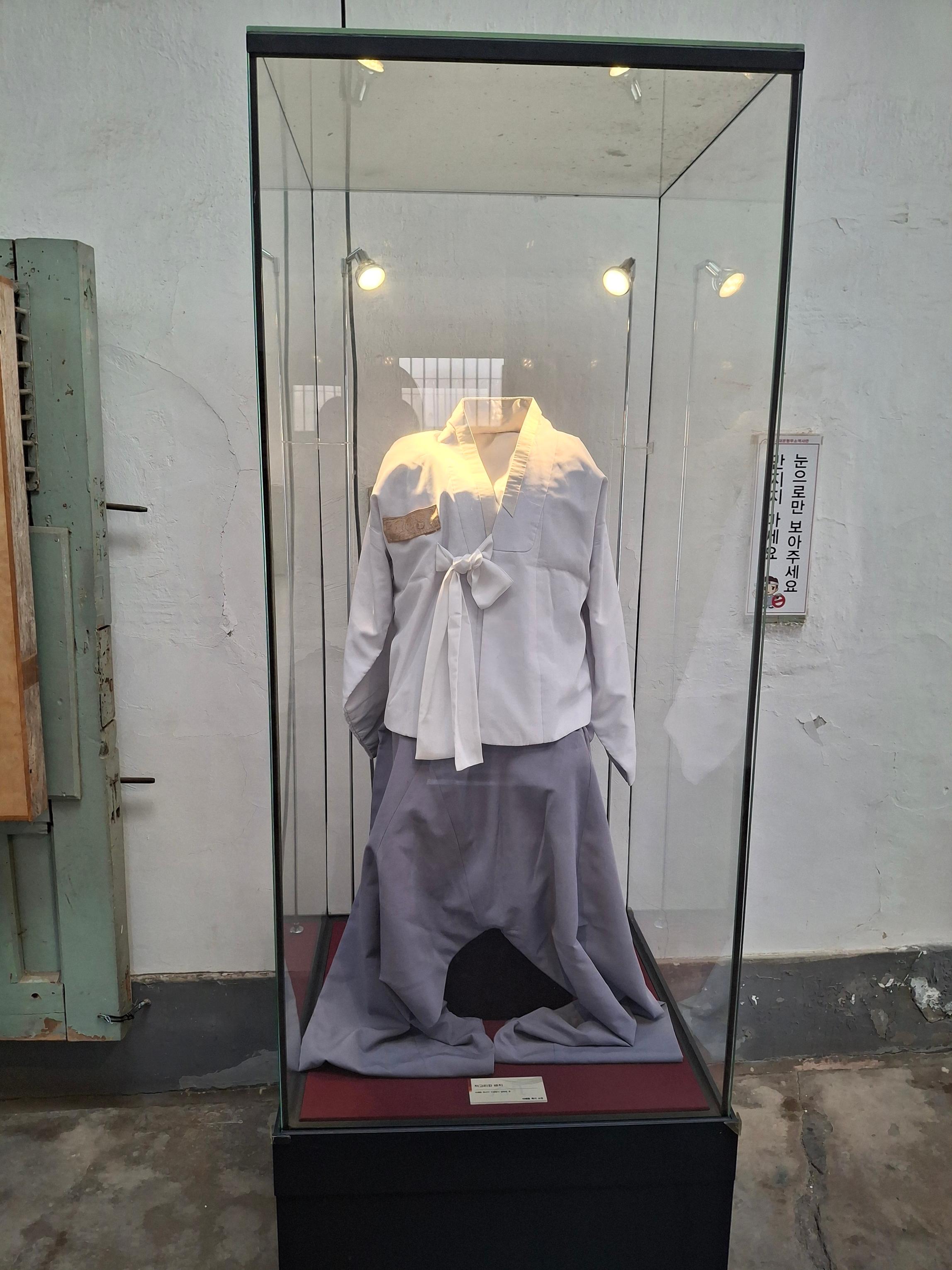
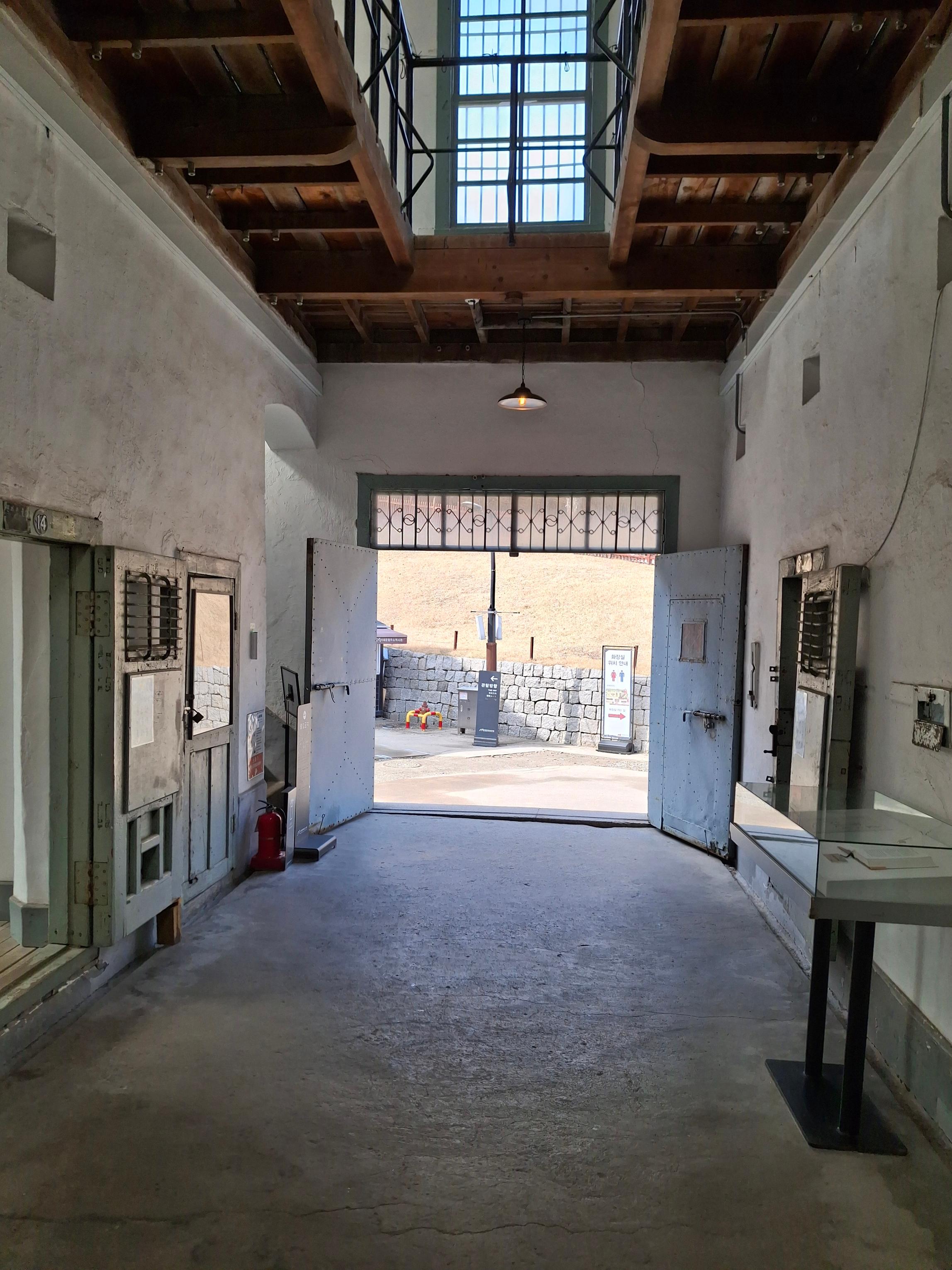
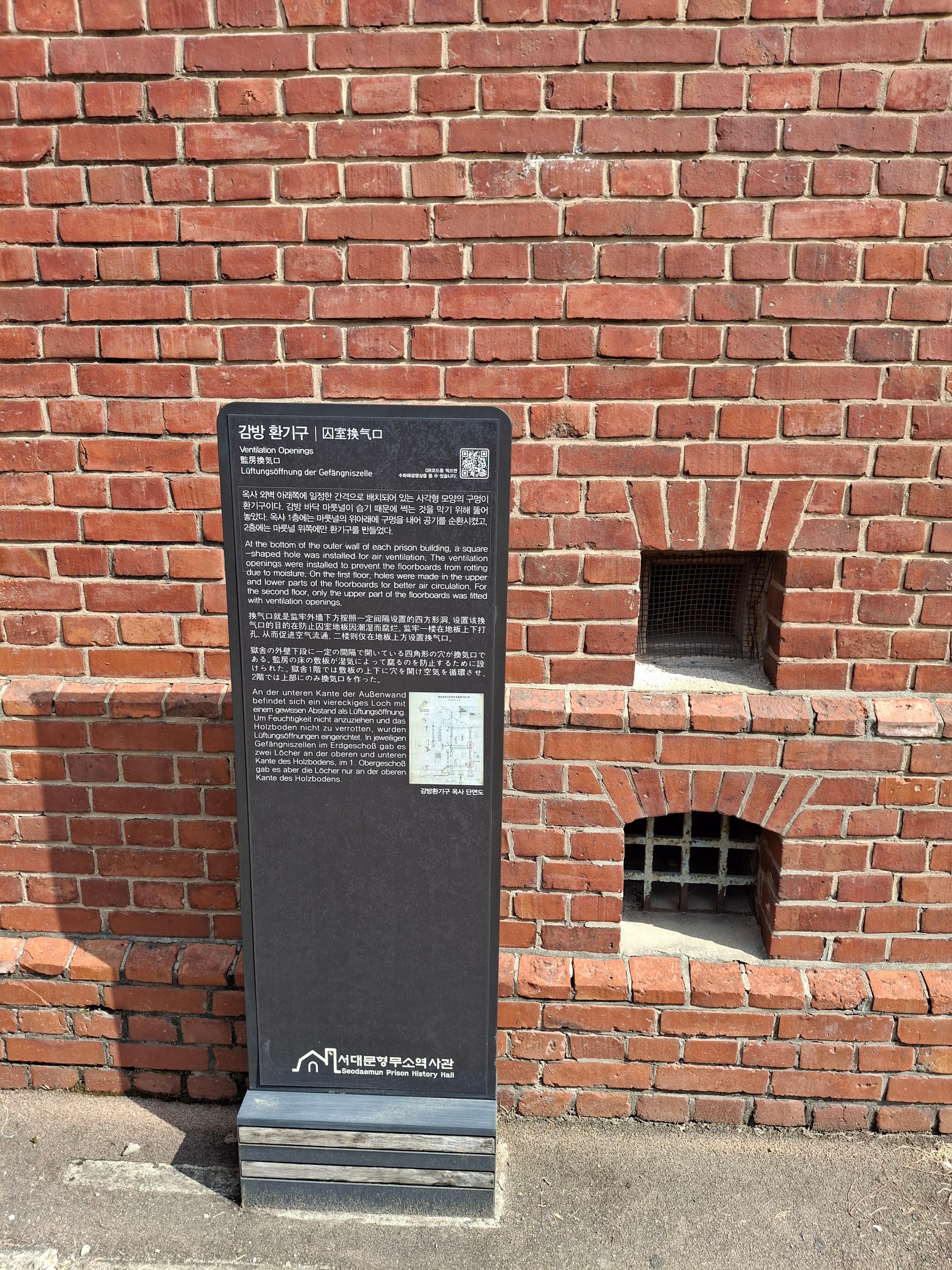
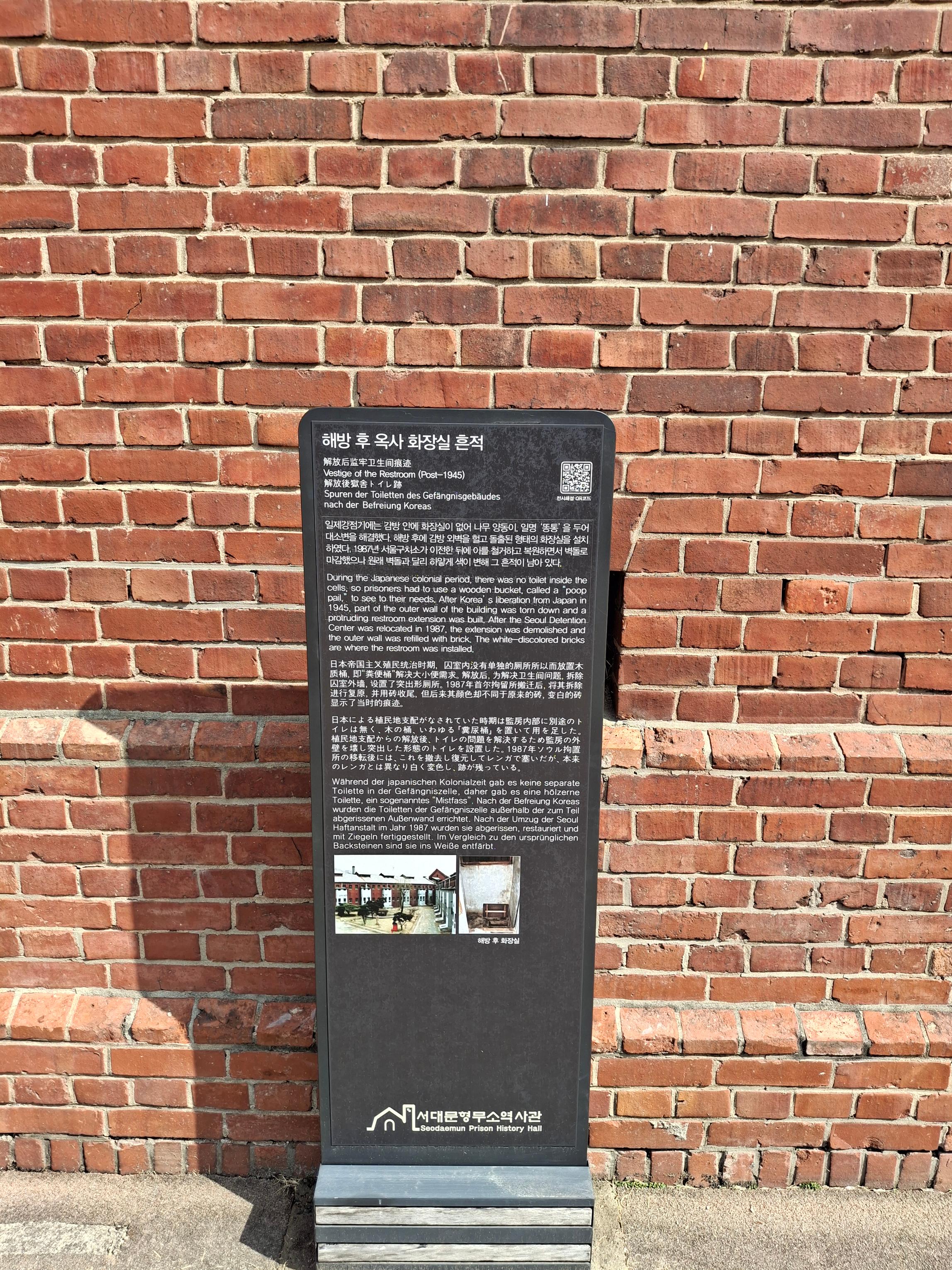
外に出て刑務所の建物に沿って歩くと、換気孔やトイレの排水口など、より興味深い細部が見えてきます。
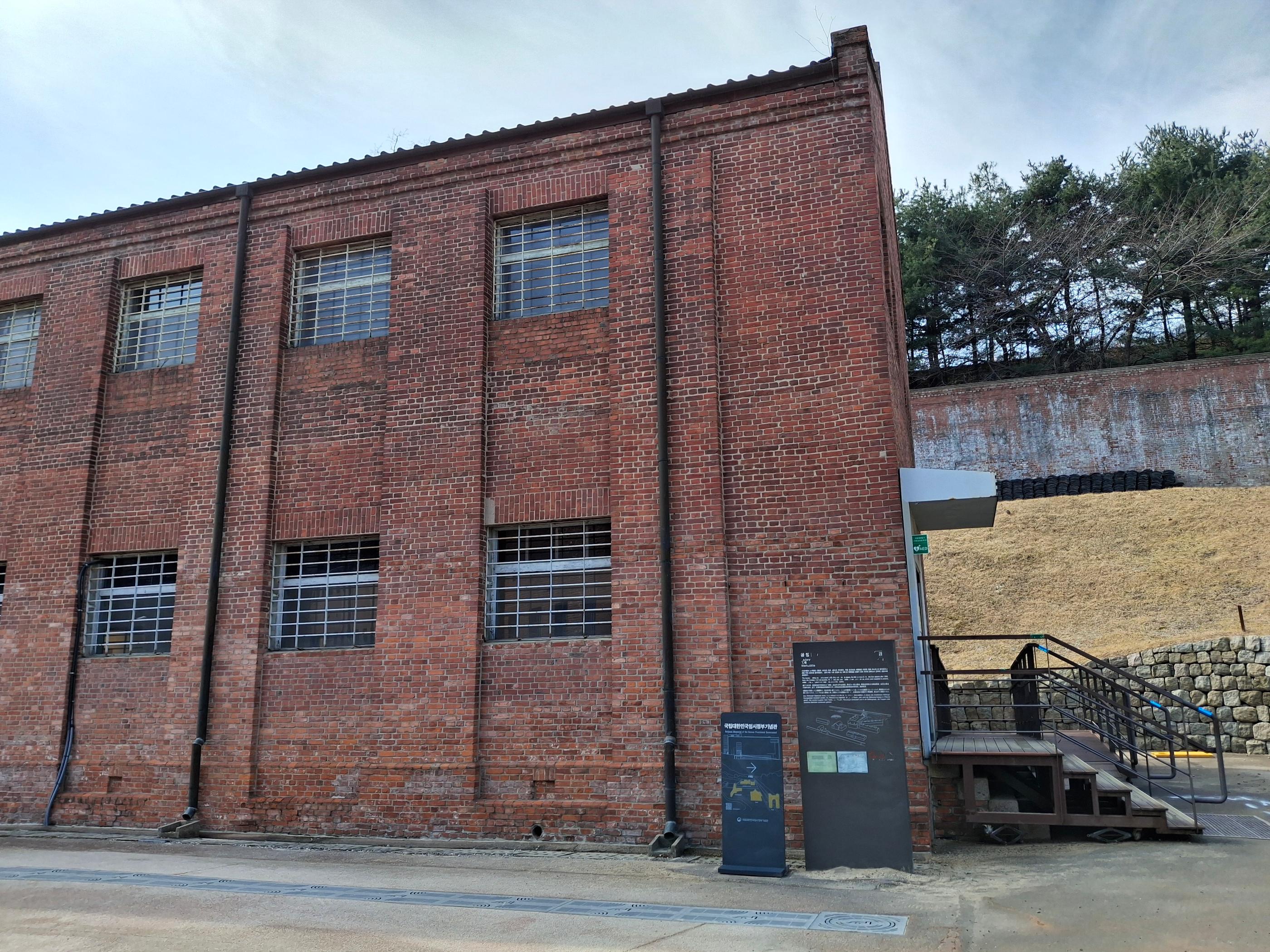
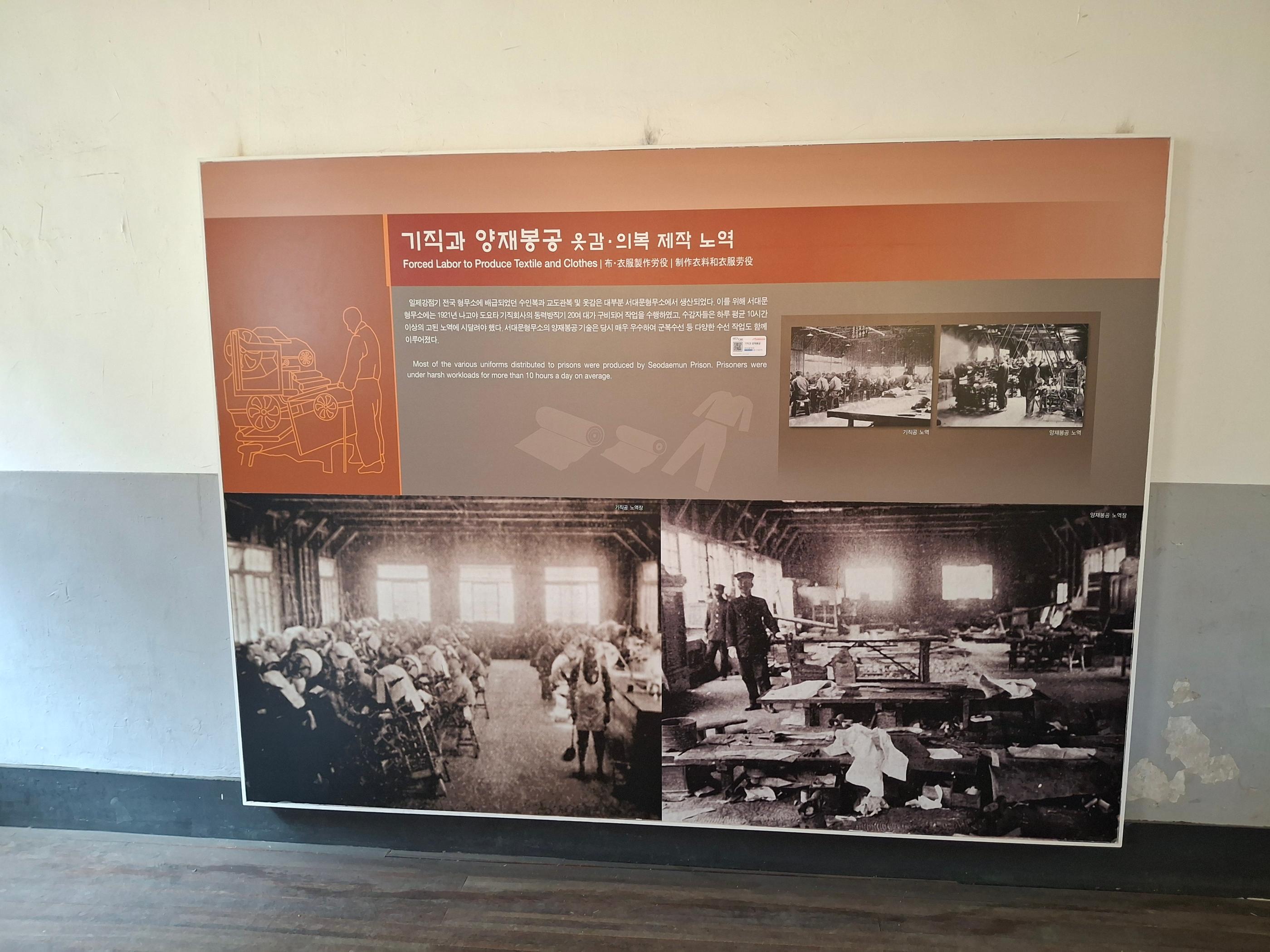
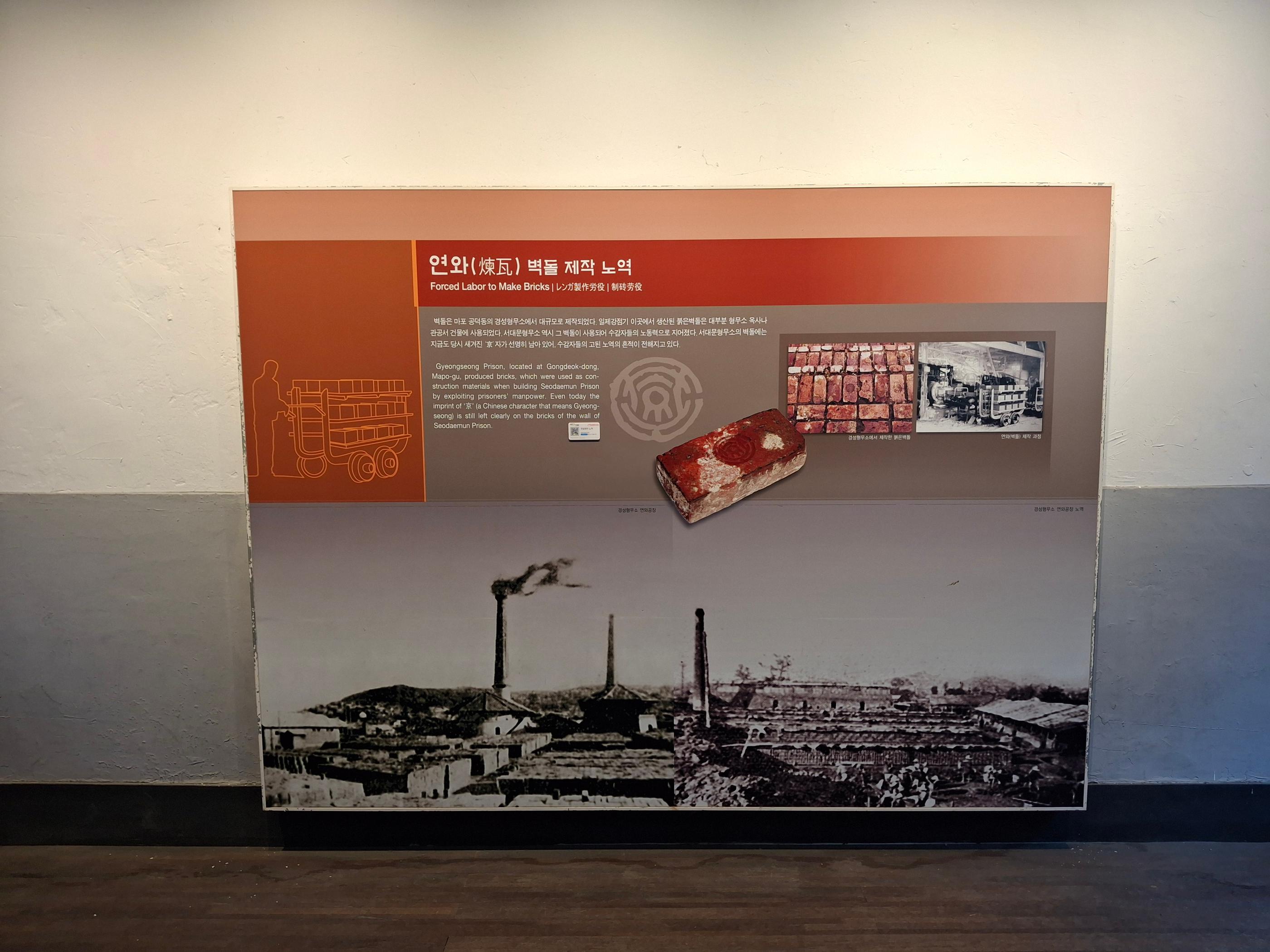
受刑者が収容されていた建物のすぐ隣には、かつての工場の建物があります。日本の植民地時代、各刑務所には受刑者の労働力を動員して刑務所や軍の基地、役所に必要な物資を製造・供給する工場がありました。ここでは受刑者が強制労働や人権侵害にさらされ、1930年代後半以降は第二次世界大戦の軍需品を生産・供給していました。
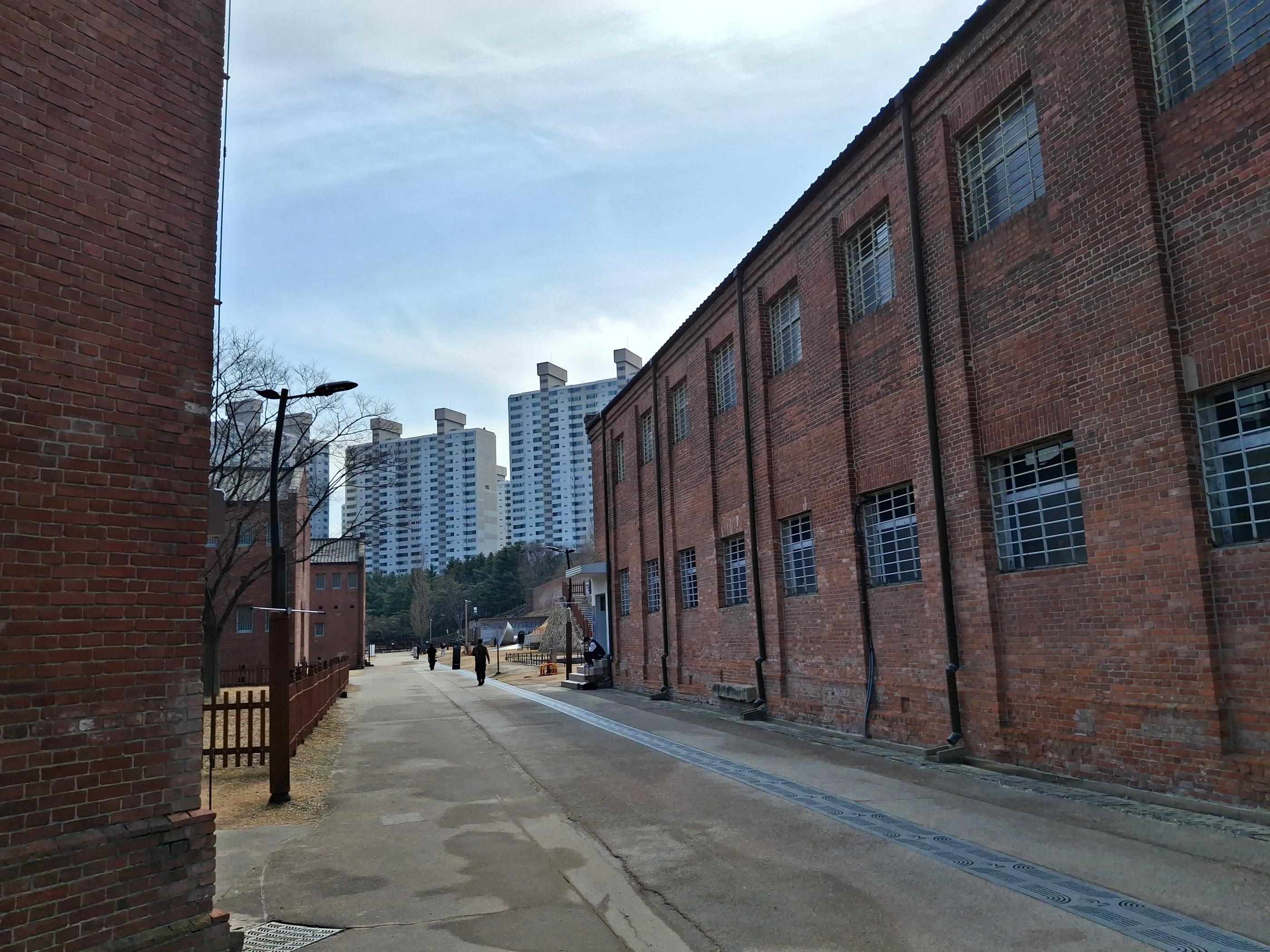
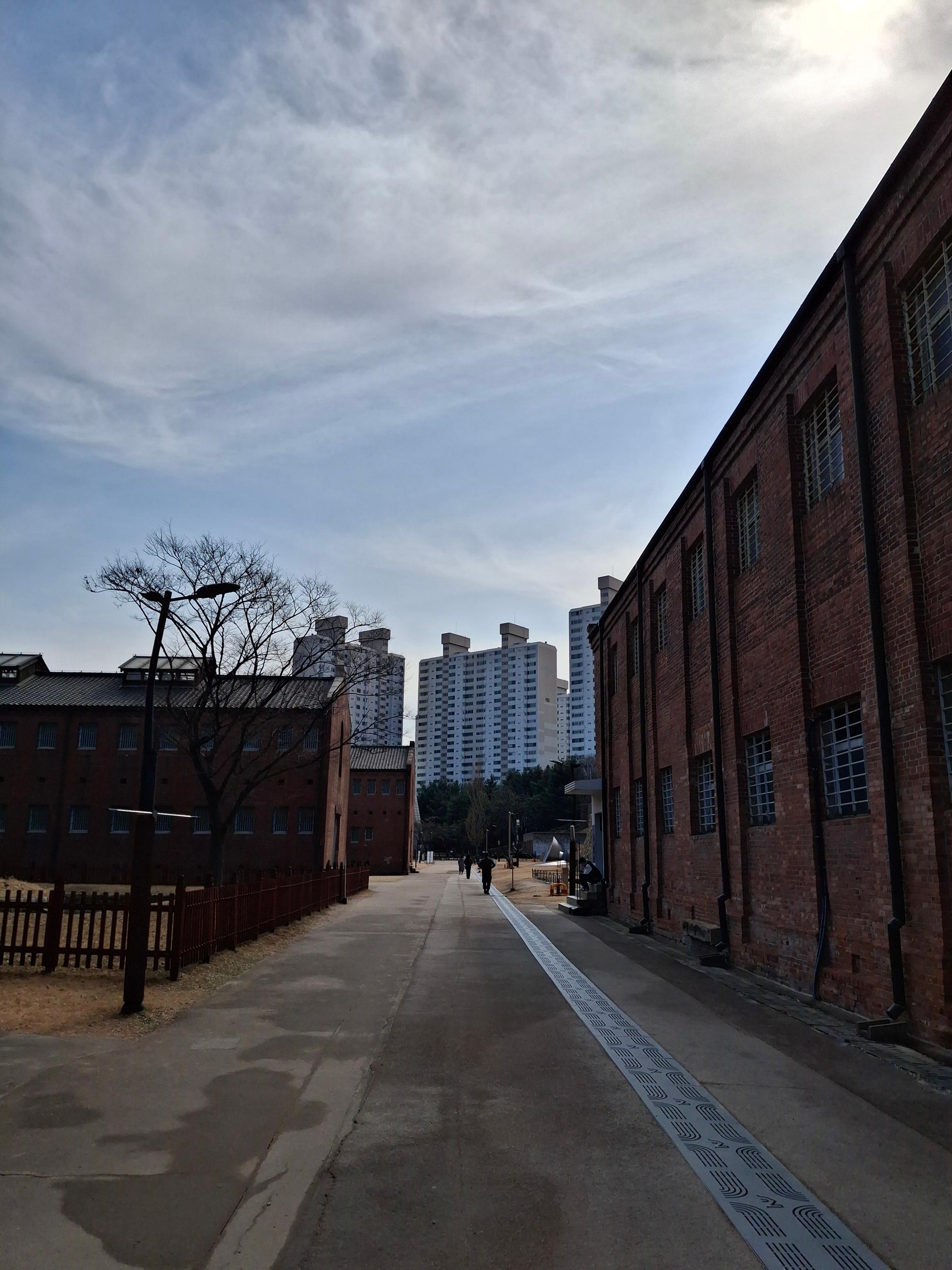
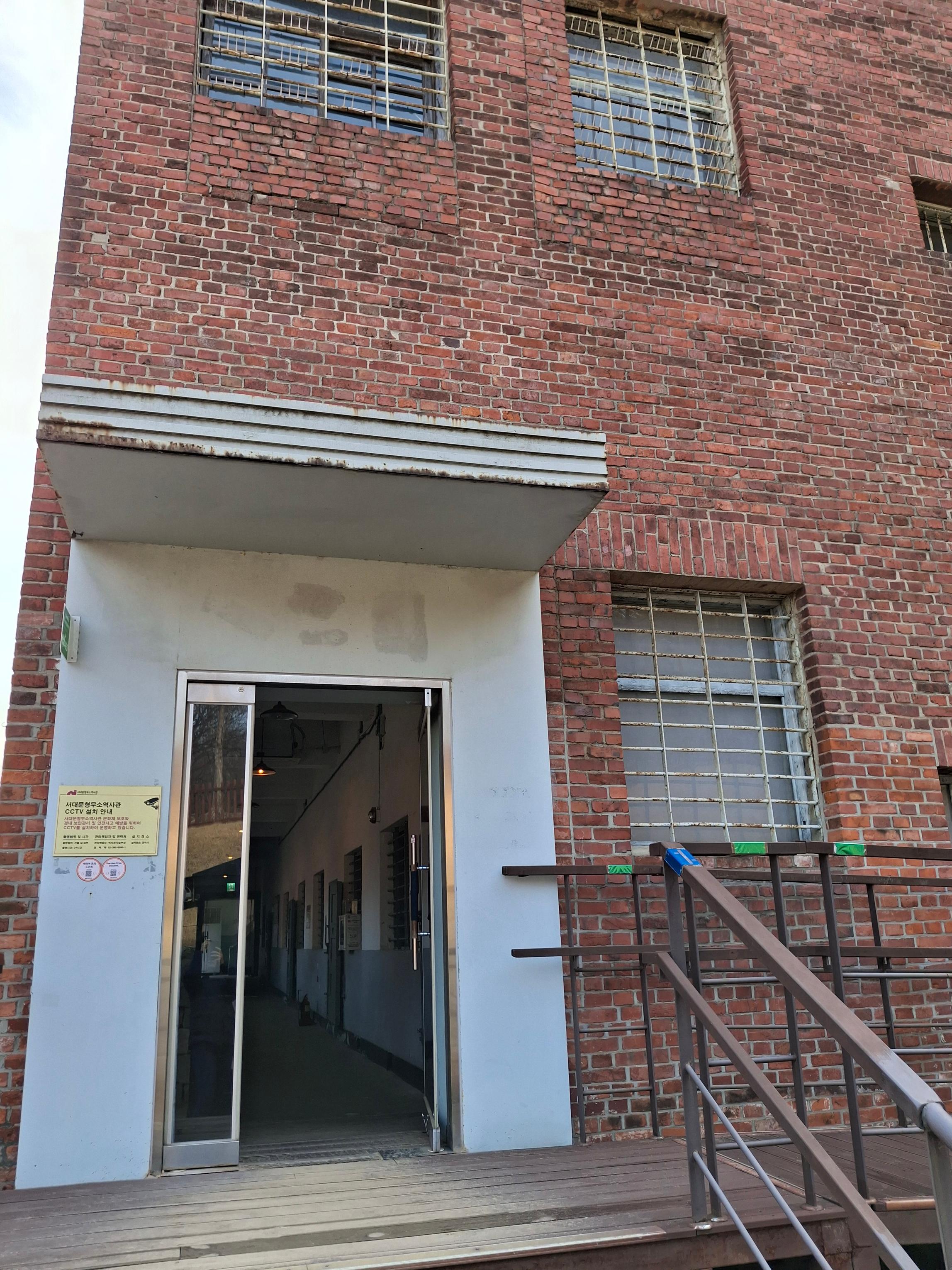
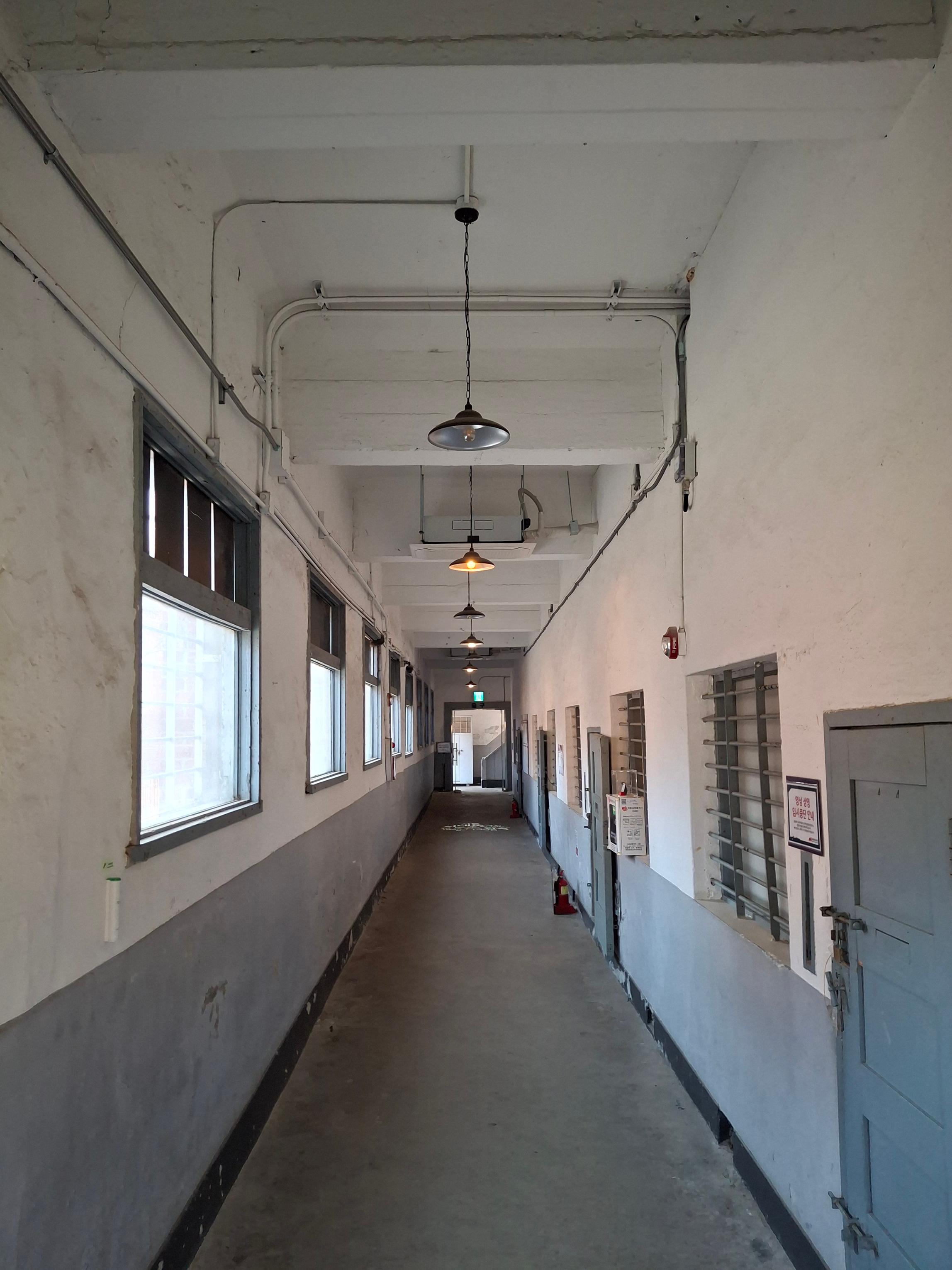
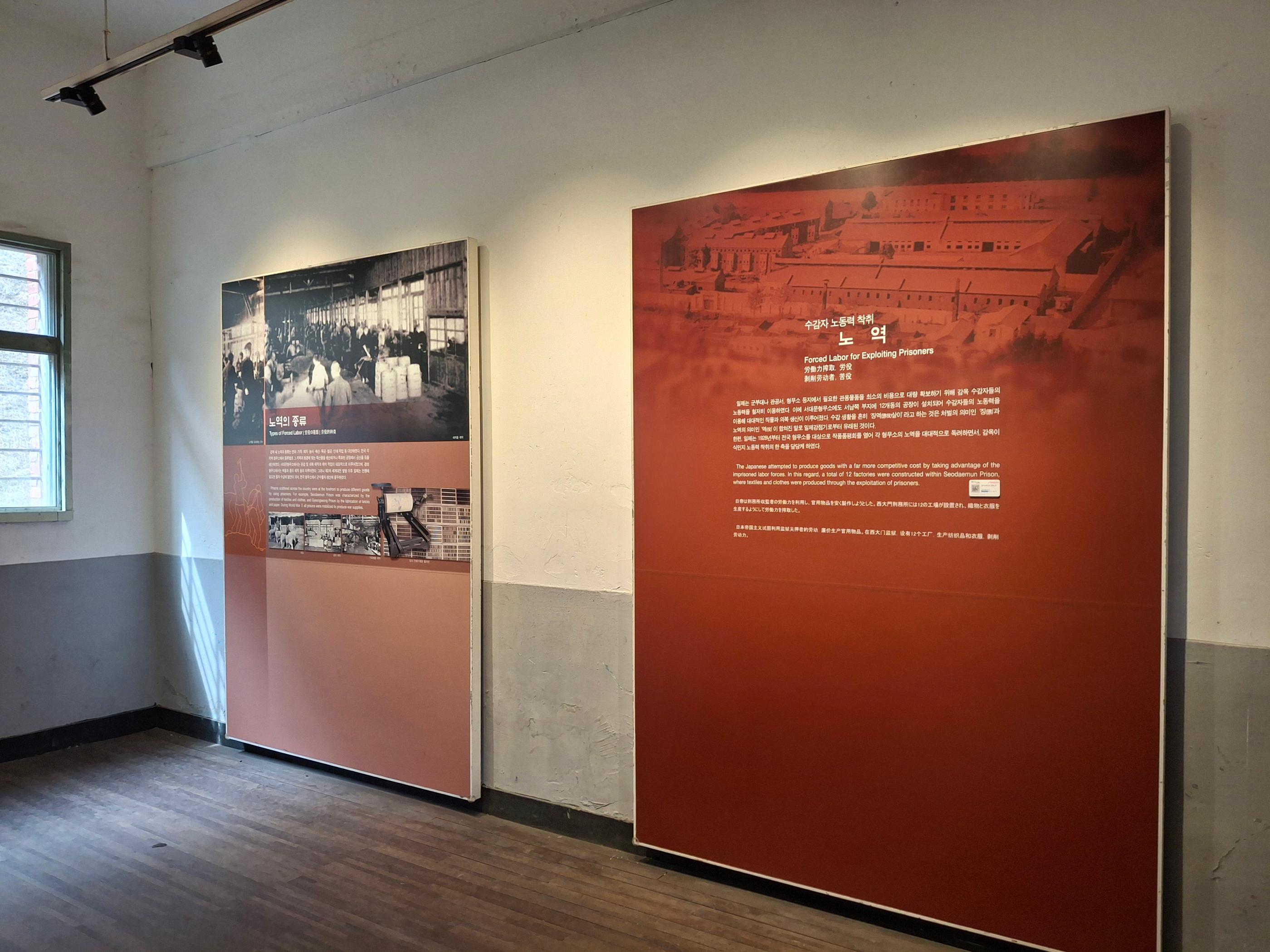
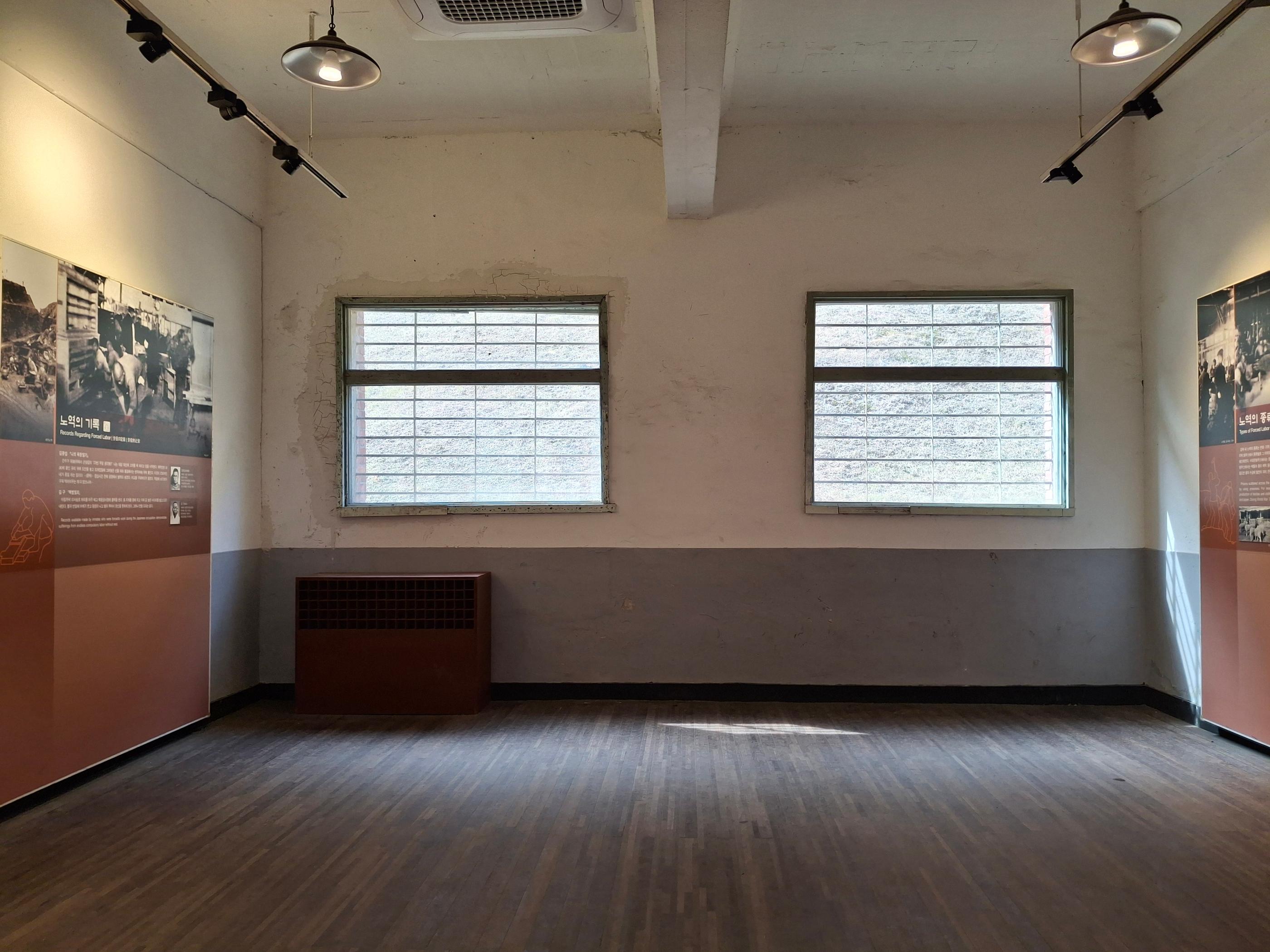
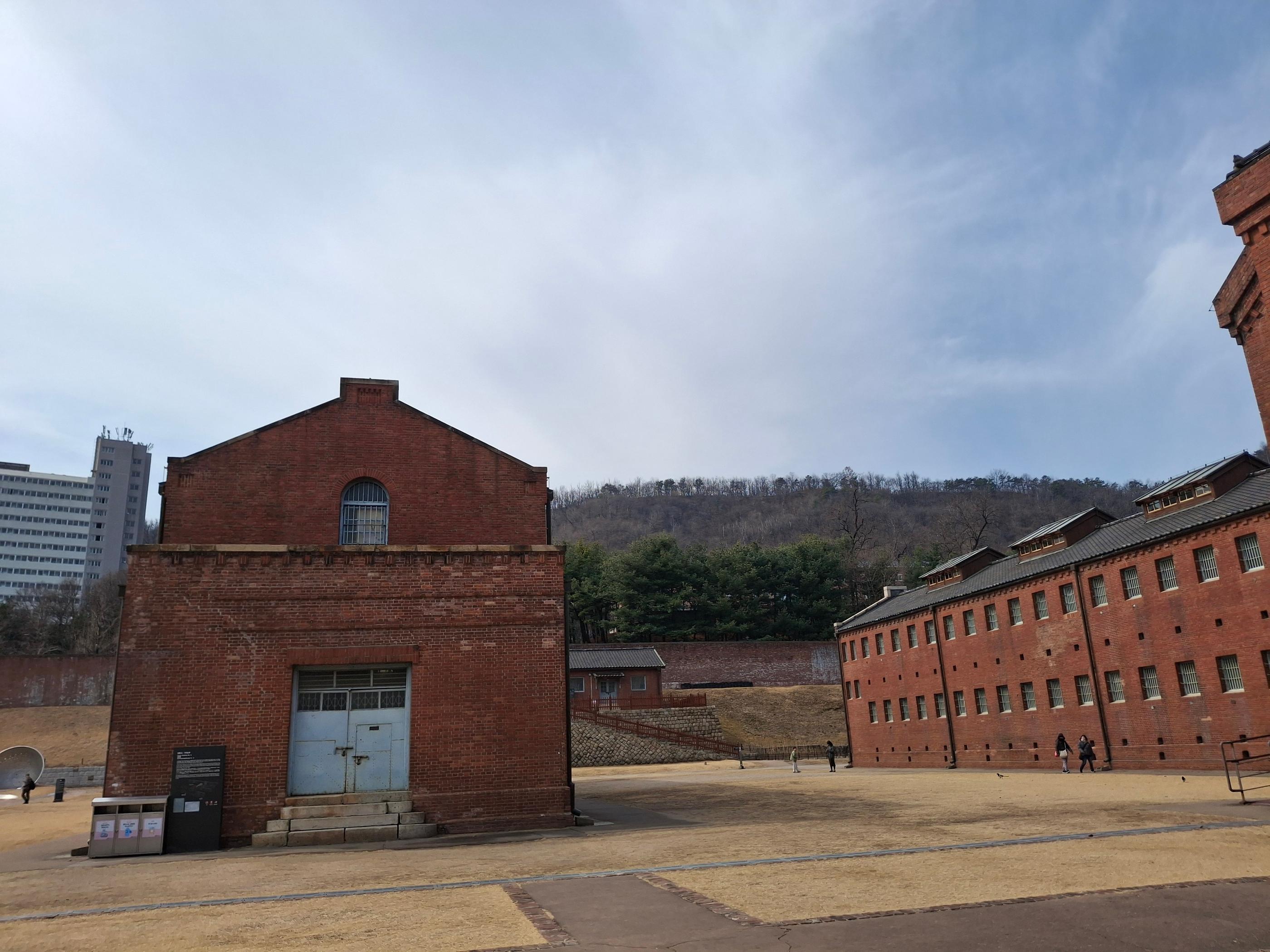
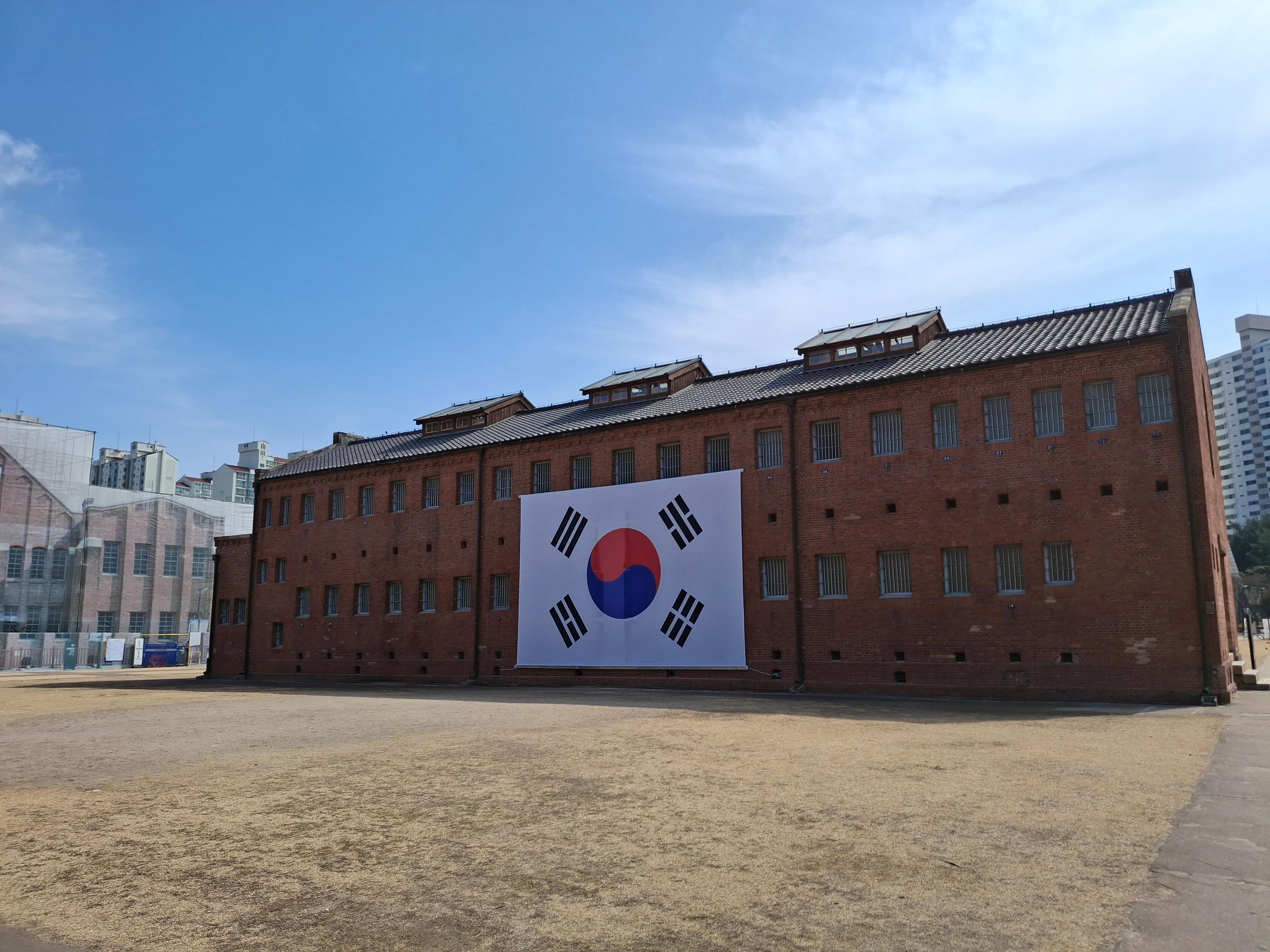
刑務所の敷地の中央には、1920年代に建てられた二階建ての独立した建物があります。これはソデムン刑務所の中で中央の刑務所とつながっていない唯一の独立棟で、当時の日本の植民地支配に対する反日独立運動や反日独立活動で検挙された「イデオロギー犯」たちに対する特別な監視と管理が主に行われた場所でした。
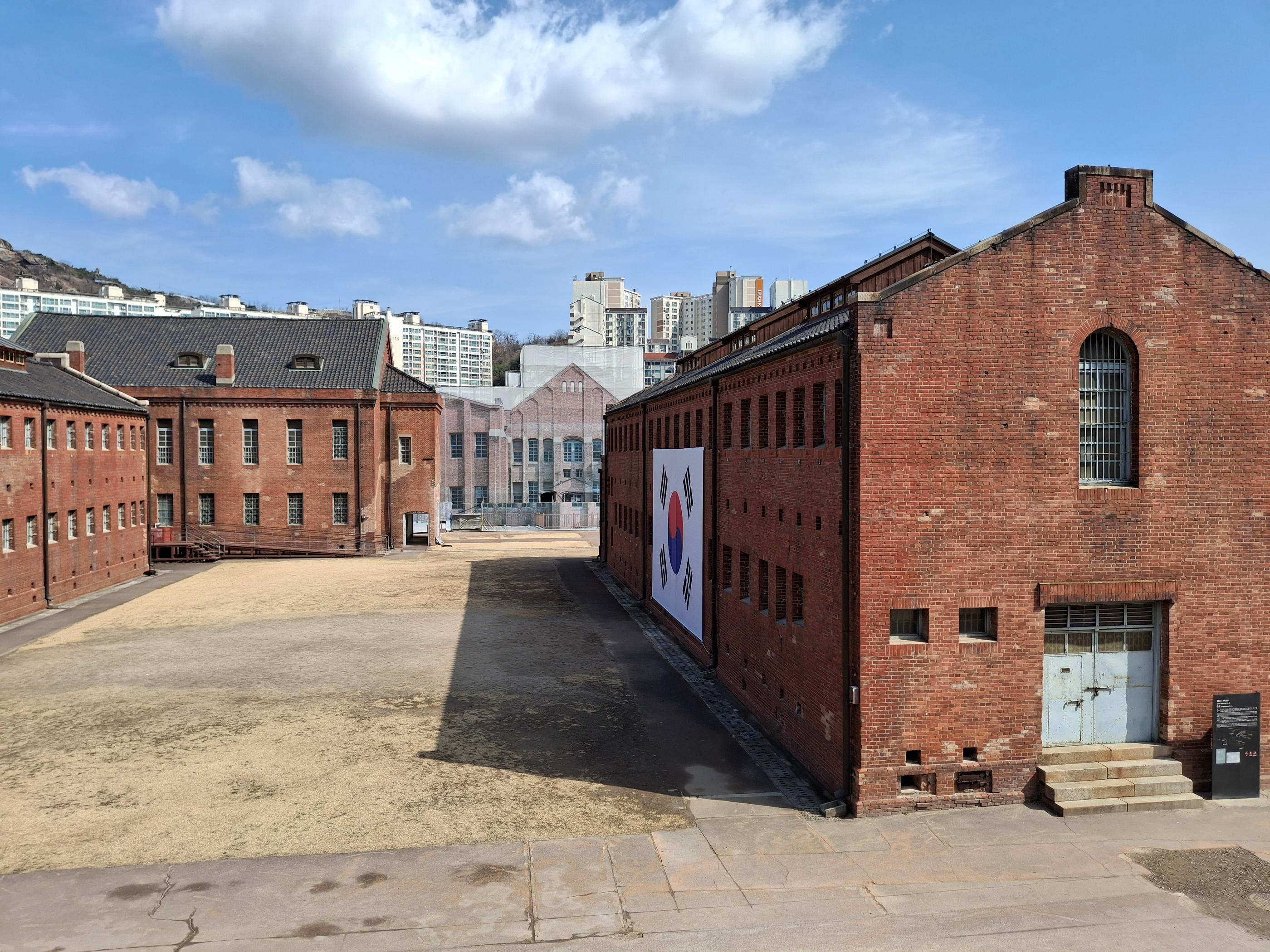
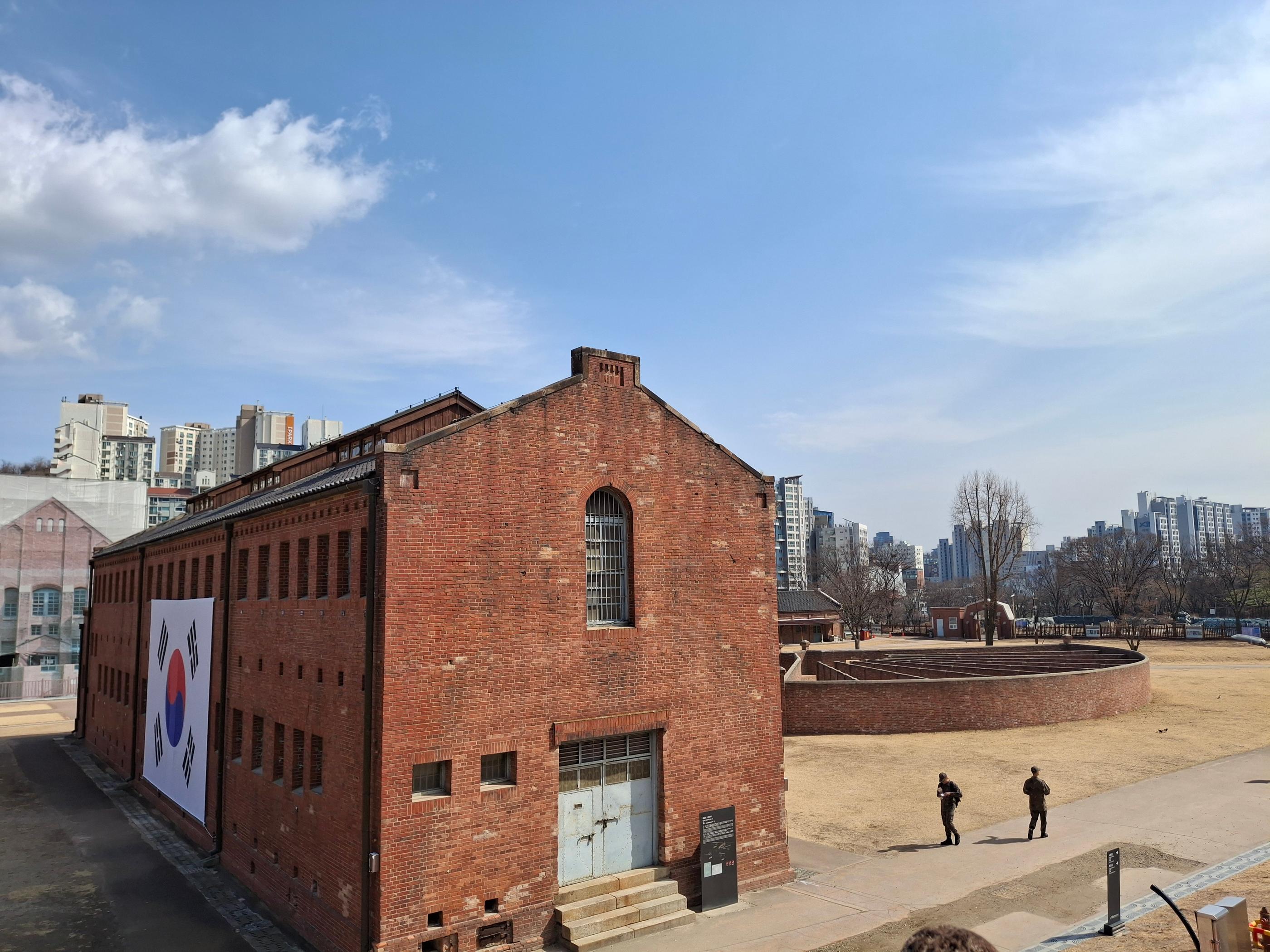
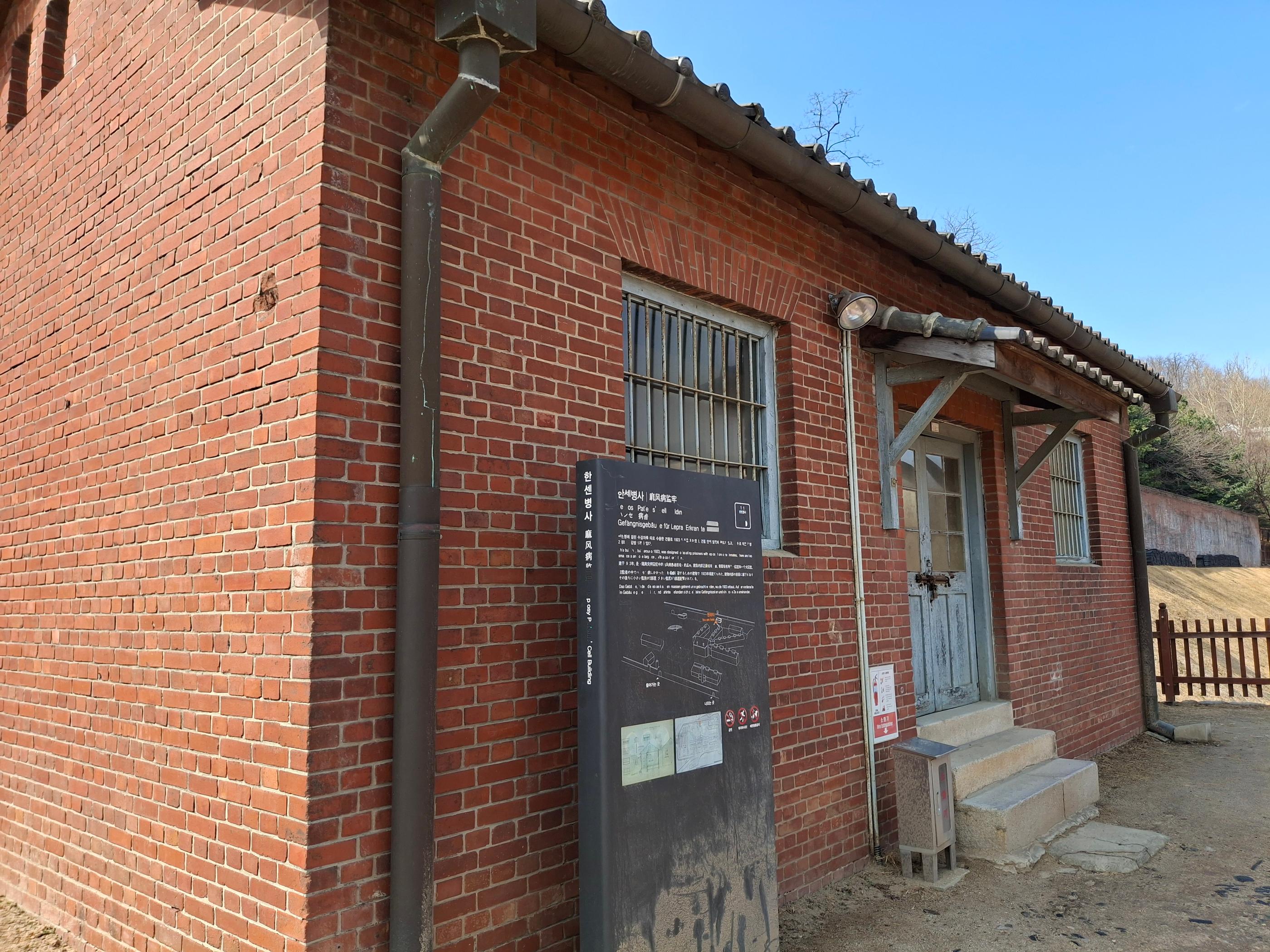
工場の隣、丘の高い所に、小さく孤立した建物が建っています。ここはハンセン病患者の隔離収容所で、ハンセン病にかかった受刑者が収容されていました。
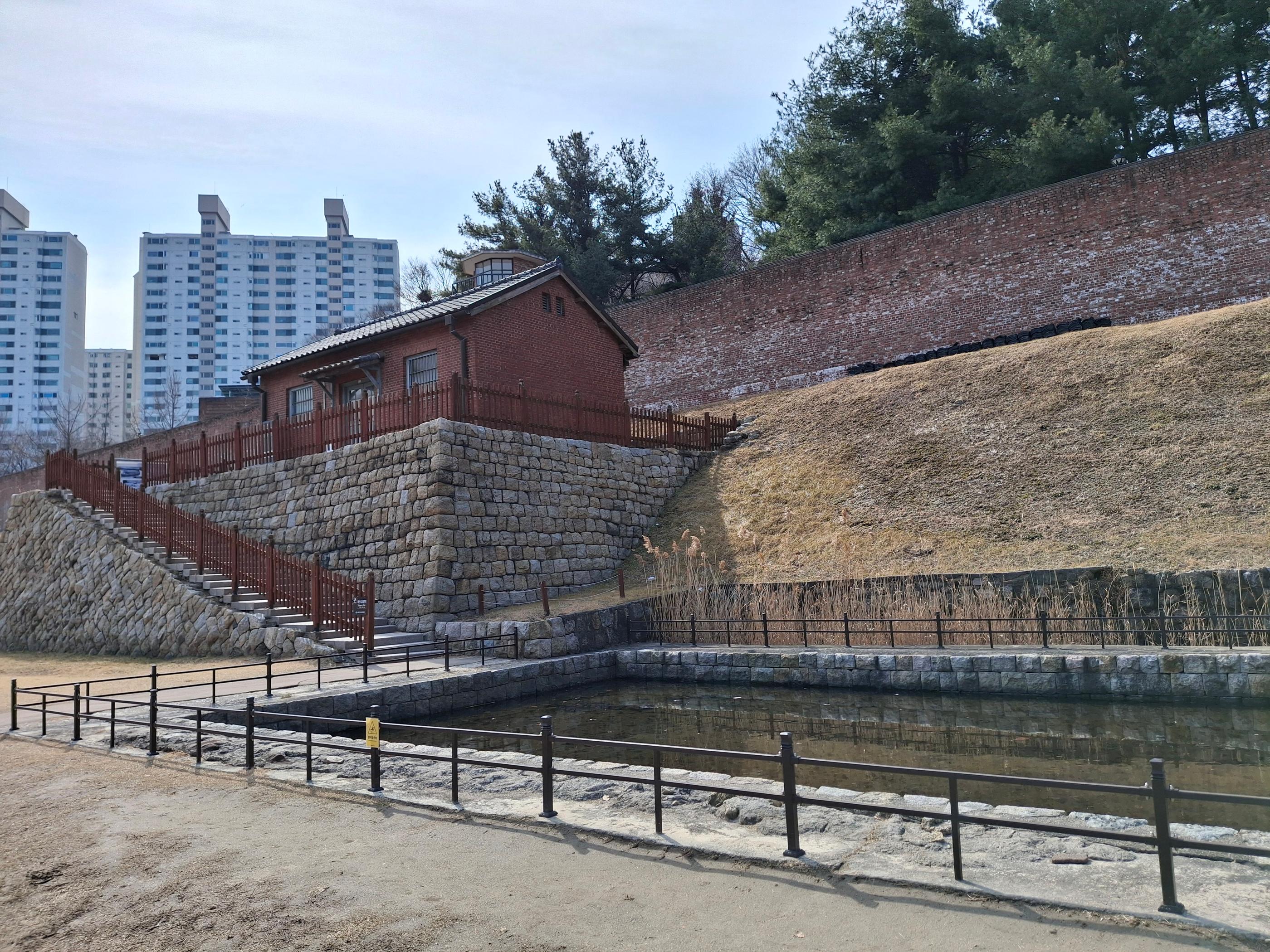
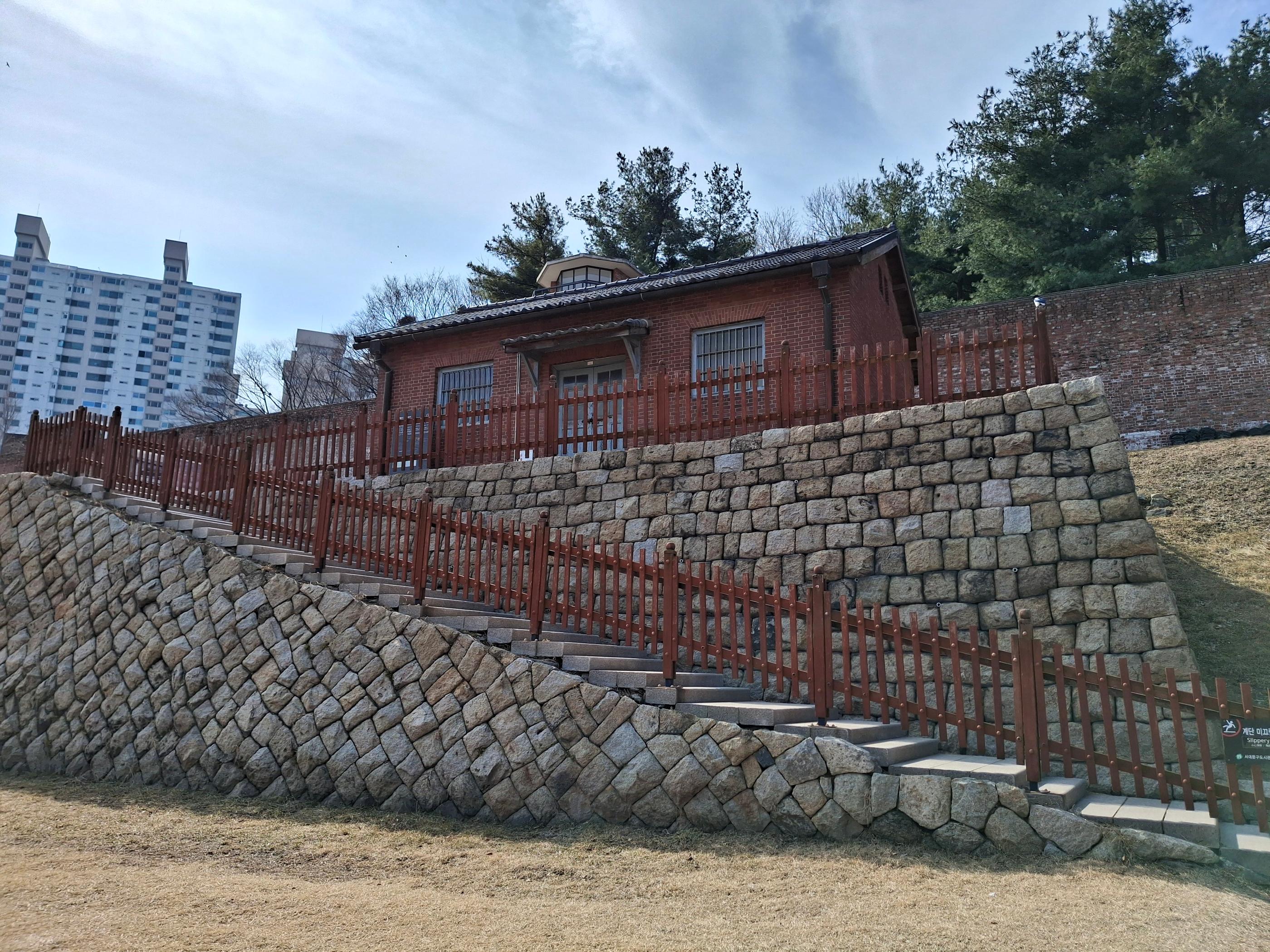
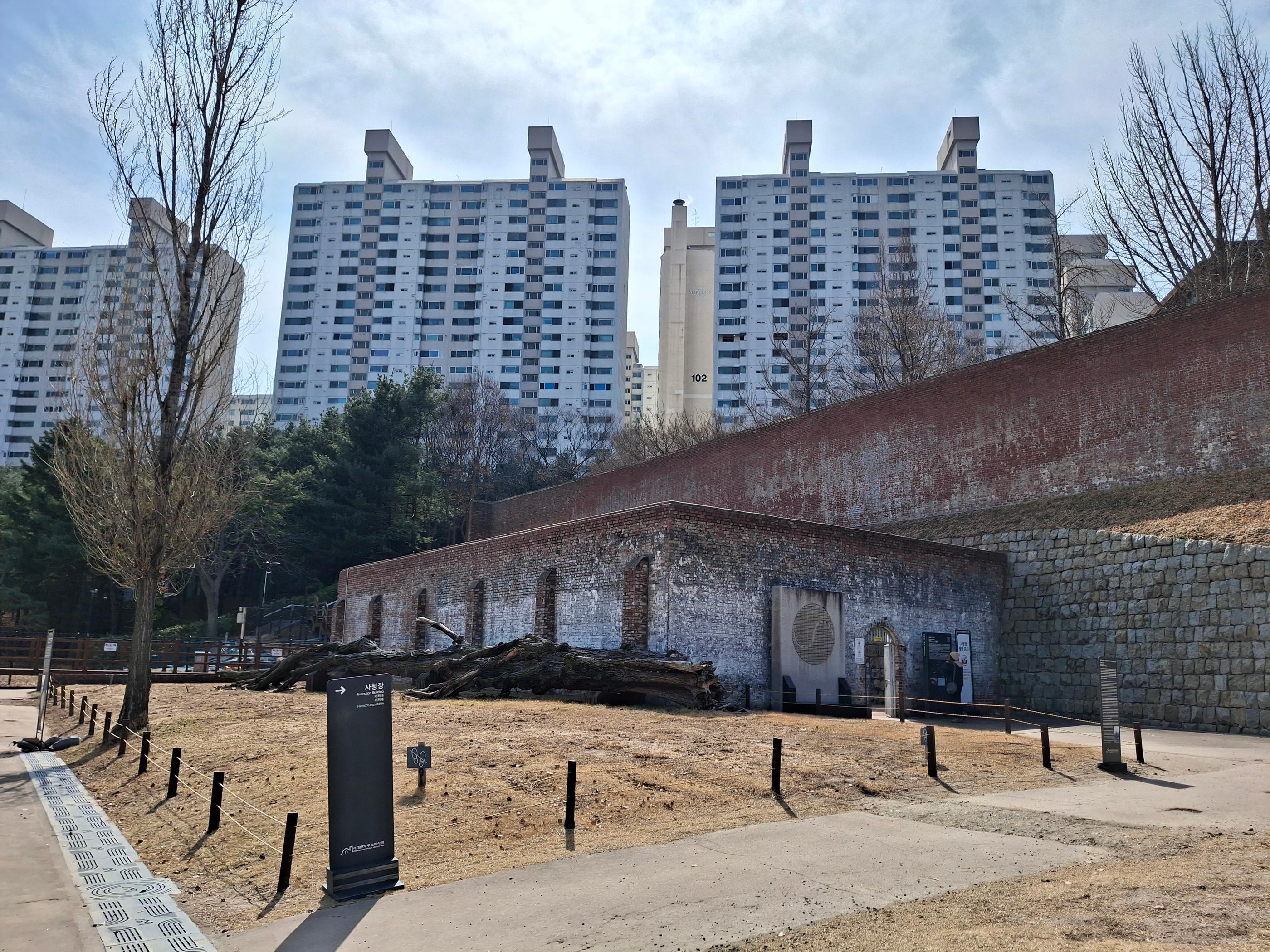
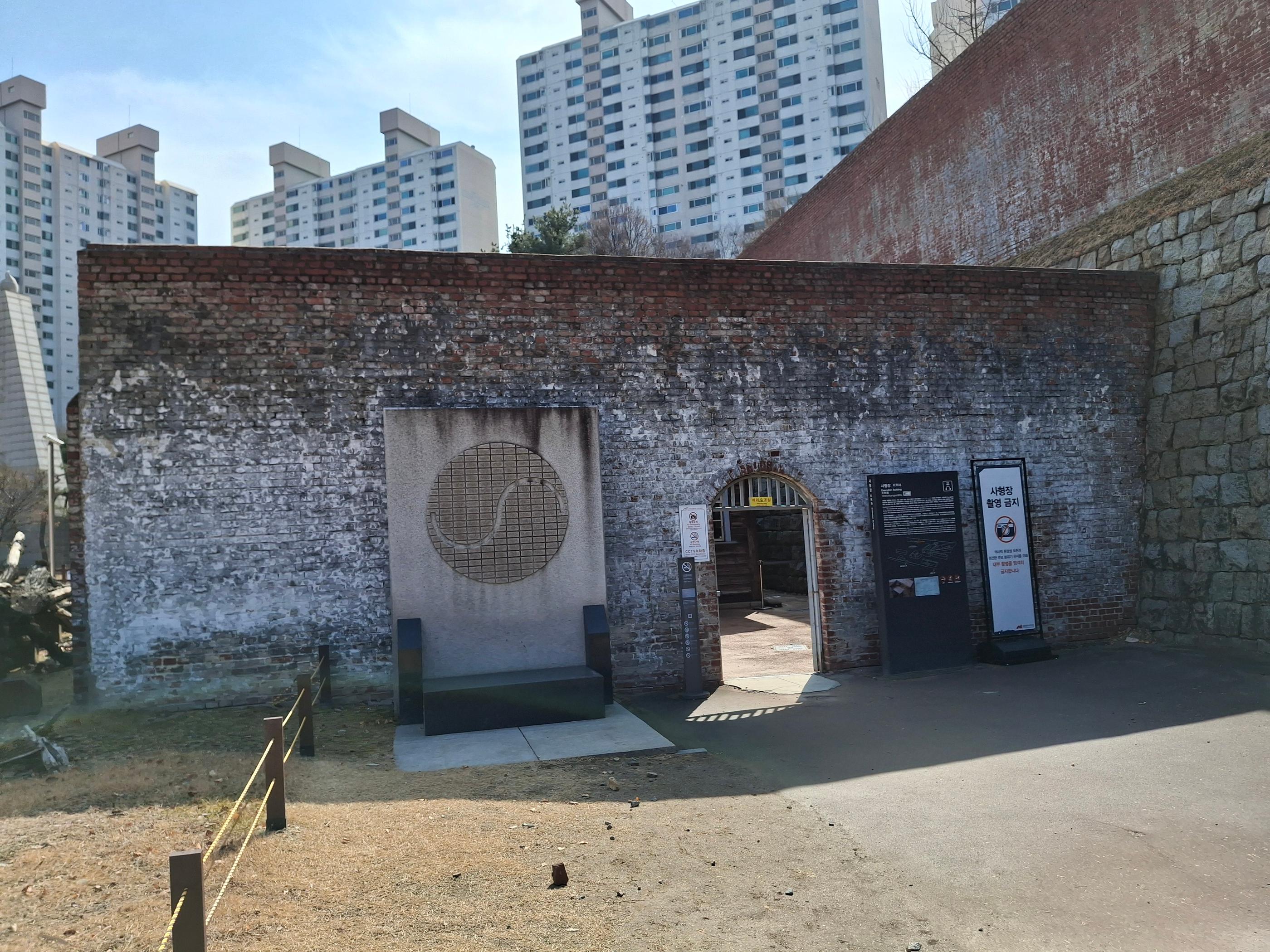
刑務所の敷地内でさらに恐ろしい場所のひとつが処刑場です。ここで死刑が執行されました。地上1階、地下1階の日本式木造建物で、処刑場は高さ5メートルの柵に囲まれており、ソデムン刑務所の内部から見えないように遮られていました。1階には絞首刑を行うために開閉する床板、絞首に使われた縄、床板を幕の後ろへ下ろす装置があります。床板の下の地下室は遺体が回収された空間です。
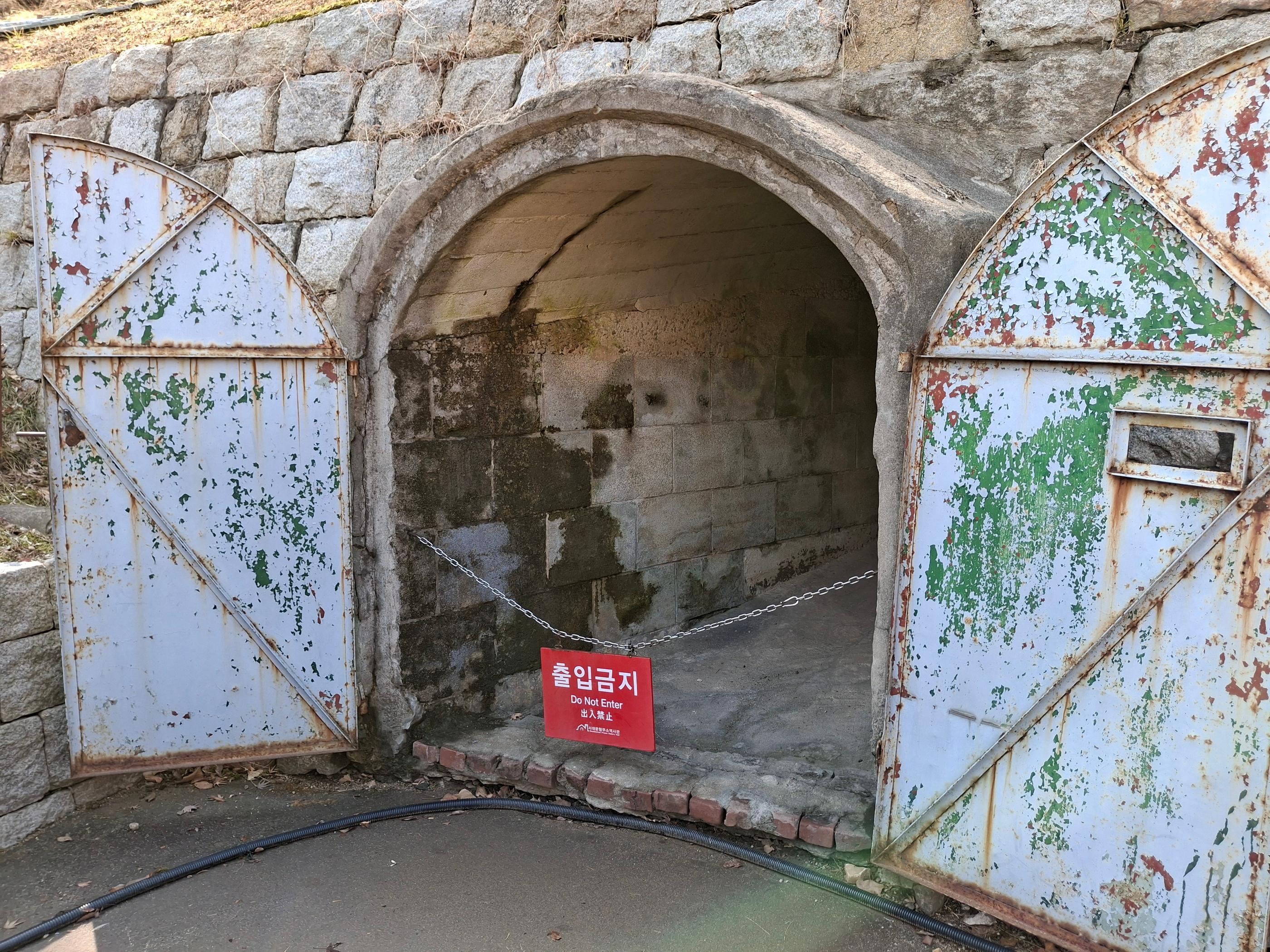
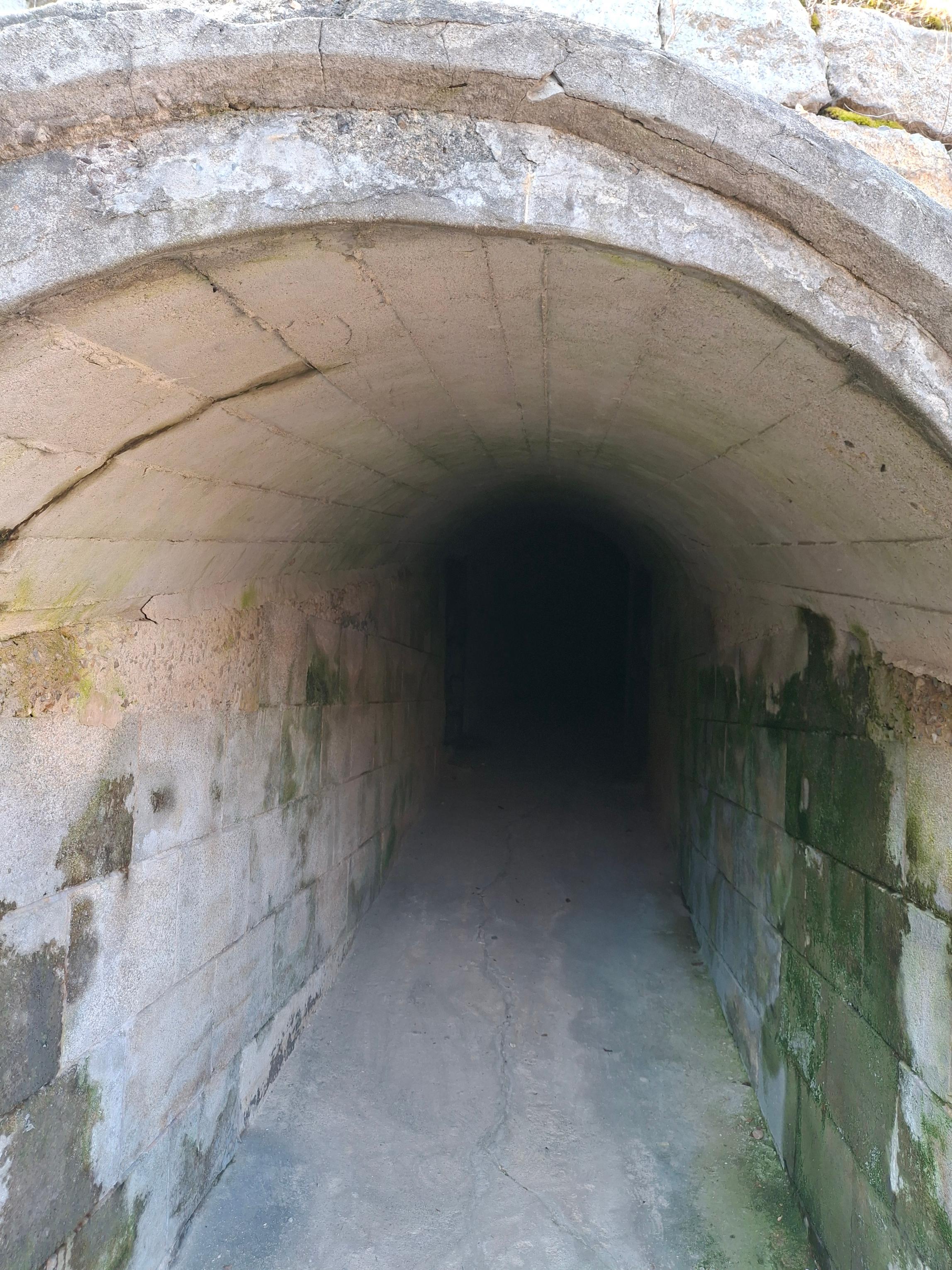
近くには、建物と外部を結んでいた通路がありました。日本植民地時代に処刑後、遺体を墓地へ運ぶために使われました。崩壊した全長40メートルの通路は、独立公園の整備と復元工事の際の1992年に発掘され、元の長さは約200メートルと伝えられています。日本帝国は、殴打や拷問の痕跡が多数見られる場合、死刑が確定していて社会的混乱の恐れがある場合、あるいは遺体を受け取る遺族がいない場合に、この通路を通して遺体を送ったのです。
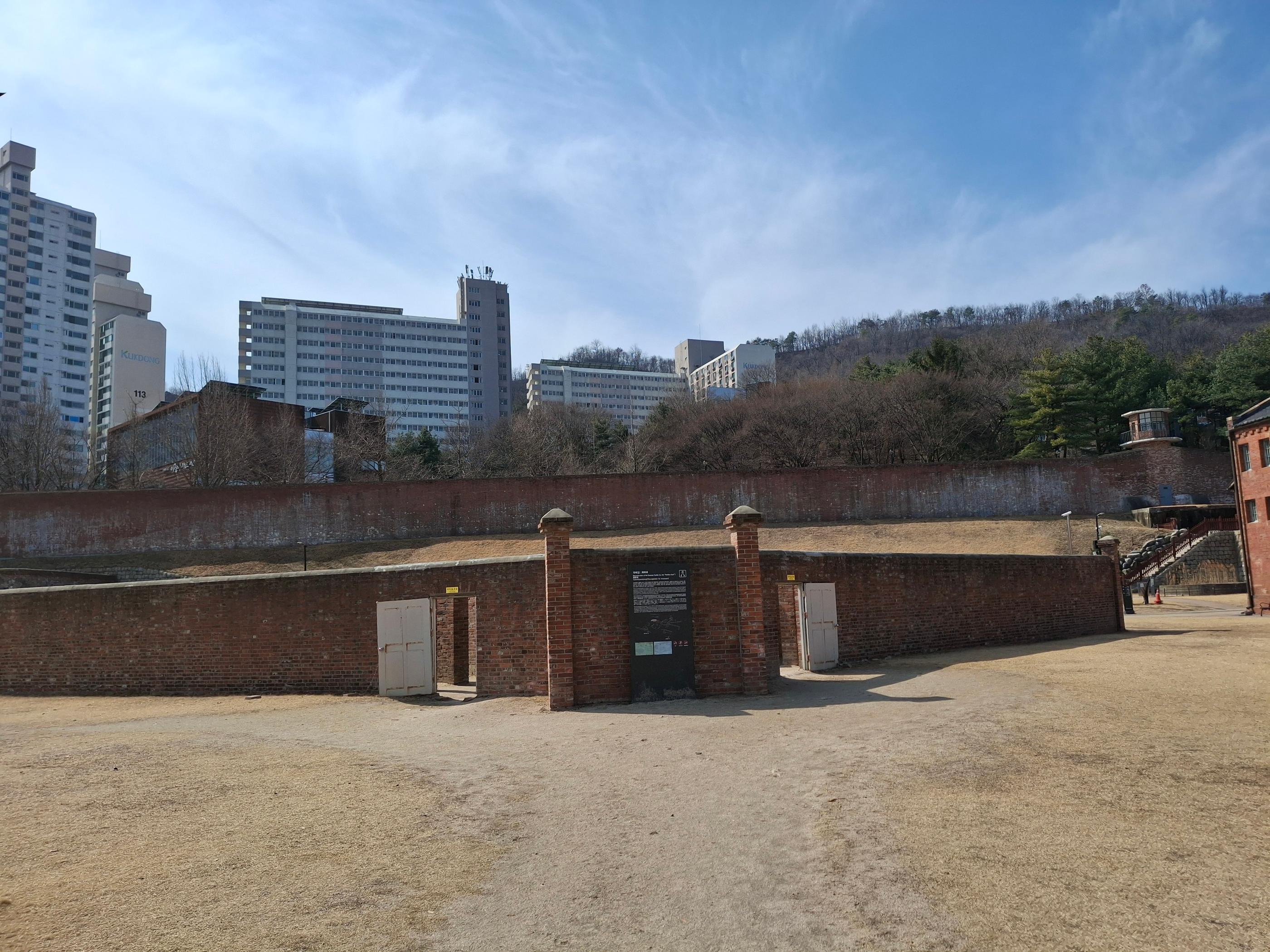
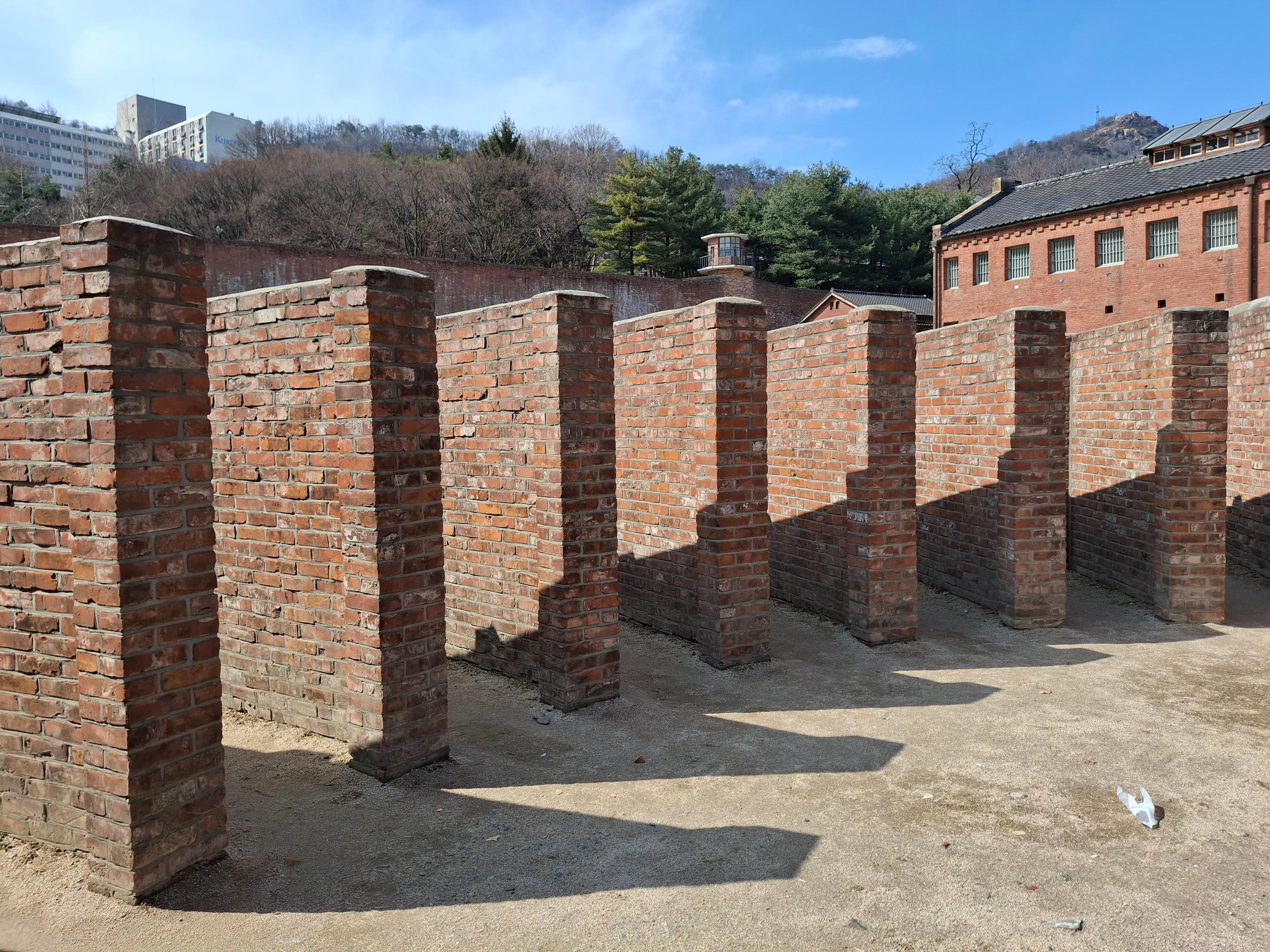
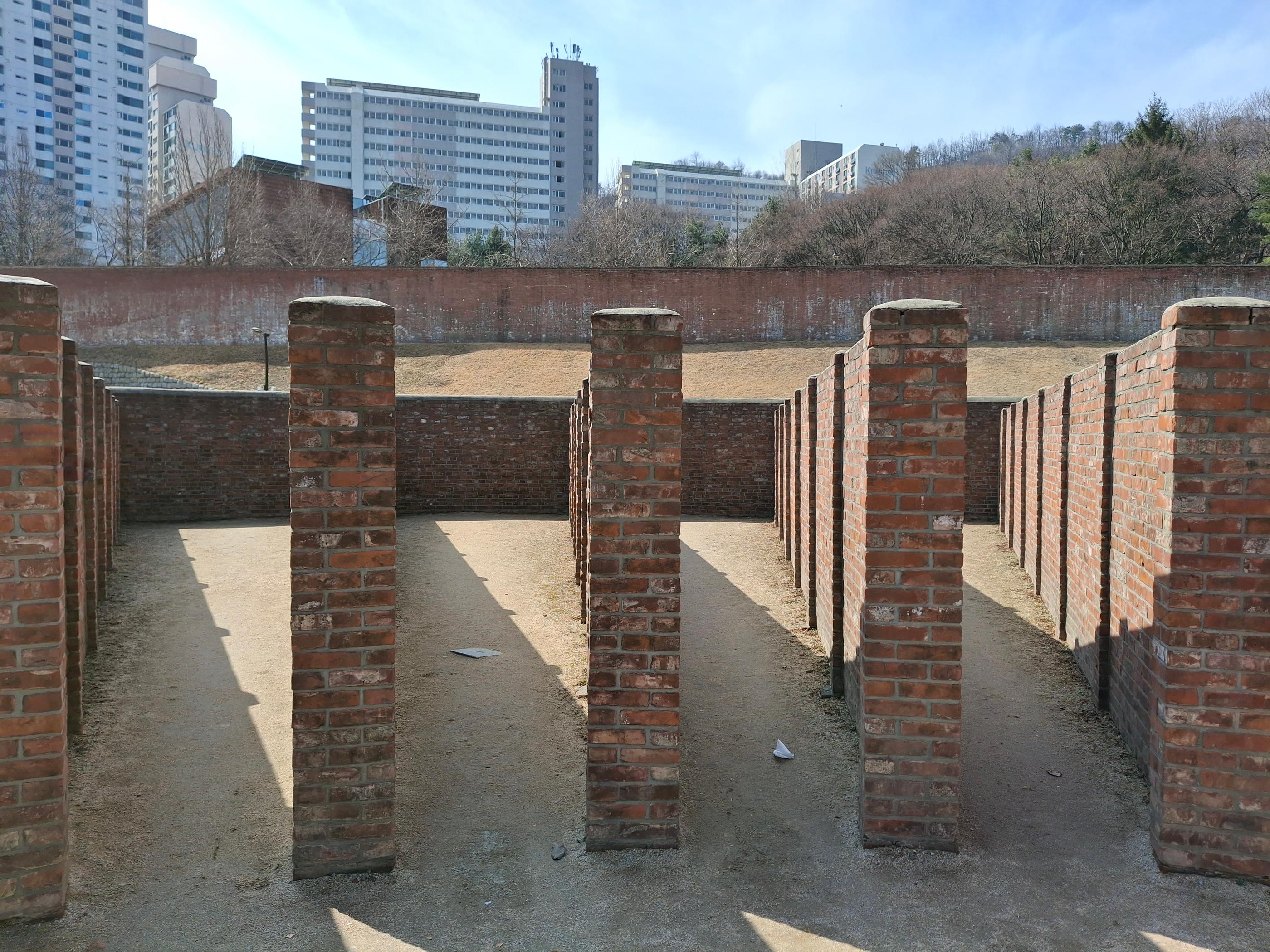
囚人が散歩するための特別な屋外エリアが設けられていました。運動中に話したり逃亡したりするのを防ぐため、囚人を分けて監視するための仕切りが設置されていました。扇形、典型的な円形の刑務所構造の形をしており、囚人を容易に監視・統制するために中央に高い監視所が設けられていました。解放後に取り壊され、元の位置から約20メートル離れた場所に2011年に元の姿で復元されました。
刑務所の入口近くには、女性用の独房がある別棟があります。1916年頃に建設され、前科のある女性の拘留施設として1979年に取り壊されましたが、2011年に復元され、女性の独立運動と反日運動に関する遺物を展示する空間になっています。日本の植民地時代に、女性の反日独立運動家たちはここに囚われ、苦難を受けました。
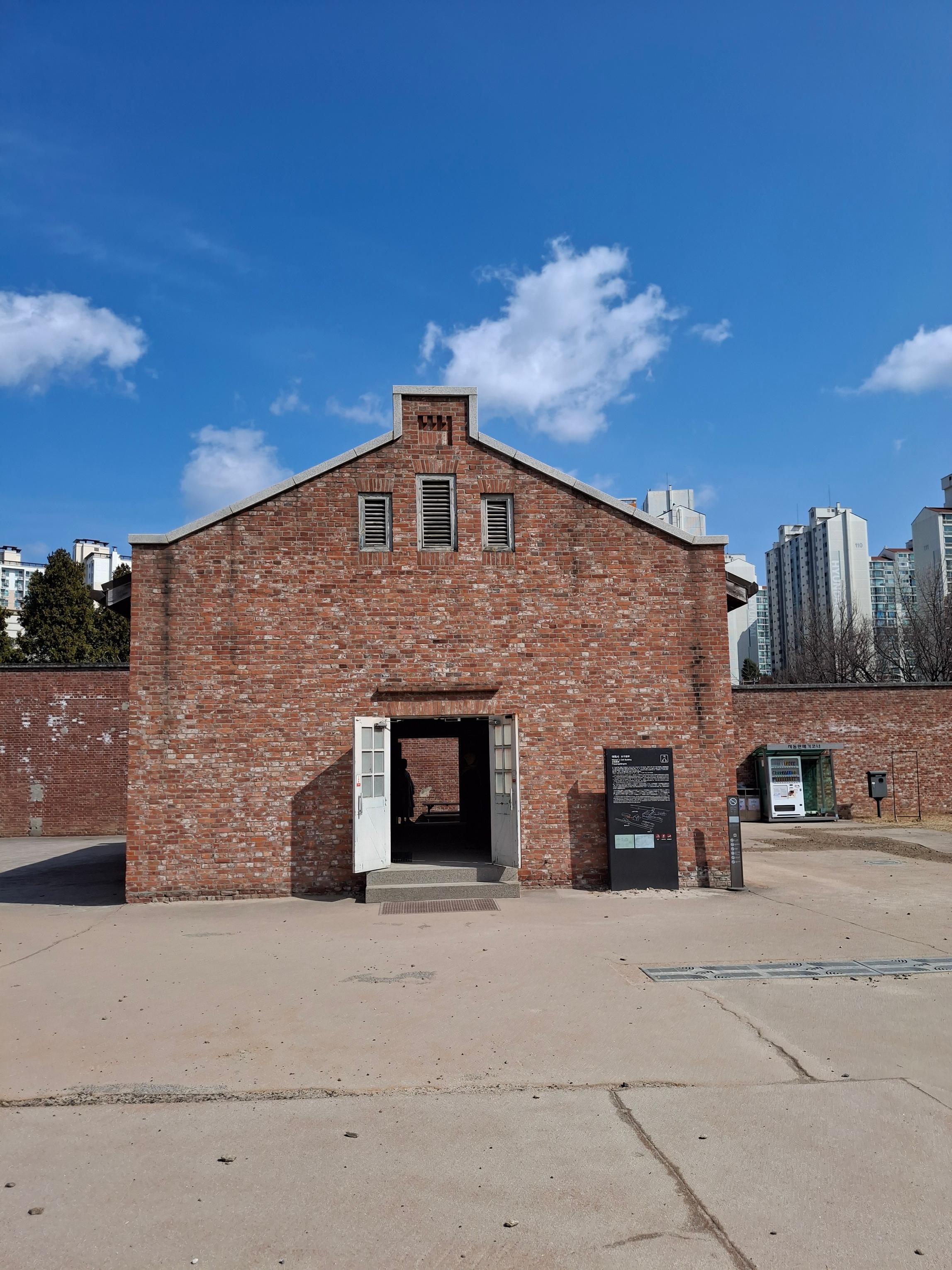
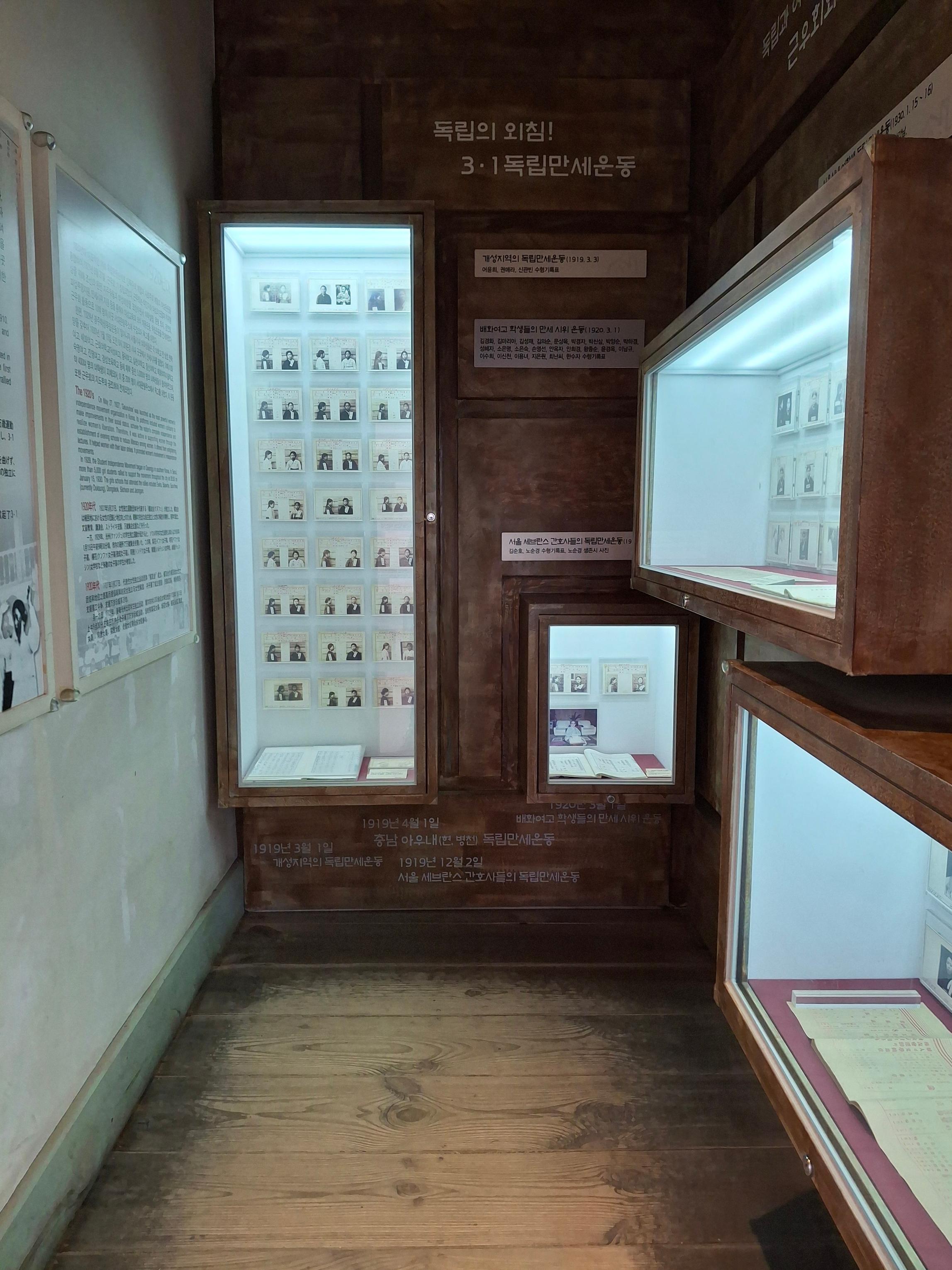
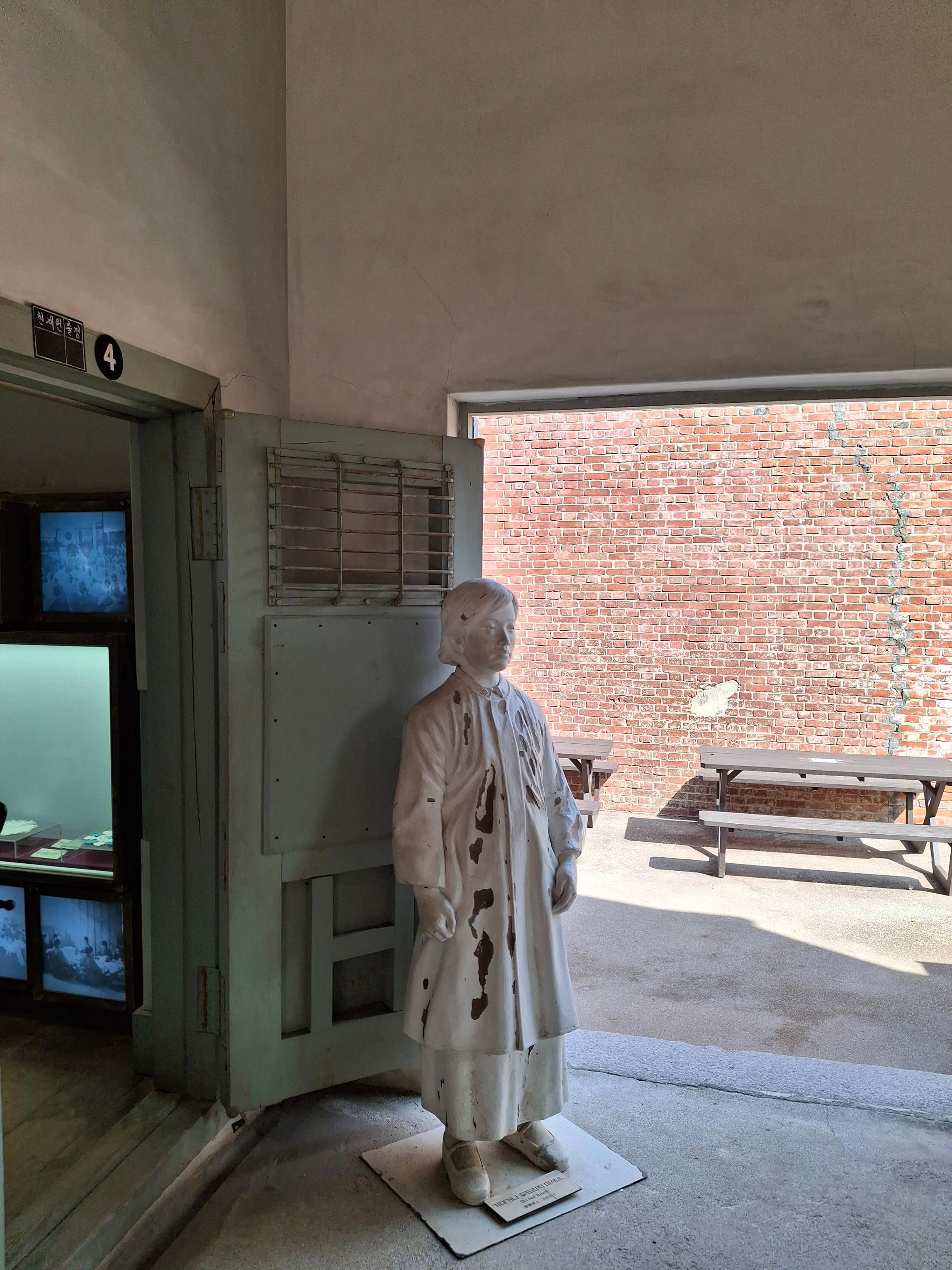
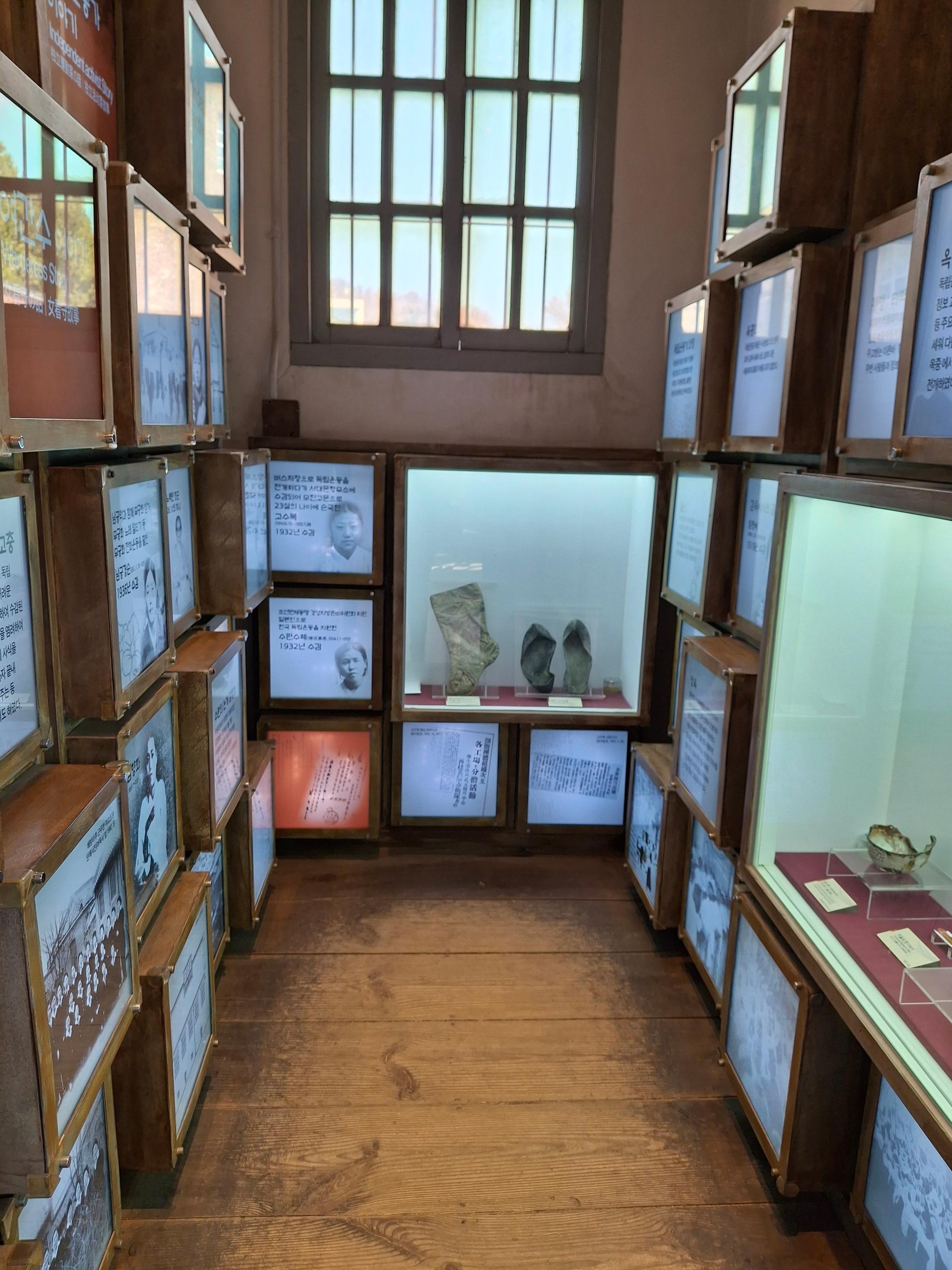
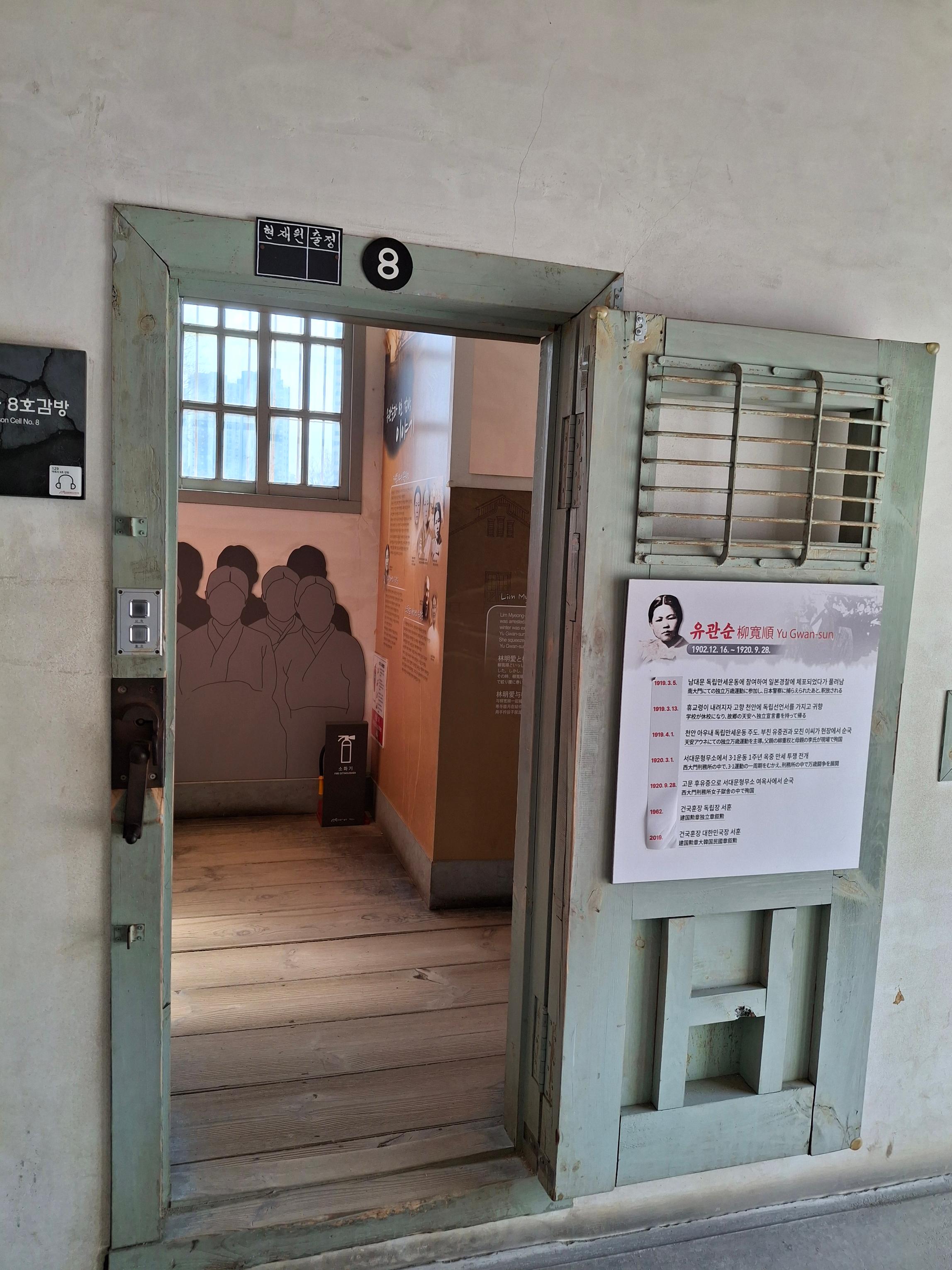
かつての刑務所の厨房の建物も残っています。現在は、土産物店が入っています。
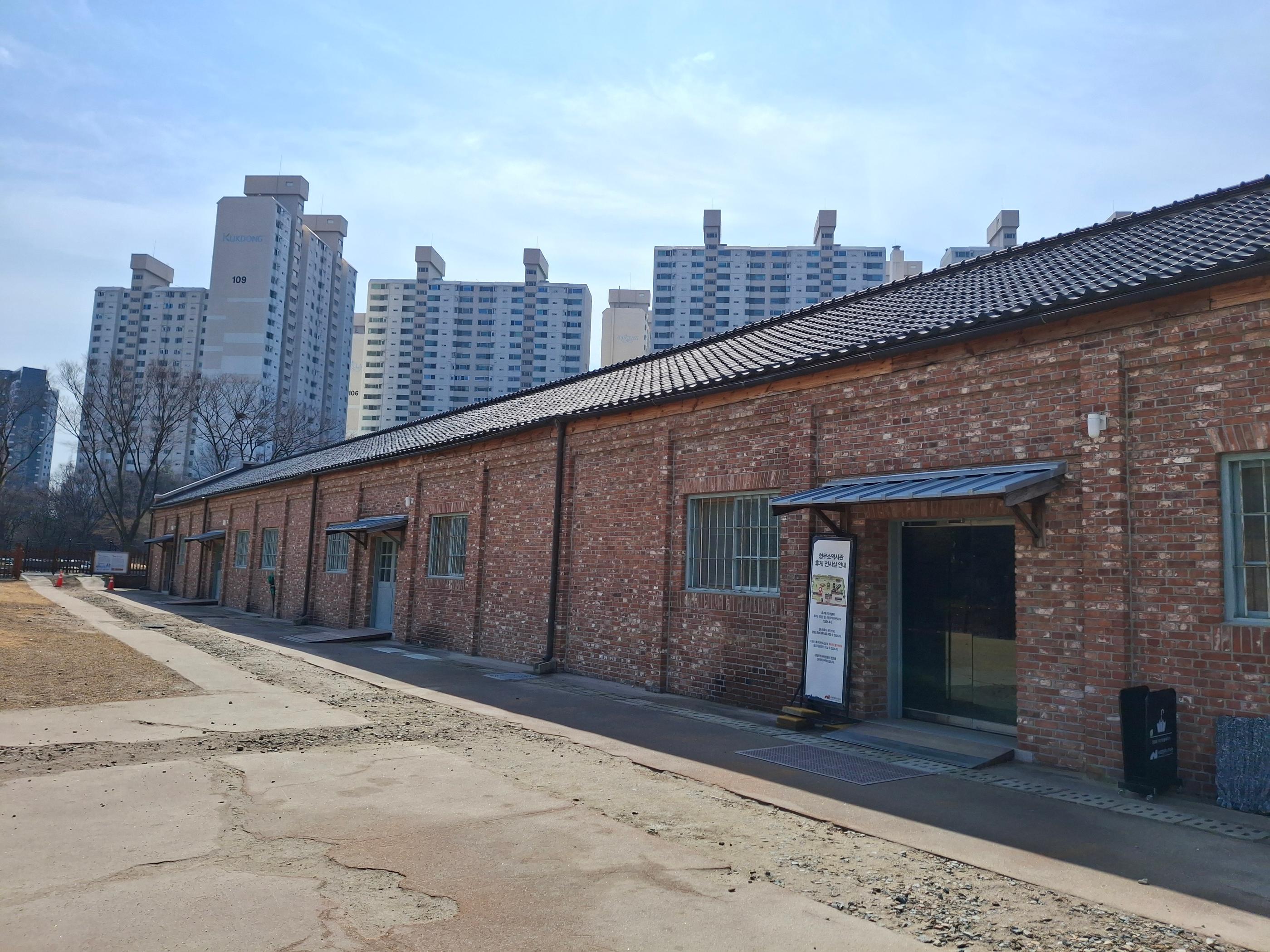
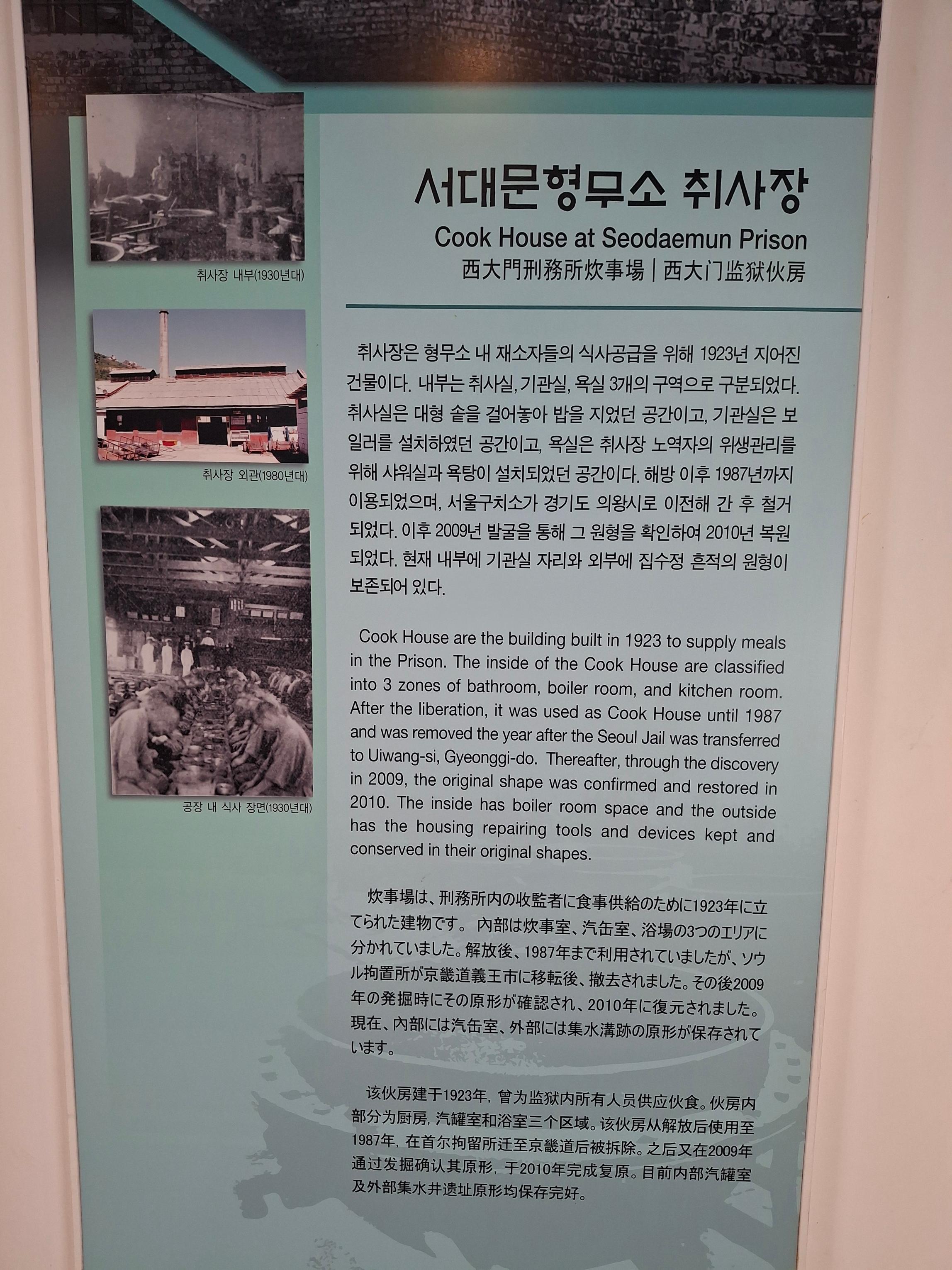
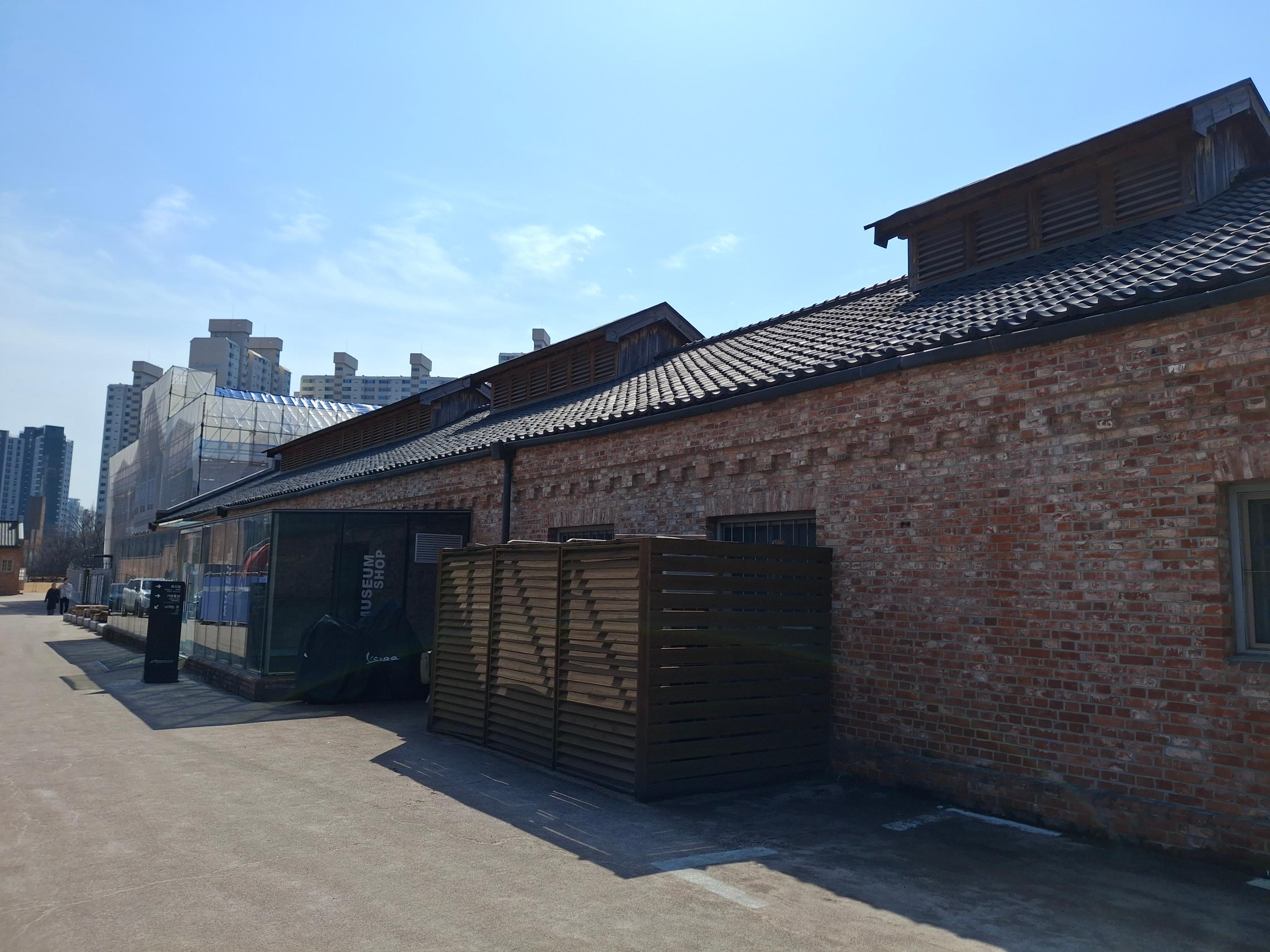
現在、刑務所の敷地は静かで平穏で、鳥のさえずりが聞こえます。つい最近までここが何千人もの韓国の愛国者たちの苦しみと死の現場だったとは想像しにくいです。この博物館の主な目的は、彼らの記憶を保存し、二度と同じことが起こらないようにすることです。
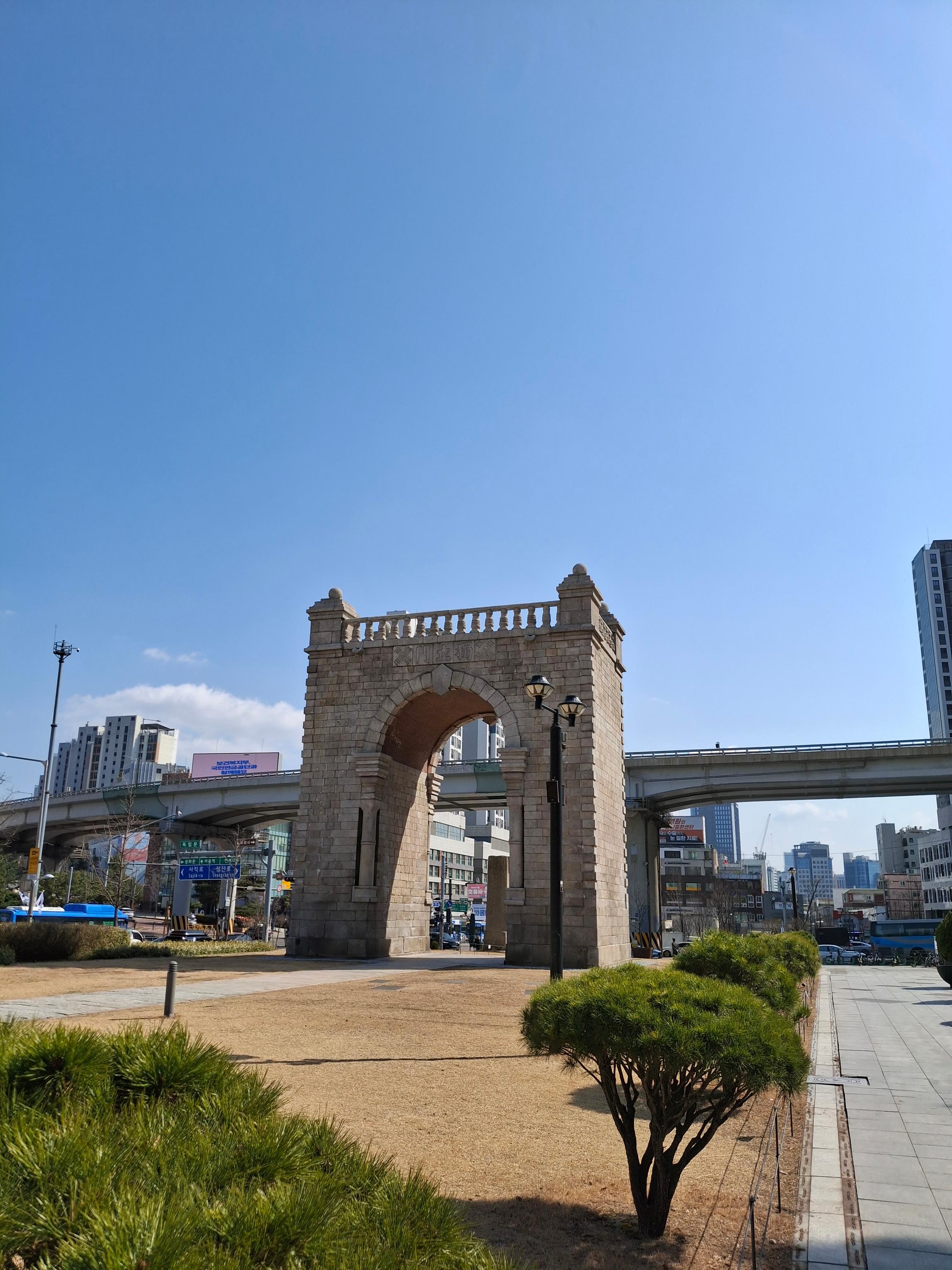
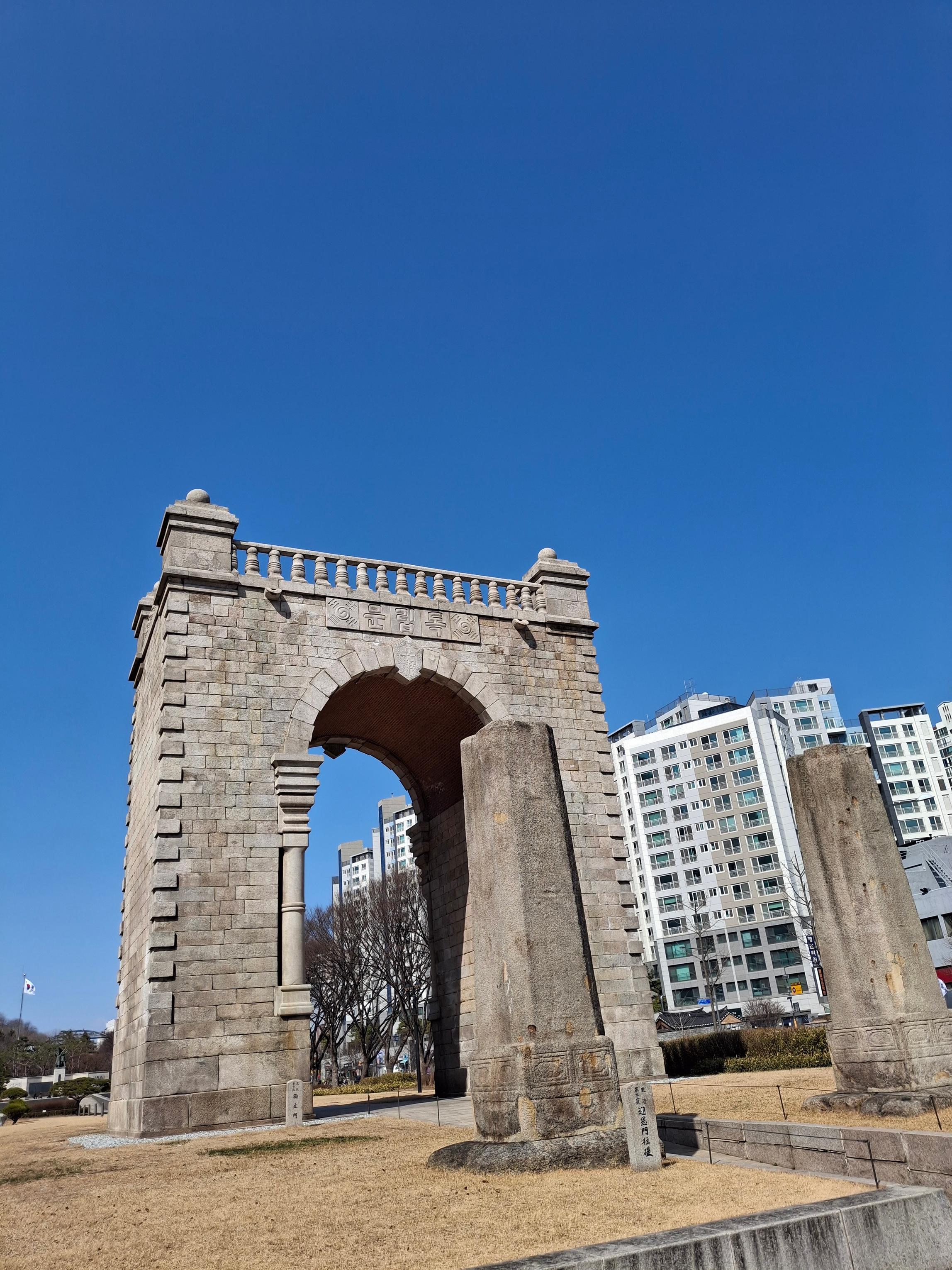
刑務所の隣には独立公園があり、独立運動の英雄たちを讃える多数の記念碑や、著名なソデムン門があります。
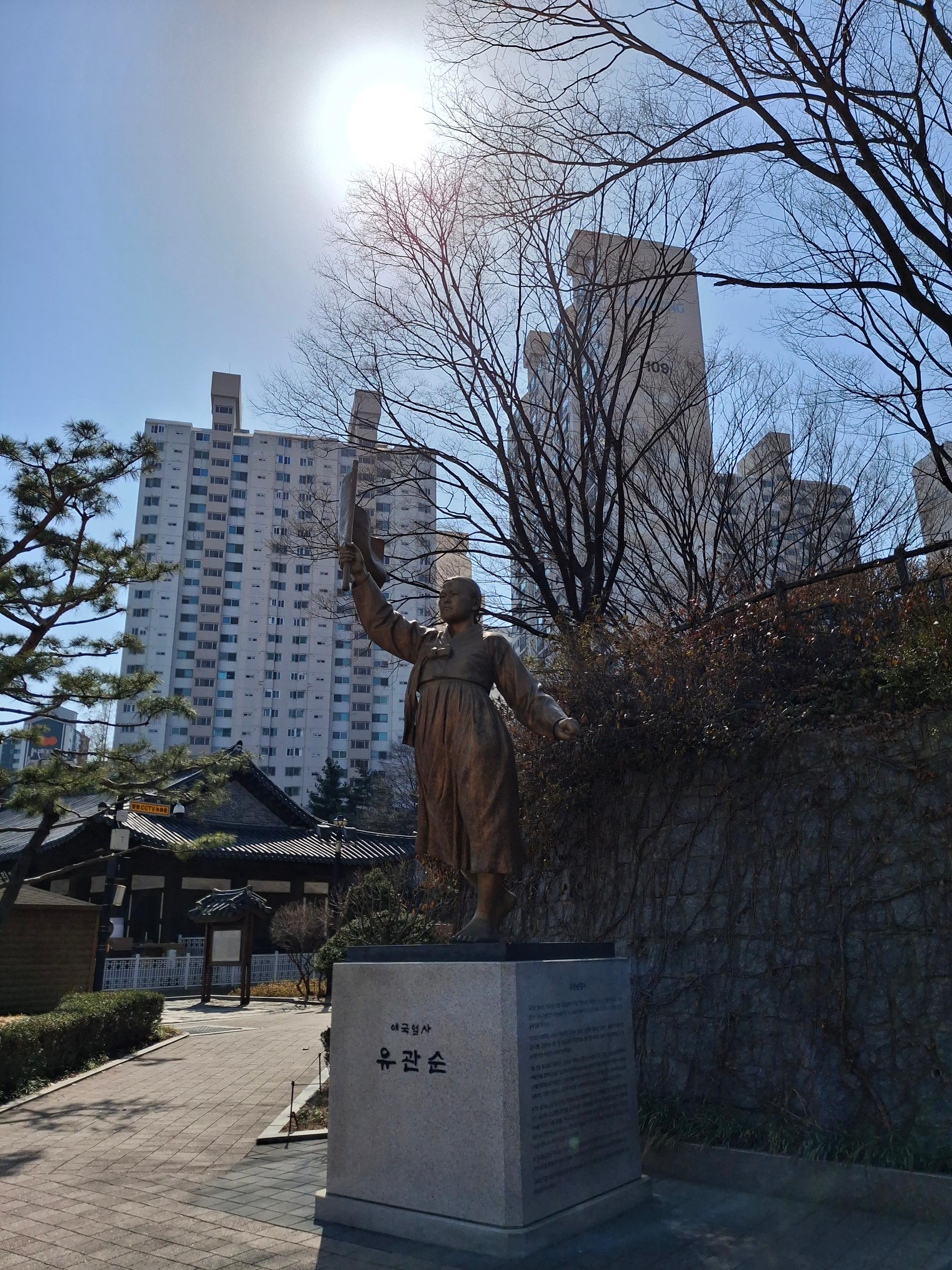
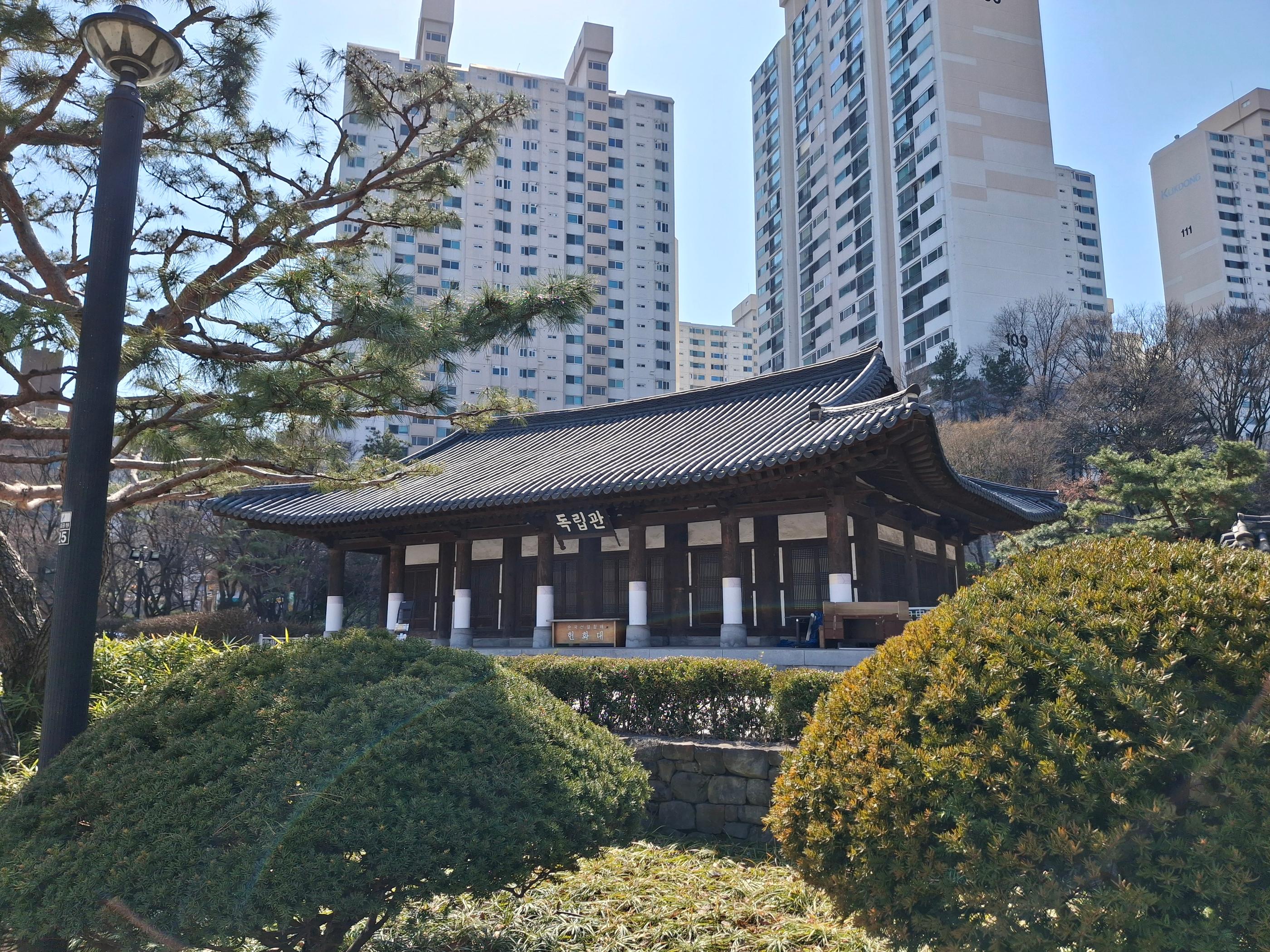
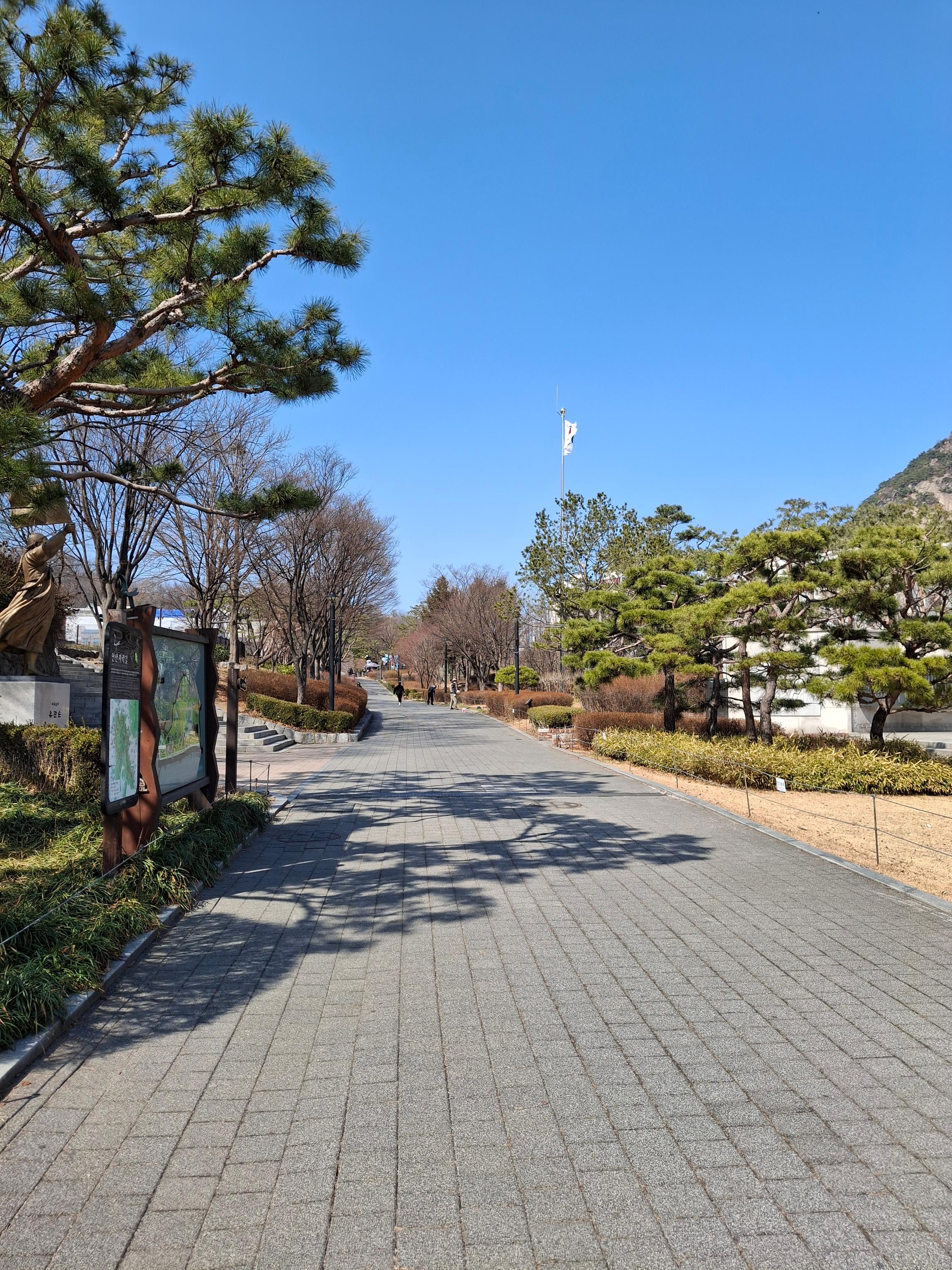
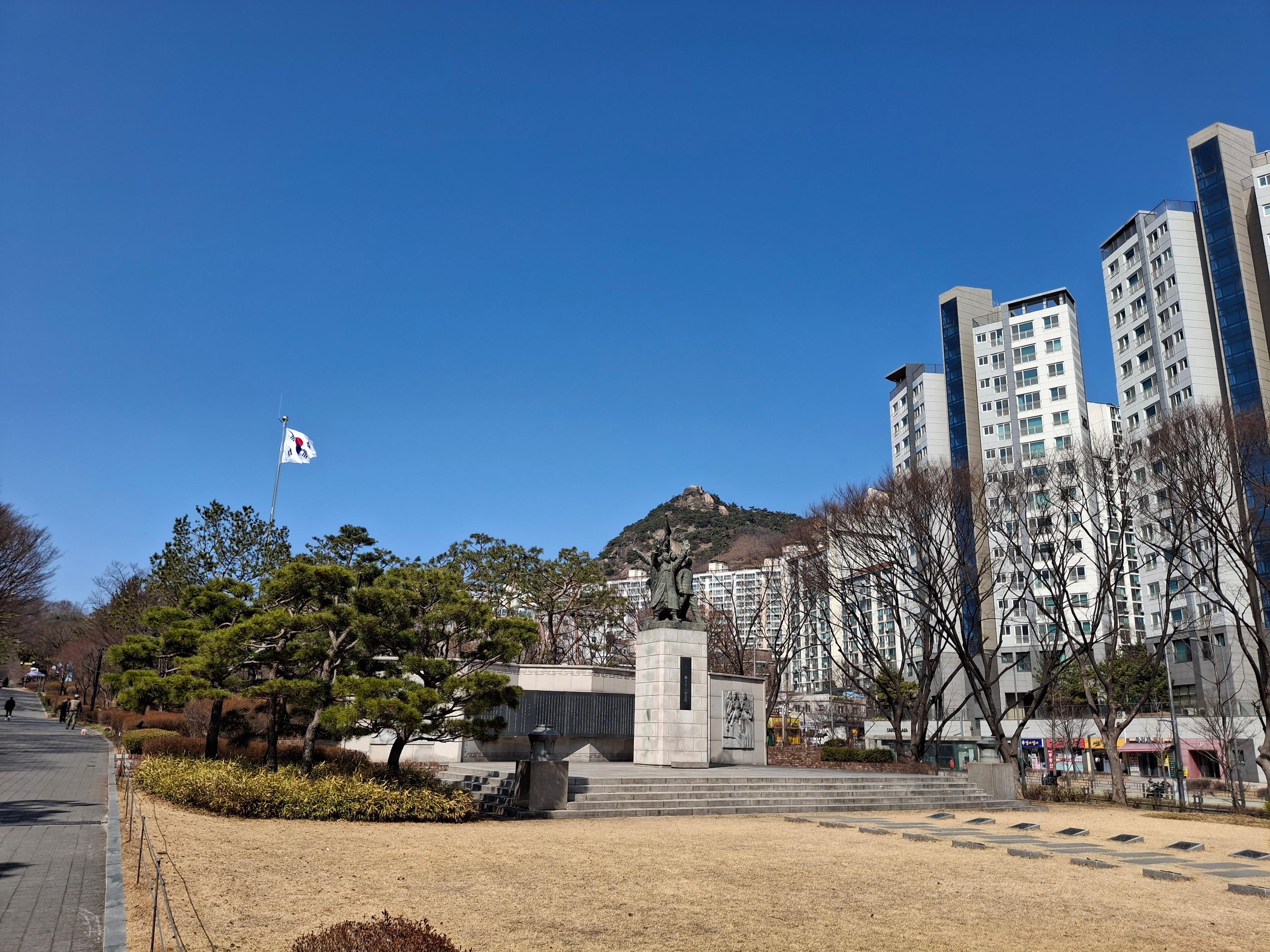
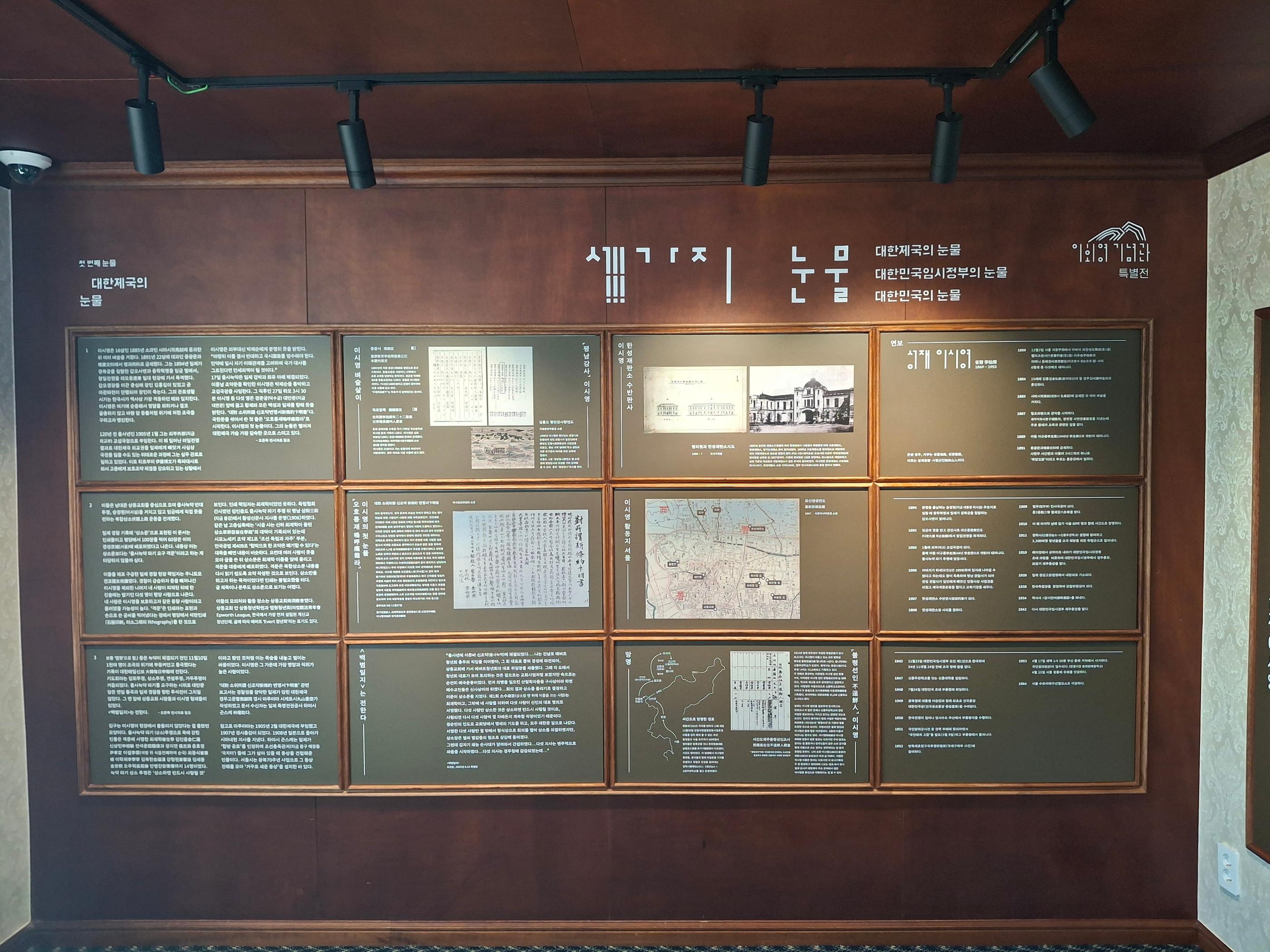
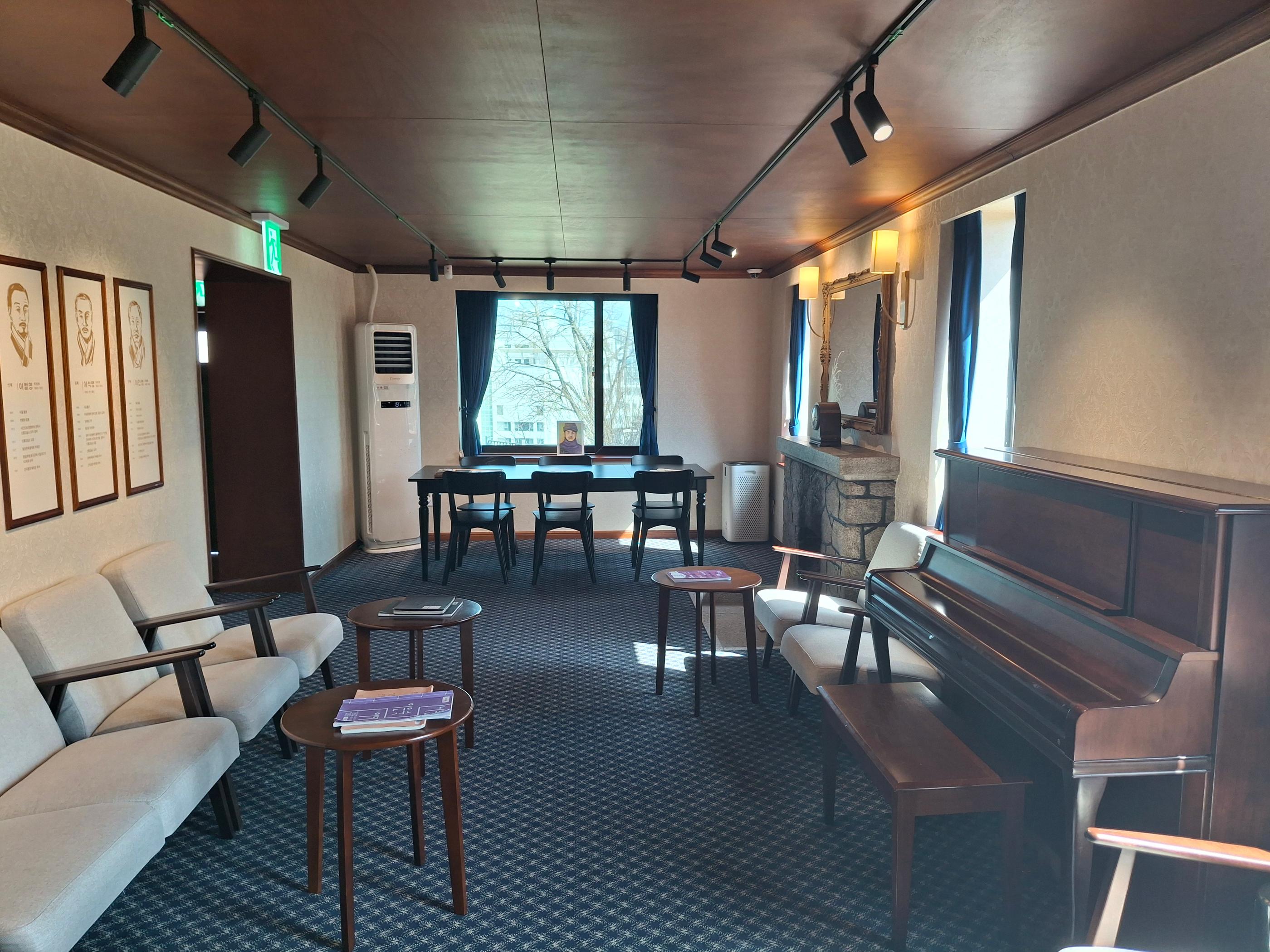
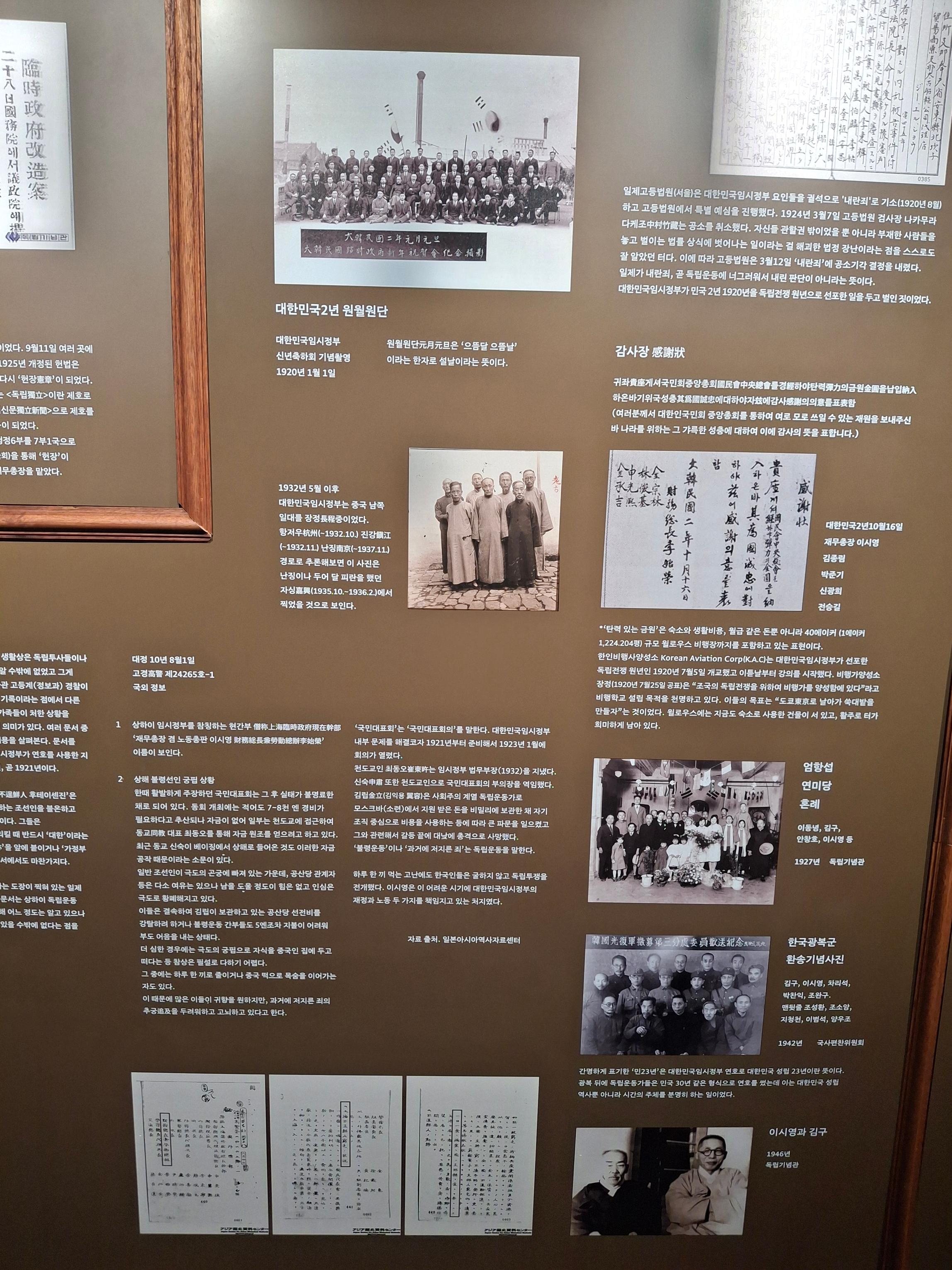
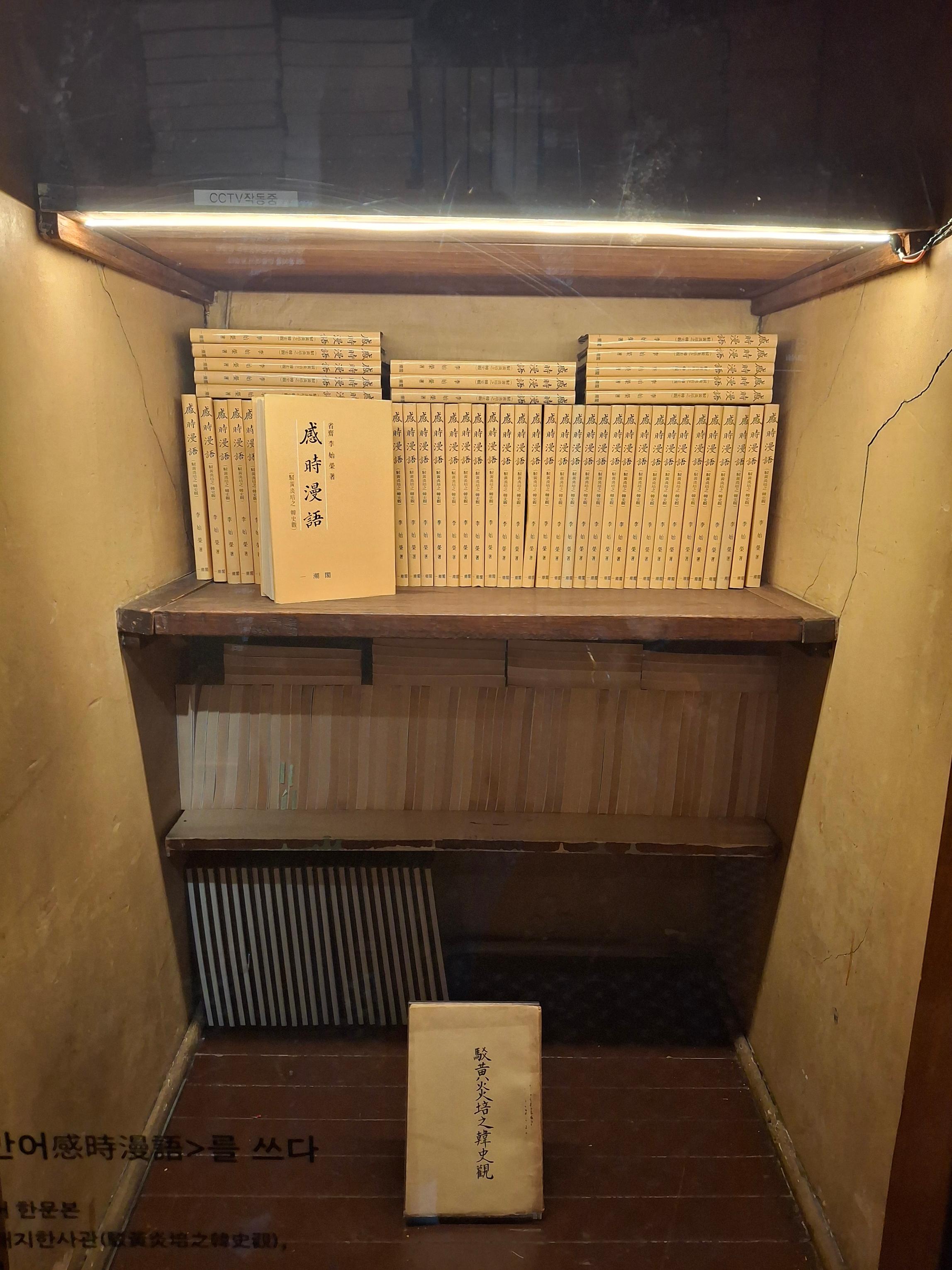
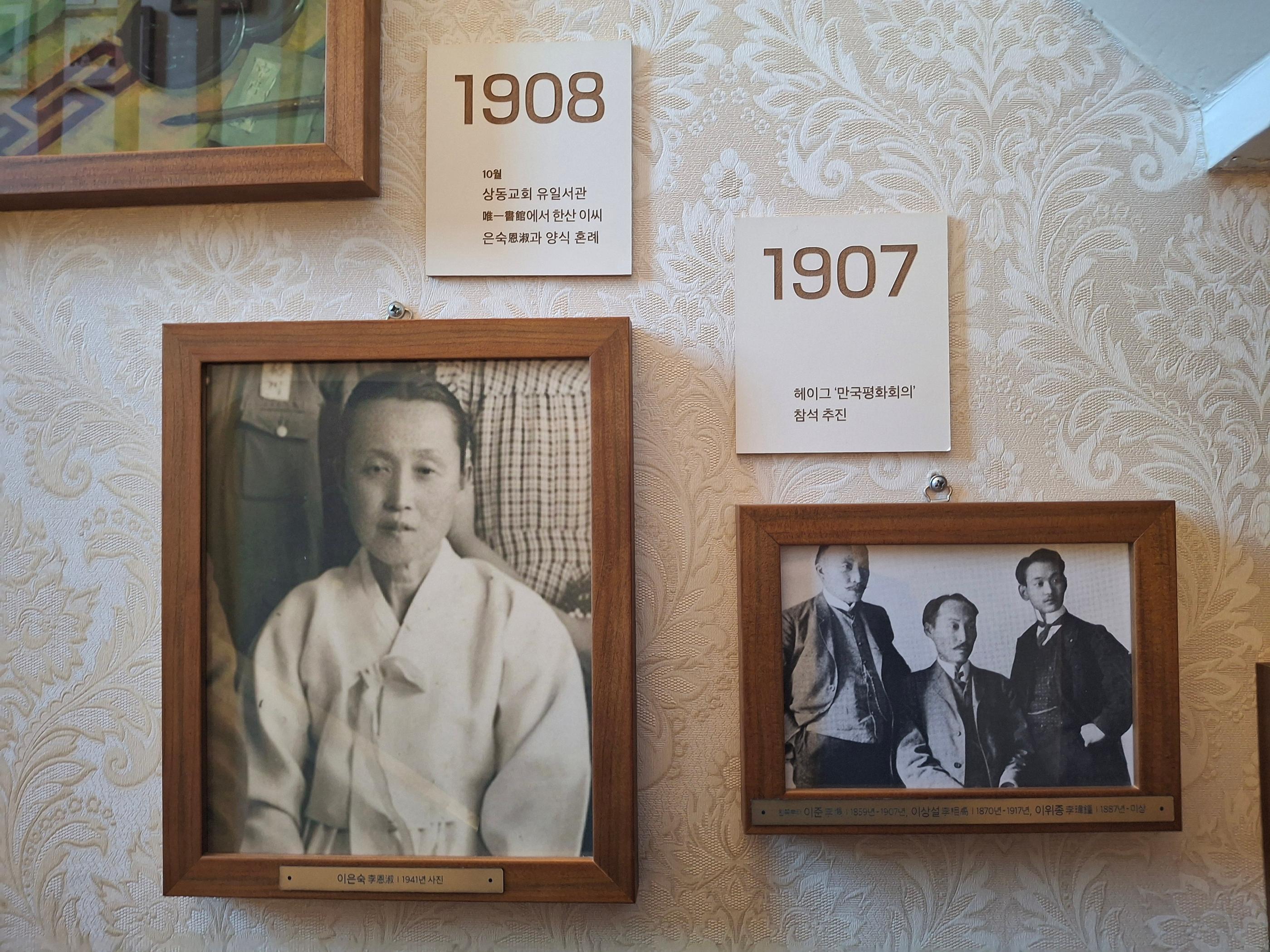
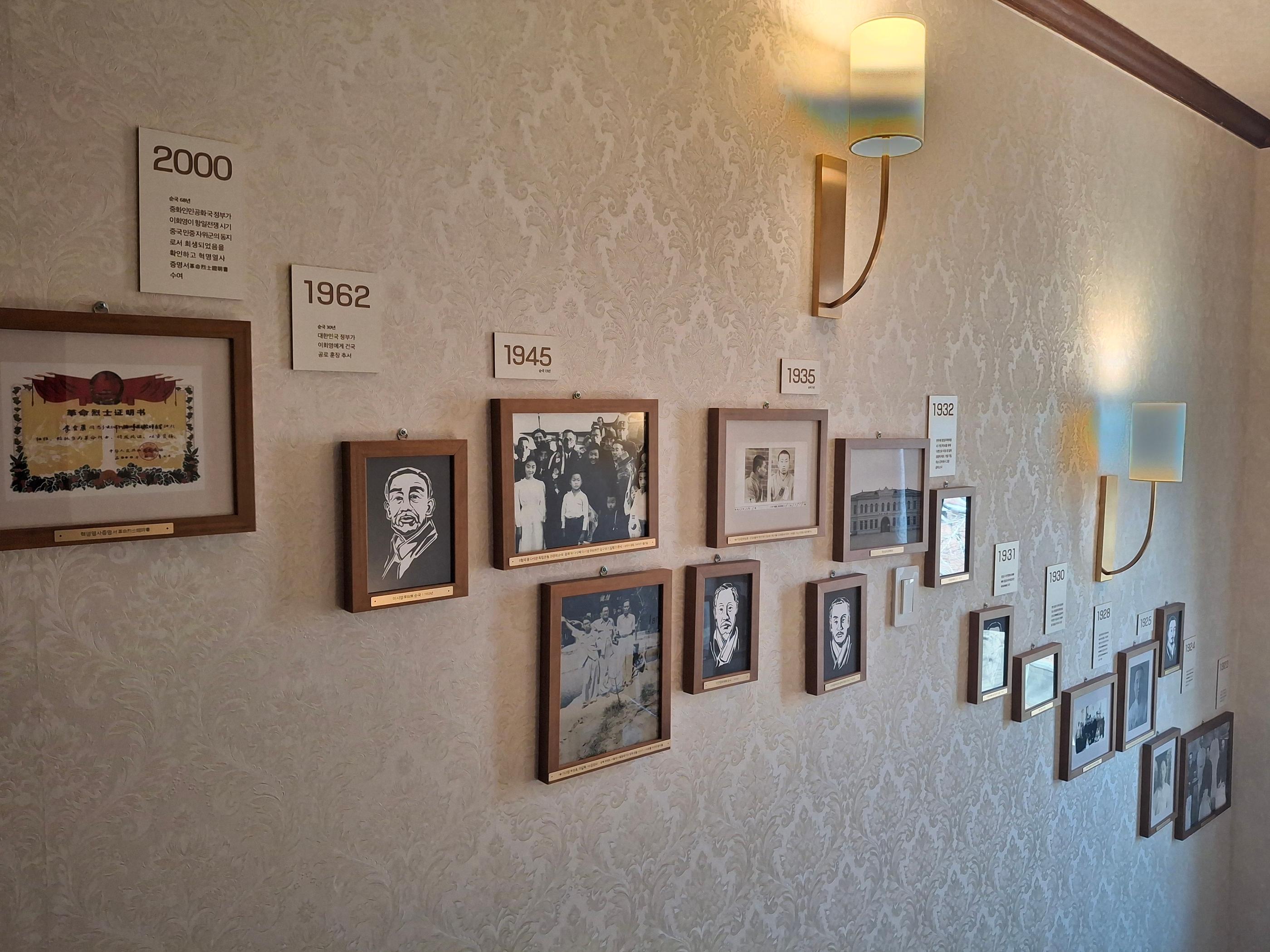
ソデムン刑務所から遠くない場所に、サミル運動に関連する別の博物館があります。リー・ホヨン記念館は、国の主権を失った後、独立回復のために全財産を投げ出して尽力した六人の李兄弟、ガンヨン、ソクヨン、チョルヨン、ホヨン、シヨン、ホヨンを称えています。
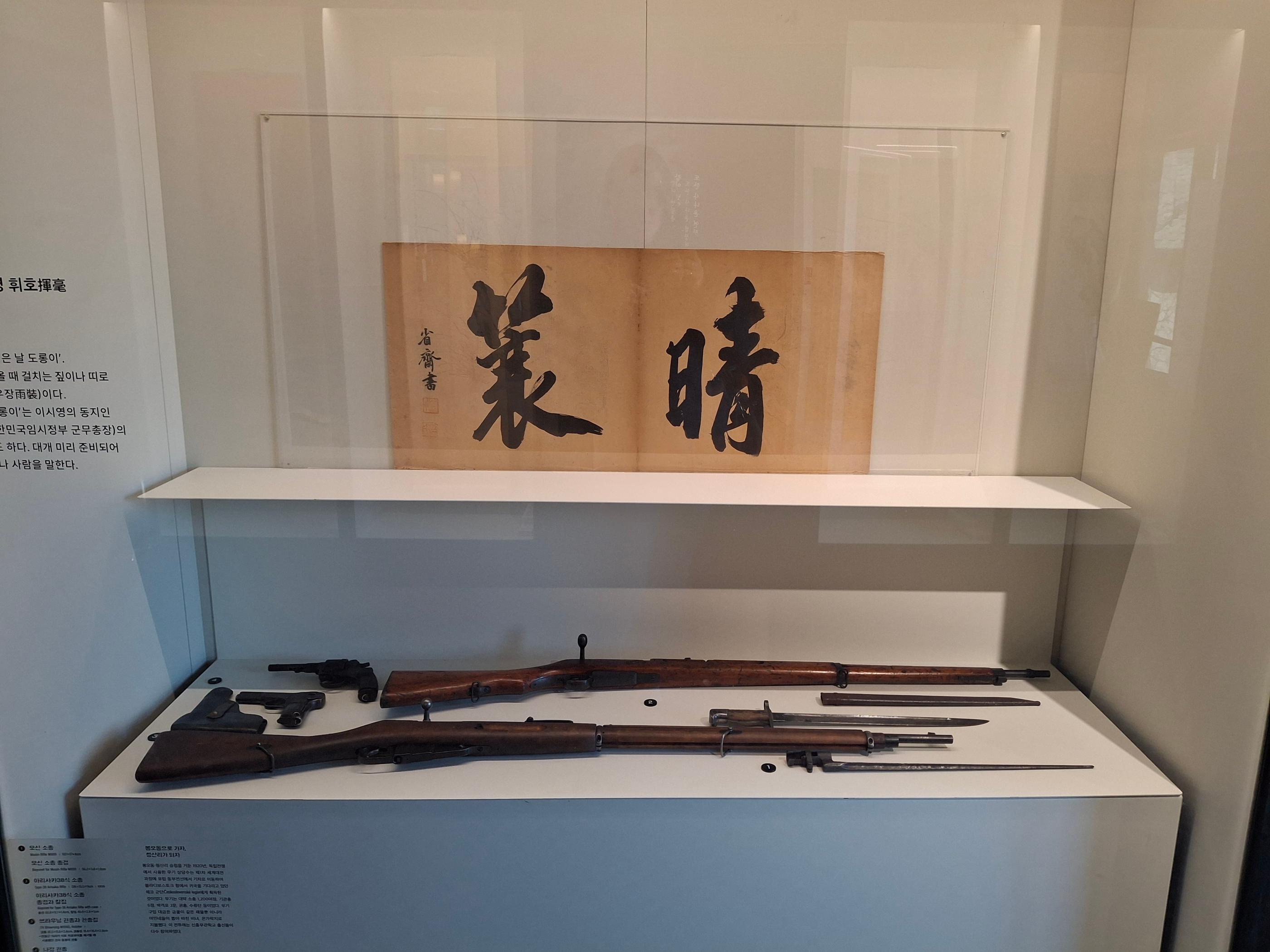
兄弟は当時の国内で最も名門で裕福な一家に生まれましたが、1910年に韓国が日本に併合されると、全ての財産を売却して中国の満州に向かいました。持ち金で兄弟は満州に新興訓練所(後に新興軍官学校と改名)を建て、そこで約3,500人の独立義勇兵を10年間にわたり訓練しました。
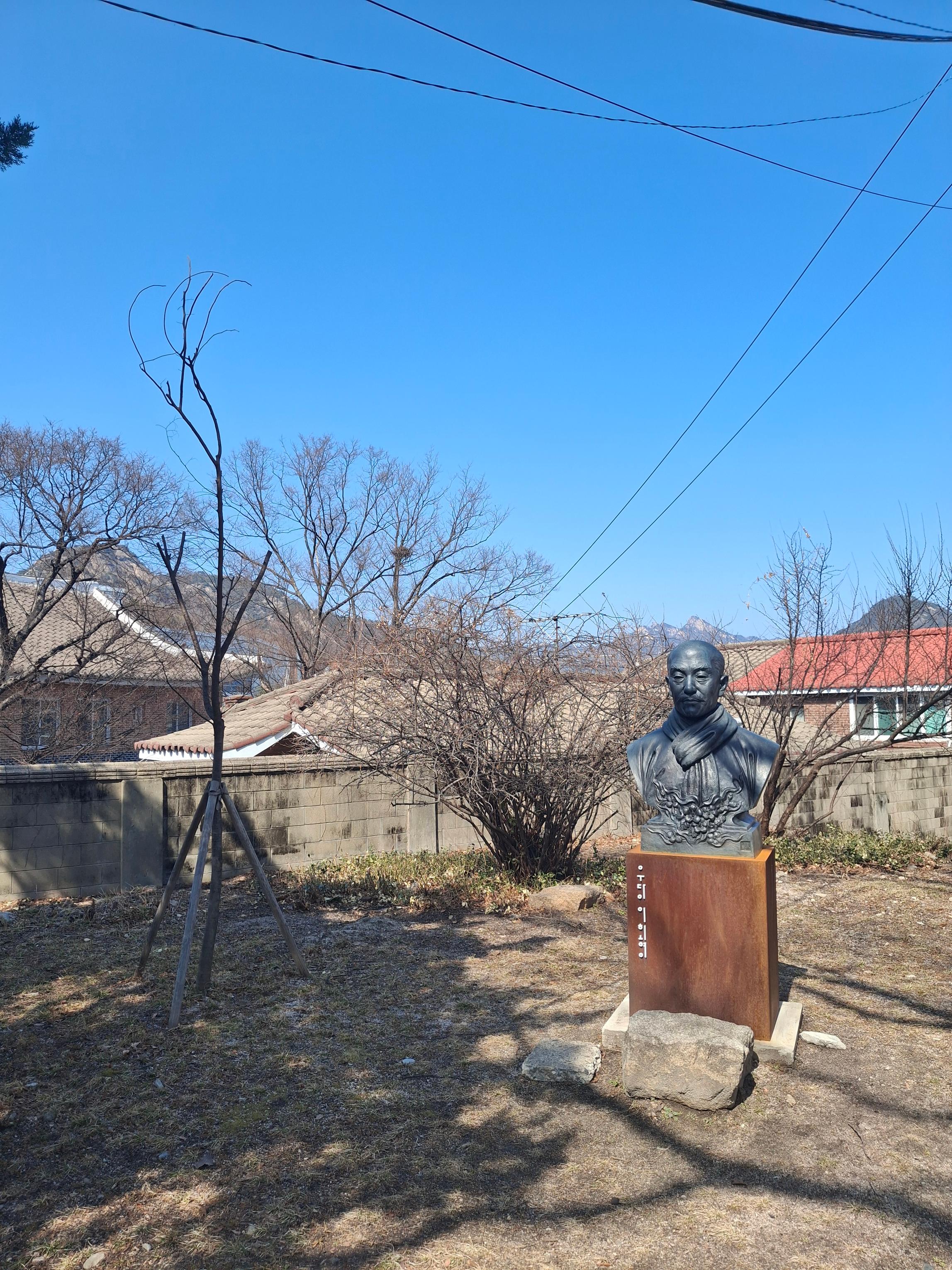
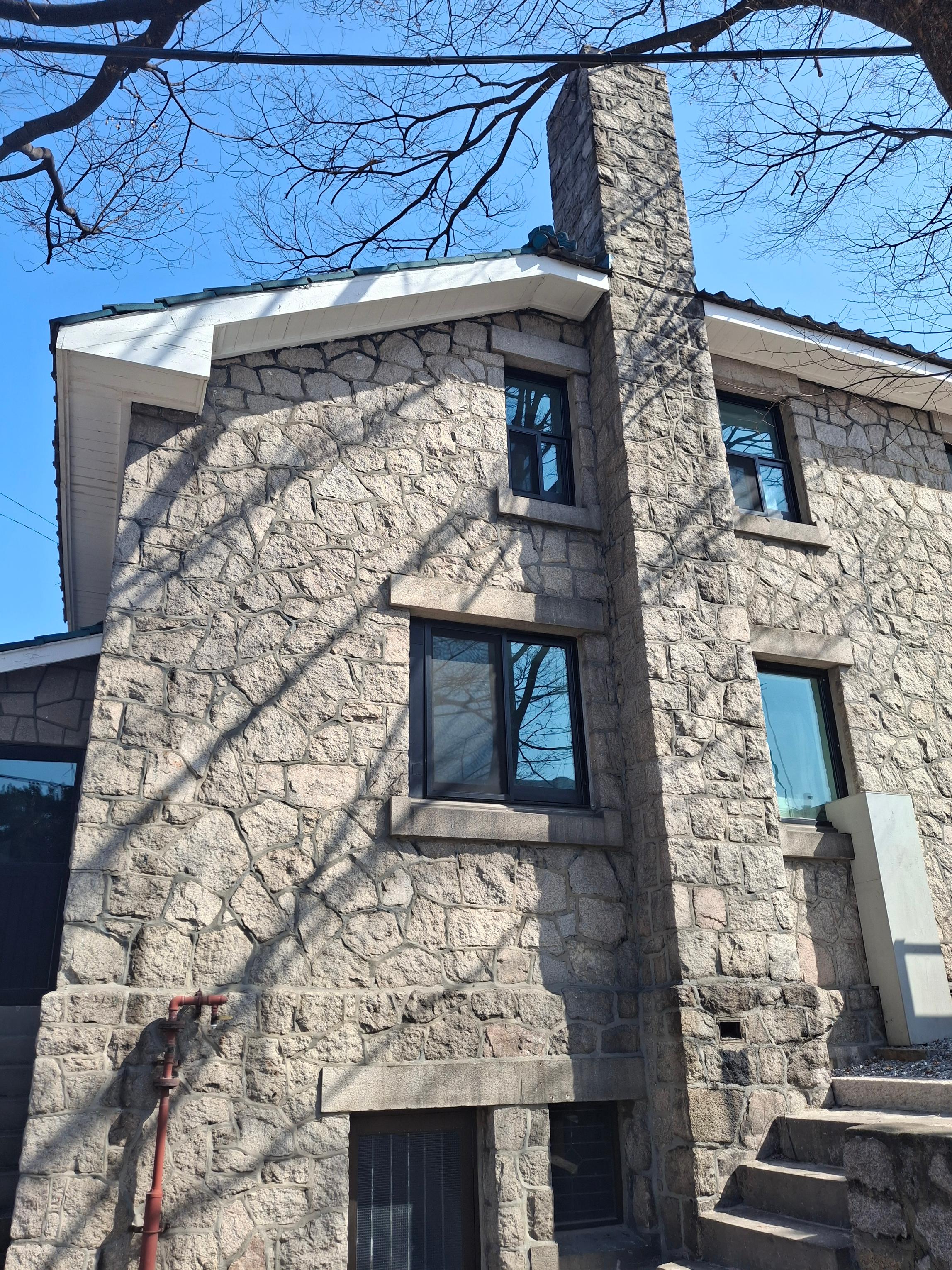
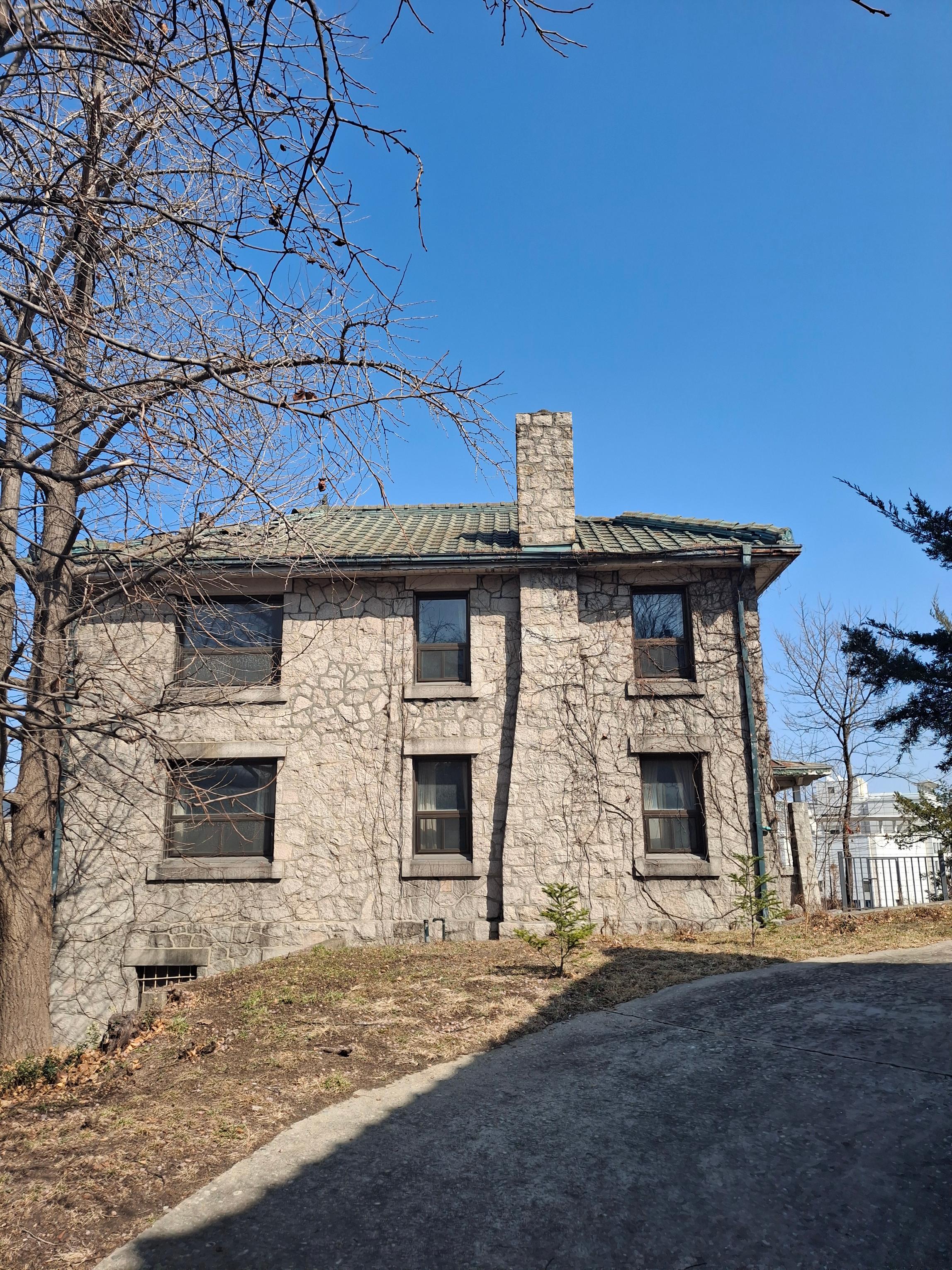
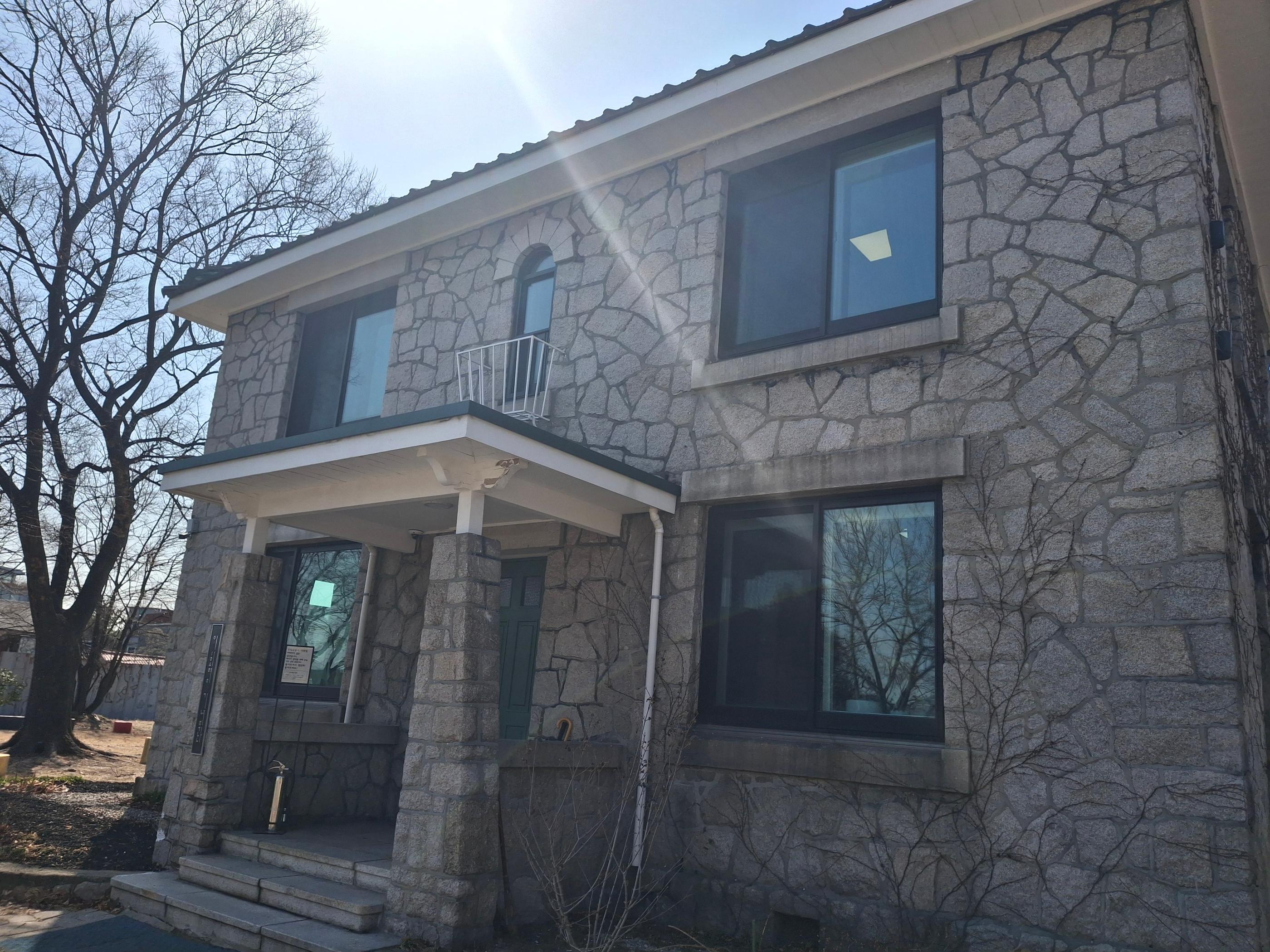
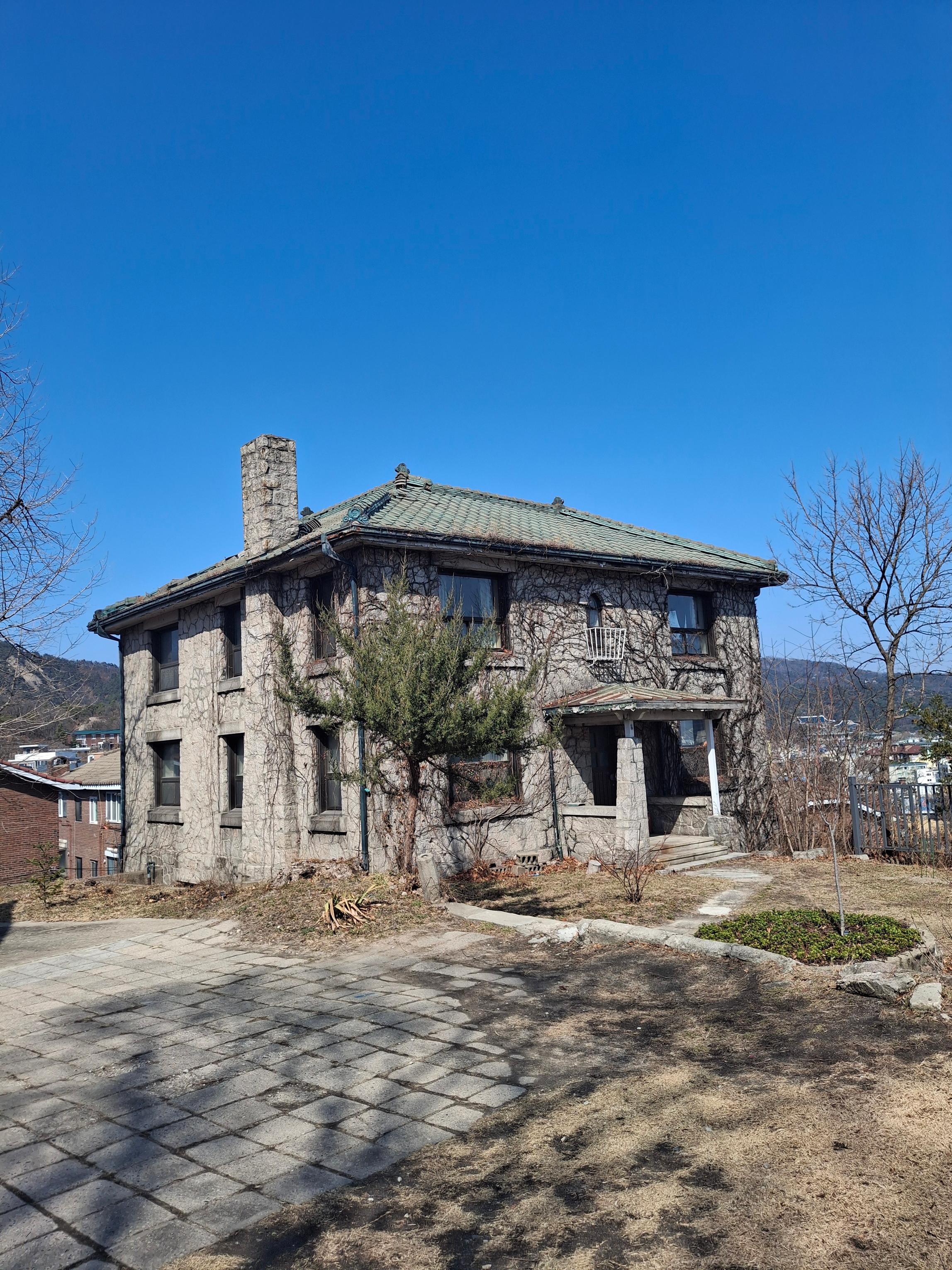
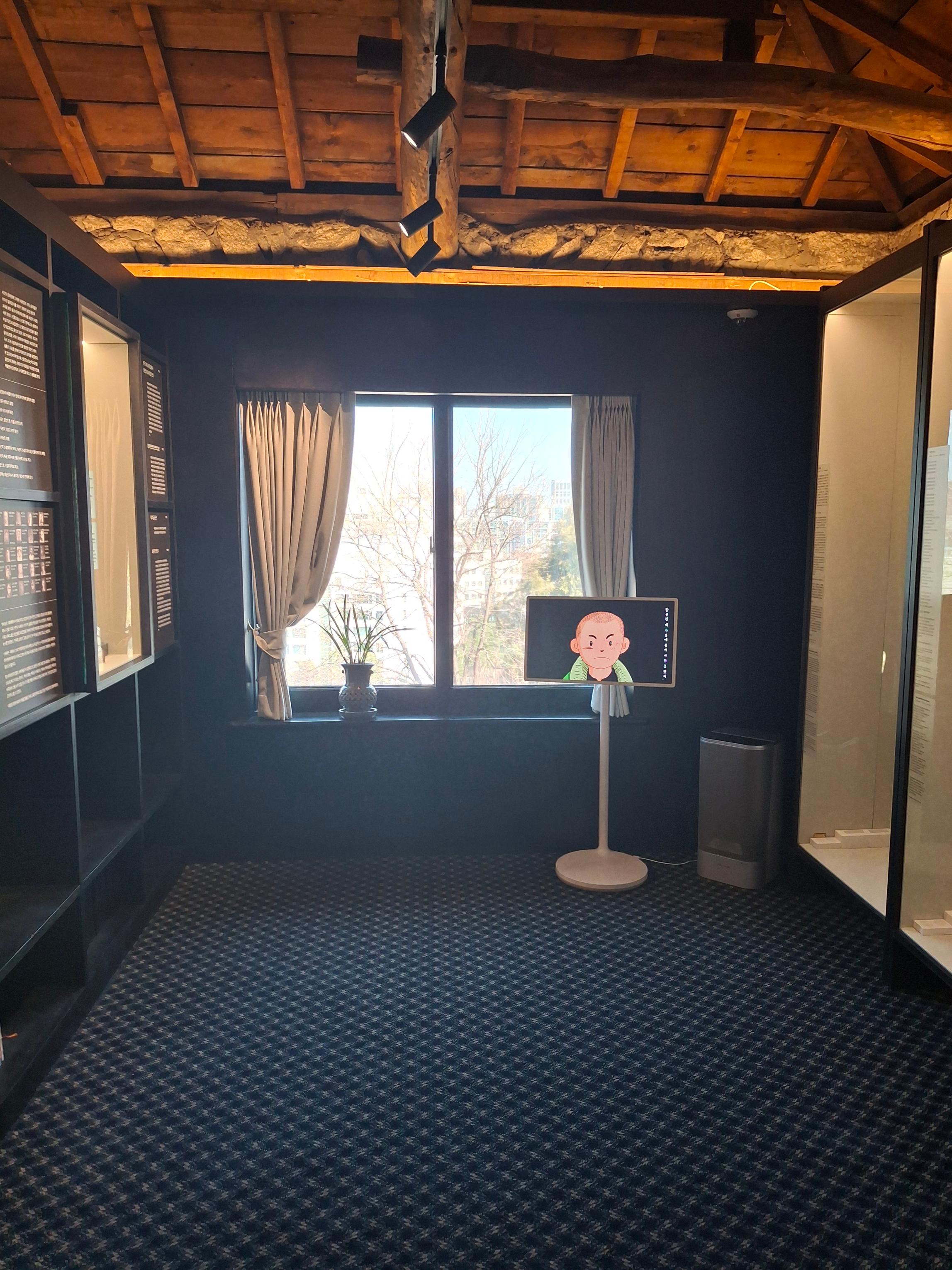
旧邸の1階には座席のあるラウンジがあり、2階への階段からはイ氏と彼の5人の兄弟の活躍を紹介する質素な展示が始まります。イ氏の絵画数点や愛用品が展示されています。
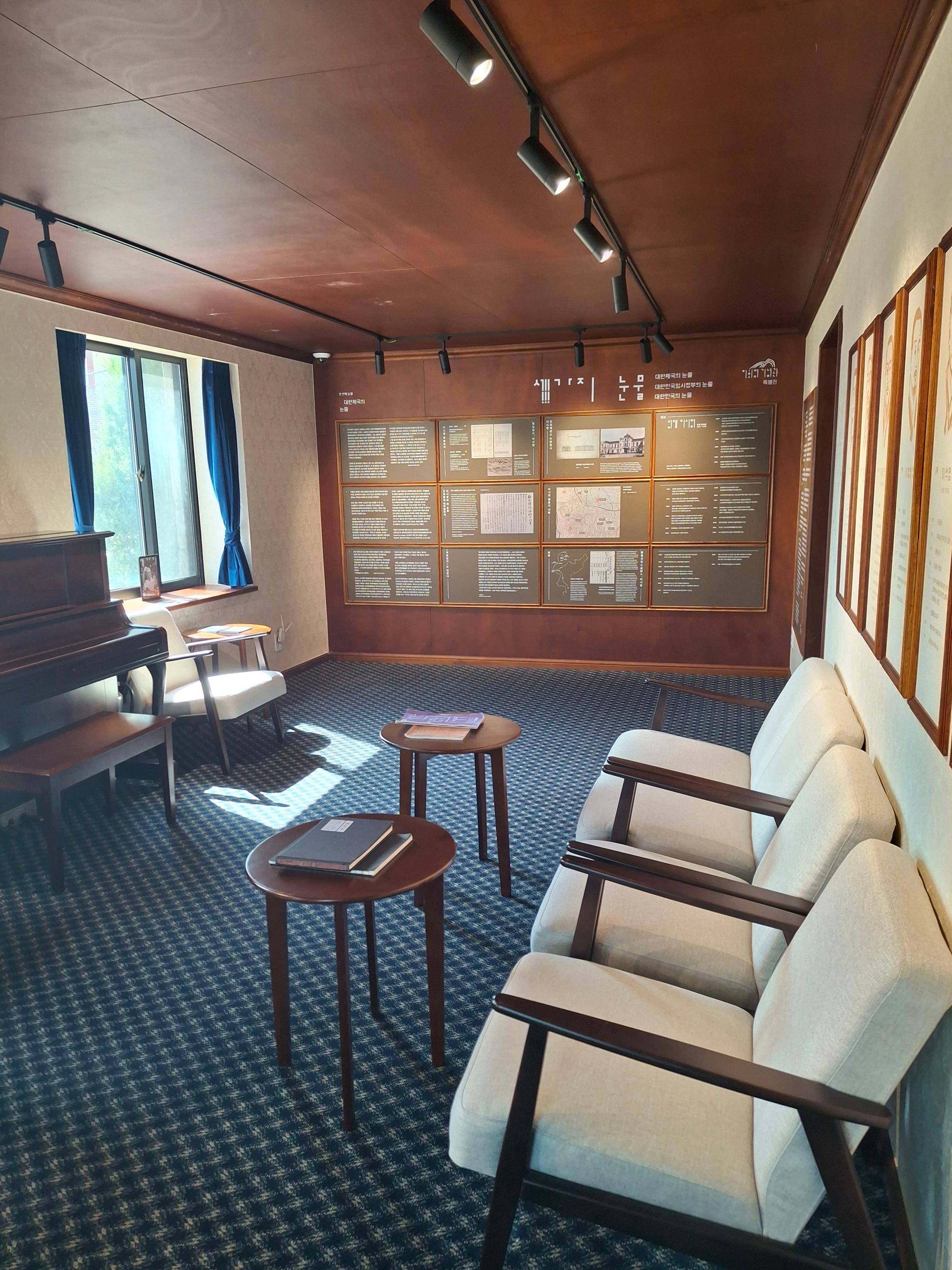
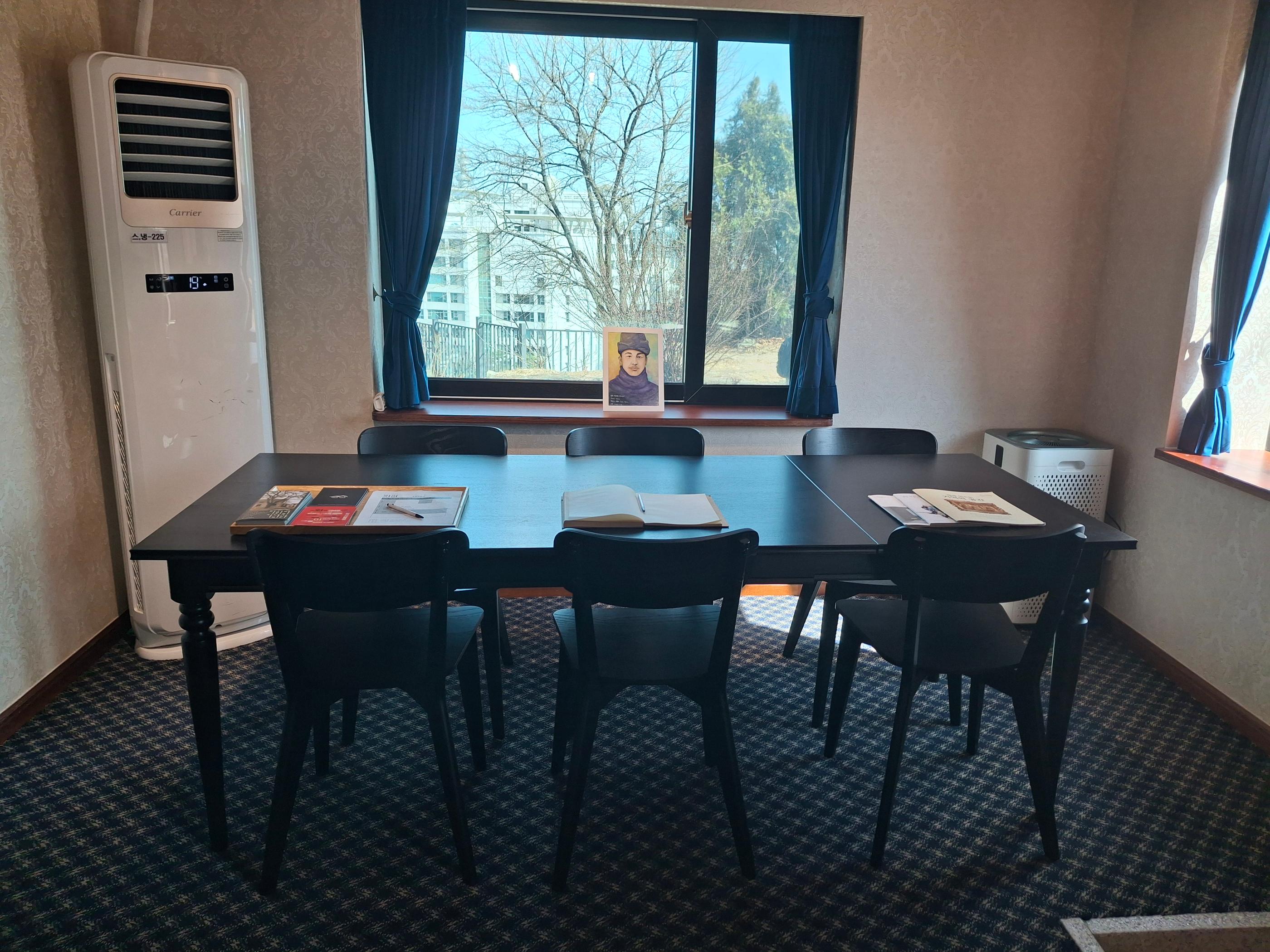
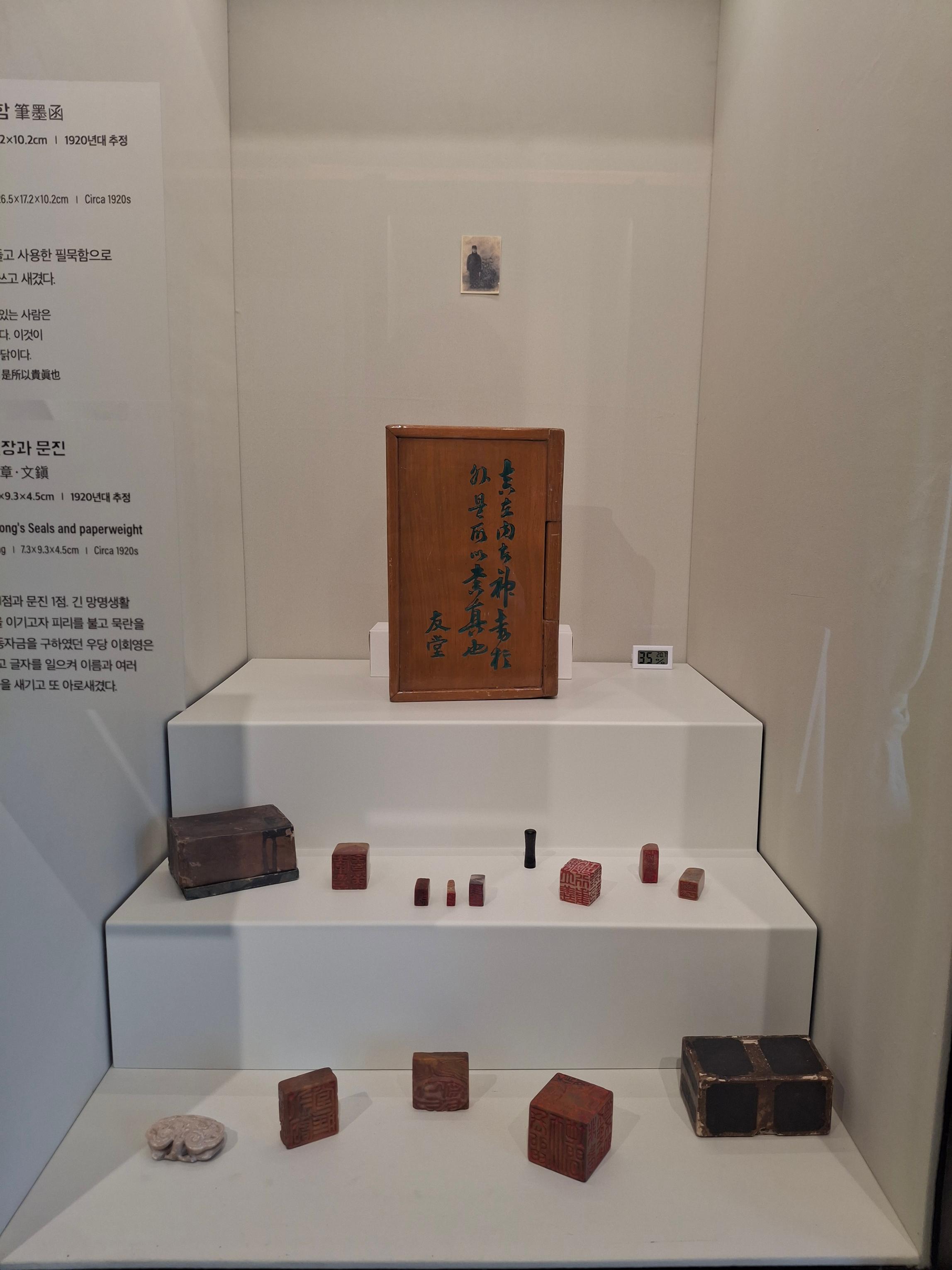
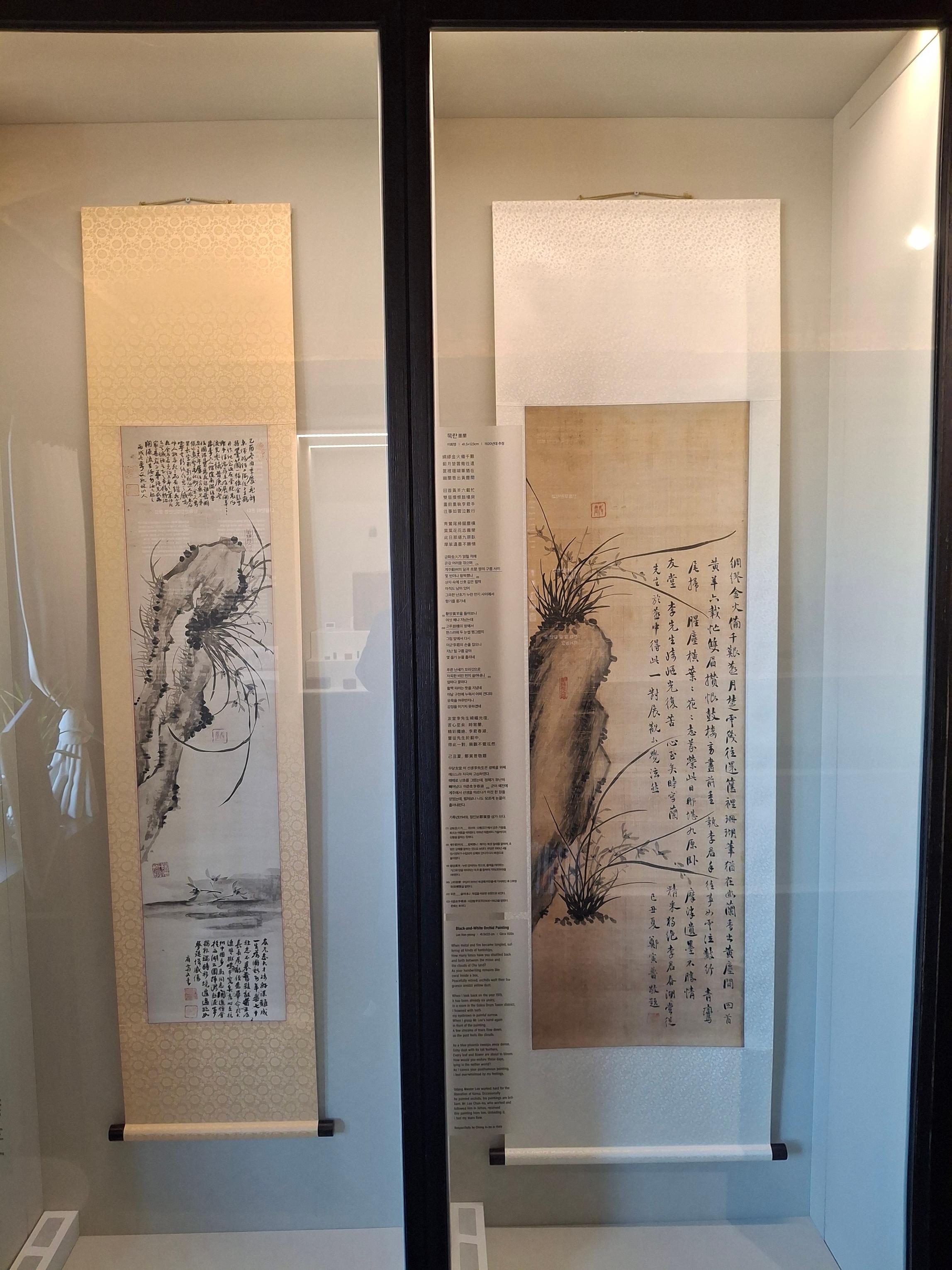
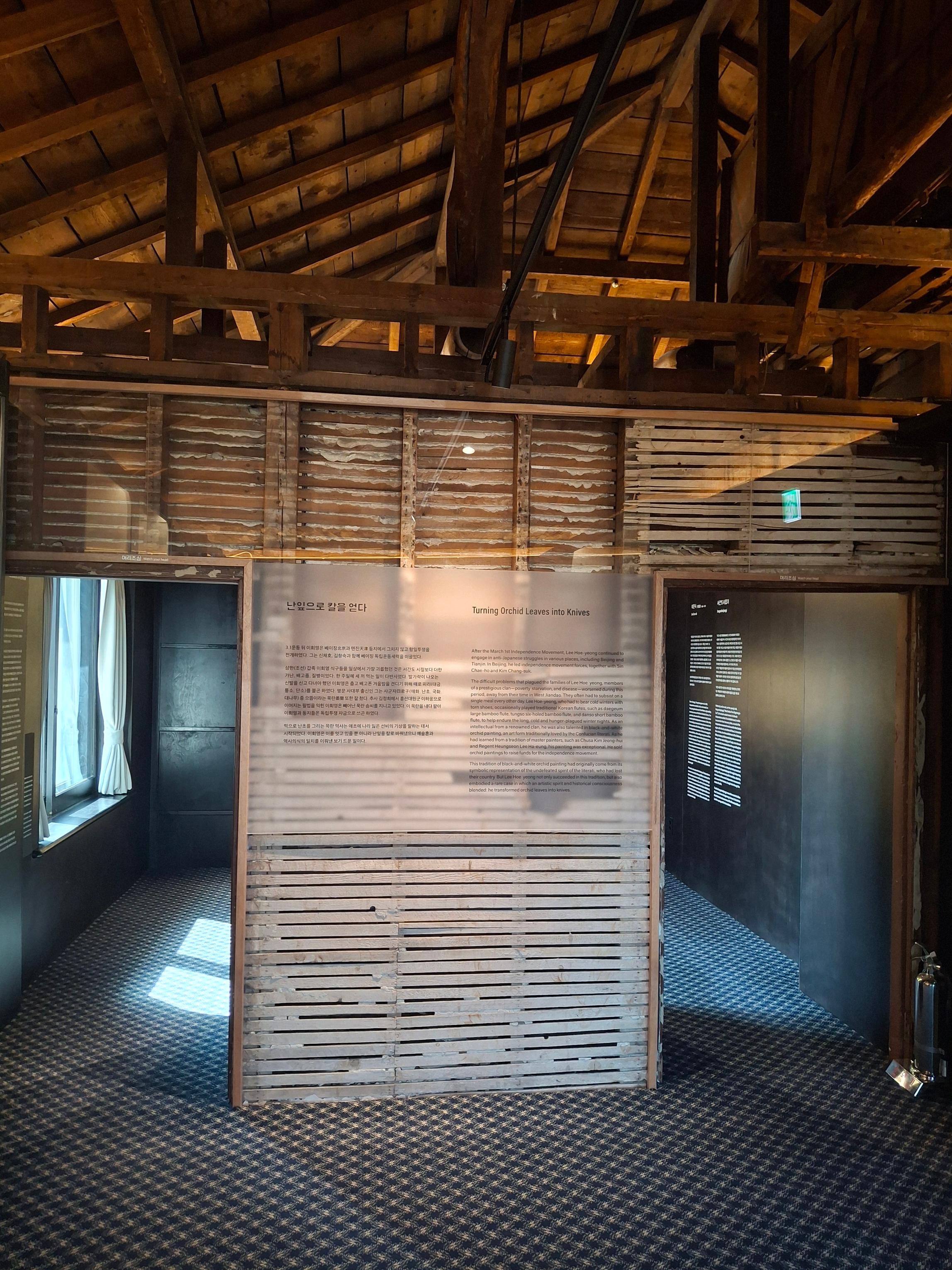
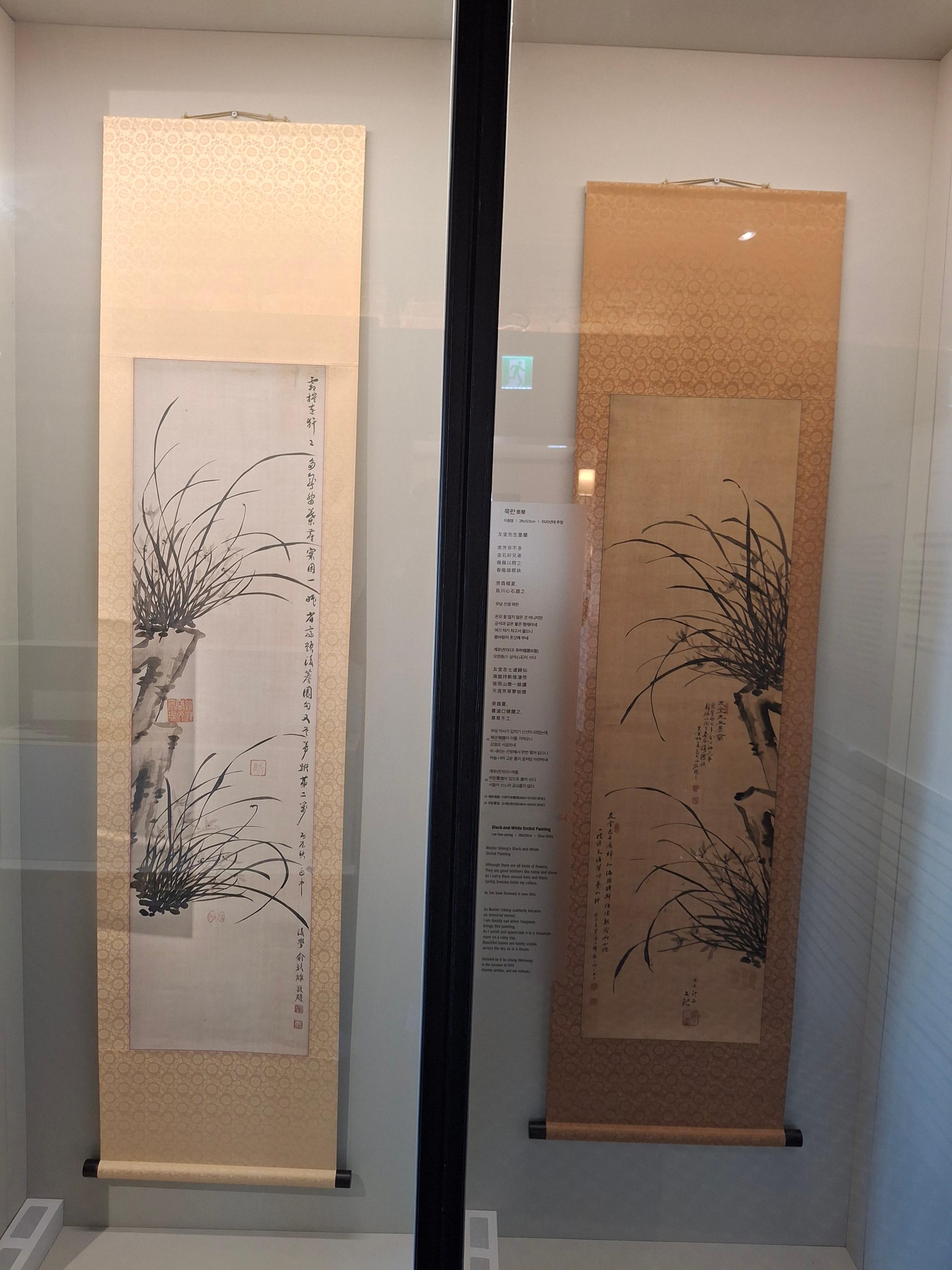
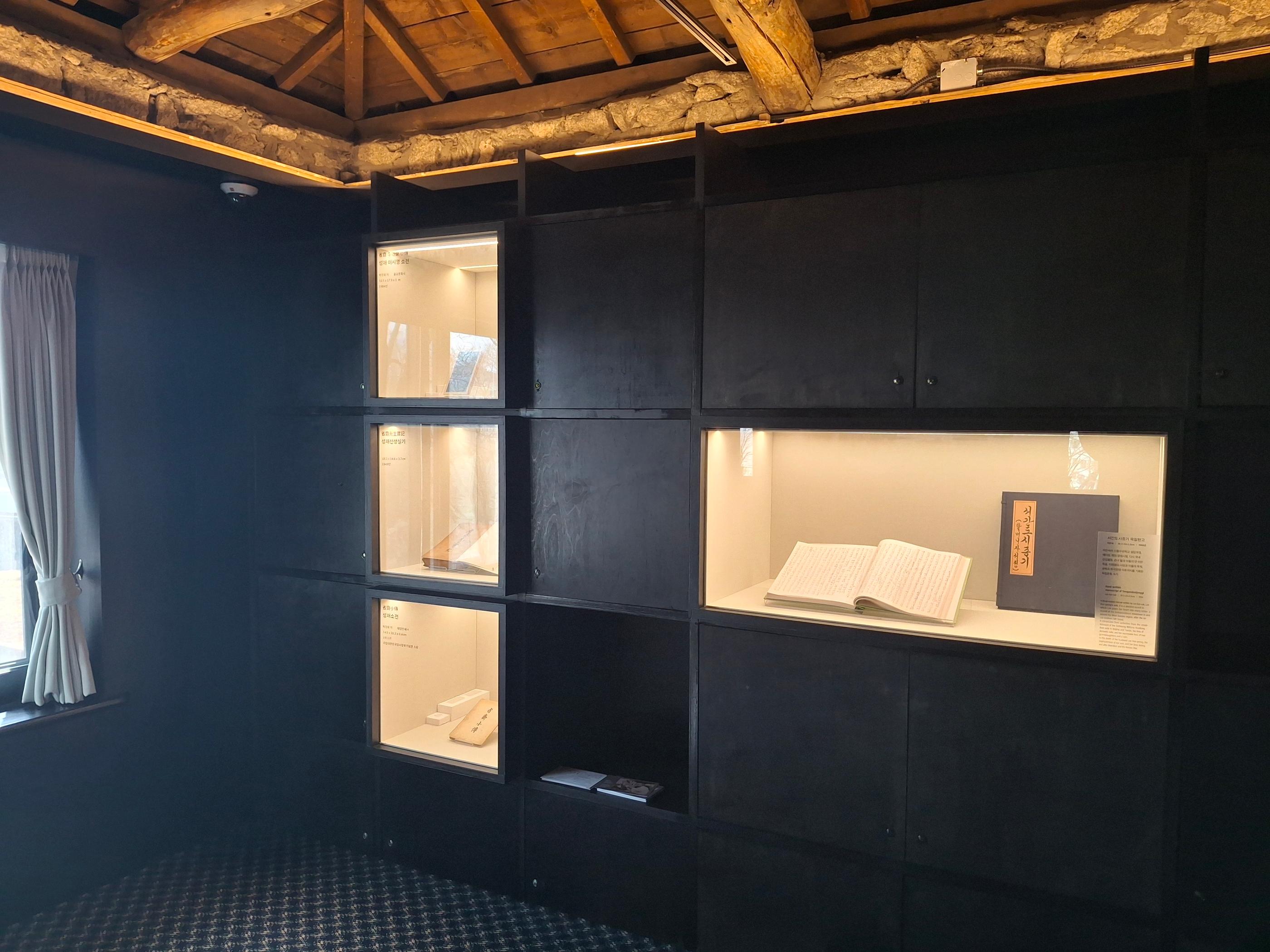
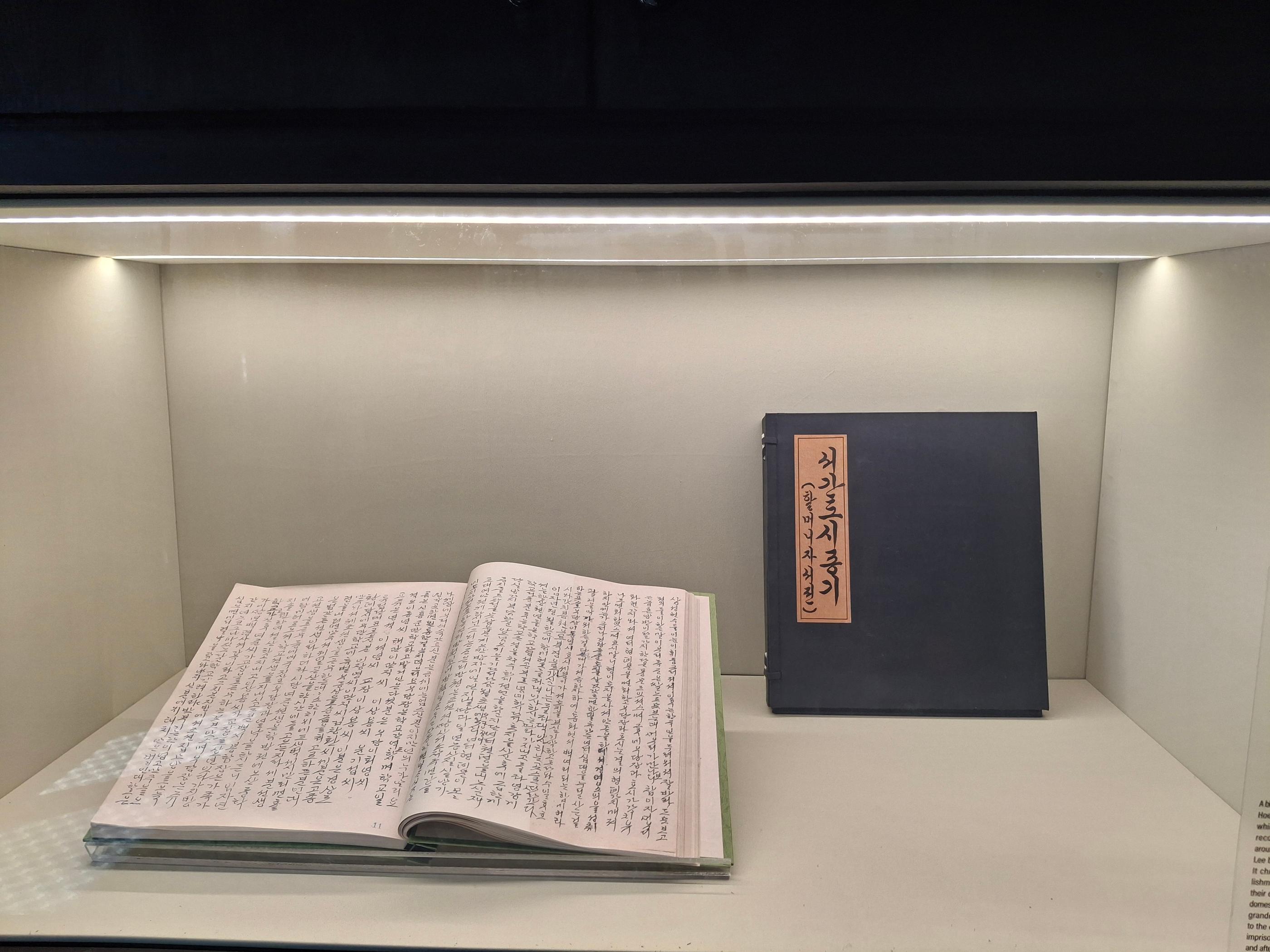
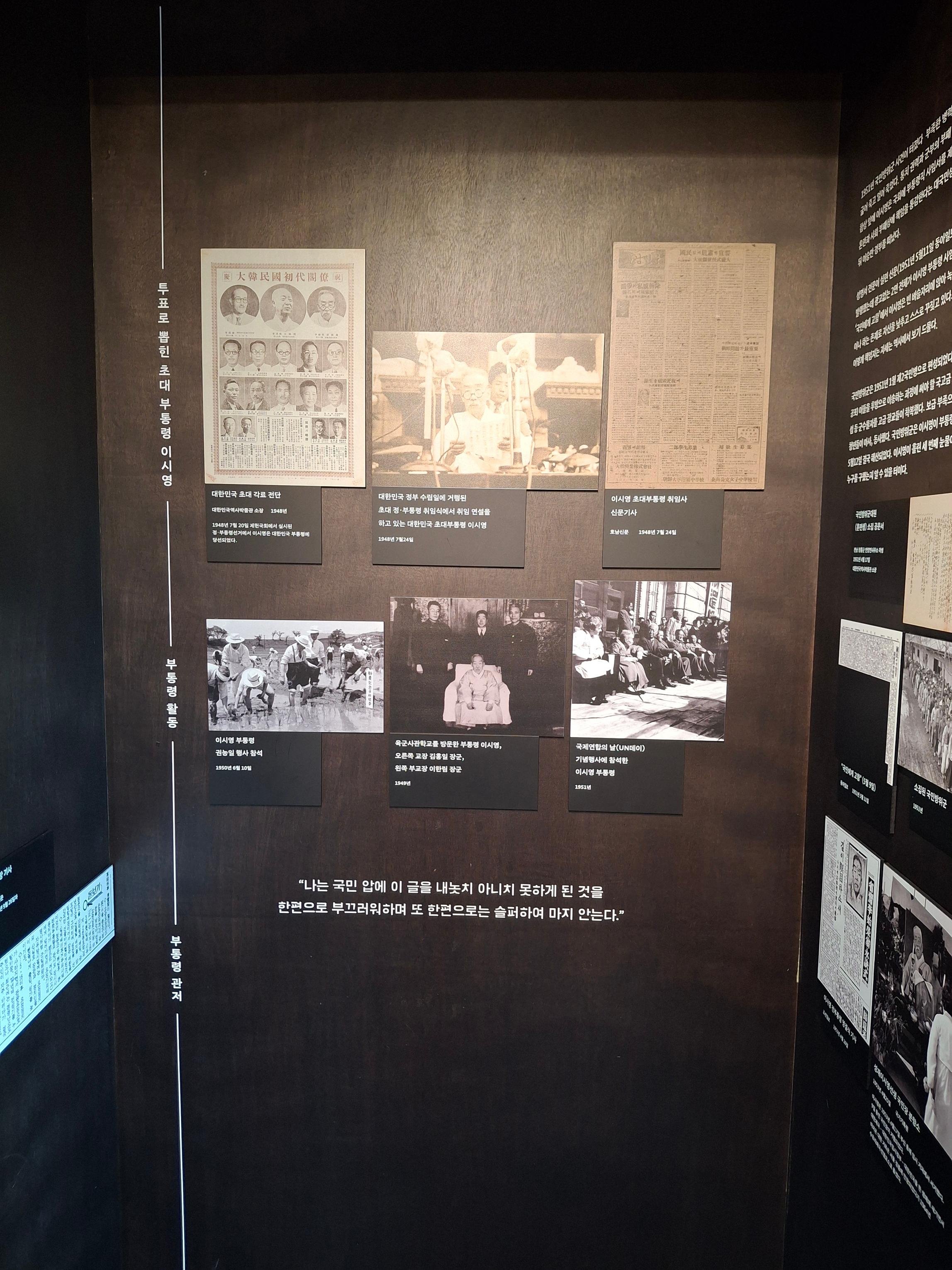
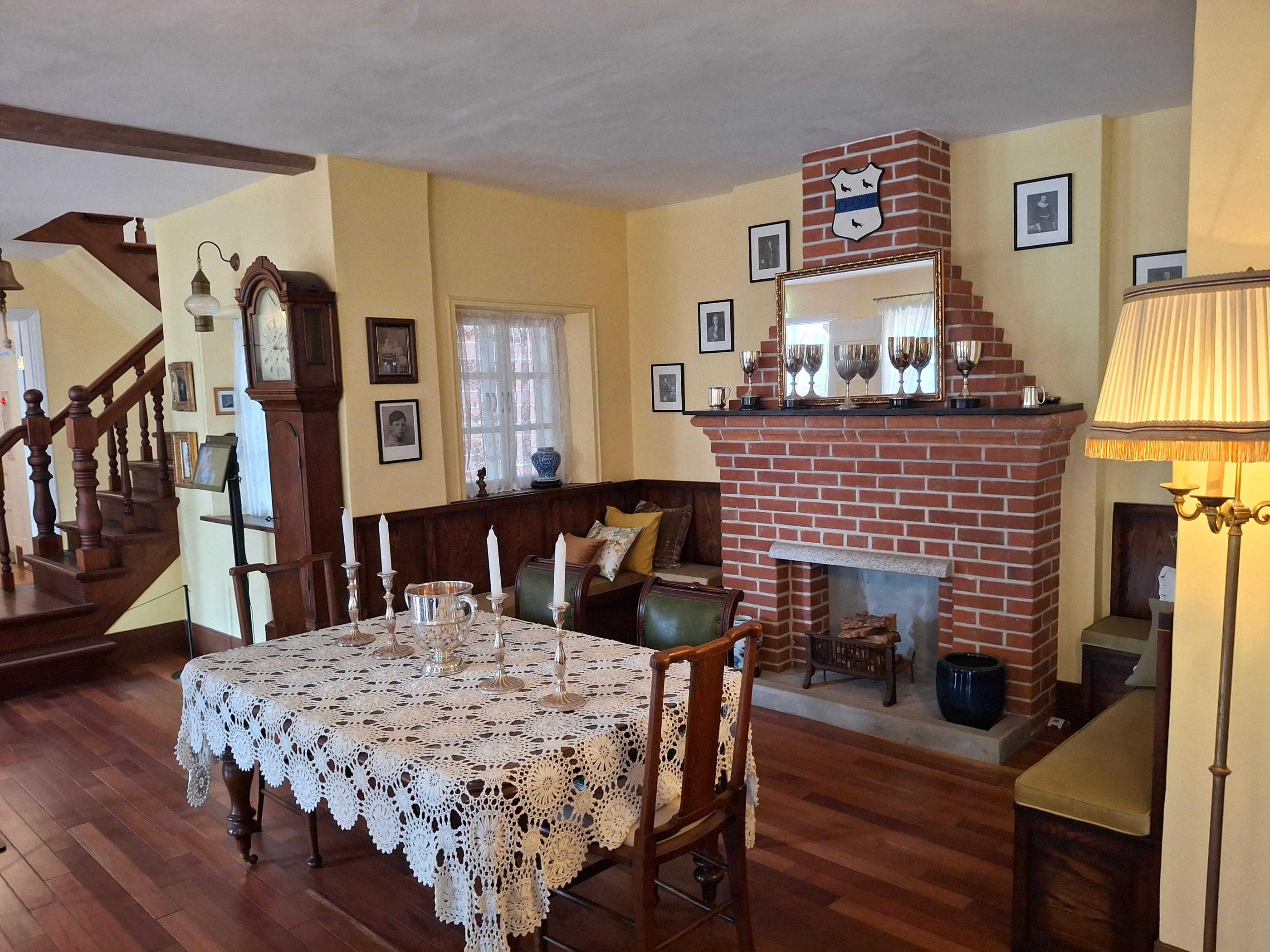
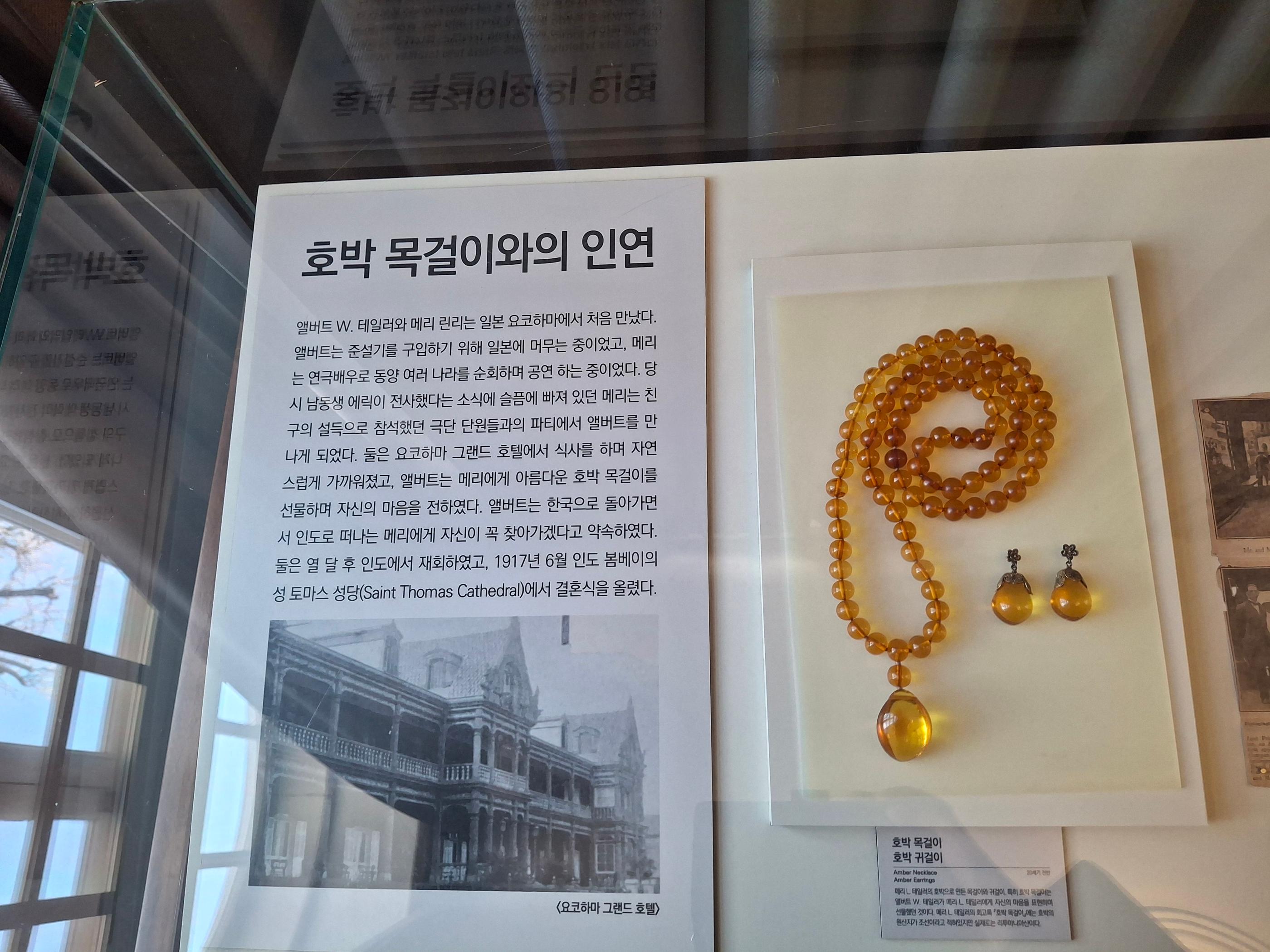
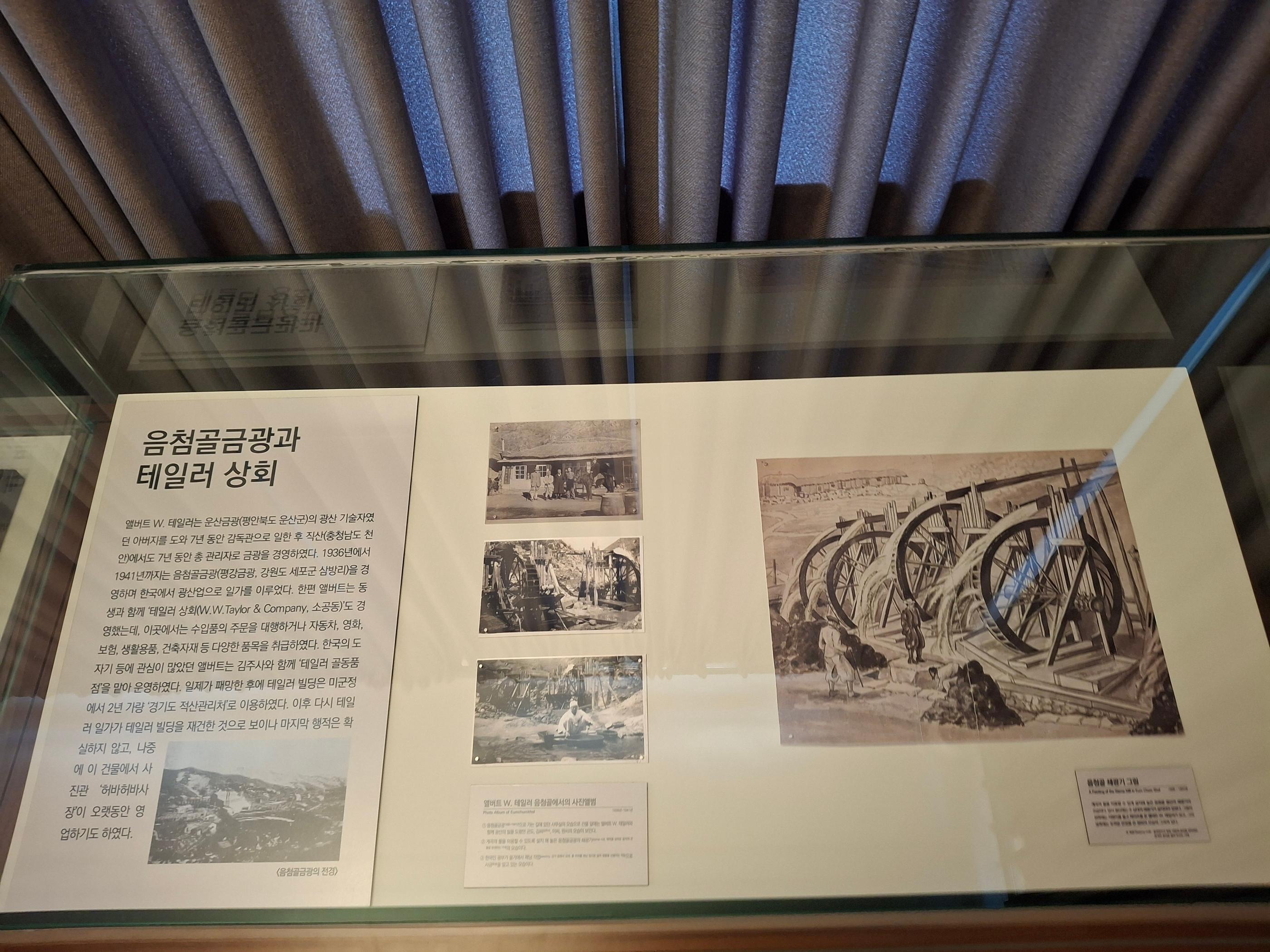
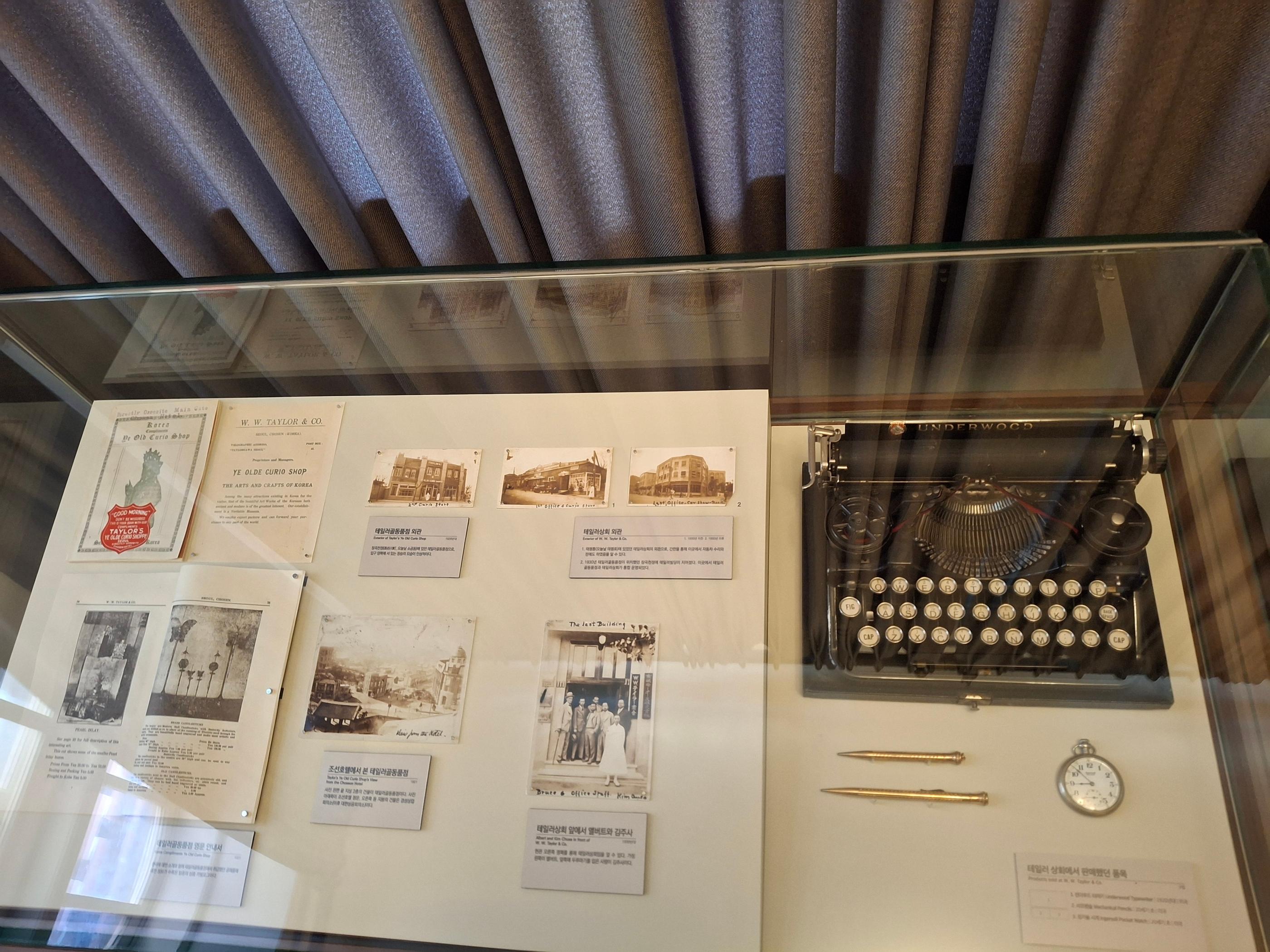
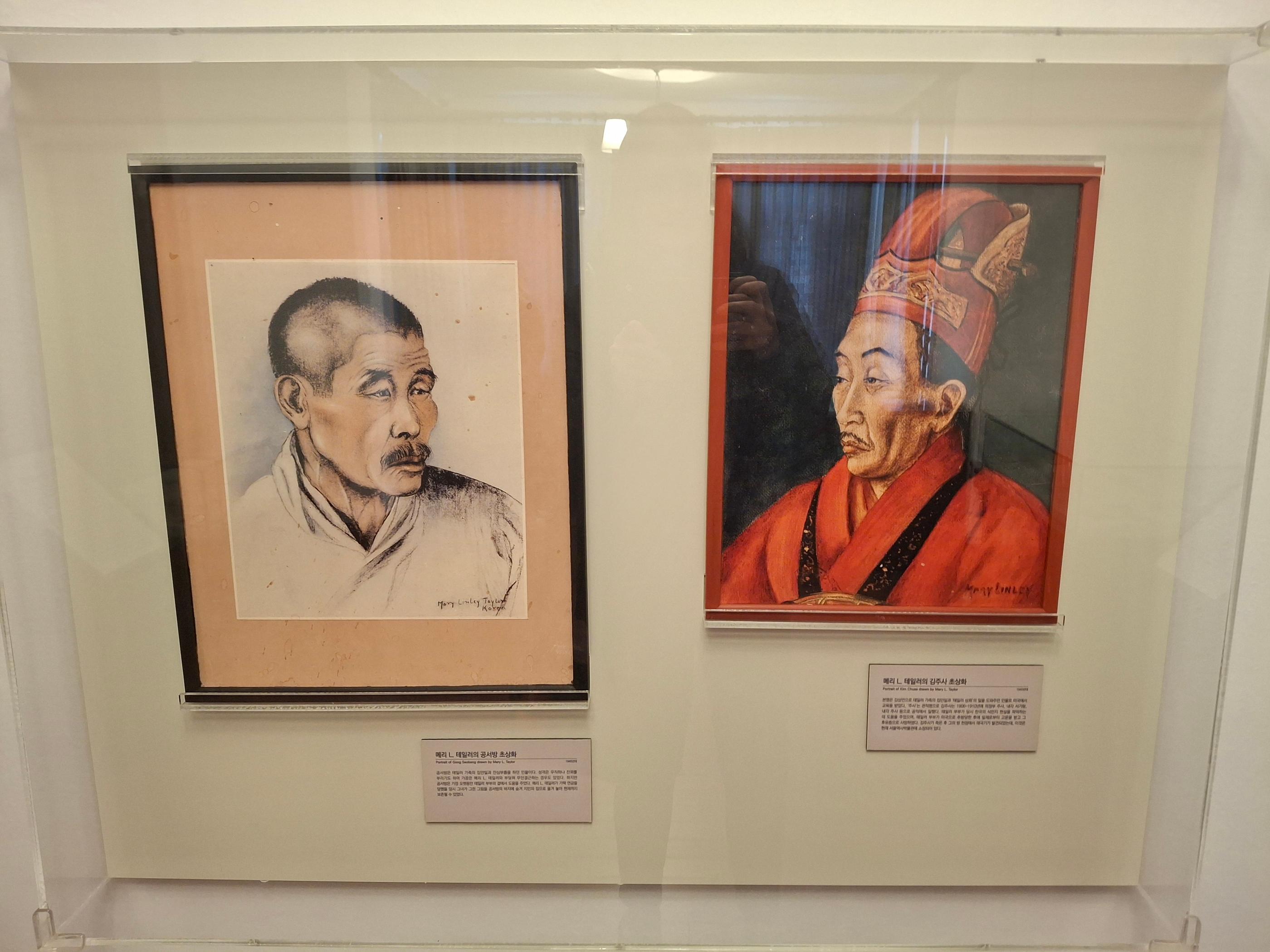
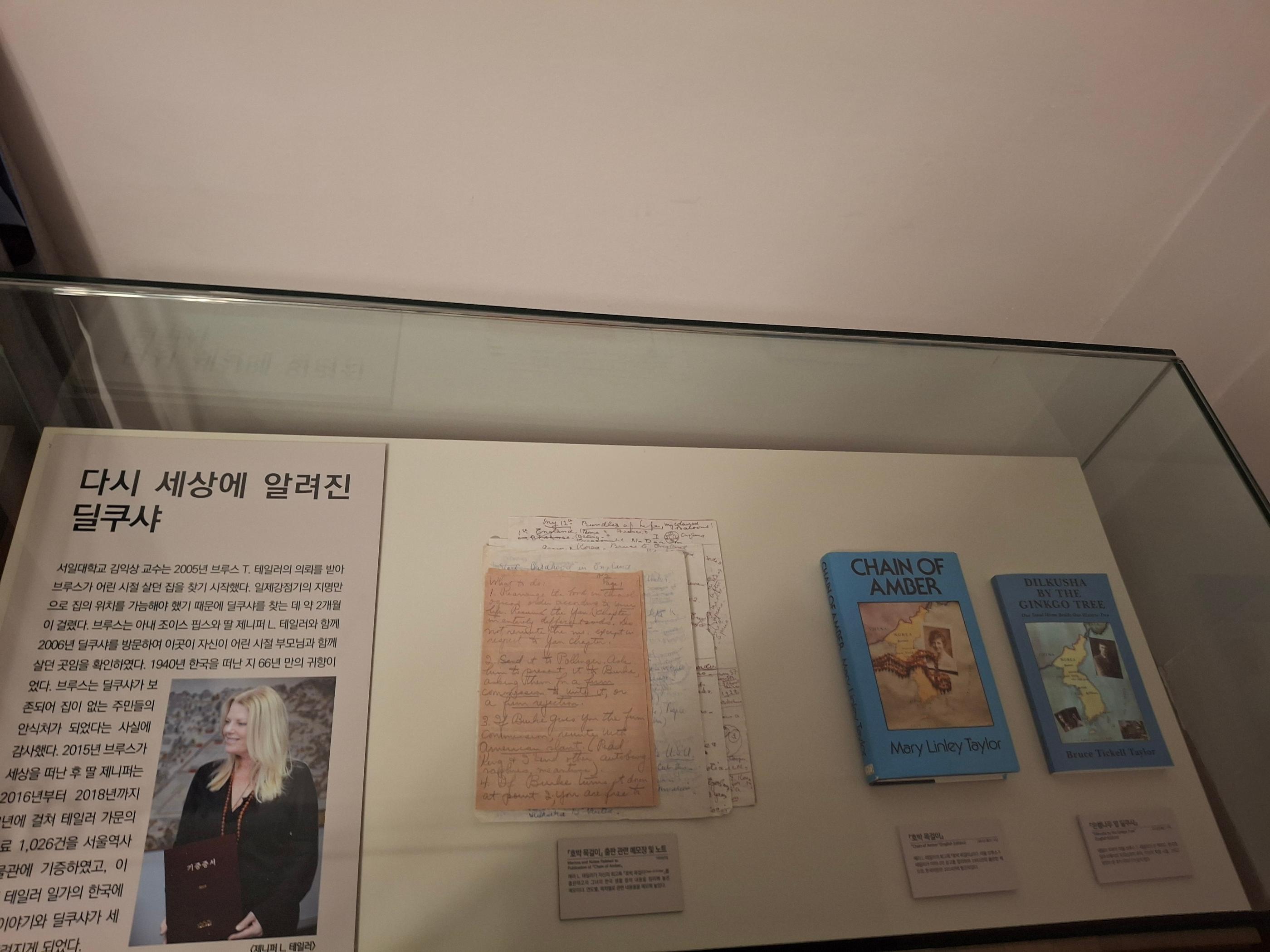
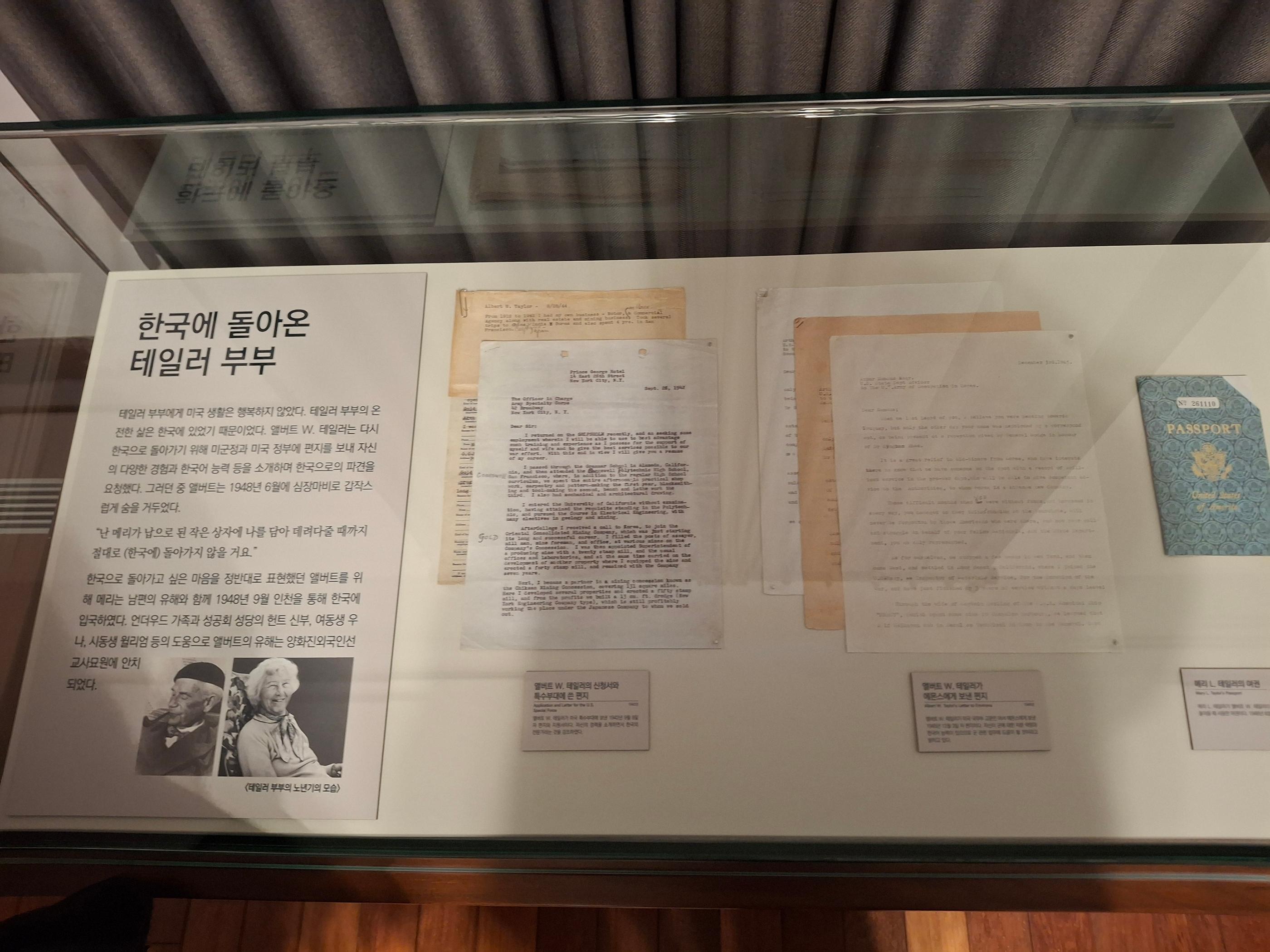
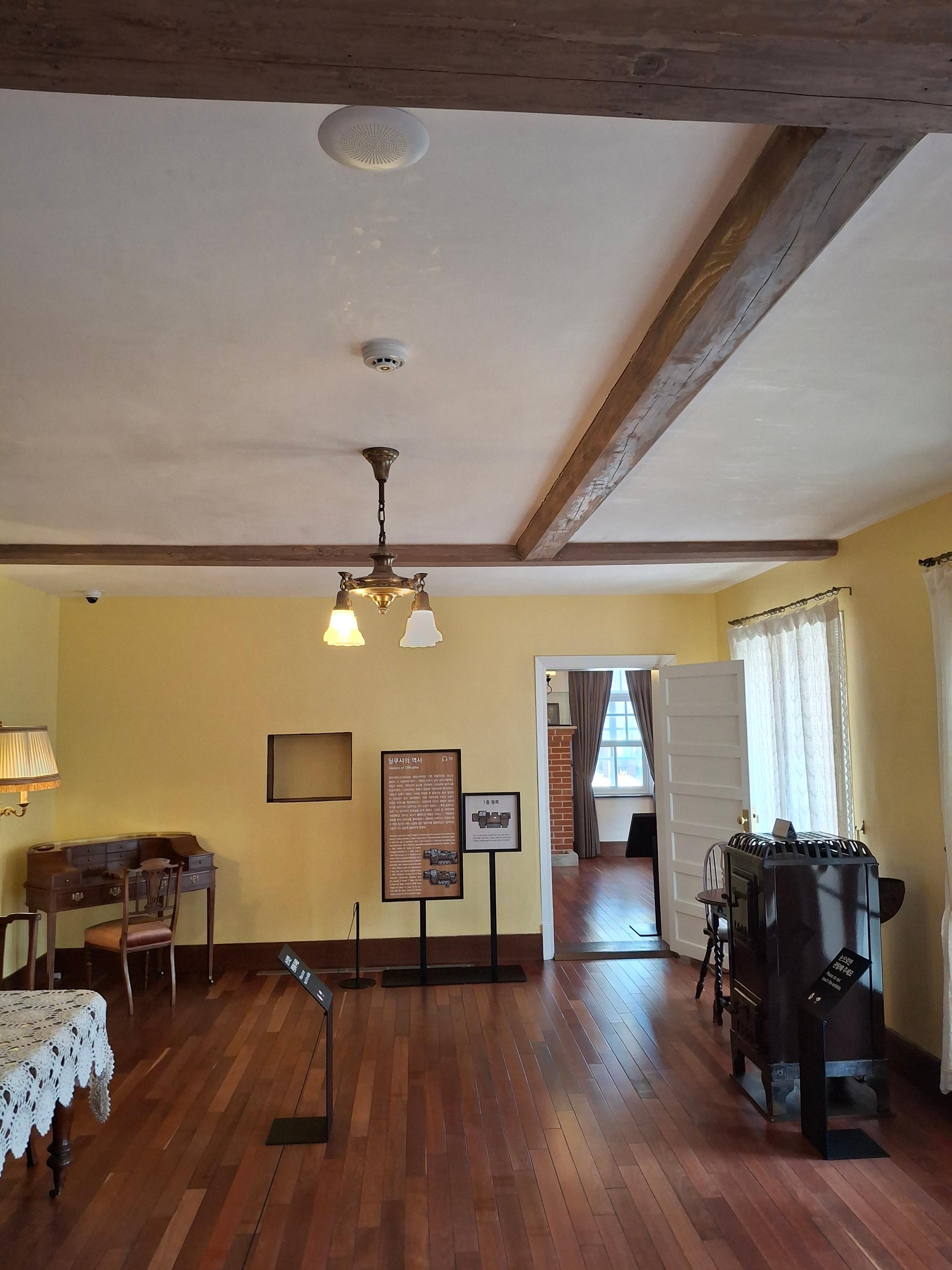
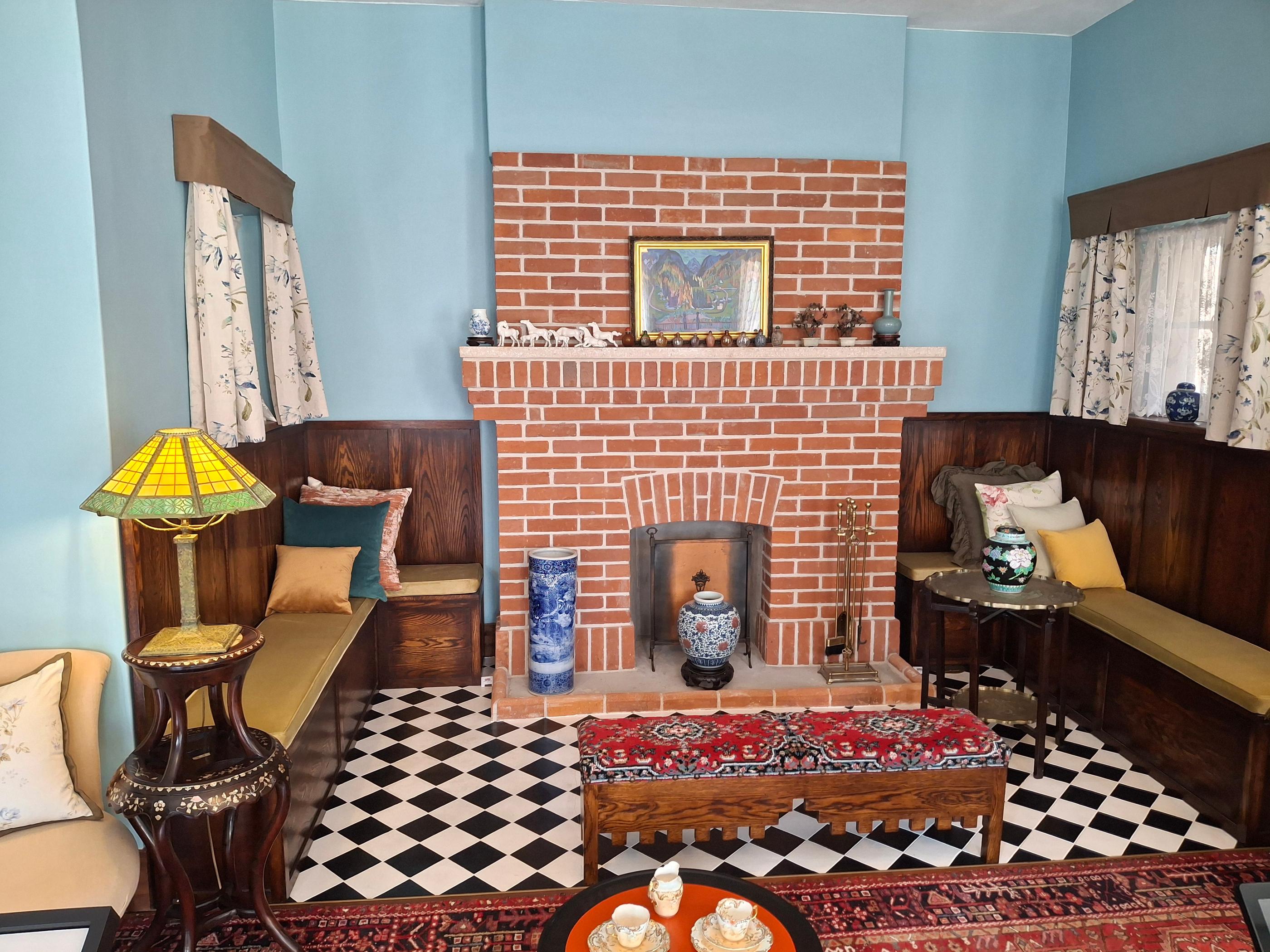
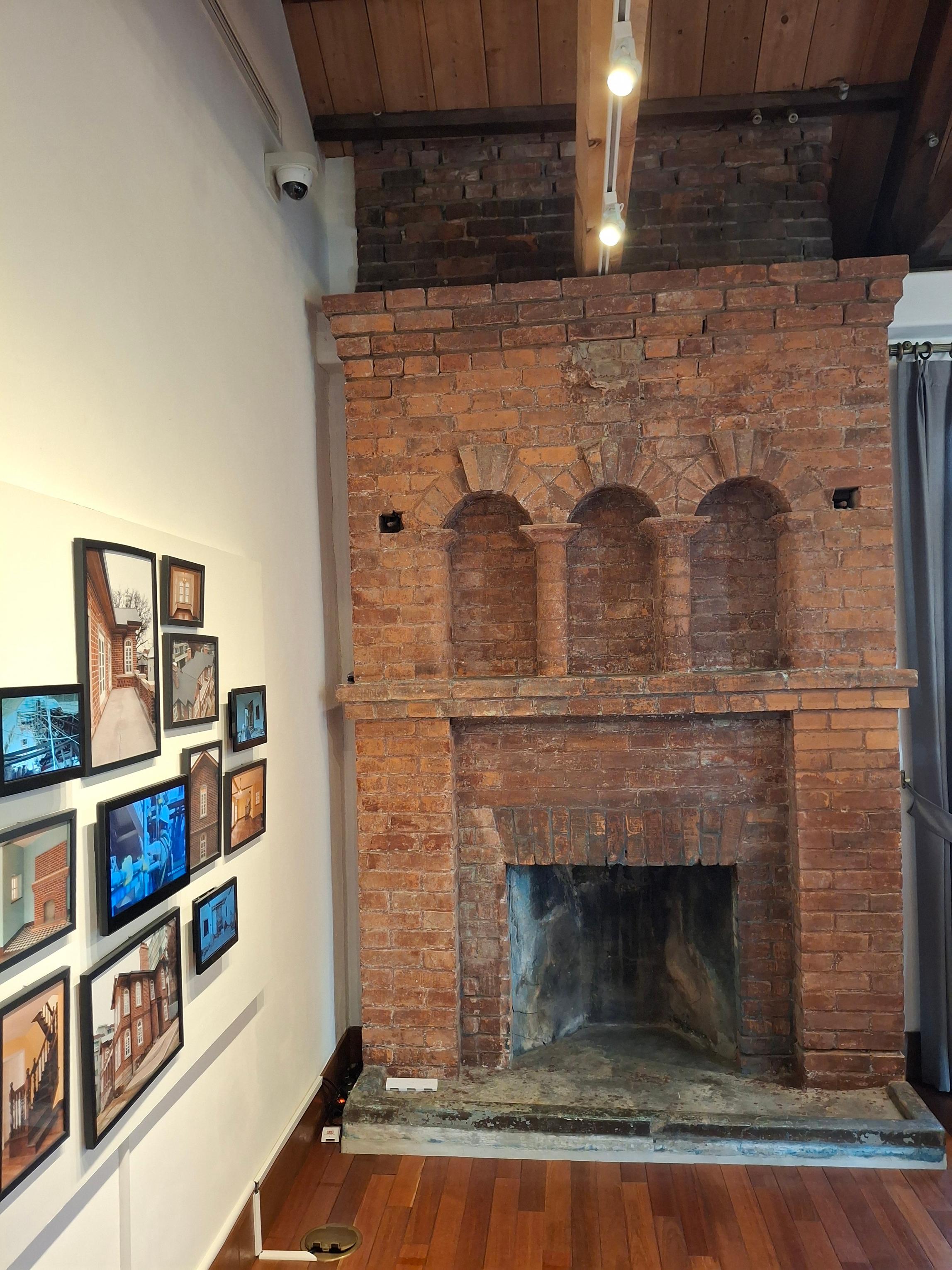
博物館のすぐ近く、高層のビルが立ち並ぶ中に、アルバート・W・テイラー(1875–1948)が建てた地下室と2階建ての赤レンガ造りの洋館、Dilkushaがあります。
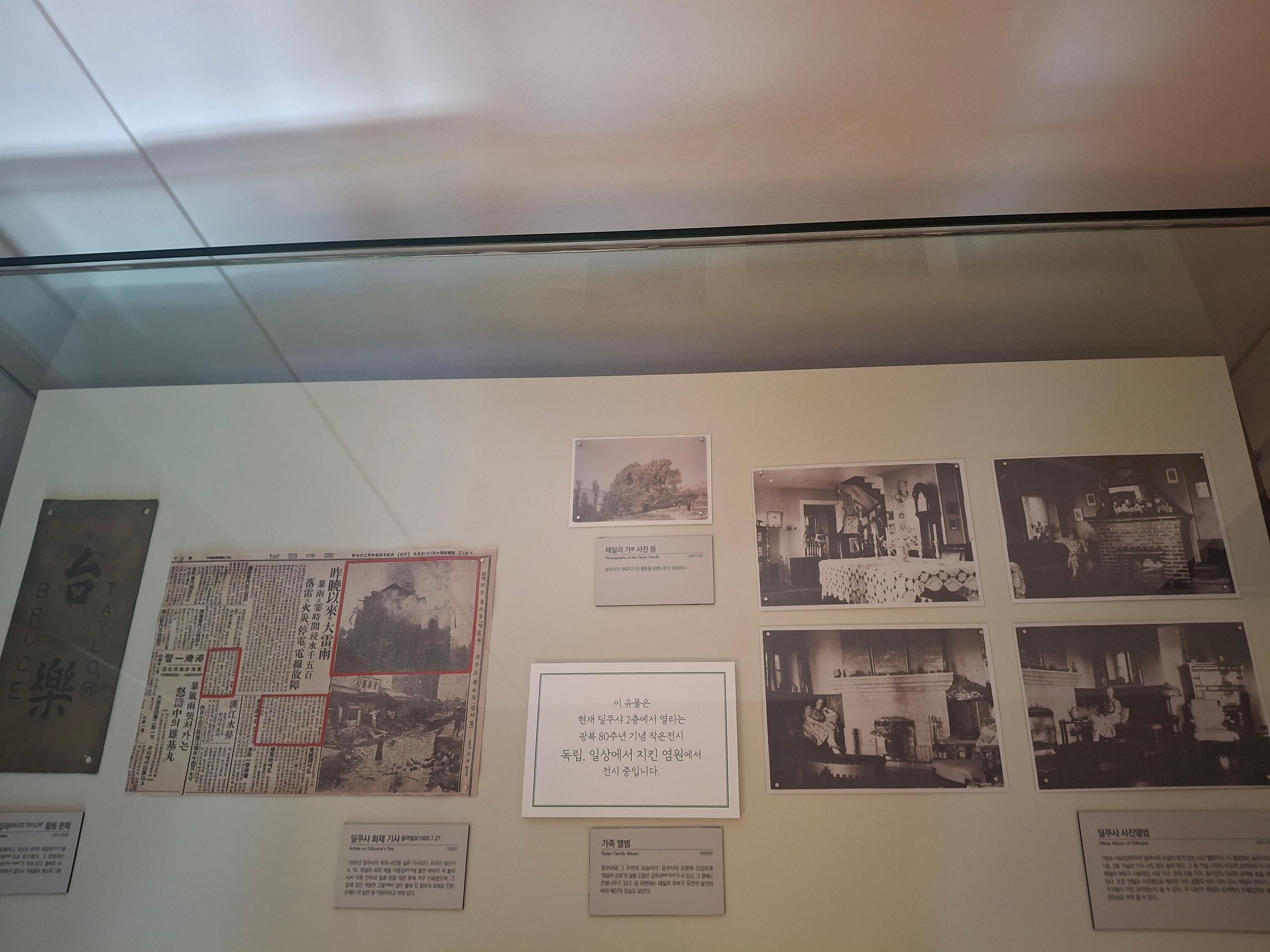
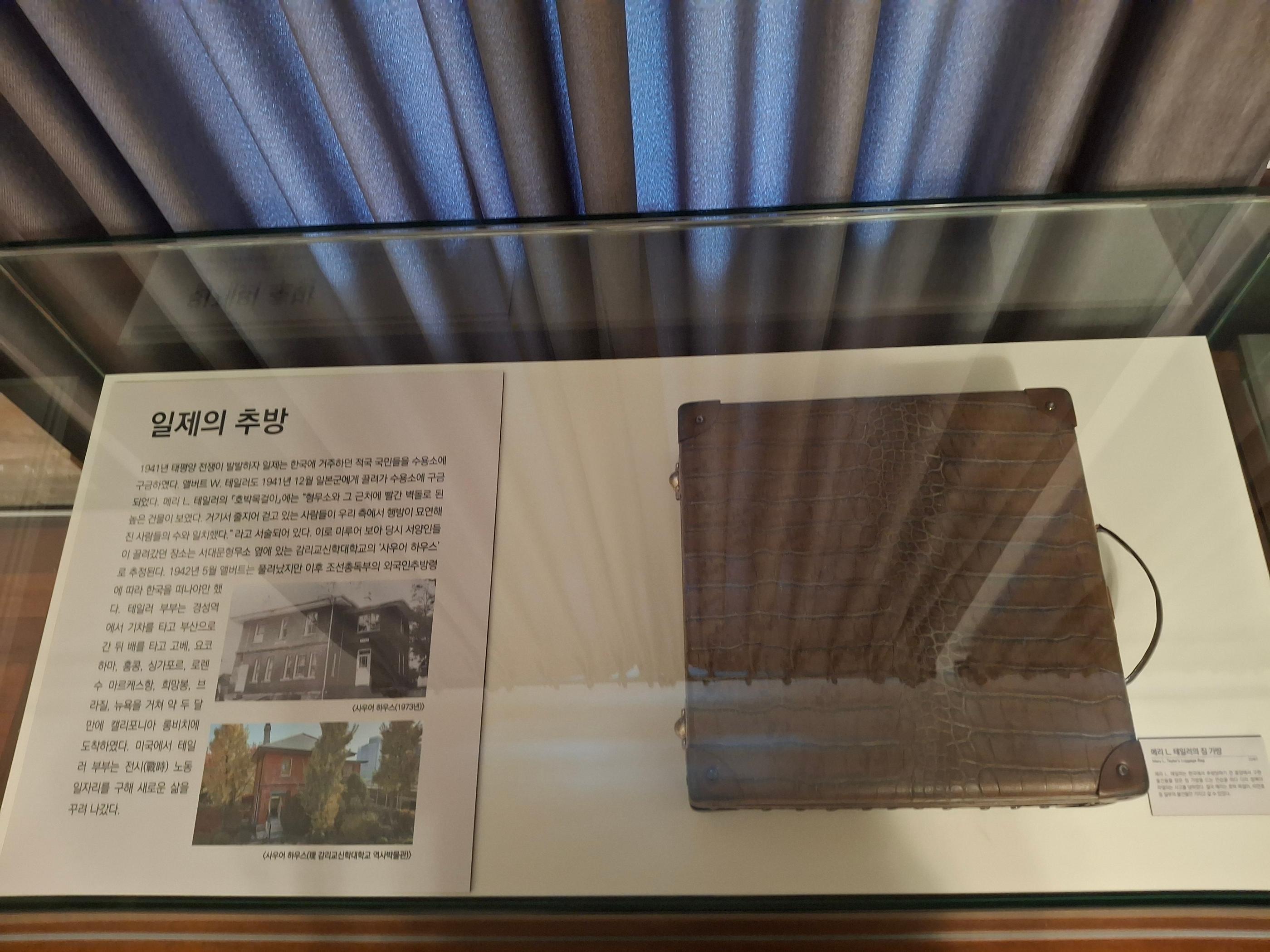
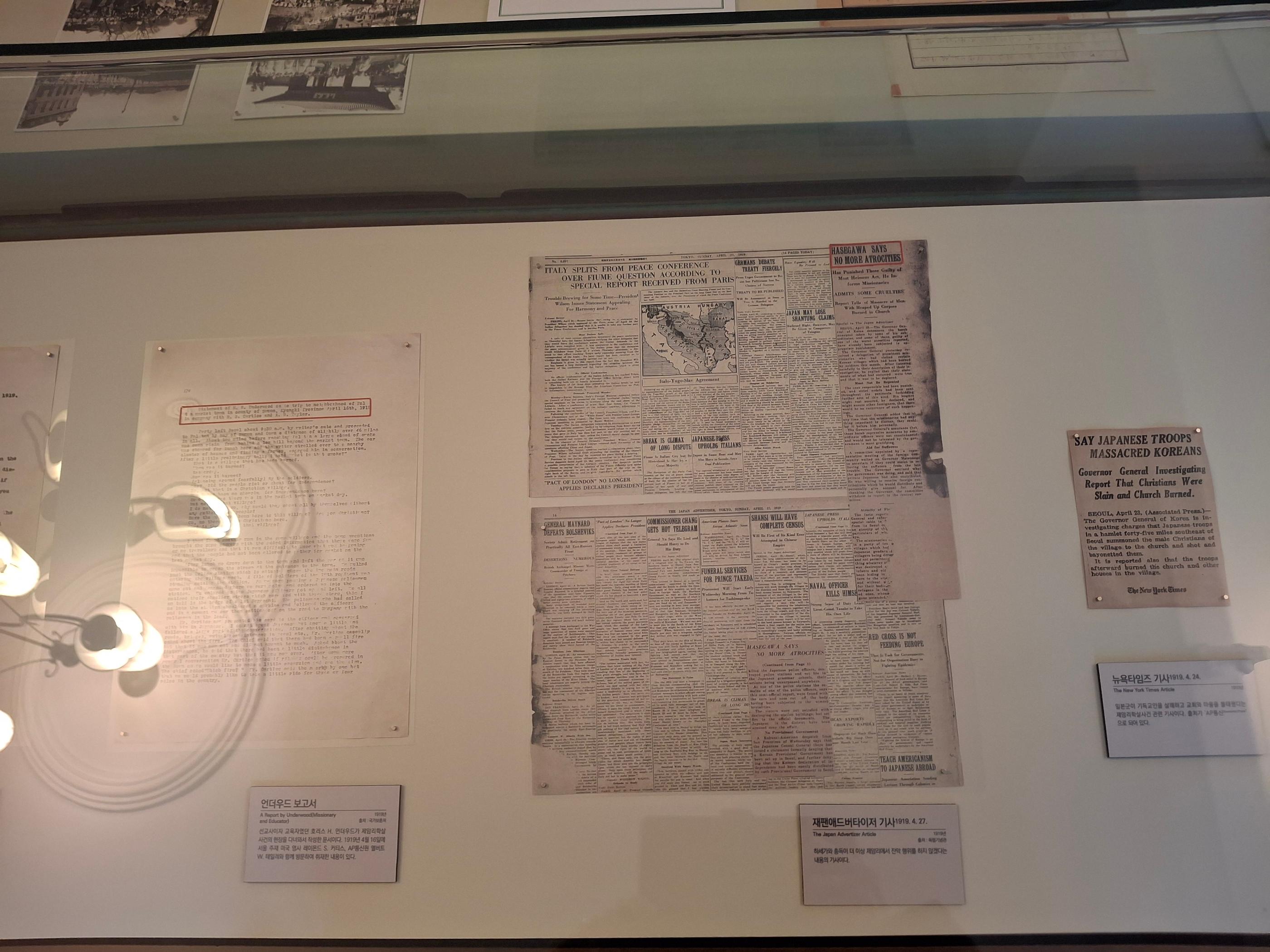
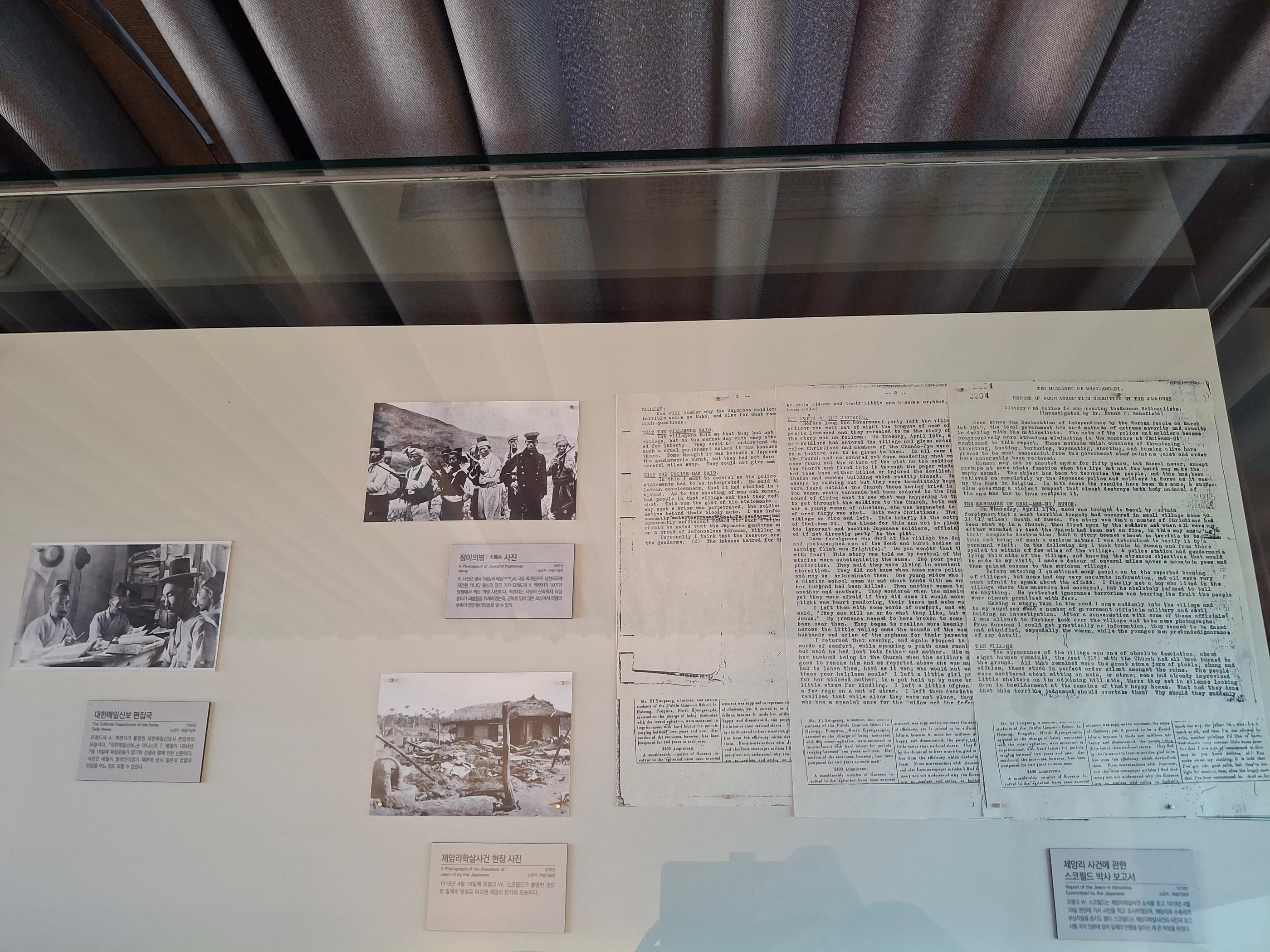
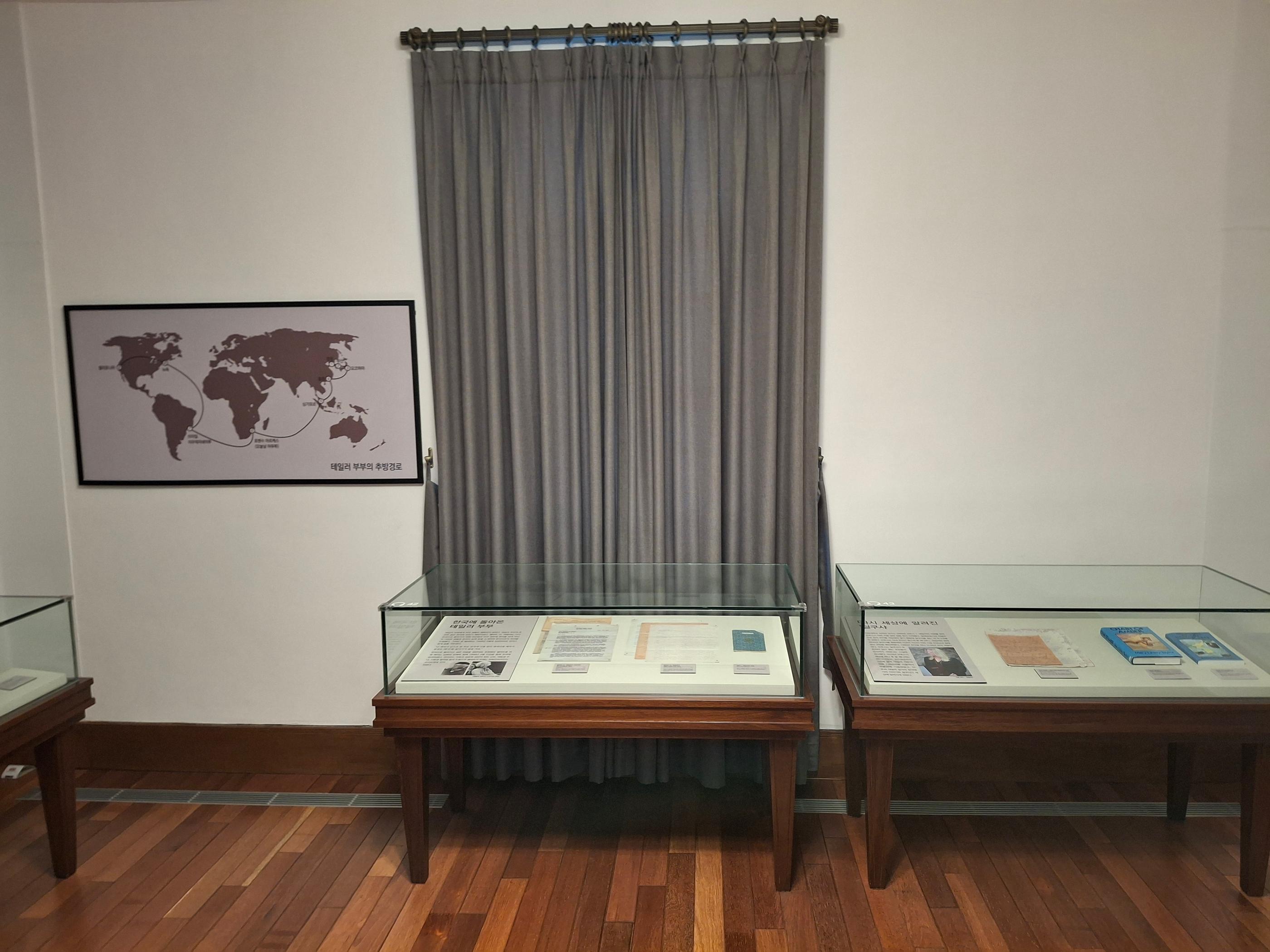
テイラーはAP通信の特派員で、1919年に日本帝国による朝鮮(当時のKorea)の不法併合を報じ、国際社会に知らせるためにサミル運動の詳細を取材しました。これらの活動により、テイラーは韓国の反日独立運動を支援していた際にソデムン刑務所に収監されました。ディルクシャは1942年に日本人により強制退去させられるまで、テイラー家の住居として使われていました。
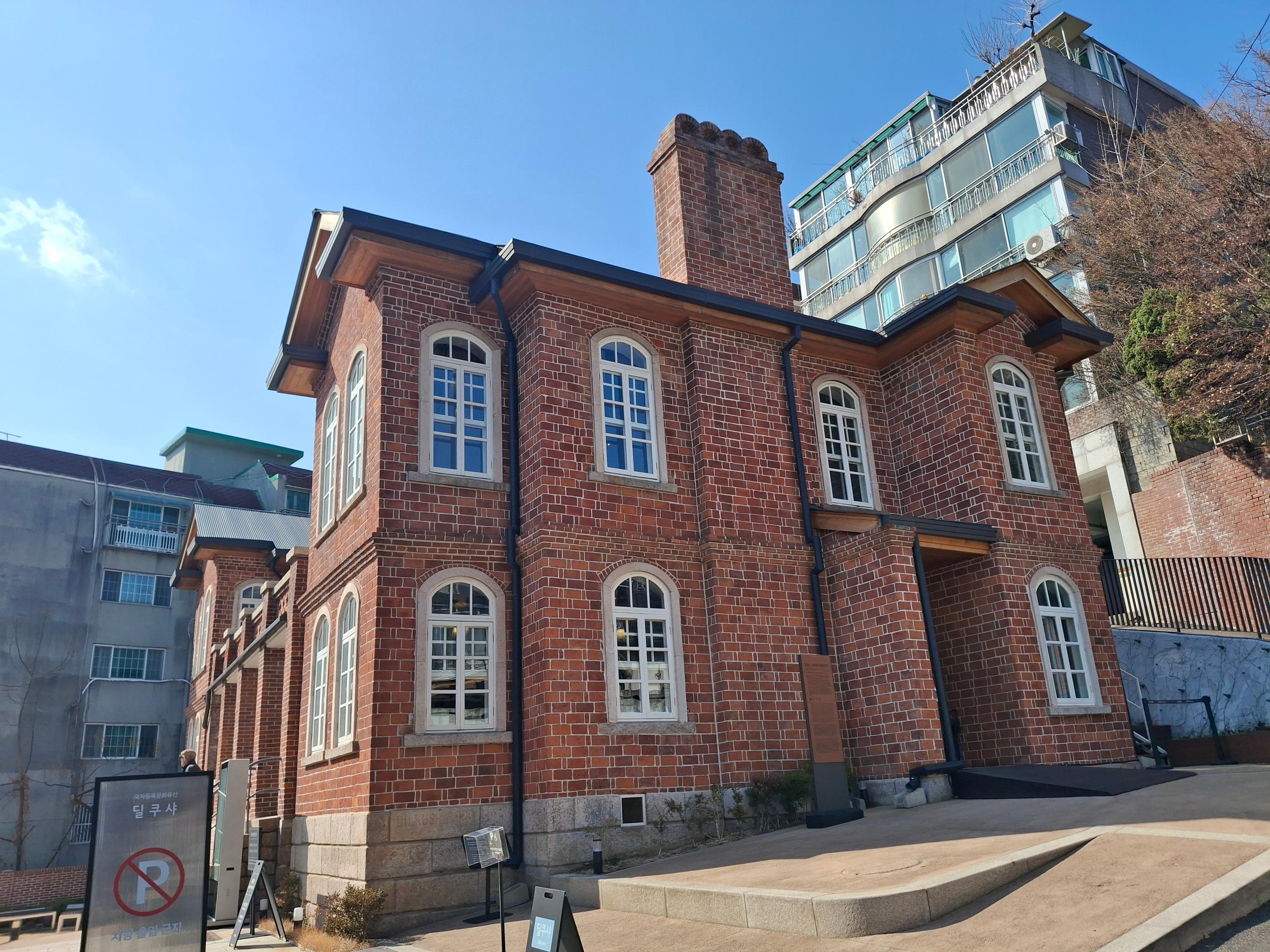
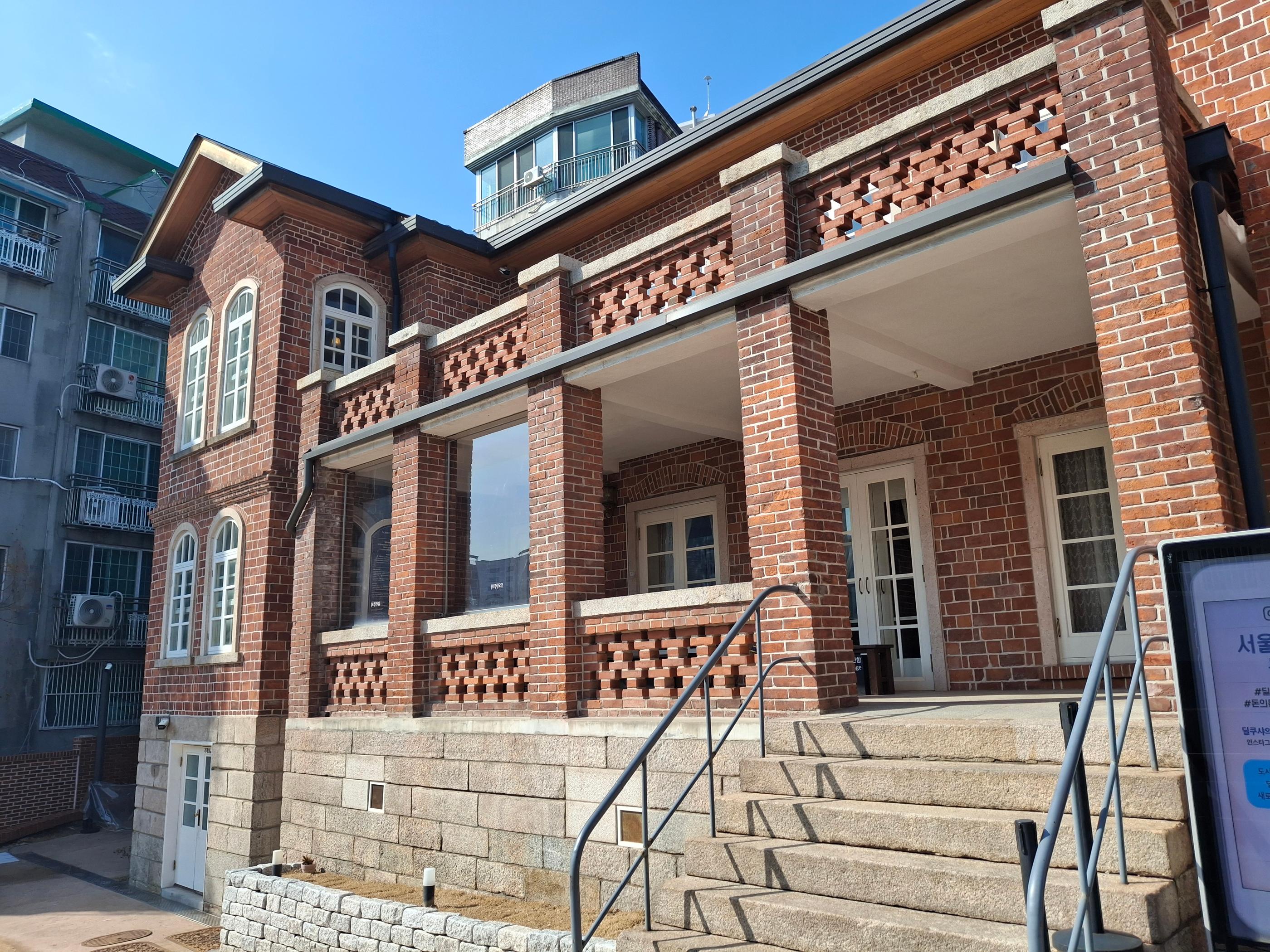
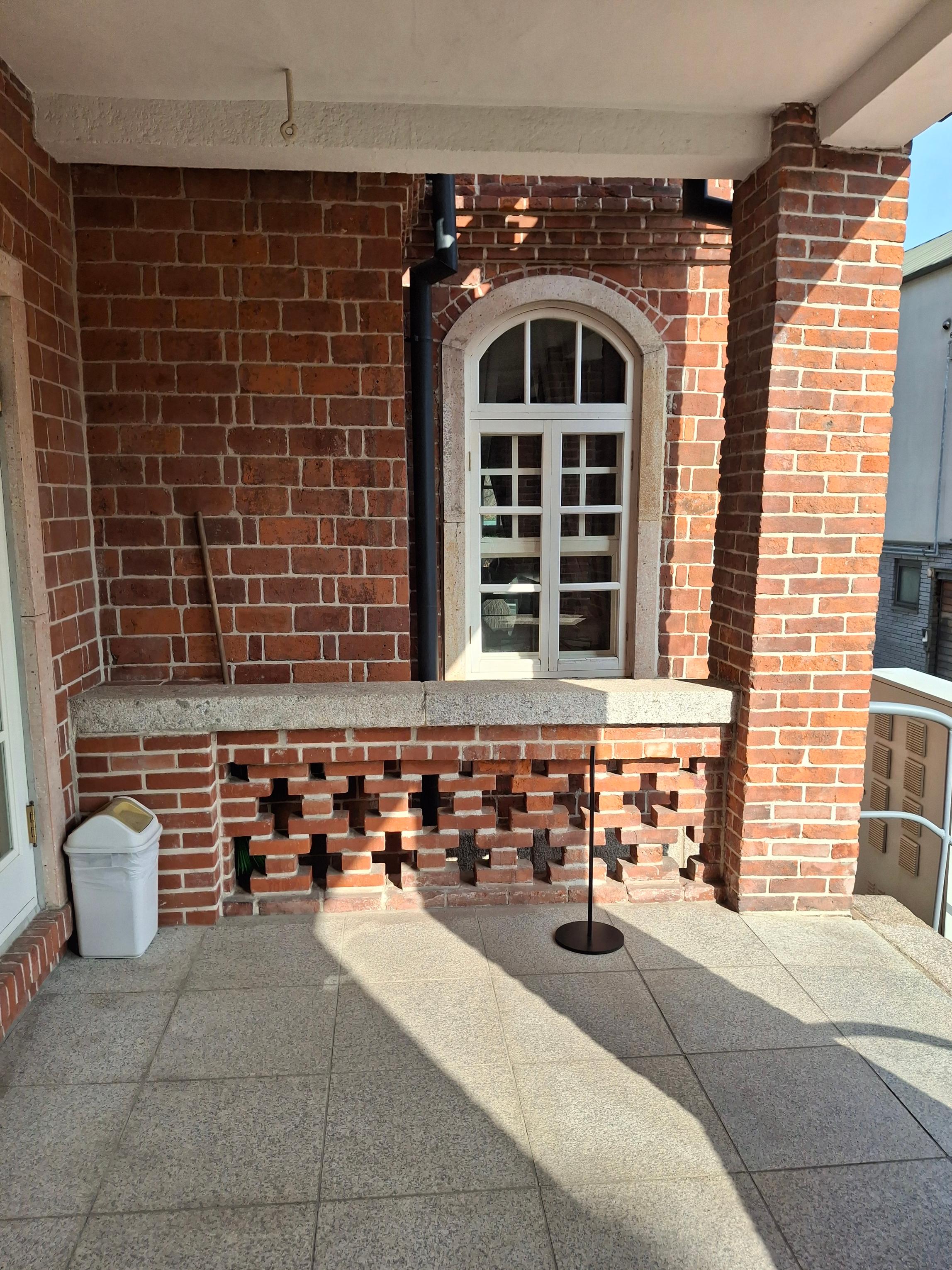
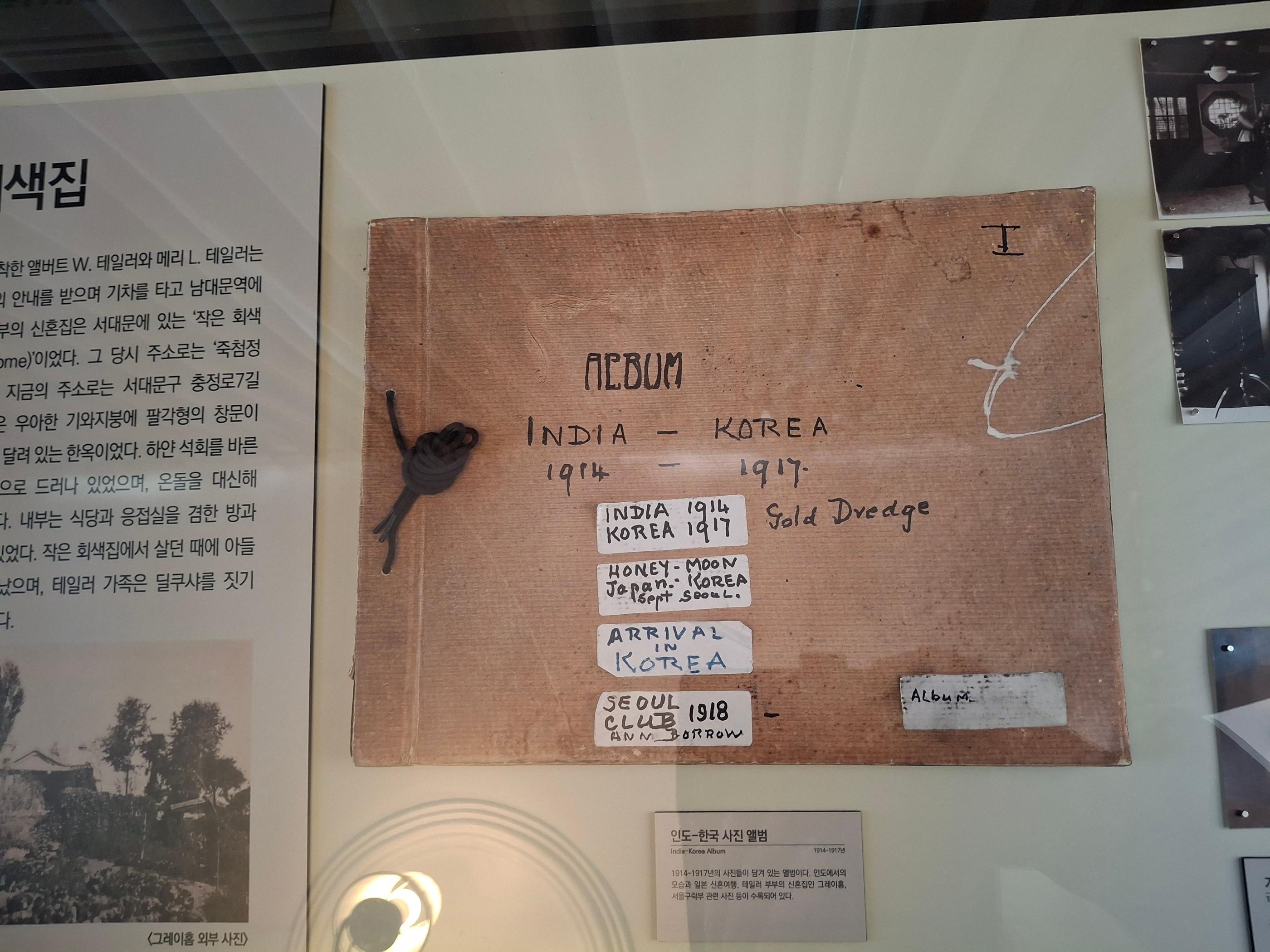
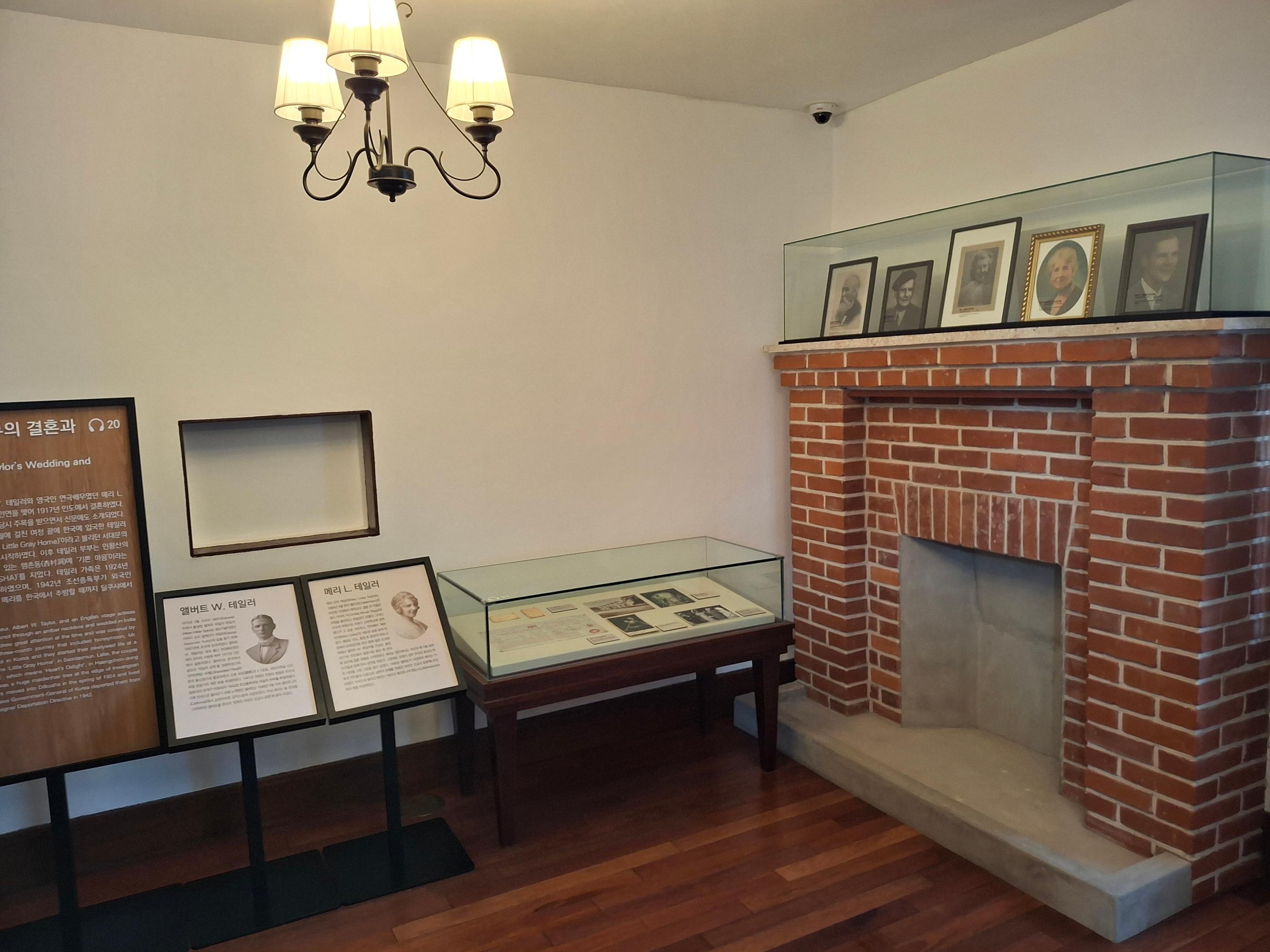
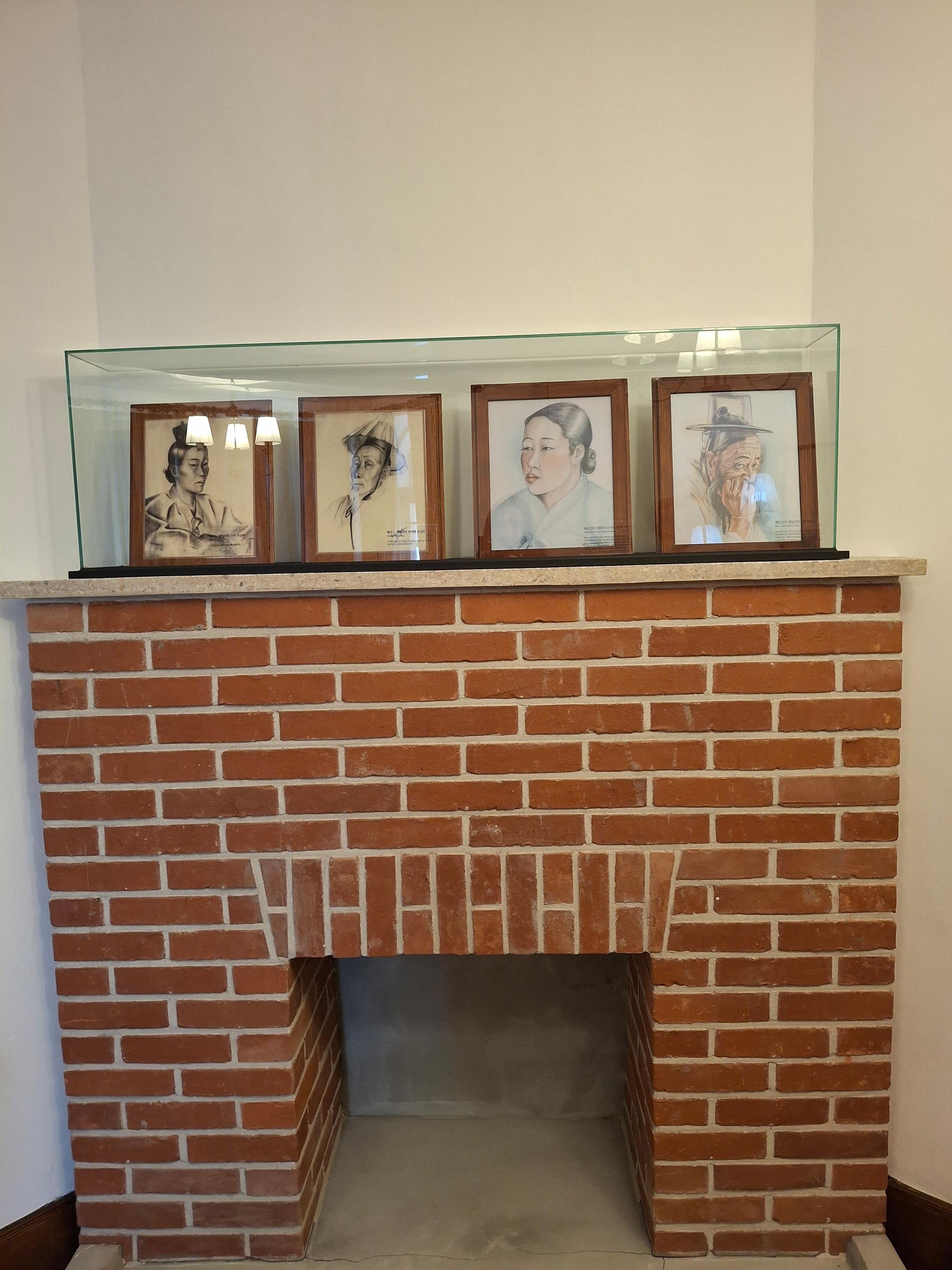
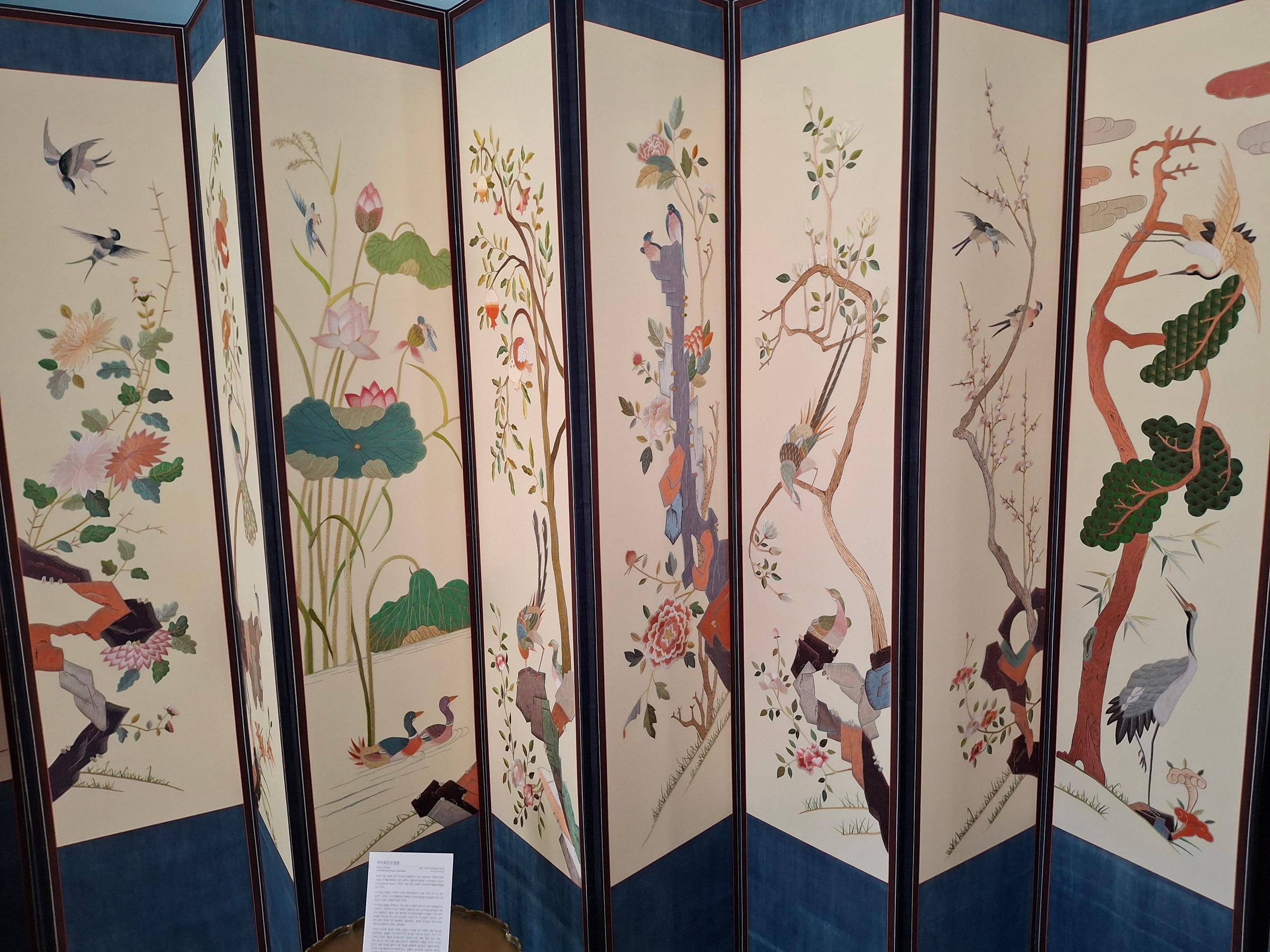
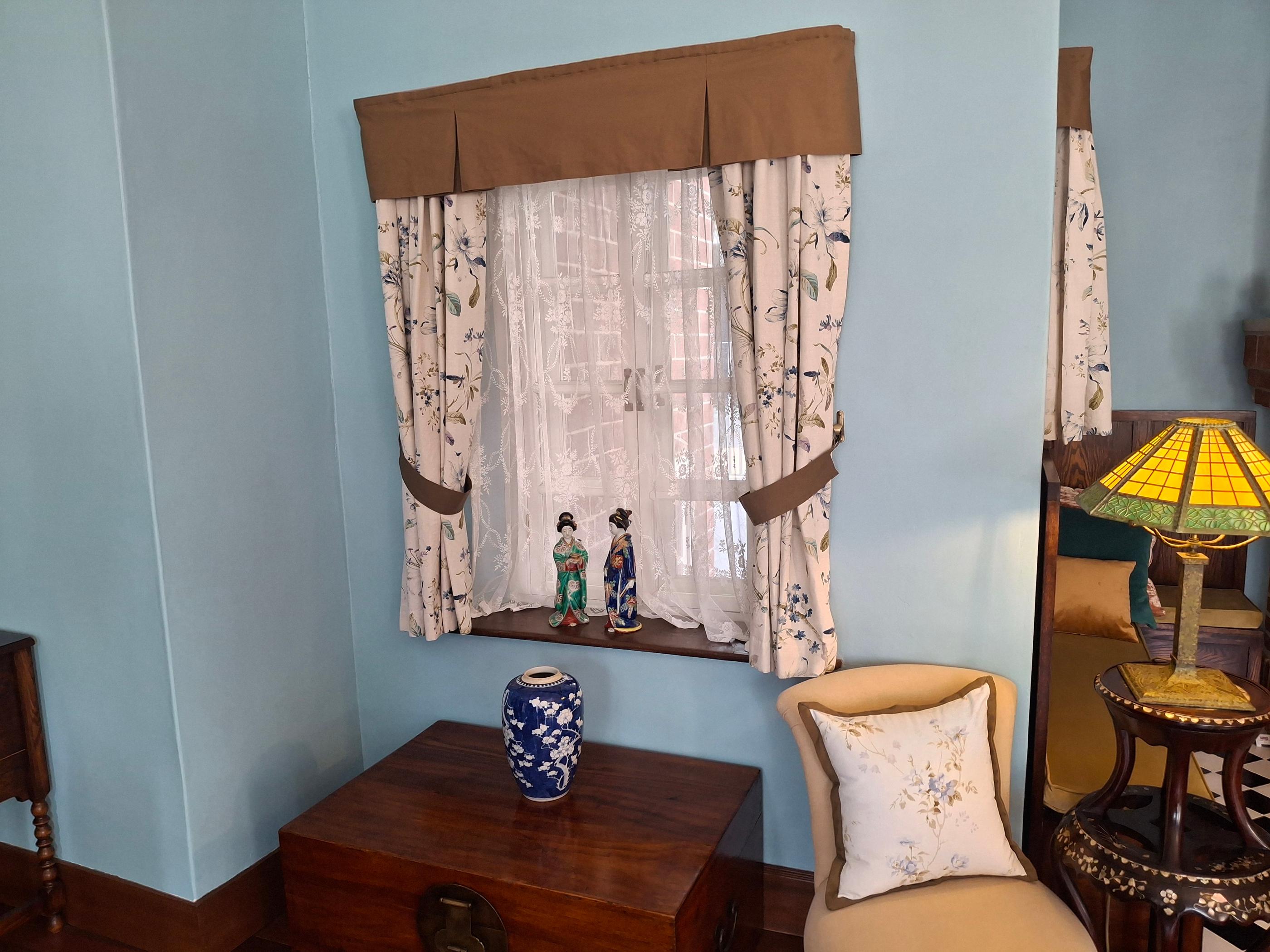
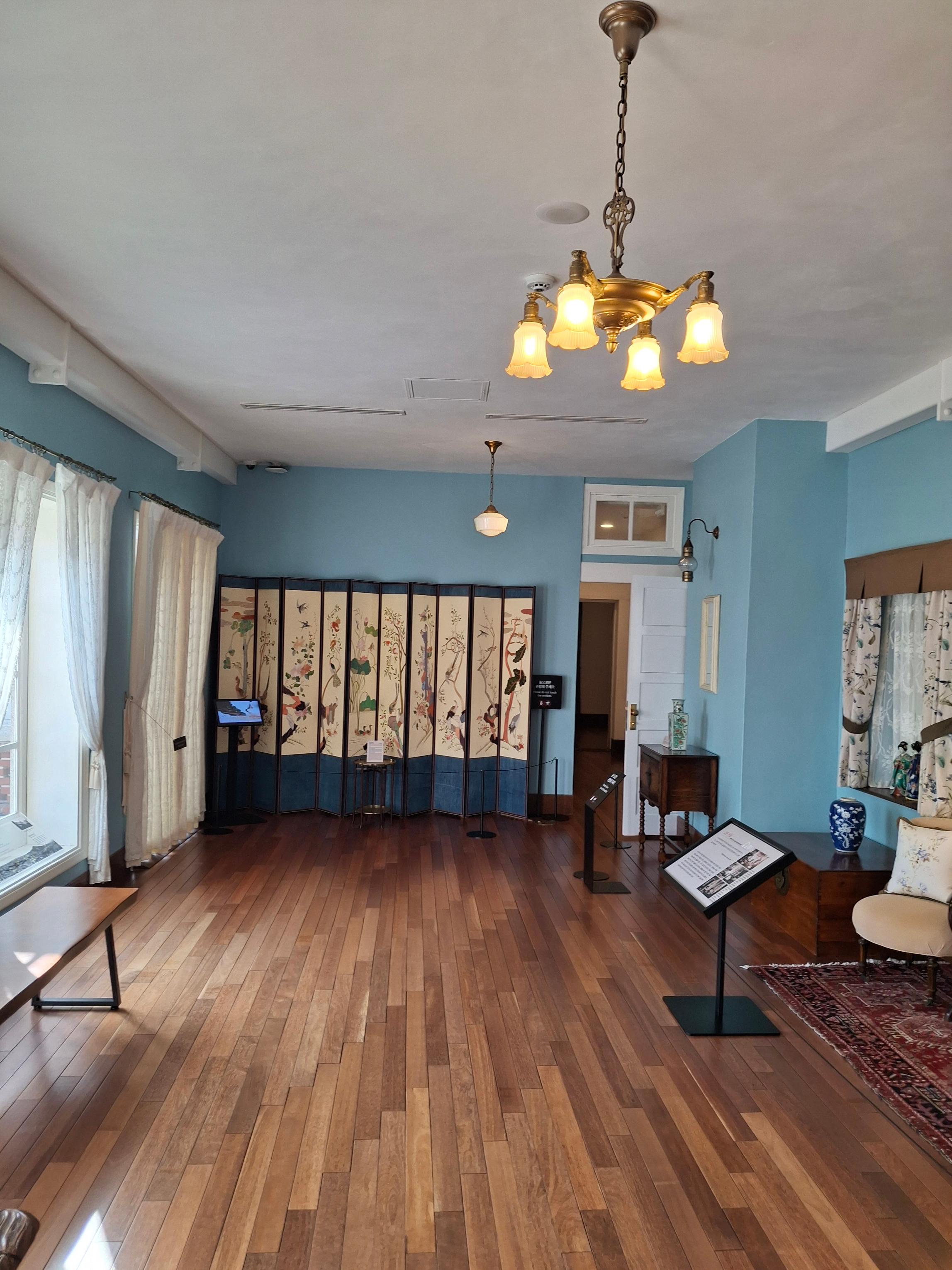
訪問者はディルクシャのツアーに参加して、1920年代当時のテイラー家の旧邸を実際に見学し、テイラー家の生活と、韓国滞在中に特派員として活動したアルバート・W・テイラーの記者活動を紹介する6つの展示を通じて生きた歴史を体感することが奨励されています。テイラーハウスはヨーロッパとアジアが見事に融合した建物です。美しい内装や家族の私物を詳しく見ることで、正義という名の下に大きな犠牲を払って、彼が外部の人々と考えた人々を擁護した人物への理解が深まります。
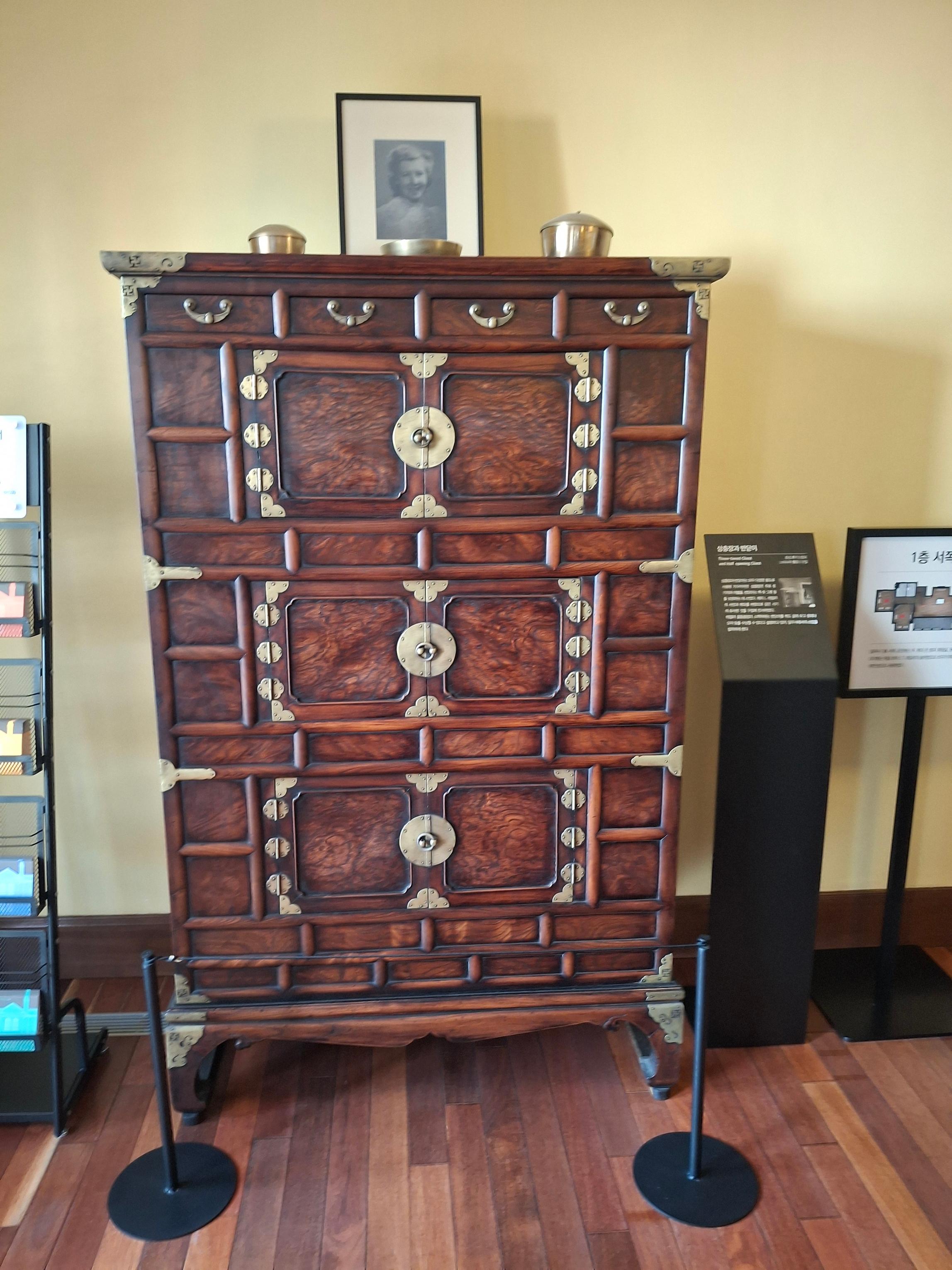
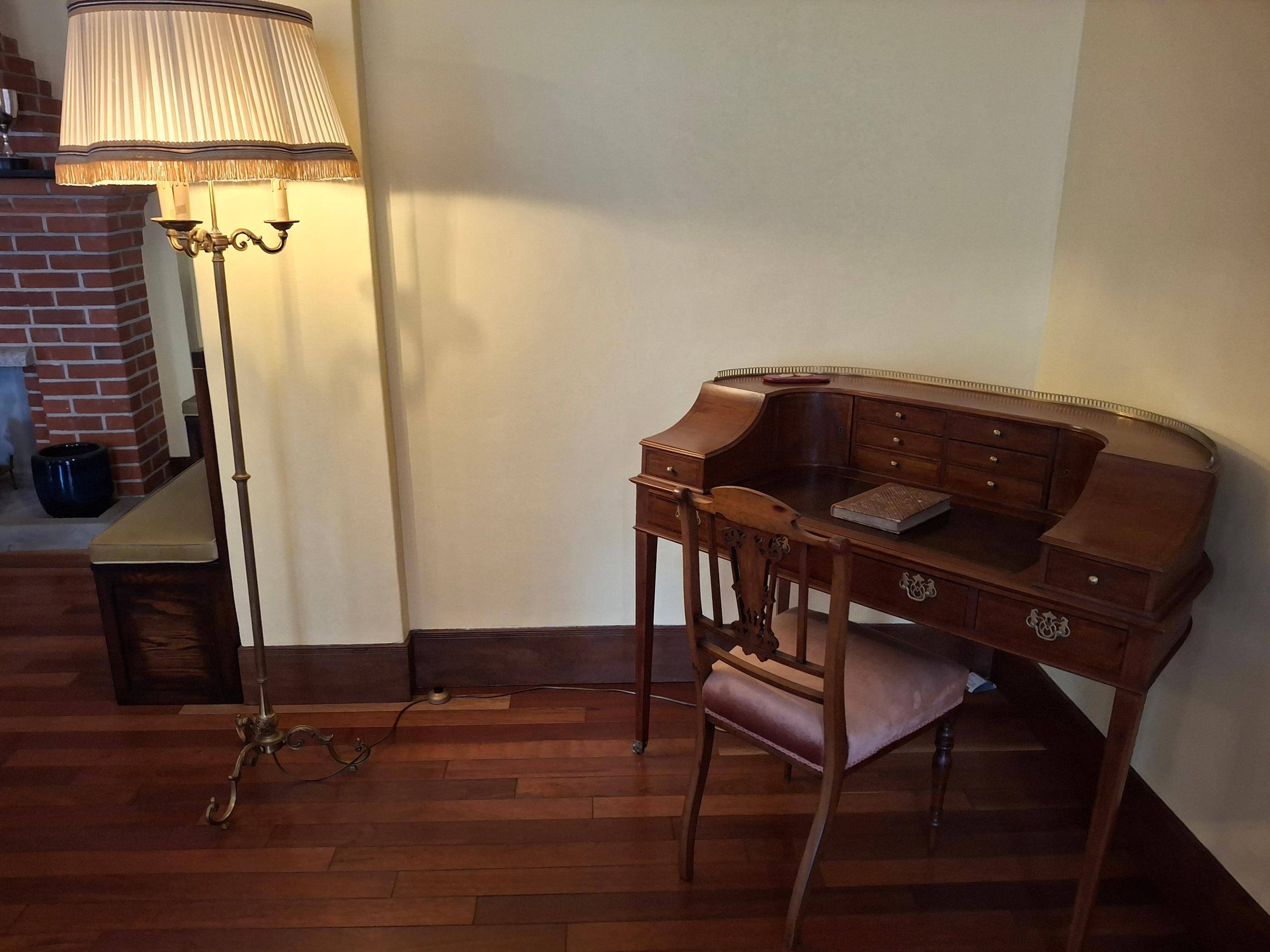
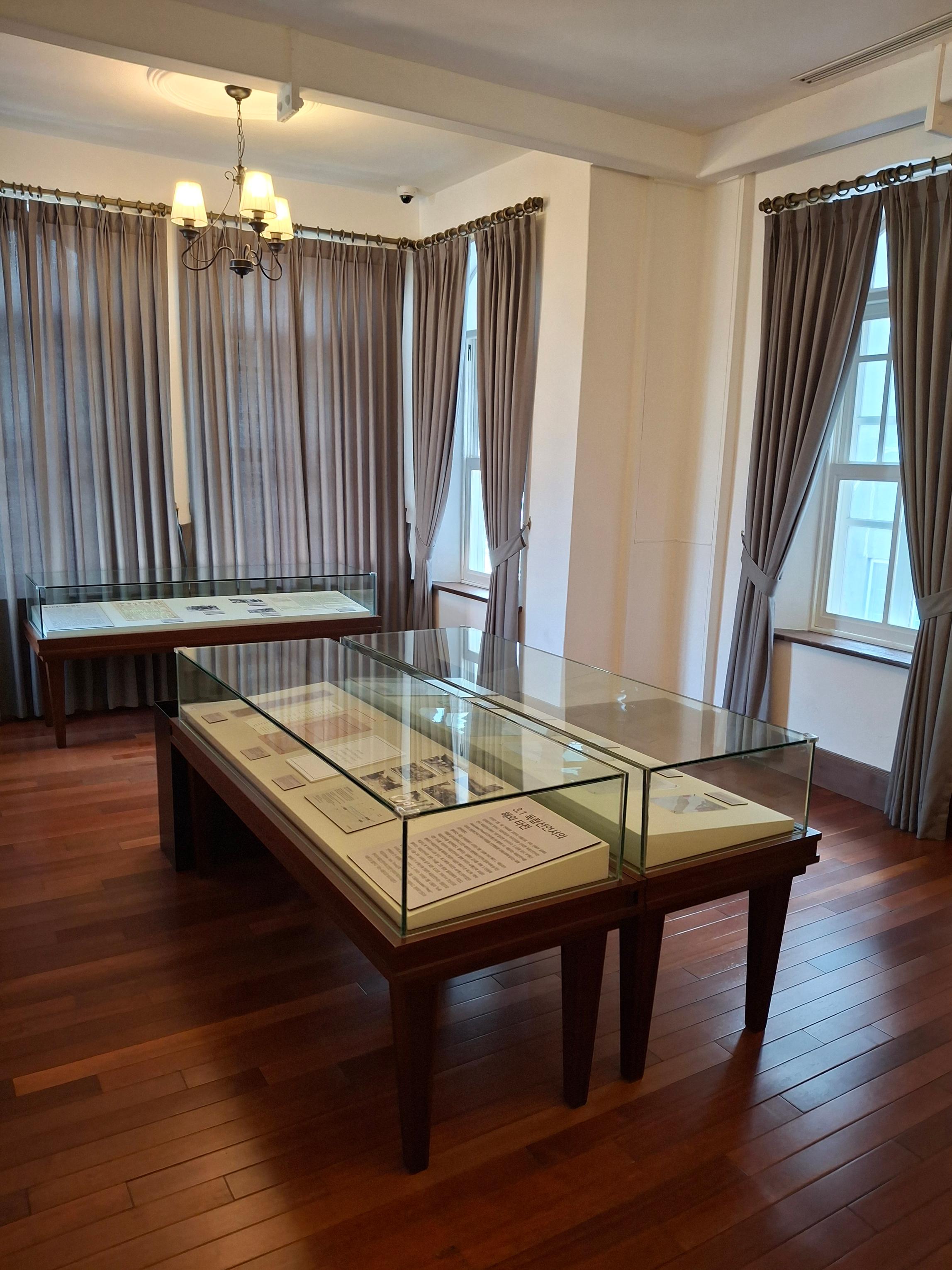
この教育的で興味深いルートは、数時間で回ることができます。韓国の近代史について深く学べ、出来事の一部になったような感覚でその重要性を実感し、独立運動の英雄たちの記憶を称えることができます。