



Seoul Architecture Presses the Road

Keira
2 months ago
This year's generous annual leave gave me the chance to finally take the long-planned trip to Seoul Station. It was my first time visiting the city, and my goal was clear: not a K-drama pilgrimage, not a shopping spree, but to see the striking 'signature buildings' I'd been admiring on social media and in architecture magazines.
1. From a futuristic landmark to landscape practice: an architecture lover's paradise
1. Dongdaemun DDP: a silver spaceship landed in the city
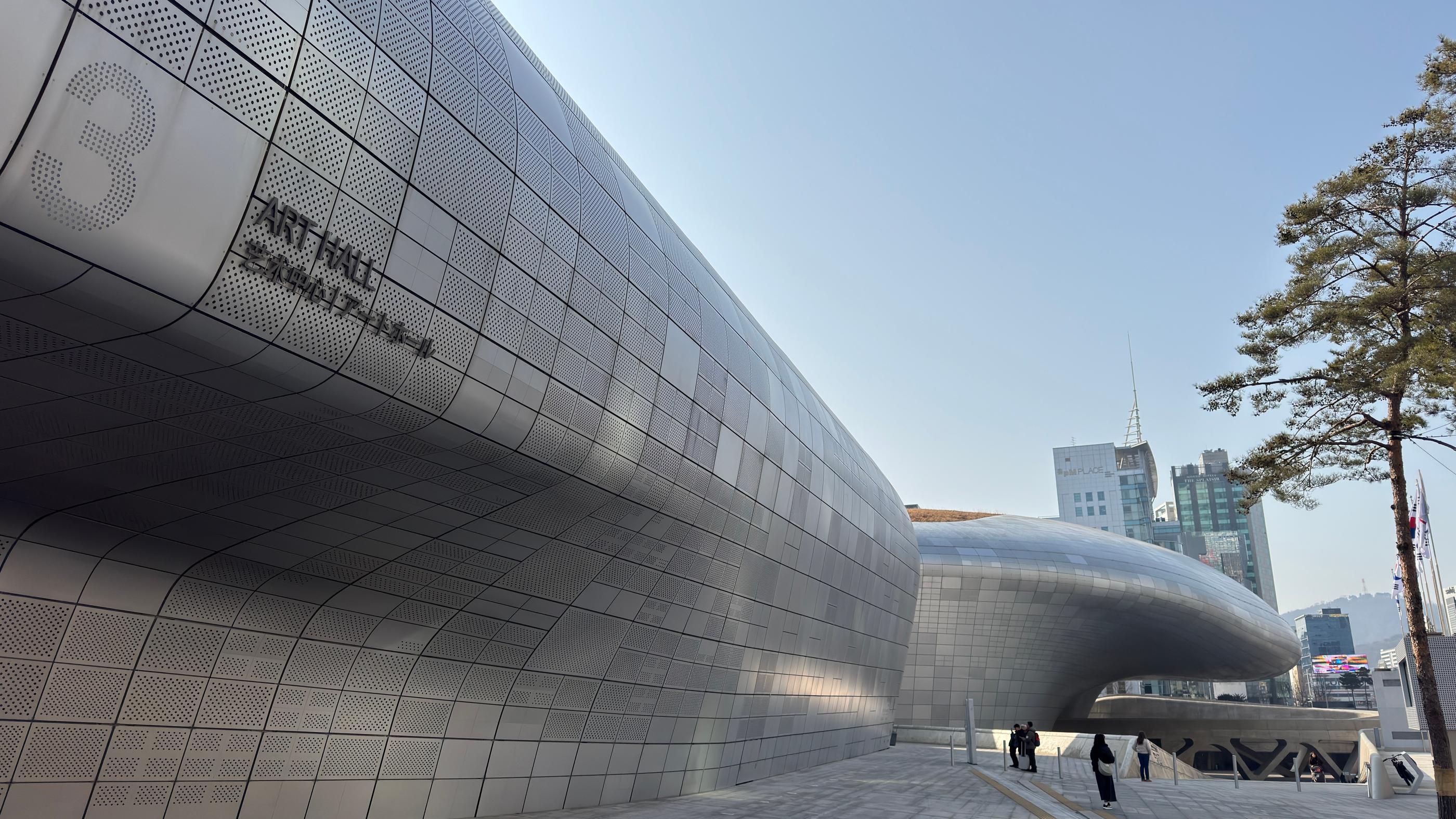
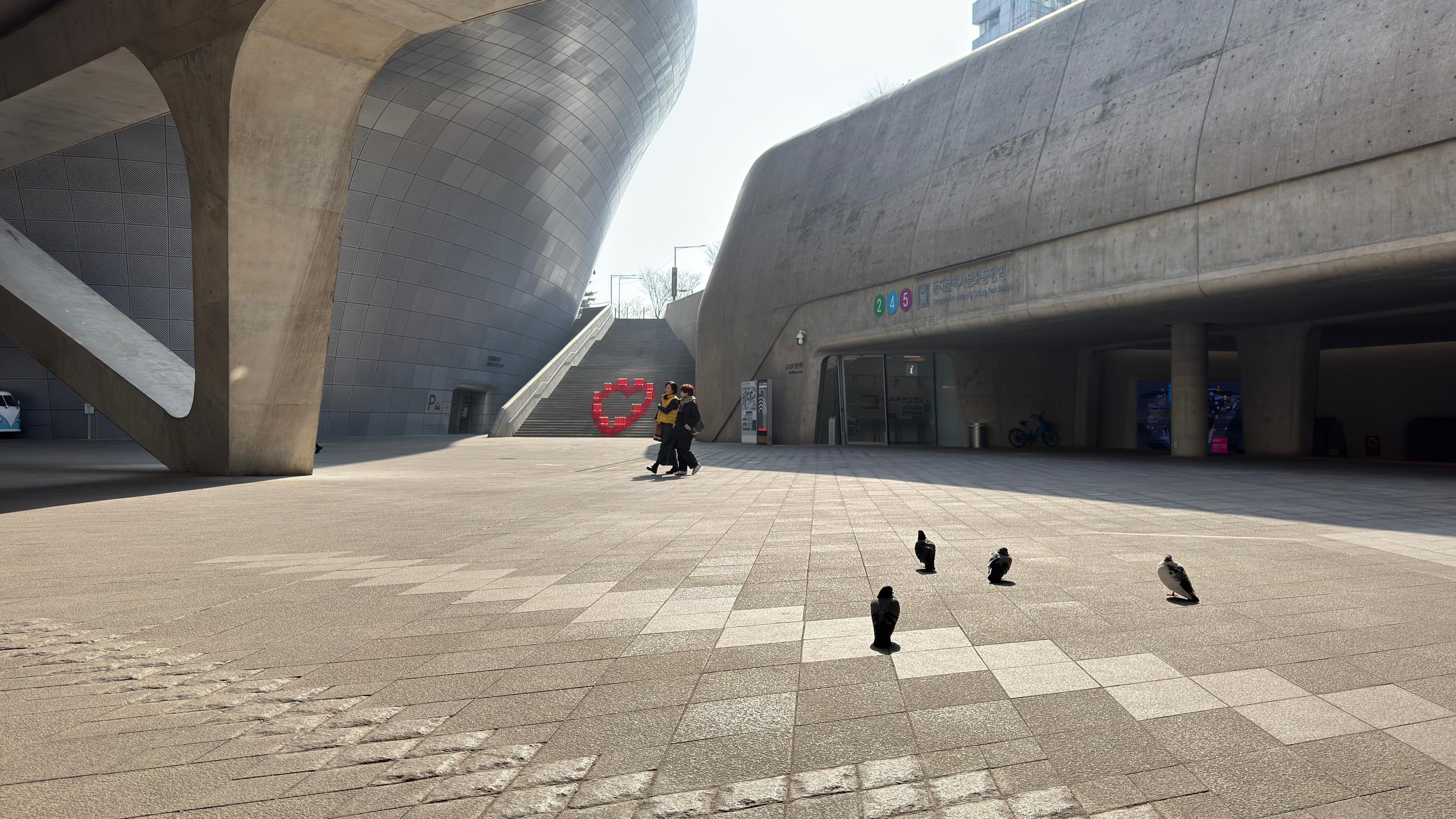
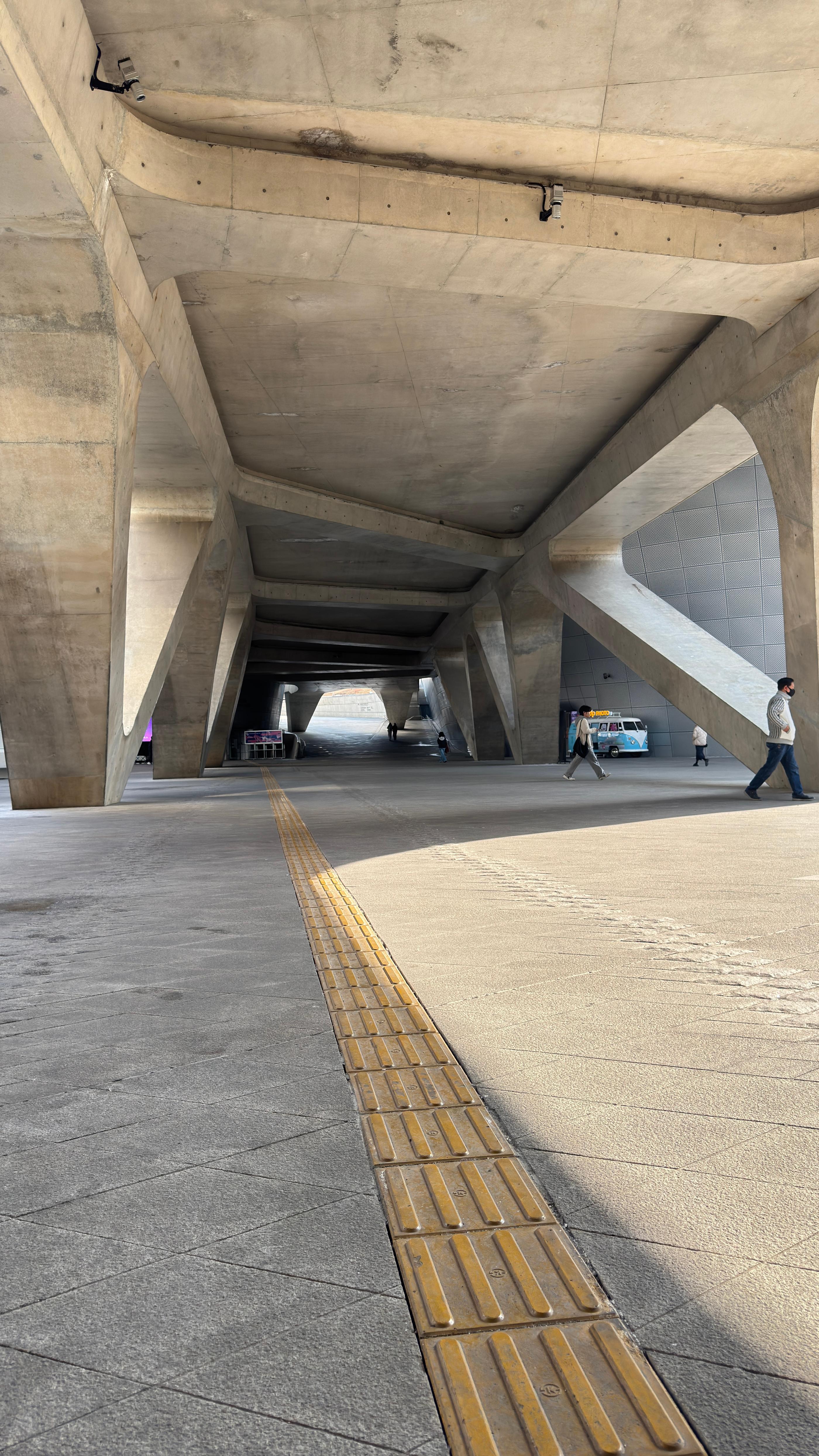
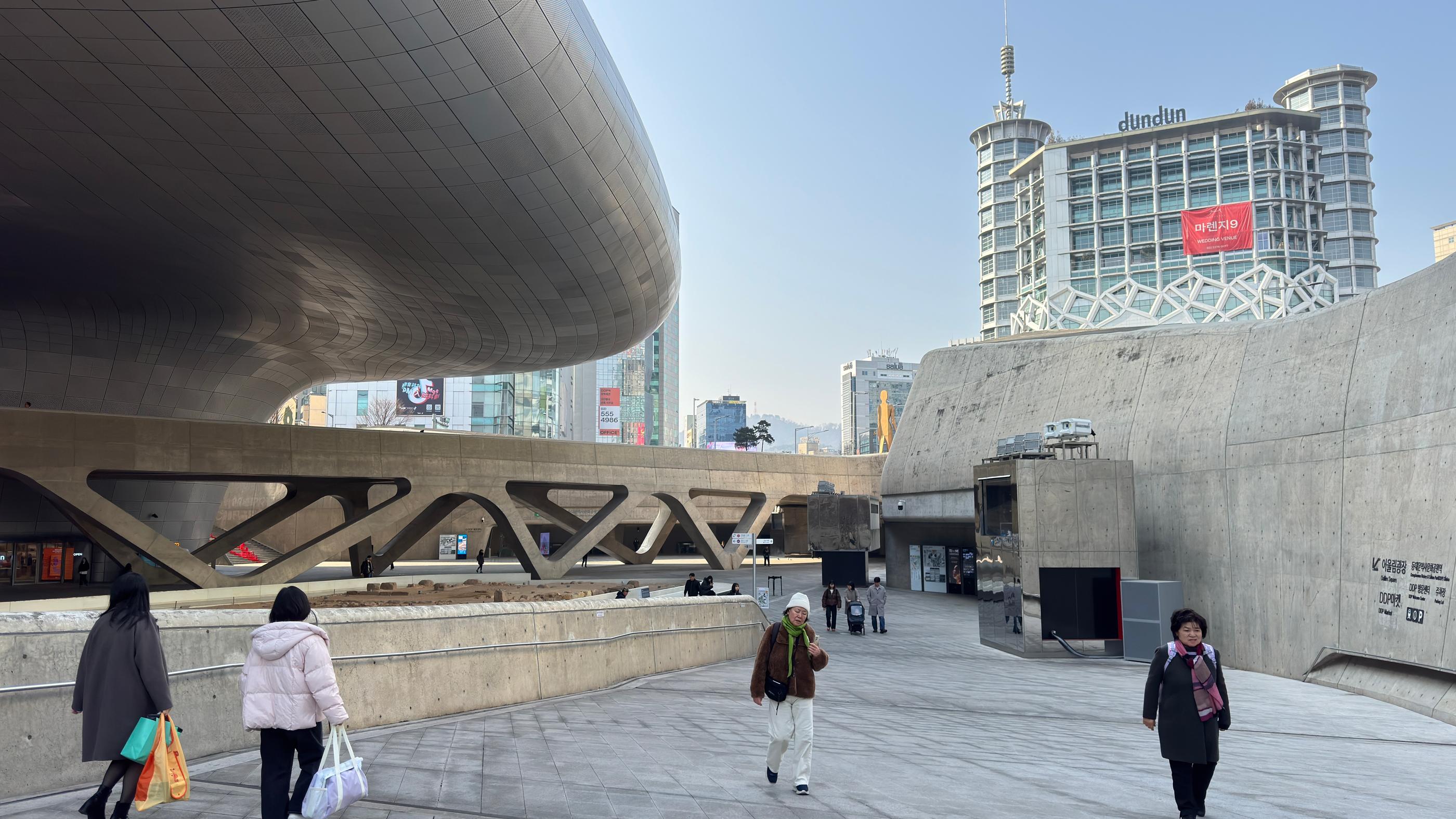
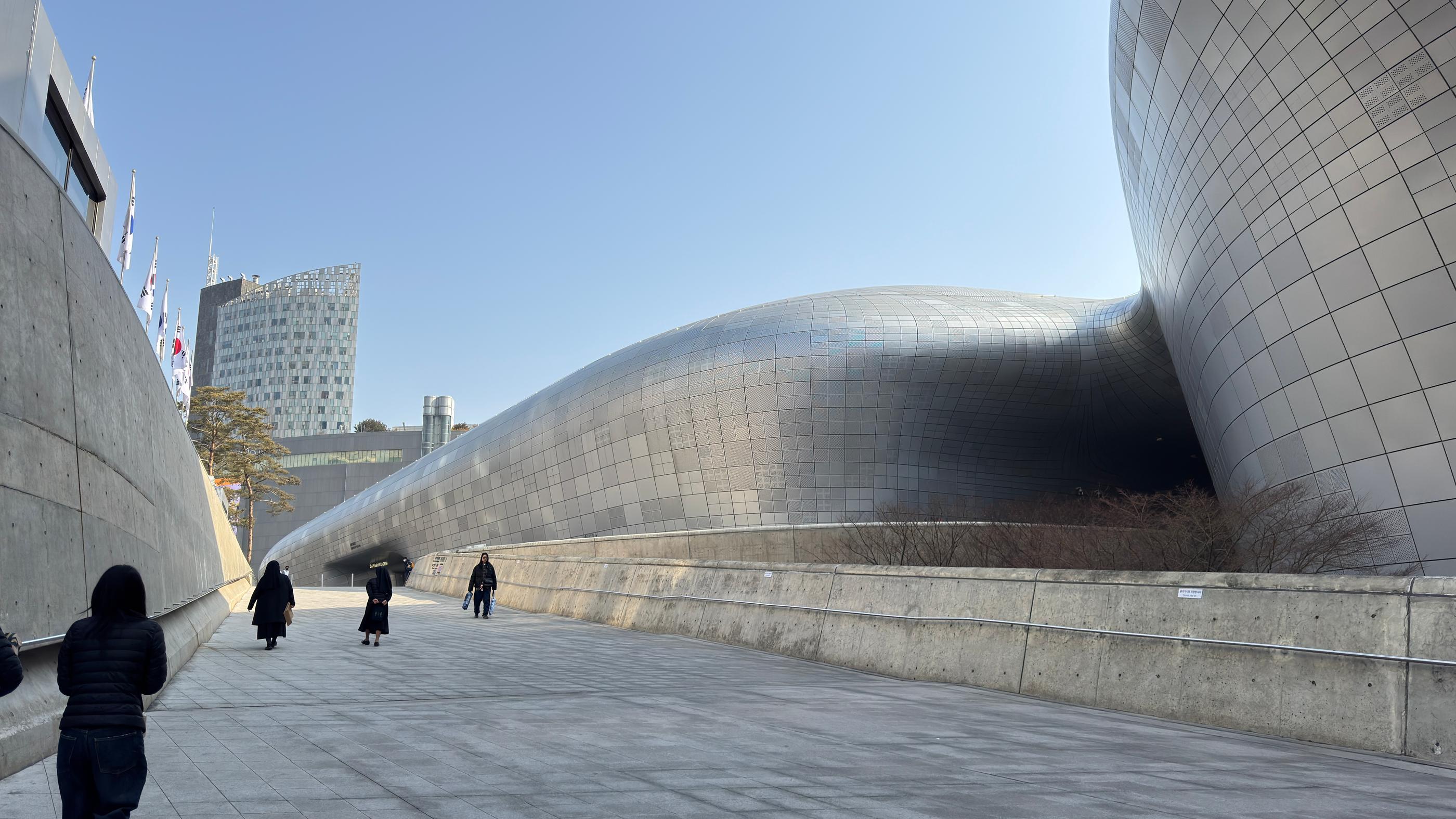
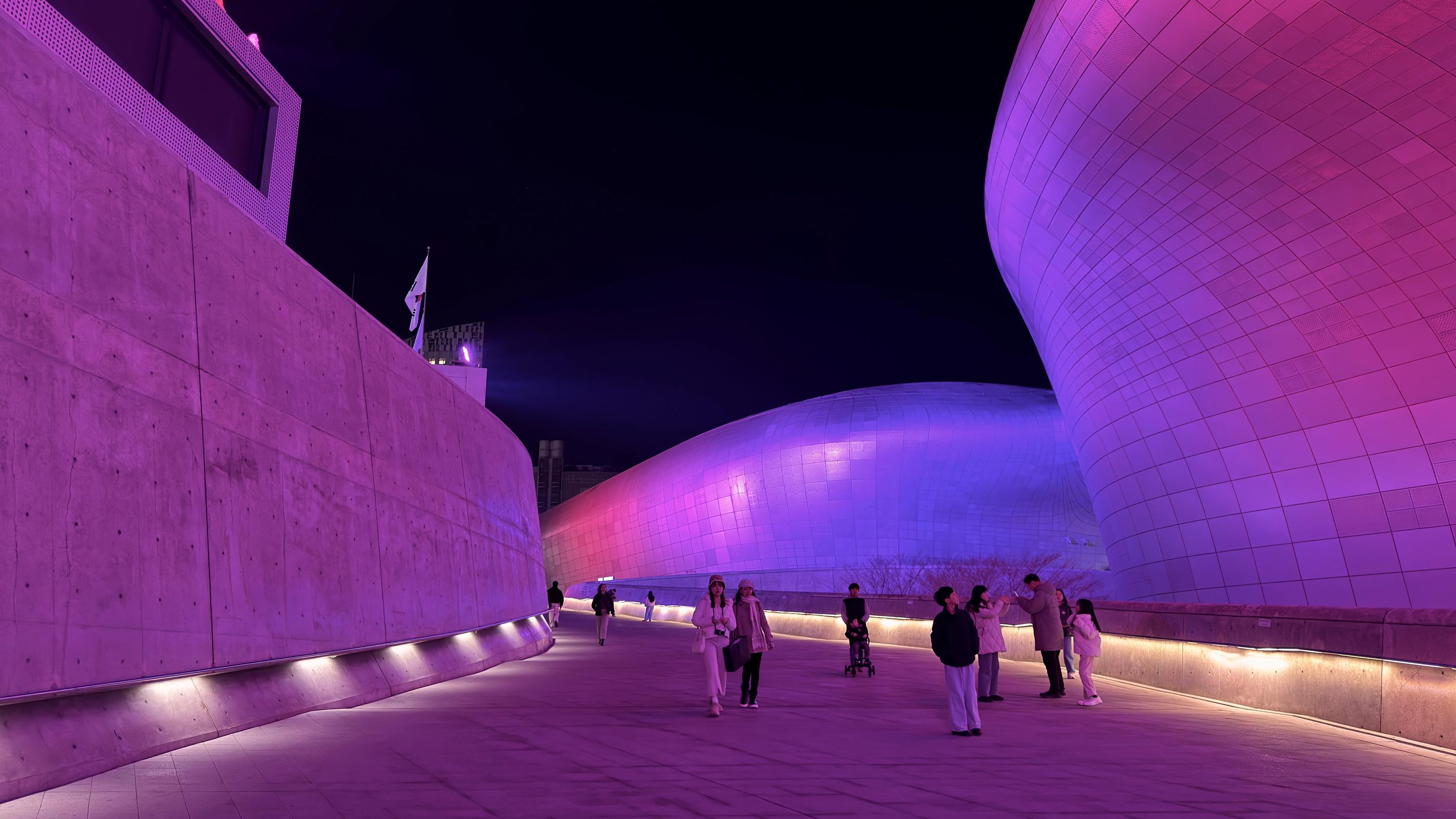
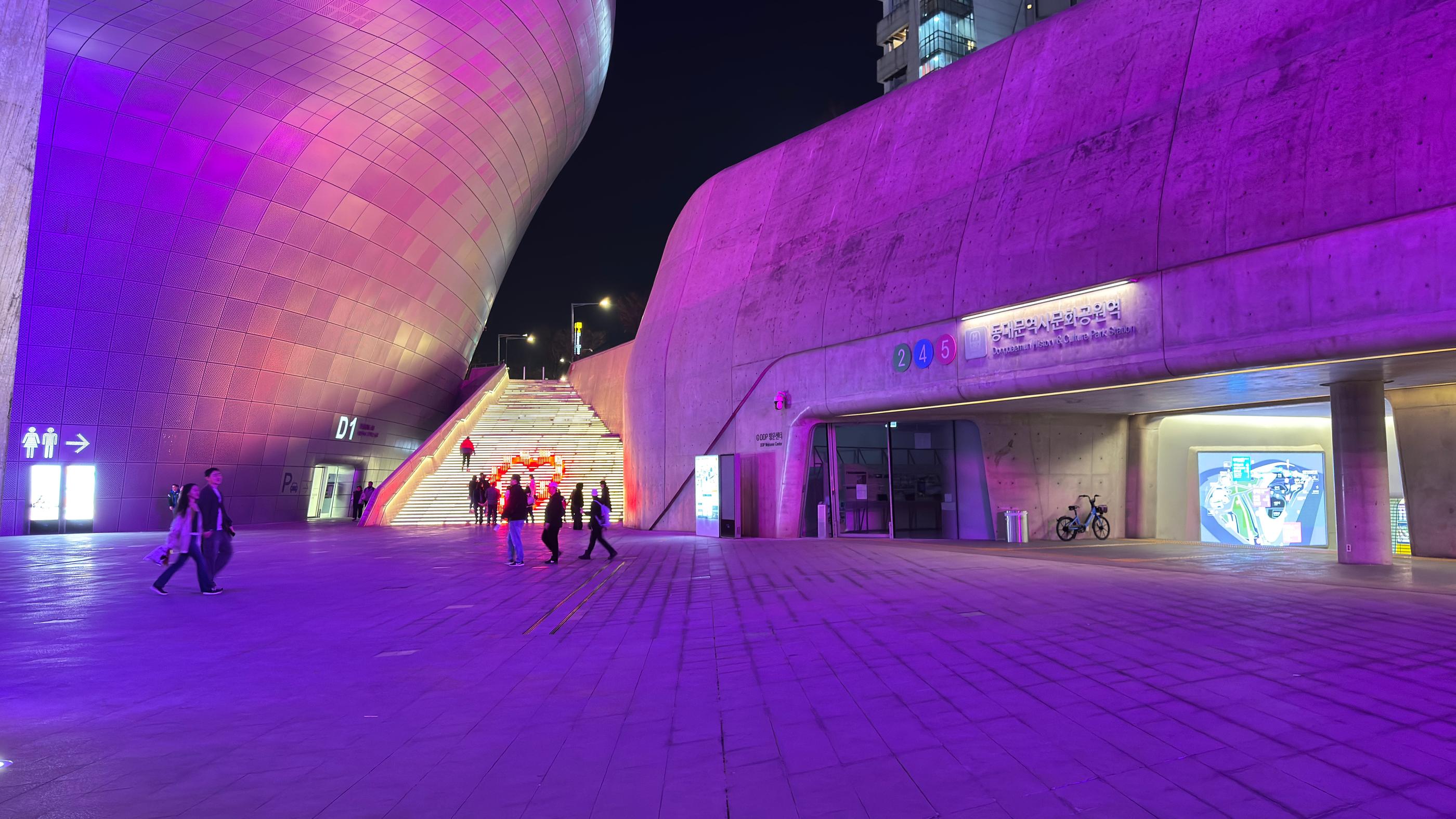
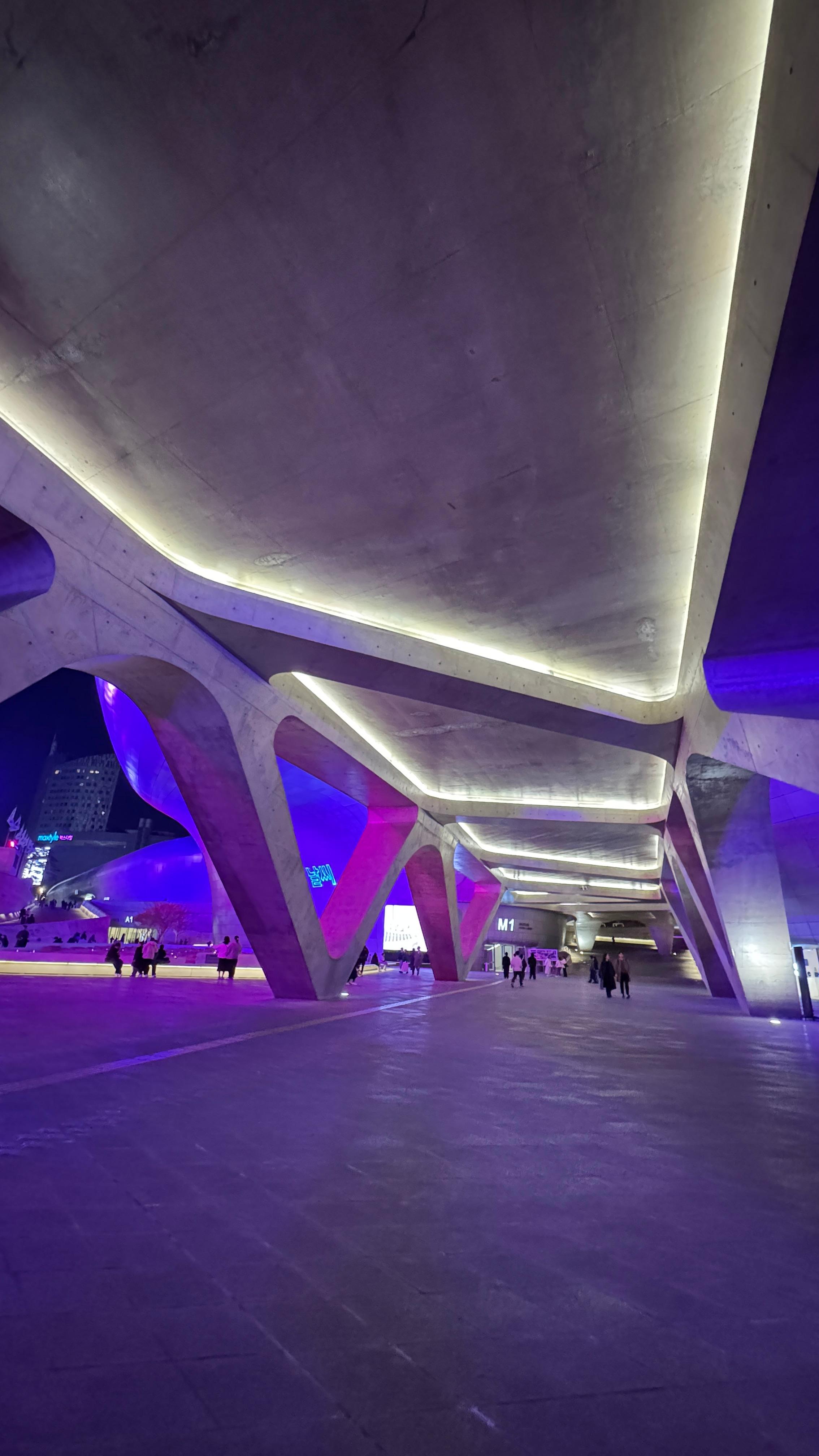
The first stop of the trip was naturally the masterpiece left by Zaha Hadid, Dongdaemun Design Plaza (DDP). Seeing it in person is far more striking than any photo, the whole building feels like an organic living thing, the huge silver aluminum panels flashing a cool sheen in the sunlight. I especially love its column-free interior, the space flowing like liquid. Walking there gives a surreal sensation, as if you’re inside a sci‑fi movie set, thinking about how avant-garde design can coexist with the surrounding busy wholesale district.
2. Serenity and Impact: MMCA and Seosomun Shrine History Museum
Next, head to the National Museum of Modern and Contemporary Art (MMCA), where the style is completely different. It coexists harmoniously with the nearby Gyeongbokgung and Bukchon Hanok Village, the architecture itself doesn’t steal the show, instead its clean lines and glass skylights let light and shadow take center stage.
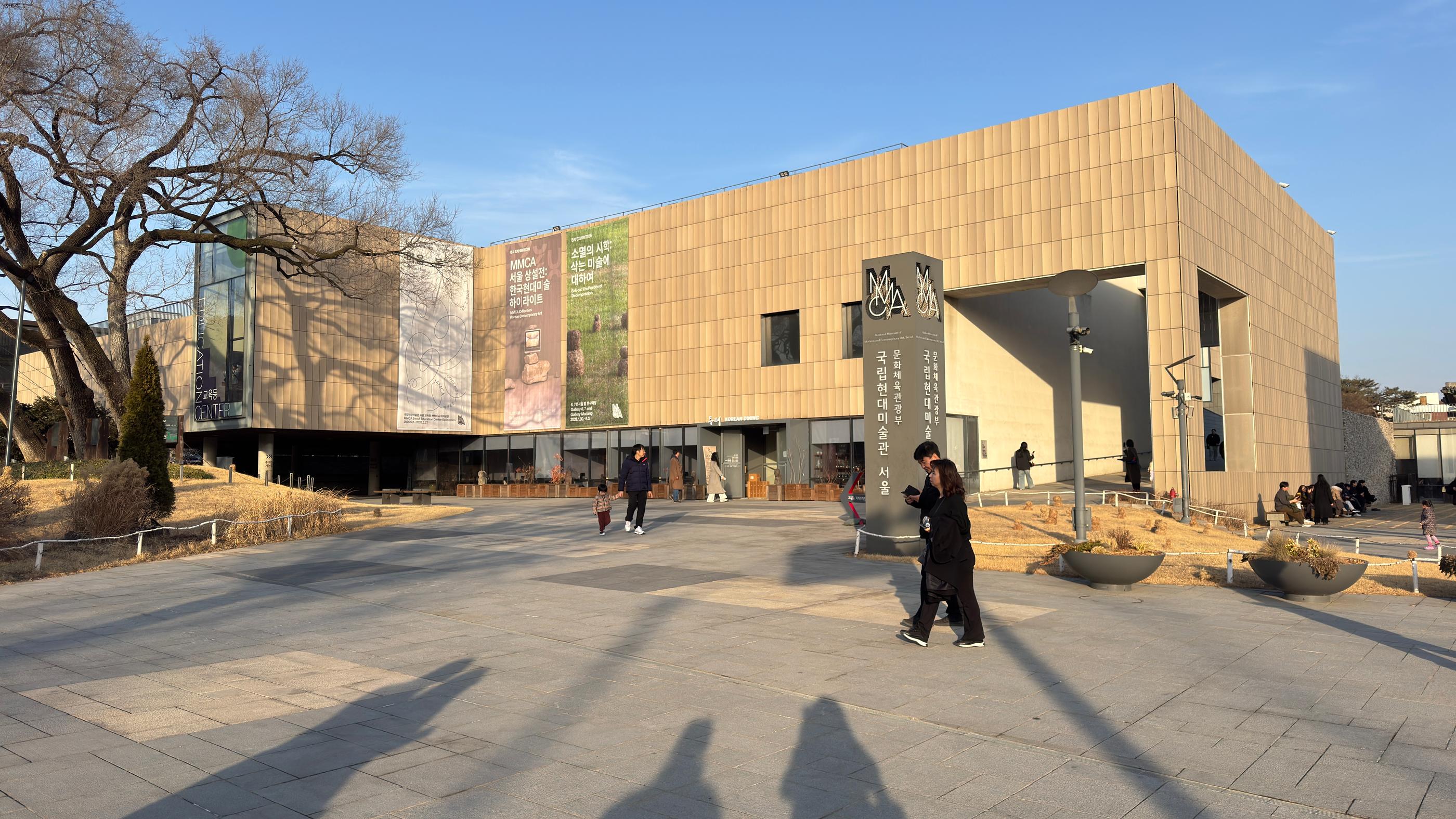
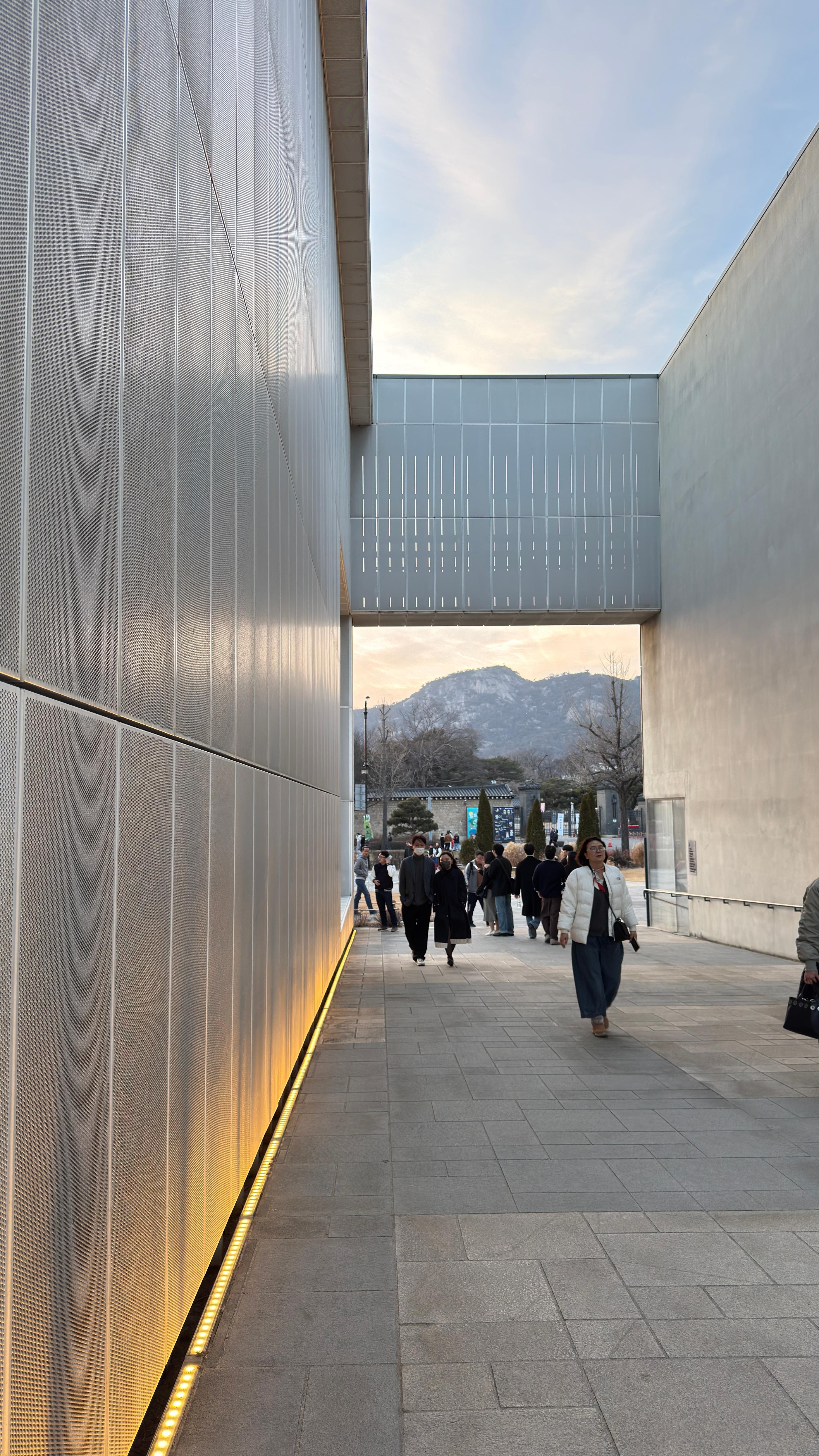
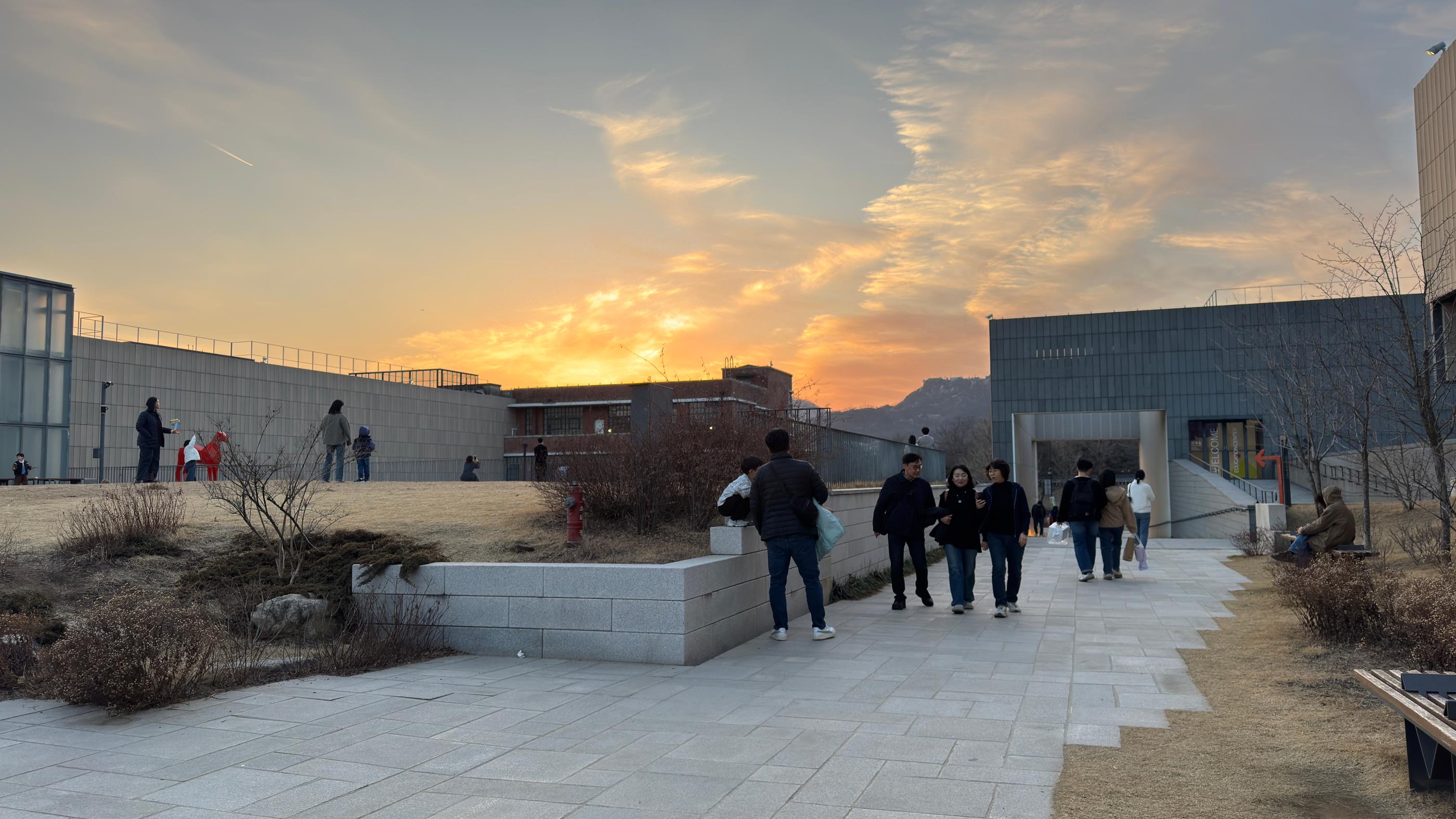
What took my breath away on this trip was actually the Seosomun Shrine History Museum. This underground museum uses a lot of red brick and exposed concrete to create an intense sense of stillness. When you step into that vast space called the 'Hall of Consolation,' sunlight filters through narrow openings above, and the blend of gravity and sacredness makes you stop and quietly feel the emotional weight of the space.
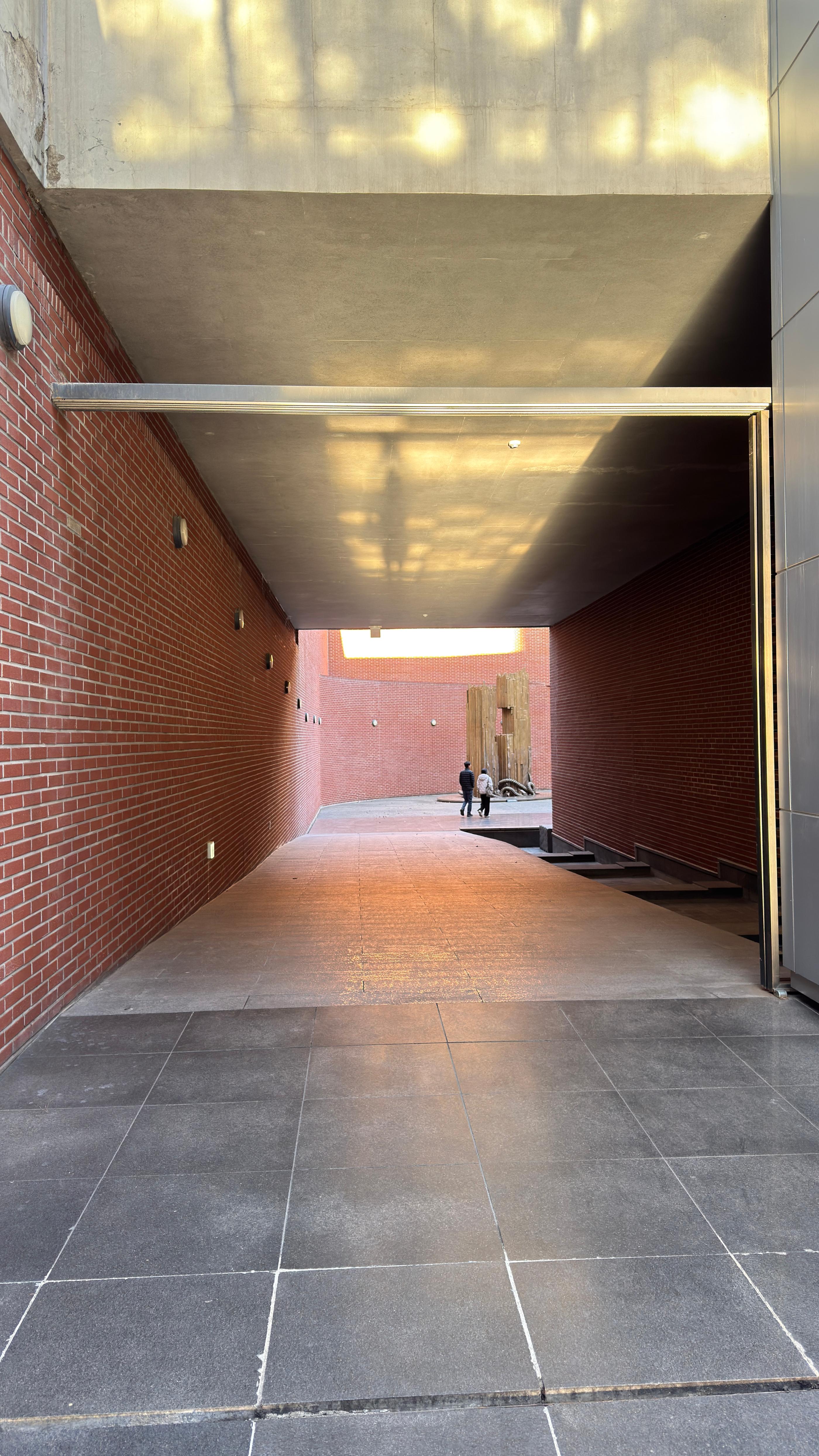
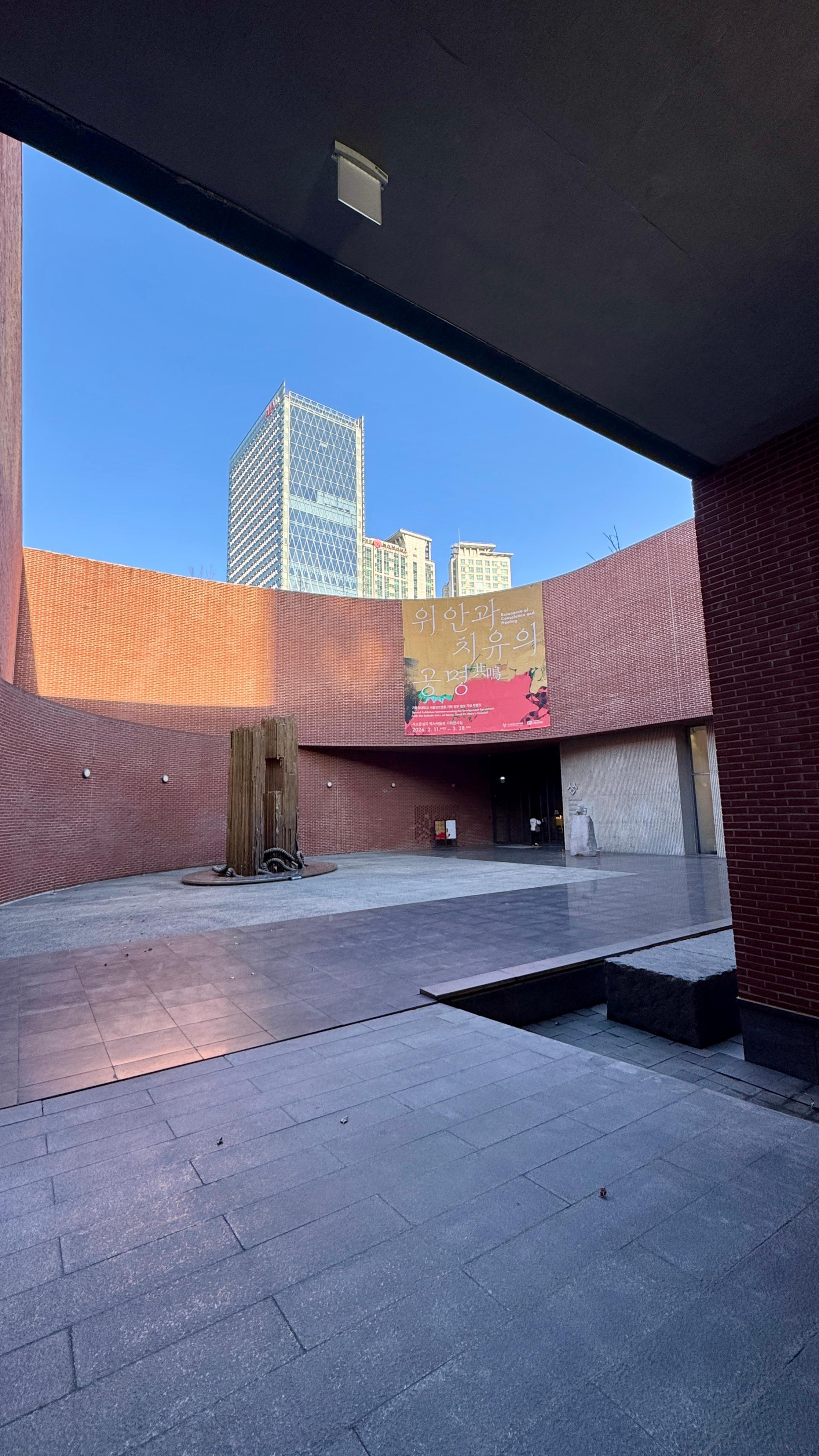
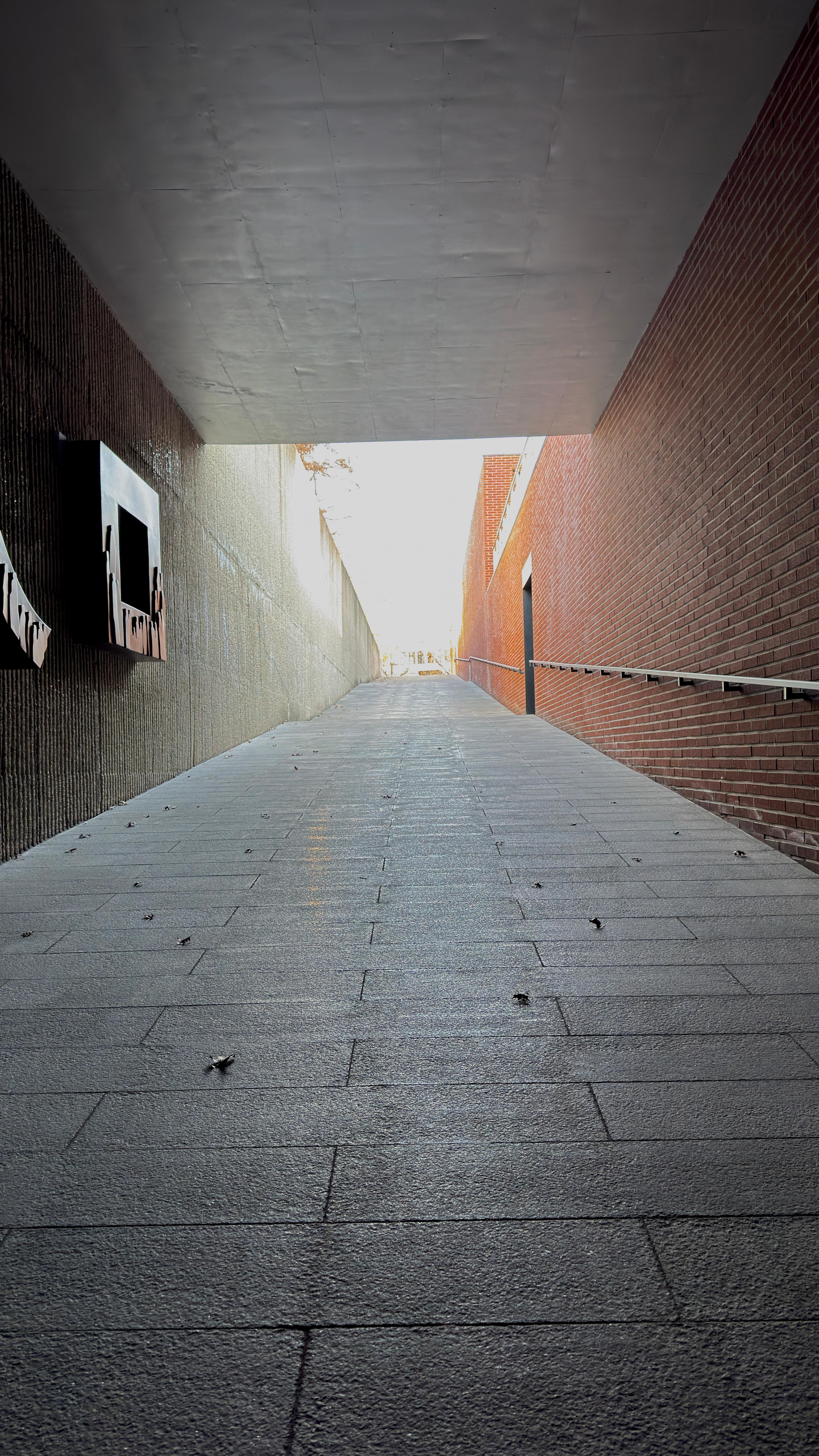
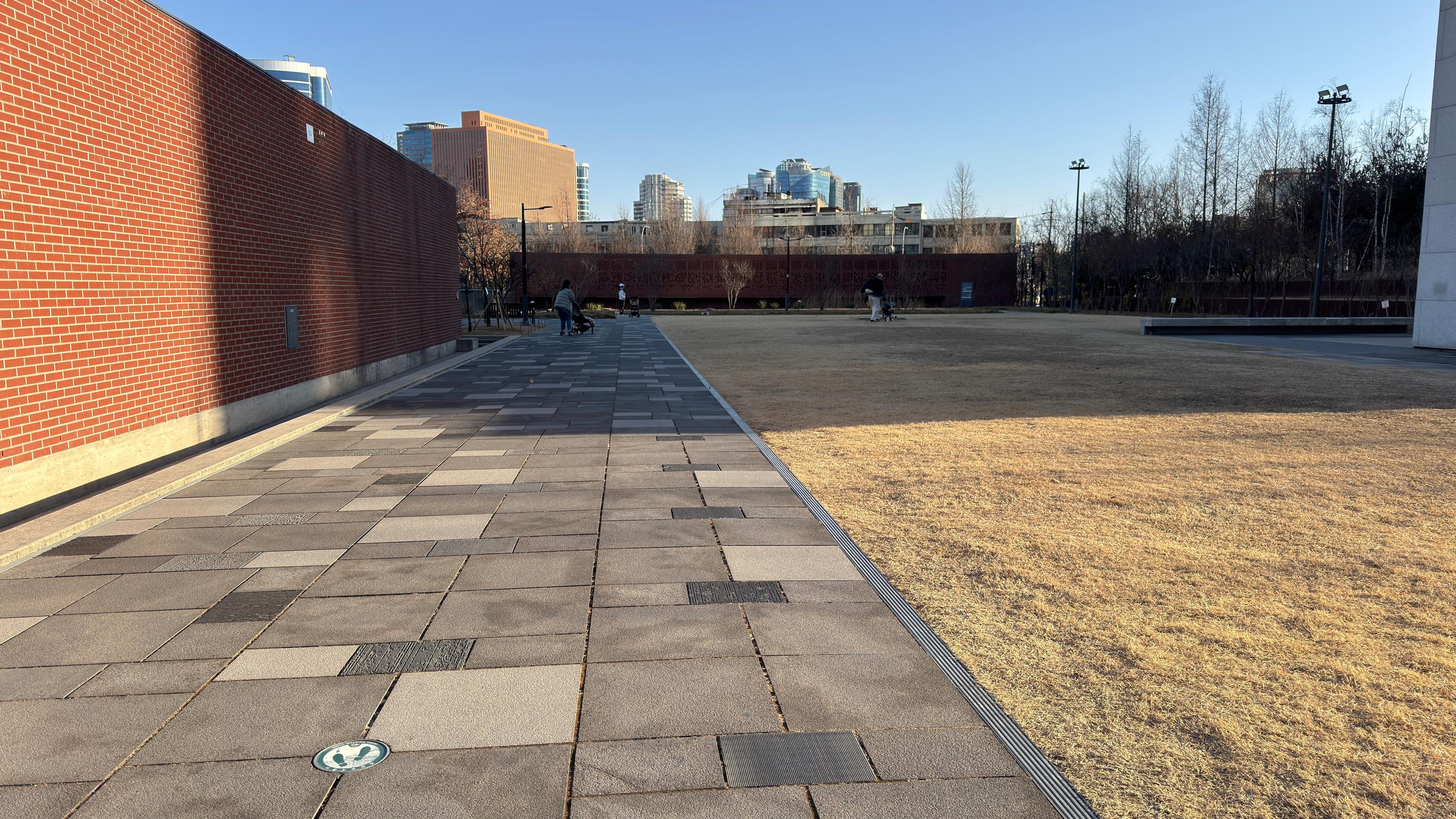
3. Seongsudong’s fashion experiment: Dior Seongsu and Ground Seesaw
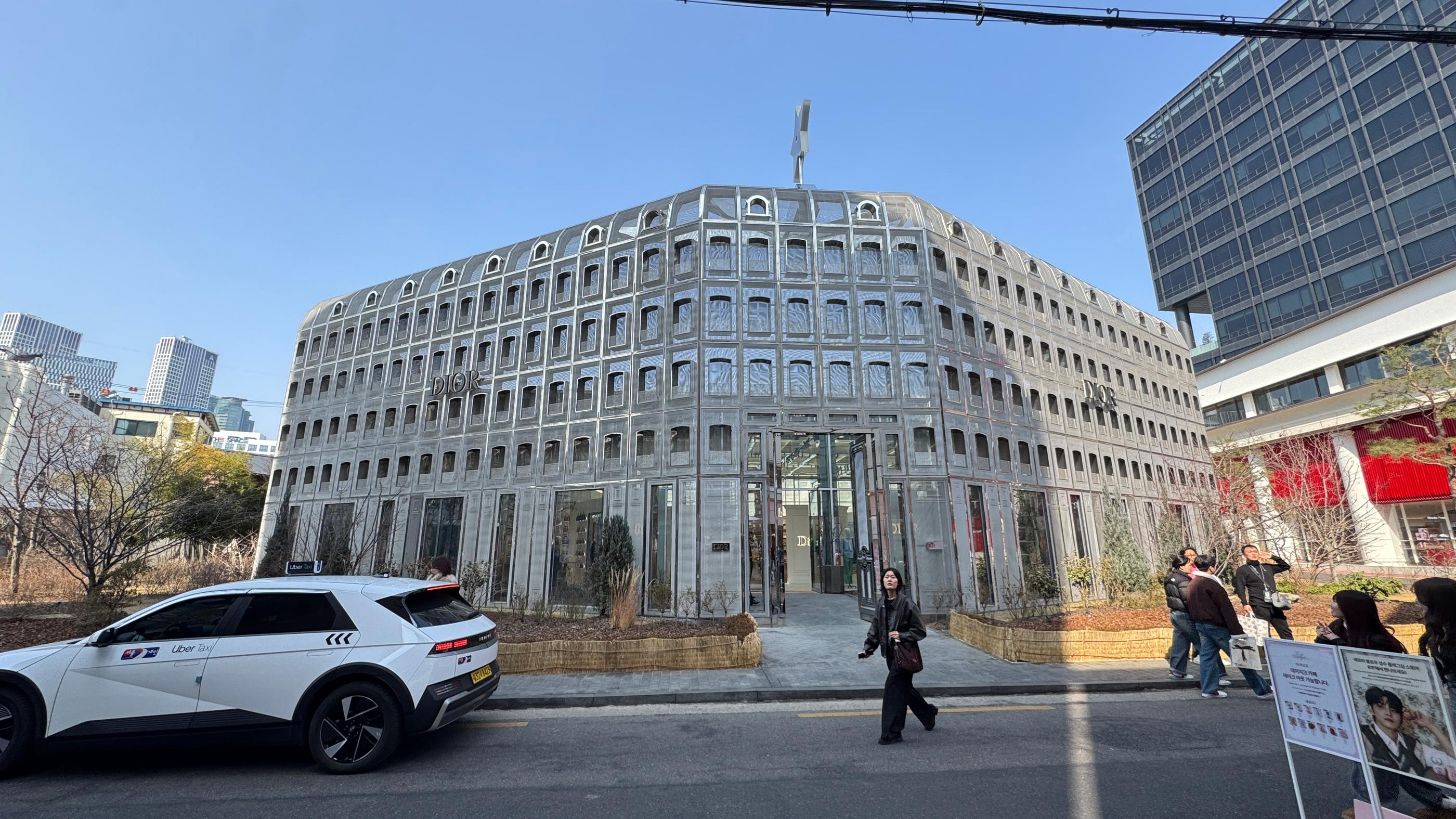
Seongsudong is now the hottest area in Seoul Station, and Dior Seongsu is definitely its flagship. It looks like a dreamlike palace outlined by delicate metal mesh, showing a striking contrast against the post-industrial, worn streets of Seongsudong.
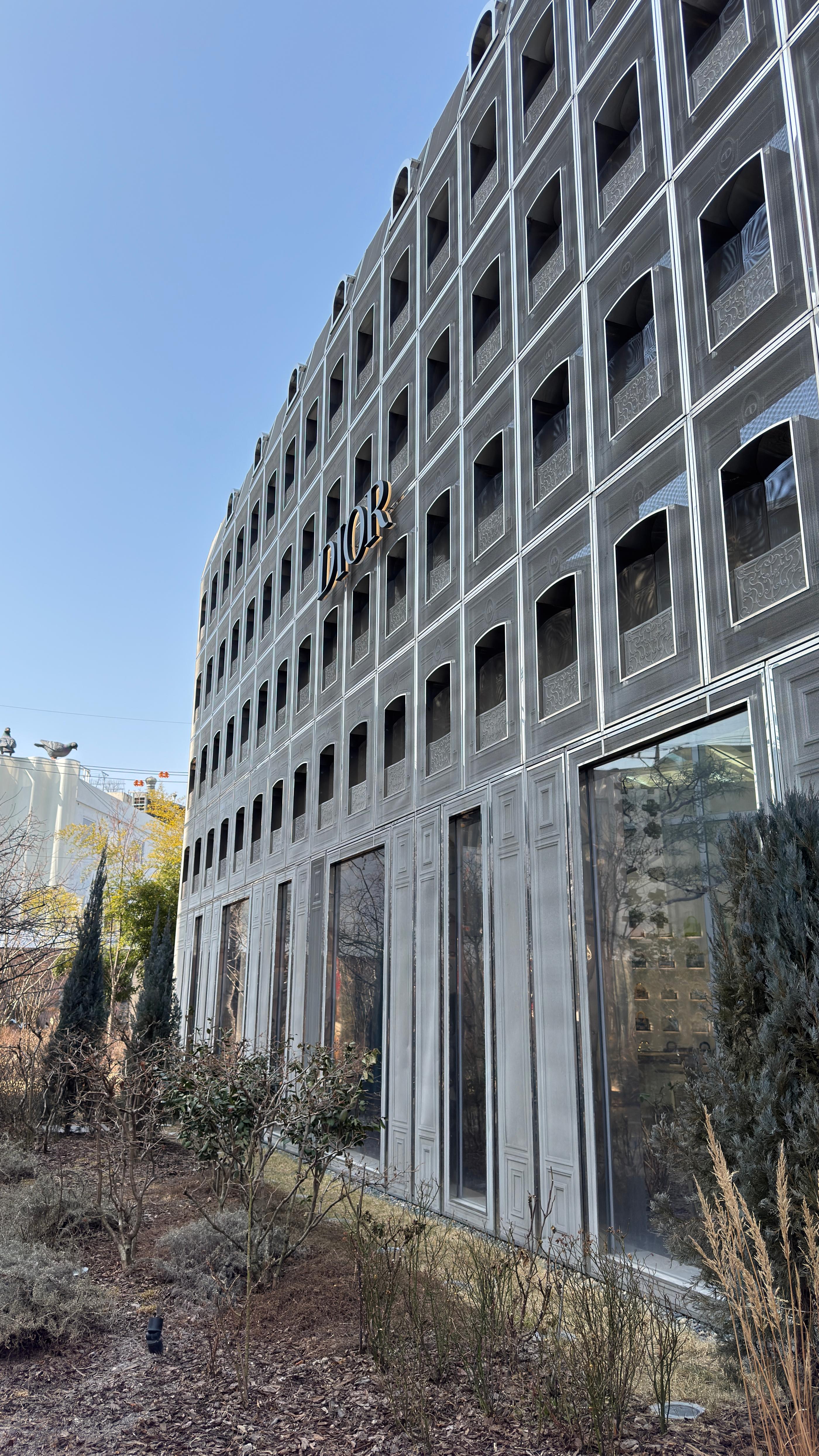
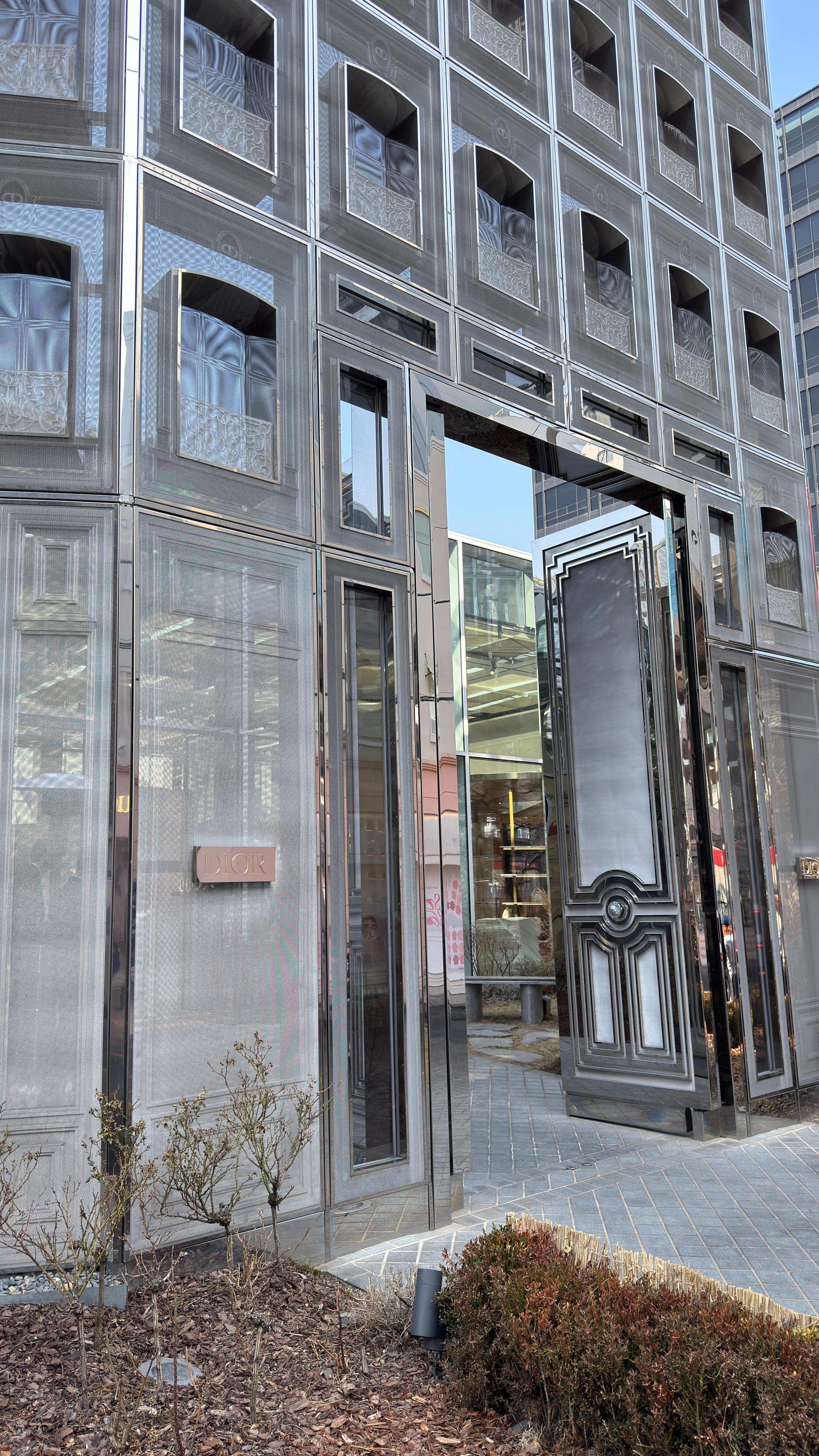
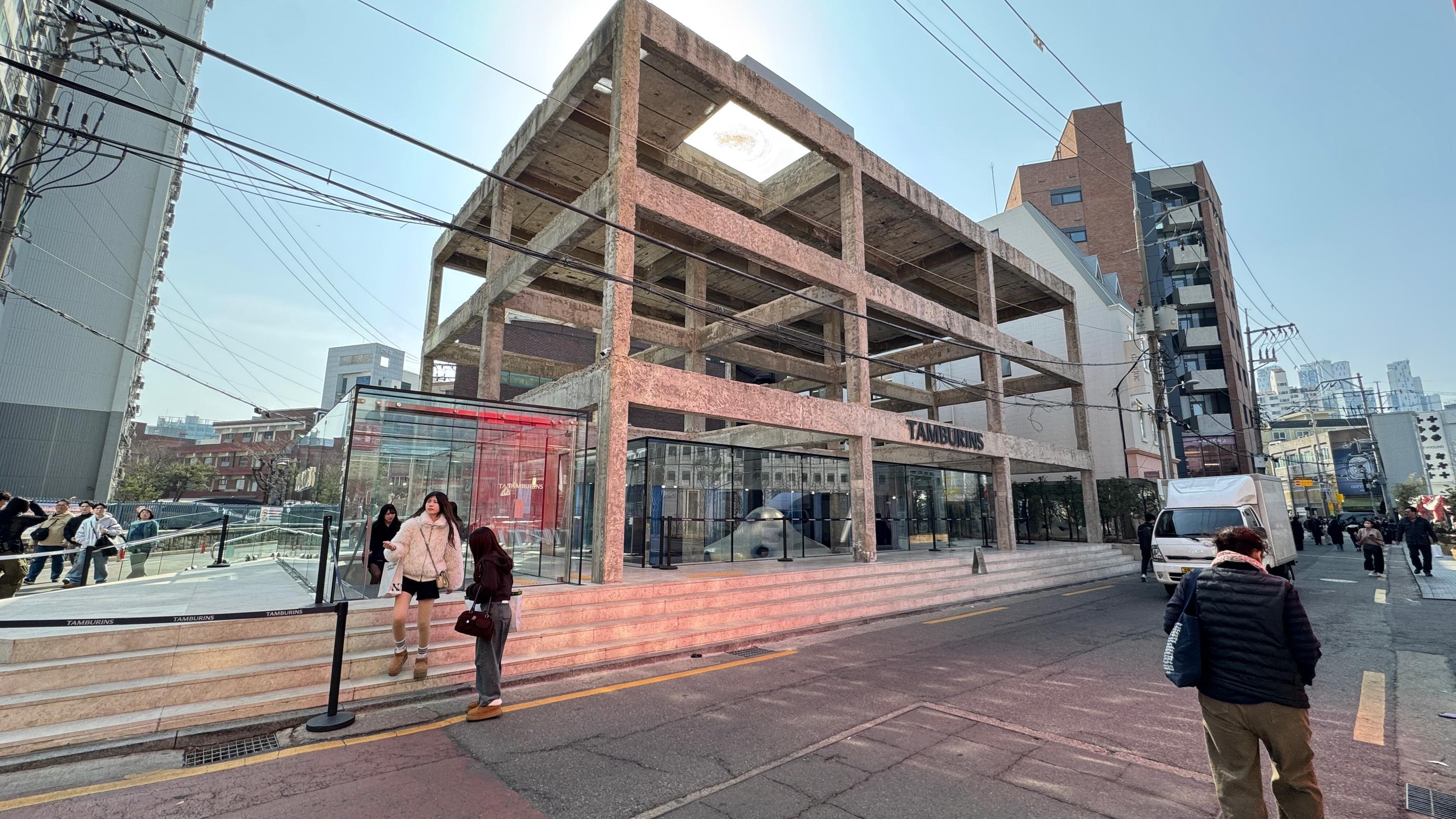
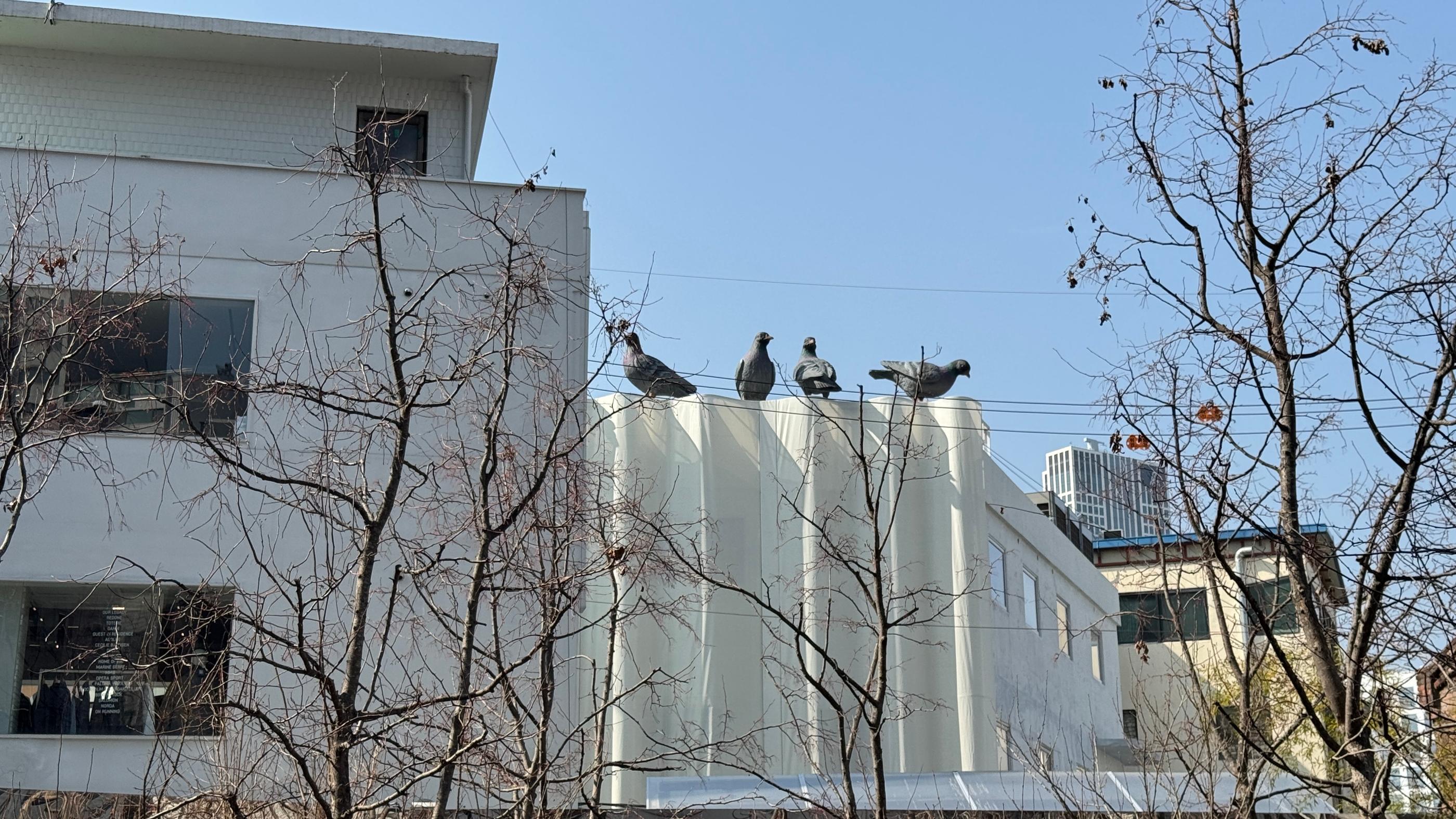
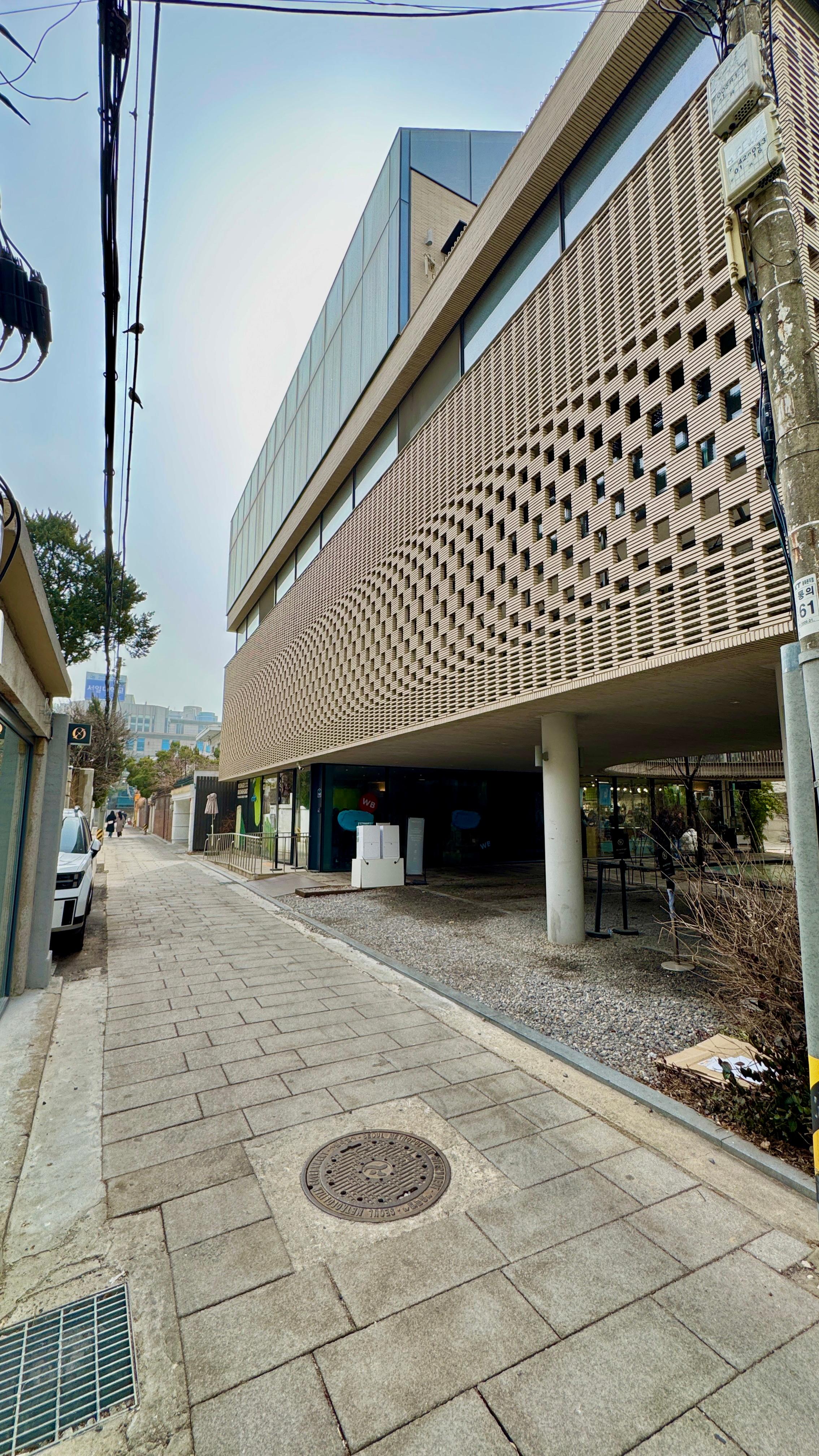
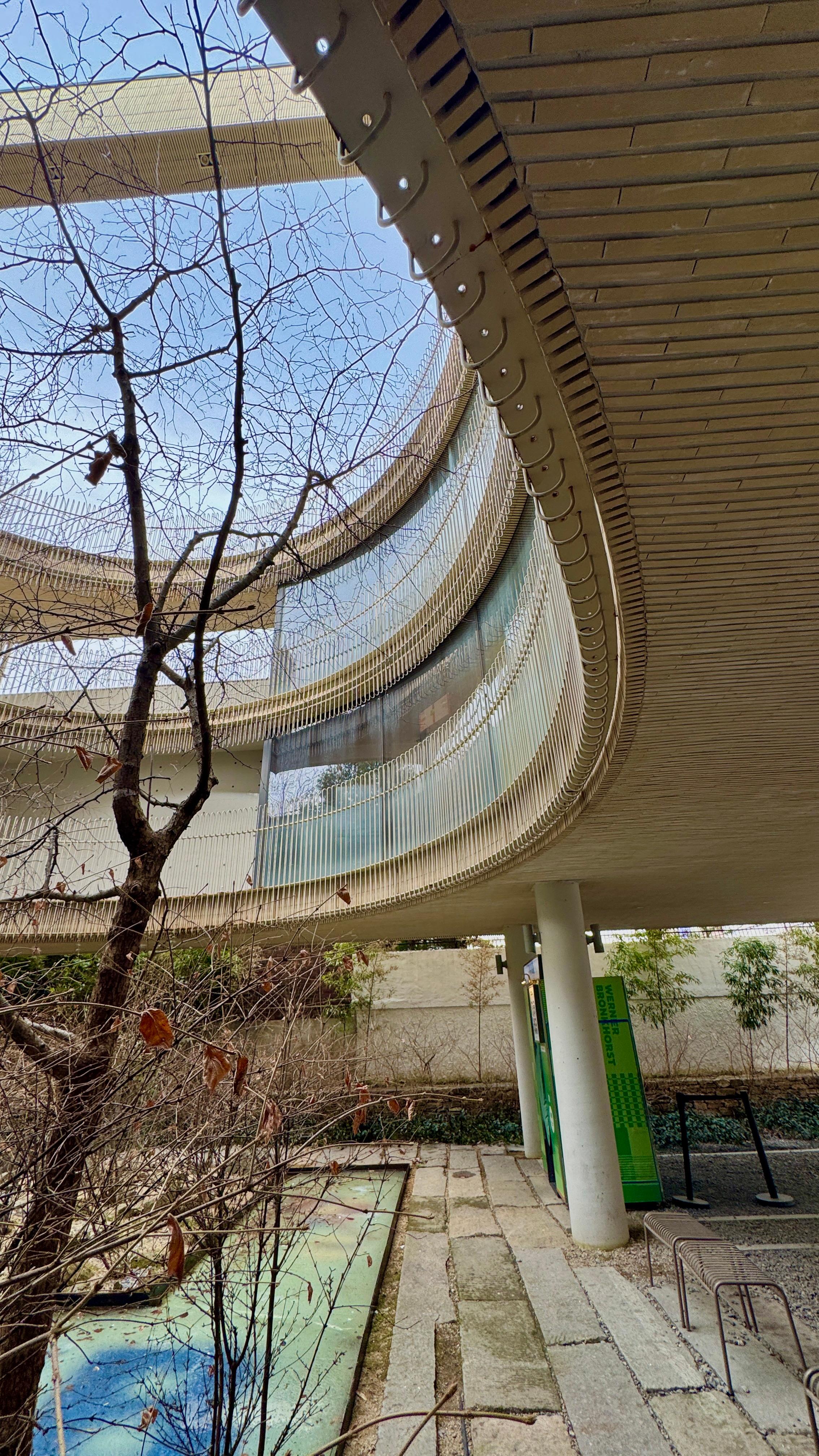
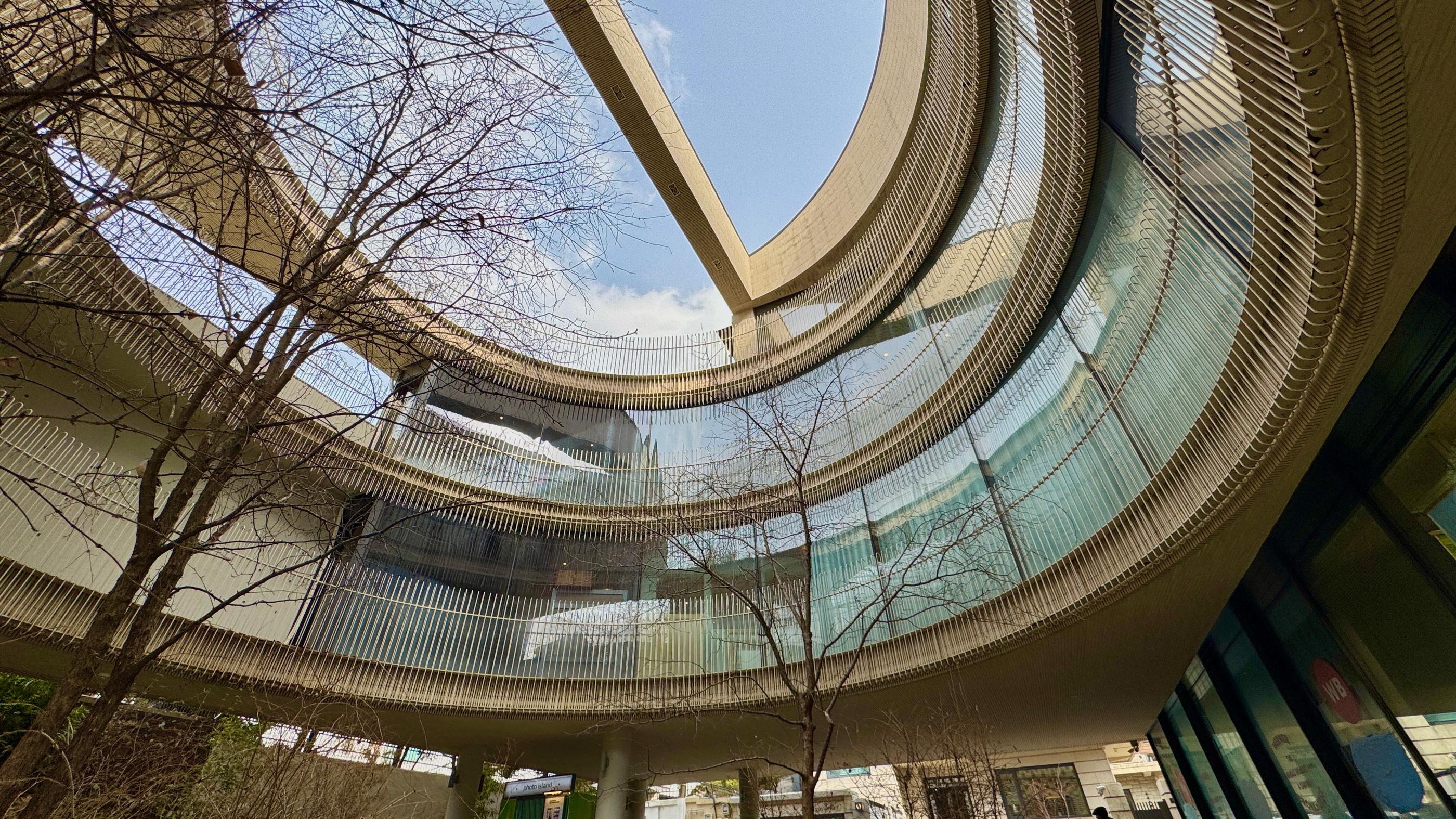
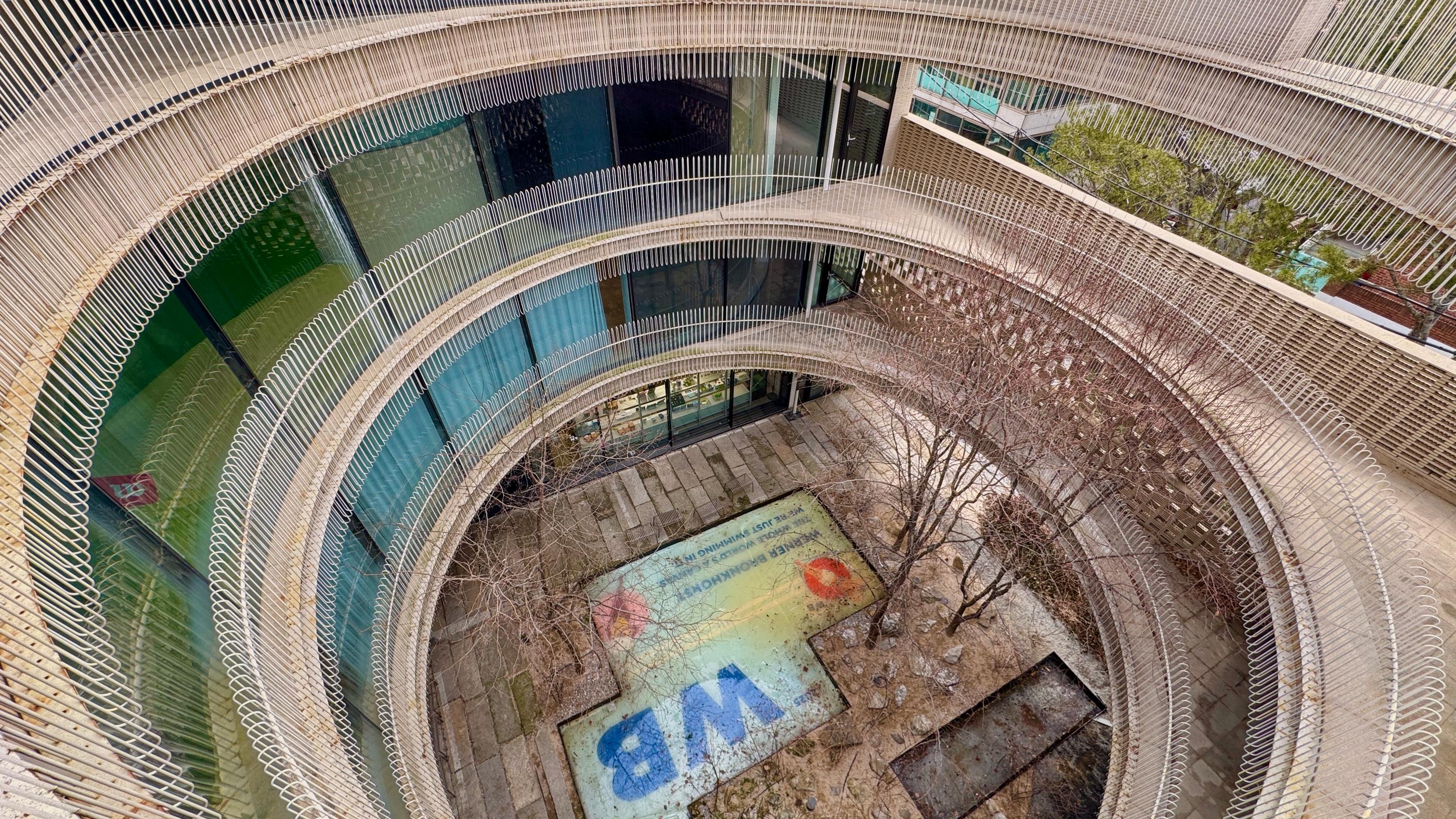
Located in Seochon, Ground Seesaw showcases Korea's creativity in curatorial spaces, the building's circulation is very interesting, and every corner reveals a different photo angle, making “seeing an exhibition” feel very three-dimensional and design-minded.
4. The Disappearing Building: Ewha Womans University ECC
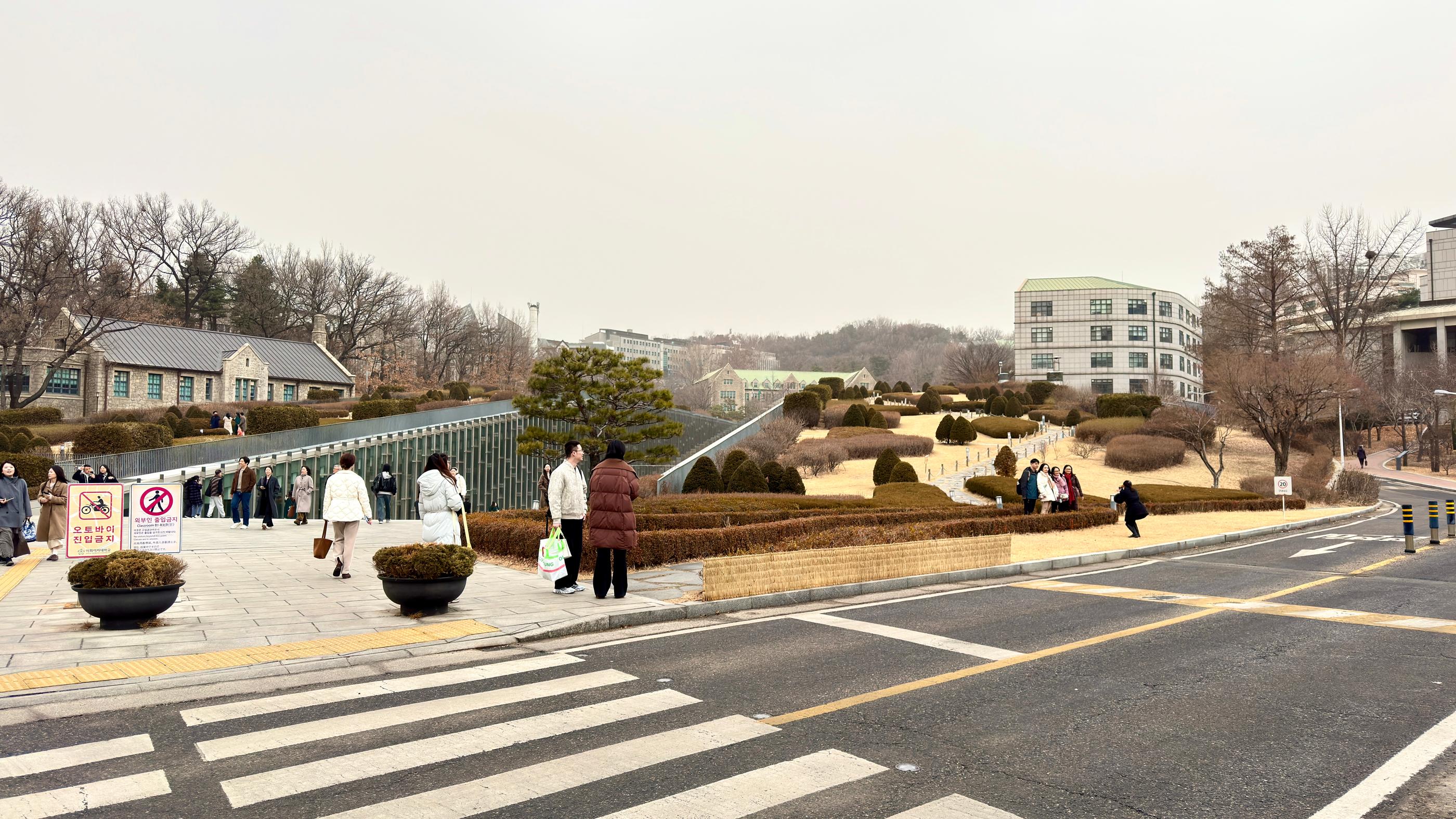
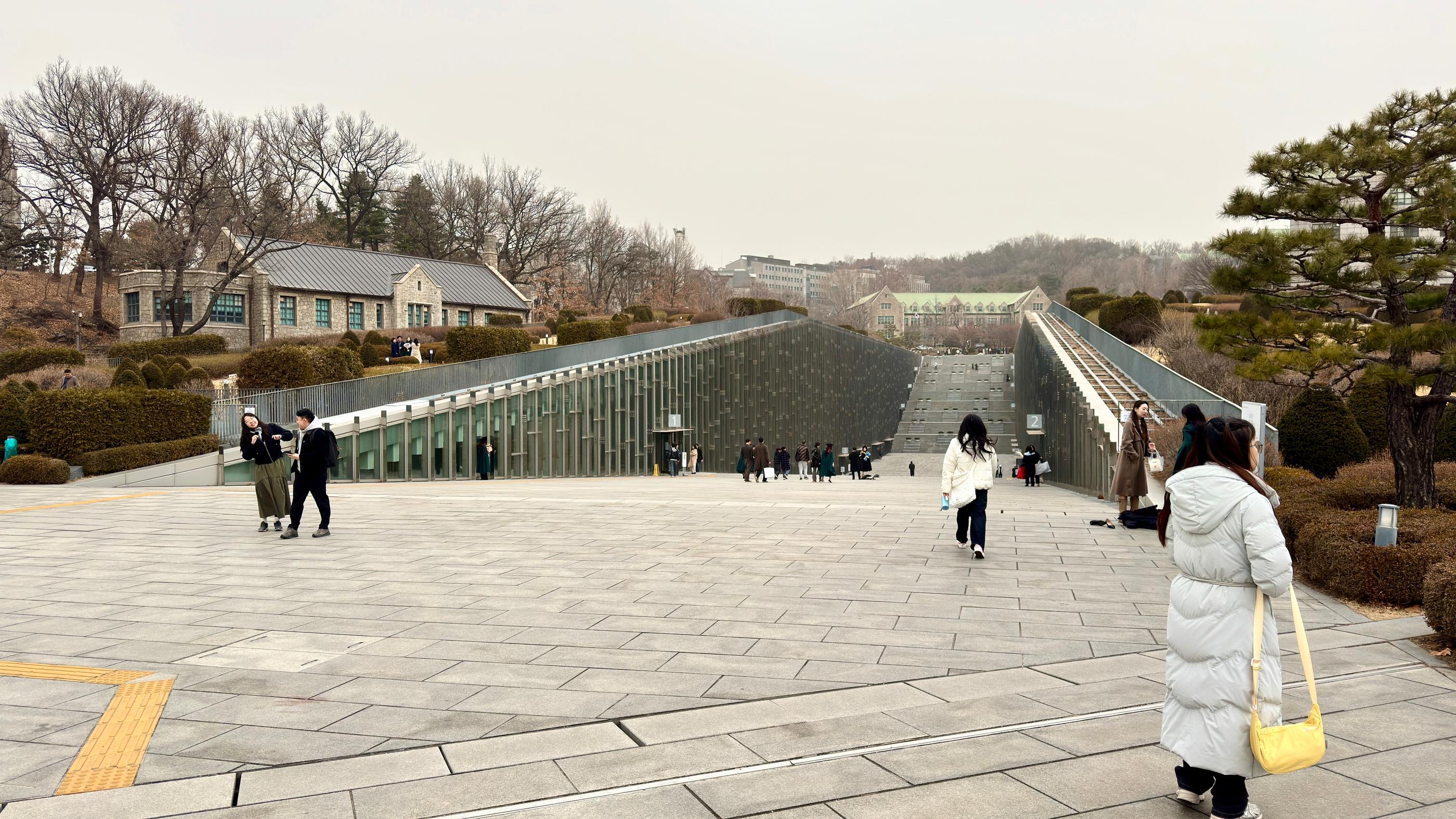
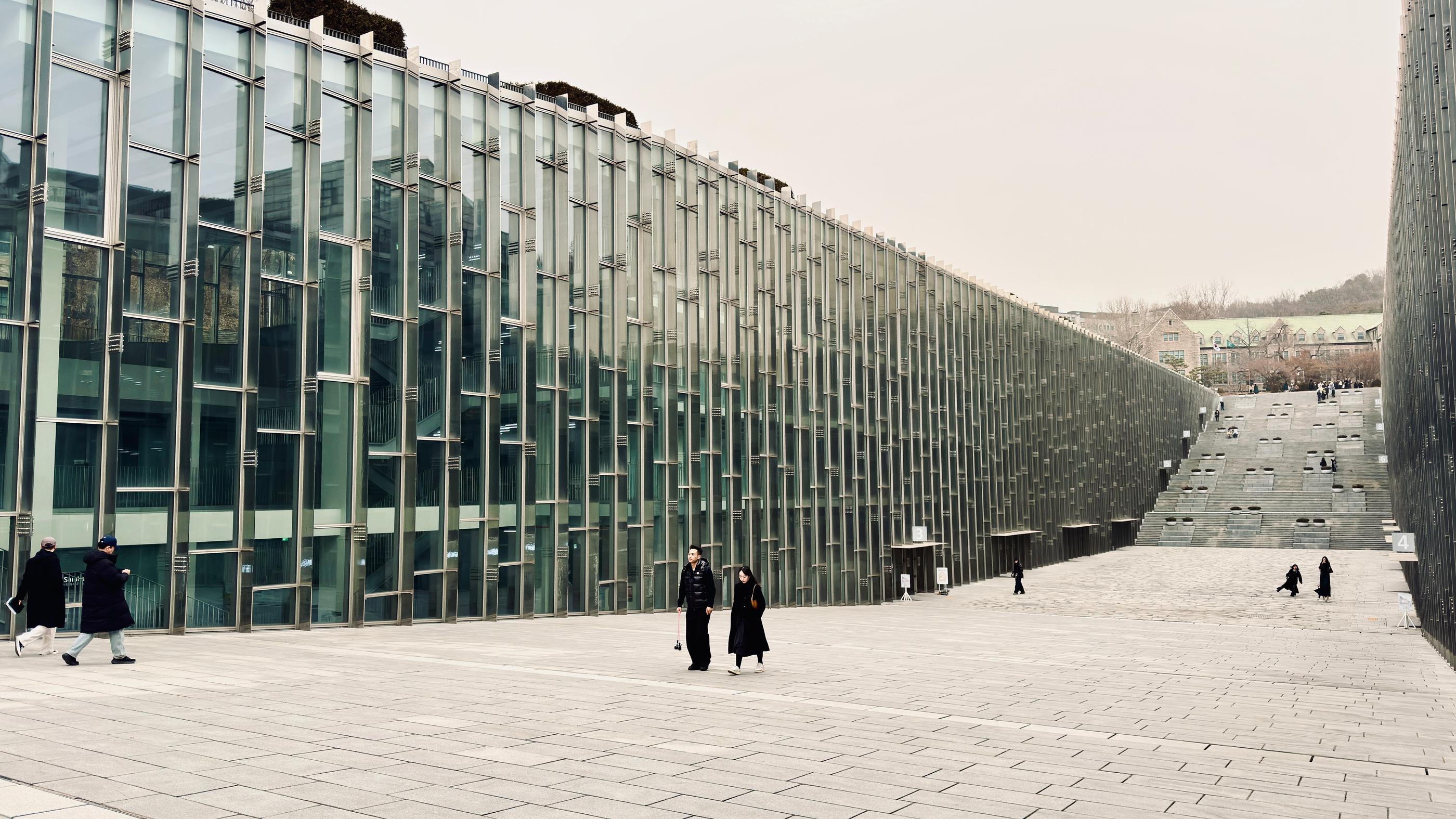
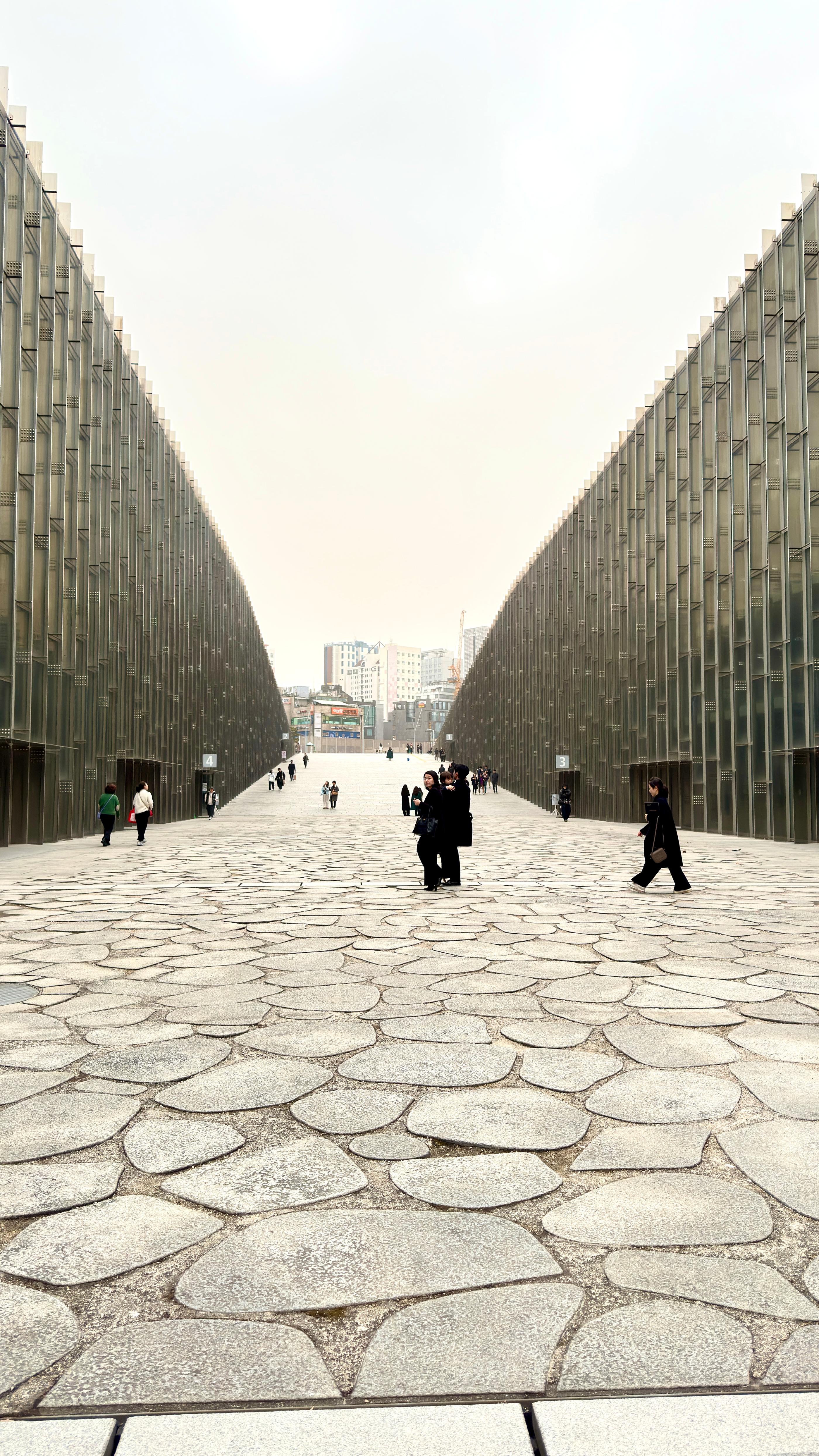
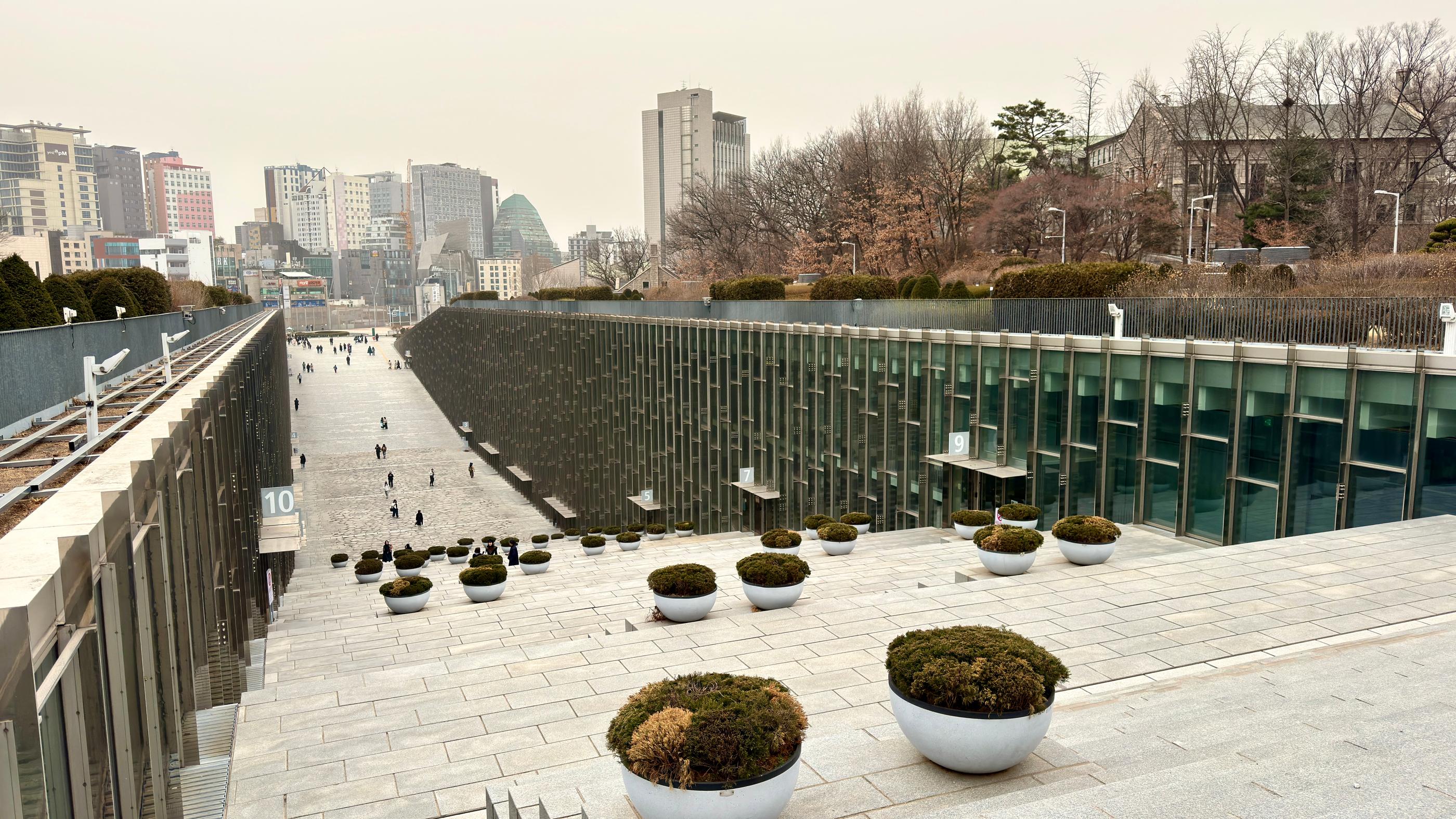
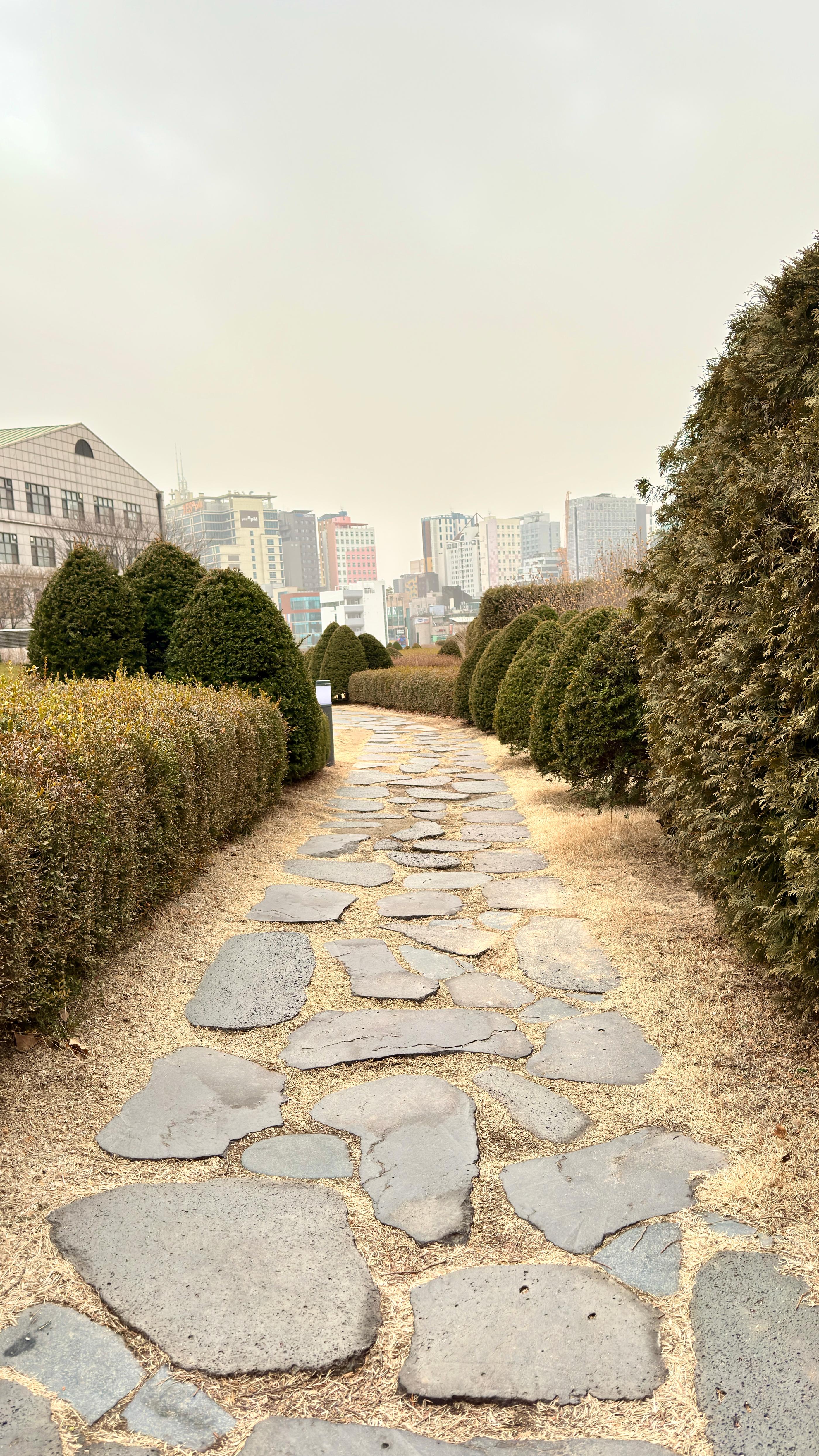
Finally, I have to mention the Ewha Womens Univ ECC building. Dominique Perrault hid the architecture underground, creating a vast valley-like corridor. From the high ground looking down, what you see isn’t a single building, it’s a landscape. This way of blending architecture with the terrain makes the campus feel very dynamic, every photo looks like a cinematic shot.
2. Getting Around: A More Friendly Transport System Than You Might Think
Before leaving, I was worried about Seoul Station's transportation, since online reviews about subway transfers are mixed. But after experiencing it, maybe because I was previously “shocked” by Tokyo’s maze-like system, I actually found Seoul Station’s subway logic very simple and easy to understand. Line signs are clear, major stations have Chinese or English labels, and it’s very friendly for independent travelers.
1. Is WOWPASS really useful?
This trip I used WOWPASS the whole time, and I didn’t buy the recently popular Climate Companion Card. My reasoning was simple: flexibility. WOWPASS combines currency exchange, stored-value payments, and a T-money transit card, which is perfect for people like us who wander casually between unique architectural sites. You don’t have to calculate whether a pass is worth it, just tap and go, and you can pay directly at restaurants and small shops, avoiding the hassle of cash and change. Highly recommended for lazy travelers.
2. Scenic views along Highway 11
Besides the subway, I mostly relied on 'Route 11 (my two legs)' for this trip. Actually, many attractions in Seoul Station aren't far apart, and the walk from a metro station to an architectural site offers street scenes that are worth seeing. Whether it's the red-brick old warehouses in Seongsudong, or the alleys of Samcheongdong, there are surprising spatial details everywhere. Walking can be tiring, but it's the best pace for deeply reading a city, it's never boring at all.
3. Friendly tips for future travelers: climate and how it feels
About Seoul Station this season, I have a few impressions:
• Cold, but bearable: Even though the temperature readings look low, it's a dry cold, so as long as it's not very windy it doesn't feel as freezing as you'd expect. With the right jacket, walking around outdoors is totally fine.
• 'Dryness' is the real enemy: more than the cold, dryness is what you need to watch out for. As someone used to a humid climate like Taiwan, when you arrive at Seoul Station you’ll really feel your skin get dry and itchy.
• Hydration and moisture: Make sure to bring plenty of moisturizing products, whether topical or ingestible. Also, even though it’s cold, the air is very dry so your body loses moisture quickly, remember to drink water regularly, don’t wait until you’re thirsty.
This six-day, five-night architecture tour showed me Seoul Station's ambition in design and aesthetics. Whether it was a master architect’s work or a small roadside specialty café, you could feel the care put into shaping space. If you’re an architecture fan, Seoul Station is definitely worth a dedicated deep-dive trip.