My First Beauty Treatment (Hongdae Project U)

May
4 days ago
Trying my first ever aesthetic treatment in Korea, Seoul!
I went to Hongdae’s “Project U” for skin treatment.
I got my first aesthetic treatment in Korea, Seoul.
I’m more the type to slack off on skincare, and I’m not up to date on the latest cosmetics either, so of course this was my first time trying aesthetic medicine. I’ve been curious, but when it comes to actually getting a procedure done, it makes me nervous.
Since I was going to Korea anyway, I thought I’d like to try a skin treatment there, where aesthetic medicine feels more accessible than in Japan, so this time I visited “Project U” in Seoul, Hongdae.
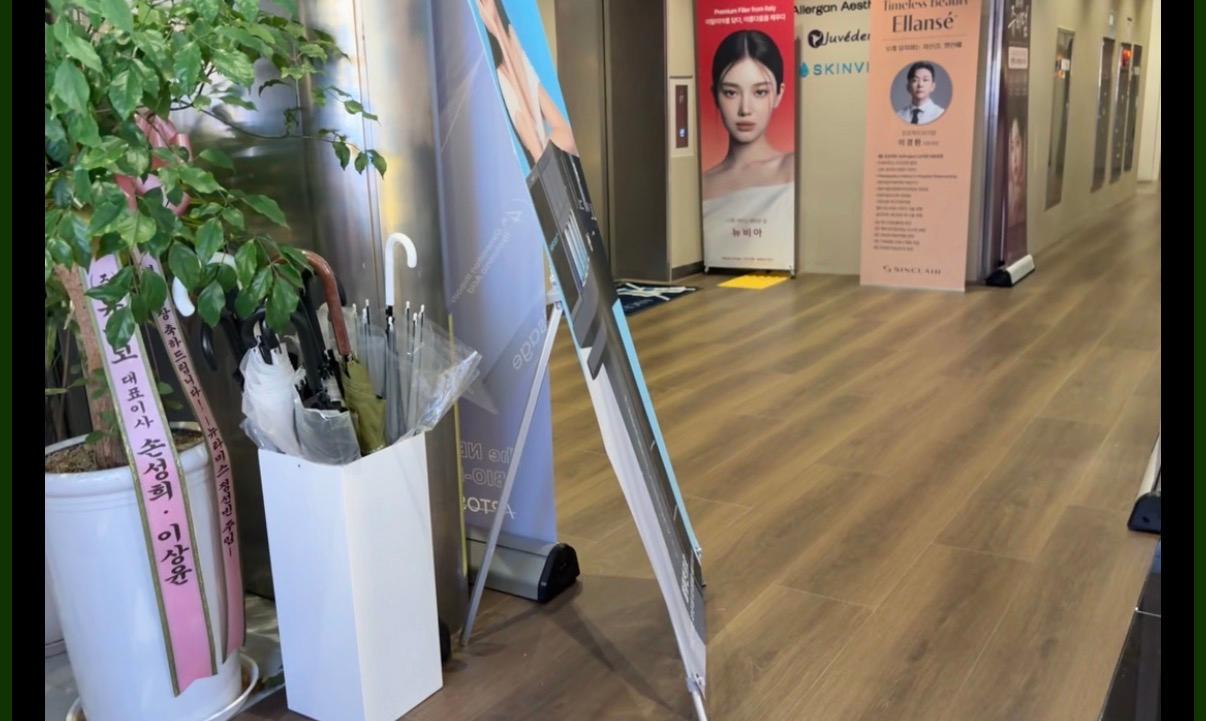
Because it was my first aesthetic treatment, I wanted to keep a record this time, from the consultation to what the procedure involved and what it actually felt like.
1. This time I visited Project U in Seoul, Hongdae
The place I visited this time was the aesthetic clinic “Project U” in Hongdae, Seoul.
Hongdae is a popular area with lots of young people and tourists, known for shopping, cafes, and more. It’s also a neighborhood with plenty of aesthetic clinics, so I think it’s a convenient place to get treatments in Korea.
The first thing that surprised me when I arrived was how lively it was inside.
There were more people than I expected. It really made me feel that aesthetic medicine is truly part of everyday life in Korea.
Another reassuring point was that there were staff members who could speak Japanese!
When you’re getting a medical-type procedure abroad, the language barrier is always a concern. I was worried about whether I could accurately explain my skin concerns and what I wanted done.
But there were staff who could assist in Japanese, and I was also able to communicate with the doctor in Japanese, so even as a first-timer I could do the consultation with relatively little anxiety.
2. First, a 3D scan to check my skin condition
After checking in and finishing the basic steps, the first thing I did was a 3D skin analysis.
Normally, I only check my skin with a mirror or my smartphone camera.
So even if there are things that bother me, I don’t really know the details of what’s actually going on with my skin.
This time, they used a dedicated device to check my skin condition.
The results said my skin age was, unbelievably, 27.
It wasn’t as bad as I’d expected, which was a bit of a relief.
That said, not every category was good.
The main issue they pointed out was my pores.
I’d been concerned about my pores for a while, so my reaction was basically, “Yep, figures.”
Specifically, they said there was noticeable darkening on my nose, and visible clogged pores (sebum plugs) mainly around my forehead.
Even though I feel like I wash my face every day, it seems that dirt and sebum still remain inside the pores.
This might be an area that’s hard to improve with everyday skincare alone.
They also said there was a bit of sagging around my mouth area.
On the other hand, I had relatively few dark spots, and my nasolabial folds weren’t very noticeable.
It was great being able to check my skin objectively, including areas I hadn’t even been thinking about.
With daily skincare, you tend to focus only on the things that bother you.
By doing a machine-based analysis like this, it became much clearer where the issues are and what I should prioritize.
3. Reorganizing my skin concerns
After the analysis, I took a moment to think again about what my day-to-day skin concerns actually are.
The biggest one is, unsurprisingly, pores.
The areas that bother me most are:
* Pores on my nose
* Pores beside my nose
* Pores under my nose
* Pores in the middle of my forehead
* Pores across my entire forehead
I’m concerned about darkening around my nose, and since they pointed out I have a lot of clogged pores on my forehead, these are the areas I especially want to improve.
Acne is another issue for me.
I often get acne, especially on my forehead.
For acne, it might not just be about treatments, I may need to rethink my everyday habits too.
I’m also a little concerned about dark circles under my eyes.
But it felt a bit different from what I wanted to address with this skin treatment, so I decided to make it a lower priority this time.
Once you lay it all out like this, you realize you actually have more skin concerns than you thought.
At the same time, dark spots and nasolabial folds aren’t major concerns for me.
Based on the test results as well, I decided I want to focus on improving my pores and overall skin condition.
4. What I felt about Korea’s aesthetic medicine during the consultation
After the analysis came the consultation with the doctor.
What really stood out to me was how, compared with Japan, Korea’s aesthetic medicine feels much more proactive in terms of treatment content and approach.
Of course, I’m sure it varies by clinic and procedure, but during this consultation they explained the differences between skin treatments in Japan and Korea.
They said major differences are that the doctor performs the procedures, and that larger amounts of products are used.
They also mentioned that with a budget of around 10,000 to 20,000 yen, what you can do for skin treatments is limited.
If you’re going to do it, it seems you need to choose a procedure that can properly address the skin to some extent.
I also got the impression that in Korea, treatments can be stronger than in Japan, and it’s not uncommon to combine multiple procedures.
One of the things that reassured me was that the doctor personally would be in charge of the procedure.
With aesthetic treatments, I think it matters not only what you do, but also who does it.
Since it was my first time with aesthetic medicine, I felt it was important to have the doctor examine me first and then decide on the treatment plan.
During the consultation, we discussed what procedures to do based on the 3D analysis results and my concerns.
5. The treatments I chose, Rejuran 4cc + Botox
In the end, what I decided to get was a set of Lala peeling, Rejuran 4cc, and Botox.
Since it was a treatment package marketed for international visitors, I chose this one.
Because it was my first aesthetic treatment, to be honest there were a lot of things I didn’t understand about the different types of procedures and how they’re combined.
But since I came all the way to Korea, I really wanted to try treatments that matched my current skin condition.
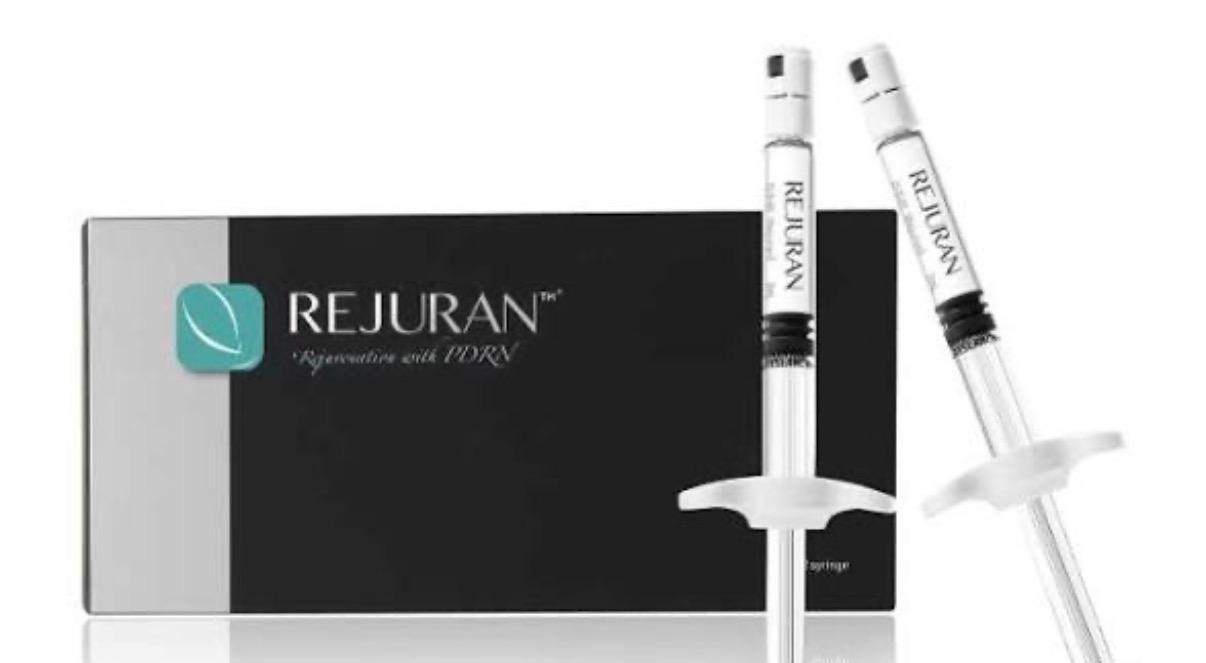
Rejuran is one of the aesthetic treatments used with the goal of improving overall skin condition.
It’s sometimes chosen by people concerned about firmness and texture, and it’s a well-known procedure in Korea too.
This time I decided to do 4cc.
And the other one is Botox.
By combining Rejuran and Botox, it becomes a plan aimed at overall skin care.
However, since Rejuran and Botox have different purposes and effects, it’s important to confirm the doctor’s explanation of exactly where they’ll be used and how.
For this treatment, we decided together with the doctor while keeping in mind the pores and overall skin condition I was concerned about.
Since it was my first time with aesthetic medicine, I was definitely nervous, but it was a special opportunity, so I decided to go for it.
Even with numbing, it hurt a lot.........
They handed me a chick plushie, and I held it tight.

After the procedure, they also did proper soothing care.
6. About the medications prescribed after the procedure
After the procedure, I was also prescribed medication.
This time it was for two days, to be taken after meals.
There were the following three types:
* Antibiotics
* Painkillers
* A stomach-protecting medicine
With aesthetic procedures, it’s easy to focus only on the treatment itself, but post-treatment care is important too.
Especially if it’s your first time, it doesn’t end when the procedure is over, I felt you need to confirm how to spend the time afterwards and how to take any medications.
It’s important to follow the dosage and directions explained by the clinic.
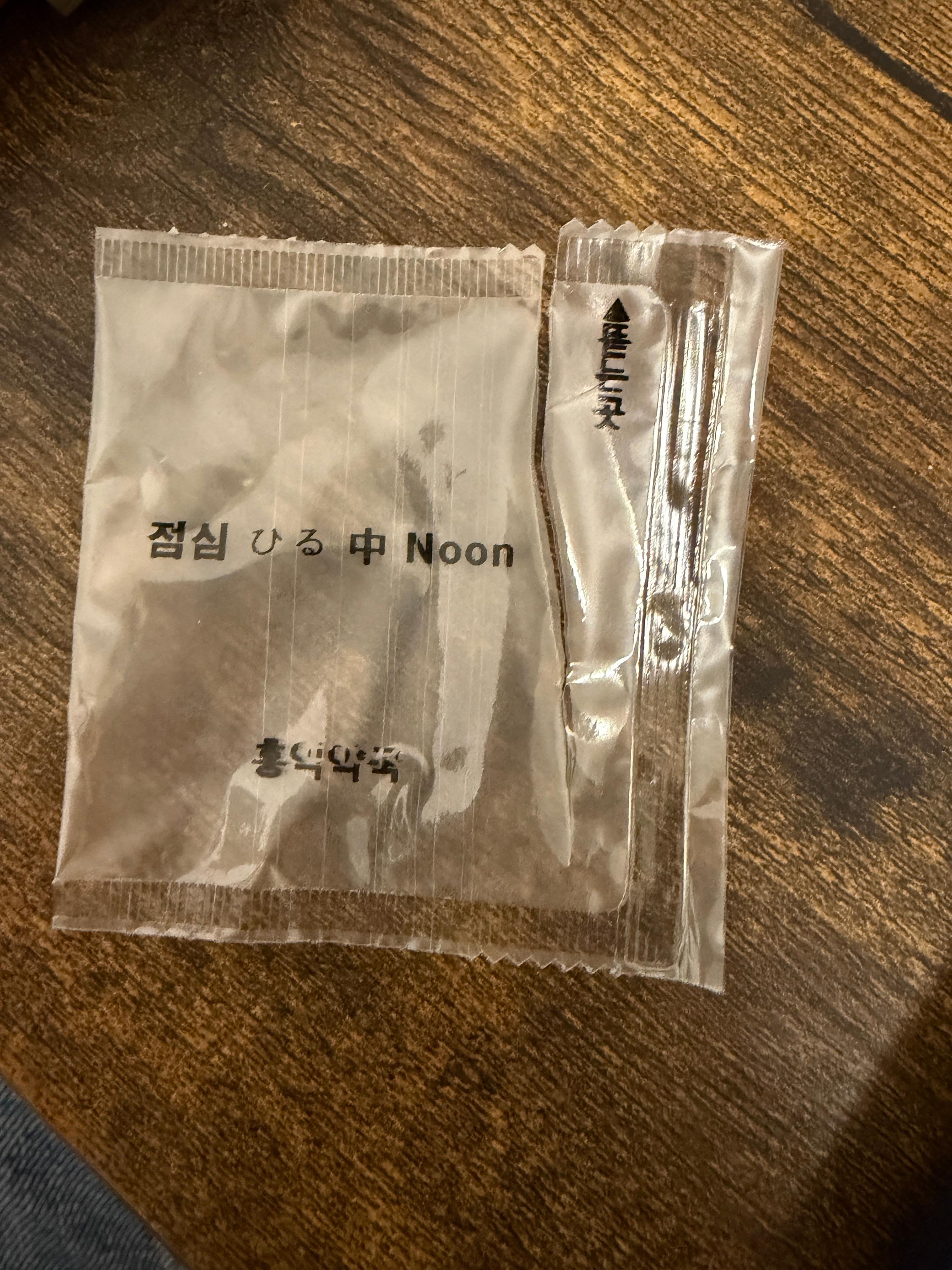
The medication packaging had four languages on it, and I could receive explanations in Japanese, so I felt reassured even after the treatment!
7. Trying an aesthetic treatment in Korea for the first time
Having tried an aesthetic treatment in Korea for the first time, the first thing I felt was that it was a great chance to rethink my skin.
I’d always had a few things I worried about, like pores and acne.
But I’d never really thought deeply about which specific areas were in poor condition and what I should prioritize.
With this 3D analysis, my skin age came back as 27, but it also made it clear that I still have things I want to improve regarding pores and clogged pores.
Being able to understand my skin condition objectively, including parts I hadn’t even been concerned about, was a big takeaway.
I was also surprised at how busy the aesthetic clinic was, and it felt like aesthetic medicine is truly established as an everyday option.
Having staff and doctors who could speak Japanese was also a reassuring point when getting a procedure for the first time.
Of course, aesthetic medicine is not cheap, and depending on the procedure there can be pain, downtime, and risks.
So rather than choosing something just because it’s trending, I think it’s important to properly confirm whether the procedure matches your skin condition and what you want.
This time I tried the combination of Rejuran 4cc and Botox.
I’m excited to see how my skin changes from here.
I want to keep tracking whether there are changes in the pores around my nose and forehead that I’m especially concerned about, and in my overall skin texture.
My first aesthetic procedure made me a bit nervous, but it became a great opportunity to really face my skin.
I hope this can be even a small reference for anyone considering aesthetic medicine in Korea, or anyone thinking about getting skin treatment for the first time.
---
Summary of this treatment
Item Content
Clinic Project U
Location Korea, Seoul, Hongdae
Skin age 27
Skin concerns that stood out Pores, darkening, clogged pores, sagging around the mouth
Areas in relatively good condition Dark spots, nasolabial folds
Treatments Lala peeling + Rejuran 4cc + Botox
Provider Doctor
Prescribed meds Antibiotics, painkillers, stomach-protecting medicine
Medication period For 2 days, after meals
*Results and recovery vary by individual. For treatment details and medication use, please prioritize the instructions from your attending physician.