Incheon: Wolmi Sea Train, Chinatown and Wolmi Park

Olga
14 days ago
One of the attractions I recommend visiting in Incheon is the Wolmi Sea Train, a sightseeing monorail that offers a unique way to explore Wolmi Island and the surrounding port area.
The train covers a 6.1-kilometre route at an average speed of approximately 10 kilometres per hour. It has been recognised as one of Korea’s 100 Must-Visit Tourist Spots and is known as the country’s longest urban tourist monorail. The complete circular journey takes around 35 minutes, making it an excellent introduction to the area.
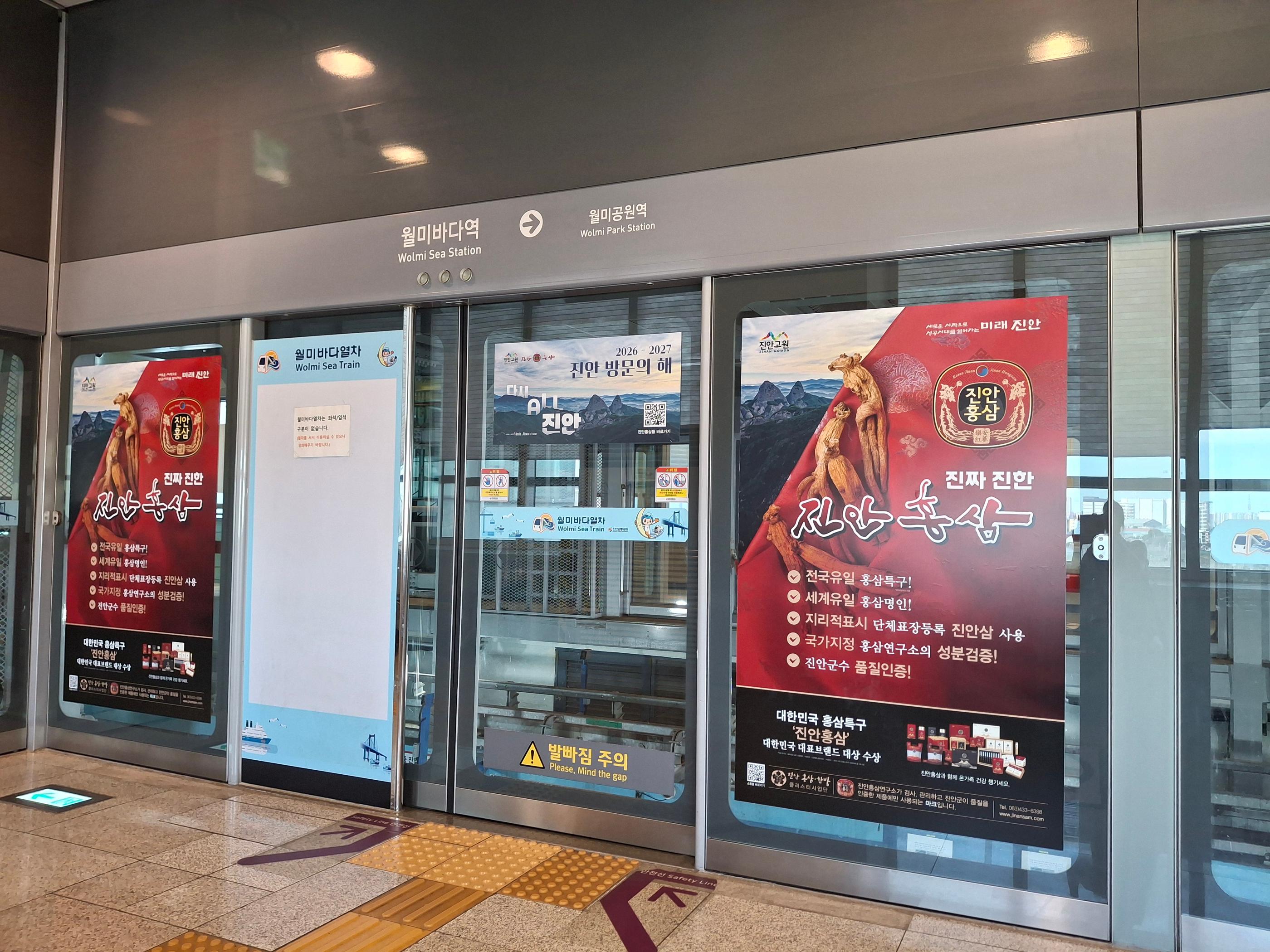
The station is easy to reach: go to Incheon Subway Station (Line 1) and come out of Exit 1. Turn right, the Wolmi Sea Train station is the building immediately next to the subway station. Tickets can be booked in advance on the website. Alternatively, you can simply arrive at the station, head straight in, and board the next available train.
Starting at Wolmi Sea Train Station
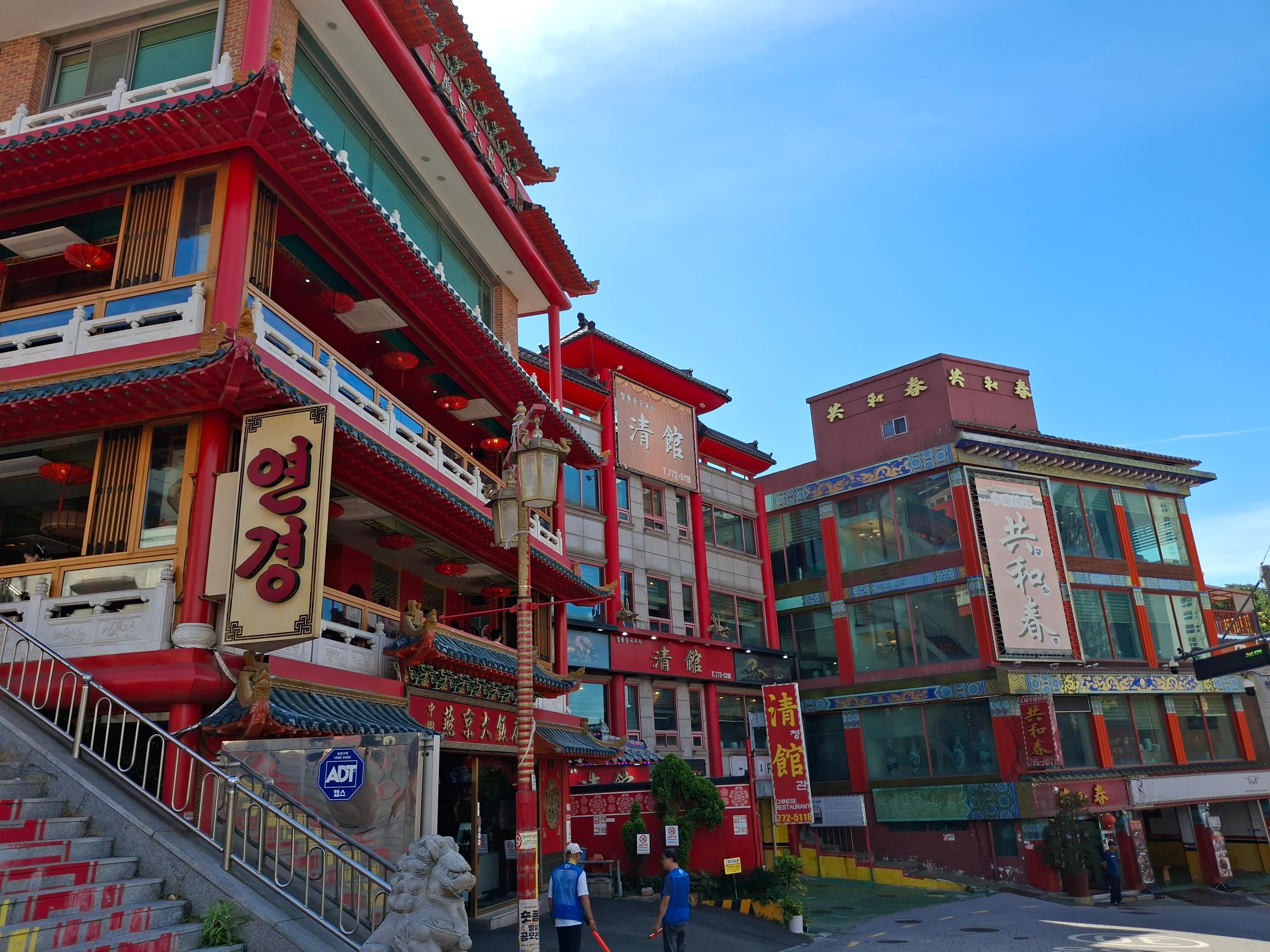
You can board the train at any of its four stations. I chose the main station to experience the entire circular route. One advantage of starting here is that Incheon Chinatown is located just across the road, making it easy to combine the train ride with a visit to this historic neighbourhood.
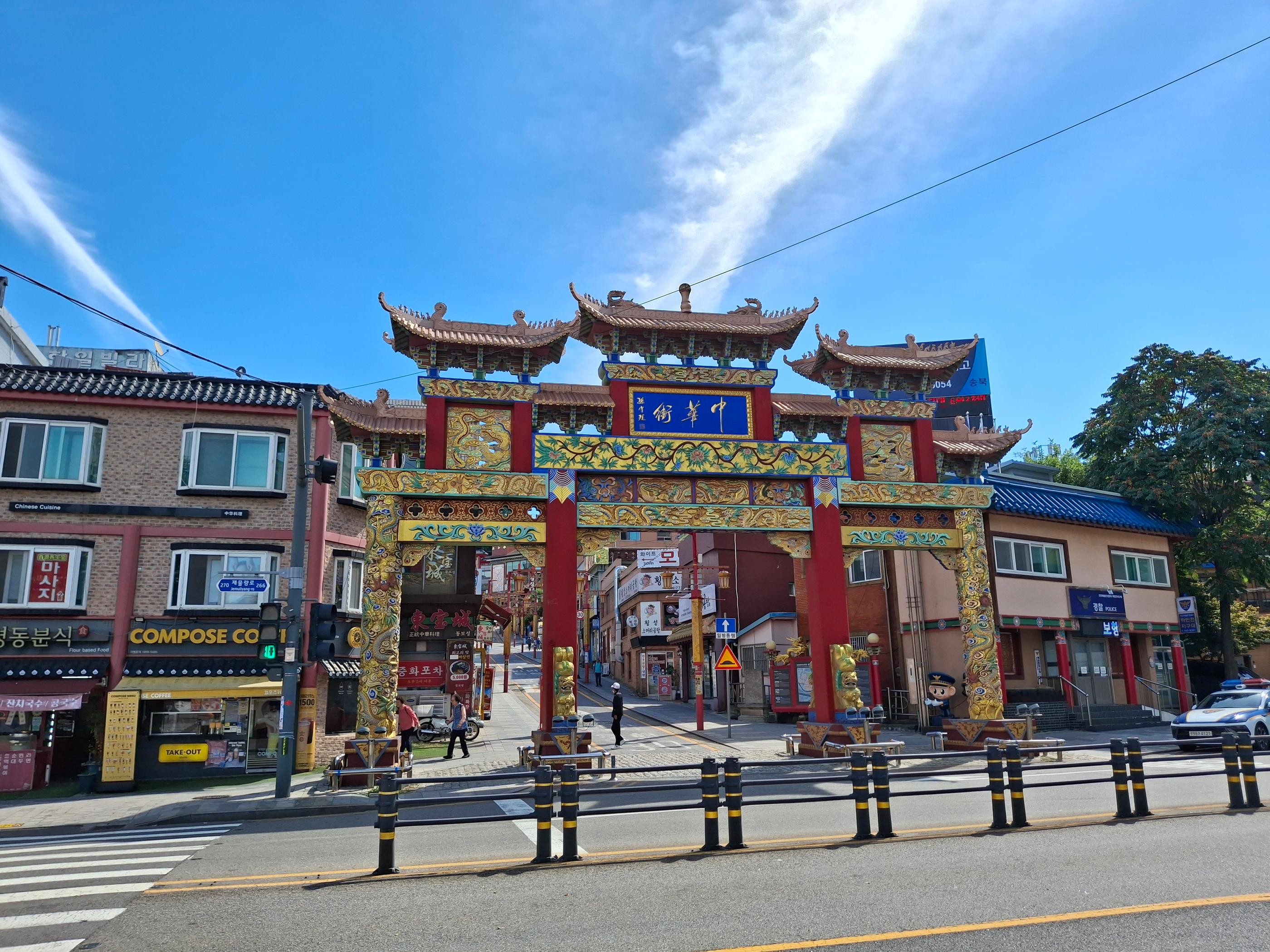
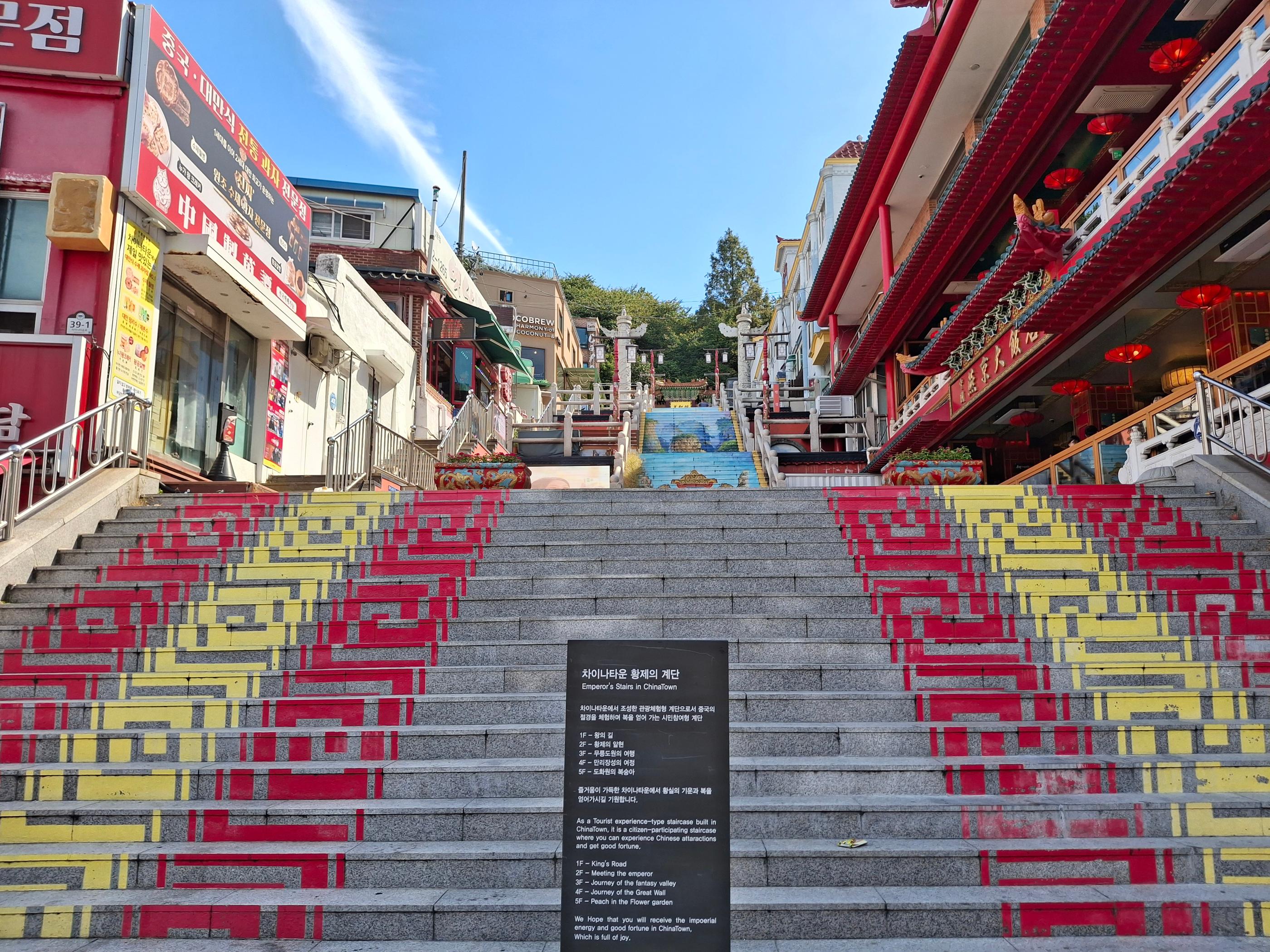
Chinatown developed following the opening of Incheon Port in 1883. In its early days, it was an important commercial area where merchants traded goods imported from China. Today, the neighbourhood is best known for its Chinese restaurants, street food, shops, and distinctive architecture.
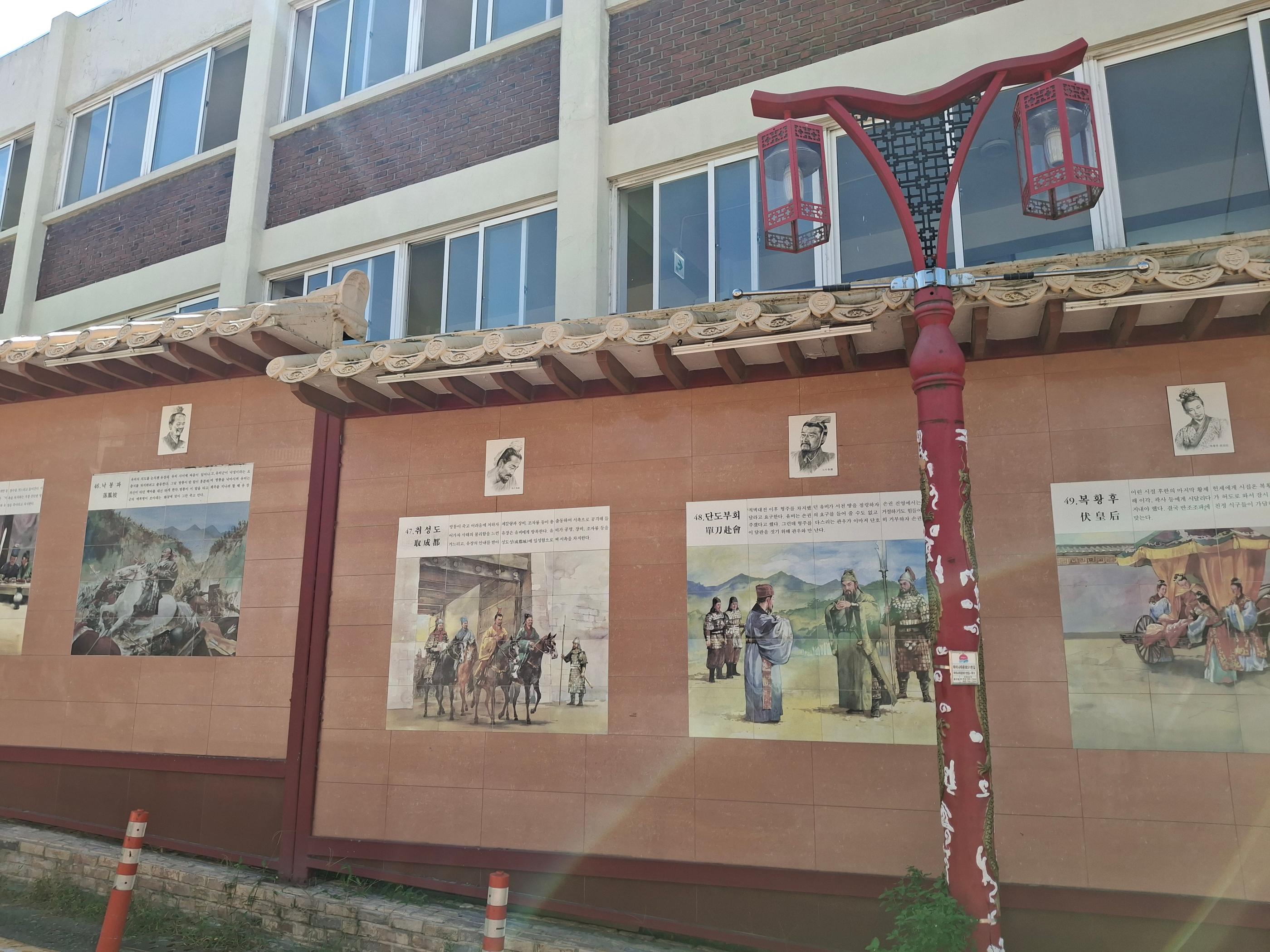
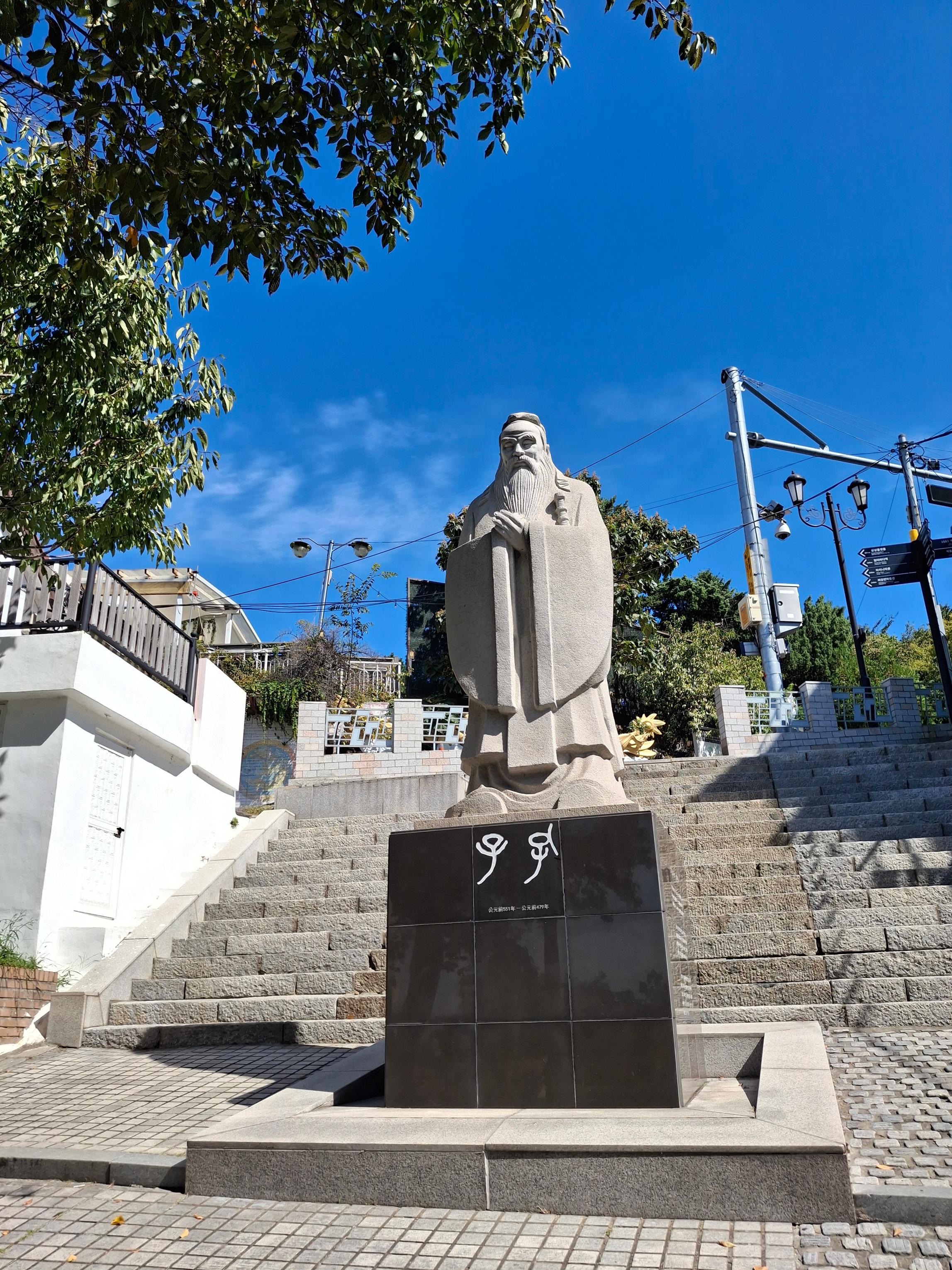
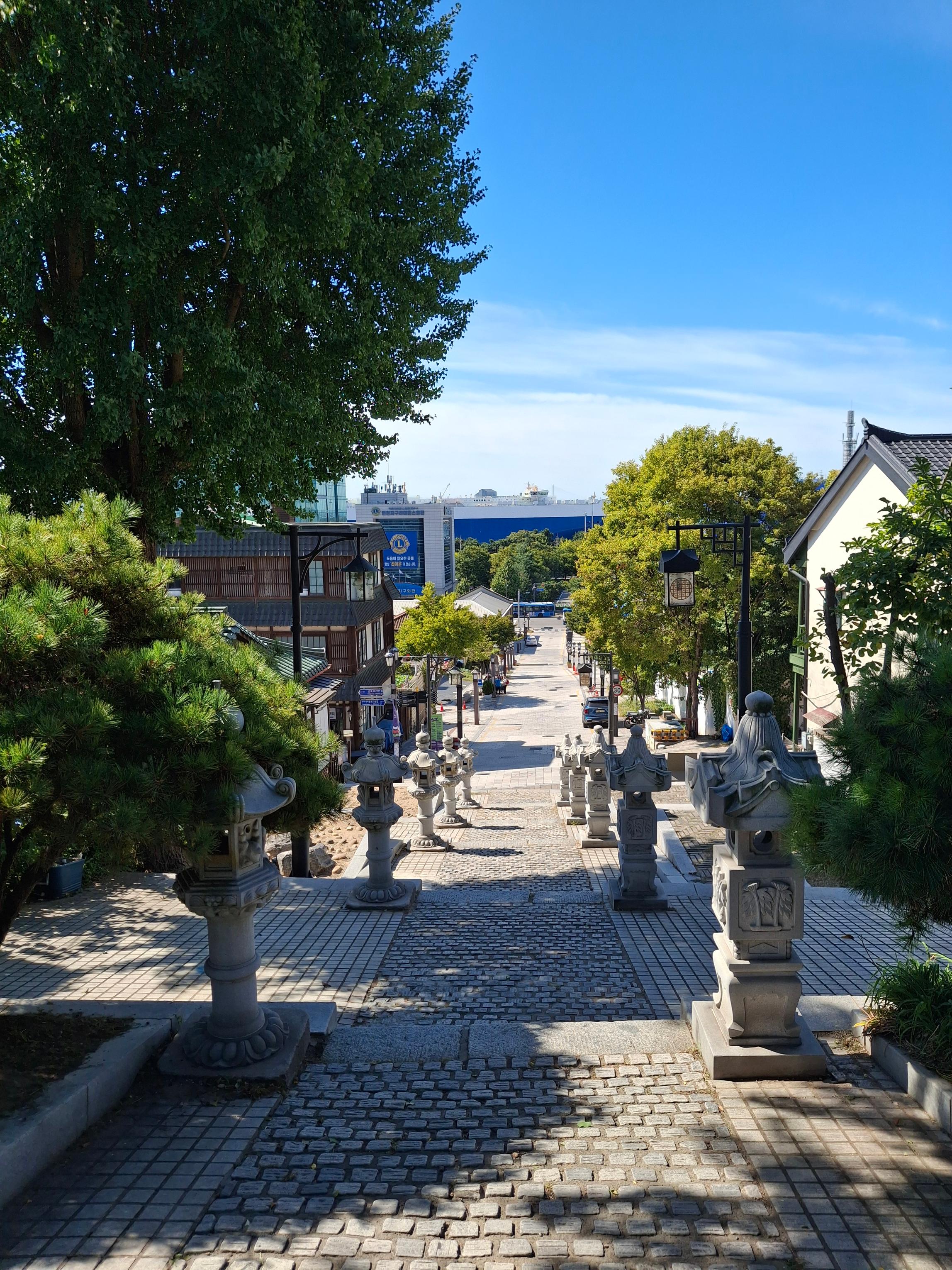
I explored the colourful streets, admired the traditional Chinese-style gates, and looked around the shops and restaurants. The area is particularly interesting because it reflects the cultural and commercial connections that developed between Korea and China through Incheon’s port.
A Scenic Ride Above Incheon Port
Boarding the Wolmi Sea Train is straightforward, much like taking the subway. After waiting on the platform, I stepped into the carriage and settled in for the ride.
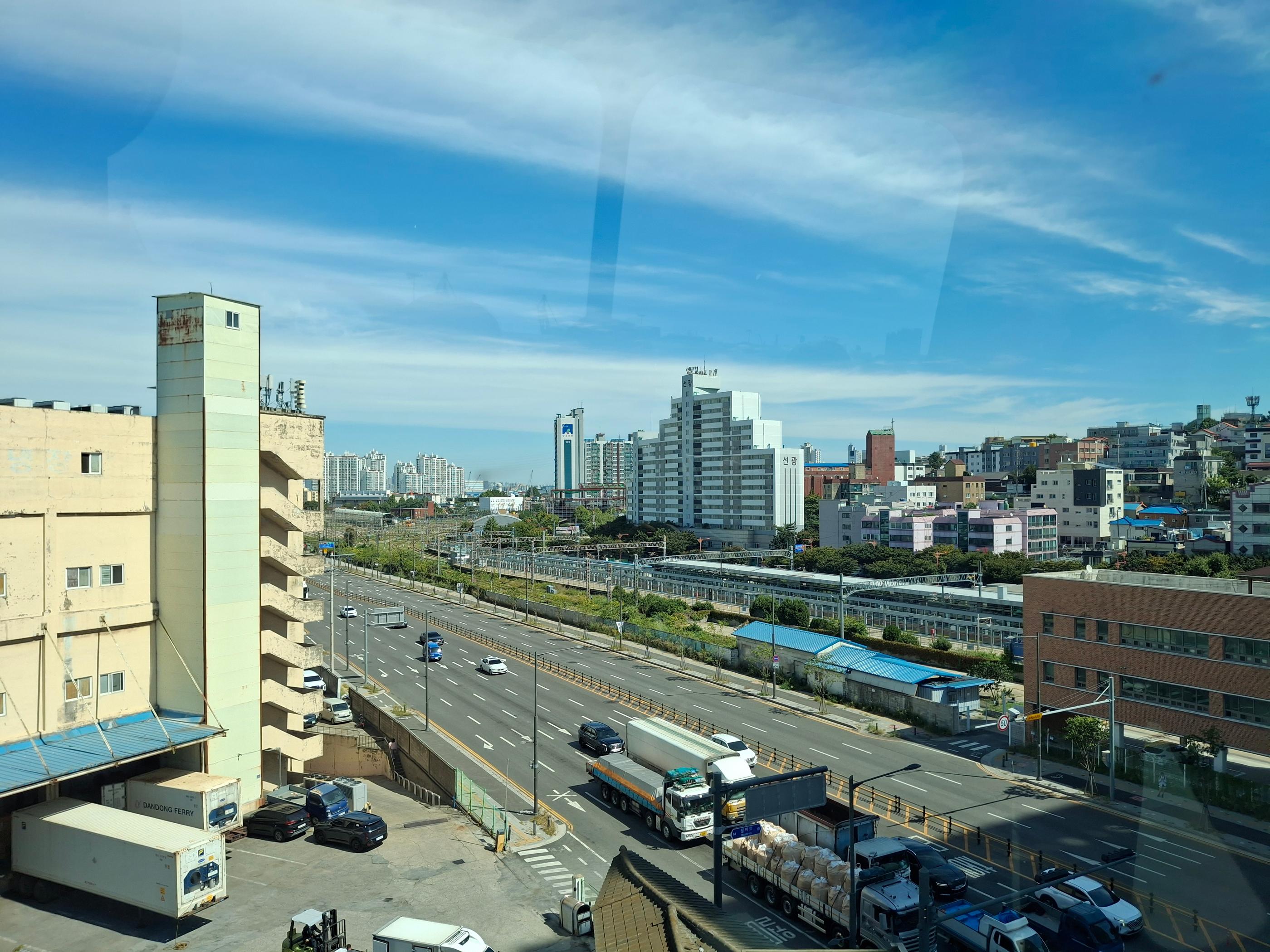
The elevated track provides views that are difficult to appreciate from street level. Along the route, you can see Incheon Port, cargo ships, the coastline, and the city’s industrial landscape.
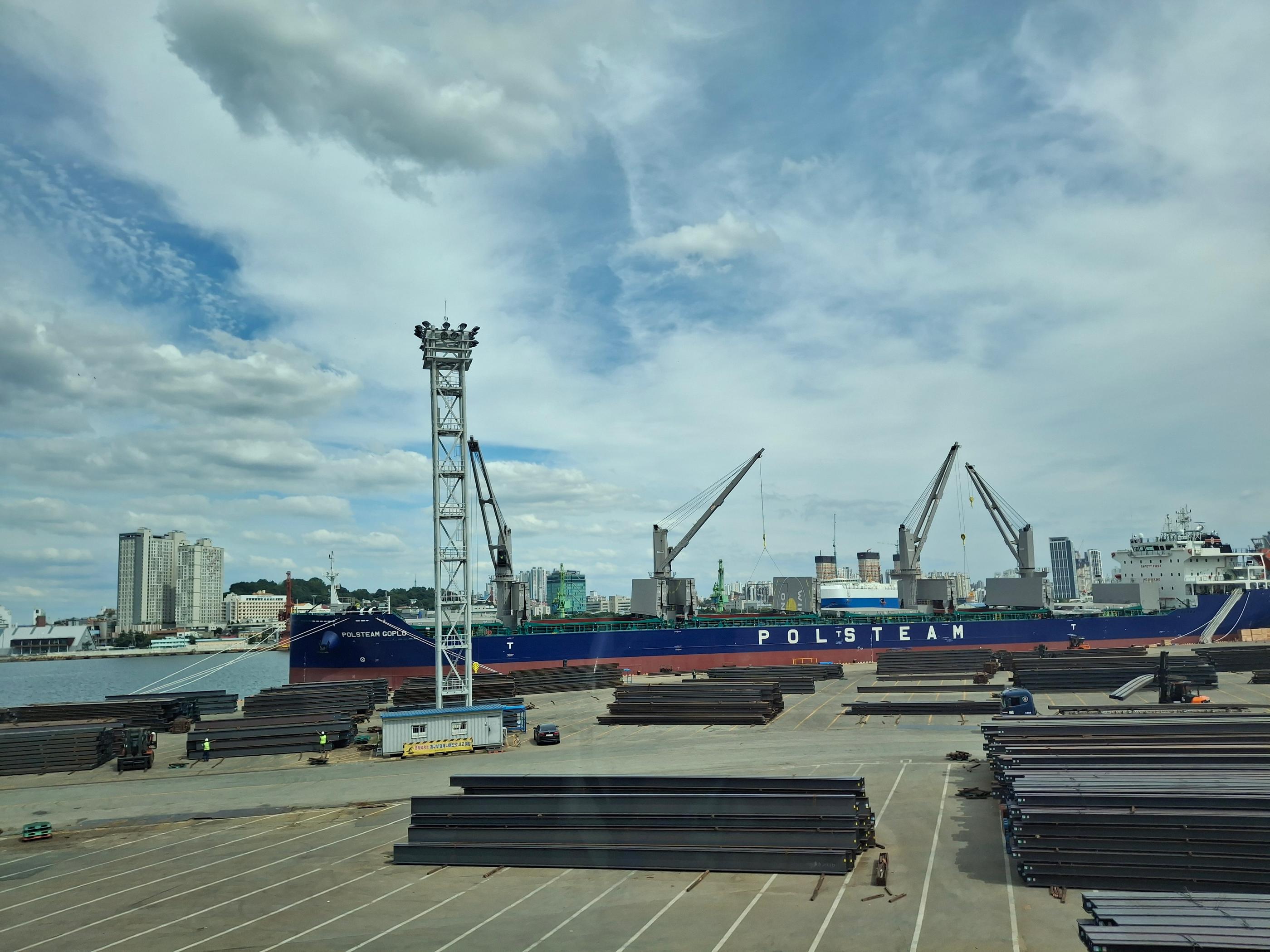
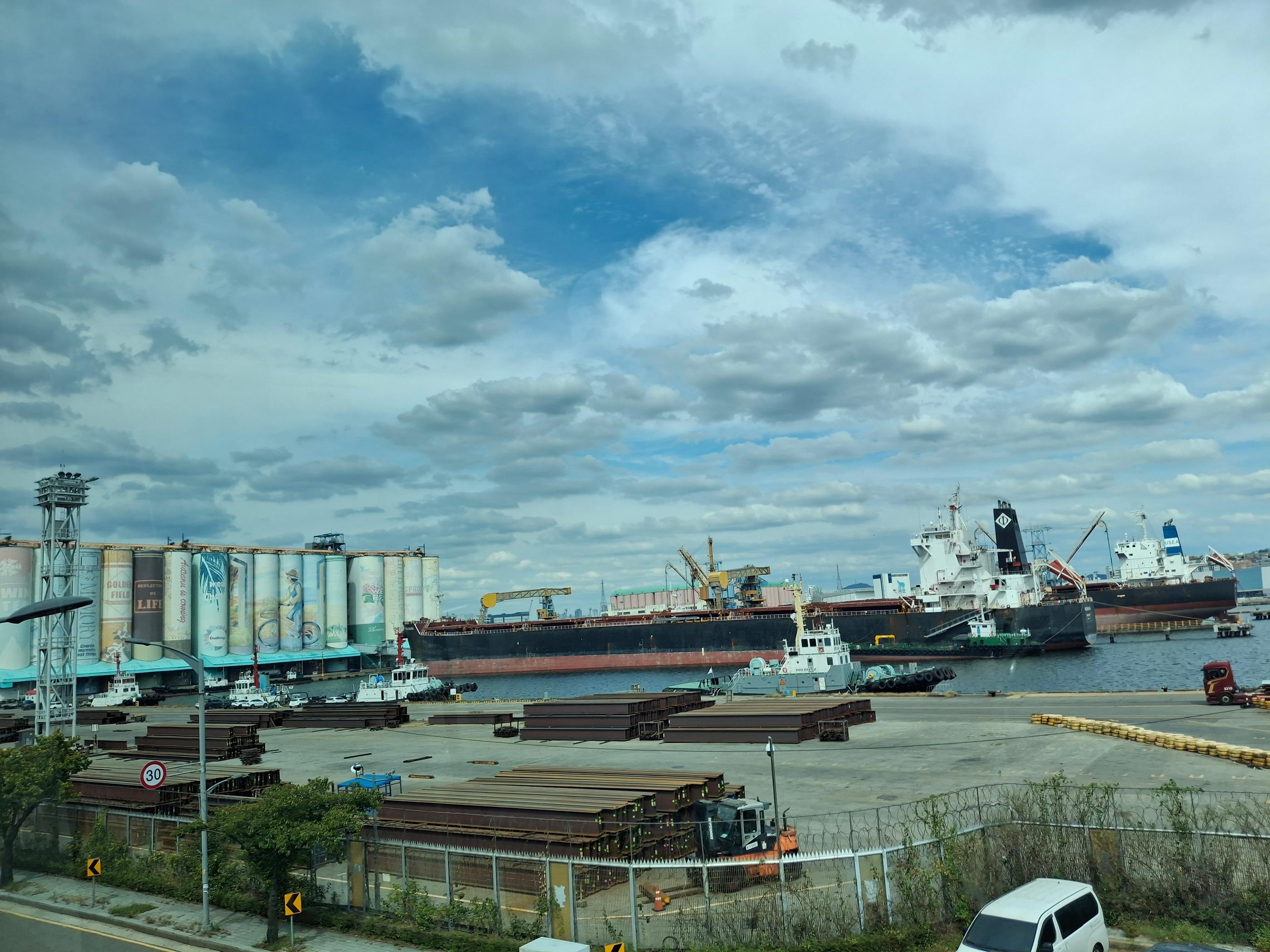
One particularly impressive sight is the enormous outdoor mural painted on a row of grain silos. Recognised by Guinness World Records as the world’s largest outdoor mural, it transforms these industrial structures into a striking public artwork.
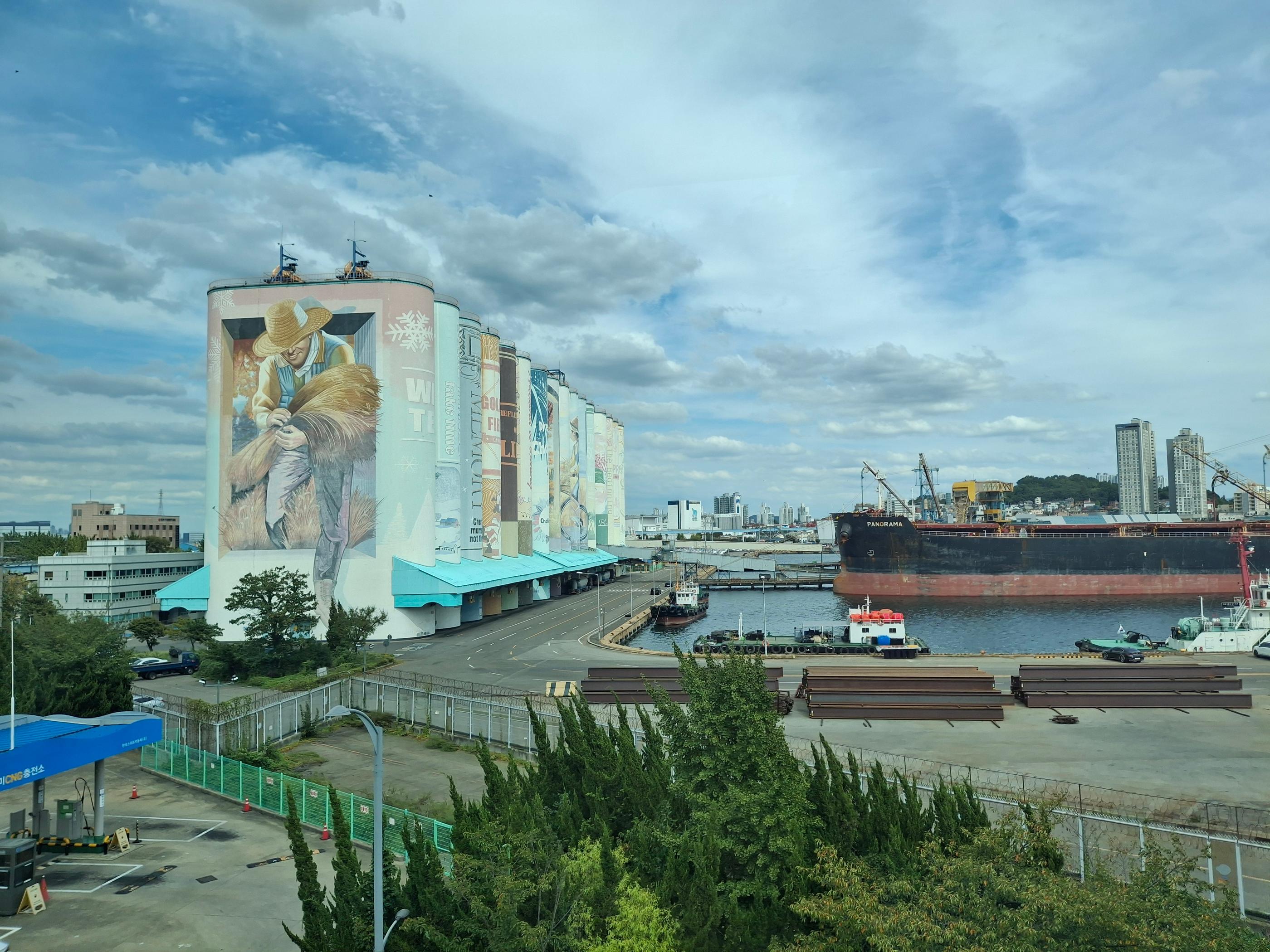
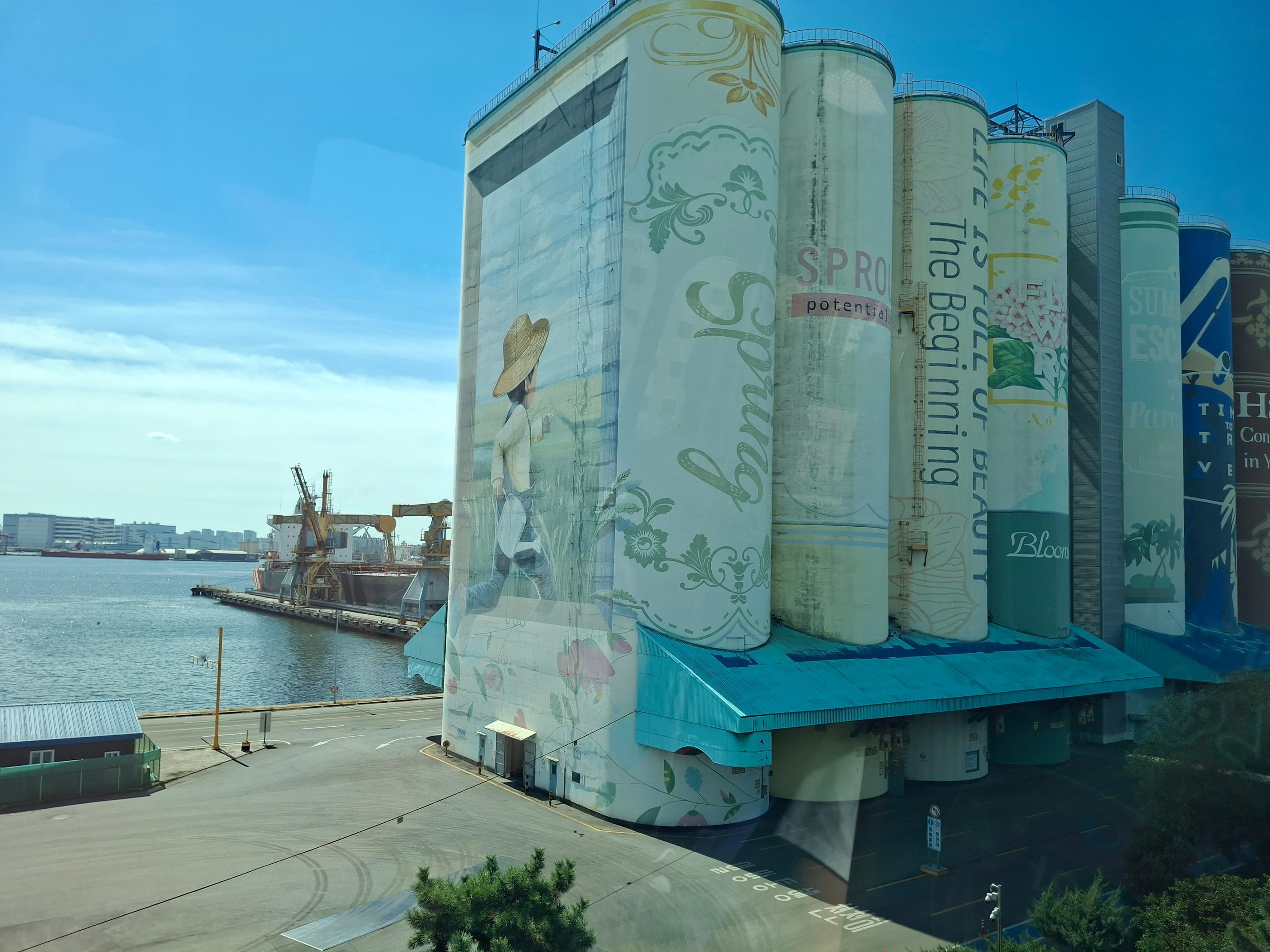
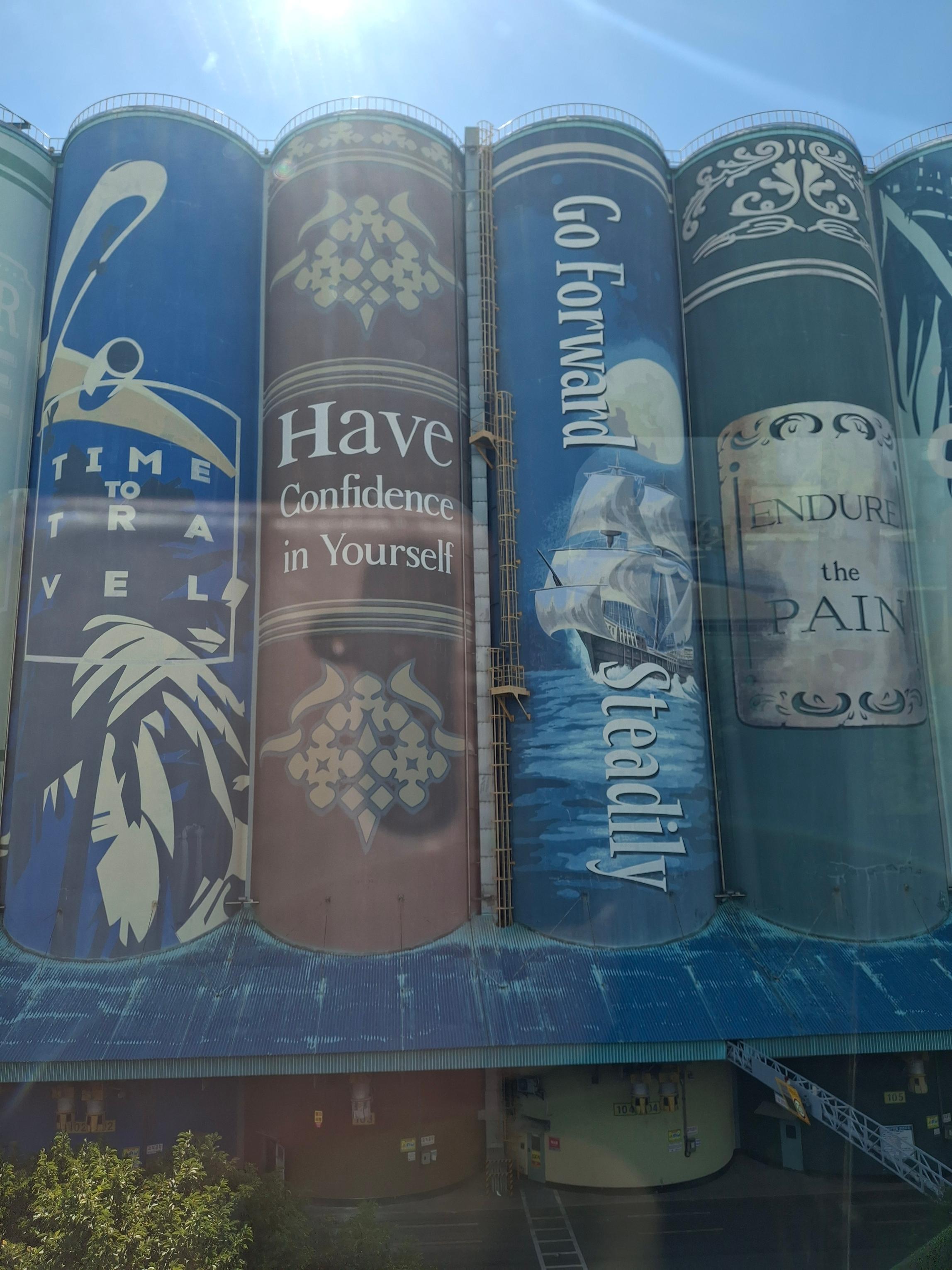
The train is more than just a convenient way to get around Wolmi Island: it offers a different perspective on Incheon’s role as one of Korea’s major port cities.
Exploring Wolmi Island
The train stops at four stations, allowing passengers to get off and explore different parts of the island. I recommend making a stop to walk along the waterfront and enjoy the maritime atmosphere.
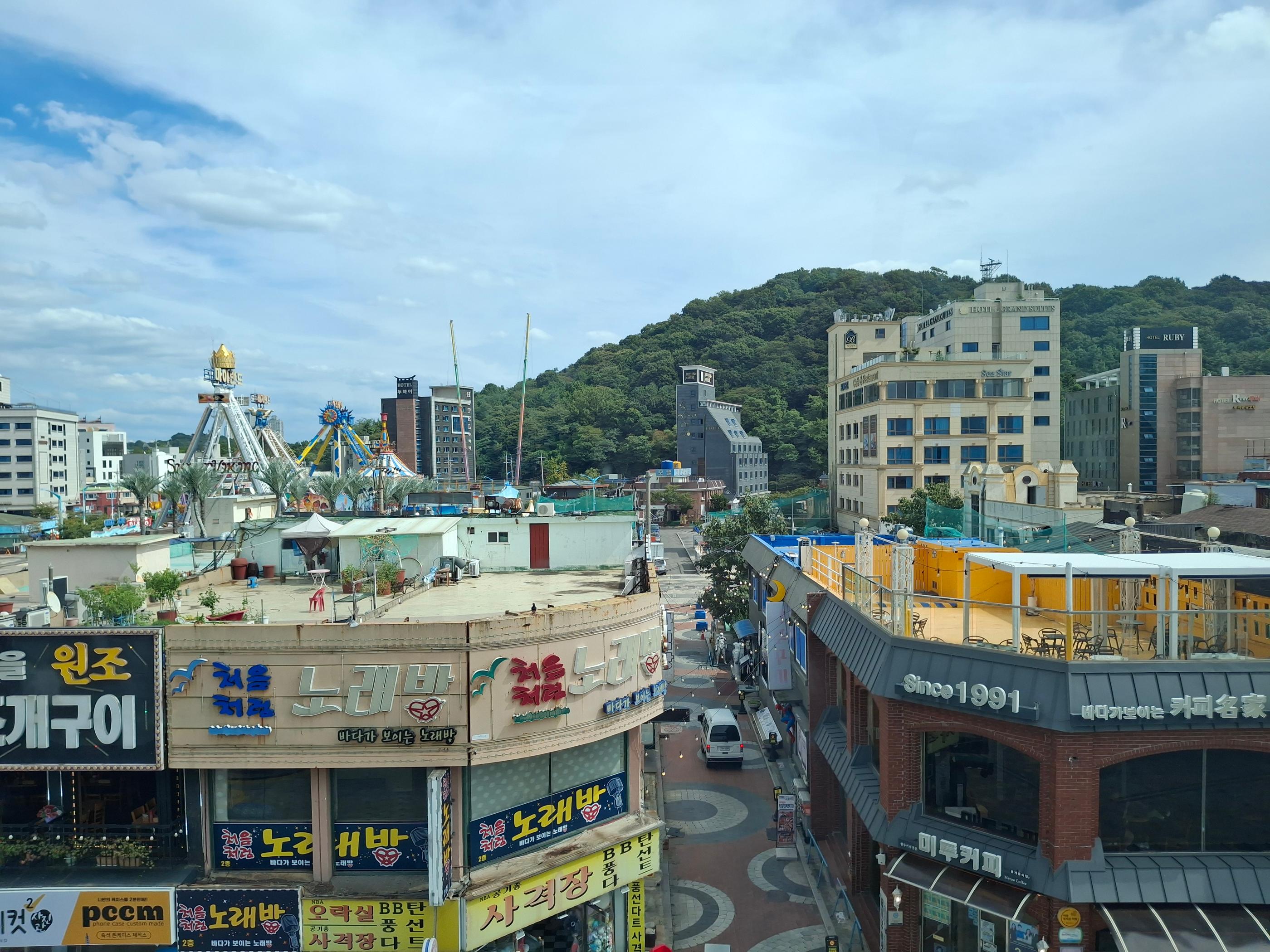
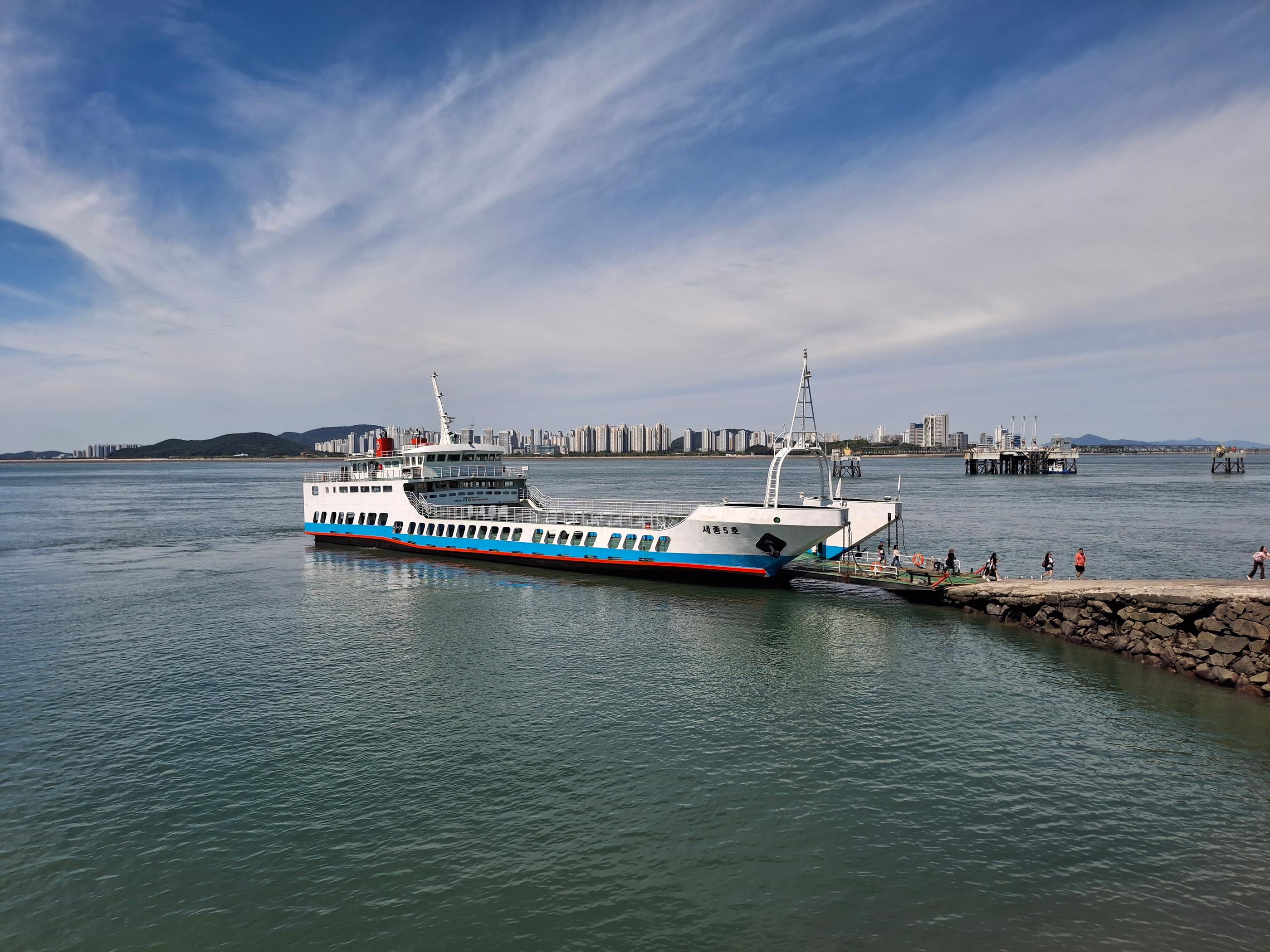
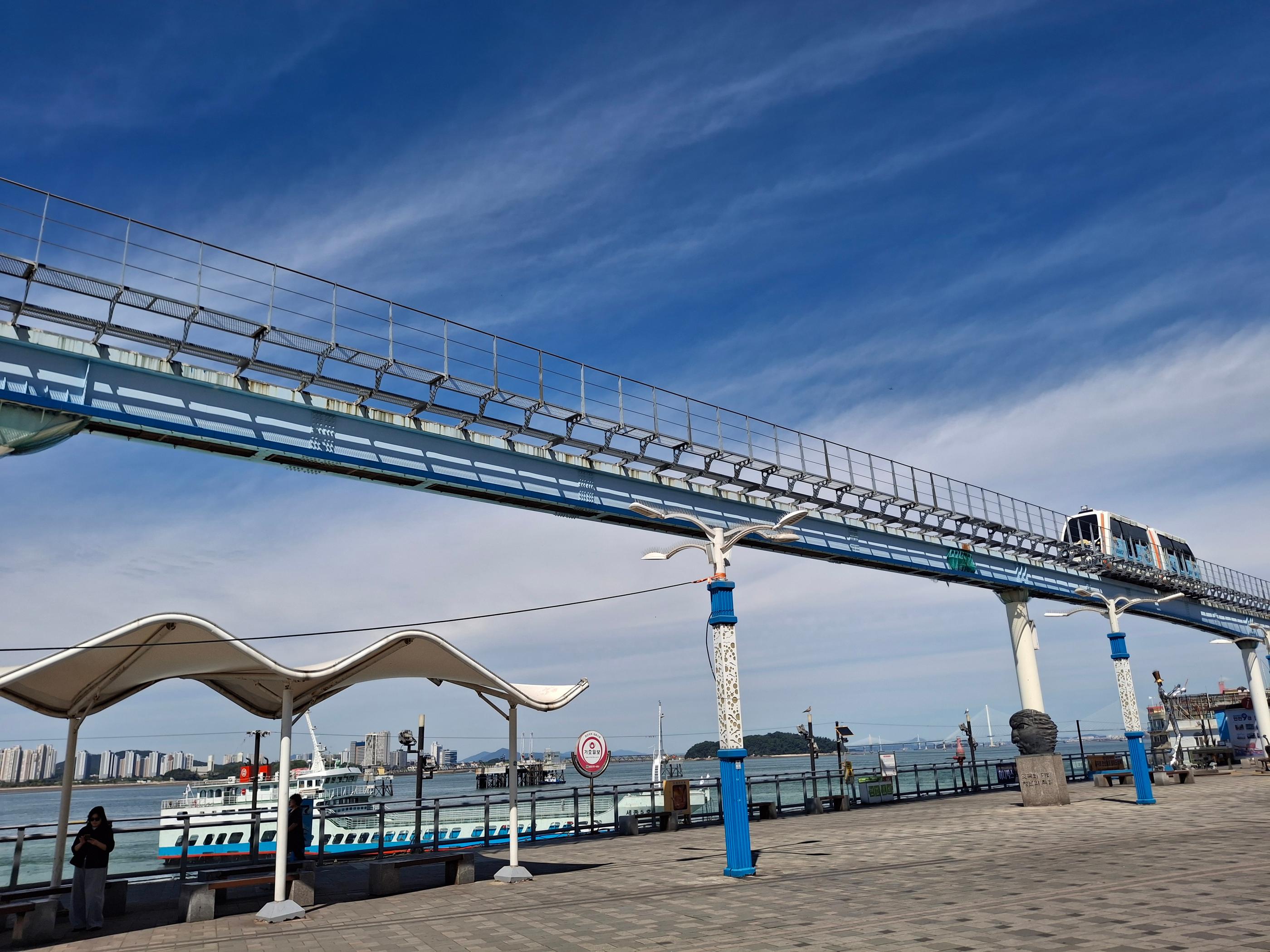
The seaside promenade offers views of the harbour and passing ships. The area is also known for its seafood restaurants and leisure attractions, making it a good place to take a break during the sightseeing route. I enjoyed the combination of sea air, the sound of seagulls, and the smell of freshly prepared seafood coming from the nearby restaurants.
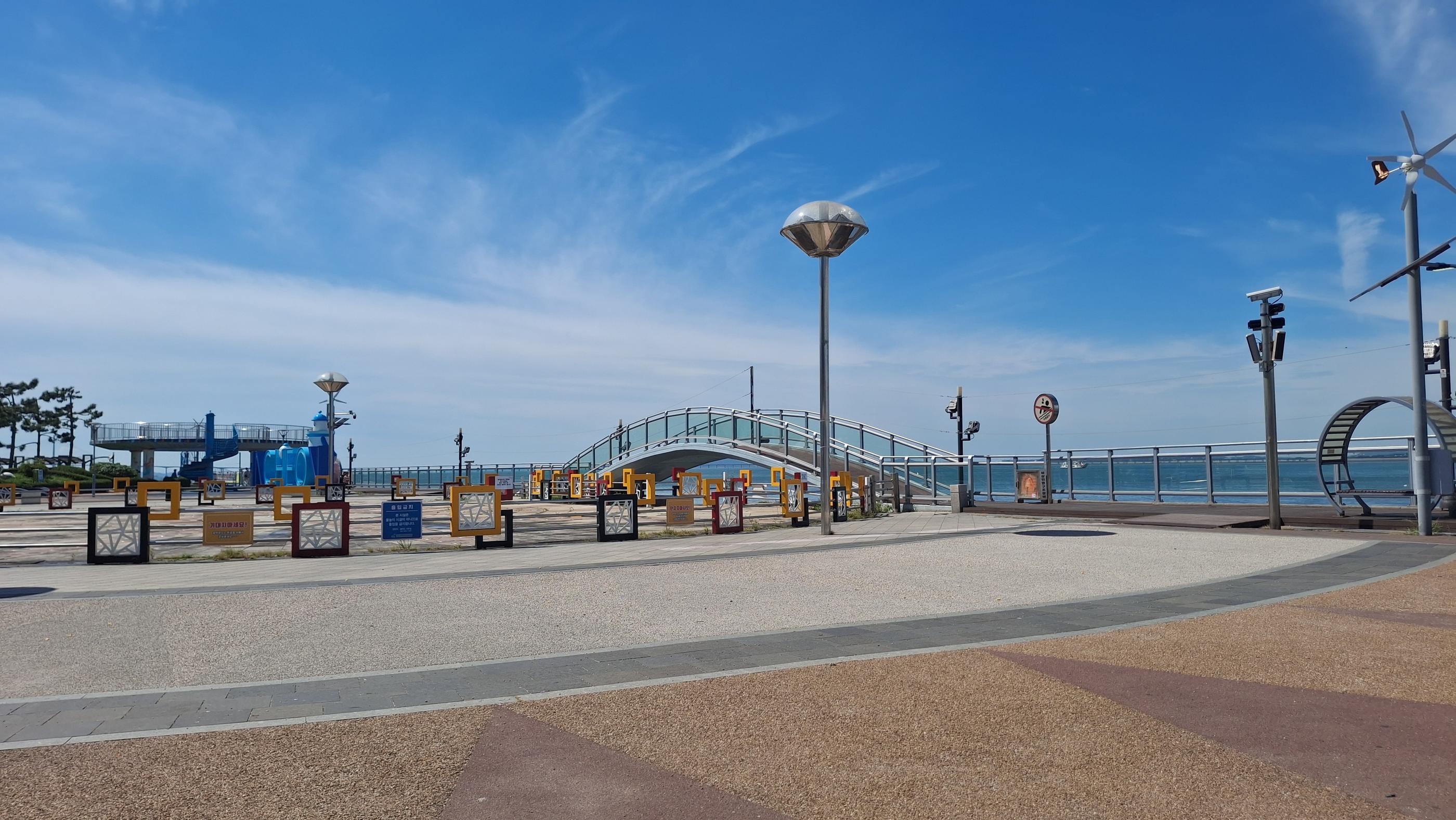
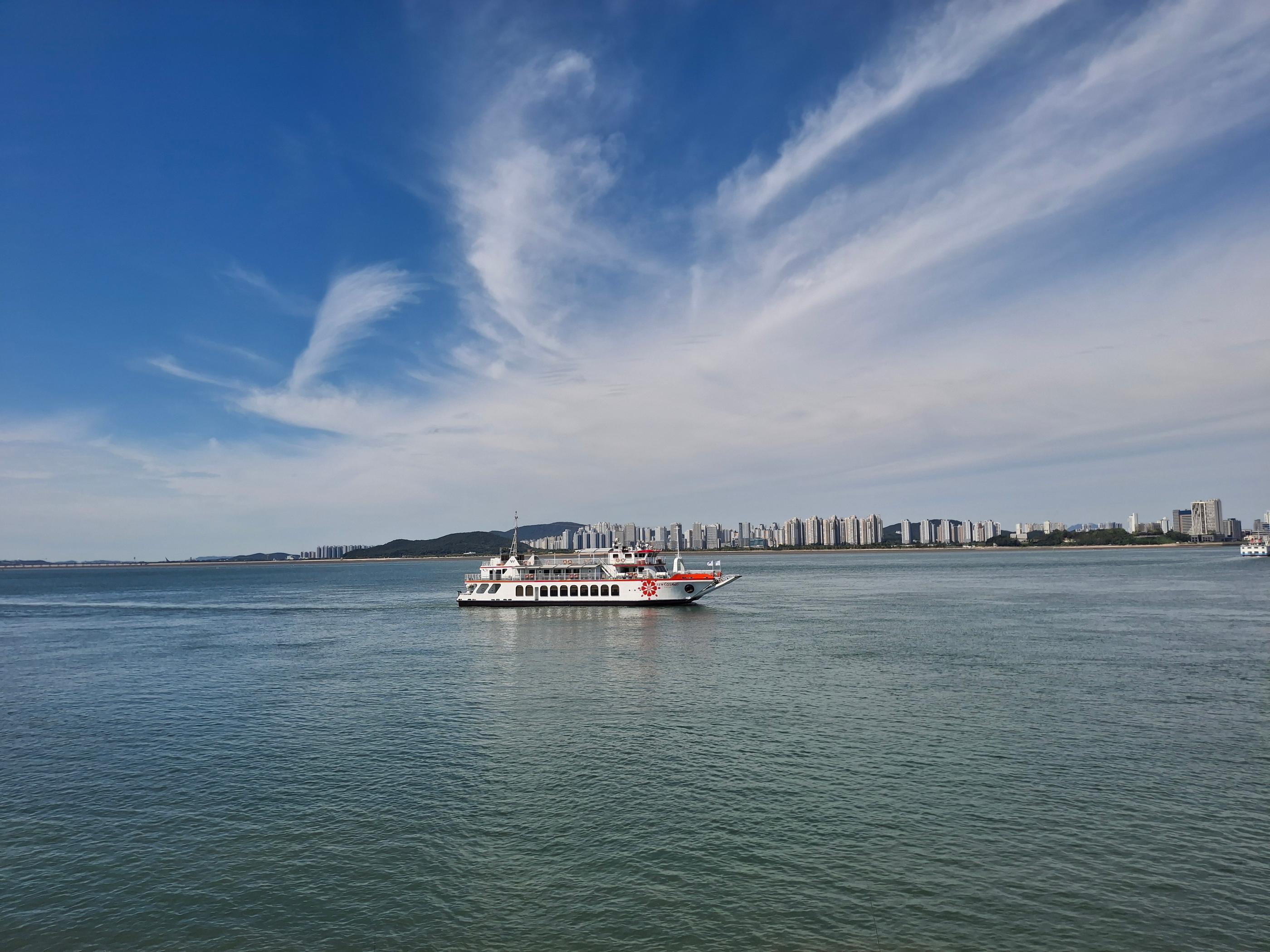
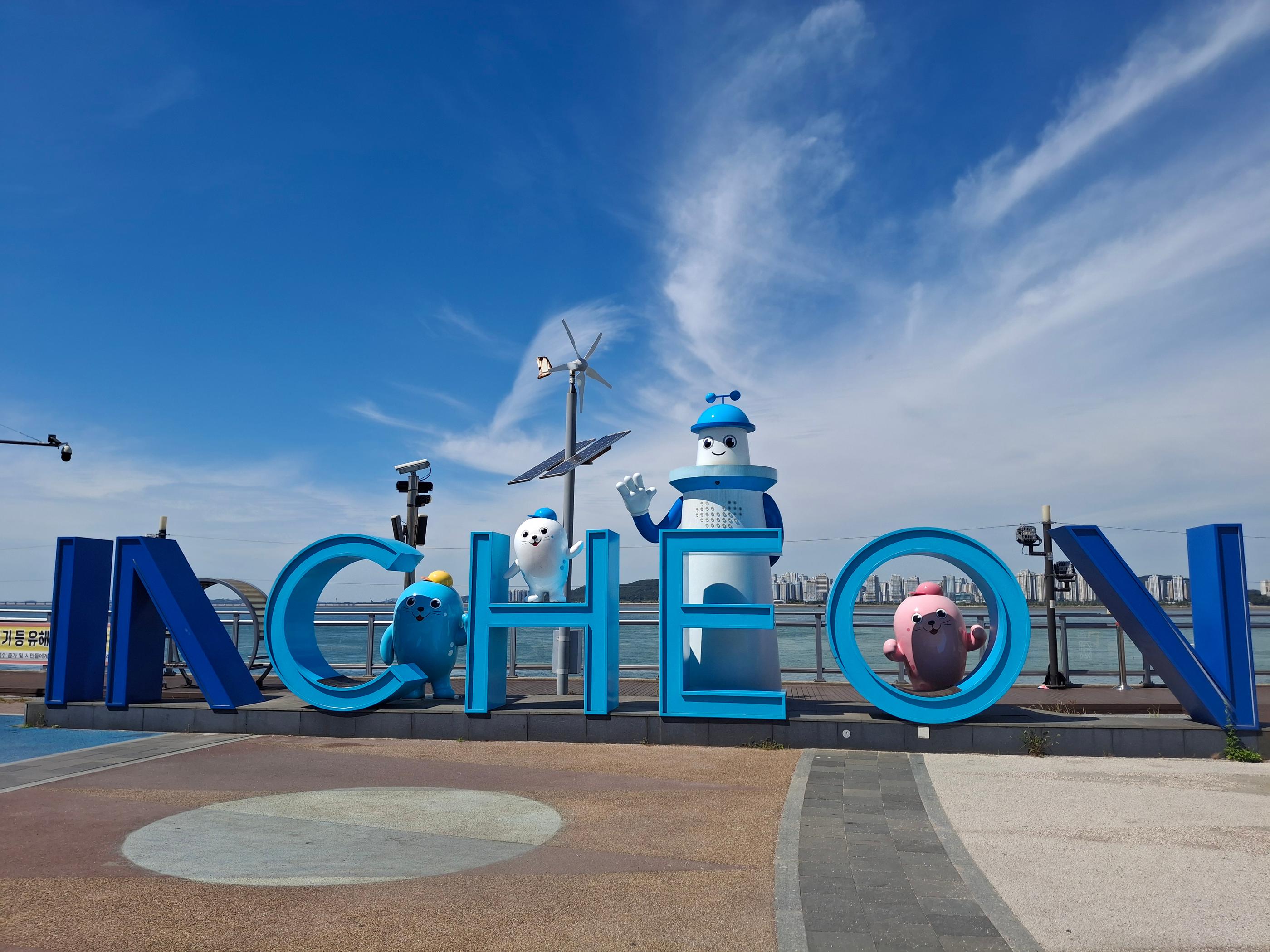
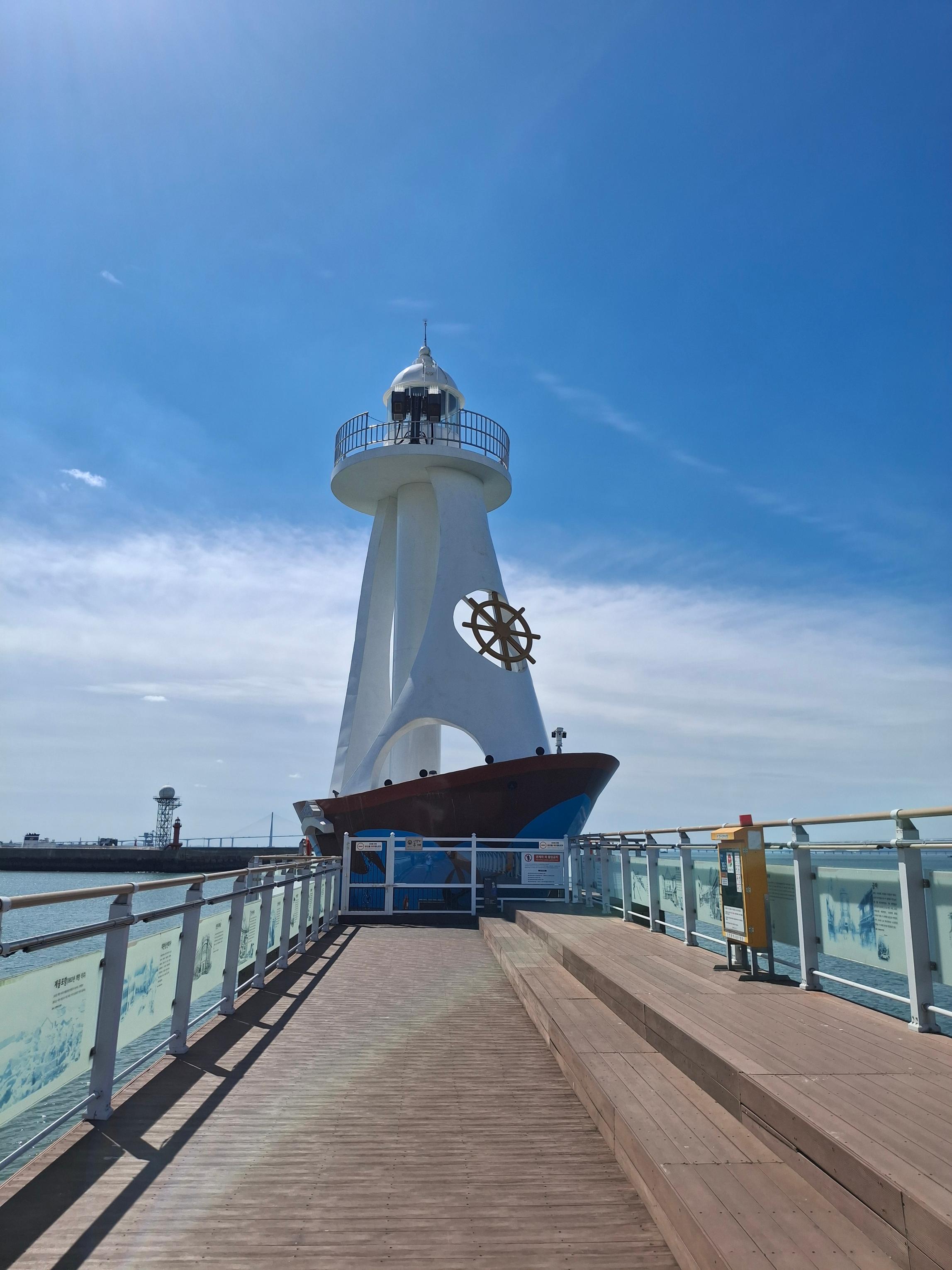
Walking along the waterfront also provides a closer look at the relationship between the island, the port, and the sea—an important part of Incheon’s identity.
Wolmi Park: History, Forest Trails and Panoramic Views
A short distance from the waterfront, Wolmi Park offers a very different experience. Situated on a hill, the park features wooded walking paths, historical sites, and viewpoints overlooking Wolmi Island and the surrounding sea. Reaching some areas involves walking uphill, so comfortable shoes are advisable.
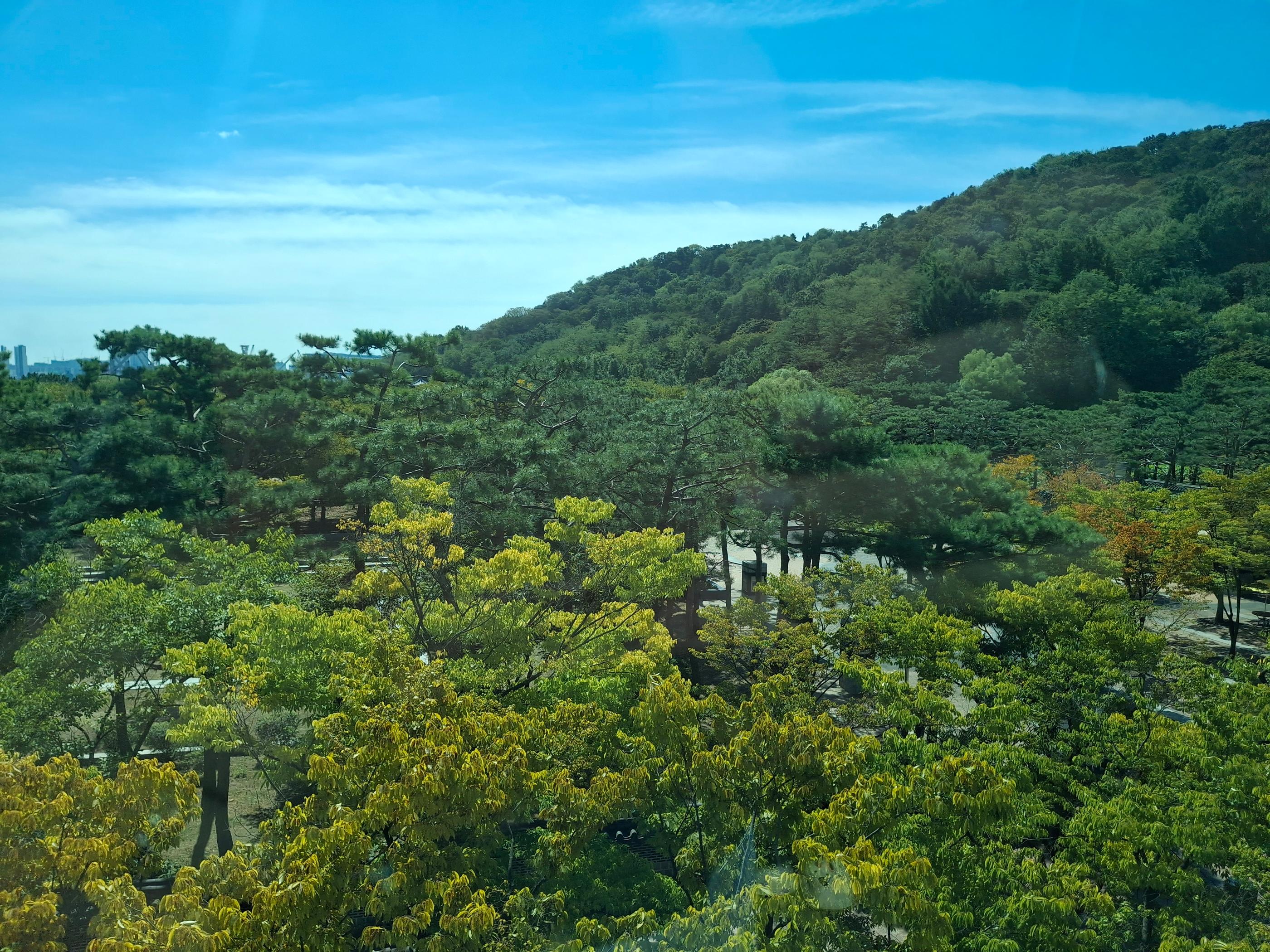
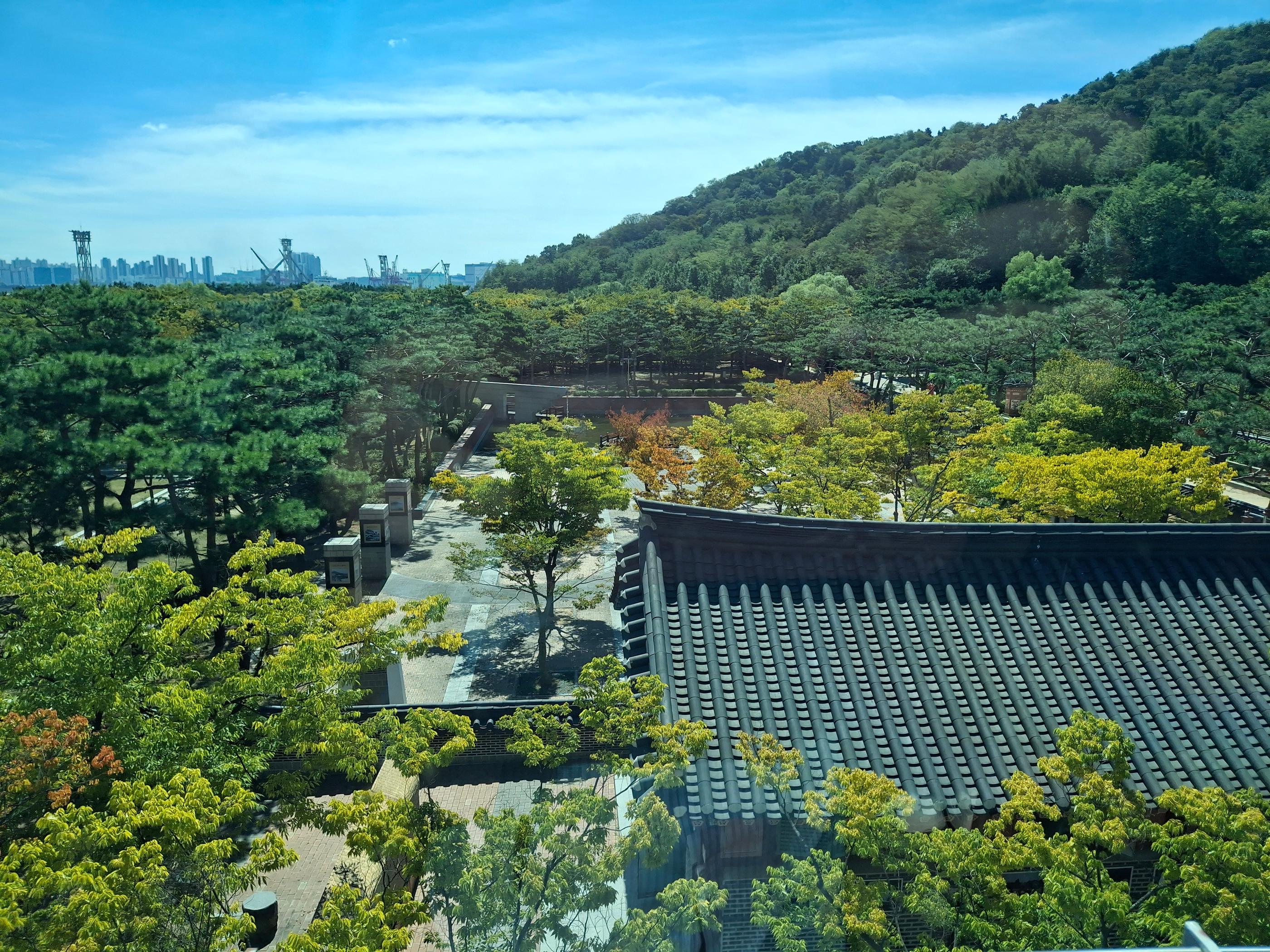
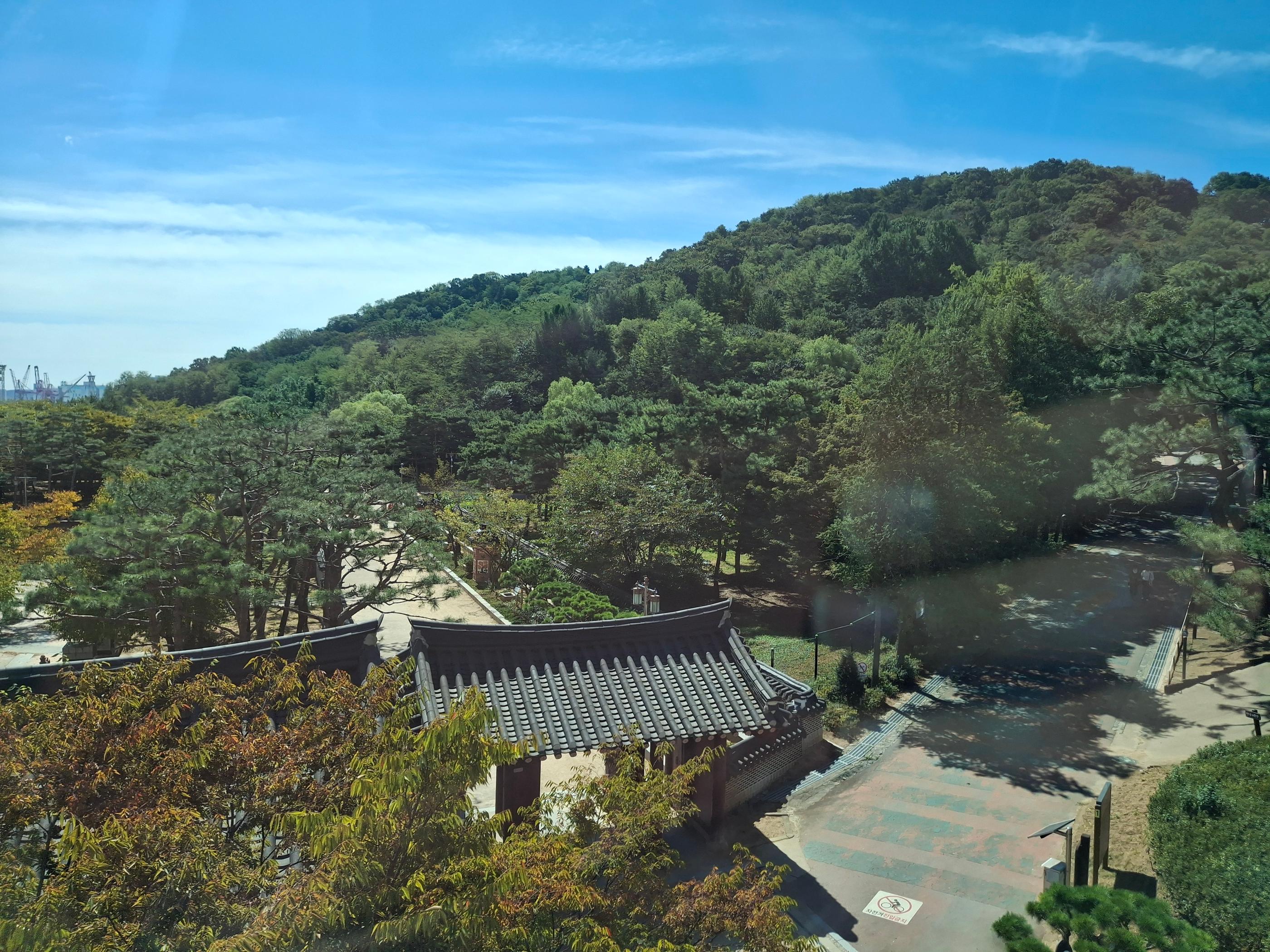
The park also has historical significance. Remains and sites associated with the island’s former military defences, including an old observation post, provide a glimpse into its strategic past. This adds a historical dimension to what might otherwise seem like a simple nature walk.
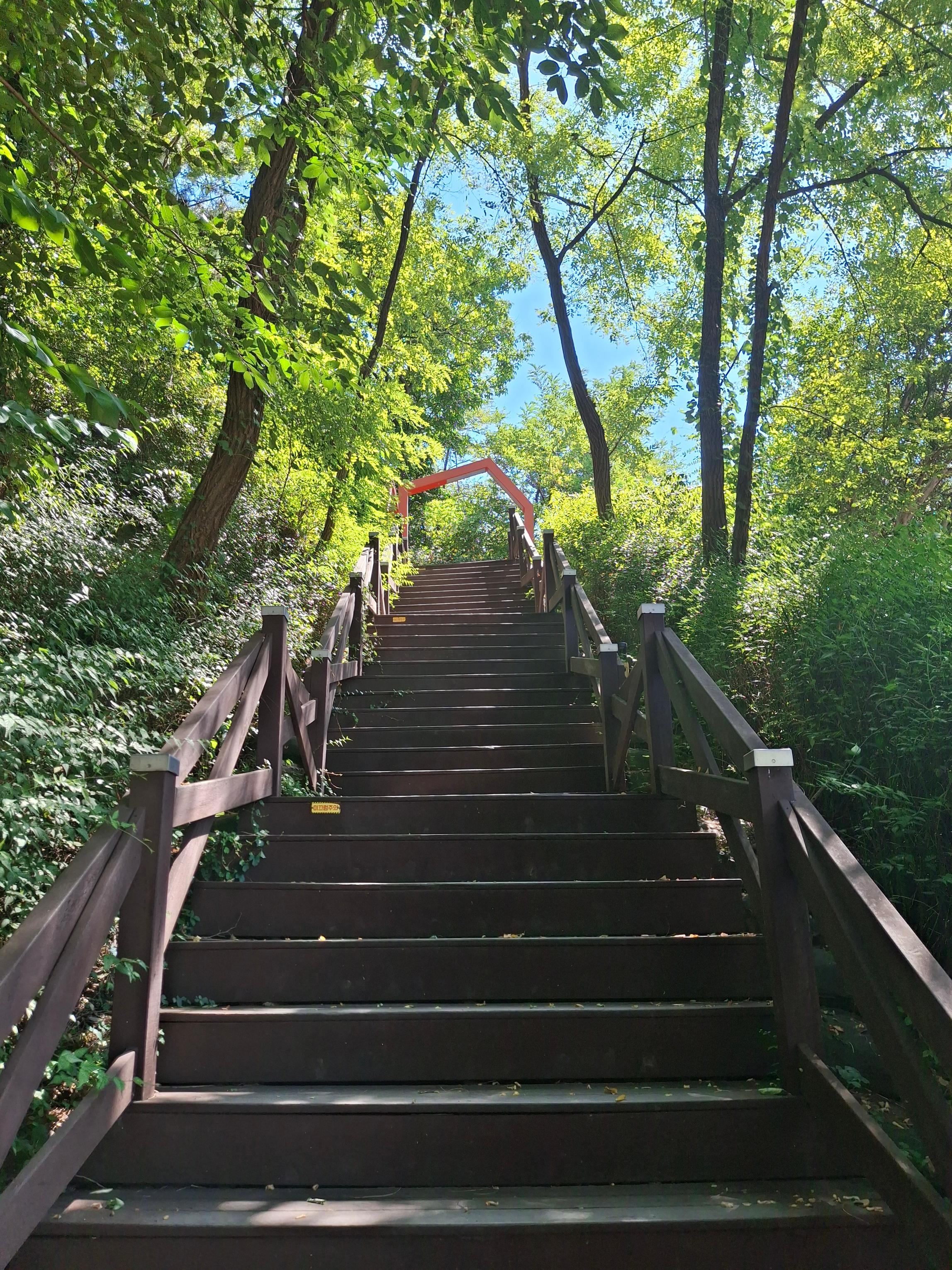
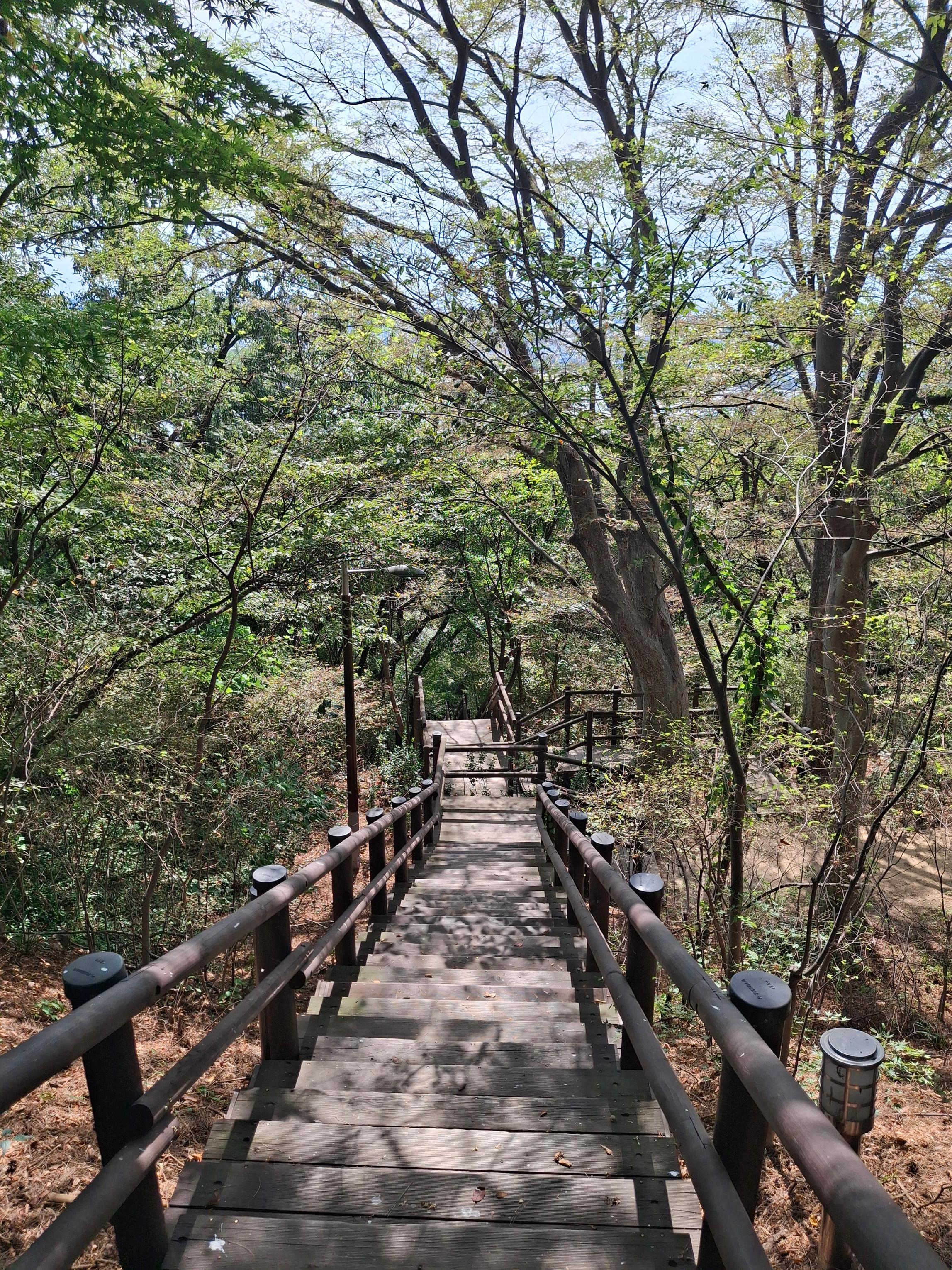
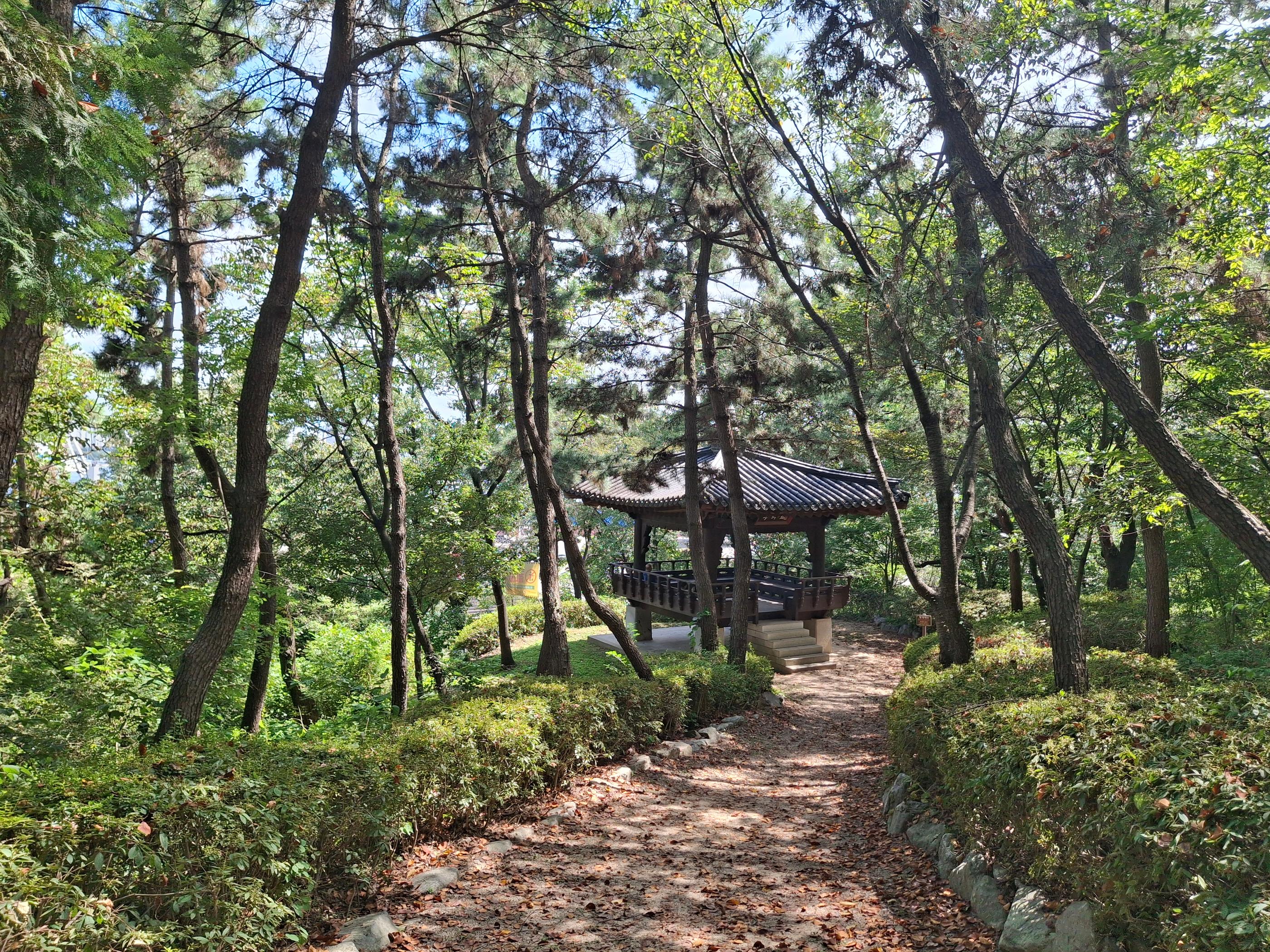
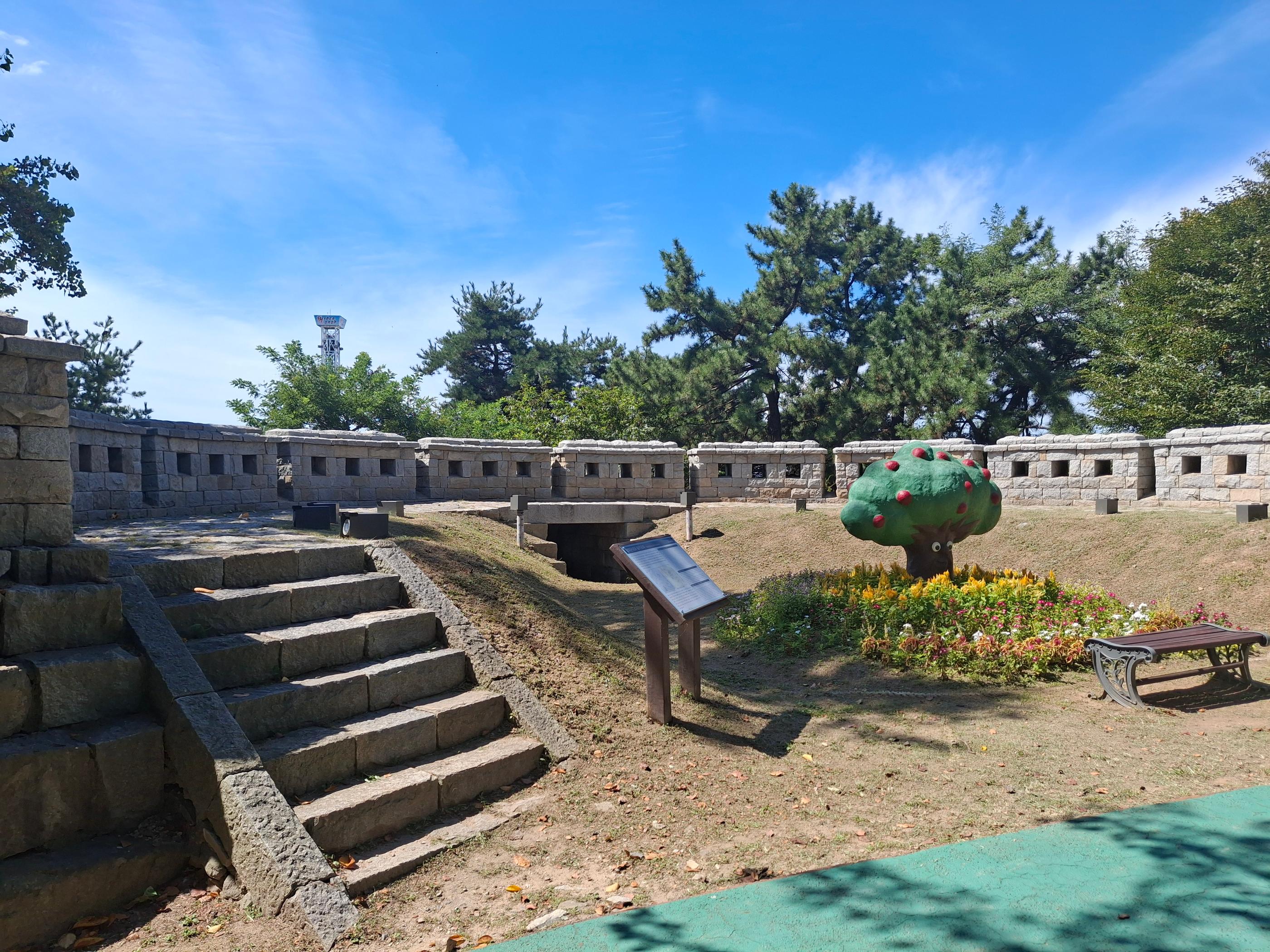
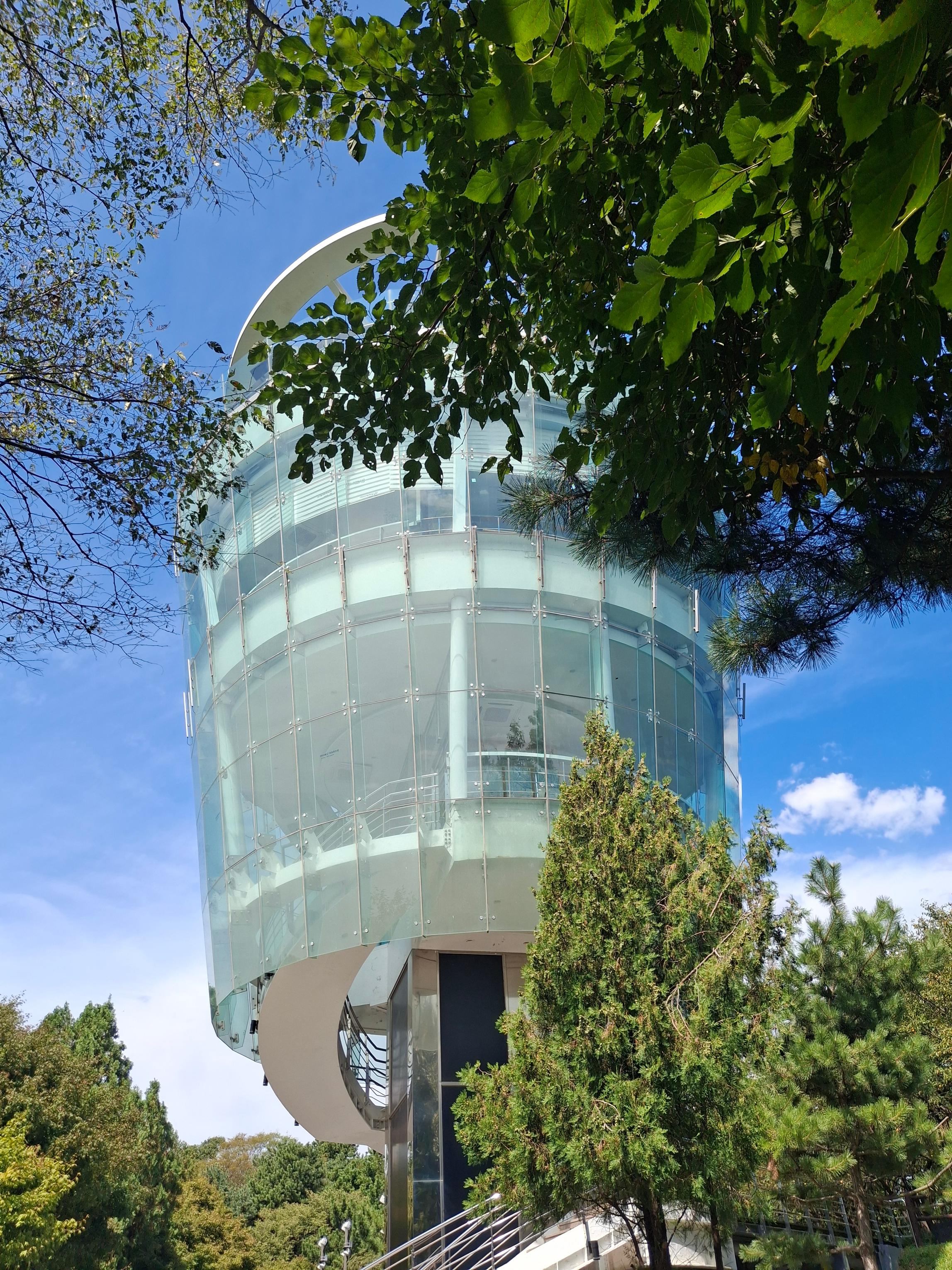
One of the highlights is the observatory, which offers panoramic views of the island, Incheon Port, and the coastline. I recommend allowing enough time to reach it on foot, as the view makes the climb worthwhile.
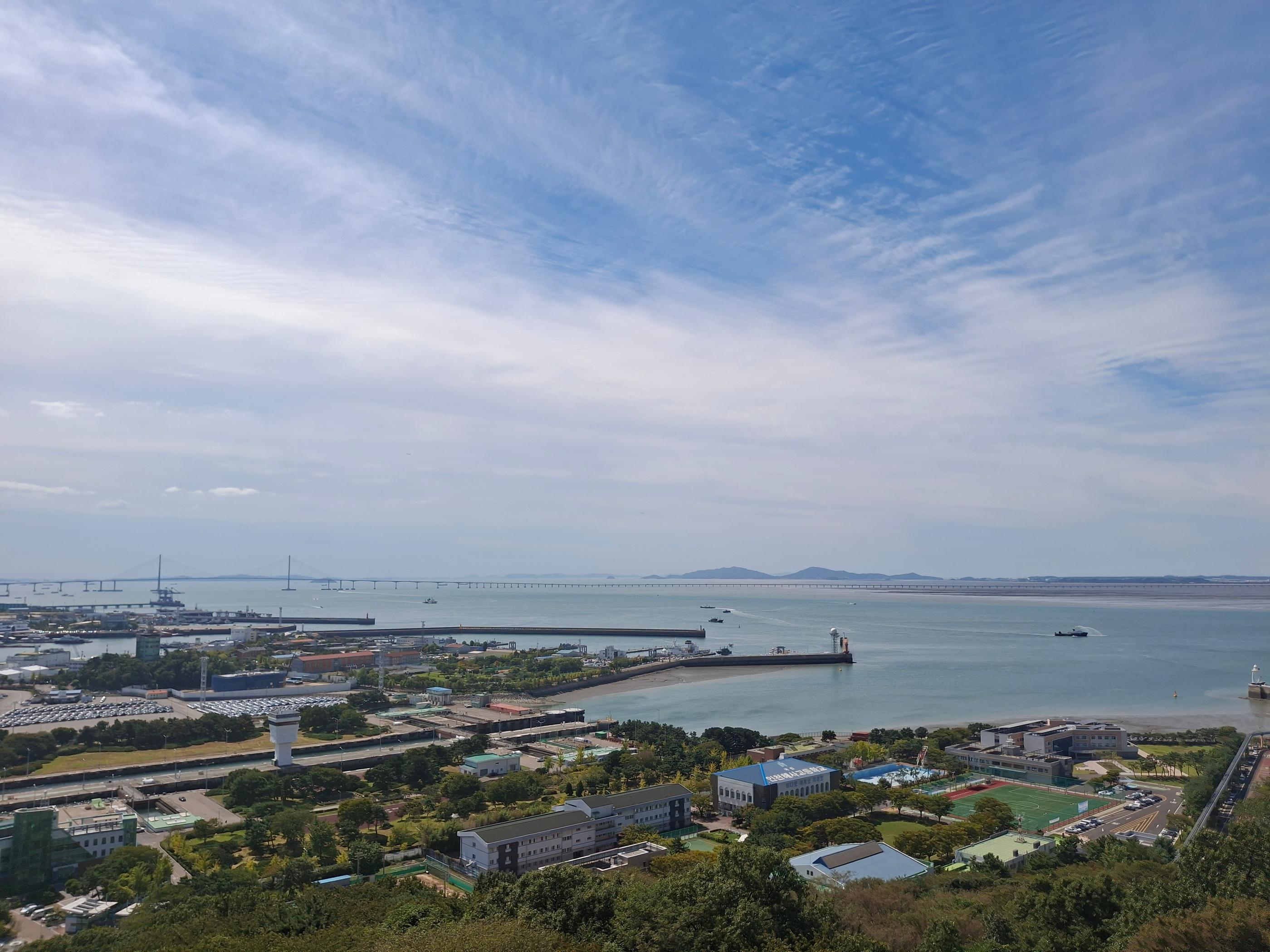
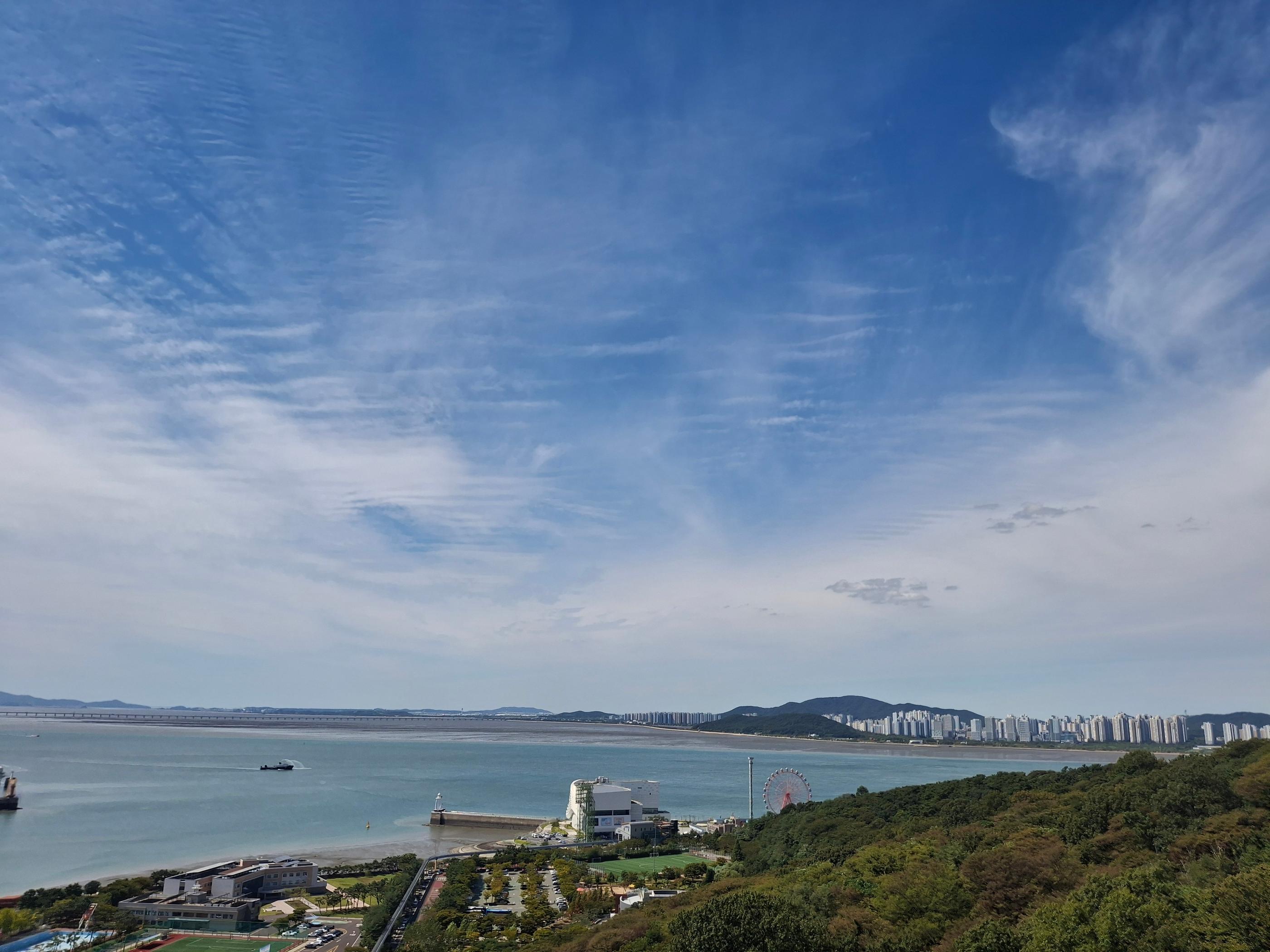
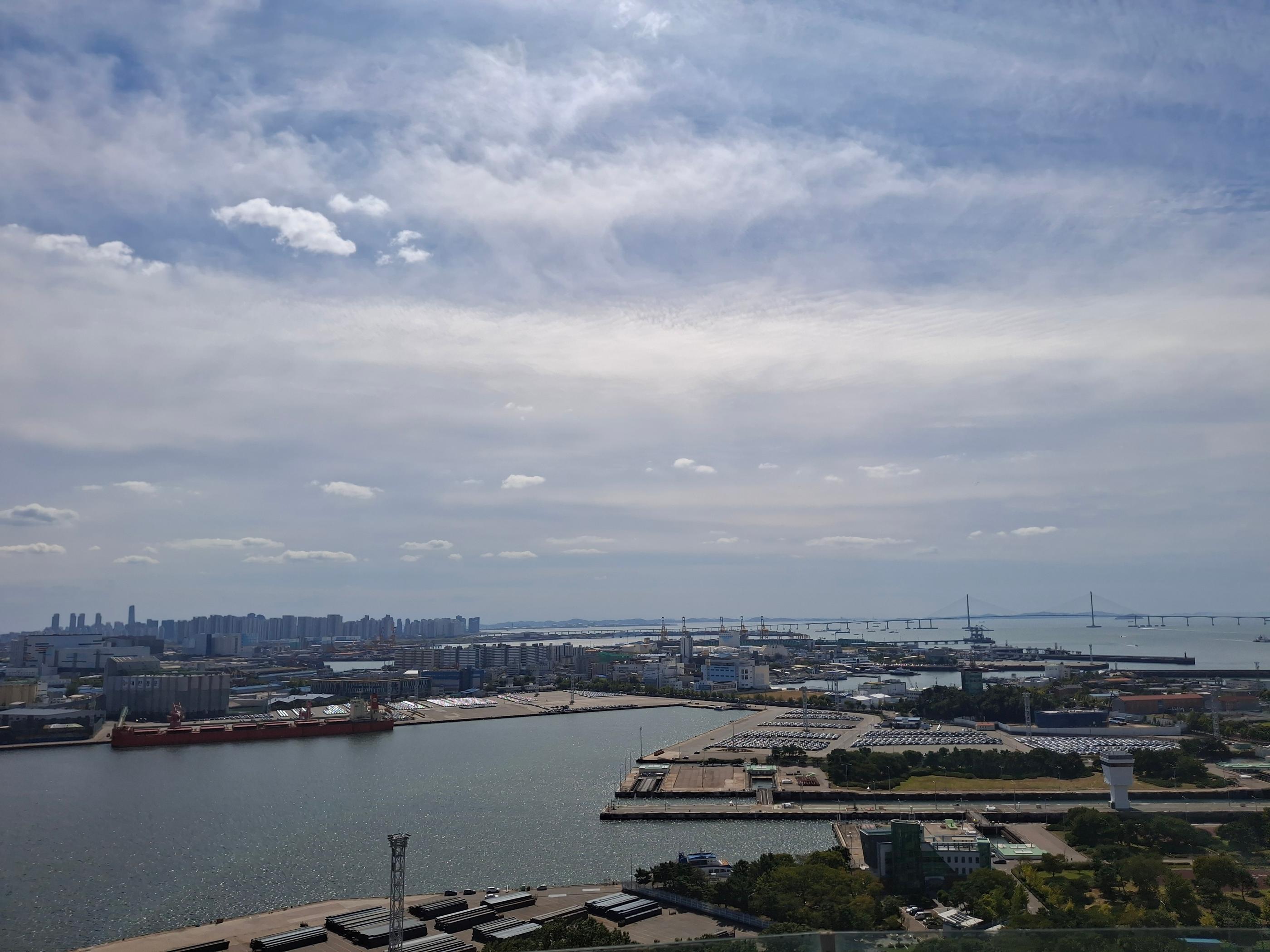
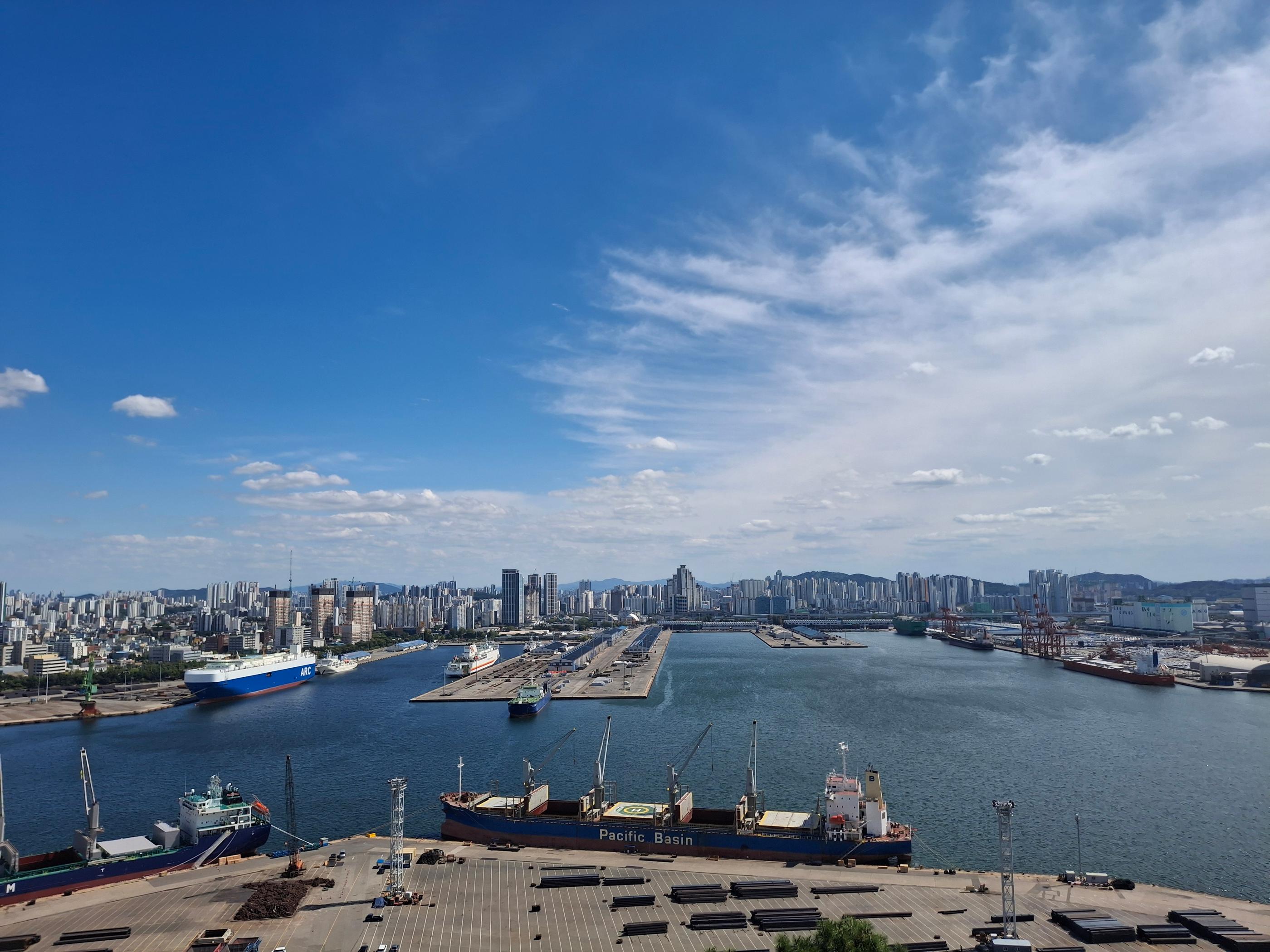
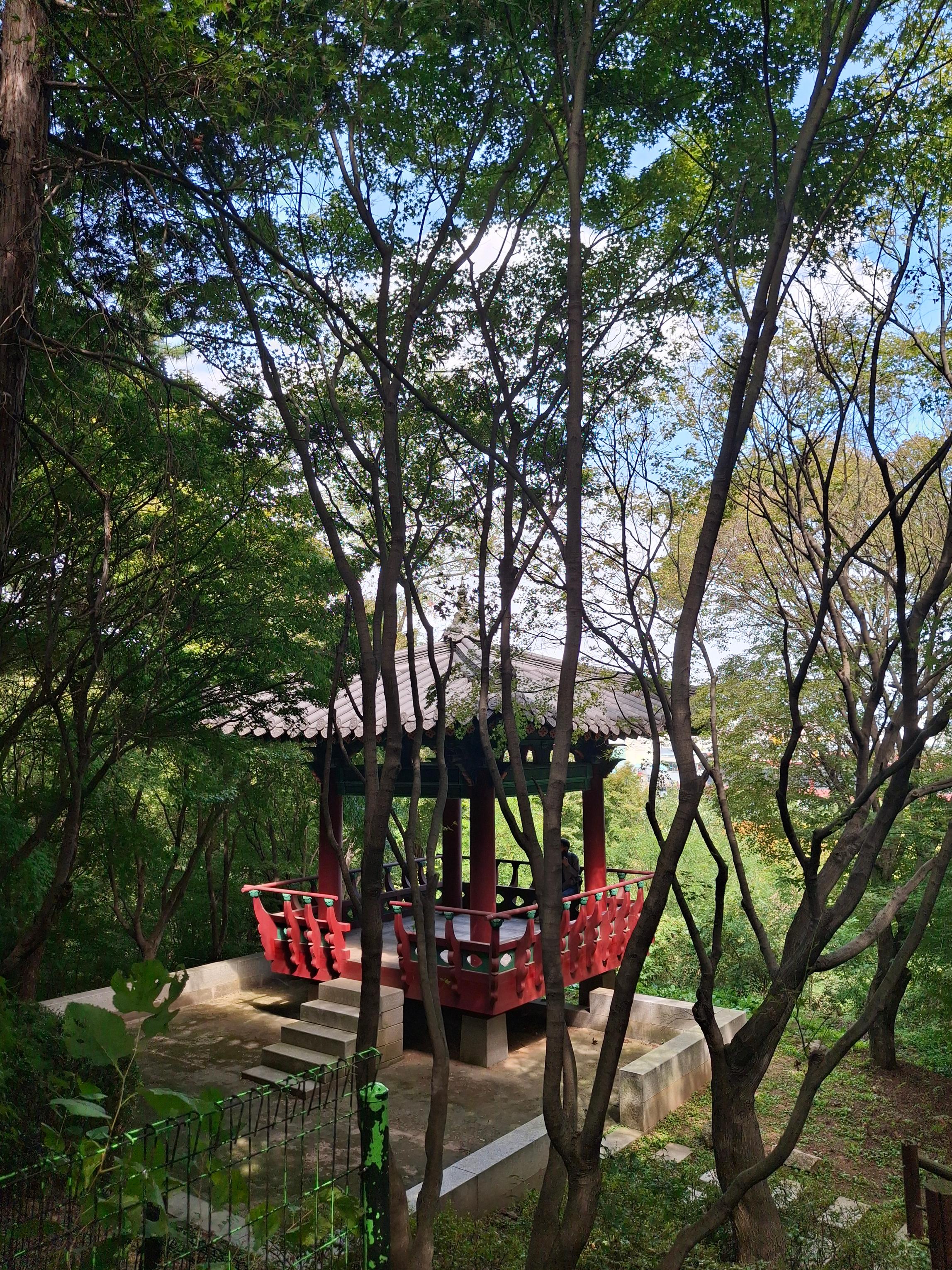
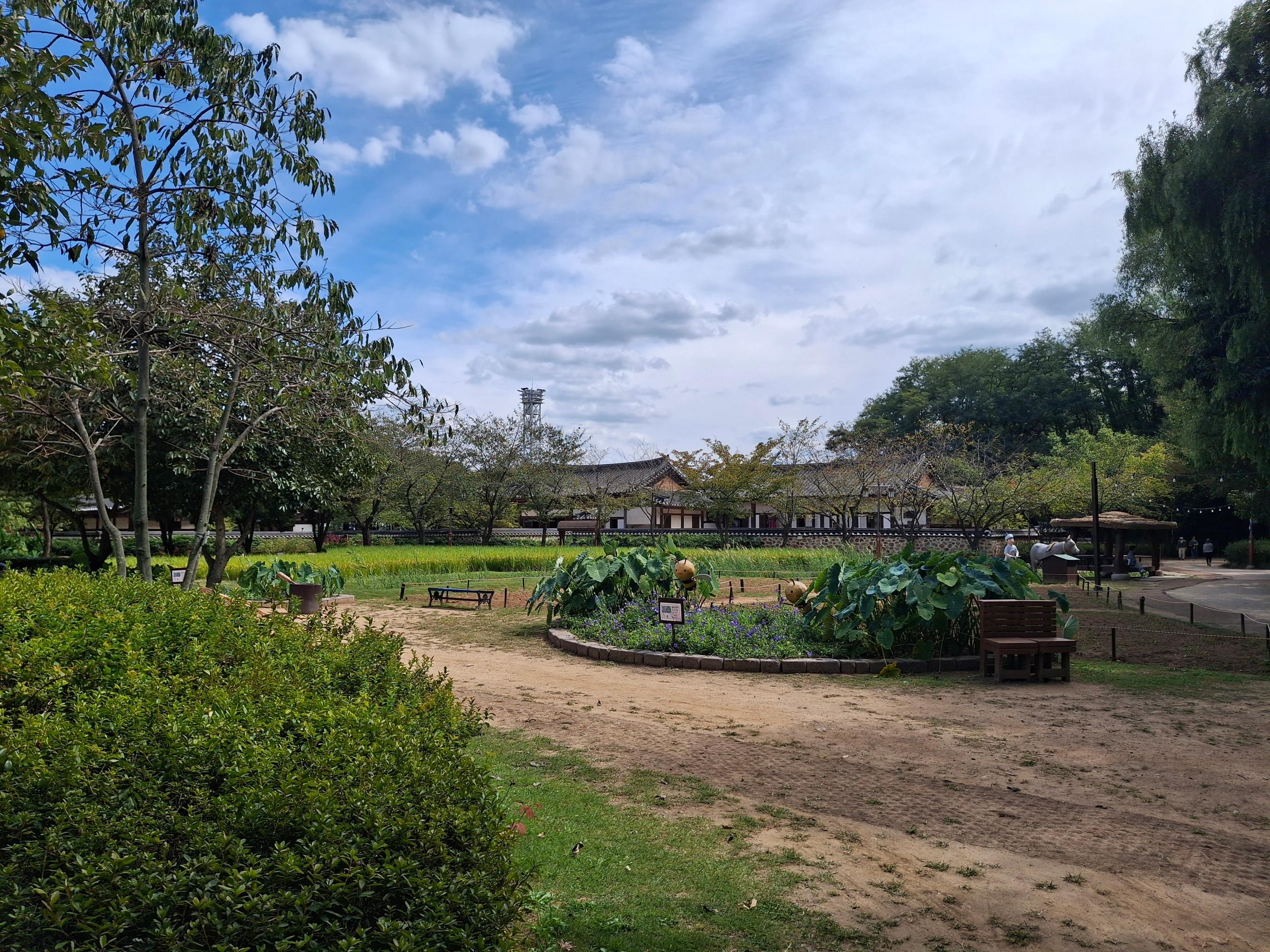
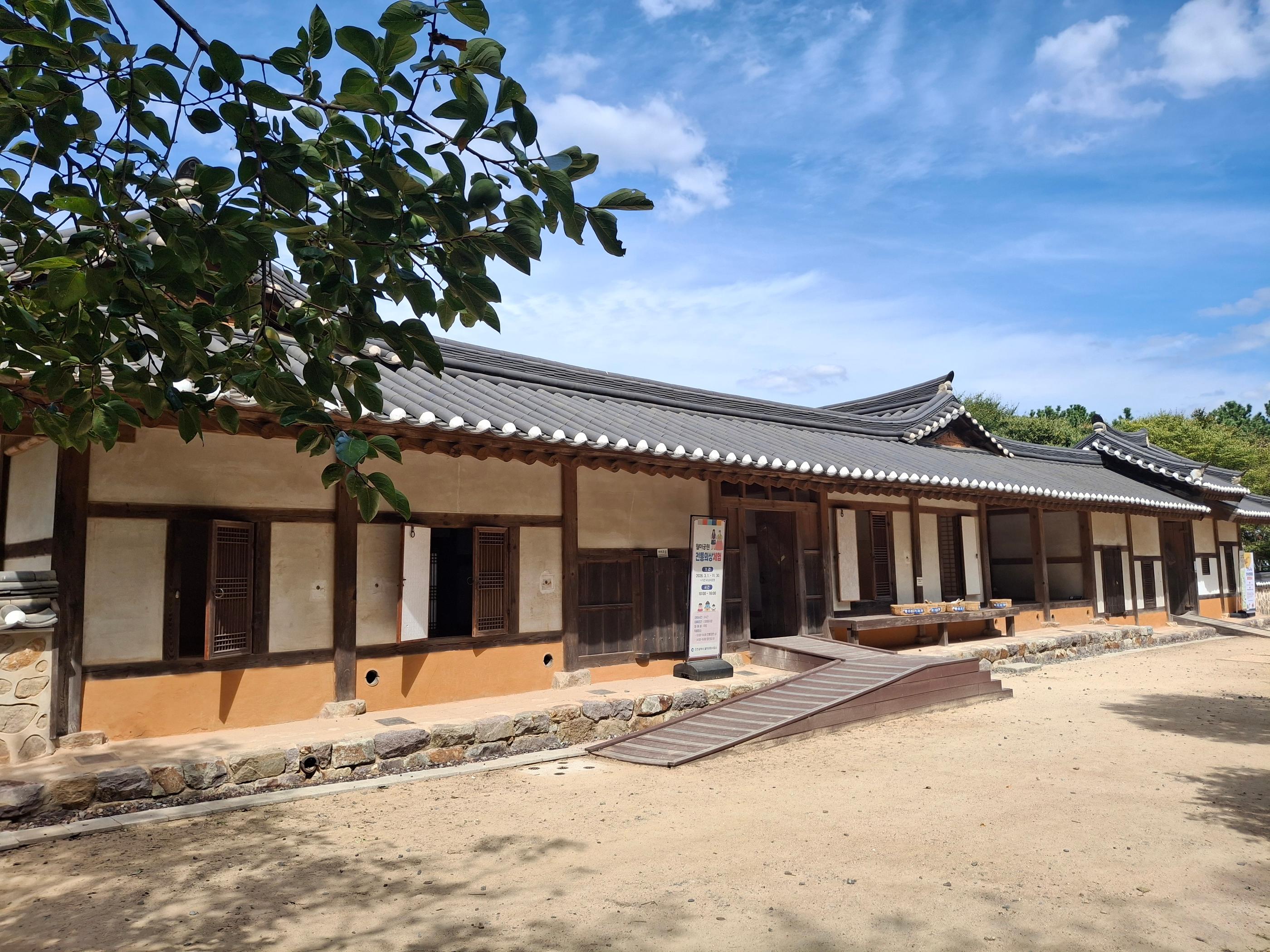
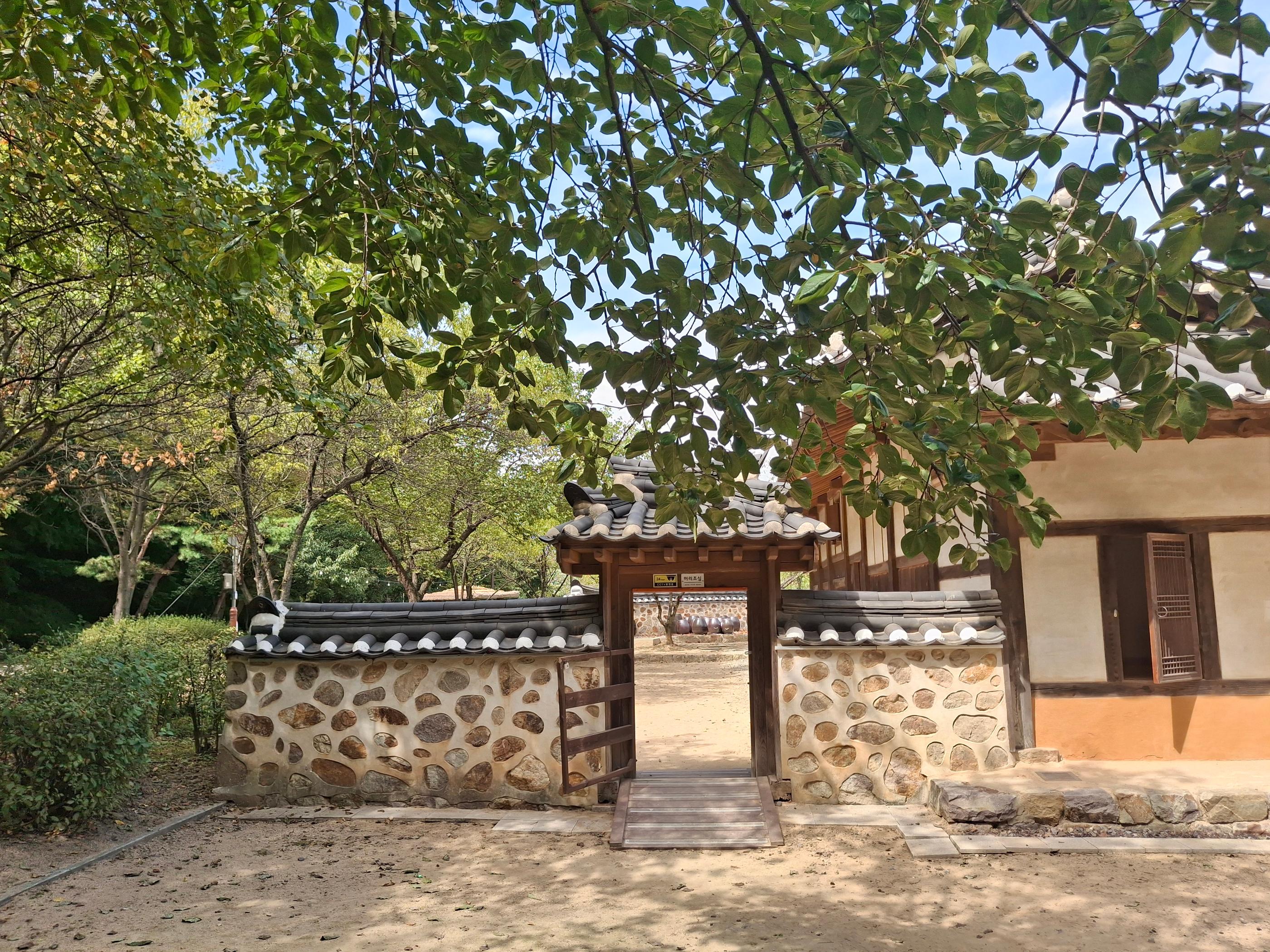
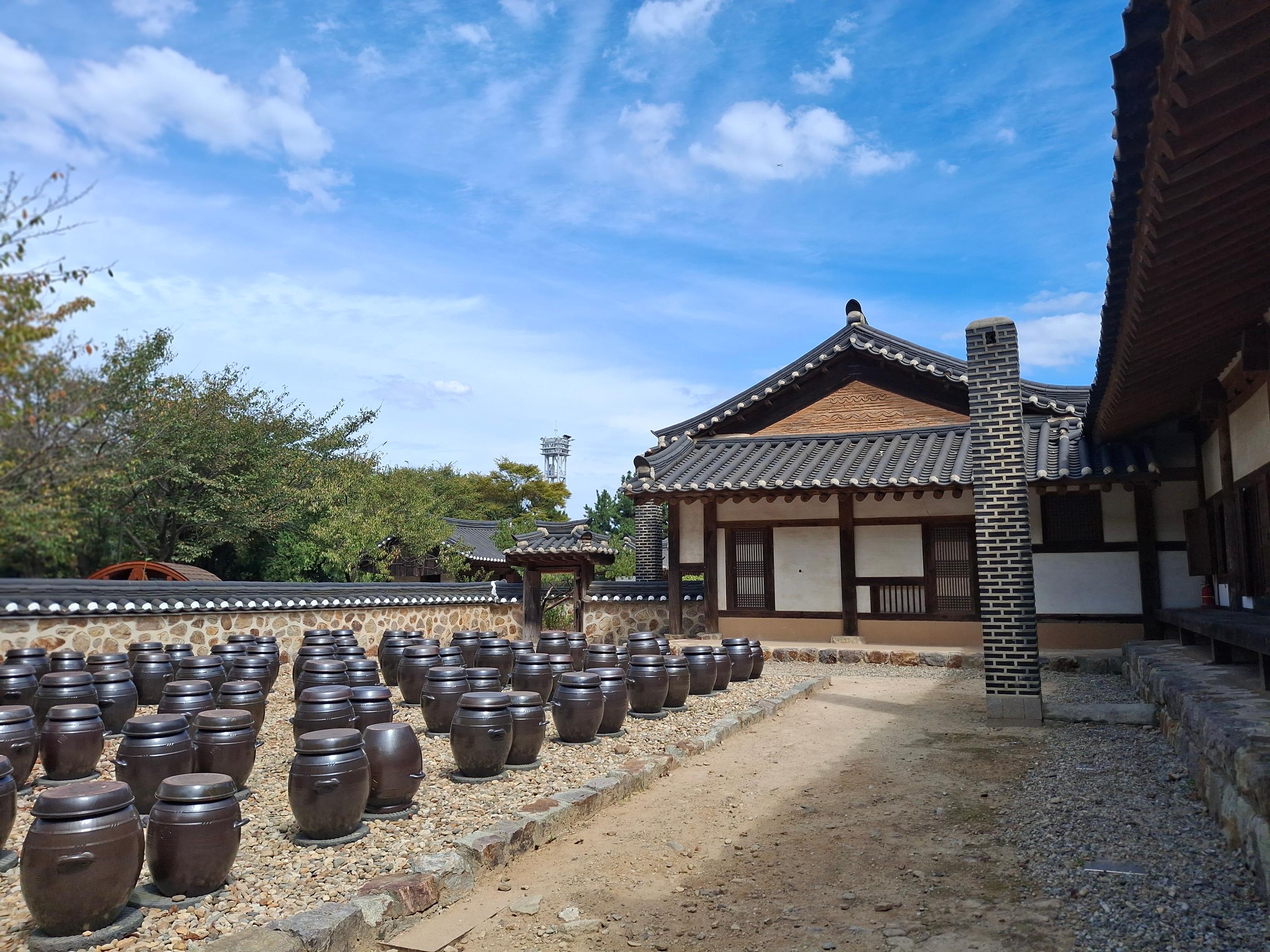
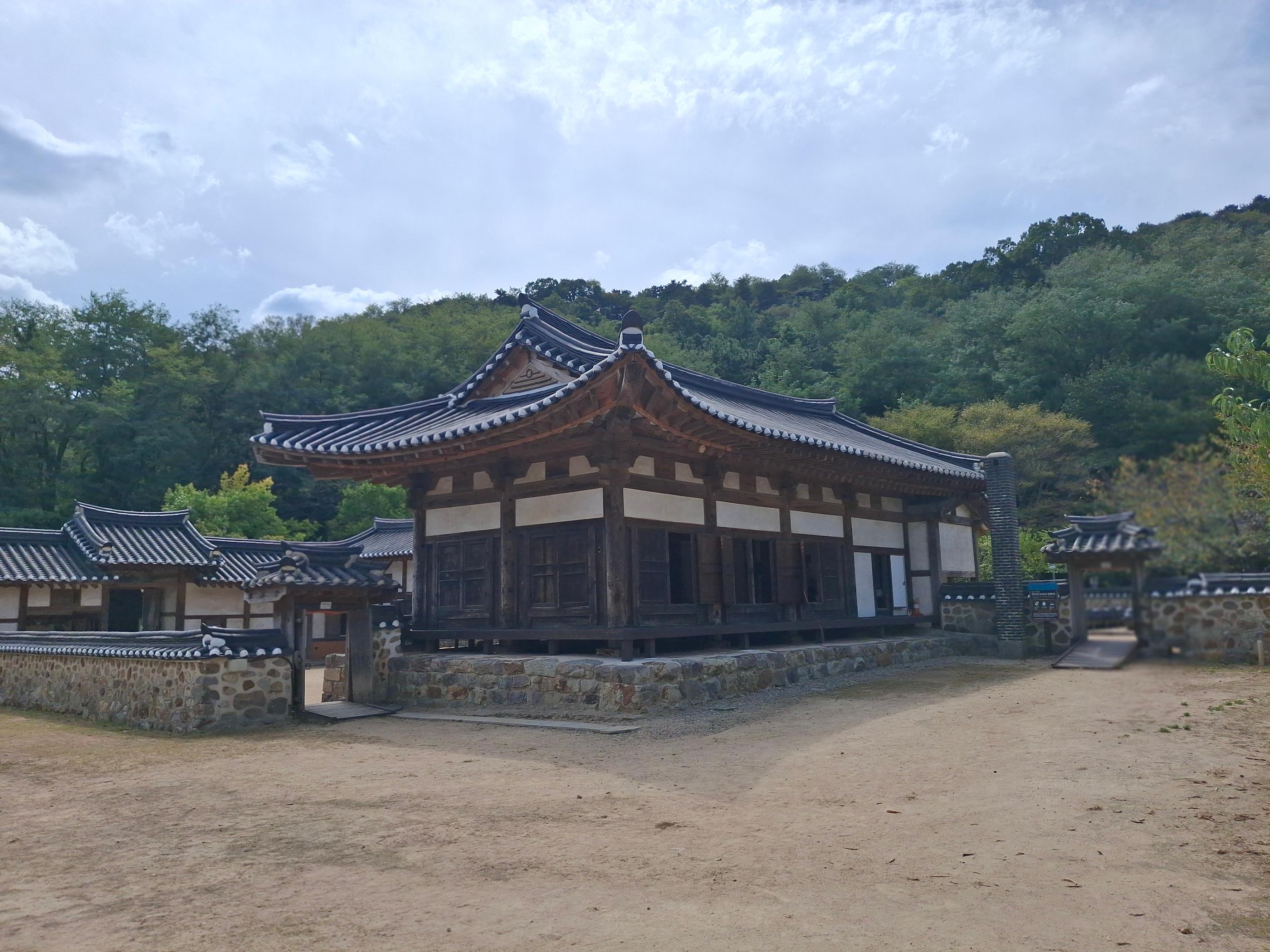
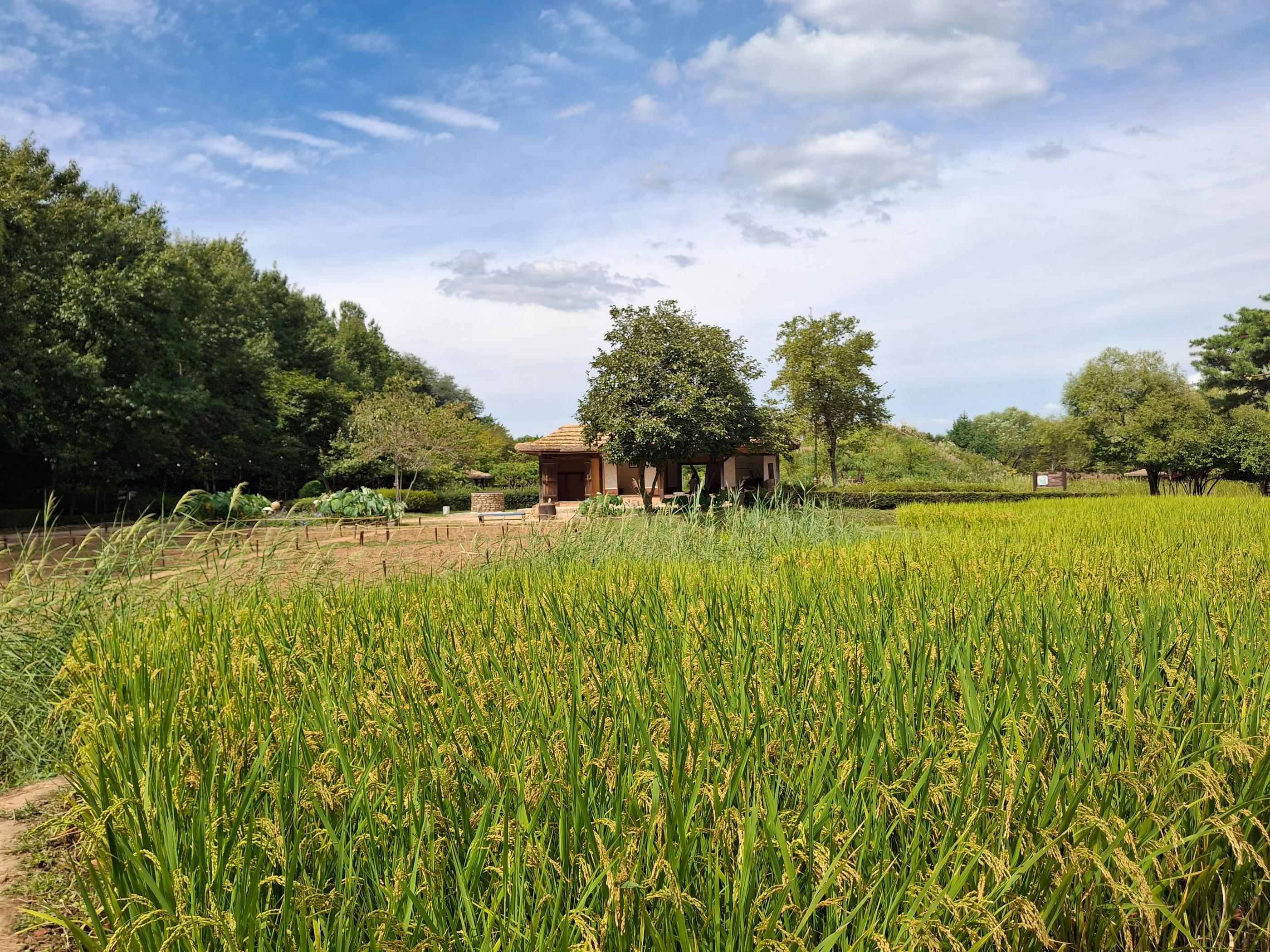
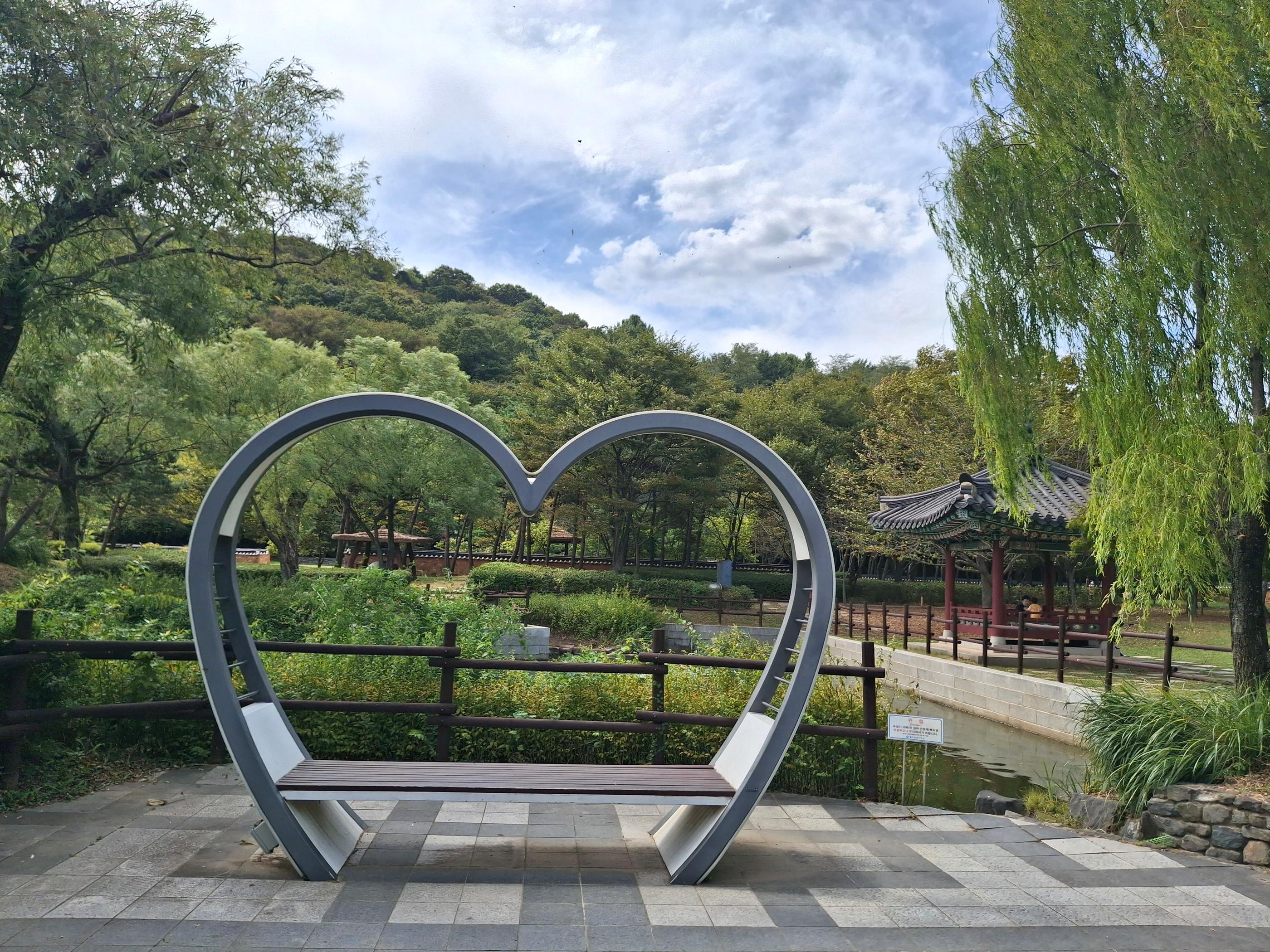
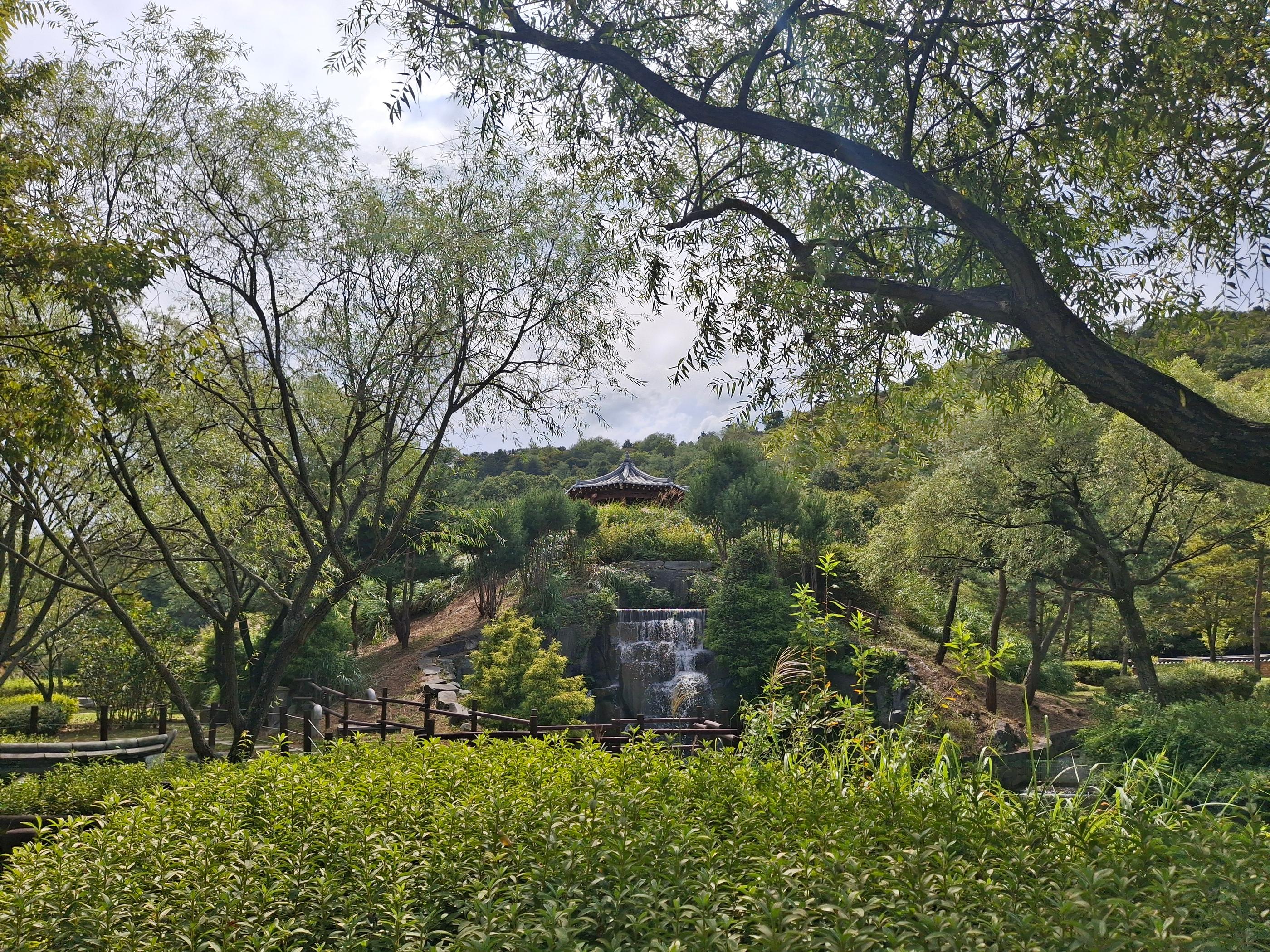
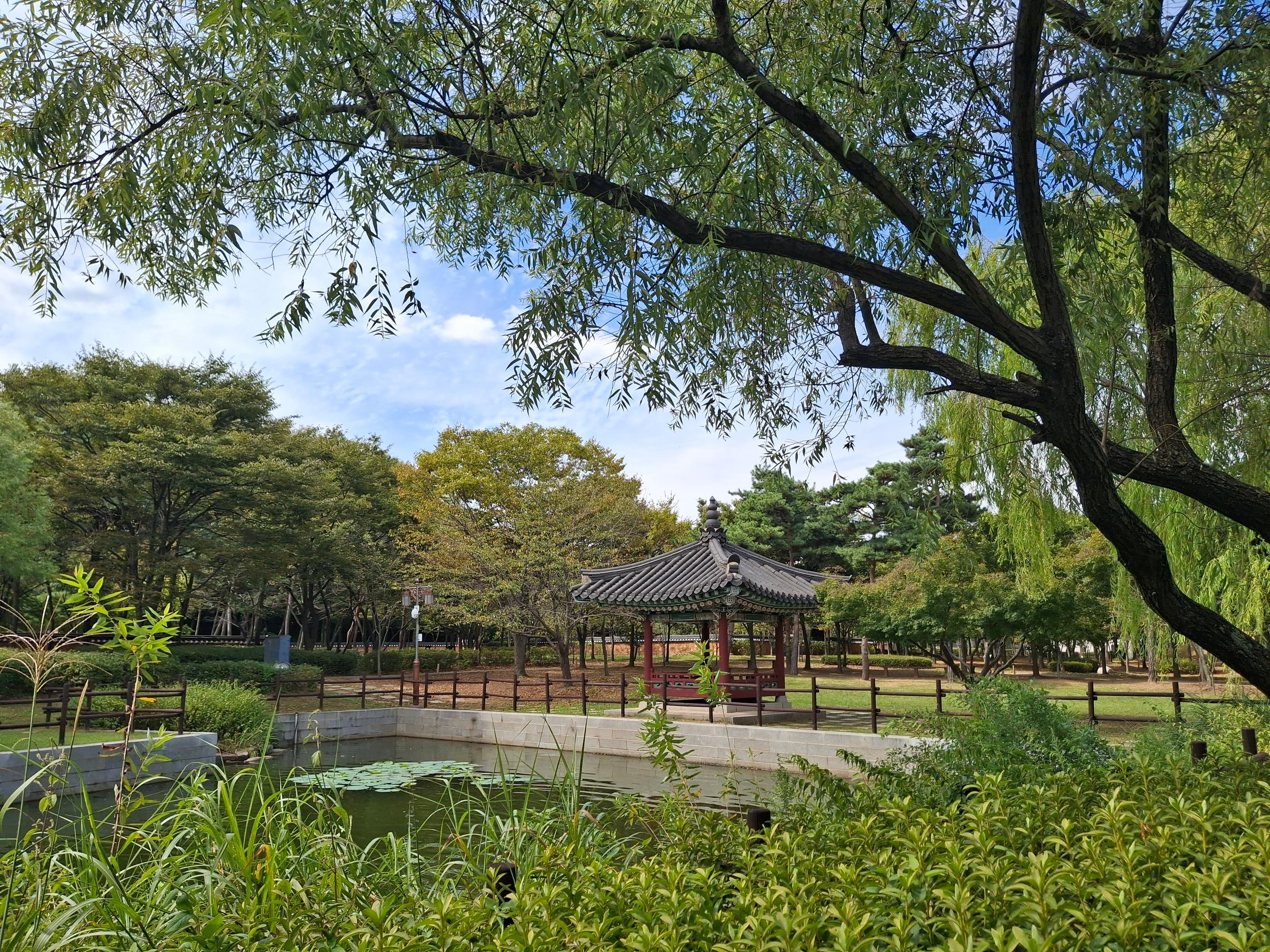
Another attraction is the traditional Korean garden, where landscaped grounds, ponds, and Korean-style pavilions introduce visitors to traditional garden design. Together, the garden, forest trails, and historical features make Wolmi Park a destination in its own right rather than simply a green space near the sea.
Planning Your Visit
If you plan to follow this route, check the Wolmi Sea Train’s operating schedule in advance and allow extra time for stops along the way. Wear comfortable walking shoes, especially if you intend to explore Wolmi Park and visit its observatory.
I highly recommend this itinerary to anyone who wants to discover a different side of Incheon. It combines urban history, maritime heritage, public art, and nature in a single trip, offering a much broader experience than simply visiting the city’s most familiar tourist spots.