

🇰🇷 Fifth time in Korea! 6 nights, 7 days trip from Busan to Seoul by KTX 🚄

JUMPOI
2 days ago
This is my 5th trip to Korea 🇰🇷
Up until now, I’ve usually traveled mainly around Seoul, but this time I flew into Busan from Kansai International Airport, stayed for two nights, then took the KTX to Seoul. In Seoul I’m staying for four nights, and on the last day I’ll head back to Kansai International Airport from Incheon International Airport, making it a total of 6 nights and 7 days ✈️
Even within Korea, the port city of Busan and the big metropolis of Seoul feel completely different in terms of atmosphere and food culture. Instead of simply flying in and out of one city, one of the highlights of this trip was being able to ride Korea’s high-speed rail, the KTX, from Busan to Seoul.
✈️ From Kansai International Airport to Busan
For the outbound flight, I used Jeju Air and departed Kansai International Airport at 10:35. I arrived at Gimhae International Airport at 12:10.
Since the flight time is relatively short, it’s convenient that even if you leave Japan in the morning, you can still start exploring Busan in the afternoon. It really made me realize again how close Busan is as an overseas city you can visit casually from Japan.
In Busan, I stayed at Raviens The Bayment Nampo Hotel in the Nampodong, Jagalchi area 🏨
It was close to Jagalchi Station on Subway Line 1, and in a great location for walking to Jagalchi Market, BIFF Square, and the Nampodong shopping and entertainment district. There were also lots of restaurants and convenience stores nearby, making it an easy base for sightseeing in Busan.
The room I stayed in had an LG TROMM front-loading washer installed 🧺
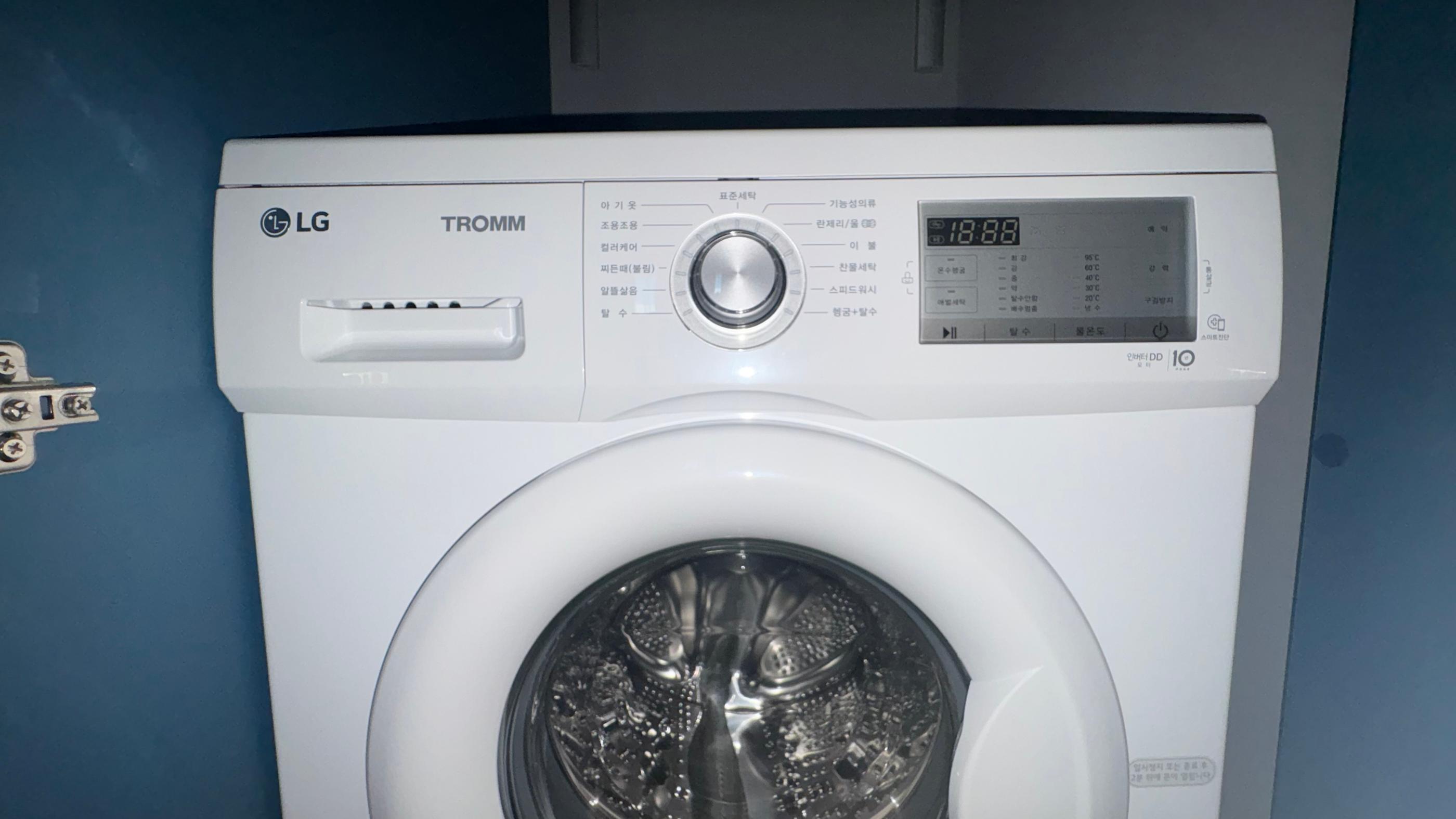
On a 6-night, 7-day trip, it’s easy for your clothes to pile up, so being able to do laundry in the room was even more convenient than I expected. If you do one load in Busan, it also makes it easier to organize what you’ll carry with you to Seoul.
Rather than a luxurious resort hotel, it was a highly practical hotel well-suited for city strolling and longer stays.
🐟 Choosing seafood at Jagalchi Market
What left the biggest impression on me in Busan was the seafood at Jagalchi Market.
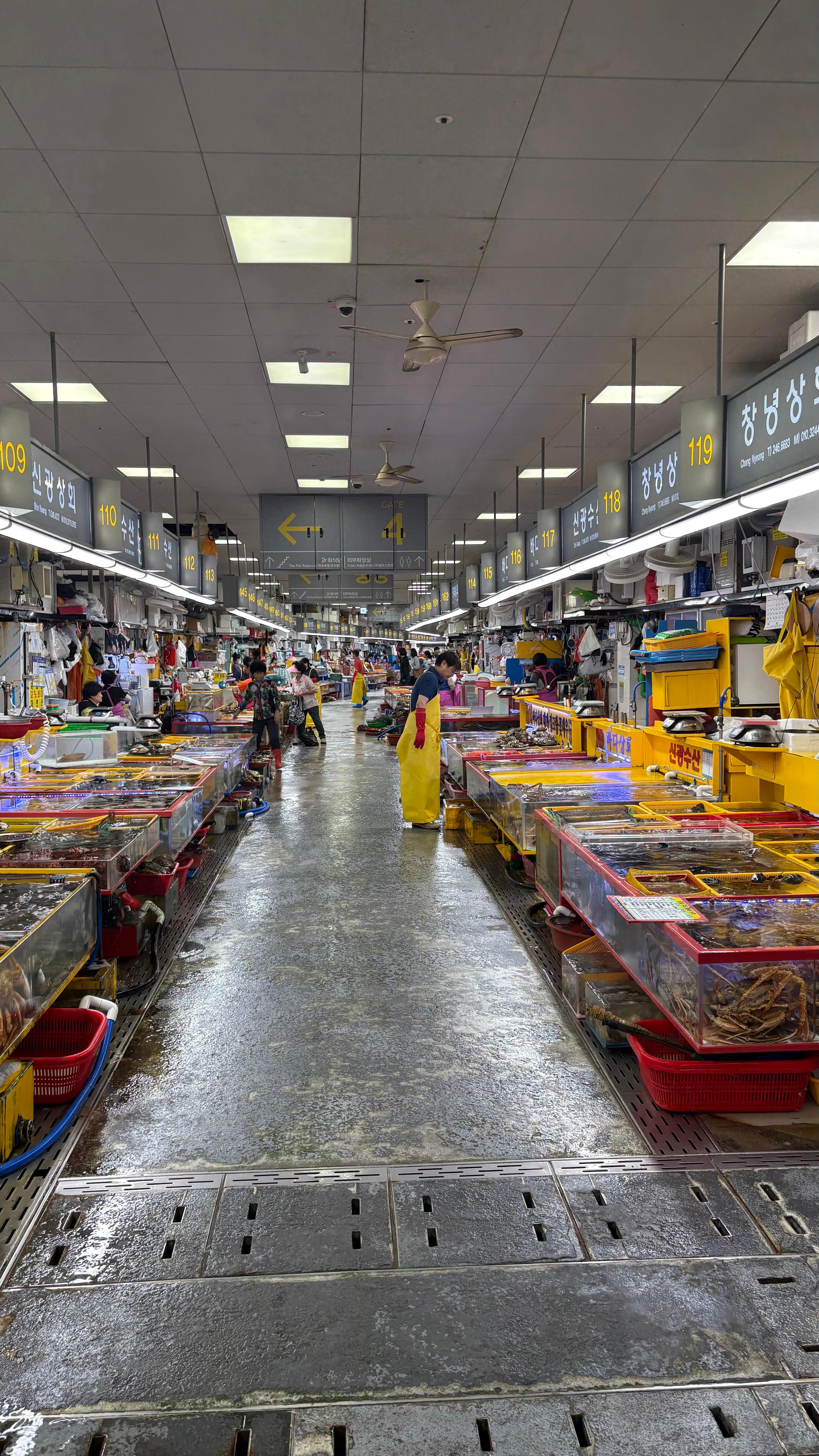
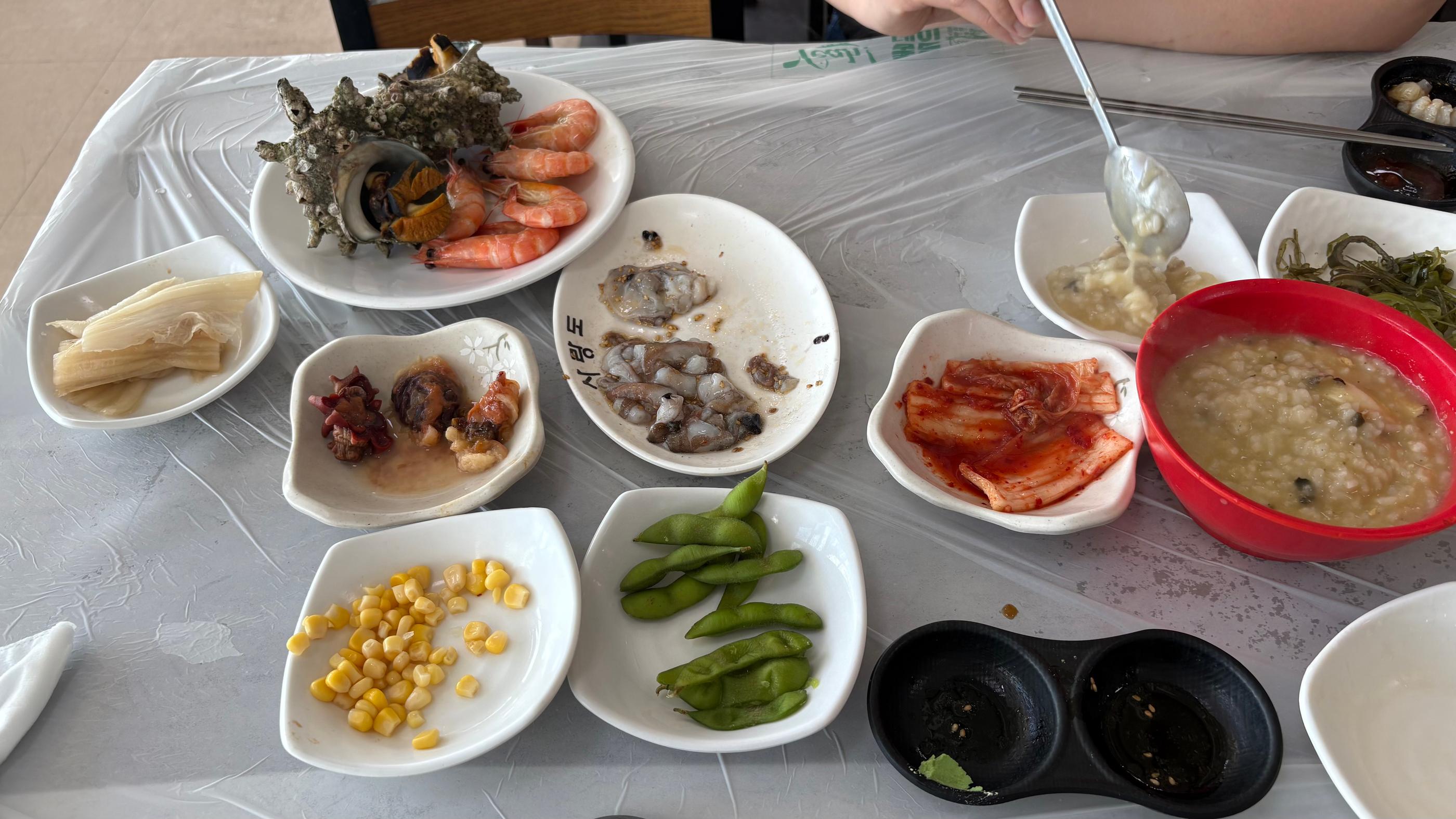
We picked out seafood on the first floor of the market, then had it cooked at a restaurant on the second floor. Unlike a typical restaurant, you can choose what you want to eat while looking at the seafood on display, it really felt like a quintessential Busan experience.
Here’s what we chose this time:
* 1 abalone
* 2 turban shells
* 1 small octopus
* 1 sea squirt
* 5 shrimp
The seafood itself came to 53,000 won total. On the second floor, we paid 30,000 won for the seating and cooking fees, and had two servings of abalone porridge, boiled turban shell and shrimp, and sashimi-style small octopus and sea squirt 🦐🐙
Altogether it came to 83,000 won, so it’s not extremely cheap for a meal in Korea. Still, considering the whole experience of choosing fresh seafood ourselves at the market and having it turned into multiple dishes on the spot, it was very satisfying.
At Jagalchi Market, you pay separately for ingredients on the first floor and for seating and cooking on the second floor. It helps to confirm each price up front so the final bill is easier to understand.
Not just the food itself, but the entire flow, choosing seafood, discussing how to cook it, and eating upstairs, became a great travel memory ✨
🐷 Busan’s famous Dwaeji Gukbap
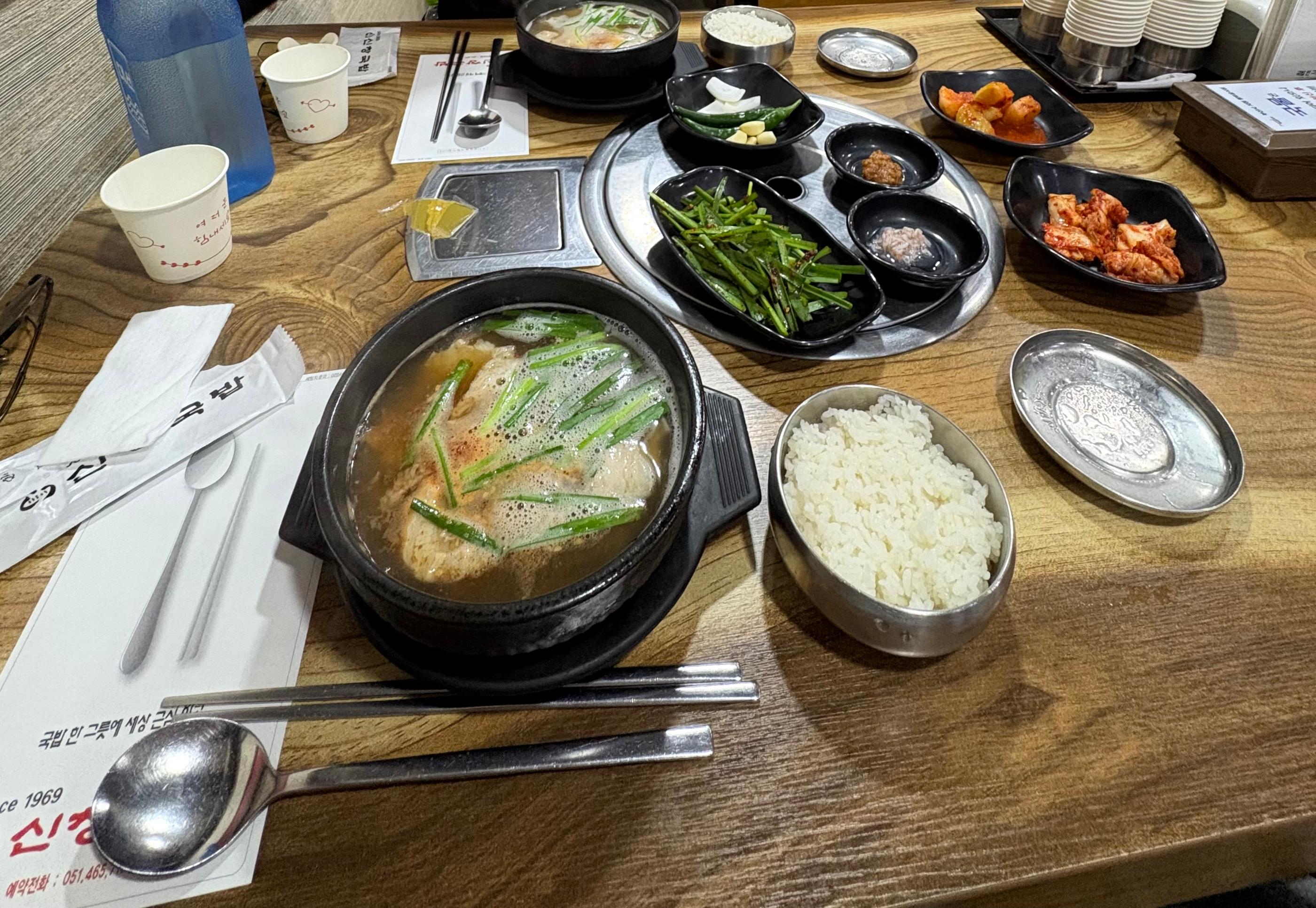
In Busan, I also tried the local specialty, dwaeji gukbap. The place we visited was “Sinchang Dwaeji Gukbap,” right in front of Busan Station.
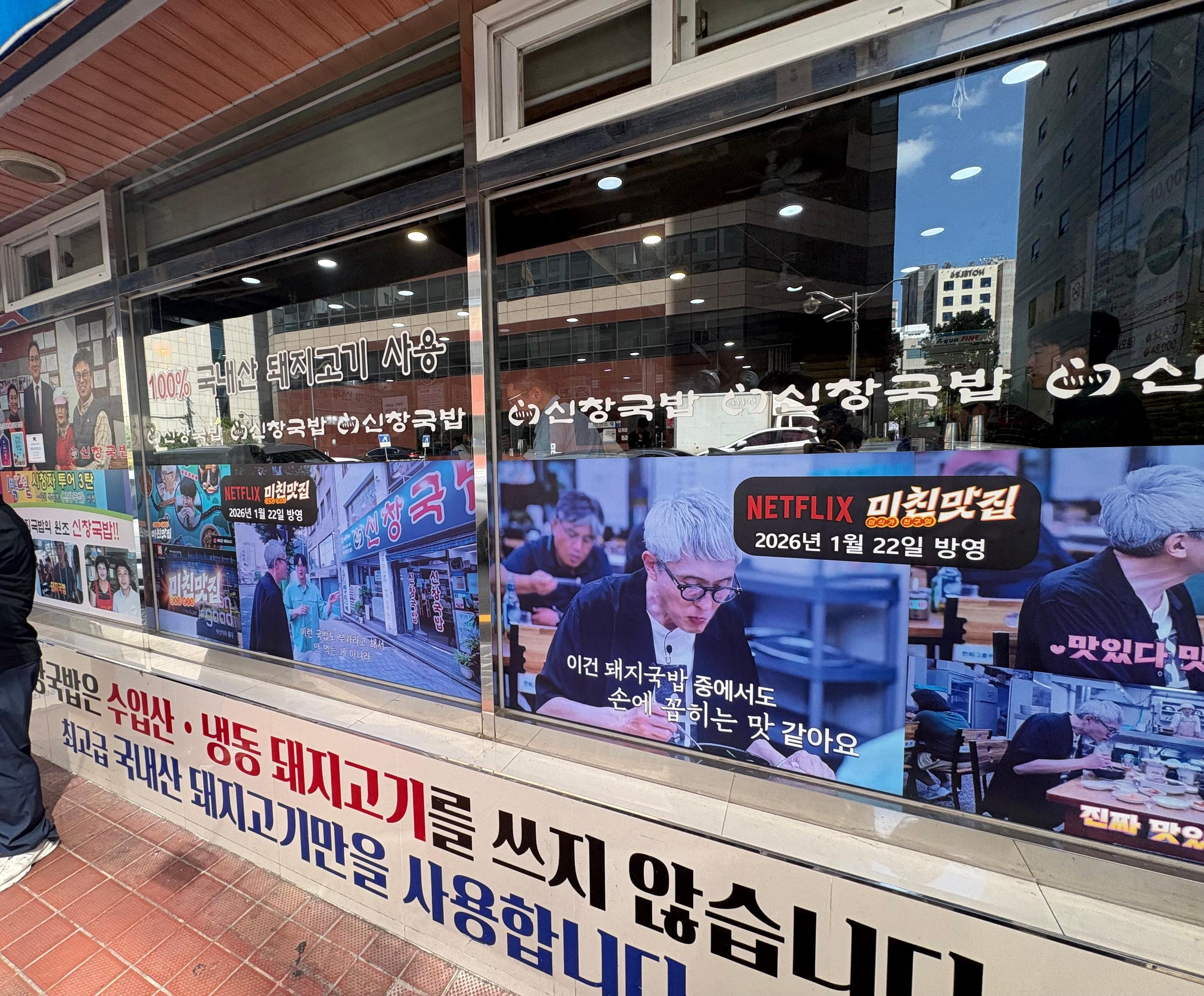
Dwaeji gukbap is a Busan comfort food where you eat pork and a pork-bone style broth together with rice. It looks fairly simple, but the soup has a rich pork flavor.
Another feature is that you can adjust the taste to your liking by adding chives, seasonings, and salted shrimp.
While traveling, it’s easy to end up eating a lot of seafood and Korean BBQ, but dwaeji gukbap, with its warm soup and rice you can eat at your own pace, also worked well for breakfast or a meal before heading out.
It wasn’t a flashy “tourist food,” it felt great to eat something that’s part of everyday life in Busan 😊
Busan is famous for seafood, but once you actually stay there, pork dishes like dwaeji gukbap are just as essential. Being able to enjoy both seafood and pork meant that even with a short two-night stay, I got a broad taste of Busan’s food culture.
🚄 From Busan to Seoul by KTX
On day three, I took the KTX from Busan Station to Seoul.
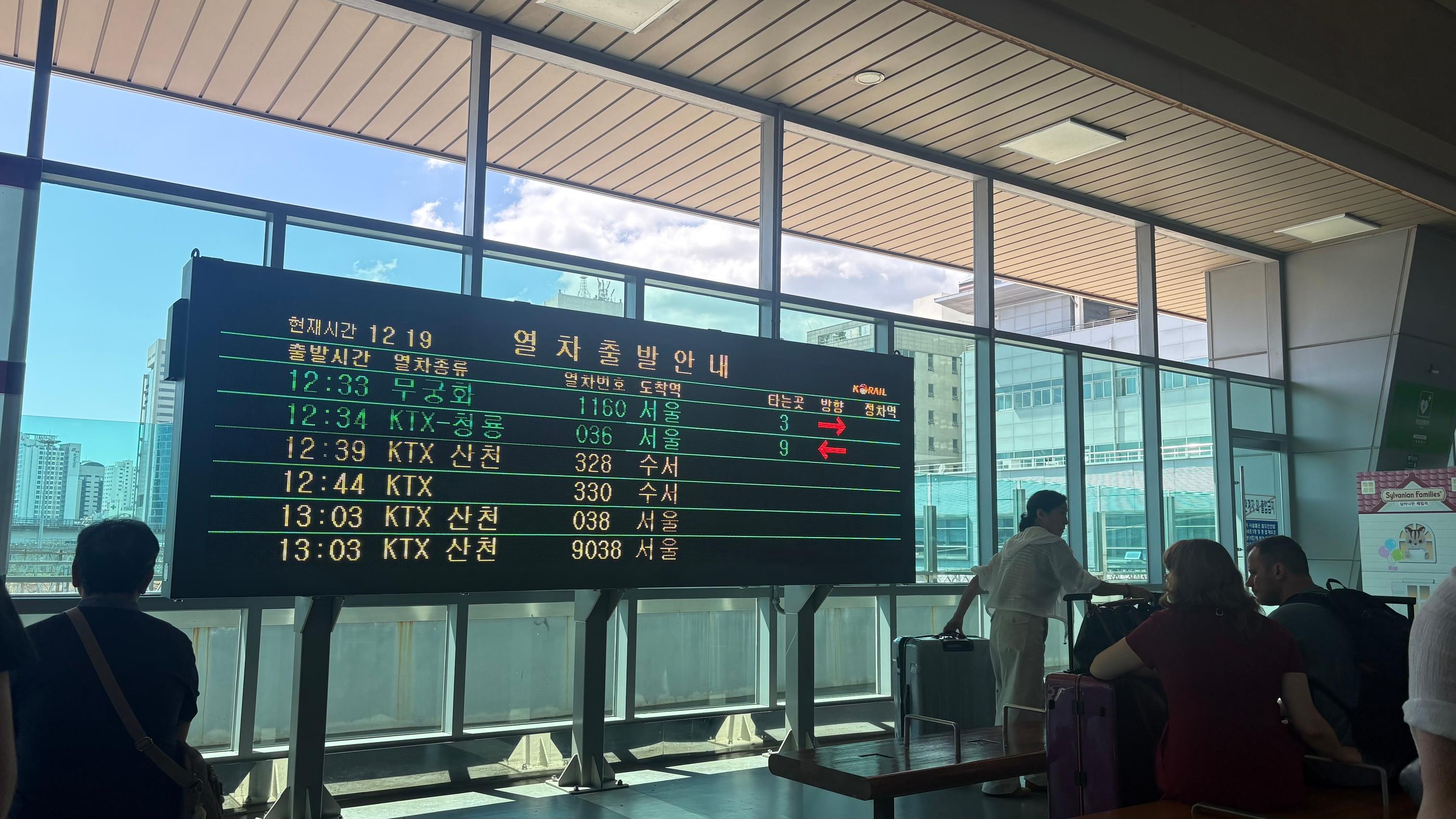
I used the 12:34 KTX departing Busan, KTX Cheongryong No. 036, which arrives at Seoul Station around 15:00.
I booked my KTX ticket online in advance. At Korean train stations, there aren’t ticket gates like on Japan’s Shinkansen where you pass your ticket through.
You check the train number and platform on the electronic board, then head straight to the platform. Get on your reserved car, sit in your seat, and you’re all set.
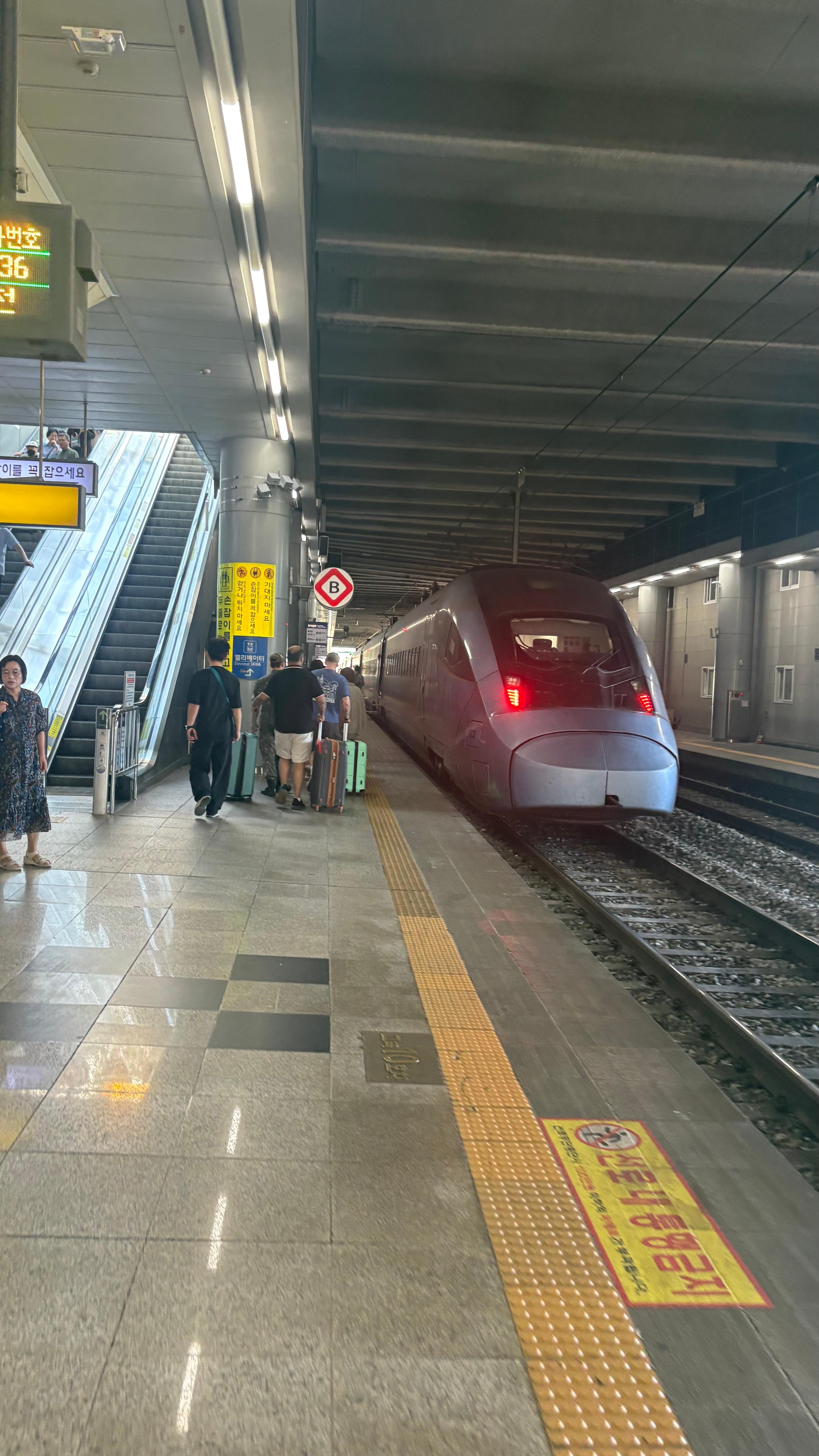
From Busan to Seoul takes about 2.5 hours. A major advantage of the KTX is that you don’t need airport-style security checks or early check-in, and you can travel directly from the city center to the city center.
Even with a suitcase, the overall flow felt easier to understand than transferring to domestic flights 🧳
Looking out the window at Korea’s cities and countryside, you also get a real sense of the distance and geography between Busan and Seoul. For a trip that covers both cities like this, the KTX wasn’t just transportation, it was something you can enjoy as part of the journey itself.
🏨 In Seoul, I stayed at Sejong Hotel in Myeongdong
For my stay in Seoul, I chose Sejong Hotel, located right near Myeongdong Station.
It’s convenient for using Subway Line 4, and you can also walk to the Myeongdong shopping district. It was a great location for getting around for shopping, meals, and visits to beauty clinics.
This time I booked a Deluxe Twin on the Namsan side.
In Busan, I based myself around Jagalchi and enjoyed the markets and port-city vibe, while in Seoul, I based myself in Myeongdong and moved around to different areas by subway, bus, and taxi, the style of stay differed by city.
Myeongdong has lots of tourists and feels very different from a quiet residential area, but it’s packed with Japanese-friendly shops and restaurants, currency exchange counters, convenience stores, and cosmetics shops 🛍️
It stayed busy even at night, and it felt reassuring to be in an area where it’s easy to find anything you might need during a trip.
🏯 Sightseeing in Suwon and Wang Galbi
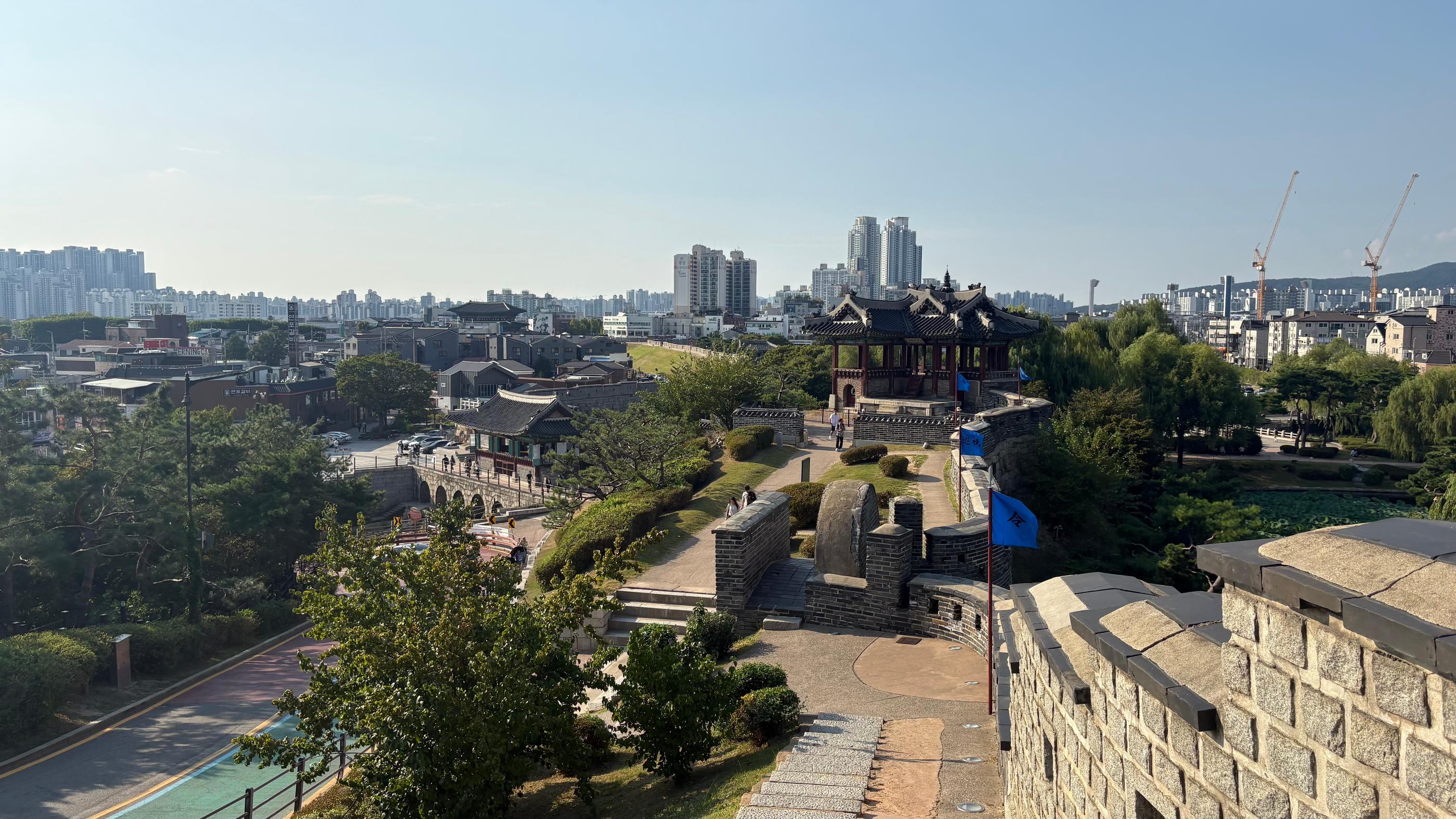
During my time in Seoul, I took a day trip out to Suwon. The goal was sightseeing around Suwon Hwaseong Fortress, plus Suwon’s famous wang galbi.
The place I went to for wang galbi was Kabojung 🥩
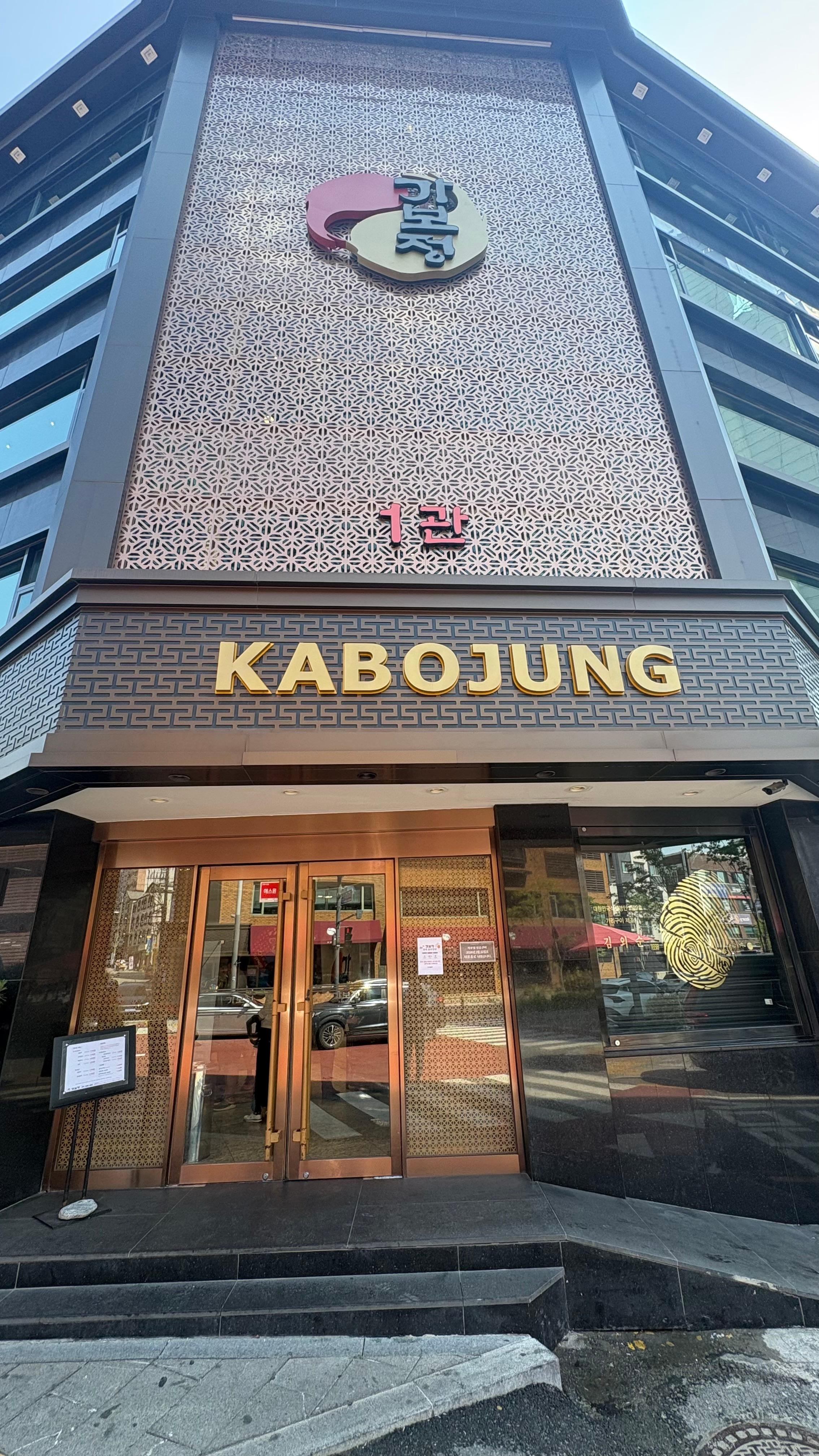
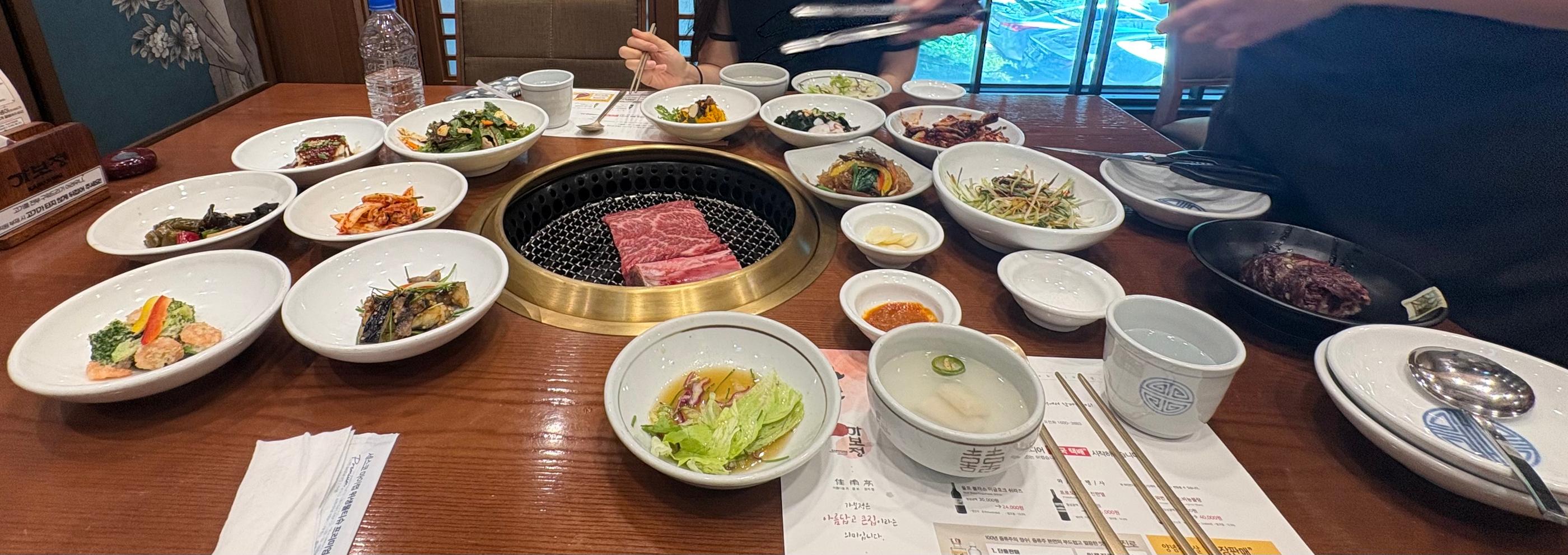
There are plenty of Korean BBQ places in Seoul too, but the huge cut of galbi you come all the way to Suwon to eat was one of the dishes I was most looking forward to this trip.
The restaurant is large, and beyond just the food, the experience itself of “eating wang galbi in Suwon” felt special.
Suwon is close enough for a day trip from Seoul, but when you factor in trains or subway rides and getting around locally, you still need a decent amount of time. So it was the right call to build Kabojung into the day’s plan from the start.
Since you can enjoy both the historical Suwon Hwaseong Fortress and the region’s signature wang galbi on the same day, I think it’s a great day-trip destination for anyone who wants to see a side of Korea that feels different from central Seoul.
💉 Experiencing Korean aesthetic treatments in Myeongdong
On this trip, in addition to sightseeing and food, I also tried aesthetic treatments at UPIC in Myeongdong.
Korea has so many beauty clinics, and the types of treatments and pricing are quite different from Japan. Since I was visiting Korea anyway, I wanted to consult locally at least once, so I mainly got Botox and pico toning.
At the clinic, I first talked through the areas I was concerned about and the treatments I wanted to try. I had a rough idea of what I wanted, but after they checked my condition in person, the plan ended up a little different from what I originally expected.
It made me feel that with aesthetic treatments, it’s important not to decide solely based on what you researched beforehand, but to choose after having your current condition evaluated.
While I ended up skipping a treatment I was interested in, they also explained areas I personally didn’t think were top priority, and in the end I was able to choose a plan I felt satisfied with.
In the treatment room, a Japanese interpreter stayed with me and relayed the doctor’s explanations and check-ins throughout the procedure. 😌
The doctor proceeded while checking on pain levels and how I was feeling.
🍲 Gamjatang in Myeongdong
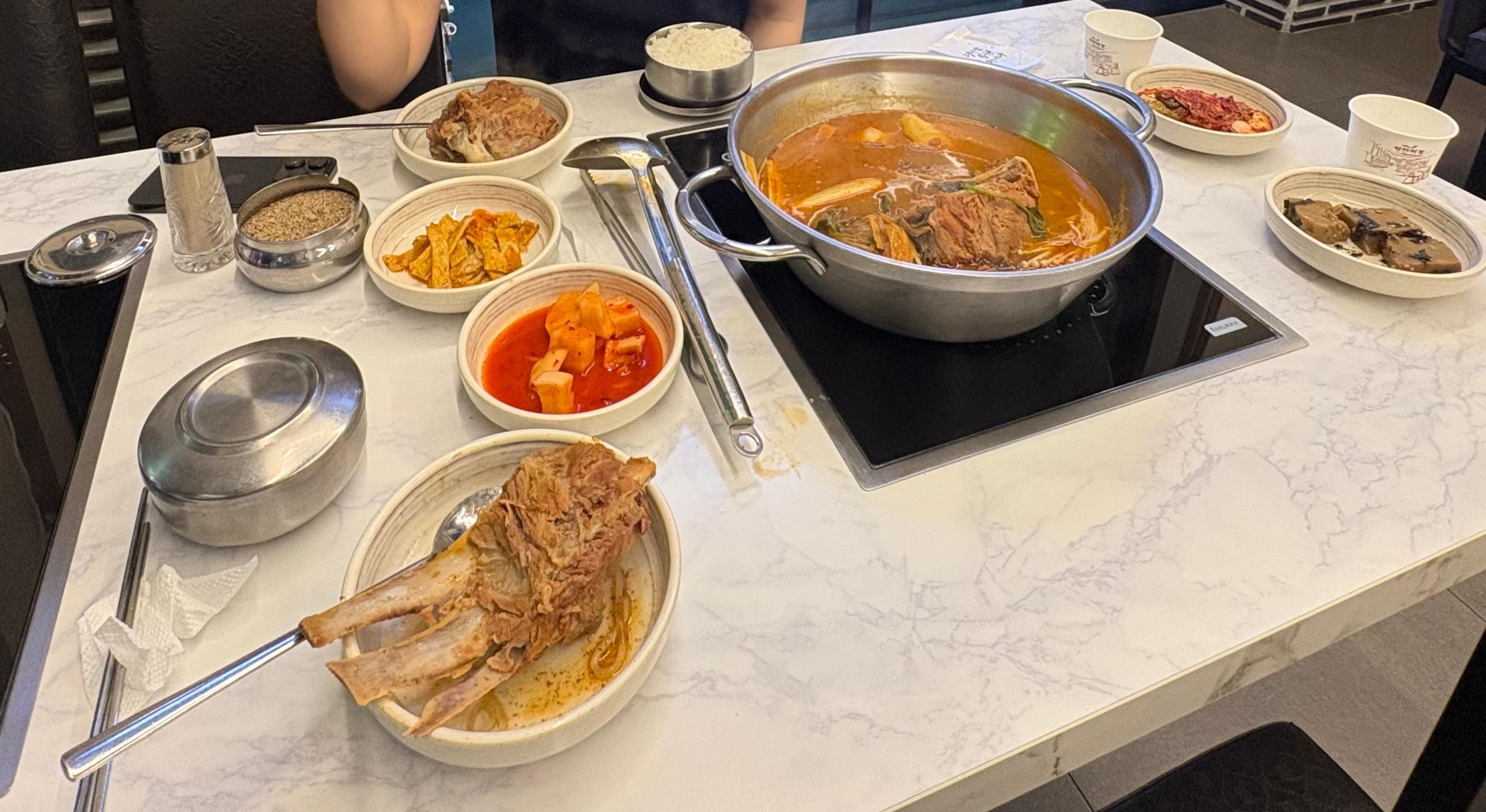
In Myeongdong, I also ate Gamjatang at Wondang Gamjatang.
Gamjatang is a hot pot dish made by simmering pork spine meat, potatoes, and vegetables. The soup is red, but it’s not just about heat, you can also taste the savory pork flavor and the aroma of perilla seeds.
You eat it by pulling the meat off the bones with your chopsticks, so it takes a bit of work, but that also makes it feel extra satisfying as a hearty pork dish.
It also comes with lots of vegetables, and the potatoes soaked in the soup are a Gamjatang-specific kind of deliciousness 🥔
On trips to Korea, it’s common to choose Korean BBQ, but Gamjatang, which you can share around a pot as a pair, also made a great dinner. You get to enjoy meat along with a warm soup, so it was a satisfying meal after a day of walking around.
🚕 k.ride and Google Maps, both very helpful for getting around
On this trip, I used k.ride whenever I needed to call a taxi.
You set your current location and destination in the app, and a taxi often arrives quickly, so there was no need to hunt for a cab on the street.
What was especially convenient was that it shows an estimated fare before you get in 💰
I didn’t have to explain my destination verbally as much or worry about the amount at payment time, and it felt easy to use even without speaking much Korean.
Fares were also relatively affordable, so I used it many times when I had luggage or when there was some distance from the station to a tourist spot or restaurant. It was extremely user-friendly and one of the apps I relied on most during this trip.
For bus and subway routes, I used Google Maps 🗺️
I assumed I’d need a different map app in Korea, but within the areas I visited this time, Google Maps showed bus and subway transfers, stops, and travel times normally.
Since I could ride the bus or subway while checking the displayed route, I didn’t have any major issues using just Google Maps, which I’m already used to.
It was helpful to use k.ride for longer distances or when I had luggage, and Google Maps for places that were easy to reach by subway or bus.
🇰🇷 Korea, with lots of new discoveries even on my 5th visit
This was my 5th time in Korea, but entering through Busan and then moving to Seoul by KTX felt quite different from a trip where you stay only in Seoul.
In Busan, I could feel the market energy, enjoy seafood, and try dwaeji gukbap, experiencing the food and everyday life of a port city up close.
Meanwhile, in Seoul, with Myeongdong as my base, I could spend time in a way that’s unique to a big city full of options, a day trip to Suwon, aesthetic treatments, shopping, and more.
For transportation, I switched between walking, buses, the subway, taxis called via k.ride, and the KTX.
Even without speaking much Korean, by combining Google Maps, ride-hailing apps, and Japanese interpretation, we were able to build our trip while moving around on our own.
As I’m writing this, I’m still partway through my stay in Seoul. I’ll continue using Myeongdong as my base for the remaining days, and on the last day I’m planning to return to Kansai International Airport from Incheon International Airport ✈️
Busan and Seoul are both part of a Korea trip, but the atmosphere and food culture are quite different, too different to lump together as “the same Korea.”
With 6 nights and 7 days, it wasn’t too tight to spend two nights in Busan enjoying the city and the food, then move to Seoul by KTX afterward.
For first-time visitors to Korea, a Seoul-only trip is probably the easiest to understand, but for people who’ve visited a few times, I’d also recommend a two-city trip that covers both Busan and Seoul in one go.
Precisely because it was my 5th visit, I was able to enjoy a Korea trip tailored to our interests, not just the classic sightseeing, but also market dining, rail travel, a day trip to a regional city, and even aesthetic treatments 😊