



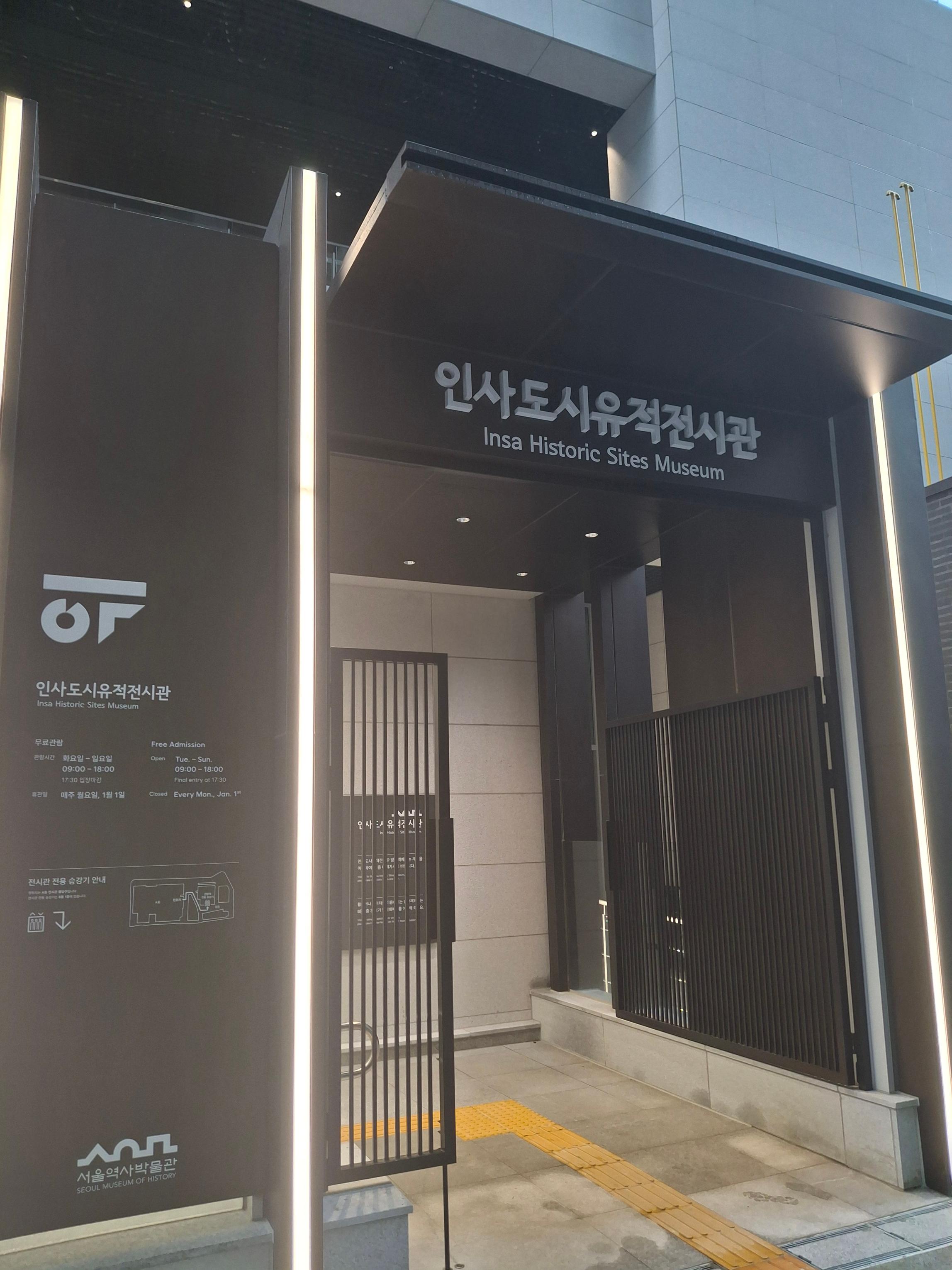
Insa Historic Sites Museum

Olga
7 days ago
Recently, a new museum, the Insa Historic Sites Museum, opened in the center of Seoul's famous Insandong district. T
he Insa Historic Sites Museum, a sprawling 4,810-square-meter subterranean site located in the historic neighborhood of Insa-dong, is the largest on-site museum in the Korean capital.
During the 2021 redevelopment of Gongpyeong Districts 15 and 16, the remains of early Joseon-period commercial streets behind the Sijeon (government-licensed shops) in Jongno were uncovered beneath the city center.
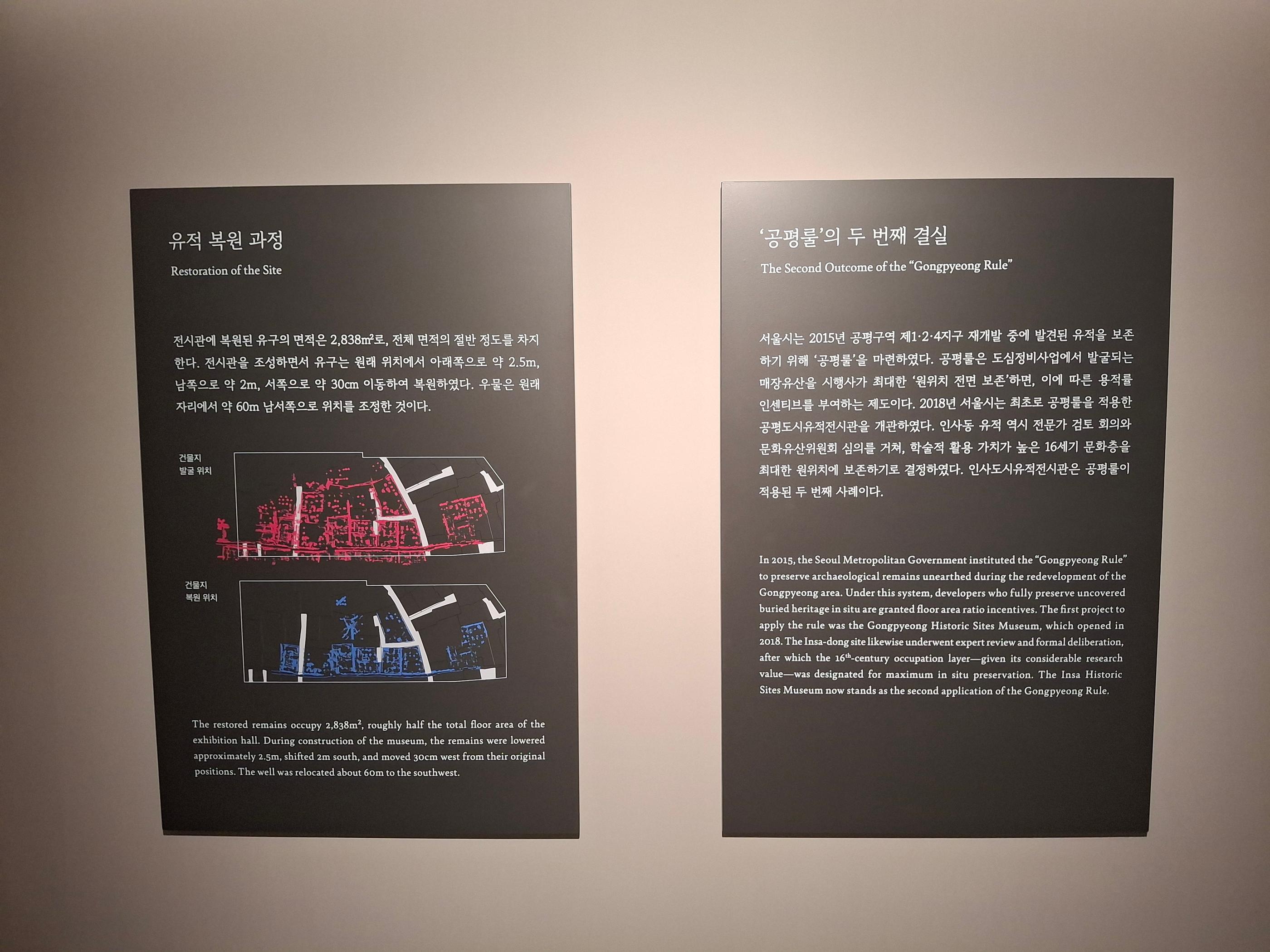
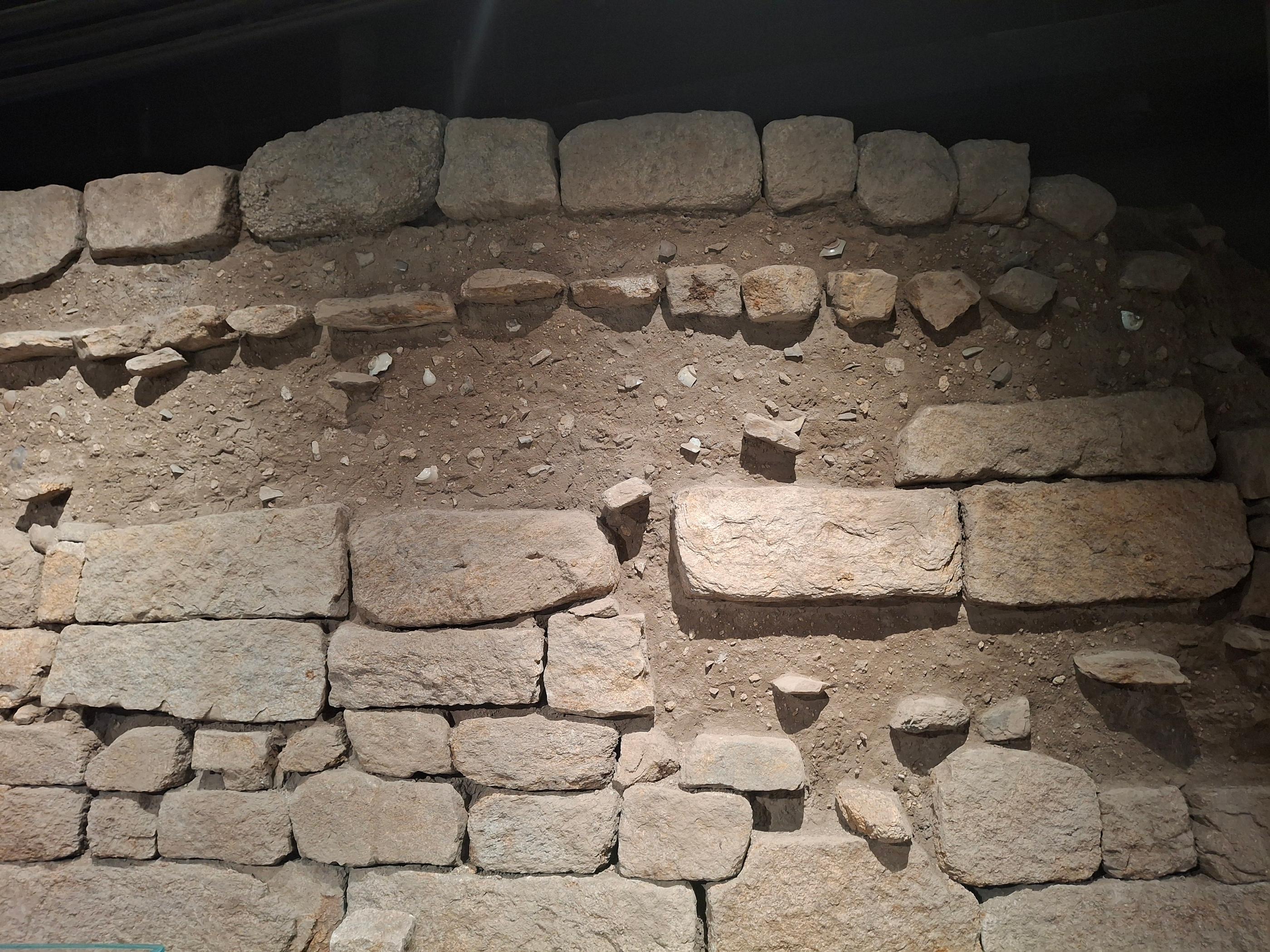
Unlike traditional museums that house relics behind glass cases away from their origin, the new exhibition hall presents a massive archaeological site approximately where it was unearthed. Visitors walking along elevated wooden decks will look down upon the preserved foundations of six 16th-century buildings, ancient drainage systems and a massive communal stone well.
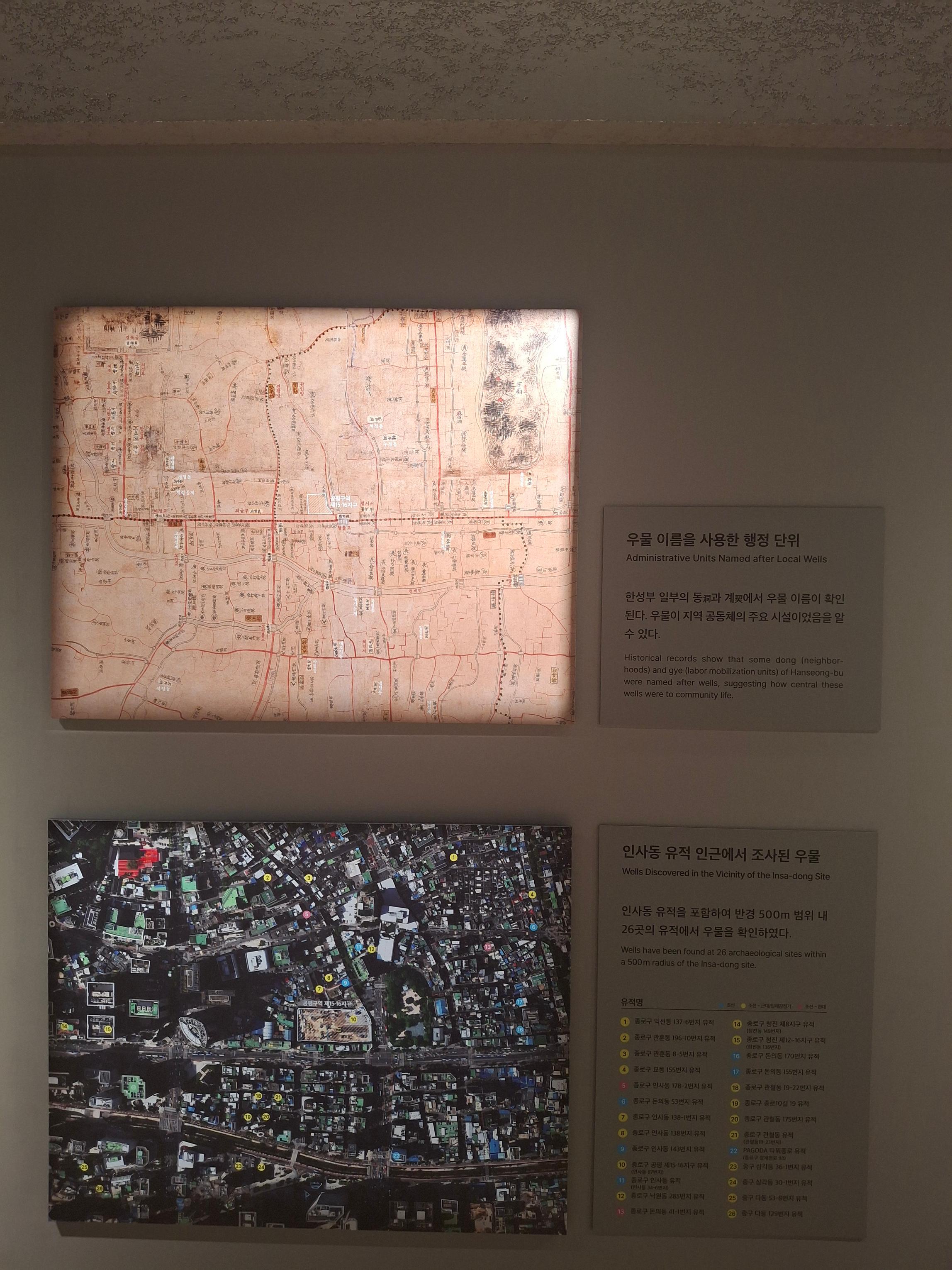
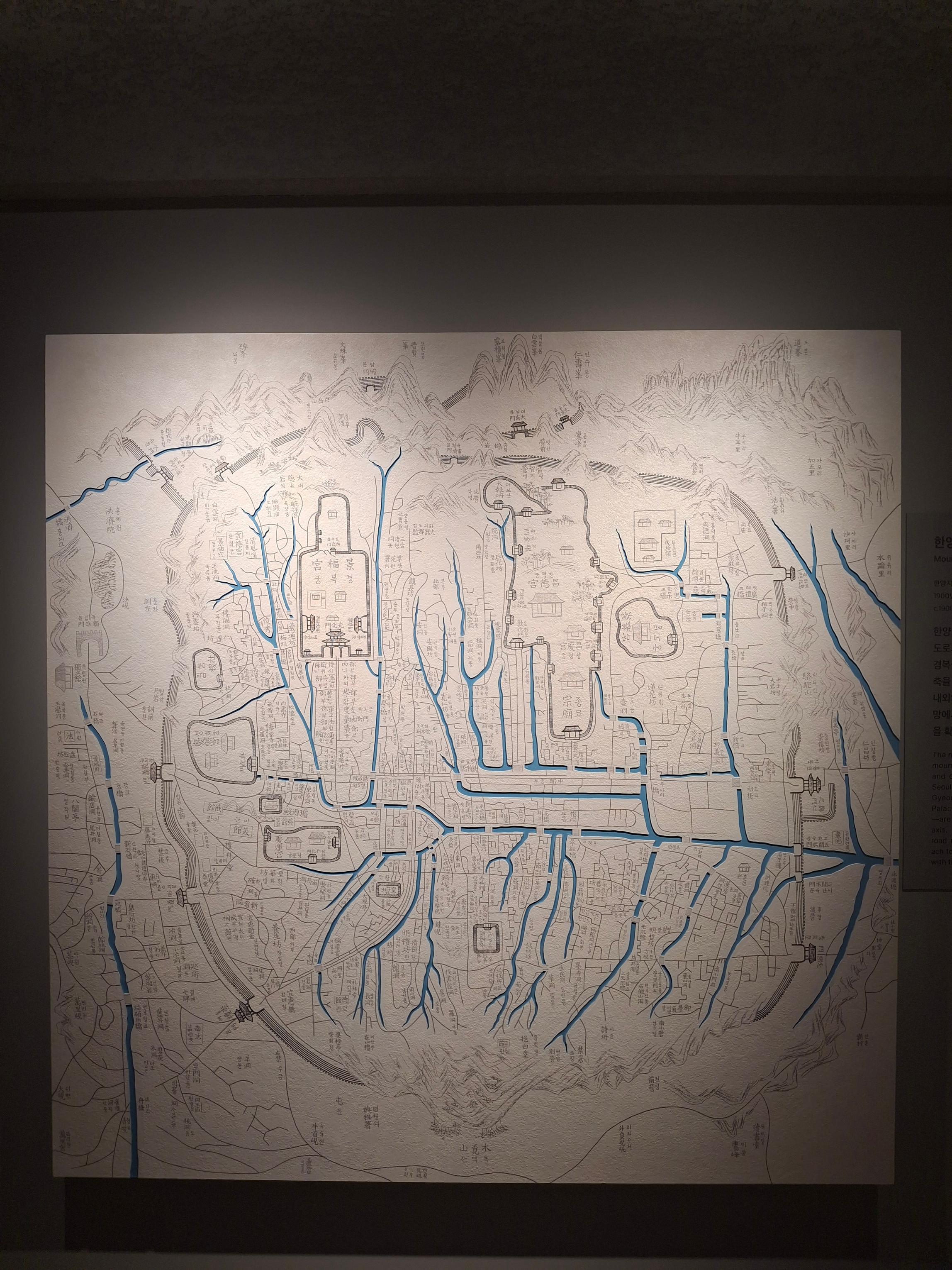
The exhibition consists of several parts. The first part is Wells of Hanyang. Communal wells provided a reliable supply of water essential for daily use and were usually located close to roads. The communal well discovered at the Insa-dong site was likewise situated in an easily accessible spot. It's a wonderful idea to preserve the excavations in their original form under glass, where you can walk on them and see all the details firsthand.
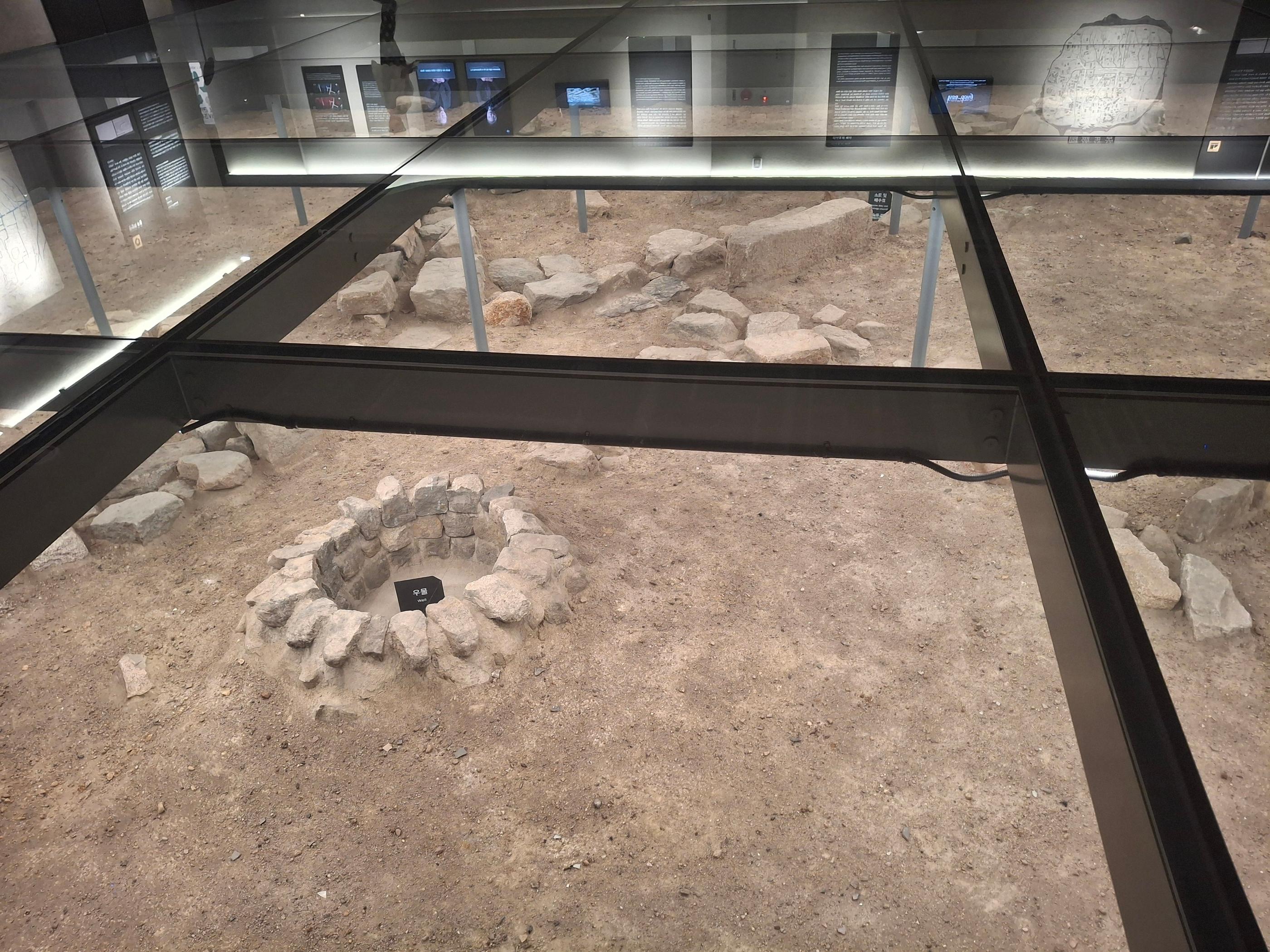
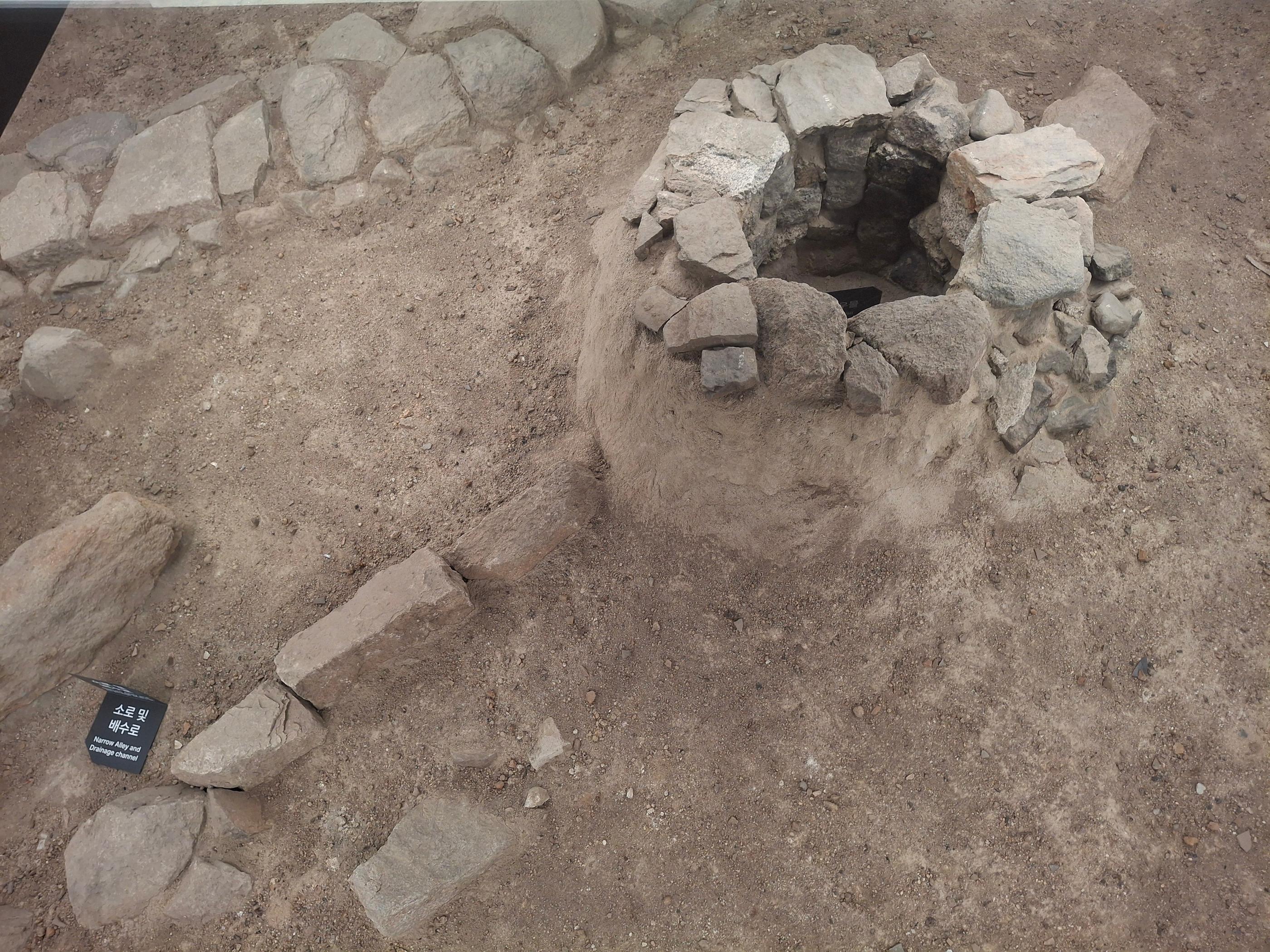
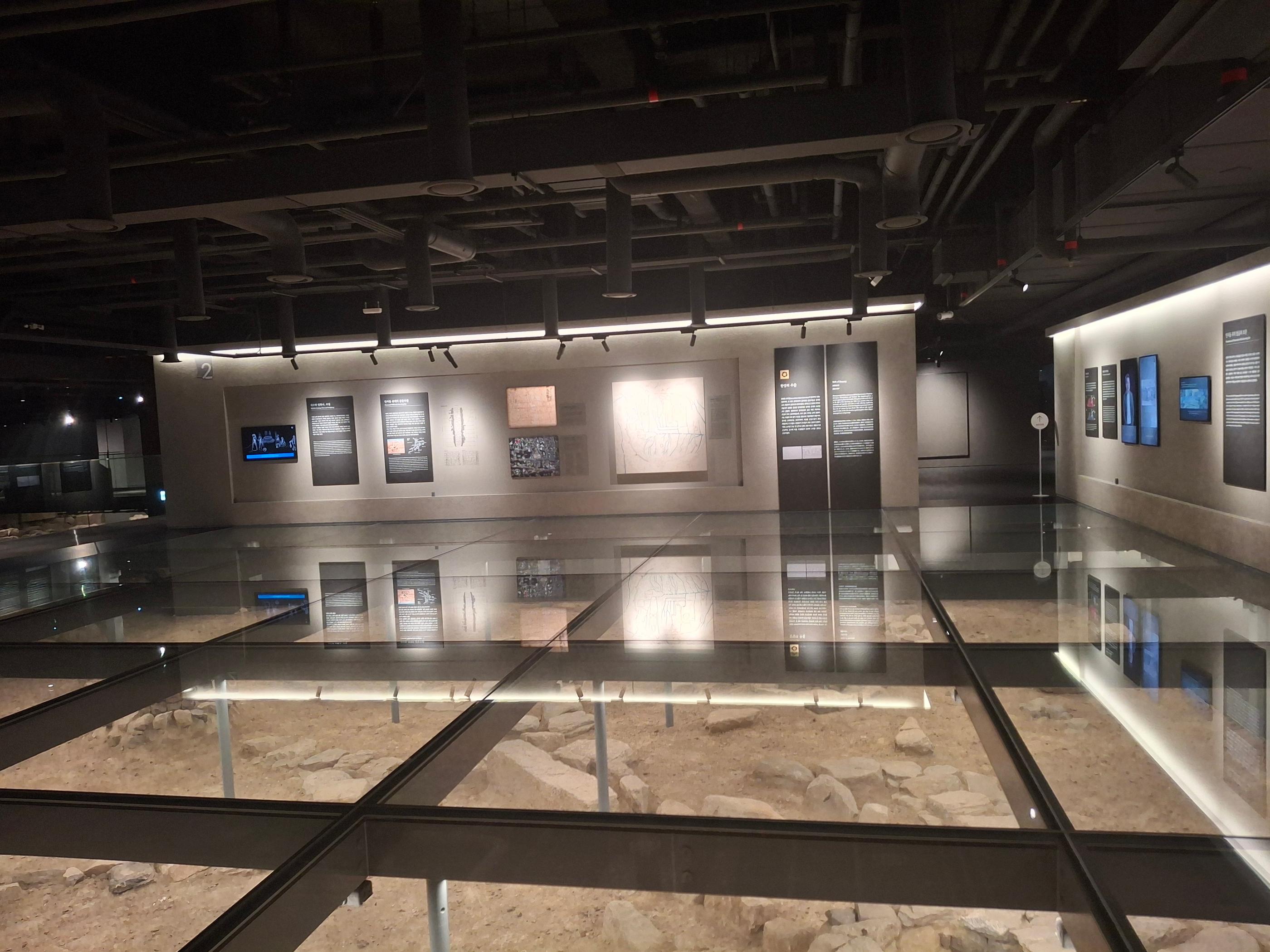
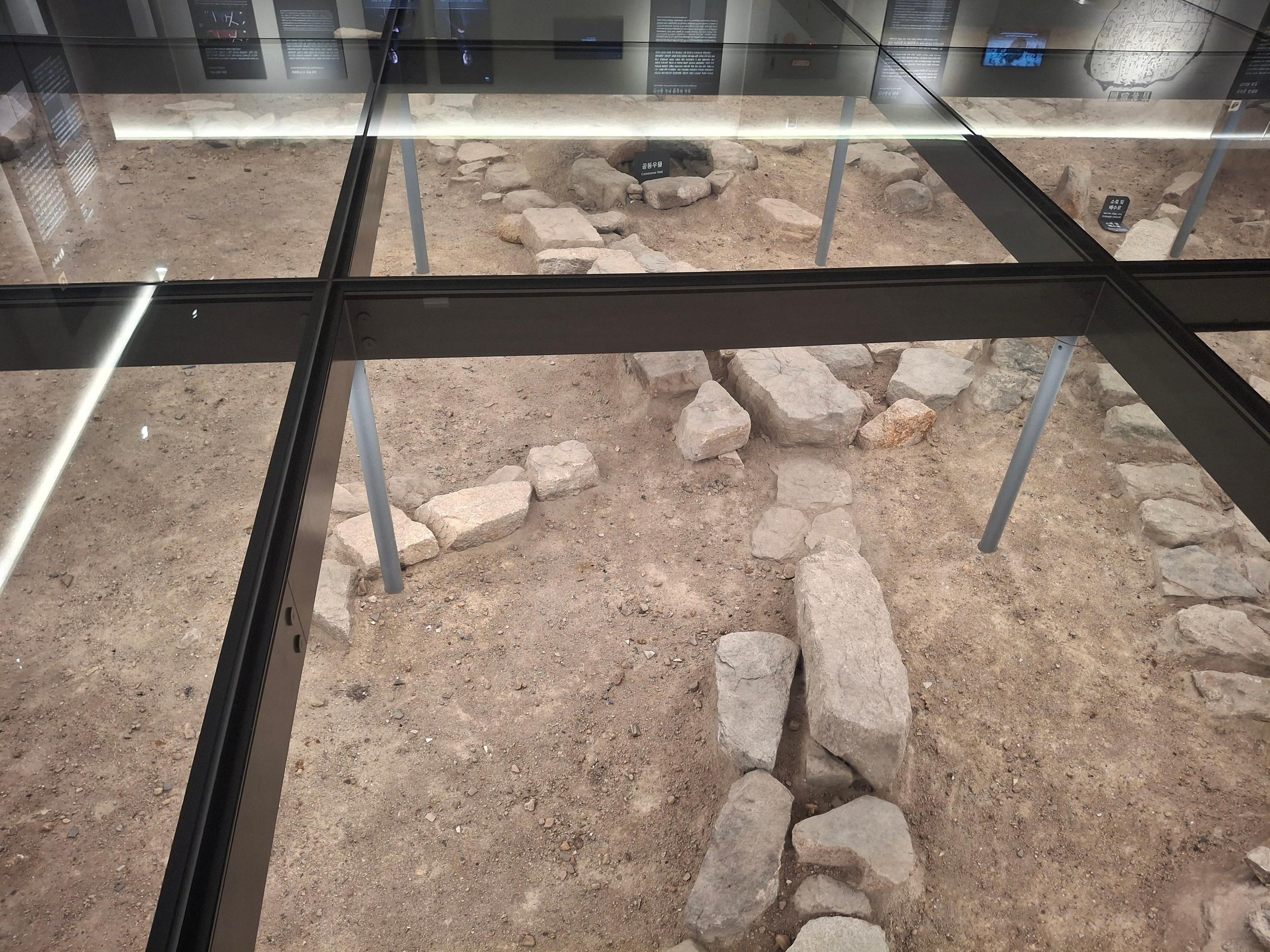
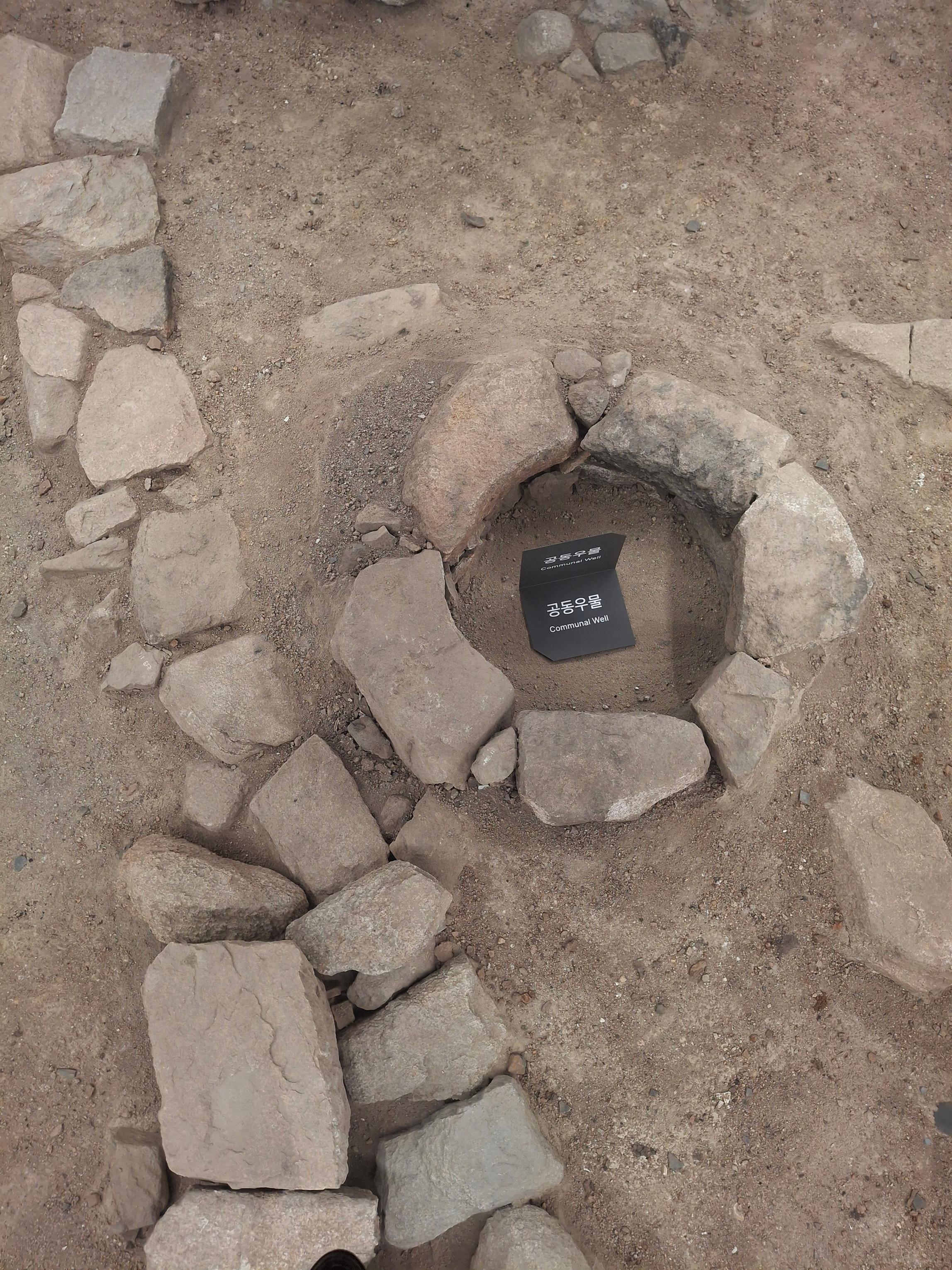
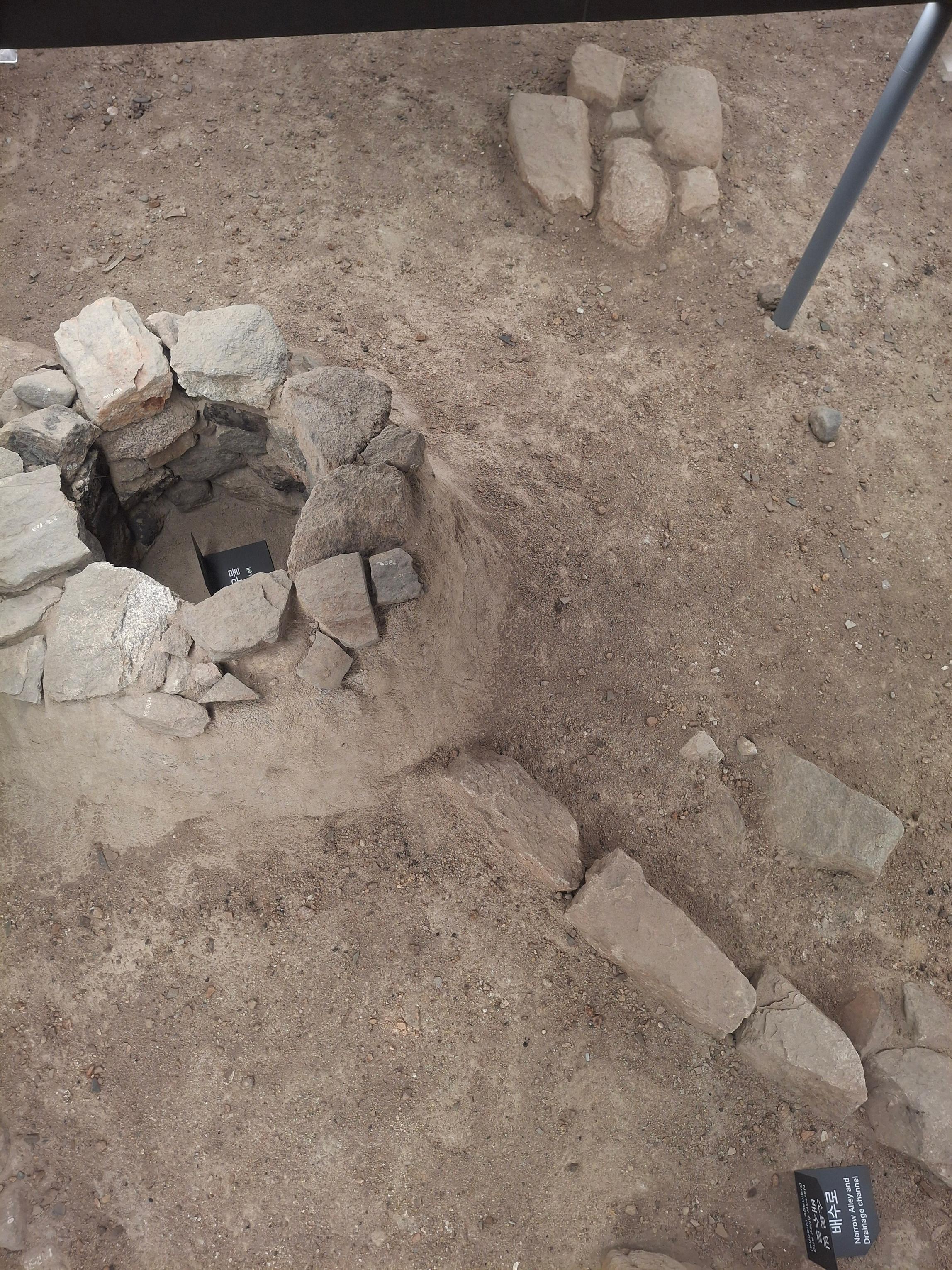
Even for a history novice, detailed explanations are provided, including the actual depth of the wells and their location on the territory.
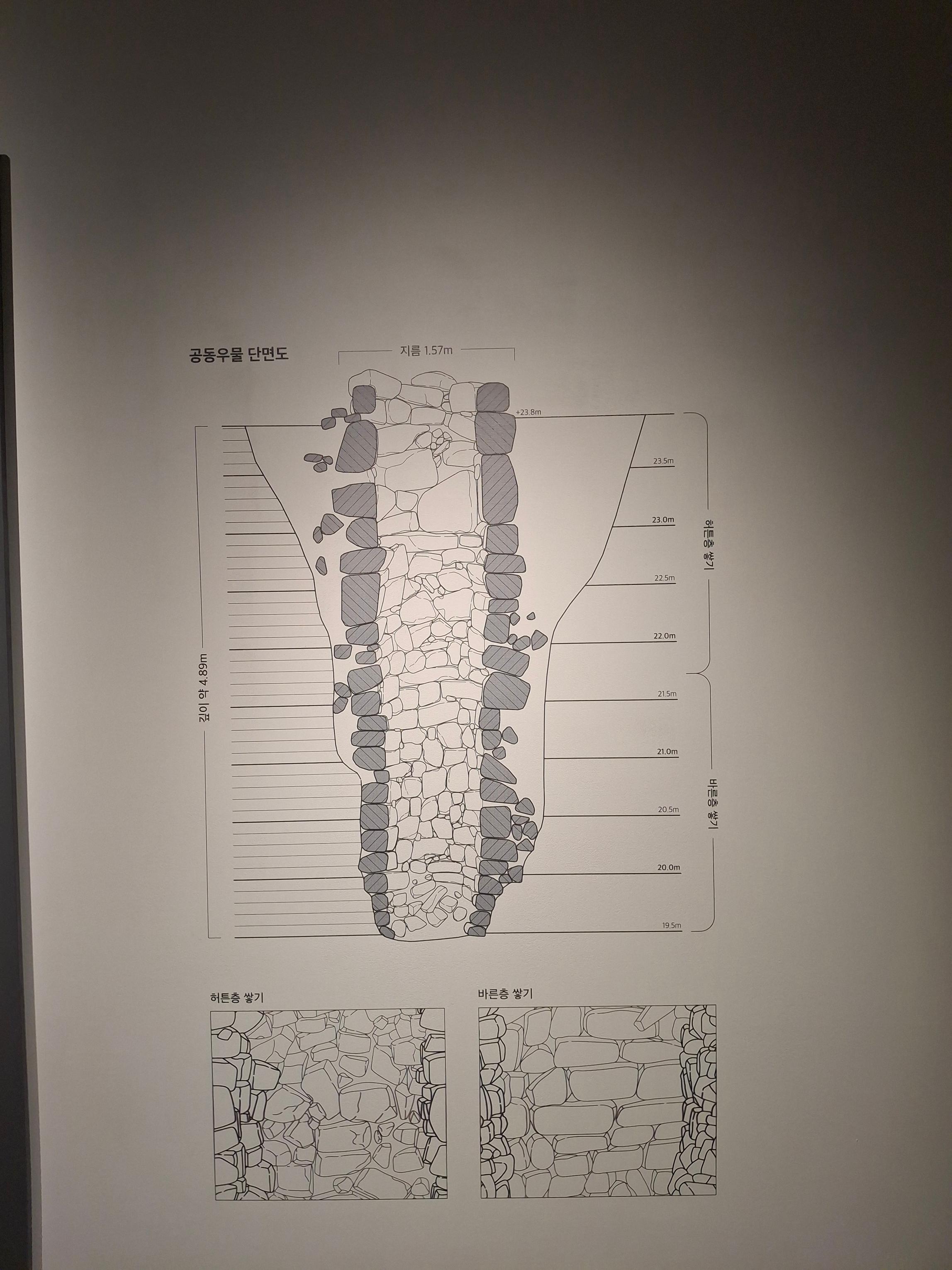
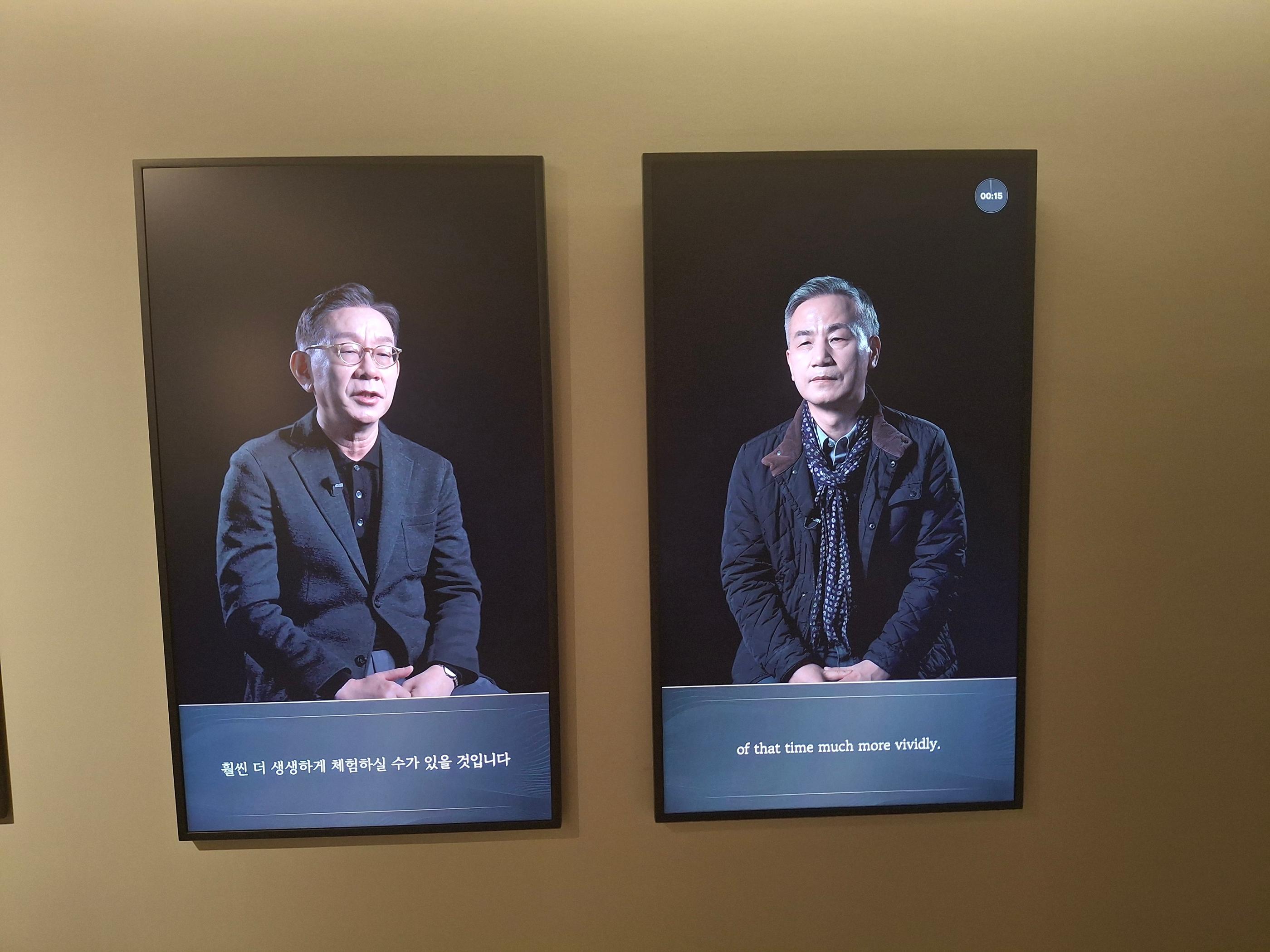
No less interesting is the exhibition dedicated to the excavation process and the conservation of the artifacts. You can watch videos of archaeologists speaking and listen to their stories.
Ahead of the redevelopment of Gongpyeong Districts 15 and 16, archaeological excavations were carried out, dividing the site into Area A and Area B along Insadong 1-gil in Jongno. The site was preserved with a focus on the sixteenth-century occupation layer, whose artifacts and remains were exceptionally well preserved.
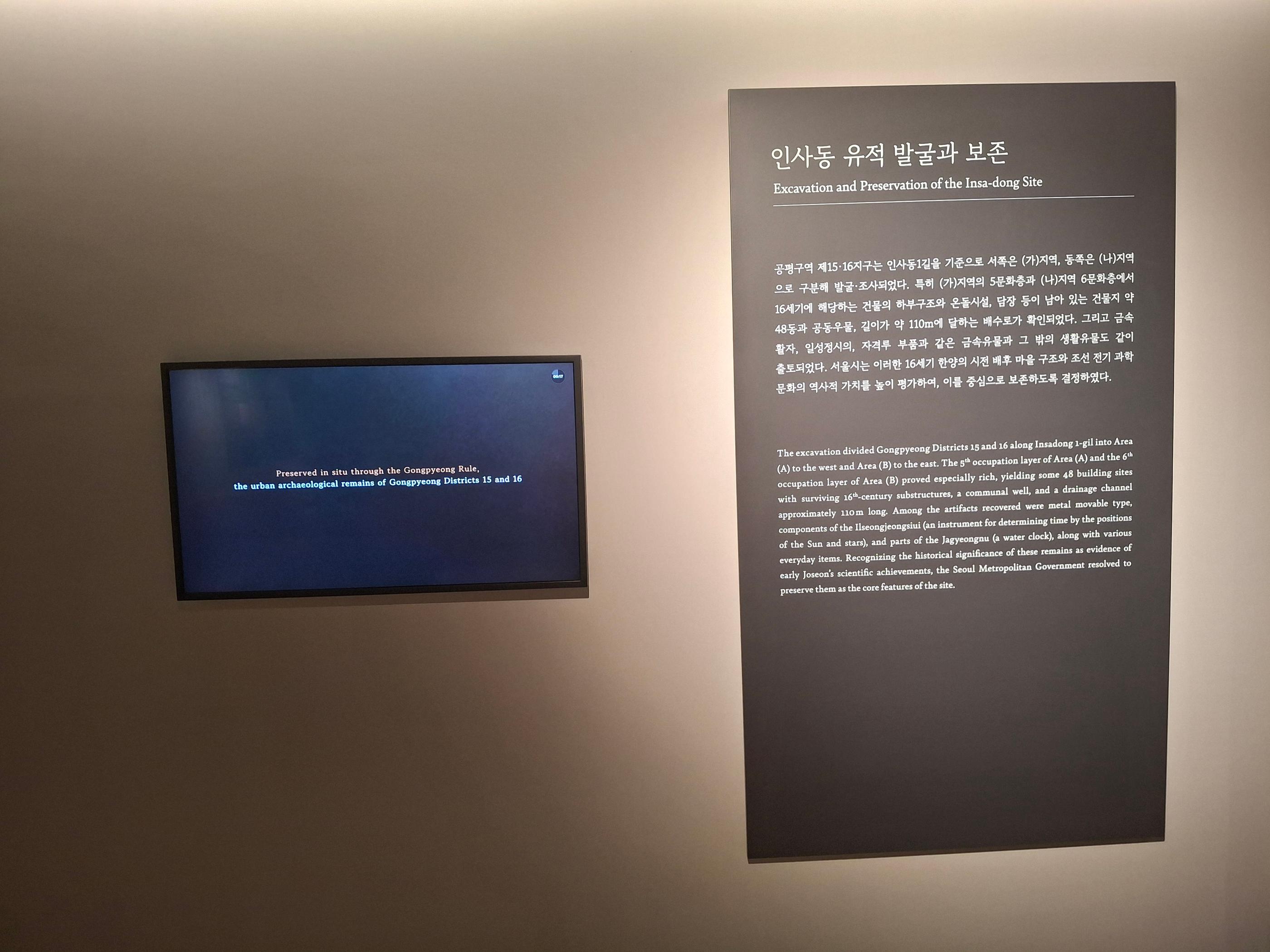
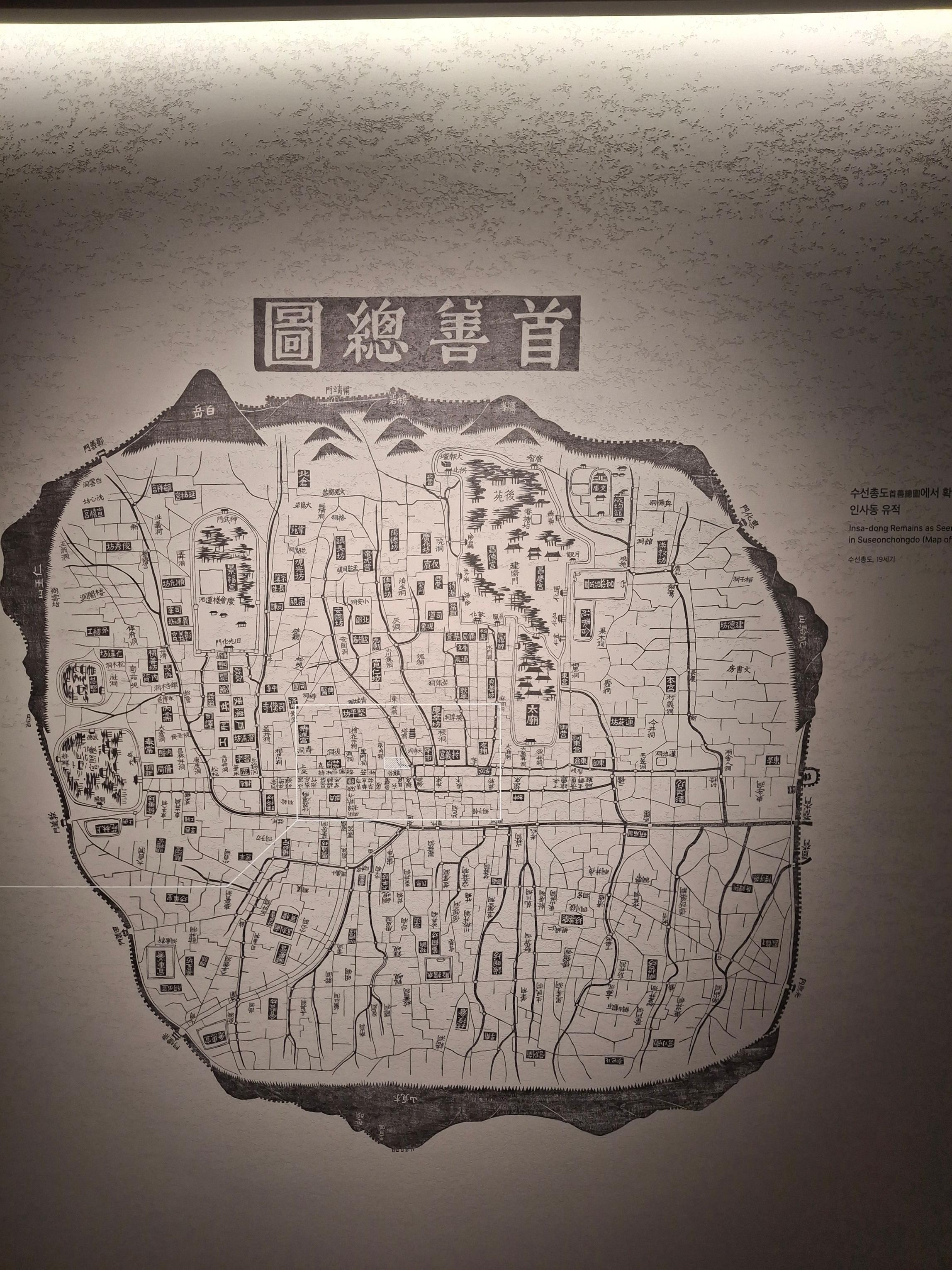
Then I visited the main exhibition - Back Alleys of Jongno. During the Joseon dynasty, Insa-dong supported the commercial activities of the Sijeon, the government-licensed shops of Jongno. Today, it is a place where entertainment, culture, and commerce coexist.
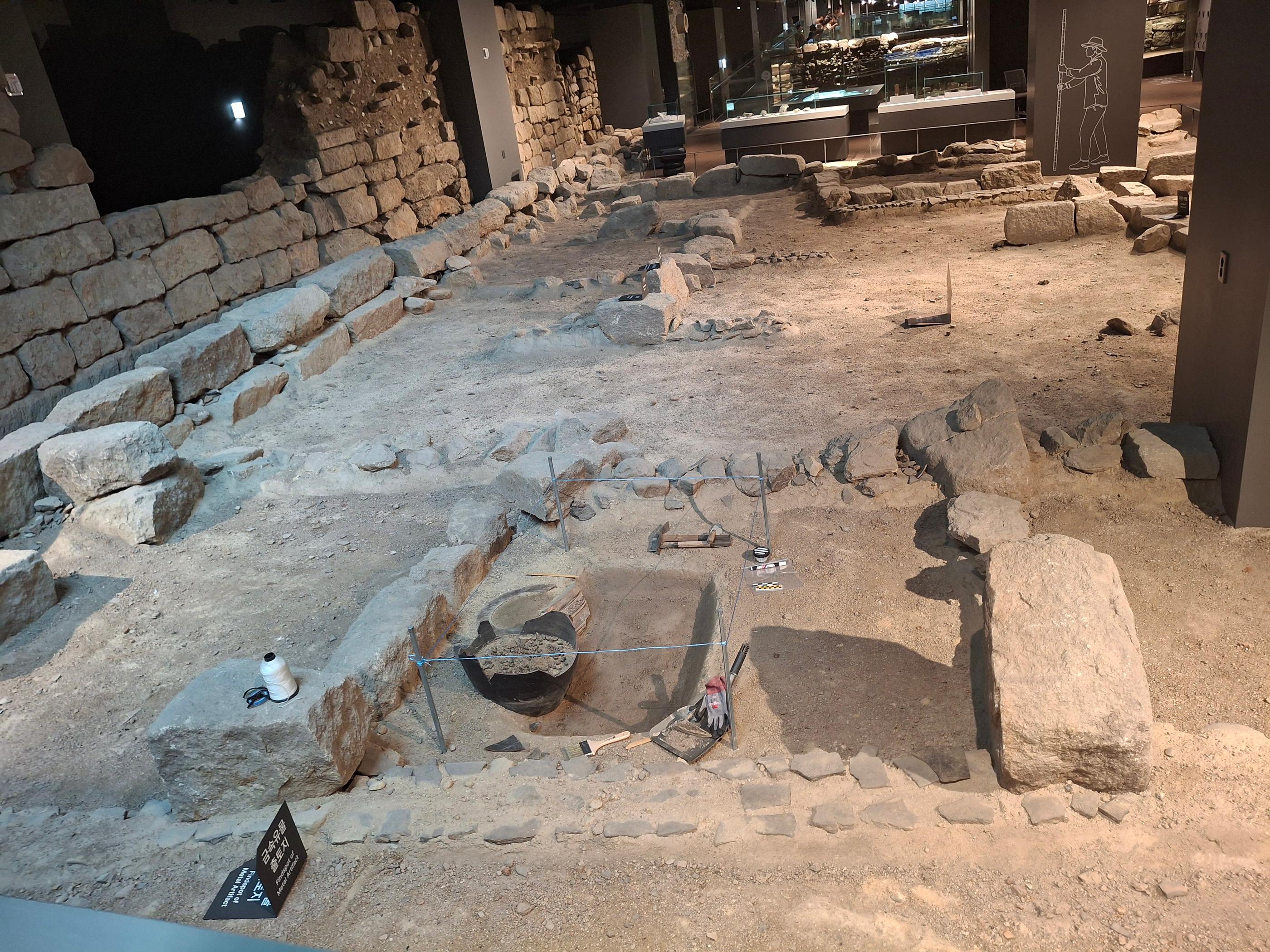
Here you can see the remains of houses from that time, the layout of streets and the drainage system. It's an incredible feeling, as if you were walking along ancient streets among houses, shops, and markets.
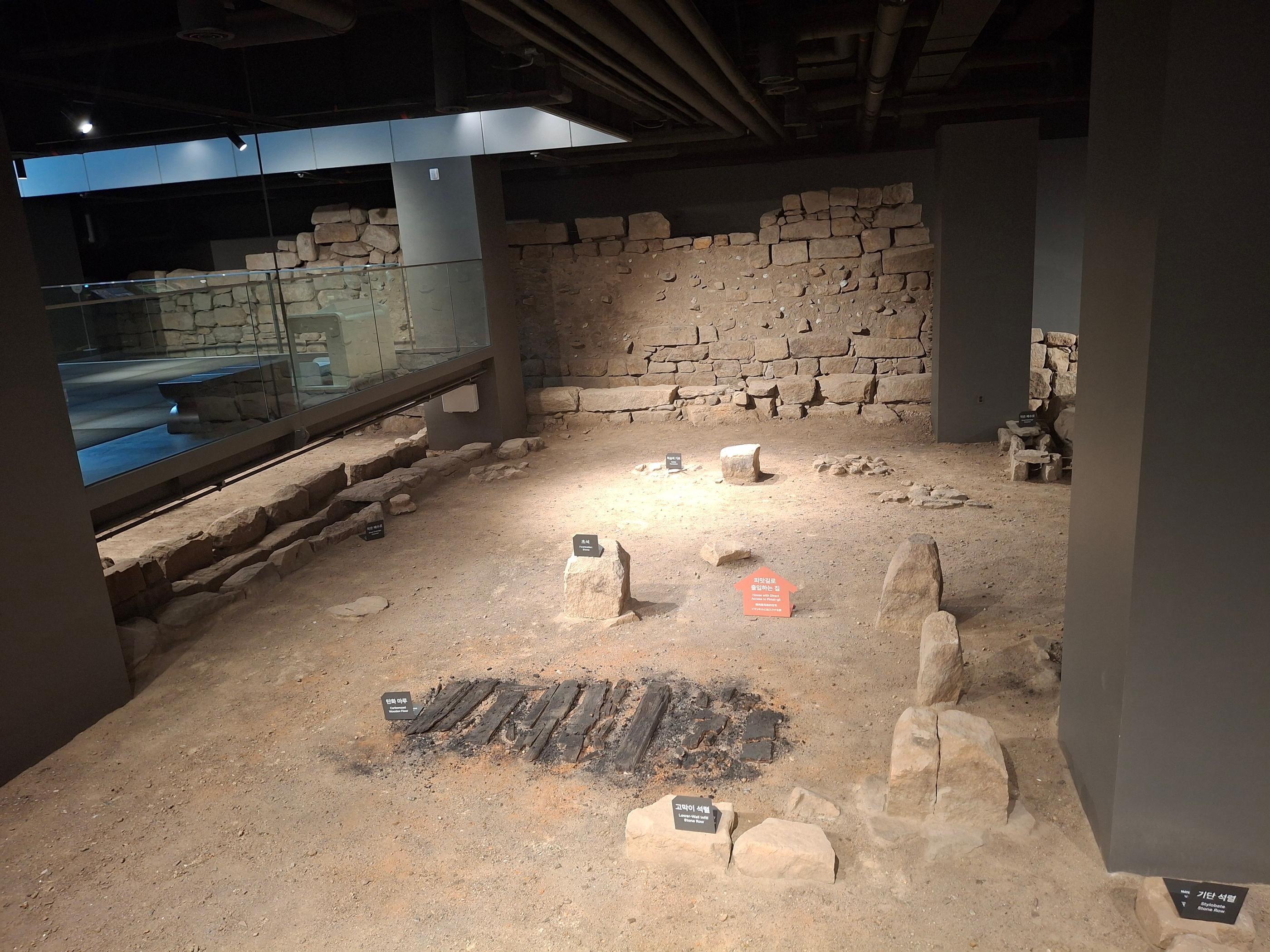
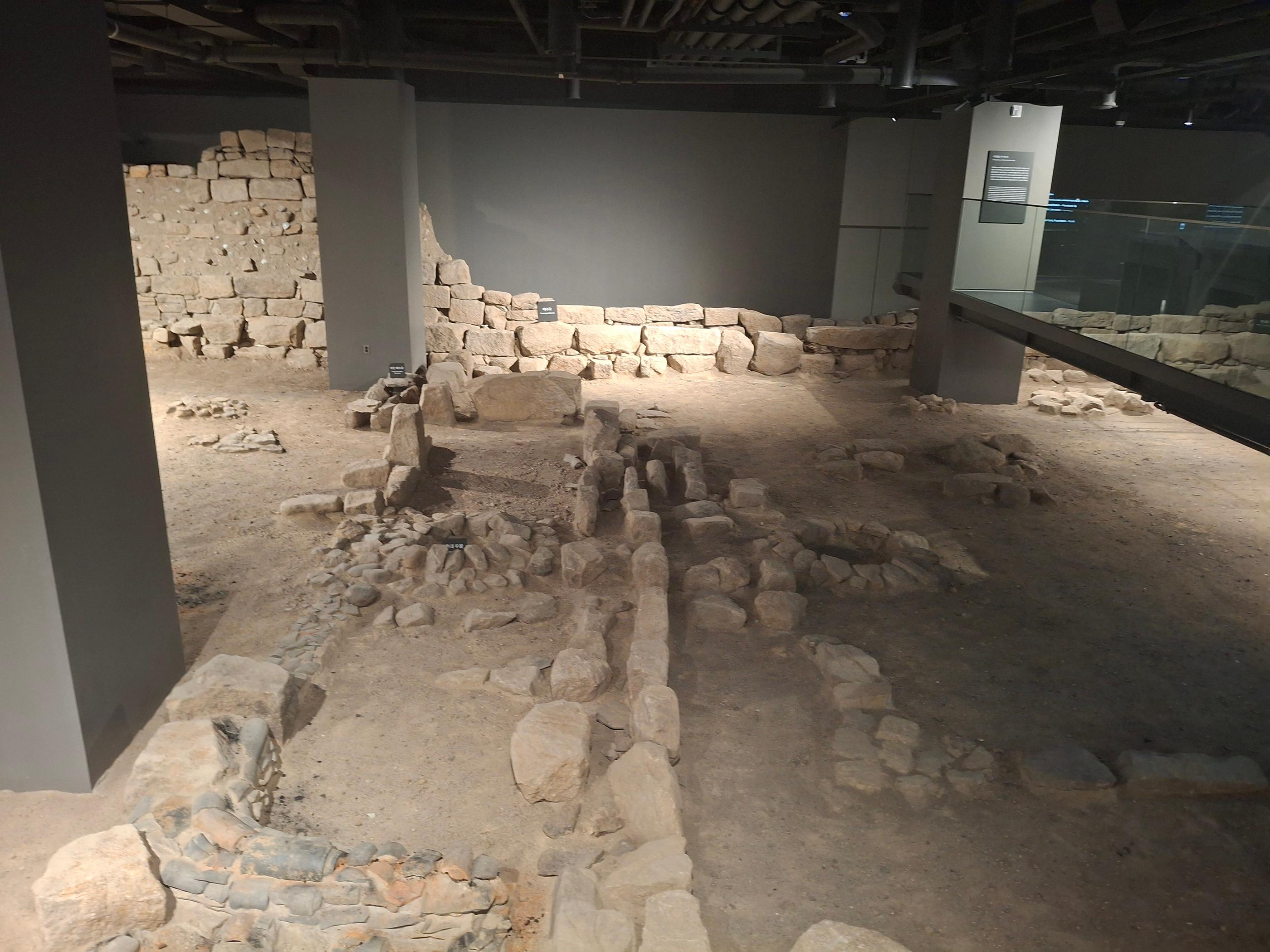
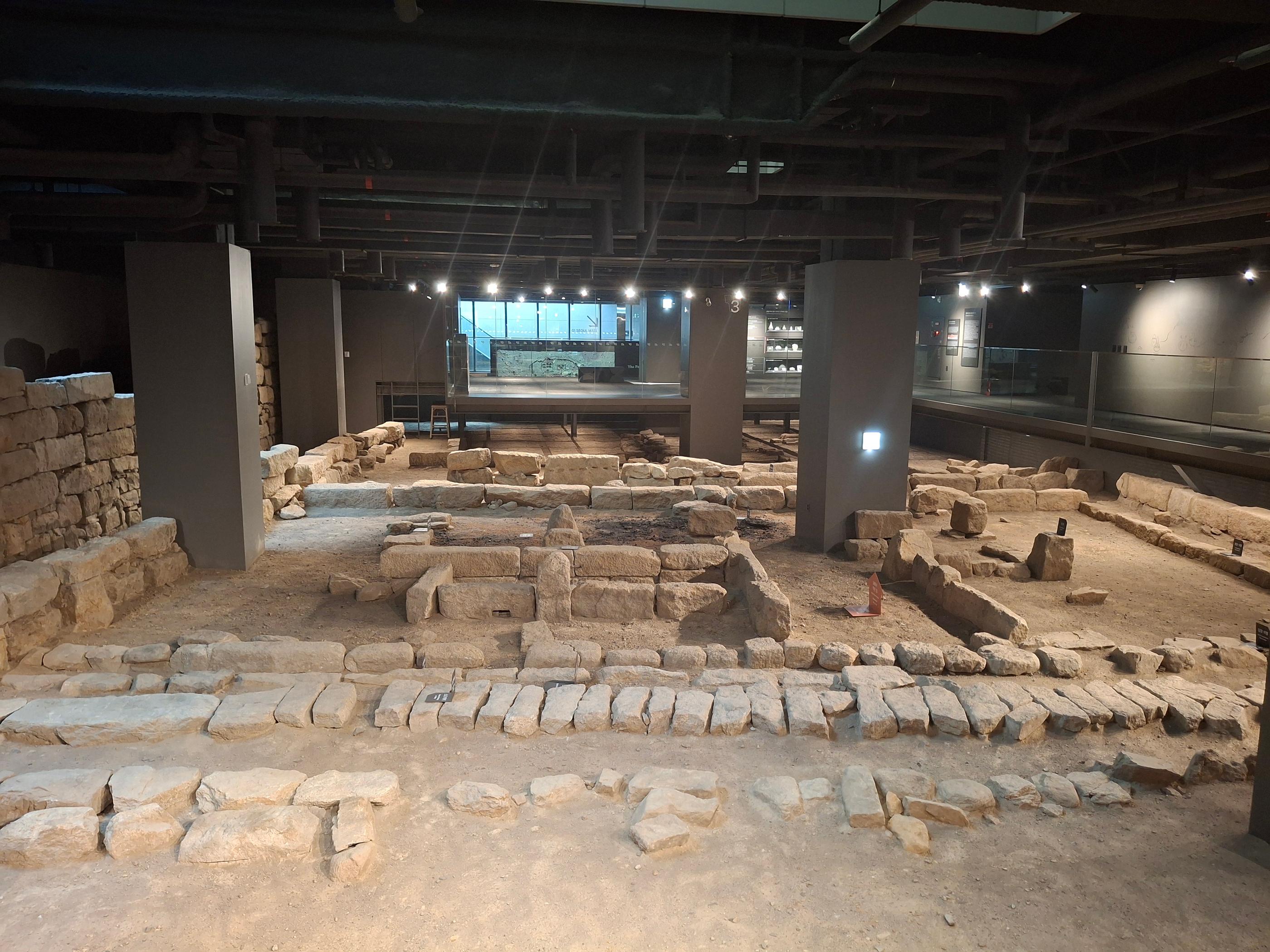
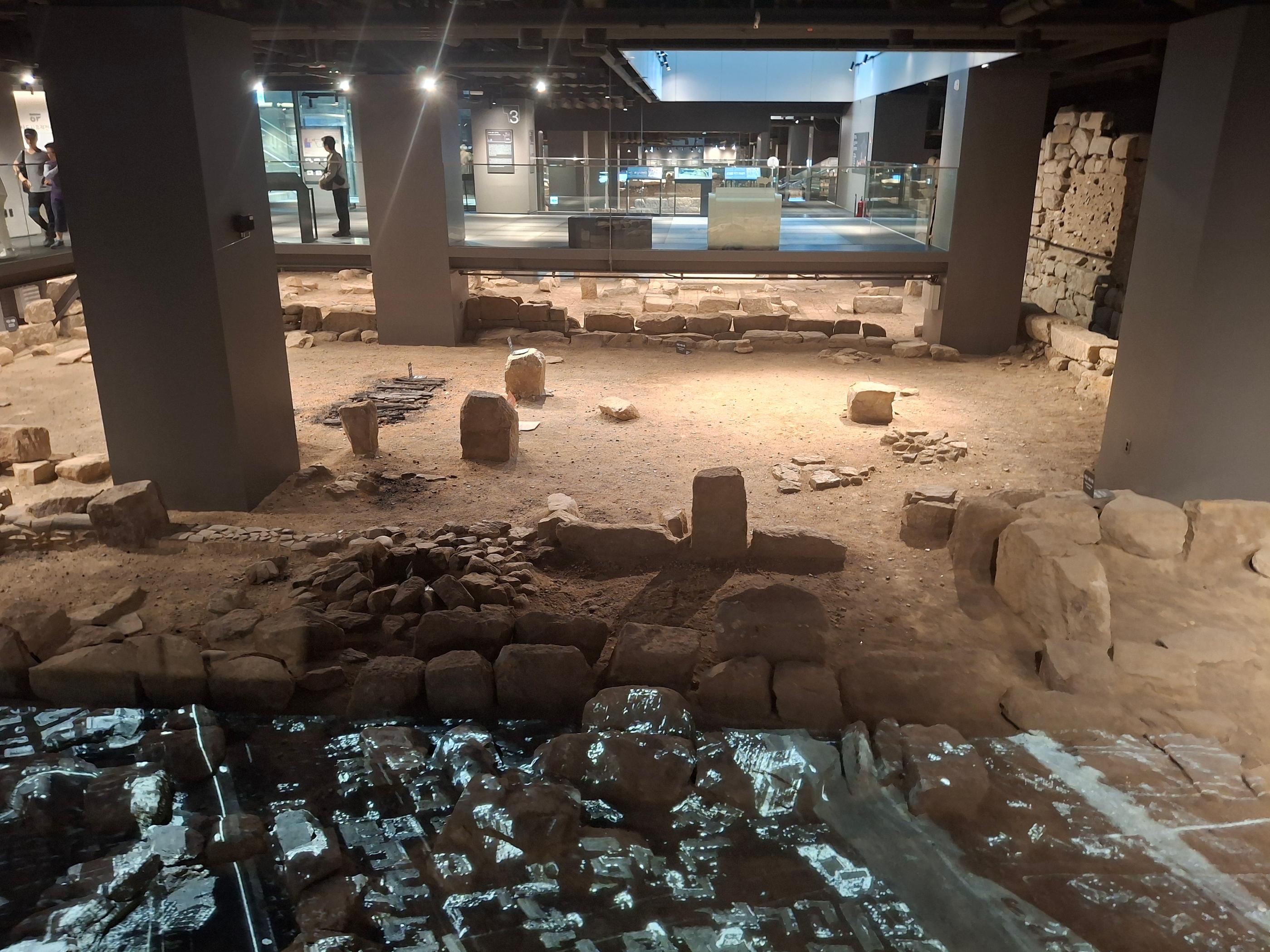
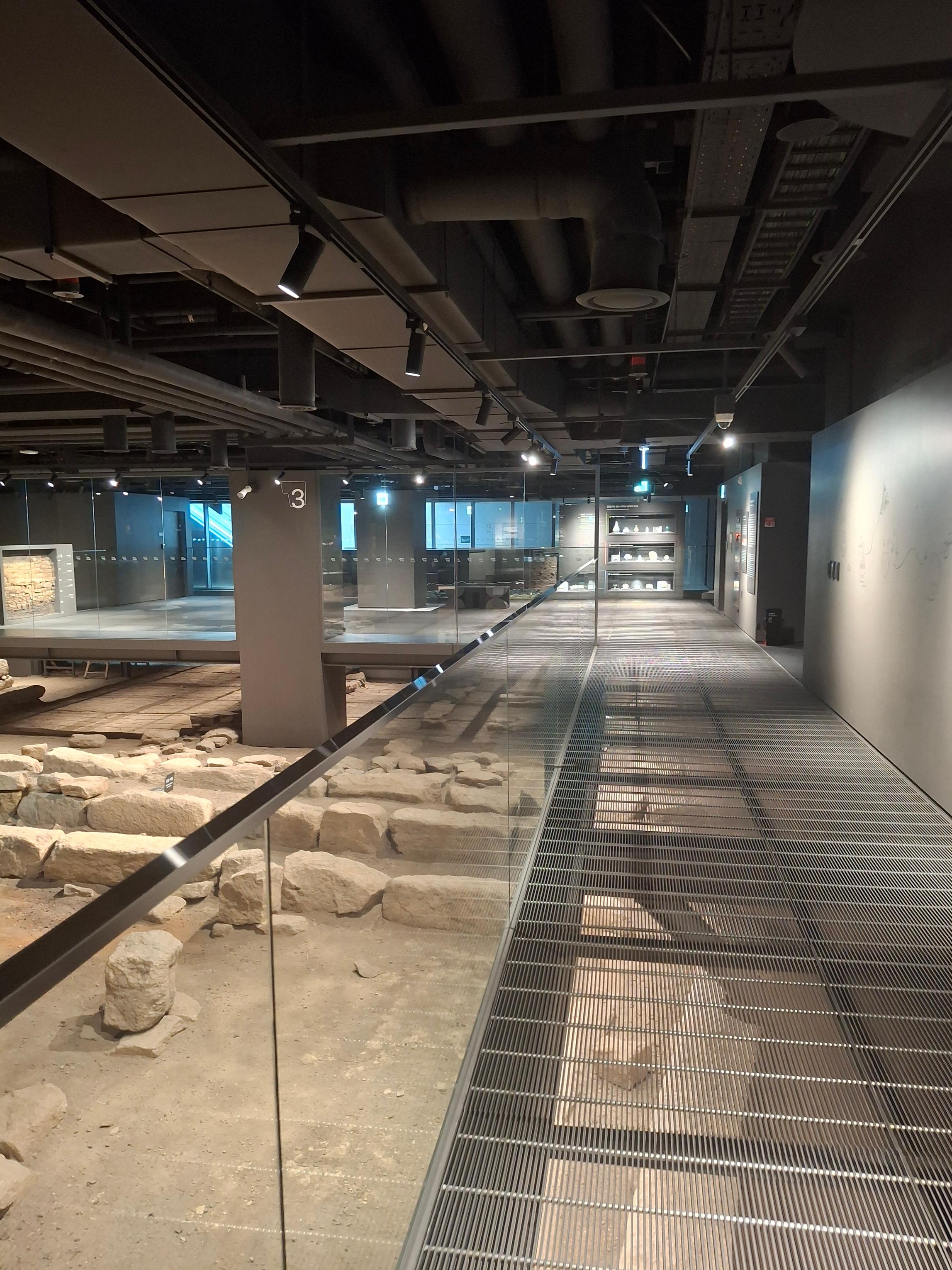
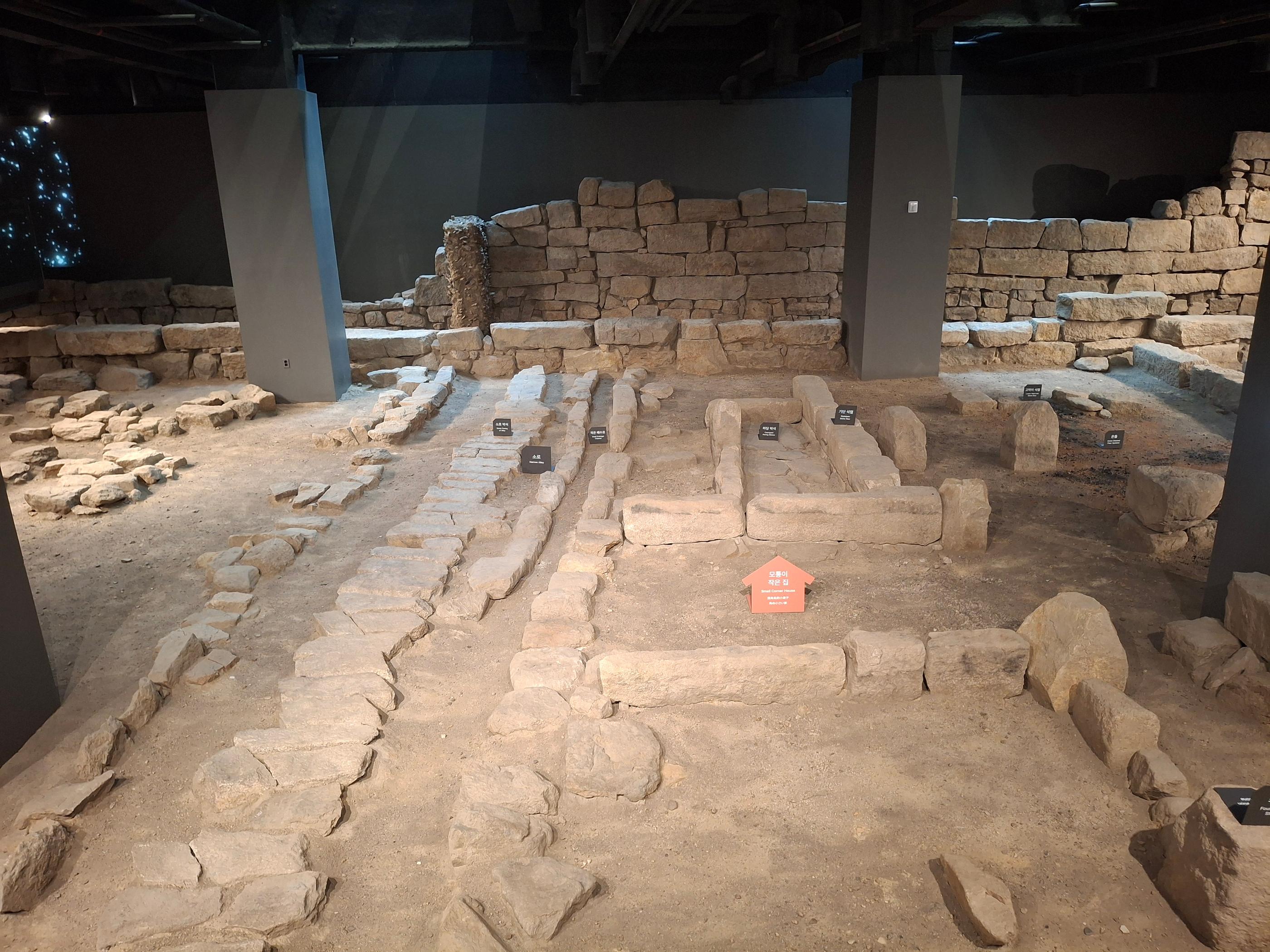
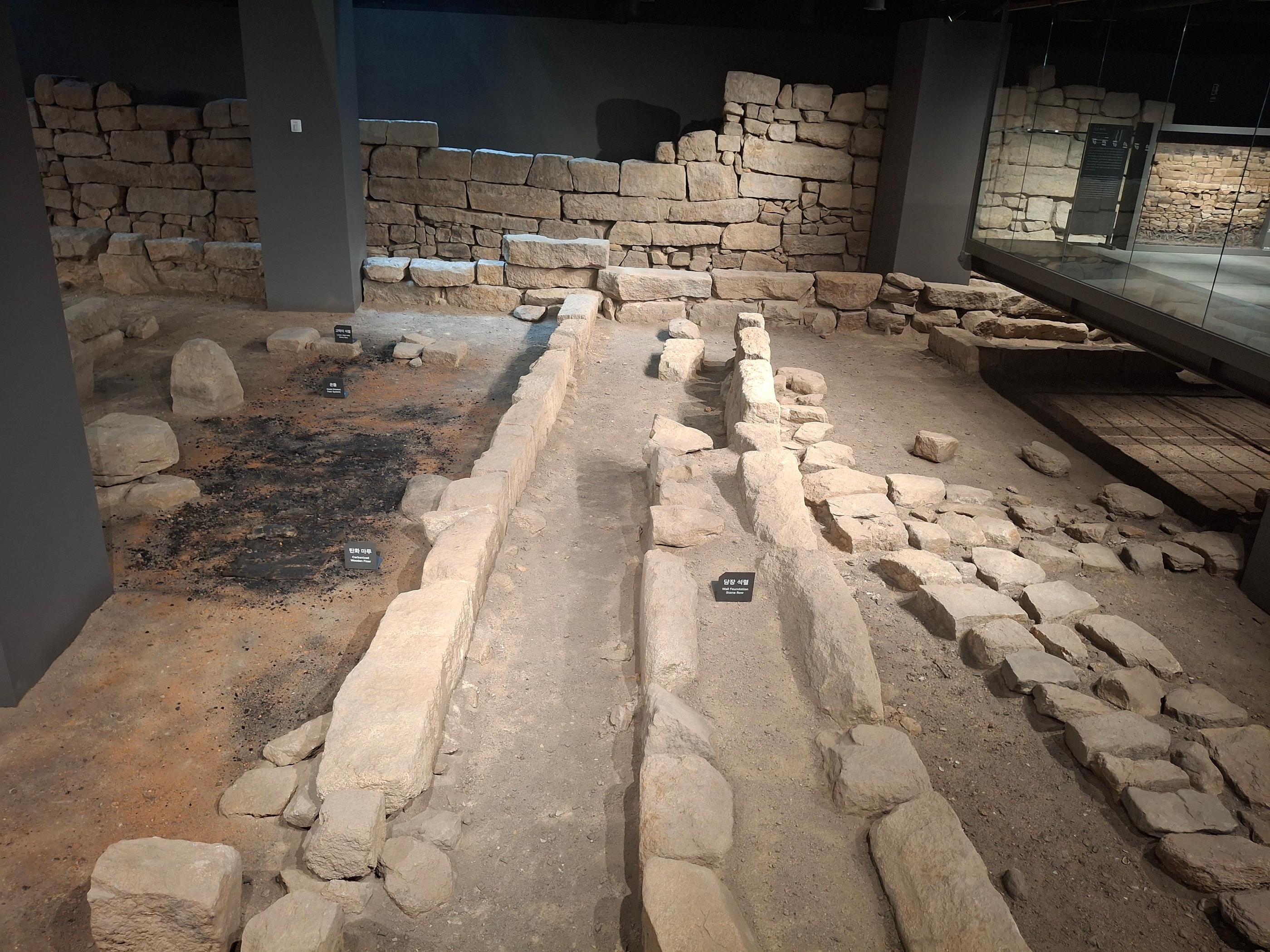
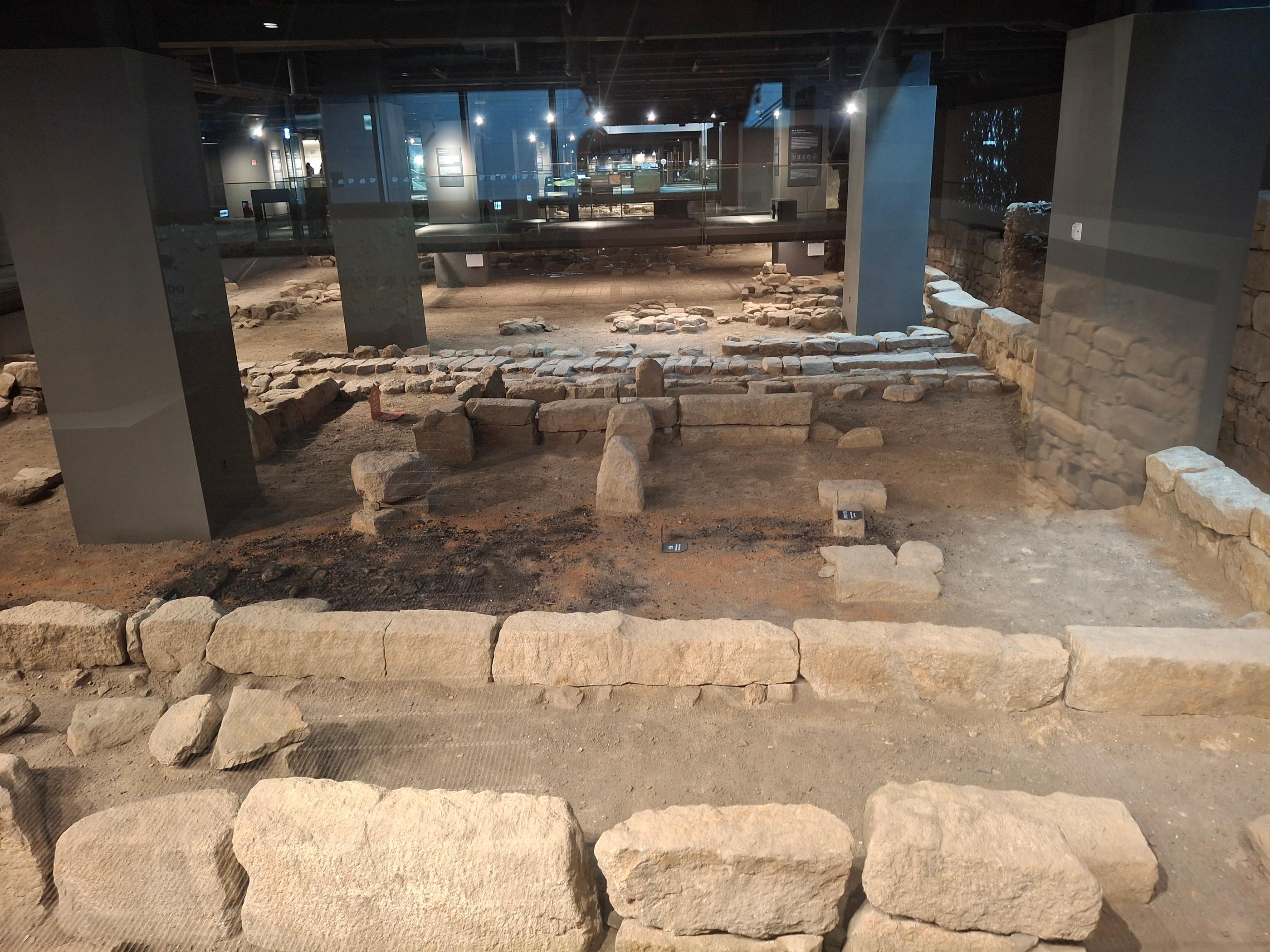
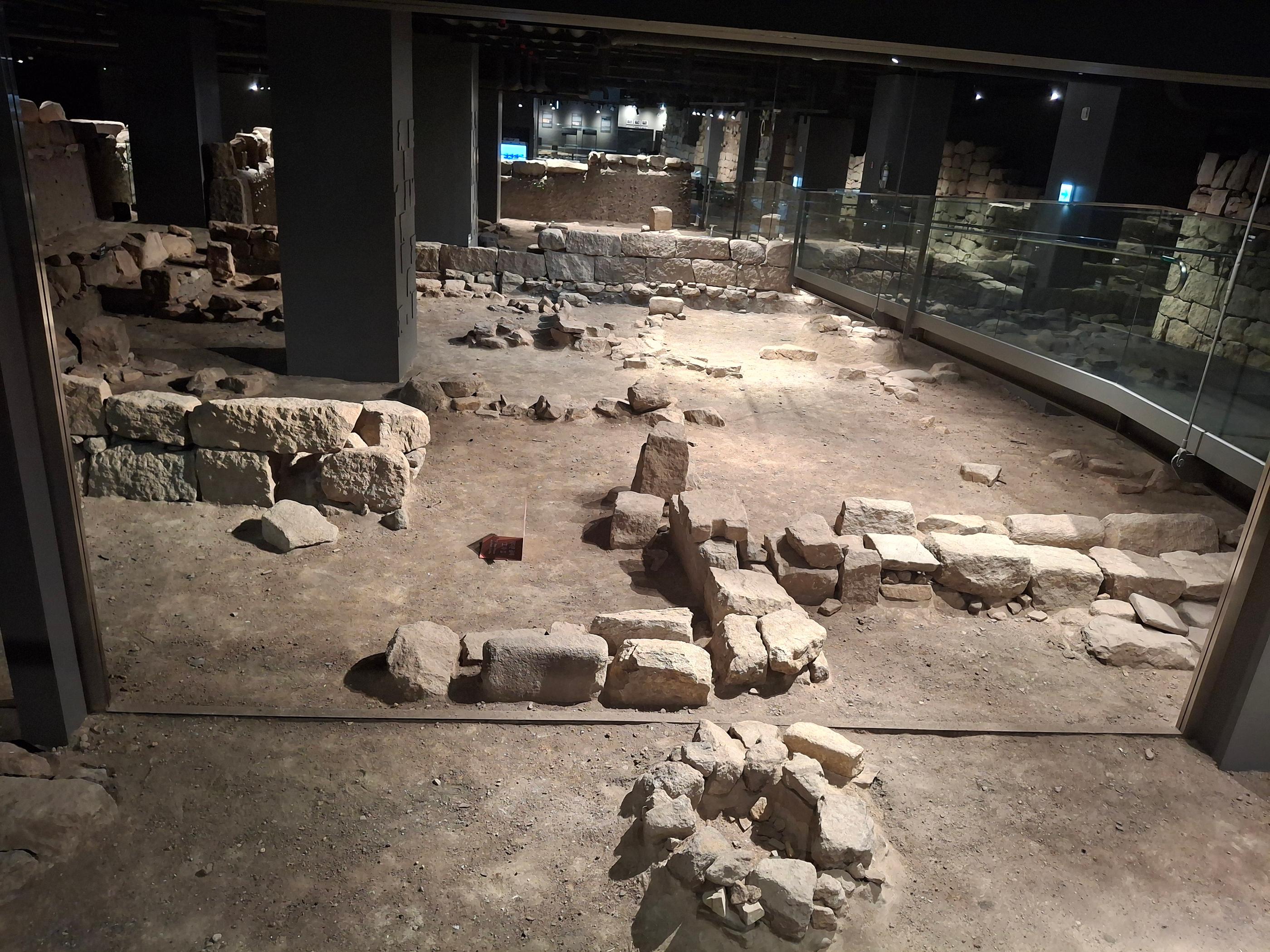
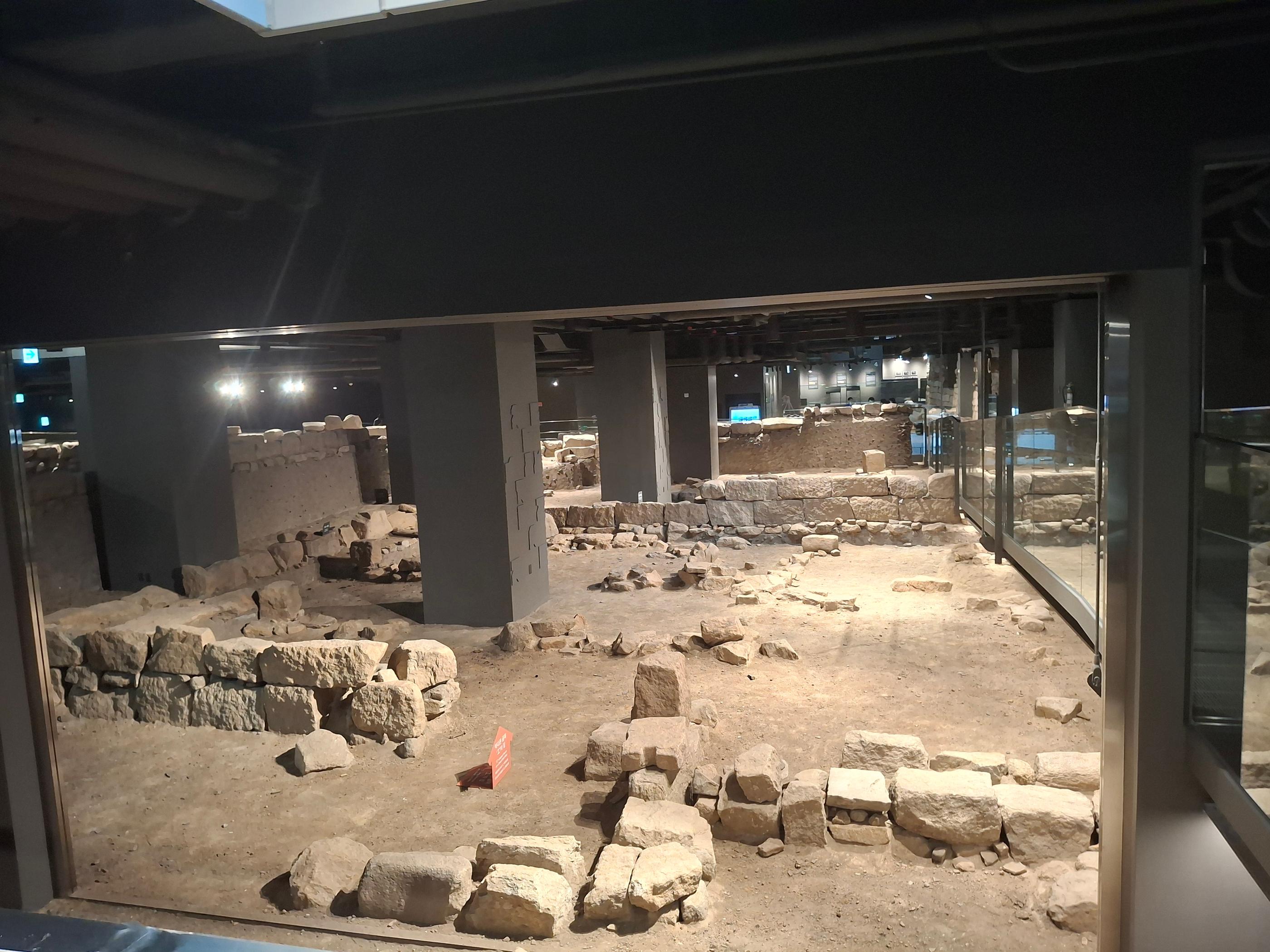
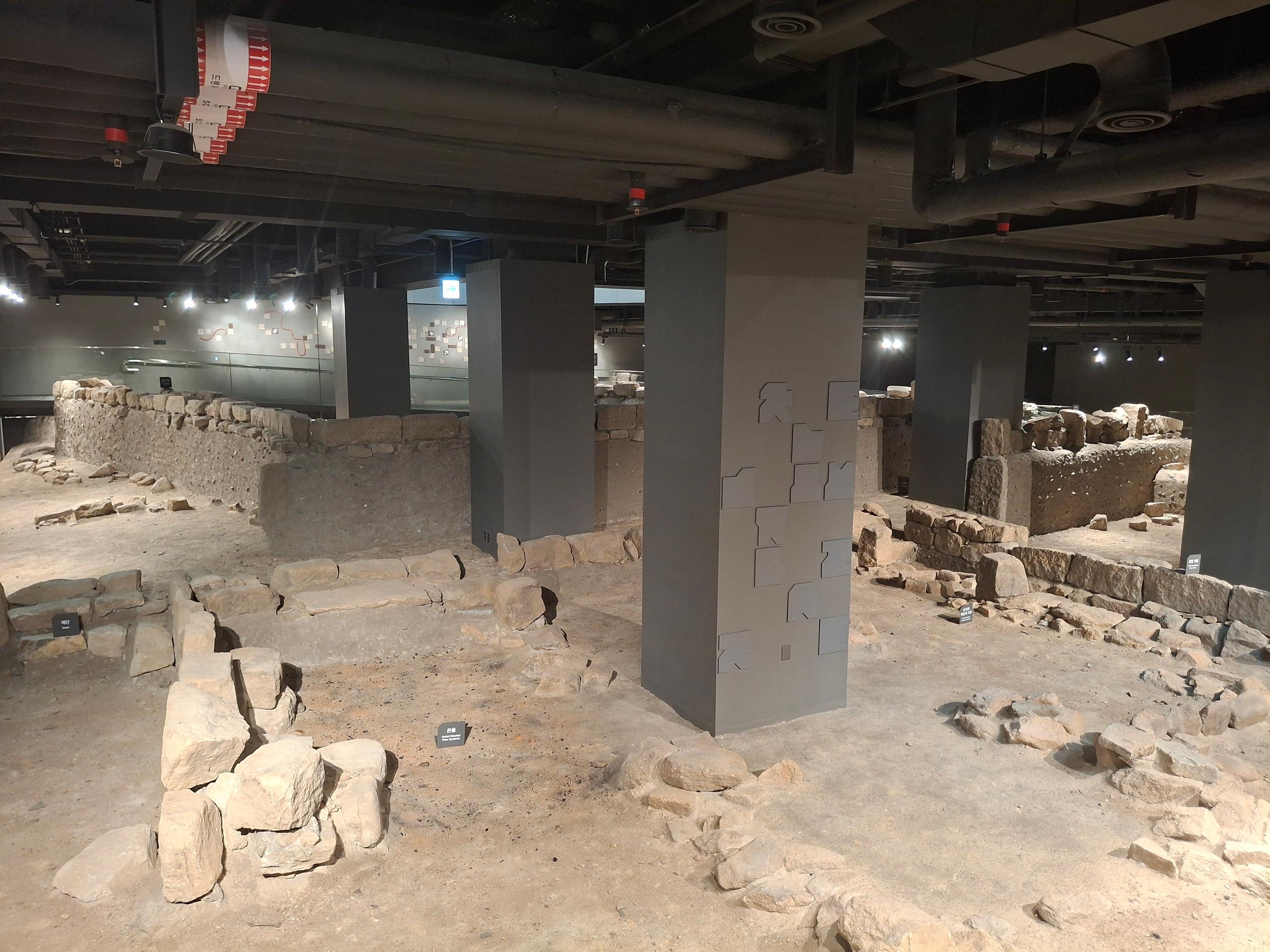
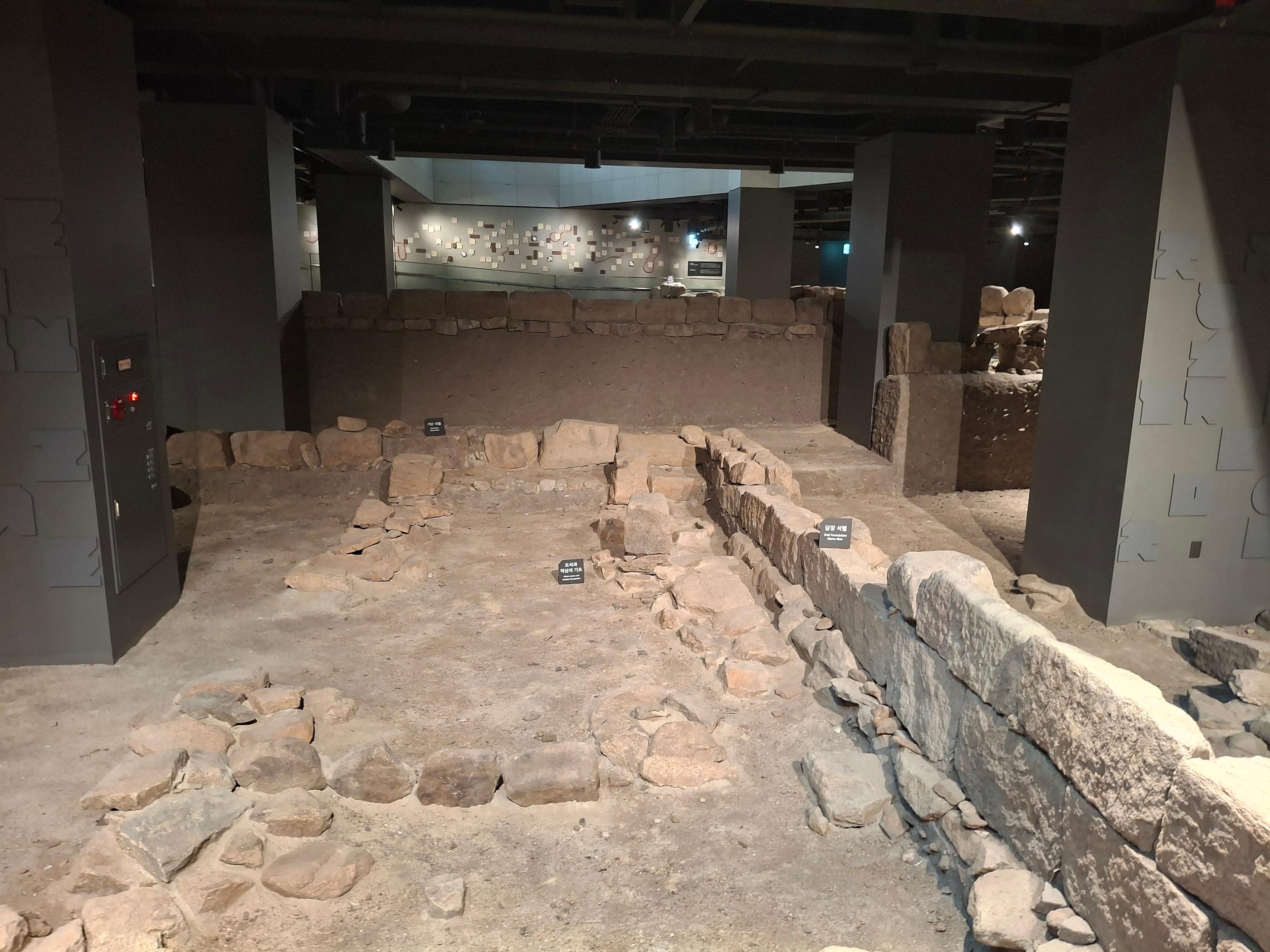
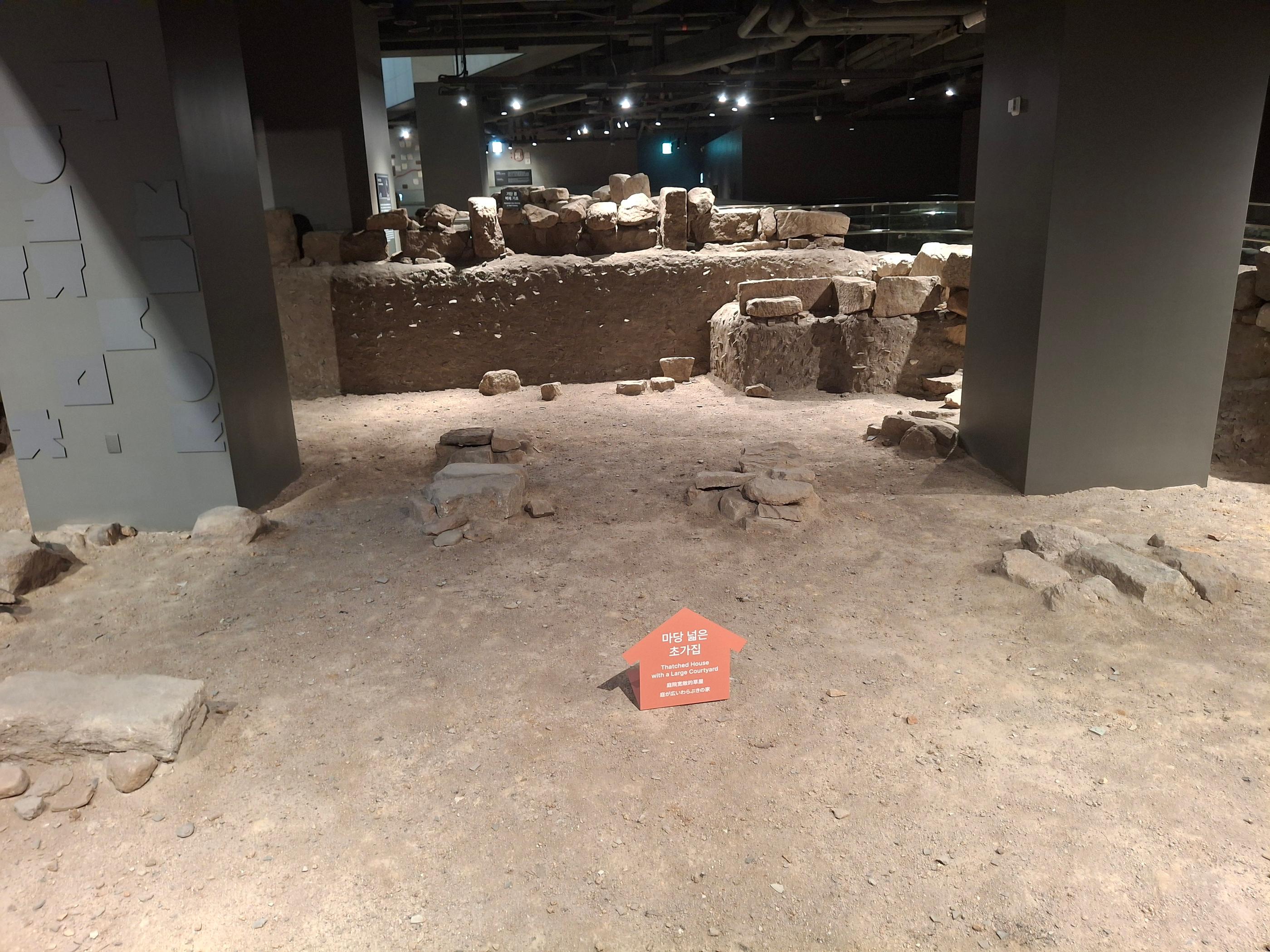
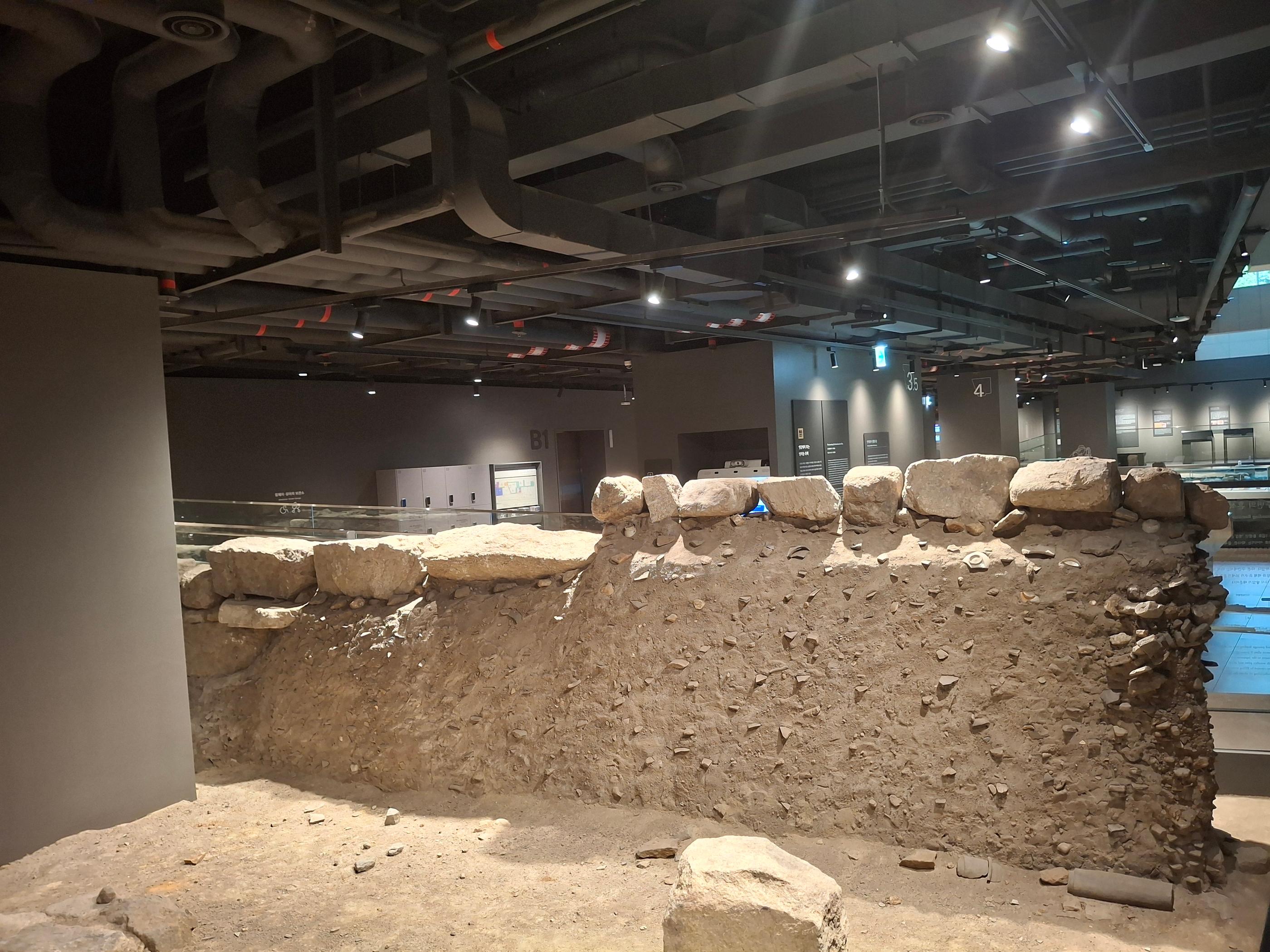
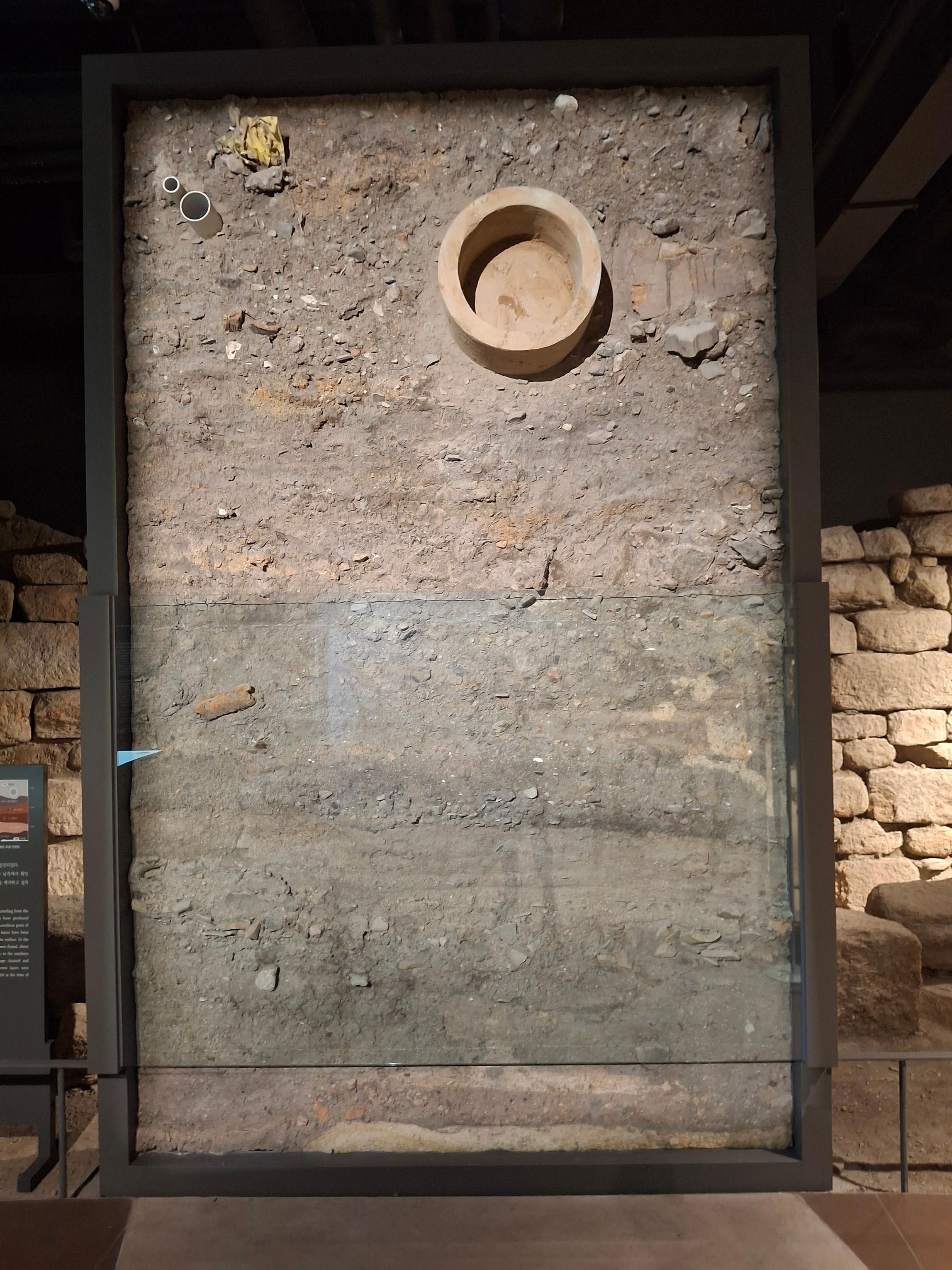
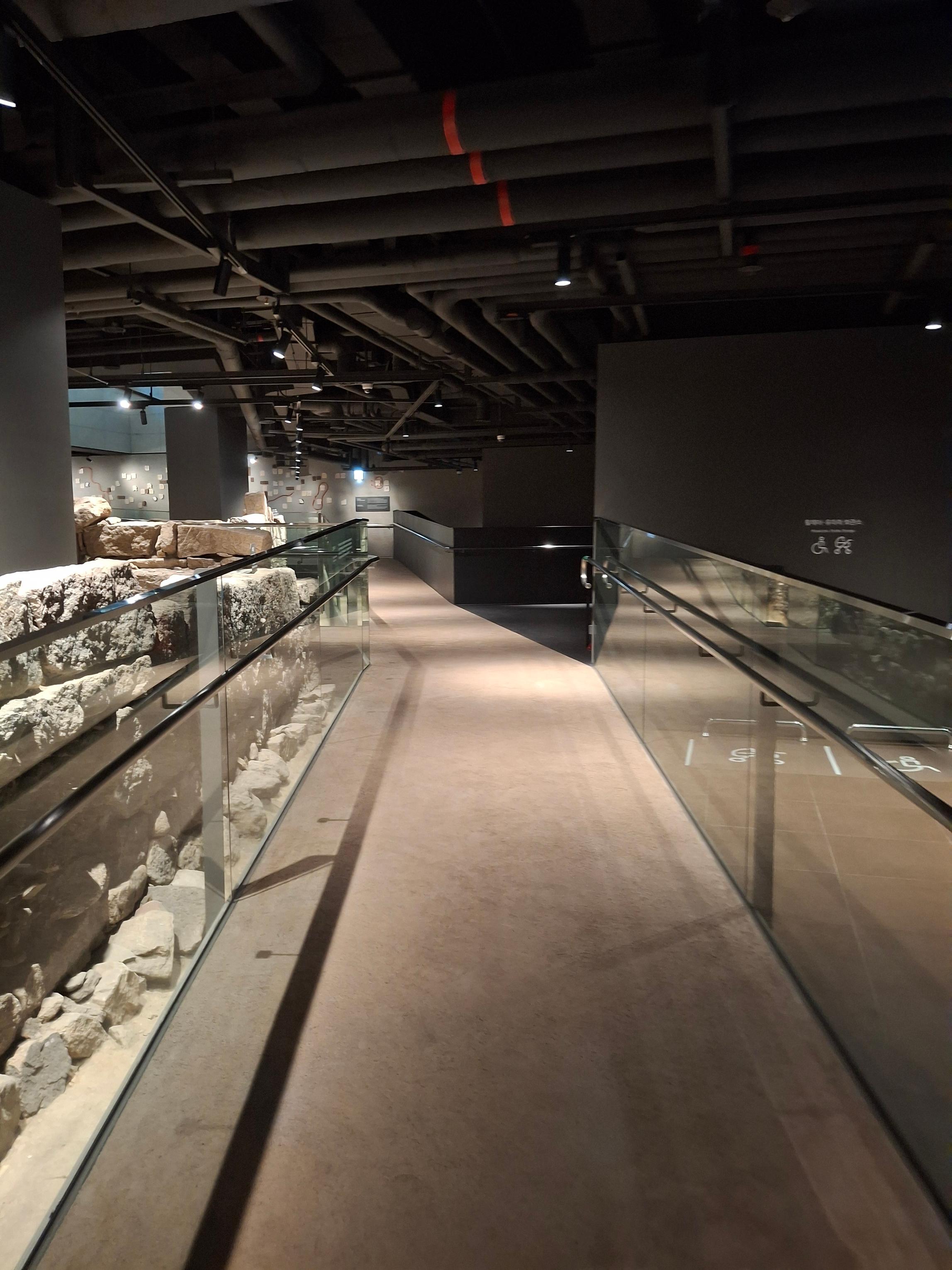
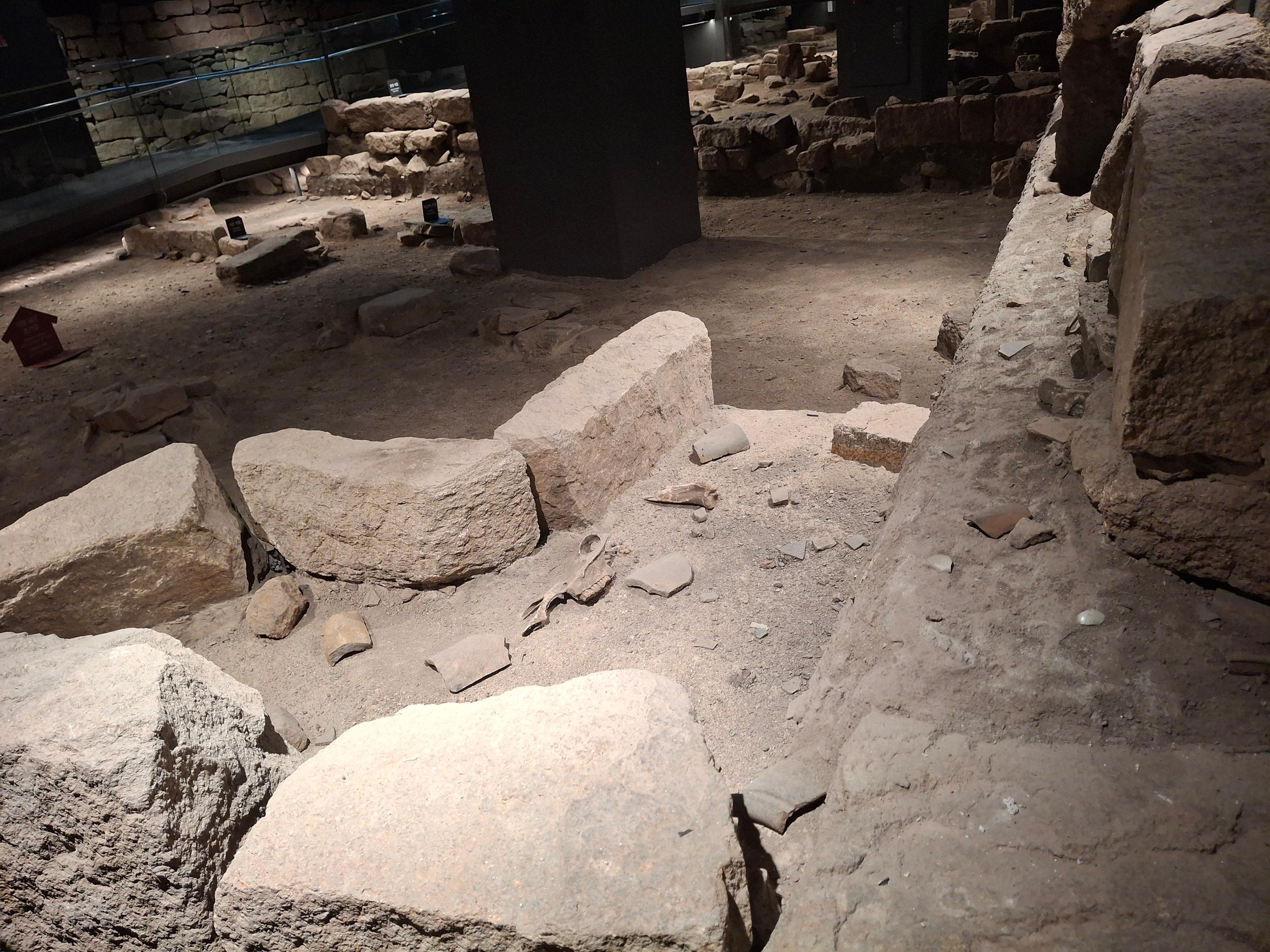
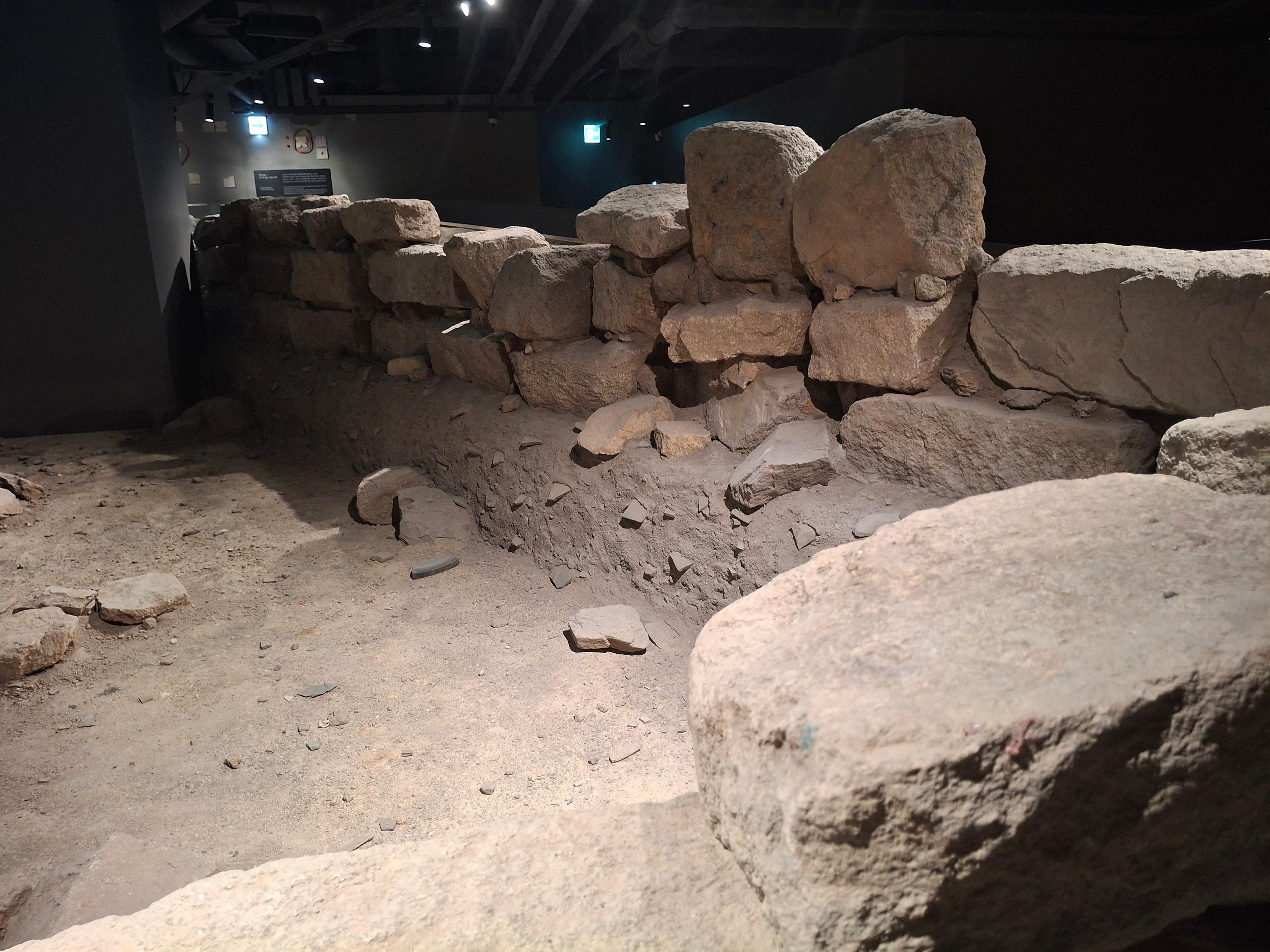
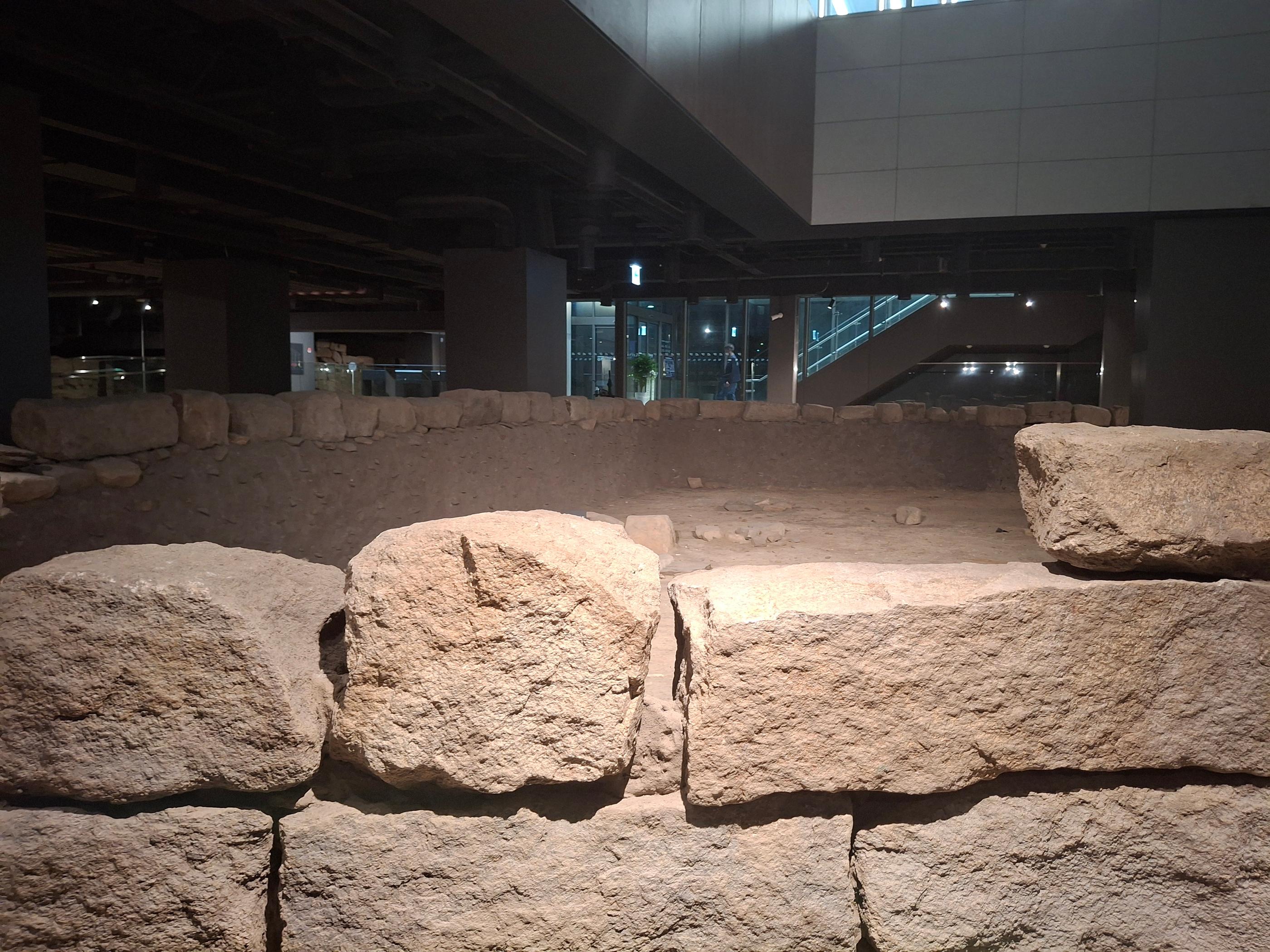
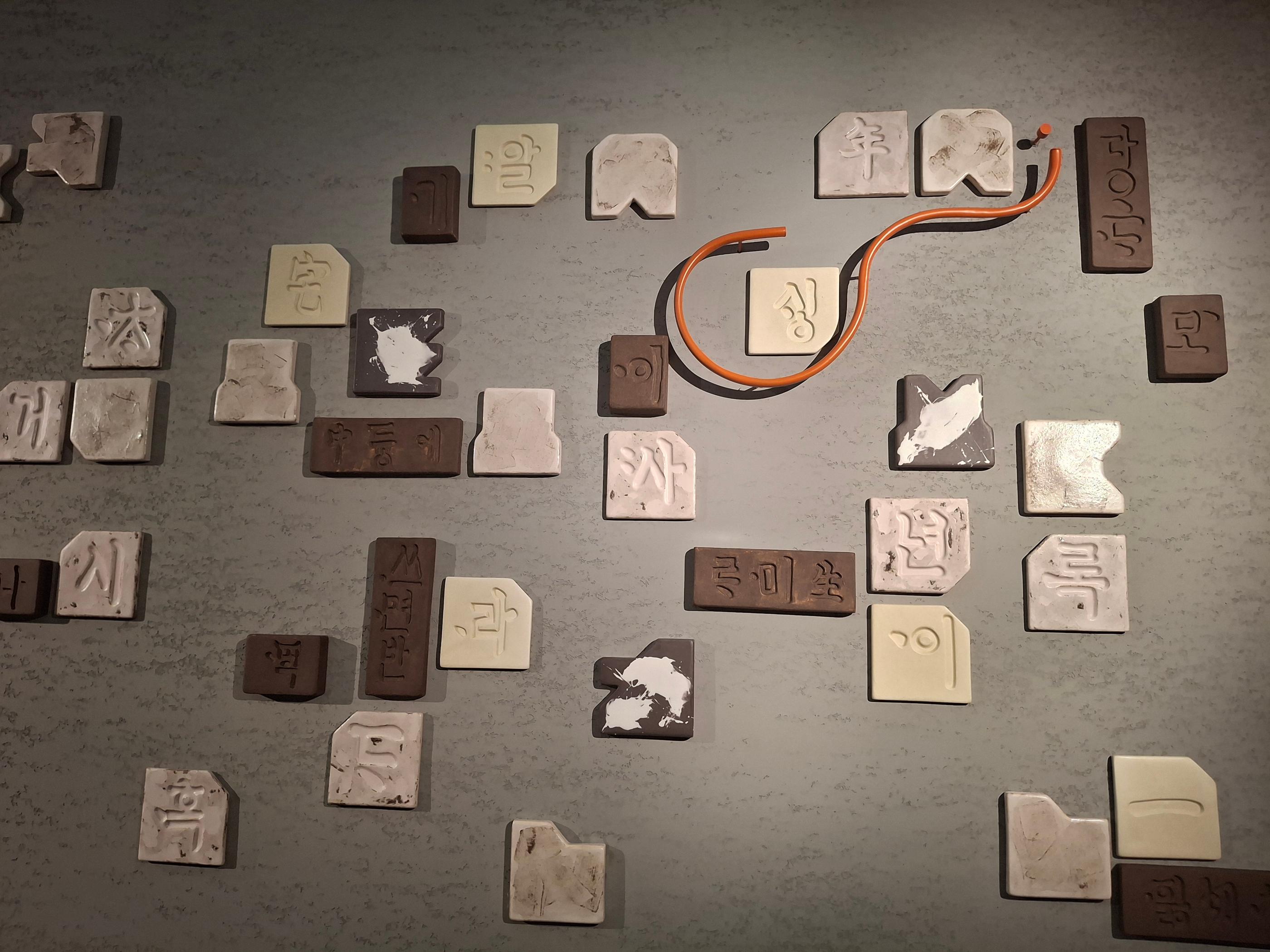
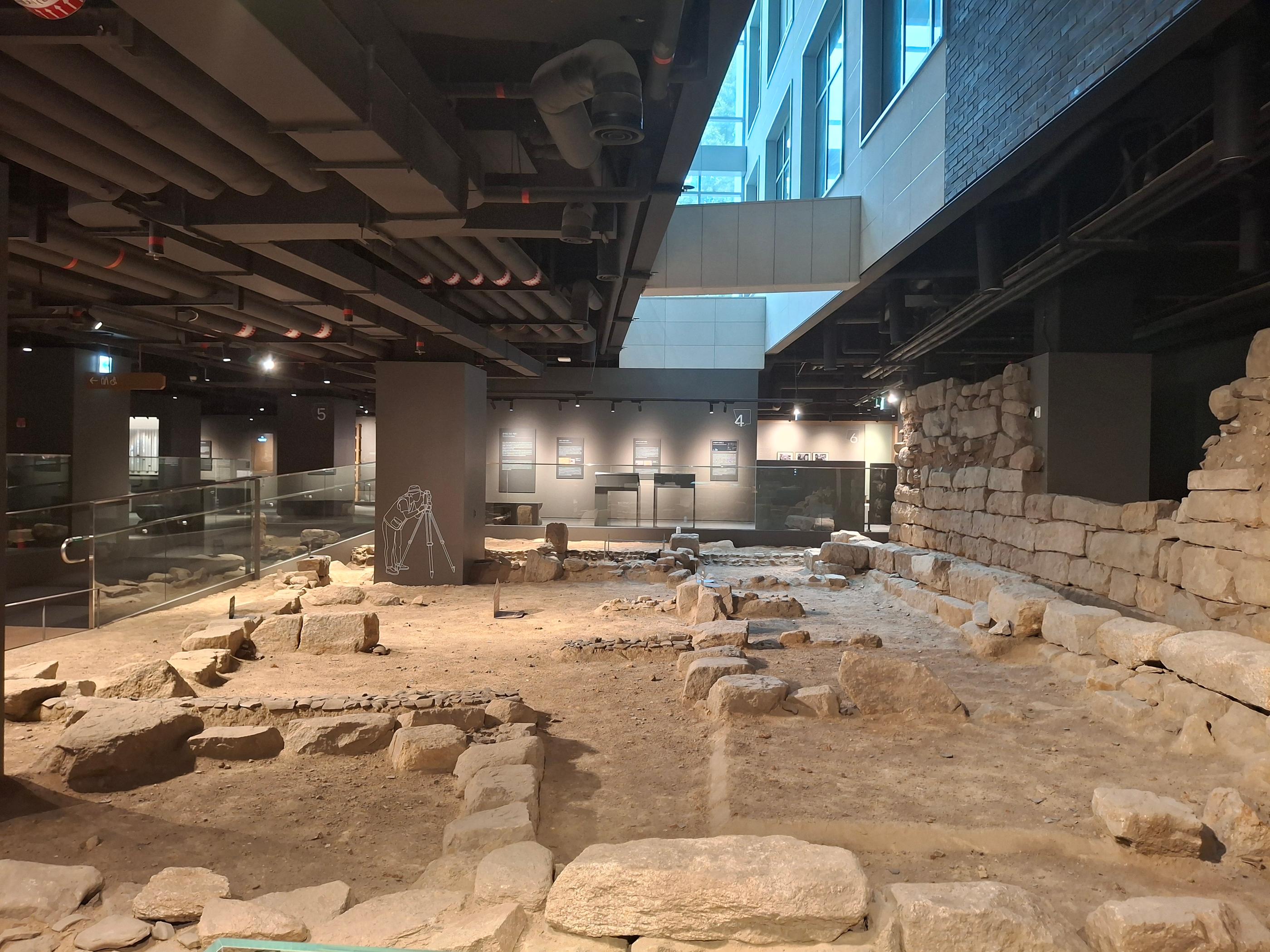
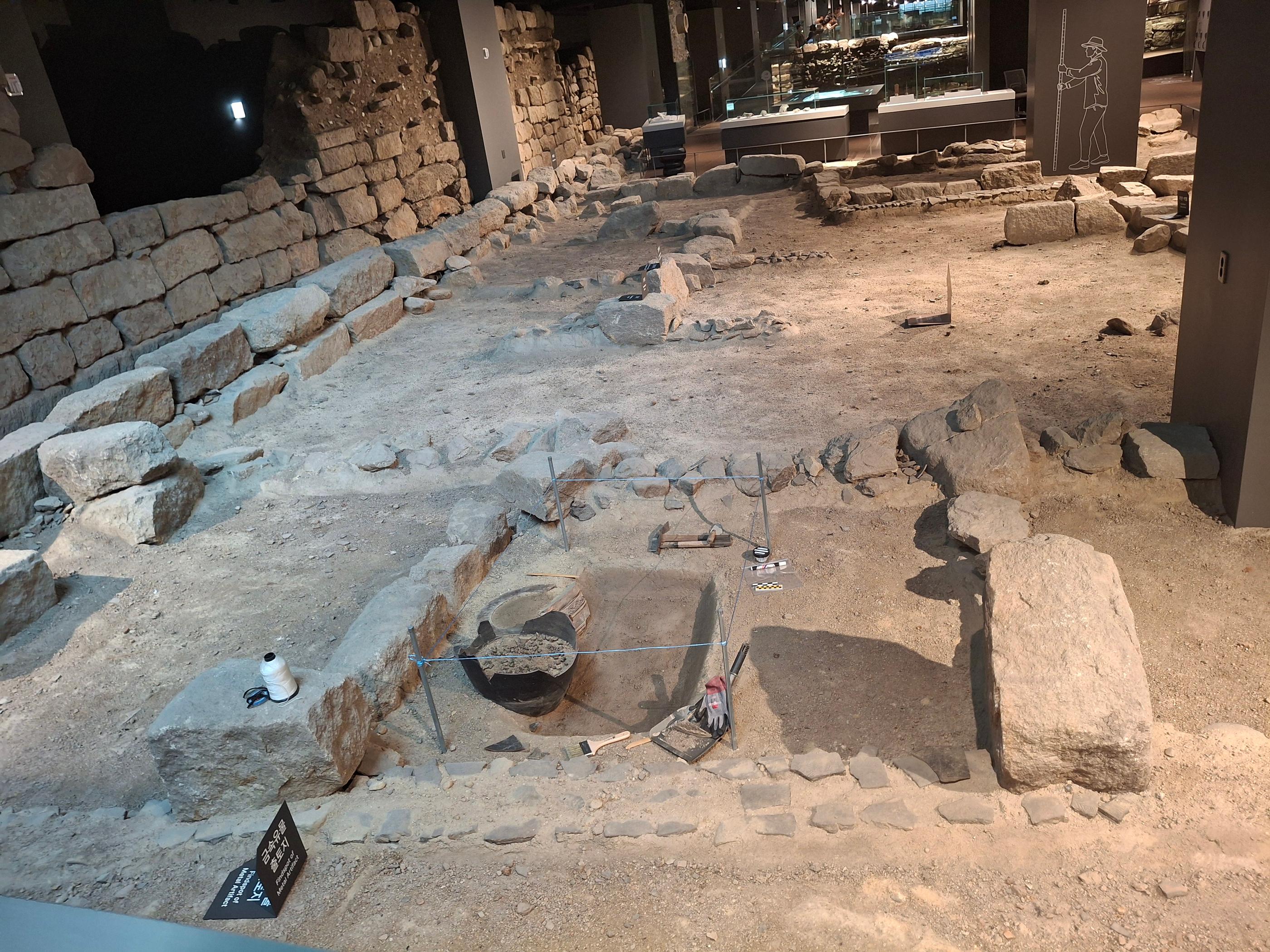
Next to each object there is a sign with its description and history. A brilliant idea is the interactive screen next to the excavated remains of each building. It displays a historical reconstruction and allows you to understand what the building looked like in ancient times. You can rotate the model, explore its interior, and visualize its structure.
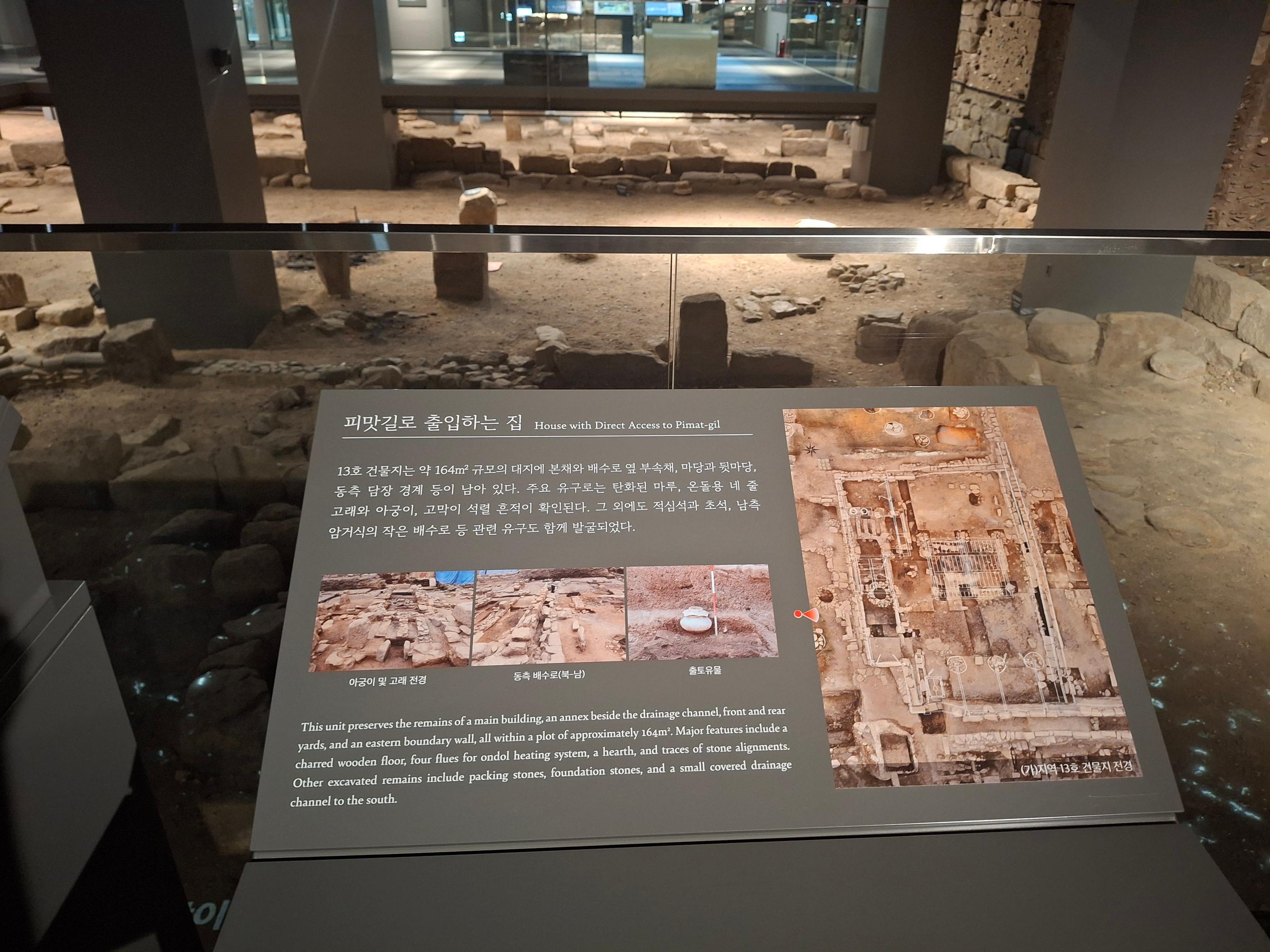
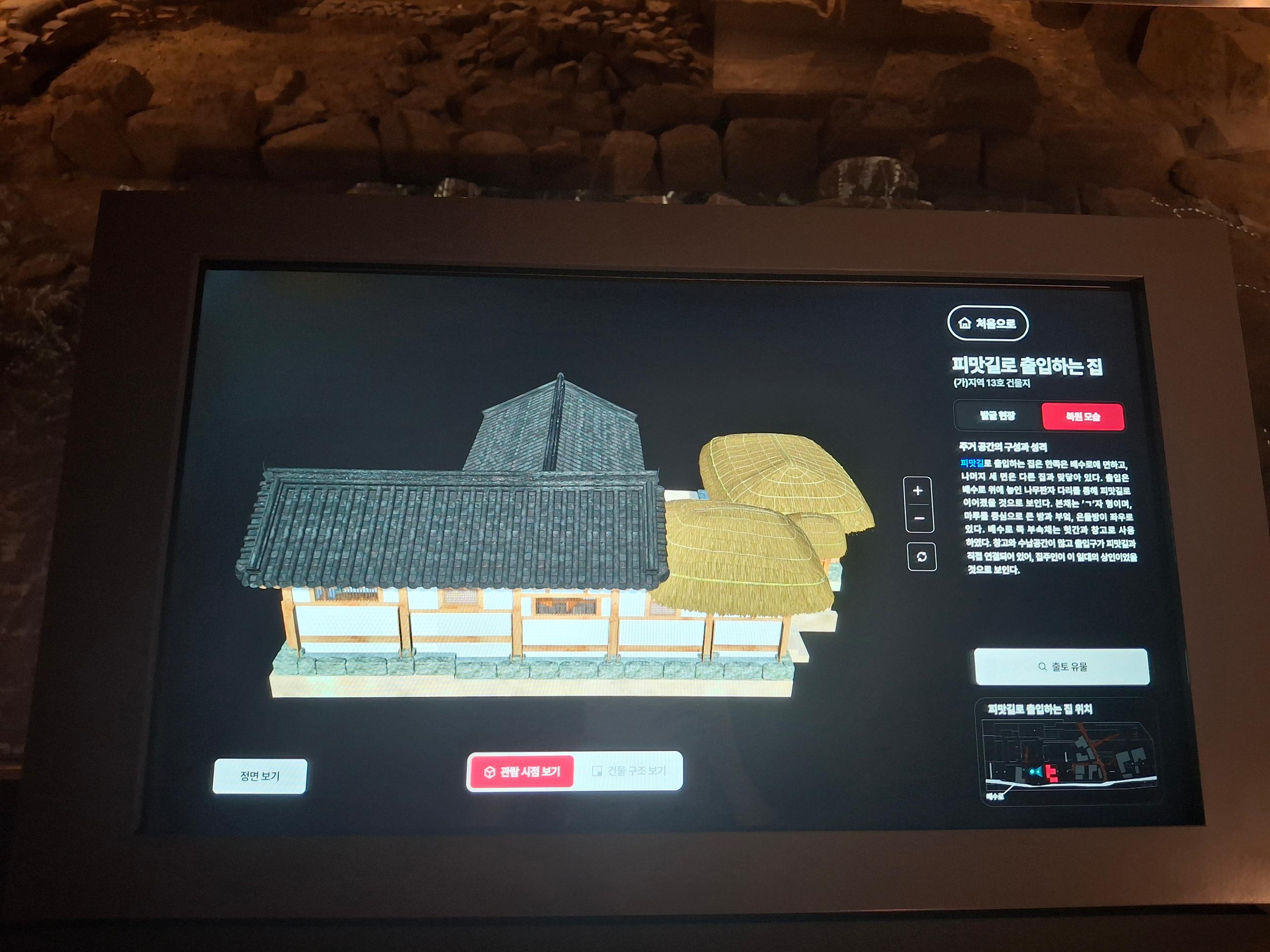
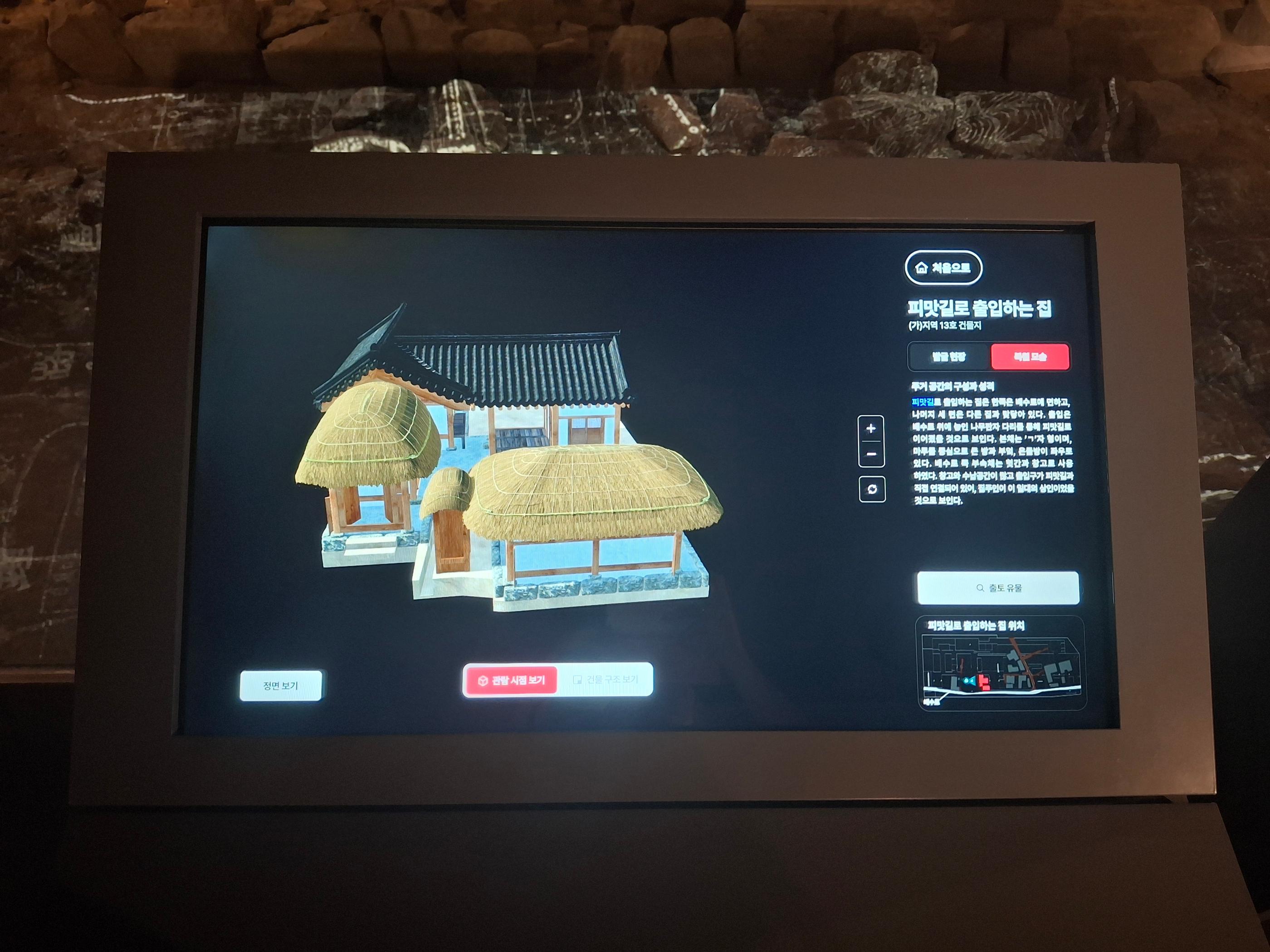
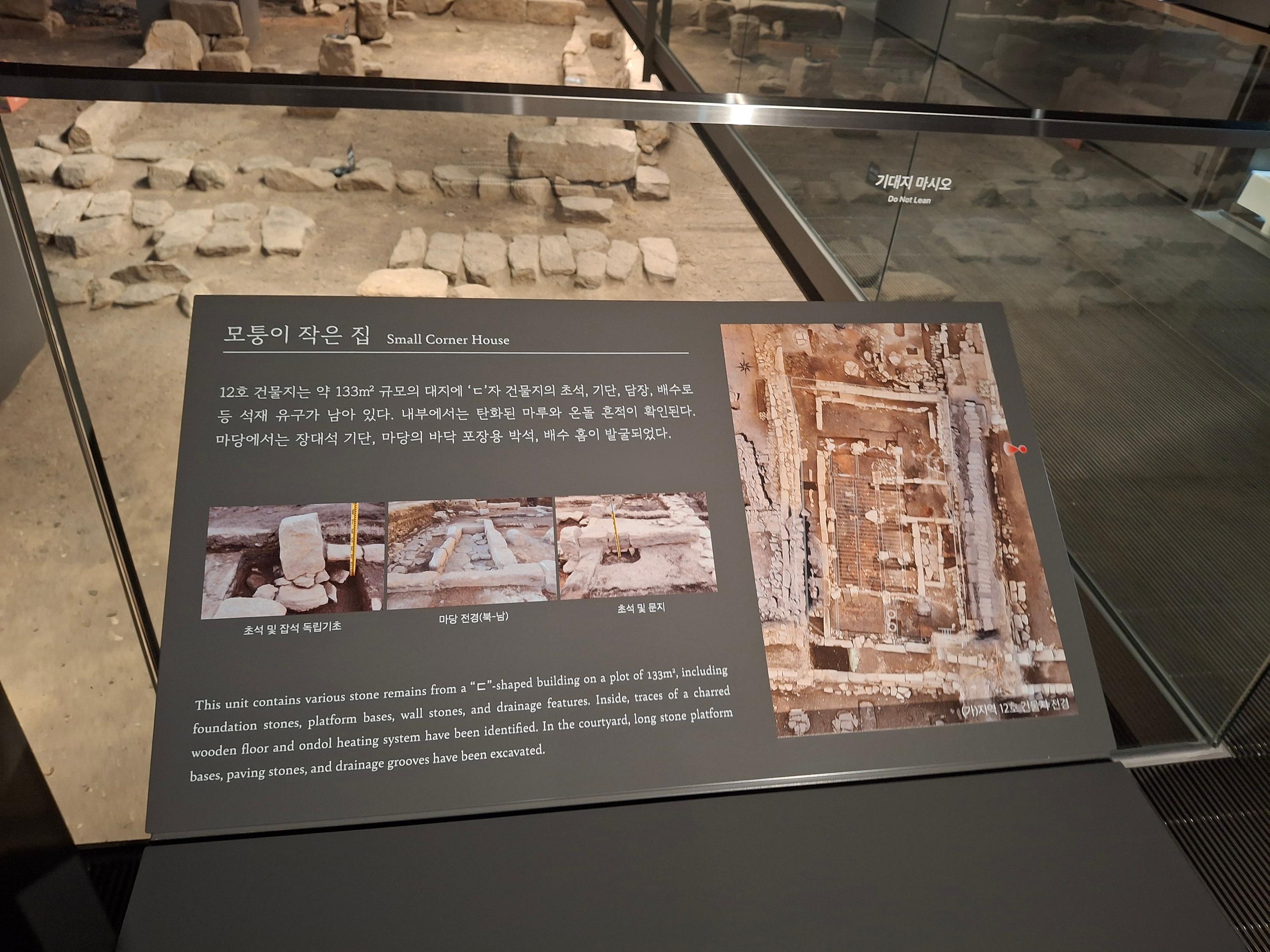
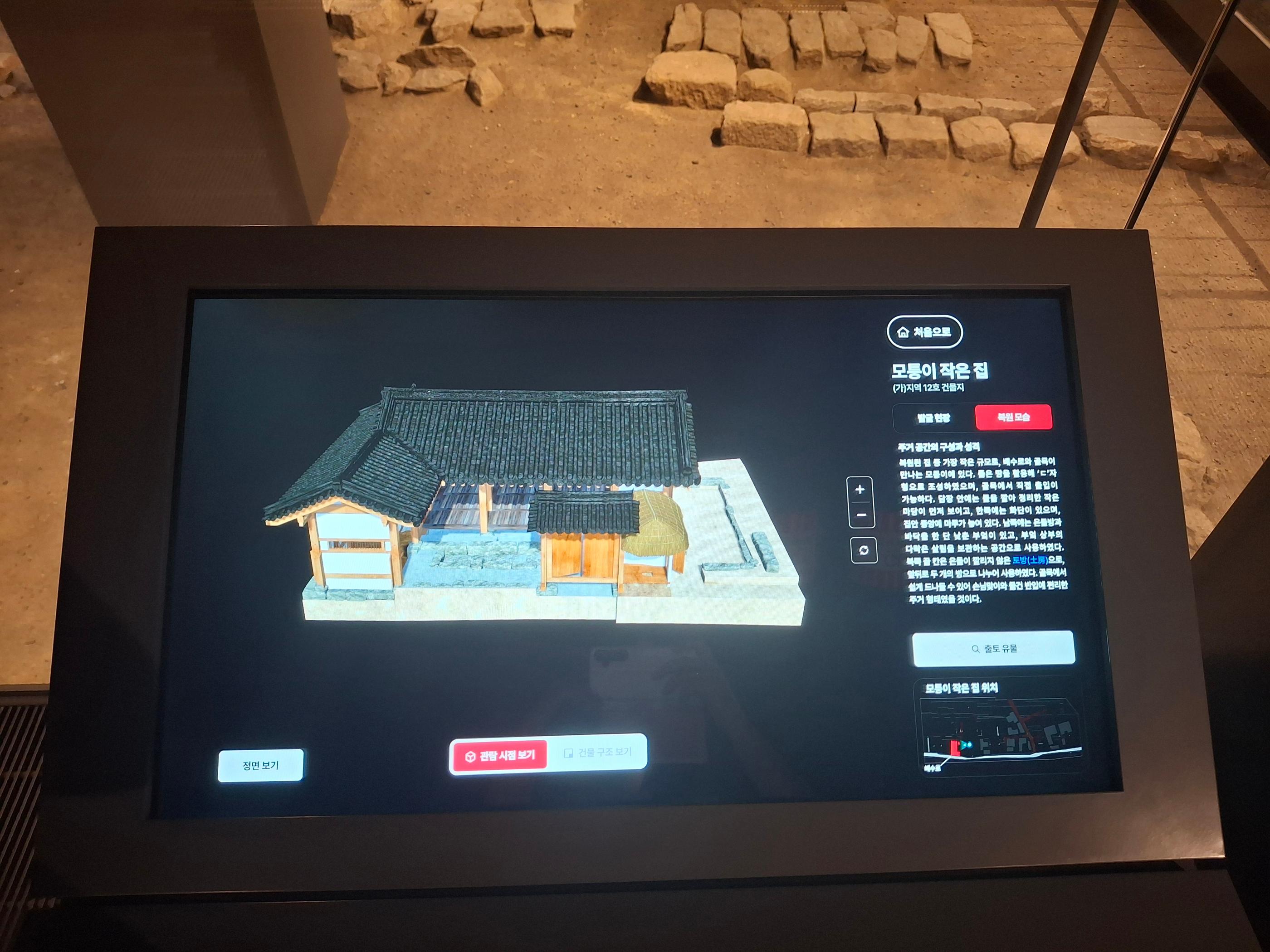
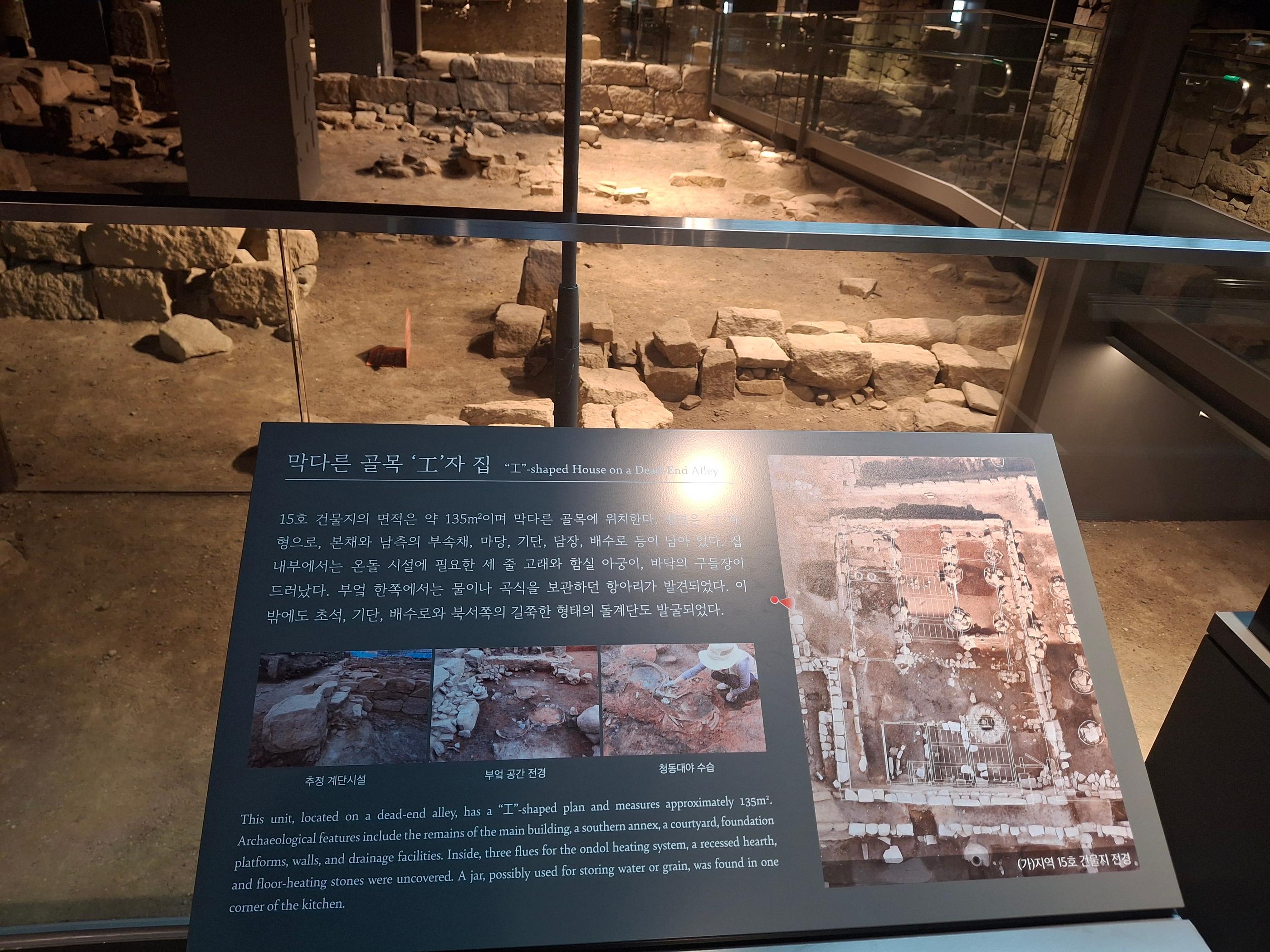
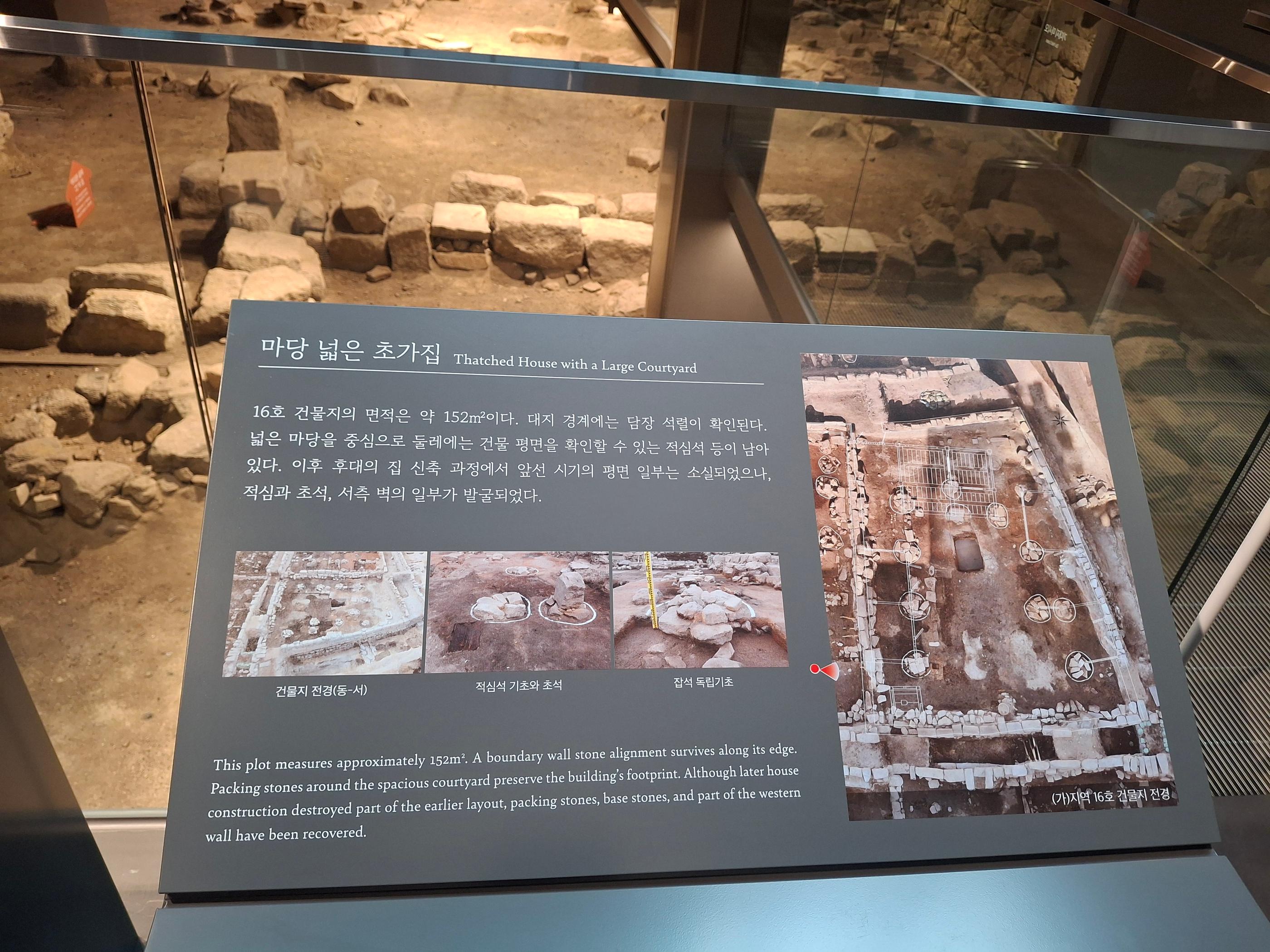
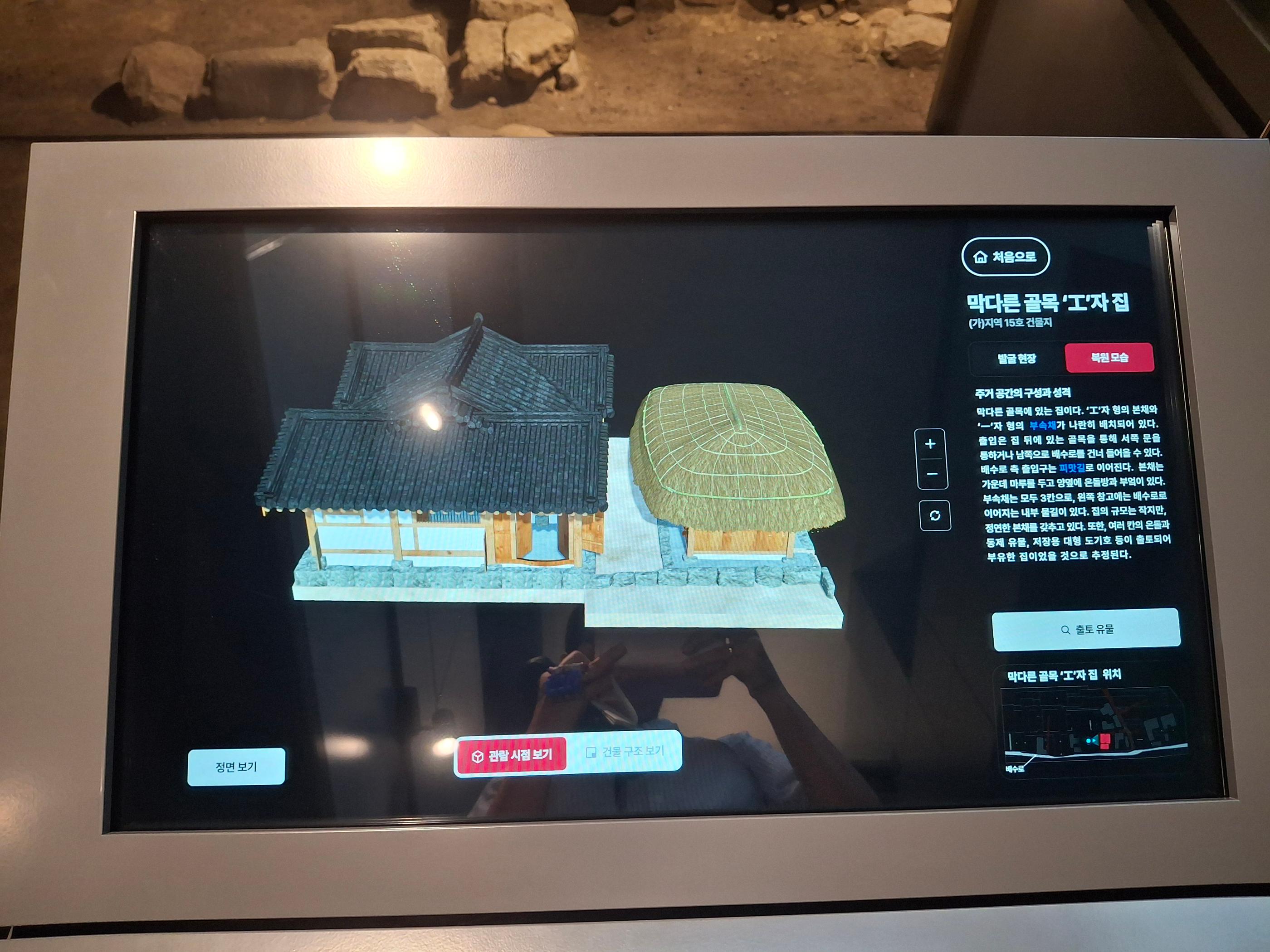
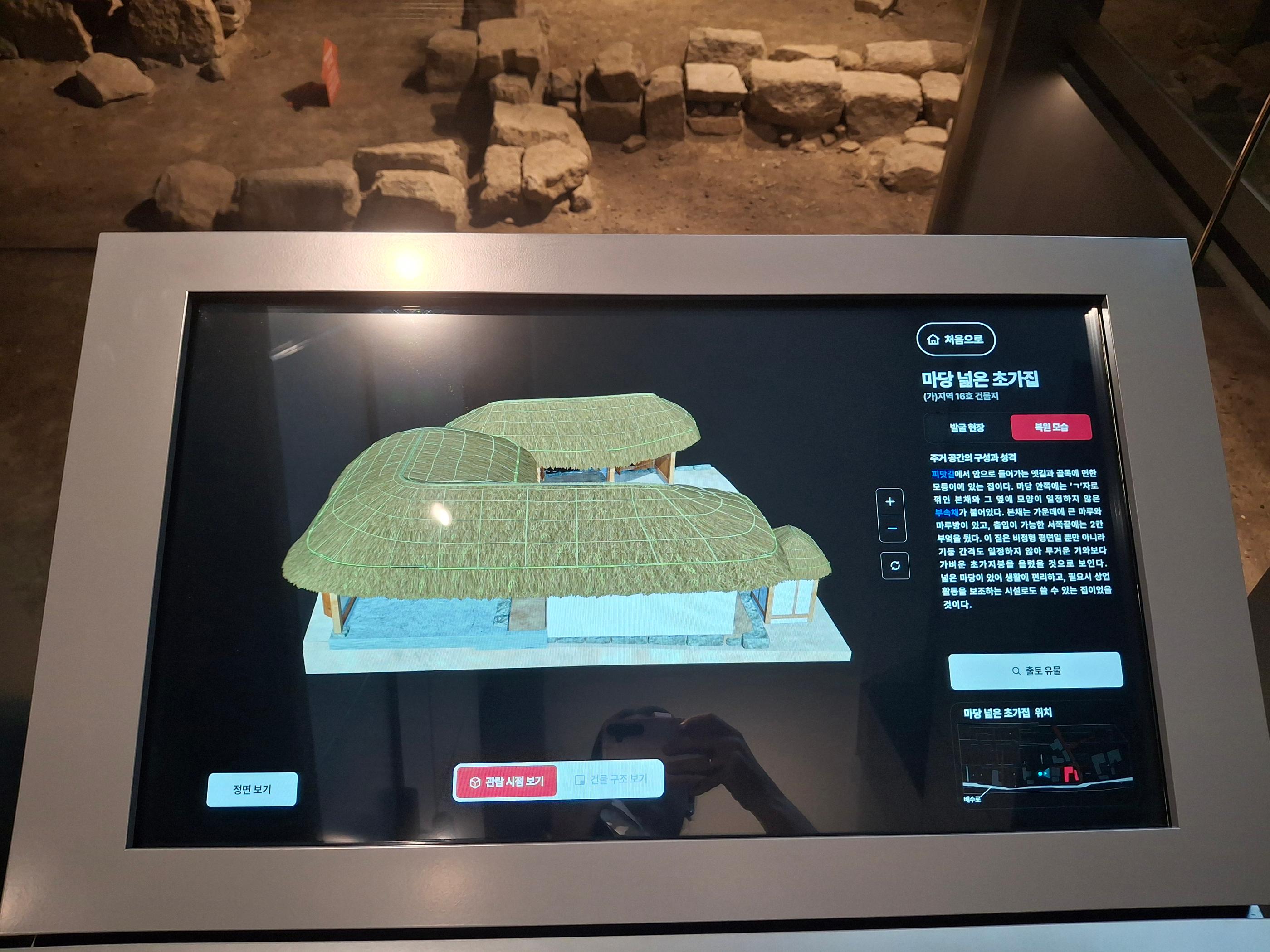
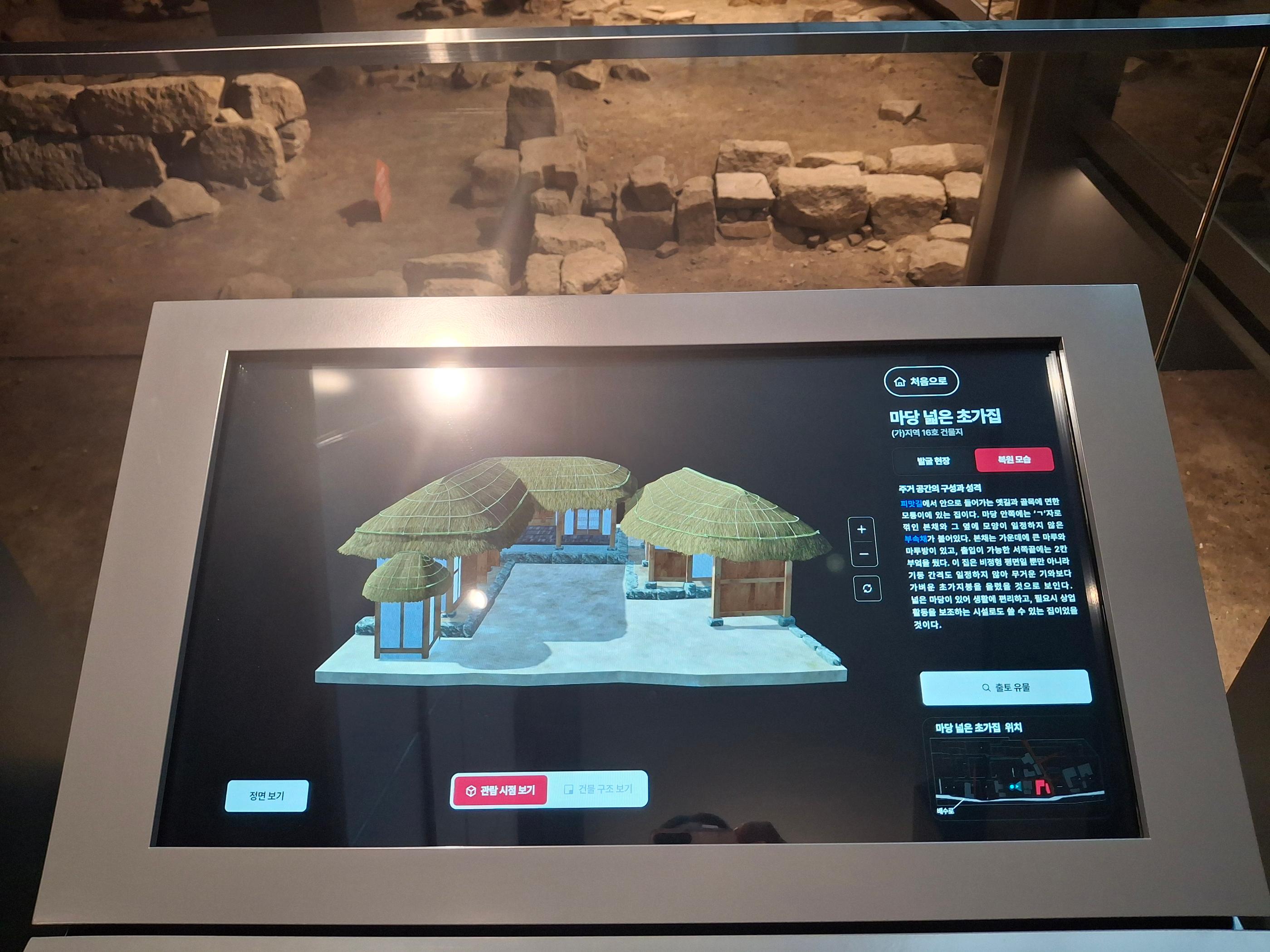
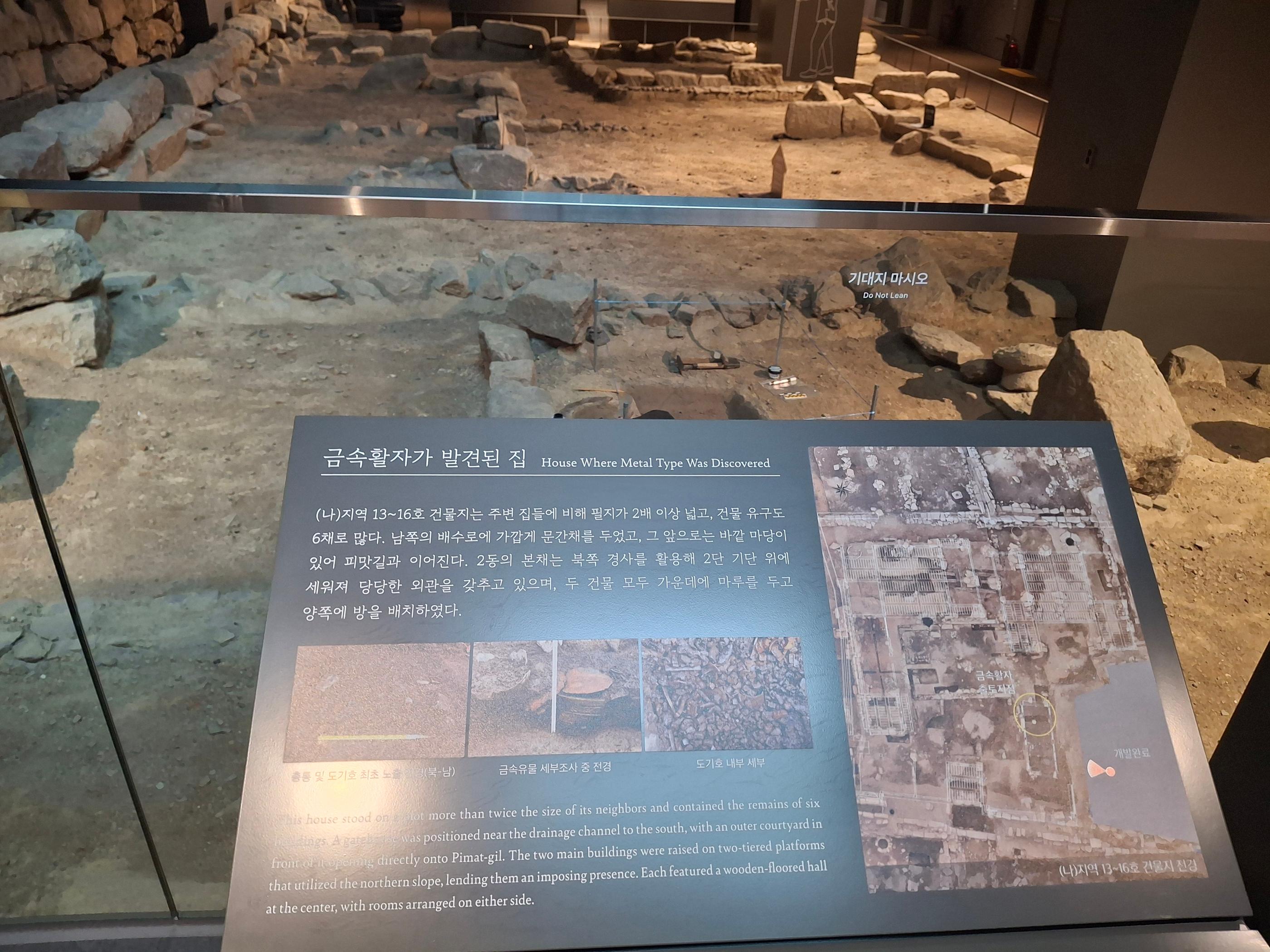
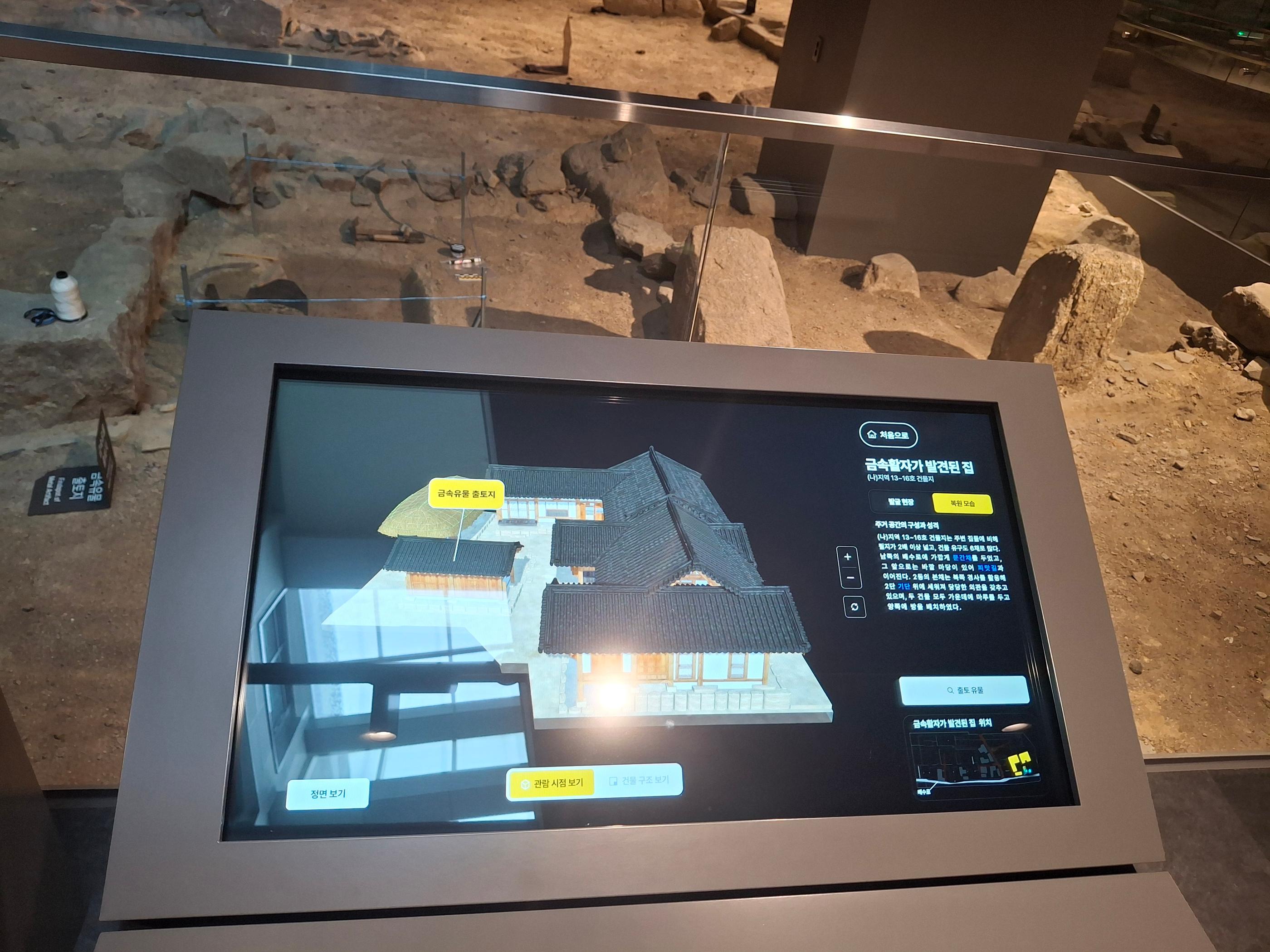
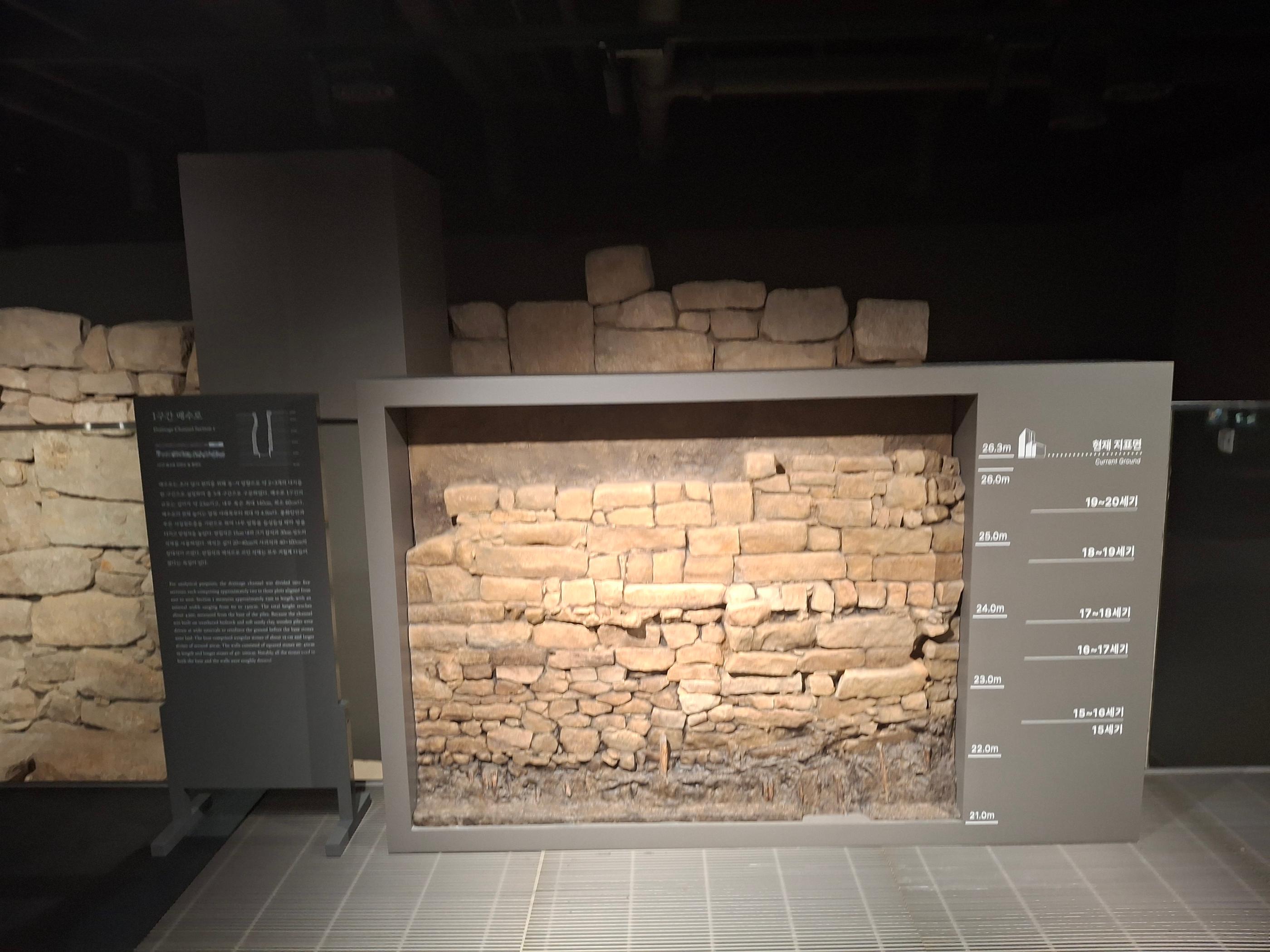
The drainage channels identified at the excavation site were built to prevent flooding in the low-lying areas around Jongno and the government-licensed shops. Below the drainage channel, the market, Pimat-gil, and shops were arranged in successive rows, while above it, larger plots held buildings that likely served as combined residential and workshop spaces for merchants and artisans.
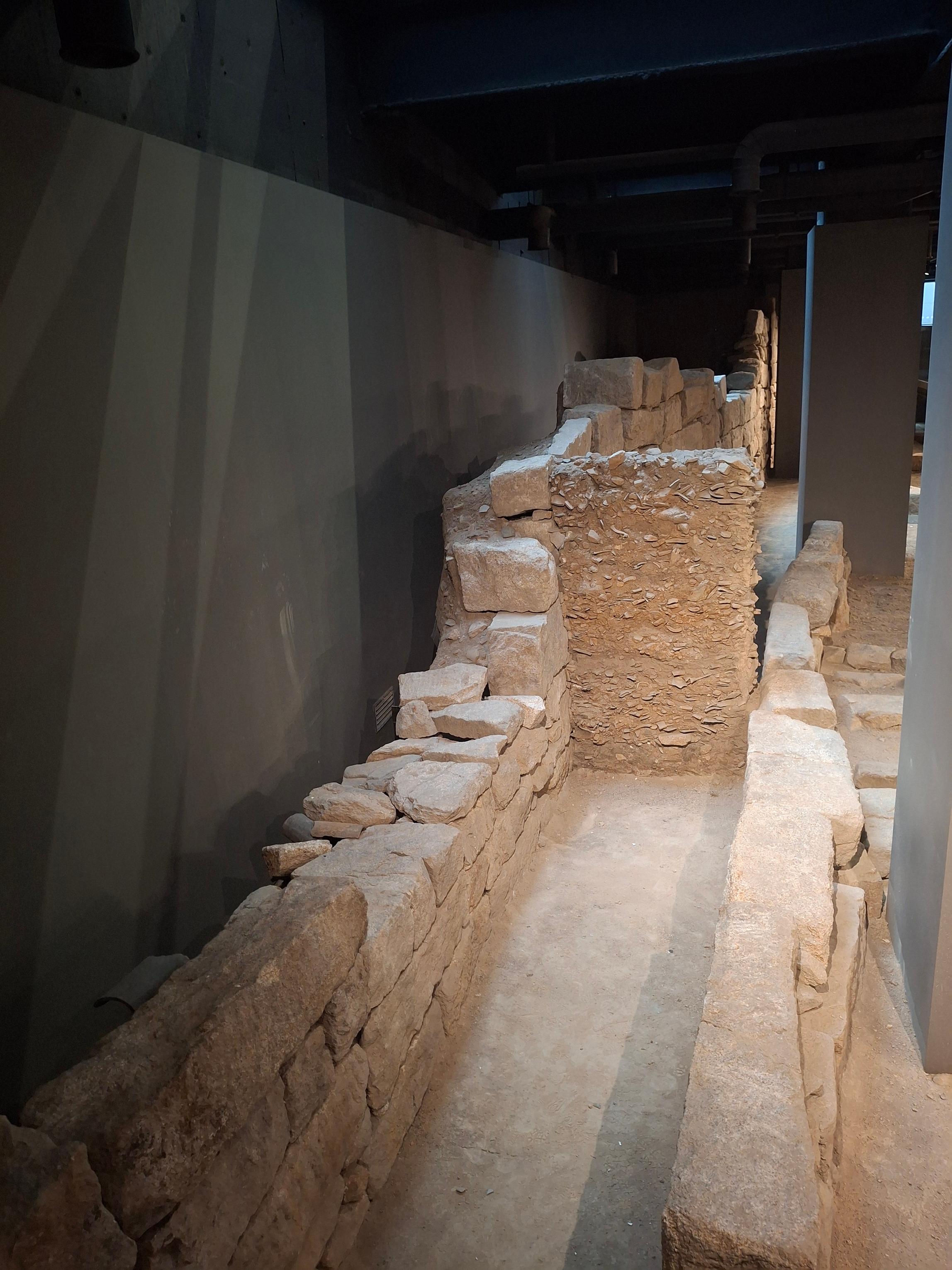
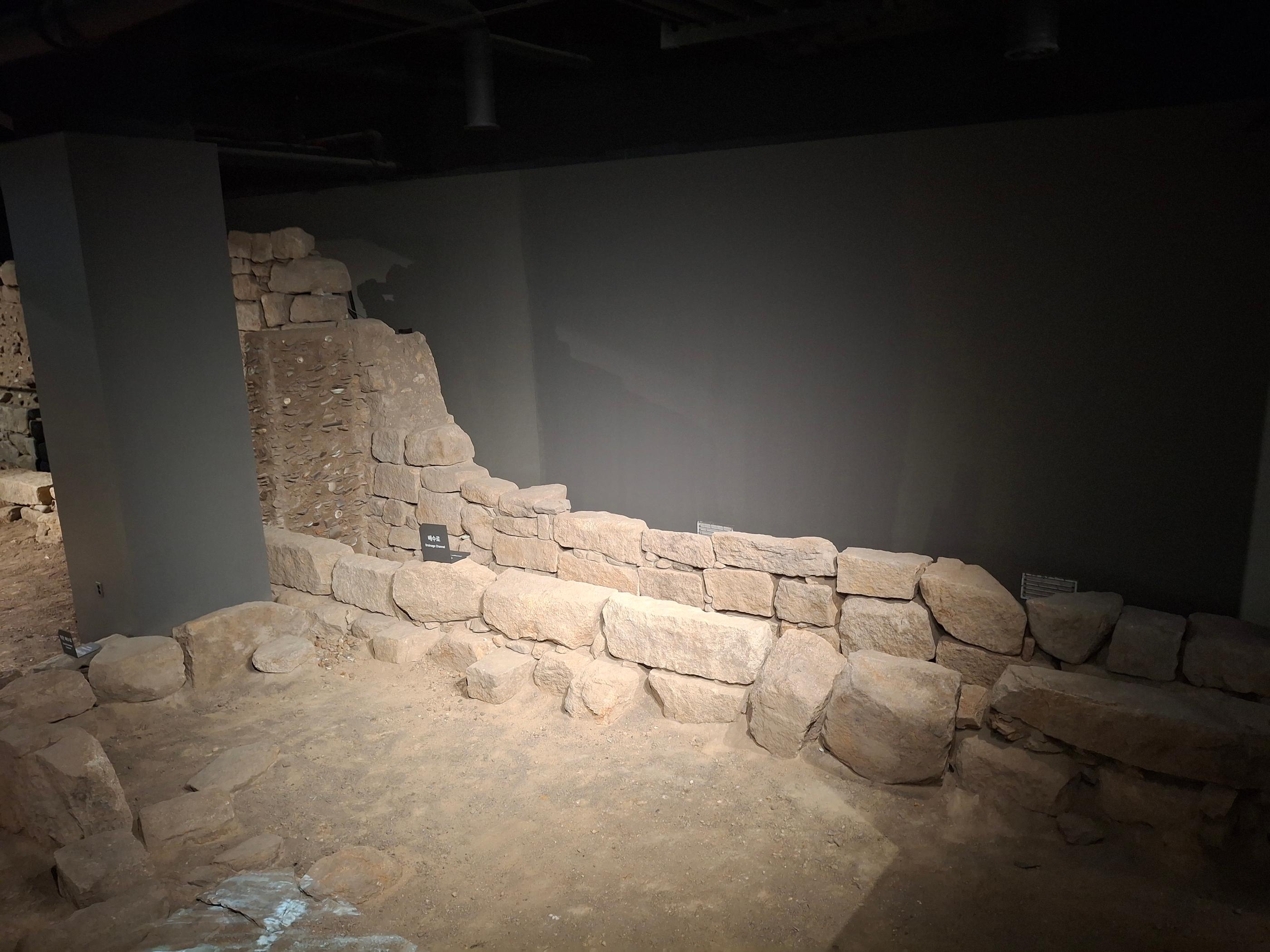
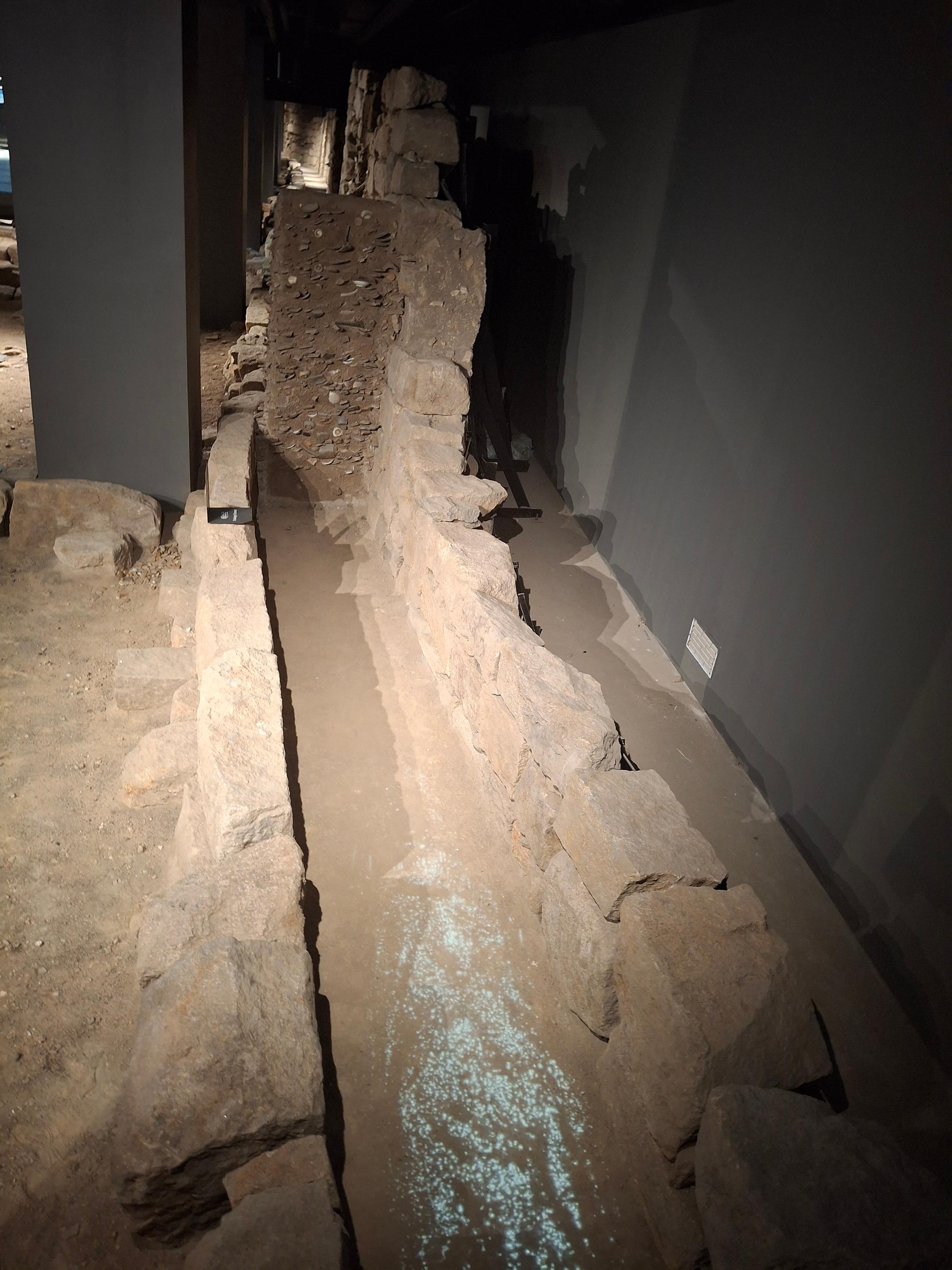
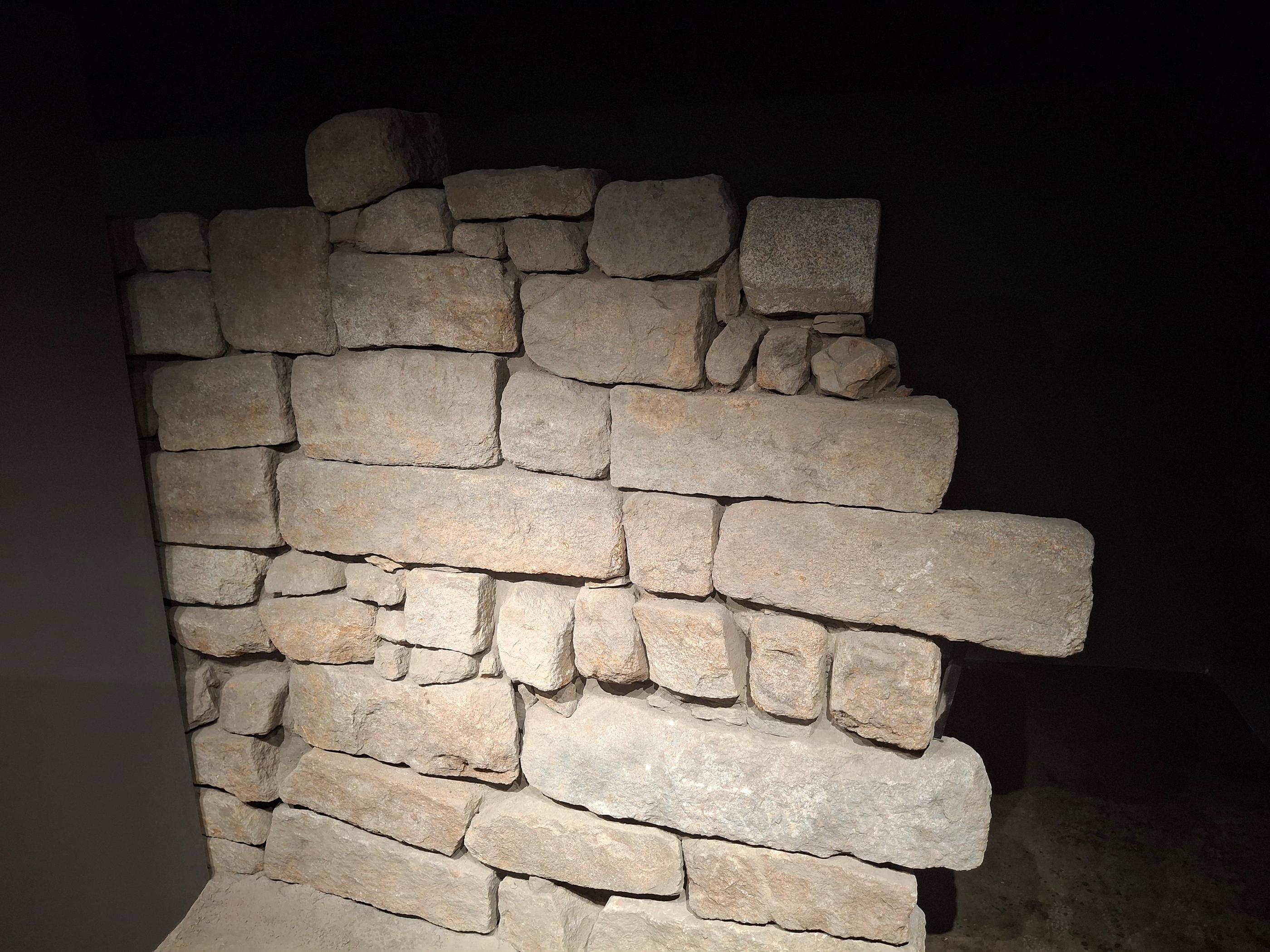
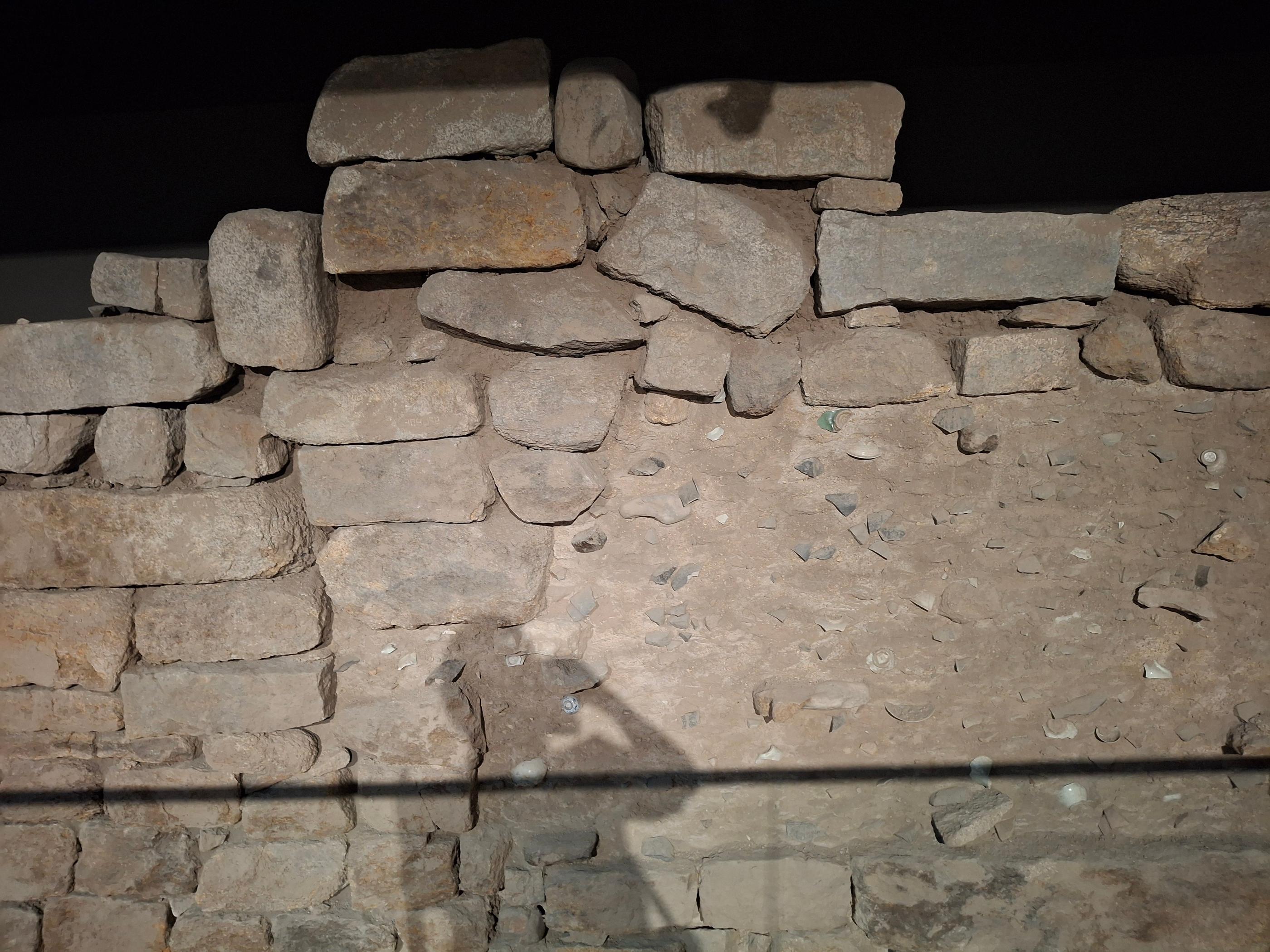
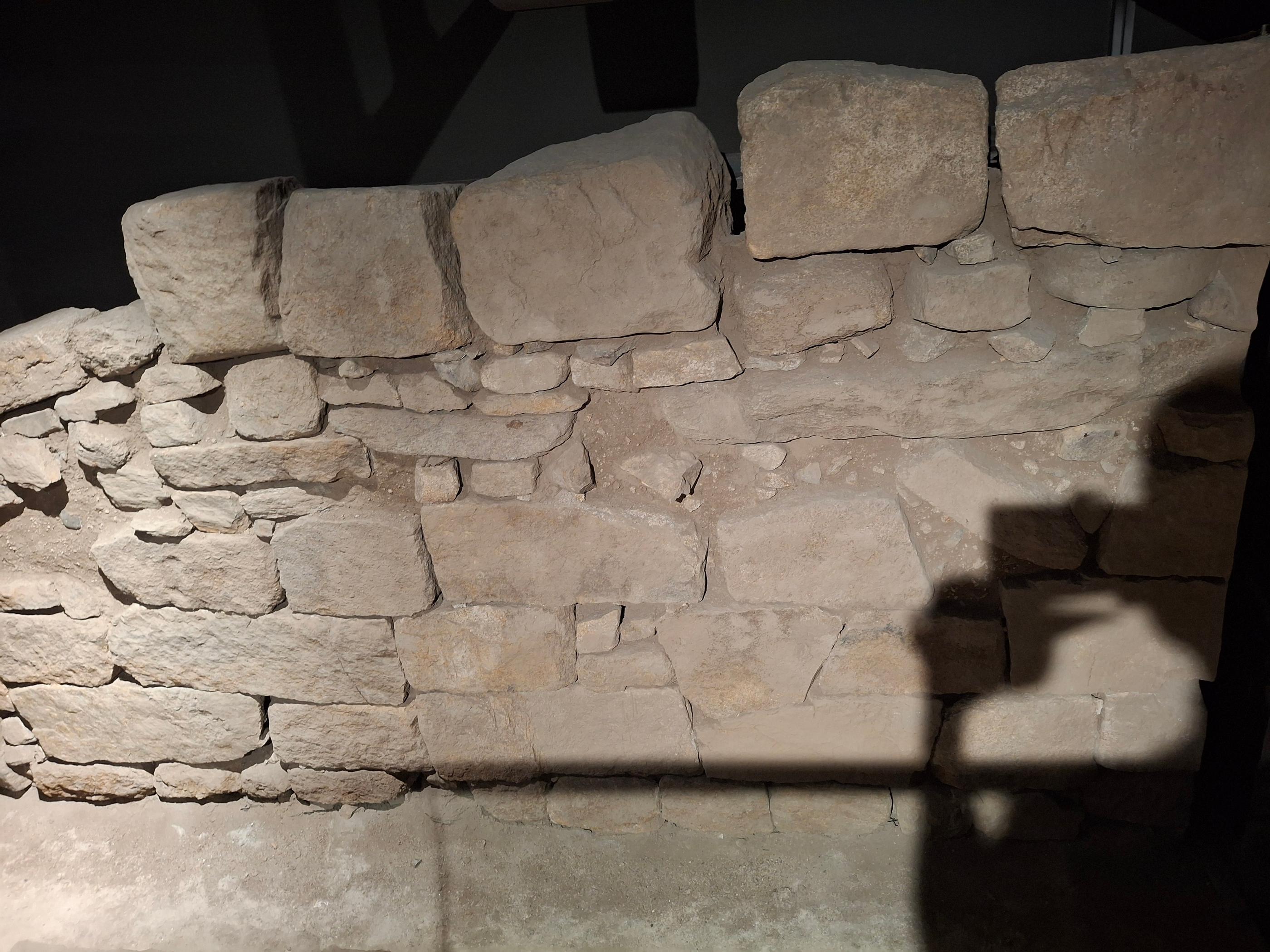
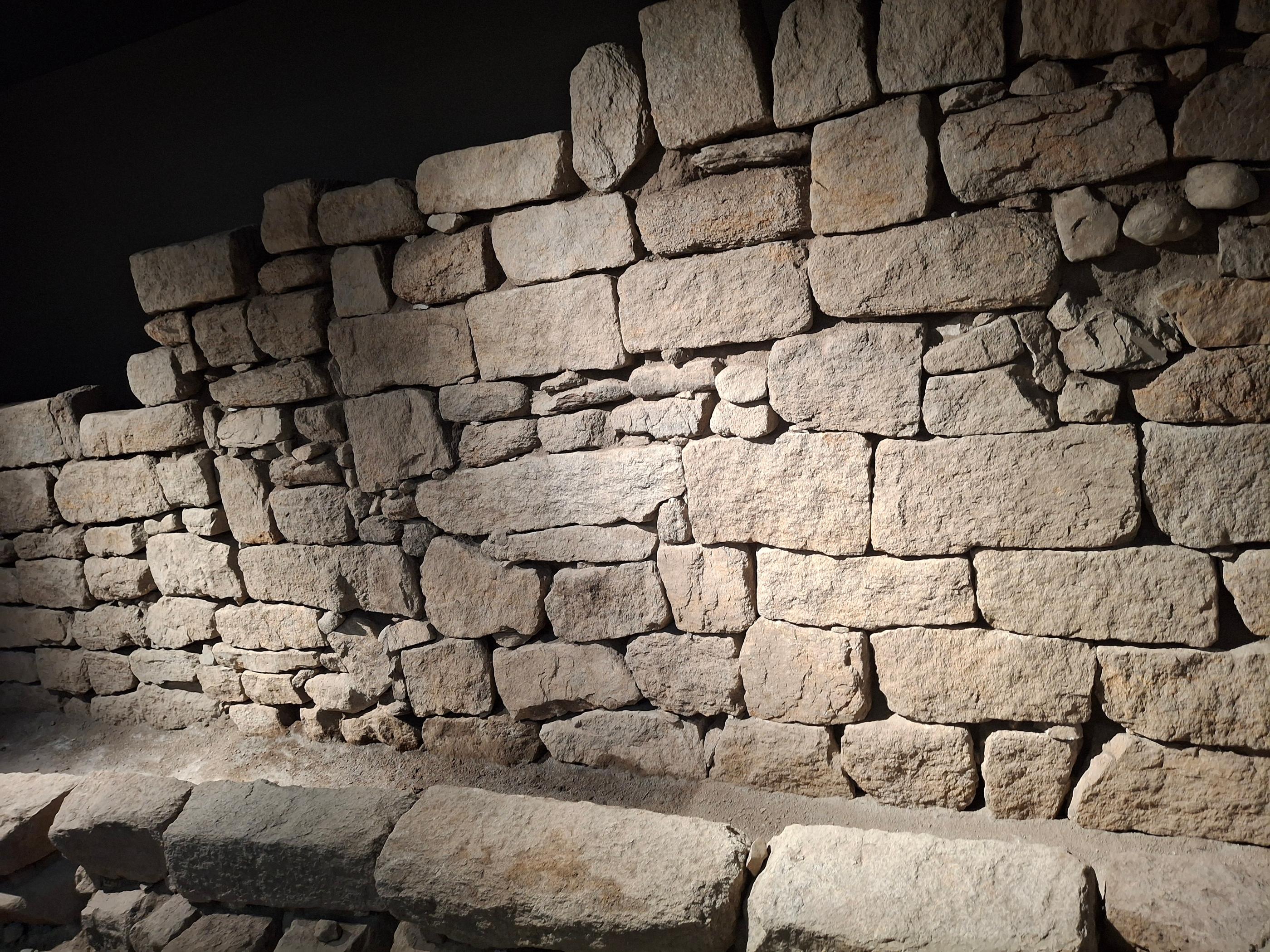
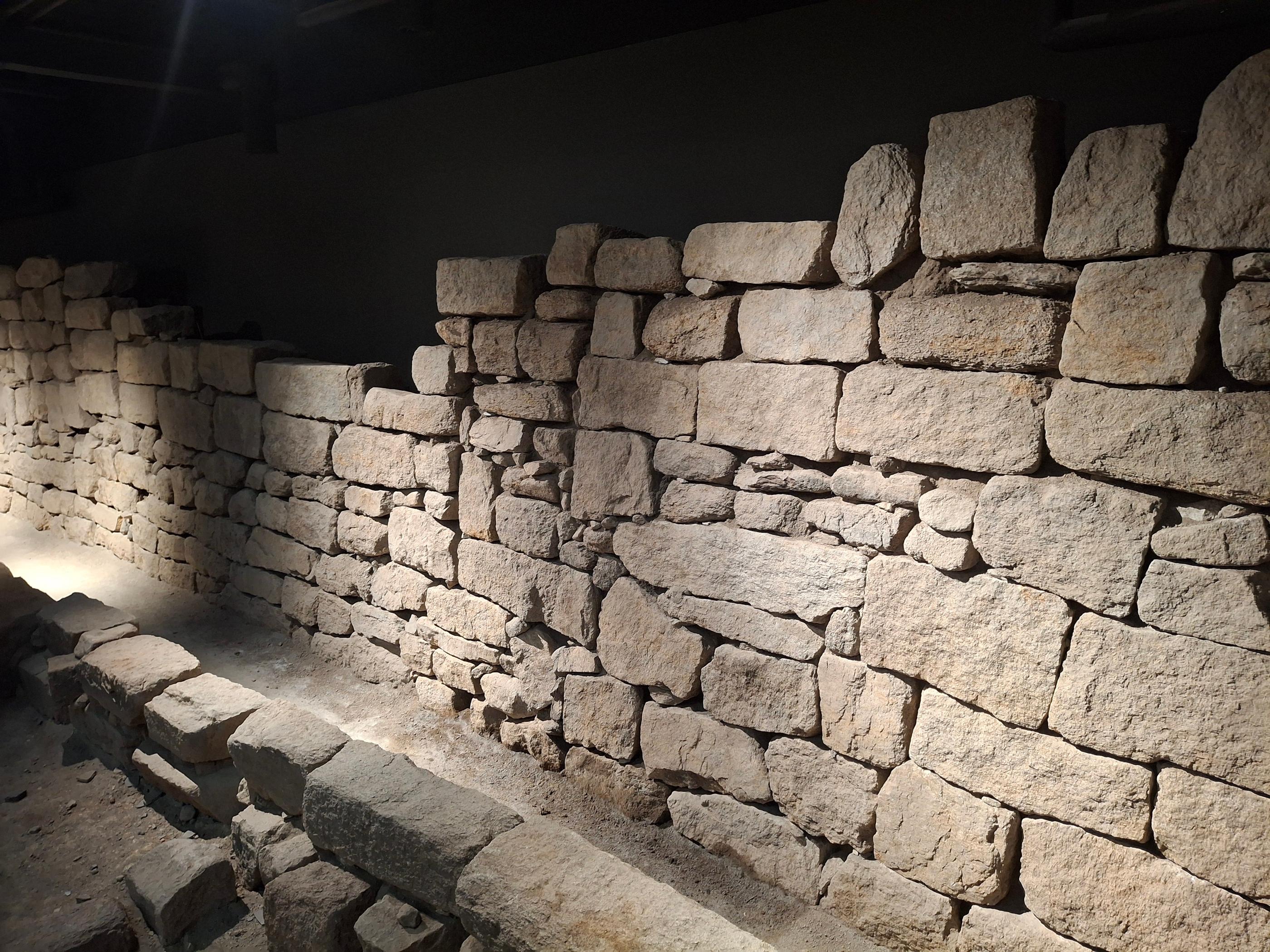
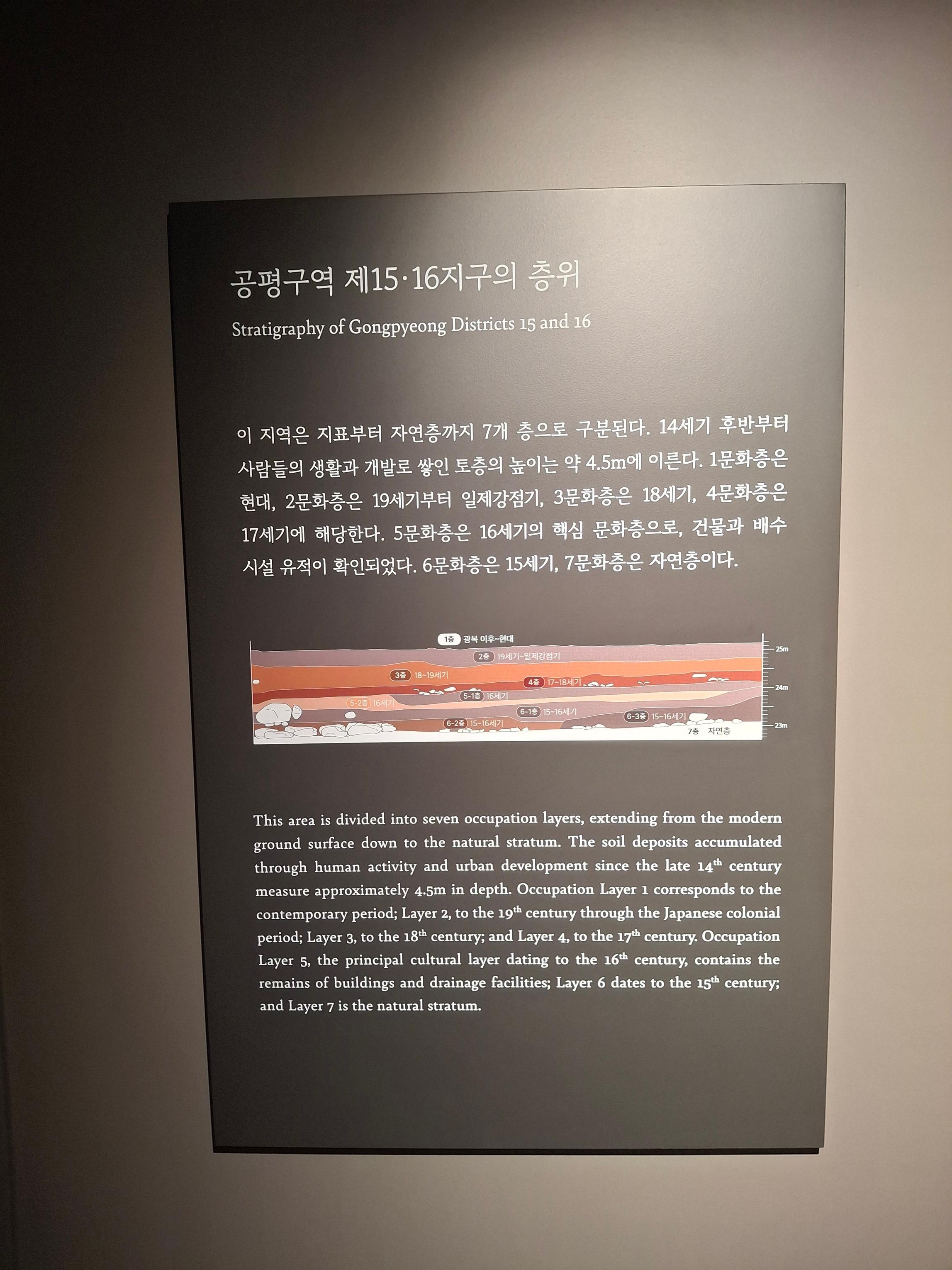
The excavation layers are shown separately, with detailed explanations. The archaeological finds found in each layer can be seen. First of all, it's a diverse collection of ceramics. It's a great opportunity to clearly see changes over the centuries.
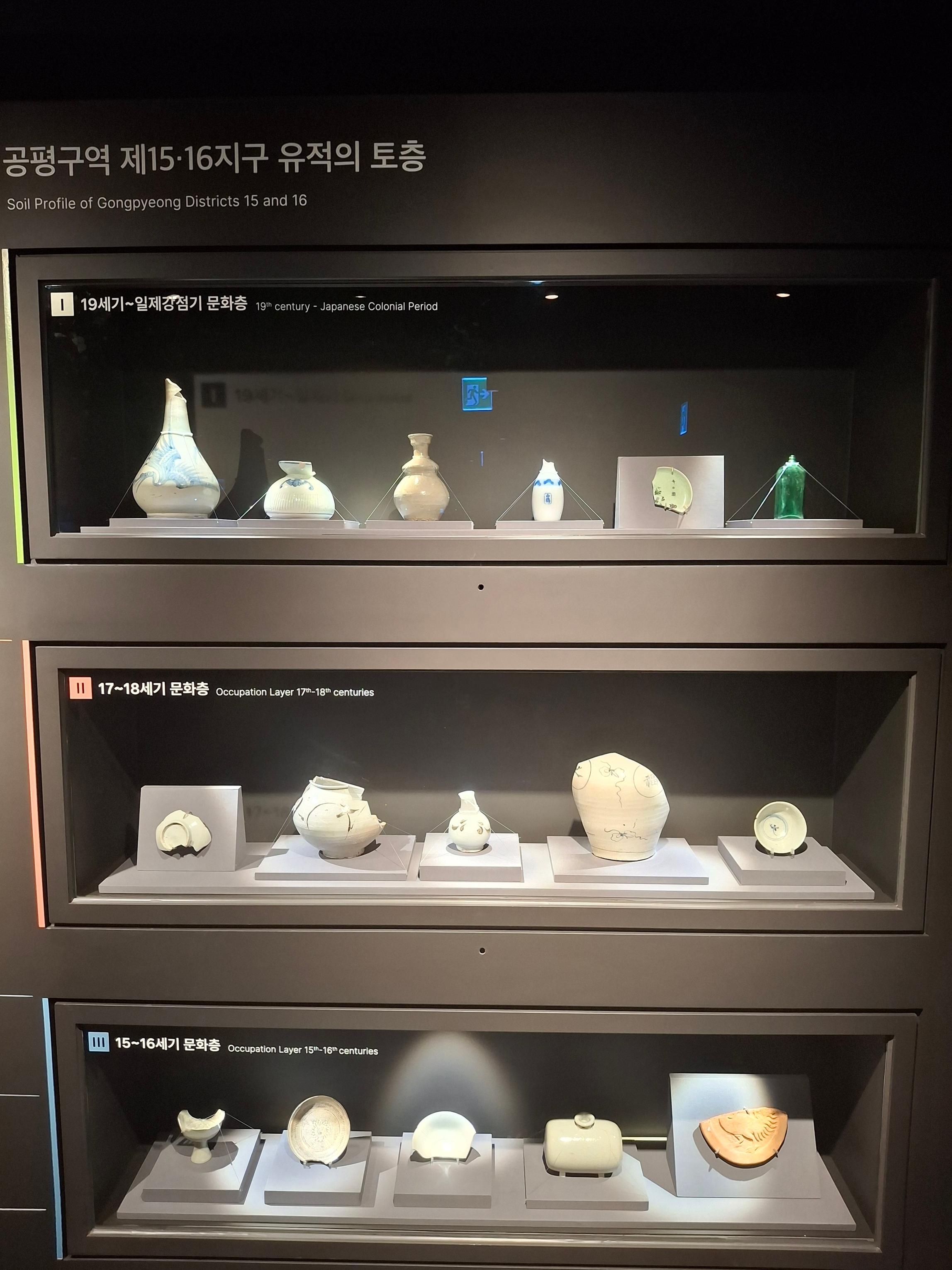
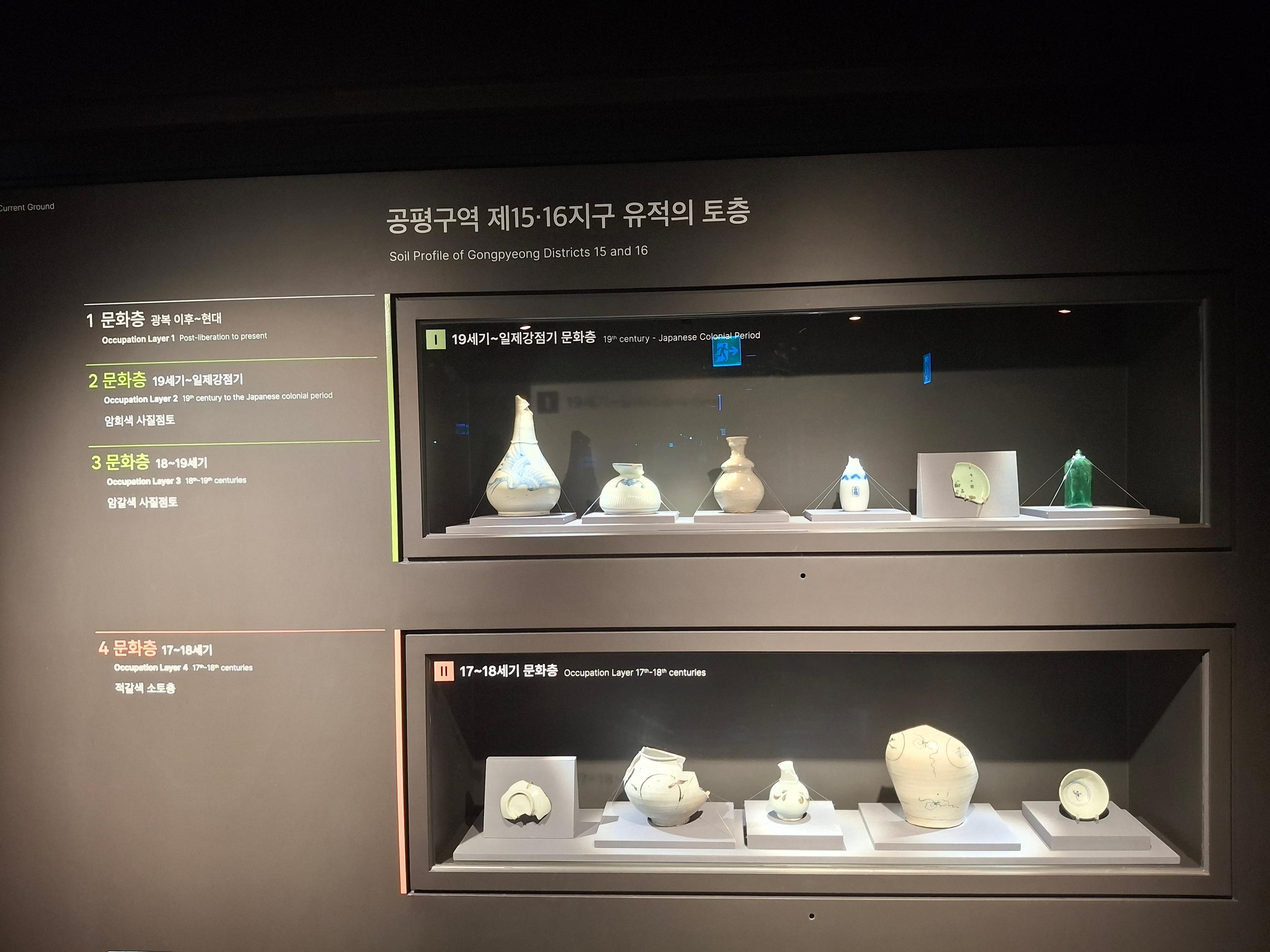
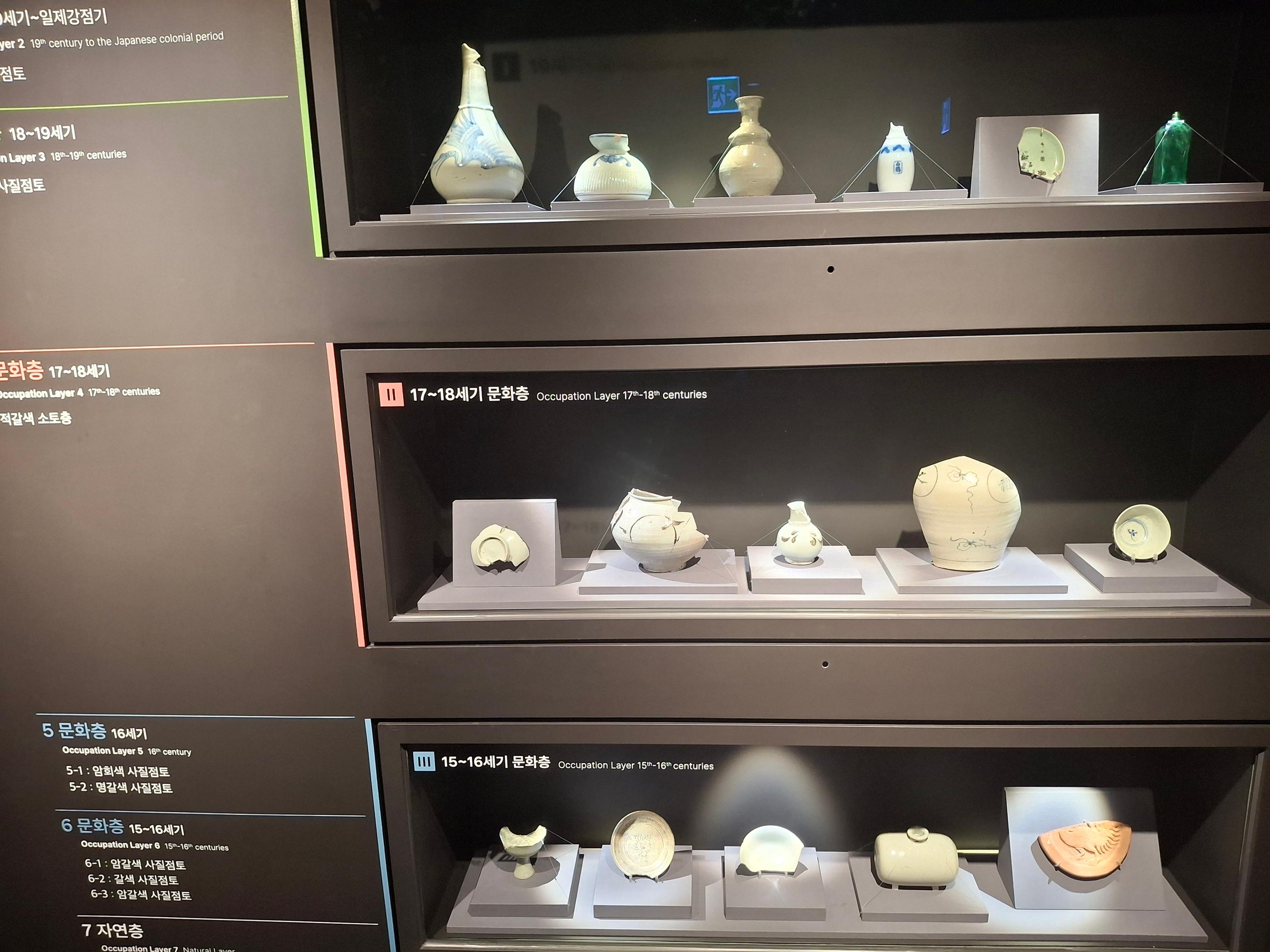
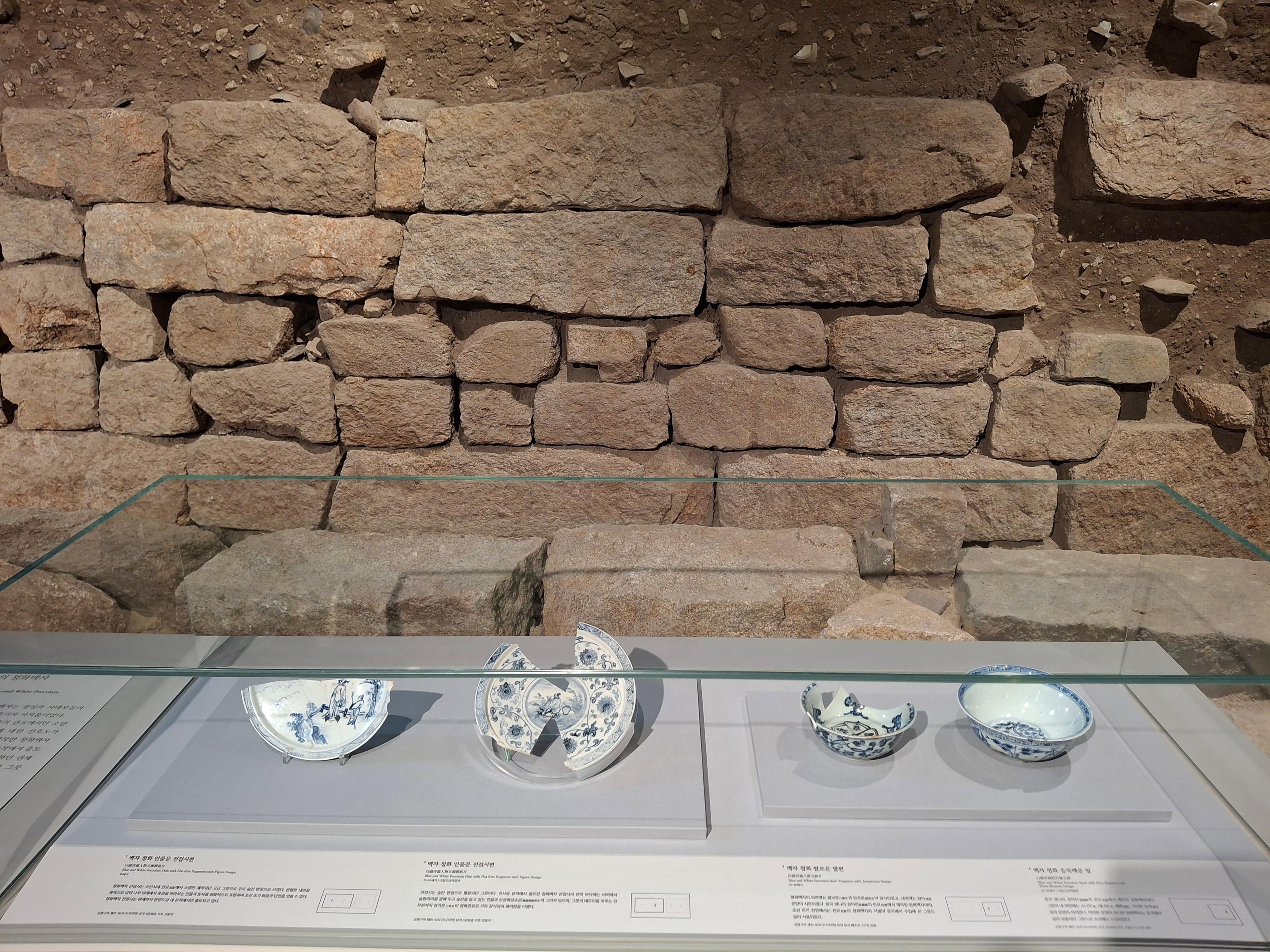
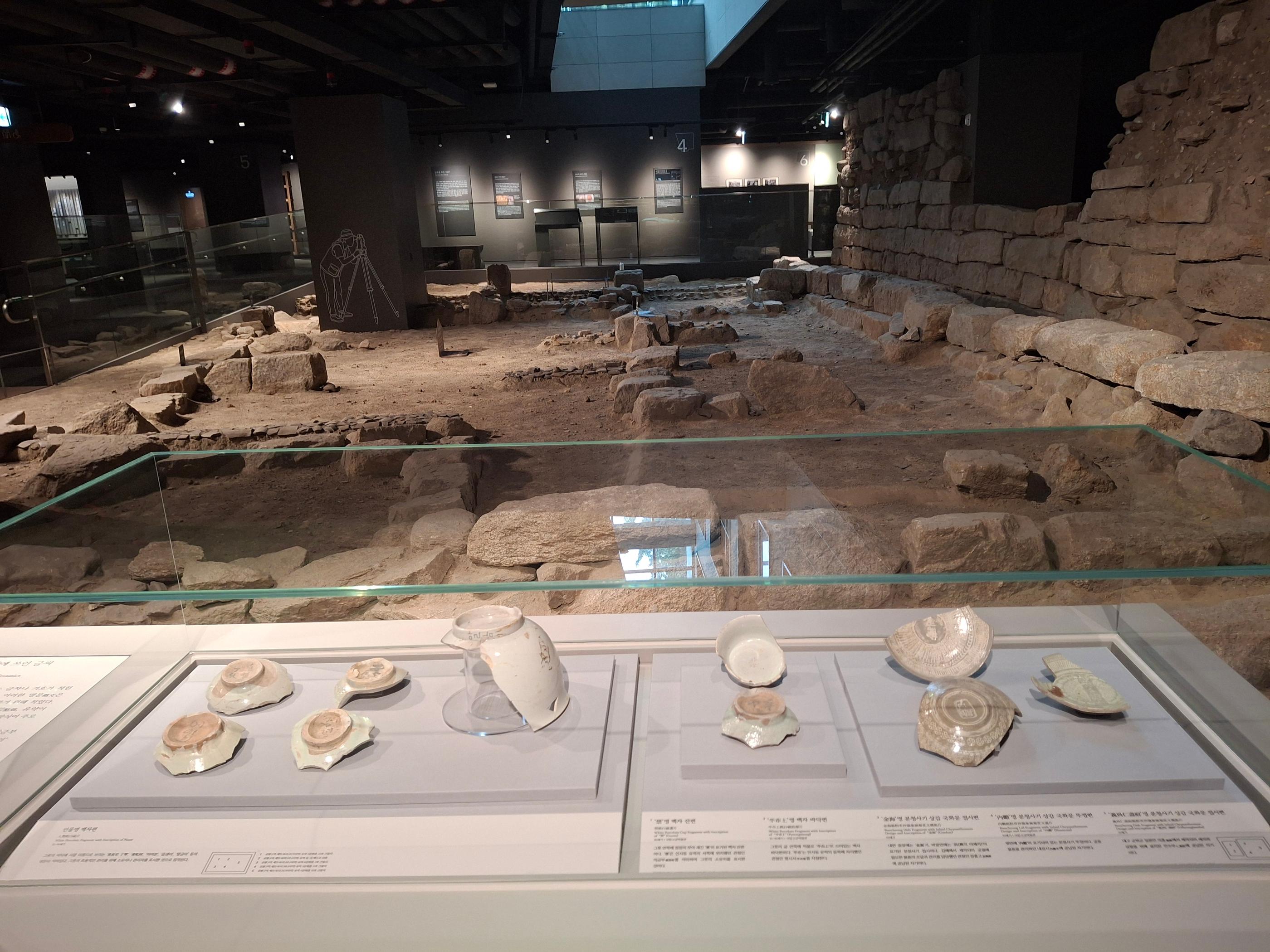
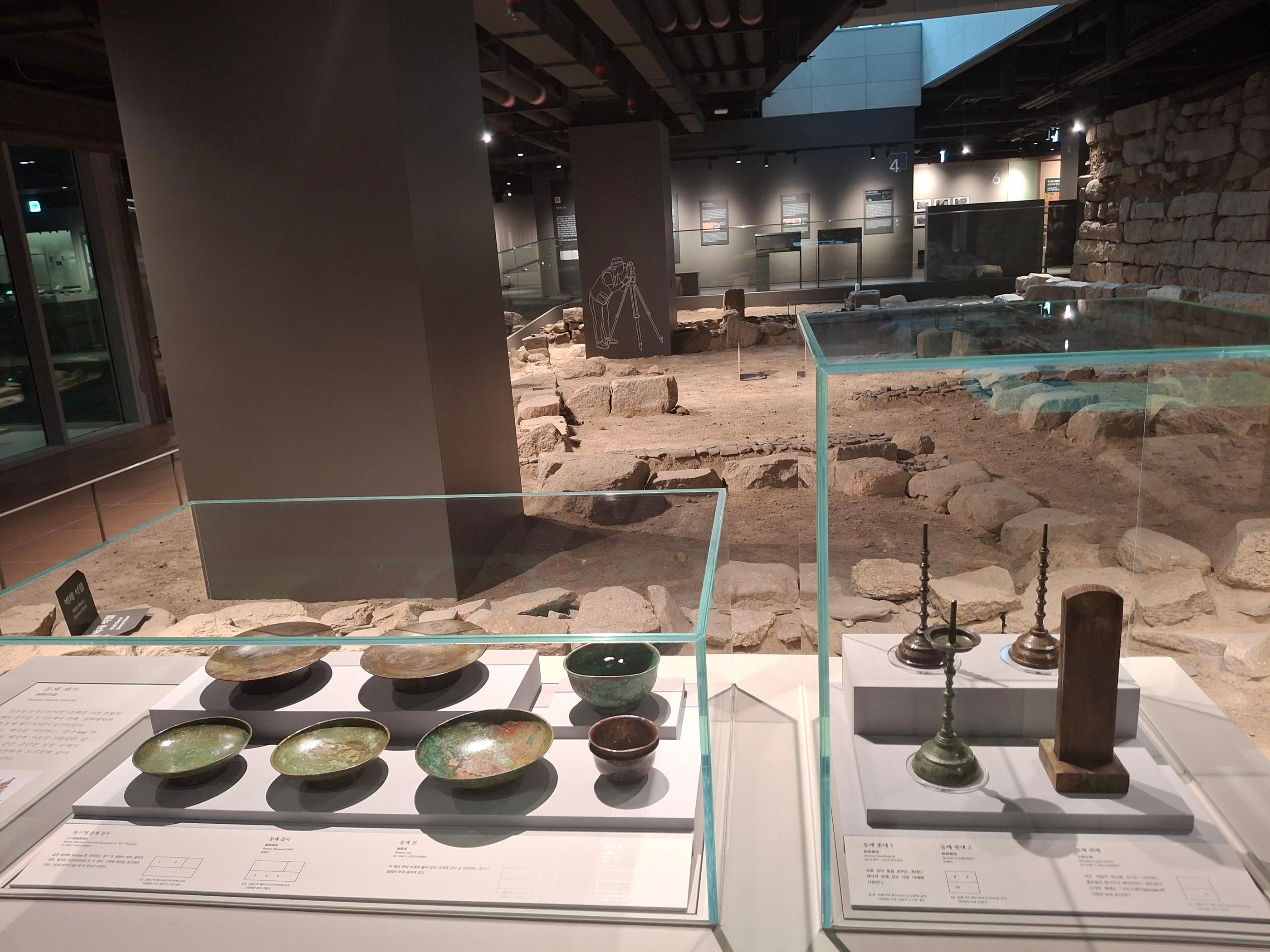
Once the heart of Hanyang, the Jongno area was home to royalty, officials, and merchants, and served as a hub for goods from across the country. The artifacts recovered at the Insa-dong site offer a vivid record of daily life in the capital. Some ceramics bear the names of places or government offices, identifying where they were produced and used. Blue-and-white porcelain, widely used in Jongno during the early Joseon period, also appears among the finds.
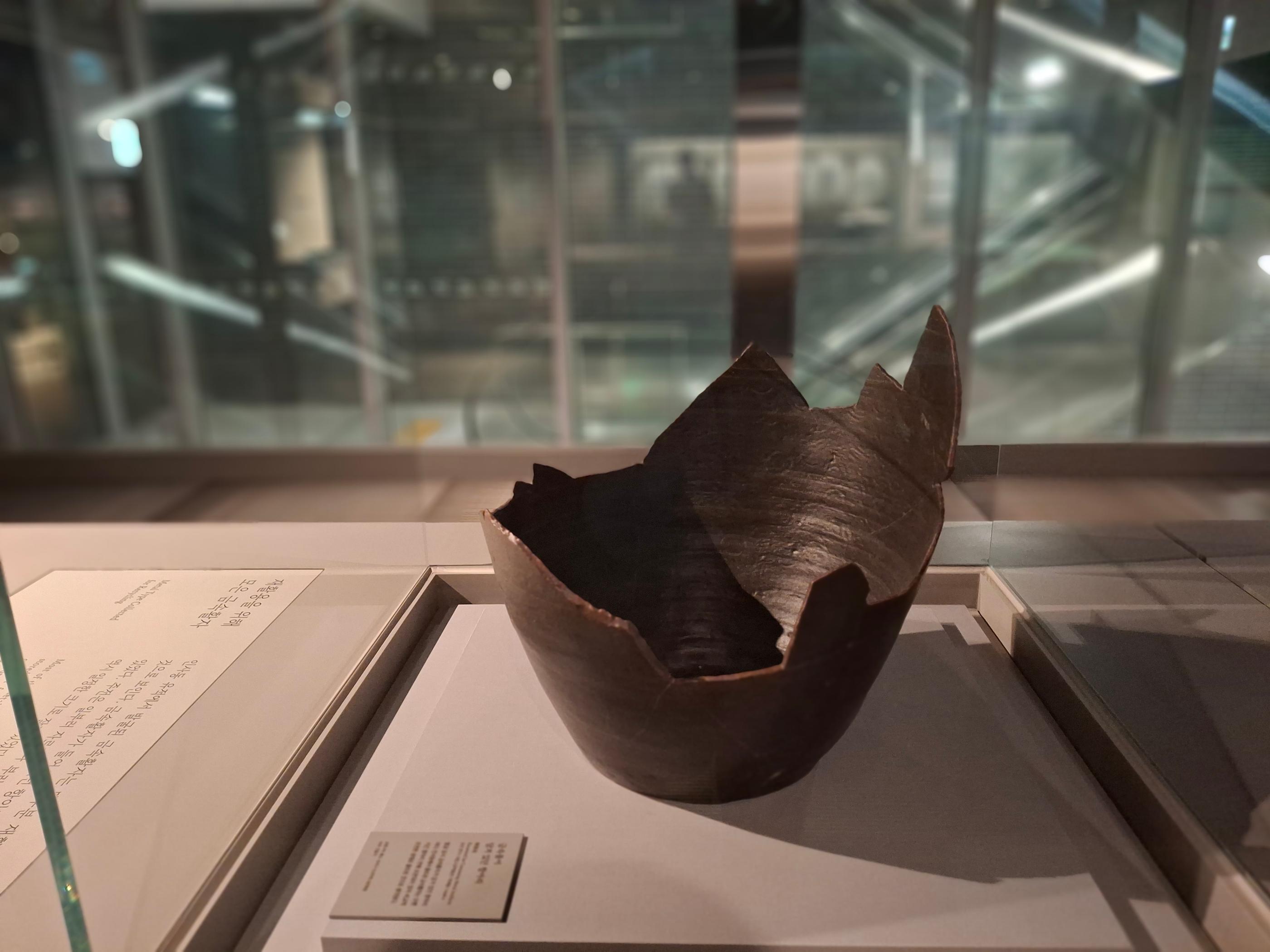
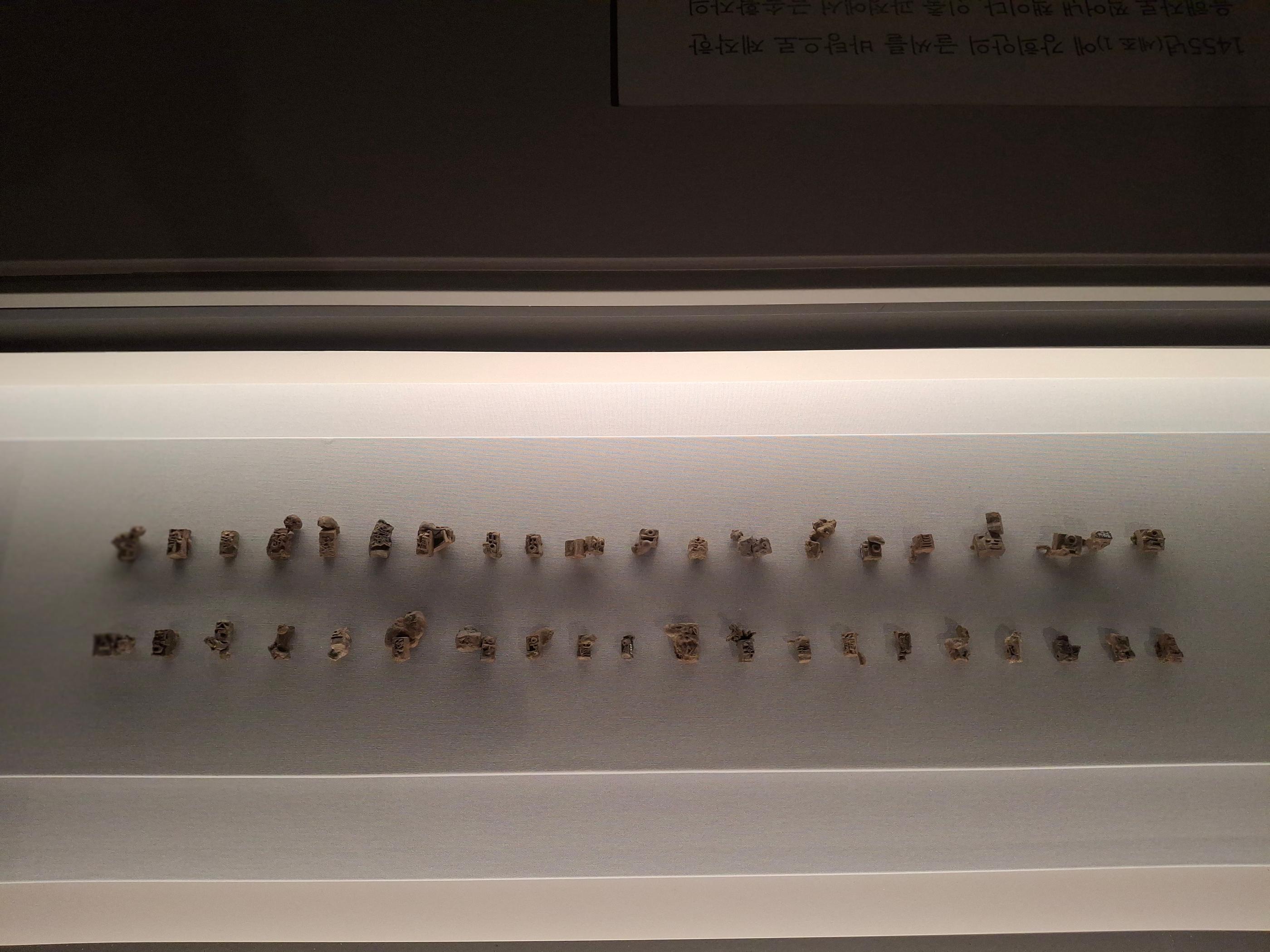
A large number of discarded metal artifacts were excavated from a pottery jar found at the House Where Metal Type Was Discovered. The pieces had been cut into uniform sizes, though they varied in date of production and original use. They appear to have been collected for reuse.
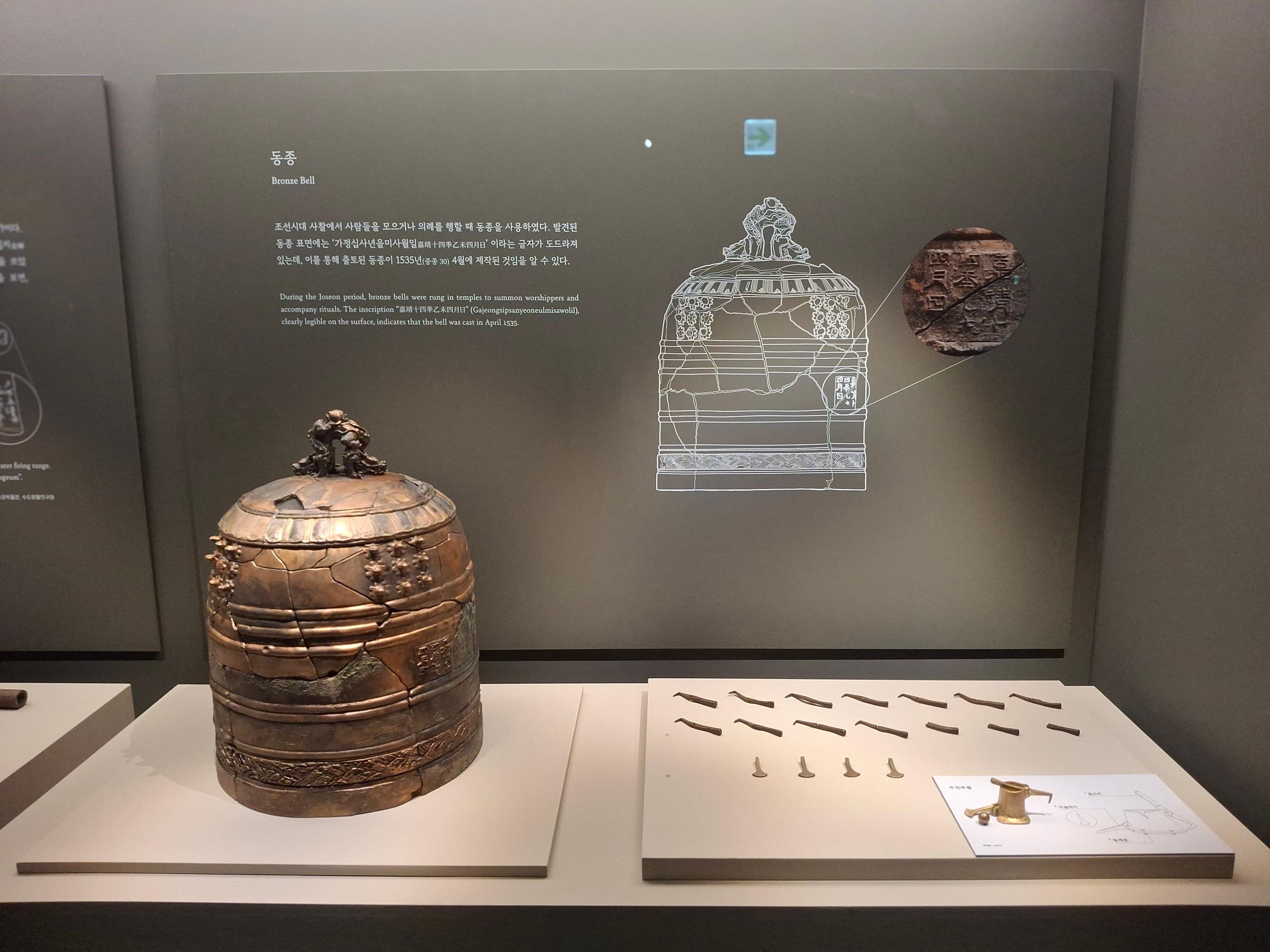
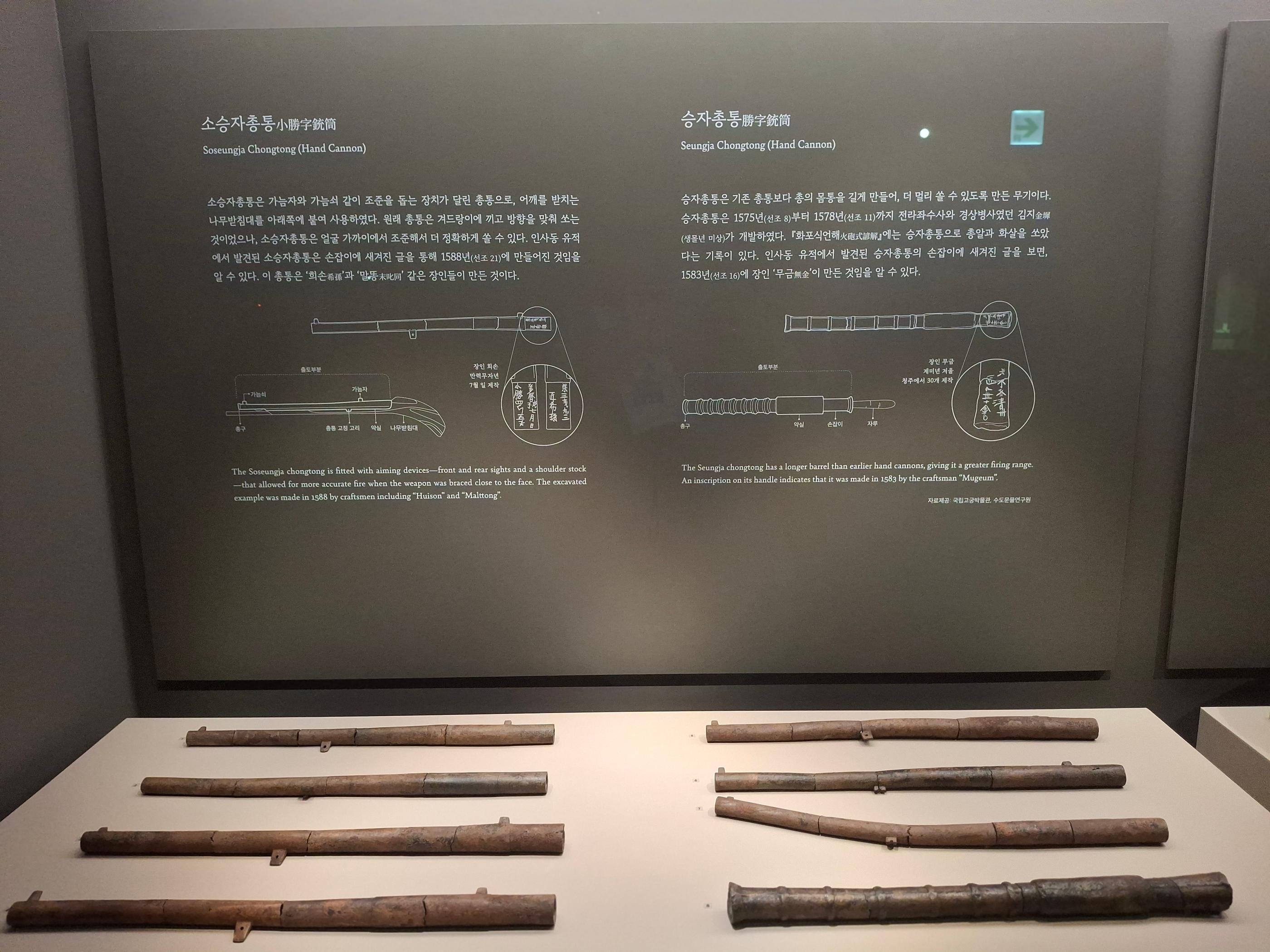
The last hall is dedicated to scientific culture of the Early Joseon Period. In the early Joseon period, science and technology advanced in support of celestial observation, state administration, and daily life. From the reign of King Sejong onward, state institutions led scientific research, produced astronomical instruments such as the Jagyeongnu and Ilseongjeongsiui, and developed various types of metal movable type, including Gabinja. Artifacts previously known only through historical records were discovered at the Insa-dong site, making it possible to reconstruct the sophisticated scientific culture of the early Joseon period.
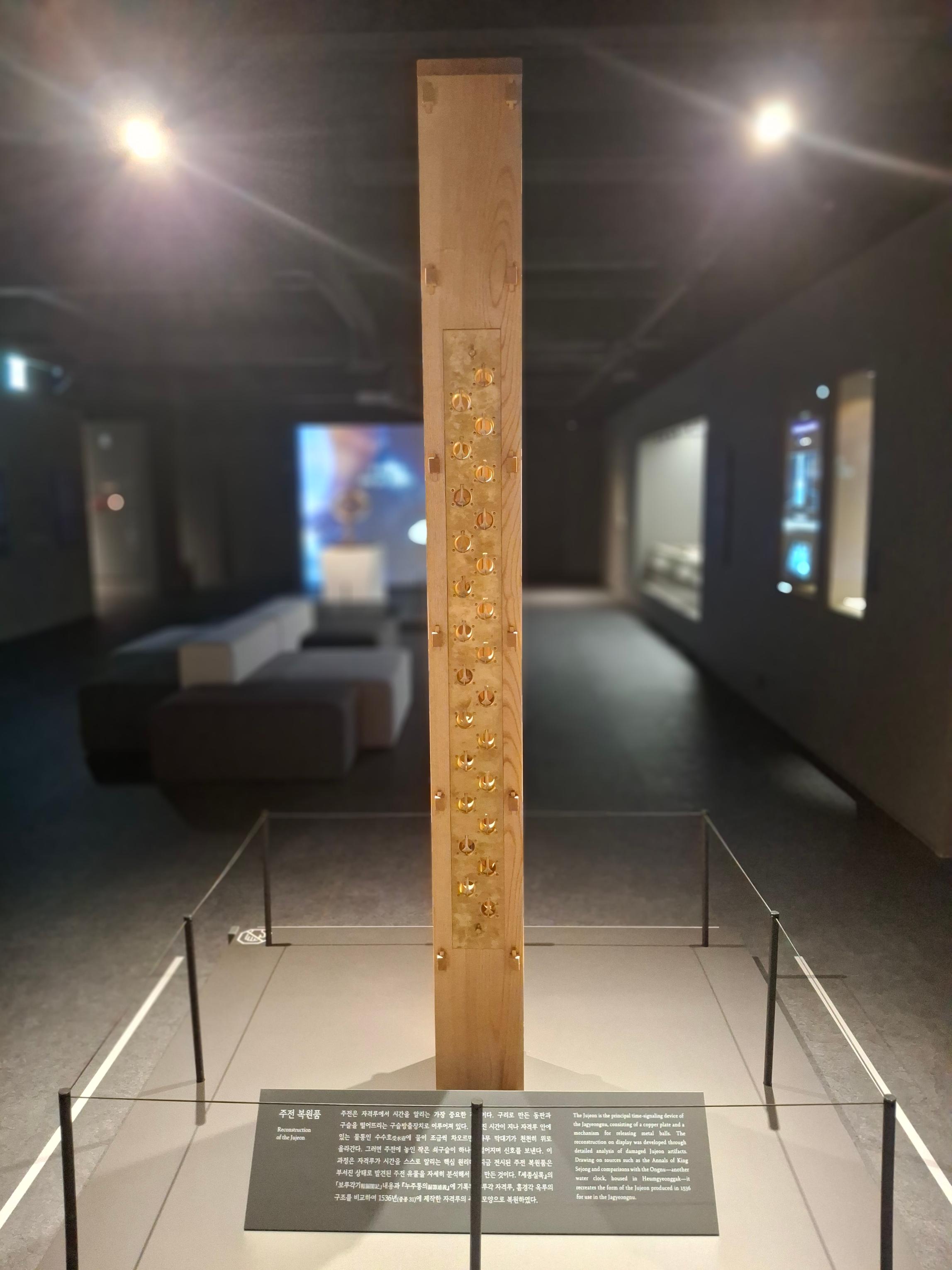
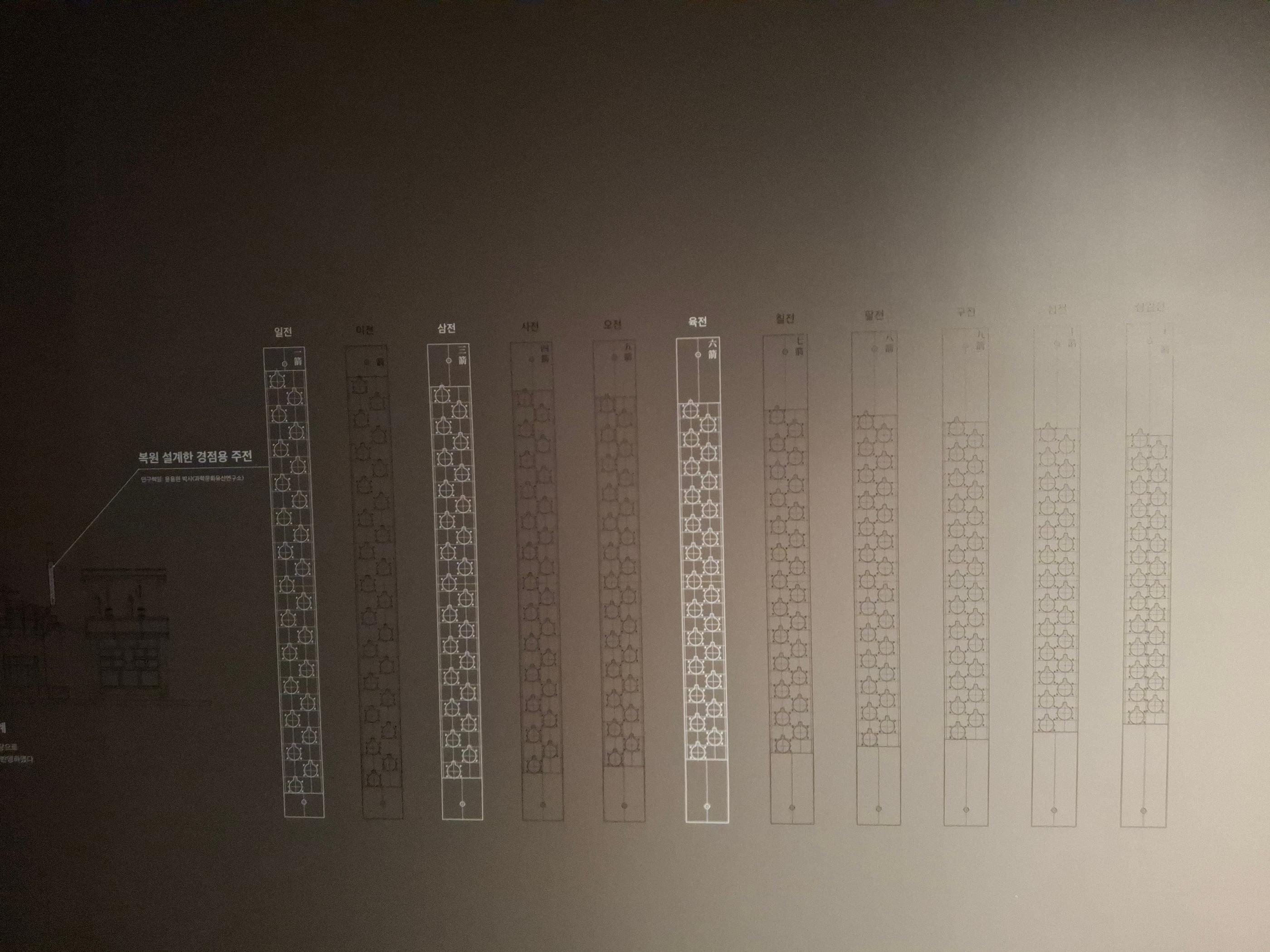
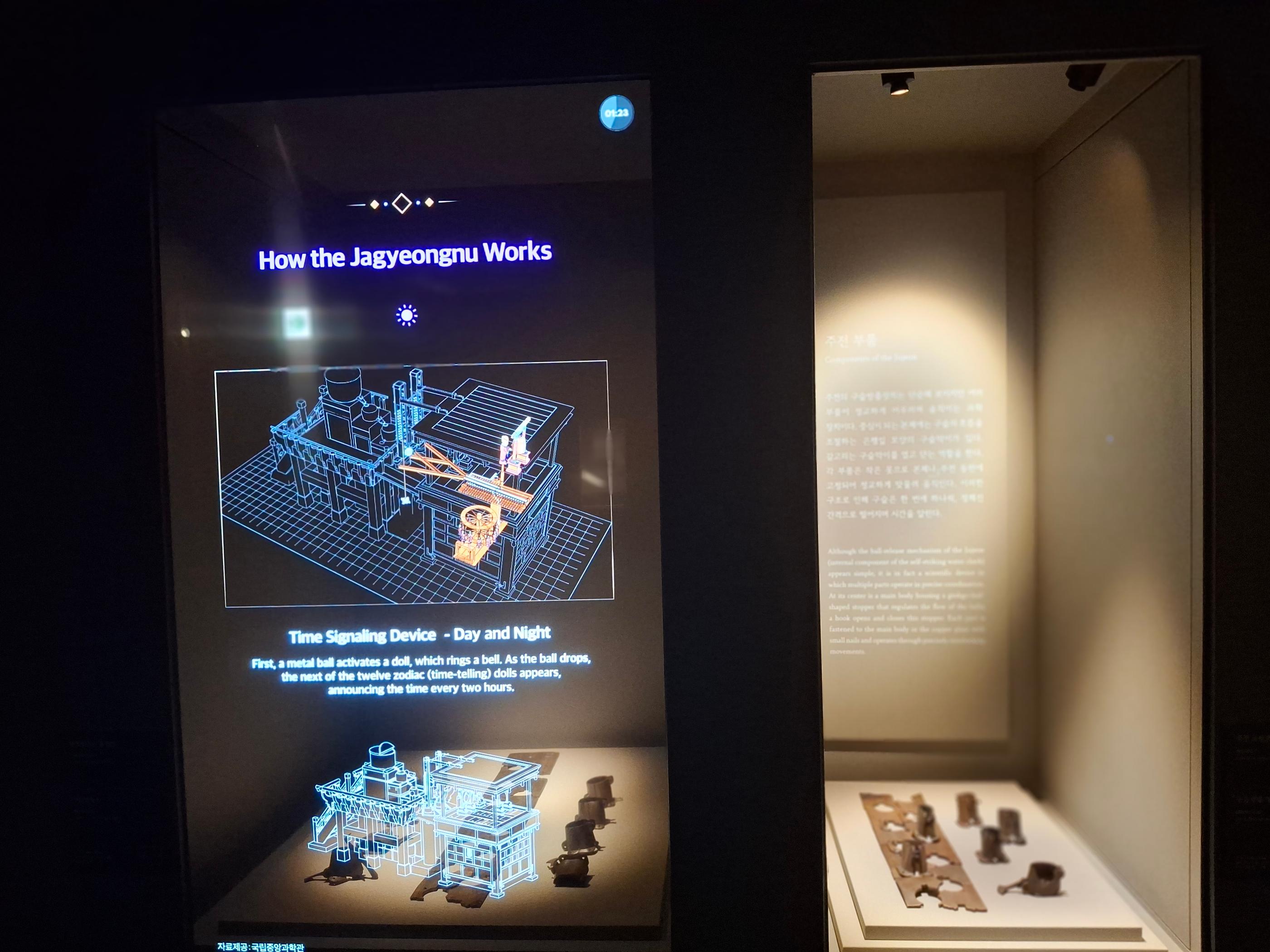
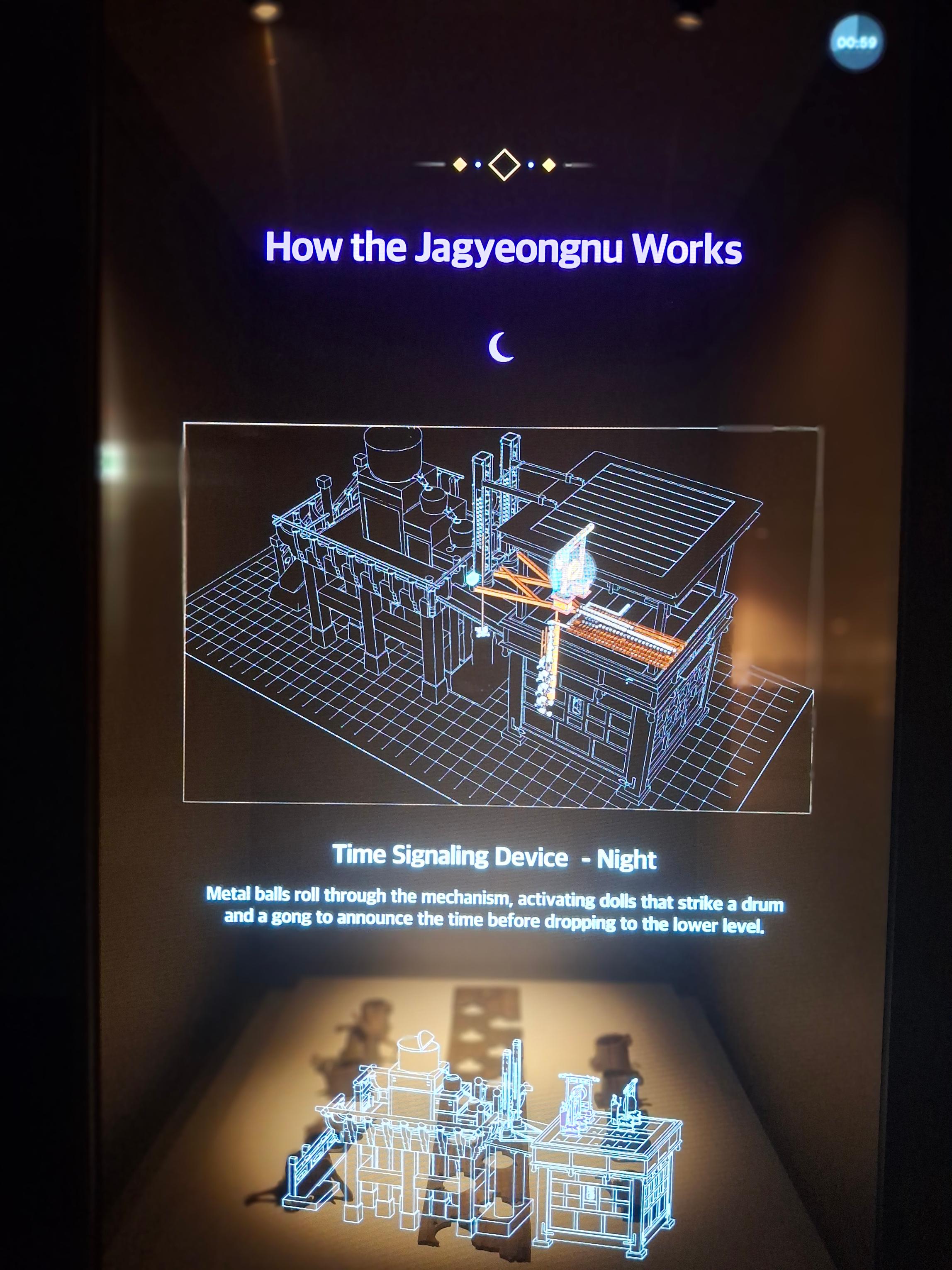
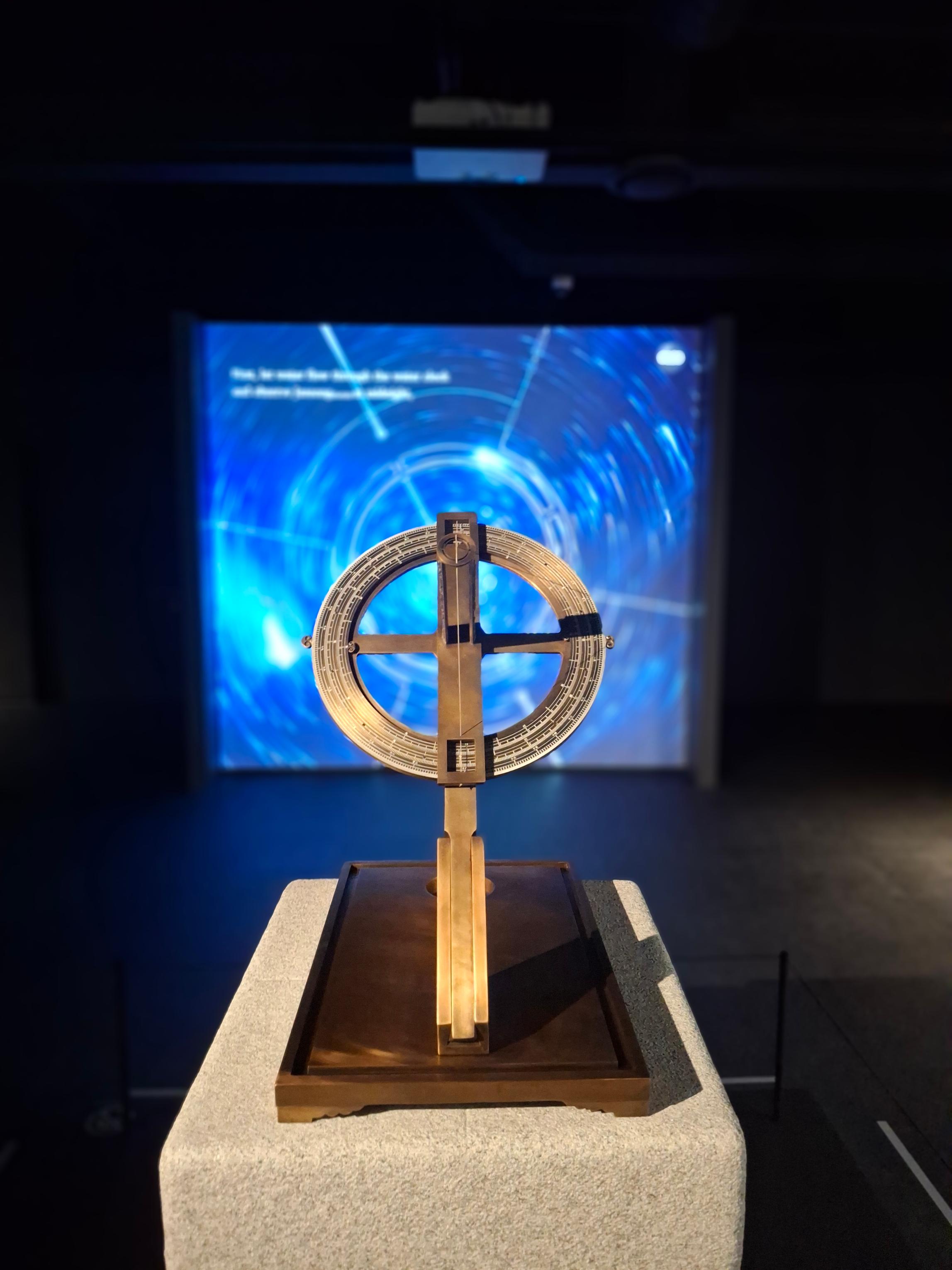
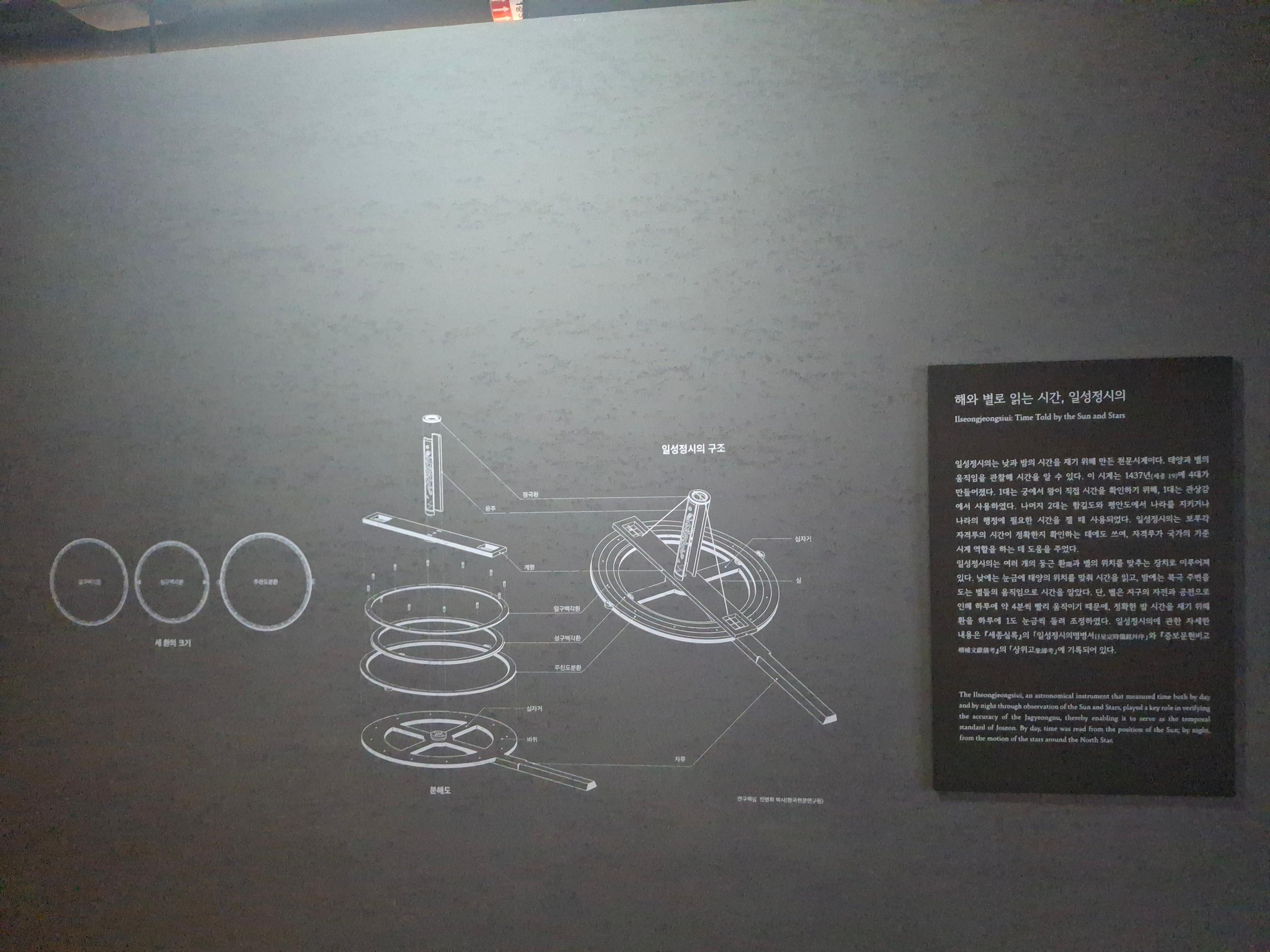
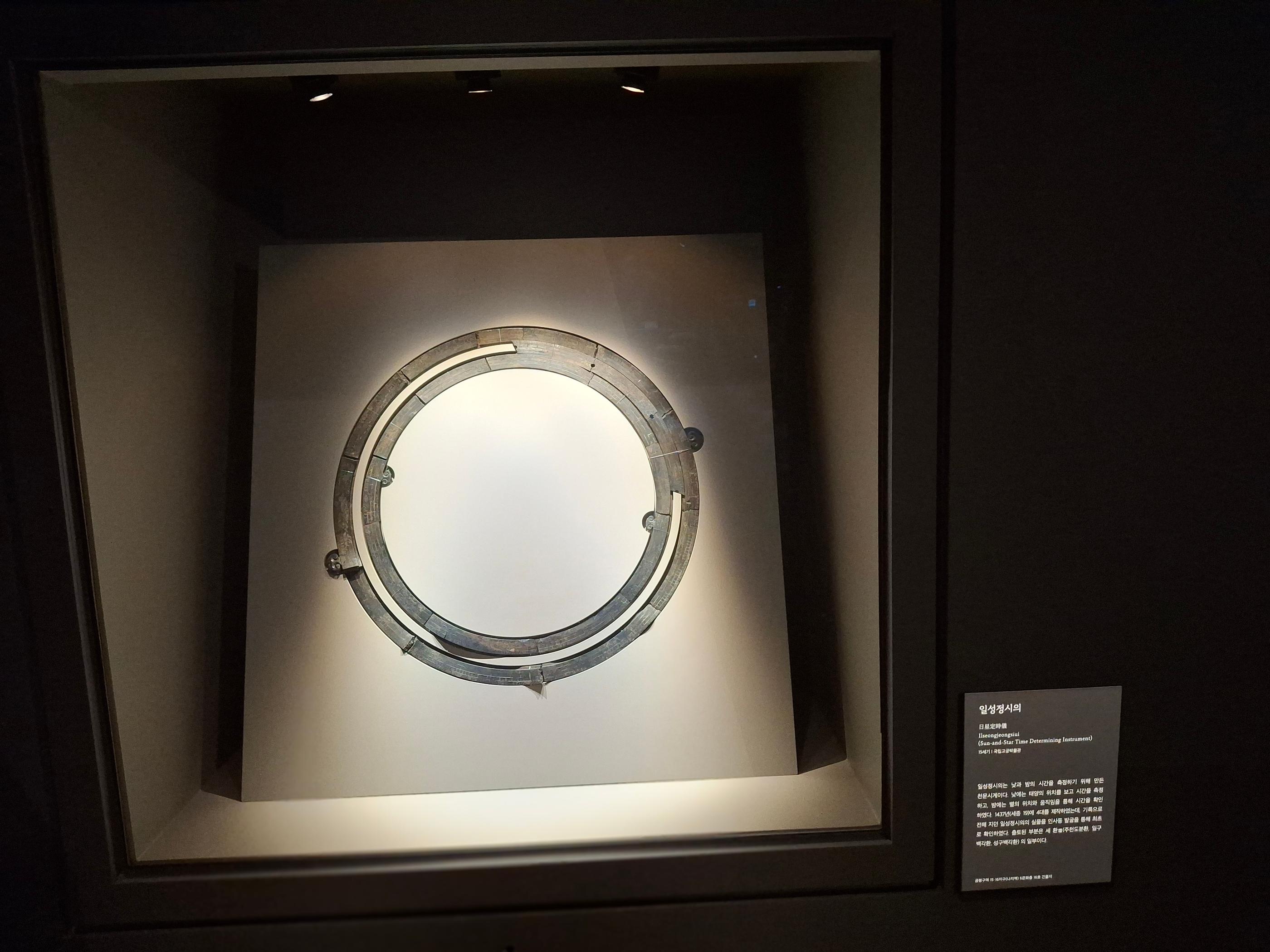
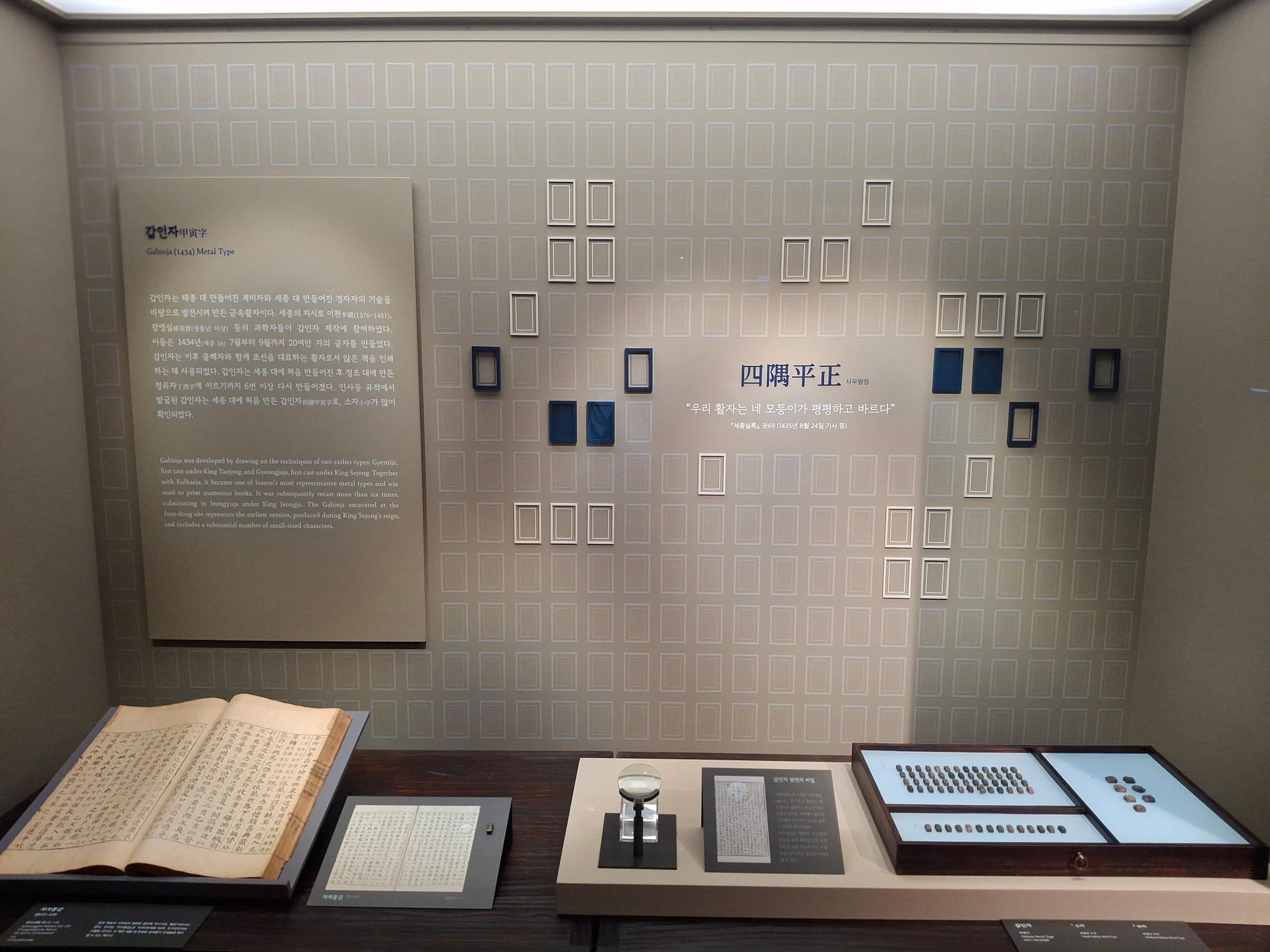
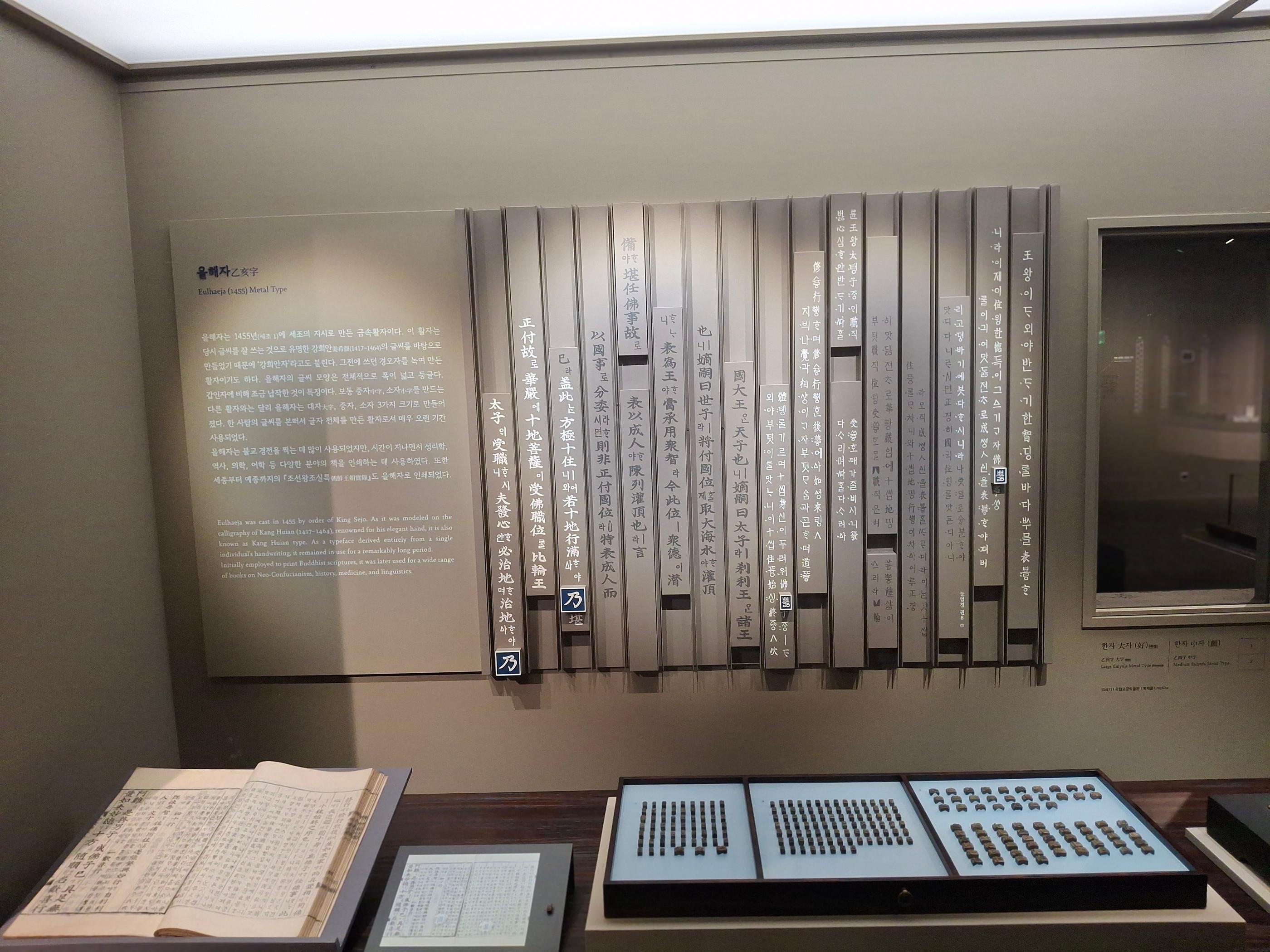
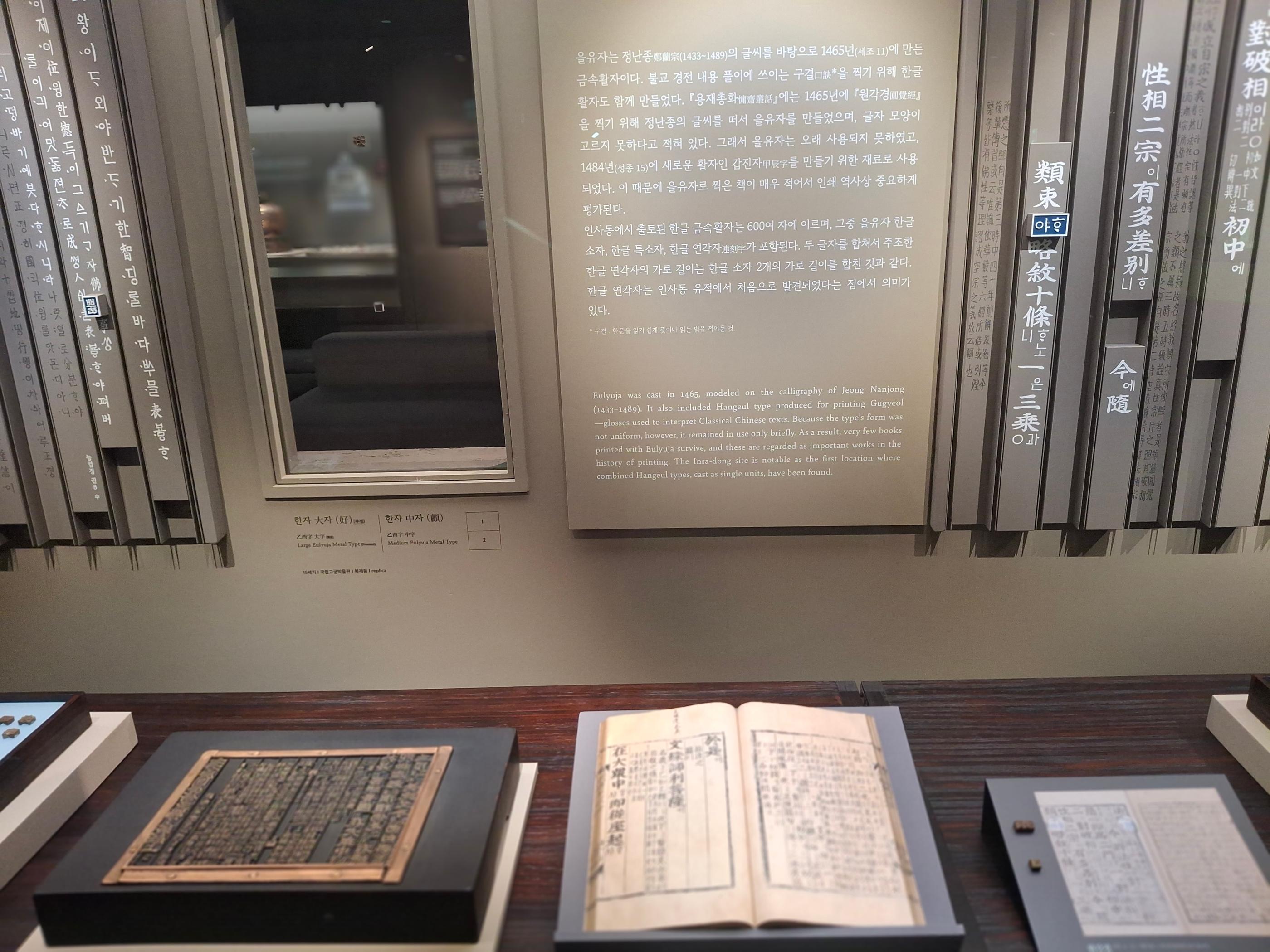
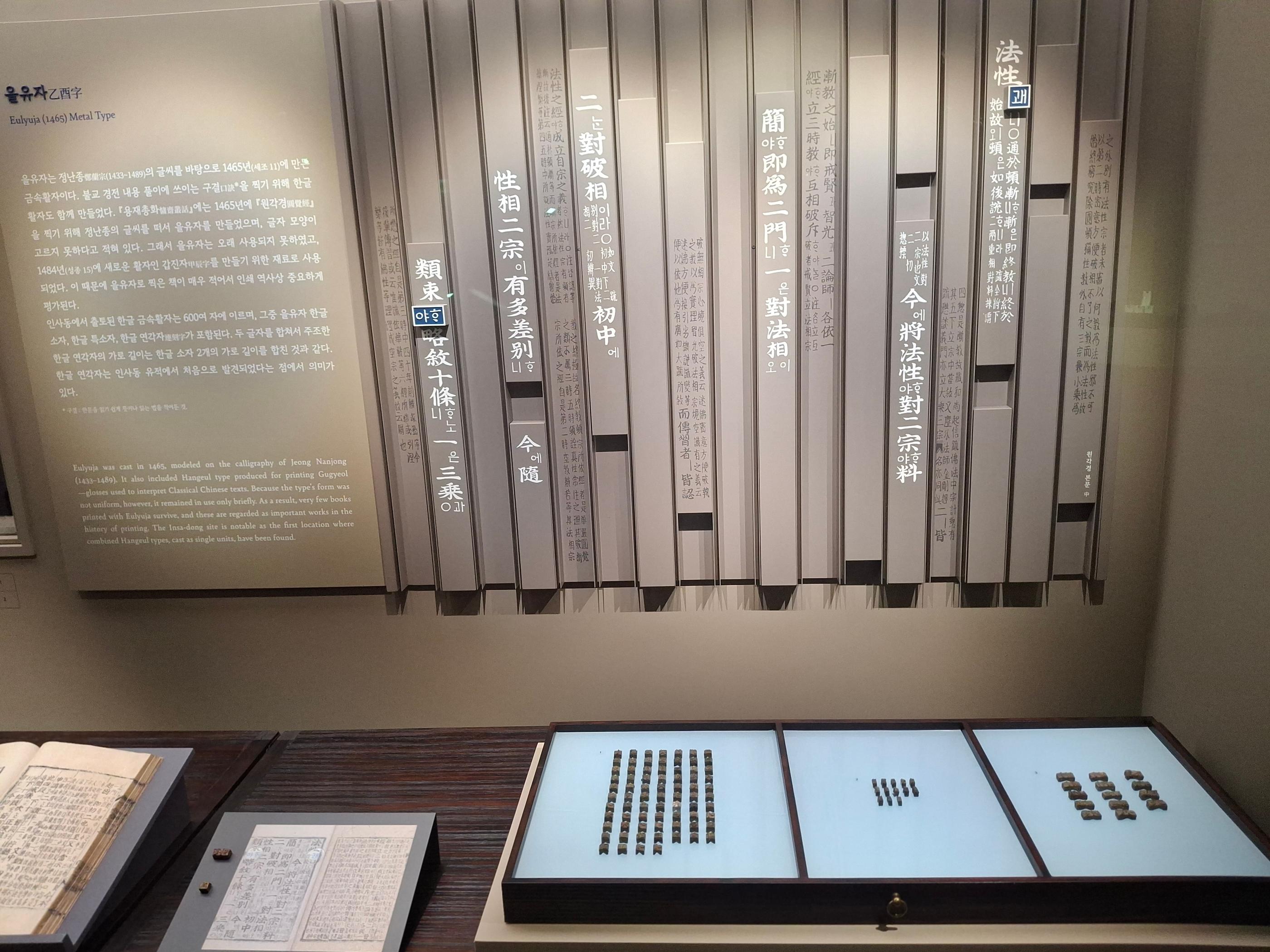
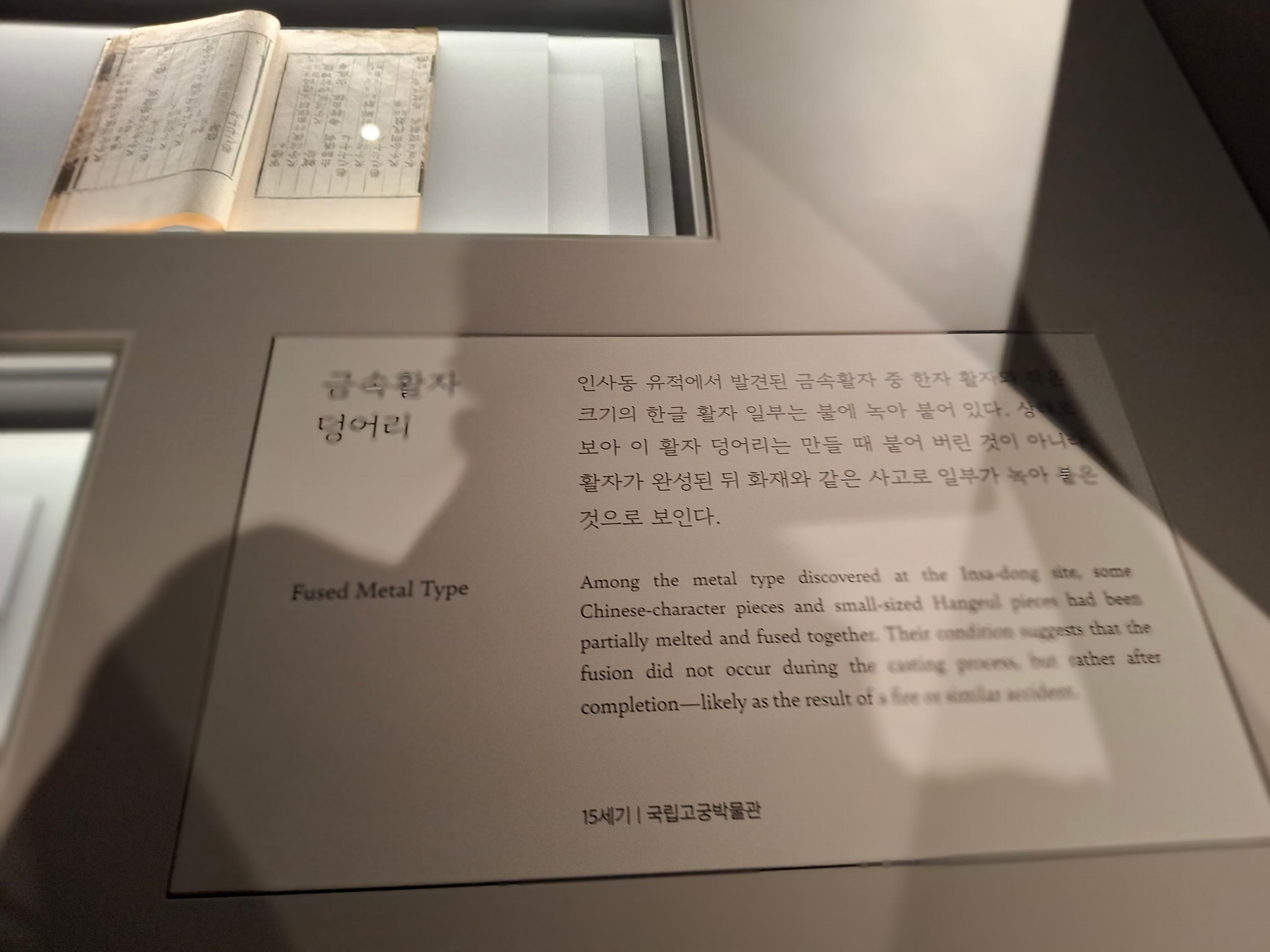
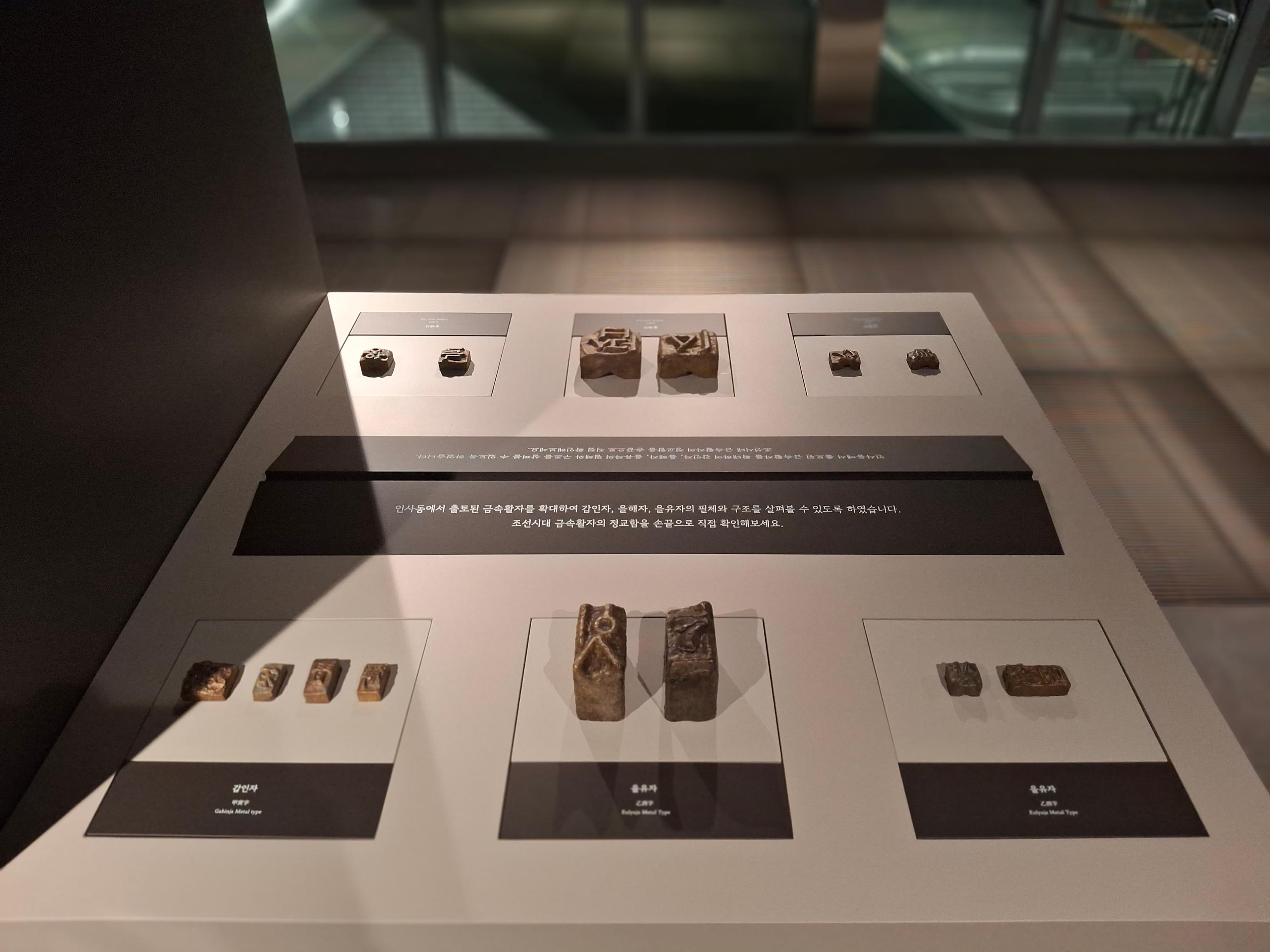
Among the finds there is also a metal type. Korean metal-type technology advanced significantly from the Goryeo period through the mid-15th century, as methods of casting, typesetting, and printing were refined-laying the foundation for Joseon's print culture. Joseon metal-type printing began with Gyemija, and each successive type marked further technical progress. From the start of his reign, King Sejong championed movable-type printing, lending strong support to the Jujaso, the state foundry charged with casting type. Under King Sejo, the technology advanced further with the introduction of new types such as Eulhaeja and Eulyuja. Among the metal types unearthed at the Insa-dong site are Gabinja, Eulhaeja, Eulyuja, and Eulyuja-Hangeul, all cast in the 15th century.
So, I spent several wonderful hours in the museum. The Insa Historic Sites Museum is a prime example of how urban preservation and sustainable development can coexist. This is a wonderful opportunity to walk along the stone-paved alleys of 16th-century Joseon Dynasty, stepping directly into the daily lives and cutting-edge science of Korea’s past.