


Ewha Womans University Language Center Summer Regular Course

Sally
3 months ago
1. Reasons for choosing Ewha Womans University: Many Korean universities are well known for their Korean language programs, and when I was researching, I hesitated for a long time before ultimately choosing Ewha Womans University. The first main reason was that the intensive course runs from 9:00 to 13:00, so you have plenty of time in the afternoon to plan on your own and experience life in Korea. The second reason was that the school provides dorms, and you can stay for up to two consecutive semesters, which was something I really needed since I had absolutely no experience renting a place in Korea.
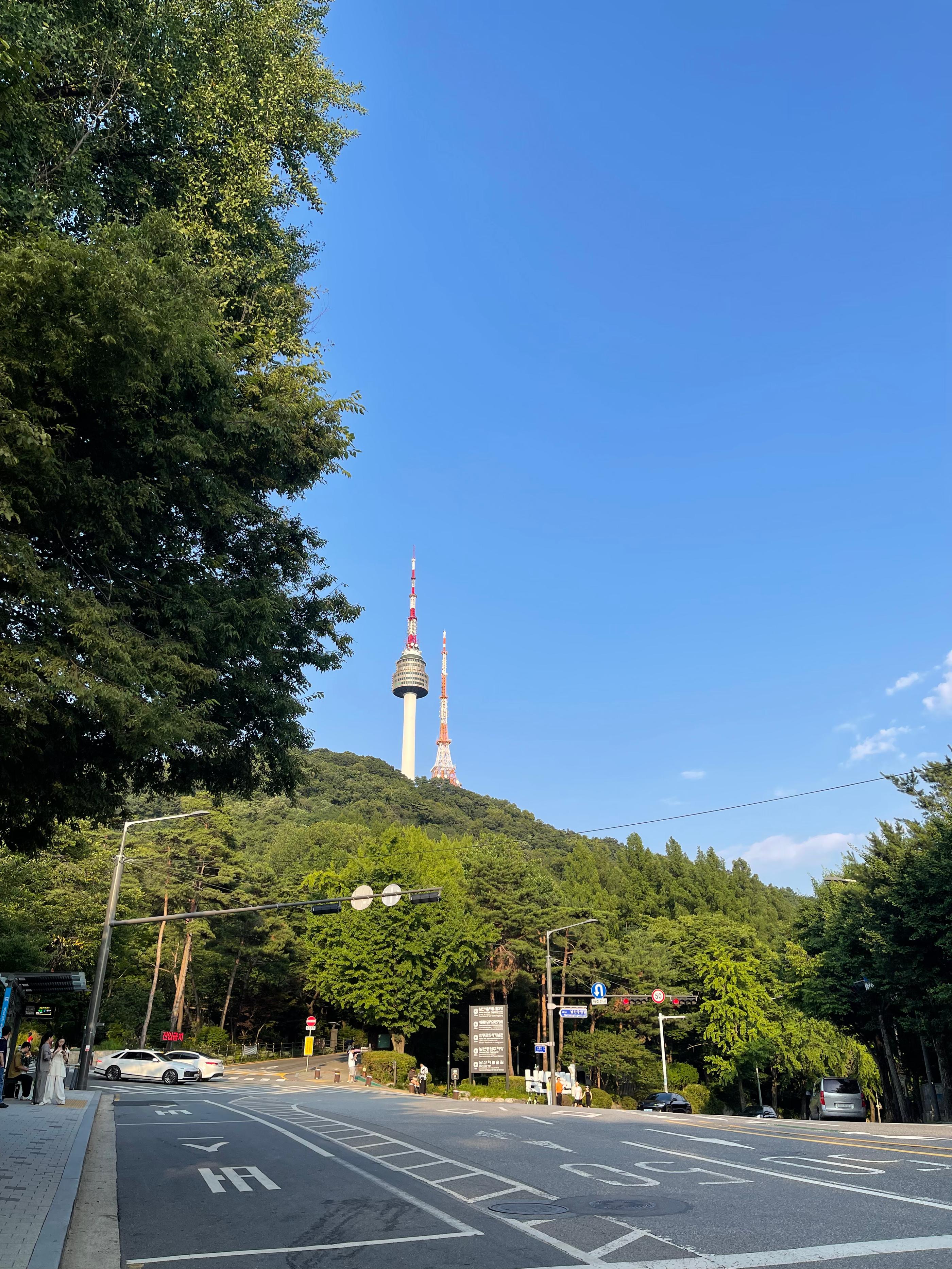
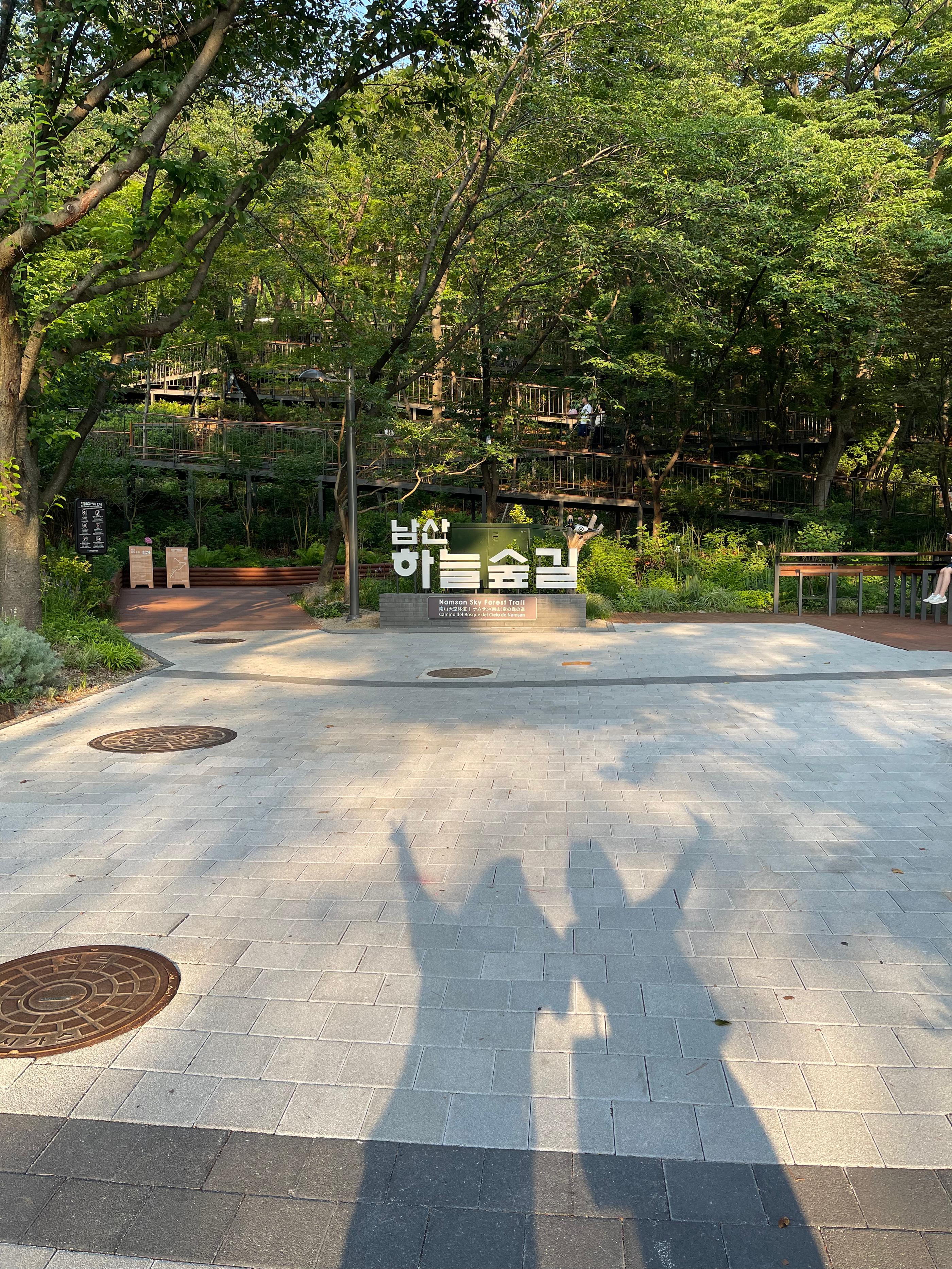
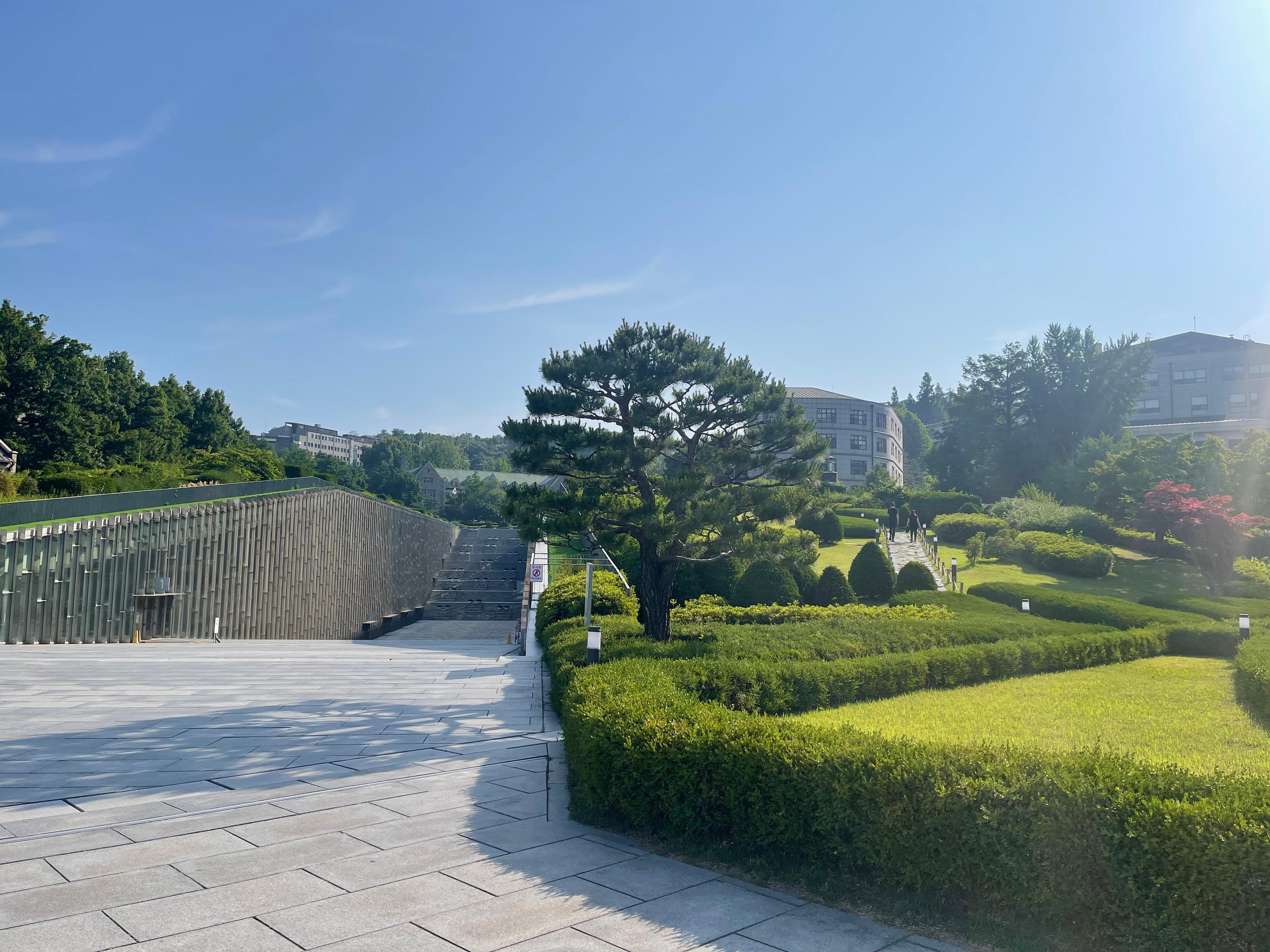
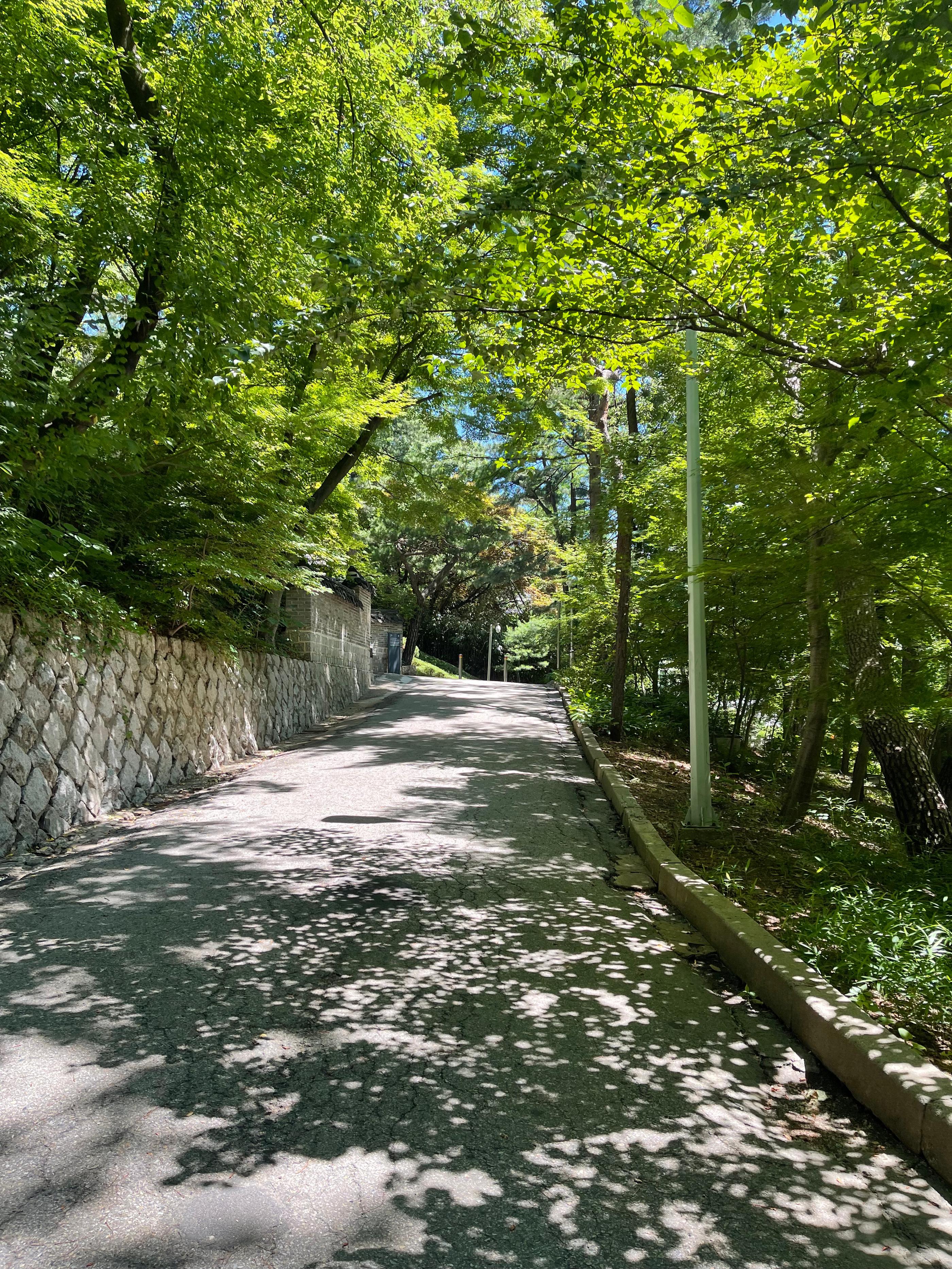
Also, I really love the campus vibe at Ewha Womans University. Whenever I walk around campus, I always feel this sense of freedom and relaxation. Maybe it’s because it’s a women’s university, but you don’t feel like you have to care so much about how others see you, you can express yourself more comfortably. Going to class in comfy clothes and taking walks through a campus that feels like a green forest all gave me such an easygoing, pleasant feeling, and that’s one of the reasons I like Ewha so much. I have to emphasize this, Ewha’s campus is truly beautiful. In summer it’s lush and green, and when I have time, I go hiking and working out with friends. There are a lot of uphill paths on campus, so it’s great for exercise. But language program students don’t need to worry, because the class building is on the outer edge of campus in a building called the Samsung Building. From the dorm to the classroom, it’s only a five-minute walk, and there’s basically no uphill at all.
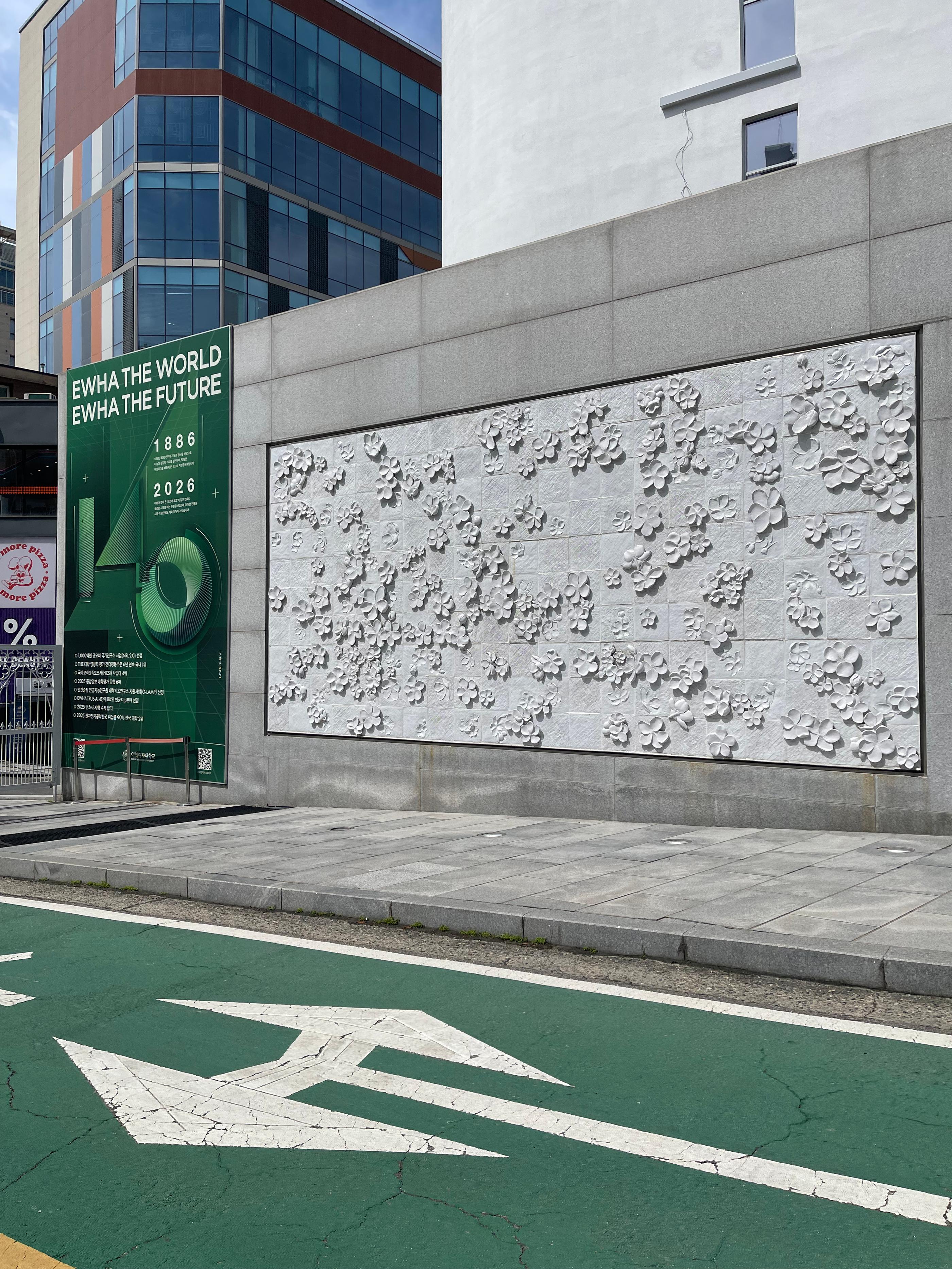
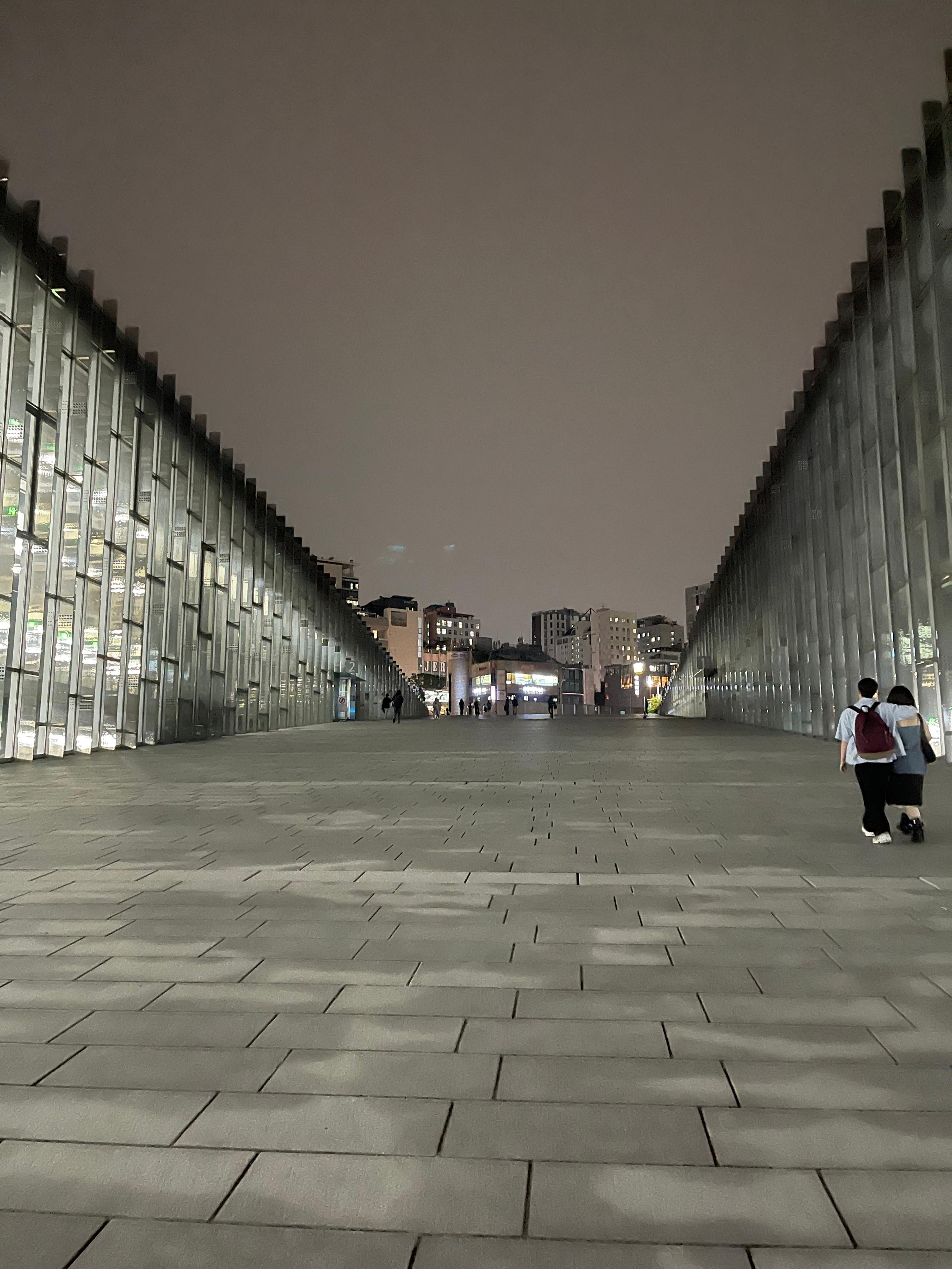
2. Teachers and class atmosphere: Before the semester starts, you’ll be scheduled for an online written test and an interview. The day before classes begin, you can go to the lobby of the class building to confirm your class placement and buy textbooks. After my interview, I was placed in Level 3. Our class had 14 students in total, from Taiwan (3), Japan (3), Macau (1), China (5), France (1), and Mexico (1). During introductions on the first day, we went around the room and realized almost everyone was pretty introverted, but the teacher worked hard to energize the atmosphere. Each class has two teachers, one teaches on Mon/Wed/Fri and the other teaches on Tue/Thu. Maybe because it was Level 3, everyone already had a solid foundation, so the teachers taught almost entirely in Korean. Even when something was hard to understand, they would explain it again using simpler Korean. This immersive style of teaching is something I really liked.
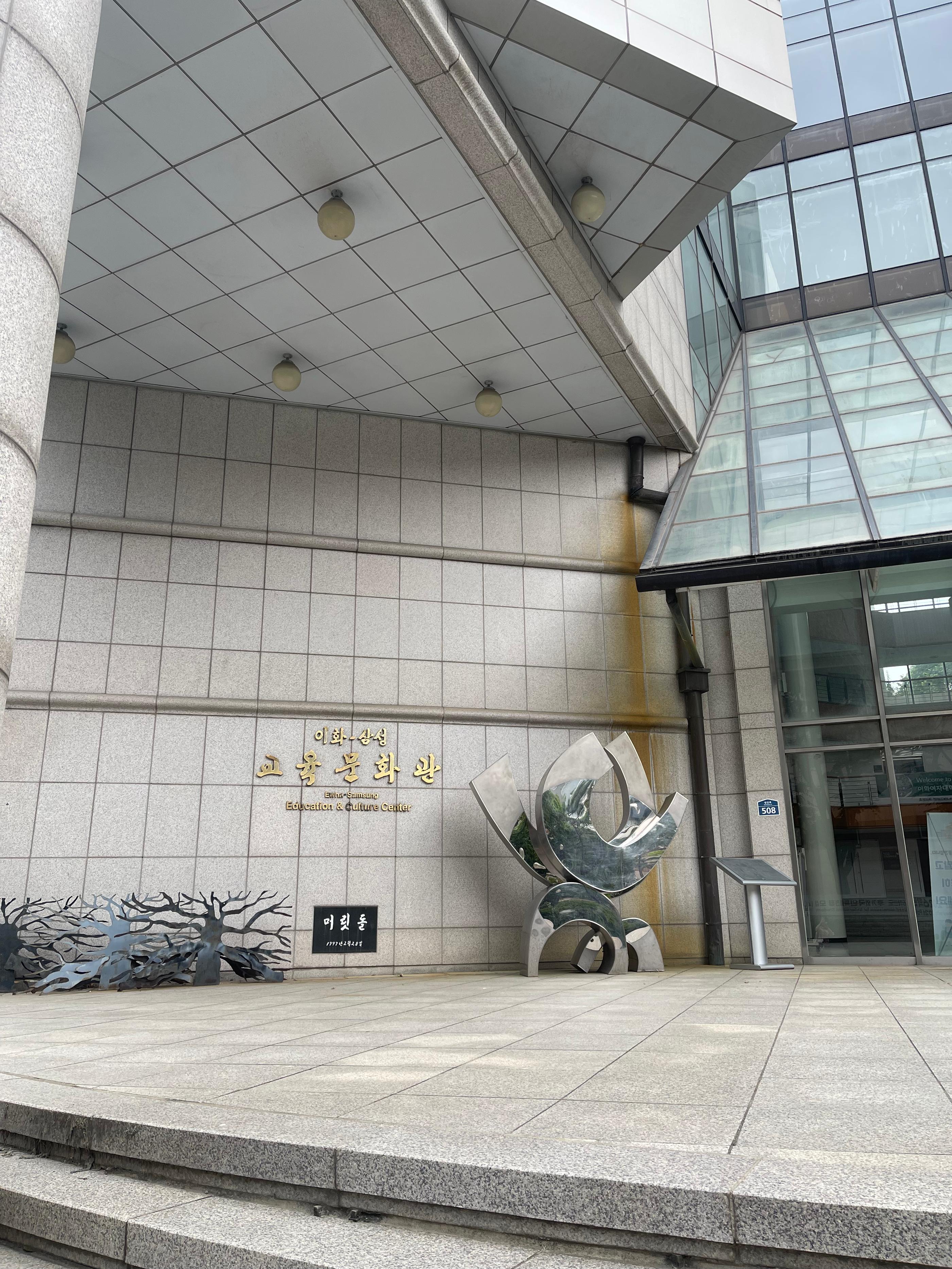
3. Course content and difficulty: When it comes to the curriculum, I think Ewha’s language program really values balanced development in listening, speaking, reading, and writing. In class, besides learning grammar and vocabulary, teachers often arrange speaking practice, group discussions, and presentations, and they make sure every student gets a chance to speak. For Asian students who are usually more used to reading and writing, the speaking portion can feel a bit stressful, but after a month you can truly feel that your speaking improves a lot, and you become more confident about opening your mouth and talking. After class, my Taiwanese friends and I tried to keep speaking Korean as much as possible, practicing the grammar and vocabulary we learned together, because once class ends, you often don’t get many chances to speak Korean. Especially now that many restaurants and cafes in Korea have switched to self-ordering, there are fewer opportunities to order in Korean and practice conversation. Ewha also has a language buddy program. One of my Taiwanese friends was lucky enough to get a buddy, I didn’t, but getting to know locals really helps with learning Korean. After all, the way teachers speak in class and their speed are often adjusted for us, they slow down and choose simpler vocabulary and grammar.
4. Homework, quizzes and exams, presentations: Each semester you’ll have two textbooks and two workbooks. The pace is faster than you might expect, and you’ll learn new grammar and vocabulary almost every day, so regular preview and review are truly important! For homework, teachers won’t strictly check whether you completed the workbook, but the exams will pull questions from it, so you still can’t slack off. If you have questions after finishing, use break time to ask the teacher proactively, because they won’t go over it in class.
Also, basically every week you’ll need to submit a short essay. After finishing each lesson, the next day there’s a small self-check quiz. It doesn’t count toward your grade, it’s simply for checking what you still need to improve. As for the most important midterm and final exams, if you listen attentively in class and complete the workbooks after class, they won’t be too difficult. One special part is that, besides the usual listening, speaking, reading, and writing tests, there’s also an individual presentation. This takes extra time to prepare, and you’ll need to create your own slides.
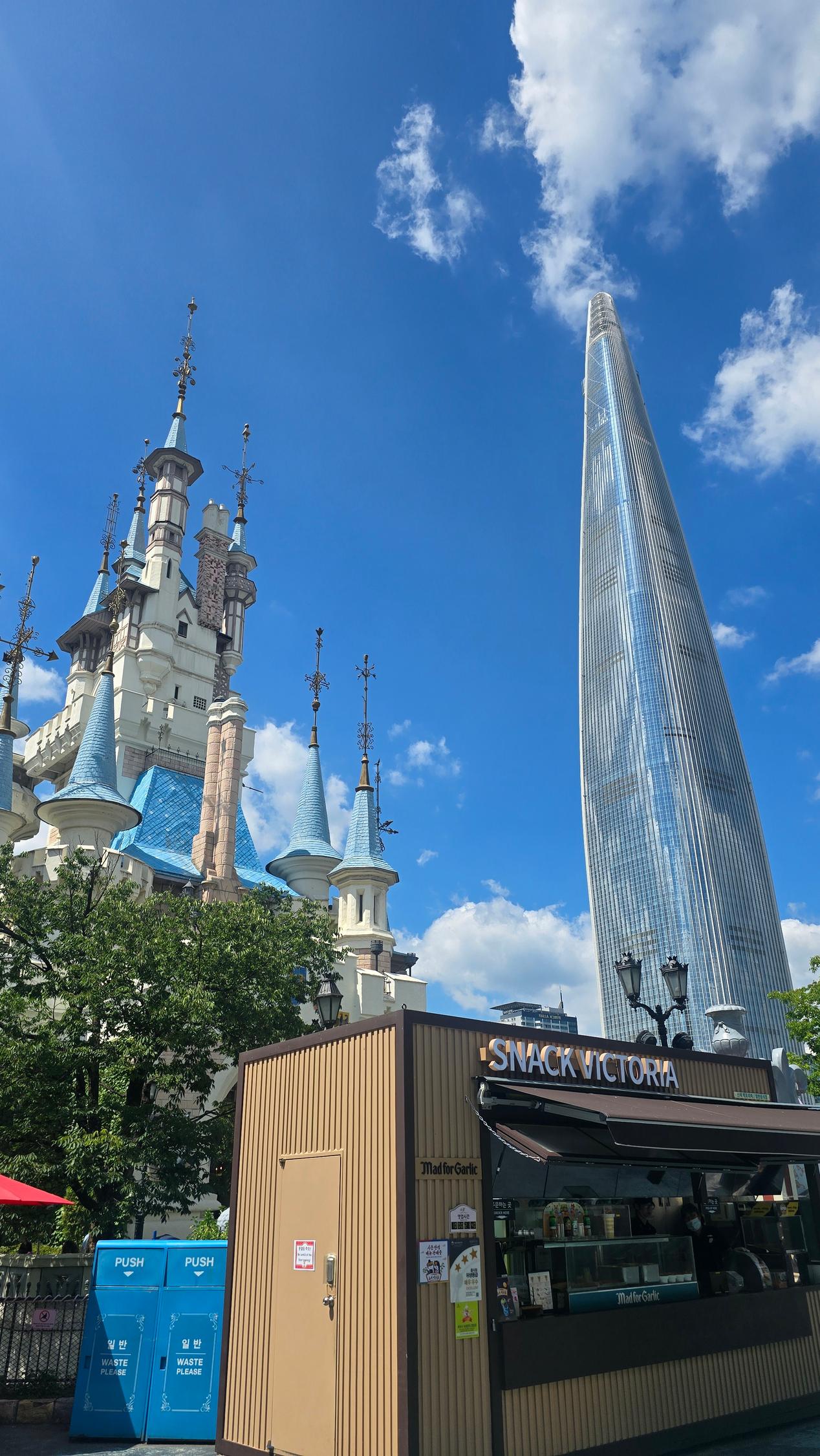
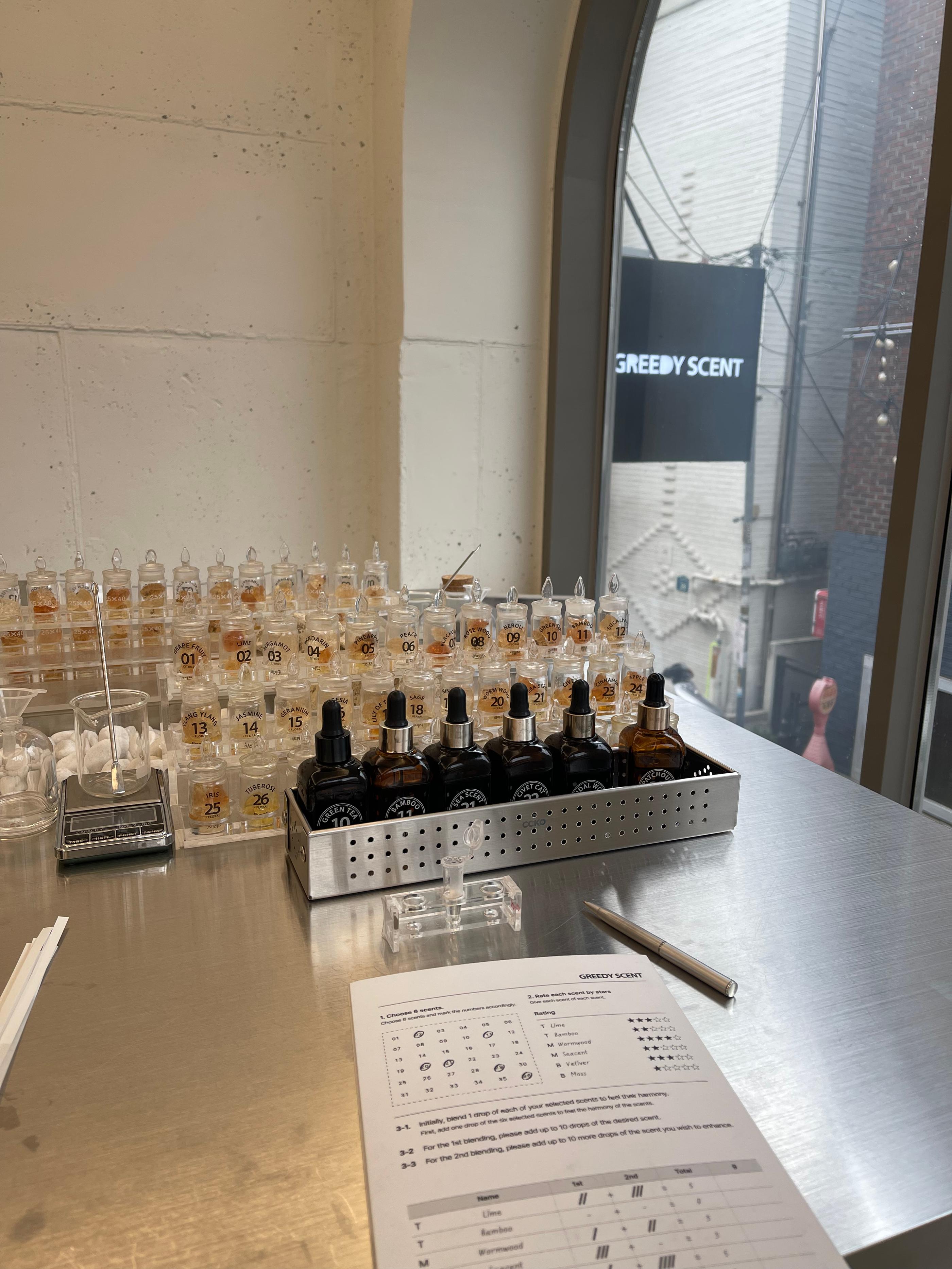
5. What it’s really like in the language program: Based on my actual experience, I think the biggest advantage is being able to immerse yourself in a Korean-speaking environment every day. After class, shopping, taking the subway, ordering food, figuring out bus routes, all of it requires Korean, so you improve faster than you would in Taiwan. Also, the language program provides lots of opportunities to engage with different cultures, so what I learned wasn’t just Korean itself. Our cultural class this semester was Lotte World. There are also clubs or after-school activities that require an extra fee, like a dance club, visit activities (museums, art museums, etc.), TV station tours, making a dancheong keyring at Gyeonghuigung Palace, and more. Spots are limited, so you really have to sign up quickly! Although I didn’t manage to get into any clubs this time, there’s a lot of free time after school to plan on your own, so I found a few hands-on classes I was interested in. I happened to see that Creatrip has trusted partner shops, so I booked a class to make my own custom perfume. It was such a meaningful experience, and trying to understand the process in Korean made me feel incredibly accomplished.
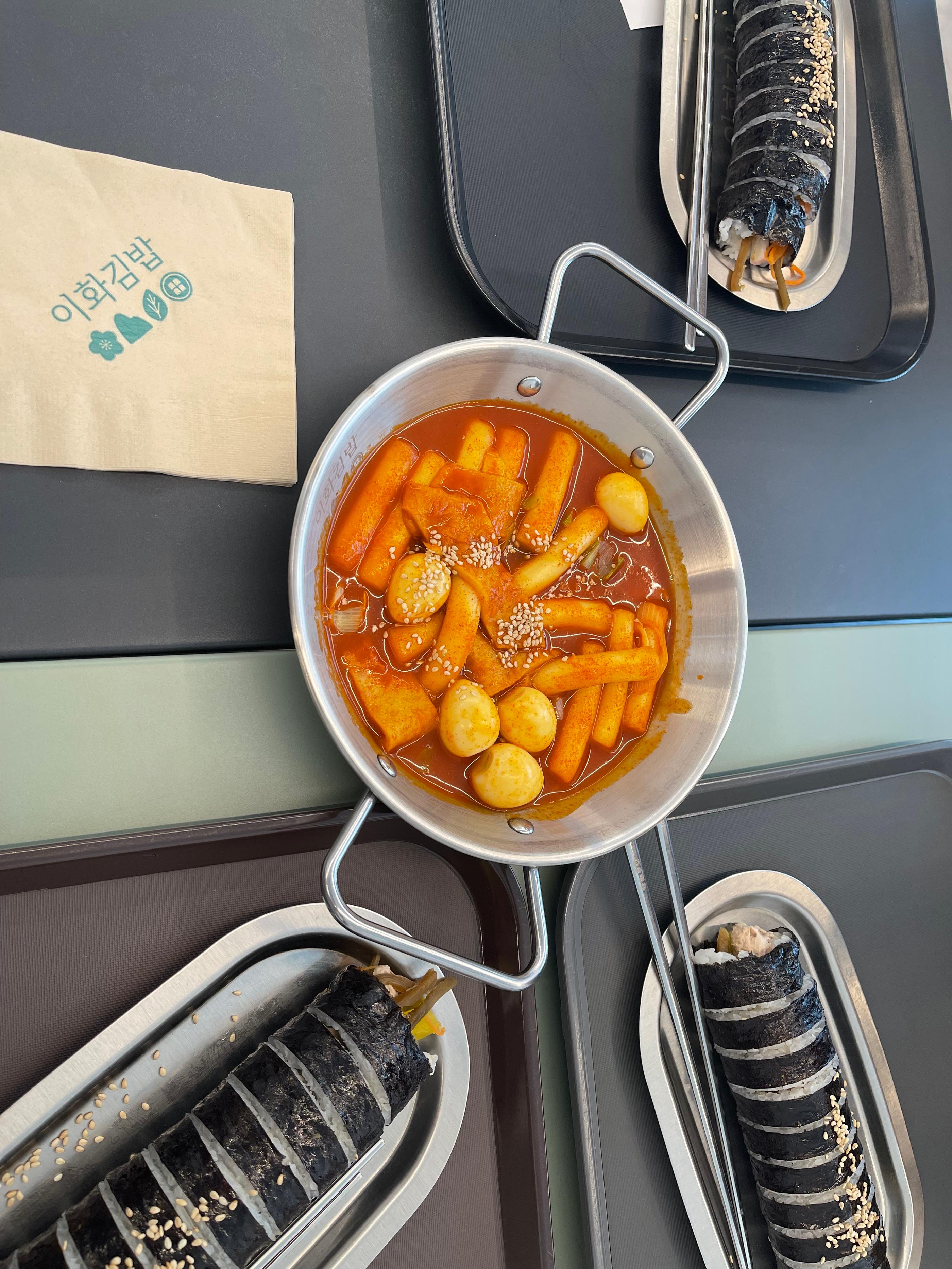
6. Life in Korea (payment tools, daily expenses, student cafeterias, etc.): When I traveled here before, I already knew prices in Korea were higher than in Taiwan, but actually living here still feels shocking sometimes. Eating out and buying coffee, for example, can really add up over time. I recommend preparing electronic payment tools you can use in Korea, or a credit card that gives good cashback for overseas spending, before you leave. The ones I use most are PX Pay, Easy Wallet, and icash pay, which makes things much more convenient. For transportation, I recommend downloading Naver Map or Kakao Map, because they’re more useful in Korea than Google Maps, and they’re great for bus routes too.
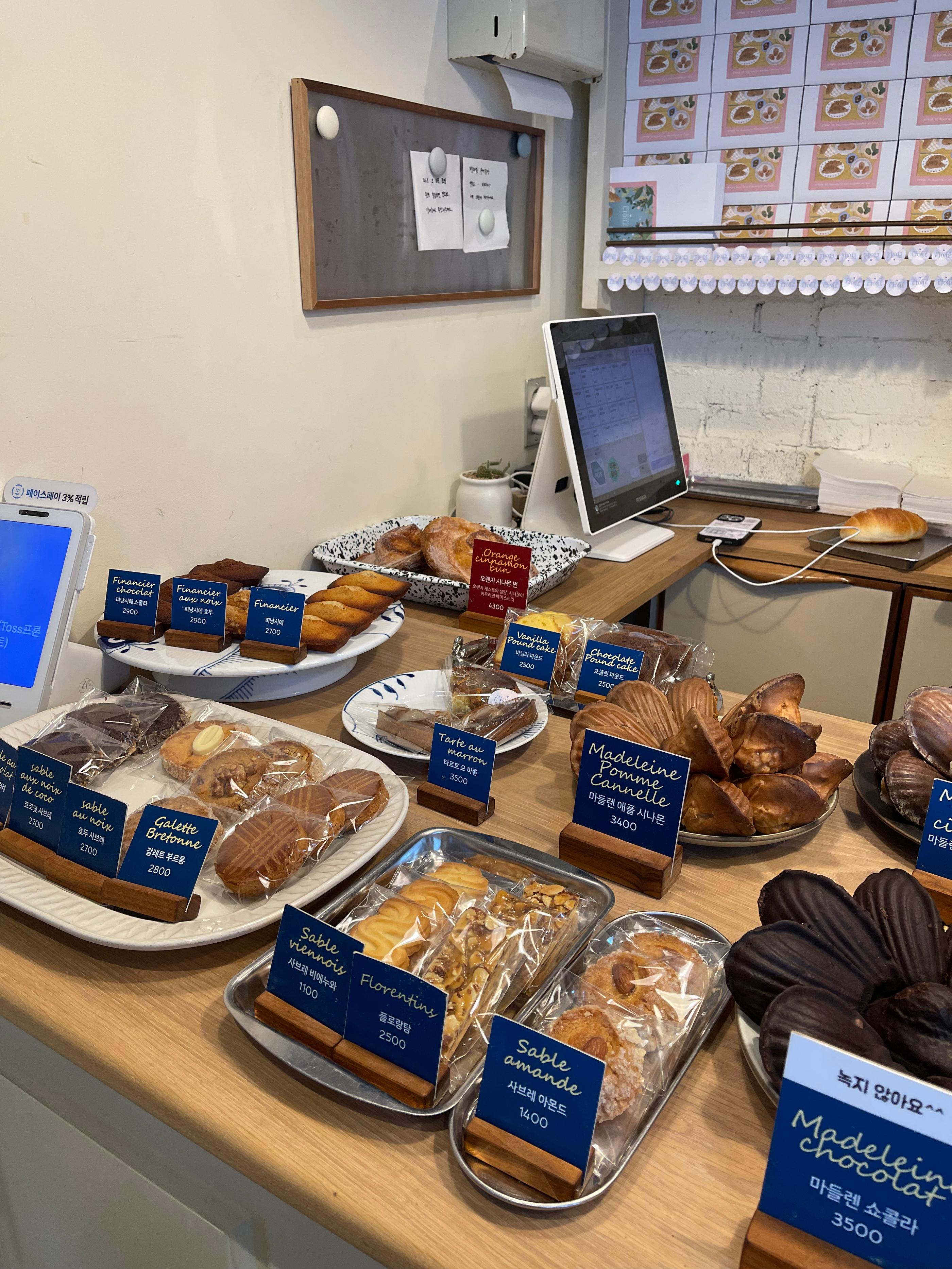
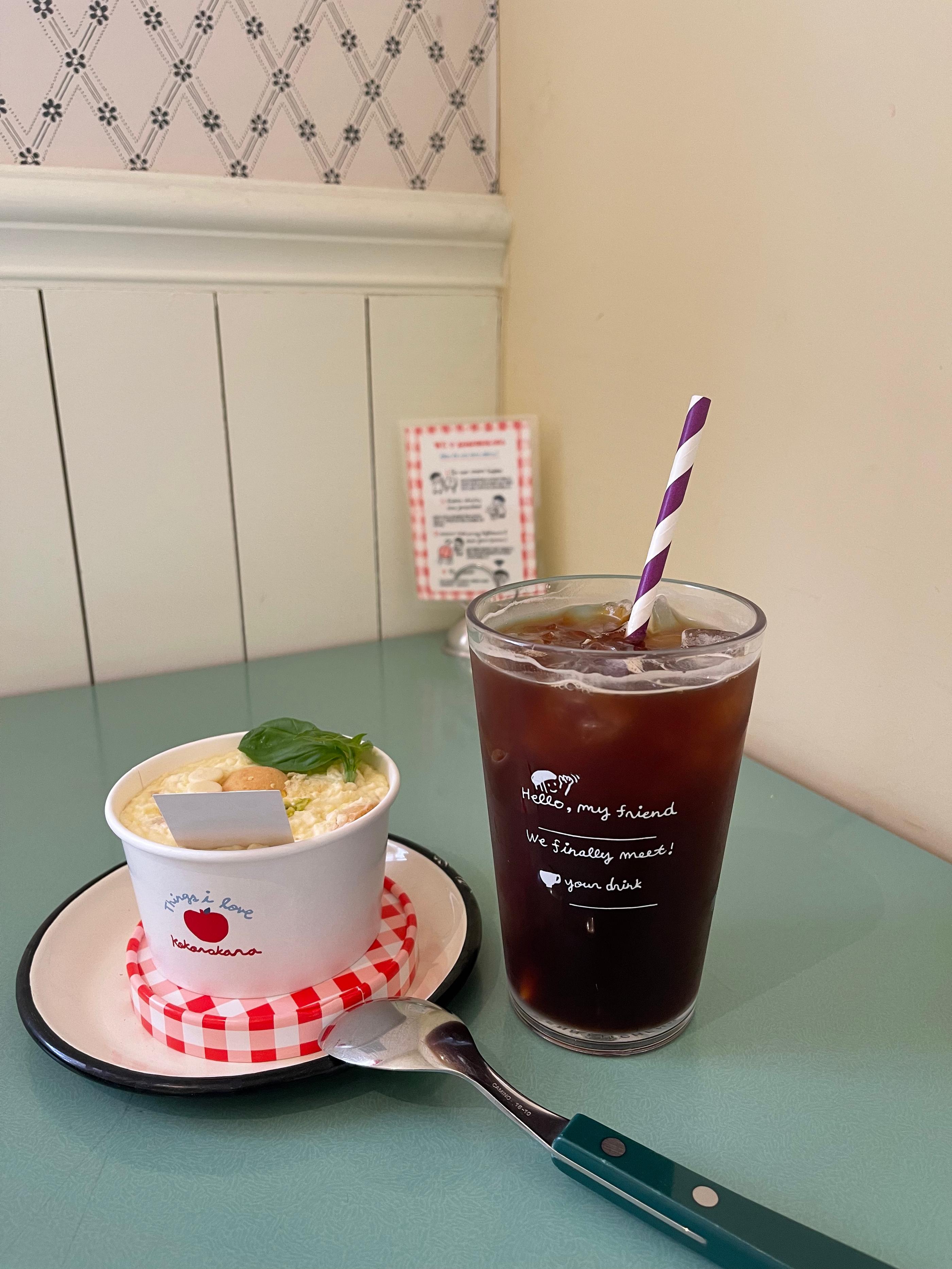
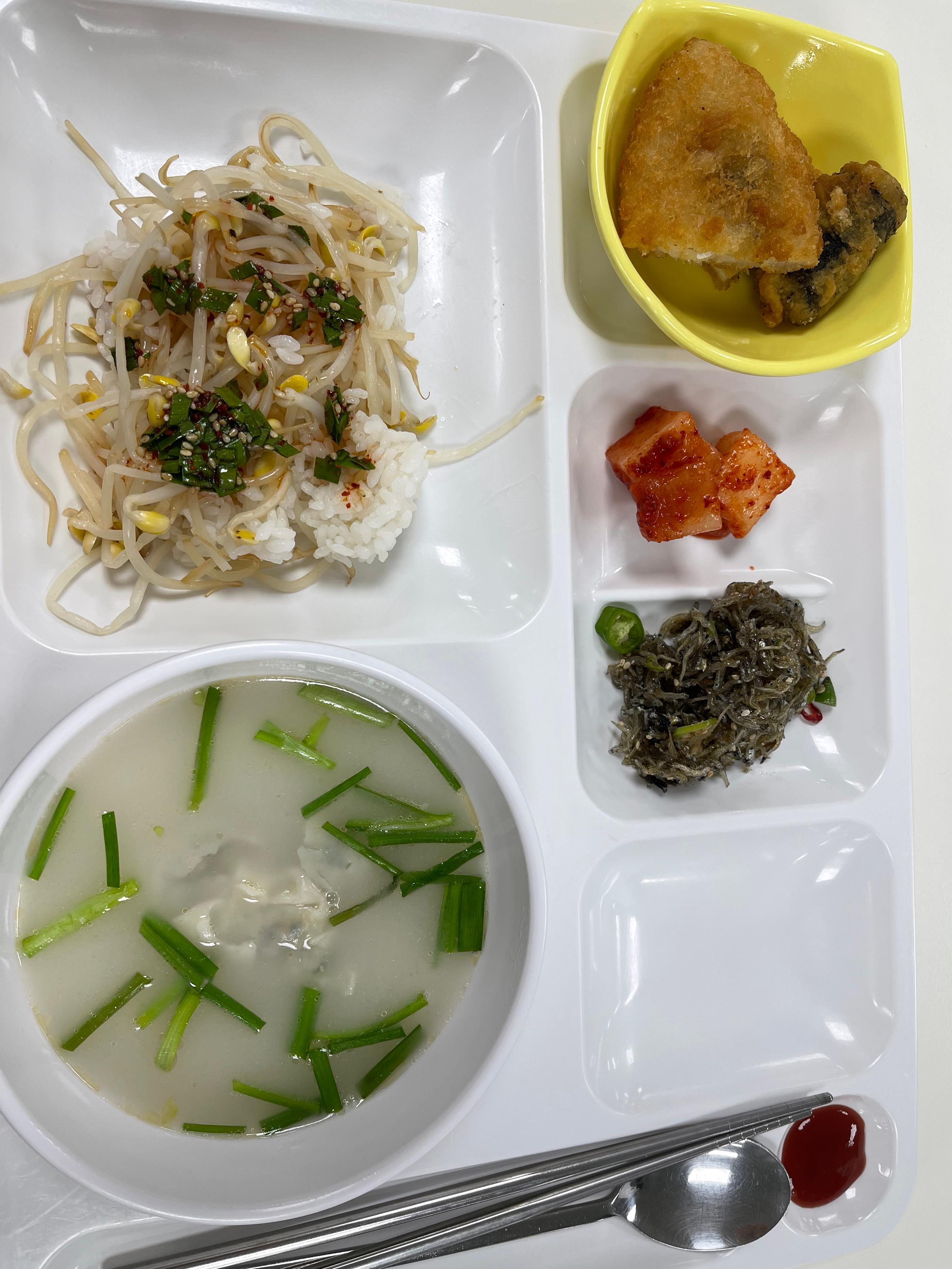
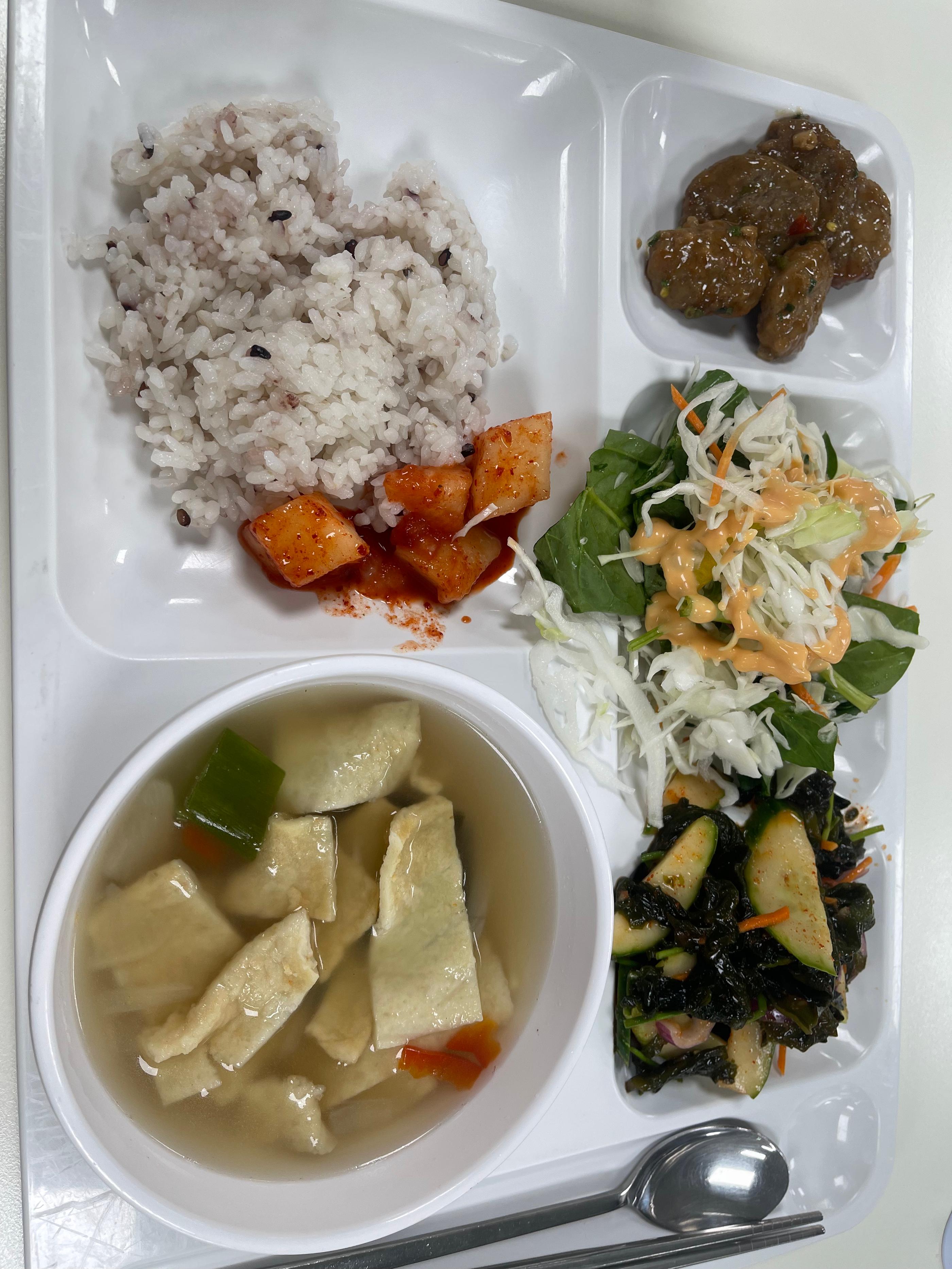
Lastly, if you want to save on living costs, make good use of the school cafeteria and convenience stores’ “2+1” deals. For makeup and skincare, shop during Olive Young discount seasons. For everyday essentials, you can go to Daiso. The on-campus cafeterias closest to the language institute building are ECC and the student cafeteria in the basement of the I-House dorm, both are affordable, and they’re the ones I go to most often. The I-House dorm cafeteria also has a 1,000 Korean won breakfast on weekday mornings Monday through Thursday (limited to 150 servings), it’s seriously a great deal. Taiwan really is a breakfast paradise, so after coming to Korea, I honestly worry every day about what to eat for breakfast. Morning classes don’t end until 1 p.m., and if you don’t eat breakfast, it’s impossible to focus in class. If you’re on a tight budget, I recommend trying a Korean-style breakfast, and remember, it’s first come, first served.