
Long Stay program short-term study abroad impressions

Seren
4 months ago
Hi everyone, this past May I finally signed up for the Long Stay program and experienced a one-month short-term study-abroad life in Seoul. Since I really recommend the overall experience, here’s a simple recap and what I thought!
I remember that when this program first launched, there were also accommodation options near Hongdae Entrance Station (Hongdae, 홍대입구역). But by the time I signed up, the only remaining housing option was Come&Stay at Jeungmi Station (증미역), and the classes were held at 가나다한국어학원 near Hongdae Entrance Station (Hongdae, 홍대입구역).
I’m guessing many people, like me, are hearing about Jeungmi Station (증미역) for the first time.
Jeungmi Station (증미역) is on Subway Line 9. Since Line 9 has local trains and express trains, and only local trains stop at Jeungmi, after getting off at Hongdae Station you still need to walk another 5 to 7 minutes to reach the academy. So commuting between the two takes about 30 to 40 minutes.
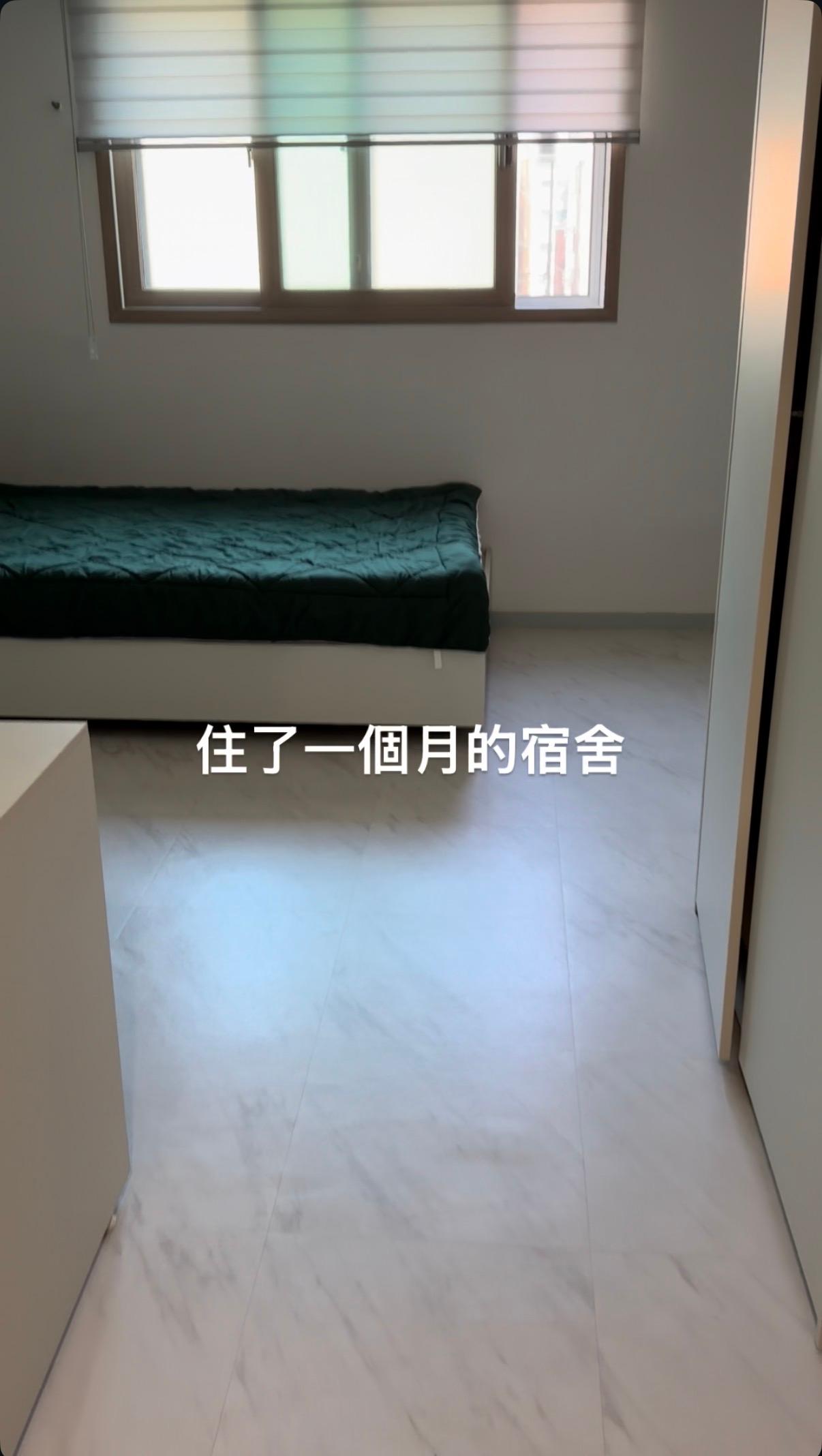
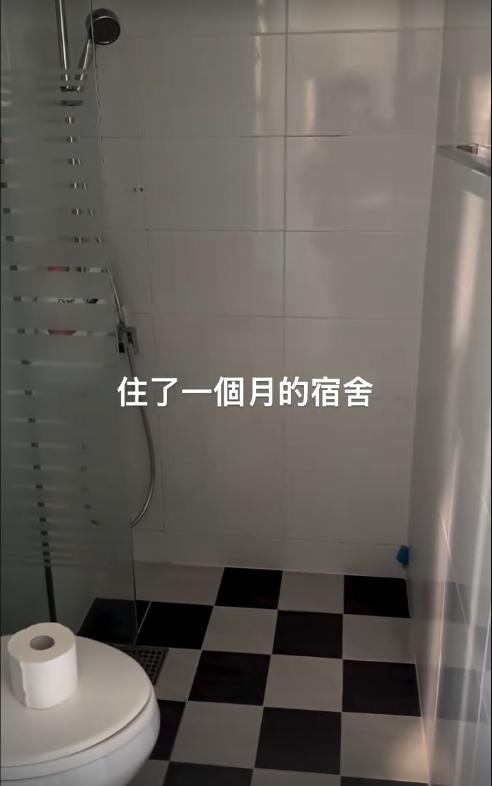
In the dorm room, they provide a hair dryer, body wash, shampoo, conditioner (Dove), towels (x7), a roll of toilet paper (x1), hangers (x2), and Wi-Fi. The room itself is more than spacious enough for one person, but it’s a bit of a shame that the bathroom isn’t fully separated into wet and dry areas.
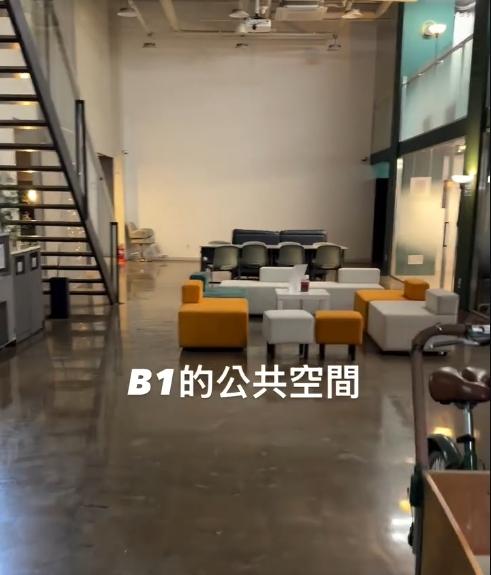
The dorm’s shared area is on B1 and includes a water purifier, coin-operated washing machines (2,000 Korean won per load), dryers (2,000 Korean won per load), an induction cooktop, pots and pans, bowls, tableware, knives, dish soap, and more. There’s also a lounge and a study room. But aside from cooking a few times and doing laundry, I mostly stayed in my room, so I didn’t end up using the lounge or study room.
Near the dorm, there’s a small supermarket where you can find pretty much any daily necessities you need. There are also a few restaurants, convenience stores, pharmacies, and Olive Young, so overall it’s a very convenient area to live in!
Before classes officially started, the academy scheduled an online interview to test speaking and listening. It took about 20 minutes in total, and the teacher asked questions including:
1. Your name
2. Korean learning experience: Have you studied Korean before, where did you study, how long, how often, what materials you used, and why you want to learn Korean
3. Work-related: What your current job is, and how you’ll arrange work if you come to study
4. Daily life: Your hobbies, who you live with, and what you usually do in your free time
5. Other: When you last visited Korea, what your family thinks about you going to Korea to study, how you would introduce Taiwan to foreigners traveling to Taiwan, and what level you hope to be placed in
Since I arrived in Seoul a few days early, I also went to the academy separately to take a written test. After the overall evaluation, I was placed in Class 3B.
I had already been taking classes at the continuing education division of NTNU, and before coming I was studying Level 3B using Seoul National University’s textbook. So later, what I learned at the academy was about 70% grammar and vocabulary I had already learned, and 30% new material.
In principle, classes are held Mondays, Tuesdays, Thursdays, and Fridays from 10:00 to 13:00, with two breaks of 10 minutes each. But if a class day falls on a public holiday, the schedule will be adjusted. For the exact dates, you still need to follow the timetable announced by the academy. The timetable is also posted in the program description on Creatrip, so you can check it before choosing.
My teacher’s class style was very lively, but she spoke fairly fast, so it took a bit of time to get used to. When teaching vocabulary and grammar, she gave lots of examples. If students didn’t understand, she would explain in English as support, and she would constantly call on students to practice making sentences using the grammar.
The pace here is very fast, you finish one lesson in a single day, and there’s homework to do at home. But the homework isn’t difficult, I think you can usually finish it within an hour on average.
Before the term ends, there’s an exam mainly covering the grammar learned during the term. On graduation day, you receive a completion certificate.
My classmate from Germany even gave me candy and a handwritten note, so sweet, I almost cried.
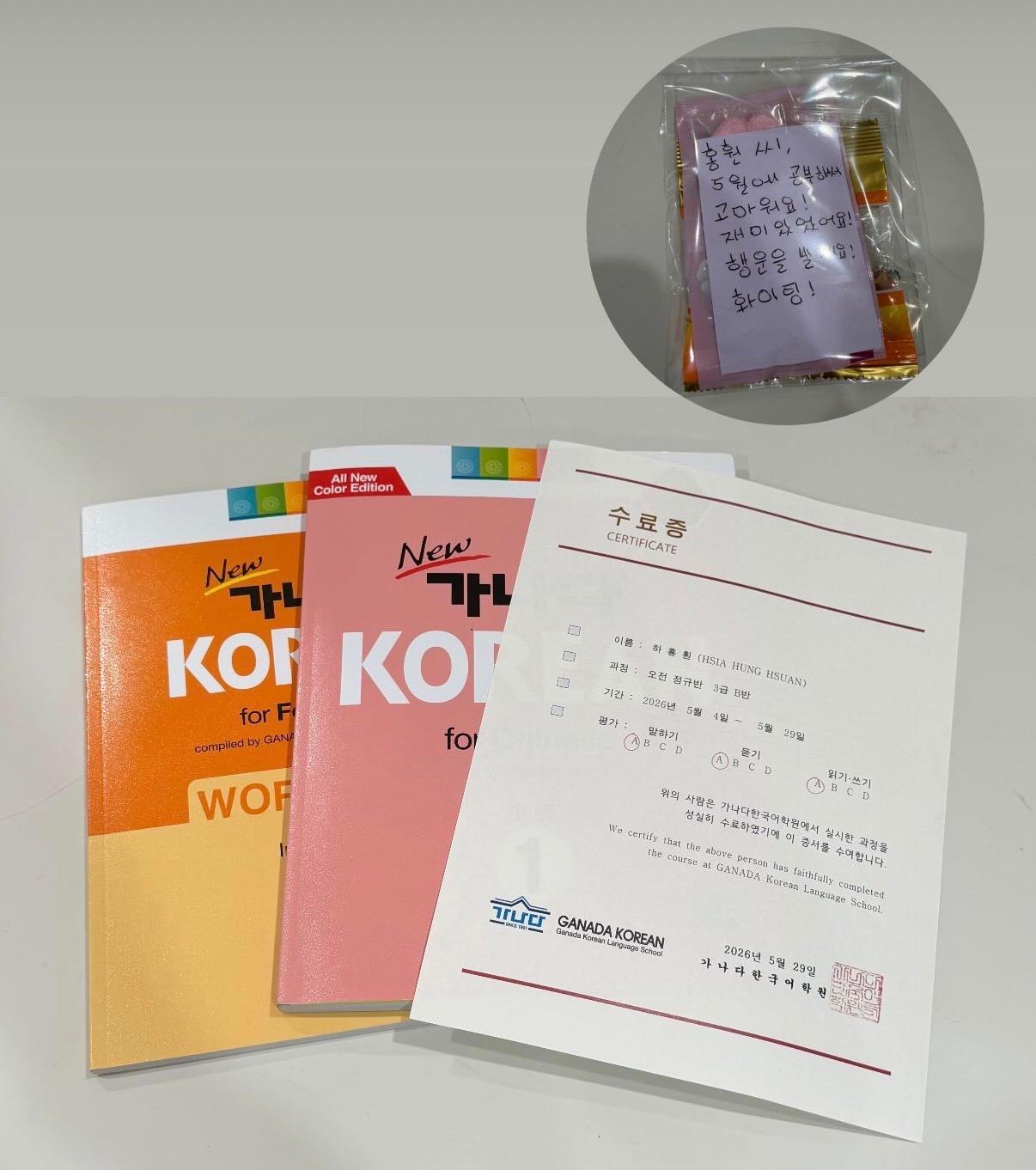
After finishing classes for this month, I felt my listening improved. My teacher at NTNU thought my pronunciation improved, he said I used to have a Japanese accent when speaking Korean lol.
It really shows that when learning a language, the environment and lots of frequent practice are super important!
So I definitely recommend this program to anyone who wants to do a short-term study-abroad experience in Seoul. You can not only experience living abroad, but also improve your Korean, and if you sign up for this program, you can skip the most annoying part, finding a place to live.
Lastly, I want to add a few food recommendations around the dorm:
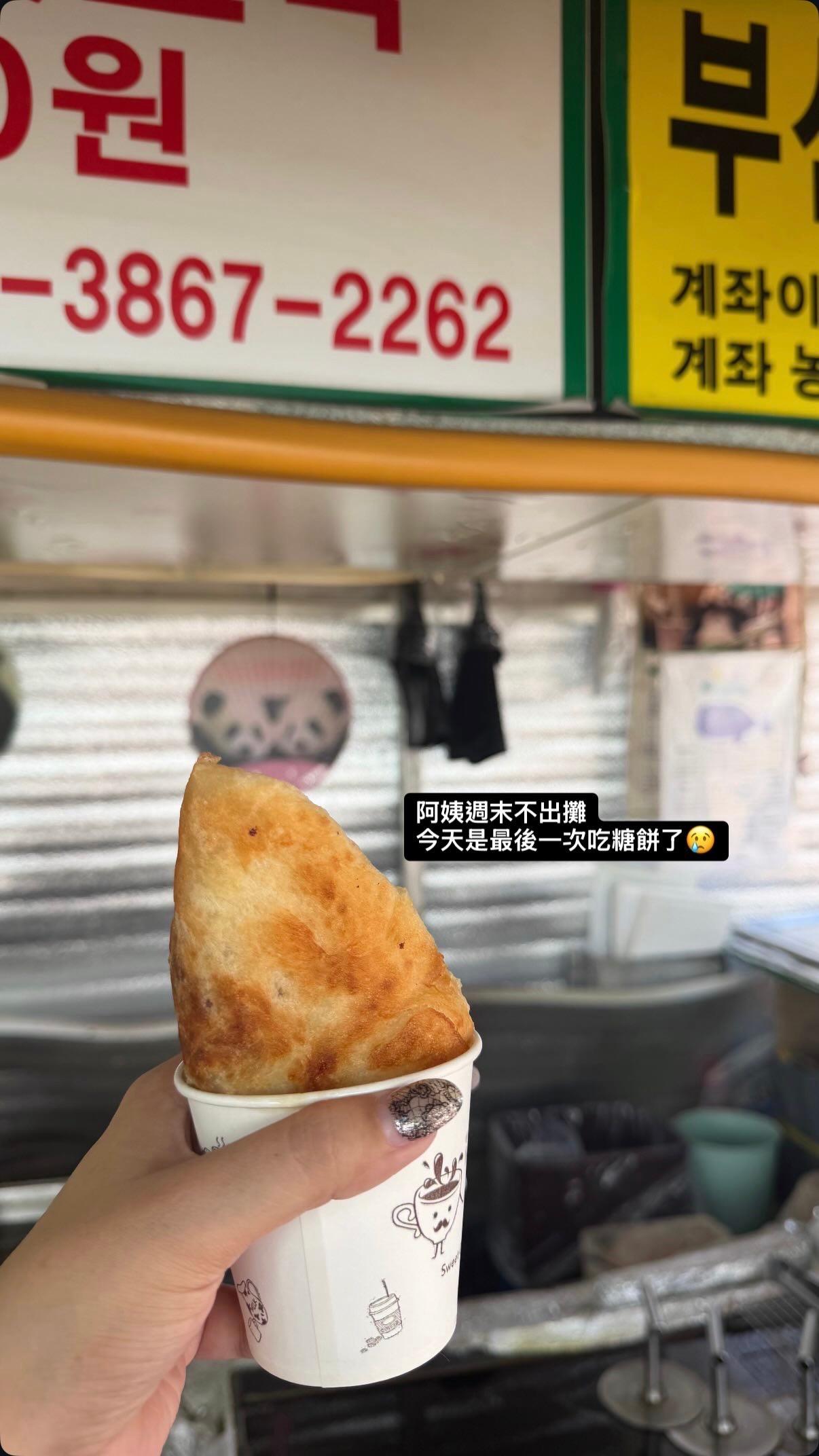
1. Hotteok from the street stall outside Exit 4 of Jeungmi Station
I didn’t buy this hotteok until my third week, but I fell in love after one bite. It’s seriously so good, I really regret not trying it earlier.
2. 고기싸롱 at Deungchon Station (등촌역)
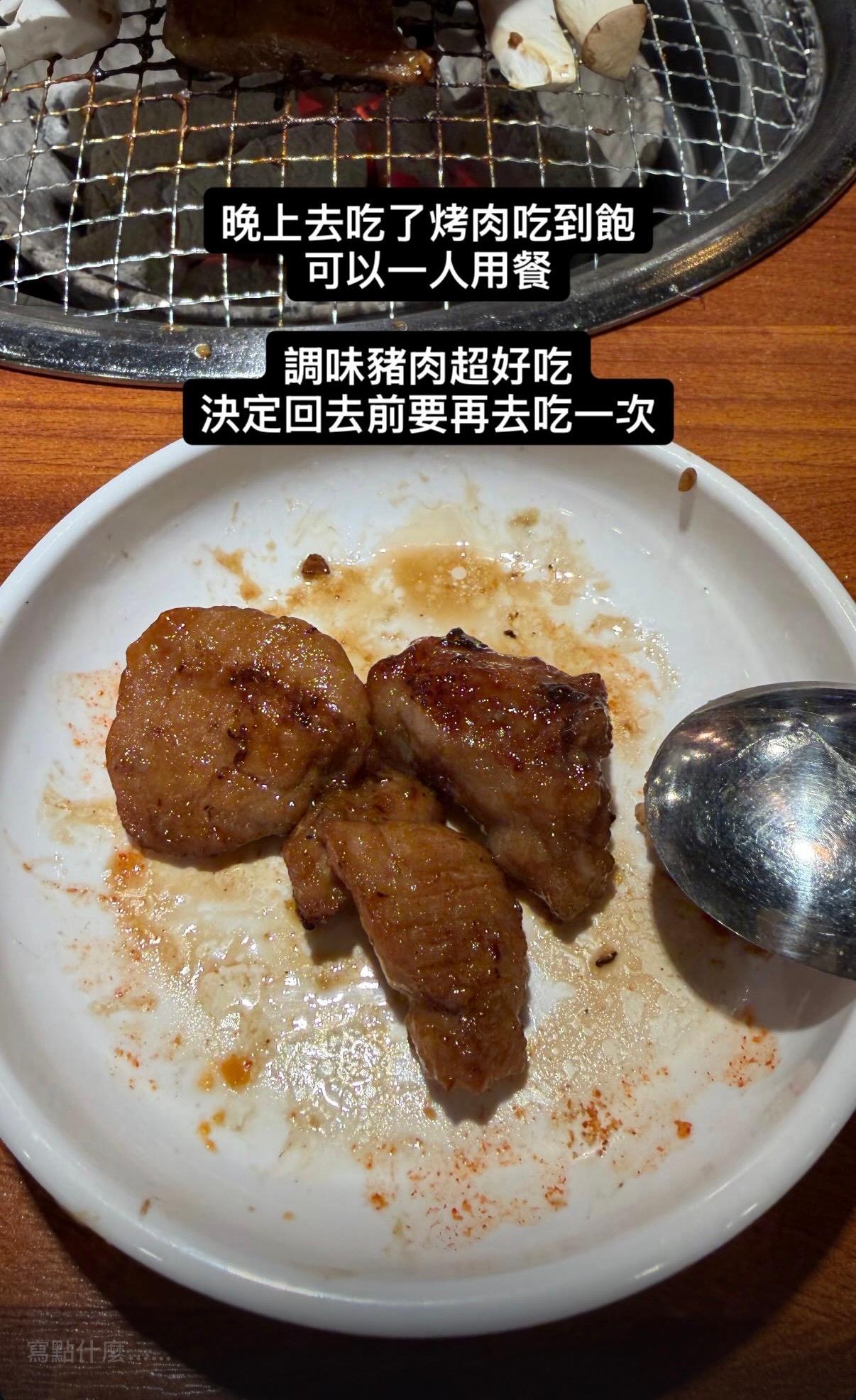
This place is an all-you-can-eat Korean BBQ, and most importantly, they let you dine solo. 20,900 Korean won per person.
My favorite is their seasoned pork, it’s super flavorful and the meat is really tender. After eating, it’s perfect to take a slow walk back to the dorm.