


Kyung Hee University Language Institute Spring Course

ㅈㅈ
4 months ago
I’m currently enrolled in the Spring term at Kyung Hee University’s Korean Language Institute, Beginner Level 1.
I chose Kyung Hee University’s Korean Language Institute mainly because of the schedule, the dorm, and the learning environment. The Spring term at Kyung Hee starts later than many other university language programs, which fit my timing perfectly. Also, you can apply for a dorm directly through the school, which saves you the hassle of finding housing separately. As for the campus, Kyung Hee is also famous for its beautiful cherry blossoms and stunning buildings.
*Application
Because I was still working when I applied, I worried I wouldn’t have enough time and might miss steps if I wasn’t familiar with the process, so I asked Creatrip to help with my application.
The whole process was very simple. Since I was only studying for one term, I didn’t need to apply for a visa, and all documents could be submitted by uploading them online to Creatrip. Paying the tuition and dorm fees was also very convenient, I could complete everything by paying online with a credit card, so I didn’t have to deal with overseas wire transfers.
Creatrip was also very quick about sending school updates, and whenever I had questions, customer service replied kindly. Overall, I highly recommend them.
*Placement
Before coming to Korea, I had studied for about three months. But since it had been so long since my last Korean class, I’d forgotten almost everything. So after the placement test, I was placed in Beginner Level 1.
The levels at Kyung Hee University’s Korean Language Institute are roughly Beginner 1-2, Intermediate 1-2, Advanced 1-2, six levels total. The placement test is done online, about one week before classes start. First, you take an online reading multiple-choice test, then you have a 1-on-1 interview with a teacher. The interview questions are things like why you want to study at the language institute, where you are right now, what the weather is like there, how you’ll come to Korea, whether you’ve visited Korea before, etc.
After the test, the school posts the results on the school website before the term starts, and you can also find your student ID number there.
*Dorm
At Kyung Hee University, you can apply directly for the language institute dorm. It’s possible you won’t be assigned a room, but it feels like they have quite a lot of rooms. There are two room types, single and double. When applying, you can choose whether you prefer a single or a double, but I recommend checking both options to increase your chances of being assigned a dorm. And of course, it’s best to apply as early as possible, otherwise you might not get a room.
Here’s an intro to the double-room dorm, Changdeokan
Basic room facilities include a bed, desk, chair, fridge, microwave, induction cooktop, sink, combined bathroom (toilet), air conditioner, and underfloor heating.
Also, I was pleasantly surprised to find a mattress and pillow included when moving in.
The desks are a bit unique, one is a larger built-in desk as part of a modular cabinet setup, and the other is a smaller square desk.
- Laundry
The room has a washing machine but no dryer, and there’s no drying rack either.
For drying clothes, since I’m only here for one term and didn’t want to buy big items, I didn’t buy a drying rack. What I do is wash clothes in the dorm washer, then take them to a self-service laundromat near the dorm to dry them. One drying cycle is about 4,000 Korean won. It’s about a 3-minute walk, there’s one if you go into the alley on the right-hand side across from Hoegi Station. Or you can also buy a clothesline at Daiso and hang things up in your room.
- Trash
There’s a recycling area outside on the 1st floor of the dorm. It’s behind the lounge across from the main gate. When you exit the main gate, turn left, then right, and you’ll get there.
General waste, food waste
For general trash and food waste, you need to buy the designated trash bags at a convenience store. General trash bags are white, and food waste bags are yellow. Or you can buy them at large supermarkets like Lotte Mart, at checkout just tell the staff you want a general trash bag, those are blue. I’m not sure whether there are other colors, but basically, just make sure the bag is for the Dongdaemun district. In Korea, trash bags are district-specific, so you can’t buy them in a different district, keep that in mind. Once you’ve tied up the bag, take it to the recycling area and sort it according to the district signs.
Recycling
For recyclables, you don’t need a bag, just bring them to the recycling area and sort them.
*Classes
- Buying textbooks
Beginner Level 1 uses a total of four textbooks, Basic Pronunciation, Grammar, Writing, and Listening.
You can buy them at the bookstore on B1 of Cheongun Hall. From the B1 stairs, take the hallway on the left, walk almost to the end, and the bookstore will be on the left. On the first day of class this term, the bookstore opened one hour early, so you can buy your books before class starts.
- Class schedule
There are morning and afternoon classes. This is assigned based on the school’s placement results, you can’t choose morning or afternoon yourself.
There are four periods a day. I’m in the morning class, which runs from 9:00 to 13:00, with breaks of 10 minutes, 20 minutes, and 10 minutes in between.
For the first few weeks, all four periods are basically focused on basic pronunciation.
After that, the first two periods each day are grammar, and the last two are either listening or writing. Grammar is every day, and listening and writing alternate about every two days. So in most cases you’ll use at most two textbooks per day. The teachers also provide a schedule, so you don’t have to worry about not knowing which book to bring.
Overall, the curriculum feels well balanced, listening and writing and everything else are in similar proportions. The difficulty isn’t too hard or too basic. If you’re like me and want to learn Korean in the short term while still having time to go out and travel, I really recommend studying at Kyung Hee’s language institute. You’ll learn a lot without feeling too stressed.
- Classmates
Each class has about 15 students, and mine has 11. It feels like the school tries to place around two students from the same country in one class, but I’ve also heard of classes with no classmates from the same country, so it’s not guaranteed.
Basically, communicating with classmates in English works fine, and people also often chat using translation apps, you can still have a great time.
- Teachers
Each class has two teachers. One teacher teaches periods 1, 3, and 4, and the other teaches periods 2 and 5.
They both teach very seriously and are very friendly. Whether it’s questions about class or daily life, they’re always happy to help.
- Homework
Each week you need to submit one assignment, writing three sentences for each grammar point.
Also, after midterms, you’ll have an extra 1 to 2 diary entries to write each week.
*Transportation
For transportation, I bought the 30-day Climate Card. It’s super convenient because you don’t have to track daily transportation costs. In Seoul, you can use this card for both buses and the subway.
To get to school, you can walk, it takes about 15 minutes.
Or if you have the Climate Card, you can take the Dongdaemun 01 bus from Hoegi Station. It runs pretty frequently and takes you straight to the school gate.
*Food
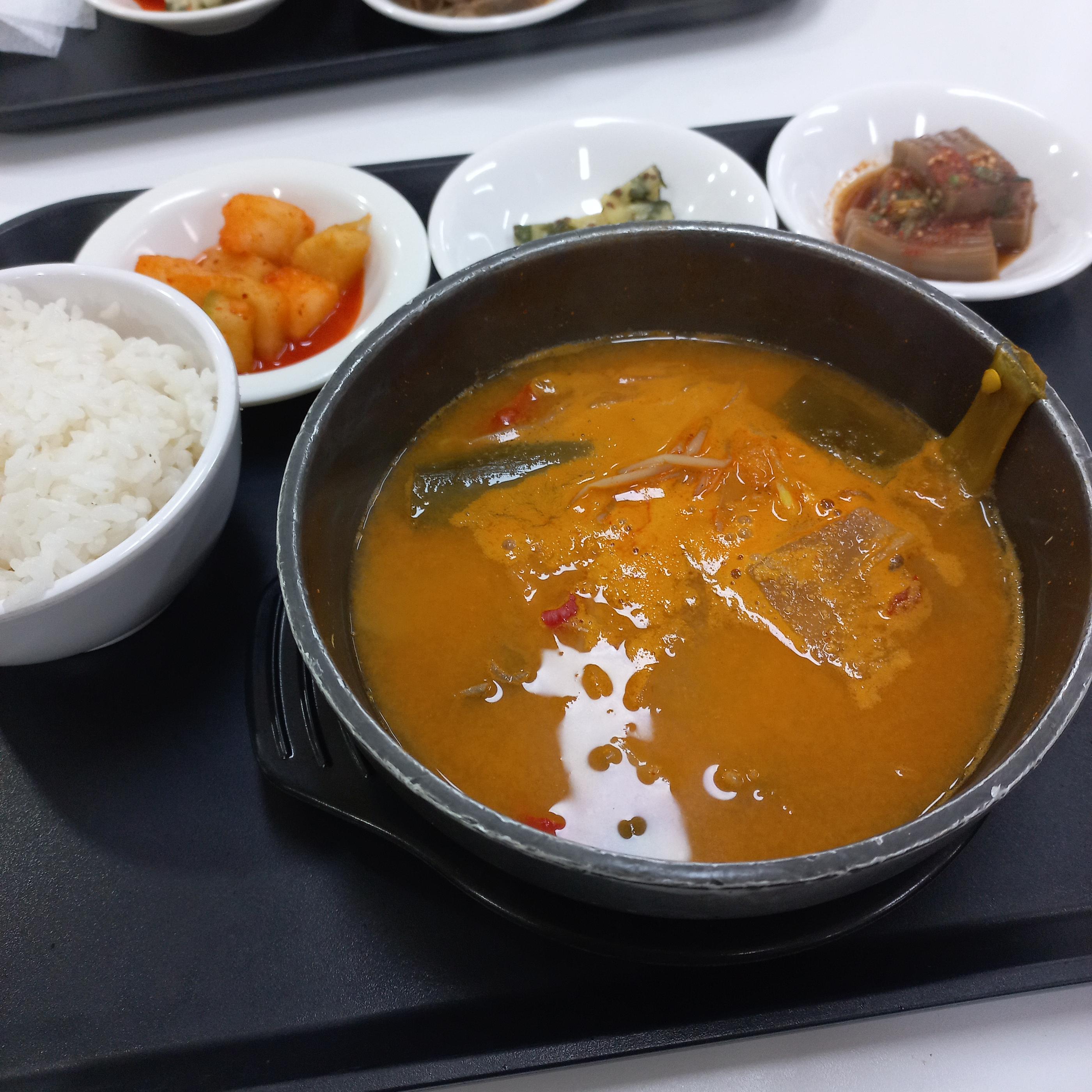
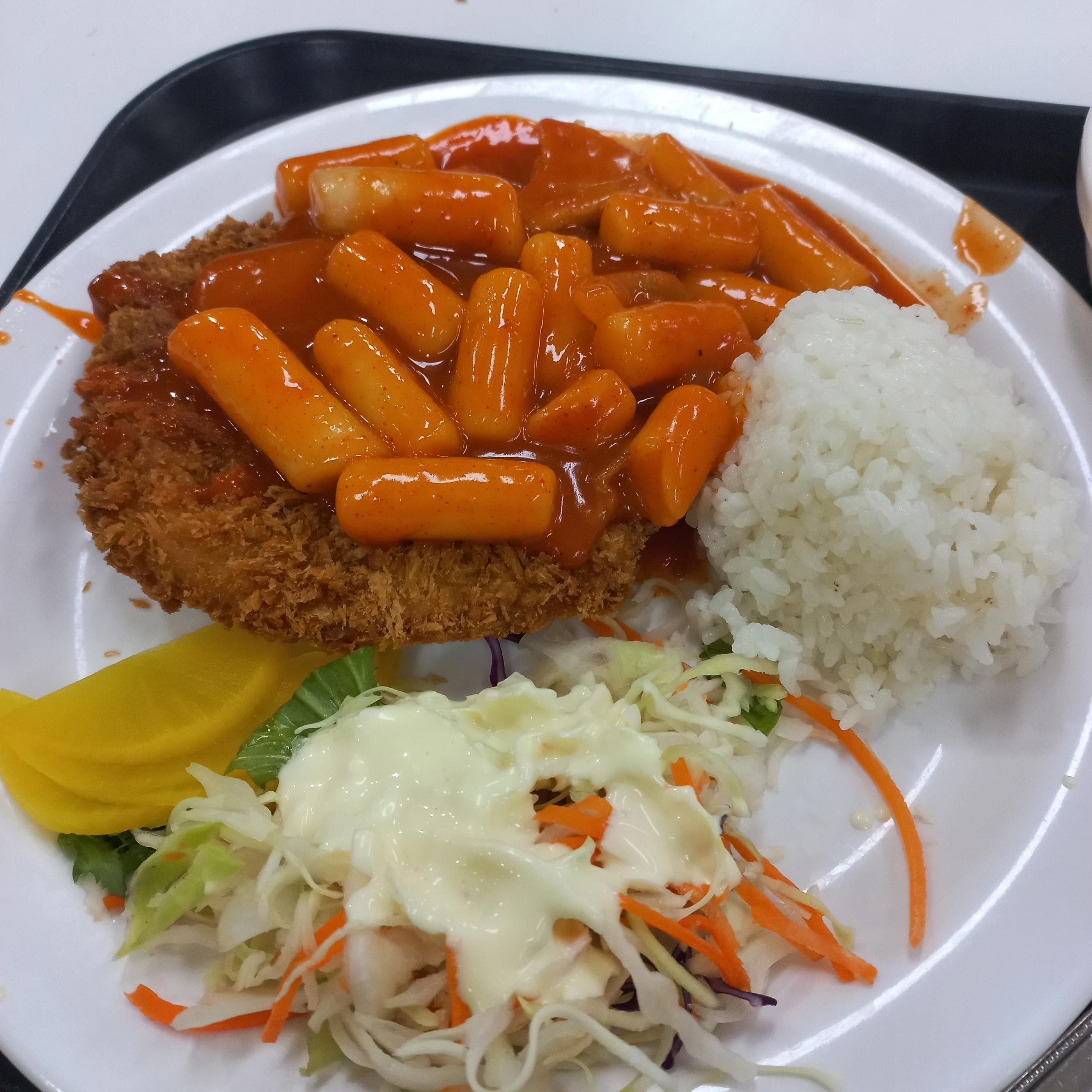
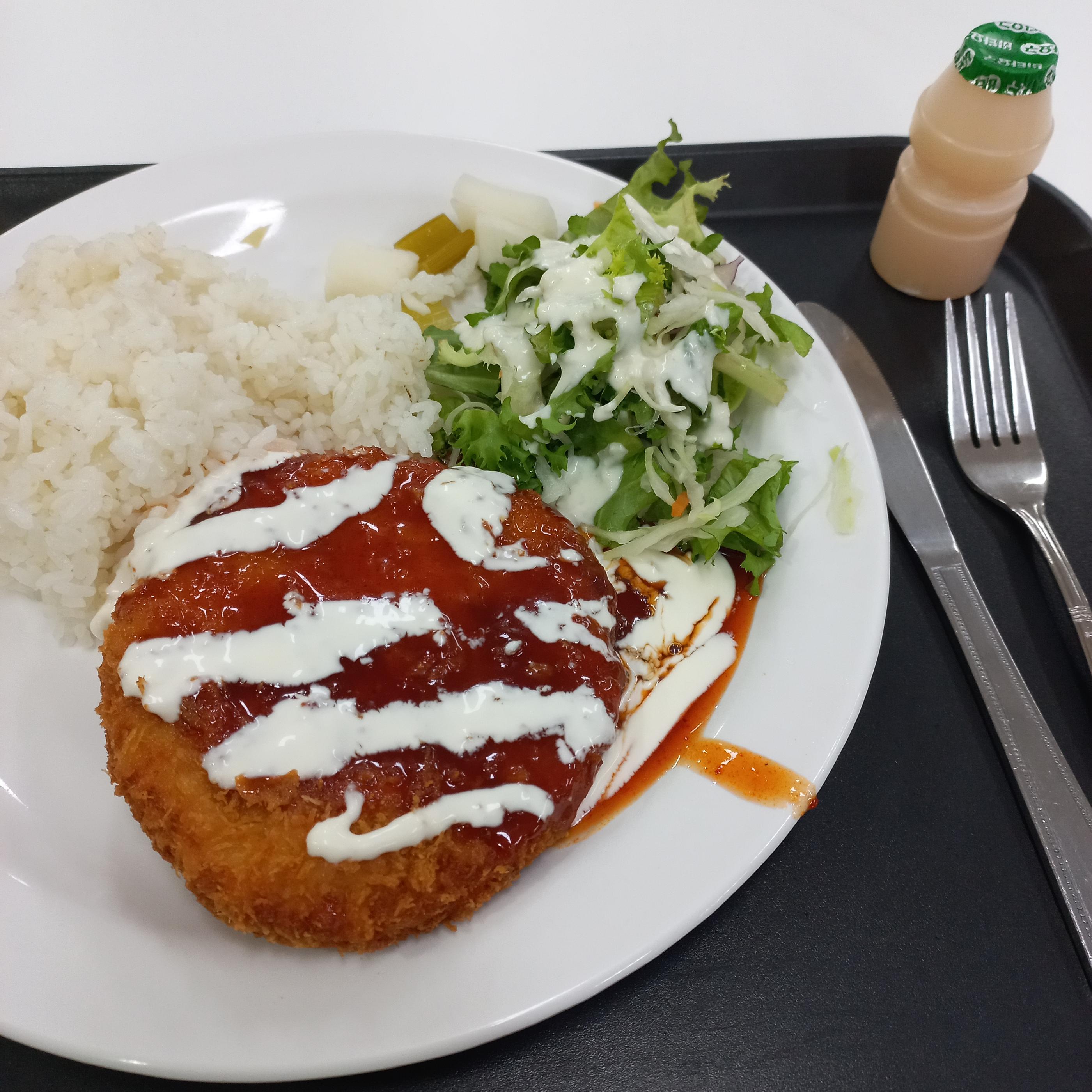
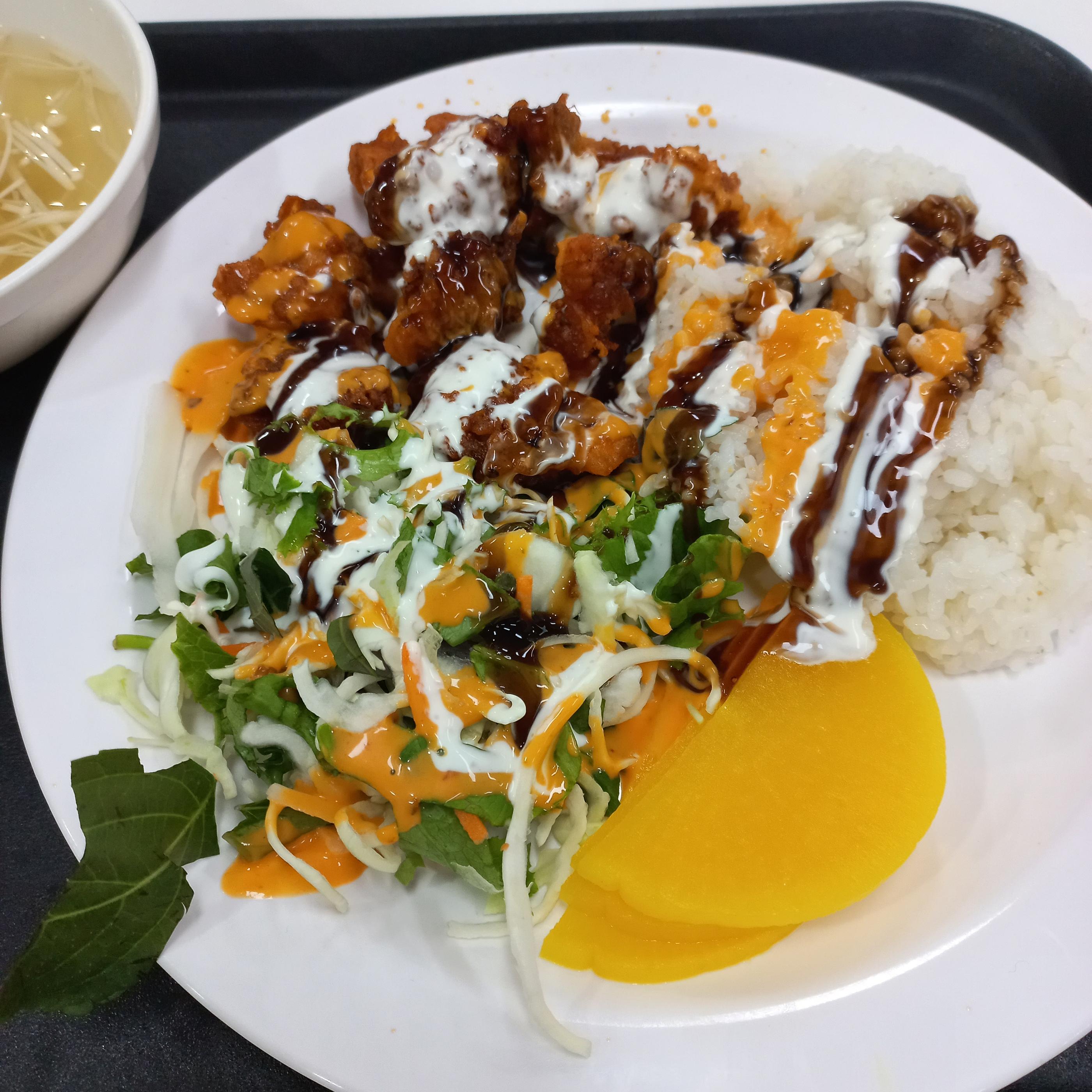
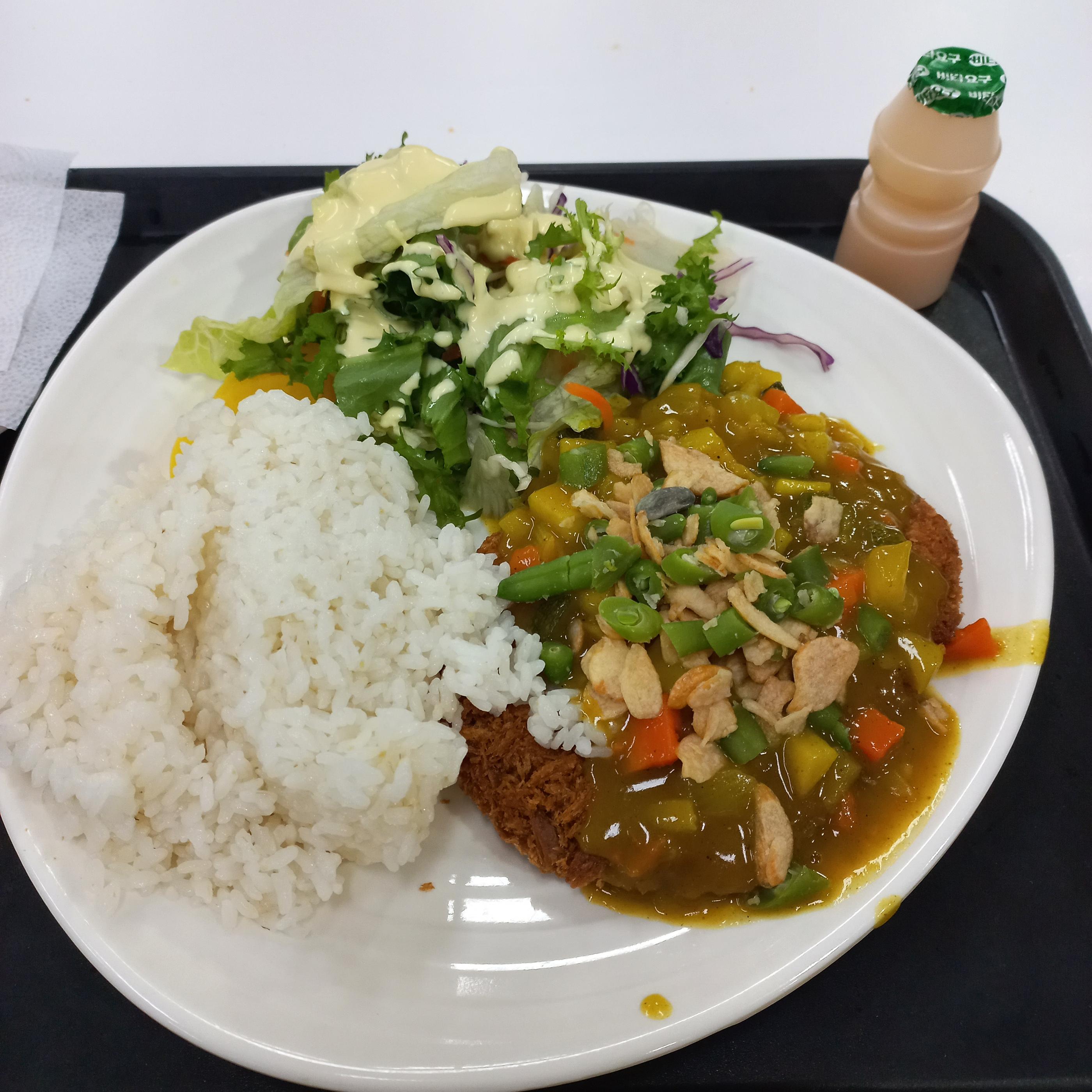
On class days, I usually eat lunch at the school cafeteria.
There are two cafeterias, one in Cheongun Hall B2, and one by the sports complex.
You order by card at the self-service kiosks, the kiosks are located outside the cafeterias.
There’s a good variety of dishes, and the menu changes daily. The weekly menu is posted on the wall outside, and next to the kiosk there are also real food displays you can look at for reference.
There are also lots of restaurants near the dorm. If you walk three minutes to the left from the dorm, there’s a grocery supermarket where you can buy ingredients and cook back at the dorm.
*Costs
- Food, one meal here basically costs over TWD 100
- Transport, the Climate Card is 62,000 Korean won per month
Overall, for 10 weeks plus tuition and dorm fees, going to concerts, and running around Seoul almost every day, I think staying under 4,000,000 Korean won should be enough. Of course, it depends on what each person spends money on, so it could be more or less.