
Trip to Korea - Jeonju Hanok Village

Haneul
4 months ago
Welcome to Jeonju, Korea’s cultural capital!
If you’re looking to get away from the hustle and bustle of Seoul and discover a more authentic, slower-paced, more delicious side of Korea, then Jeonju is a destination you absolutely can’t miss. Located about 2.5 hours from Seoul by KTX, this city in North Jeolla Province is considered the birthplace of Korean culture and cuisine. And in the heart of Jeonju lies its most precious treasure: Jeonju hanok Village.
I was lucky enough to visit this extraordinary place, and I want to share everything you need to know to make the most of it!
The fastest and most comfortable way is to take the KTX from Yongsan Station or Seoul Station to Iksan, then a regional train to Jeonju. The total journey takes about 2.5 to 3 hours. A one-way ticket costs around 27,000 to 35,000 KRW depending on the class you choose.
You can also take an express bus from the Gangnam Terminal. The trip takes about 3 hours, but tickets are often cheaper, around 16,000 to 20,000 KRW. From Jeonju Station or the Jeonju bus terminal, a taxi to the hanok Village costs about 5,000 to 8,000 KRW, or you can take a city bus.
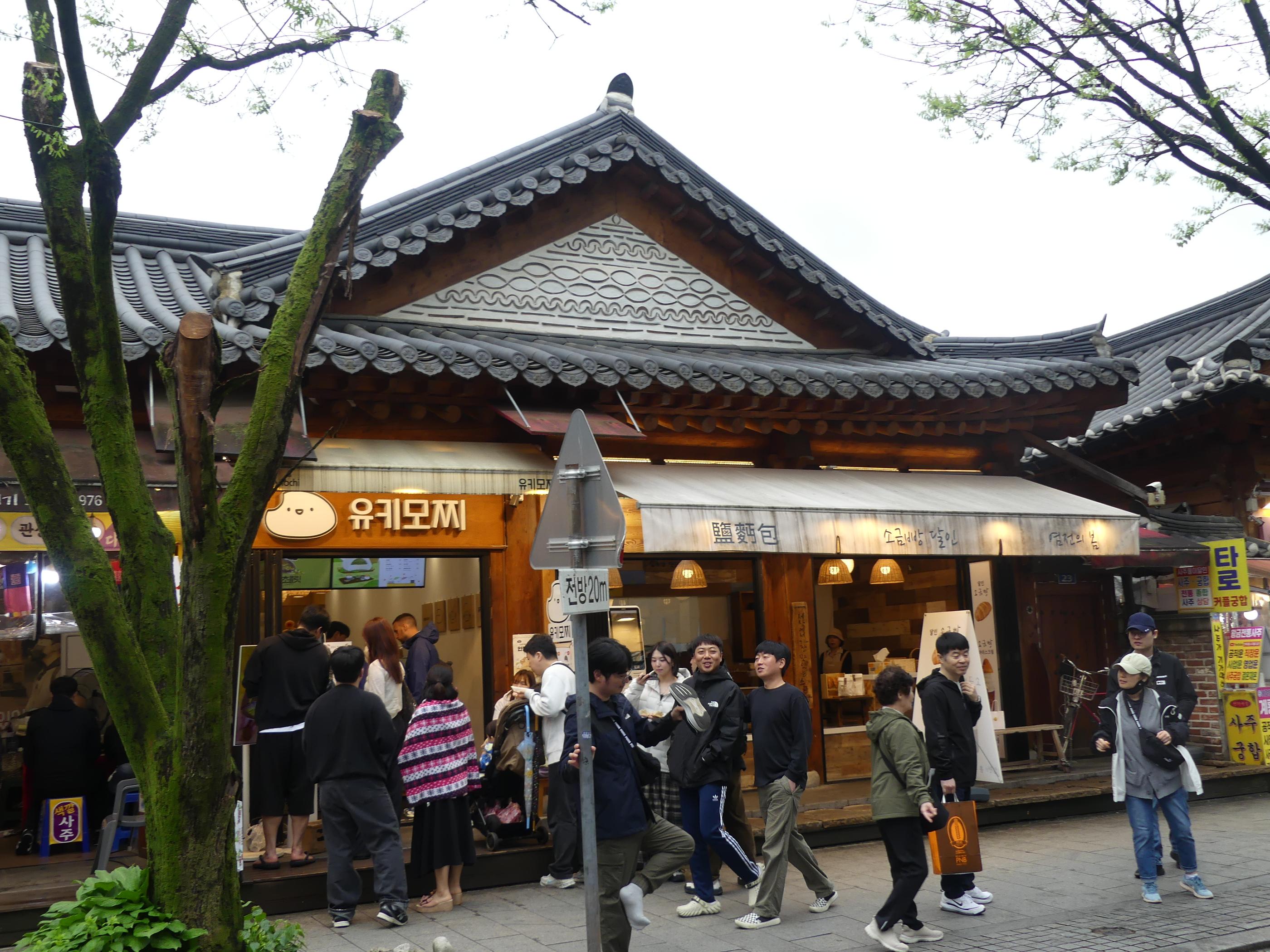
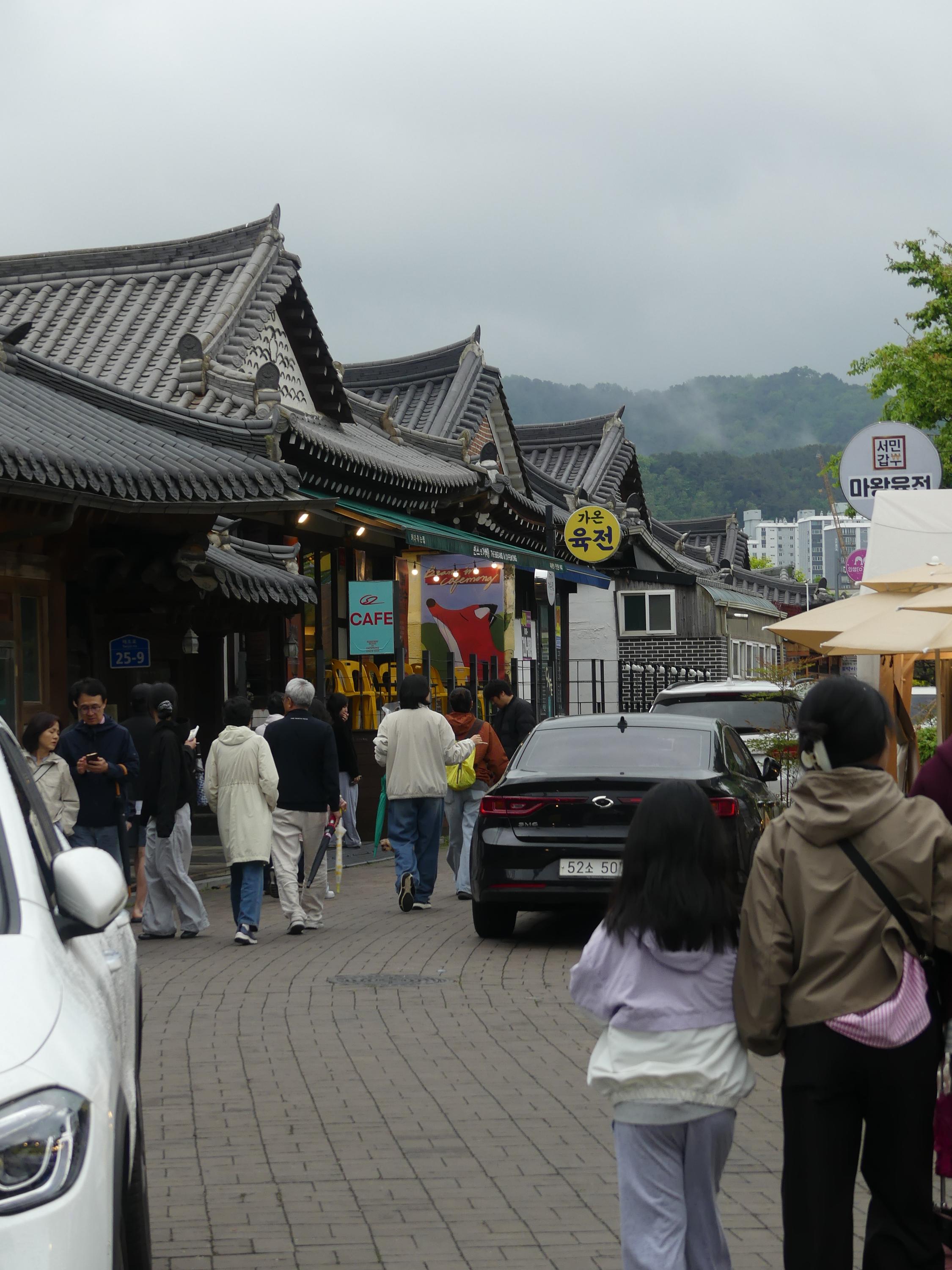
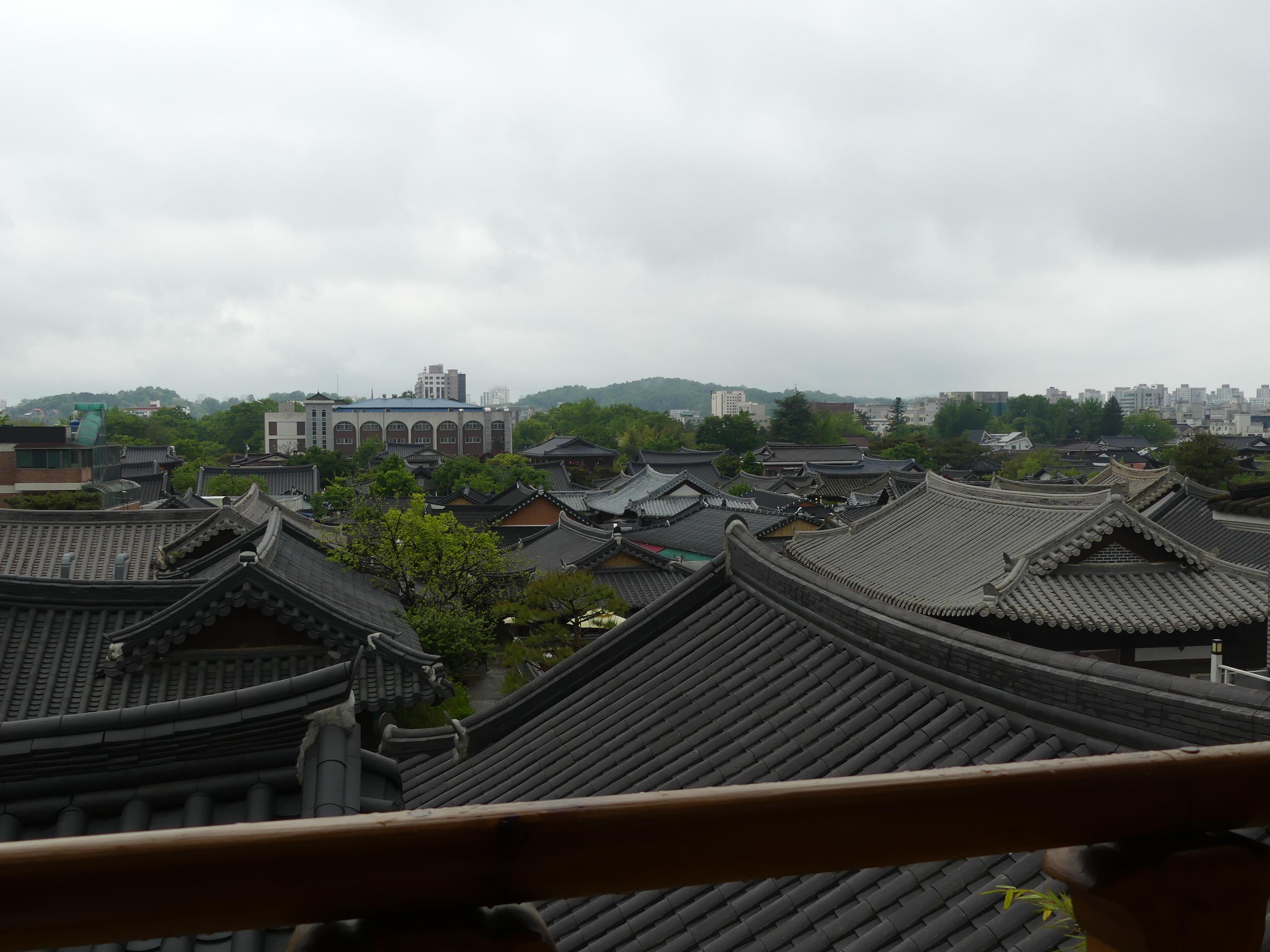
Jeonju hanok Village is home to over 730 traditional wooden houses called hanok, making it one of the largest and best-preserved in all of Korea. Unlike other historic villages that can sometimes feel frozen in time or museum-like, Jeonju’s hanok Village is very much alive: locals still live here, artisans work here, and lively cafés and restaurants have set up shop with great taste.
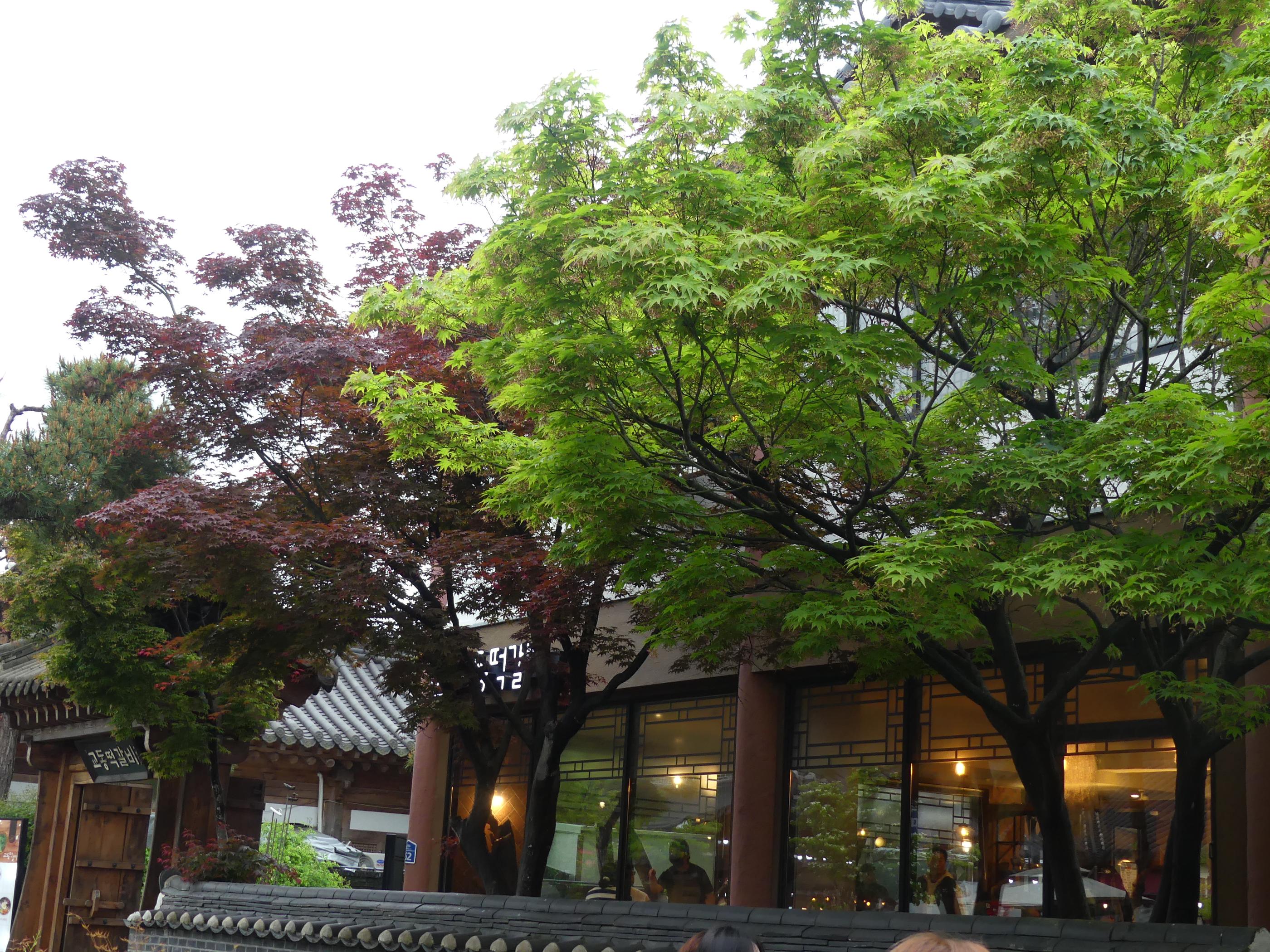
As you wander its cobbled alleys, you’ll discover a succession of hidden inner courtyards, miniature gardens, carved wooden gates, and ochre earthen walls topped with curved roof tiles. The atmosphere is calming, and the architecture invites quiet reflection. Early in the morning, before the crowds arrive, the alleys feel especially magical, wrapped in an unusual silence for such a popular area.
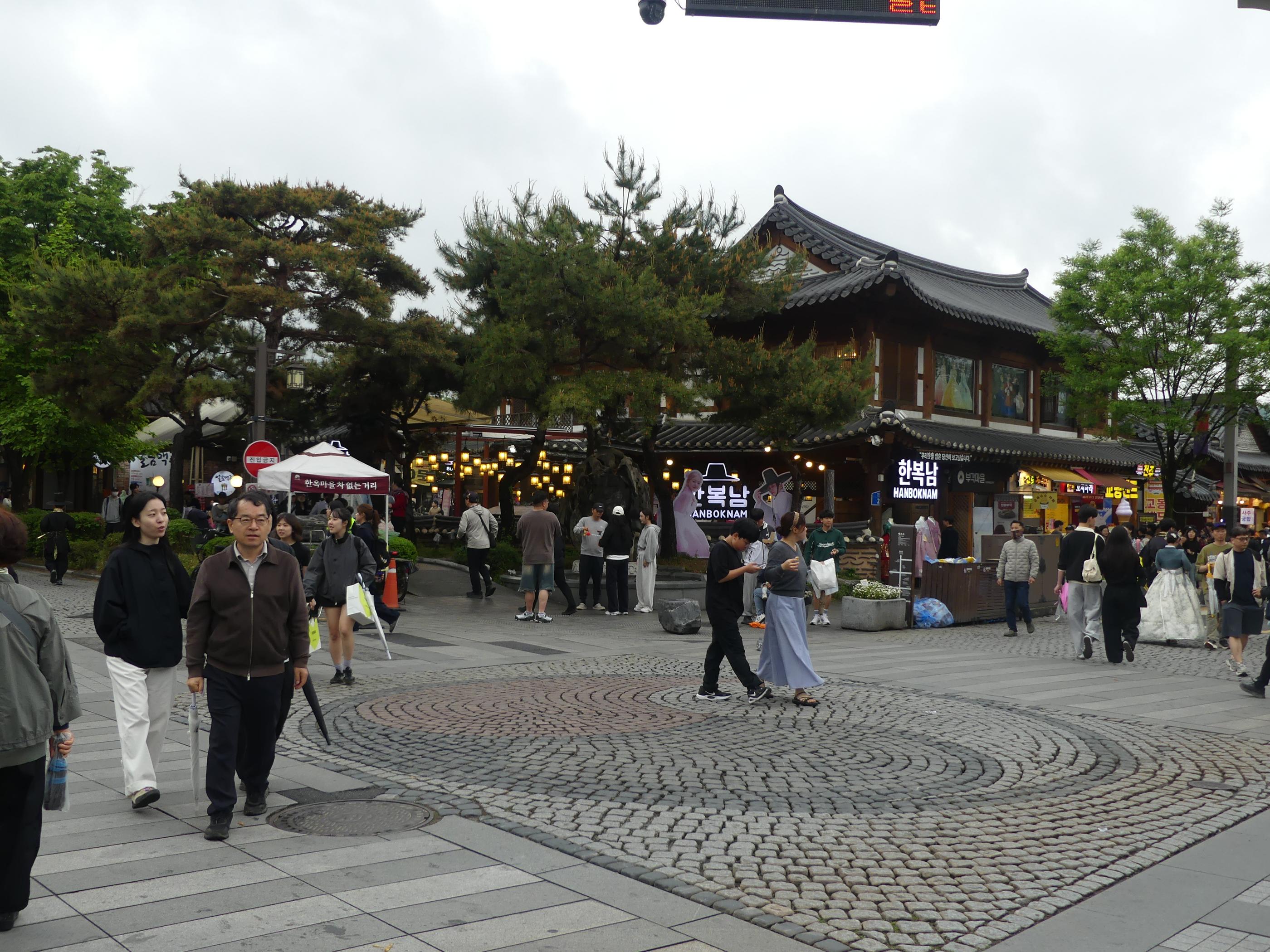
One of the most unforgettable experiences at Jeonju hanok Village is undoubtedly renting a hanbok, Korea’s traditional outfit. Dozens of shops offer rentals for 10,000 to 20,000 KRW for half a day. Once you’re dressed, you can enter several historic sites for free, including Gyeonggijeon Palace.
Wearing a hanbok in the village alleys gives you a unique sense of connection to Korean history. The vibrant colors also create beautiful photo contrasts against the understated architecture of the hanok. The shops take care of everything: hair styling, accessories, and even adjustments if needed. It’s an experience I warmly recommend, even for travelers who are usually hesitant about classic tourist activities.
The hanok Village is accessible year-round, but the best times to visit are spring (April to May) and autumn (October to November). In summer, the heat can be intense and the crowds heavy. In winter, the village takes on a more intimate, less touristy feel, but some restaurants and shops reduce their hours.
Plan for at least one full day to explore the village at a relaxed pace. Two days will let you combine cultural visits with a trip to nearby Mount Moaksan or the historic city of Namwon. The village itself does not charge a general admission fee, only certain sites like Gyeonggijeon Palace require a ticket.
Most shops and restaurants accept credit cards, but it’s a good idea to carry a bit of cash for small street stalls and markets. An ATM is located at the village’s main entrance.