



Dining with History: “The Emperor’s Dining Table” at Jungmye

DanguiLvr
4 months ago
“The Emperor’s Dining Table” came across as something quite distinct from a standard palace tour or dining course. Designed exclusively for international visitors, the program introduced Korean royal cuisine and imperial history in a way that was easy to follow without feeling overly formal or academic. From the beginning, it felt more like entering a reconstructed historical moment rather than attending a conventional themed meal.
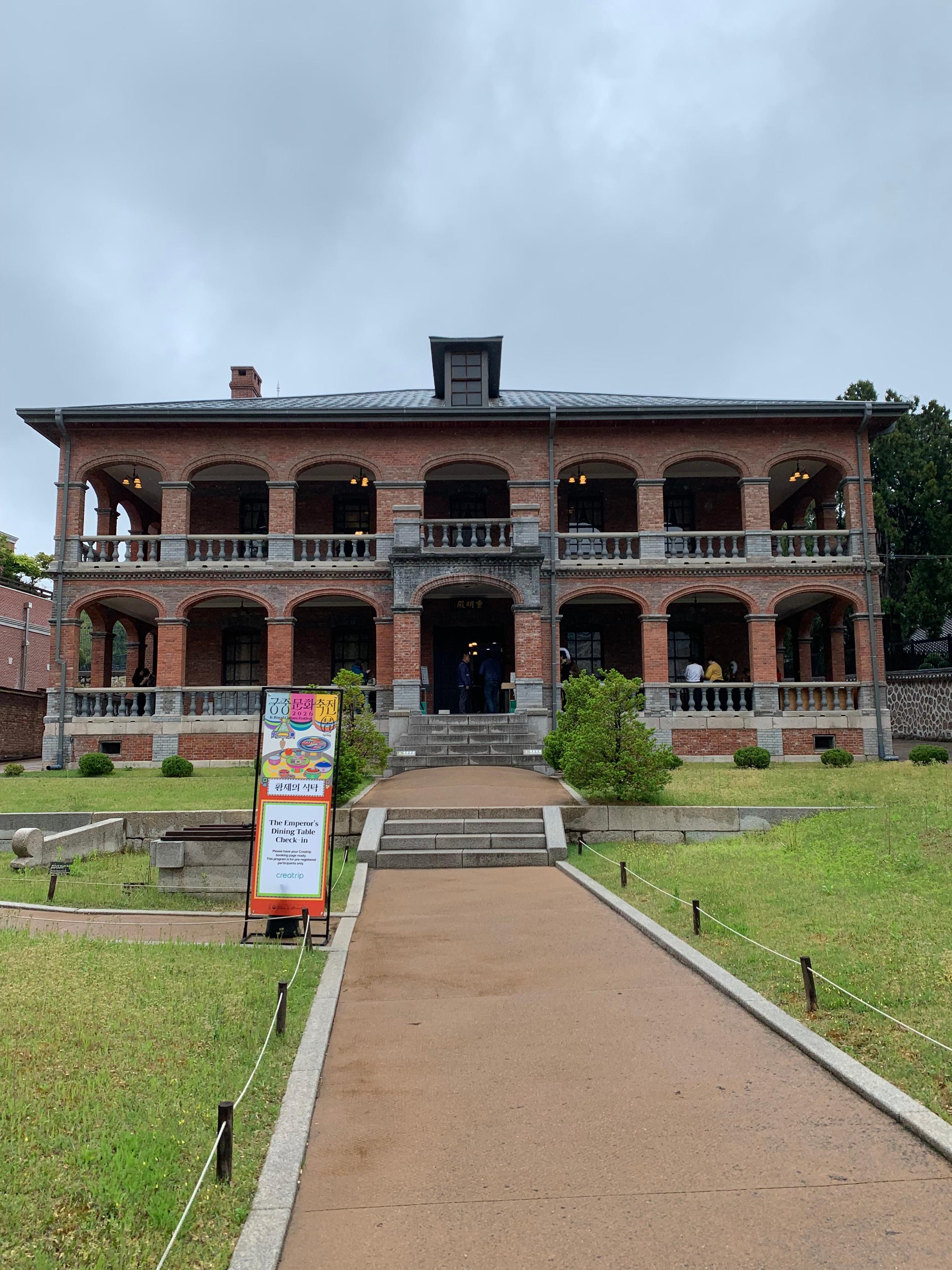
What immediately drew attention was the venue itself. Held inside Jungmyeongjeon Hall, a space historically used by Emperor Gojong for meetings with foreign diplomats during the Korean Empire period, the location carried a strong sense of historical weight. The building did not feel like a backdrop arranged for visitors, but rather a place where diplomatic history had actually unfolded, which naturally shaped the tone of the entire visit.
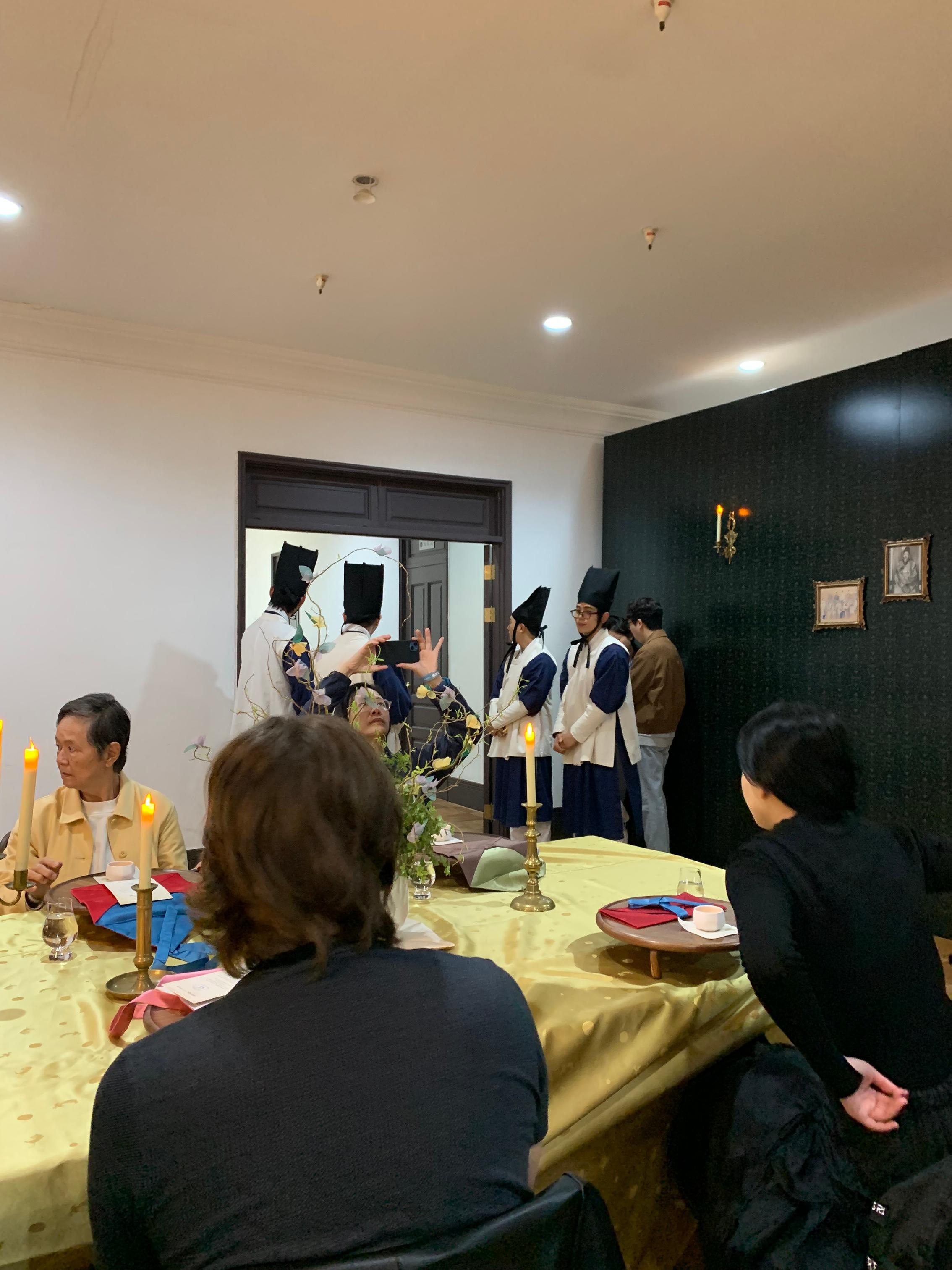
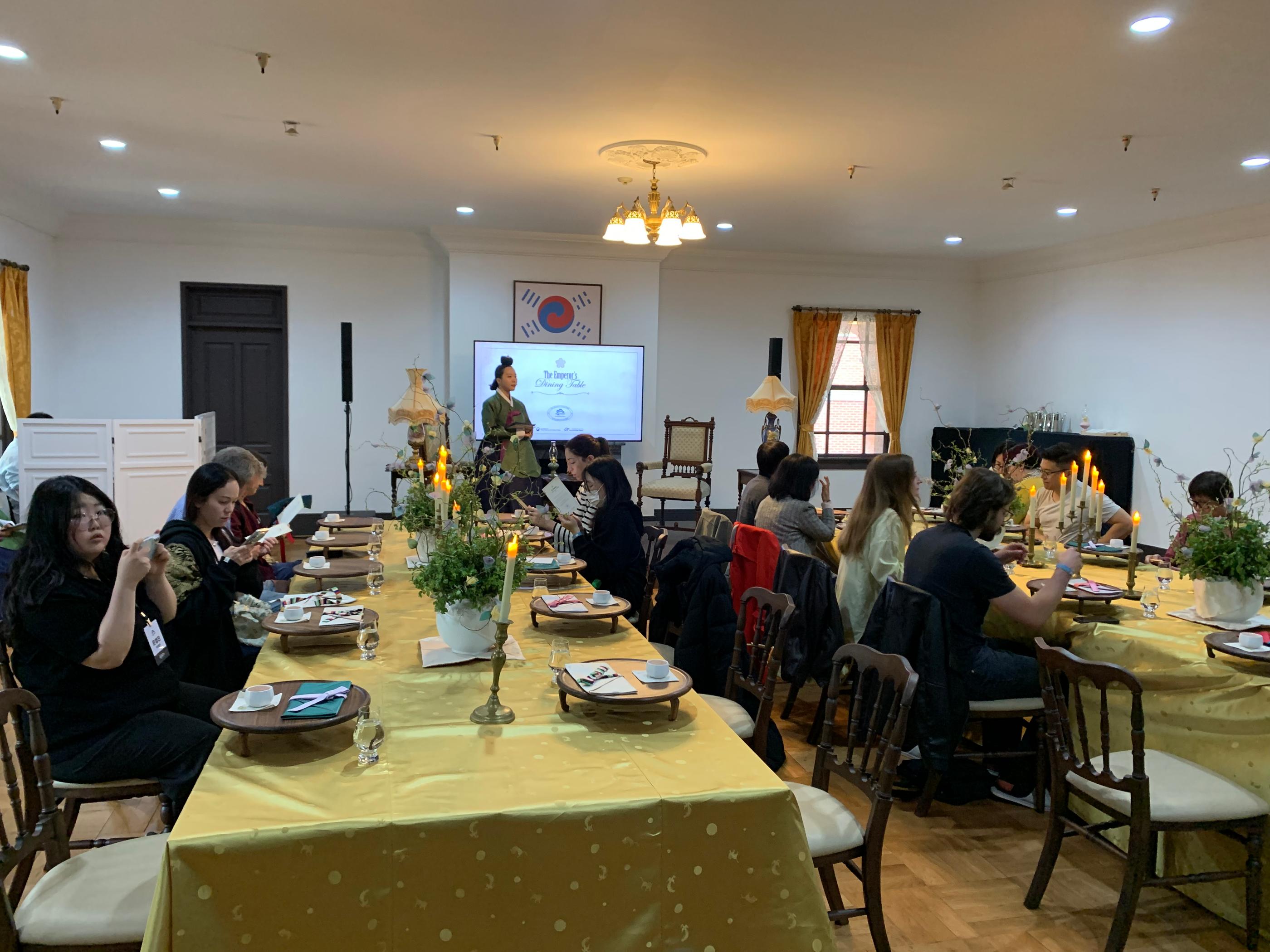
The program revolved around imperial diplomatic banquets, where each course was paired with narratives about royal cuisine and Korea’s diplomatic presentation to the world at the time. Rather than separating food and storytelling, the two were woven together, allowing the meal to progress alongside historical context in a continuous flow.
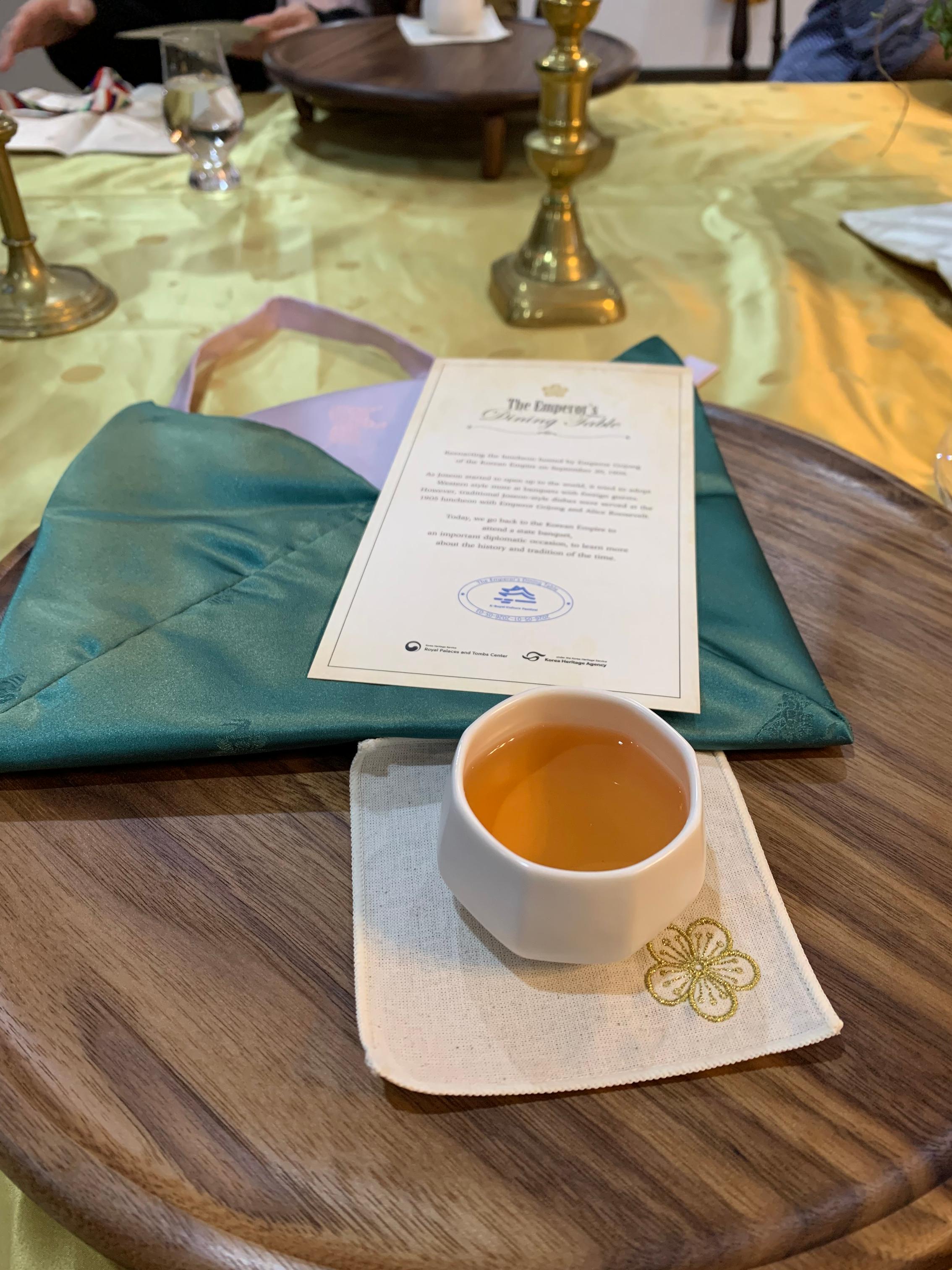
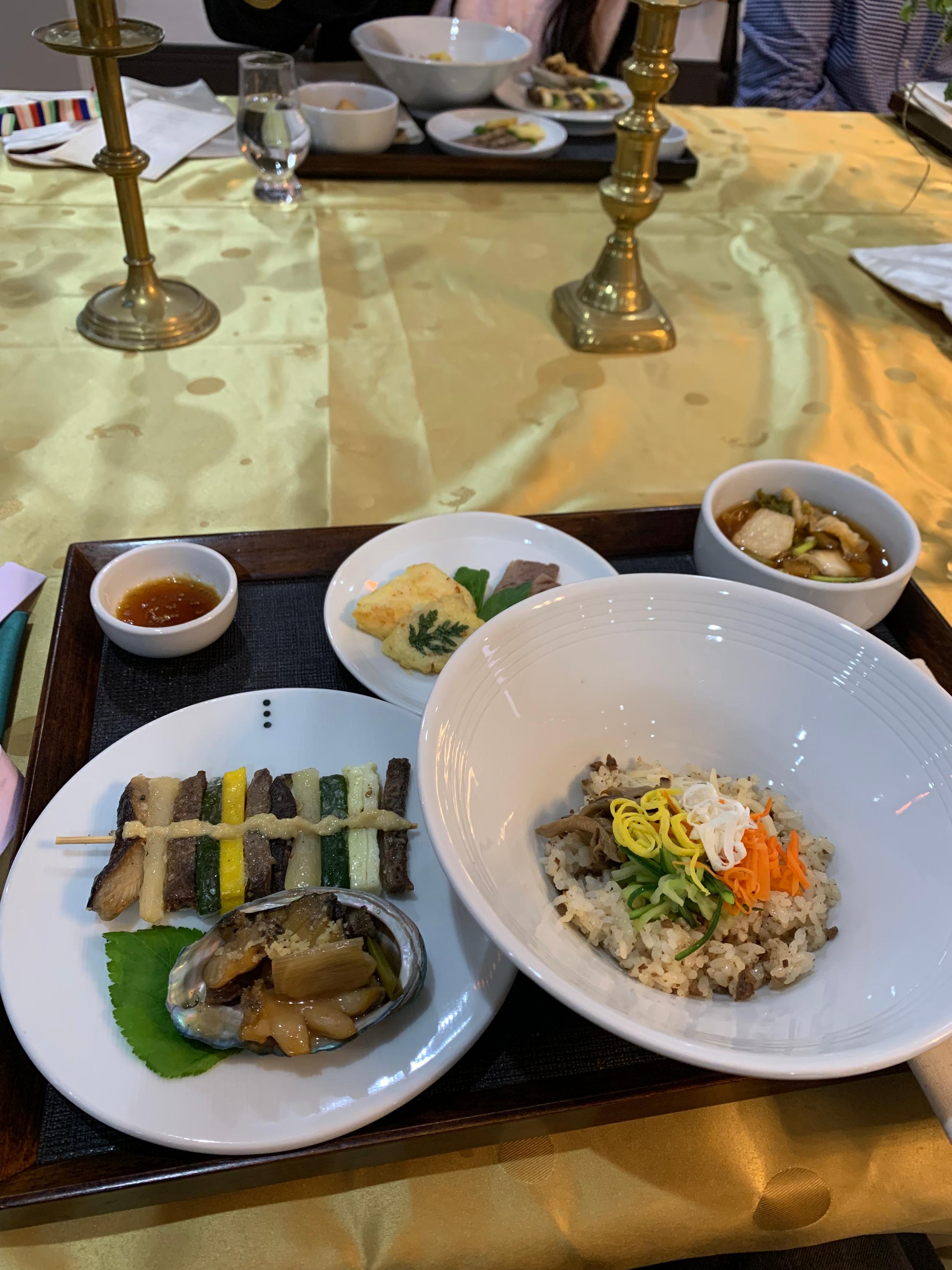
Throughout the dining course, the pacing remained steady and unforced. There were no noticeable pauses or abrupt shifts. A court lady led the program, presenting each dish along with explanation in a calm and natural manner, which helped the experience move smoothly from one course to the next.
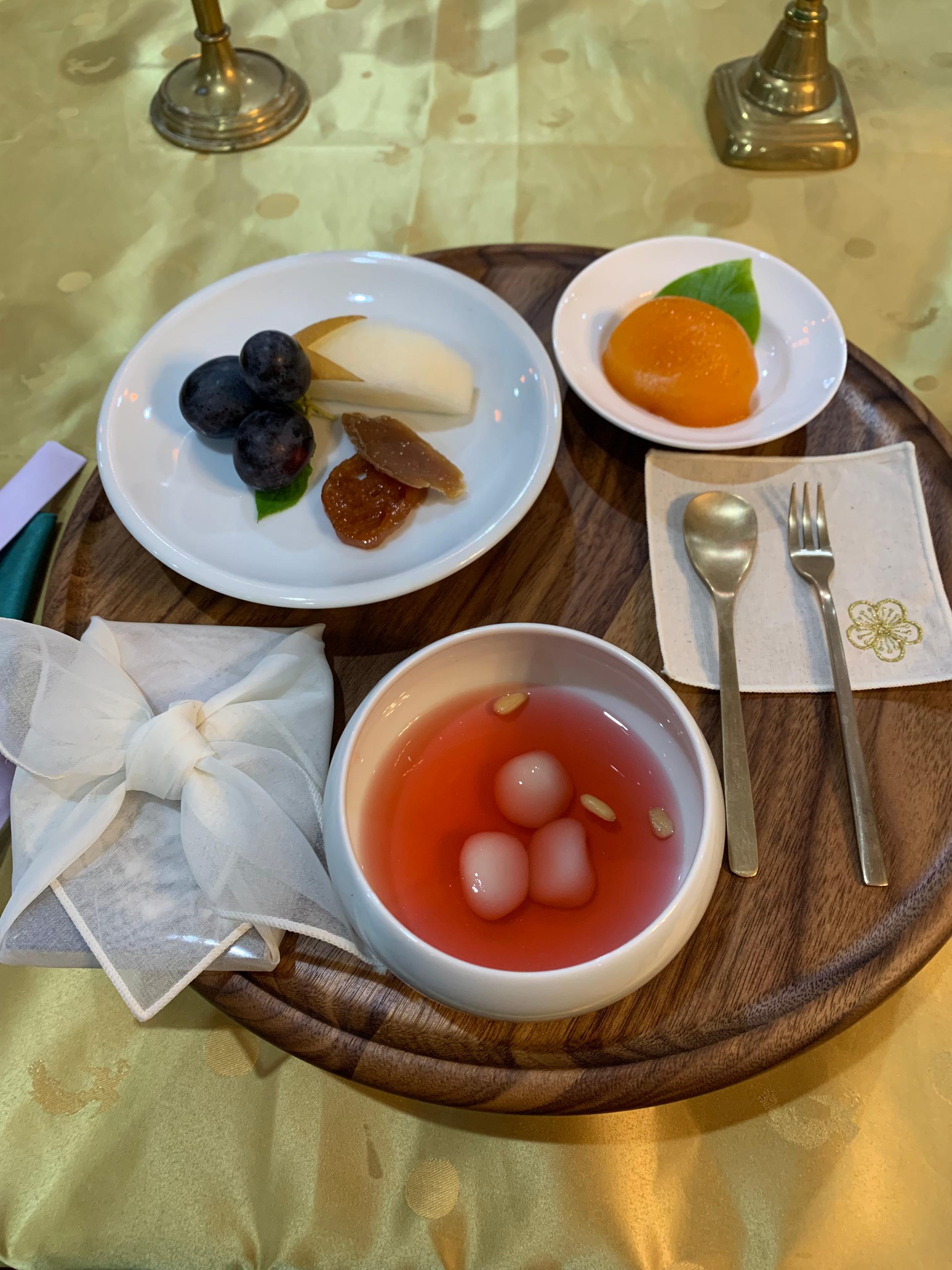
The culinary aspect stood out on its own merit. From the welcome tea through to the main dishes and dessert, each item was carefully prepared and visually refined. While the portions were relatively modest, the execution and presentation gave each course enough presence to feel complete within the overall sequence. One of the most memorable parts of the meal was the dessert featuring a traditional Korean persimmon. It had an unexpectedly soft, almost sorbet-like texture, cold and melting in the mouth in a way that was surprising and different from what I had expected.
What was particularly engaging was the subtle sense of being placed within another time. Since the menu was based on dishes once served in imperial banquet settings, there were moments where it felt like I was briefly stepping into that historical context rather than simply learning about it from the outside. This added depth without feeling forced or theatrical.
After the meal, there was also a short Q&A session where guests were able to ask questions about the historical background and the dishes themselves. Any curiosity about the menu, royal dining culture, or the historical setting was explained in detail, which made the experience feel even more interactive and complete rather than ending abruptly after the meal.
At the end of the program, guests were given a small souvenir. I received a small item, likely a brooch featuring the imperial plum blossom motif associated with the Korean Empire, which felt like a quiet final touch to the experience.
Overall, “The Emperor’s Dining Table” functioned as a carefully assembled cultural presentation combining royal cuisine, historical narrative, and a historically significant venue into a single continuous experience. Its strength lay not in individual highlights, but in the way each element was layered together without interruption.