



The Museum of Medicine SNUH
Olga
21 days ago
In addition to the famous and large museums, Seoul has many small, unique museums. One such museum is Museum of Medicine of Seoul National University Hospital.
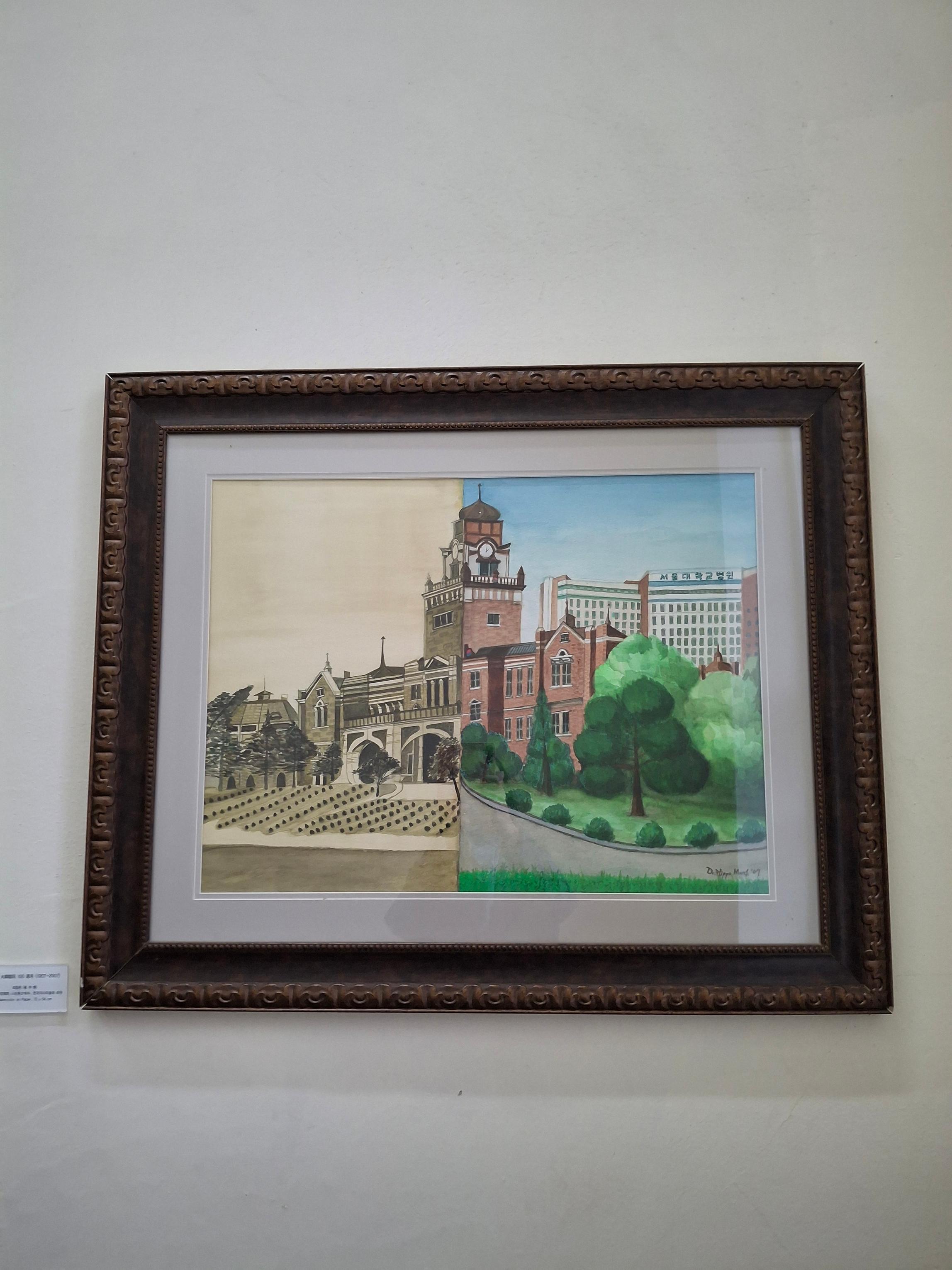
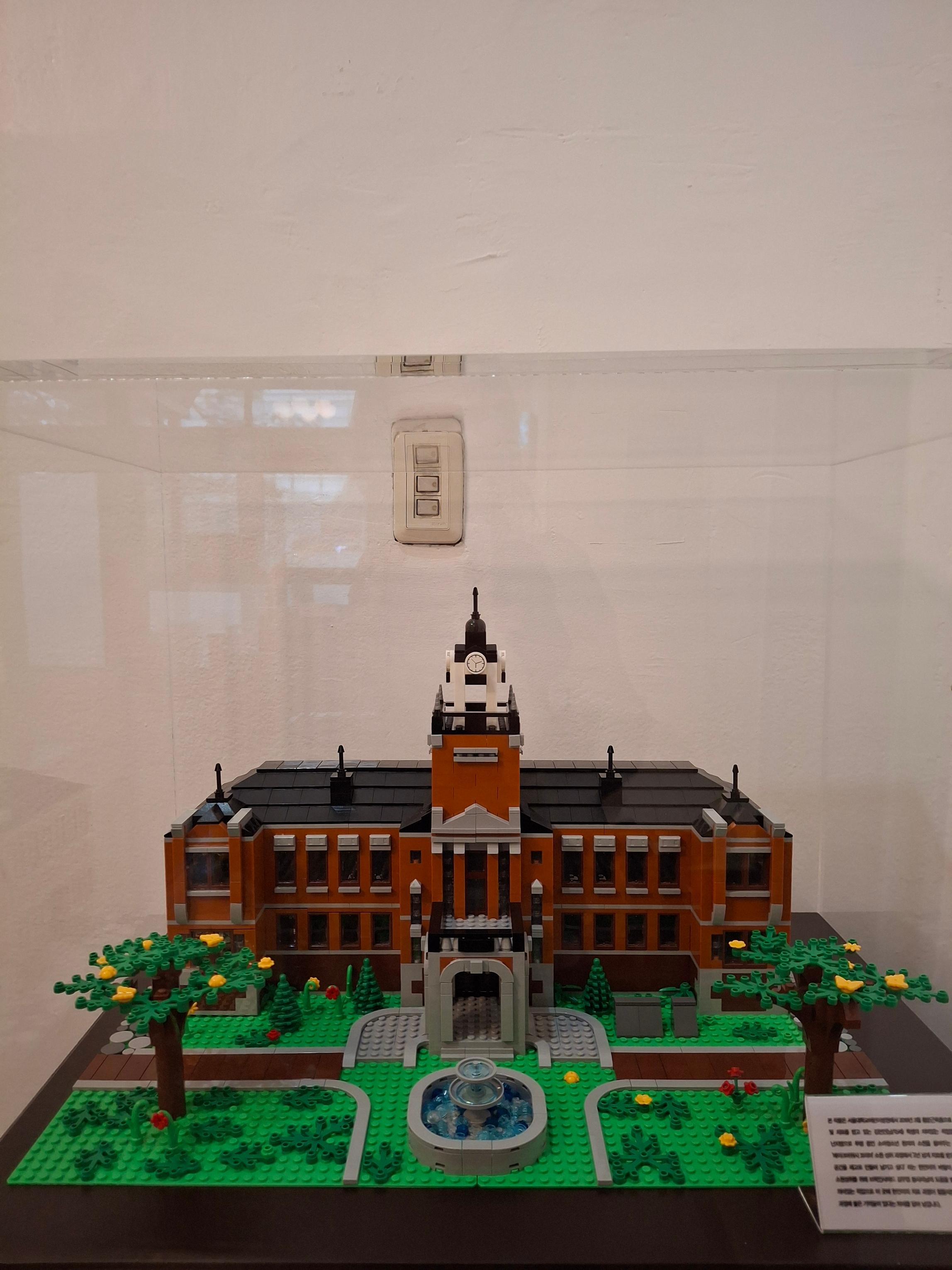
The Museum of Medicine is located in the building of the former Daehan Medical Center, the oldest modern hospital in Korea. It is a medical museum that provides a comprehensive view of the development of modern medicine in Korea, the history of medical devices, and the transformation of Seoul National University Hospital. Through permanent and special exhibitions, the museum showcases medical artifacts and documents related to the history of medicine.
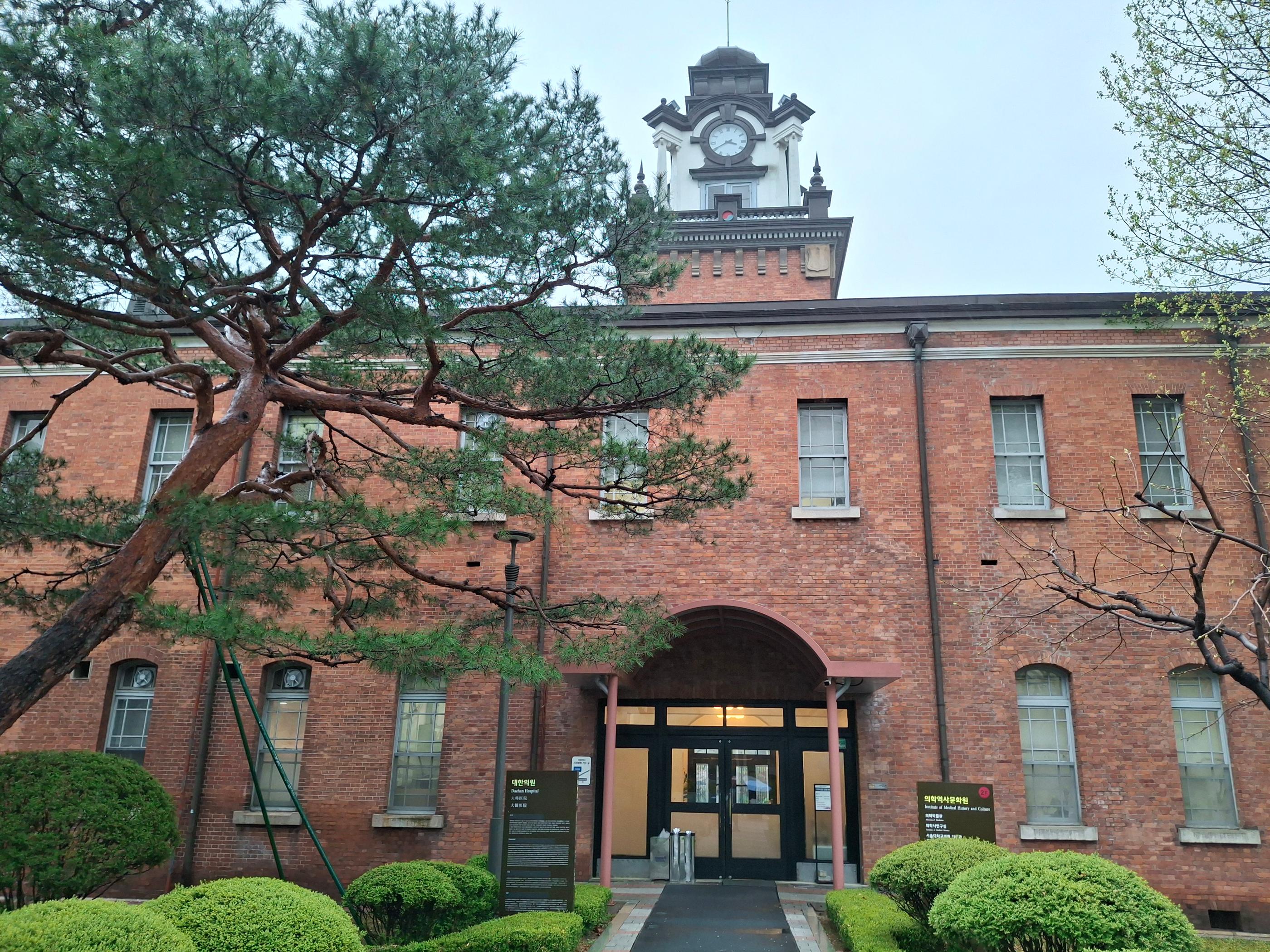
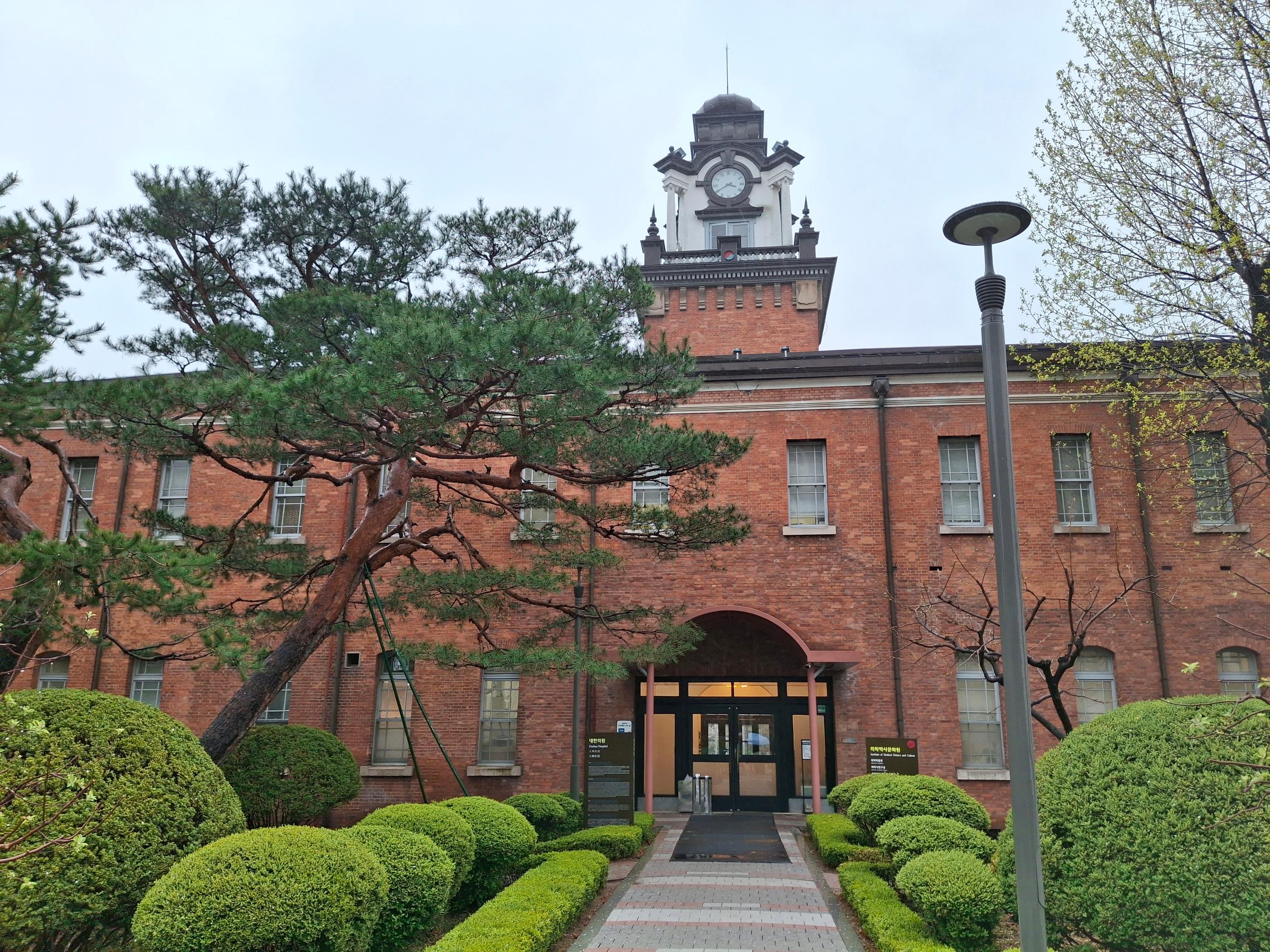
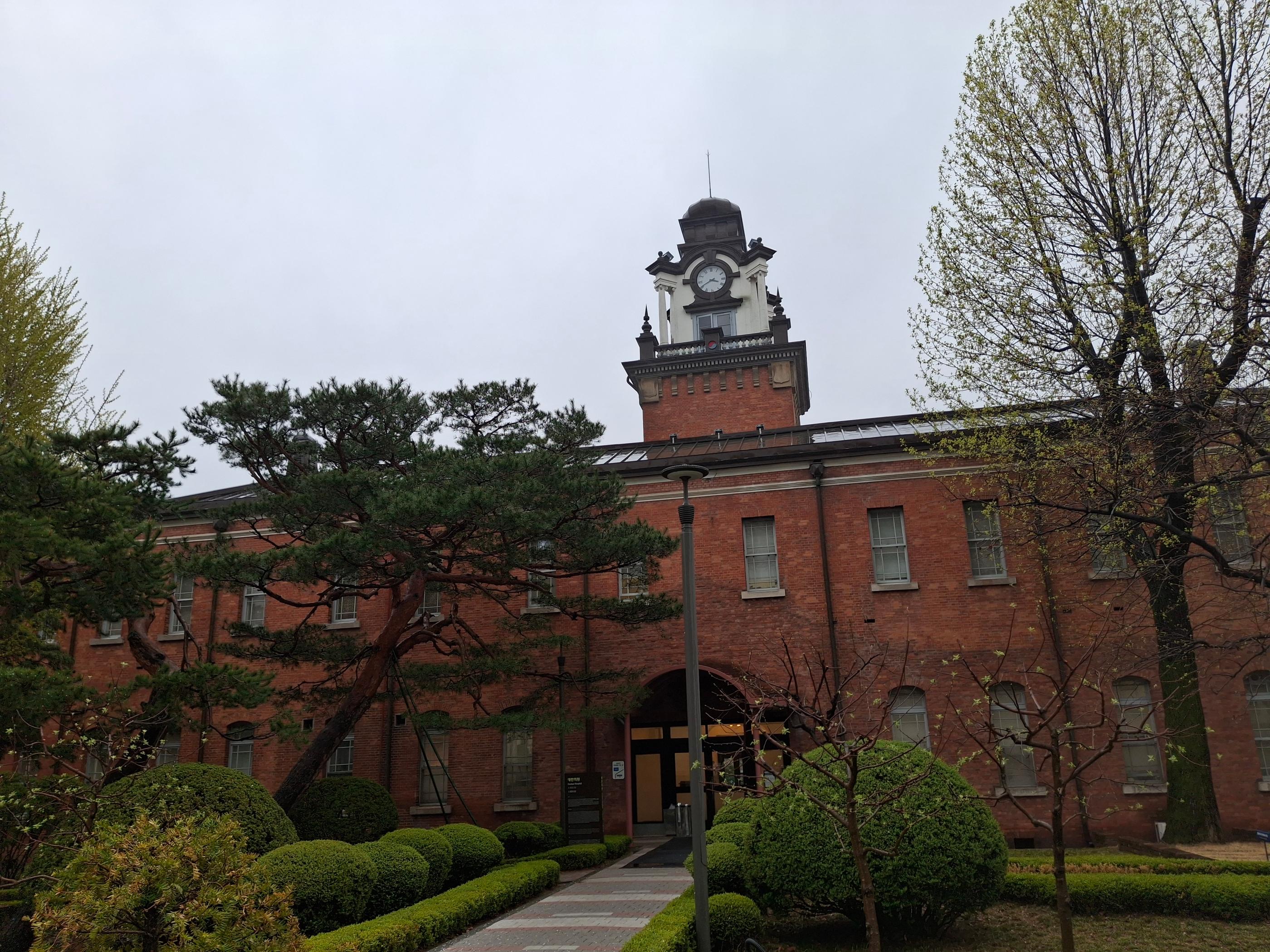
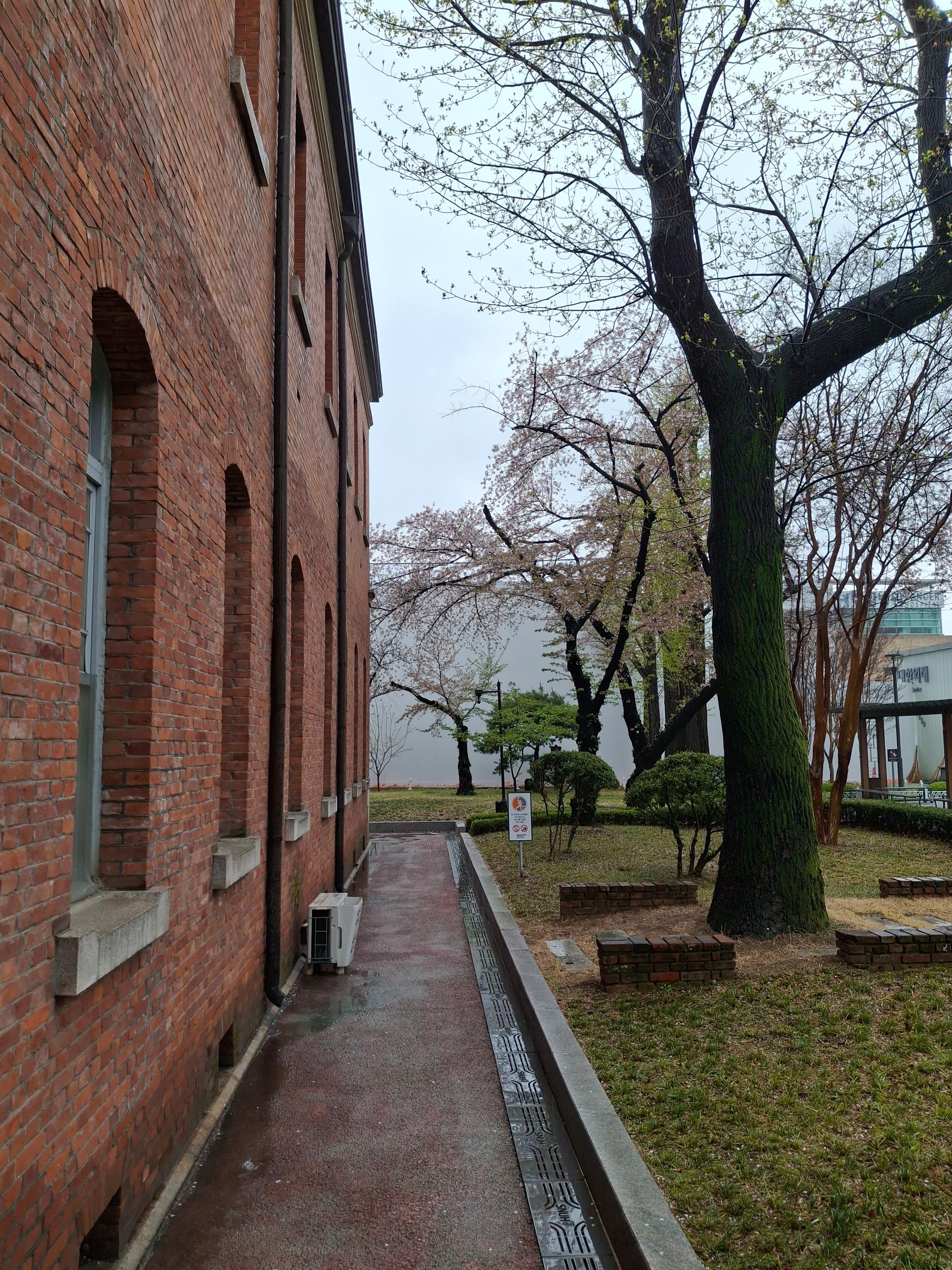
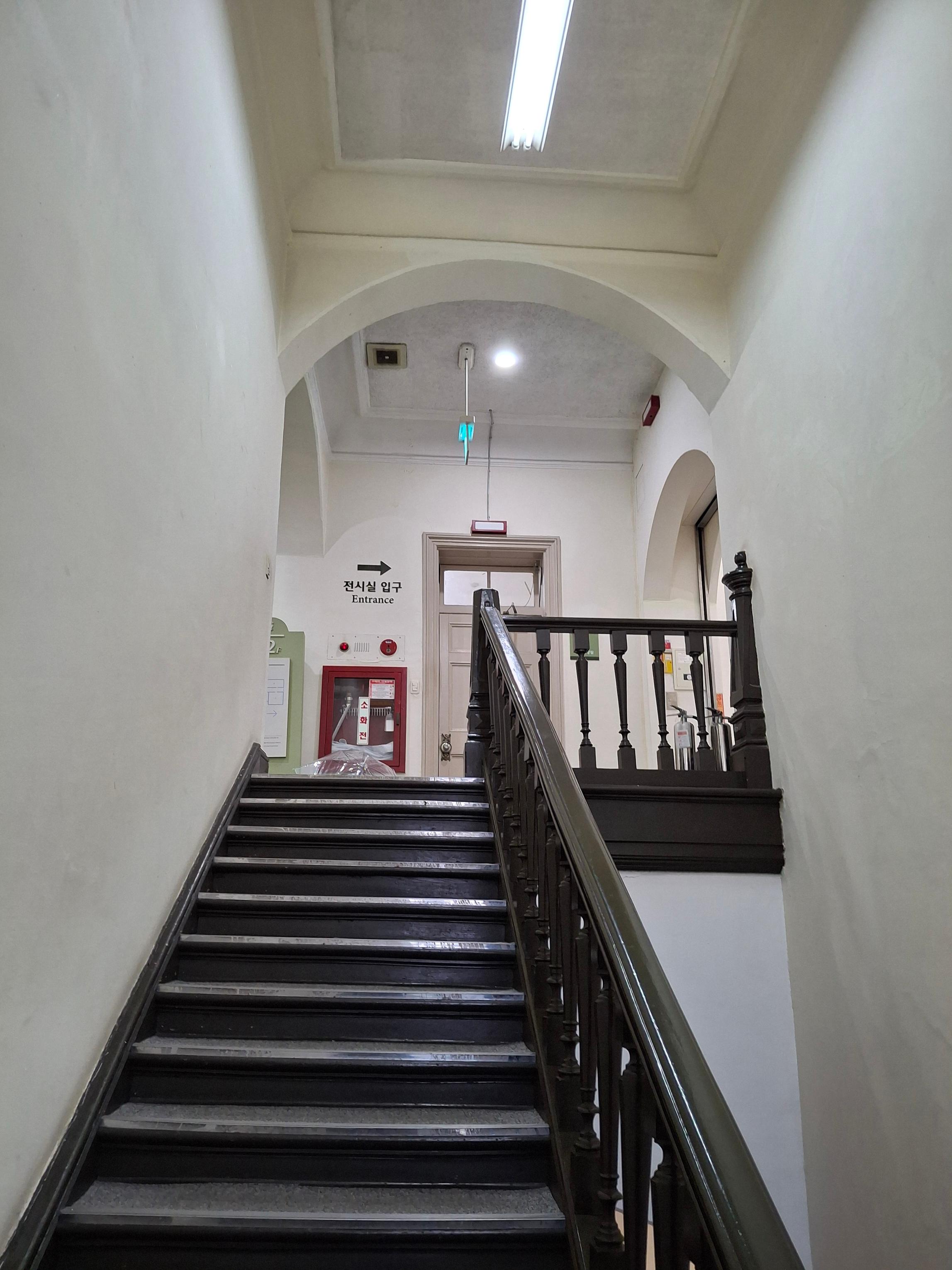
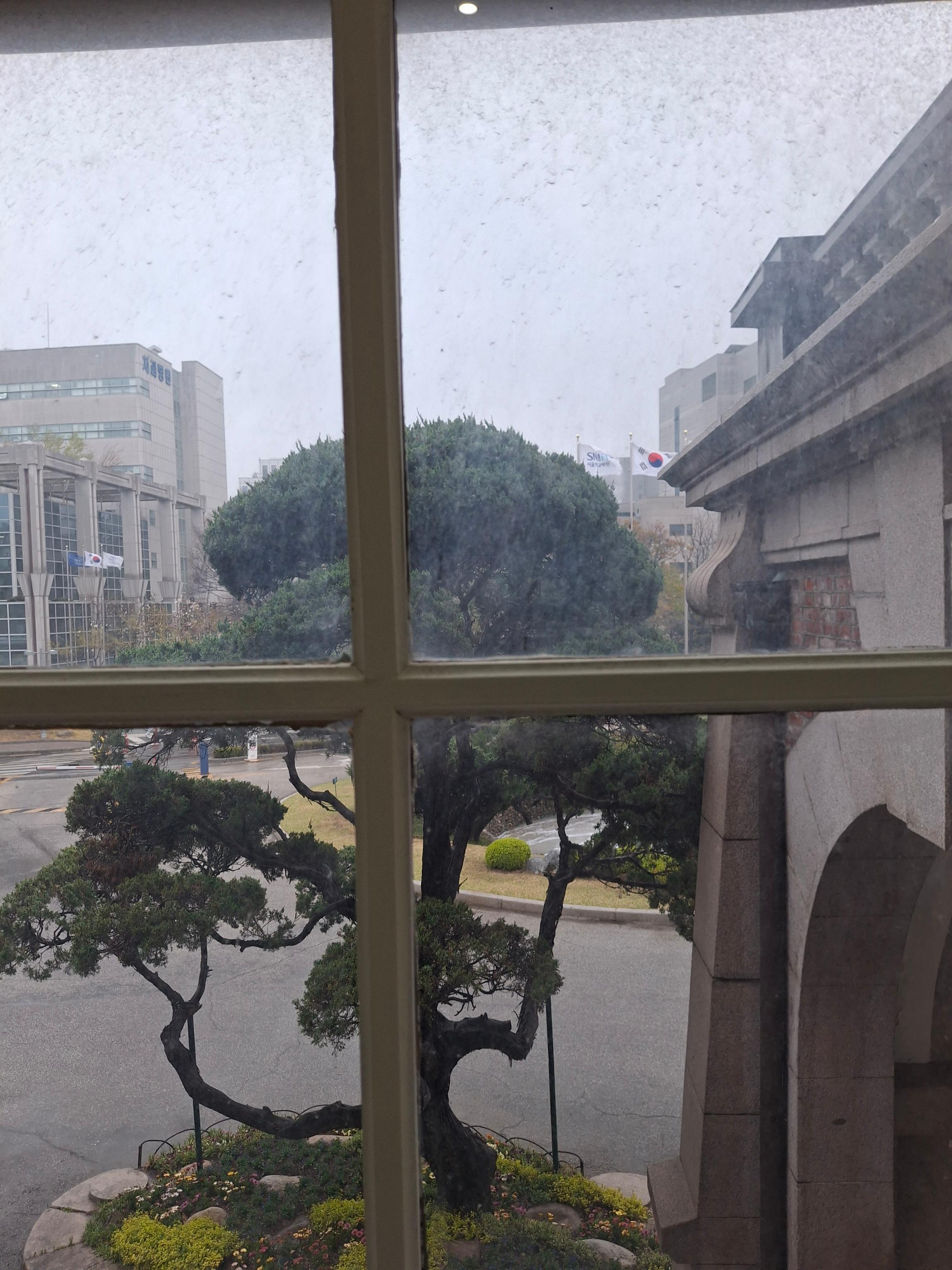
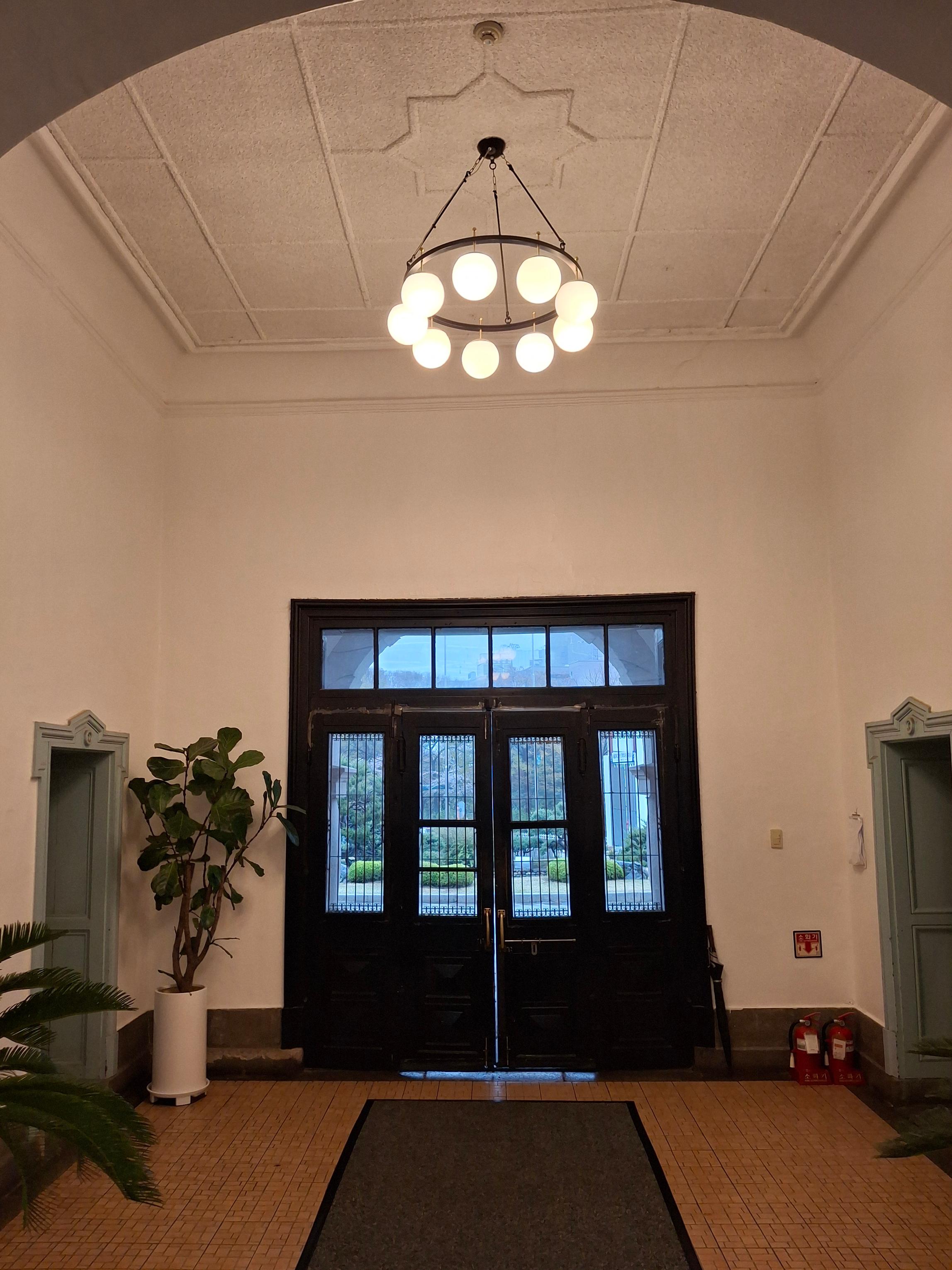
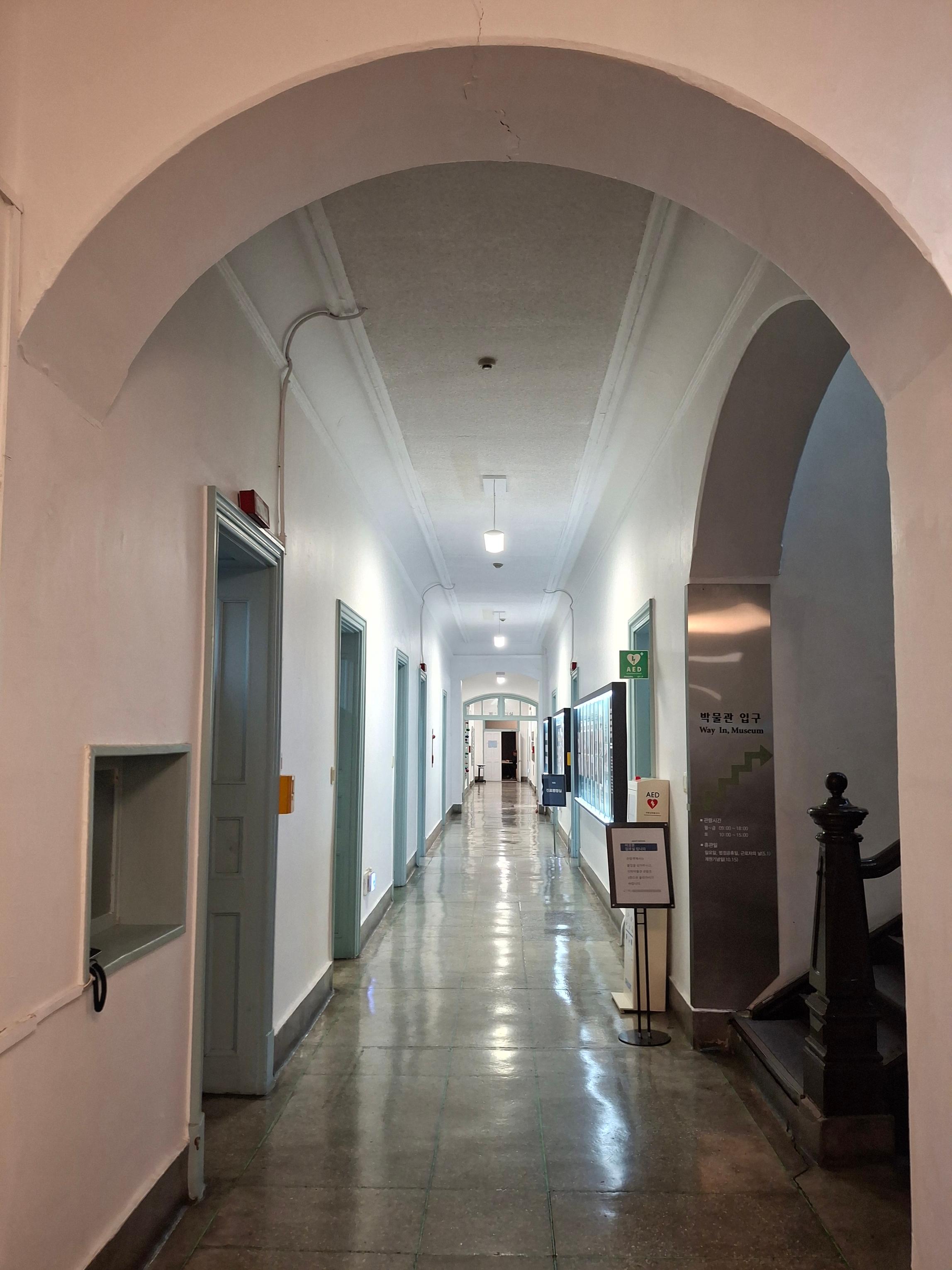
From the very entrance, this historic red brick building immerses you in the atmosphere of the 19th century. Walking through the ancient corridors, one can easily imagine the building's long and rich history.
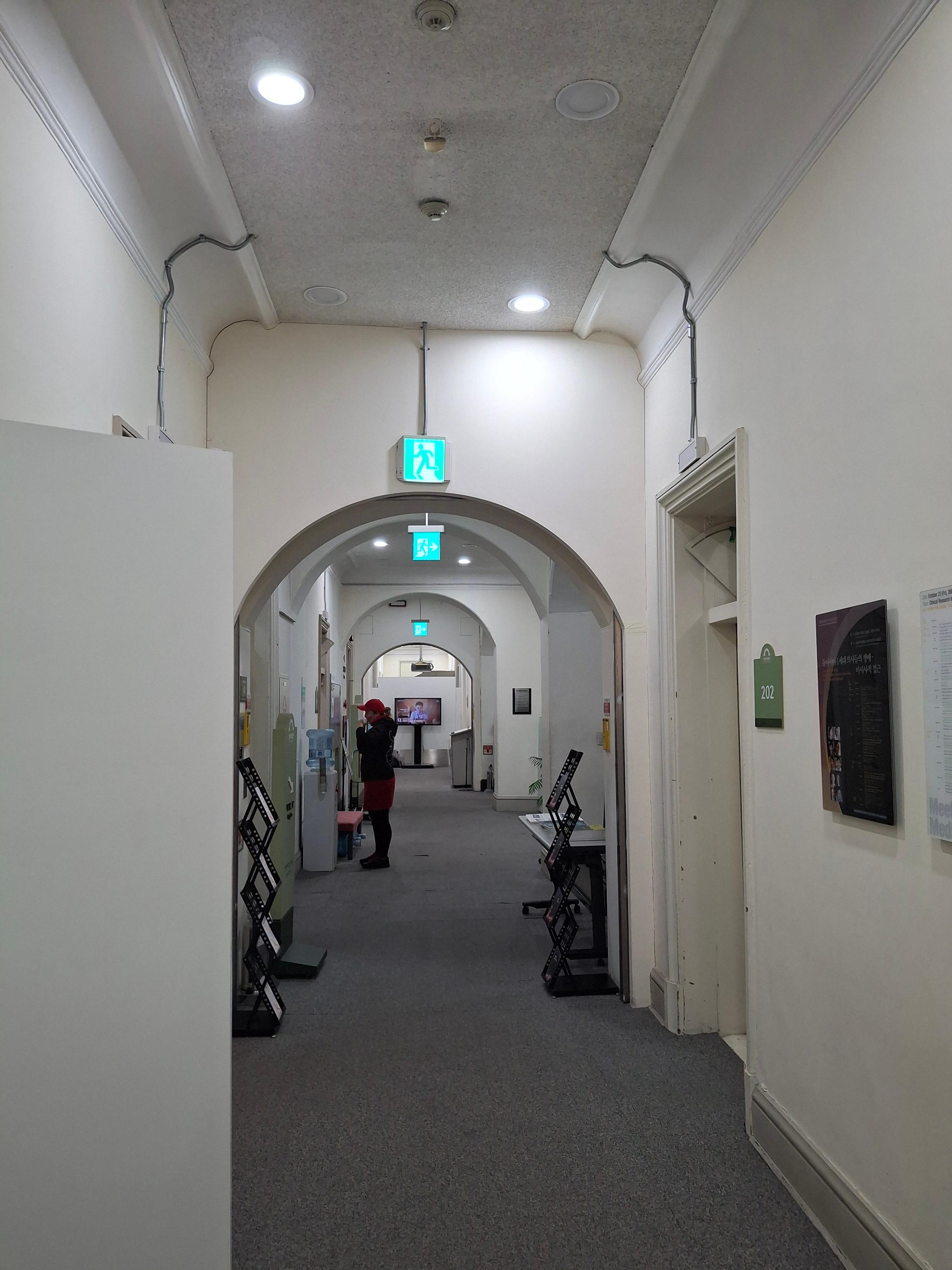
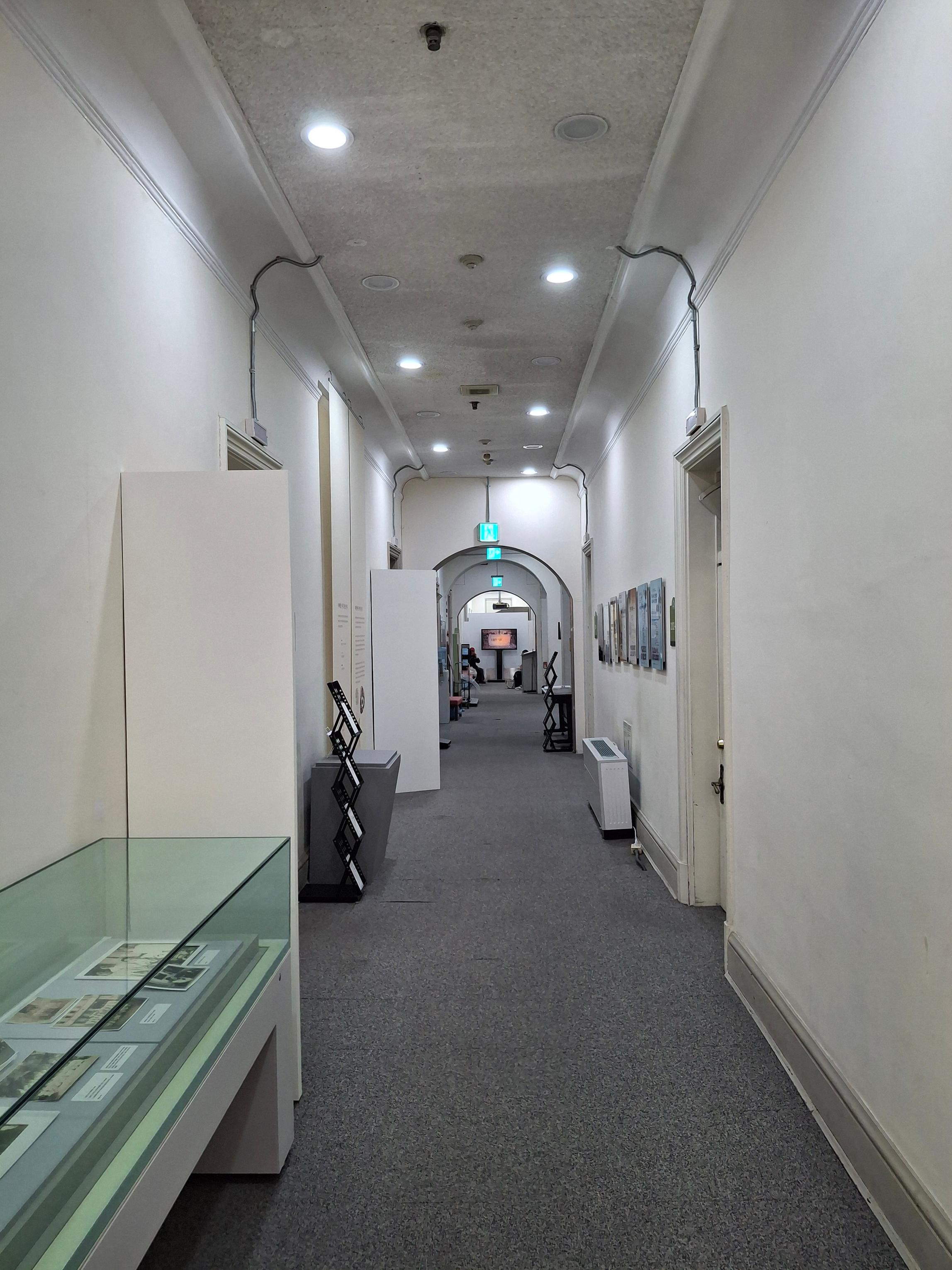
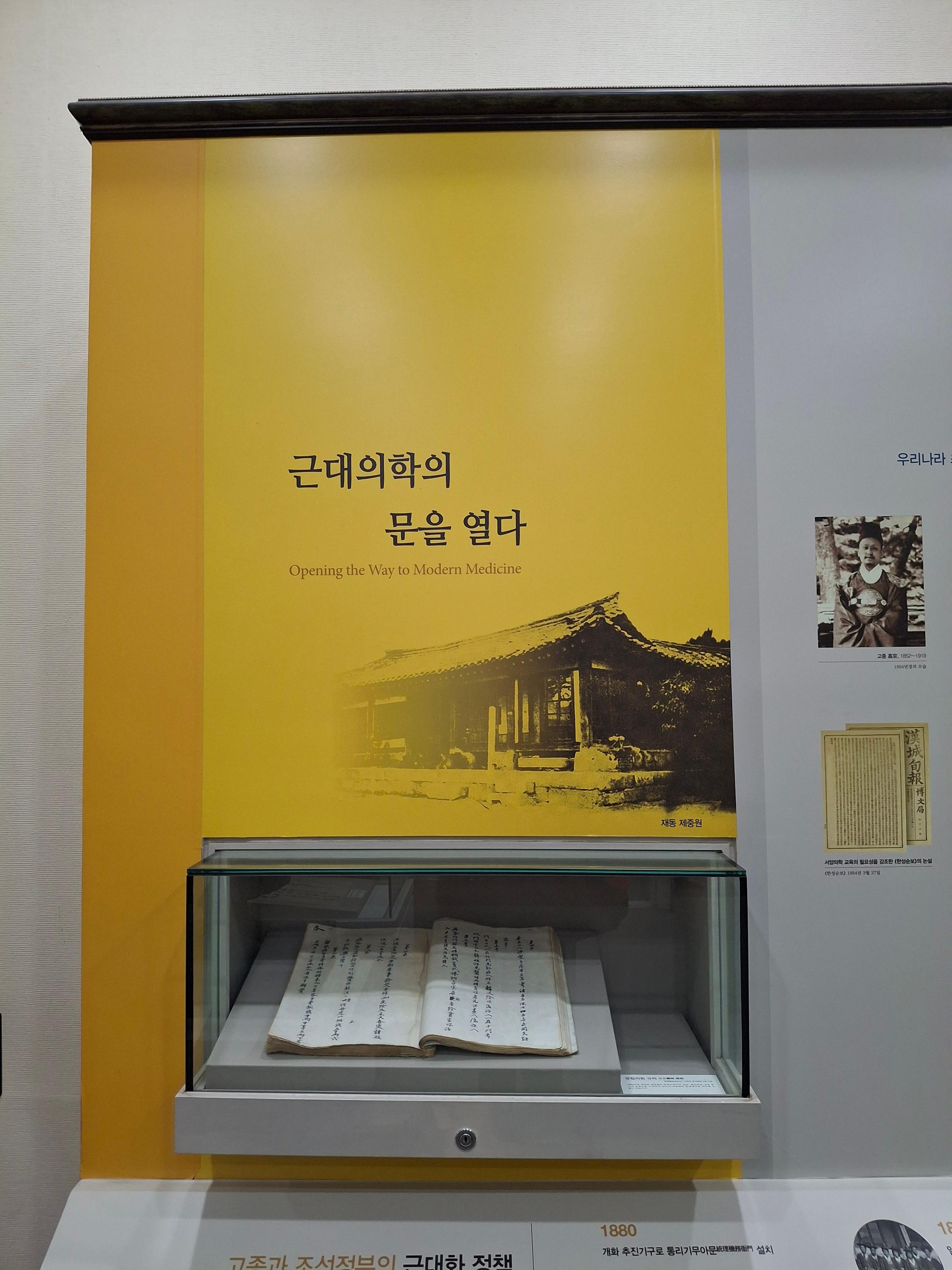
The first hall details the history of the emergence of Western-style medicine and medical institutions in Korea. It features numerous unique archival photographs and documents.
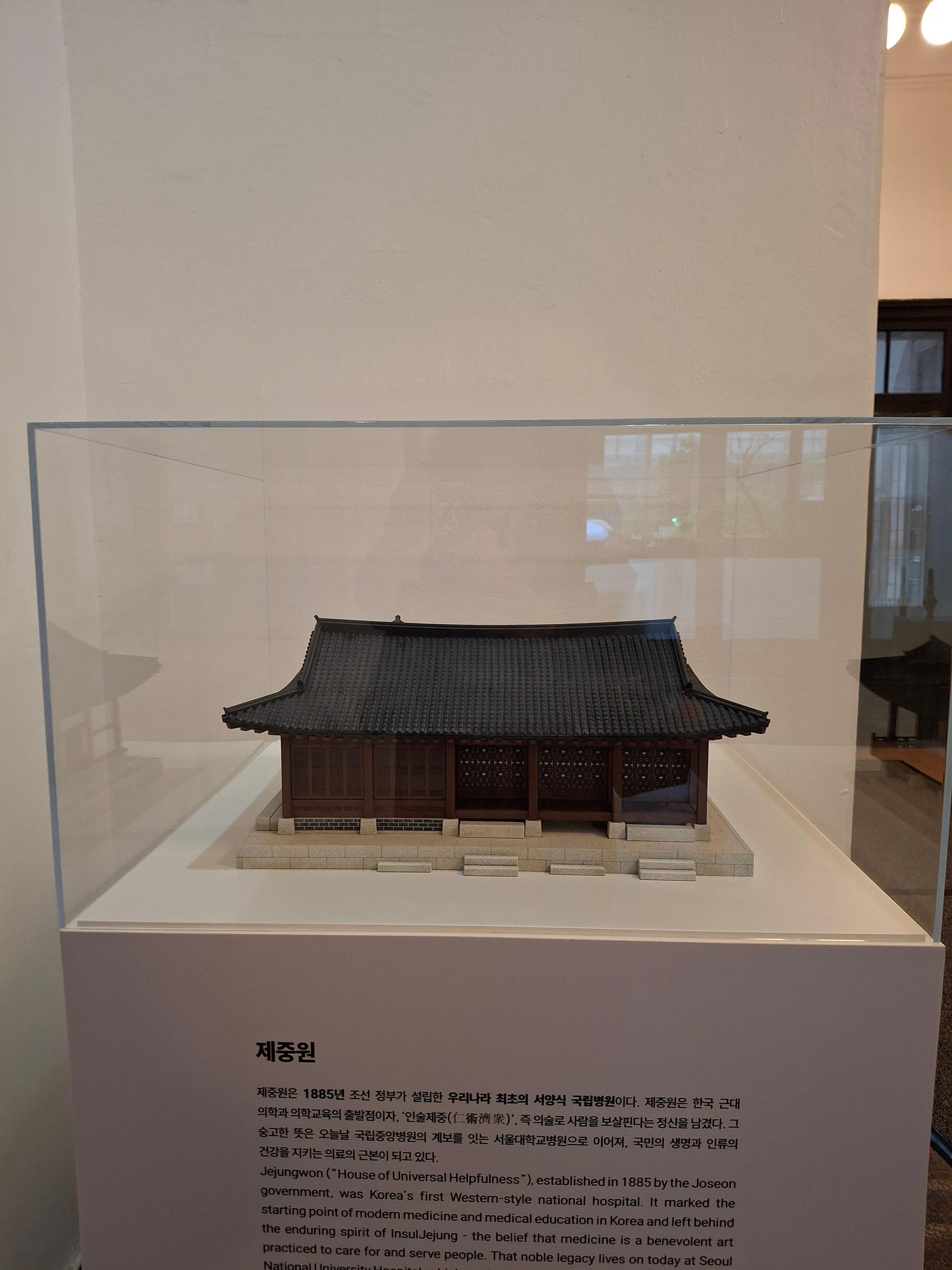
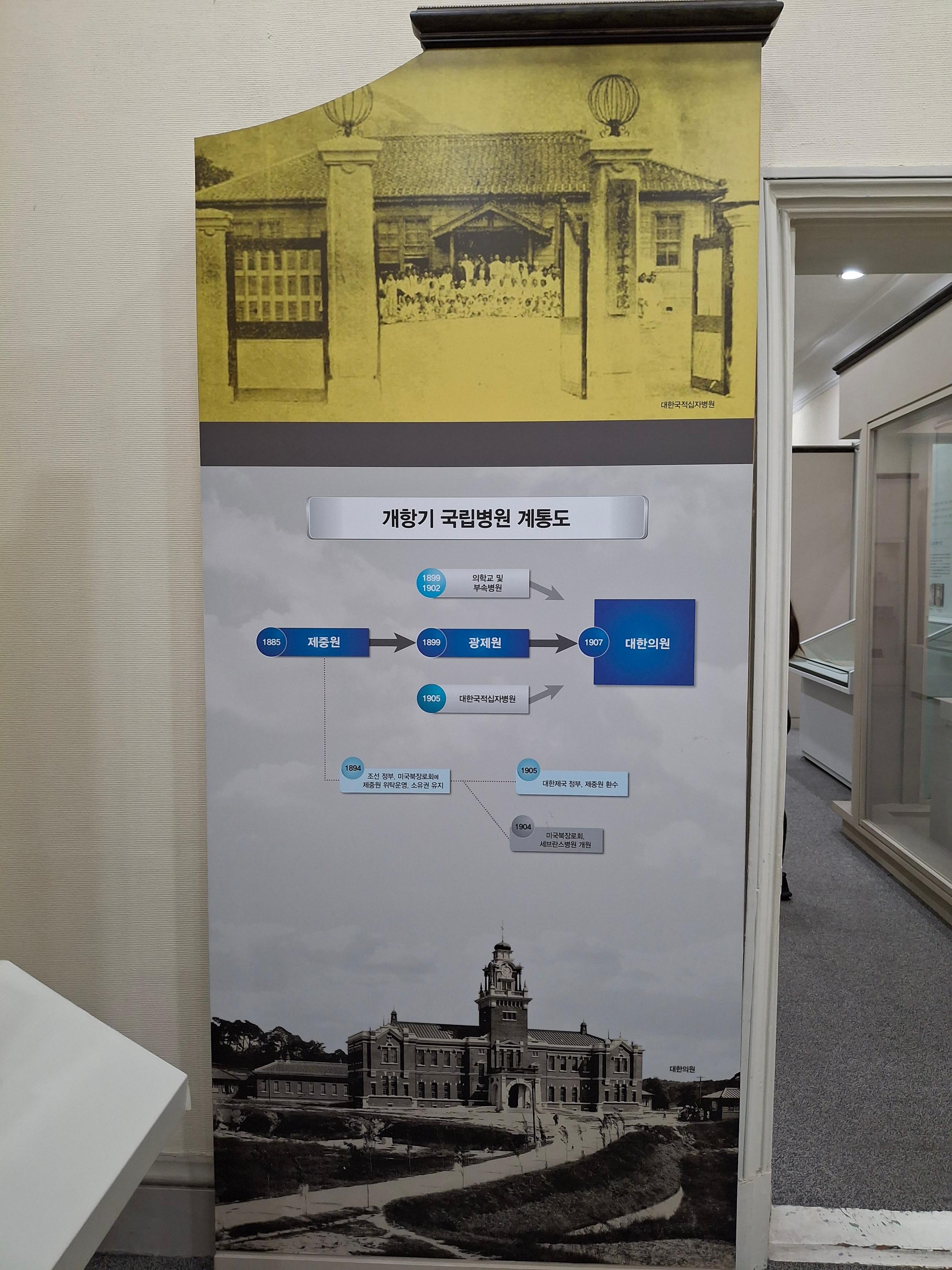
Much attention is paid to the memory of American missionaries who stood at the origins of modern Korean medicine and thanks to whom Korea was first introduced to Western medicine. Among them were Robert S. Maclay and Horace N. Allen, an American Methodist missionaries, entered Korea and suggested the foundation of a Western-style hospital - Jejung Hospital in 1885.
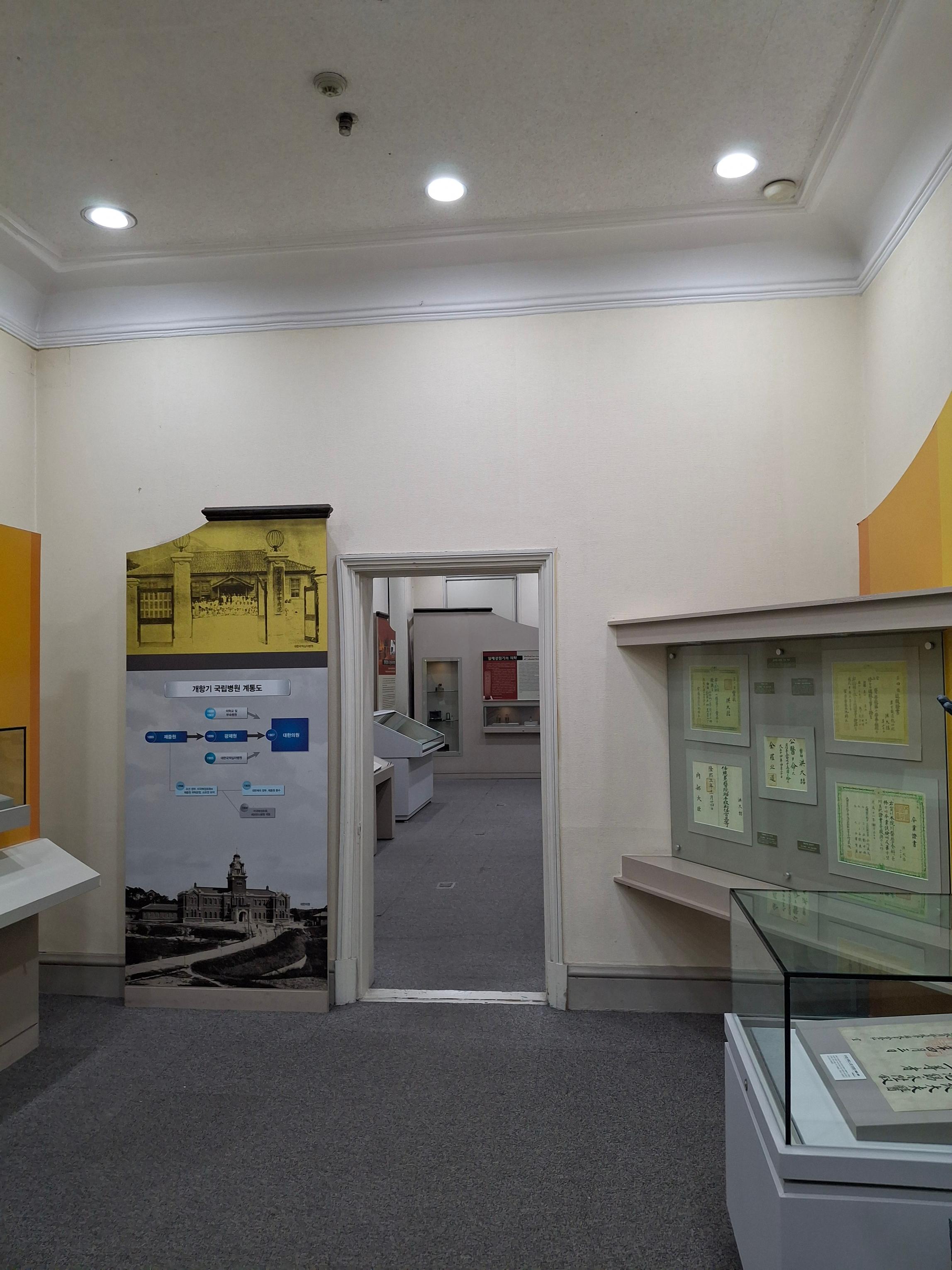
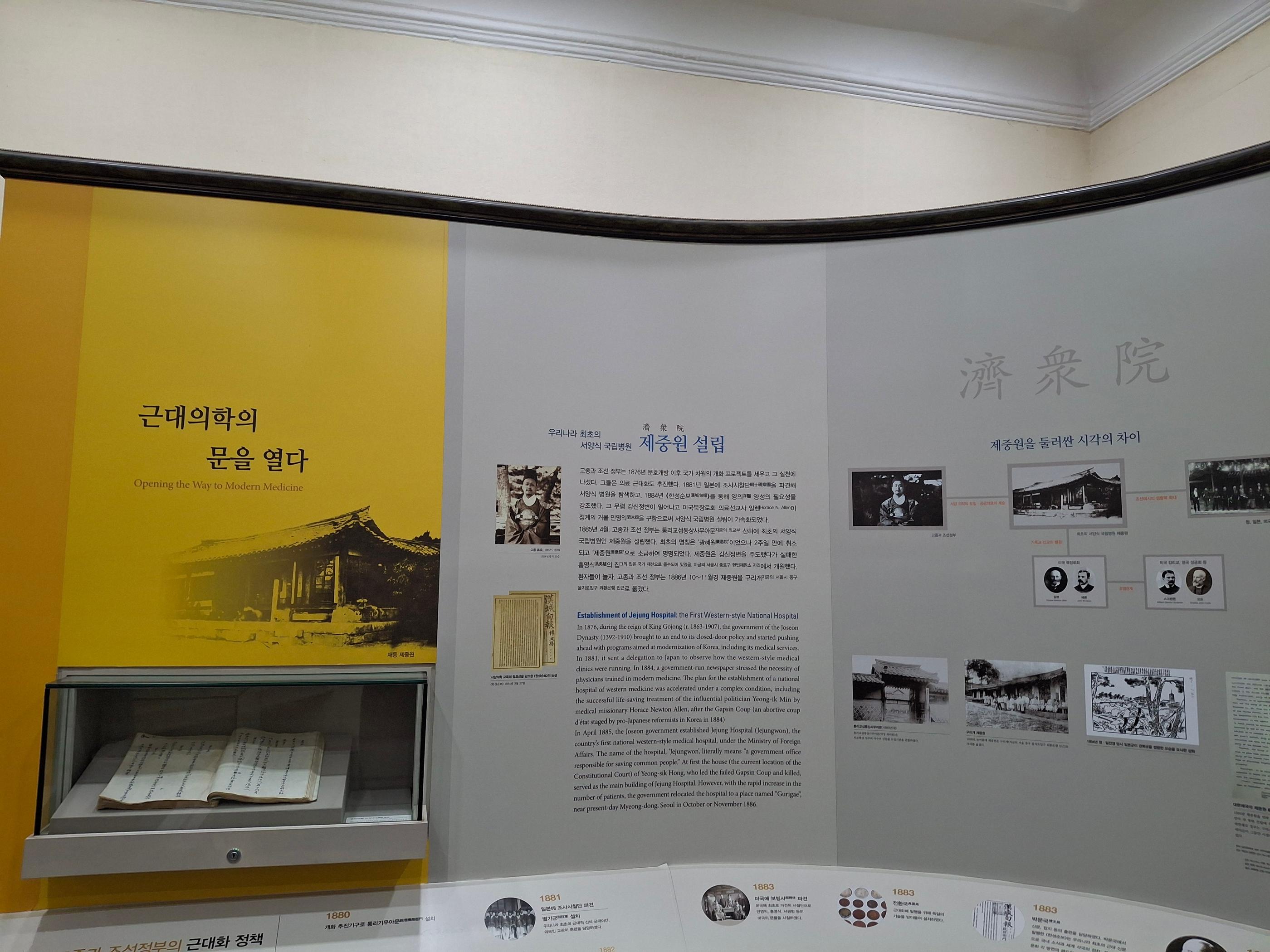
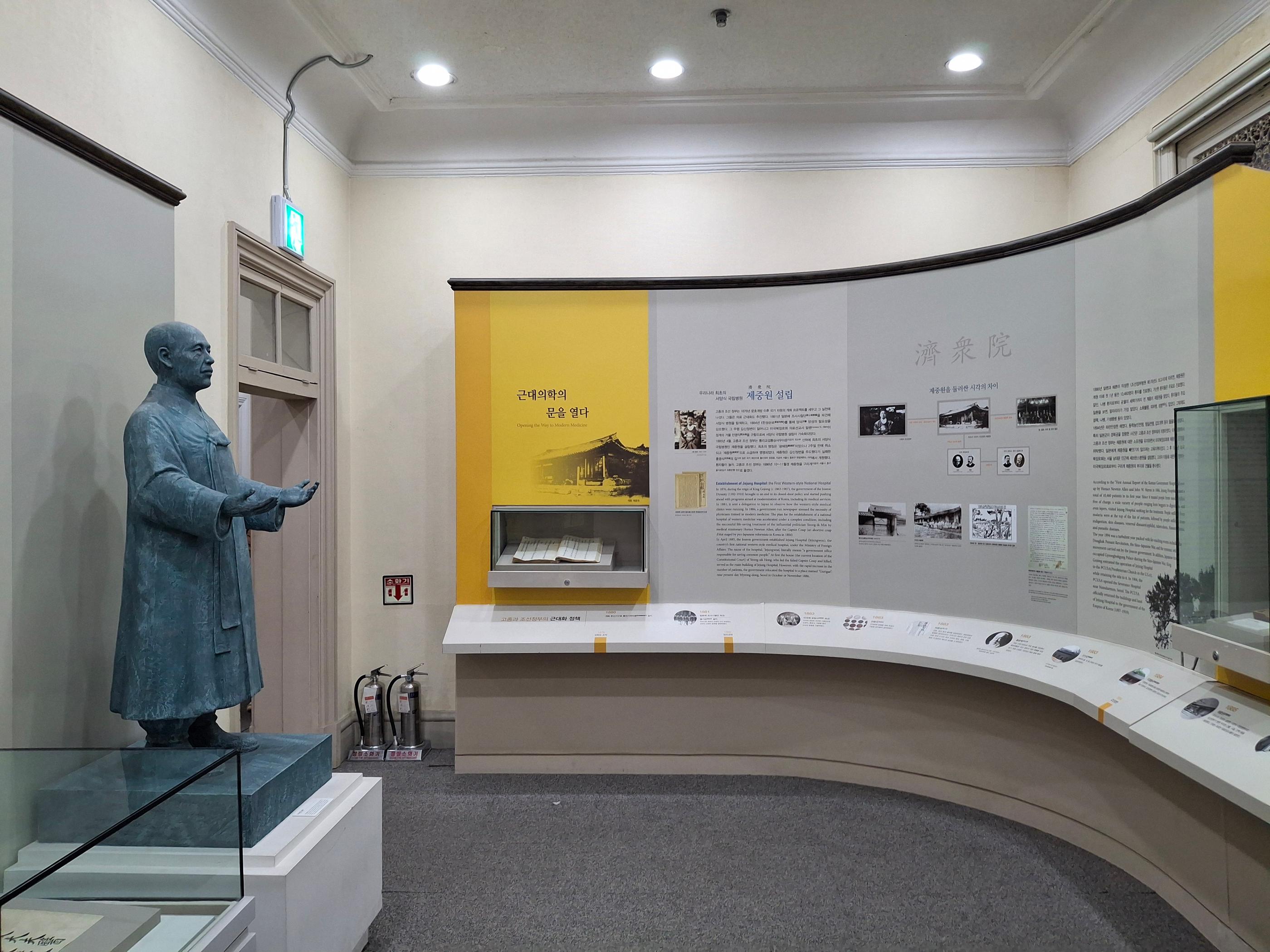
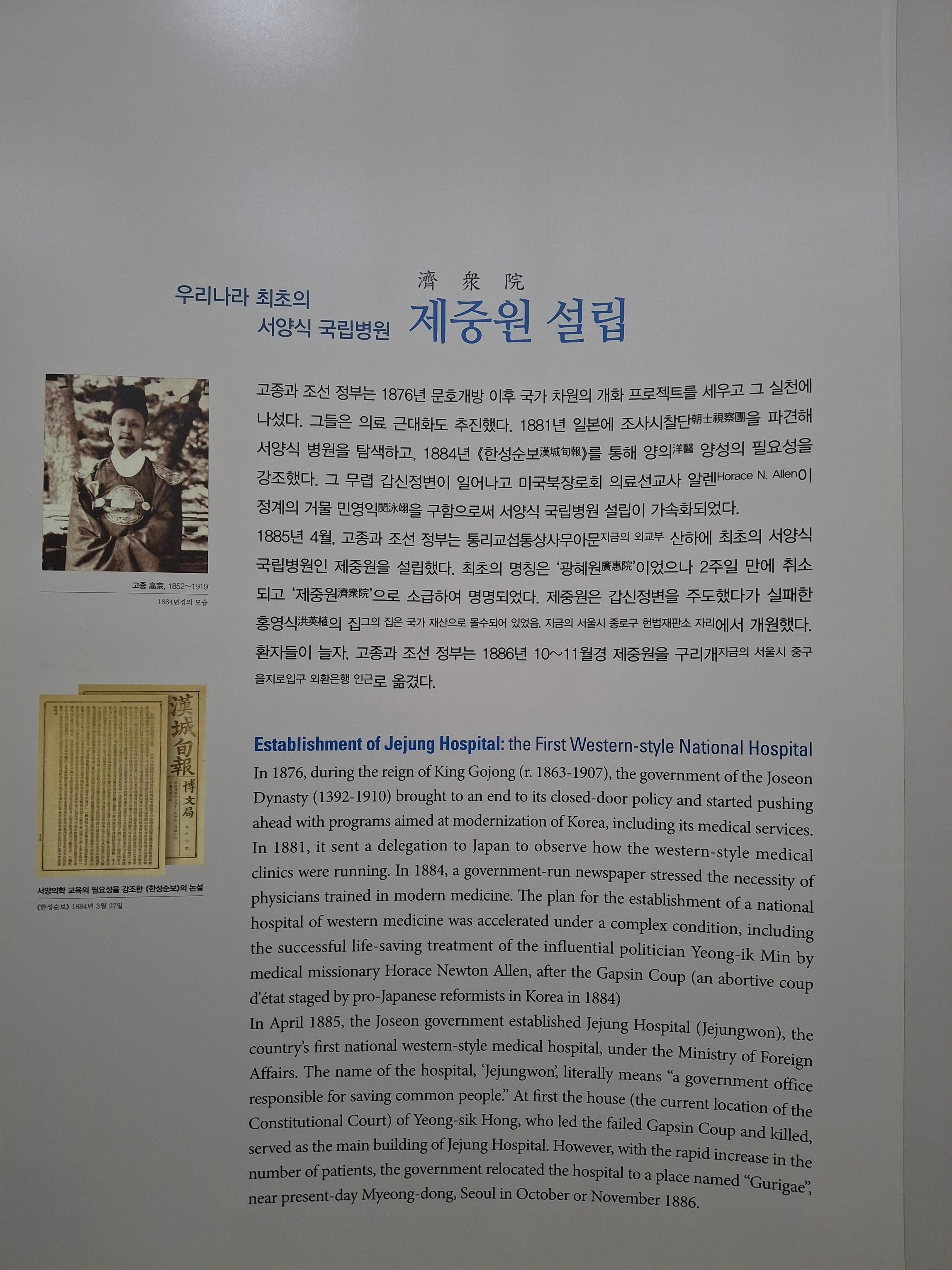
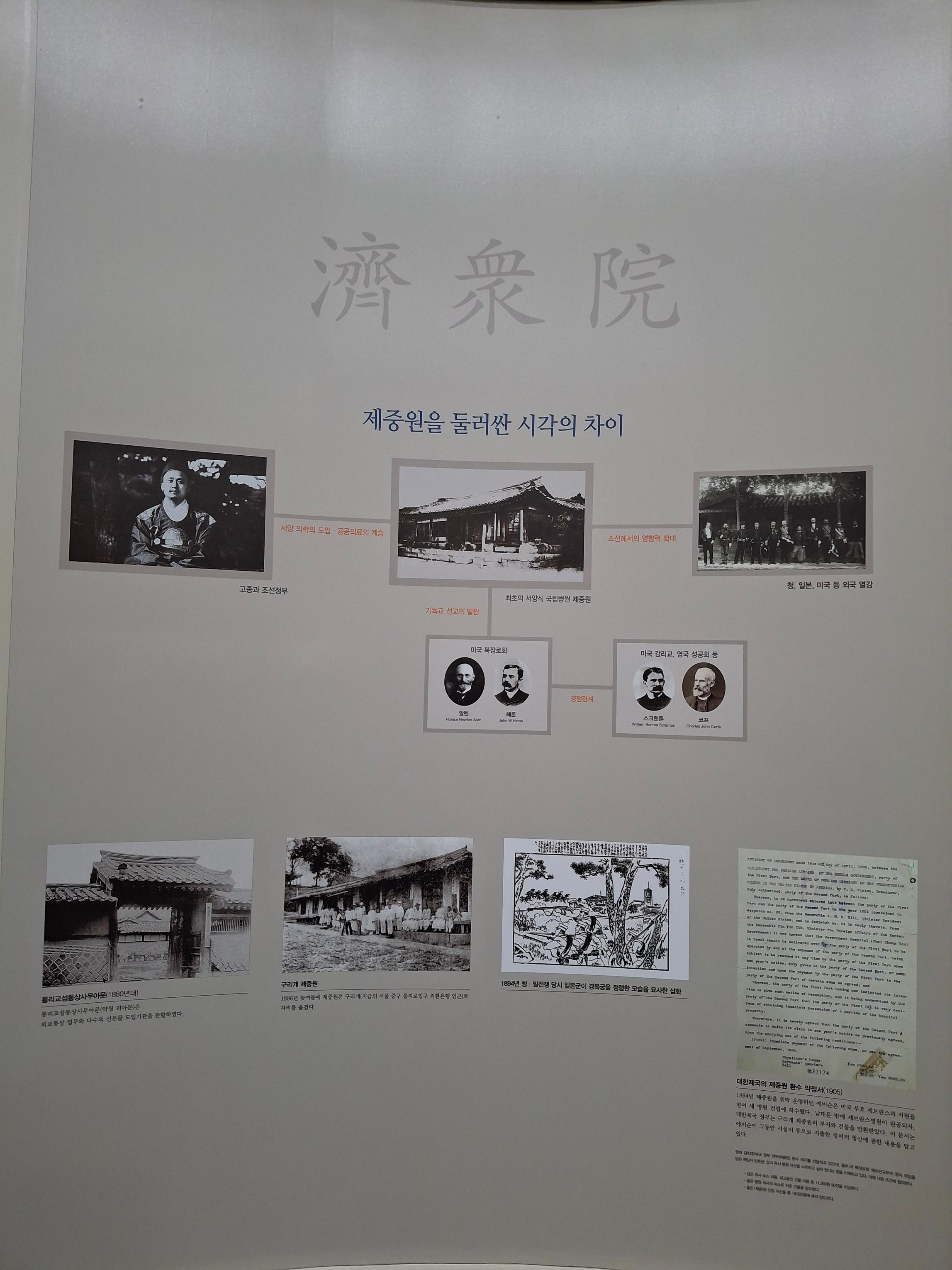
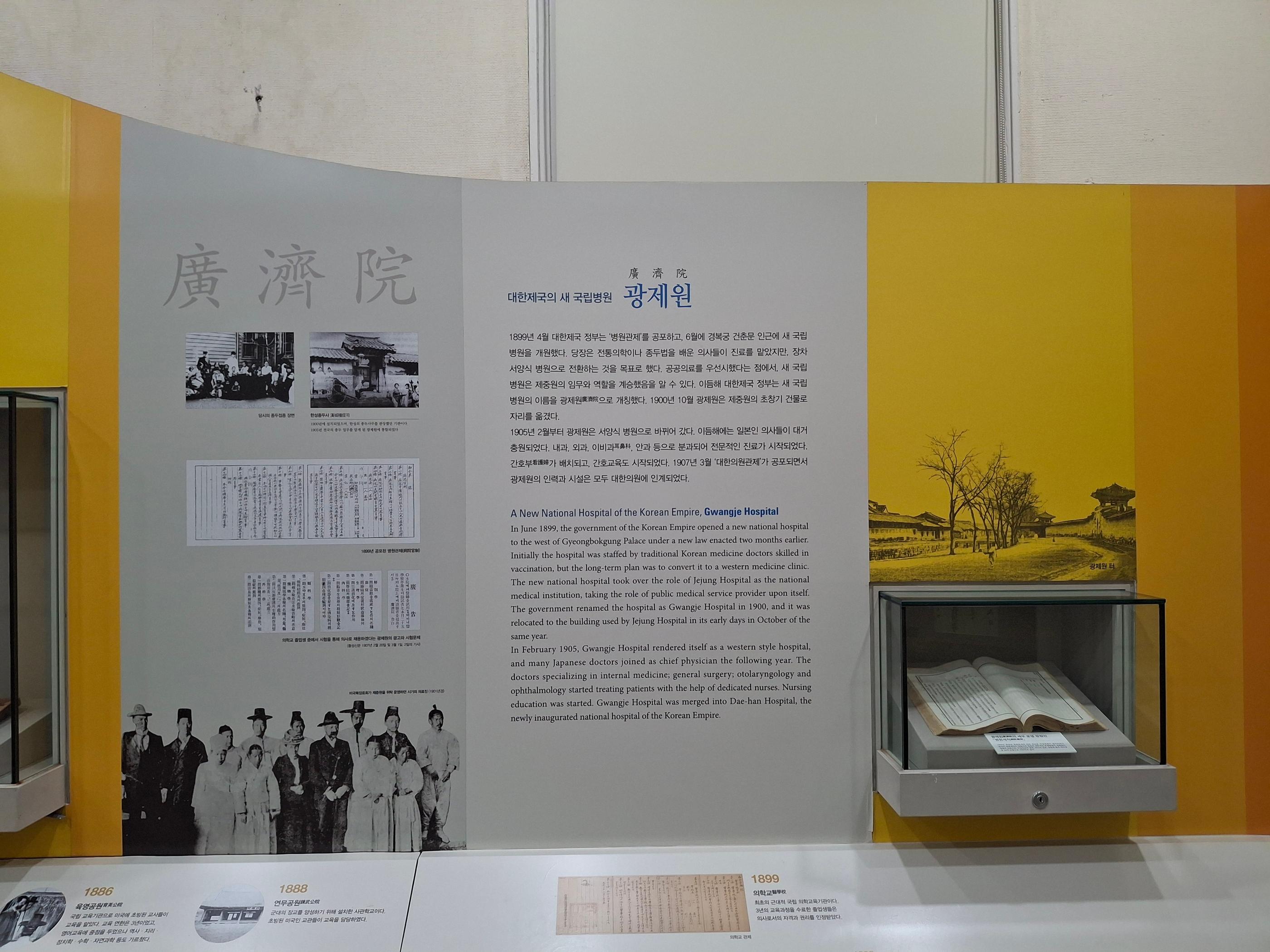
An important task was not only to treat people, but also to train new competent medical specialists. In 1899, was founded Gyeongseong Medical School (now SNU College of Medicine), a public institution, to foster physicians, and opened Gwangje Hospital as the new national hospital.
In 1907, the Empire of Korea established Daehan Hospital by combining Gyeongseong Medical School, and its affiliated hospital, Gwangje Hospital, with the Korean Red Cross Hospital that belonged to the royal household. The second part of the exhibition tells about this.
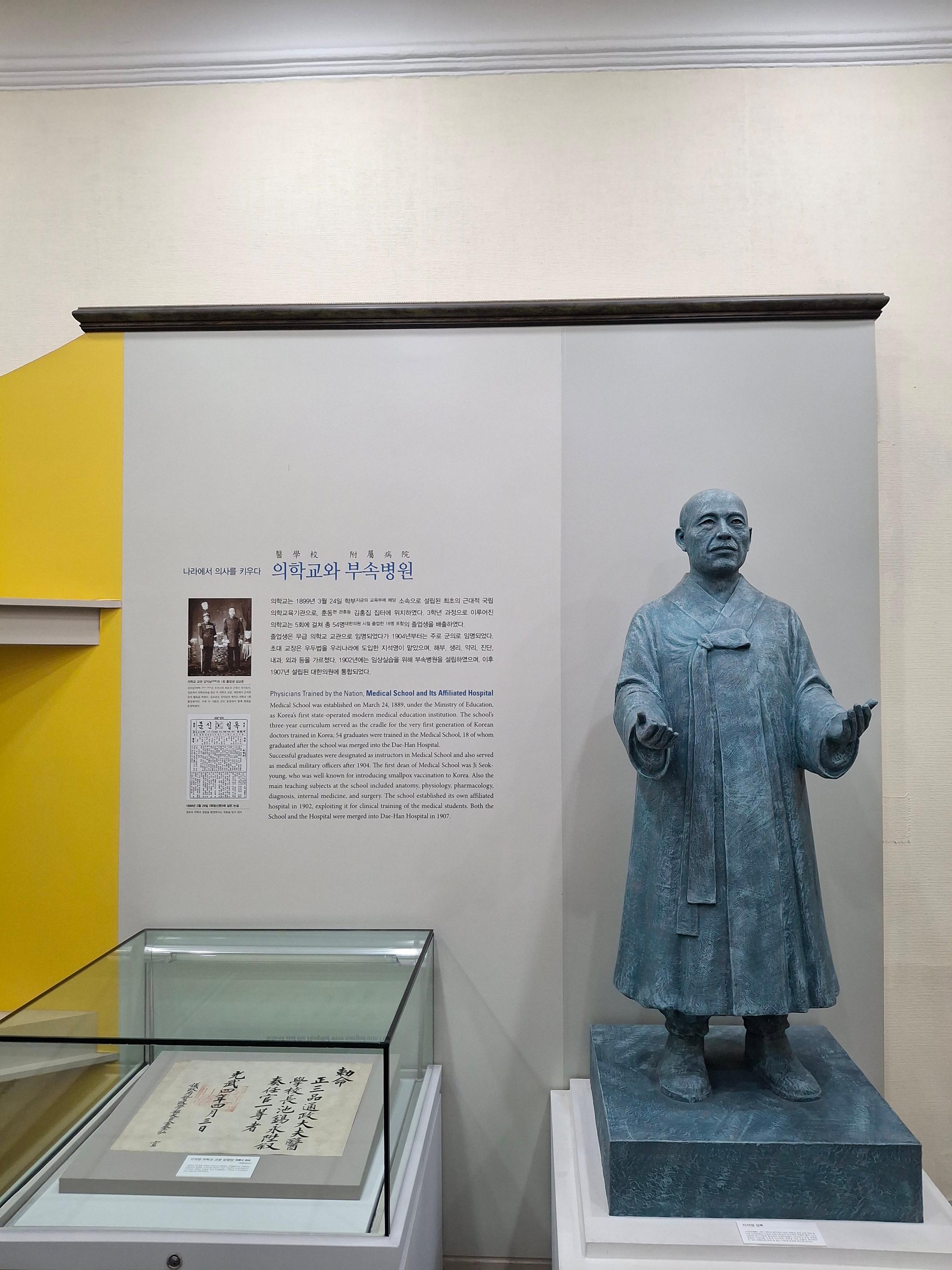
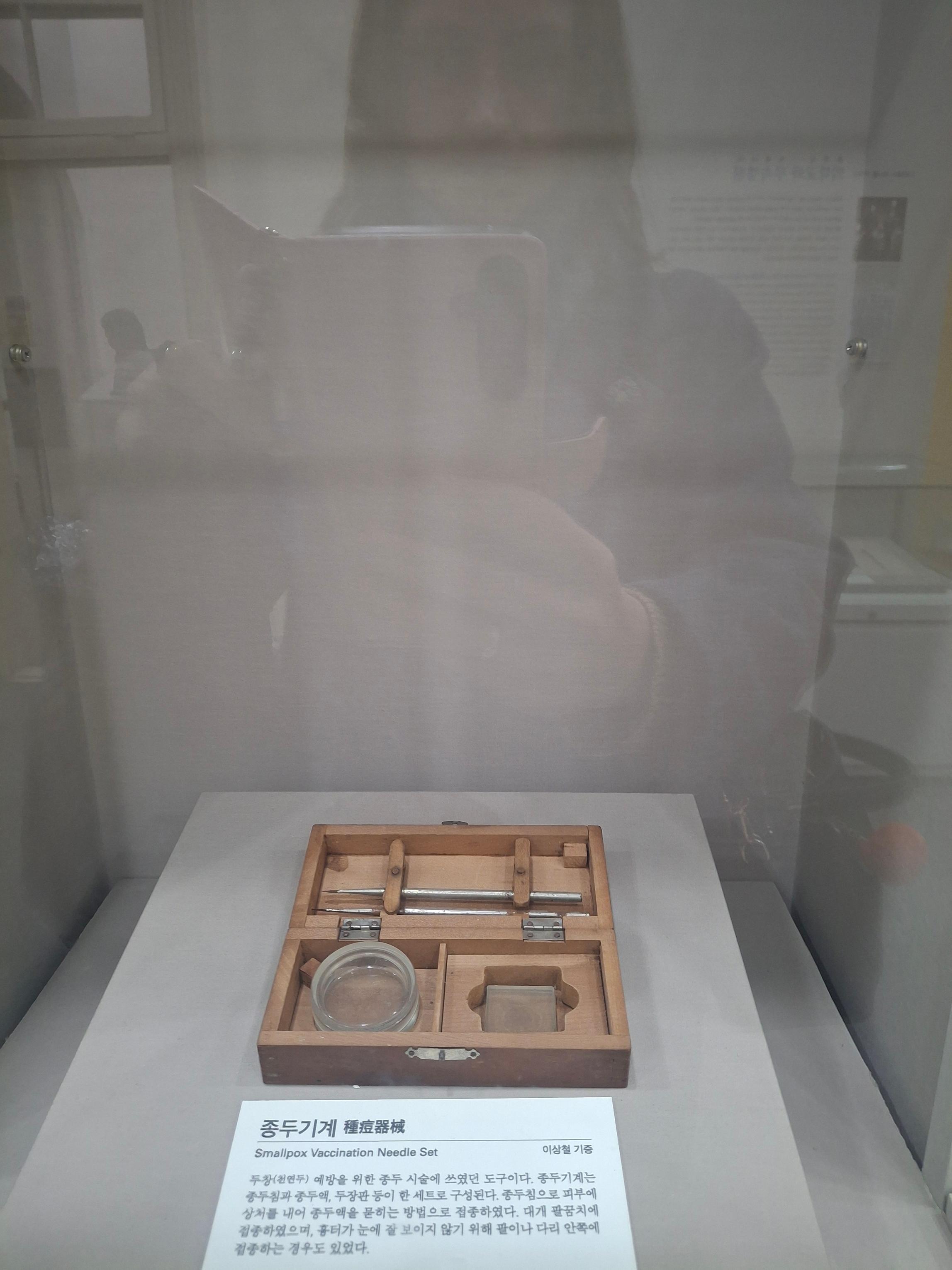
Special attention is given to the dean of the Medical school, a distinguished physician Ji Seok-young, known for introducing the smallpox vaccine. A unique antique vaccination instrument can also be seen here.
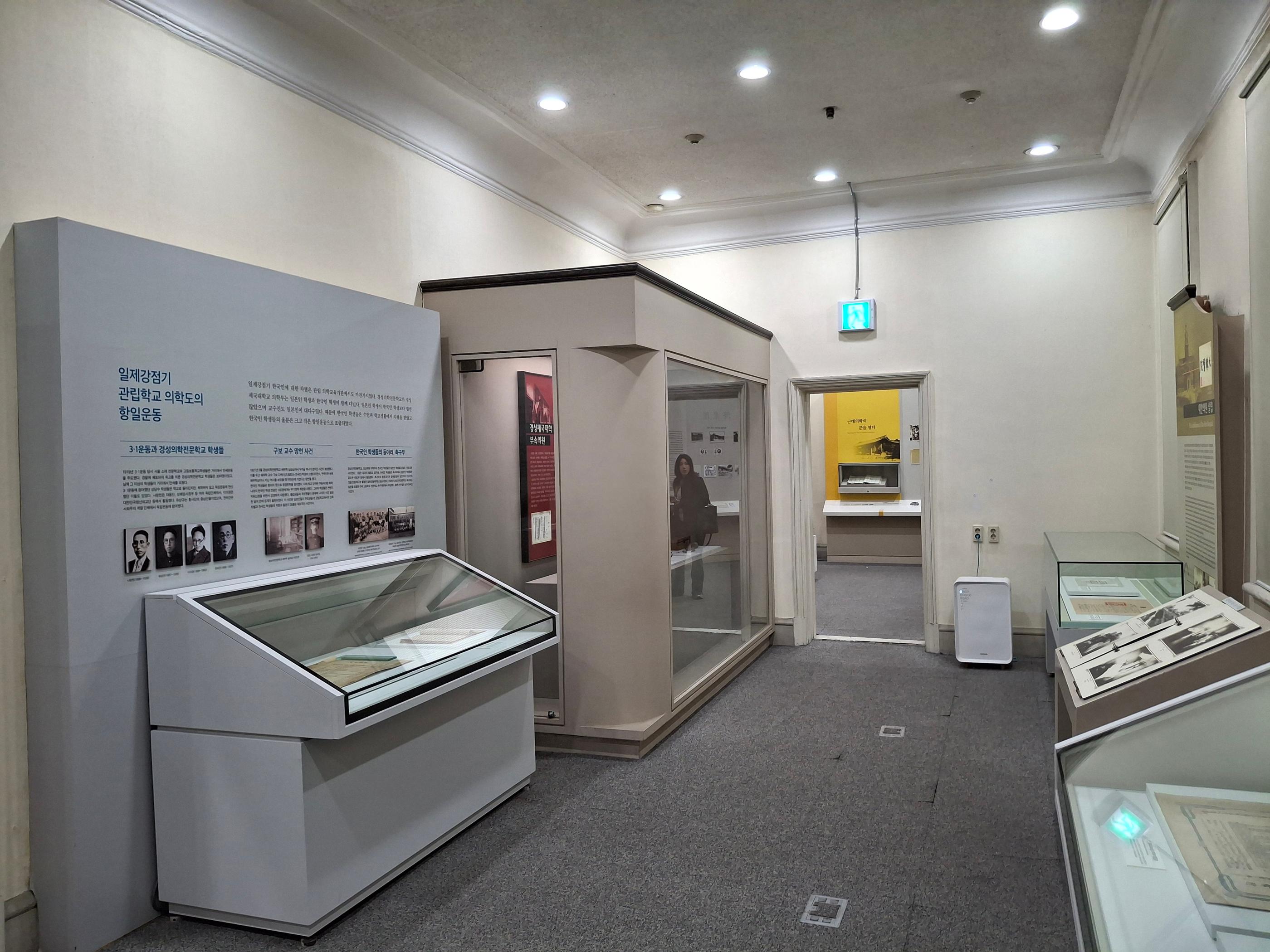
The next hall of the exhibition presents the further history of the Medical School and Hospital during the Japanese occupation.
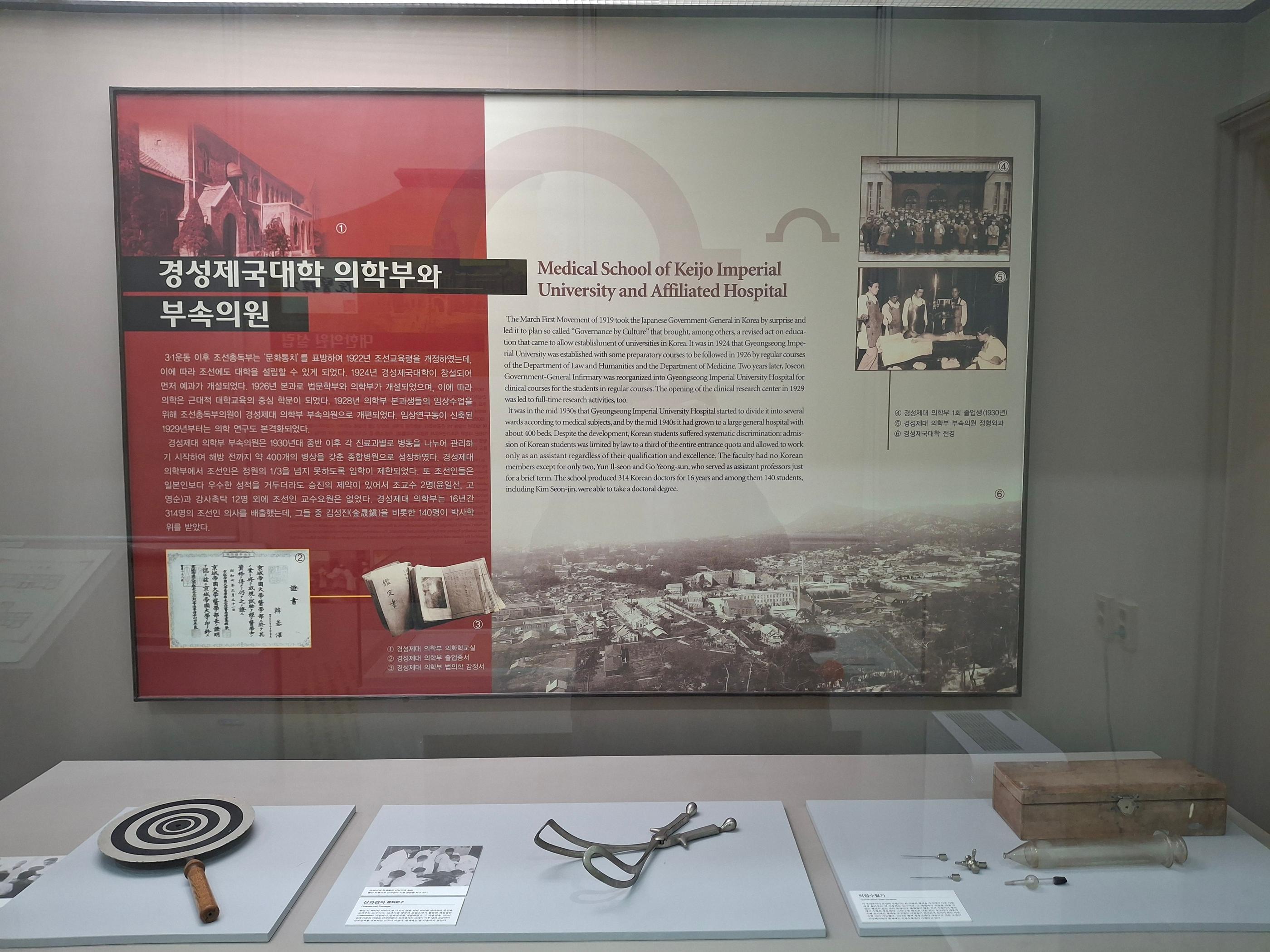
Due to Japanese occupation, Korea’s efforts to establish the basis of modern medicine with our own hands were frustrated. Immediately after the annexation, Daehan Hospital was reorganized into Jung'ang Hospital, then into the Government-General of Korea (GGK) Hospital. Likewise, the Medical School affiliated with Daehan Hospital was reorganized as the Medical Training School affiliated with the GGK Hospital, and in 1916 was promoted as Gyeongseong Medical College.
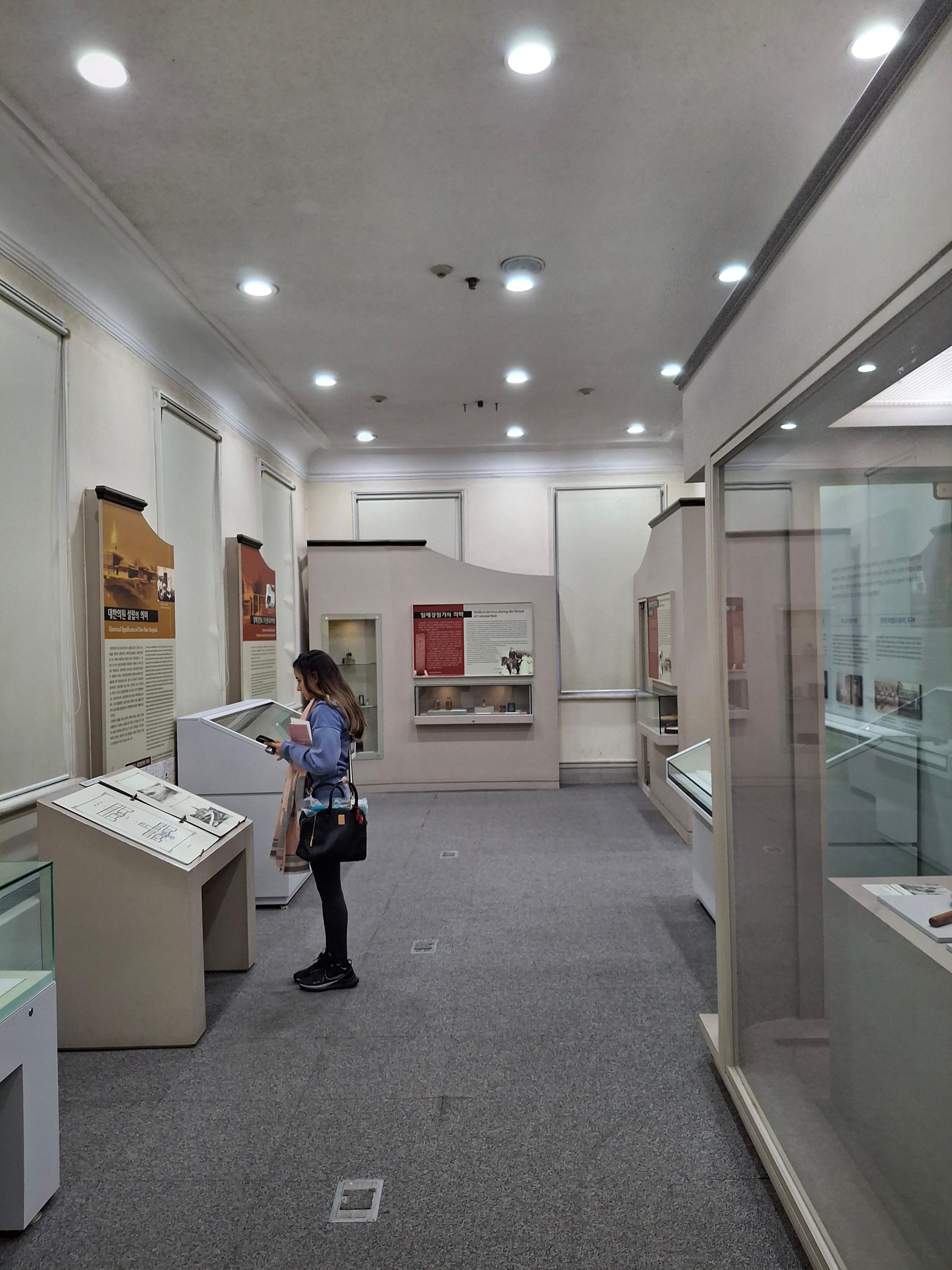
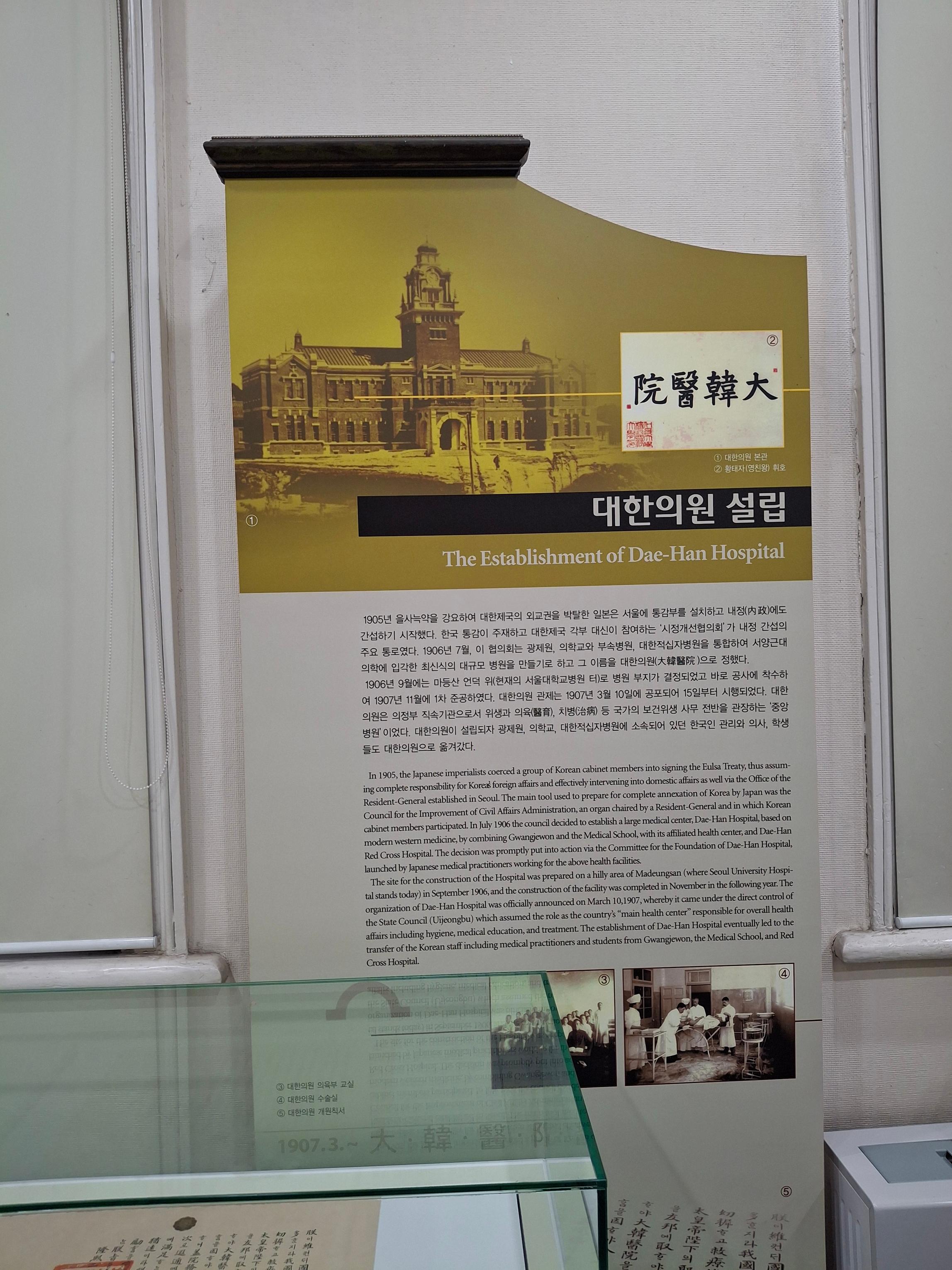
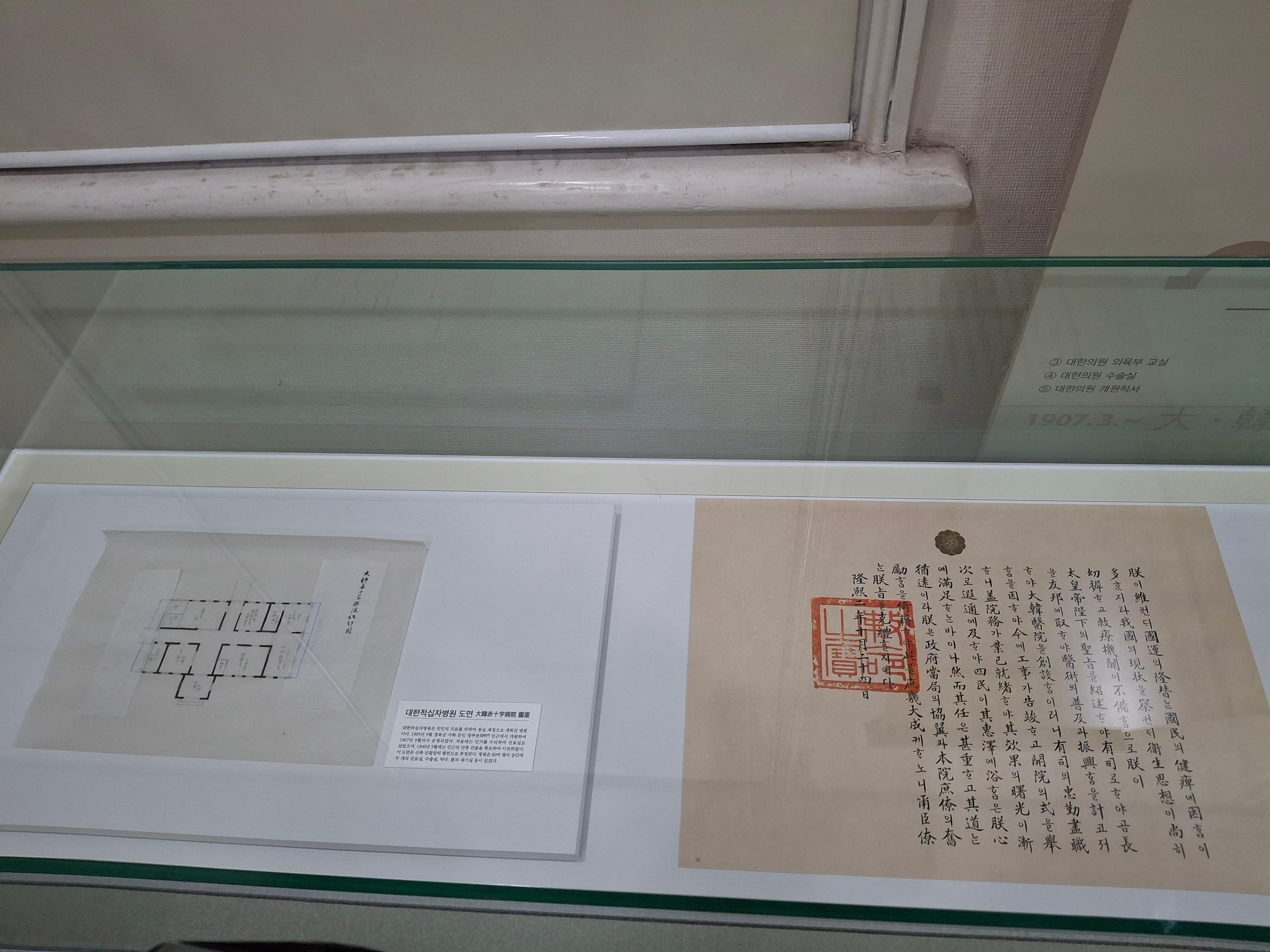
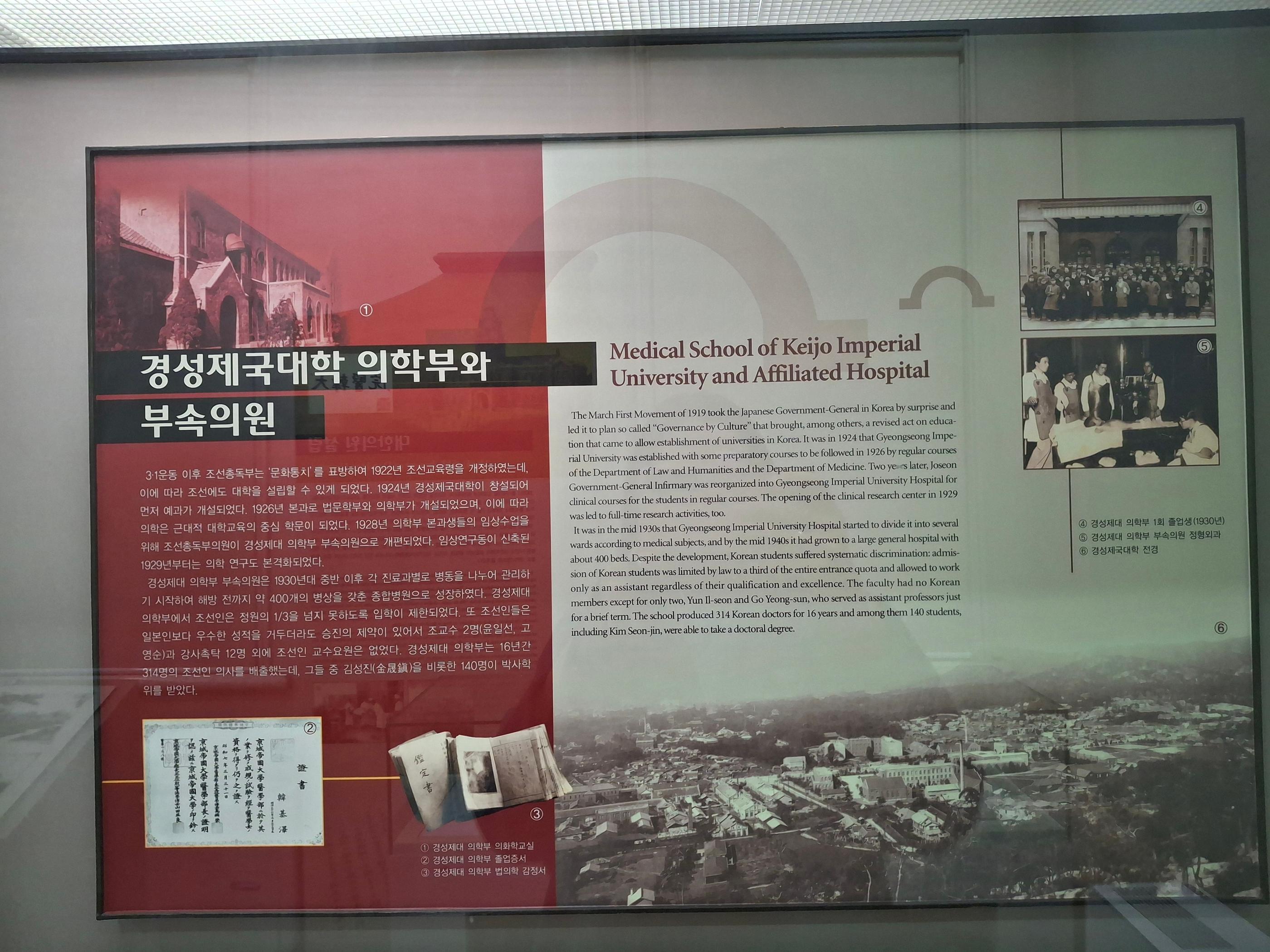
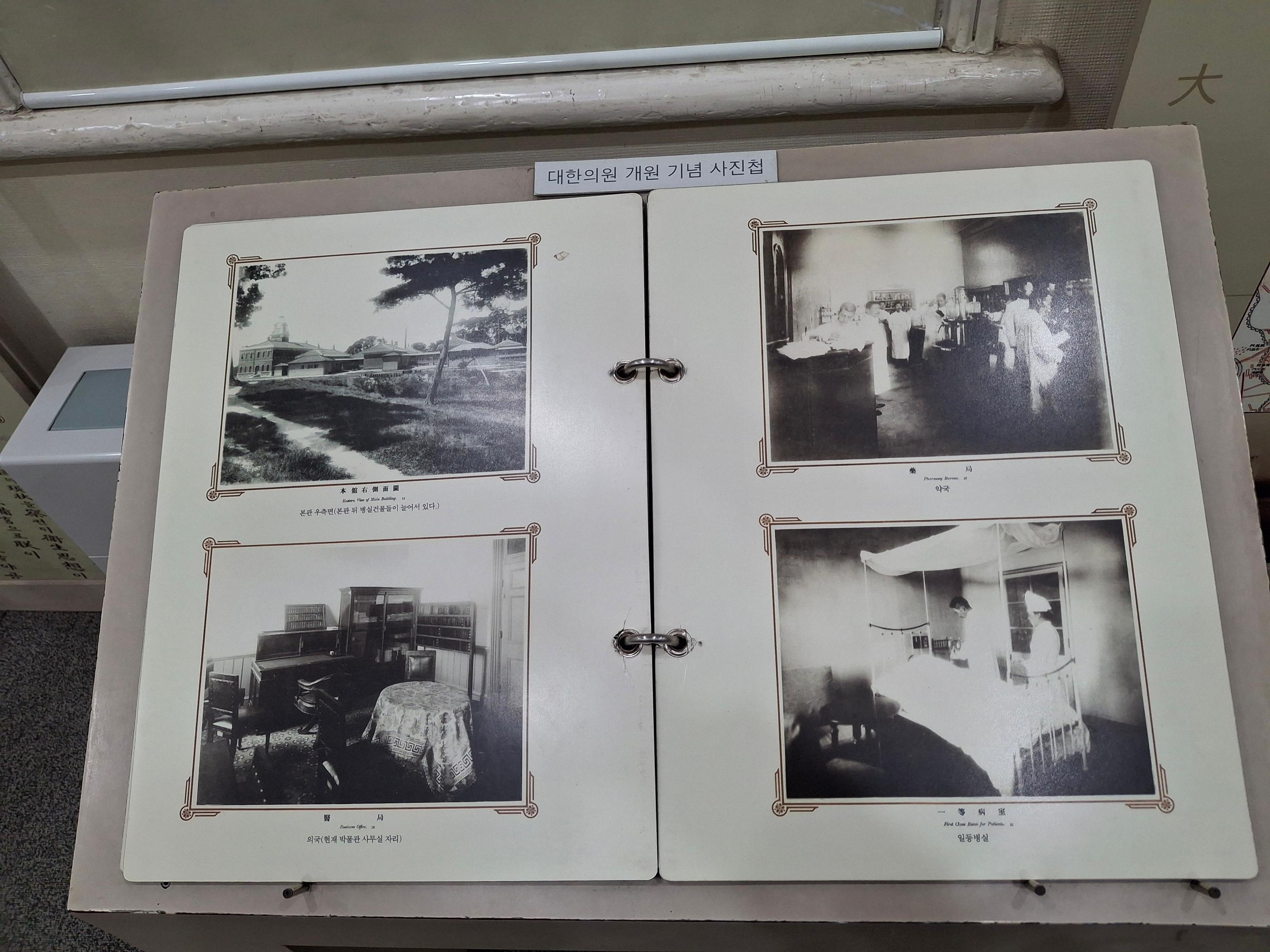
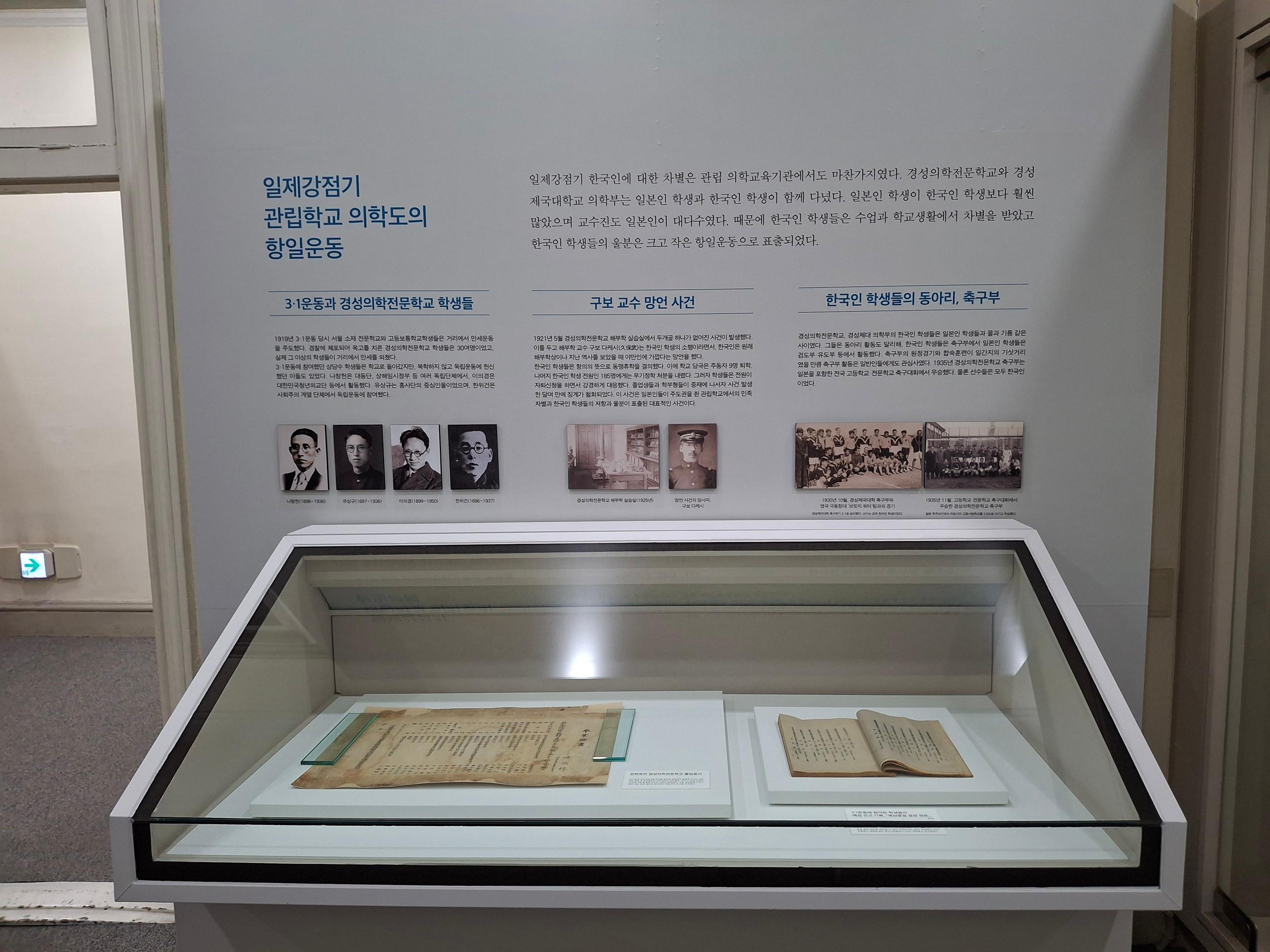
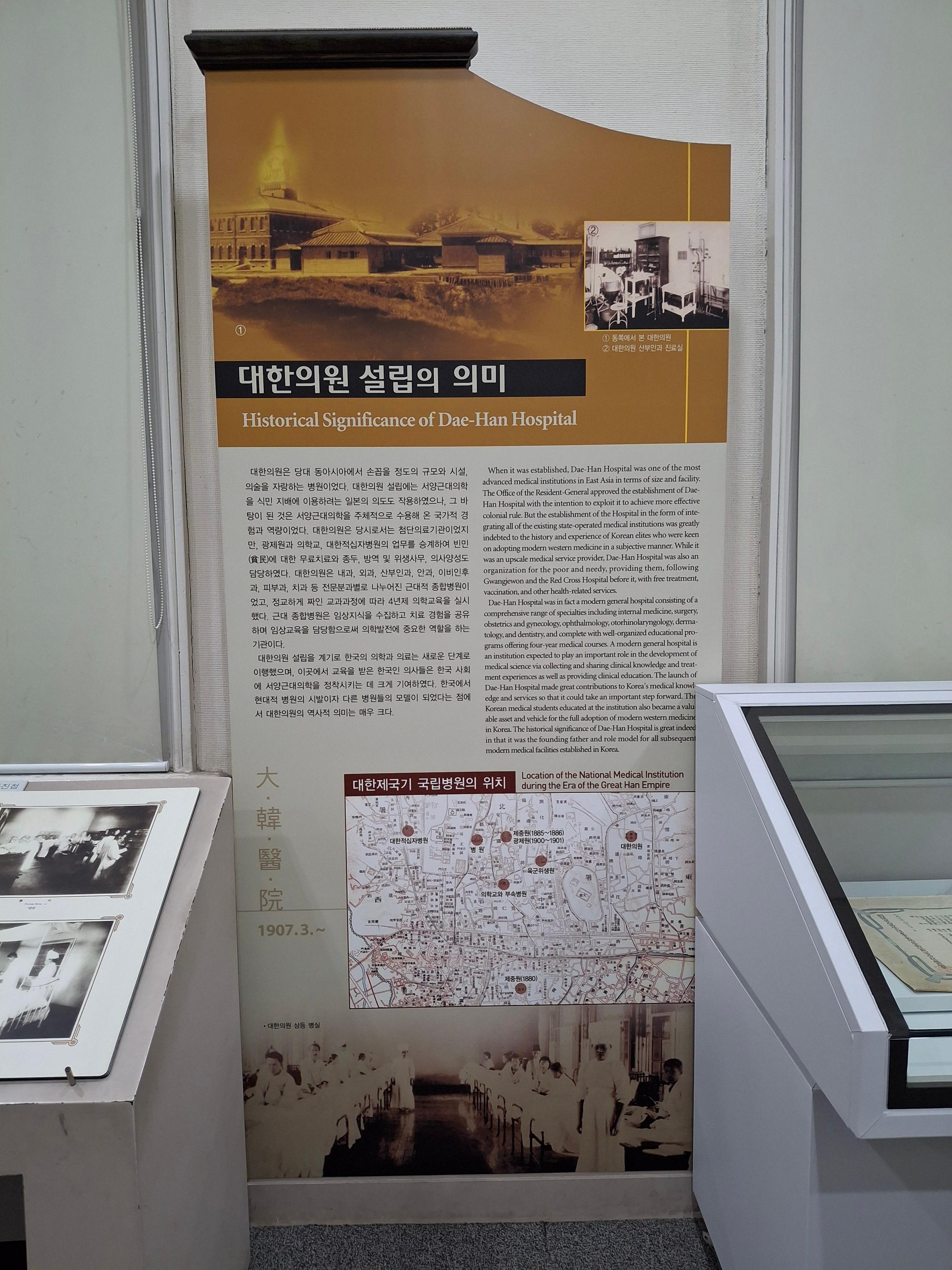
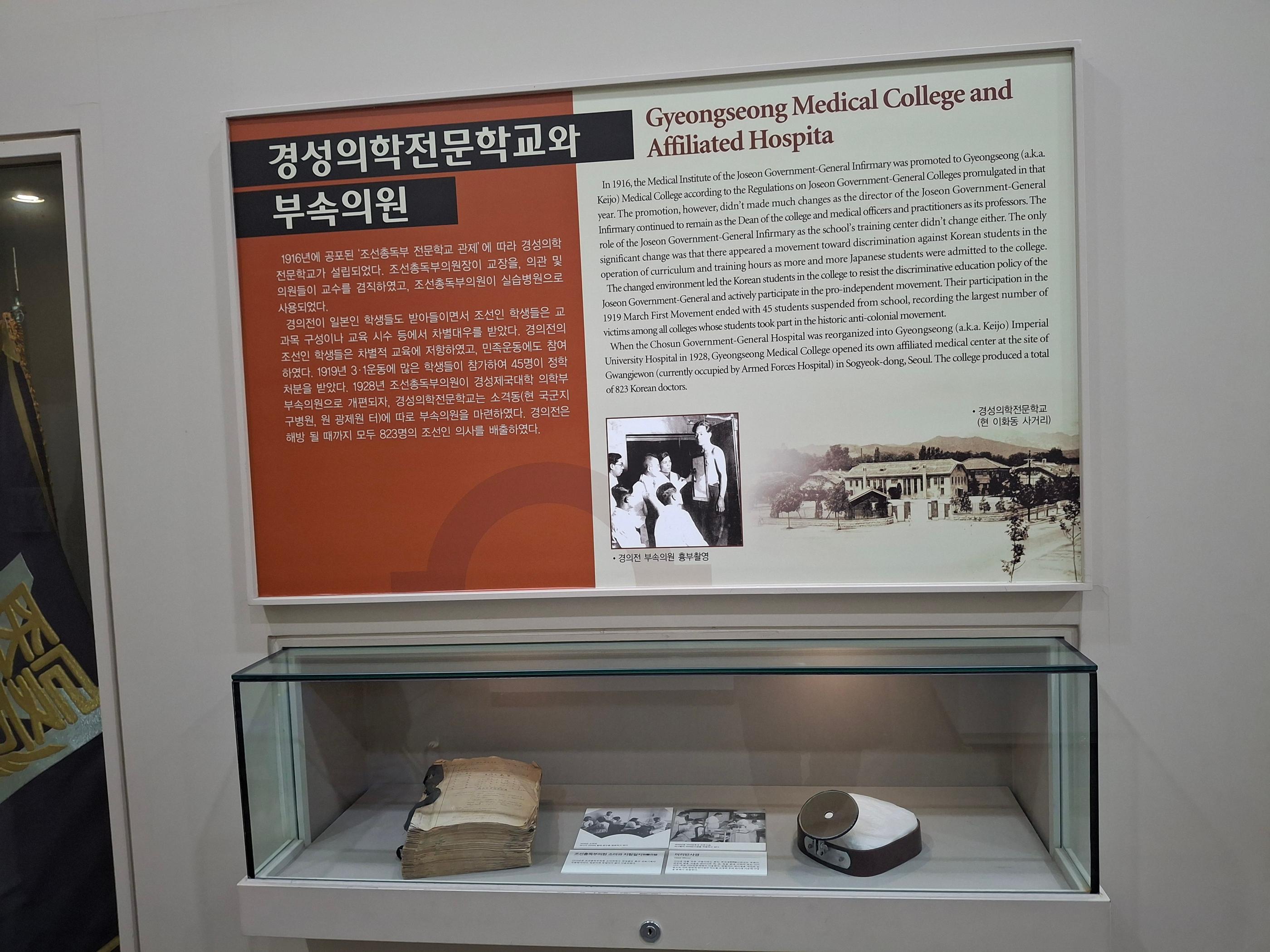
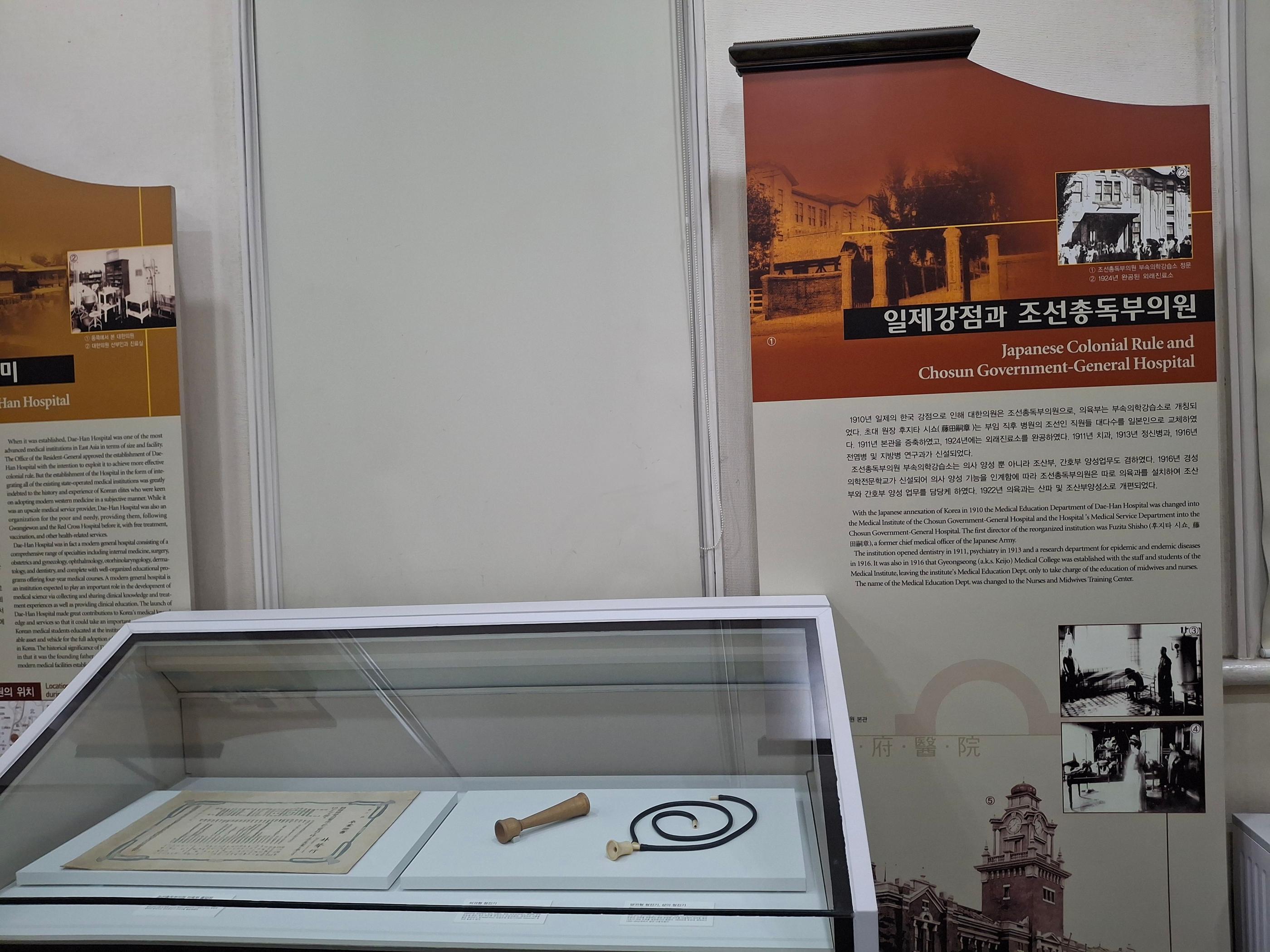
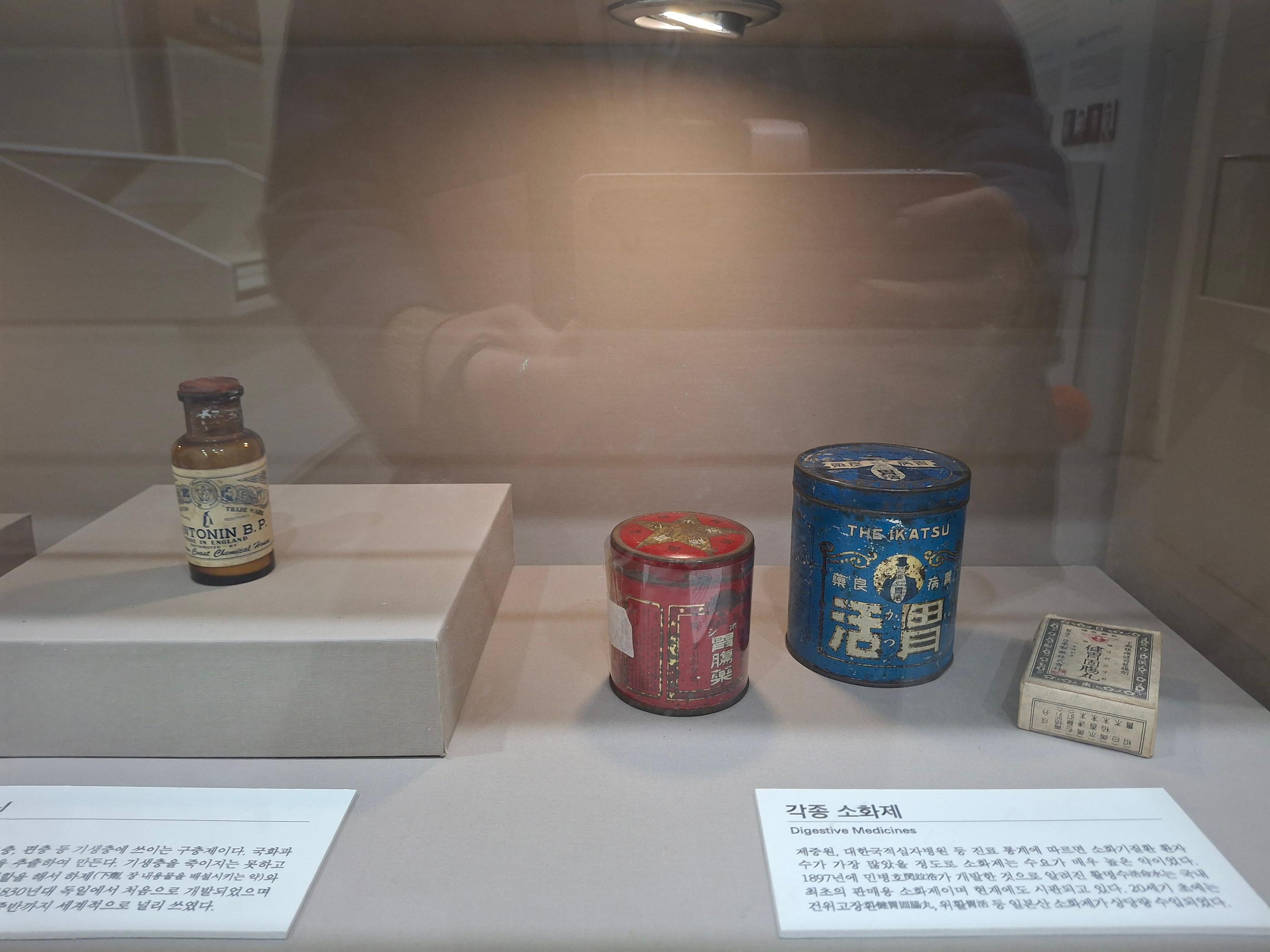
And the most interesting part of the exhibition is the original medical instruments used at the time. Today, many of them look terrifying. The most popular medications of the time are also included. Some manufacturers still produce these medications, only in modern forms!
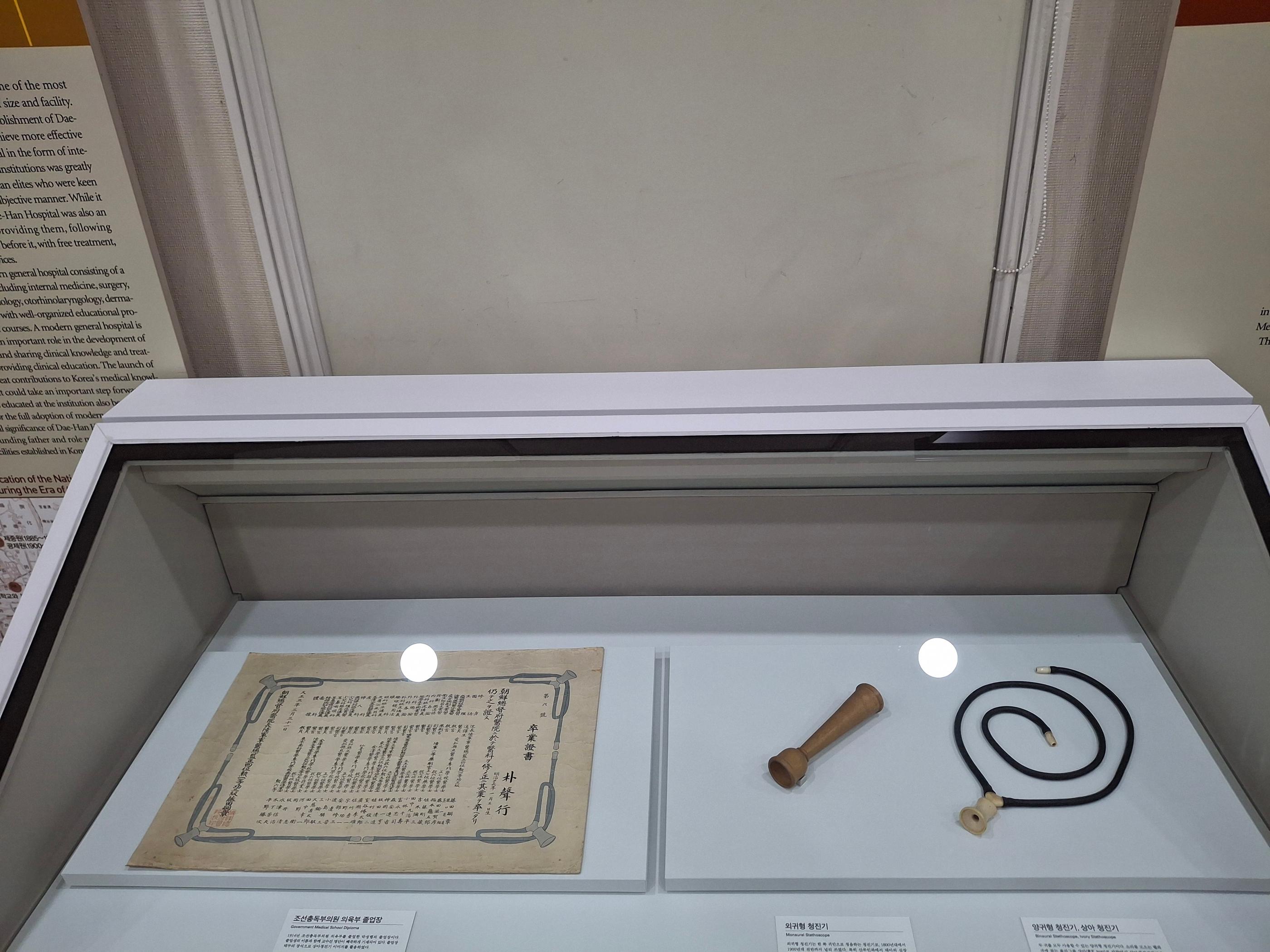
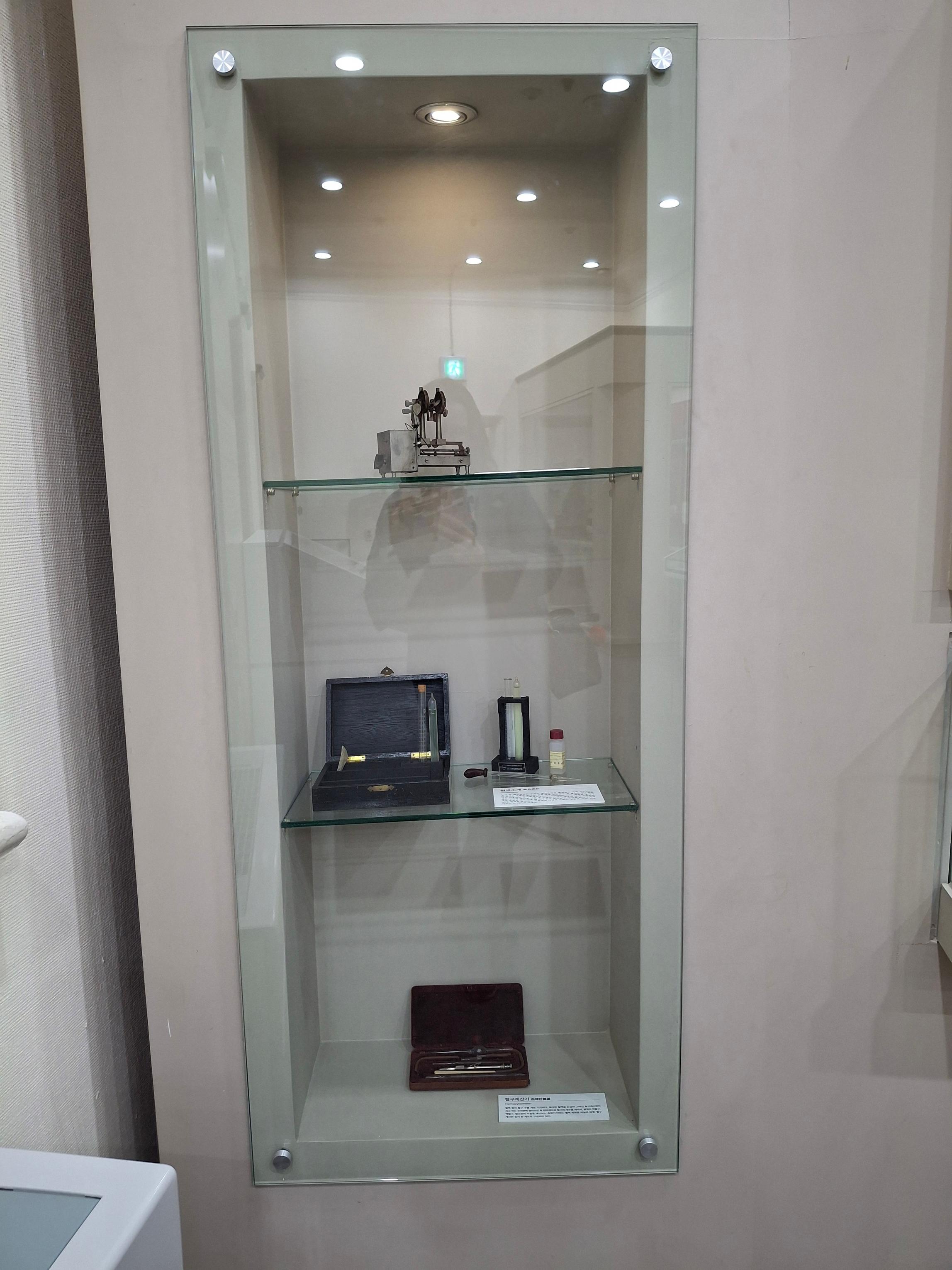
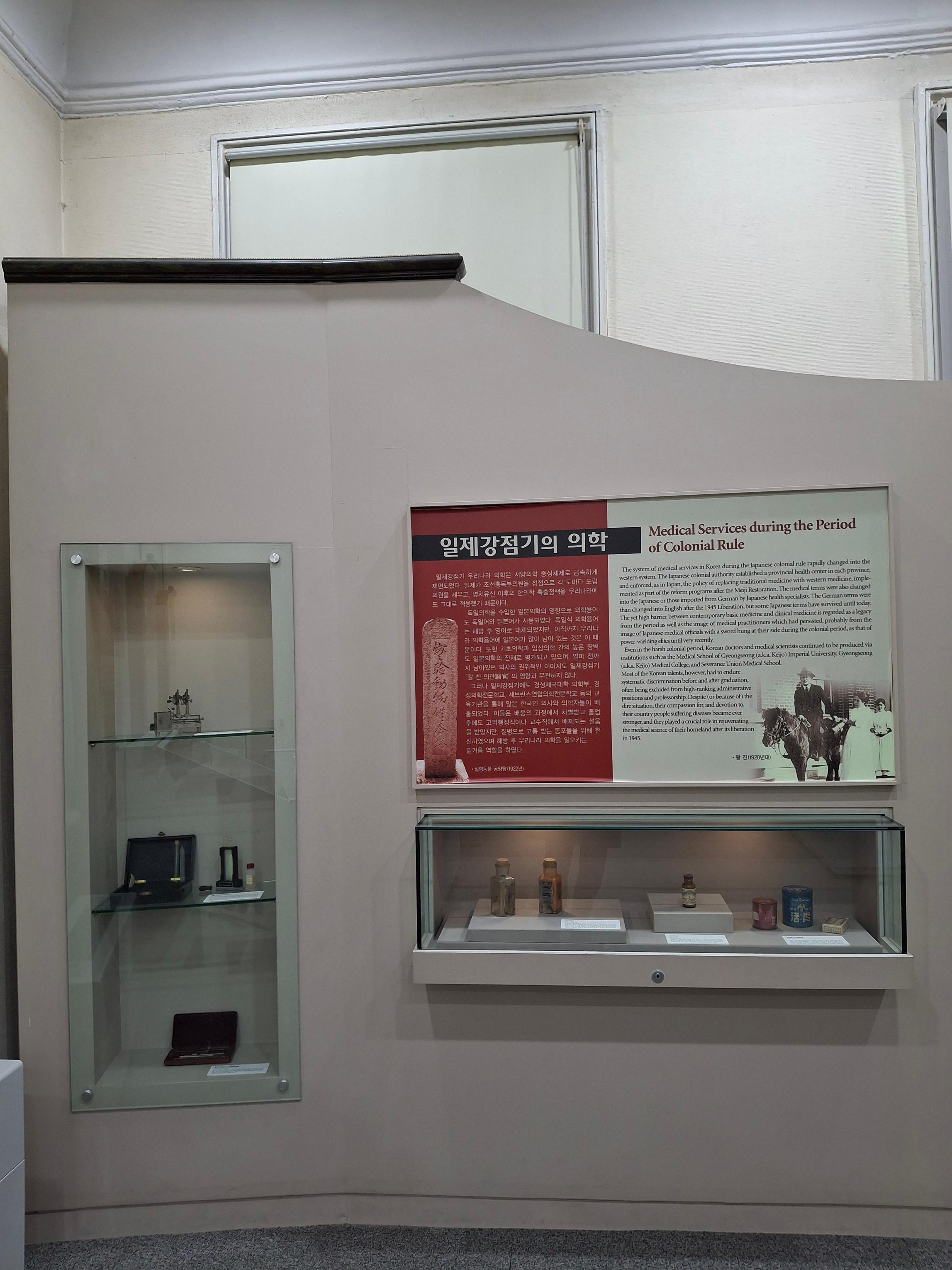
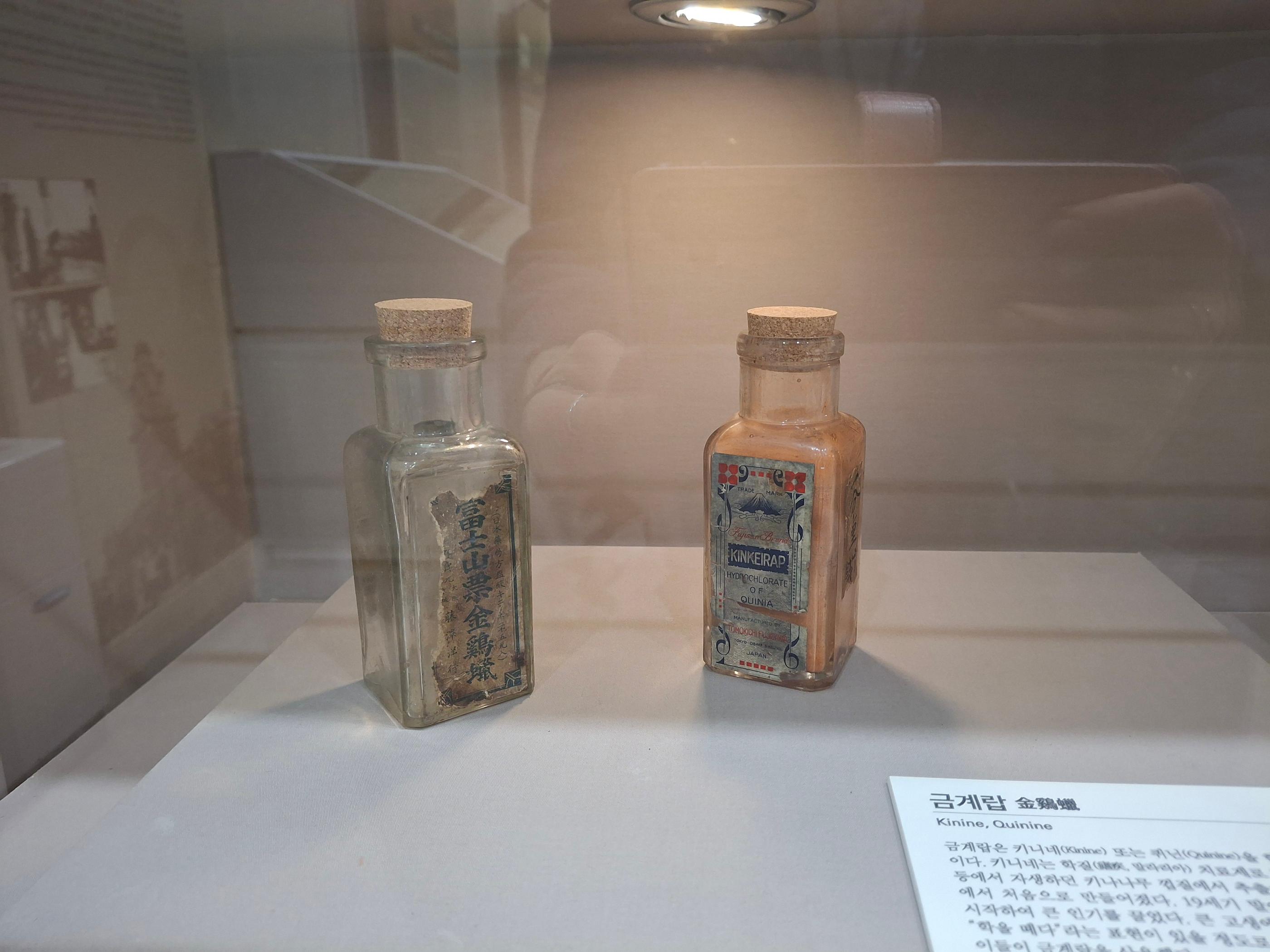
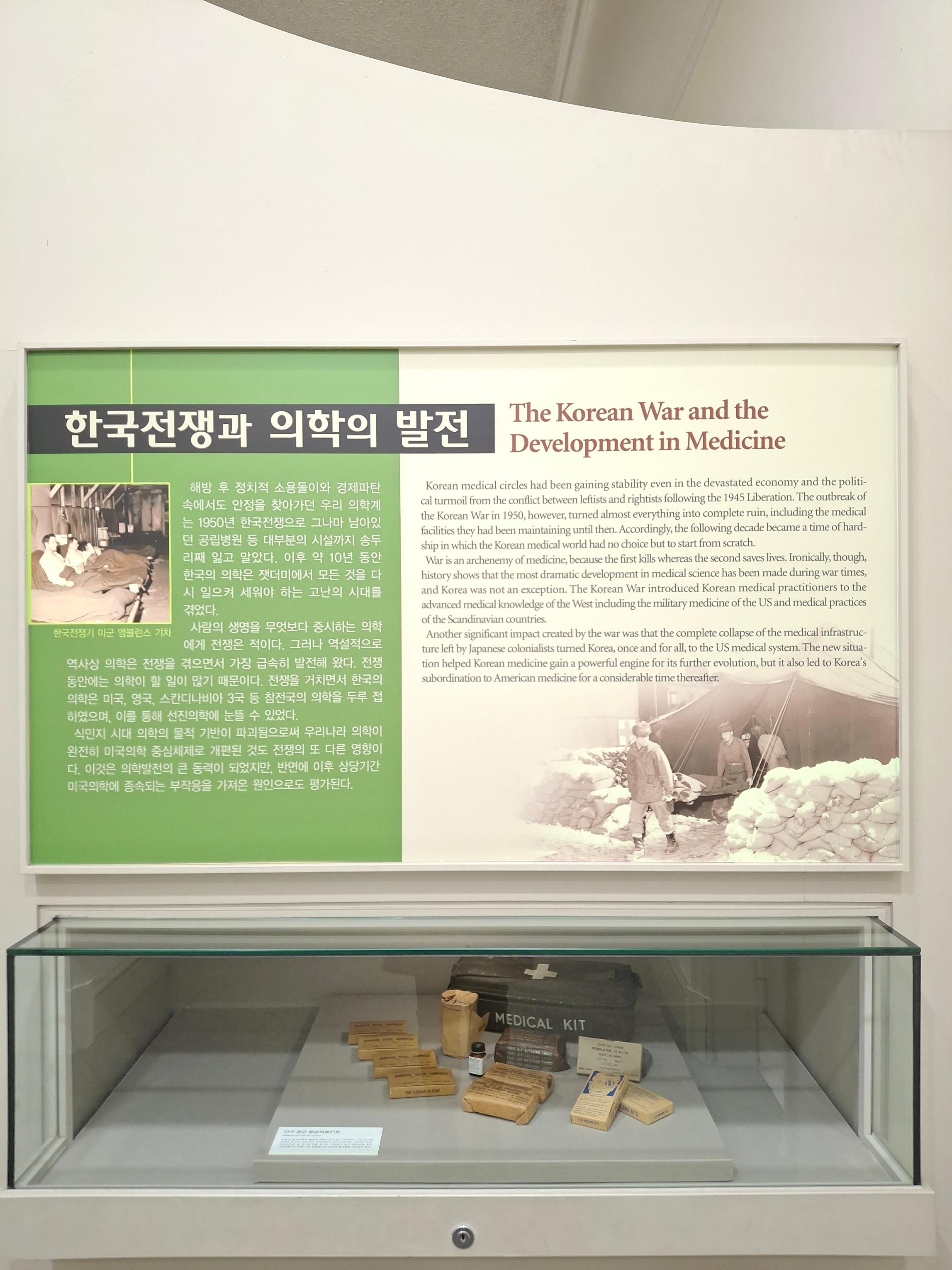
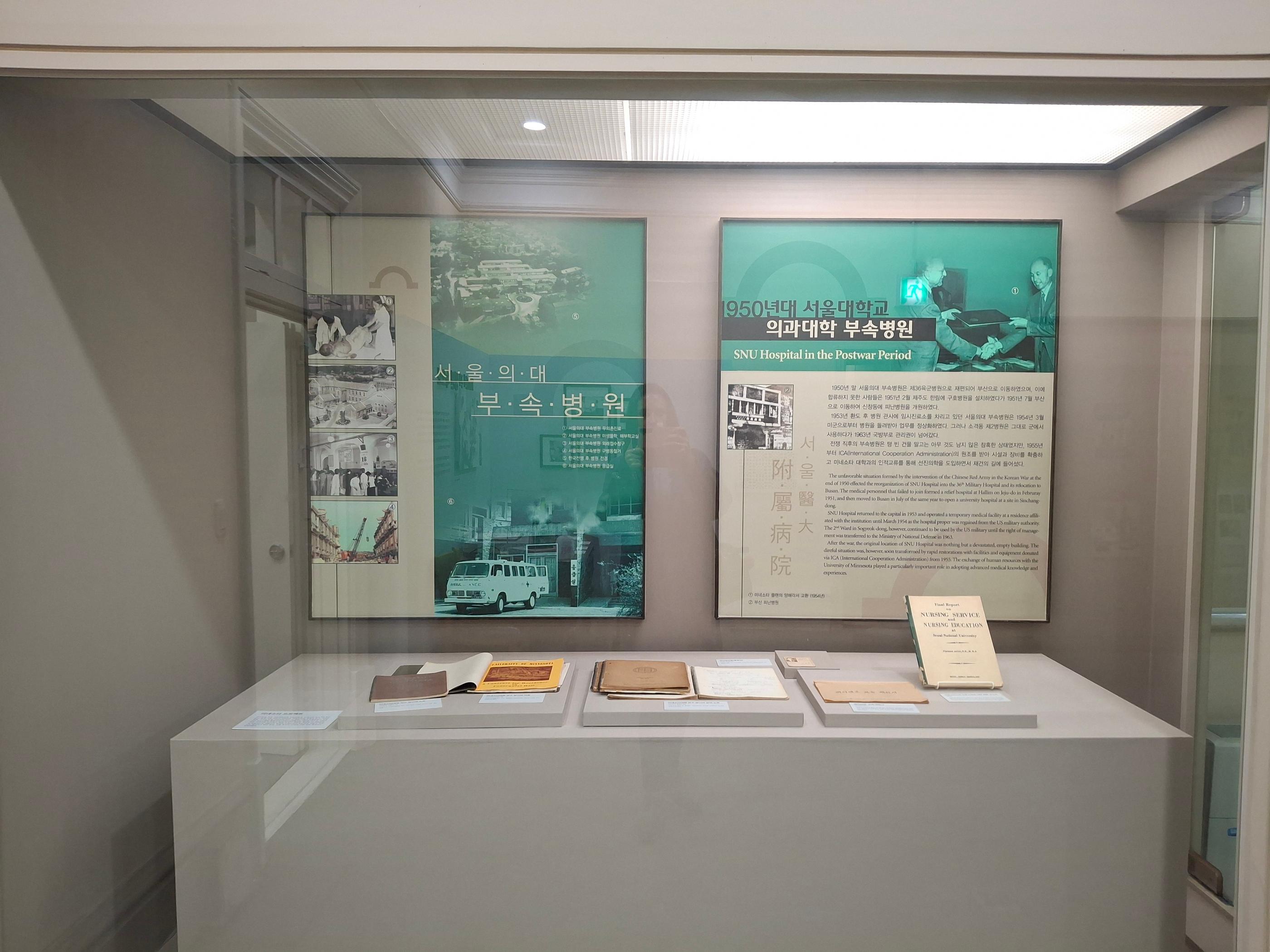
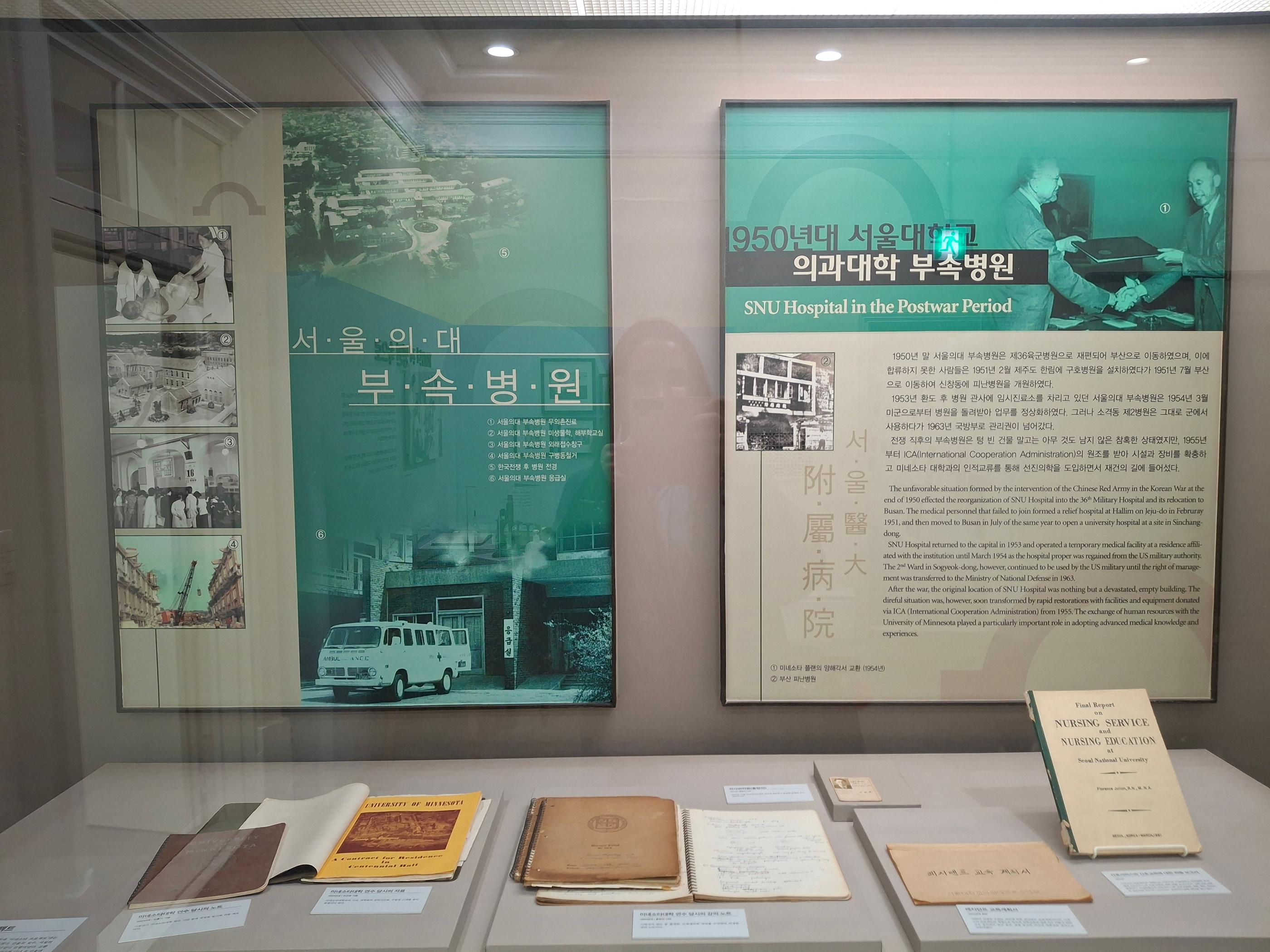
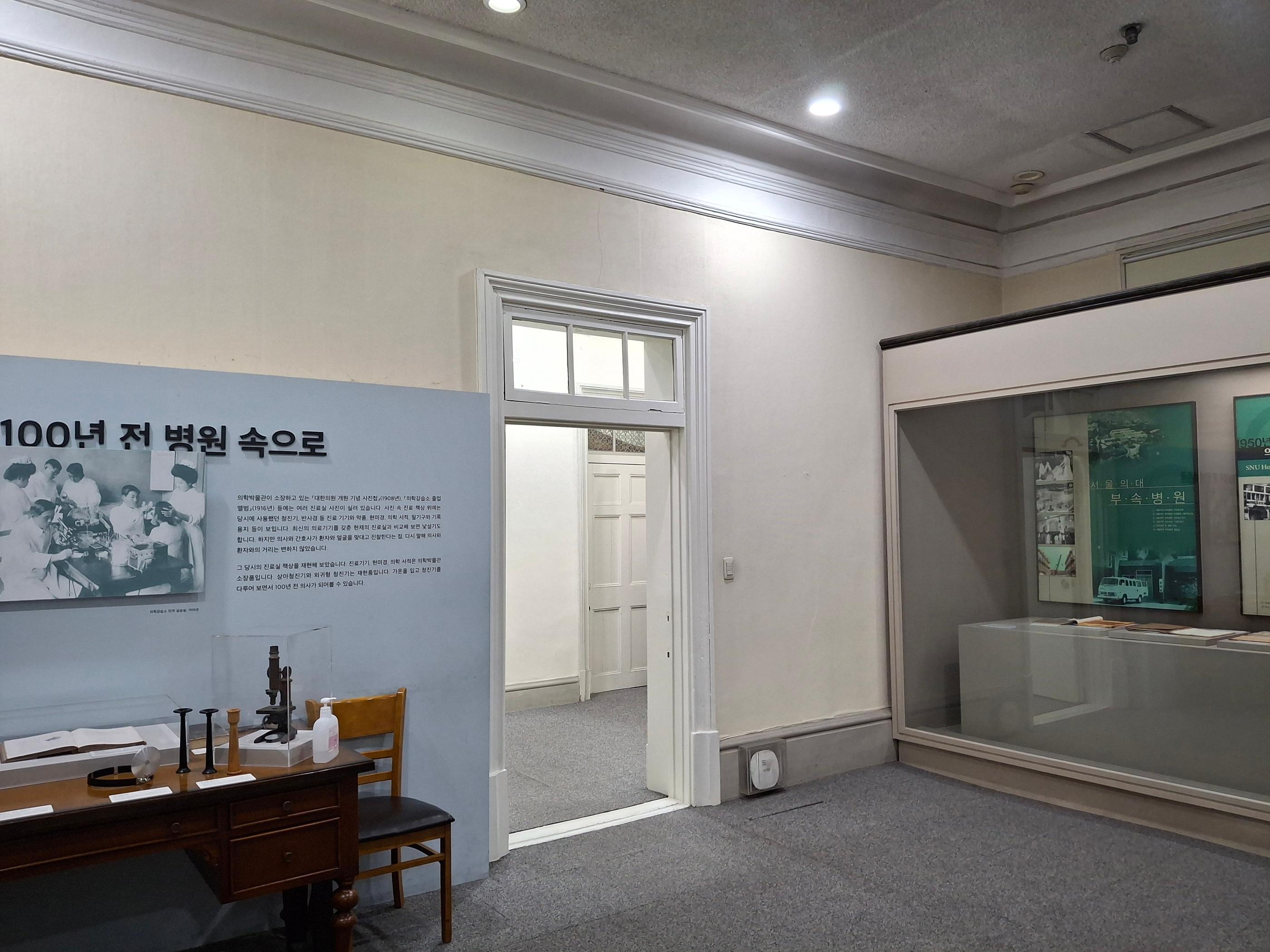
The next exhibition hall showcases the further development of modern Korean medicine. Unfortunately, the Korean War provided a major impetus for this development. It displays footage of the medical system and an American personal first aid kit.
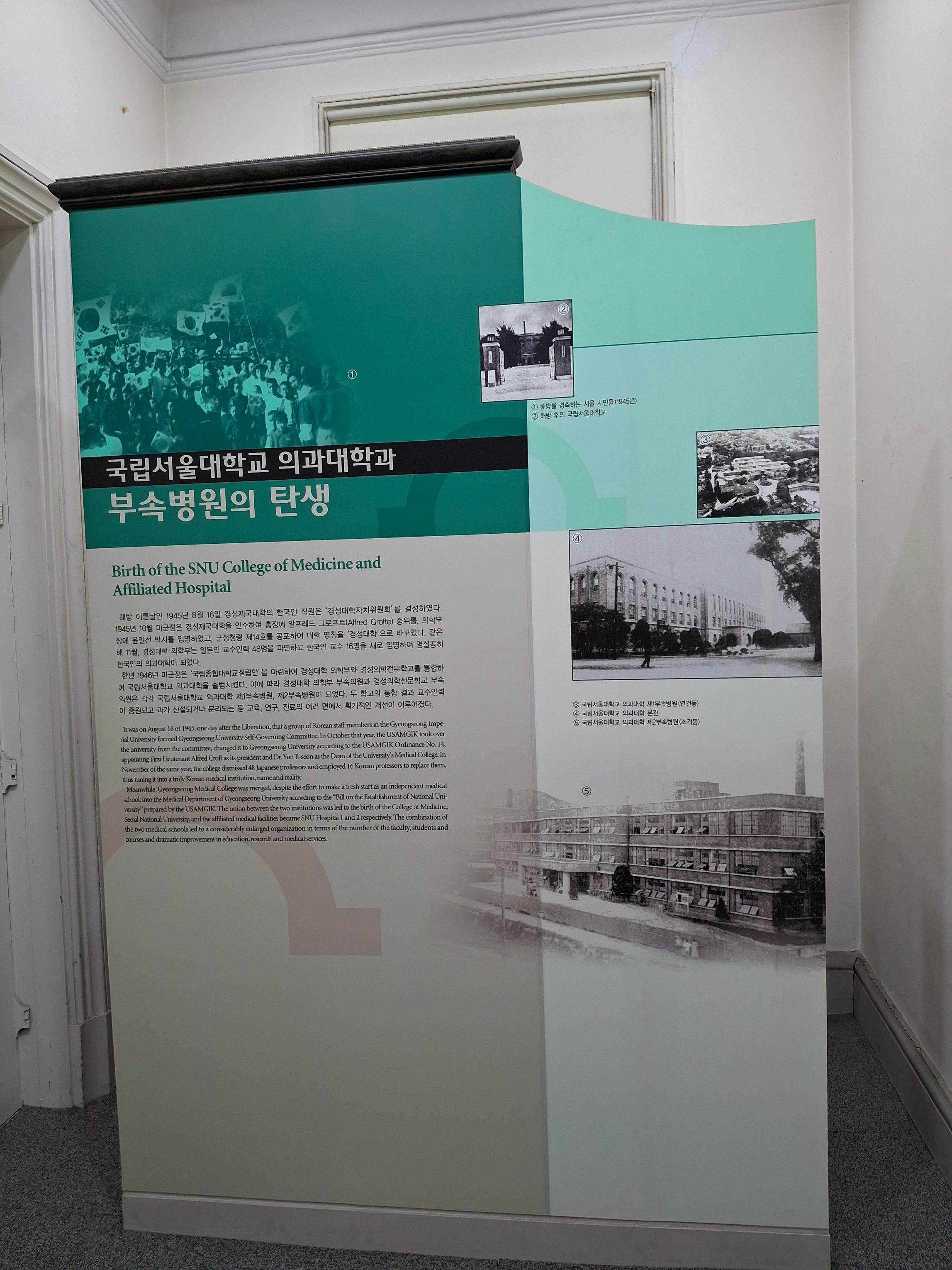
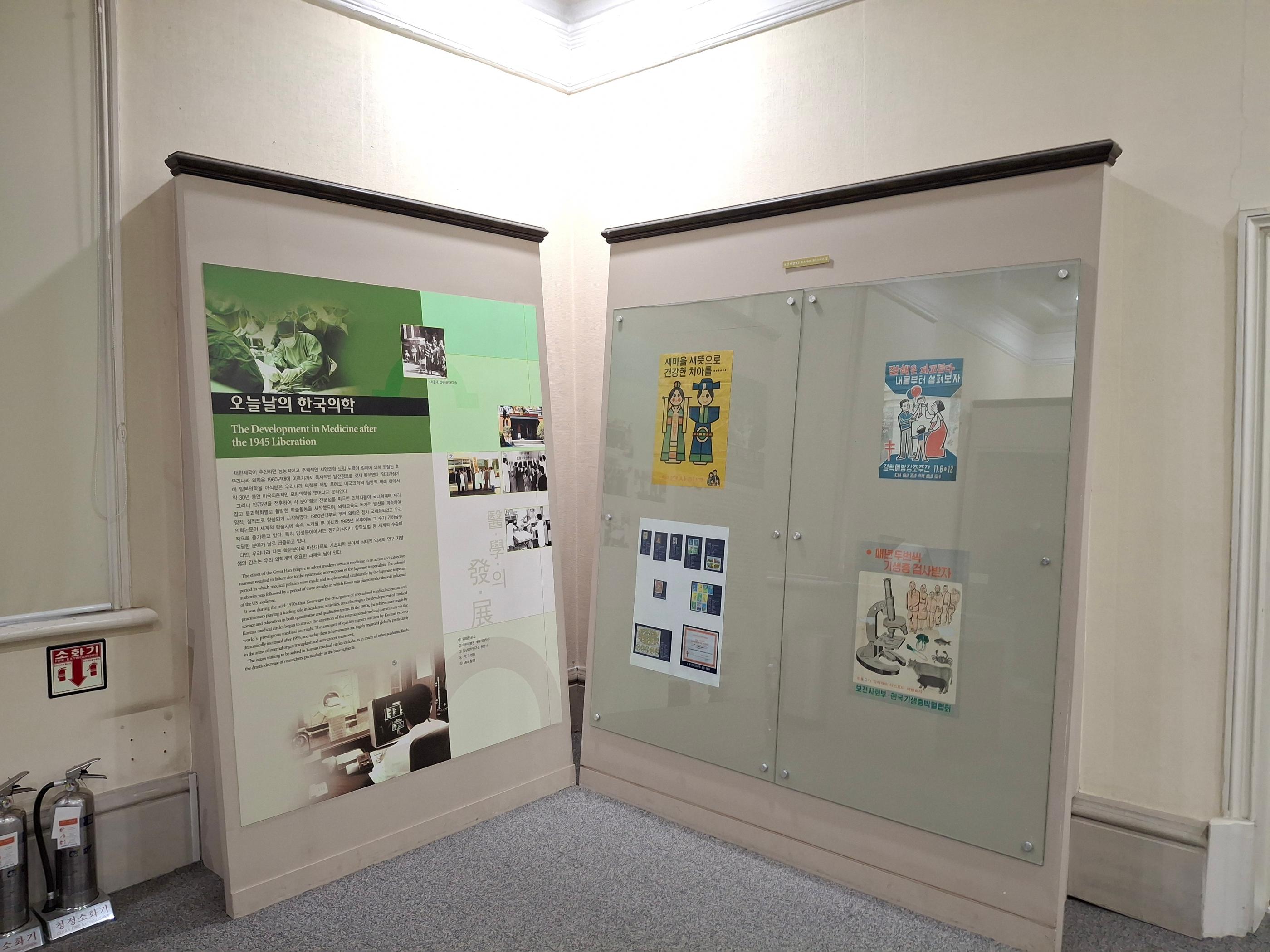
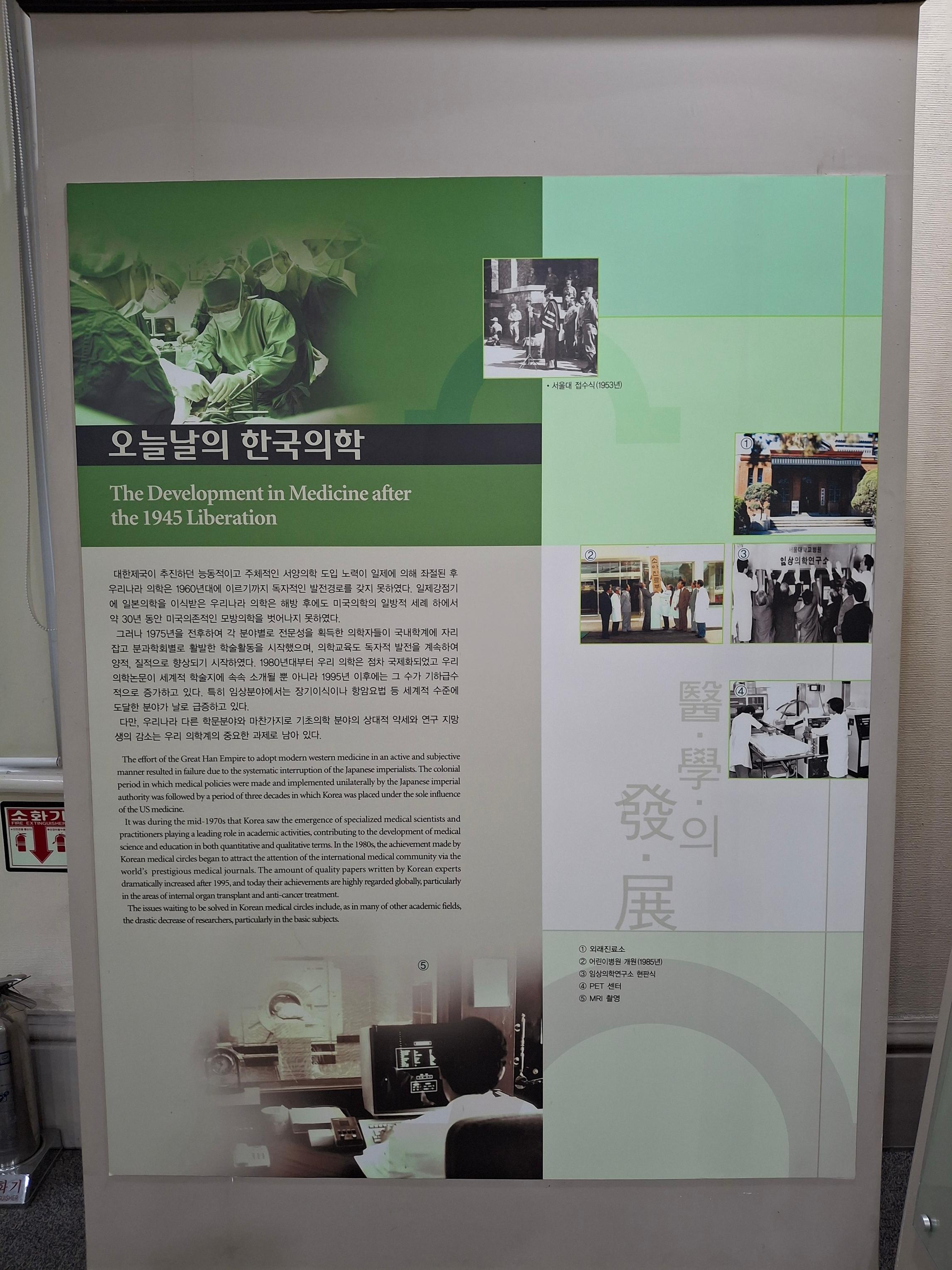
The next part of the exhibition shows the development of Korean medicine after the war and the formation of the modern Korean medical system.
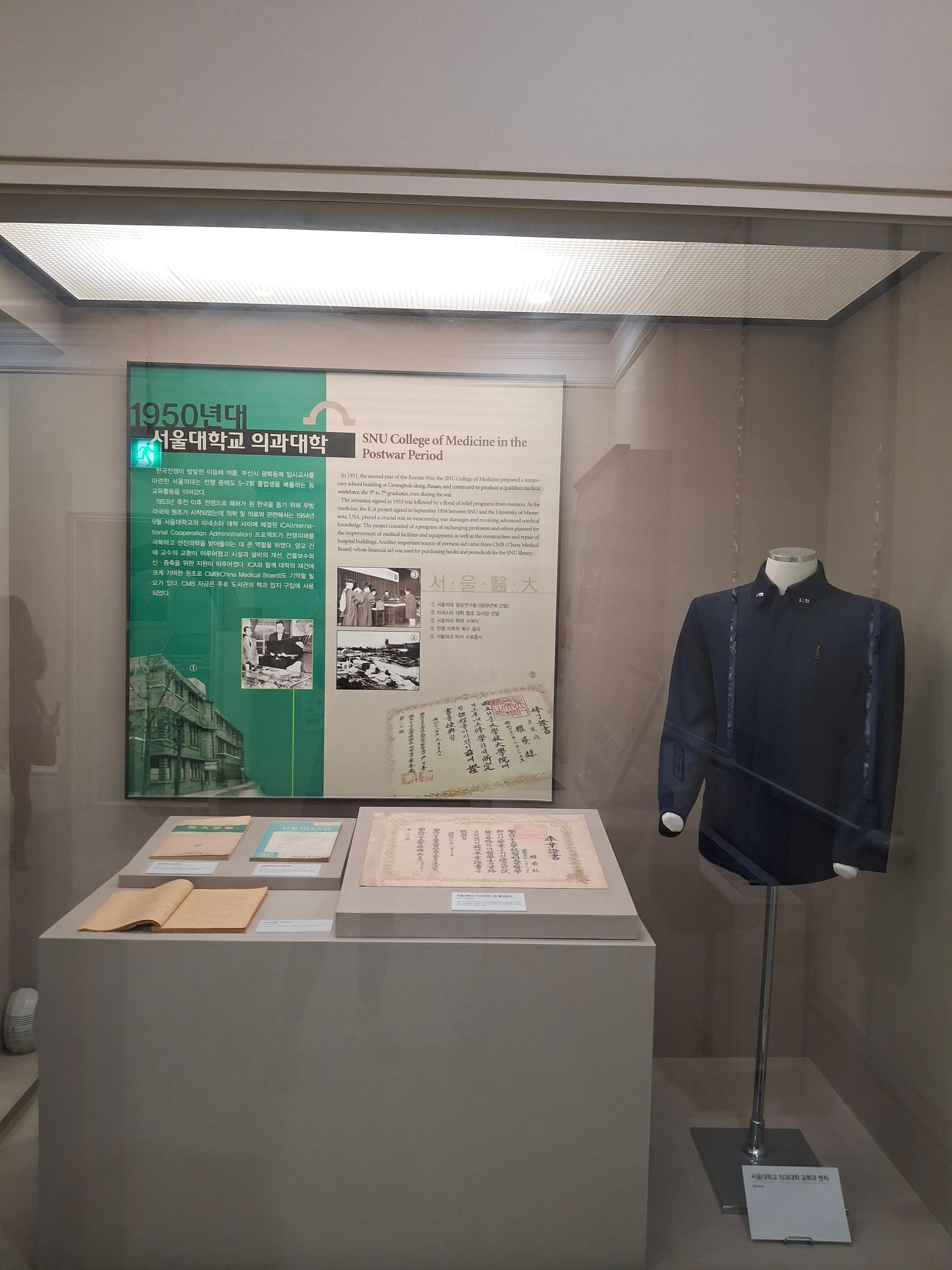
In 1946, a year after Korea’s Liberation from Japanese rule, SNU was established. At the time, the Medical School of the former Gyeongseong Imperial University and the former Gyeongseong Medical College were combined to launch the SNU College of Medicine, and the Hospital affiliated with the Medical School of the former Gyeongseong Imperial University became the Affiliated Hospital of the College of Medicine of SNU.
Participation in the Minnesota Project from 1954 to 1961 was of great importance, thanks to which Korea repaired medicine facilities through and introduced the latest medicine and medical education methodologies through the faculty members' training in the United States.
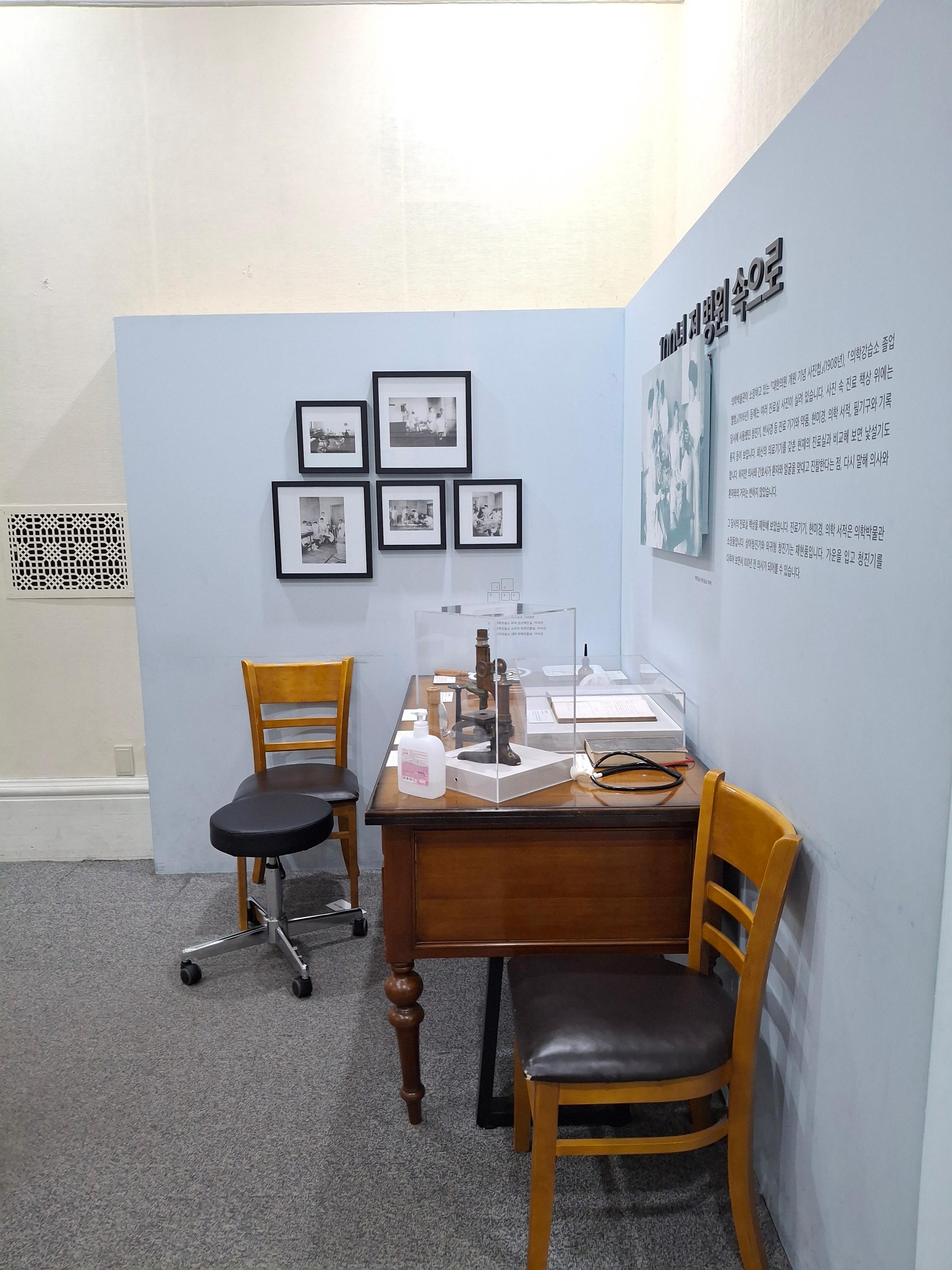
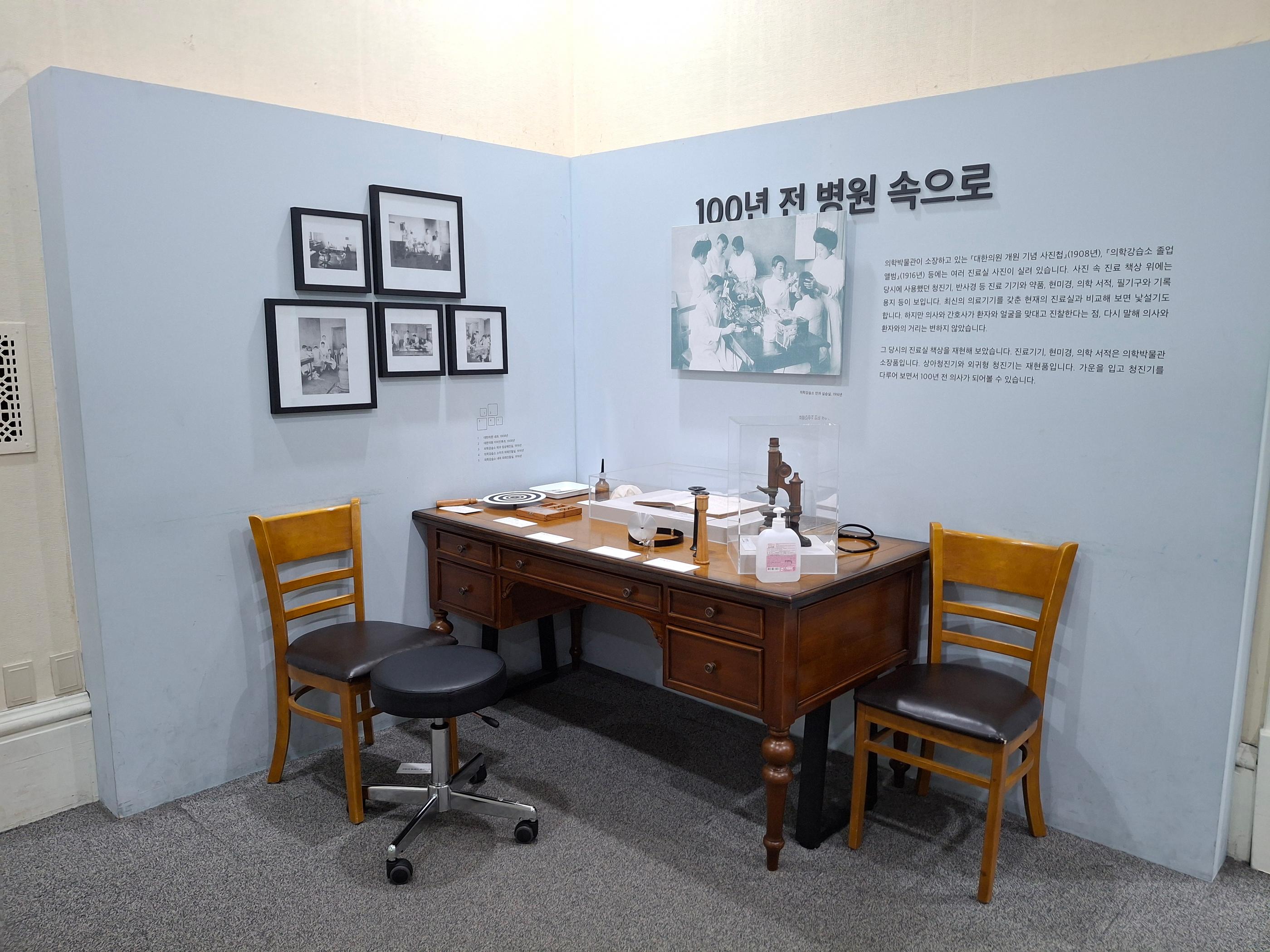
A wonderful idea for the museum is the doctors' corner, where real replicas of all the museum's medical instruments are displayed. You can imagine yourself as a doctor and take great photos.
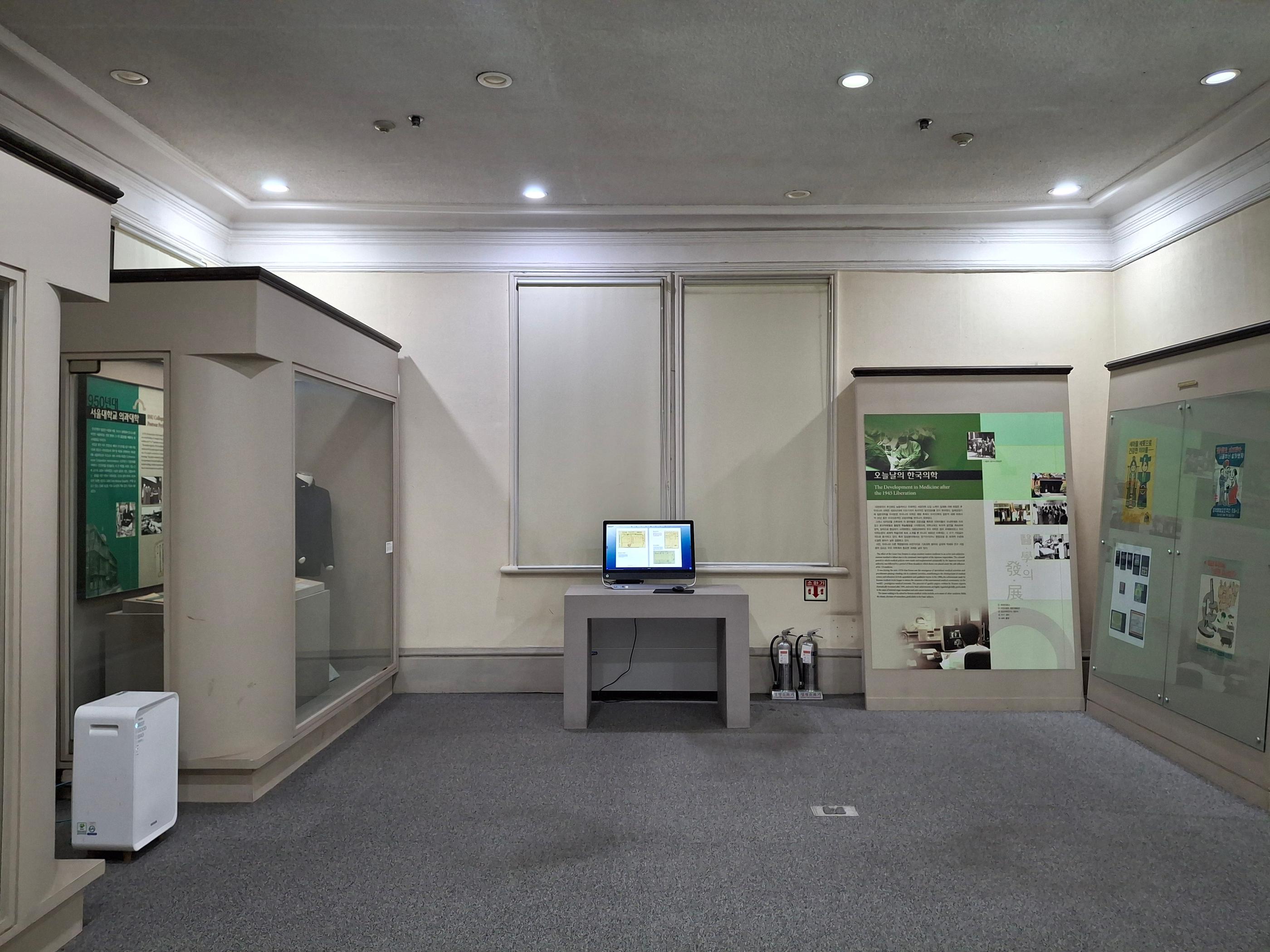
The final hall features a huge timeline showing the development and establishment of the modern Korean medical system.
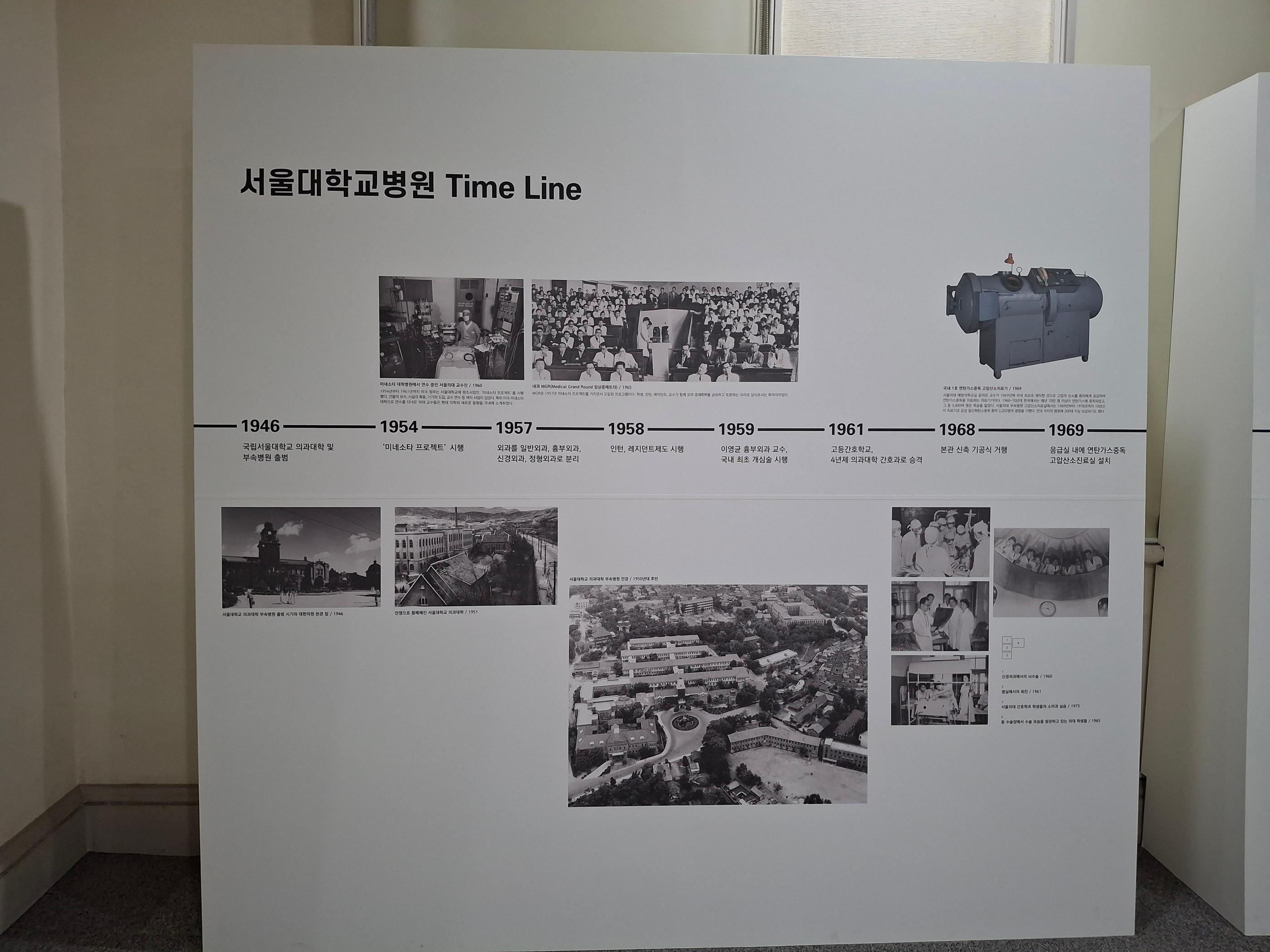
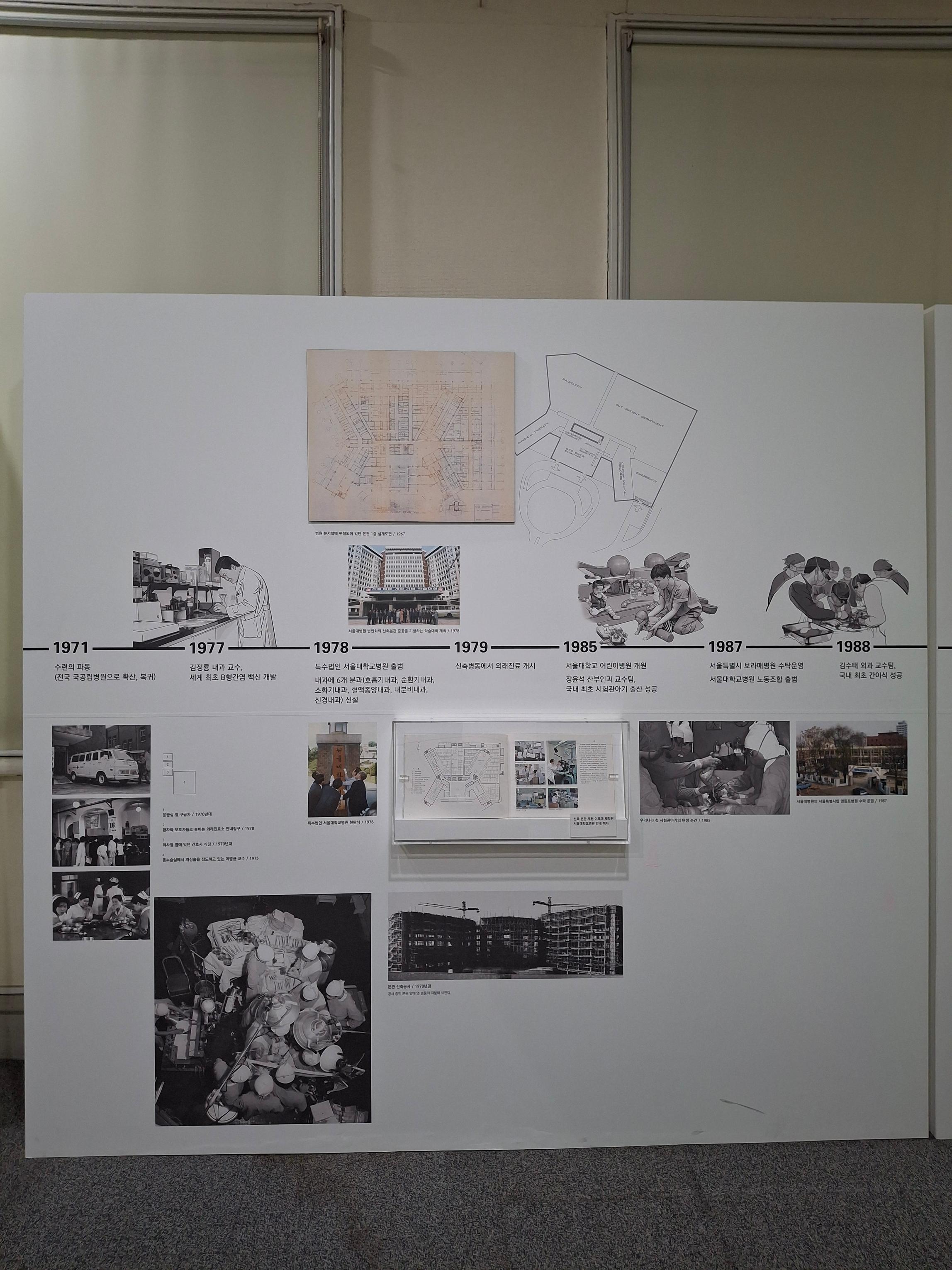
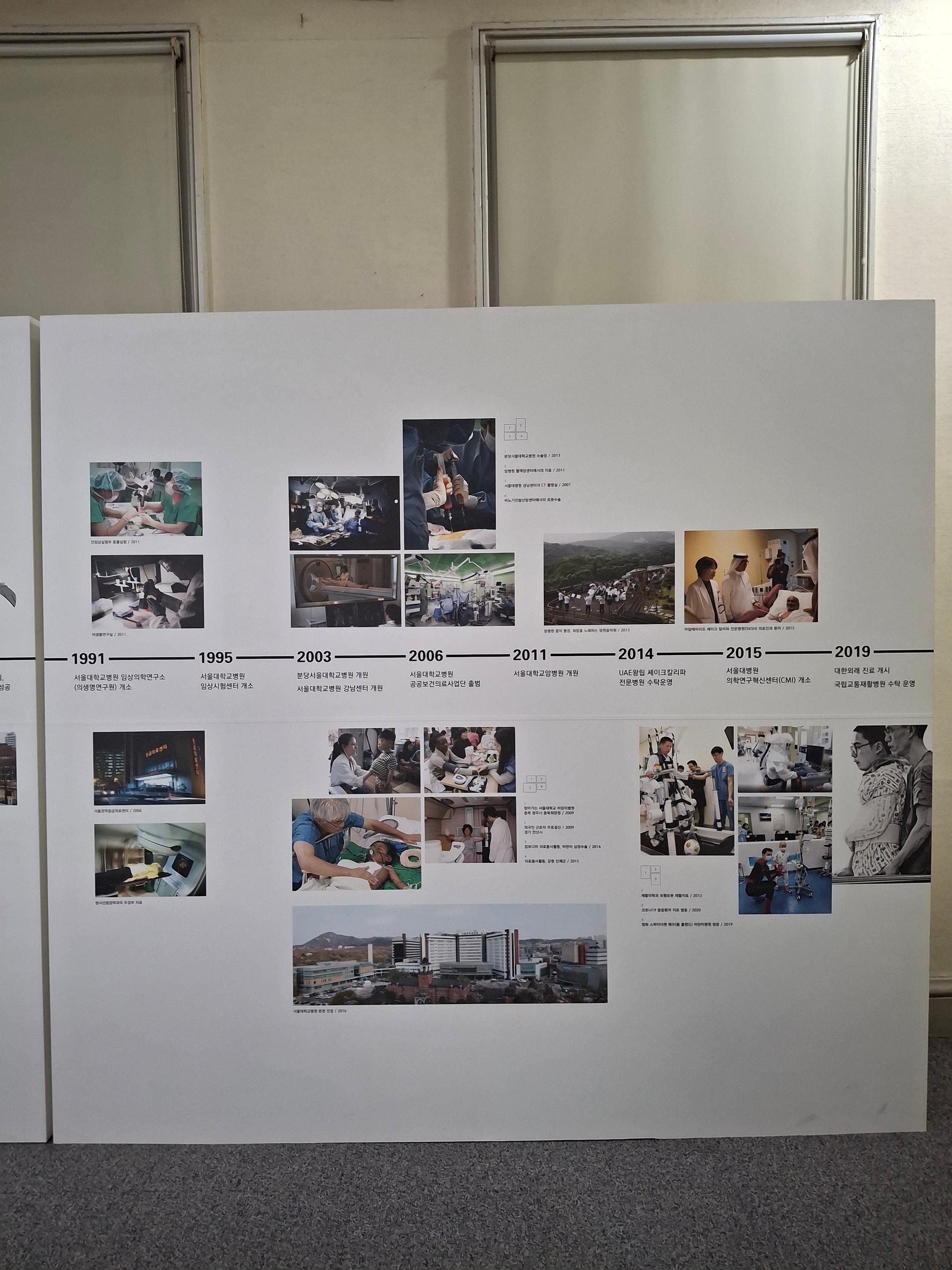
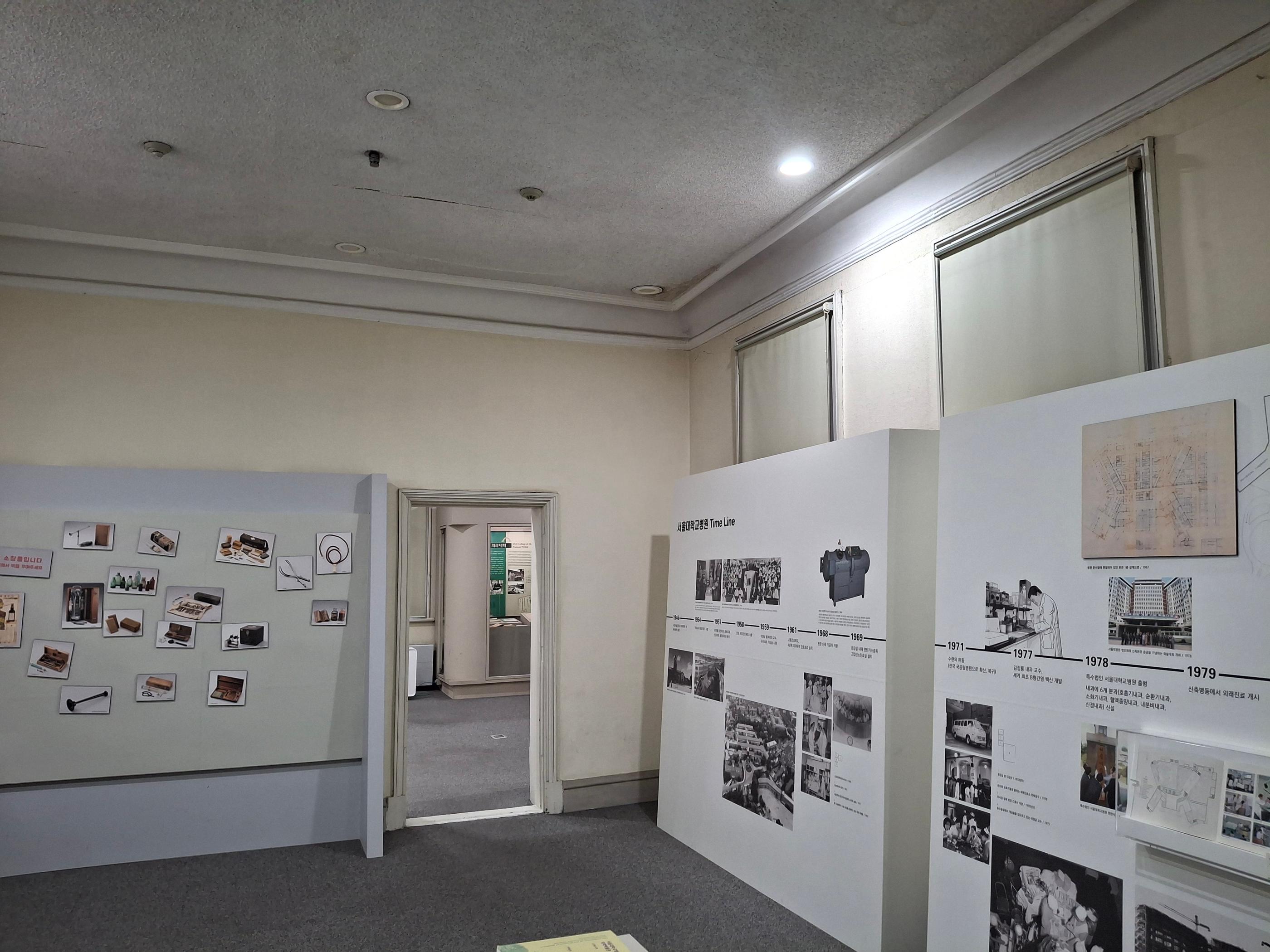
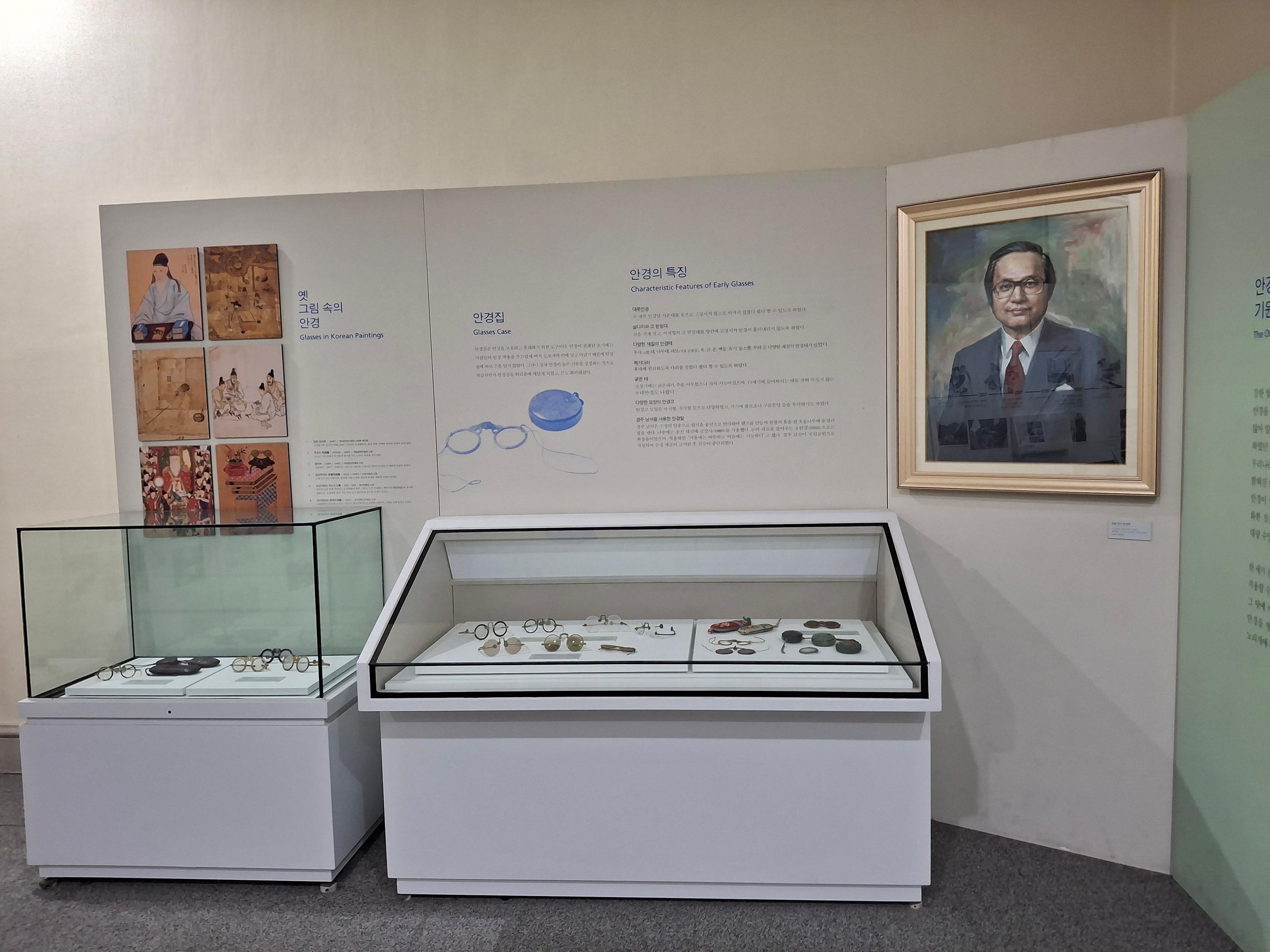
There is also a small collection of glasses and cases on display.
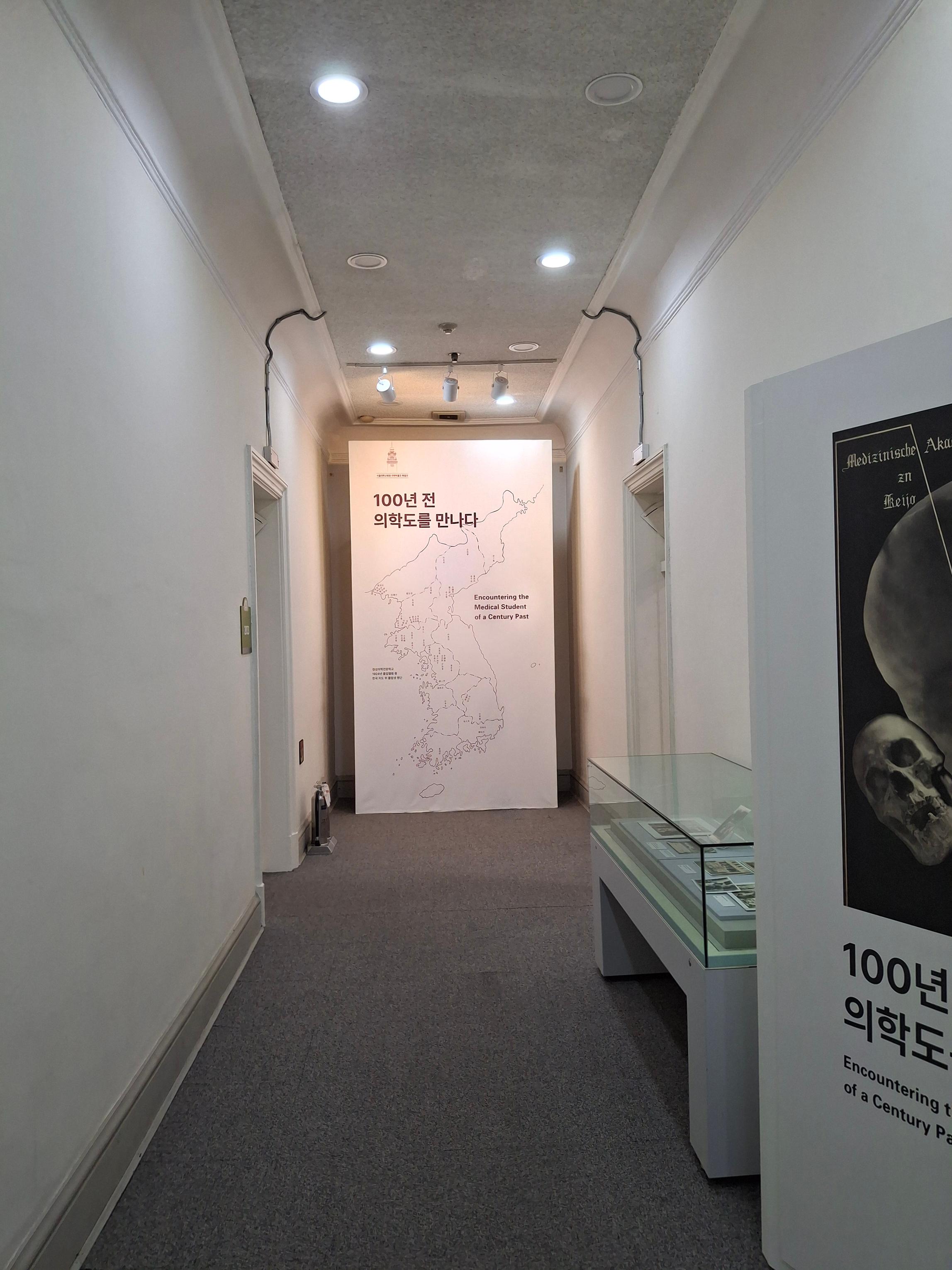
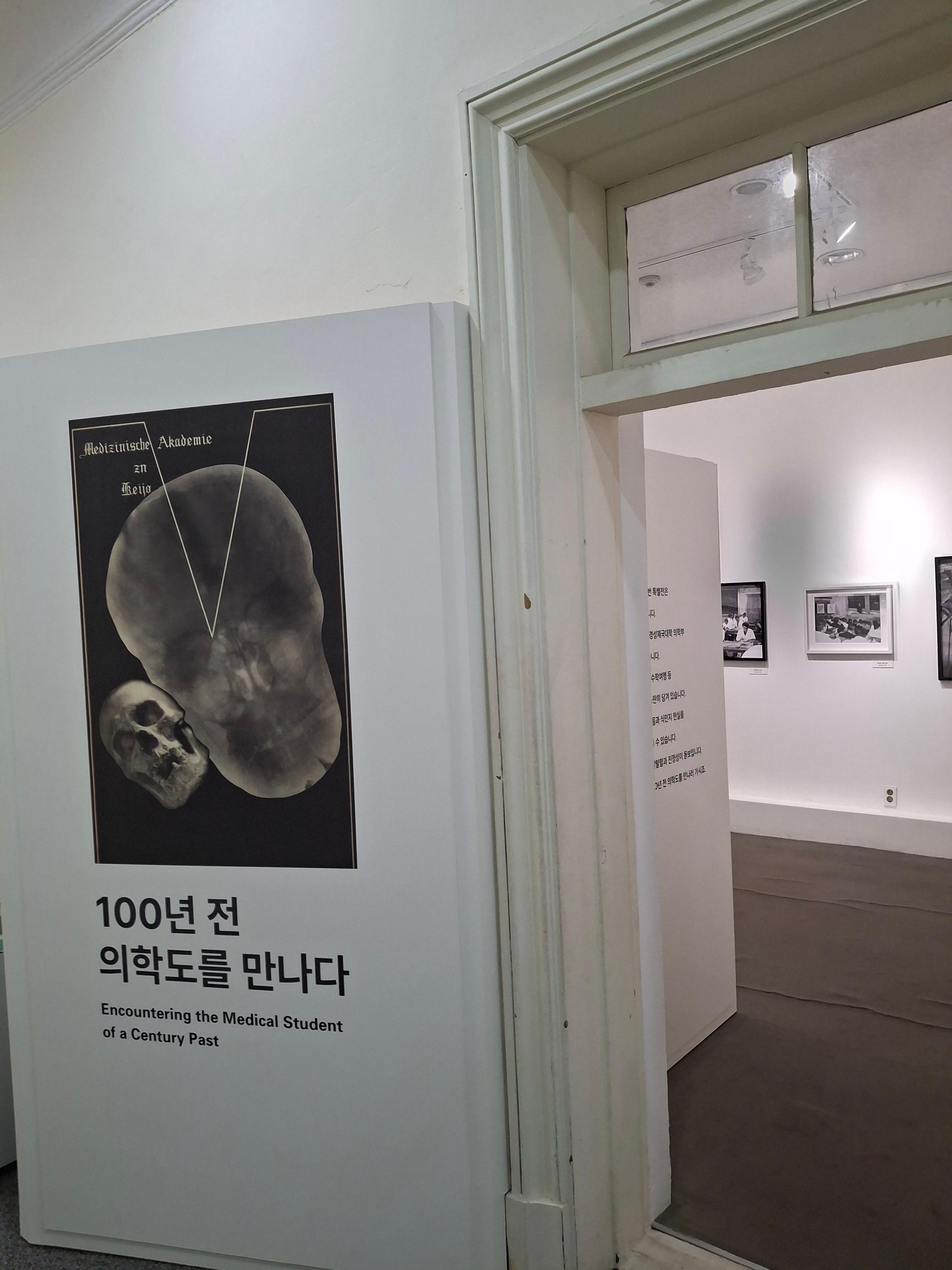
In addition to the main exhibition, the museum regularly hosts temporary exhibitions dedicated to the history of Korean medicine. Currently, there's a remarkable exhibition on "Encountering the Medical Student of a Century Past."
This is simply a wonderful exhibition that helps you feel like you were a medical student 100 years ago and see everything with your own eyes.
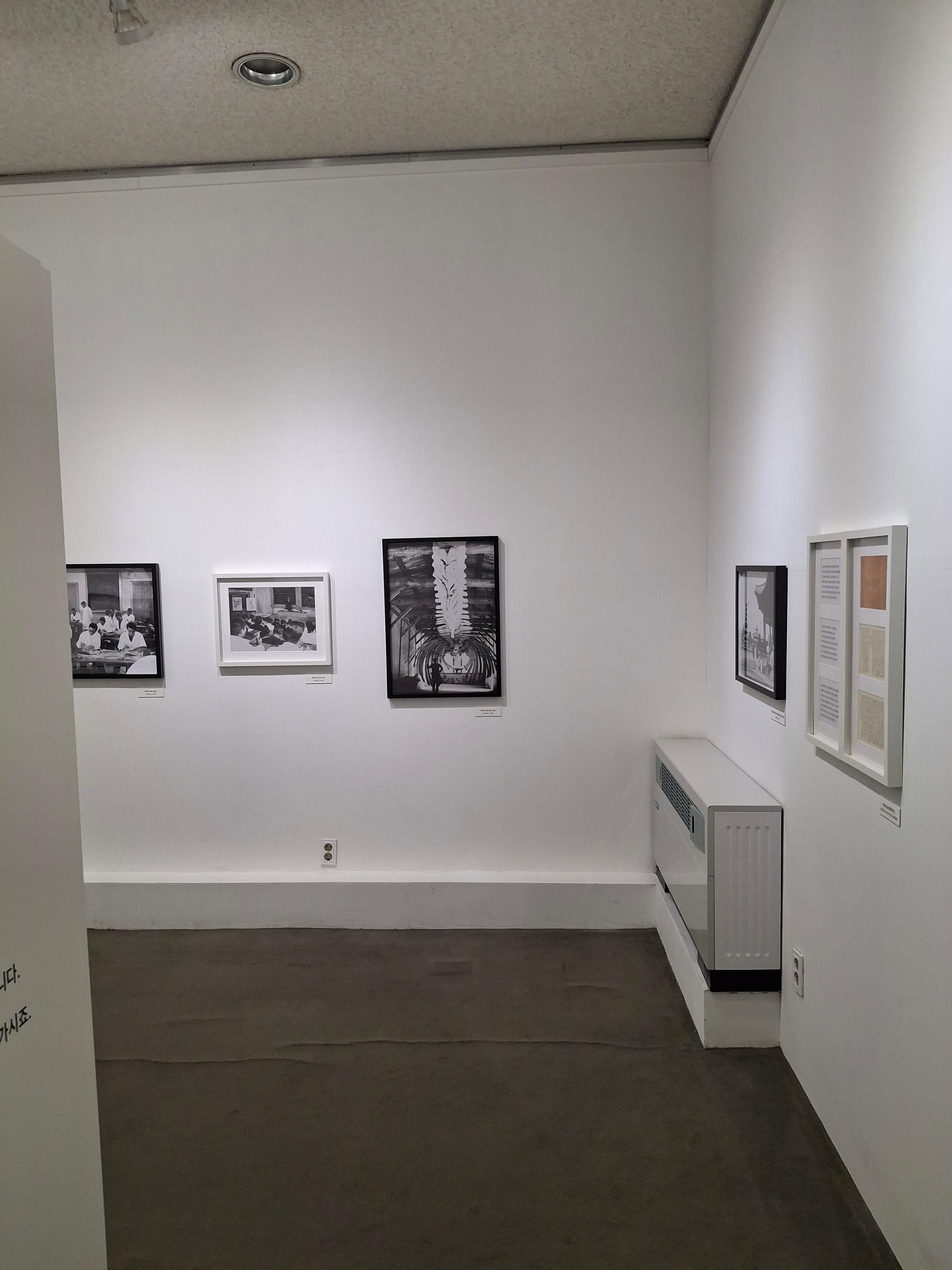
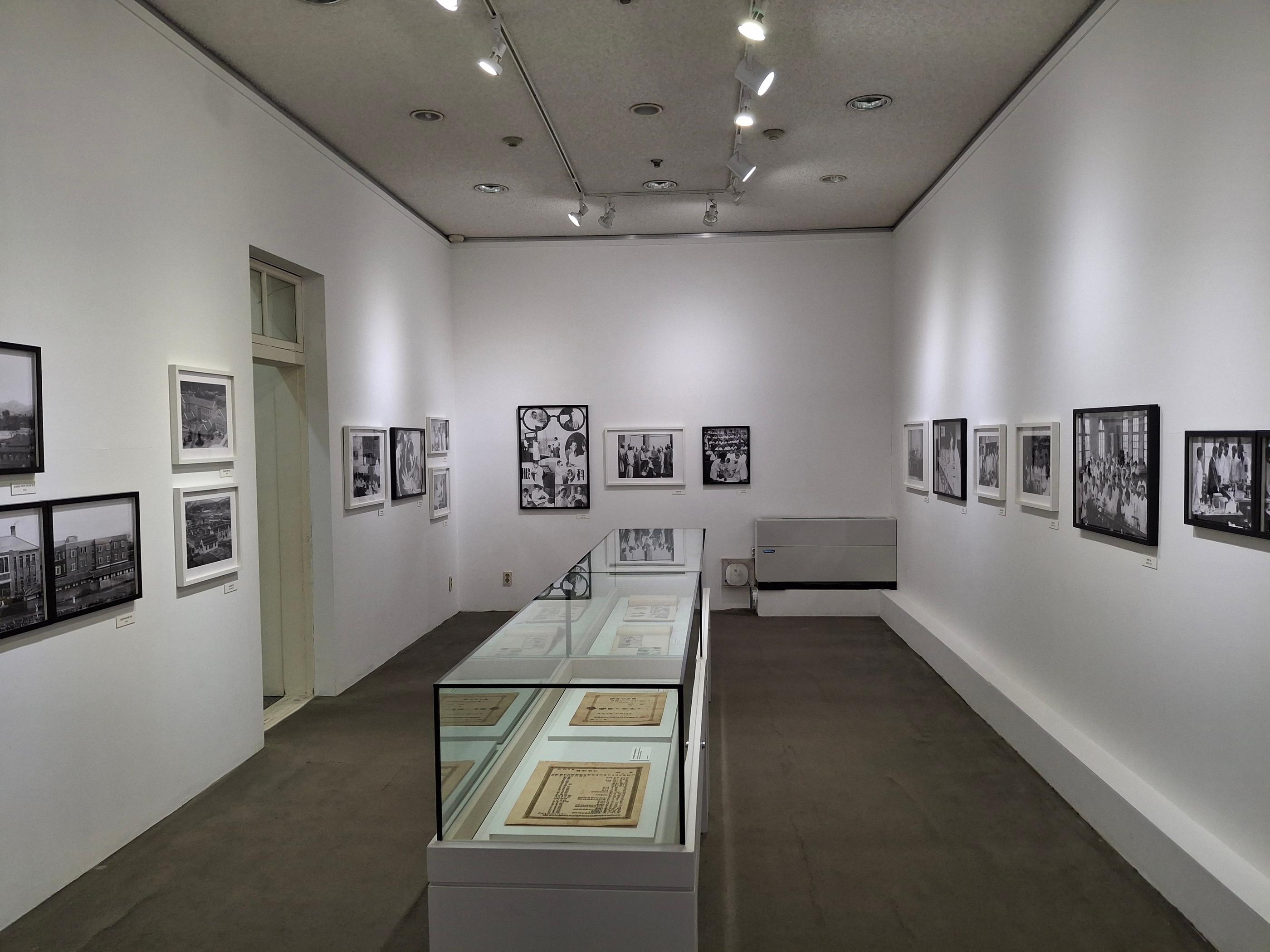
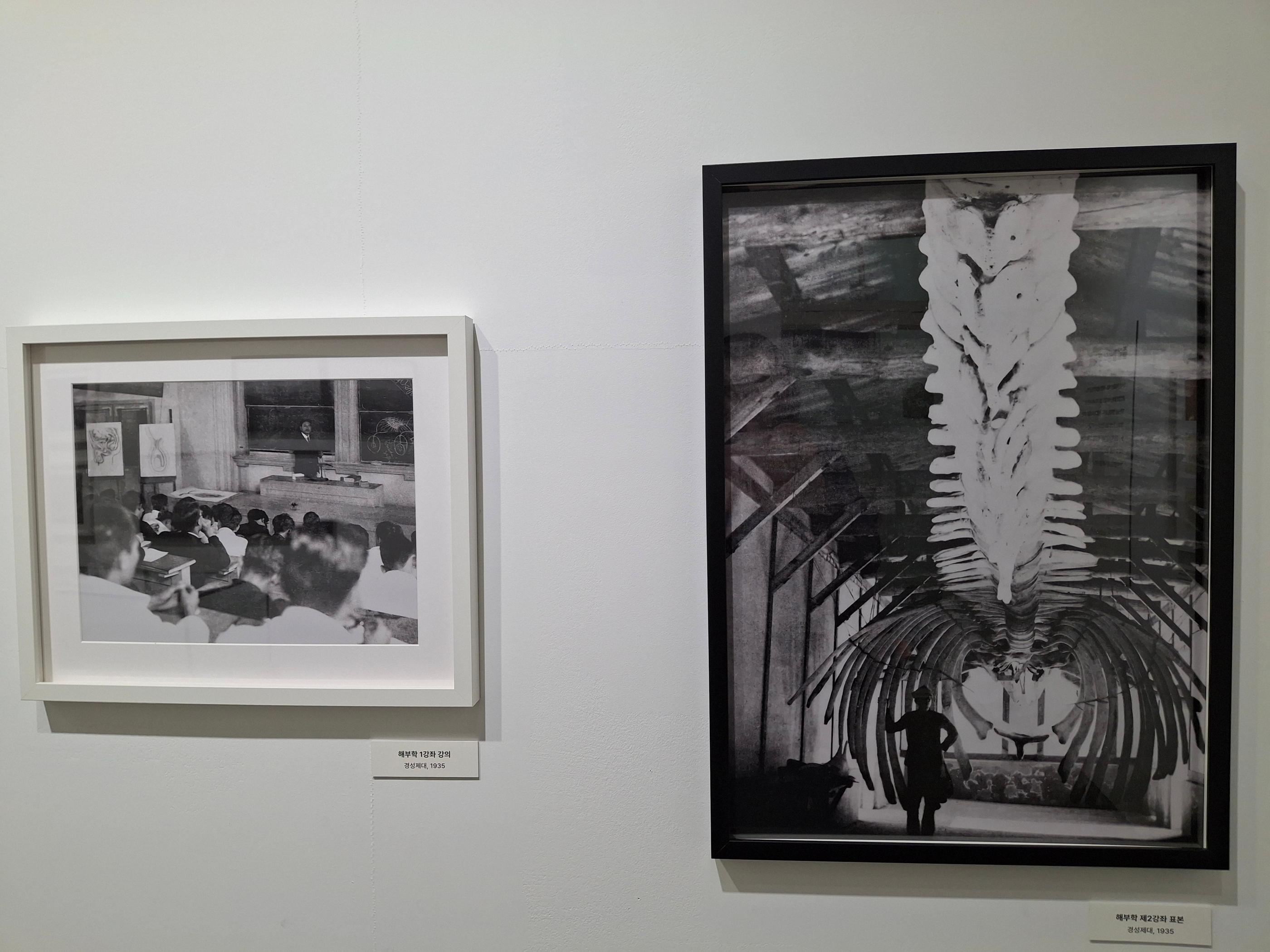
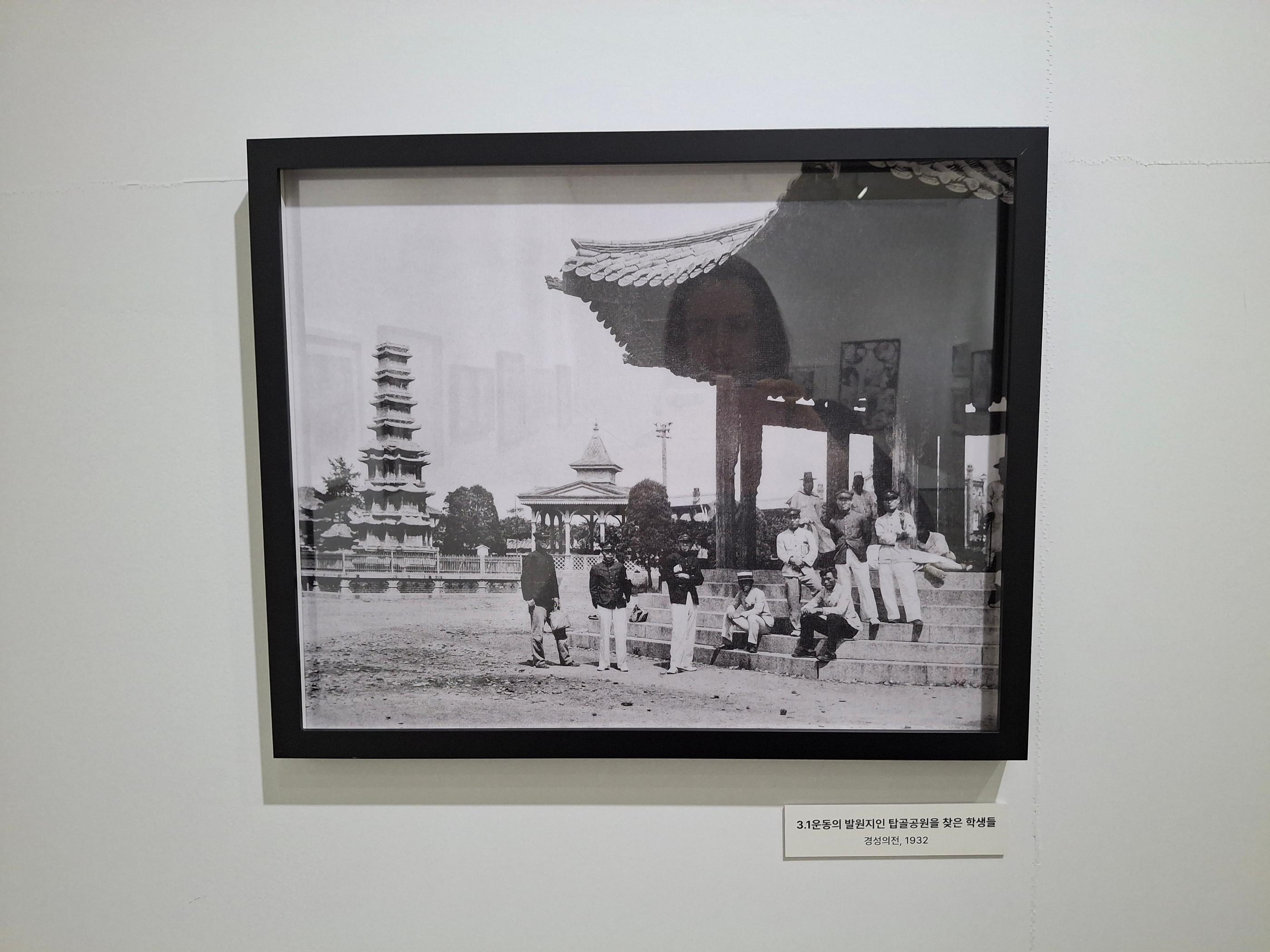
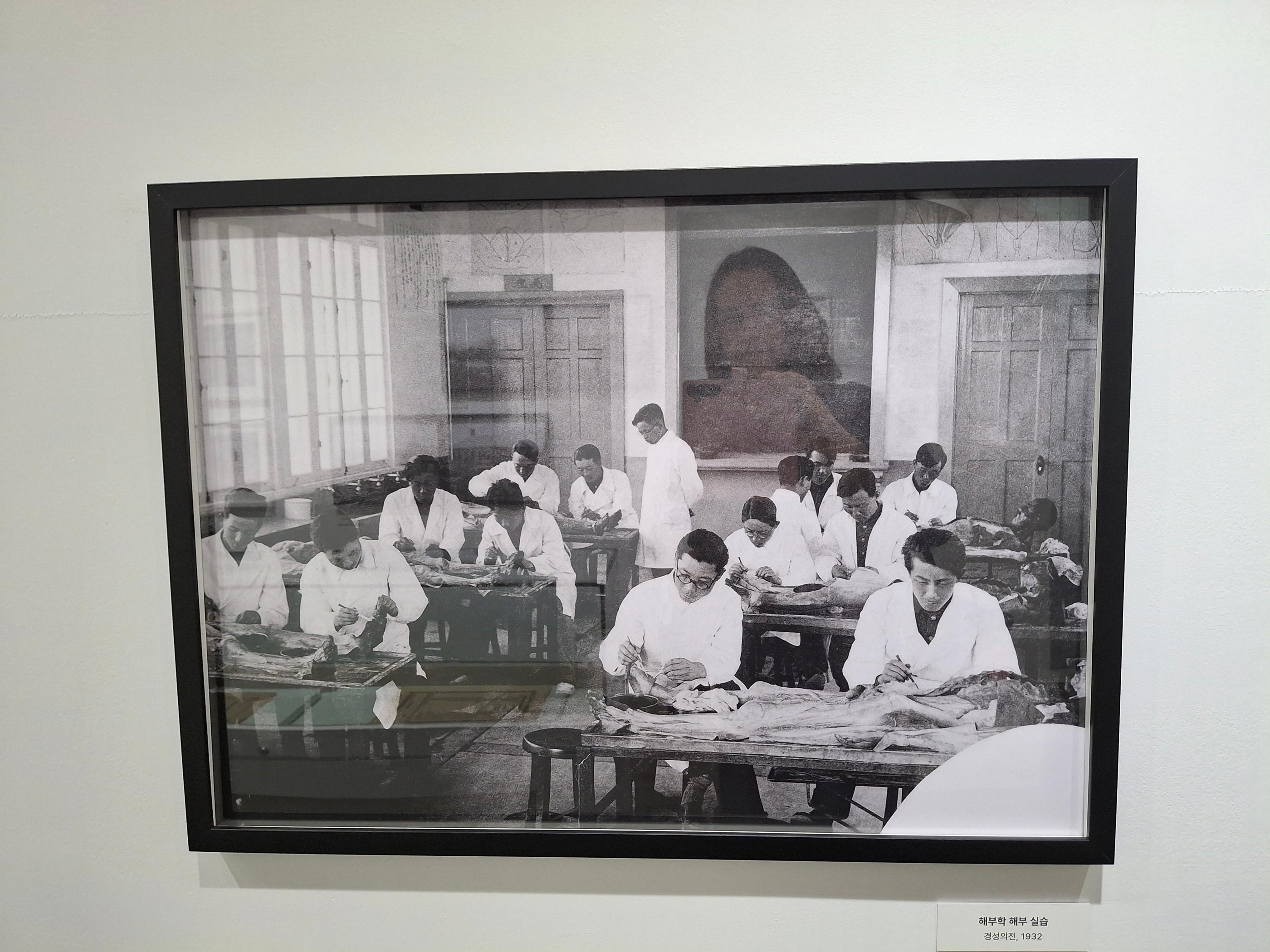
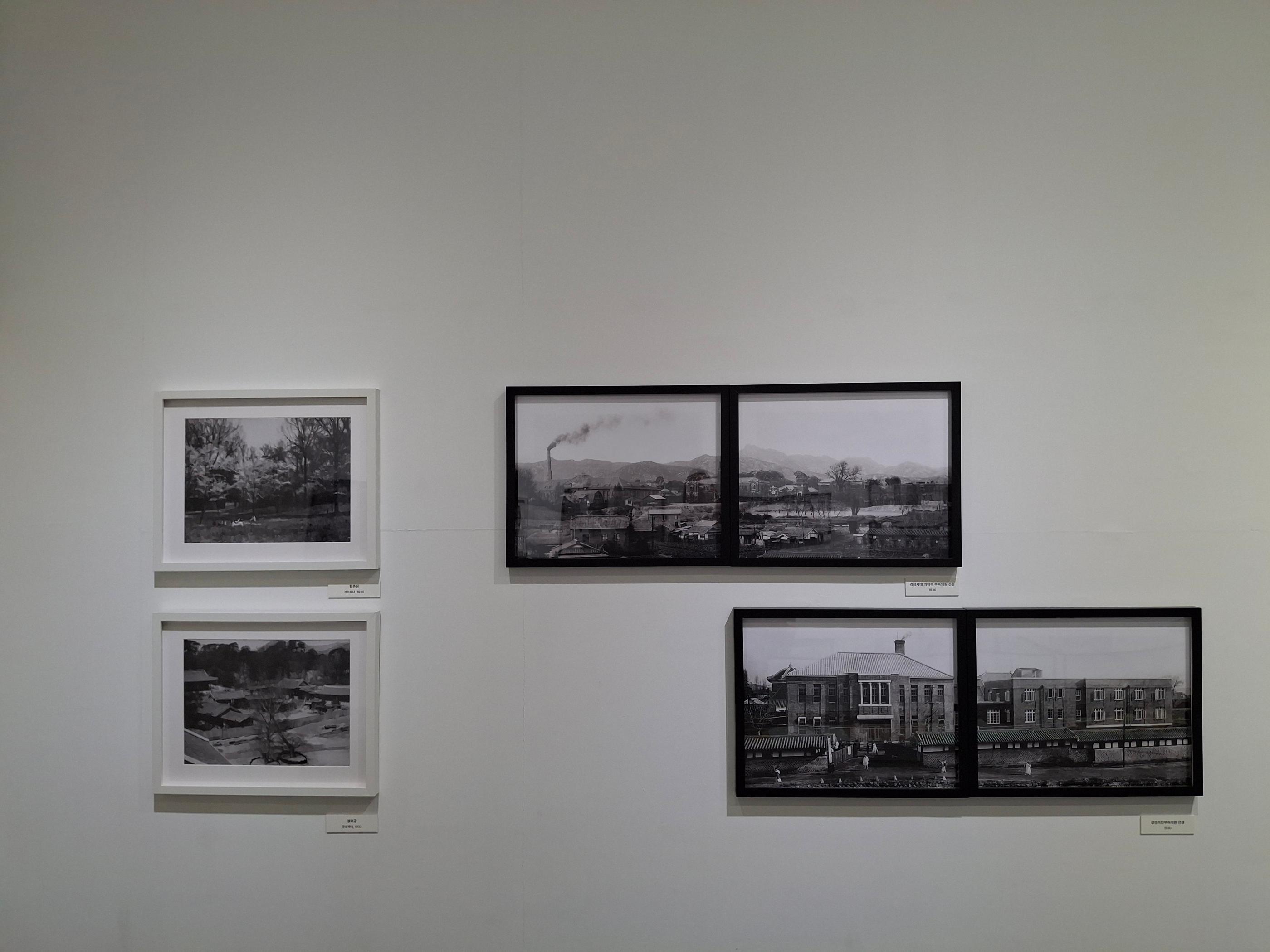
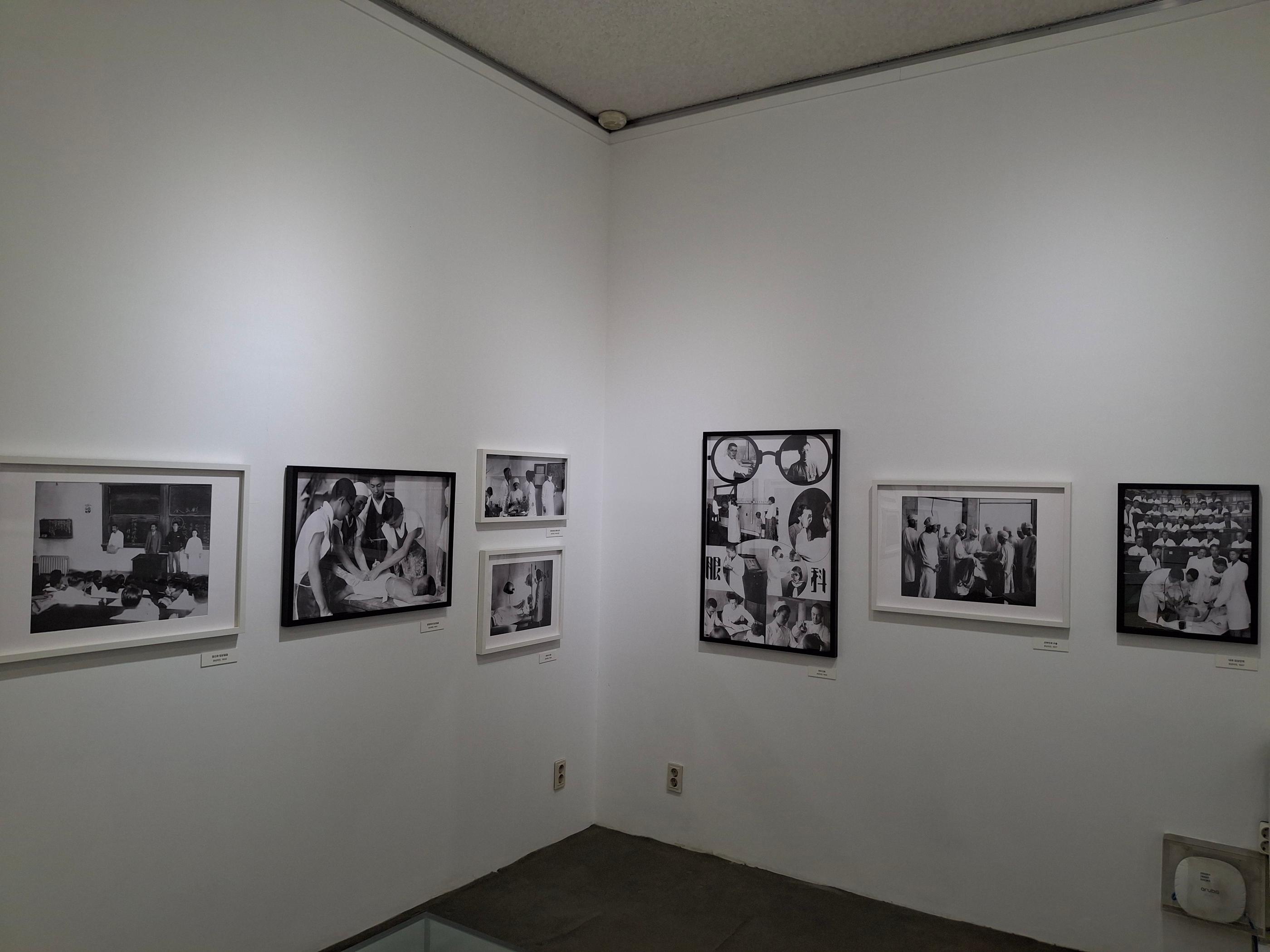
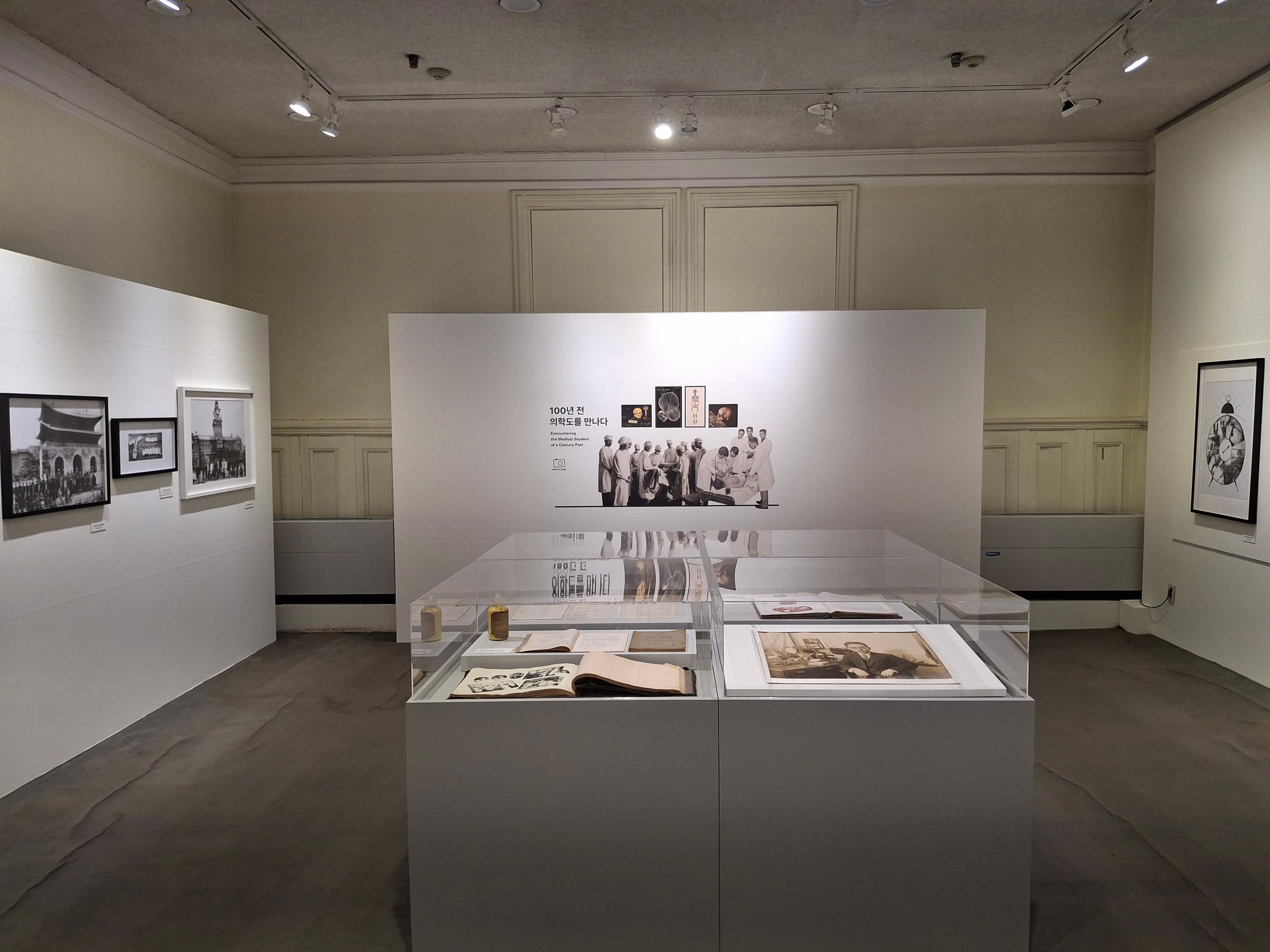
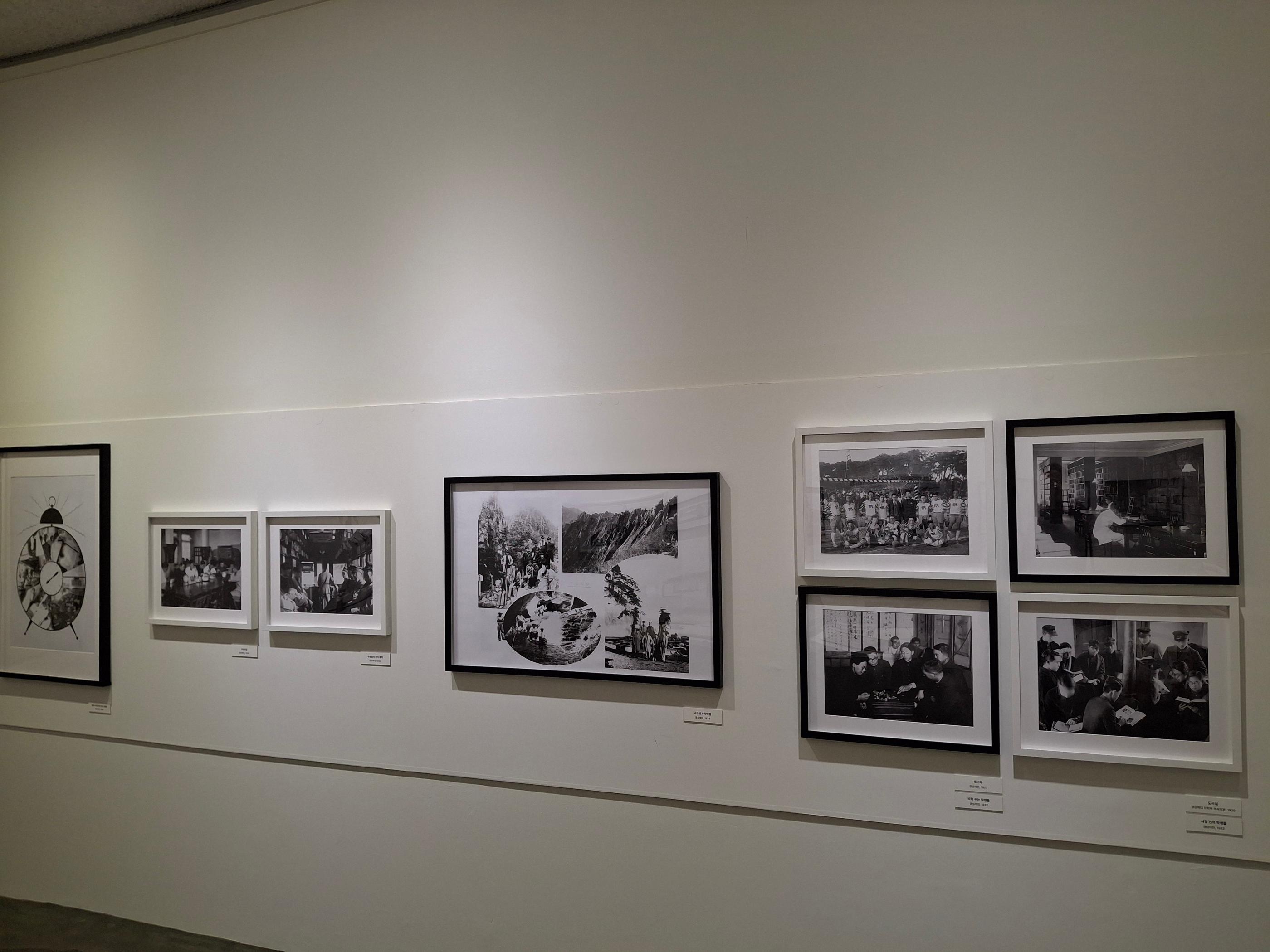
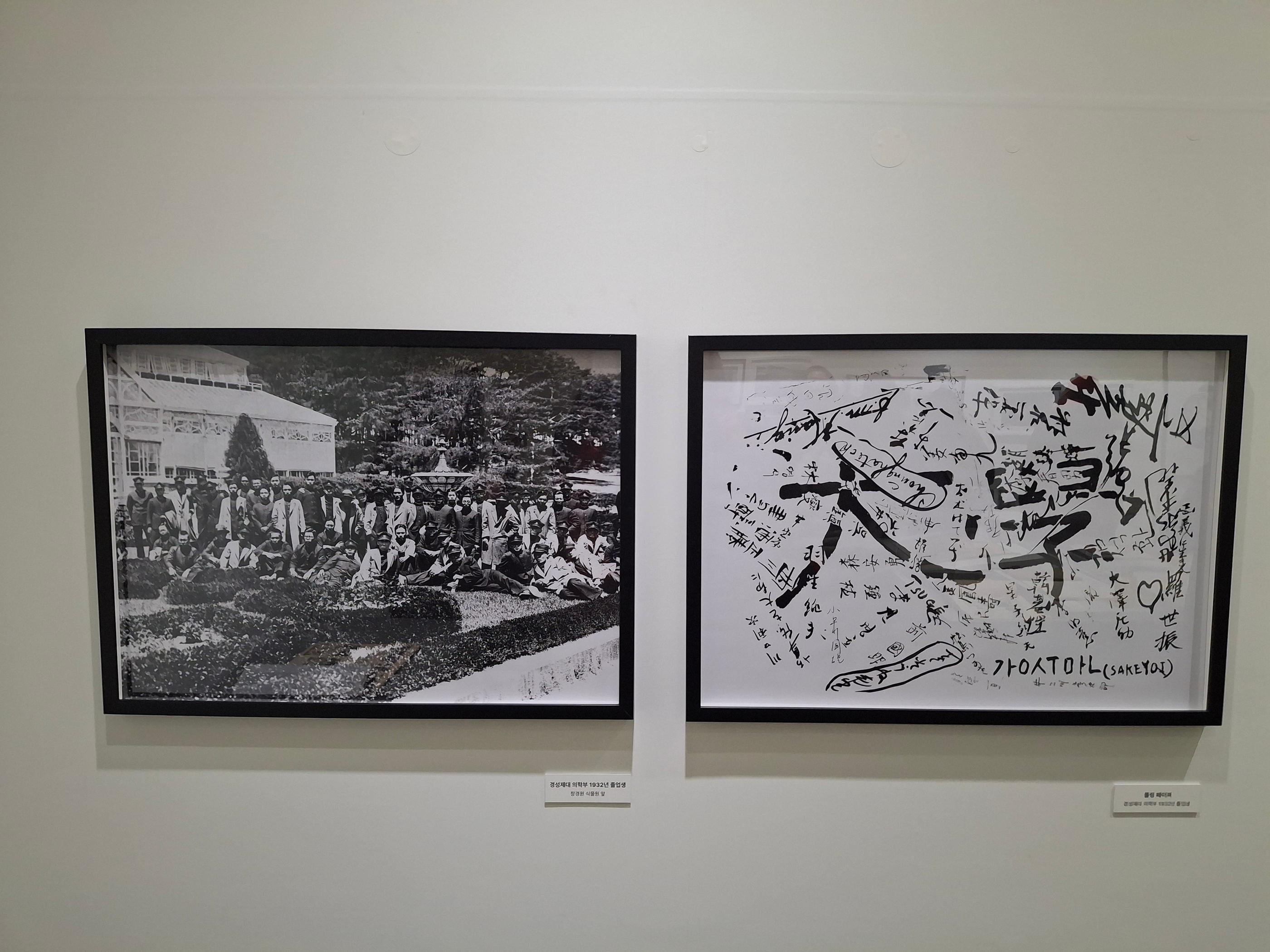
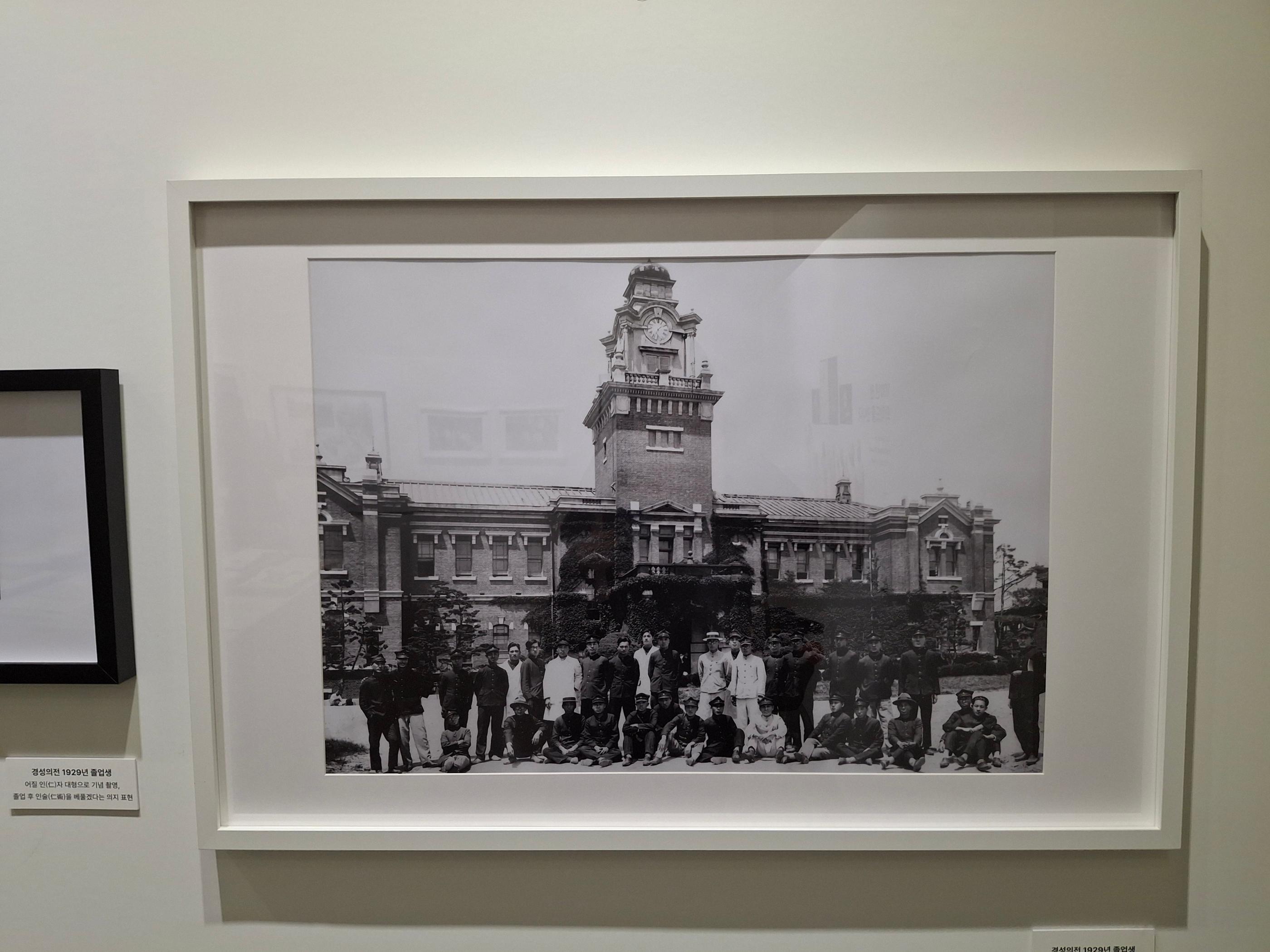
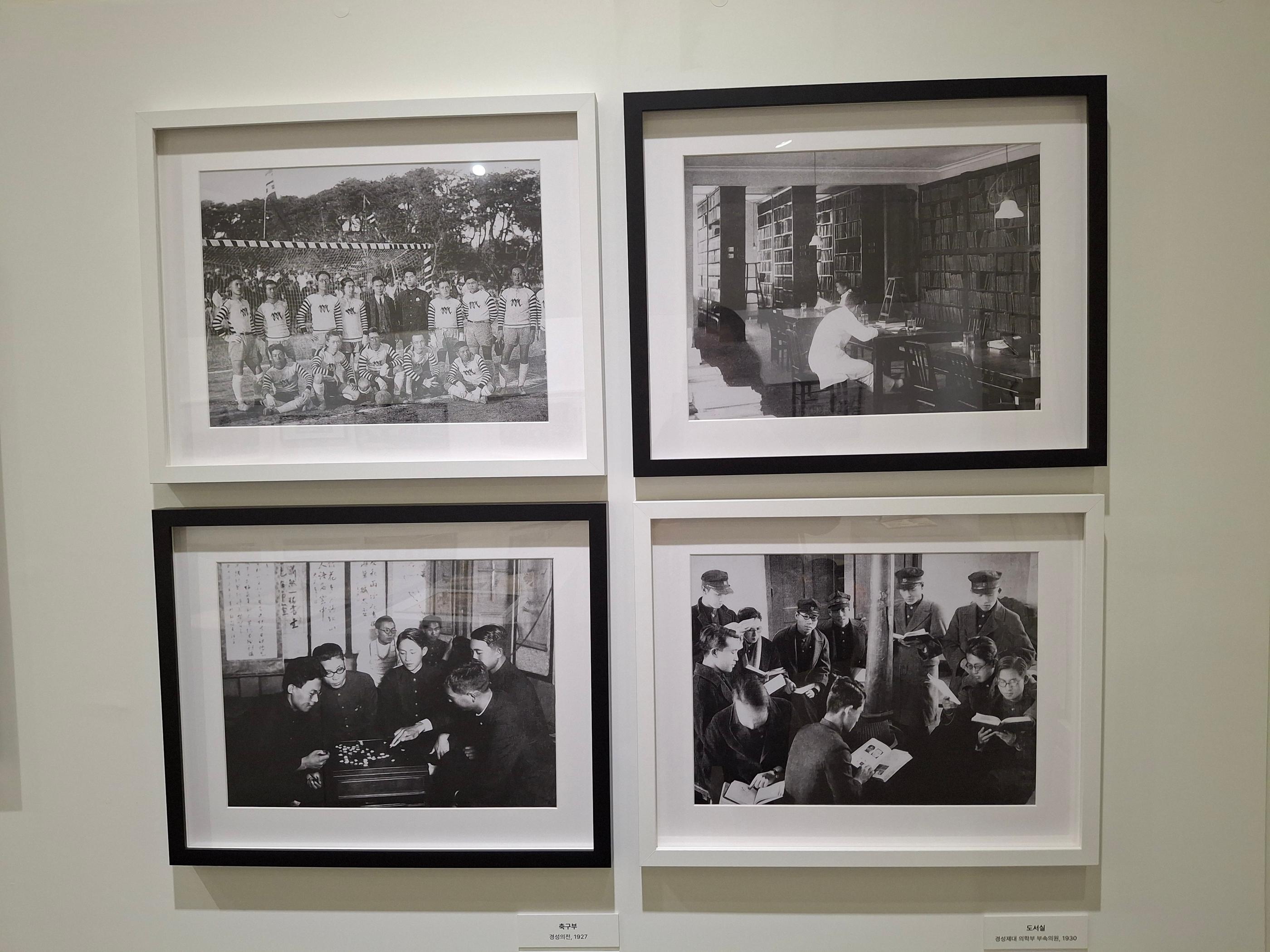
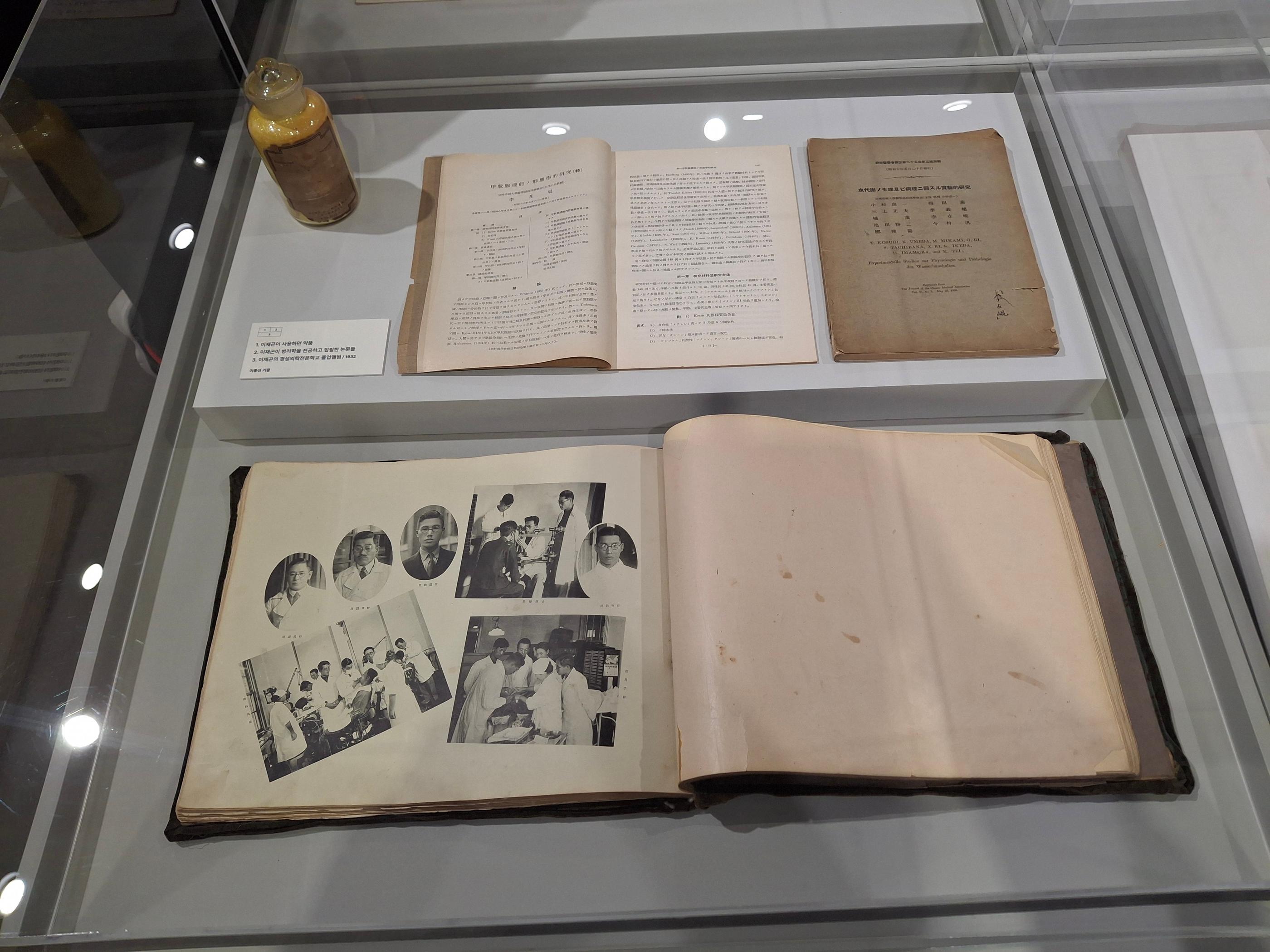
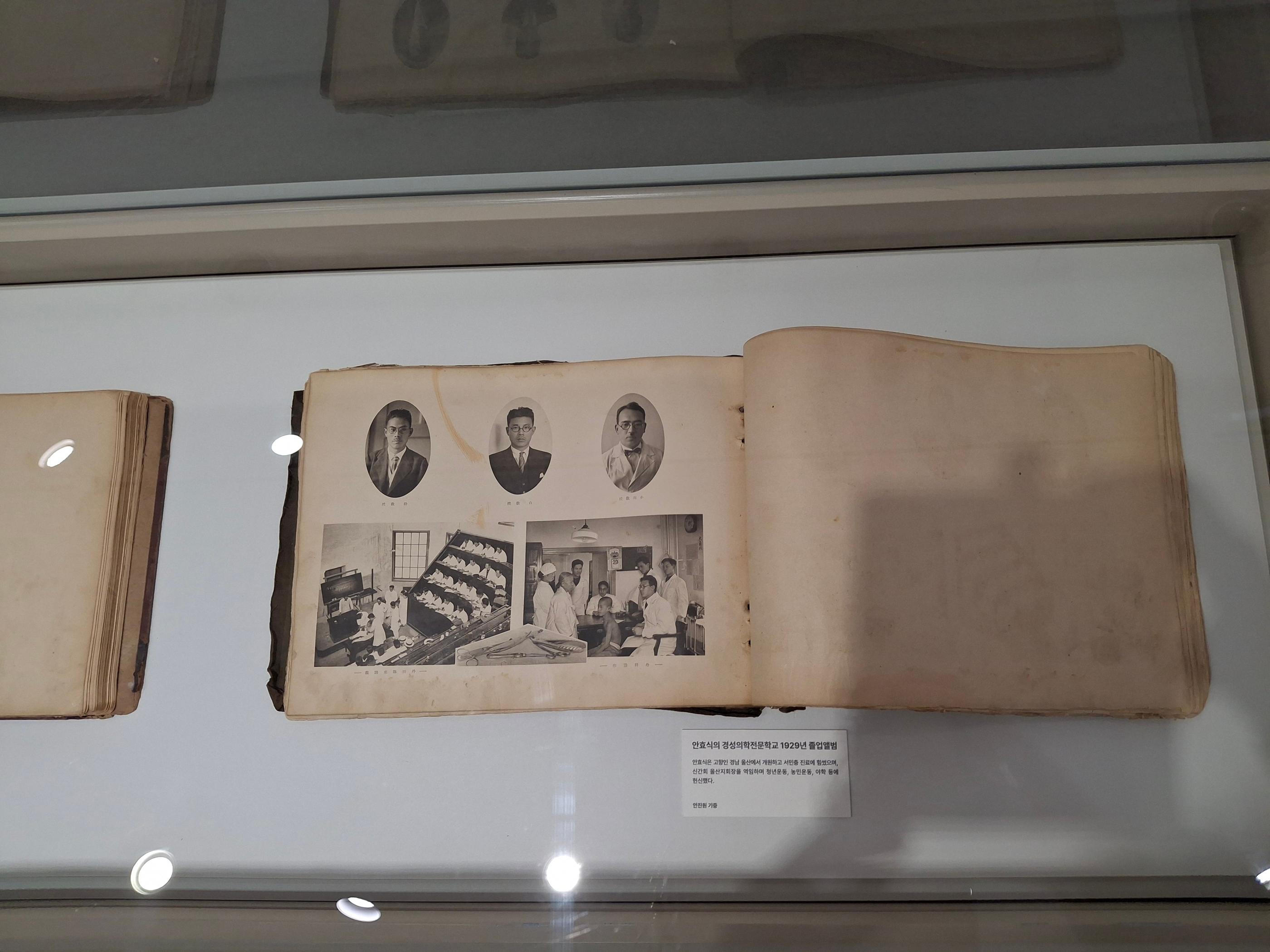
The exhibition features numerous photographs from the lives of students, as well as their personal documents, notes, and graduation albums. The exhibition features numerous photographs from the lives of students, as well as their personal documents, notes, and graduation albums. Very interesting and exciting!
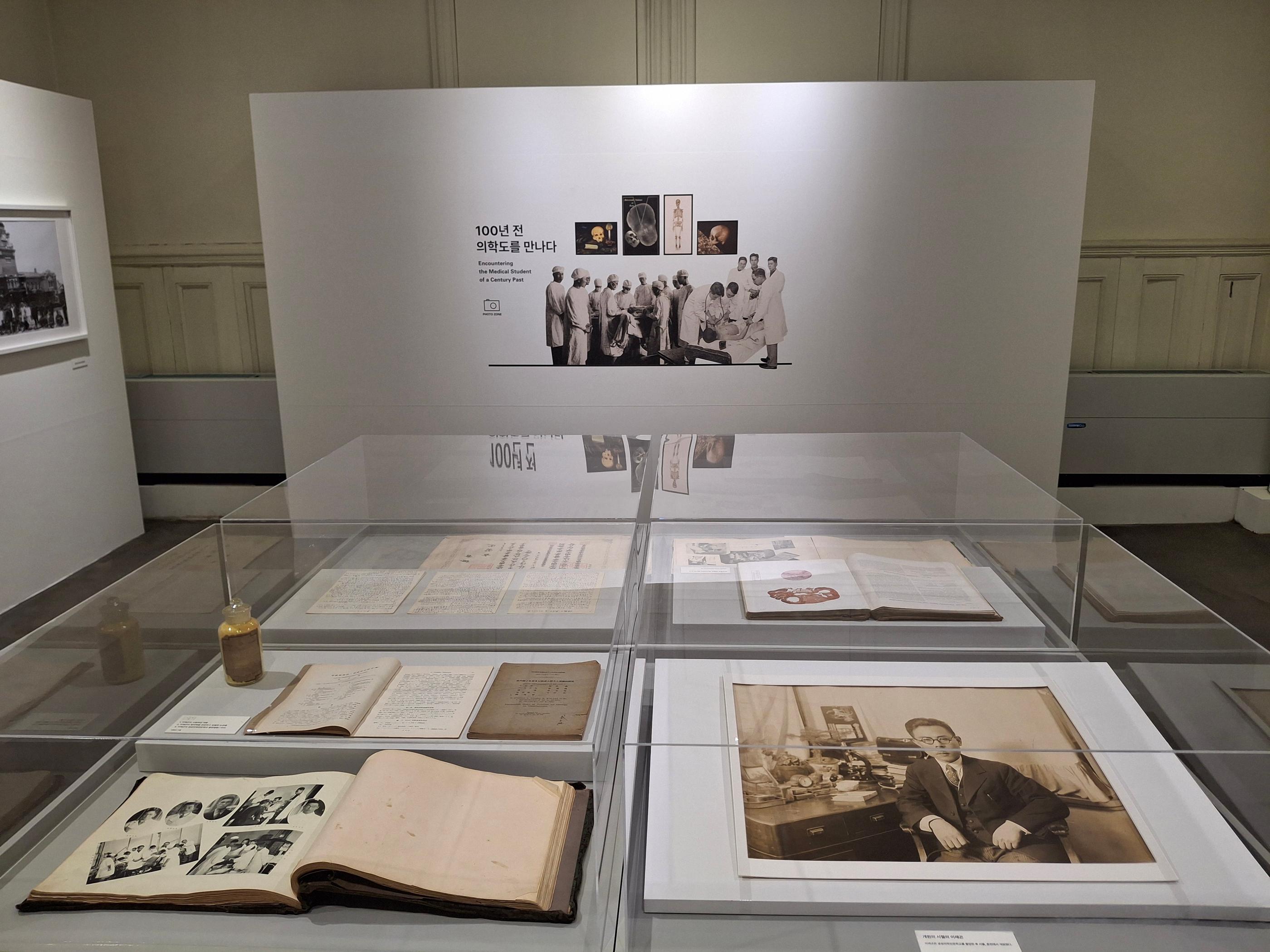
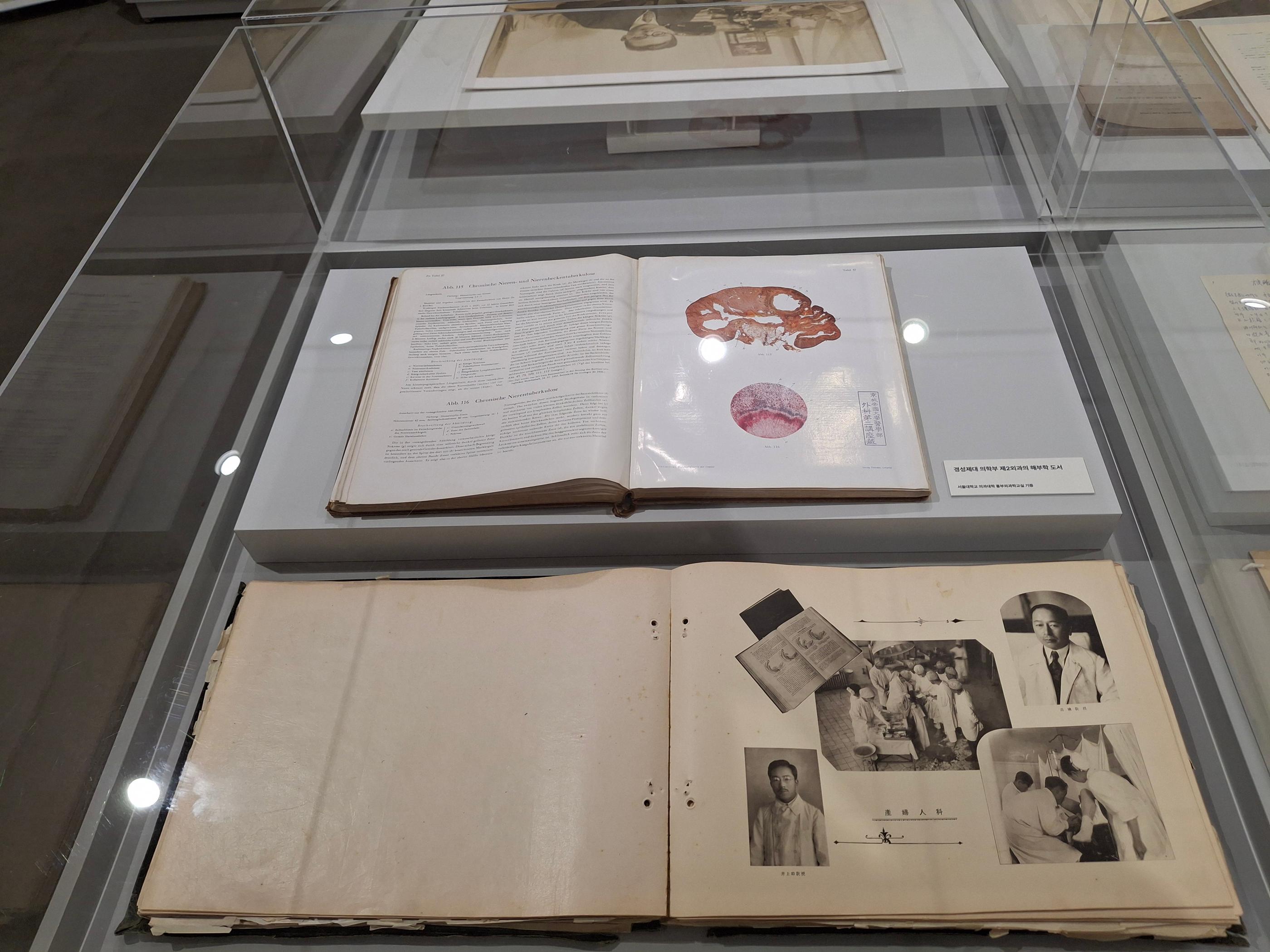
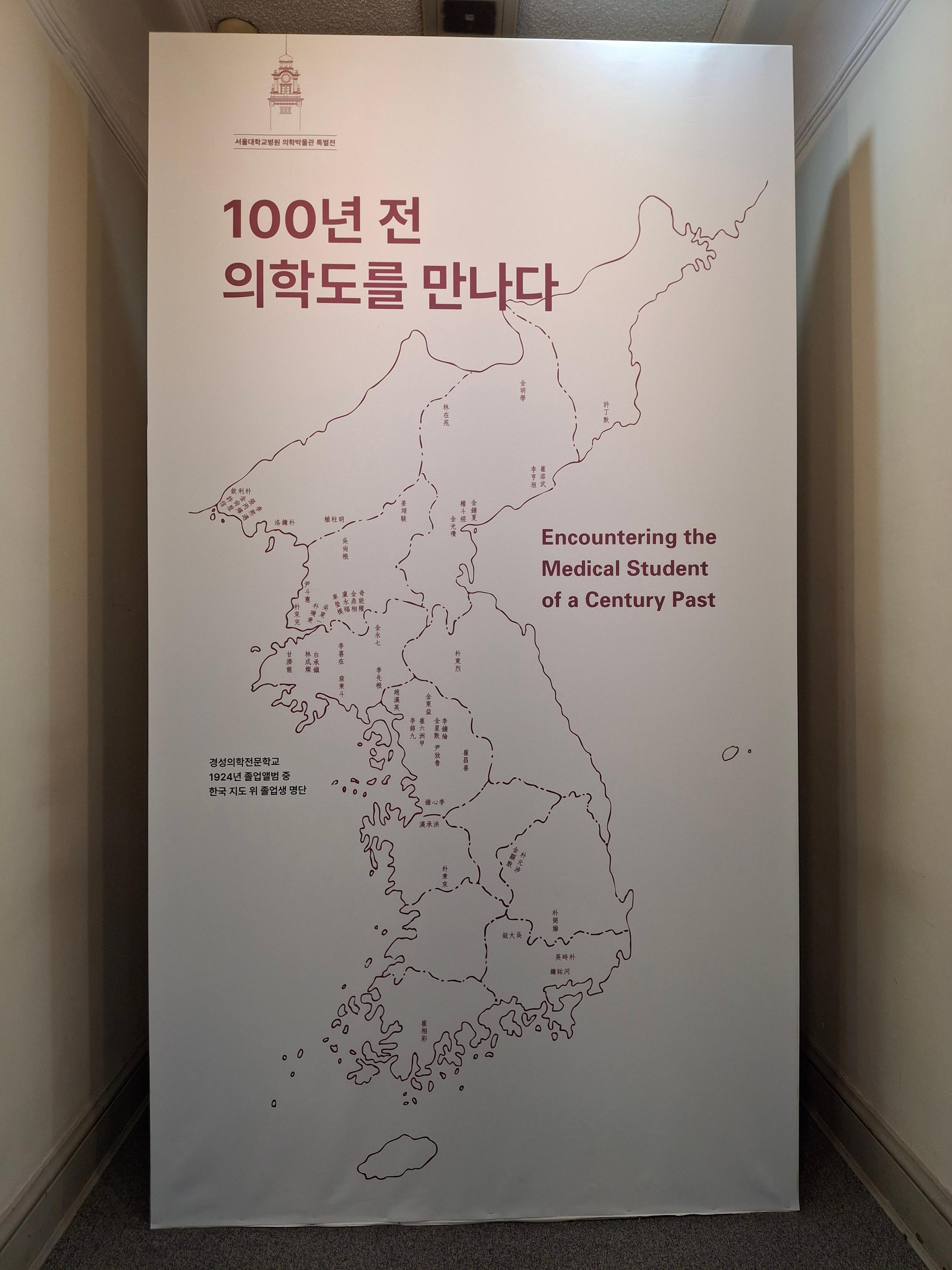
Another interesting point is the map of the Korean Peninsula, which shows the regions of Korea from which the Medical School's students came. Incidentally, a very large number of students were from North Korea.
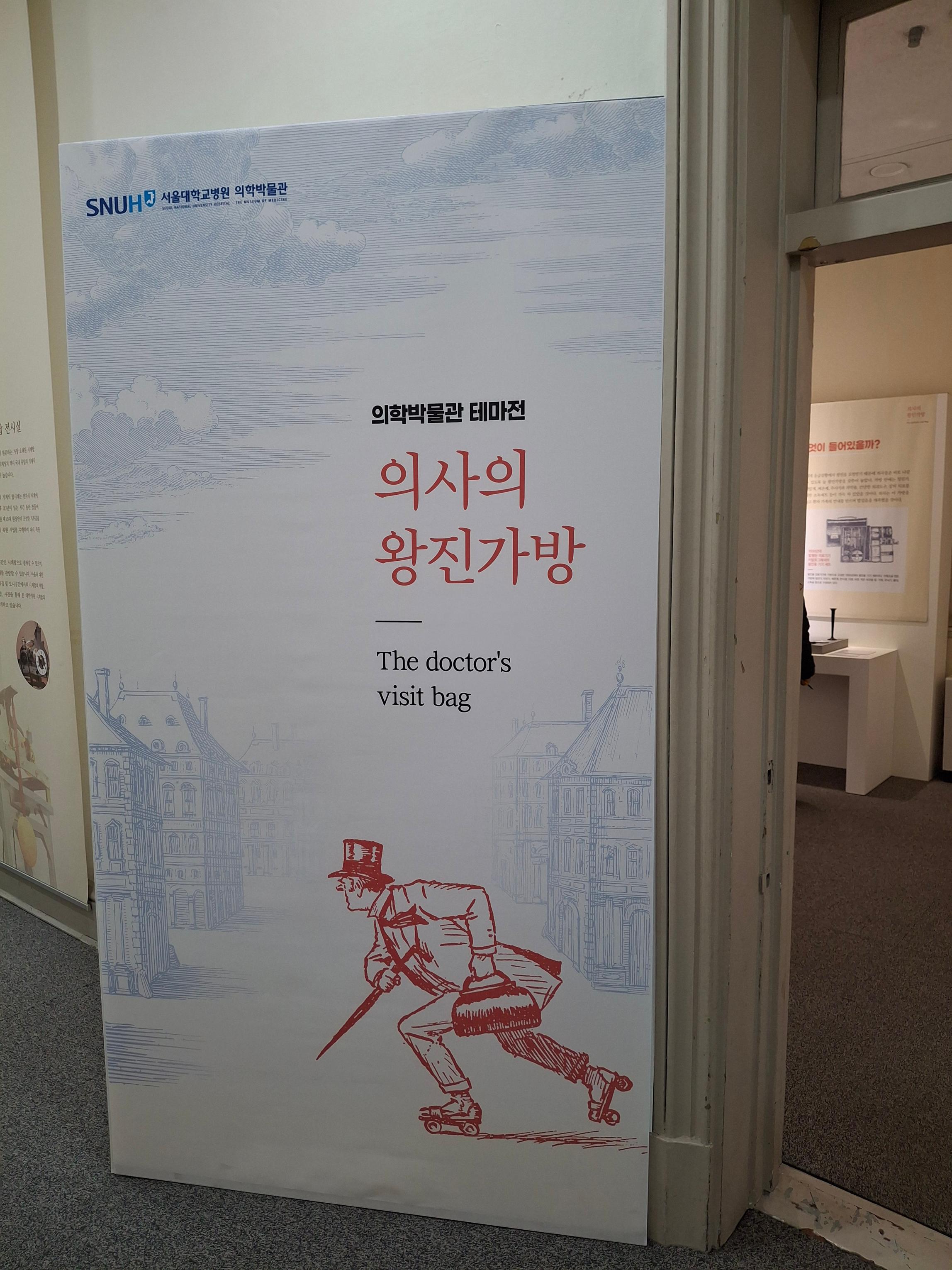
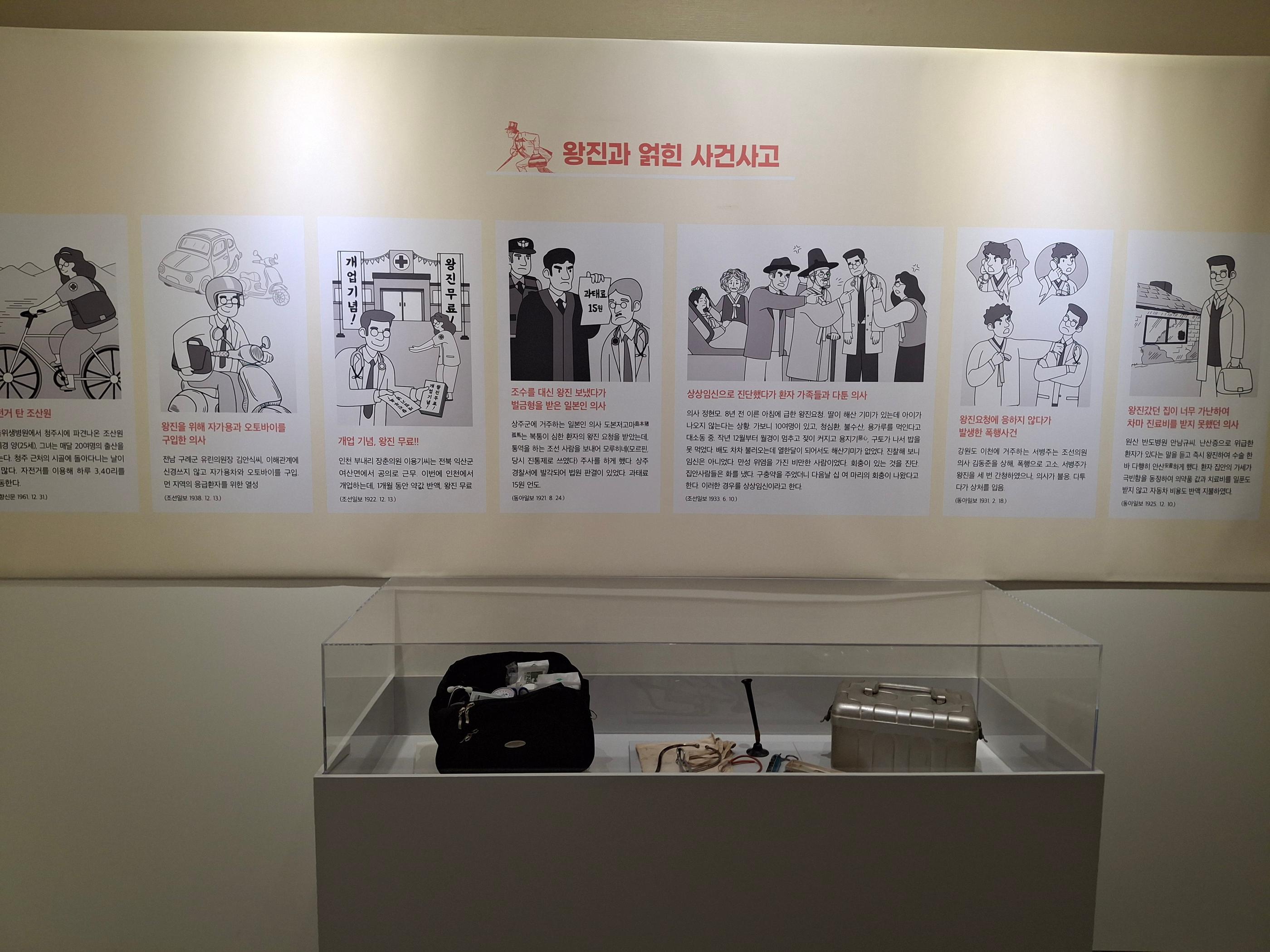
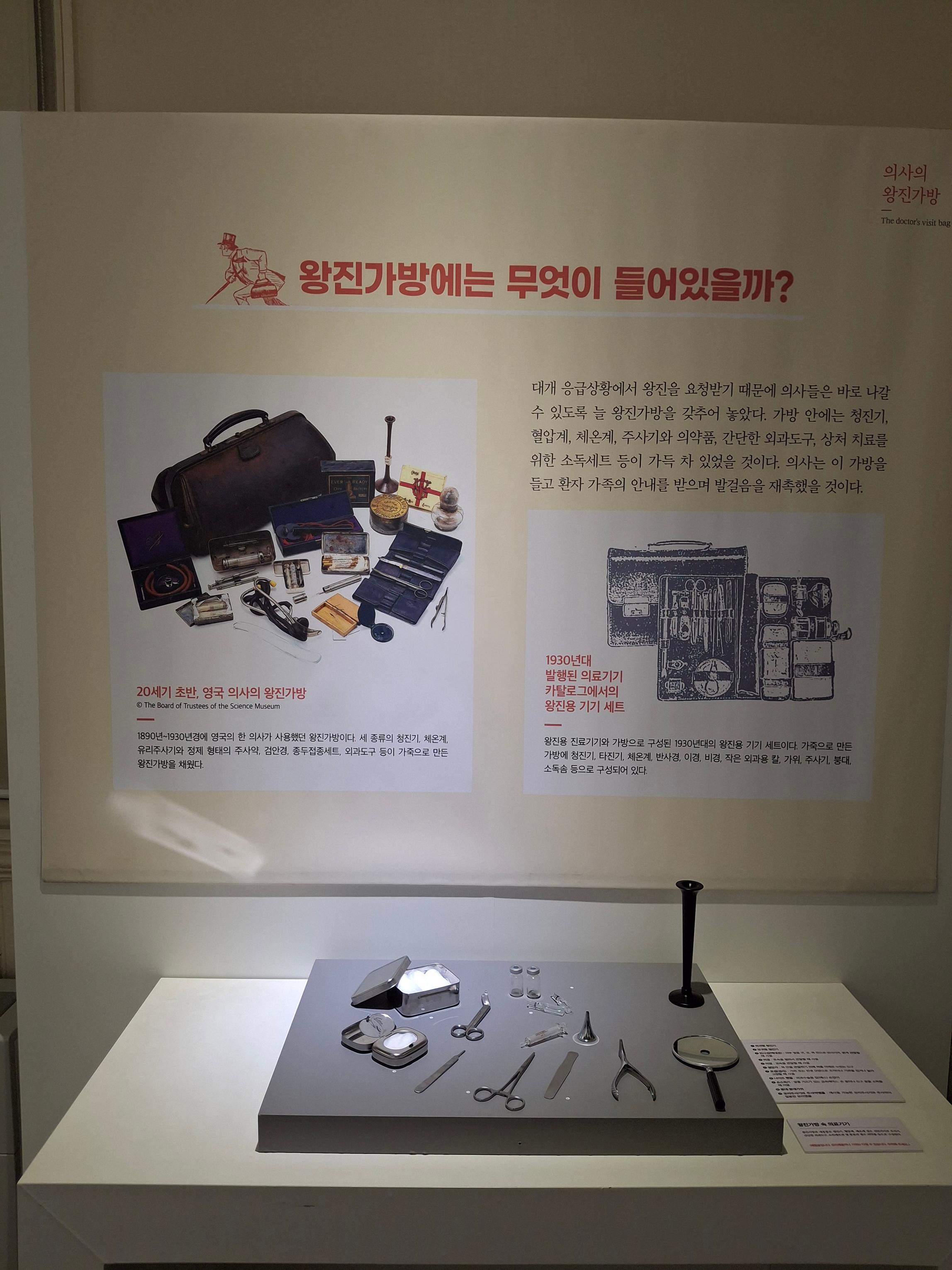
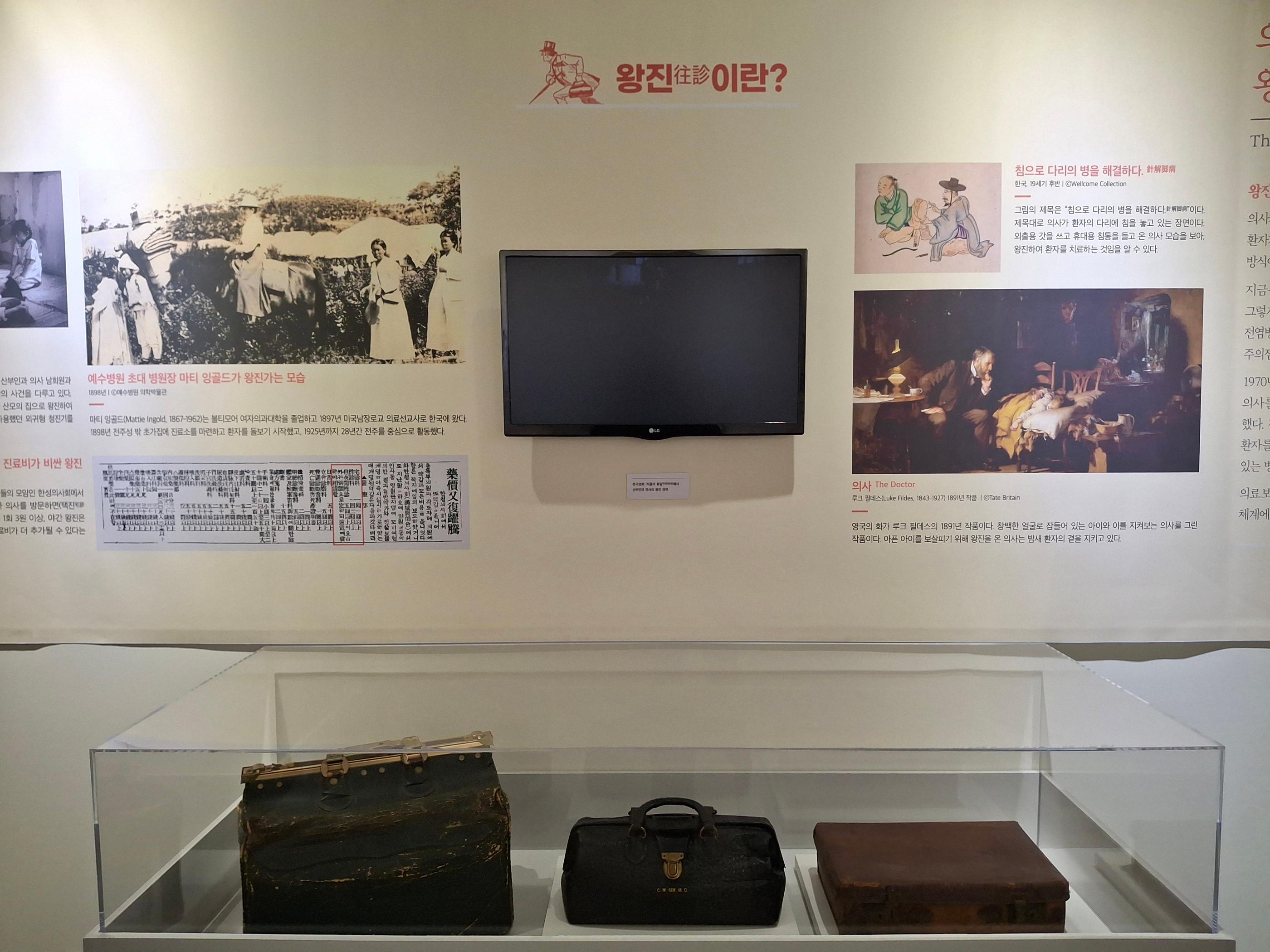
Another small temporary exhibition is "The doctor's visit bag". It's very interesting to see how the contents of a doctor's suitcase have changed throughout history.
Overall, I really enjoyed the museum. A beautiful old building from the Korean Empire, an engaging exhibition, and new and interesting information about the history of modern Korean medicine—all of this makes it a great option for history buffs and those looking to learn something new. A big plus is the lack of crowds, allowing you to calmly immerse yourself in history.