

Haengjusanseong Fortress

Olga
6 months ago
Not far from Seoul is a fortress associated with famous events in Korean history. This is a Haengjusanseong fortress.
It is unknown exactly when the fortress was constructed, but it appears to have existed since the Three Kingdoms period, as it features a broad plain surrounded by steep cliffs, which is consistent with the fortress design of the early Three Kingdoms period. The fortress is roughly one kilometer in length and resembles a Temoe-style stone fortress.
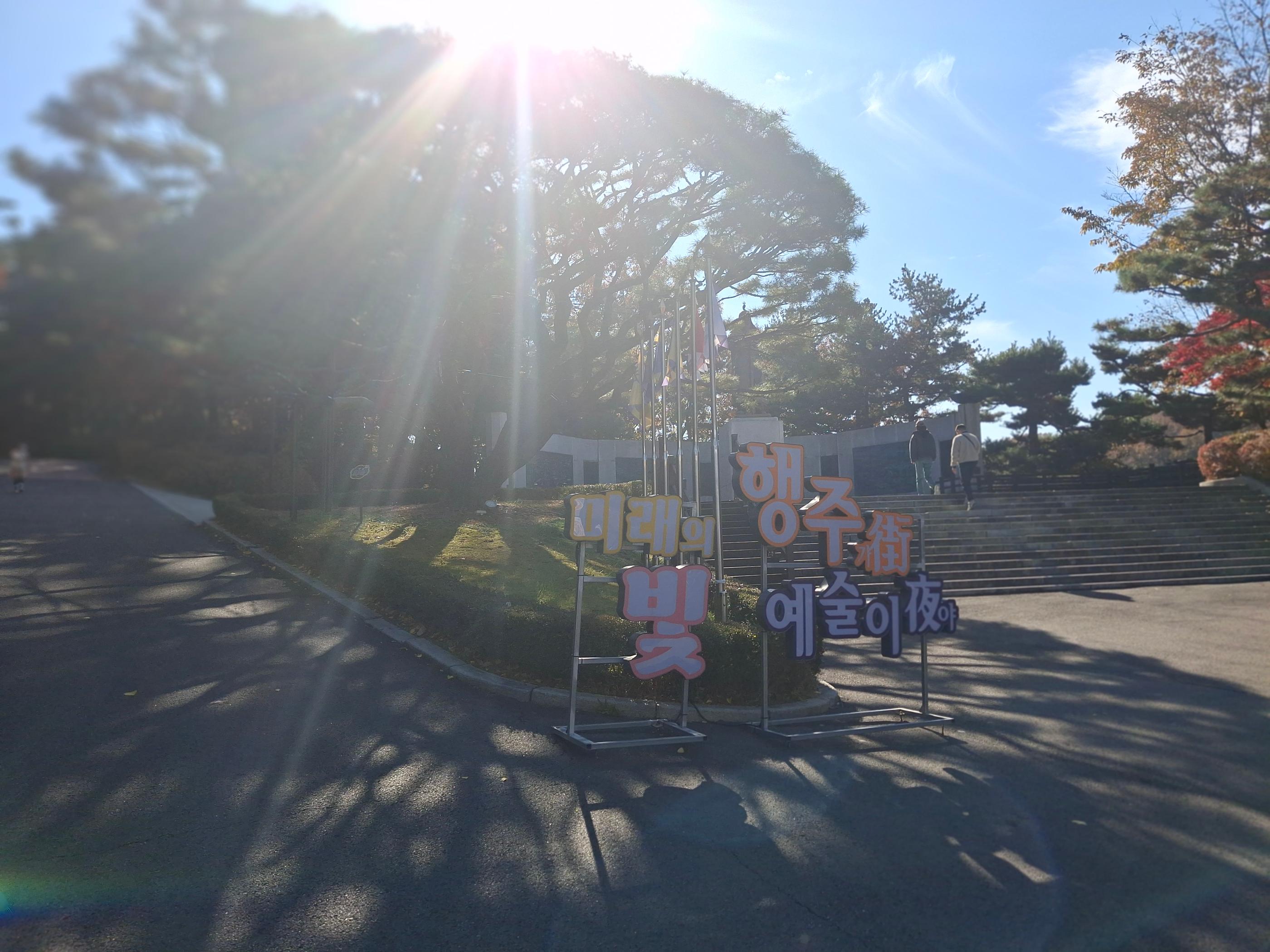
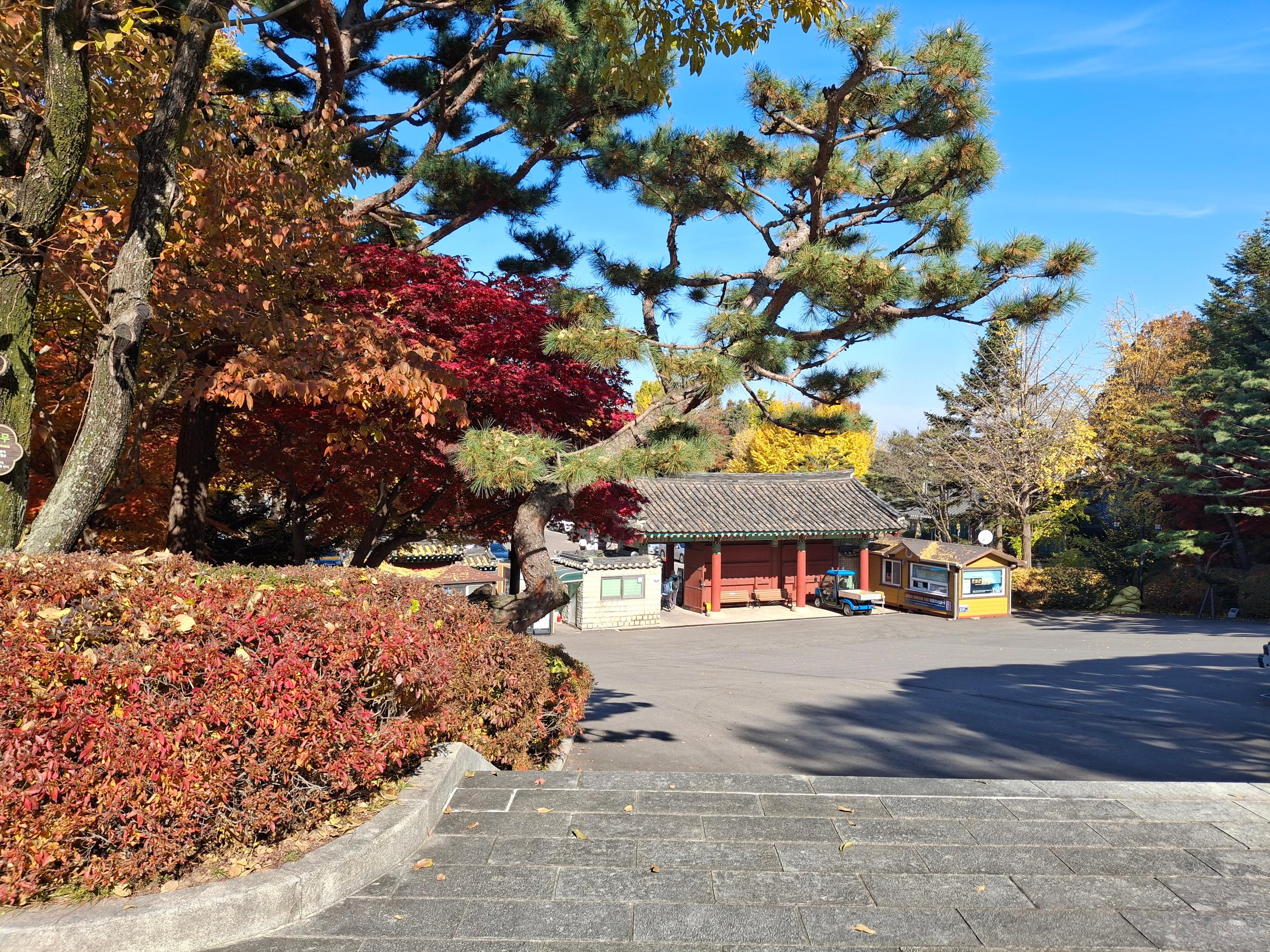
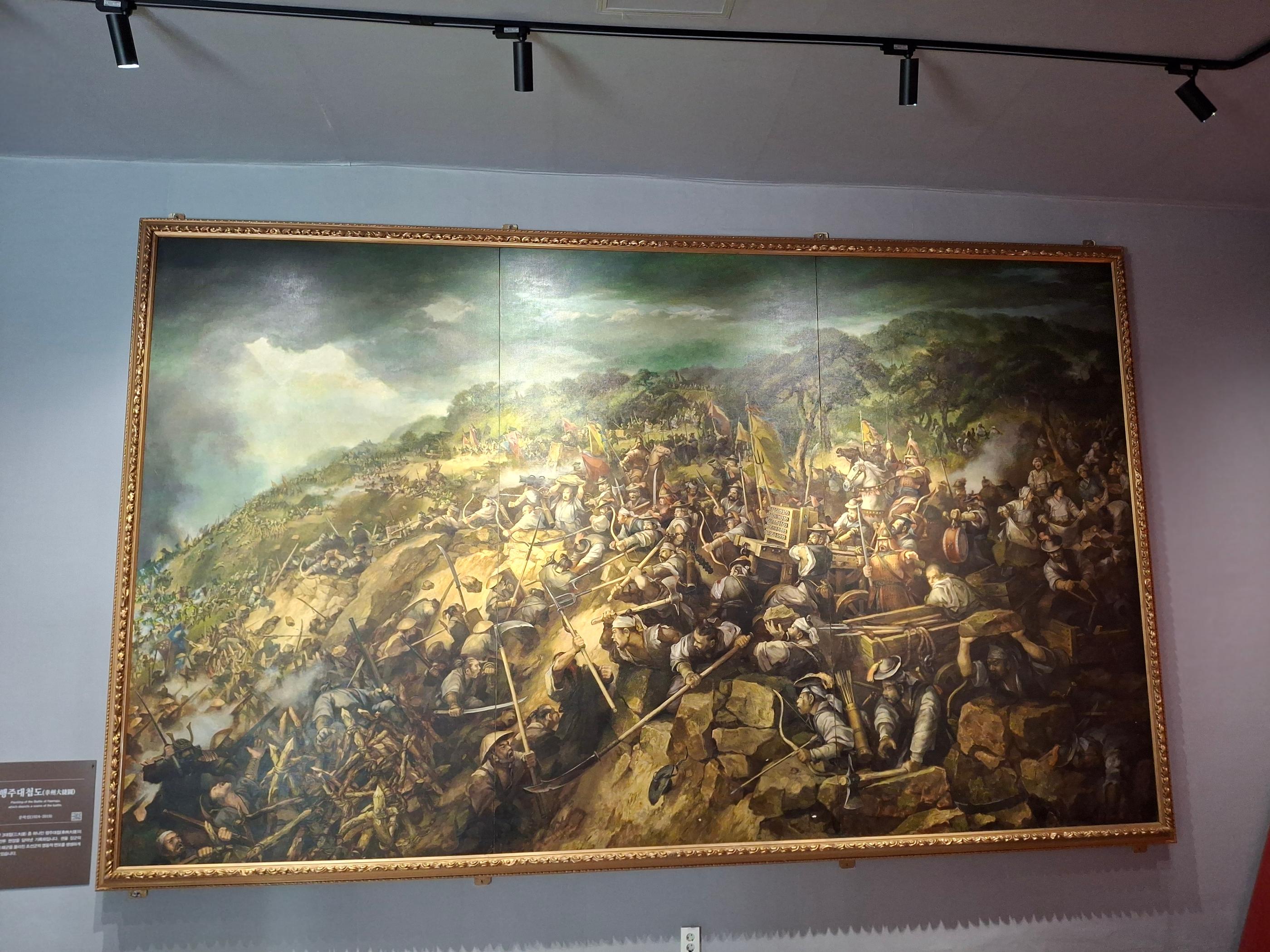
Haengjusanseong Fortress played a significant role as a witness to the battles between Joseon and Japanese forces during the Imjin War (1592-1598). In 1593, 2300 Korean soldiers defeated 30,000 Japanese soldiers with General Kwon Yul here at Haengjusanseong Fortress.
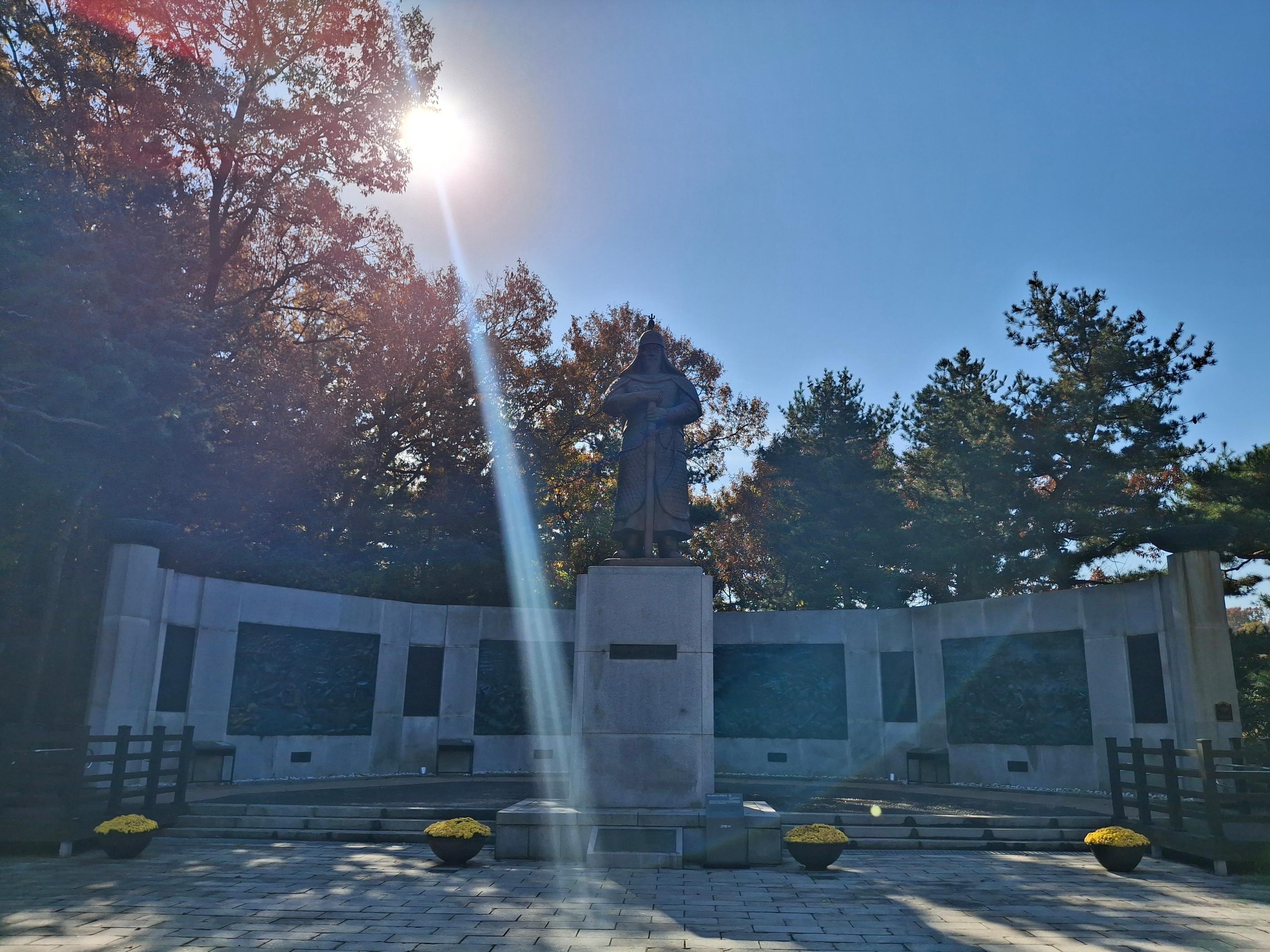
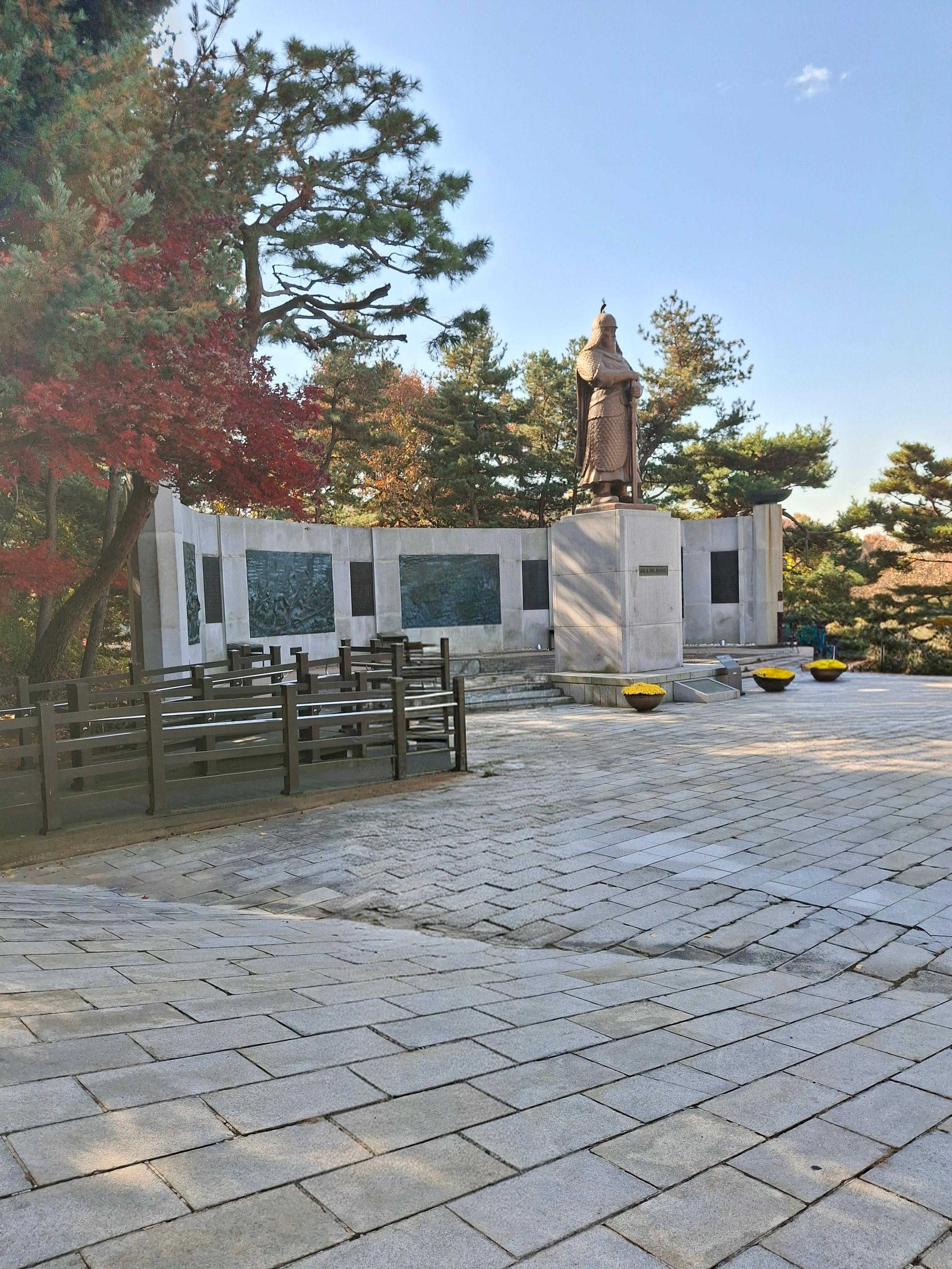
As you pass Daecheopmun Gate which marks the beginning of the fortress, you can see the imposing statue of General Kwon Yul. Behind the statue are reliefs depicting the resistance of the government forces, soldier monks, righteous armies, and women who defended this place.
The park includes several features such as the Hangang River Observatory, which has been repurposed from military posts, a fence photo zone, Baramgaebi Hill, and a vast lawn area.
When you arrive at Haengjusanseong Fortress, you will be humbled by this historic site along with the fresh air of the mountain and river. Wear sneakers or hiking shoes, bring a bottle of water, and don't miss even a single place at the fortress. Warm up your body with a simple stretch and climb the fortress.
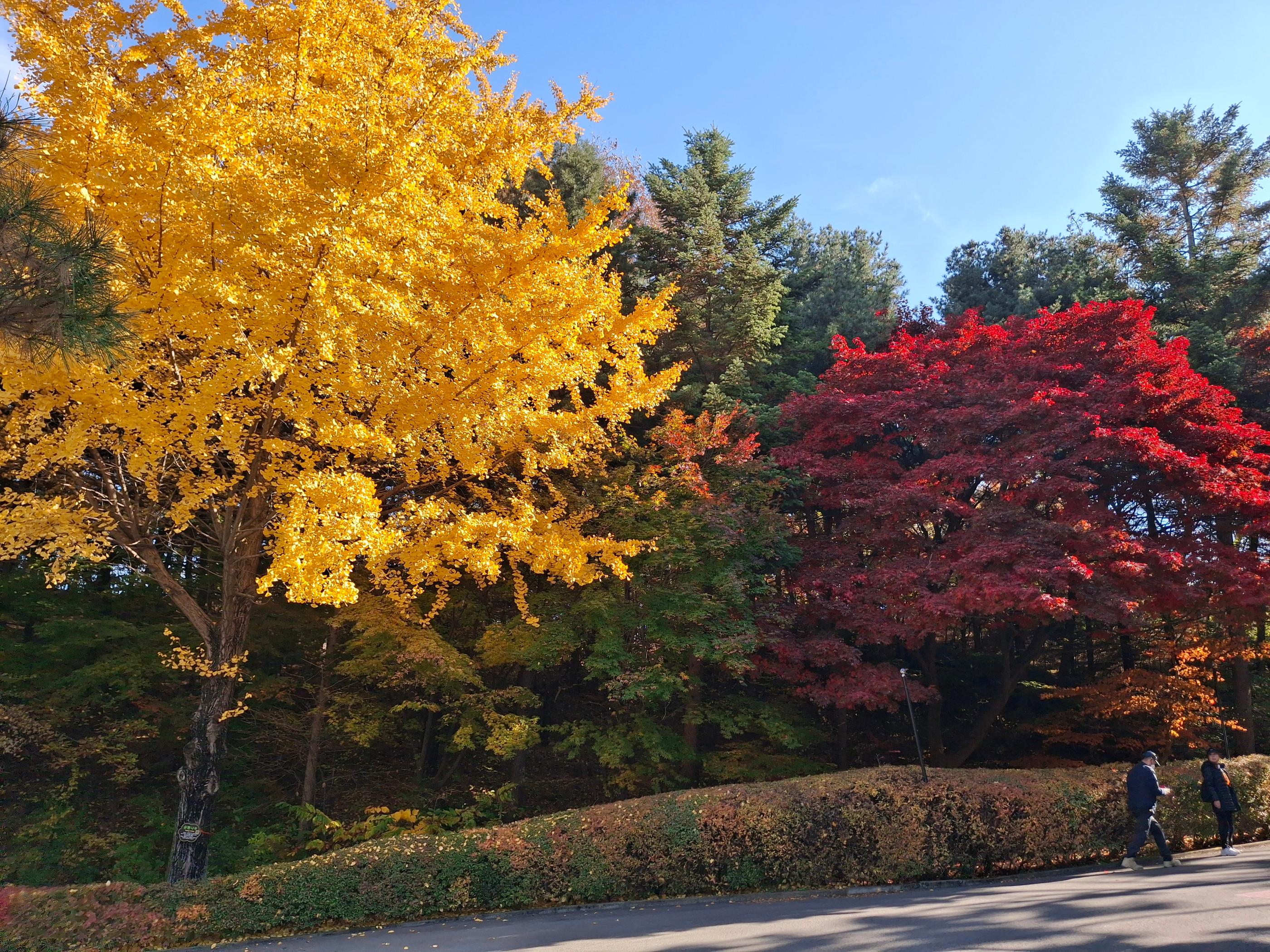
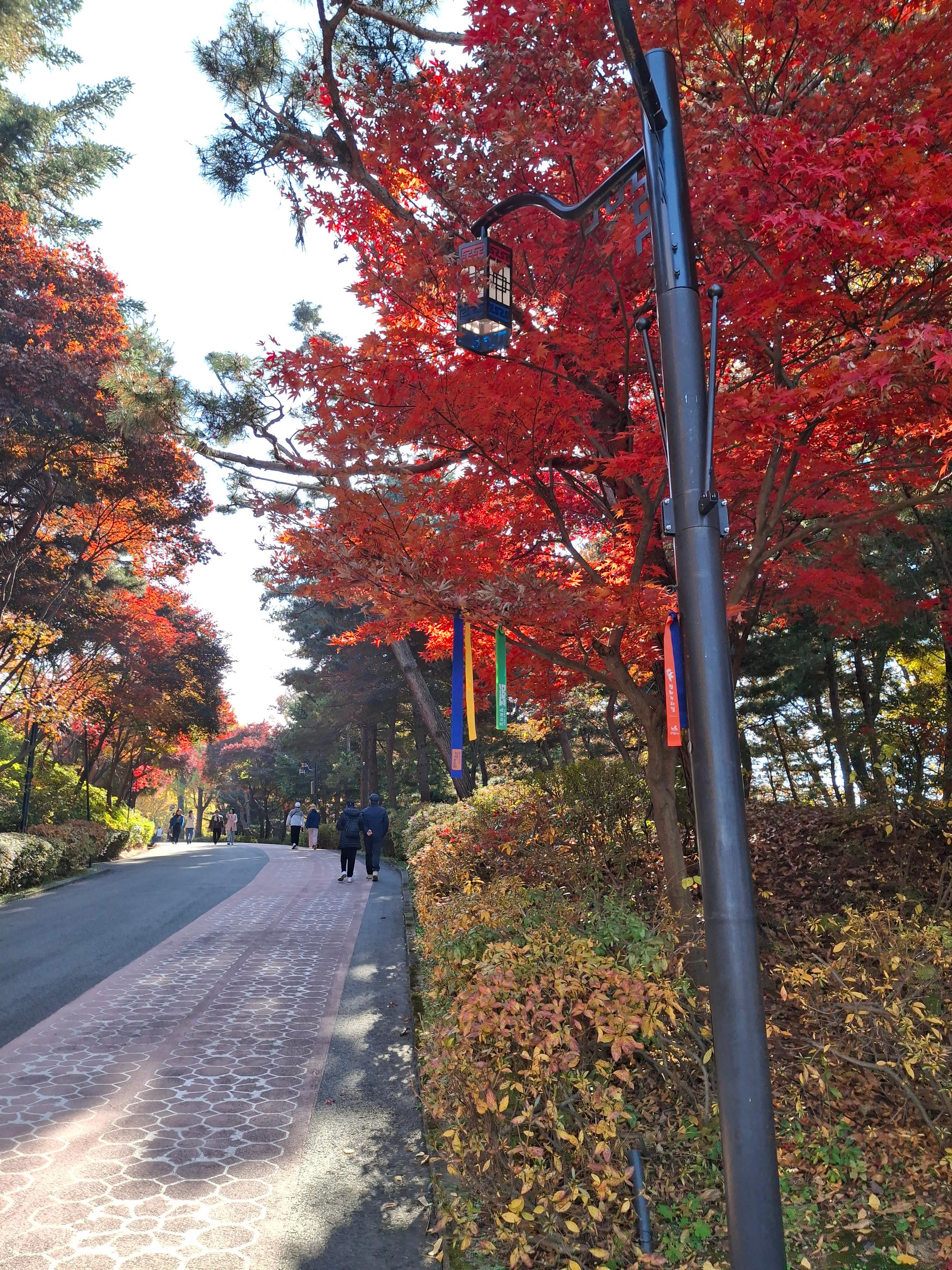
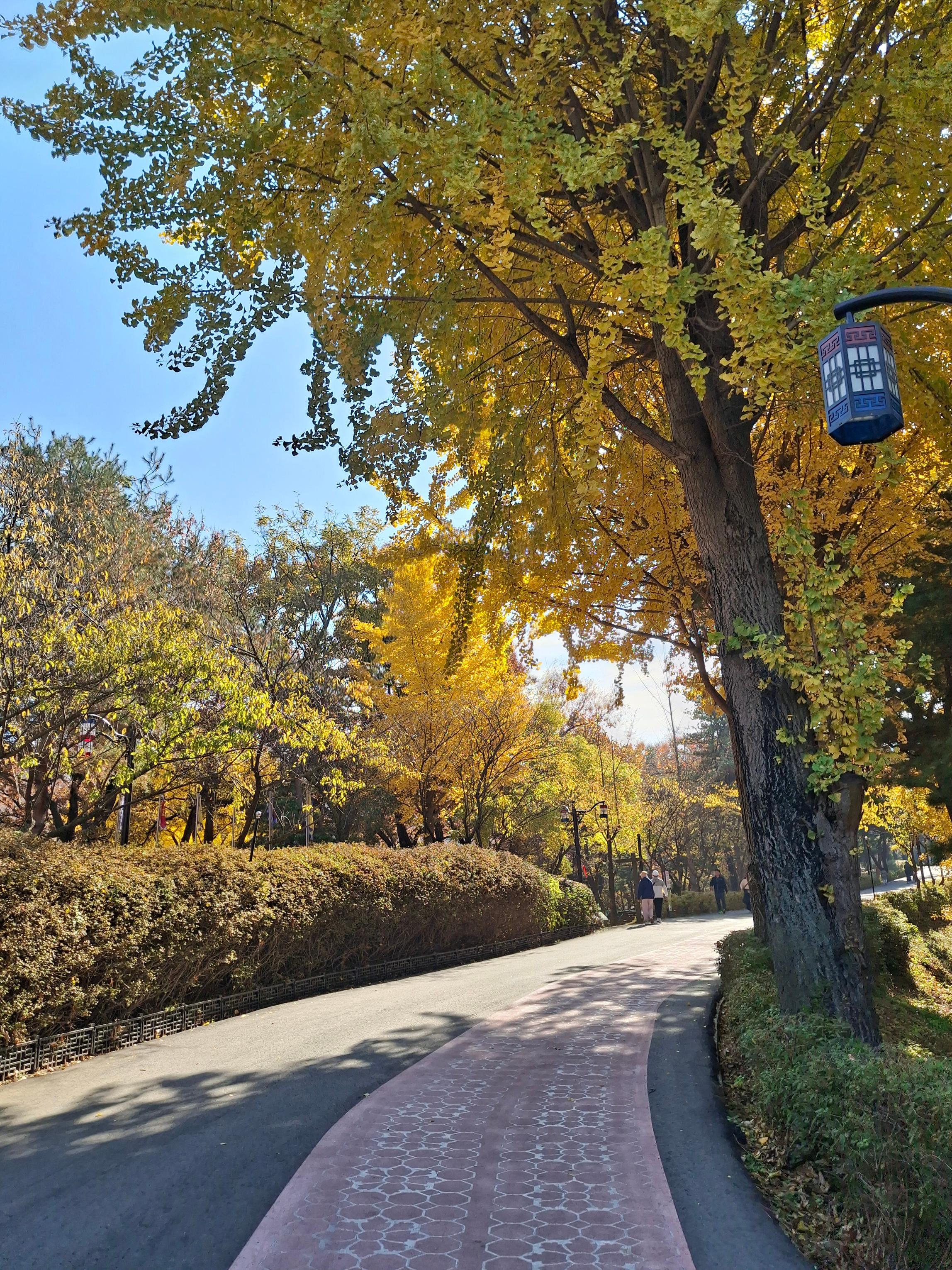
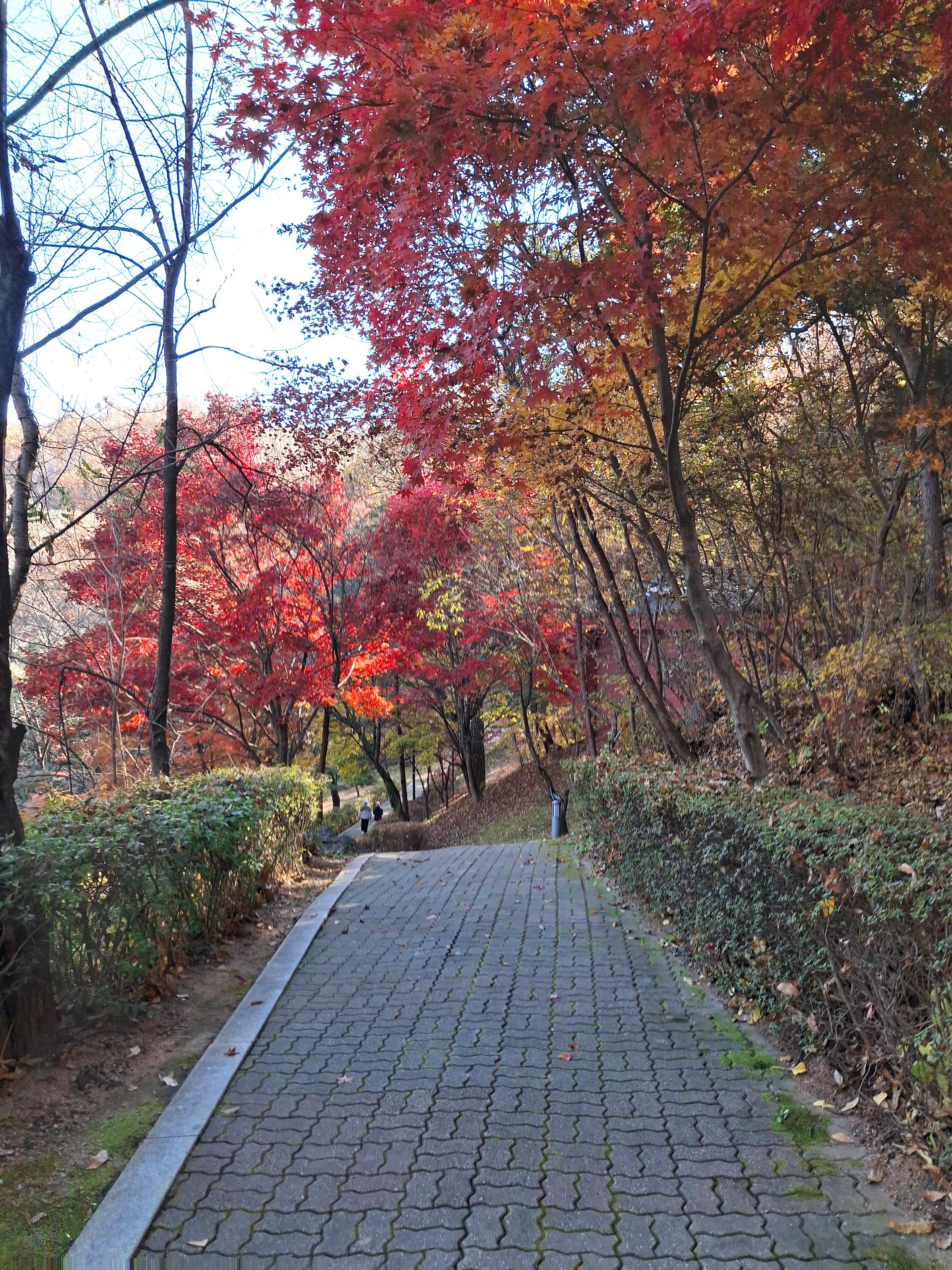
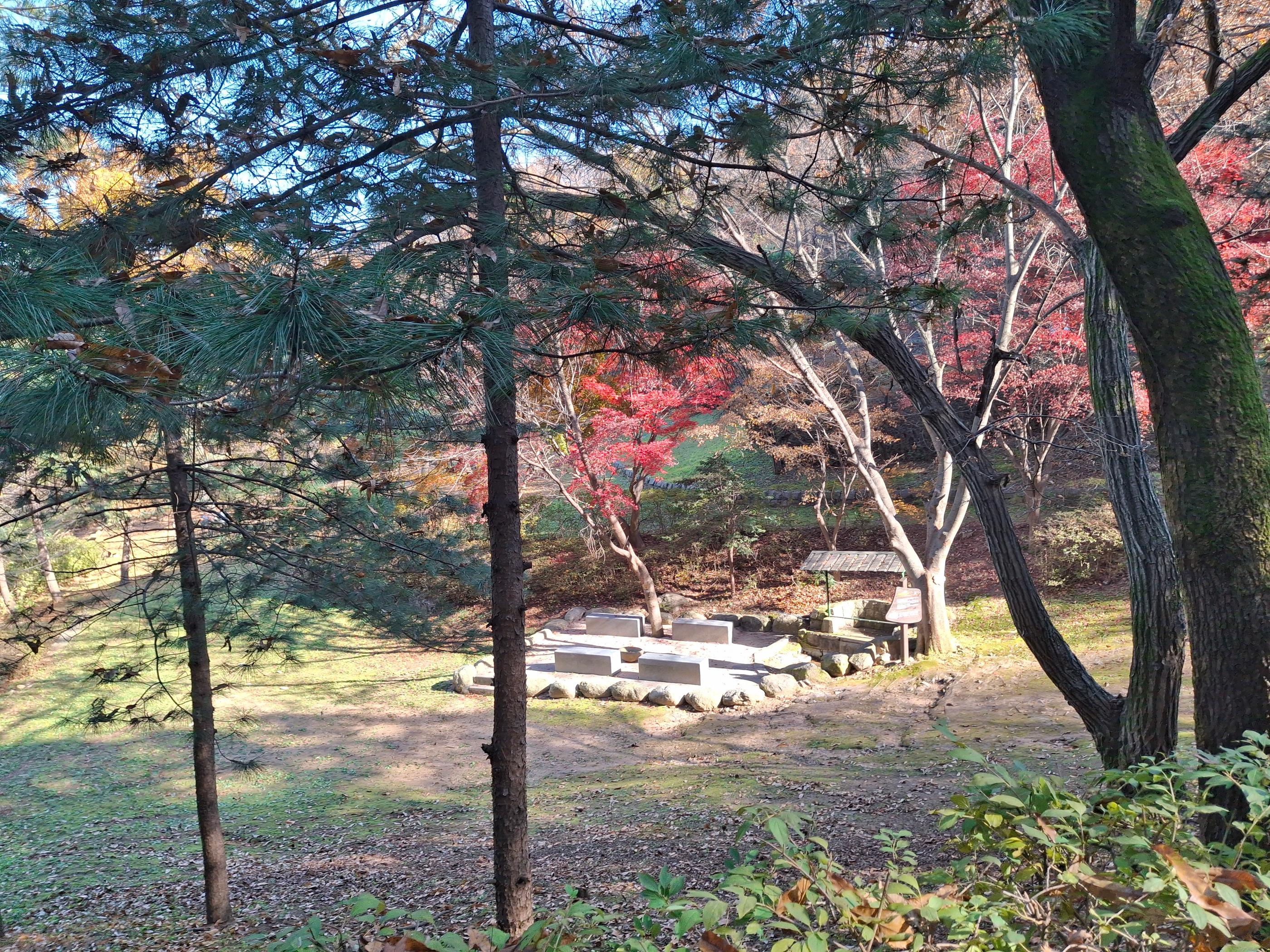
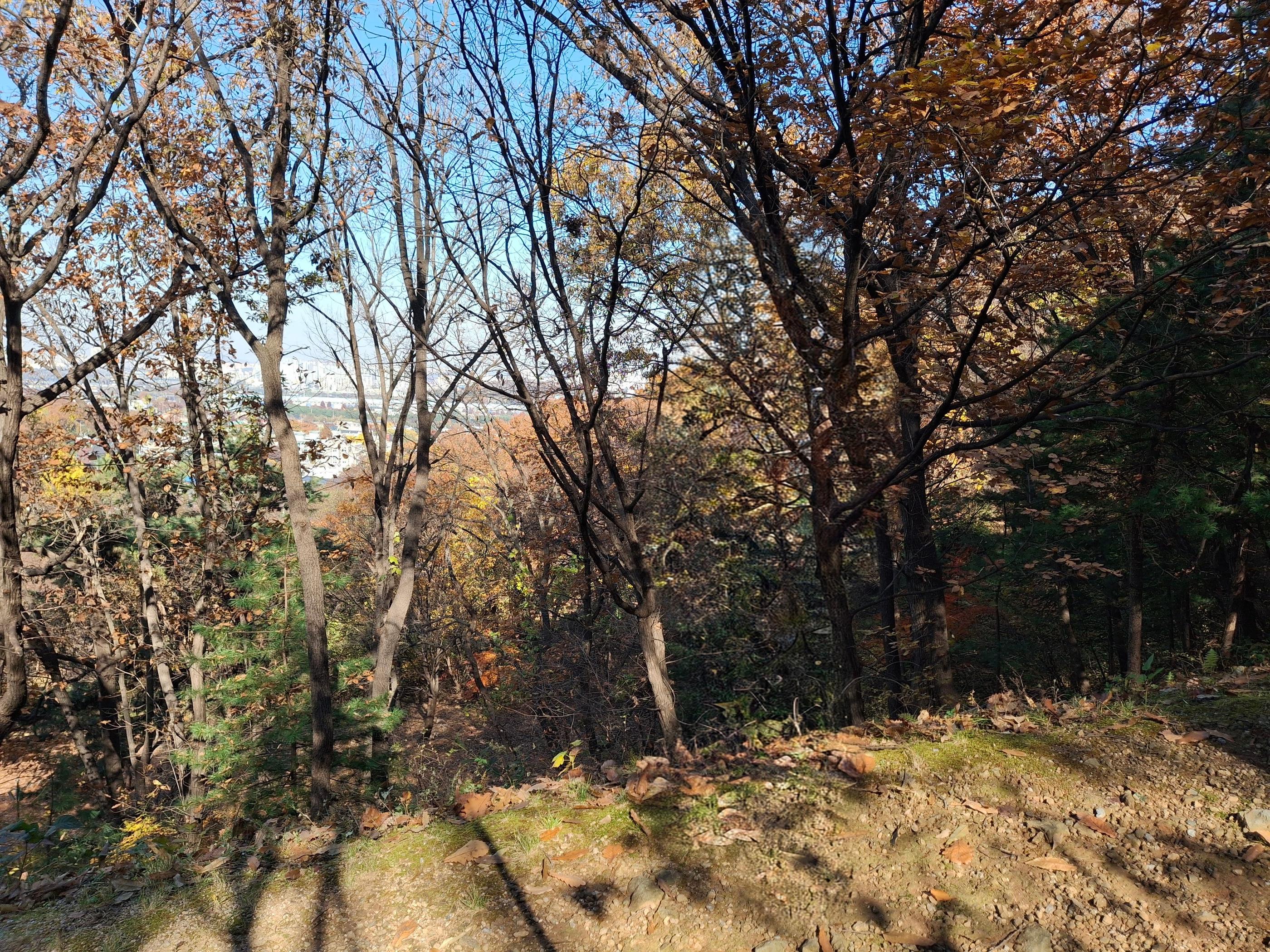
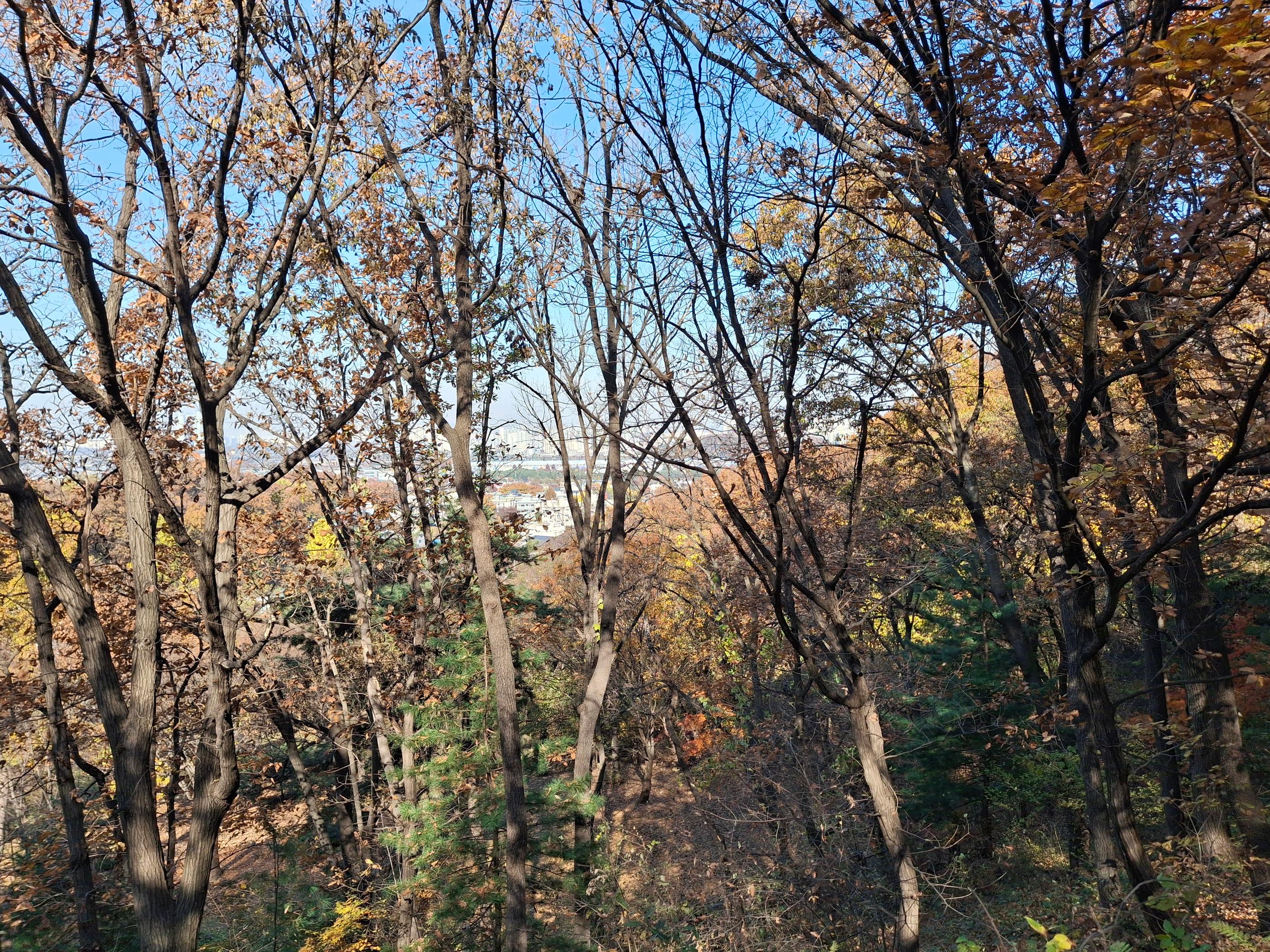
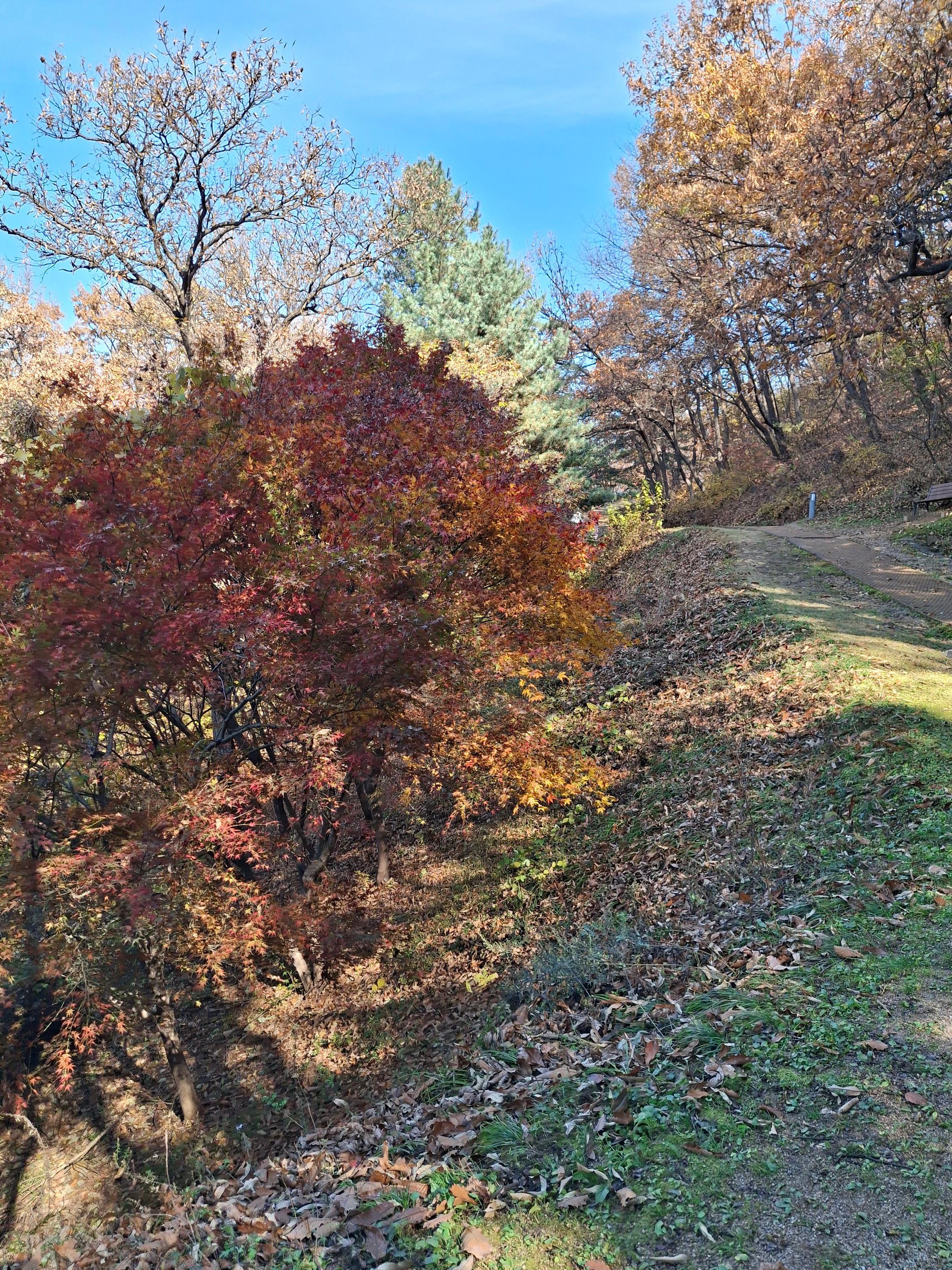
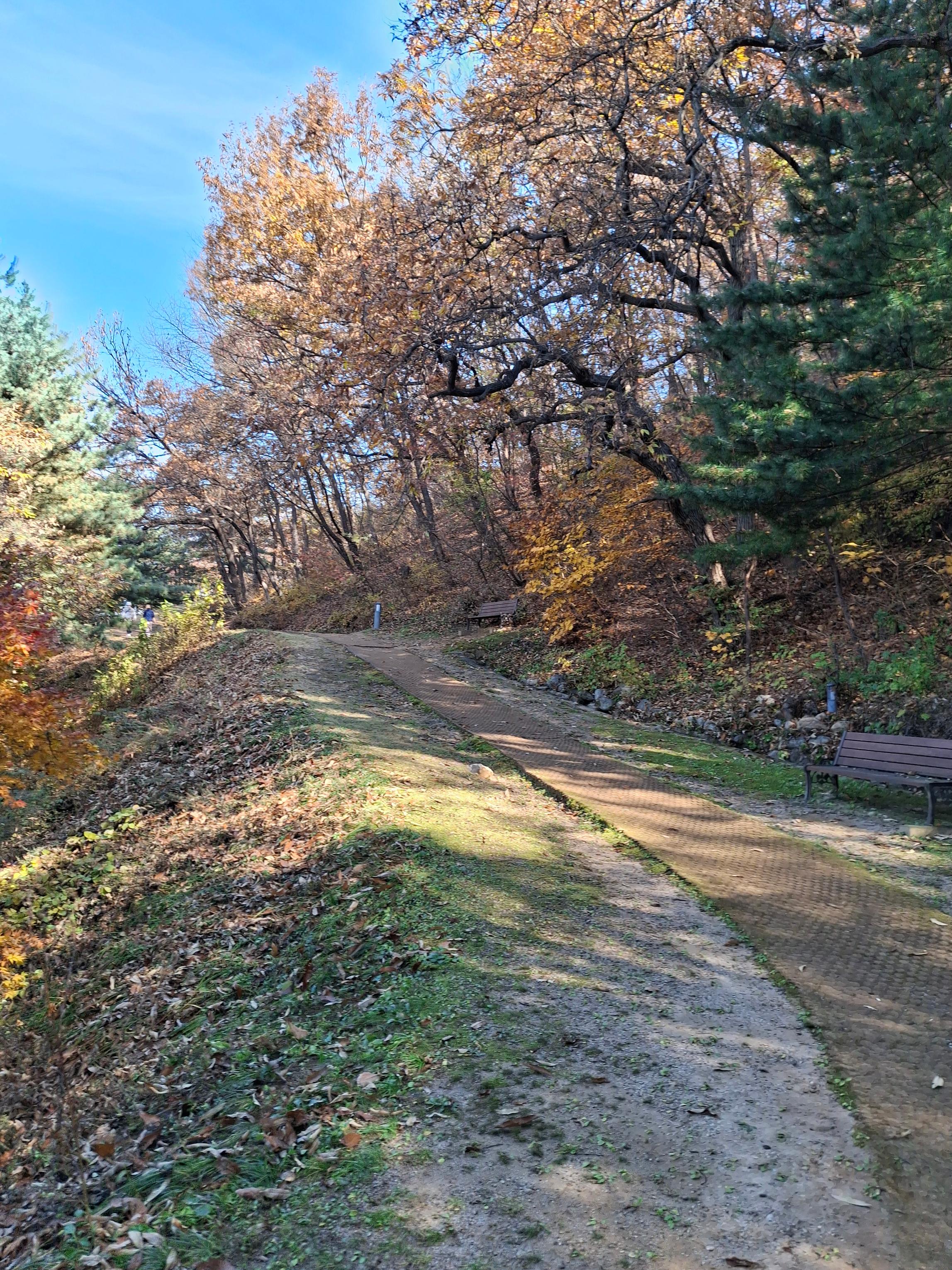
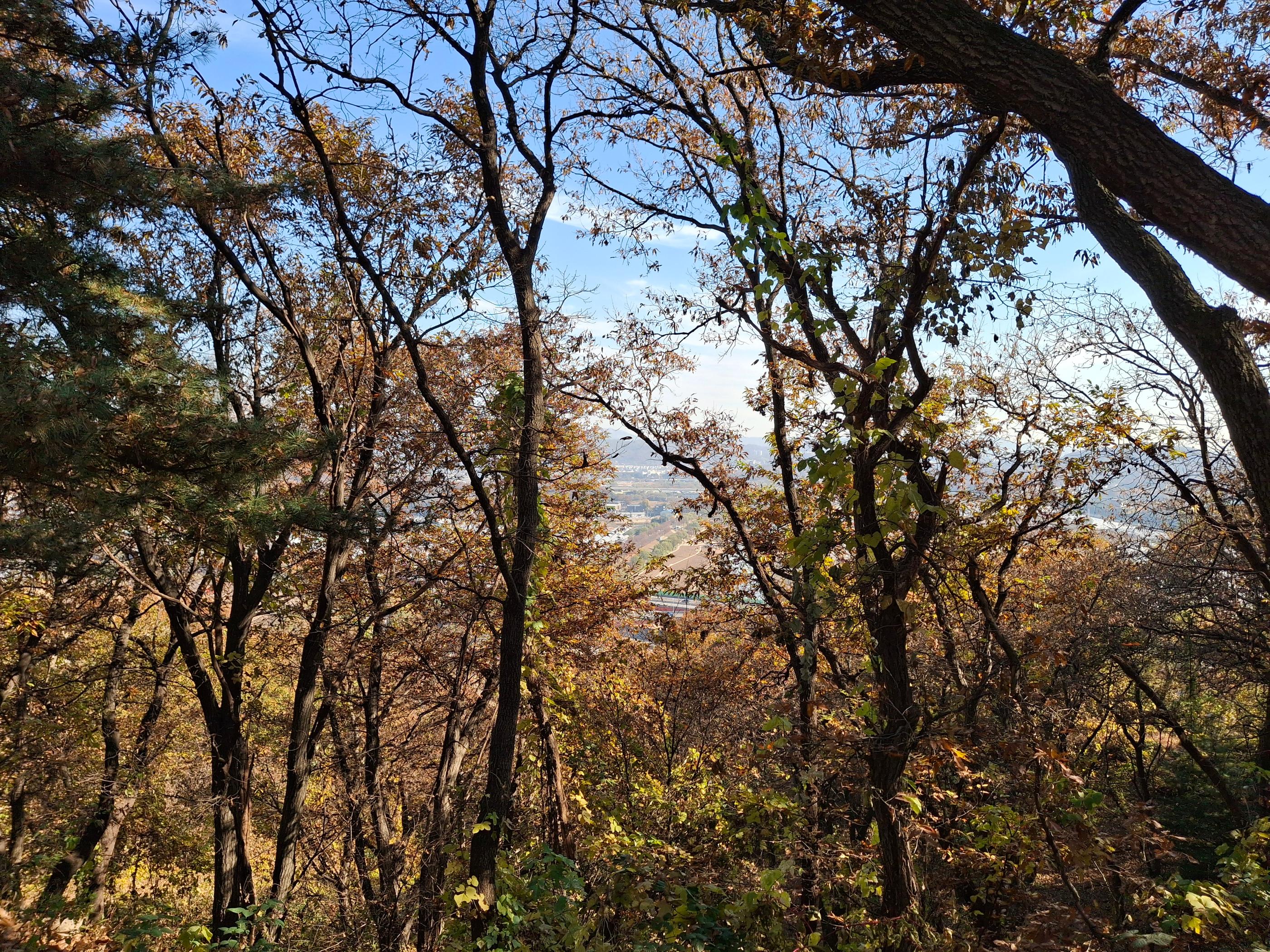
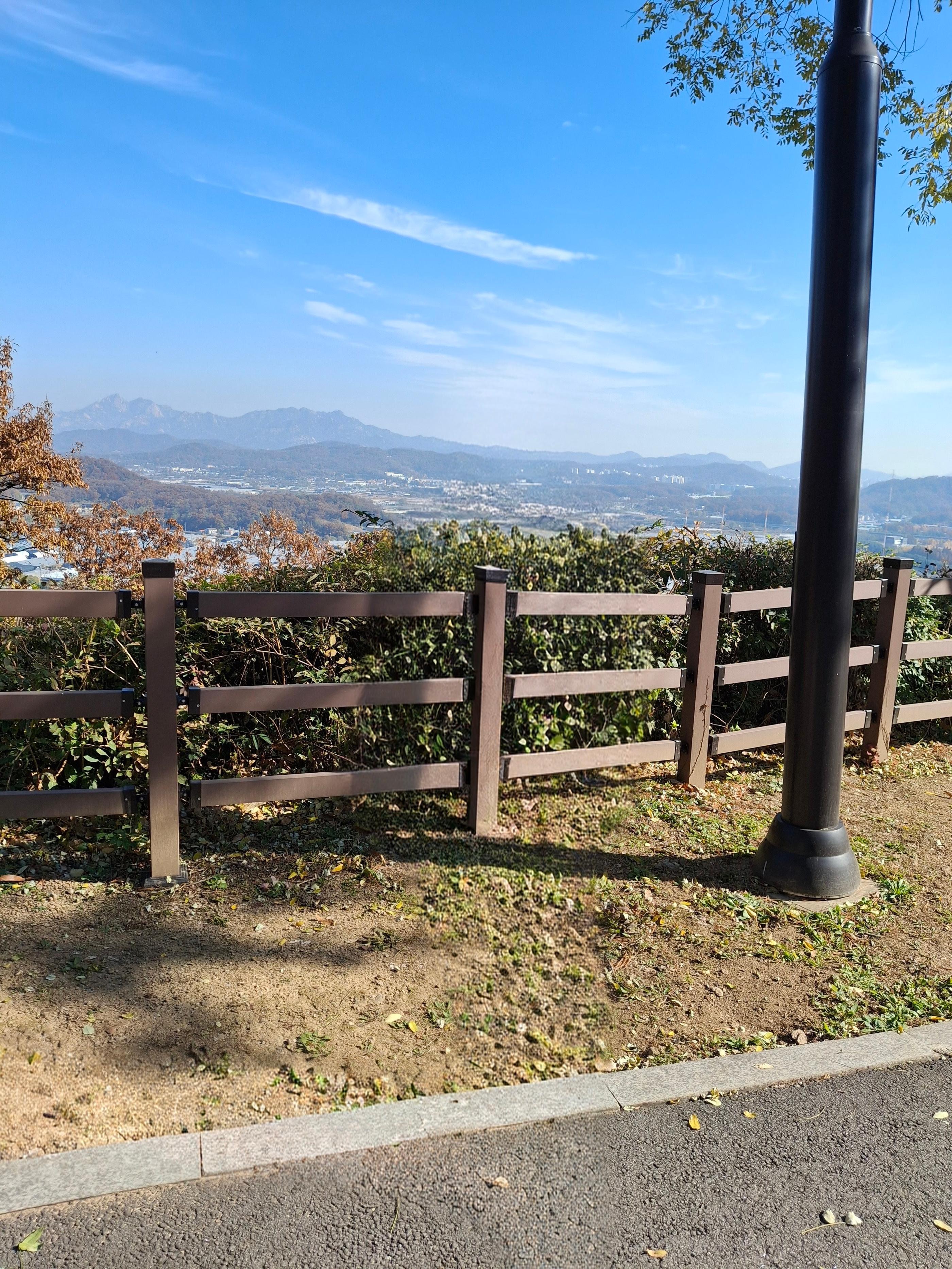
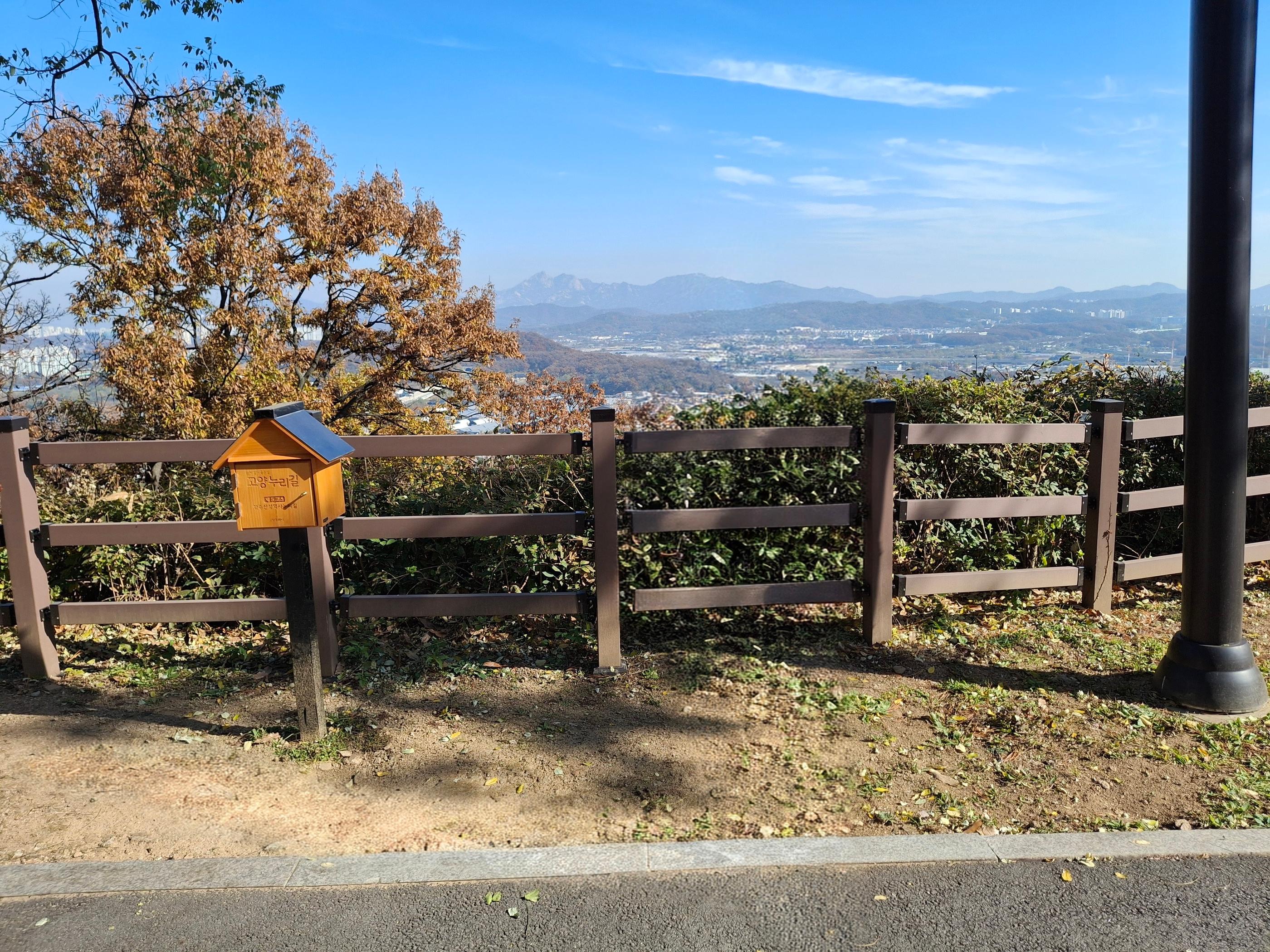
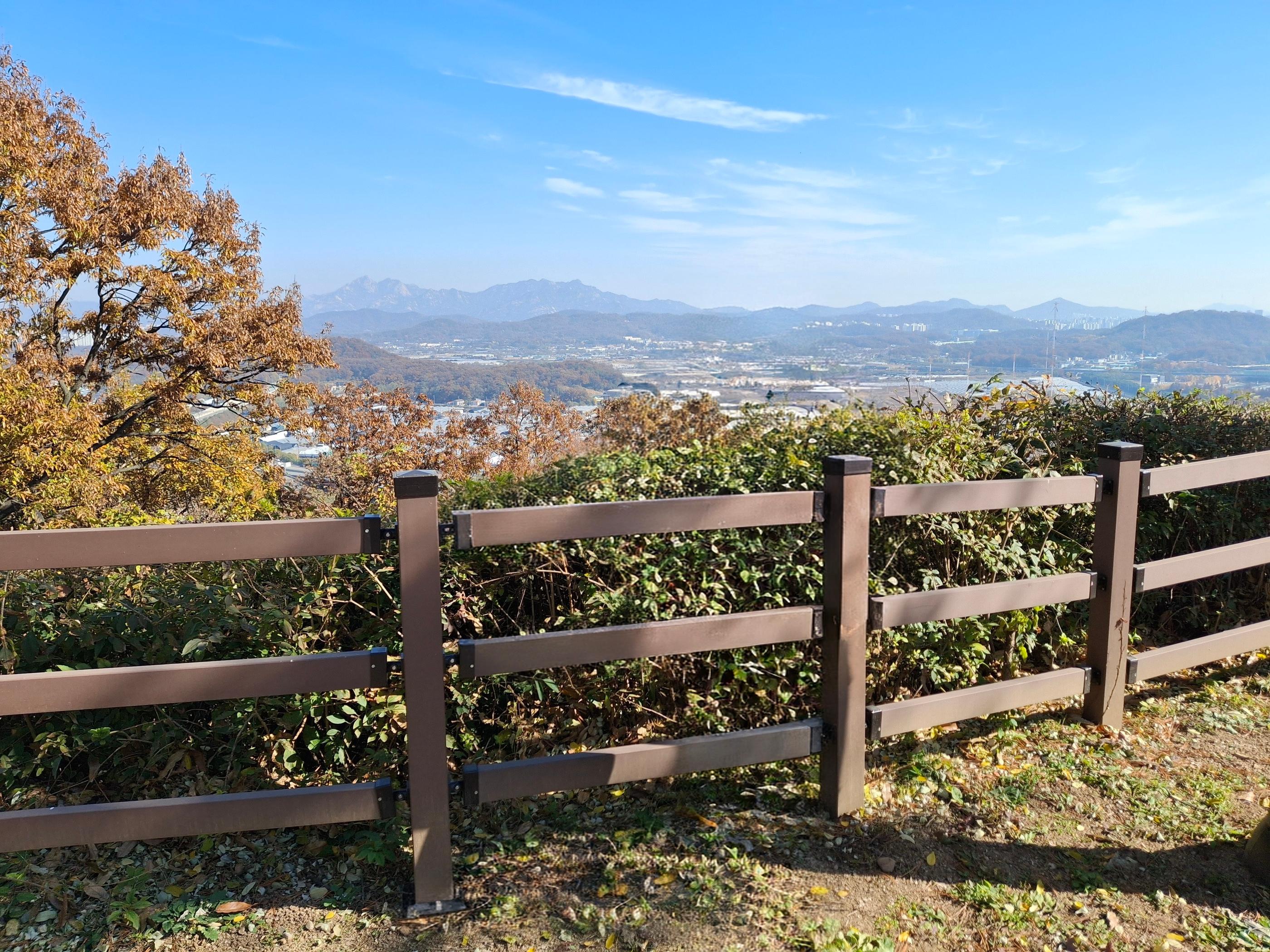
If you go up a little further from there, you can see the long-awaited monument to the Battle of Haengju along with the panoramic view of the Hangang River. The monument and its landscape resonates deeper than any other summits.
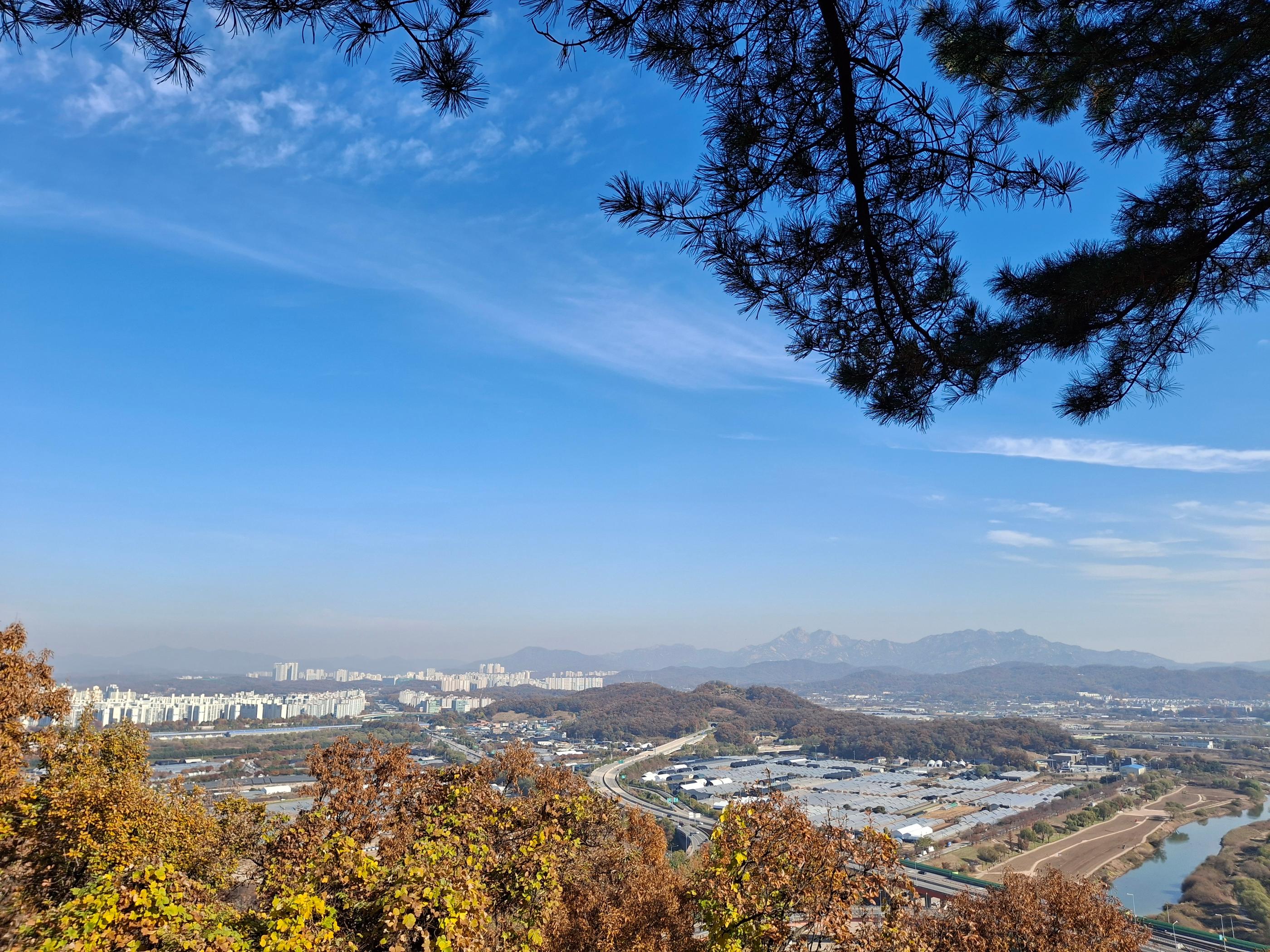
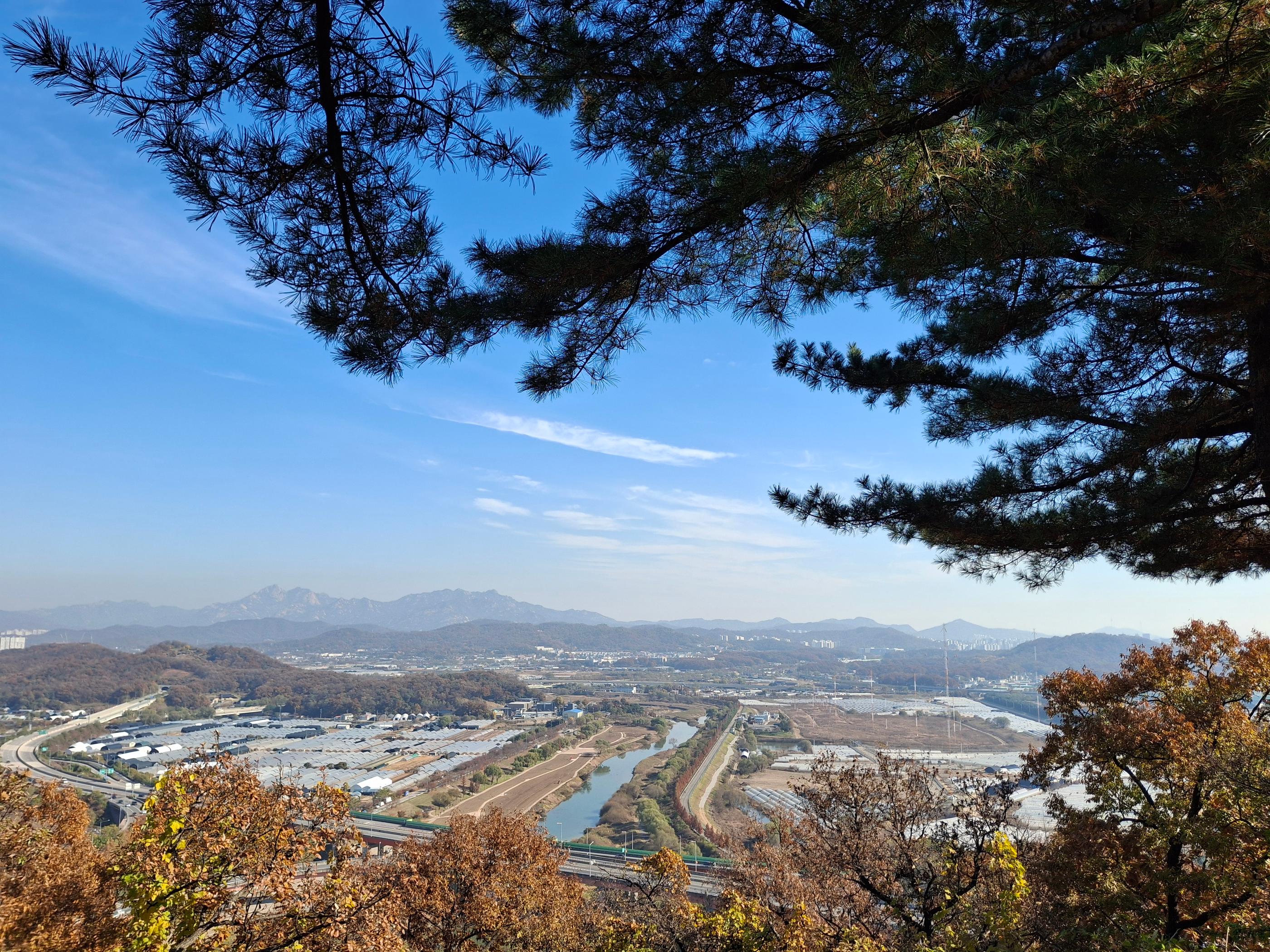
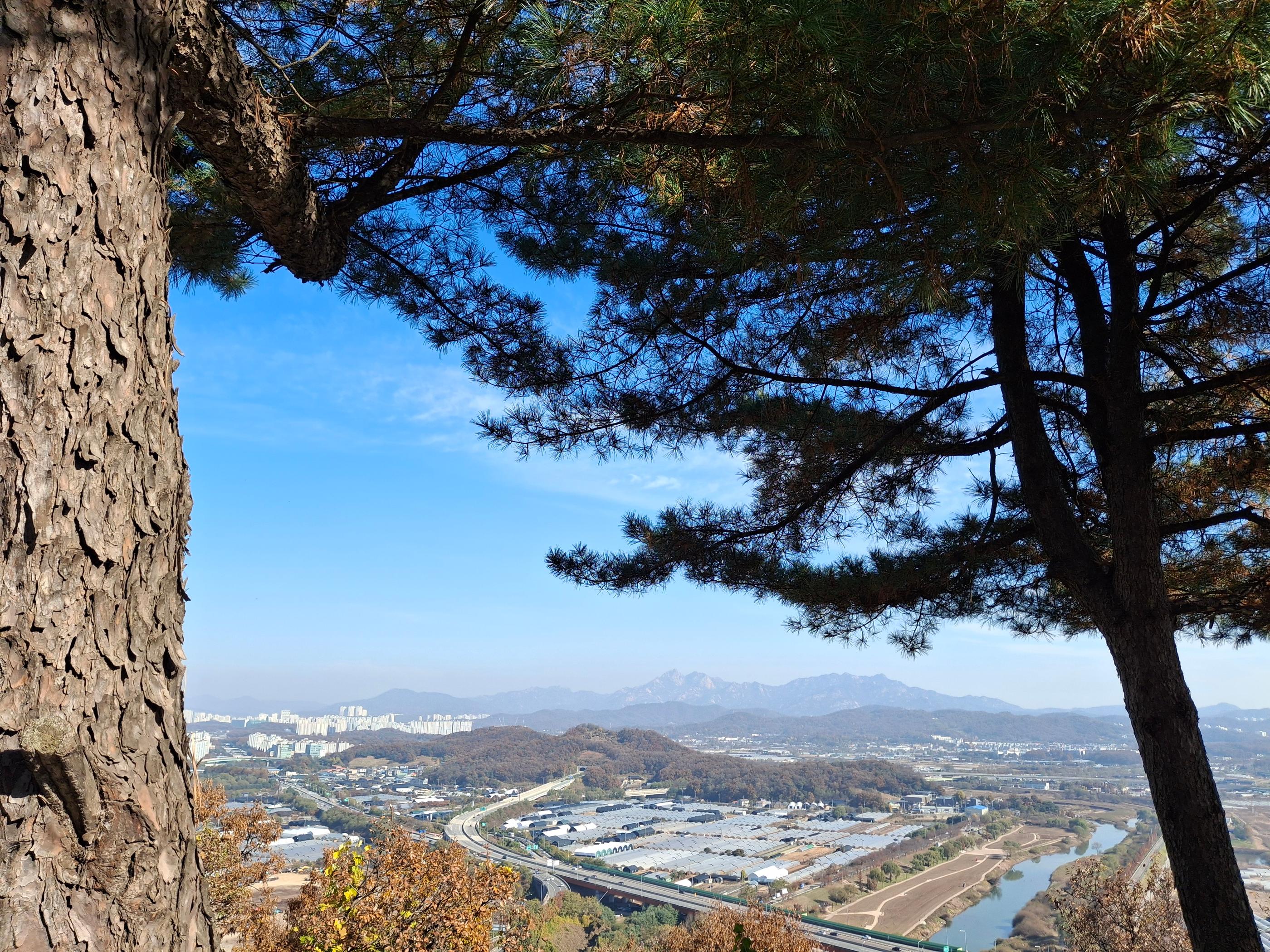
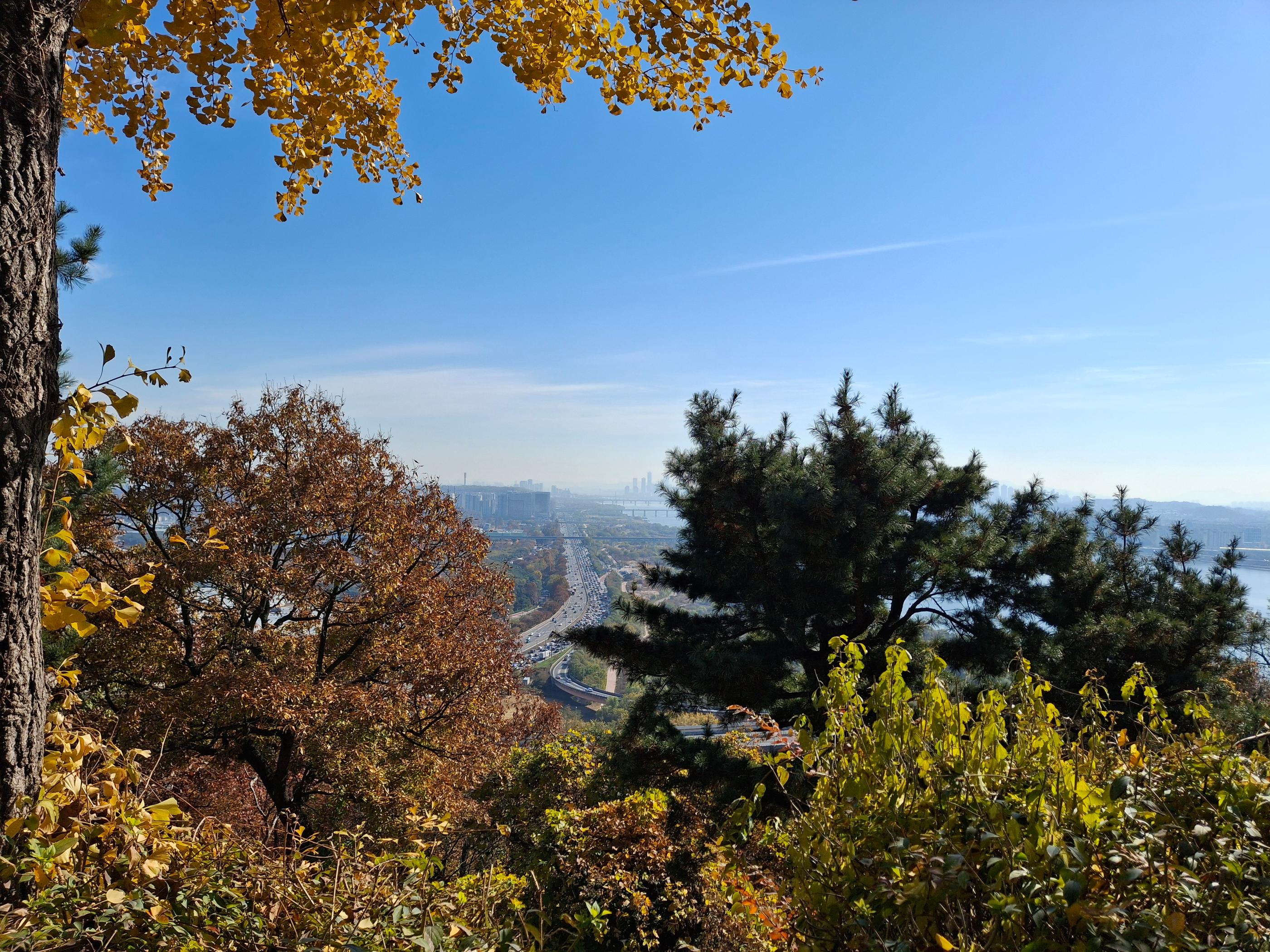
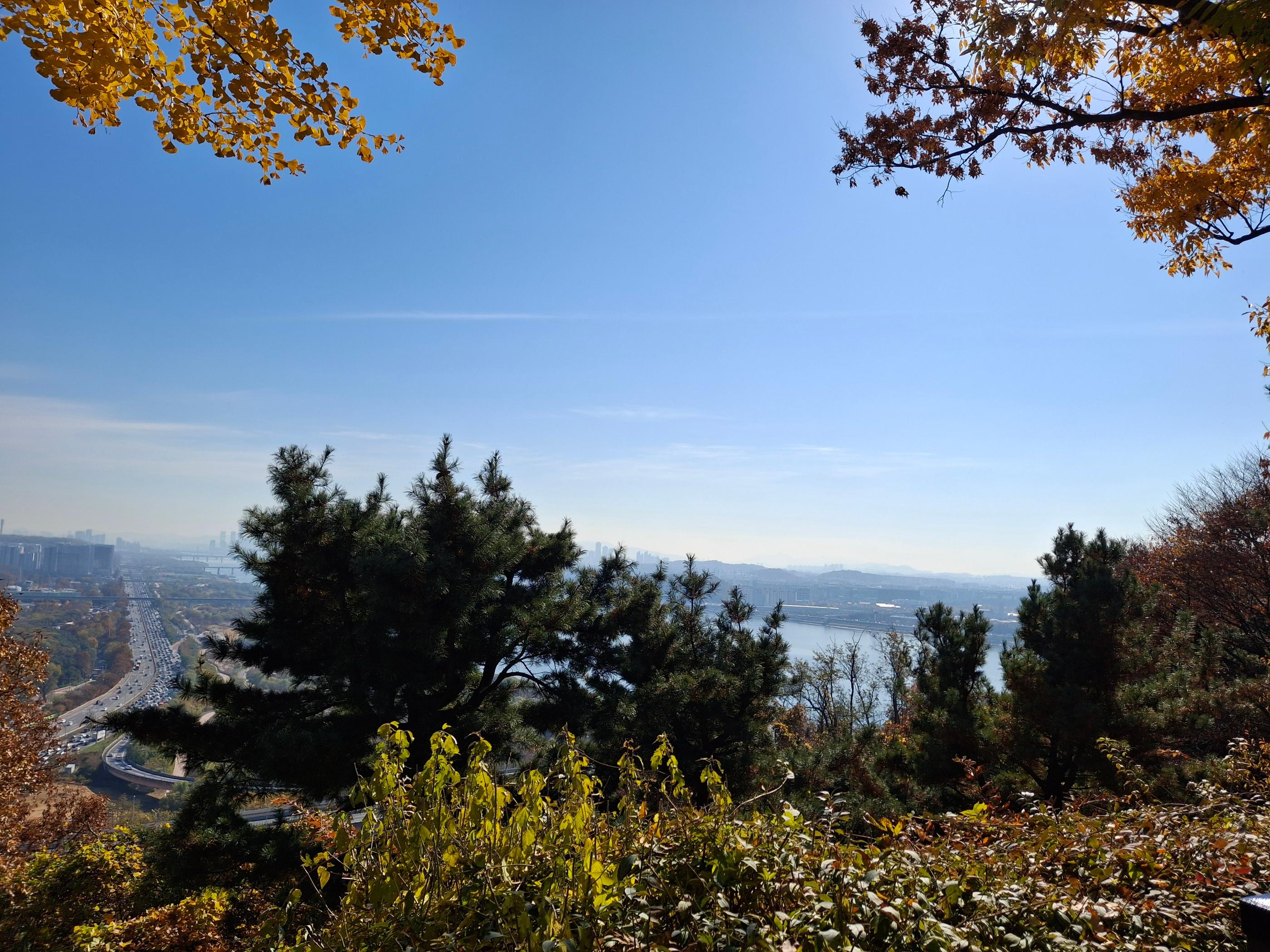
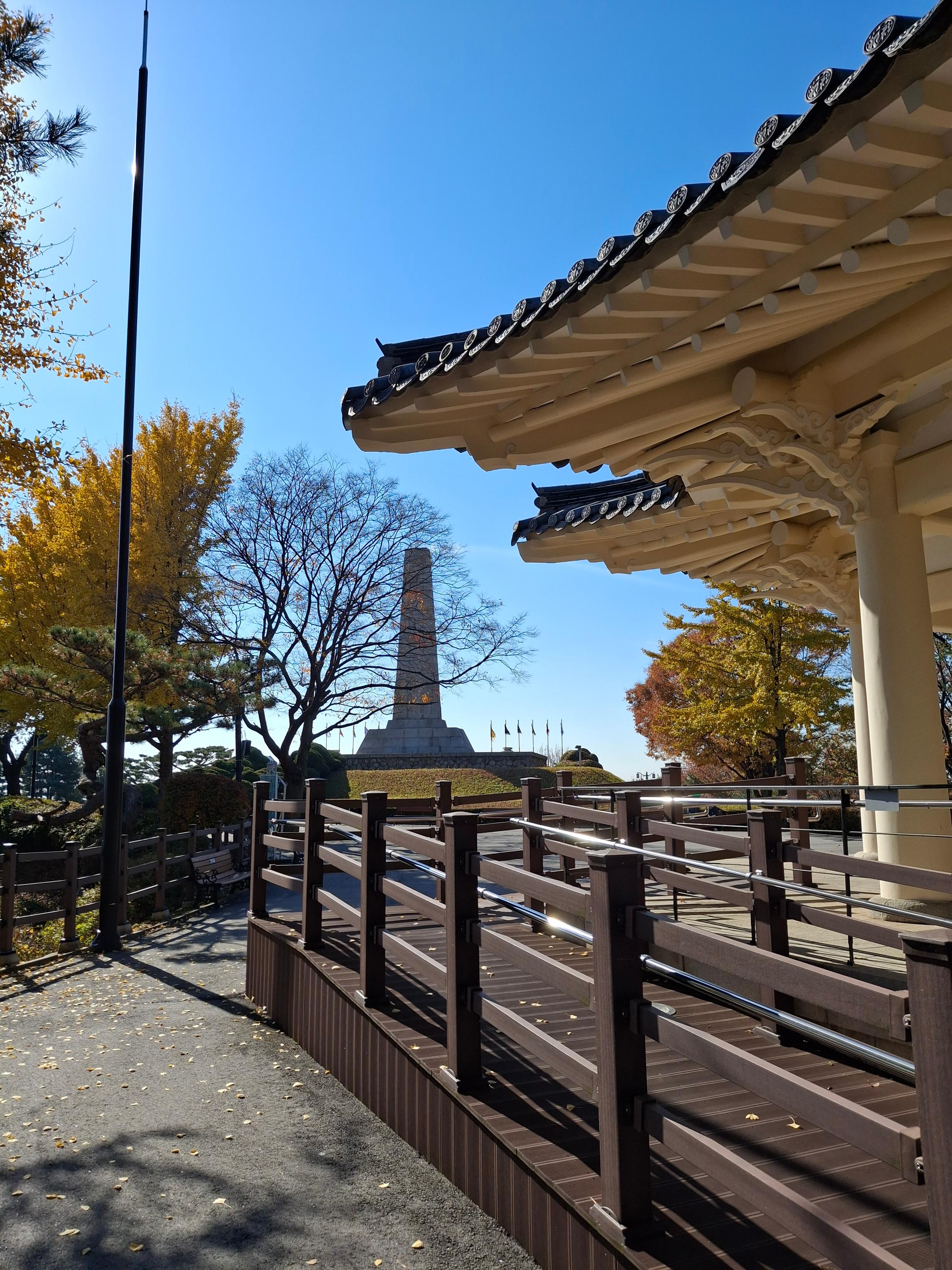
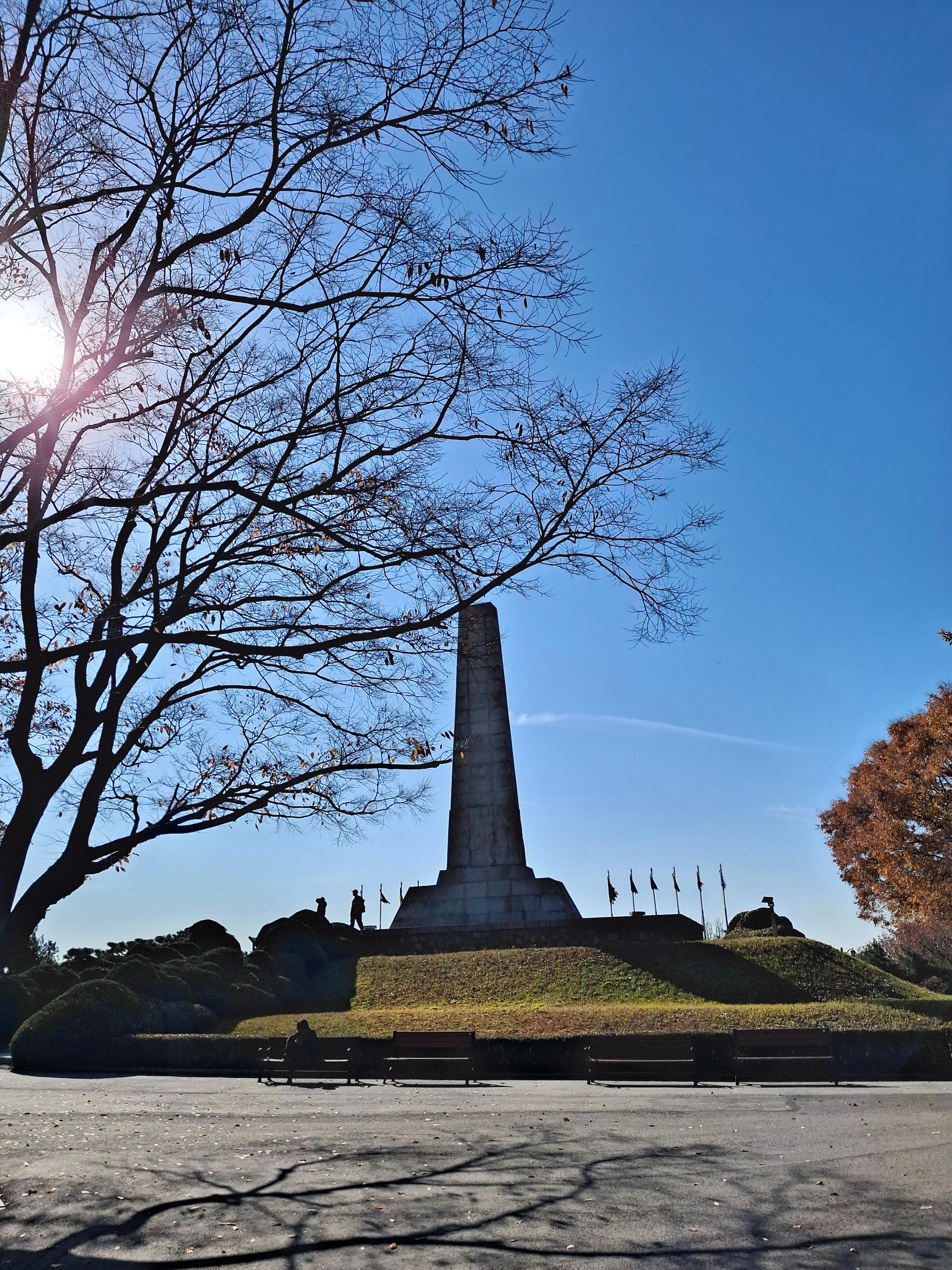
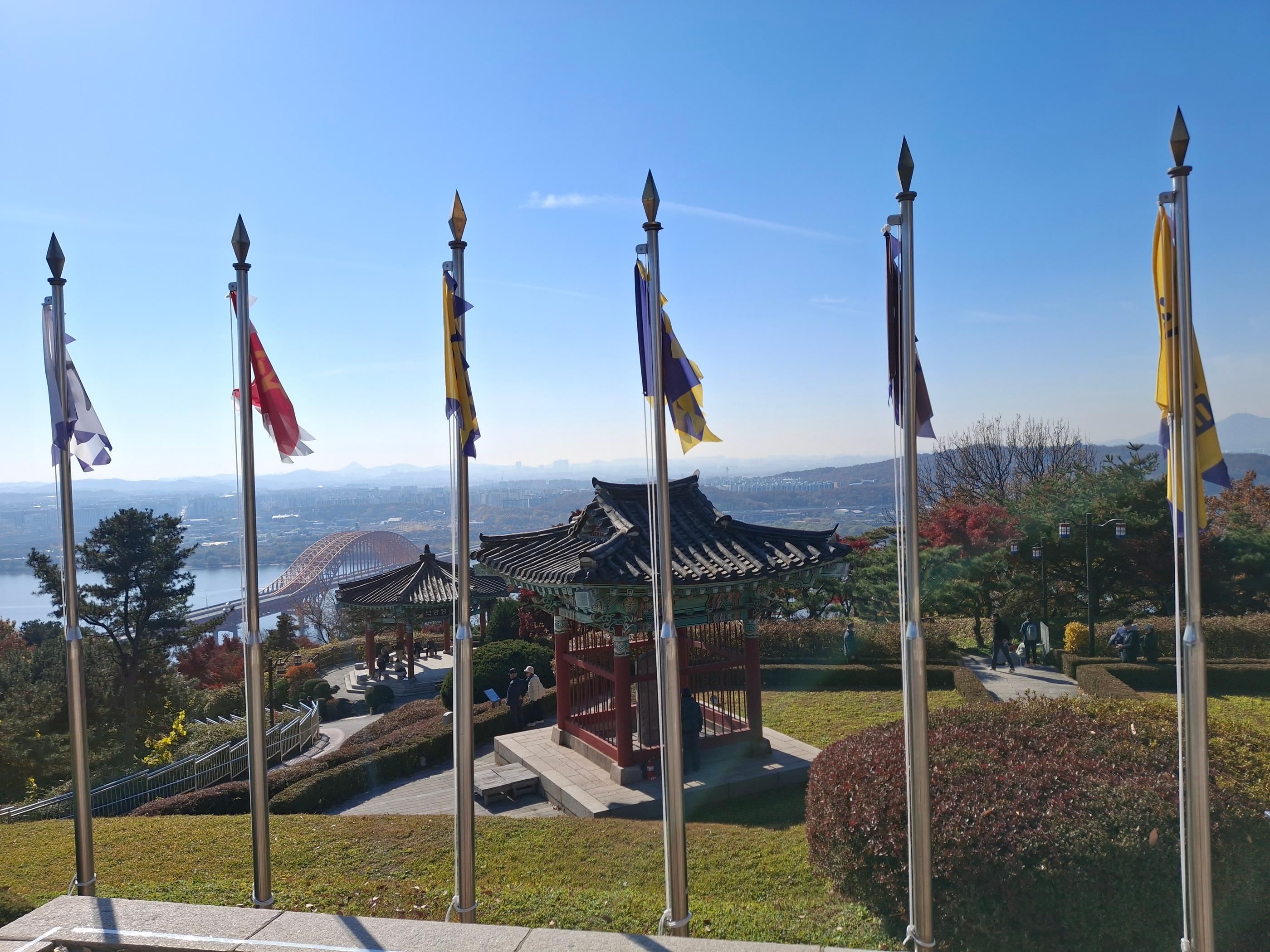
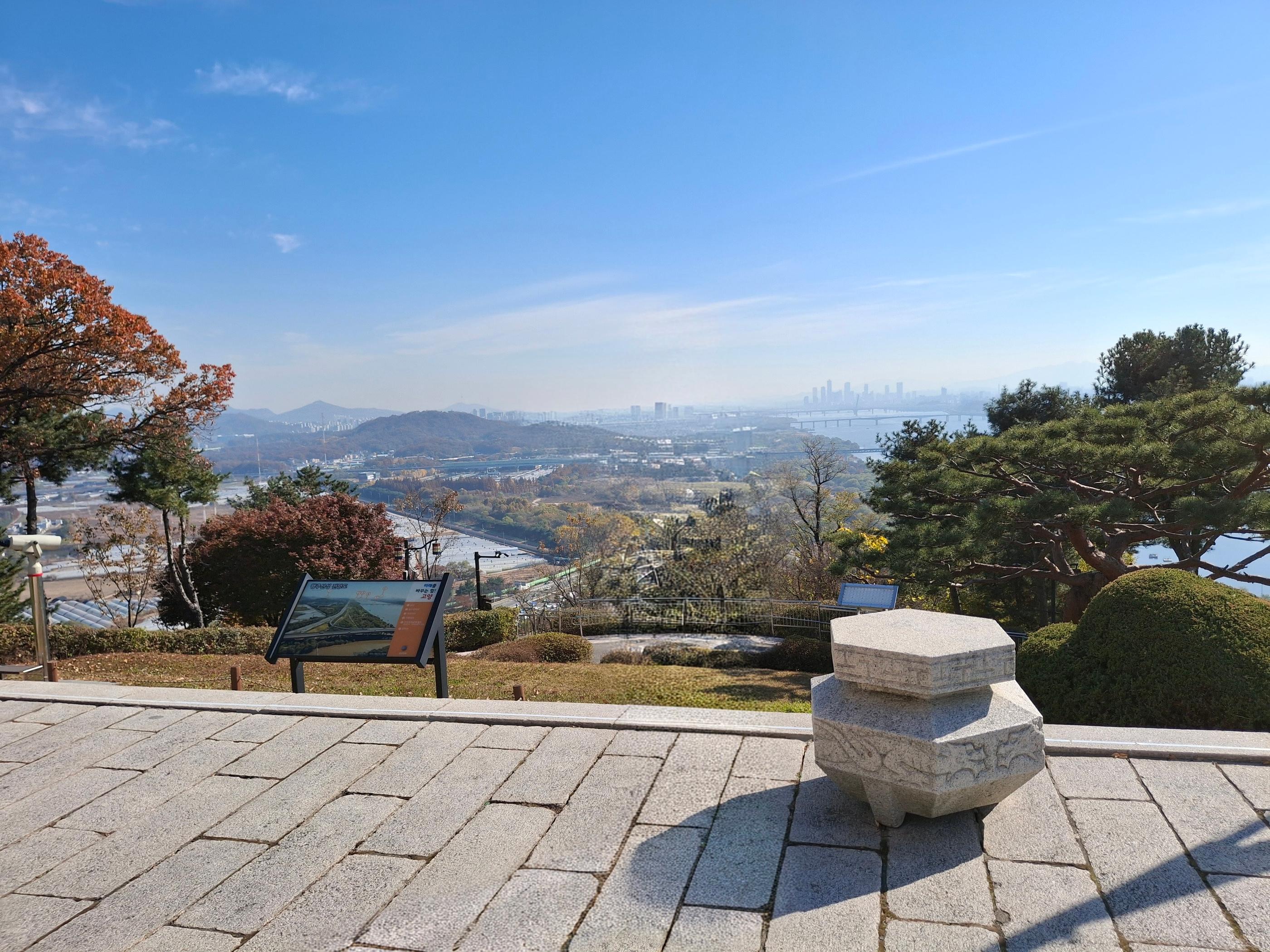
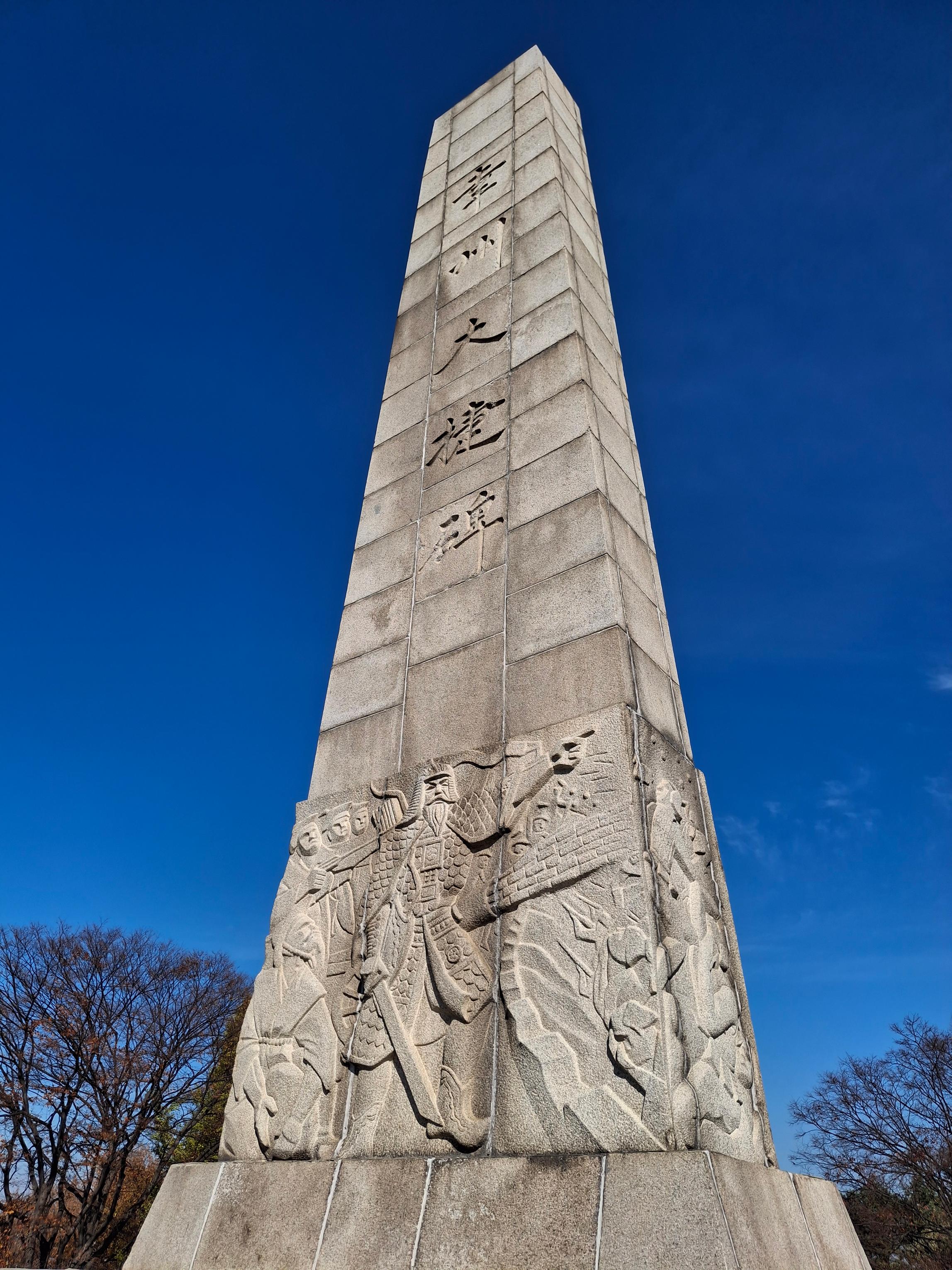
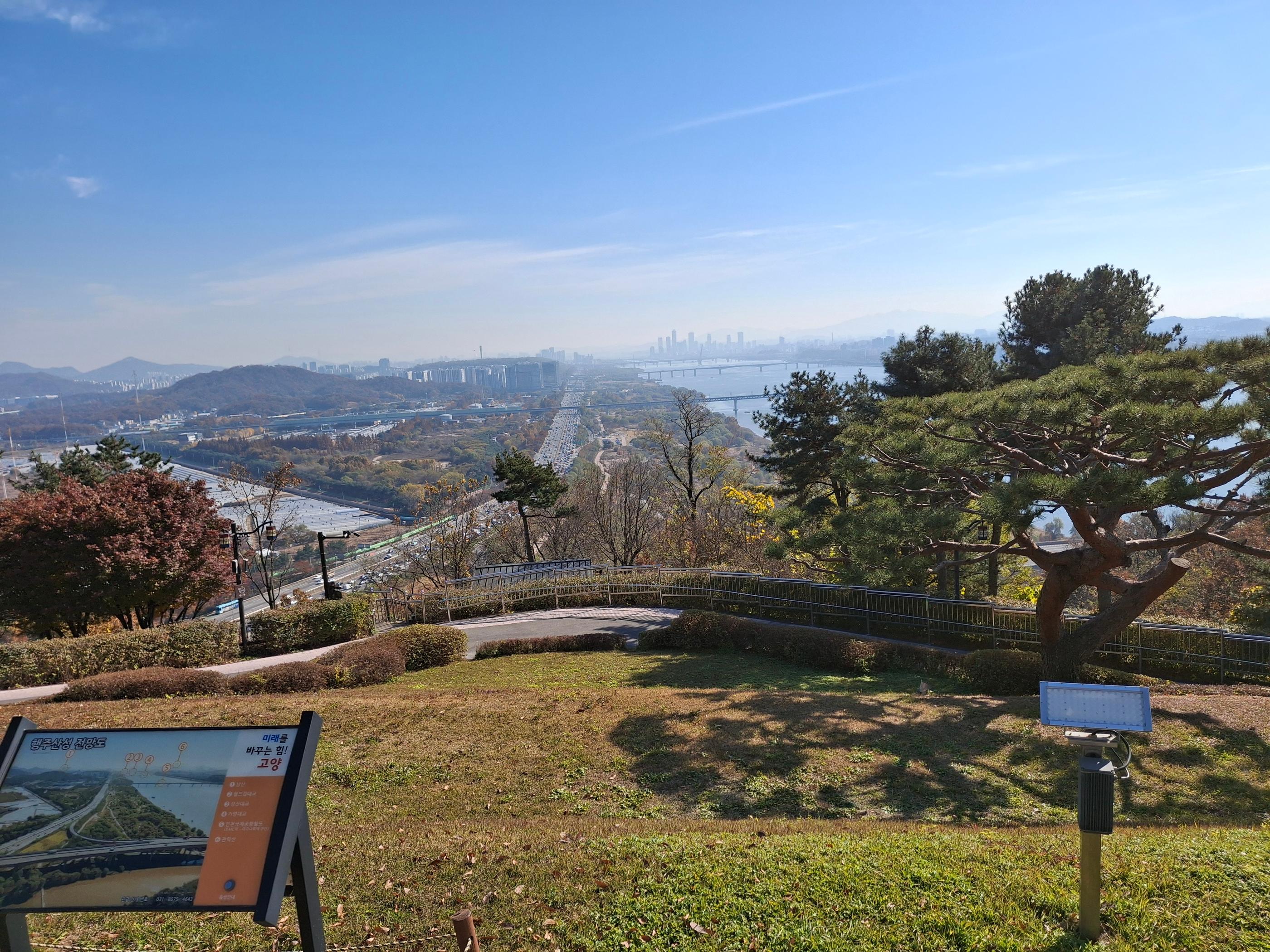
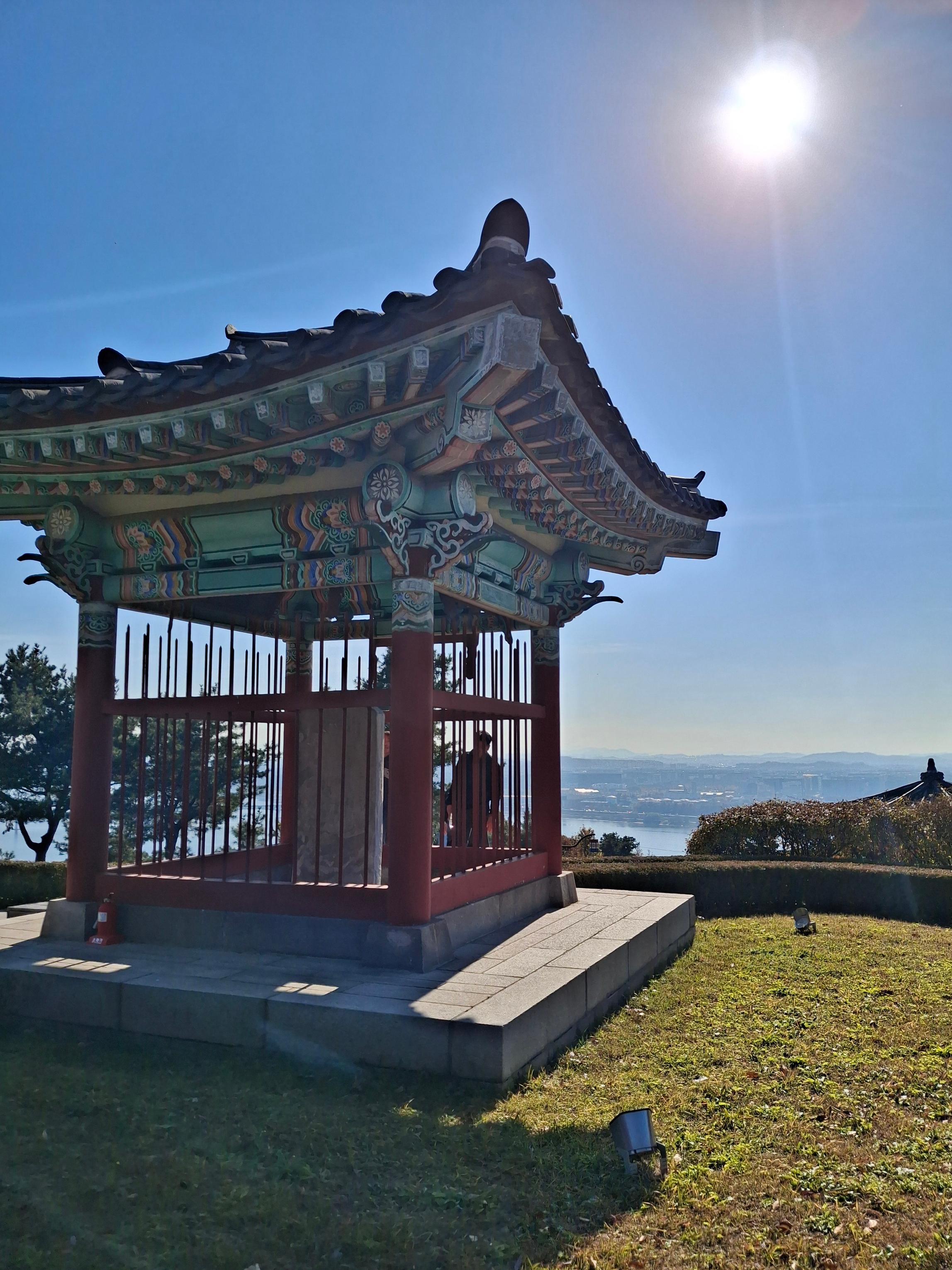
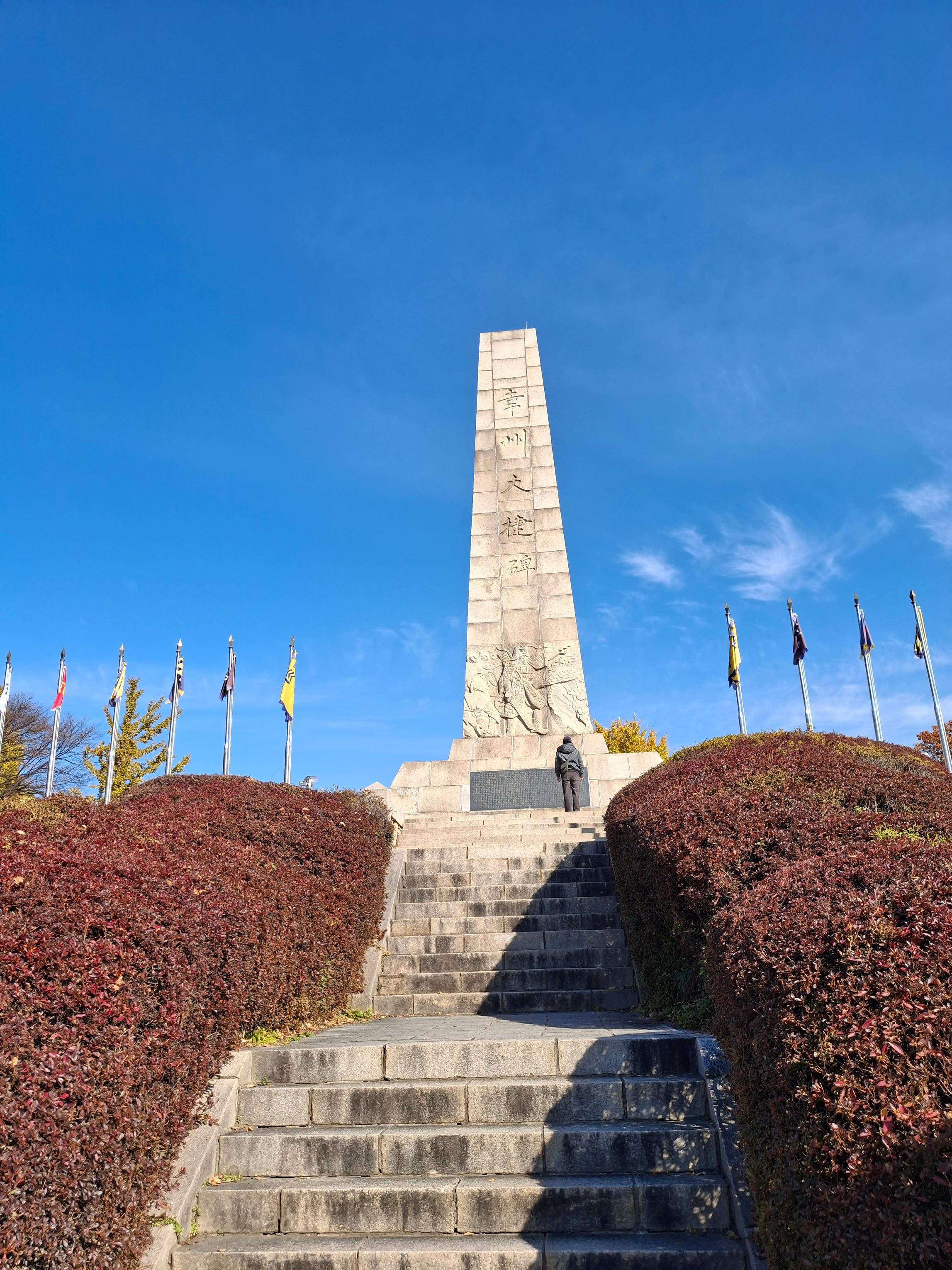
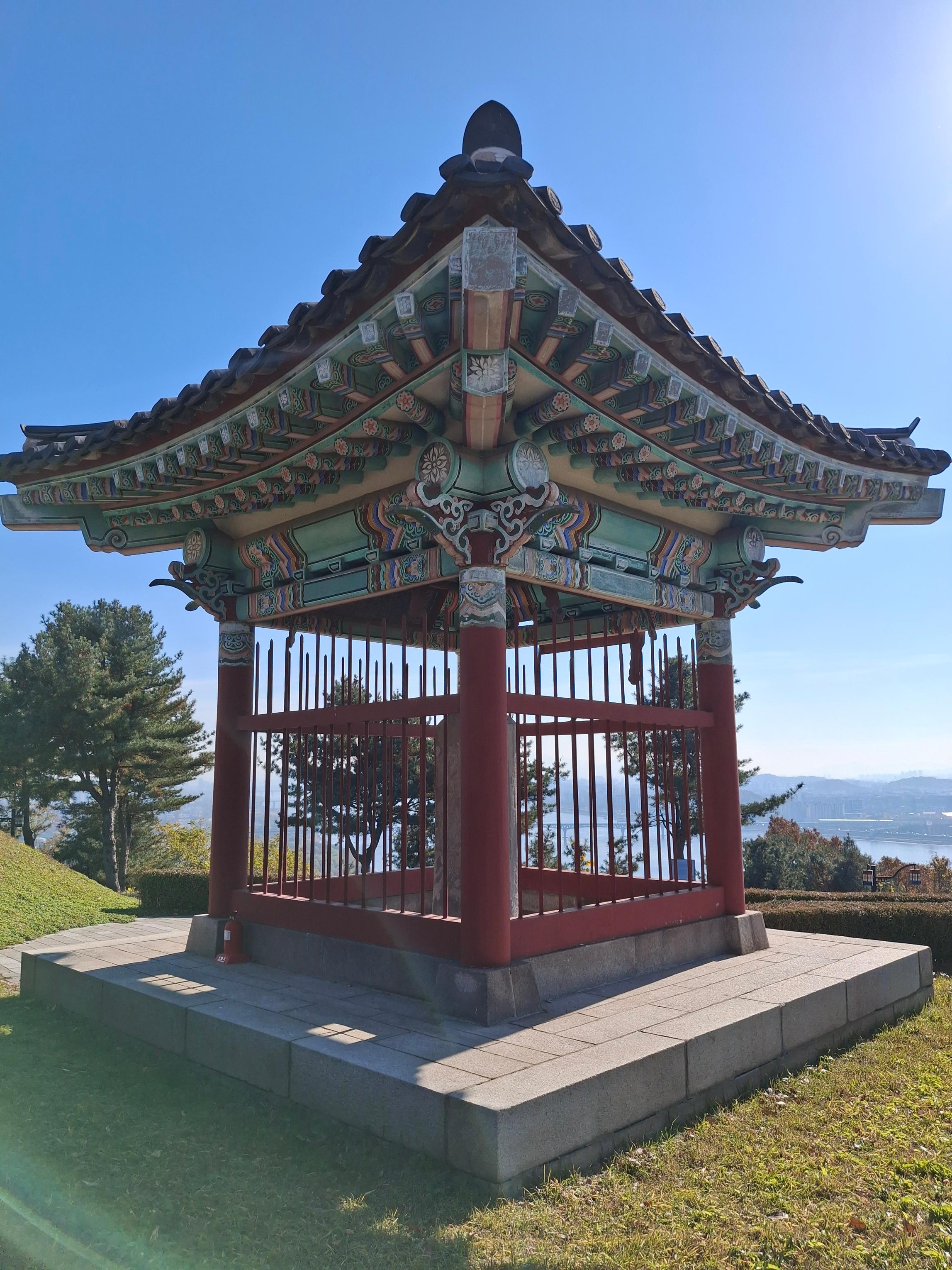
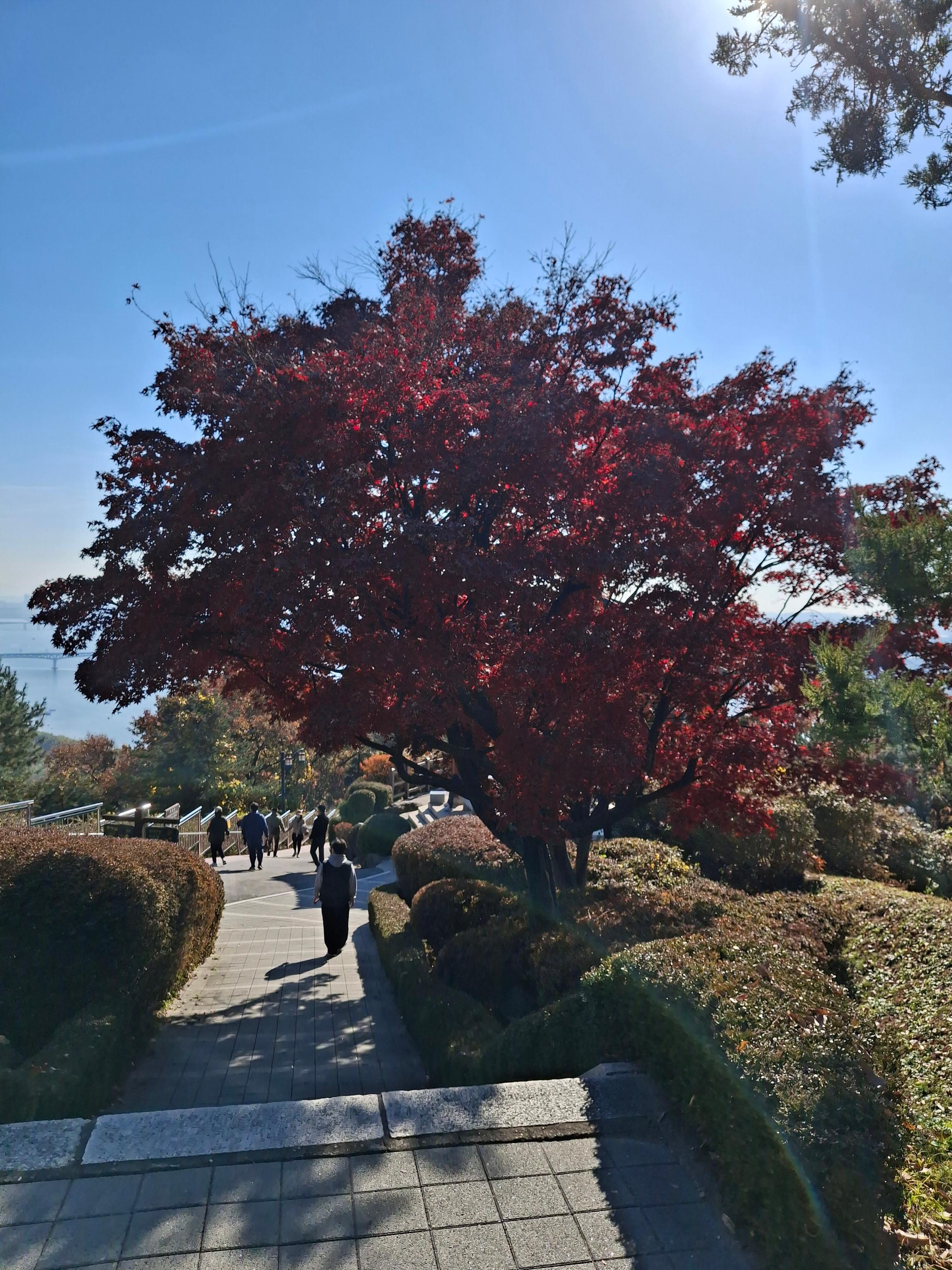
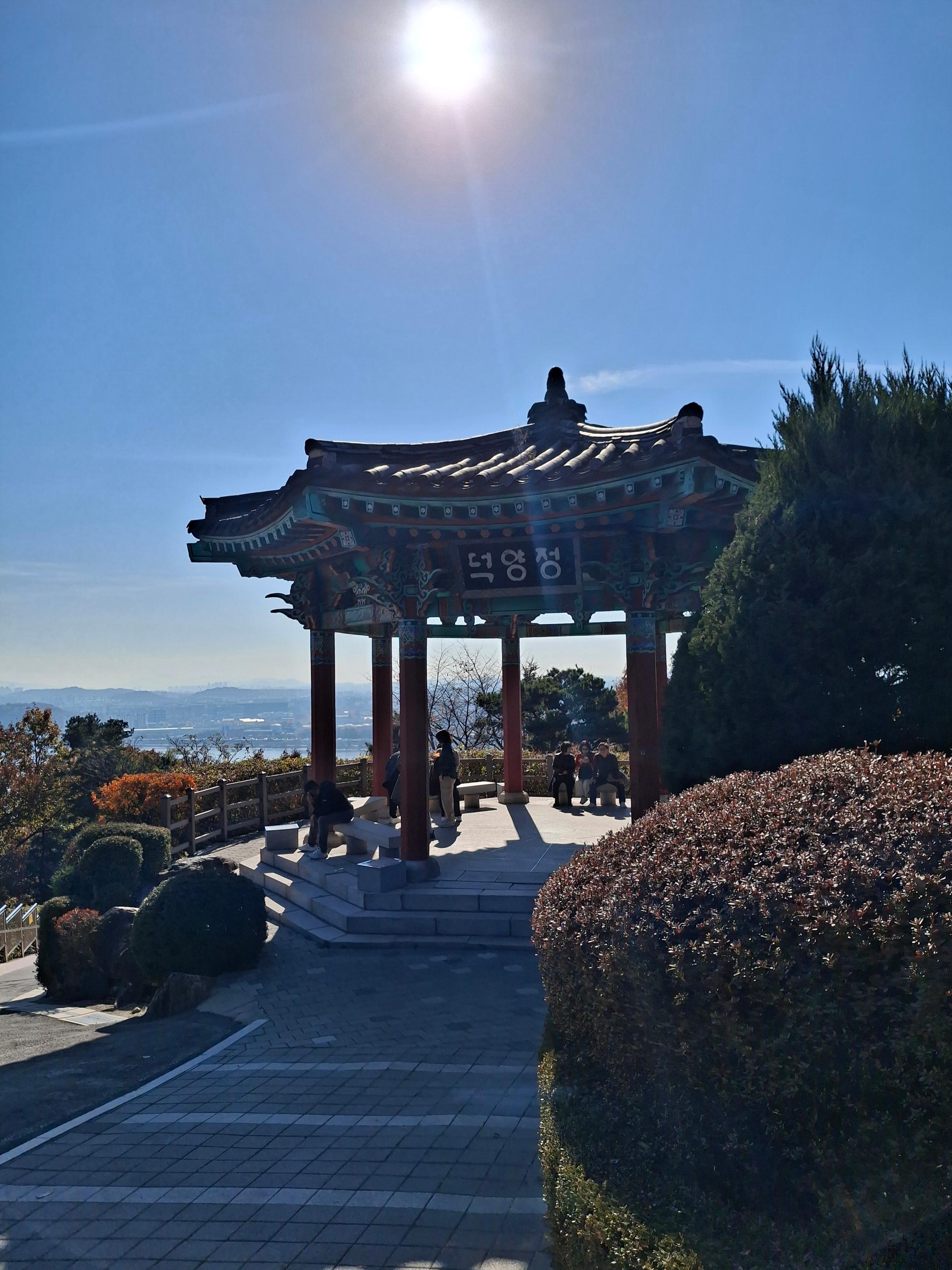
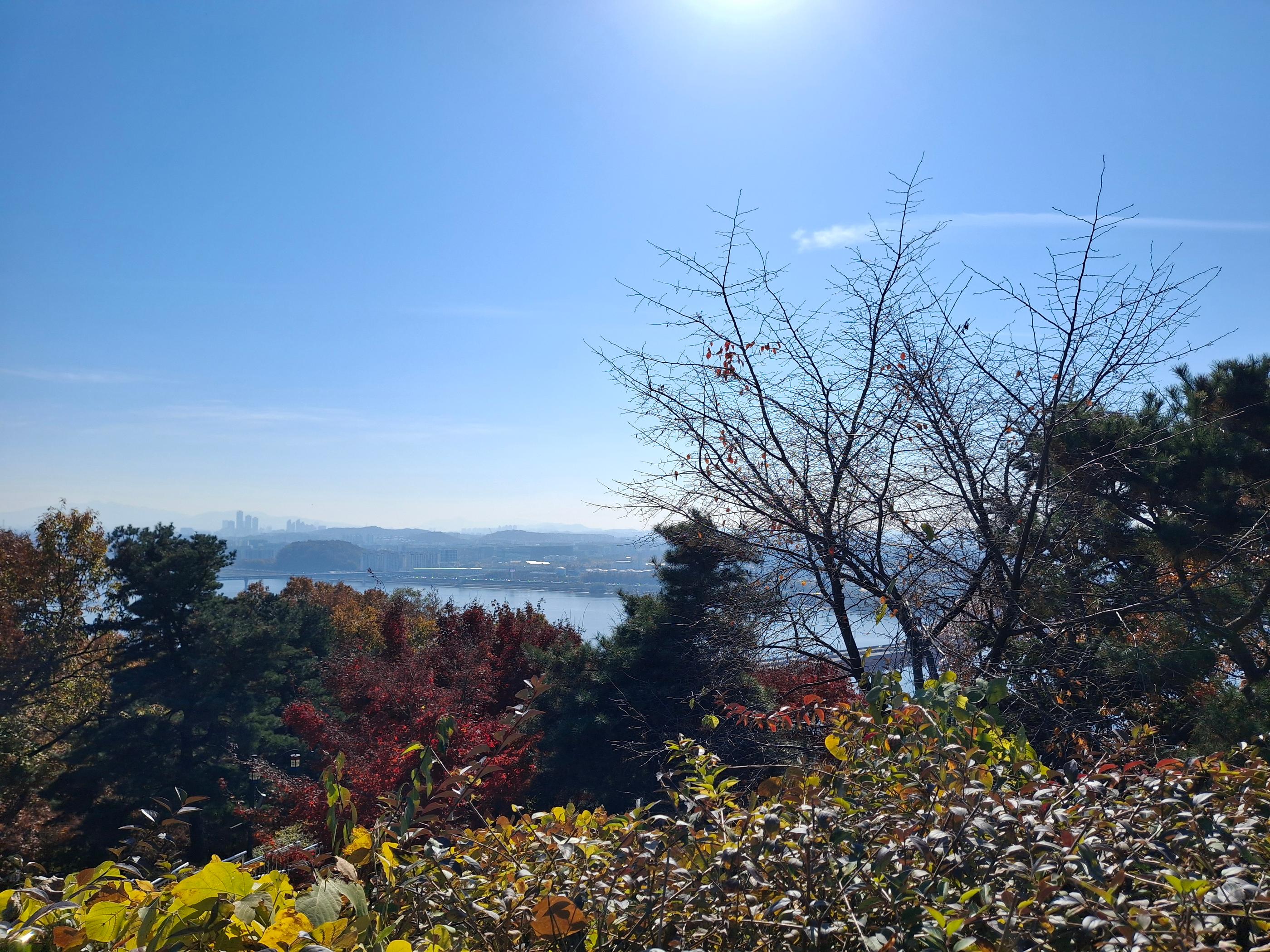
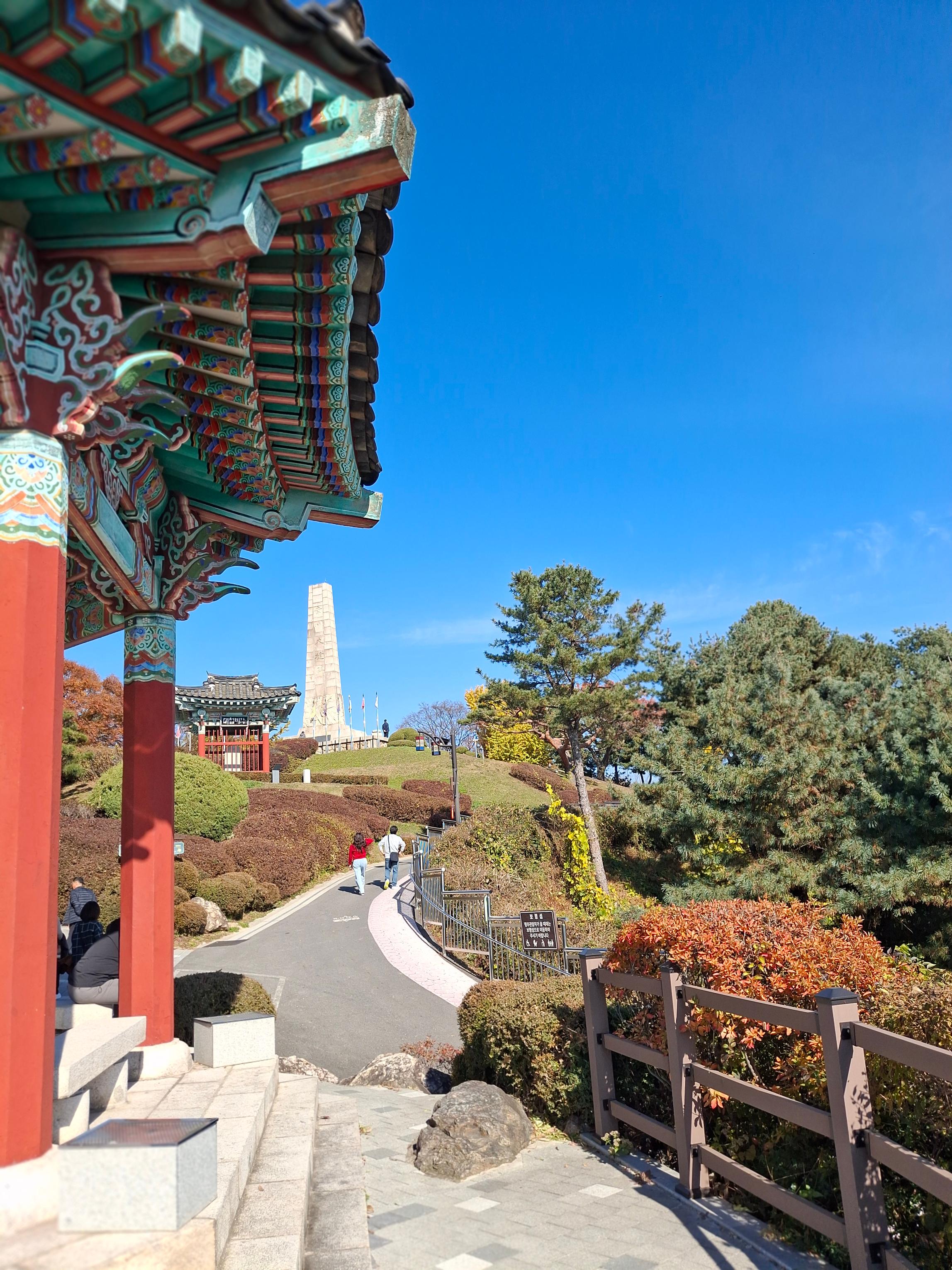
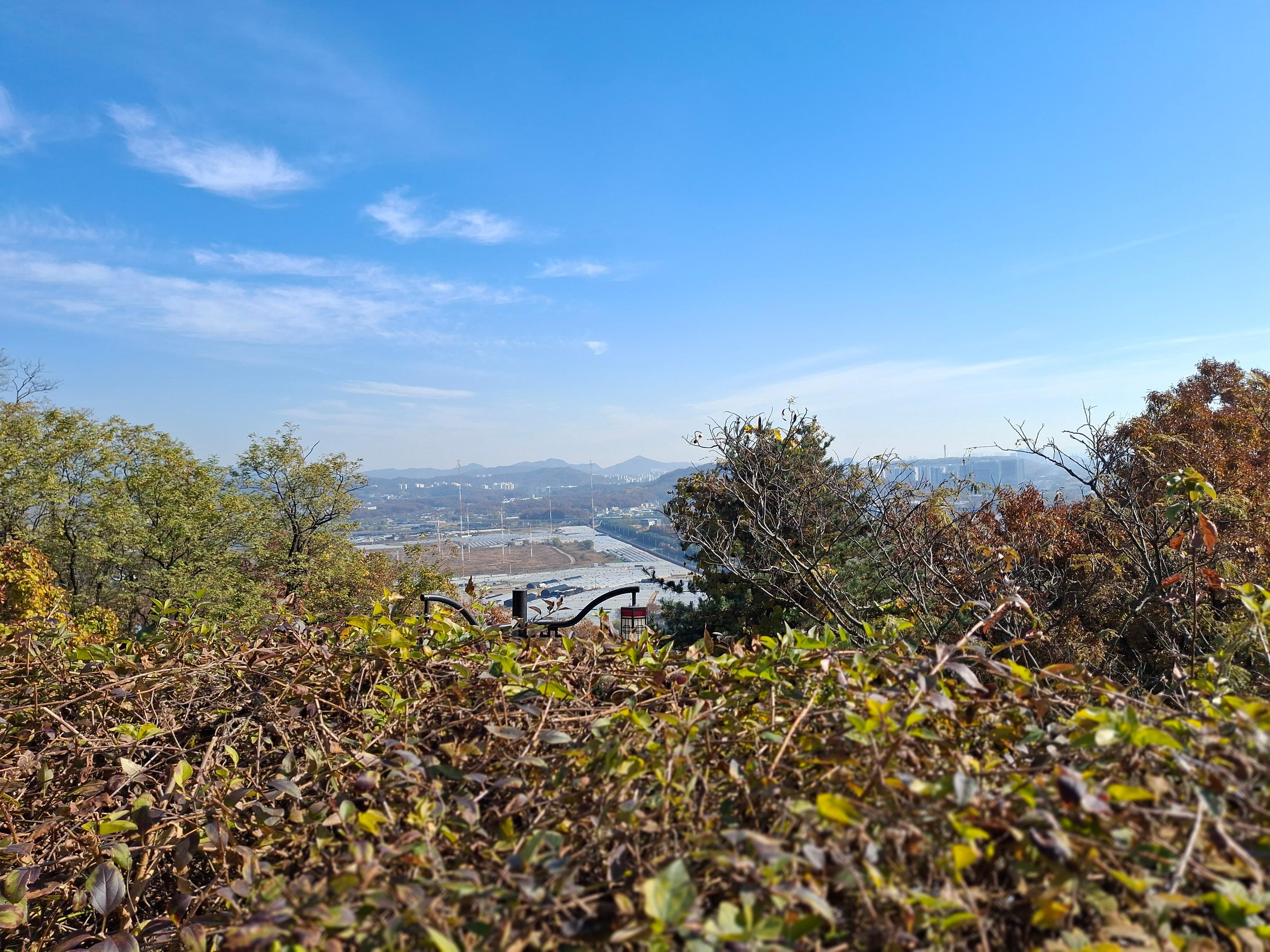
It feels that the roar of victory of that day still remains at this top. To commemorate the souls who scarified their lives, there are events such as Haengjusanseong Sunrise on every New Year’s Day and the Battle of Haengju Festival in every March. As you climb up the steep mountain trail, you may imagine the people who would have struggled and suffered on this mountain to battle at the risk of their lives.
Not far from the top, if you go along a side path, there is a Chungjangsa Shrine that enshrined the portrait of General Kwon Yul who led the Battle of Haengju to victory. On March 14th every year (solar calendar), Chungjangsa Shrine holds an ritual to commemorate the Battle of Haengju.
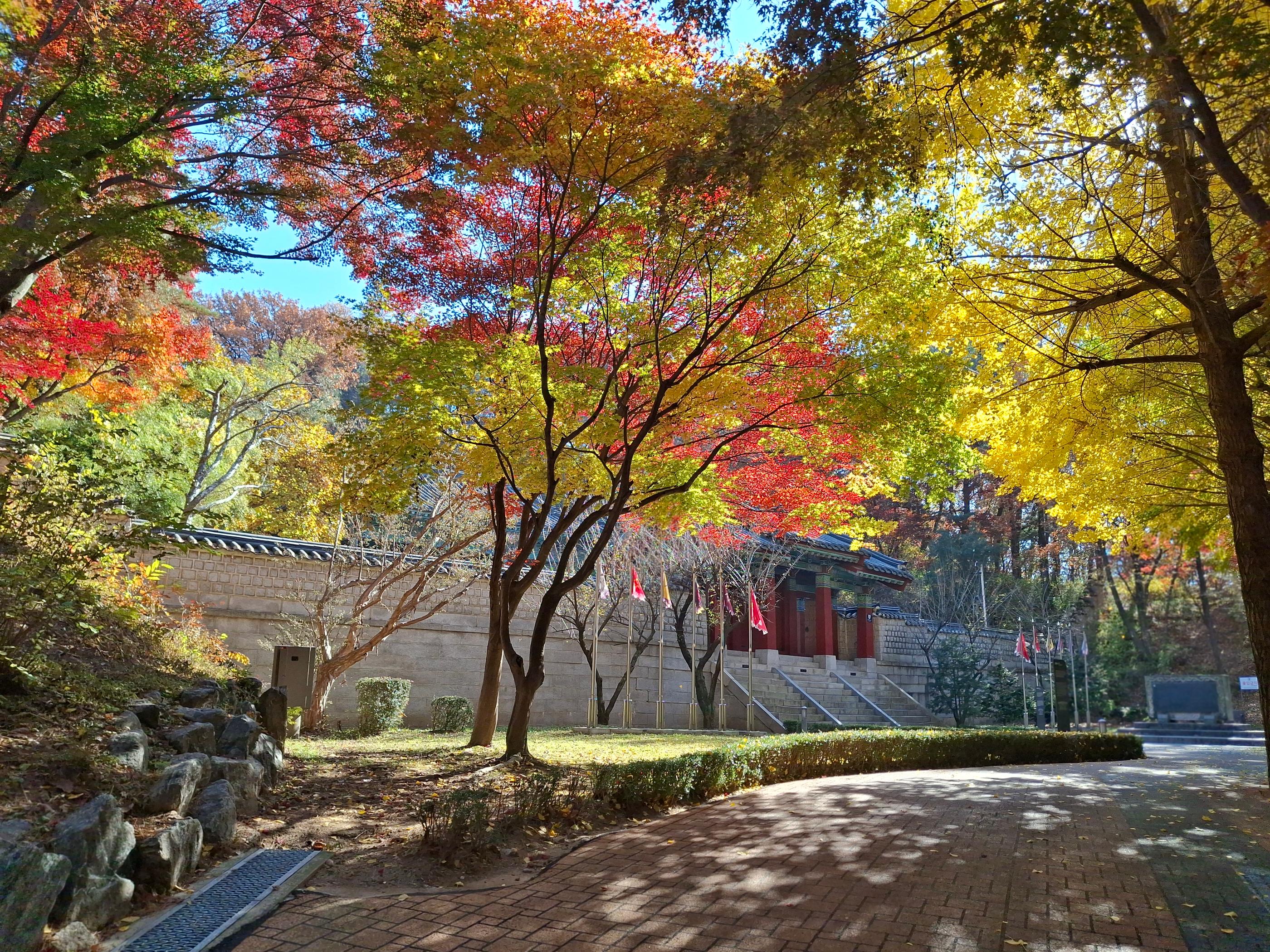
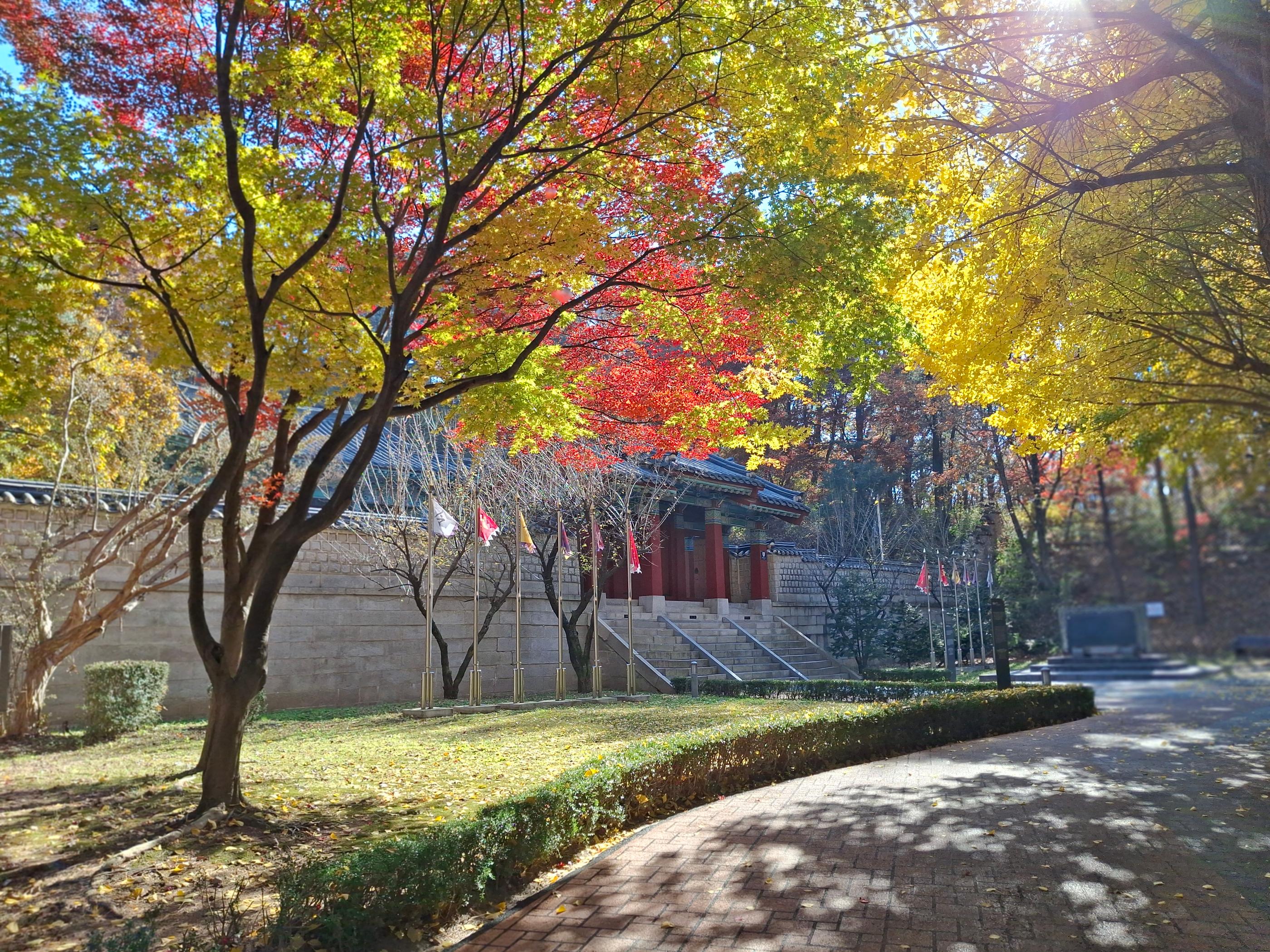
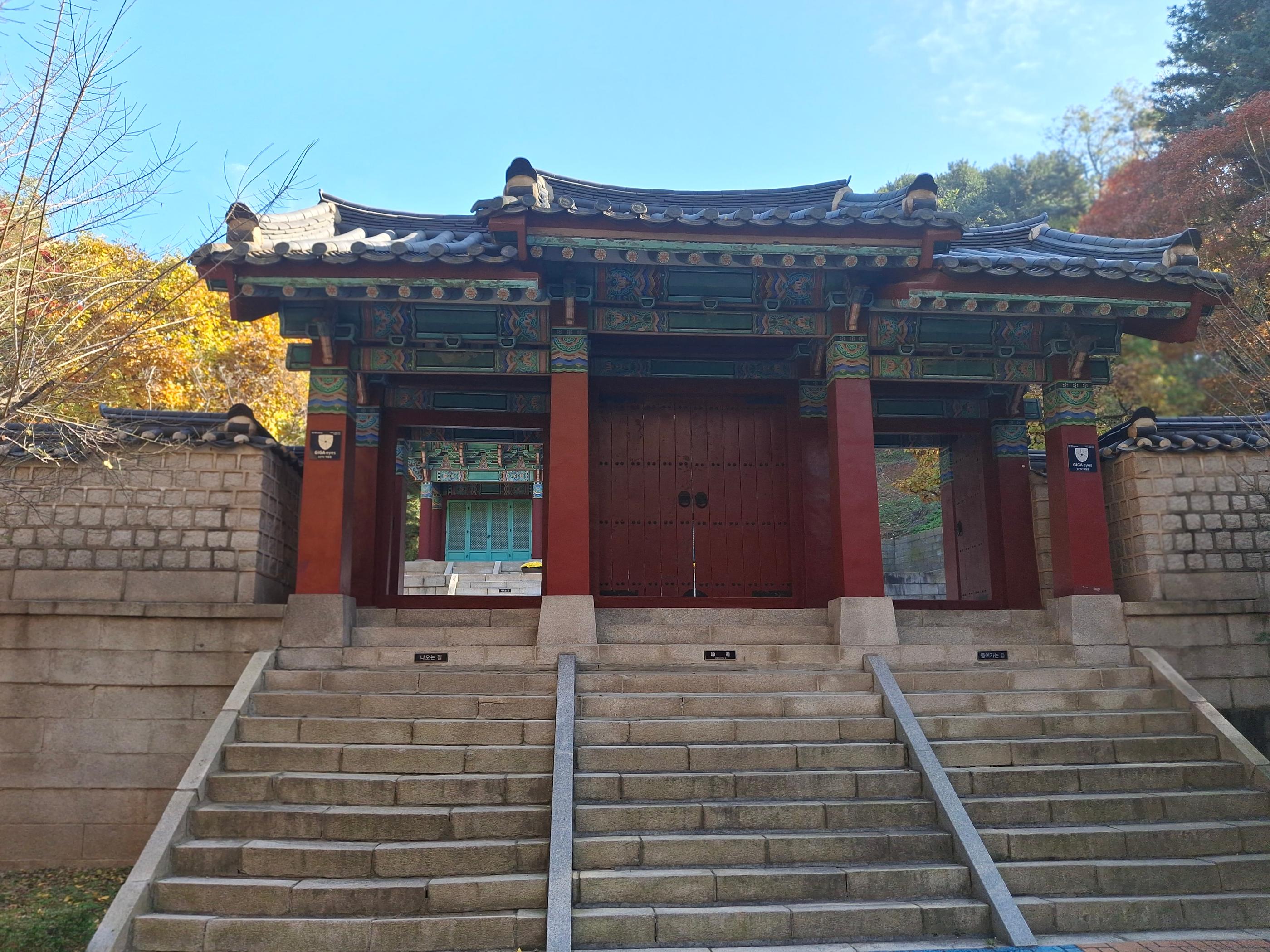
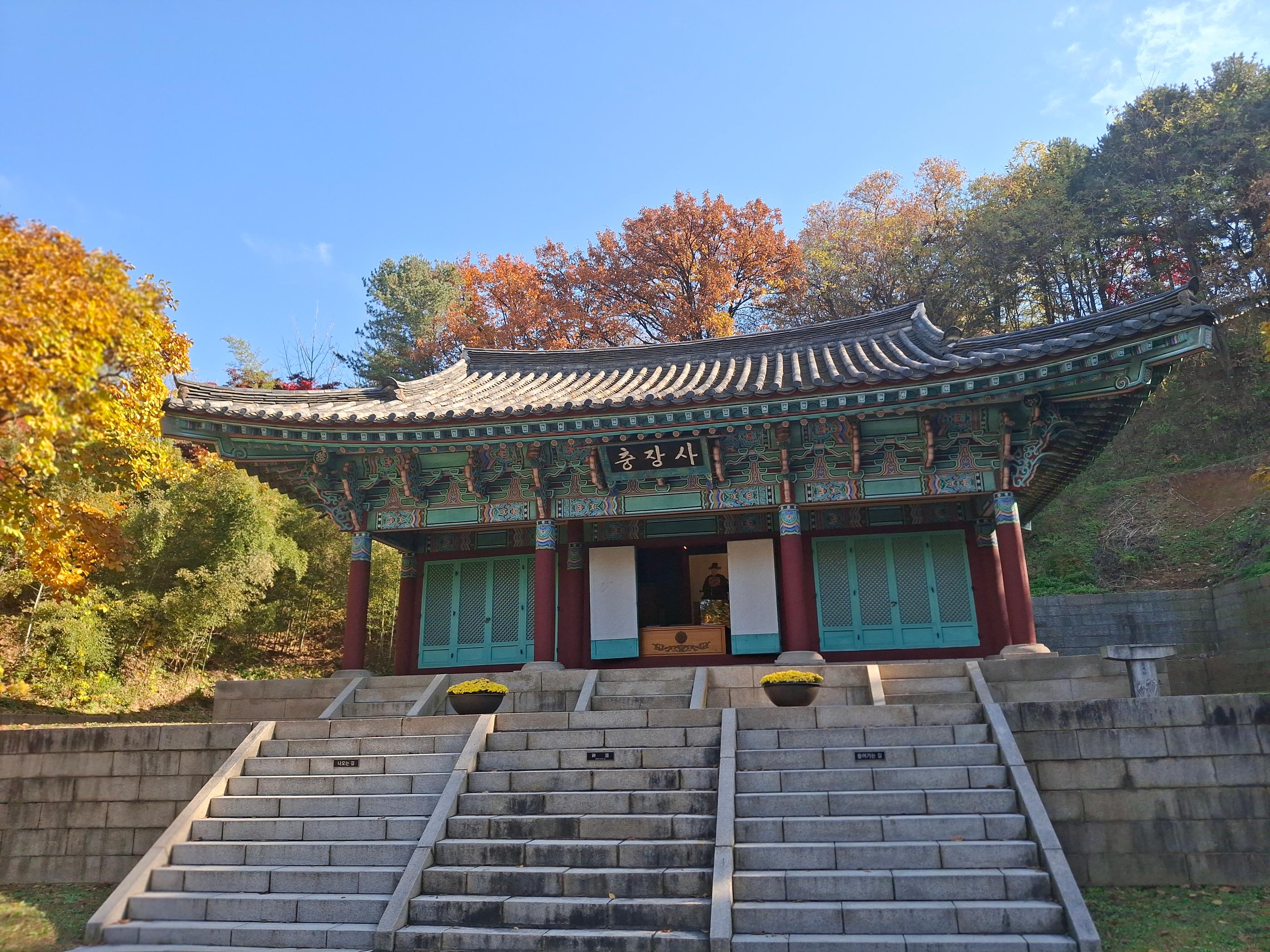
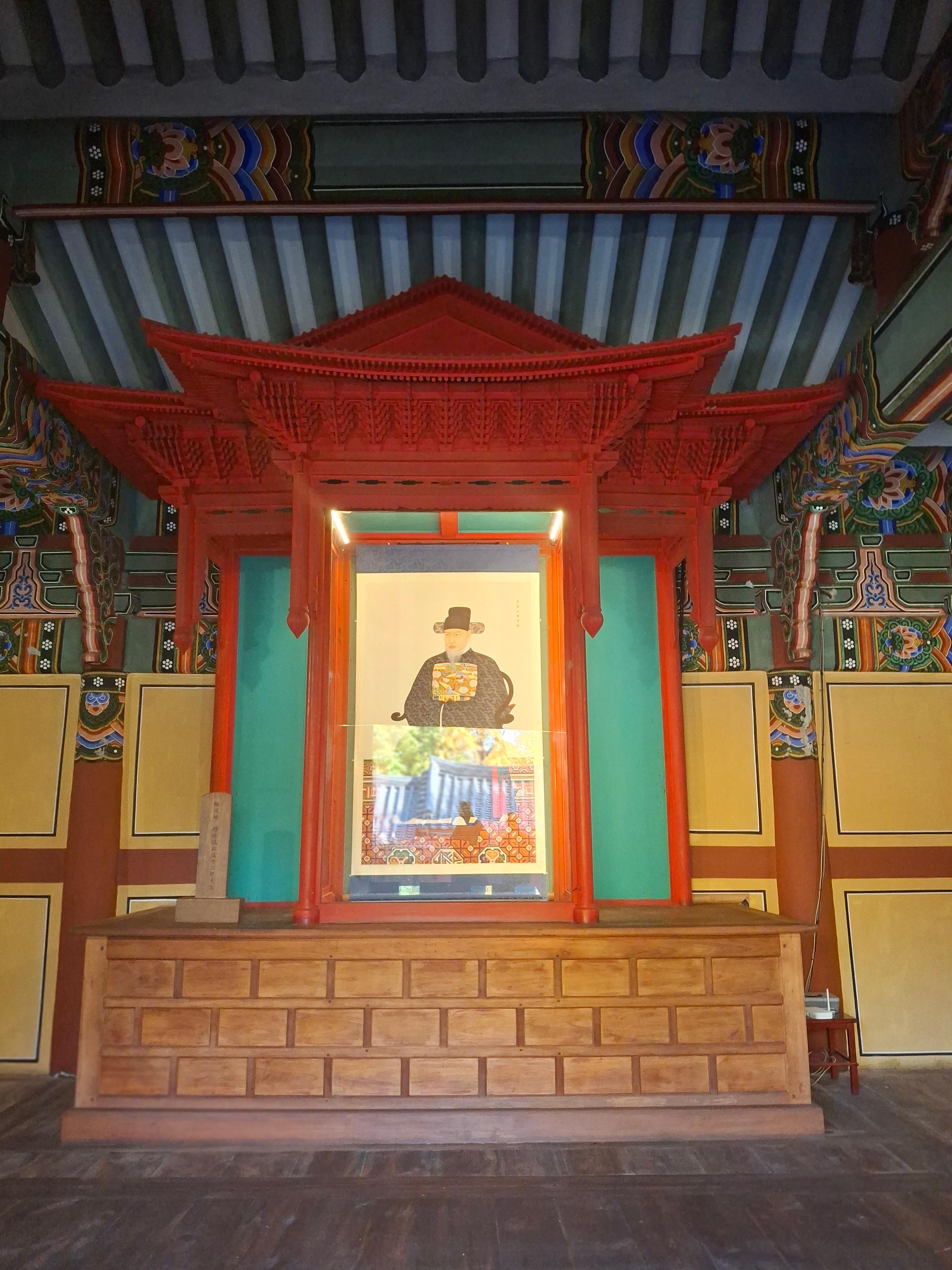
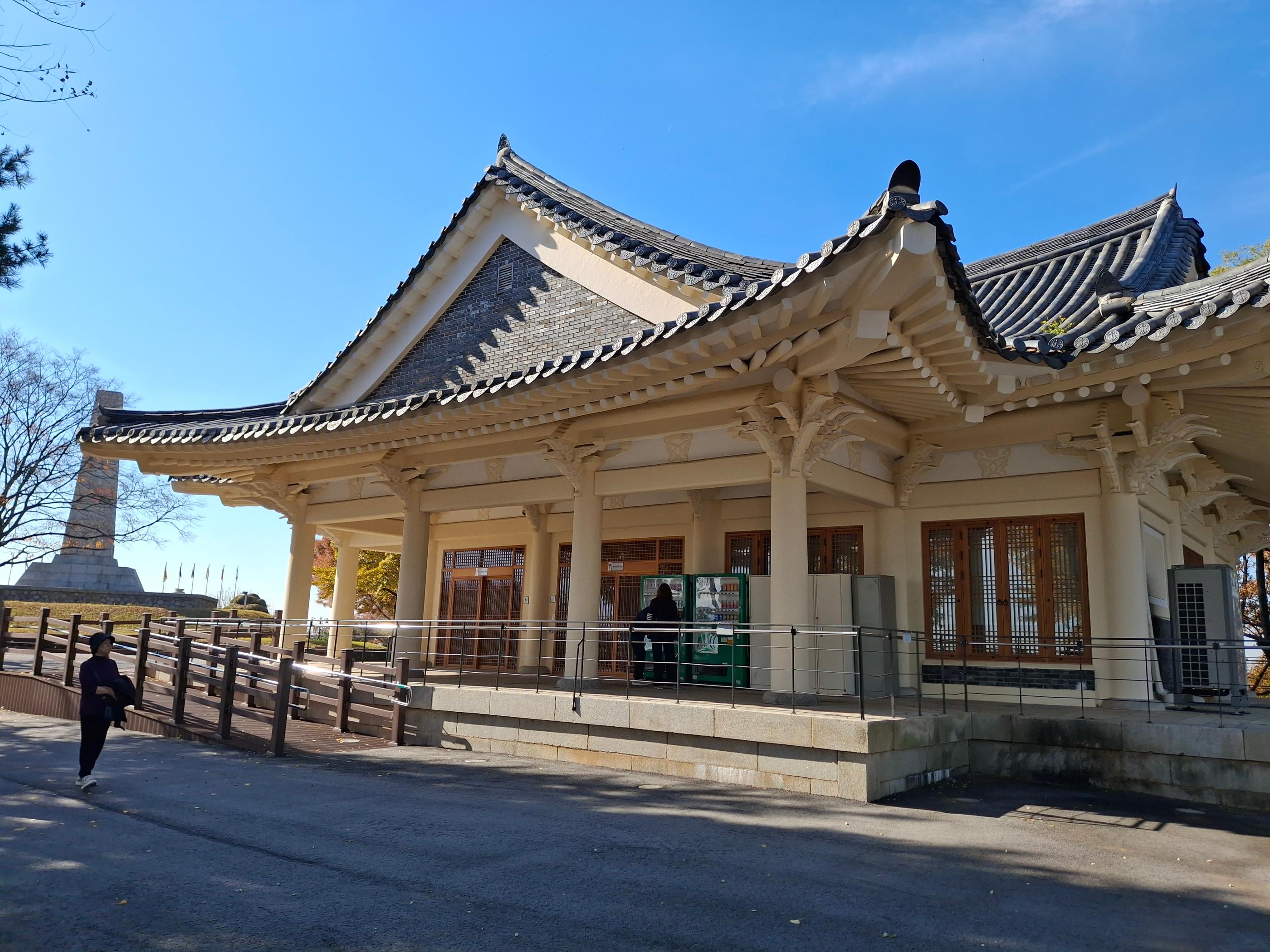
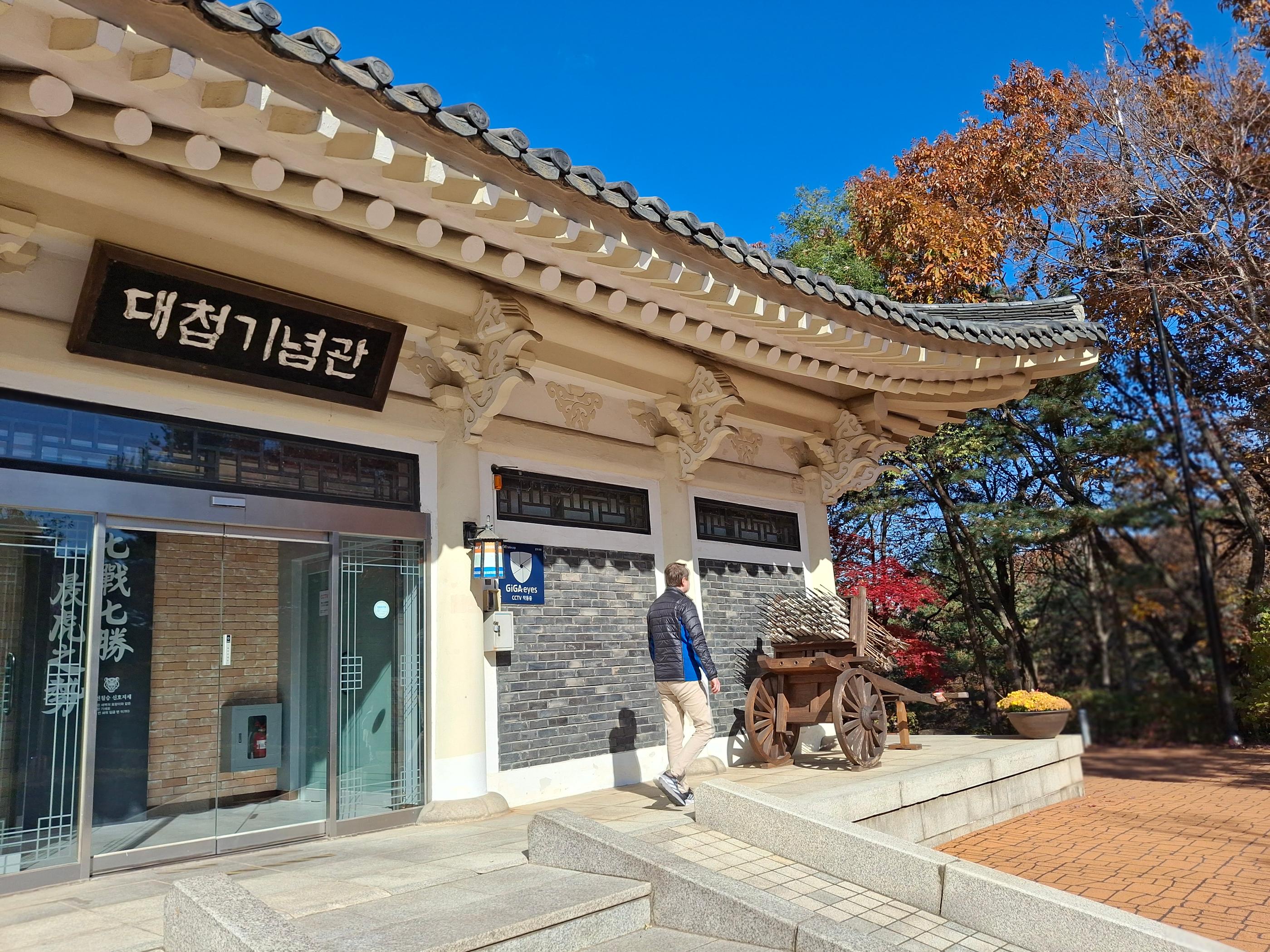
As you follow the path to the fortress, you will see a forked road. Turn left to reach the top of the mountain, or turn right to go to the Memorial Hall for the Battle of Haengju. Maybe head to the Memorial Hall for the Battle of Haengju to keep pace and study history at the same time.
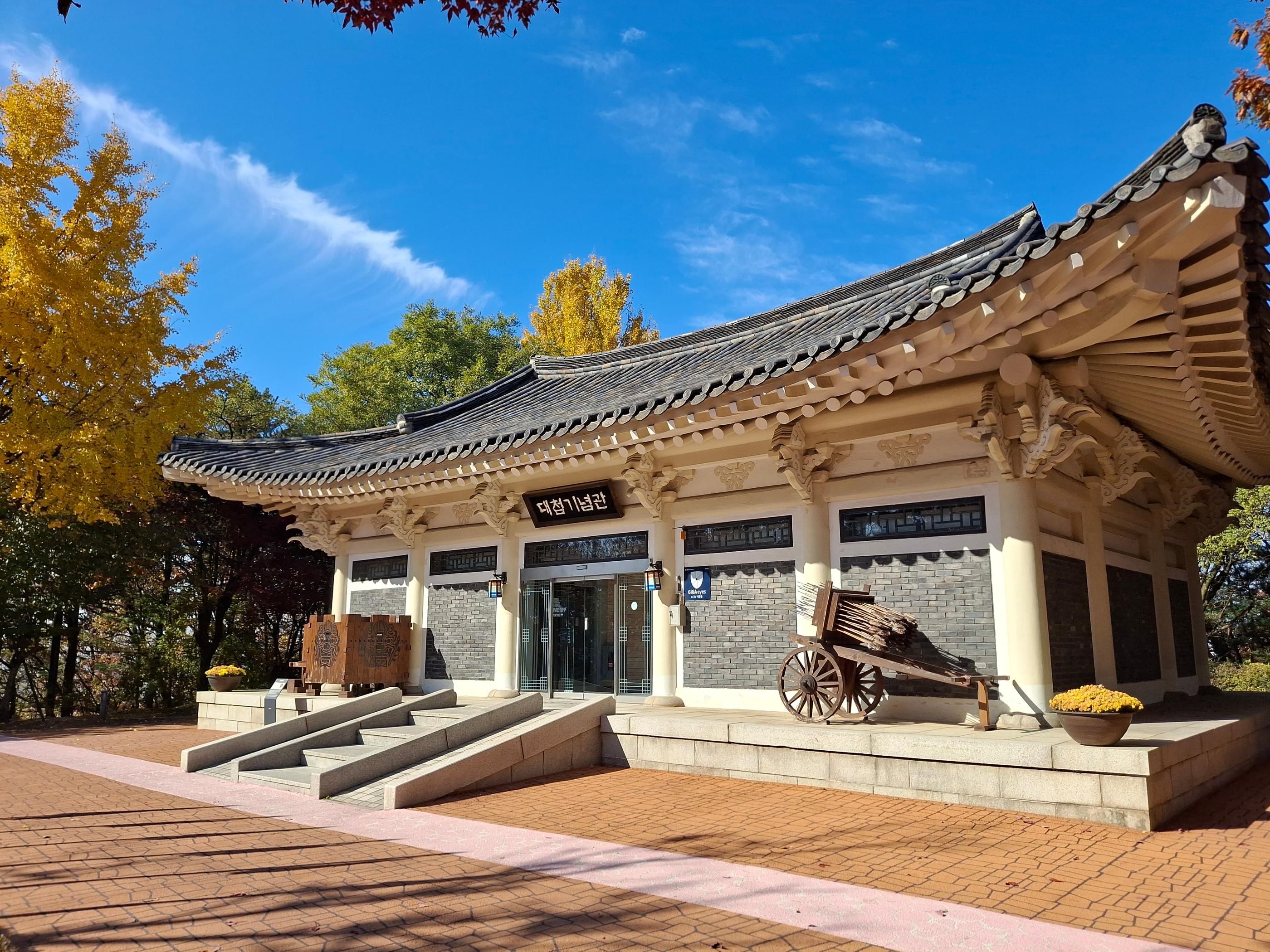
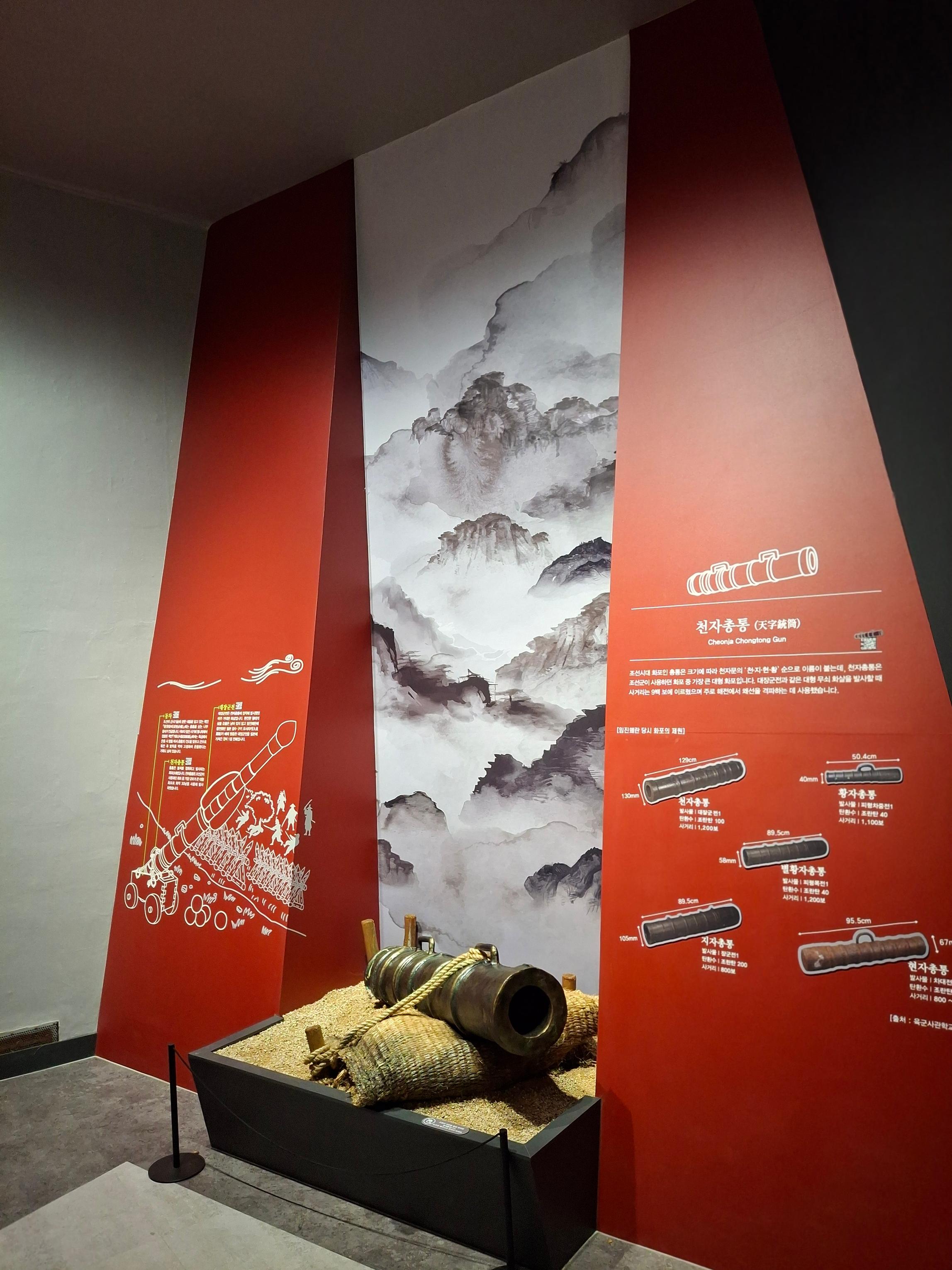
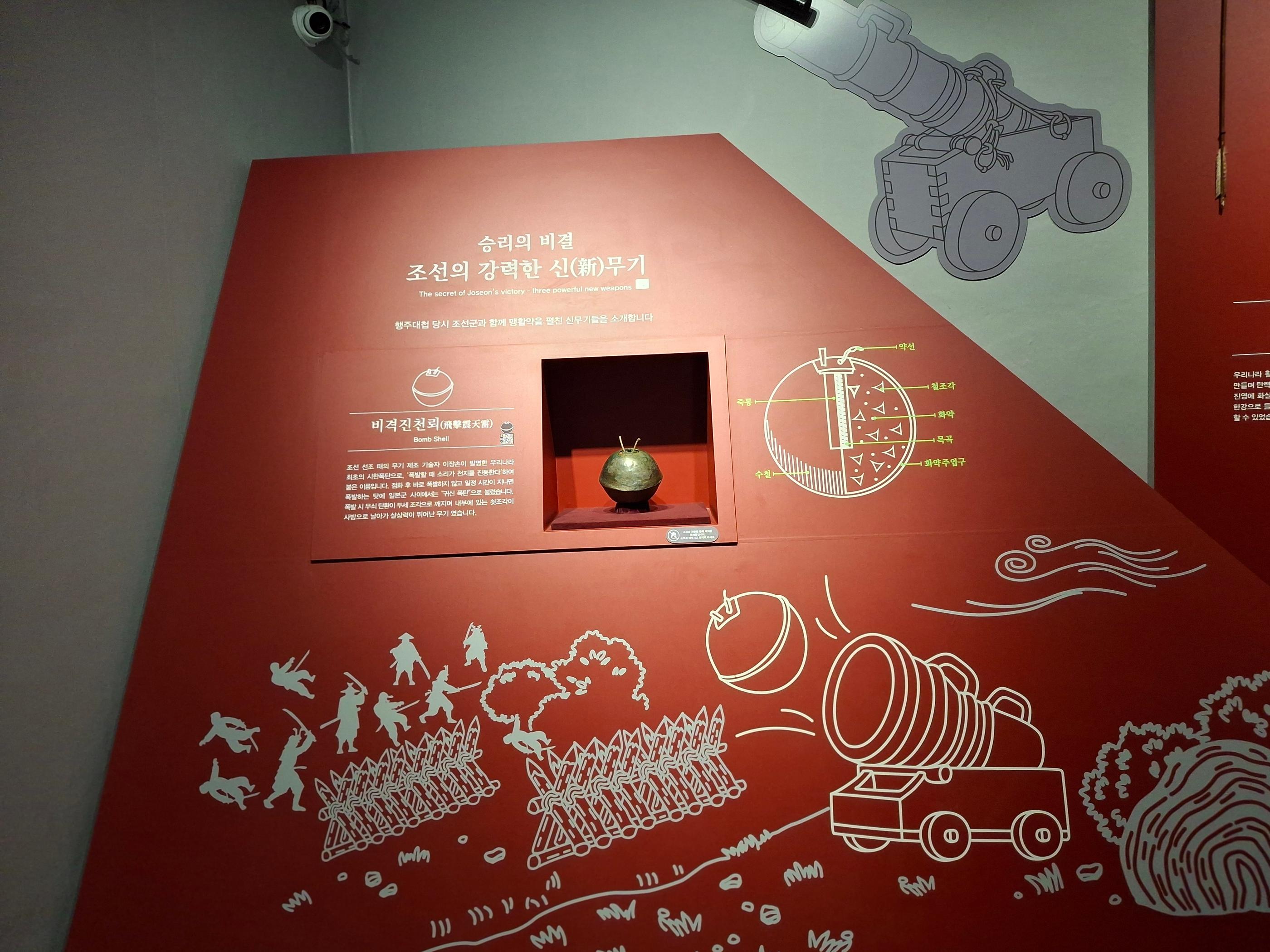
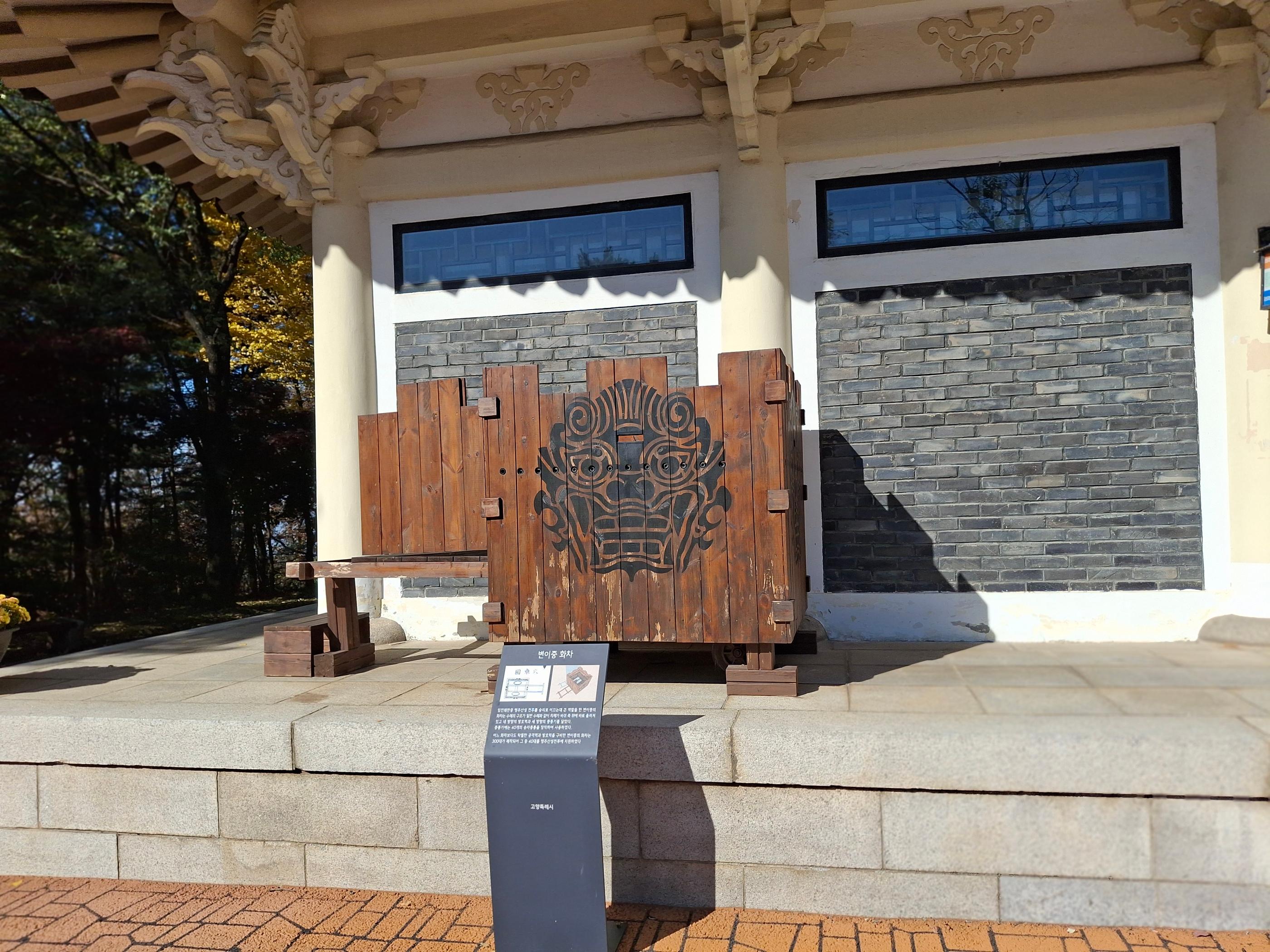
The Memorial Hall houses a variety of weapons used at the time, including sinjijeon, the secret weapon of Joseon that led them to victory. The paintings of the Imjin War, including the Battle of Haengju, Battle of Ichi, and Battle of Doksanseong Fortress, will let you feel the fierce battle scene.
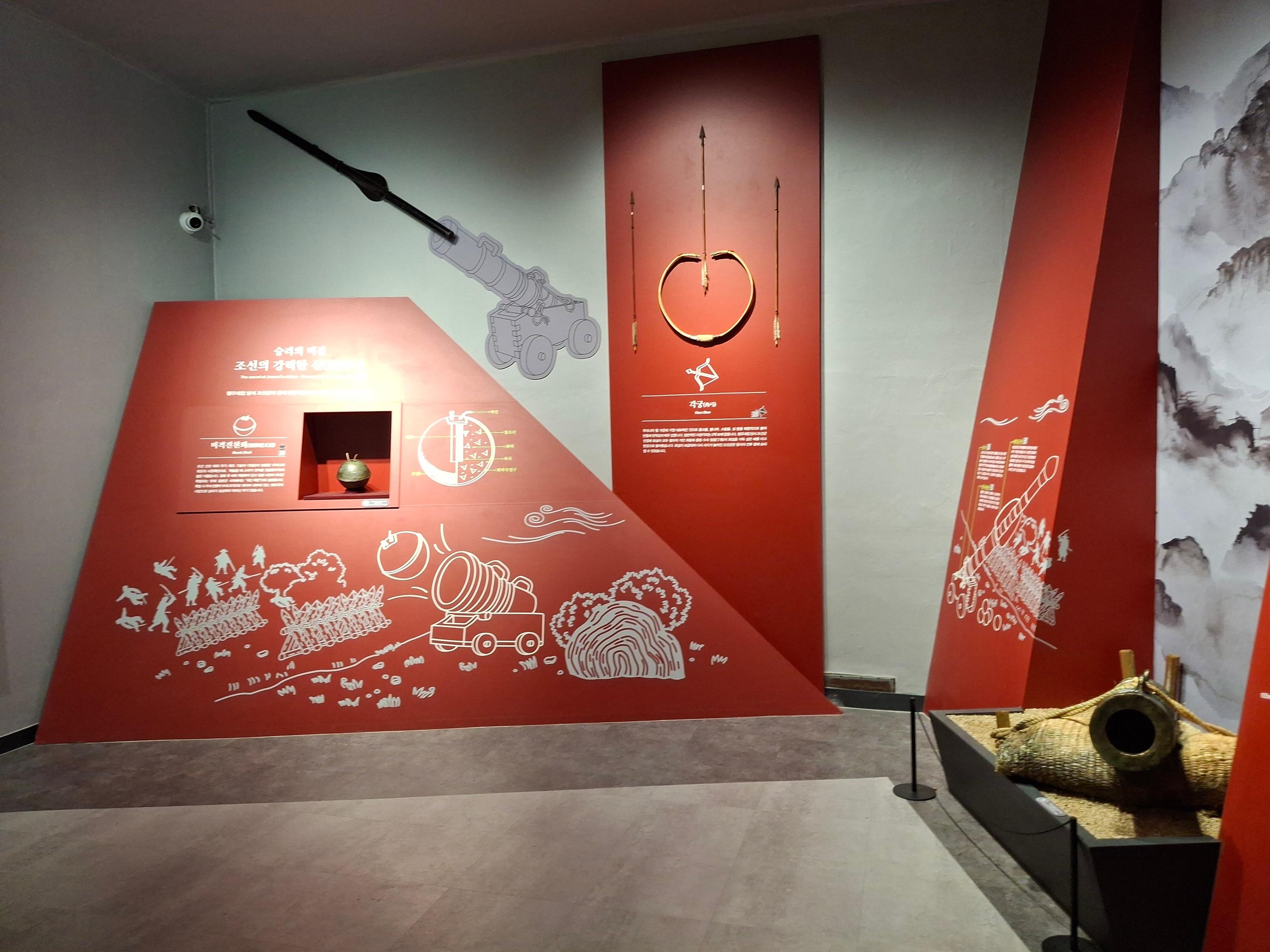
I highly recommend visiting the fortress and park, especially in the spring or fall. You can enjoy a leisurely stroll among the trees with magnificent views and a glimpse into Korea's glorious and tragic past.