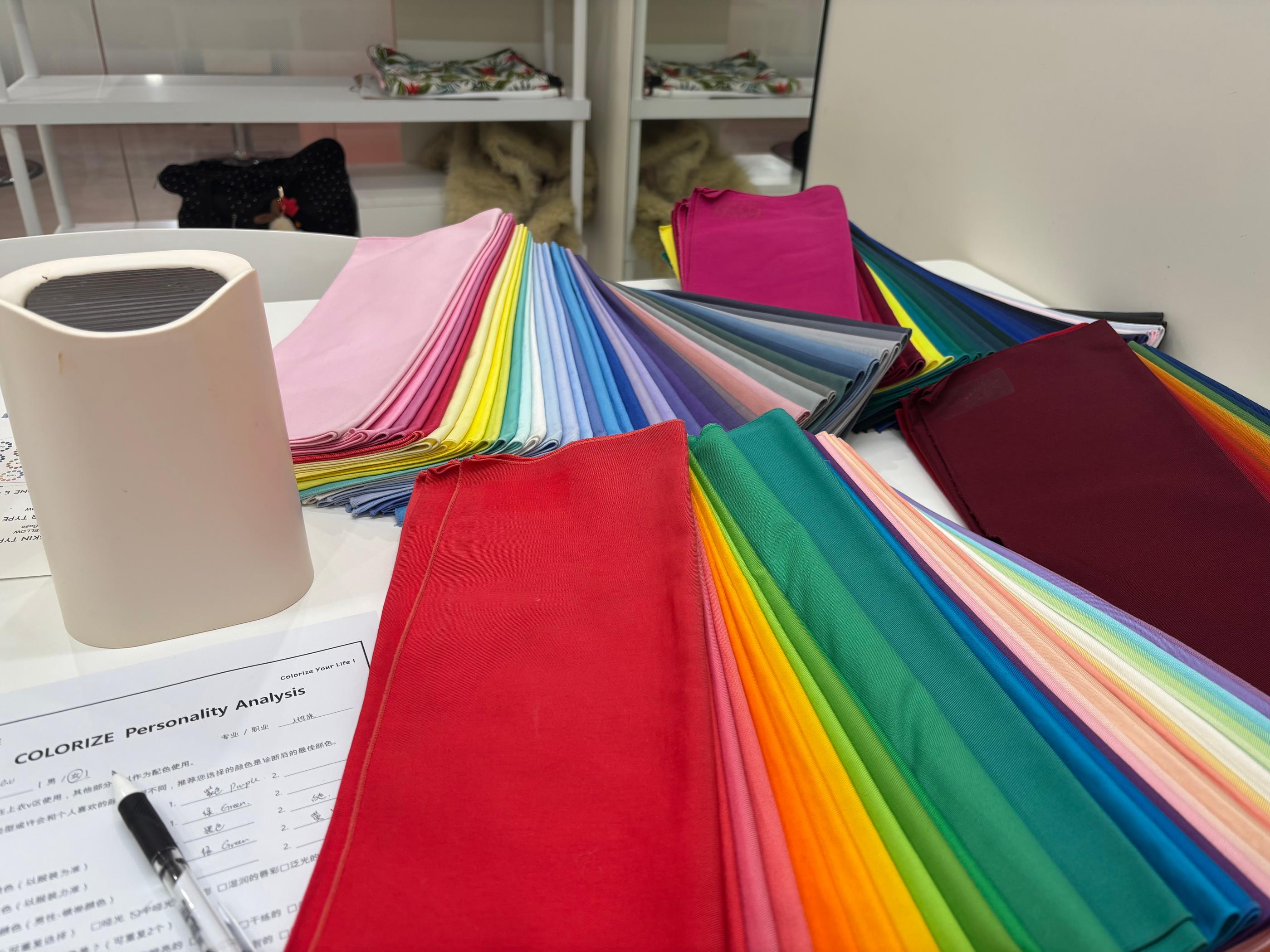



Myeongdong Color Test

Eva
6 months ago
[Preface: Booking and First Impressions]
On this trip to Seoul Station, I booked the highly recommended personal color diagnosis through Creatrip. I have to say, the platform’s booking experience was very smooth, and the pricing was extremely transparent. Compared with the expensive walk-in full price at the store, the online booking discount was really tempting. Because my schedule was tight, I locked in a slot two weeks in advance. When I arrived, the consultant and a Chinese-speaking translator were already ready. The studio’s overall environment was decent, with good natural light, creating a professional aesthetic vibe.
[Phase 1: Communication and Questionnaire]
The first step in the process is to fill out a detailed questionnaire. The instructor, through the Chinese-speaking translator, asked about my usual dressing habits, preferred color families, and the biggest concerns I have when shaping my everyday image. I told them I wanted the test to help me find colors that make me look more lively and energetic. This step is simple, but you can feel the instructor trying to build an initial profile of my aesthetic preferences.
[Phase Two: The “Counterintuitive” Experience During the Practical Session]
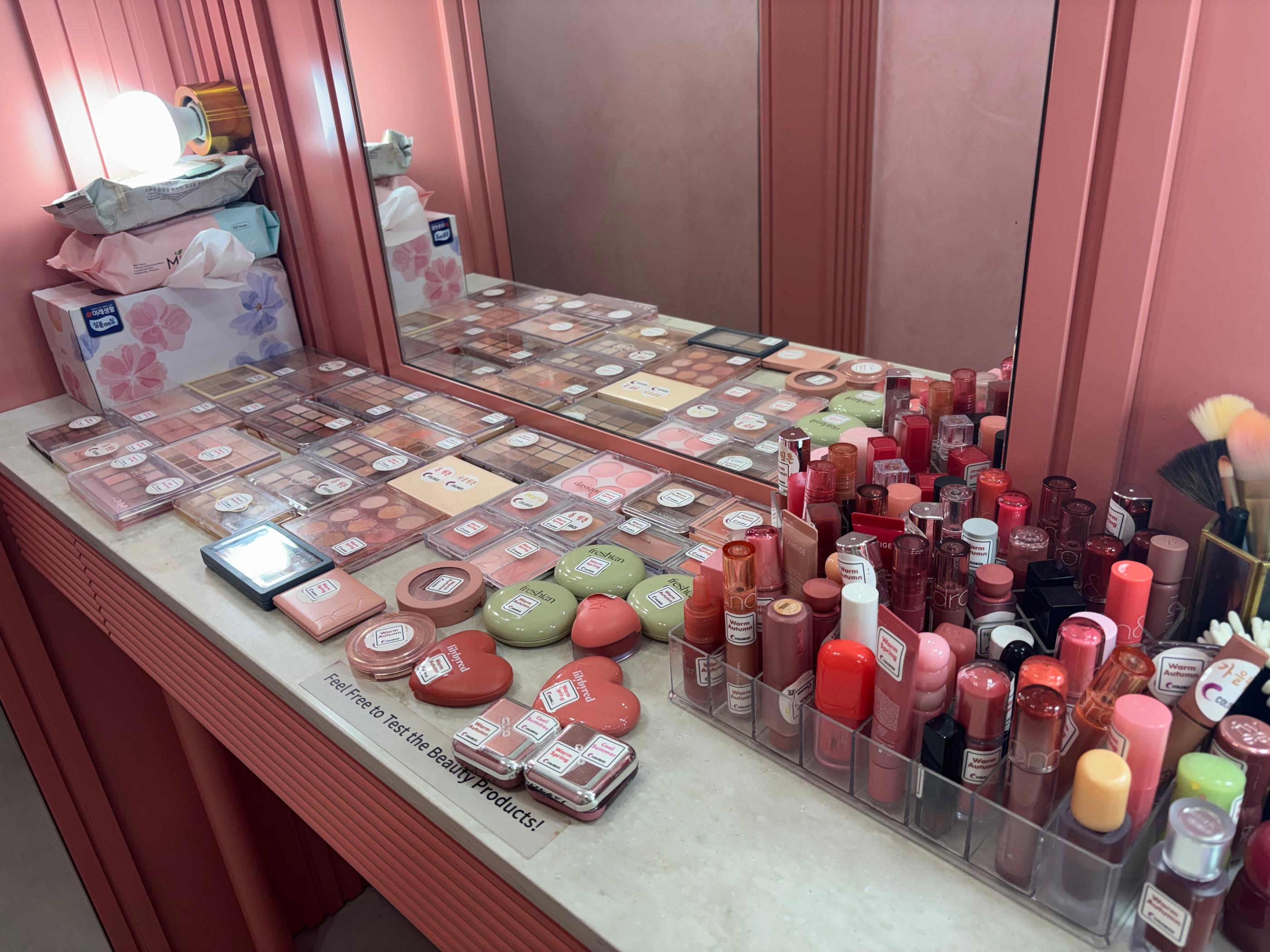
Before the official test, the teacher required that I completely remove makeup and keep my bare face, this was to rule out any artificial pigments affecting the skin’s true undertone. After that, they wrapped me in a large white drape to cover the color of my clothes. What puzzled me a bit was that the teacher didn’t cover my hair with a white cloth like online guides say, I’m not sure if it’s because my natural hair color caused little interference, or the studio’s procedure is simplified.
I booked the 1-on-2 duo package, the official listed duration is 90 minutes, but in practice it all wrapped up in about 75 minutes. My companion and I took turns, and the consultant quickly held dozens of color swatches of varying shades and temperatures up to our chests, switching between them.
💡 A heartbreaking tip for my sisters: when the instructor is doing the color draping (drape test), be sure to record the whole session! > As a non-professional, just sitting in front of the mirror and relying on your eyes makes it hard to notice those subtle differences in the moment. But when you review the recording (video) afterward, you'll clearly see that when certain fabrics are held up to your face, dullness and fine lines can suddenly seem much more pronounced or much less noticeable, like a special effect. Recording isn't just for comparison, it's so you can analyze it again and again at home.
[Stage 3: Diagnosis Results and a Clash with Personal Aesthetics]
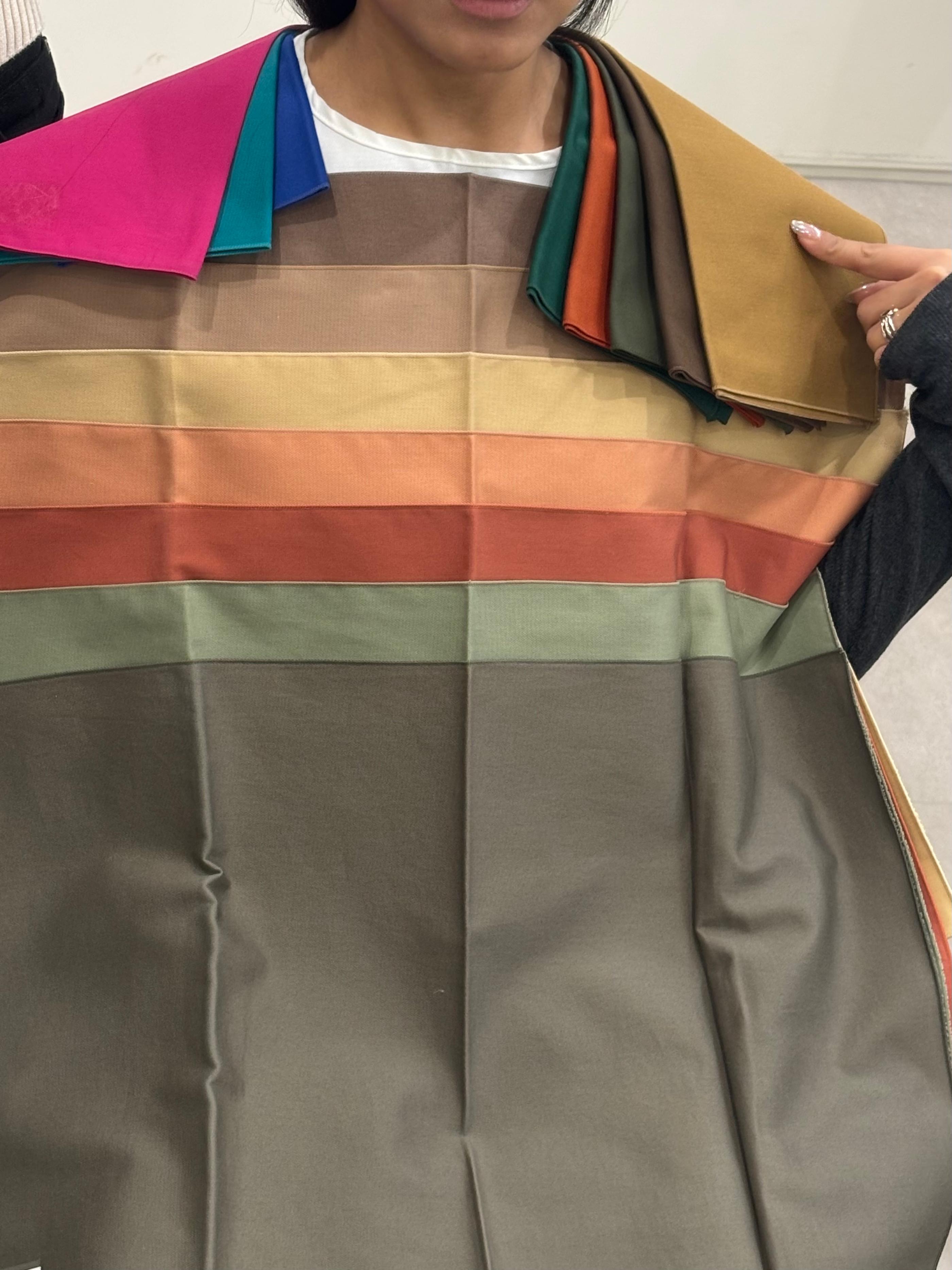
After several rounds of screening, the consultant determined my season as 'Autumn Warm (Warm Autumn)'. The consultant listed in detail my best 'champion color', the second-choice alternatives, and the colors I must absolutely avoid as 'no-go' shades.
However, the honest feeling is this: the colors the instructor recommended as suitable for me, I personally don't really like them.
This is probably the most controversial part of color analysis — what “suits you” isn’t always what you love. Even though the data showed that certain earth tones and brick reds make my complexion look more harmonious, I still prefer bright cool tones inside. My takeaway is: use the results as a rational guide, but when buying clothes and choosing a style, follow what you actually like. After all, being happy with what you wear matters more than wearing what’s “correct.”
[Phase 4: Regrets about the makeup recommendation segment]
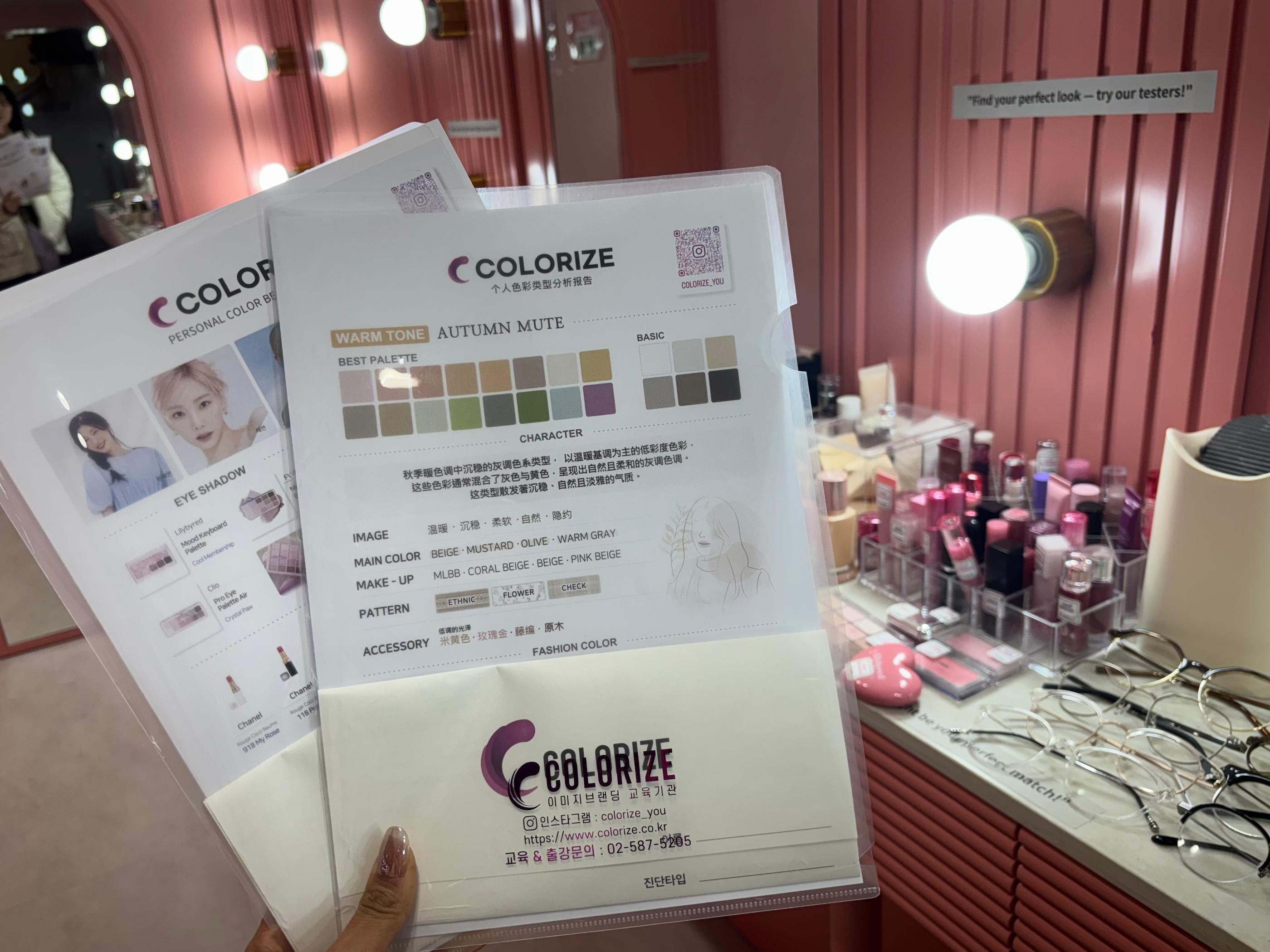
Besides clothing colors, the instructor also recommended makeup products and accessory styles that suit me, and showed some outfit suggestion images, which were sent to us via social apps for reference.
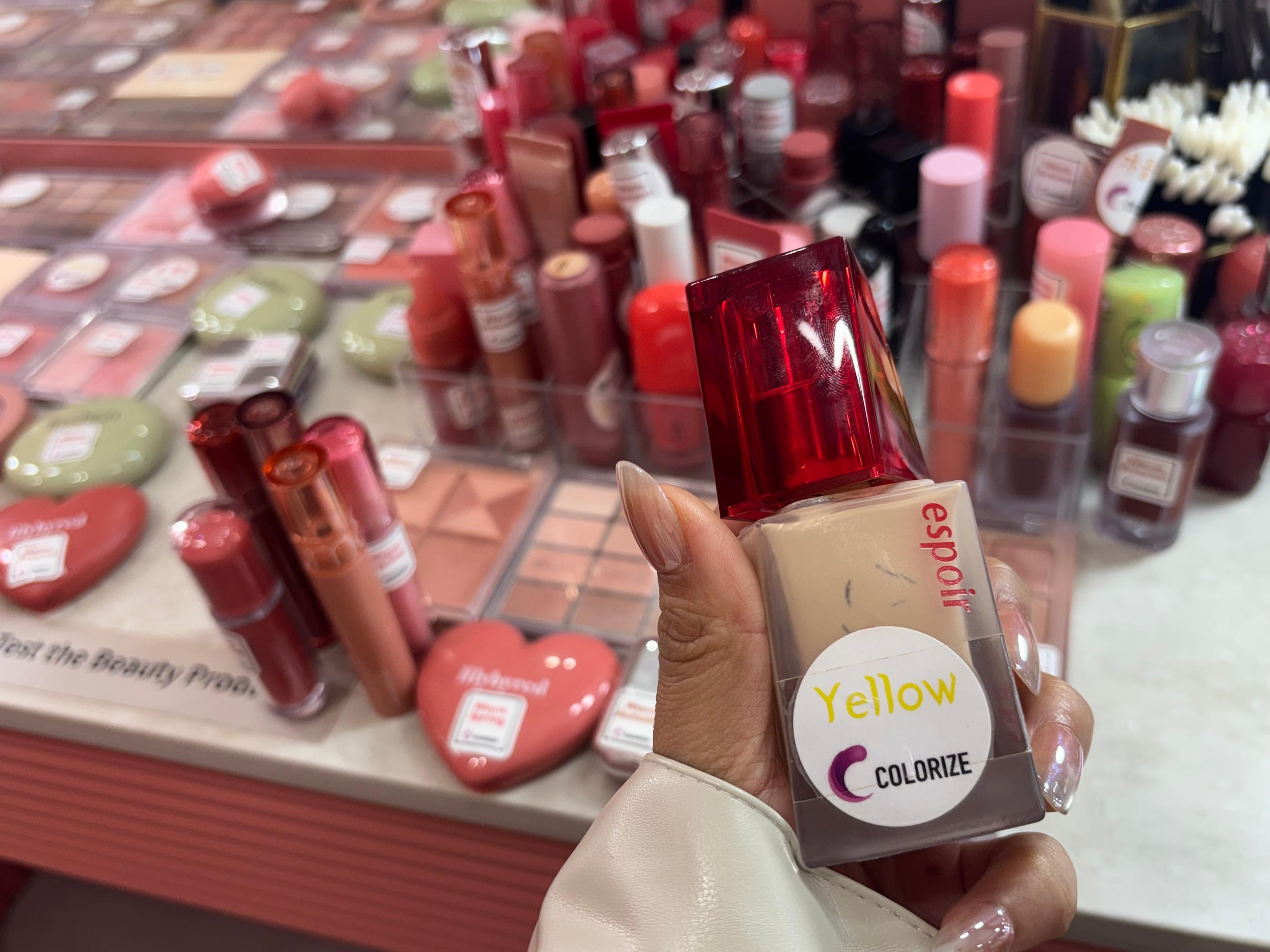
But during this part, I had an awkward experience: when we tried the high-end foundations the instructor recommended, we found several of the suggested bottles were actually empty, pressing them for a long time didn’t produce any product. Even worse, the staff didn’t promptly bring out working replacements or new products, so I couldn’t actually see how those highly recommended base makeup looked on my face. As a professional color analysis studio, there’s definitely a lot of room for improvement in product upkeep and attention to detail.
[Summary: Is it worth going?]
Overall, this 75-minute session felt more like a fast-paced crash course on color theory.
If this sounds like you, try it: people who have no sense of color at all, don’t know whether to buy gold or silver jewelry, or always pick the wrong clothing colors in stores. With the instructor’s diagnosis, you’ll build a basic aesthetic logic and avoid detours.
If you’re this kind of person, you don’t really need it: you already study outfits, have a basic sense of what colors suit you, or like me, have strong personal aesthetic preferences. The test results may end up clashing with your current wardrobe, and you’ll probably keep buying based on what you like.
[Final Thoughts]
Thanks to Creatrip for providing a convenient channel. Although this experience had a few small flaws, it helped me objectively understand the characteristics of my skin tone. I recommend keeping an open, independent mind when you try it, treating the diagnosis as a tool, not a shackle that limits your style.