



Walking through the time of the March 1st Movement

Olga
2 months ago
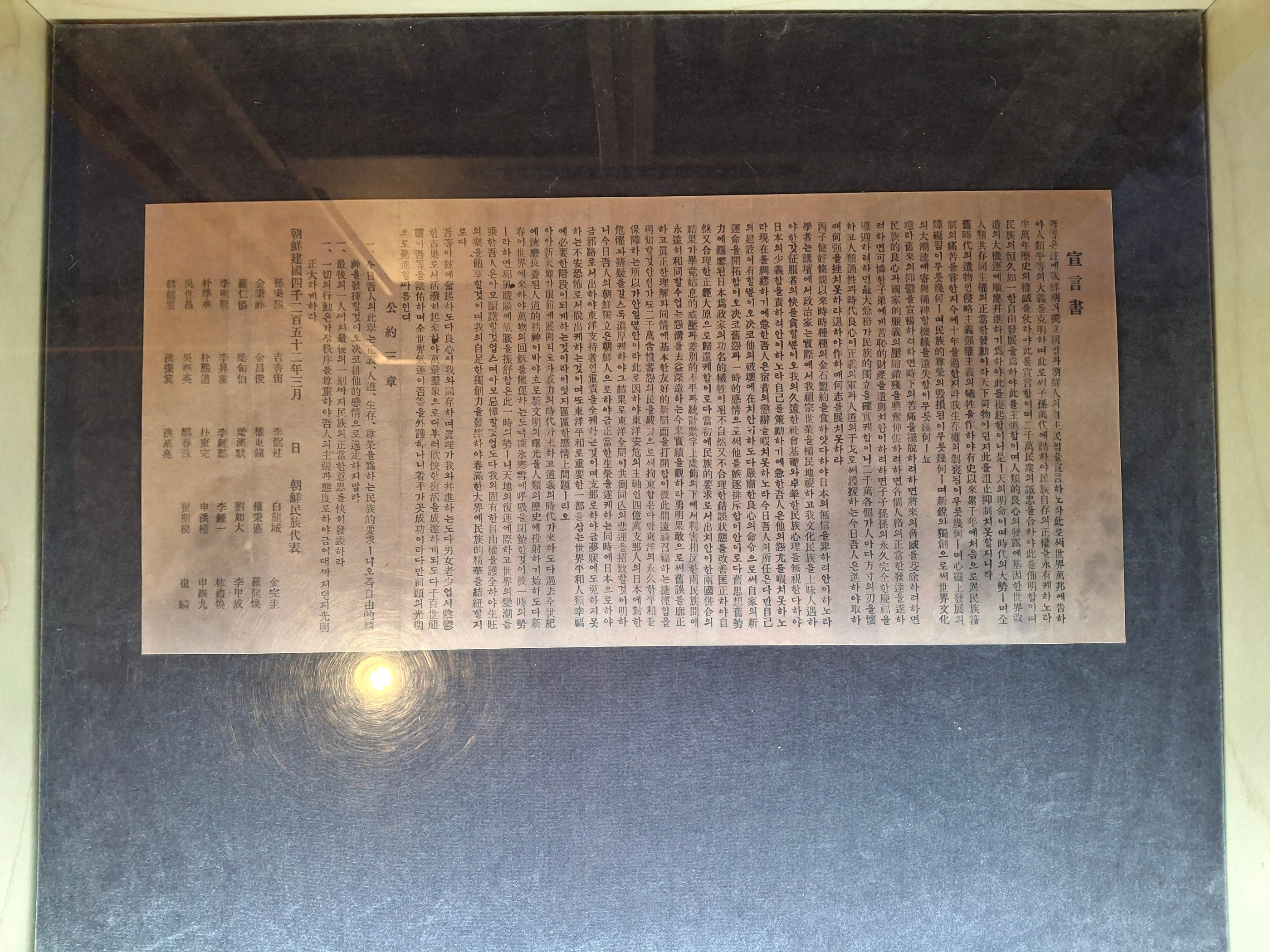
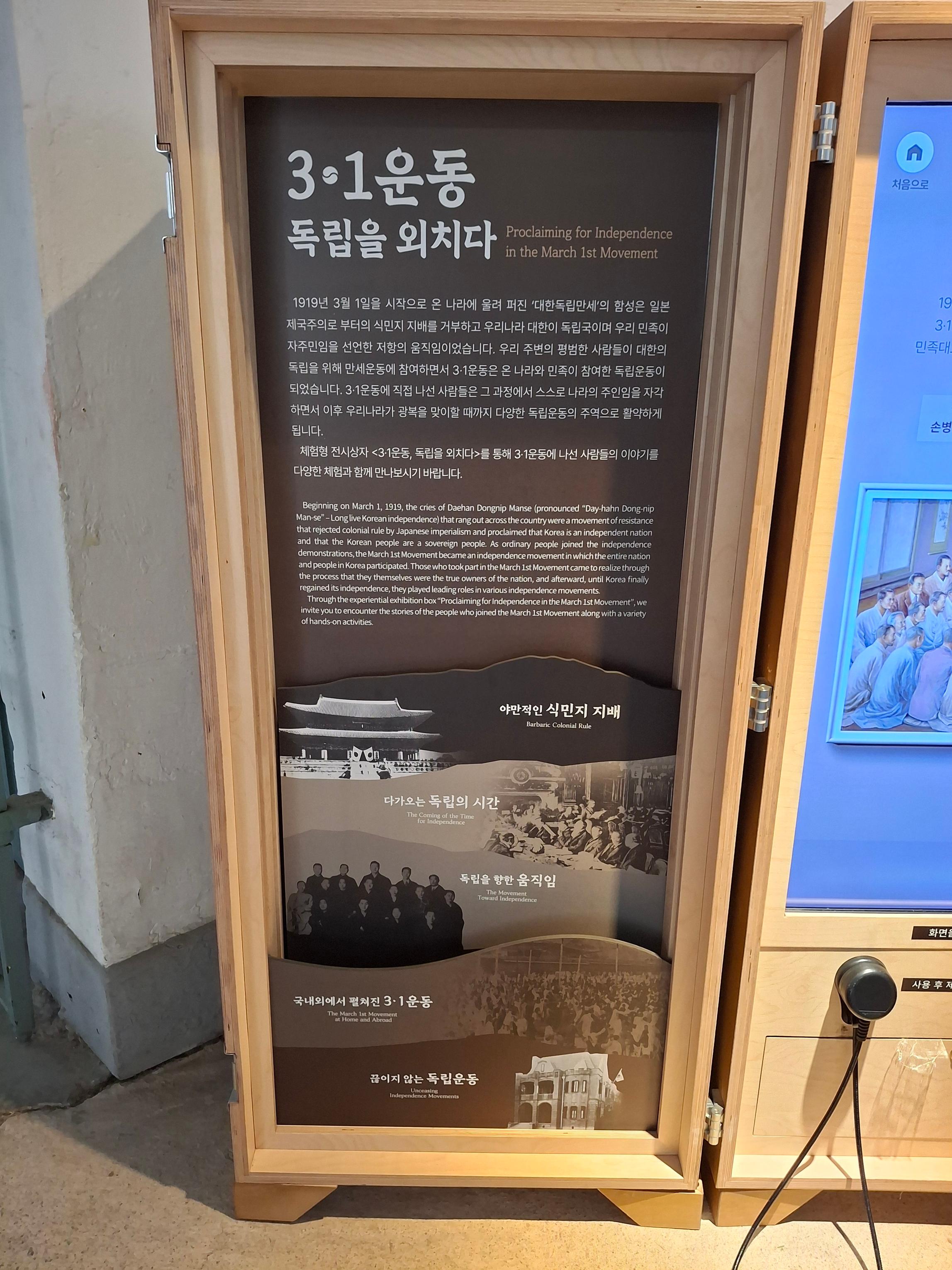
There are many important and significant events in Korean history. One such landmark event, which greatly influenced the fate of the modern Korean state, was the March 1st Movement.
The Korean Independence movement was an ongoing campaign to liberate Korea from Japan since 1910. The campaign reached a high point on March 1st, 1919.
On this day, a series of public demonstrations happened when Japan was still occupying Korea. These were public demonstrations against the Japanese Government. It was a nationalistic show of strength and resistance against Japanese military rule in Korea. In the end, there were approximately 7,000 people killed, 16,000 wounded, and 46,000 were arrested by the Japanese police force and soldiers.
In memory of this event, March 1st is now an official holiday in Korea, and various museums and monuments from that period are carefully preserved throughout the country, and festivals and commemorative events are held.
Seoul has numerous sites associated with the March 1st Movement. Several of them are located in the Seodaemun district, most notably the infamous Seodaemun Prison, now a museum.
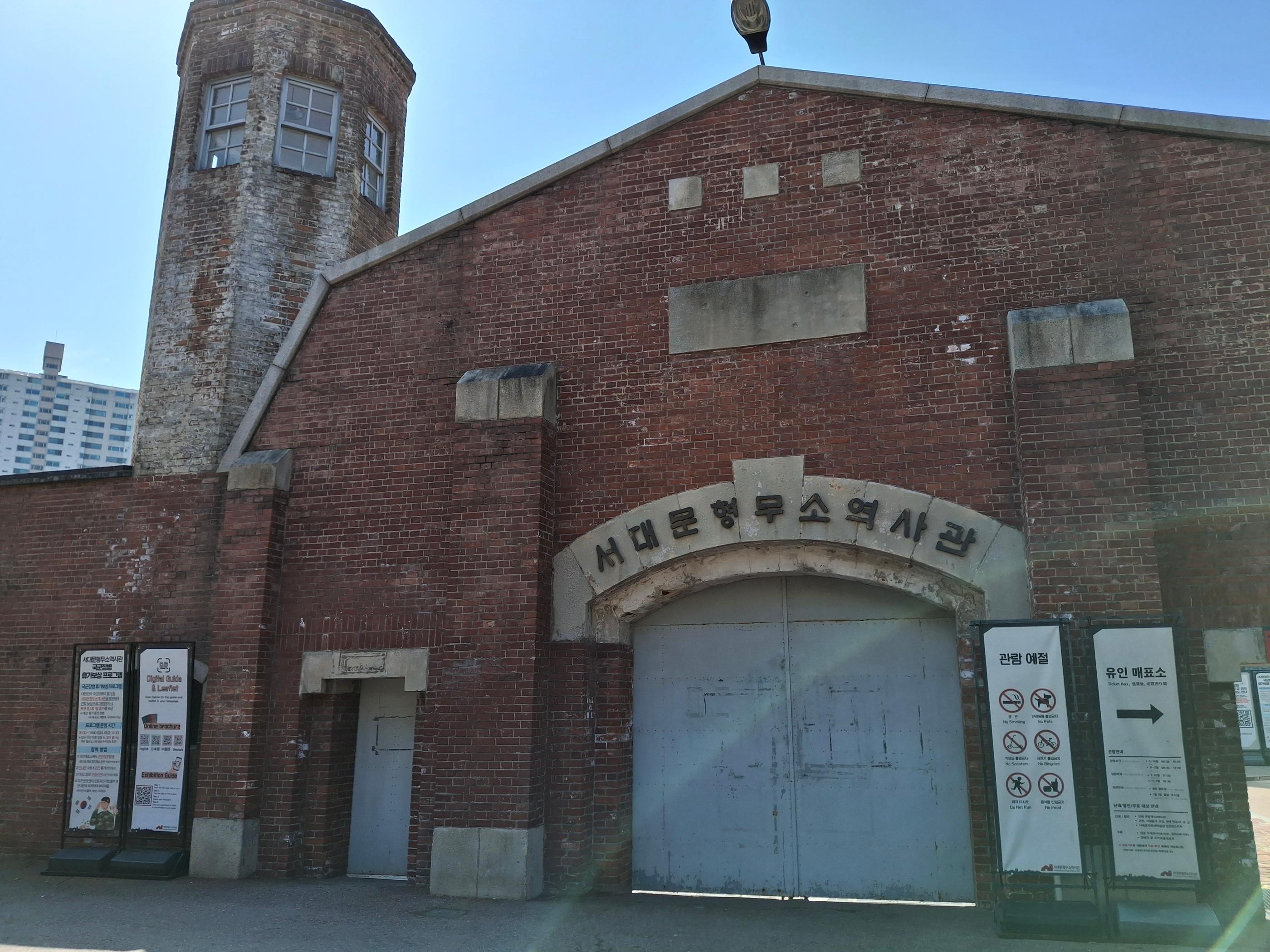
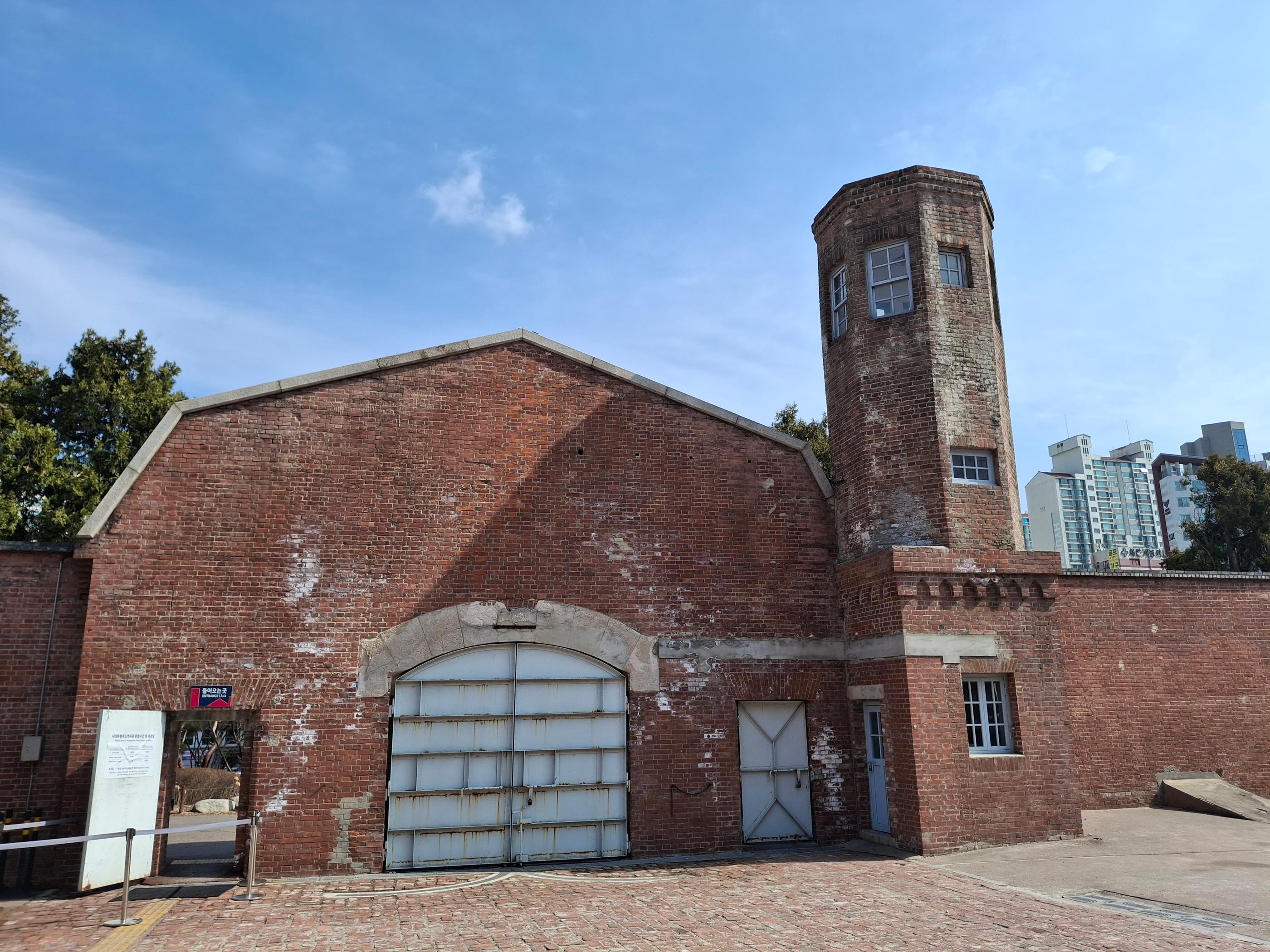
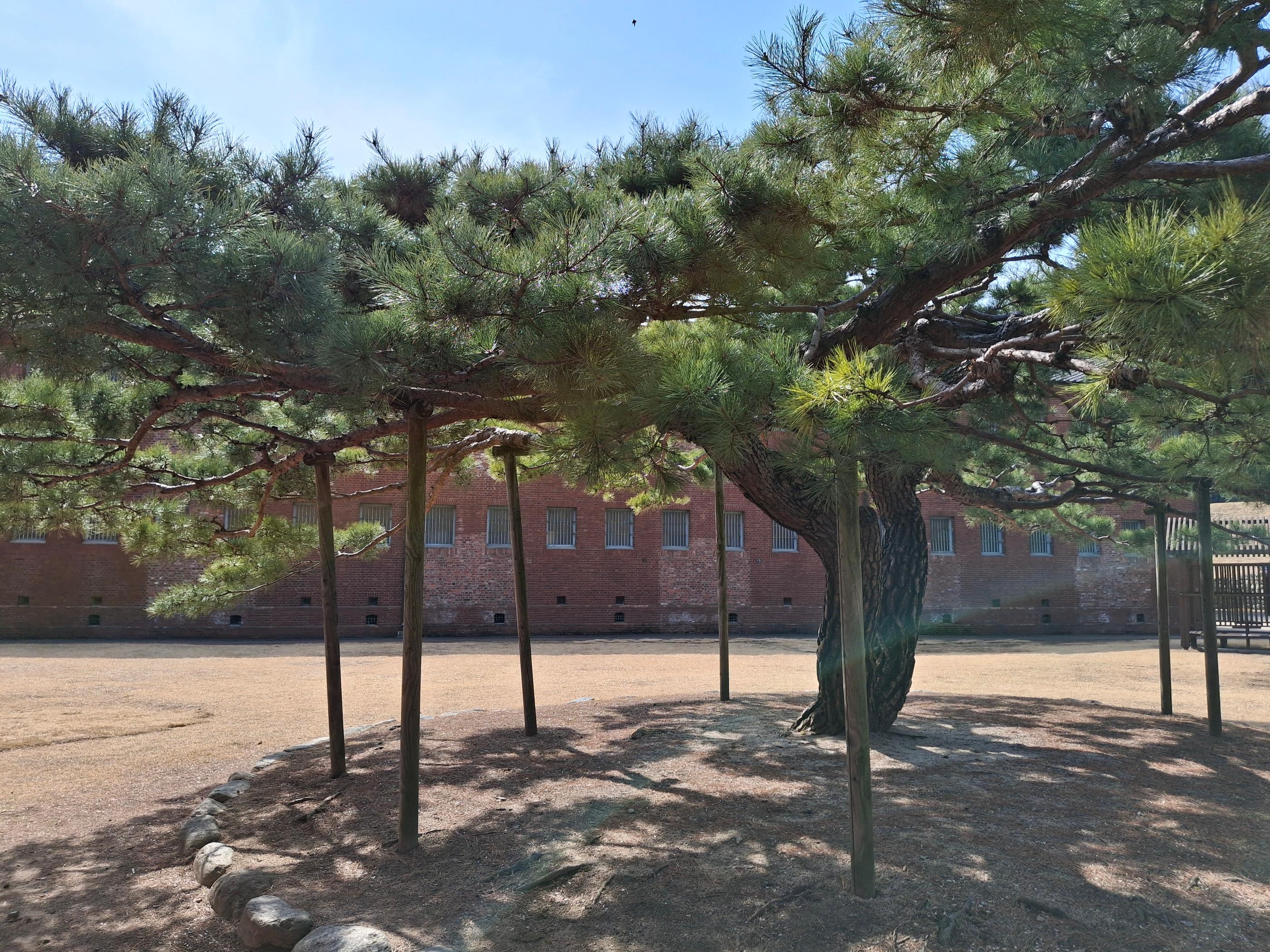
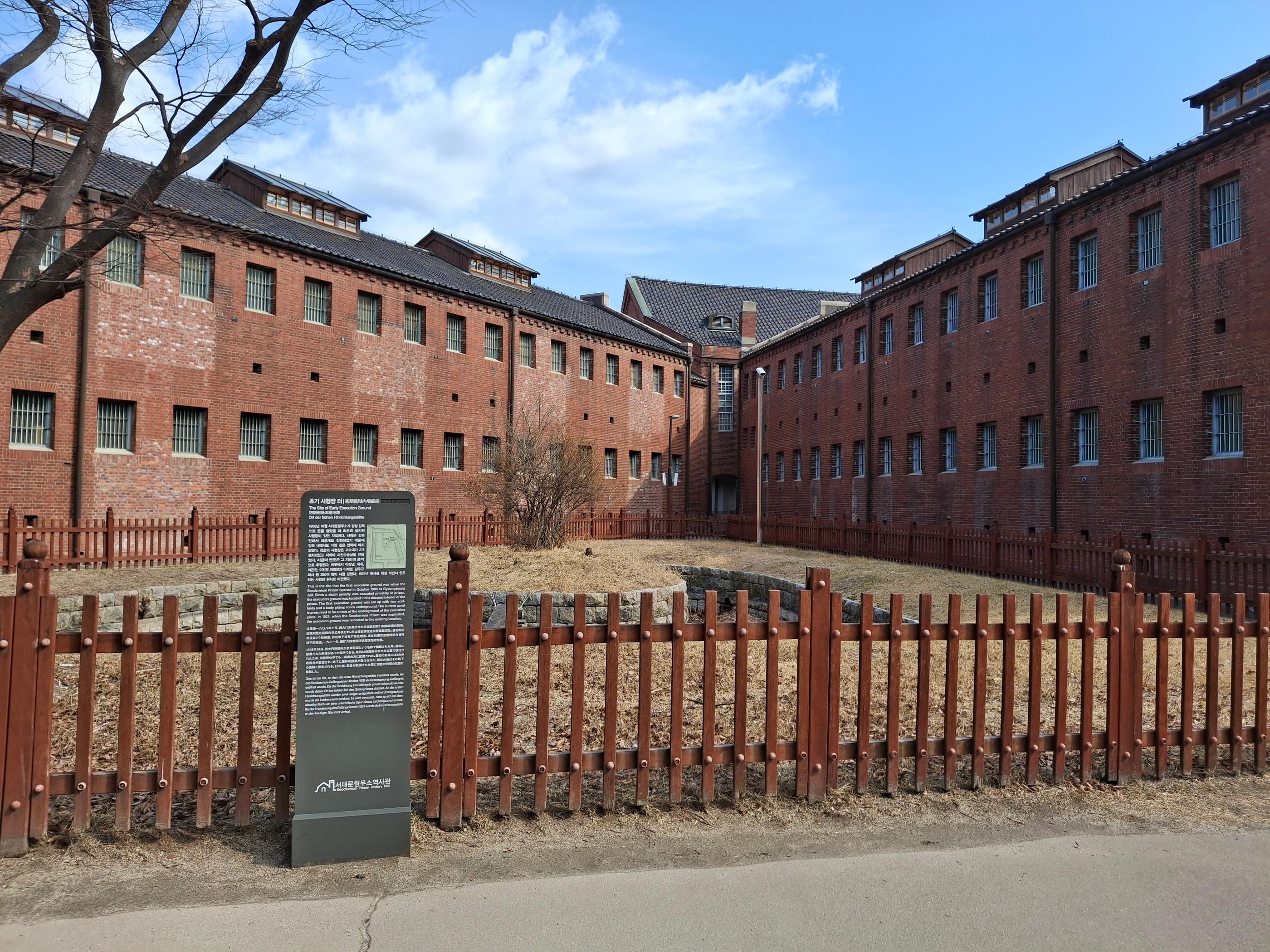
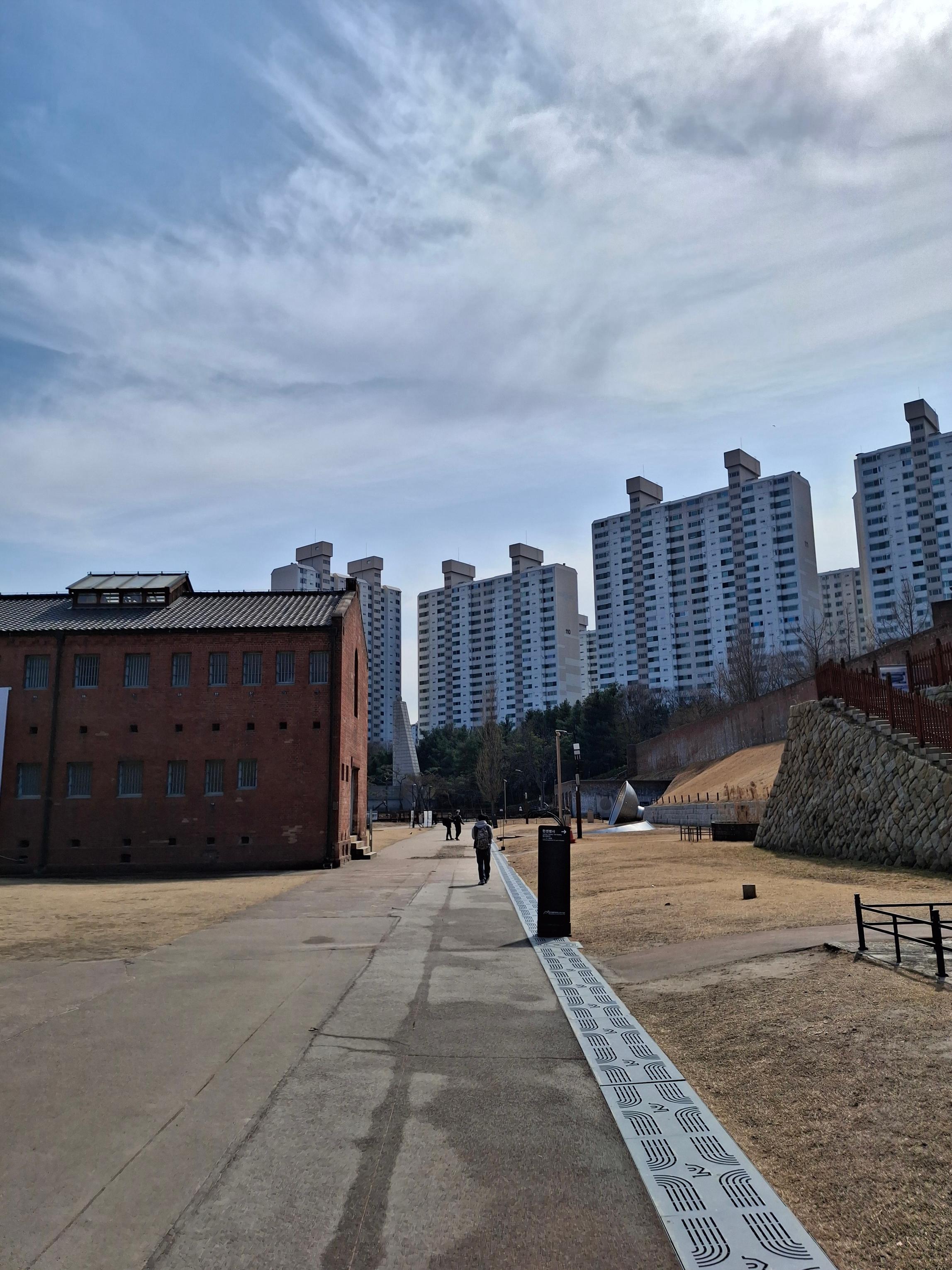
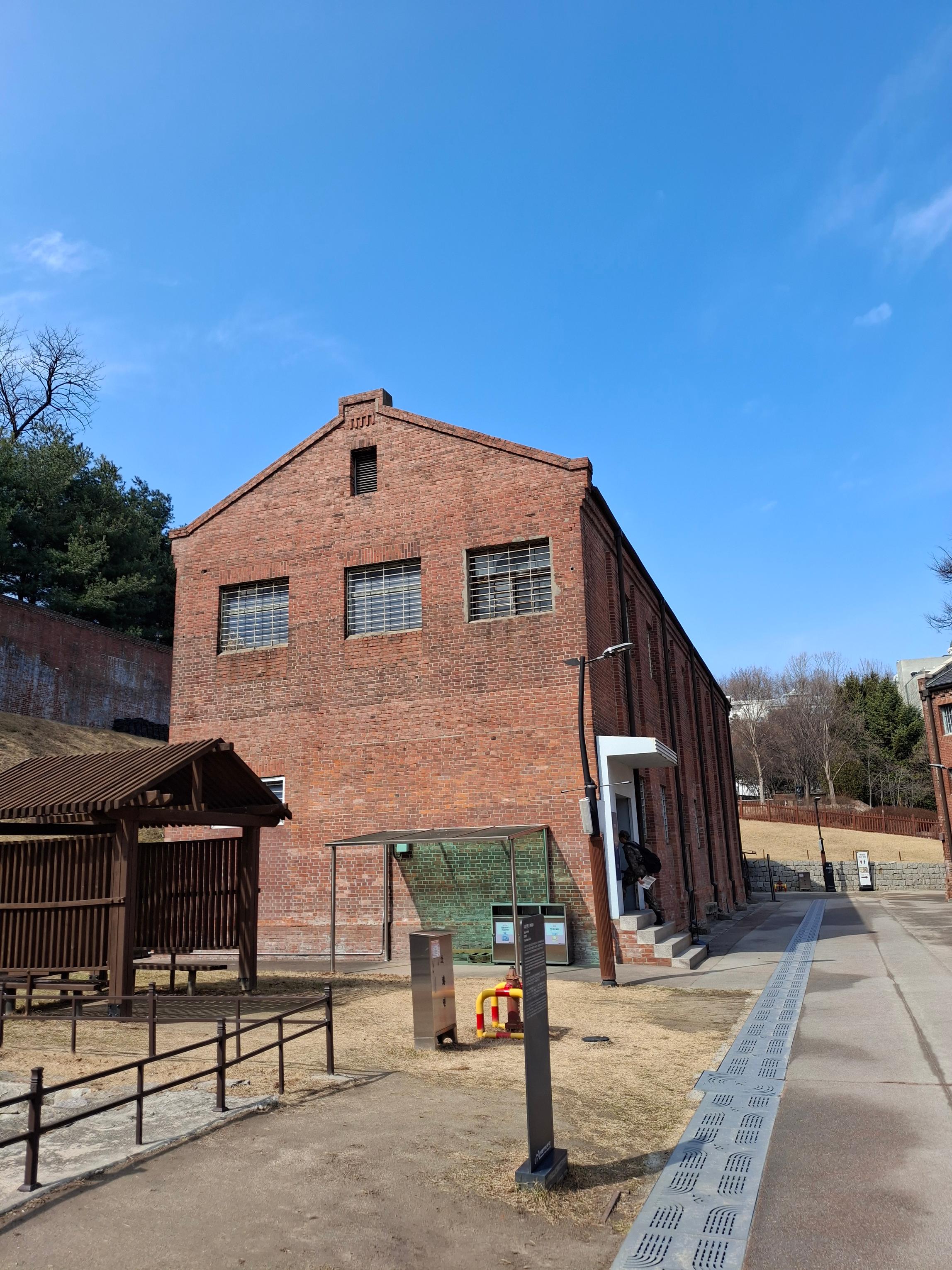
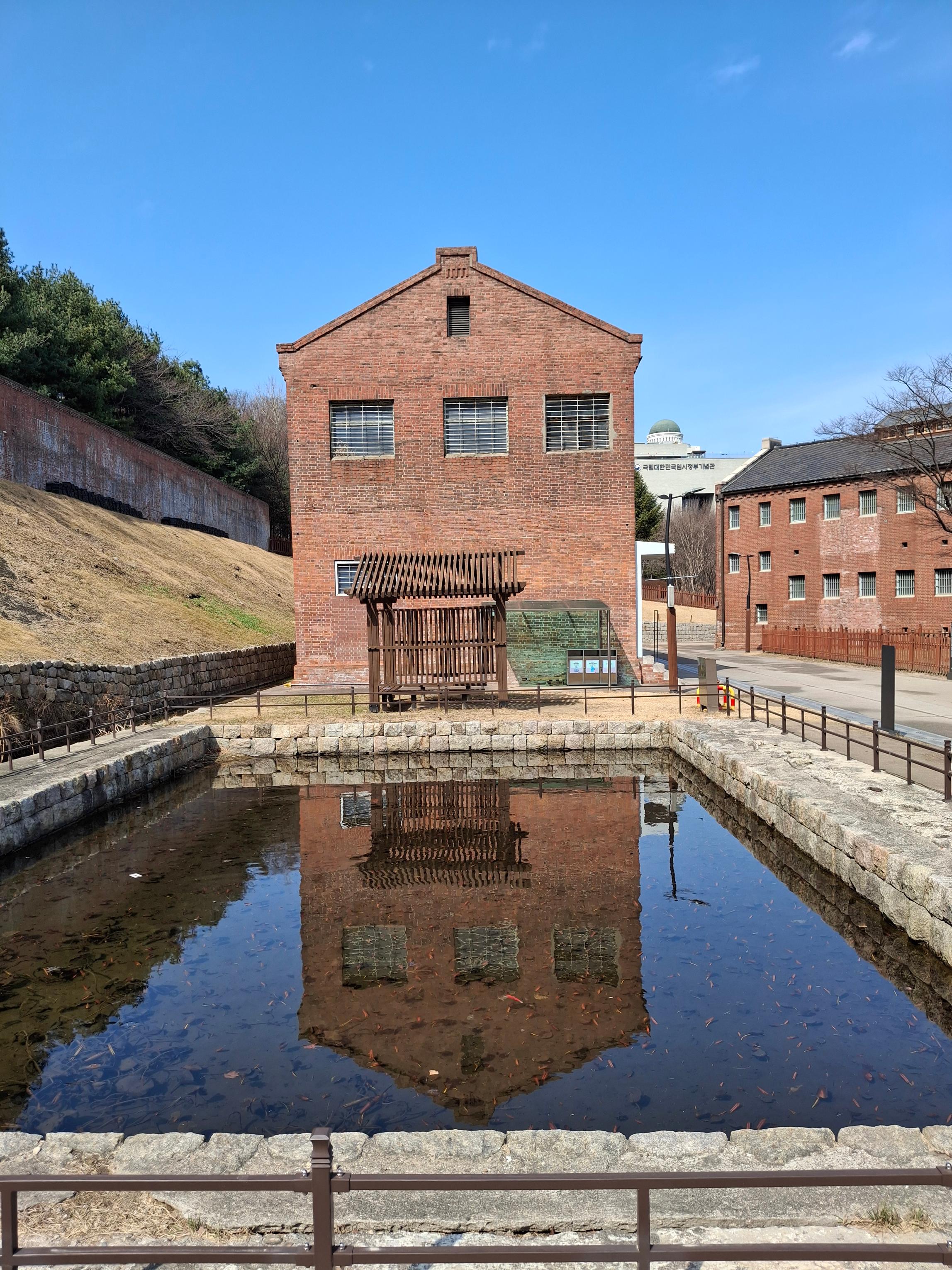
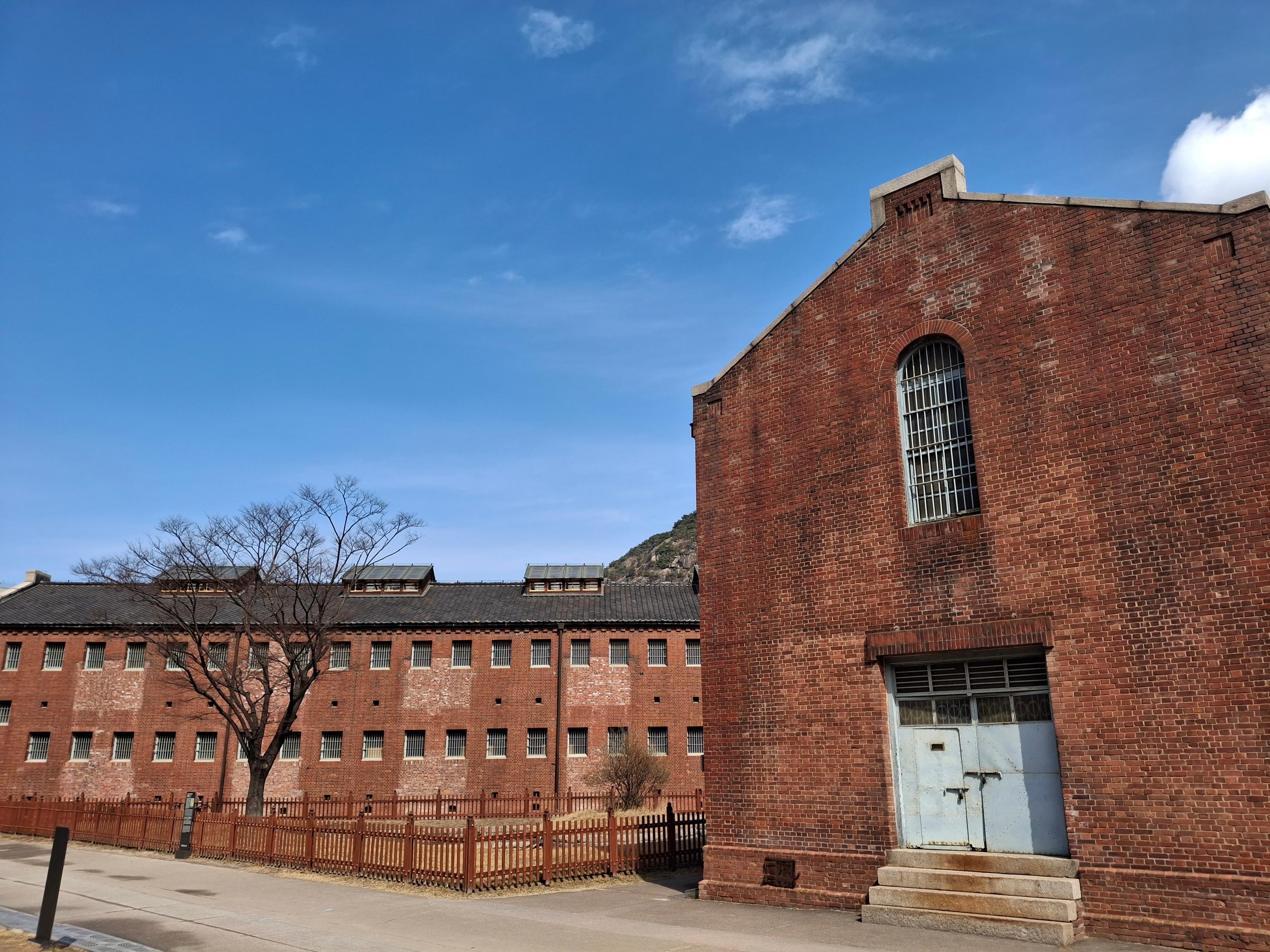
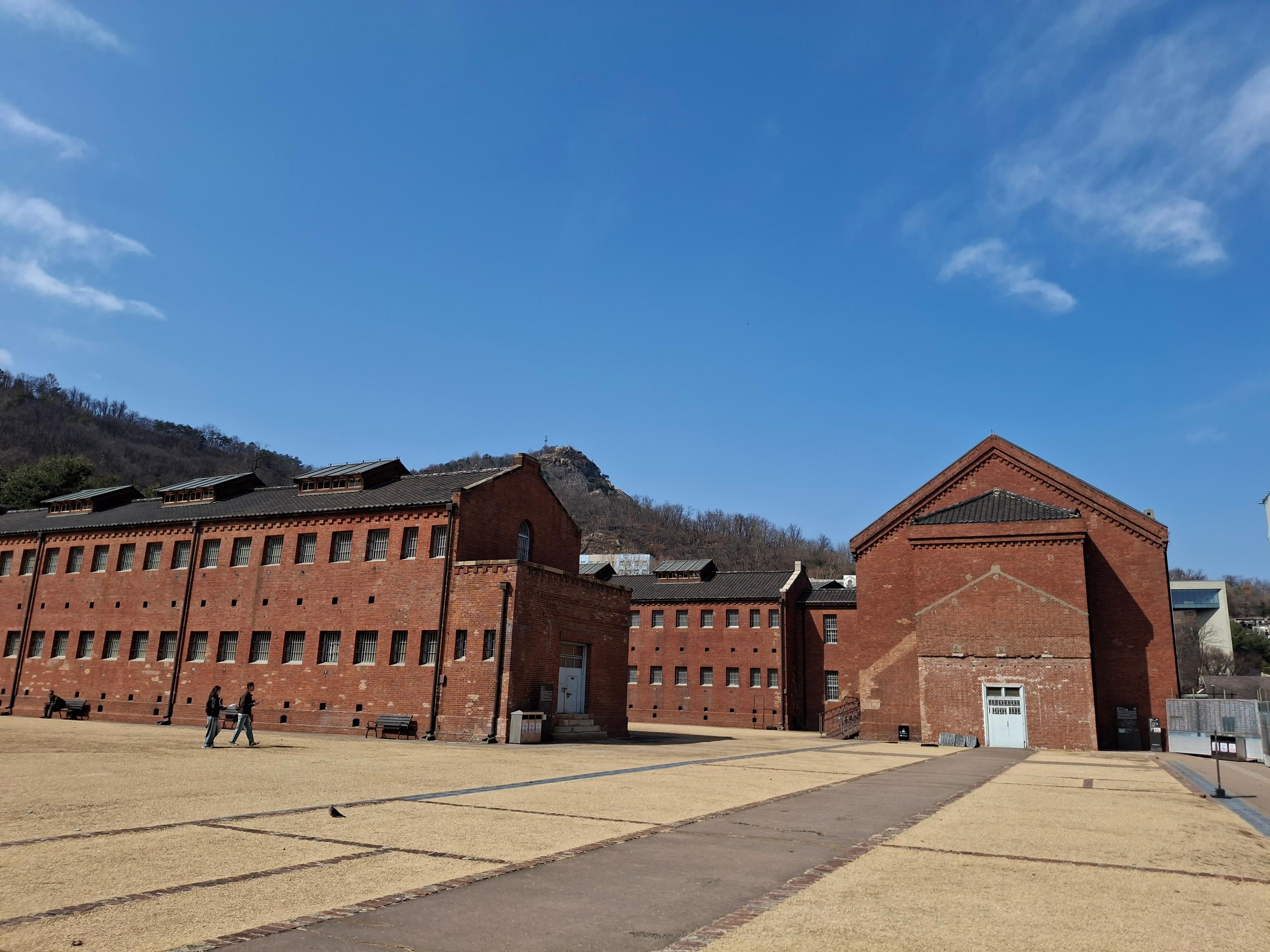
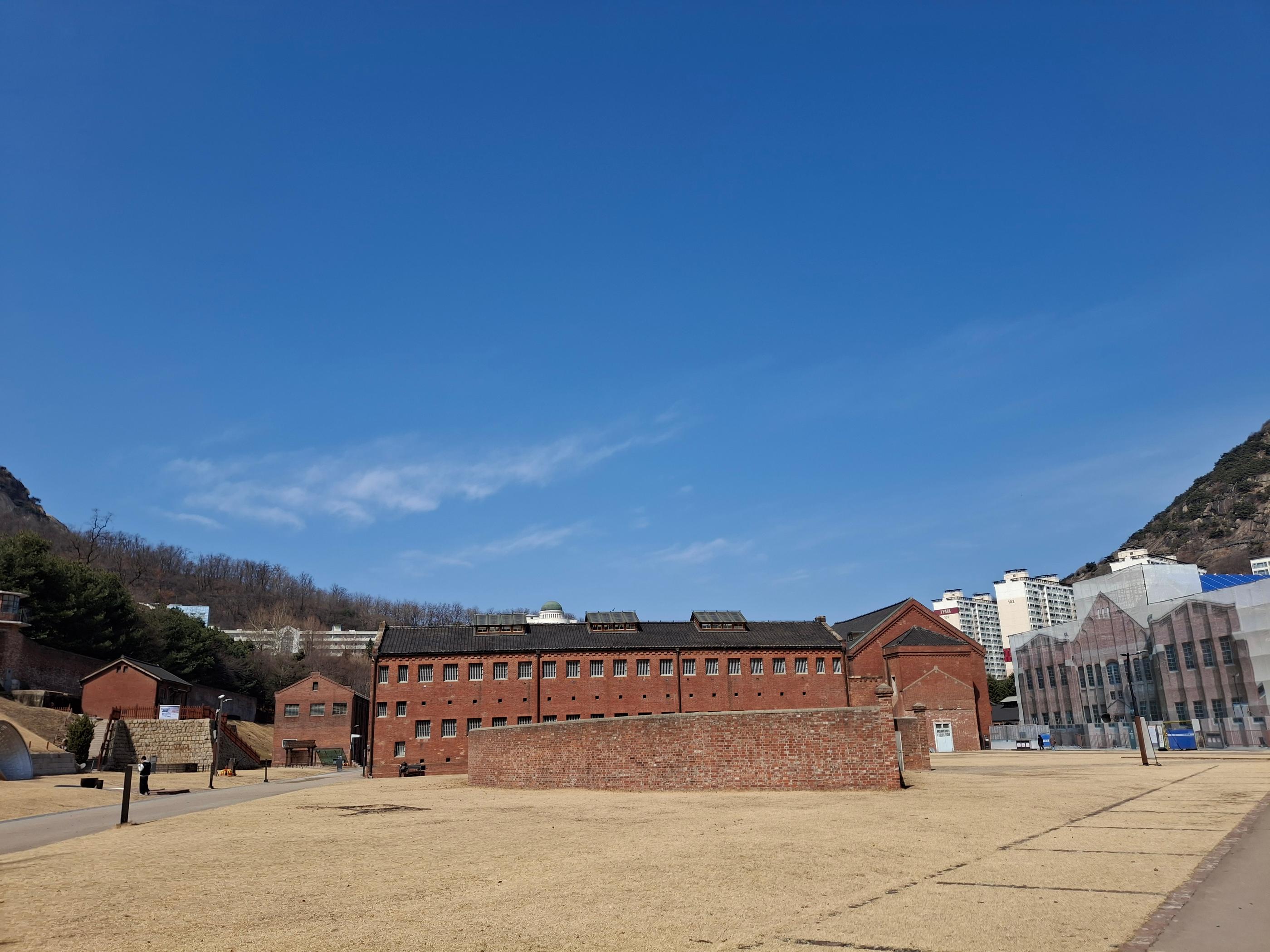
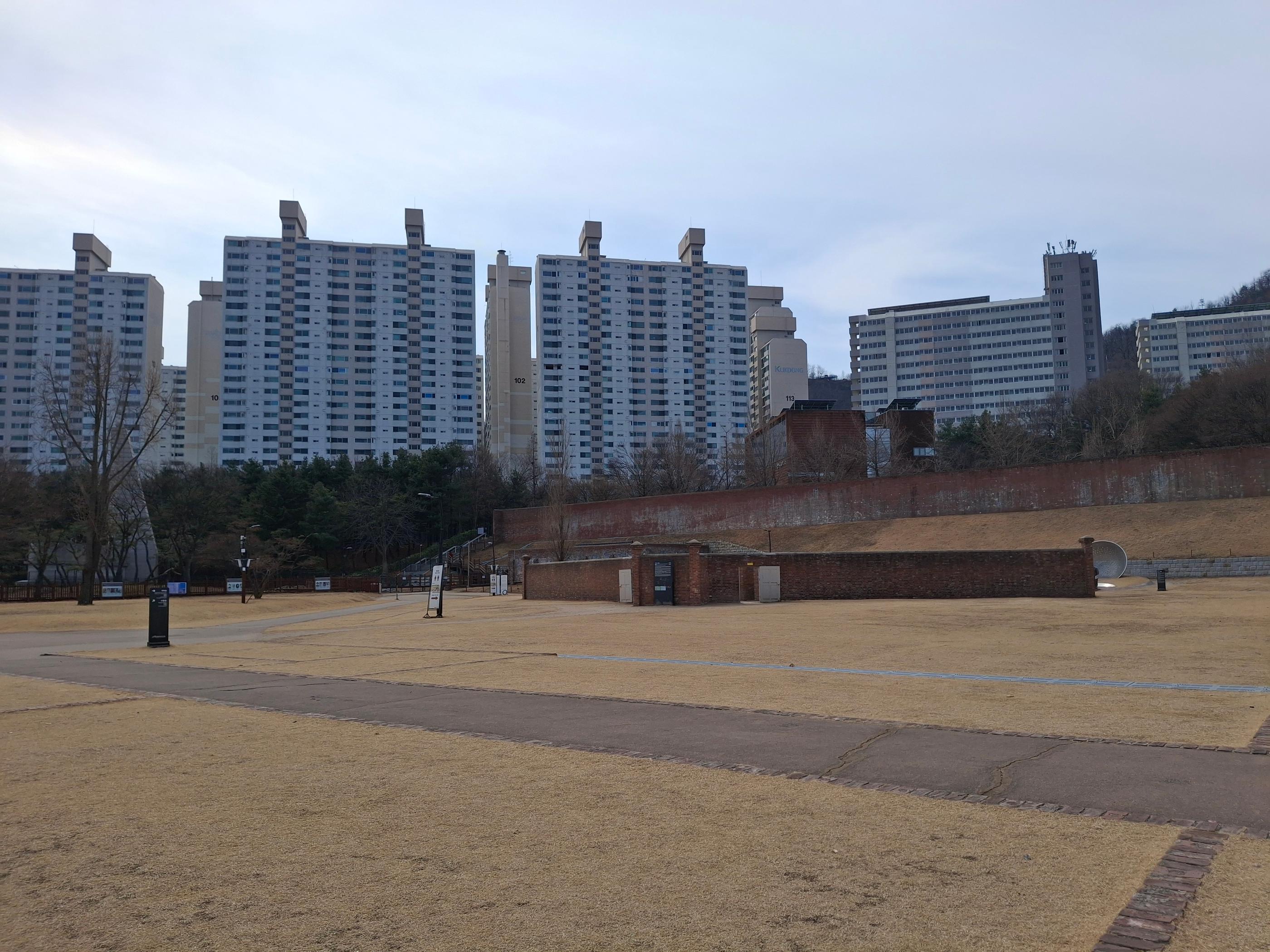
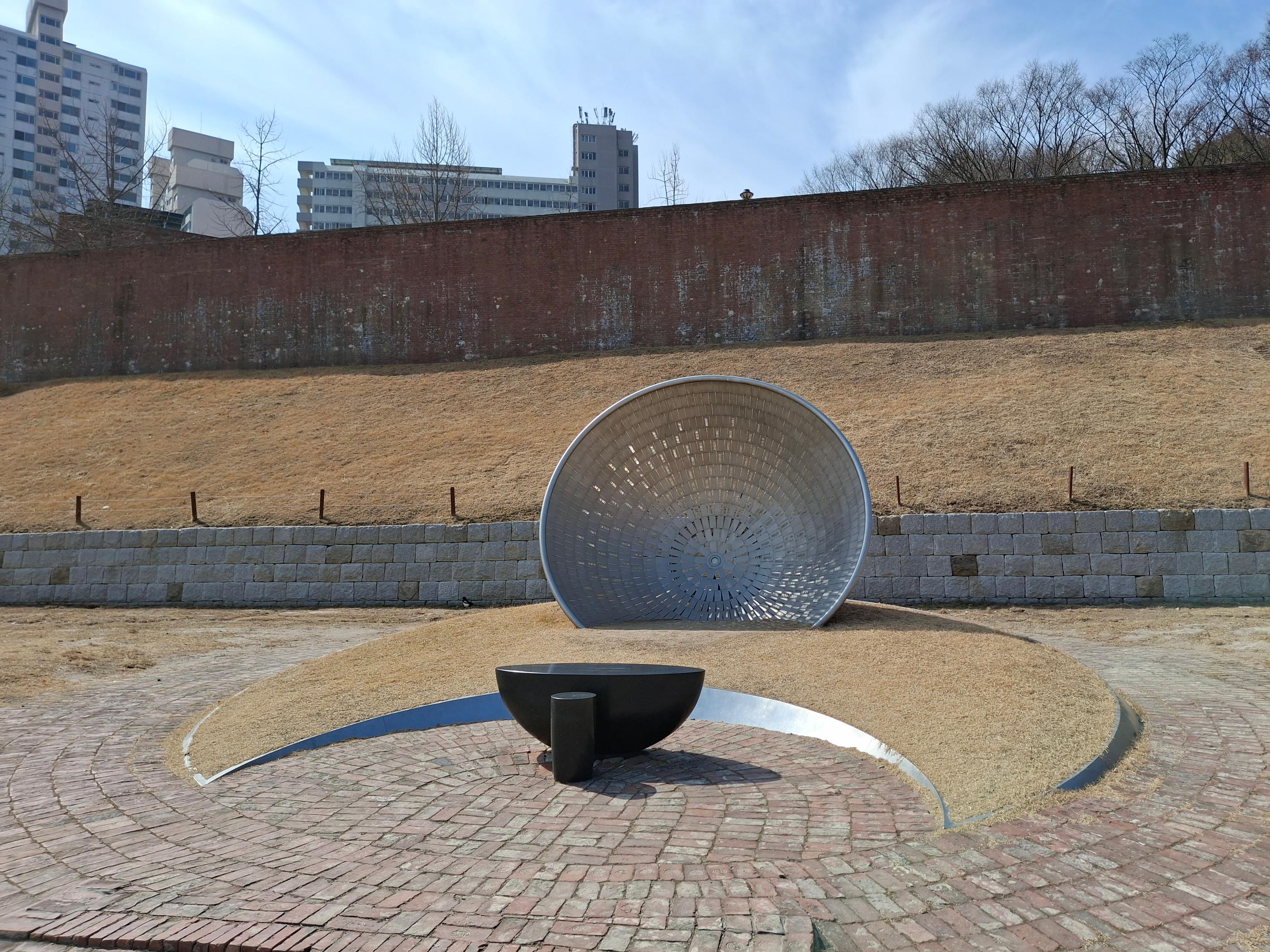
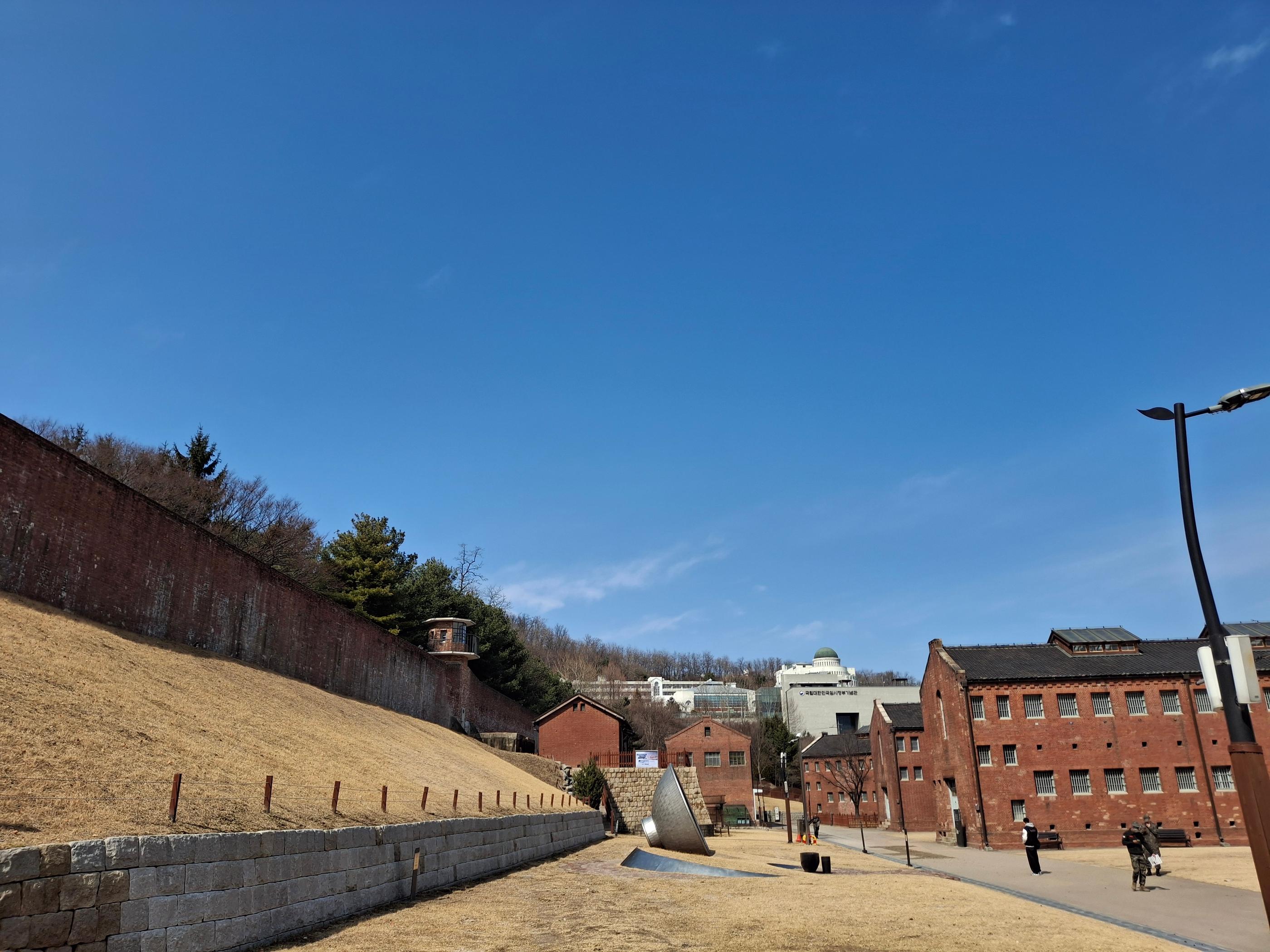
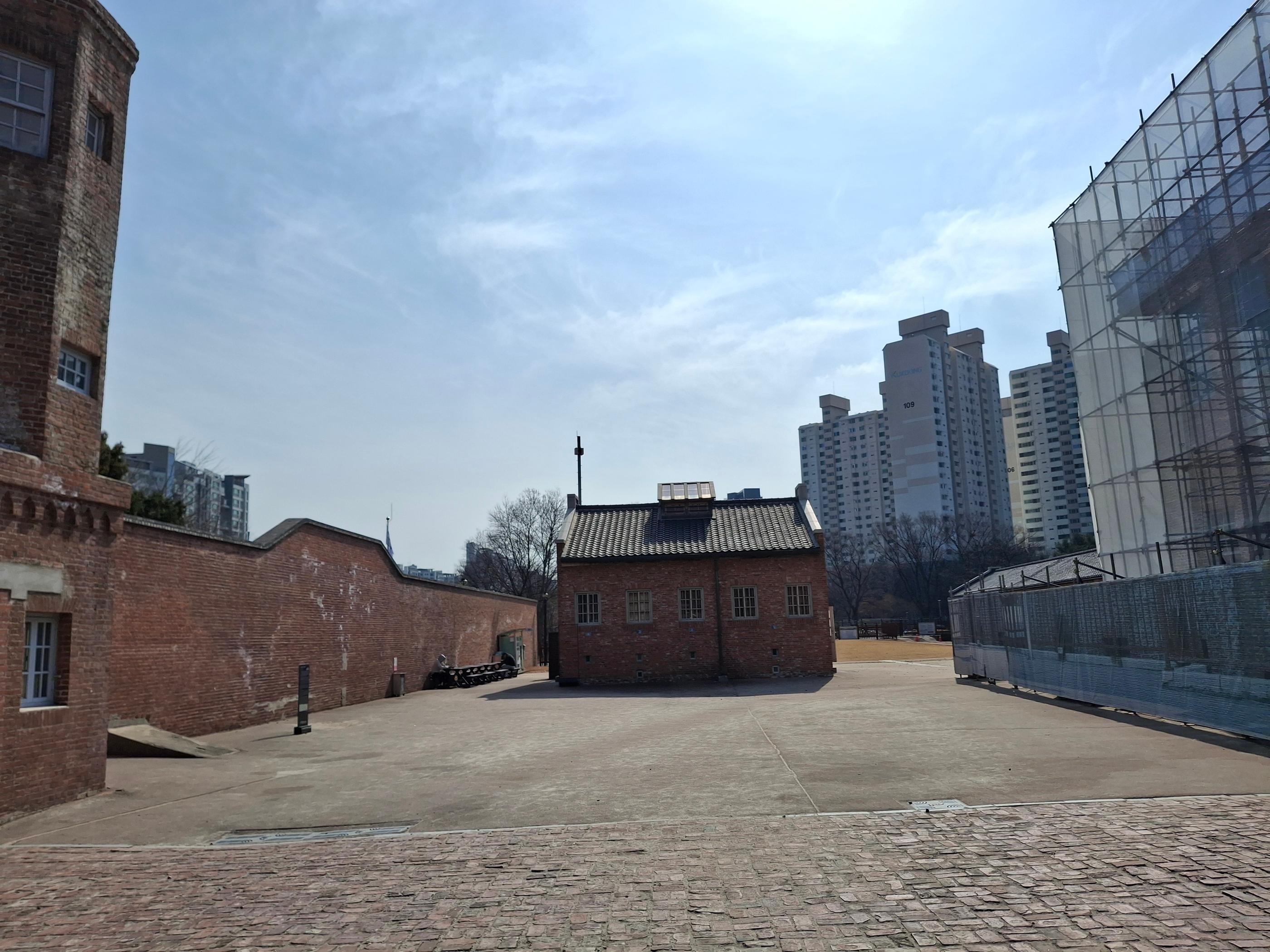
Seodaemun Prison was built by the Japanese Empire to house political prisoners and independence activists during the Japanese occupation (1910-1945). The reddish prison buildings, built with the blood and sweat of its prisoners, are filled with visitors who come to experience history.
Just beyond the gates is a large central building, the Seodaemun Prison History Hall. There's a museum here with an interesting exhibit detailing the prison's history. Very necessary and useful, although sad information.
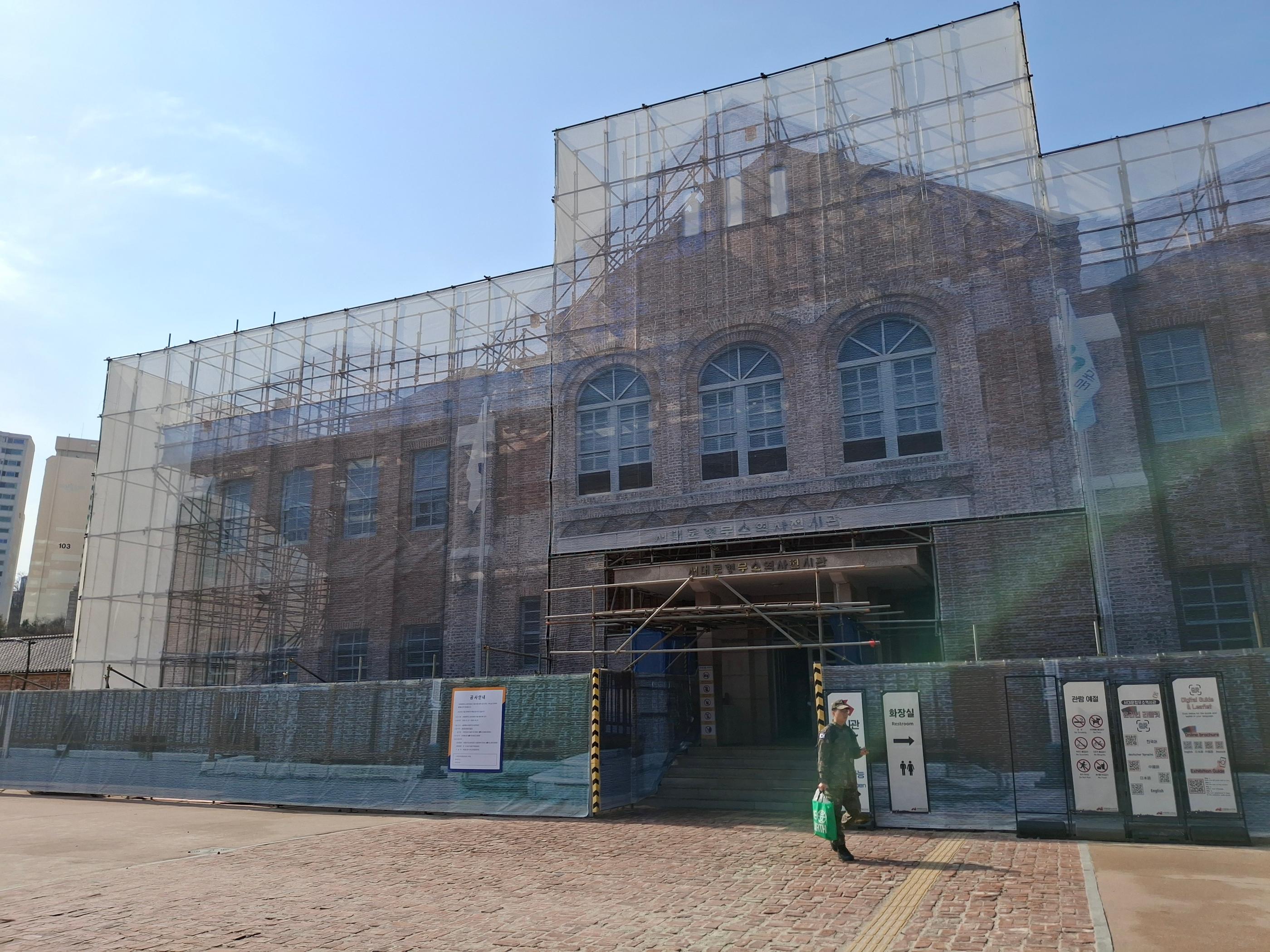
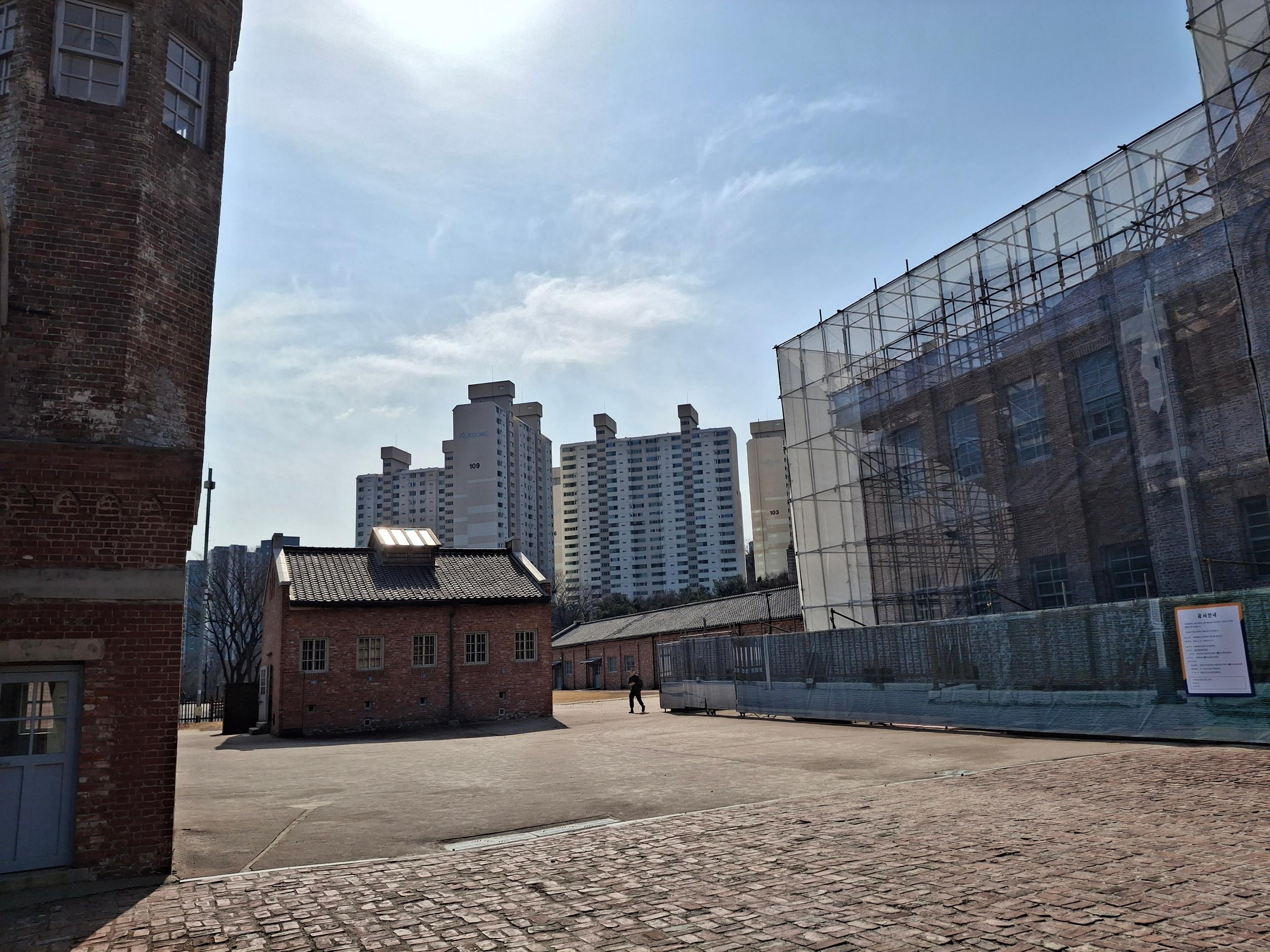
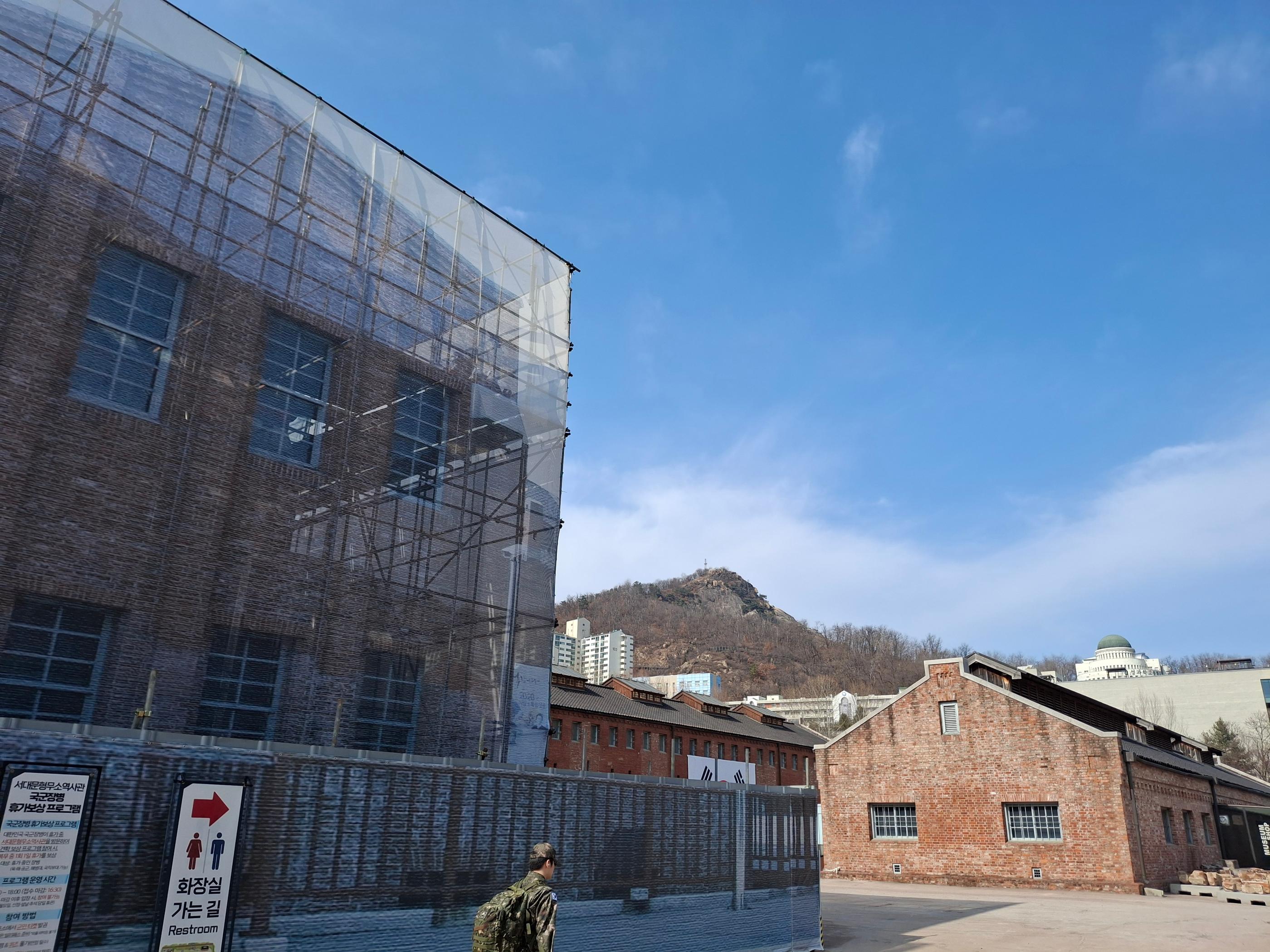
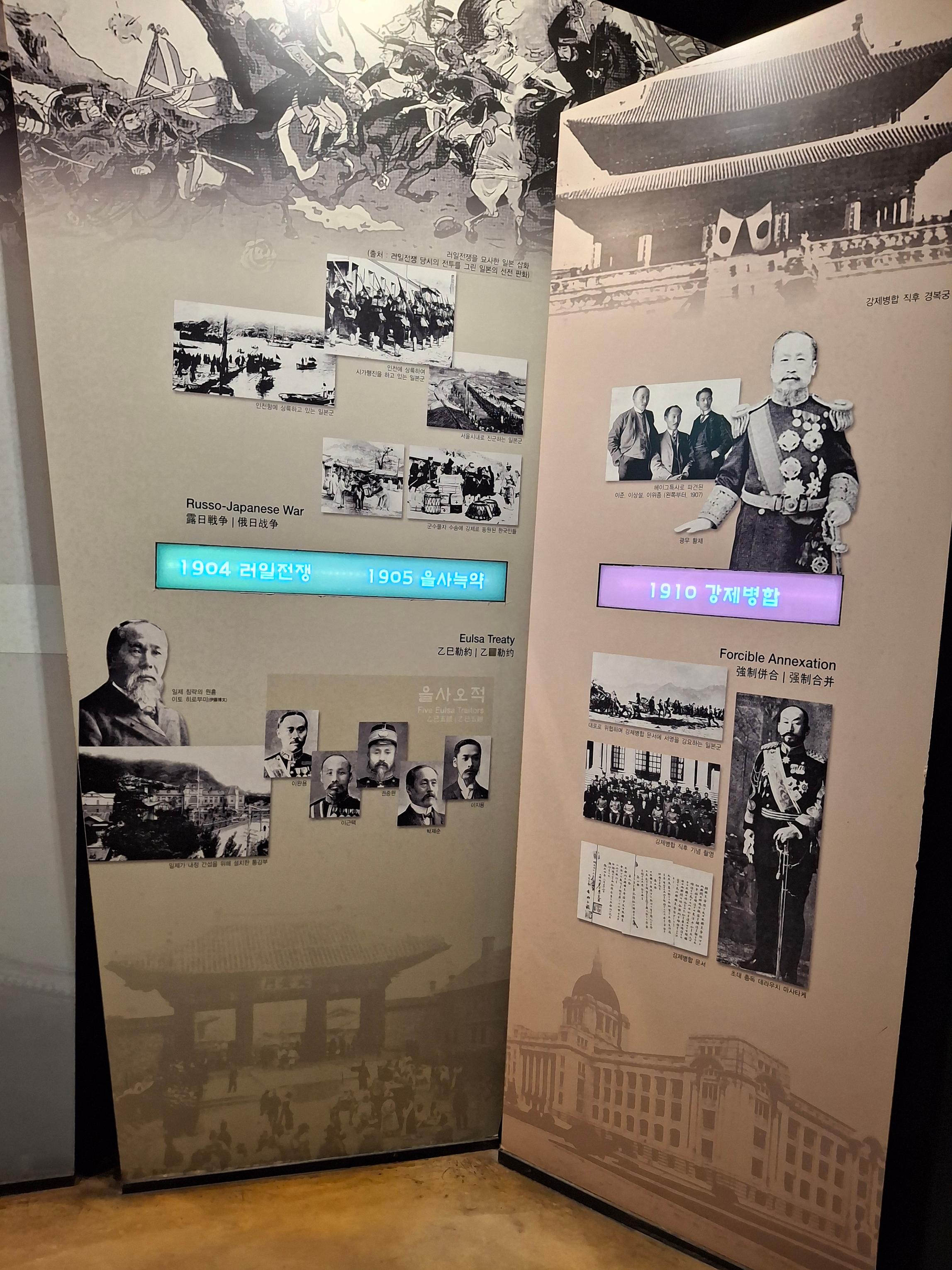
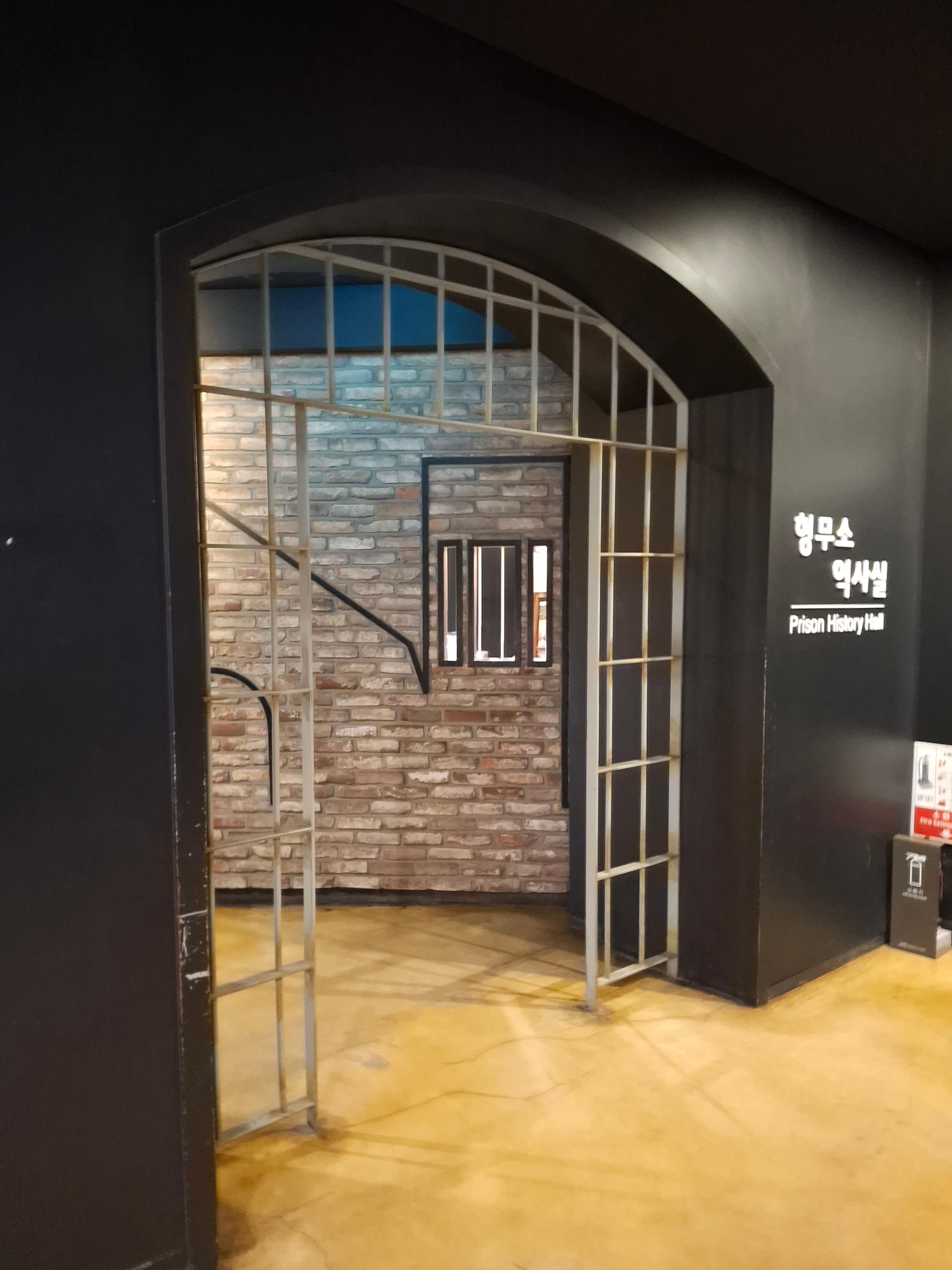
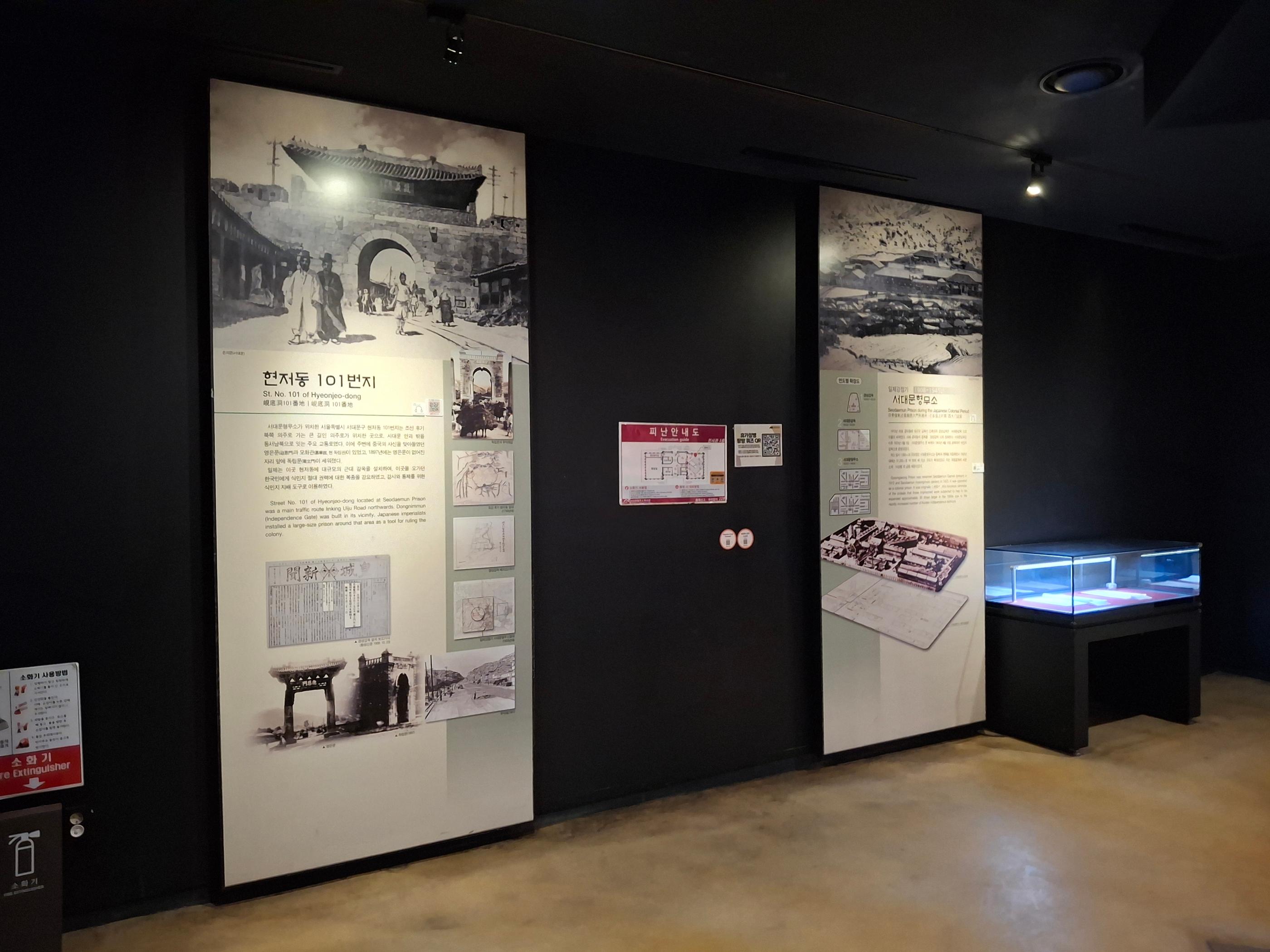
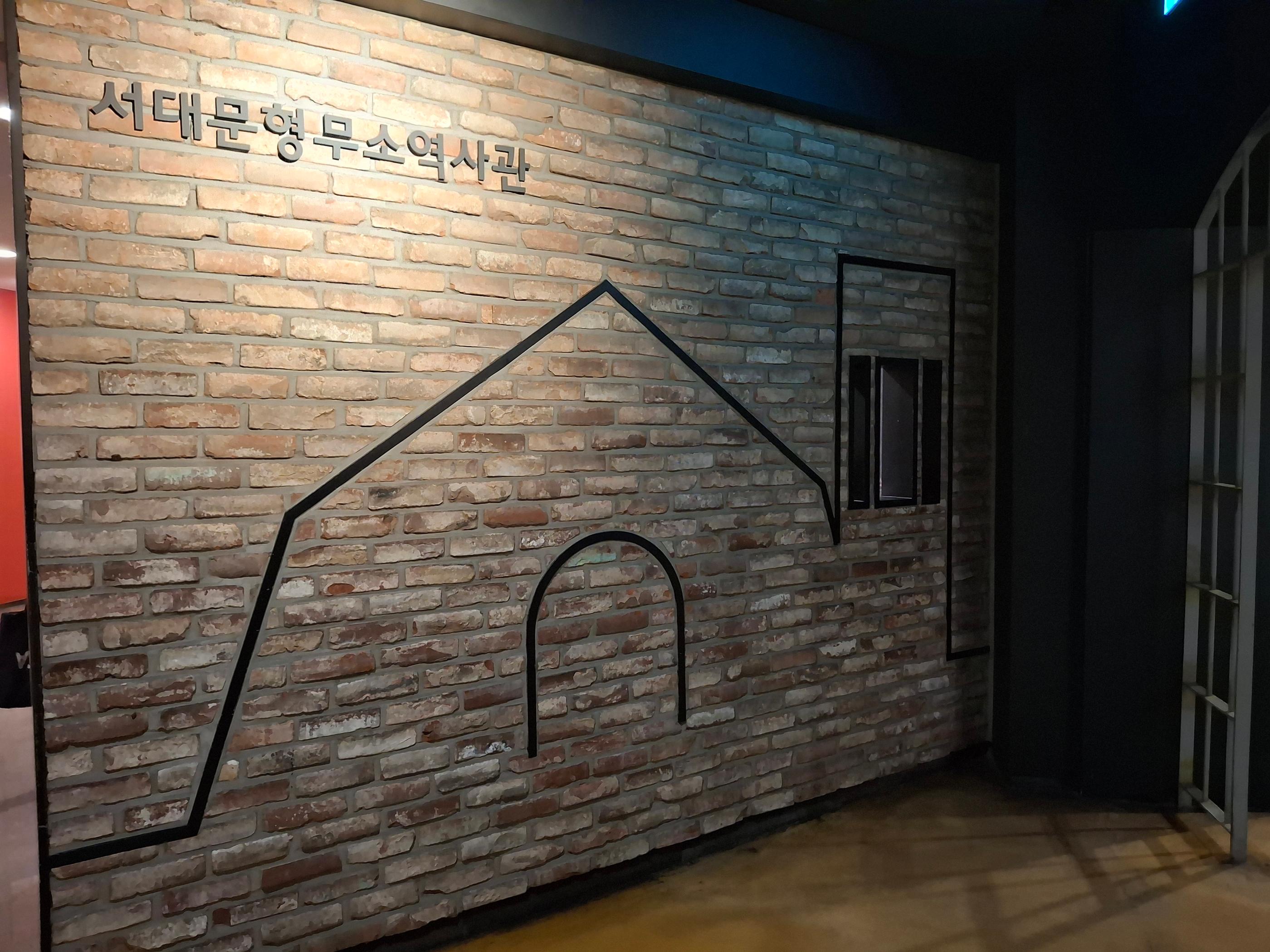
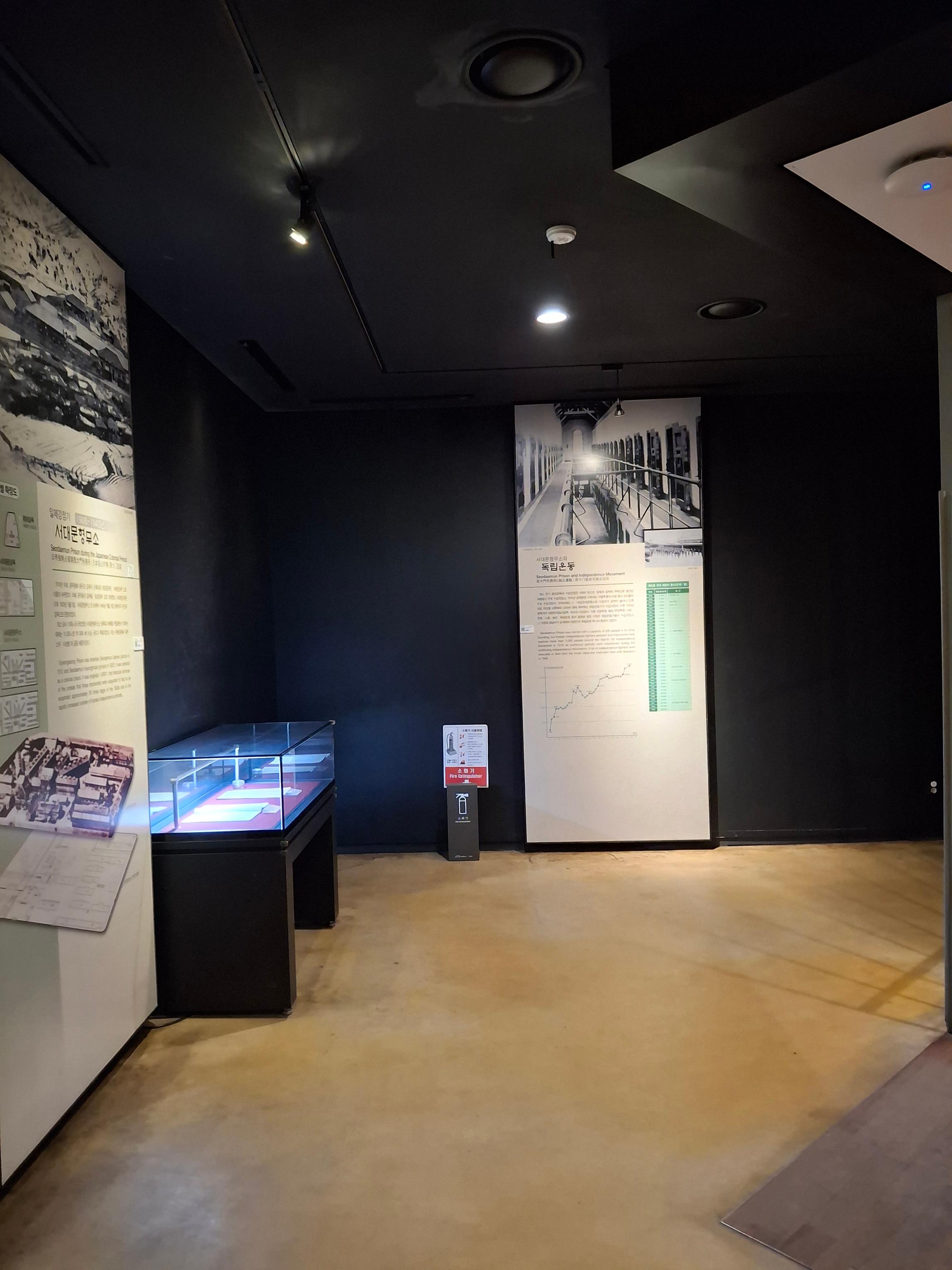
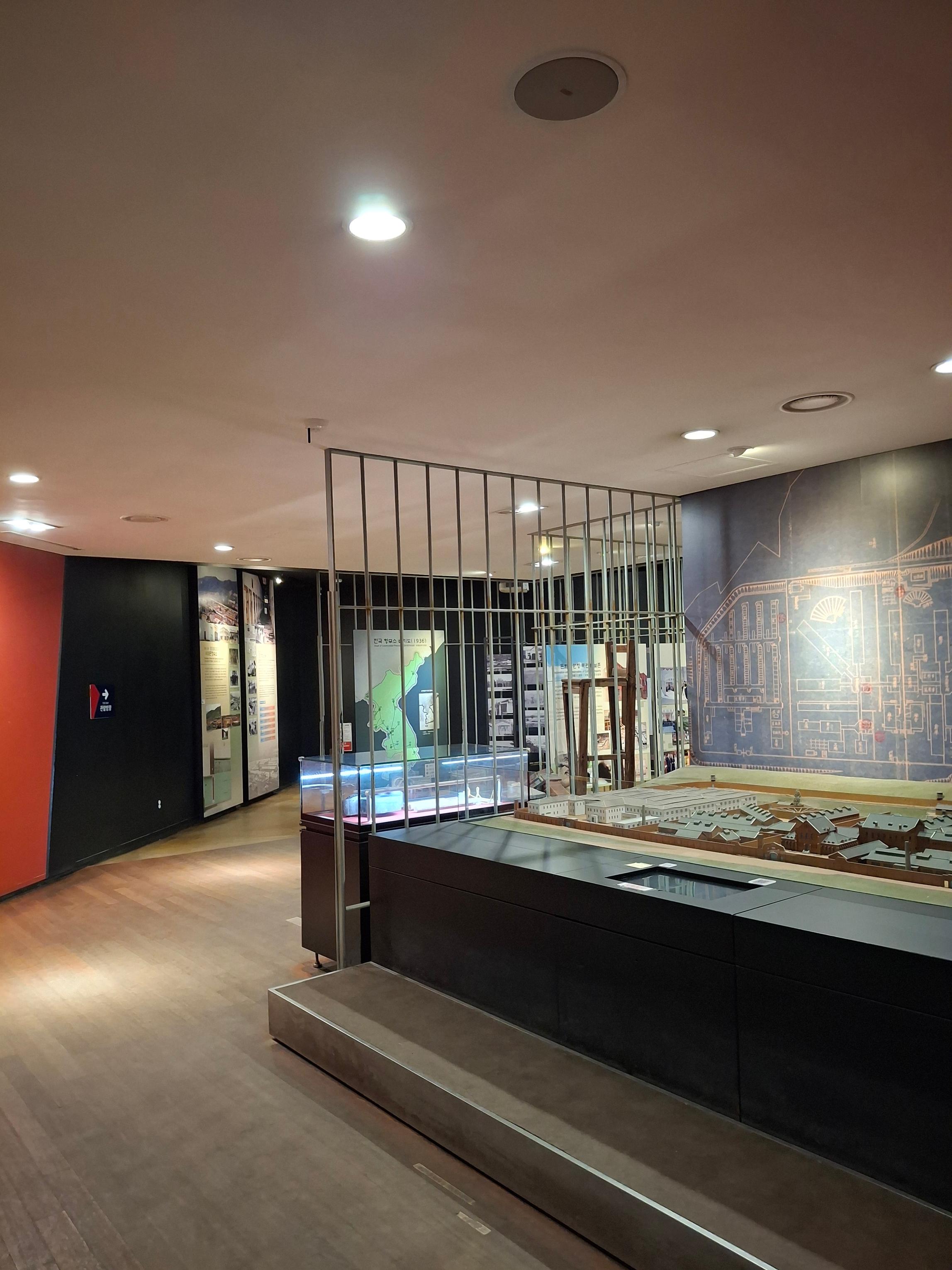
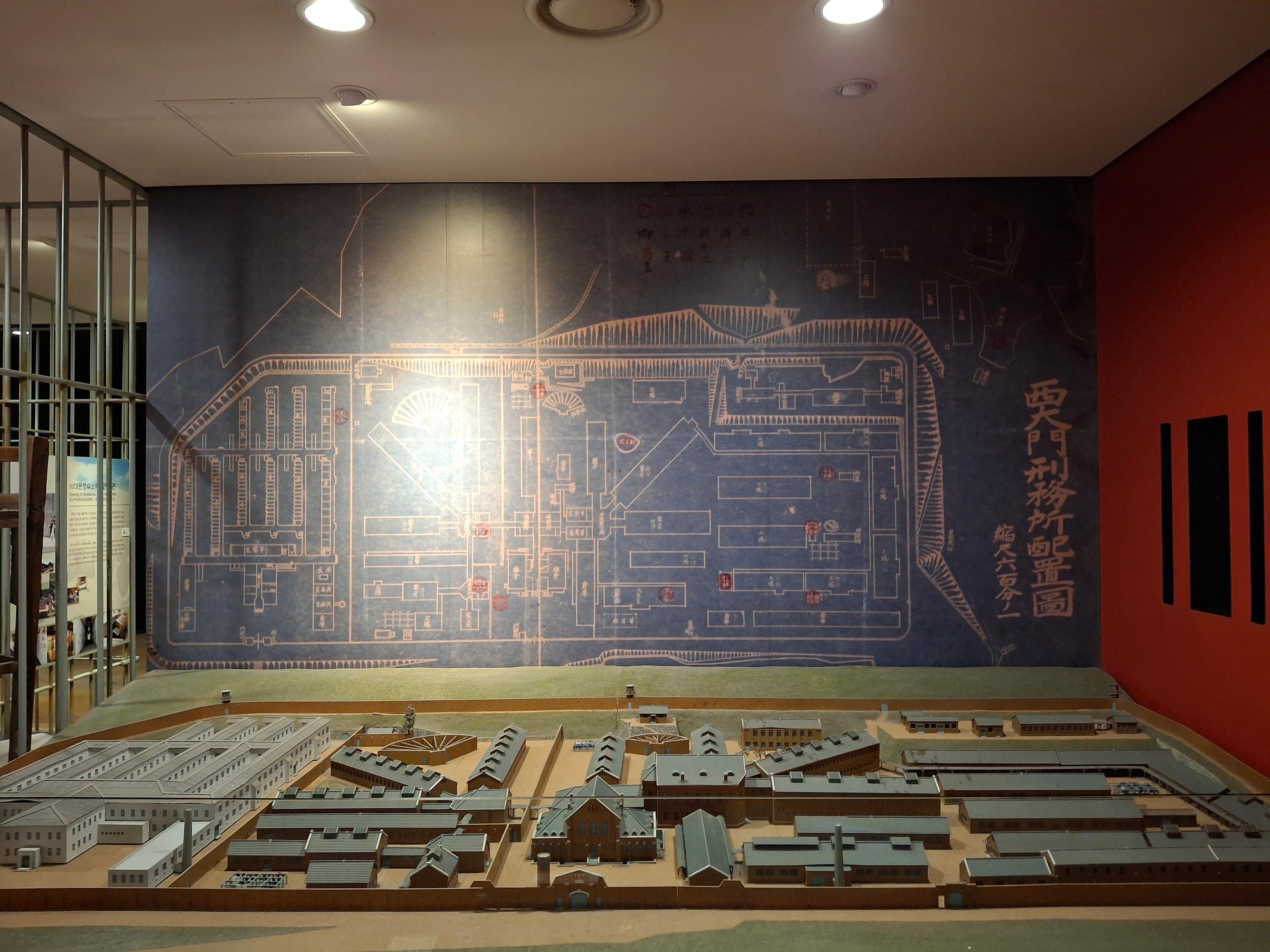
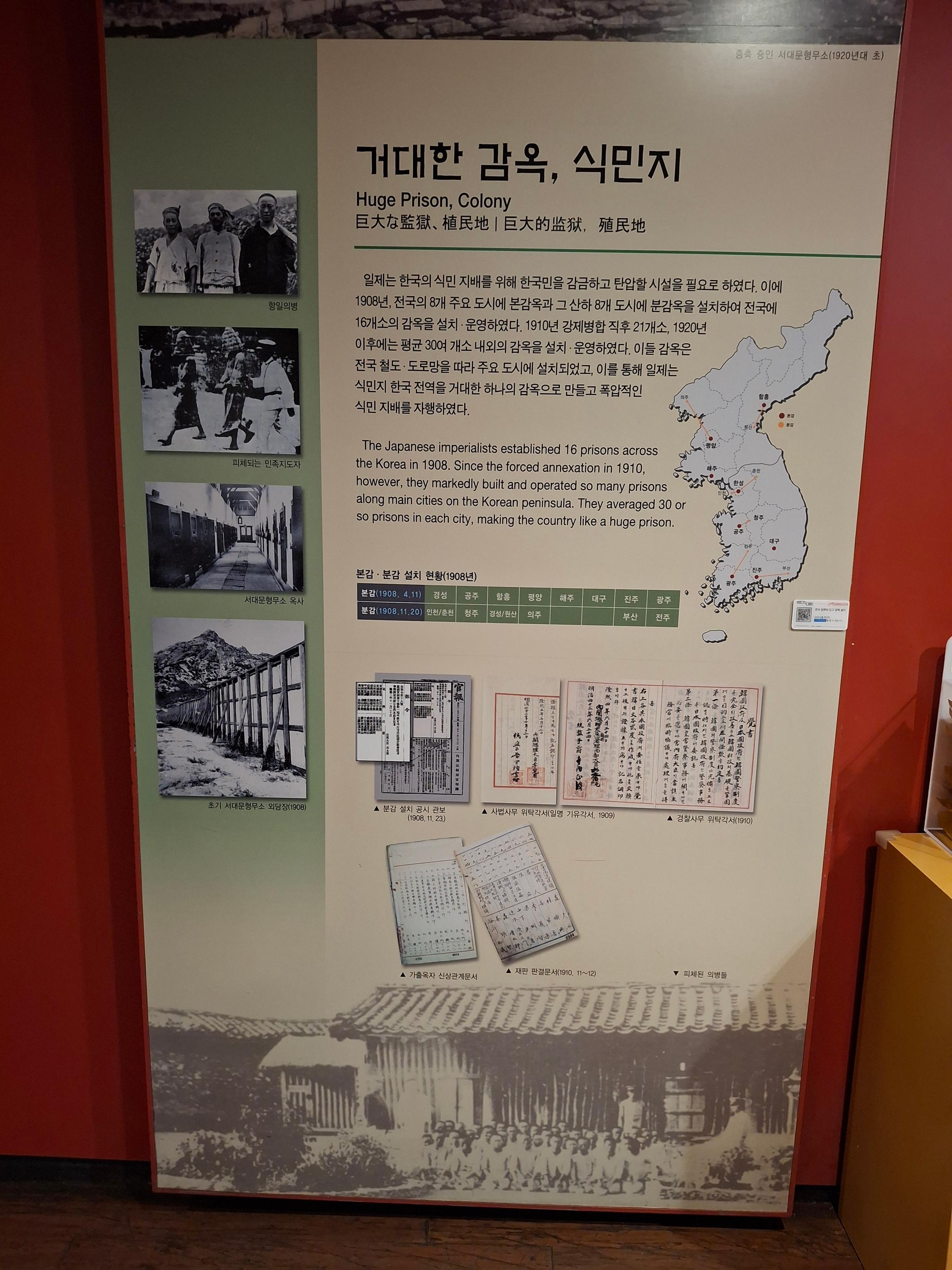
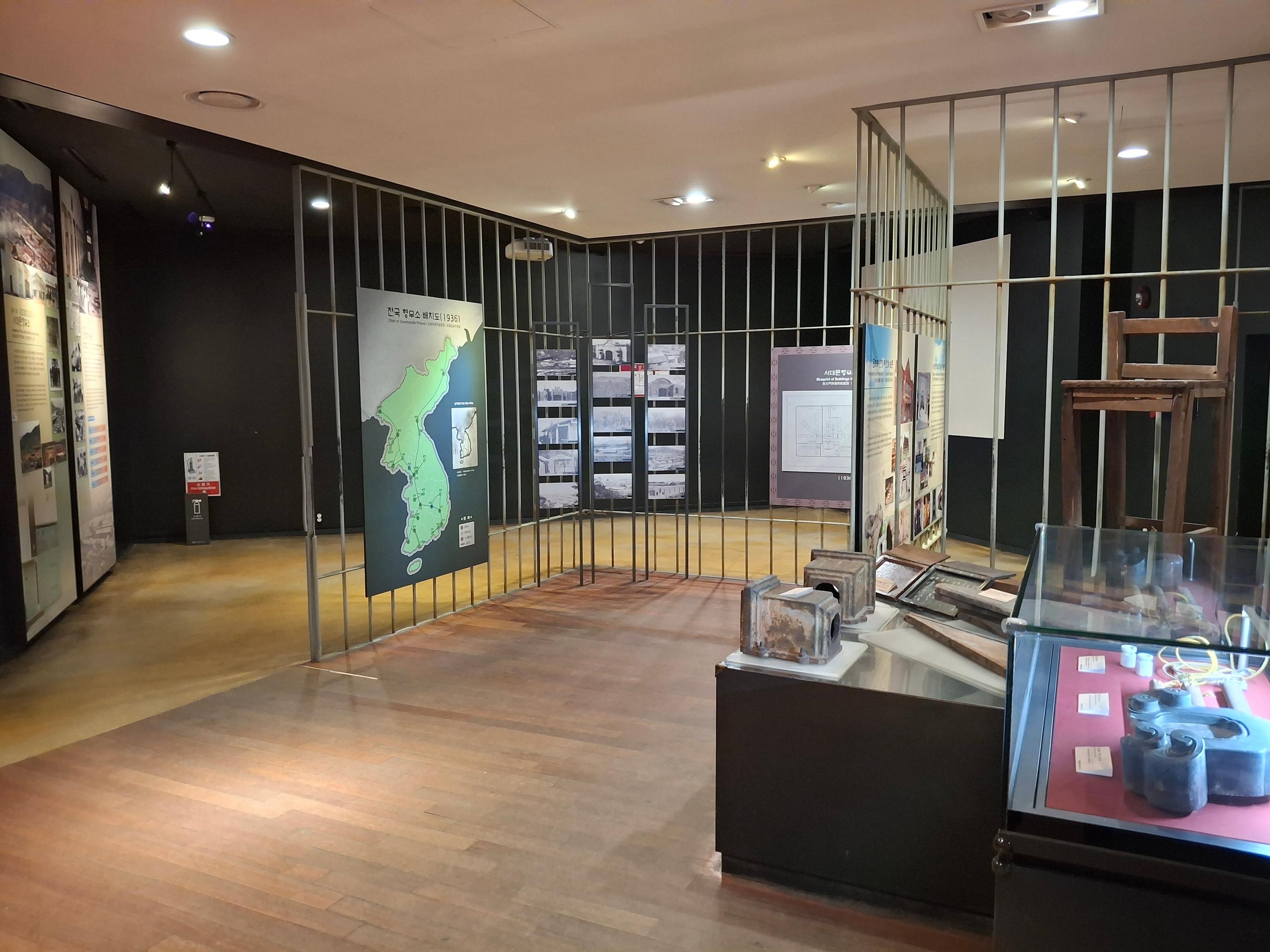
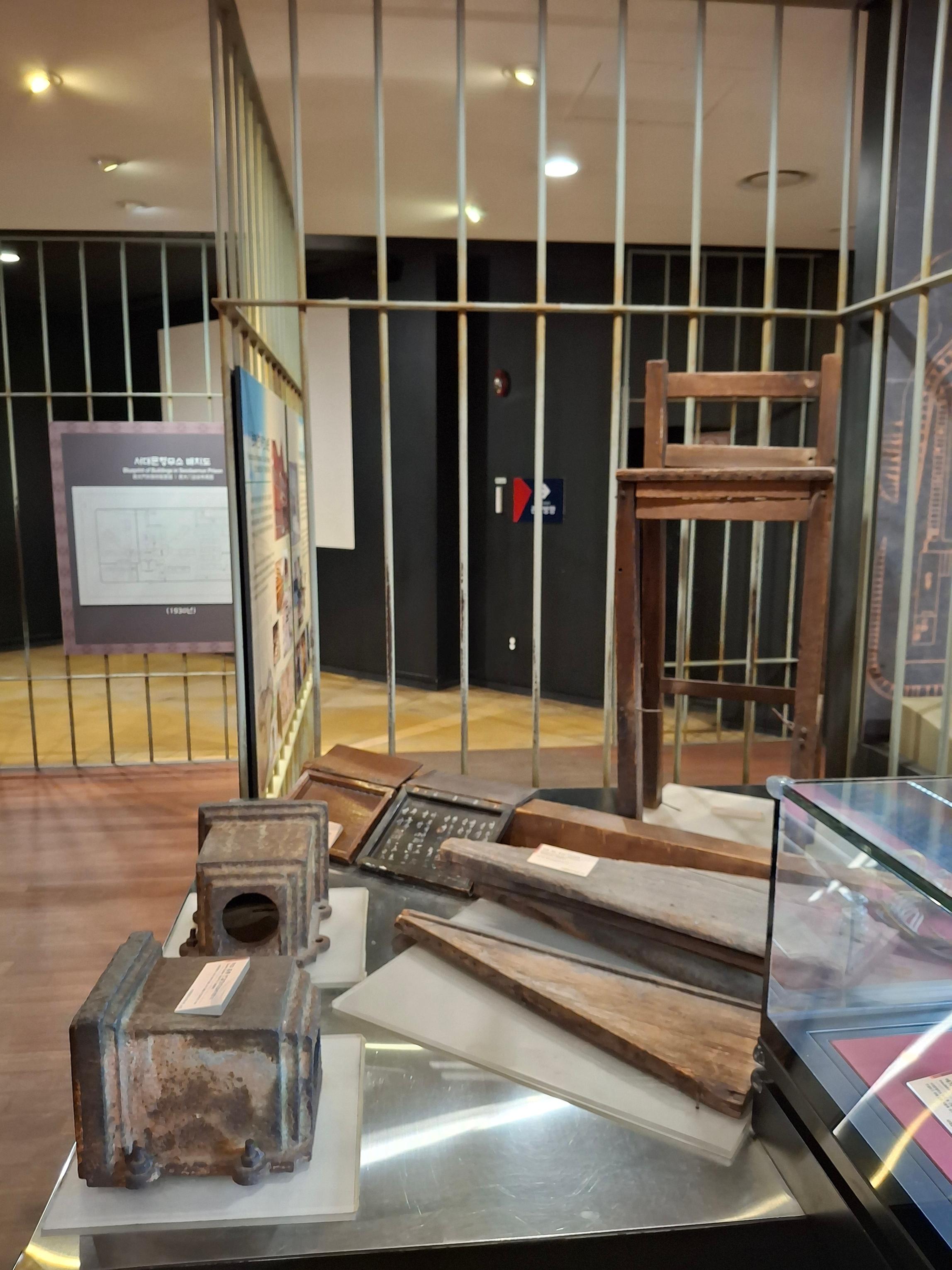
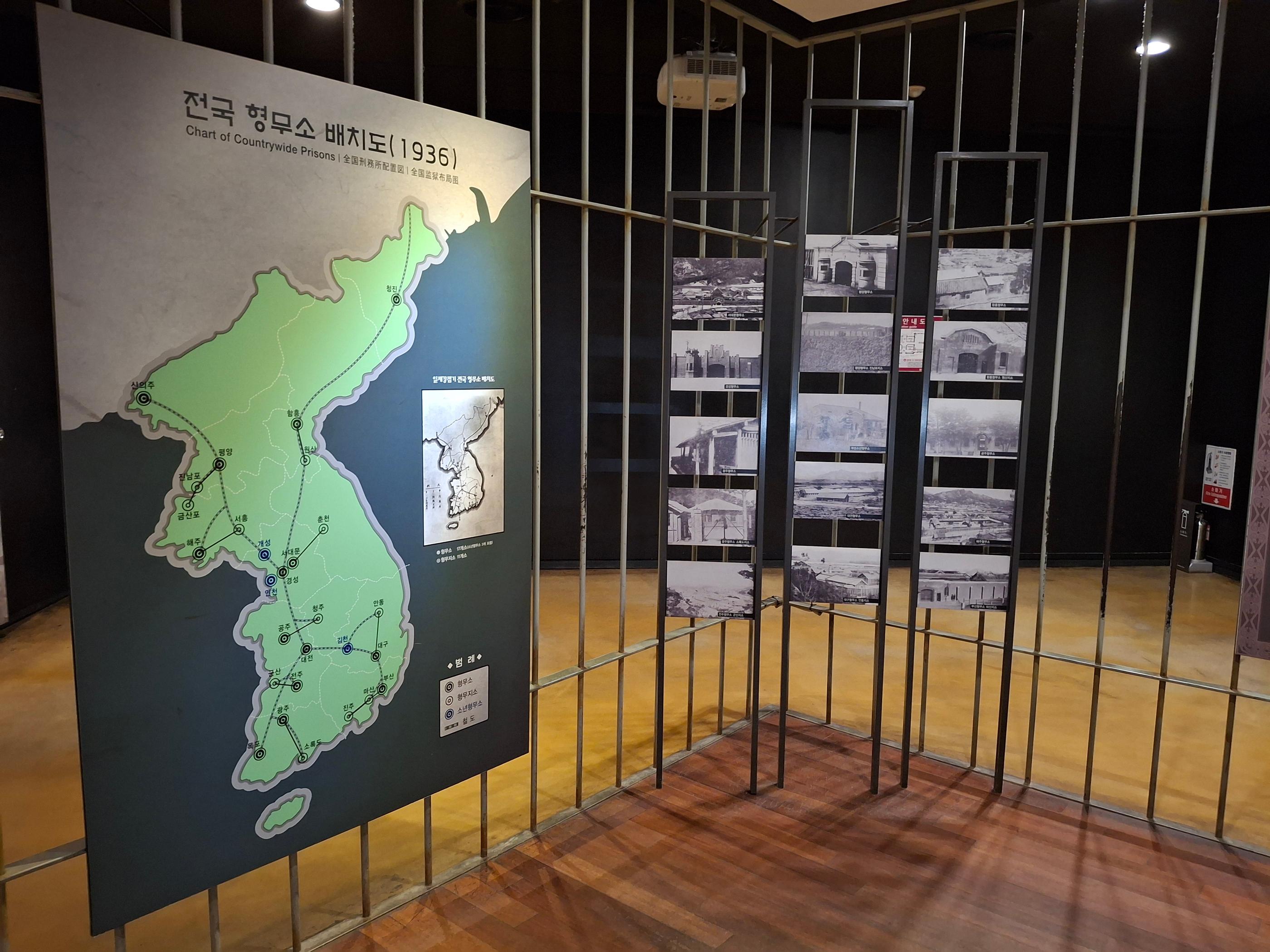
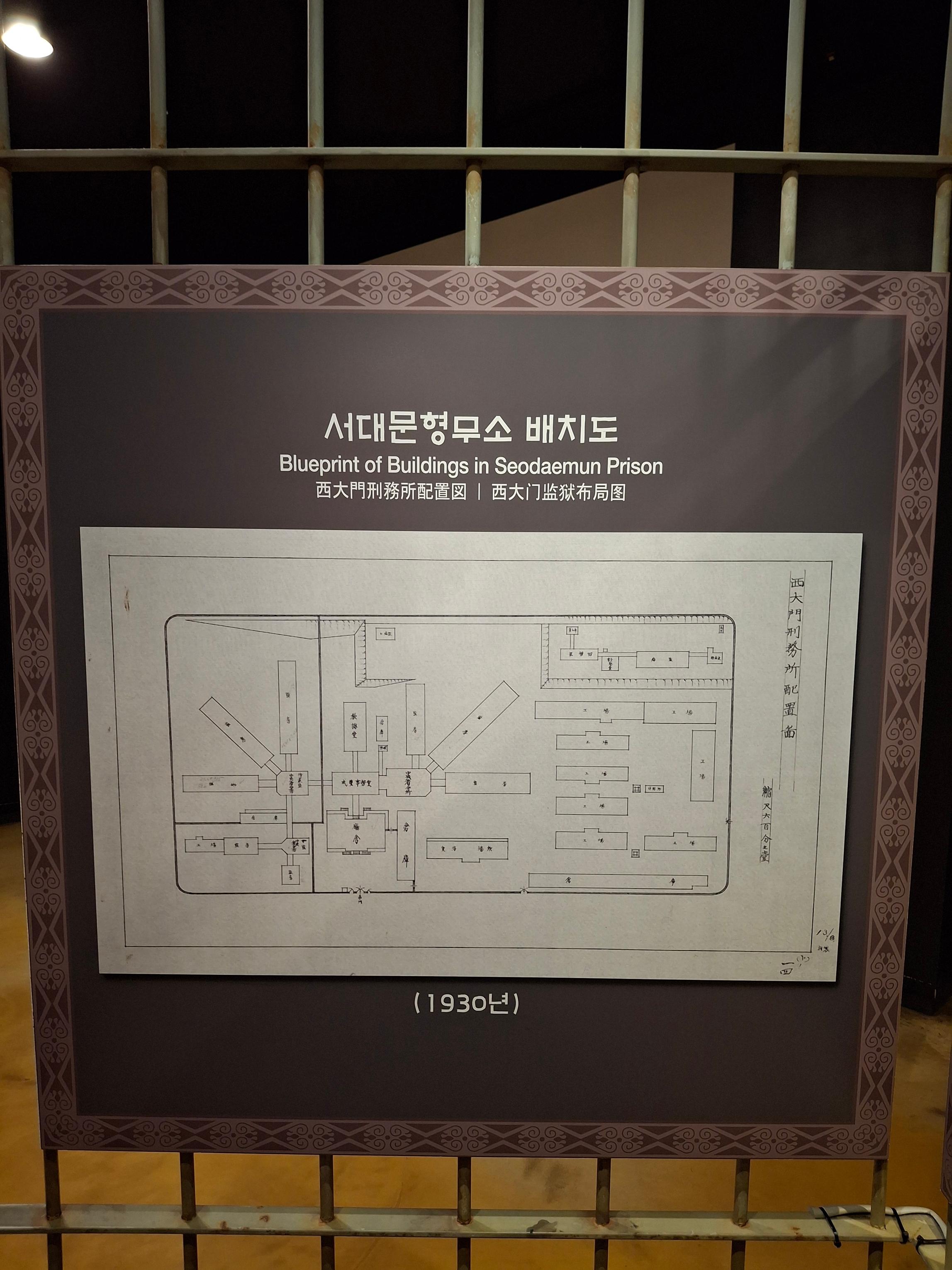
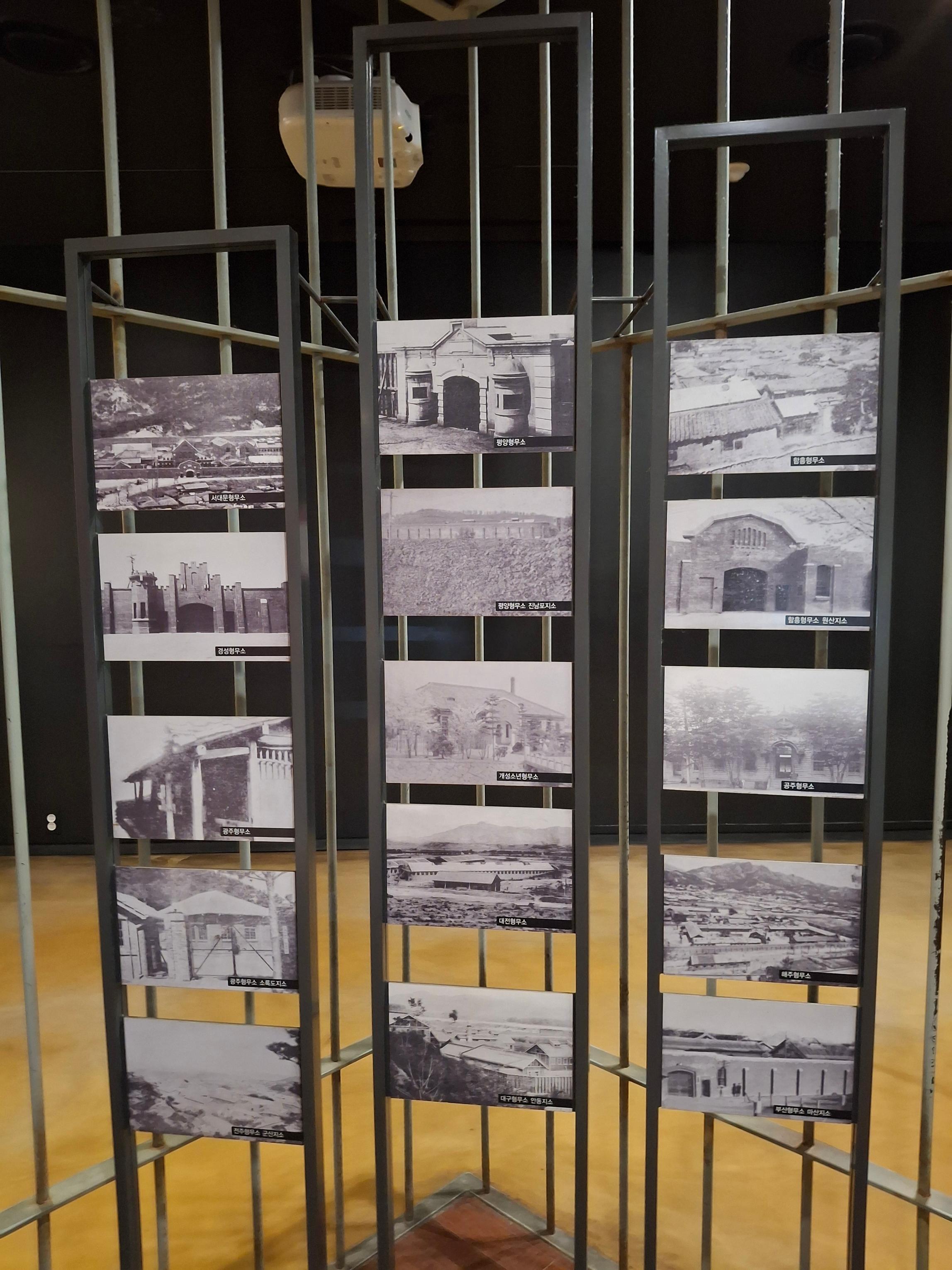
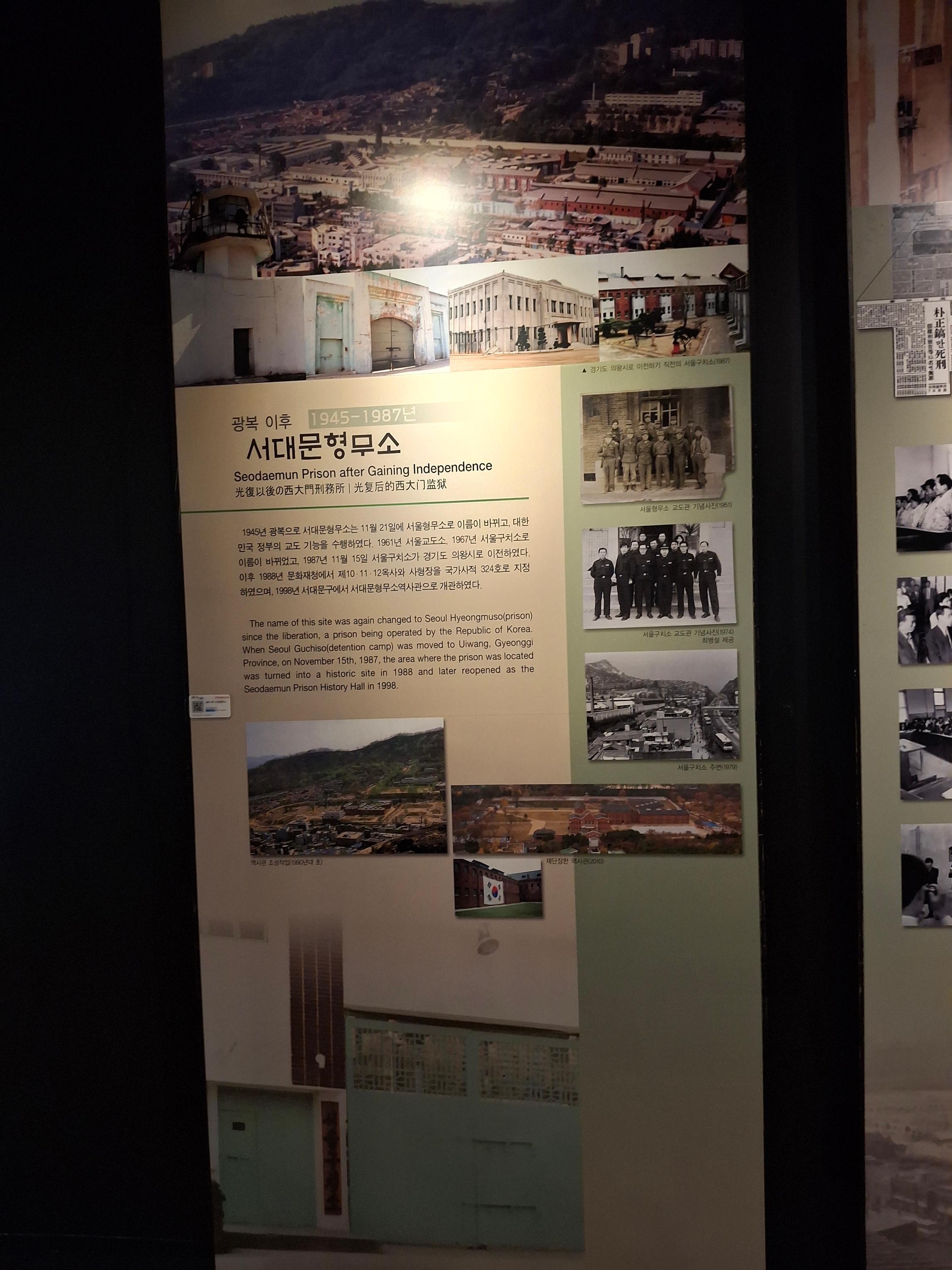
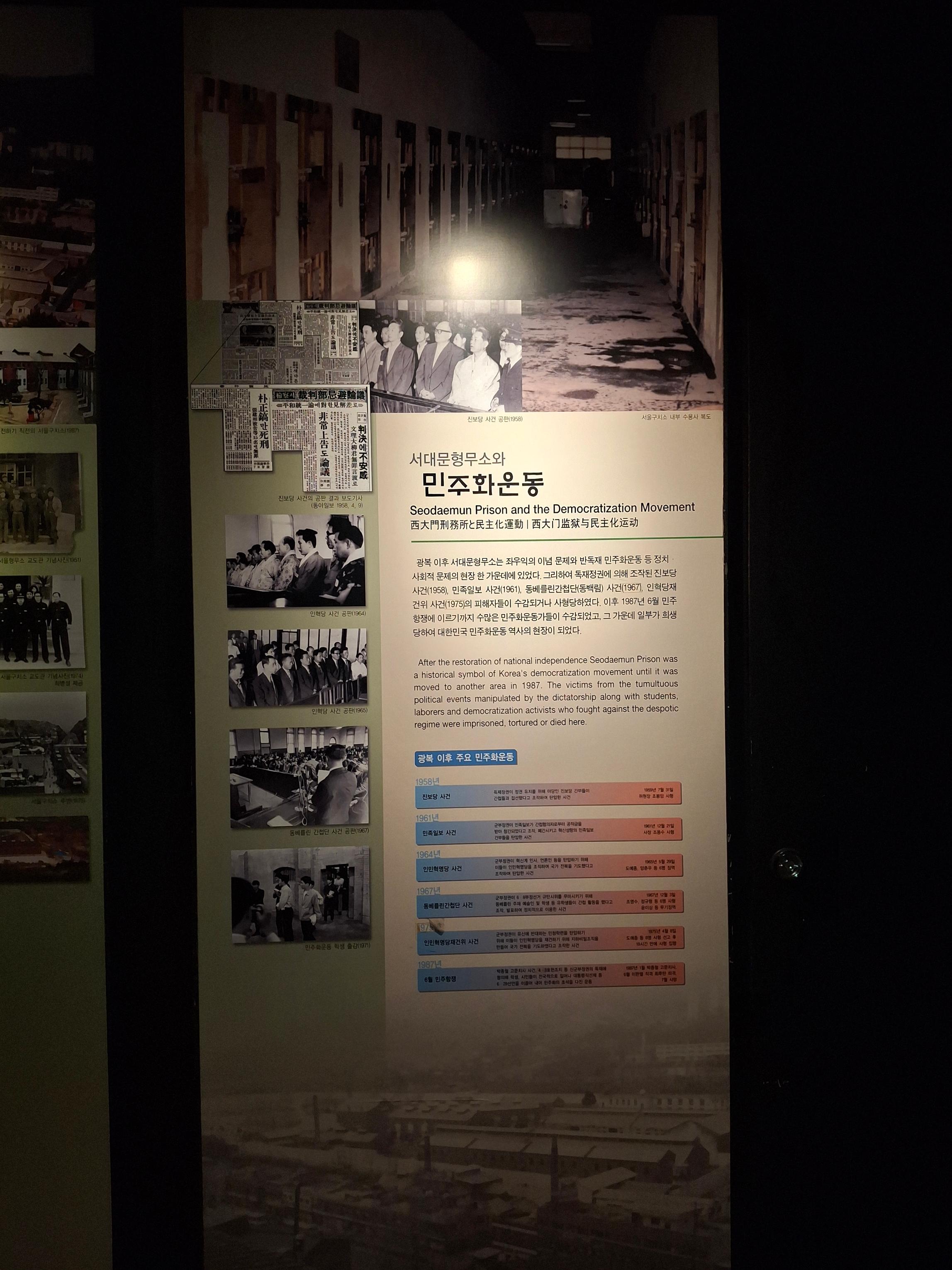
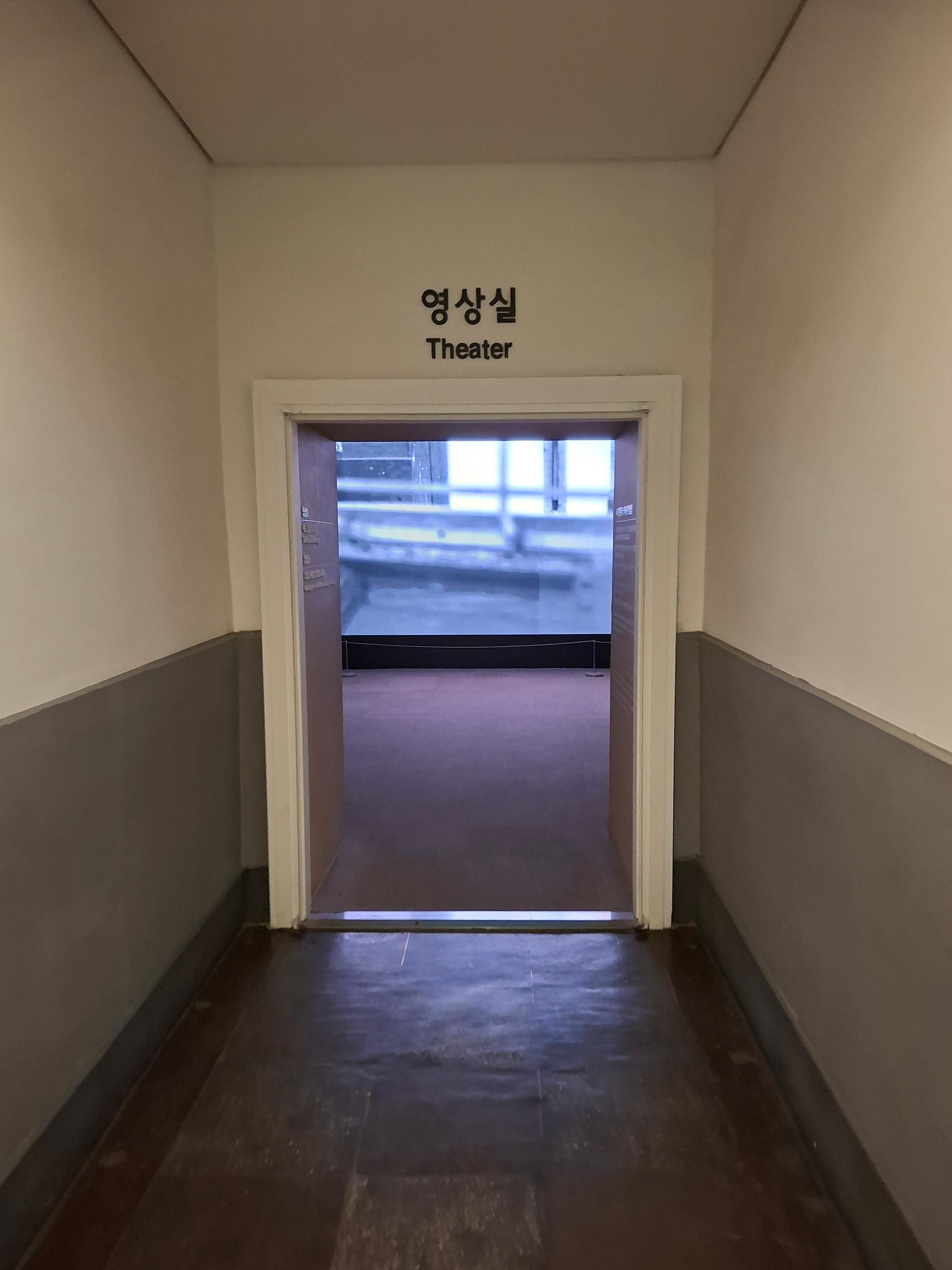
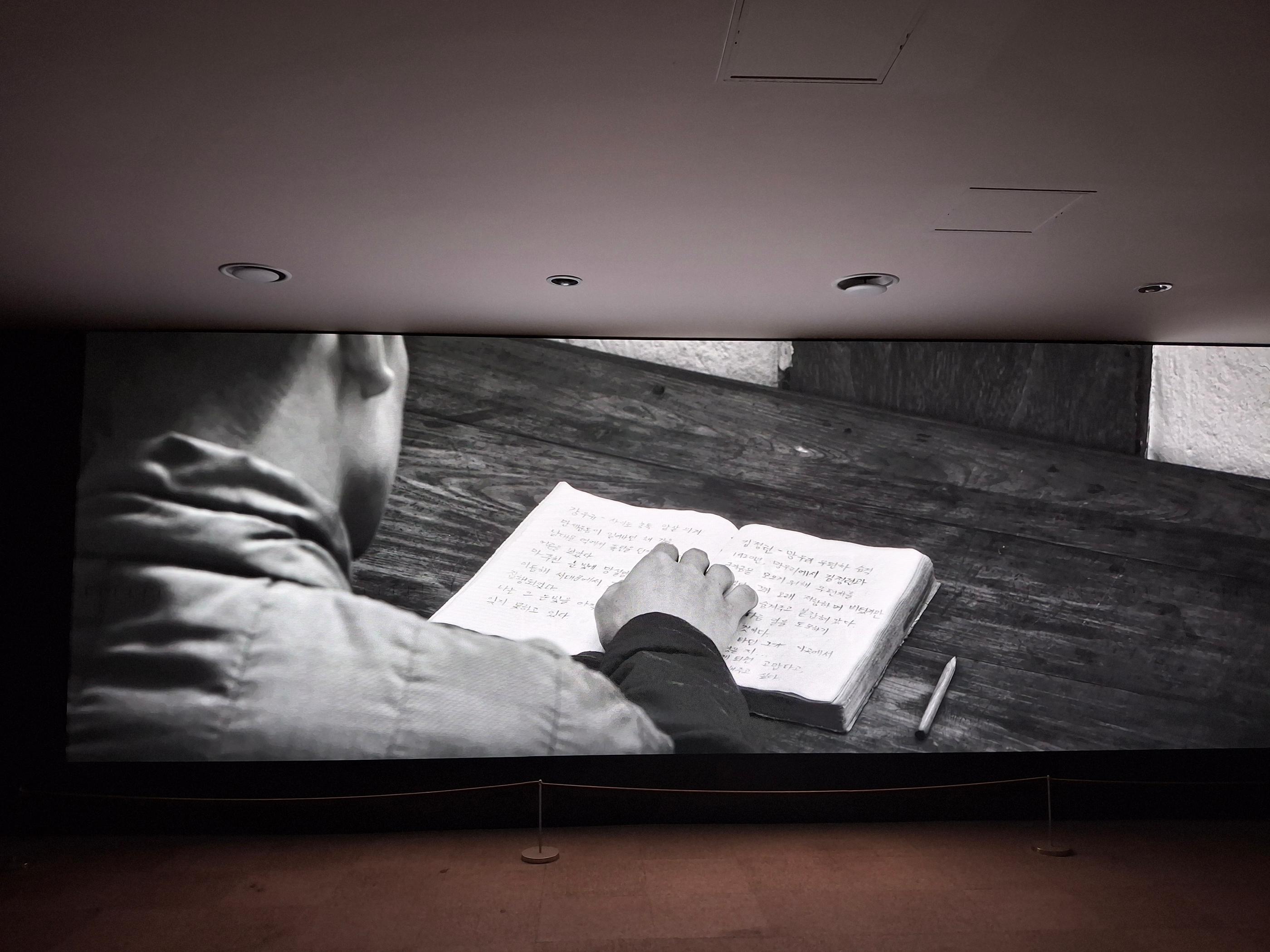
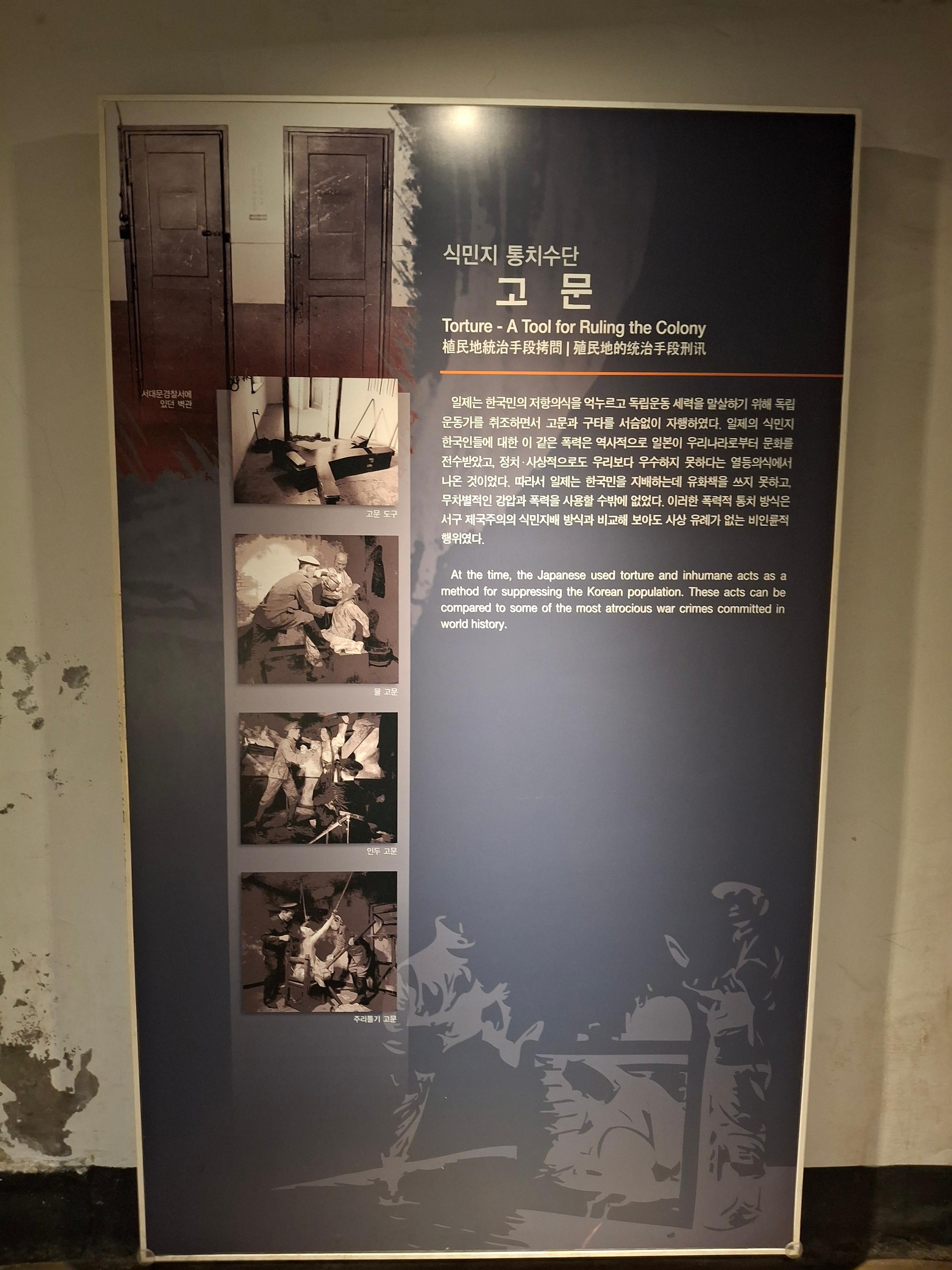
In the basement of the central building is the most terrible room of the prison - the torture chambers. It is the place where where the Japanese prosecutors interrogated the prisoners, and it displays the torture carried out during the interrogation process and the testimonies of the surviving patriotic governors. This is a very sad place that made a huge impression on me.
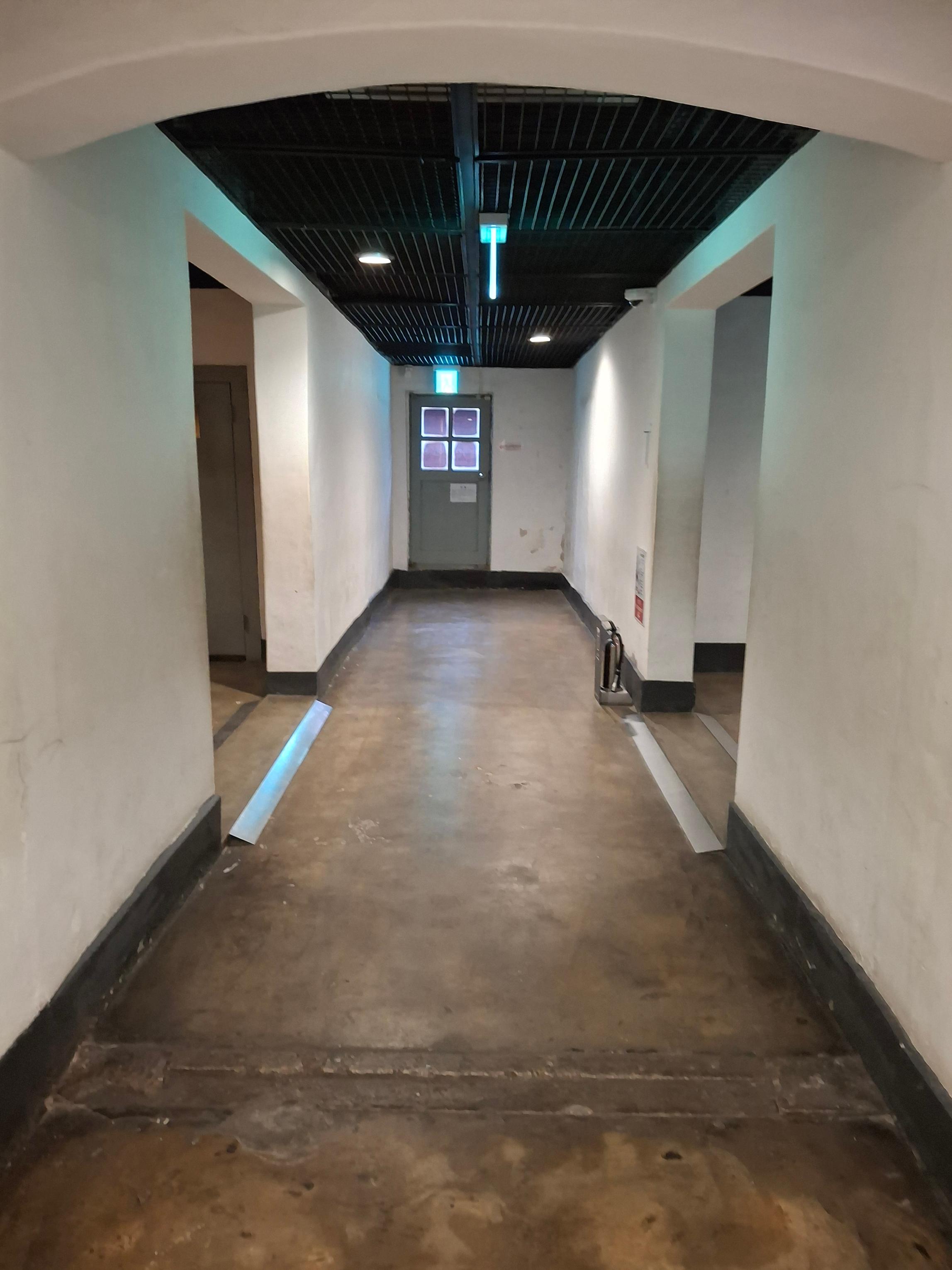
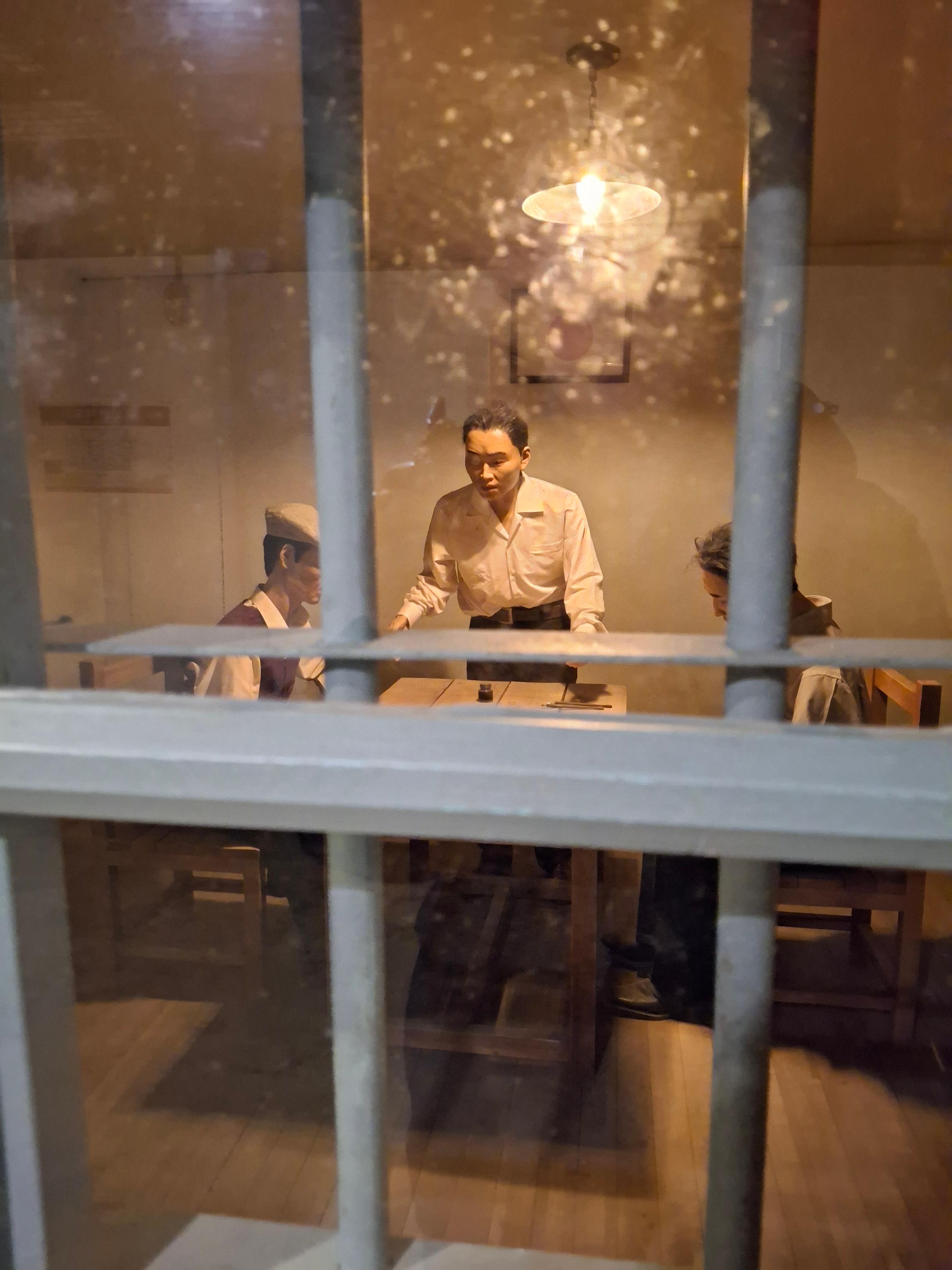
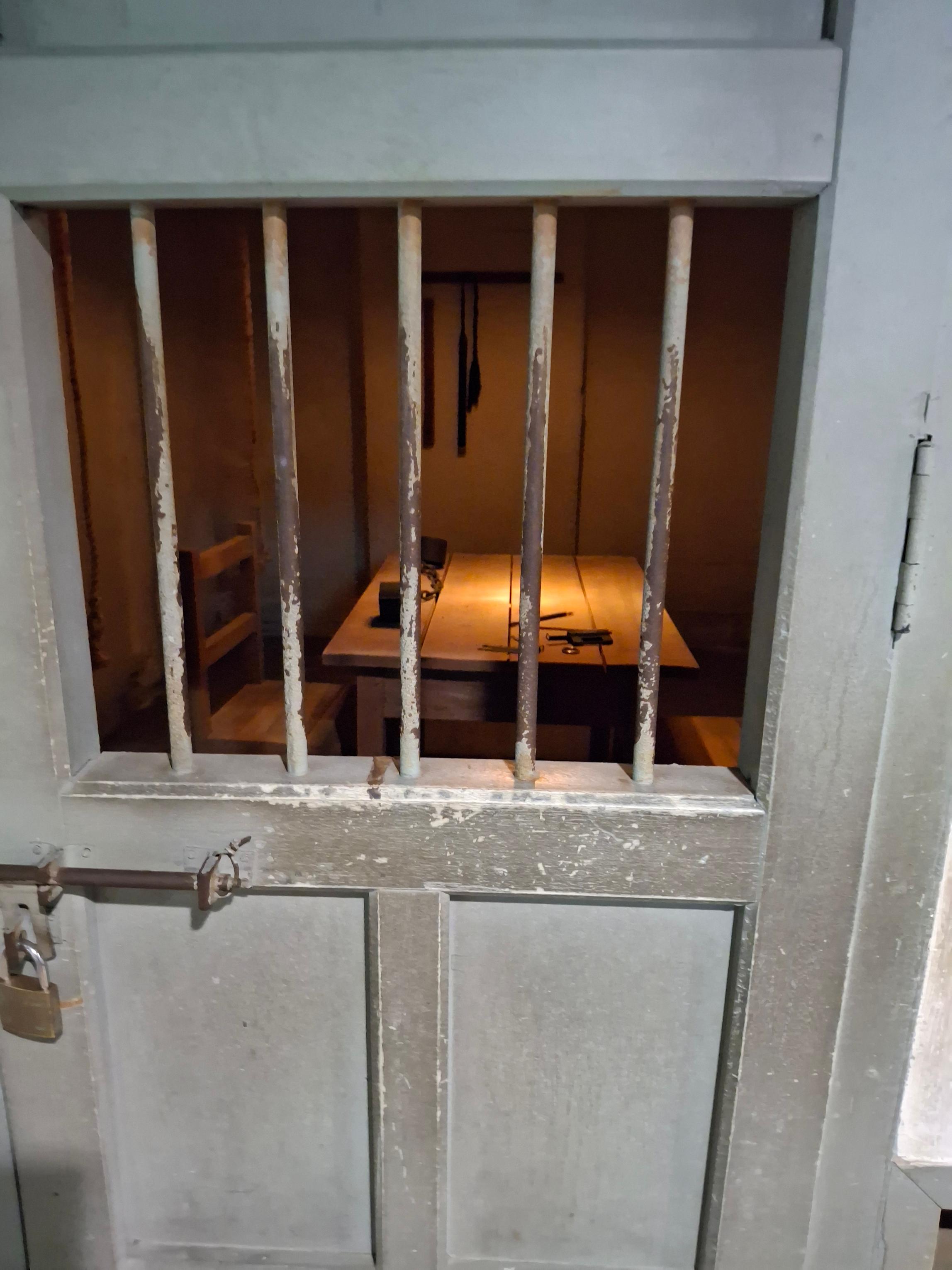
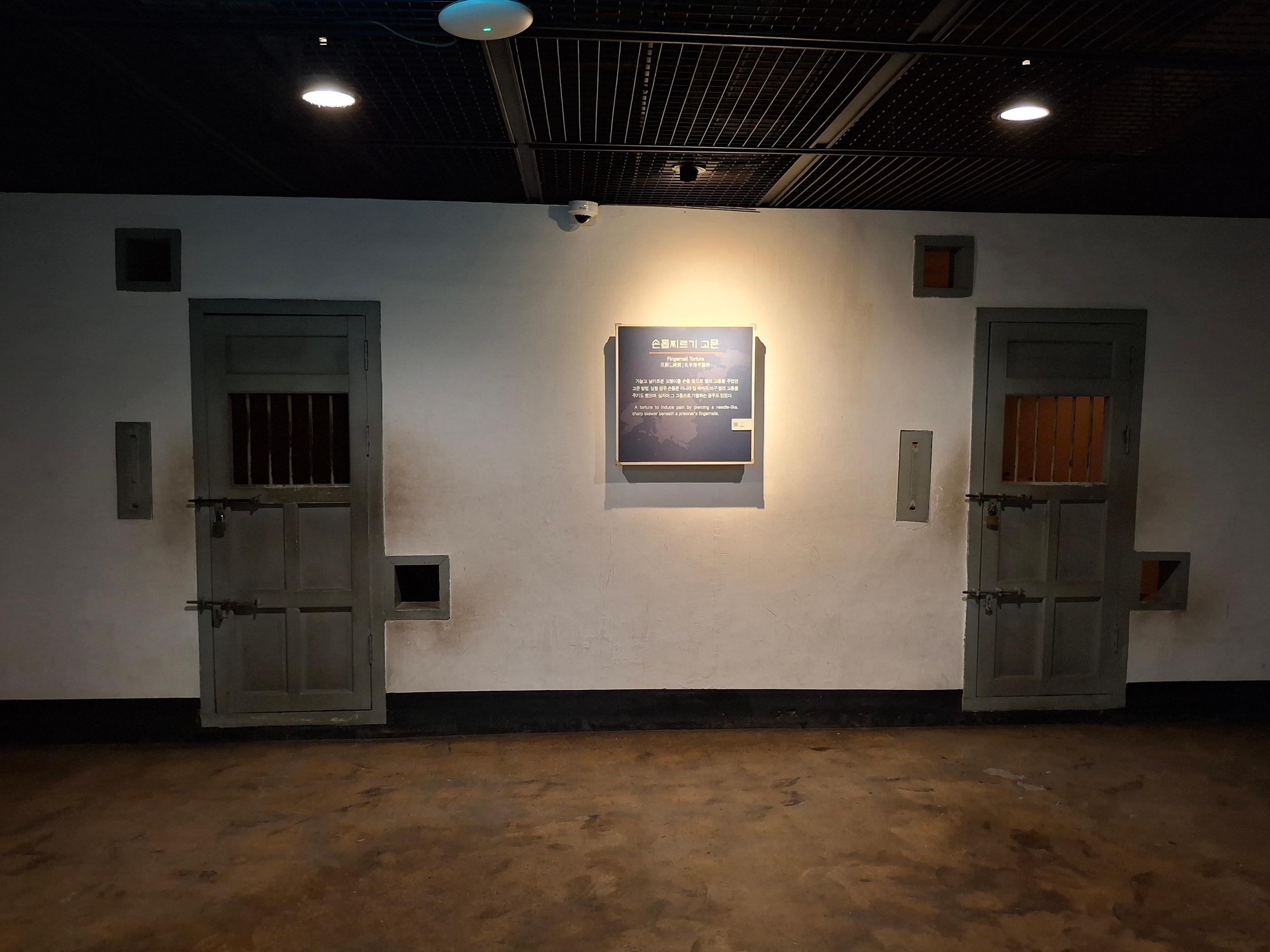
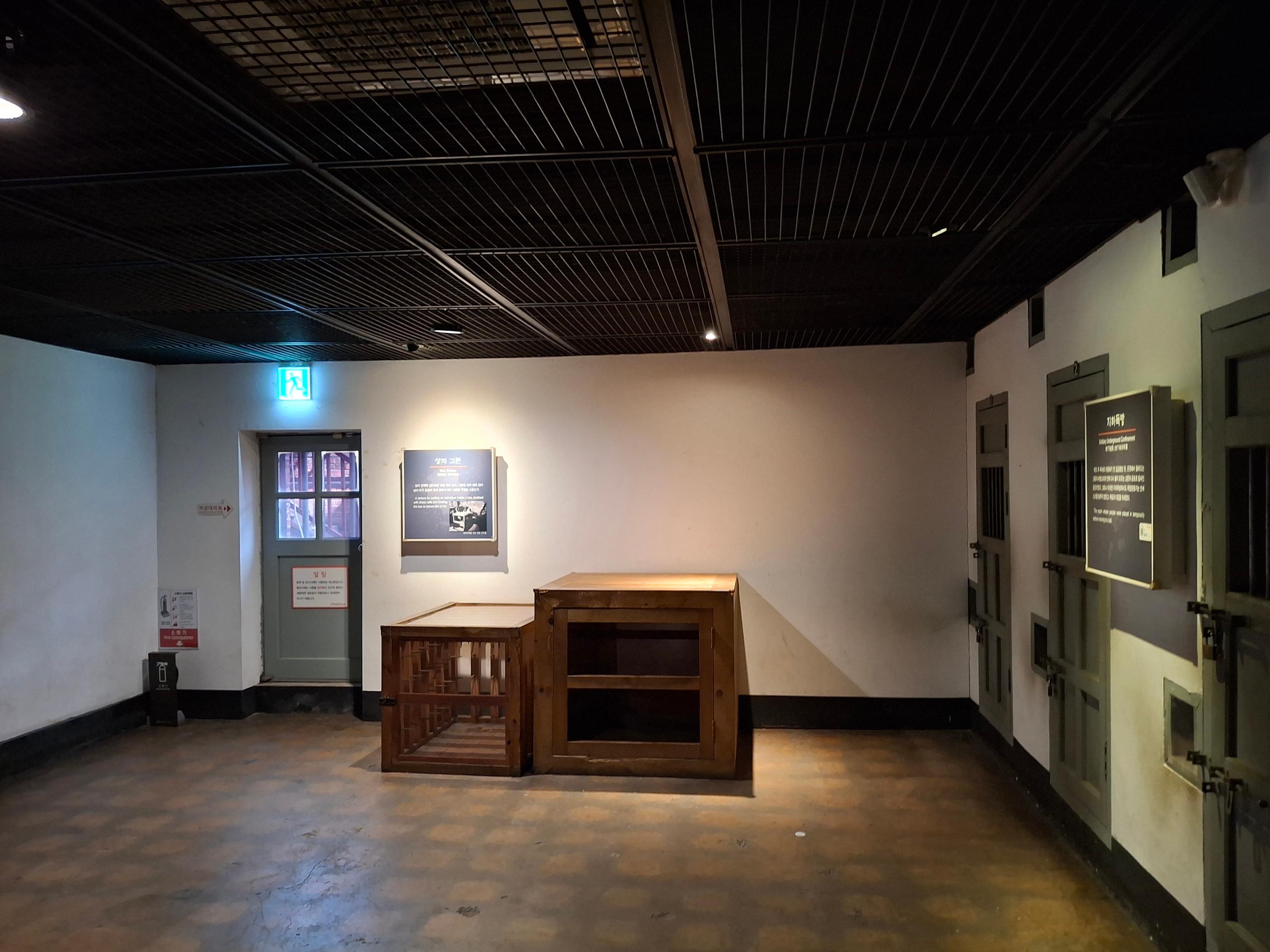
Next to the museum hall is the Central prison guard building, connected with Prison building. This is the place where independence activists and democracy activists were actually imprisoned, and it is a place where you can see the structure of the prison and the work of the guards, and go inside the cell to experience imprisonment.
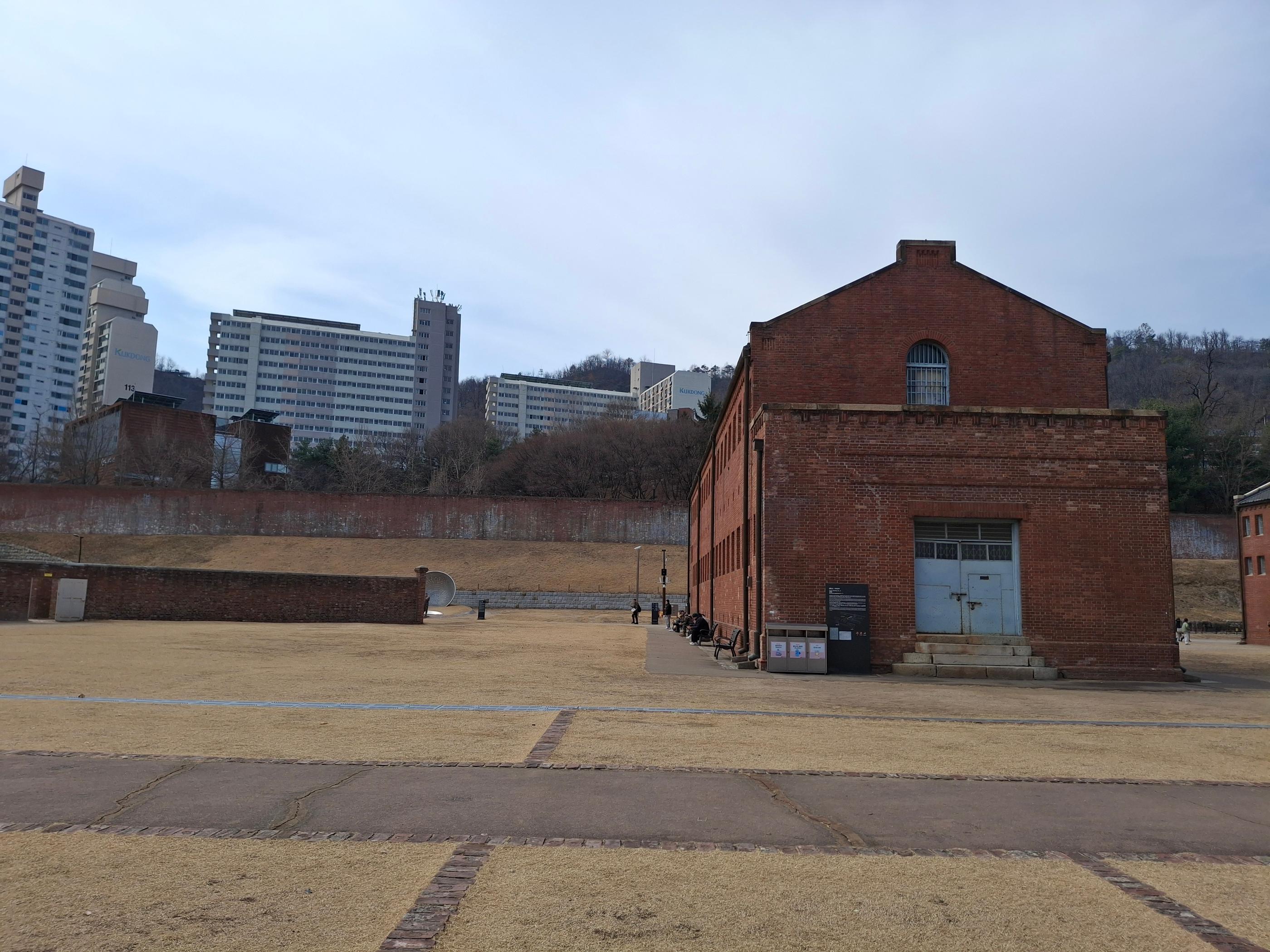
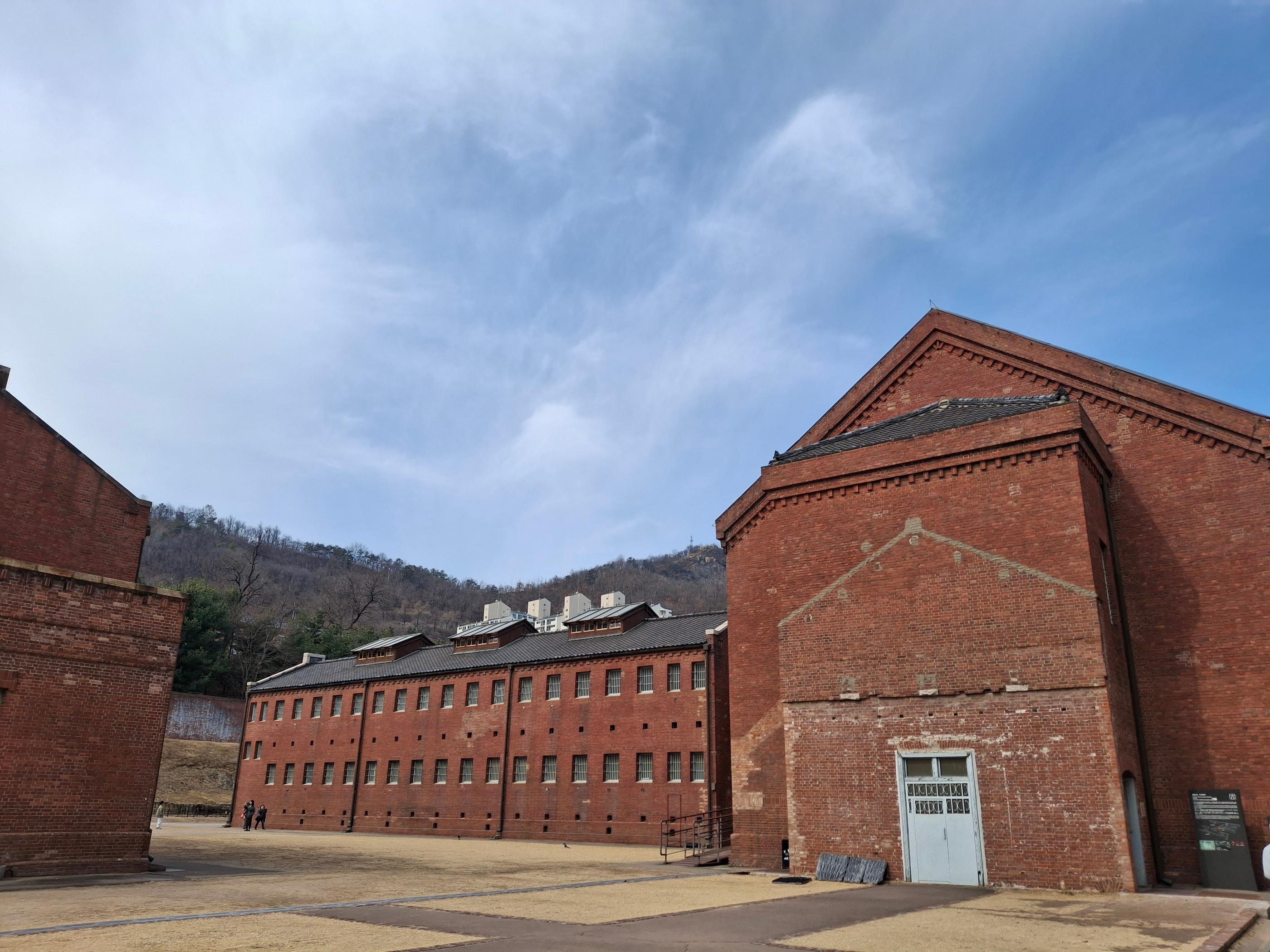
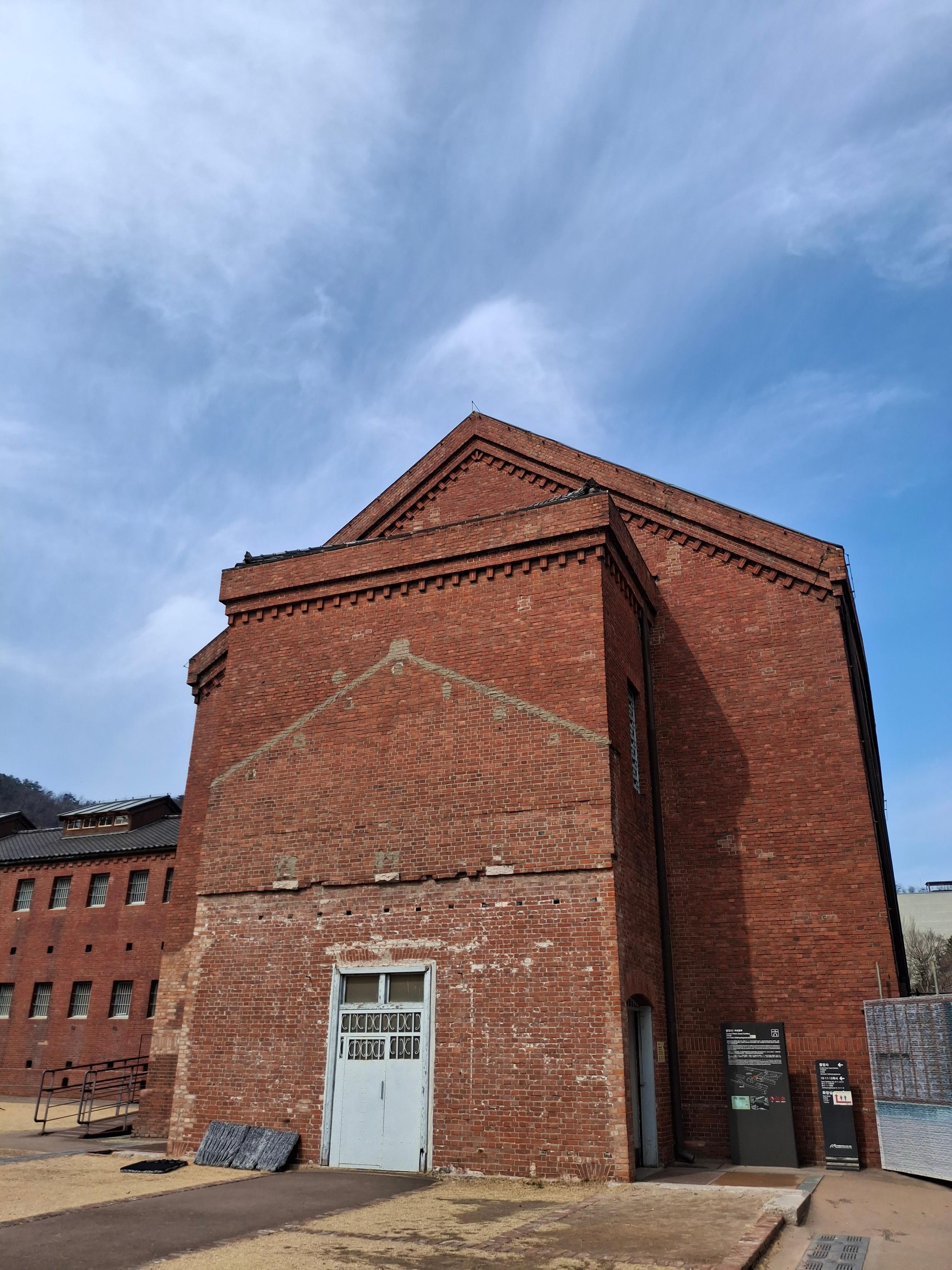
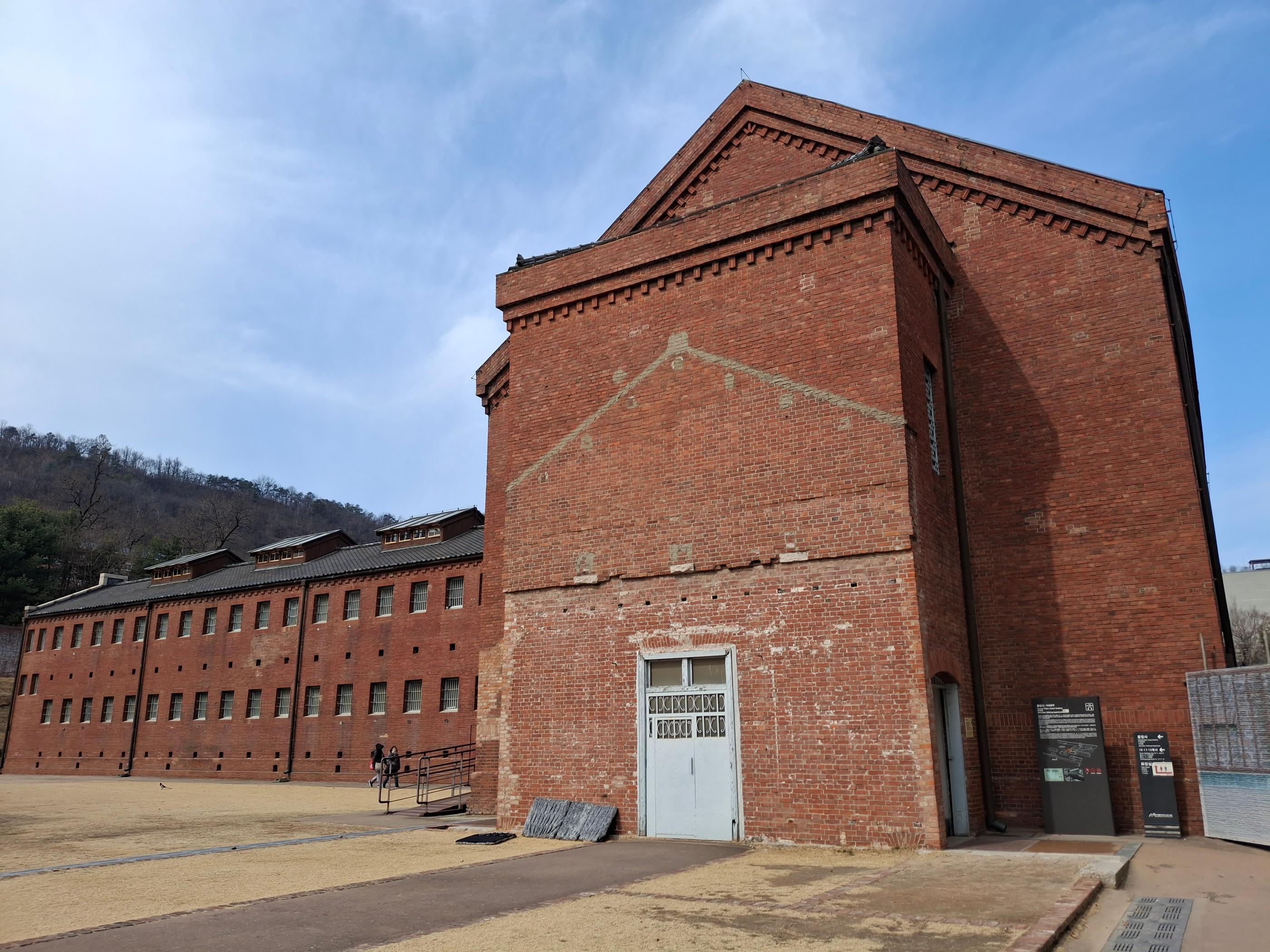
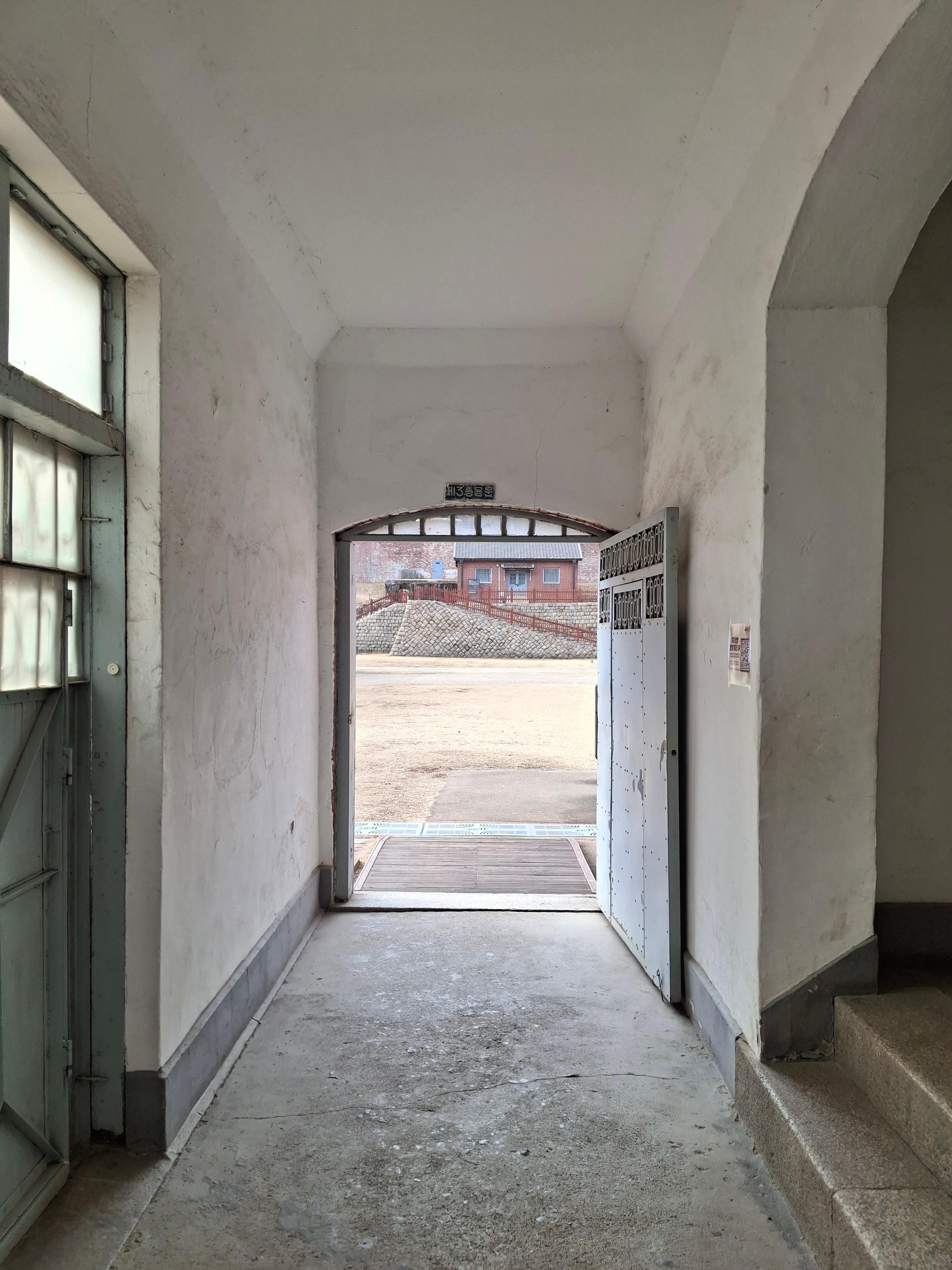
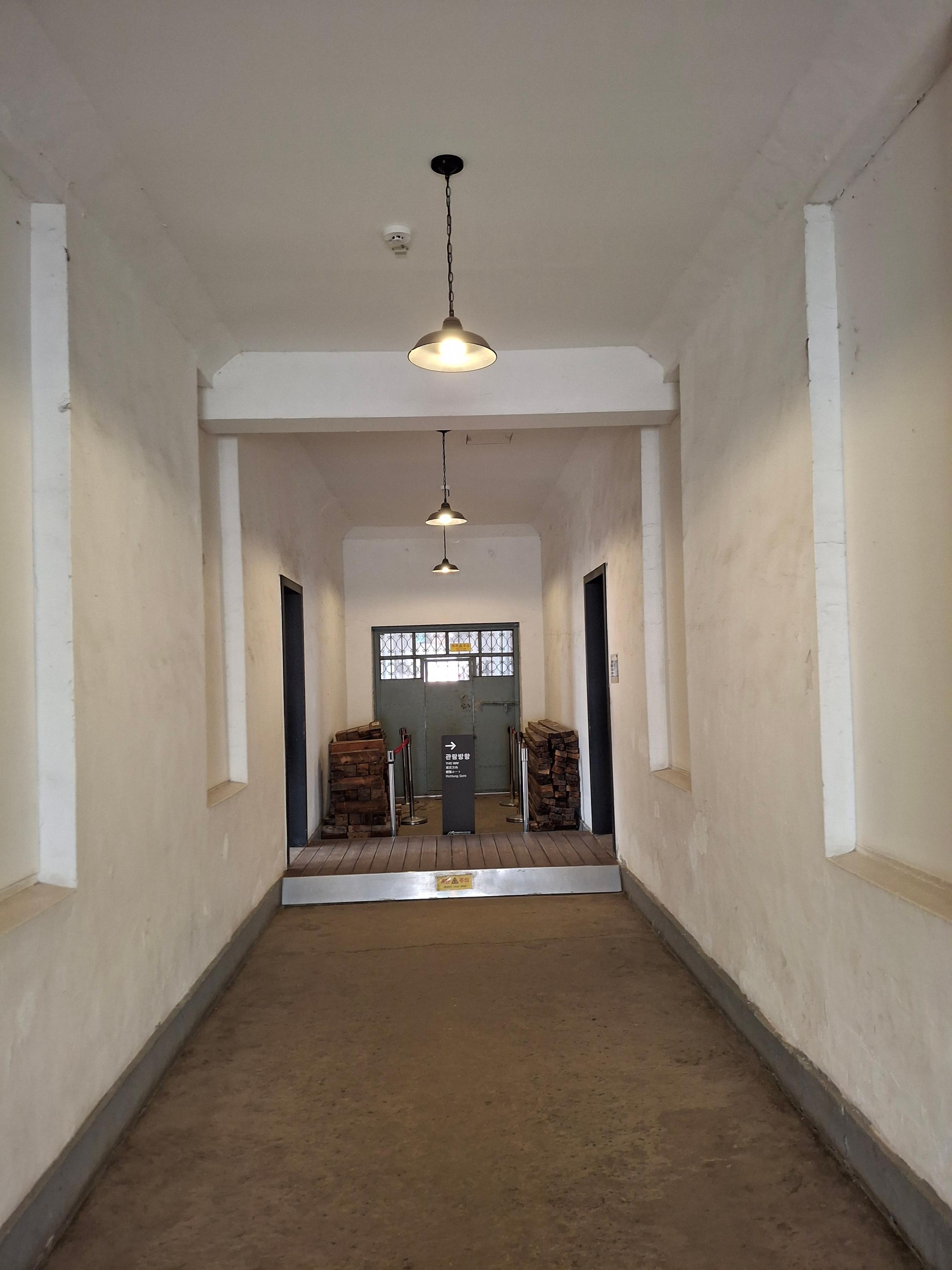
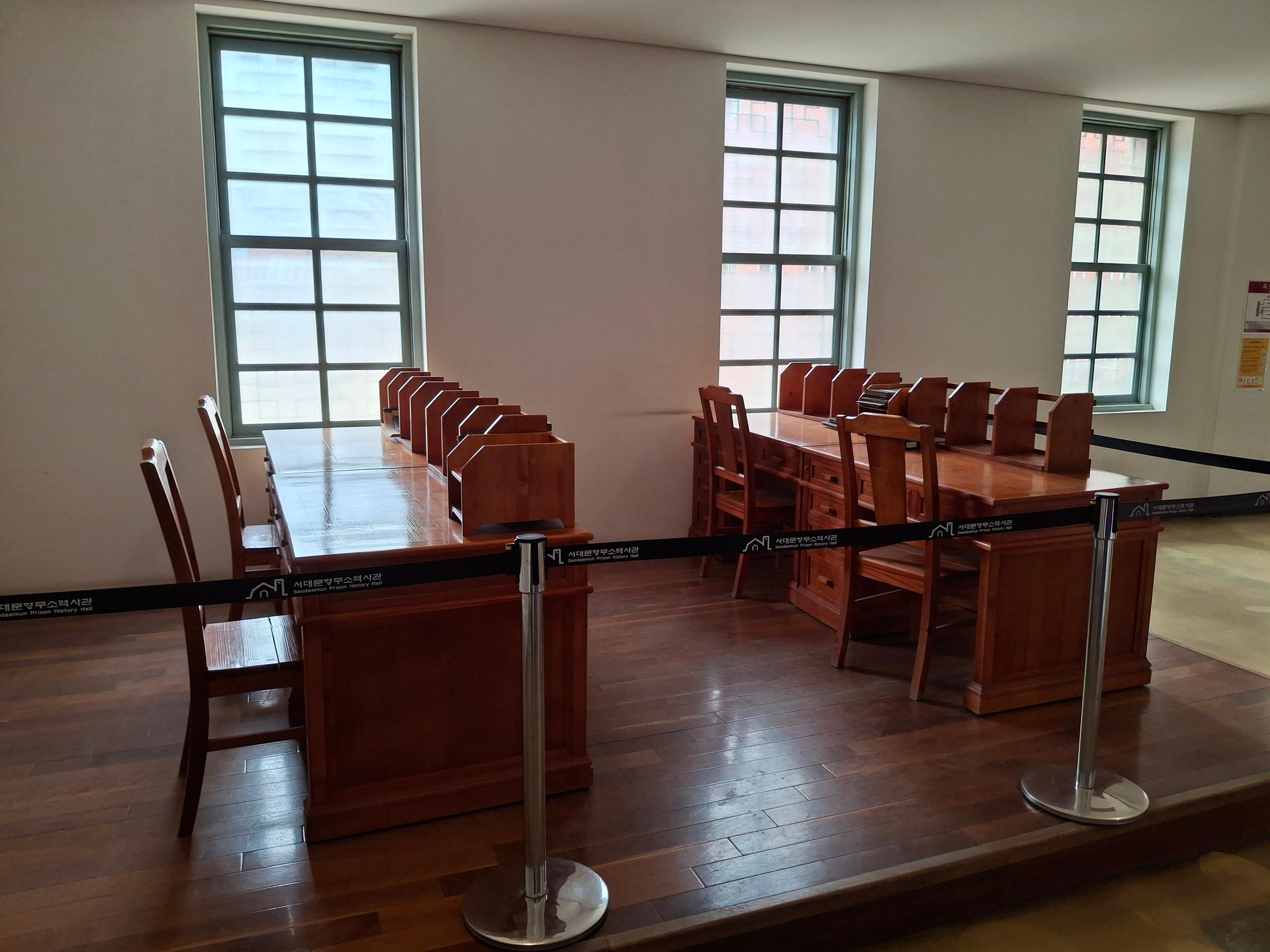
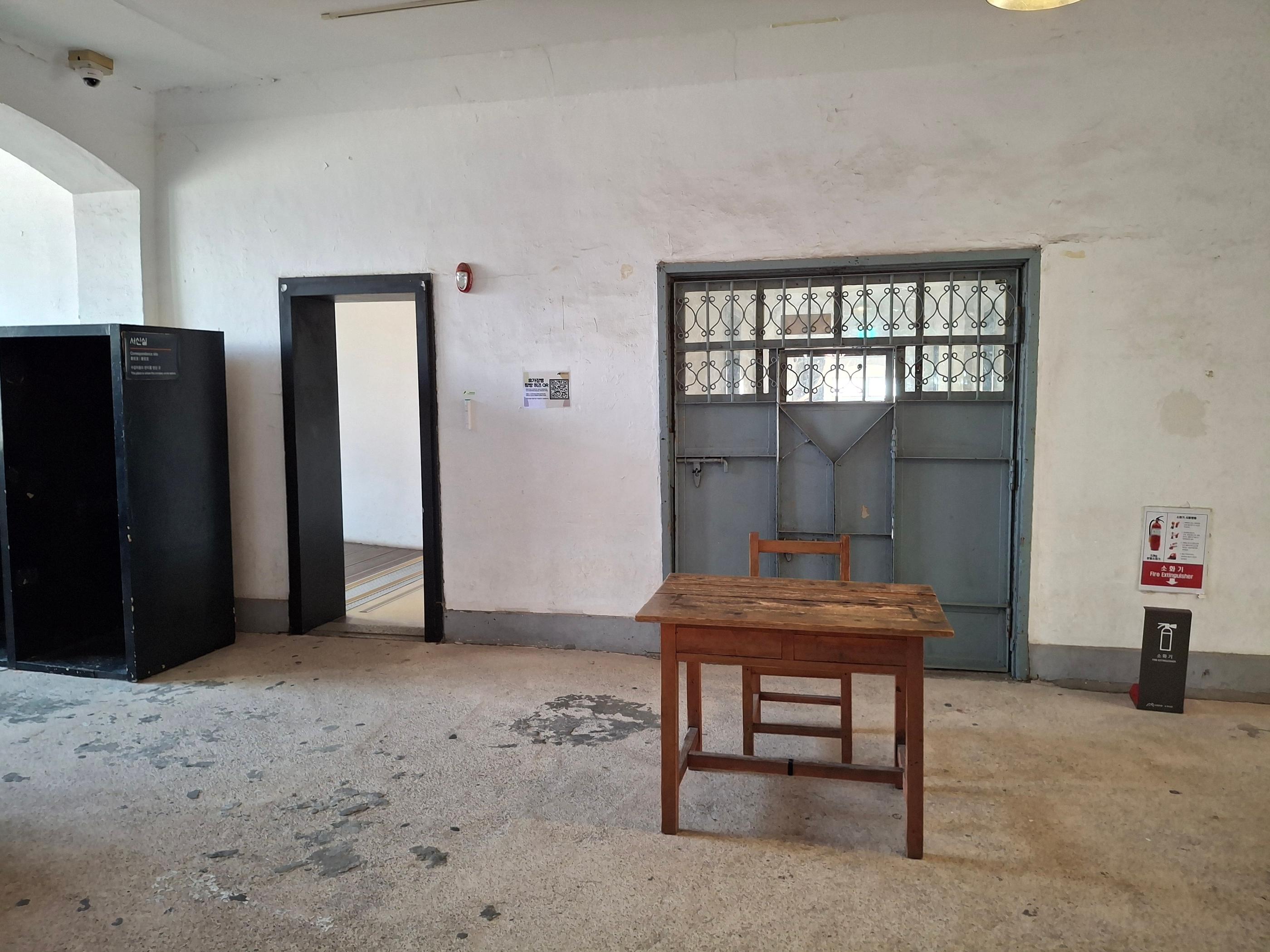
Immediately at the entrance there is a Central prison guard building which was built to monitor and control the buildings in prison. The first floor was used as an office space for prison officers, as well as gateaway through which they entered the wards.
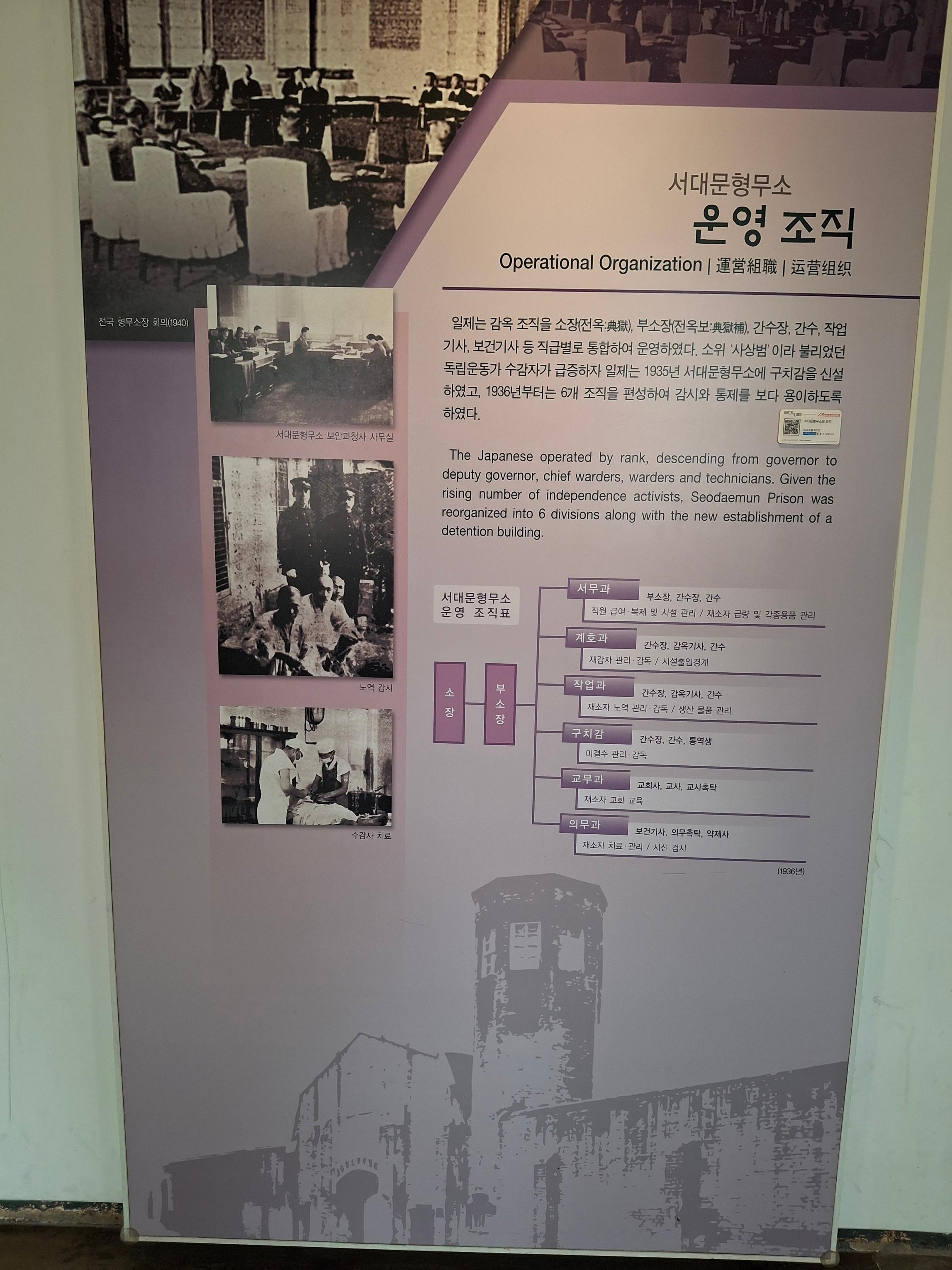
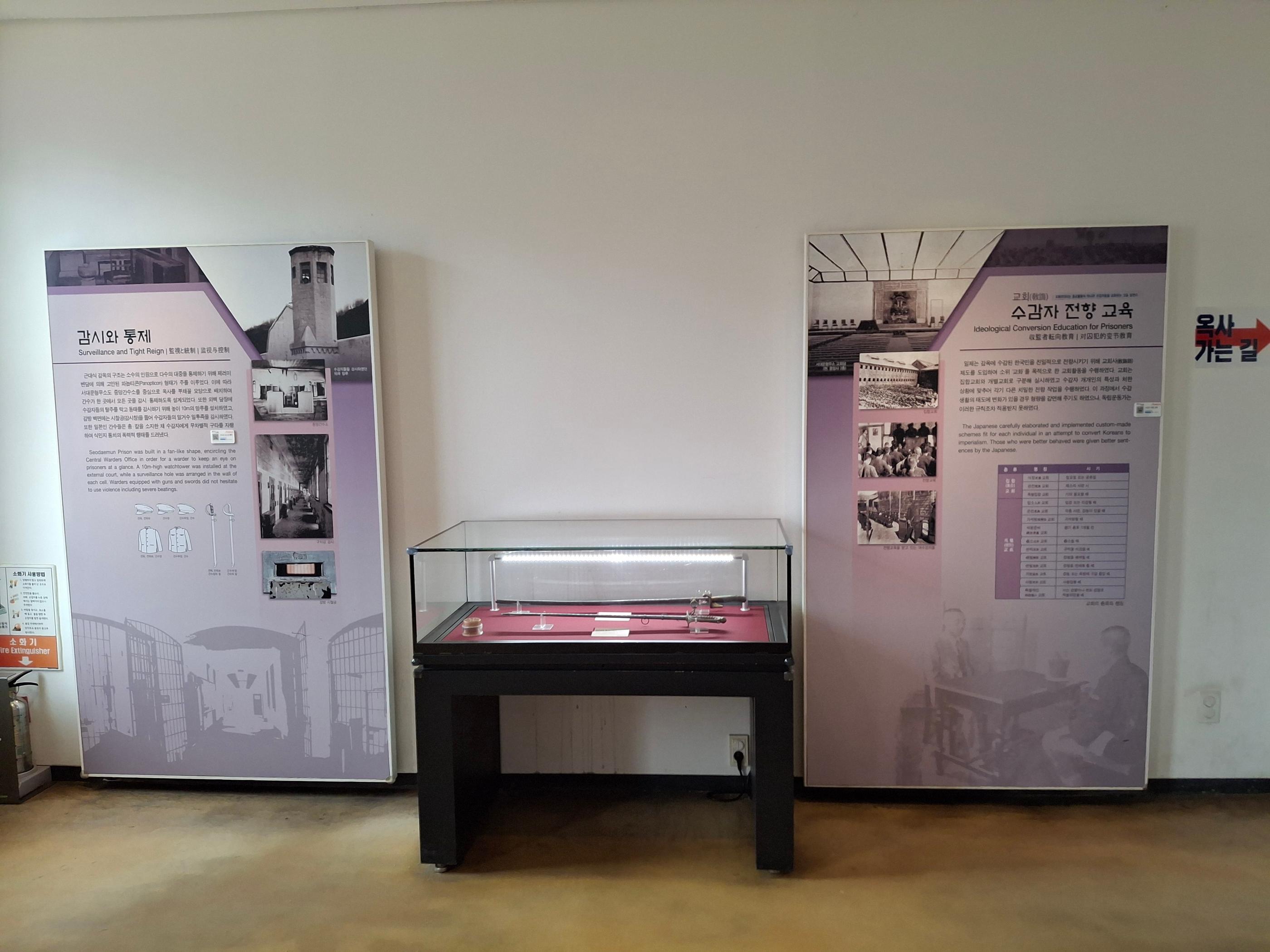
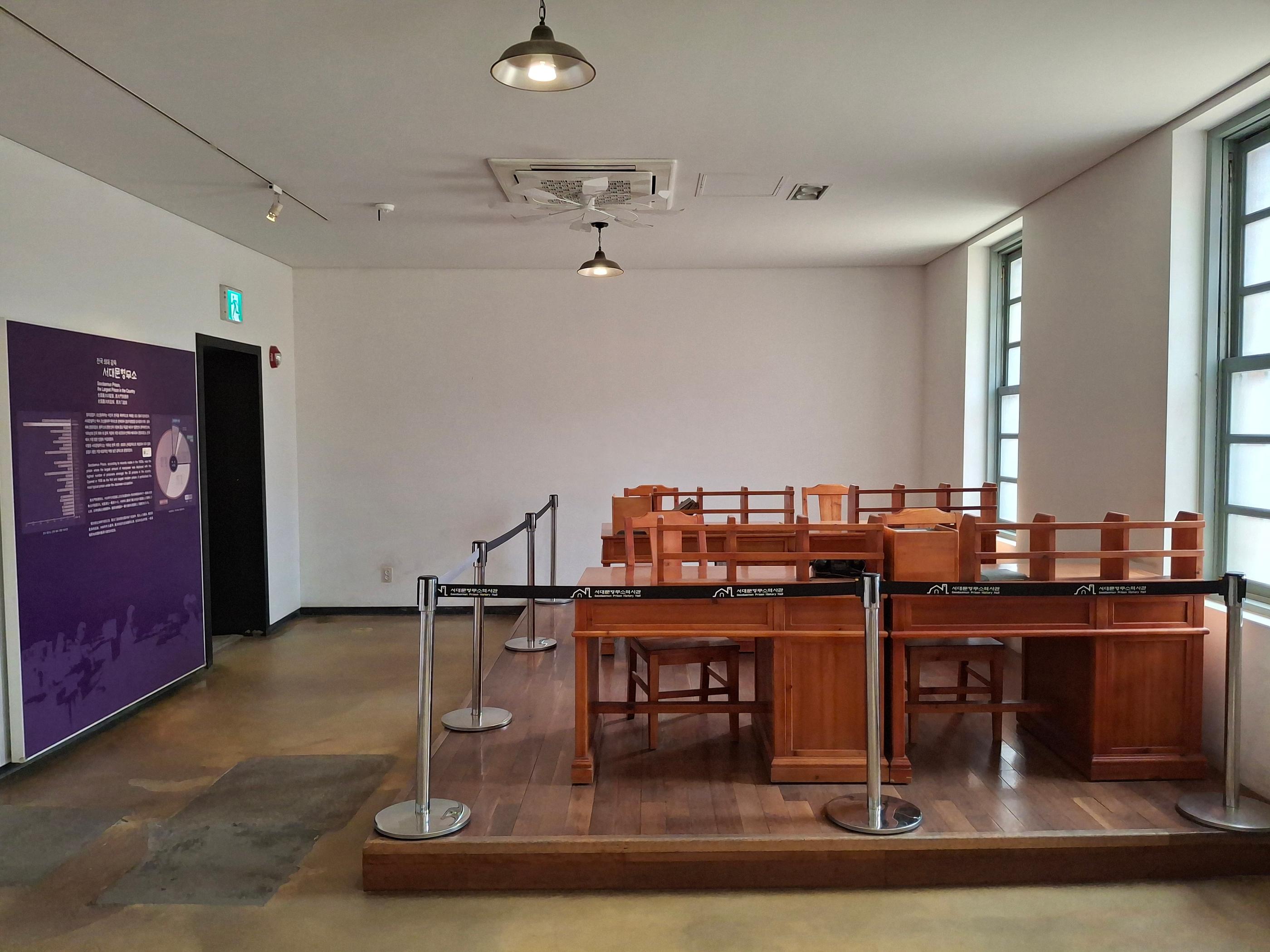
Nearby is a room containing an exhibition detailing the daily lives of people in prison.
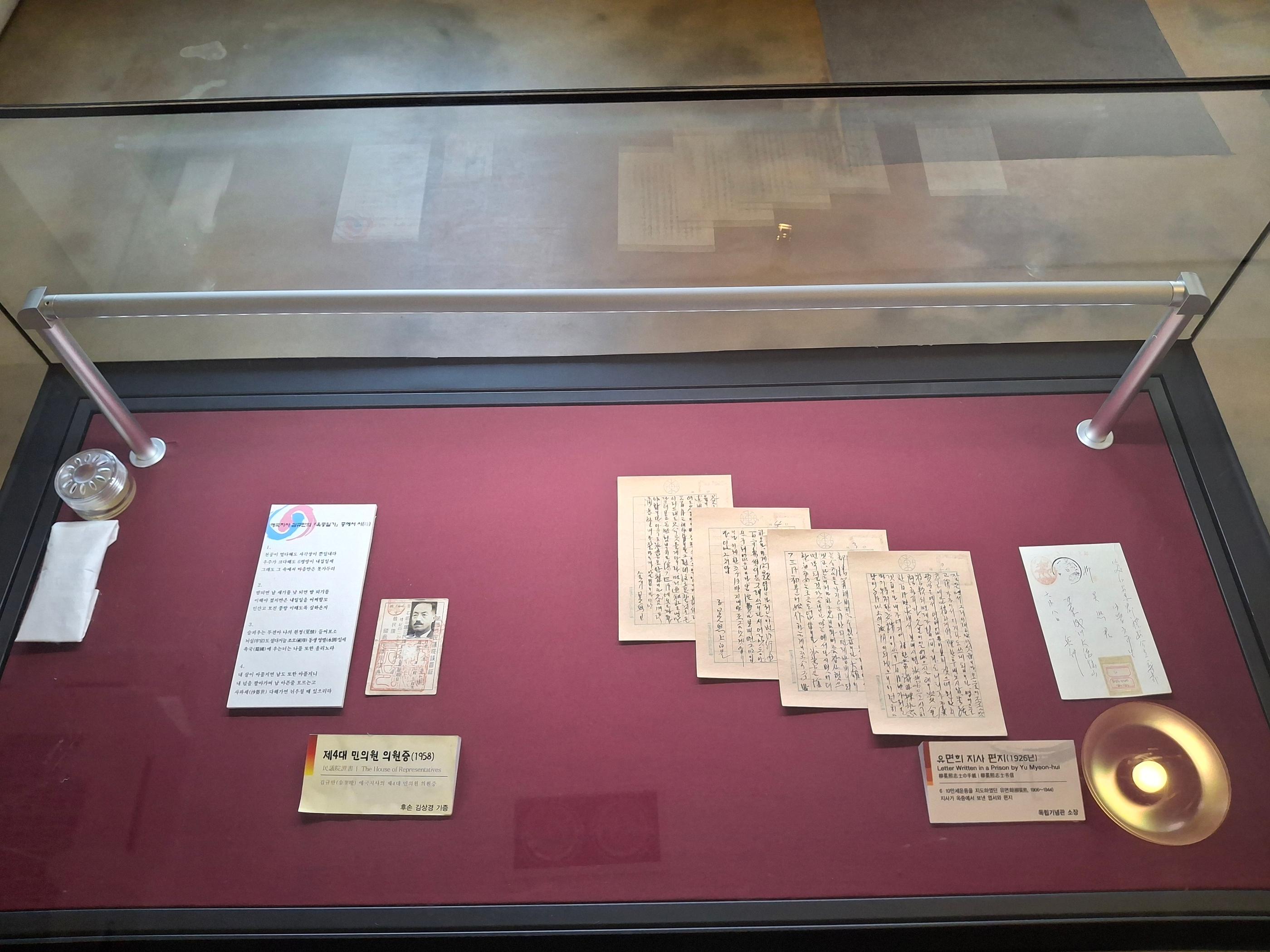
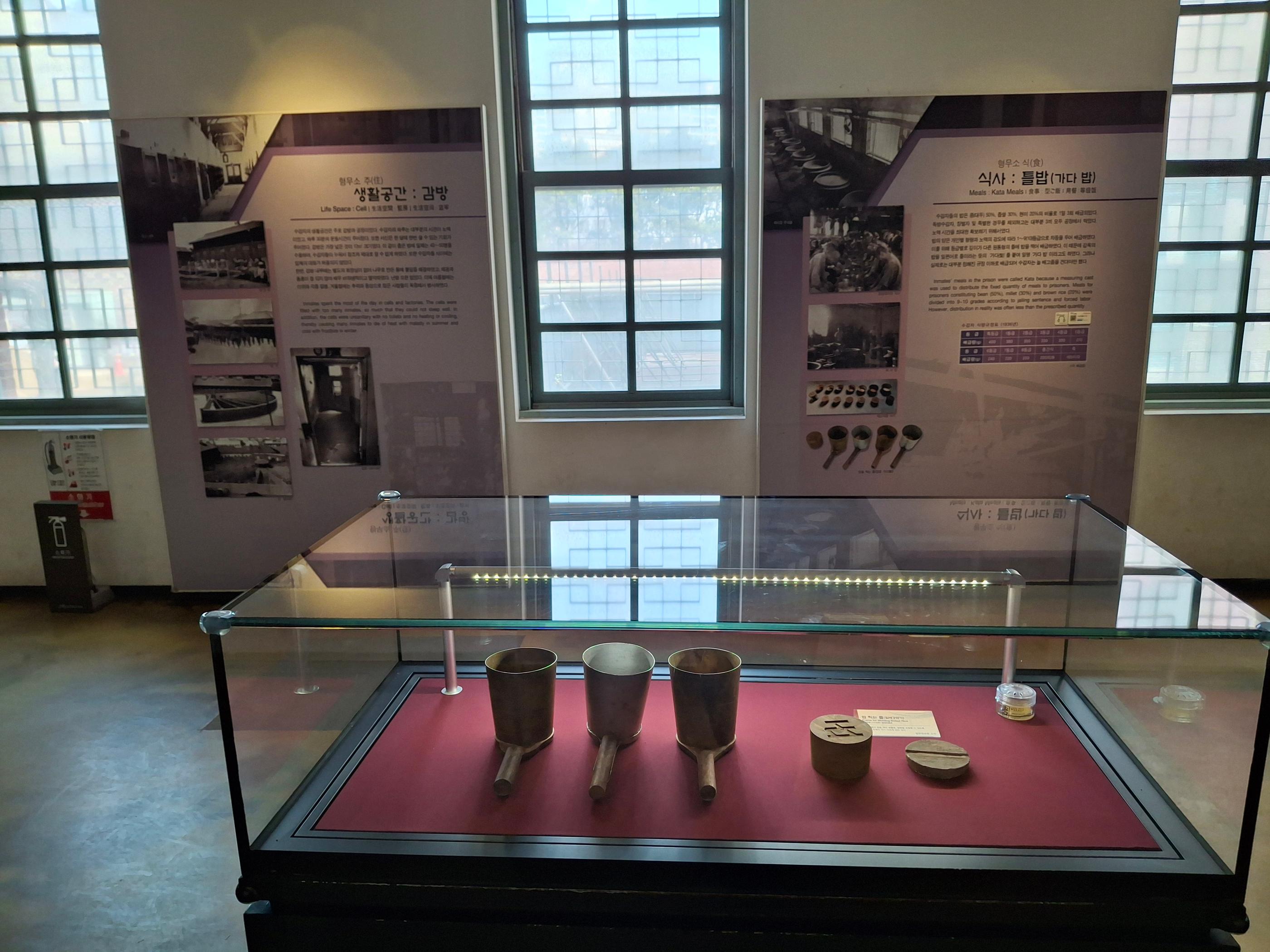
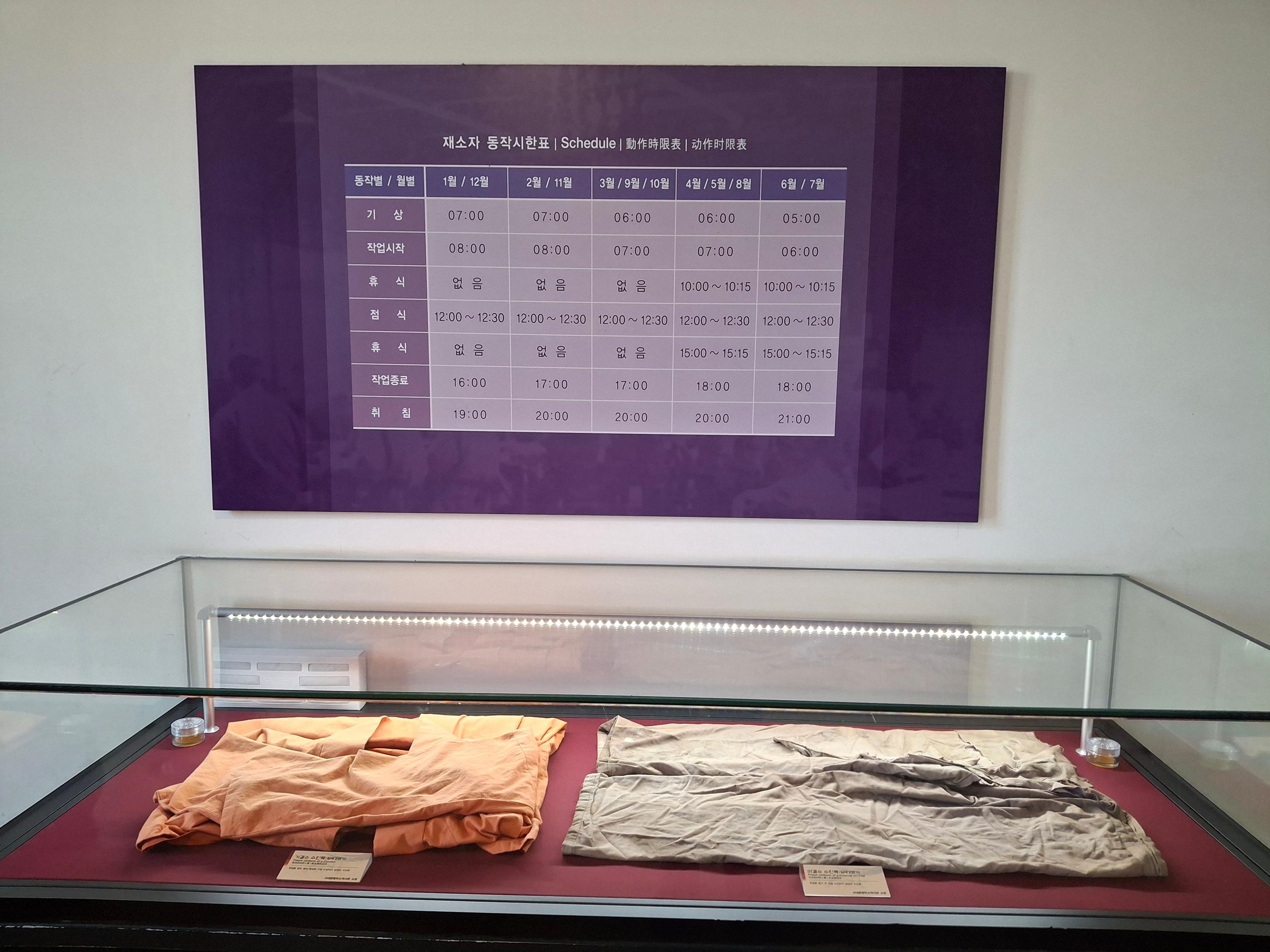
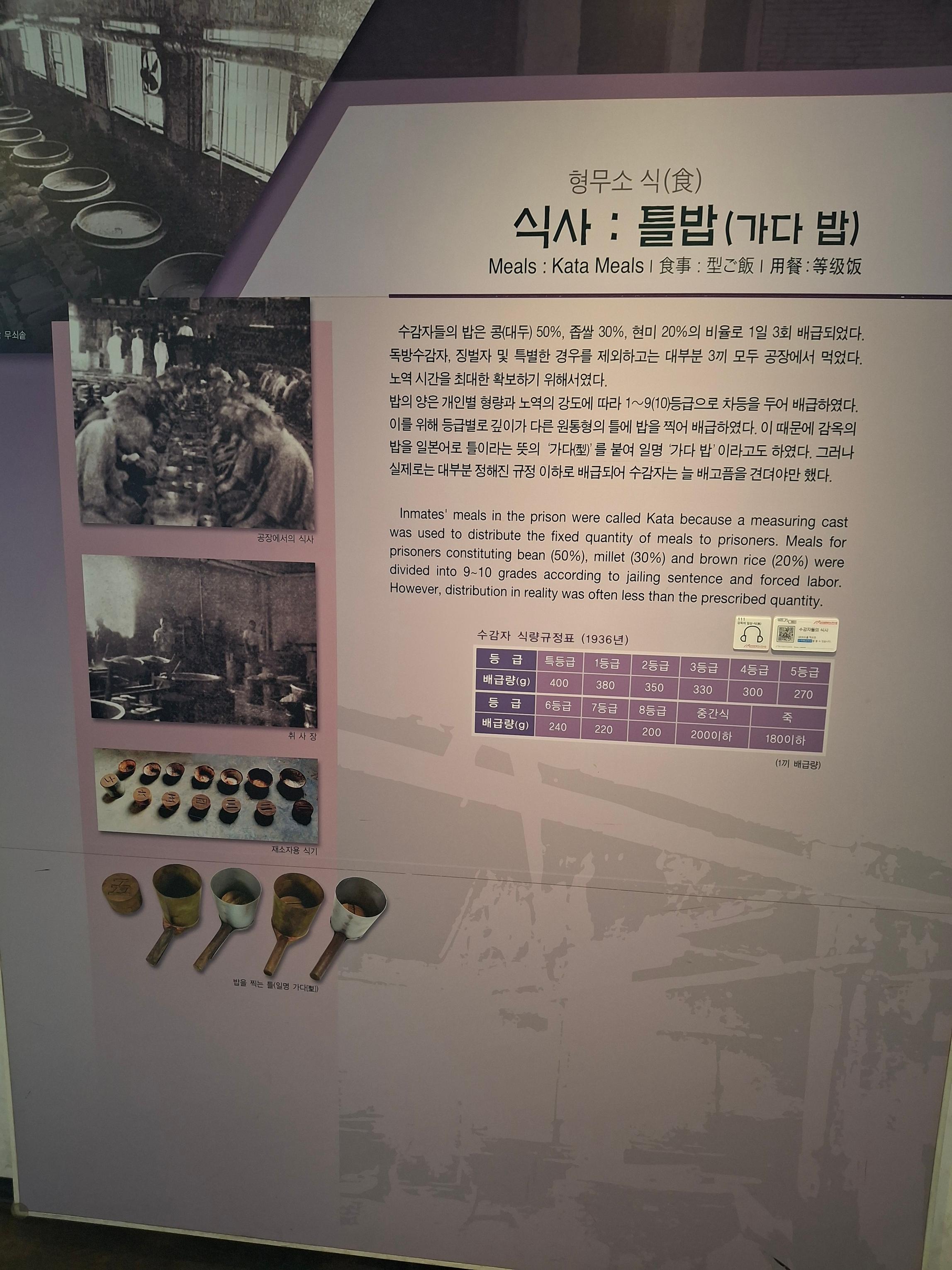
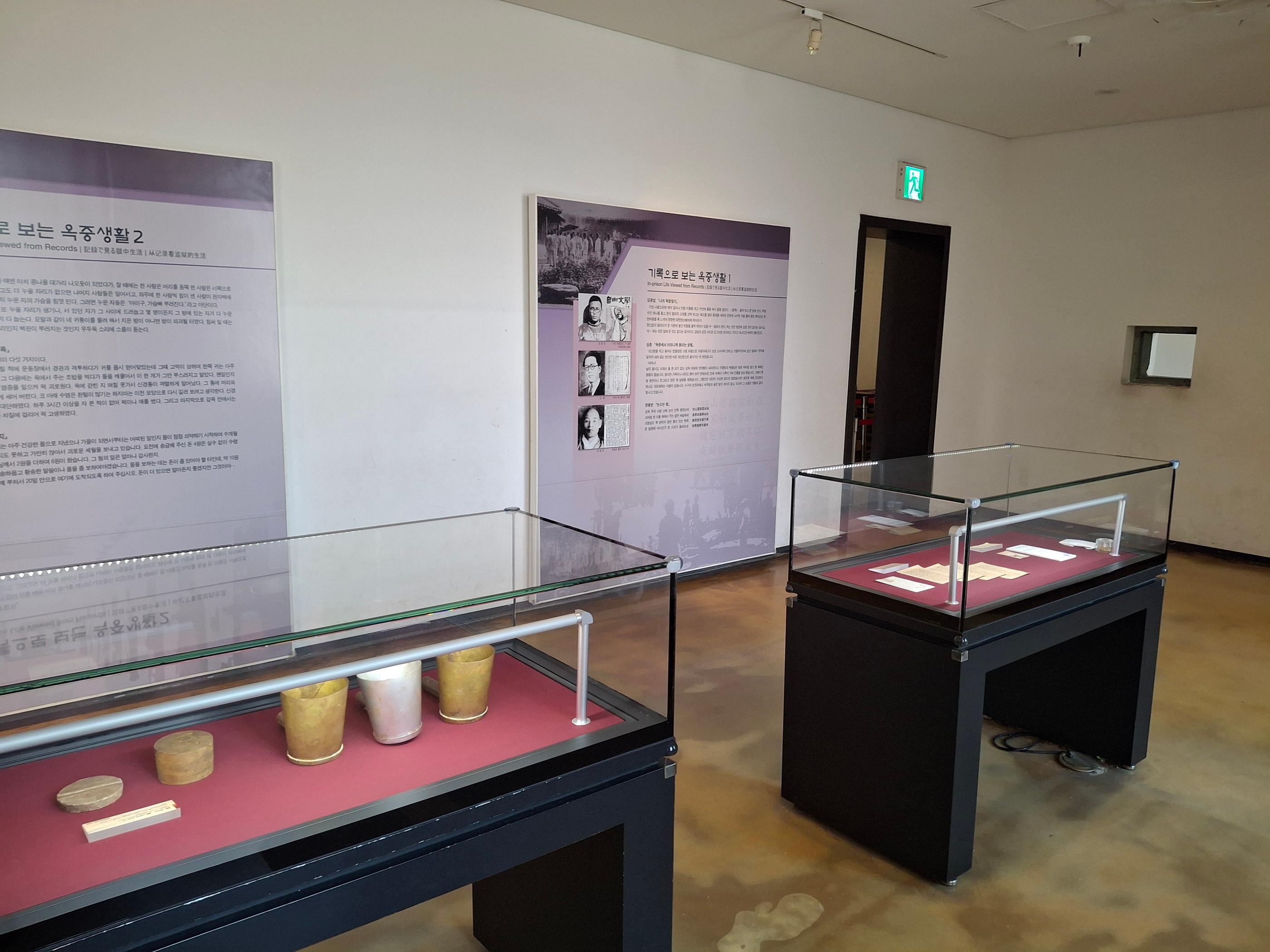
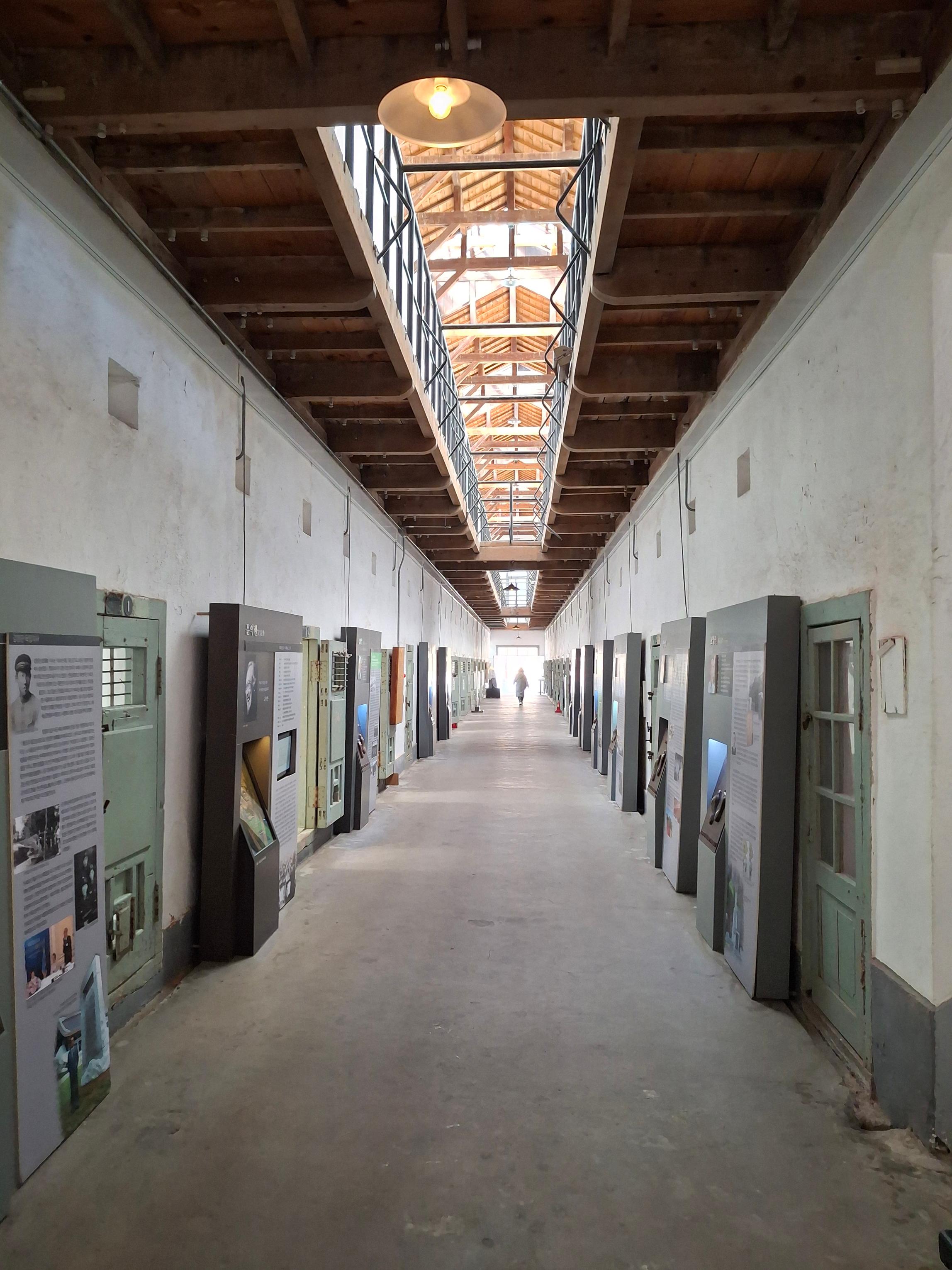
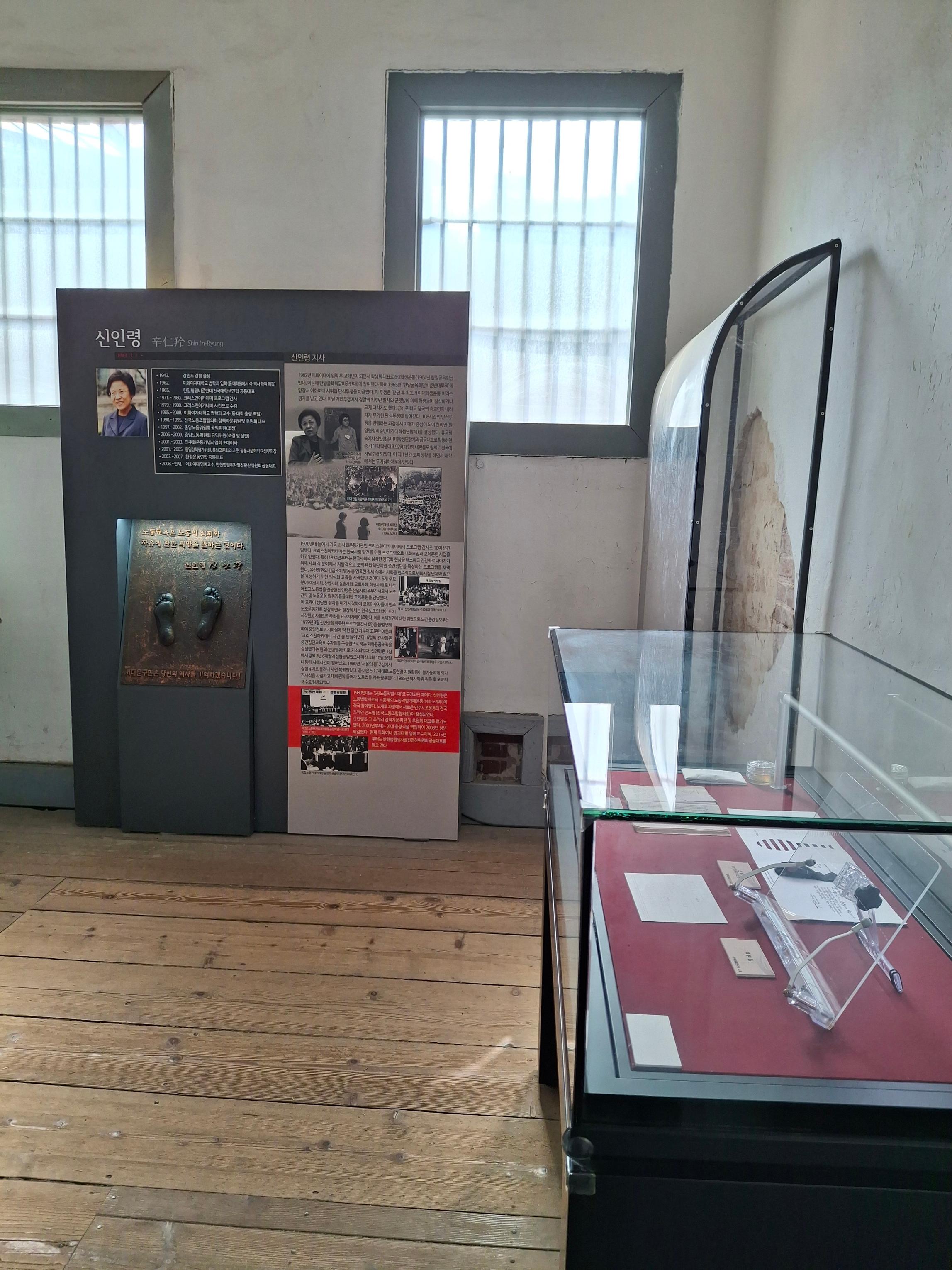
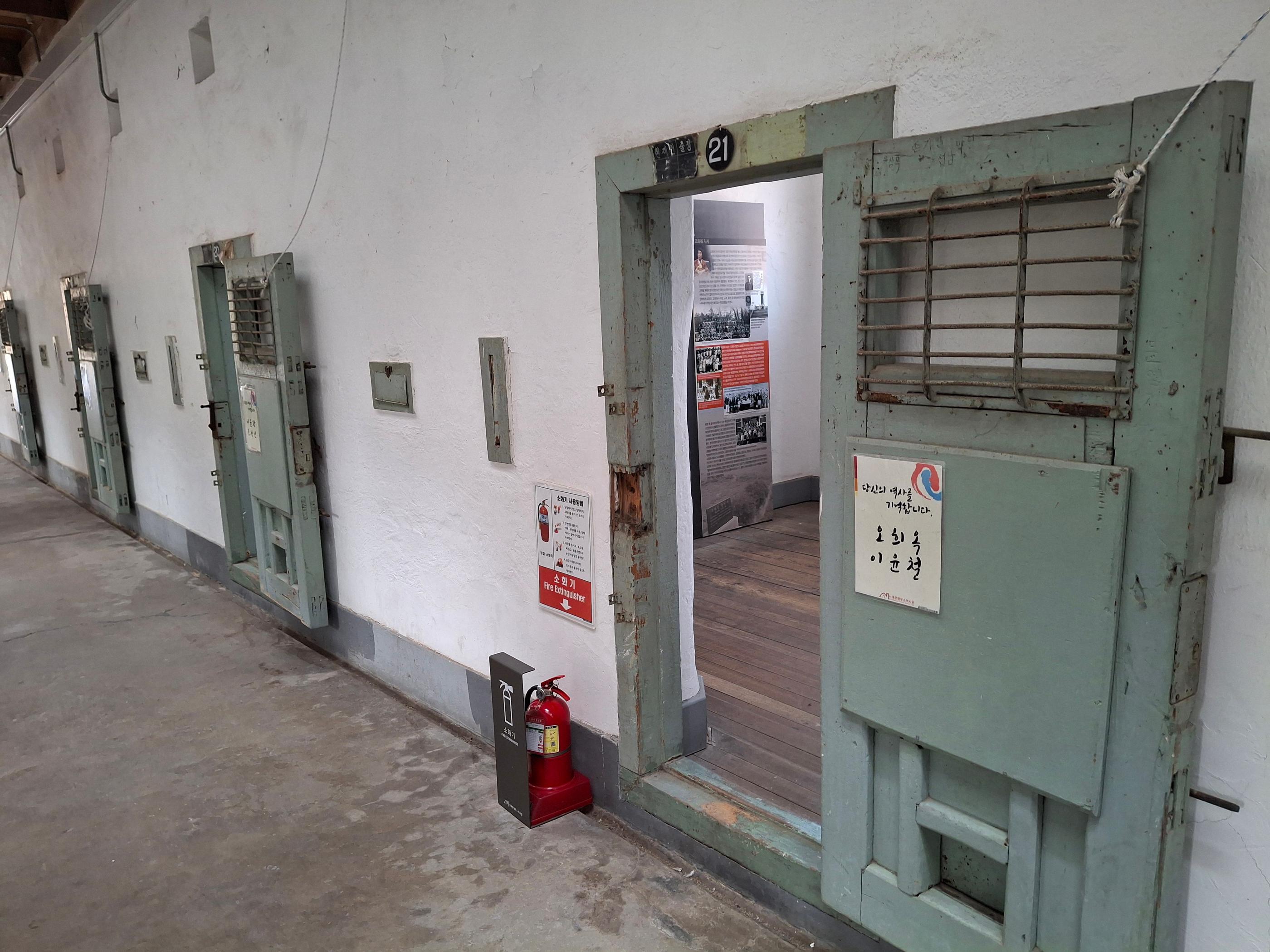
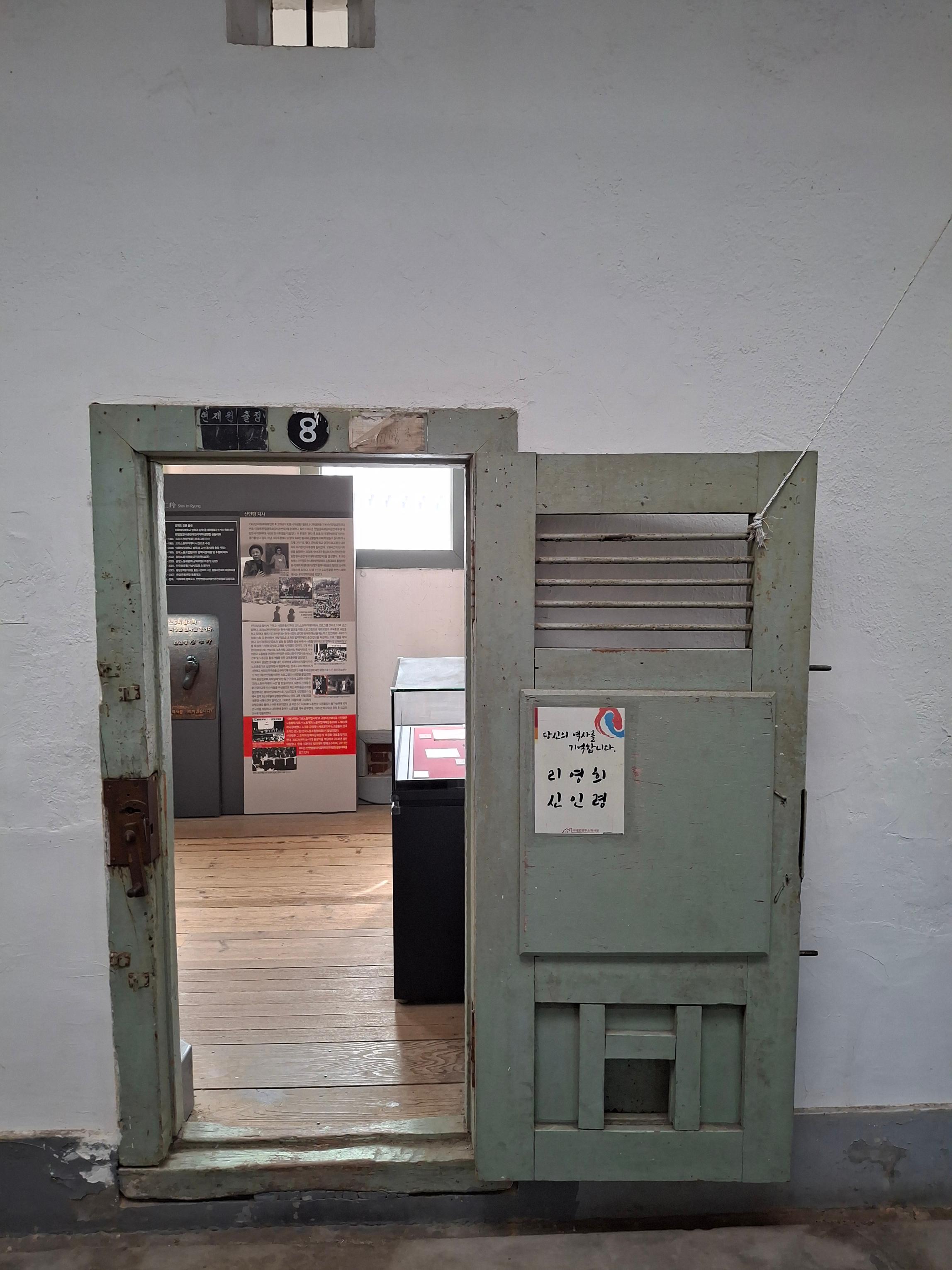
Next come the saddest parts of the prison - the rows of prison cells. This is the place where independence activists and democracy activists were actually imprisoned.
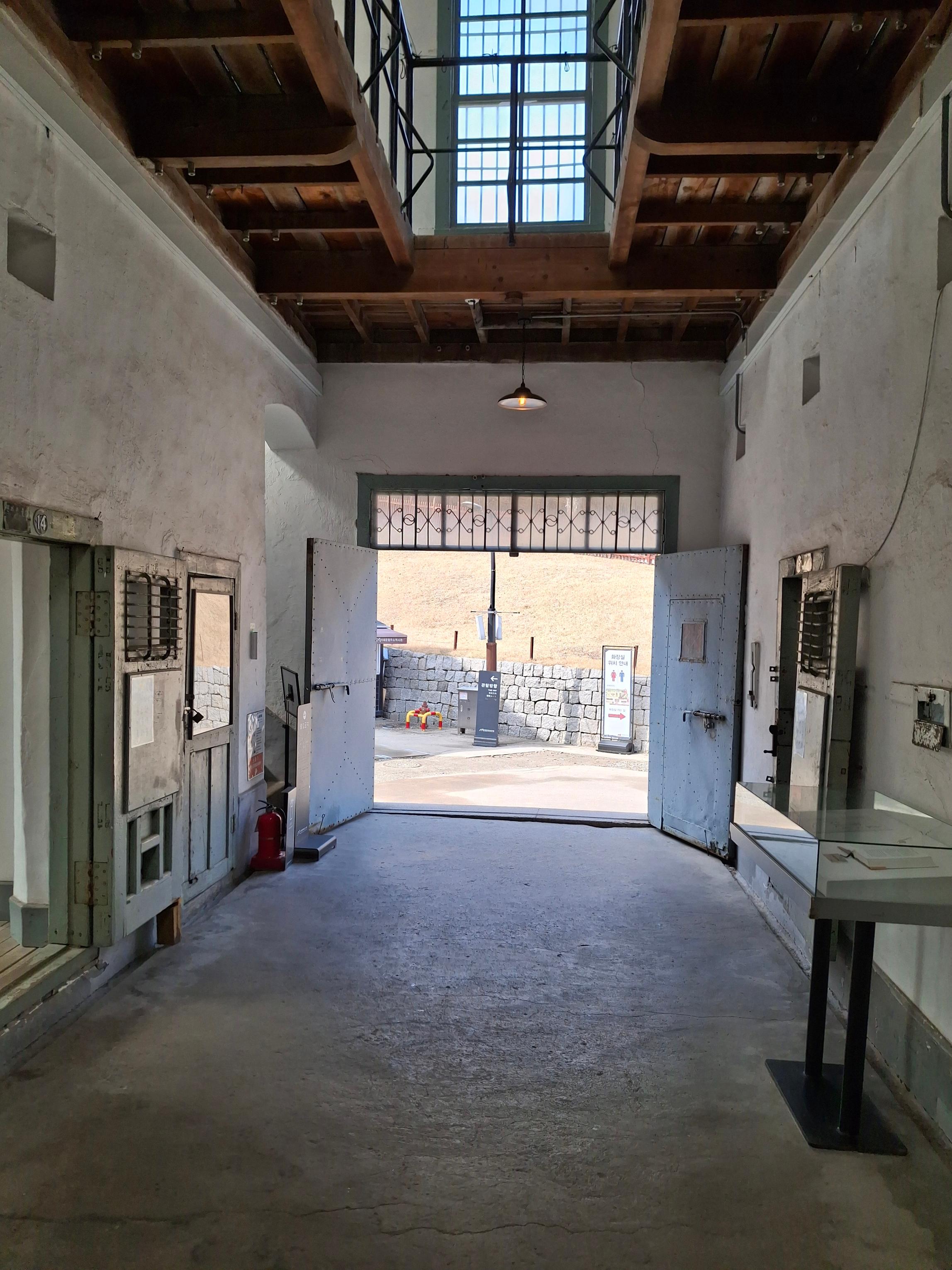
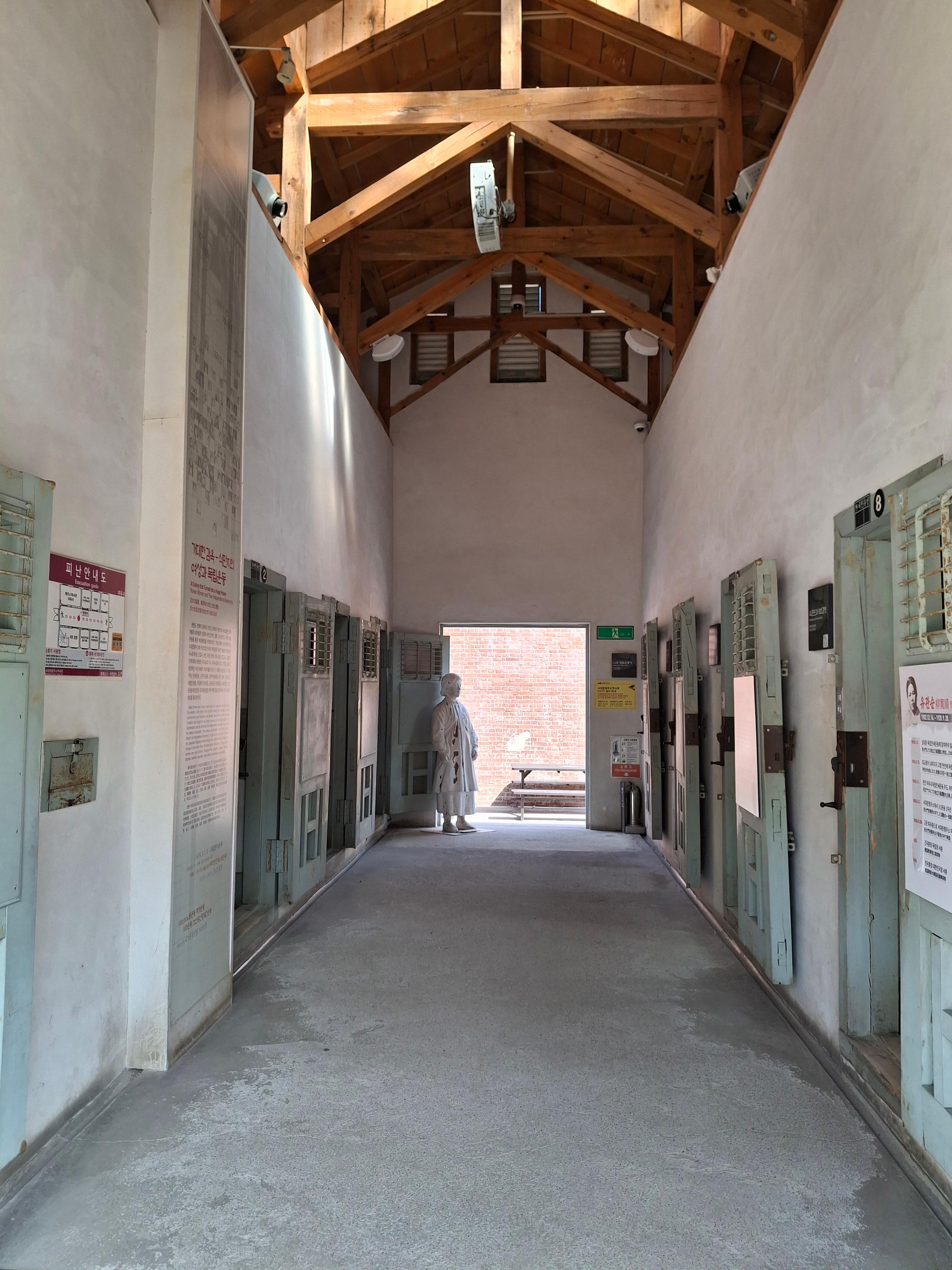
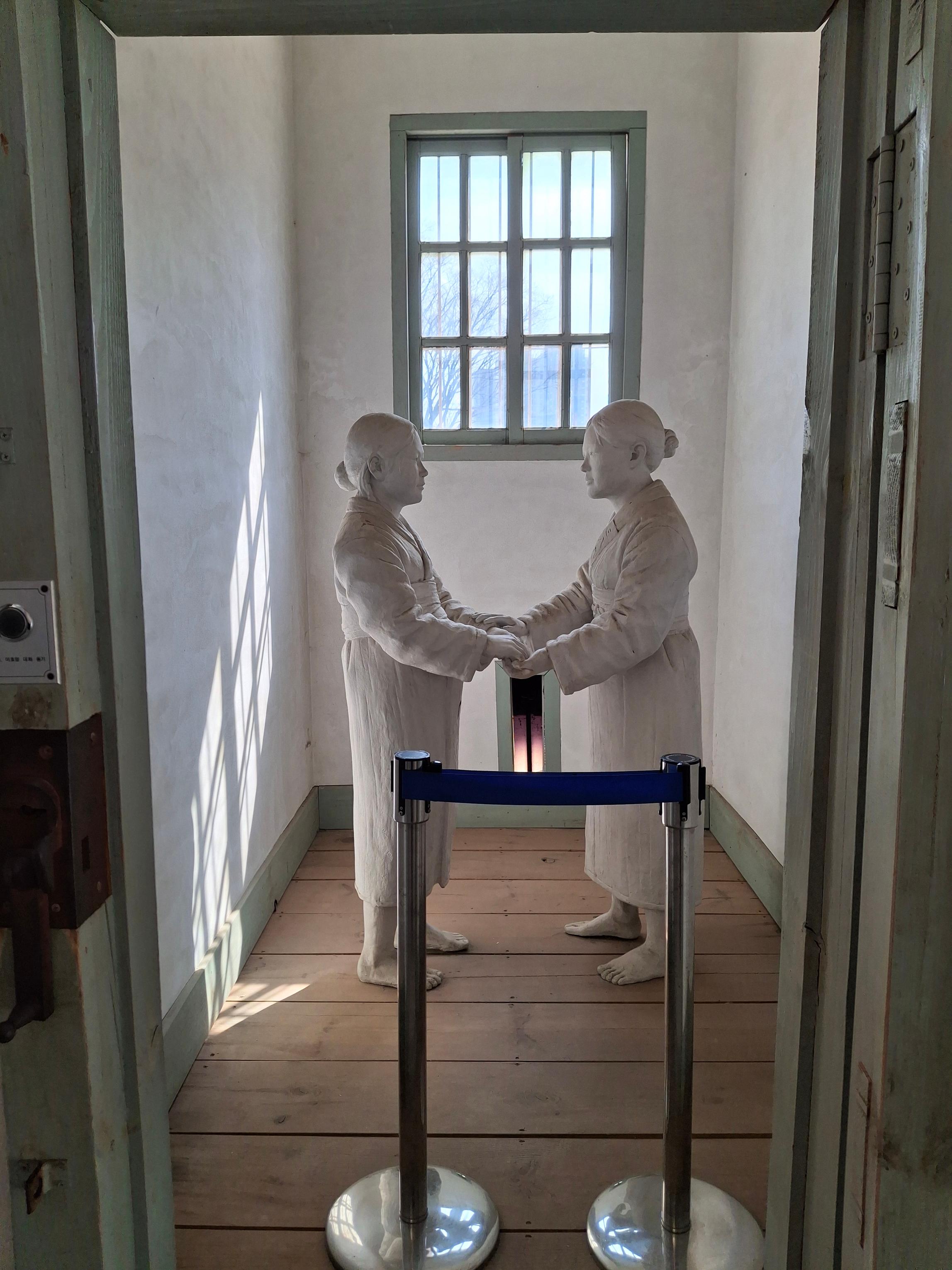
Long rows of monotonous, barred cells create an oppressive impression. You can peer inside some of the cells and be struck by how small they are. You can also see the mechanism by which prisoners could communicate with the guards.
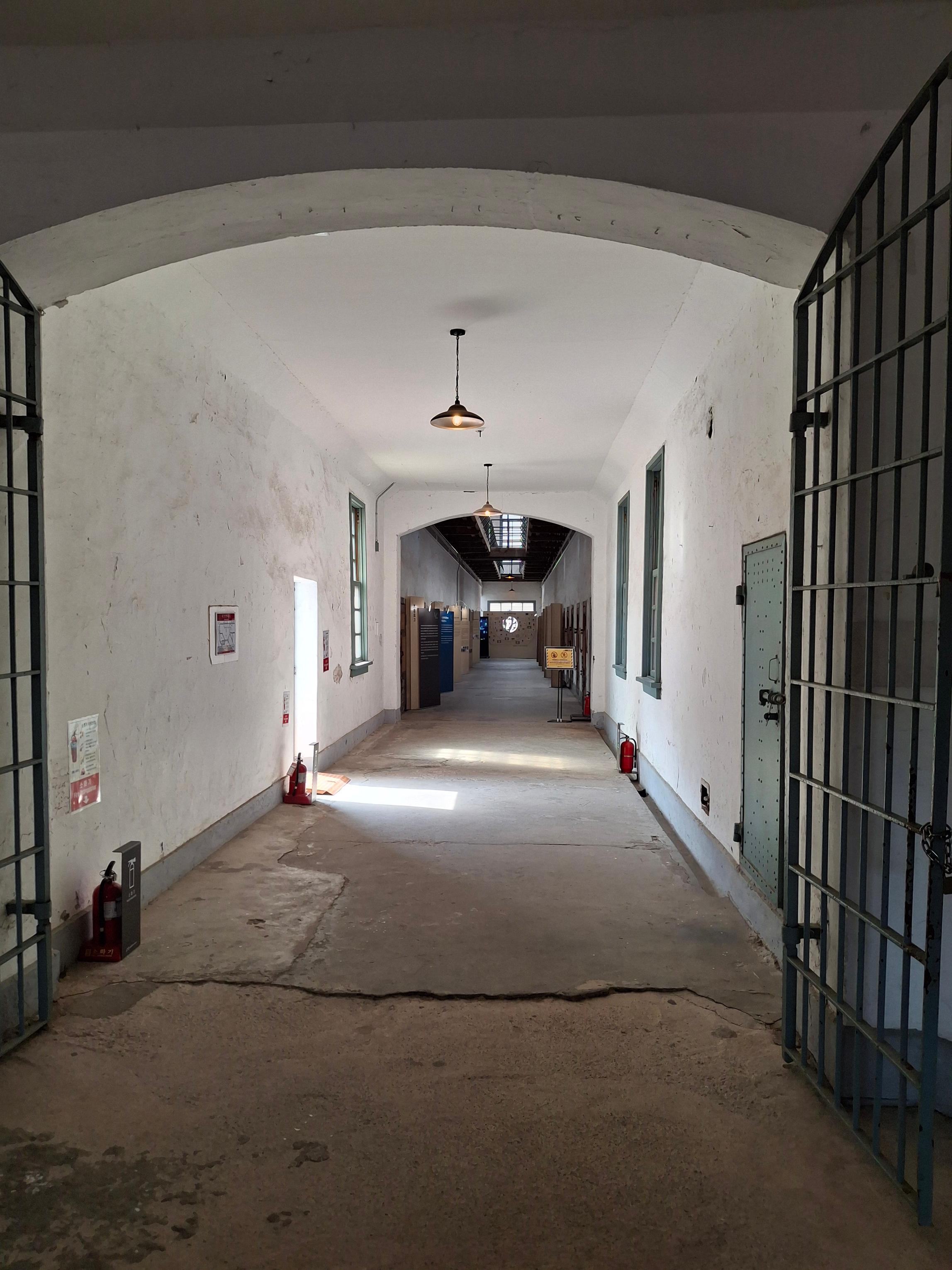
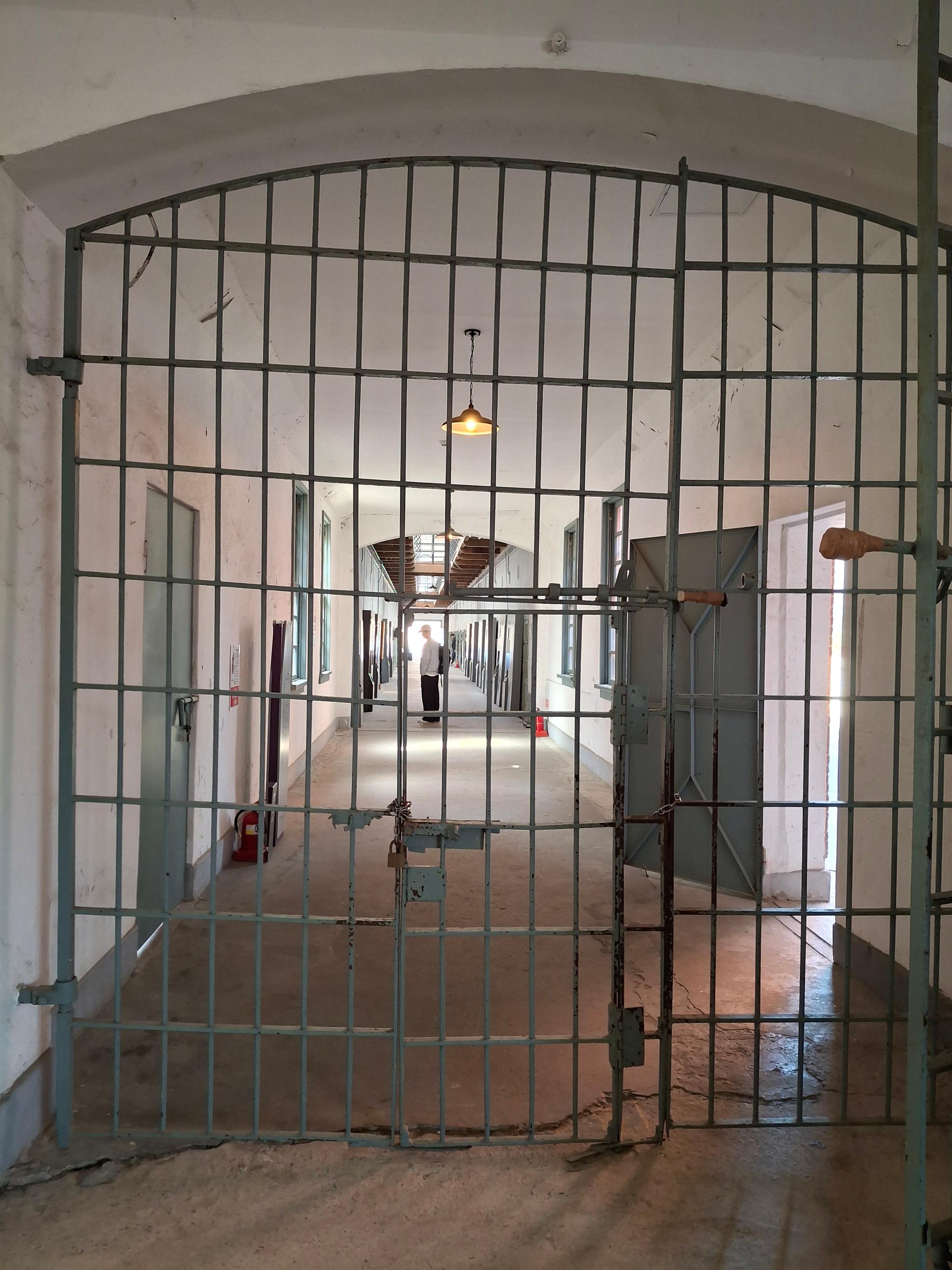
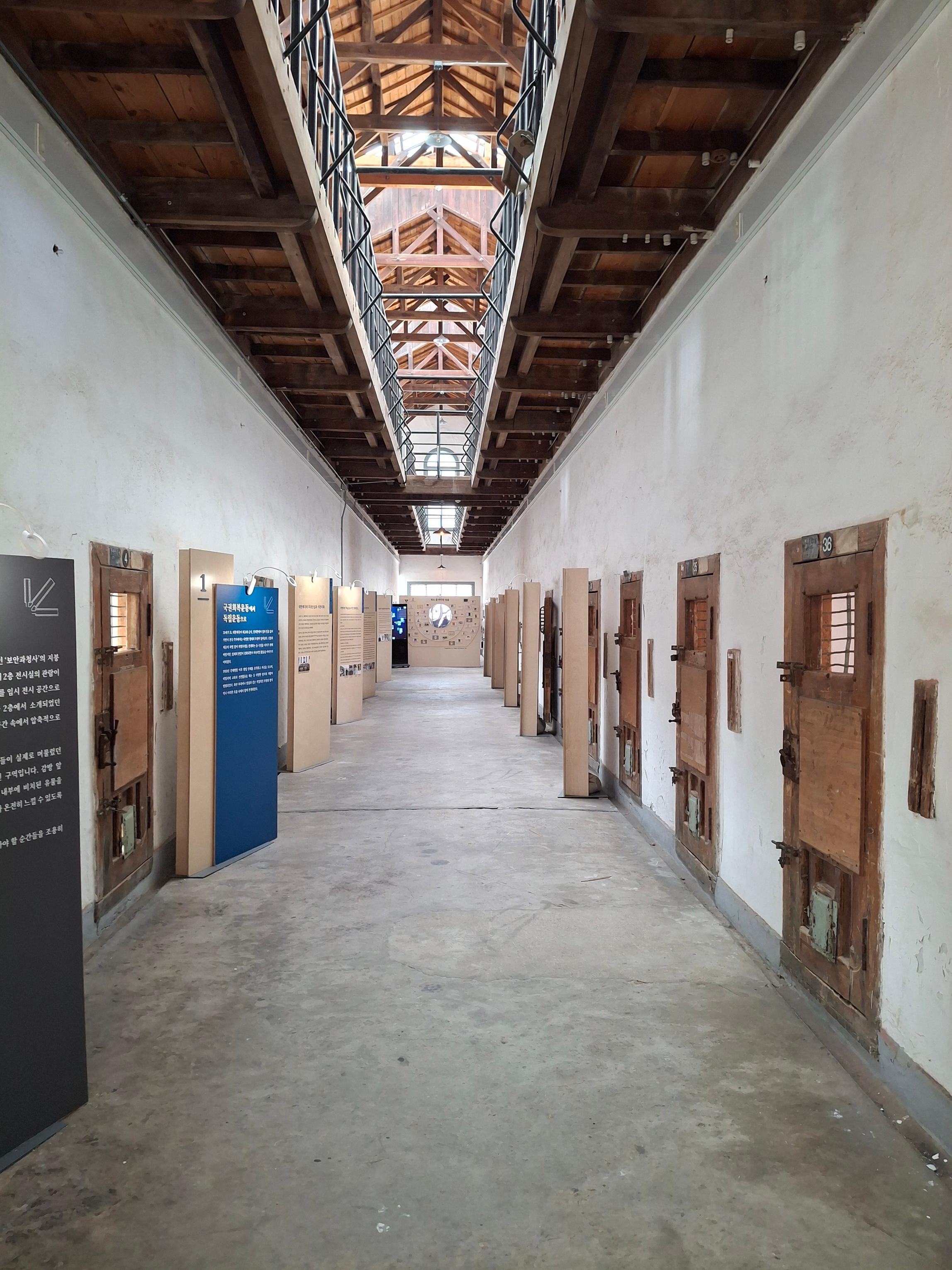
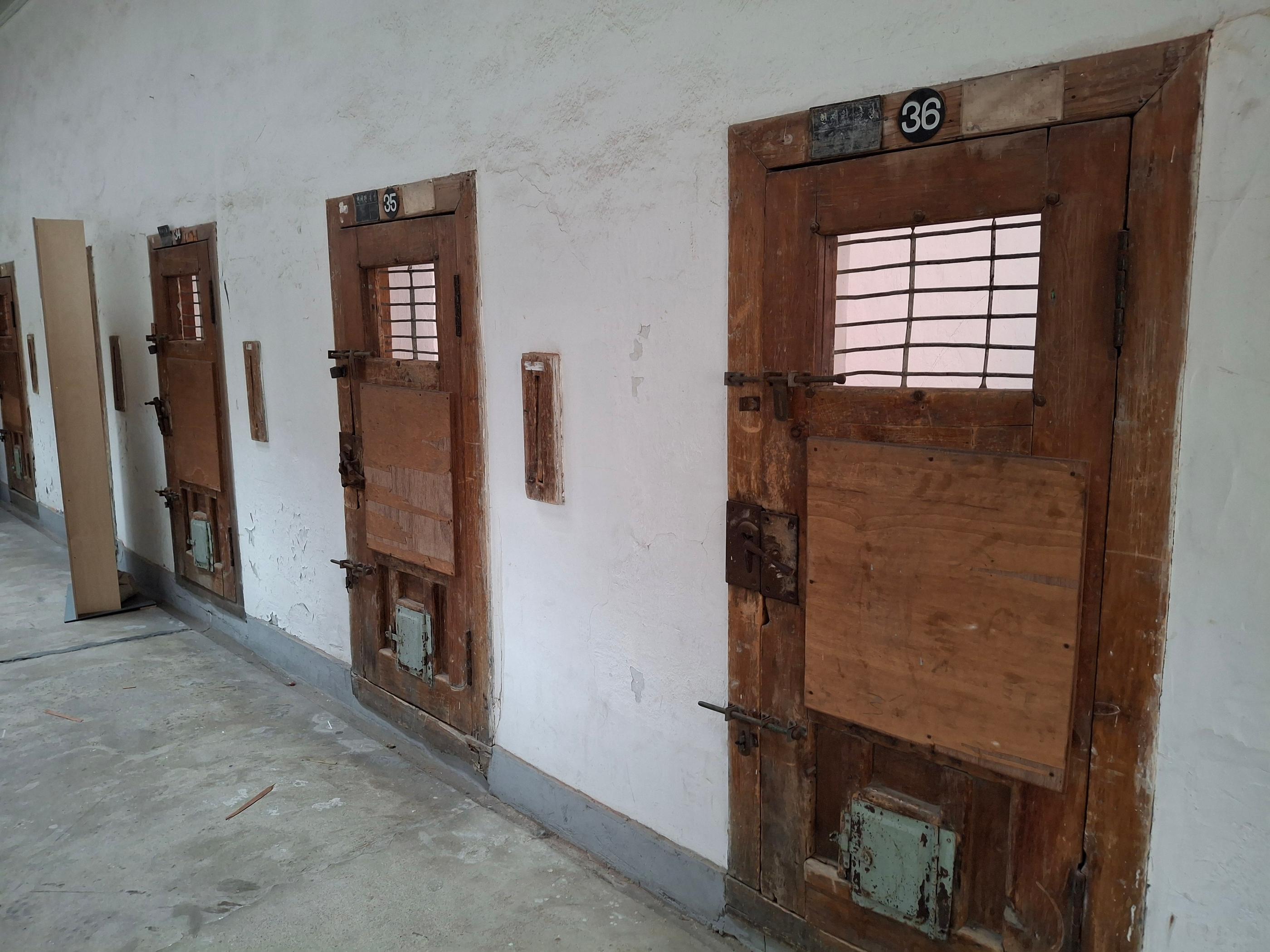
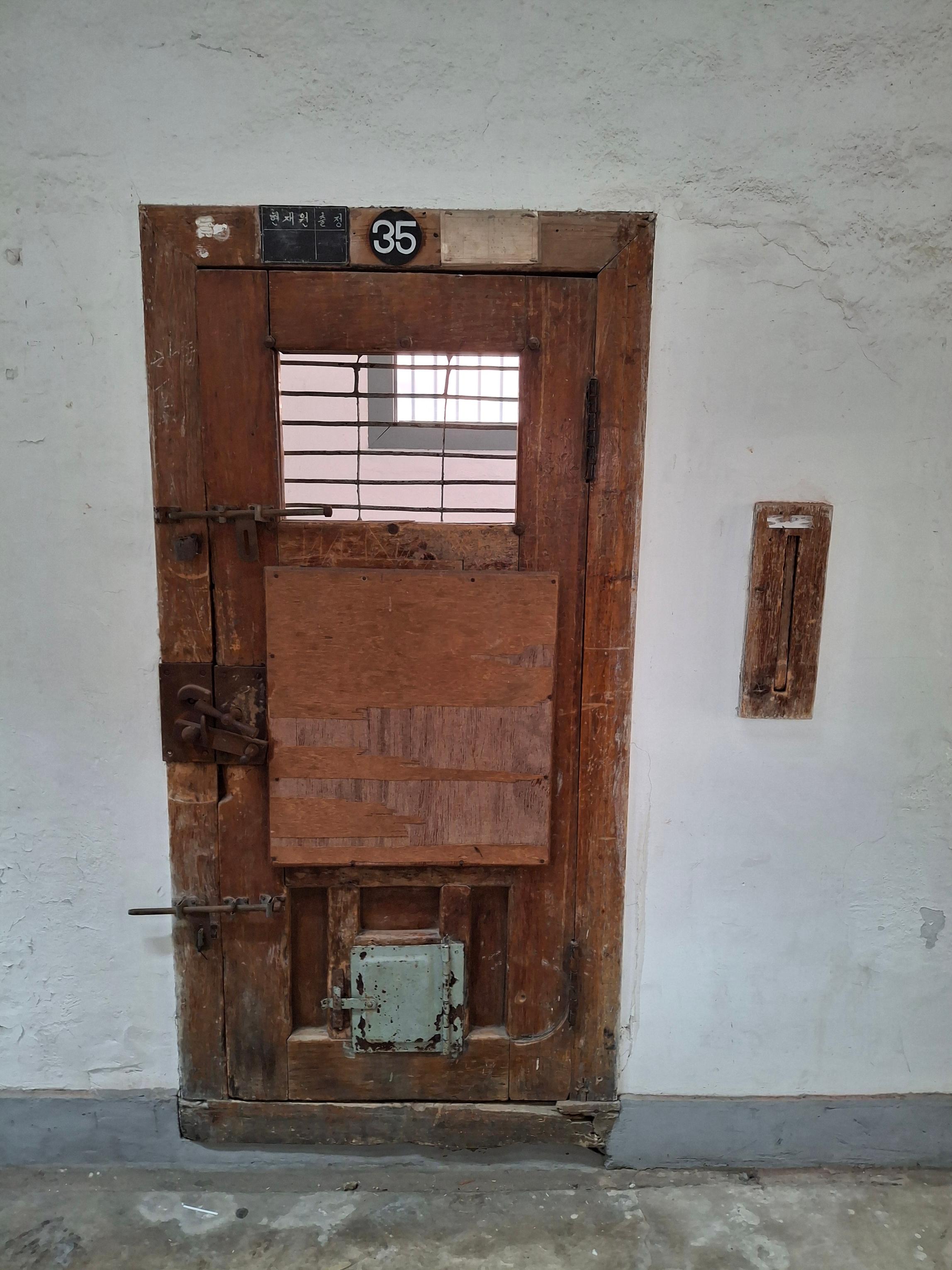
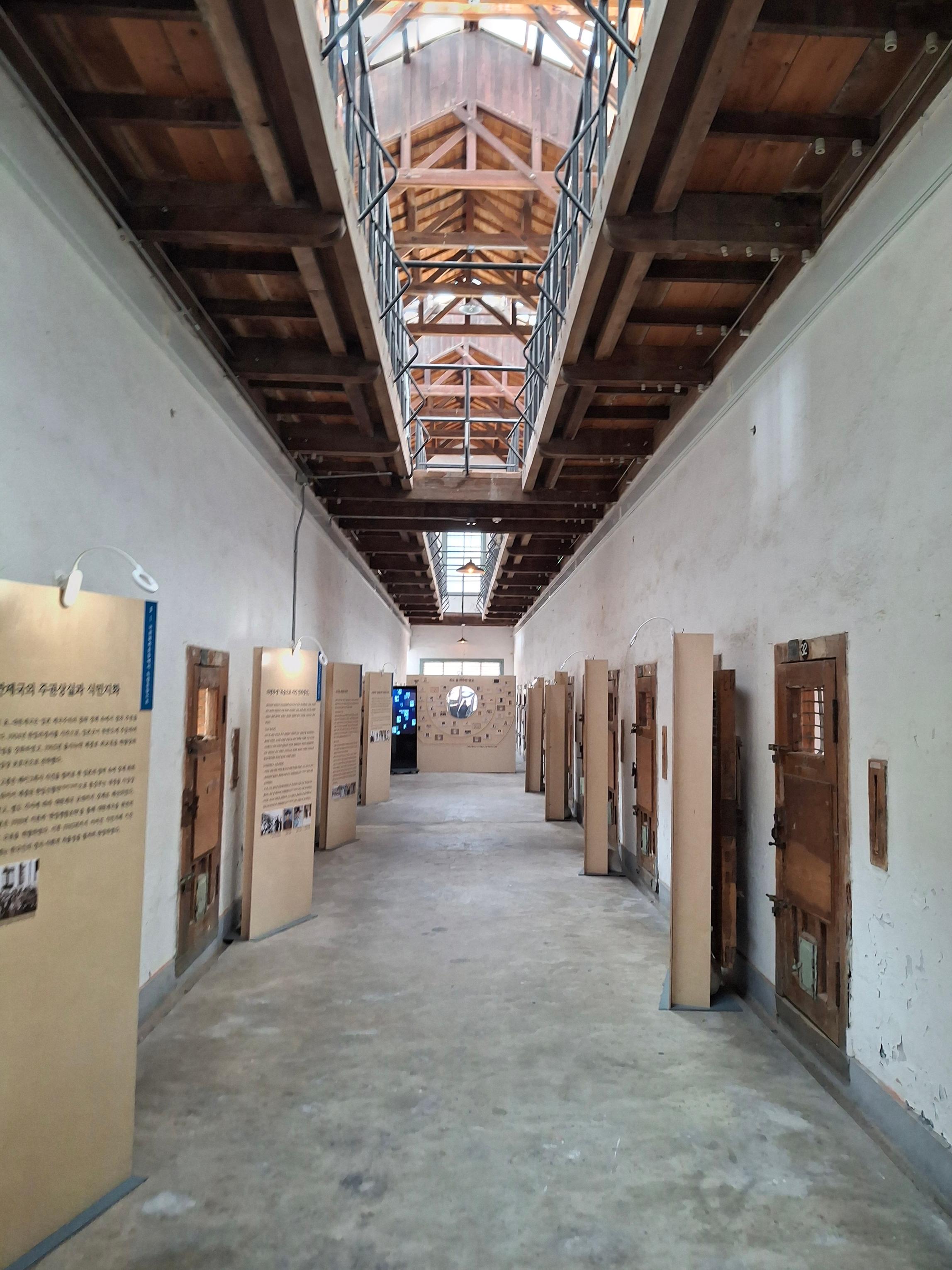
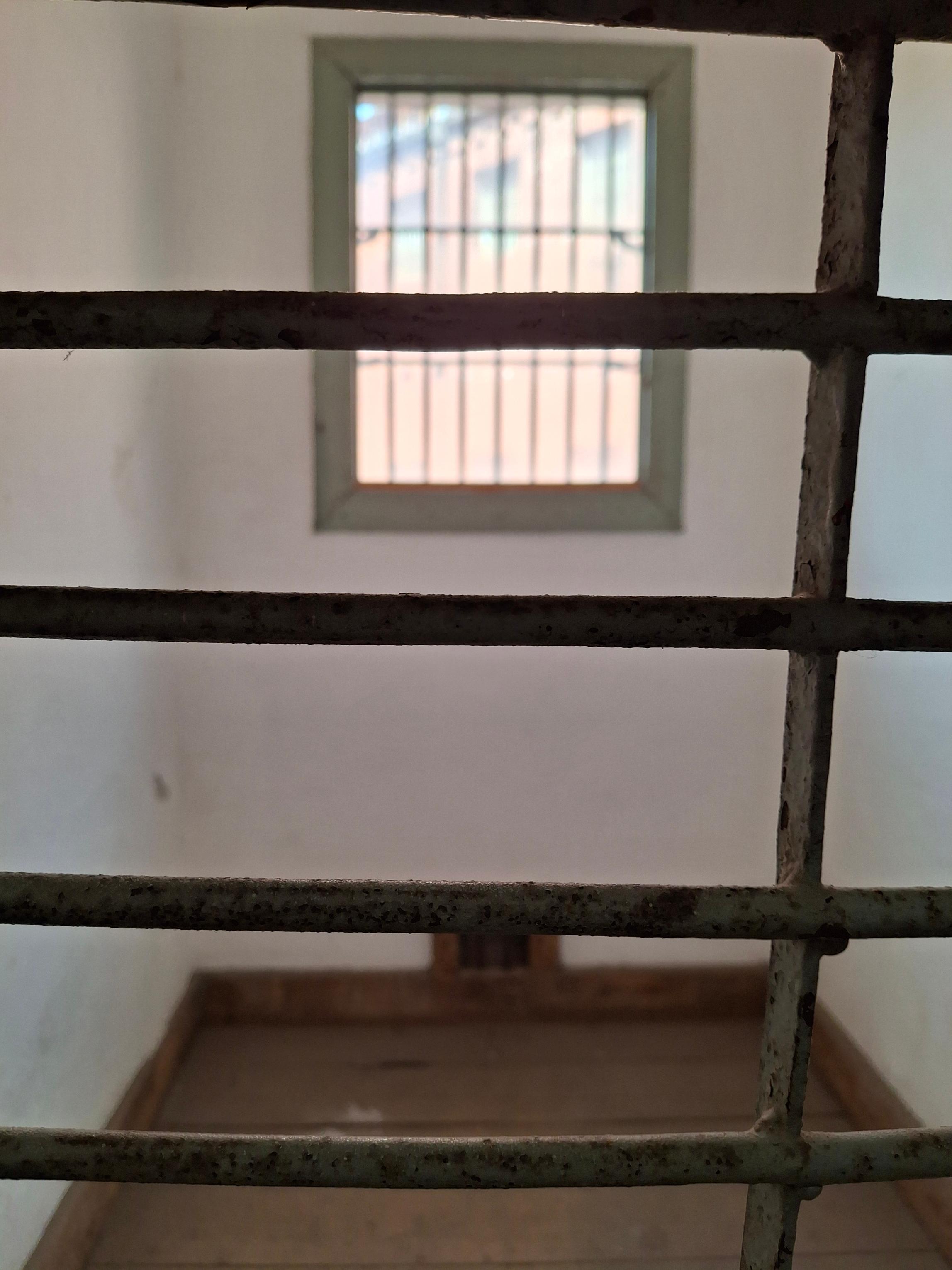
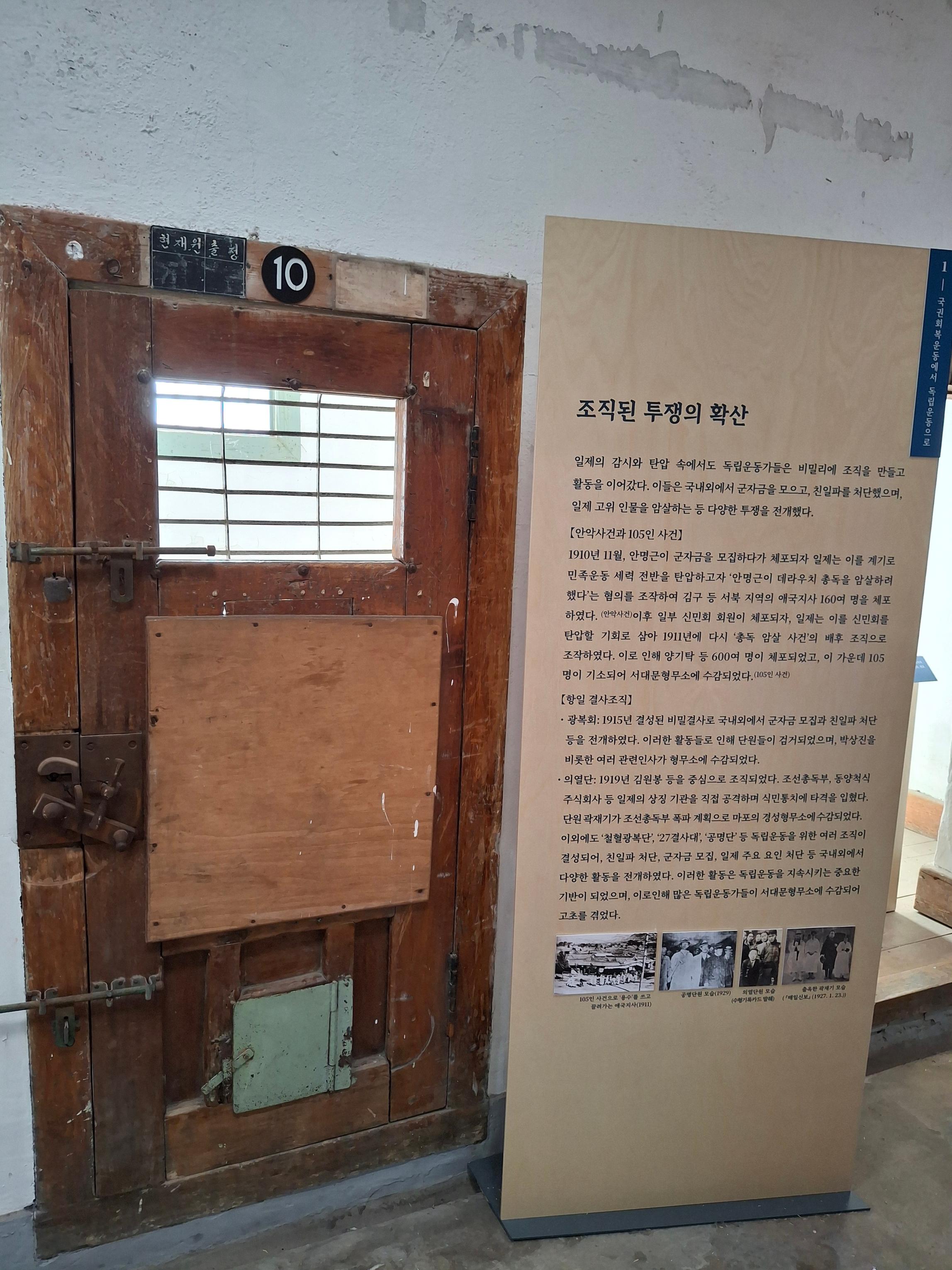
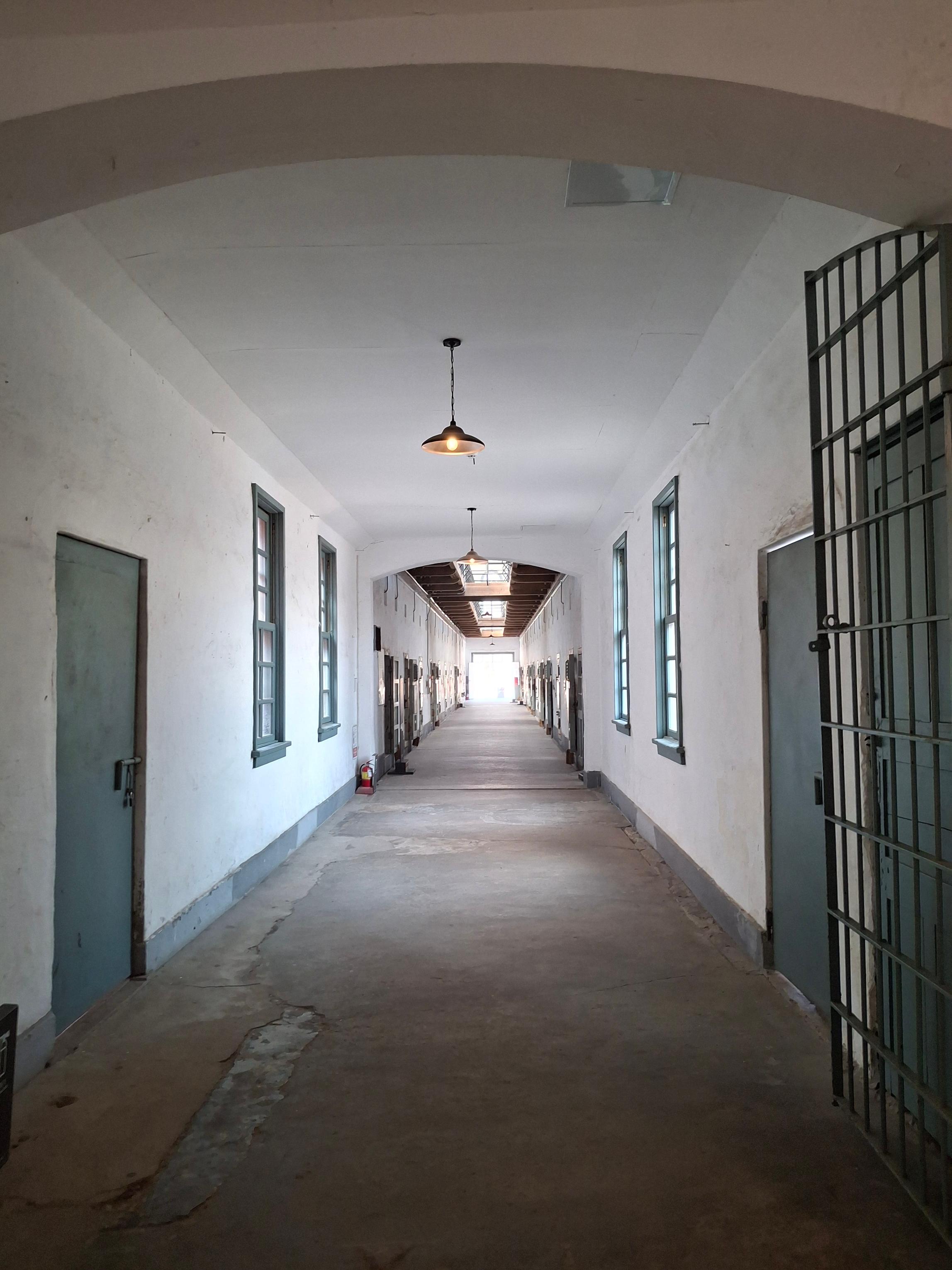
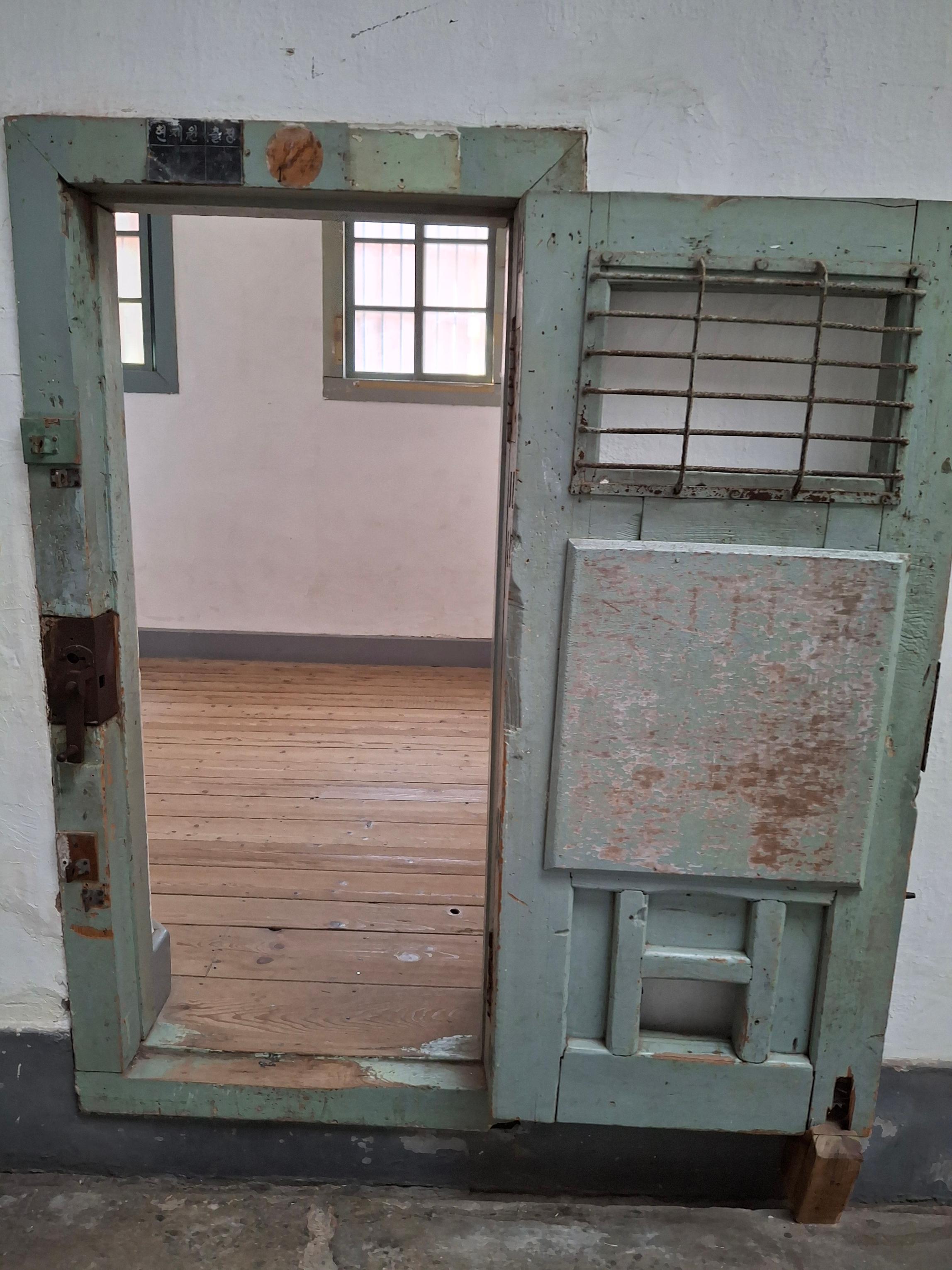
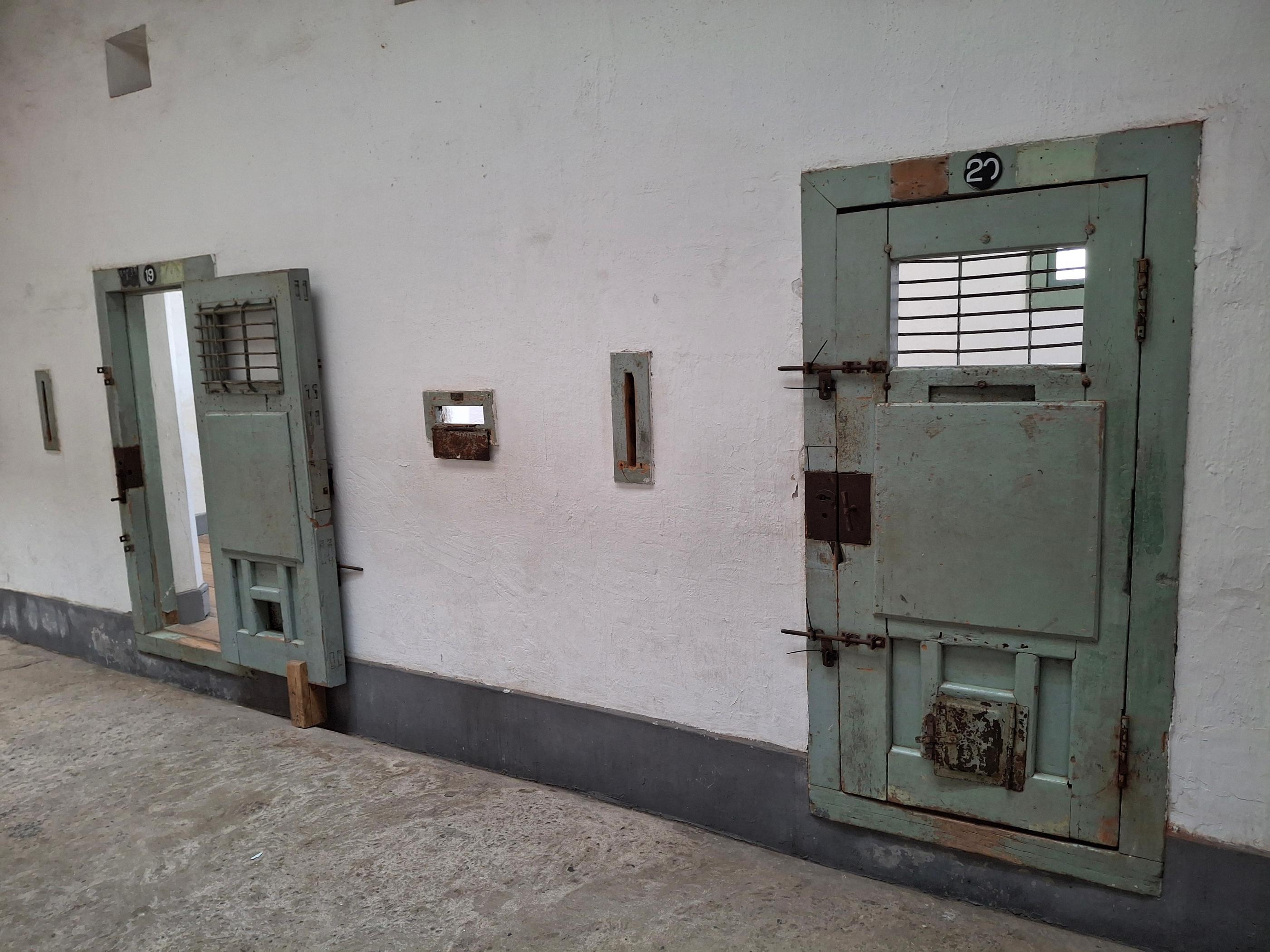
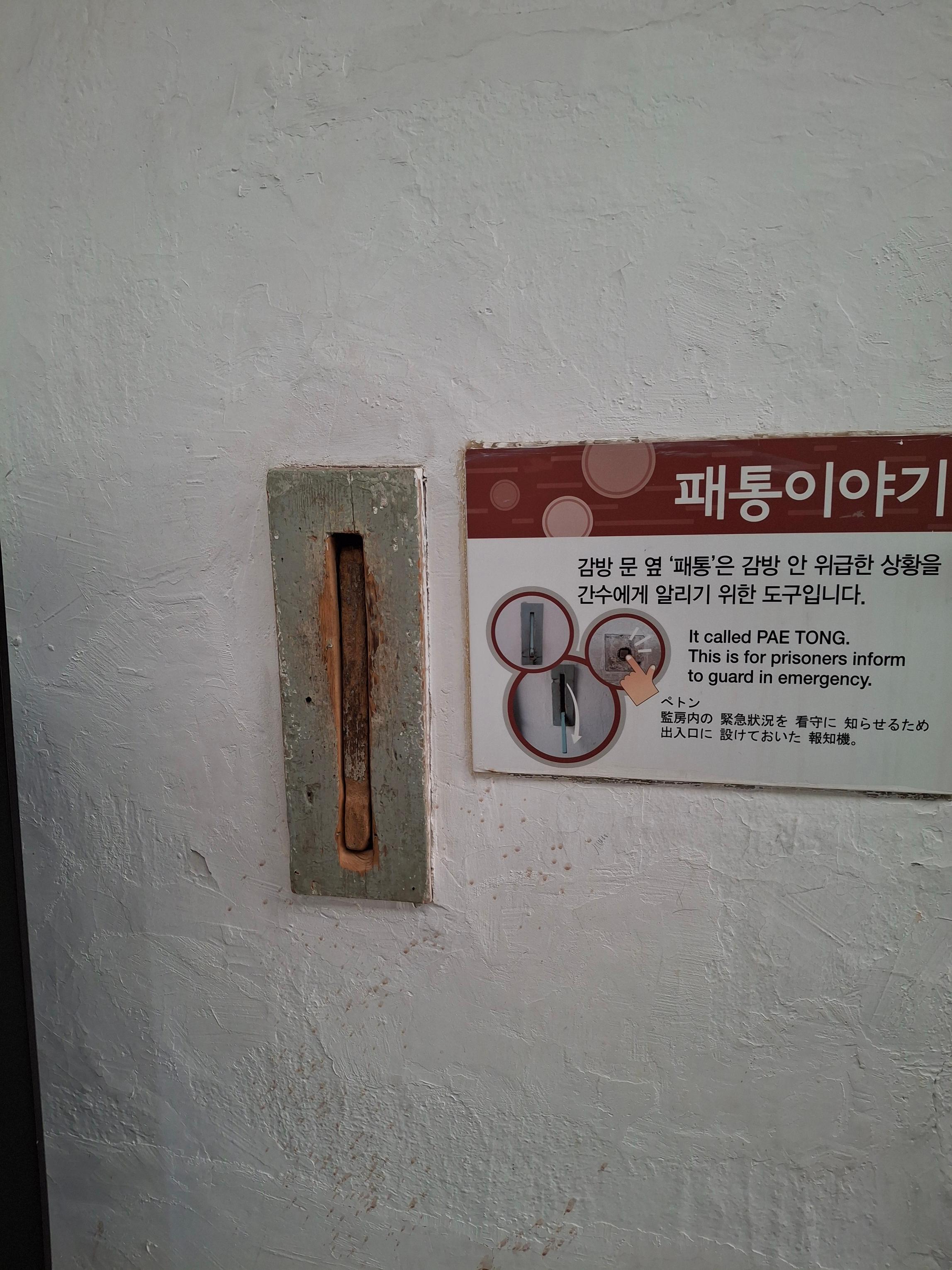
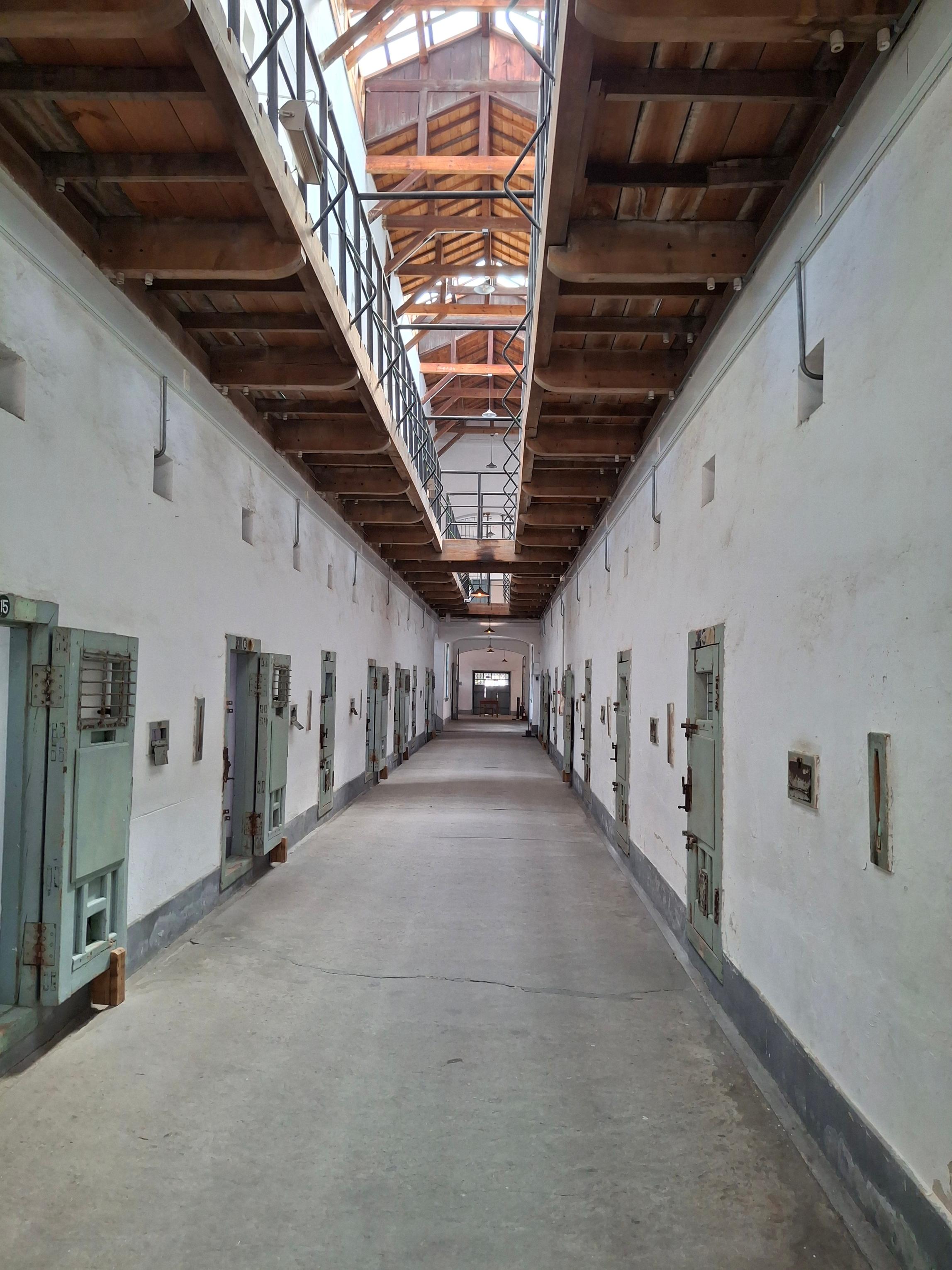
Here you can also see the cells where individual prisoners were placed for punishment. These were tiny, isolated cells without light, where a person was immobilized and soon lost the ability to distinguish between day and night. Even now, it's terrifying to look at!
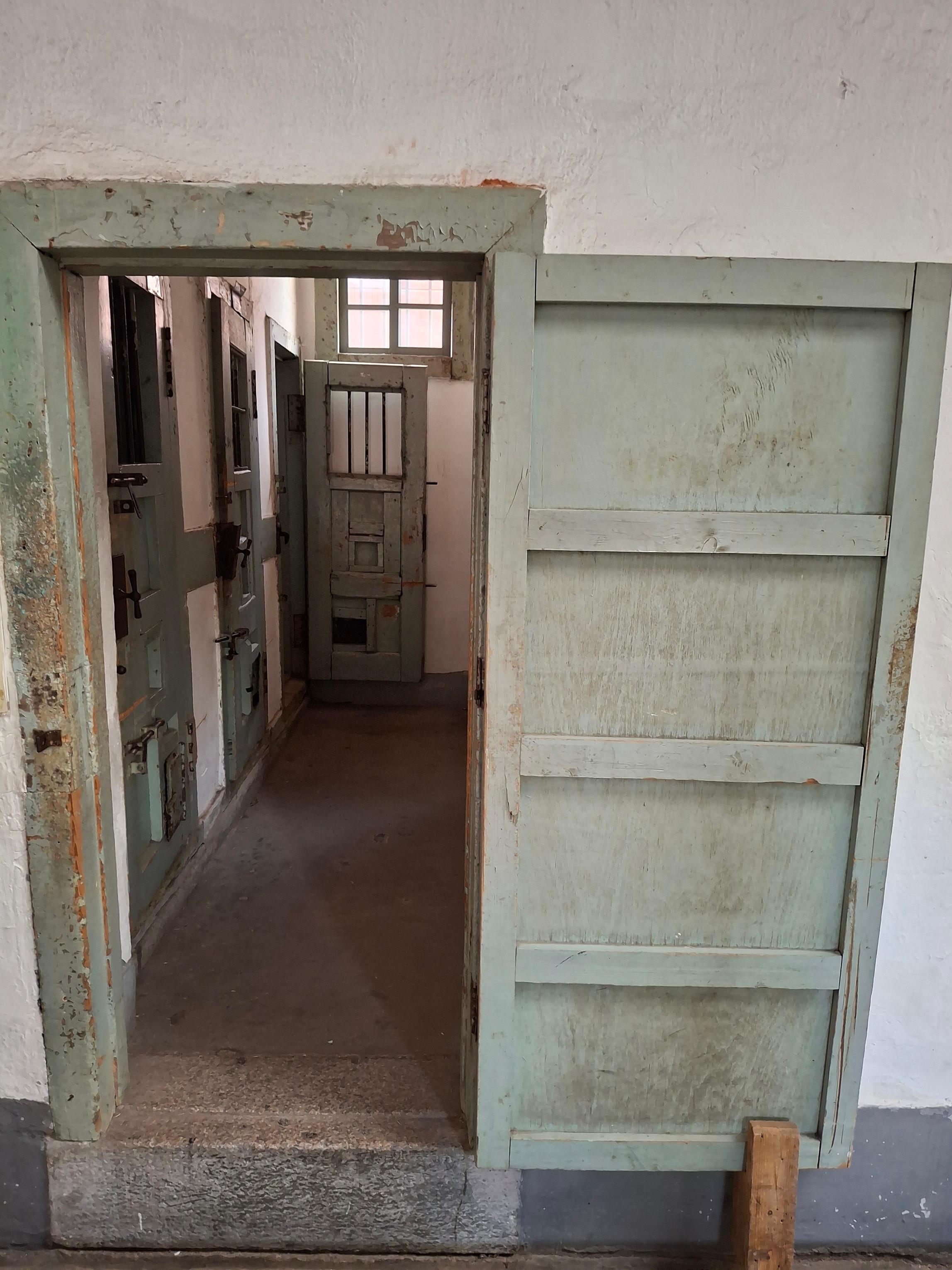
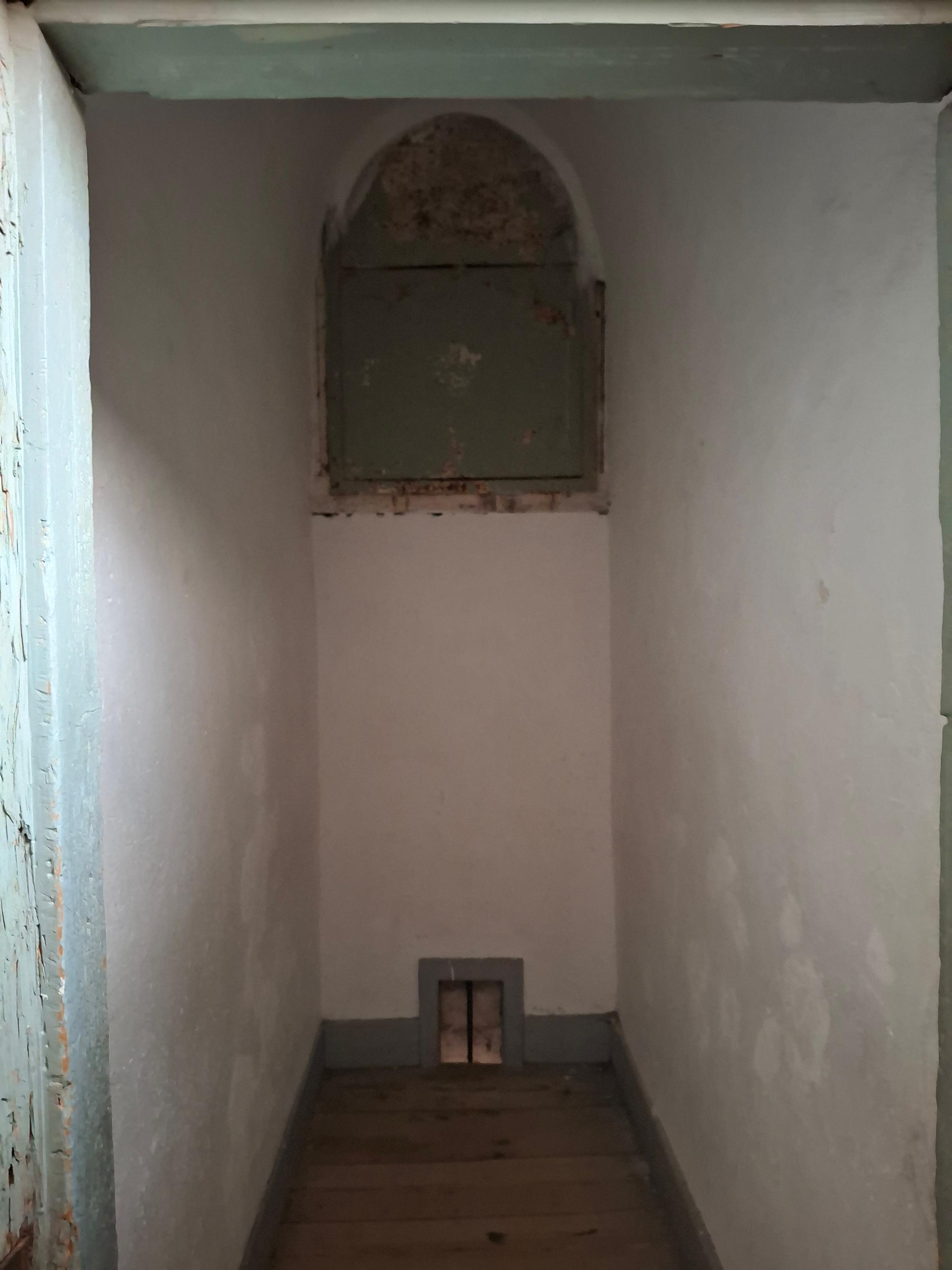
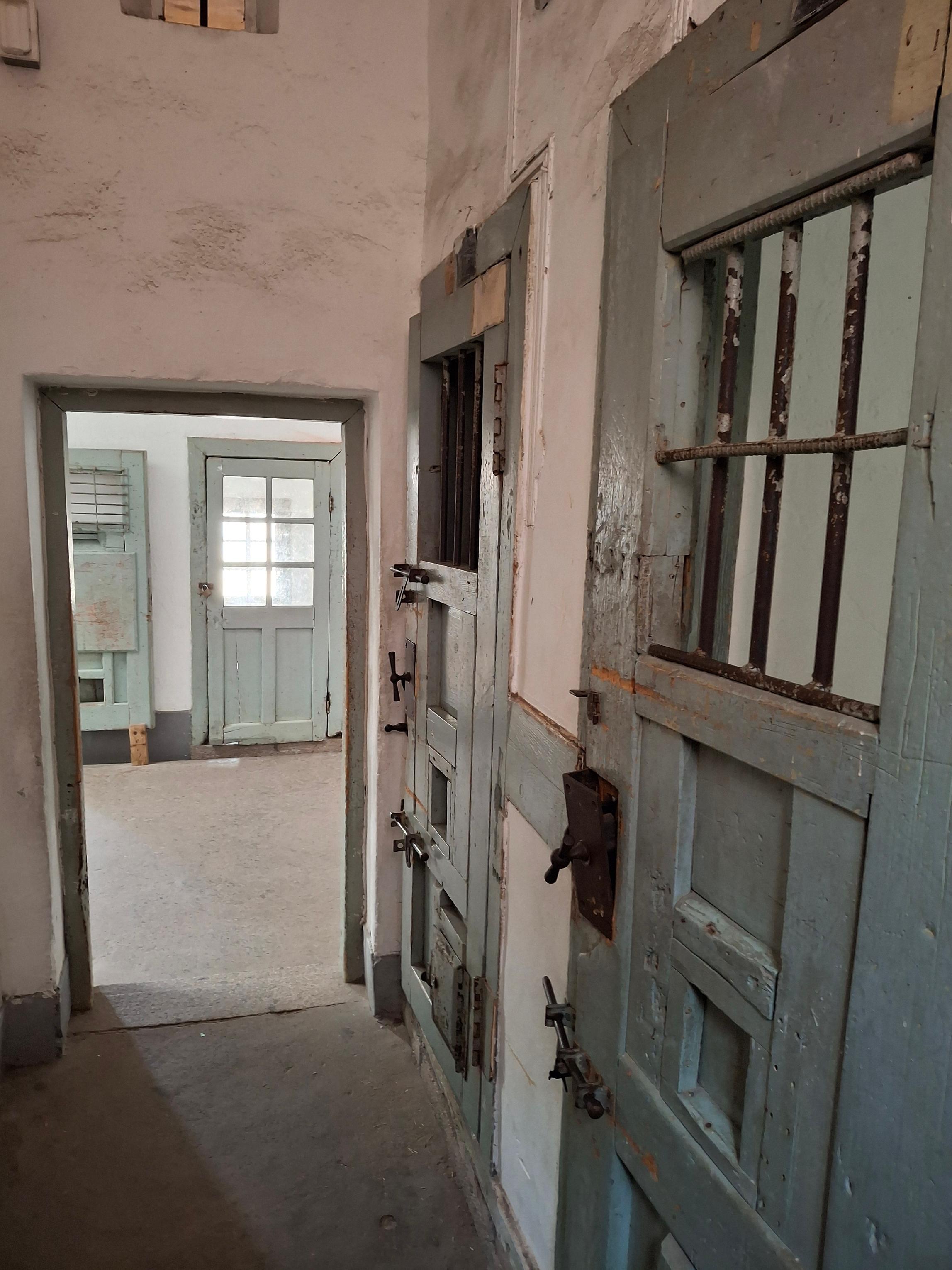
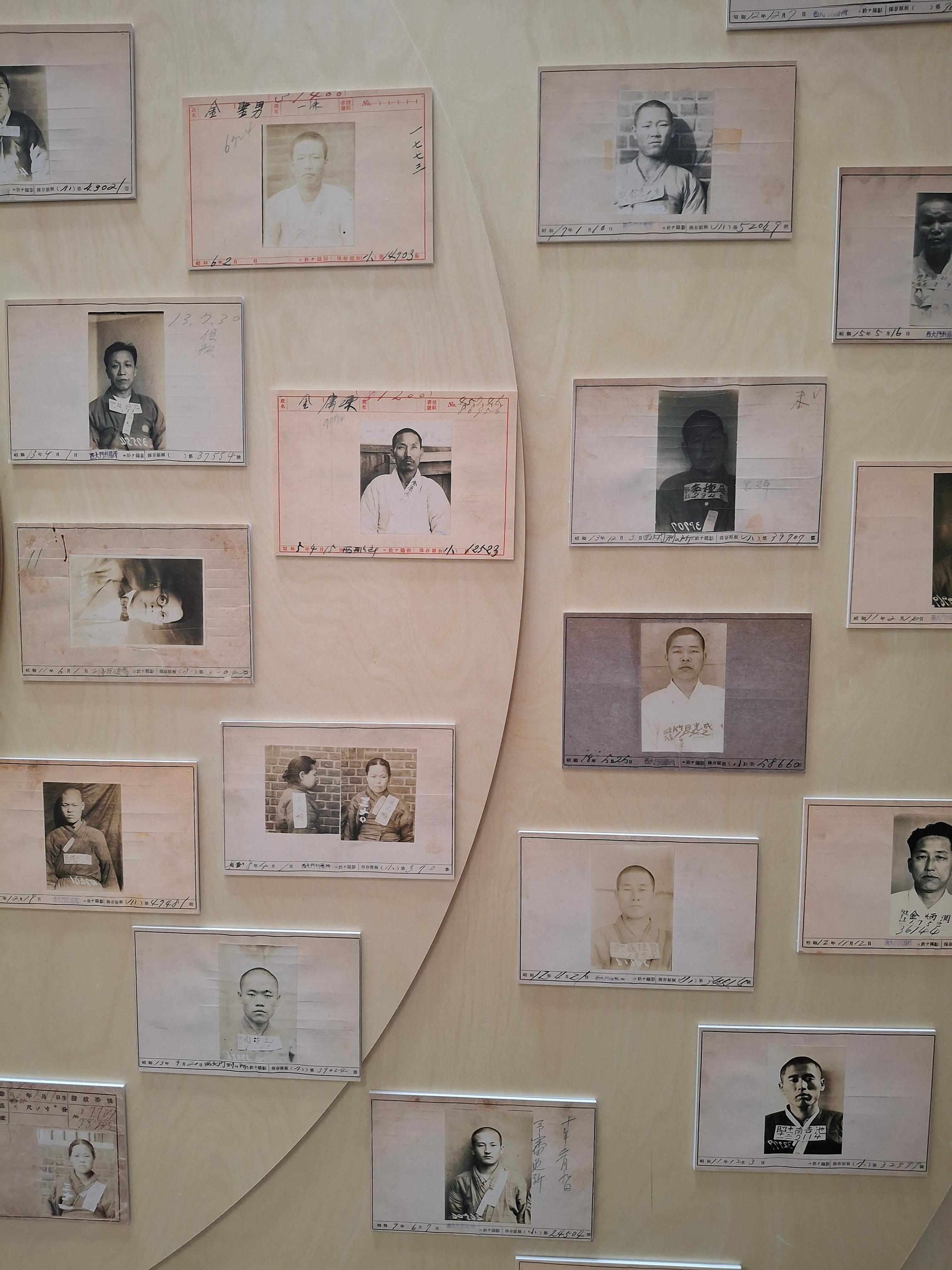
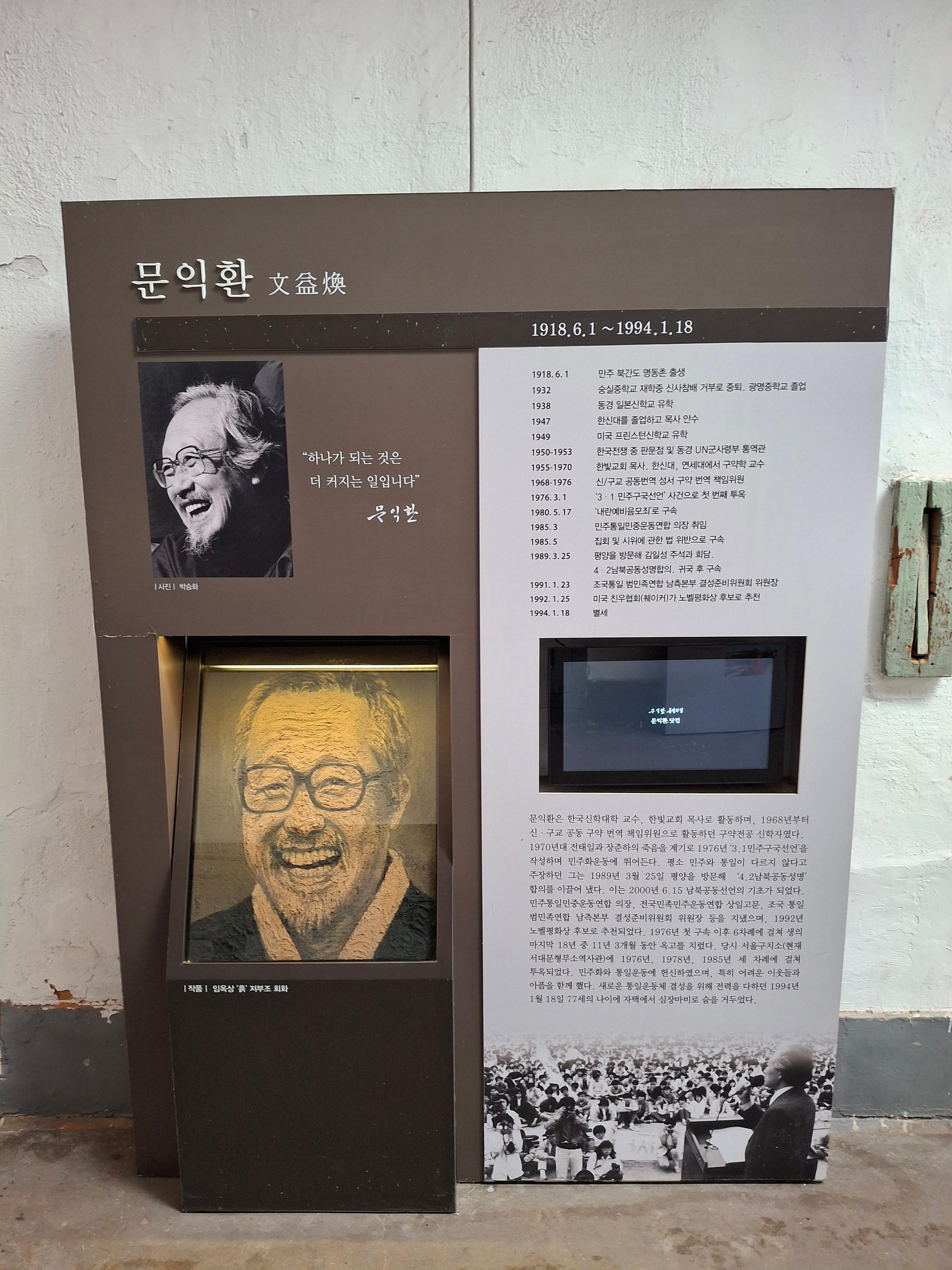
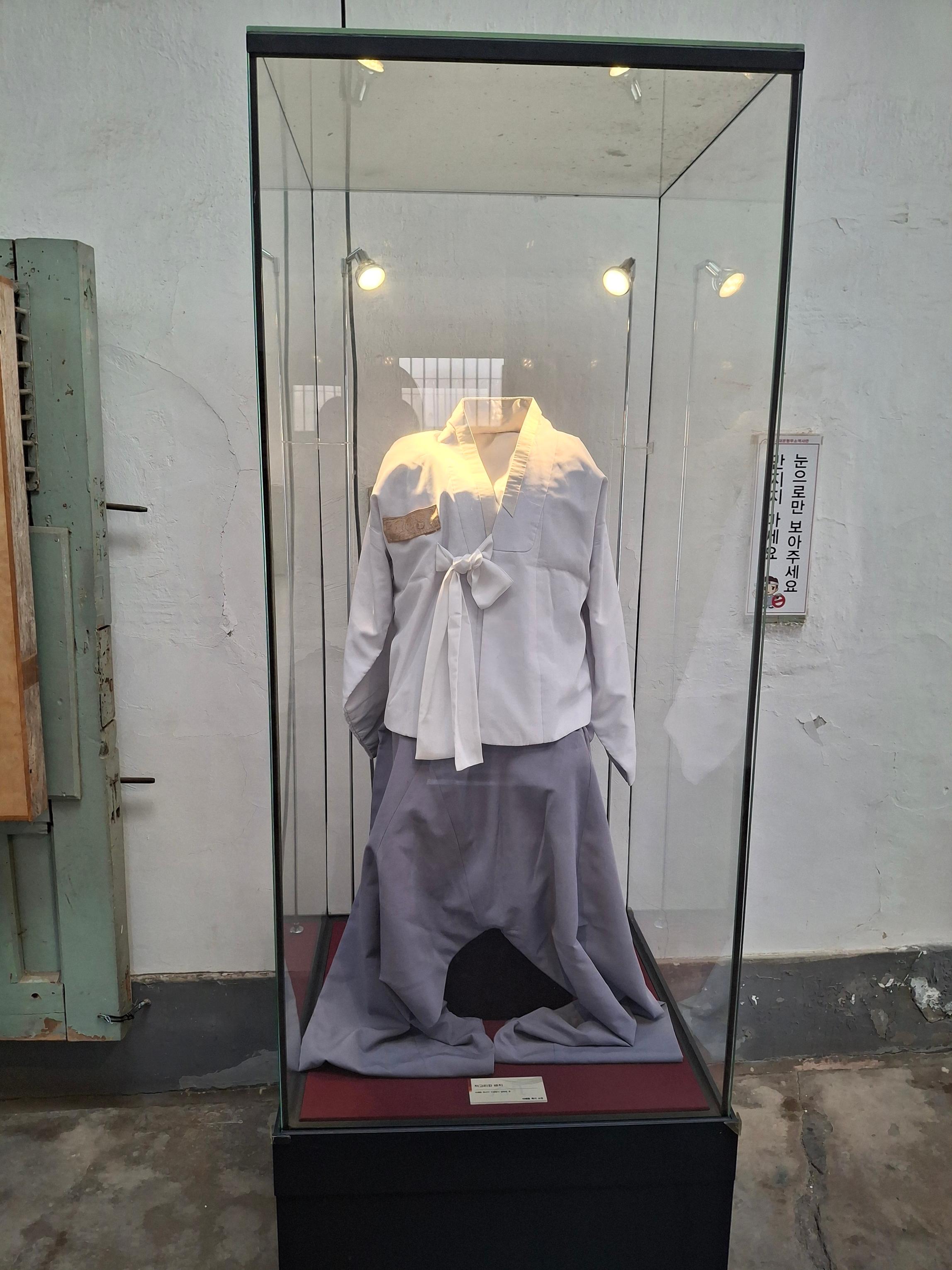
Nearby is a second wing with prison cells. It contains a wealth of information about the famous prisoners who lived in these cells, including videos of their performances and photographs. This makes the prison's history even more intimate and tragic.
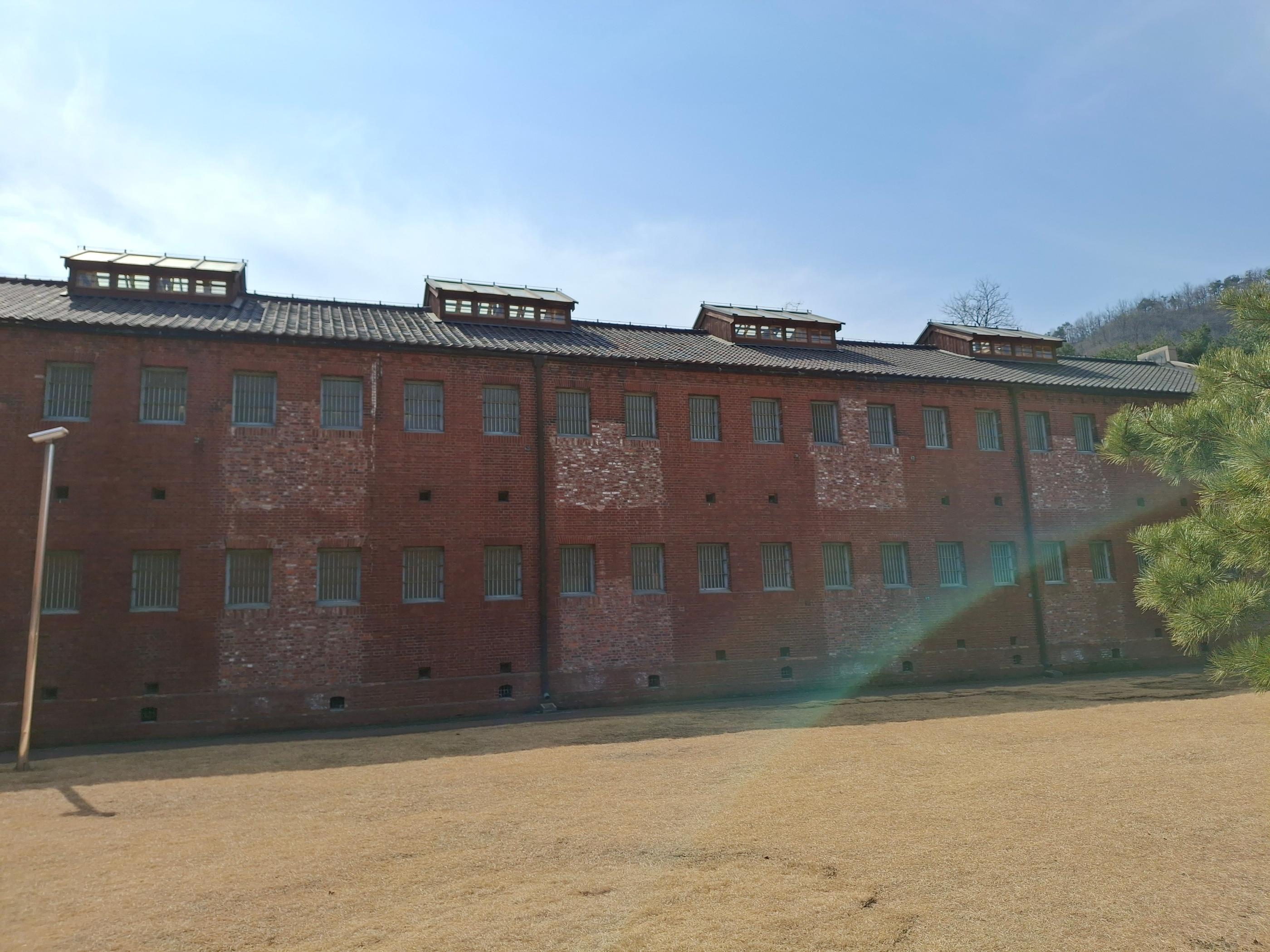
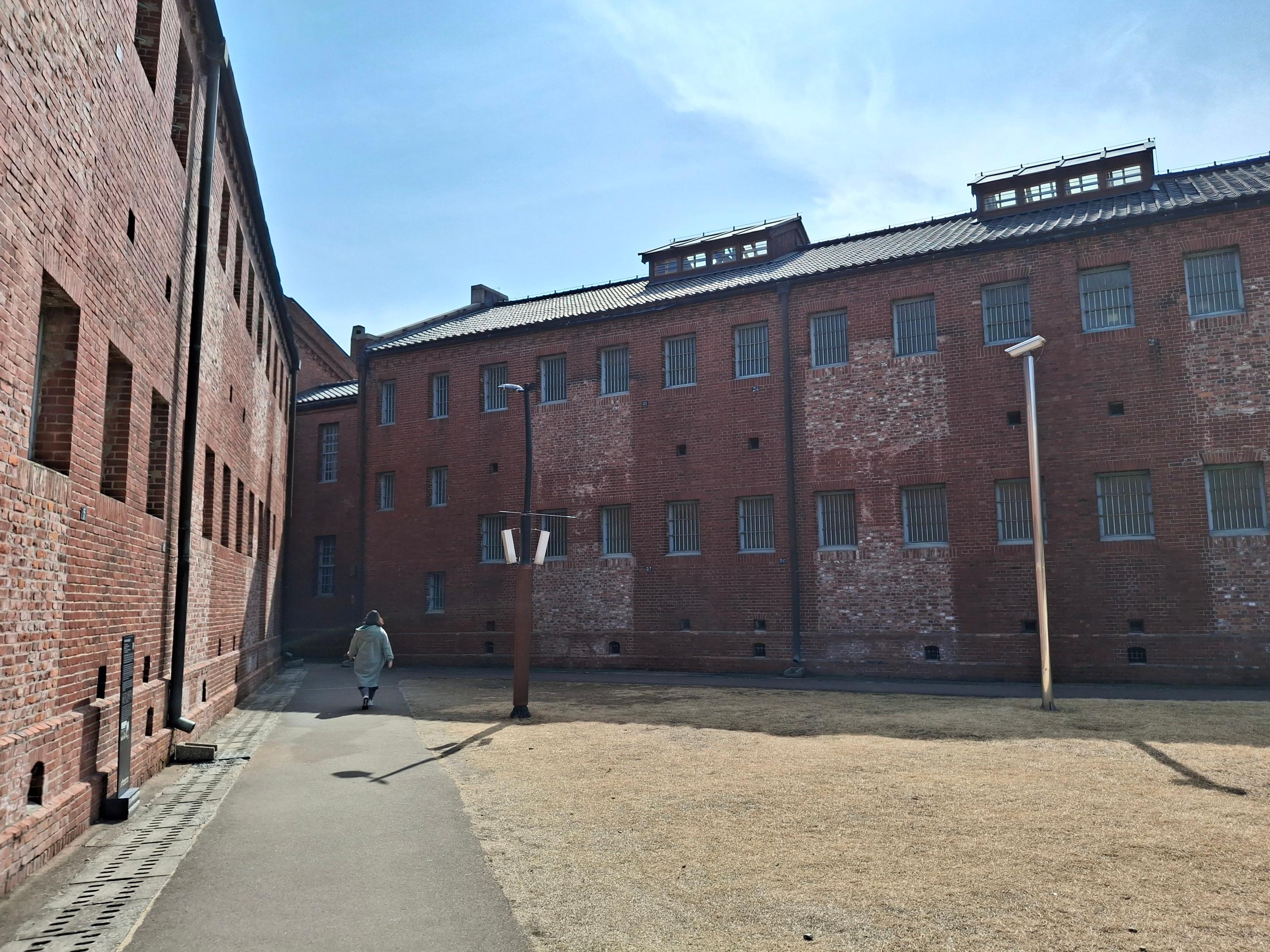
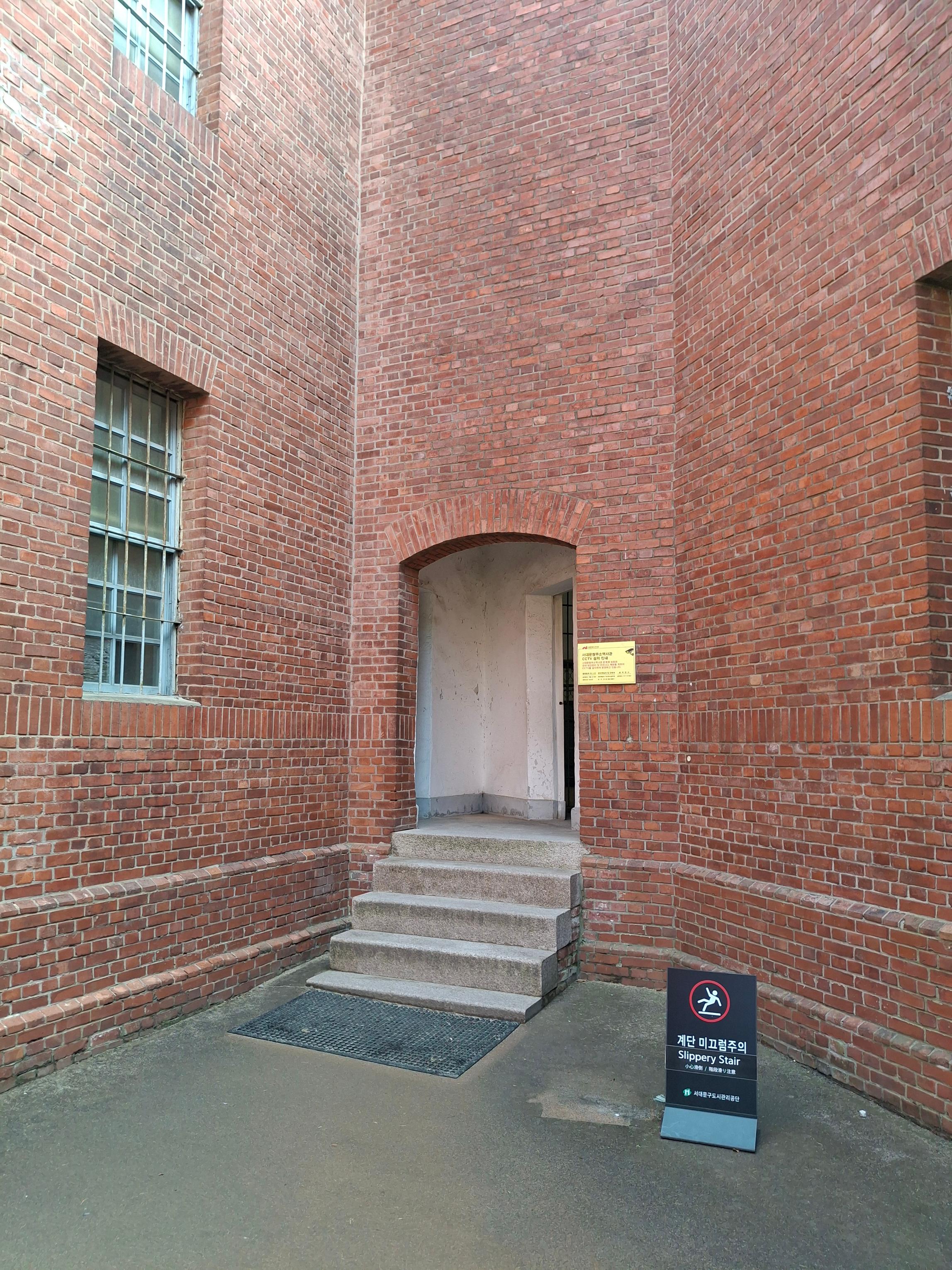
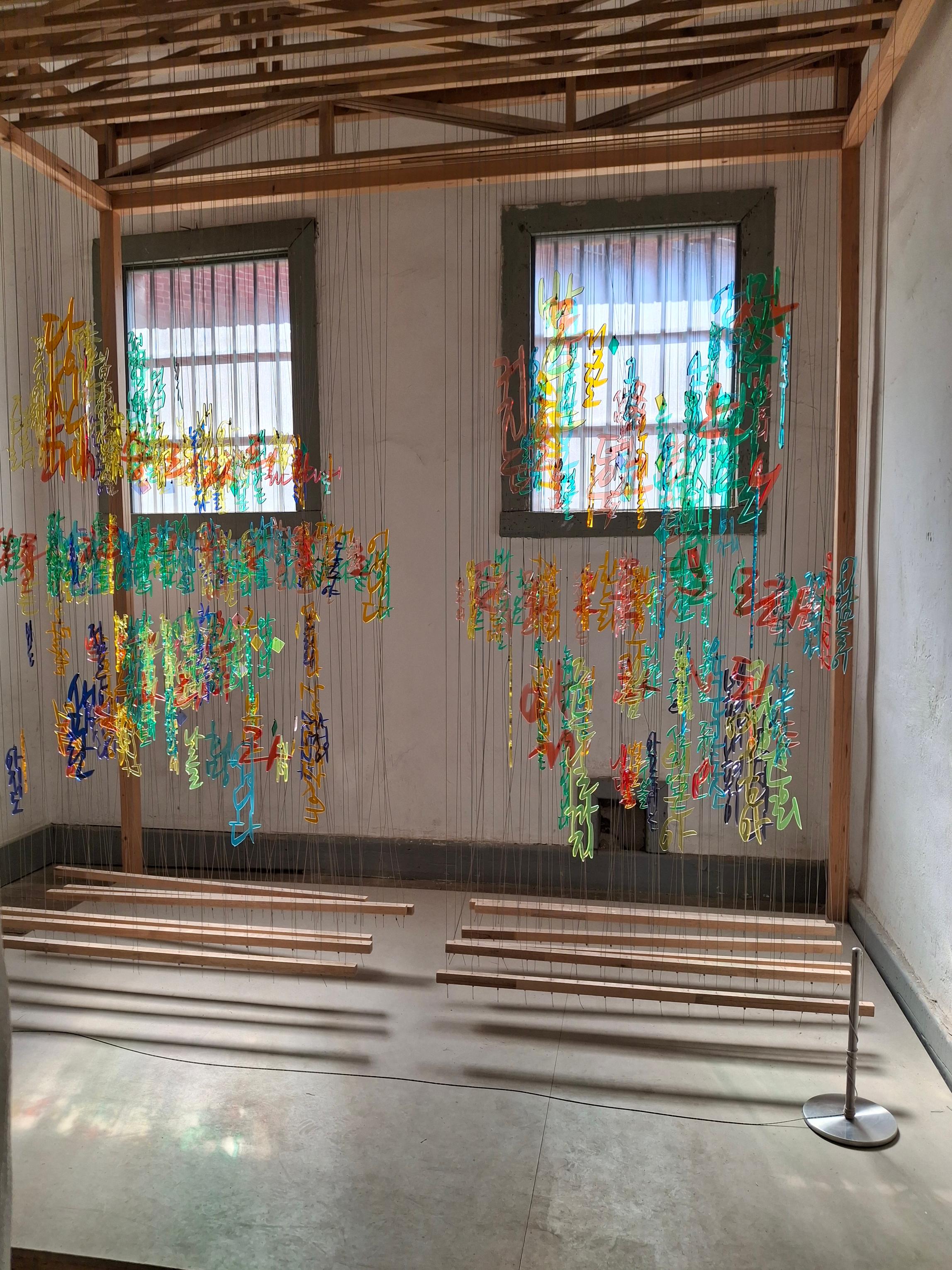
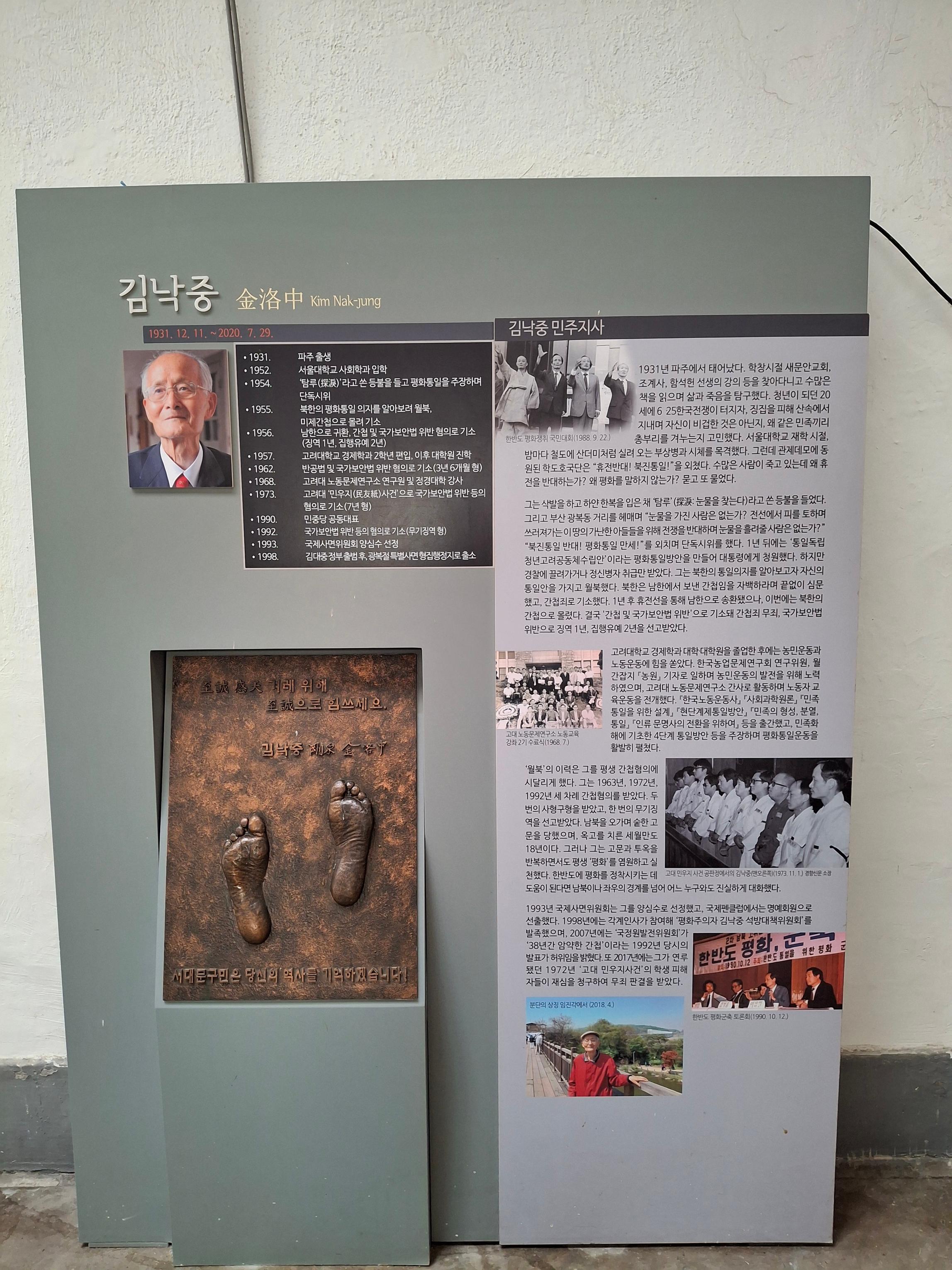
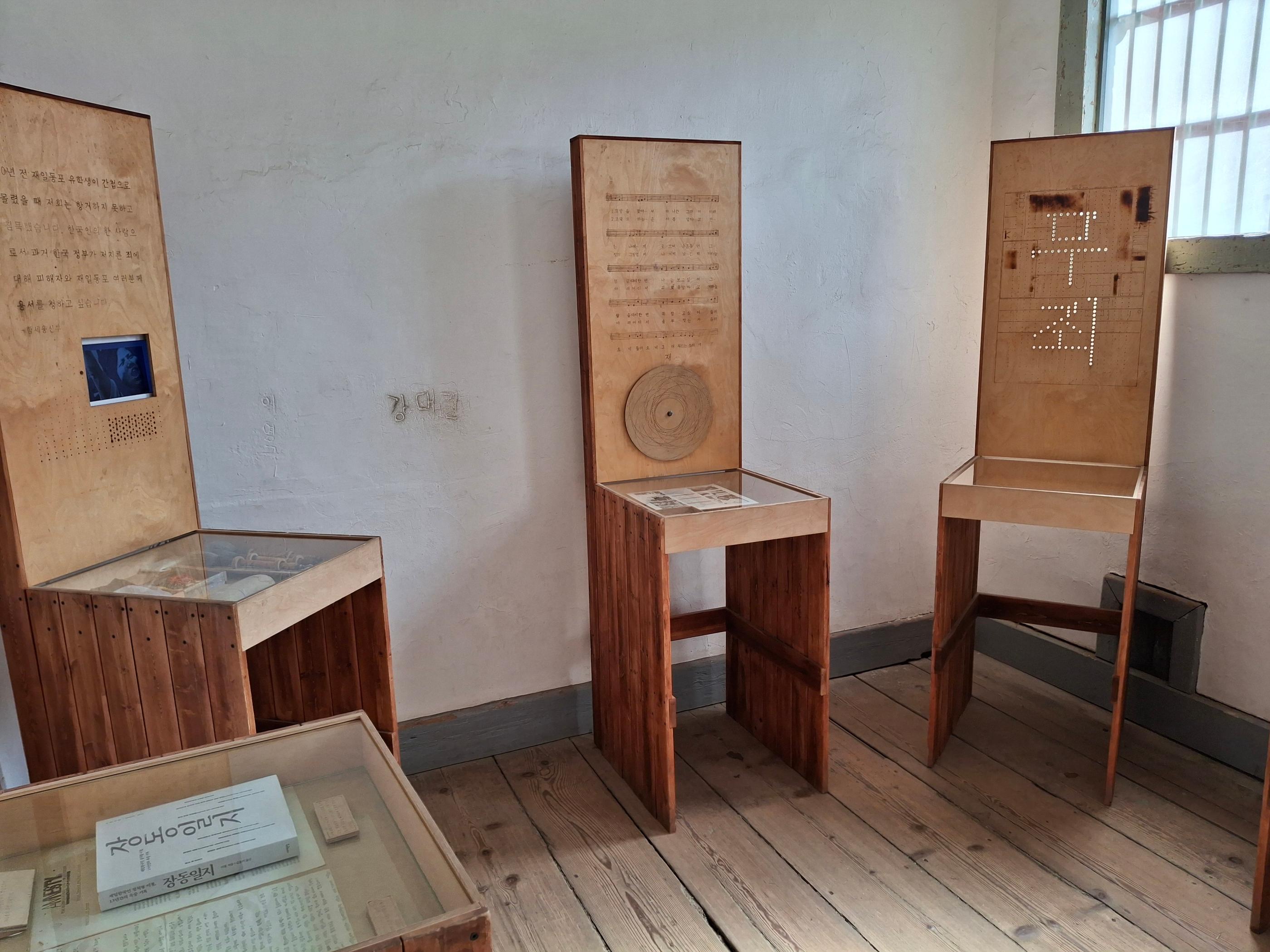
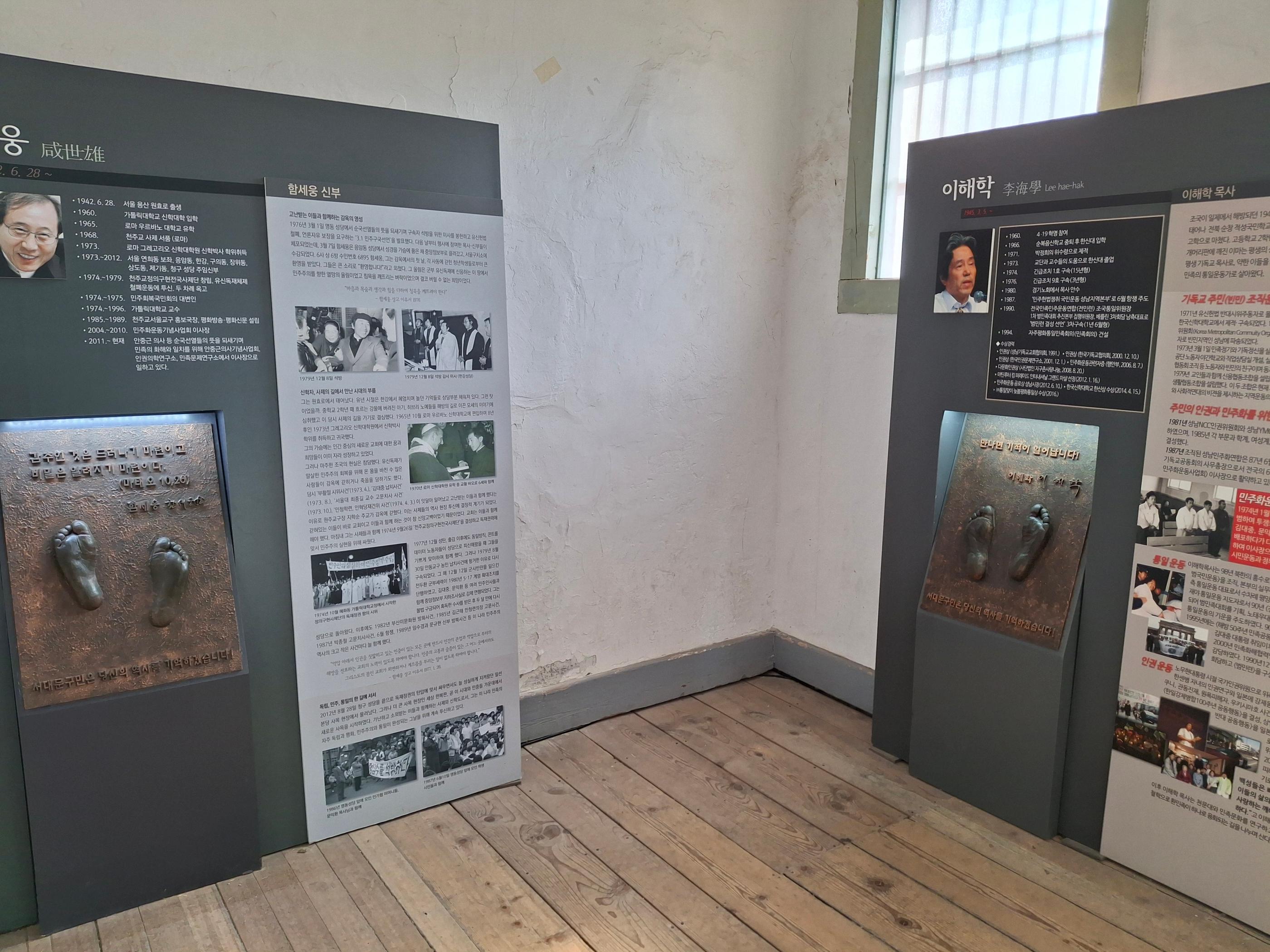
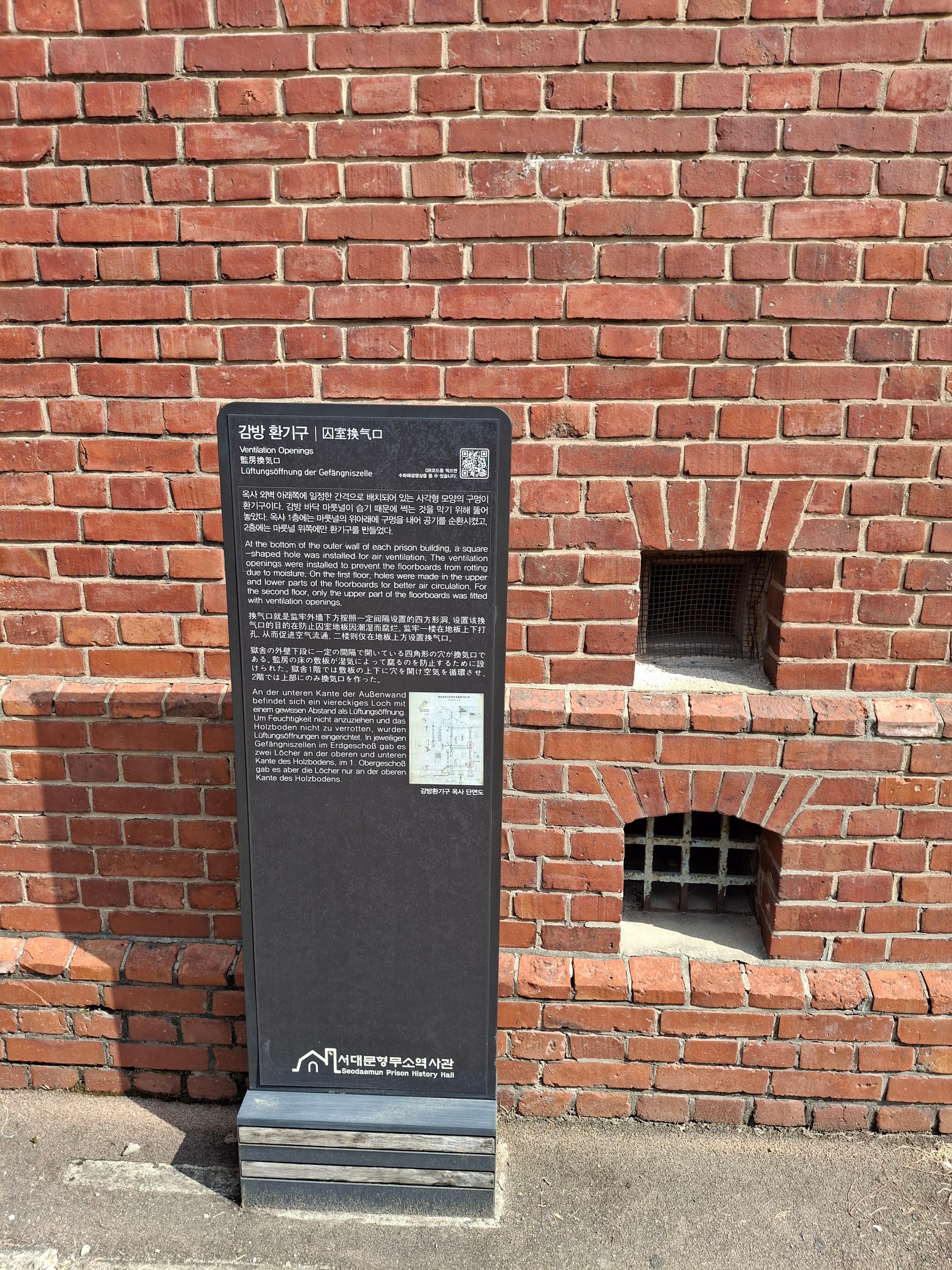
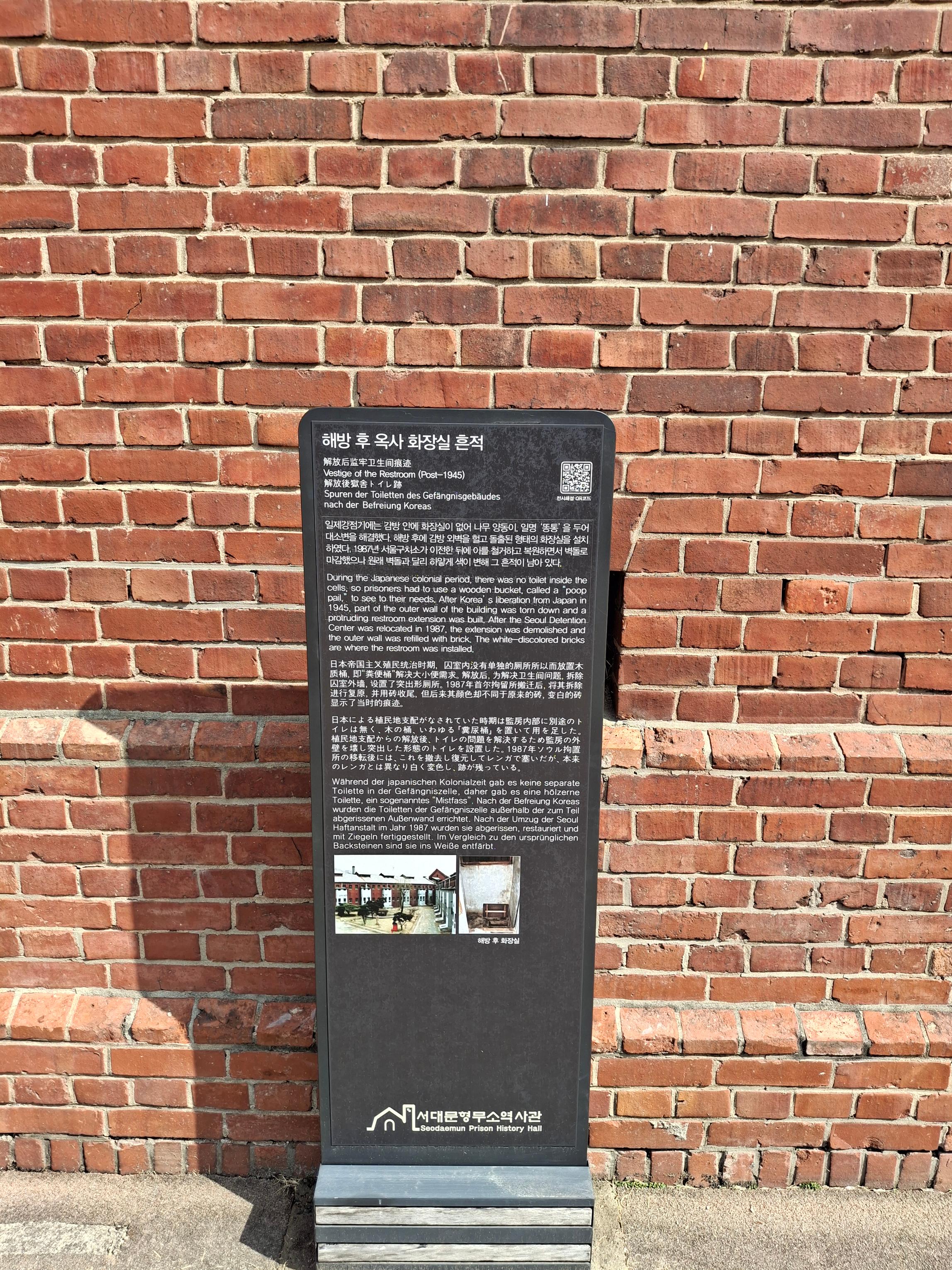
Once outside and walking along the prison building, you can see more interesting details, such as ventilation holes and toilet outlets.
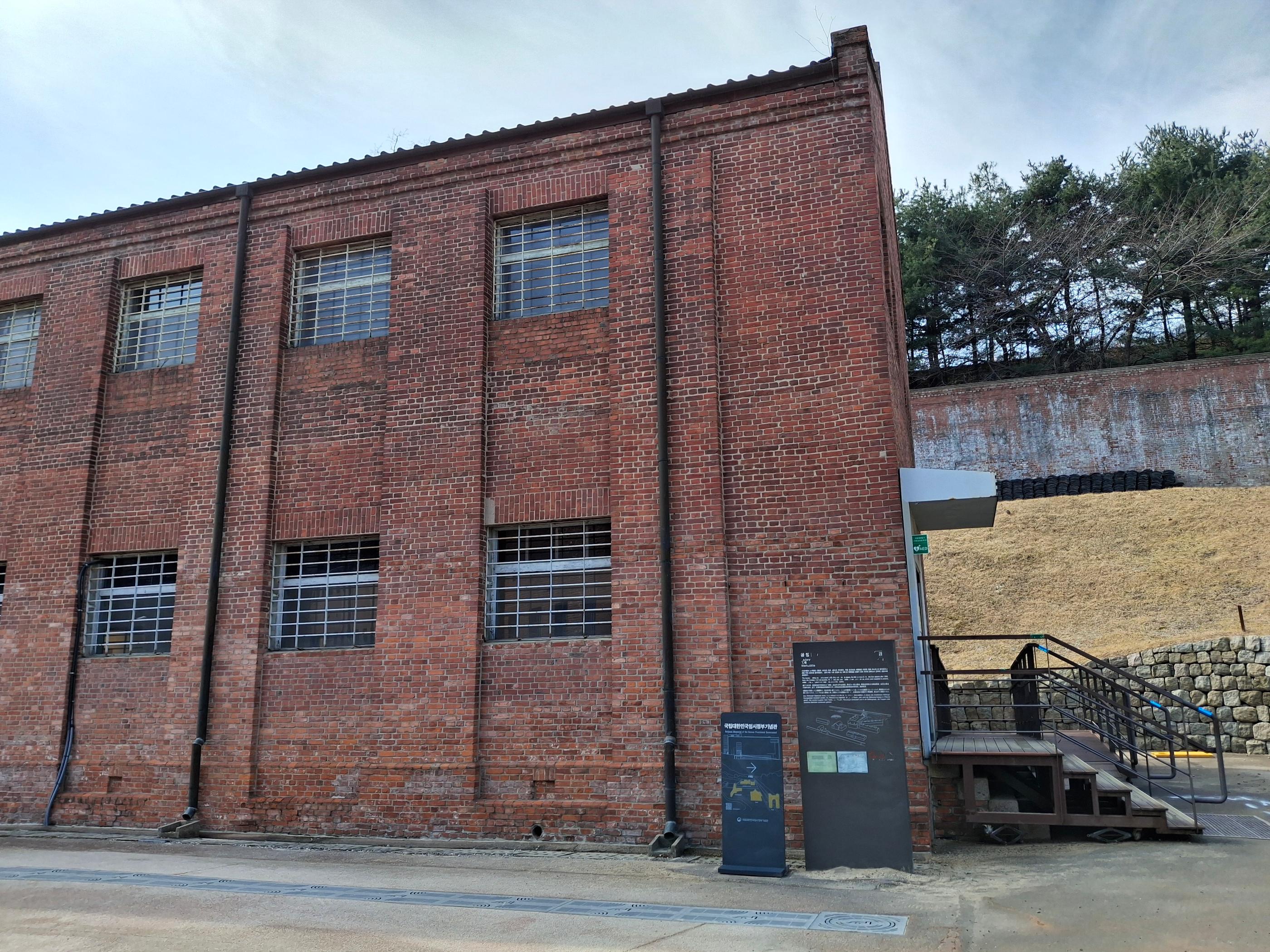
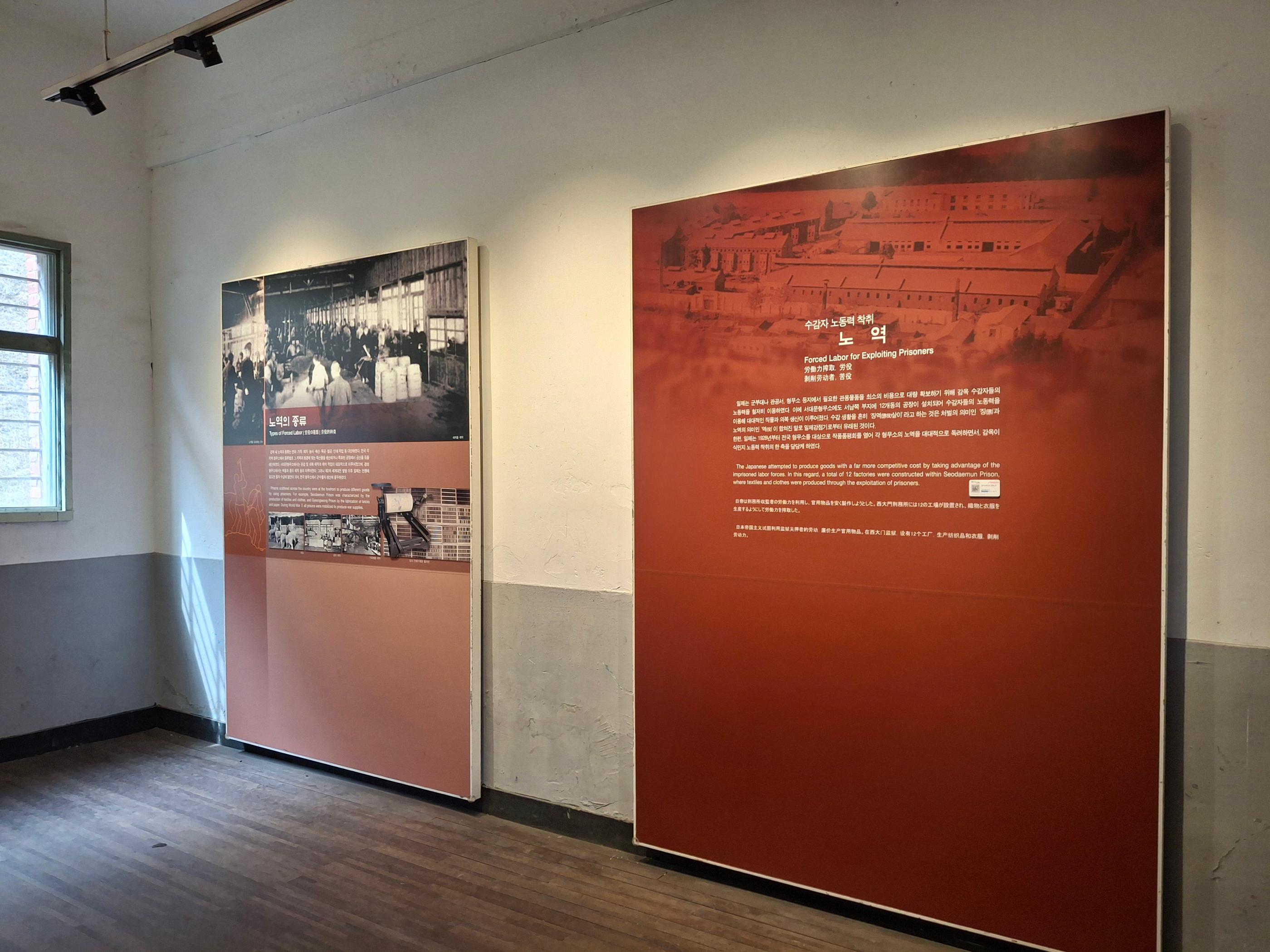
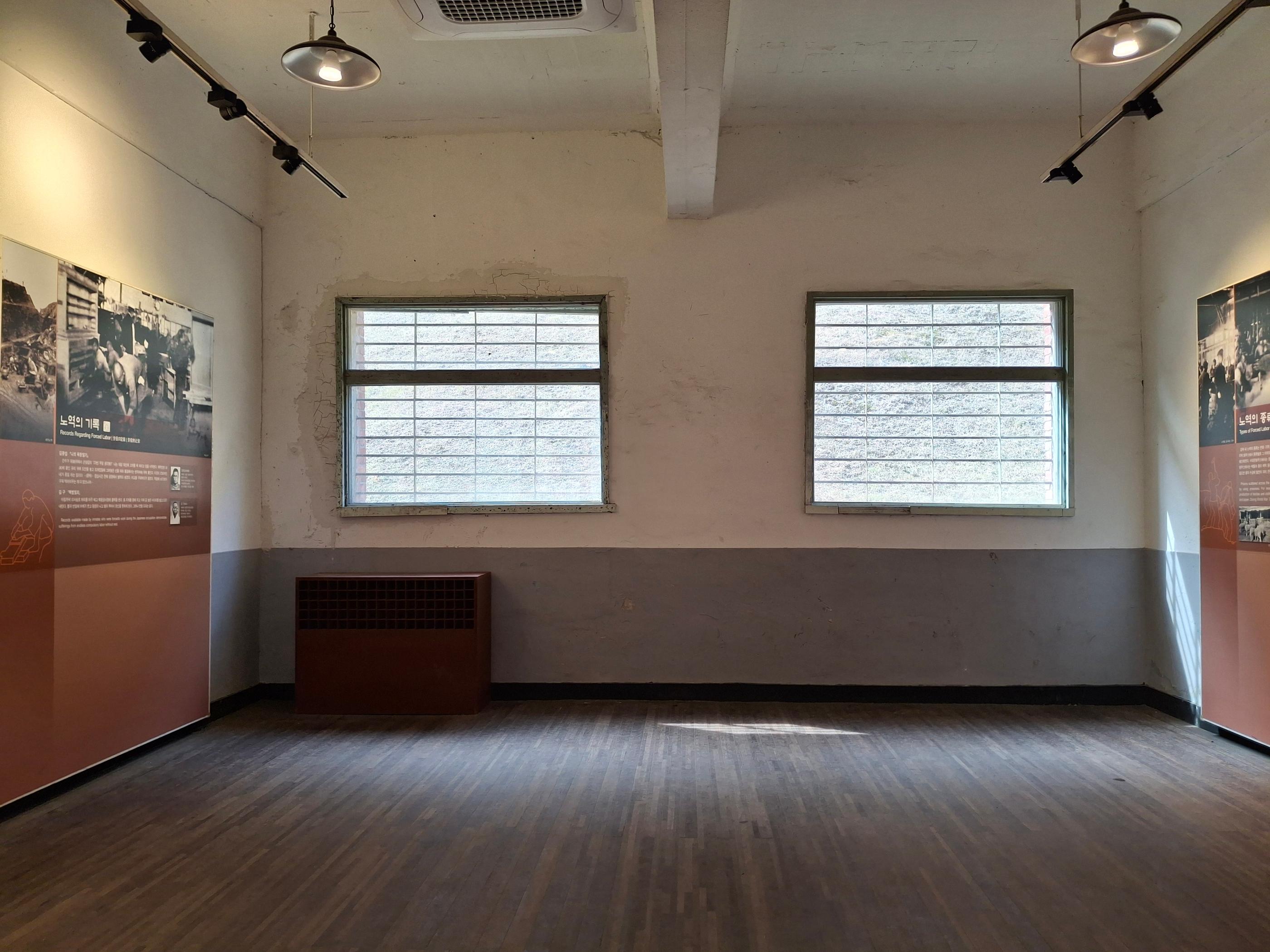
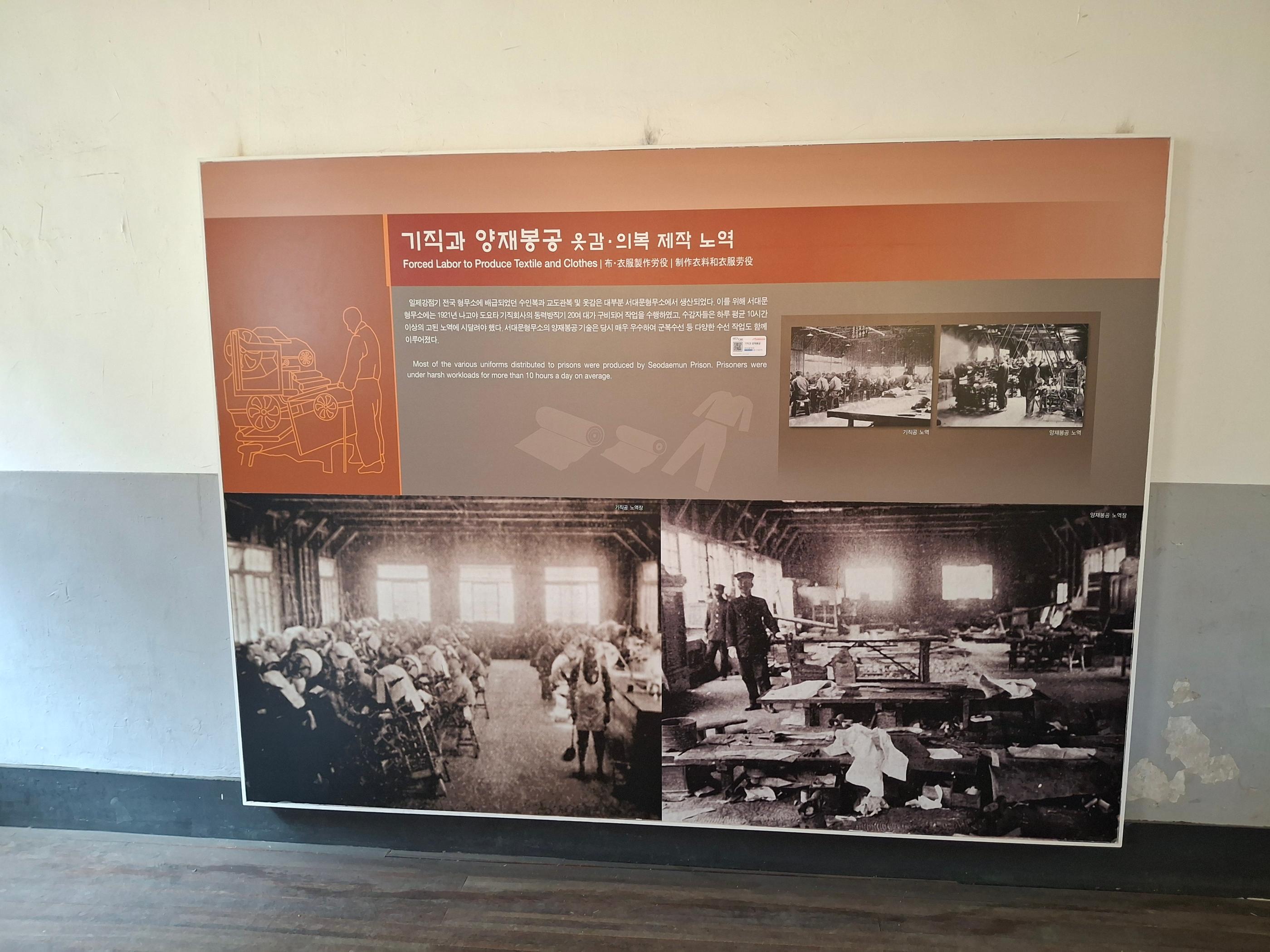
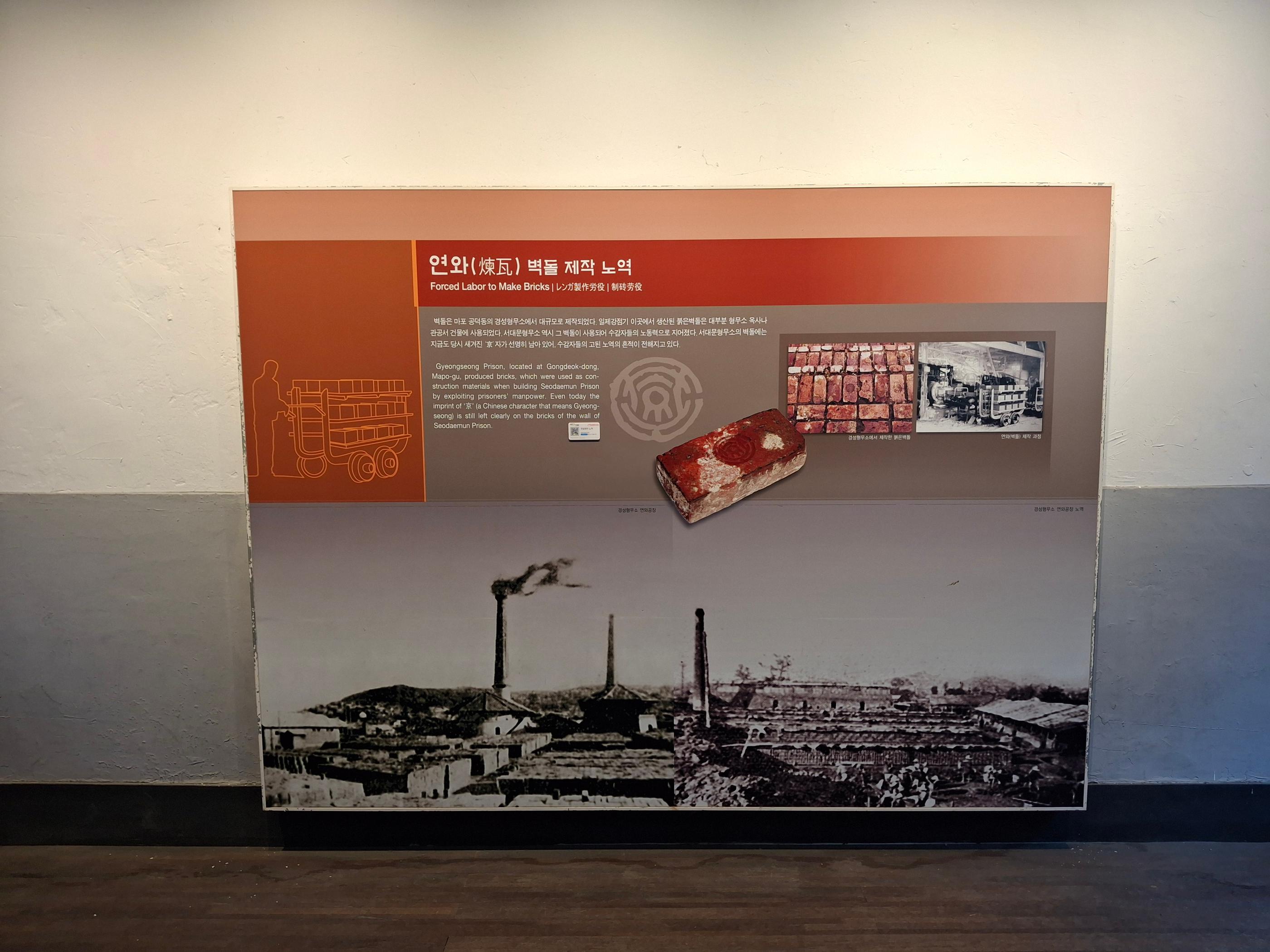
Right next to the building where the prisoners were held is a former factory building. During the Japanese colonial period, each prison had a factory that mobilized the labor force of prisoners to make and supply necessary goods for prisons, military bases, and government offices. Prisoners here were subjected to forced labor and human rights abuses, and from the late 1930s onwards, they produced and supplied military supplies for World War II.
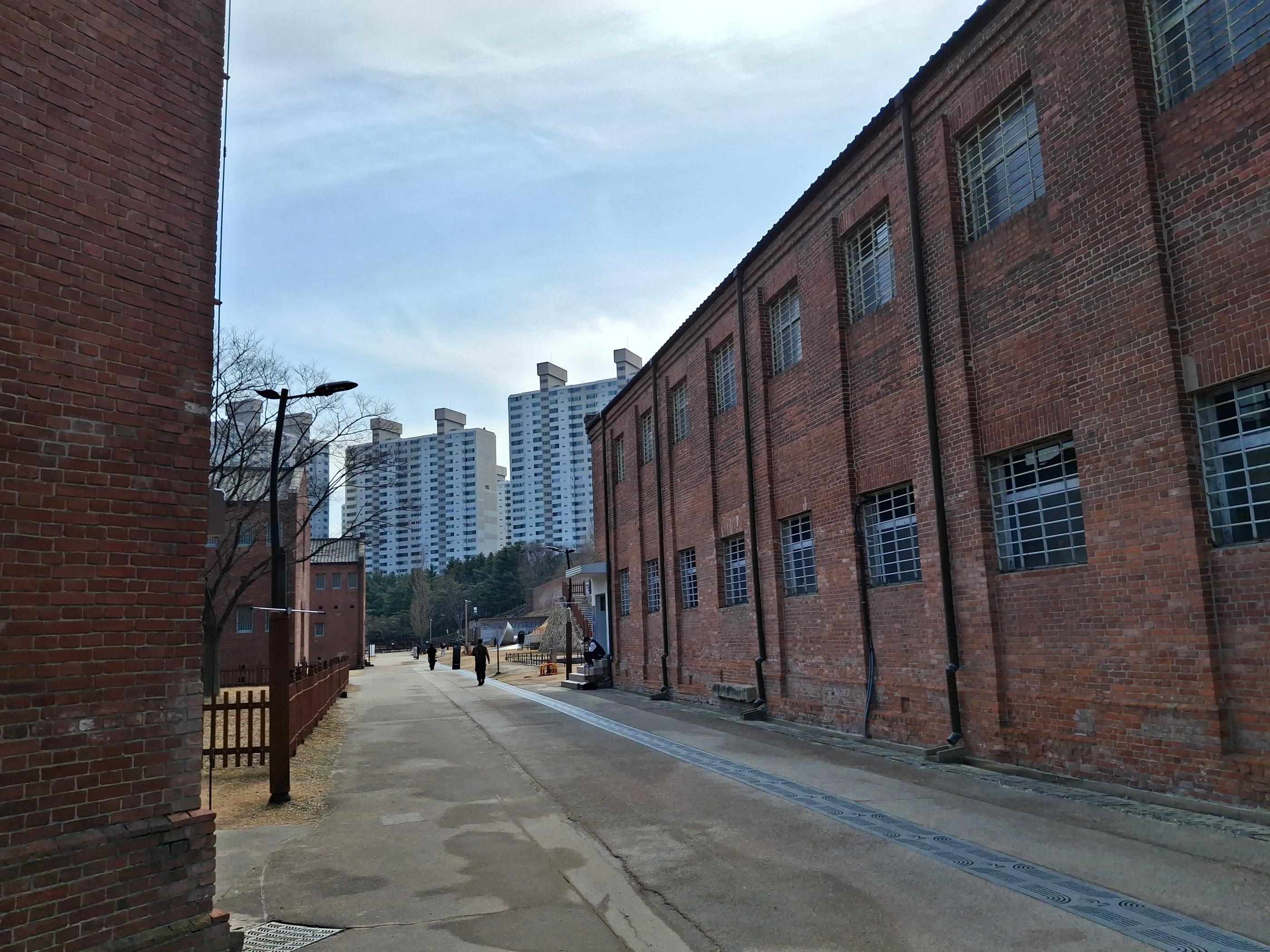
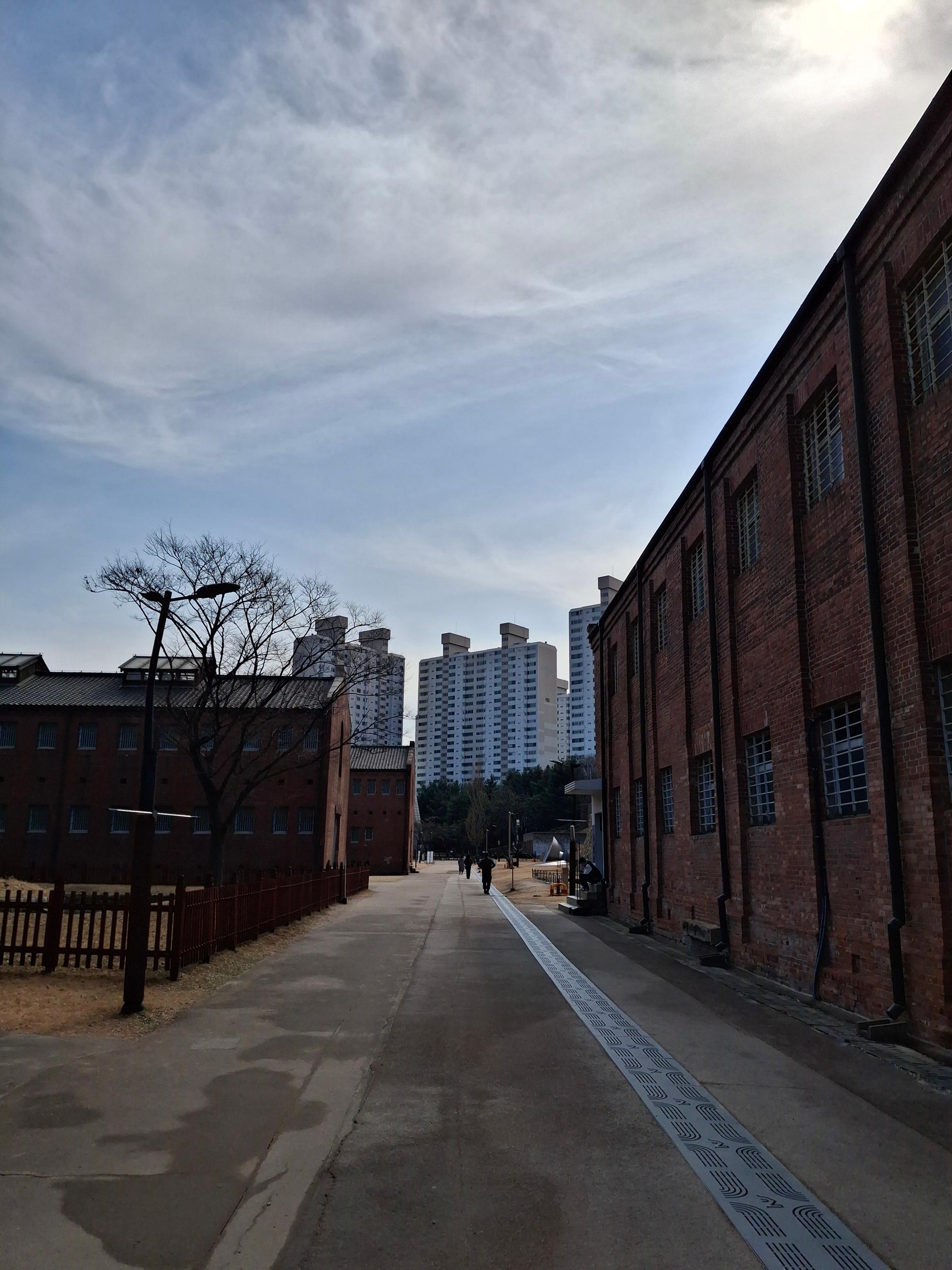
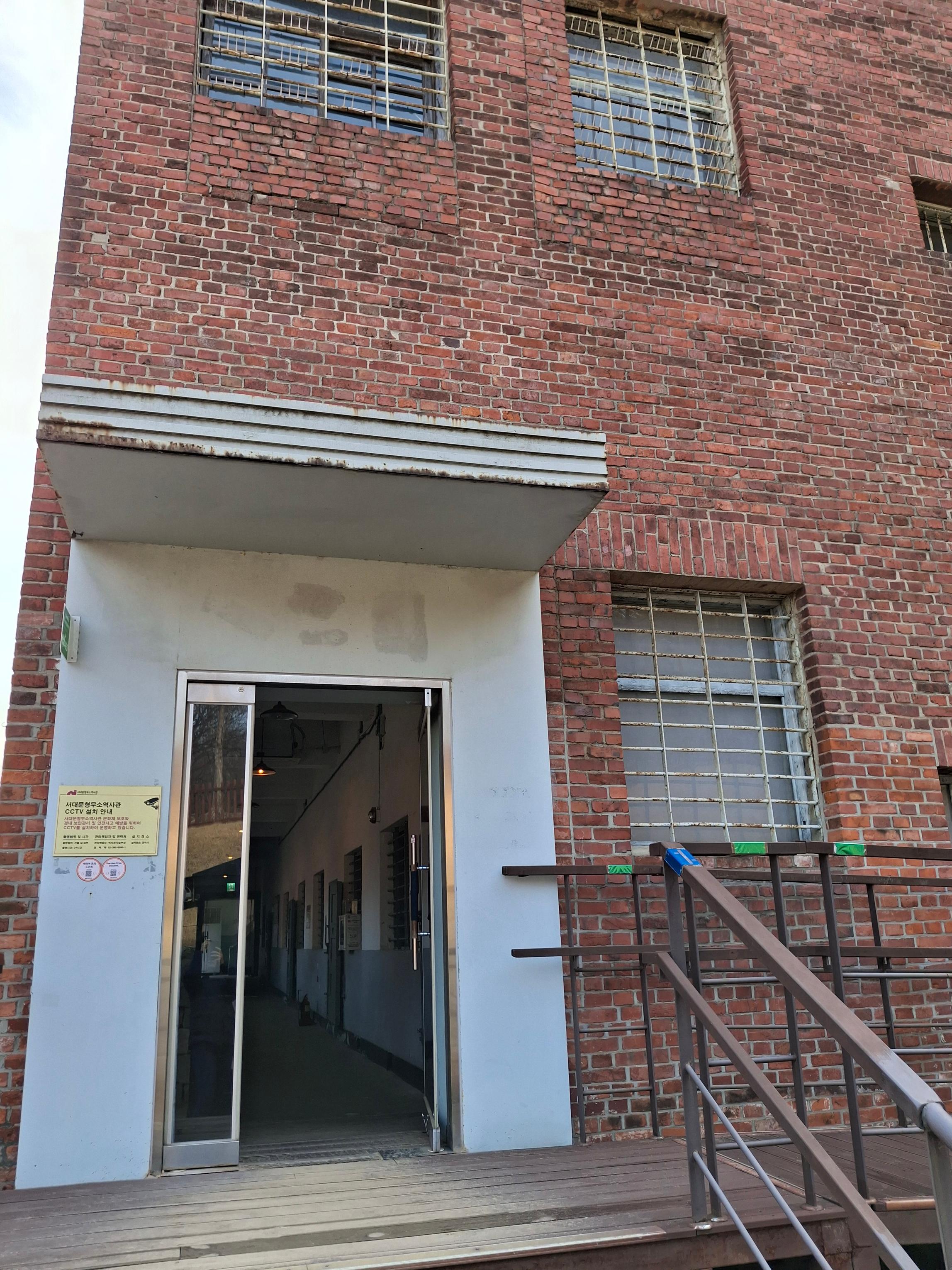
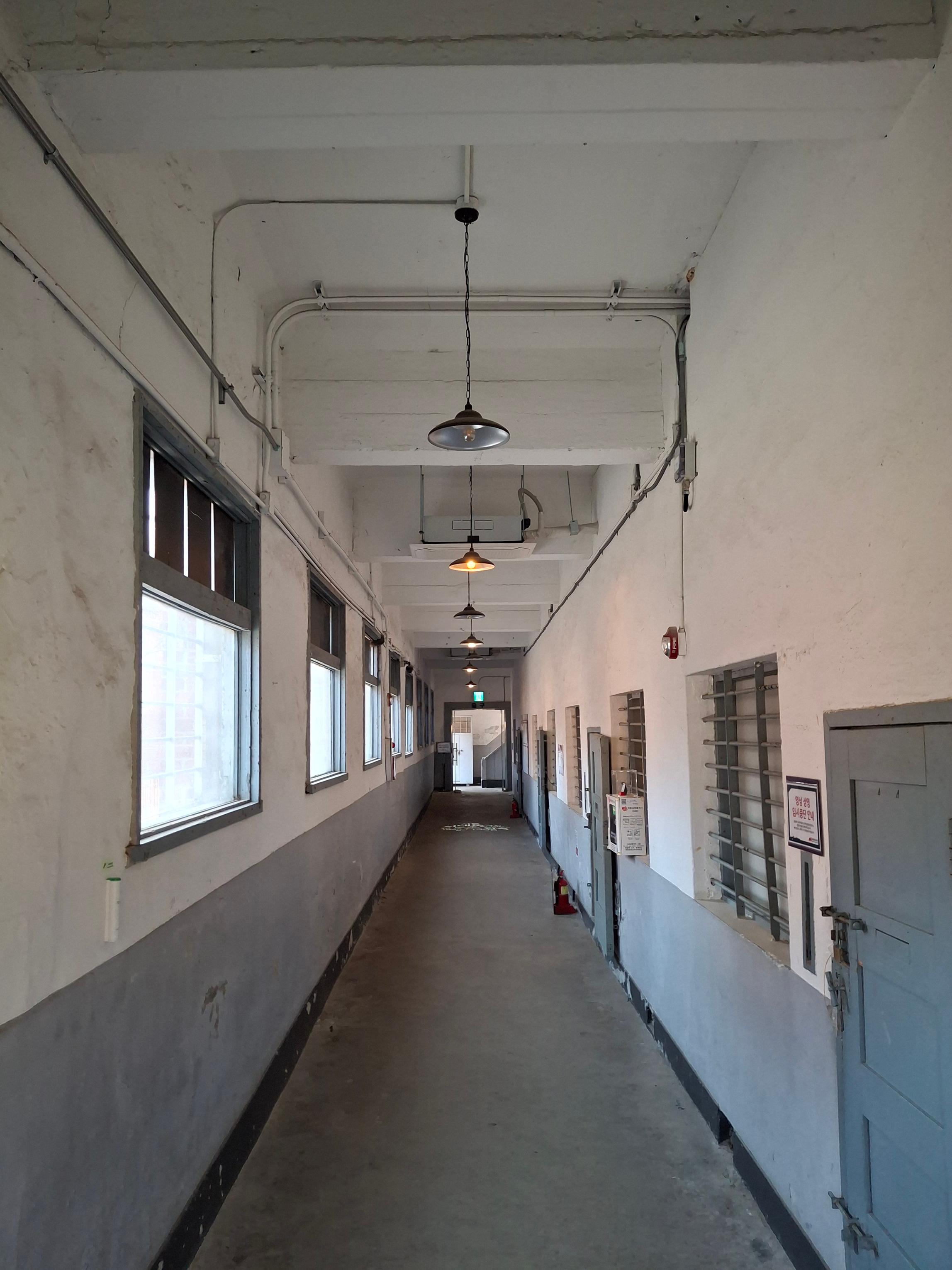
In the center of the prison grounds is located a two-story prison built in the 1920s. It is the only independent prison in Seodaemun Prison that is not connected to the central prison, and it was a place where special surveillance and control were mainly held for 'ideological criminals' who were caught during the anti-Japanese independence movement against Japanese colonialism and anti-Japanese independence at the time.
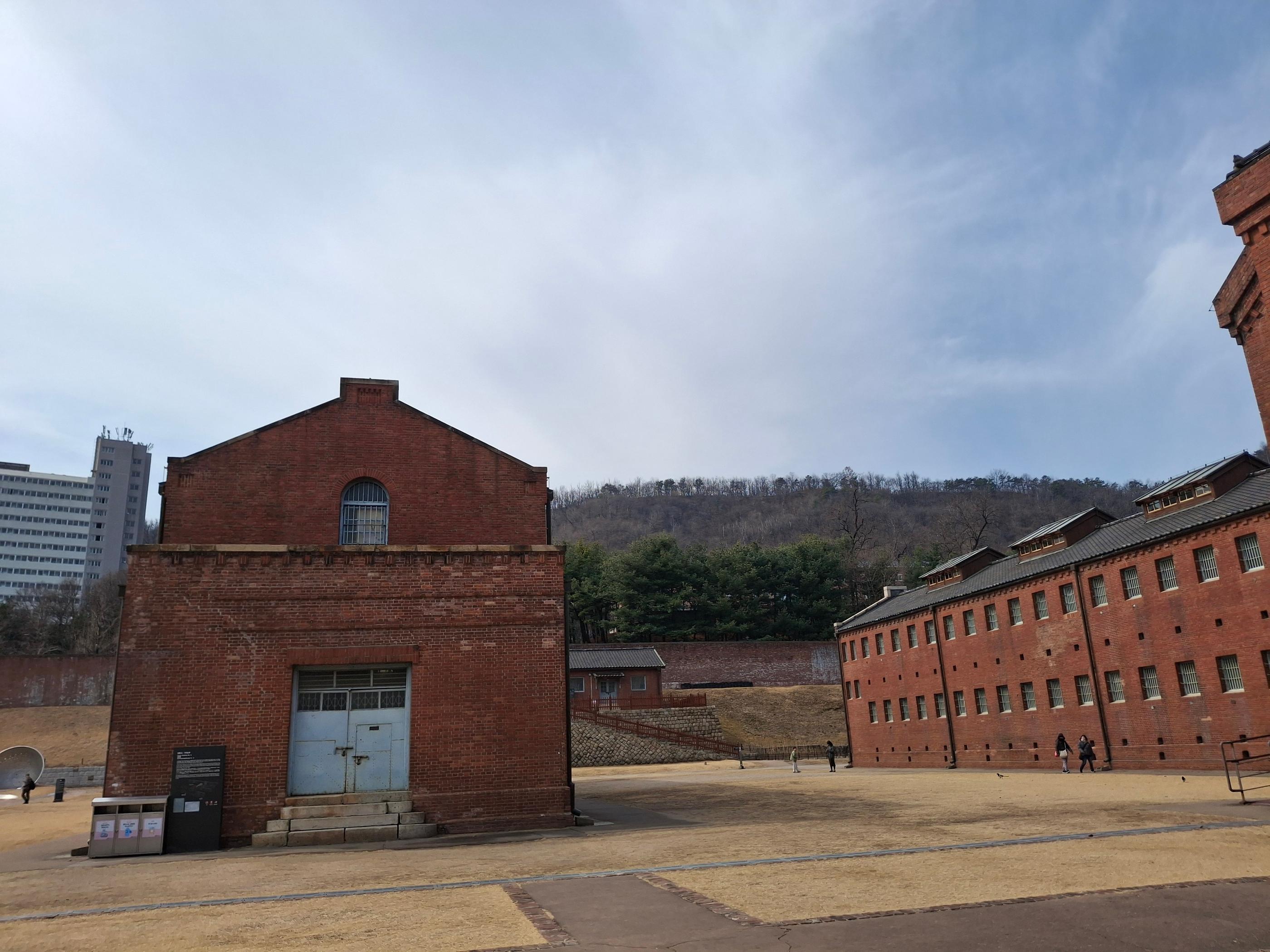
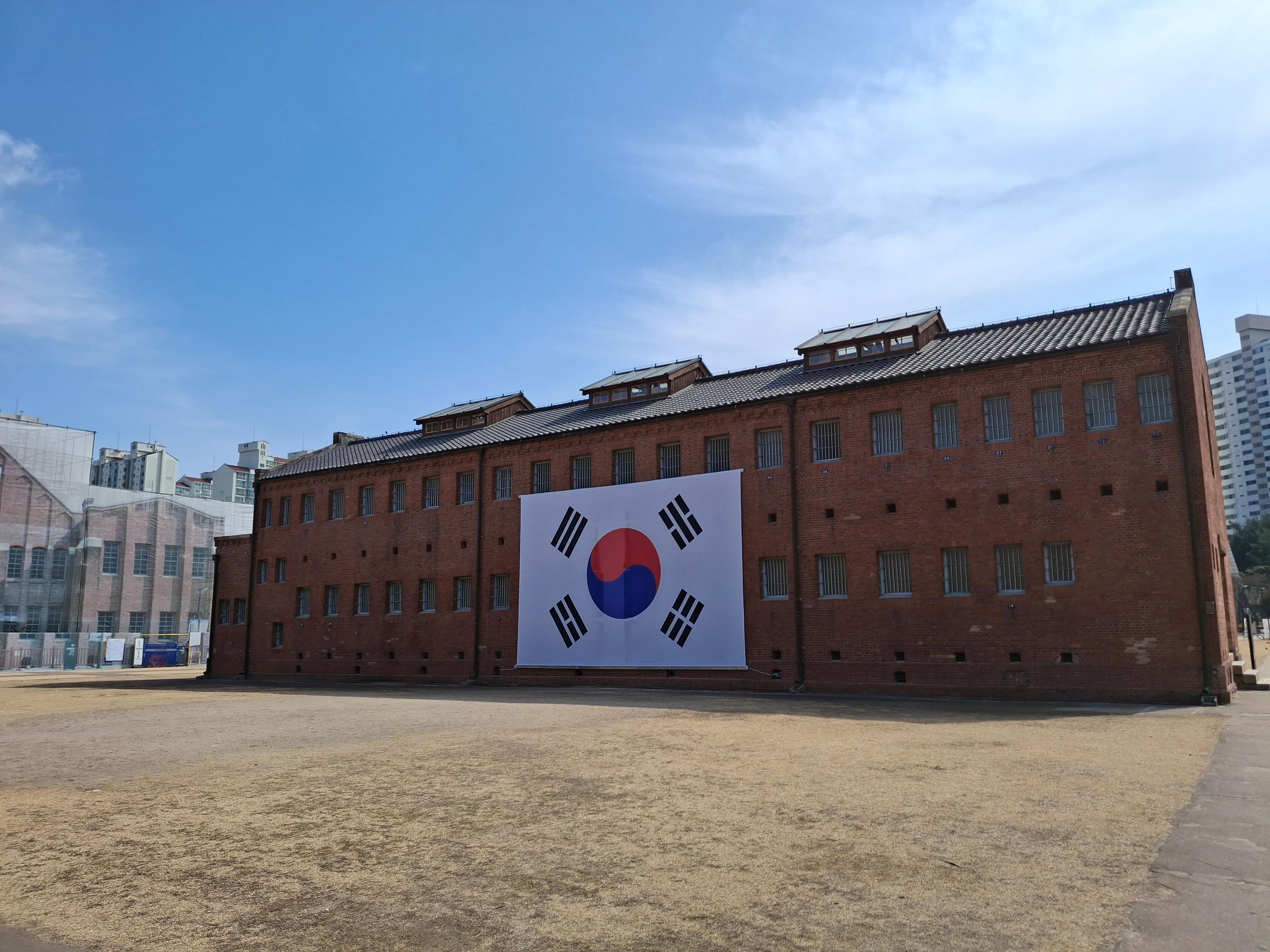
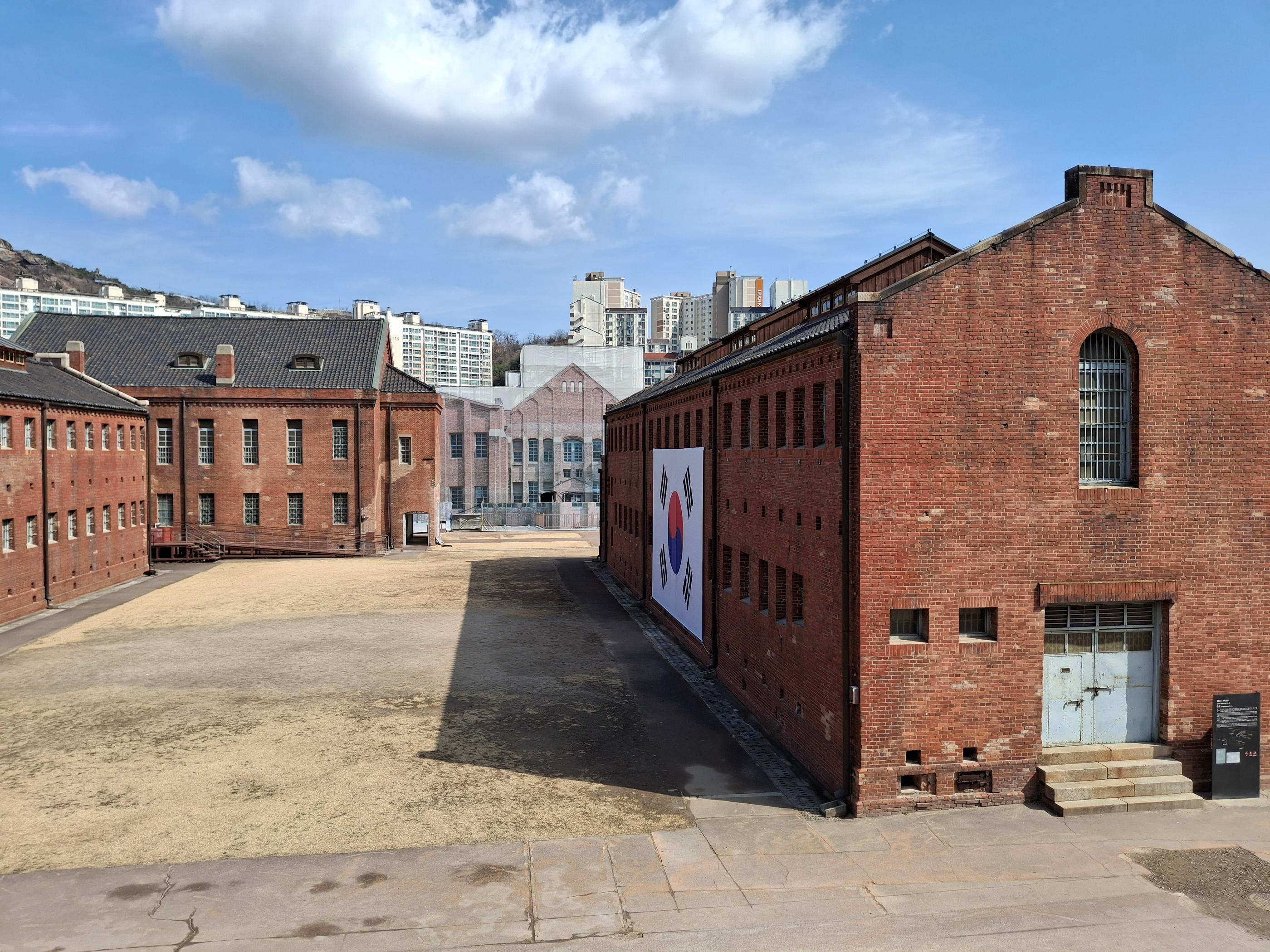
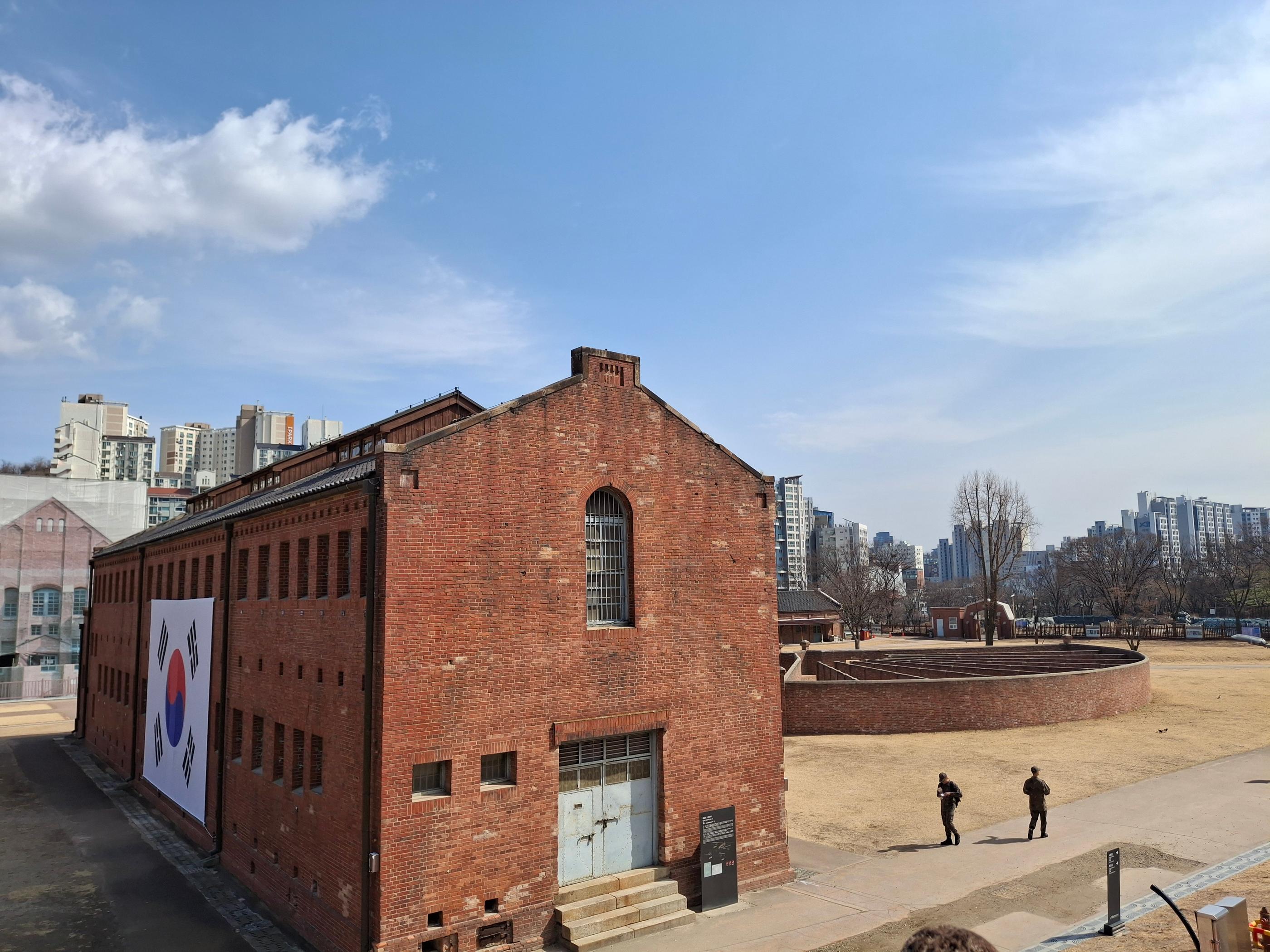
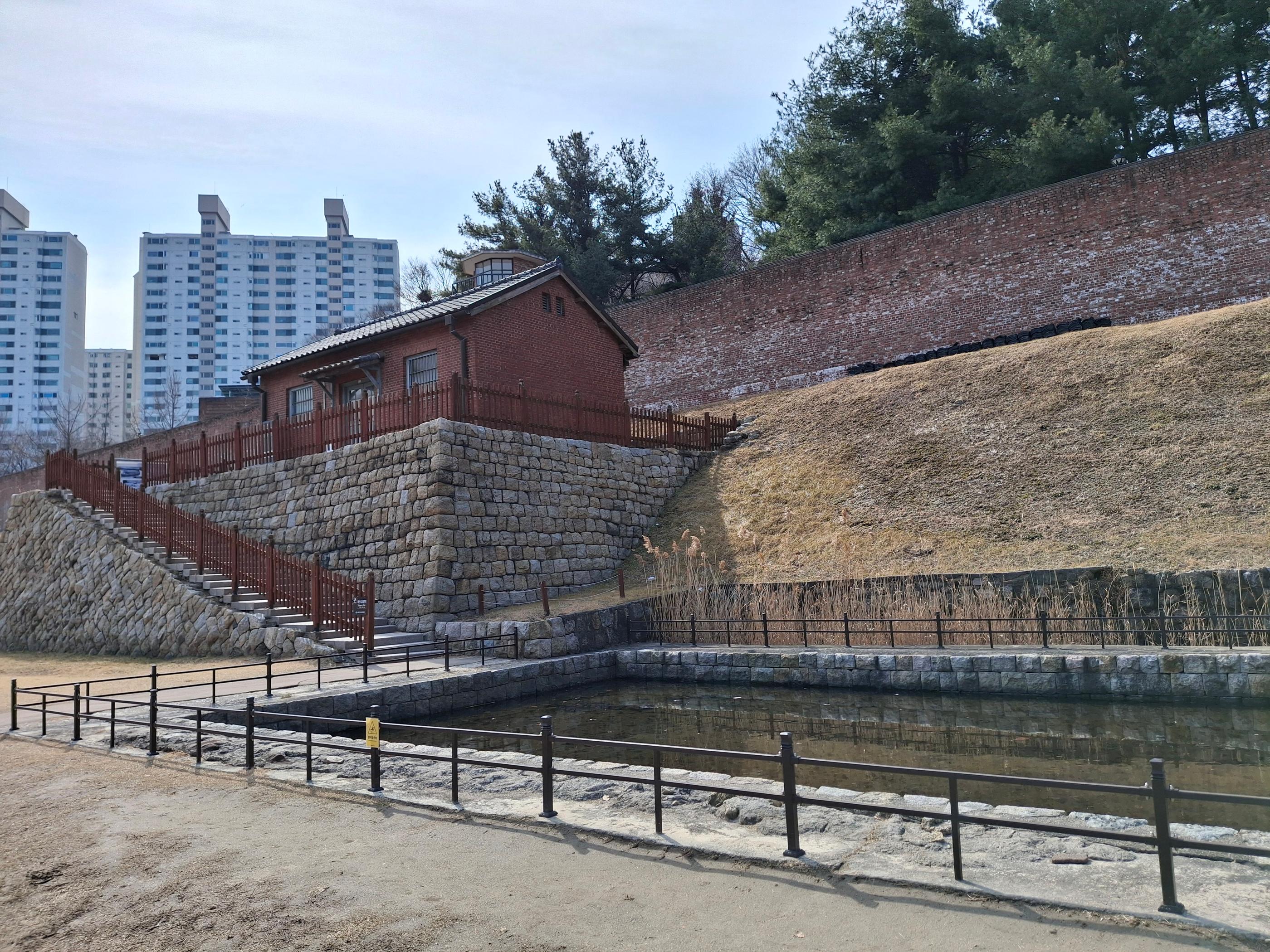
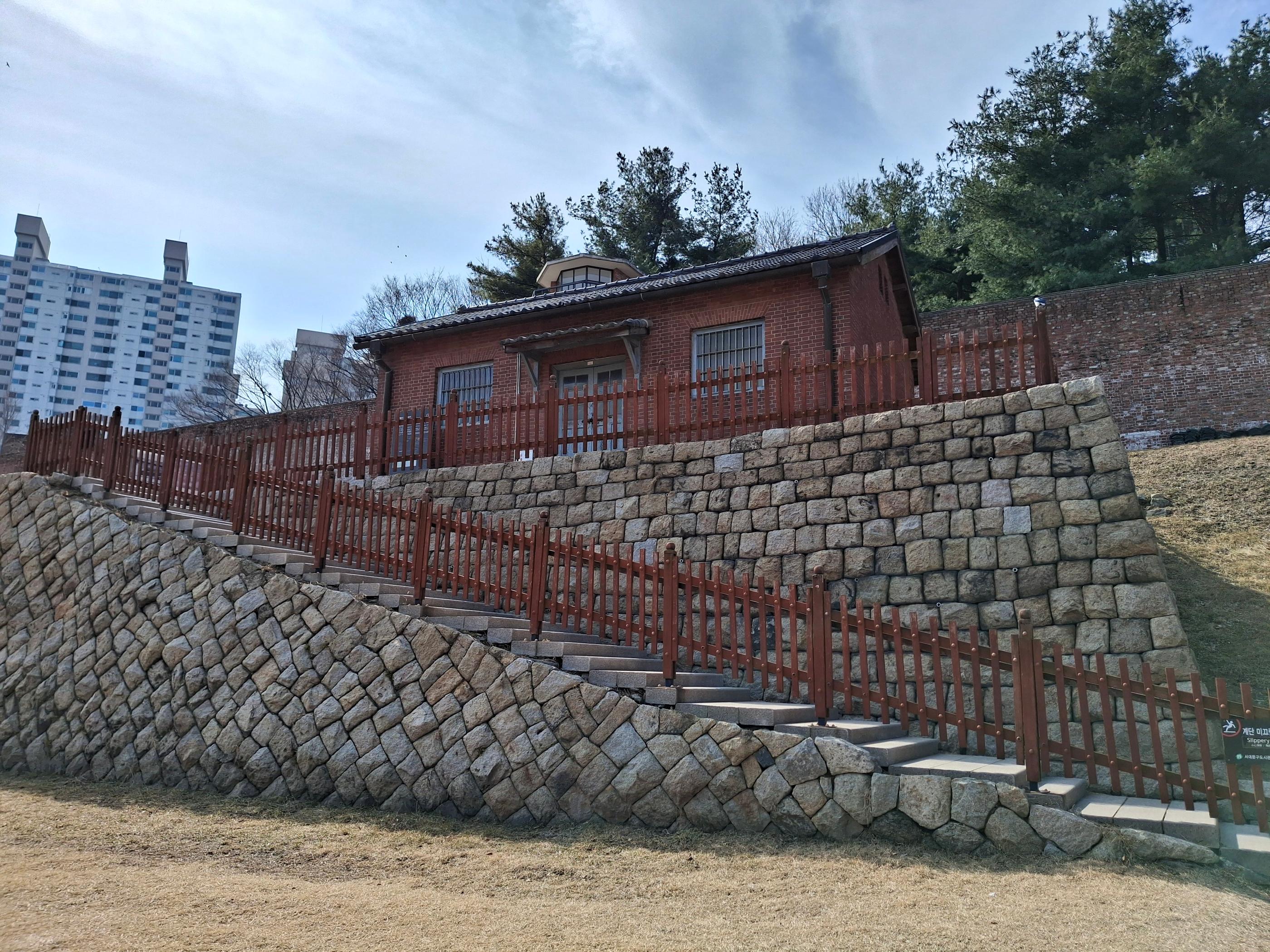
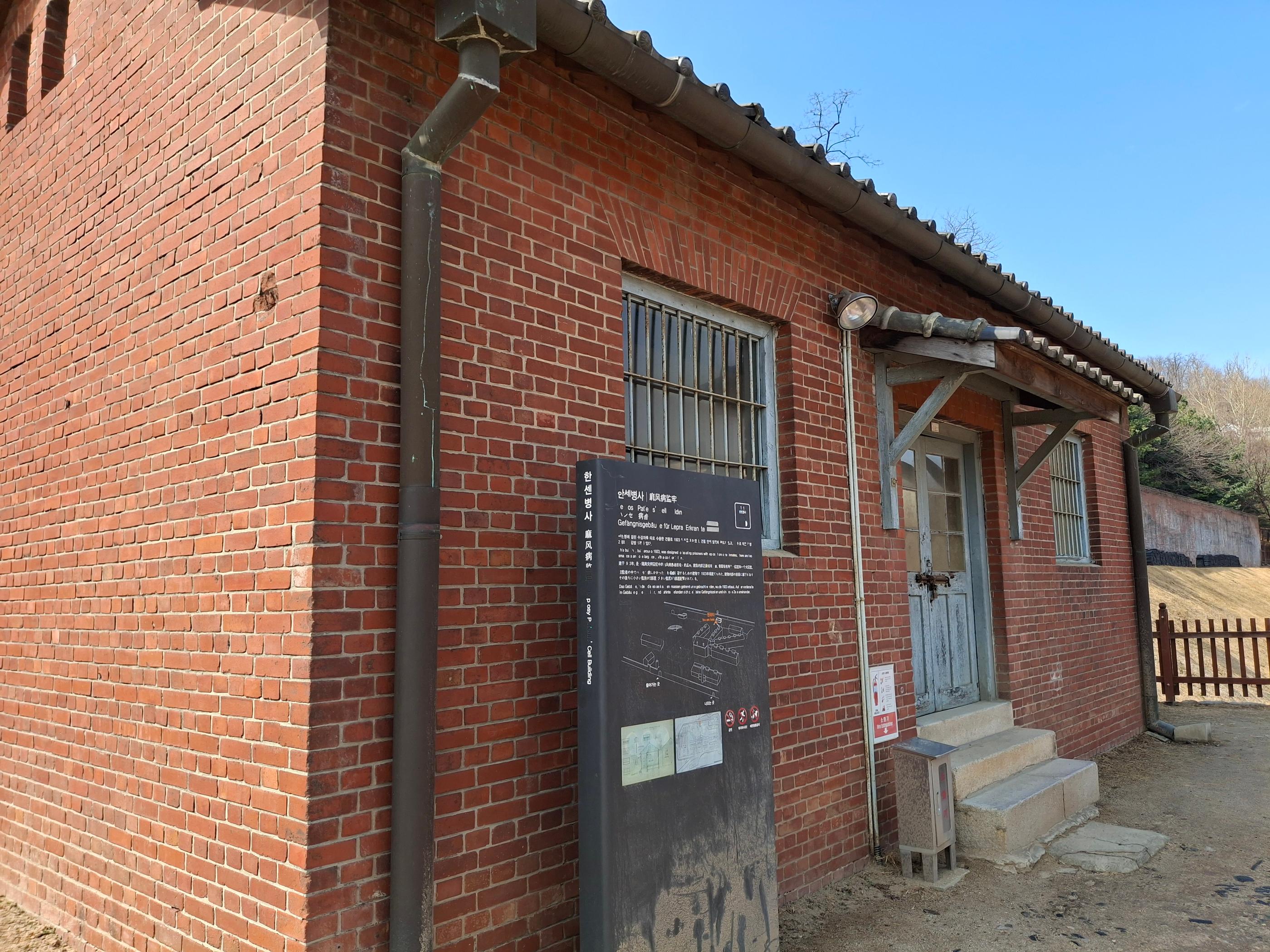
Next to the factory, high on a hill, stands a small, isolated building. This is a leper colony, where prisoners with leprosy were placed.
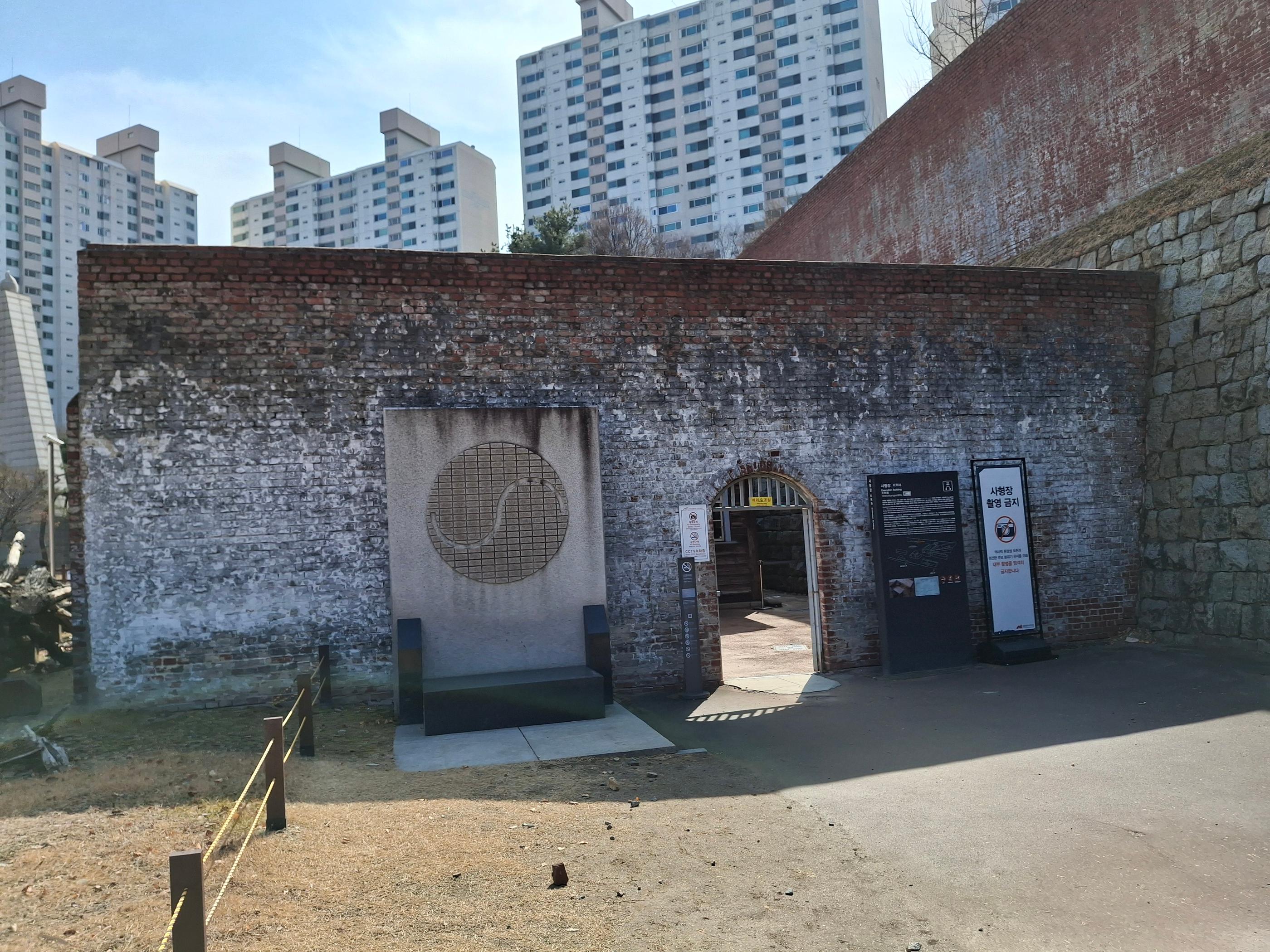
Another truly terrifying place on the prison grounds is the Execution Ground. This is where the death penalty was carried out. It is a Japanese-style wooden building with one floor above ground and one floor below ground. The execution ground is surrounded by a 5-meter-high fence, which is invisibly blocked from inside Seodaemun Prison. On the first floor, there is a floorboard that opens and closes to execute the hanging, a rope used for hanging, and a device that lowers the floorboard down behind the screen. The basement under the floorboard is the space where the body was recovered.
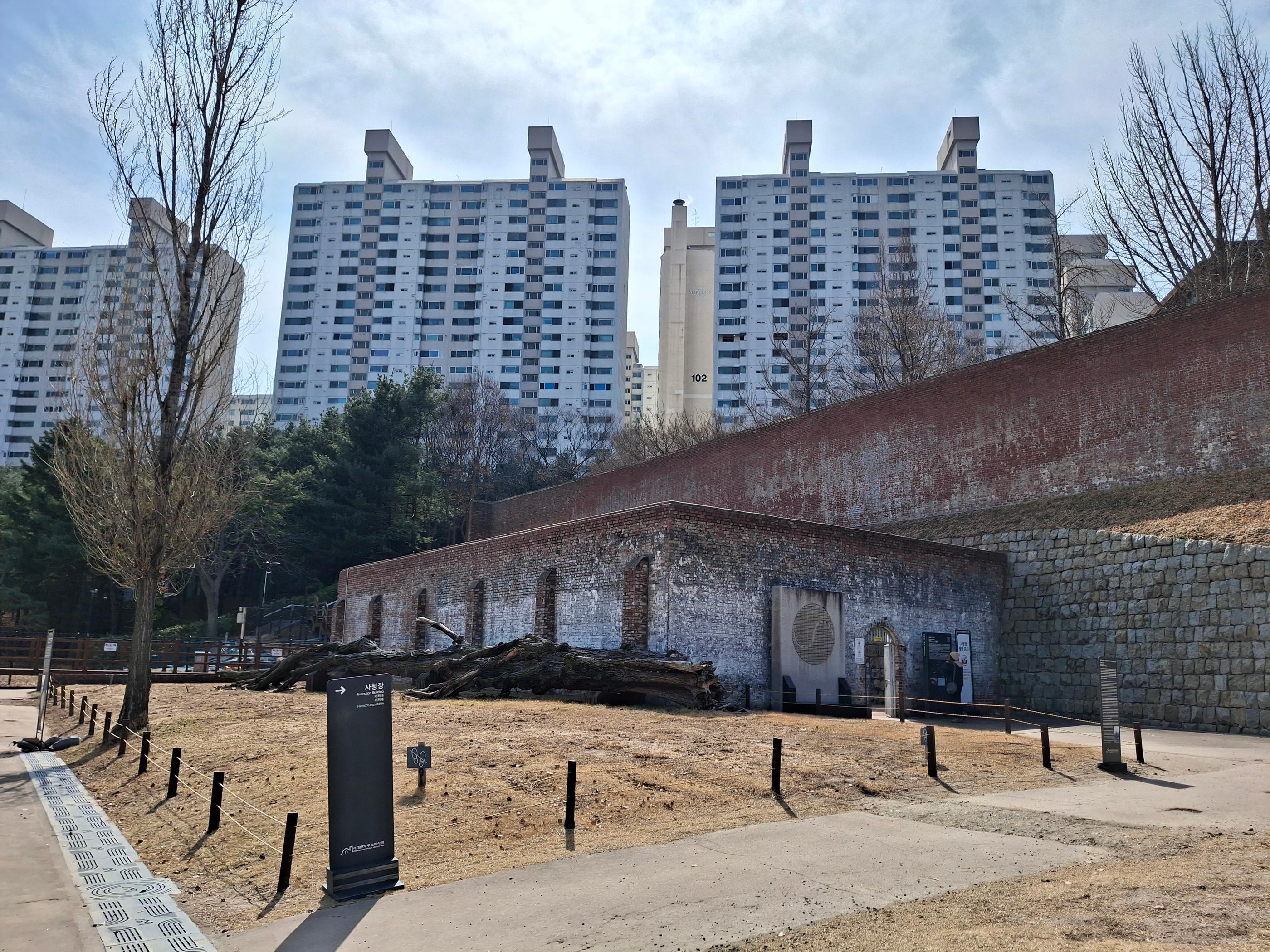
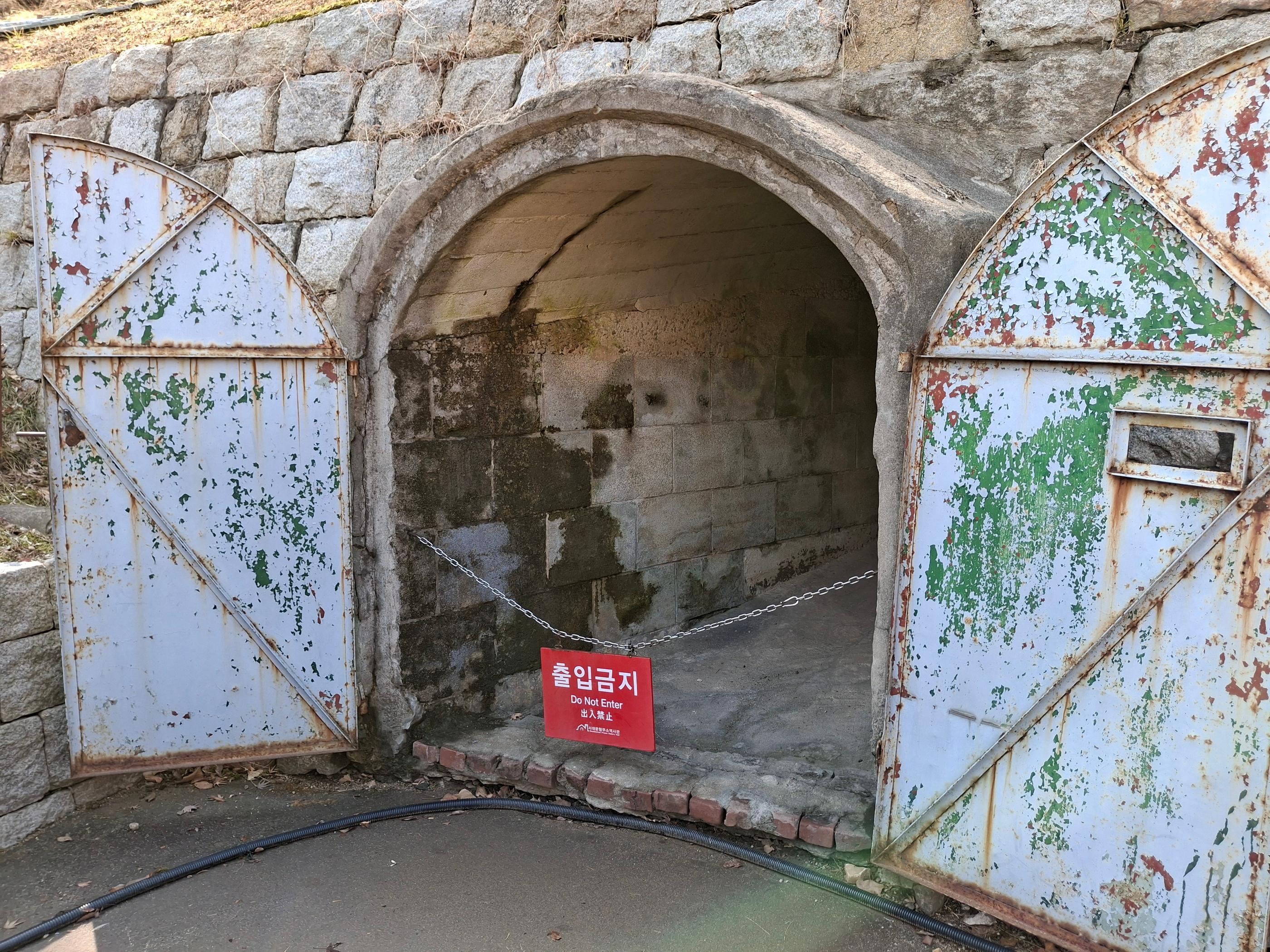
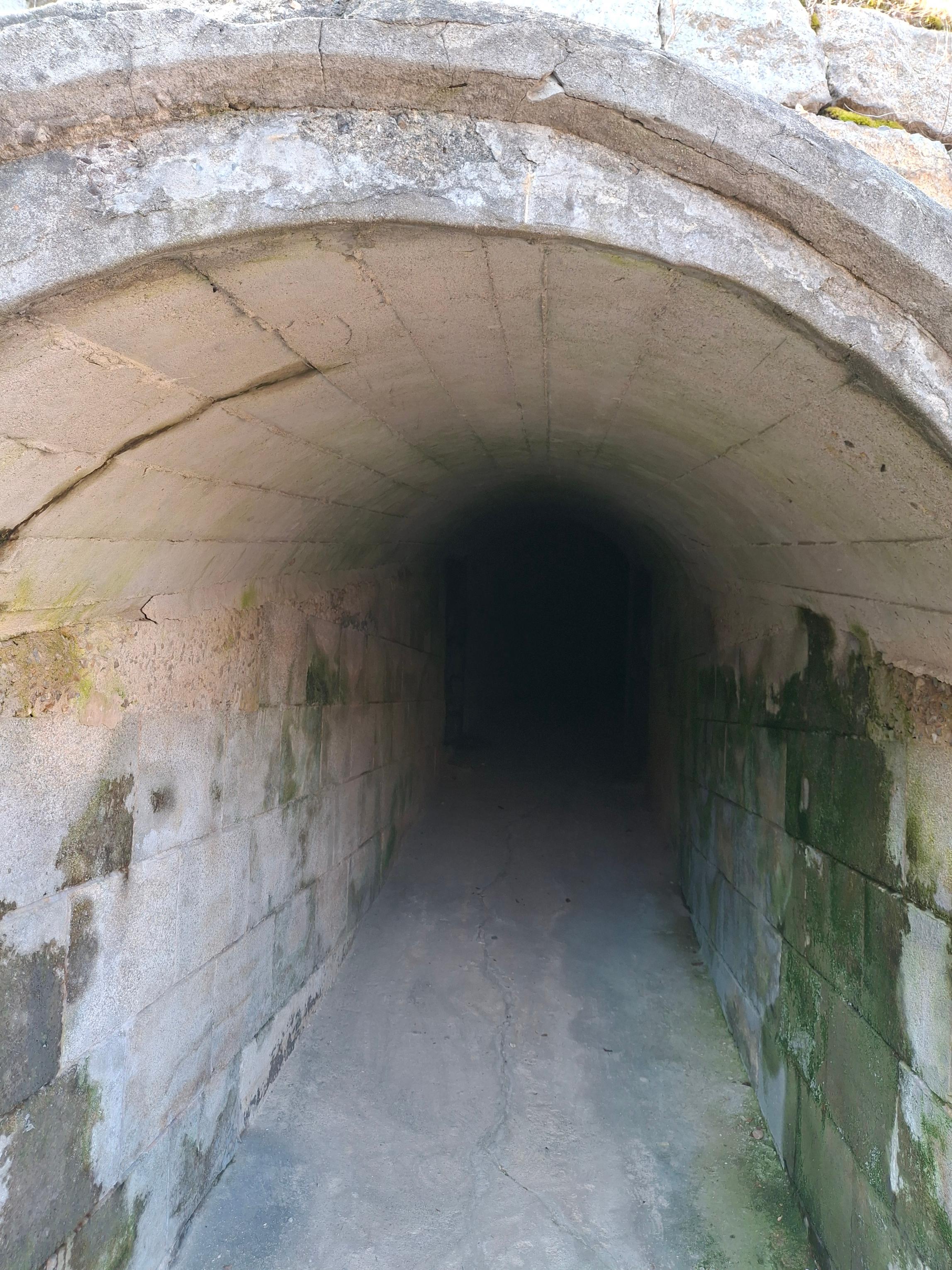
Nearby is a passageway that connected the building to the outside world. It was used to transport bodies to the cemetery after executions during the Japanese colonial era. The collapsed 40-meter-long passageway was excavated in 1992 during the construction and restoration of Independence Park, and its original length is said to have been approximately 200 meters. The Japanese Empire sent bodies through this passage if numerous signs of beatings or torture were discovered, if the death penalty was known and there was a risk of social unrest, or if there was no grieving family to receive the body.
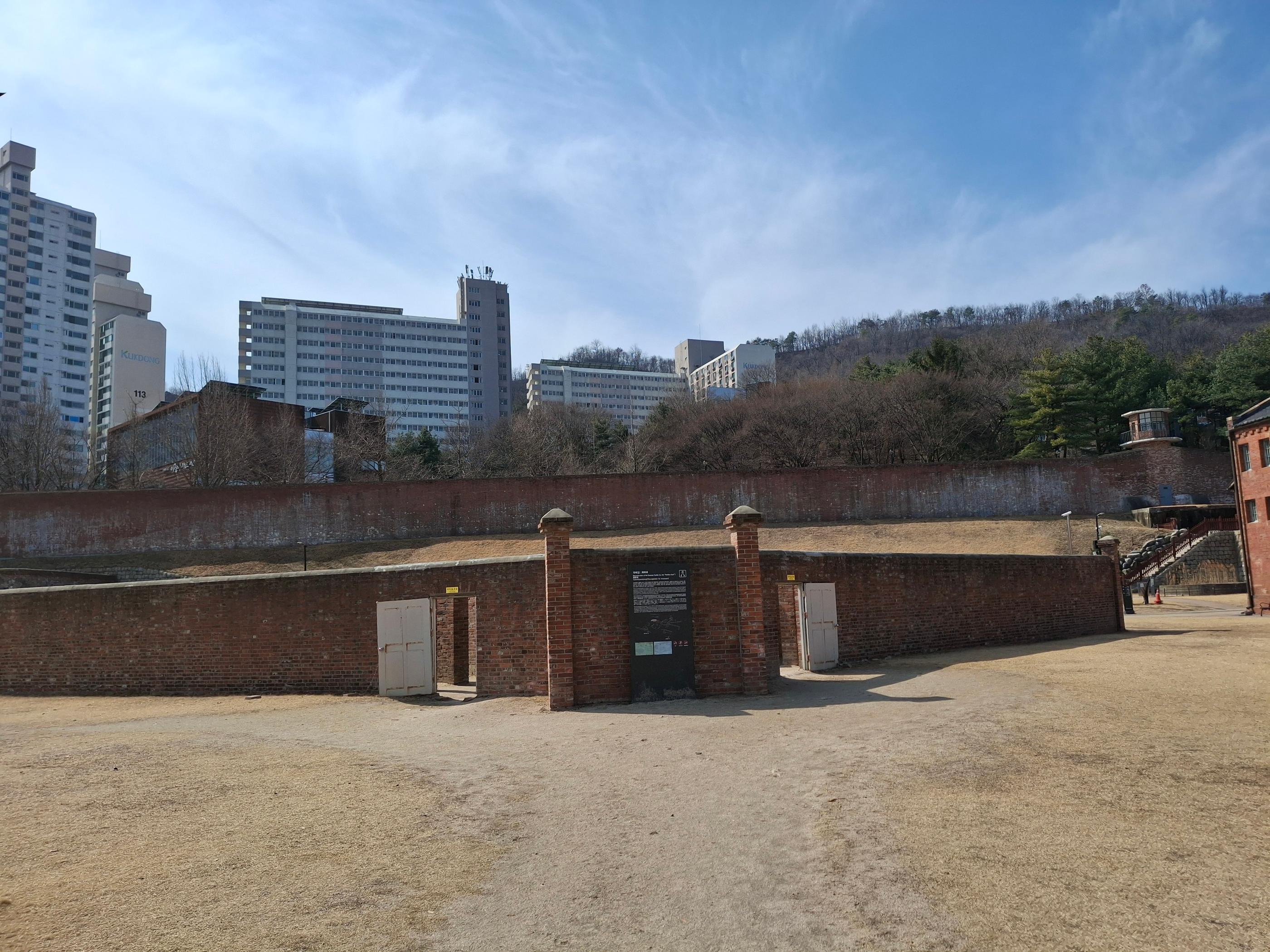
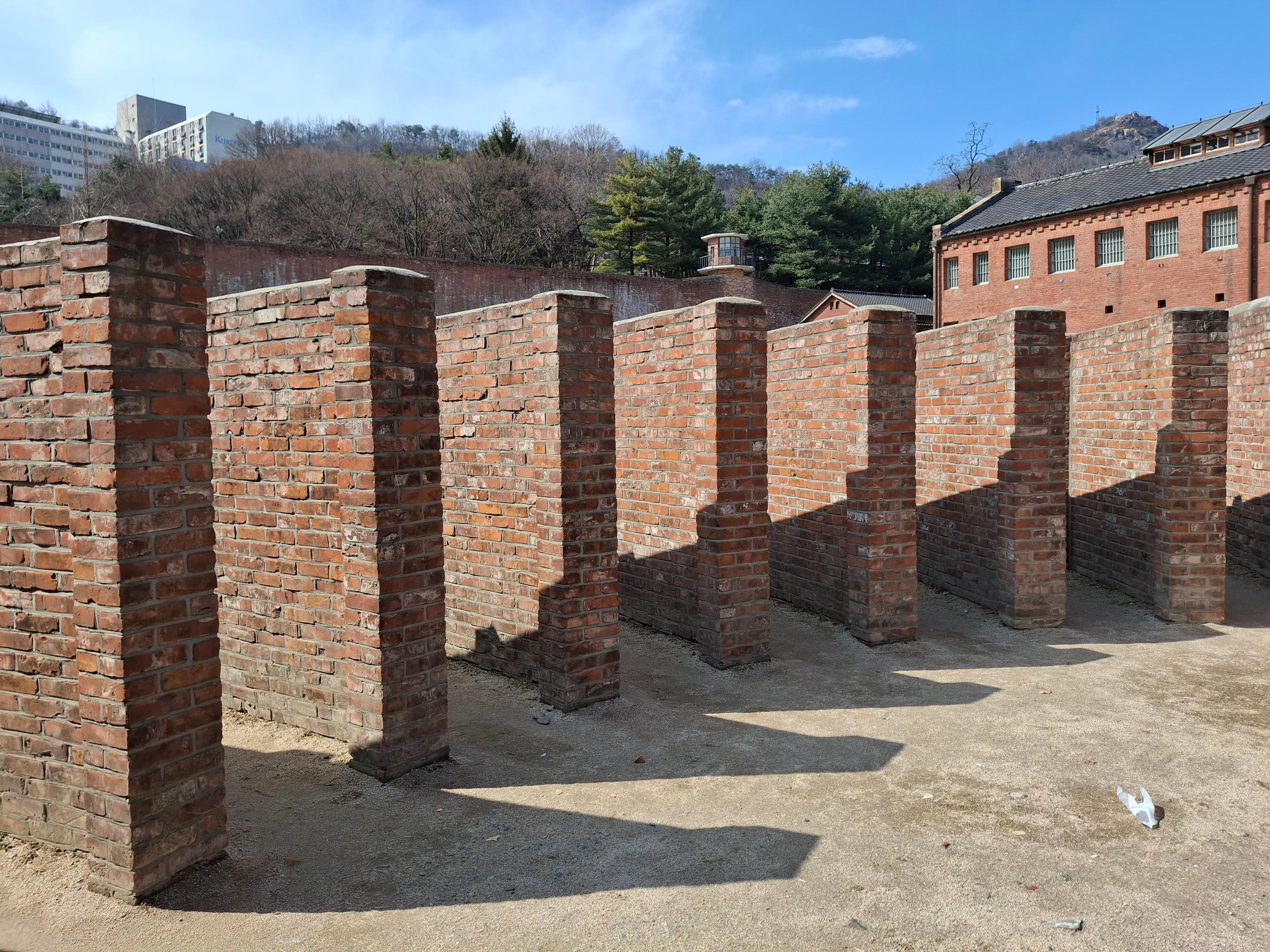
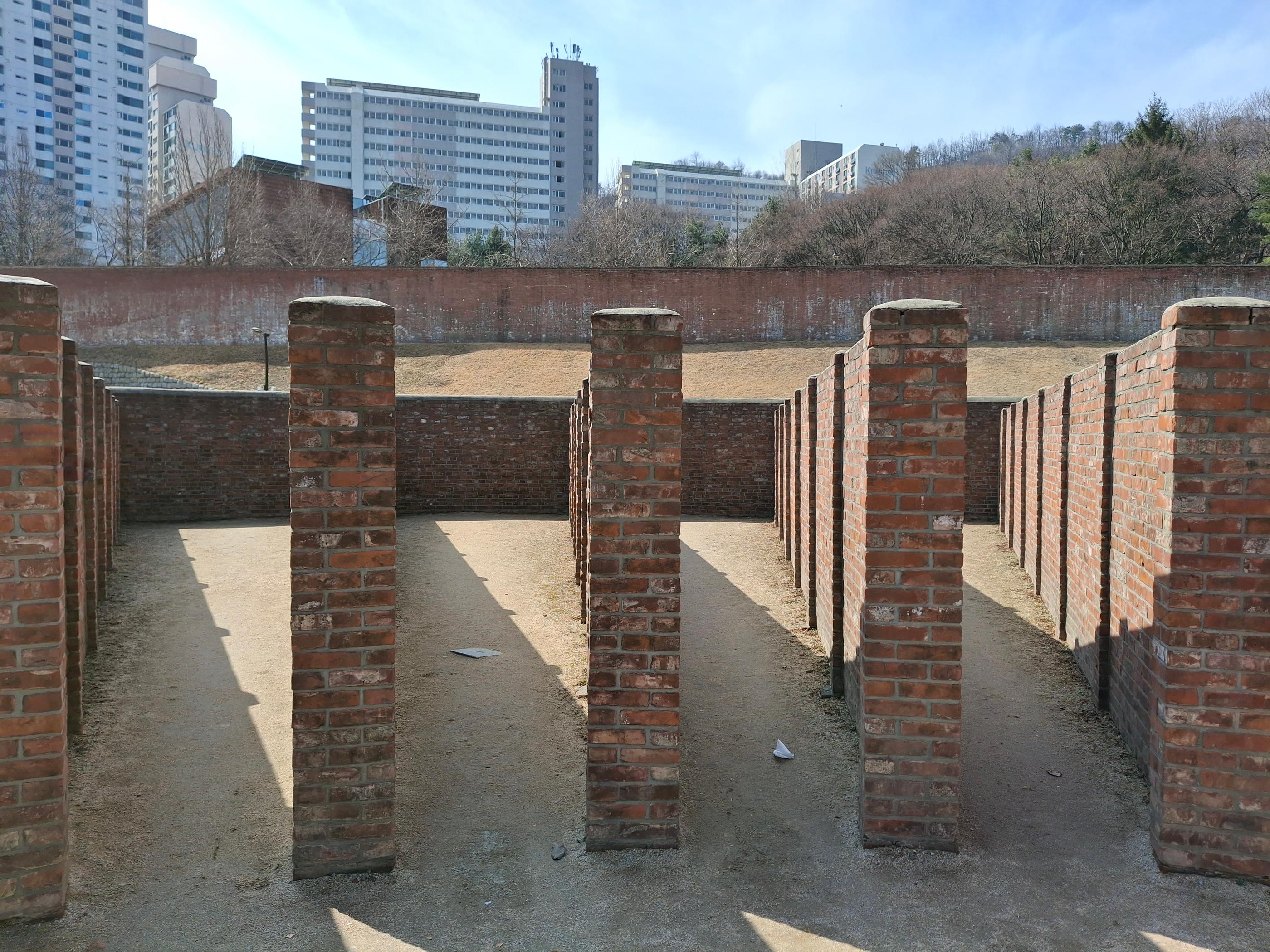
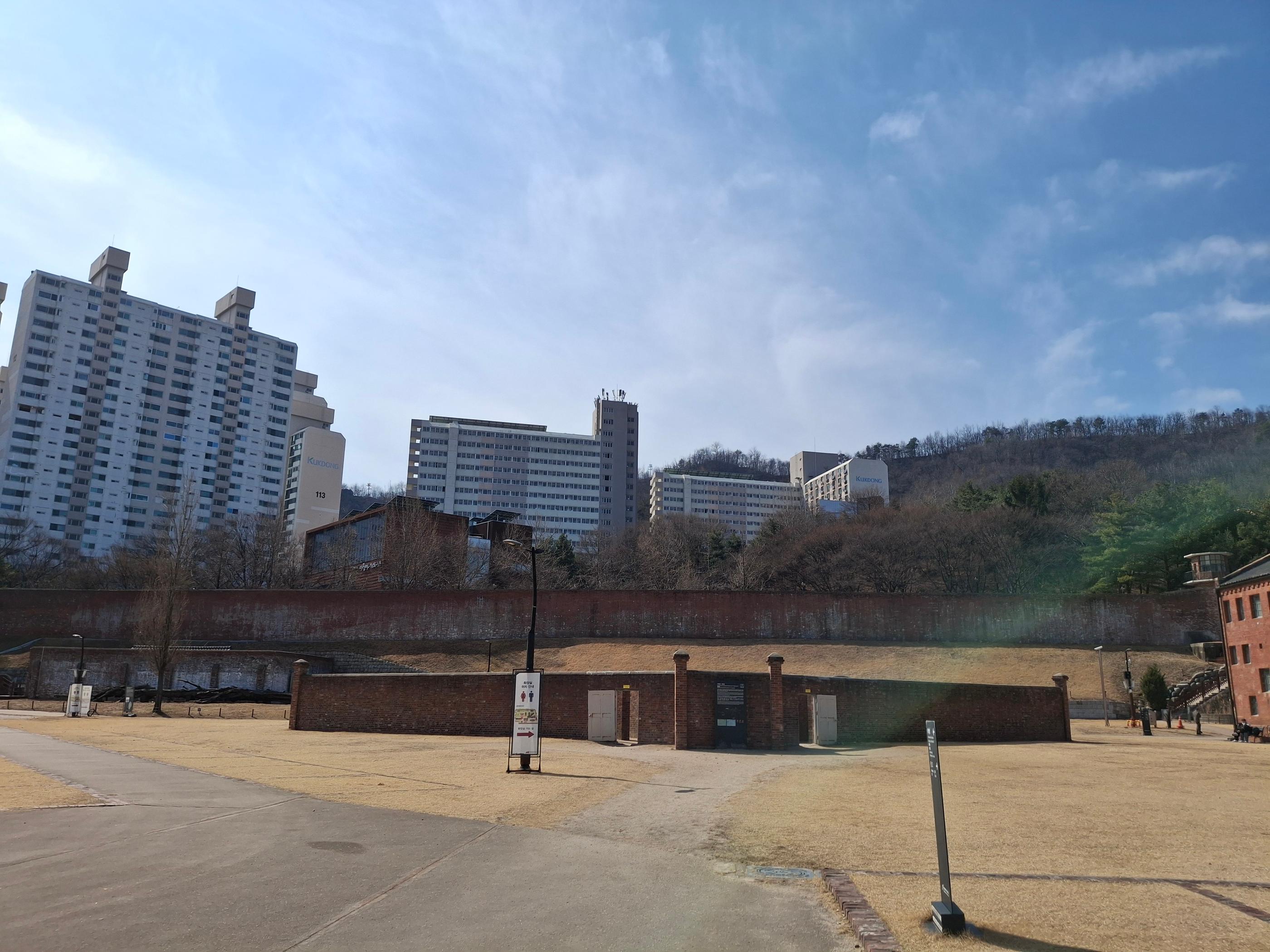
Special open-air areas were created for prisoners to take walks. To prevent them from talking or escaping during exercise, bulkheads were erected to separate and monitor the prisoners. It was made in the shape of a fan, a typical circular prison structure, and a high guard was set up in the middle to easily monitor and control the prisoners. It was demolished after liberation and was restored to its original appearance in 2011 at a distance of about 20 meters from its original location.
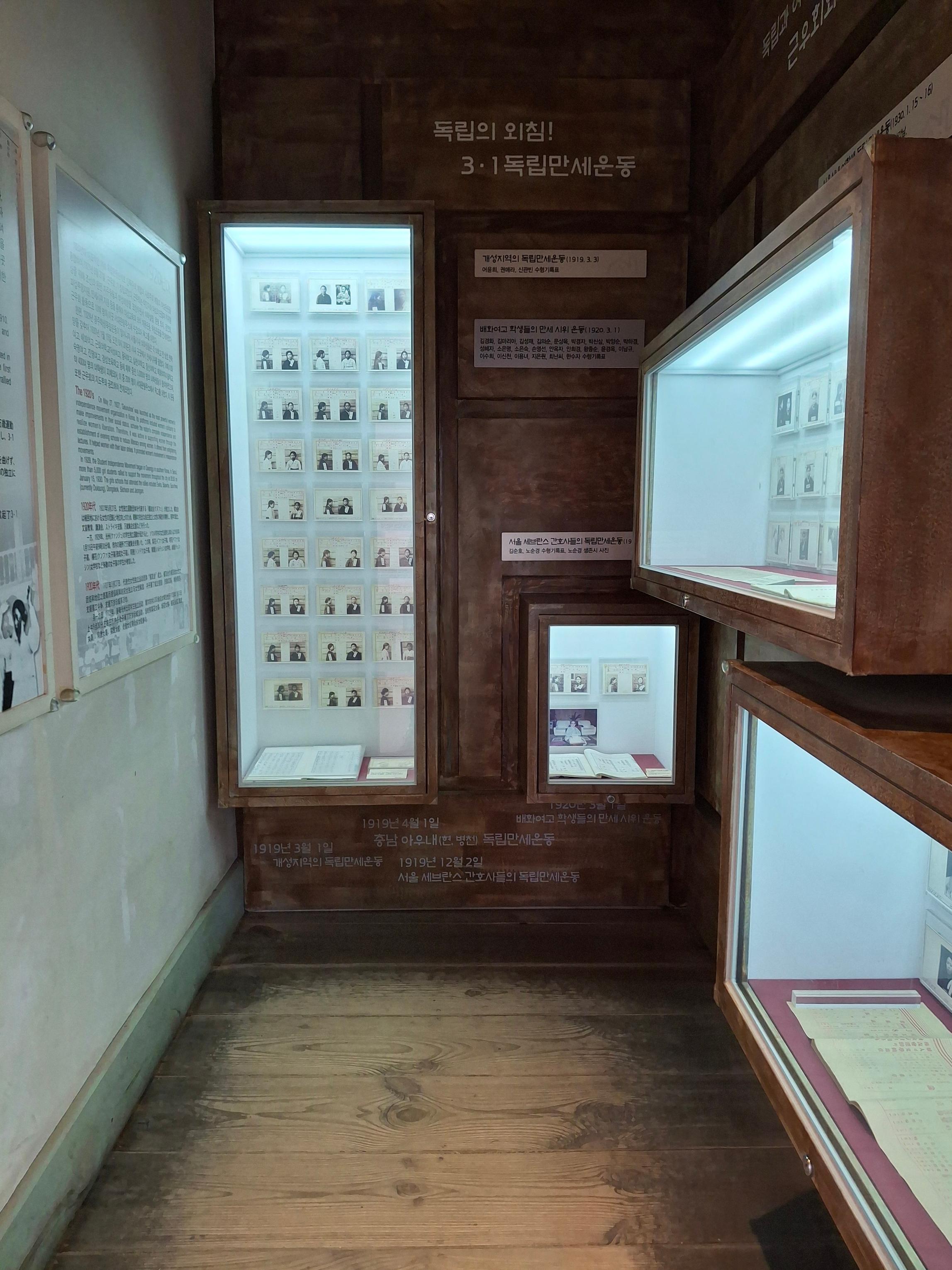
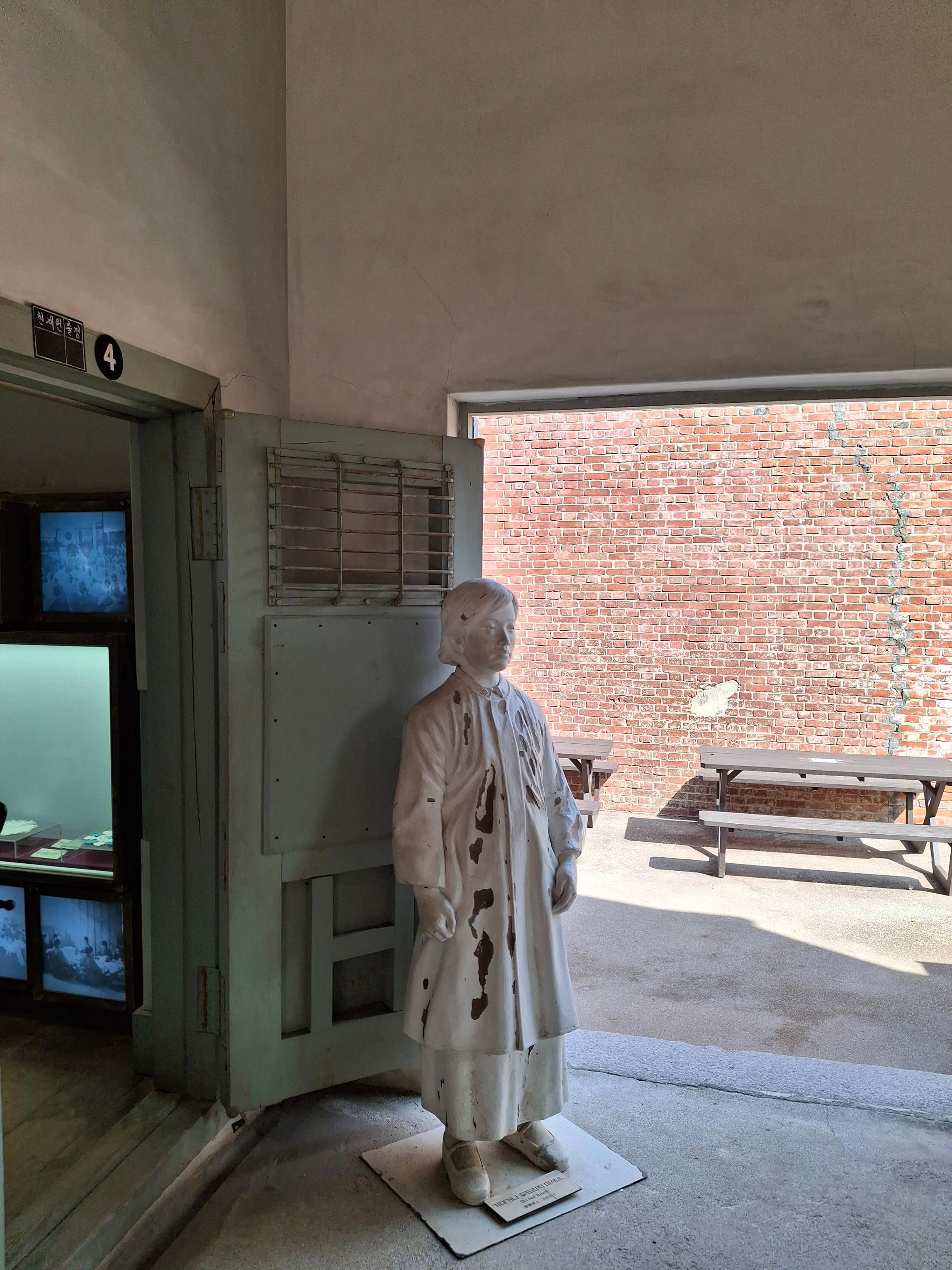
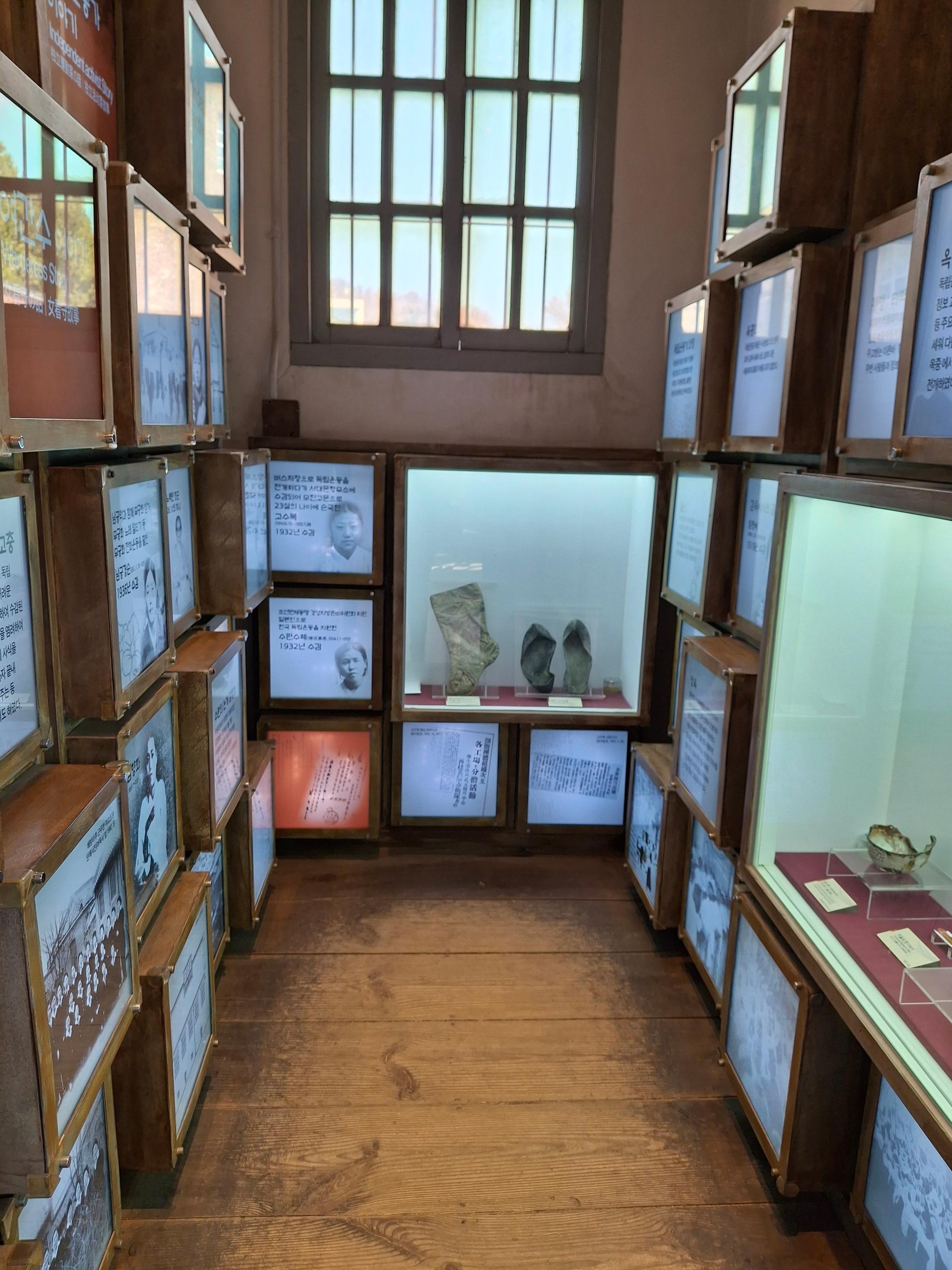
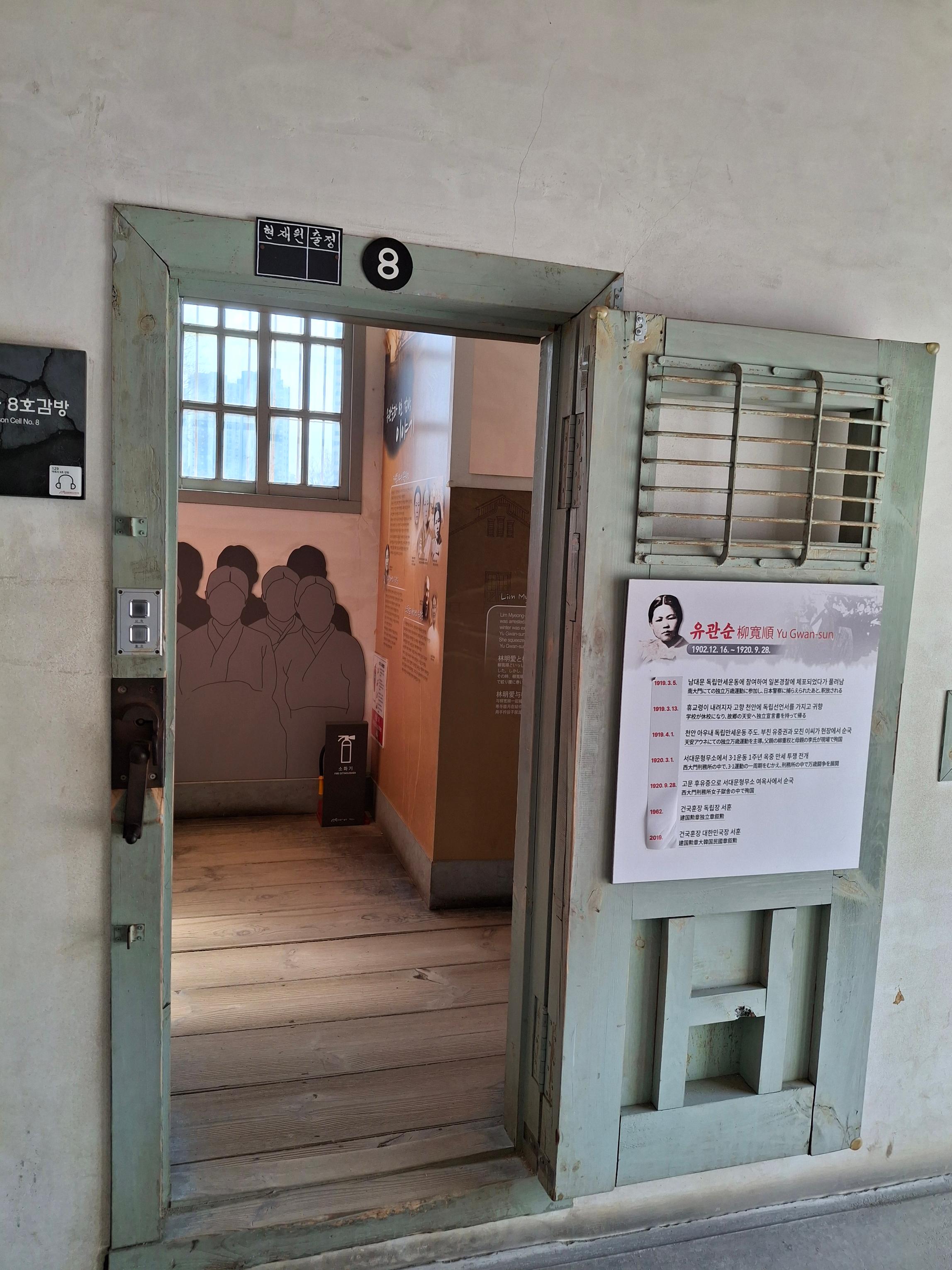
Near the entrance to the prison there is a separate building with women's cells. It was built around 1916 and demolished in 1979 as a detention center for women who were pre-convicted, but was restored in 2011, and is a space that displays artifacts related to the women's independence and anti-Japanese movement. During the Japanese colonial period, female anti-Japanese independence activists were trapped here and suffered hardships.
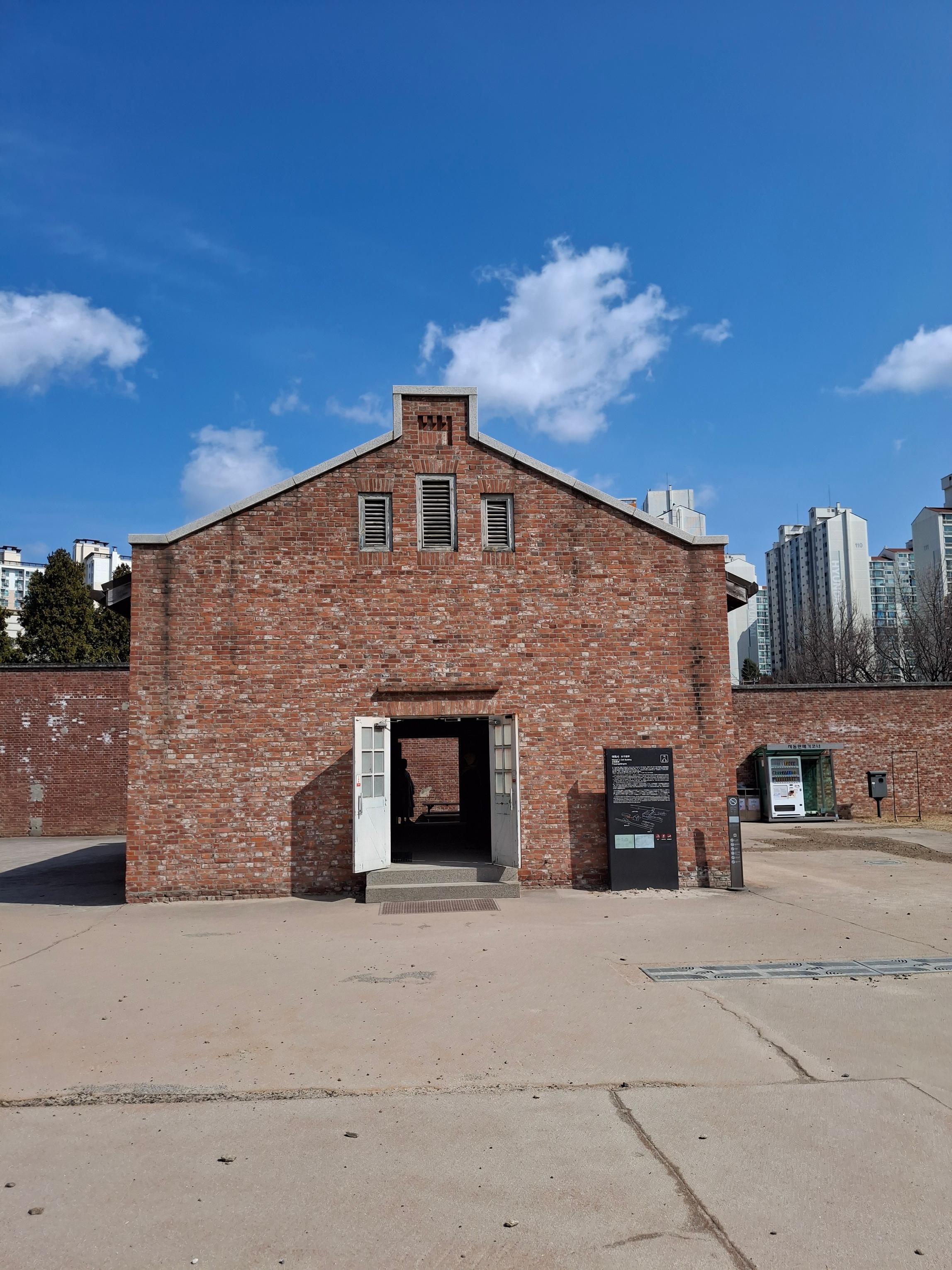
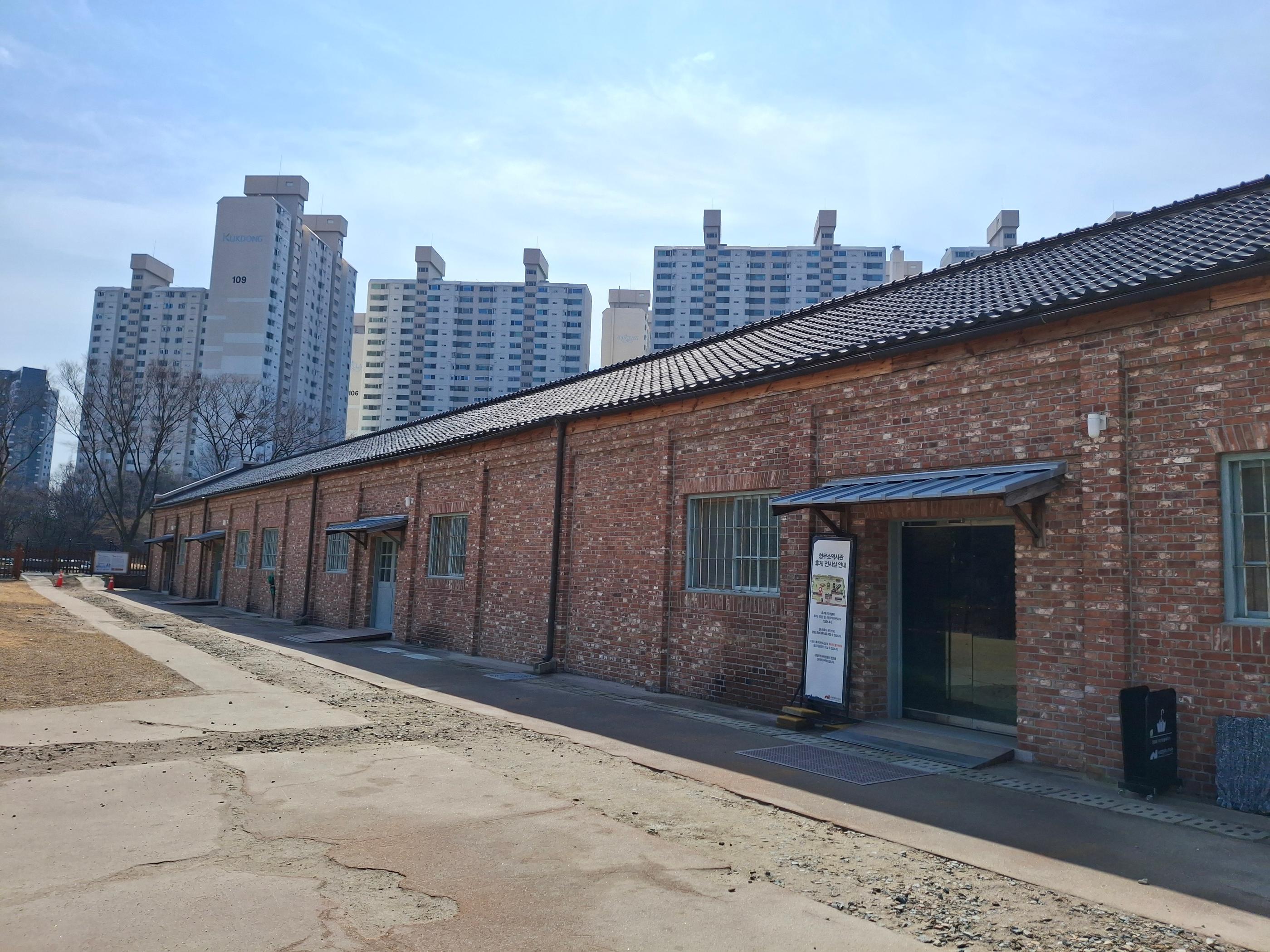
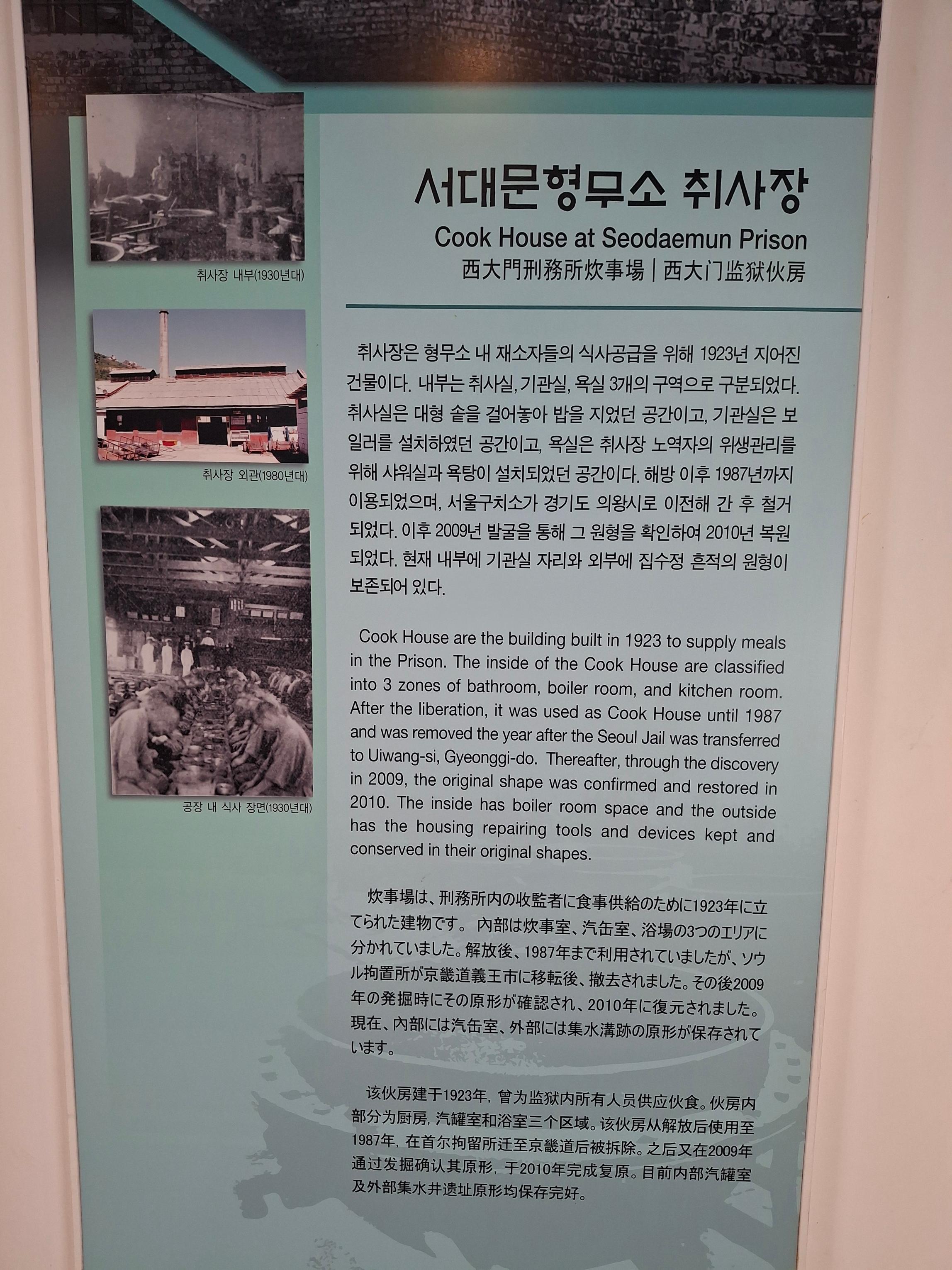
The former prison kitchen building also remains. Today, it houses a souvenir shop.
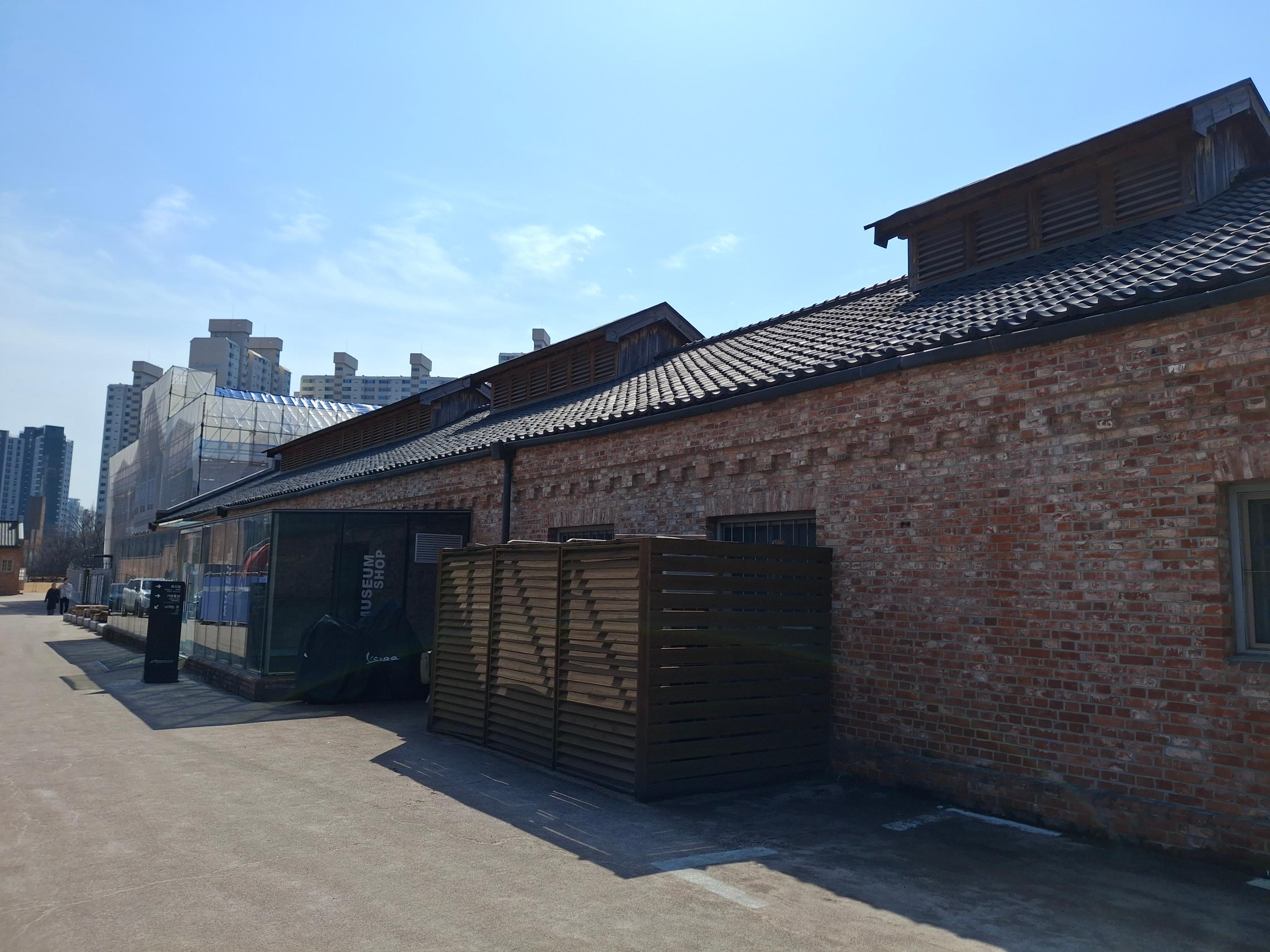
Today, the prison grounds are quiet and peaceful, with birdsong audible. It's hard to imagine that just recently, this was the site of the suffering and death of thousands of Korean patriots. The main purpose of this museum is to preserve their memory and never allow a repeat of it.
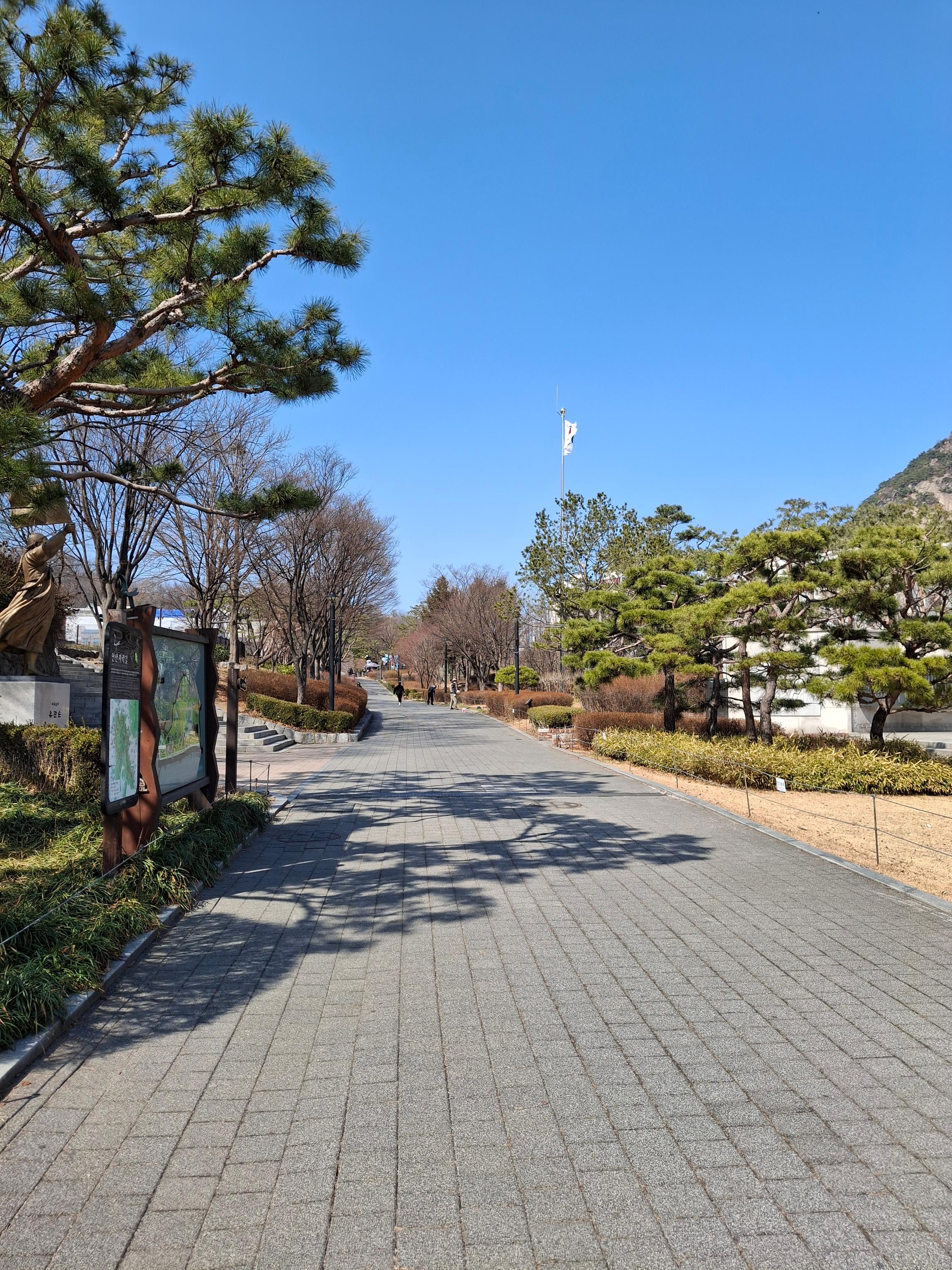
Next to the prison is Independence Park, which contains many monuments to independence heroes, as well as the famous Seodaemun Gate.
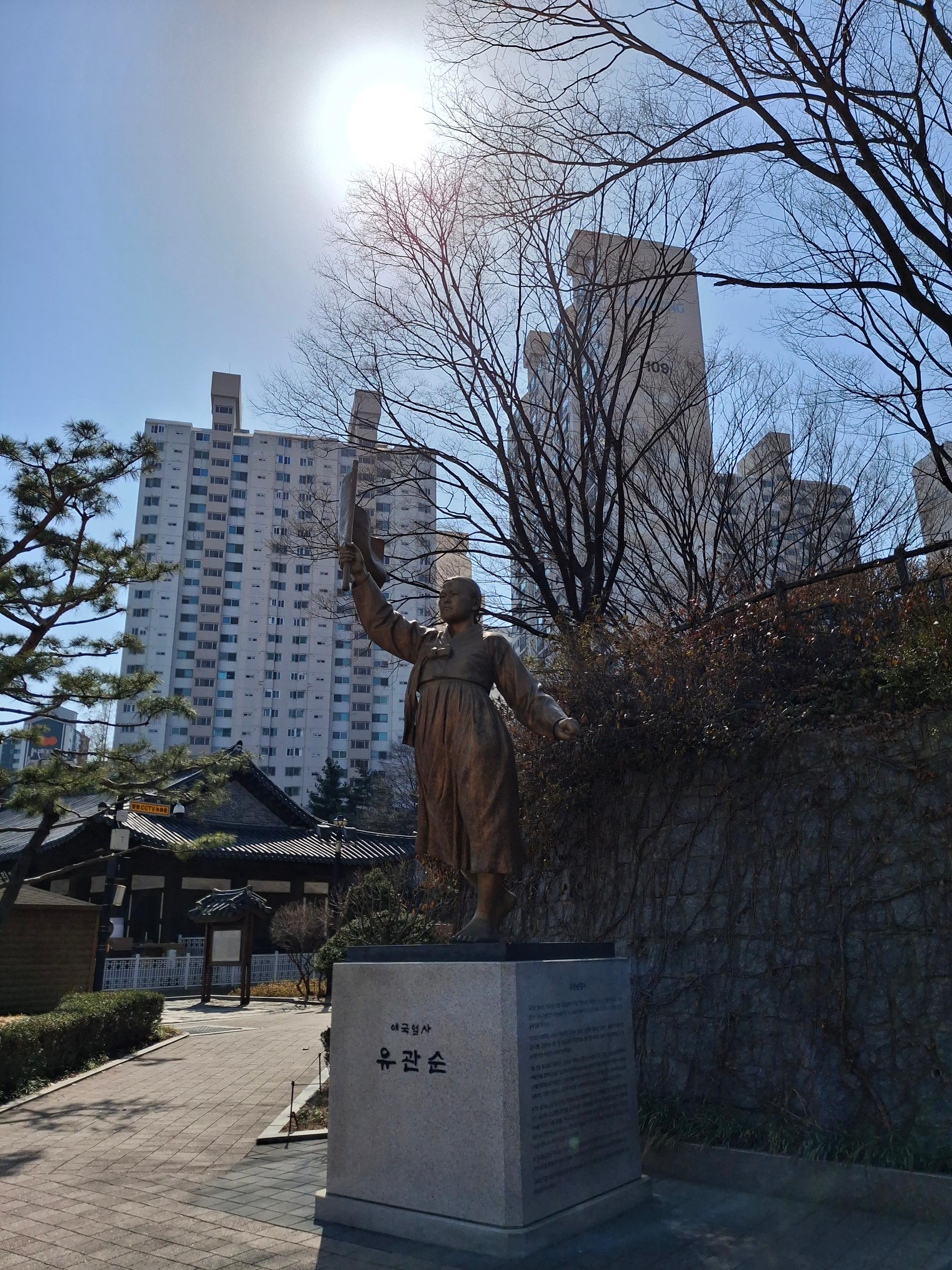
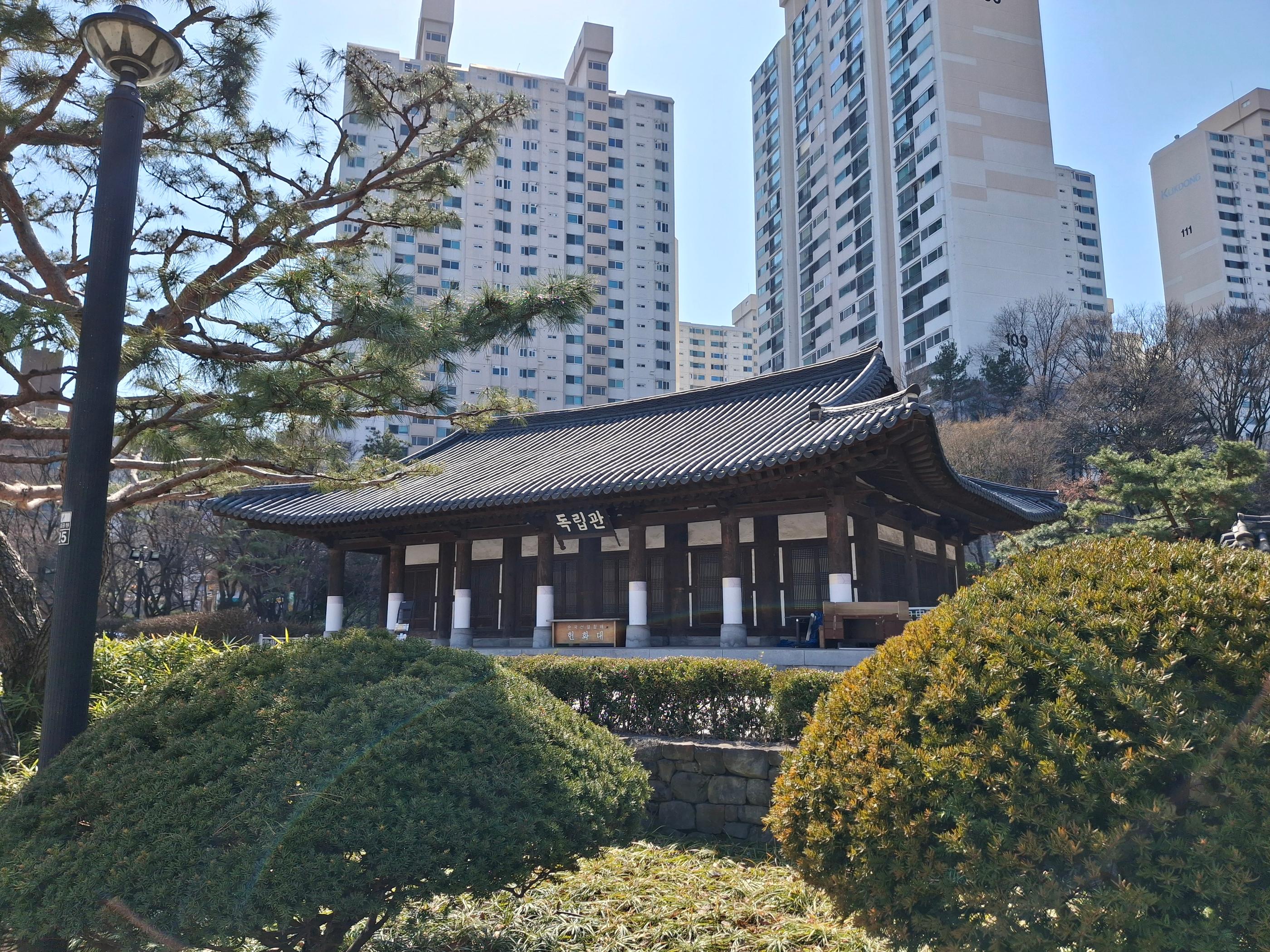
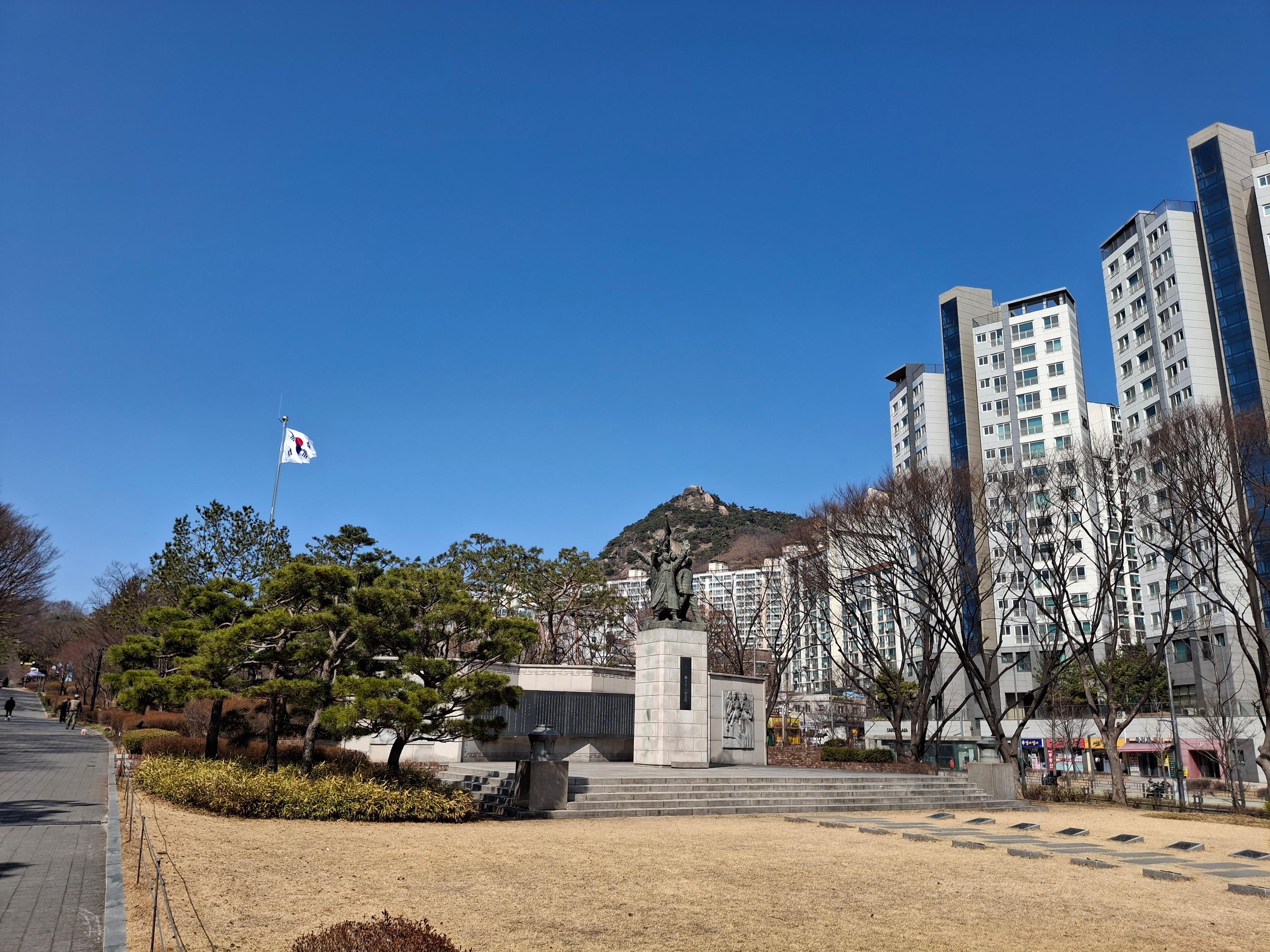
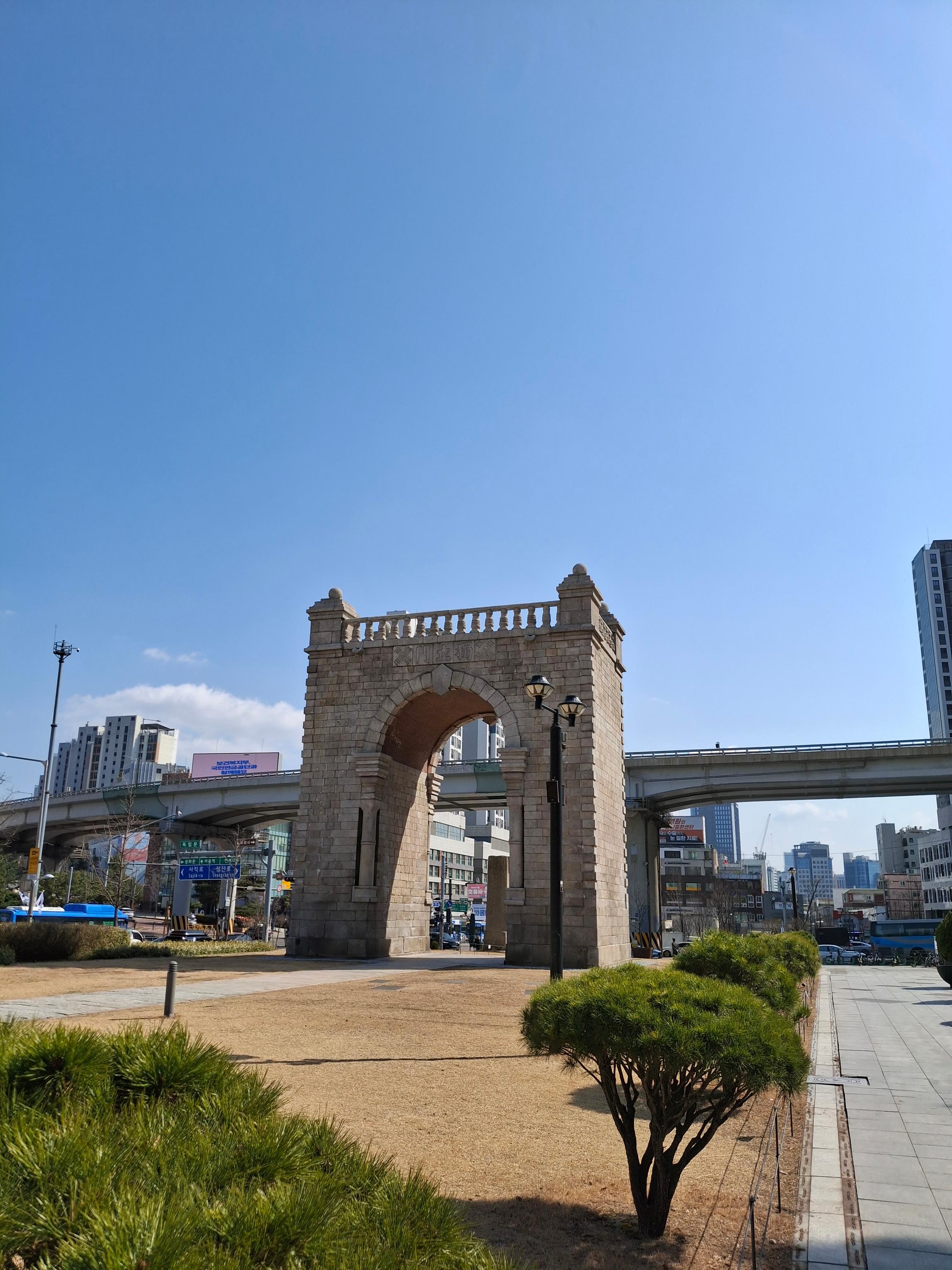
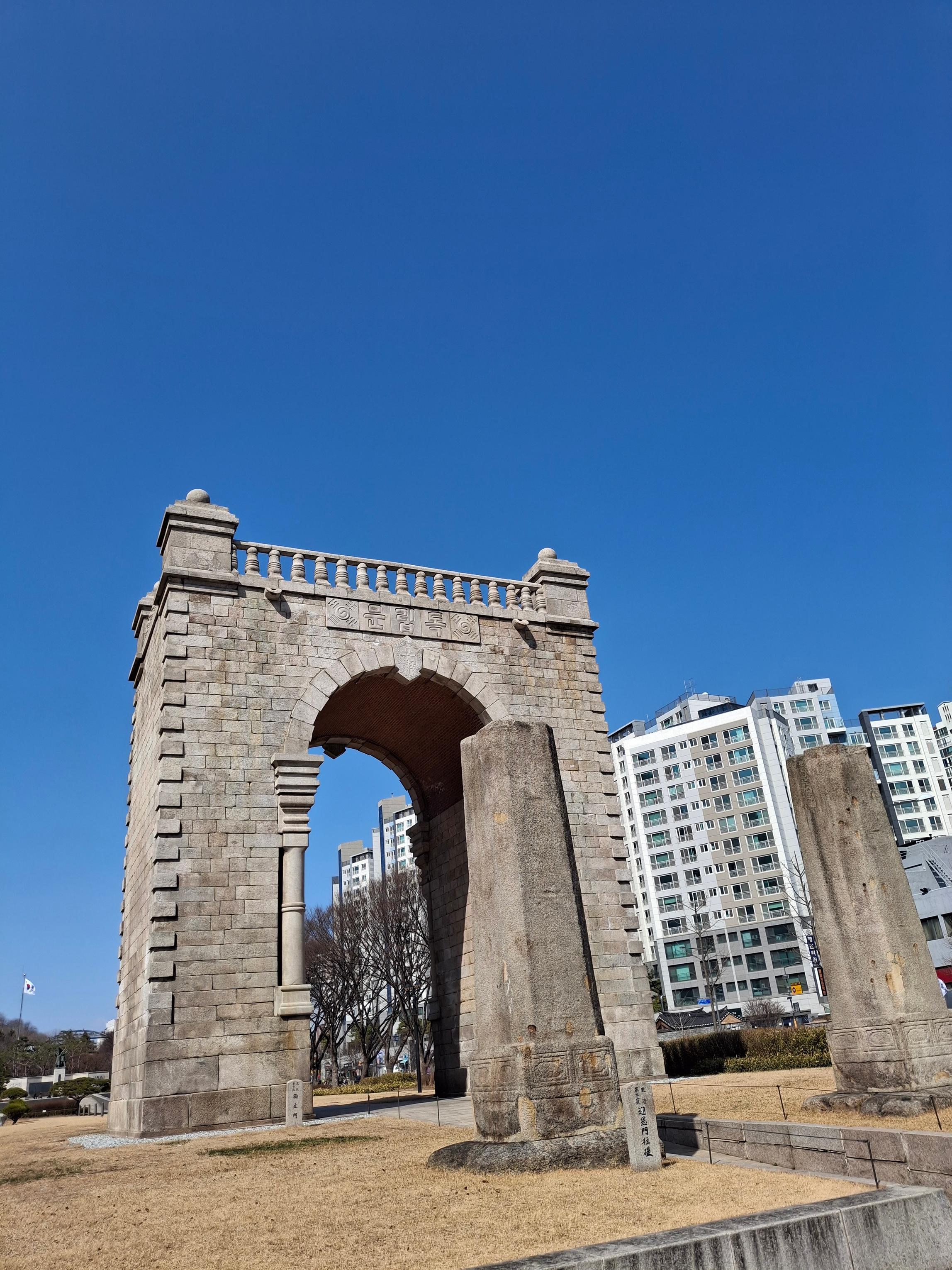
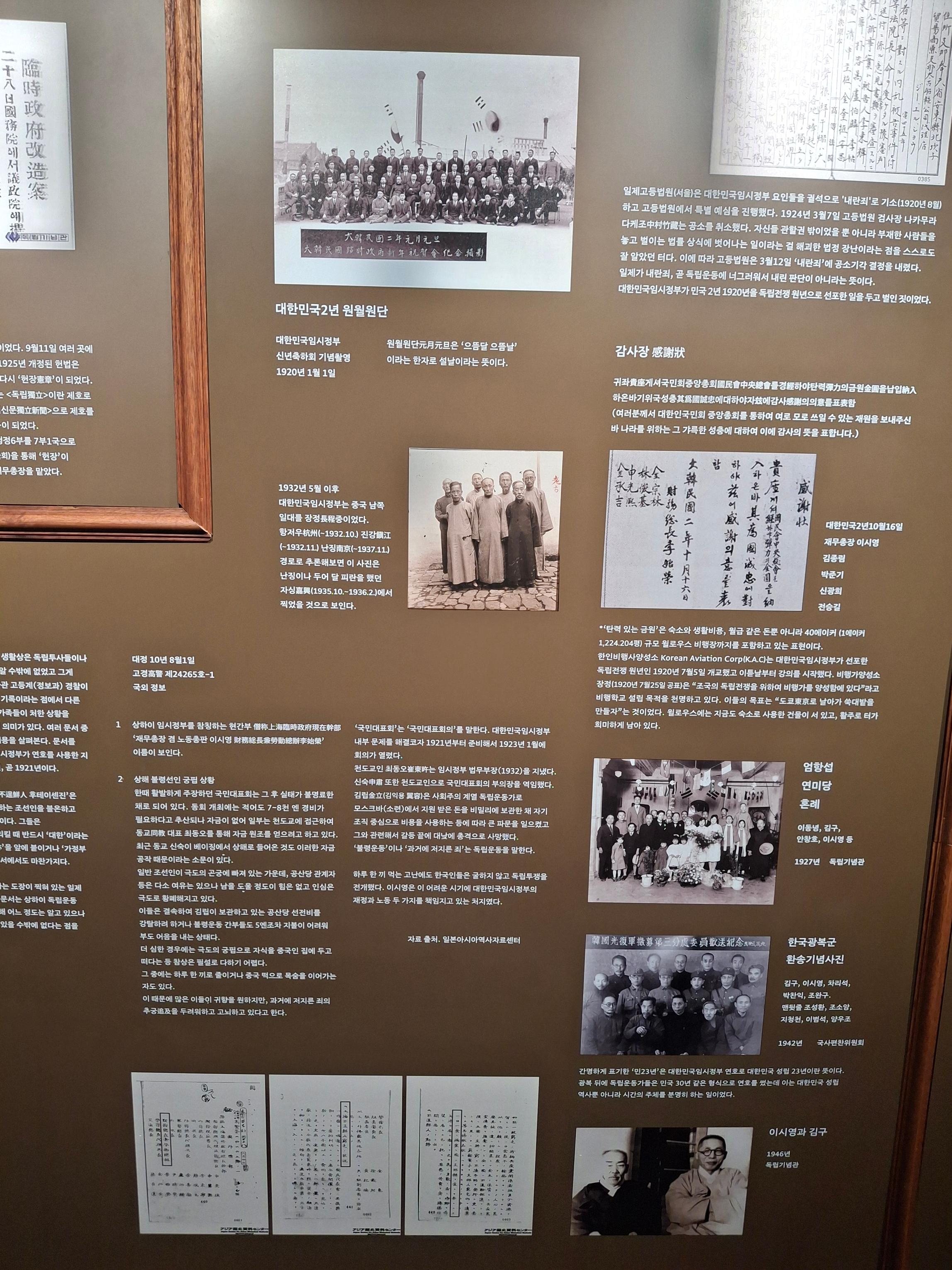
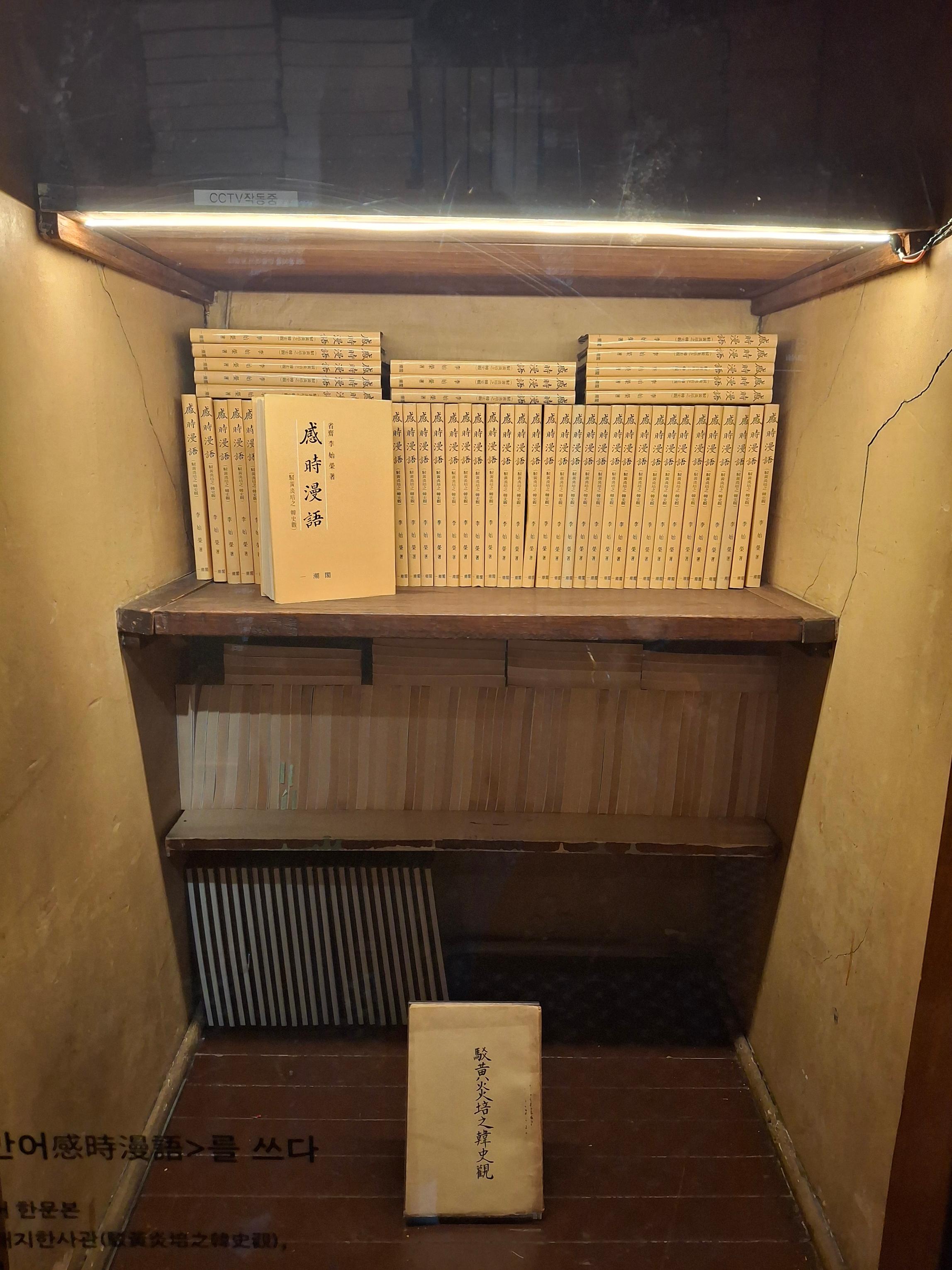
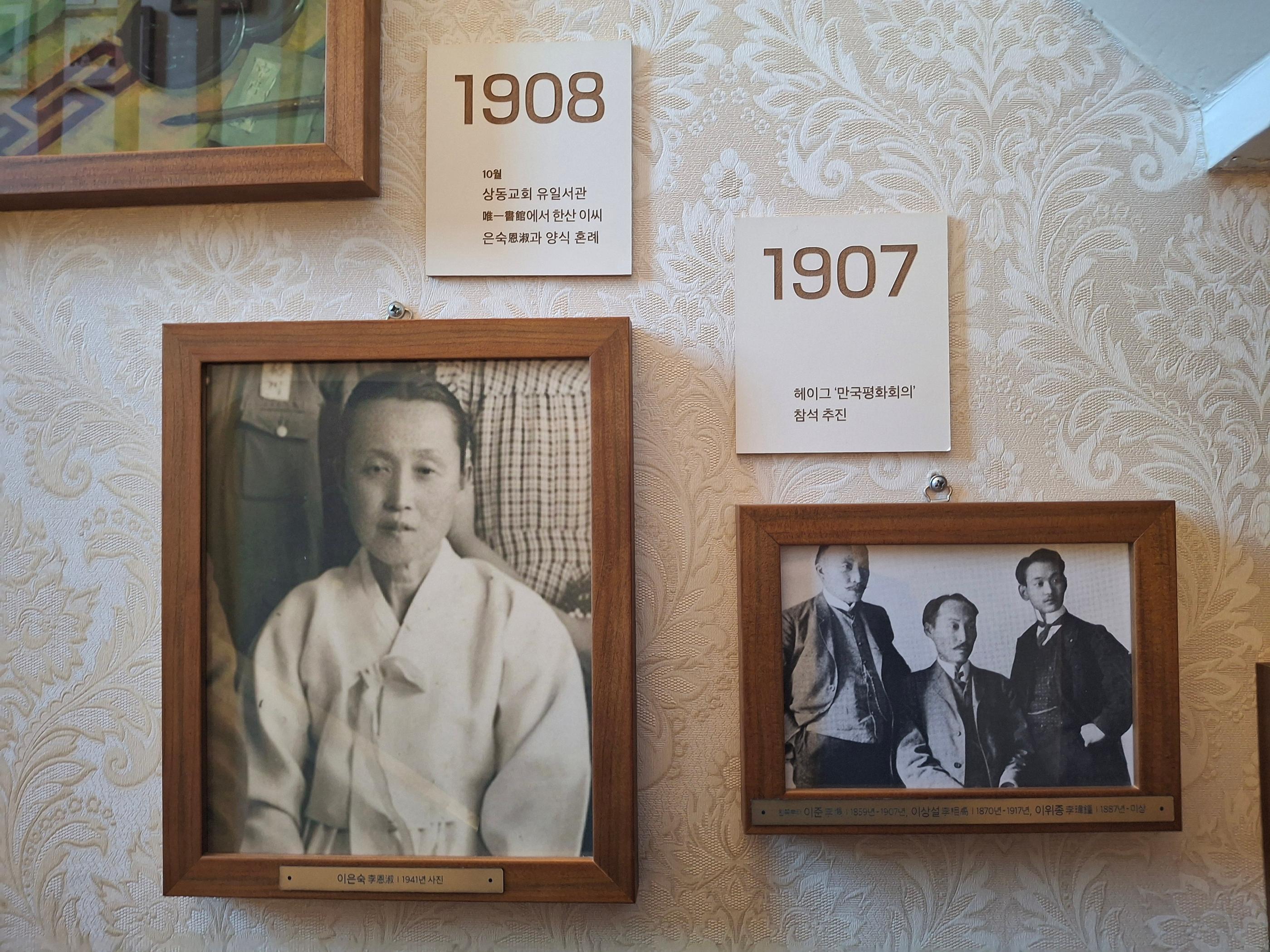
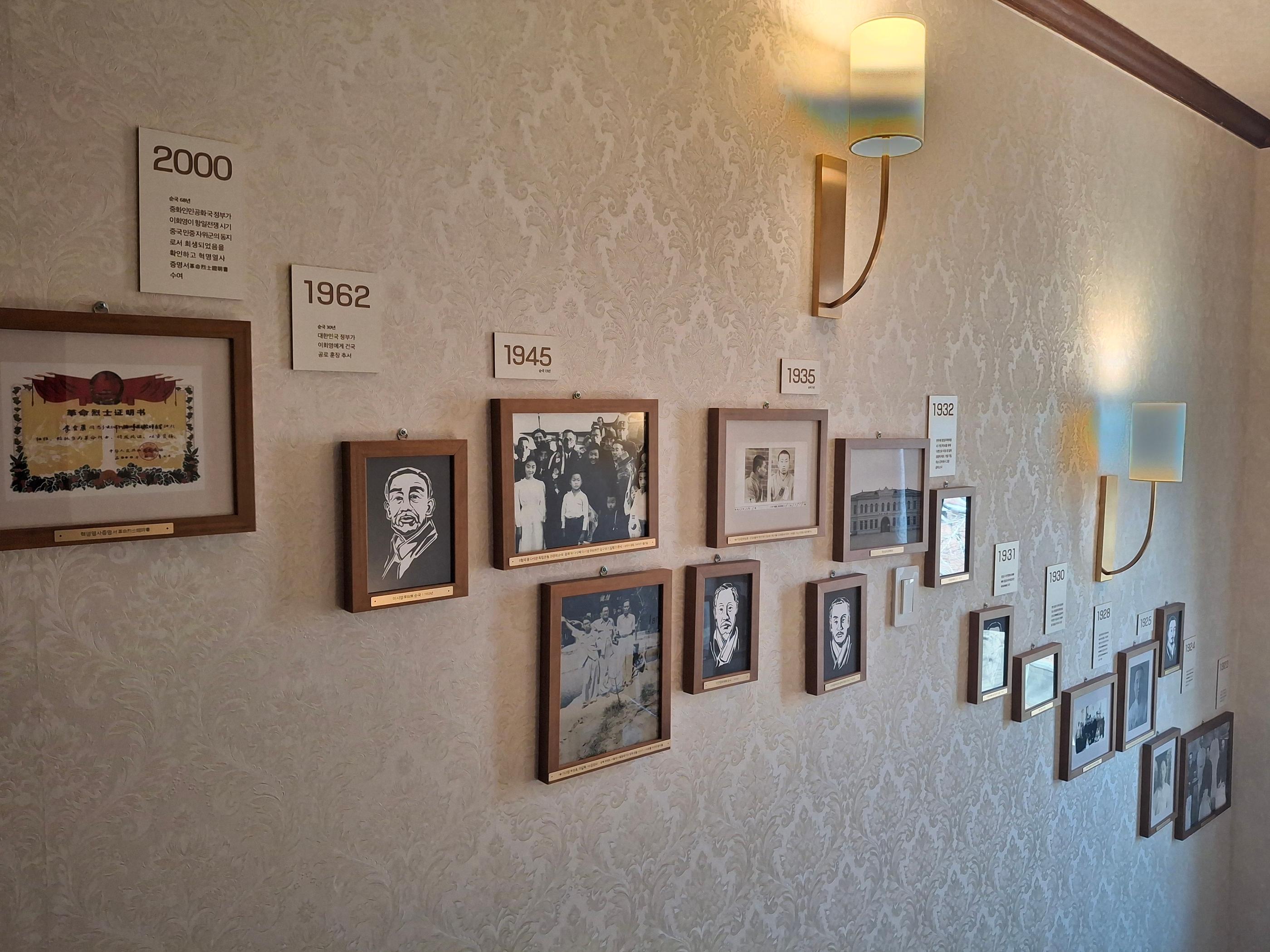
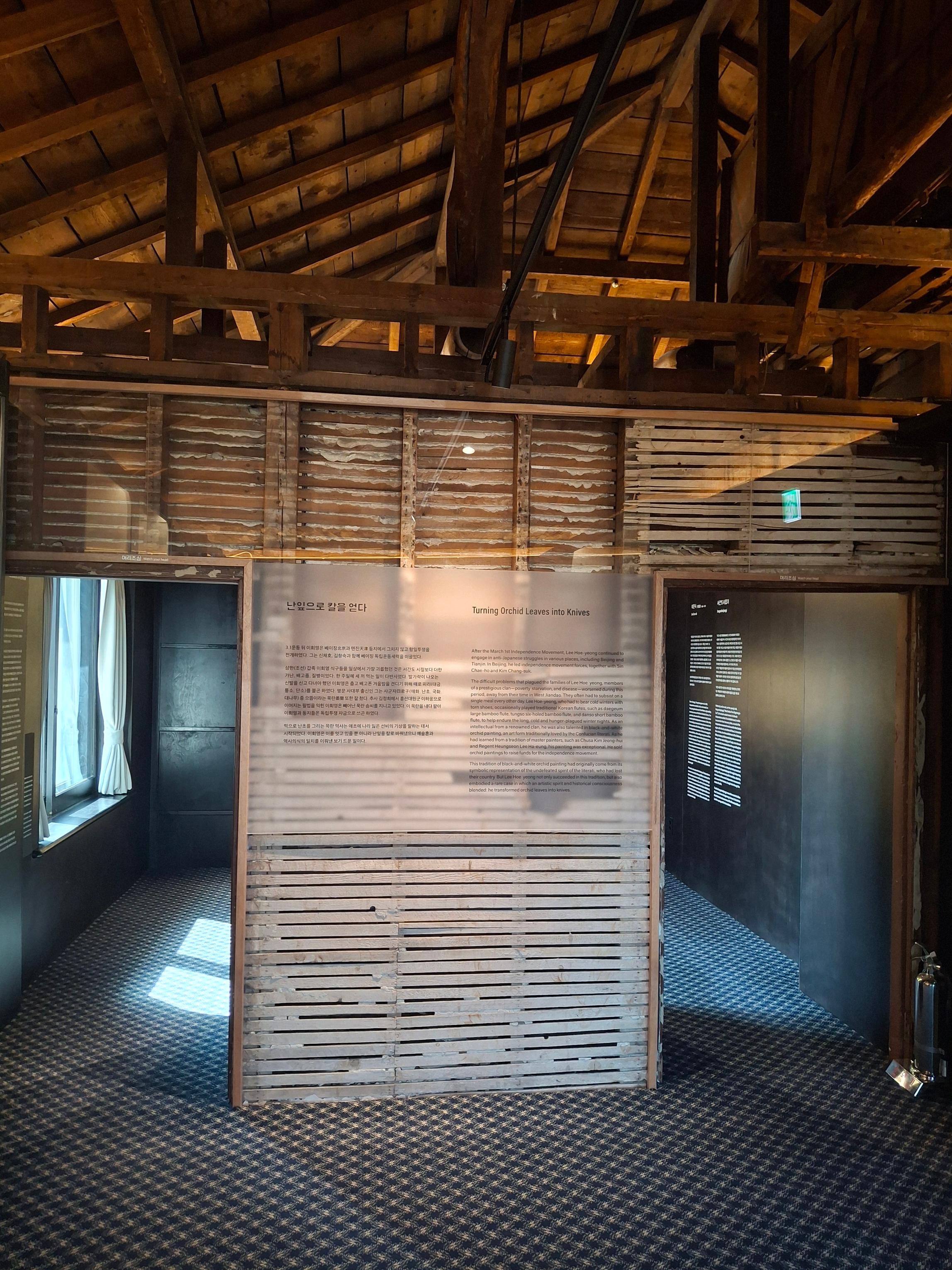
Not far from Seodaemun Prison, there is another museum related to the March 1st Movement. It is Lee Hoe-yeong Memorial Hall. Lee Hoe-young Memorial honors the six Lee brothers -- Gun-young, Seok-young, Cheol-young, Hoe-young, Si-young and Ho-young -- who gave up all their assets to dedicate themselves to regaining national independence after Korea lost its sovereignty.
The siblings were born to one of the country's most prestigious and affluent families, but after Korea was annexed by Japan in 1910, they sold all their properties and headed to Manchuria, China. With their money, the brothers built Shinheung Training Center (later renamed Shinheung Military Academy) in Manchuria, where they trained about 3,500 liberation fighters for 10 years.
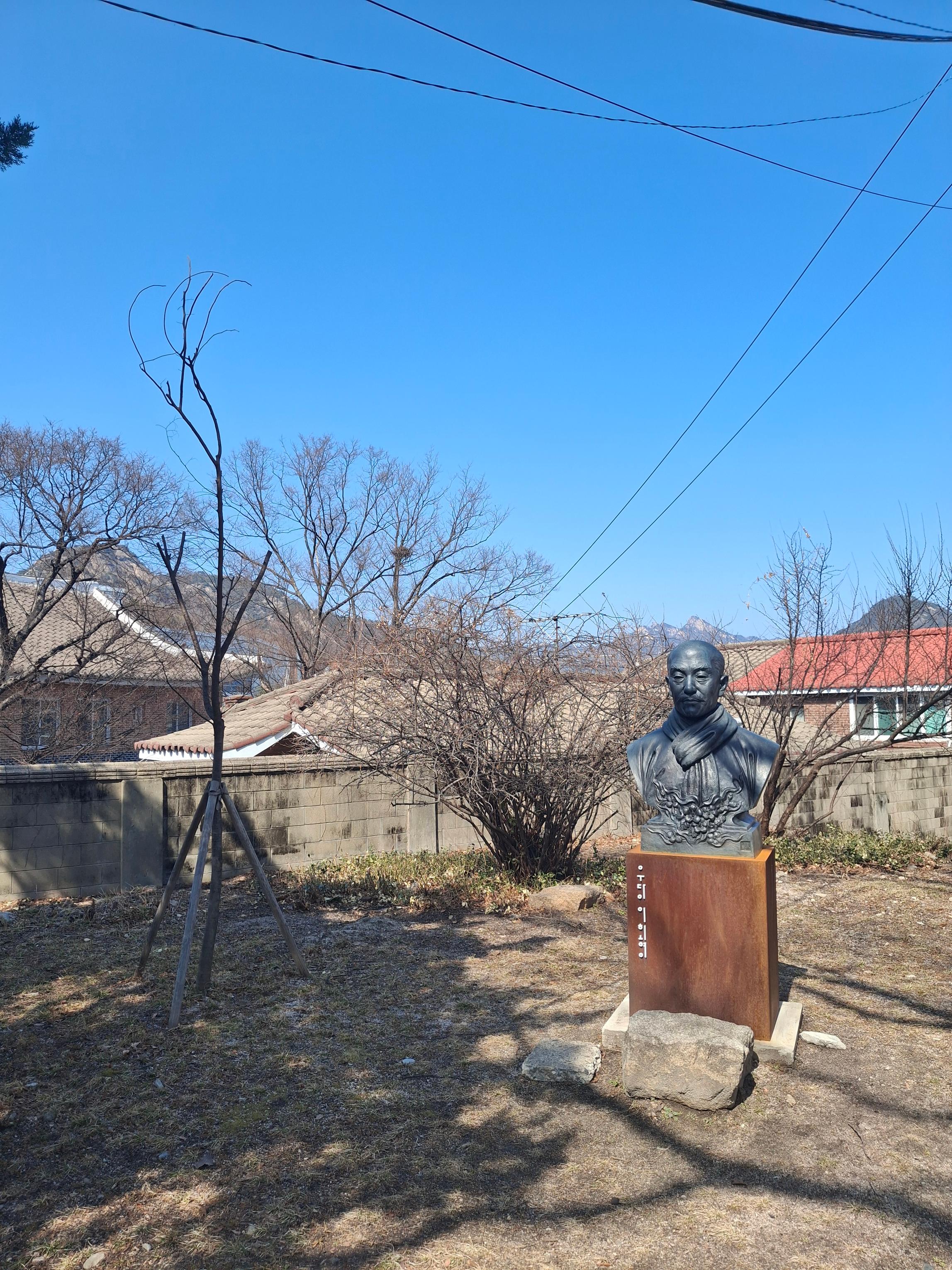
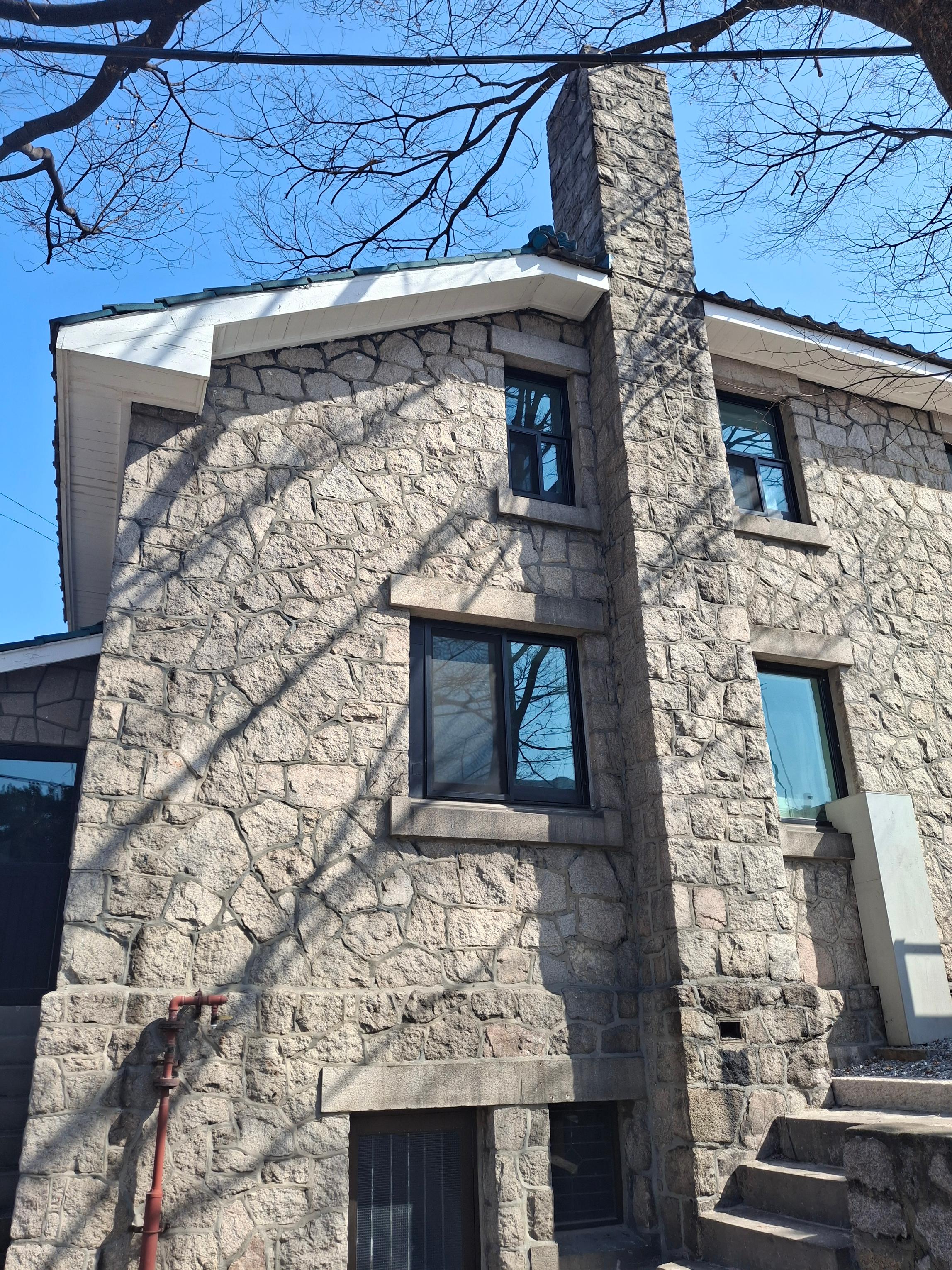
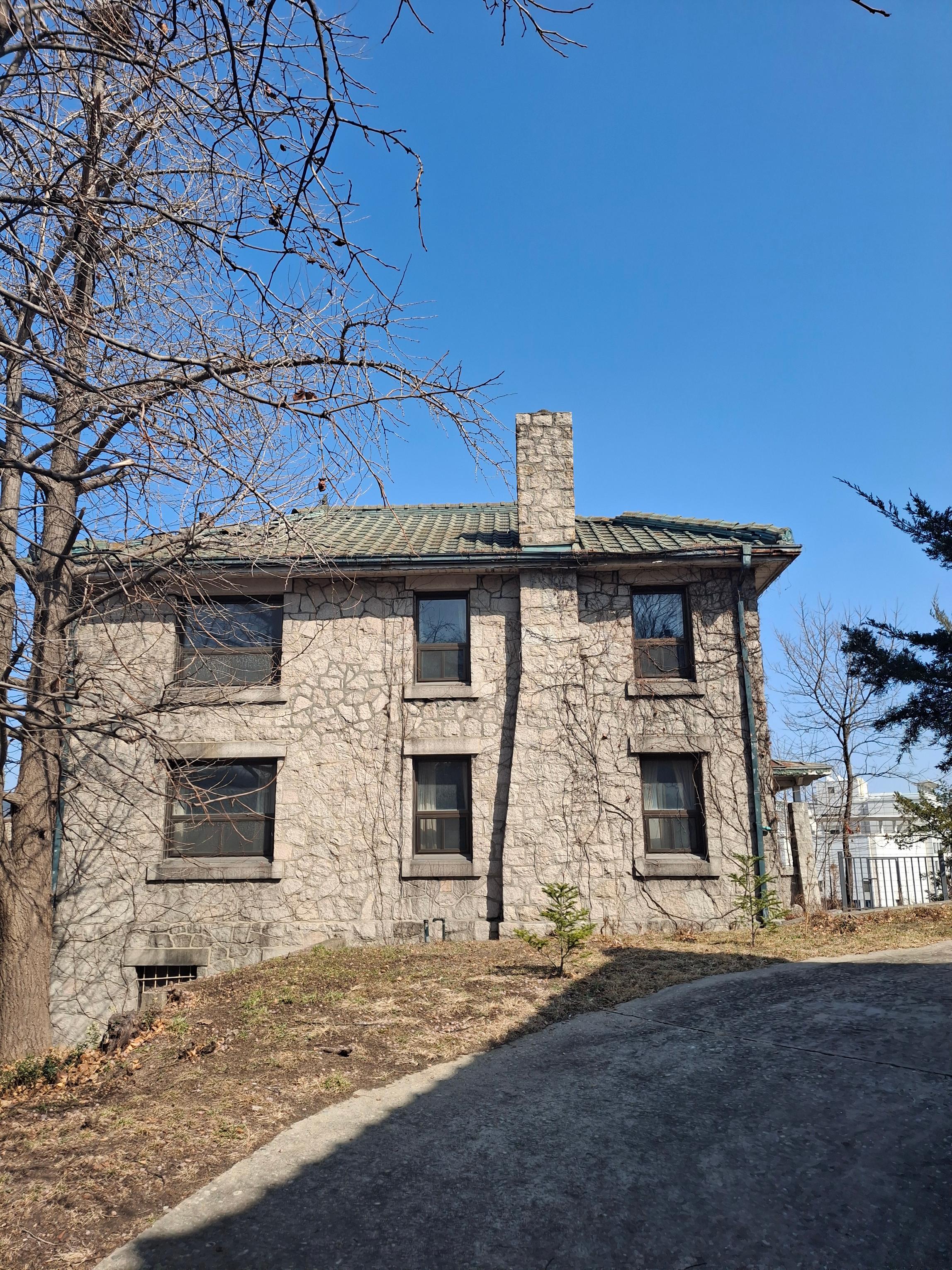
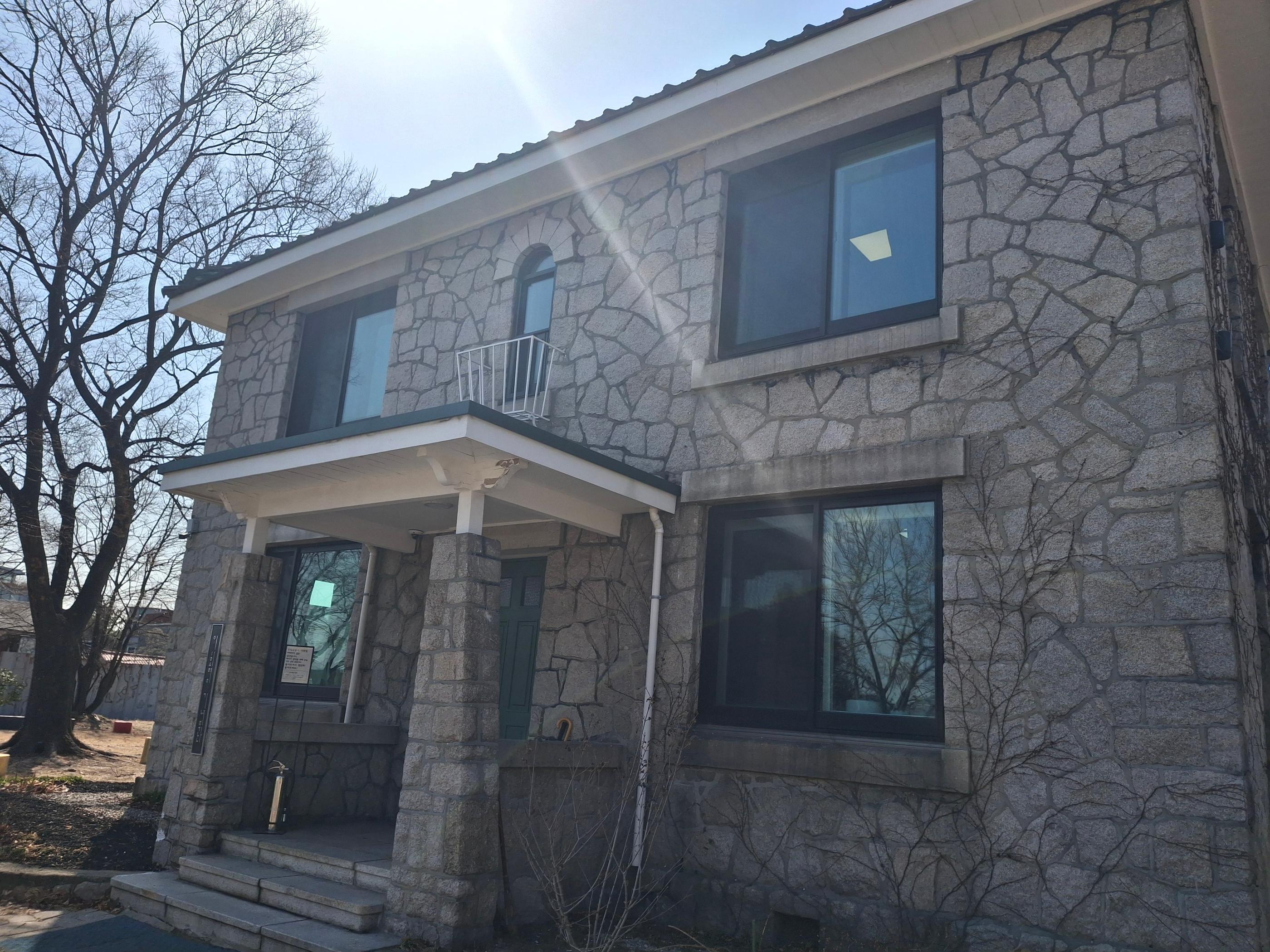
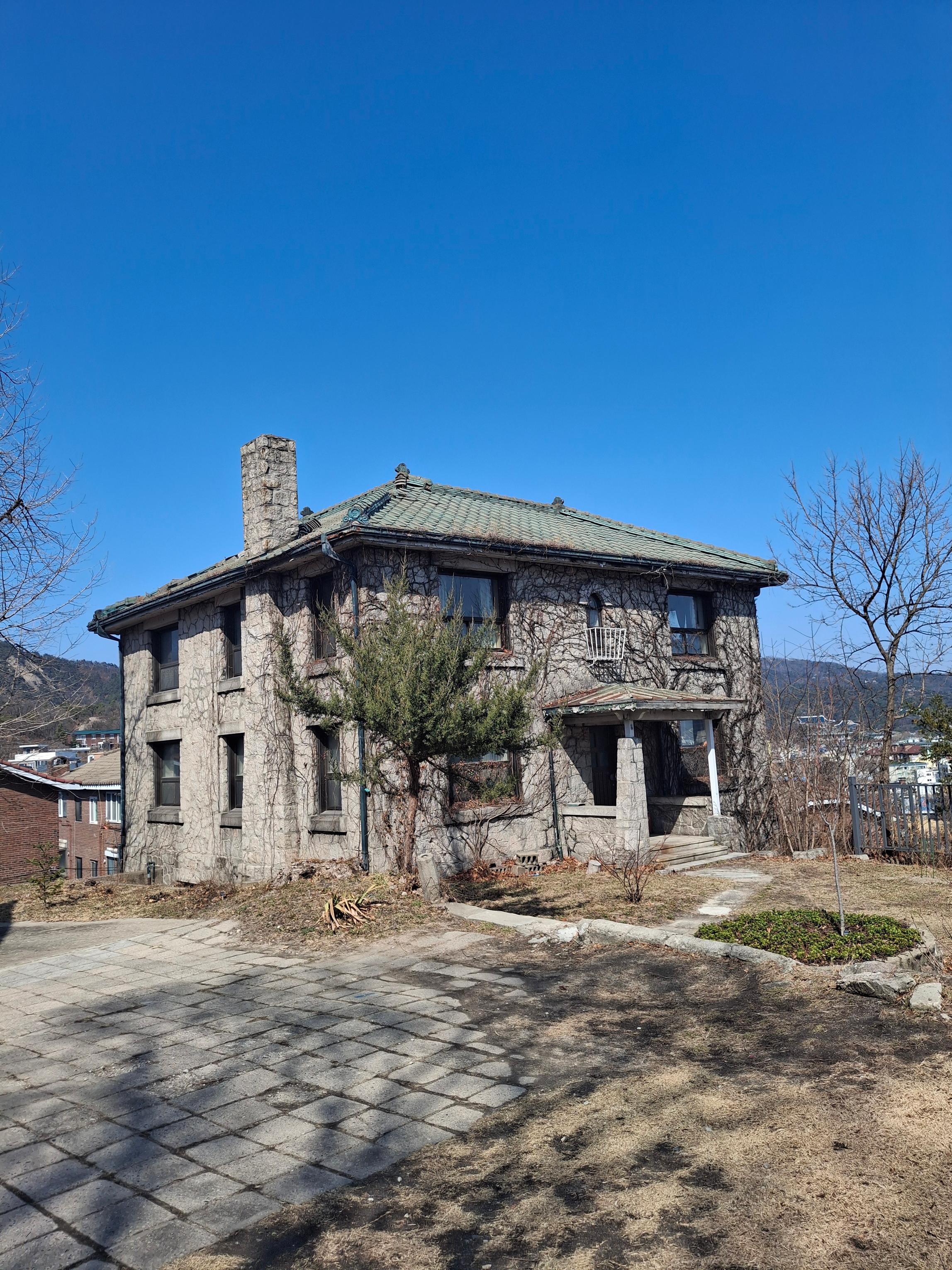
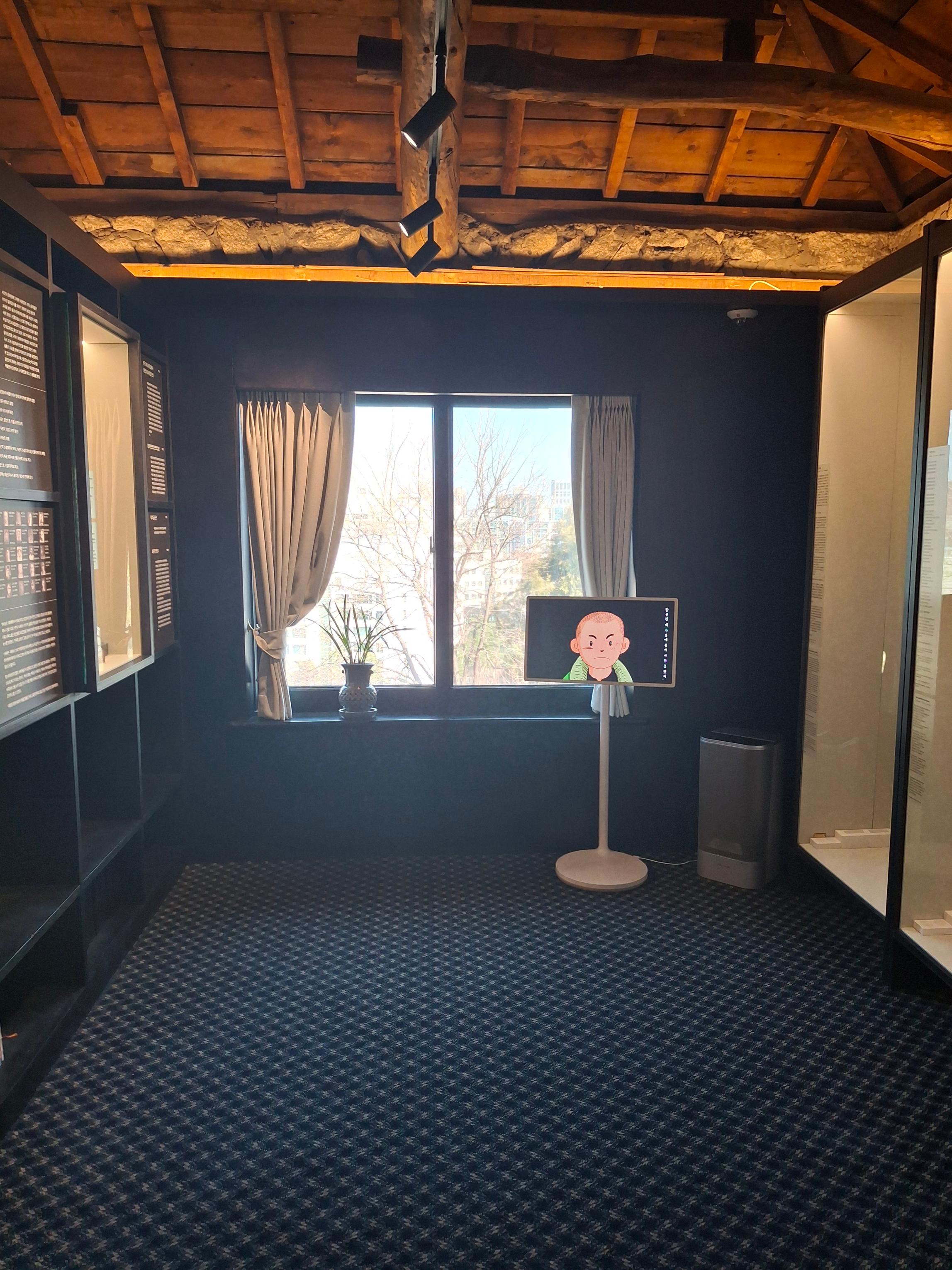
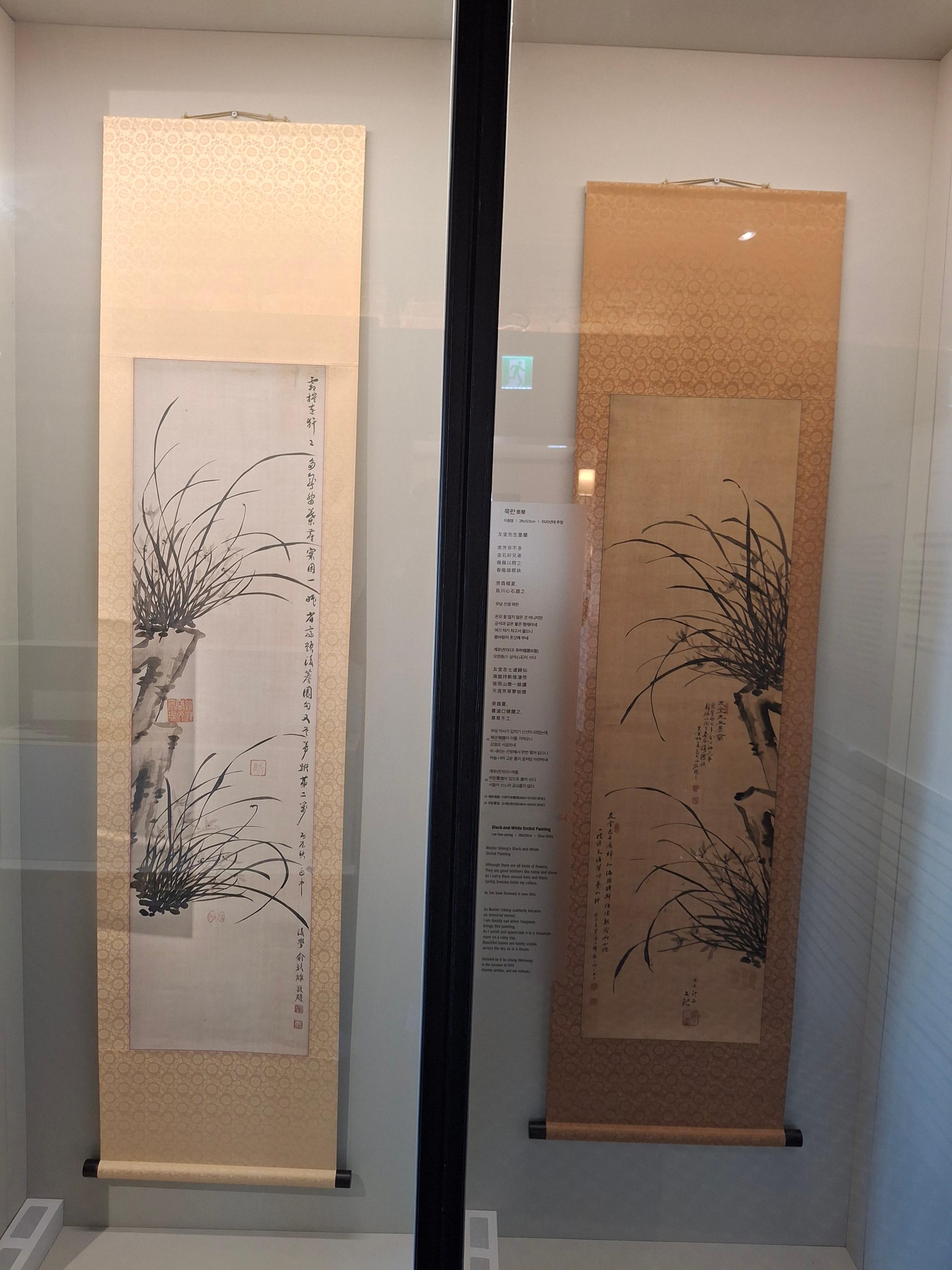
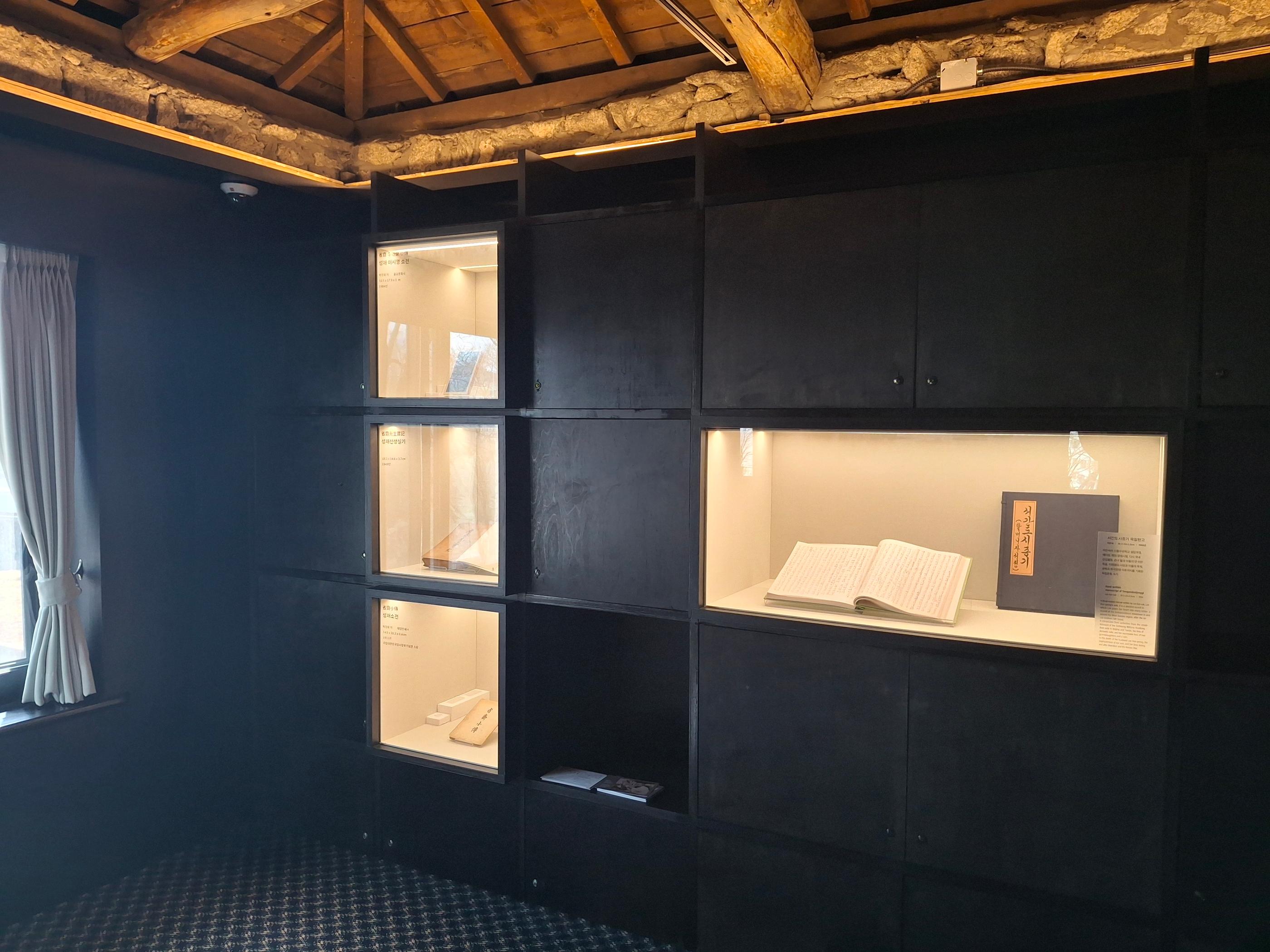
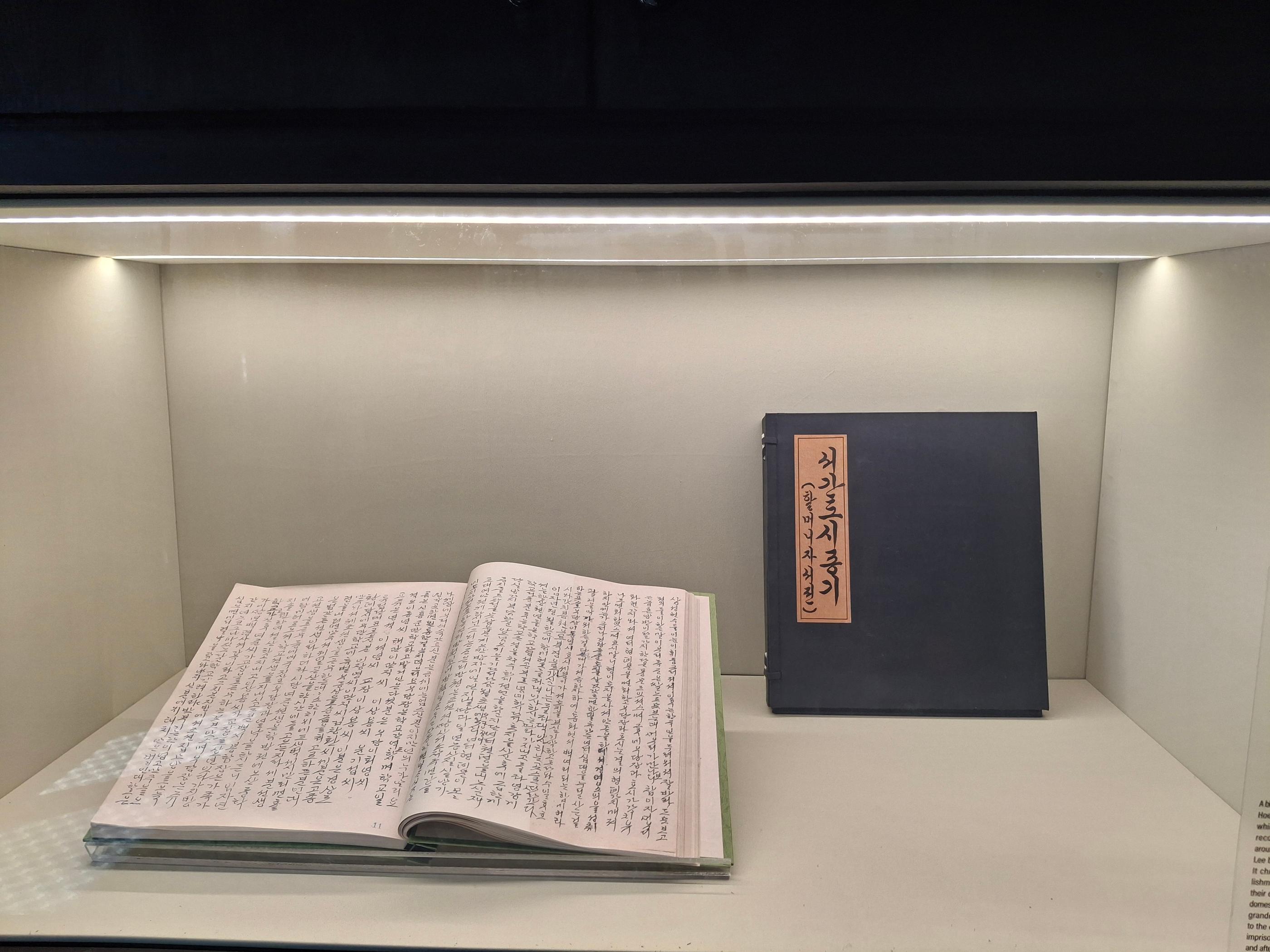
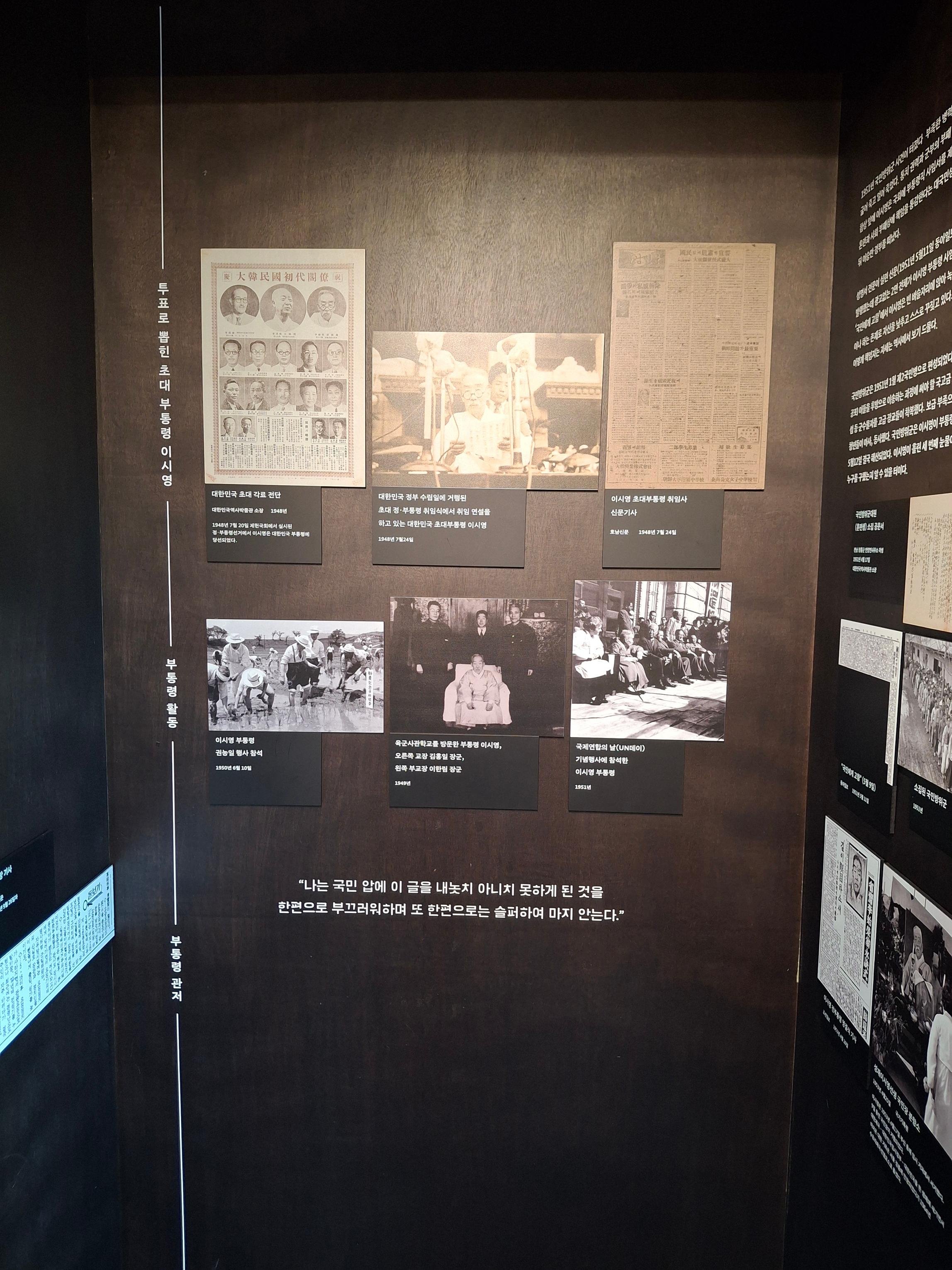
On the ground floor of the old residence is a lounge with seating and beginning at the staircase to the second level is a humble exhibit about the exploits of Lee and his five brothers. A few of Lee’s paintings and personal effects are on display.
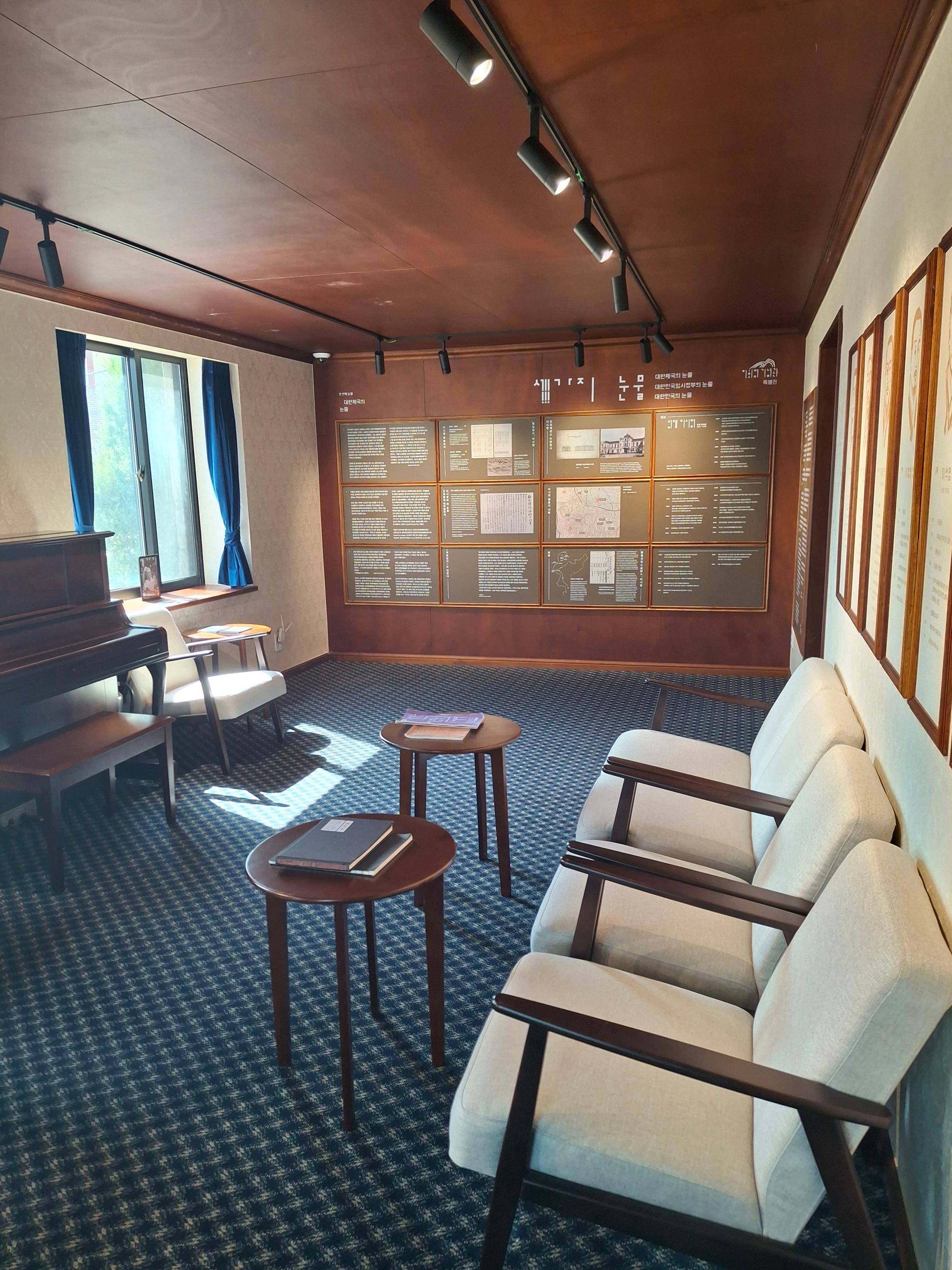
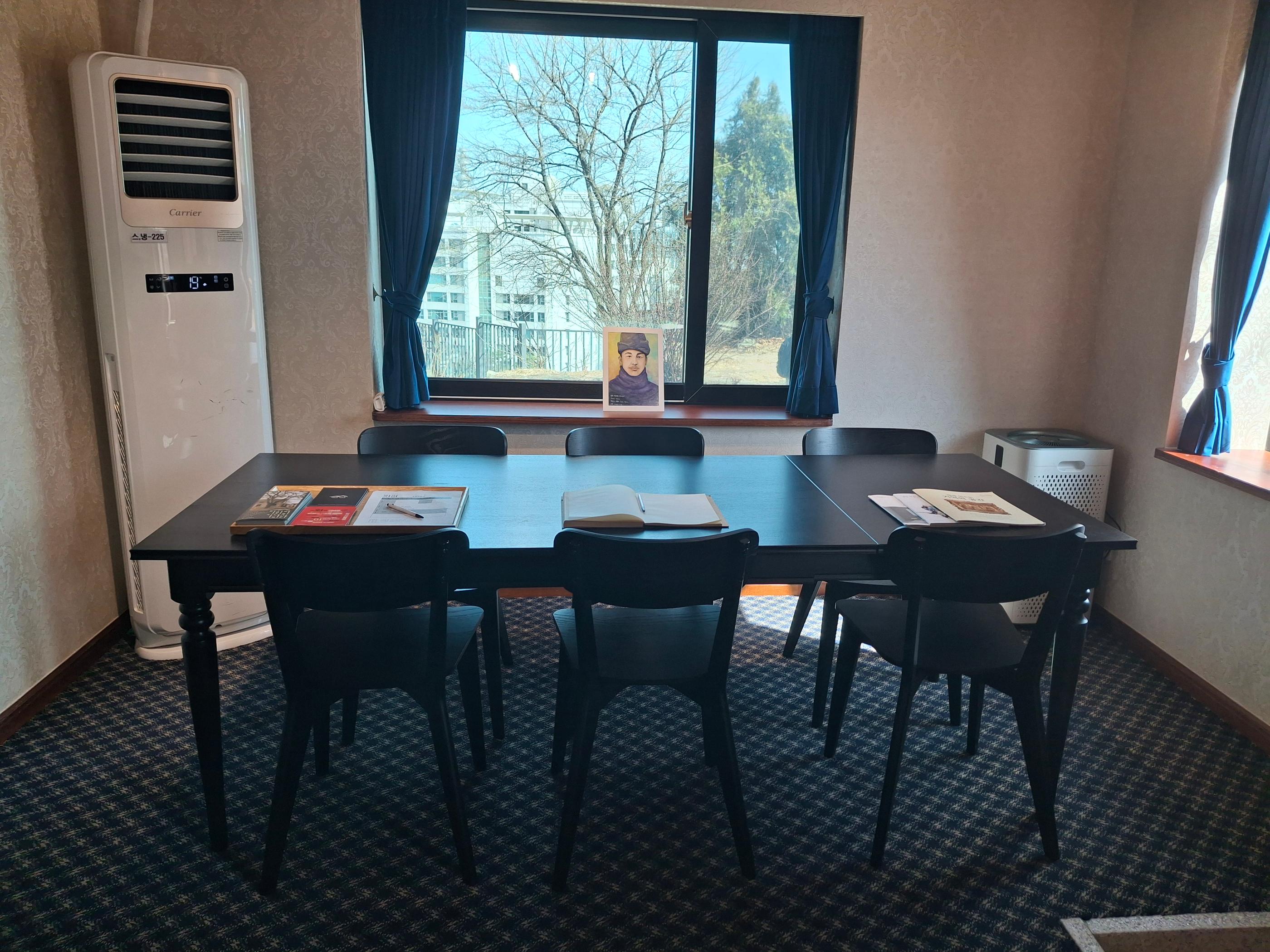
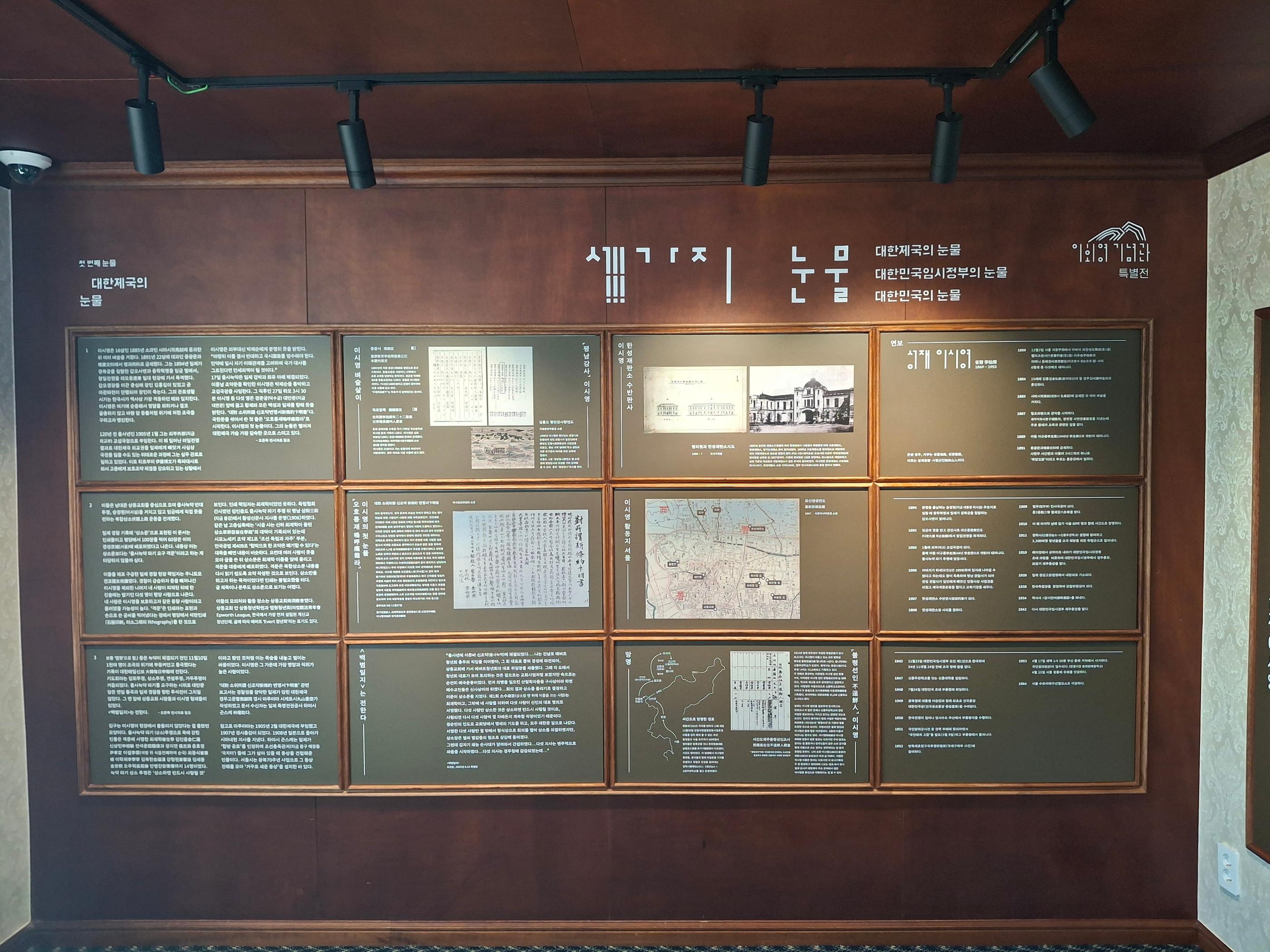
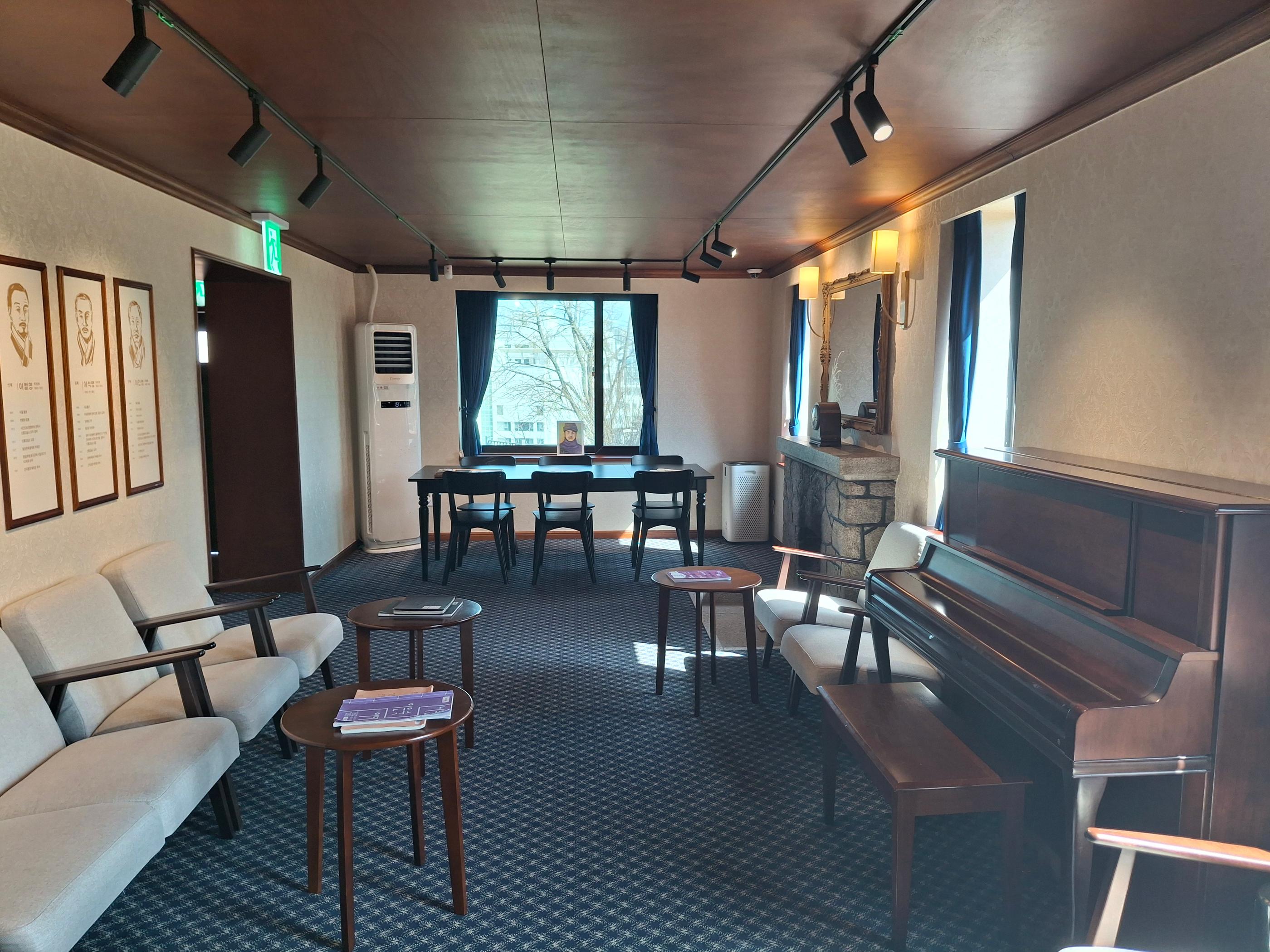
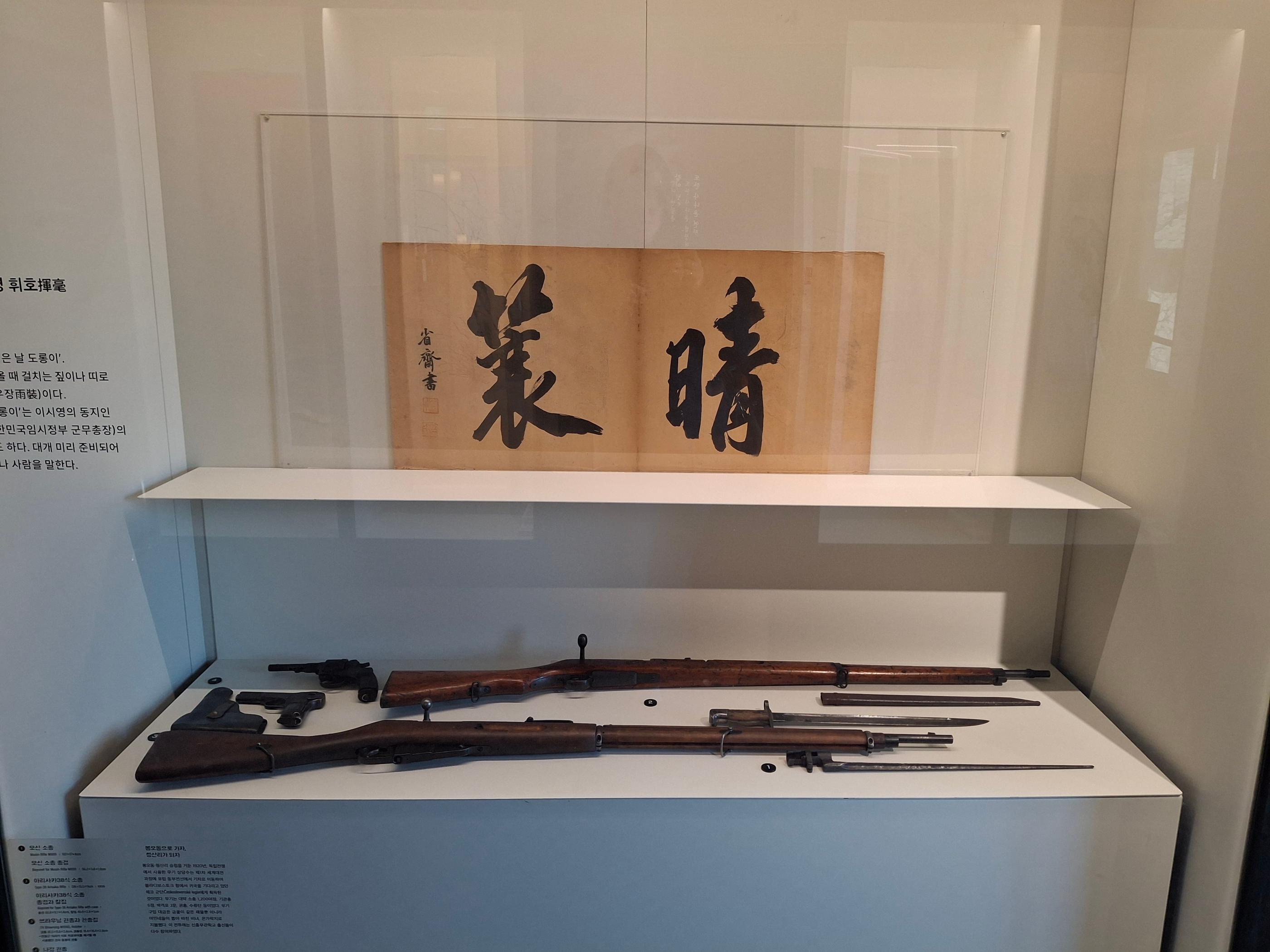
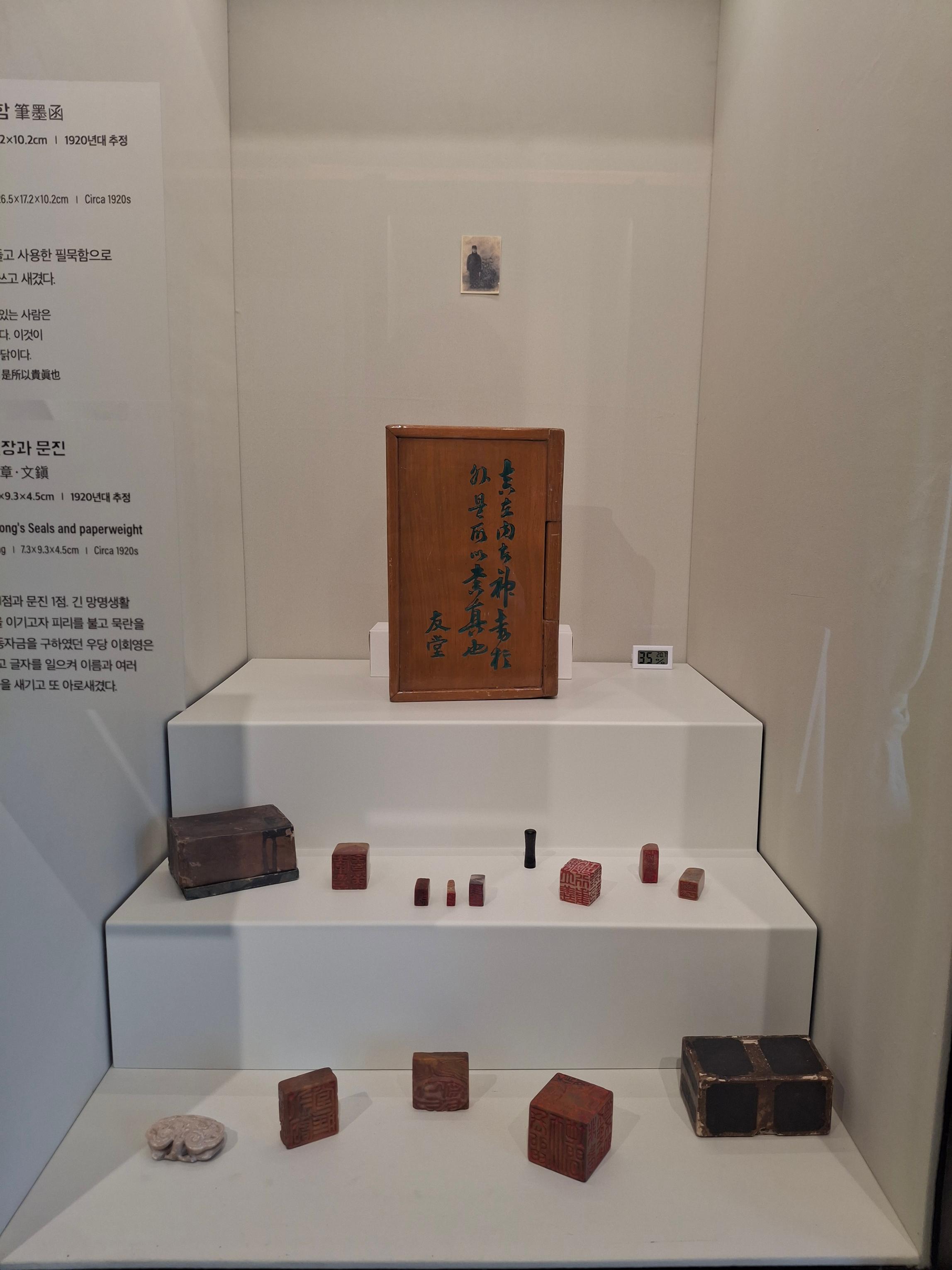
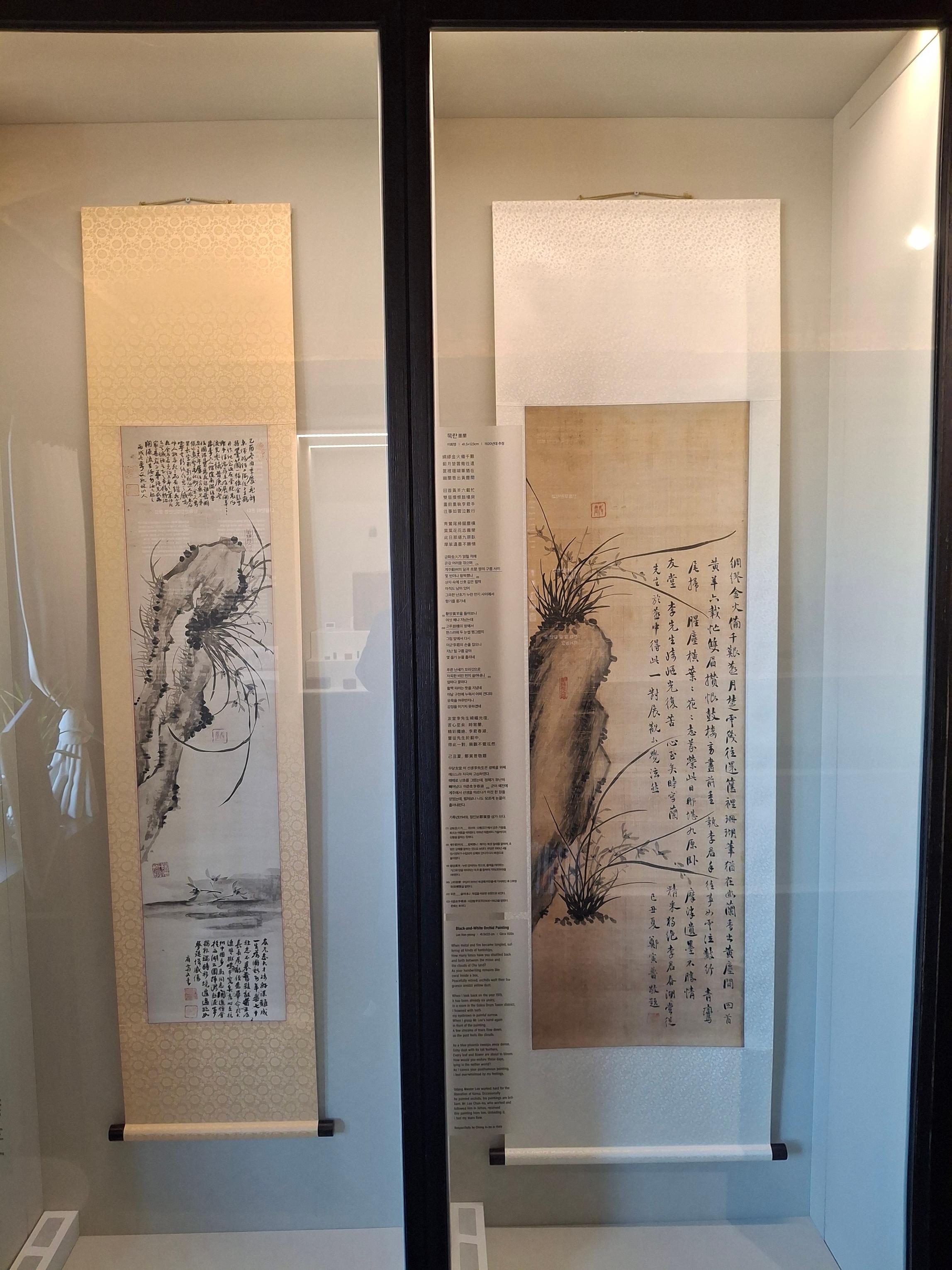
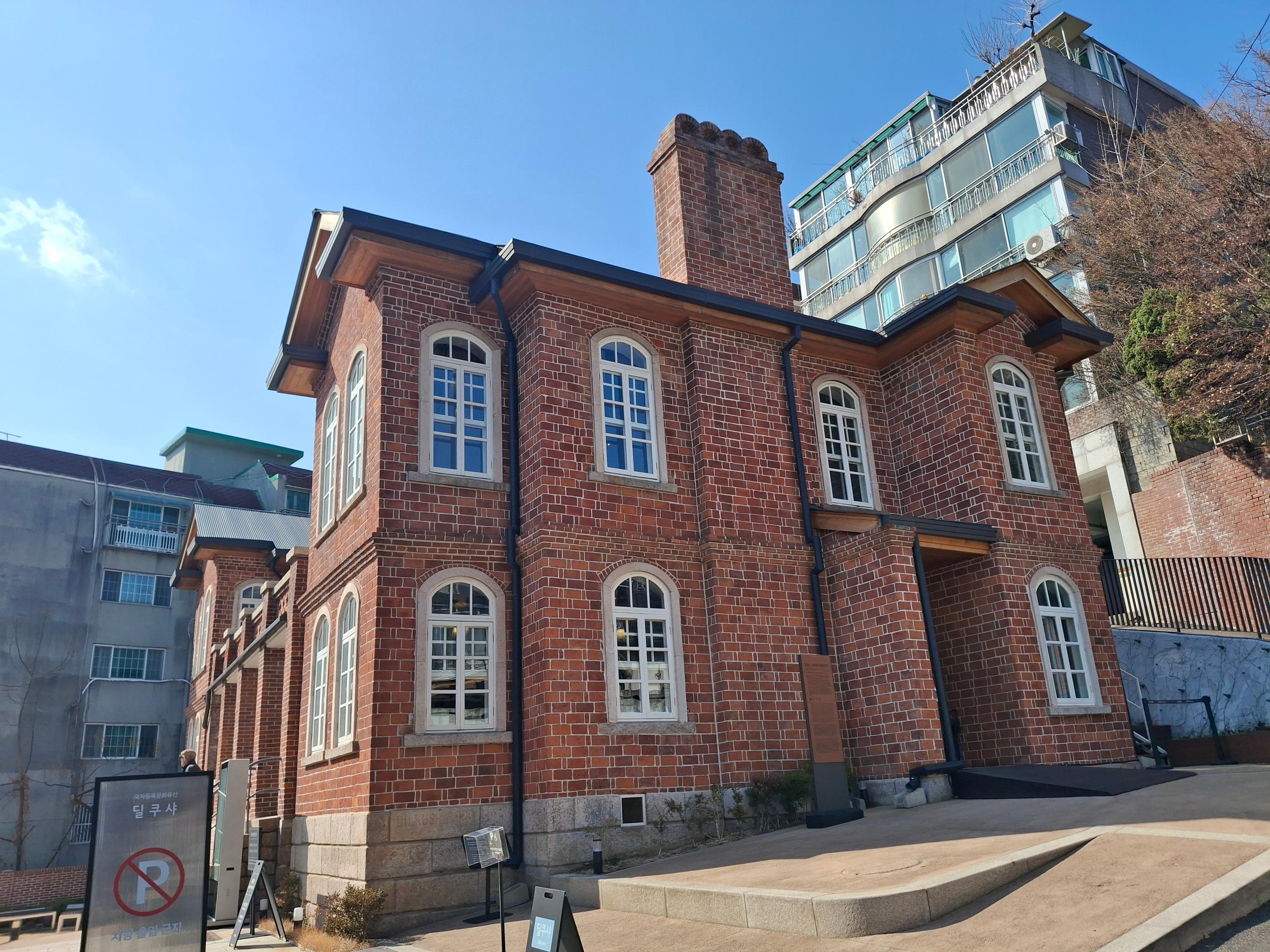
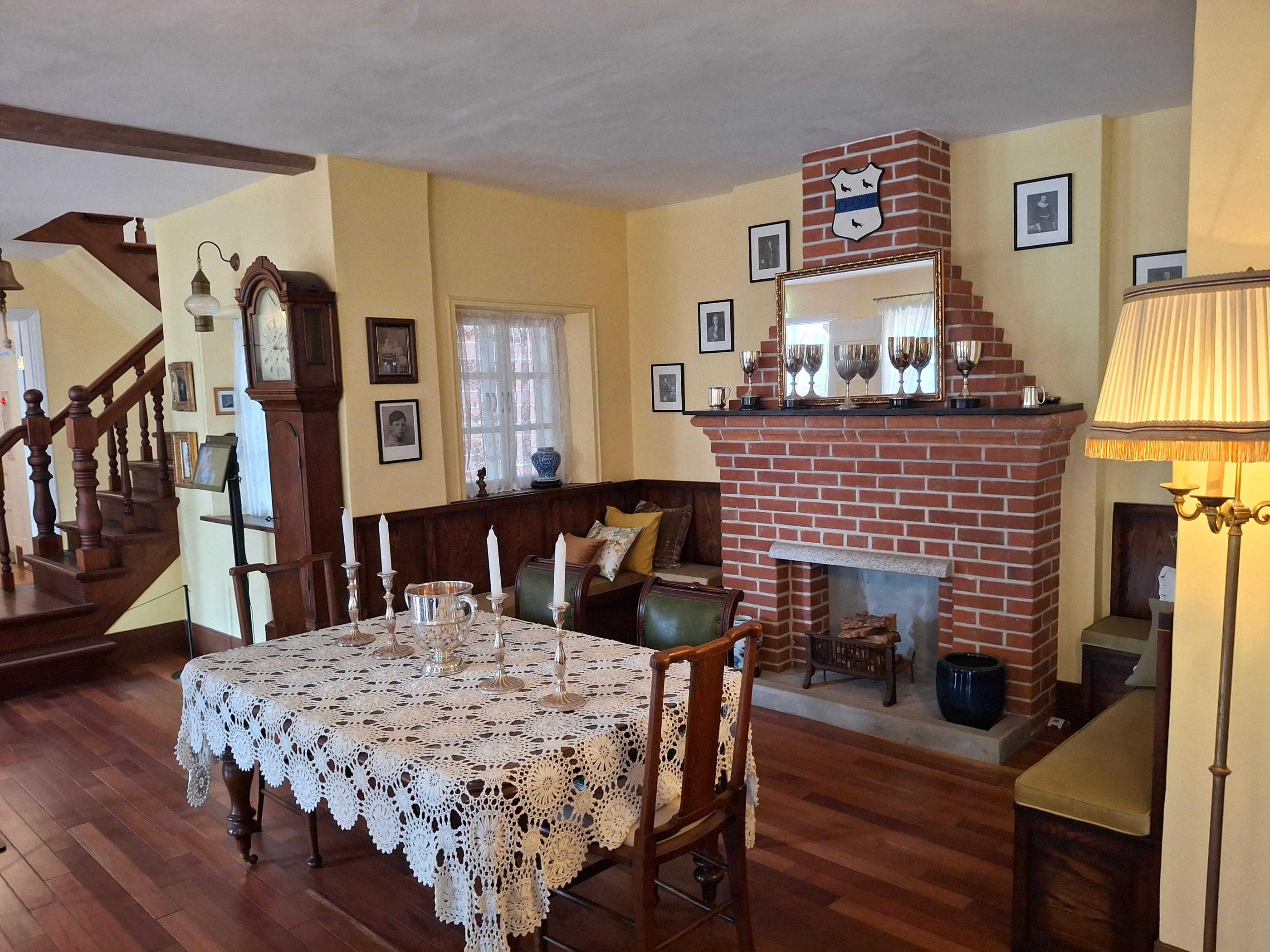
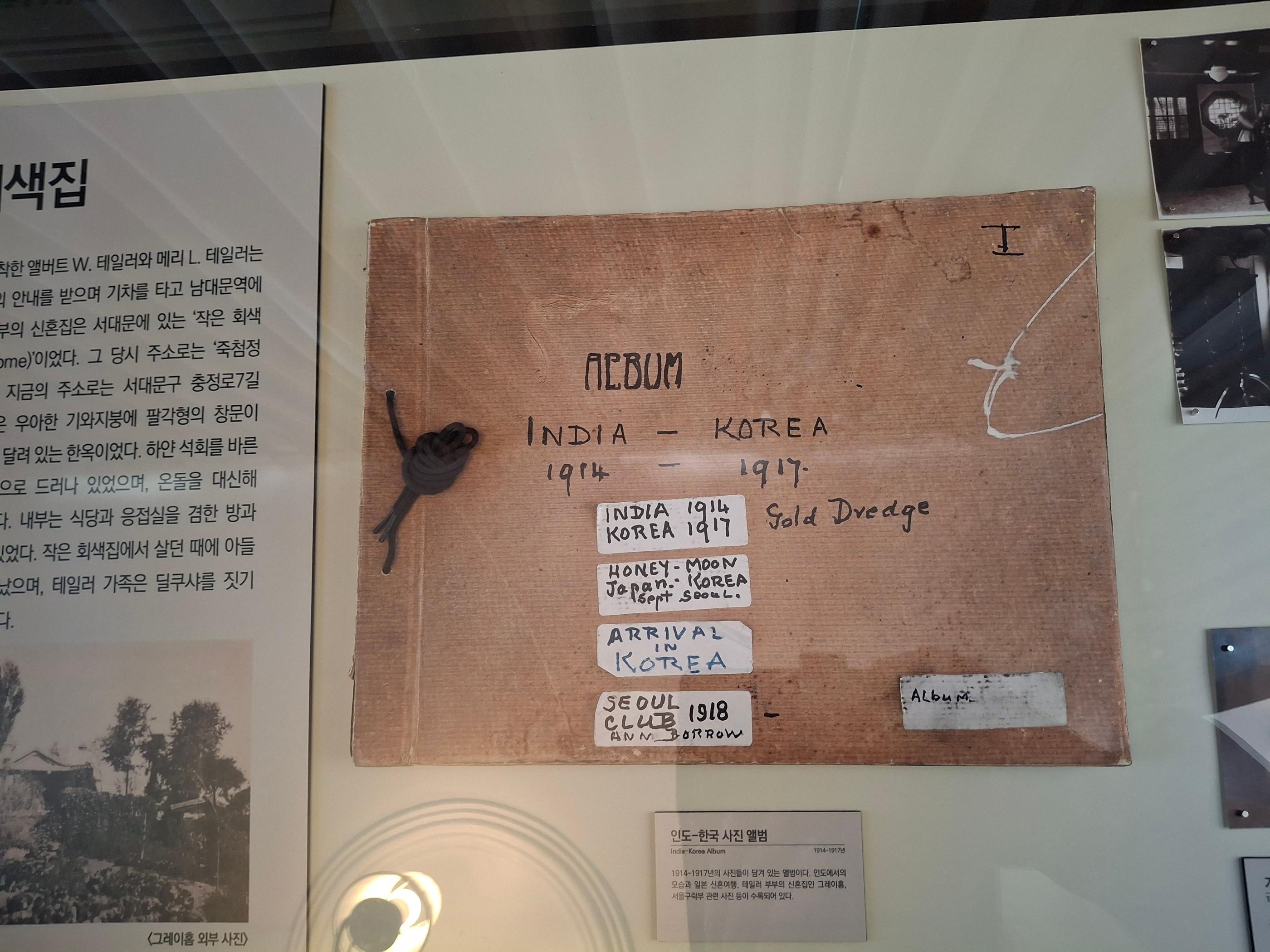
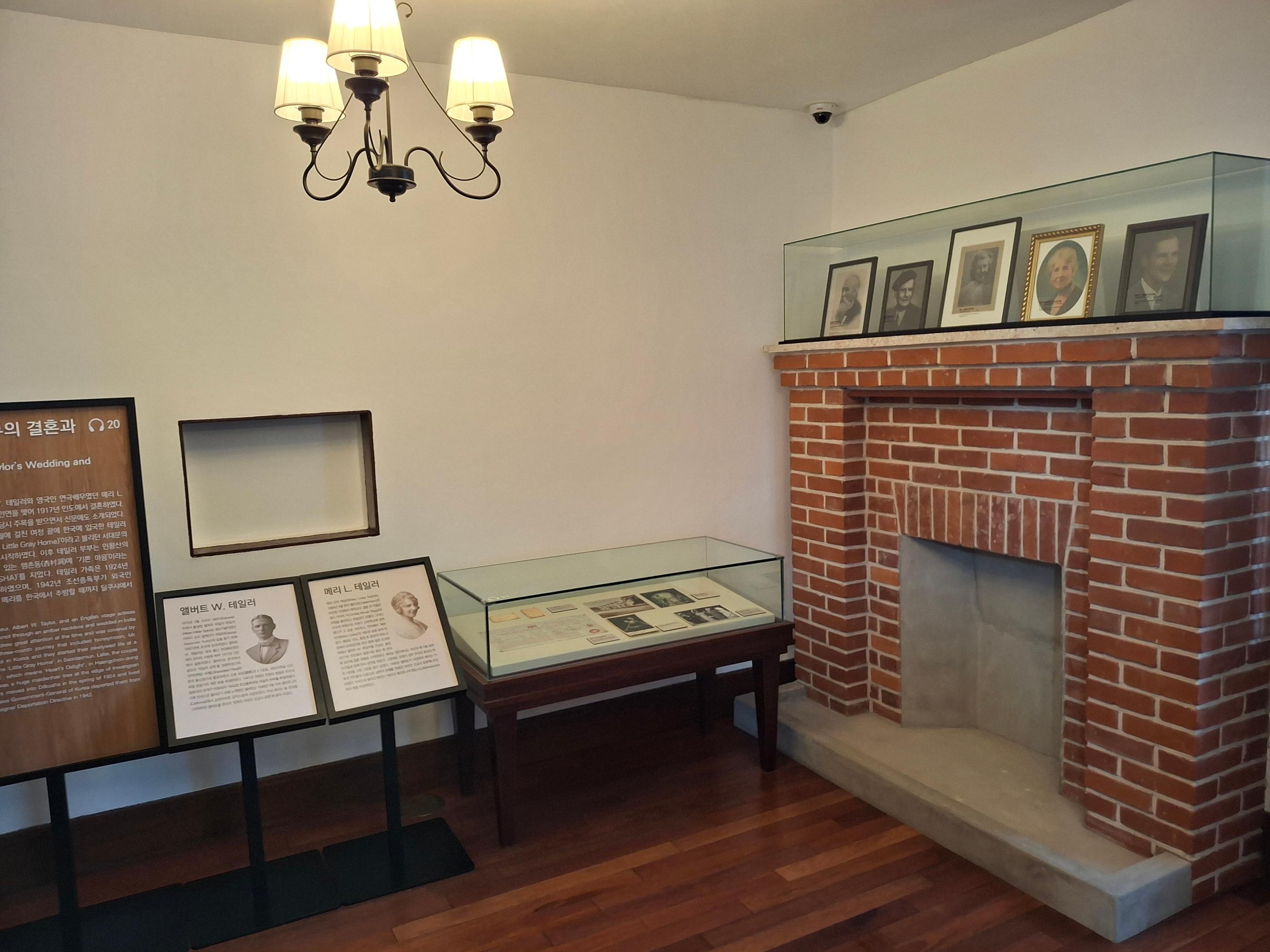
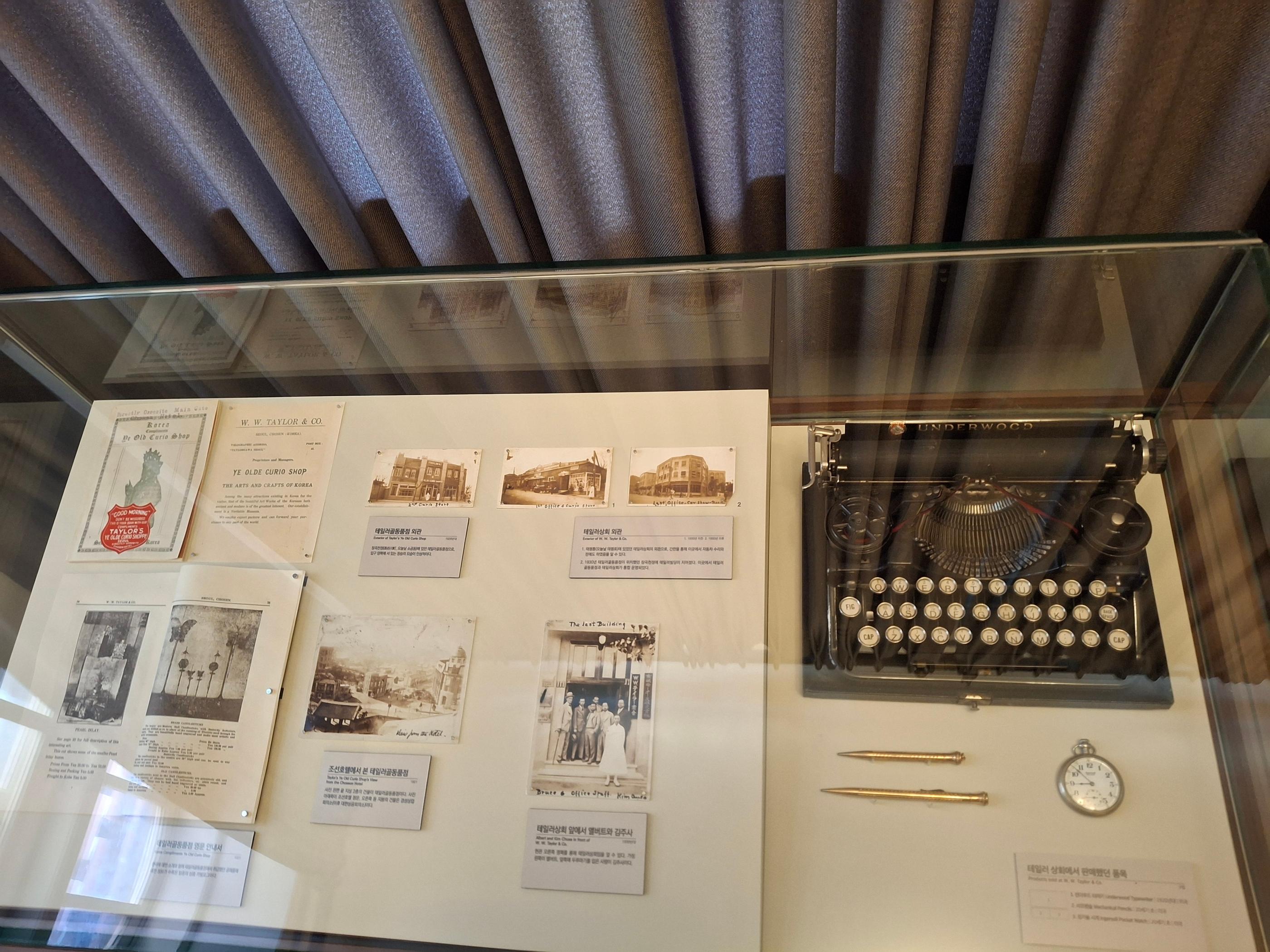
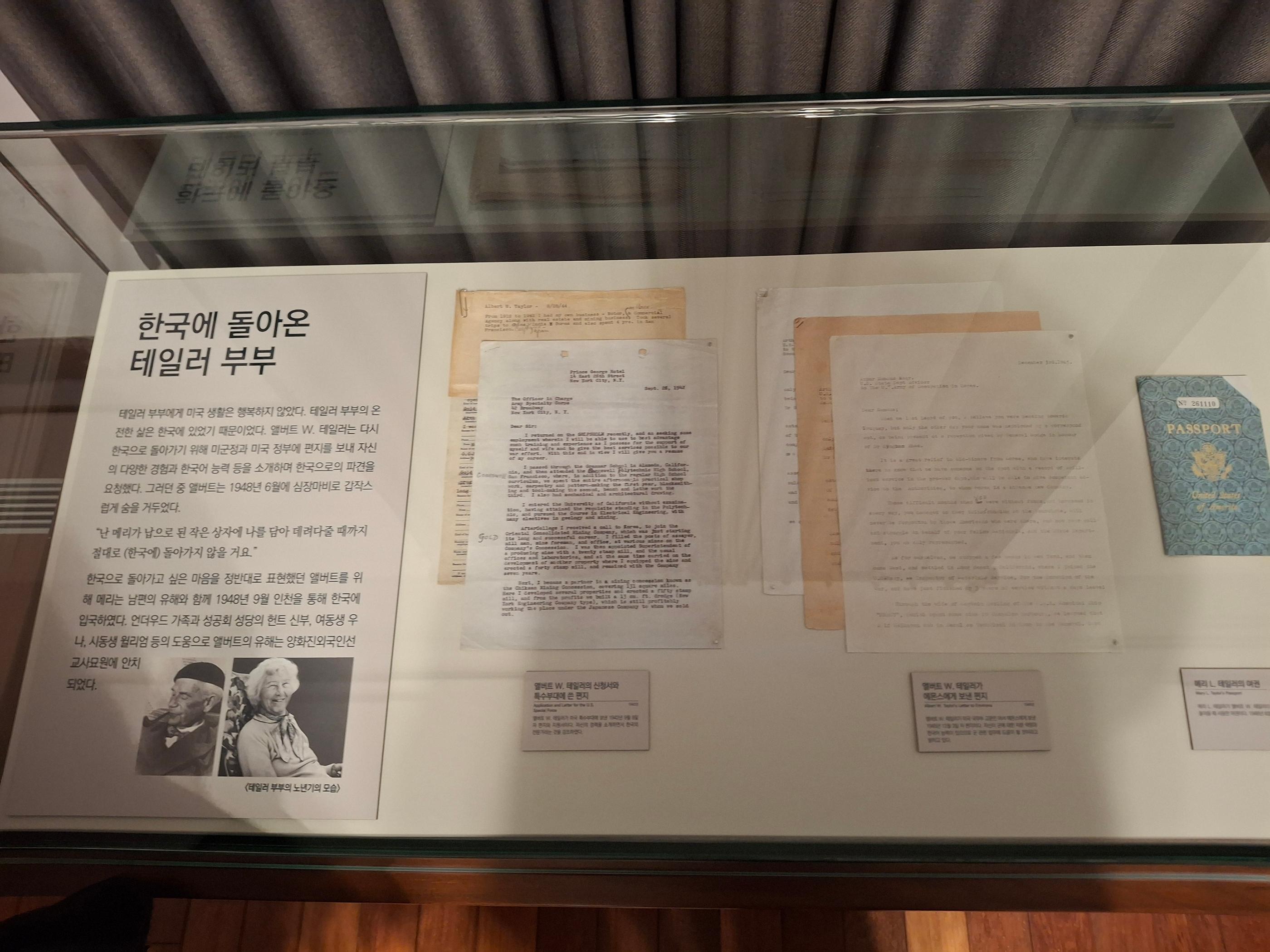
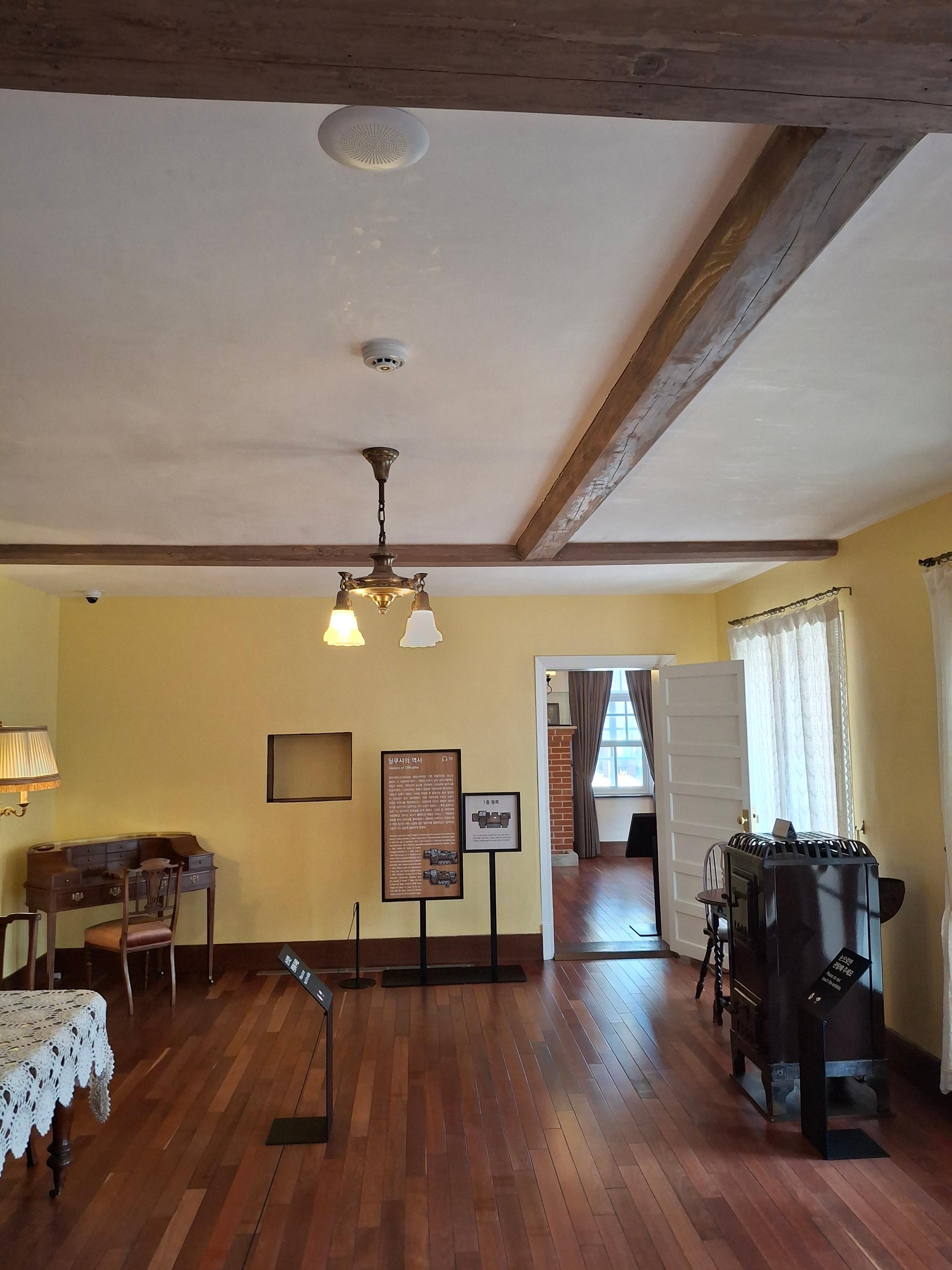
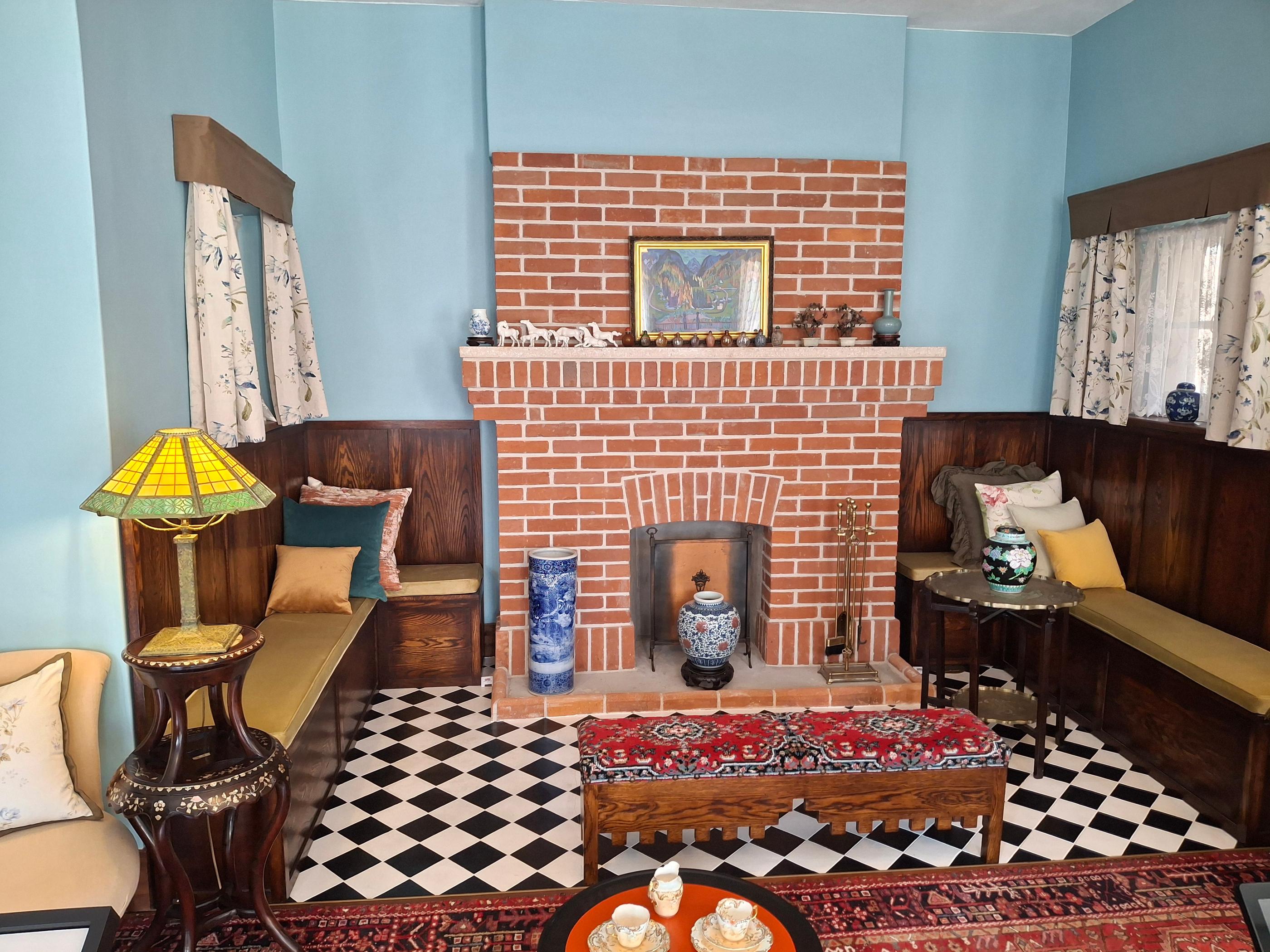
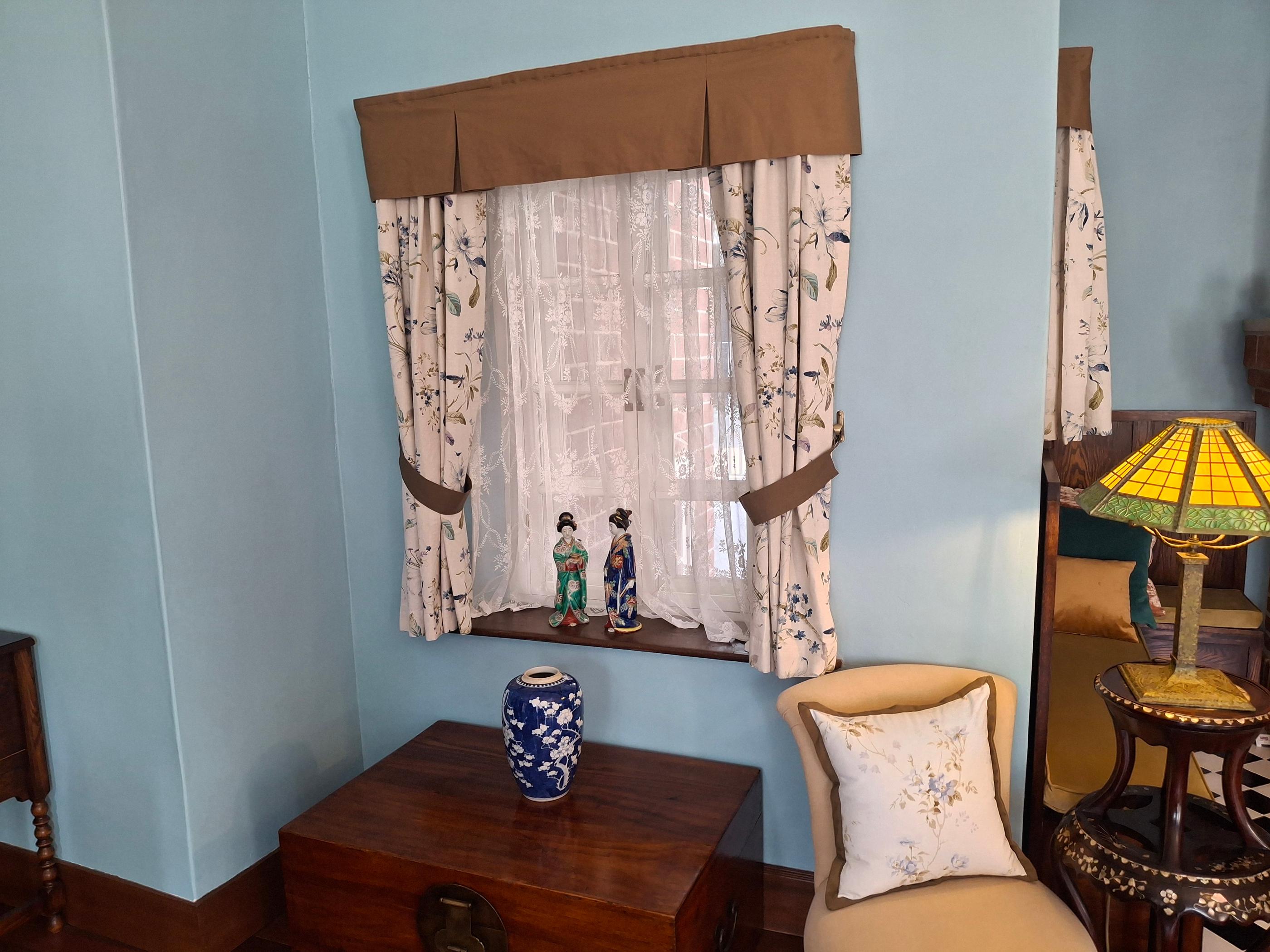
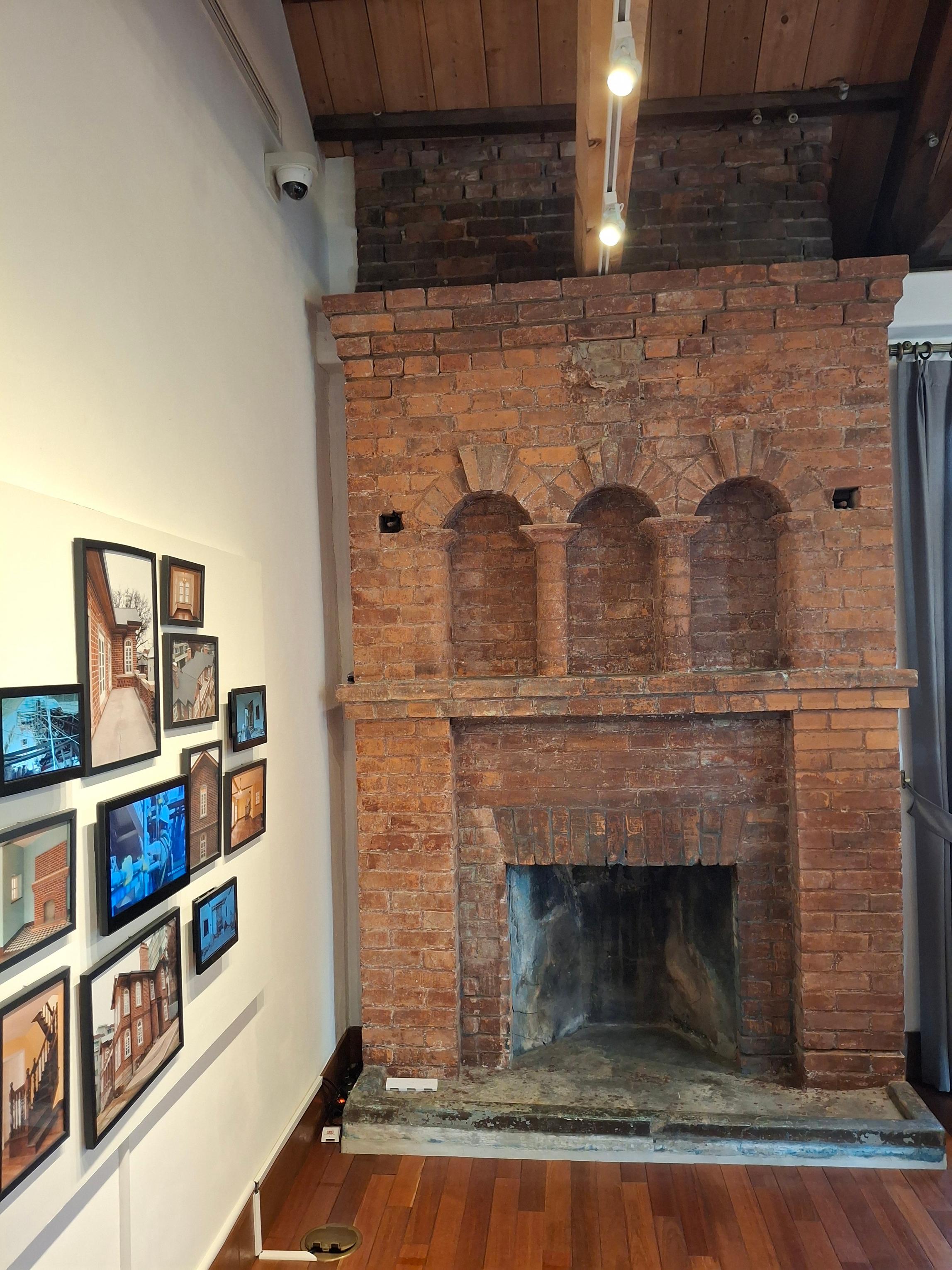
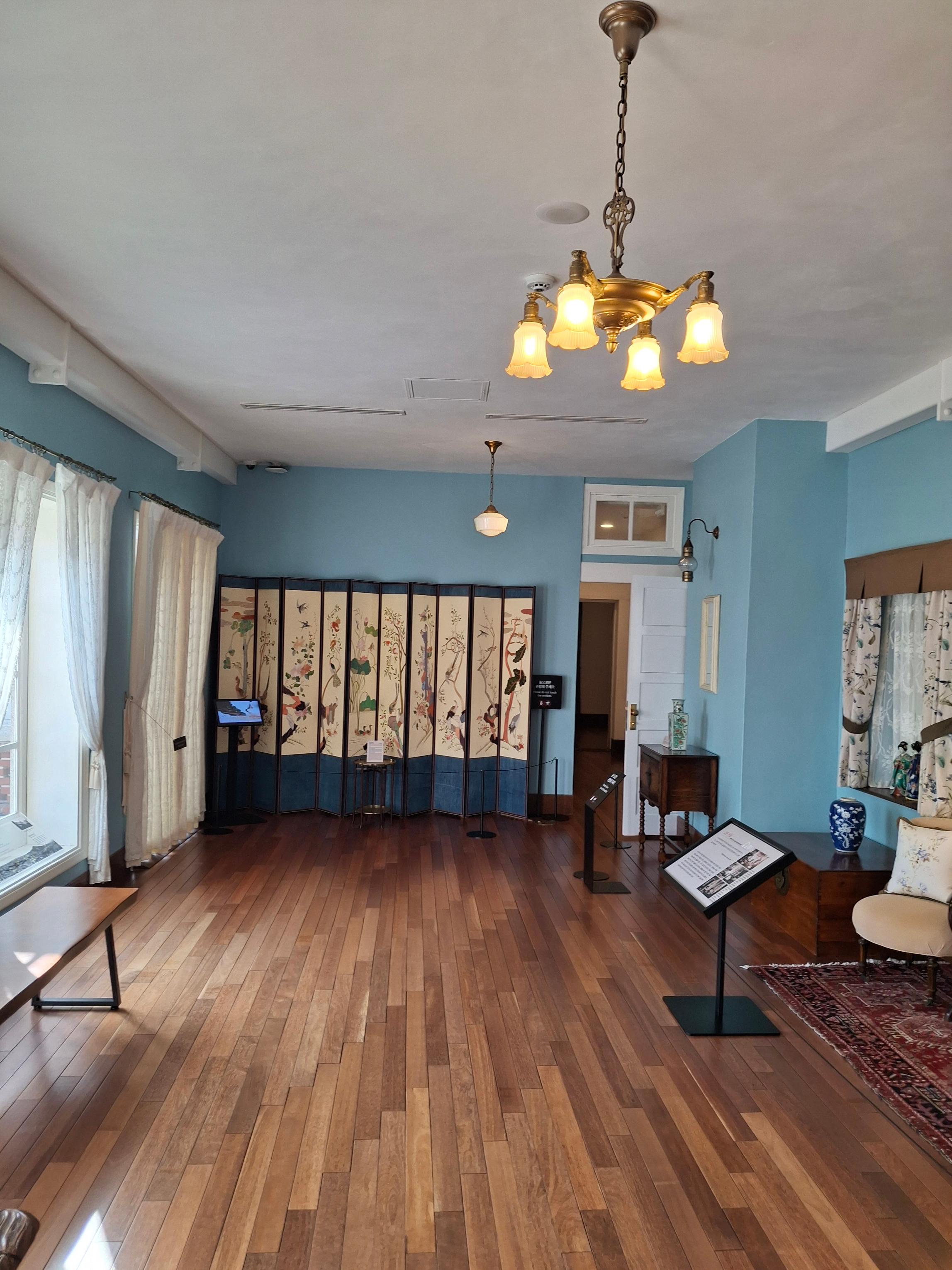
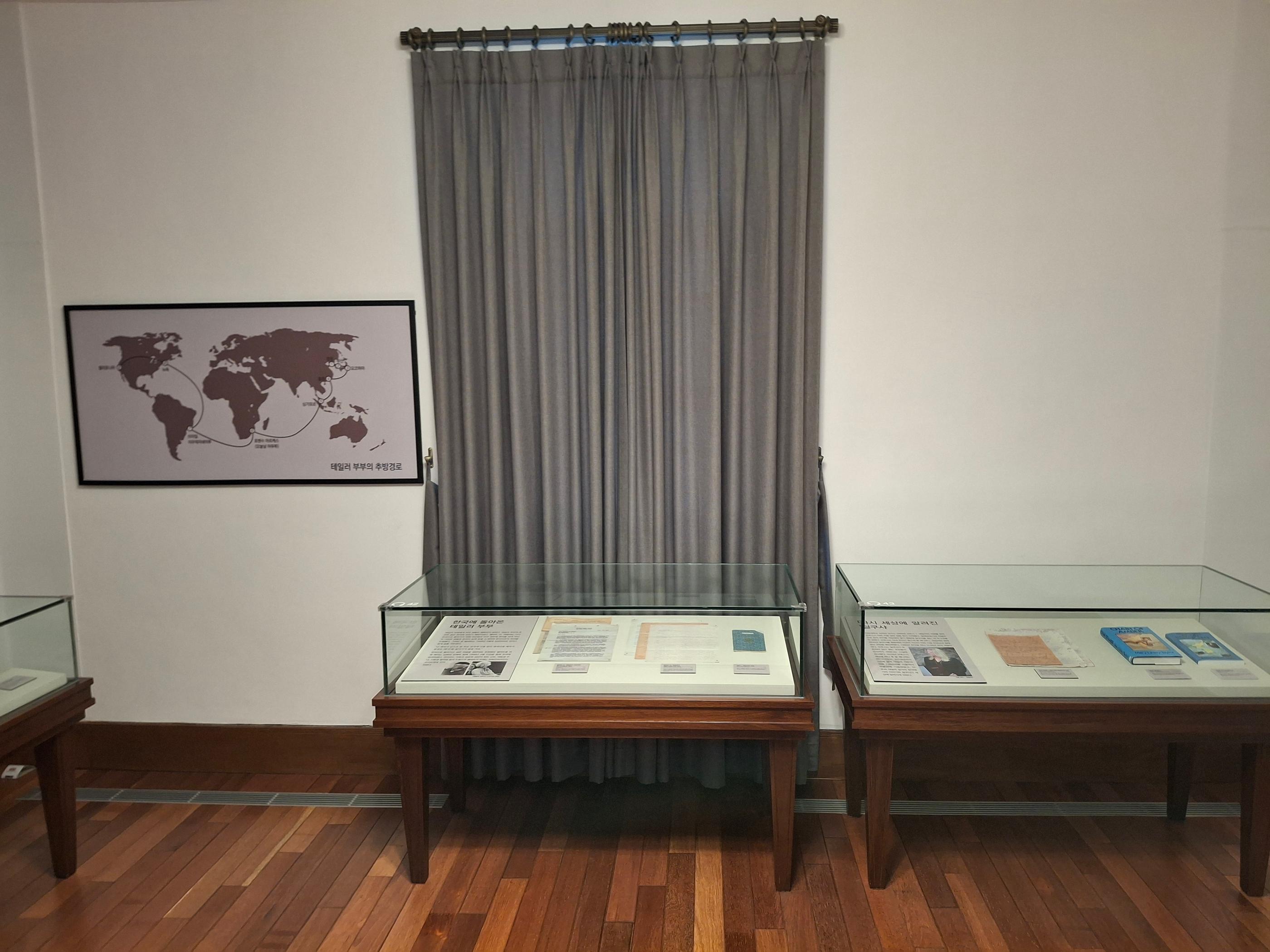
Very close to the museum, among the tall multi-story buildings, there is a red-bricked Western-style house Dilkusha with a basement and two stories built by Albert W. Taylor (1875–1948).
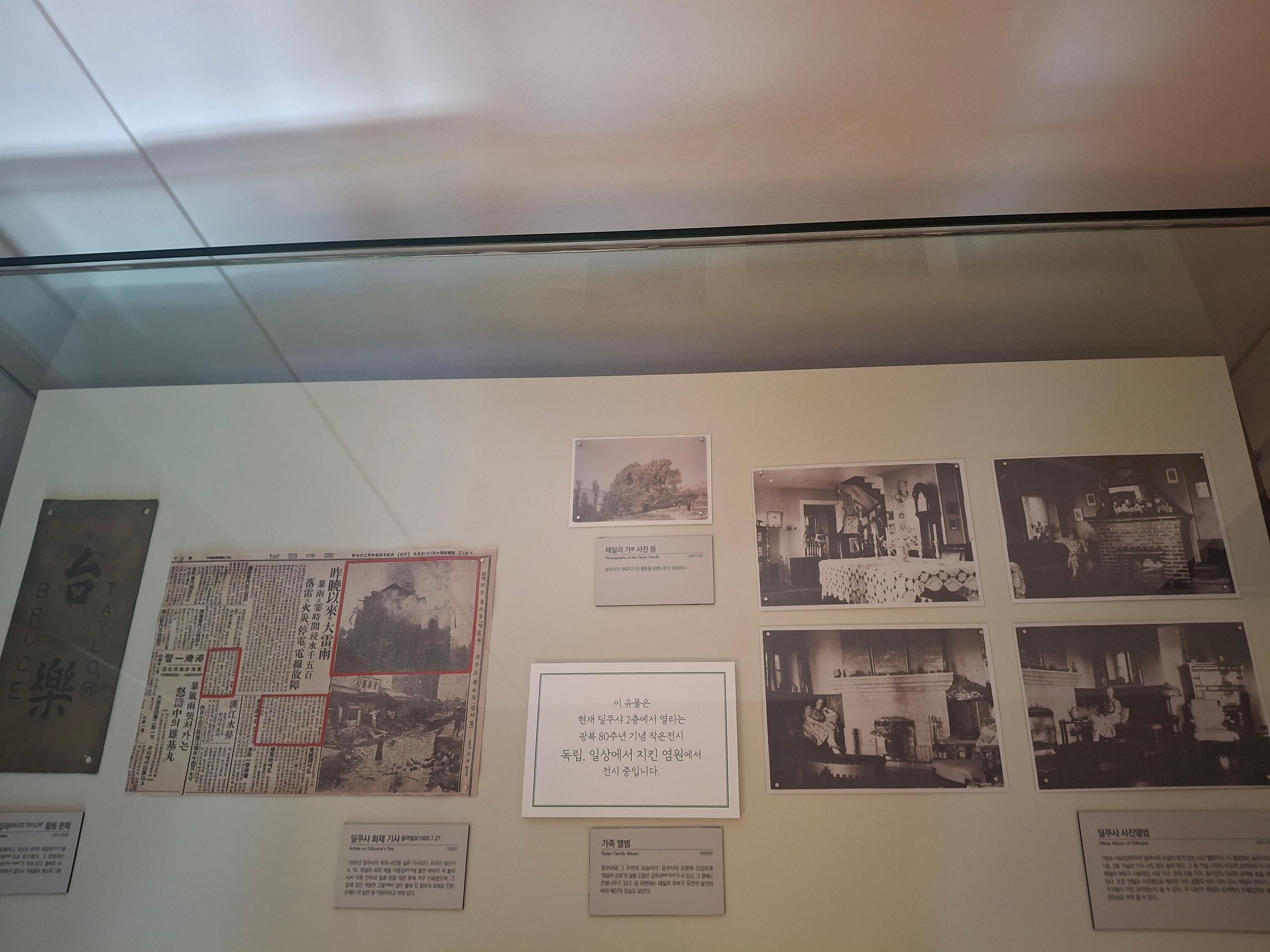
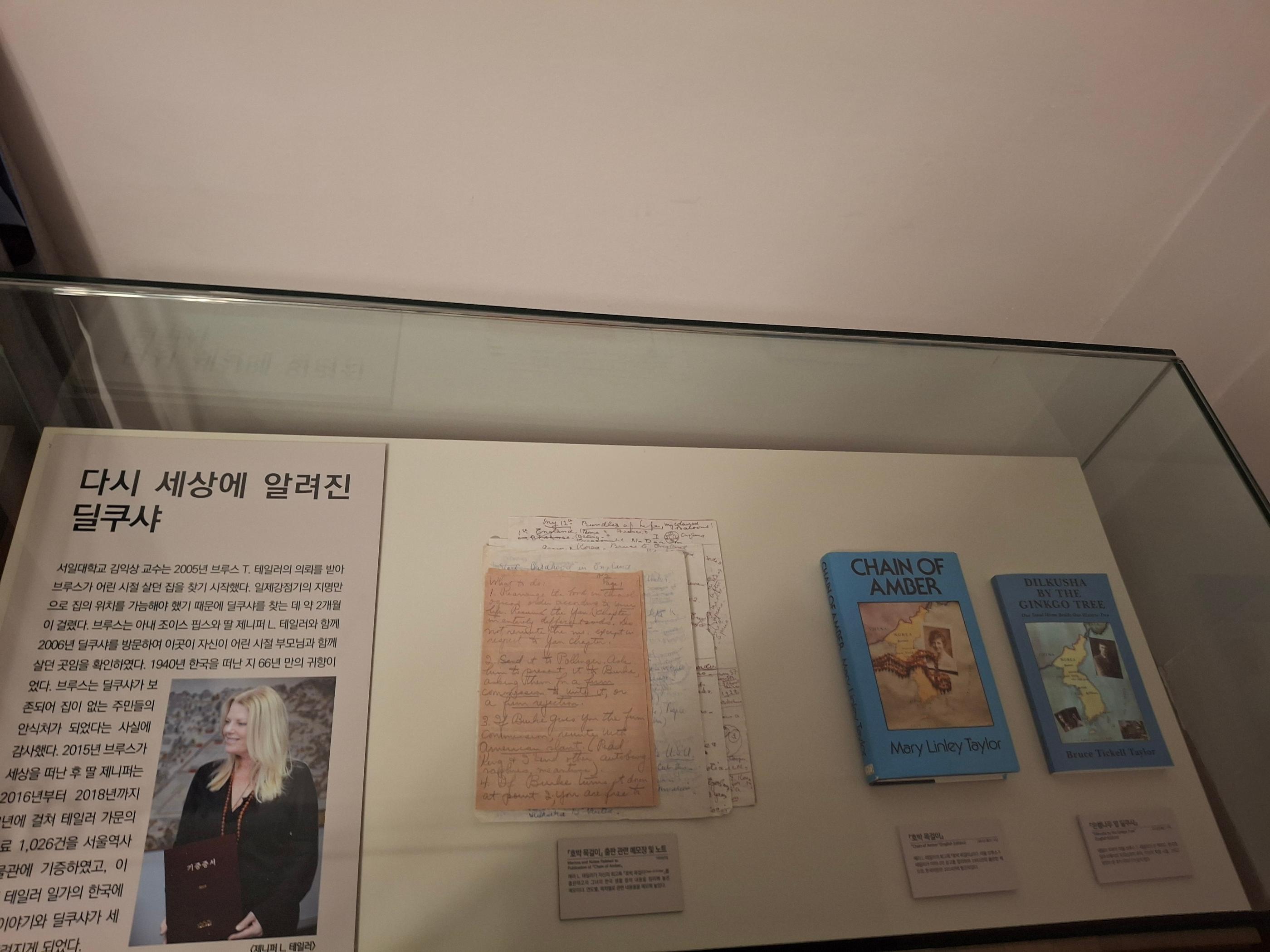
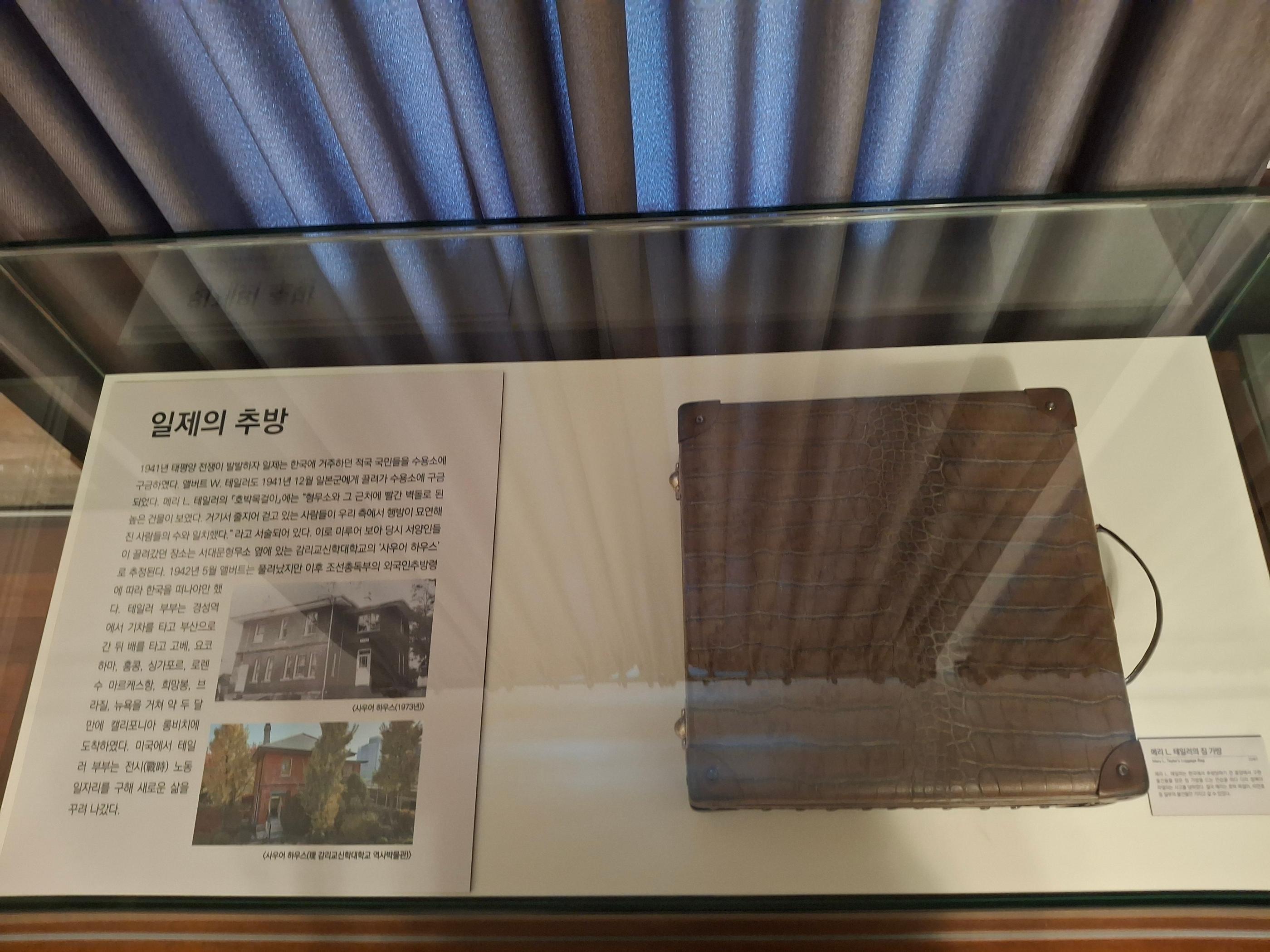
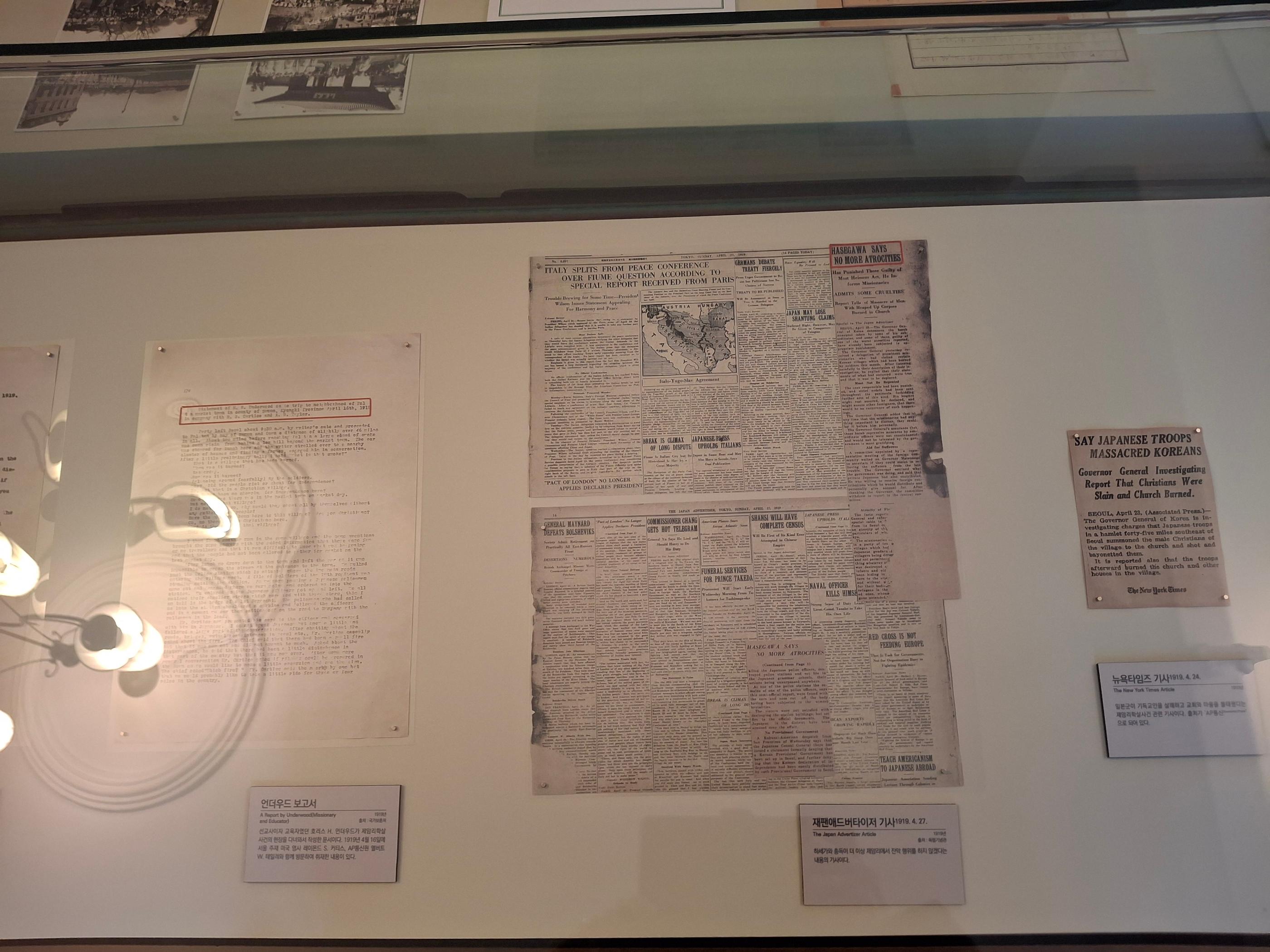
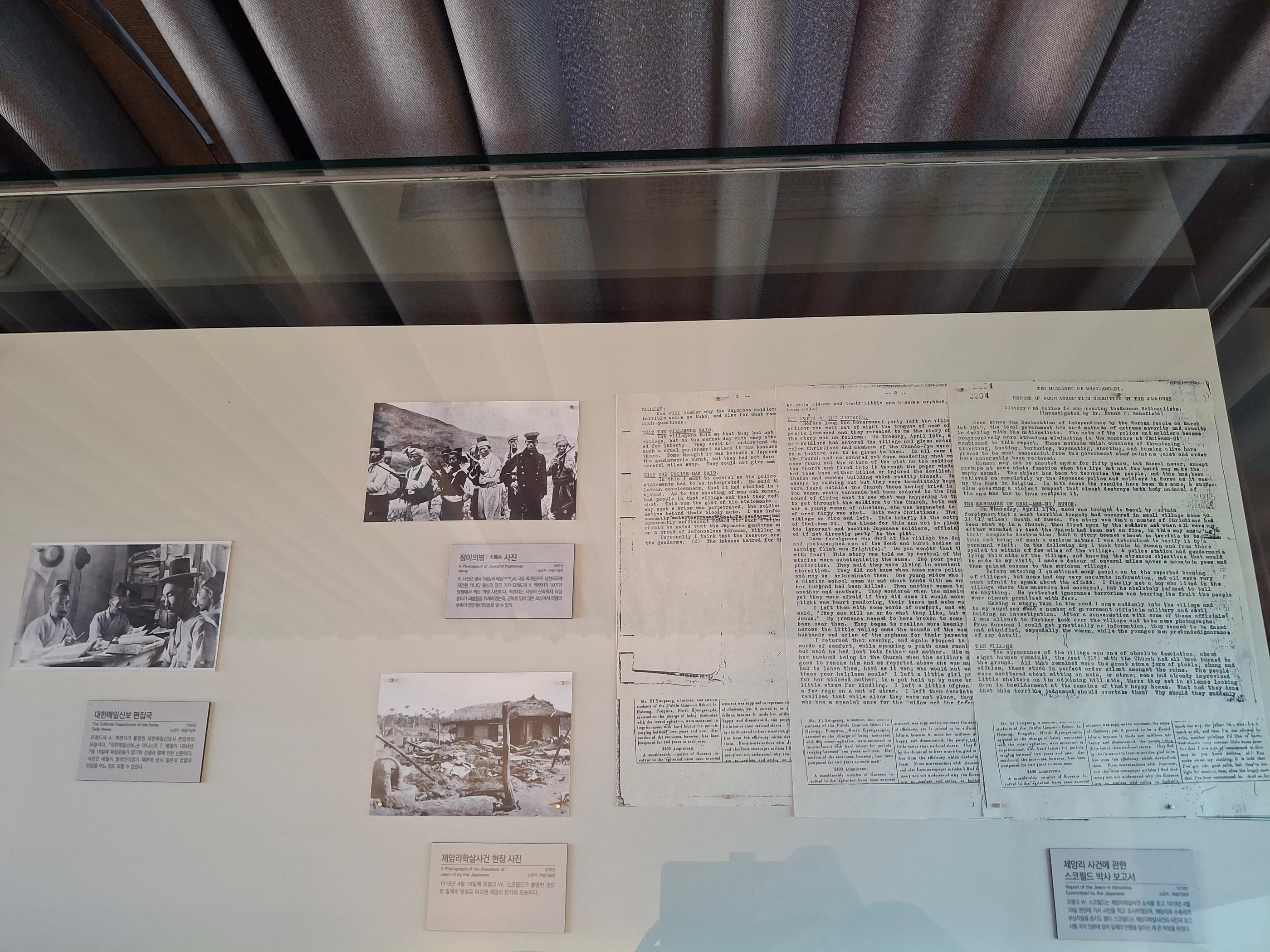
Taylor was a special correspondent of the Associated Press who in 1919 reported the illegal annexation of Joseon (then Korea) by the Japanese Empire and covered the details of the March 1st Movement to inform the international community. Due to these efforts, Taylor was imprisoned in Seodaemun Prison while assisting Korea’s anti-Japanese independence movement. Dilkusha served as the residence of the Taylors until they were expelled by the Japanese in 1942.
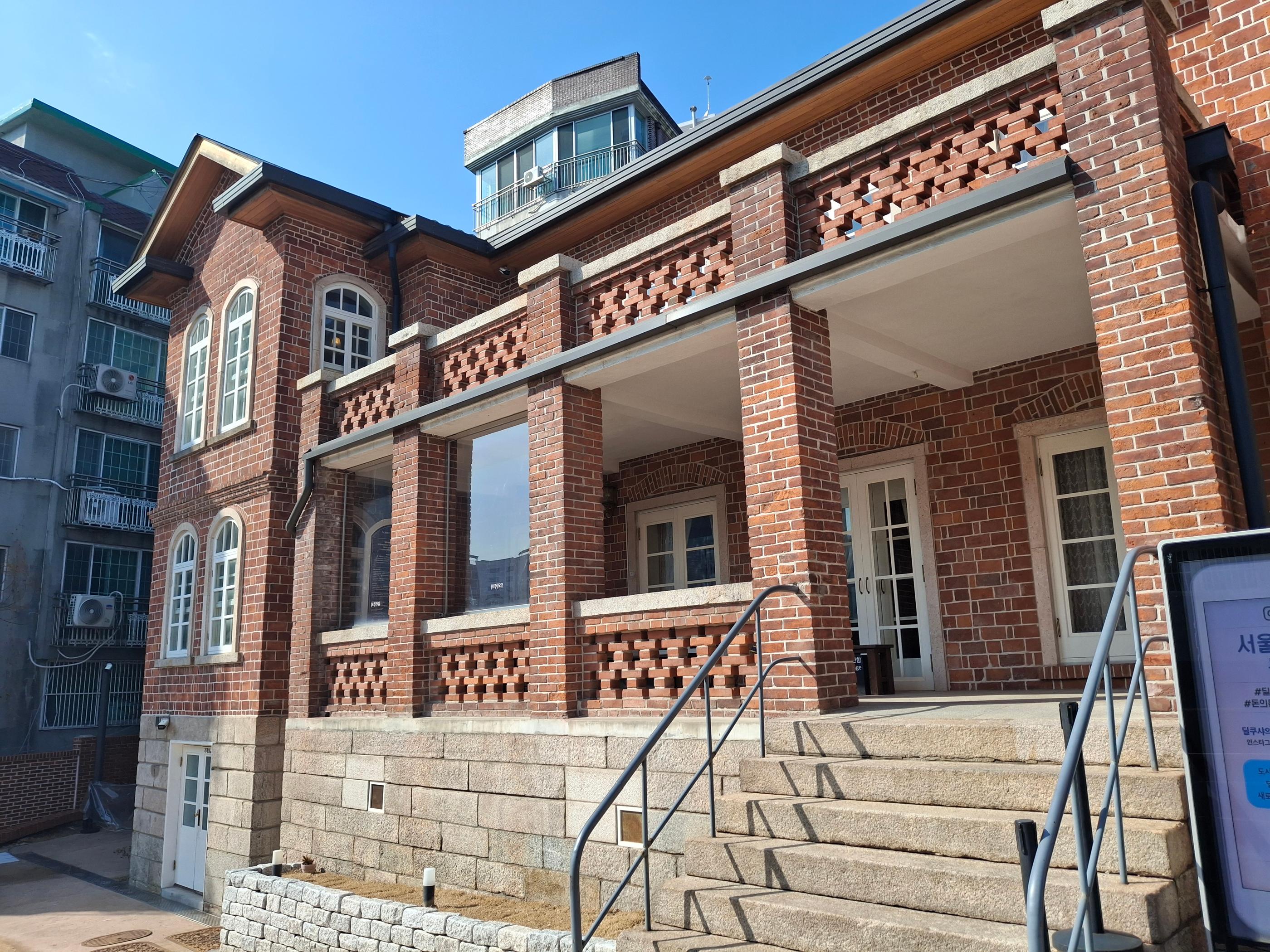
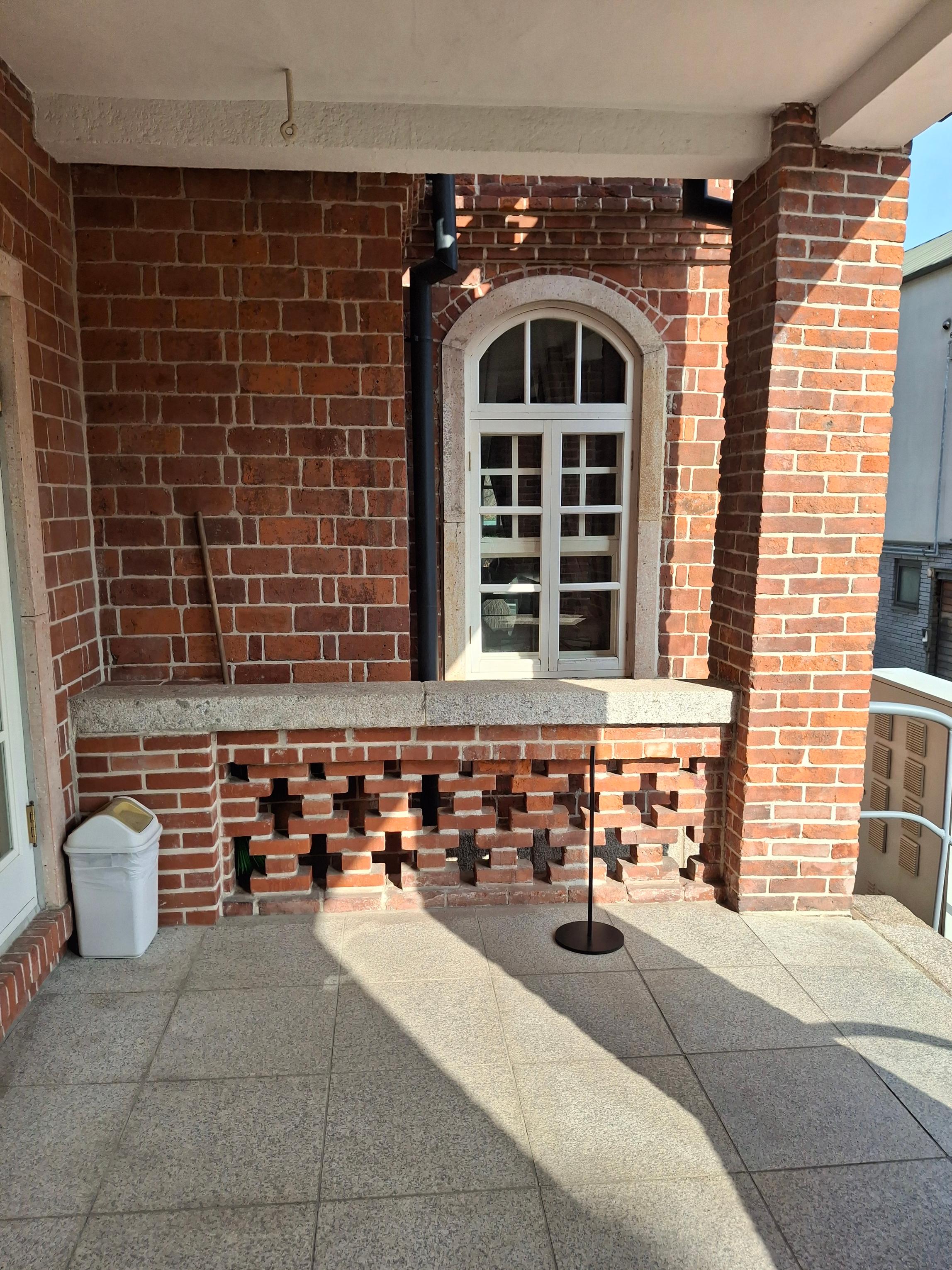
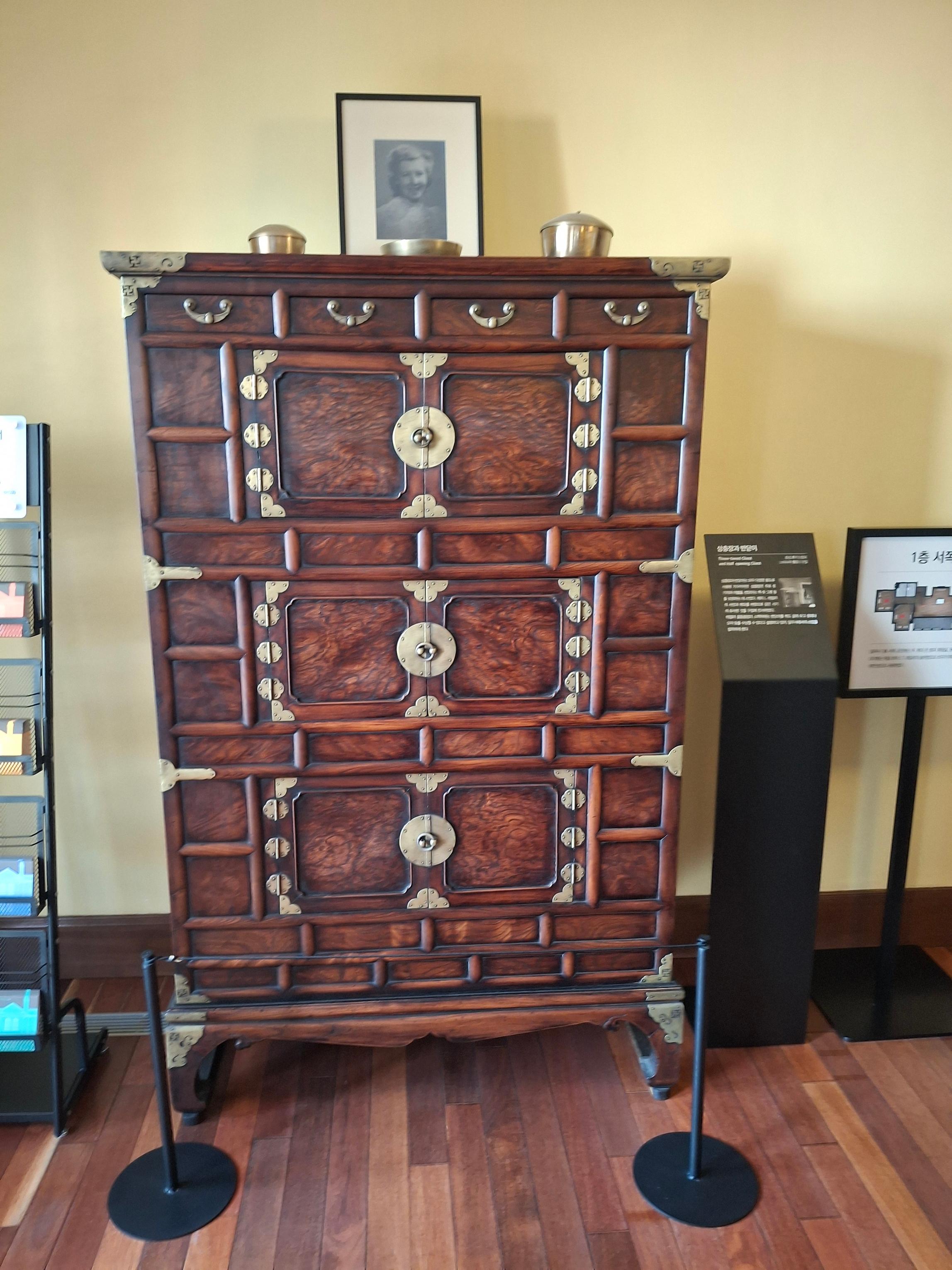
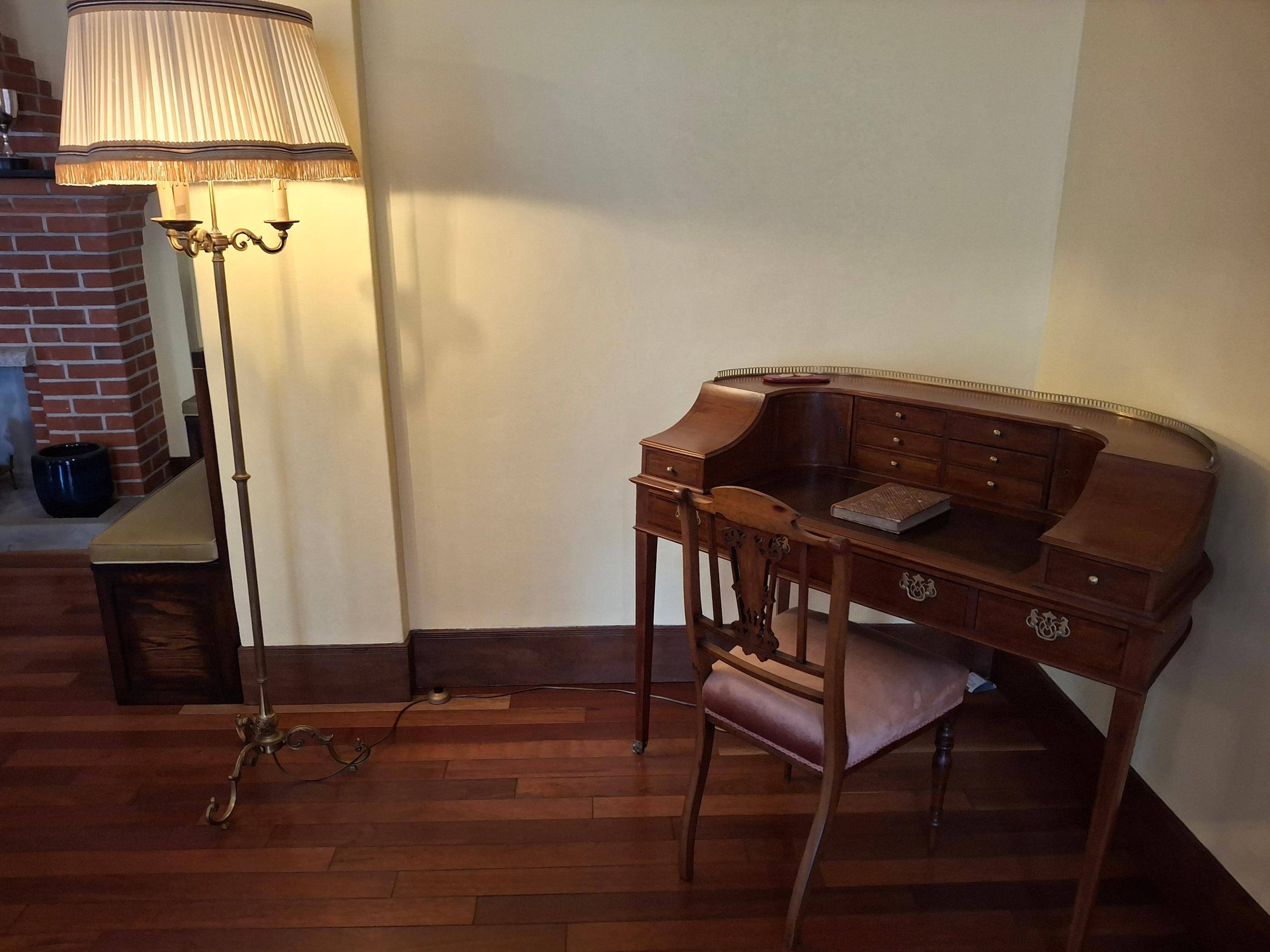
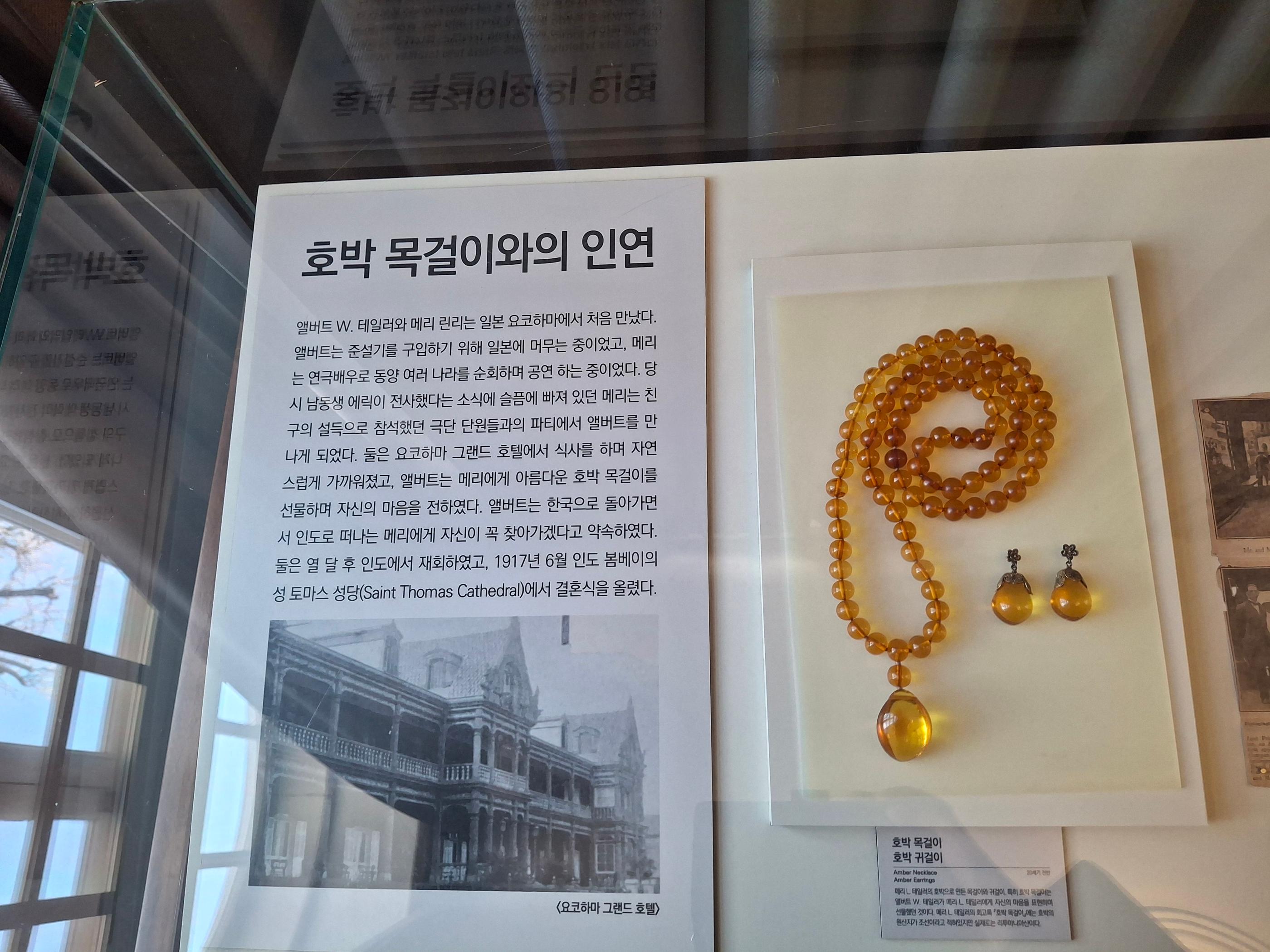
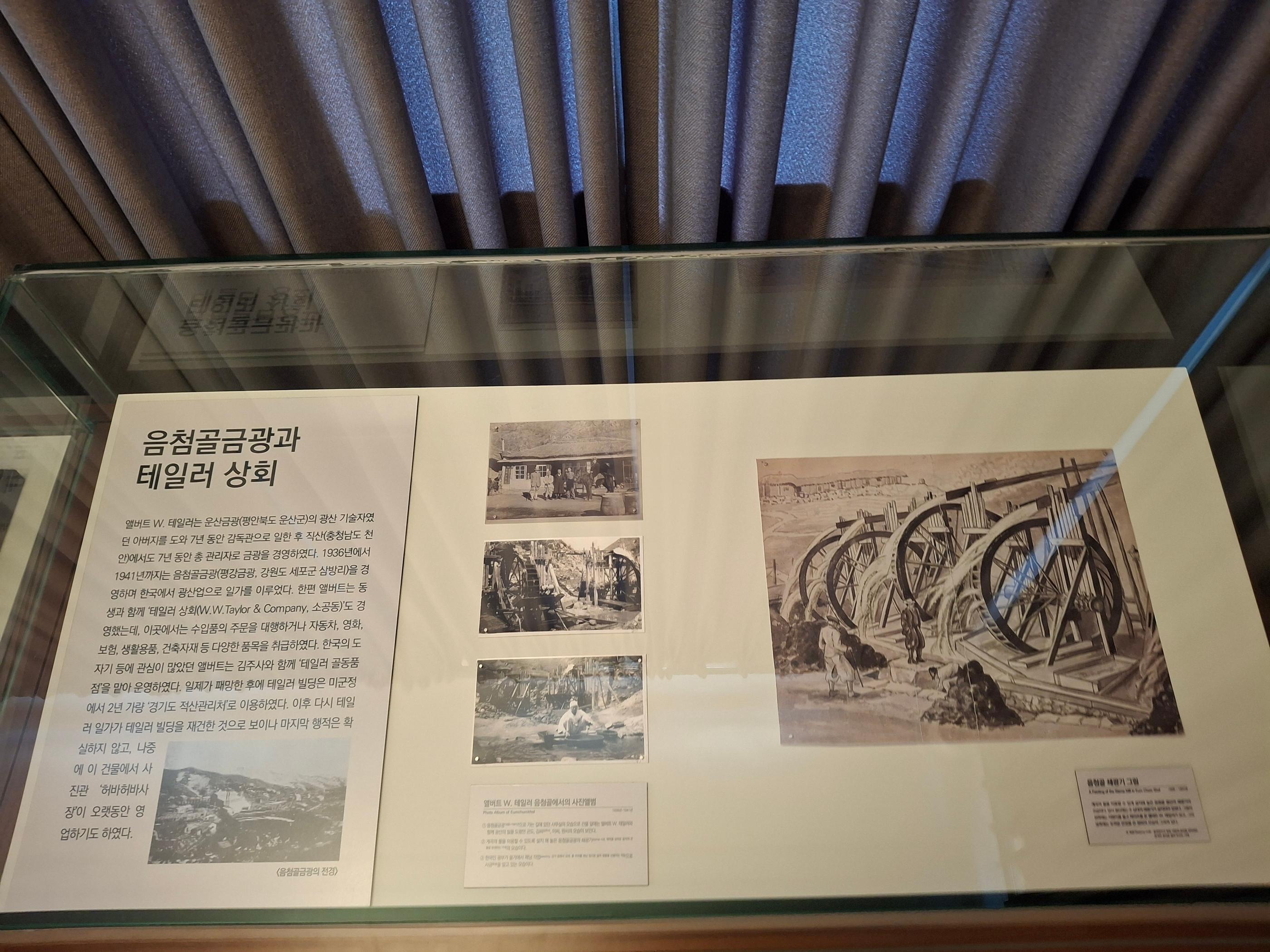
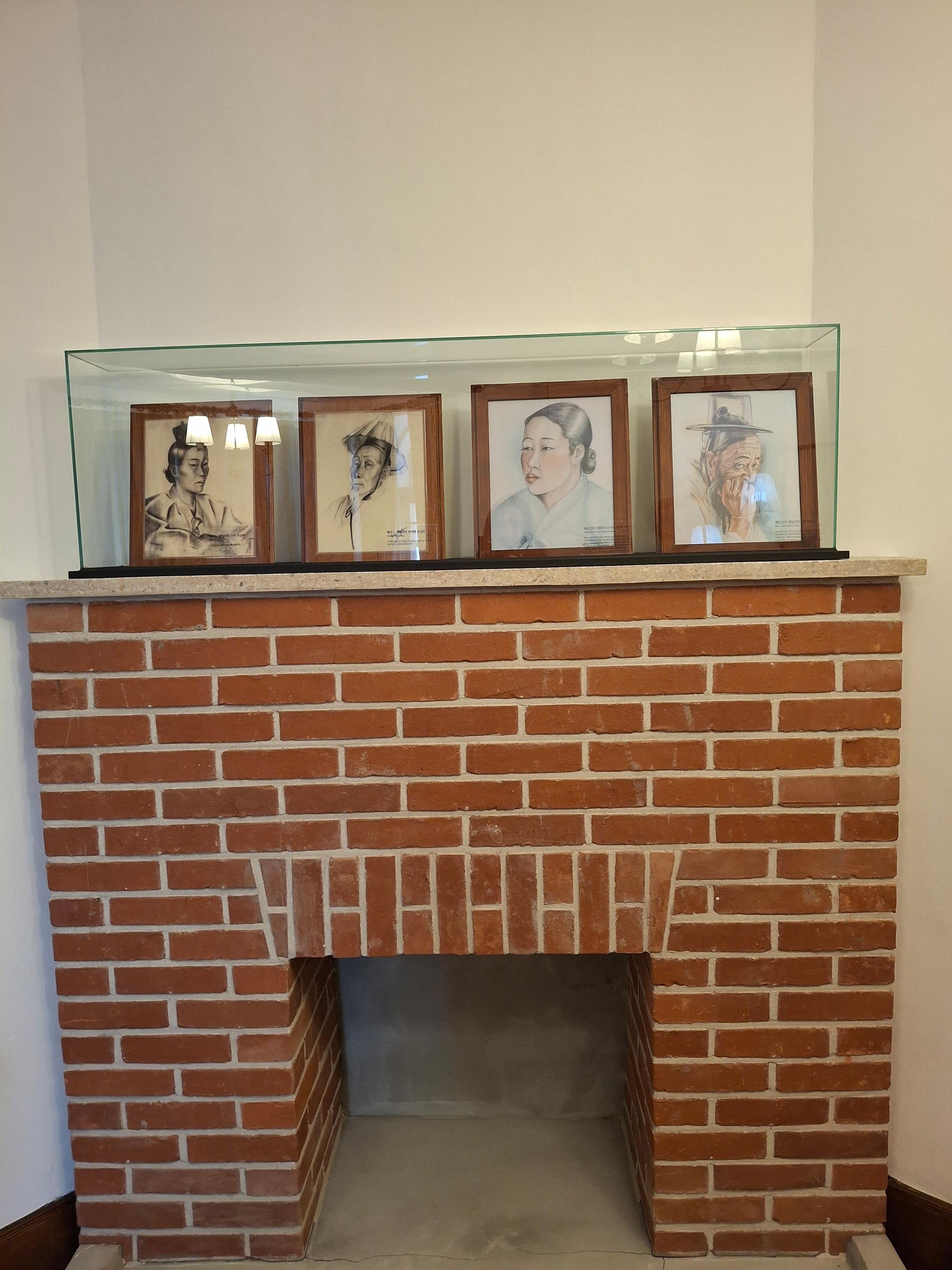
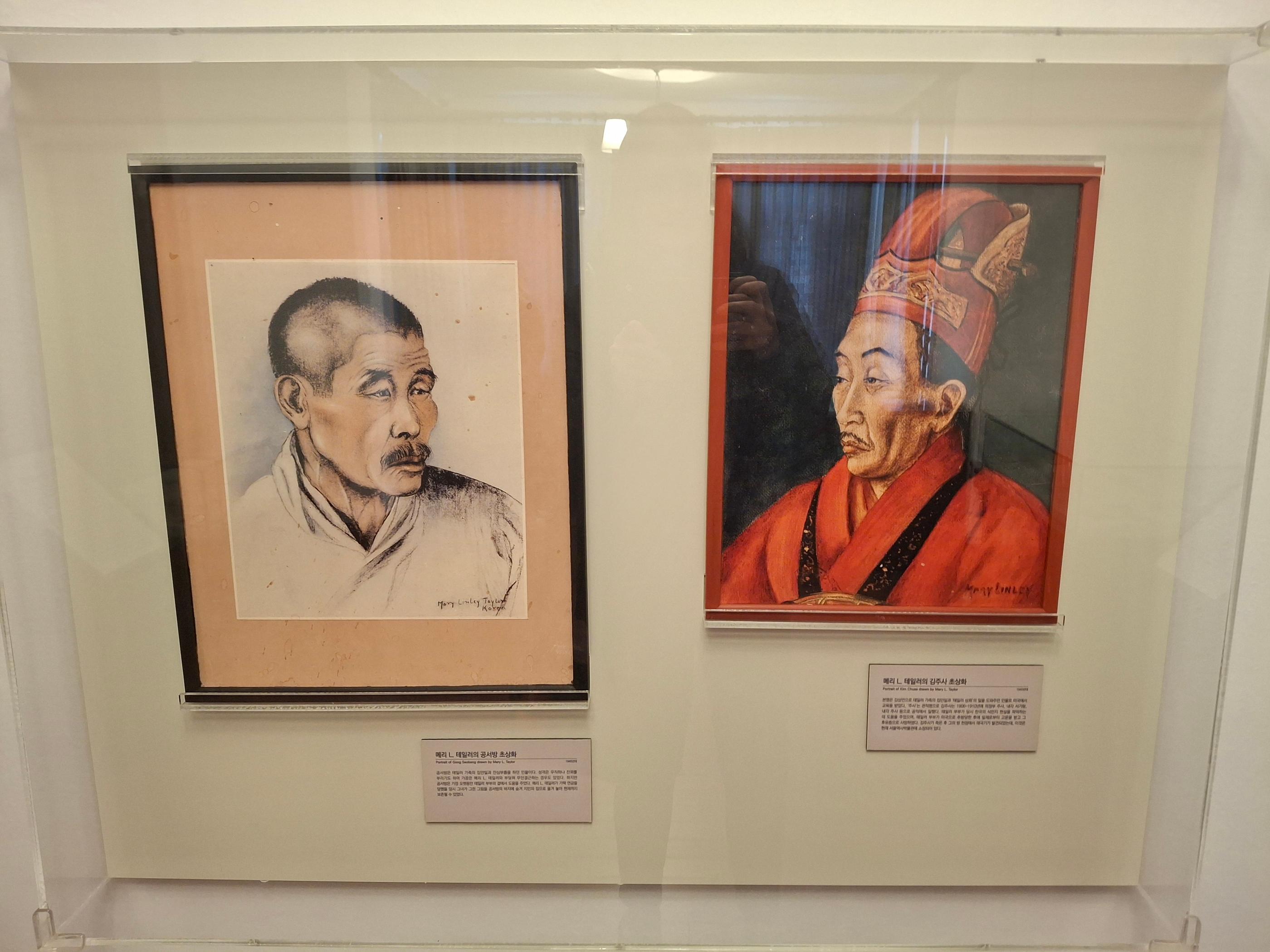
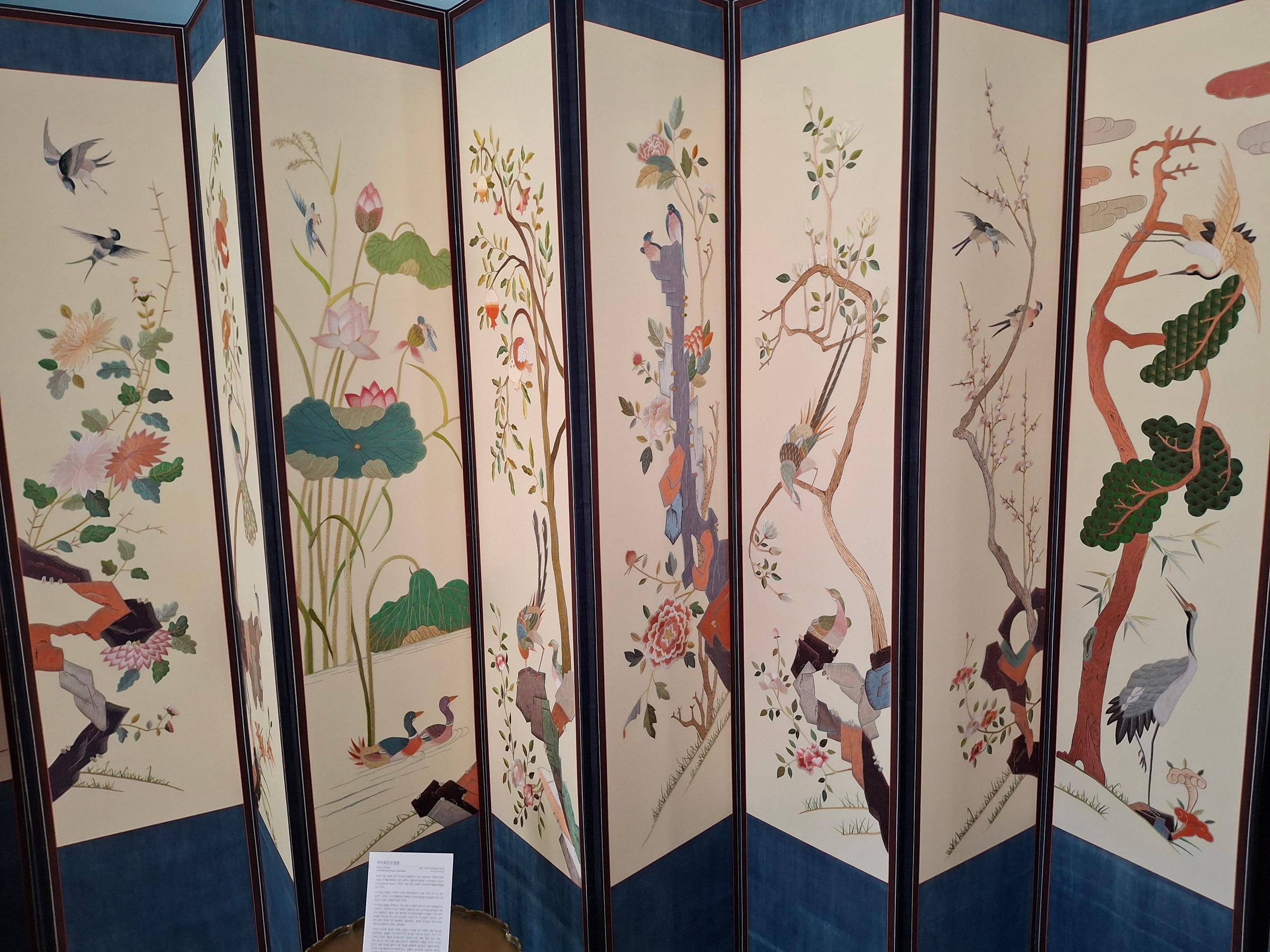
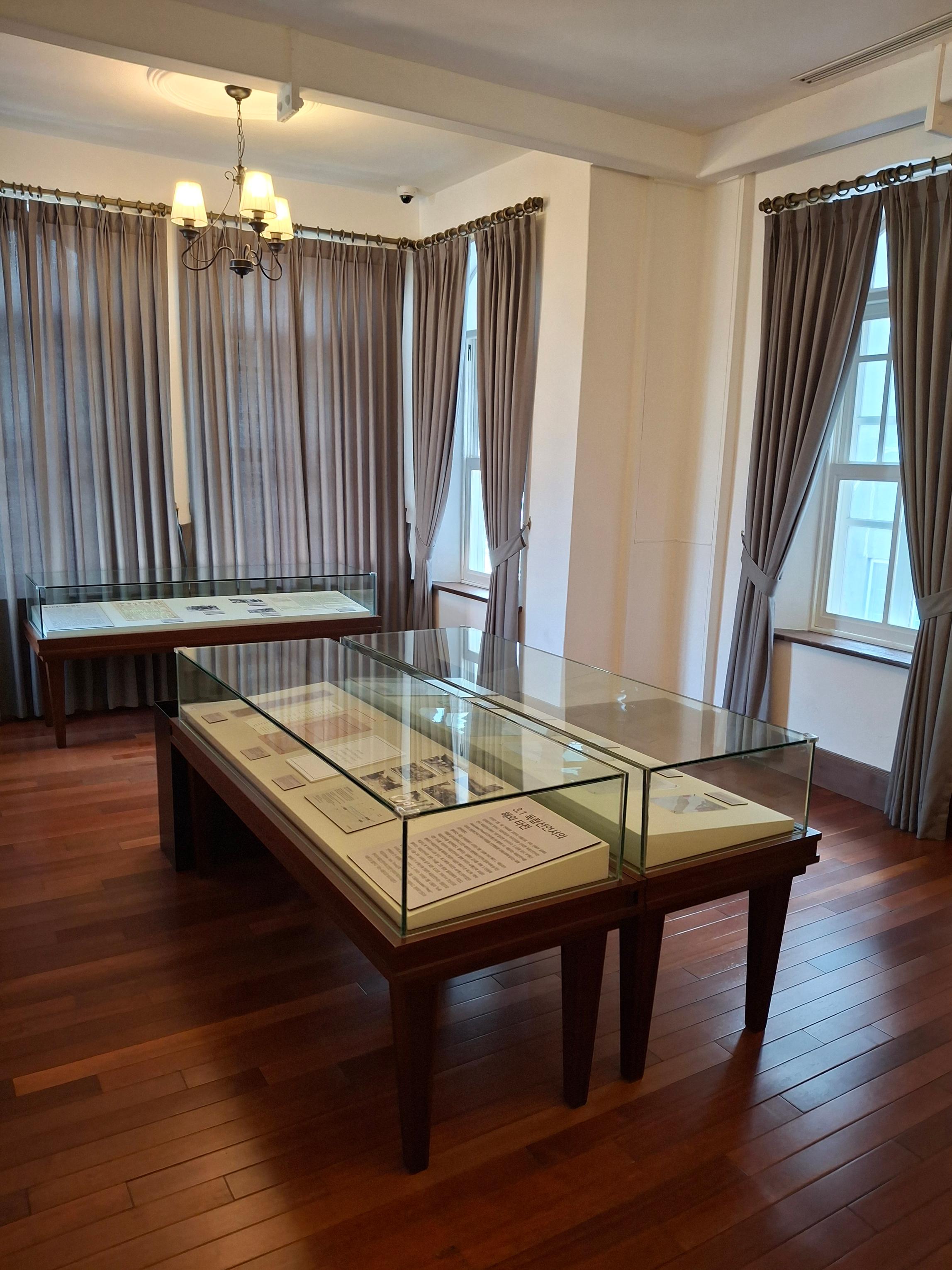
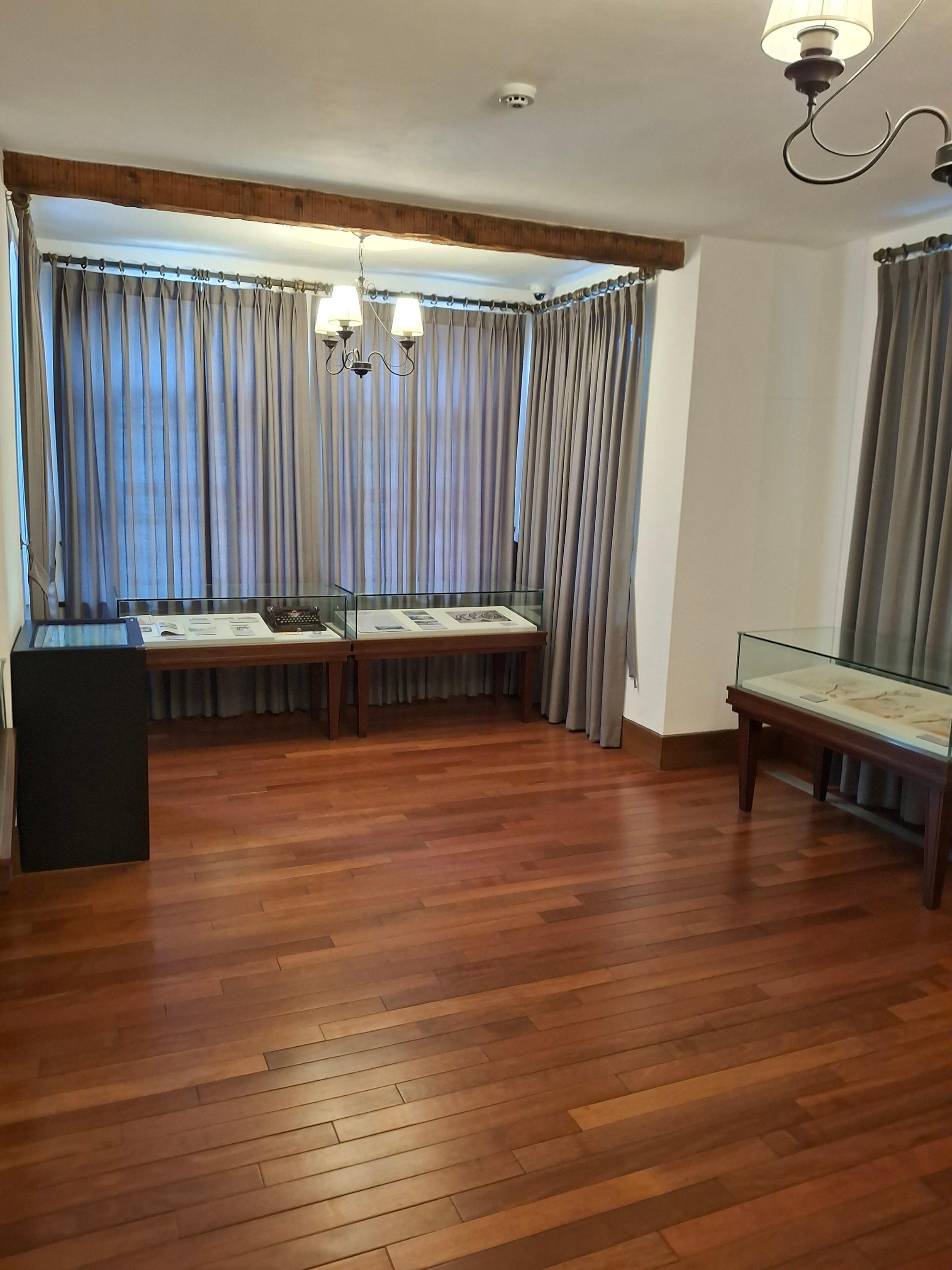
Visitors are encouraged to take a tour of Dilkusha to see first-hand the former residence of the Taylors as it was in the 1920s, and vividly witness history through six exhibitions that highlight the life of the Taylors and the journalist activities of Albert W. Taylor as a special correspondent while in Korea. The Taylor House is a stunning blend of Europe and Asia. Examining the beautiful interiors and the family's personal belongings, you gain a deeper understanding of the man who sacrificed so much in the name of justice, defending a people he considered foreign.
This educational and interesting route can be completed in just a few hours. You can learn a great deal about Korea's modern history and feel like you're part of those events, understanding their importance and honoring the memory of the heroes of the independence struggle.