



Appenzeller Noble Memorial Museum
Olga
4 months ago
In addition to the famous and popular museums, there are many smaller, but no less important museums in Seoul. One of such museums is the Appenzeller Noble Memorial Museum. It is dedicated to Henry Gerhart Appenzeller, the American Northern Methodist missionary who opened the first Western-style educational institution in Korea in 1885.
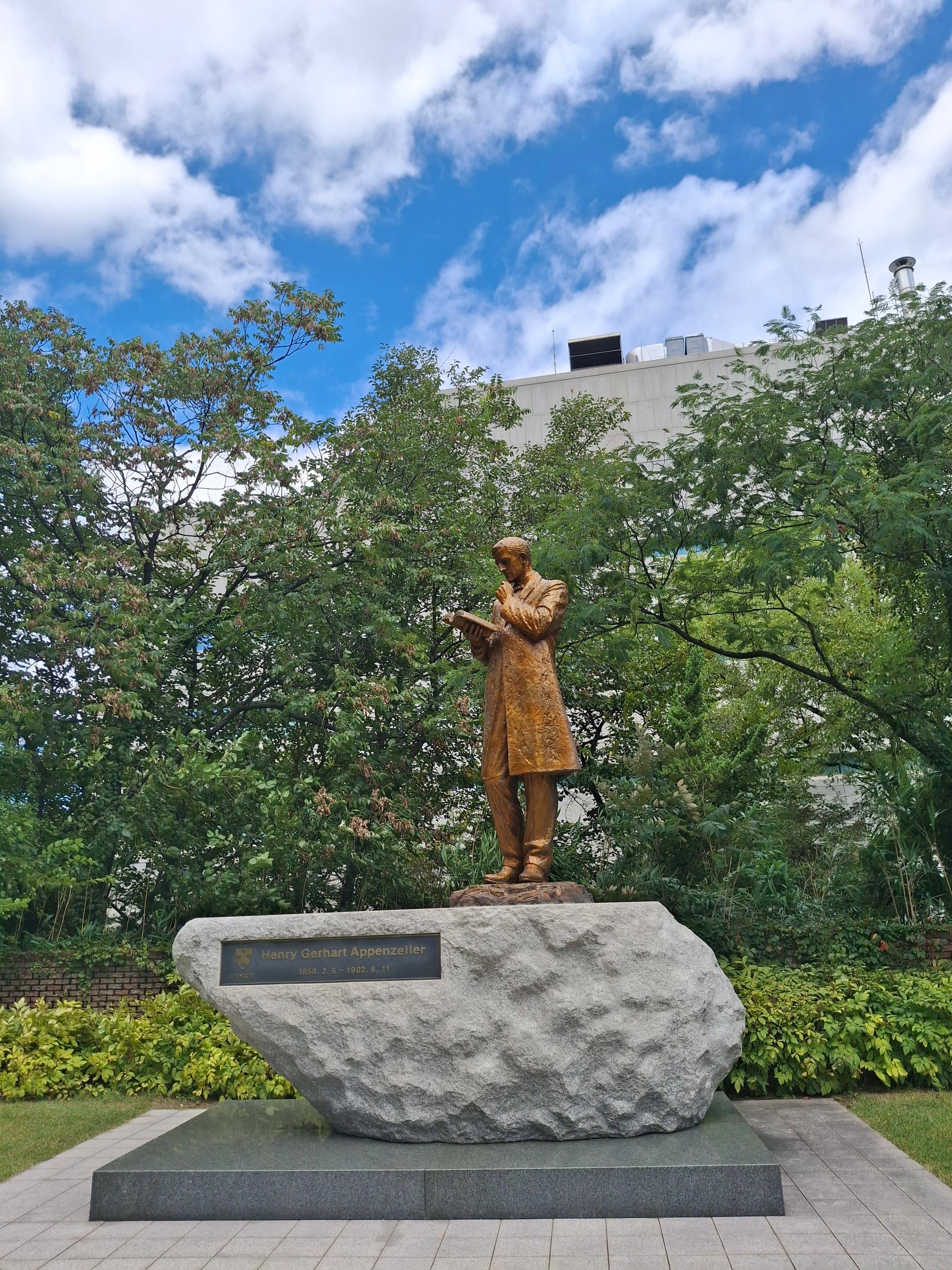
The school started with English and core subjects, but expanded into the Pai Chai University, Pai Chai High School, and Pai Chai Middle School and has many famous alumni, including Rhee Syng-man. The memorial hall opened in 2008 in the east wing of the original school building, which was built in 1916 and designated as a Seoul Monument.
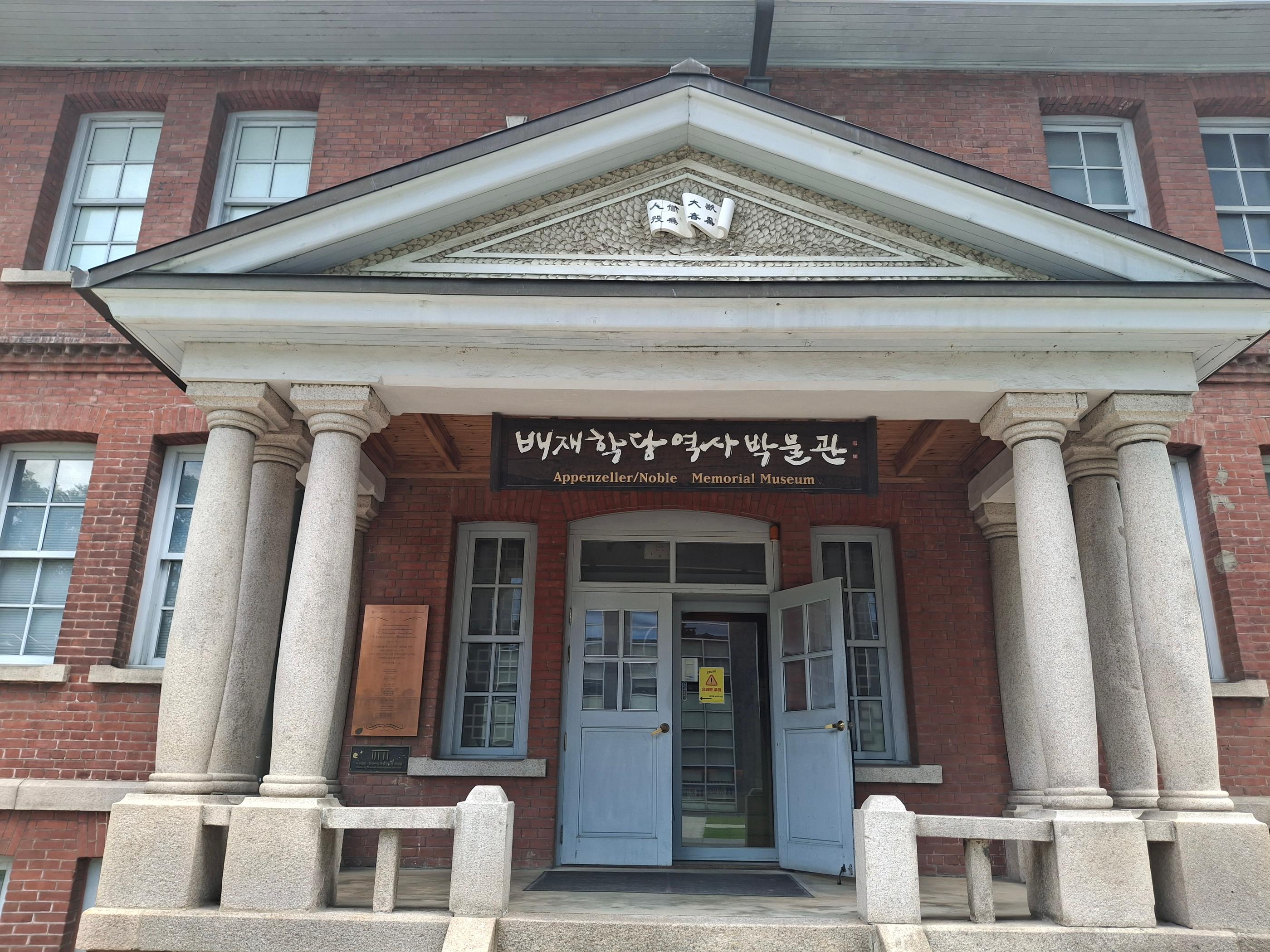
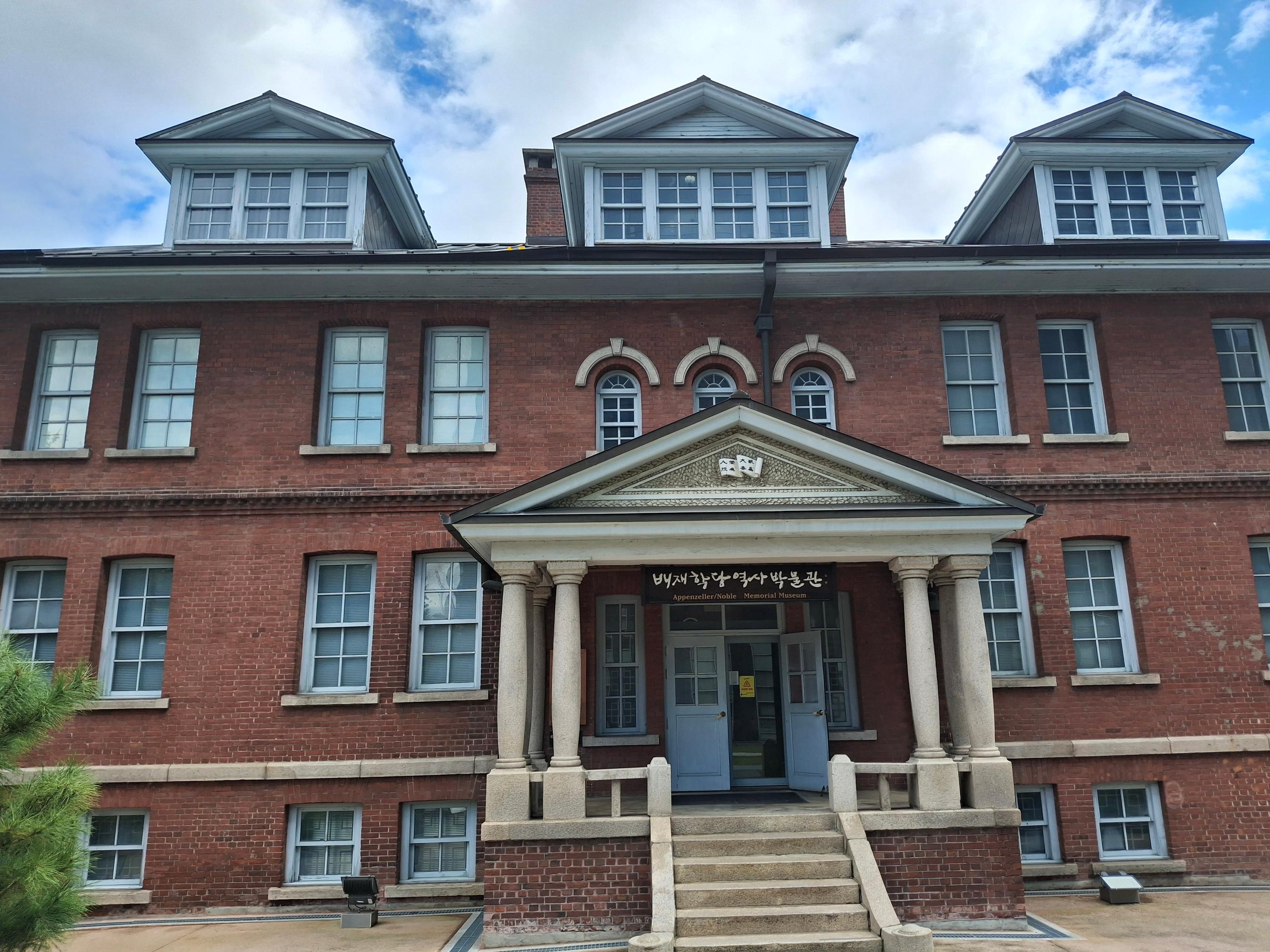
The Appenzeller Noble Memorial Museum, which has a permanent exhibition room, a special exhibition room, and an experiential classroom, along with valuable collections that can confirm the aspects of modern education, is open to everyone as a space where materials and discourses that will shed new light on Korea's modern history in various fields such as education, religion, politics, society, and culture are gathered, and as a site of history that breathes with the contemporary era.
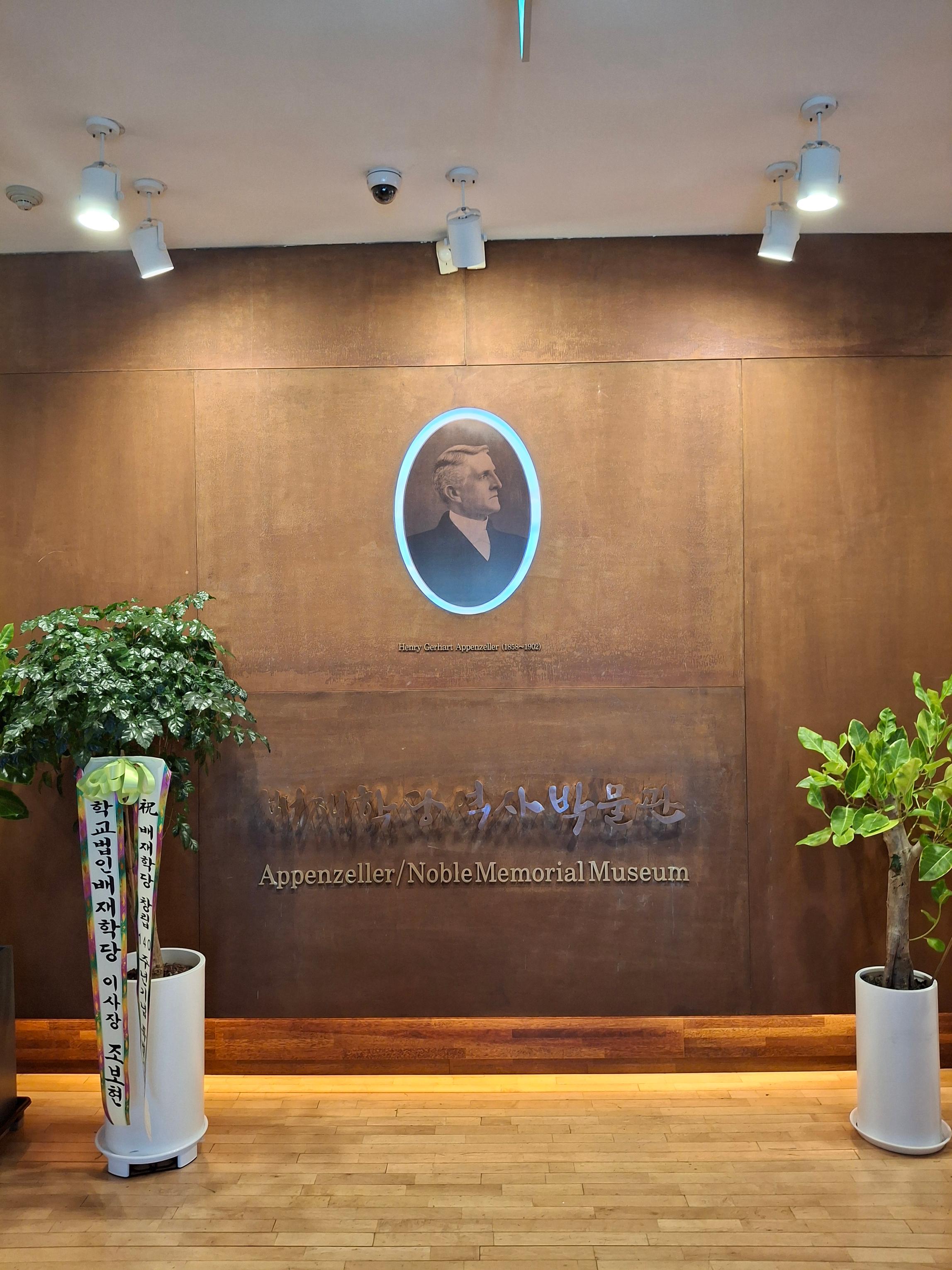
The museum's exhibition is located on two floors. Immediately upon entering the old school building there is a memorial plaque in honor of Henry Appenzeller.
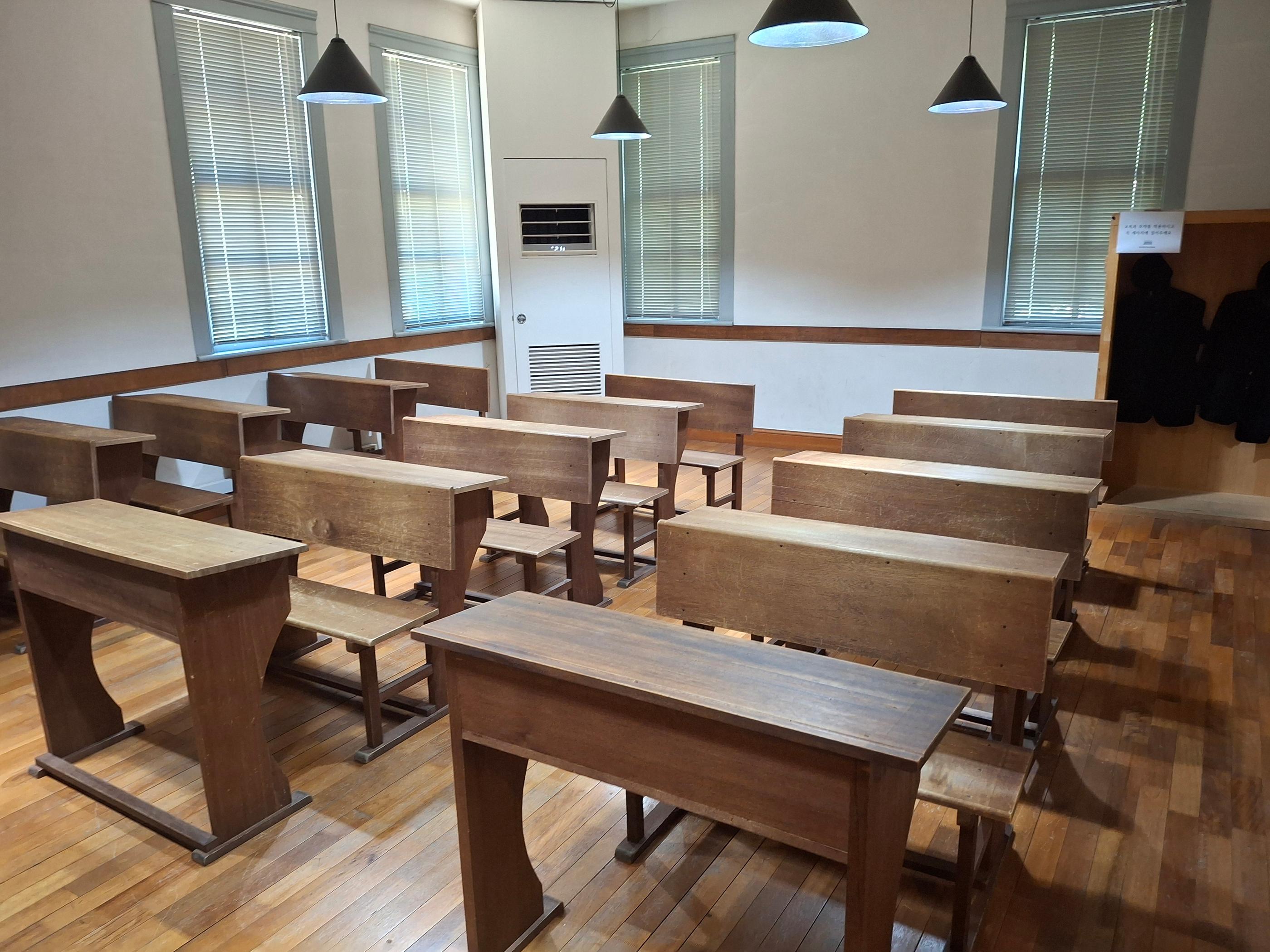
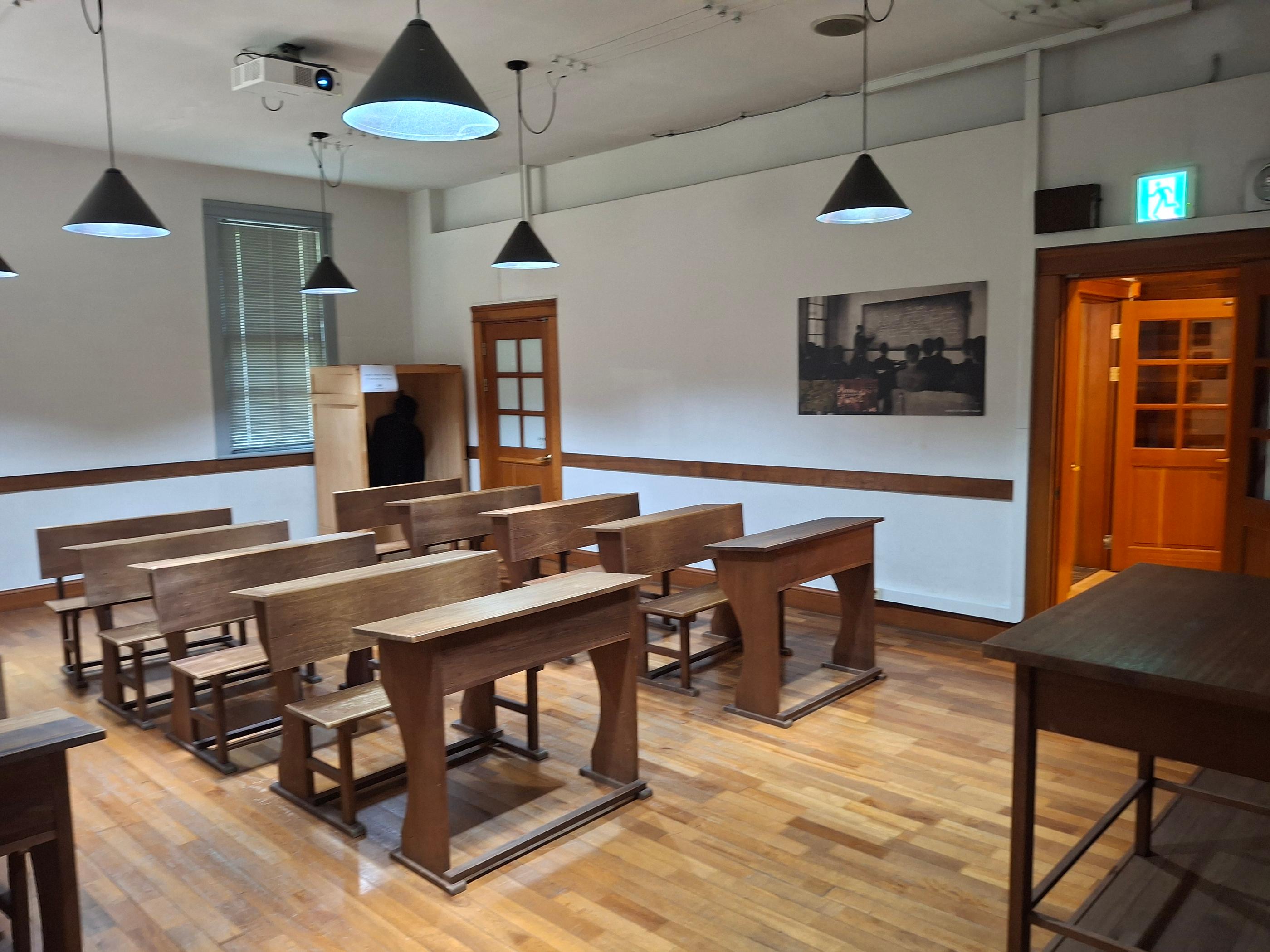
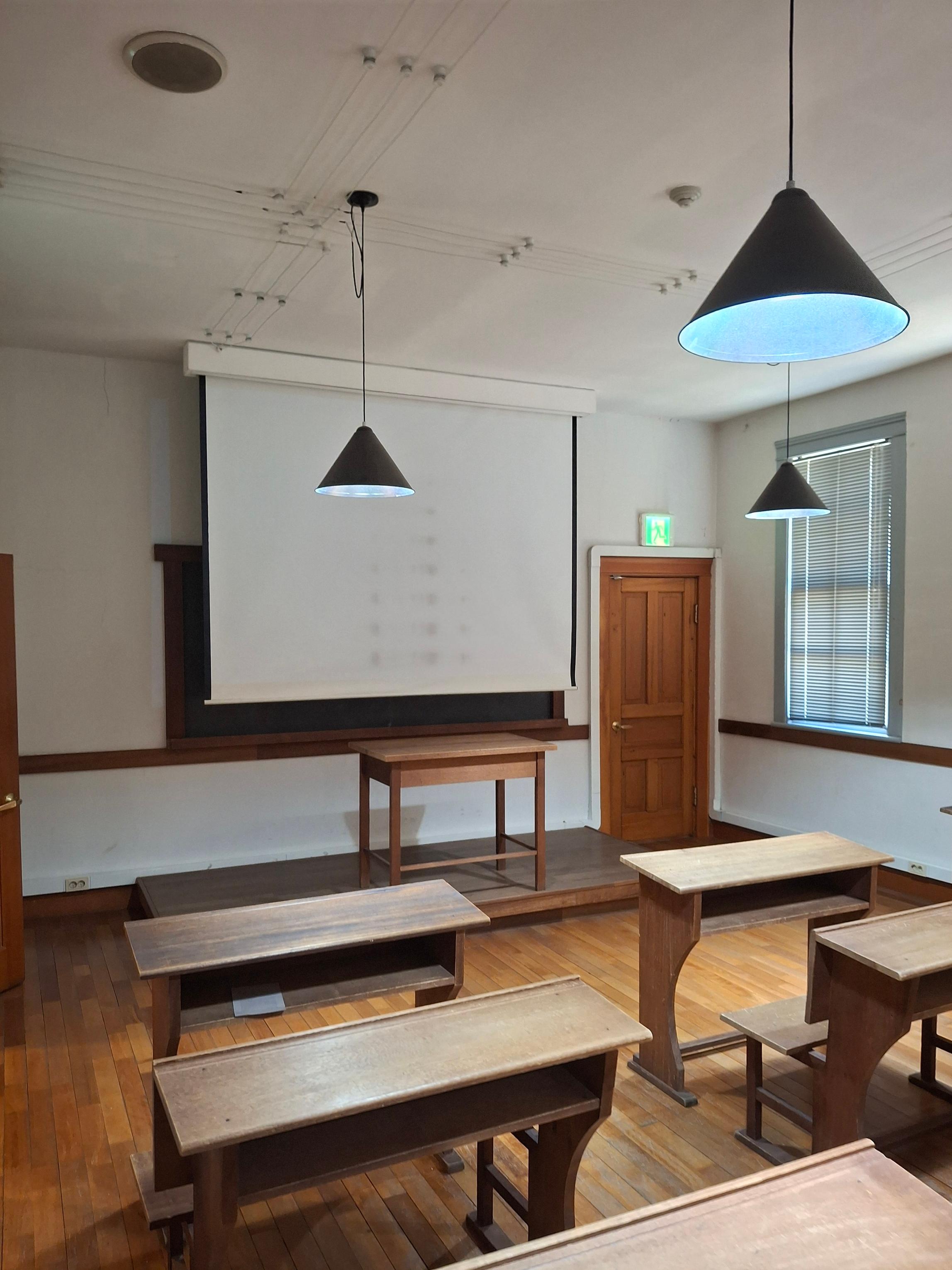
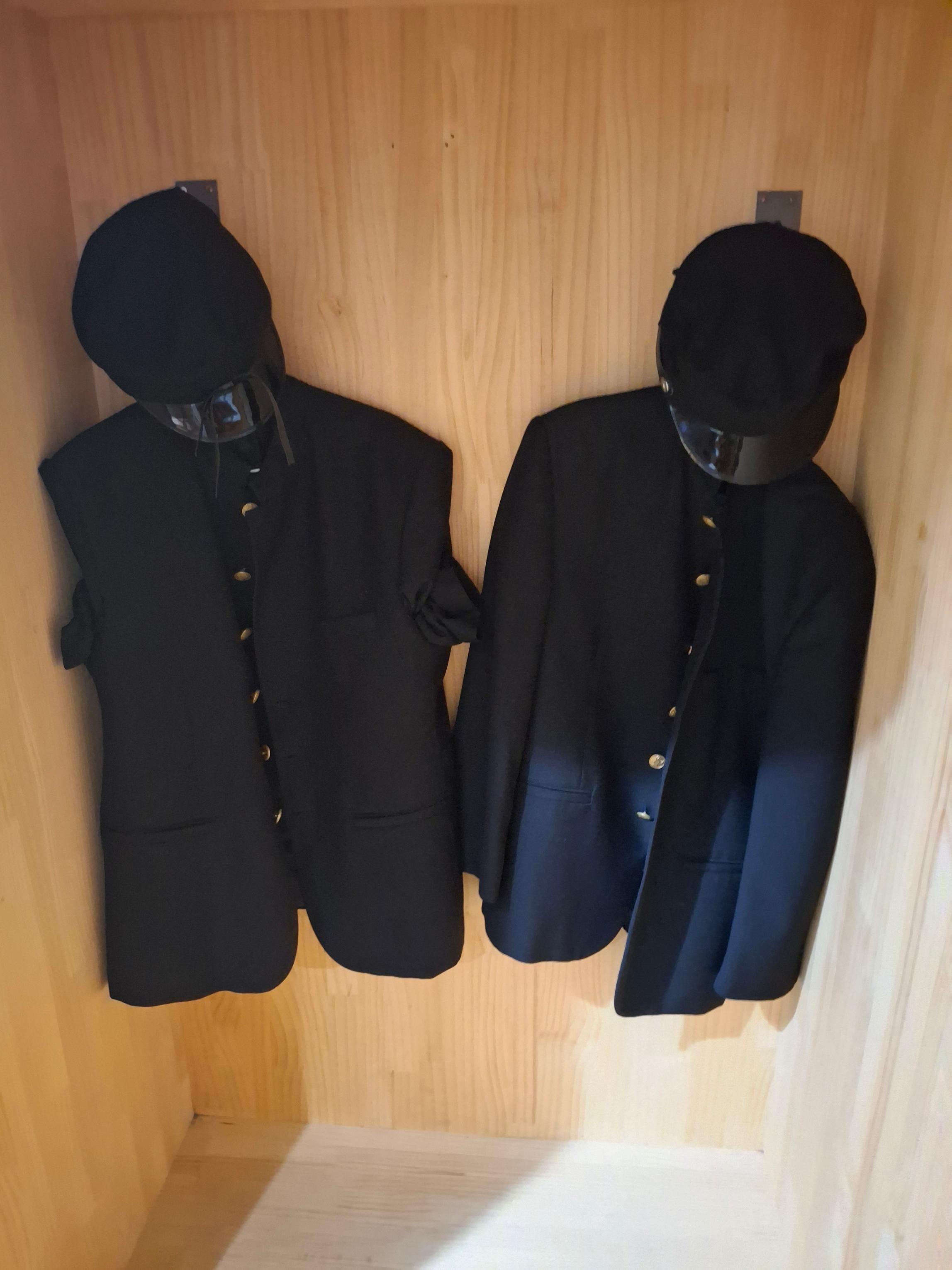
Further down the hall are the classrooms where the students were studying. This is a space that recreates the classrooms of Pai Chai School in the 1930s. You can experience the atmosphere of a modern classroom through the stone lacquer boards and bookshelves used at the time, and through the videos, you can understand Appenzeller's holistic education and Pai Chai School's advanced educational philosophy that unfolded more than 120 years ago.
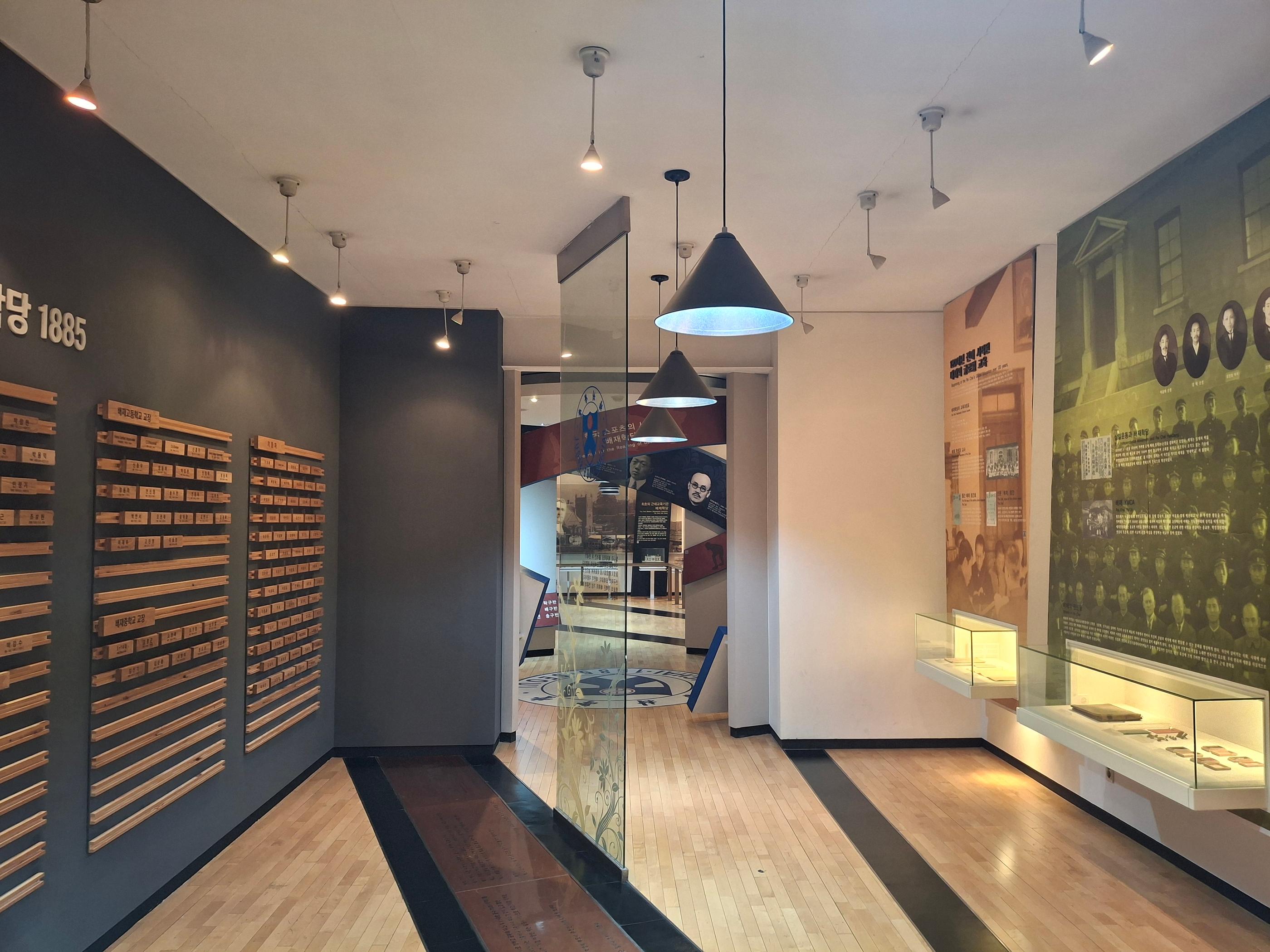
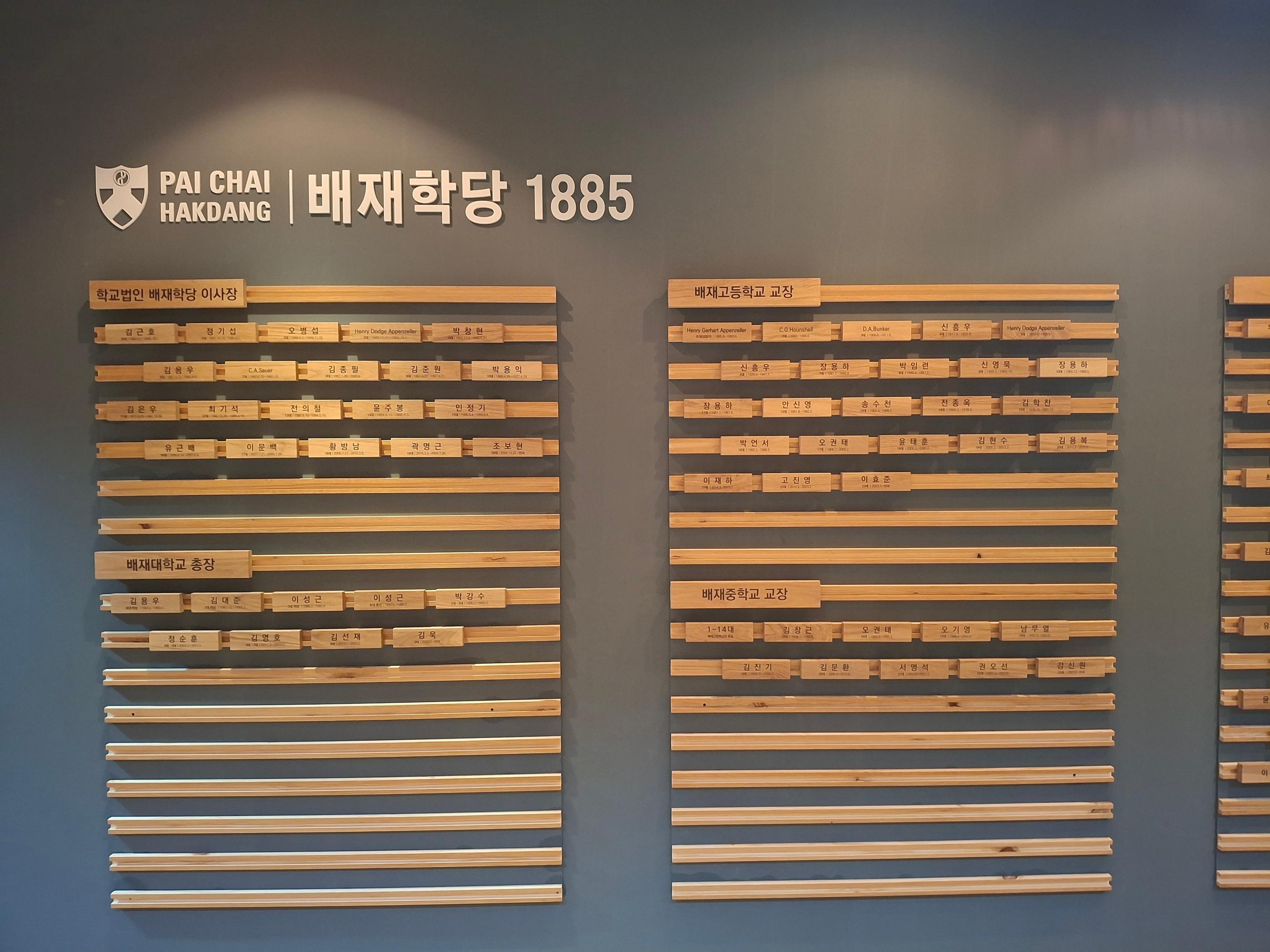
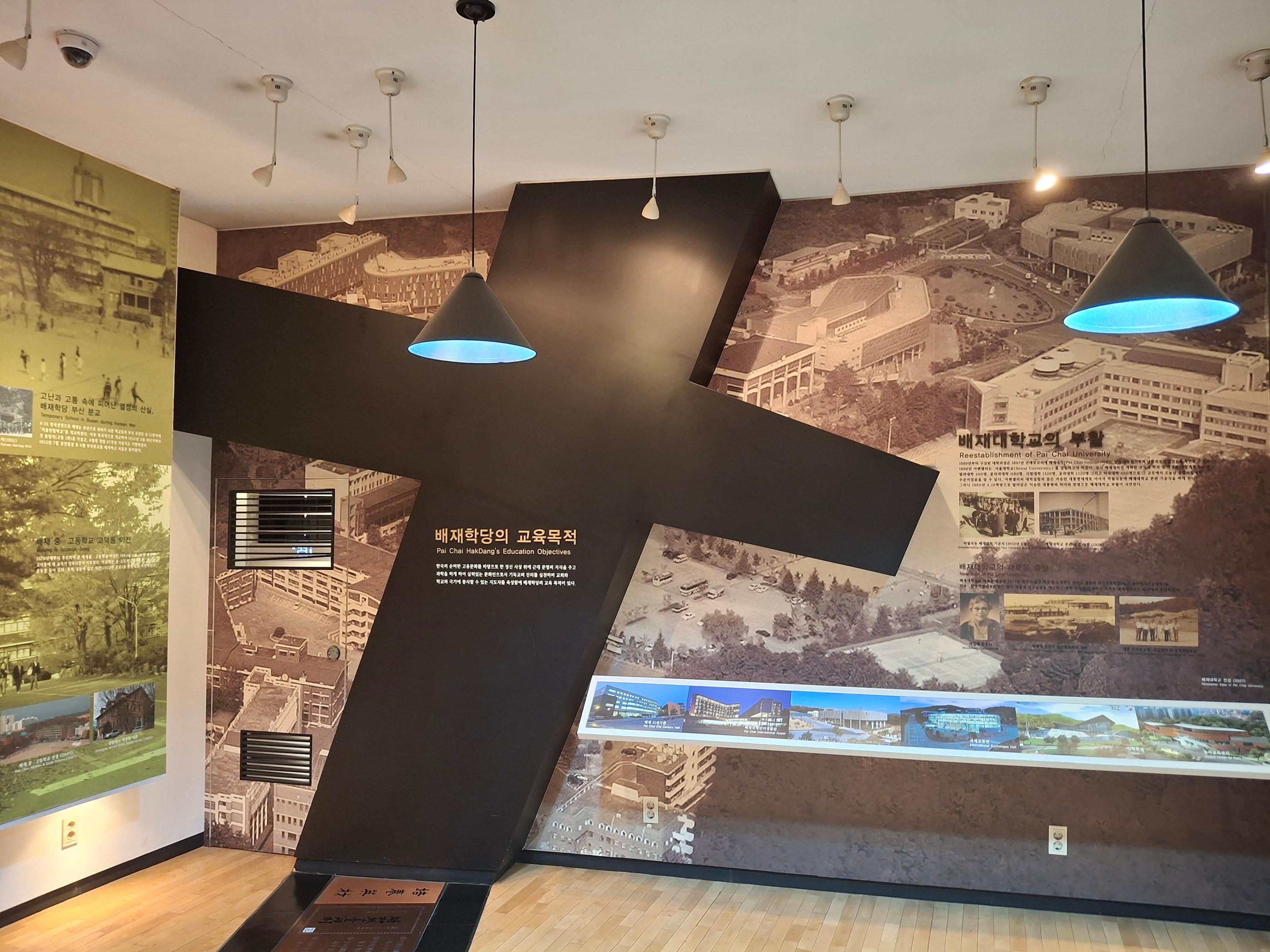
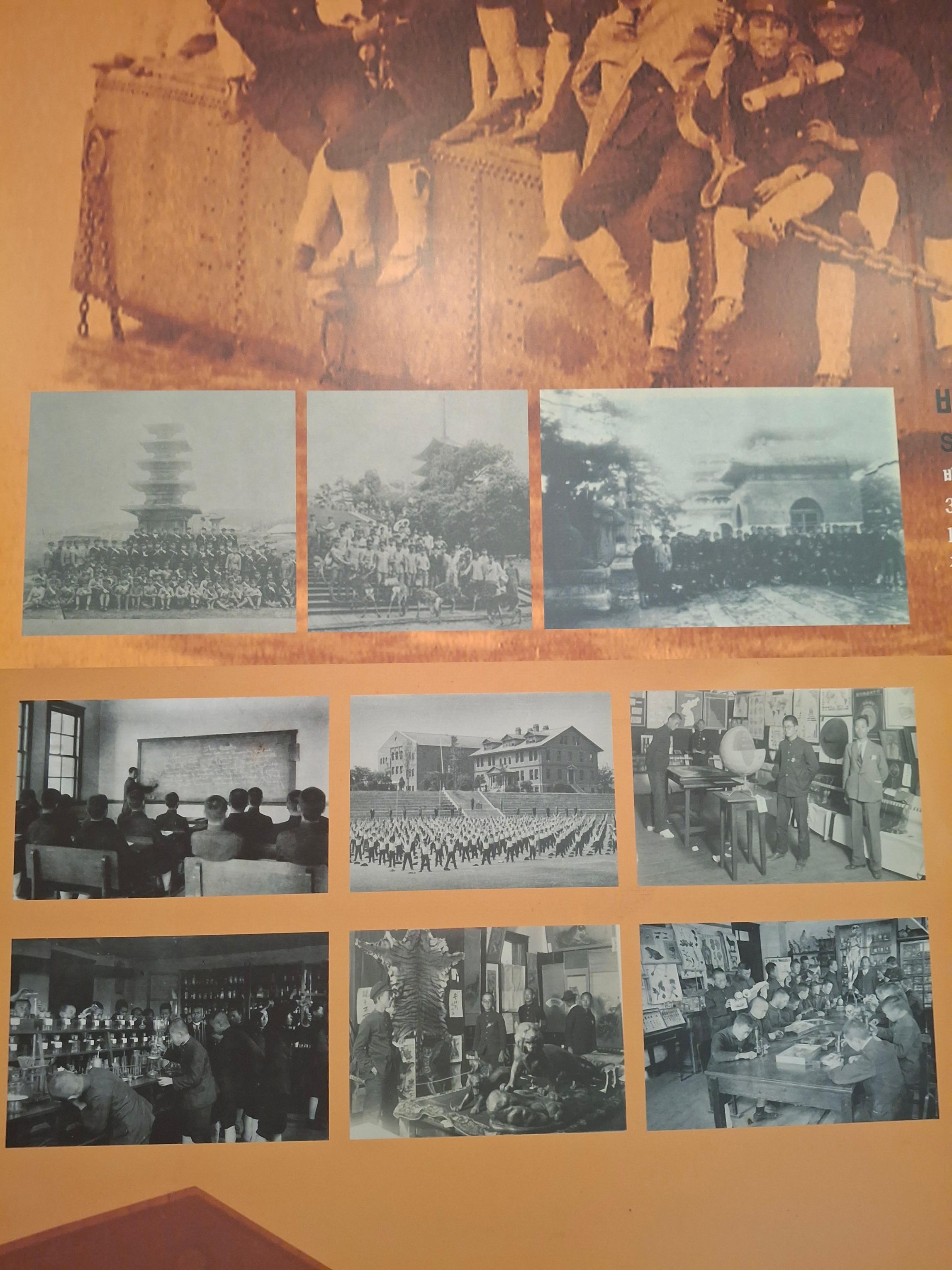
Next to the classroom, the entire history of the school is written on the wall, along with photographs of its students.
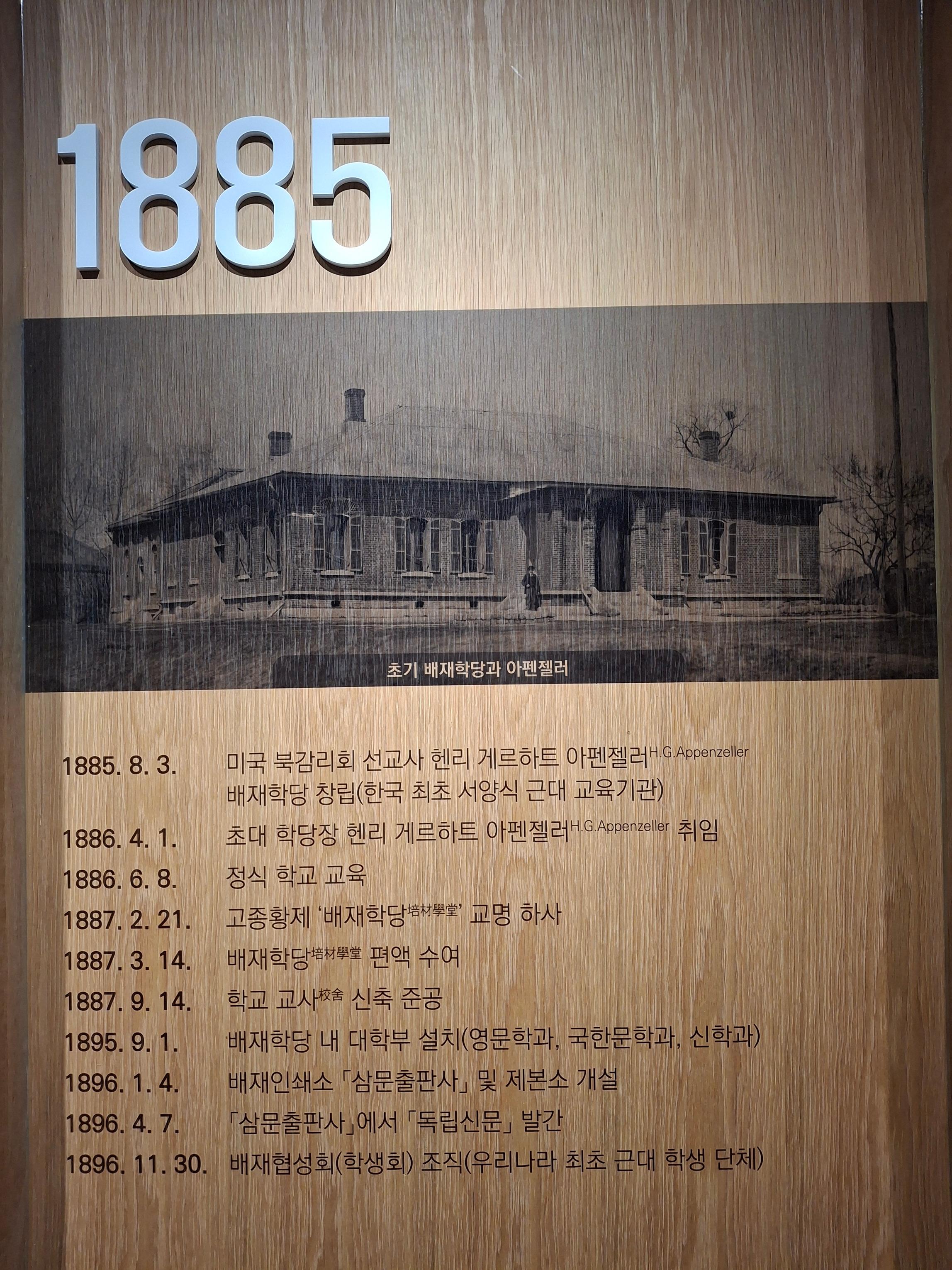
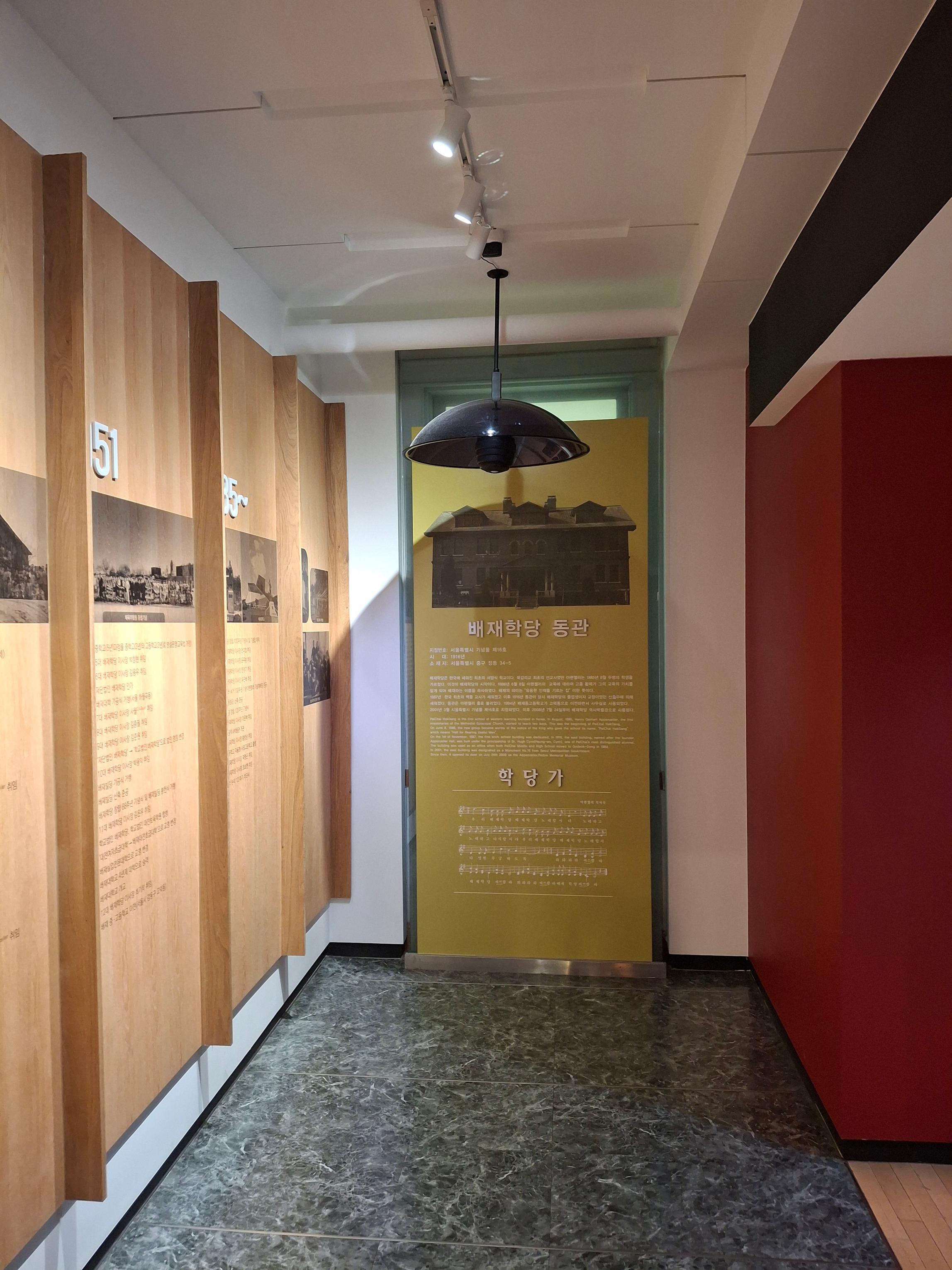
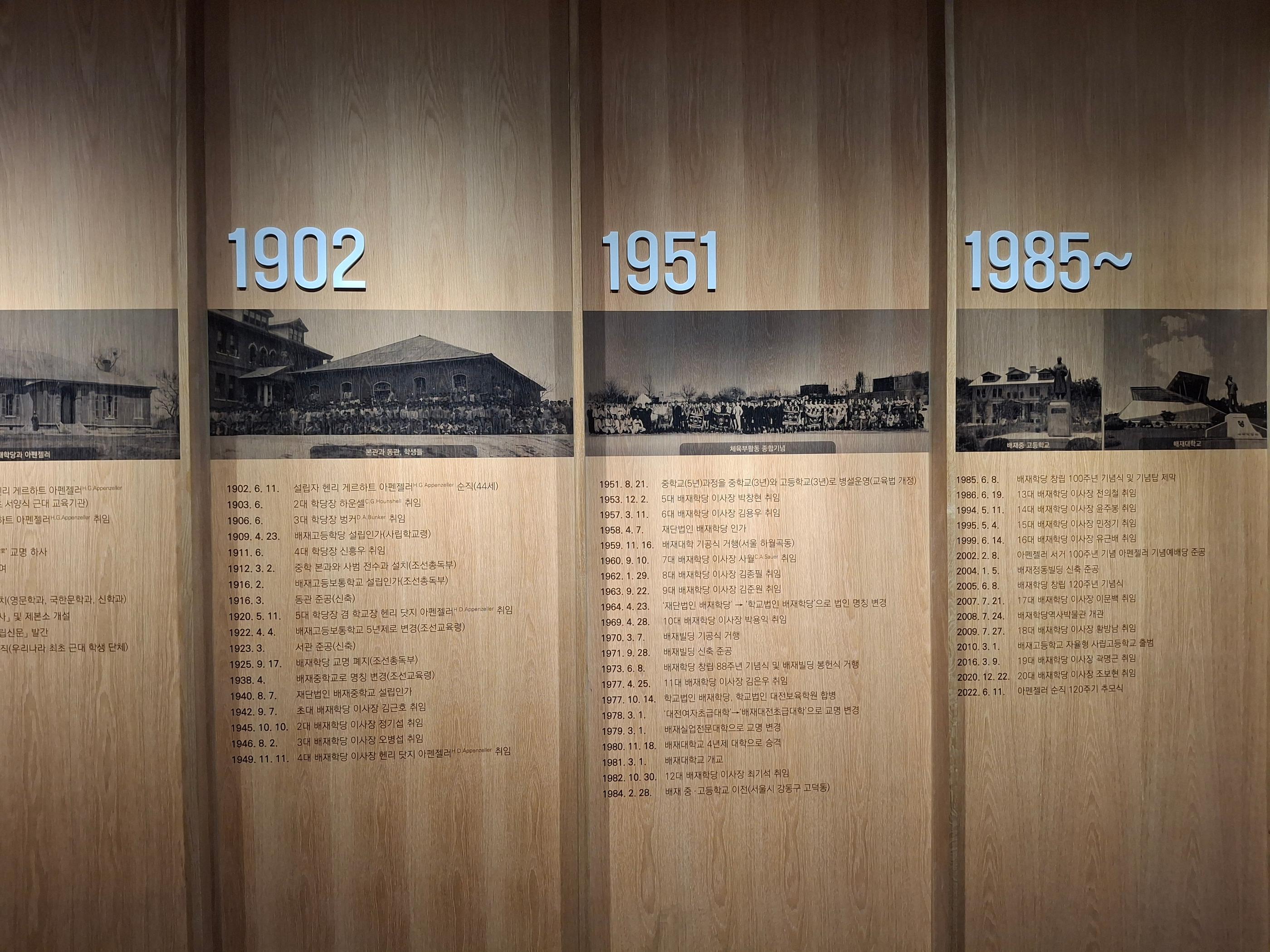
Further on are exhibits that tell the history of birth of Pai Chai School and the spirit of Pai Chai. It is a space where you can meet the beginnings of Pai Chai School, Korea's first Western-style modern educational institution, and Pai Chai's educational philosophy of cultivating independent talents based on the Christian spirit.
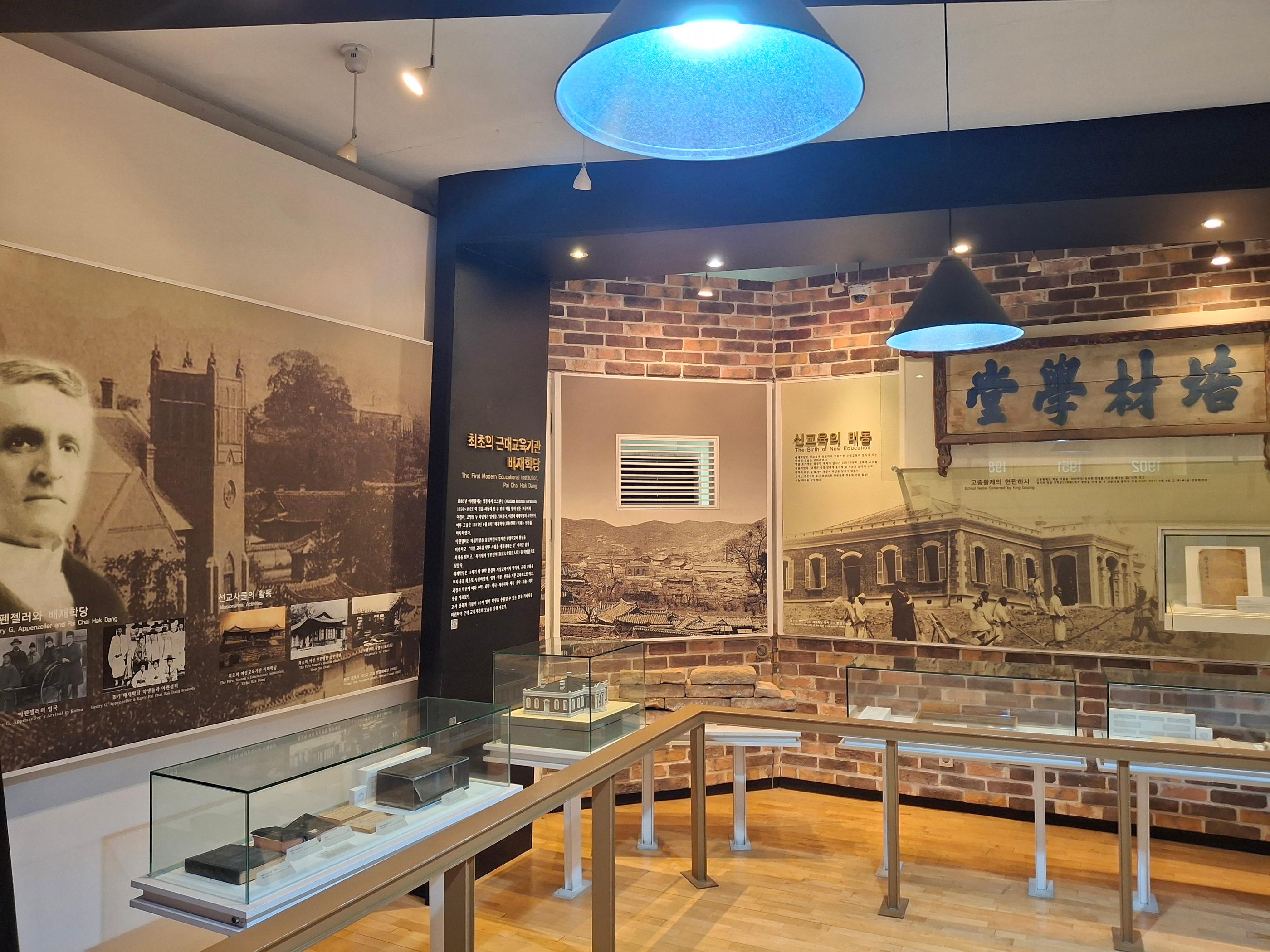
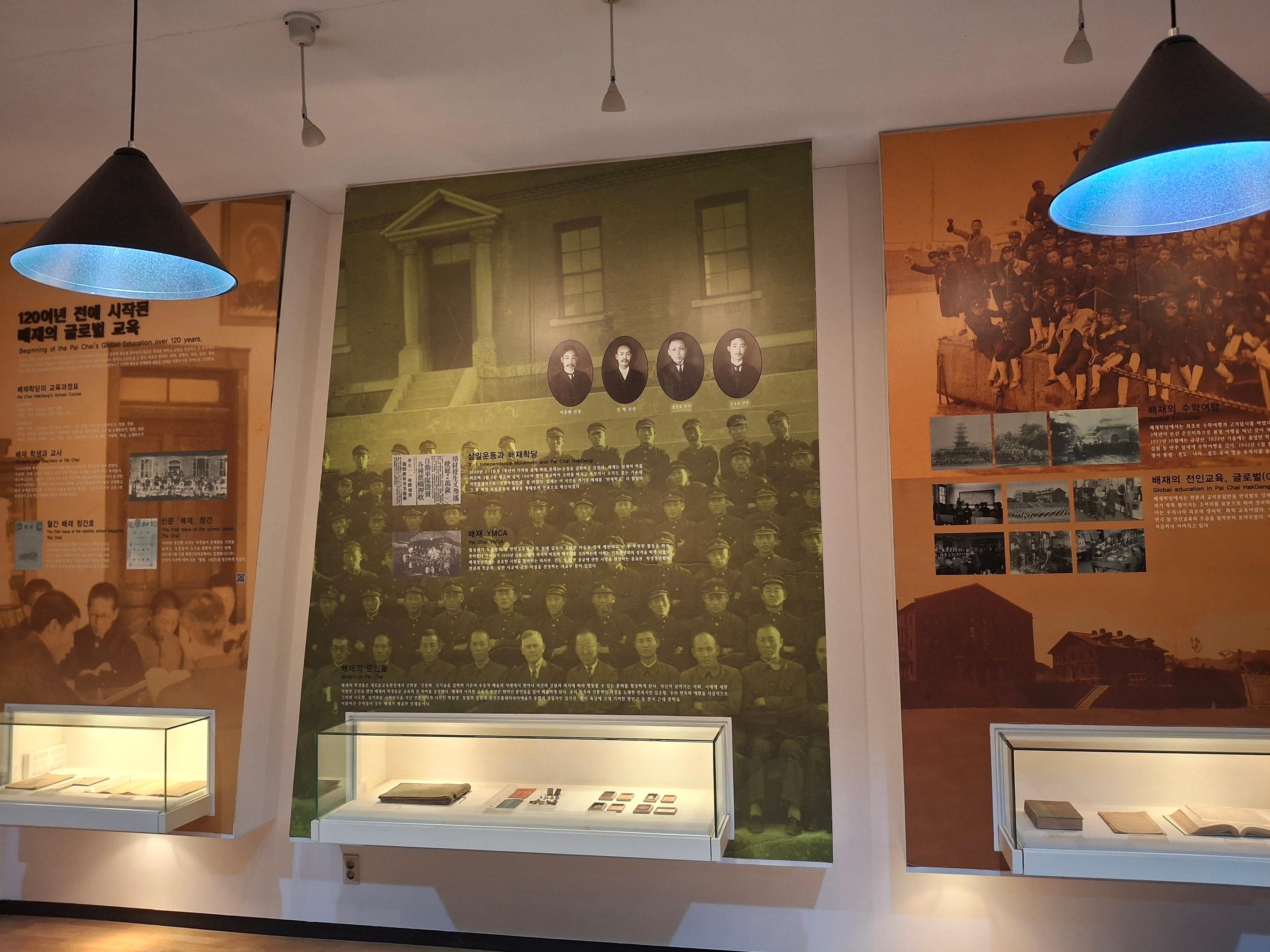
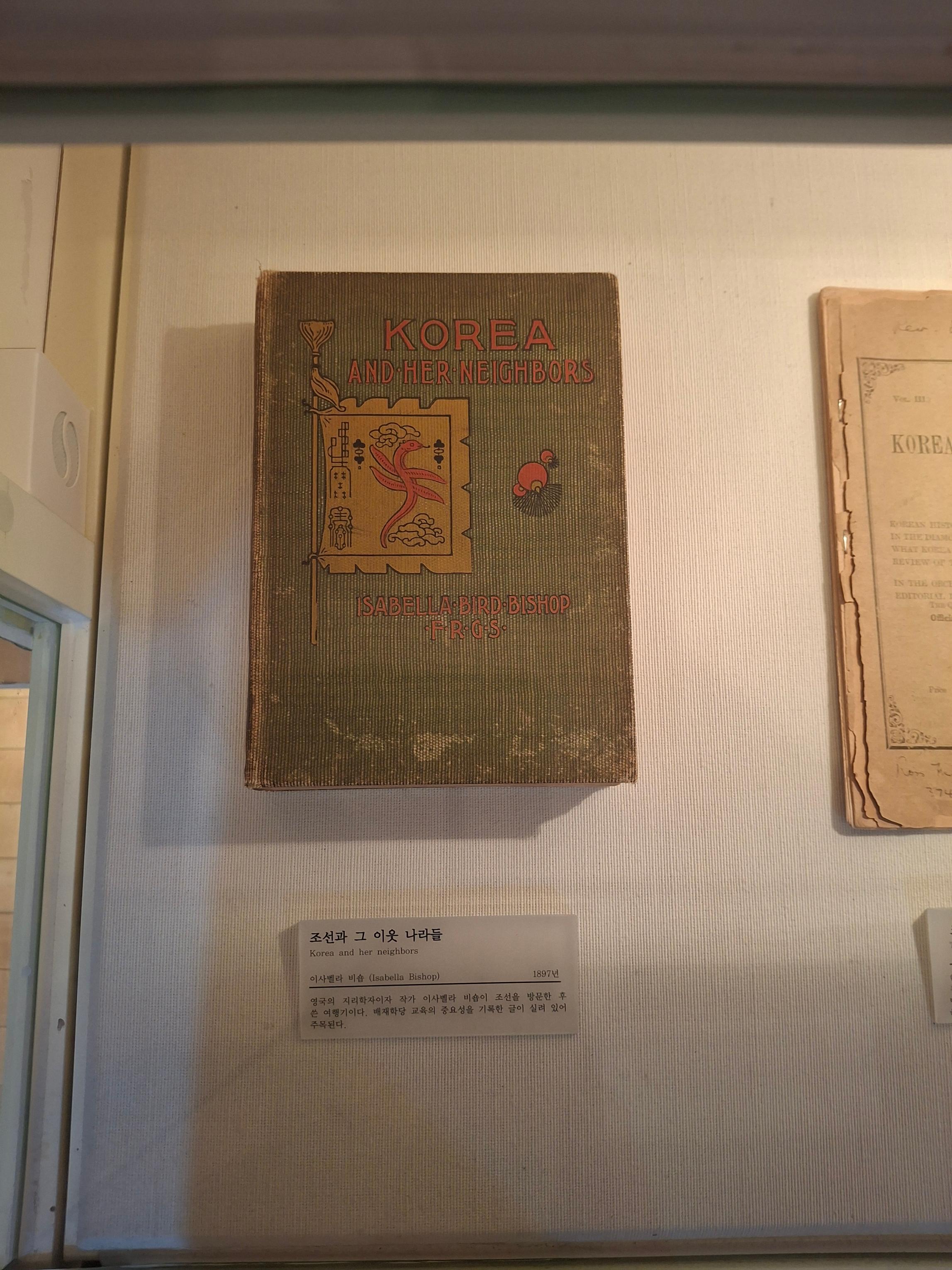
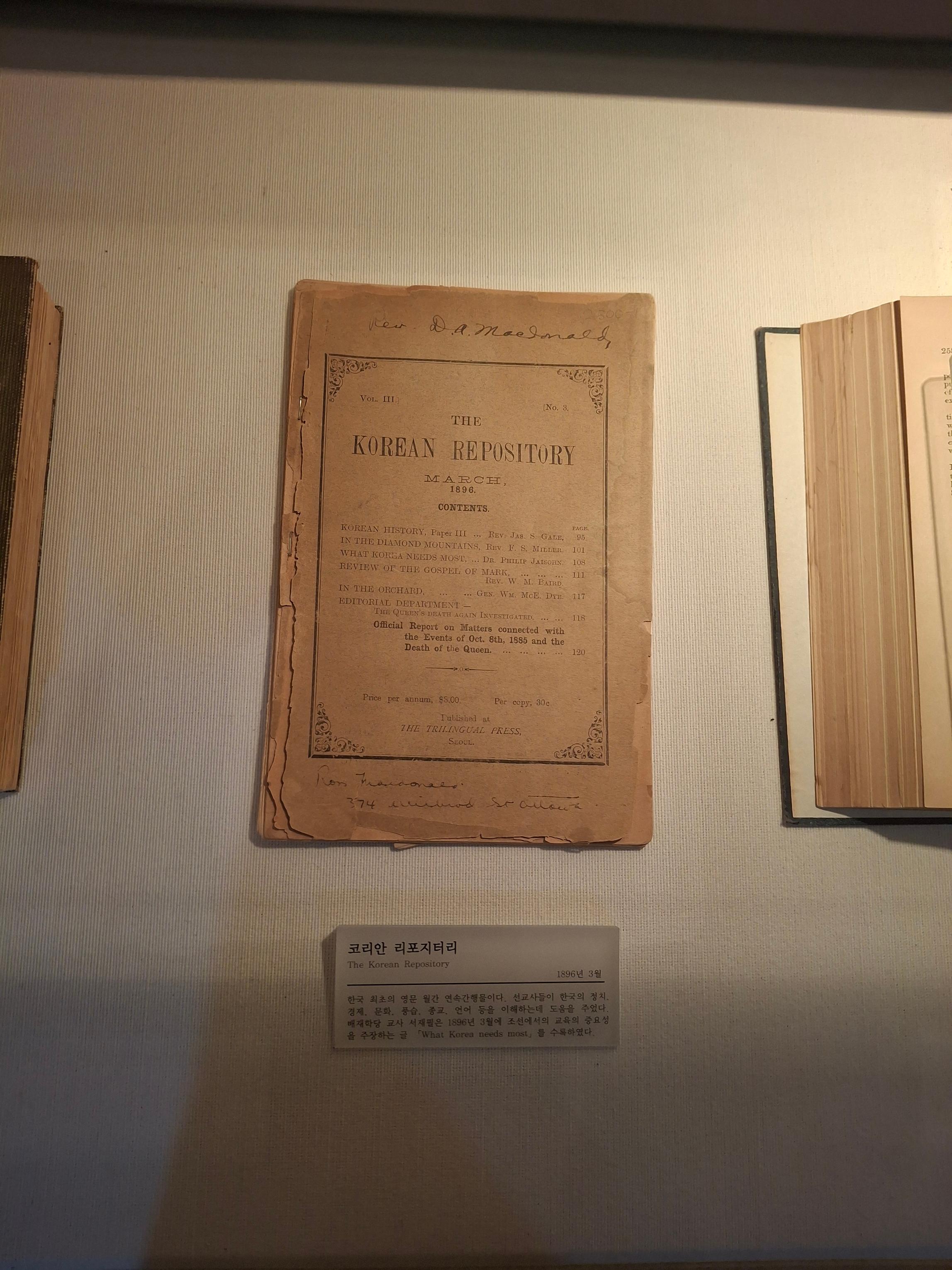
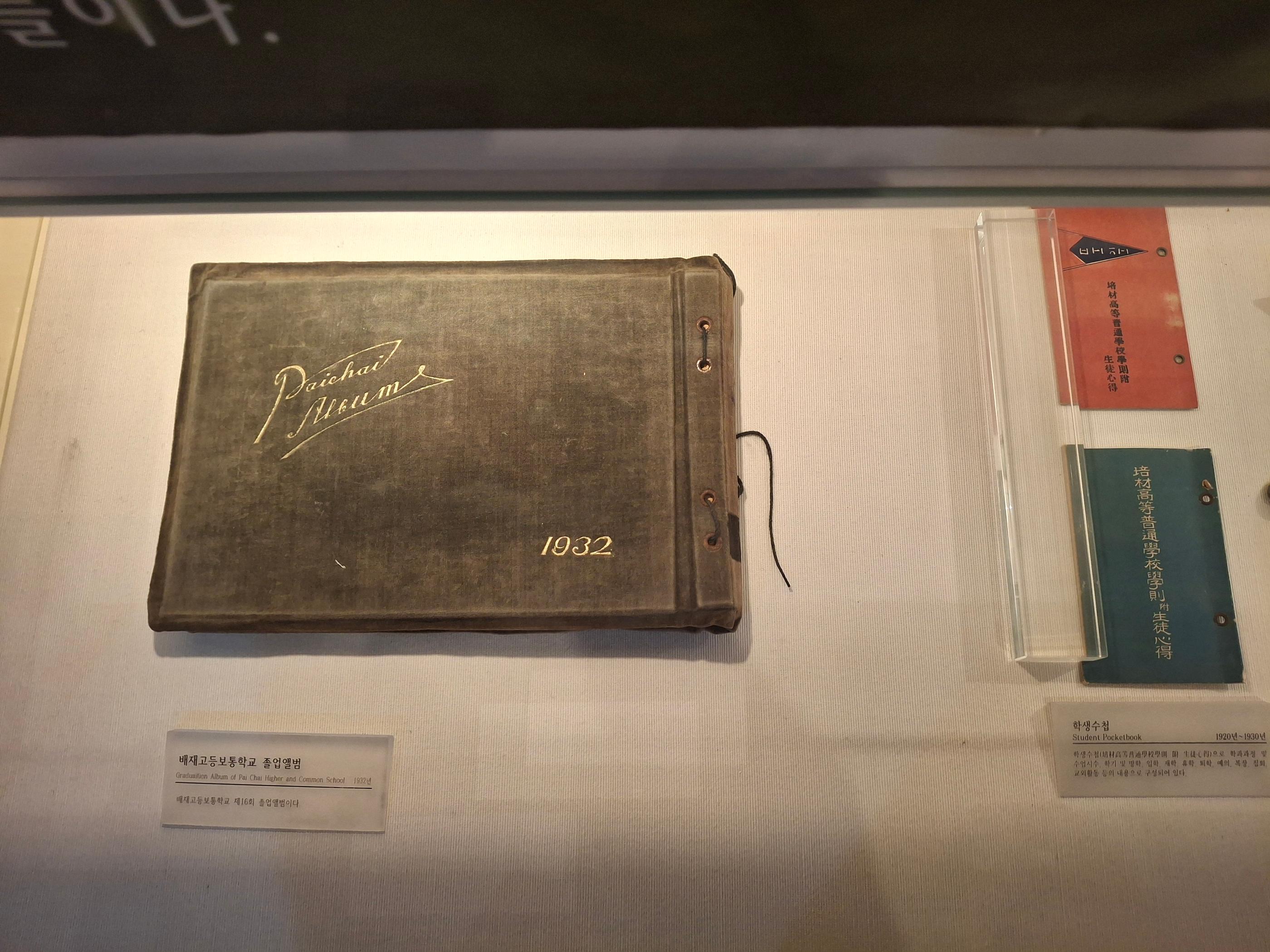
Various textbooks, writing materials, and personal belongings of students are on display here. All this, together with old photographs, helps you to plunge into the past and visit the school of that time.
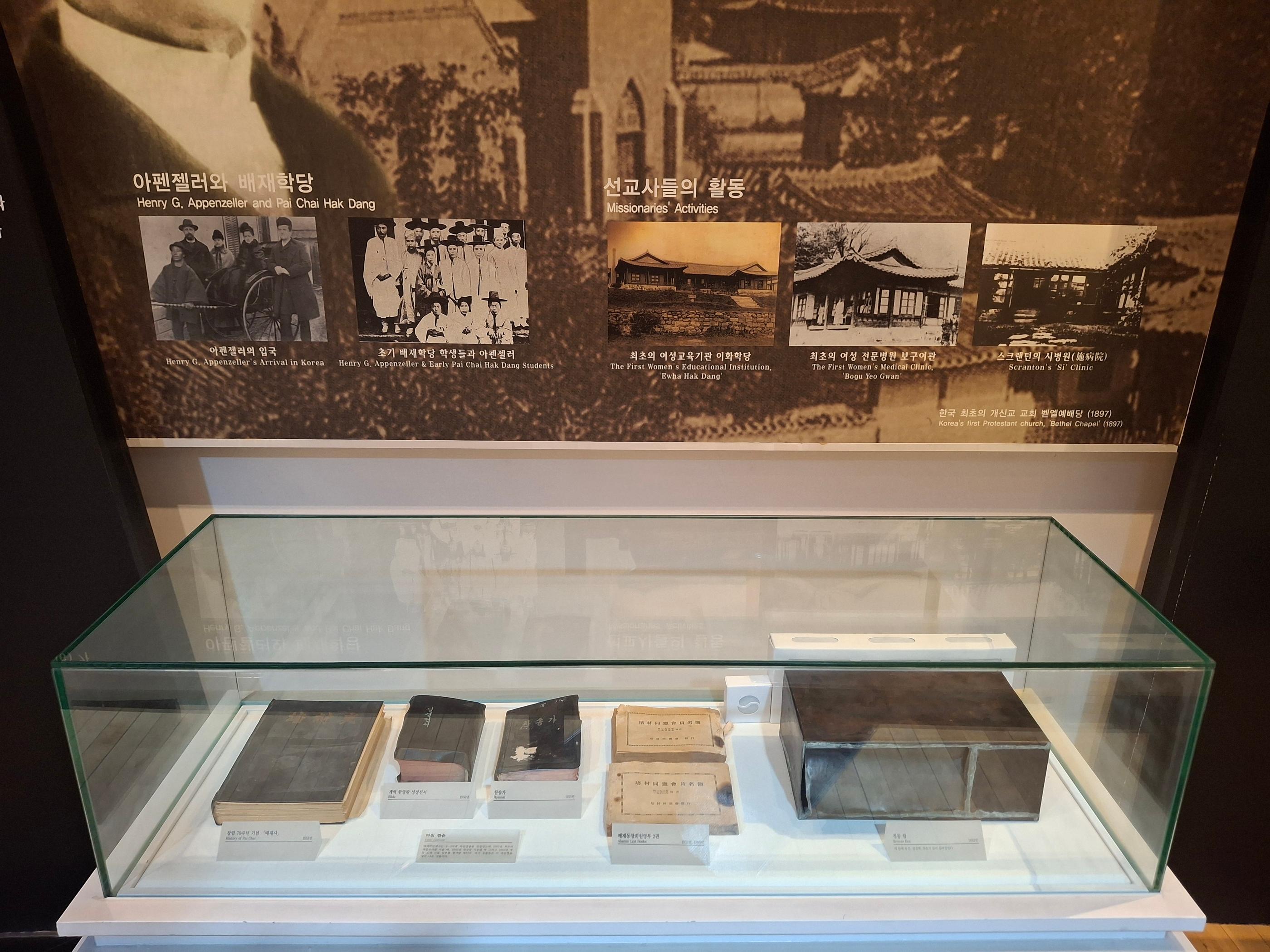
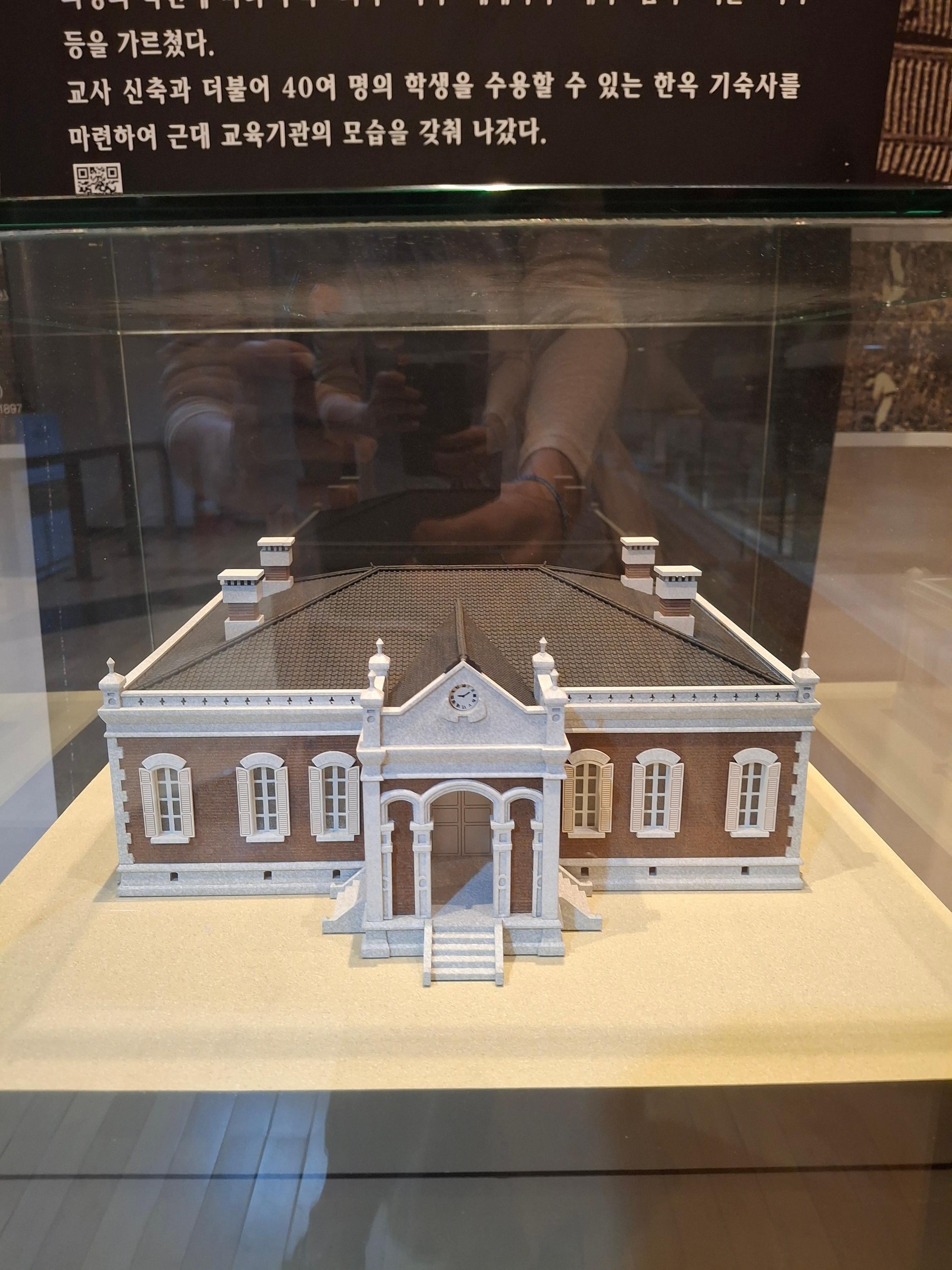
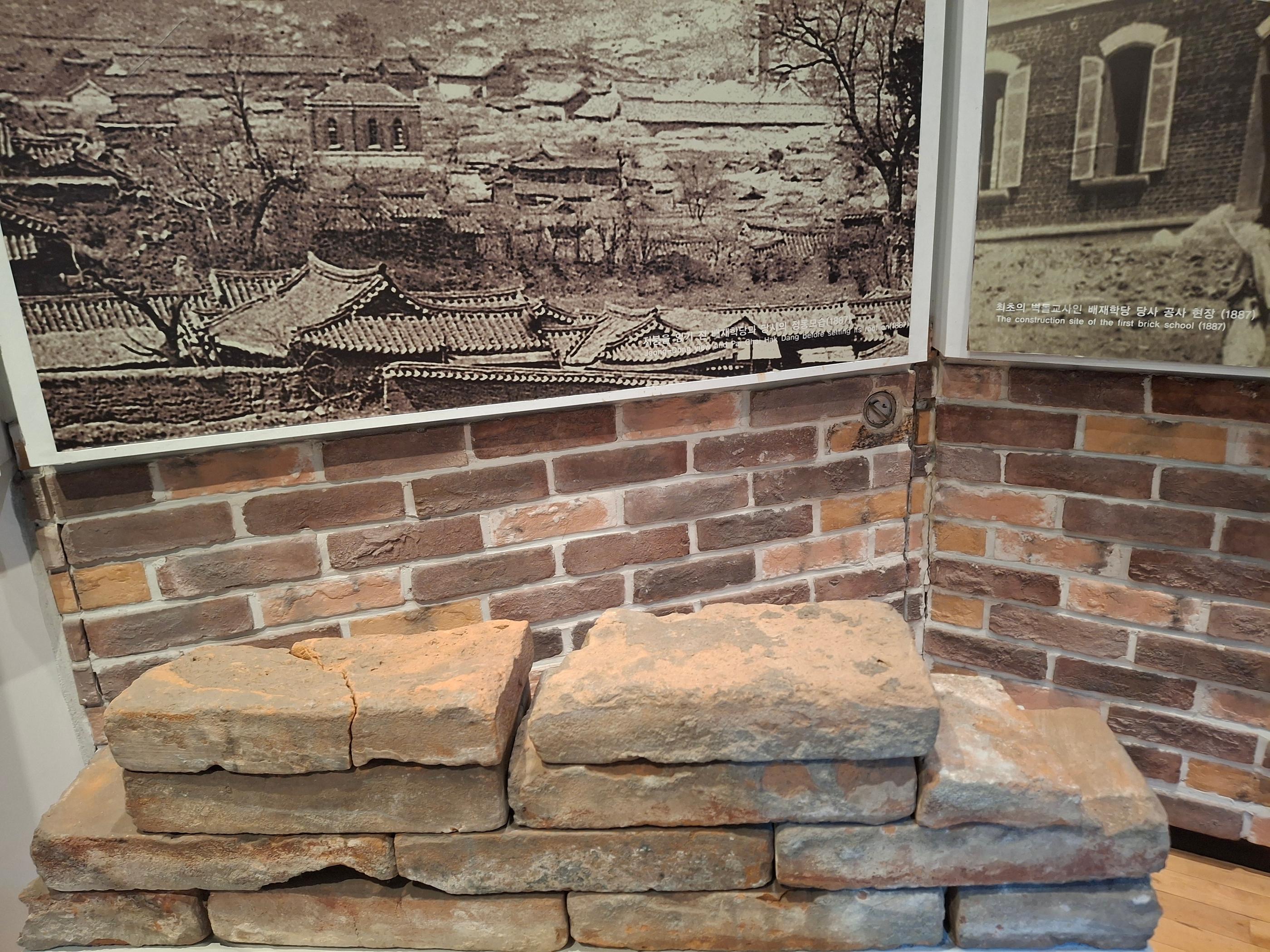
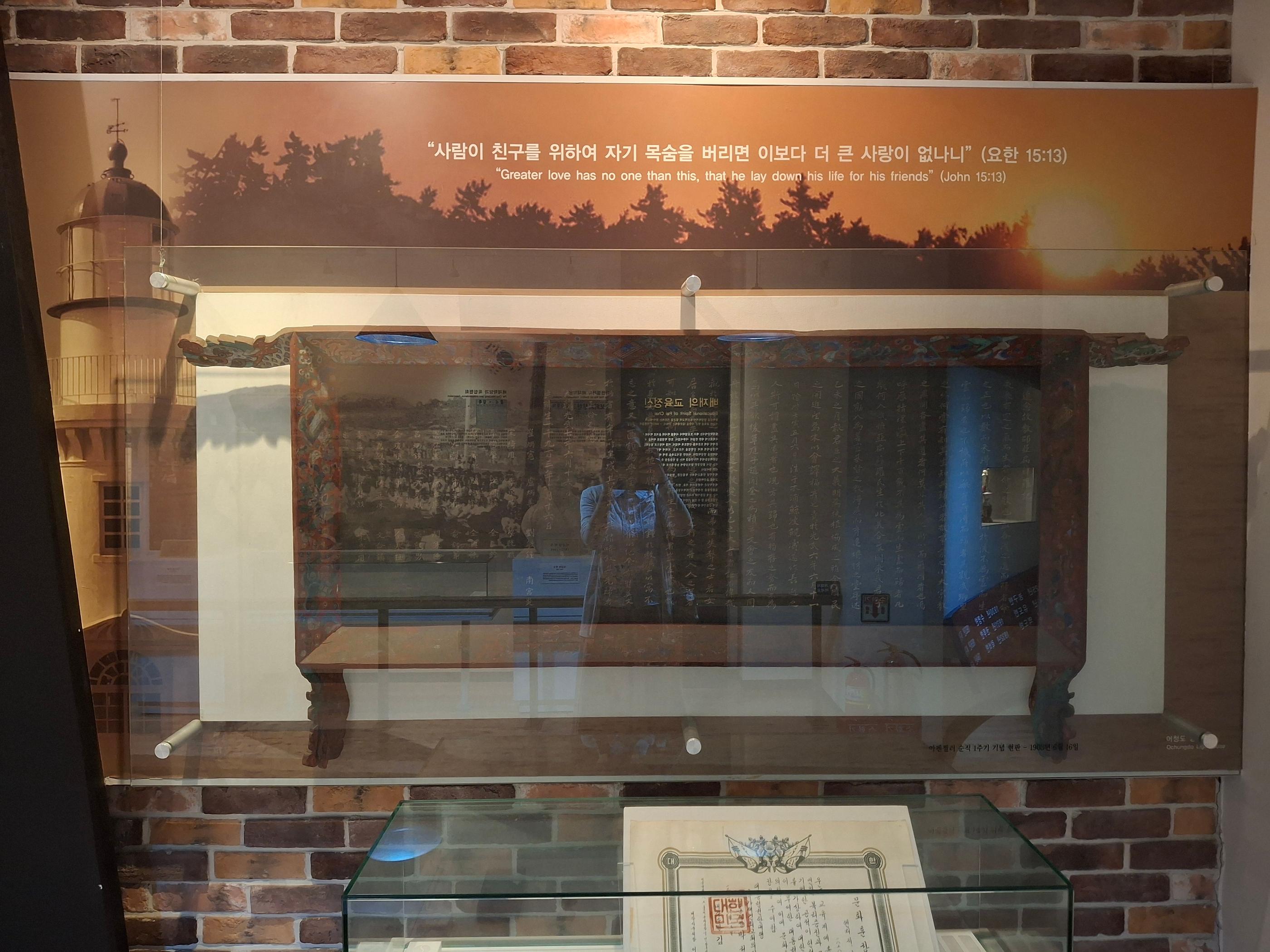
The plaque of Pai Chai School, which was given to King Gojong, the 'Seo Yu Jianwen' with the autograph of Yu Gil-jun (1856~1914), and the textbooks printed and used by students more than 120 years ago, are exhibited, and the activities of Pai Chai School, which contributed to the national enlightenment movement and the independence movement through the birth of the Pai Chai School, which was the first modern student council, the birth of an independent association based on it, and the process of holding the Manmin Association.
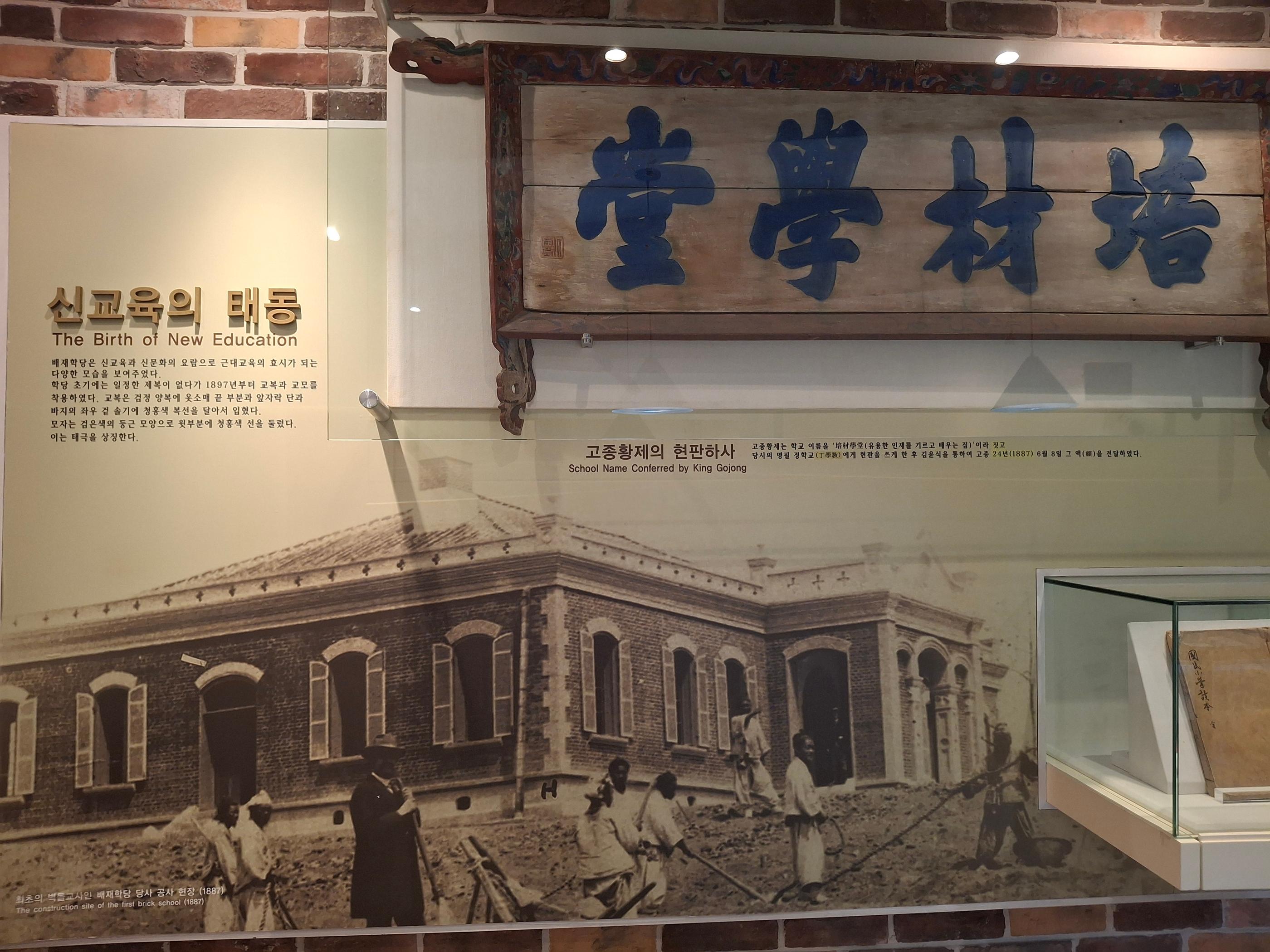
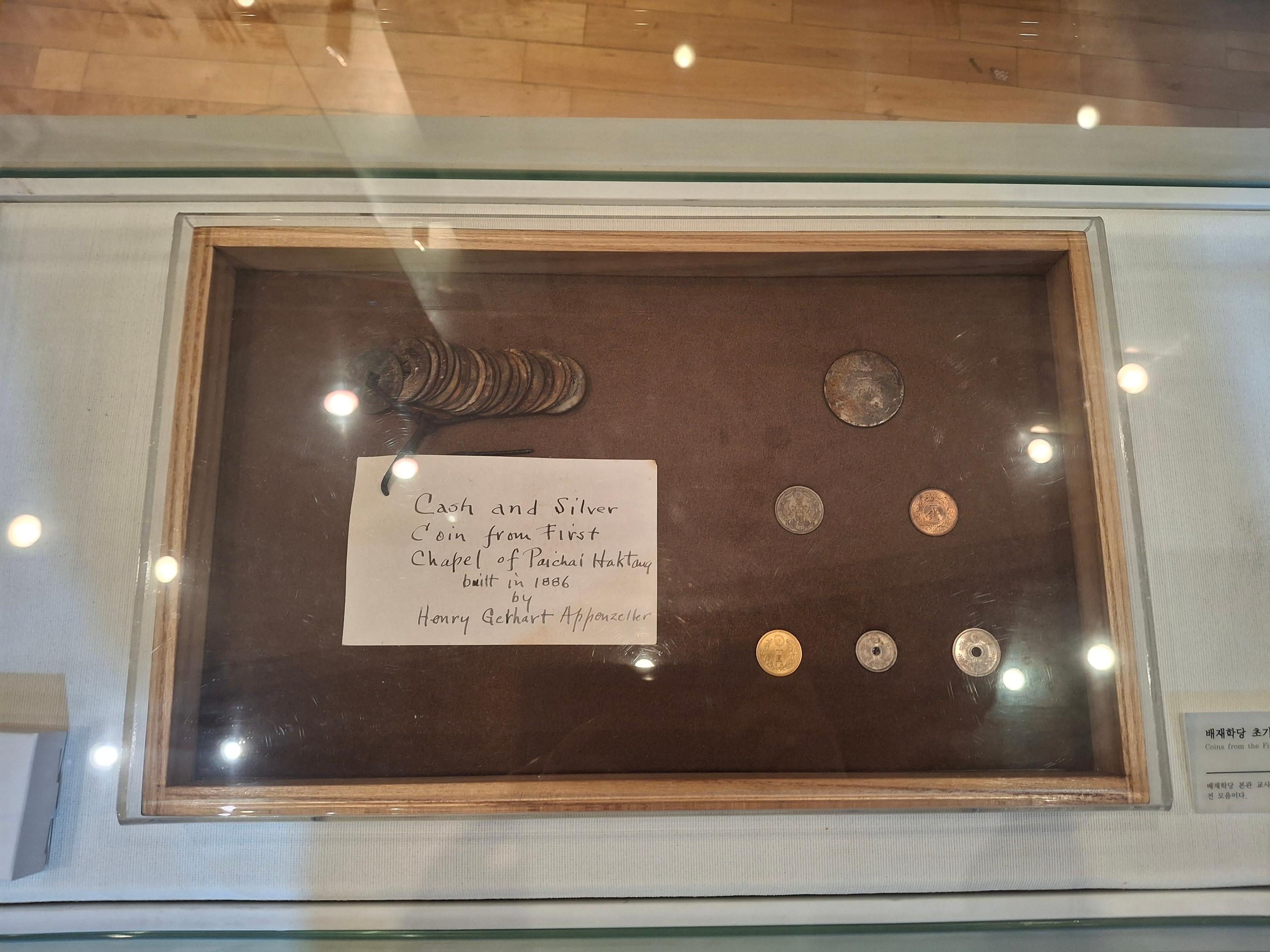
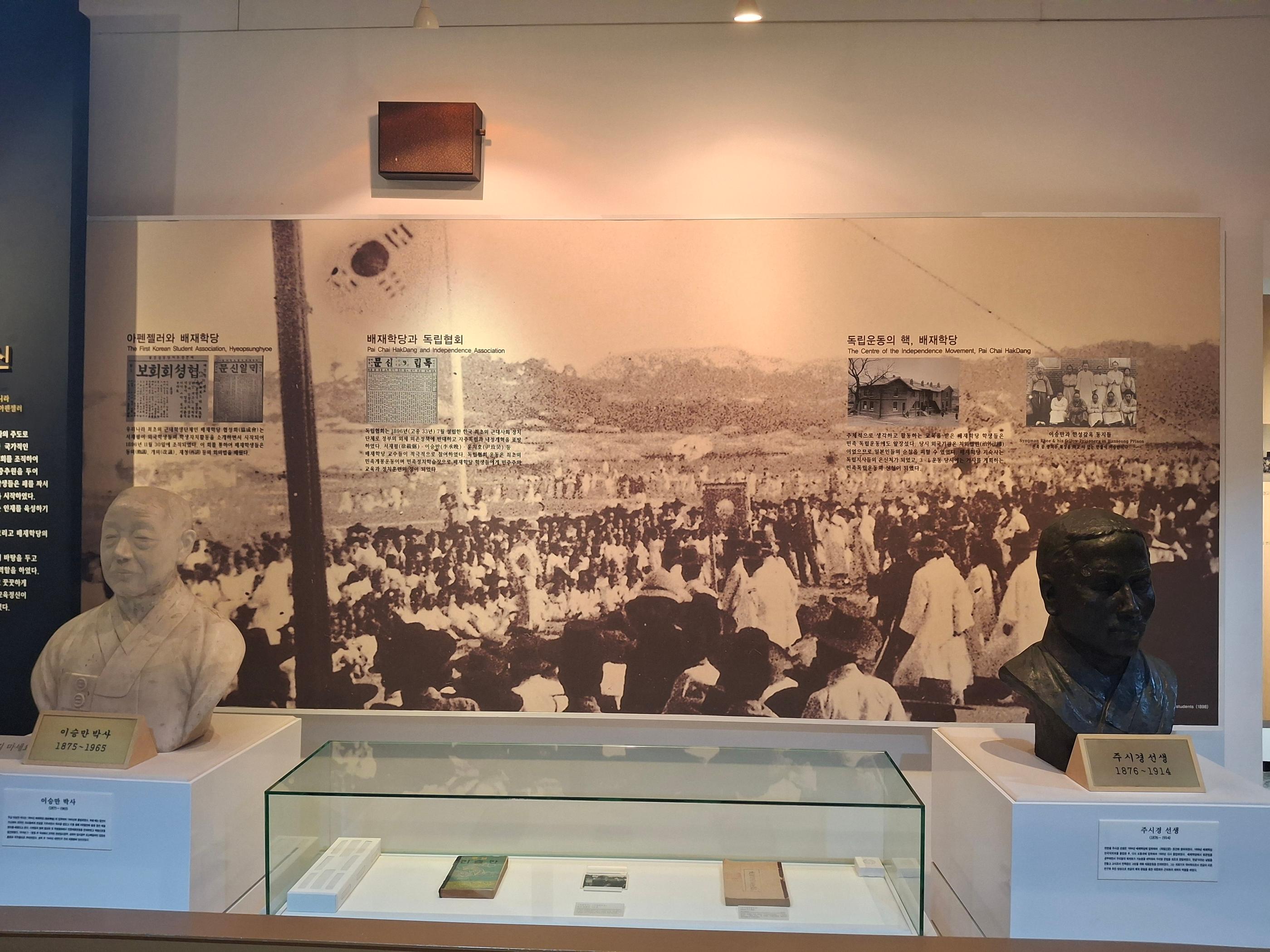
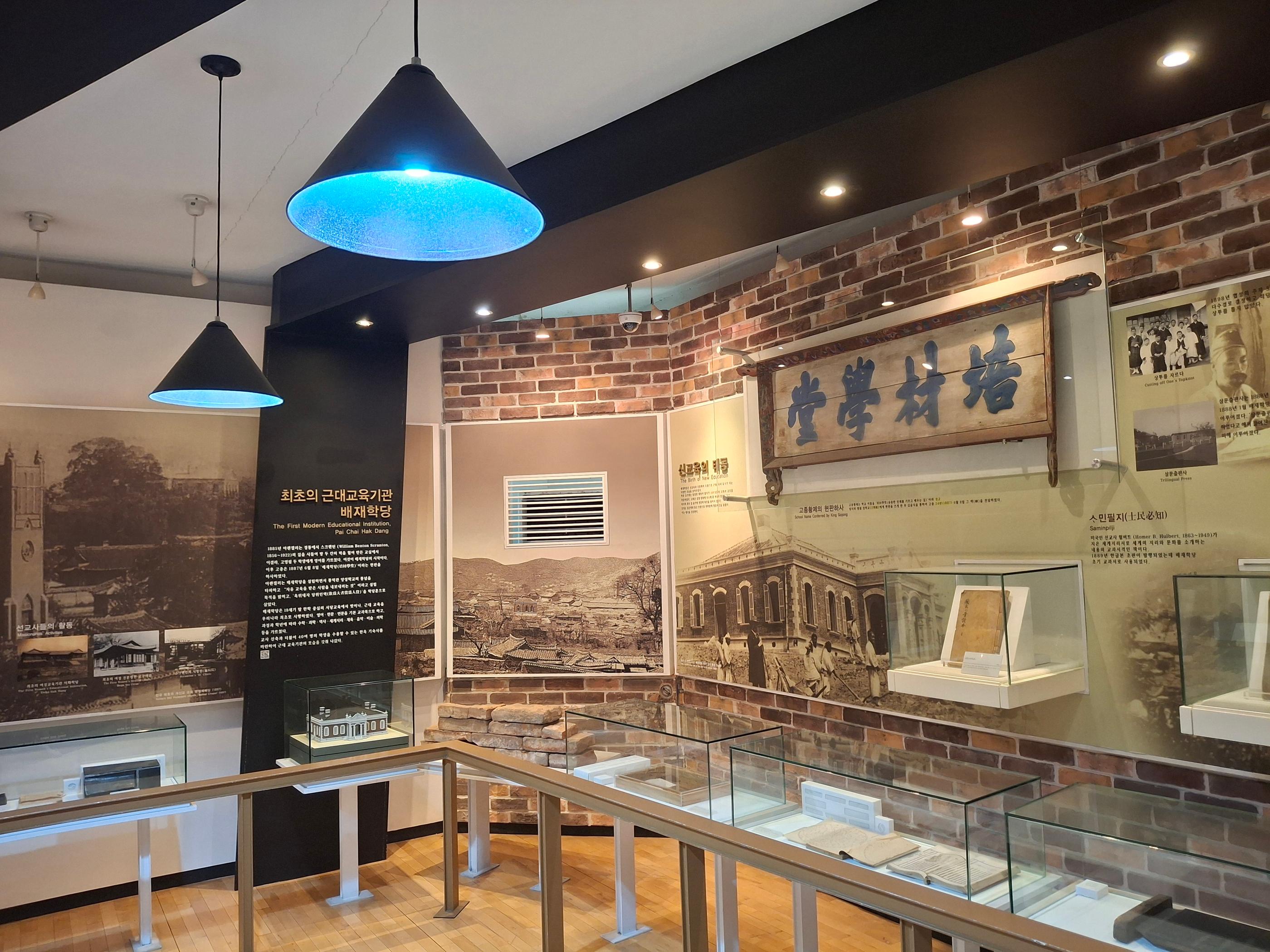
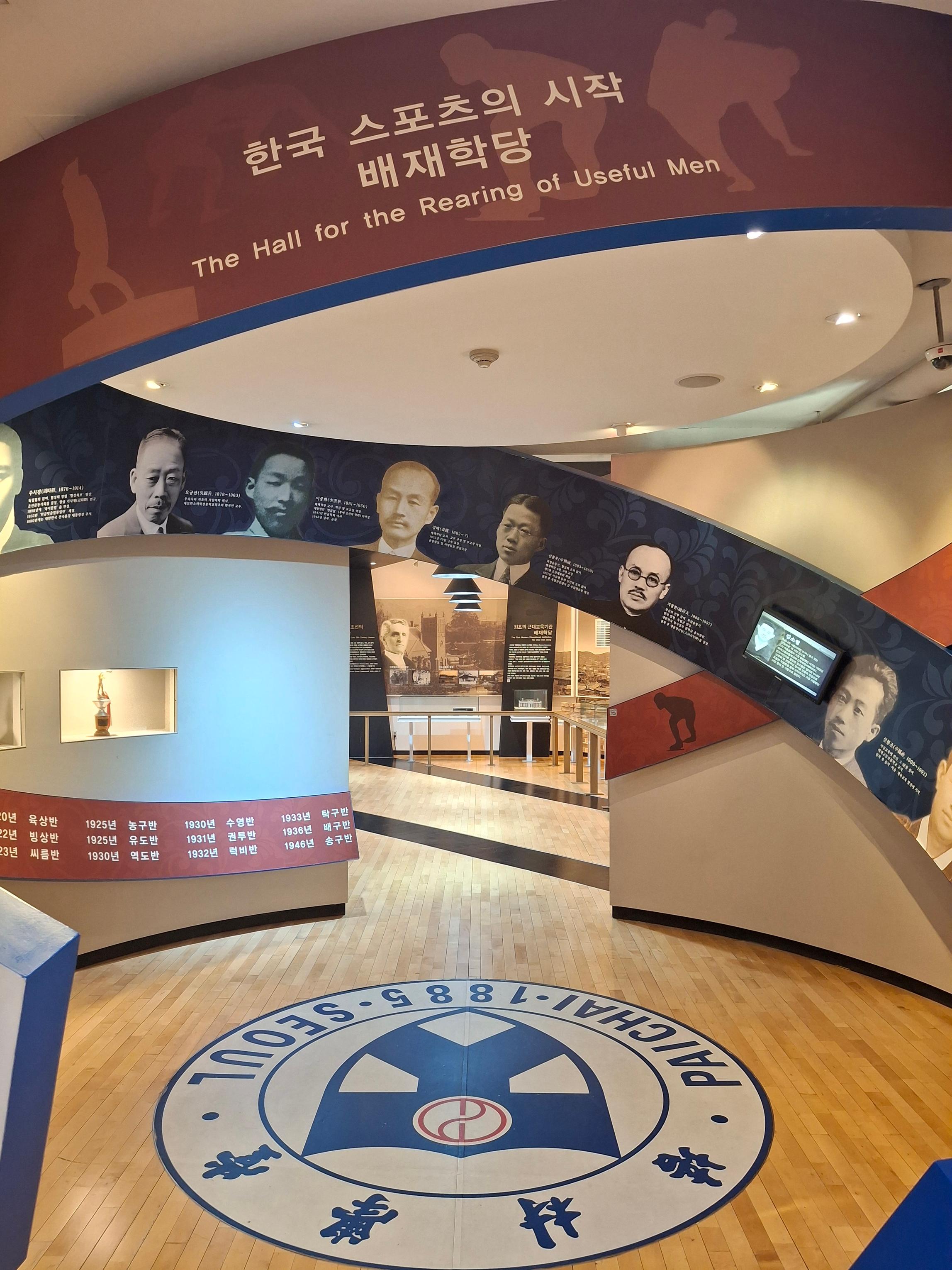
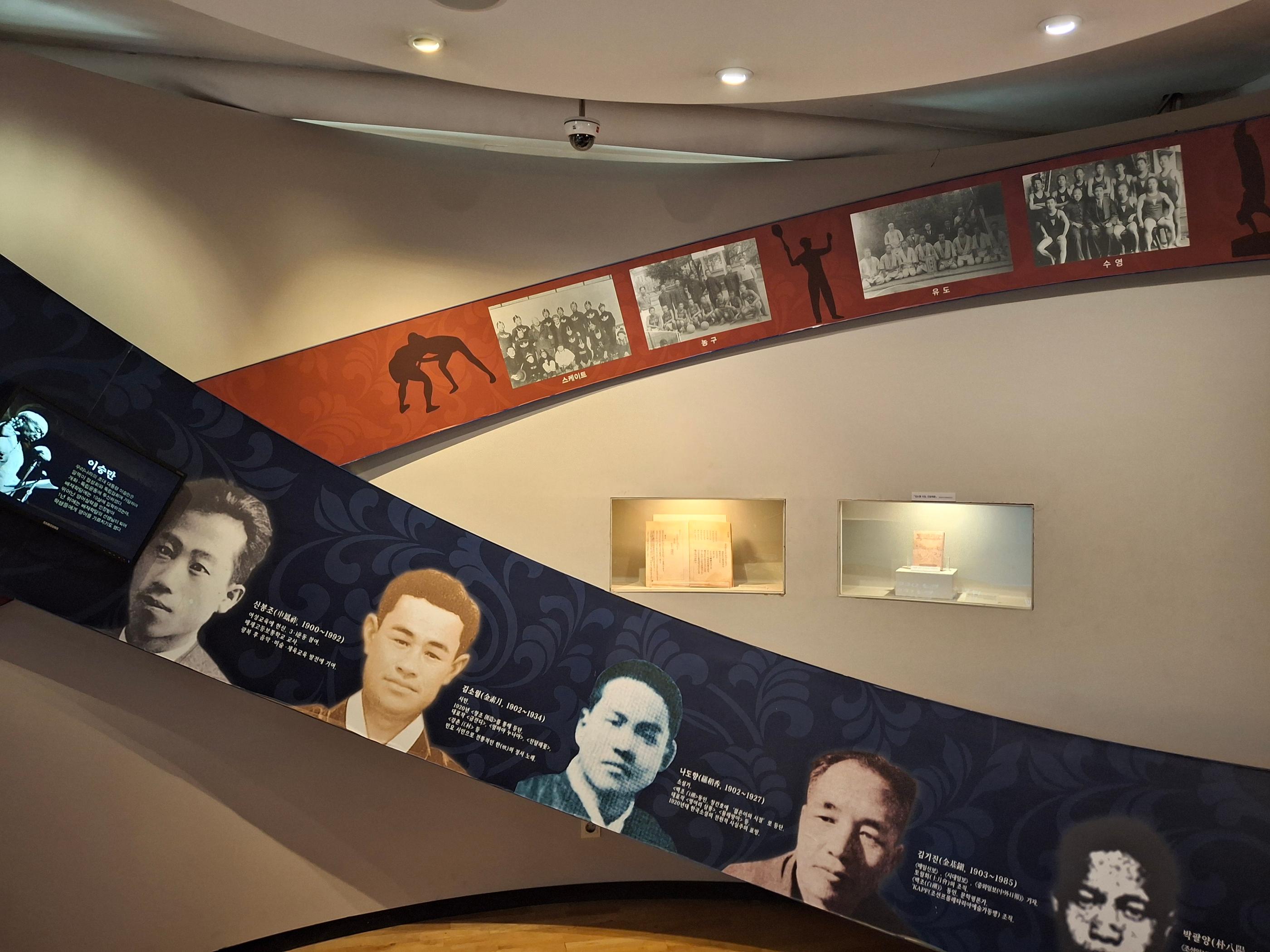
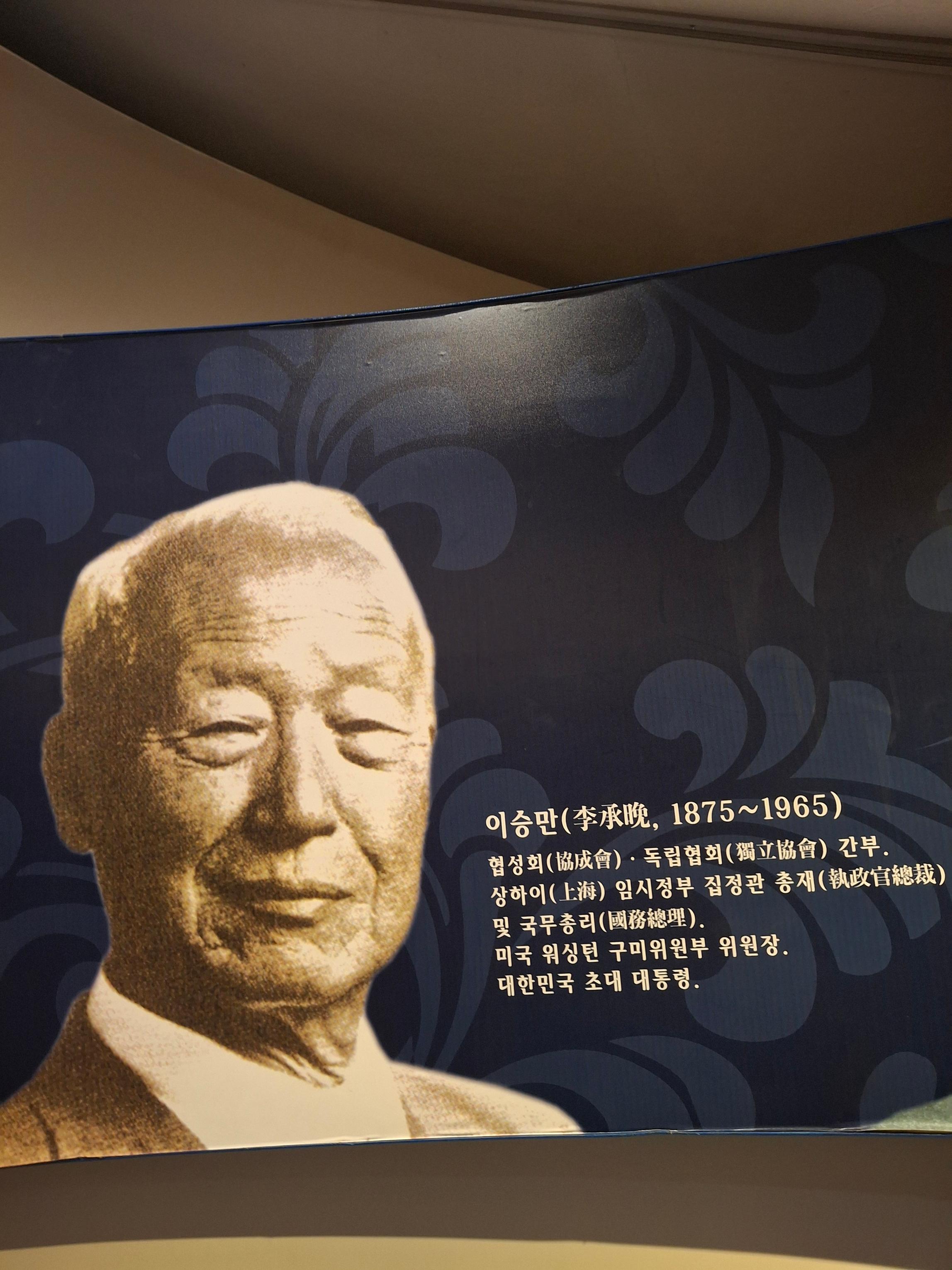
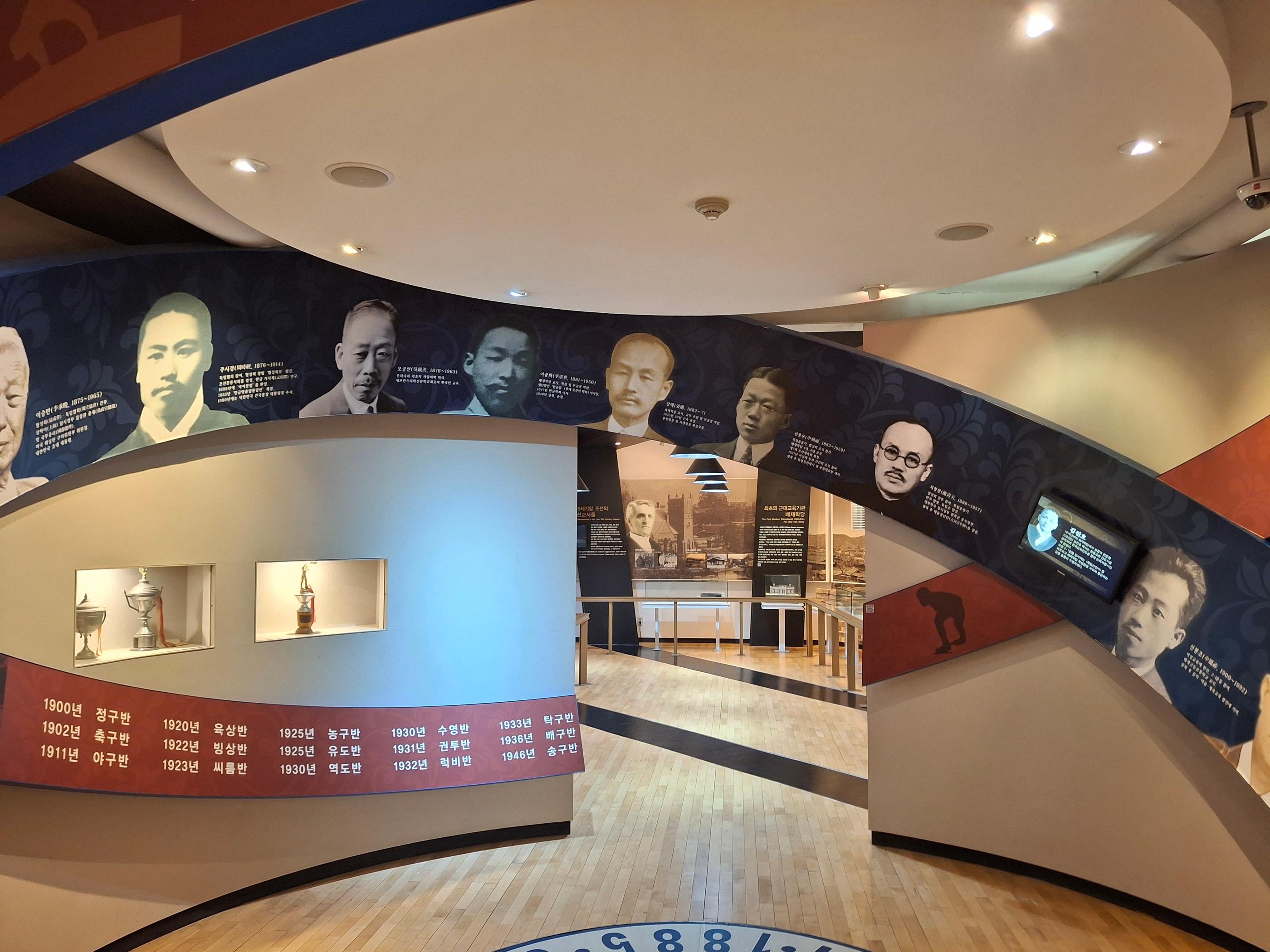
The school can rightfully be proud of its famous graduates. A special Hall of Fame has been created for them. And, of course, the most famous of the graduates is the first president of Korea Rhee Syng-man. Figures such as Joo Shi-kyung, Na Do-hyang, Kim So-wol, and other Pai Chai's graduates made a big mark in Korean modern and contemporary history. You can also see the true face of Pai Chai sports, which laid the foundation for modern Korean sports by popularizing soccer, baseball, rugby, and swimming. In addition, the first edition of Kim So-wol's poetry collection, "Azaleas" (1925), and the second issue of the school magazine, "Paichai," will also be on display, along with works he created during his time at Pai Chai High School, such as "Jeopdong" (Folding Climb).
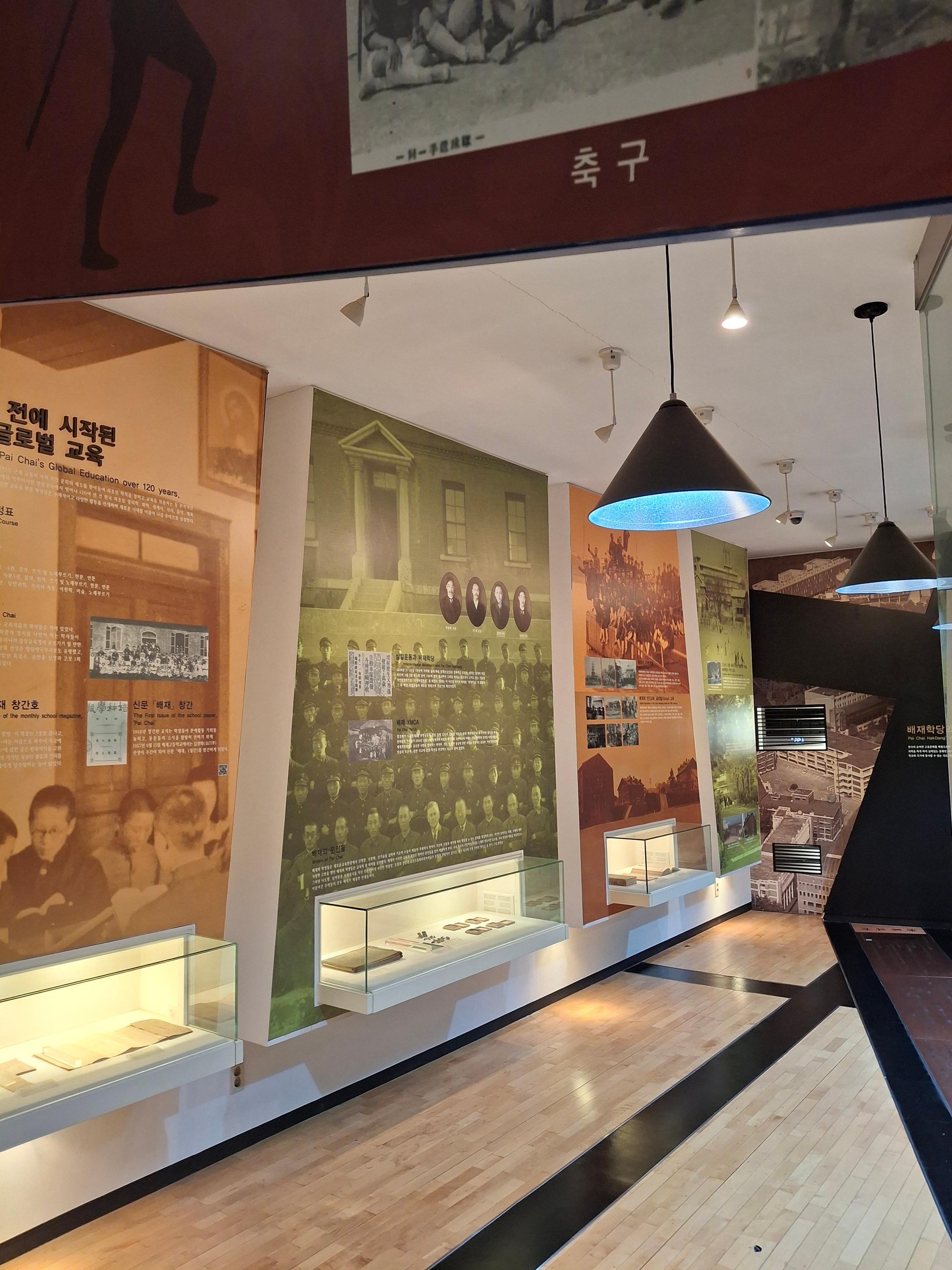
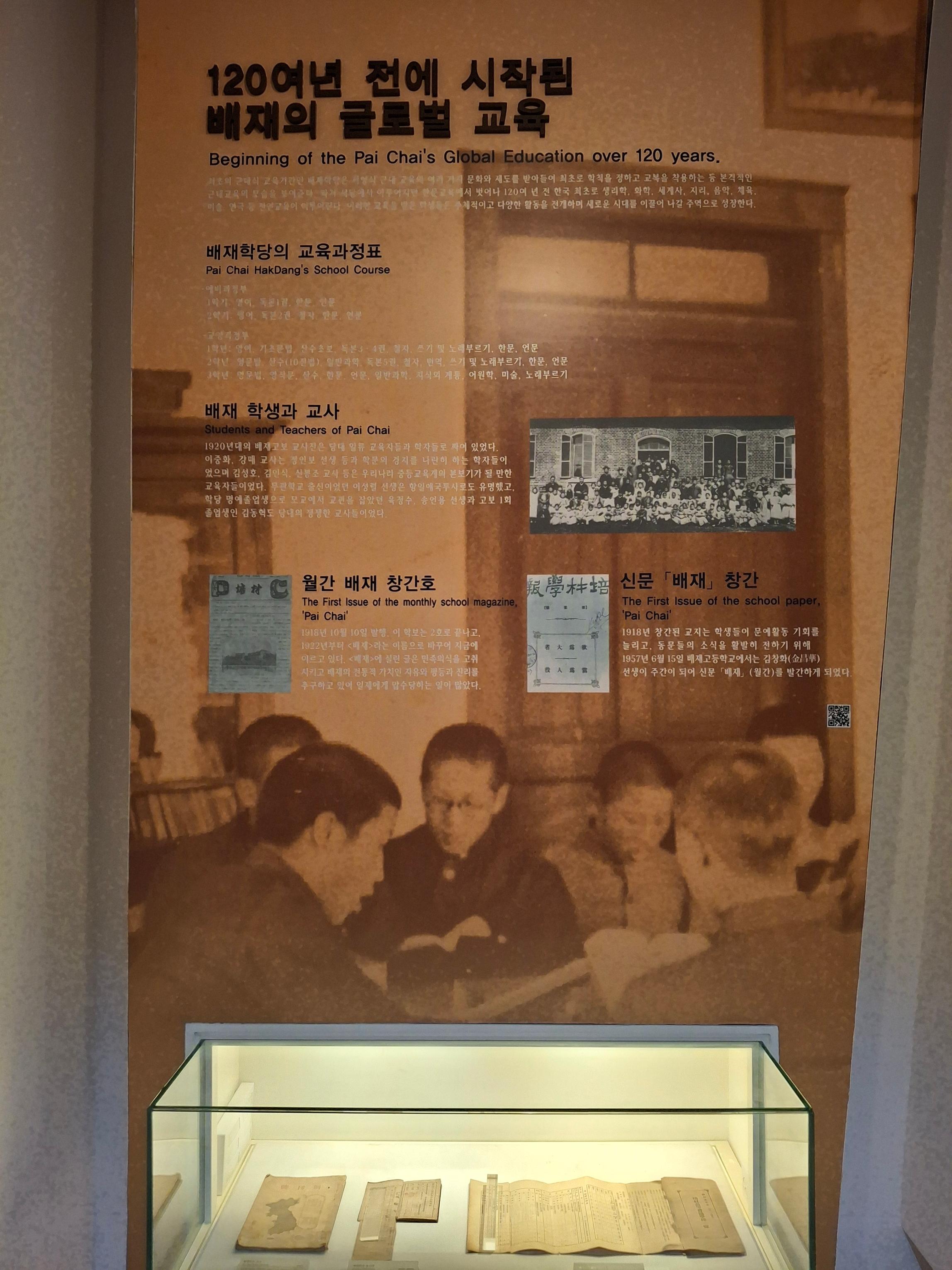
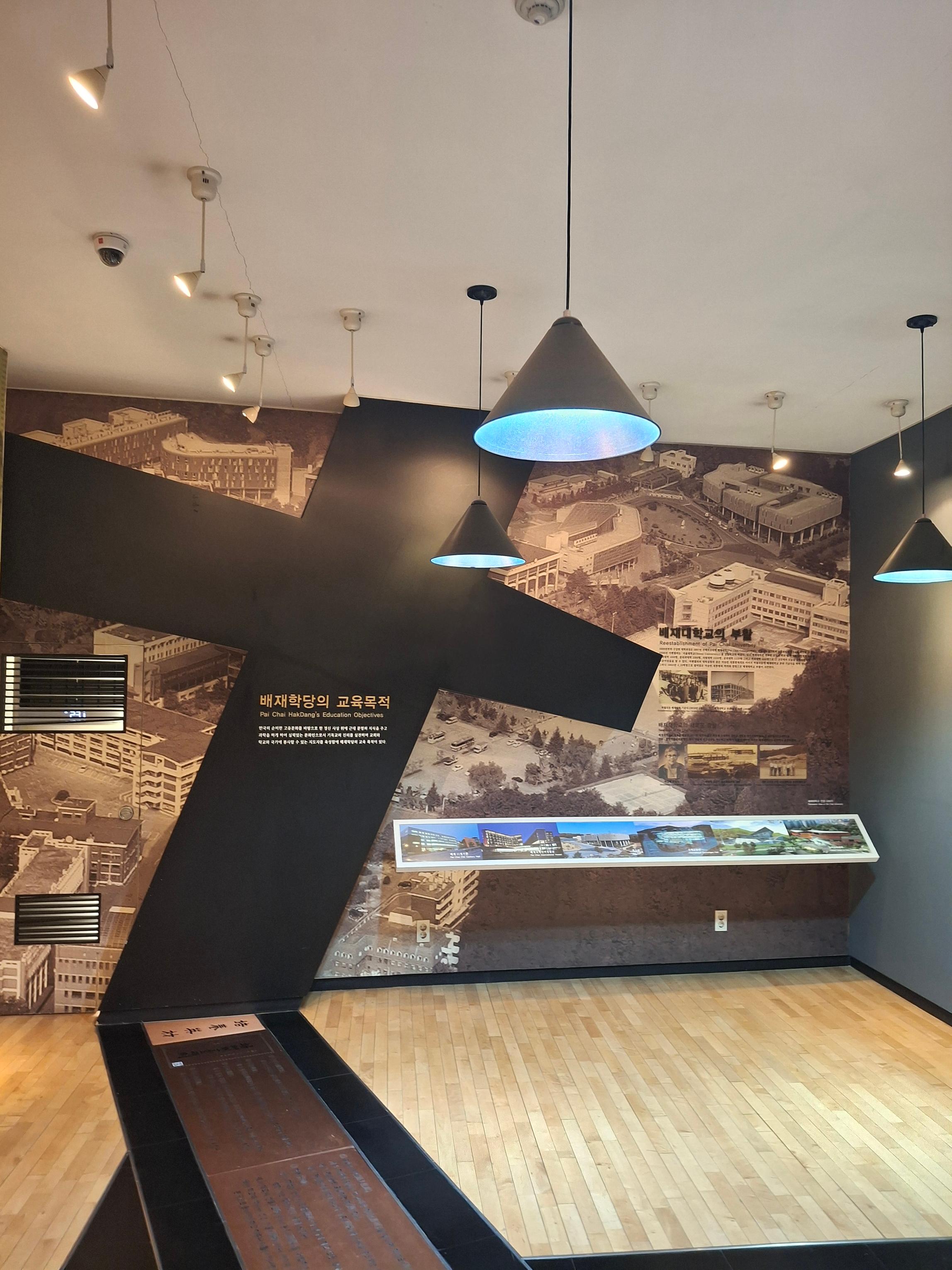
The next hall shows the school's past, present, and future over 120 years. Numerous photographs and remarkable artifacts are displayed here, providing a good overview of the school and its teaching methods. You can see Korea's first school rules, the school magazine "Pai Chai" and the school bulletin, as well as the excellent teaching materials and detailed curriculum of the Pai Chai School. Through the 1918 yearbook, diploma, and student notebook, you can vividly guess the school landscape at that time, and you can also see the bright future of the Pai Chai School, which has been leading to Pai Chai Middle and High School and Pai Chai University, and is leaping forward to the world beyond its 120th anniversary.
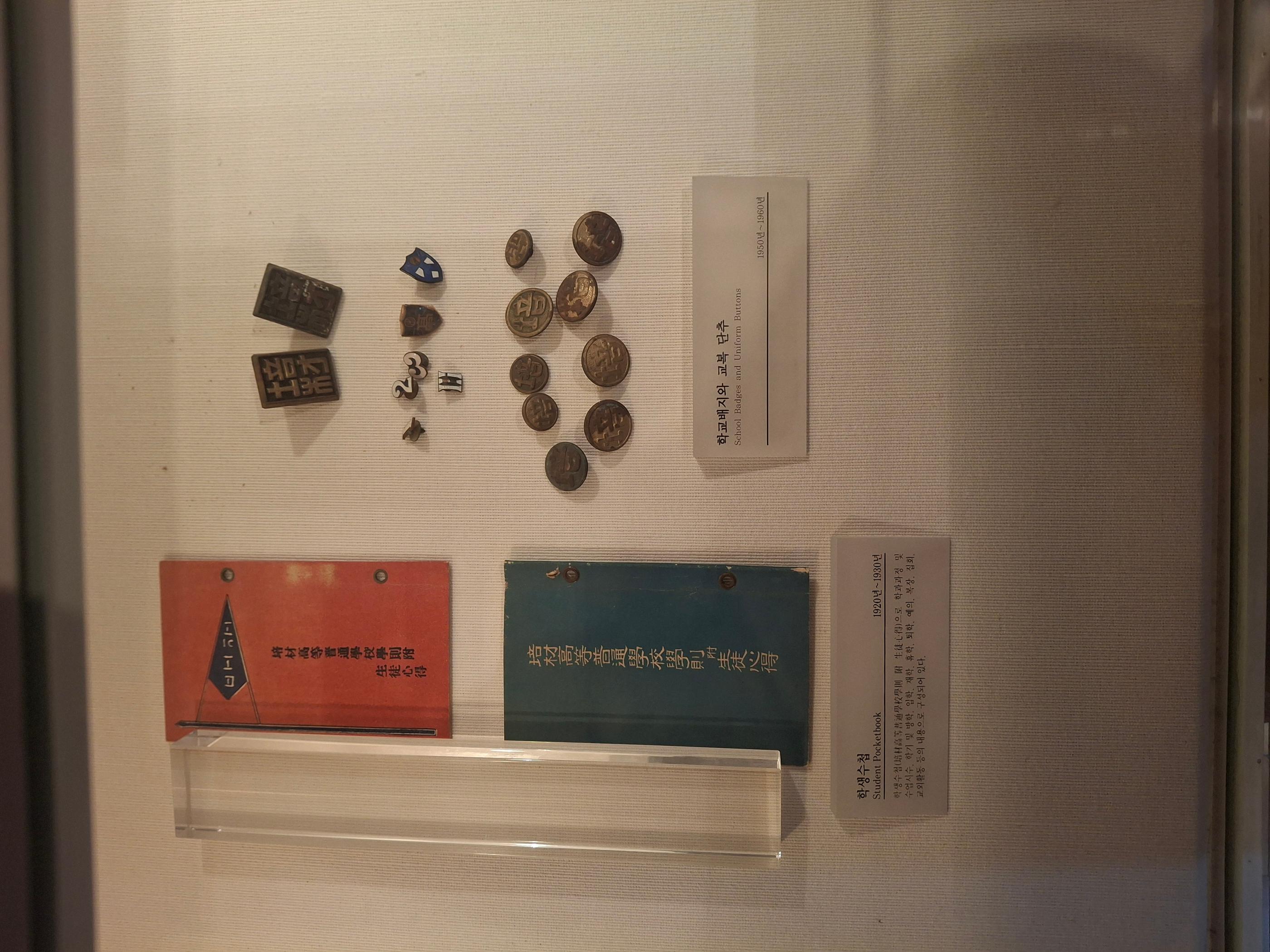
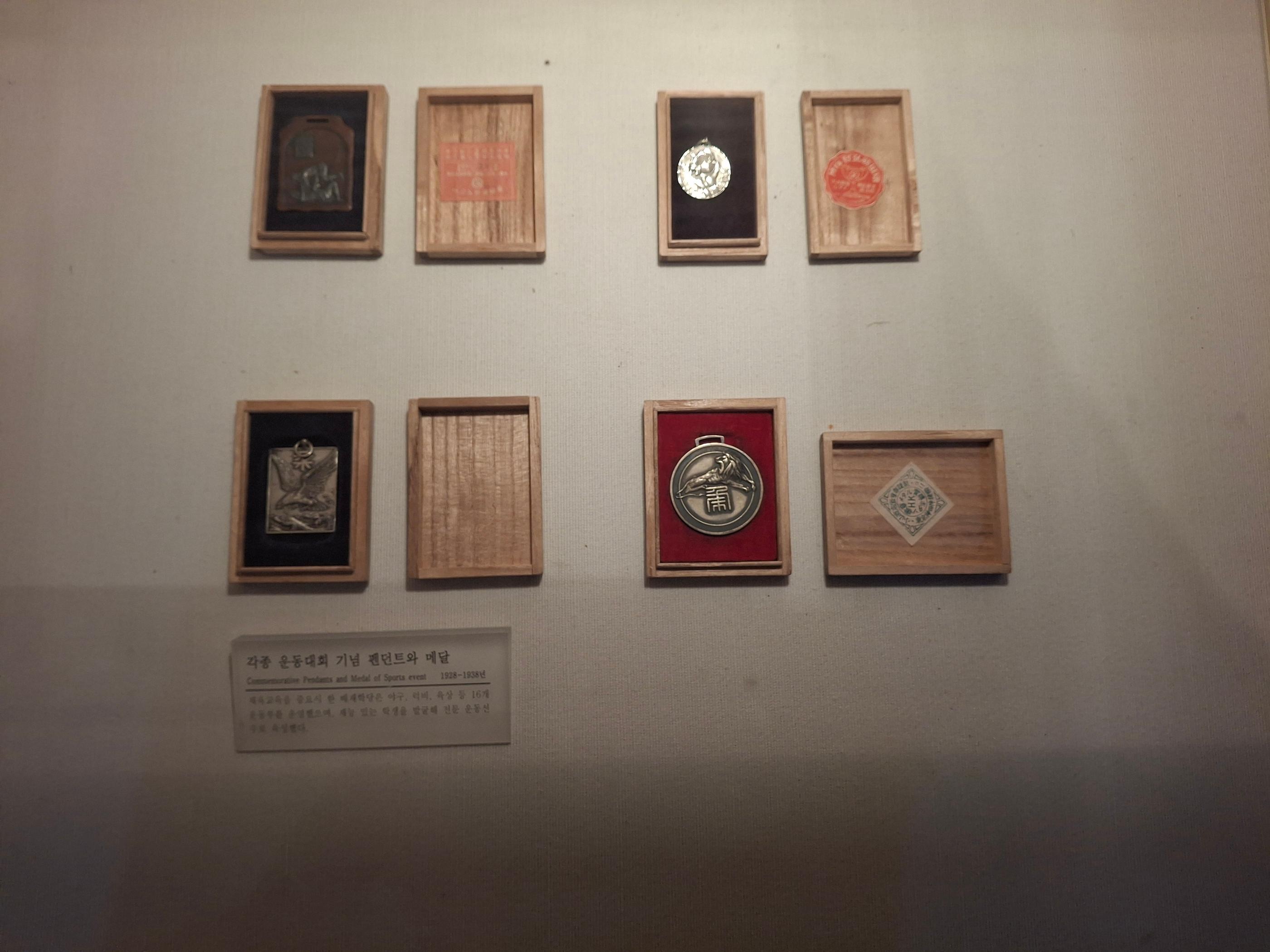
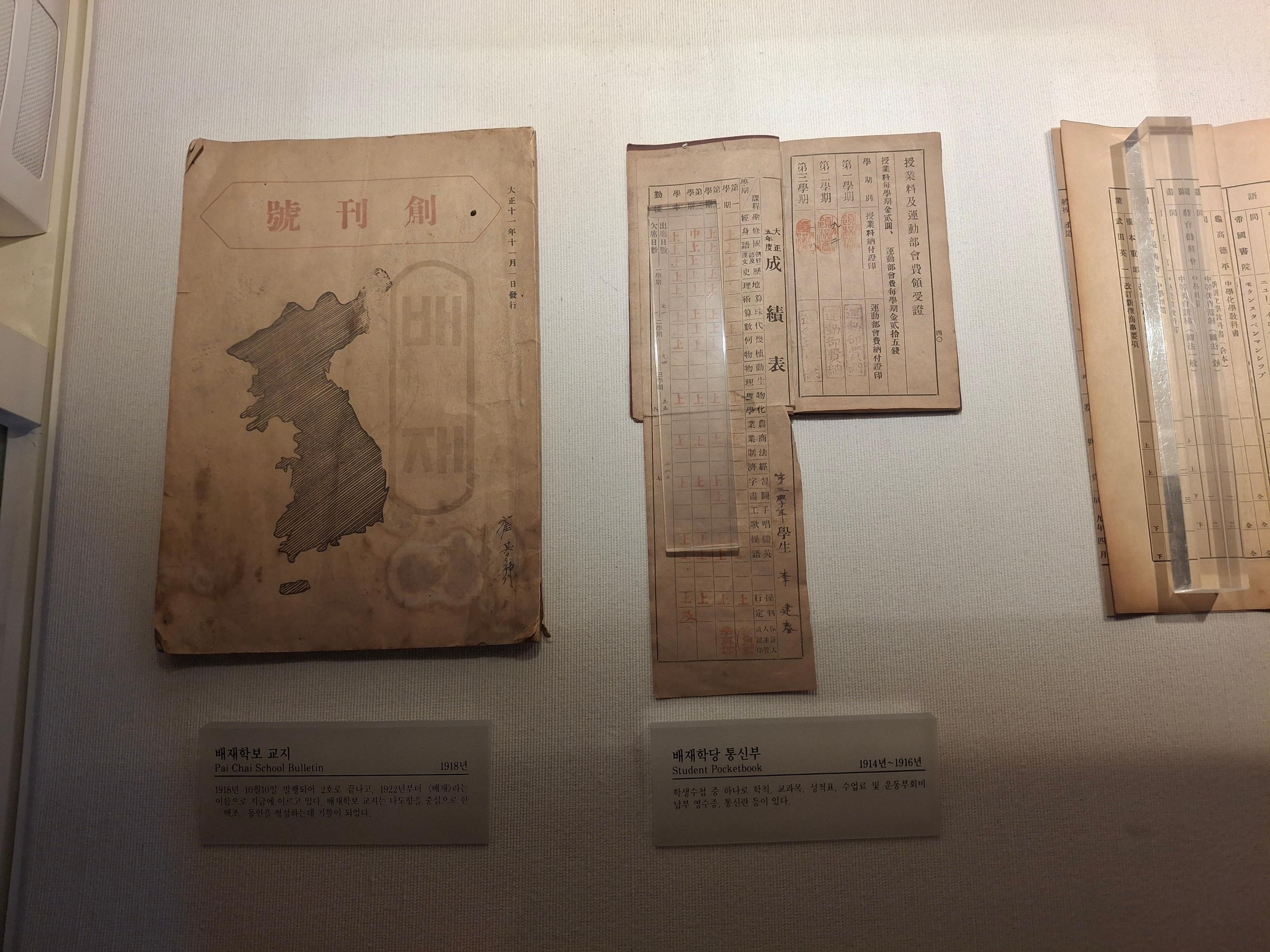
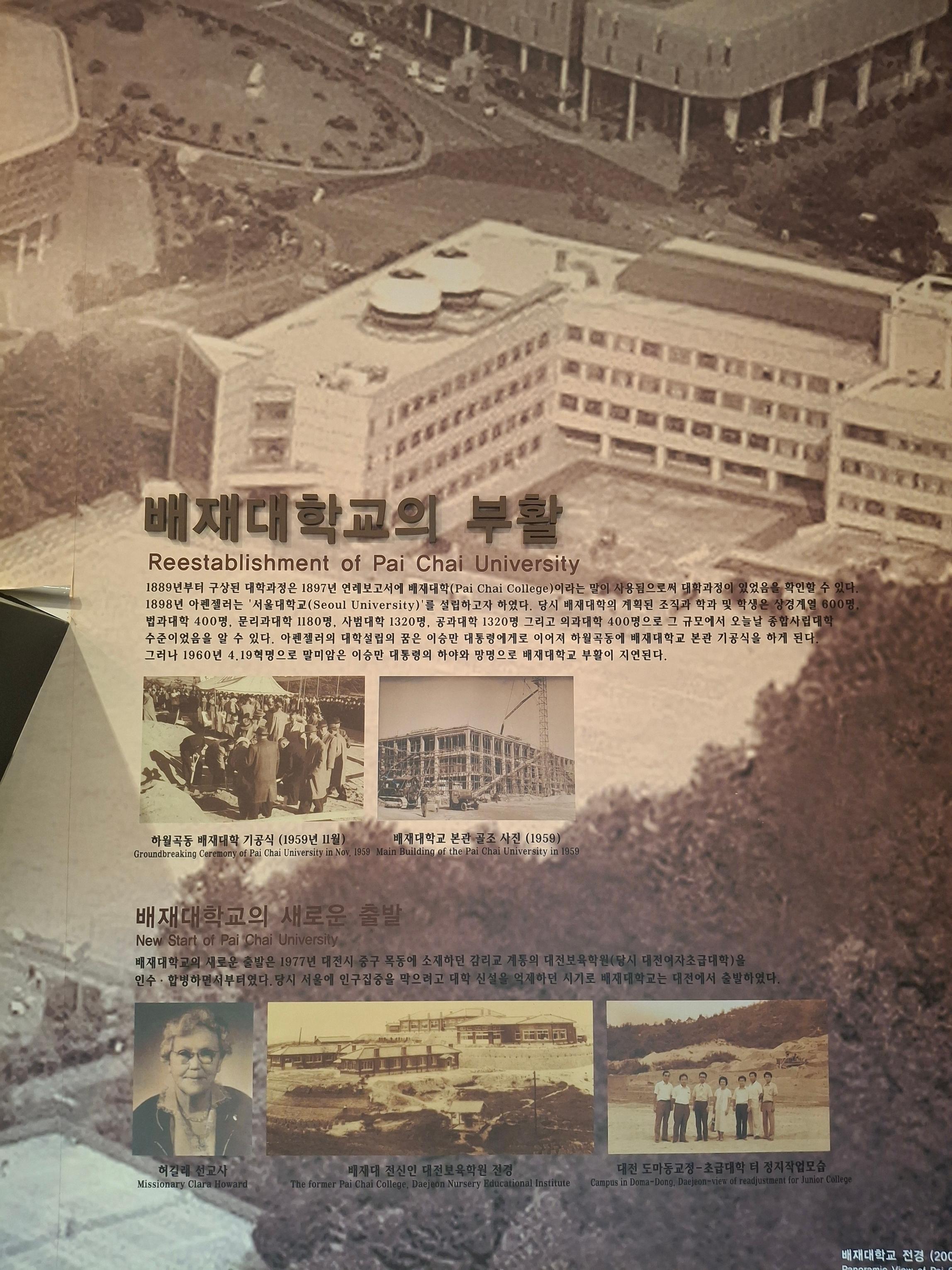
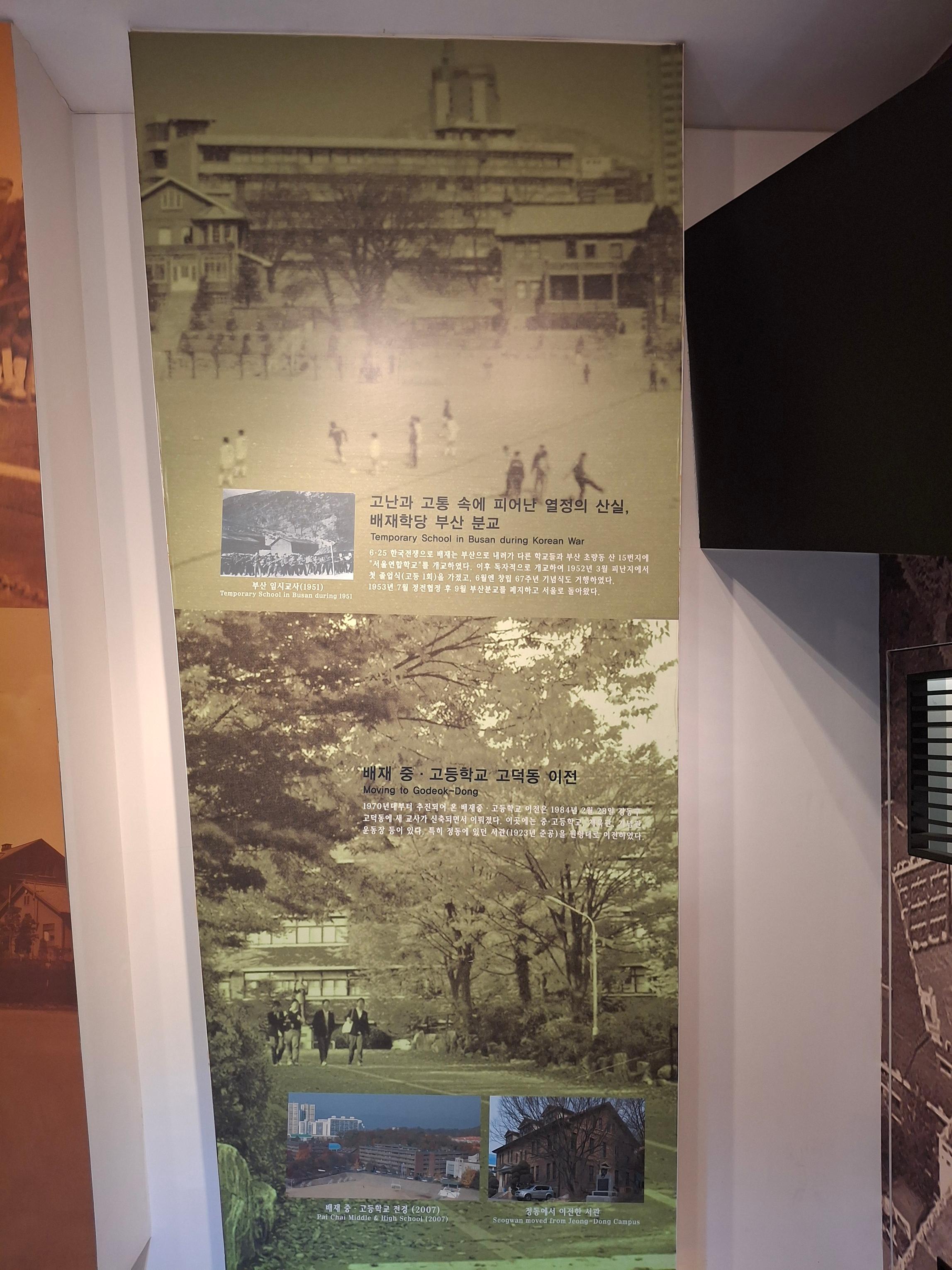
Then you need to climb up the old staircase to the 2nd floor.
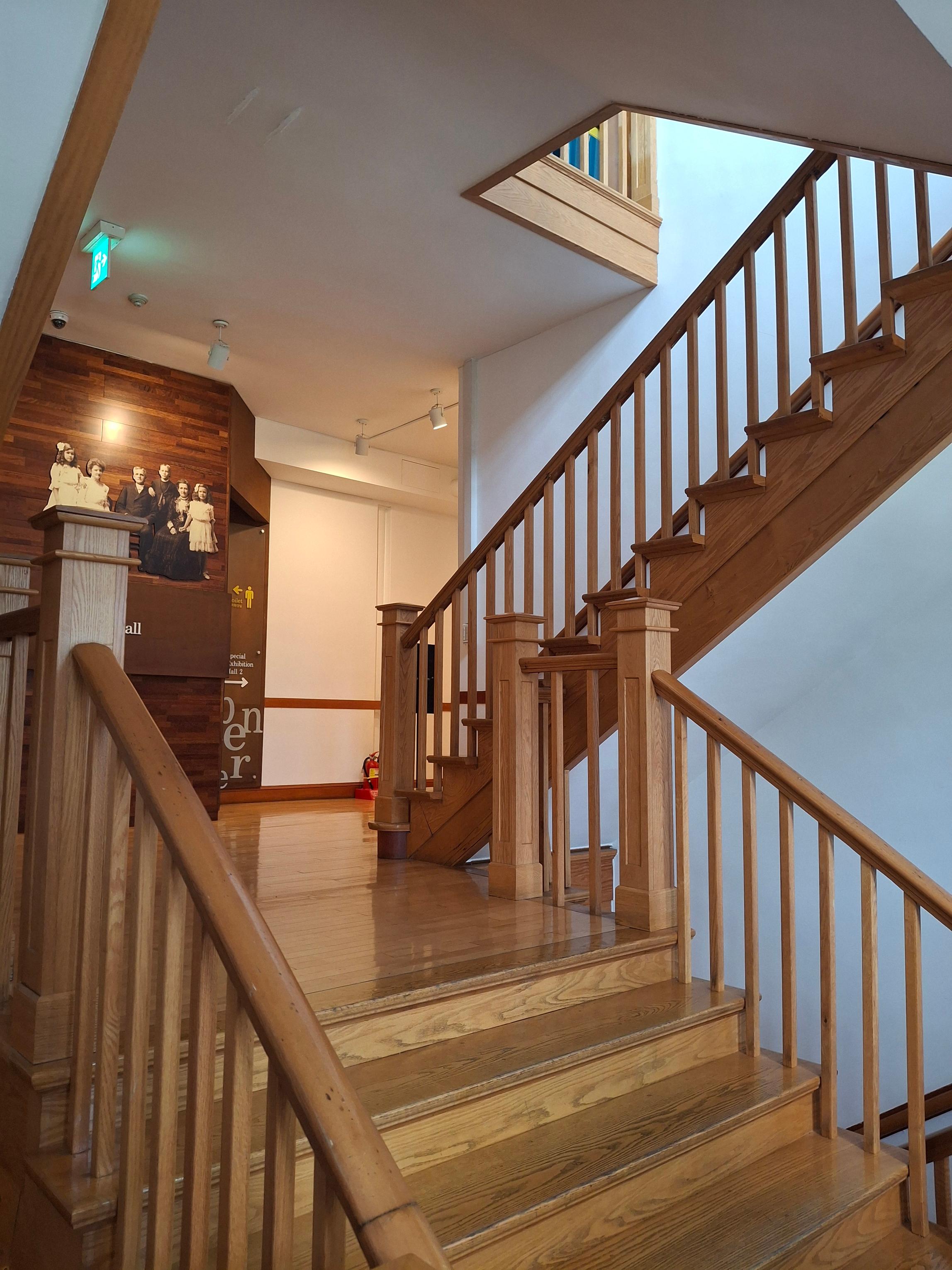
The second floor exhibition is dedicated to Henry Appenzeller and William Arthur Noble, as well as their families. You can see the scenery of Jeongdong in the early 20th century, which was the center of modernization, and the various activities of missionaries who worked hard to educate and spread Christianity in photos.
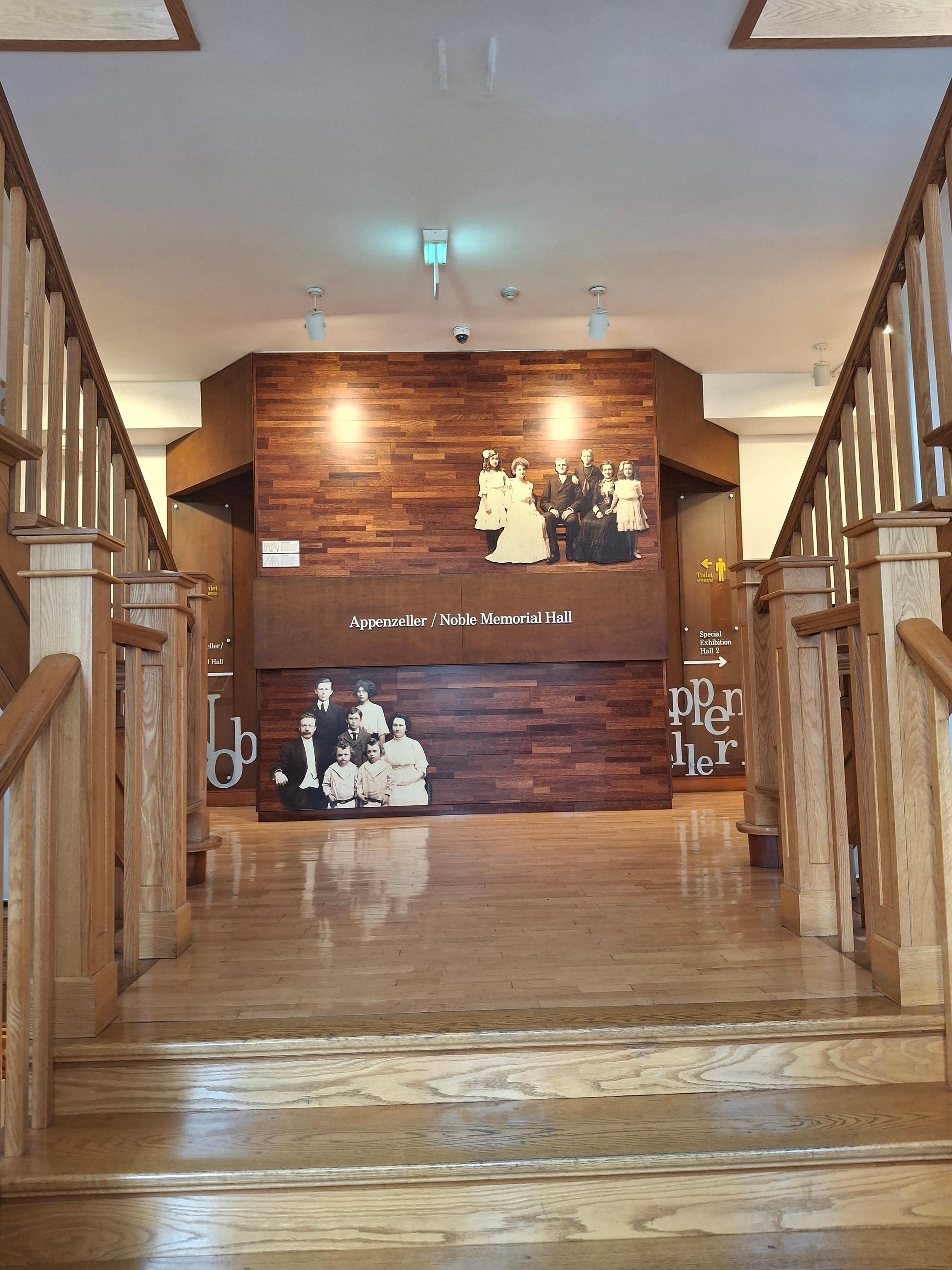
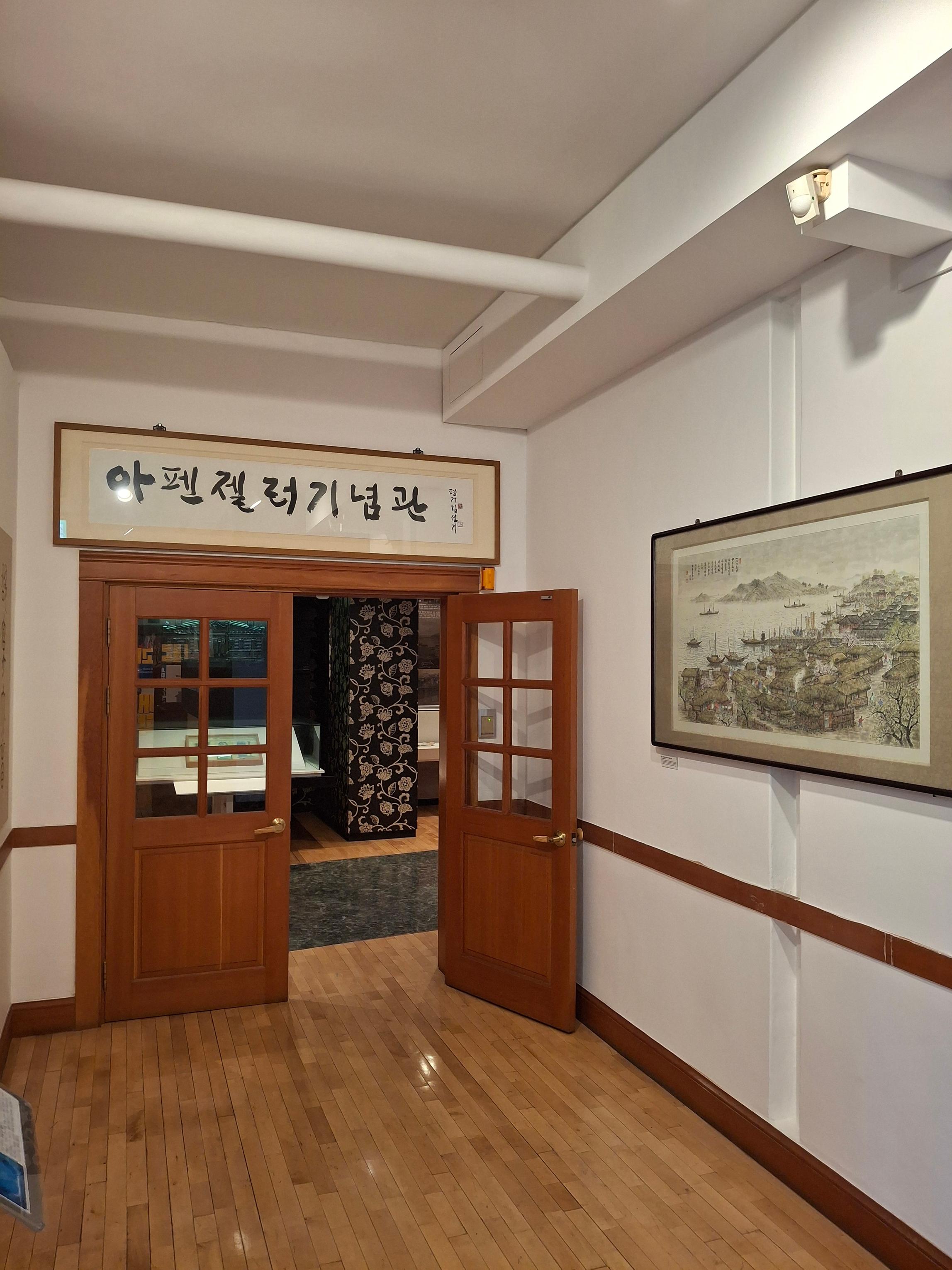
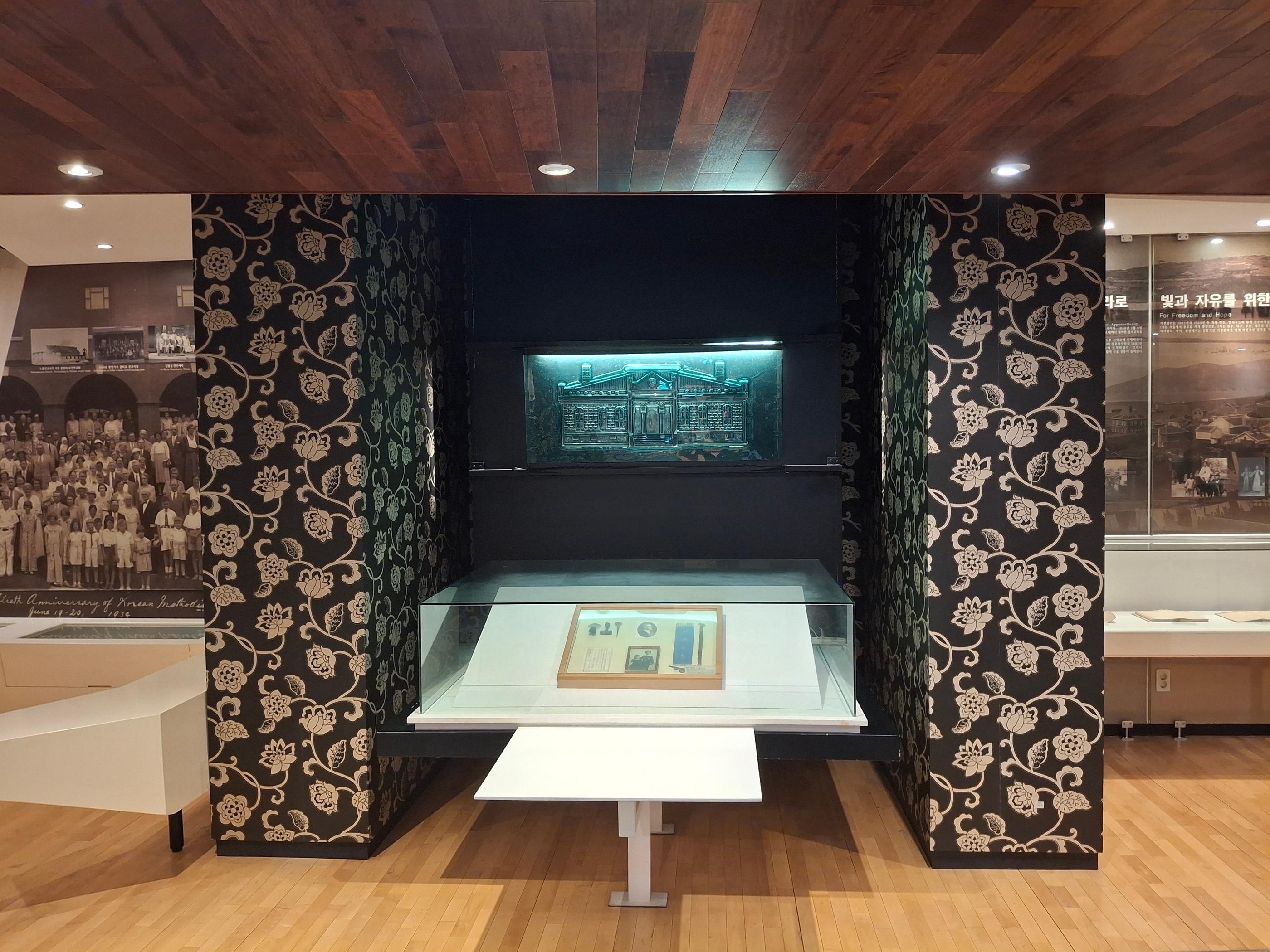
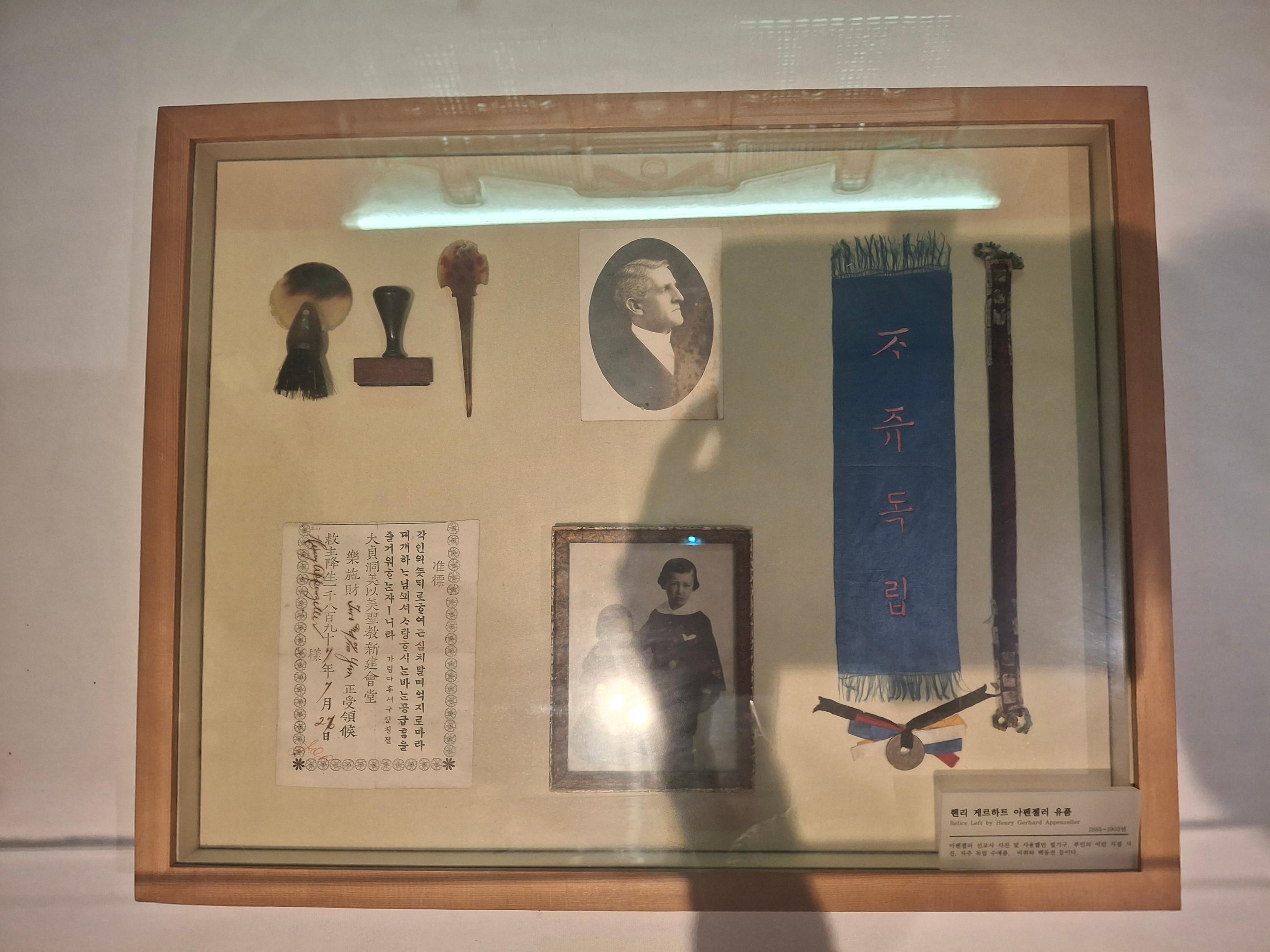
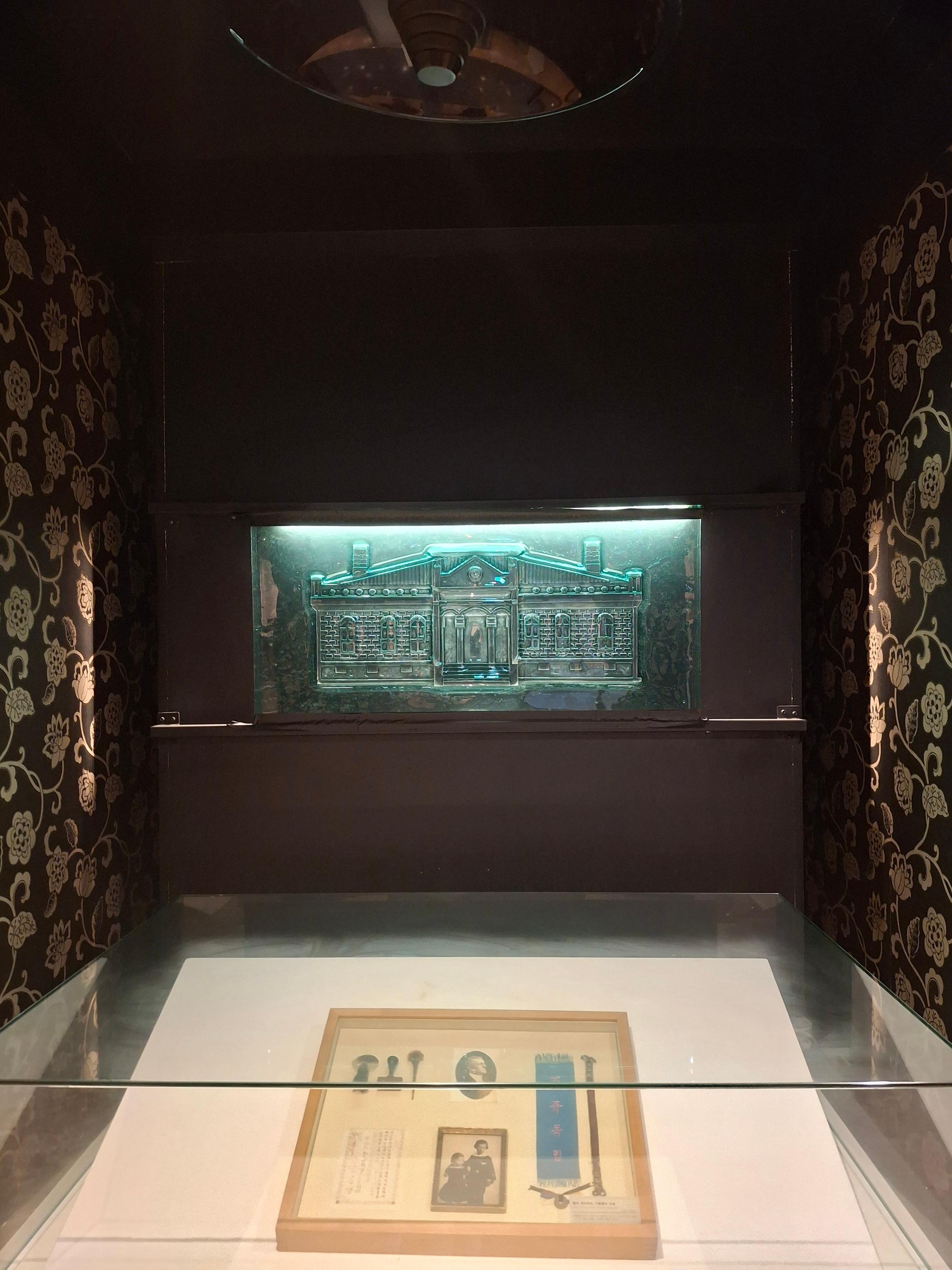
The exhibition houses numerous personal belongings of the school's founder and his family. You can look at the missionary journey of Henry Gerhart Appenzeller (1858~1902), the Pai Chai School, which was founded based on the Christian spirit, and the biographies of his children who followed in their father's footsteps and devoted themselves to Korean Christianity and education. In particular, Appenzeller's handwritten diary and his photographs of Korea in the early 1900s are valuable materials that allow us to objectively examine Korean society at that time through the eyes of foreign missionaries. This allows you to step back in time to that amazing and fascinating period in Korean history when the new and old ways of life collided. Looking at the exhibits and photographs, you realize the magnitude of the heroic deed of Henry Appenzeller and his wife, who, in pursuit of enlightenment, forever left their homeland and traveled to an unknown land to spread faith and education.
Part of the exhibition is dedicated to William Arthur Noble and his family. Willam Arther Noble (1866~1945) worked as a teacher at Pai Chai School before moving to Pyongyang in 1896 and made a great contribution to the settlement of Christianity. His wife, Mattie Wilcox Noble, was also the first female teacher at Pai Chai School to teach students, and devoted herself to women's education and Sunday school in Pyongyang. A diary of the Noble family's life in Korea, along with the English novels "Ewha" and "Sooni" written by William Arthur Noble, we will introduce the life of the Noble missionary family.
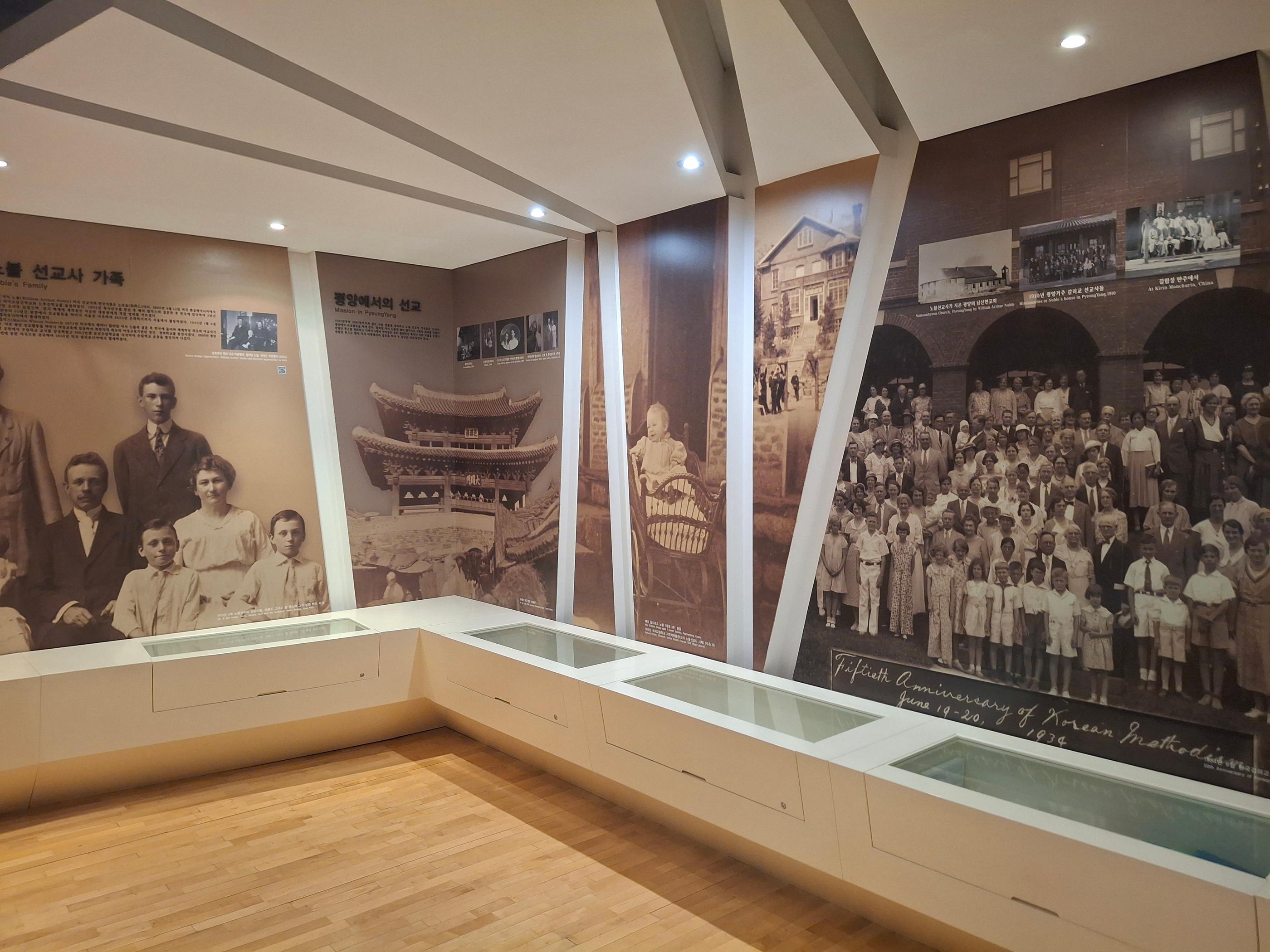
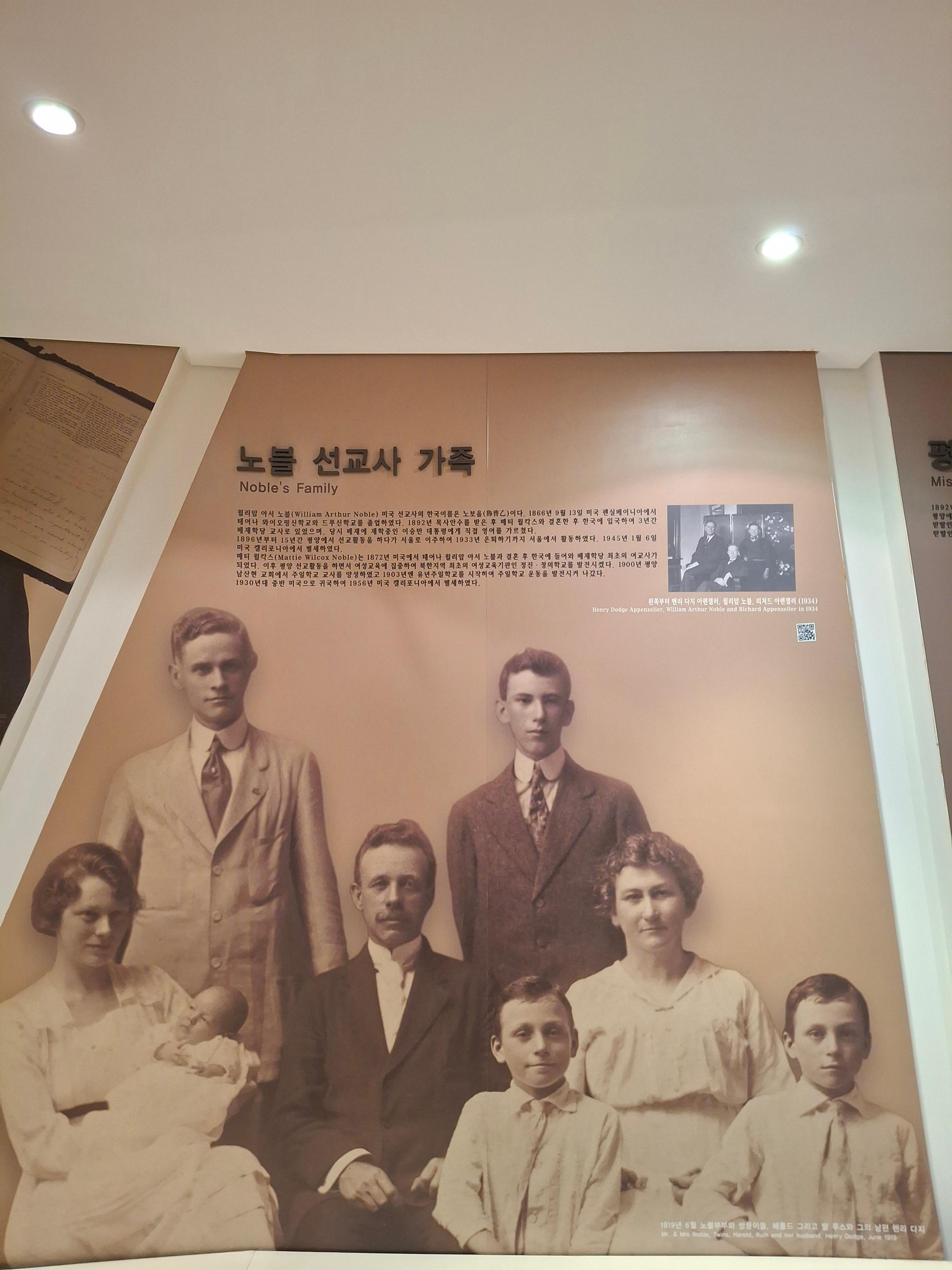
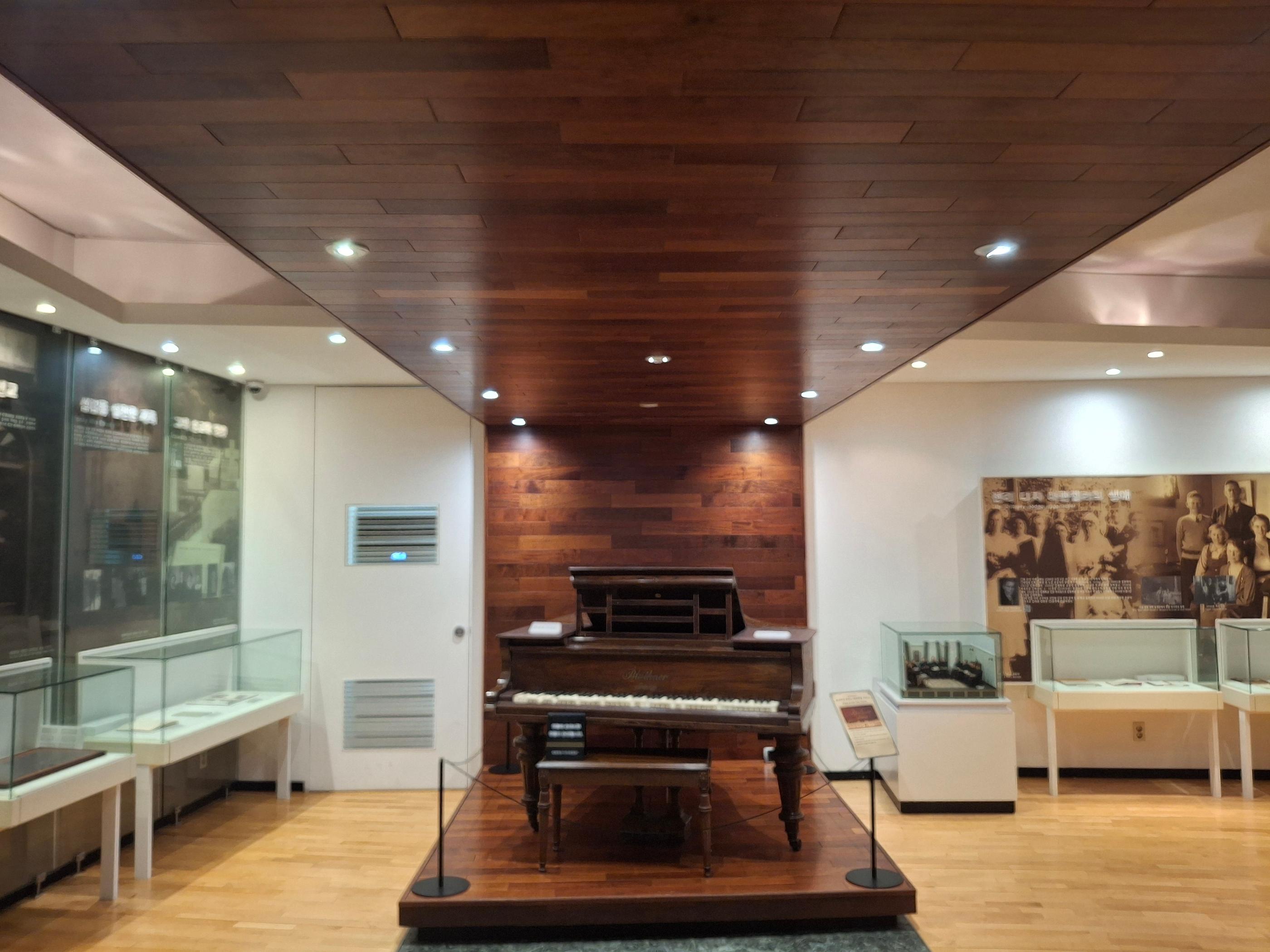
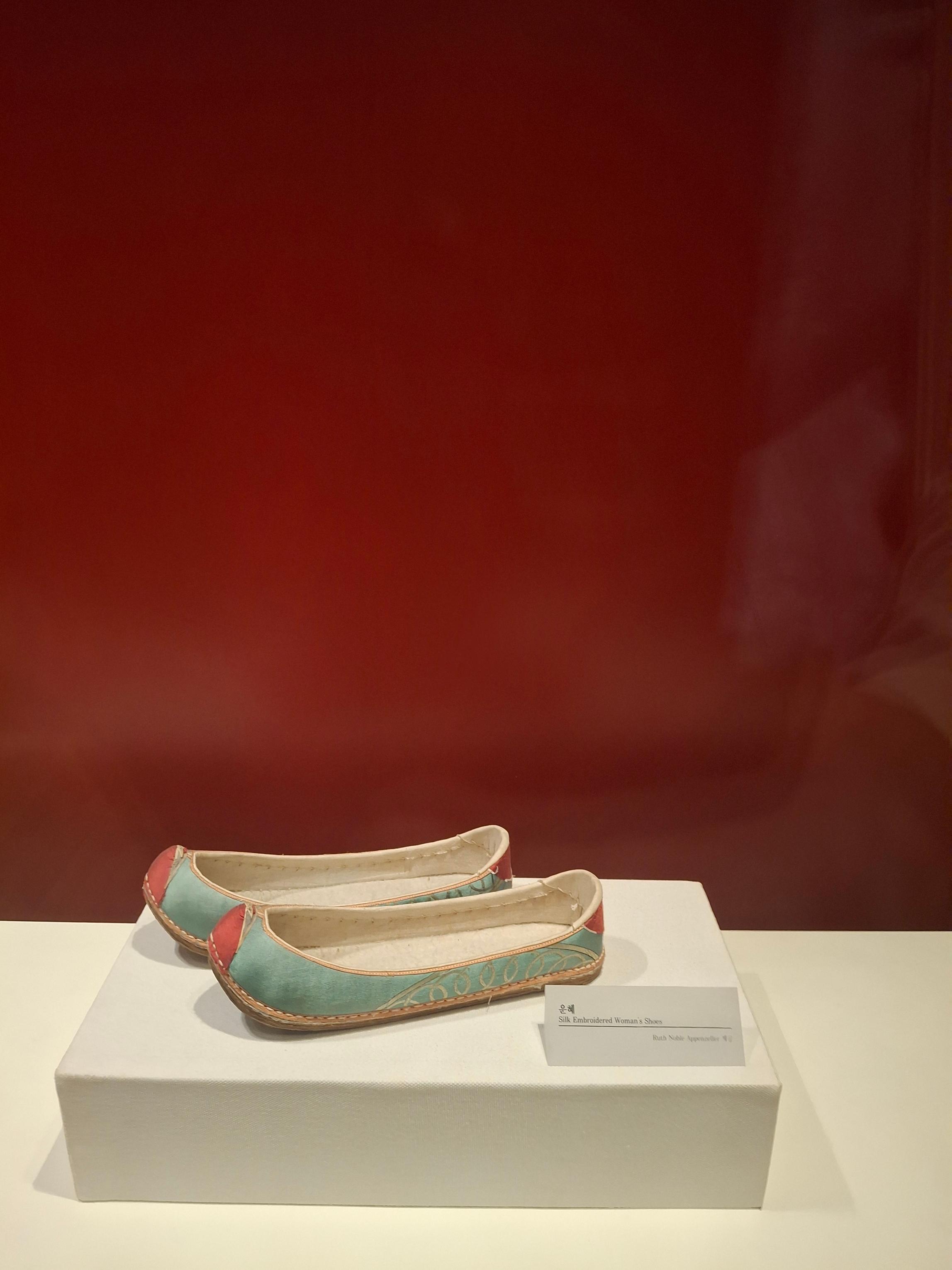
There is also a separate exhibition in honor of Henry Dodge Appenzeller and Ruth Noble Appenzeller. Through the biographies of Henry Dodge Appenzeller, who succeeded his father, Henry Gerhard Appenzeller, and his wife, Ruth Noble Appenzeller, who became the principal of Pai Chai School, we can get a glimpse of their love for Korea, education, and their dedication to missions. Henry Dodge Appenzeller's desk, typewriter, piano, residence permit, car license, and other various relics that give us an idea of the daily life of missionaries at that time are also on display.
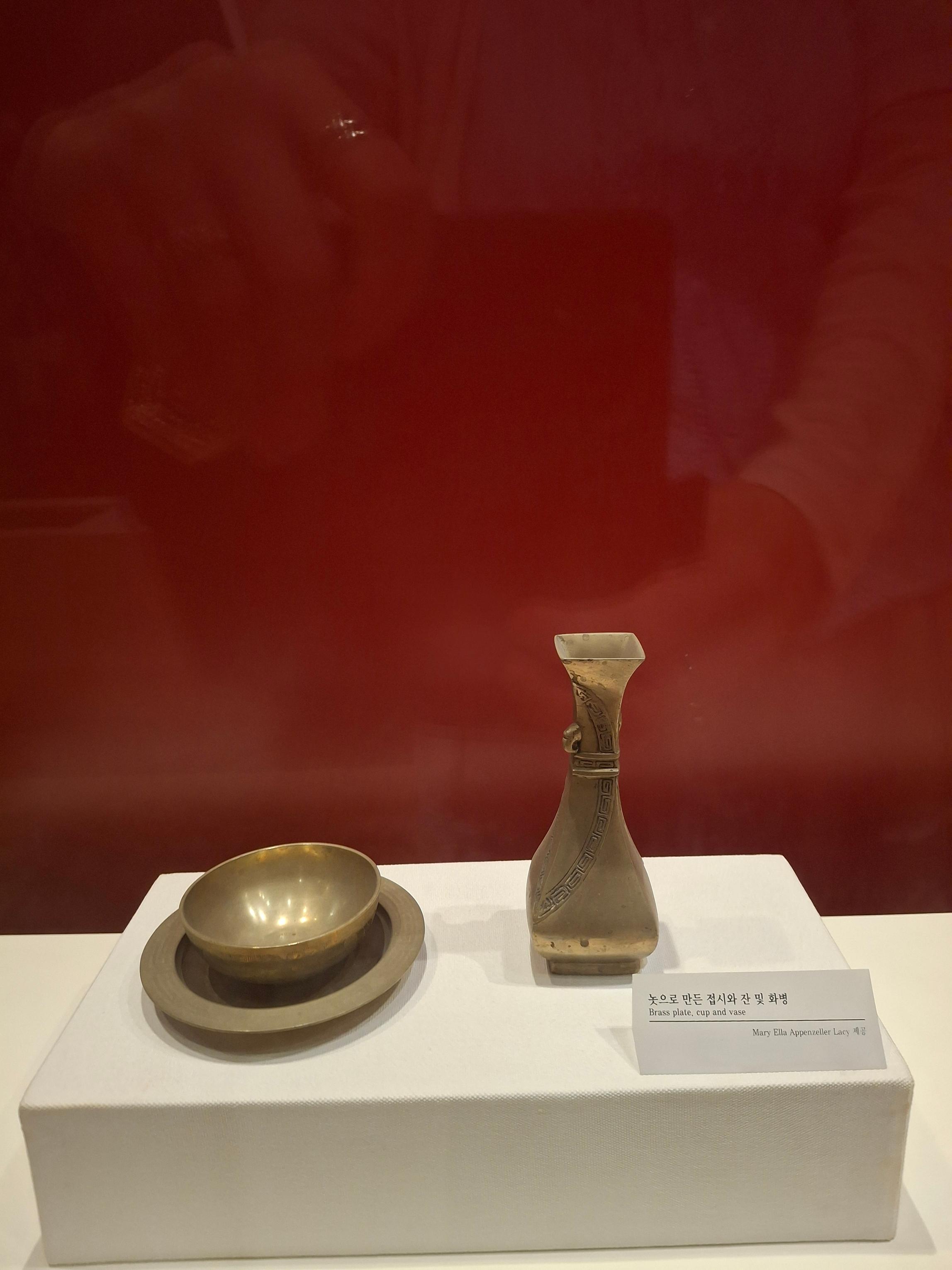
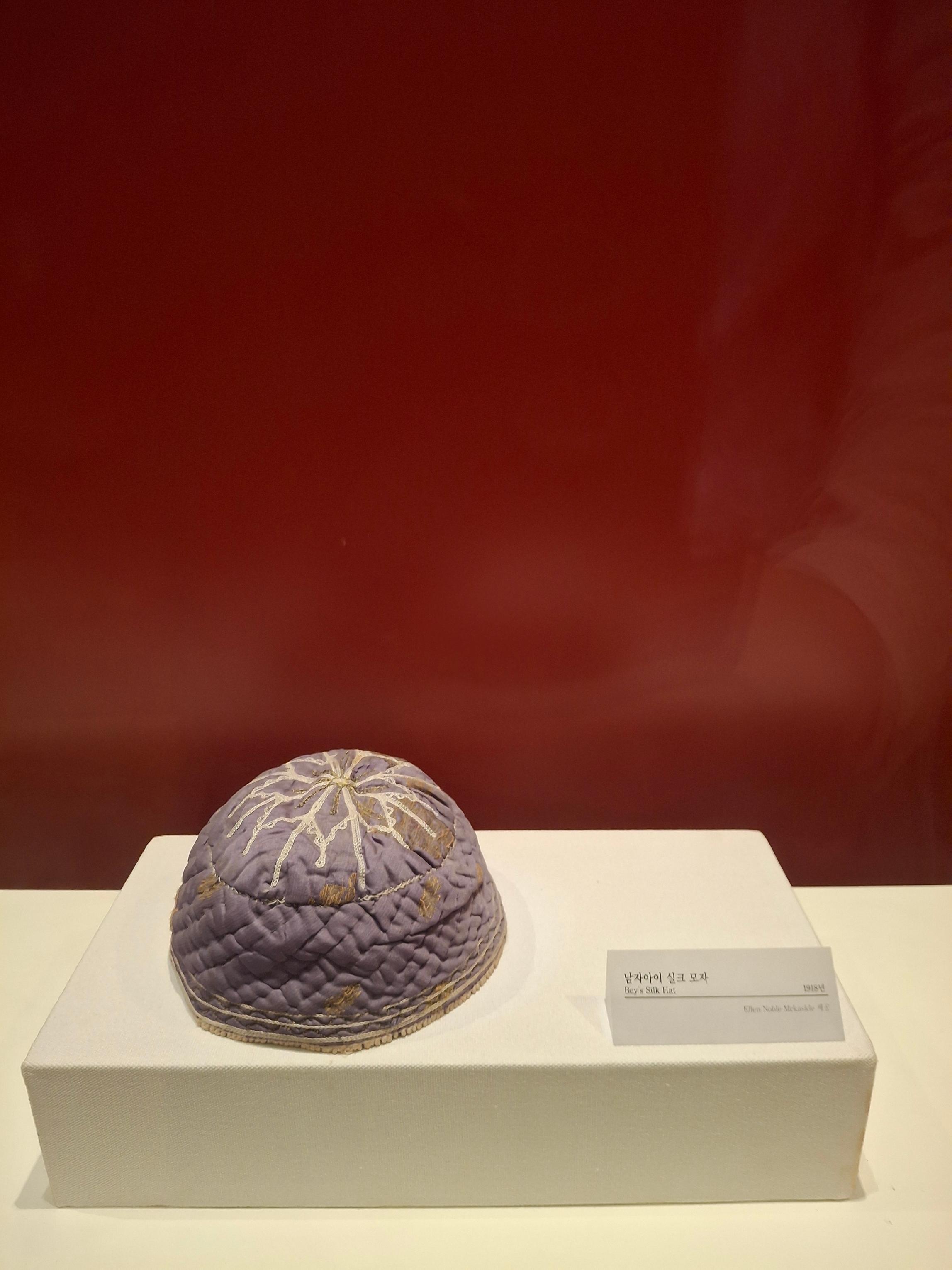
With dynamically arranged permanent exhibitions, annual special exhibitions and special lectures, the museum offers a unique learning experience to visitors and people with an interest in the history of education in Korea.