



The Agricultural Museum: free and interesting place in Seoul

Olga
5 months ago
If you are looking for things to see in Seoul, visiting museums is a great idea, especially on a hot or rainy day. There are a lot of them in Seoul, for every taste. Doesn’t matter what subject the museum is devoted to, we are there to learn something new.
One of the museums that I liked was the Museum of Agriculture. Right downtown near Seodaemun Subway Station is the small but interesting Museum provides an opportunity to gain knowledge of agriculture yourself.
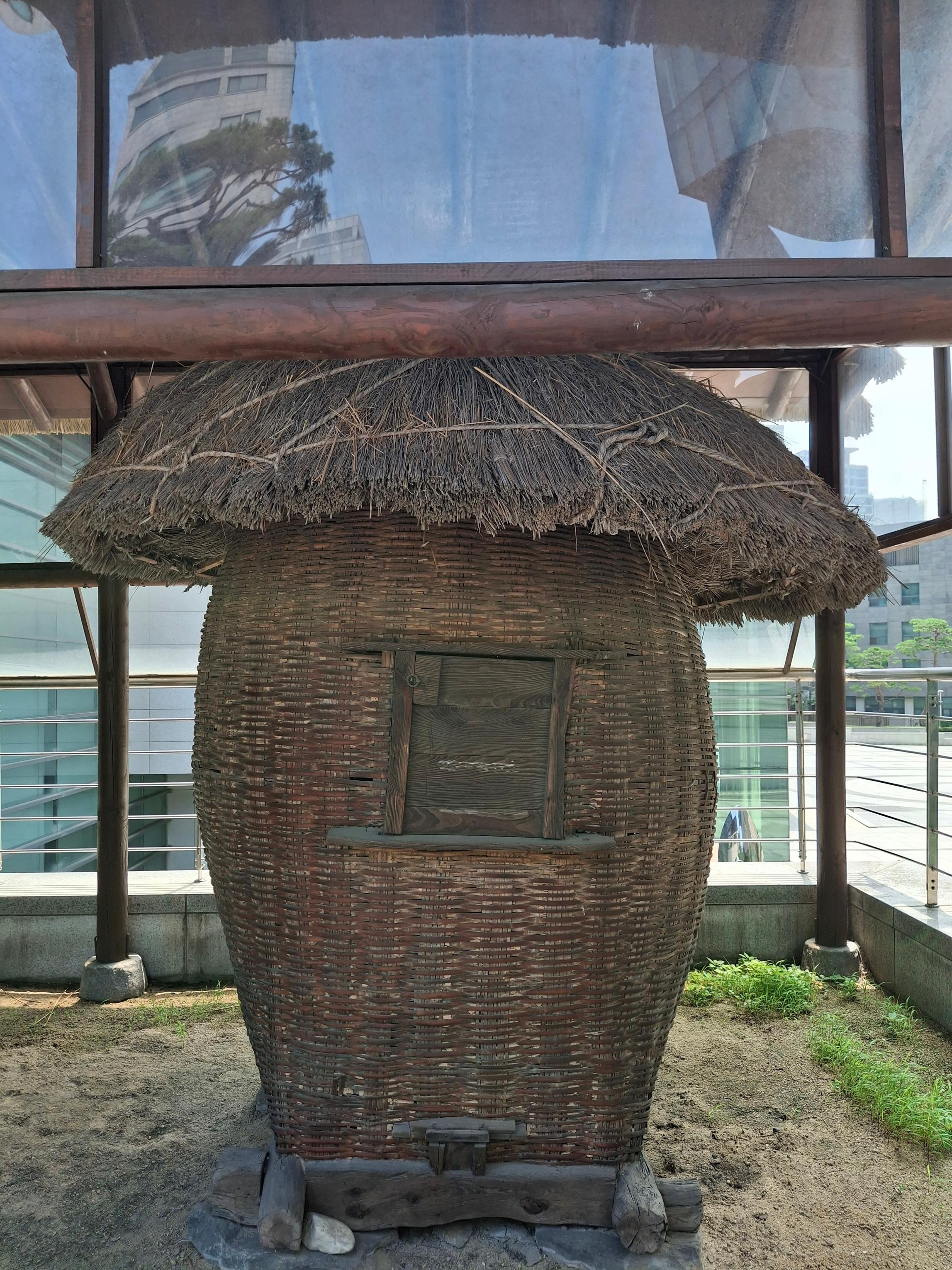
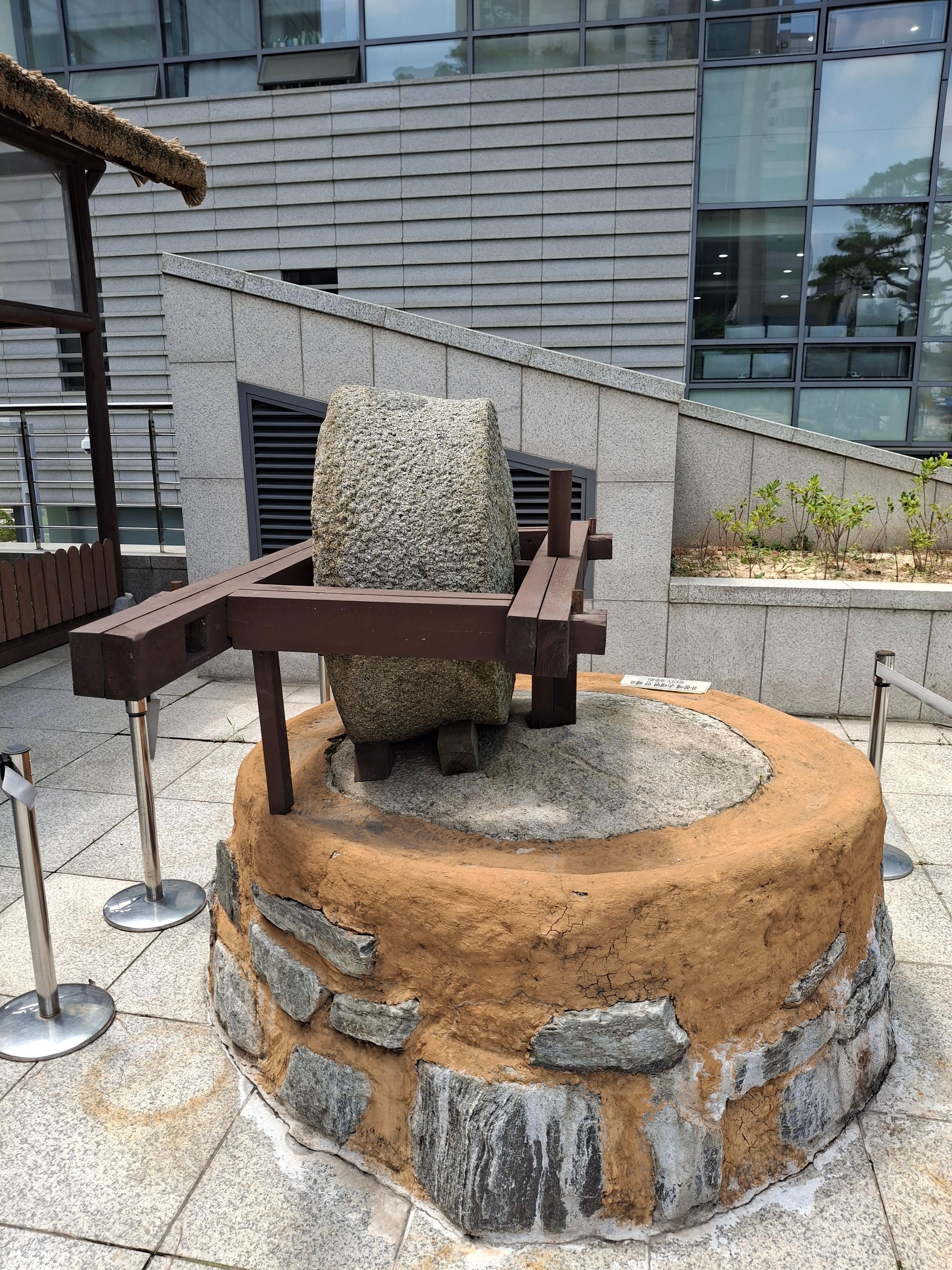
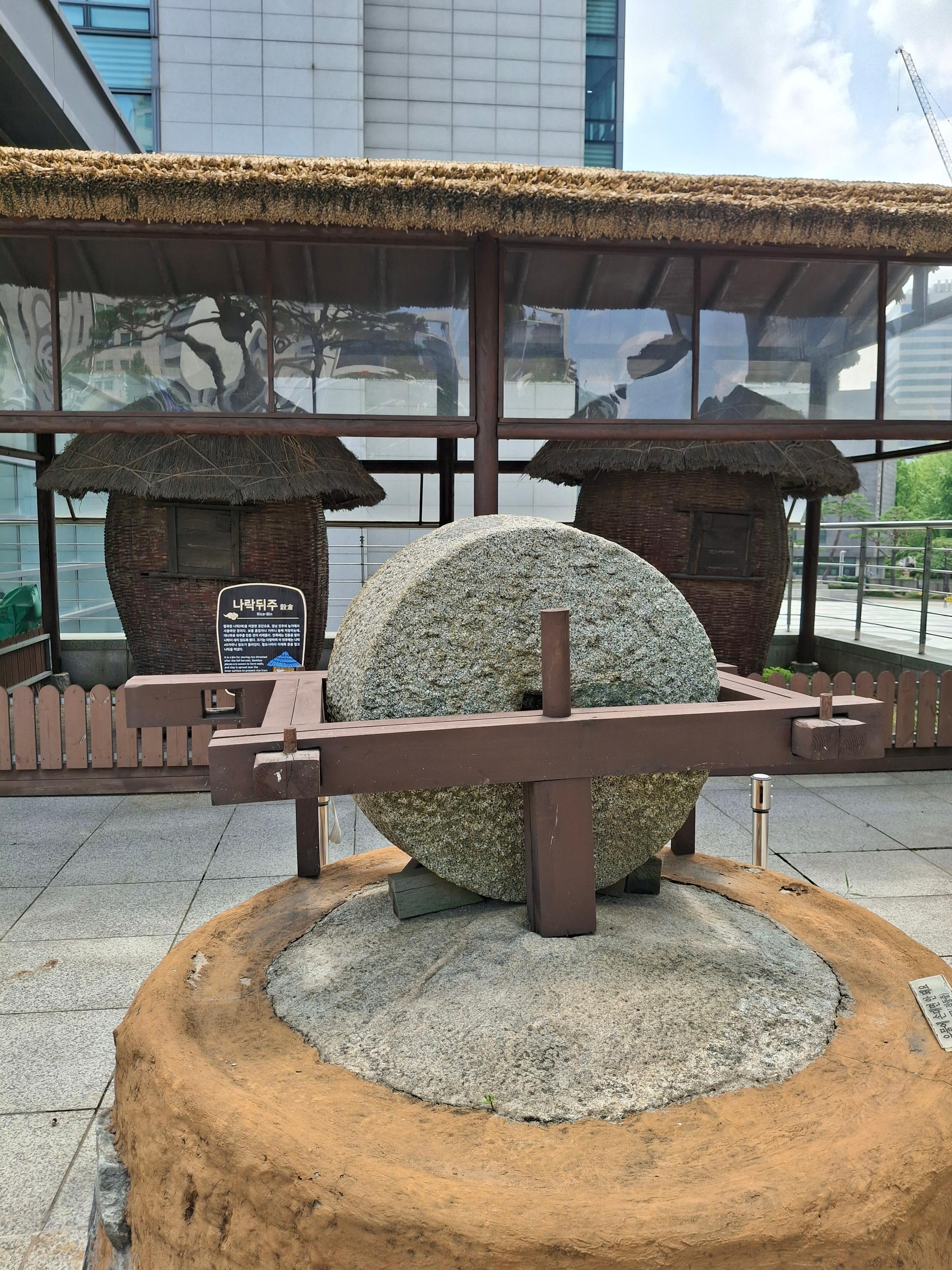
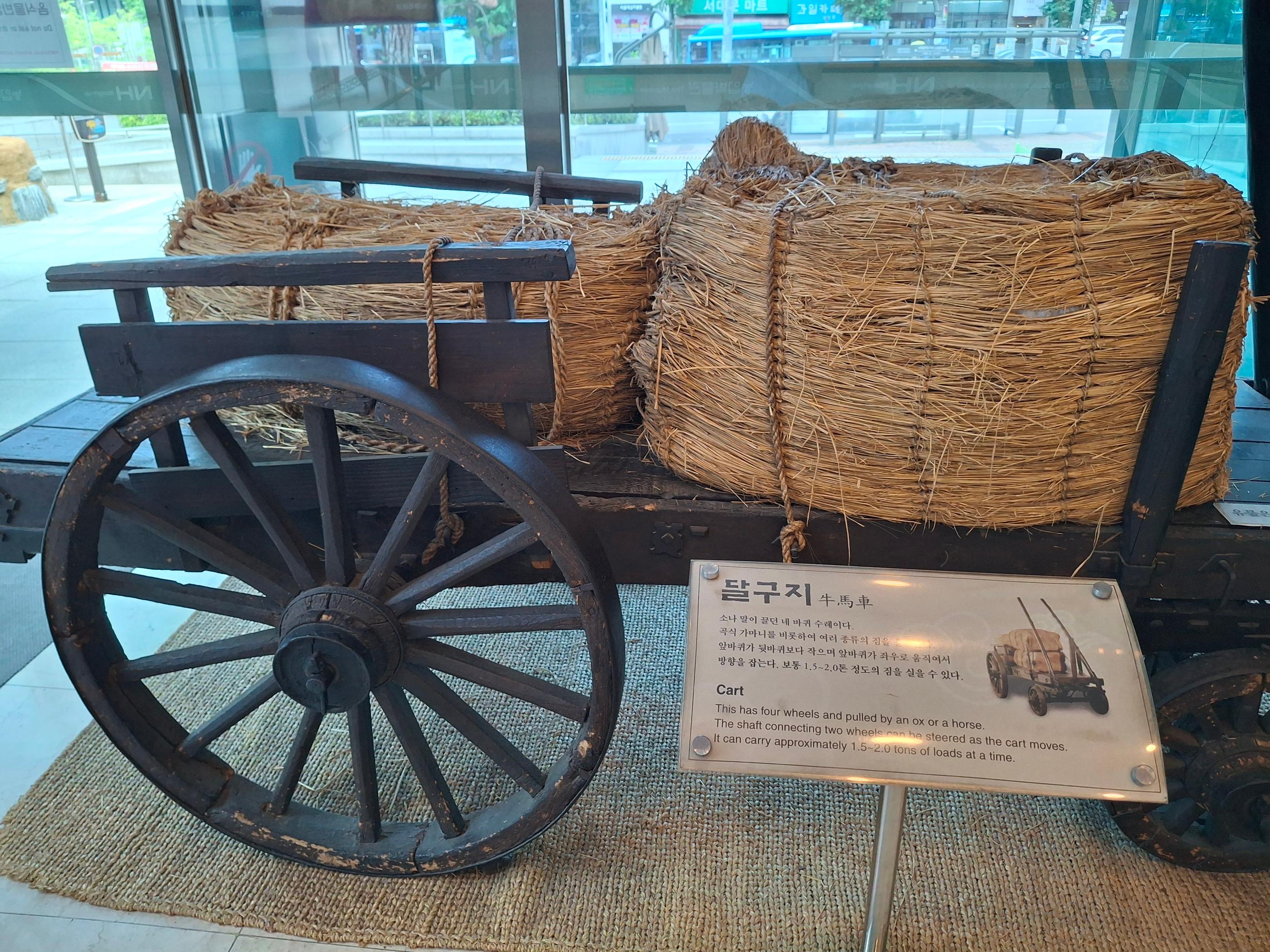
Exhibits appear immediately before the entrance to the museum. For example, a huge straw storage for rice or millstones for flour.
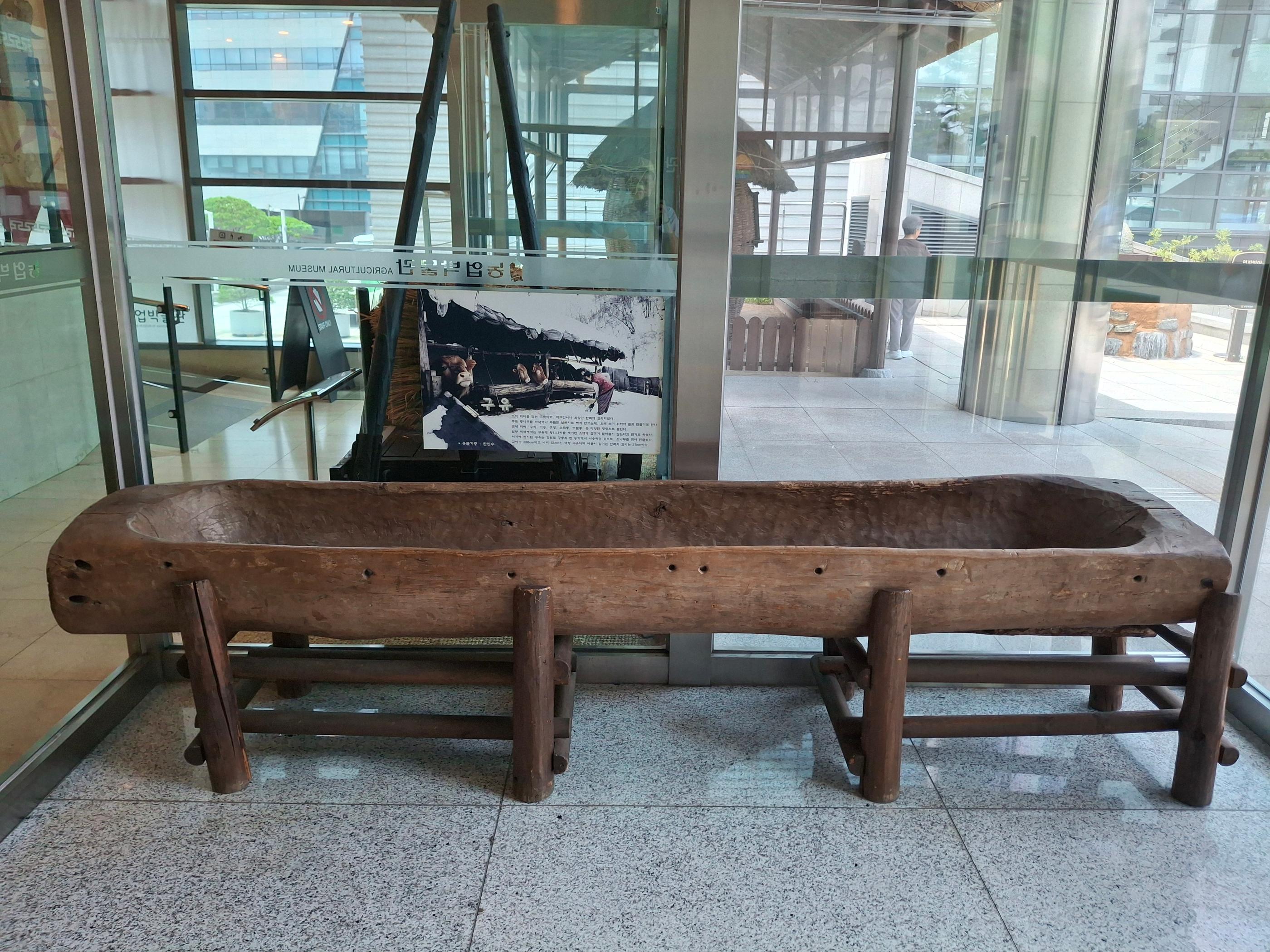
The museum was founded in 1987 to help urbanites and youngsters understand the importance of agriculture and Korea’s traditional farming practices. There are over 5,000 historical agricultural relics on rotation with currently 2,000 on display for public viewing.
The Agricultural Museum consists of three exhibition halls, including the Agricultural History Hall, the Agricultural Life Hall, and the Agricultural Promotion Hall, as well as outdoor traditional rice fields and fields.
On the first floor is the “History of Agriculture” where visitors can learn about Korea’s agricultural history from prehistoric times to the modern period. It shows the development process of farming tools from the beginning of agriculture on the Korean Peninsula.
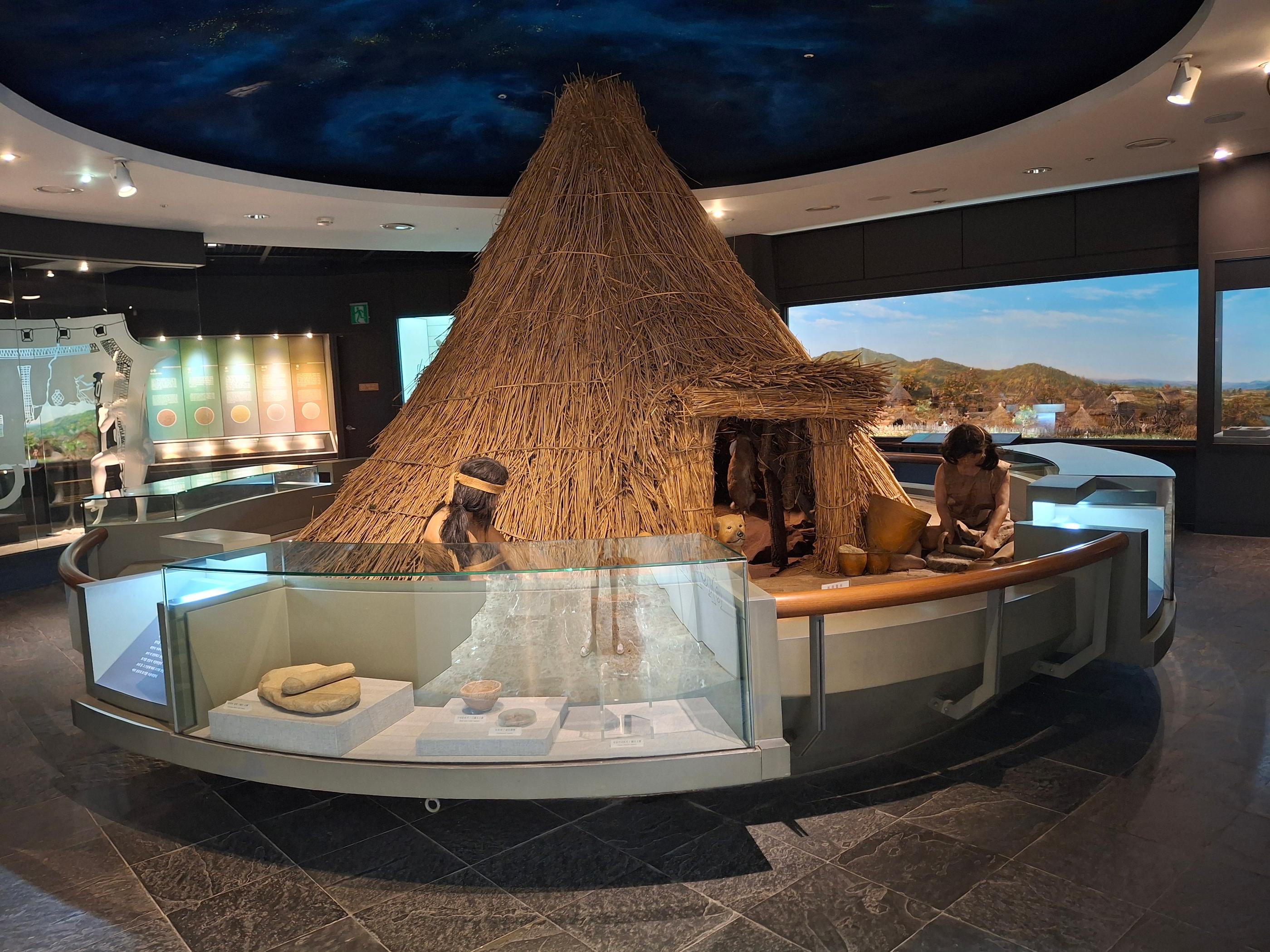
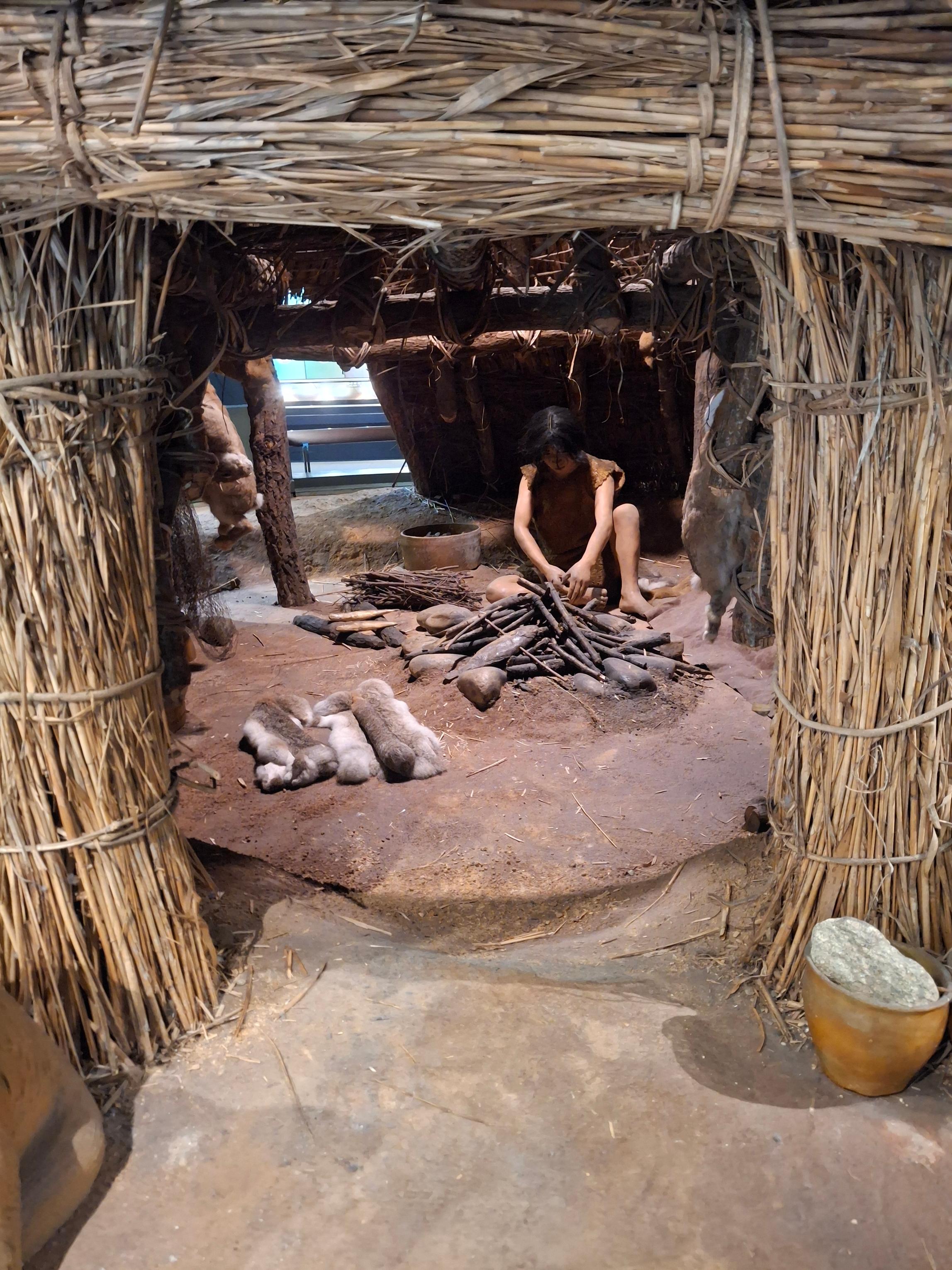
On display are a variety of utensils used by the primitive inhabitants of the Korean Peninsula, as well as various agricultural tools.
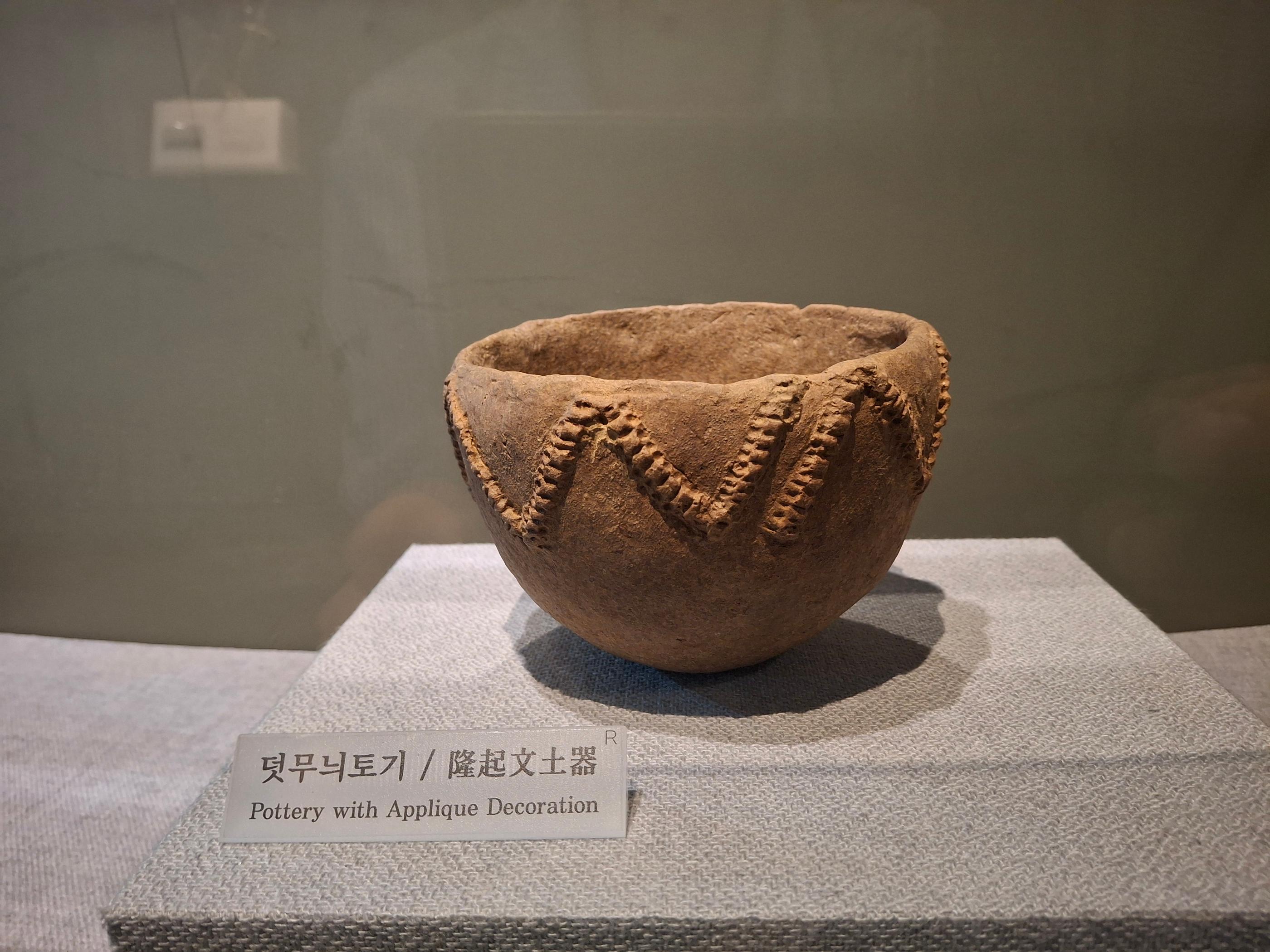
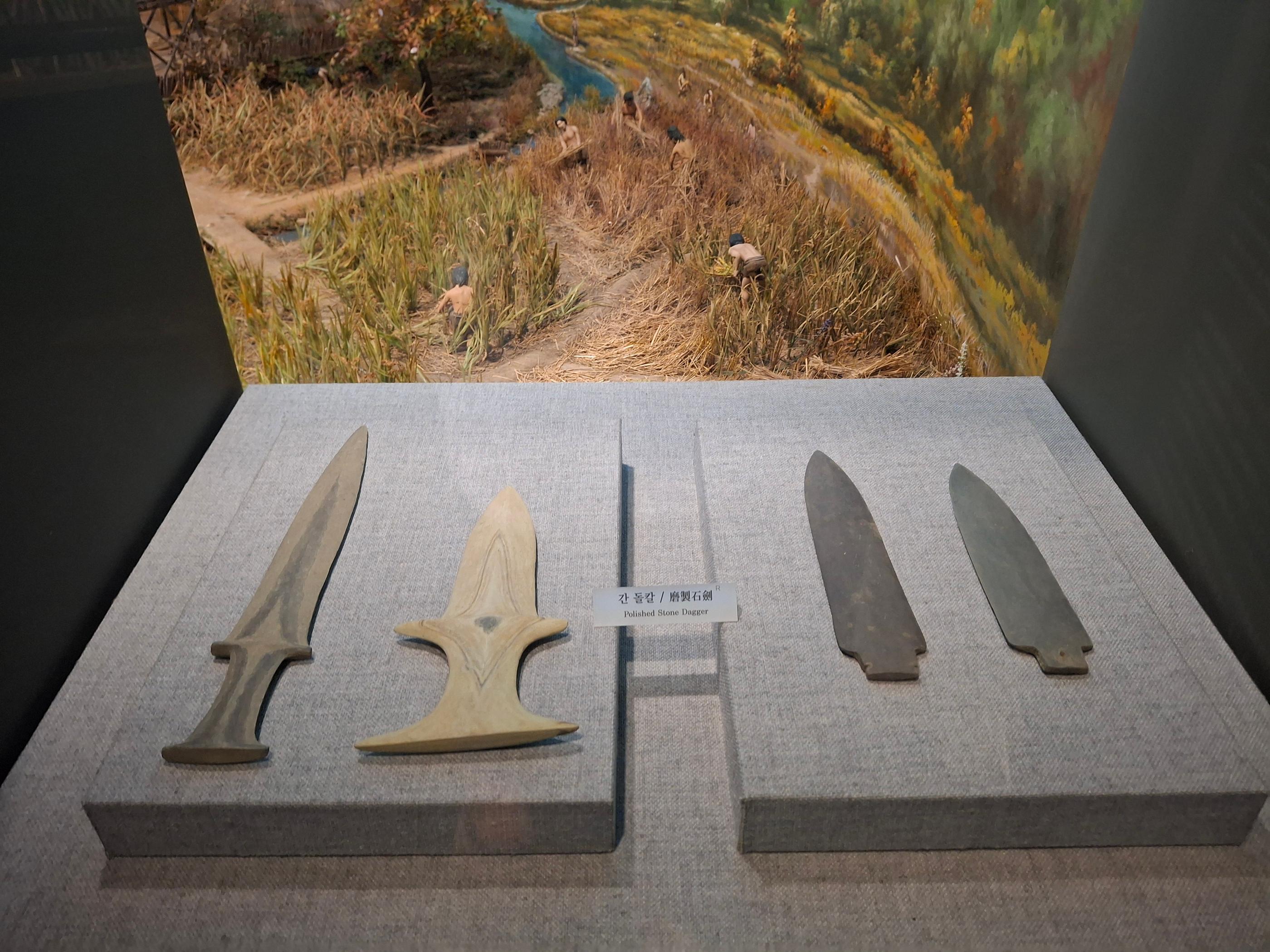
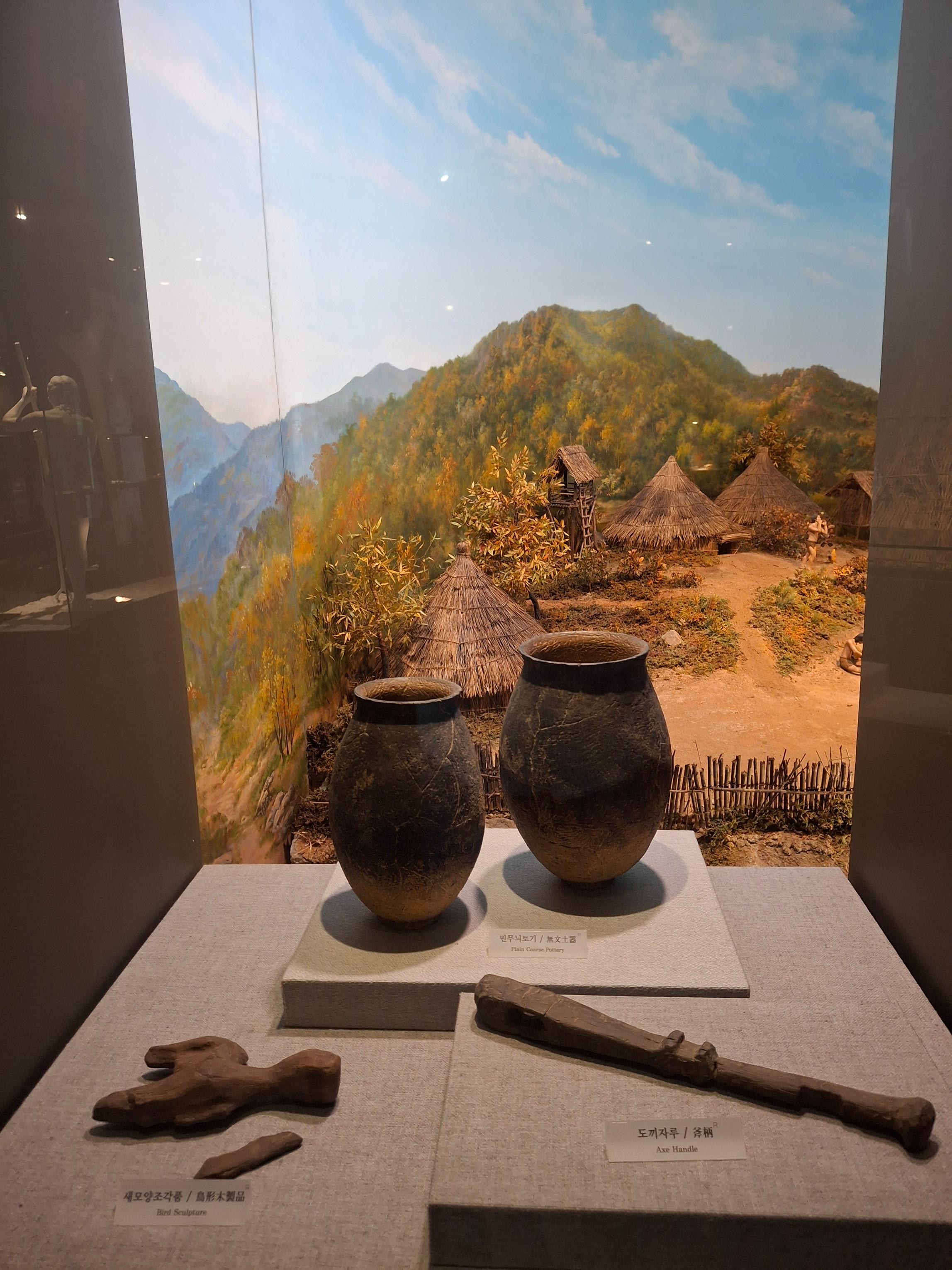
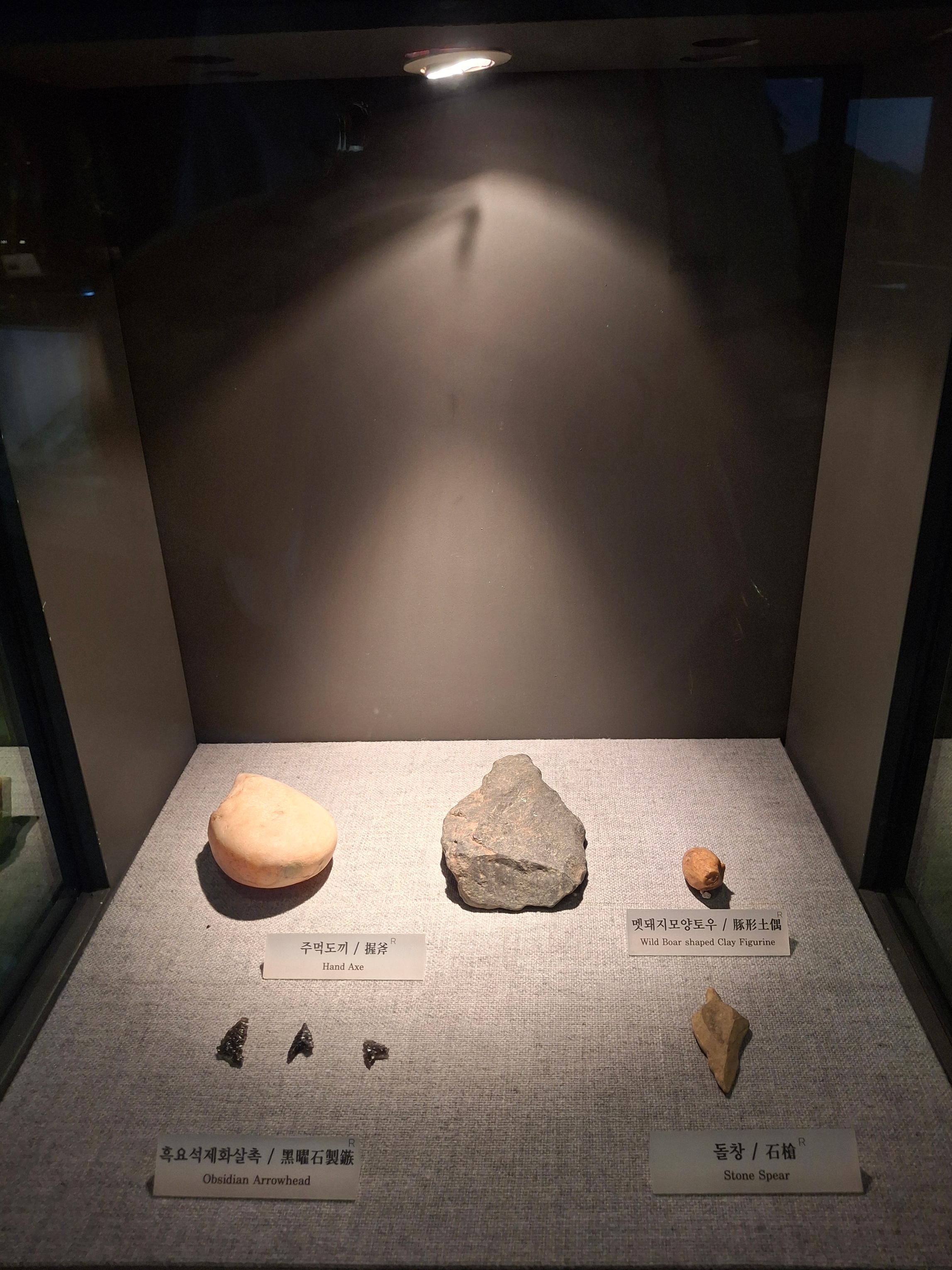
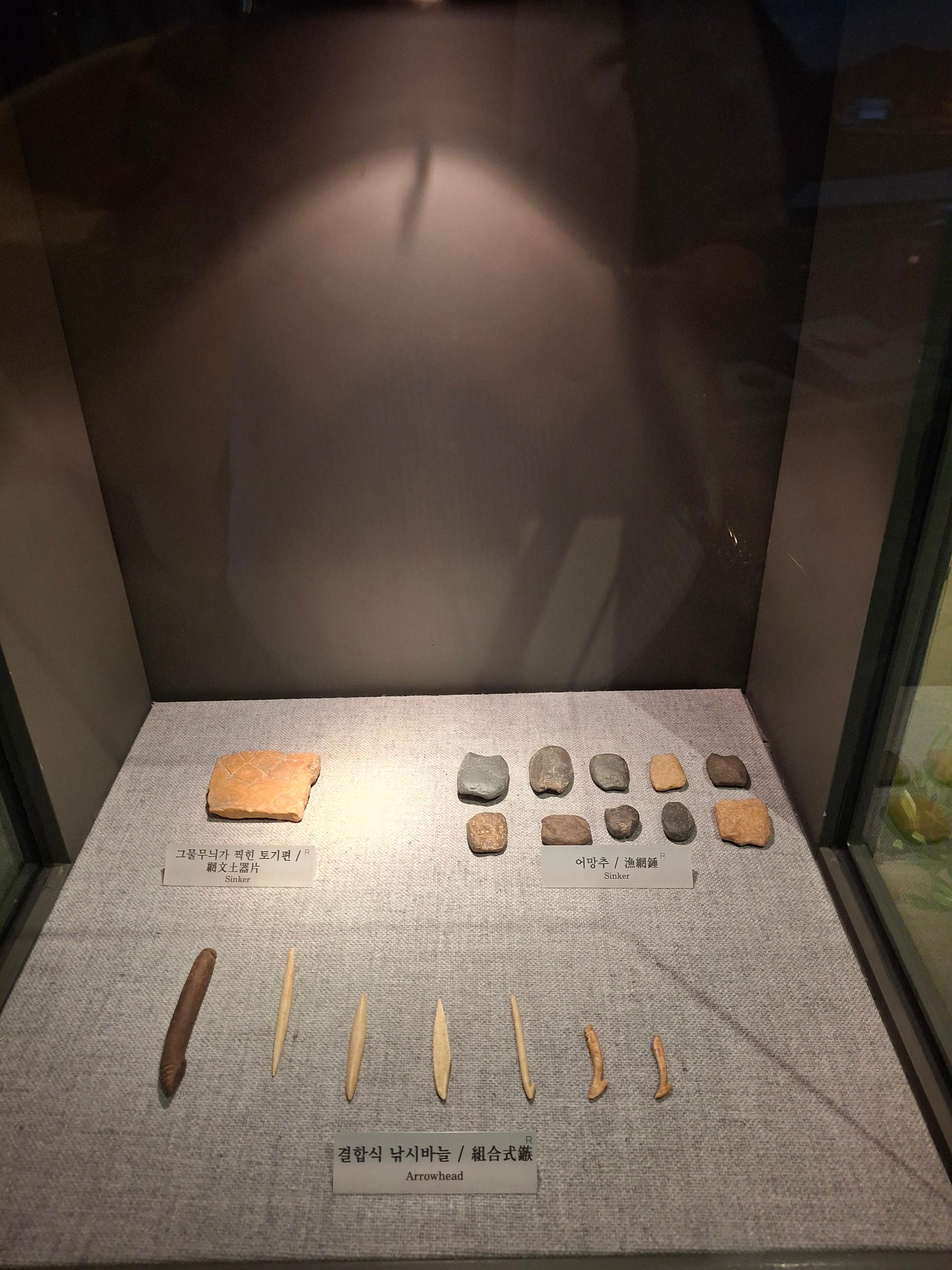
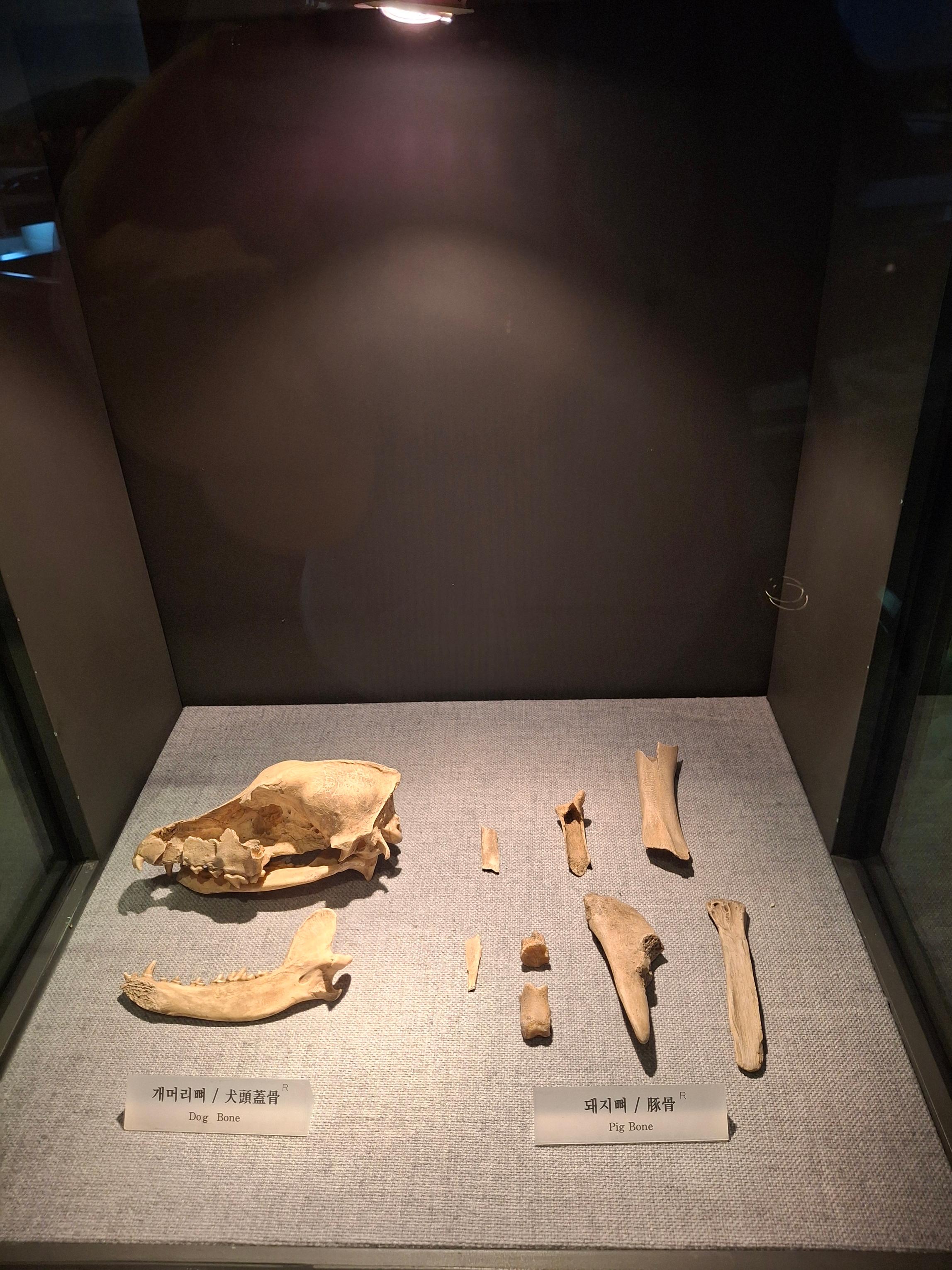
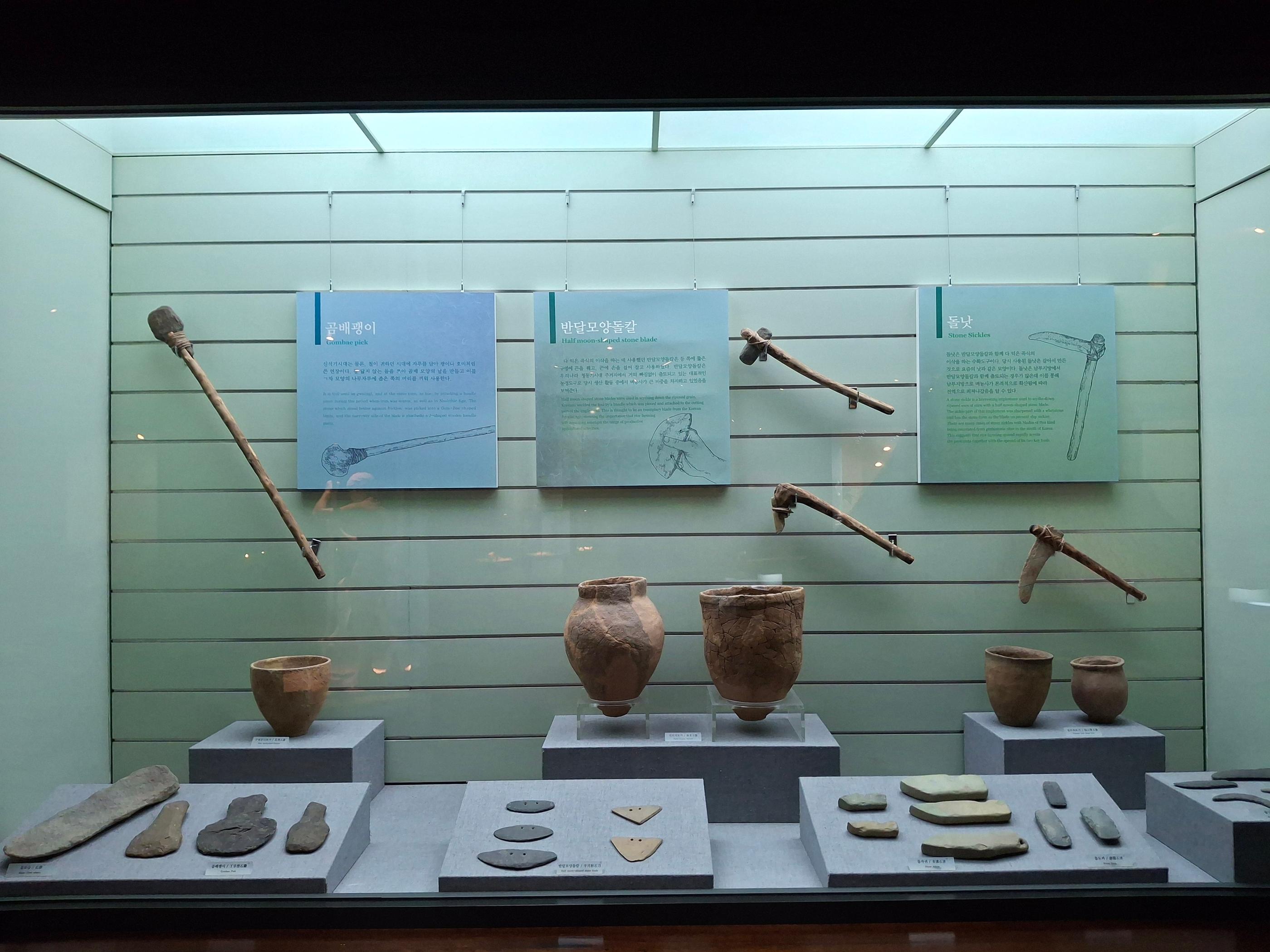
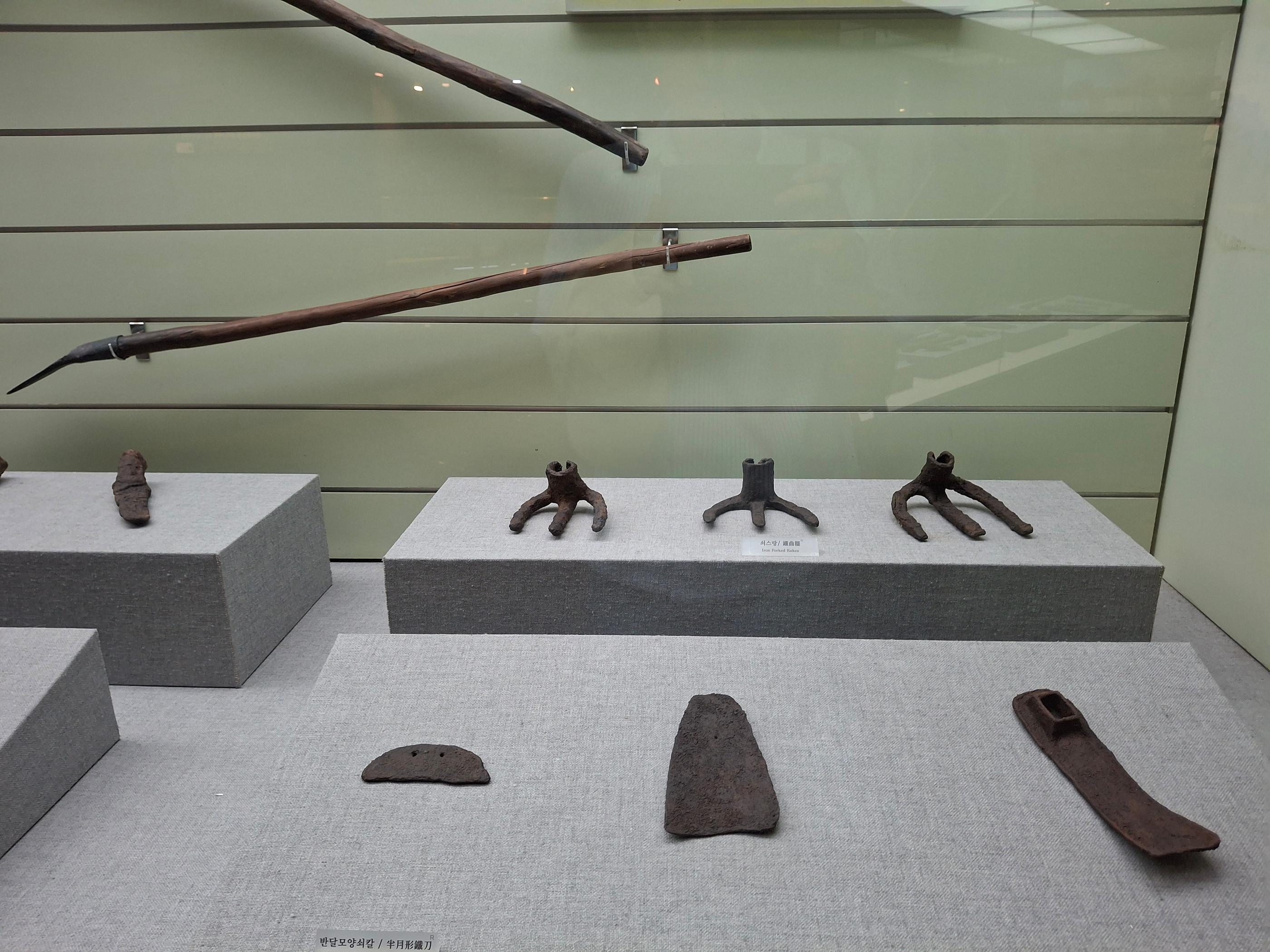
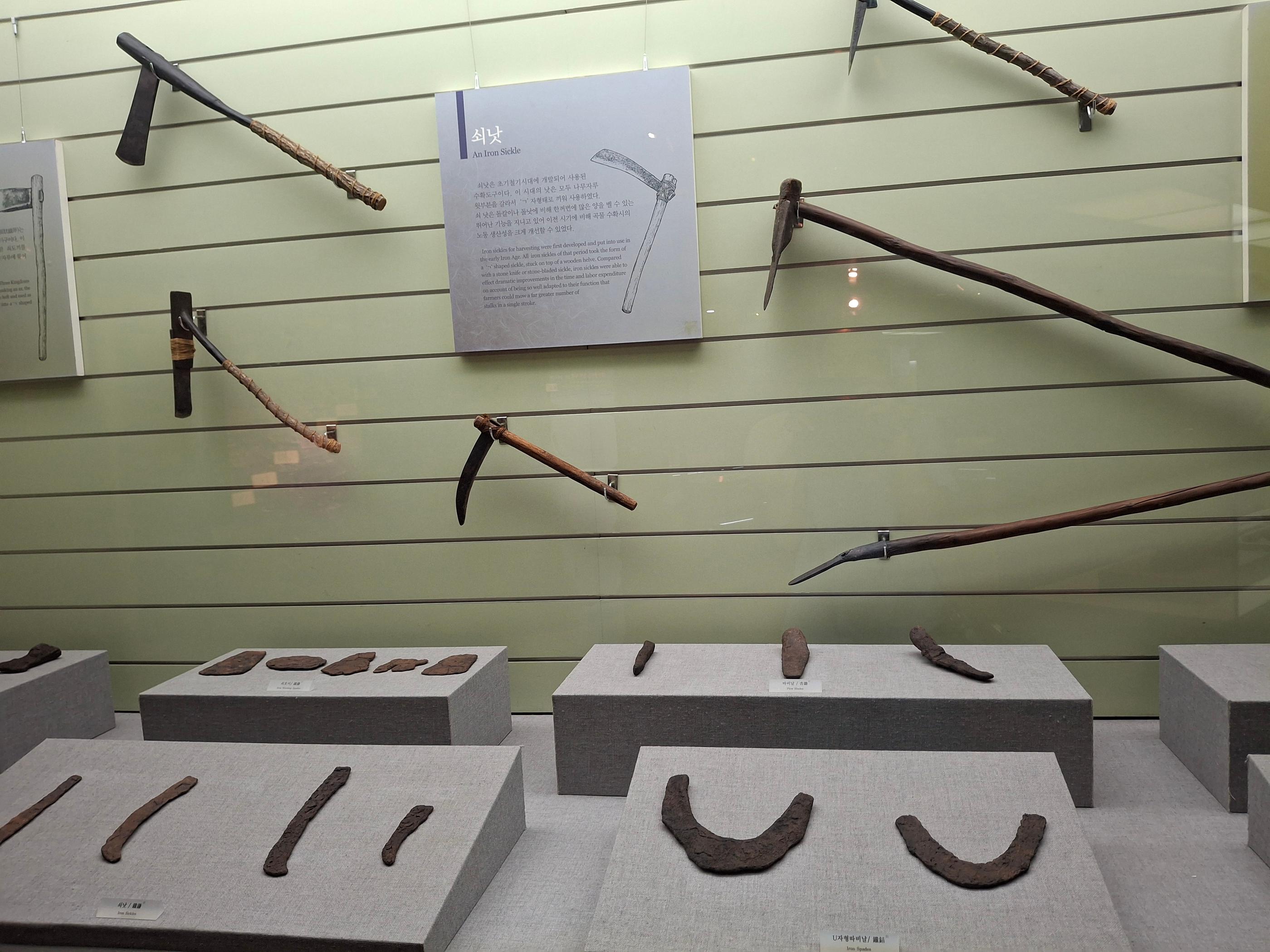
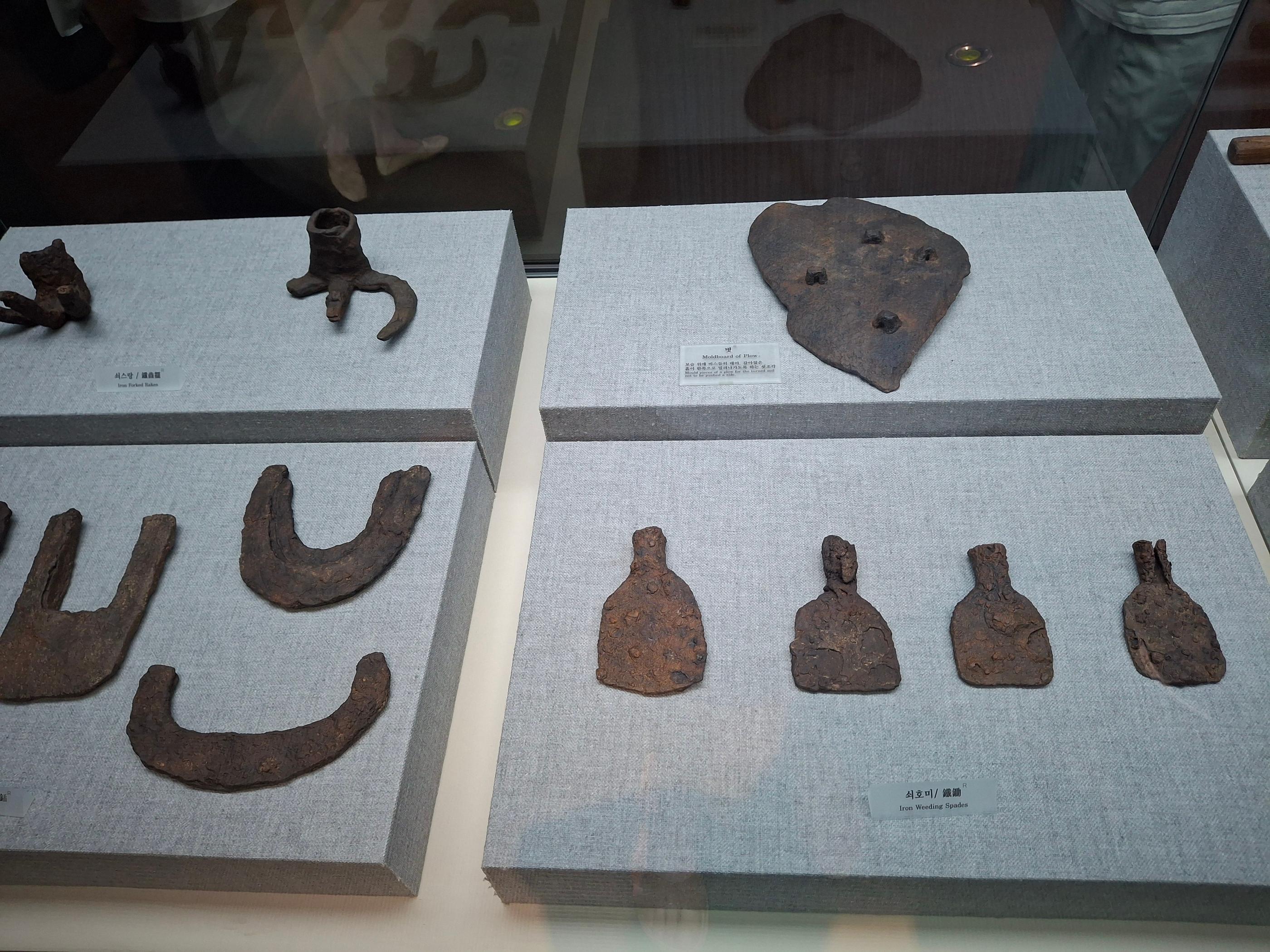
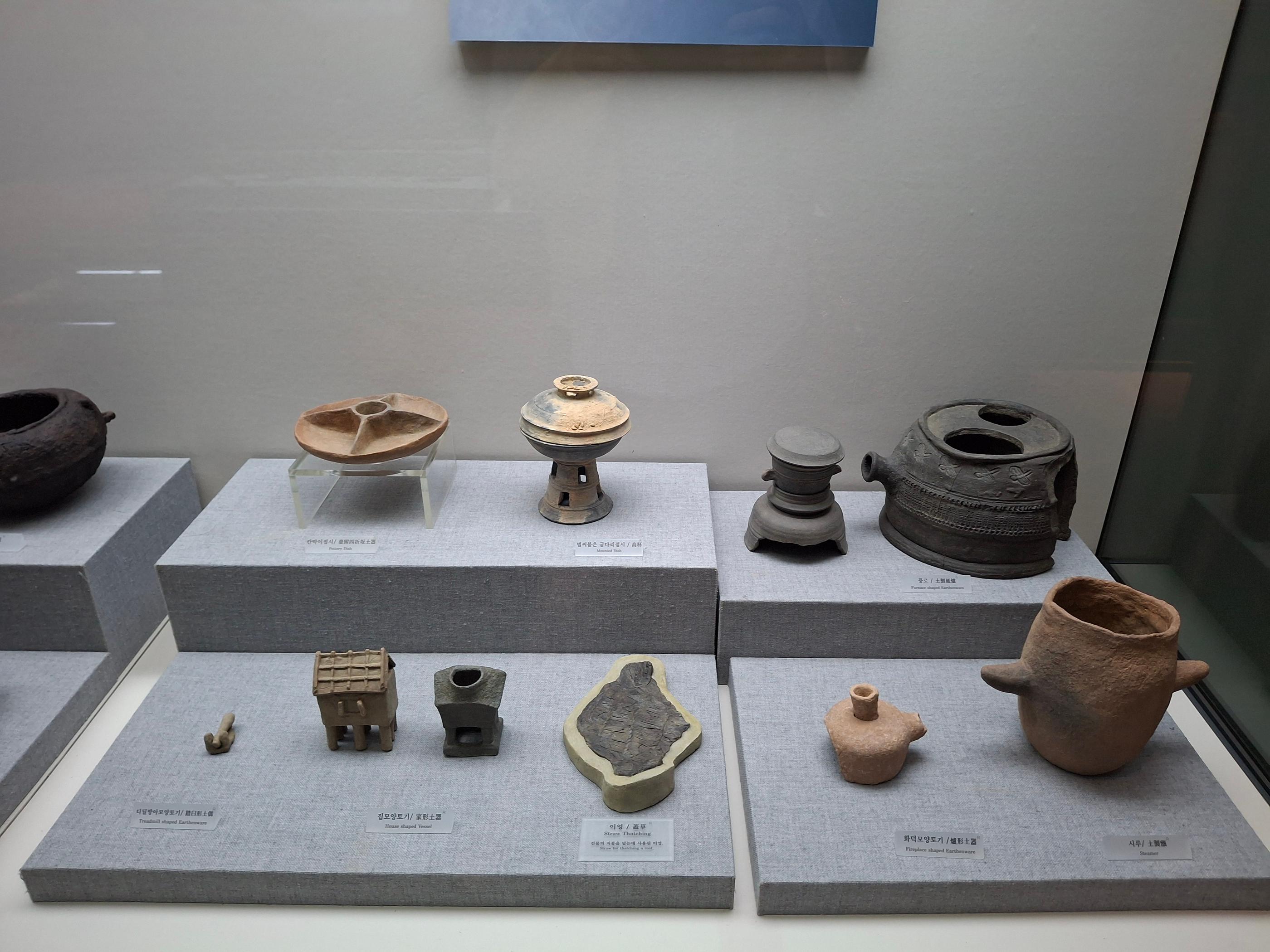
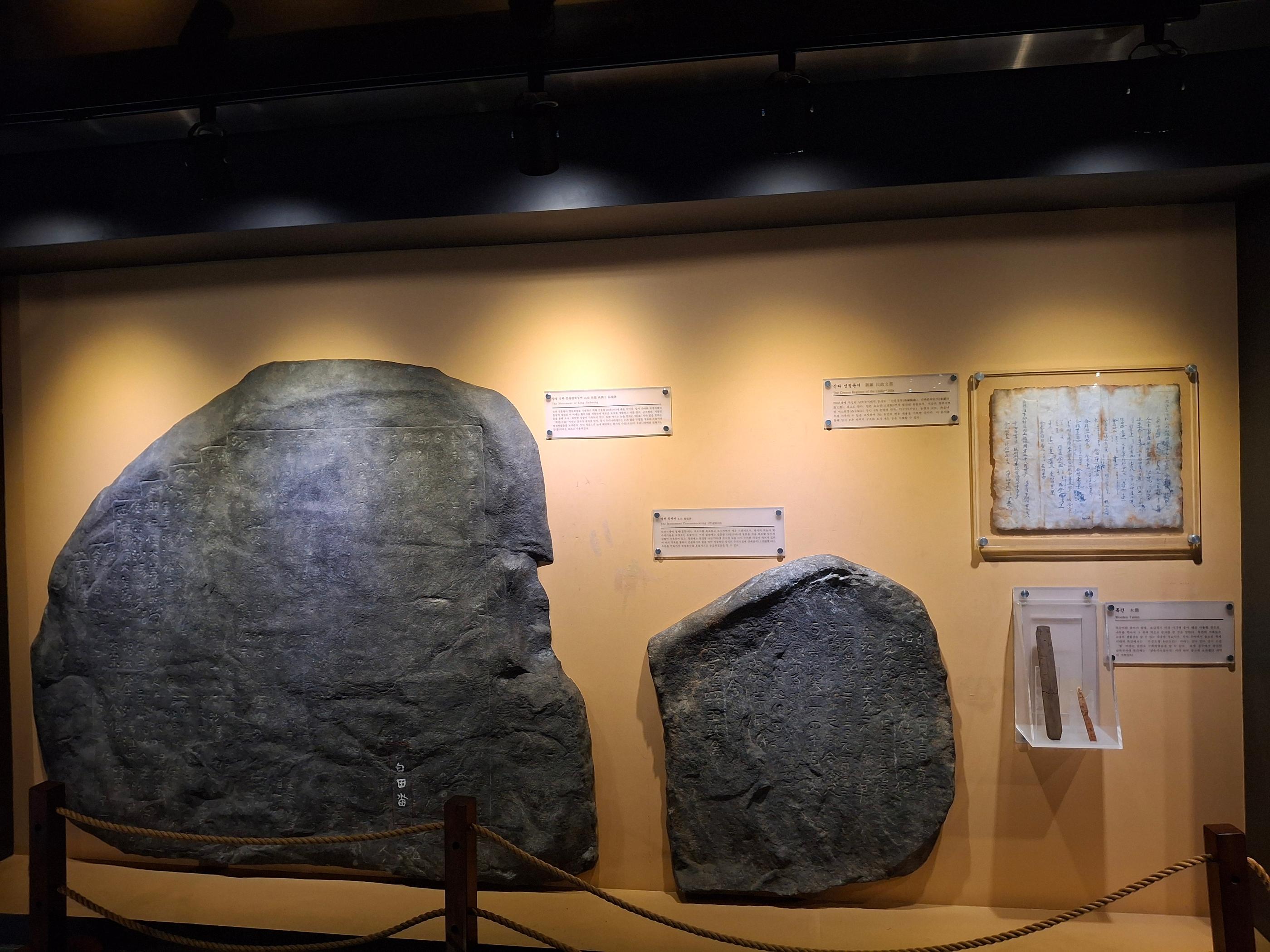
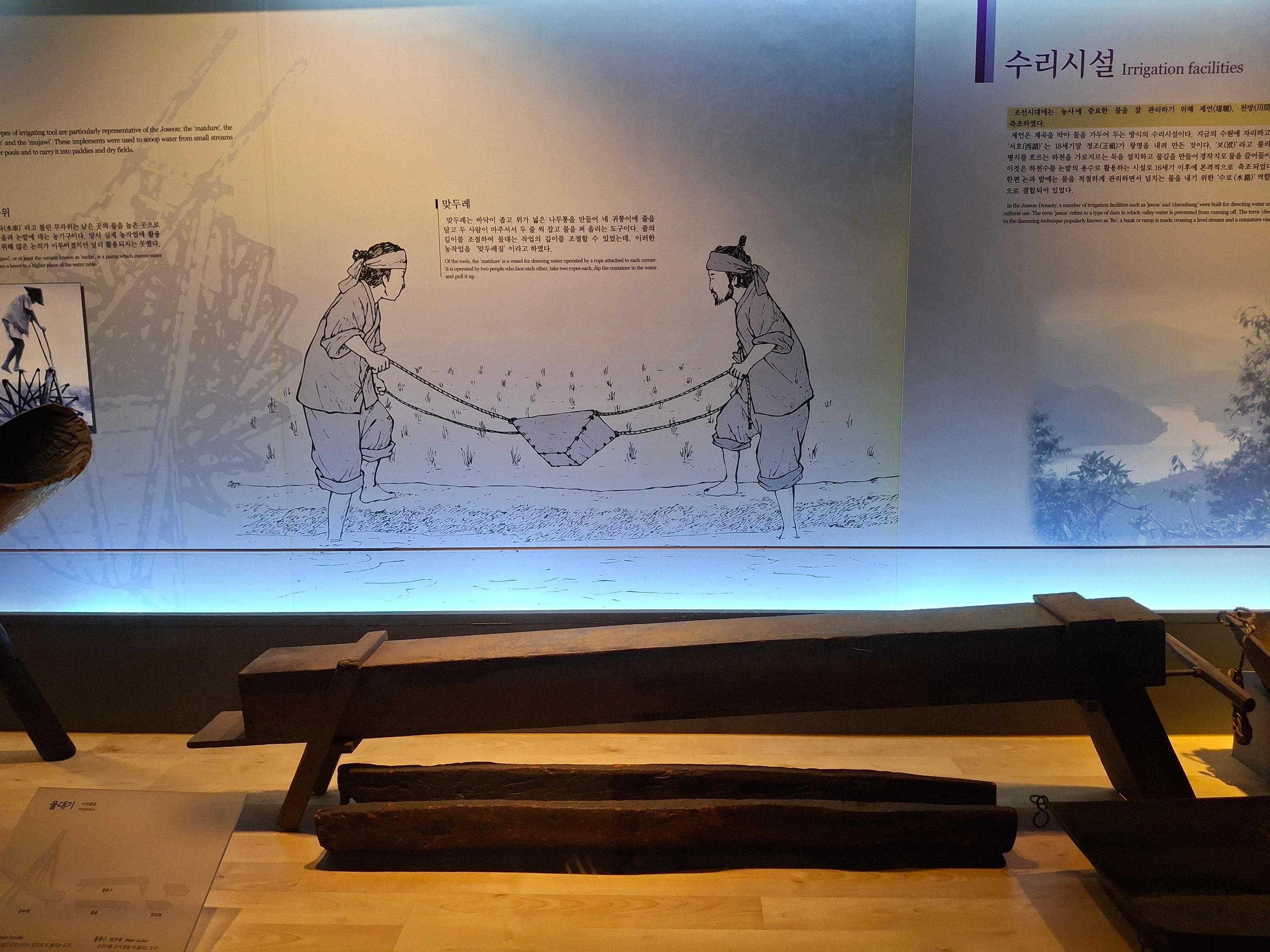
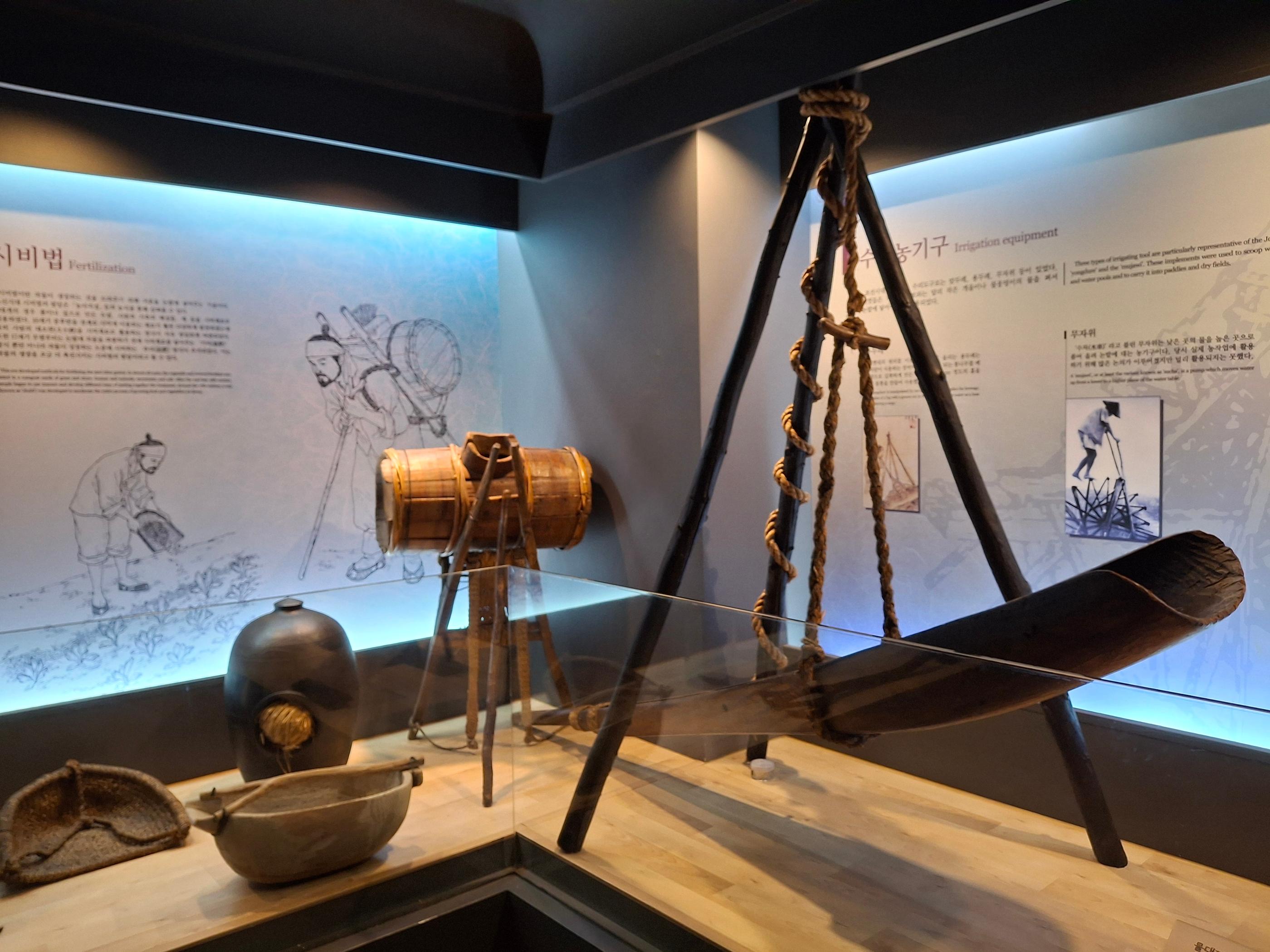
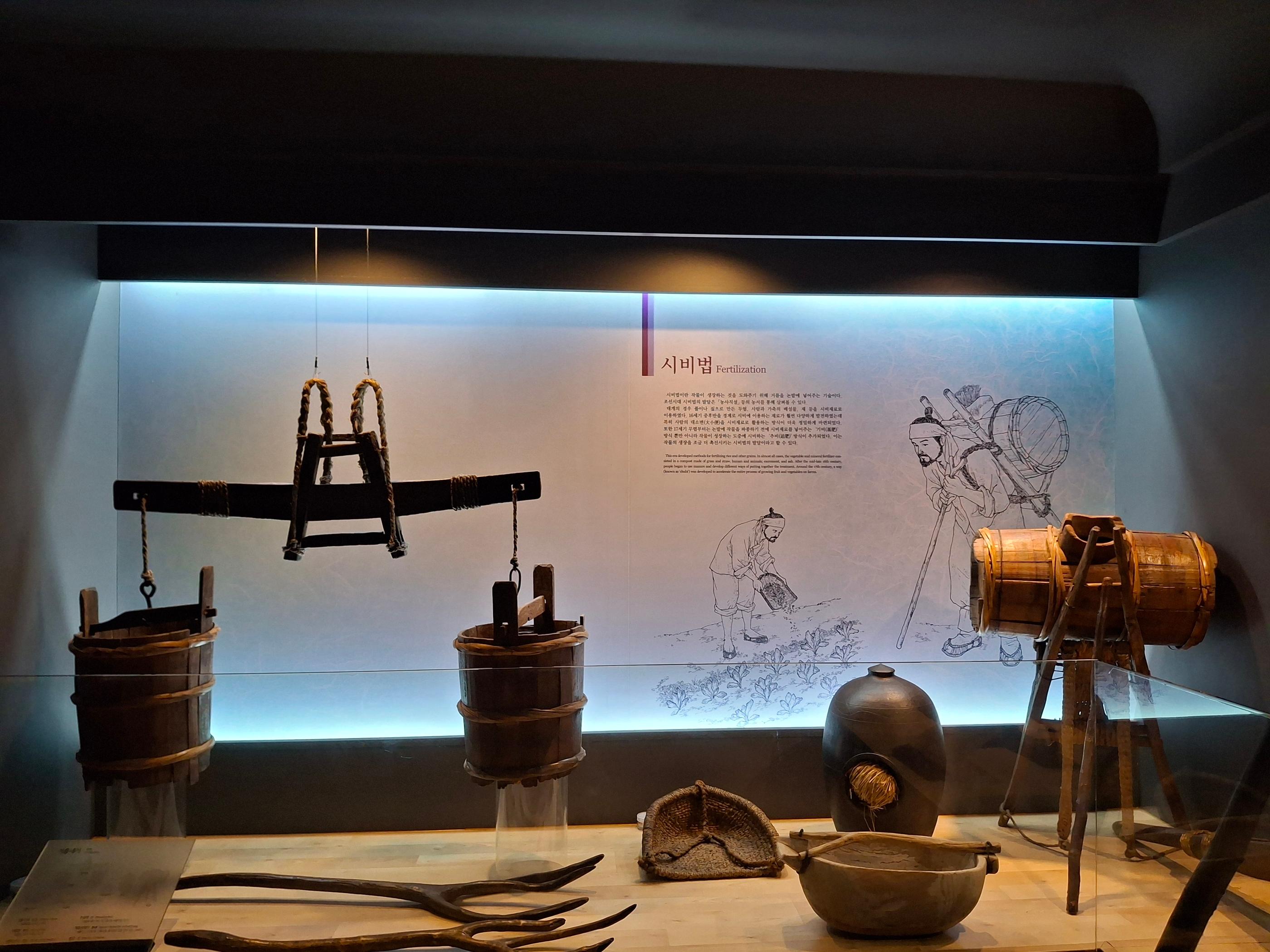
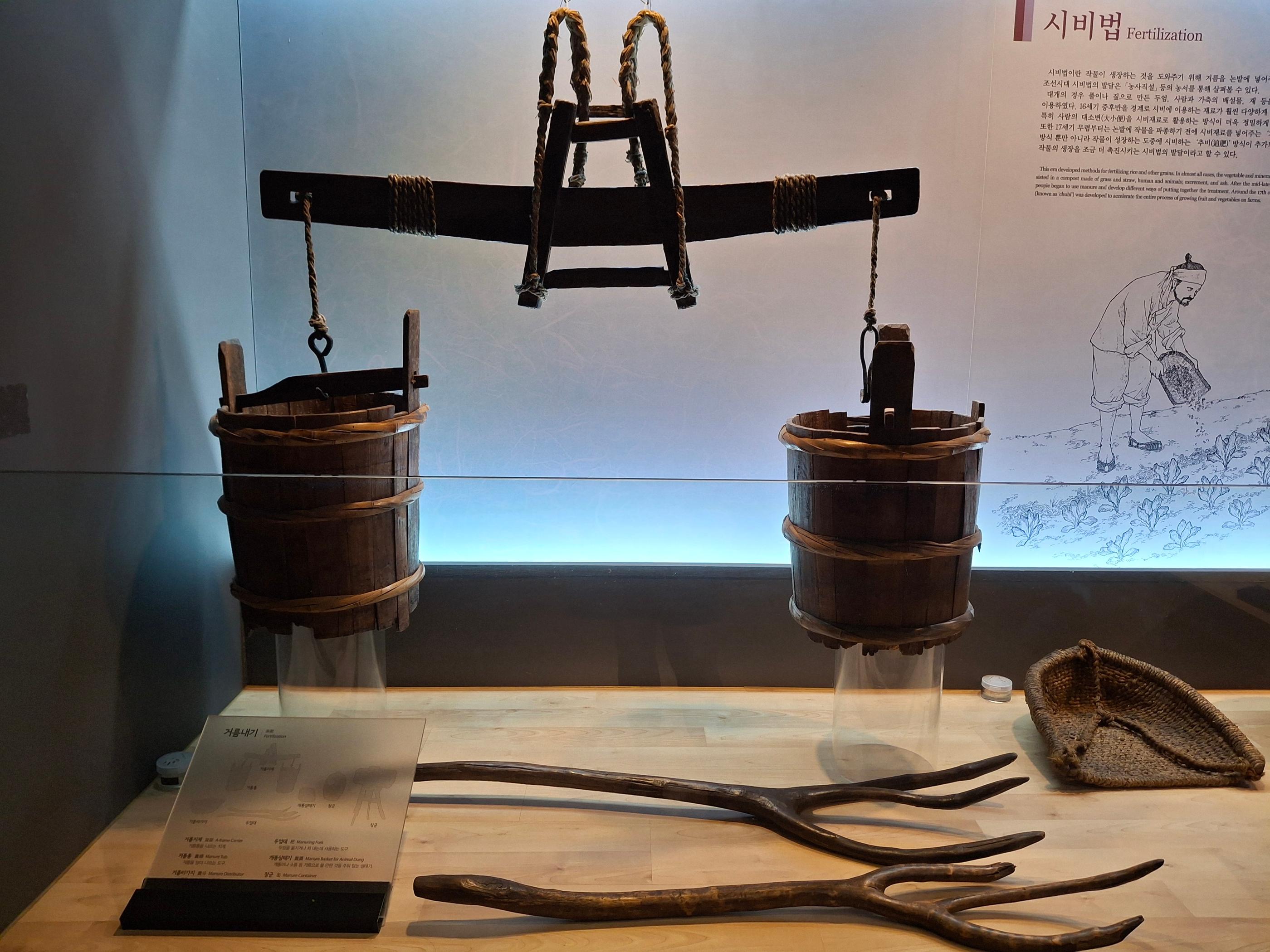
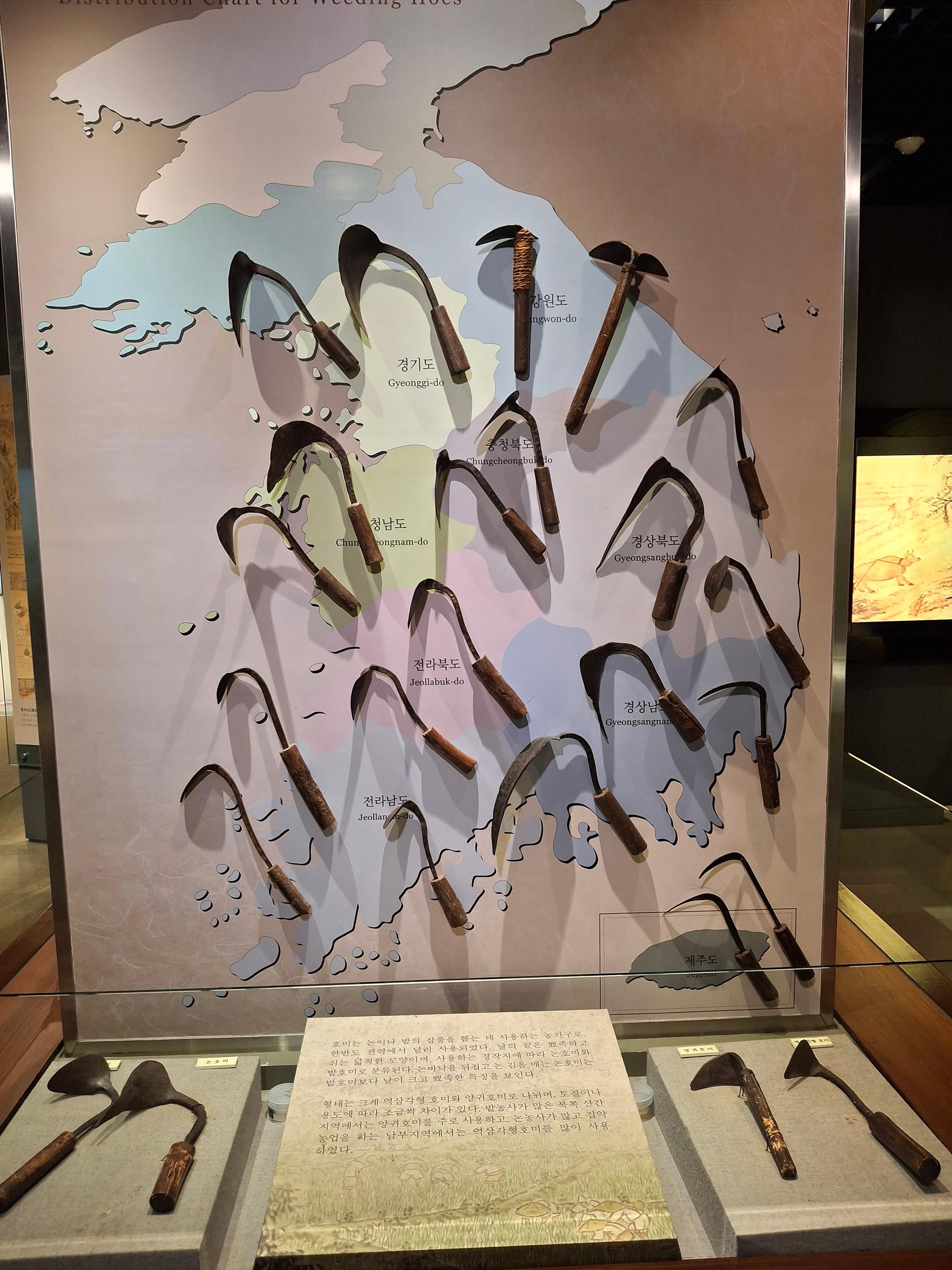
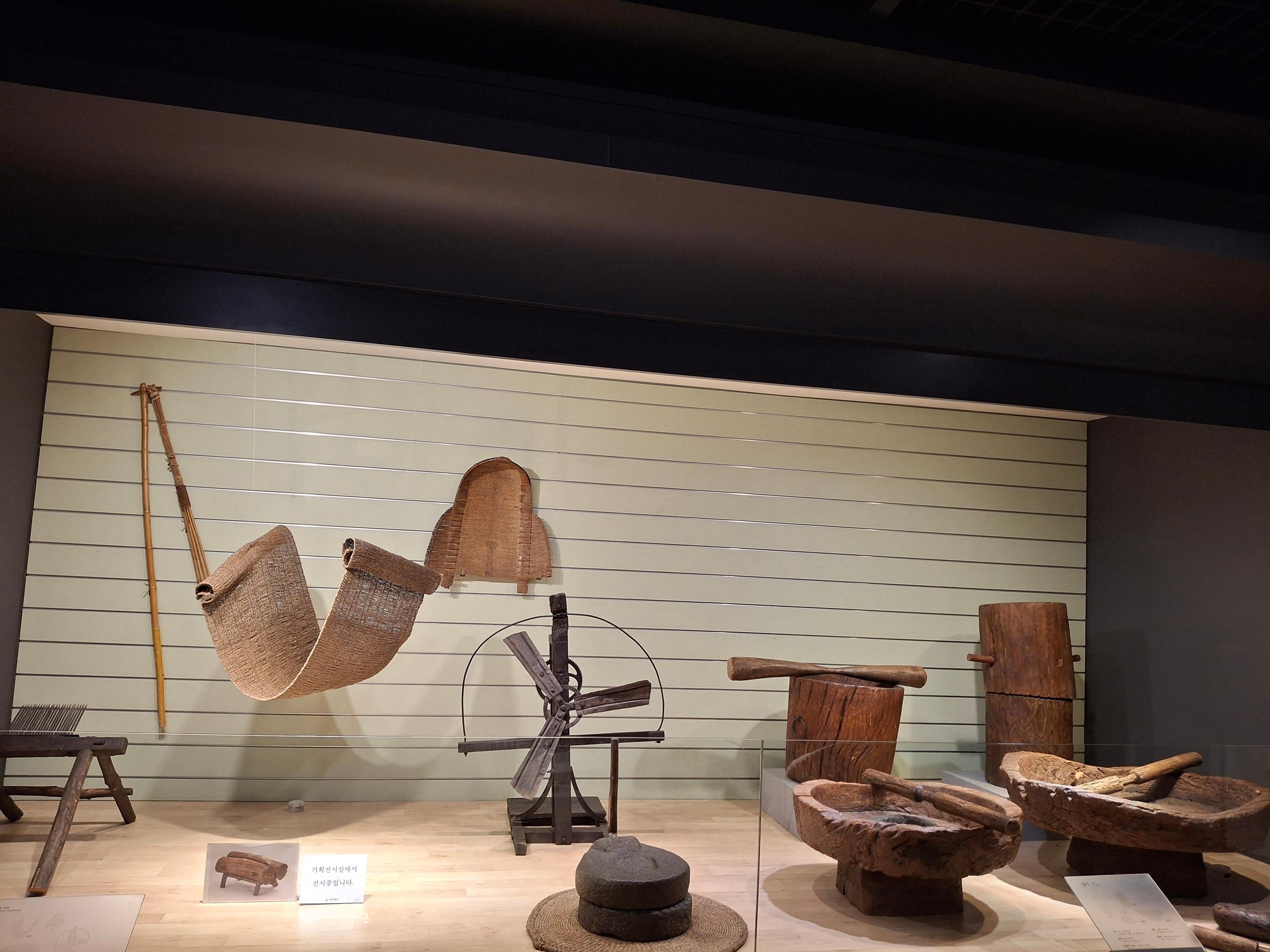
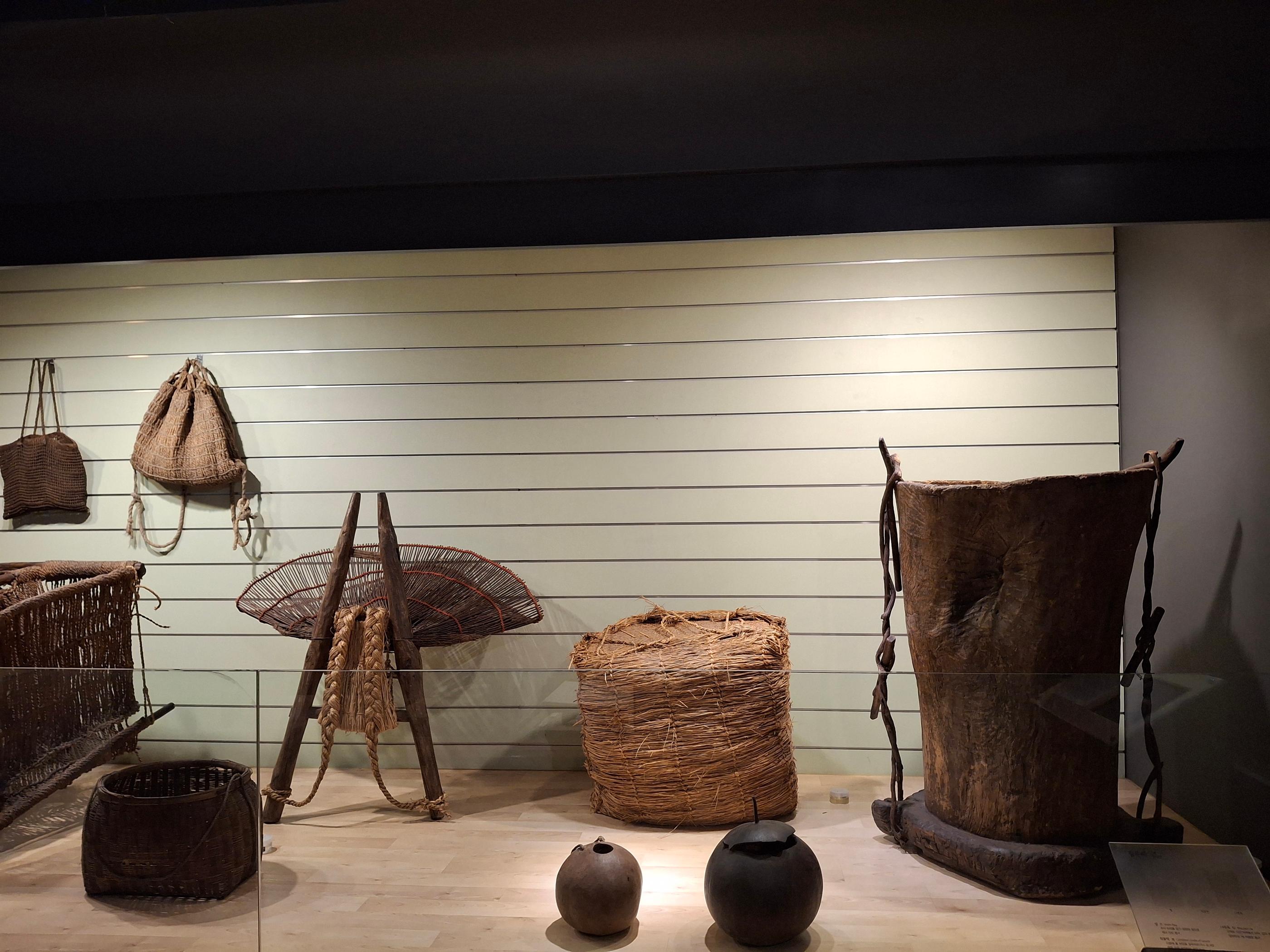
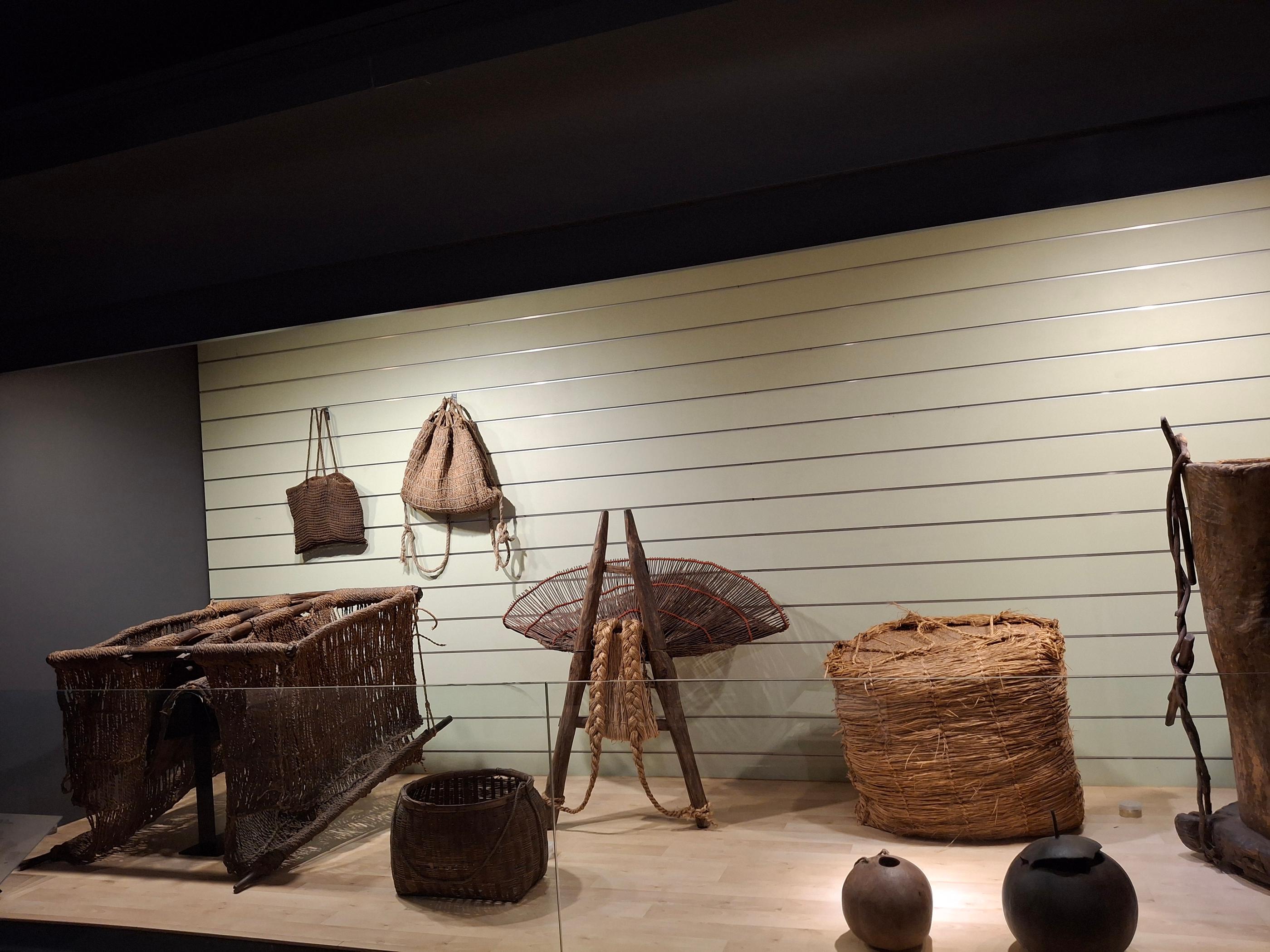
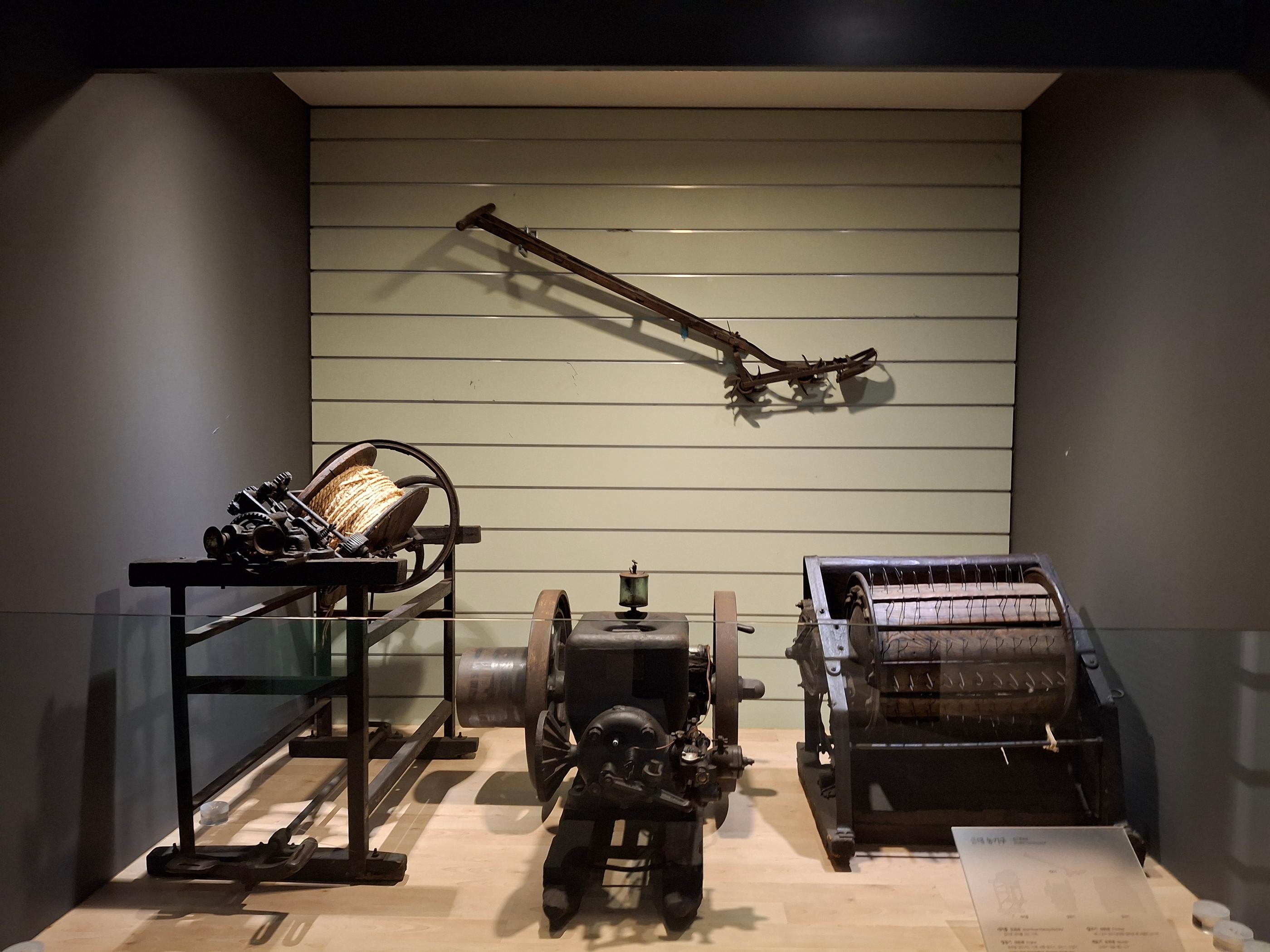
I was also very interested in the samples of various plants that Koreans grew and the history of their spread in agriculture.
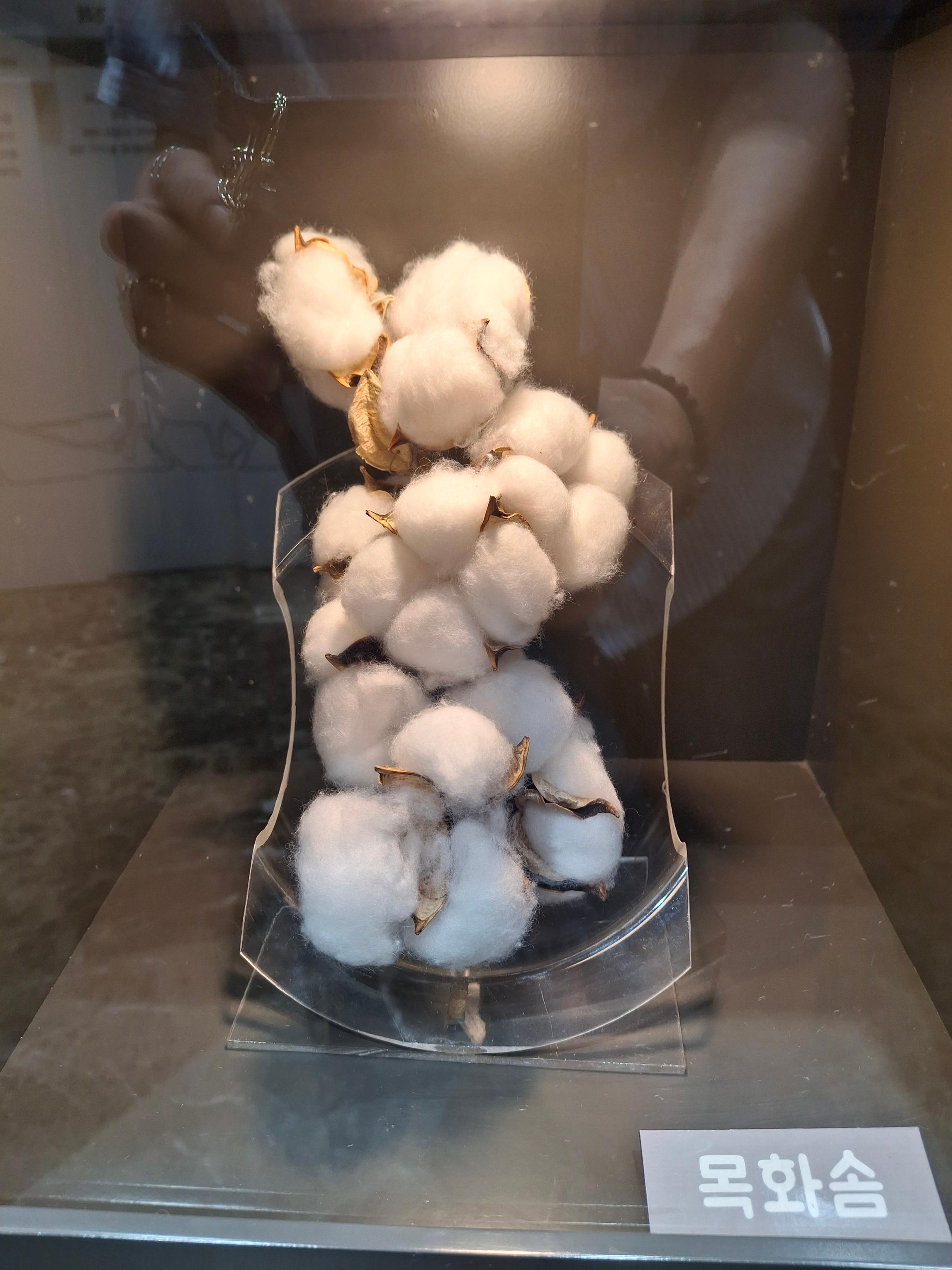
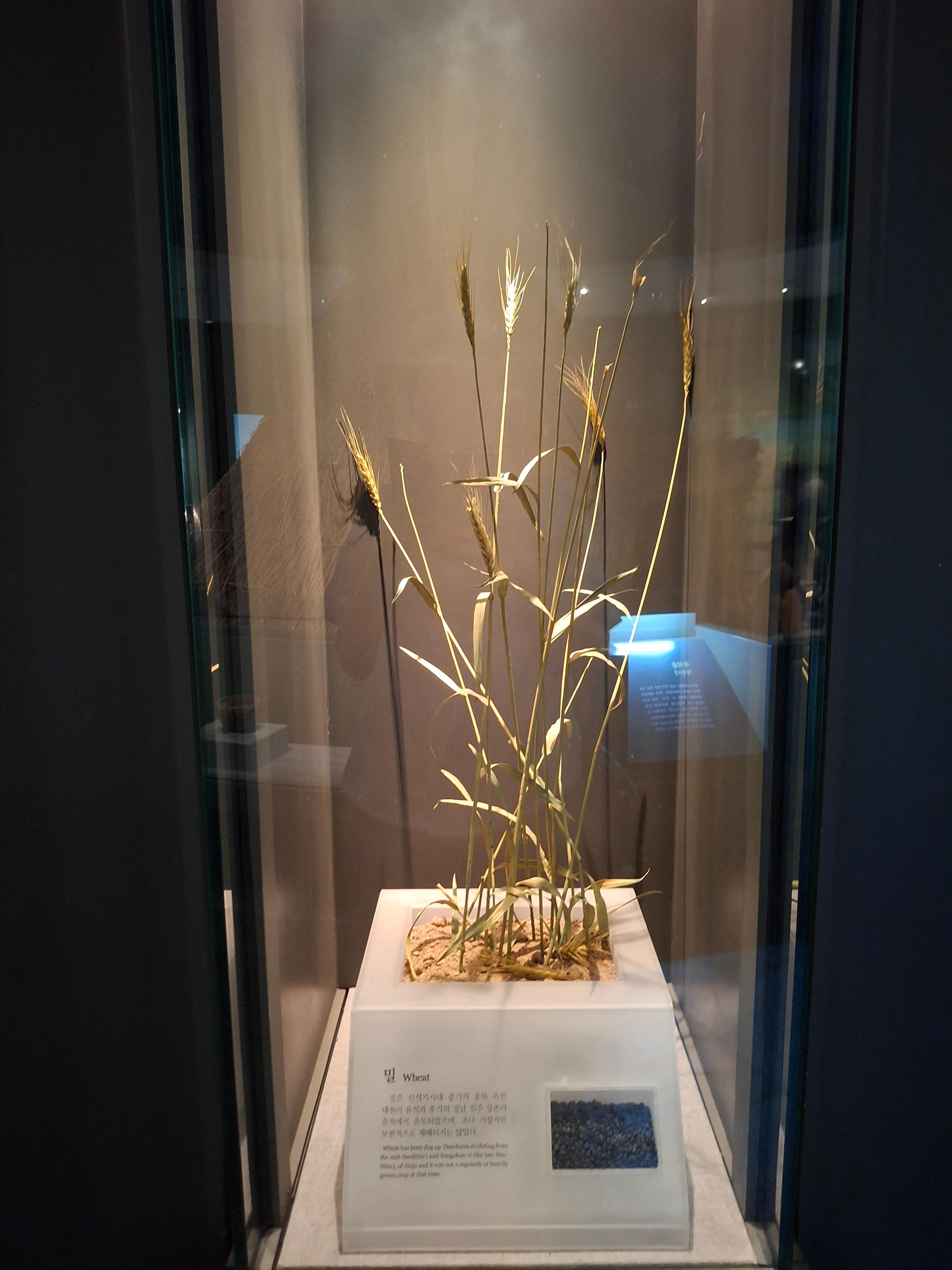
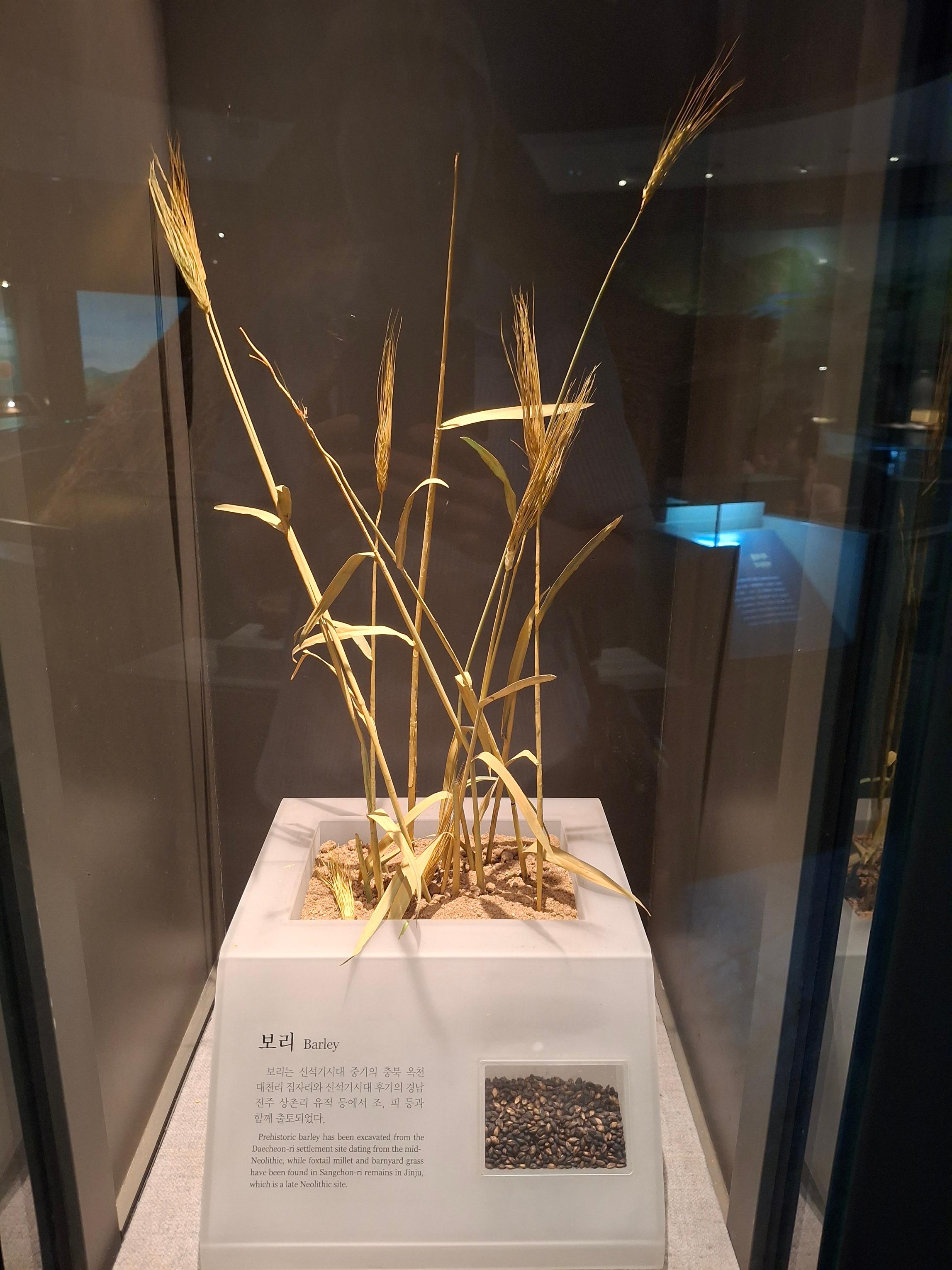
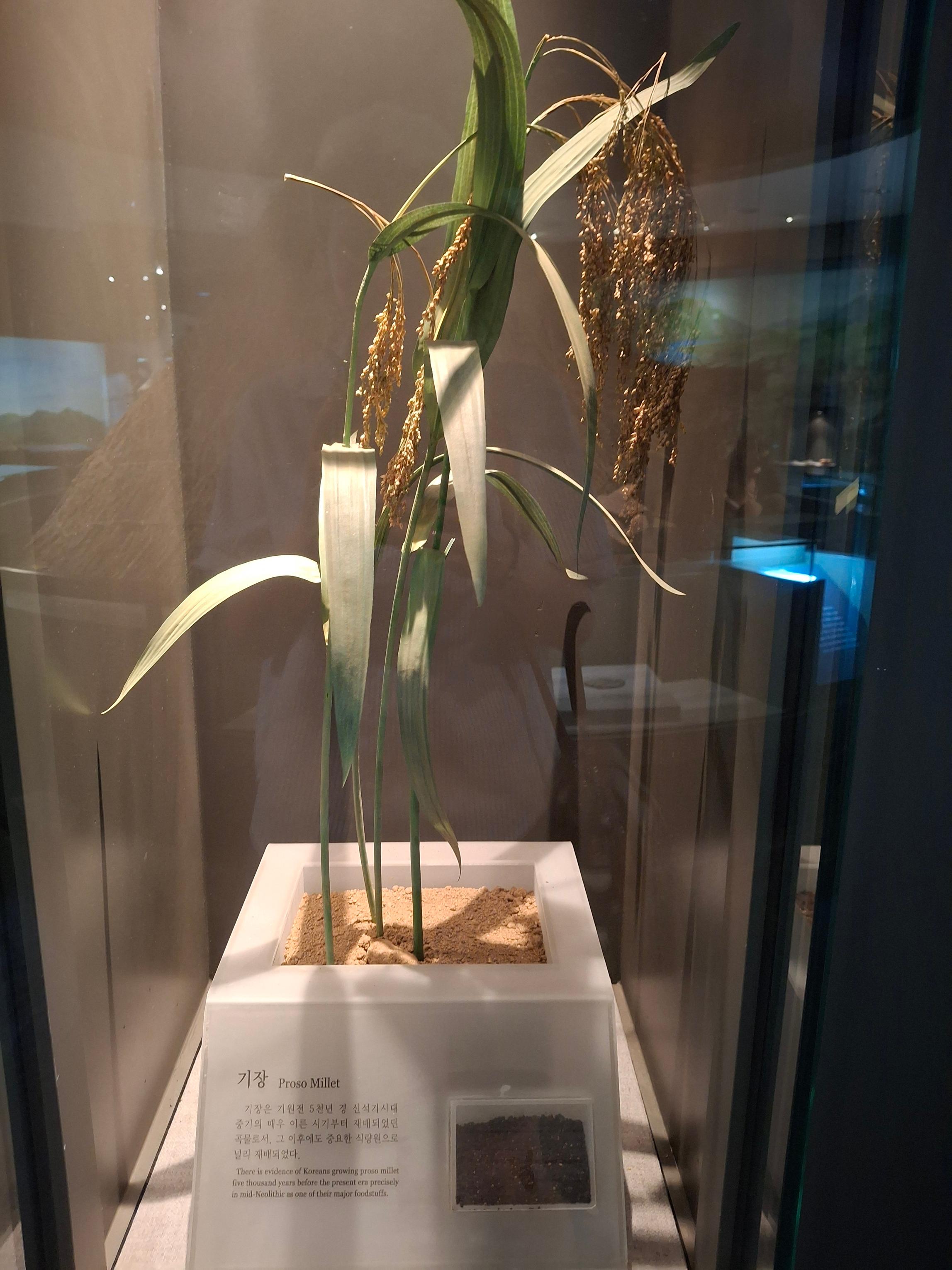
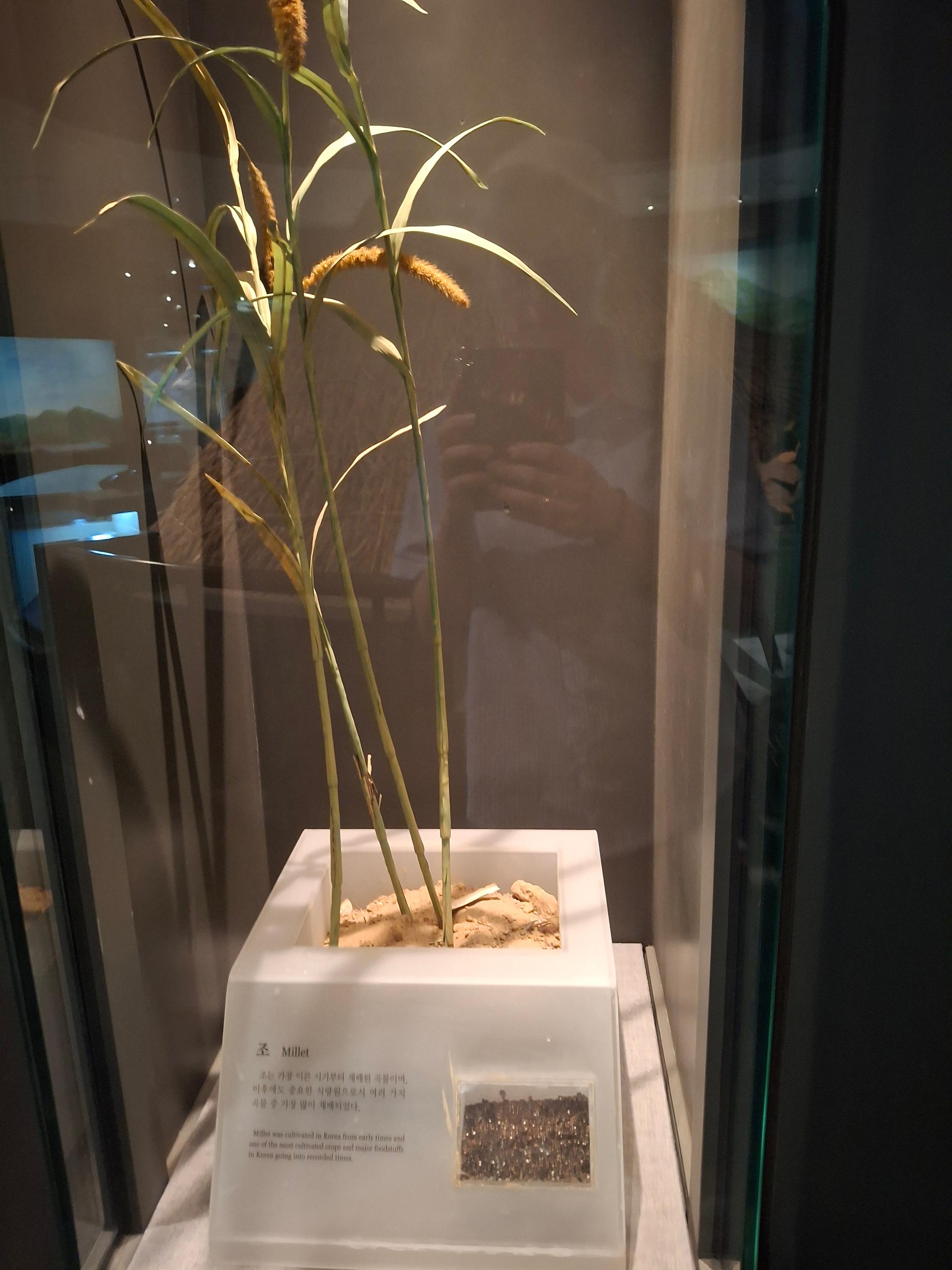
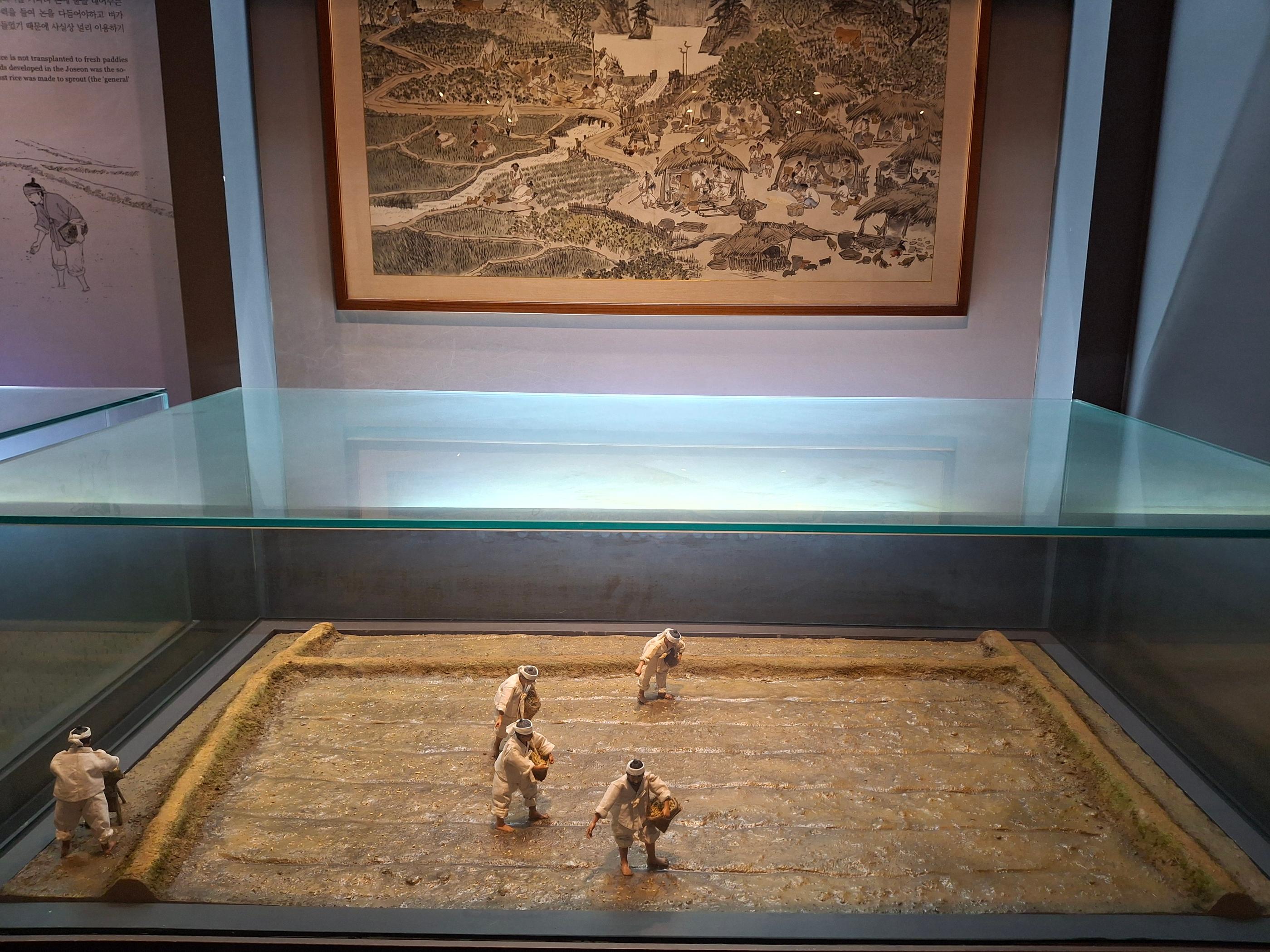
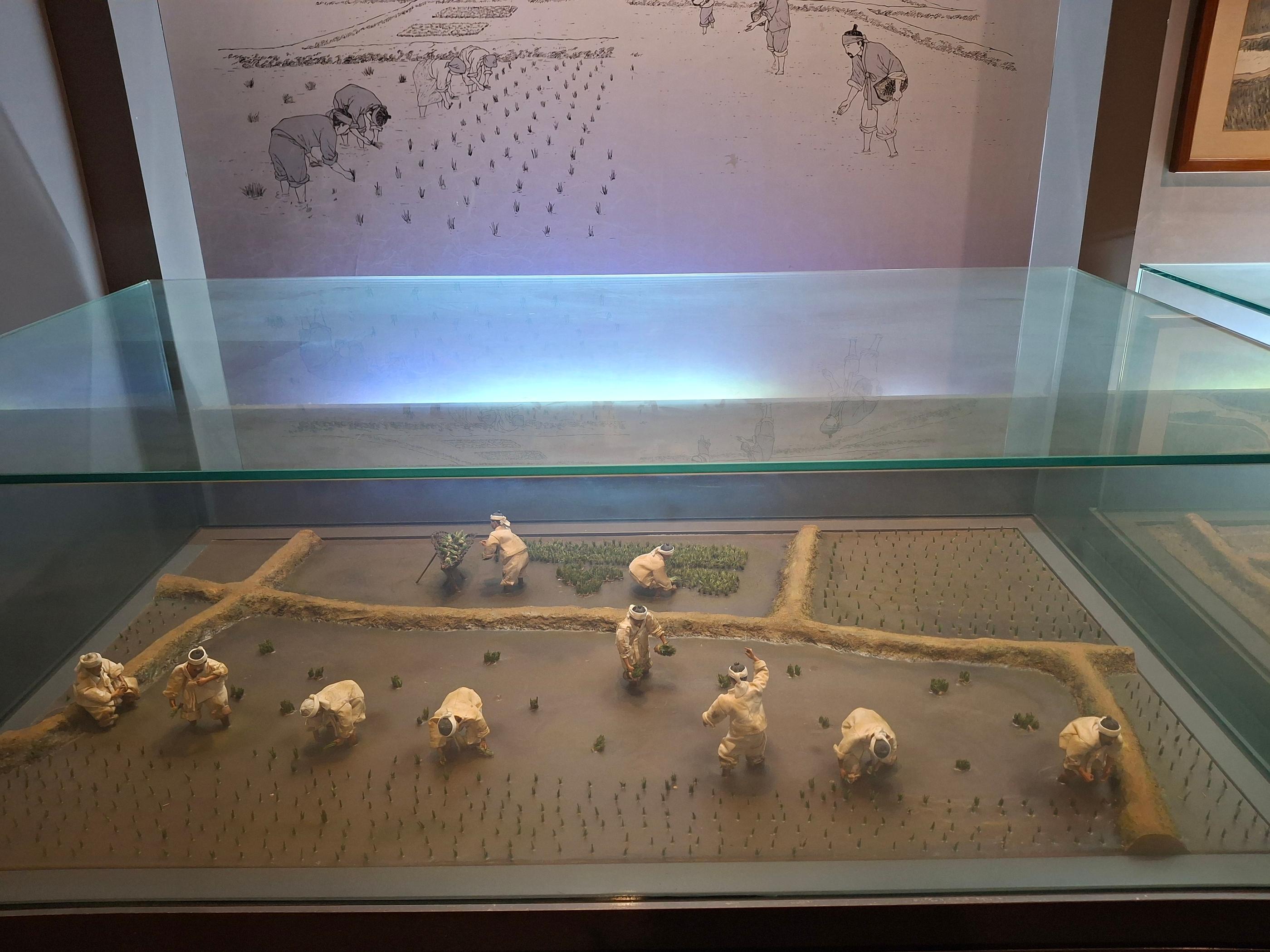
There are also many dioramas on display that show various activities and agricultural processes in detail and in a visual way.
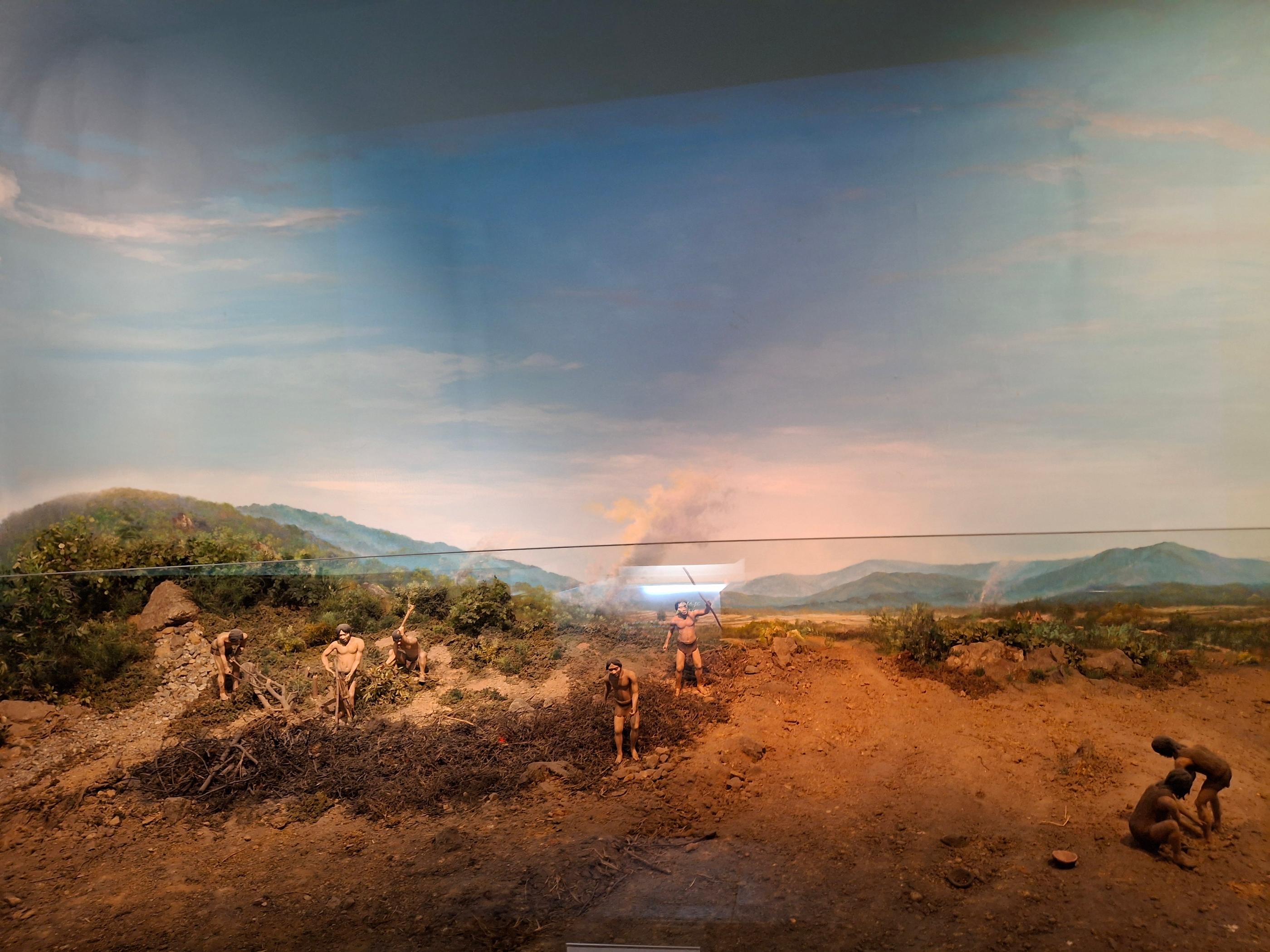
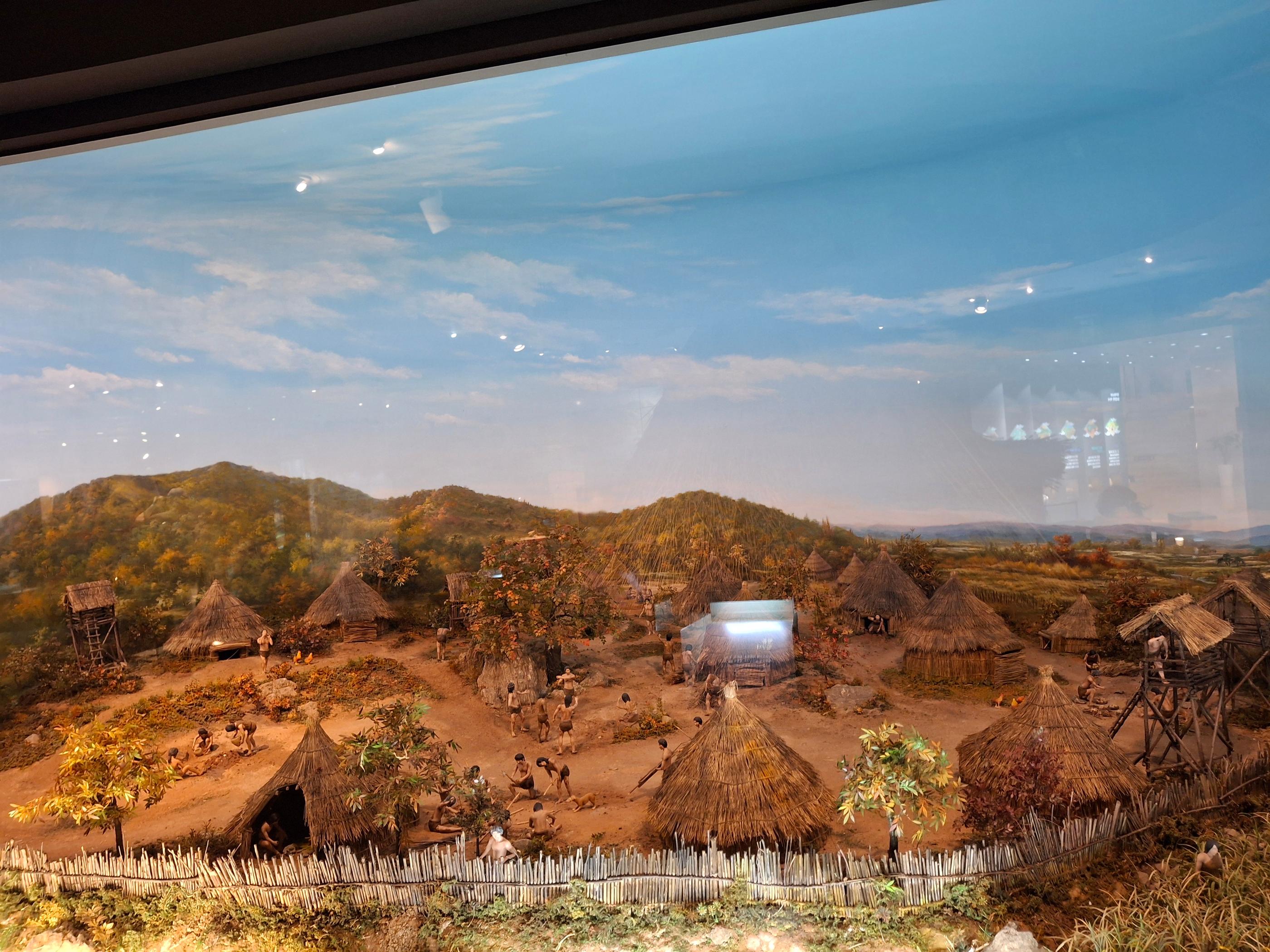
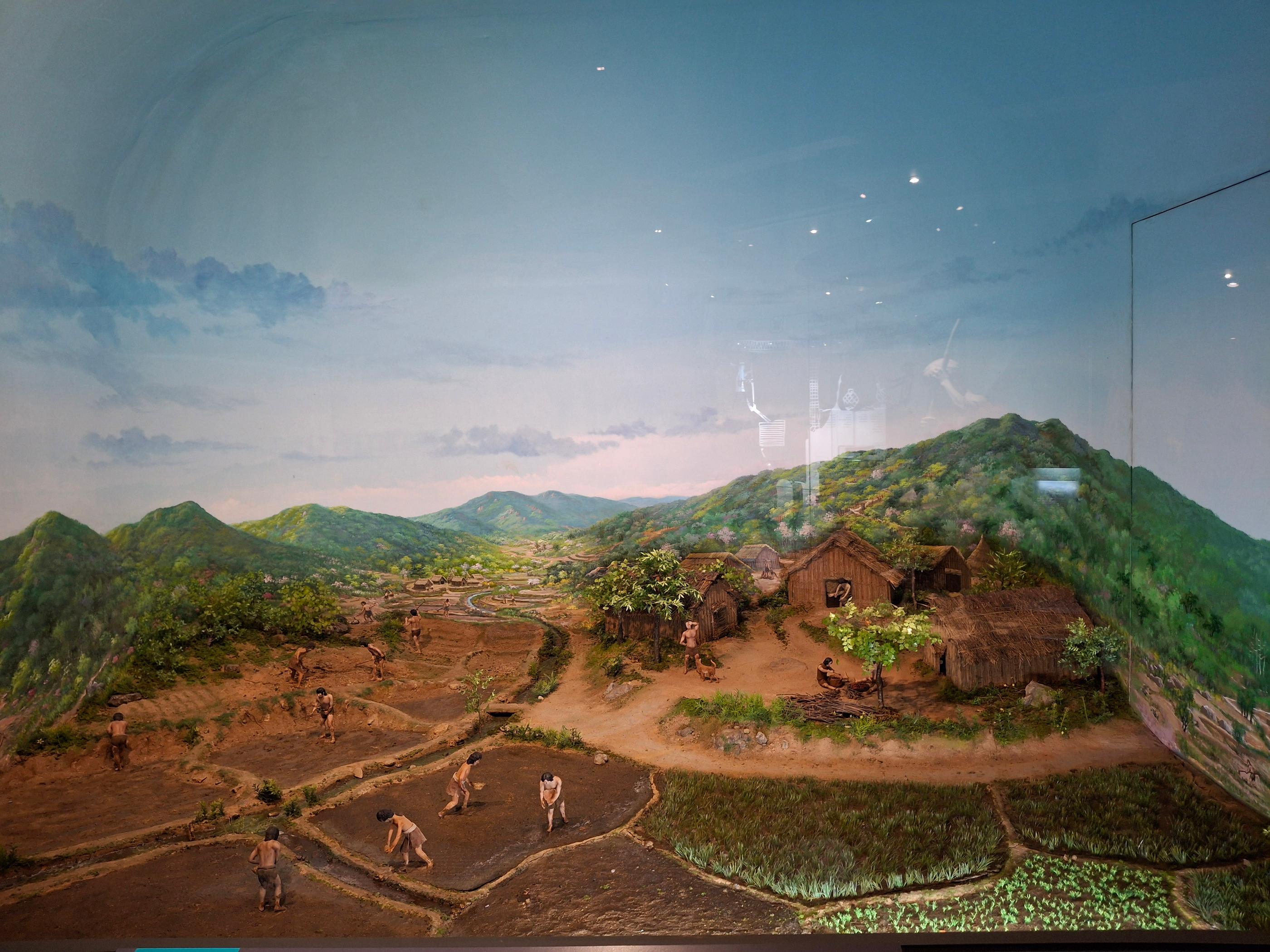
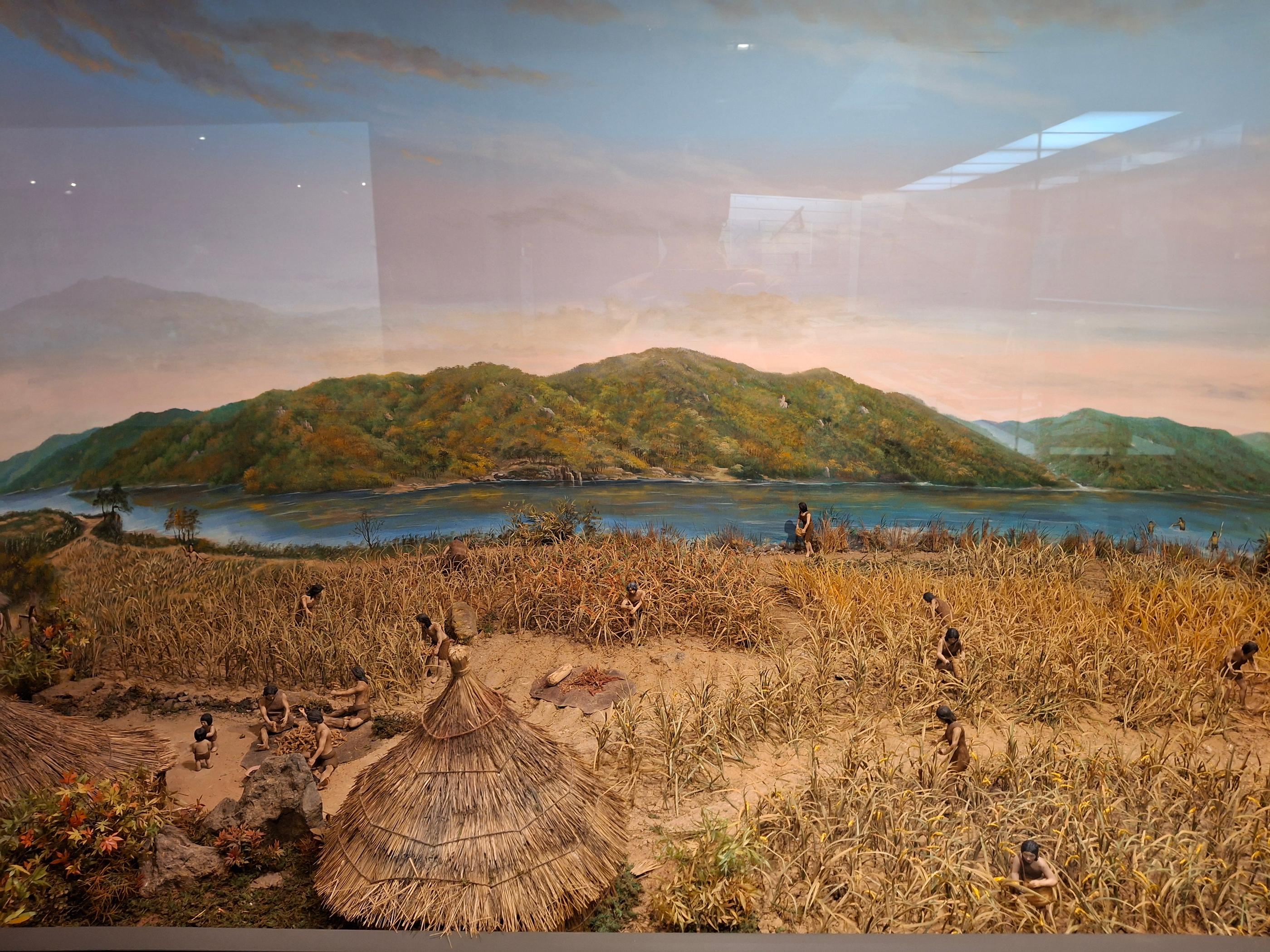
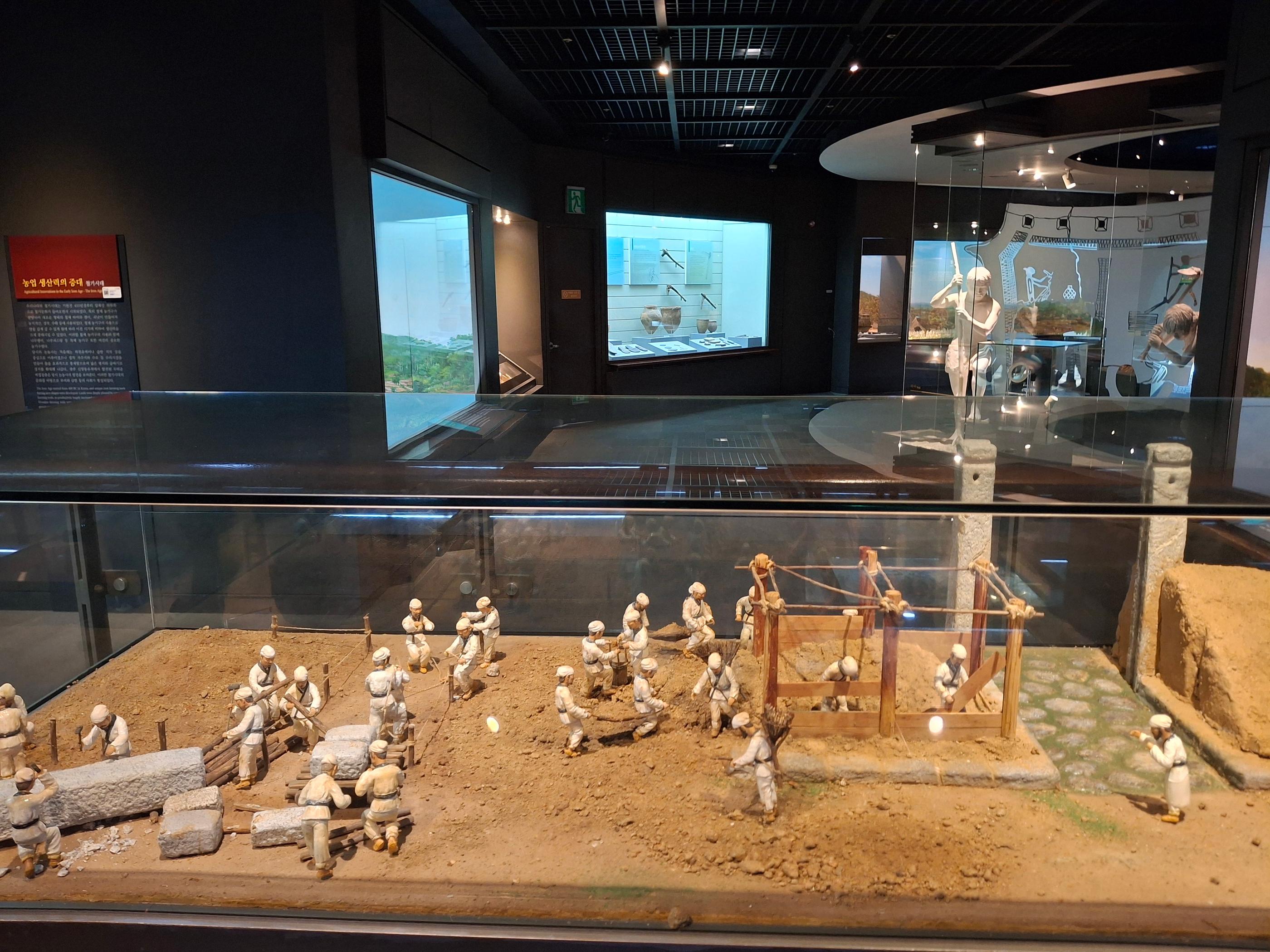
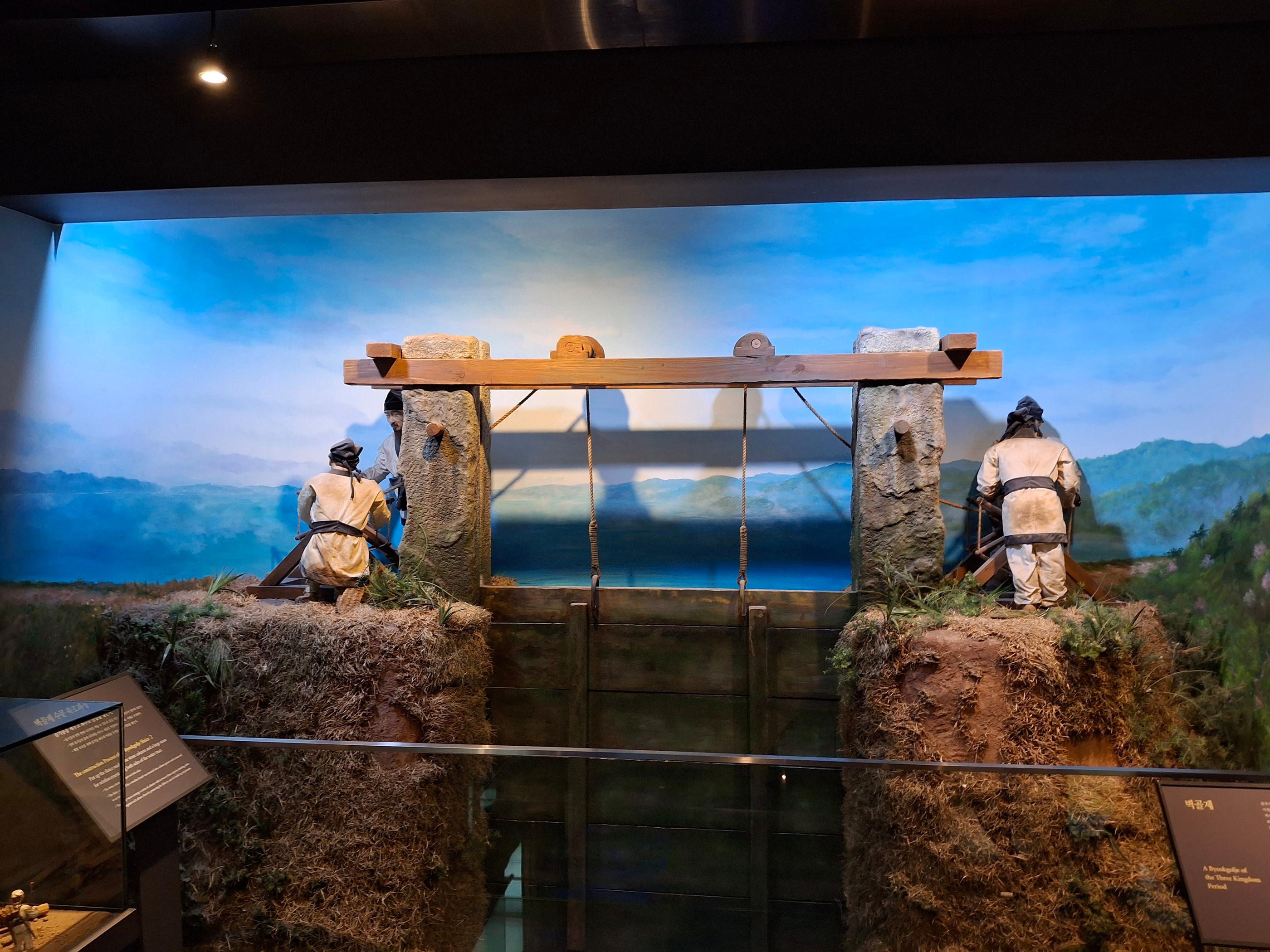
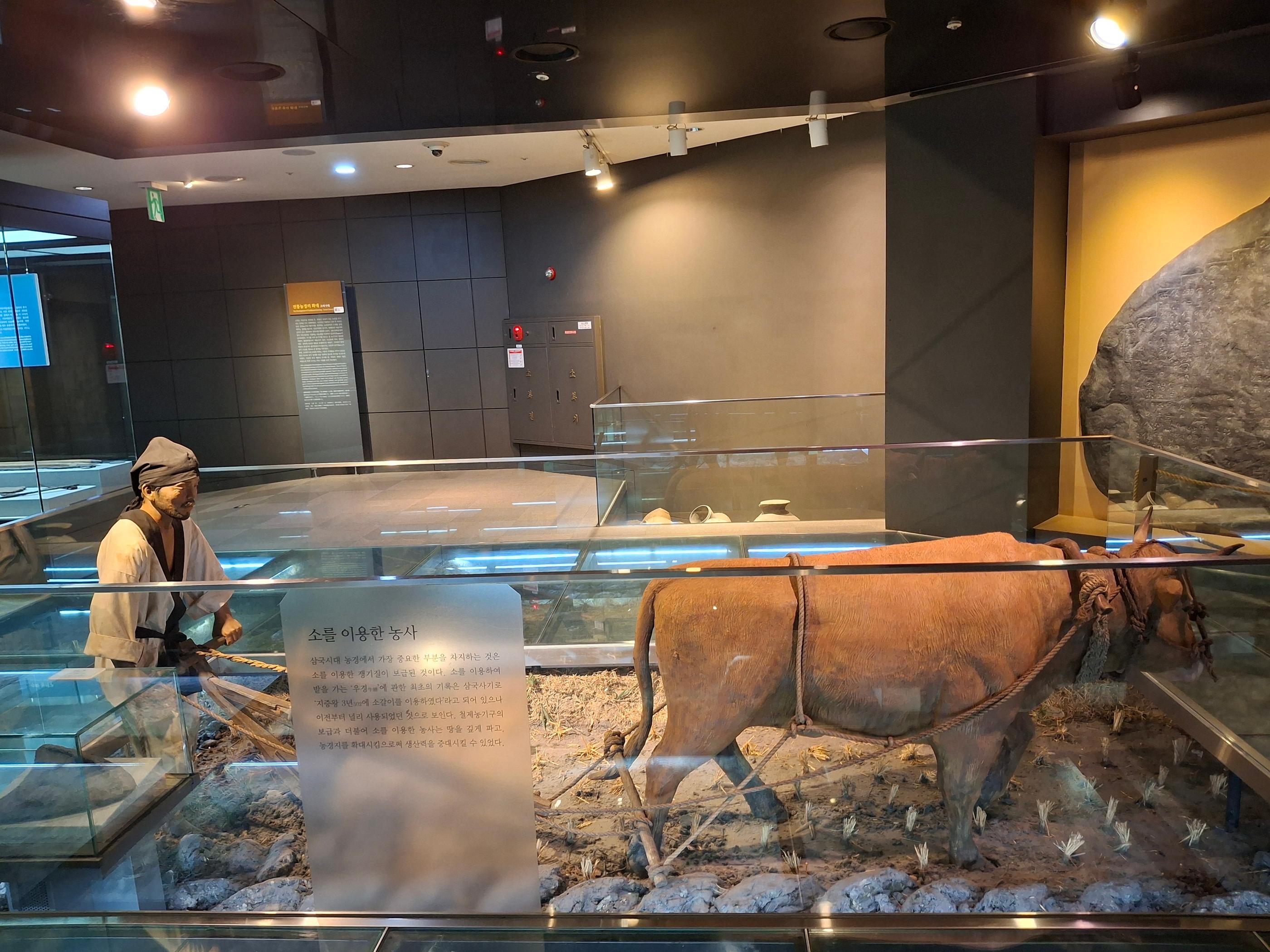
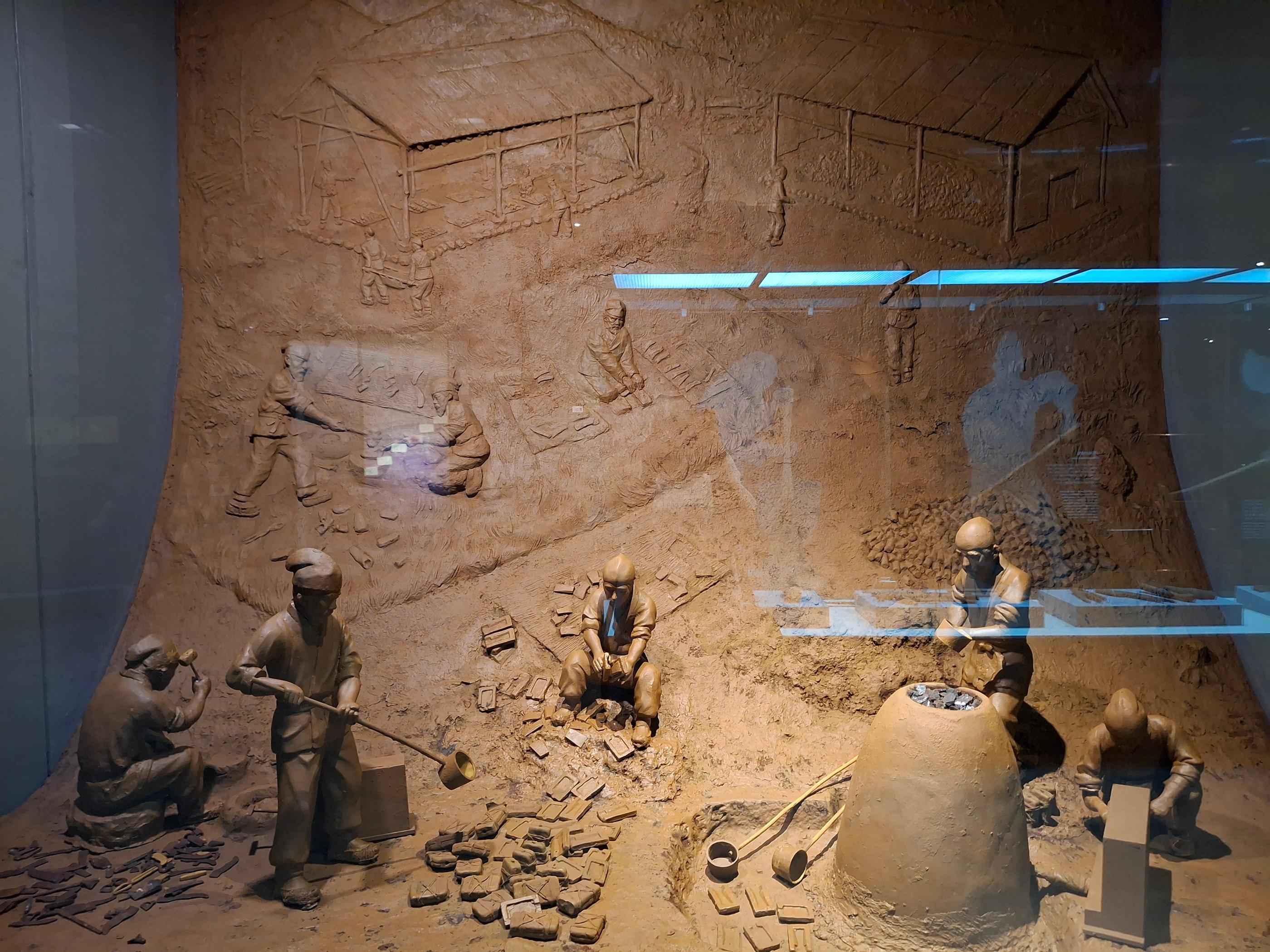
The process of extracting iron from ore is clearly demonstrated. Very interesting and informative!
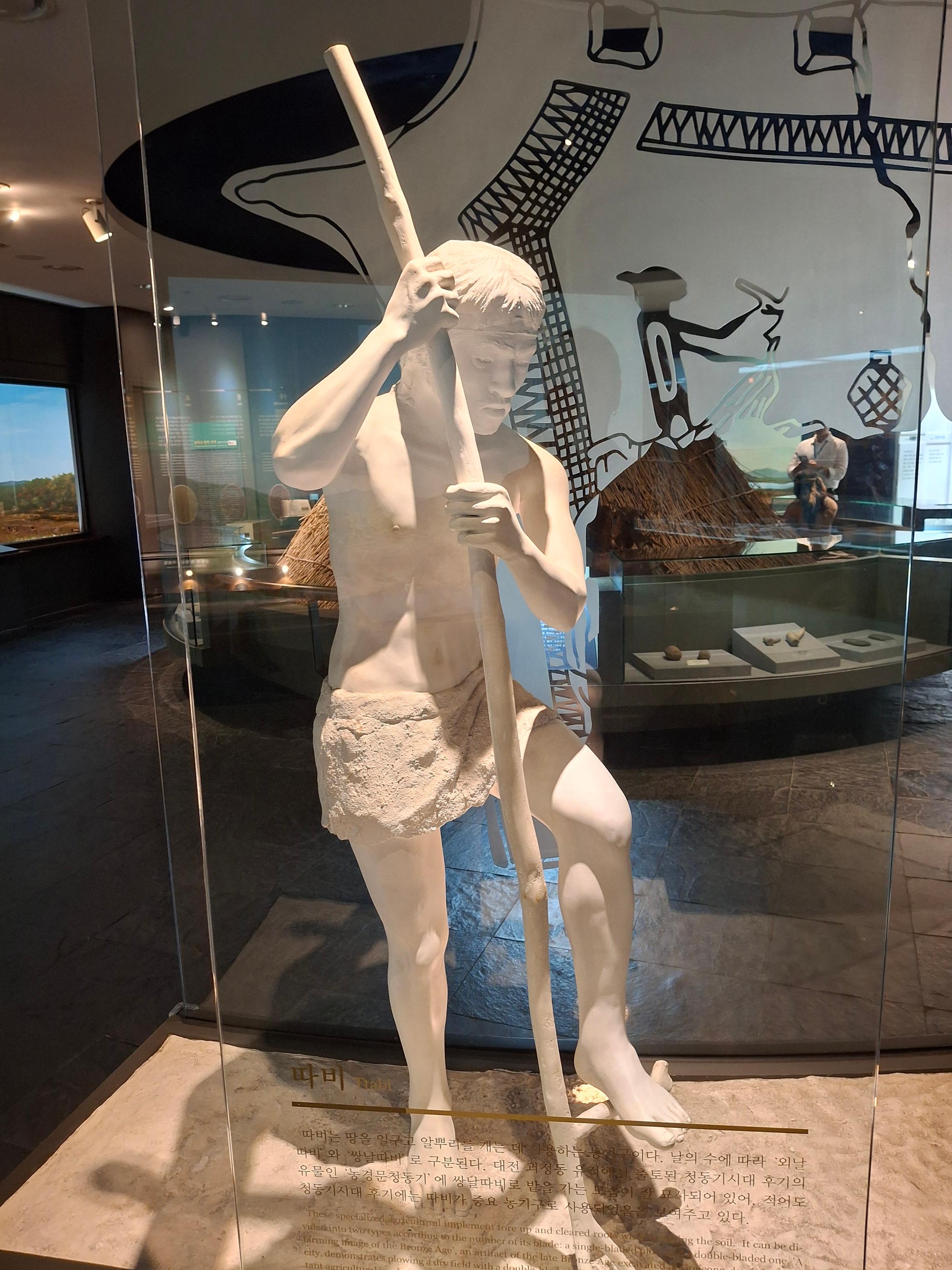
Many of the display cases with agricultural tools also clearly show how and why they were used.
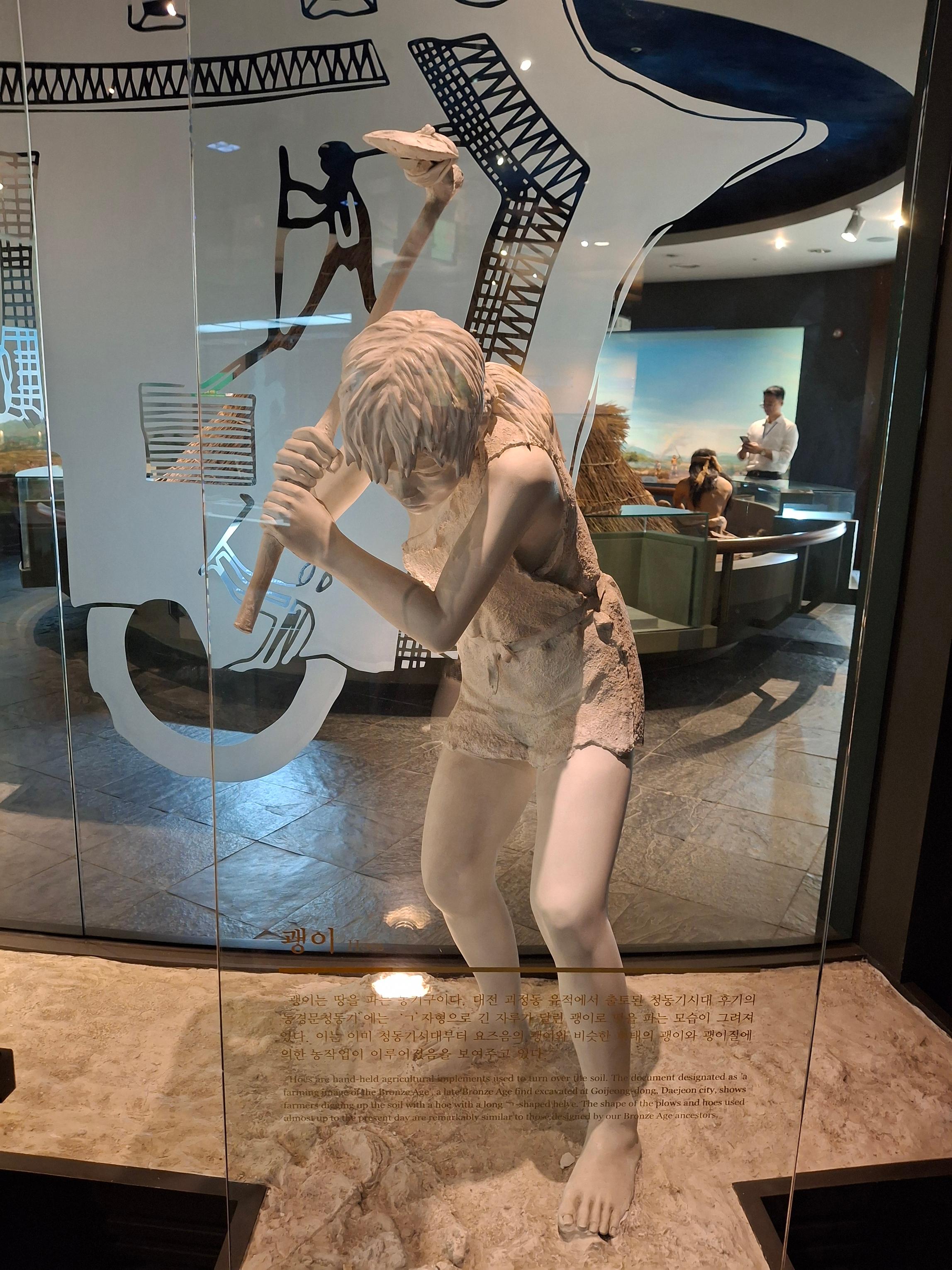
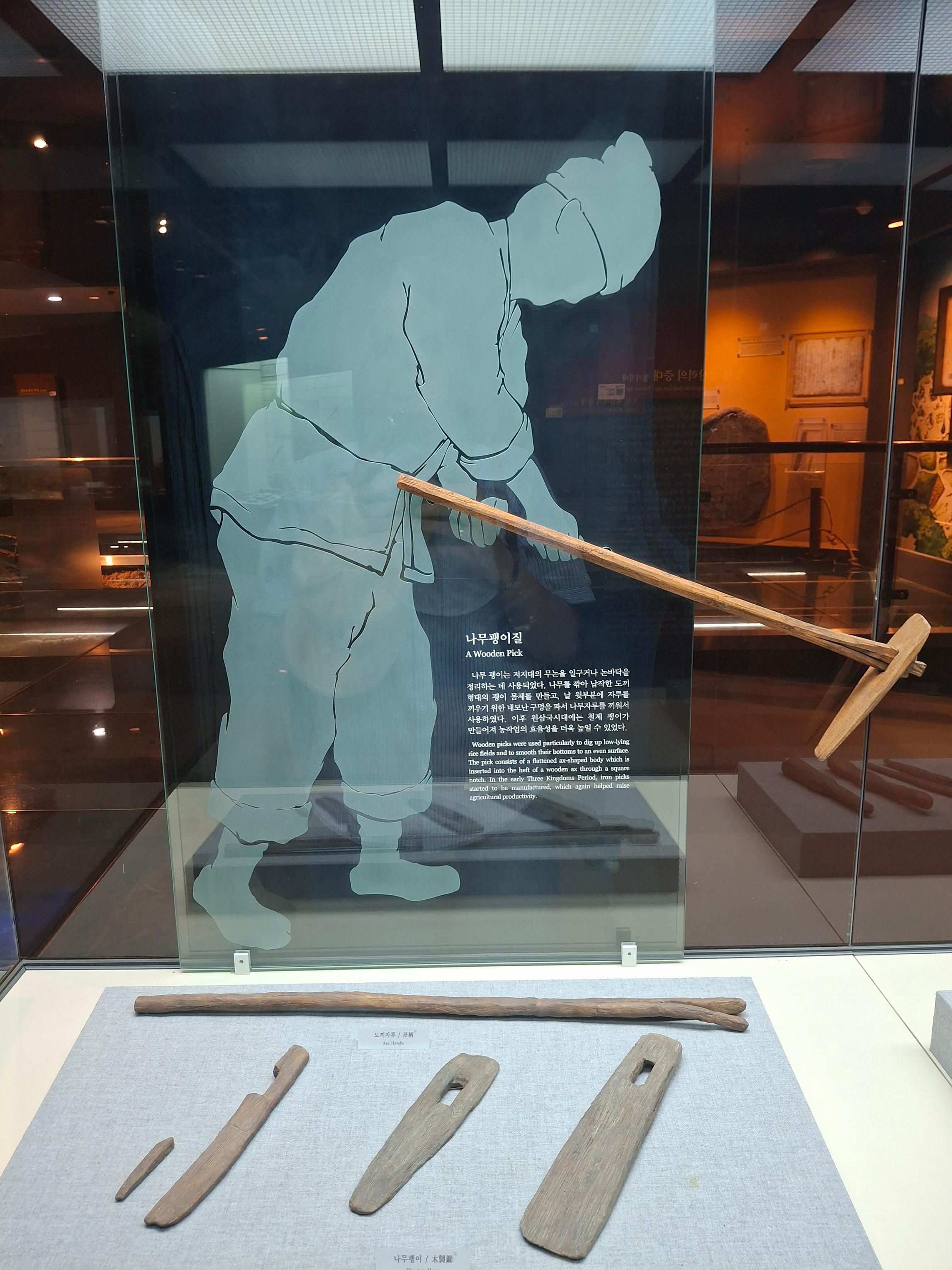
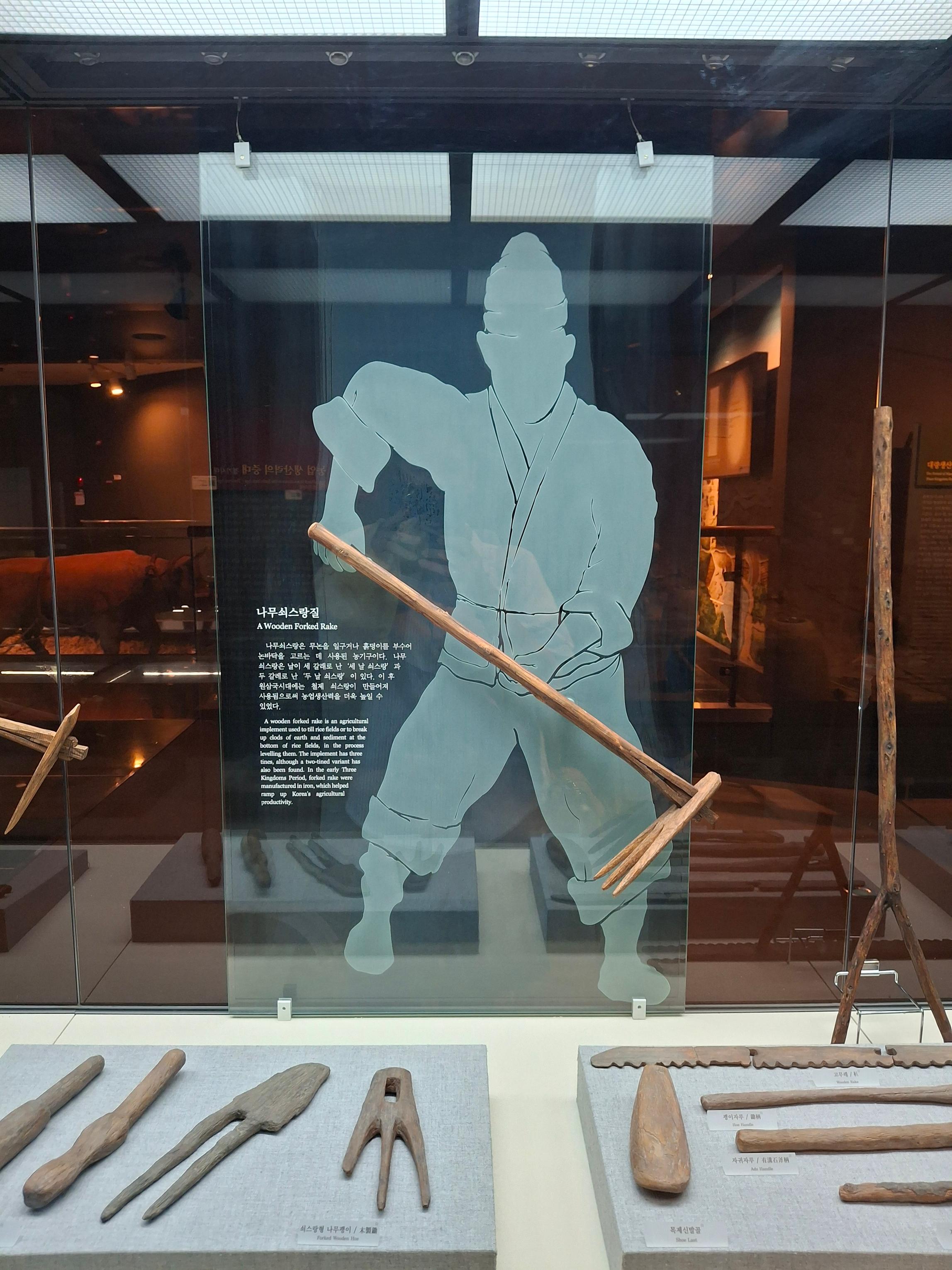
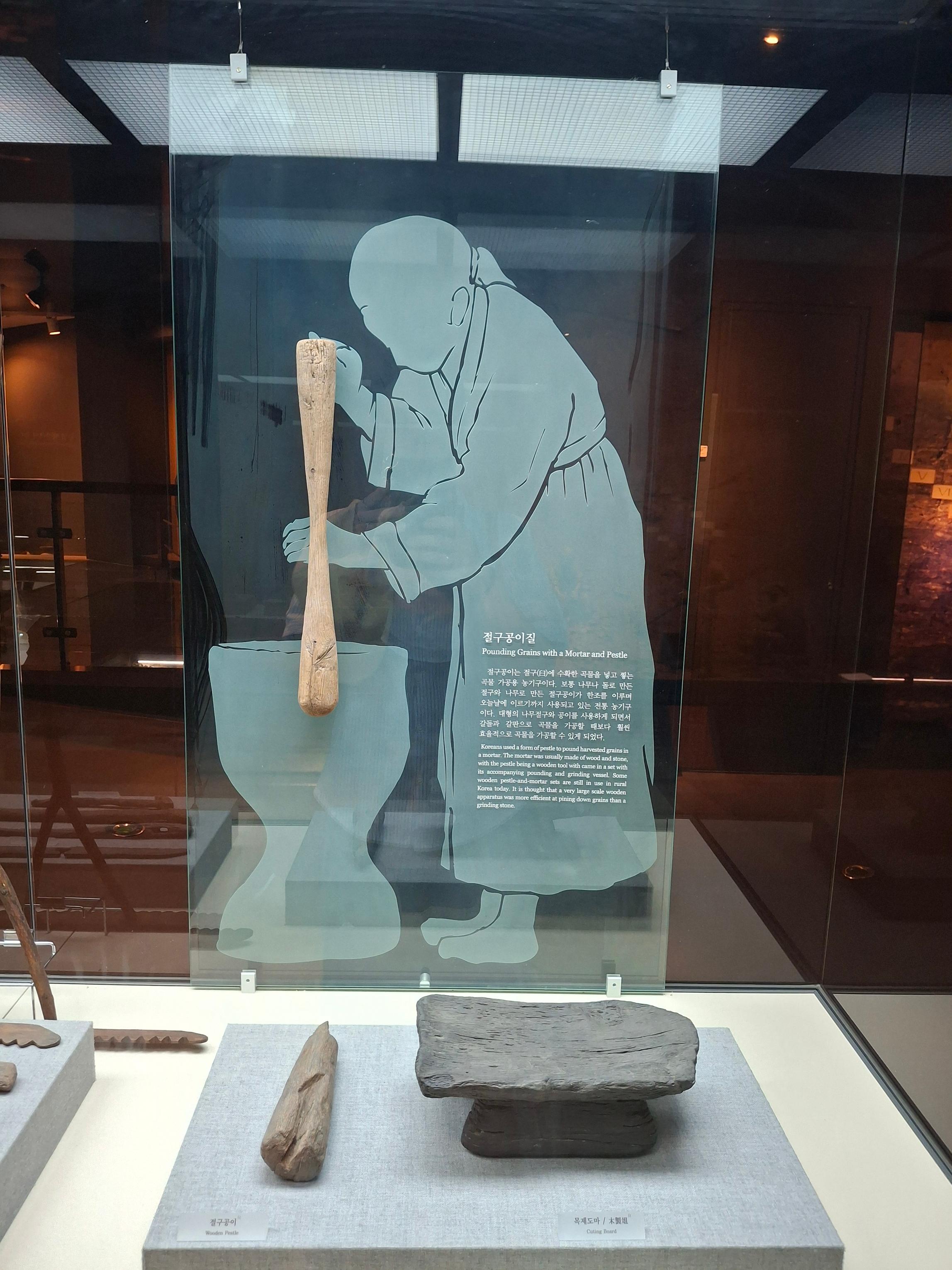
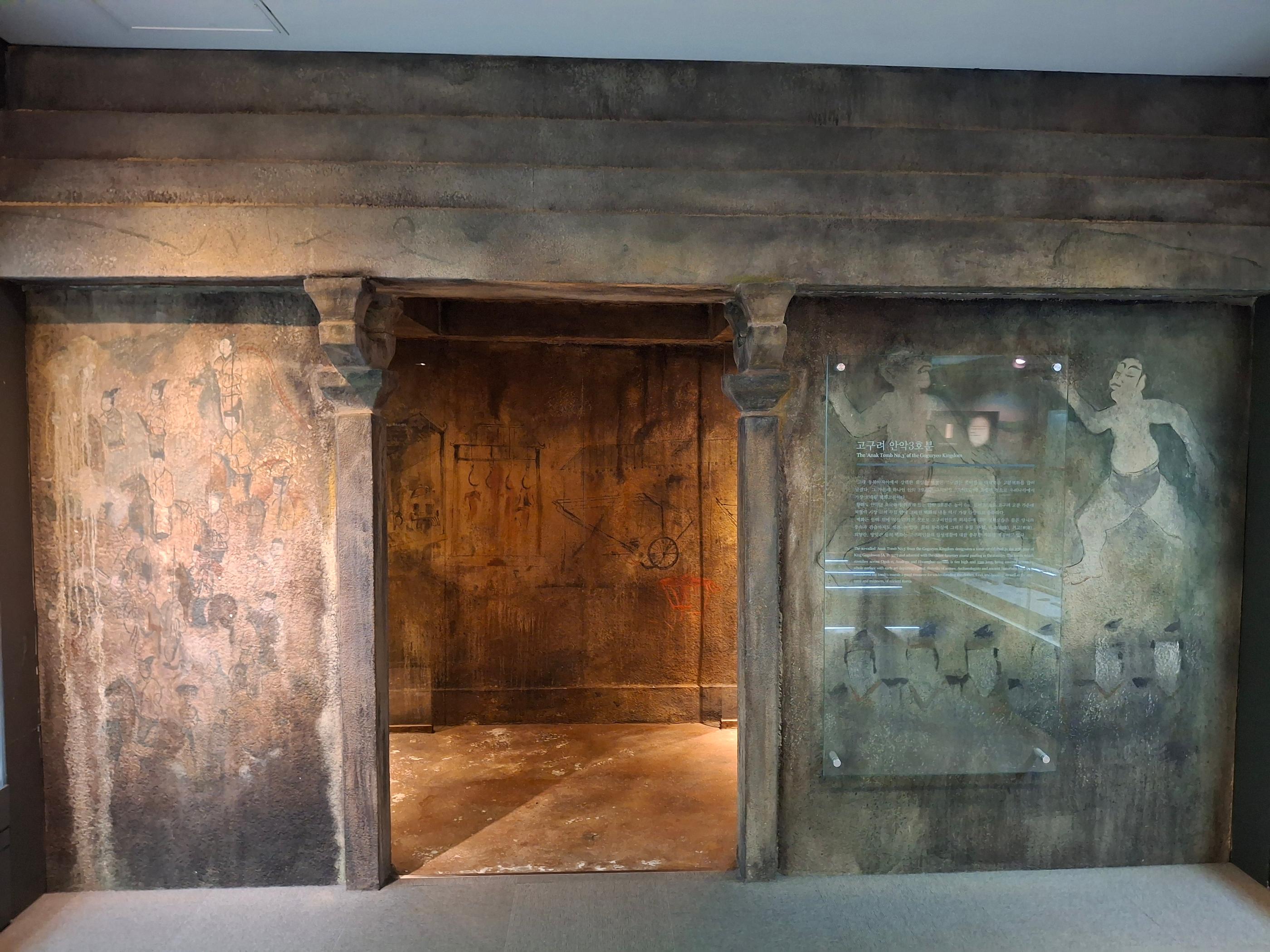
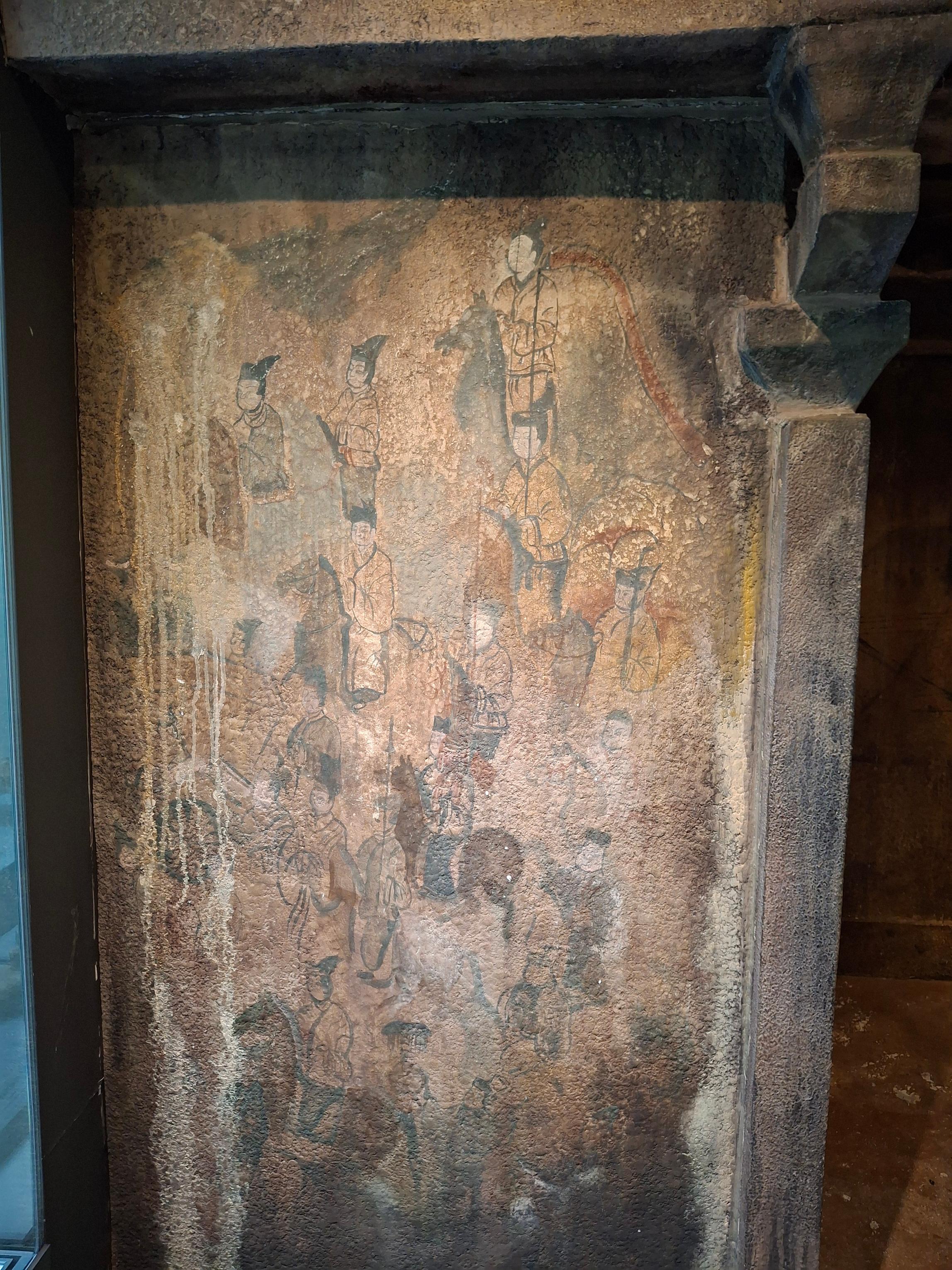
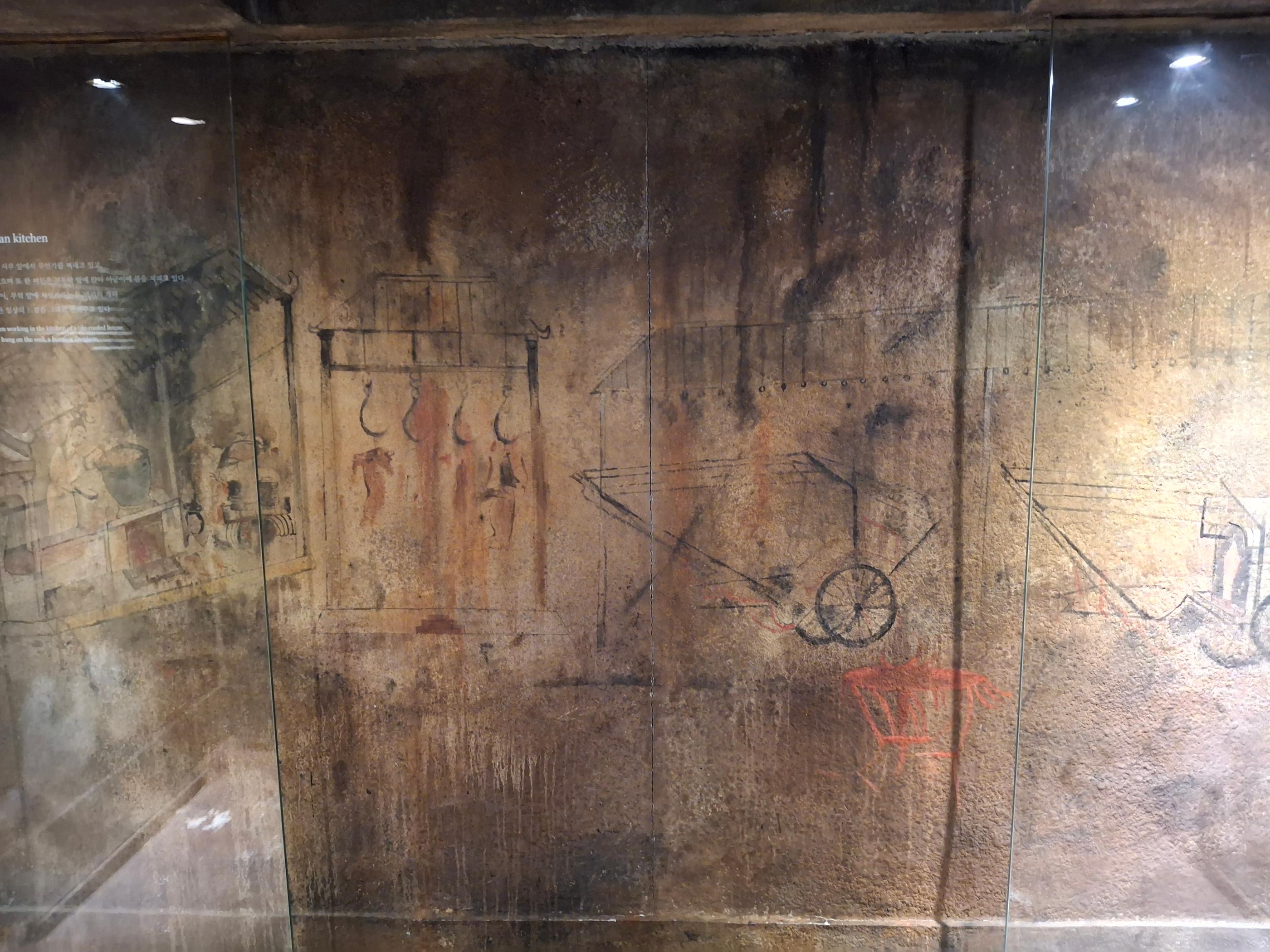
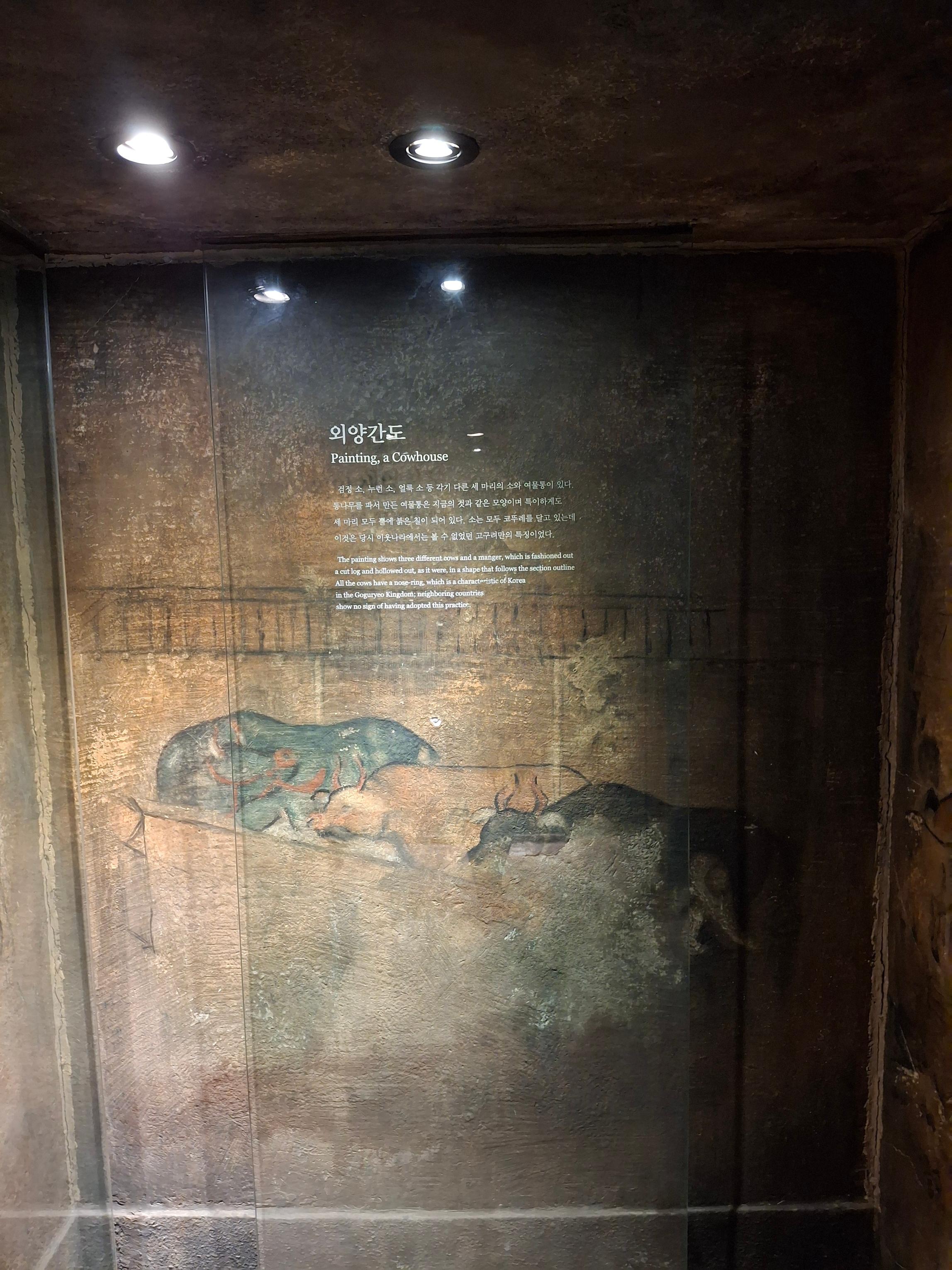
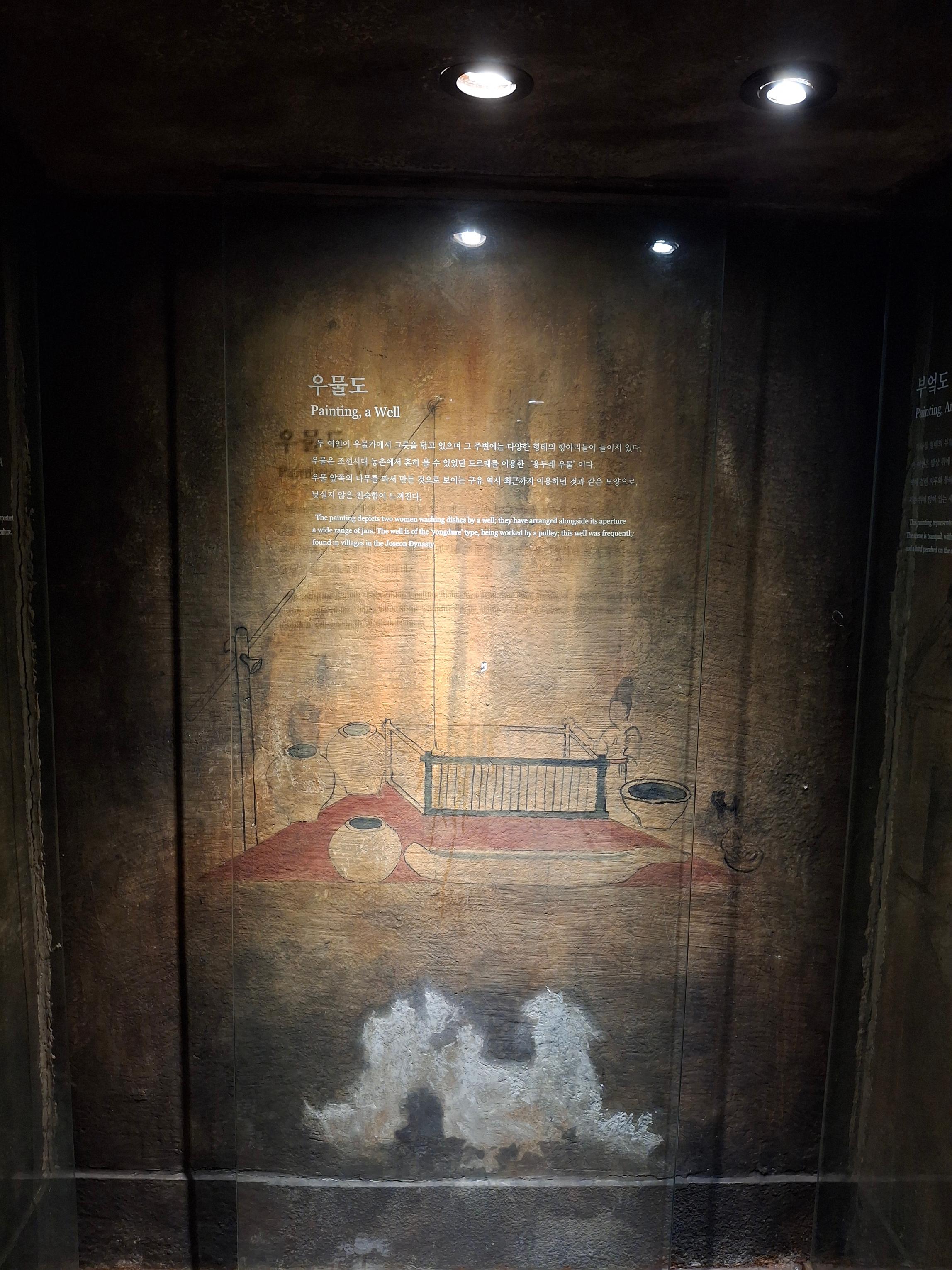
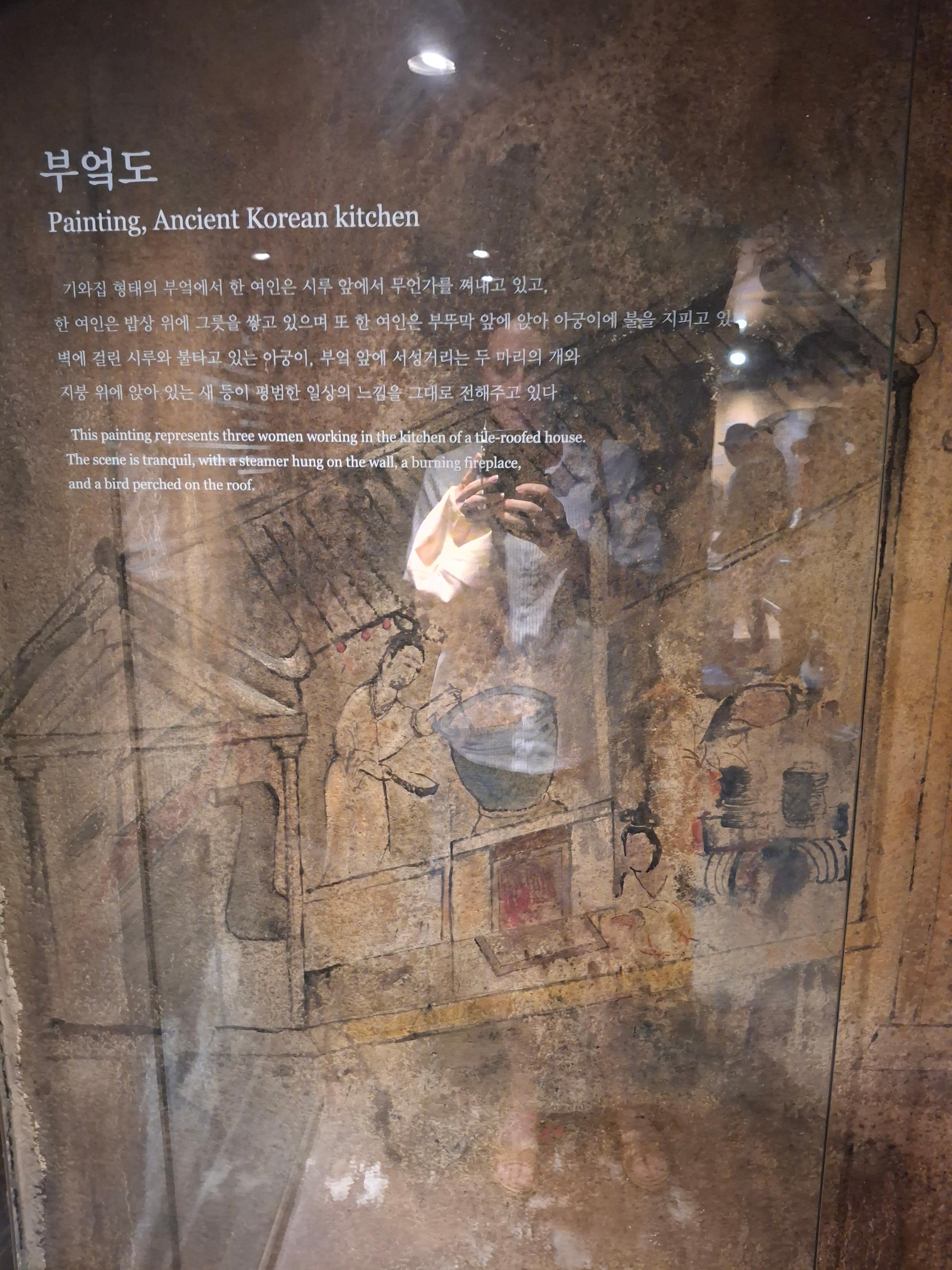
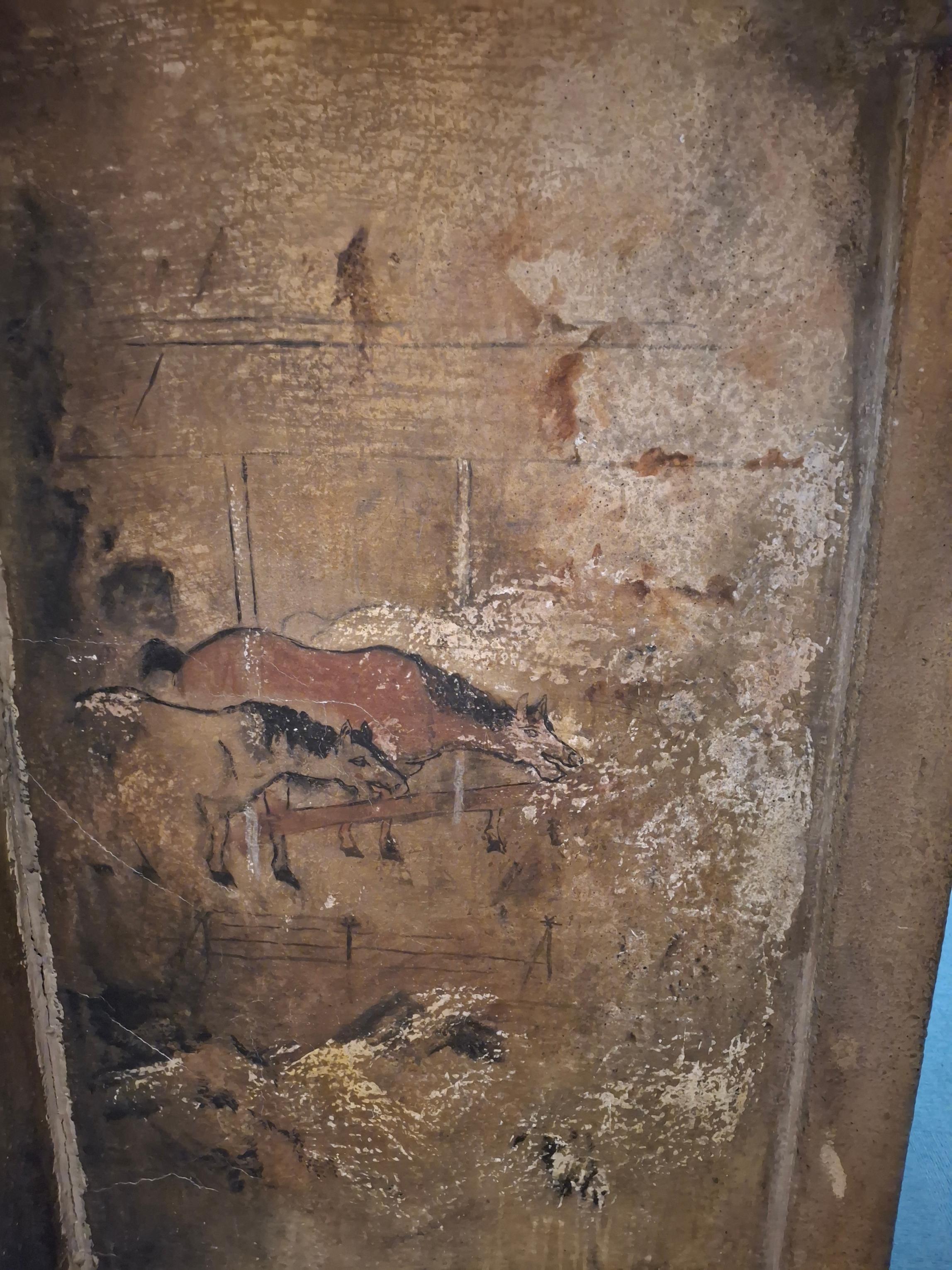
The museum's hidden gem is Anak tomb from Goguryeo Kingdom with ancient painting with scenes of everyday life. Very beautiful and unusual!
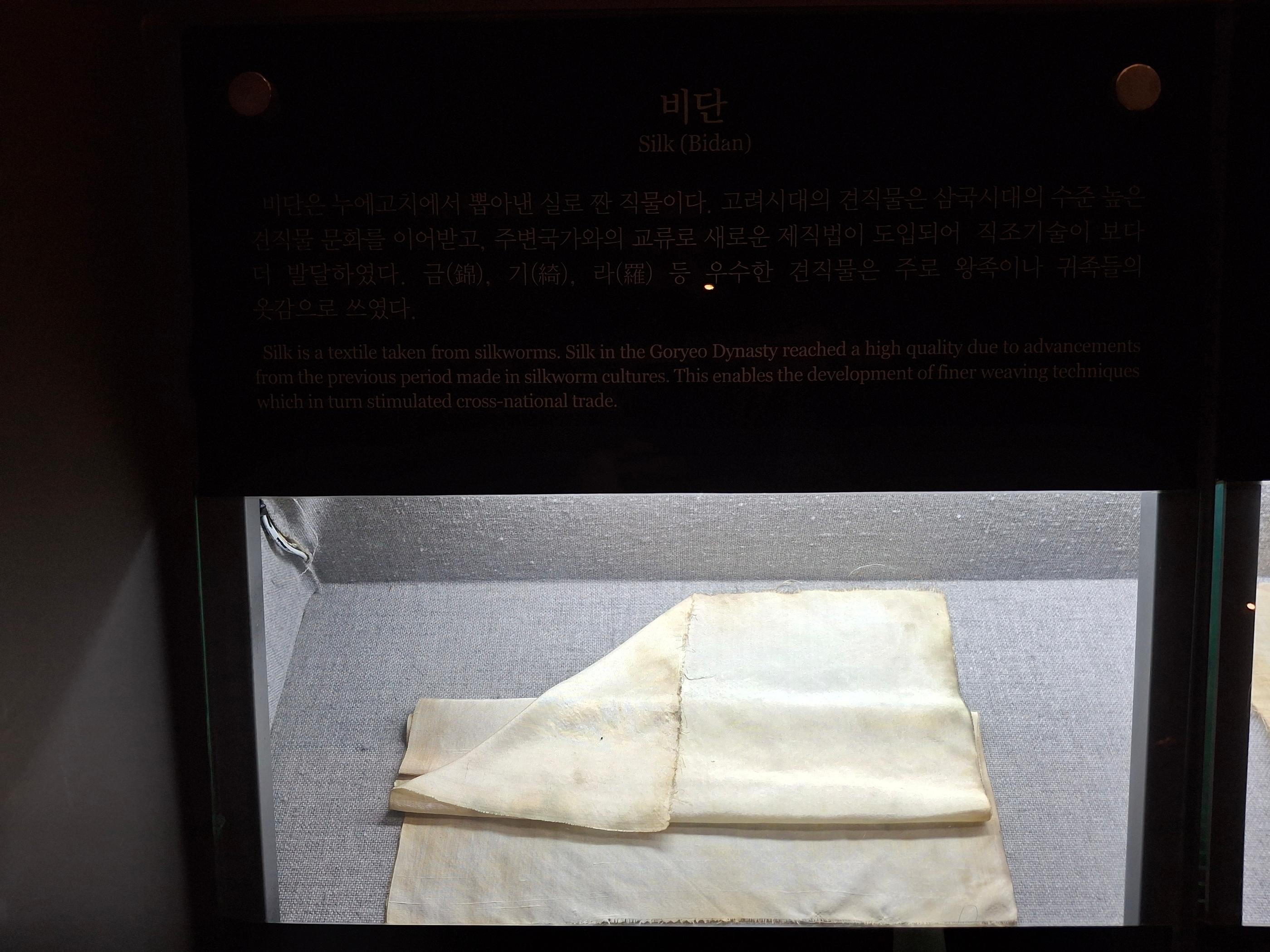
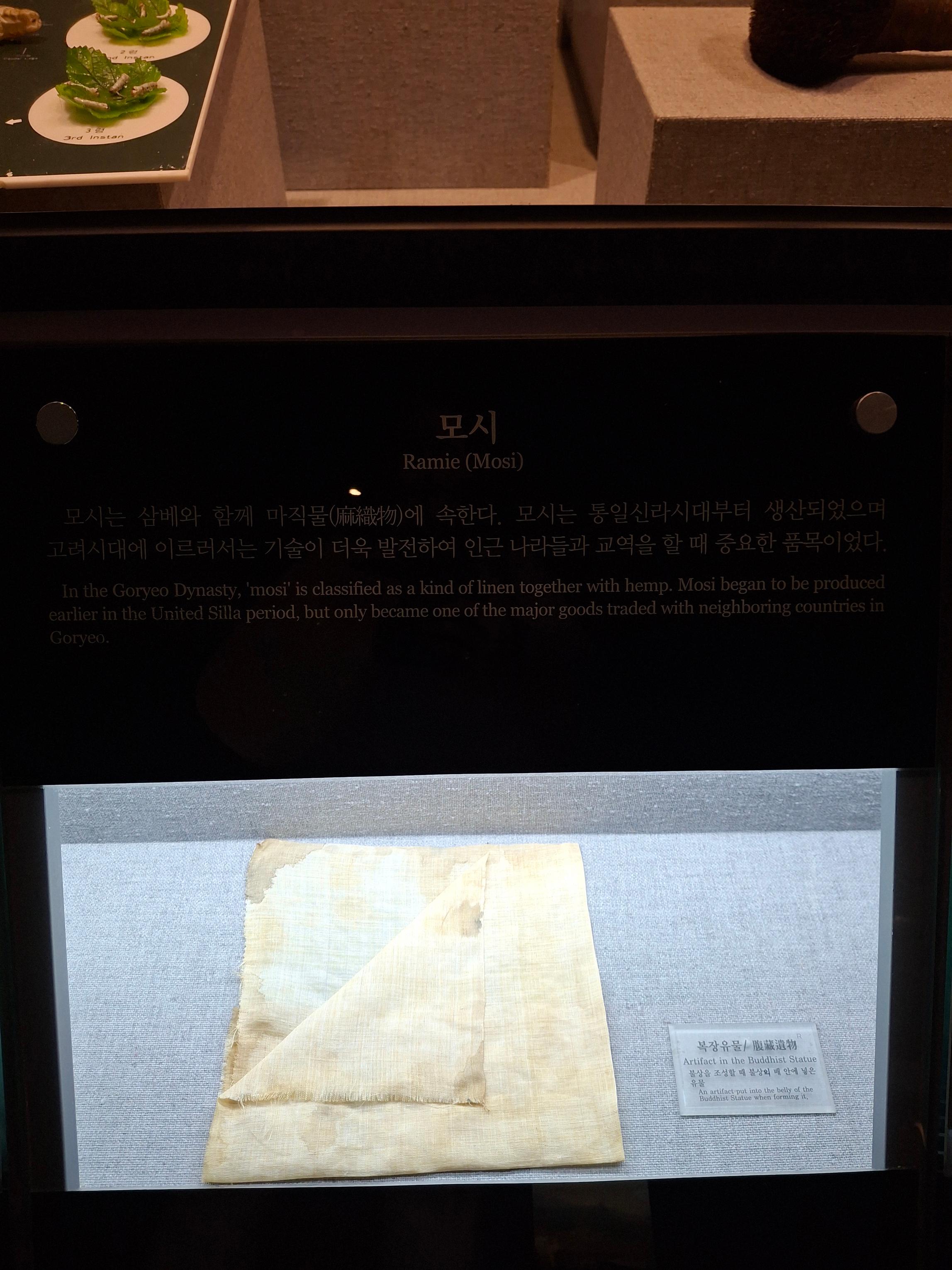
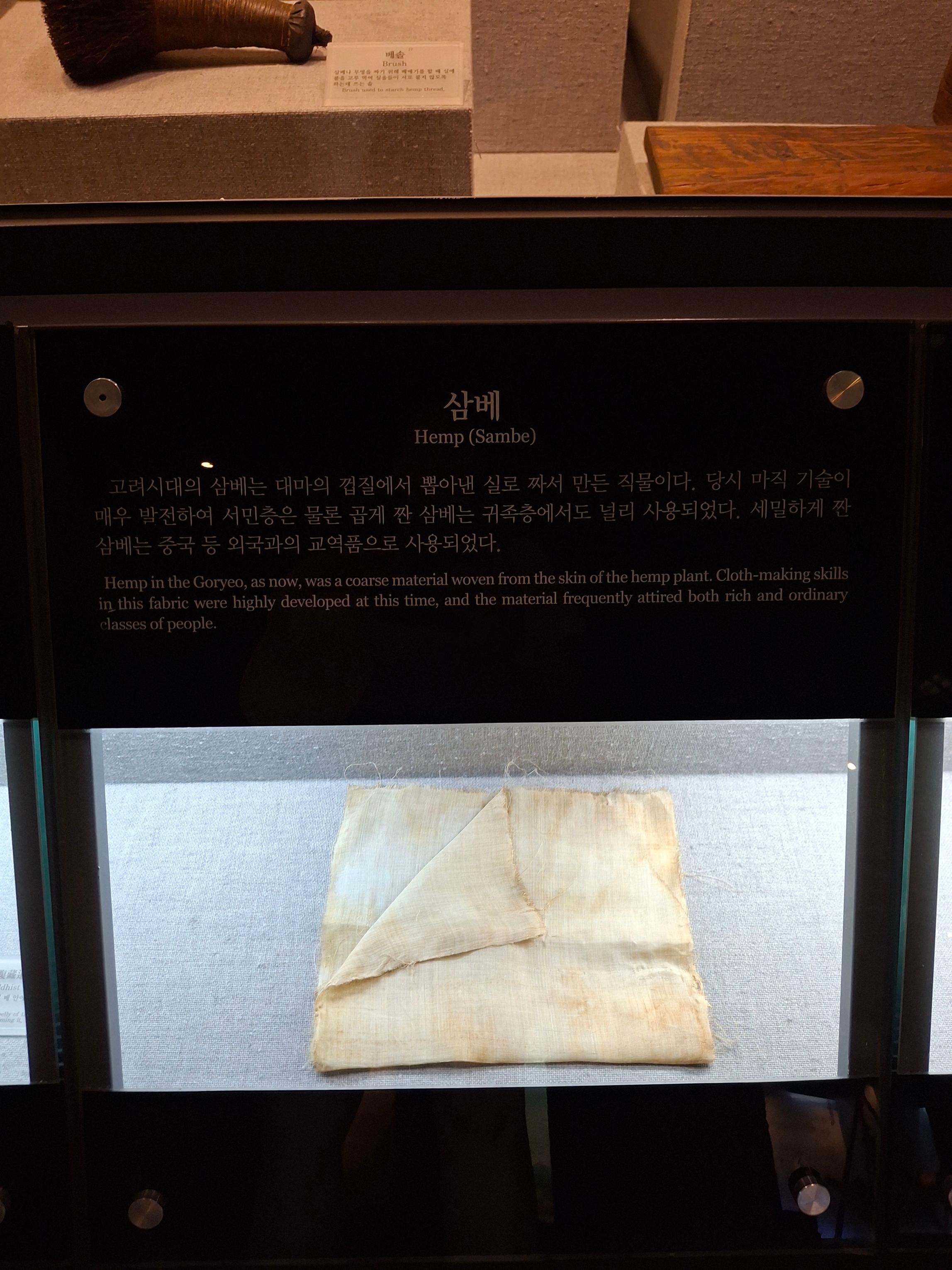
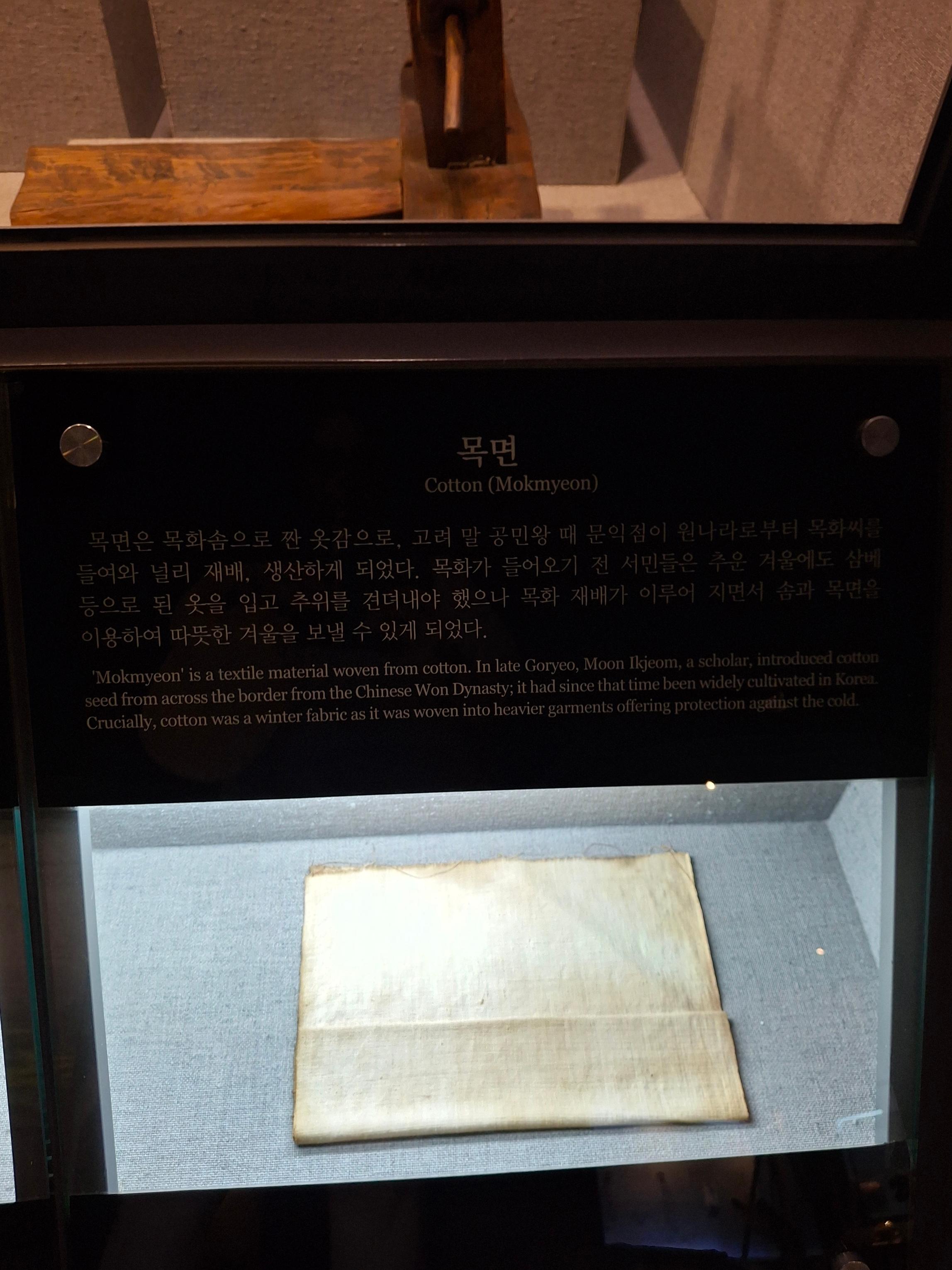
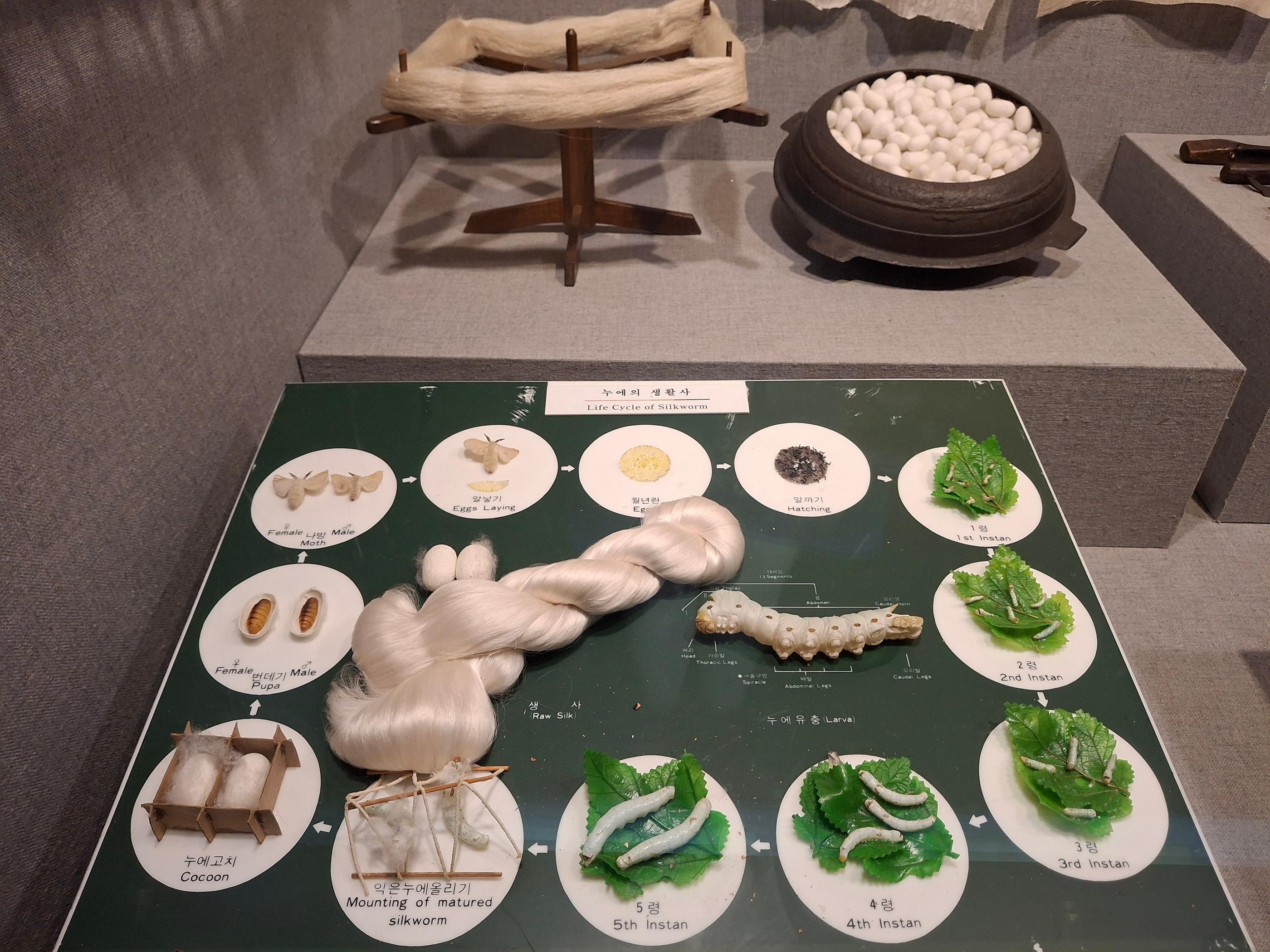
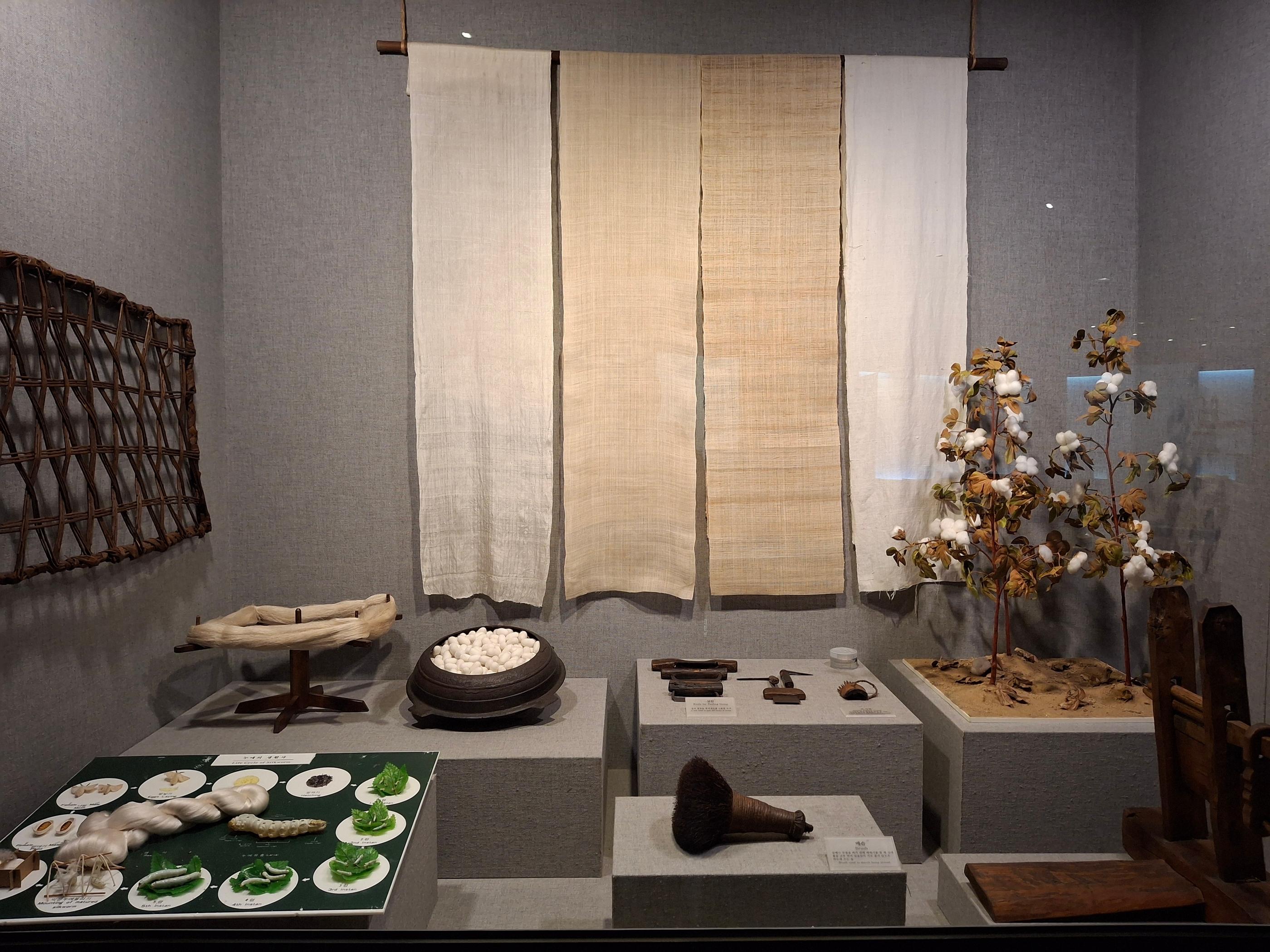
Of course, the exhibition also highlights the famous Korean silk. Various types of silk fabric are on display, as well as the entire silk thread production cycle.
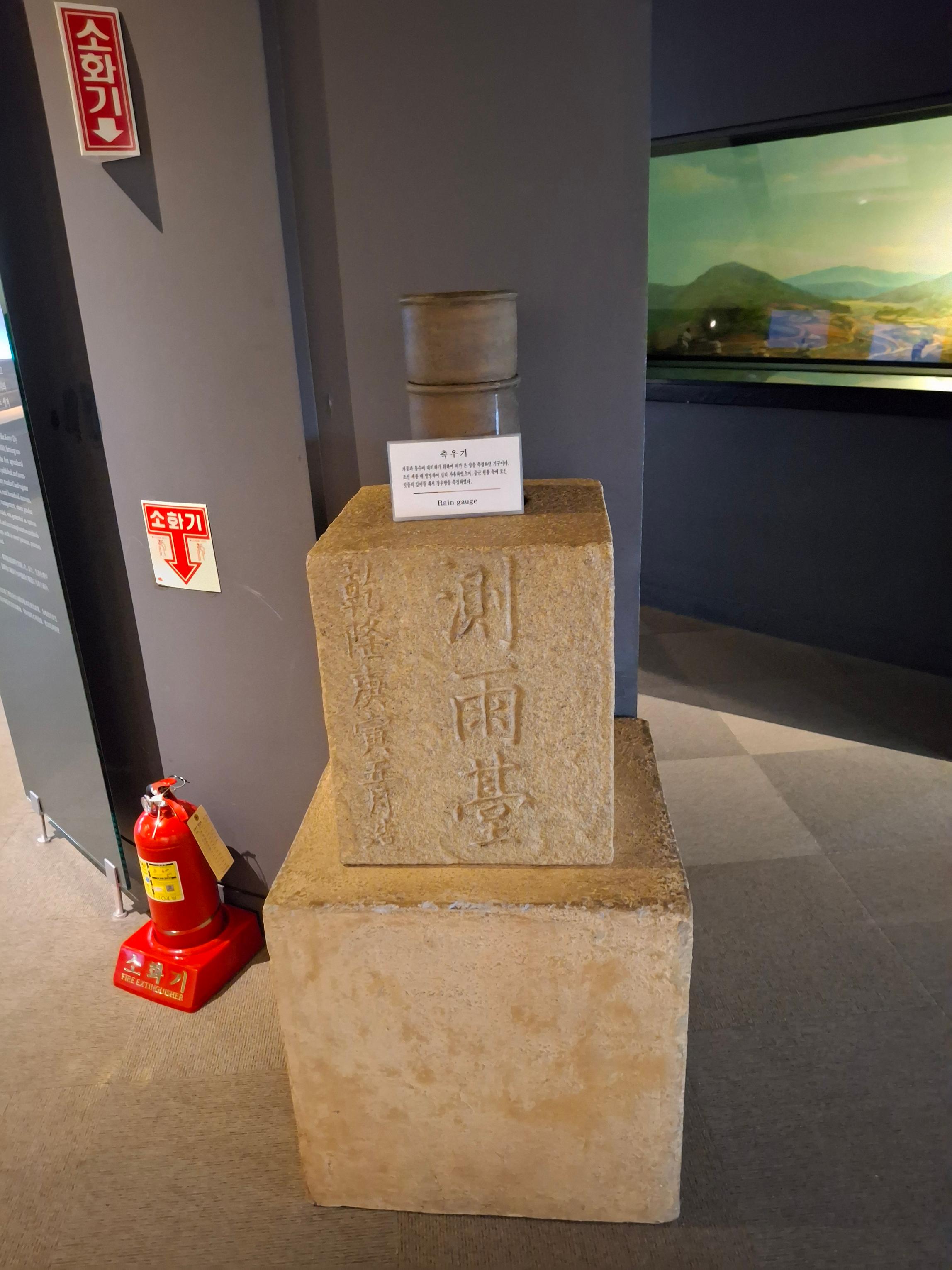
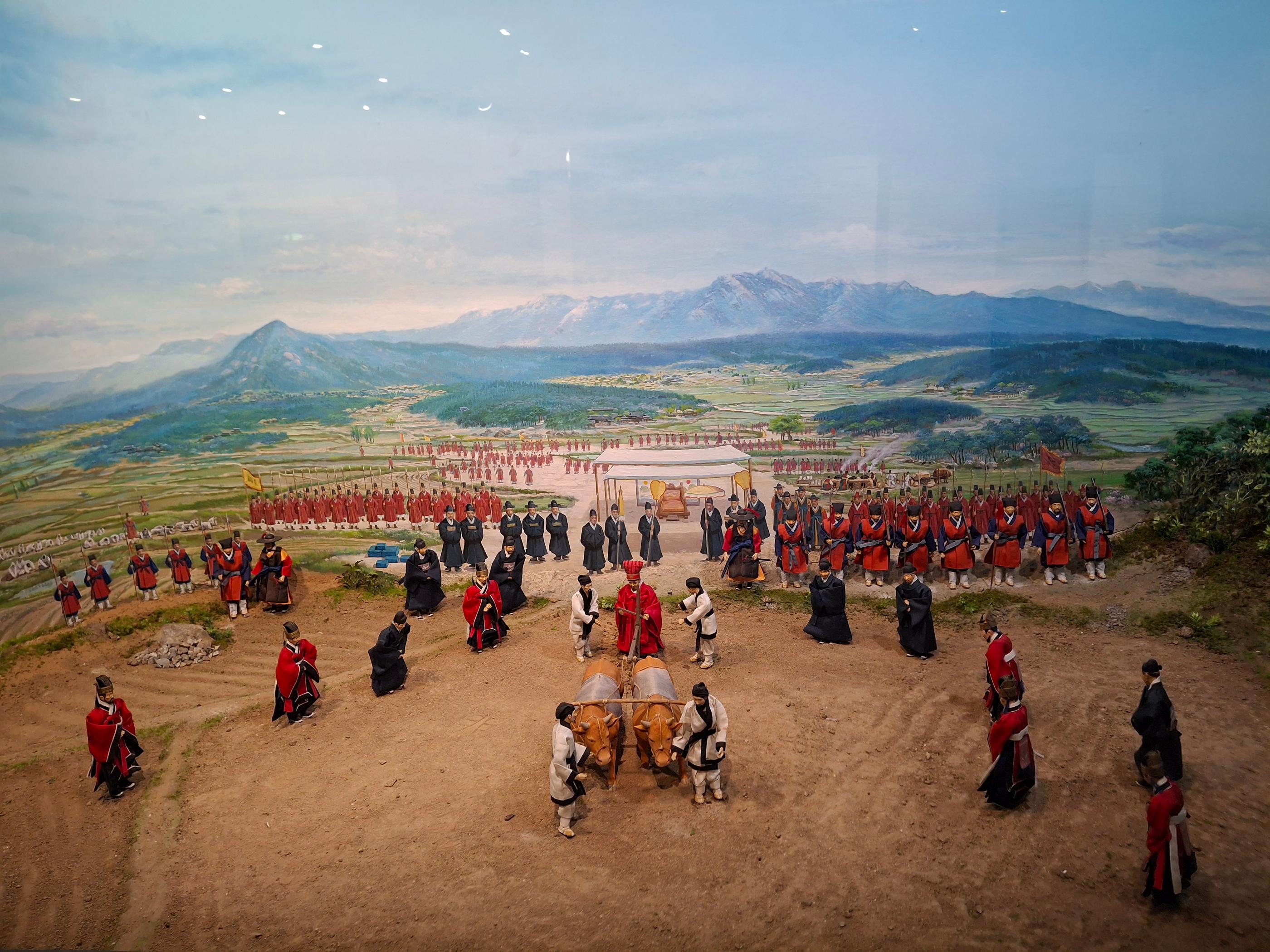
The museum also displays various rituals and ceremonies related to agriculture.
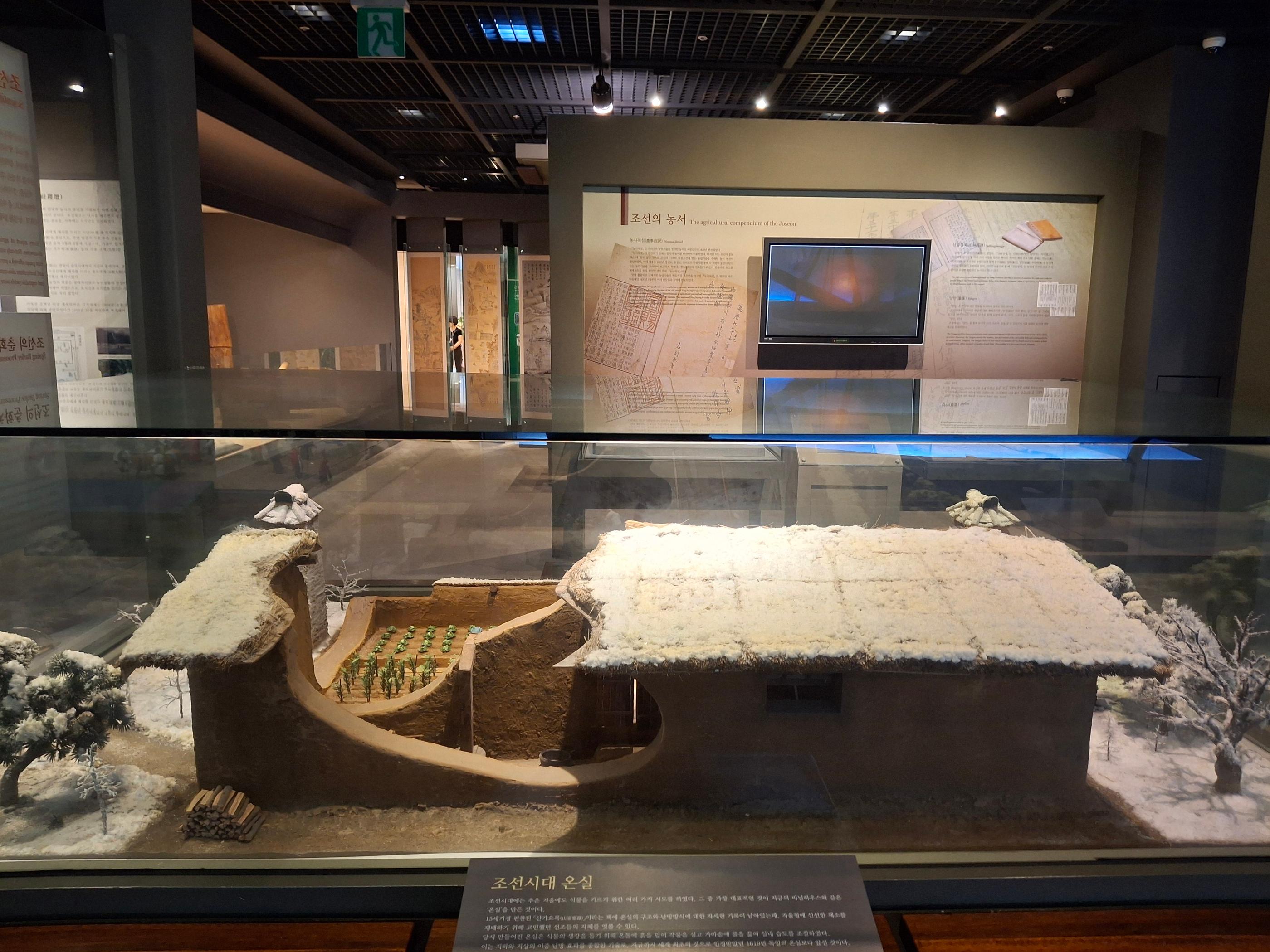
I really liked the model of an ancient greenhouse using the traditional Korean ondol underfloor heating technology. It turns out that the prototypes of modern greenhouses existed in Korea even in ancient times.
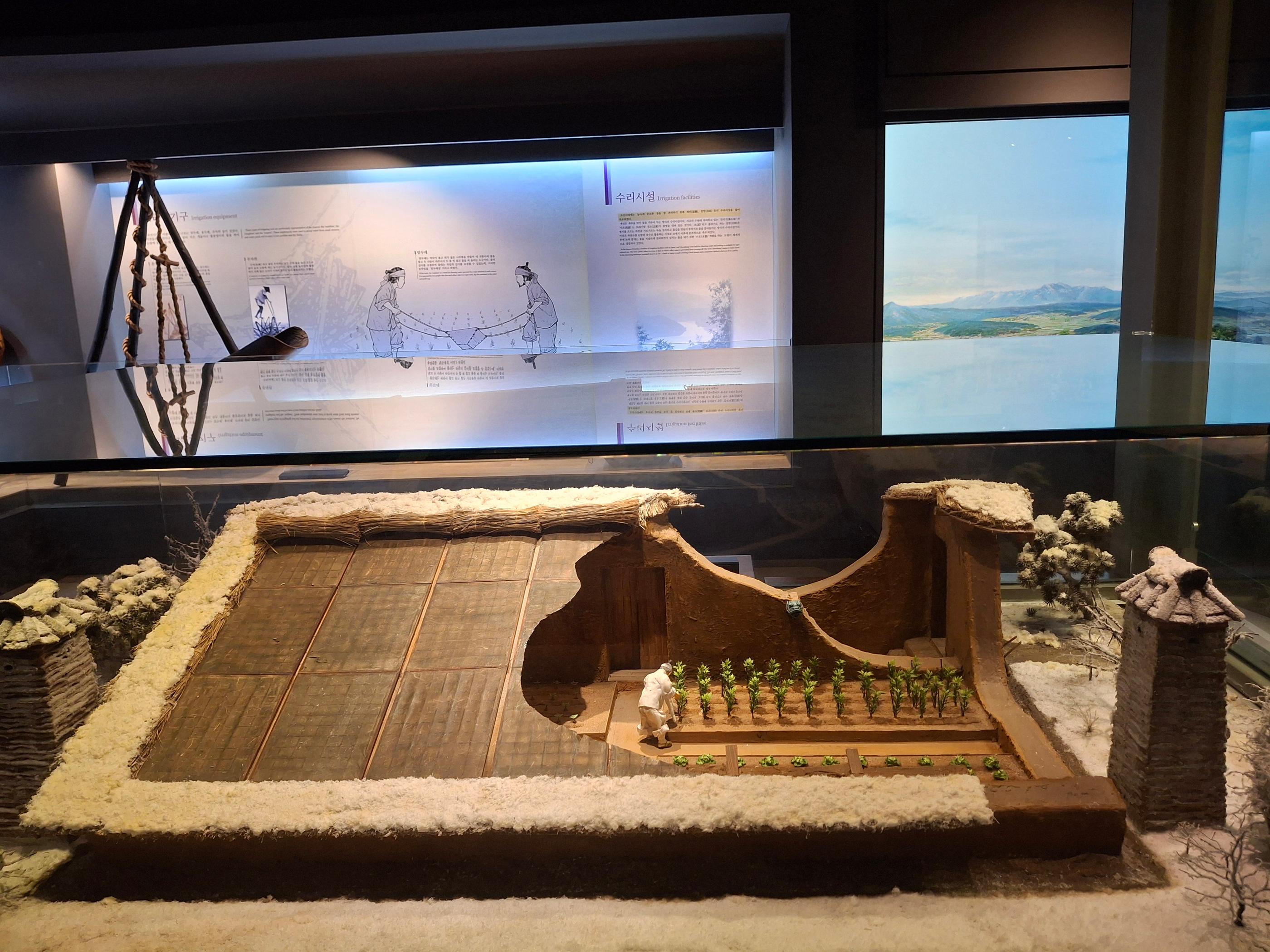
Next we move to the second floor to see the “Life of Agriculture” to see some pretty spectacular dioramas. It exhibits realistic daily life such as old rural fields, agricultural folklore, farmhouse houses, and traditional markets. You can feel the wisdom and leisure in the lives of ancestors of Koreans.
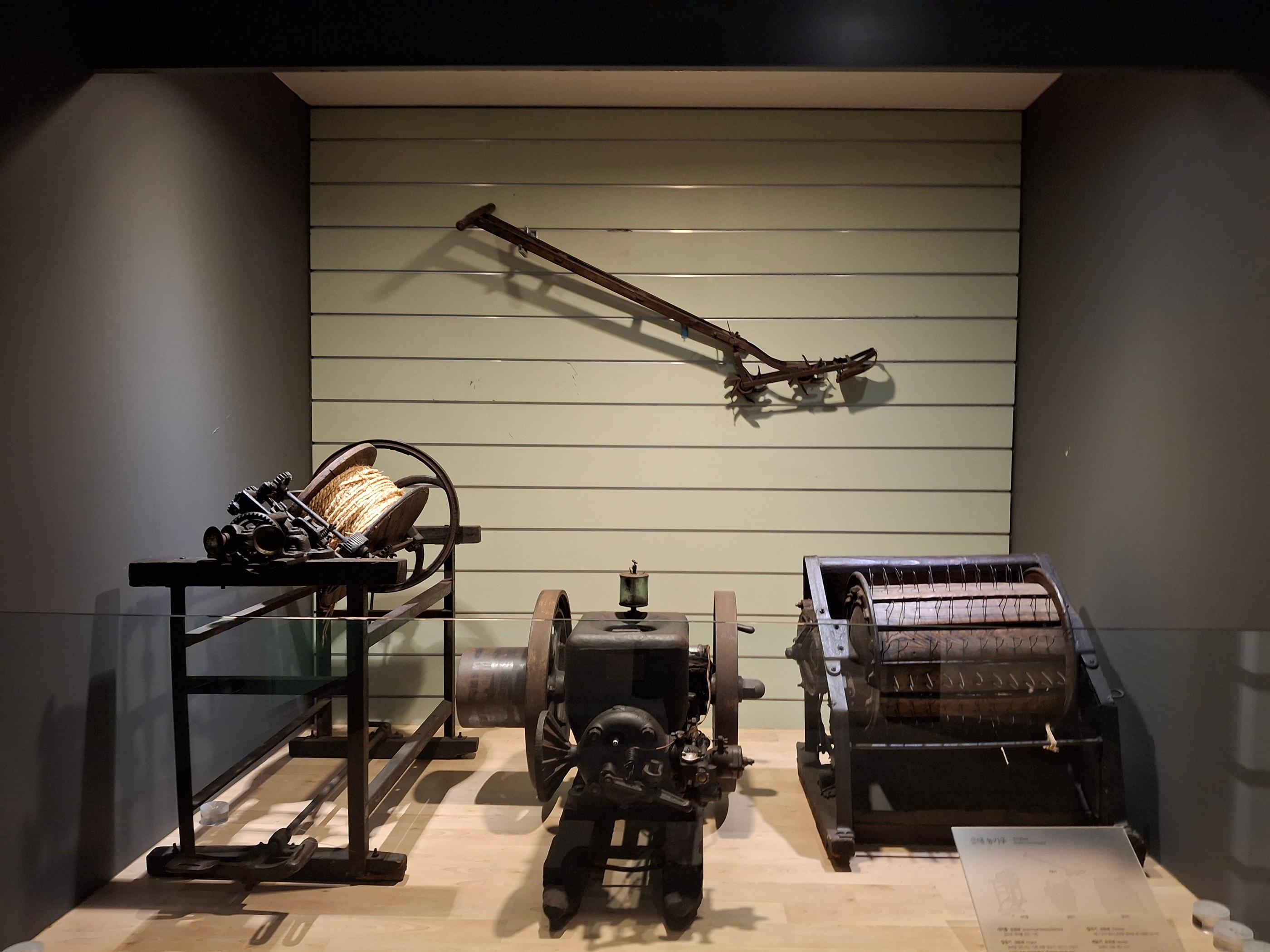
The first exhibit displays more modern tools, even the first agricultural machinery.
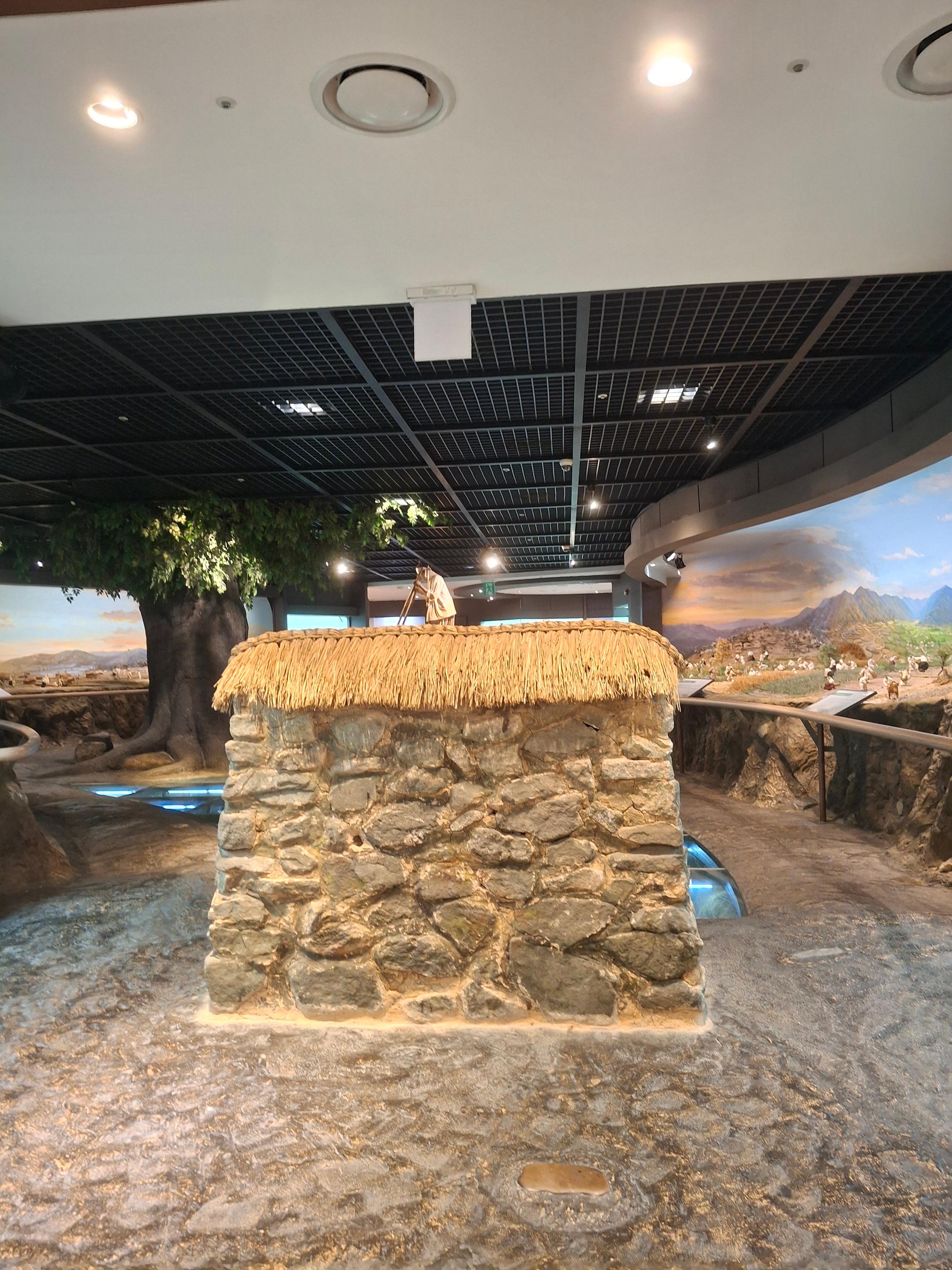
And then a spacious hall opens up before us with beautiful dioramas telling about the daily life and traditional activities of Koreans.
All the villagers' annual activities are depicted in great detail. For example, rice planting.
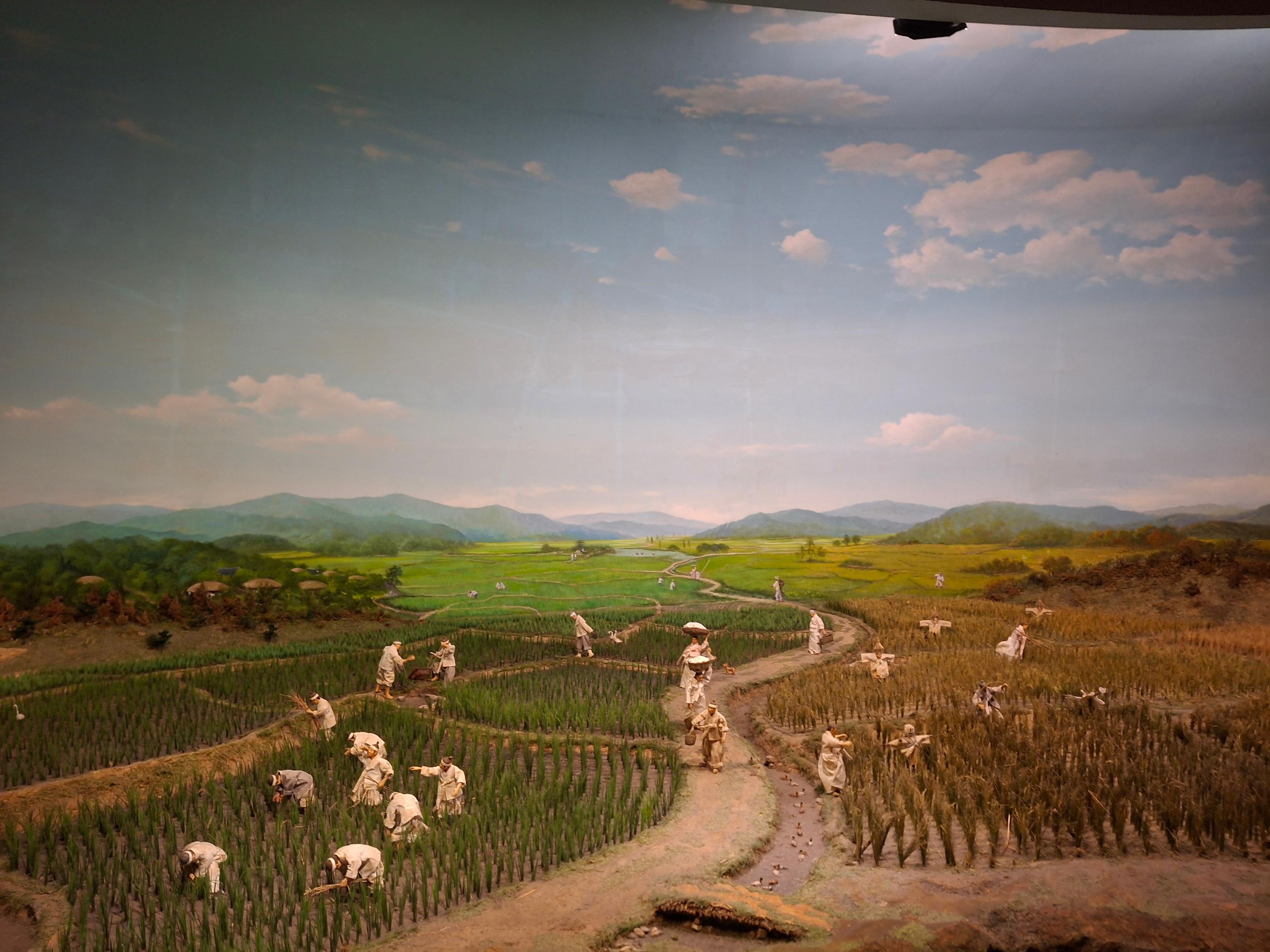
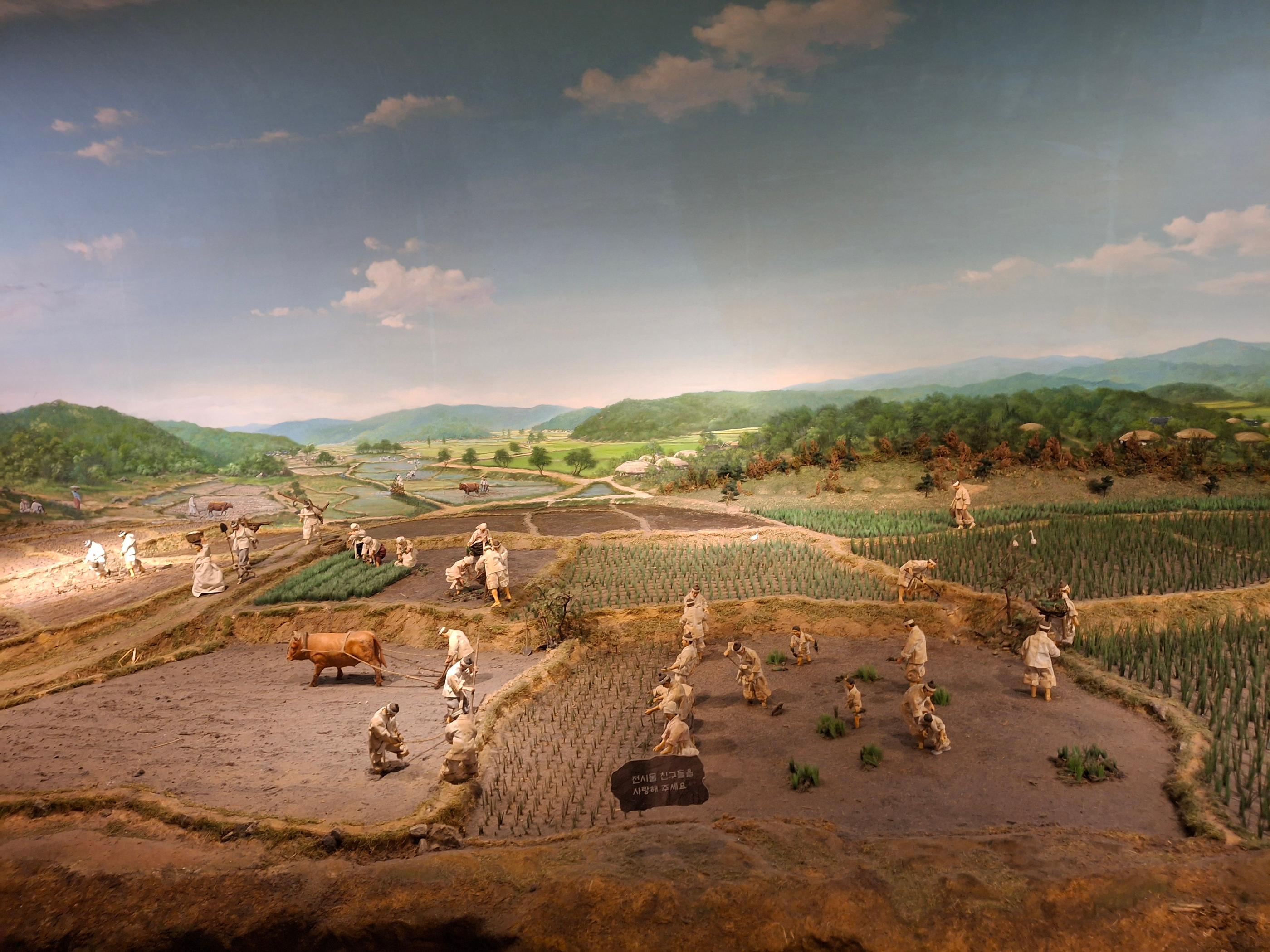
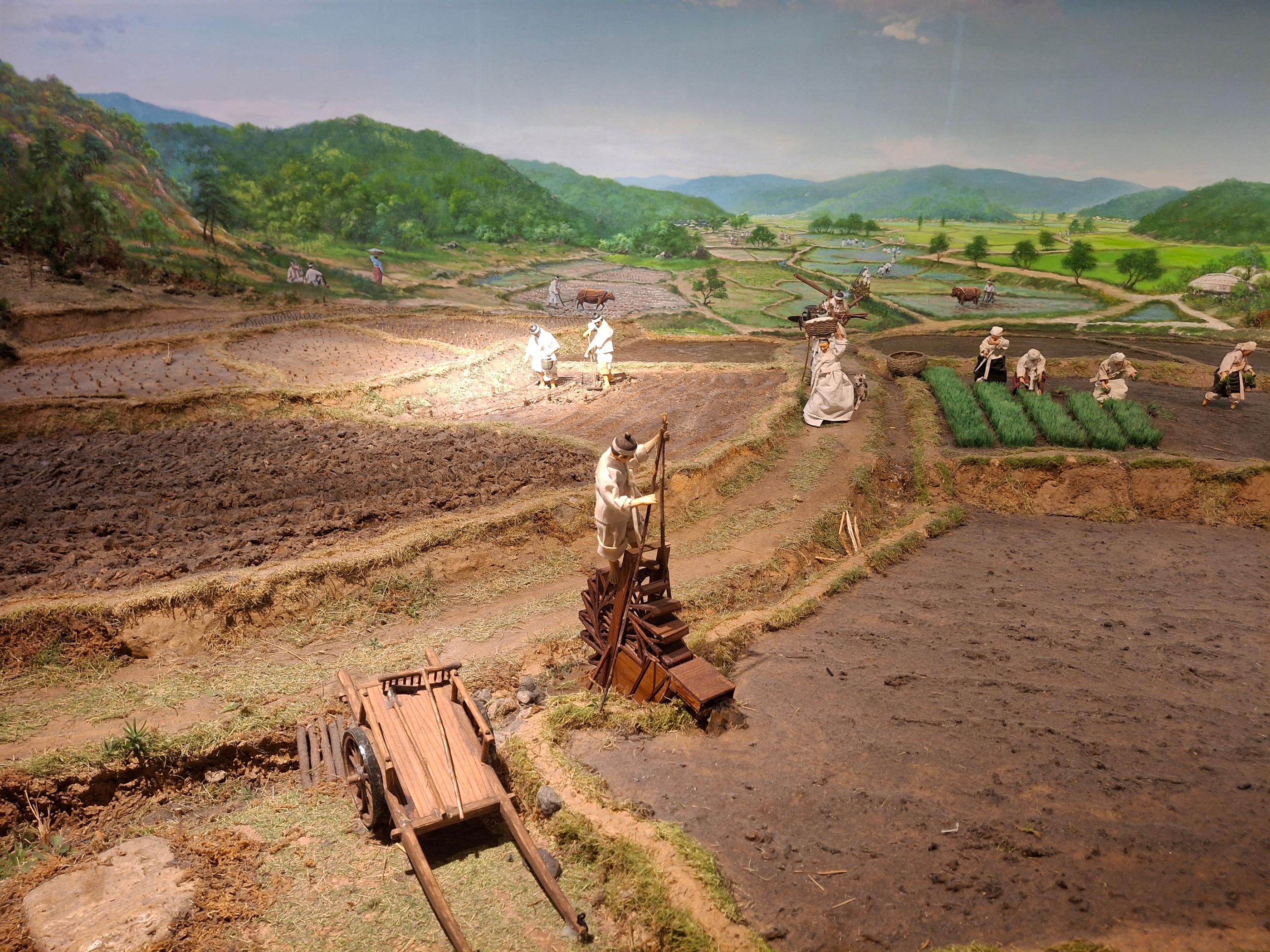
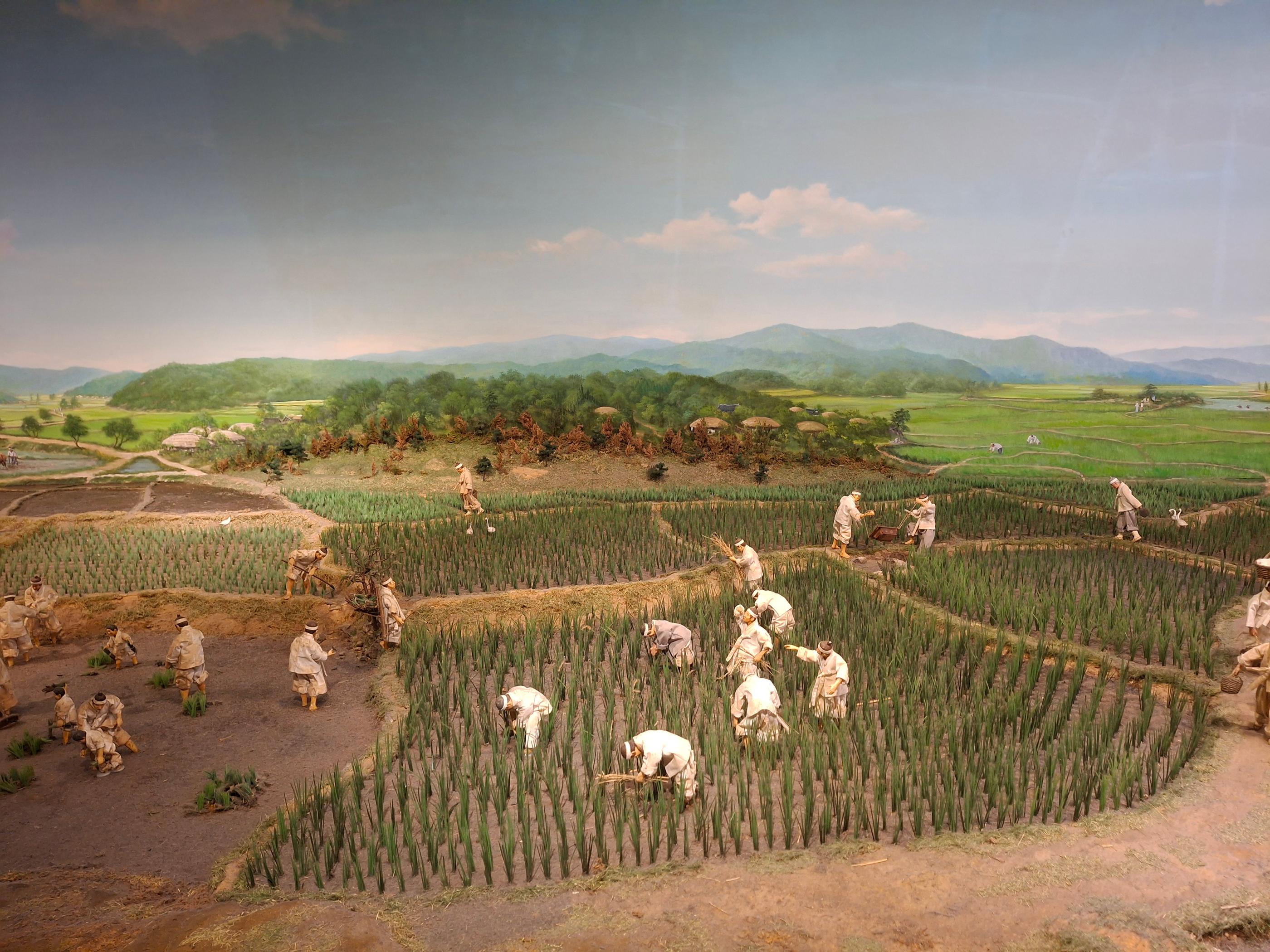
Then we see the harvest in the fall.
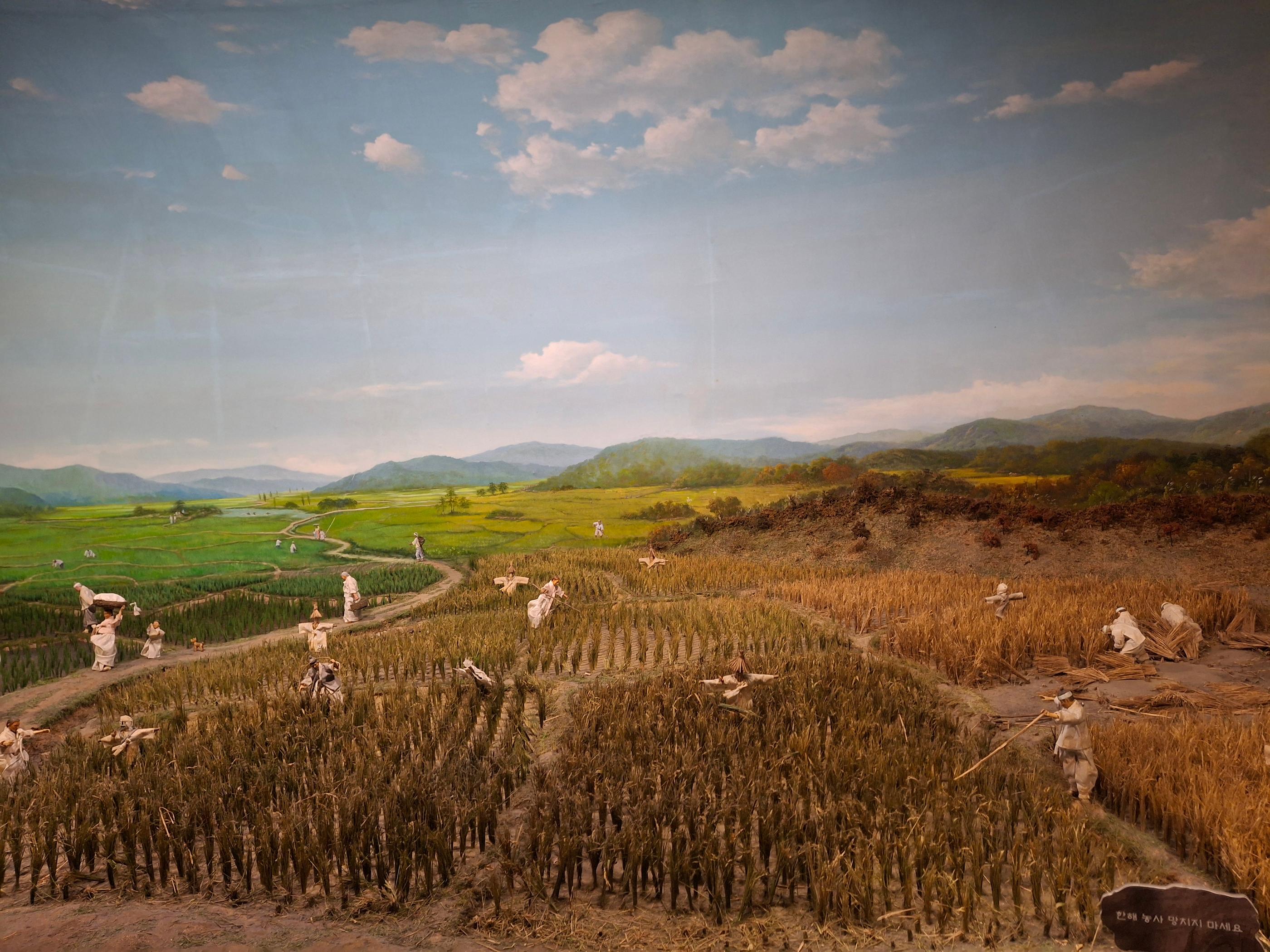
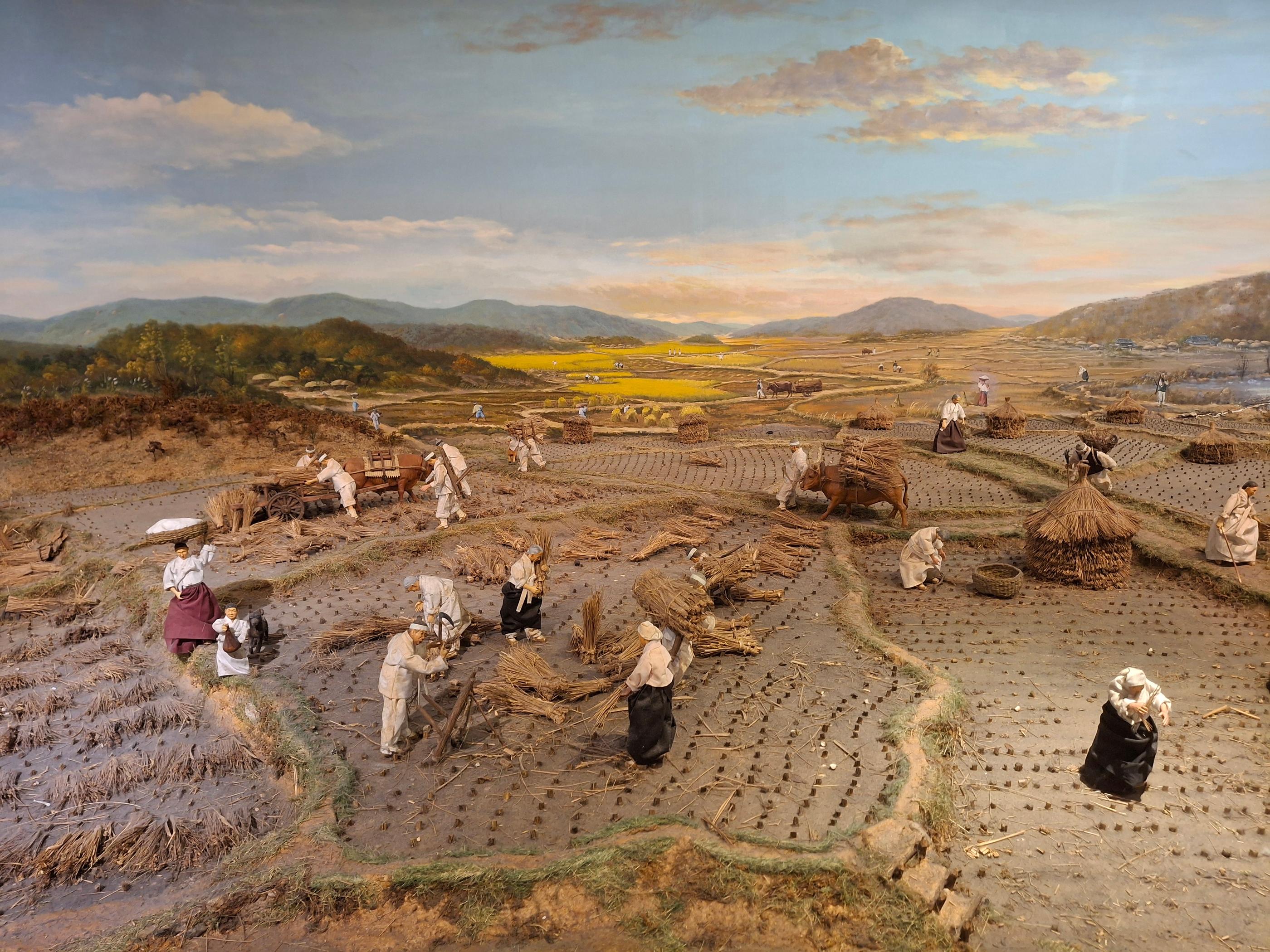
Then comes the time for rest and fun.
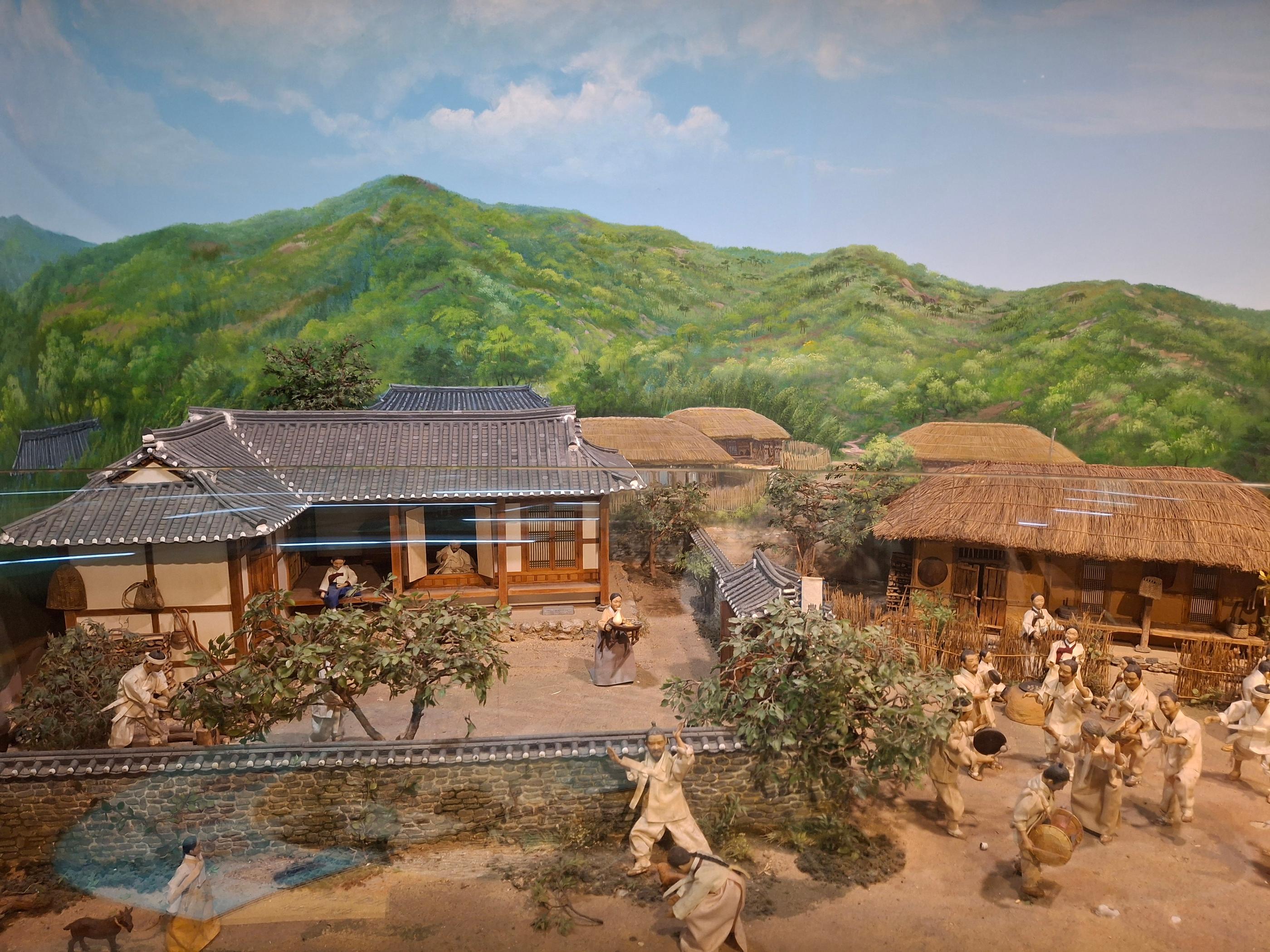
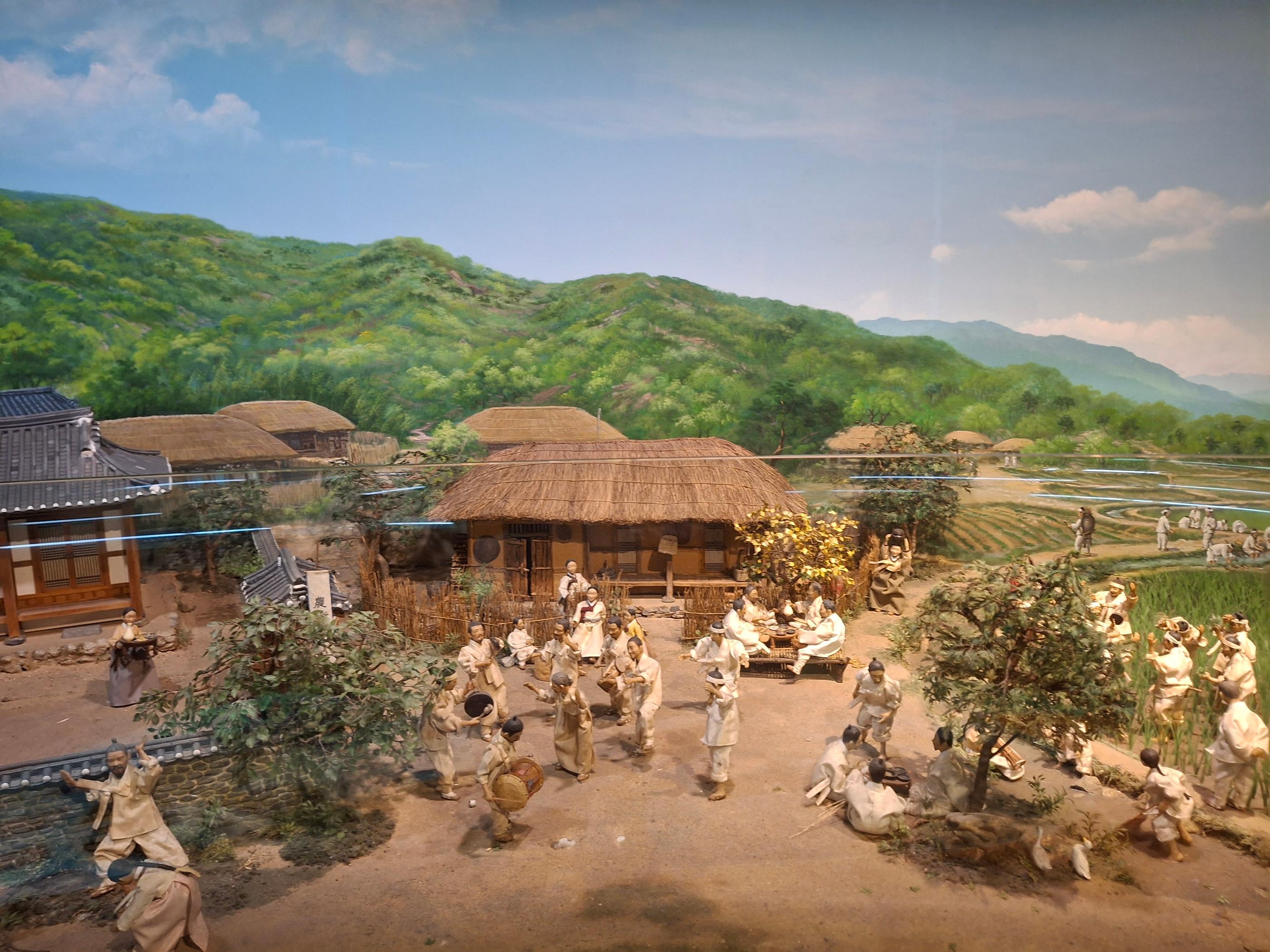
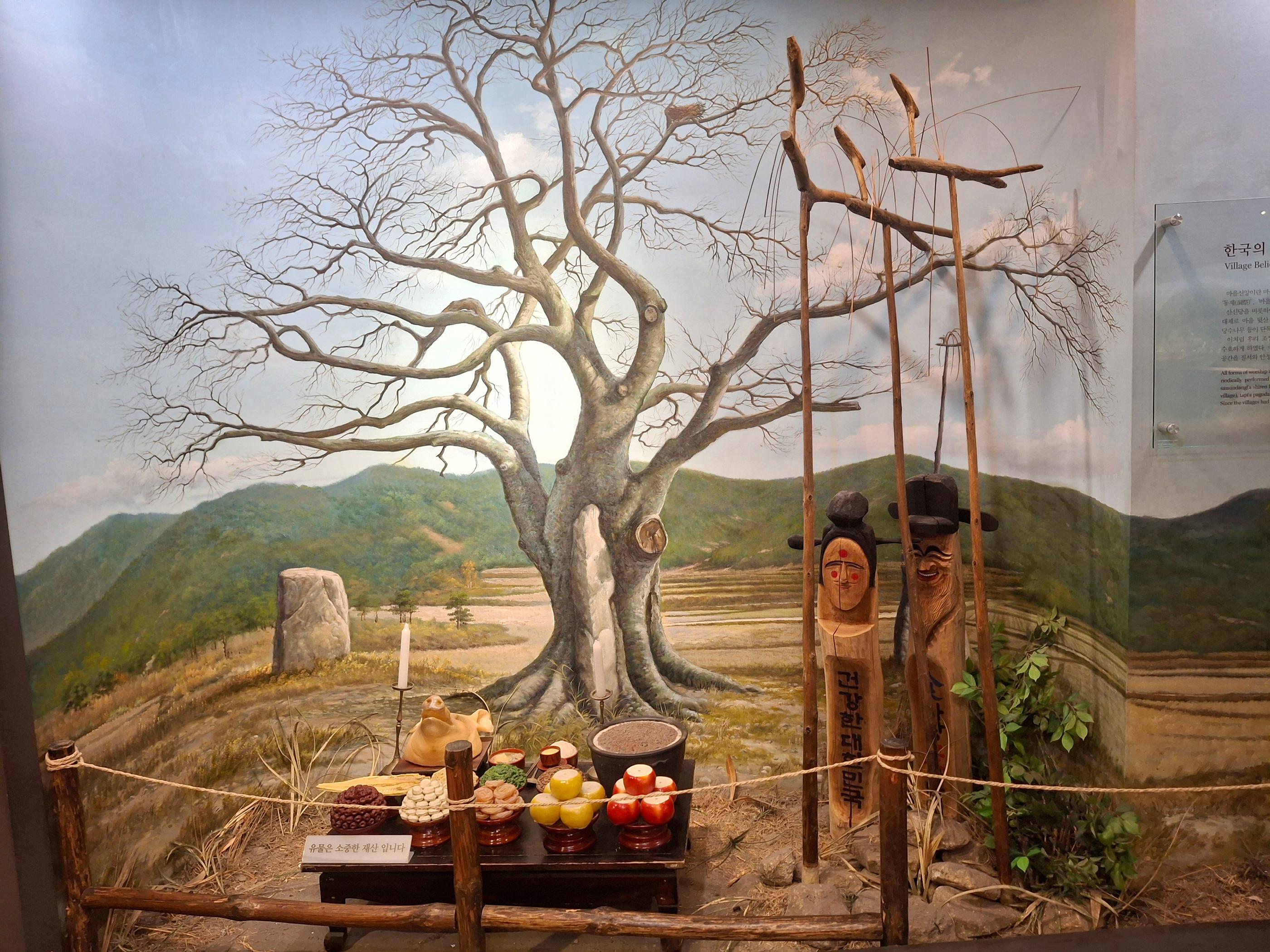
People also pray to the gods, give thanks for the harvest and ask for fertility.
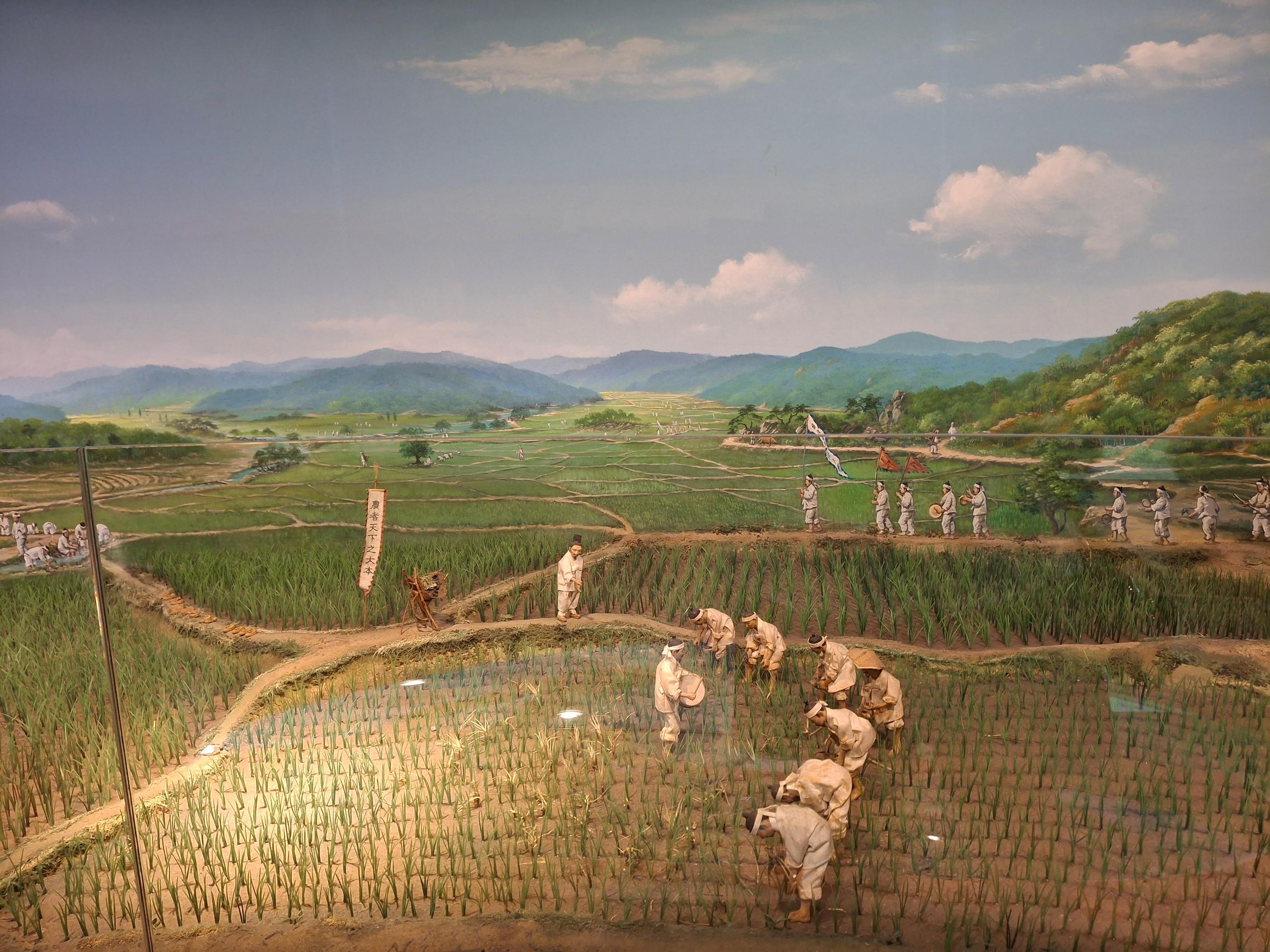
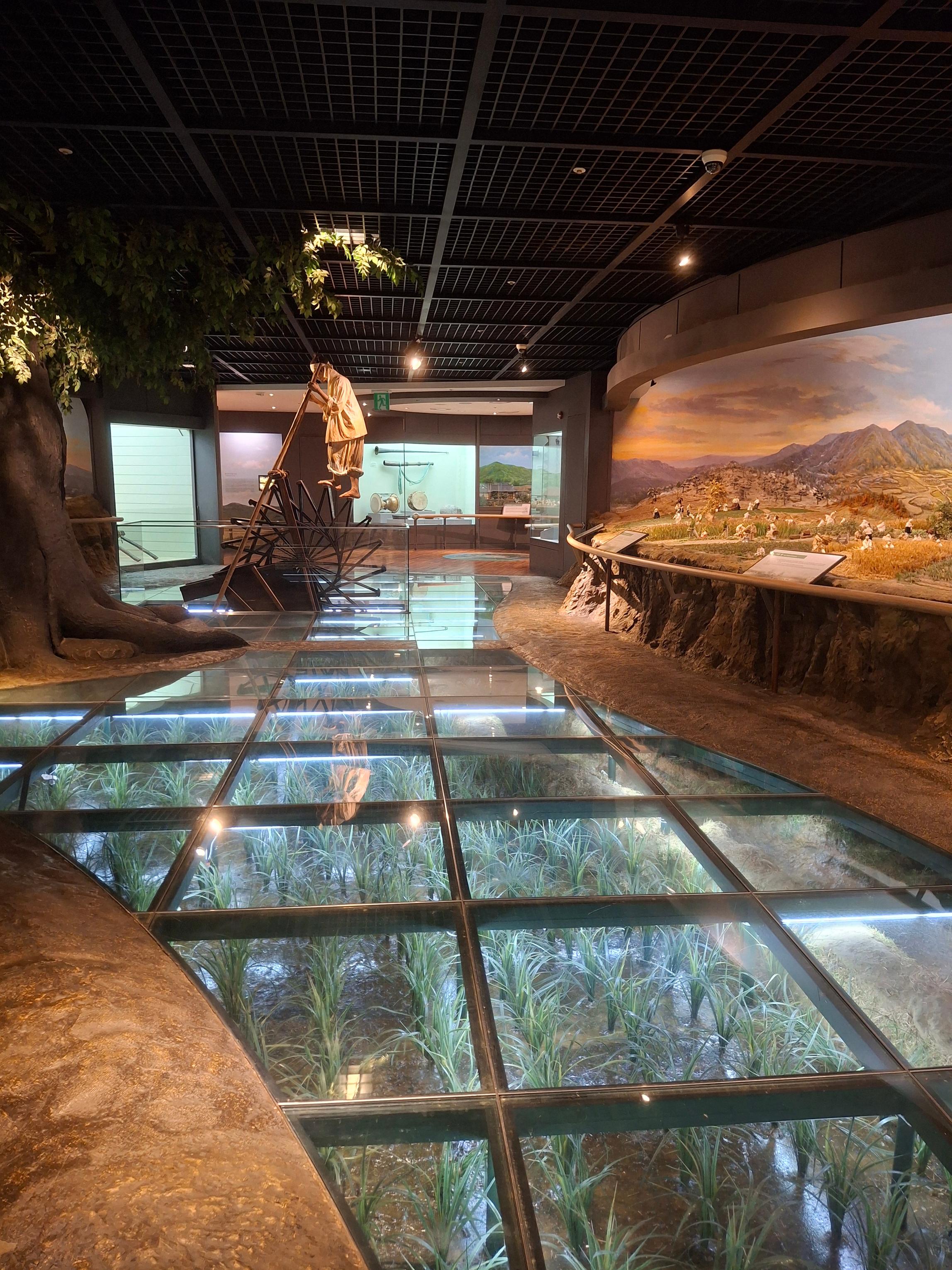
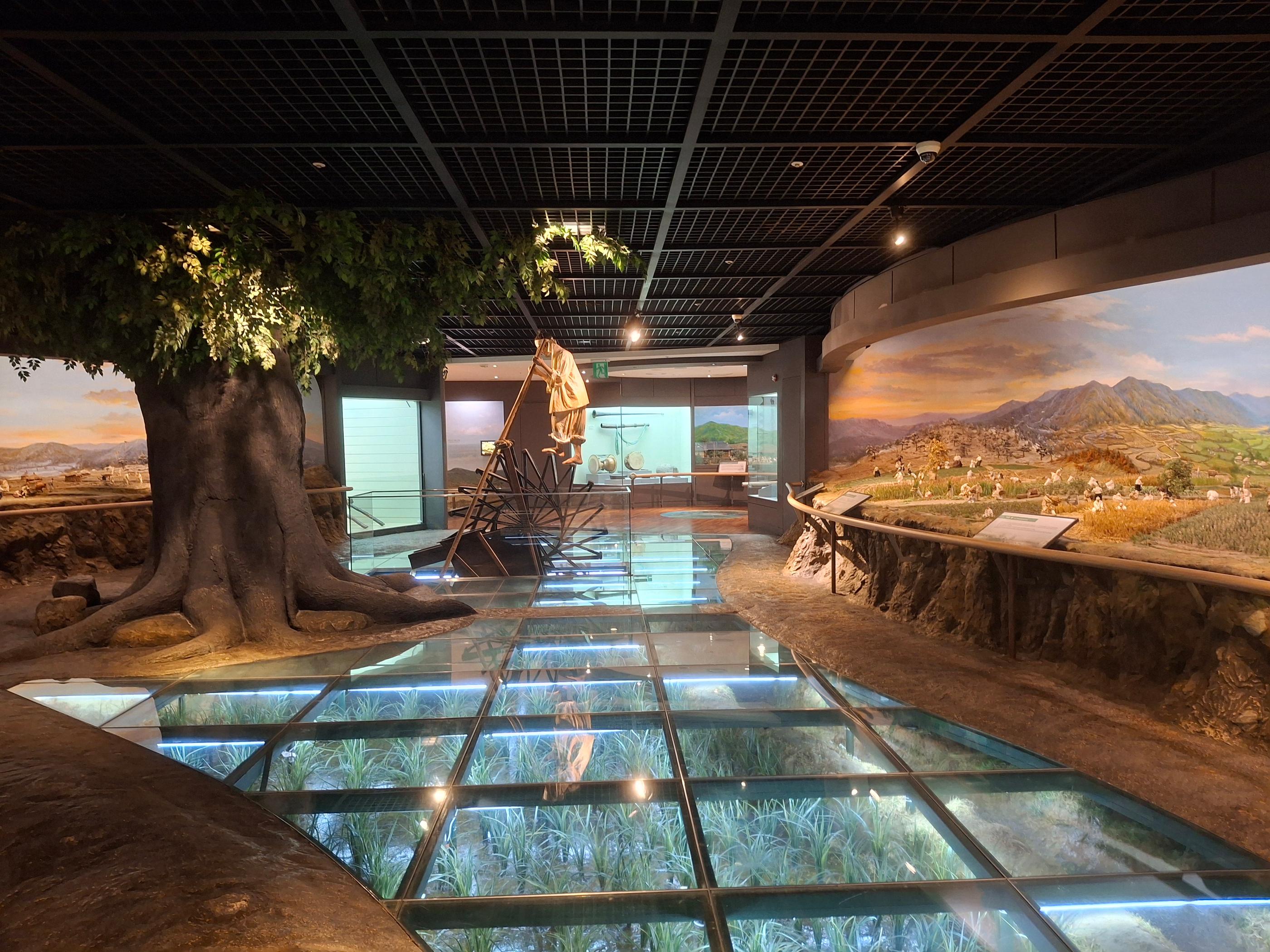
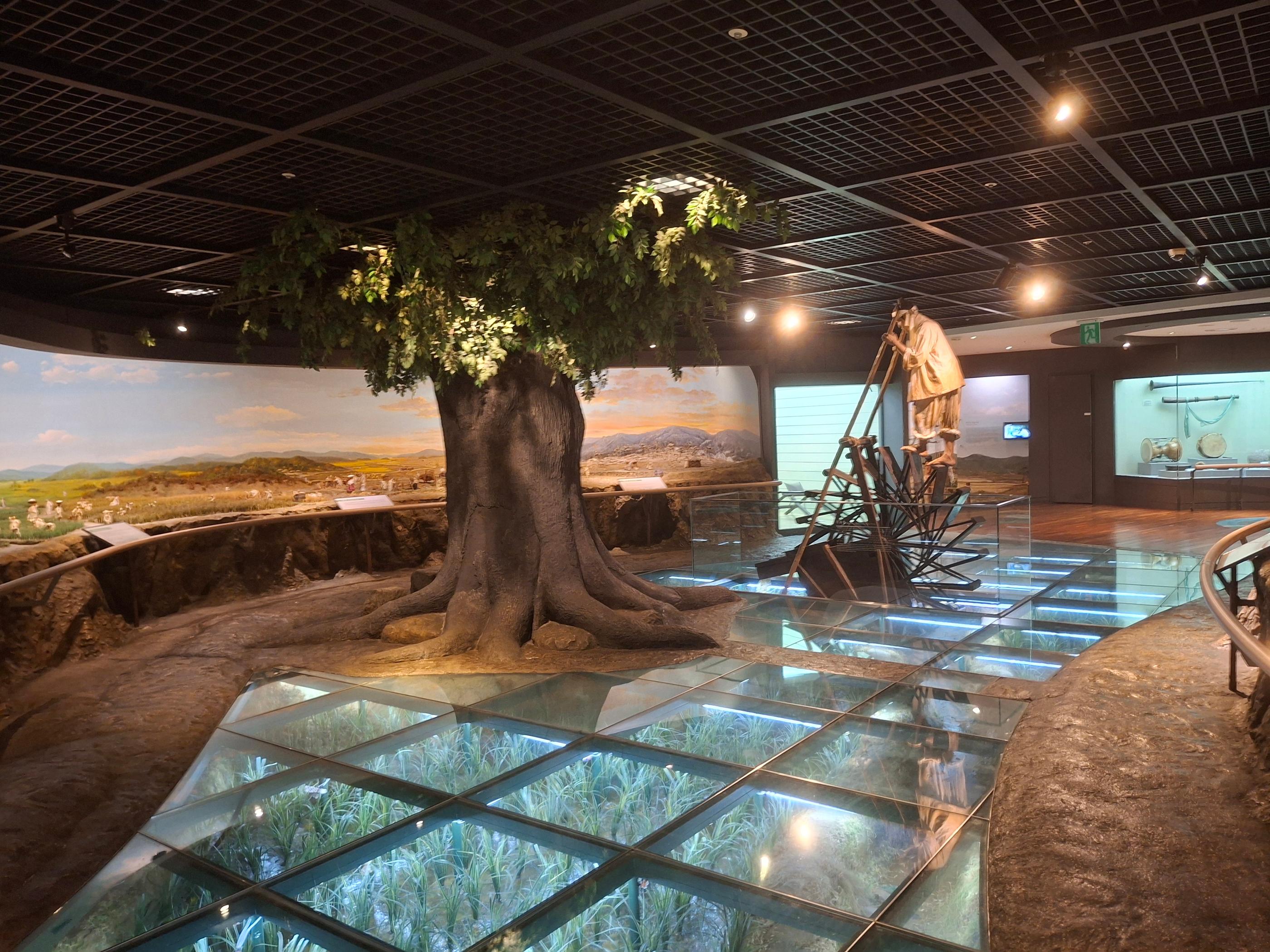
Besides the beautiful dioramas, in this hall I especially enjoyed the rice paddy floor that is topped with glass so as you walk you can see what it would be like walking through rice paddies.
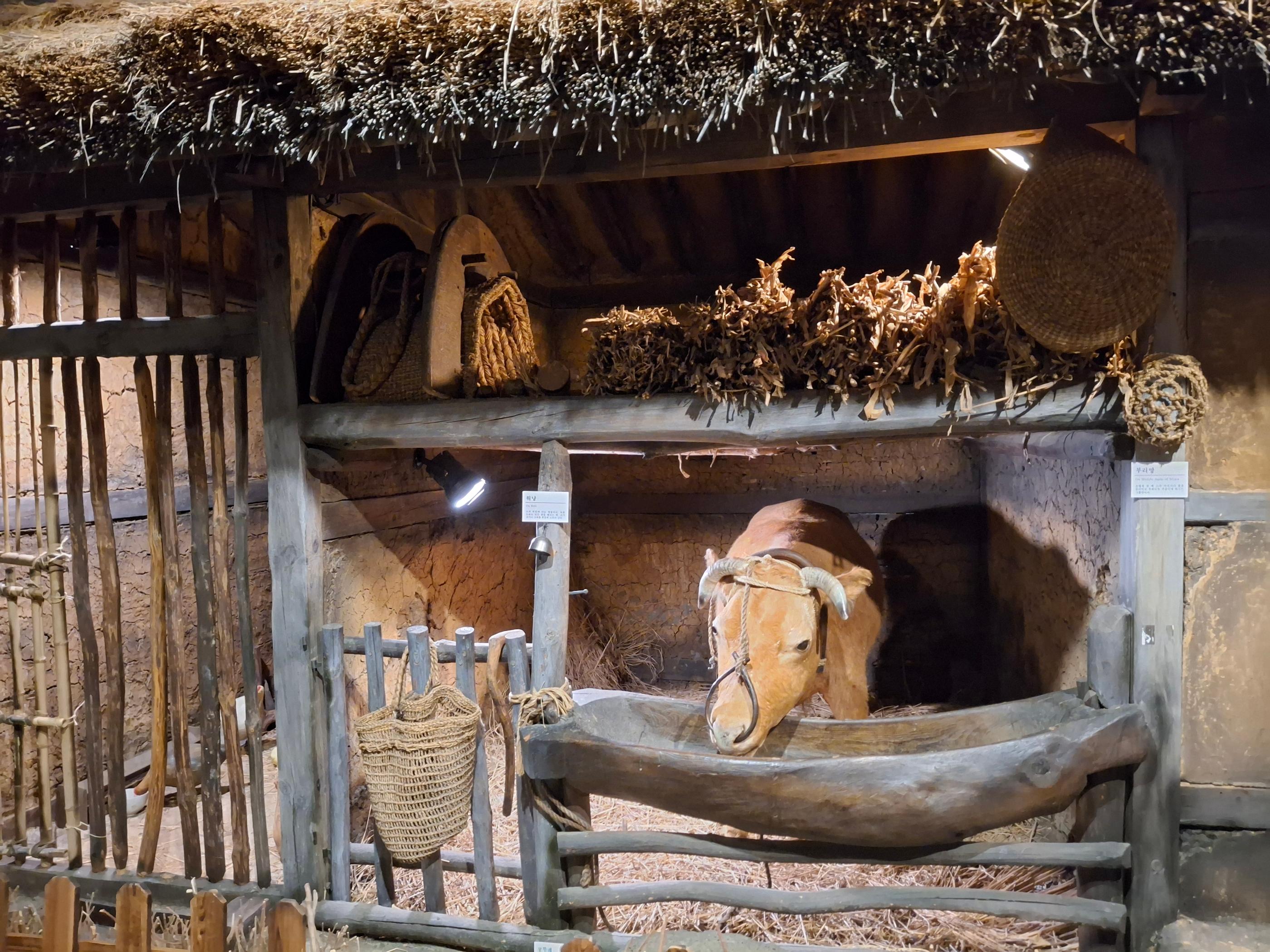
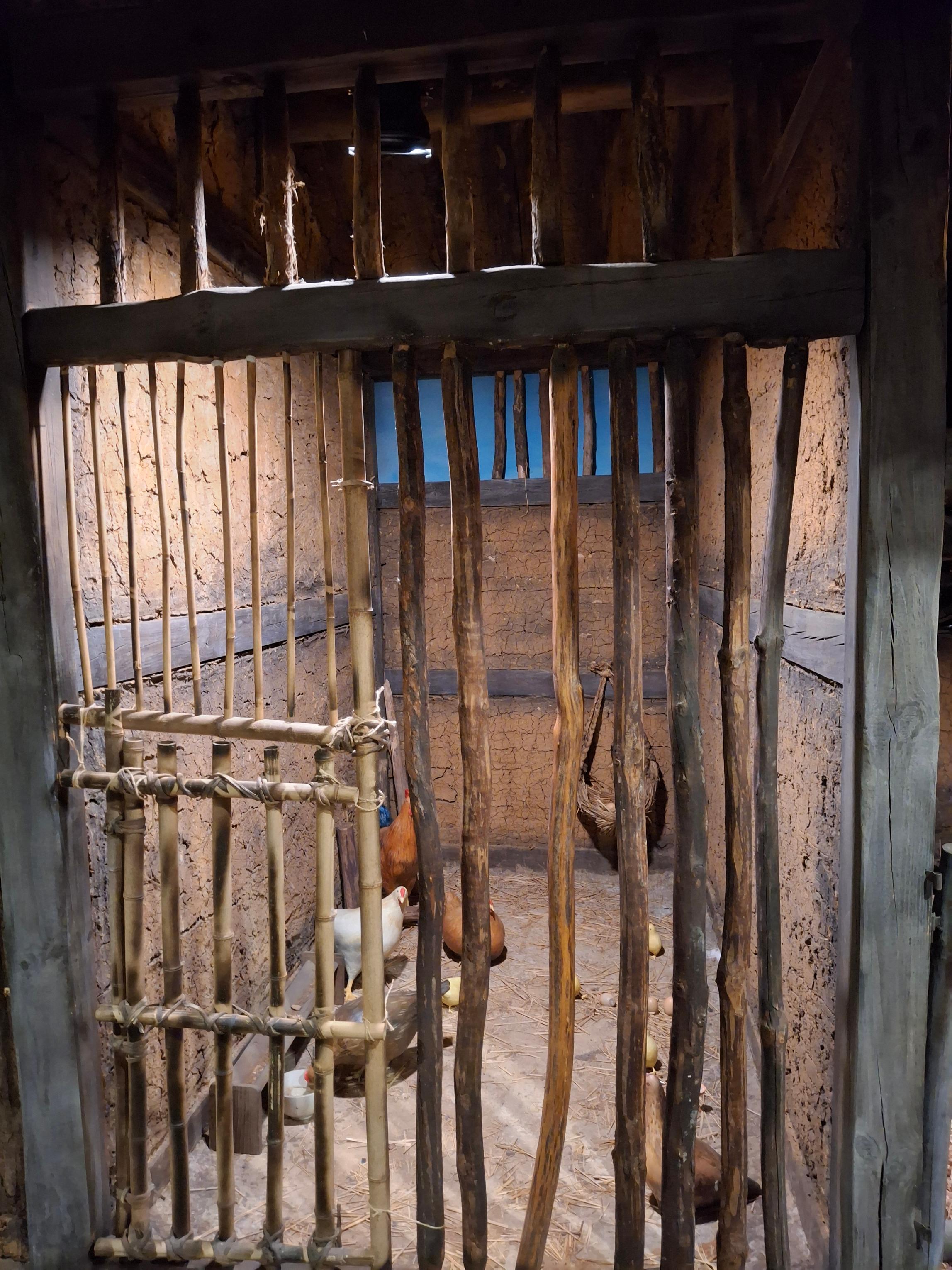
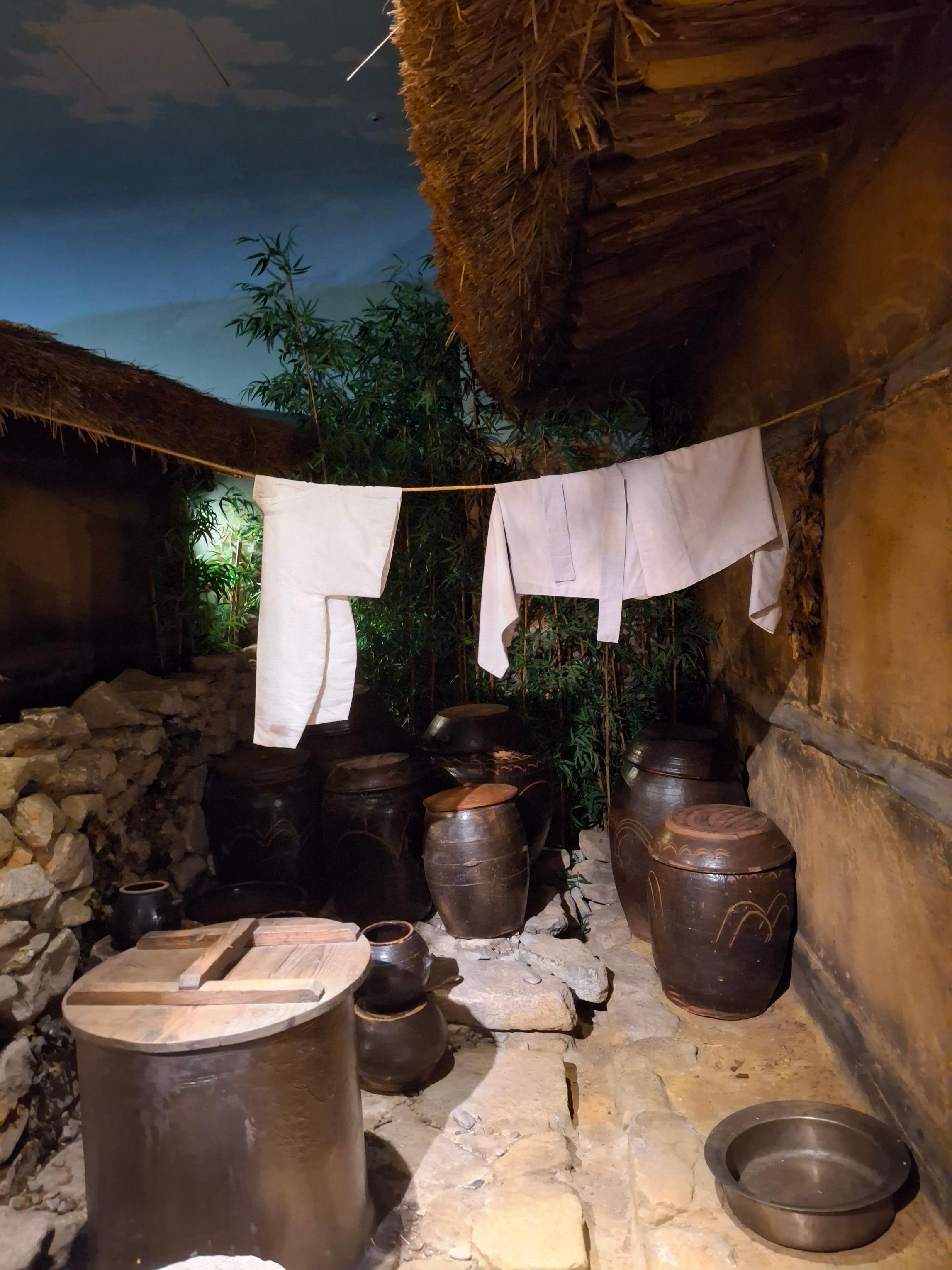
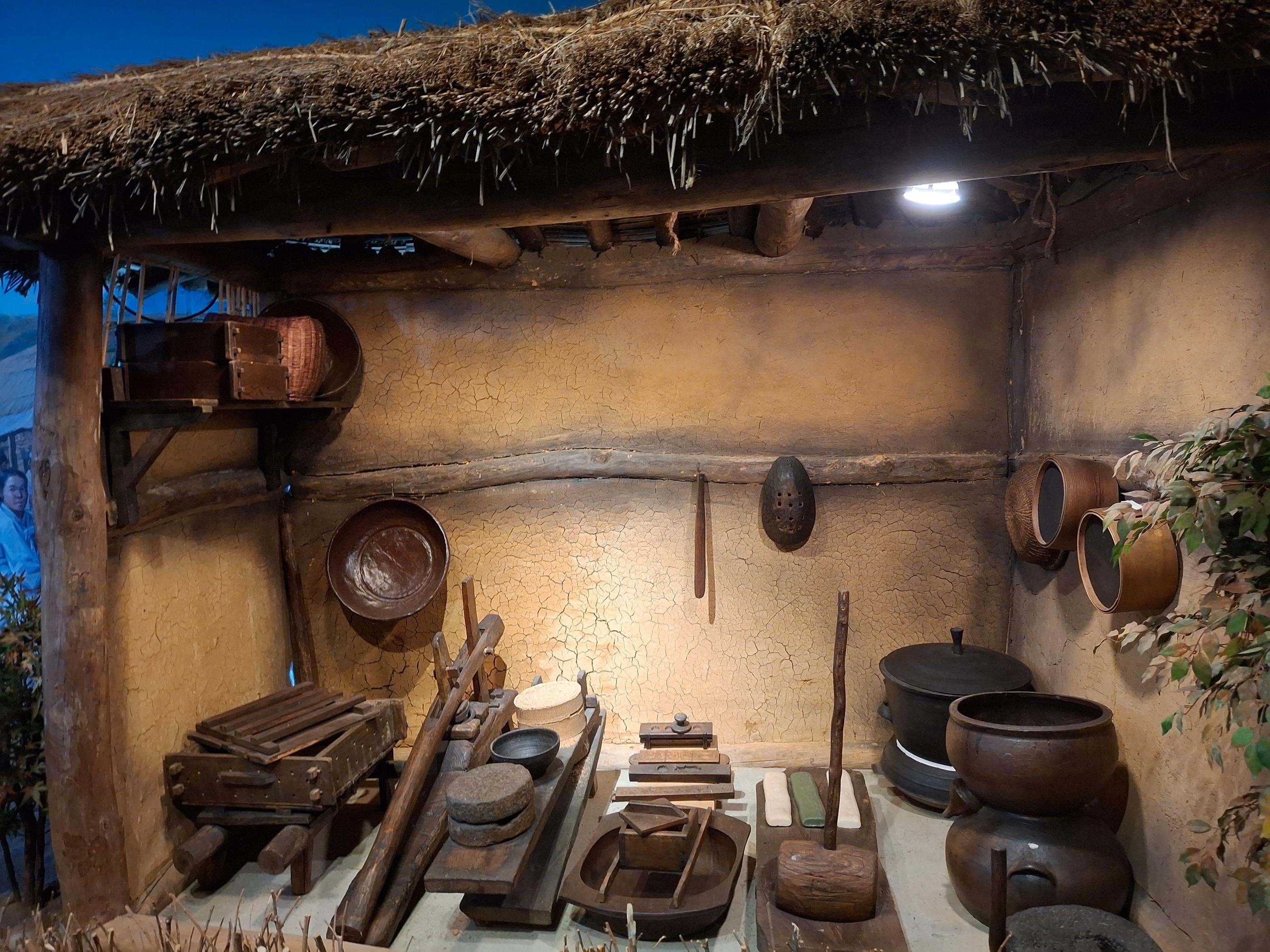
We go further and find ourselves in a real Korean village. A wonderful opportunity to walk the streets and imagine yourself as a resident.
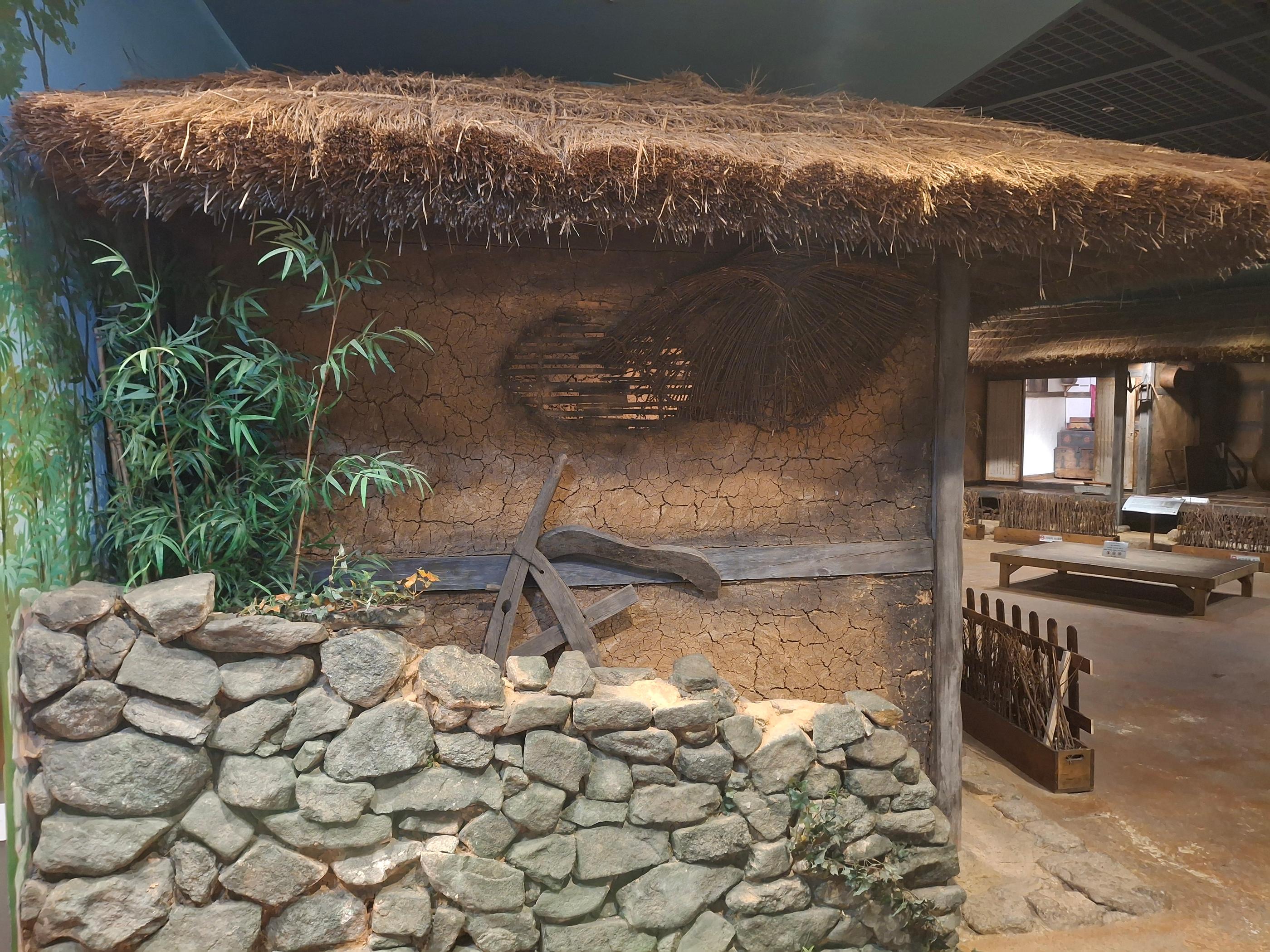
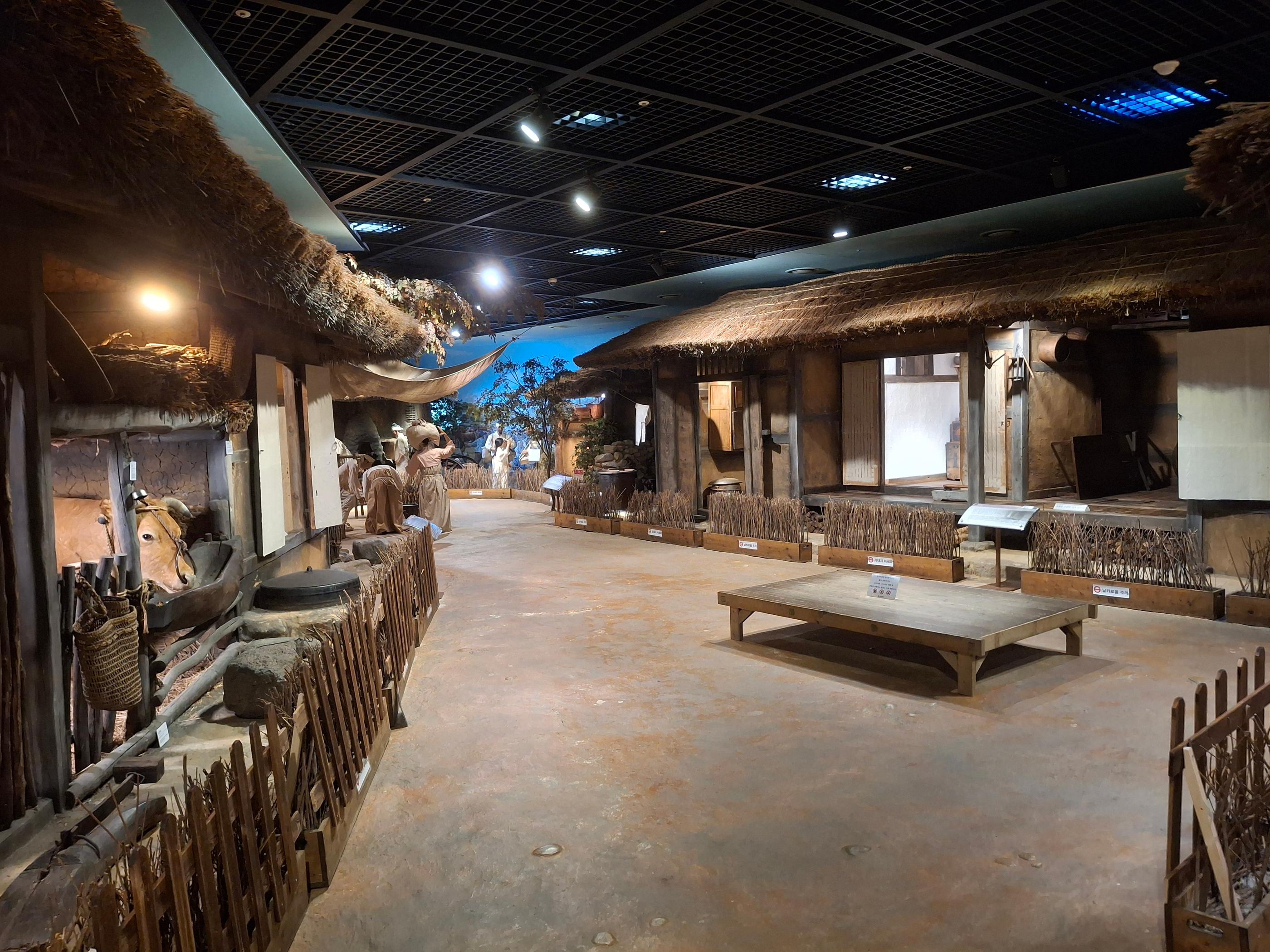
You can observe "local residents" and their activities.
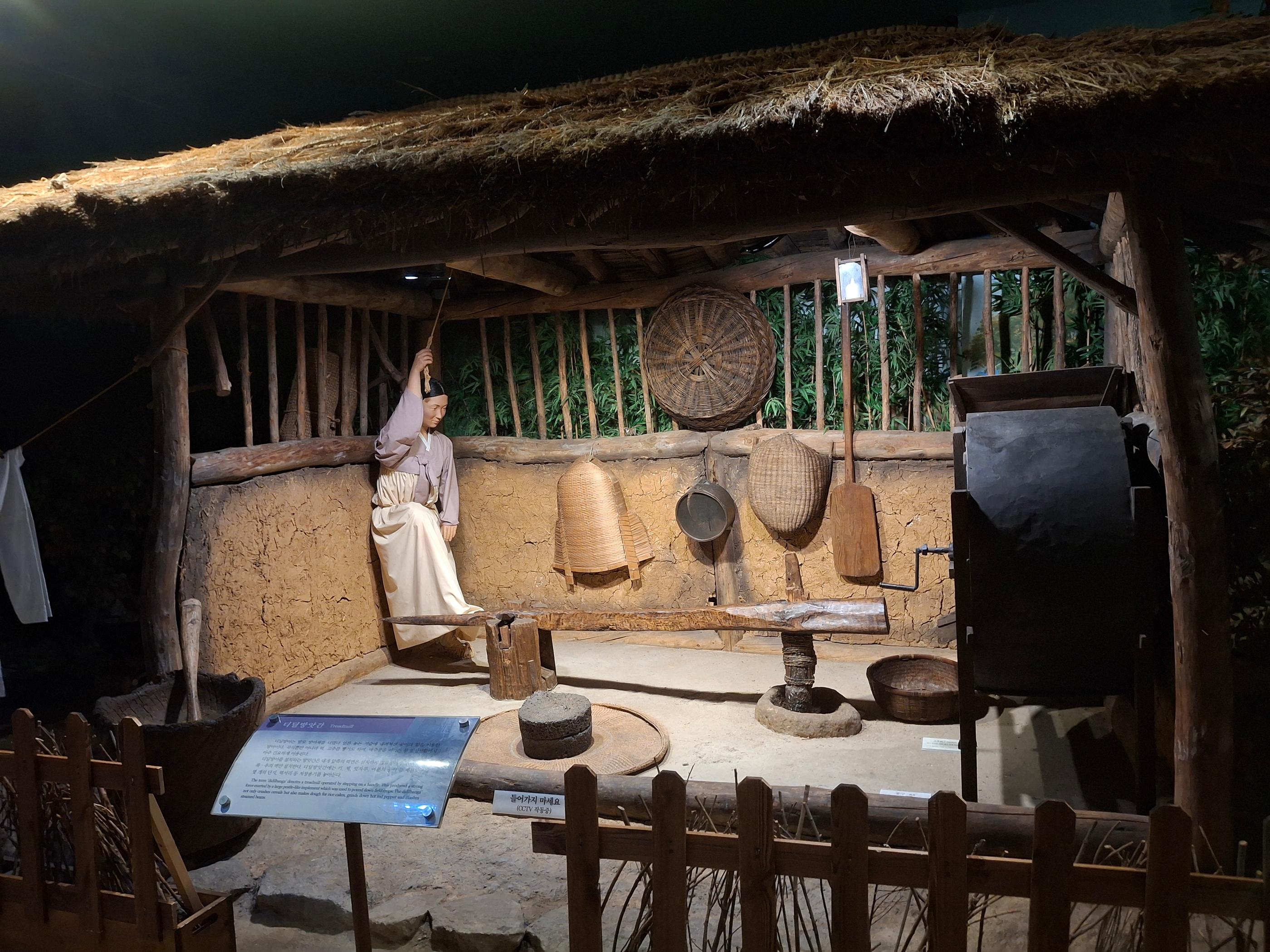
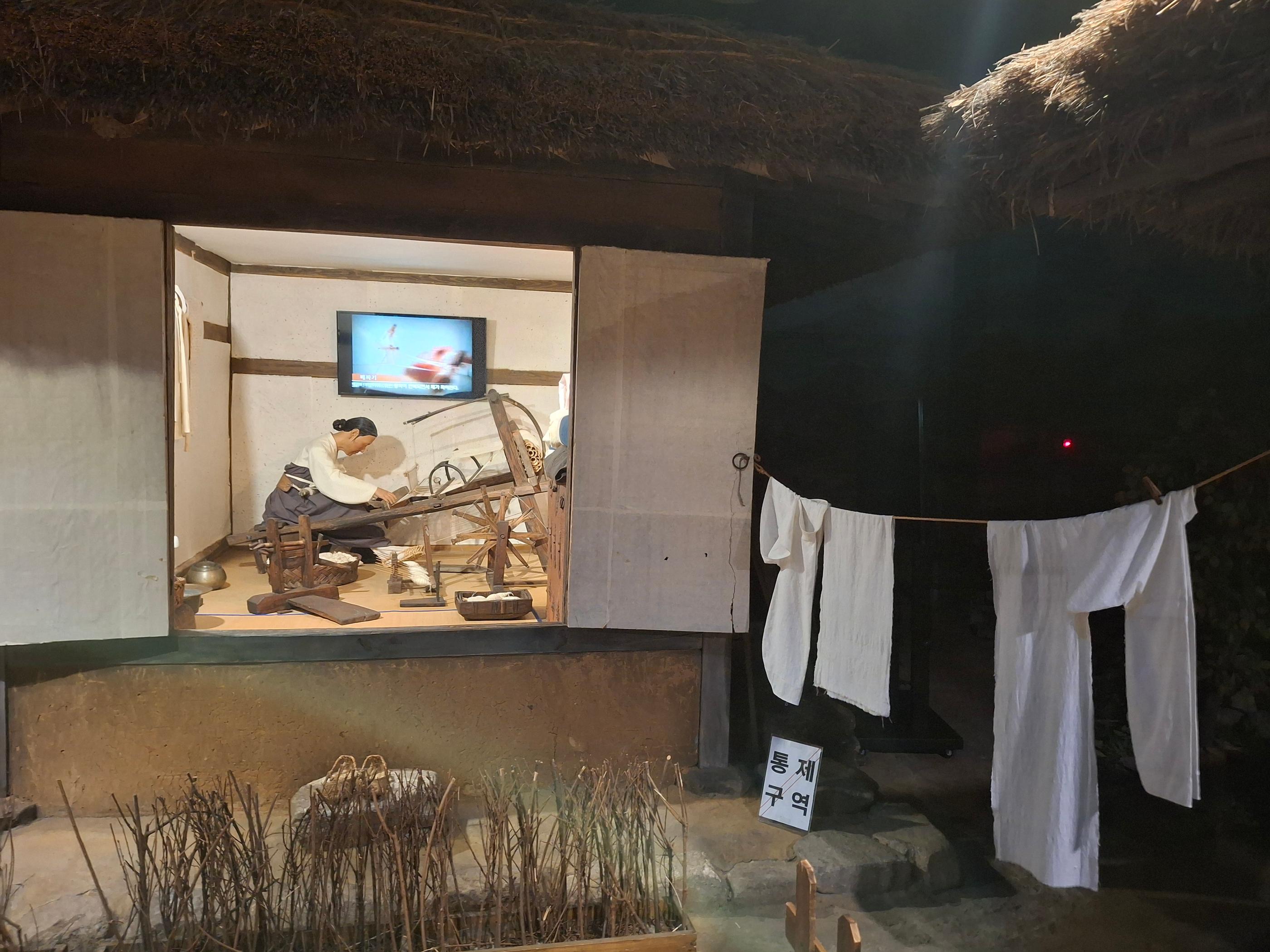
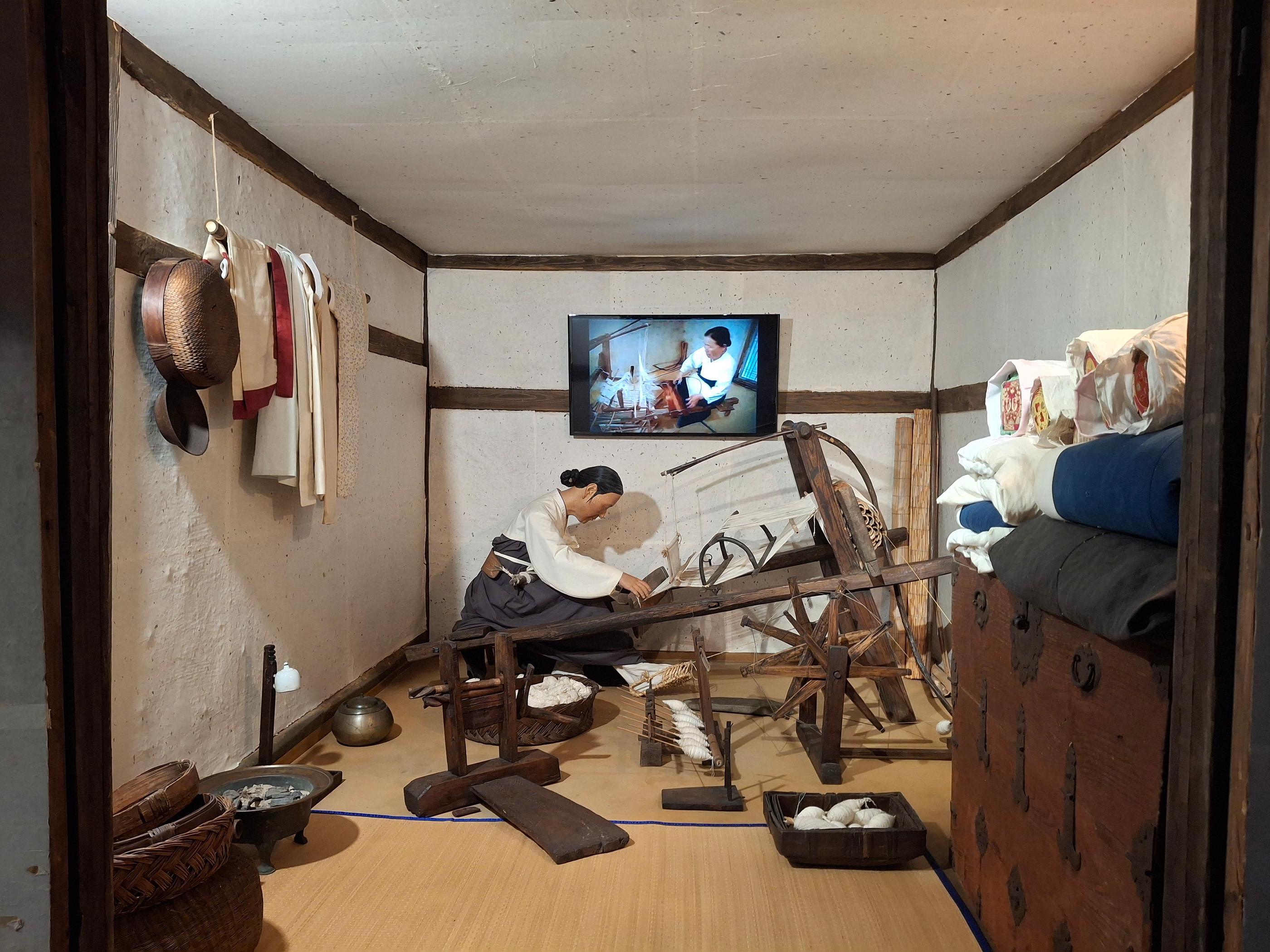
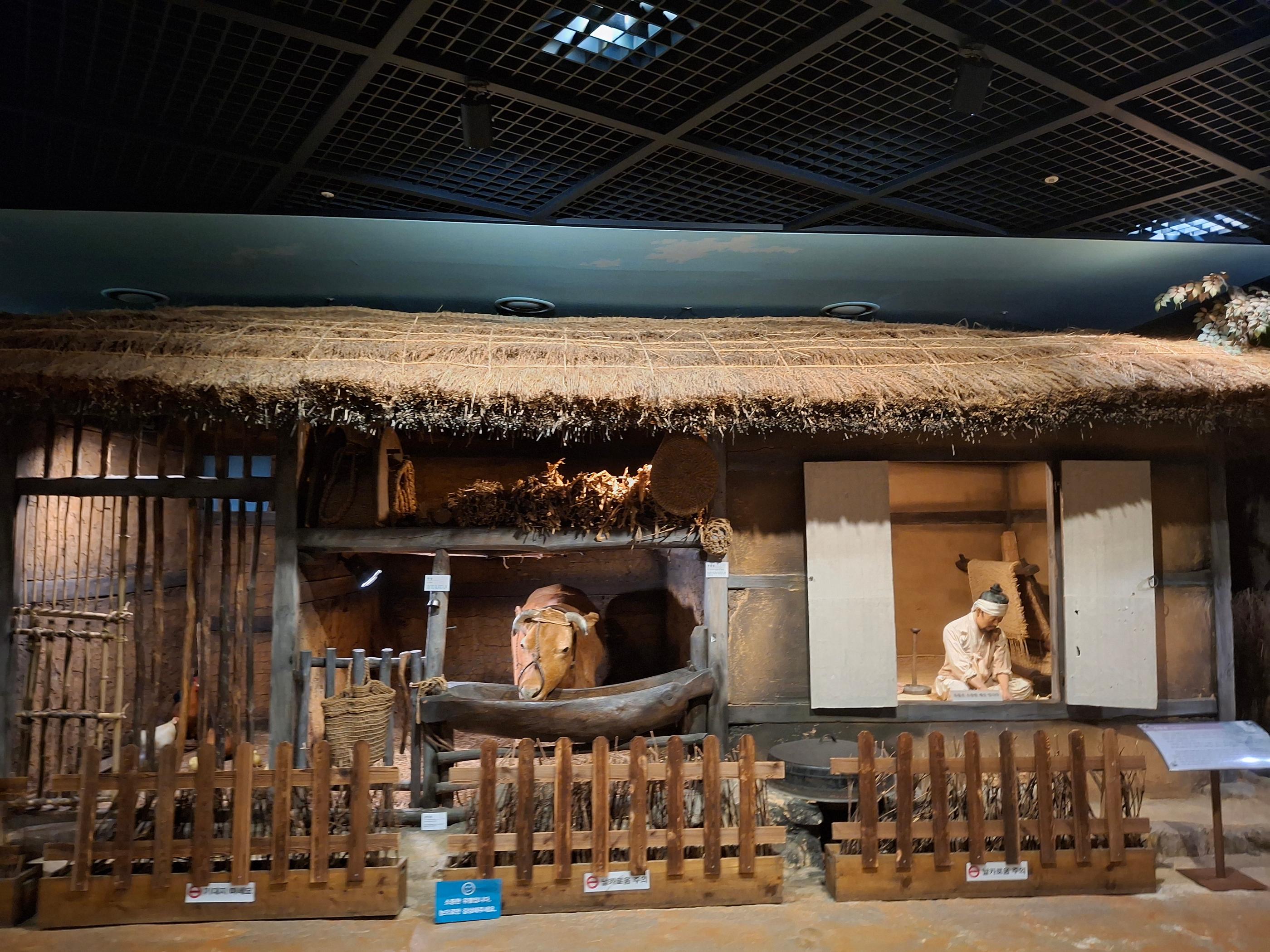
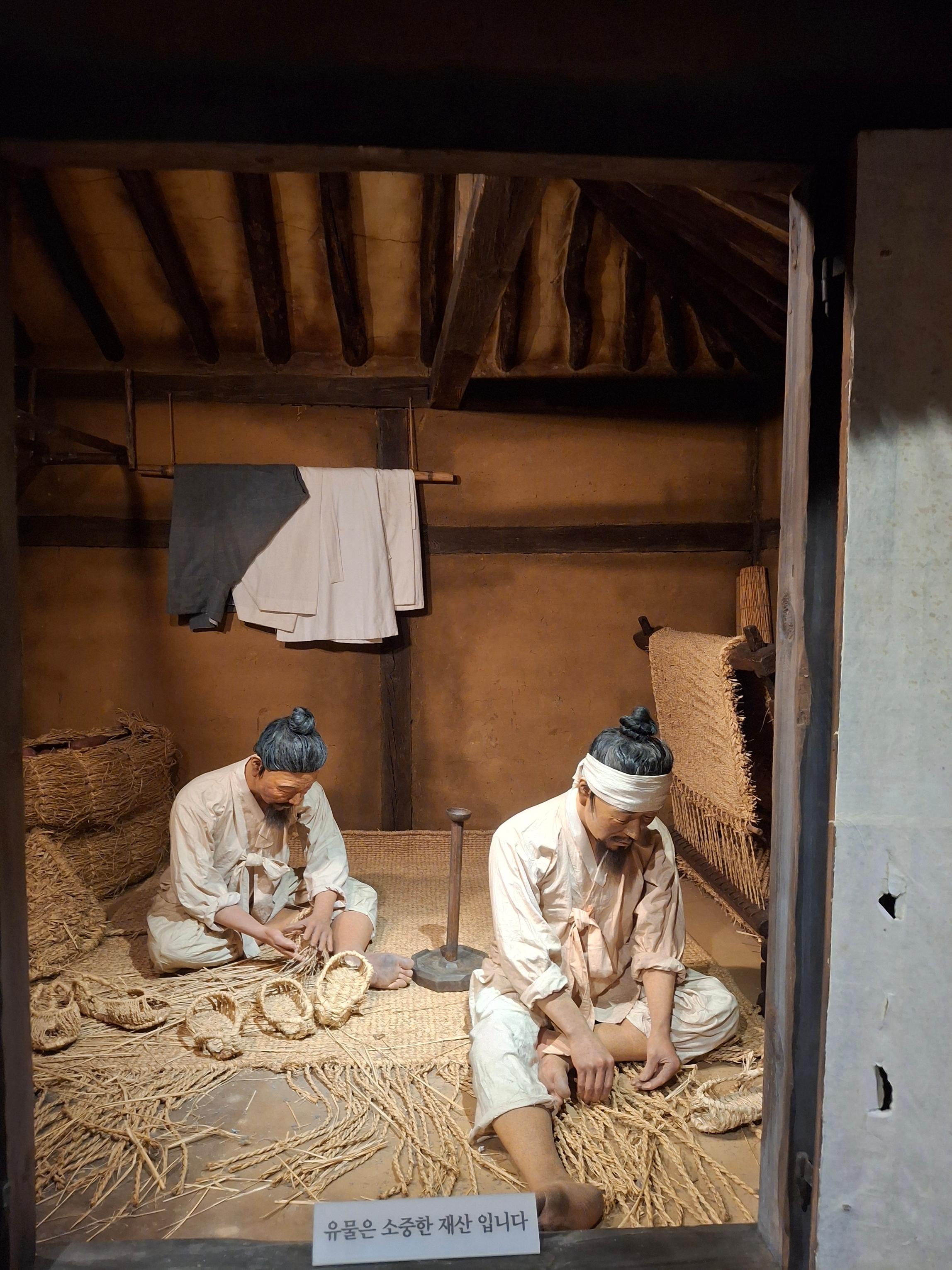
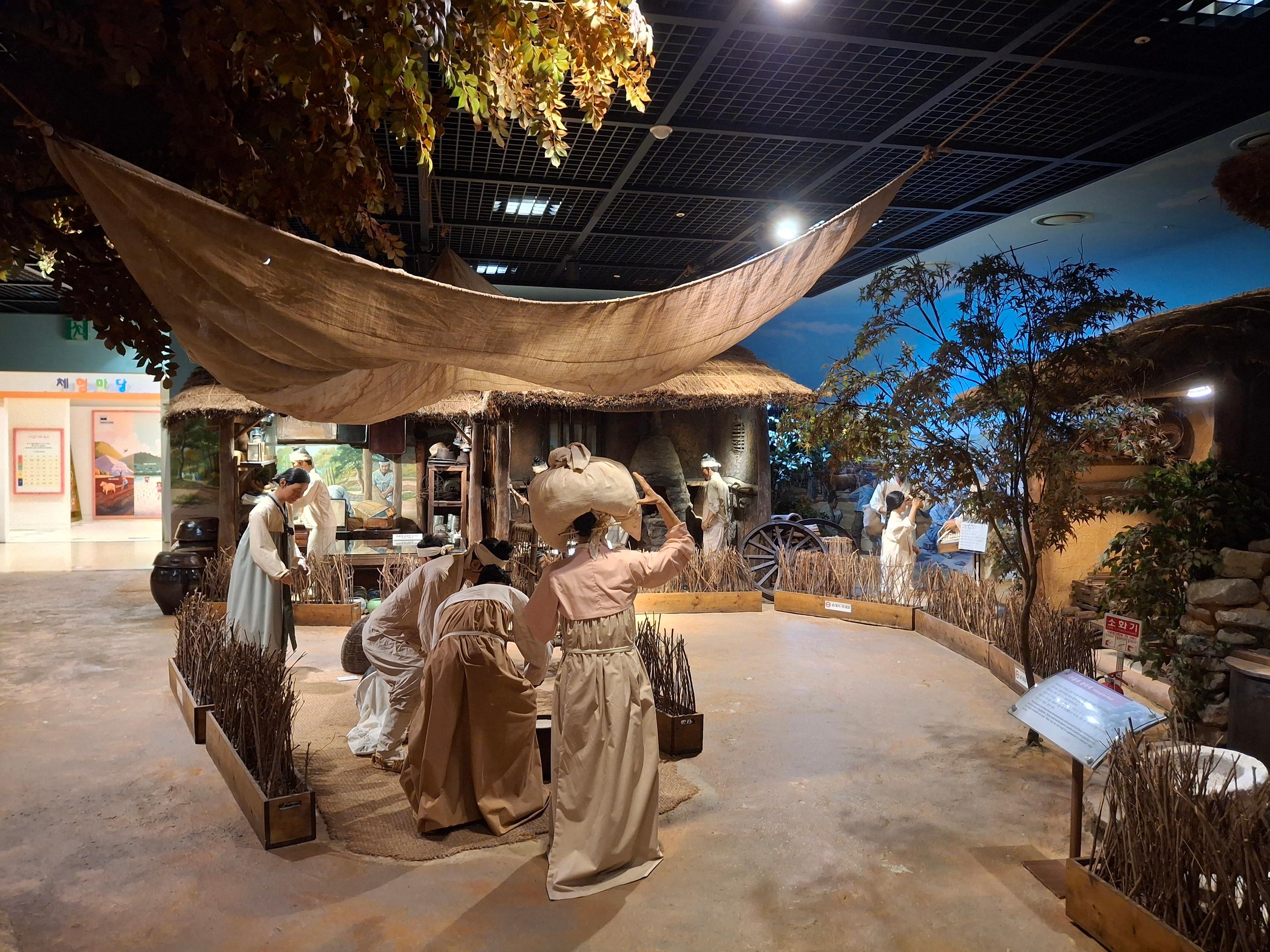
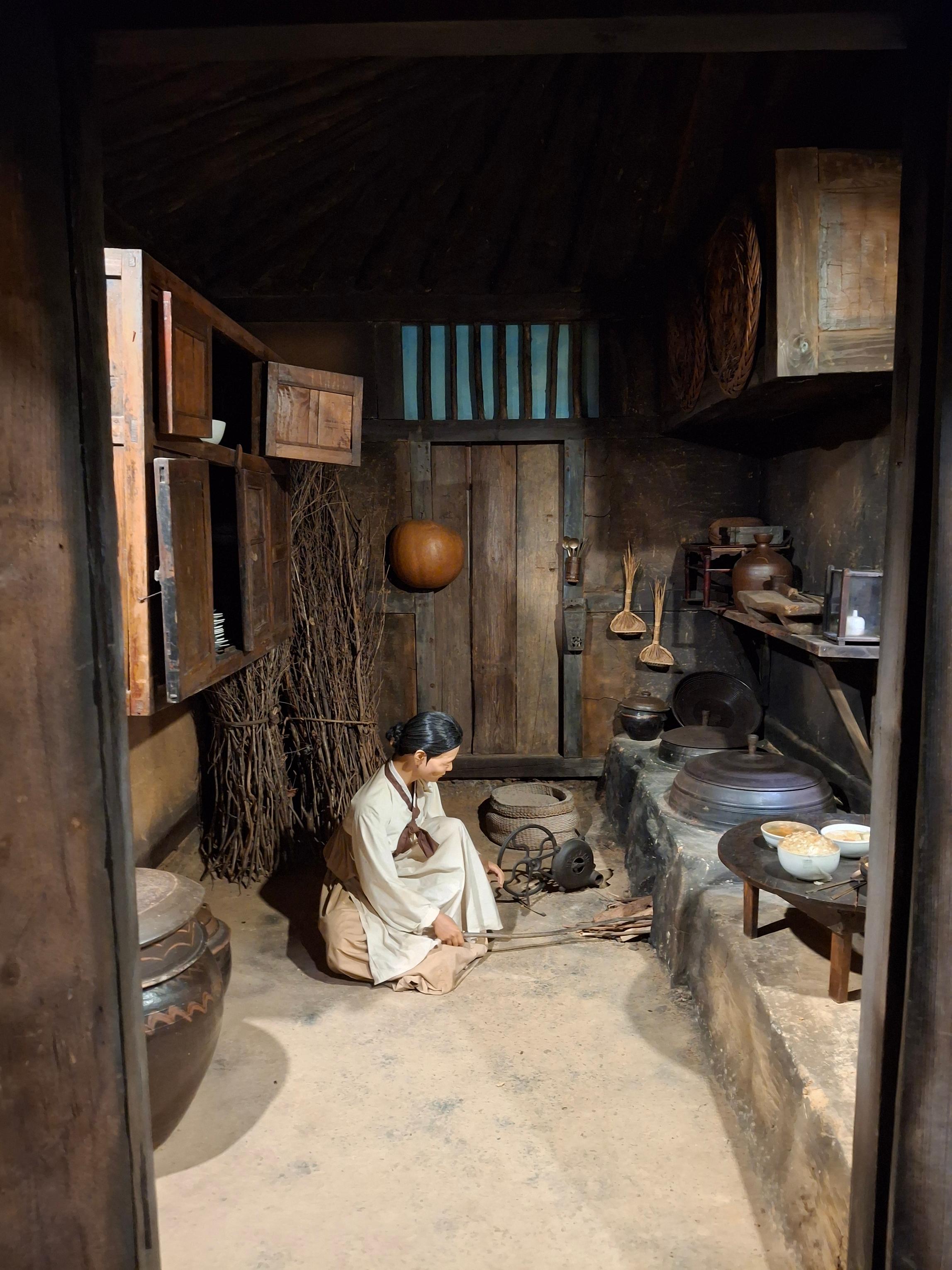
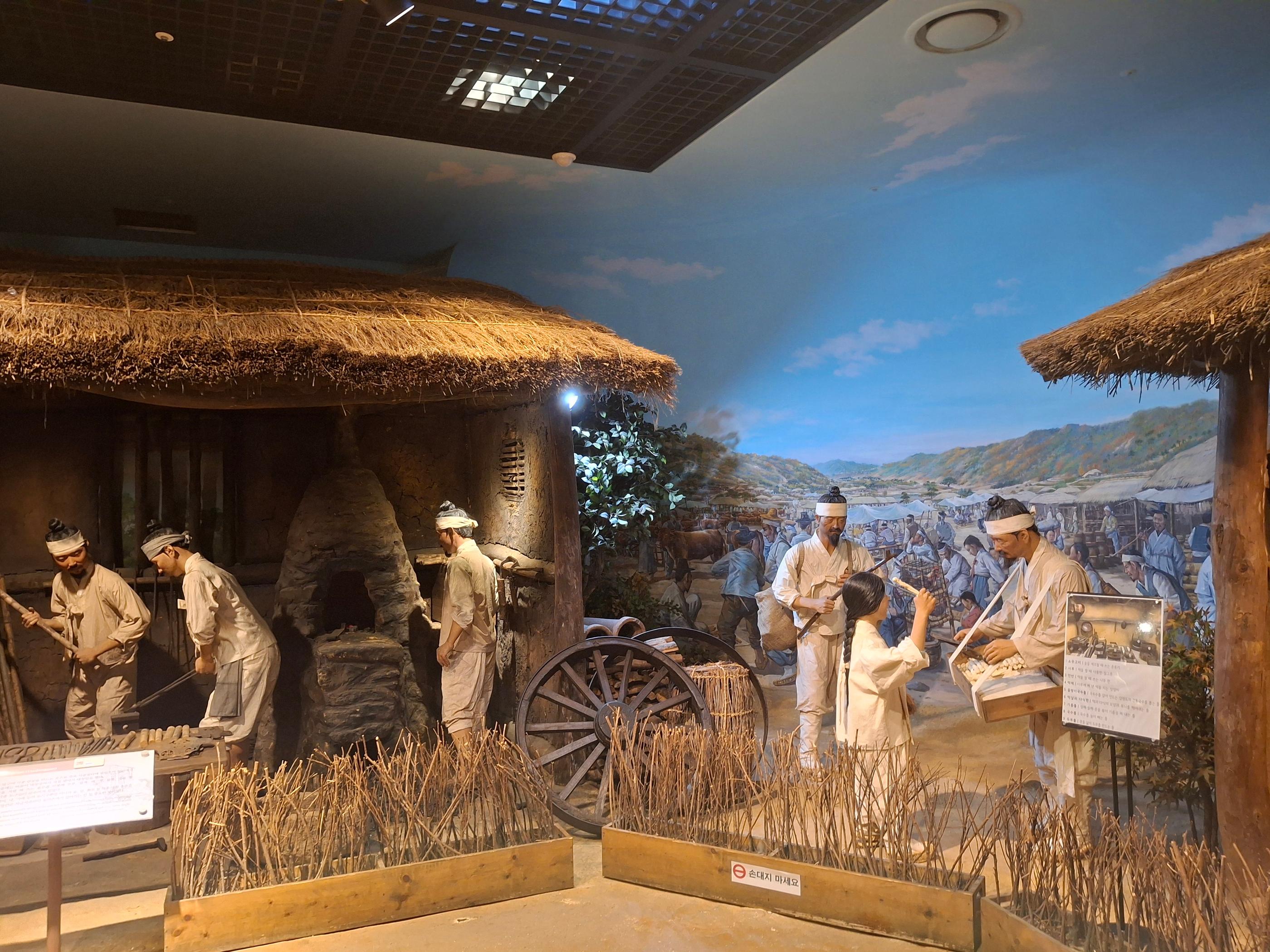
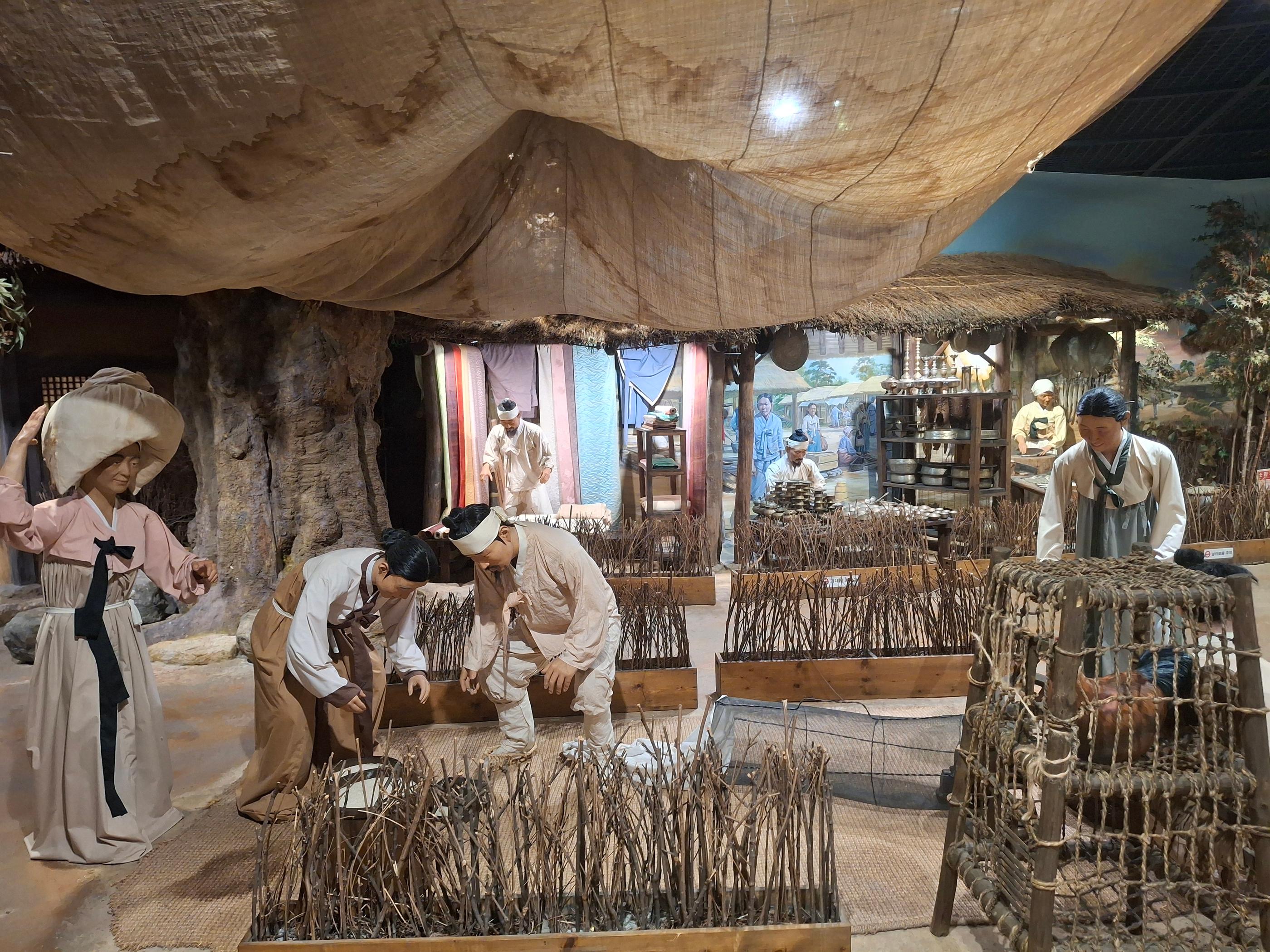
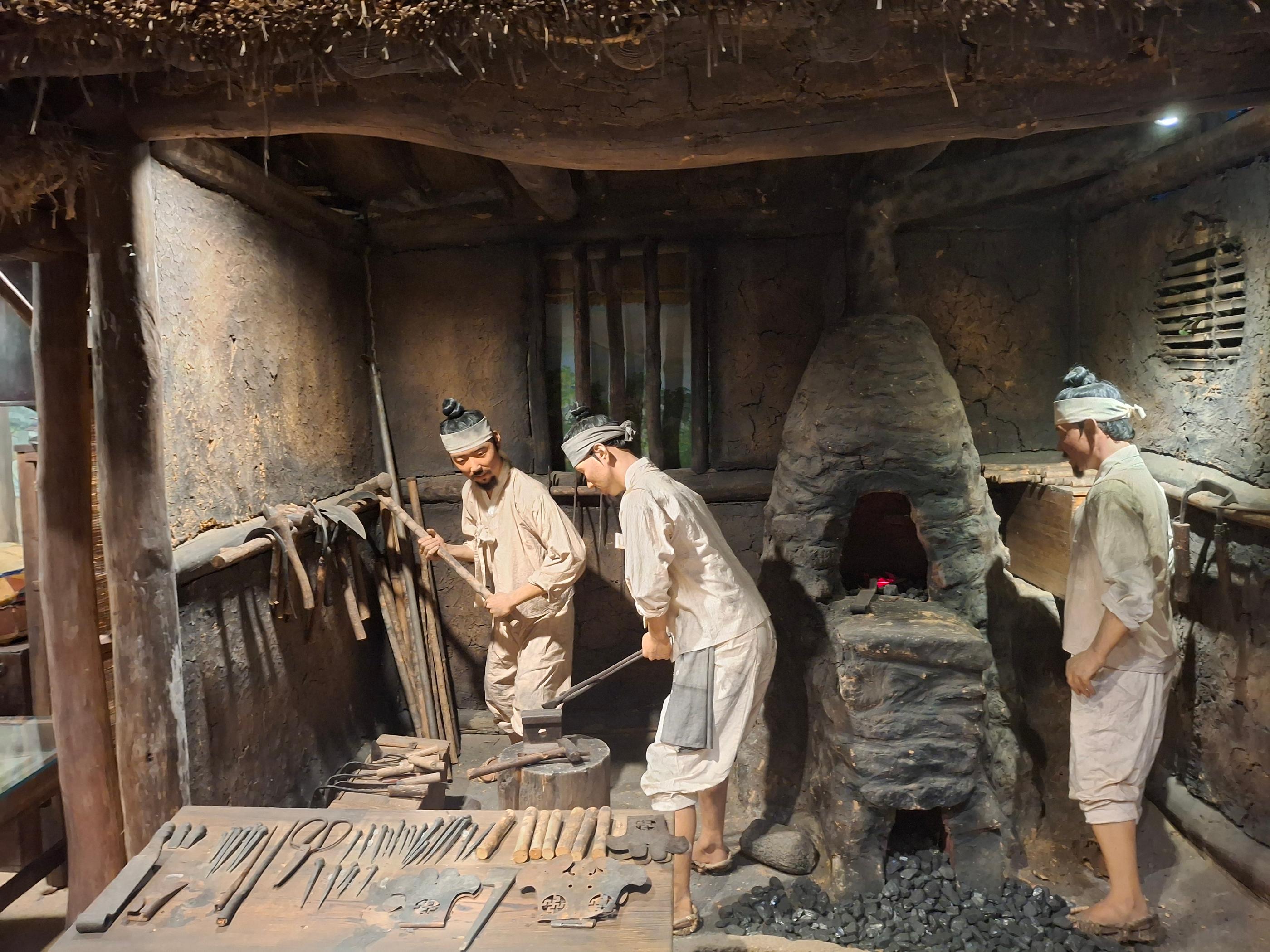
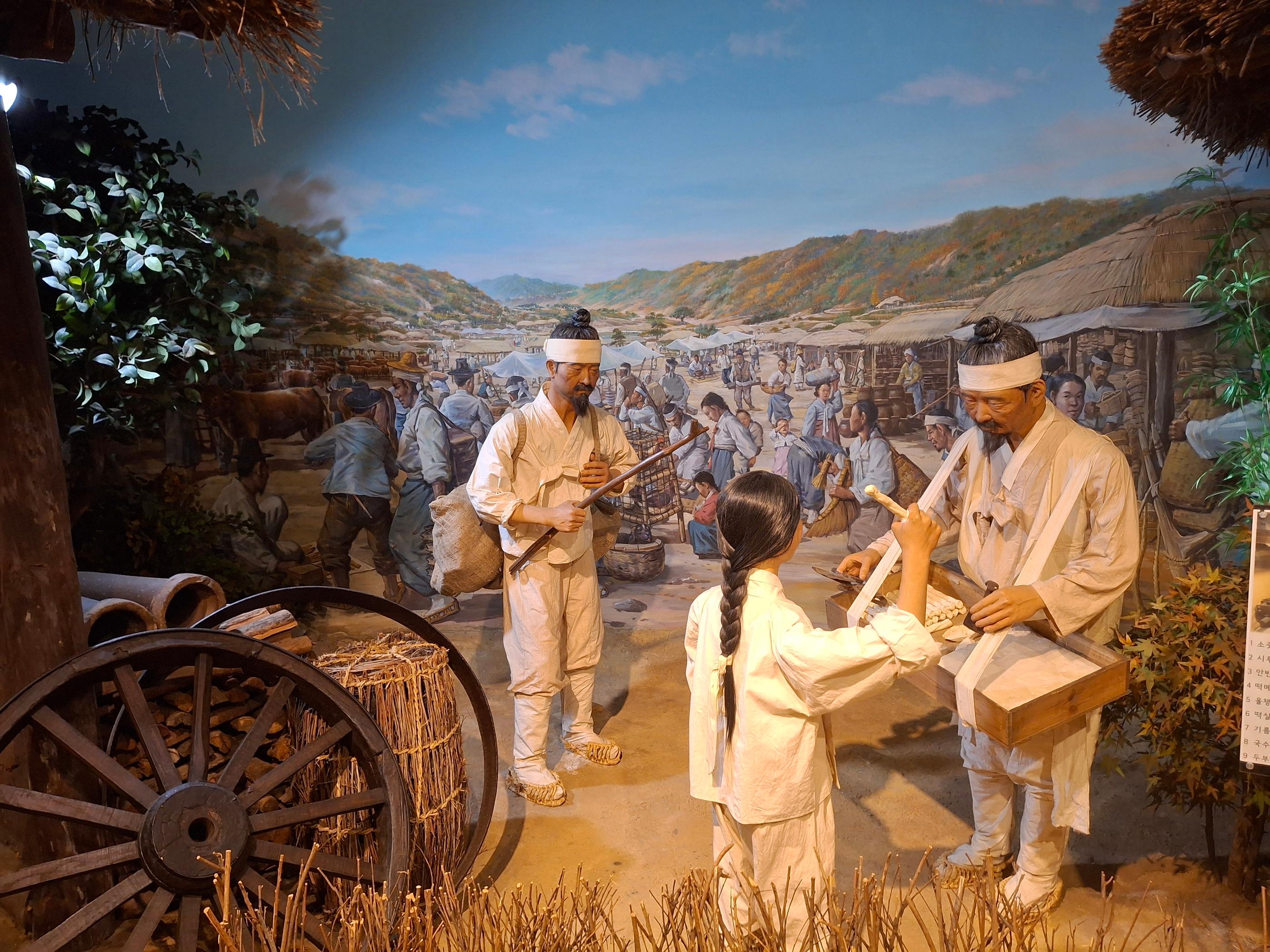
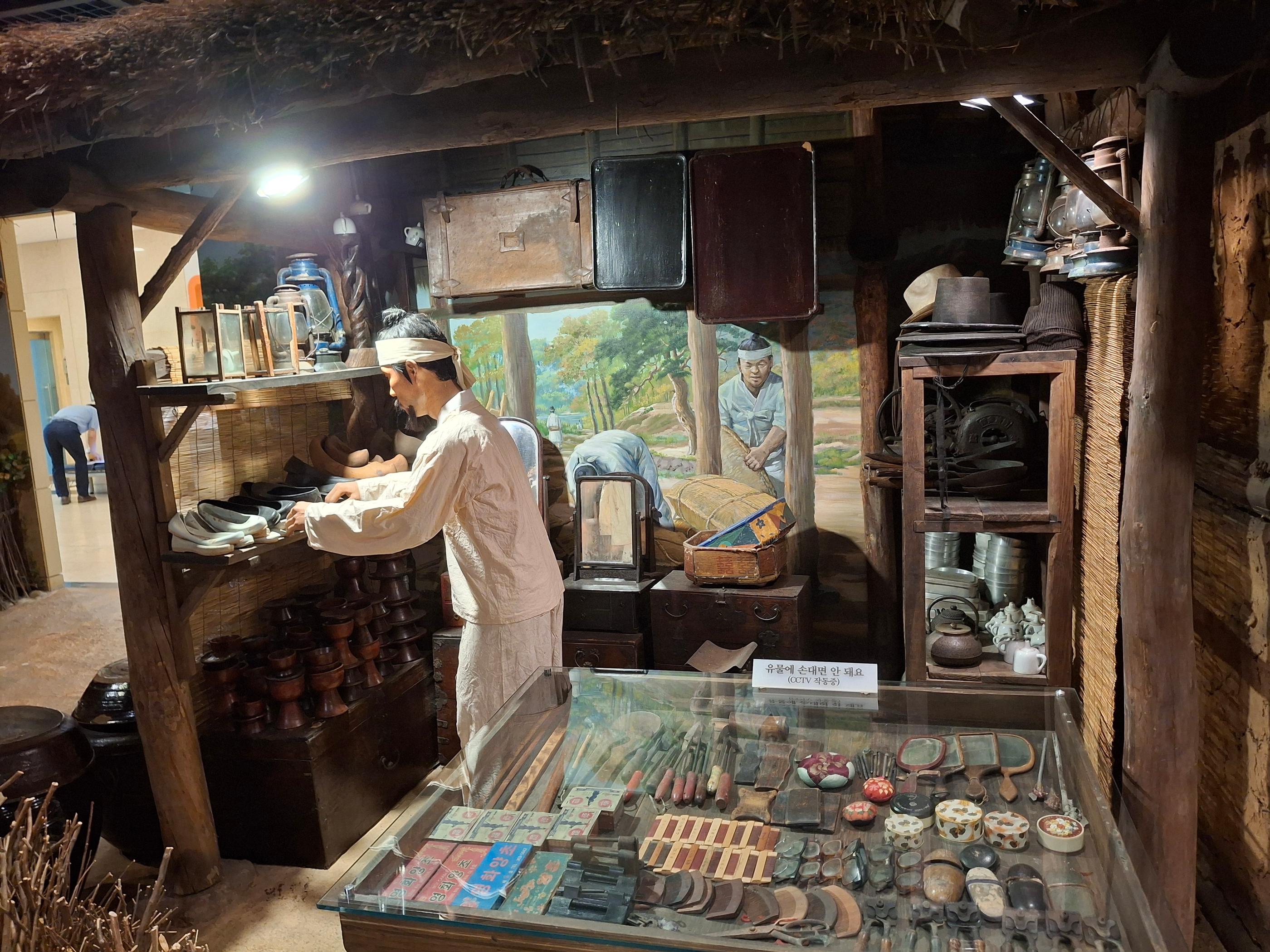
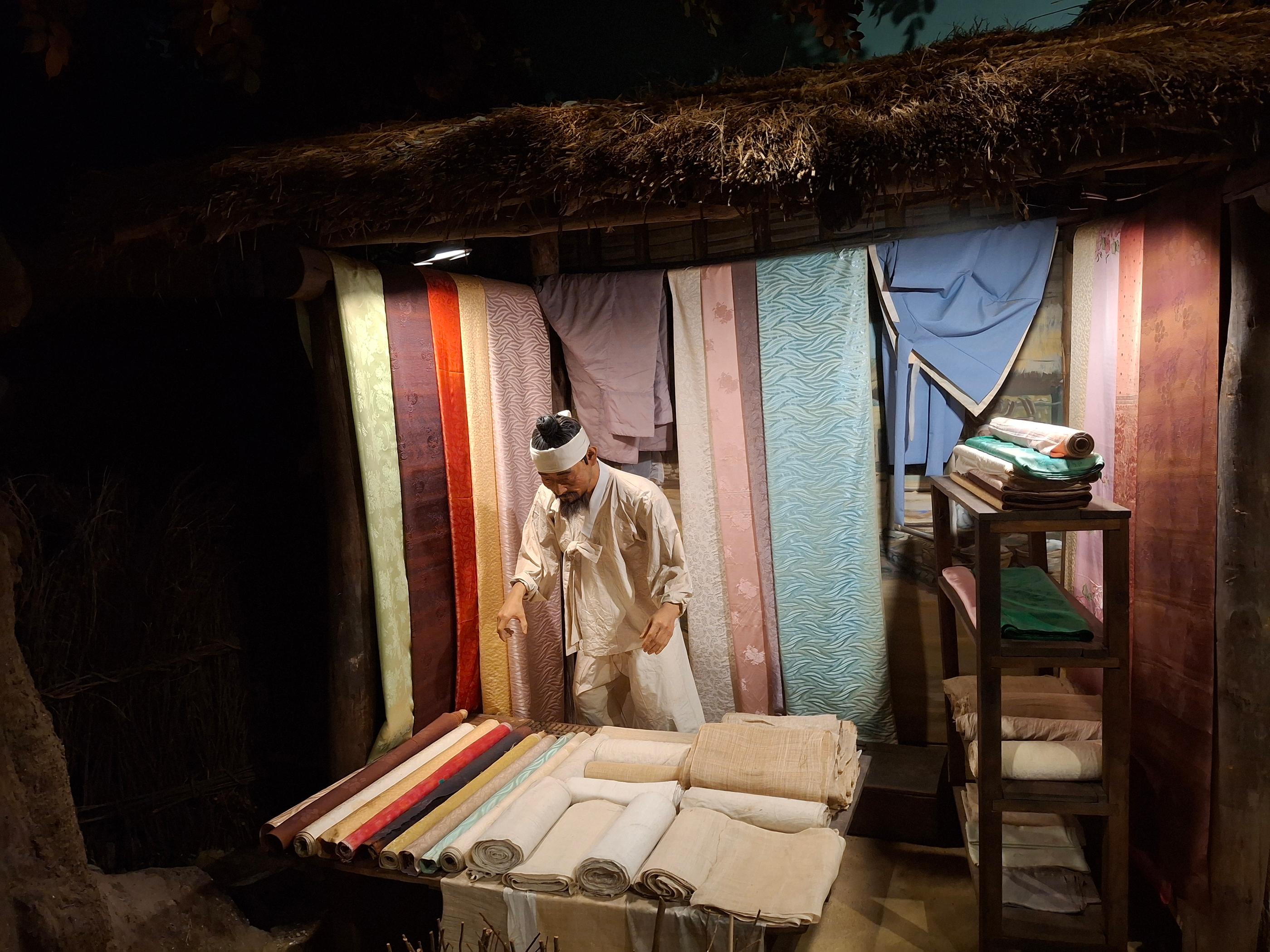
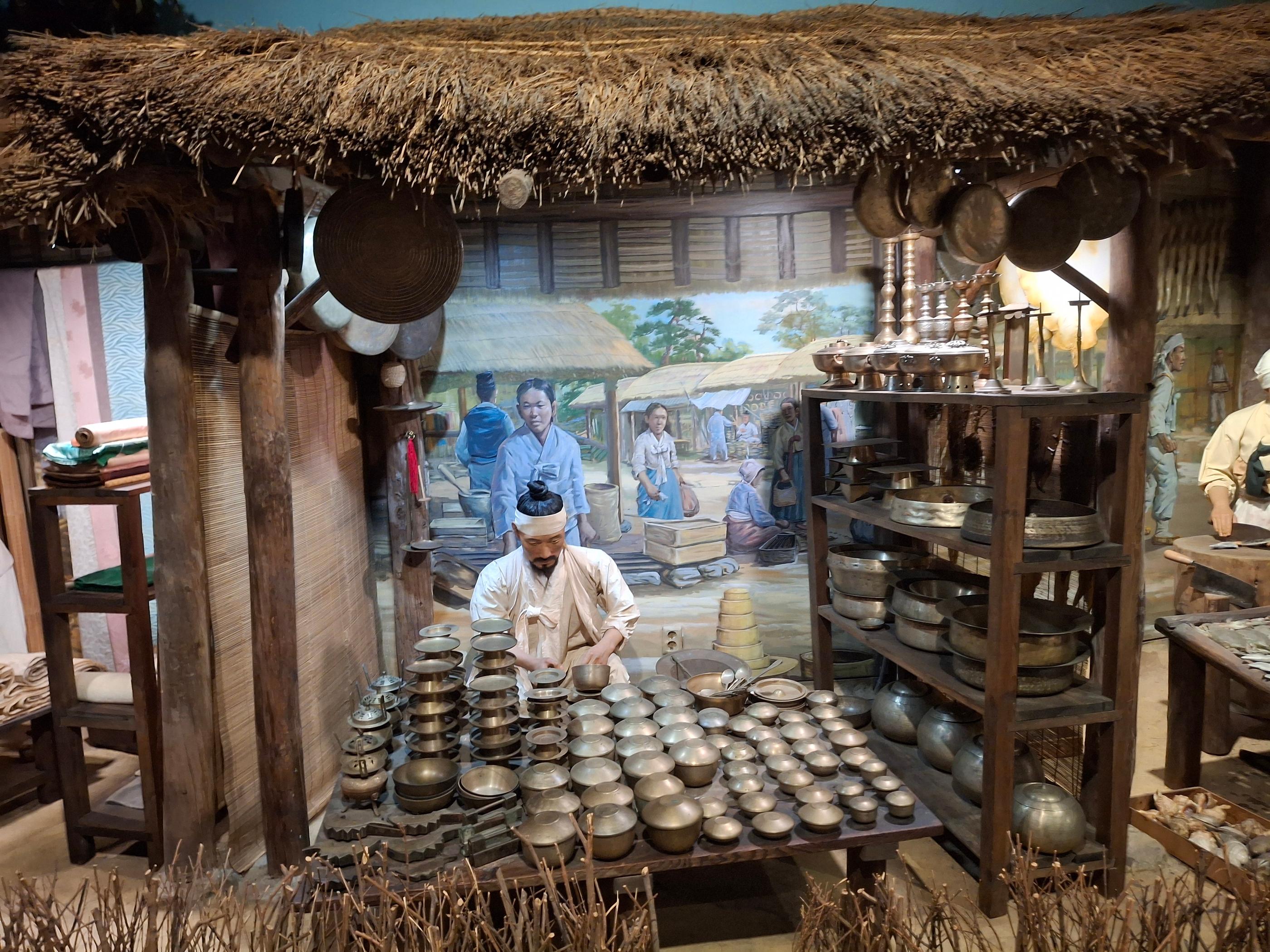
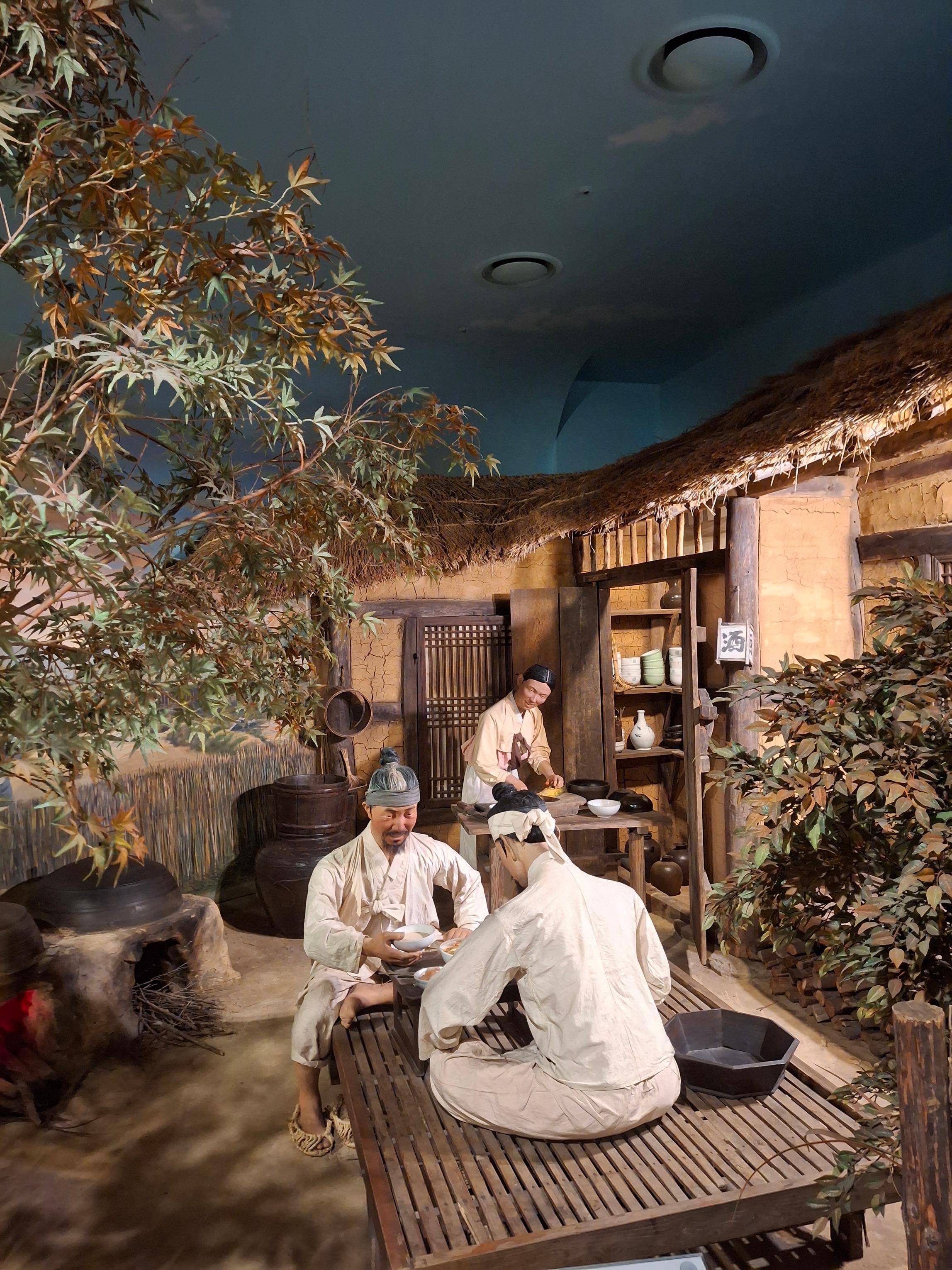
You can examine people's daily life in detail.
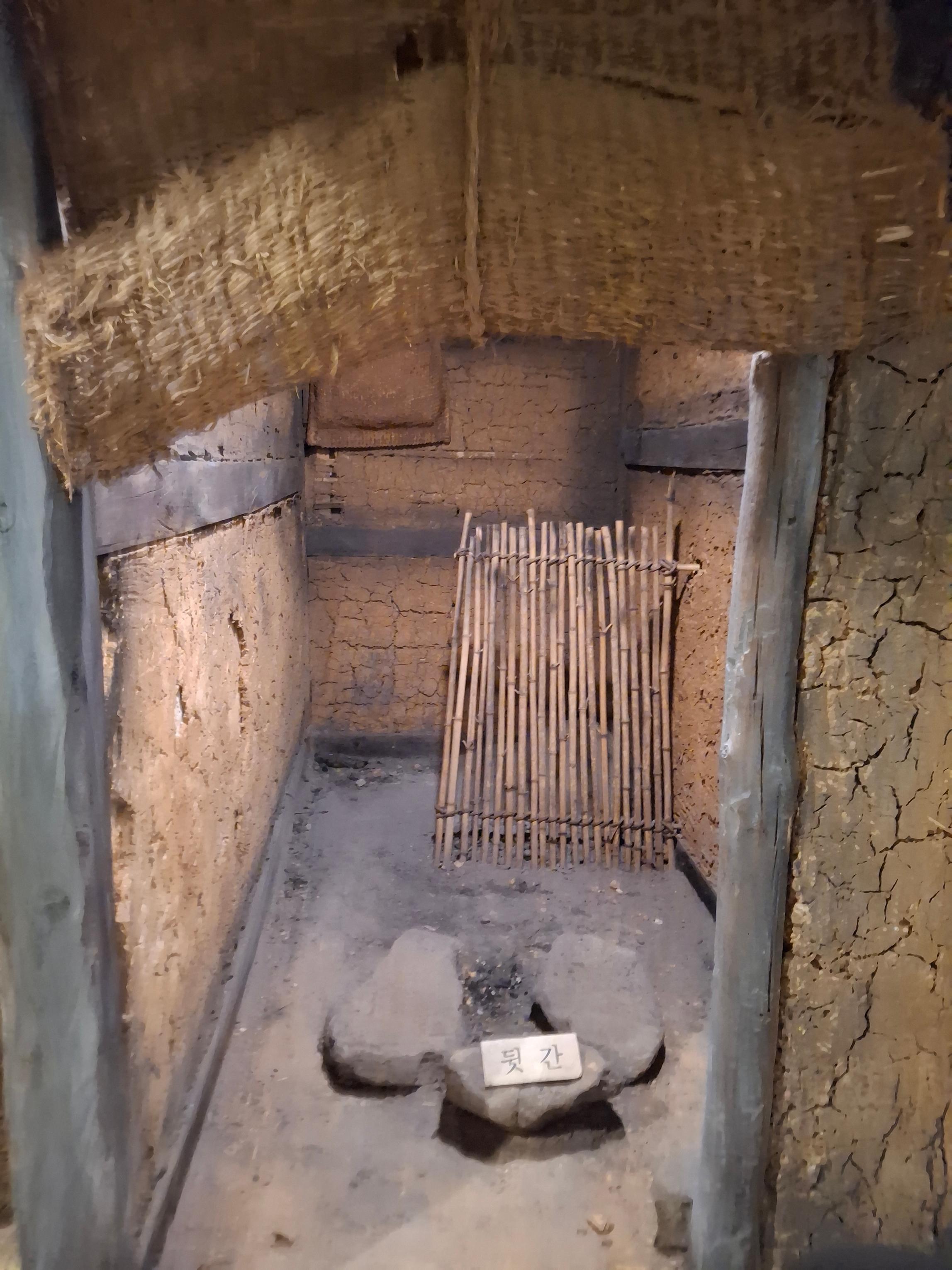
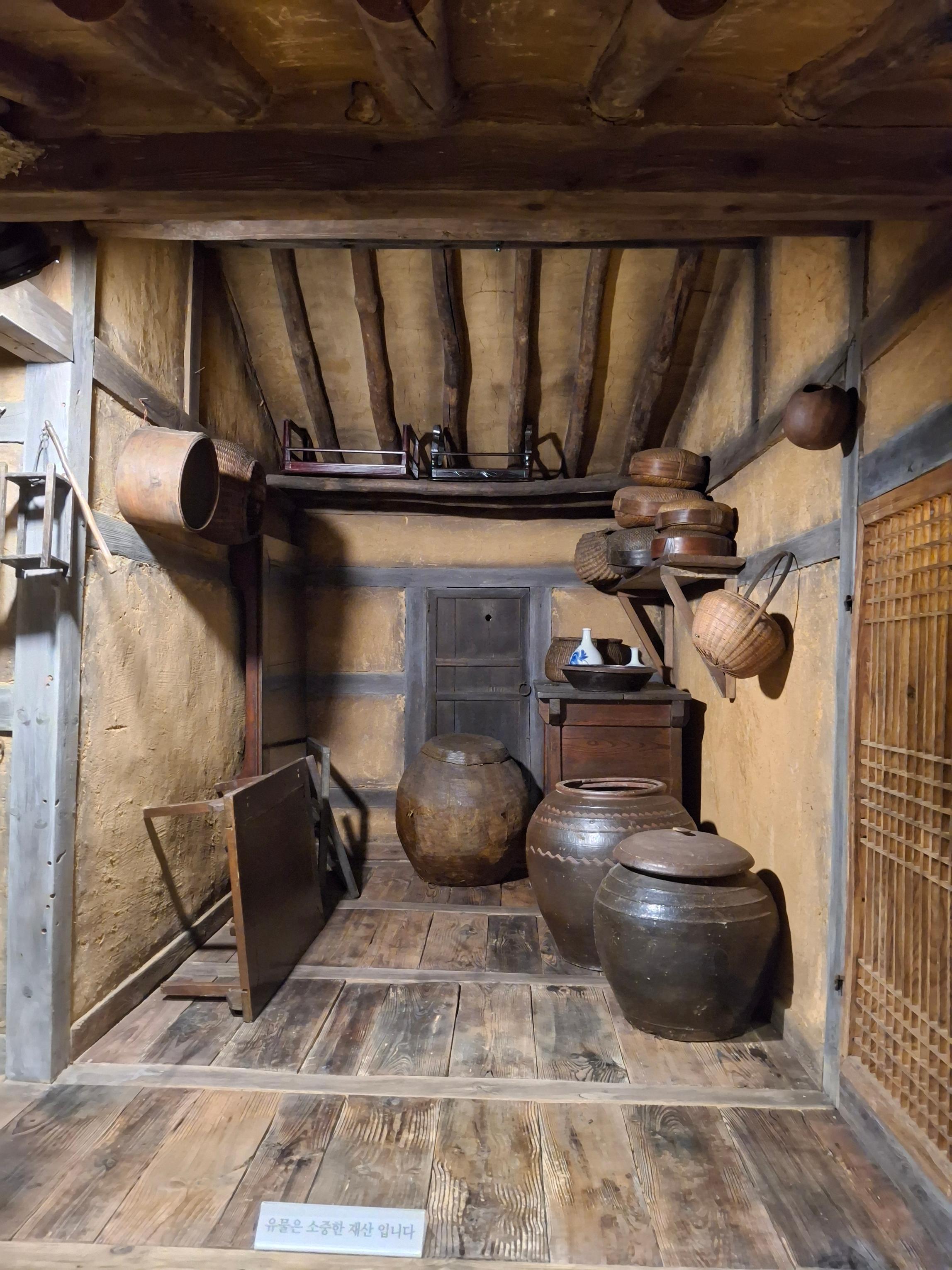
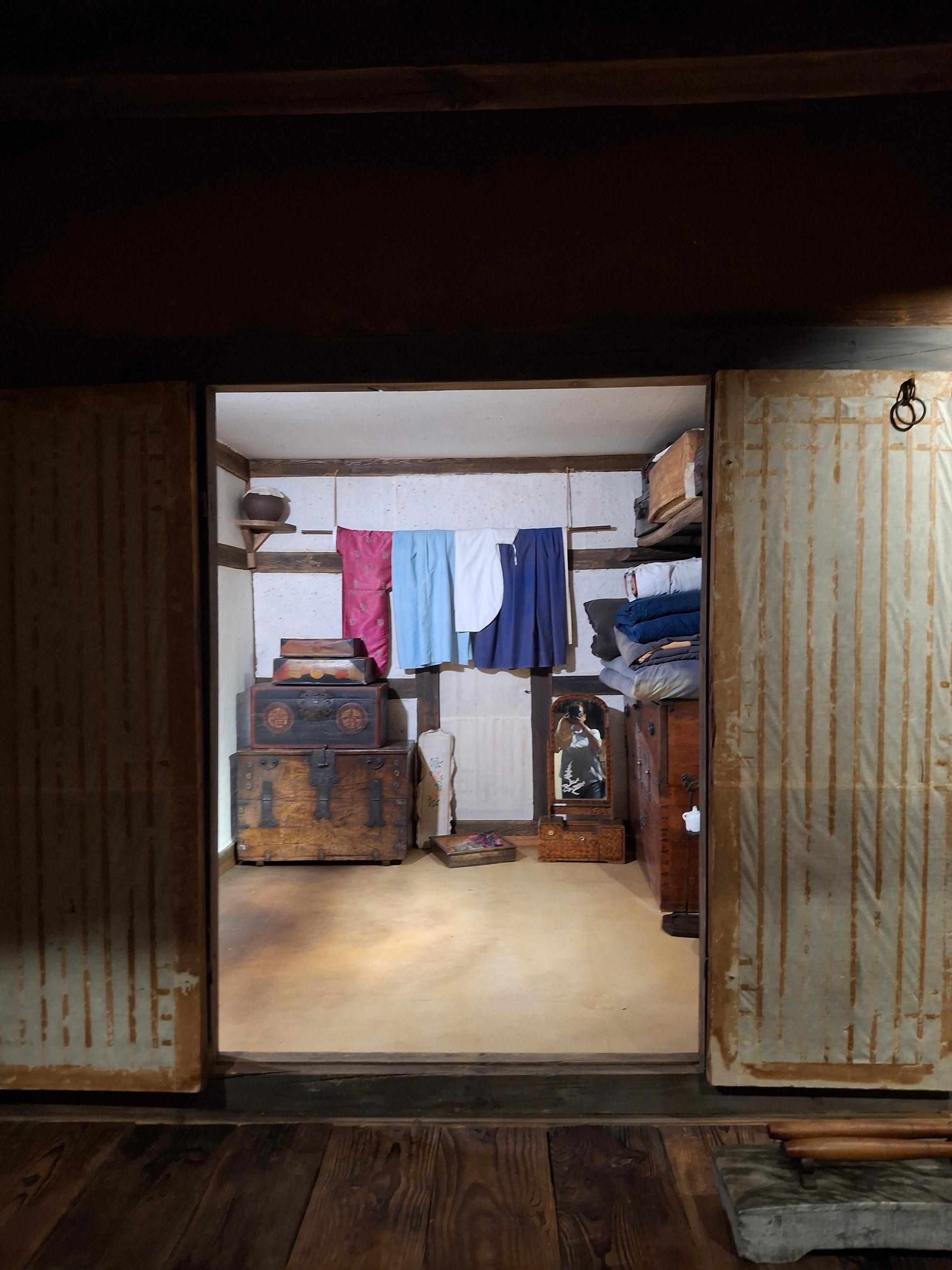
Overall, I really enjoyed the museum. I had a great time and learned a lot of new facts. I recommend it to anyone interested in Korean history and culture, and anyone interested in agriculture in general. In my opinion, such knowledge is useful for everyone, and it is especially interesting to compare it with the agricultural traditions of one’s own country.