



Seoul Battleship Park at Han river

Olga
4 months ago
Seoul Battleship Park, located inside Mangwon Hangang Park, is the city's first-ever battleship themed park established through a sisterhood relationship with the city of Seoul and by using three retired vessels - Seoul-ham, Chamsuri, and a submarine - that had retired after serving the mission of protecting Korea's waters for 30 years. The three vessels whose original appearances have been preserved intact offer unique exhibits and entertainment and aim to present a special experience to citizens who visit Seoul Hangang Park through new and exciting things to see and enjoy.
There is a small museum building on the bank of the Han River. The museum features large screen projections detailing the history of the Joseon Navy, the current ROK Navy, and the history of both ancient and modern warships.
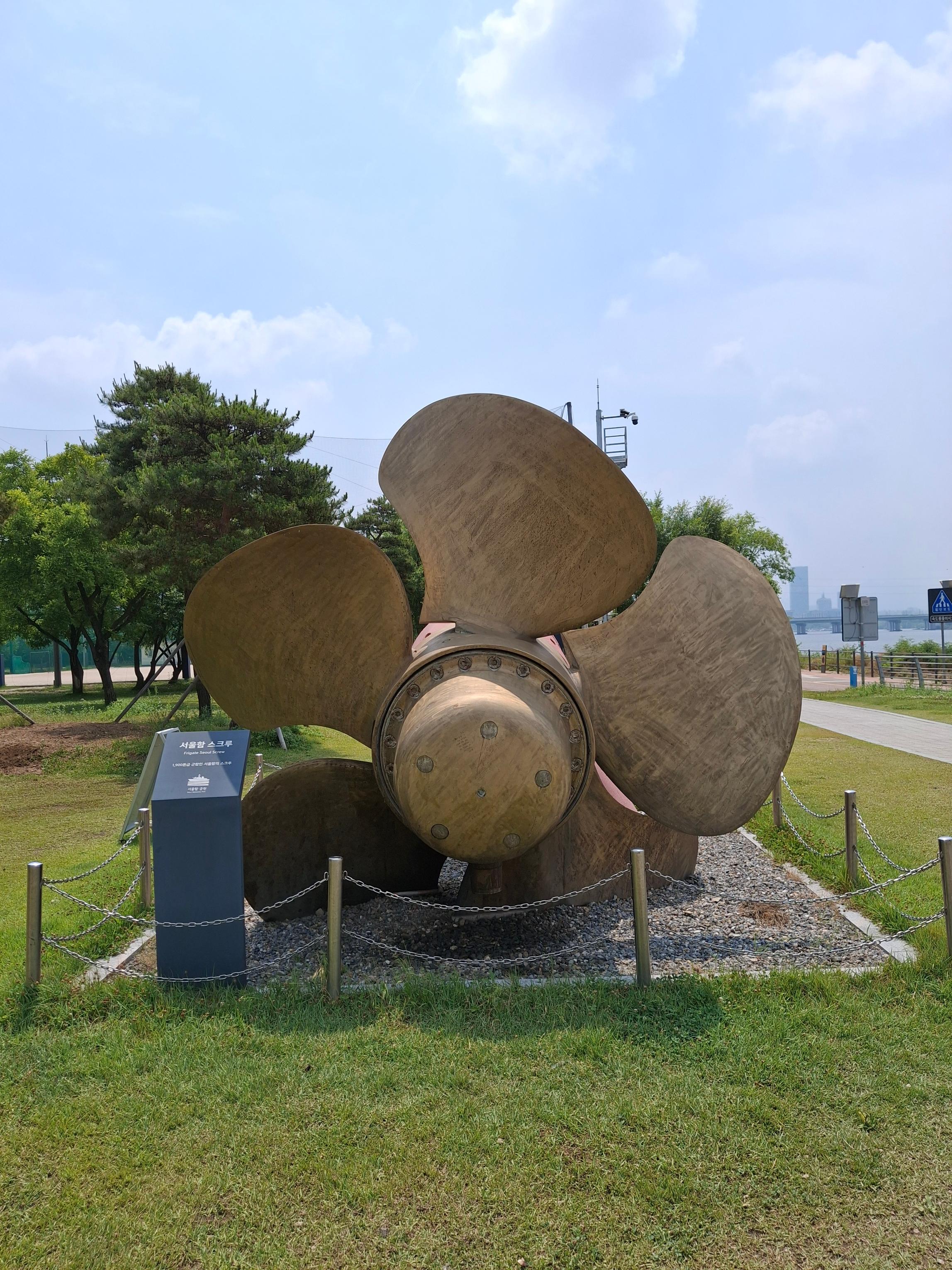
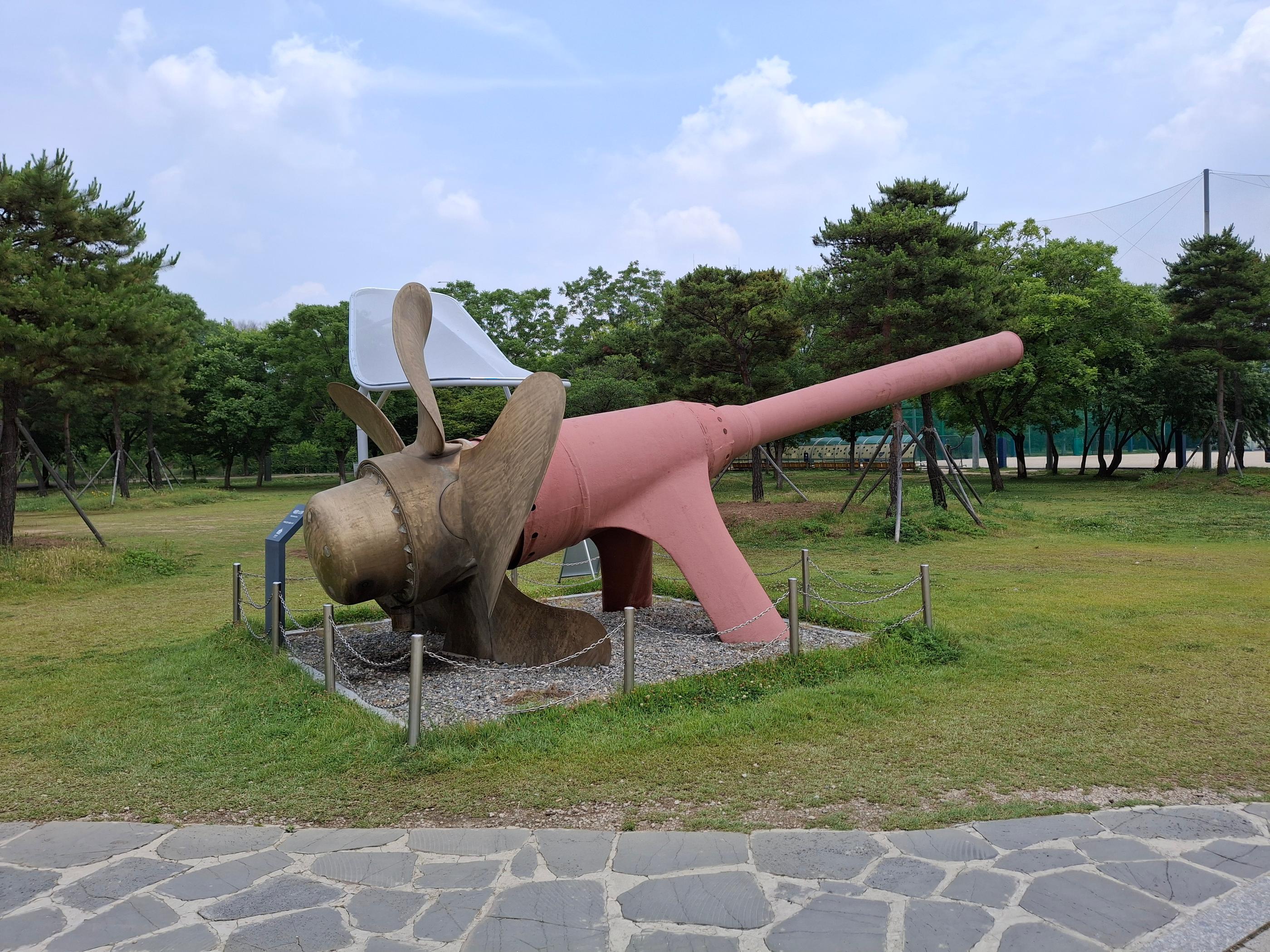
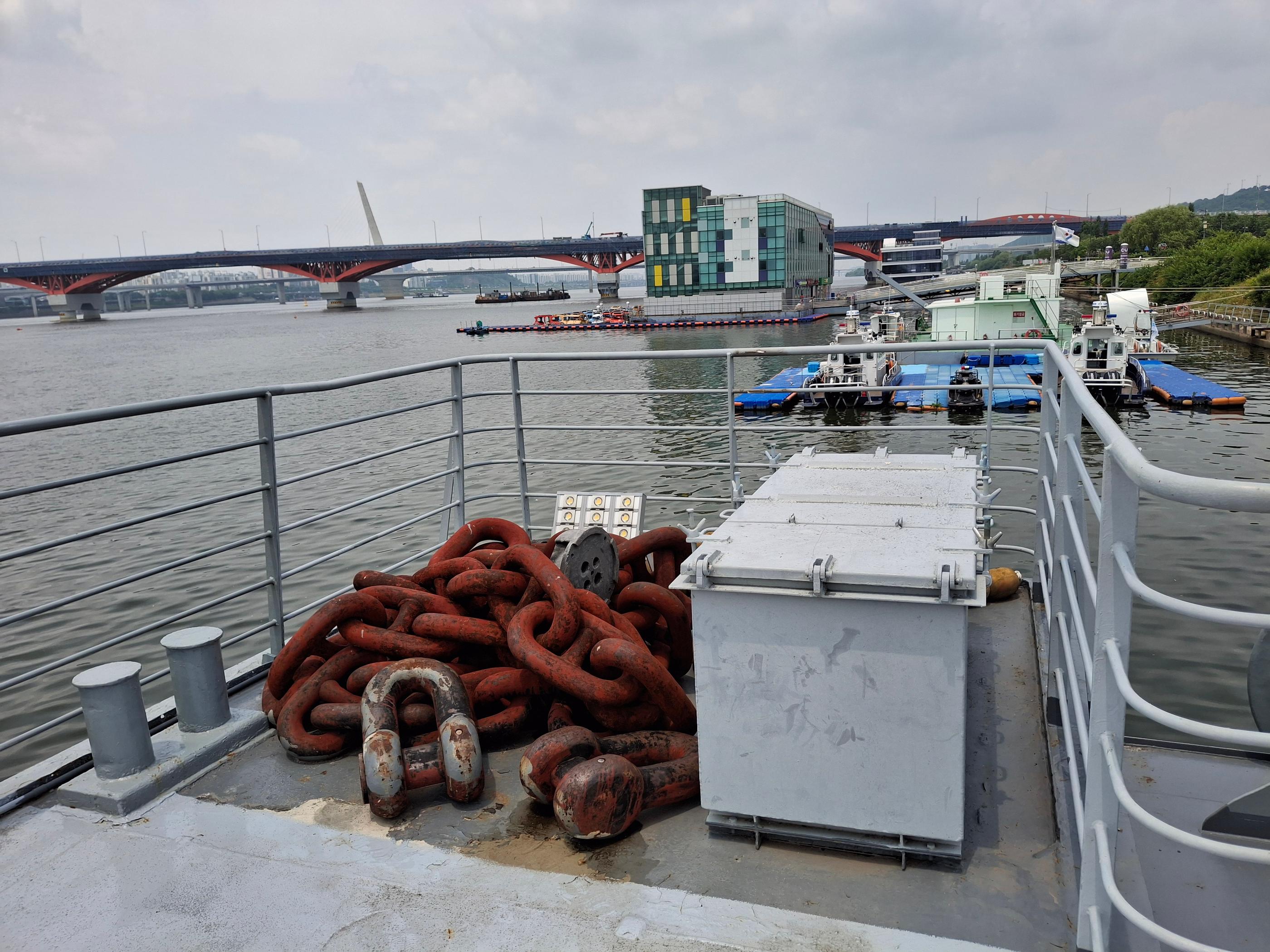
Next to the museum are parts of warships. You can imagine the scale of the ships by the size of one part!
But the most remarkable and interesting part of the museum is the real warships. This is a unique opportunity to visit a real ship and get acquainted with its work and the peculiarities of everyday life.
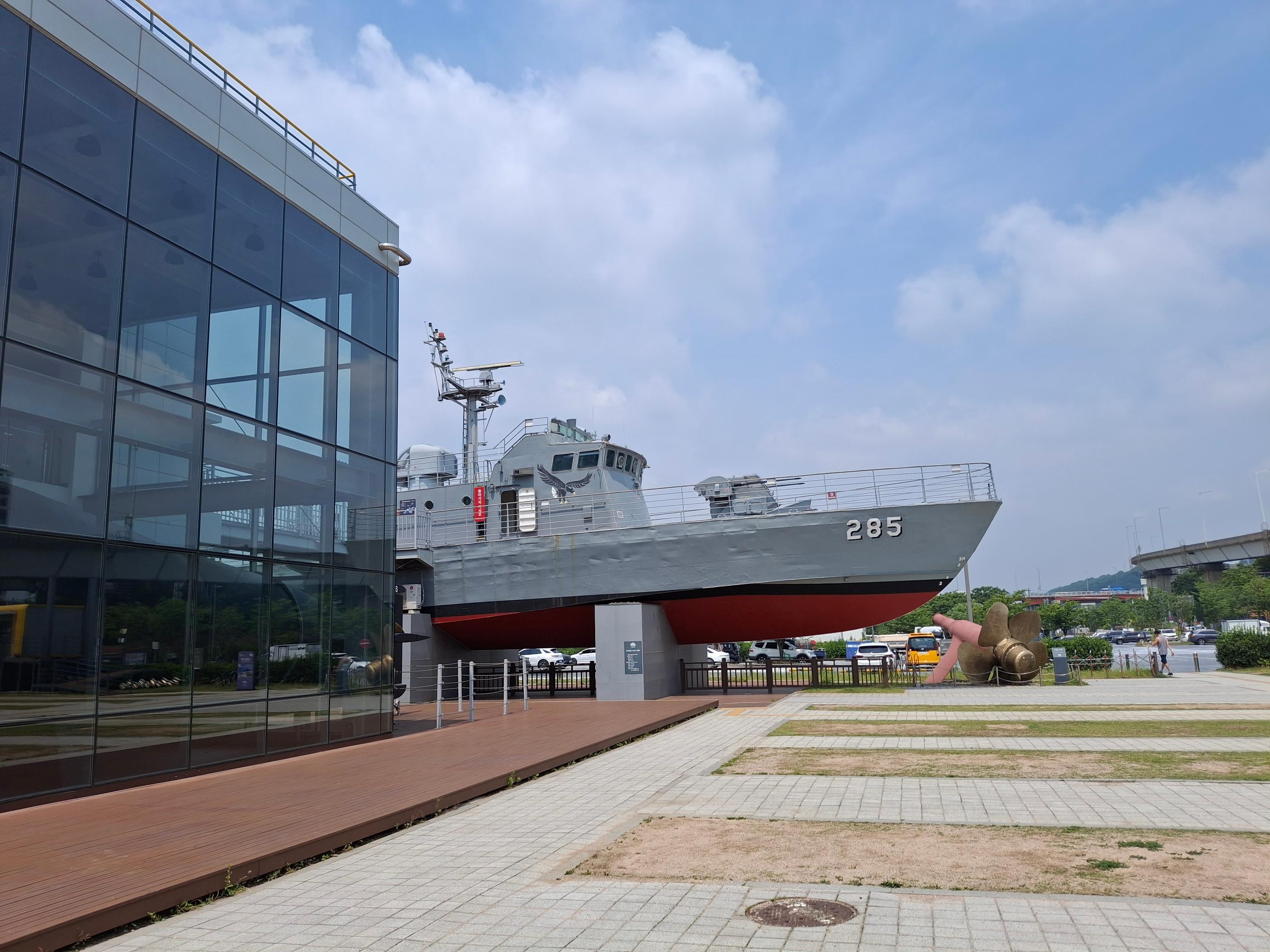
Right in the museum itself, as part of it, there is a ship Charm Eagle Boats (285). From the second floor of the museum you can climb up onto the ship and find yourself on its main deck.
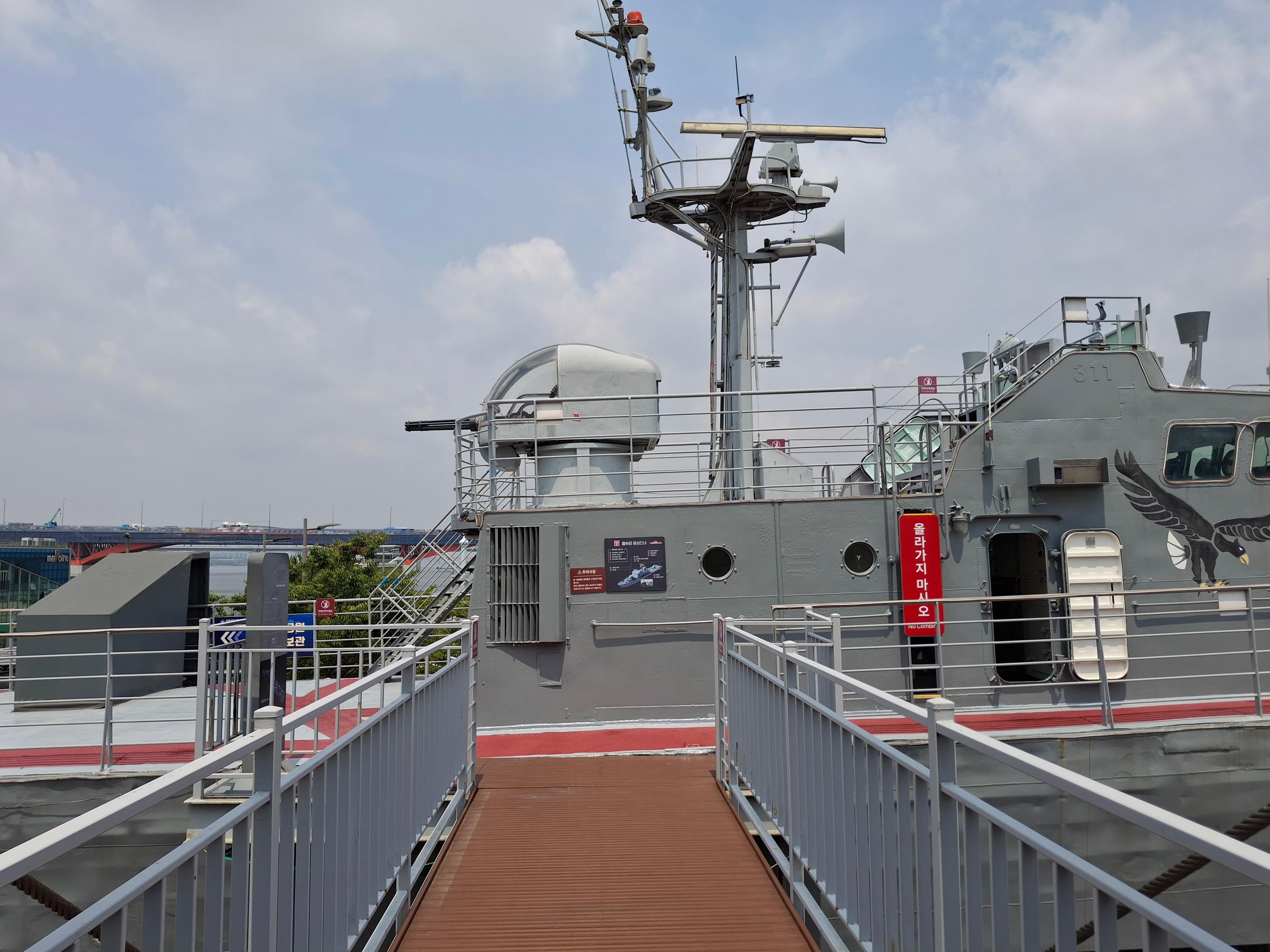
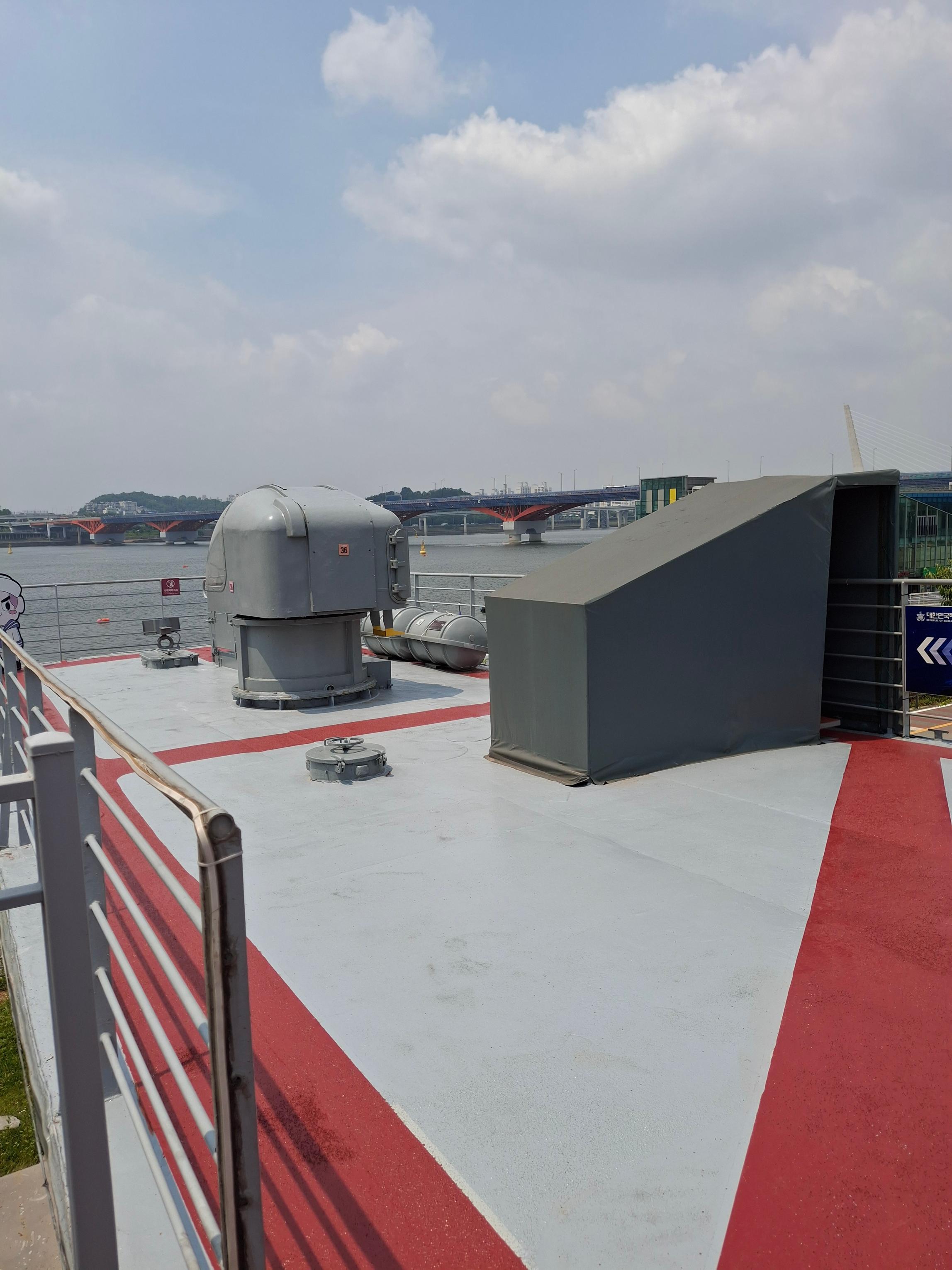
Built and deployed in 1978, the Chamsuri patrol boat is a high-speed patrol boat responsible for coastal patrol and security along the Republic of Korea's coast. It is a 37-meter-long, 150-ton, light-weight patrol boat deployed by the Republic of Korea Navy for coastal patrol and countermeasures against North Korean spy boat infiltration.
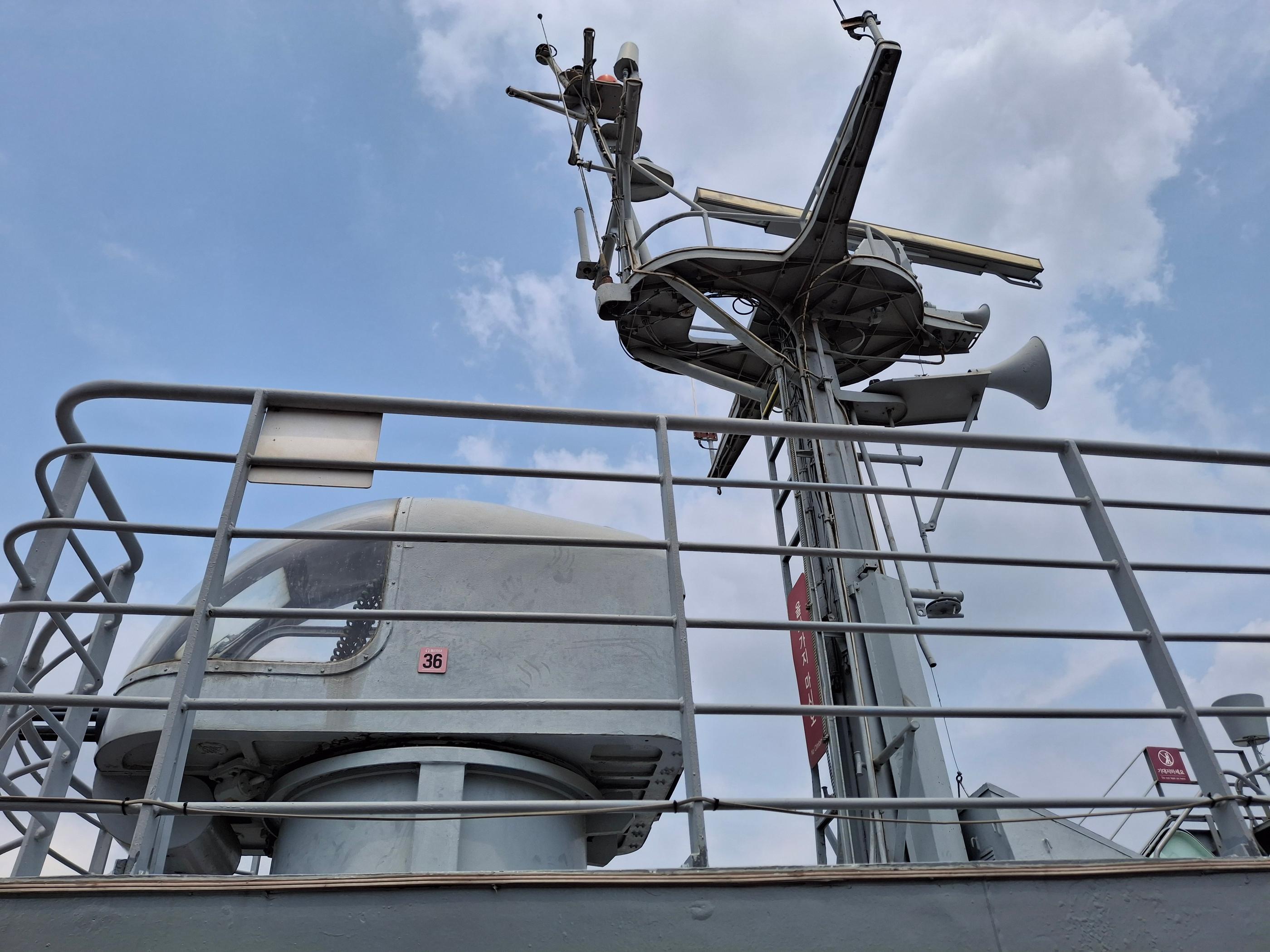
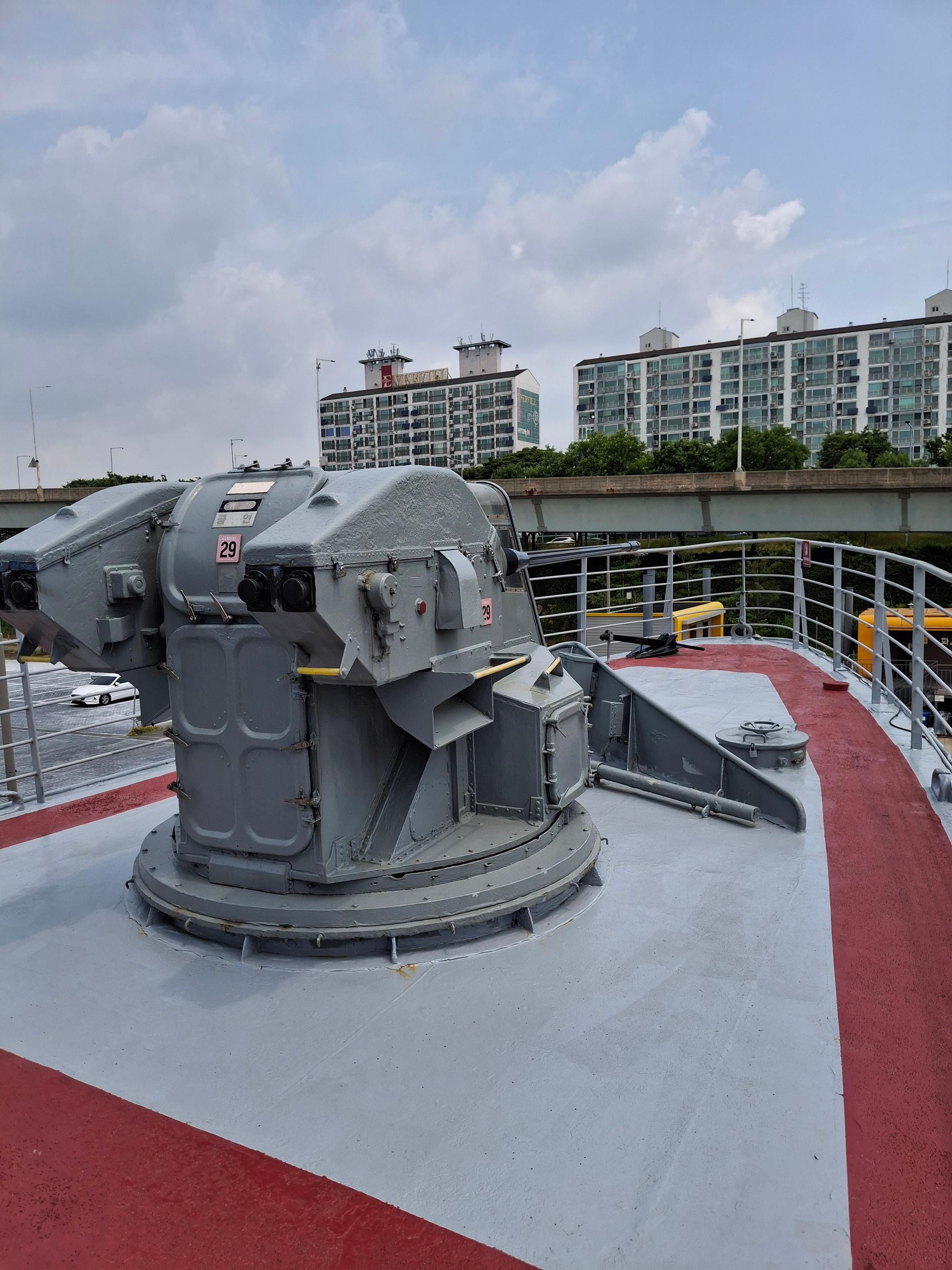
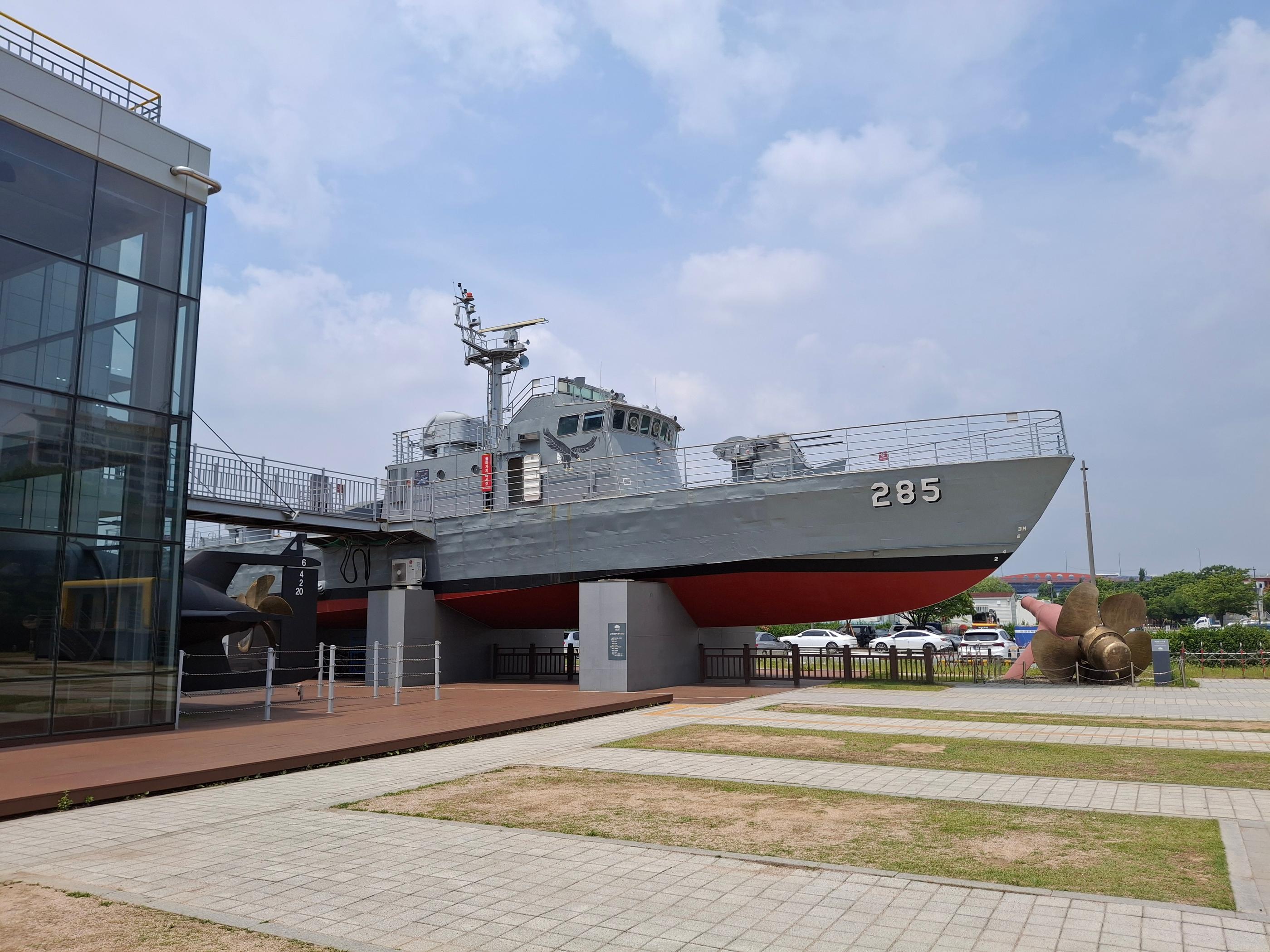
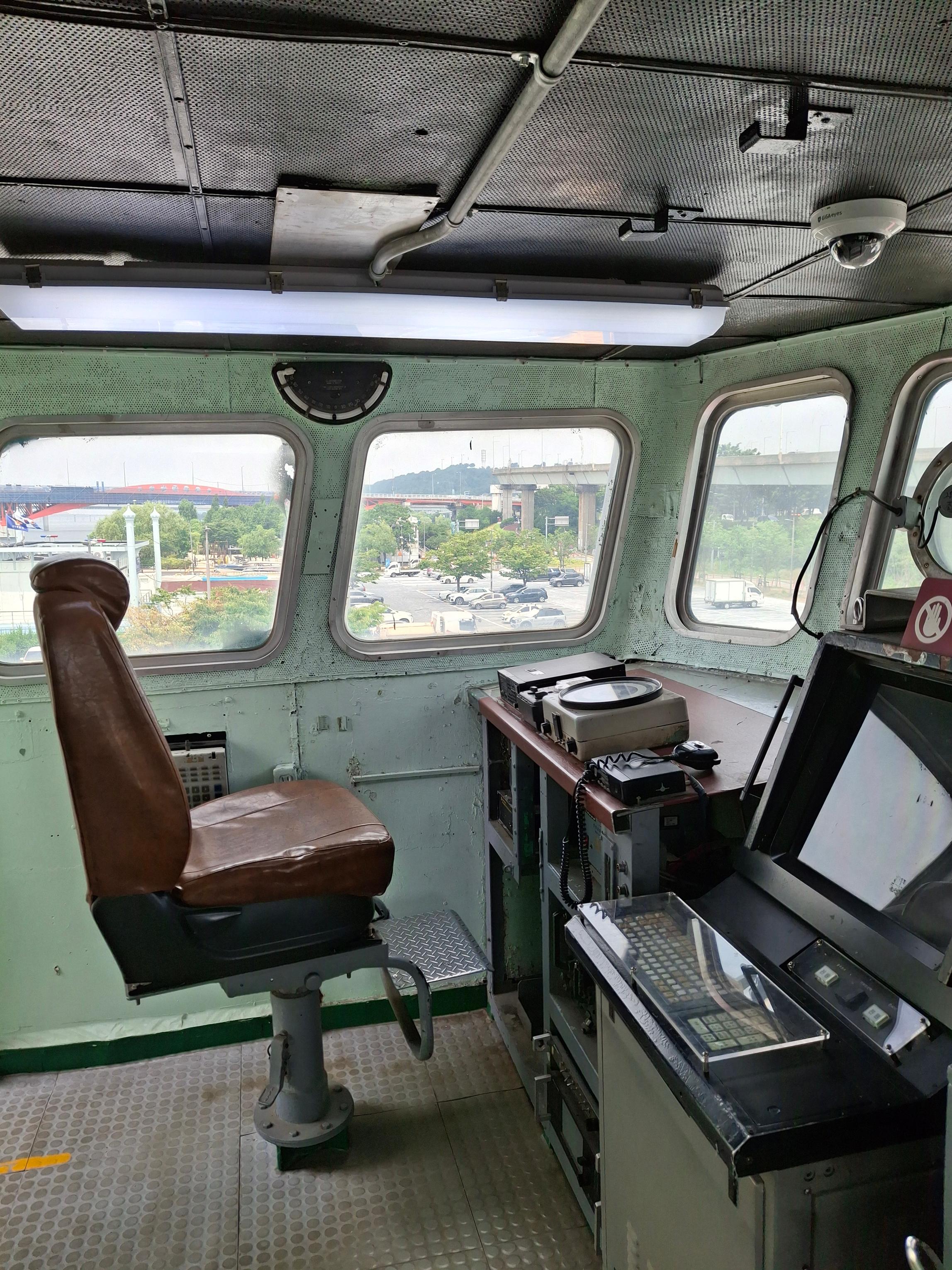
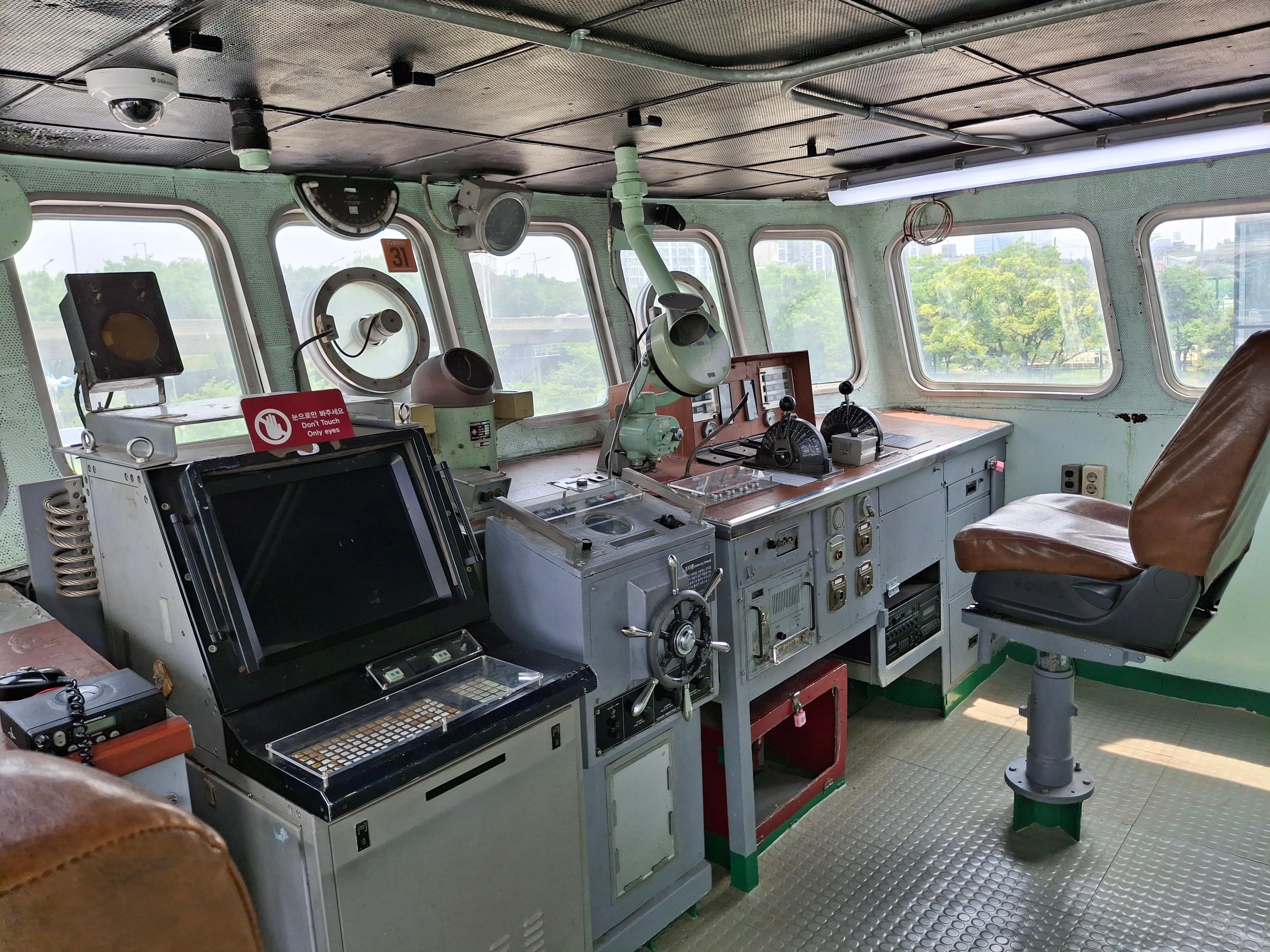
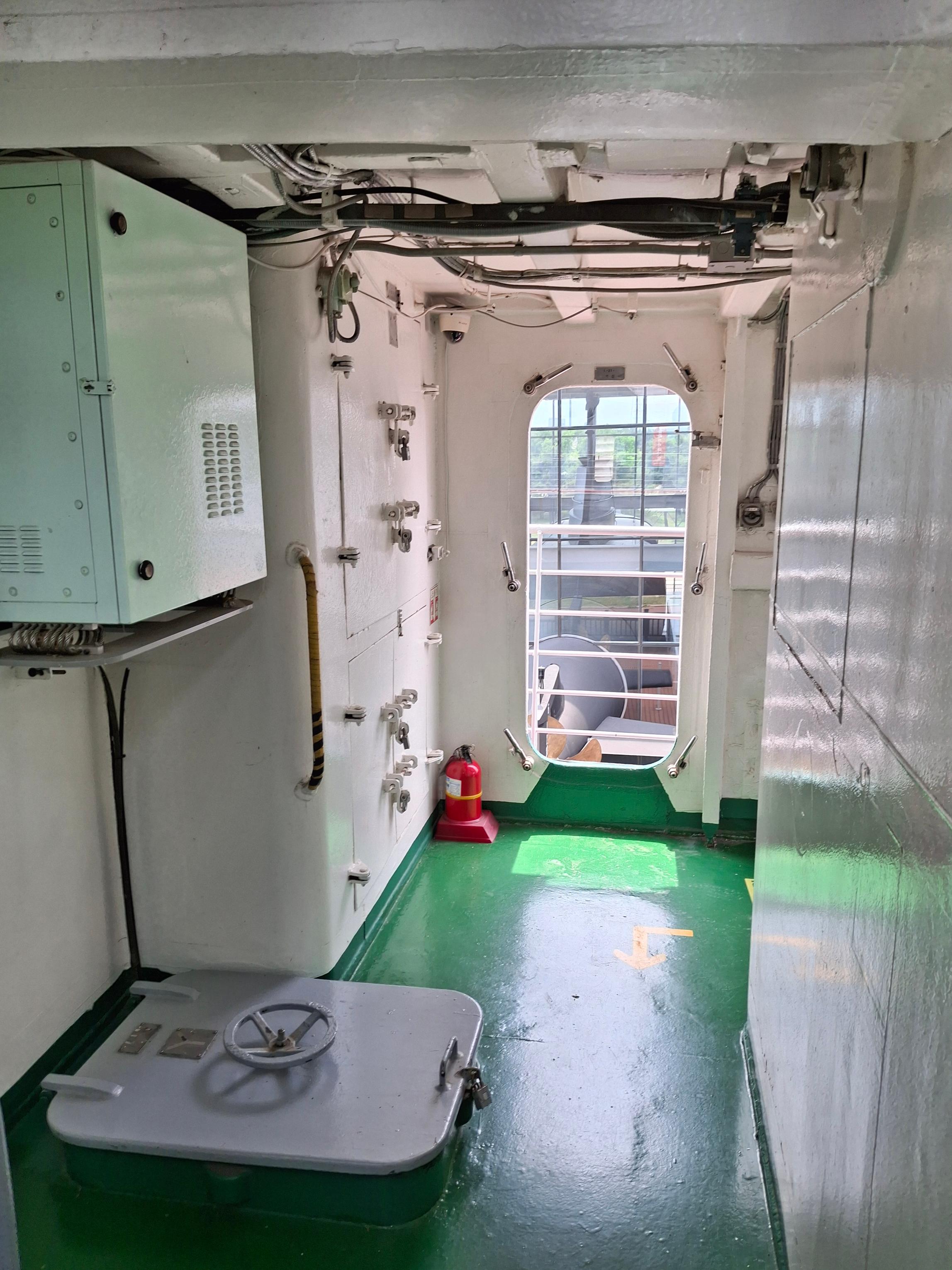
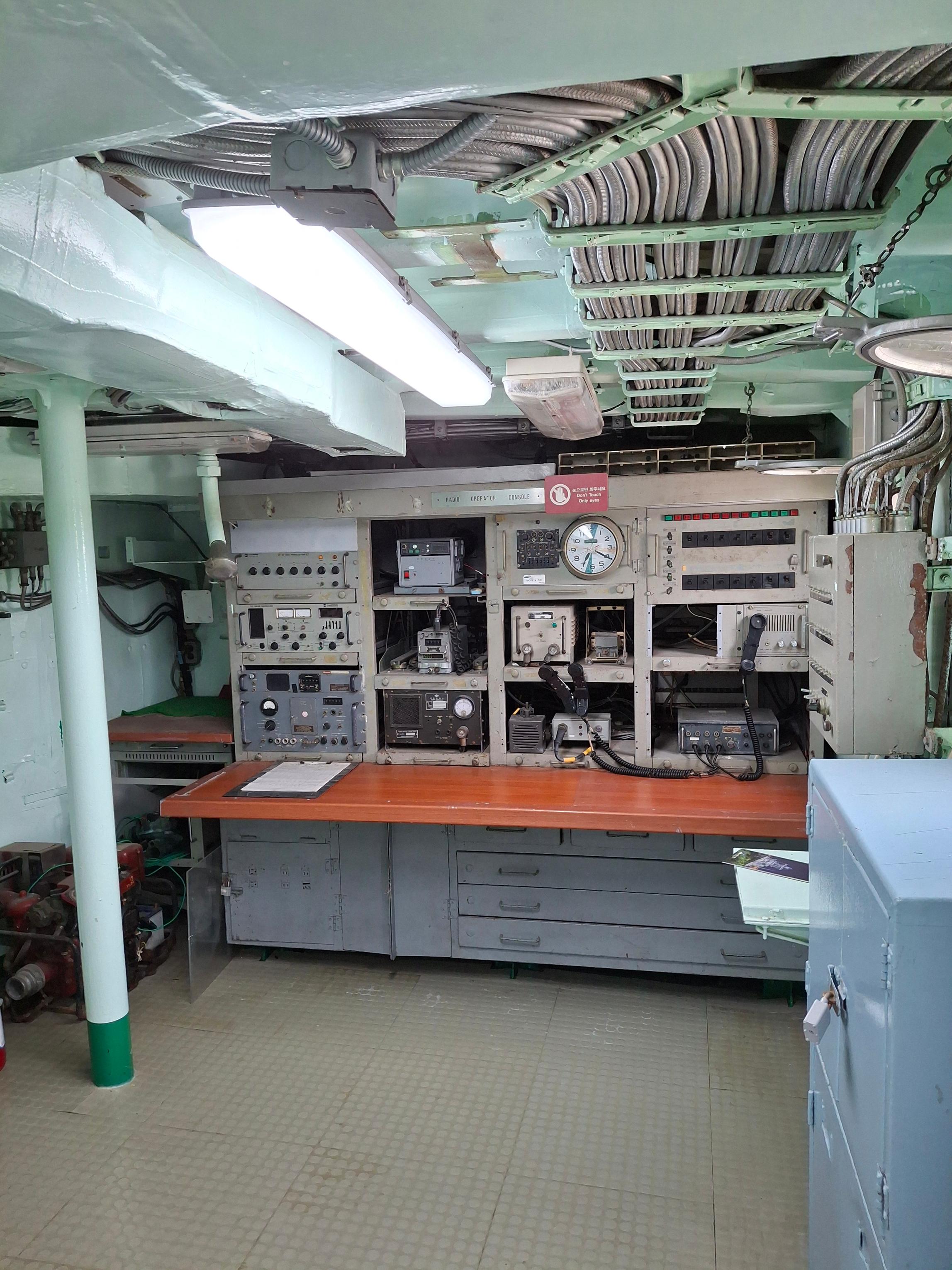
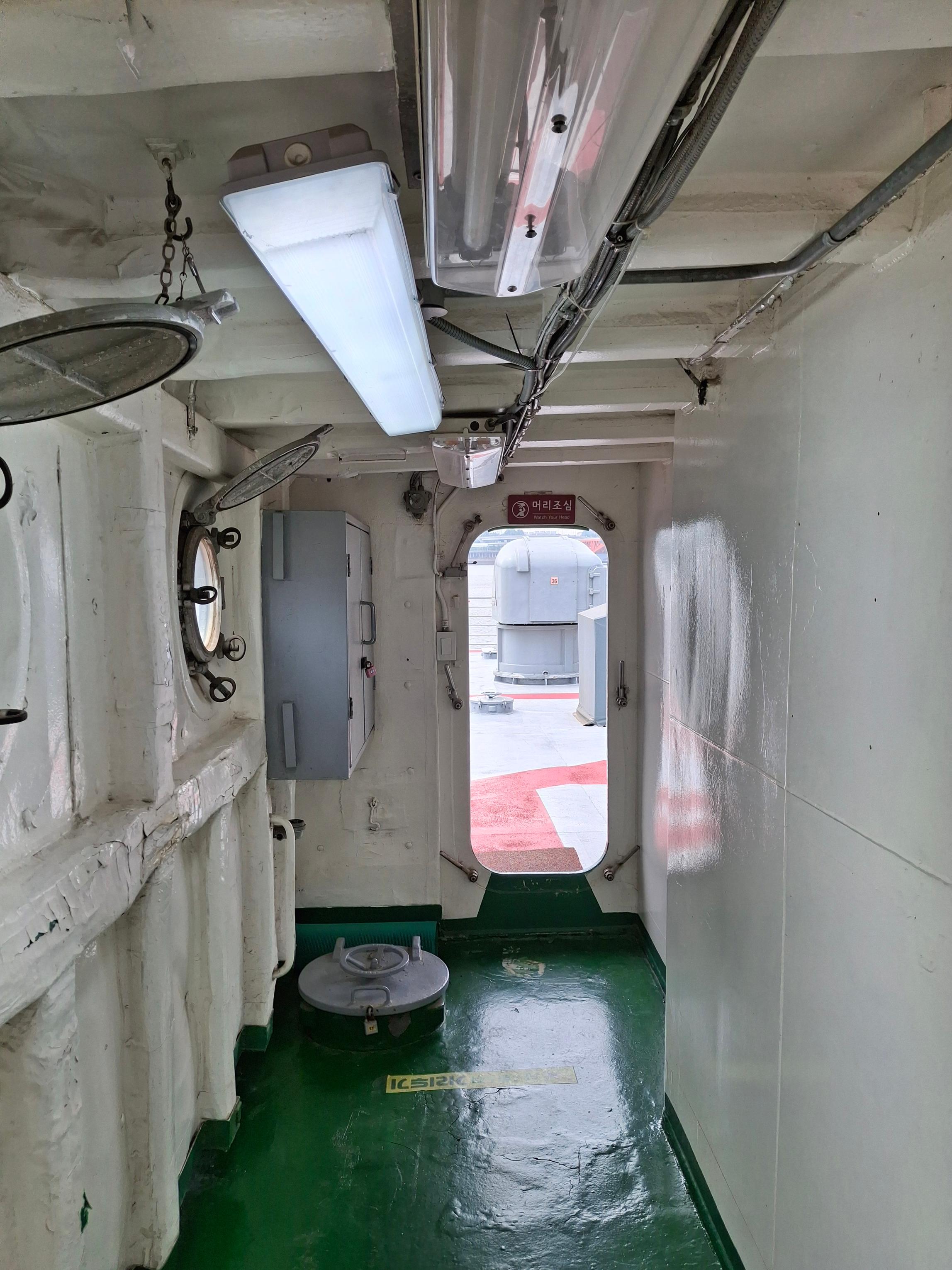
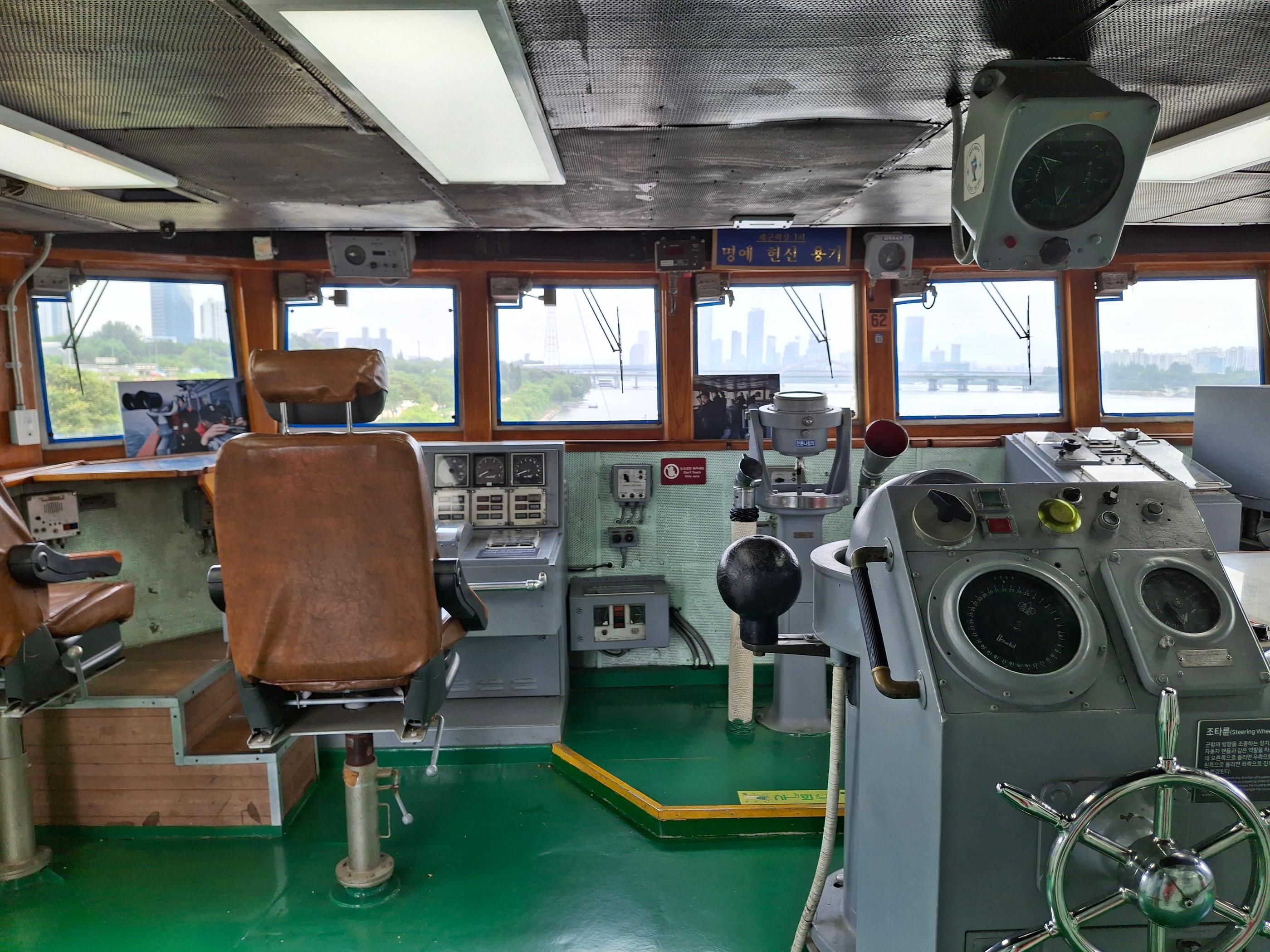
The original Chamsuri high-speed boat is on display, allowing visitors to experience the working spaces of the ship, including the deck, communications room, and wheelhouse. It is very interesting to look inside the ship, to be in the captain's place and to imagine at least a little how to control the ship.
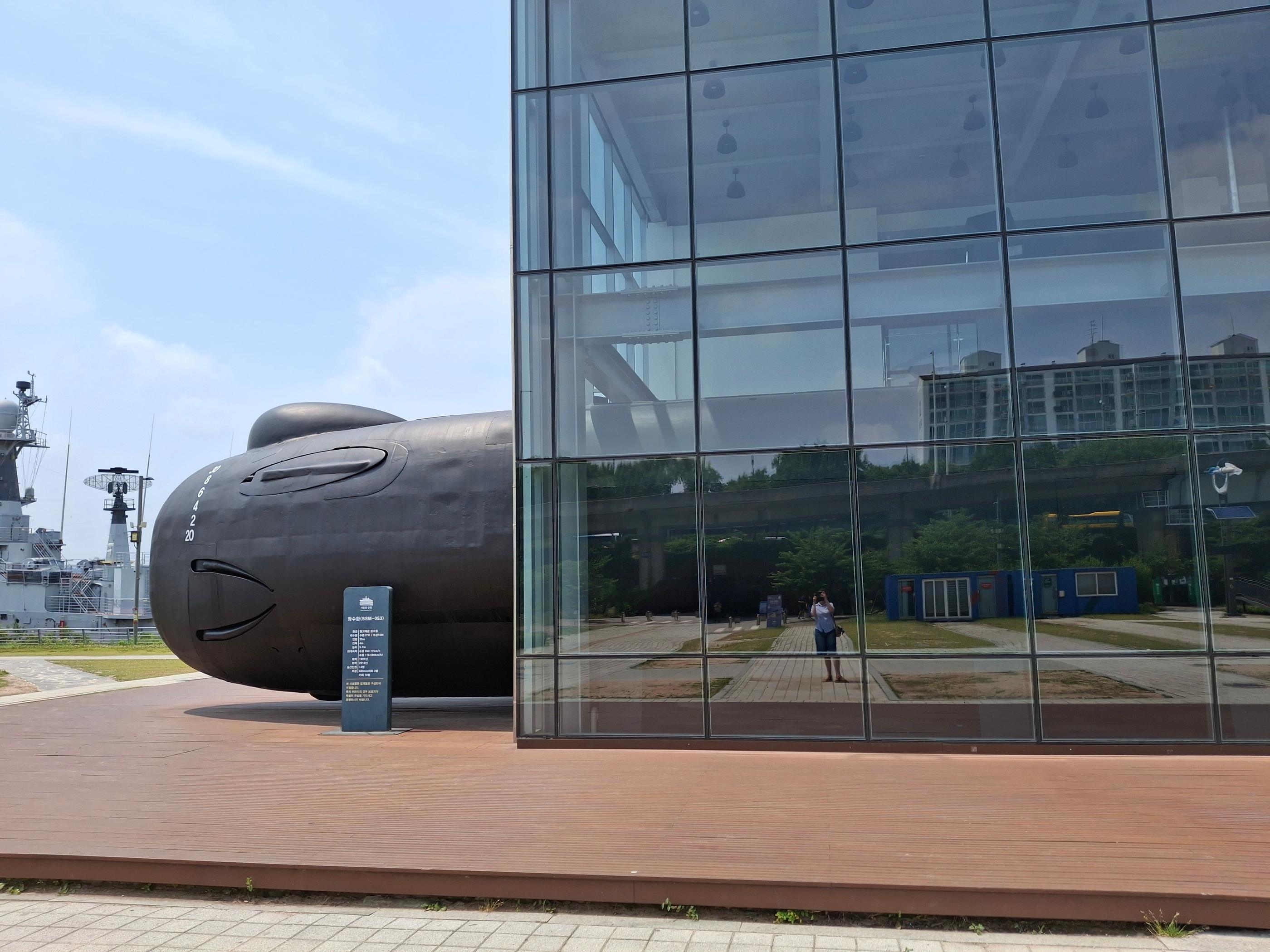
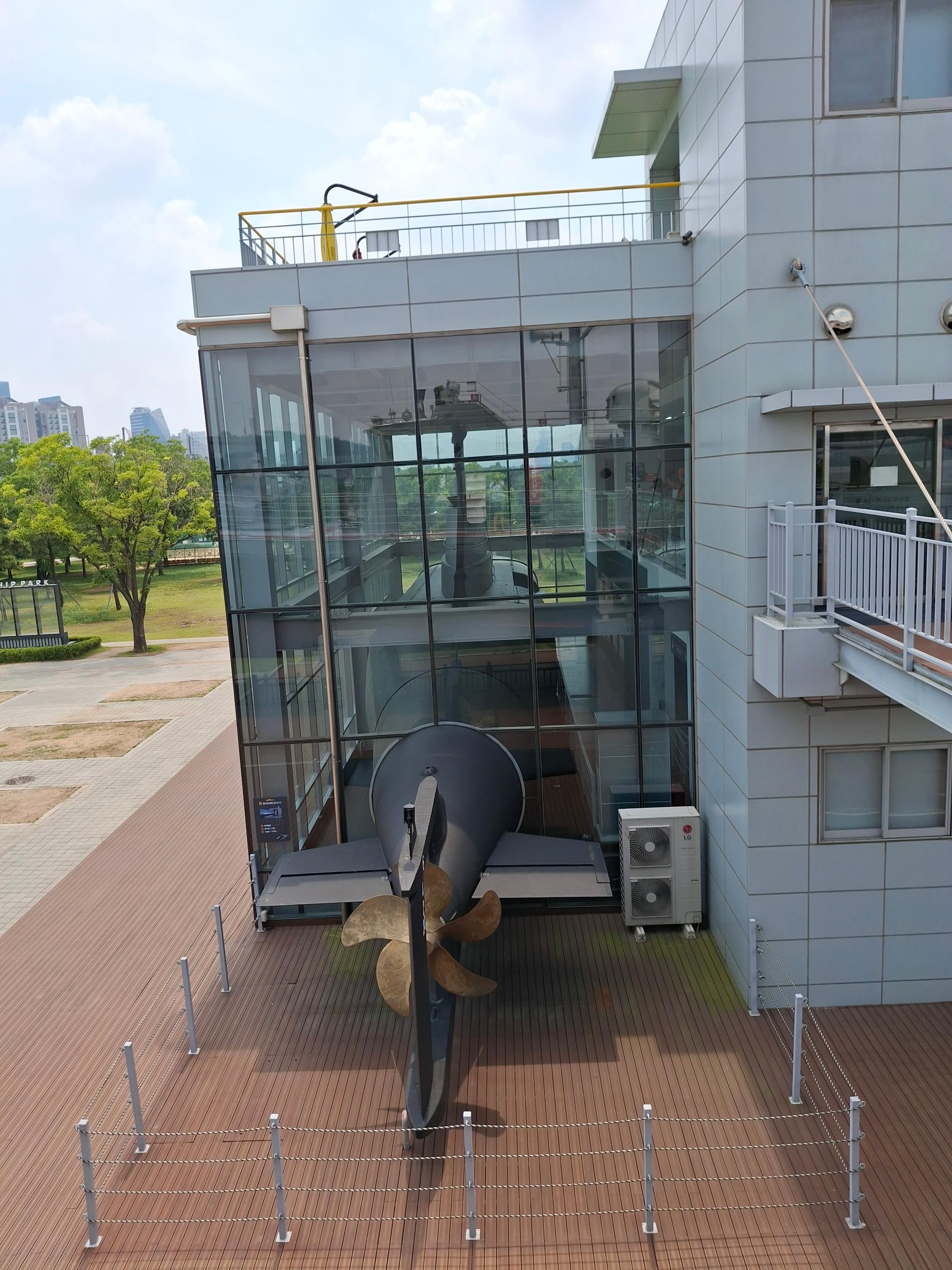
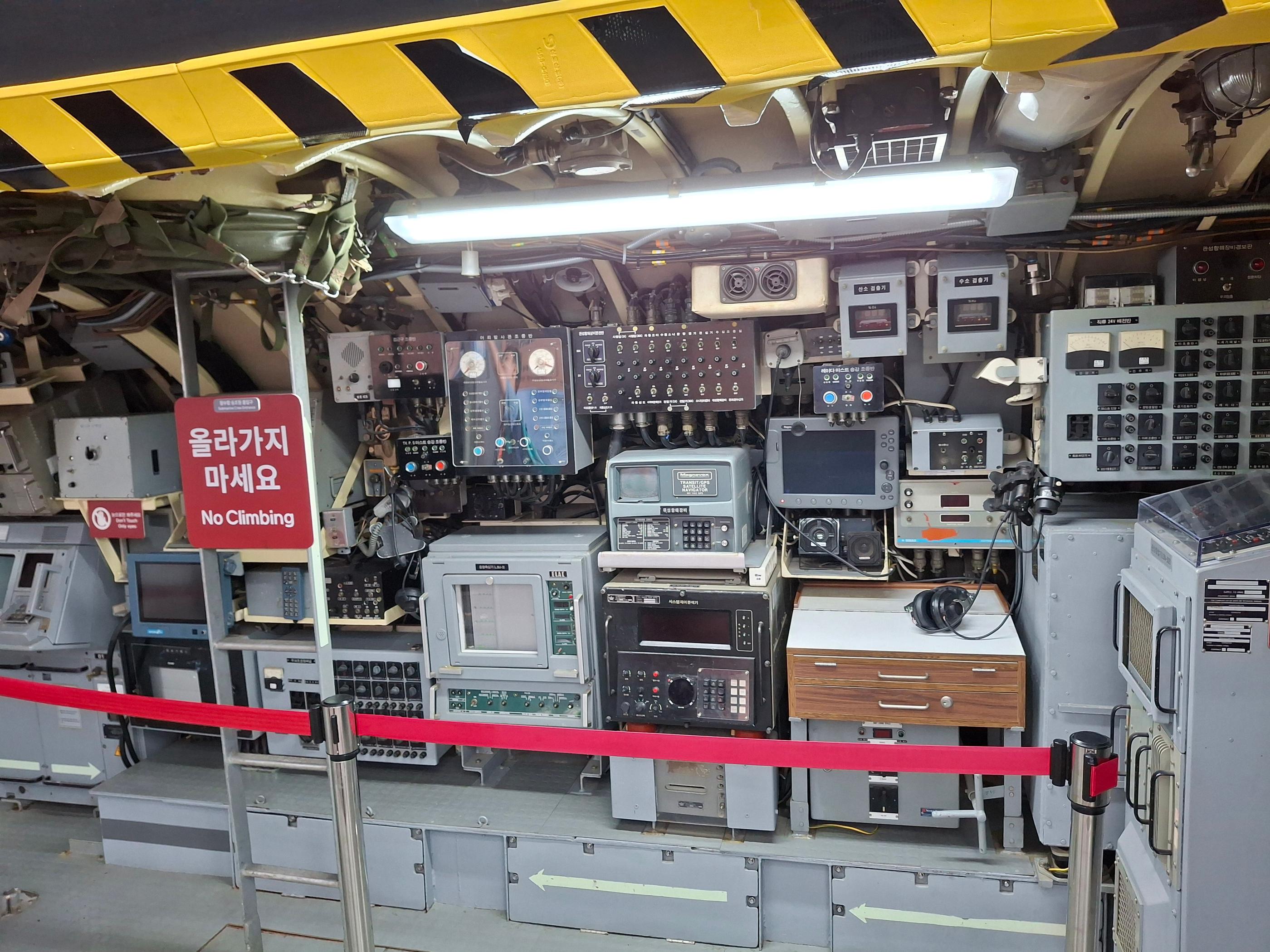
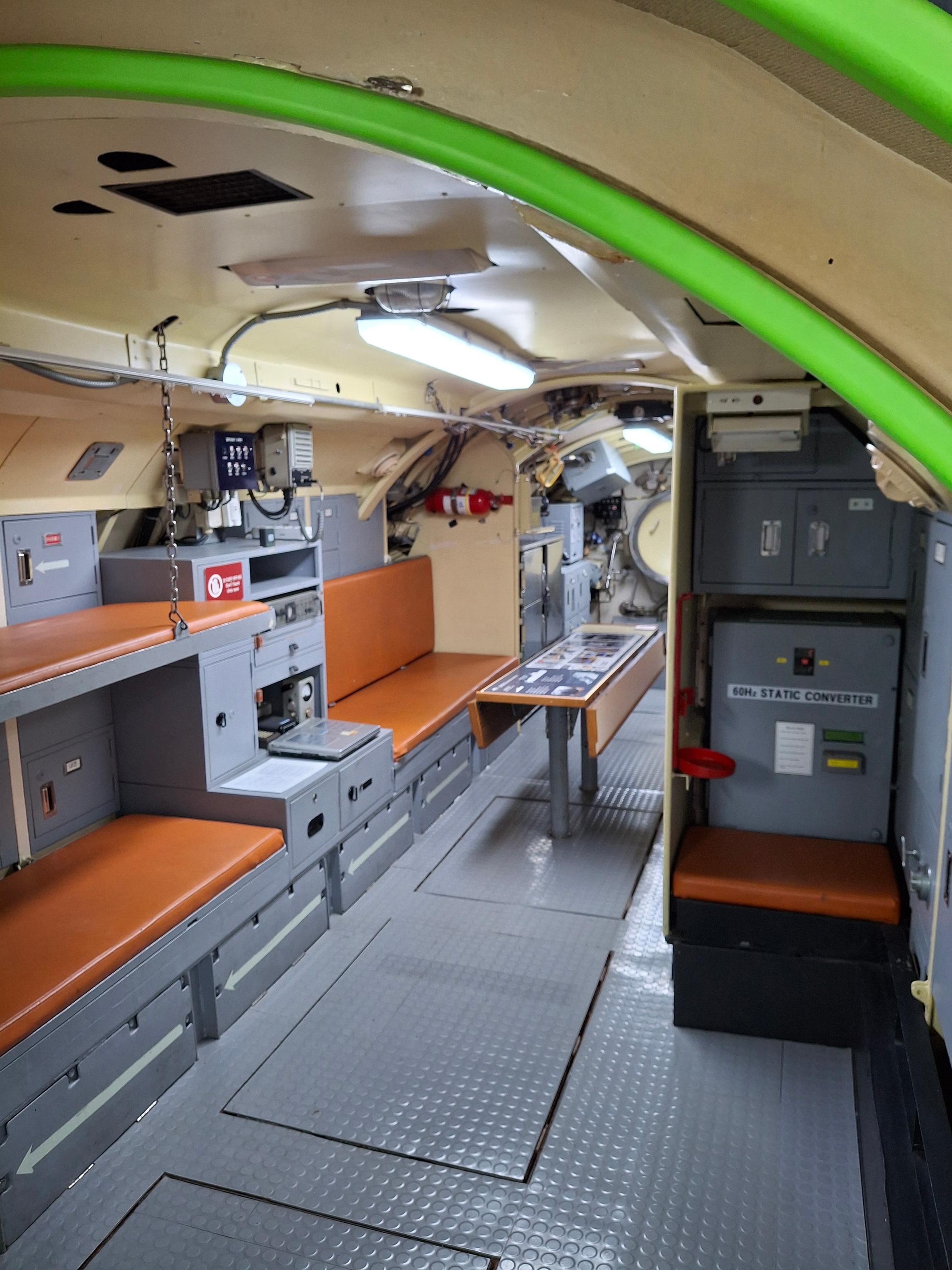
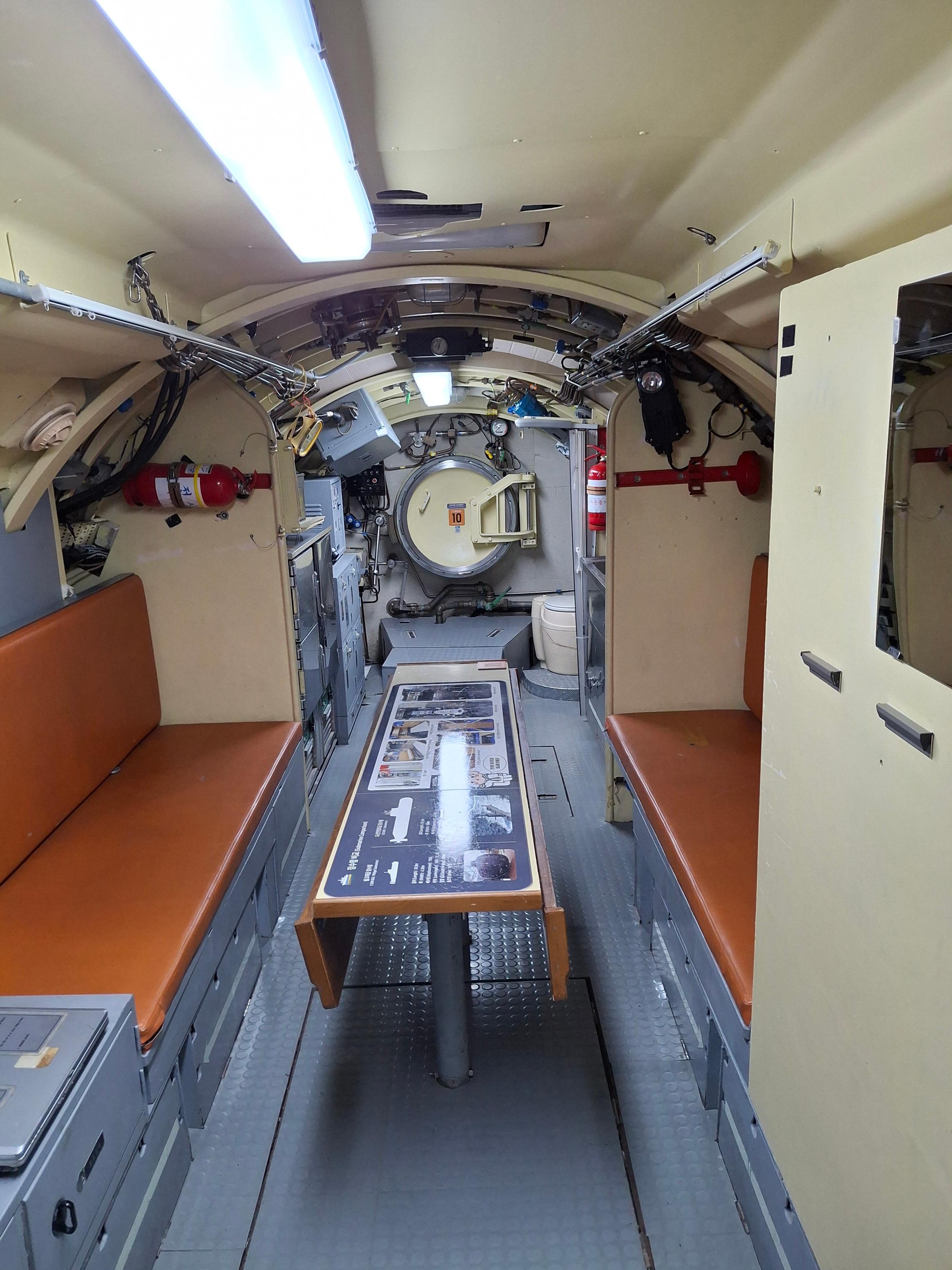
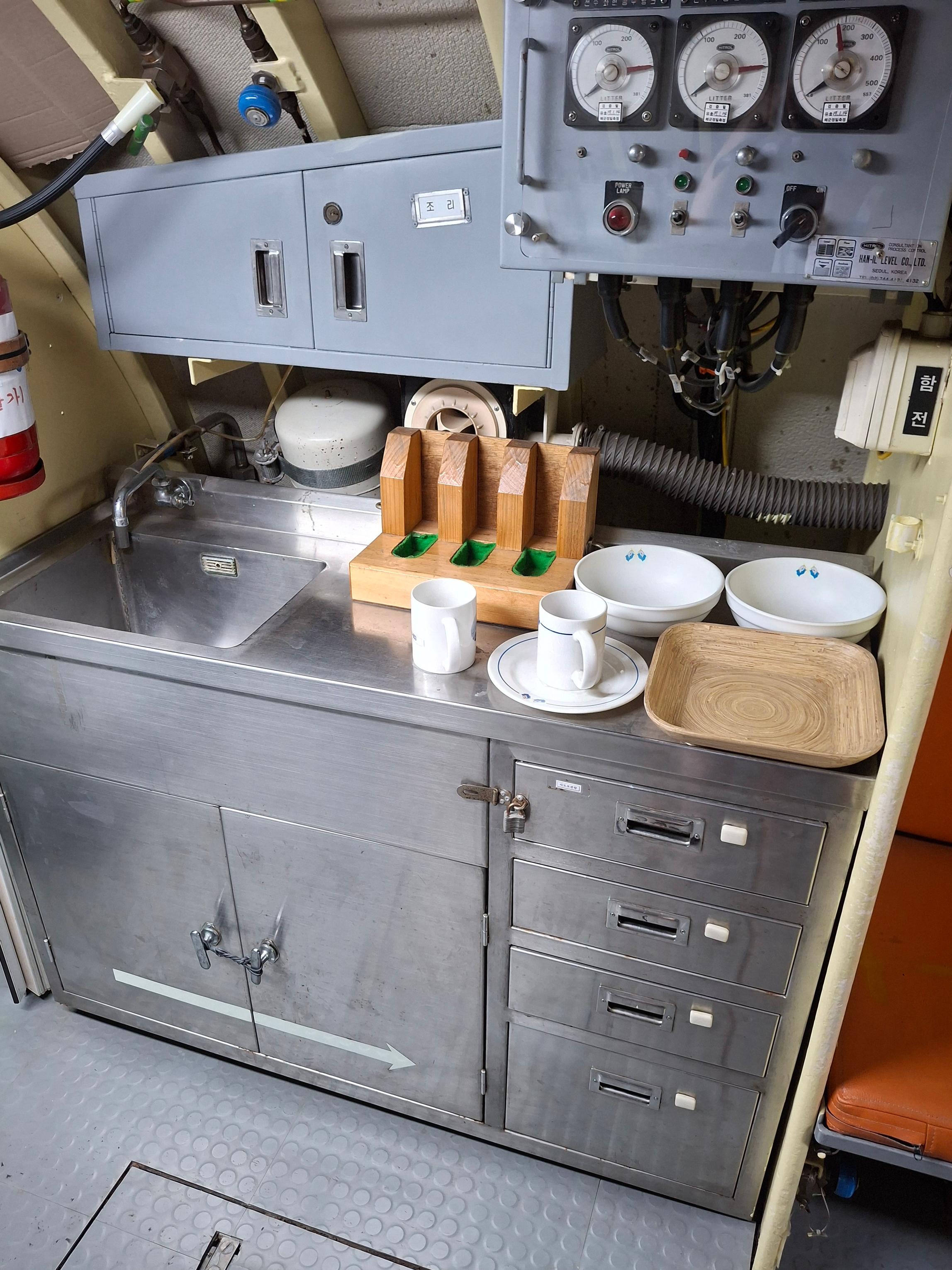
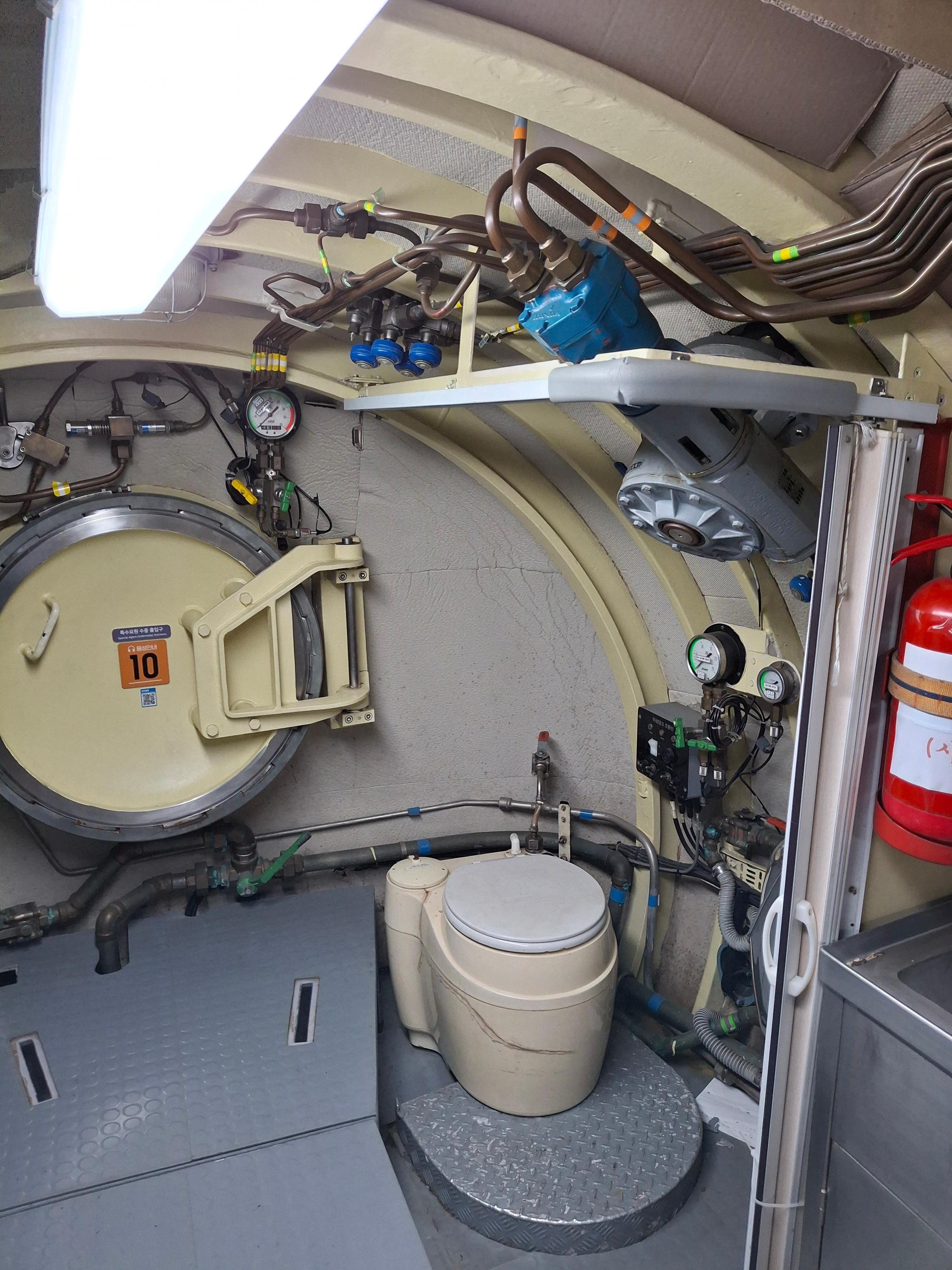
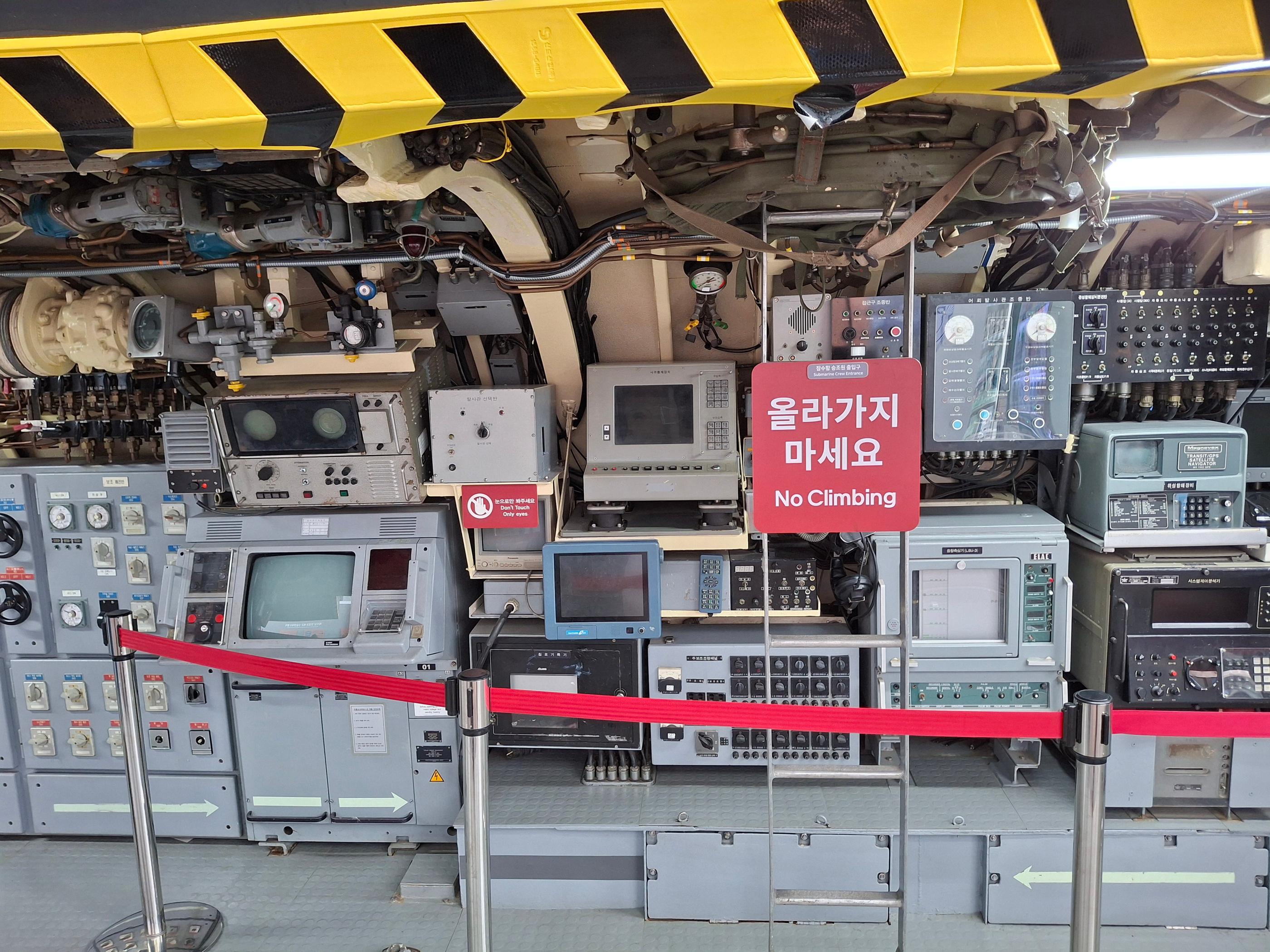
Another interesting exhibit that is located in the museum - Dolphin-class submarine (SSM-053). Since the boat is huge, it is only partially inside the building, and its front and back are outside on the street.
It is the first domestically produced submarine of the Republic of Korea Navy. The submarine on display in the information center is a 190-ton Dolphin-class submarine that performed independent special operations infiltration, destruction, and reconnaissance missions from 1991 to 2016.
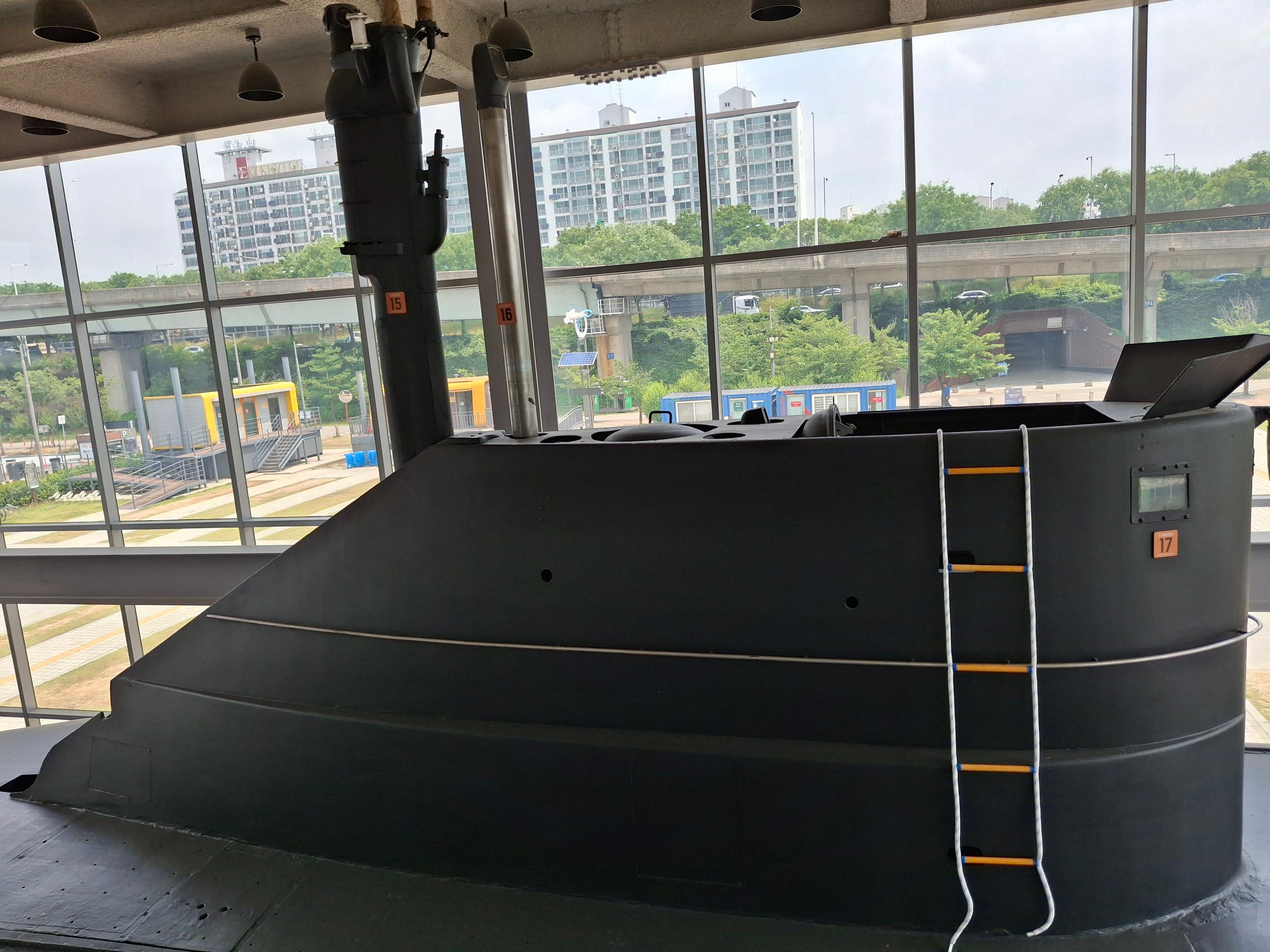
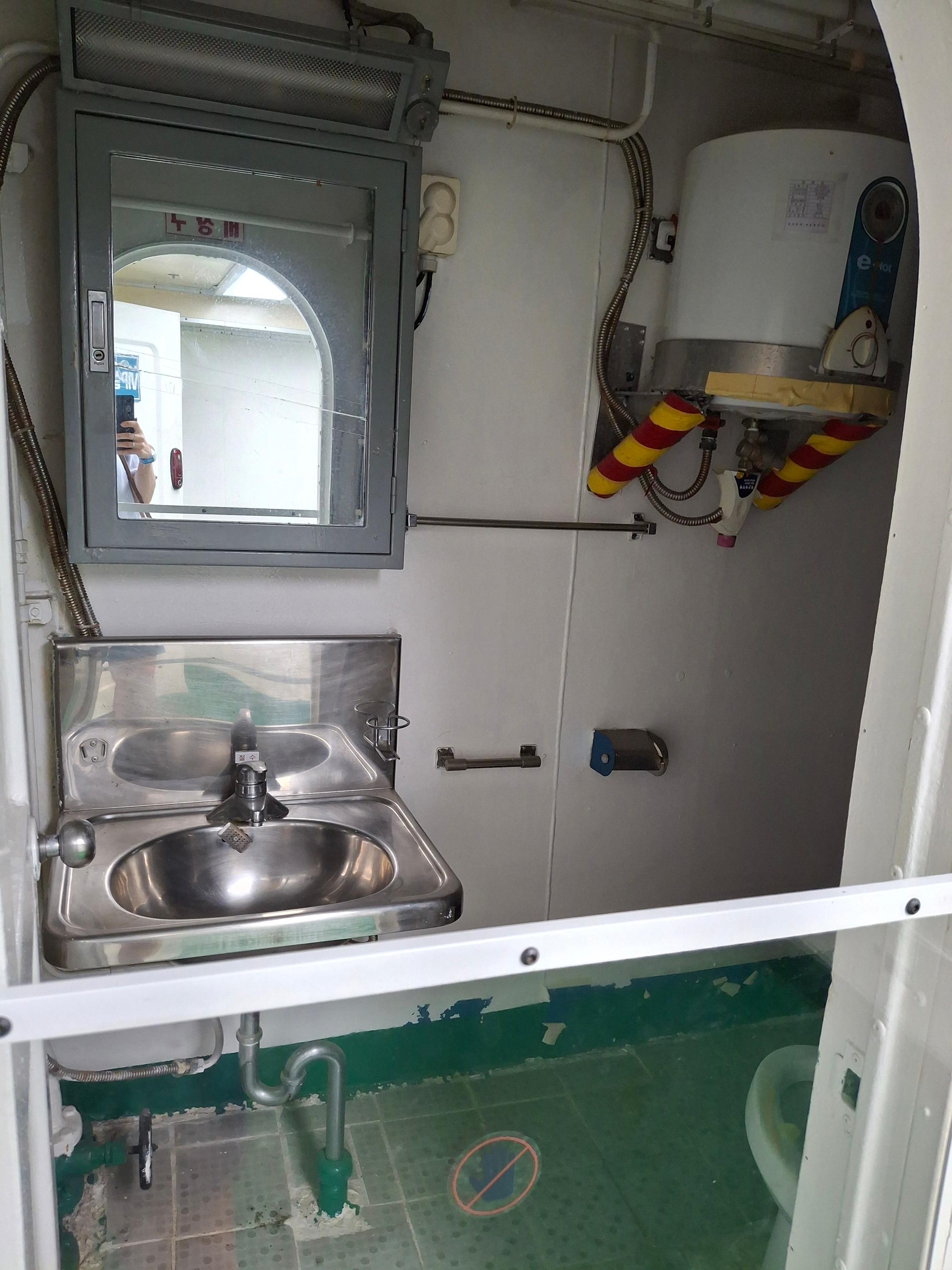
I was very interested to visit the submarine. It was just a unique opportunity! You can sit at the table, look at the submariners' kitchen and even the toilet with a shower. It is very difficult to imagine how one can live in such a limited space for many days.
And finally, the largest ship from the museum’s collection, which is visible from afar and is located in the river - USS Seoul (FFK-952). You can get to it by exiting the museum building and going through the bridge. In order to get on the ship, you need to put the museum ticket at the bridge gate.
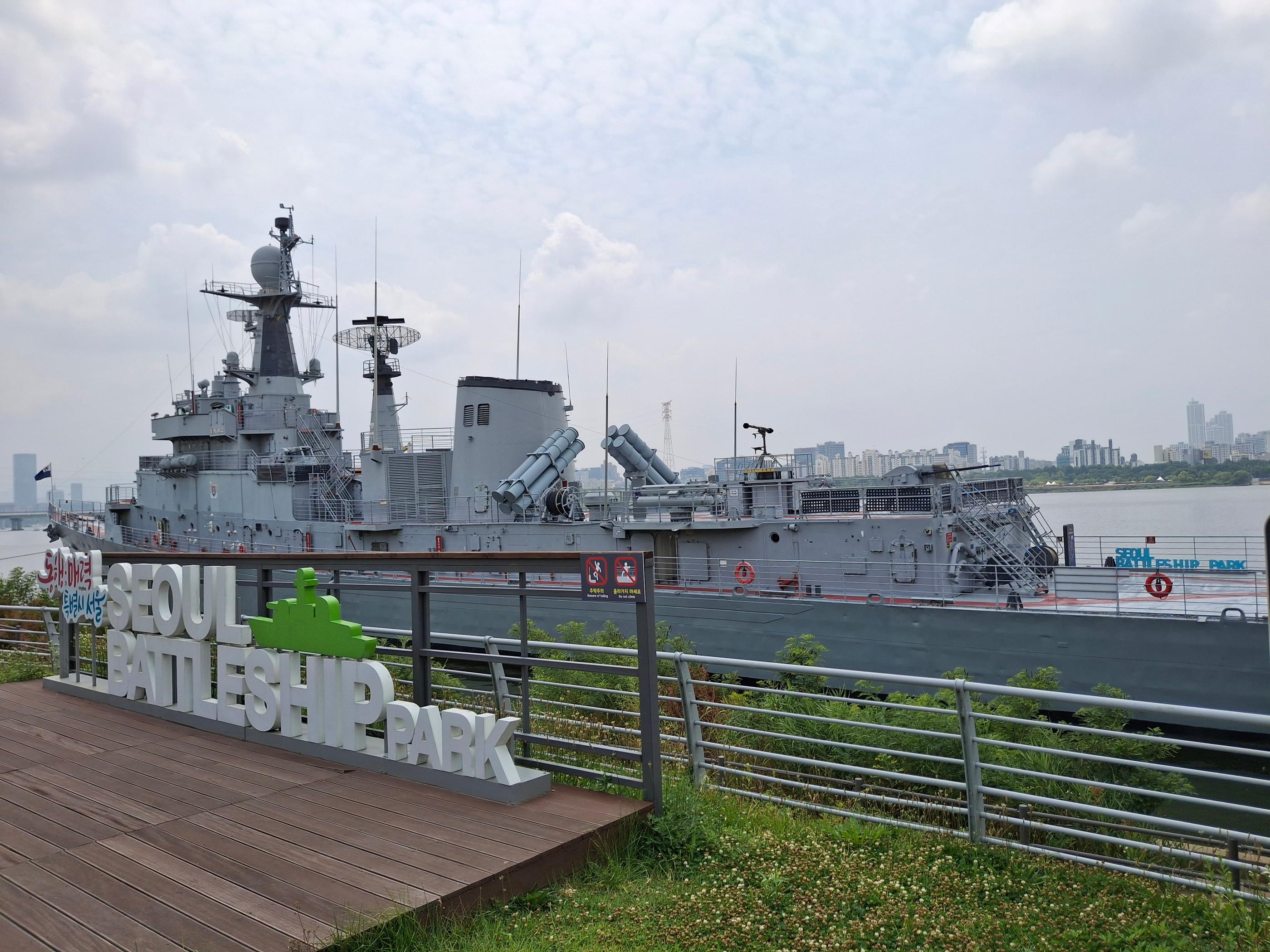
The Seoul-class frigate is the Republic of Korea Navy's first domestically built frigate, marking the first time a warship exceeding 1,000 tons has been built by the Navy's Fleet and the domestic shipbuilding industry. Commissioned in 1985, the Seoul-class frigate (FFK-952) successfully completed its mission of protecting the nation's oceans for 30 years.
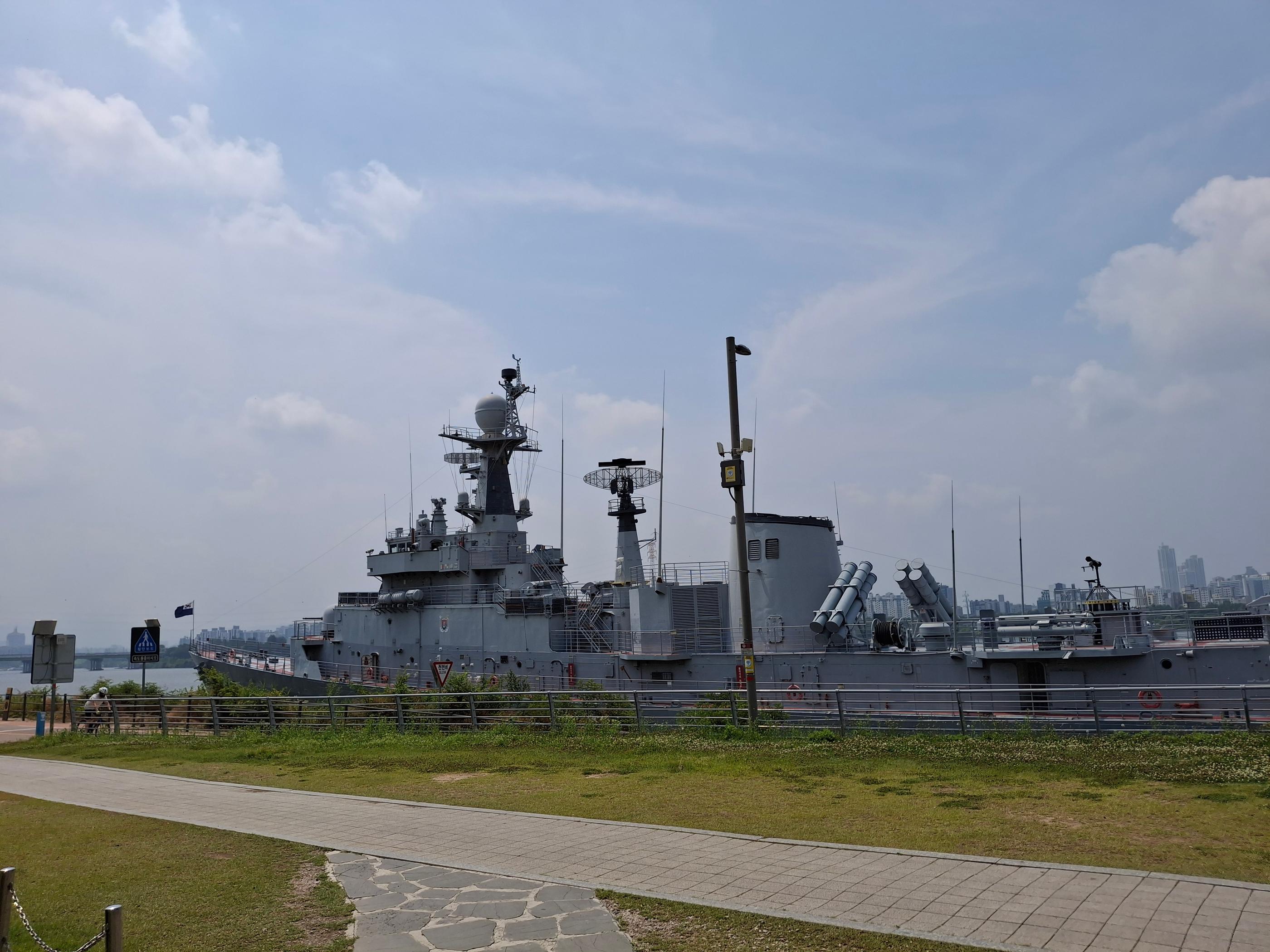
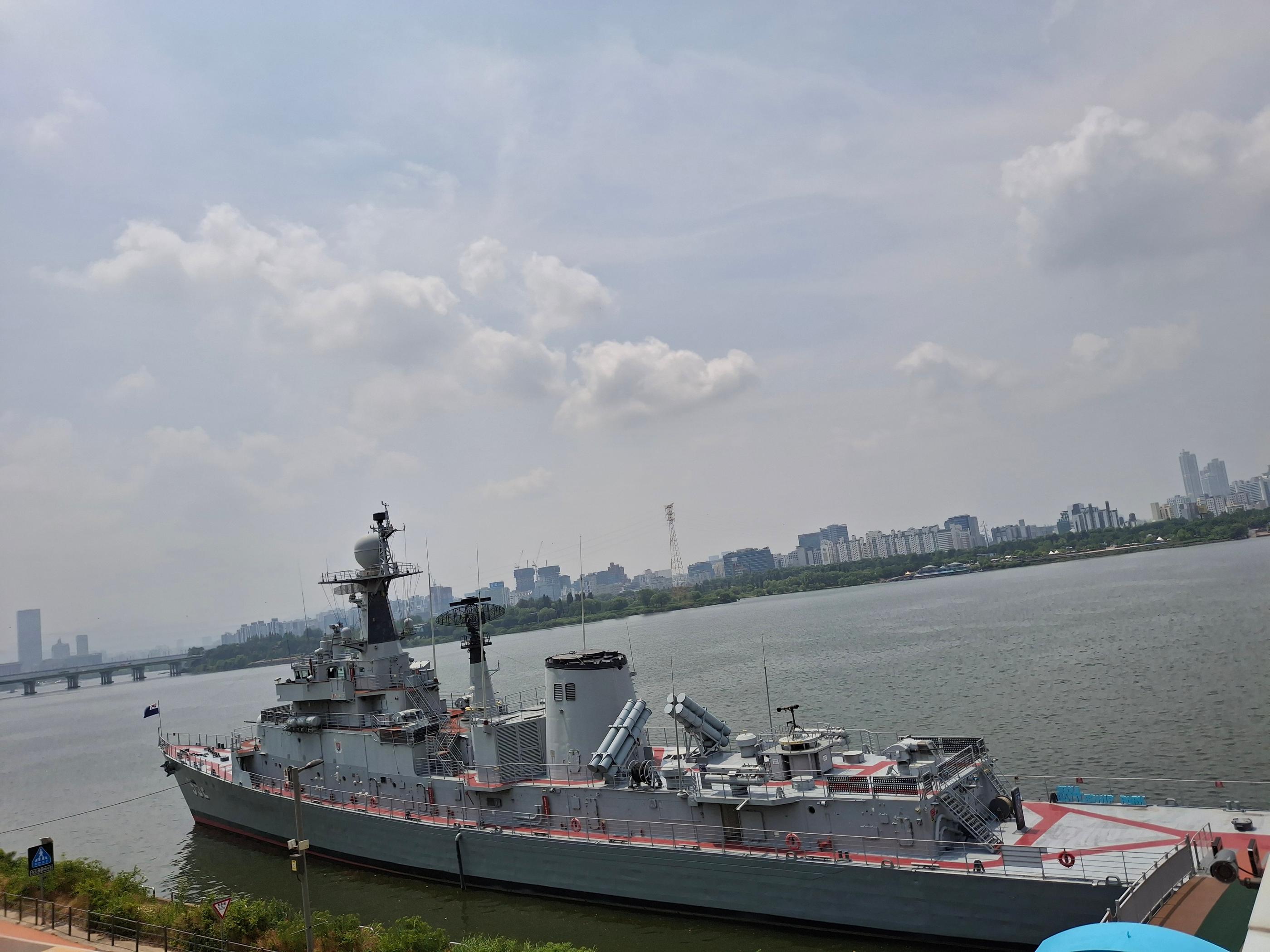
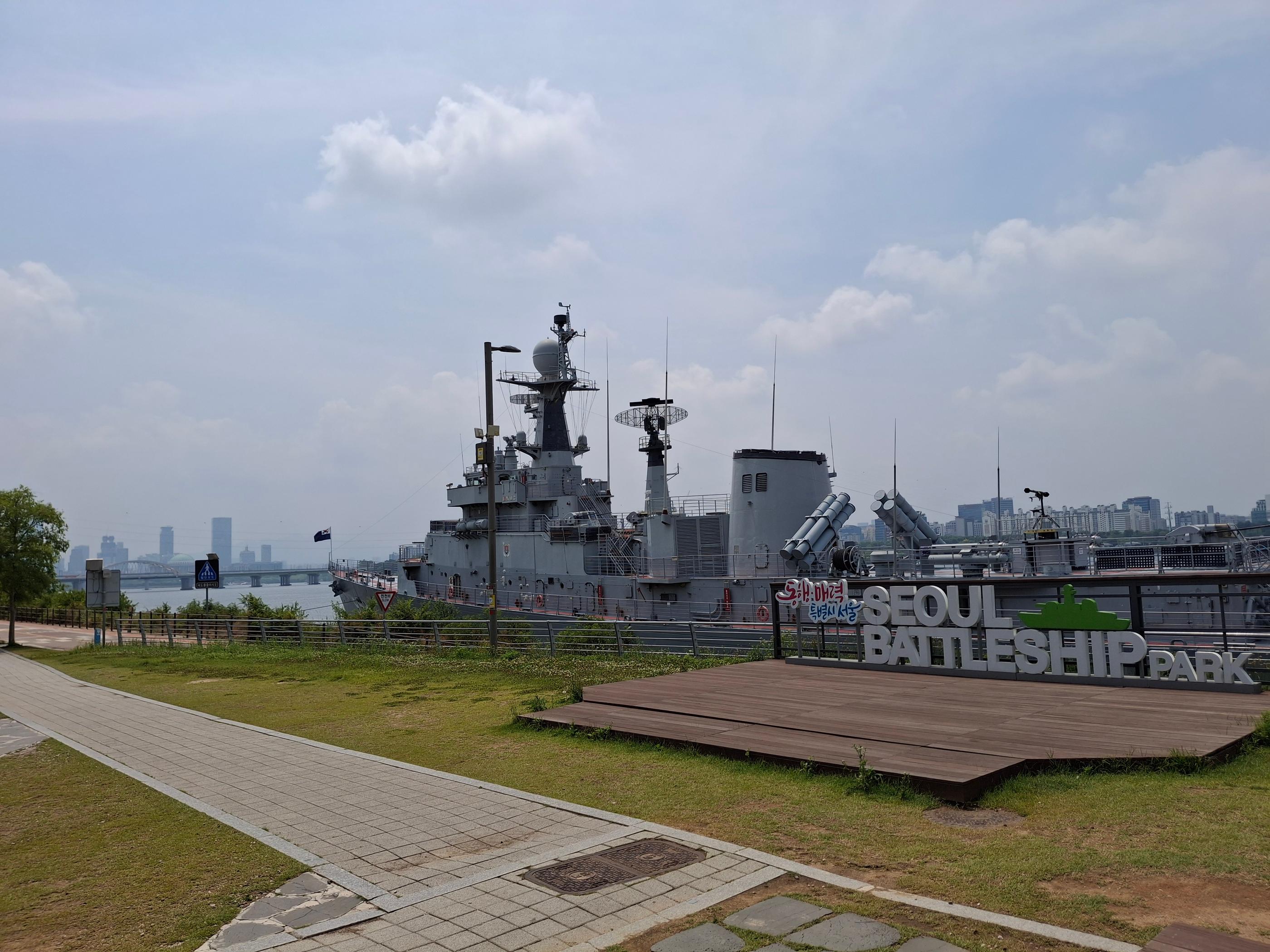
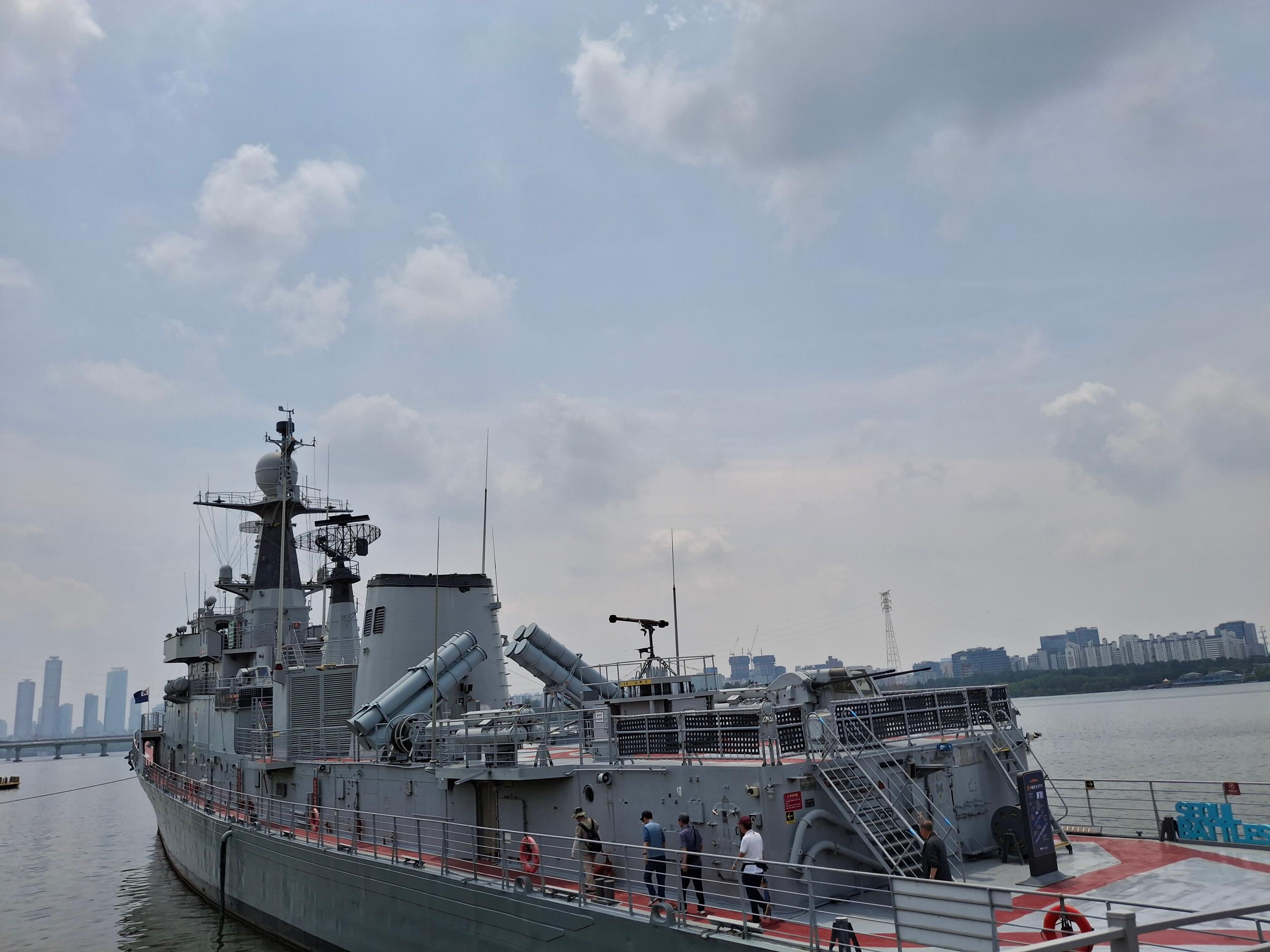
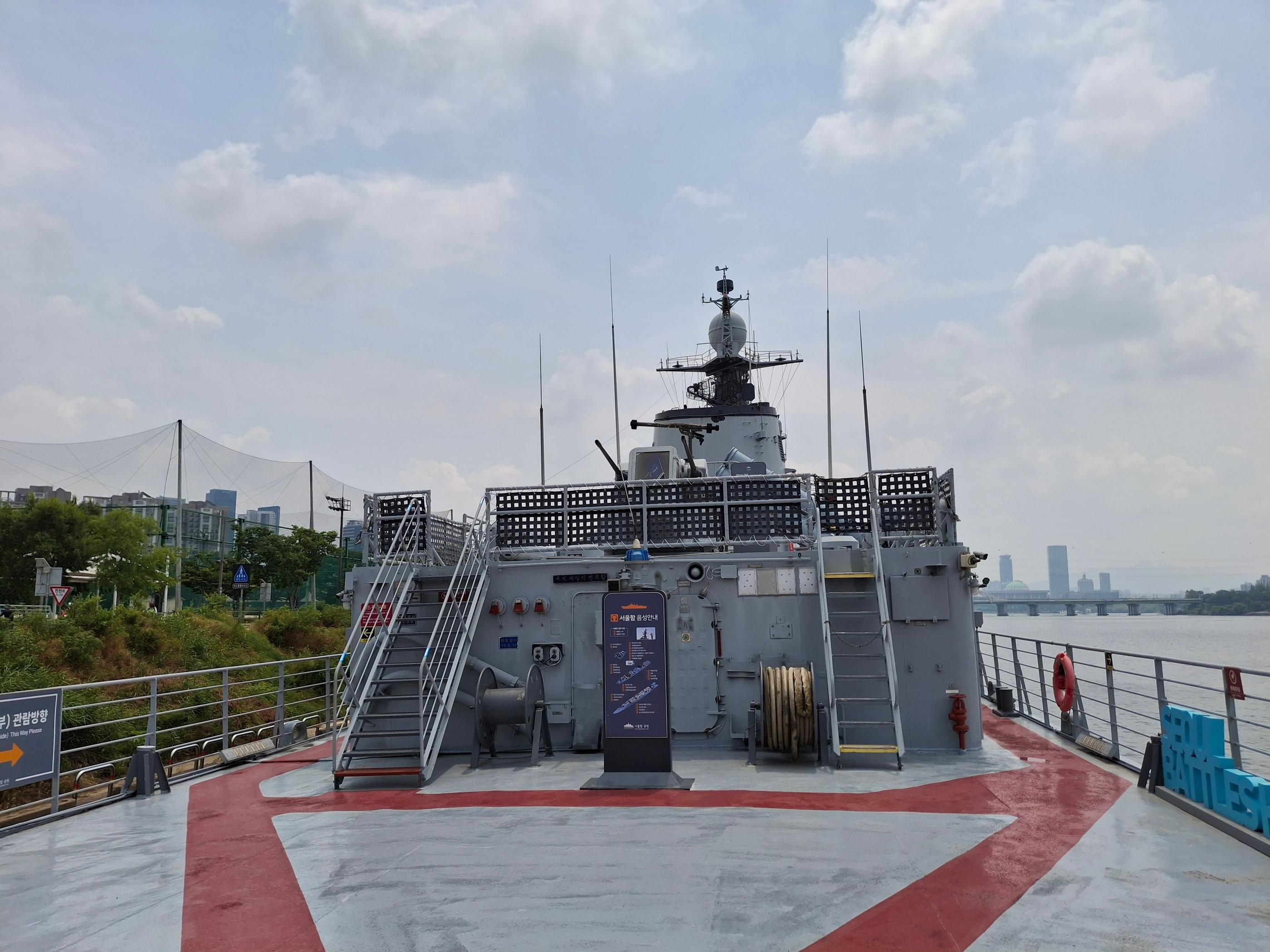
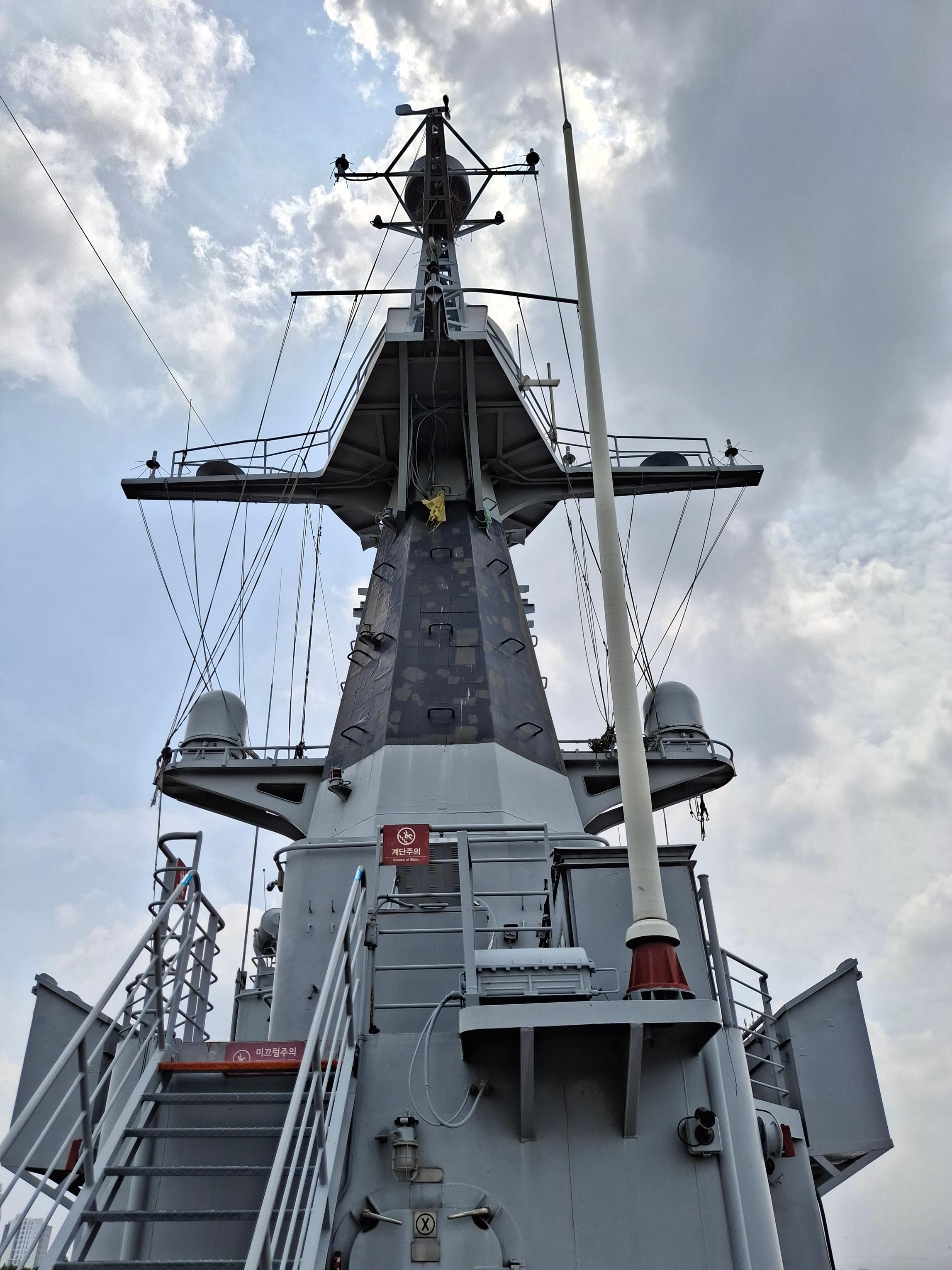
From the deck the ship seems even bigger, like a fortress (5 floors!), and there are beautiful views of the river and the city all around. The bow and stern decks offer a unique photo opportunity aboard the ship, complemented by the beautiful sunset over the Han River.
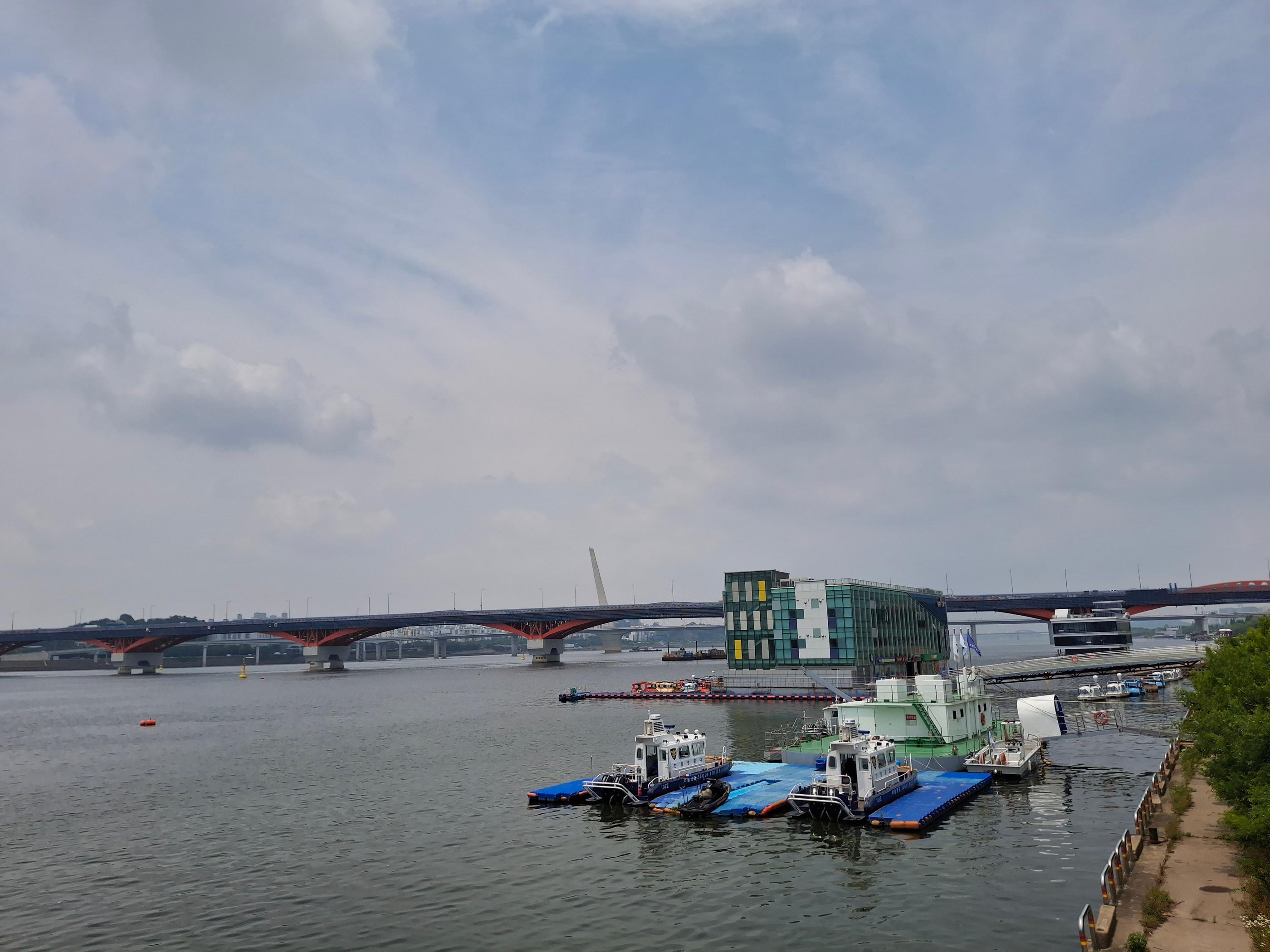
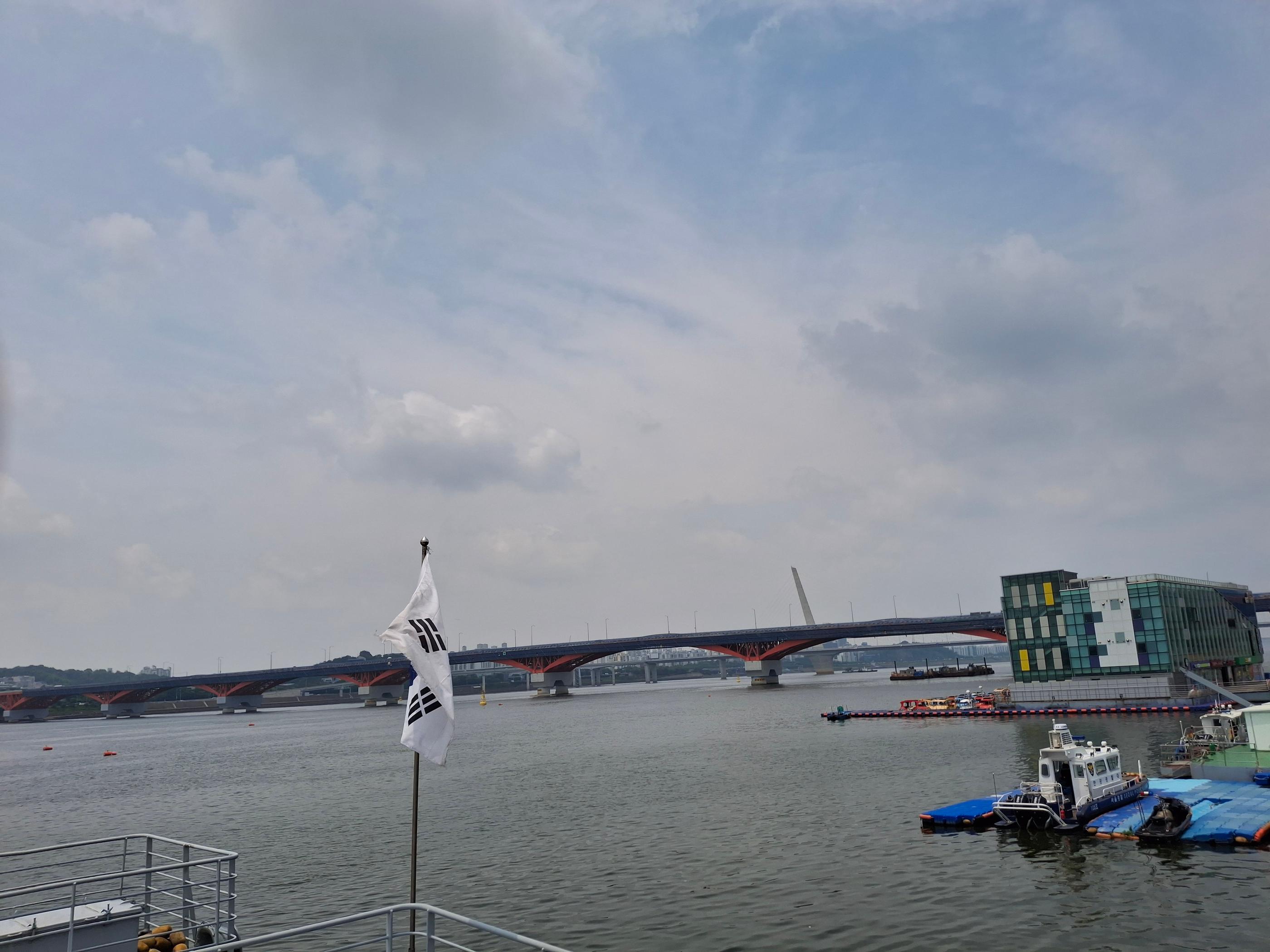
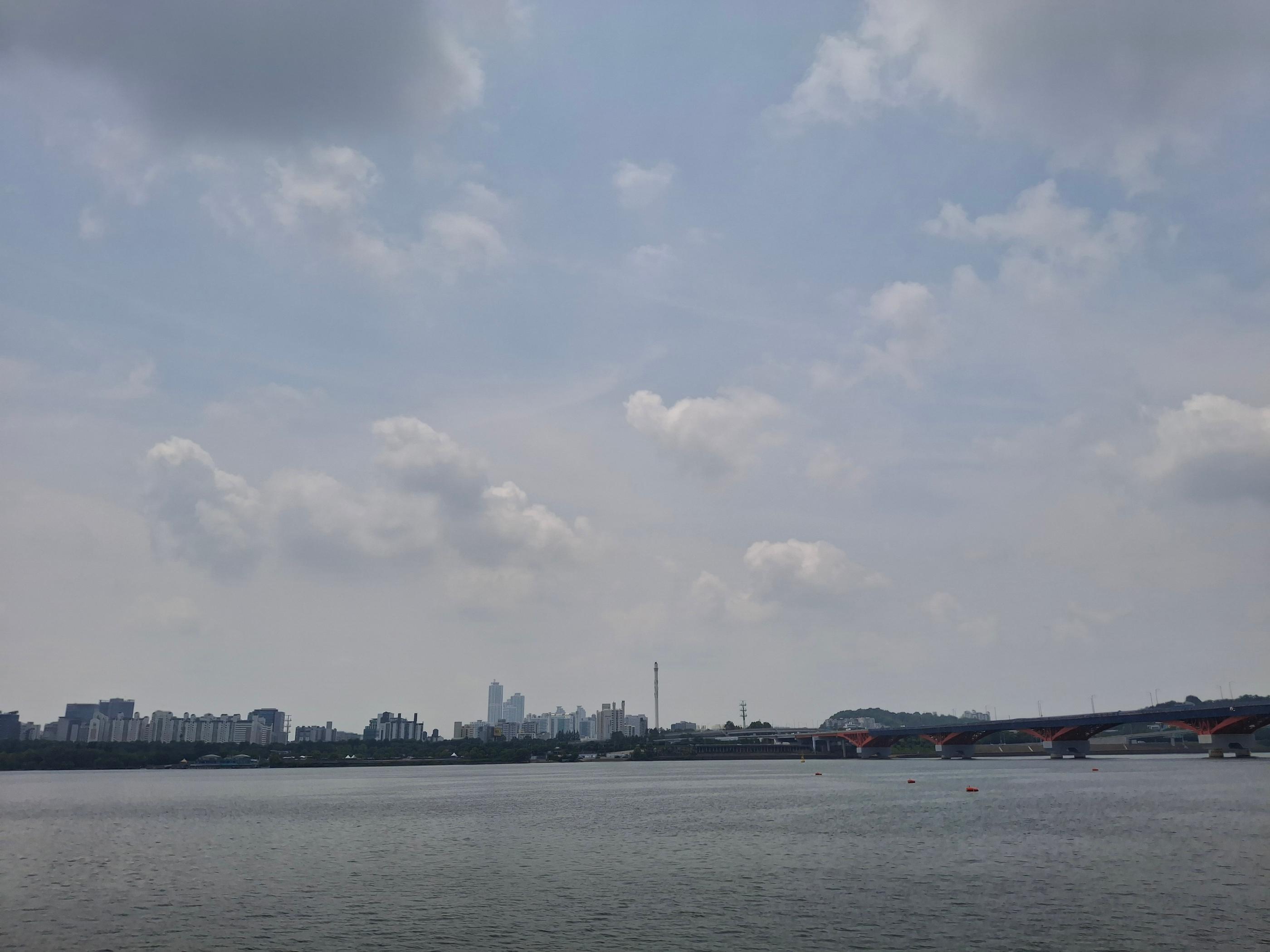
The best way to start is to walk around the deck, looking at the various weapons and mechanisms.
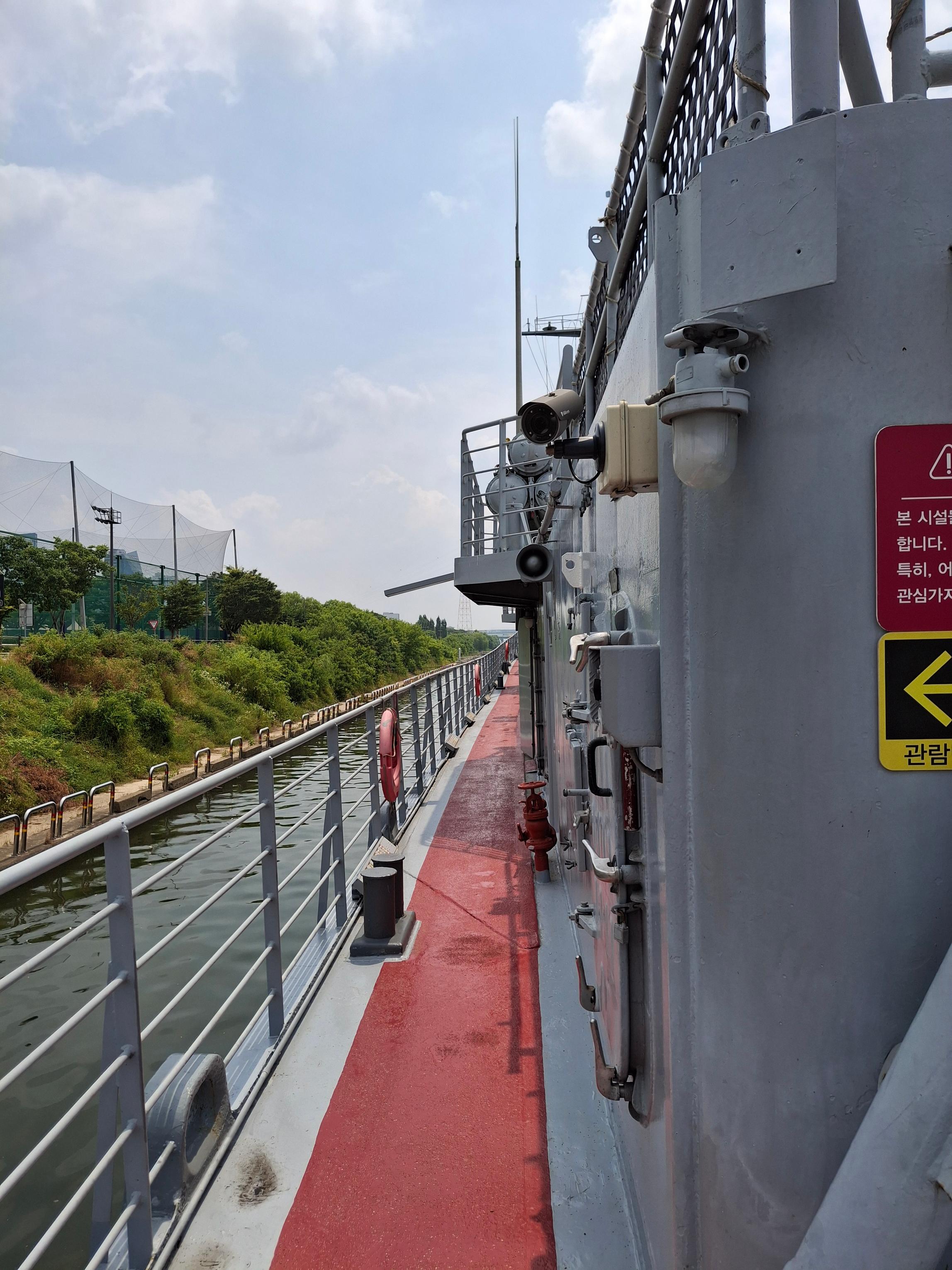
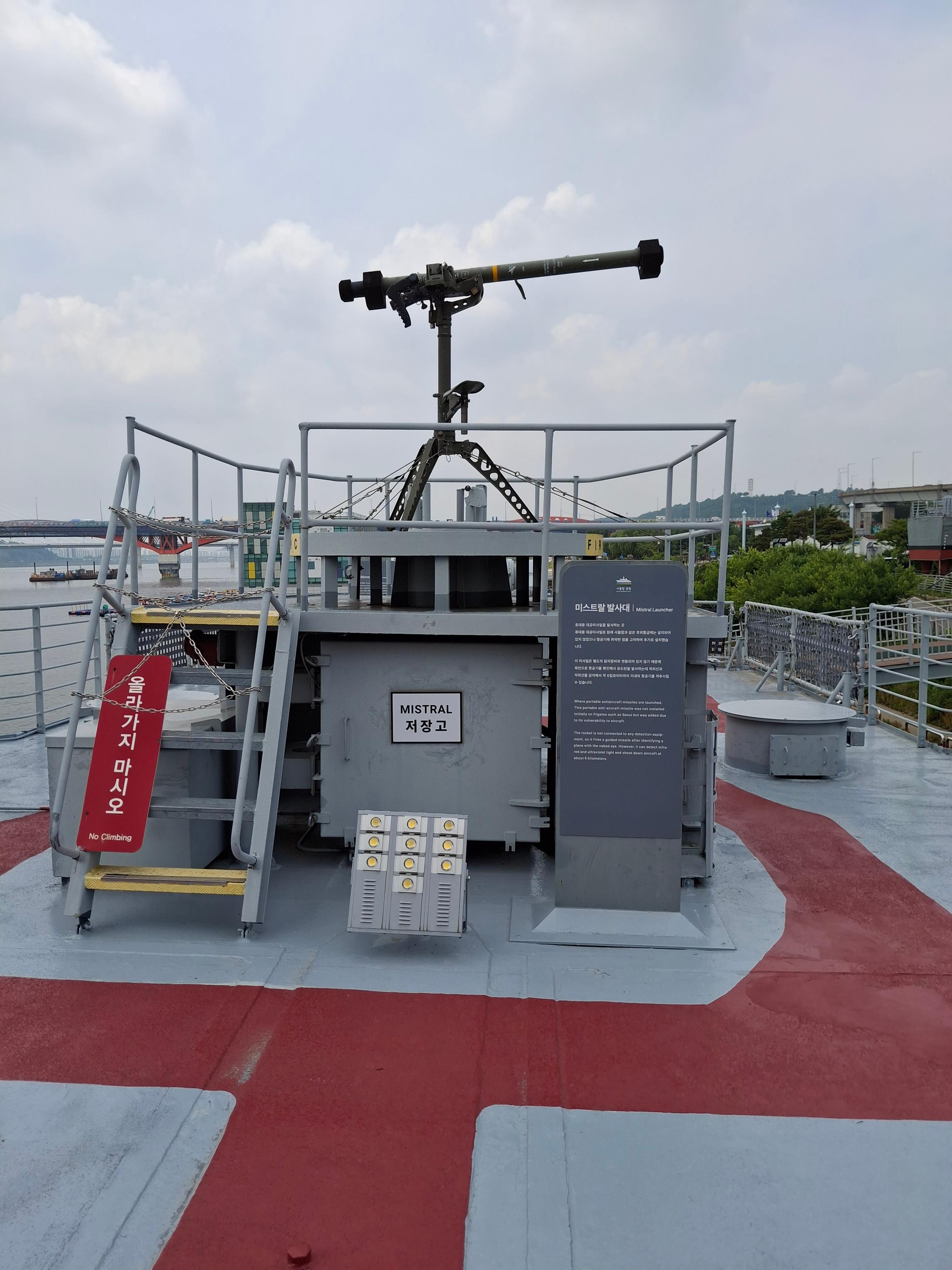
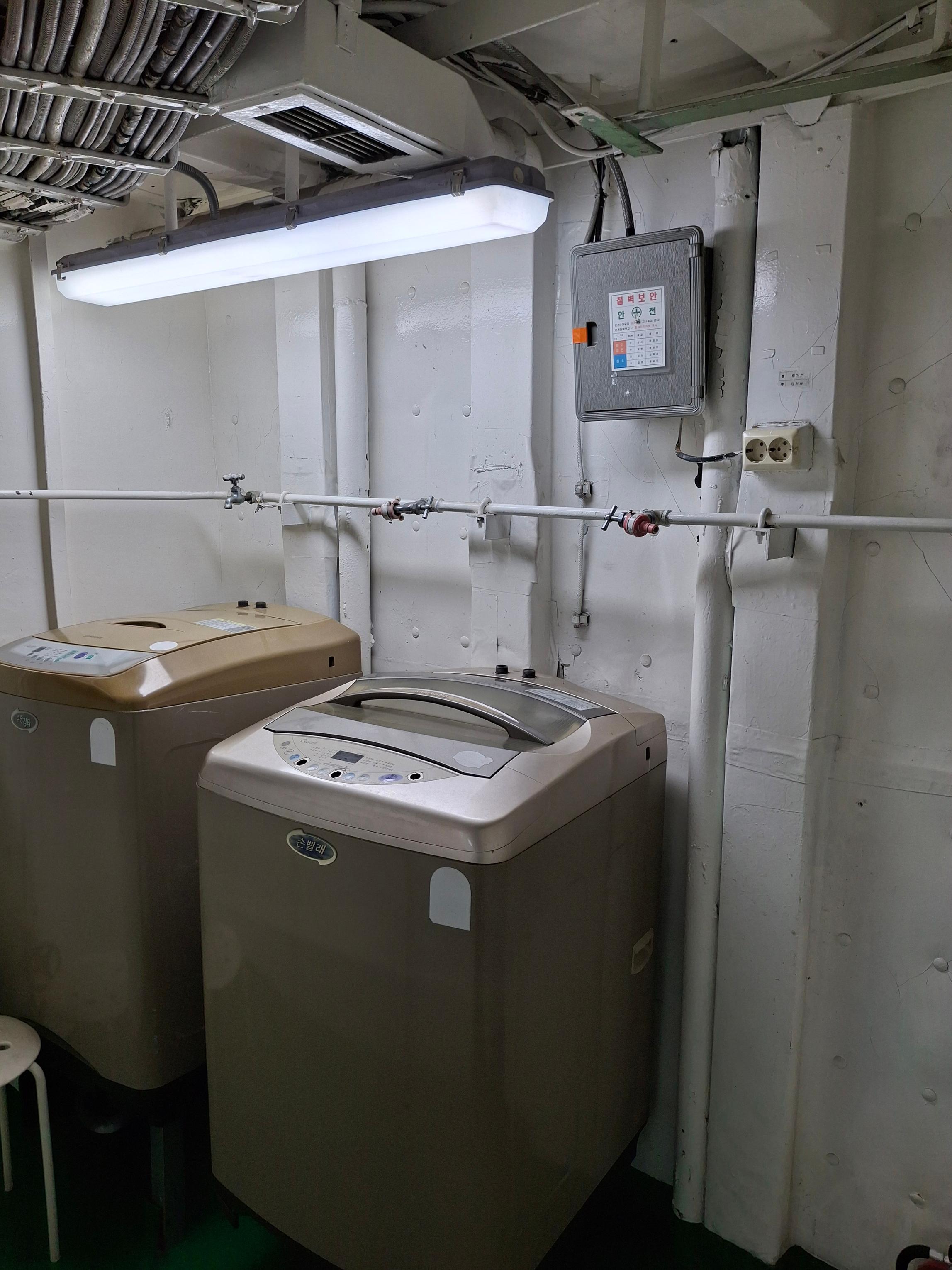
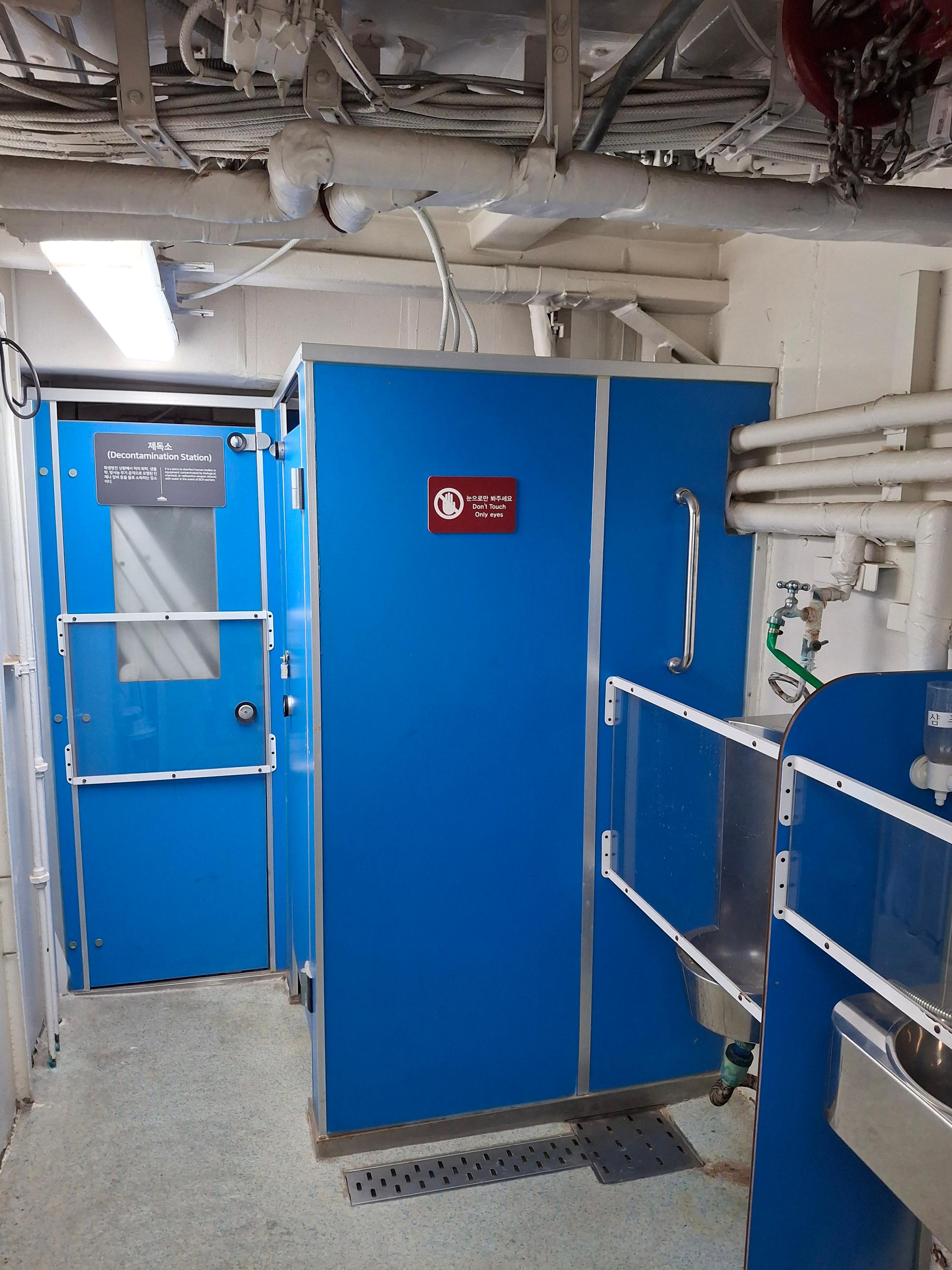
The exhibition hall preserves the original form of the Seoul, offering a vivid experience of the first-floor living quarters, including bedrooms, a store, and a dining hall, and the second to fourth-floor workspaces, including the navigation room, captain's quarters, radar room, and wheelhouse.
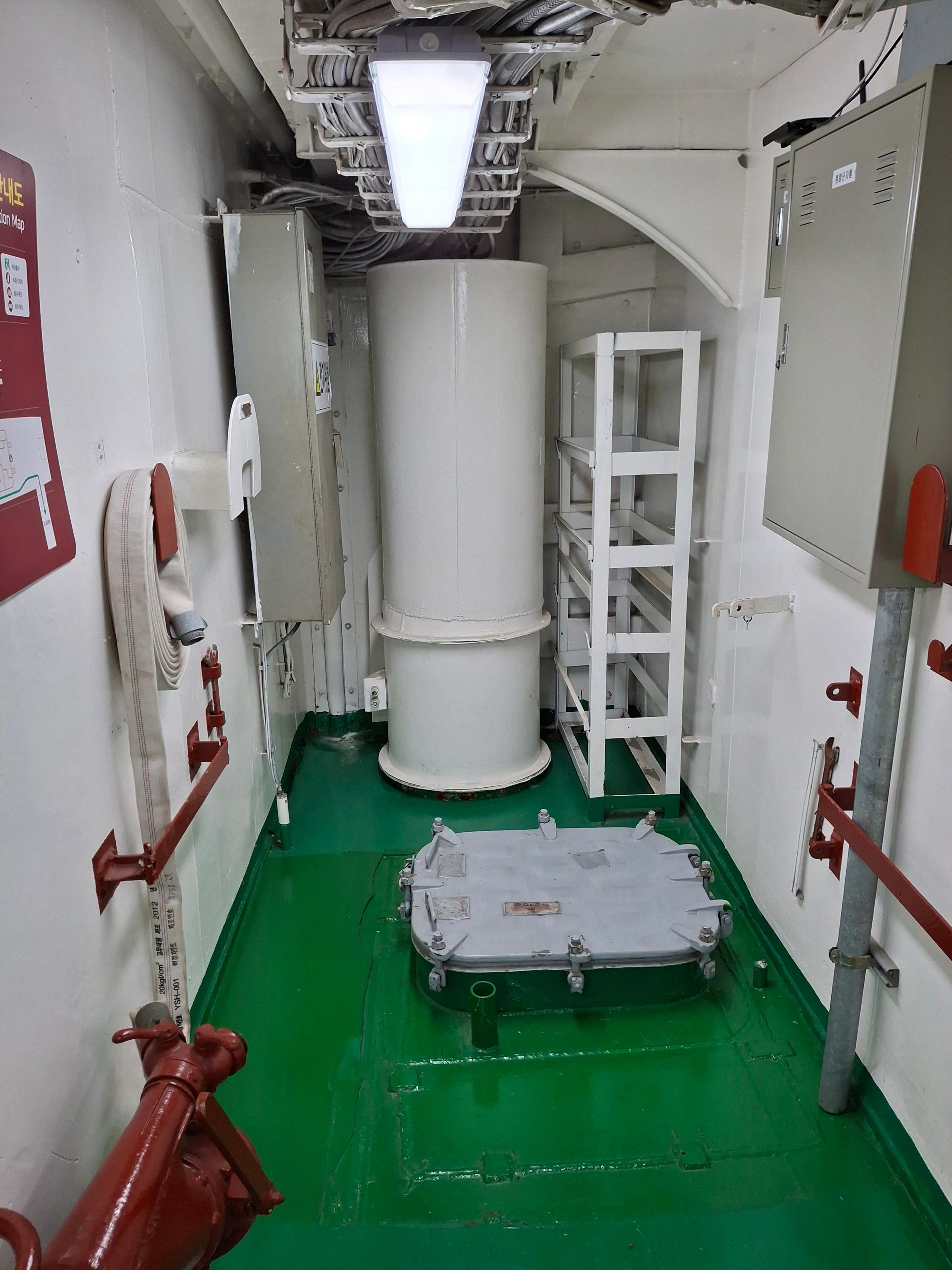
After passing through a narrow door, you find yourself in a utility room, from which many long narrow corridors lead off.
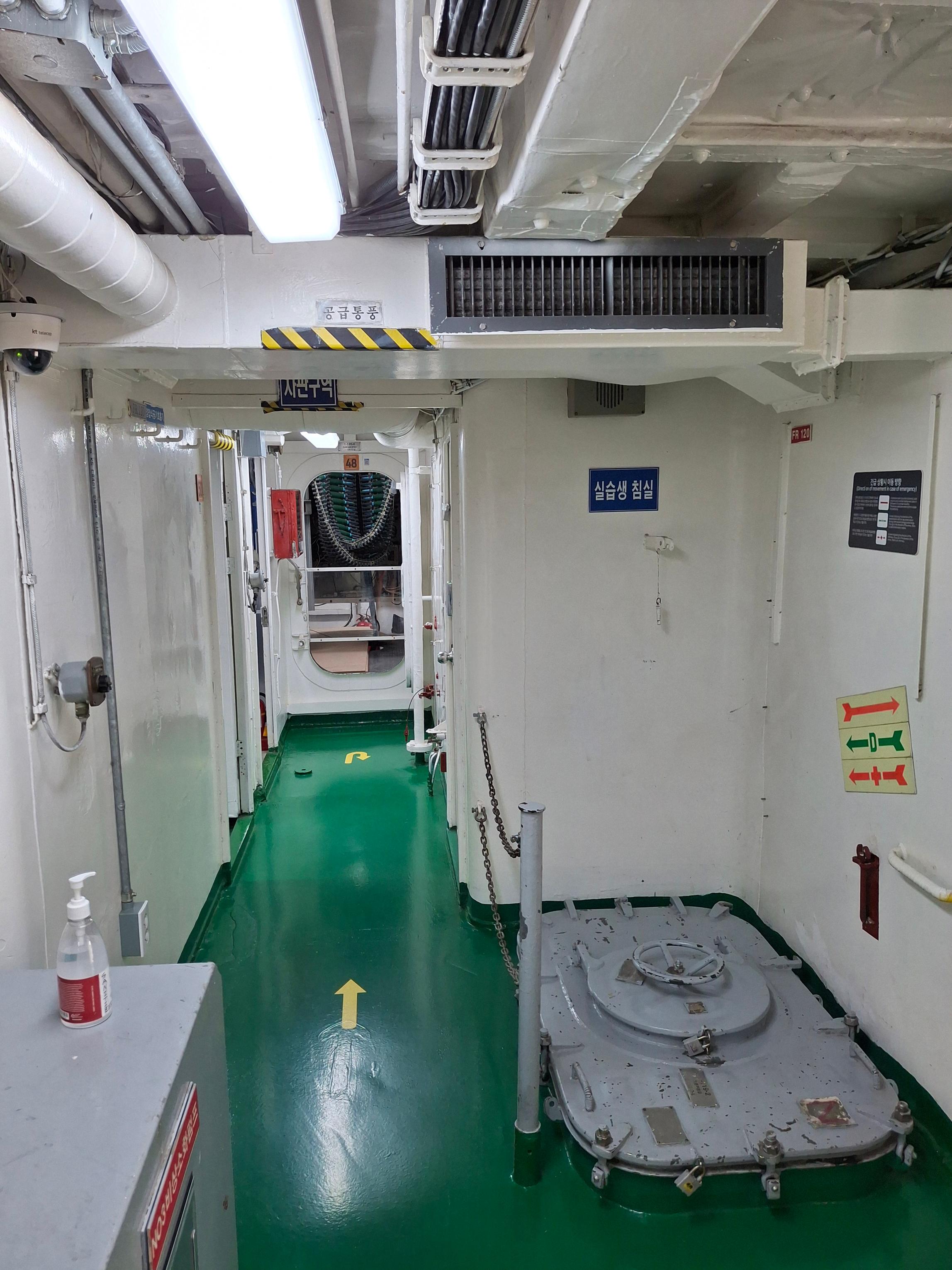
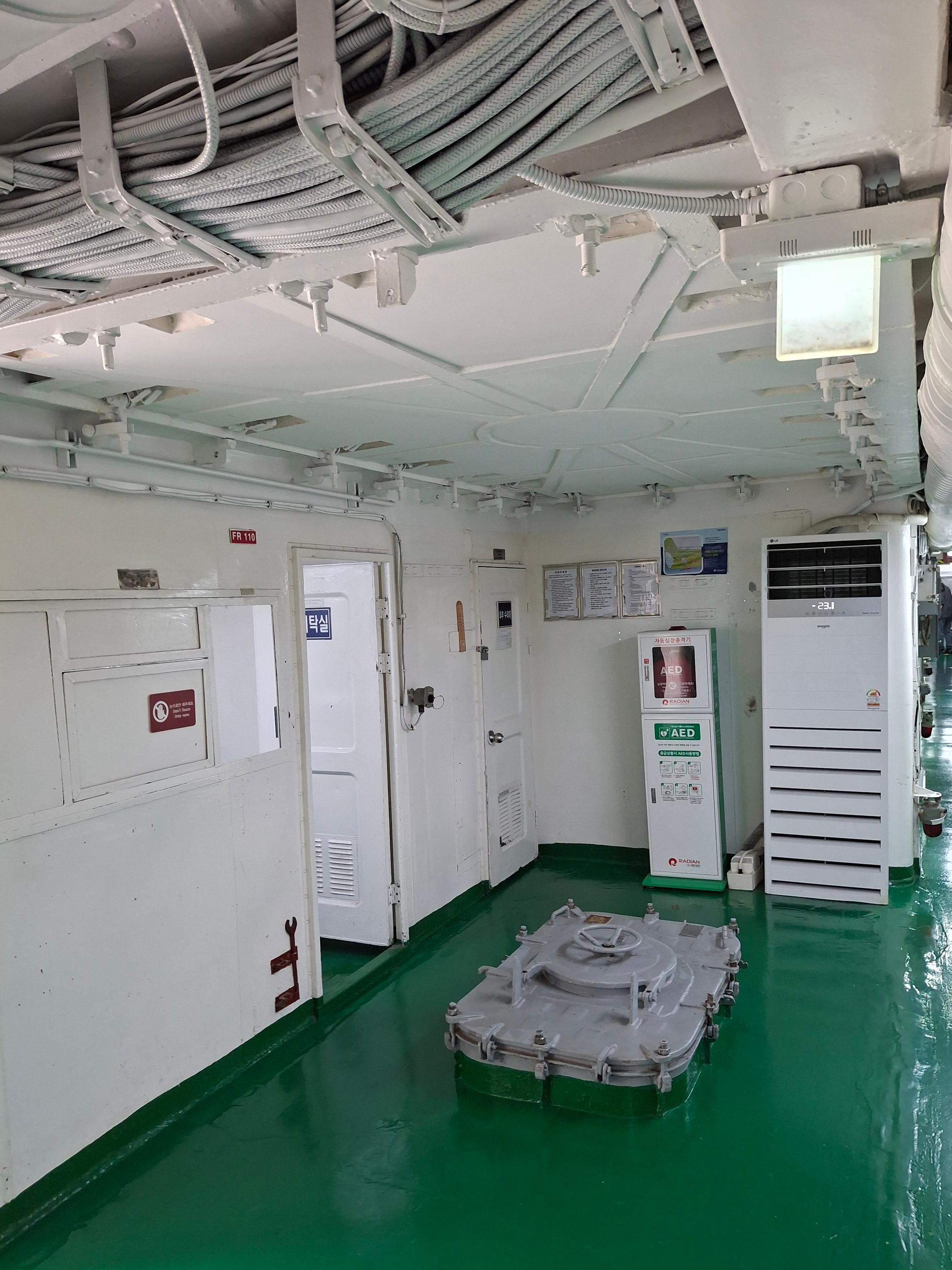
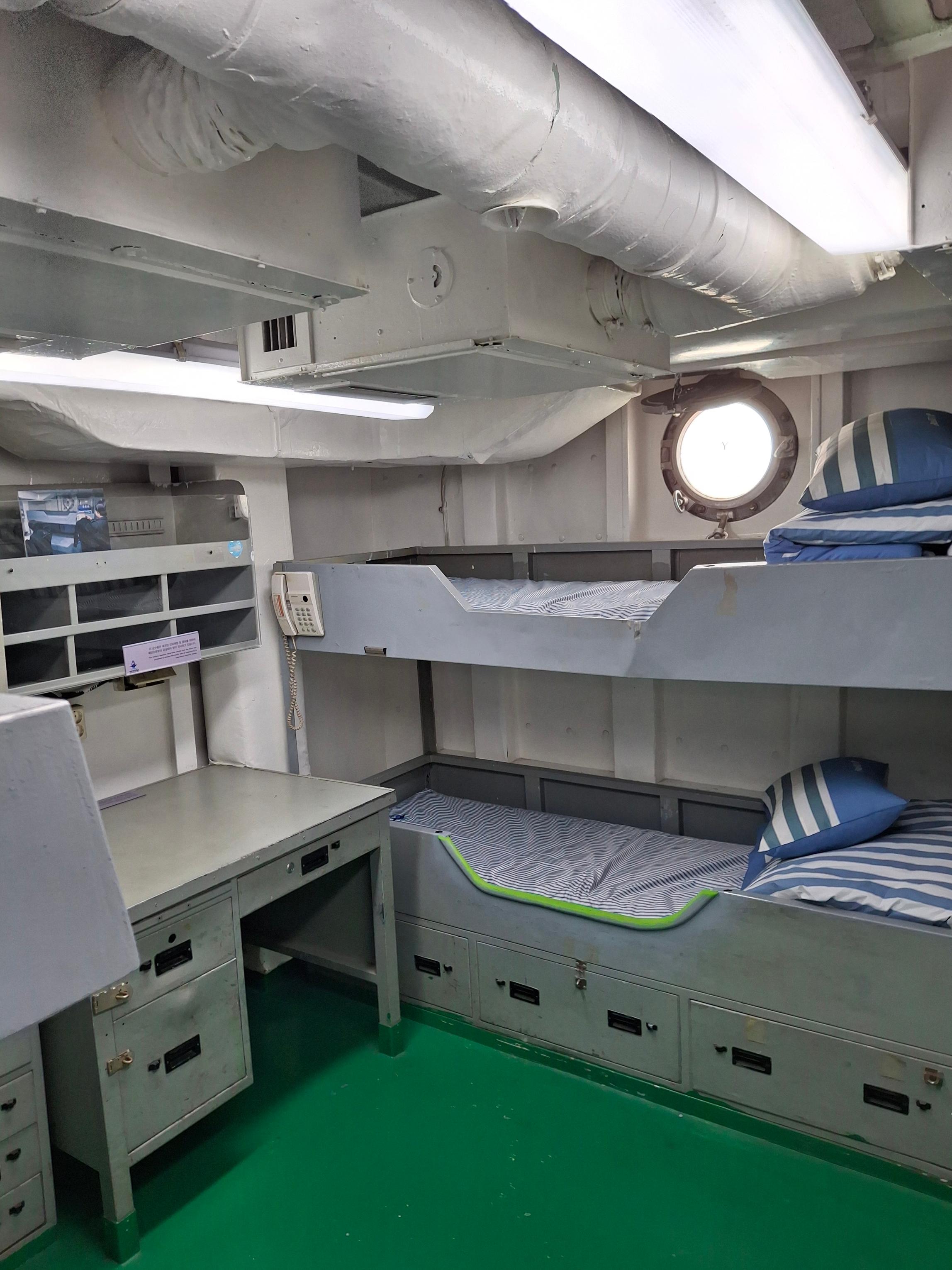
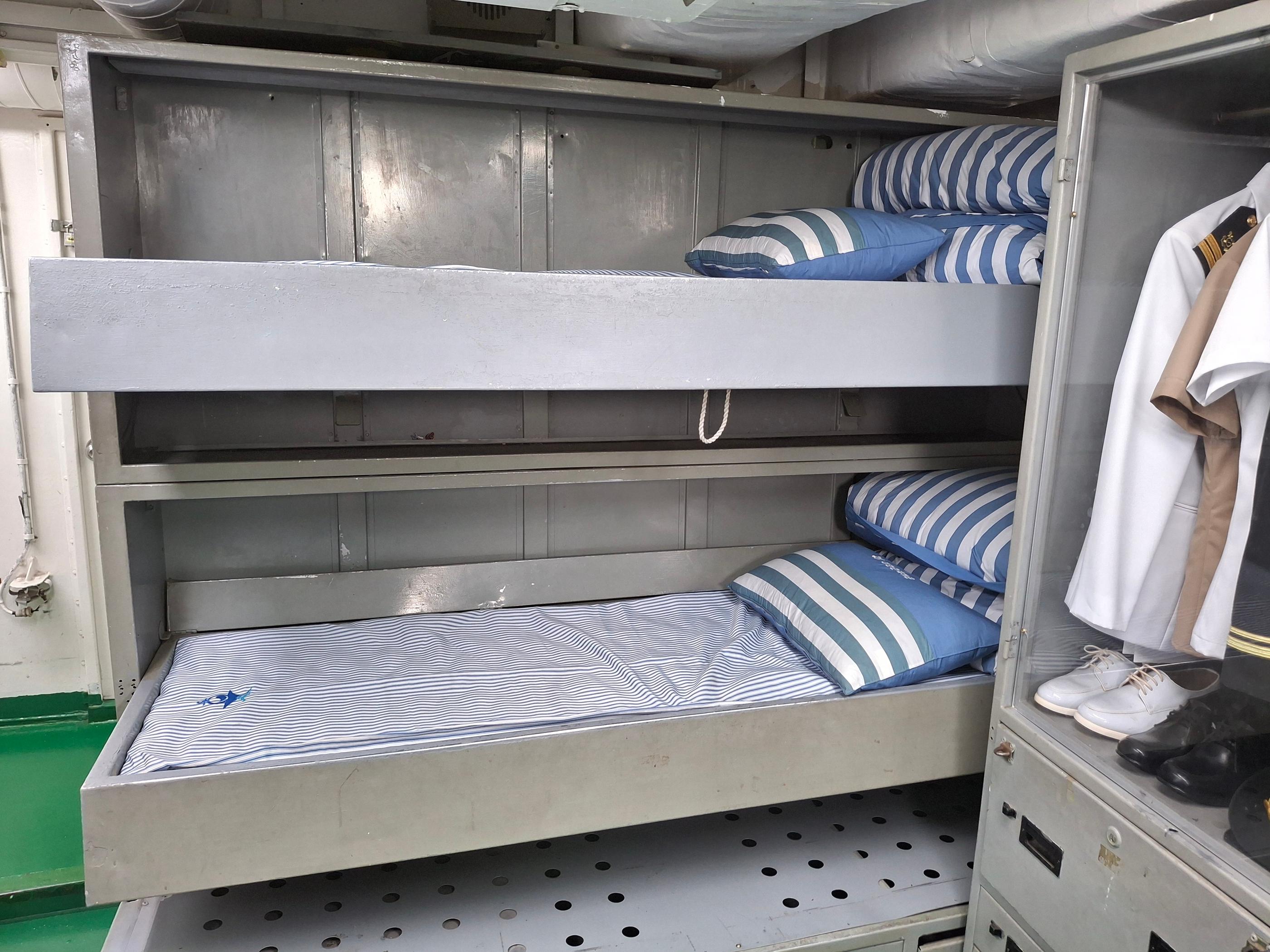
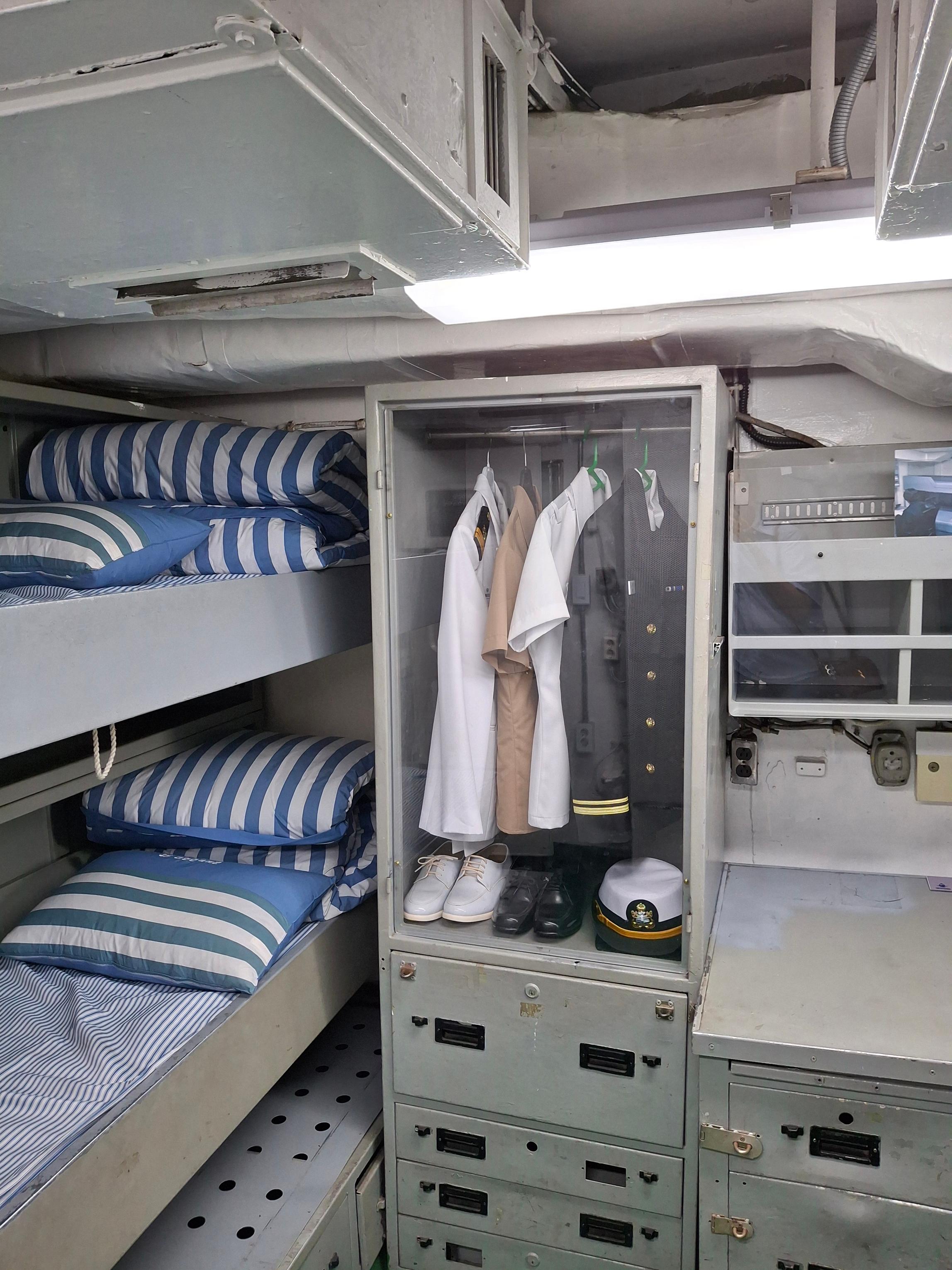
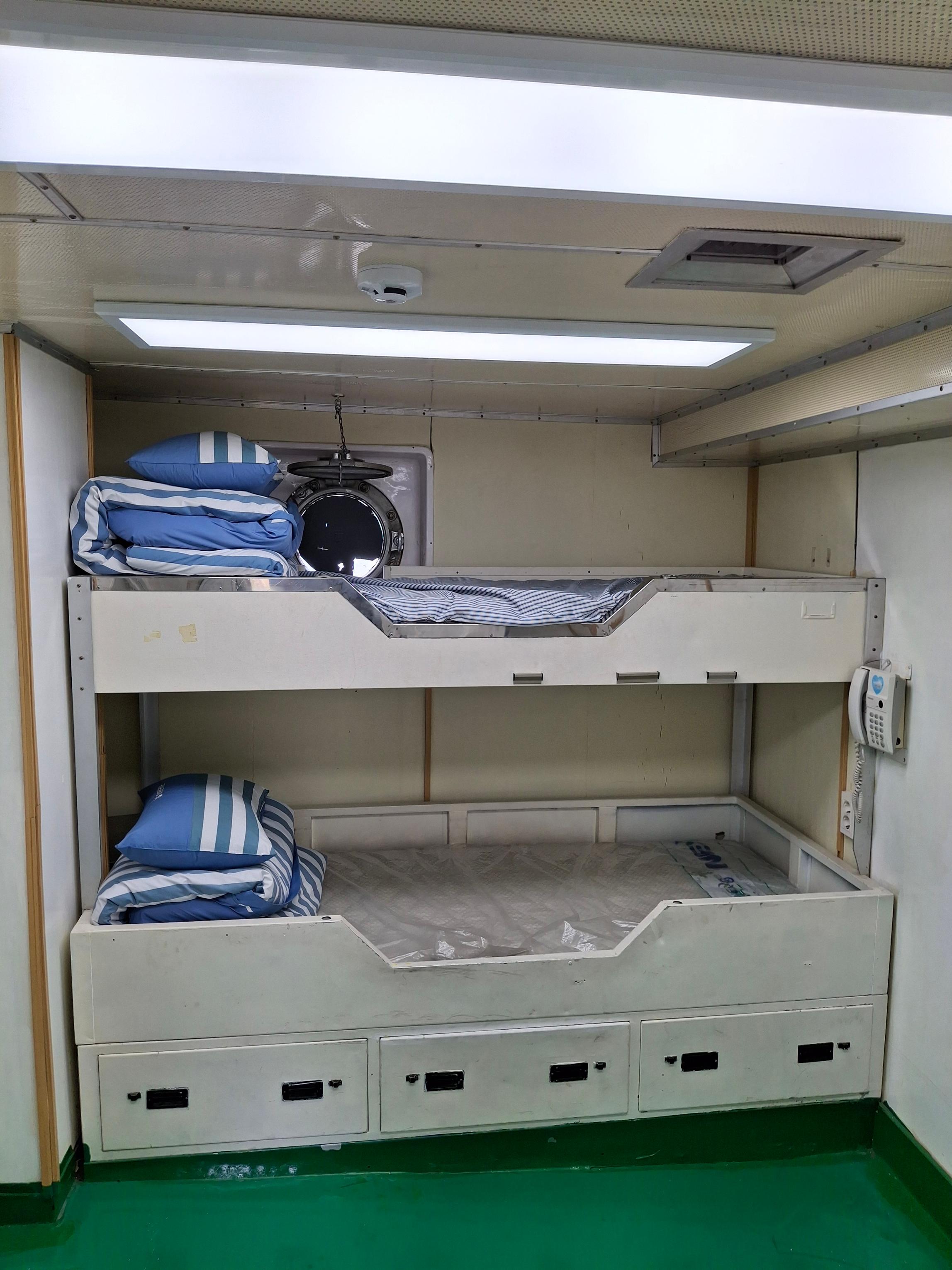
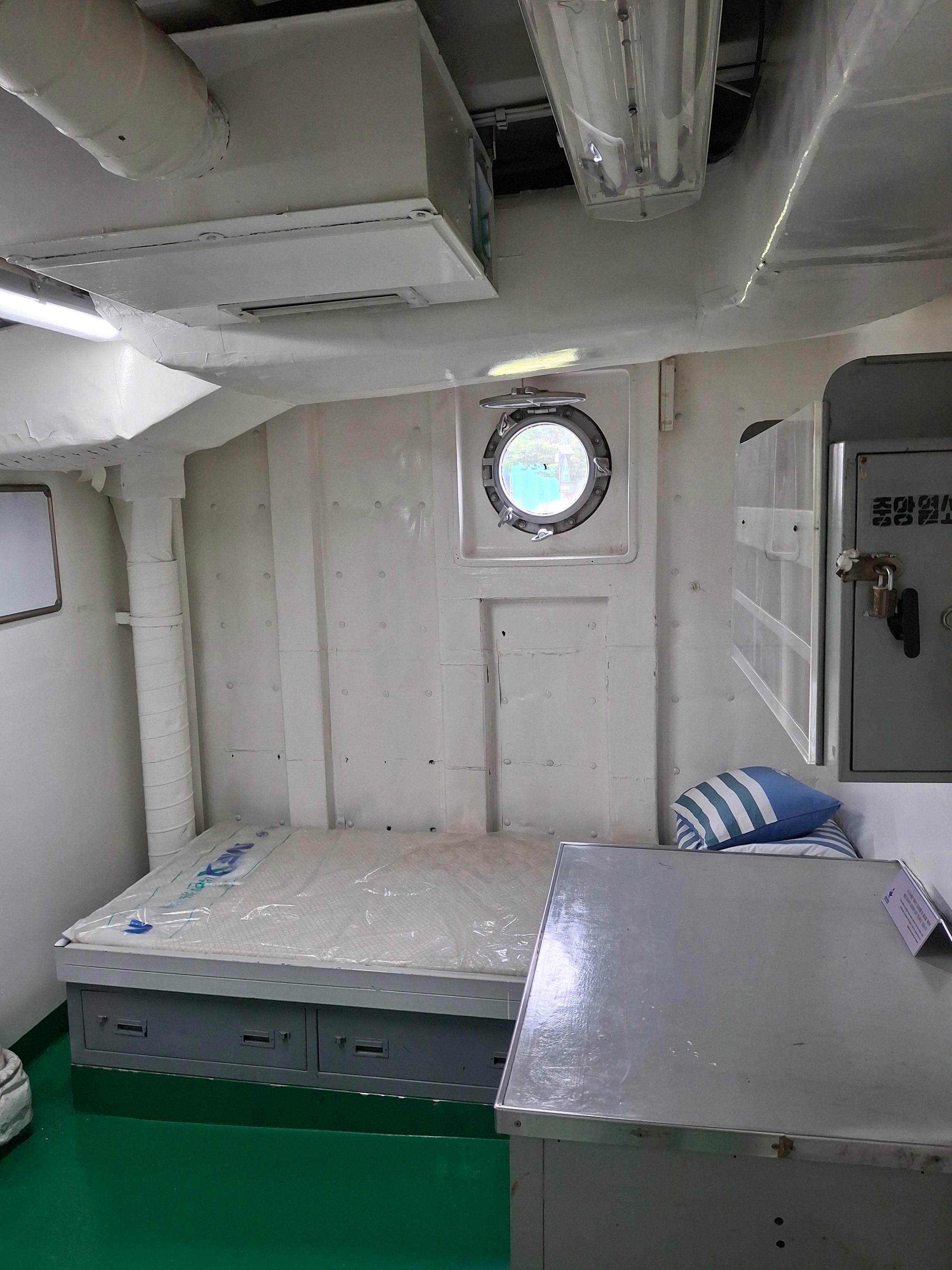
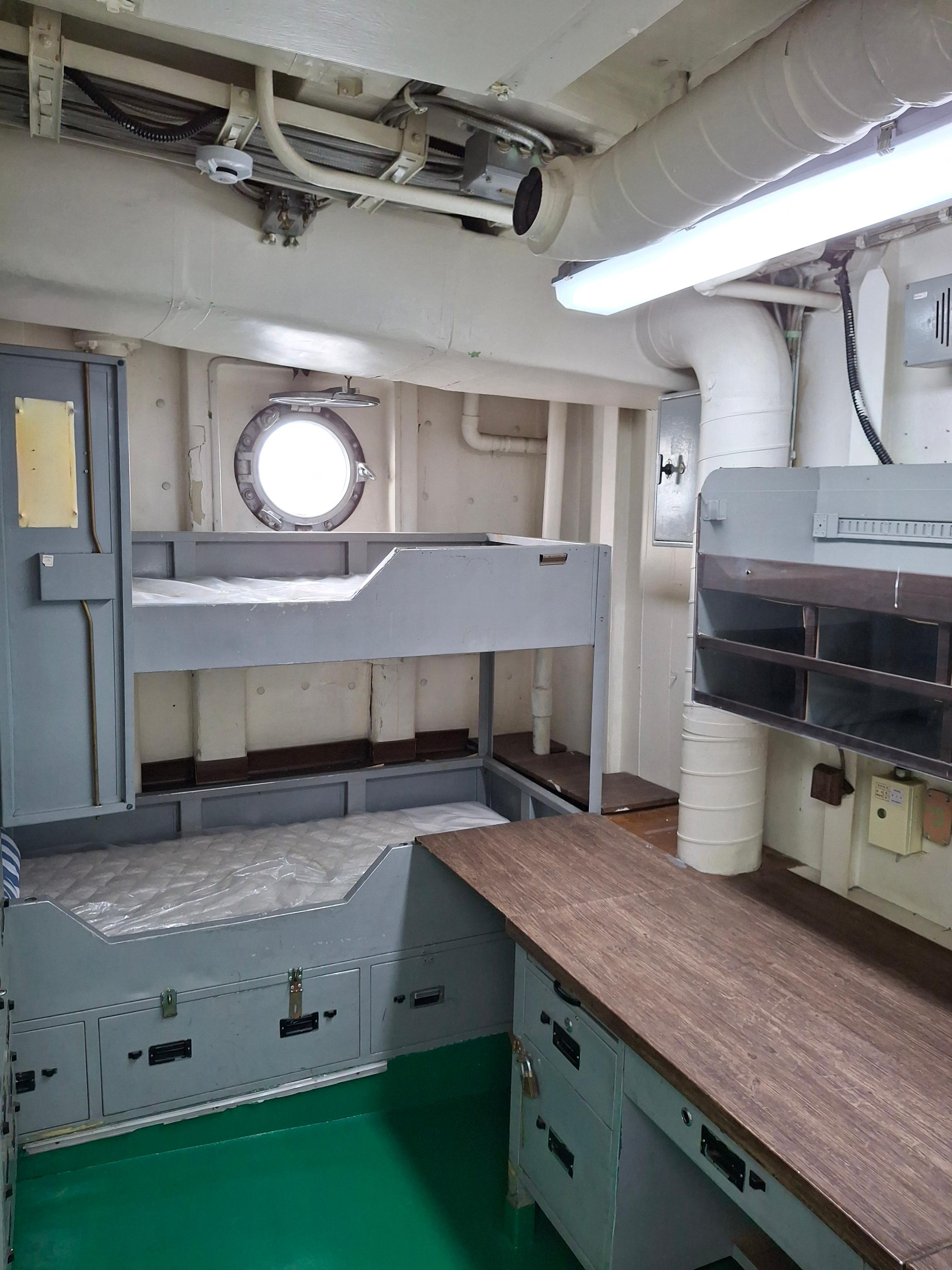
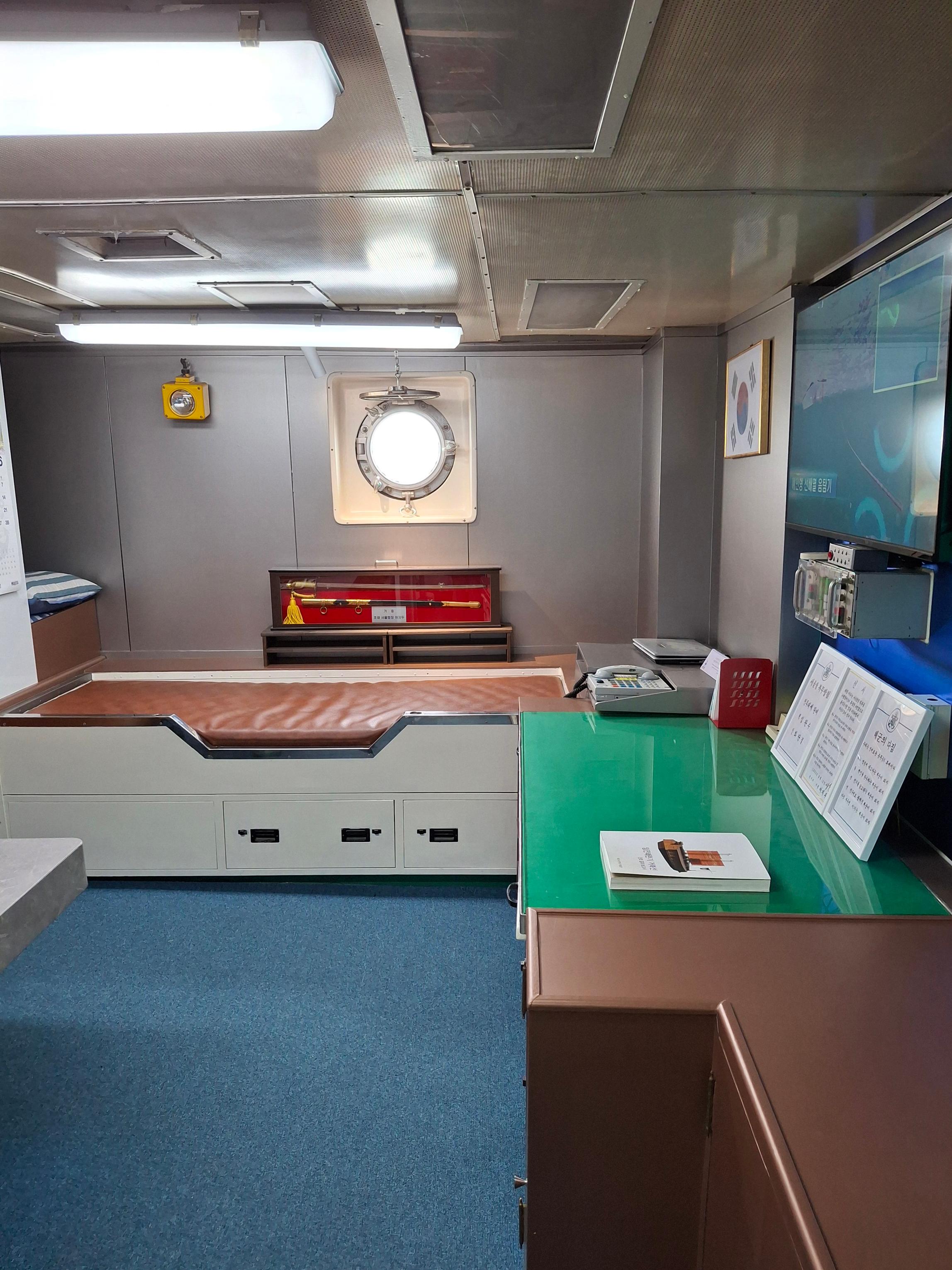
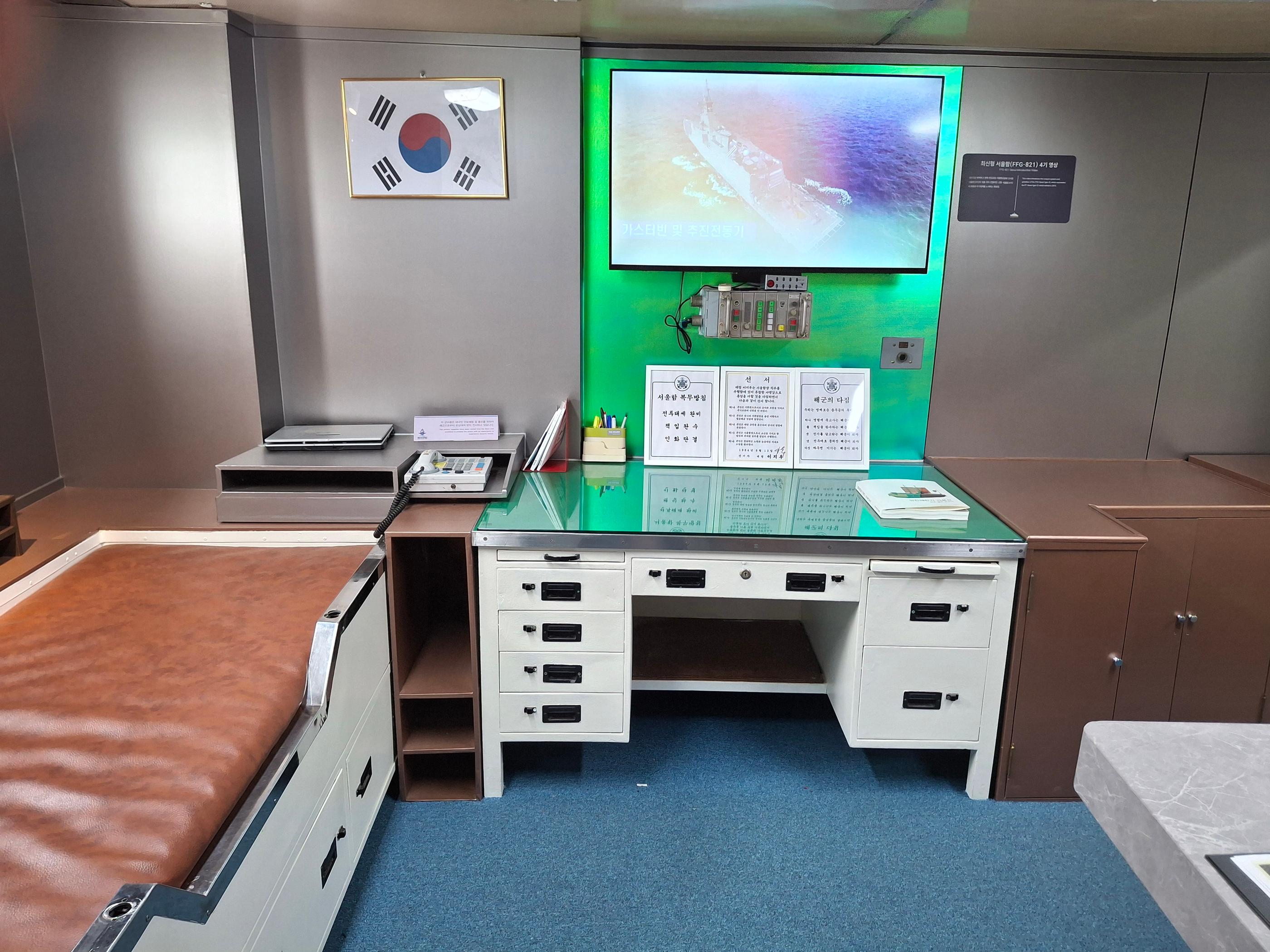
I was very interested to go into the officers' cabin. Even personal belongings are preserved here. As if the cabin's inhabitants had just gone out for a while and would soon return. You can imagine the everyday life of the ship's officers.
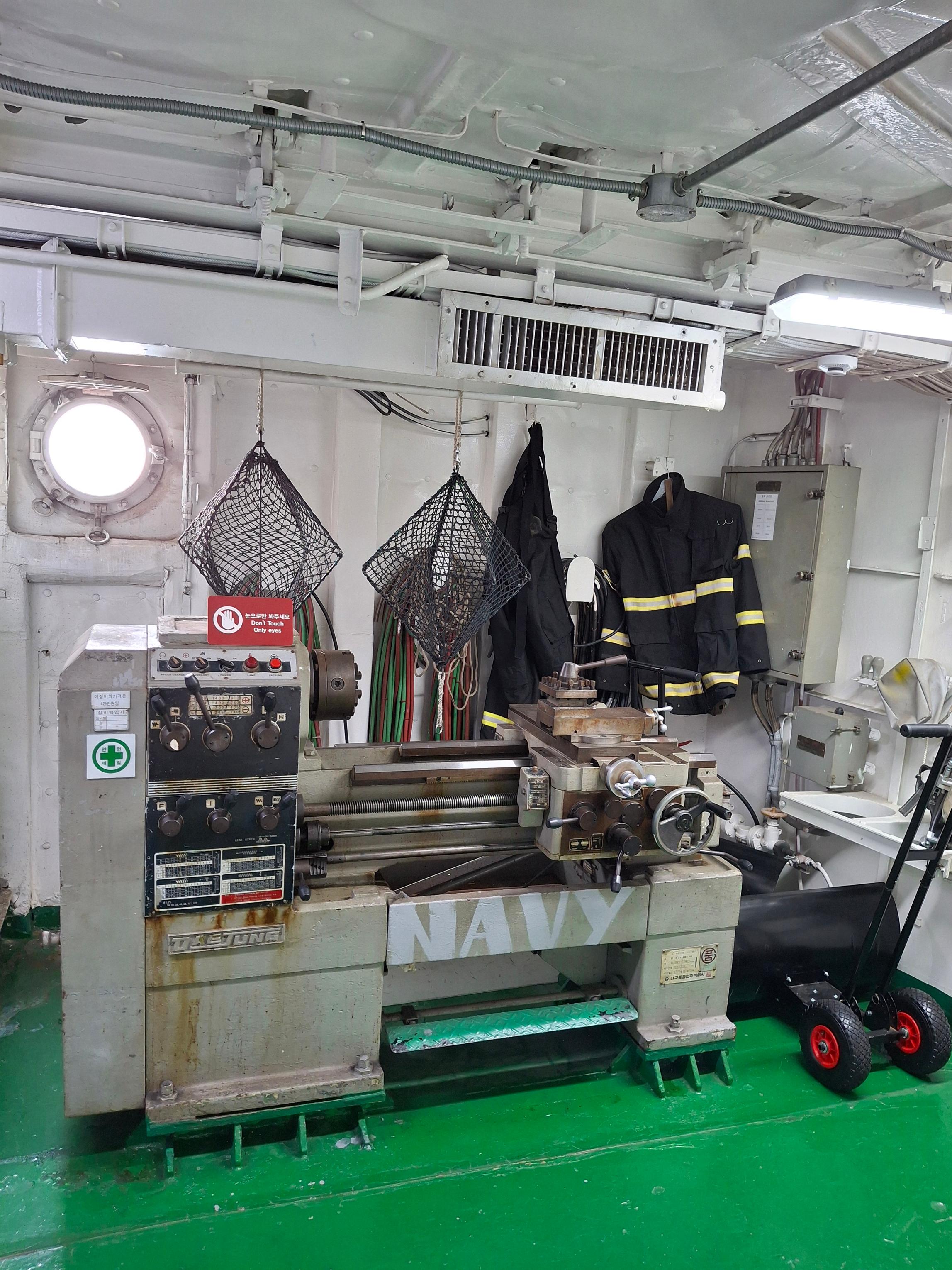
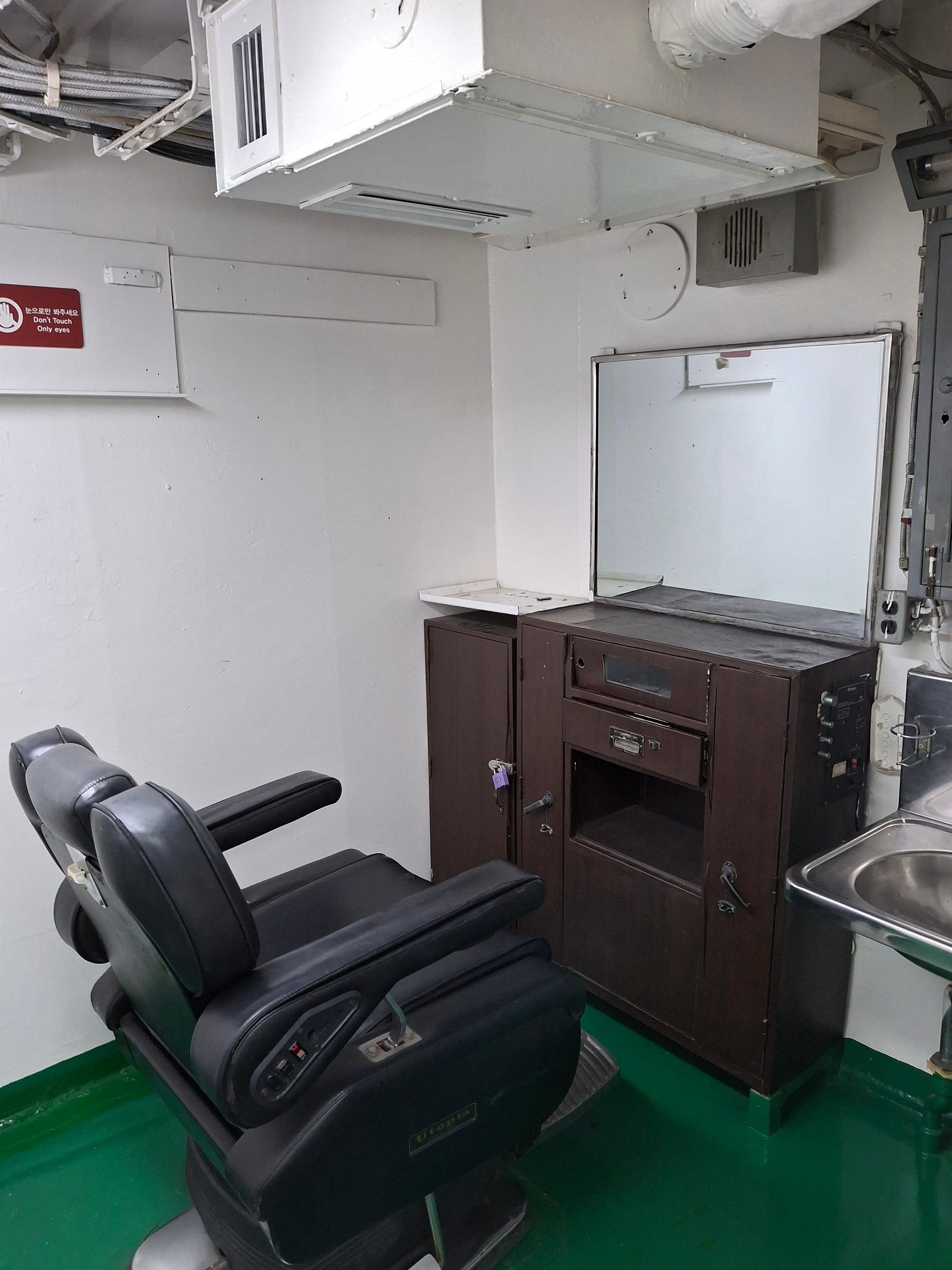
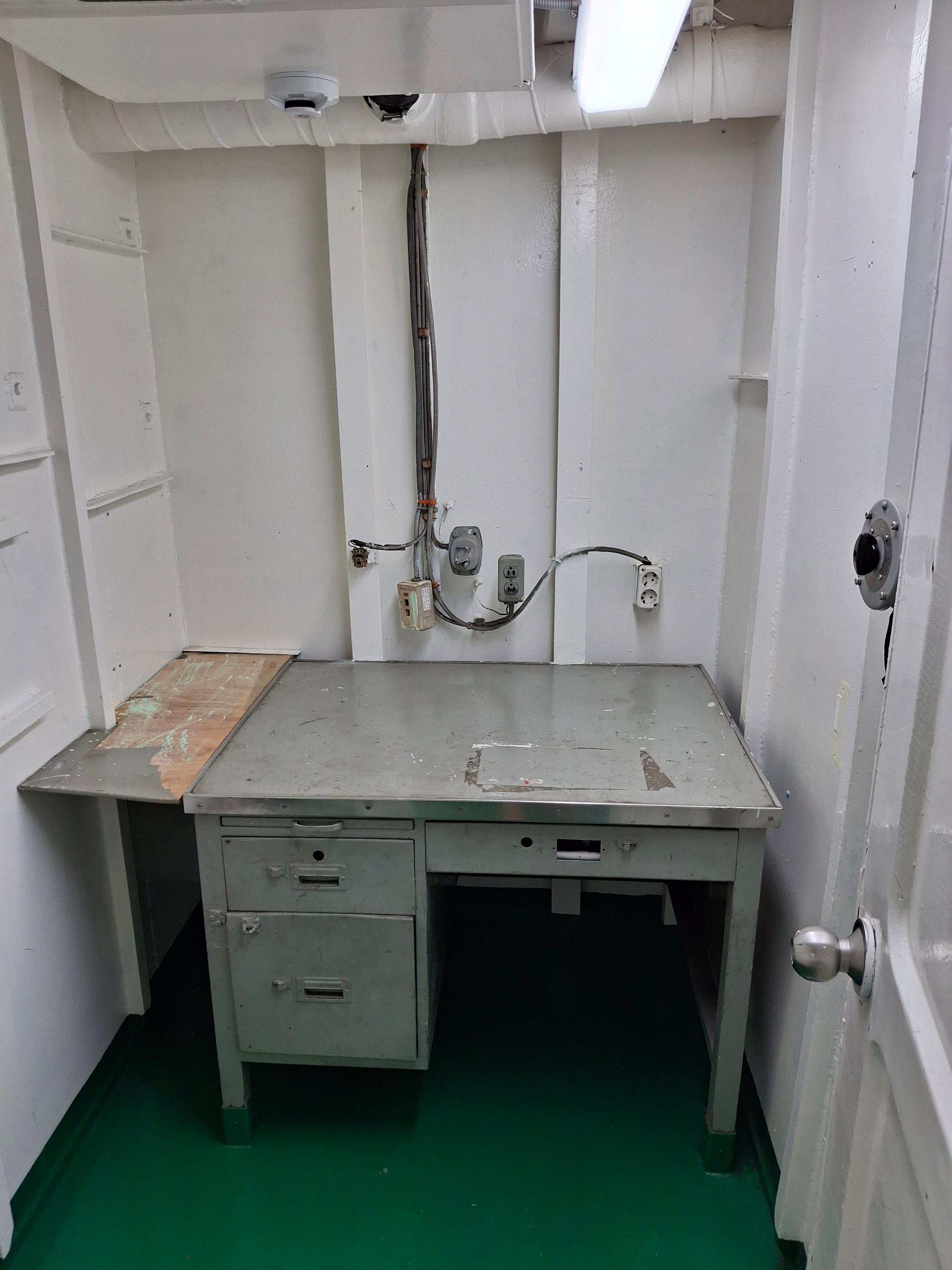
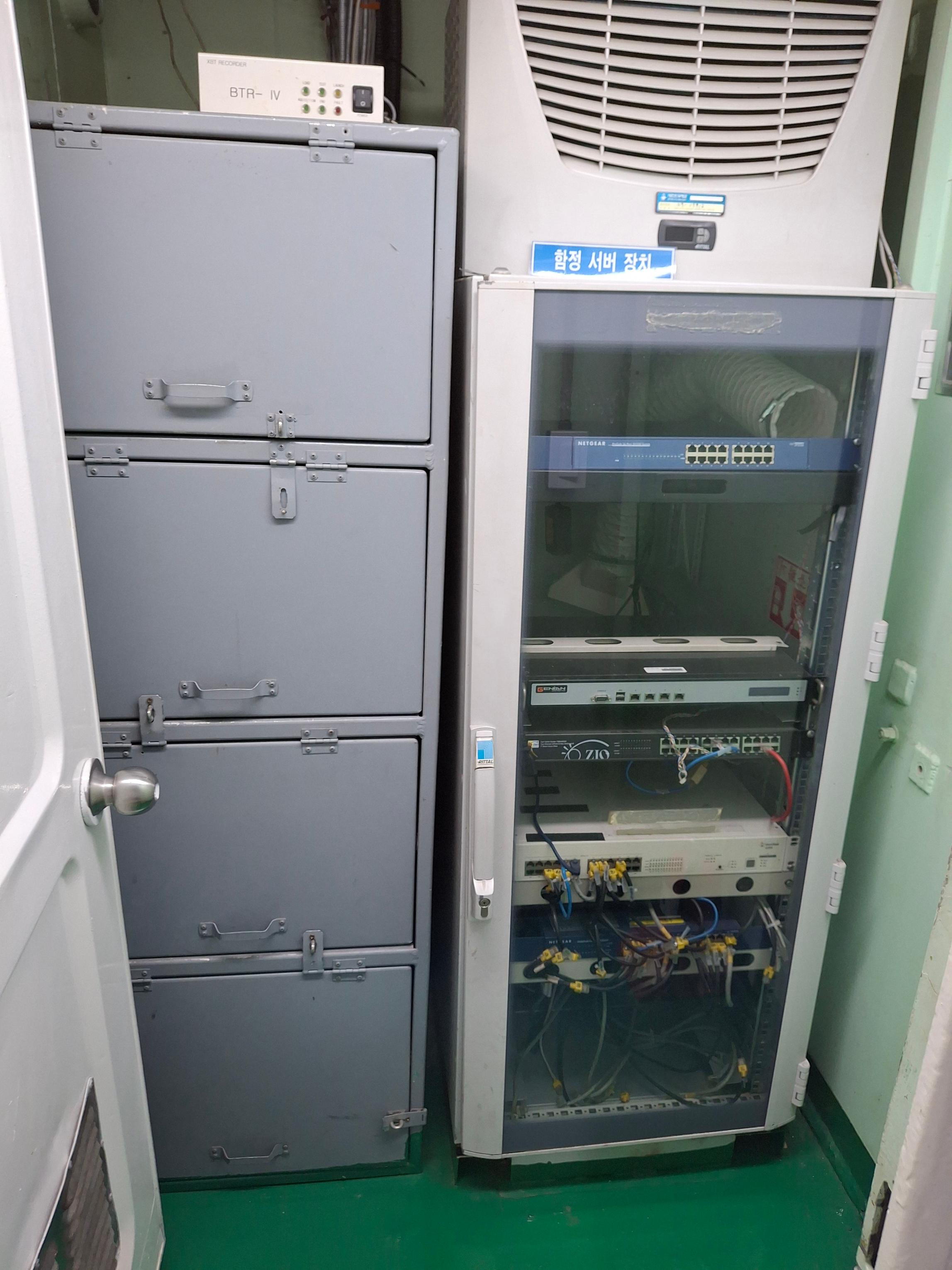
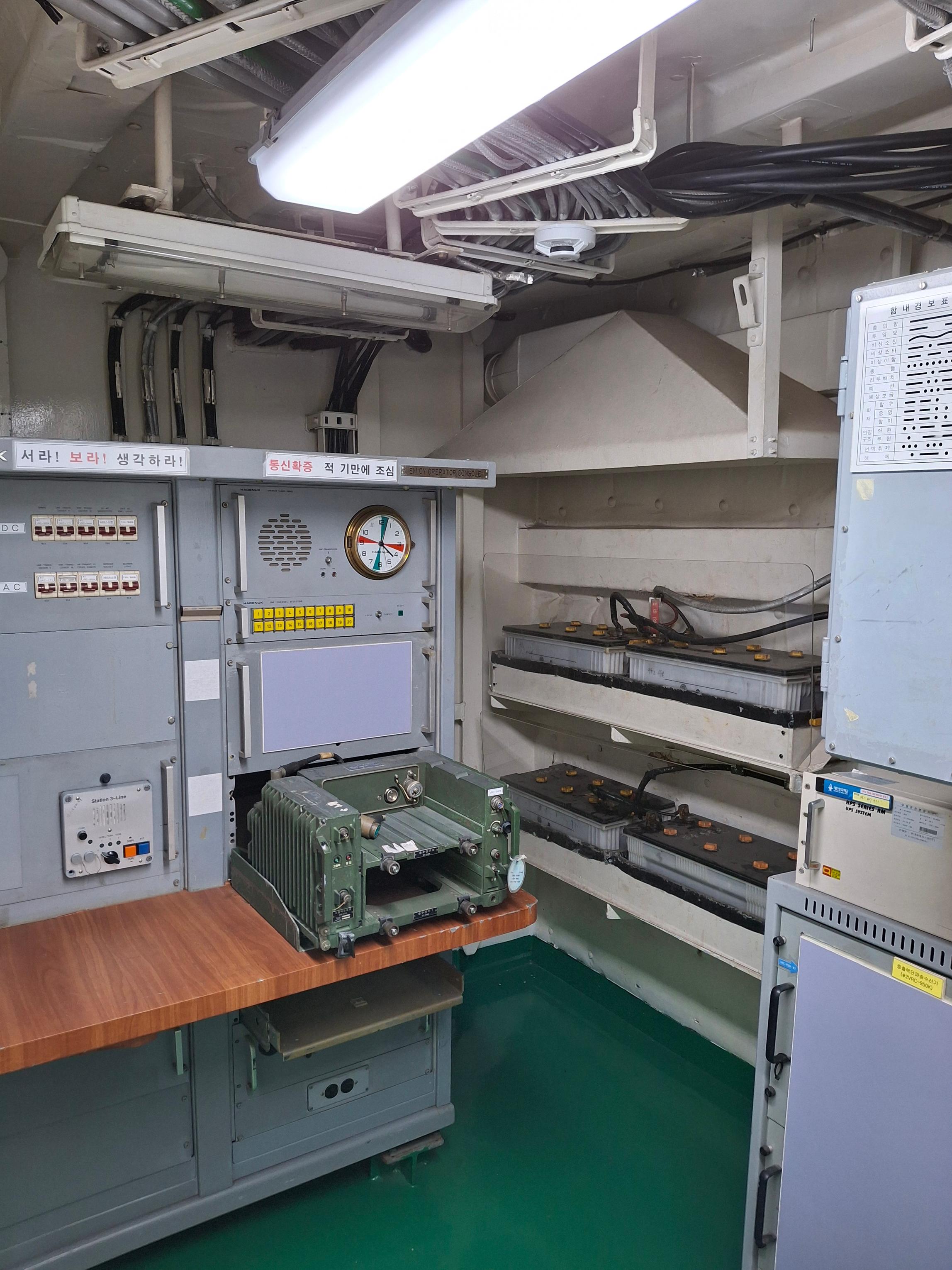
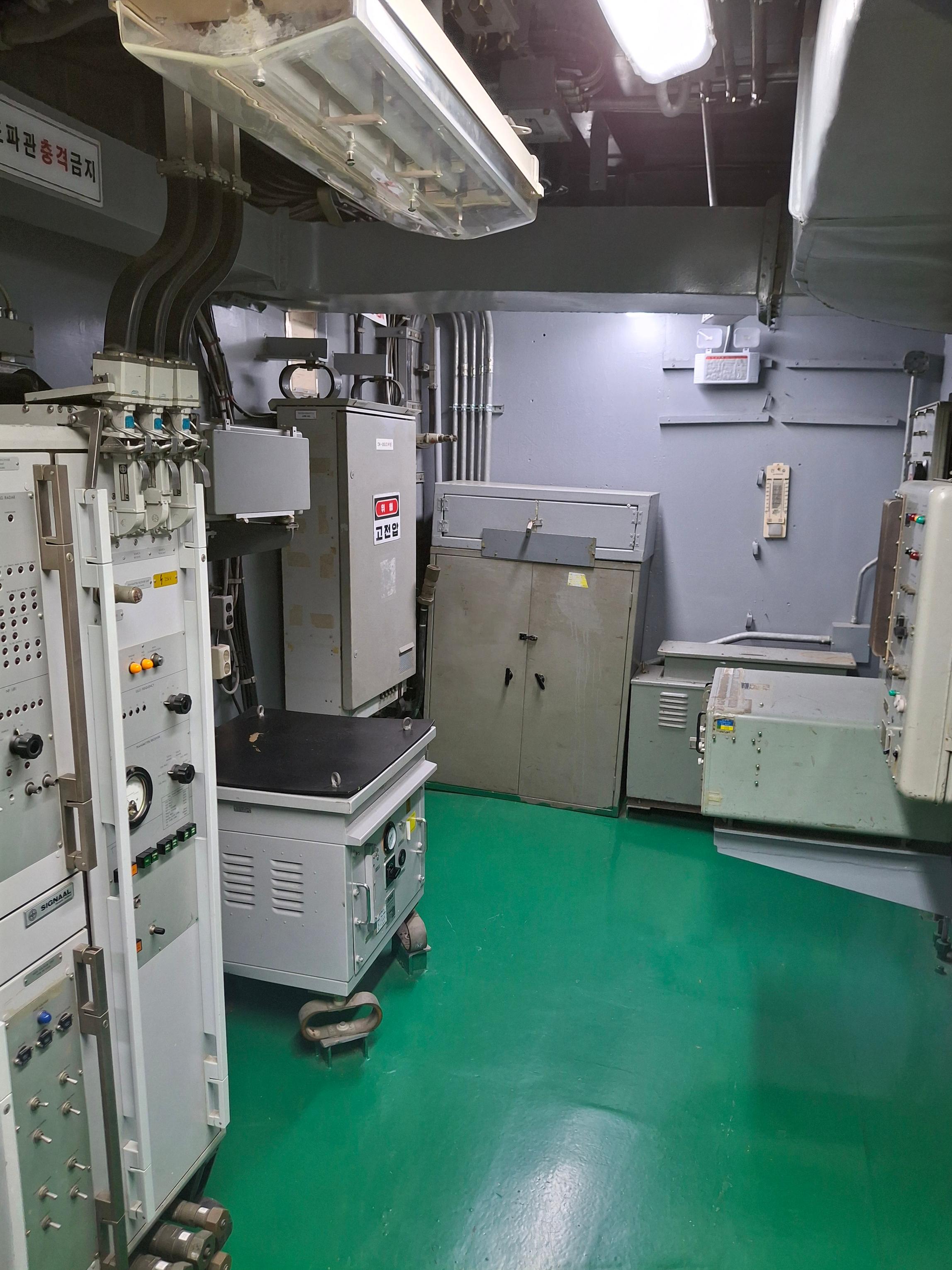
Further down the corridor there are various rooms with equipment, as well as a hairdressing salon.
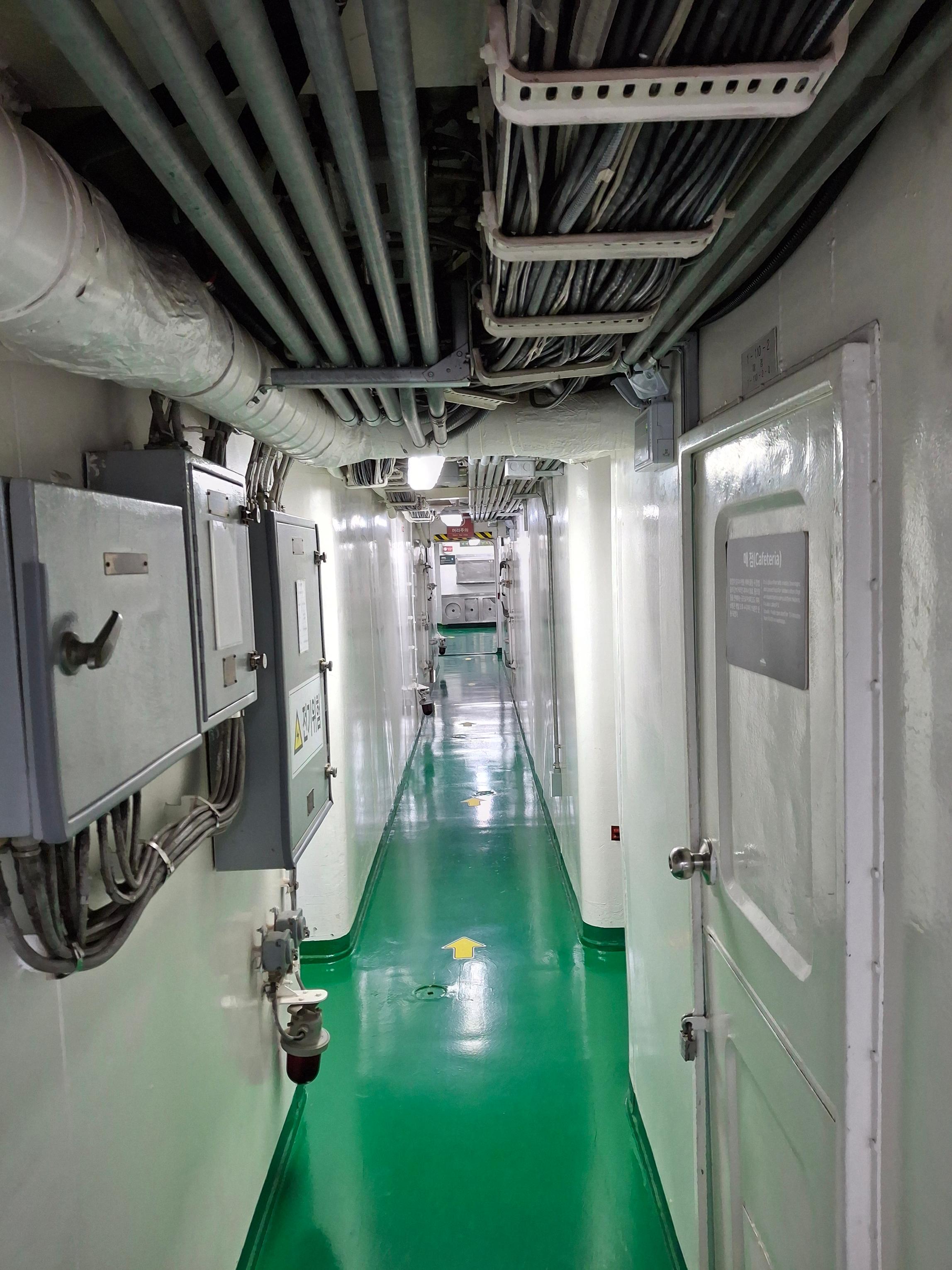
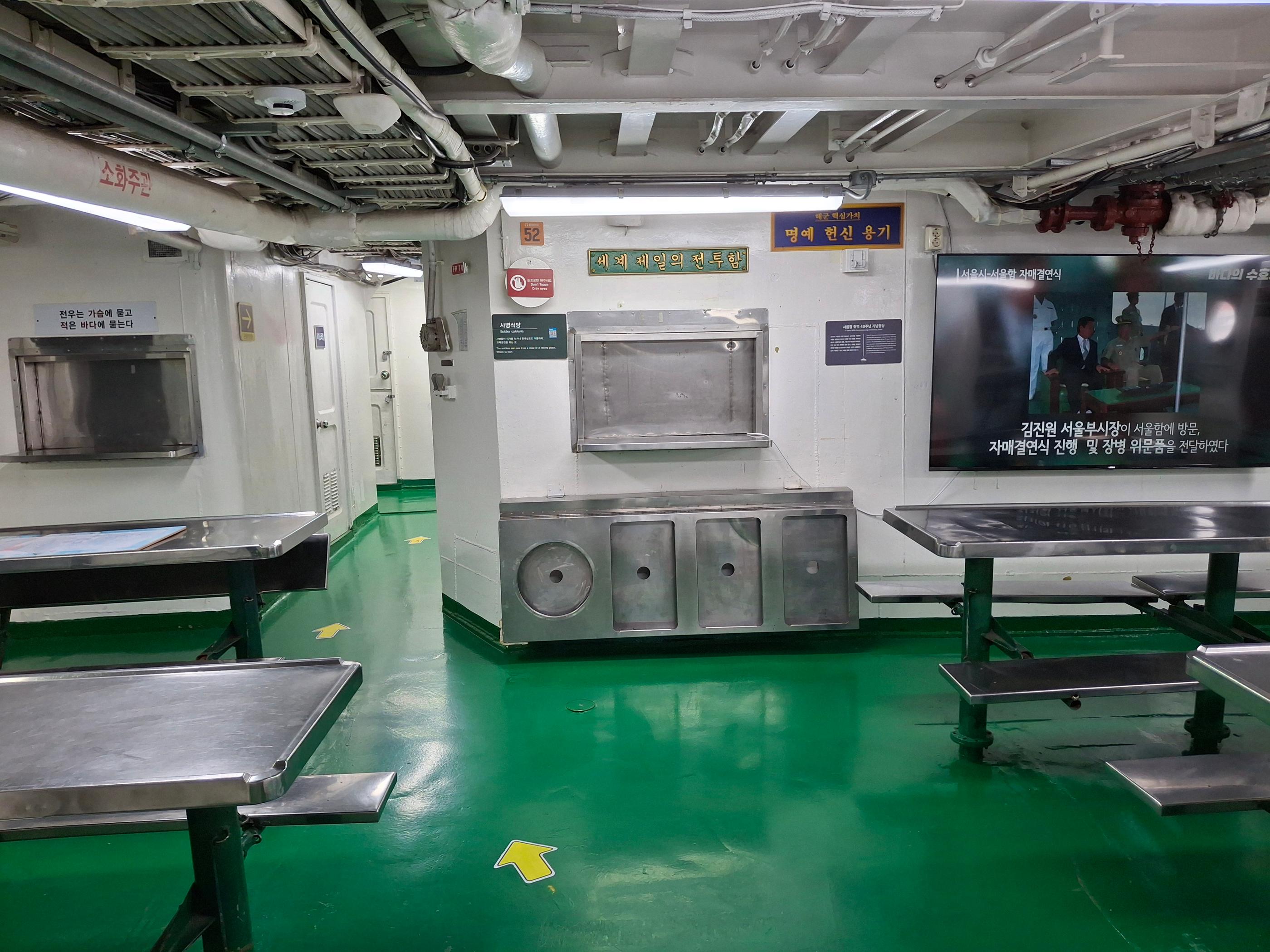
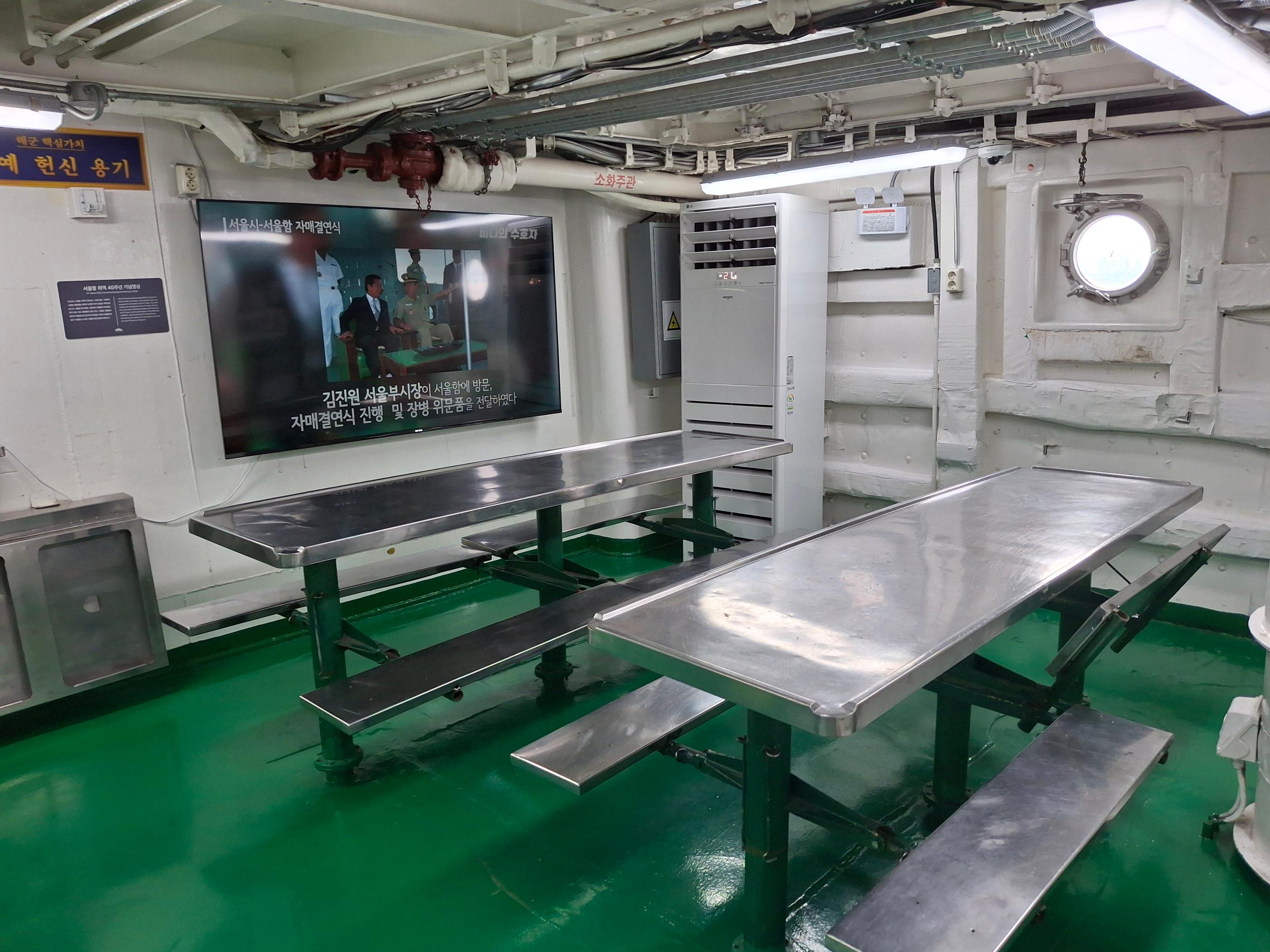
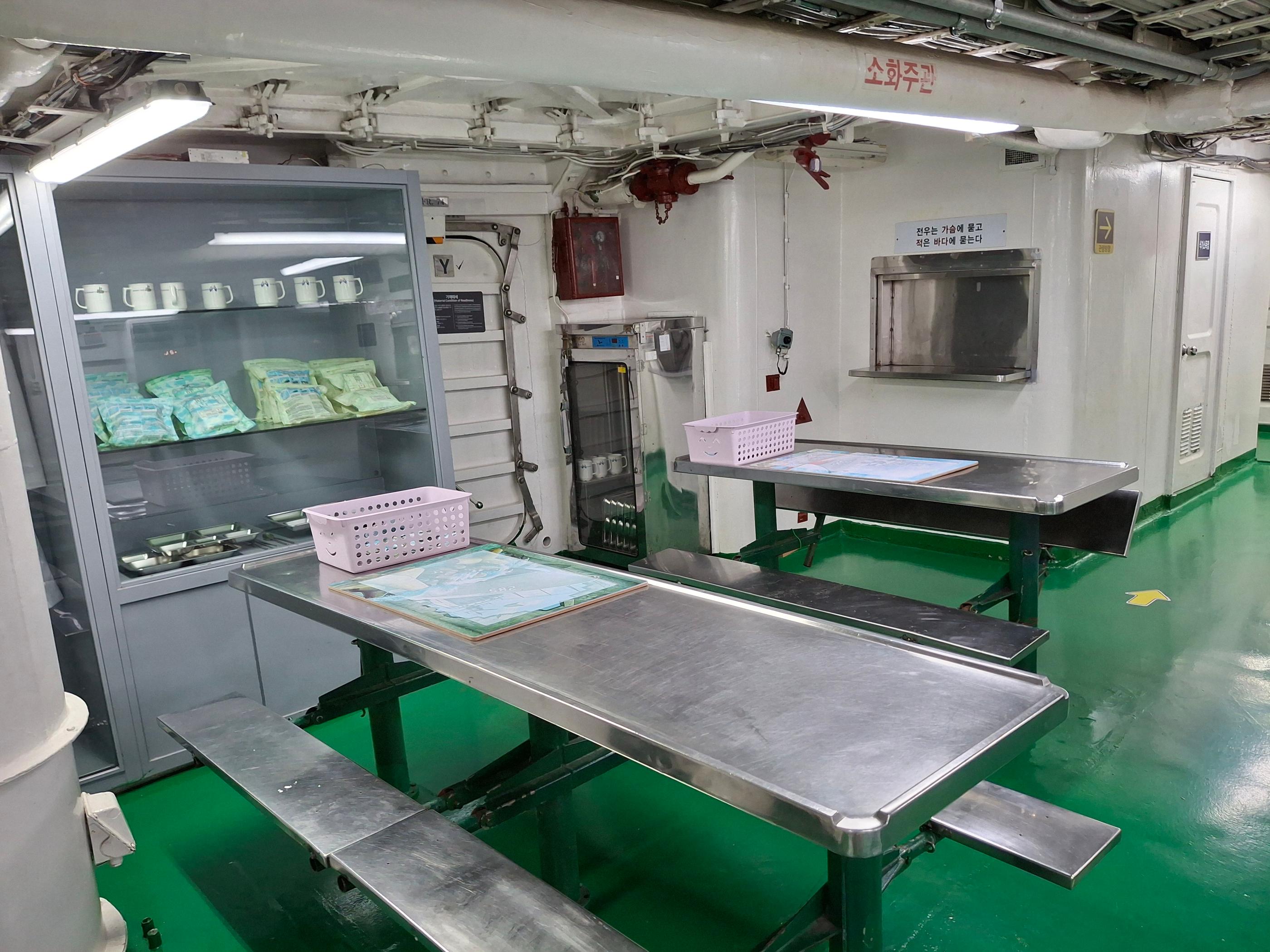
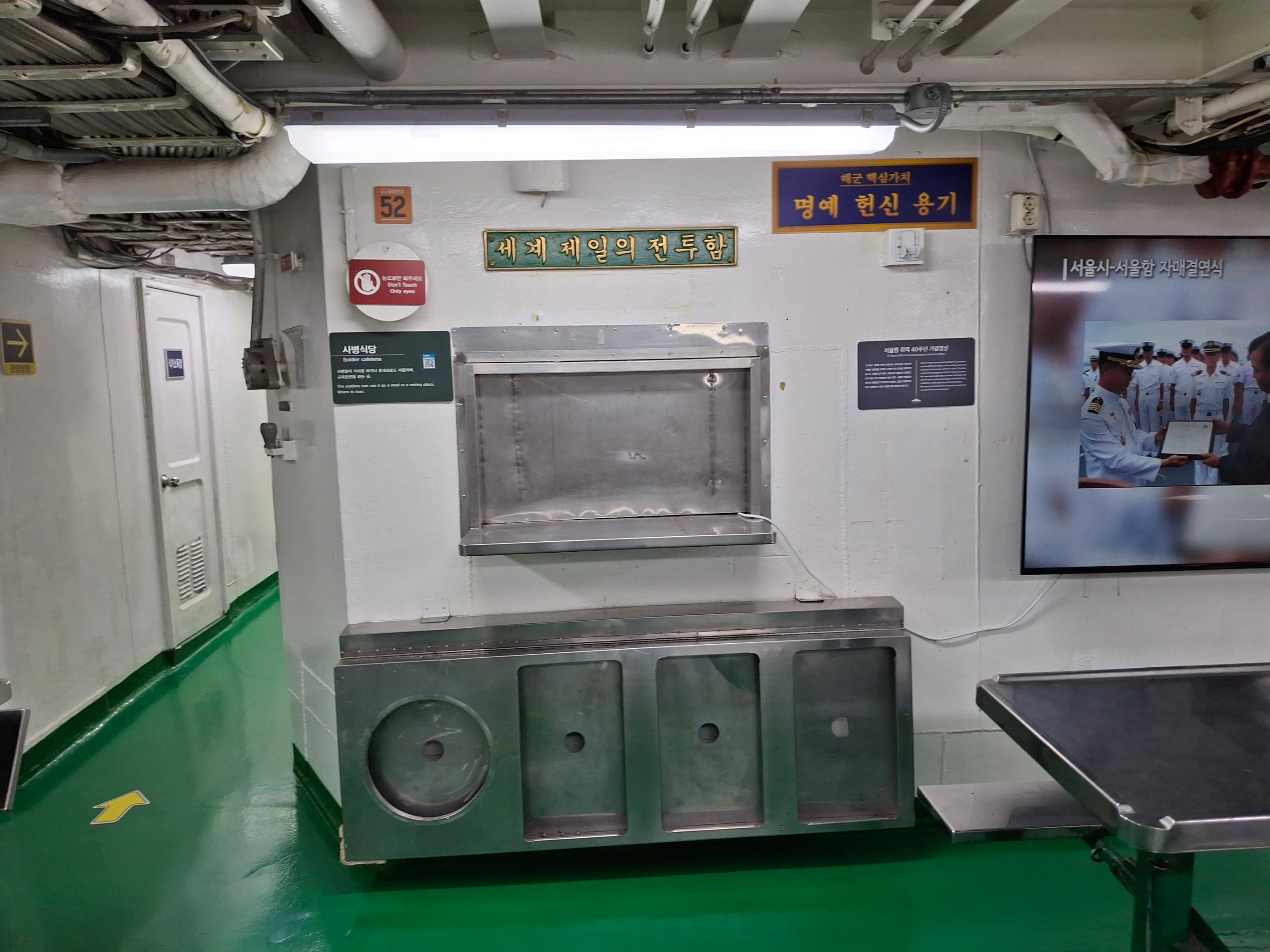
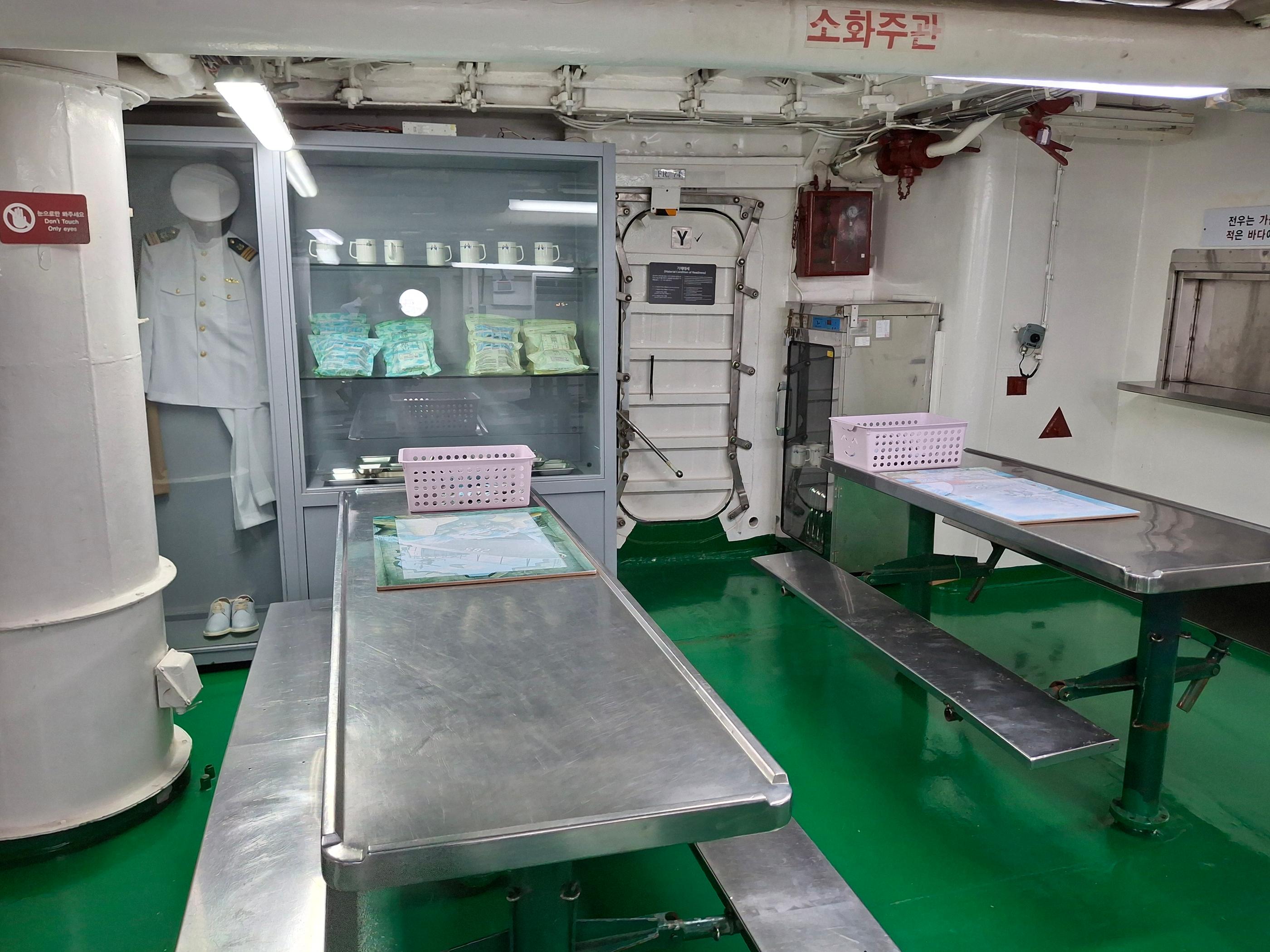
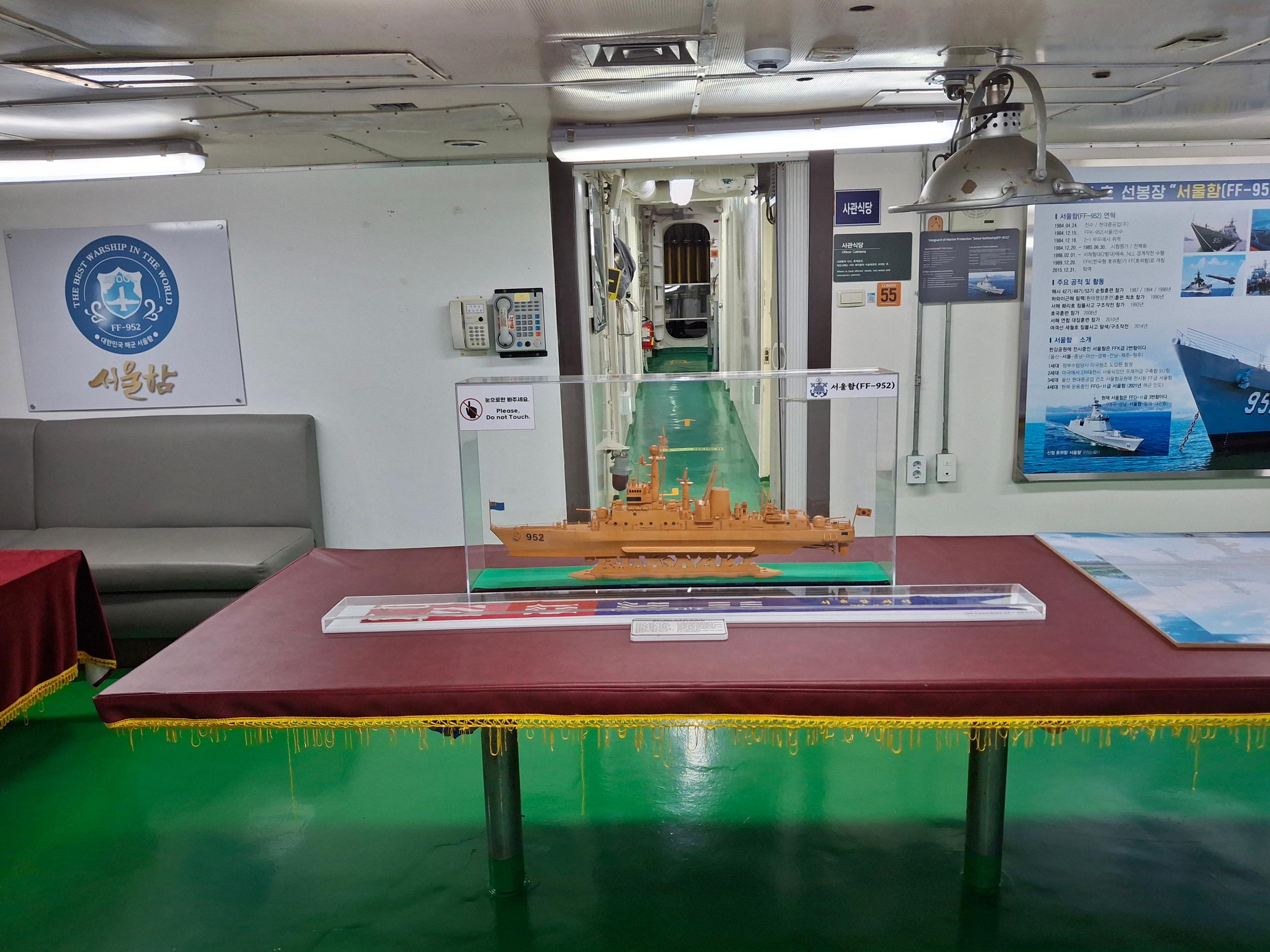
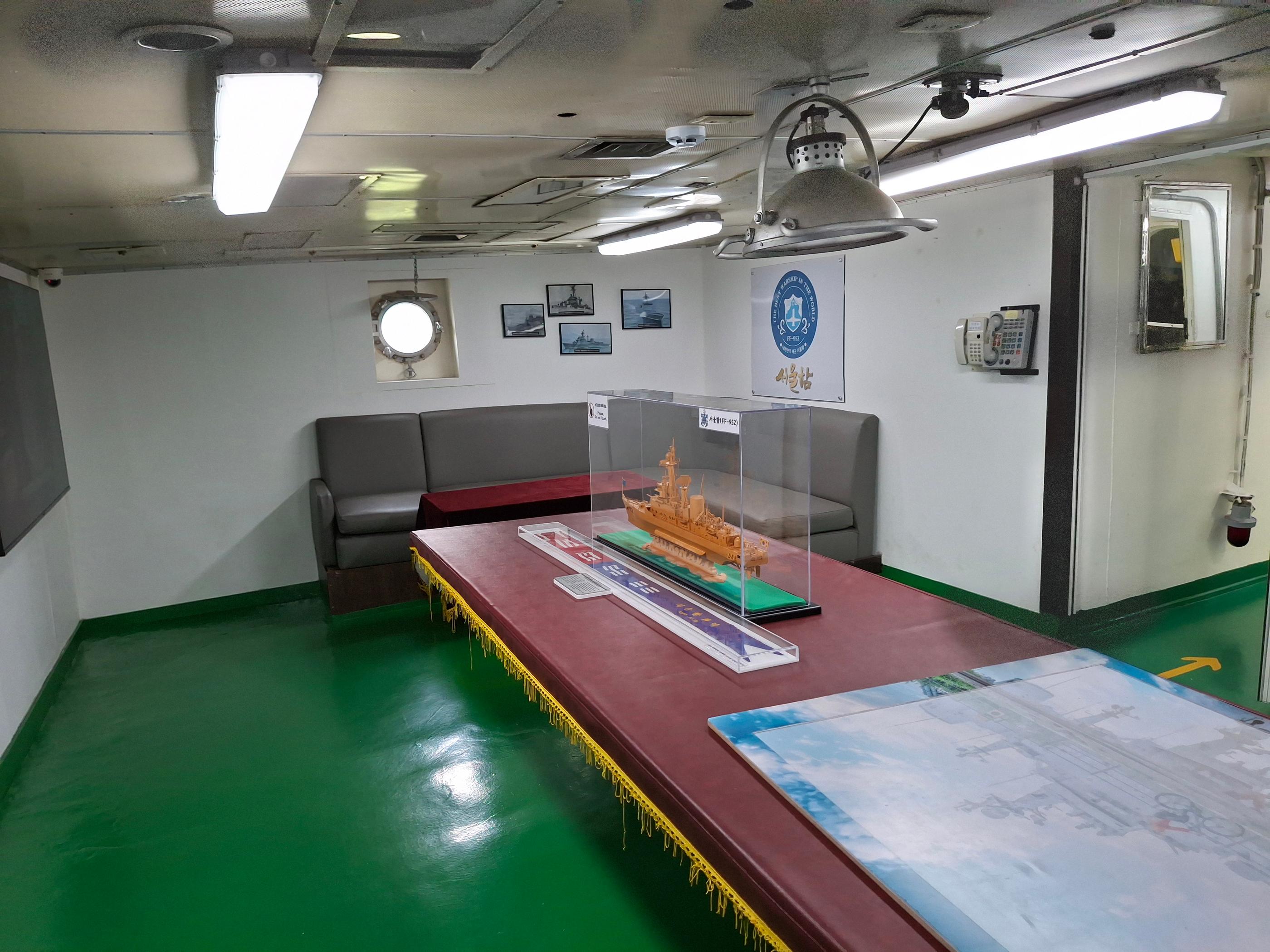
Further on, the corridor opens into a large room with tables. This is the dining room, where the sailors gathered for meals. Some examples of dishes and dry food are displayed in the cupboard.
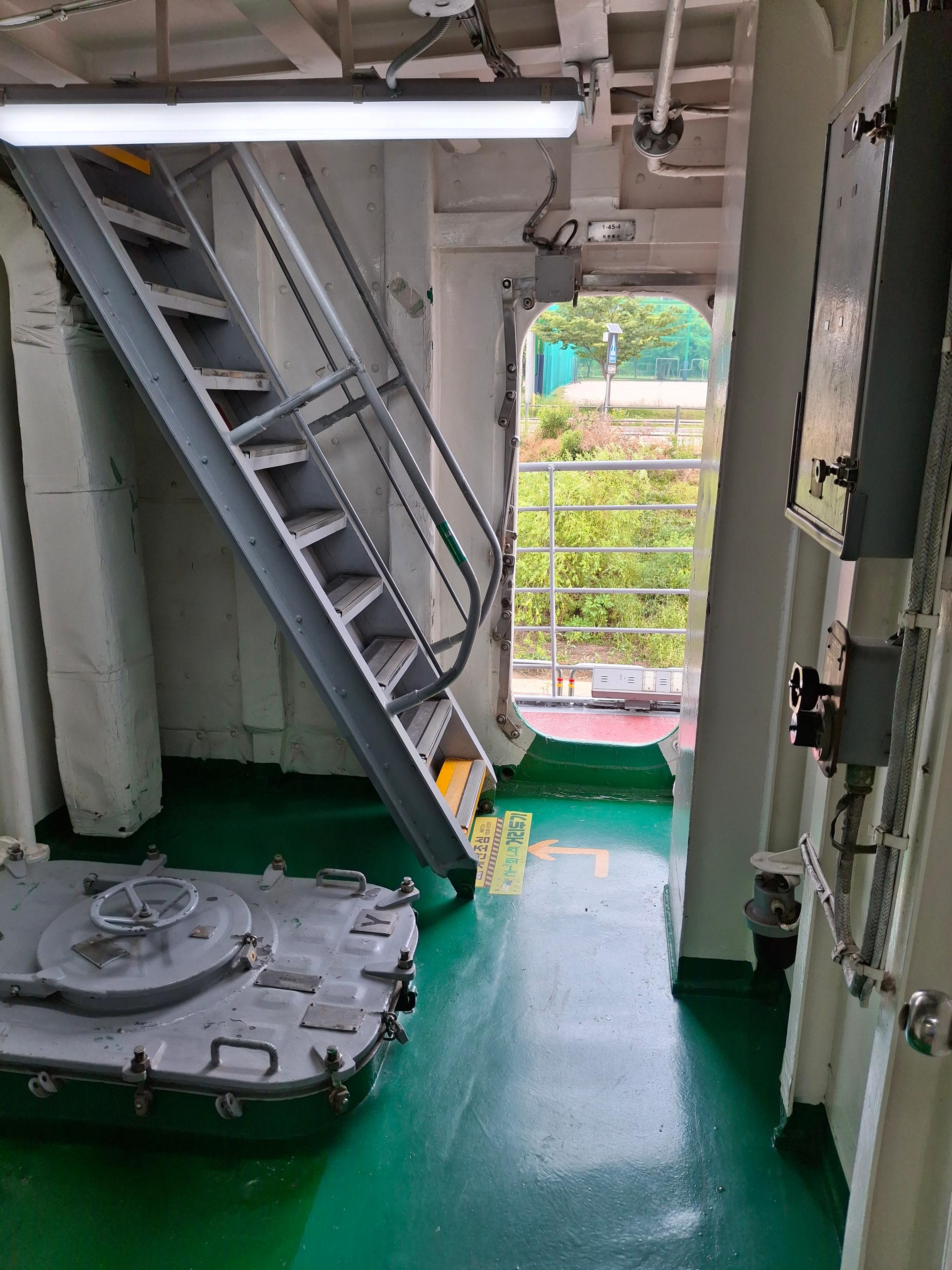
Further down the narrow and steep stairs you can go down to the lower floor.
Here are the cabins for the sailors. Compared to the officers' cabins, the furnishings are simpler.
Also nearby is a large room that served as a warehouse.
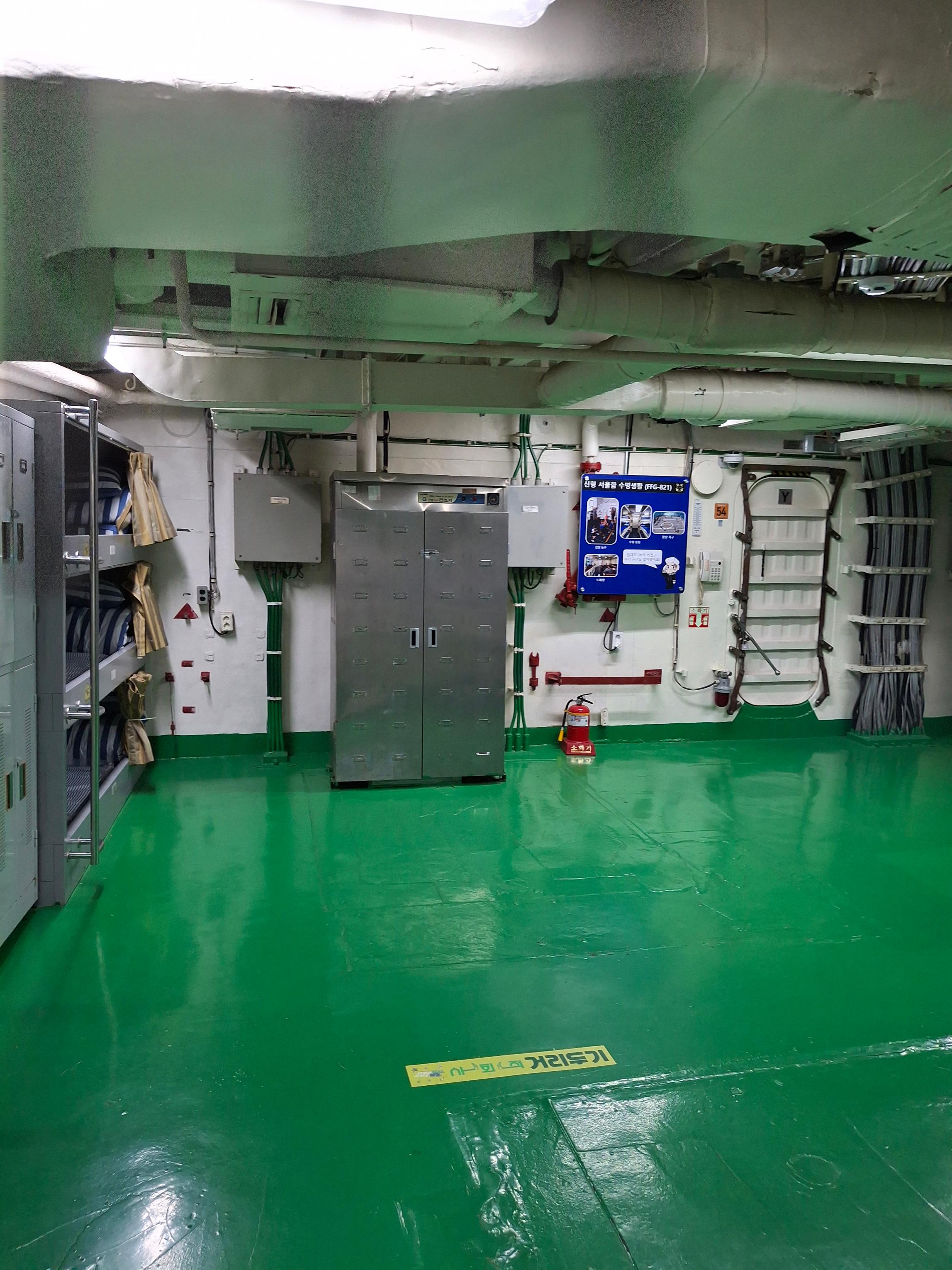
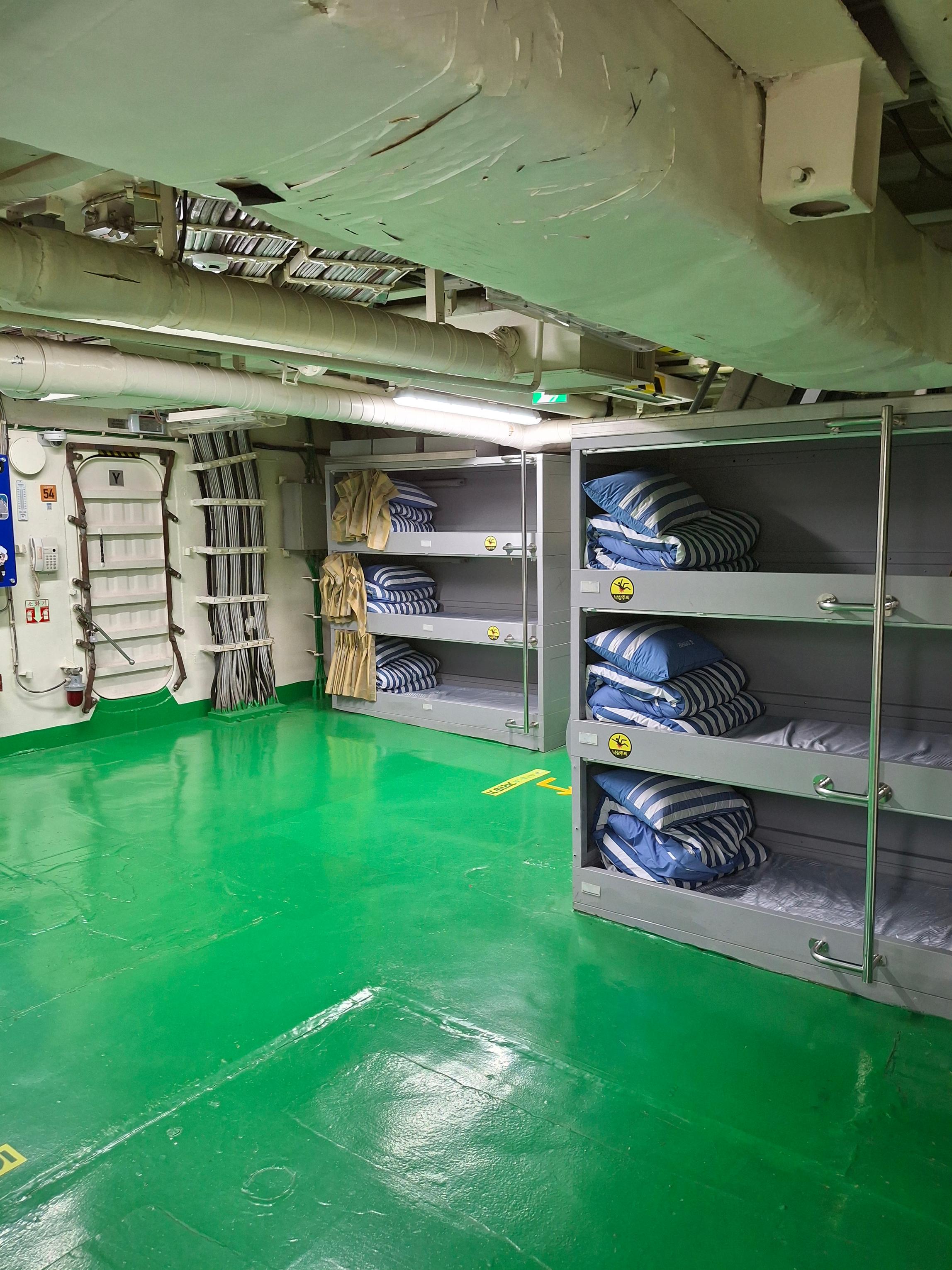
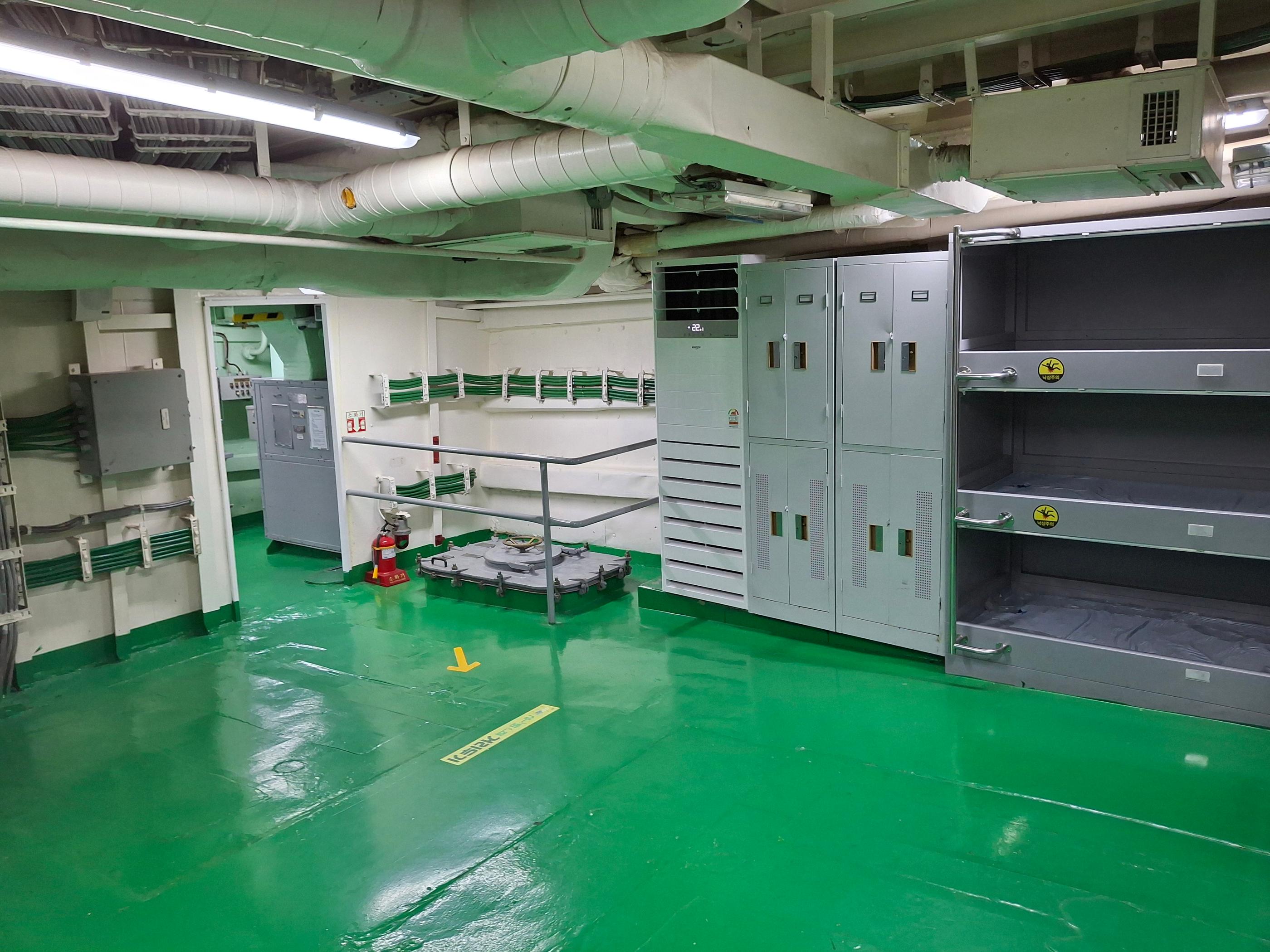
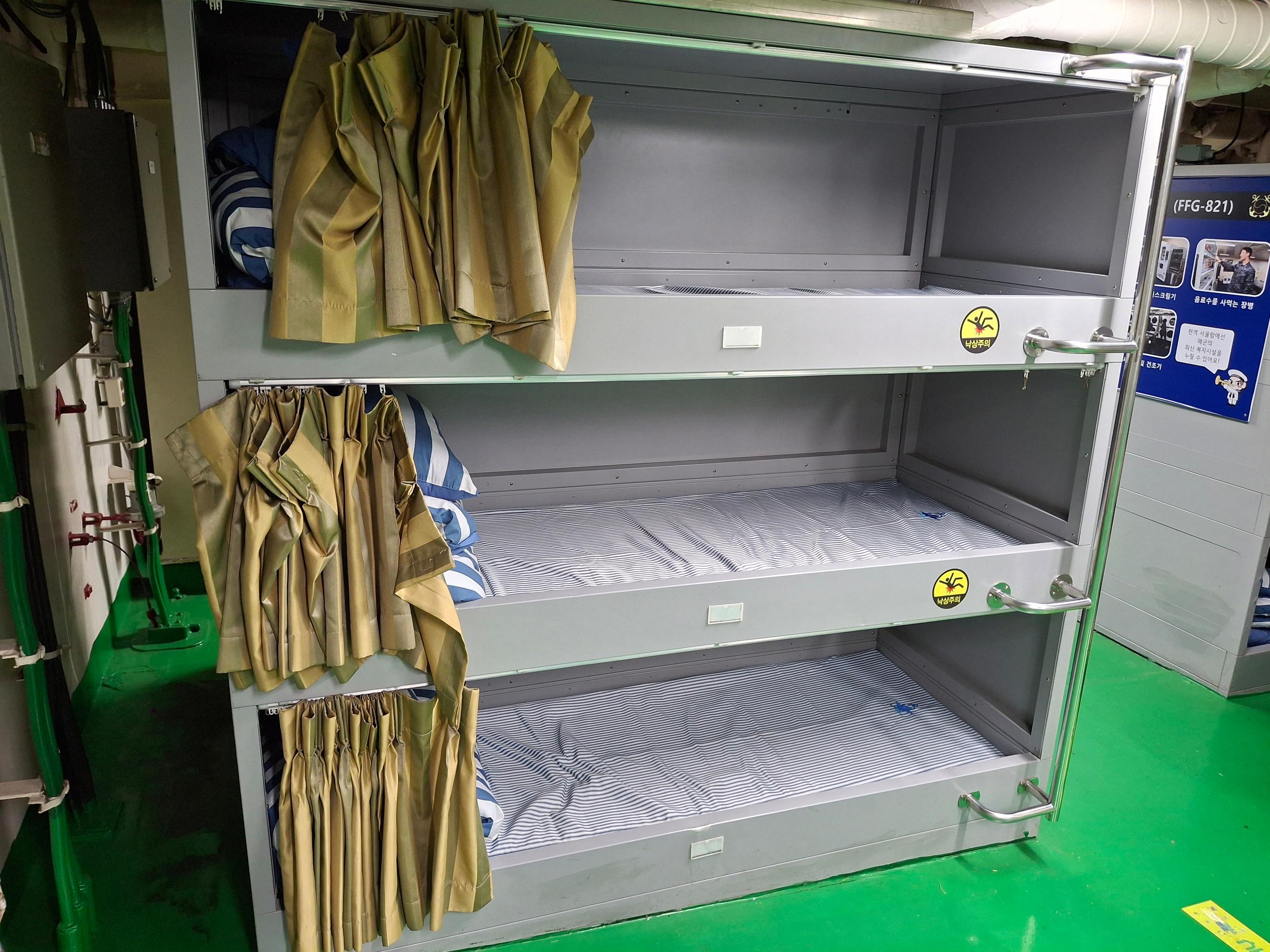
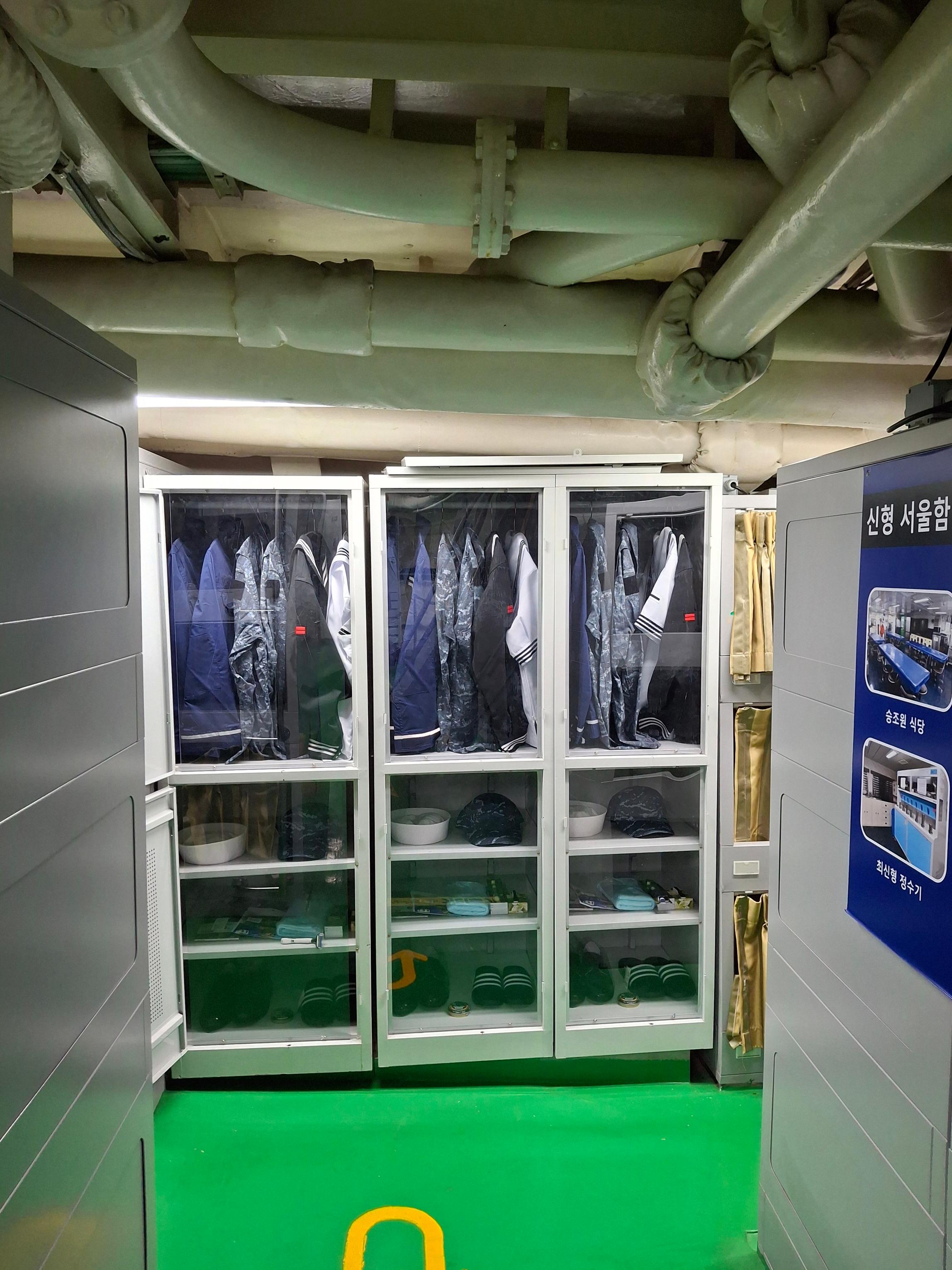
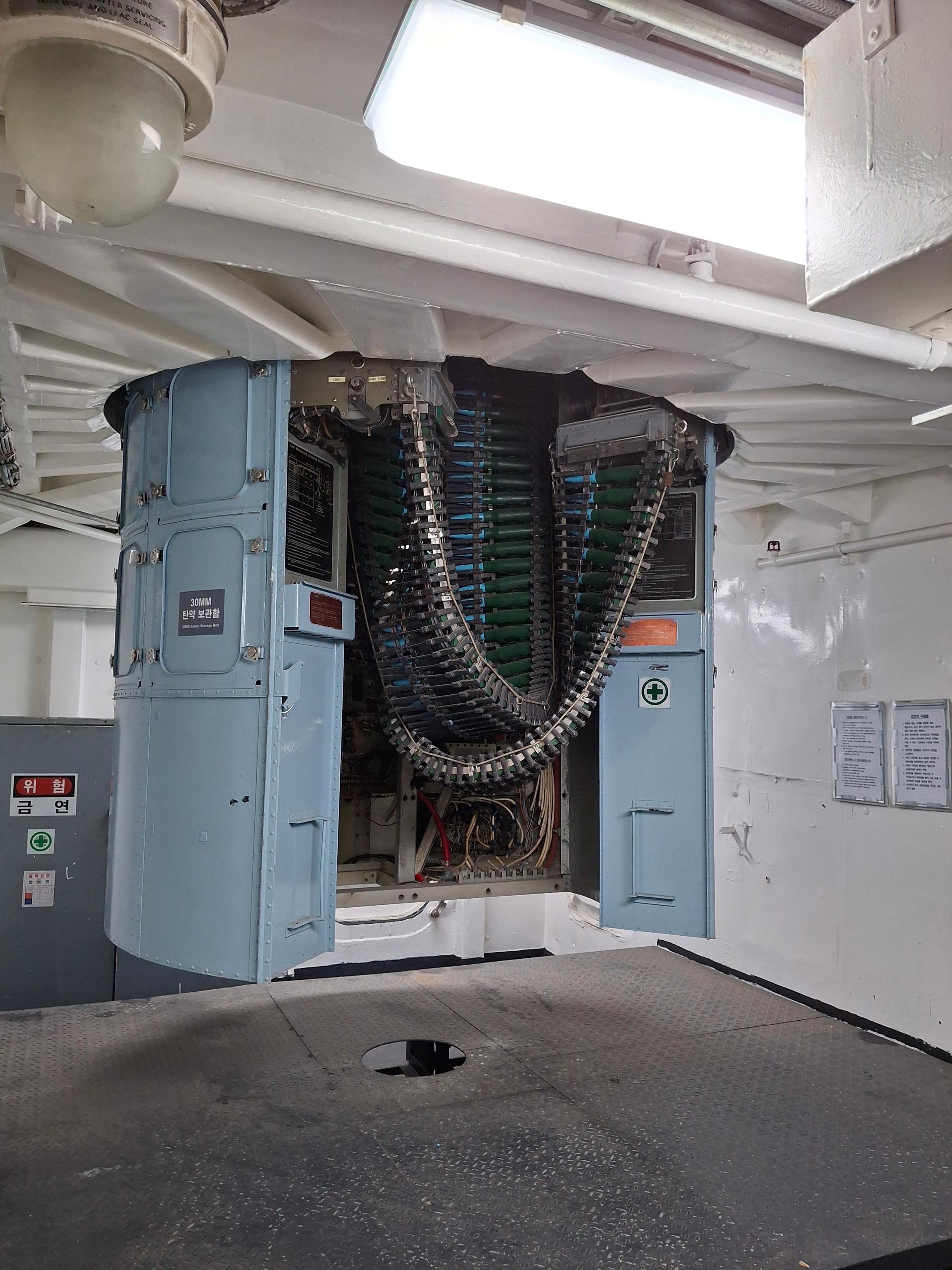
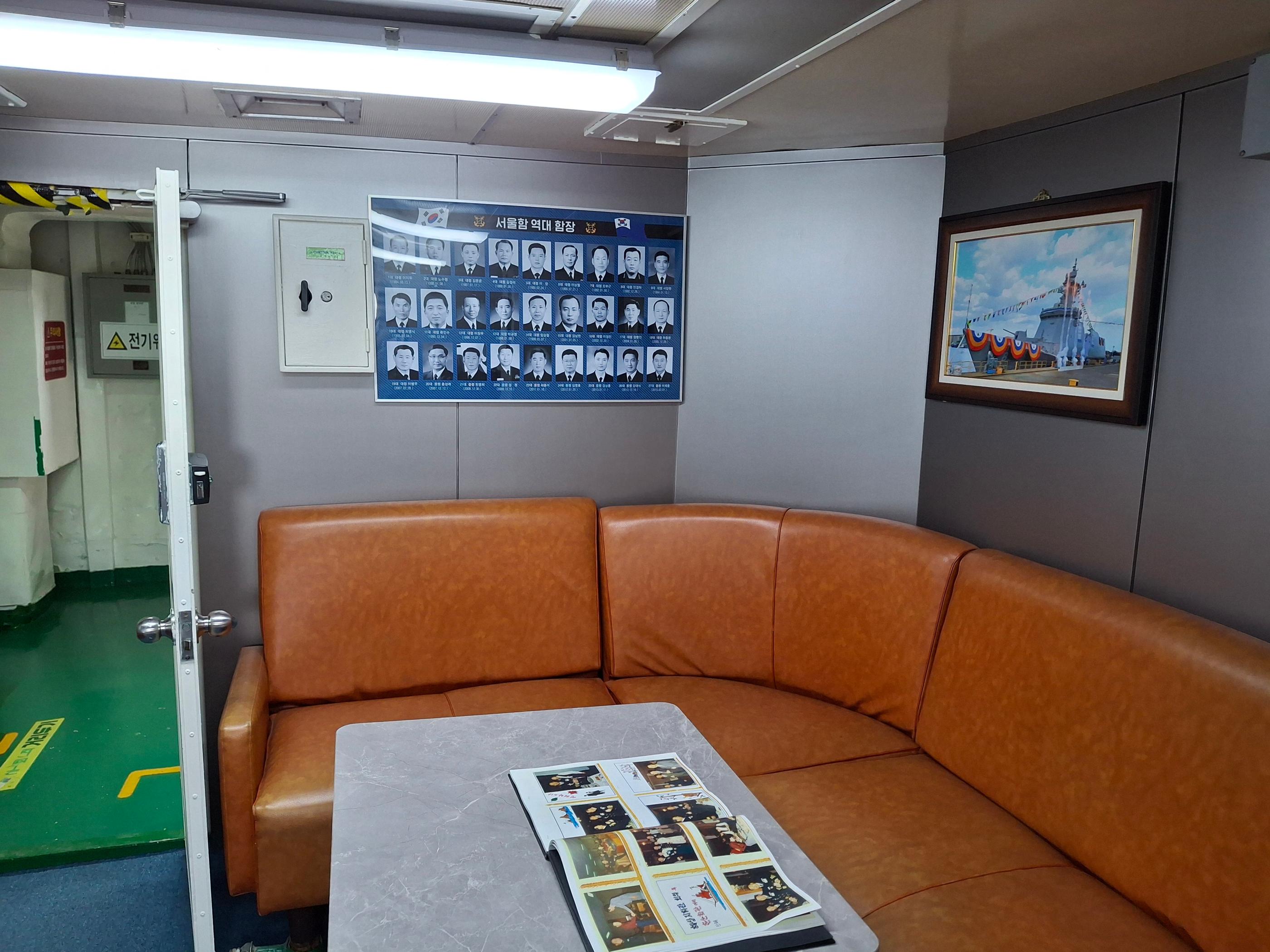
Further on you can look into the captain's cabin. It is more spacious, with good furniture. On the wall hang portraits of all the captains, as well as personal belongings.
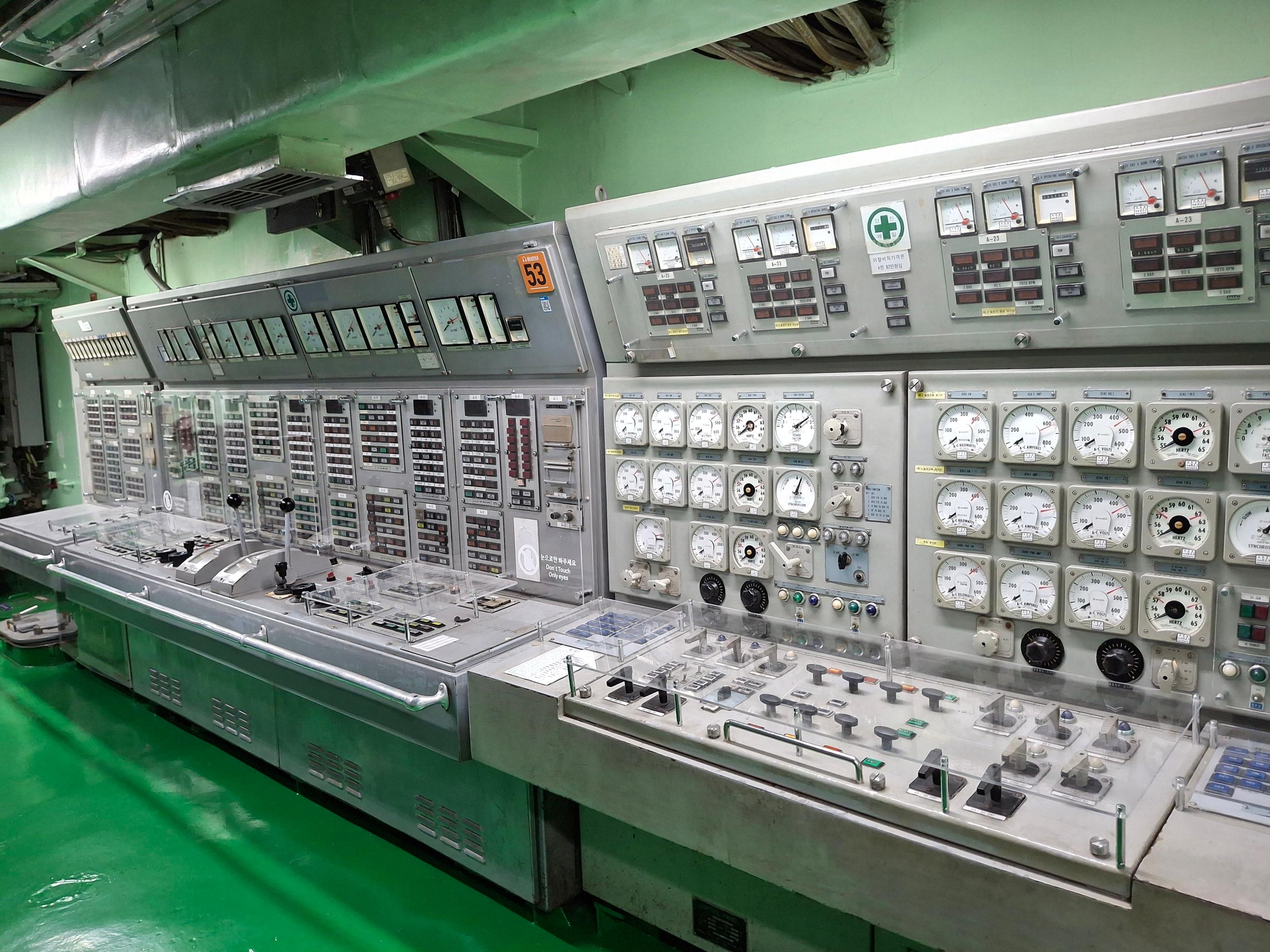
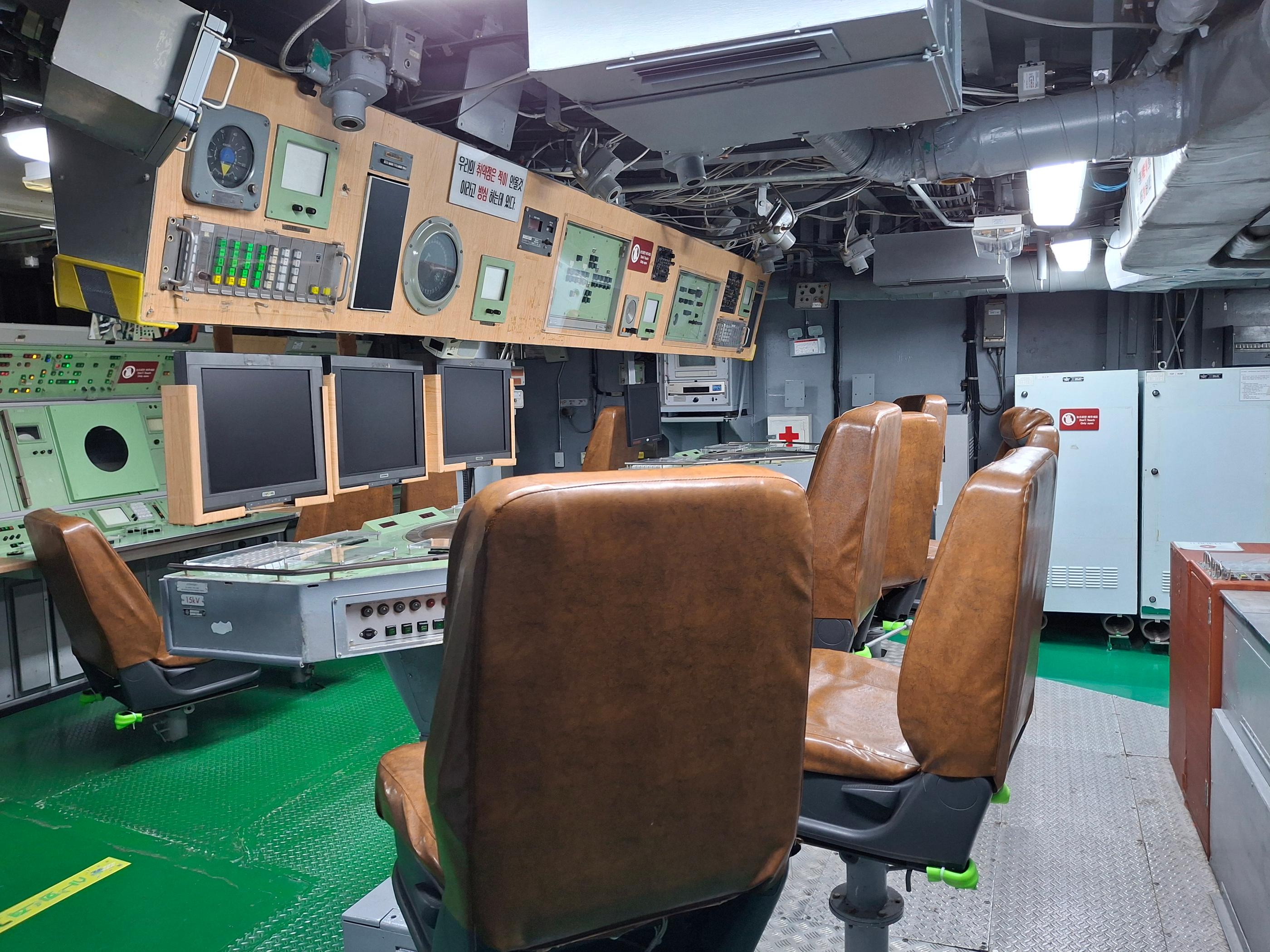
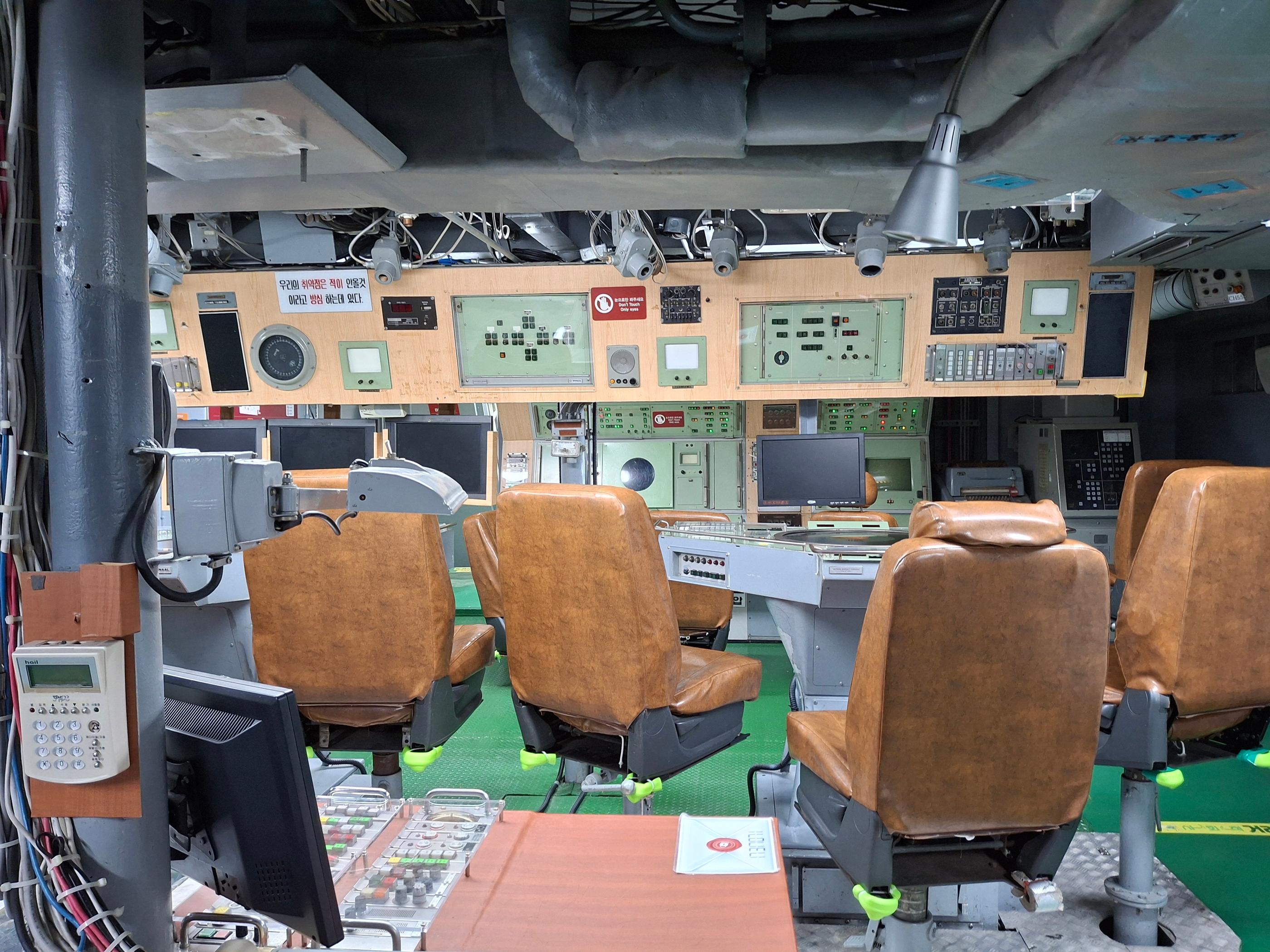
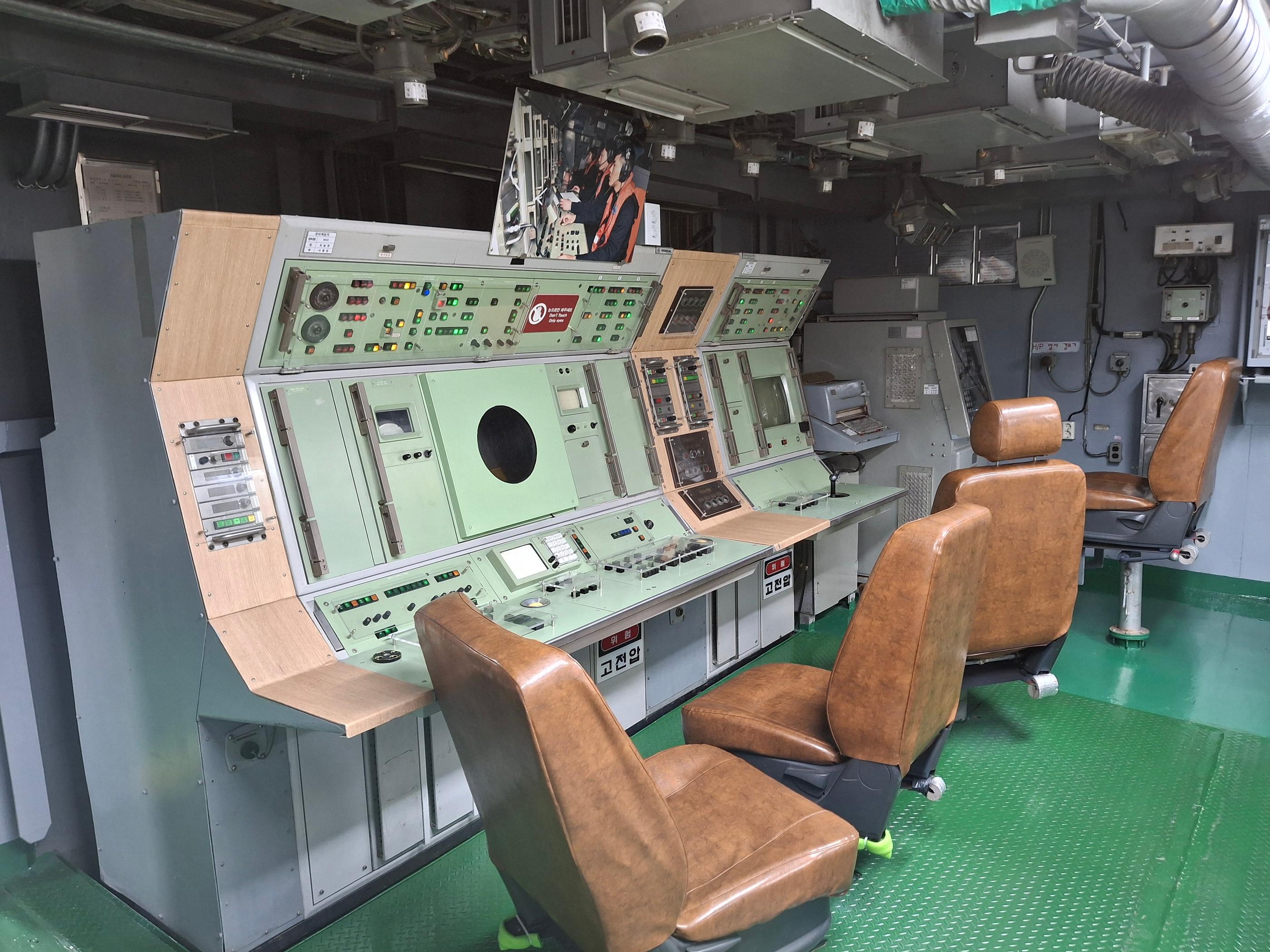
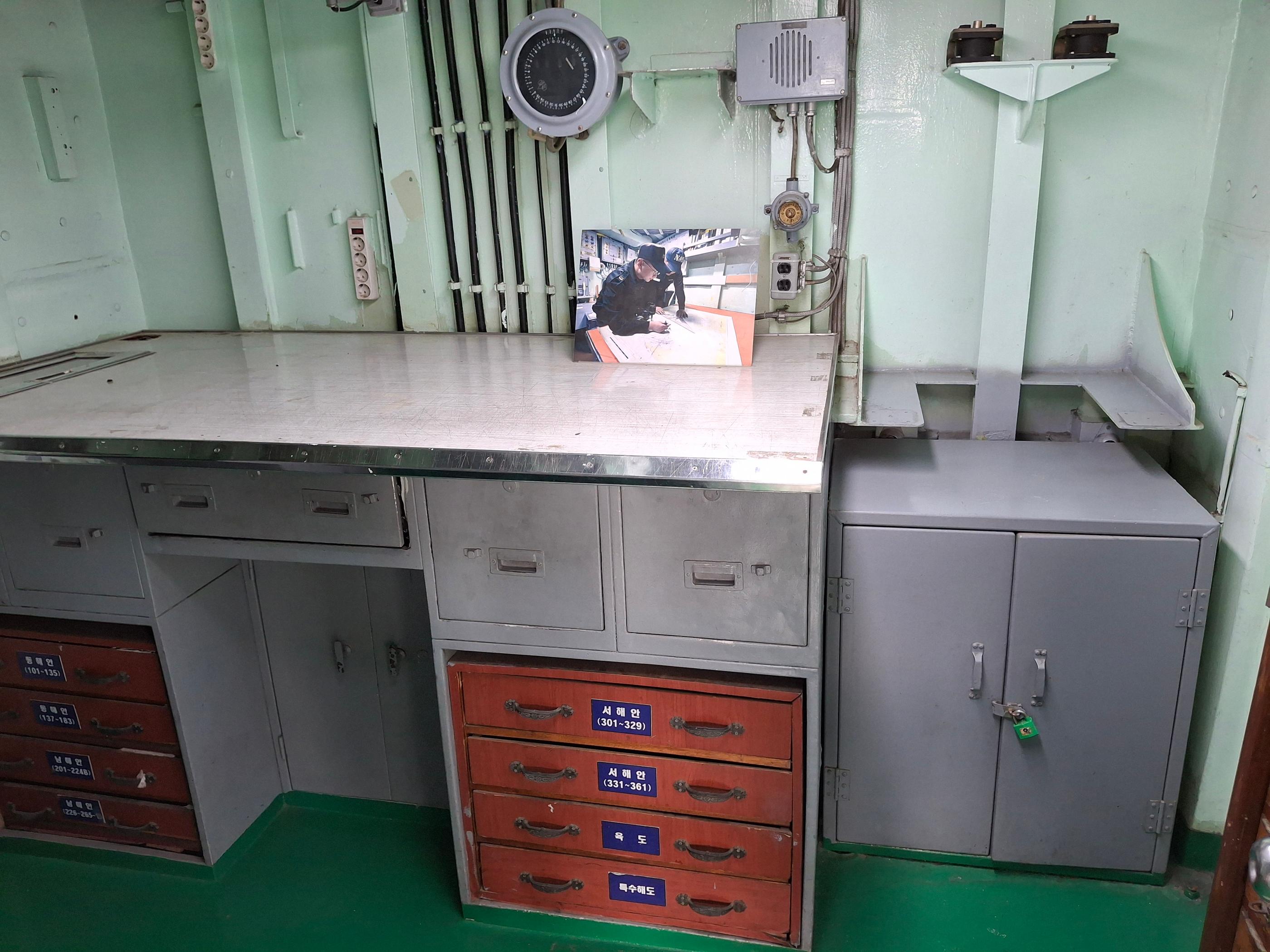
It is very interesting to visit the rooms with control devices. It becomes clear how difficult it is to control such a ship and how much you need to know.
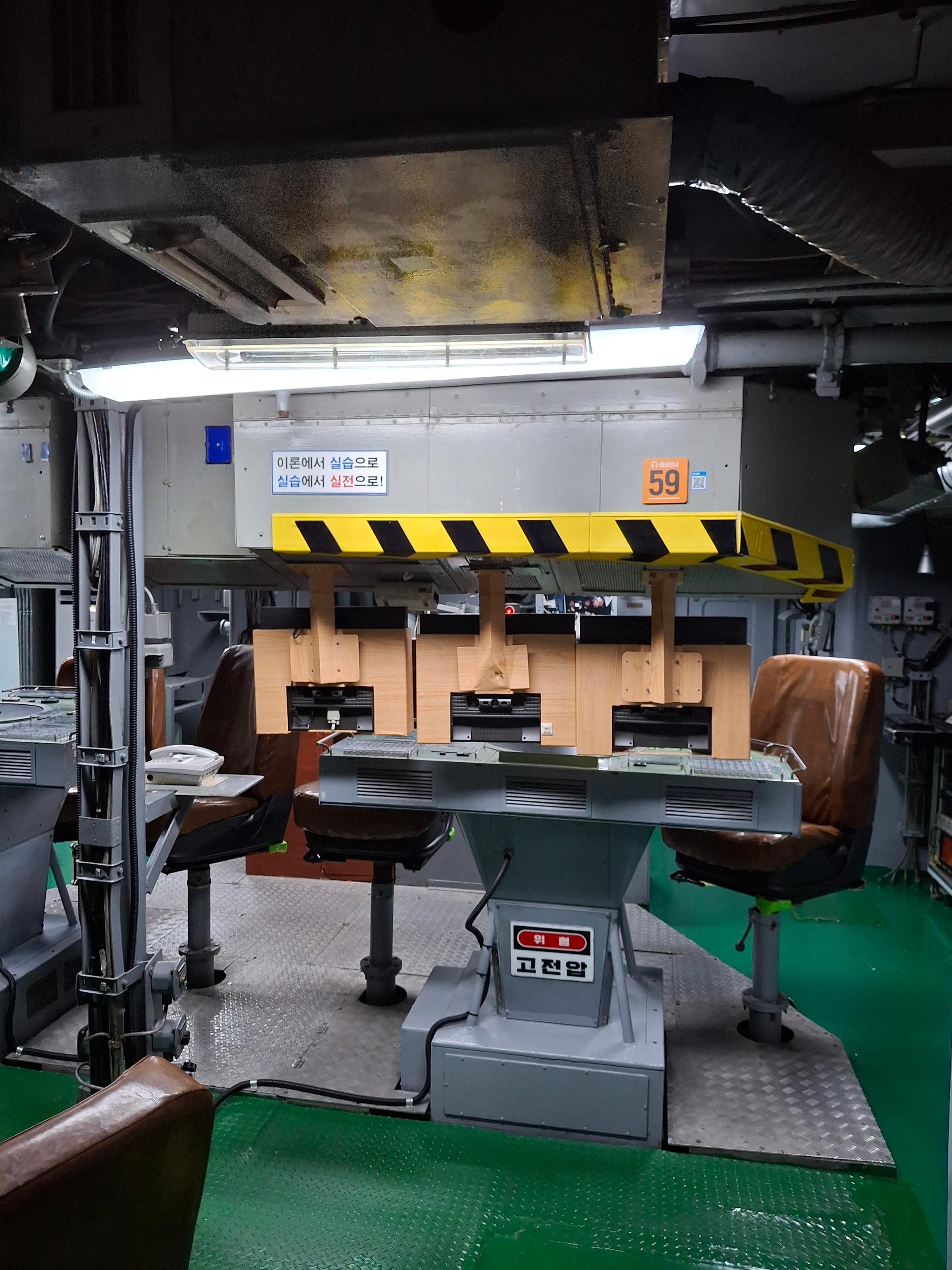
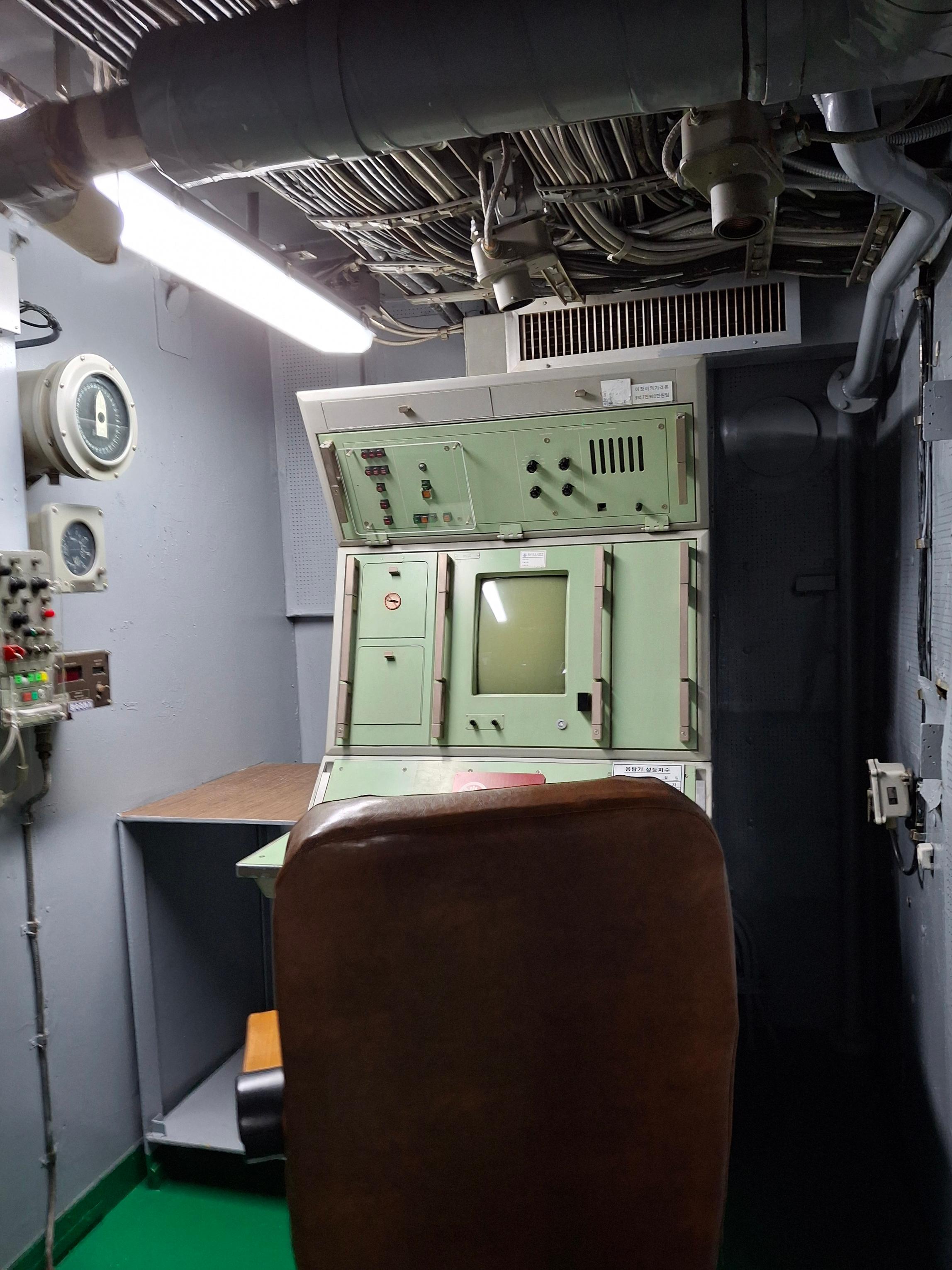
And finally, I definitely recommend going up to the wheelhouse. It offers a magnificent view of the river and the city. From there it's easy to imagine that you're steering a ship!
So I had a wonderful time by the river, learned a lot of new and interesting things about warships. I recommend it to everyone who would like to visit the inside of real ships and a submarine.