



Amsa-dong prehistoric site in Seoul

Olga
4 months ago
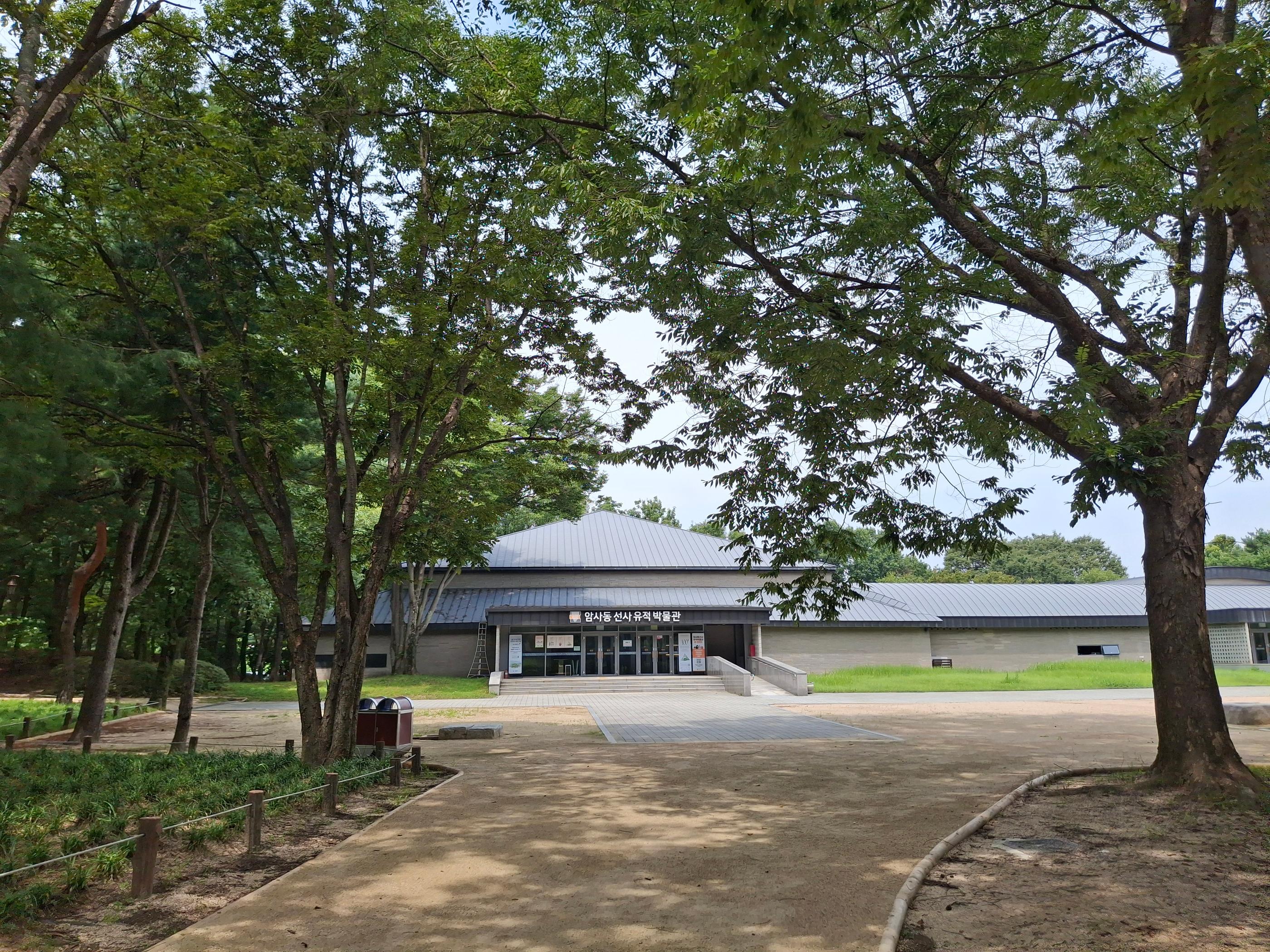
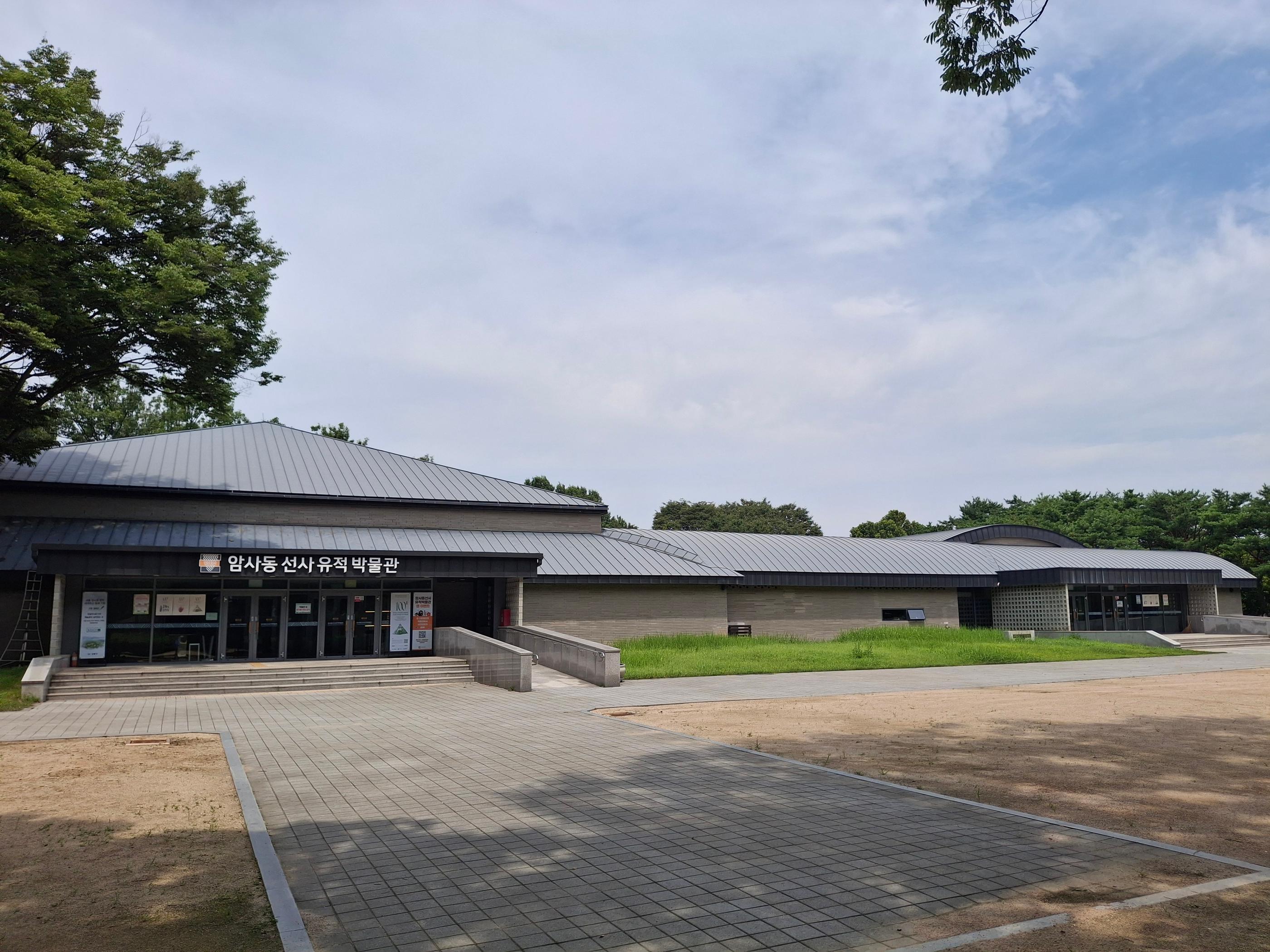
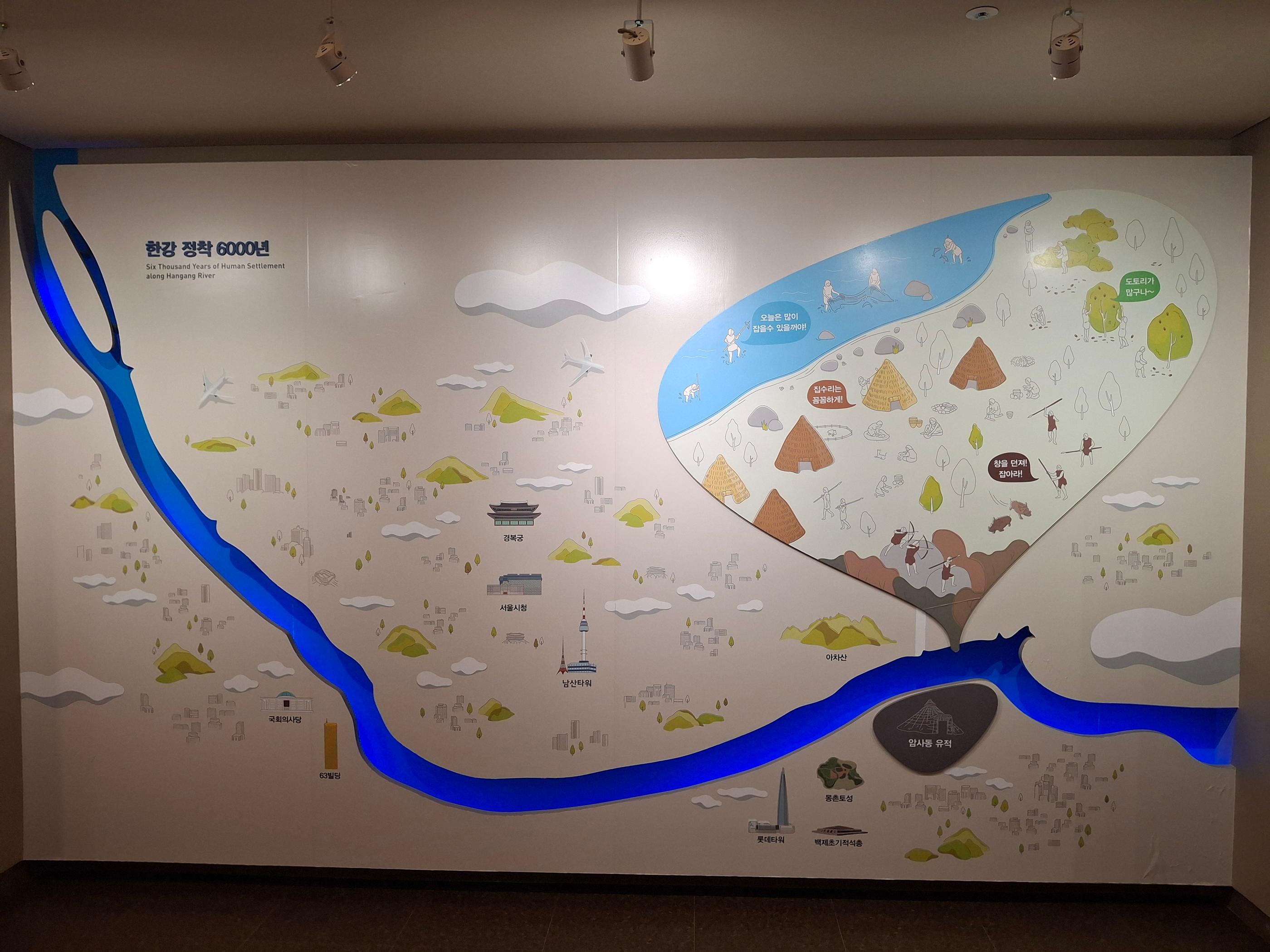
In the Gangdong district, next to the Han River, there is a very interesting place -Amsa-dong prehistoric site. This is a huge park on the site of an ancient settlement of primitive people with a museum and reconstruction of ancient houses.
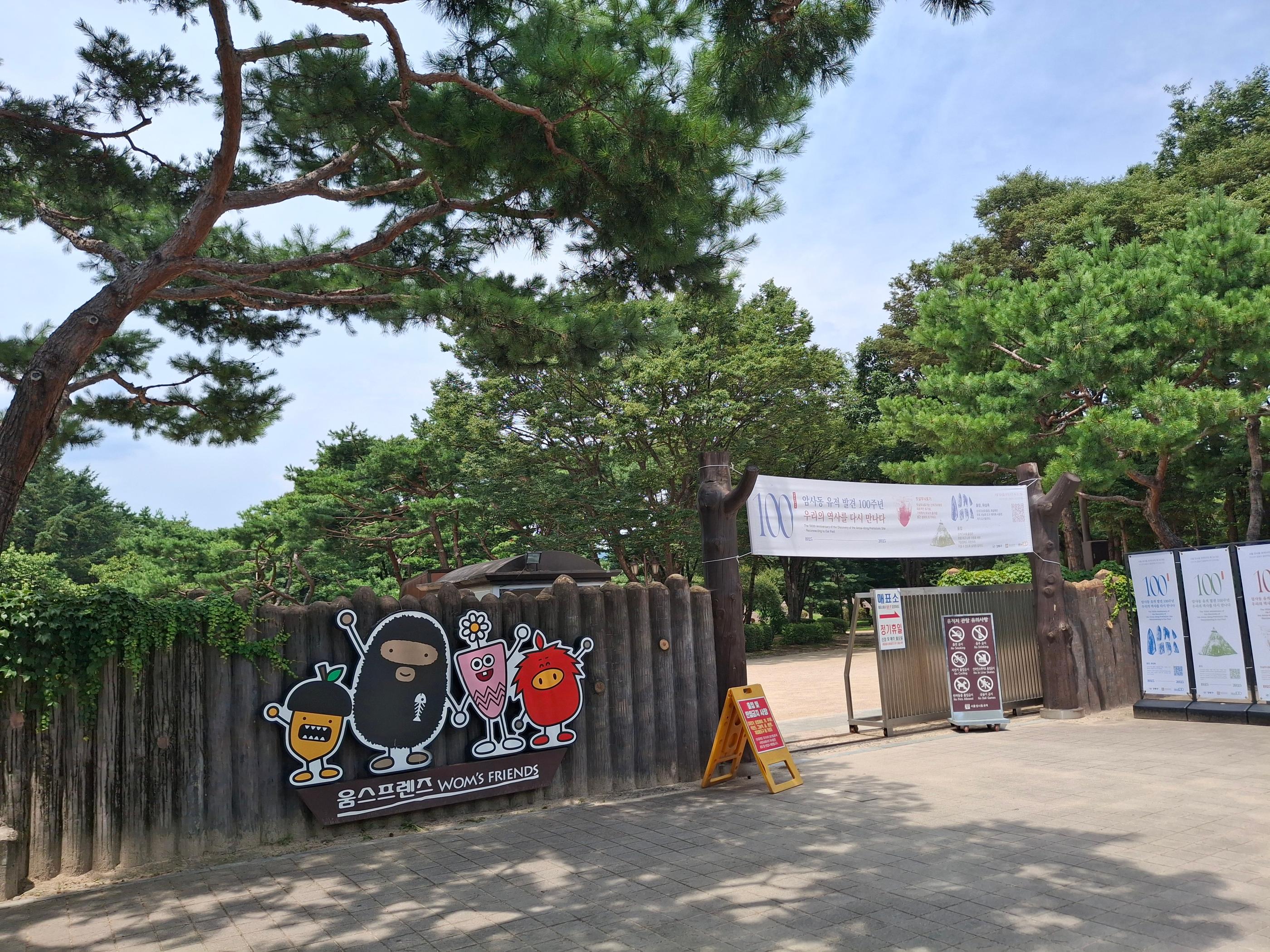
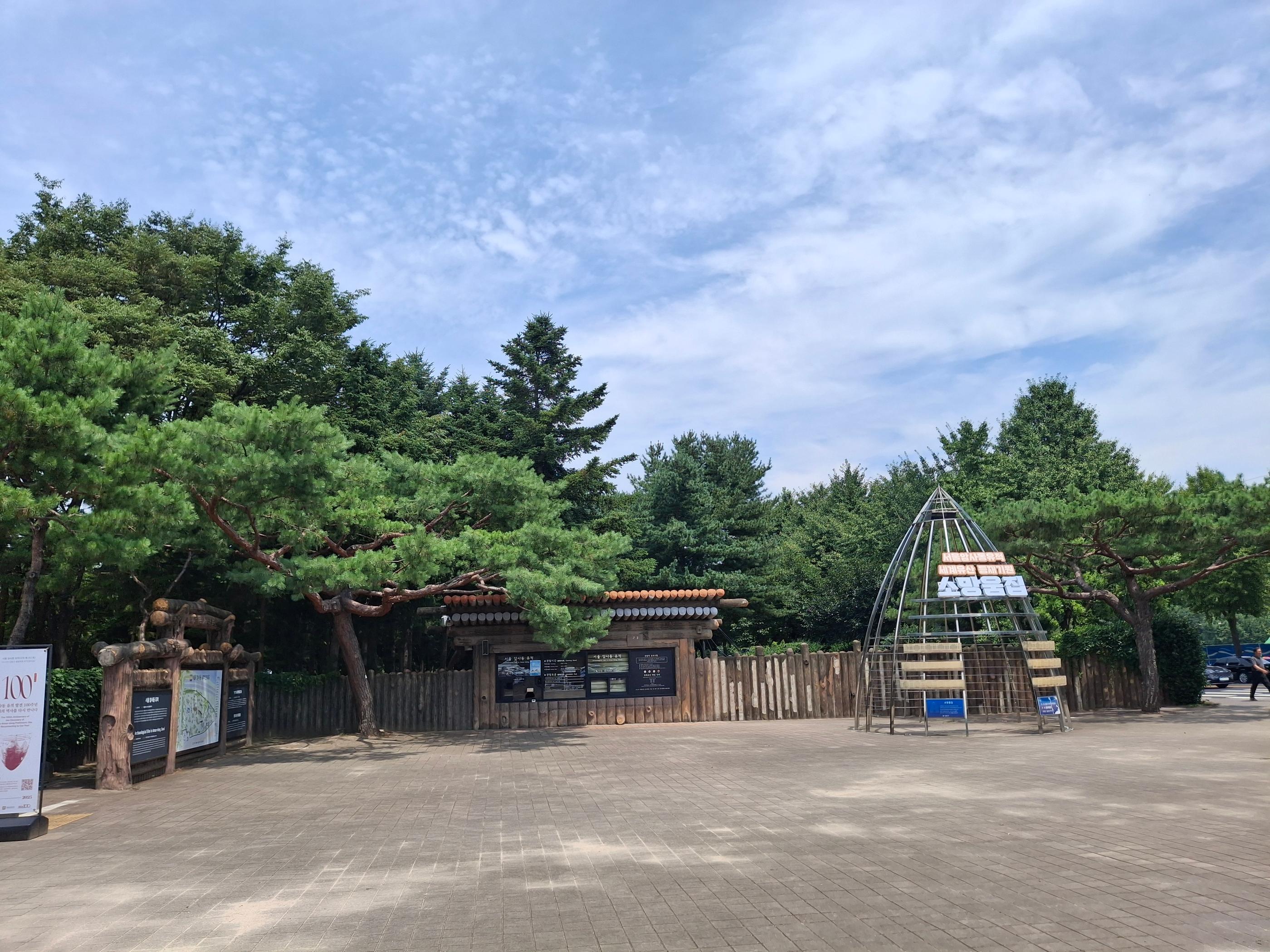
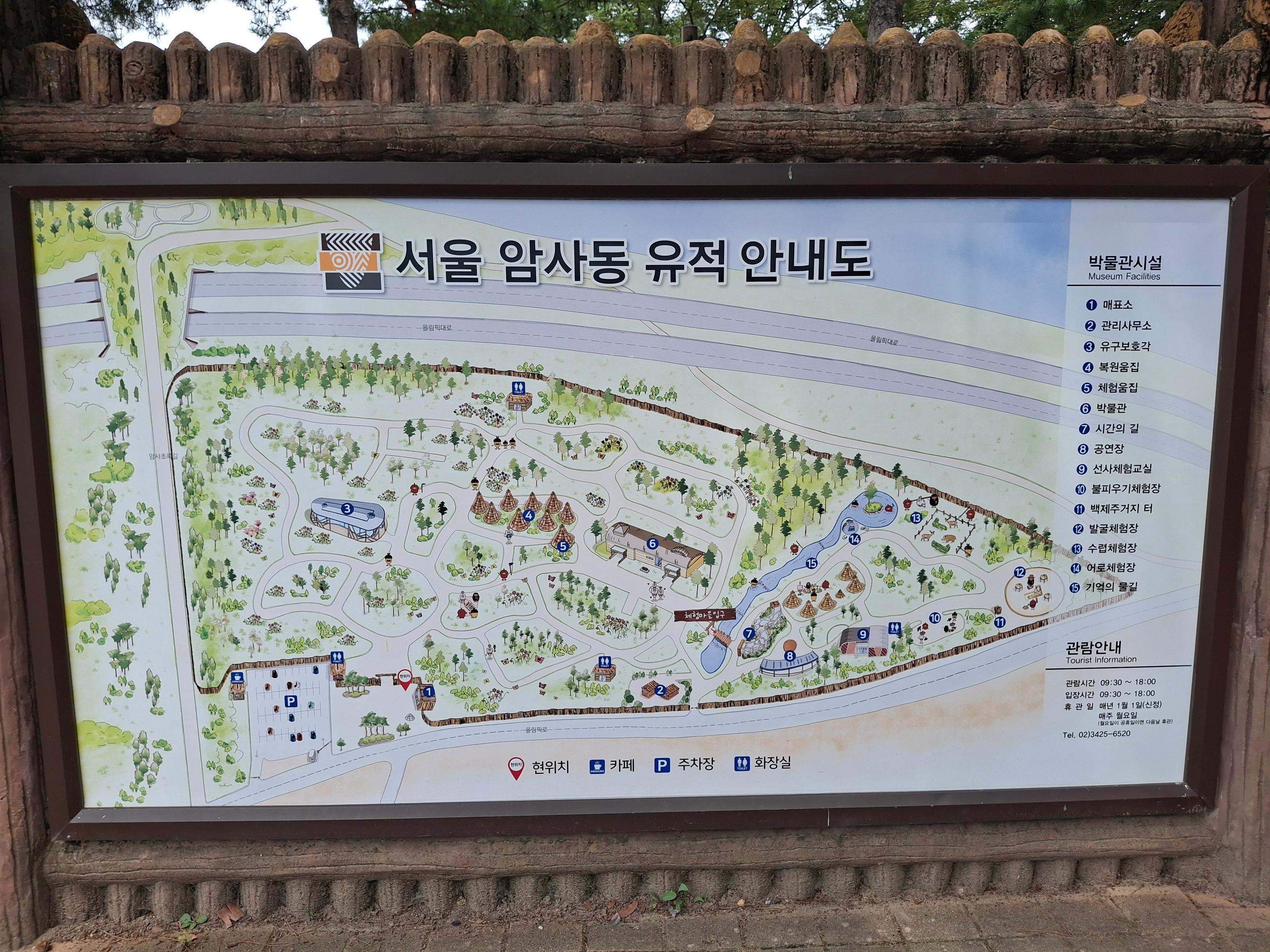
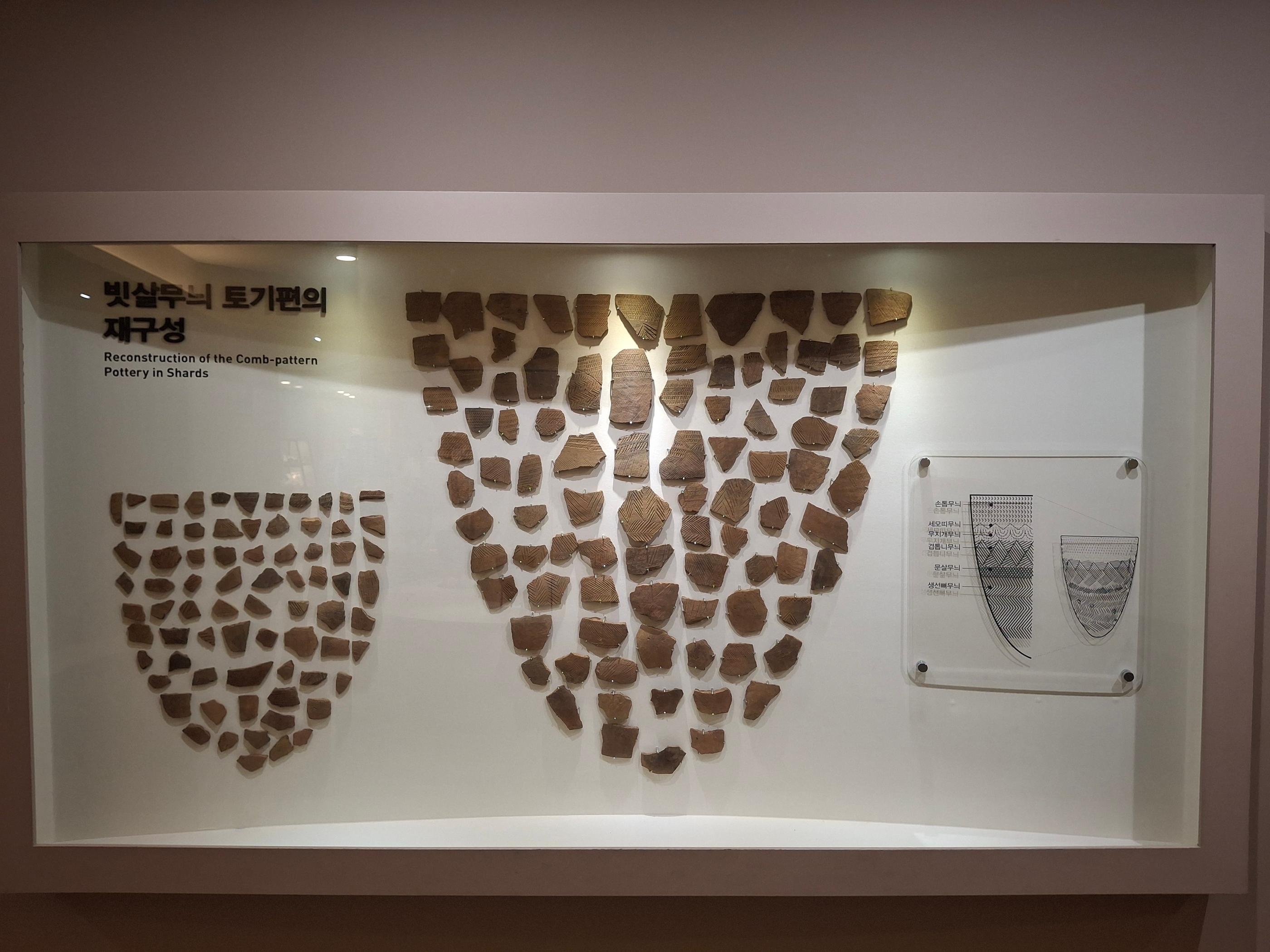
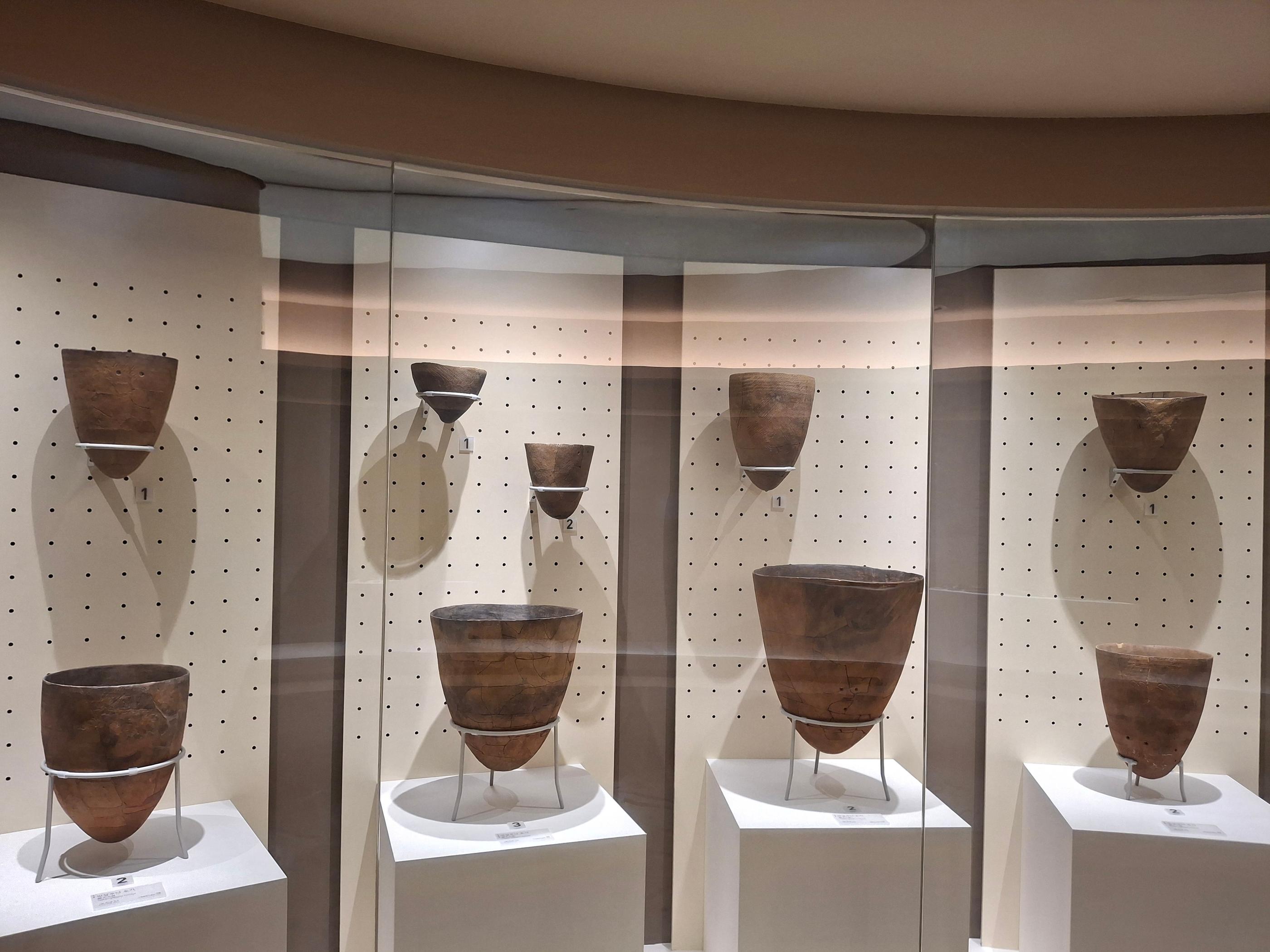
The ruins of Amsa-dong in Seoul, which represents Korea's prehistoric era, are the largest collective settlement in the Han River basin and are of great value. As a result of several excavations, more than 40 houses were discovered, and traces of the life of Neolithic people who lived by fishing and gathering around the Han River remain intact. Neolithic people formed a community society called a village in Amsa-dong, and the most innovative and artistic comb-patterned earthenware culture in human history blossomed.
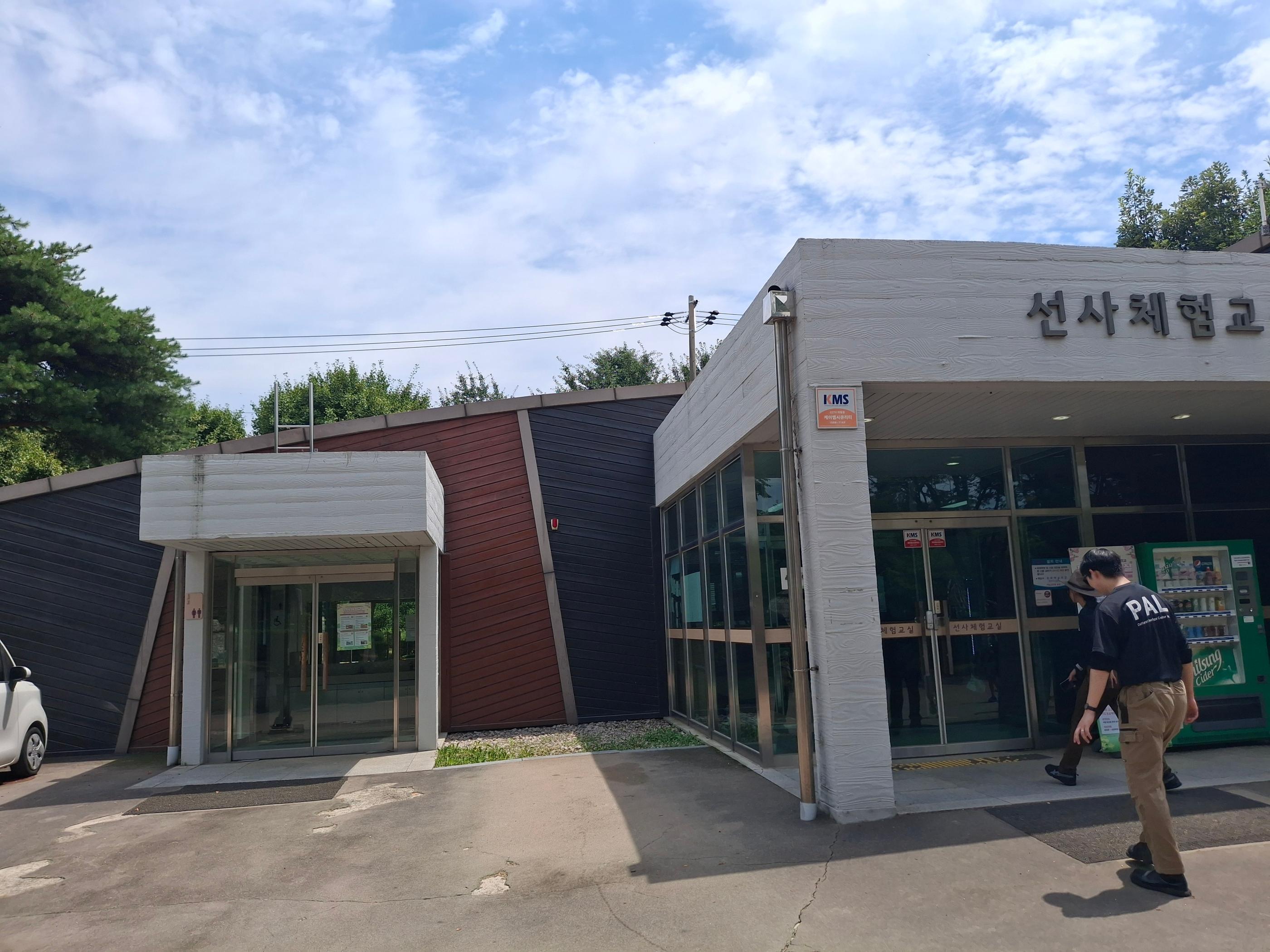
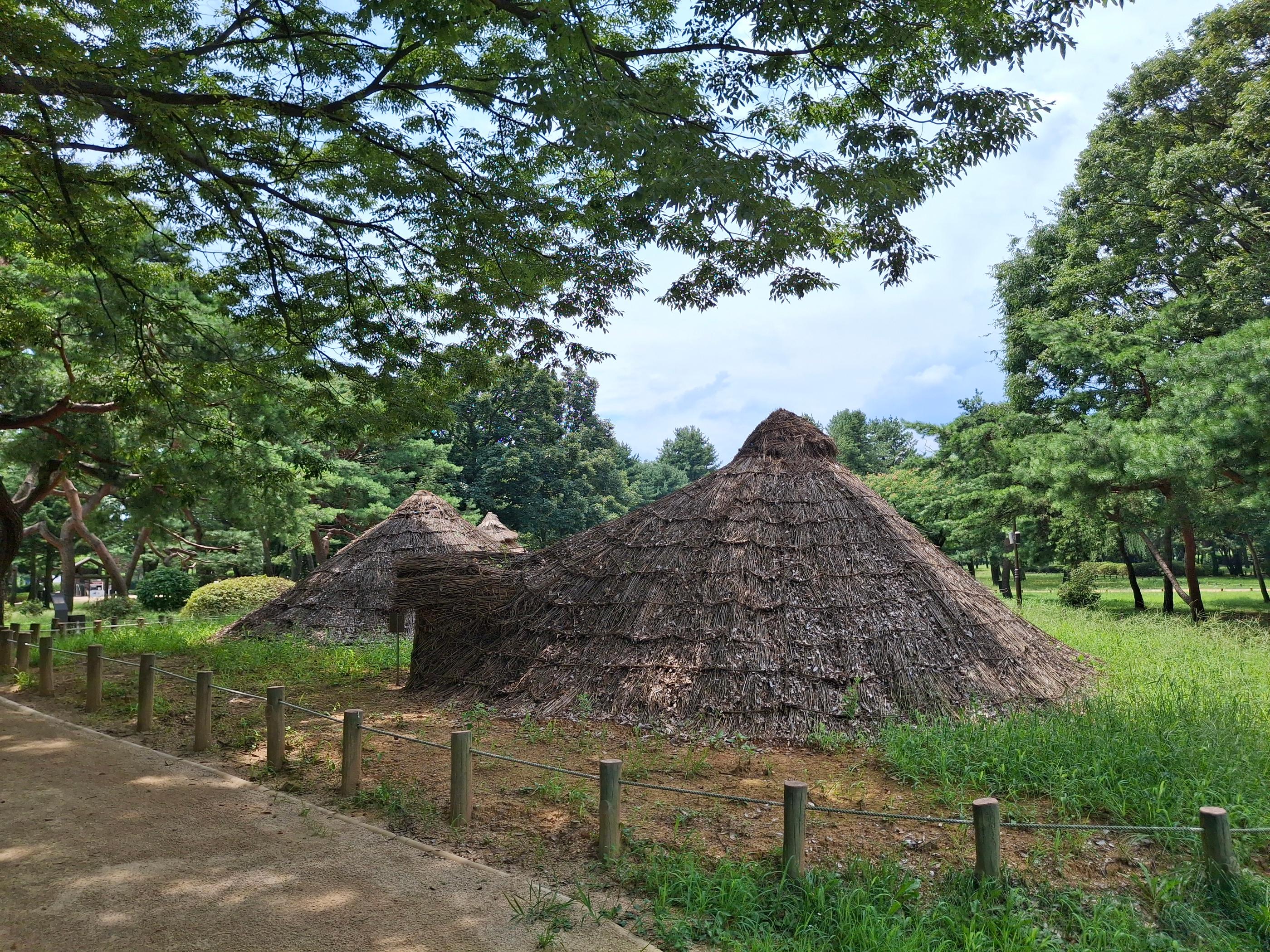
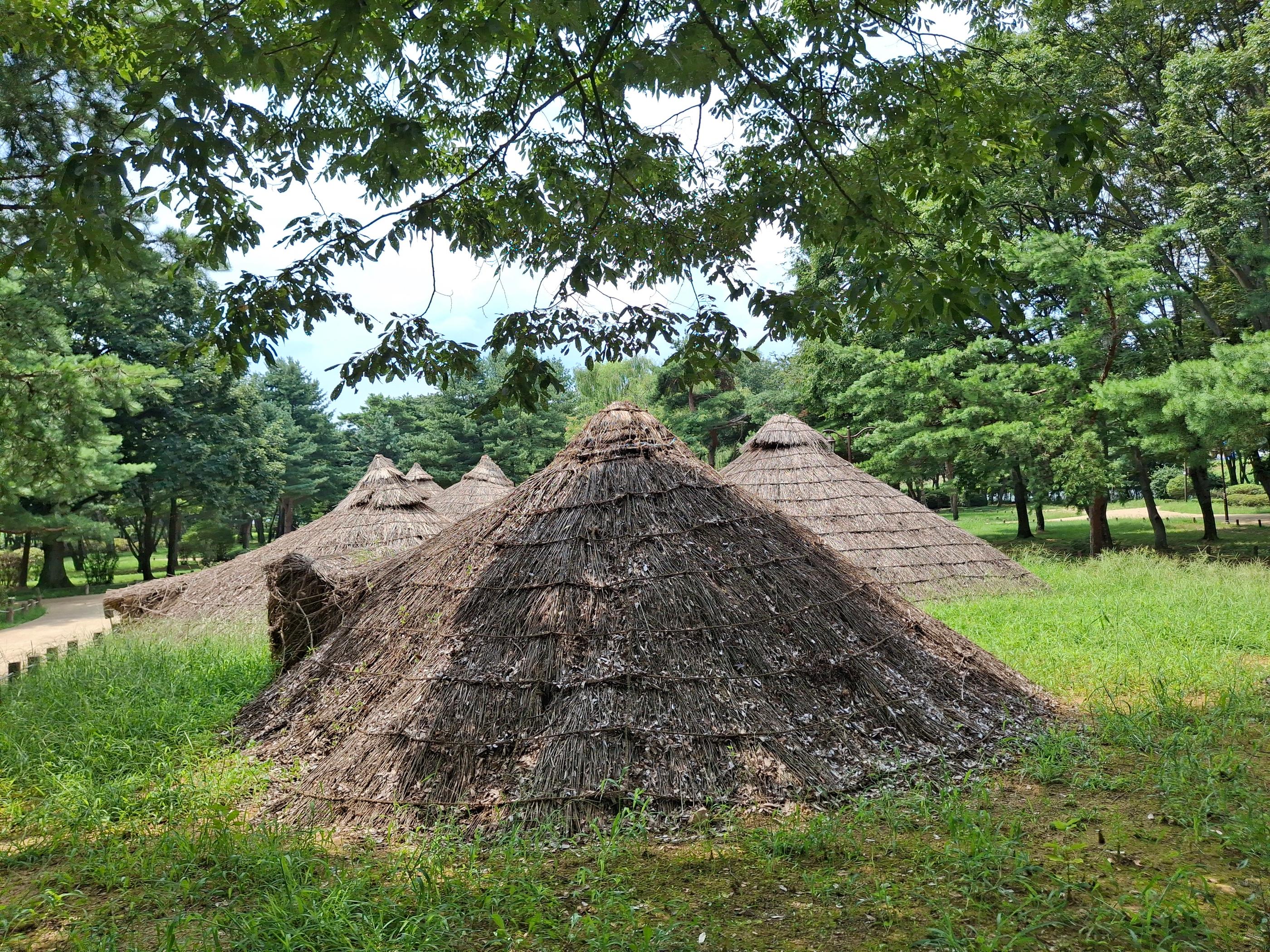
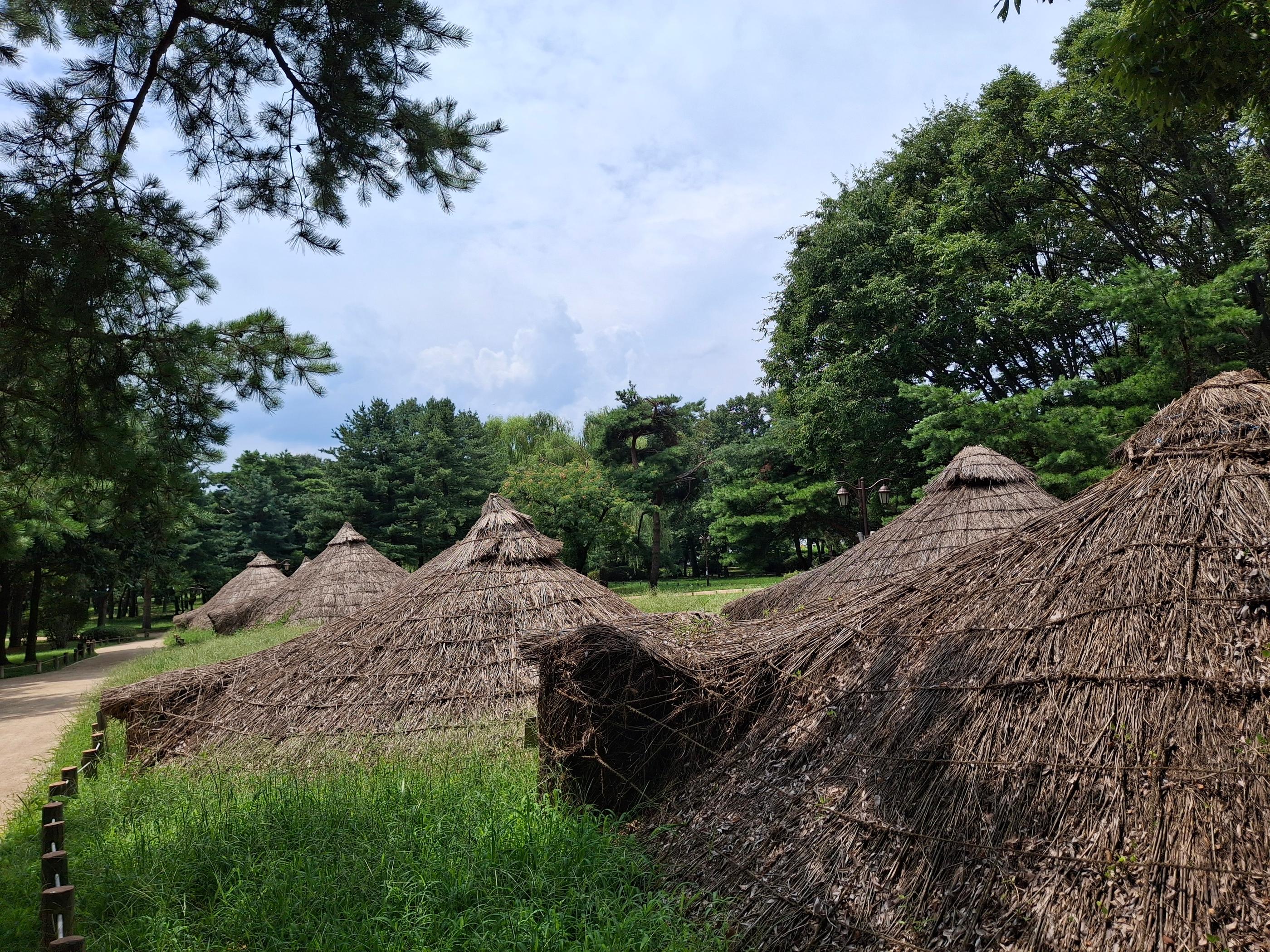
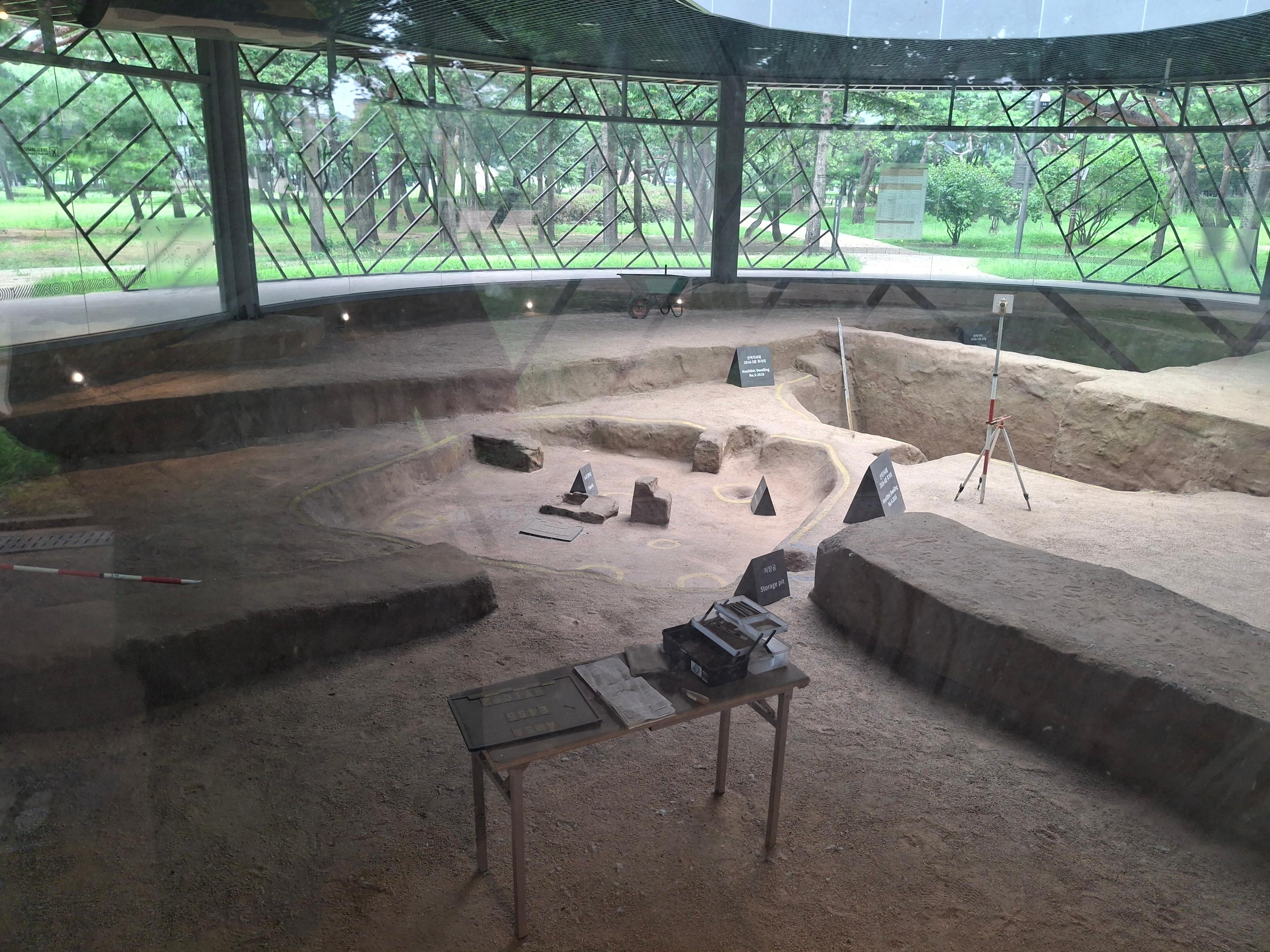
Today, the site consists of nine reconstructed pithouses, a replica pithouse designed to allow visitors to experience prehistoric times, and a museum that features diverse artifacts and exhibition spaces, and column positions, including real excavation remains which allow visitors to understand the pithouse's shape, fire pit.
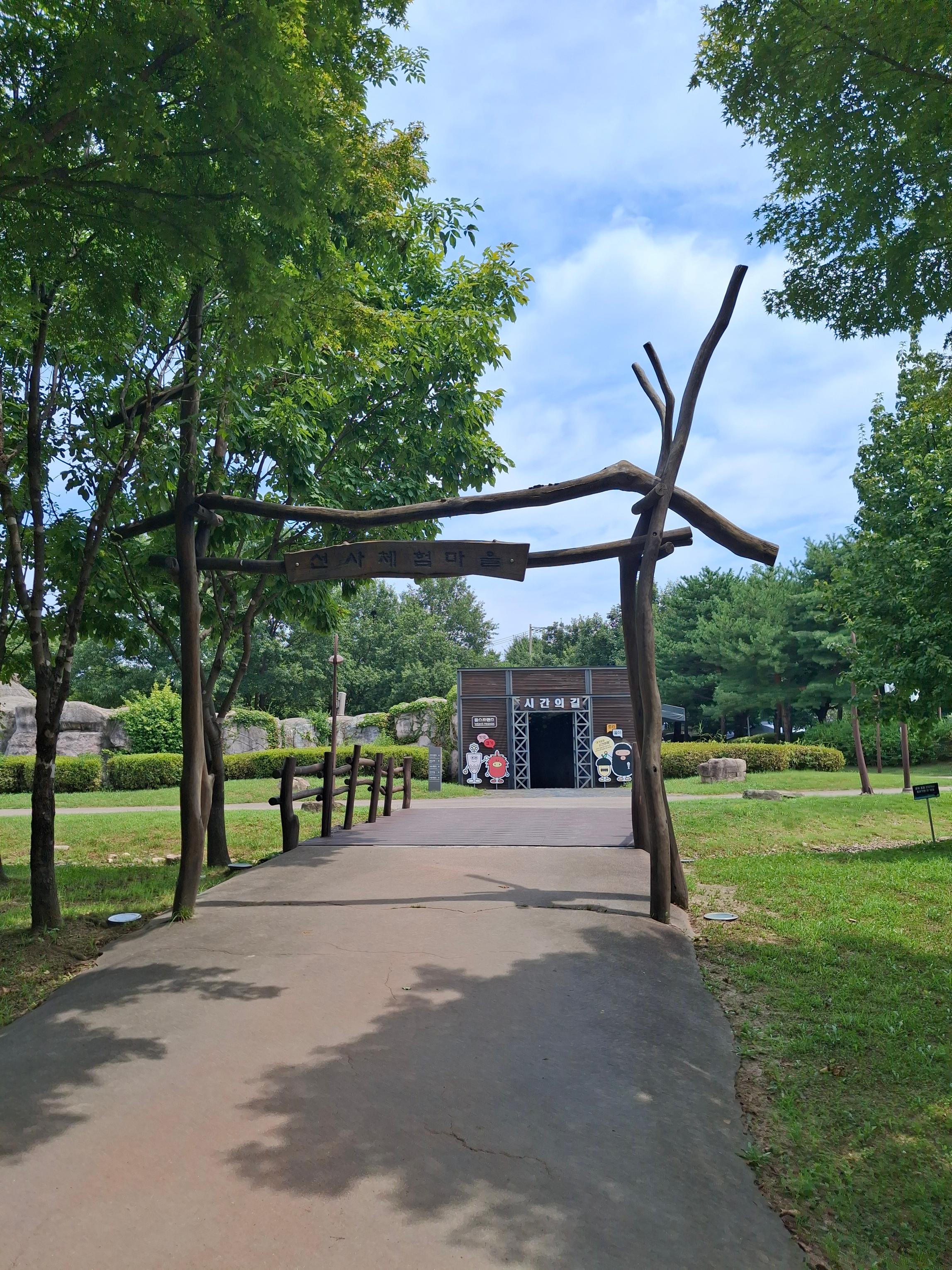
What delighted me most was the ancient cave, which also served as a shelter for ancient people. You can enter the cave and exit at the other end.
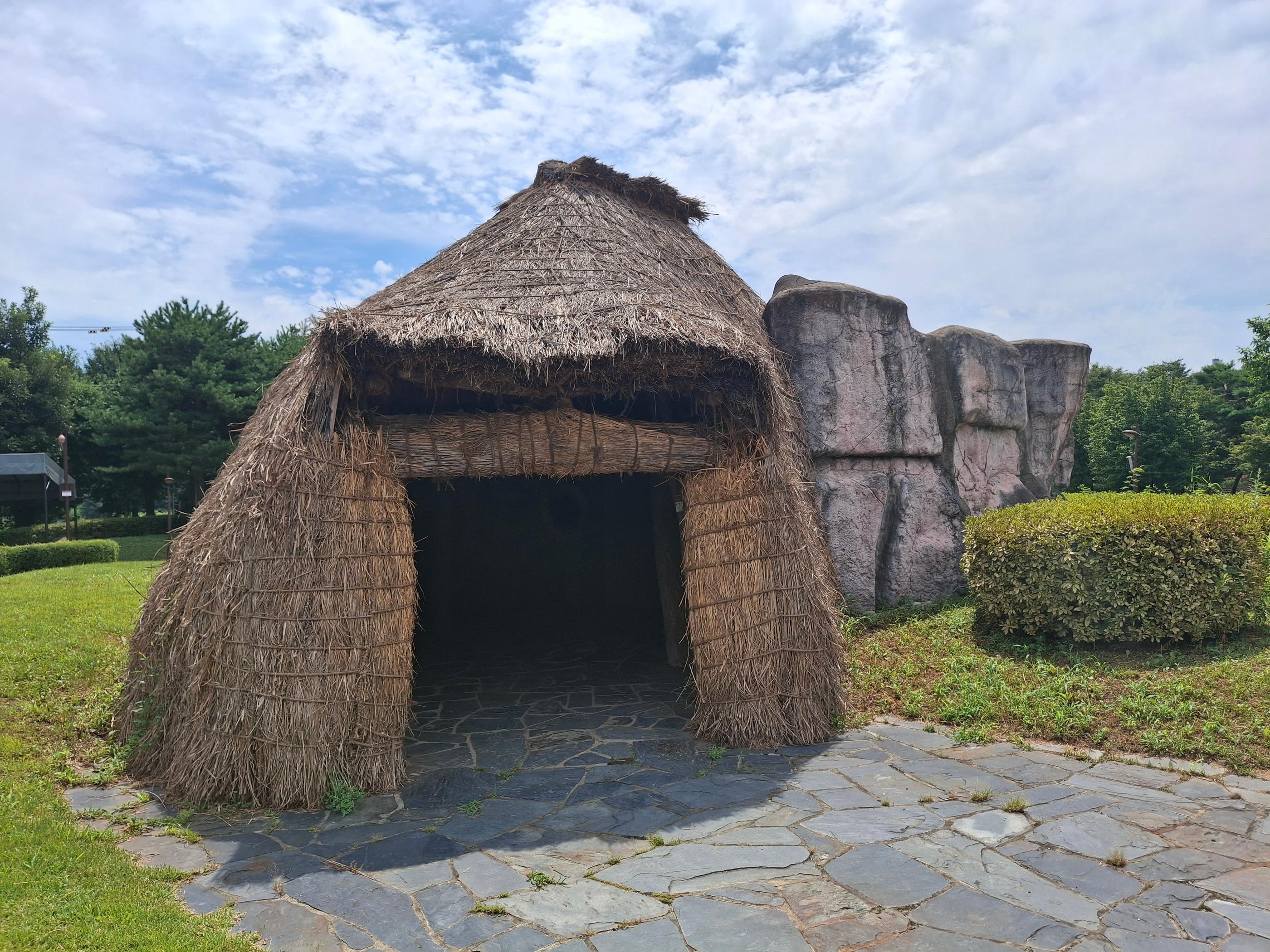
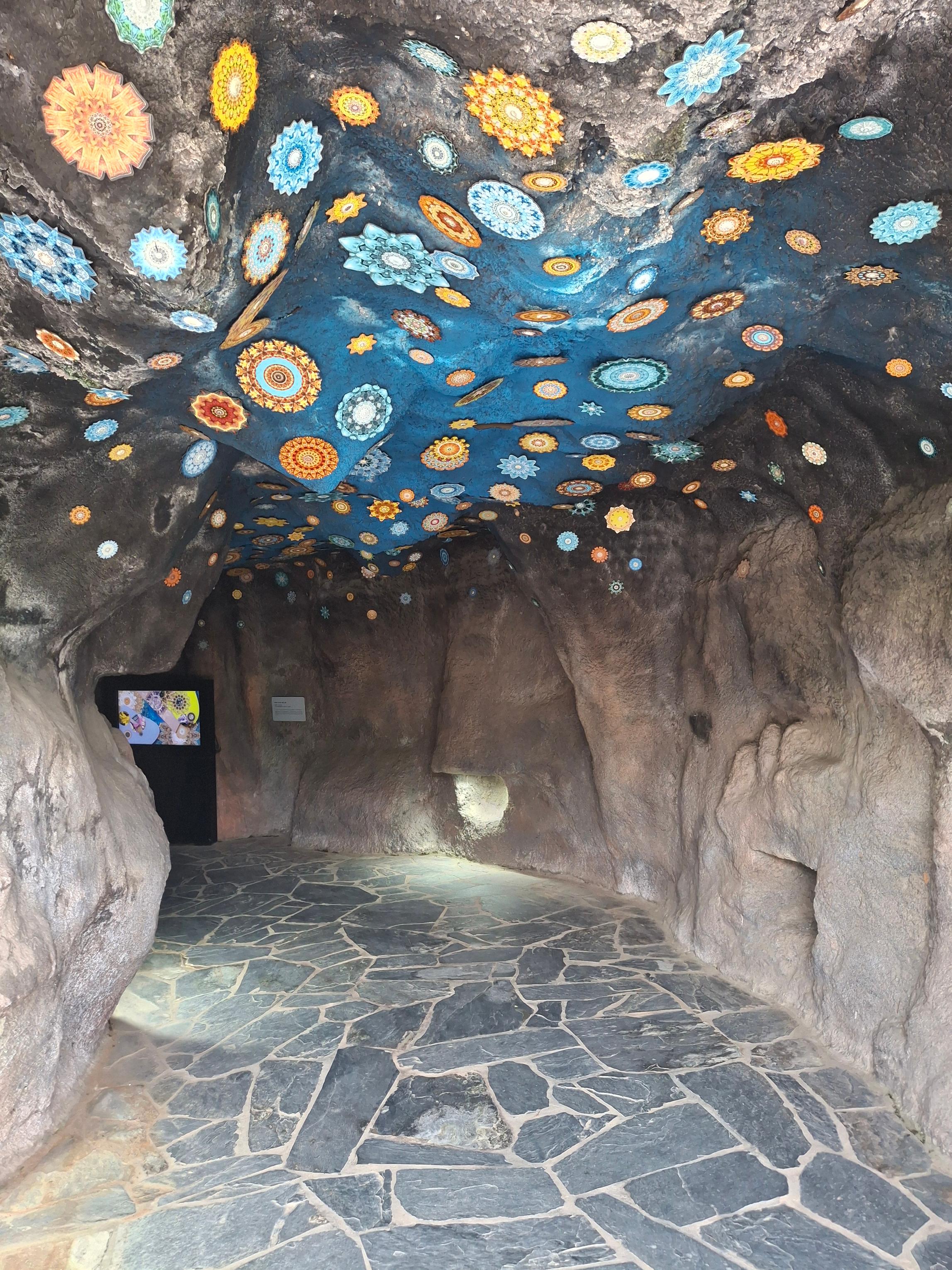
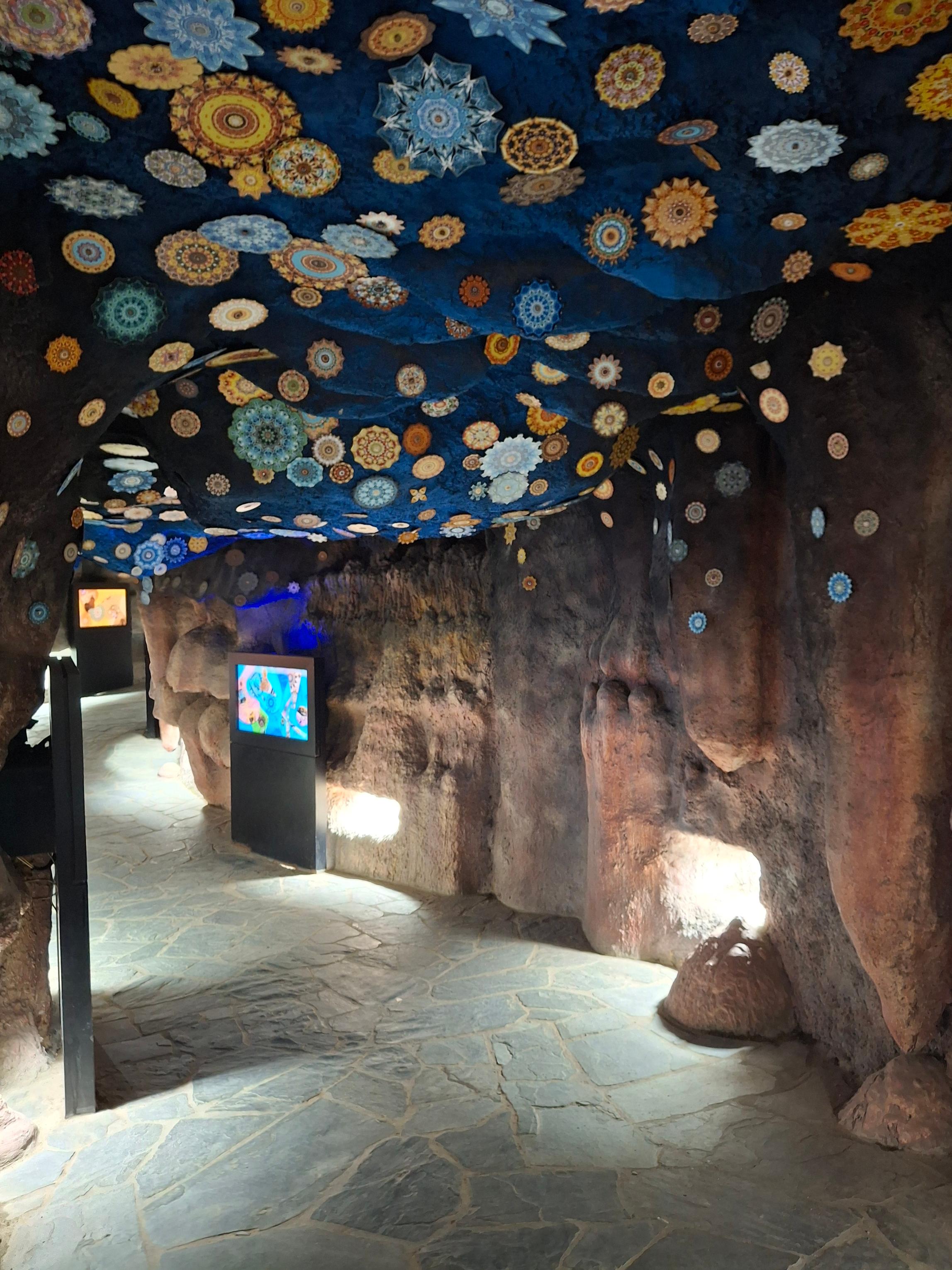
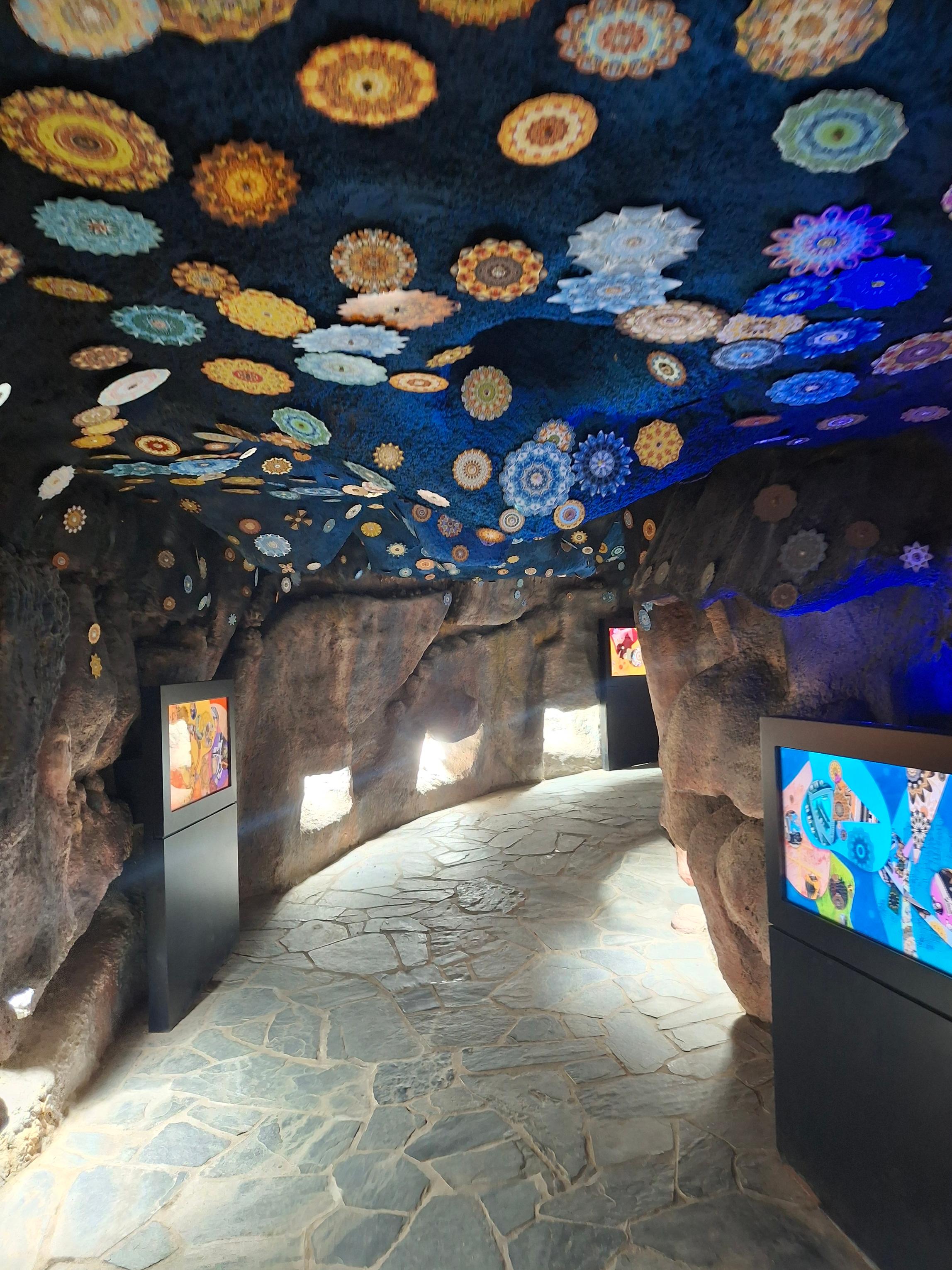
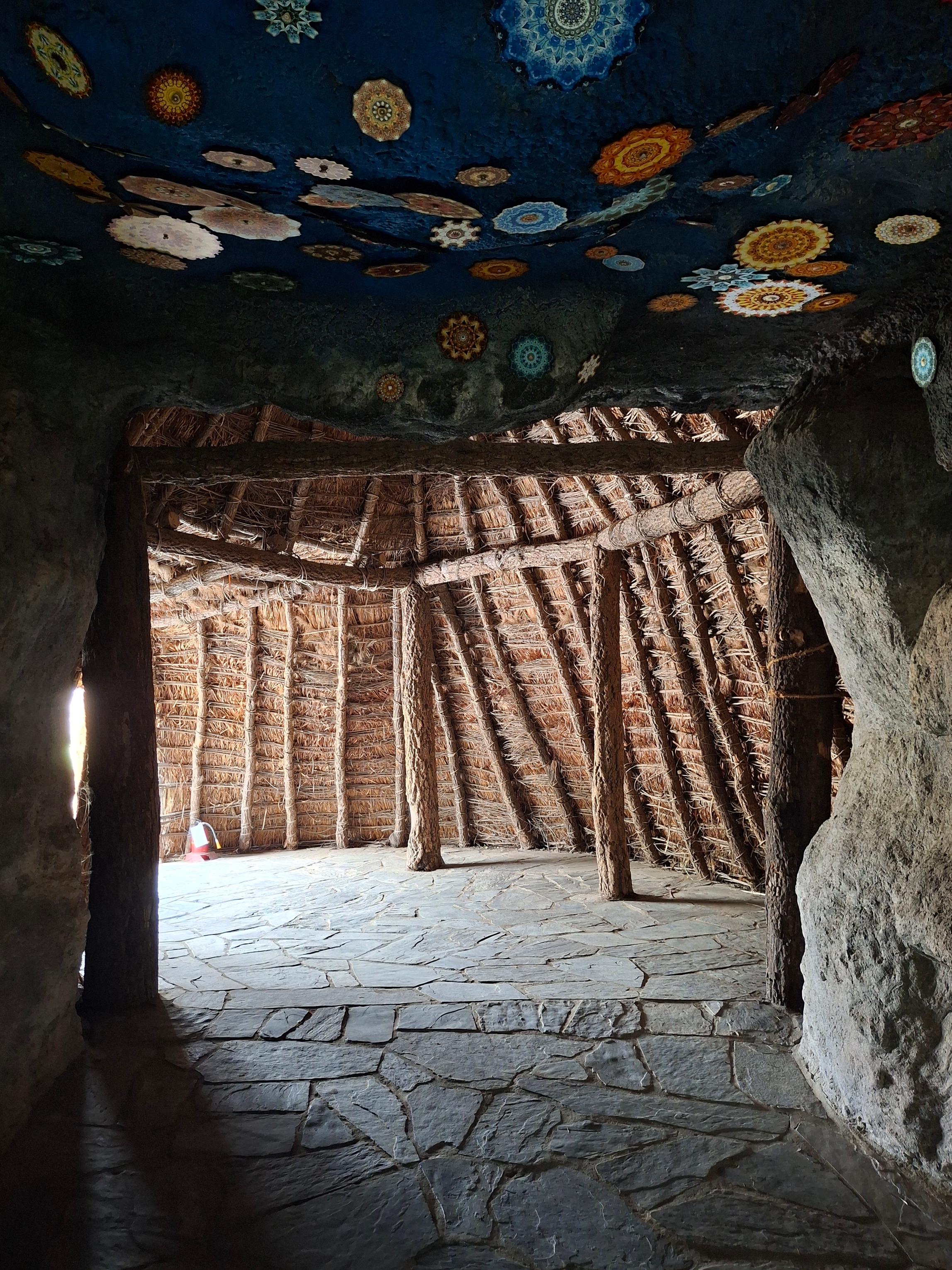
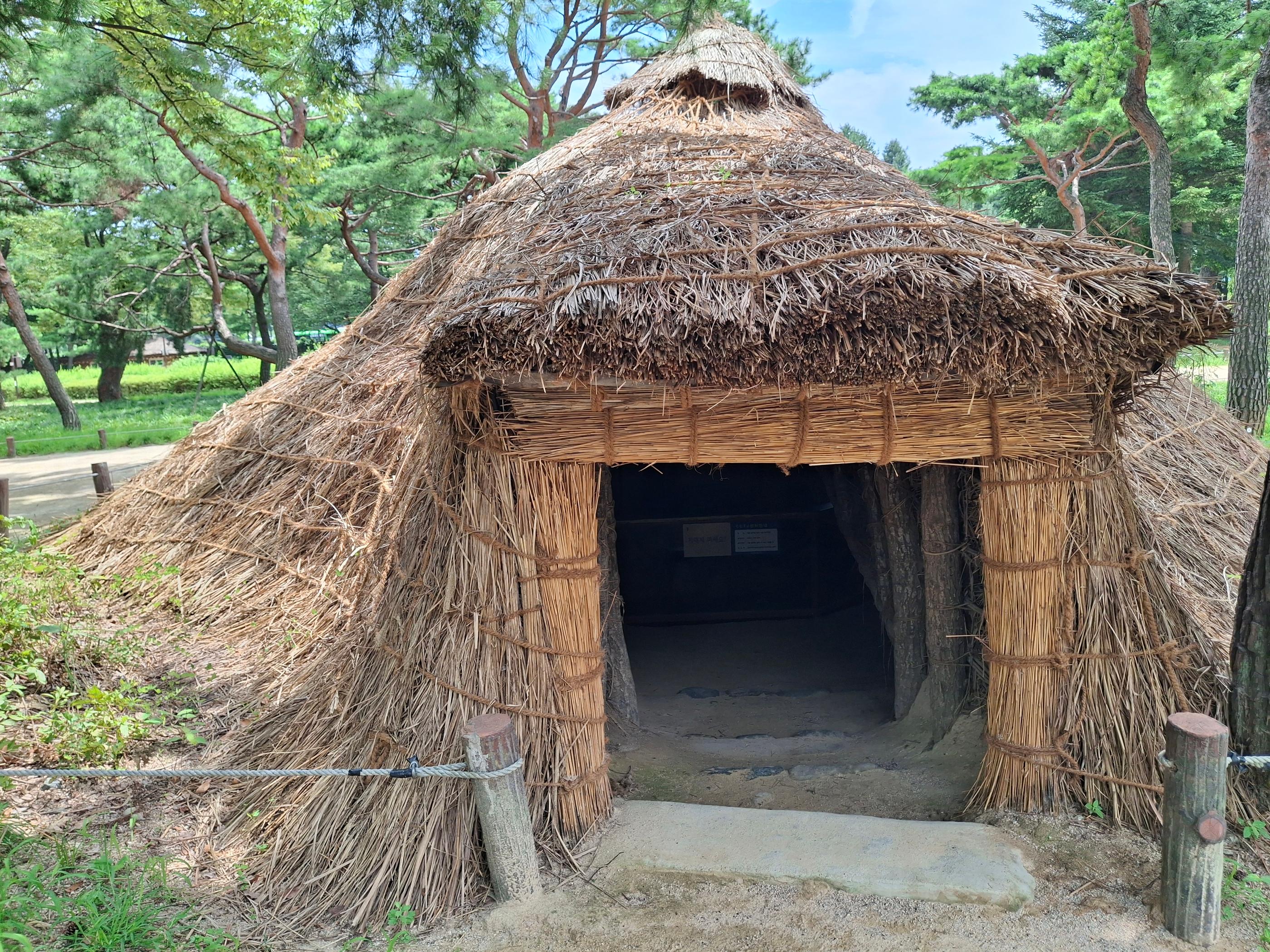
Near the cave there are several ancient huts of primitive people. The 9 restored huts here were restored by covering about 2 meters of soil from the excavation site. The house site is a round shape and a horse square with slightly shortened corners, and is dug about 50~100 cm below the ground.
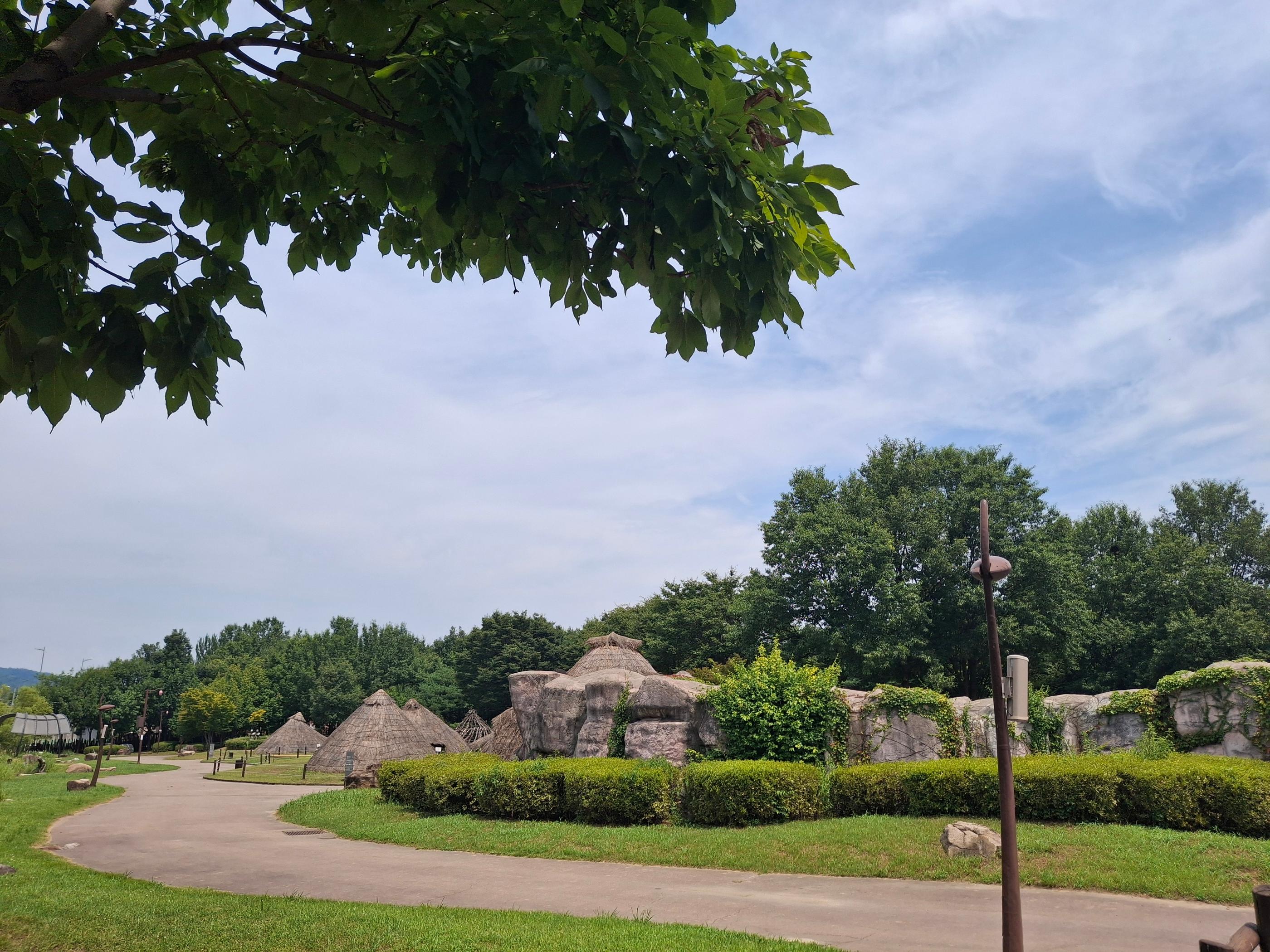
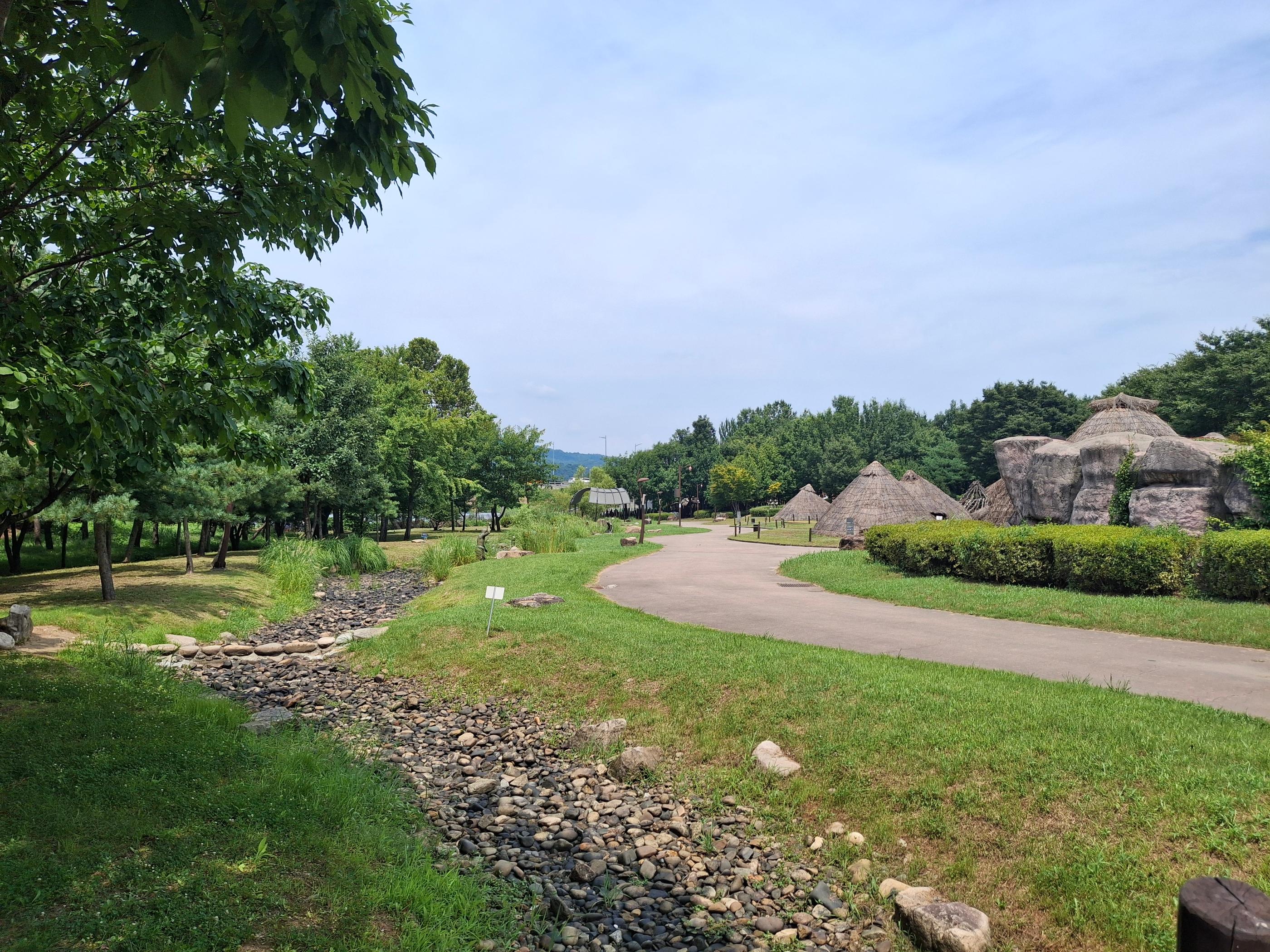
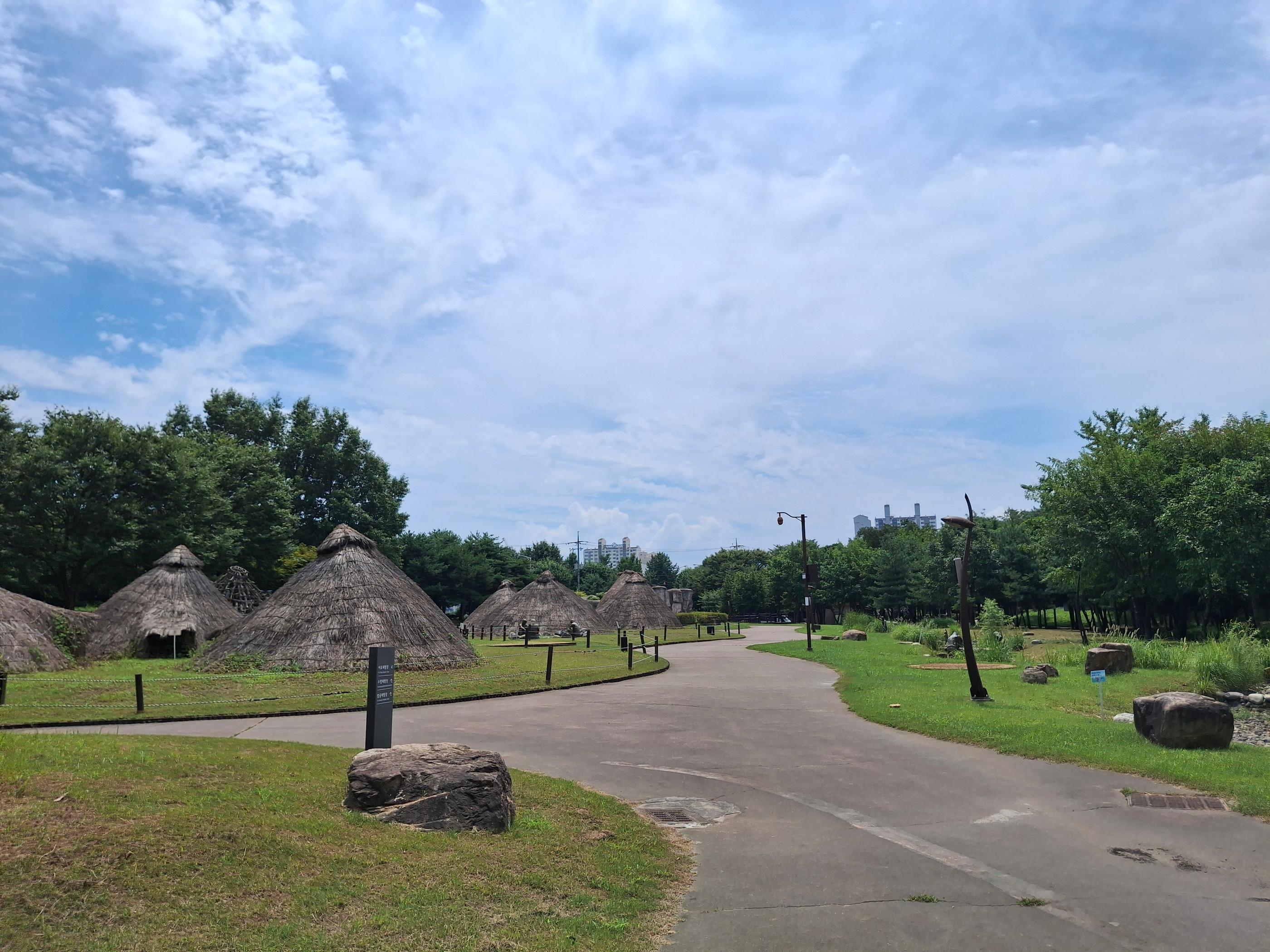
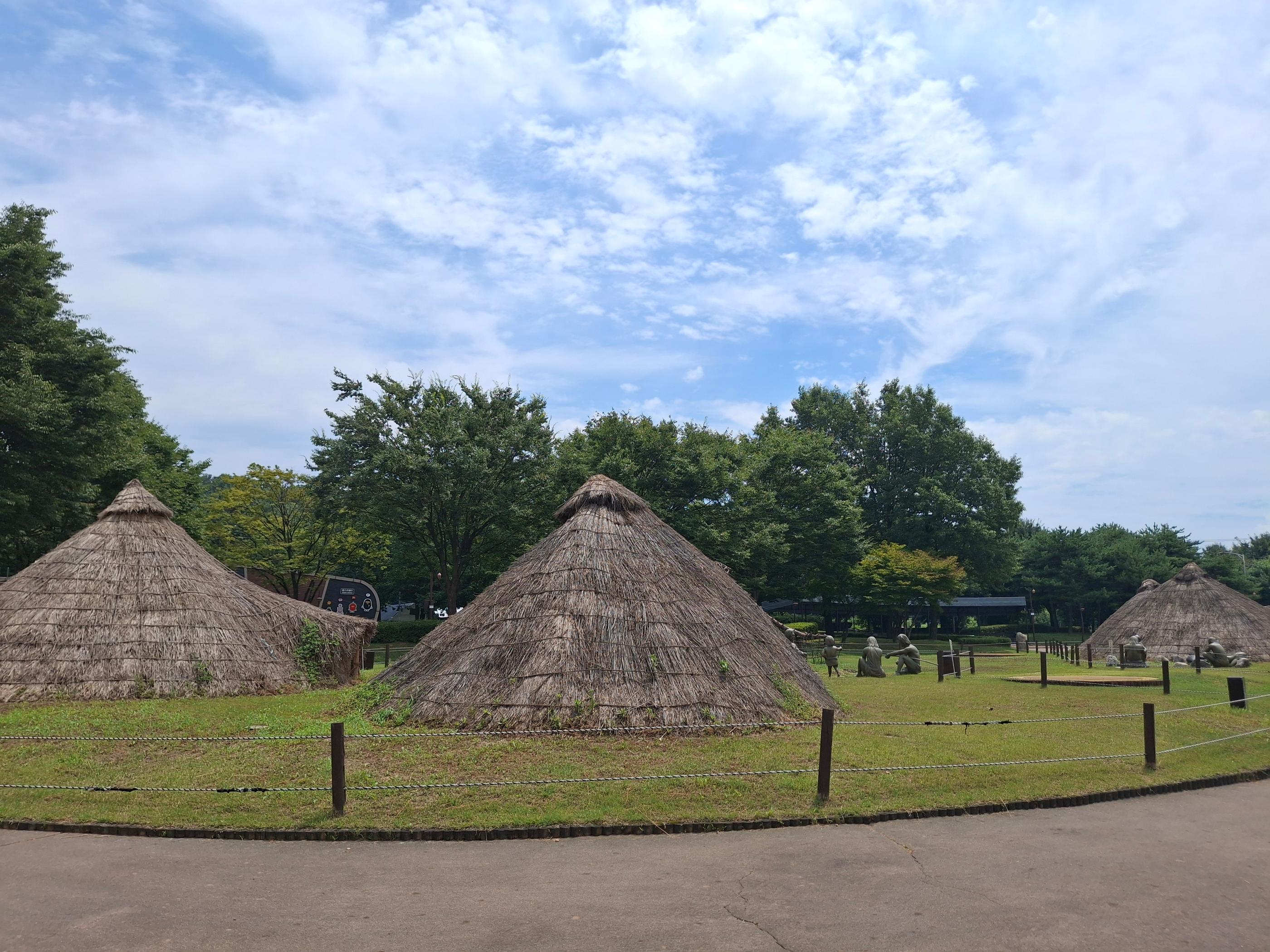
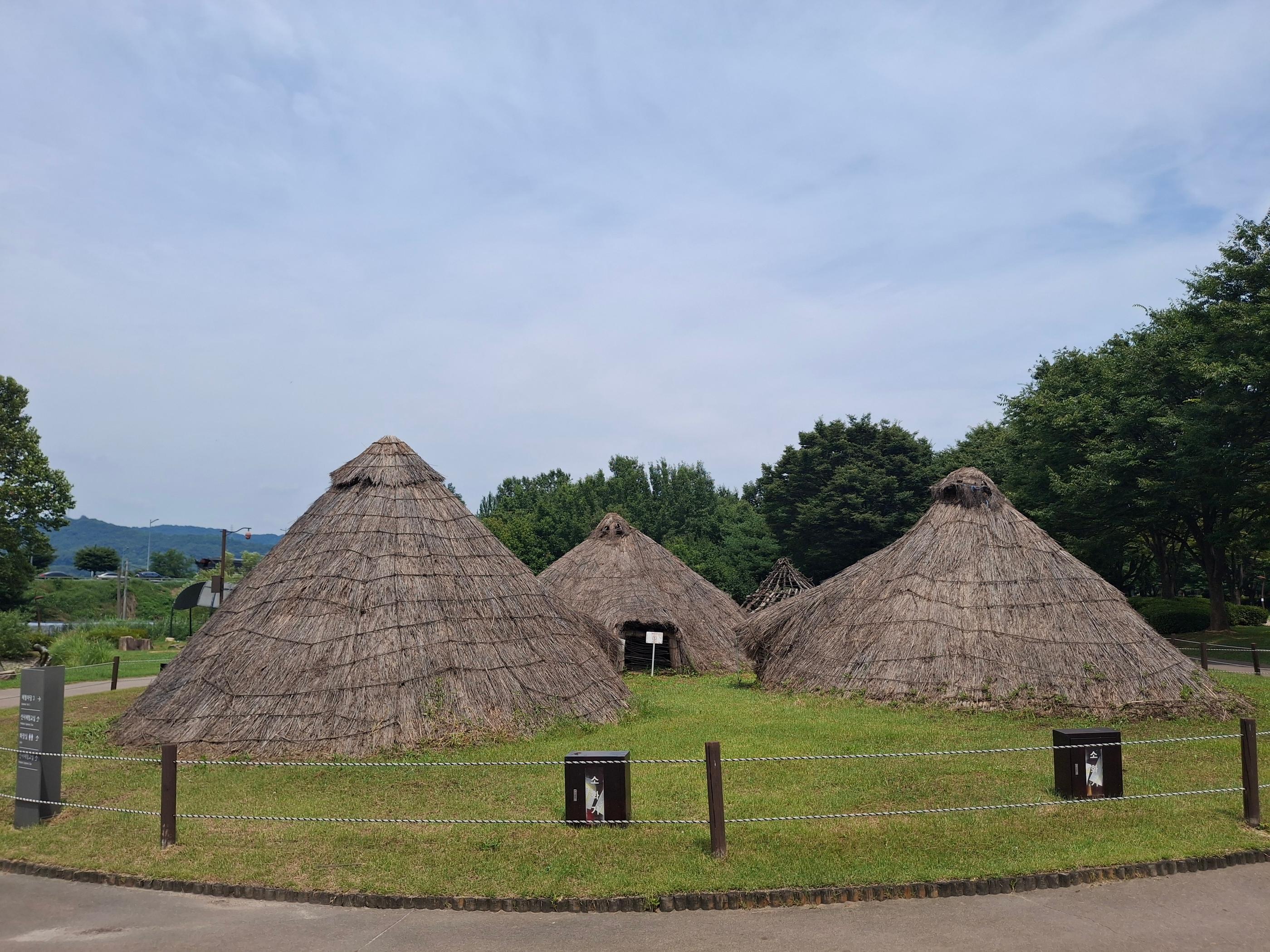
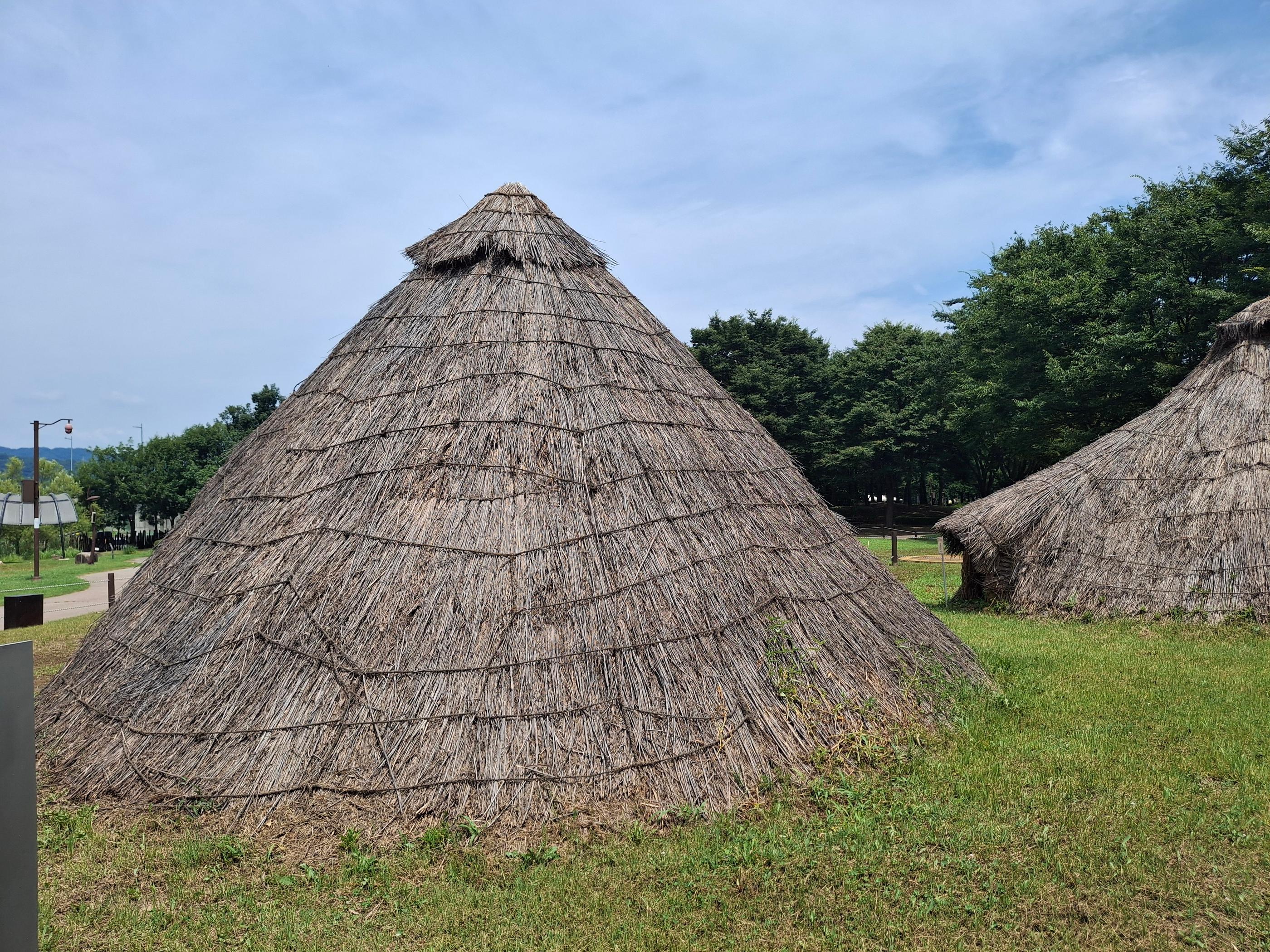
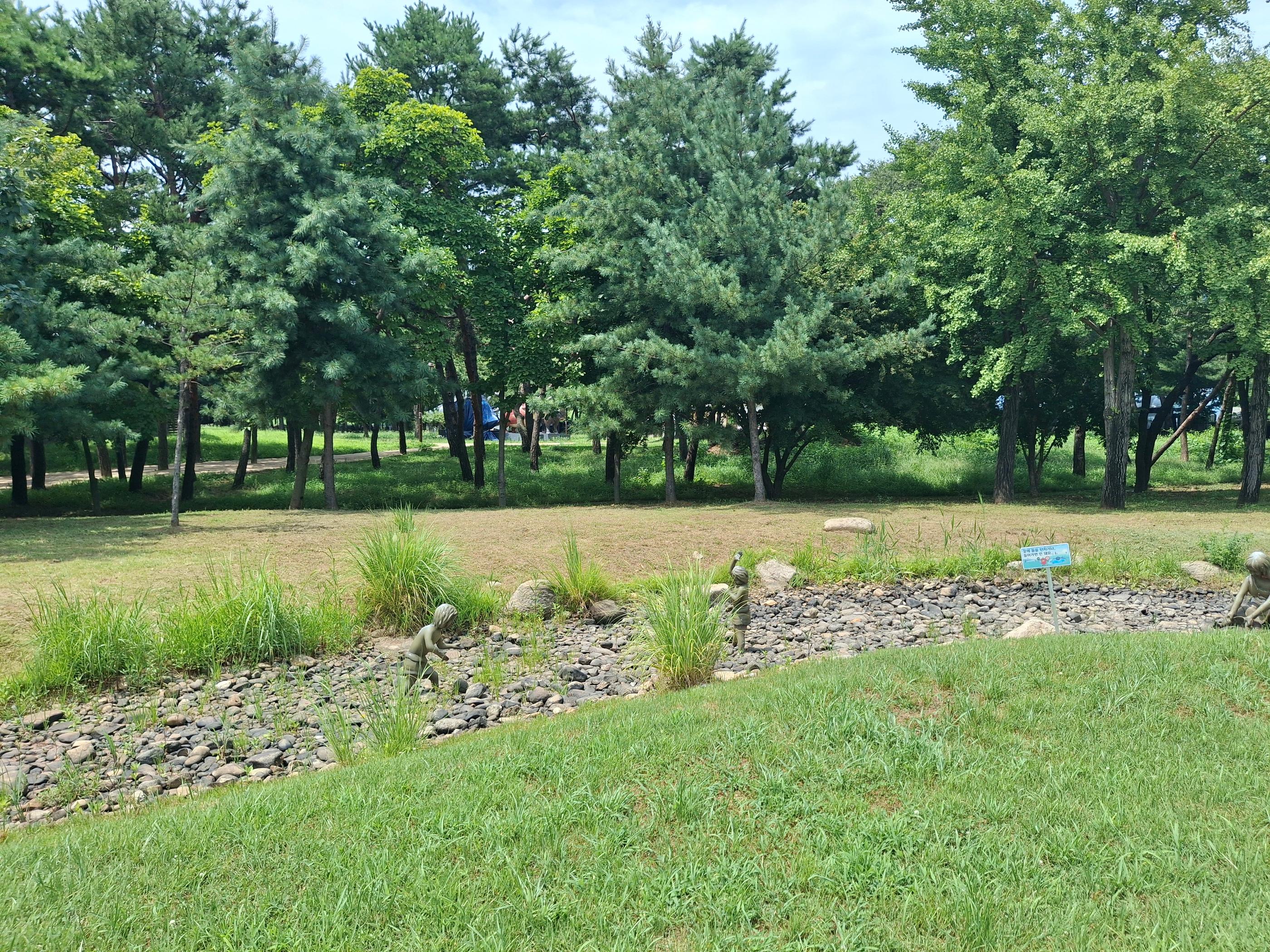
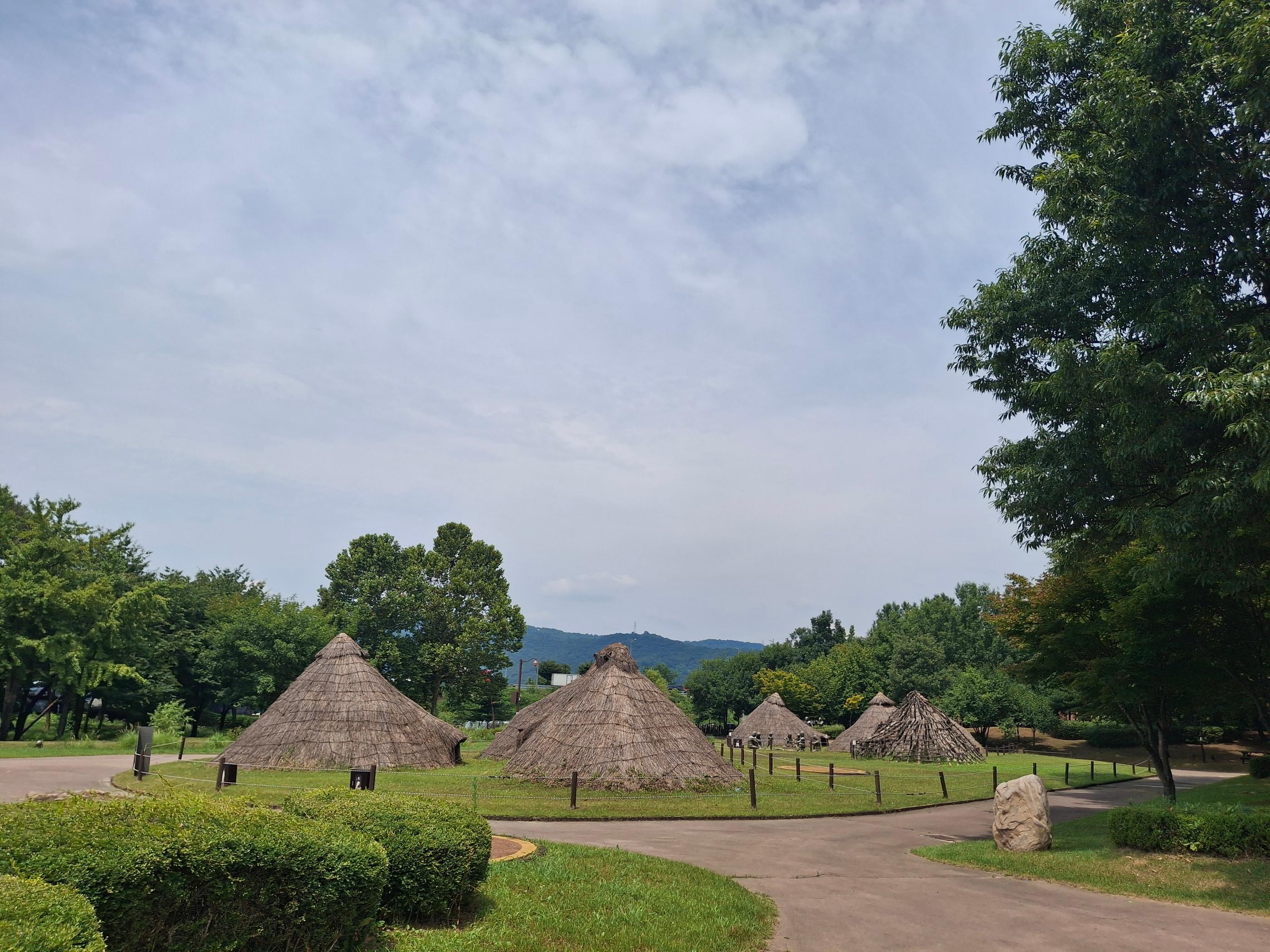
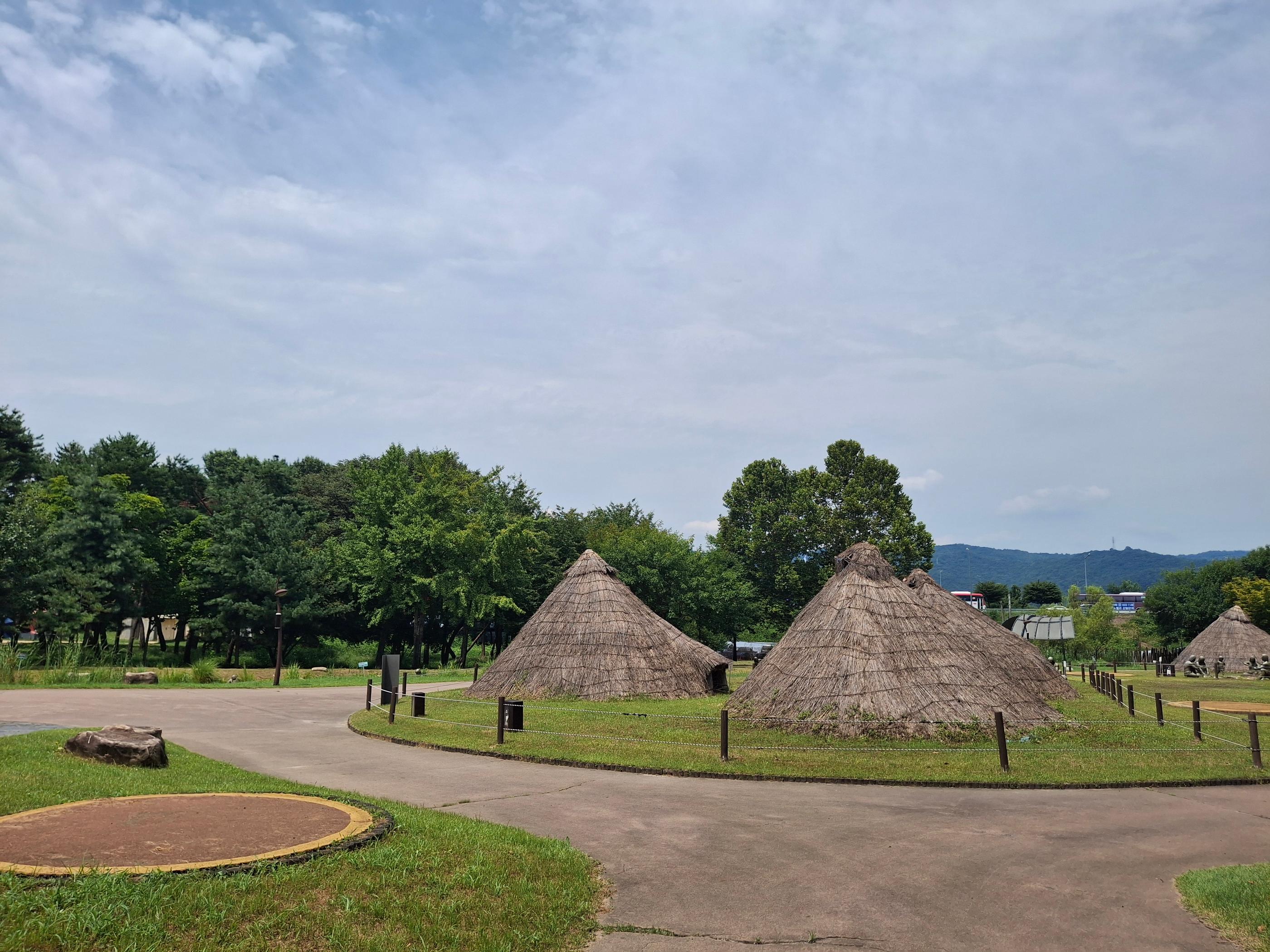
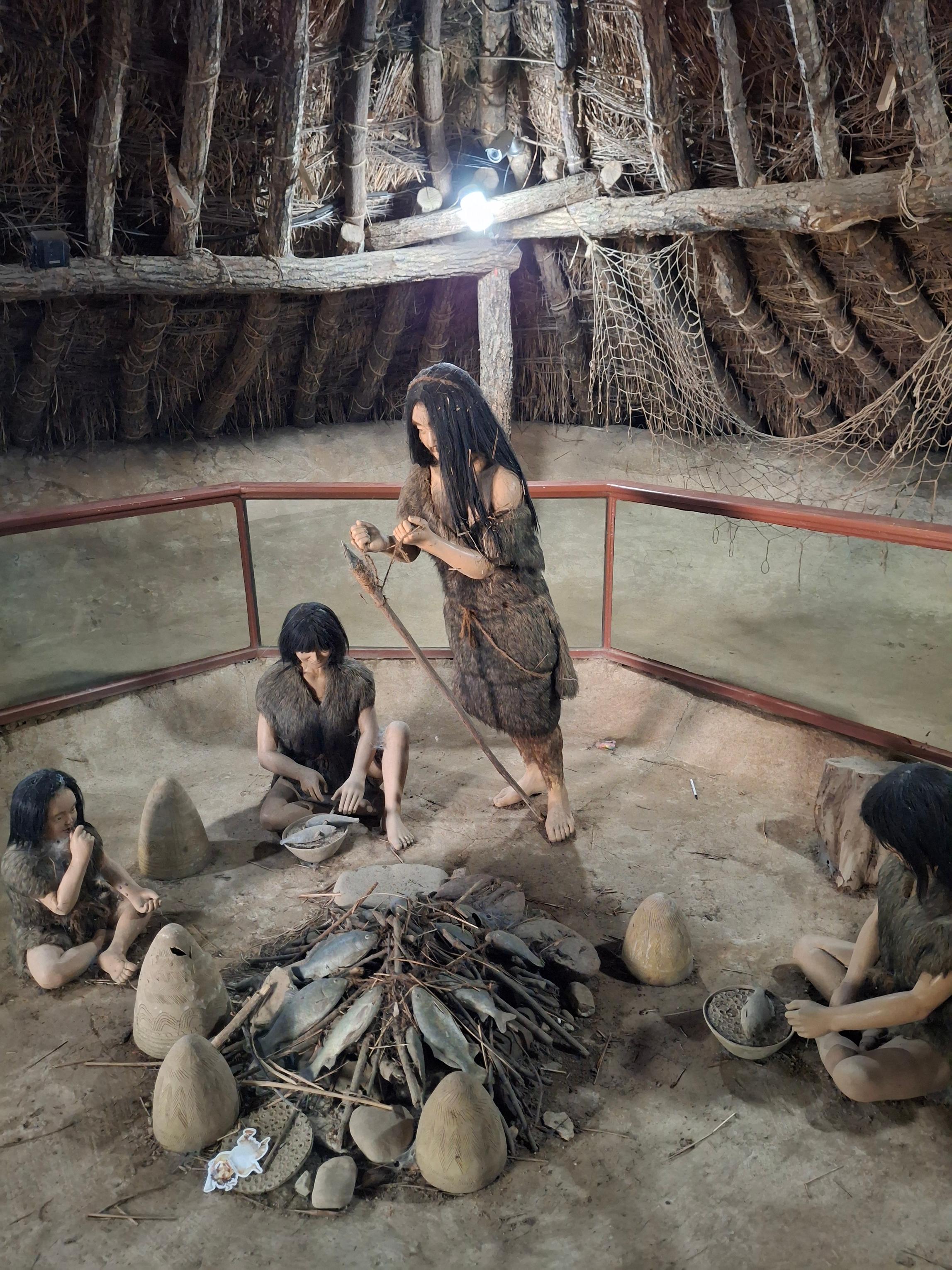
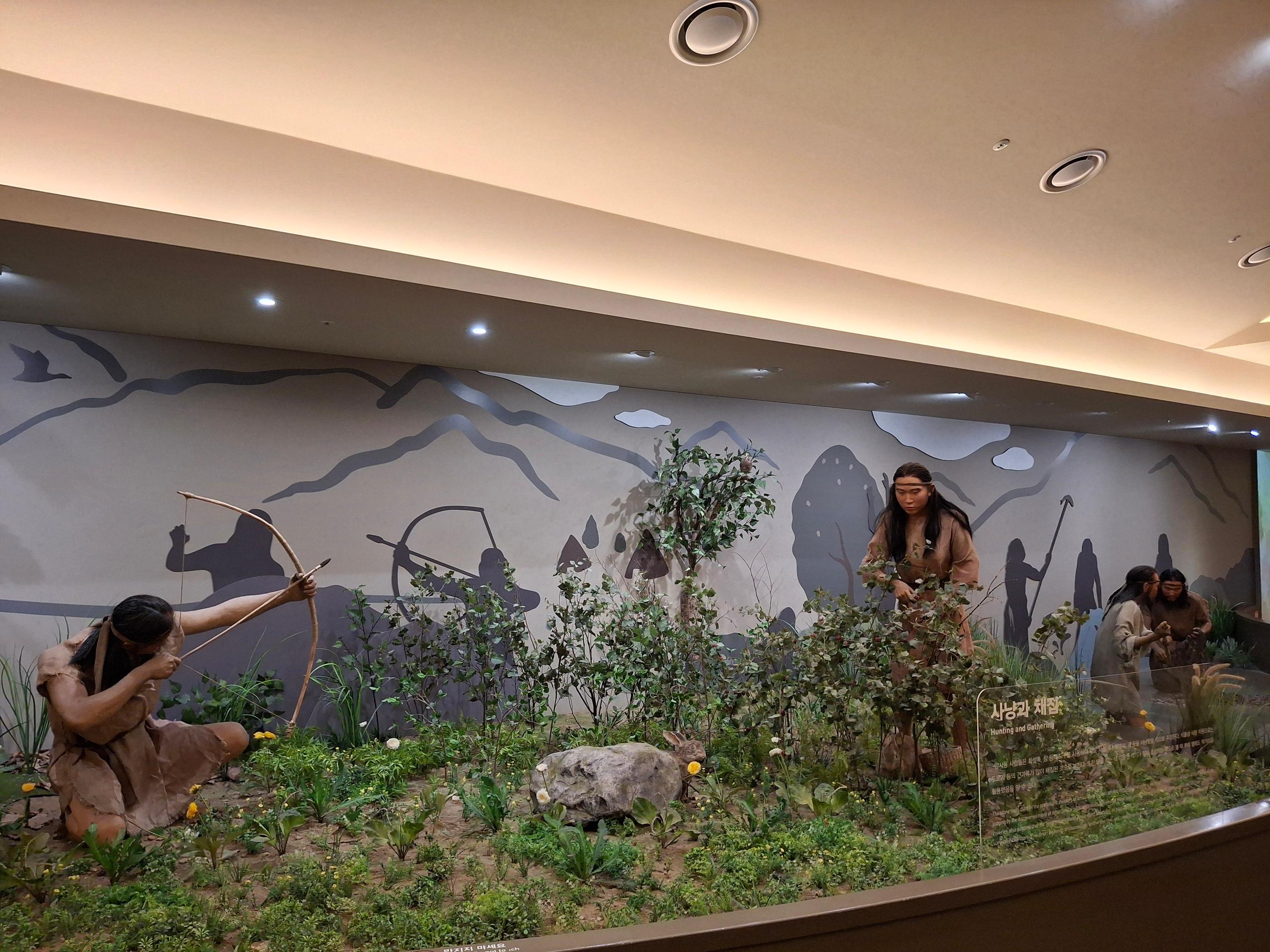
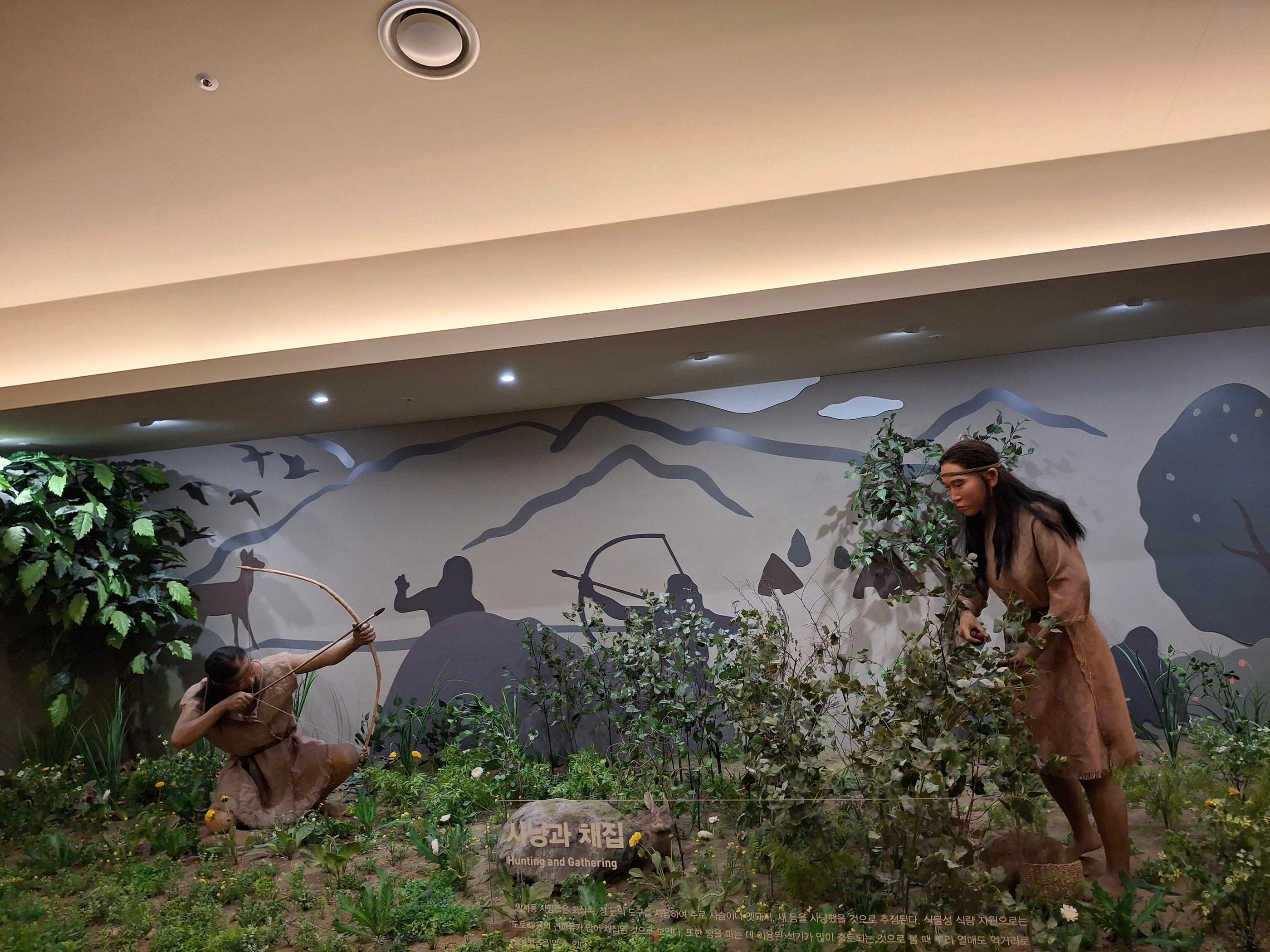
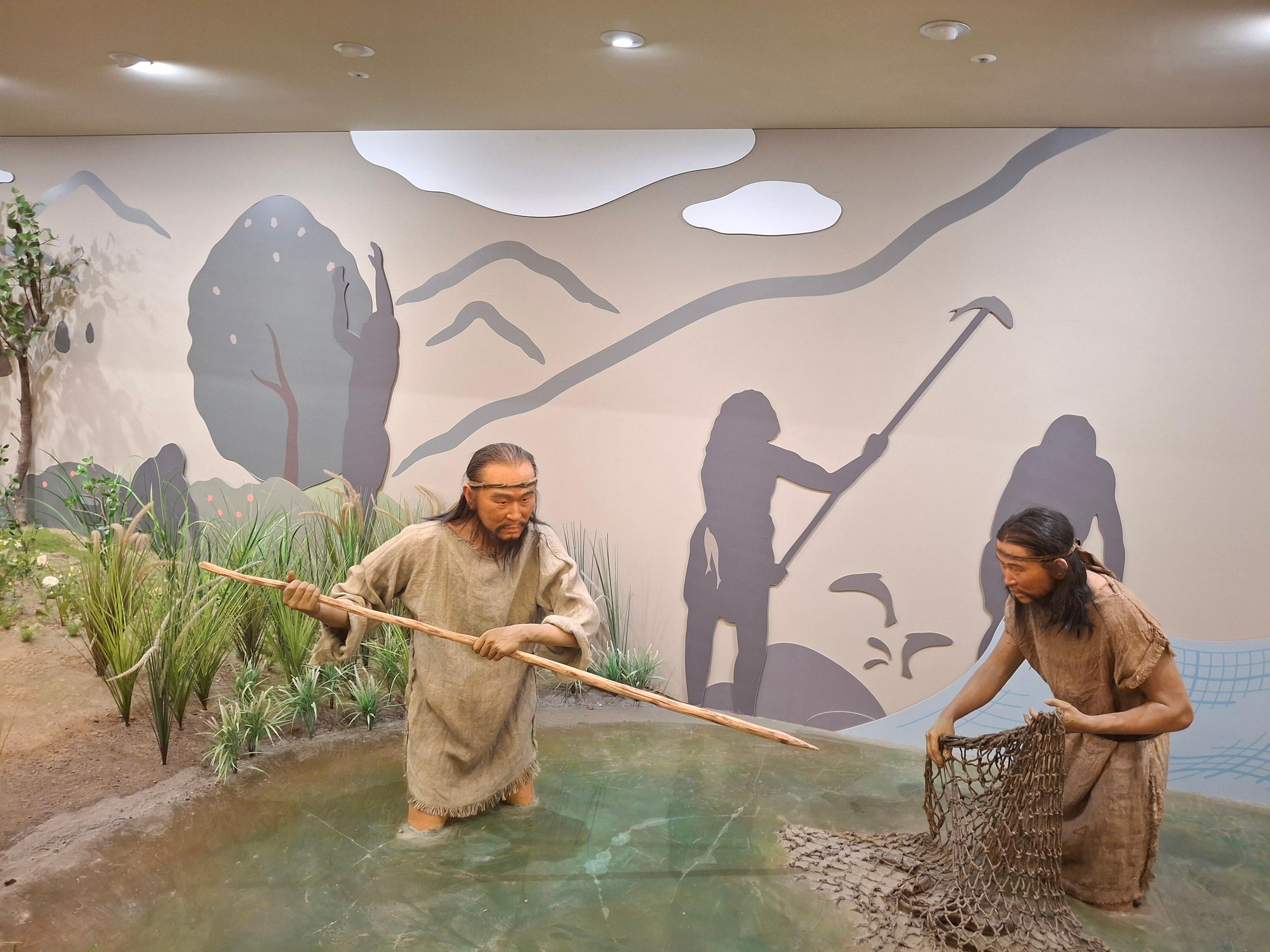
The prehistoric experience village has a waterway of memory, a hunting ground, and a Neolithic village. Here, sculptures are displayed as sculptures of fishermen catching fish, children splashing water, and hunters catching deer and wild boar. In the square in front of the hut, you can meet Neolithic villagers gathering on fire pits, making nets, earthenware, and cooking food.
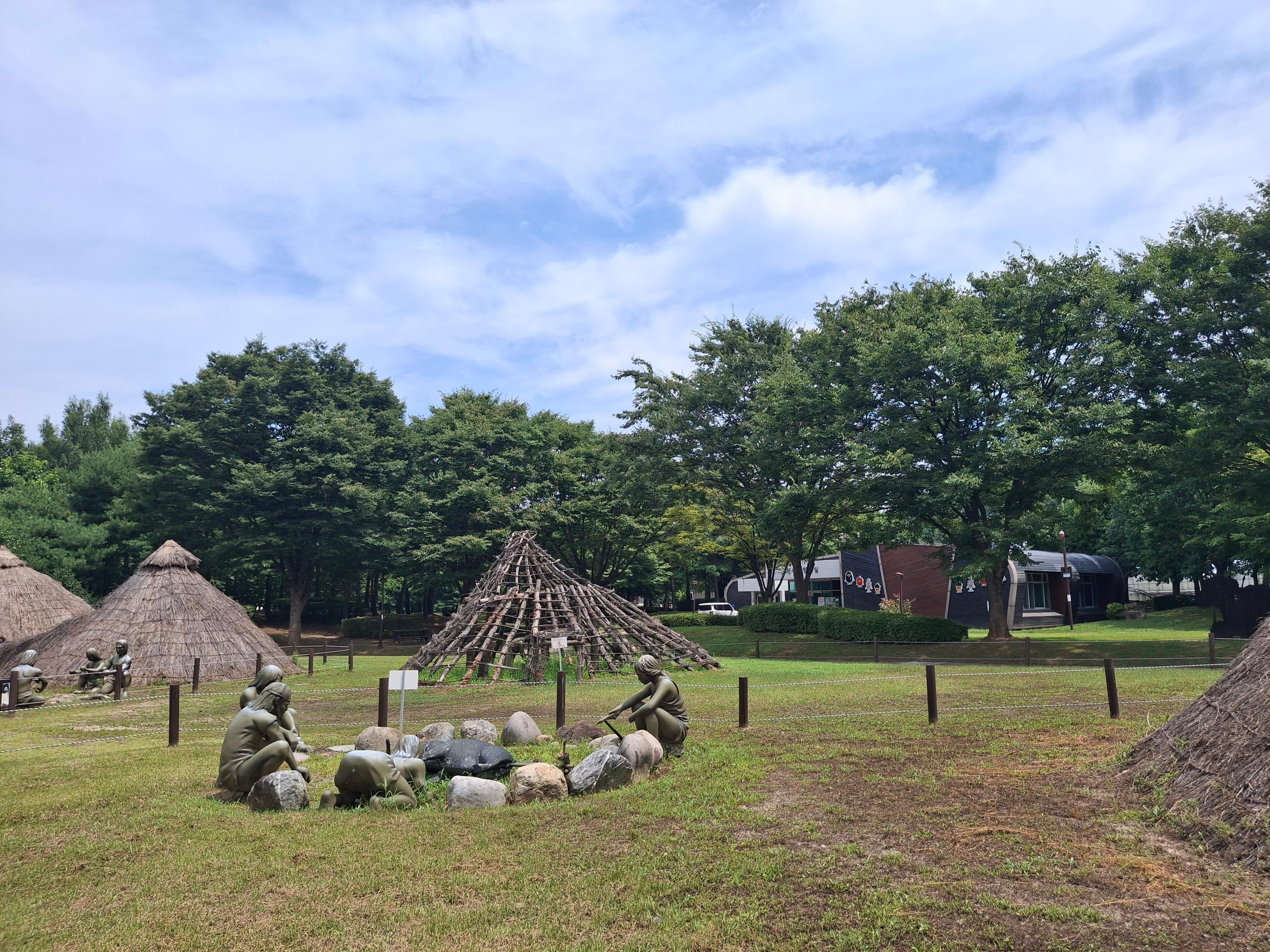
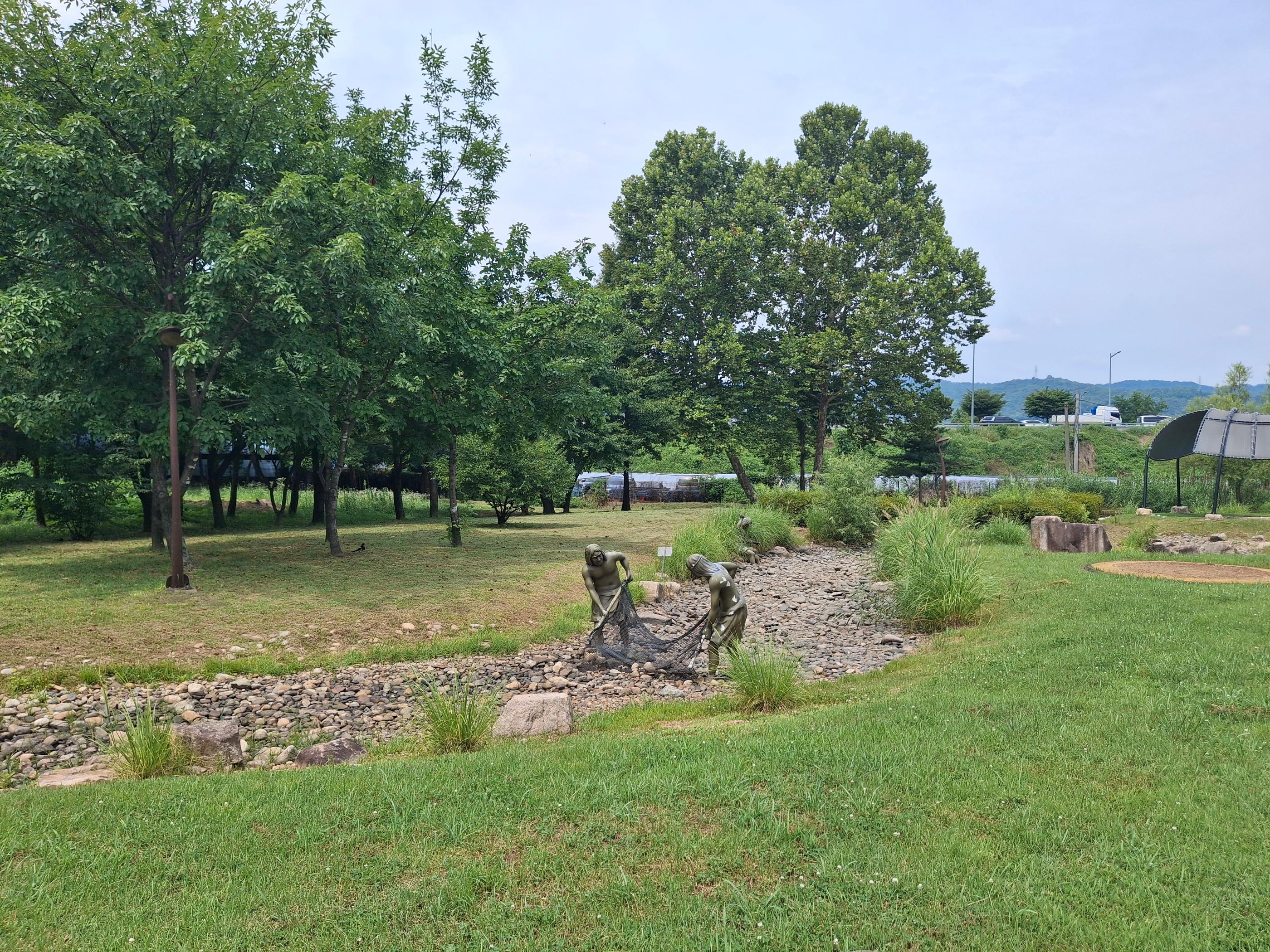
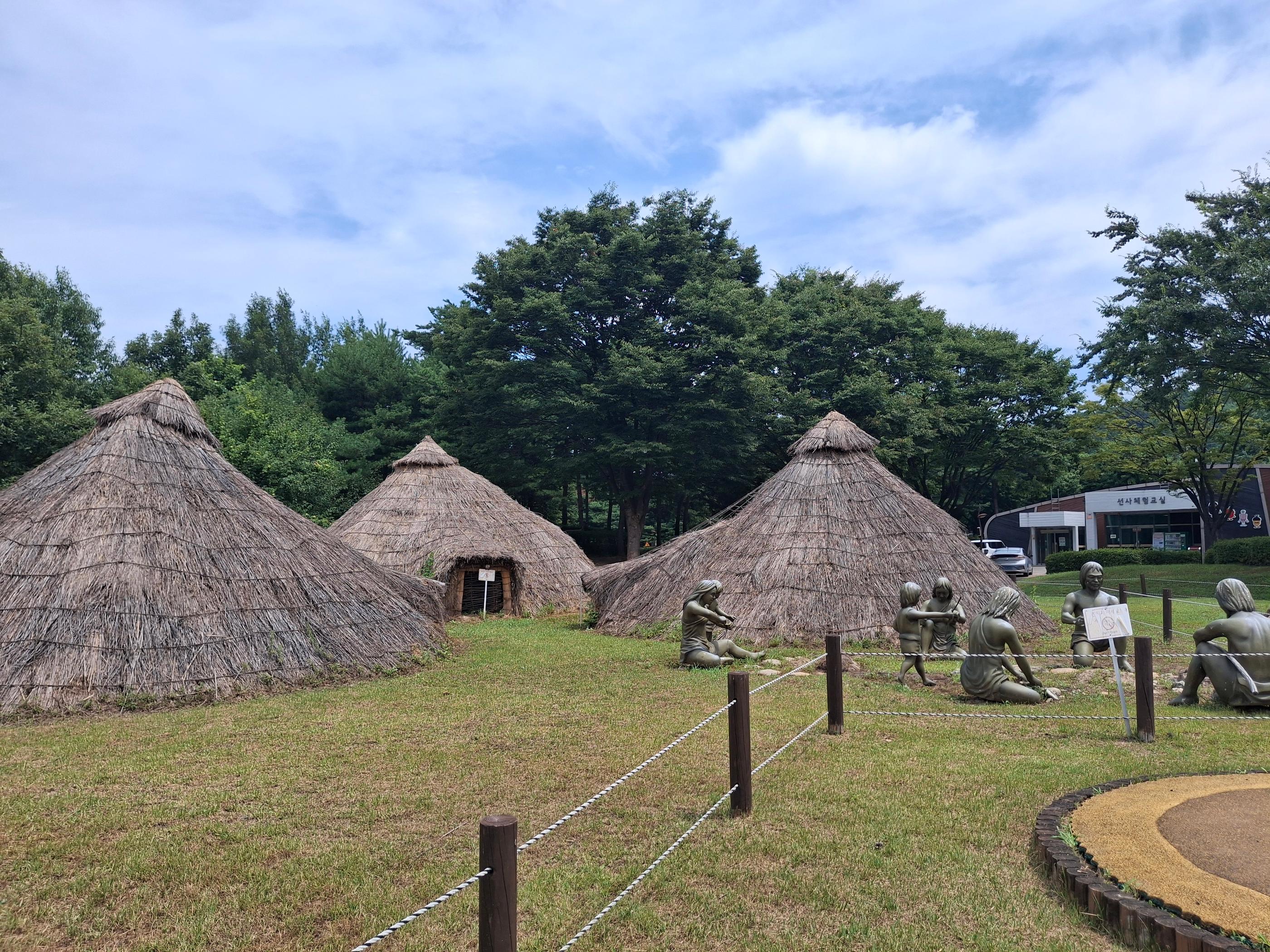
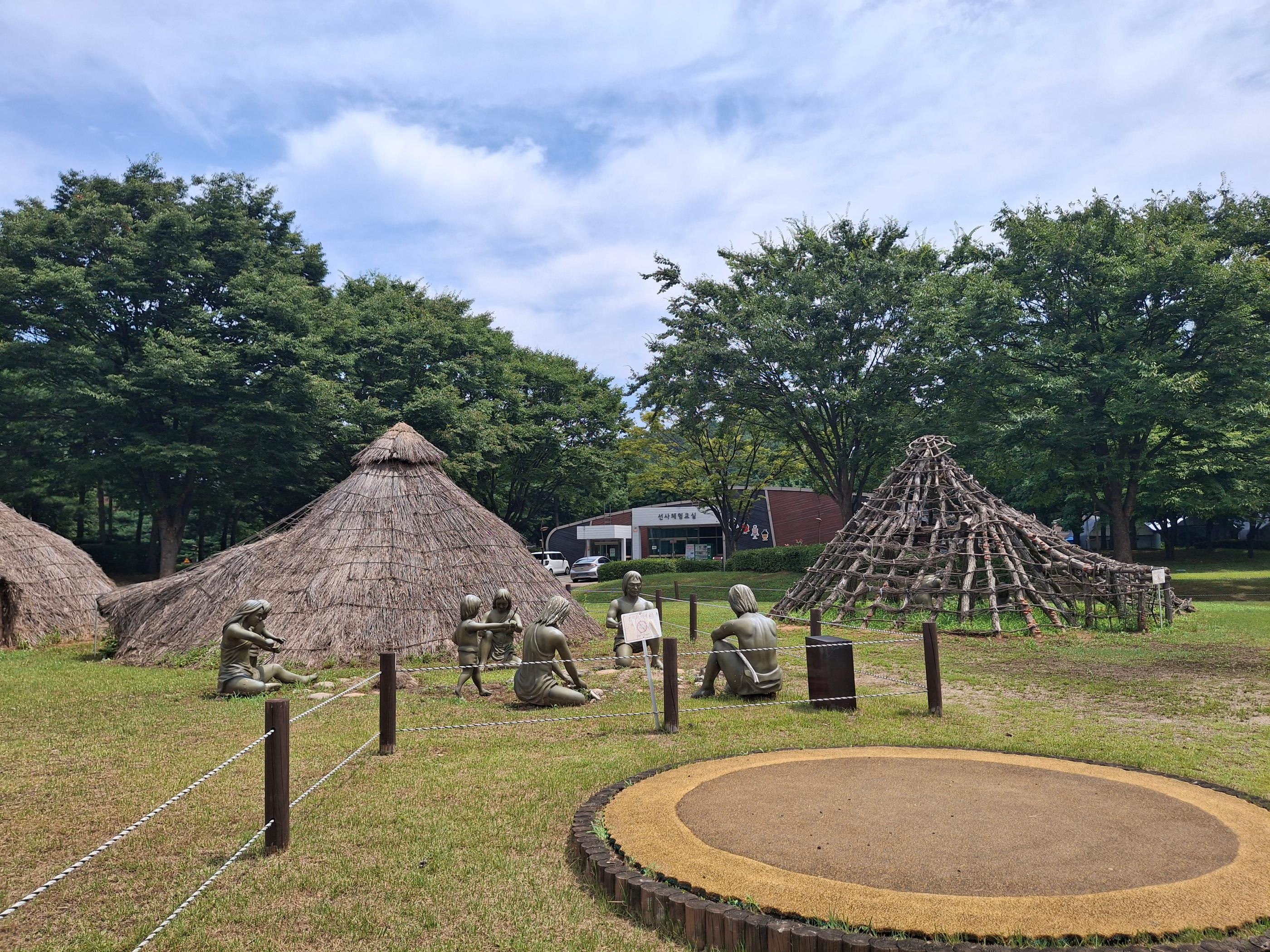
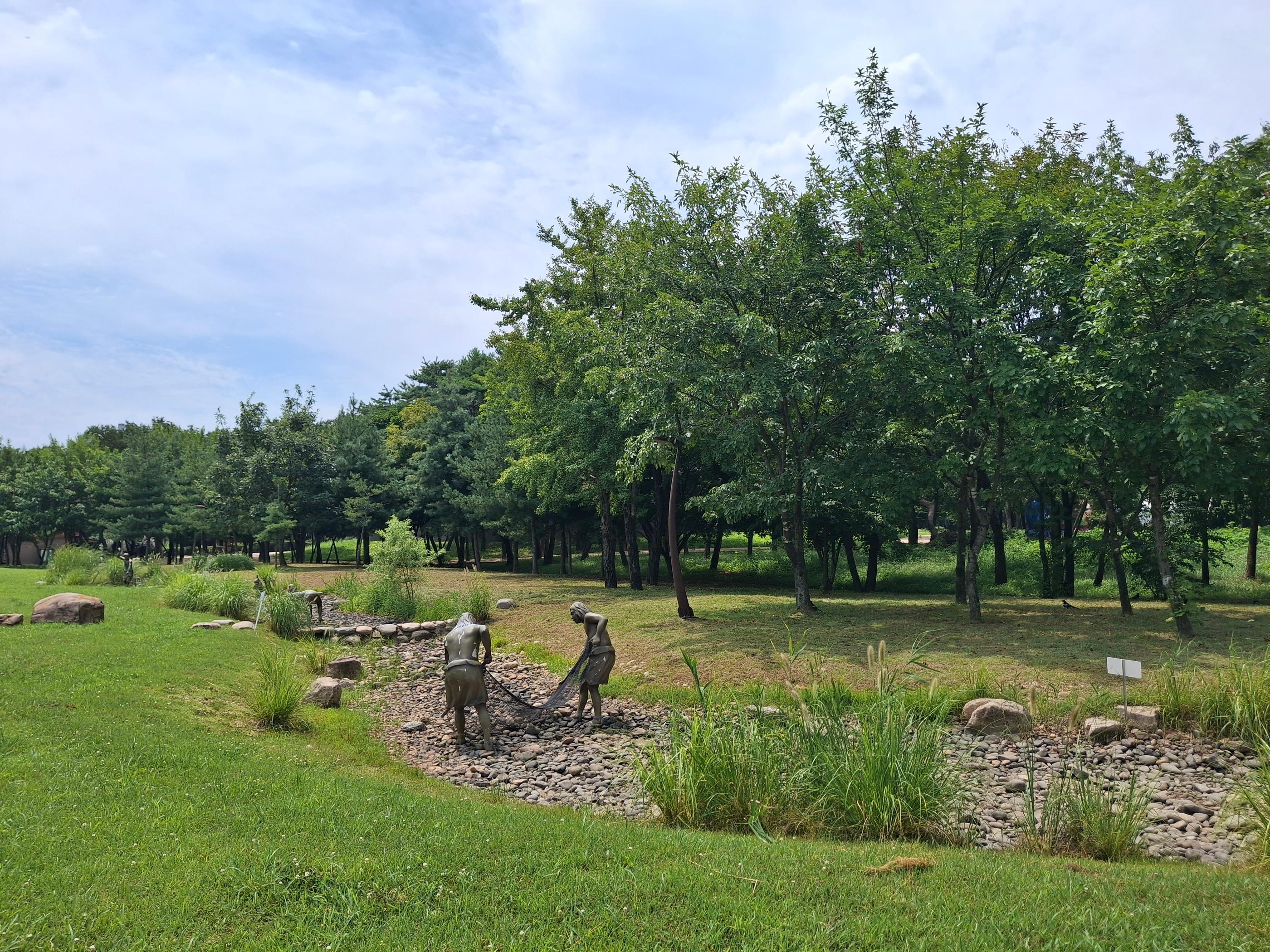
I really liked that there are many trees in the park. You feel like you are in those ancient times. It is especially pleasant to walk among the shady trees on a hot day. Among the trees there are sculptures demonstrating the activities of primitive people.
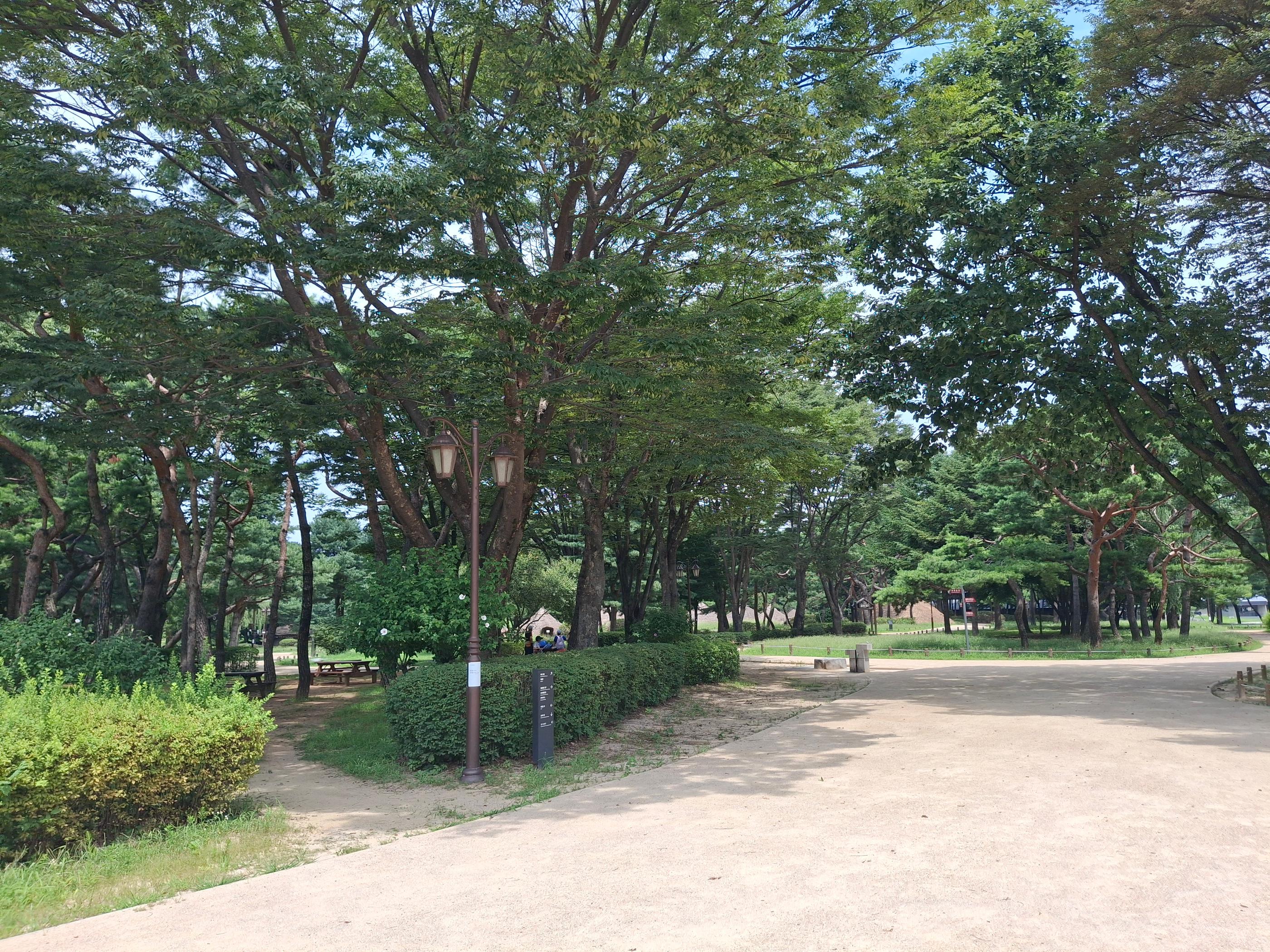
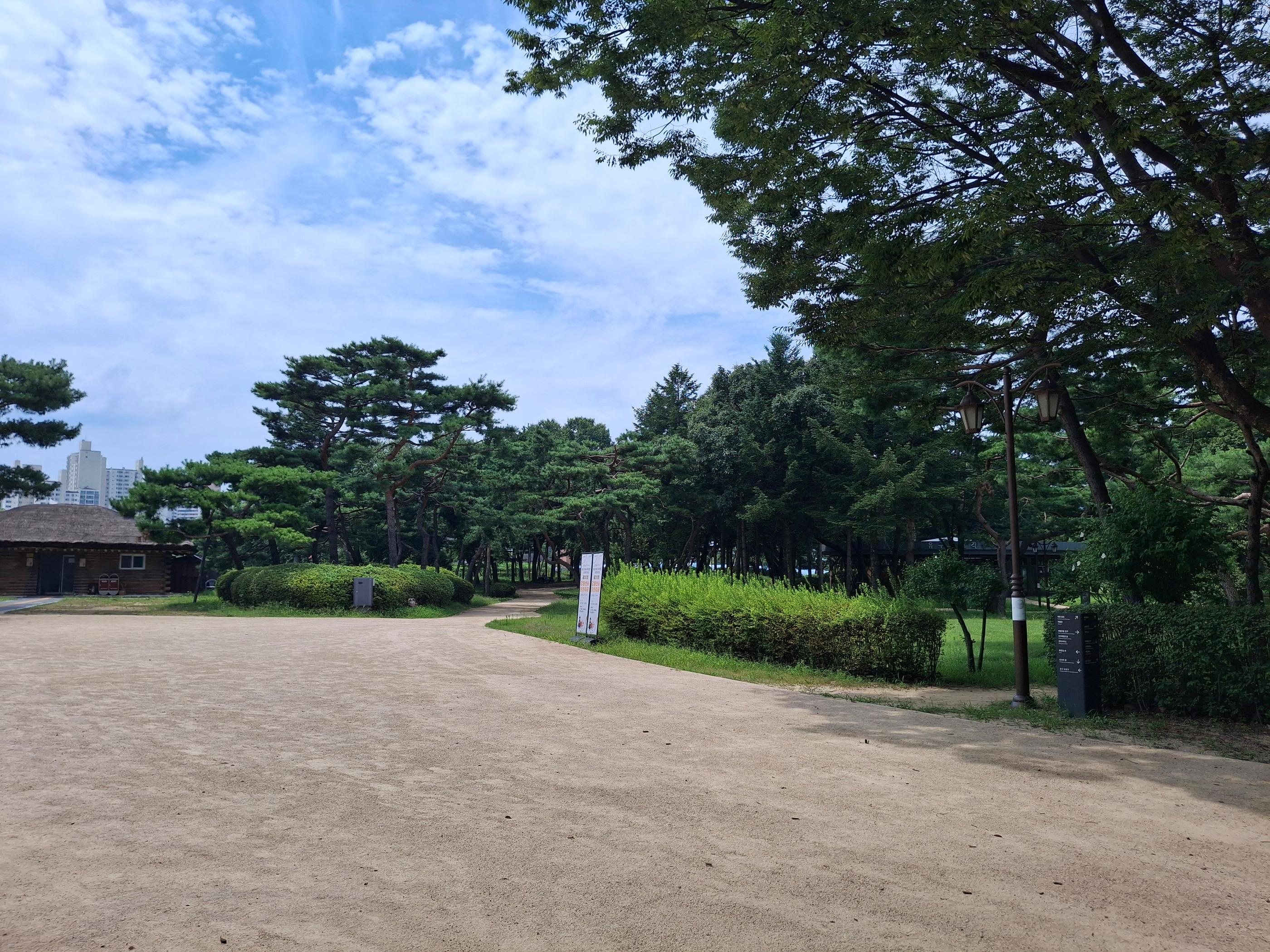
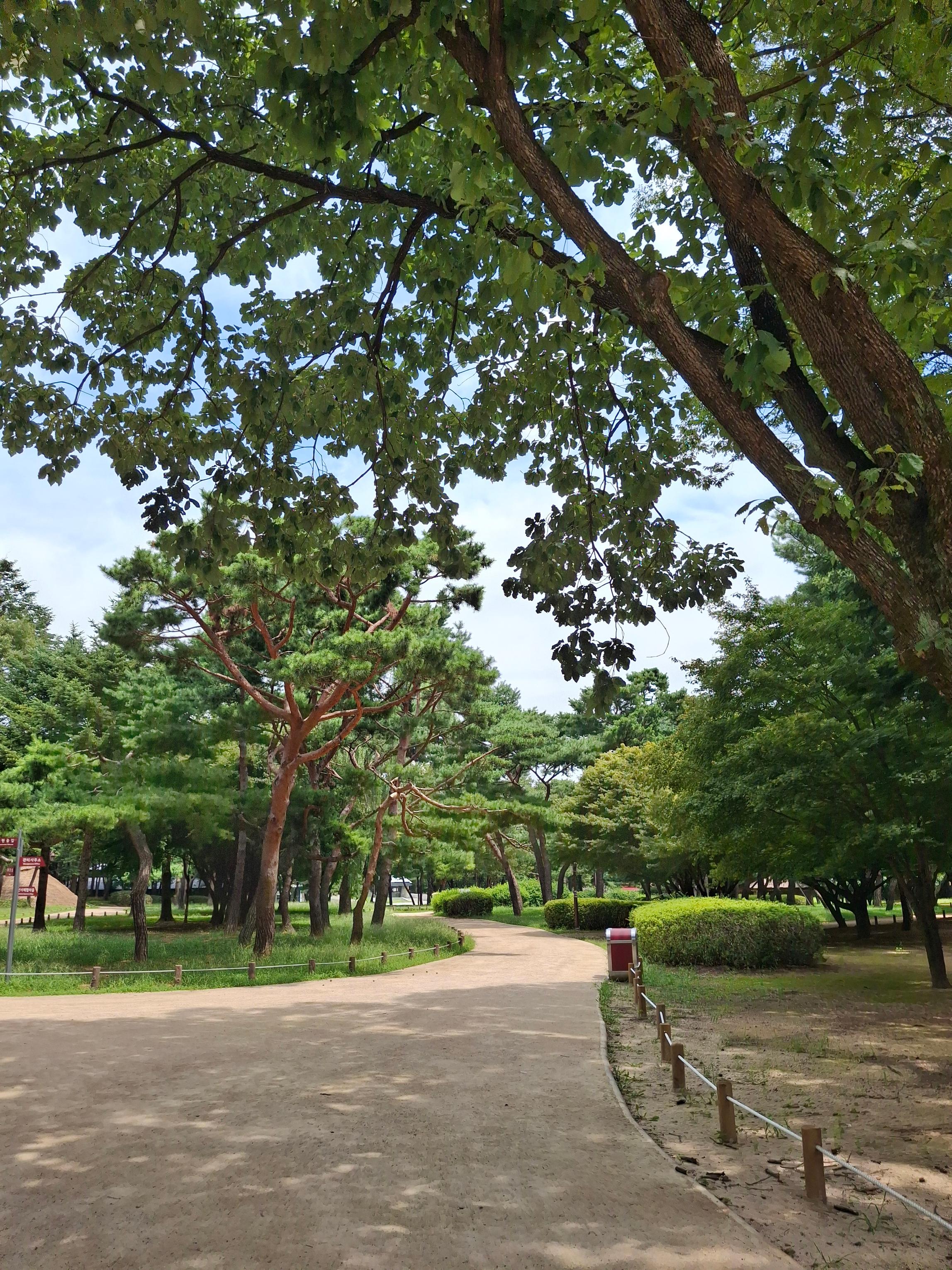
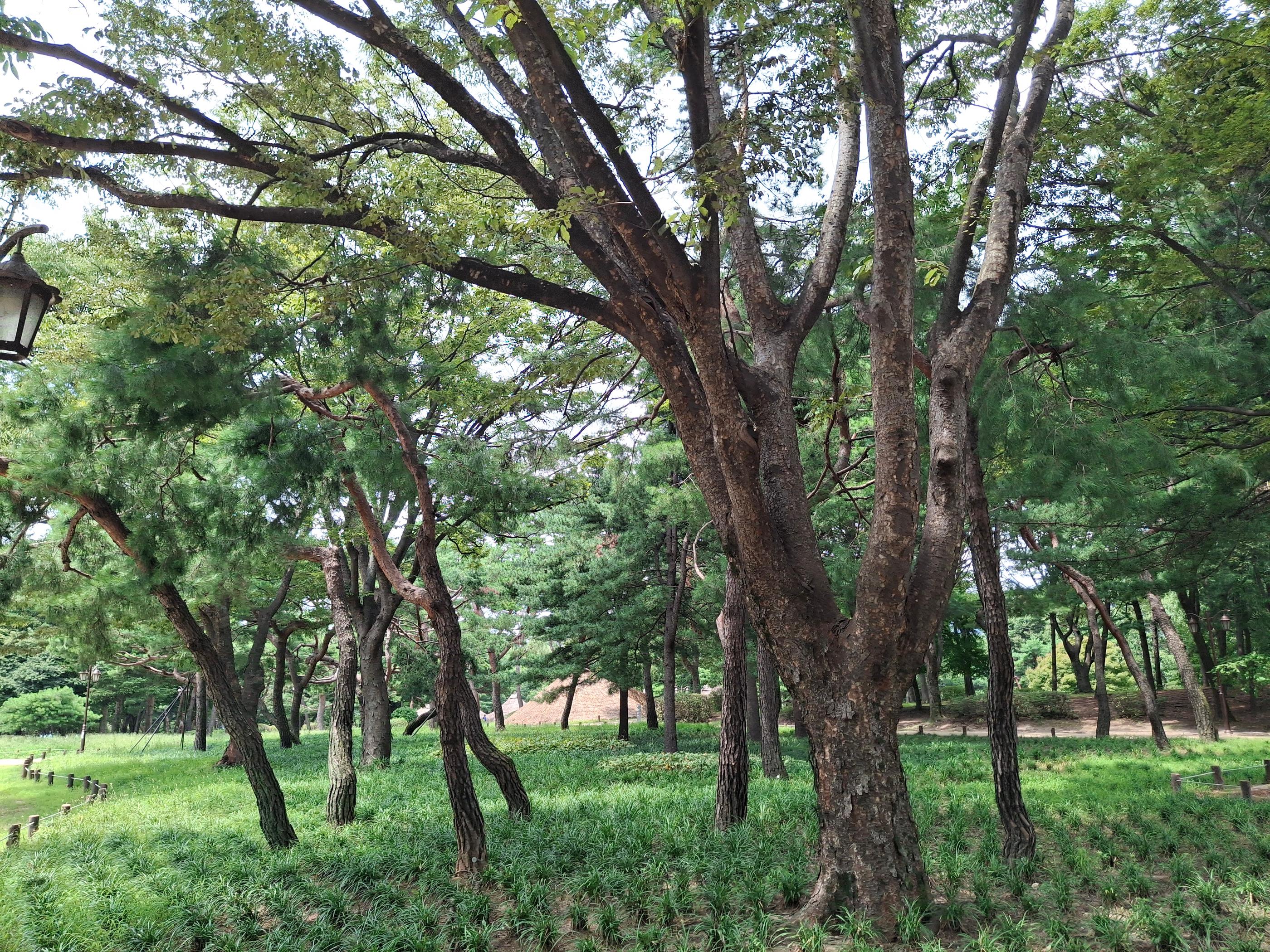
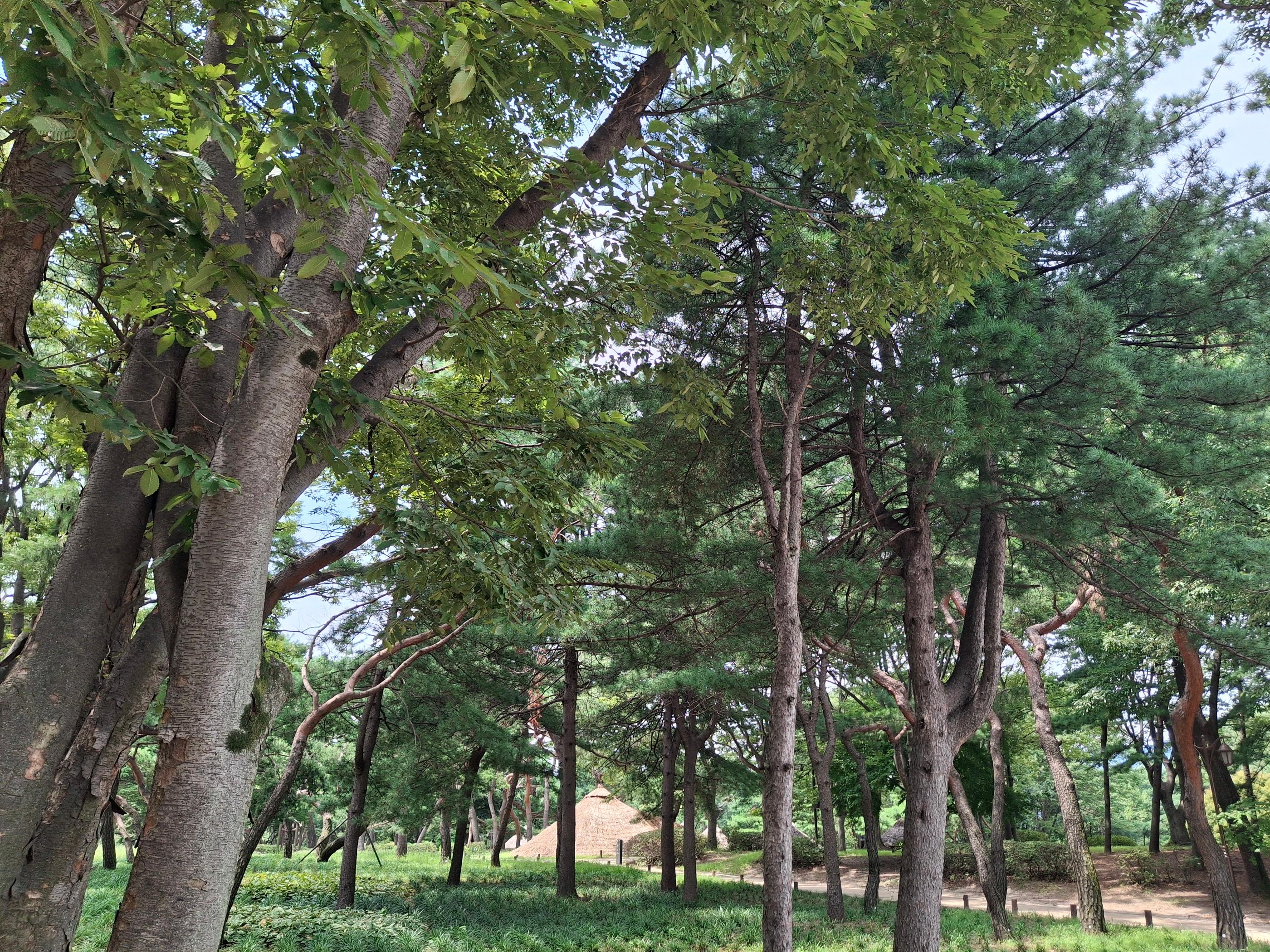
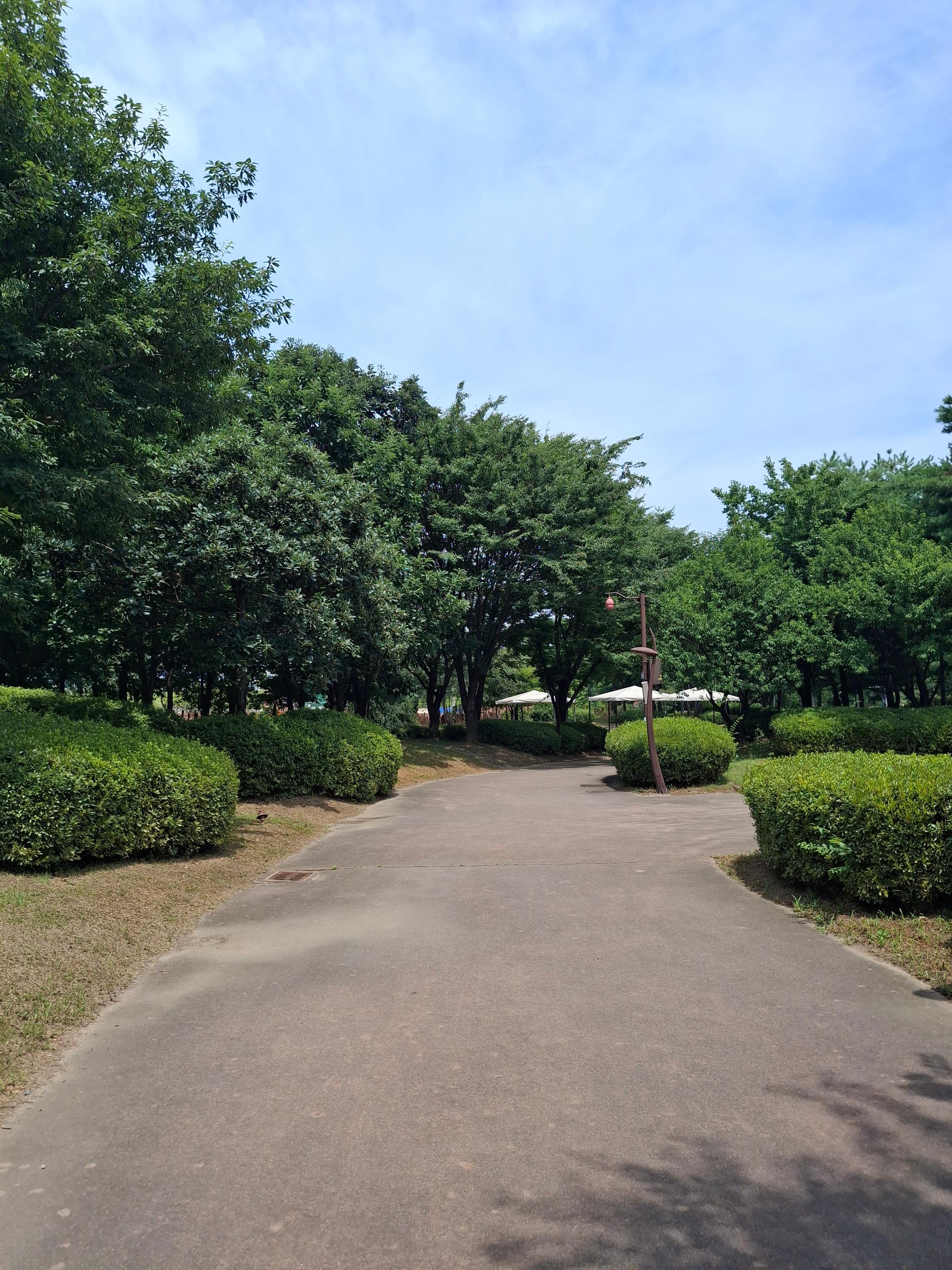
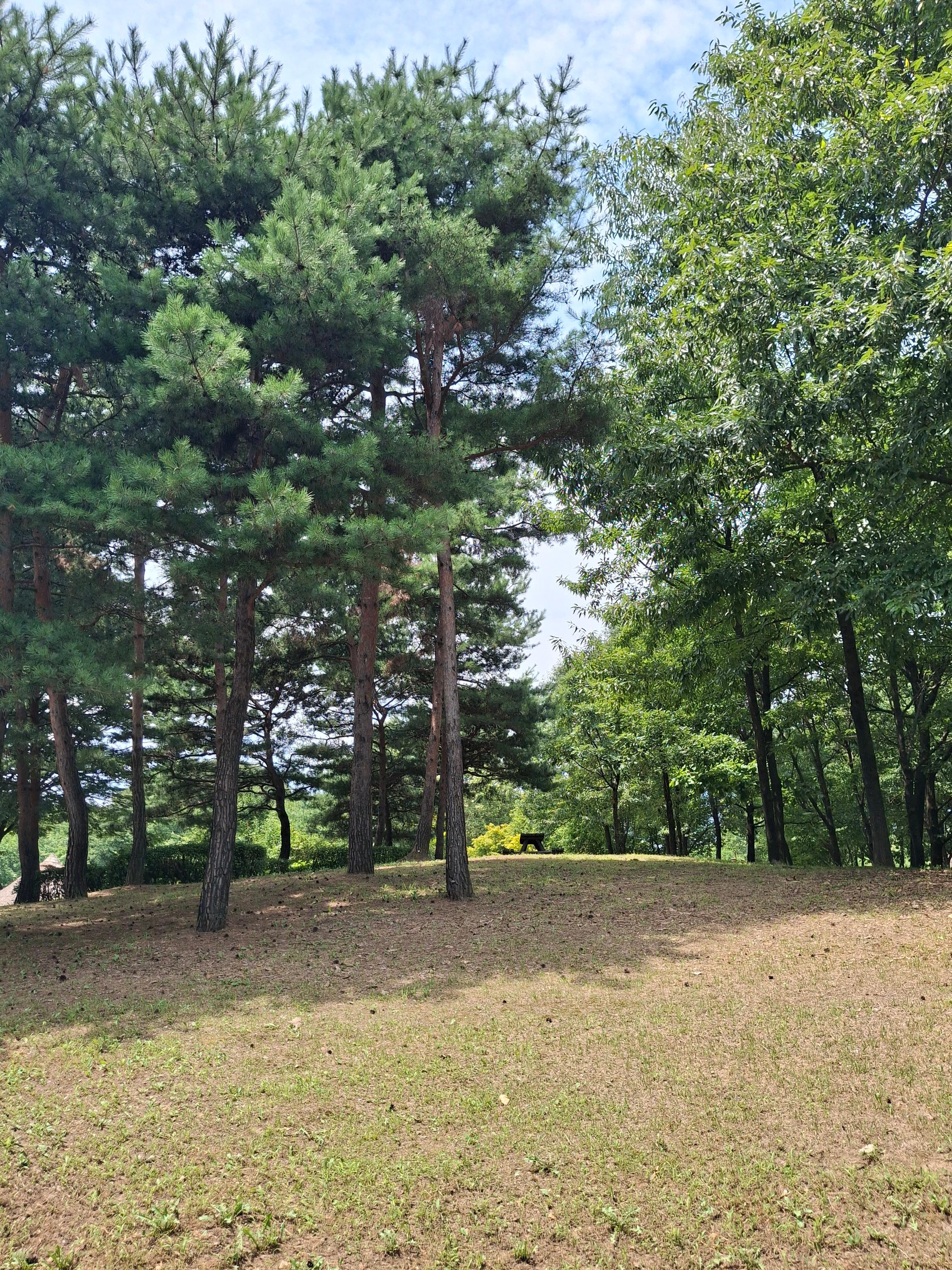
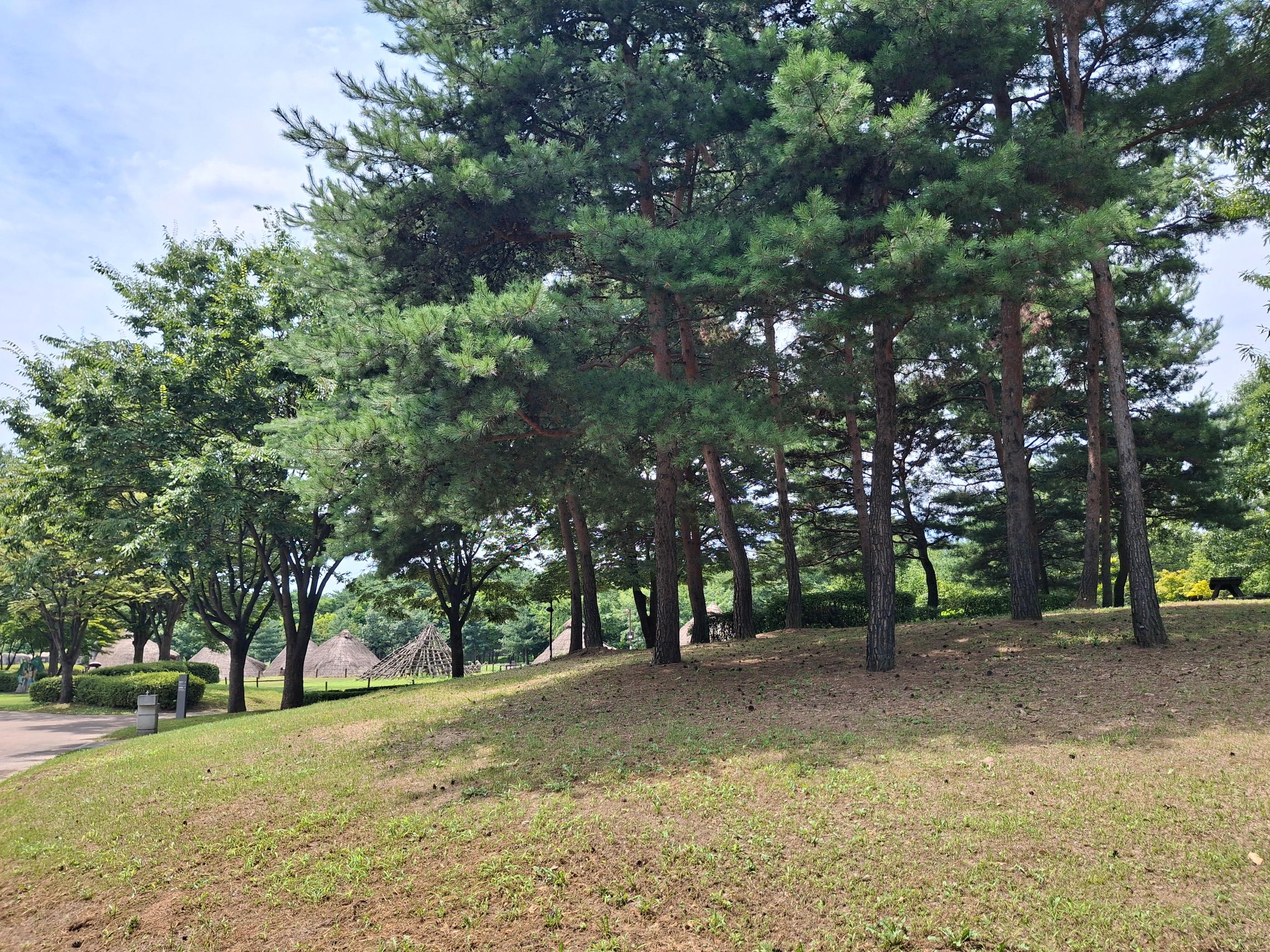
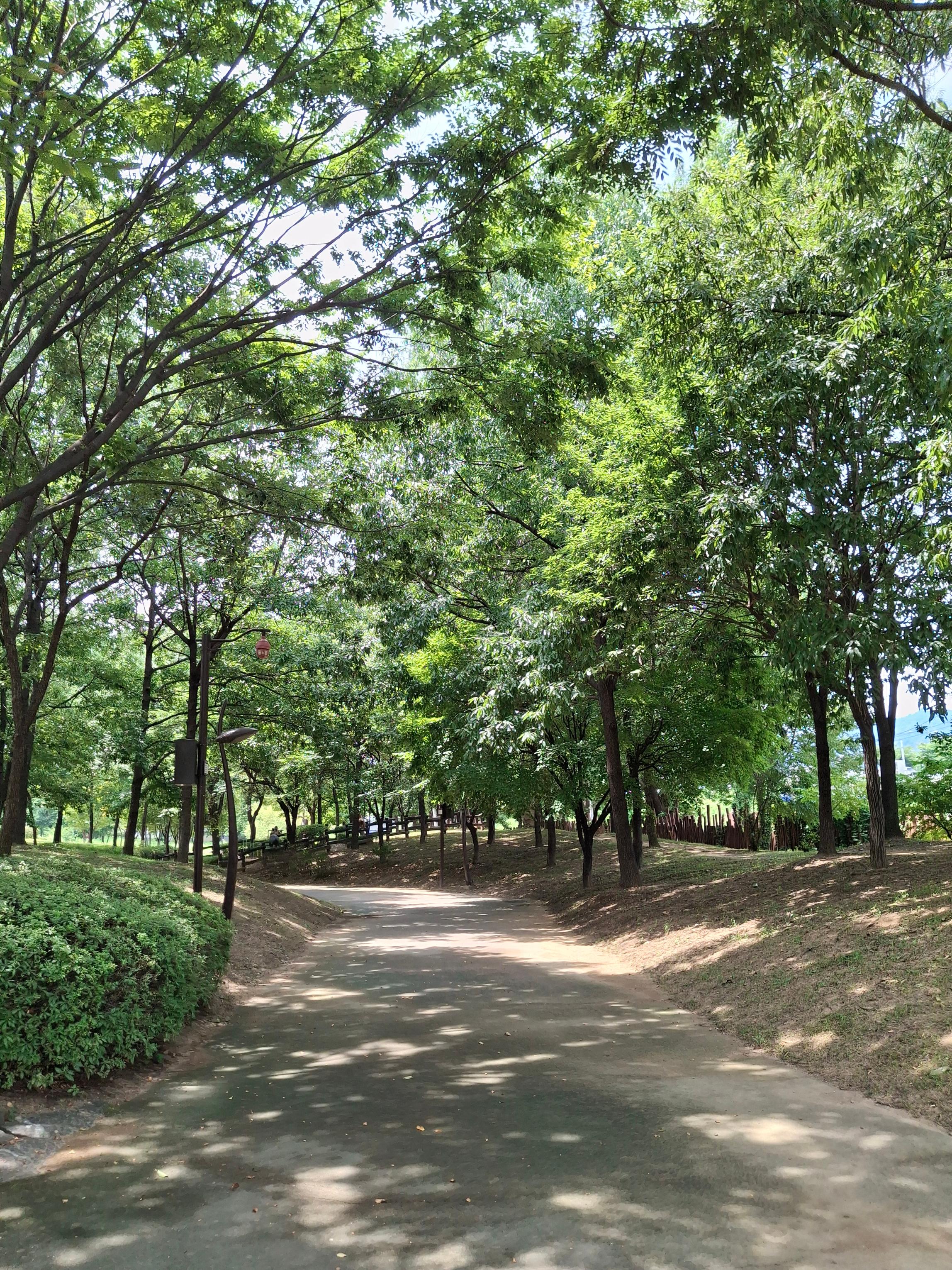
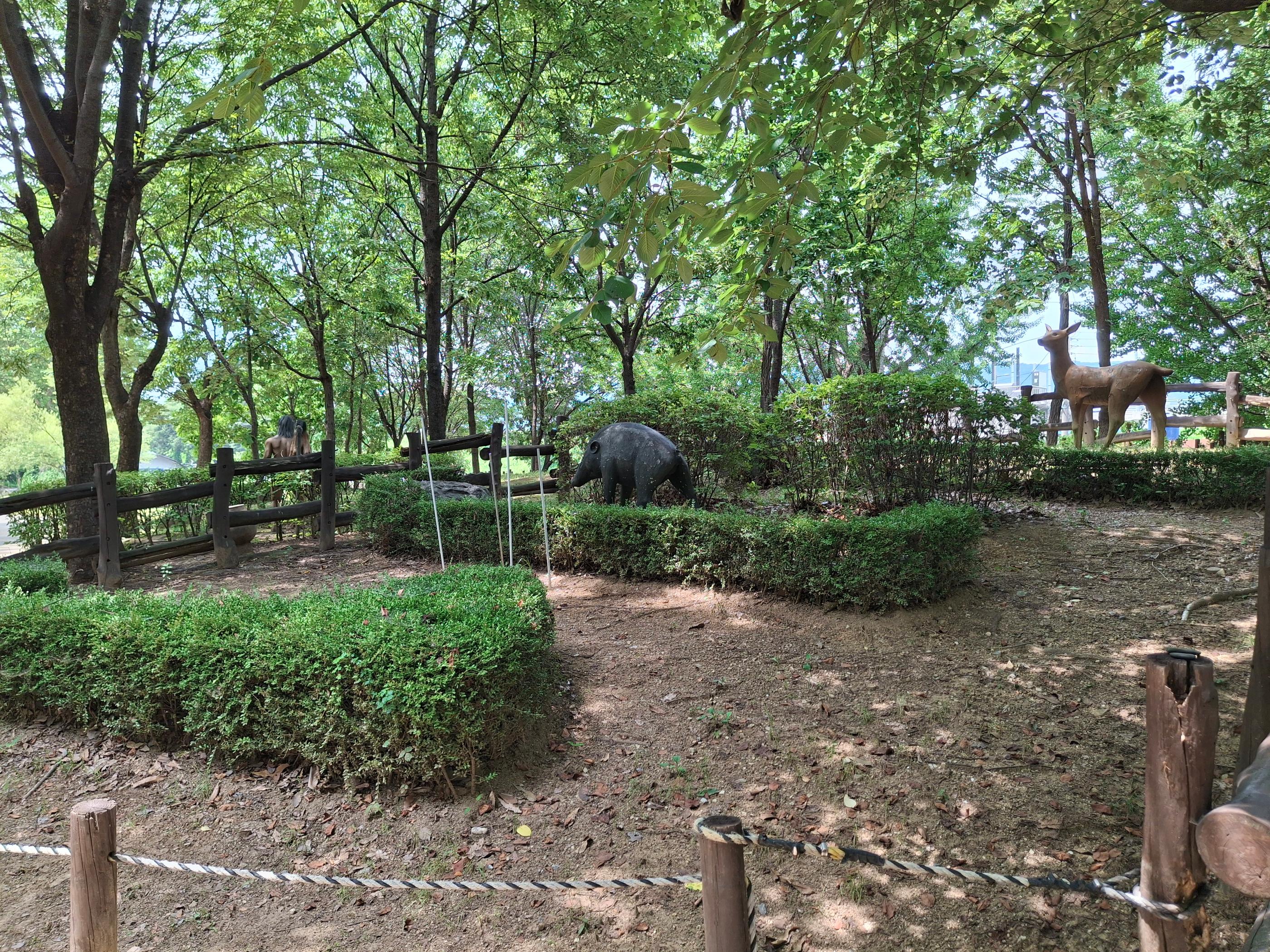
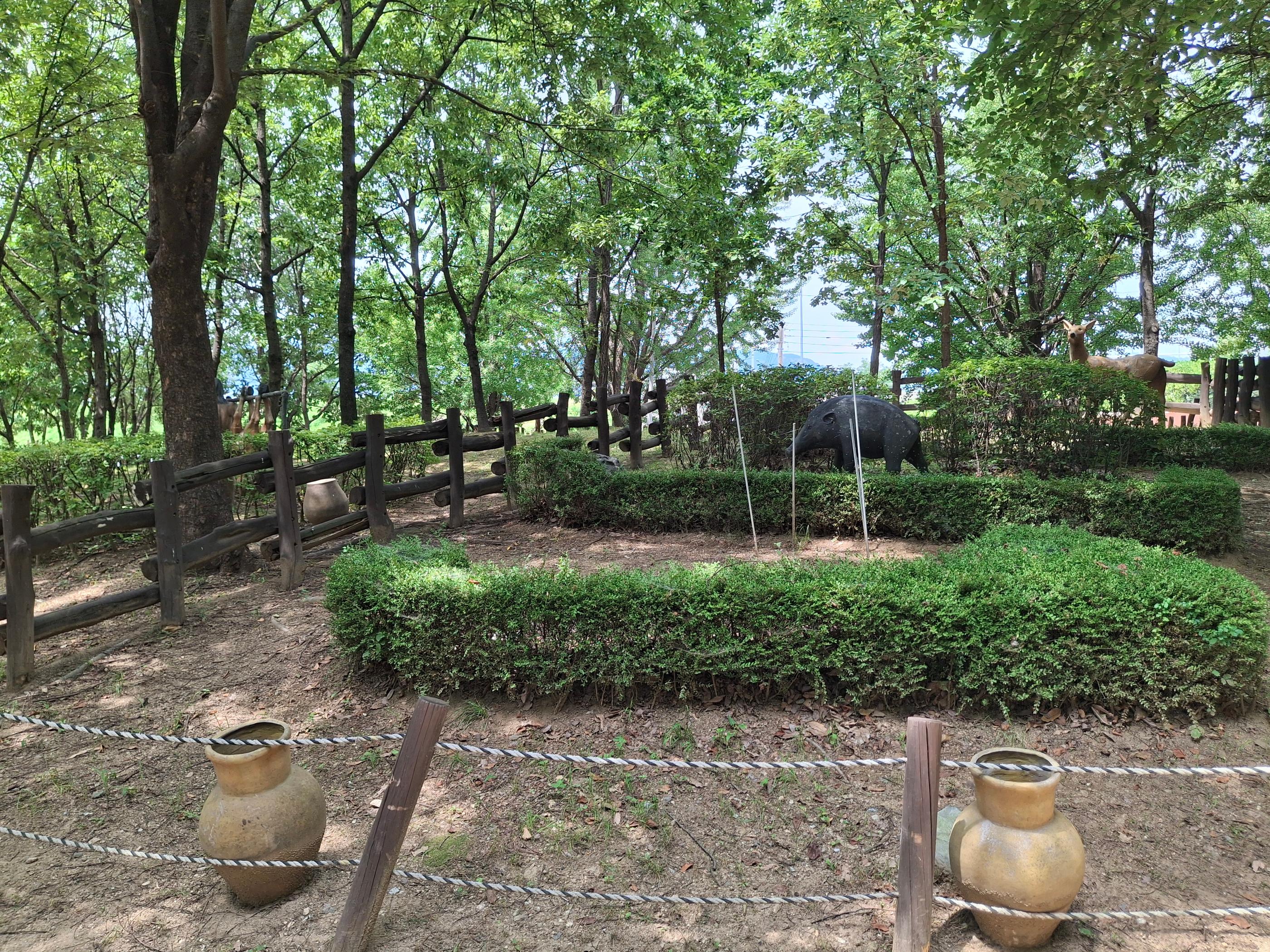
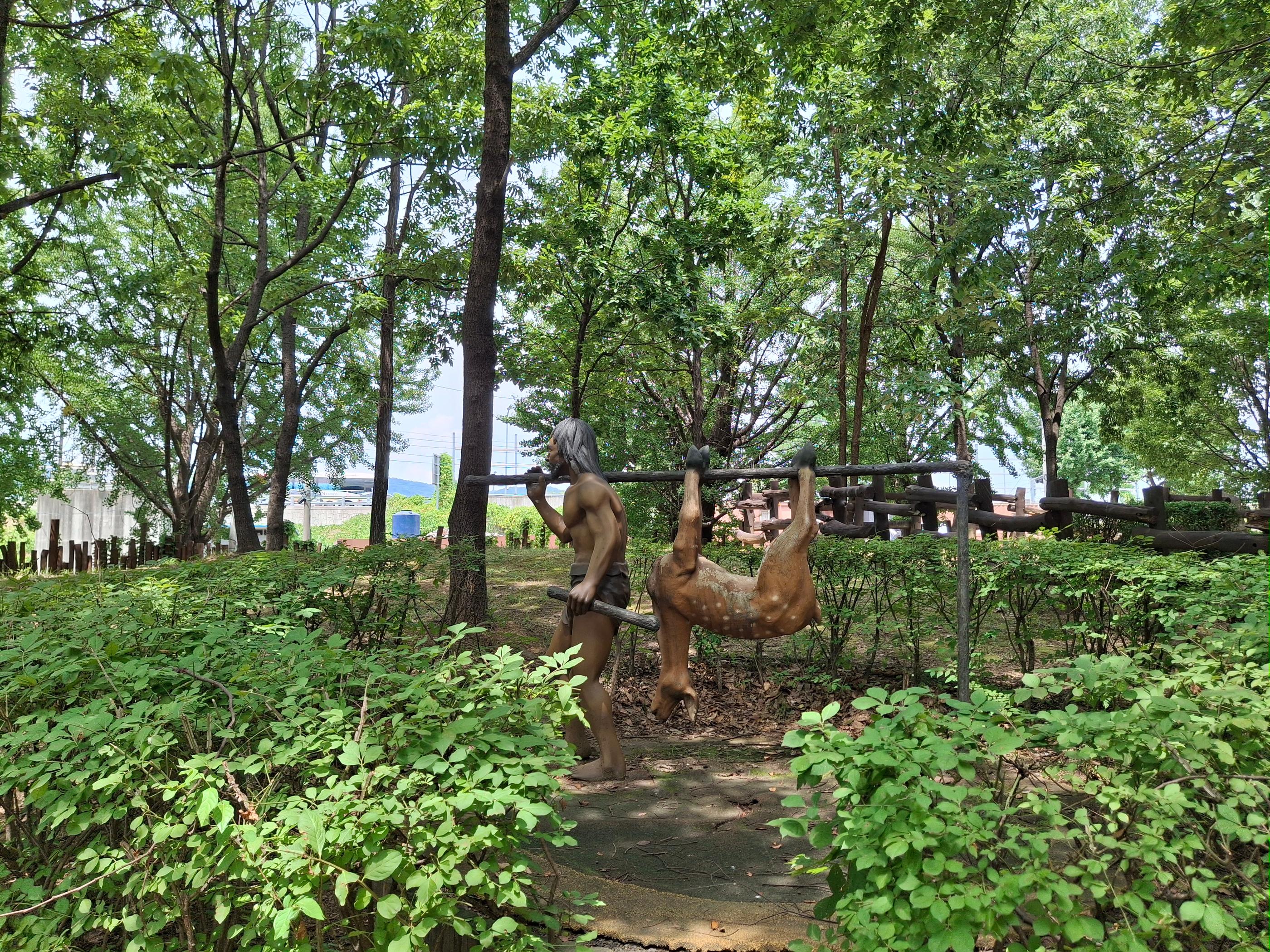
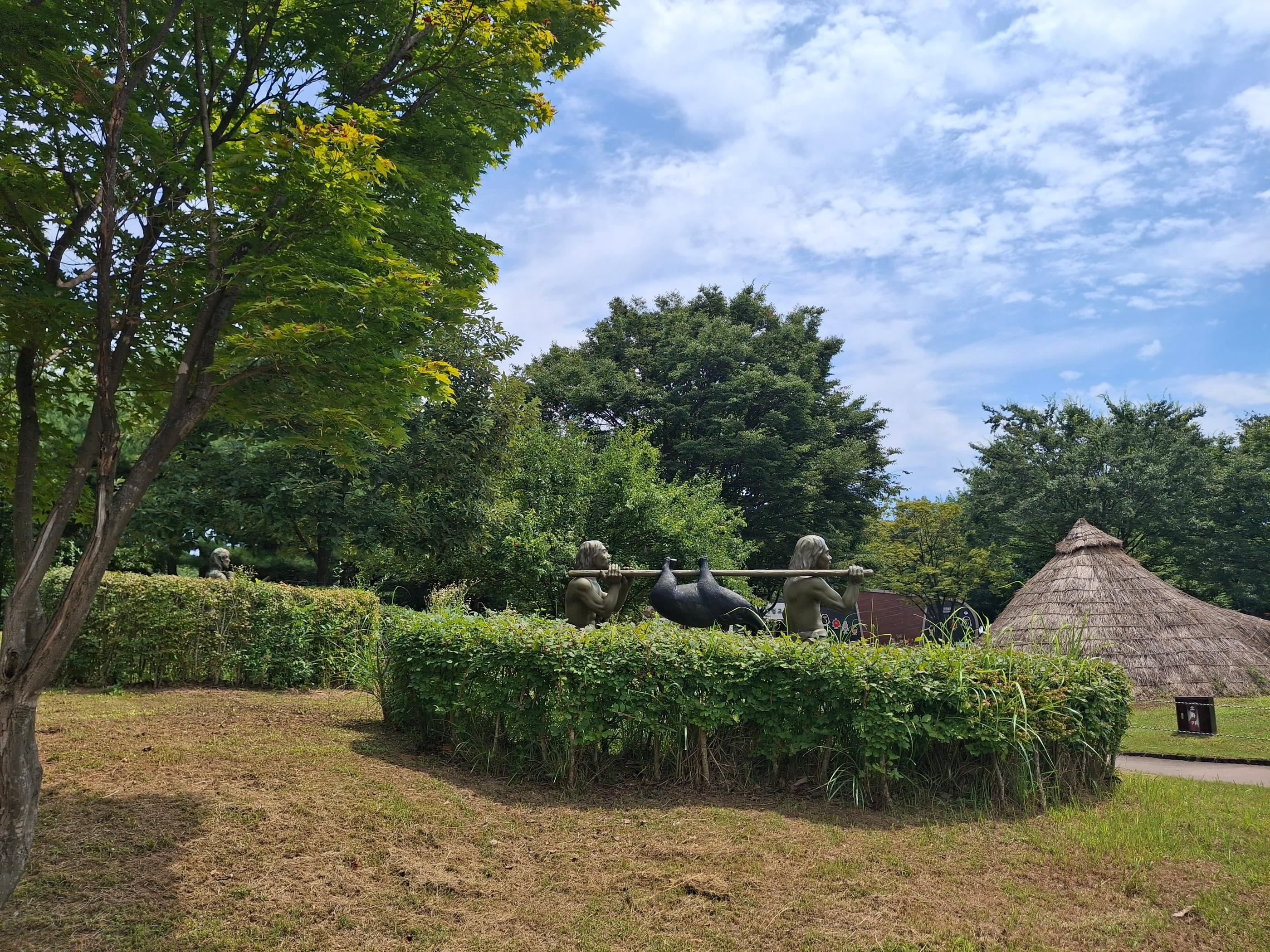
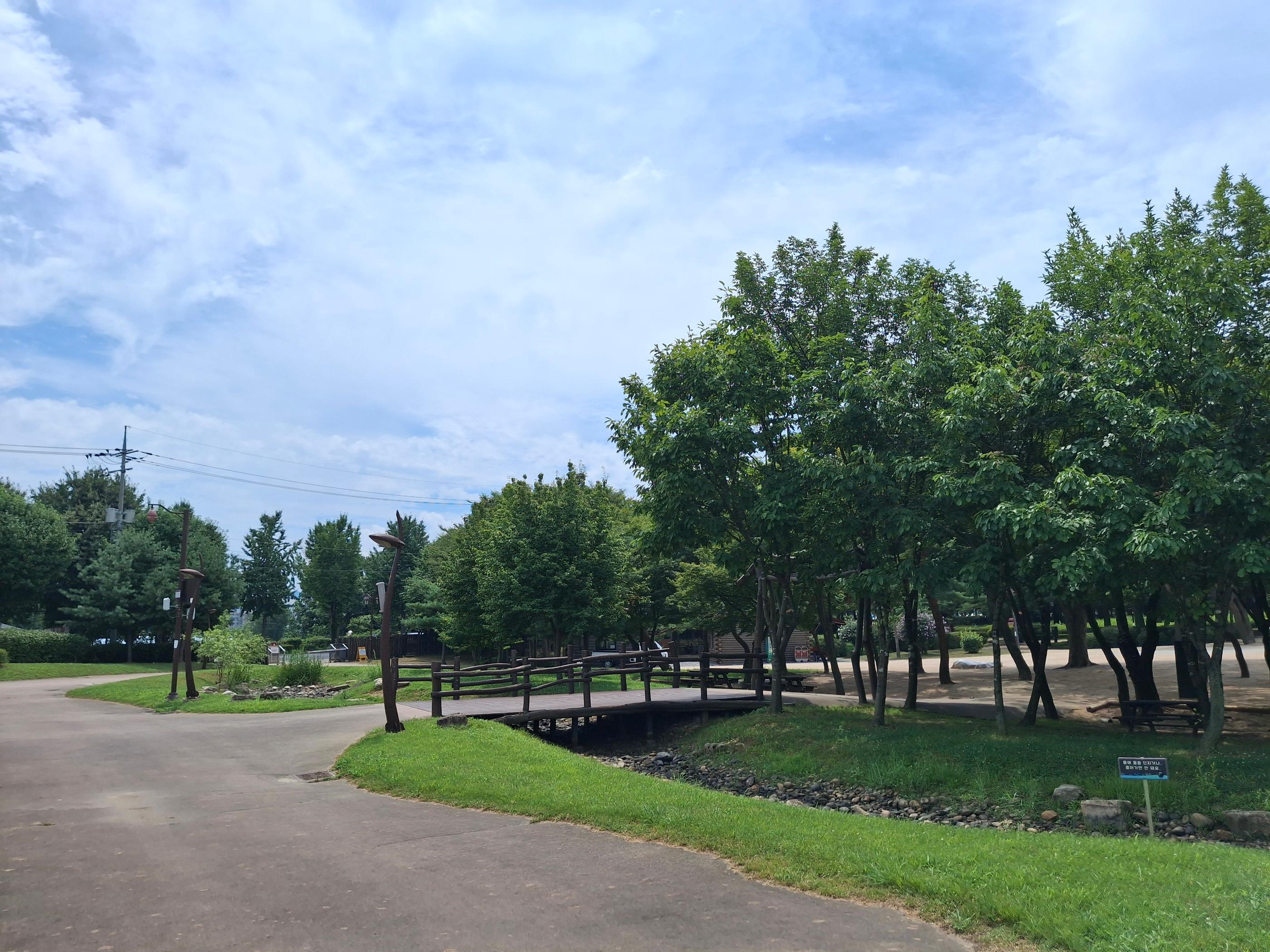
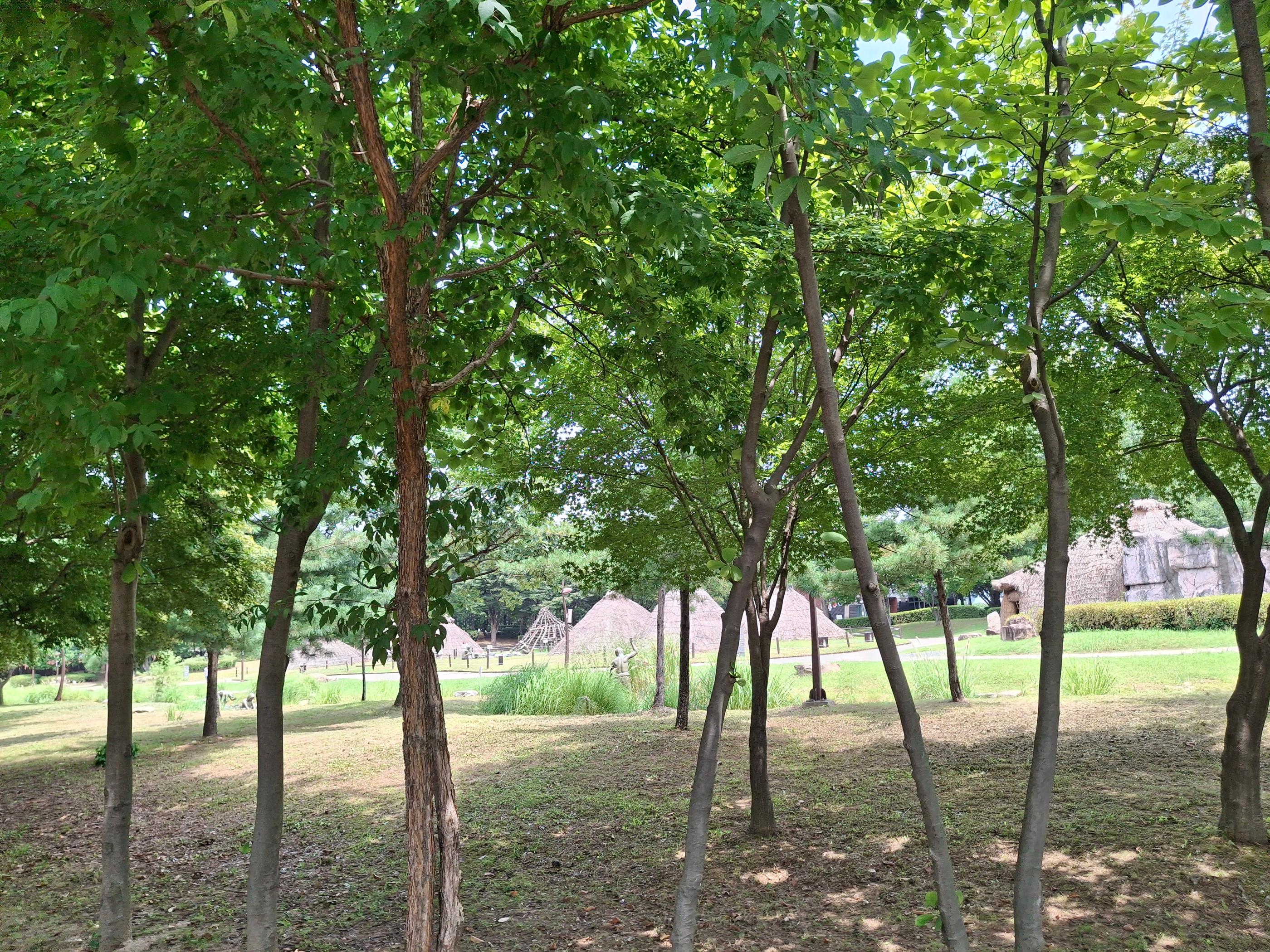
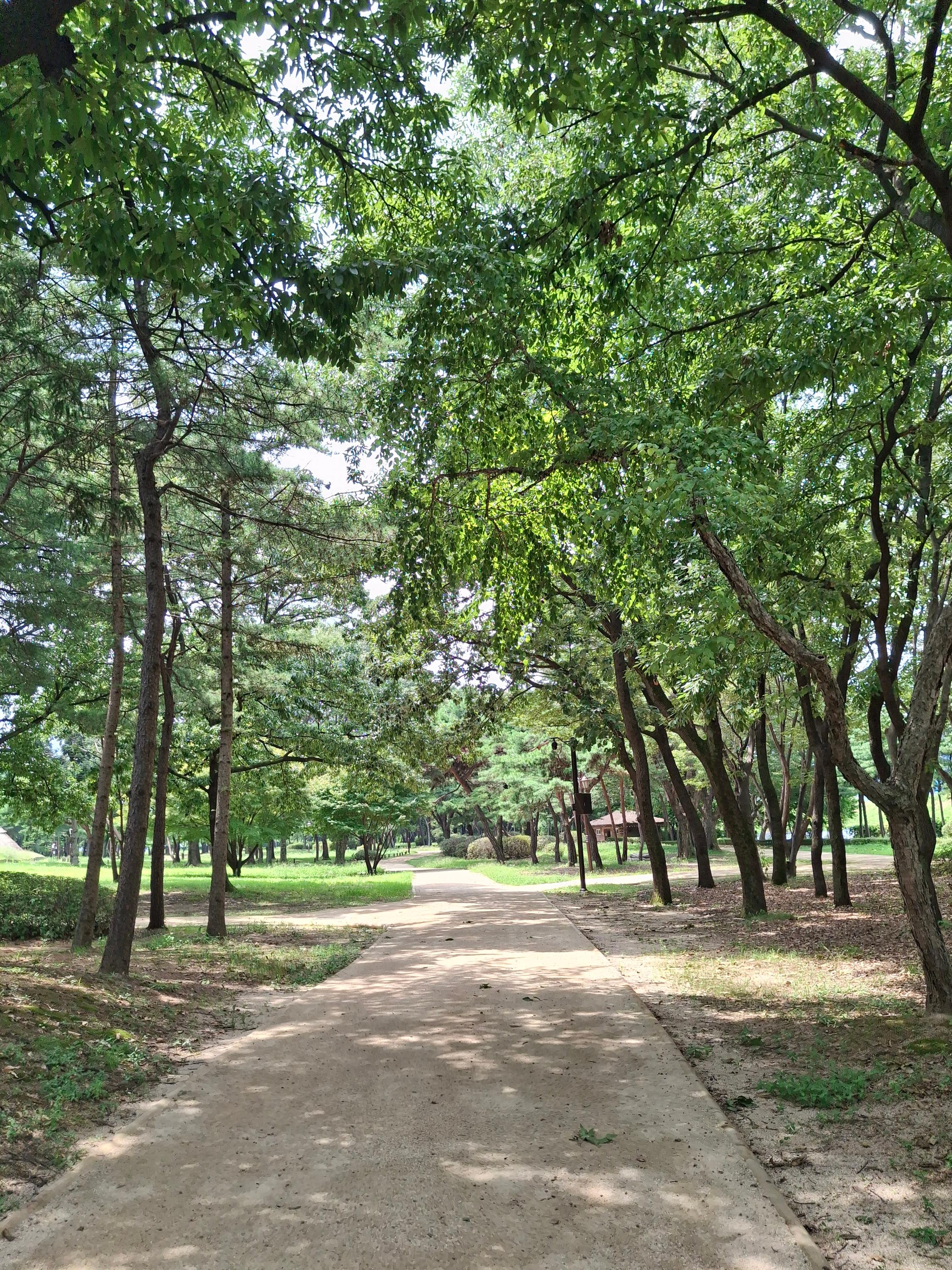
The various prehistoric experiences held in the prehistoric experience village will be a vivid experience that will make you feel like you have gone back to the Neolithic era 6,000 years ago. It also operates various educational programs such as cultural heritage explanations for visitors, Amsa History and Culture University, and cultural heritage tours. It will be a comfortable shelter and cultural space for citizens who are tired of city life, and it will become a living prehistoric cultural experience yard for our growing children.

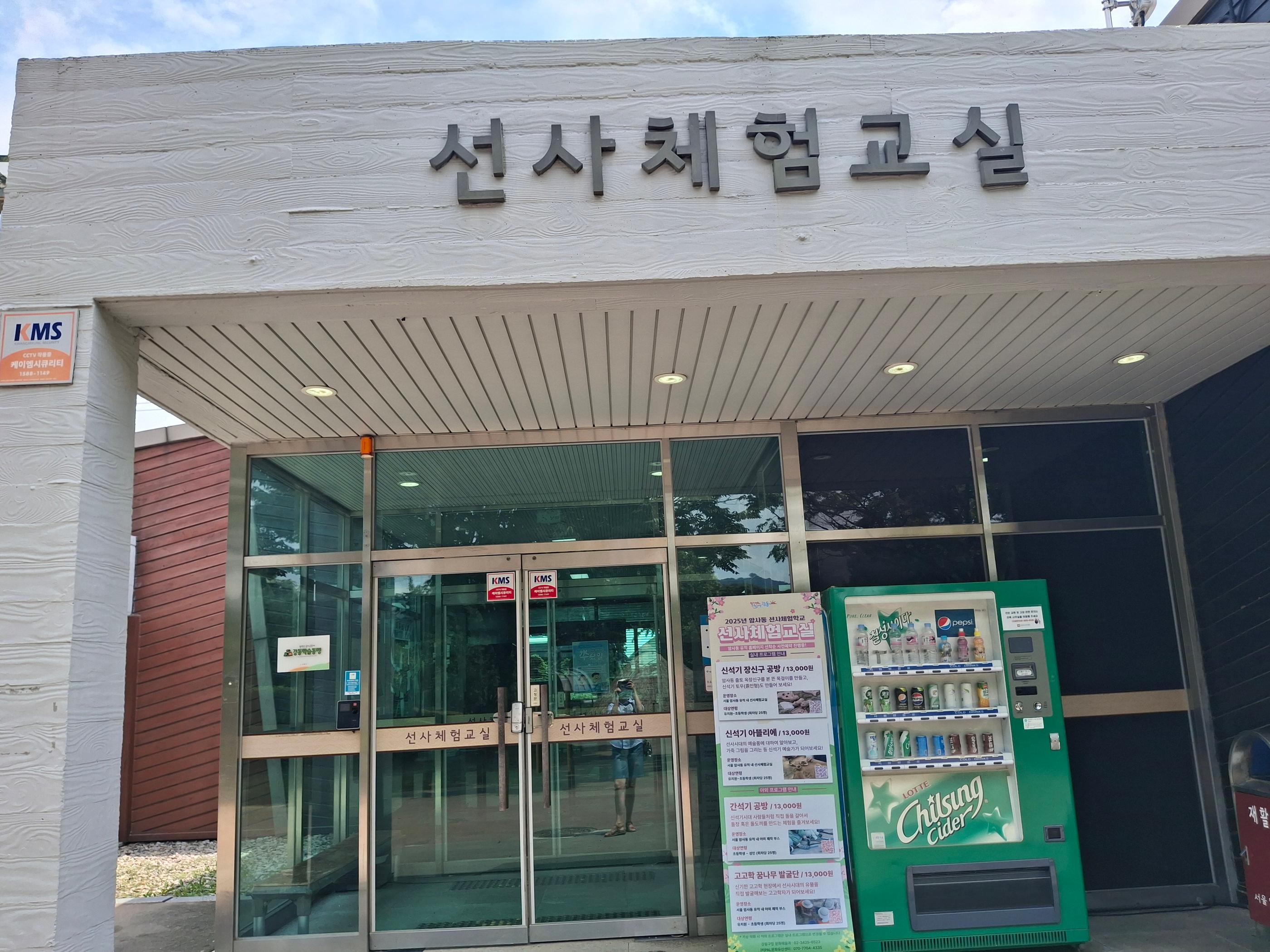
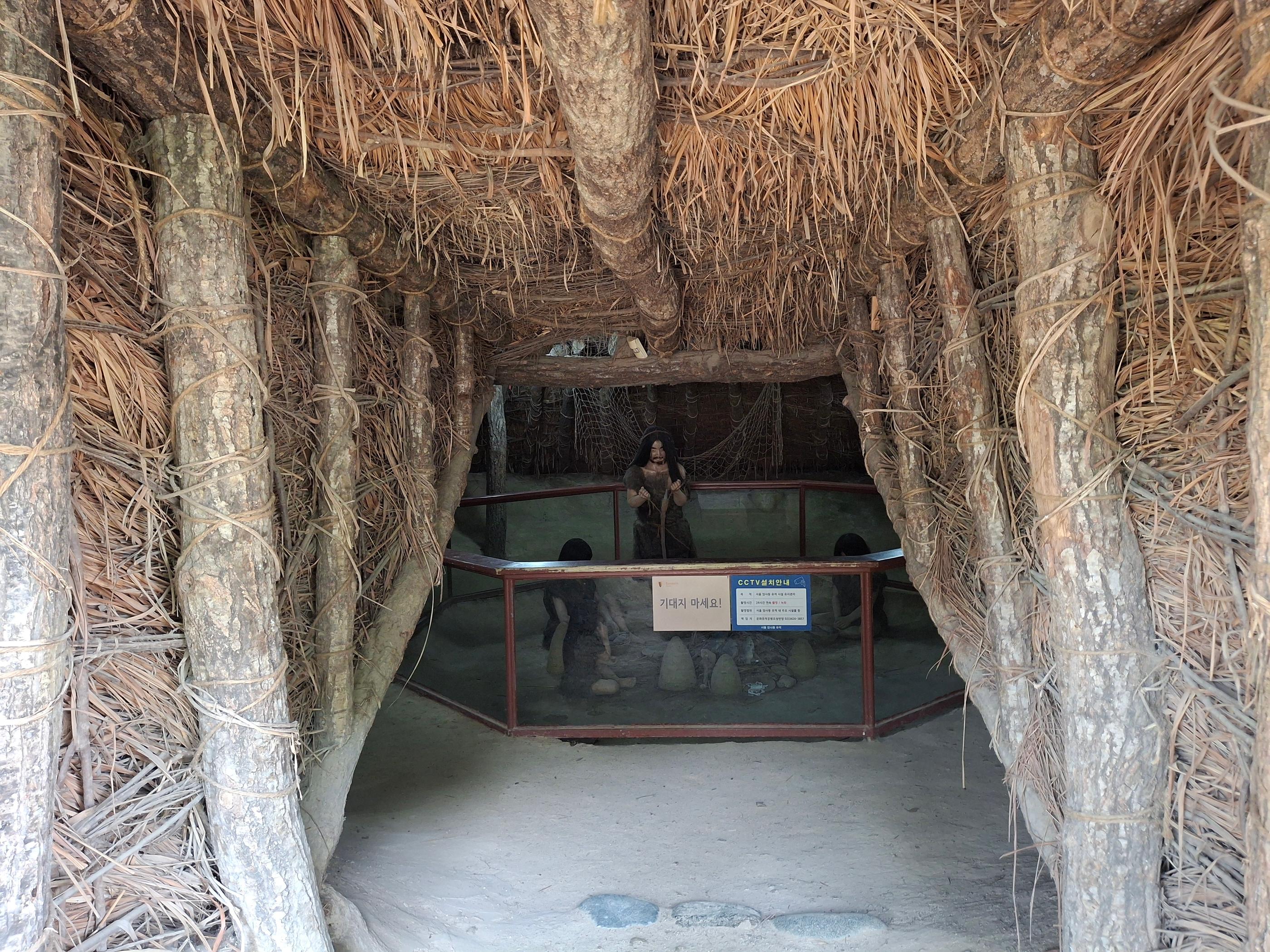
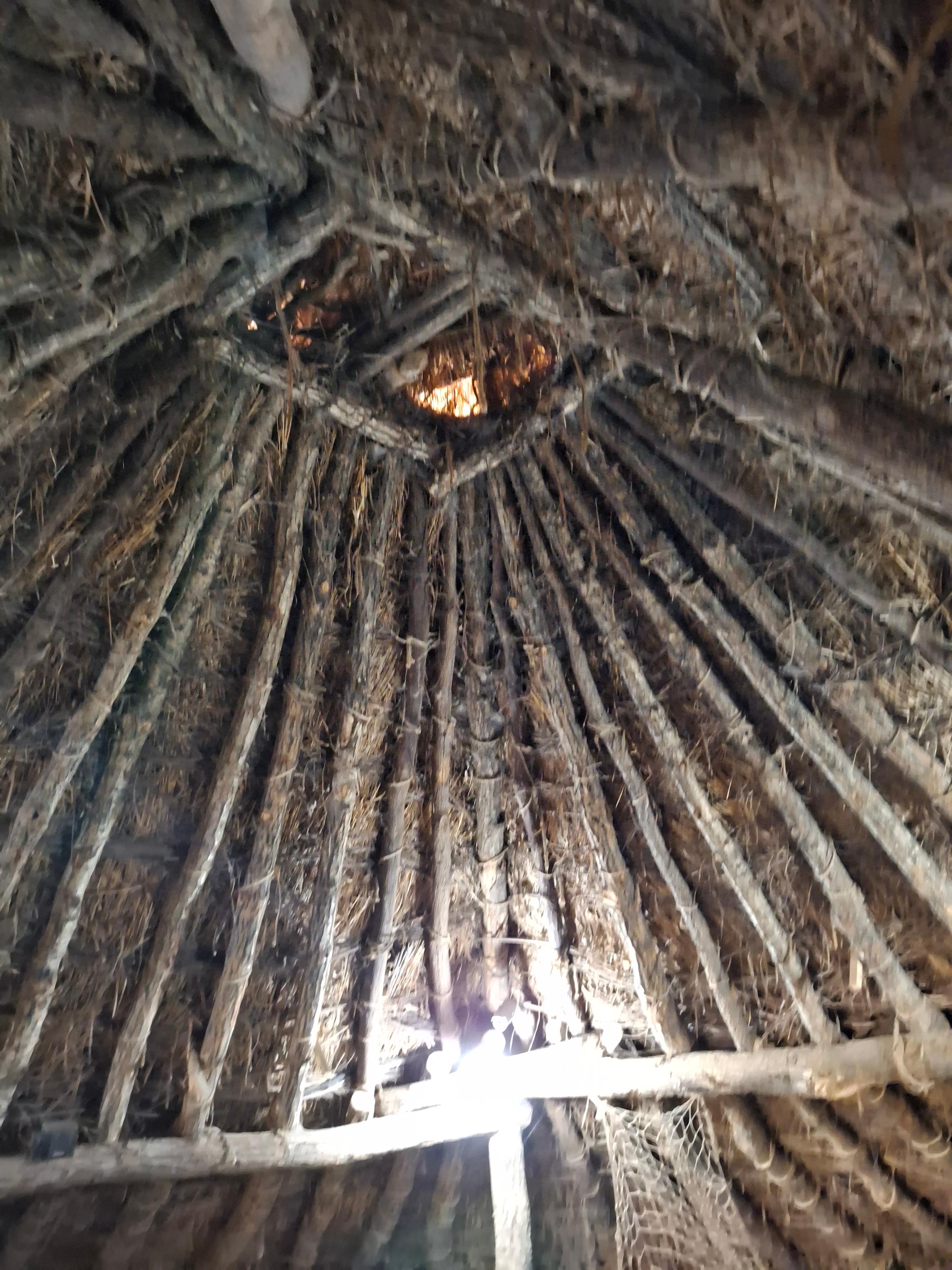
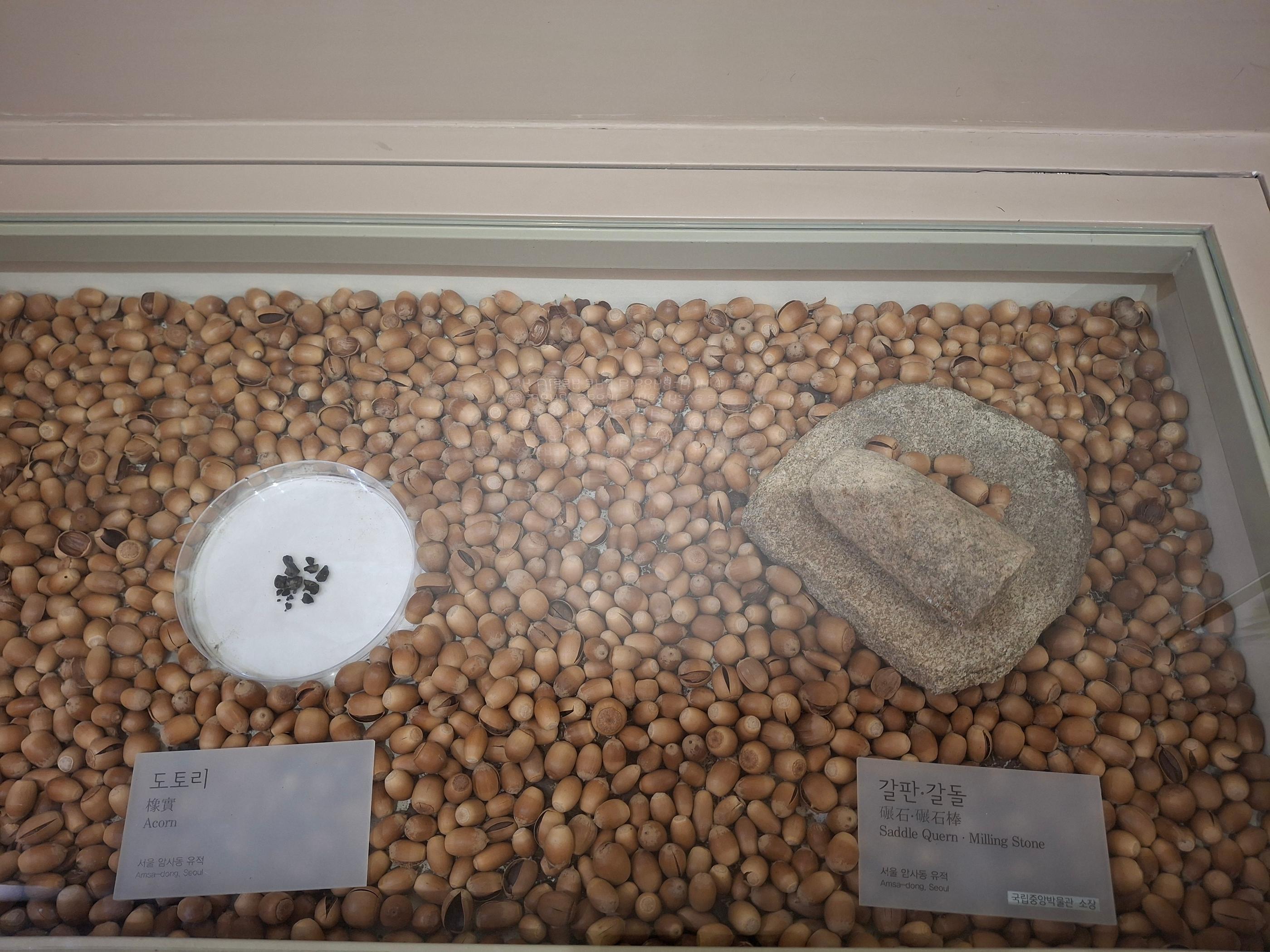
A little further from the first group of huts there is another group. Here one hut is open to visitors. You can go directly inside the hut and see what life was like at that time. Fish and meat are grilled in the fire pit, acorns are placed in a comb-patterned earthenware on one side, and they are dressed in leather clothes, cooking with galpans and stones, and trimming the windows. There is a hole in the ceiling to allow the smoke from the fire pit to escape. True, the entrance to the hut is narrow and low, and inside it is very stuffy on a hot day. But the sensations are unforgettable!
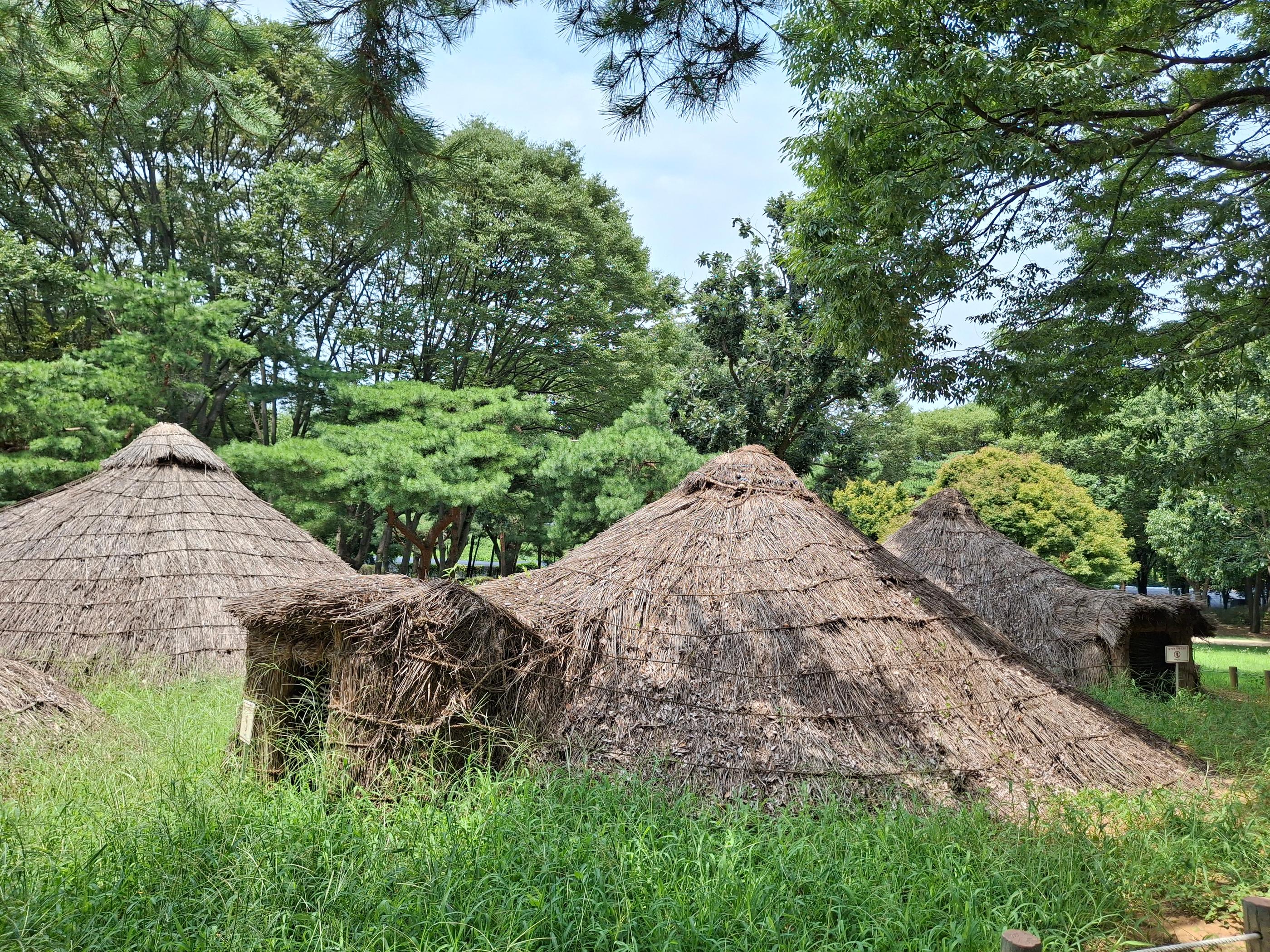
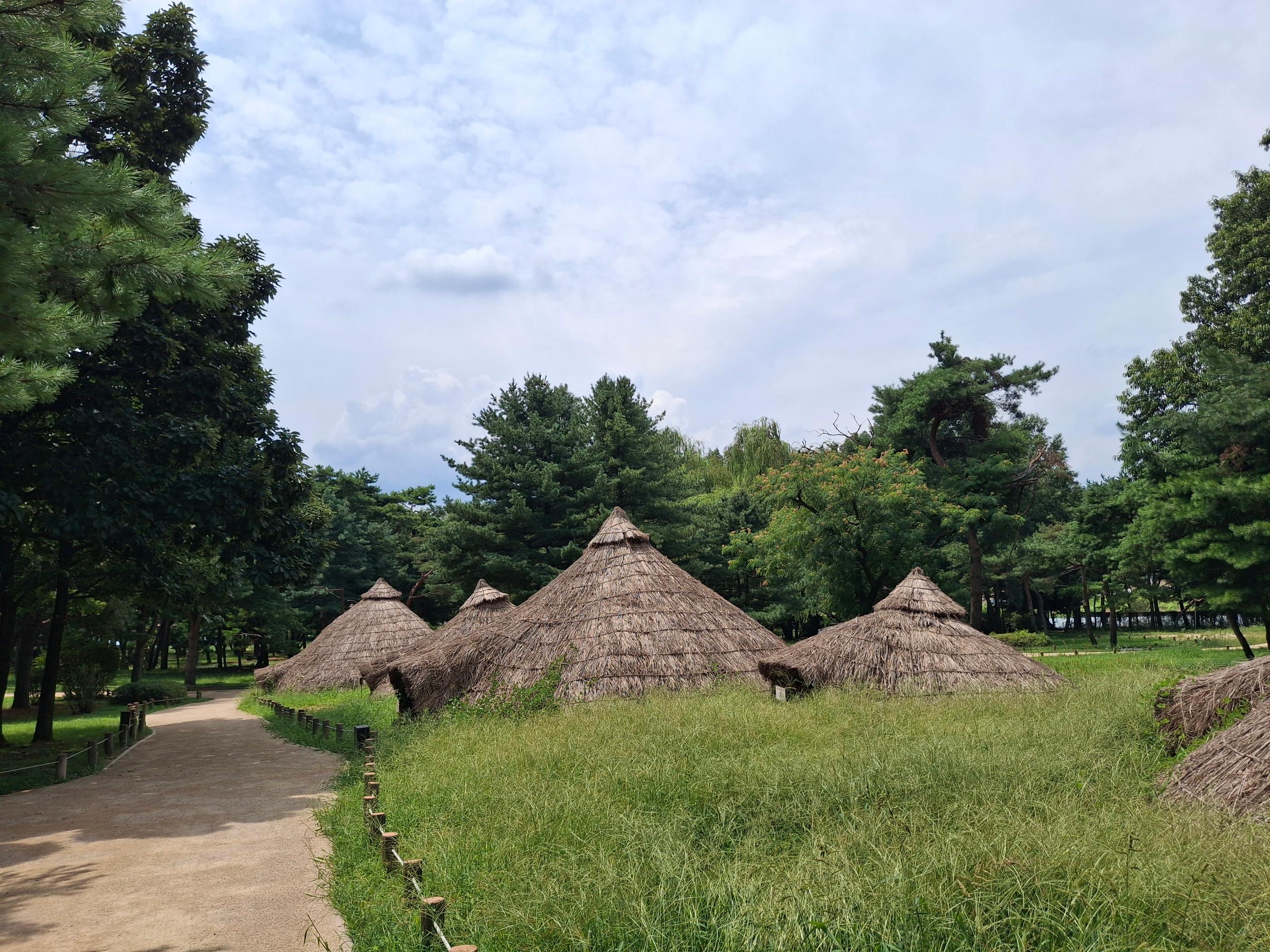
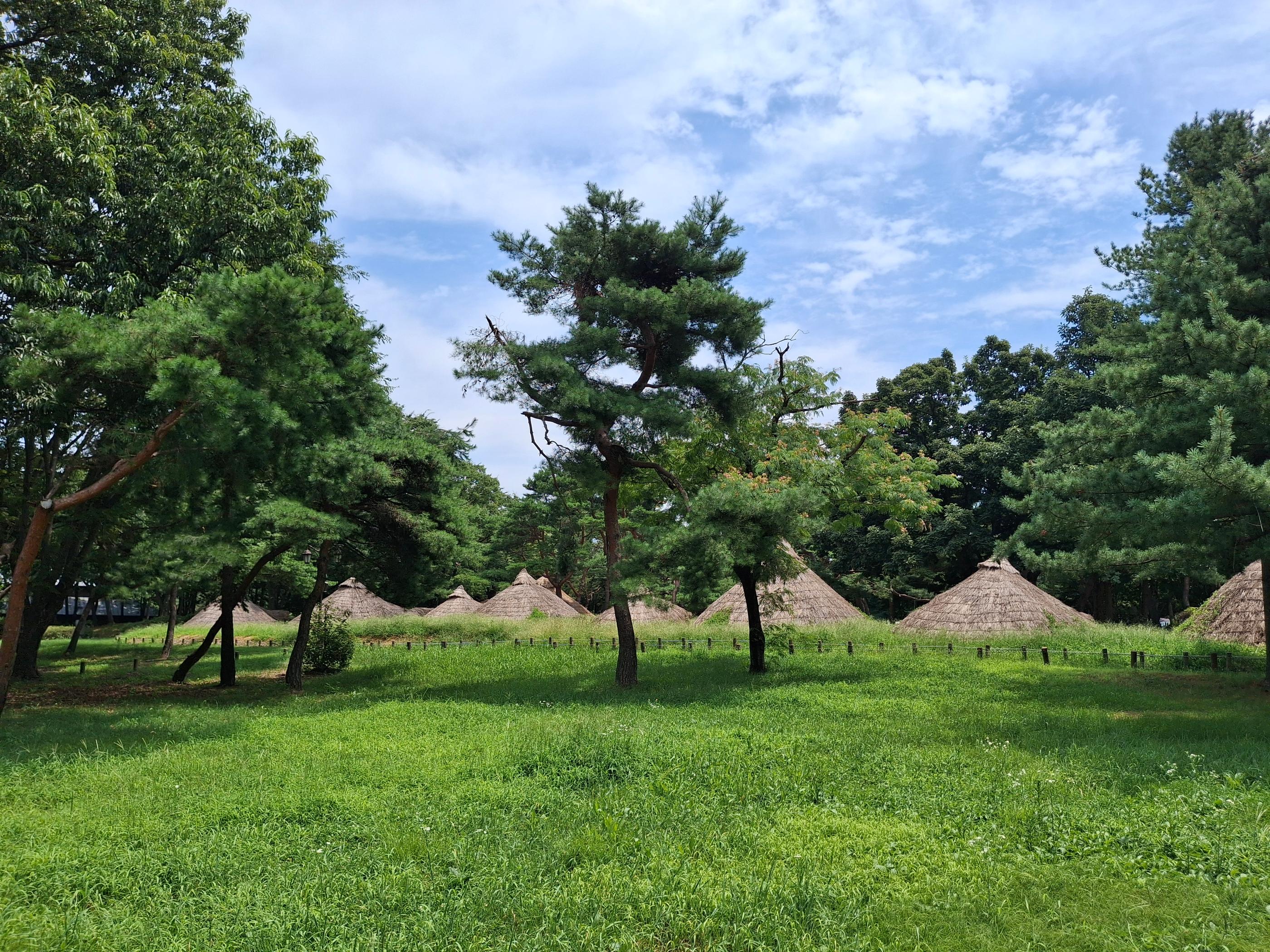
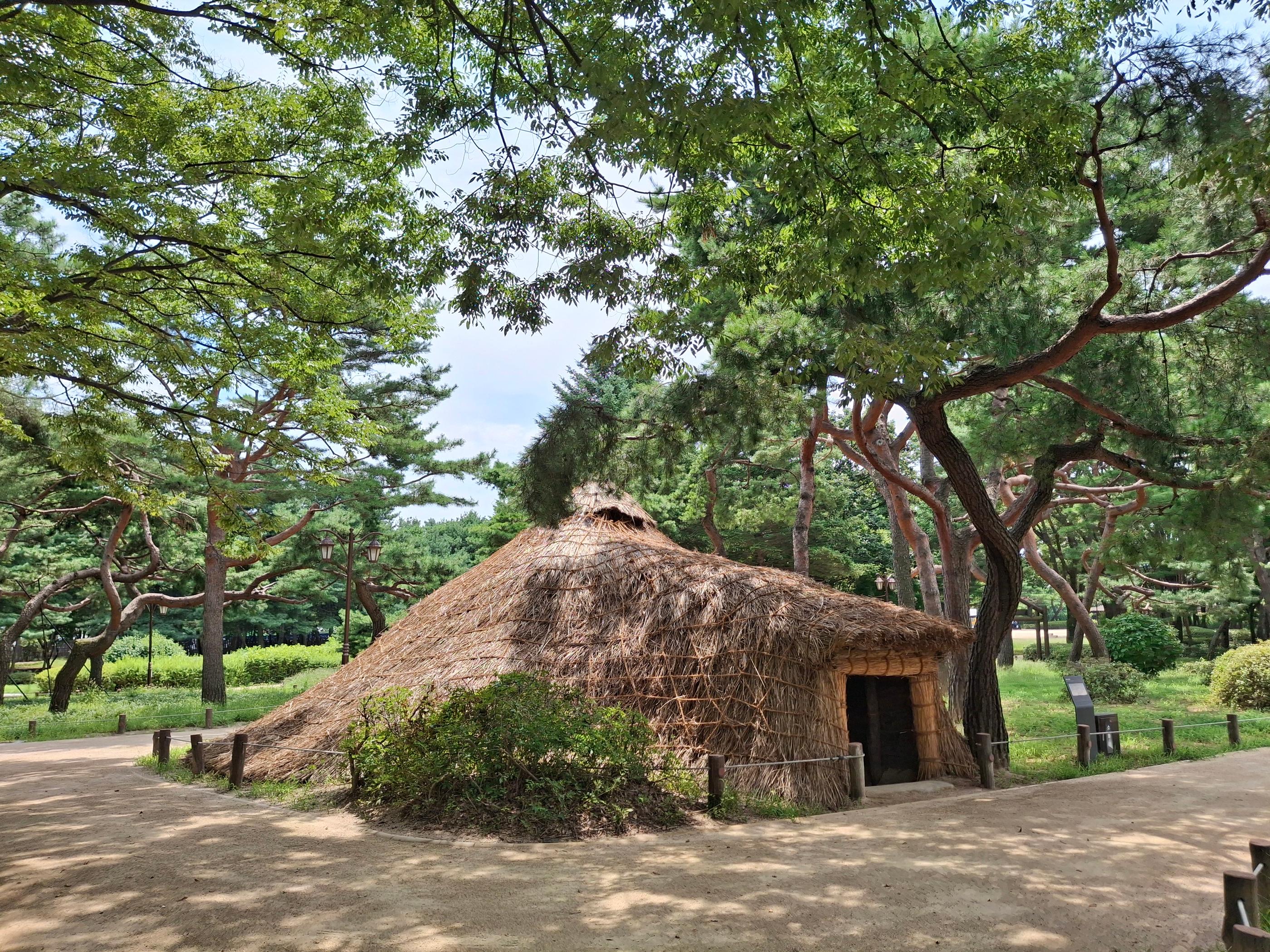
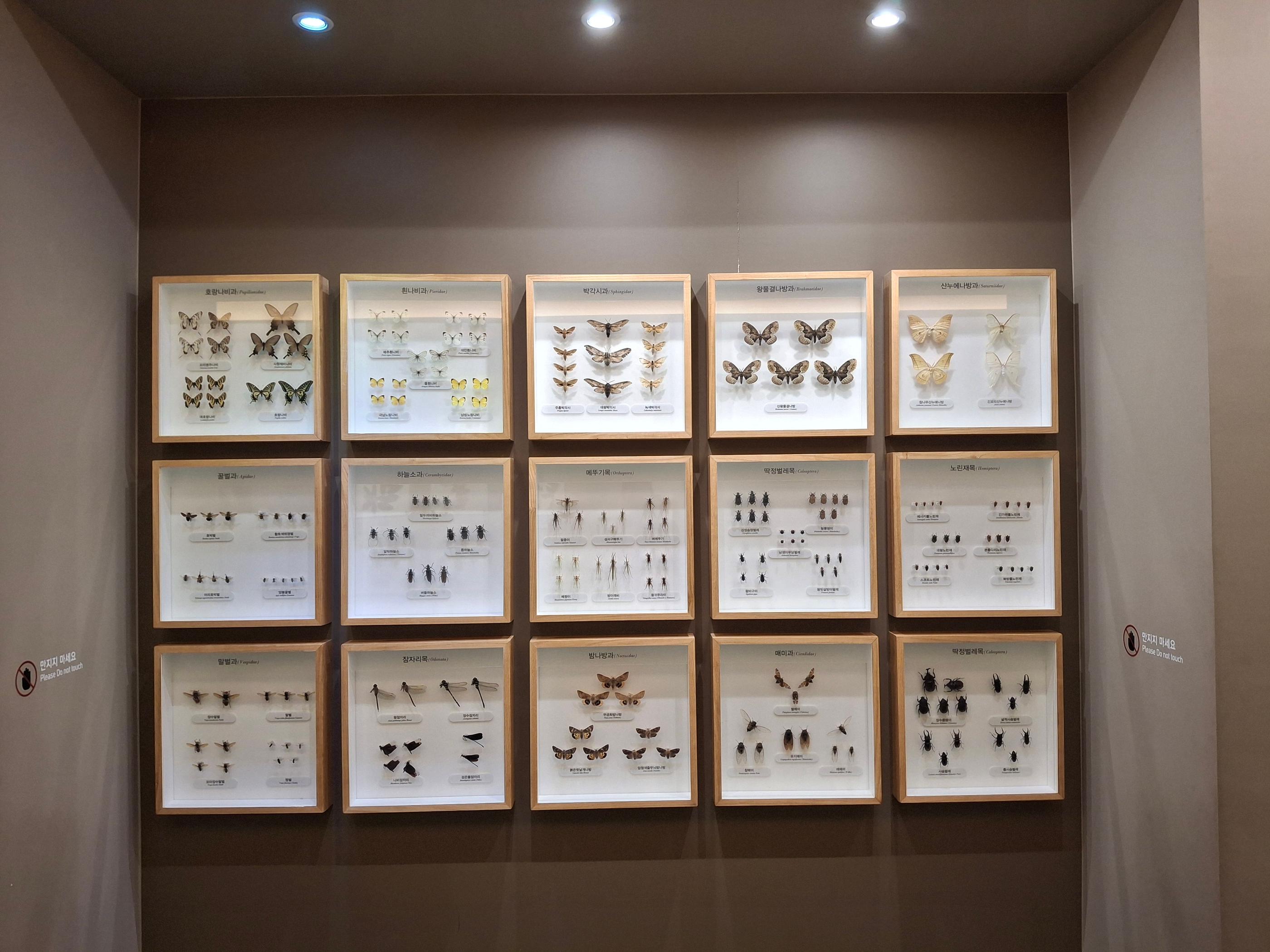
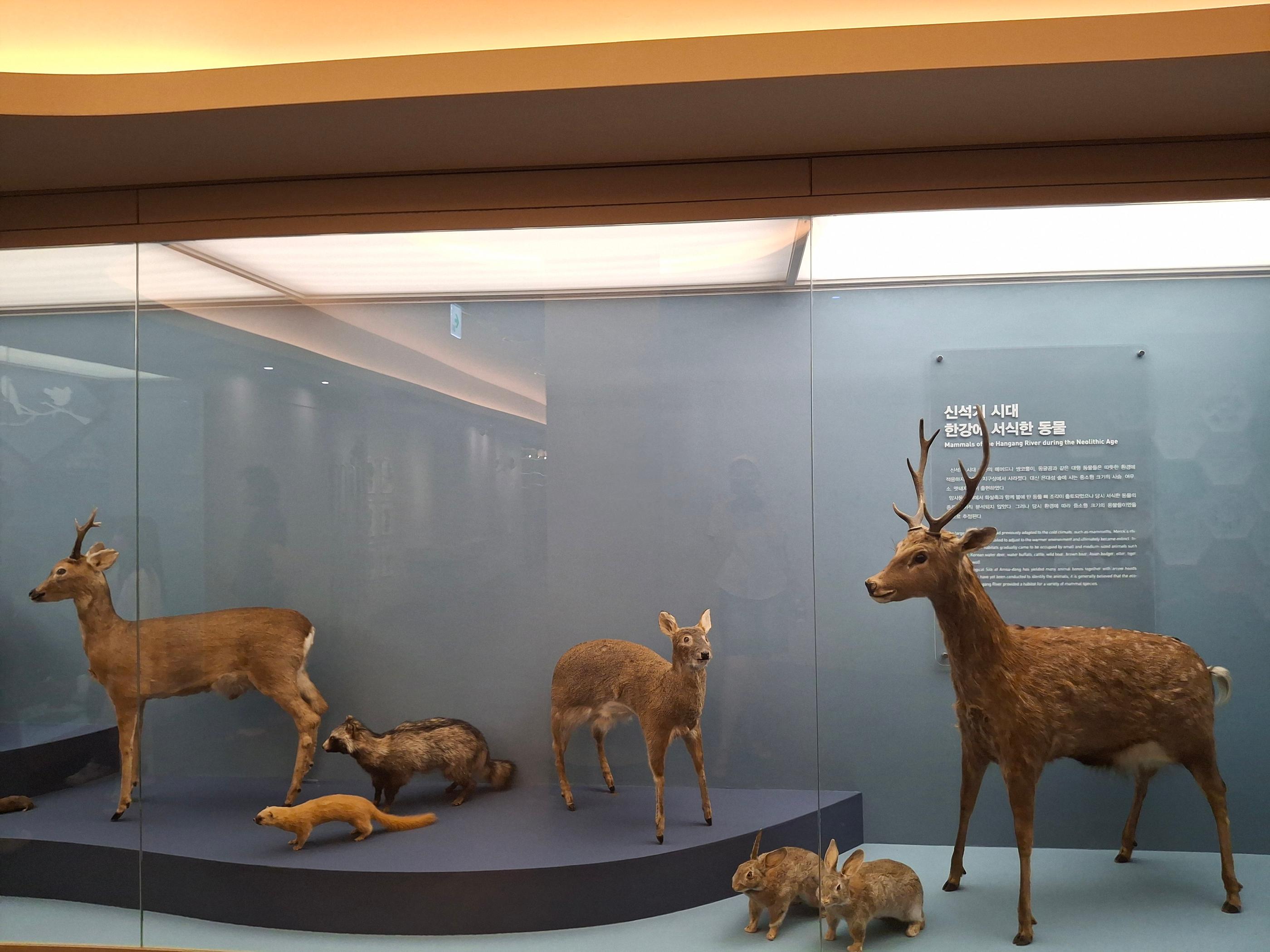
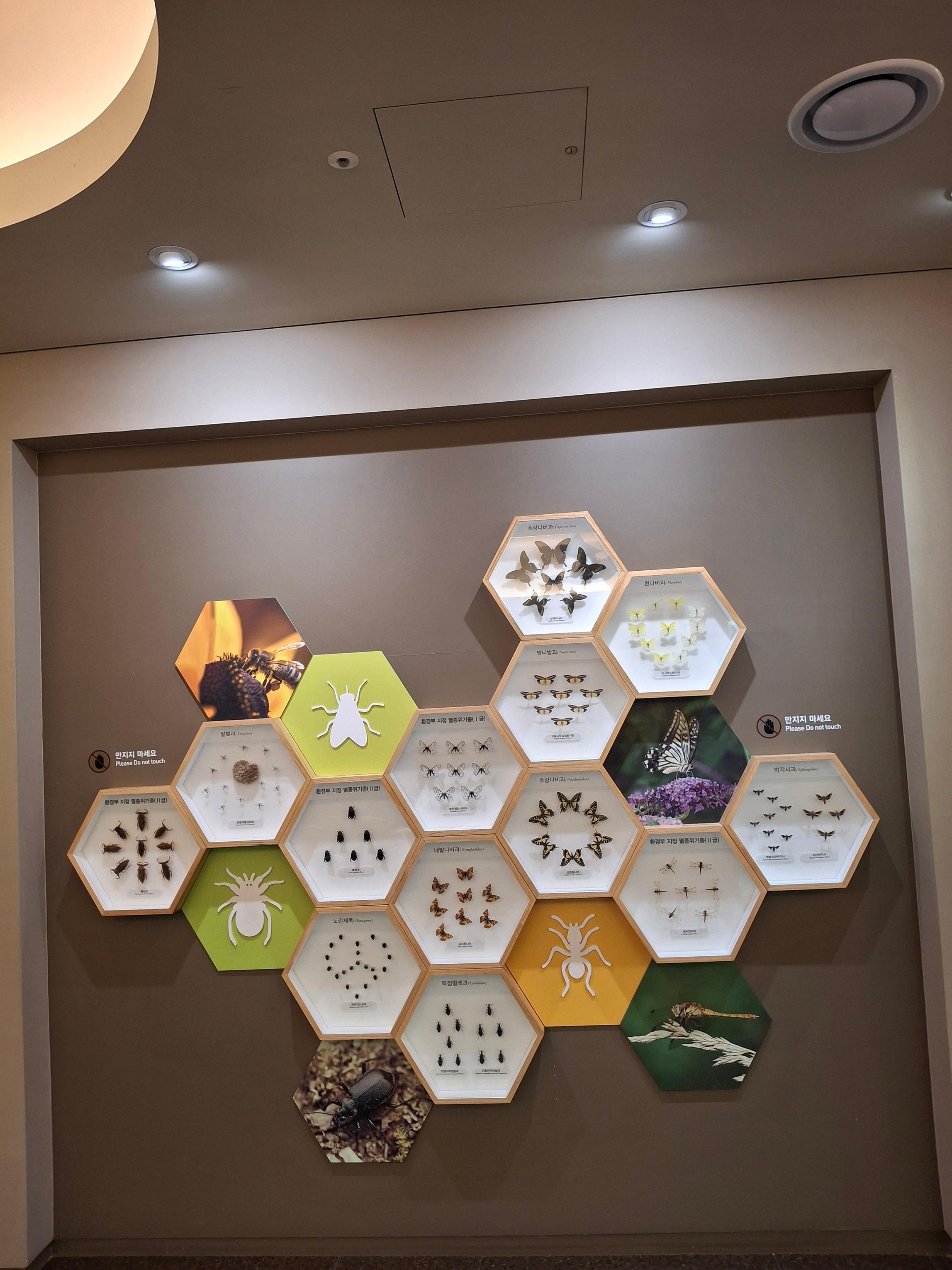
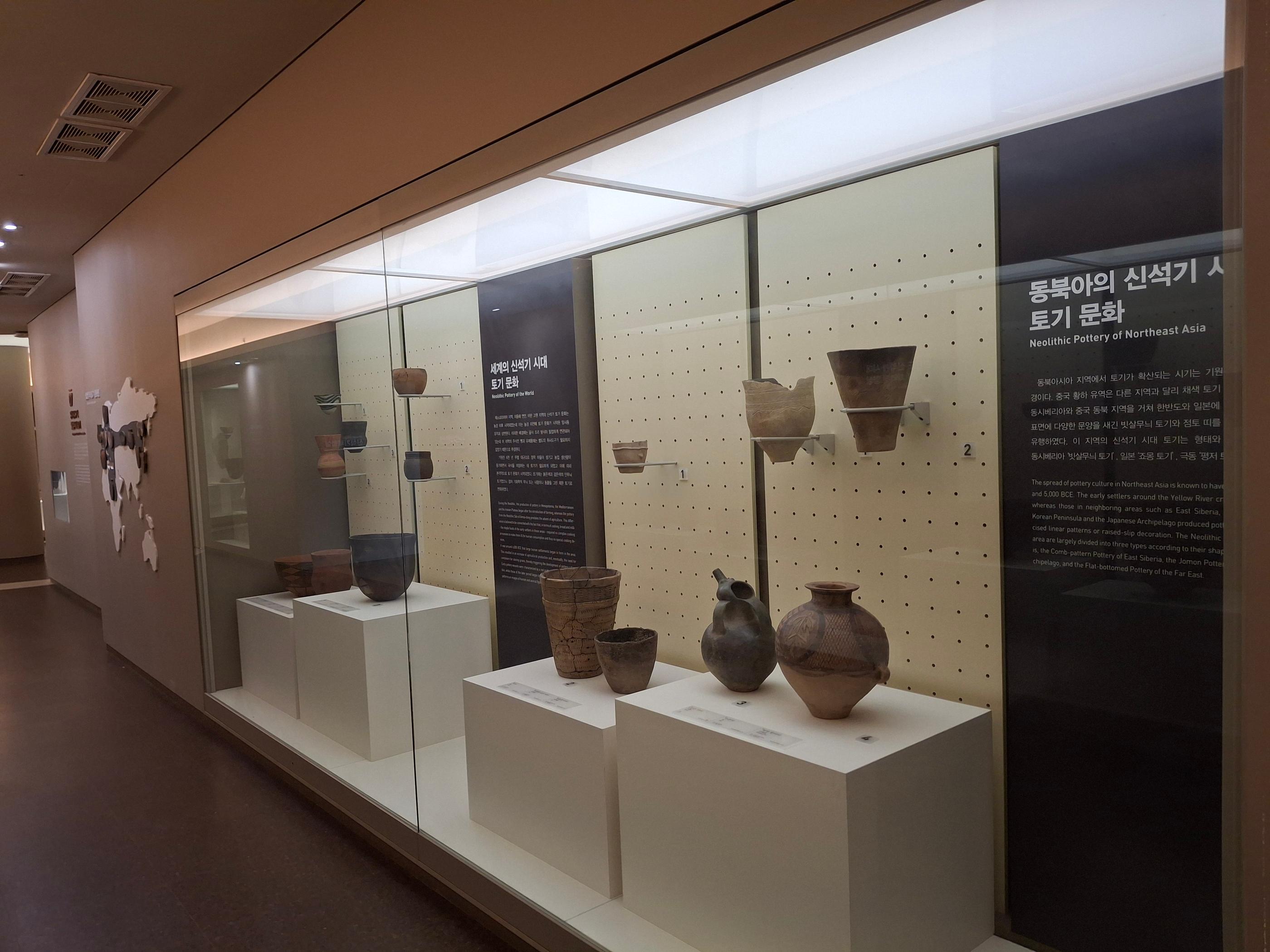
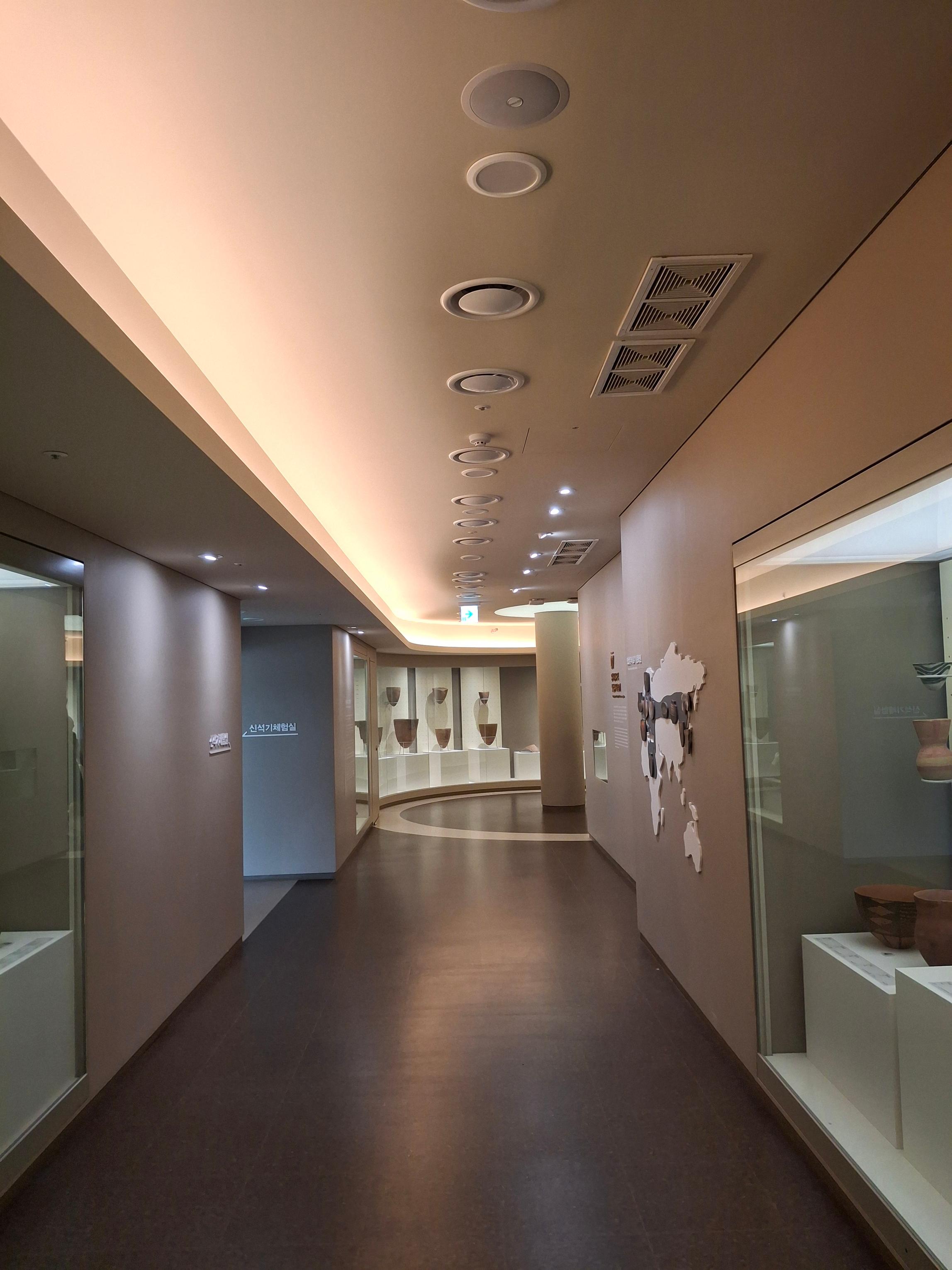
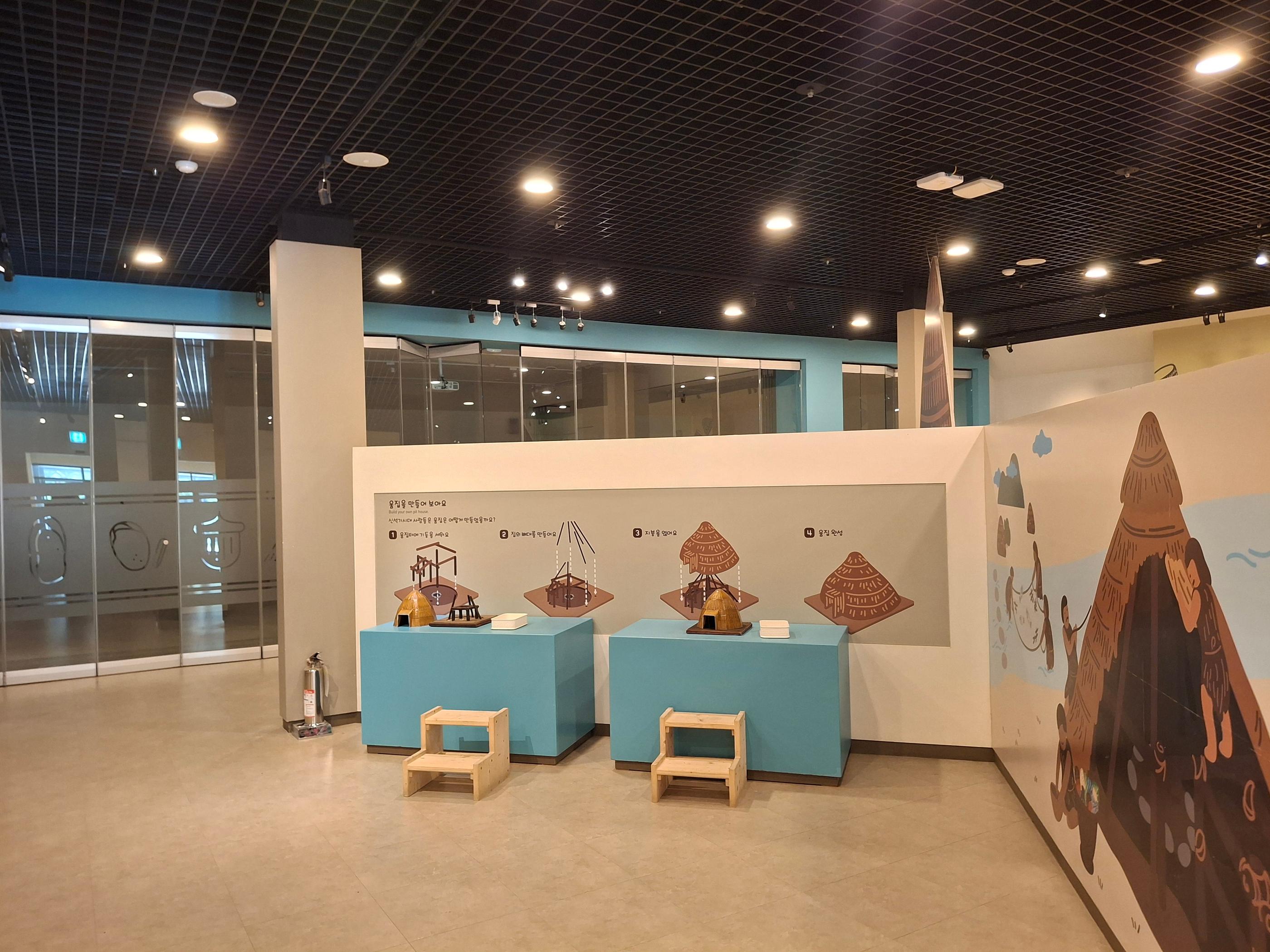
Also there is a museum that features diverse artifacts and exhibition spaces, and column positions, including real excavation remains which allow visitors to understand the pithouse's shape, fire pit, and column position.
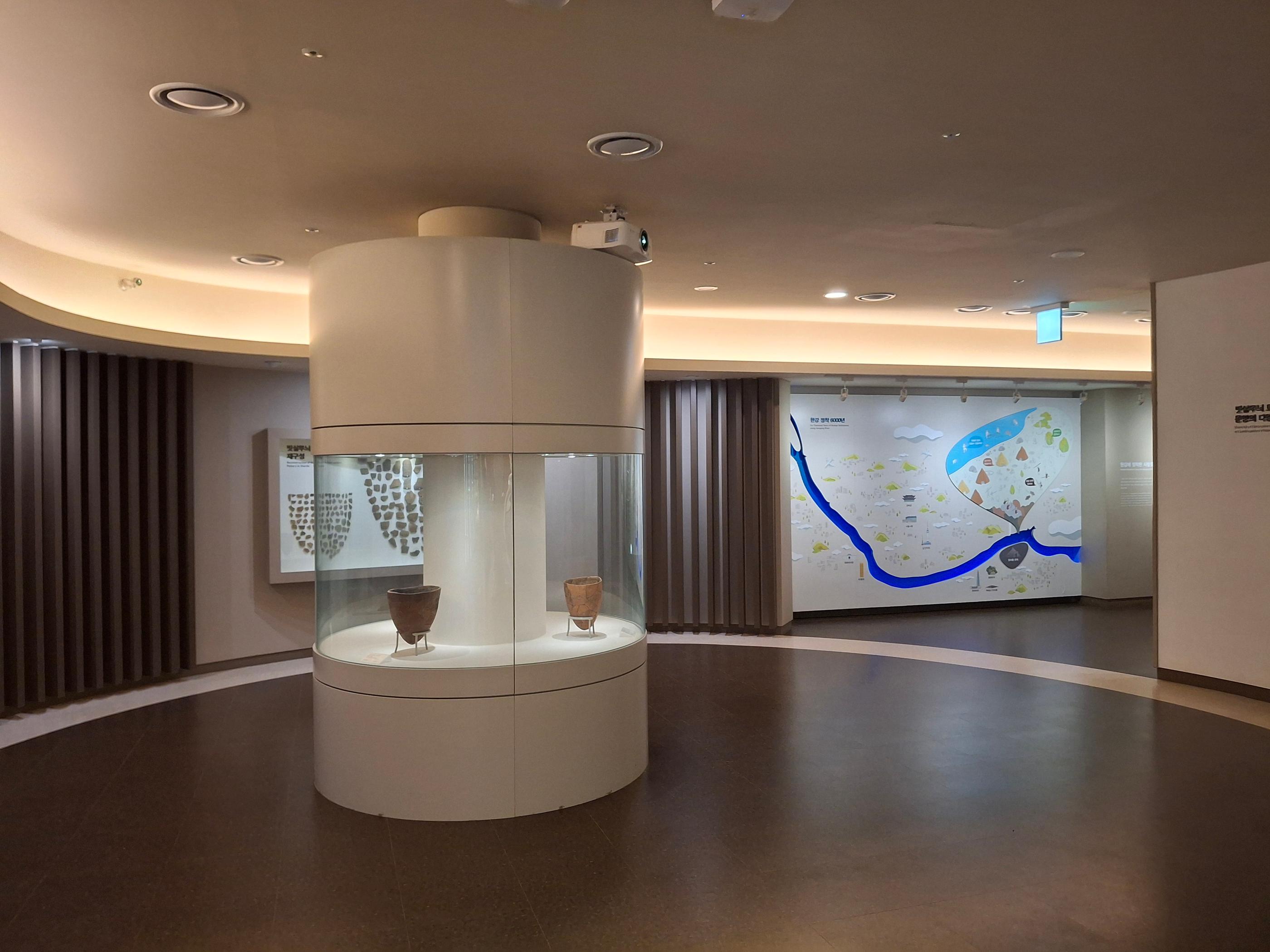
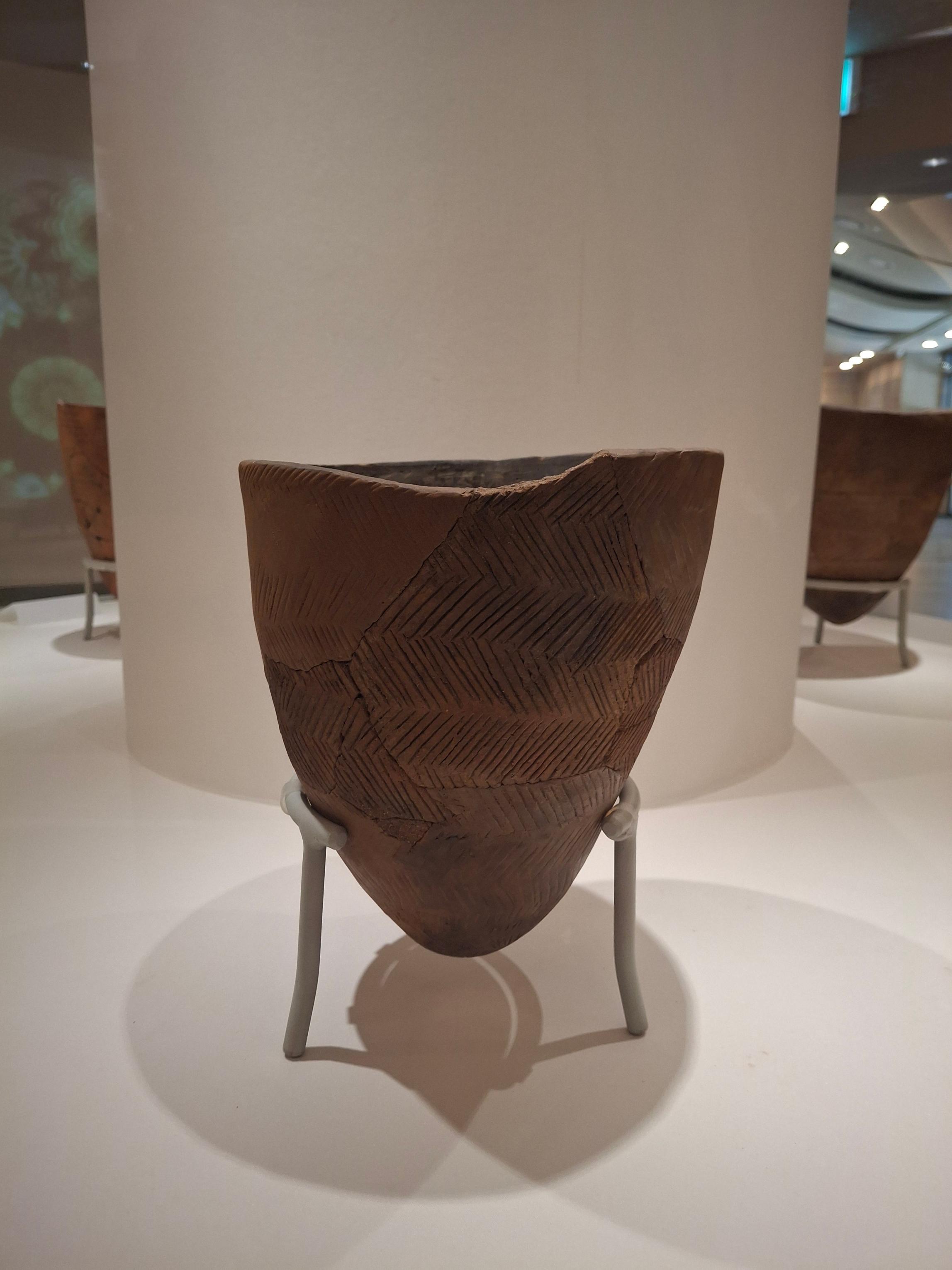
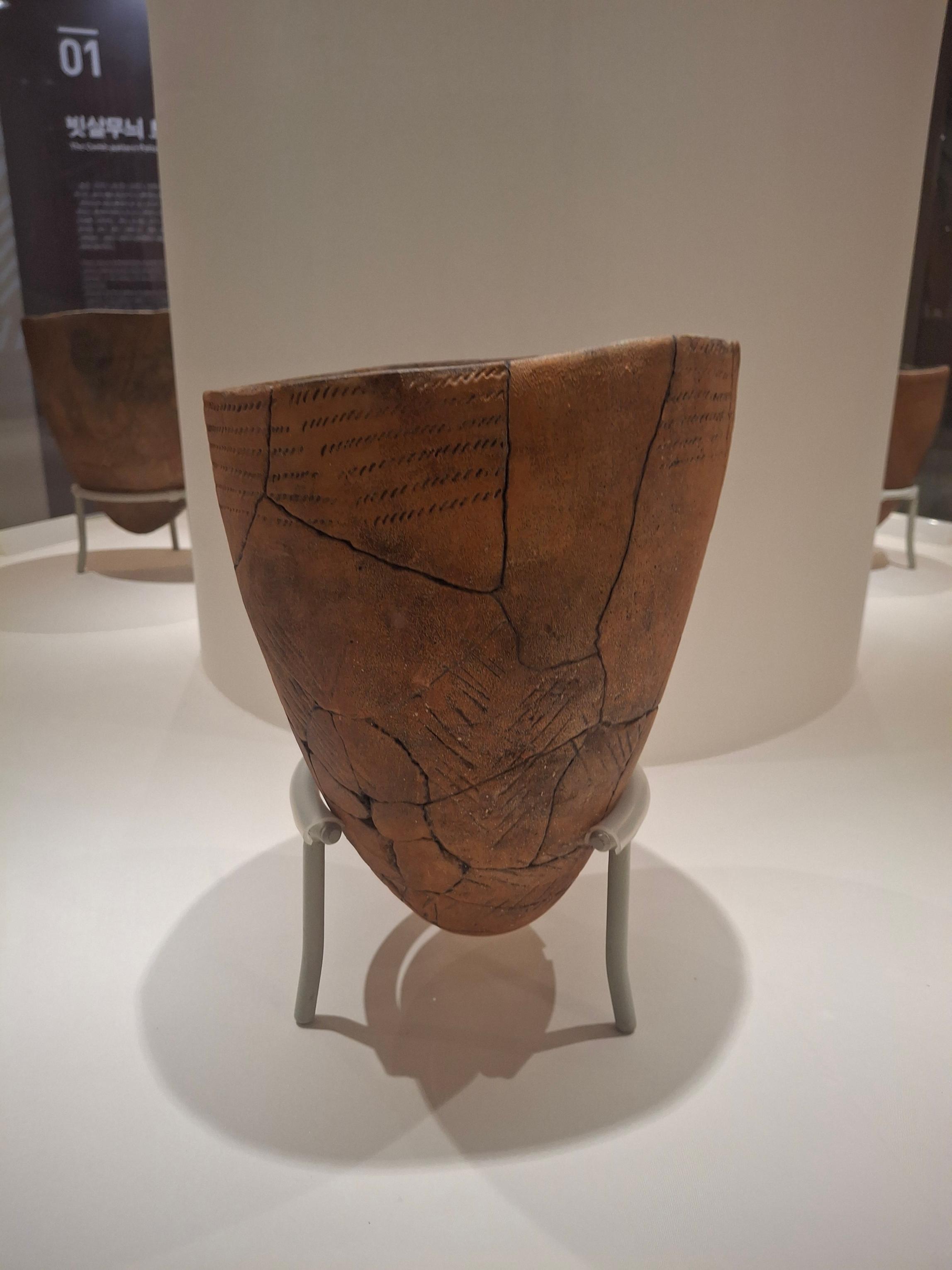
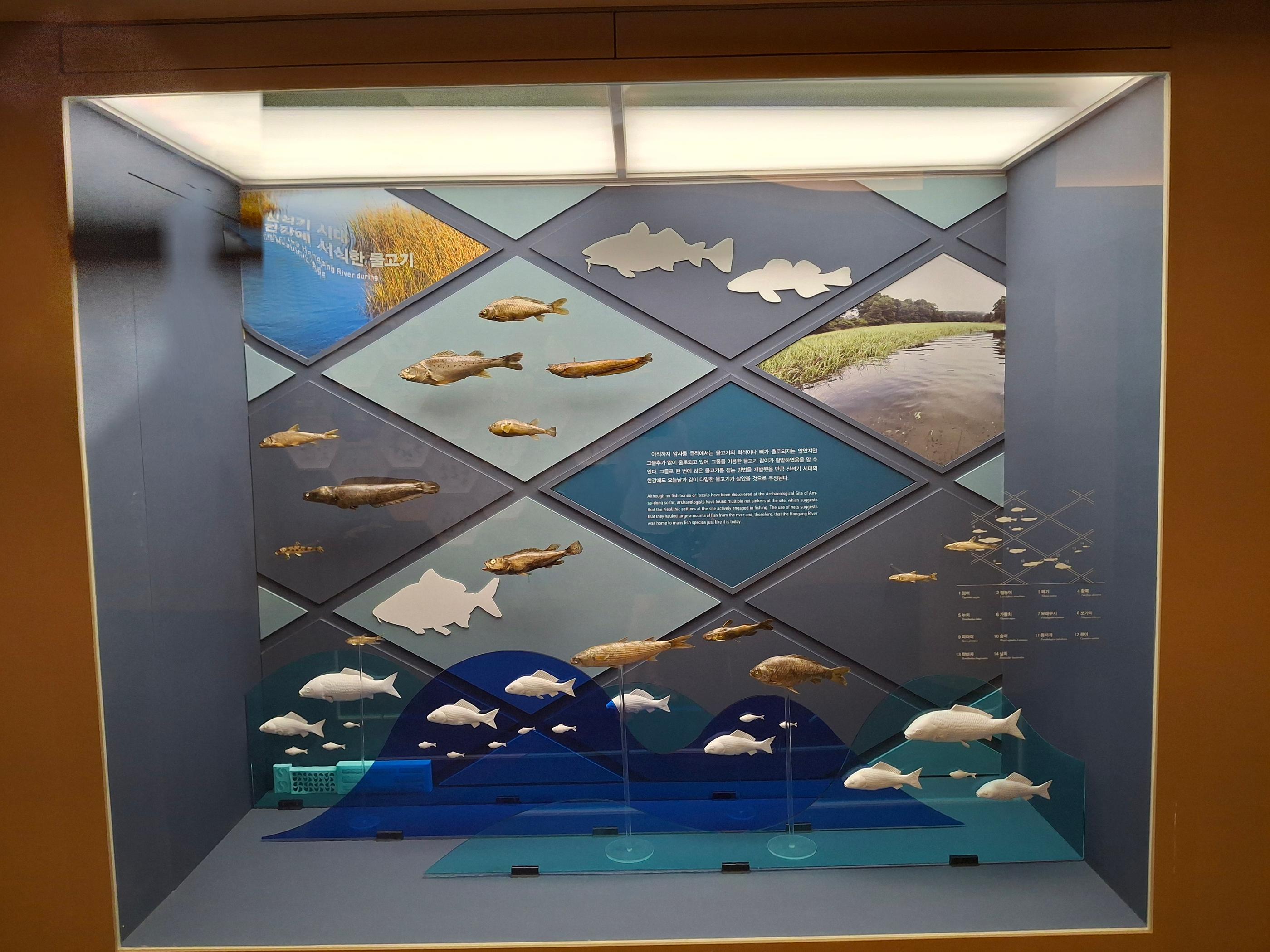
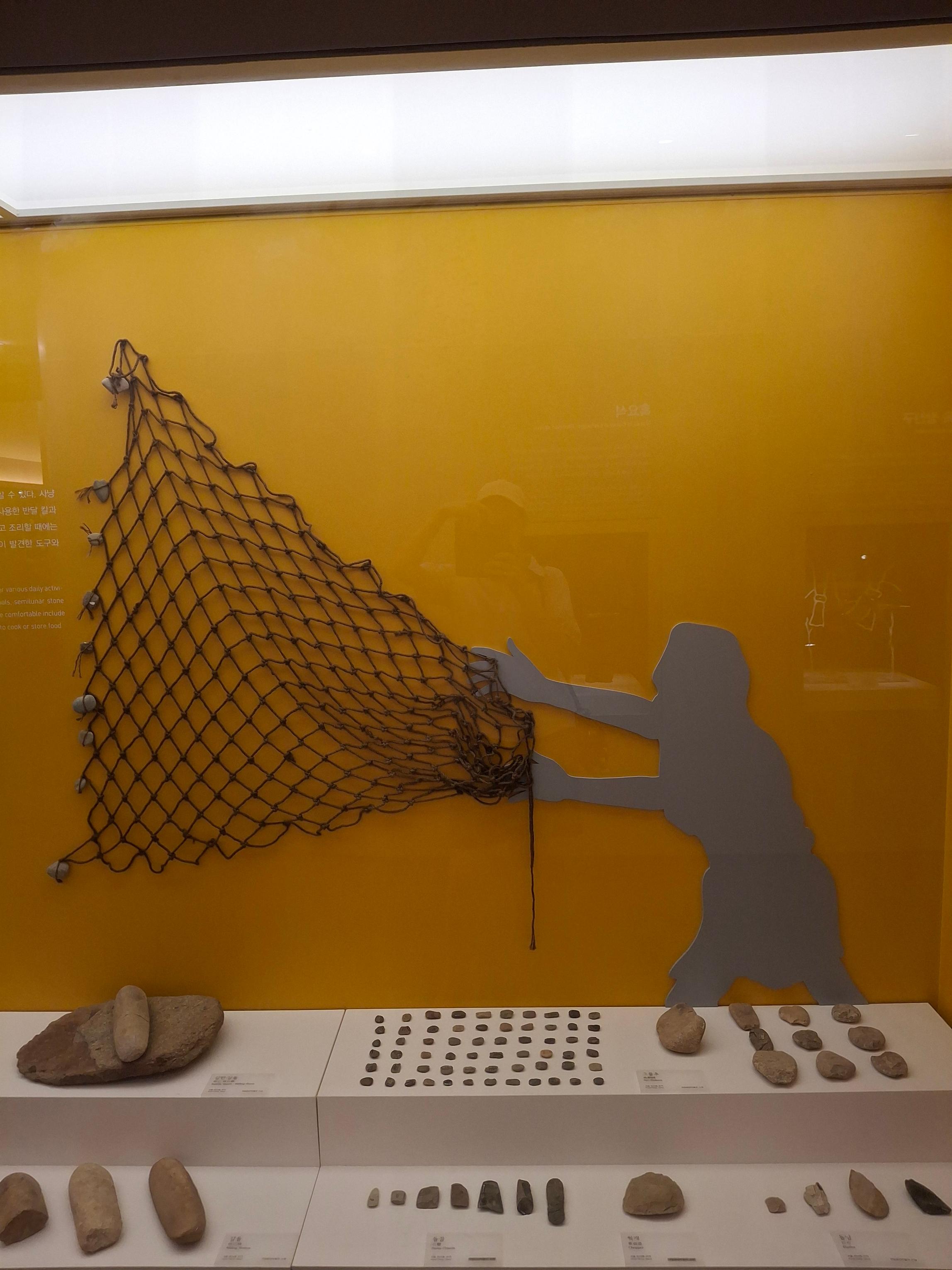
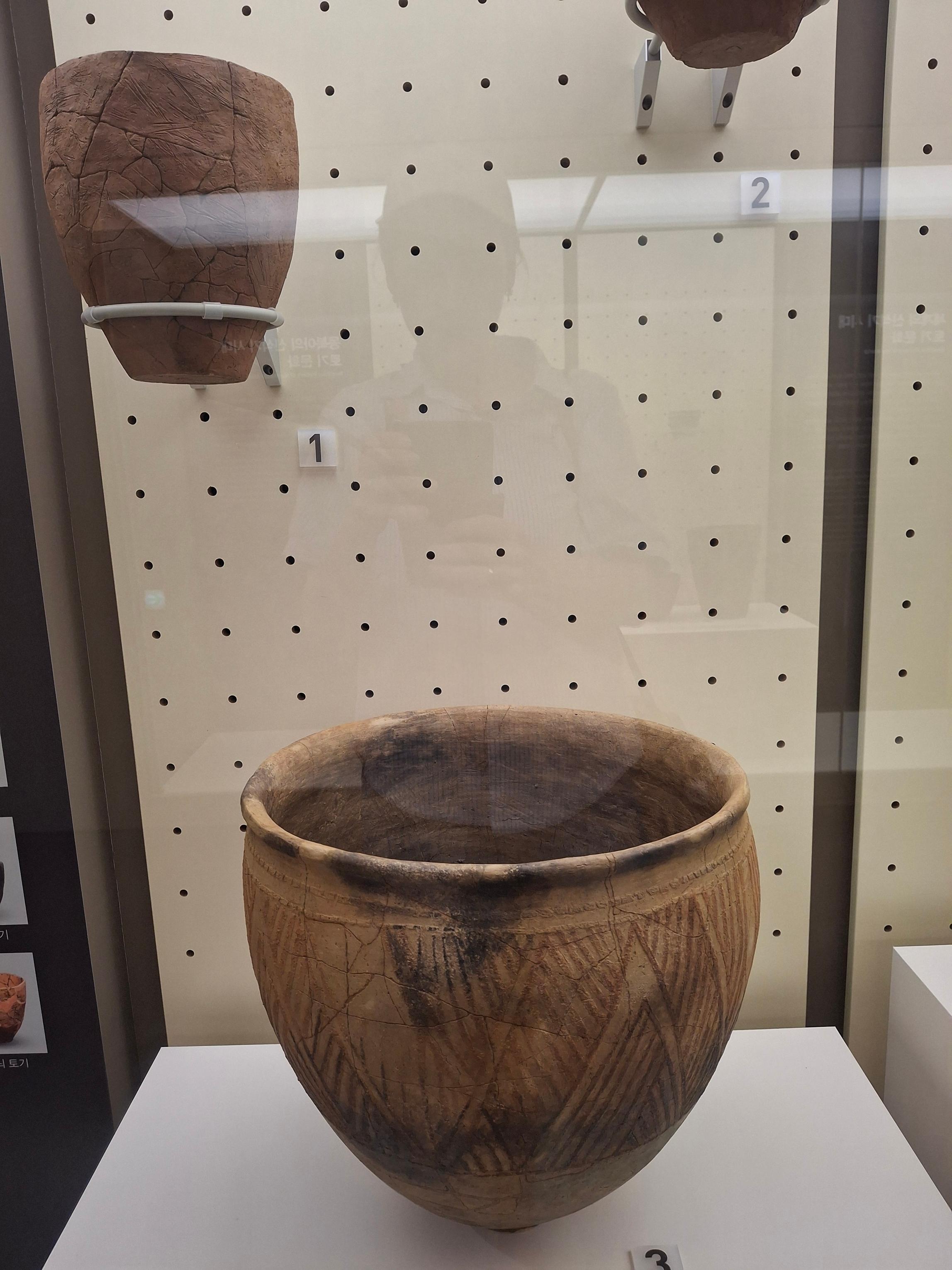
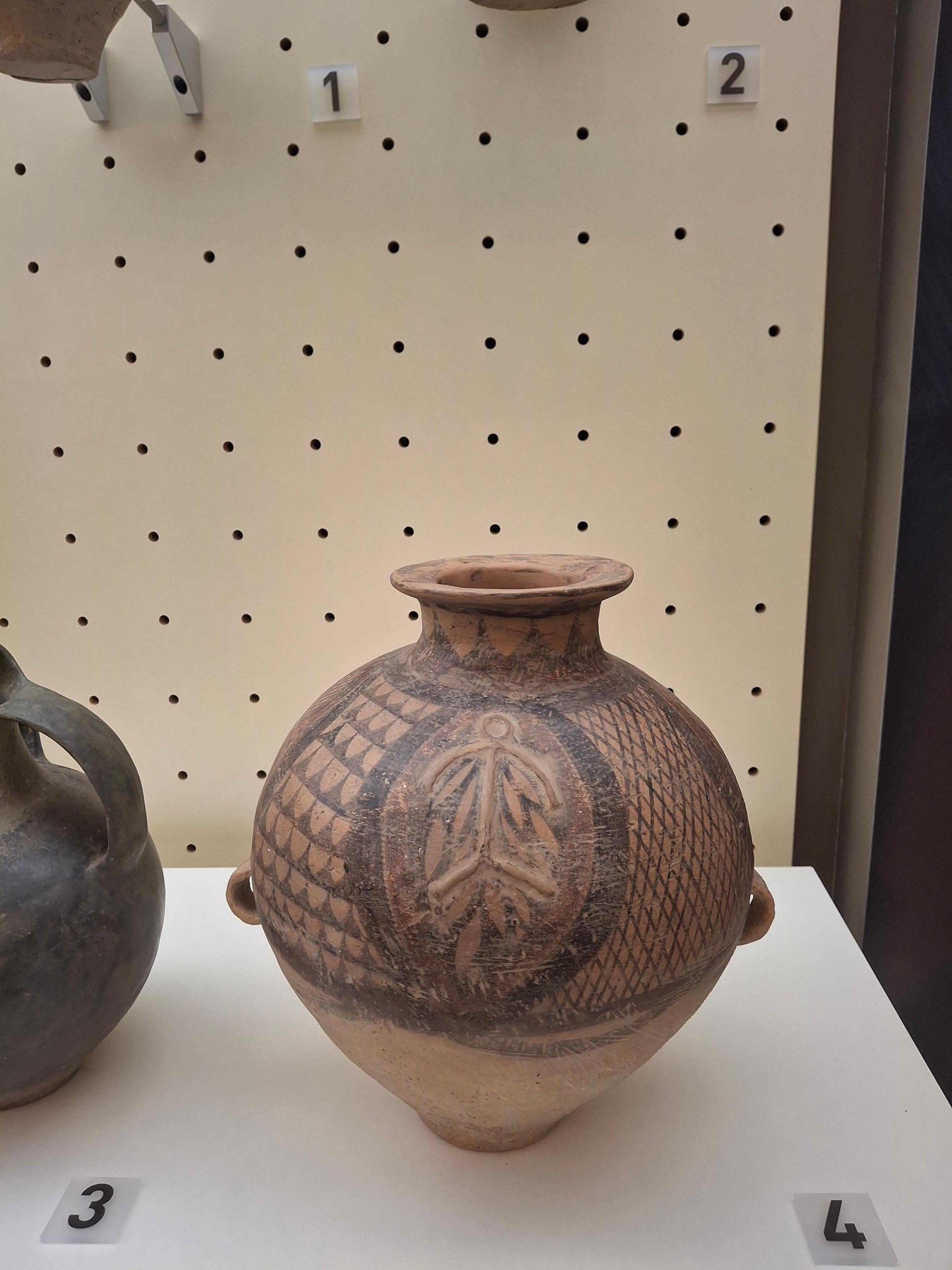
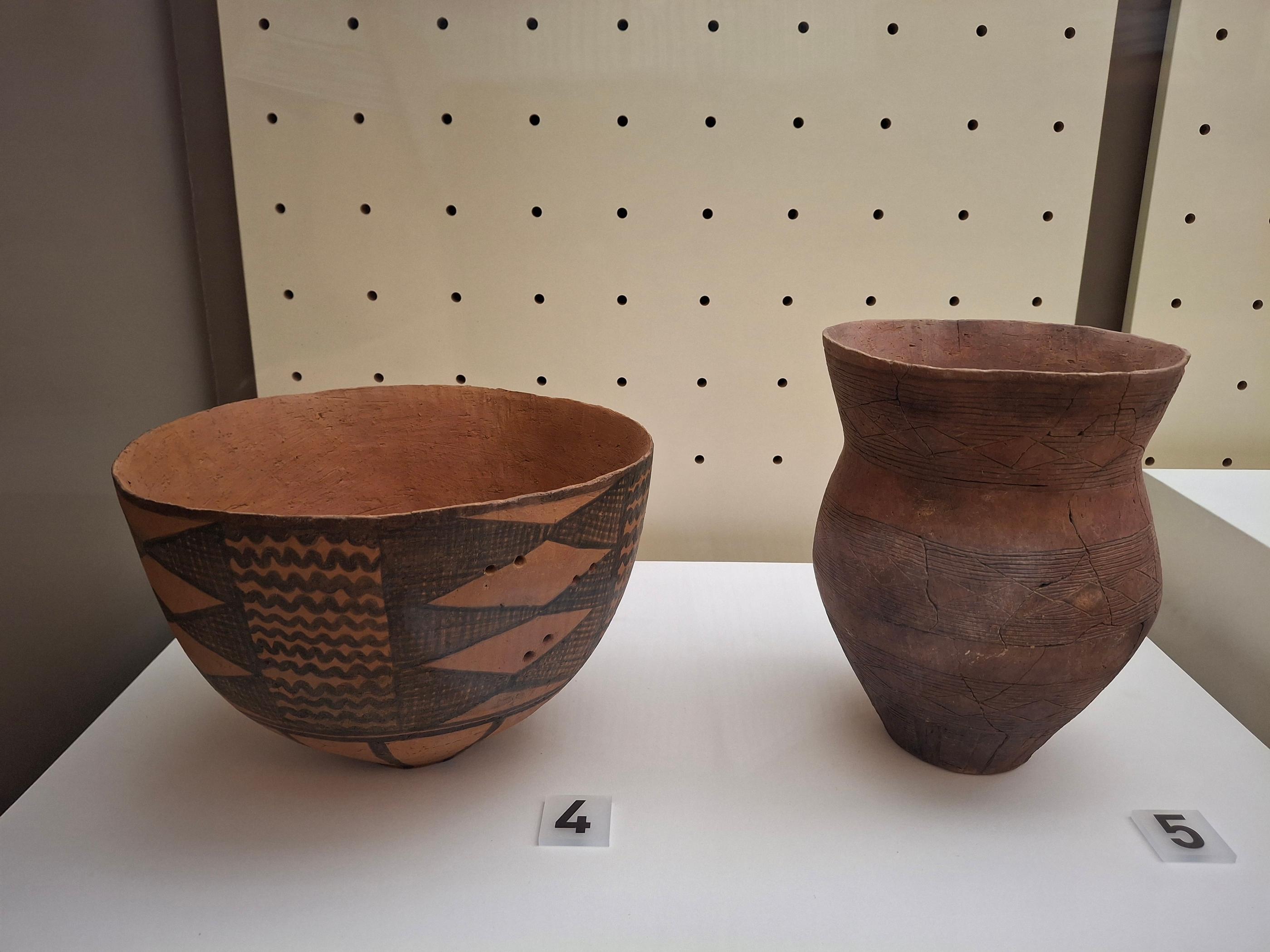
The relics unearthed from the site, such as comb-patterned pottery, fishing net sinkers milling stones, grinding stones, stone arrowheads, stone axes, scrapers, and burnt acorns, provide deep insights into the way of life of the Neolithic inhabitants of the Korean peninsula.
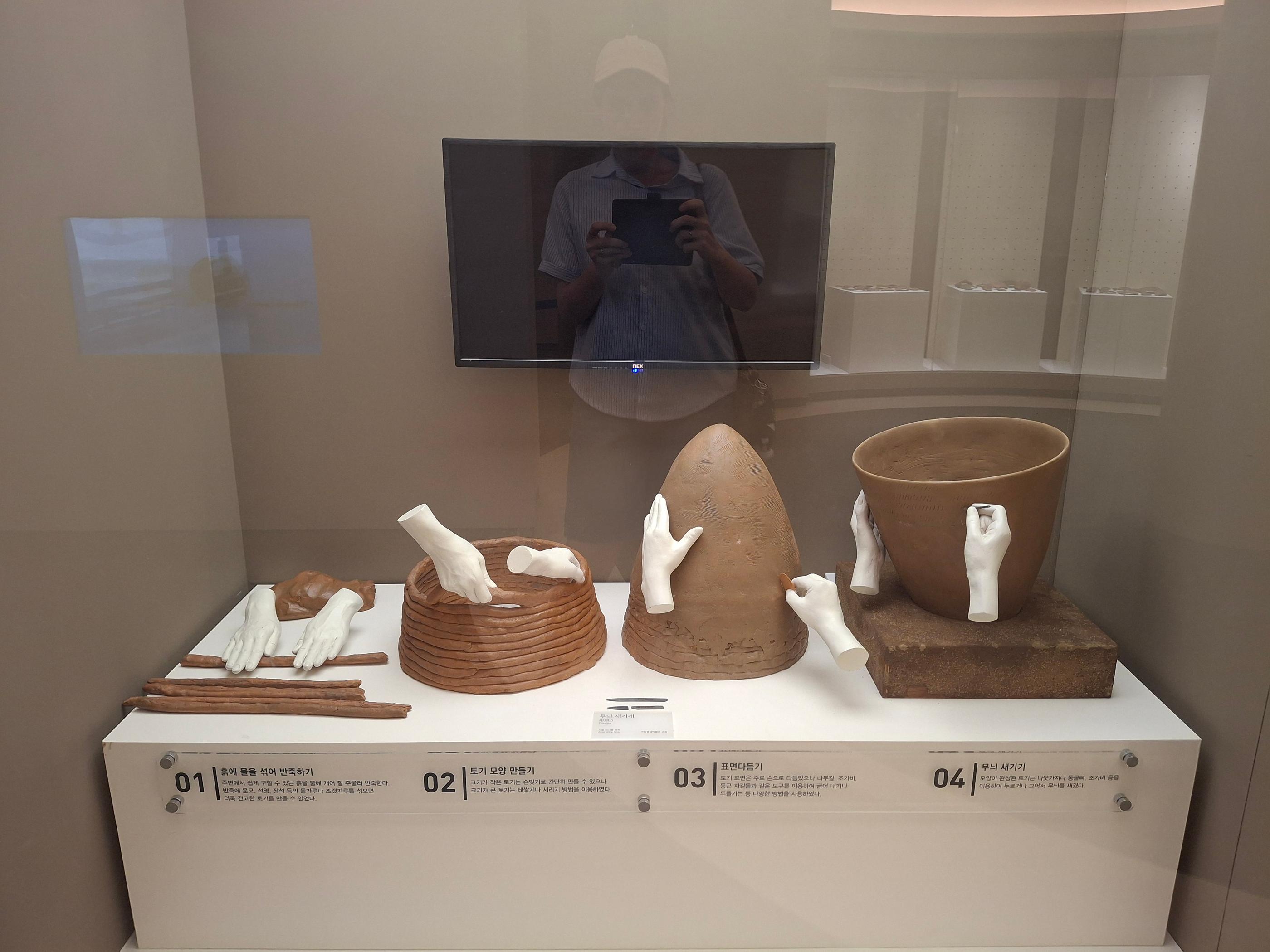
There is an interactive area for children where they can try making tools from stone, molding a pot, and starting a fire using friction.
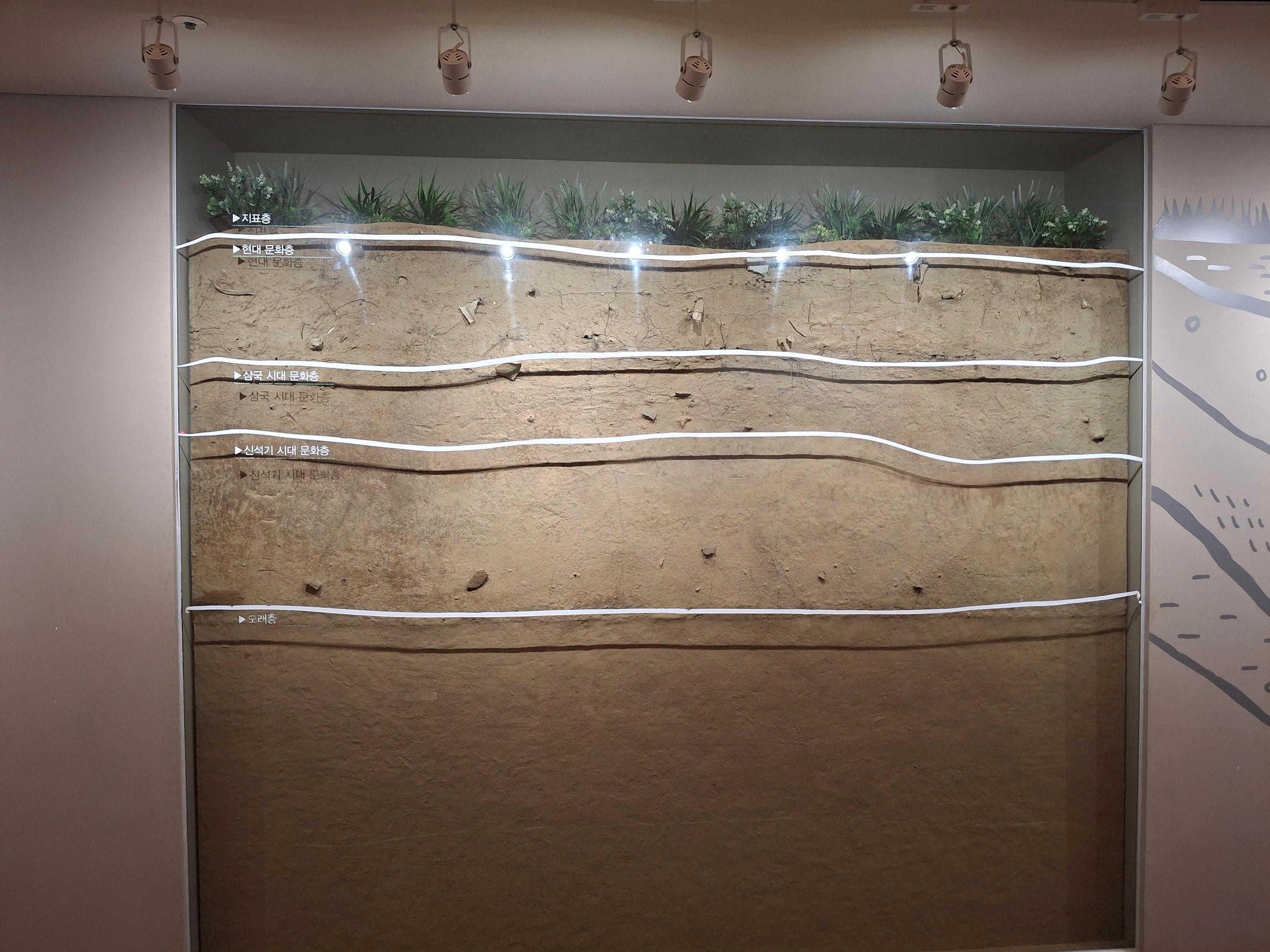
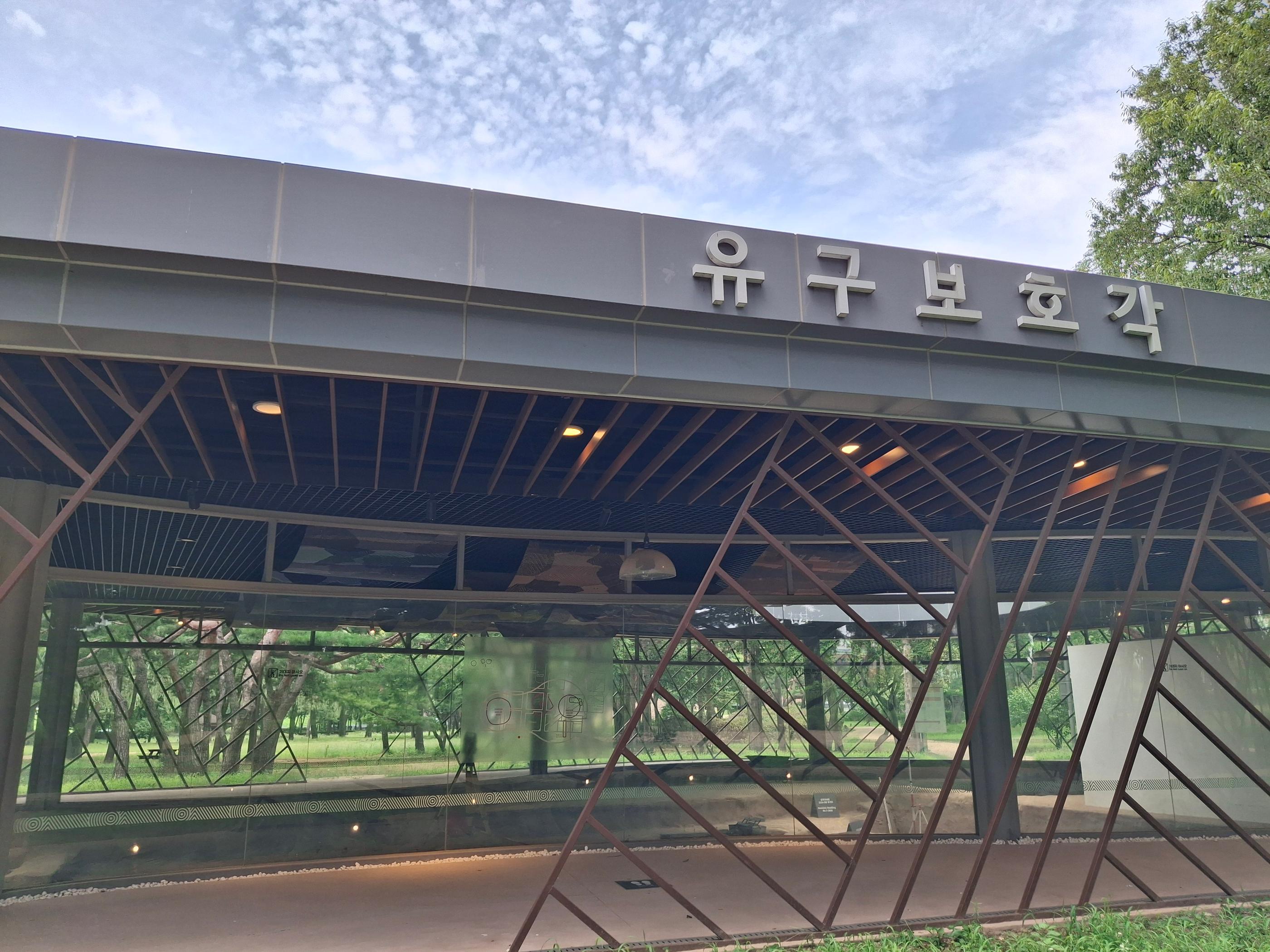
Next to the museum there is a covered pavilion where a small fragment of the actual excavations has been preserved.
I really enjoyed the park, it is a great place to take a quiet walk in the shade of the trees, enjoying the historical scenery and immersing yourself in history for a while.