



Unhyeongung - Joseon Dynasty palace in the center of Seoul
Olga
5 months ago
Royal palaces are one of the main attractions of Seoul, visited by both tourists and locals. But more than the luxurious royal palaces, I like a small palace in the center of Seoul, near Gyeongbokgung Palace. This is Unhyeongung Palace.
It was the place where Gojong, king of Joseon (1392-1897) and emperor of the Korean Empire (1897-1910), was born in, as well as the place where Heungseon Daewongun (1821-1898), his father, had resided in. Unhyeongung retains its historical importance as a base for Heungseon Daewongun's political activities during the modern Korean era.
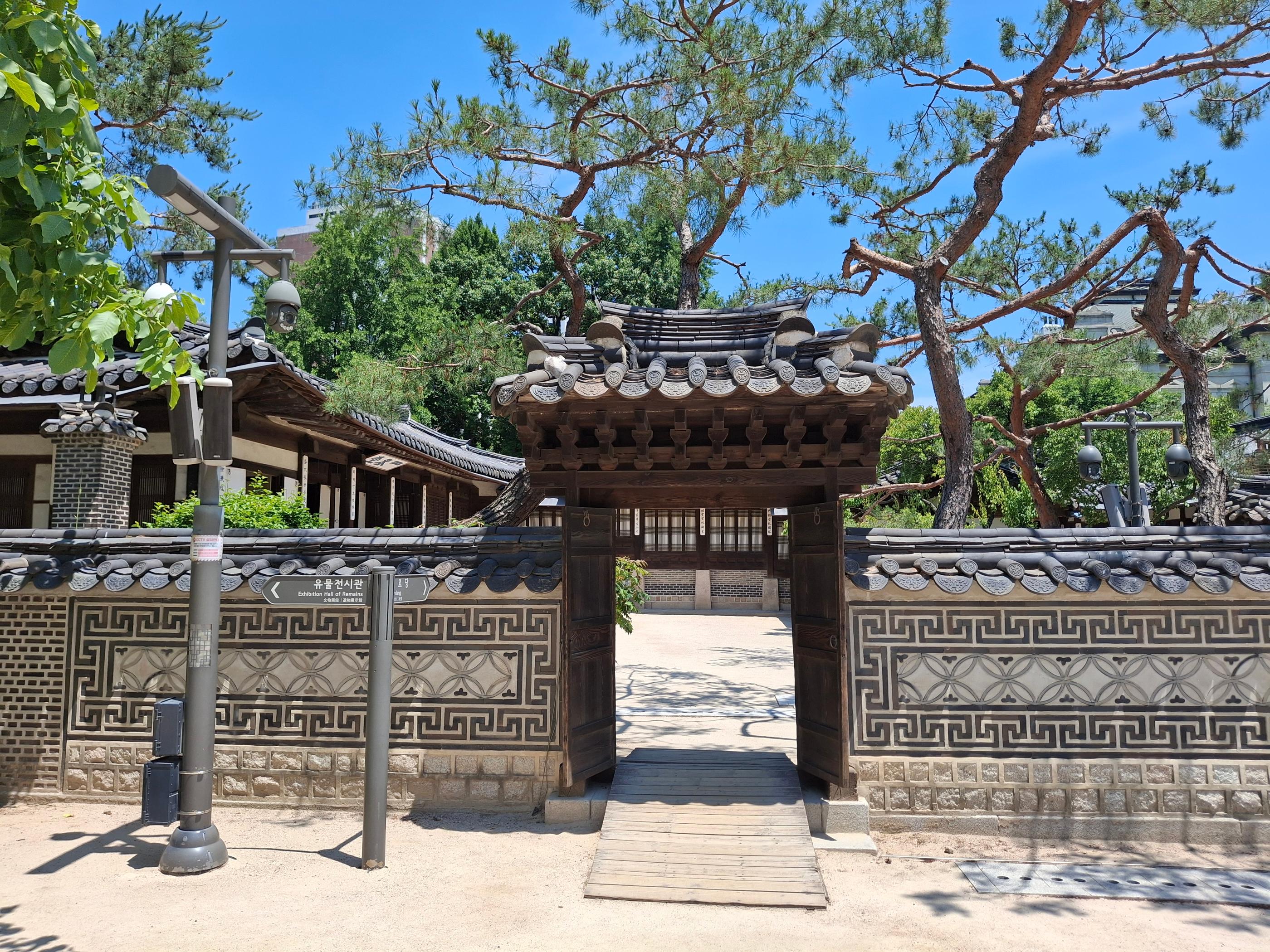
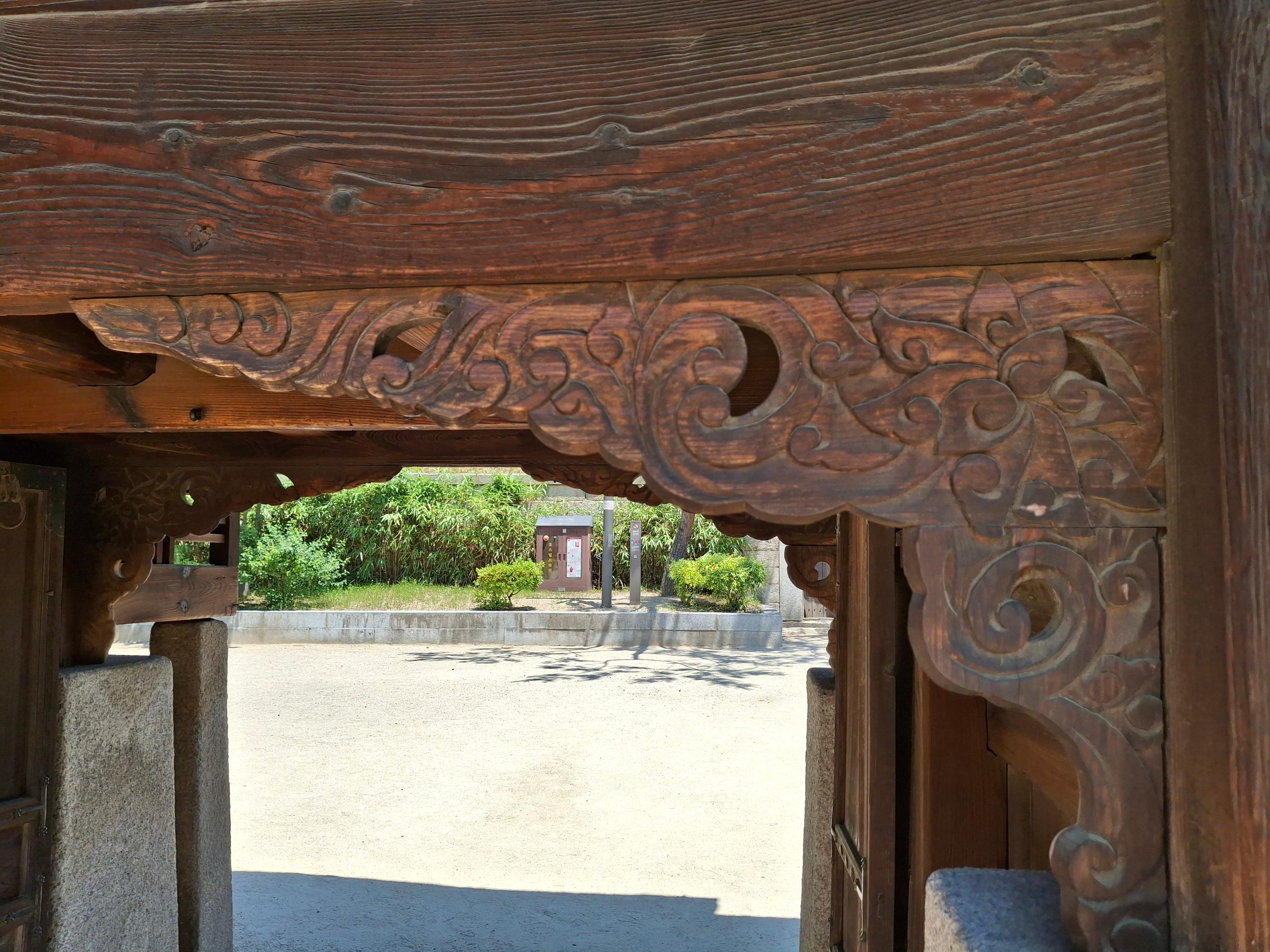
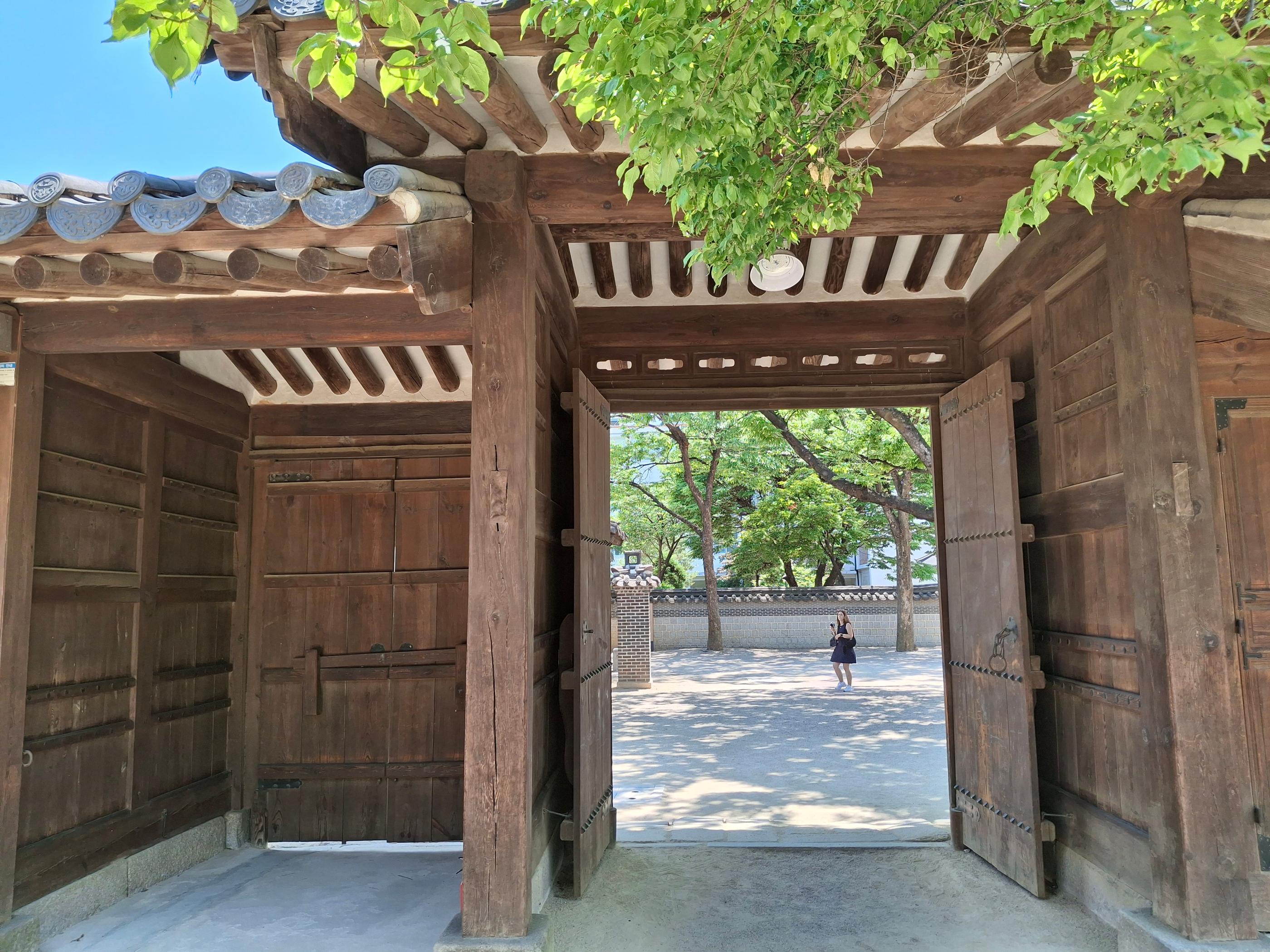
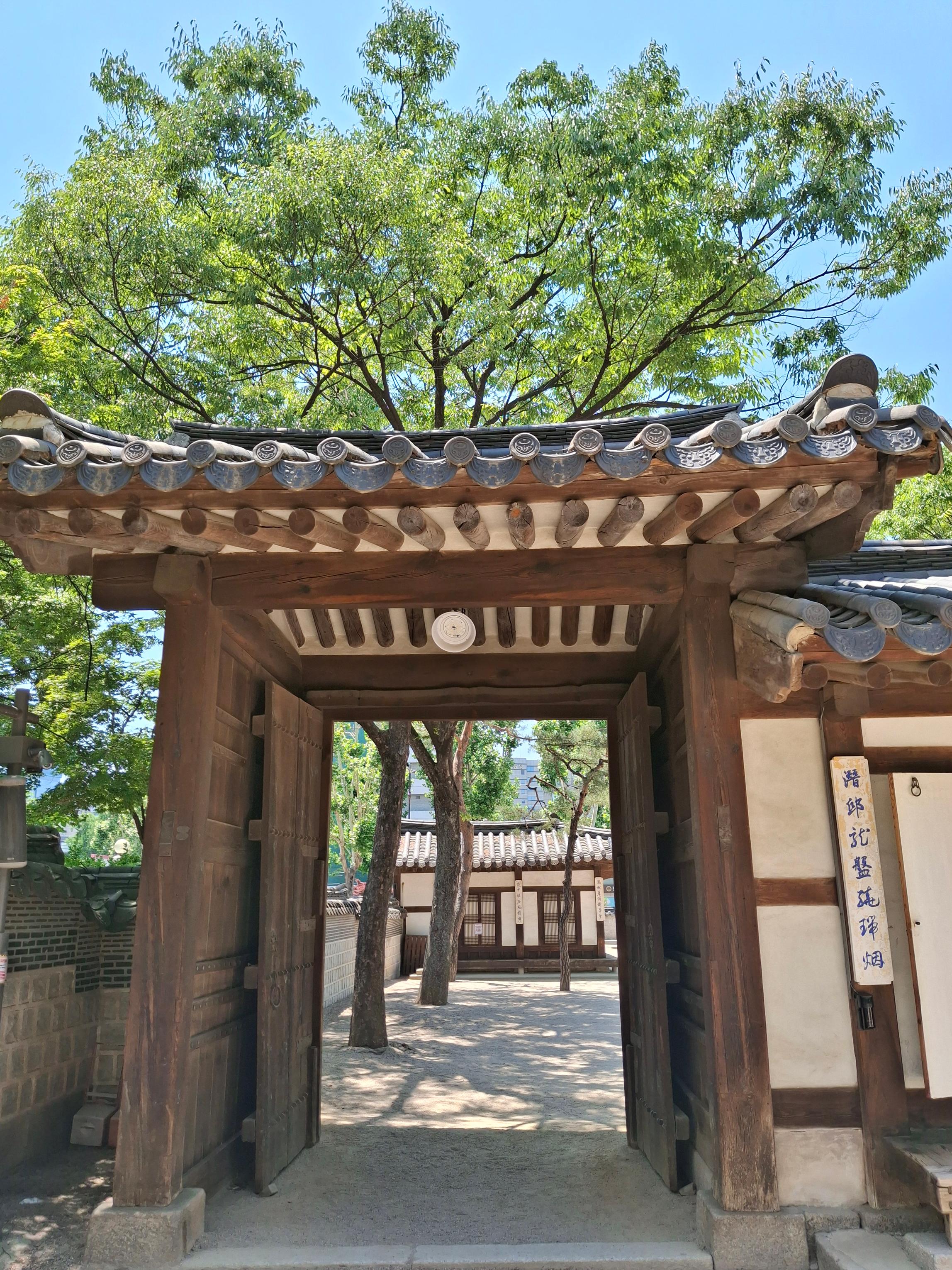
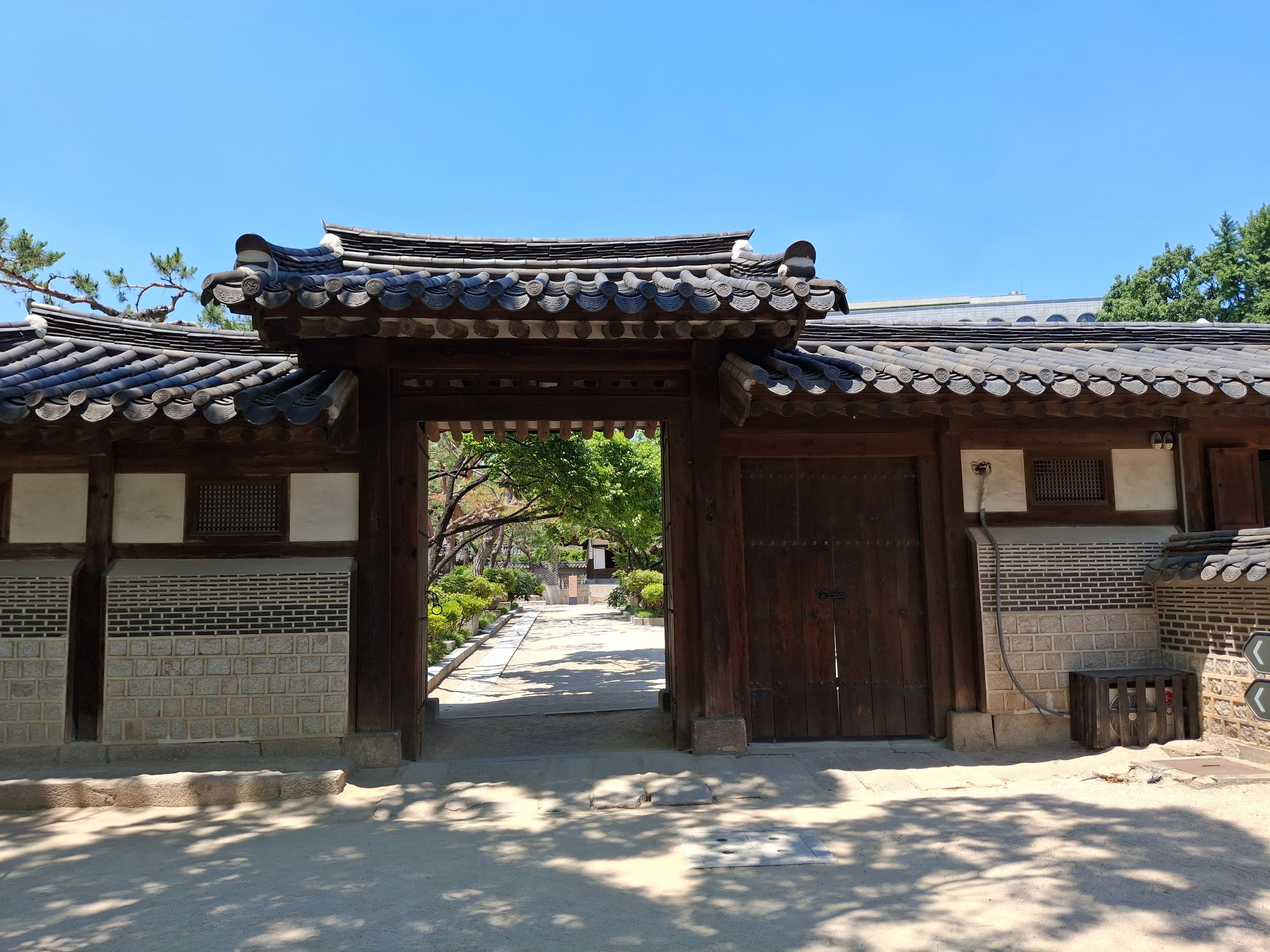
The palace is a classic Joseon style palace in its structure. It is surrounded on all sides by a stone fence, and the entrance to the grounds is through a traditional gate.
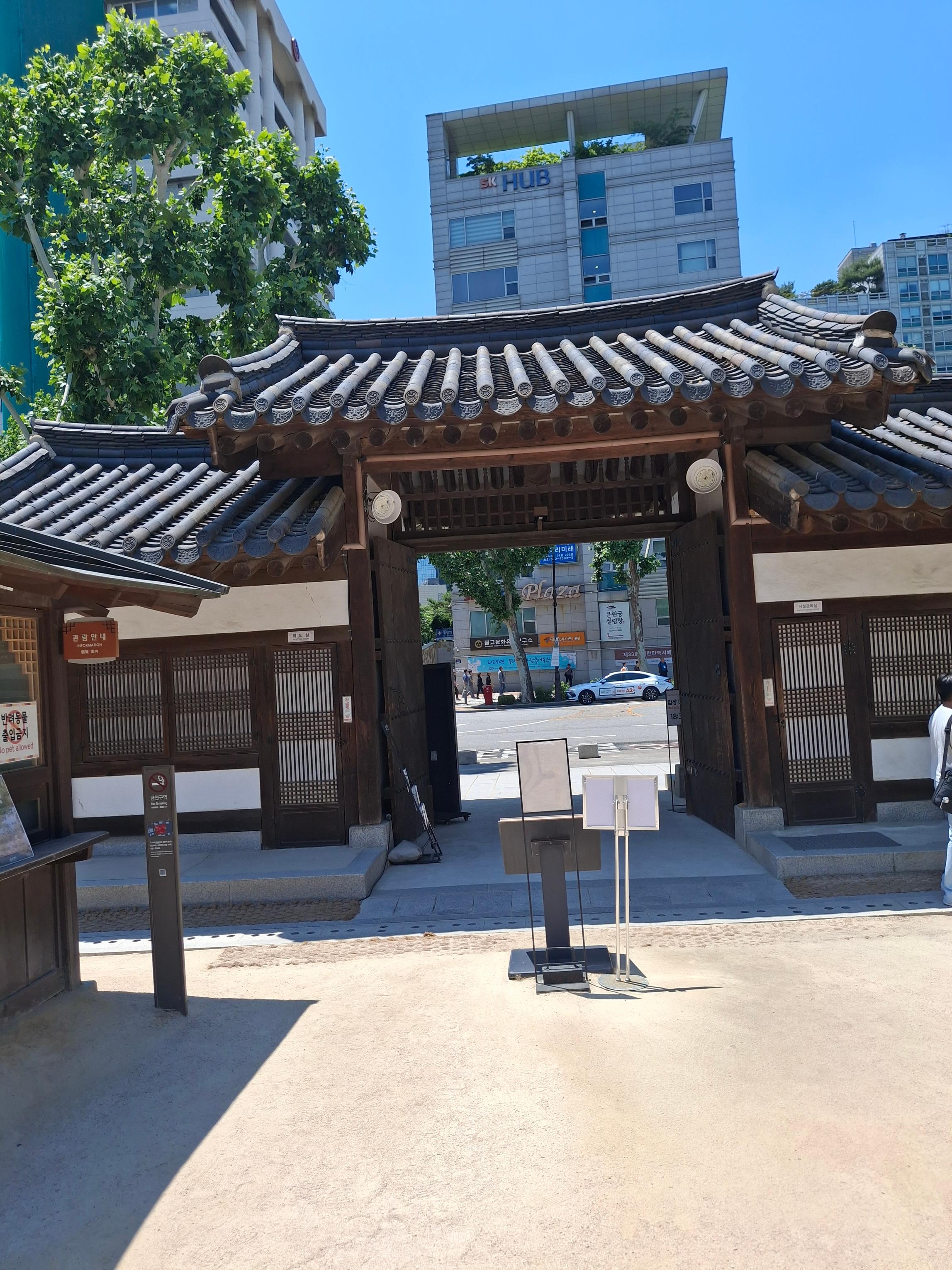
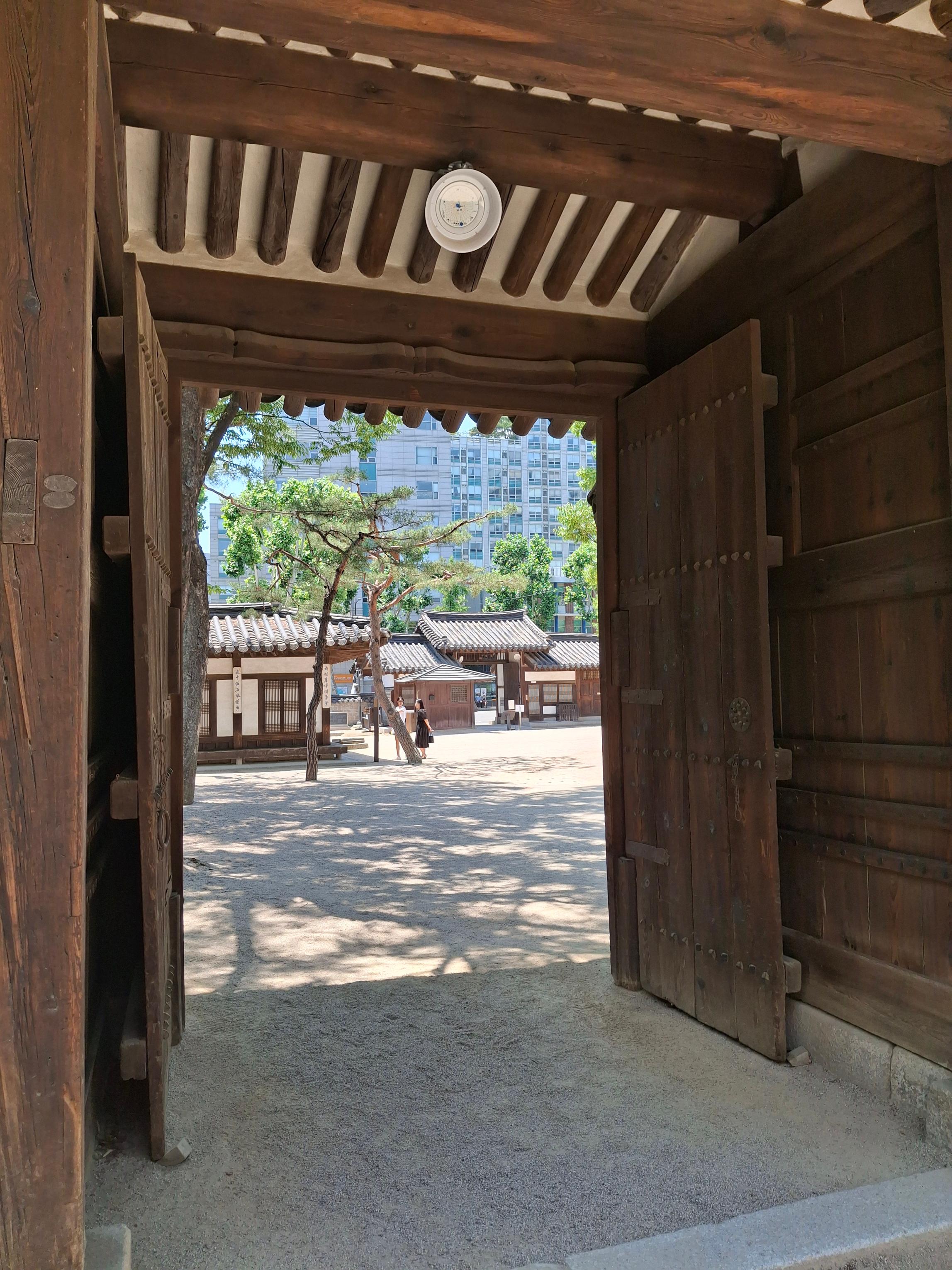
Once you pass through the gate, you find yourself in a large courtyard.
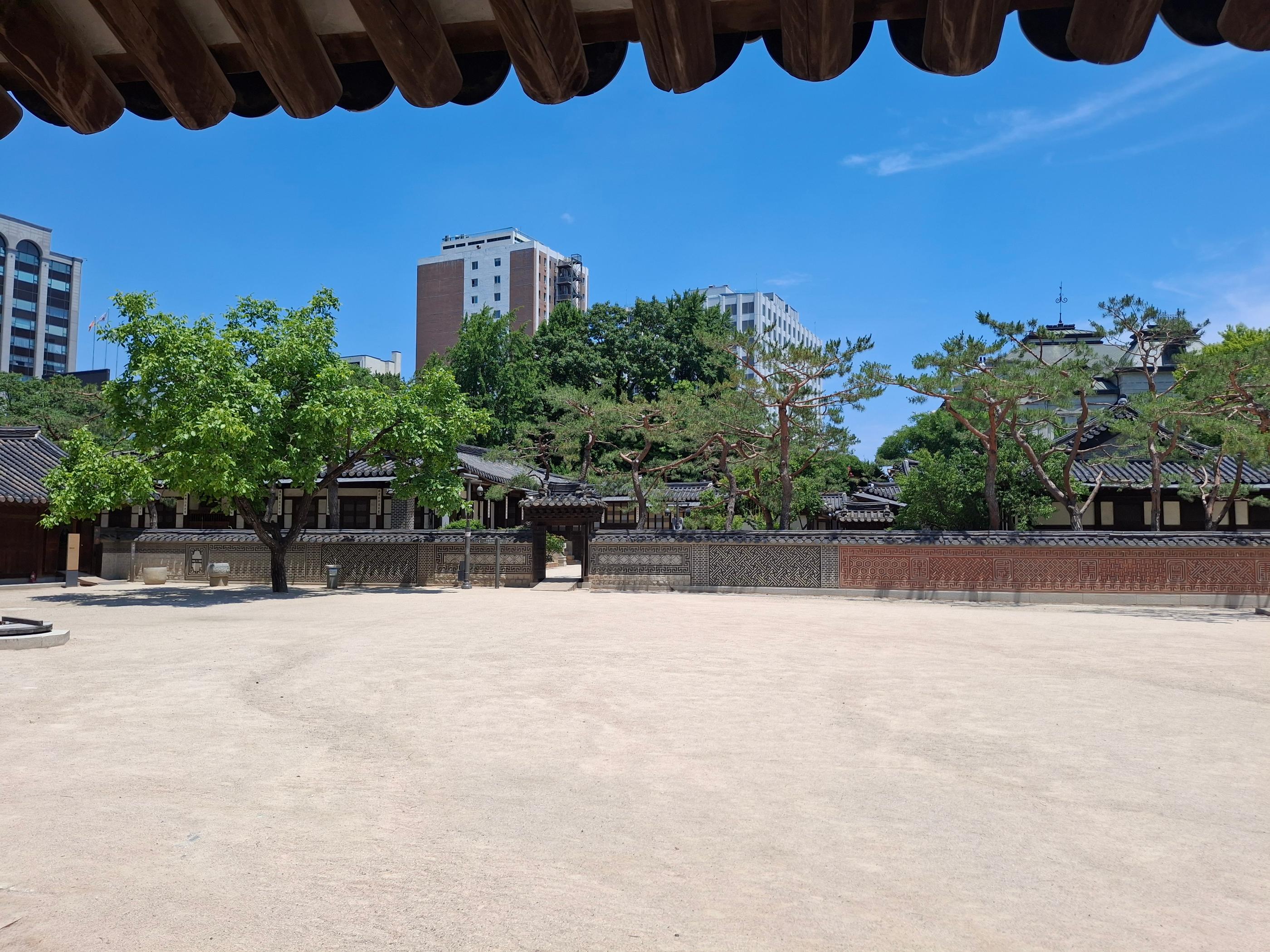
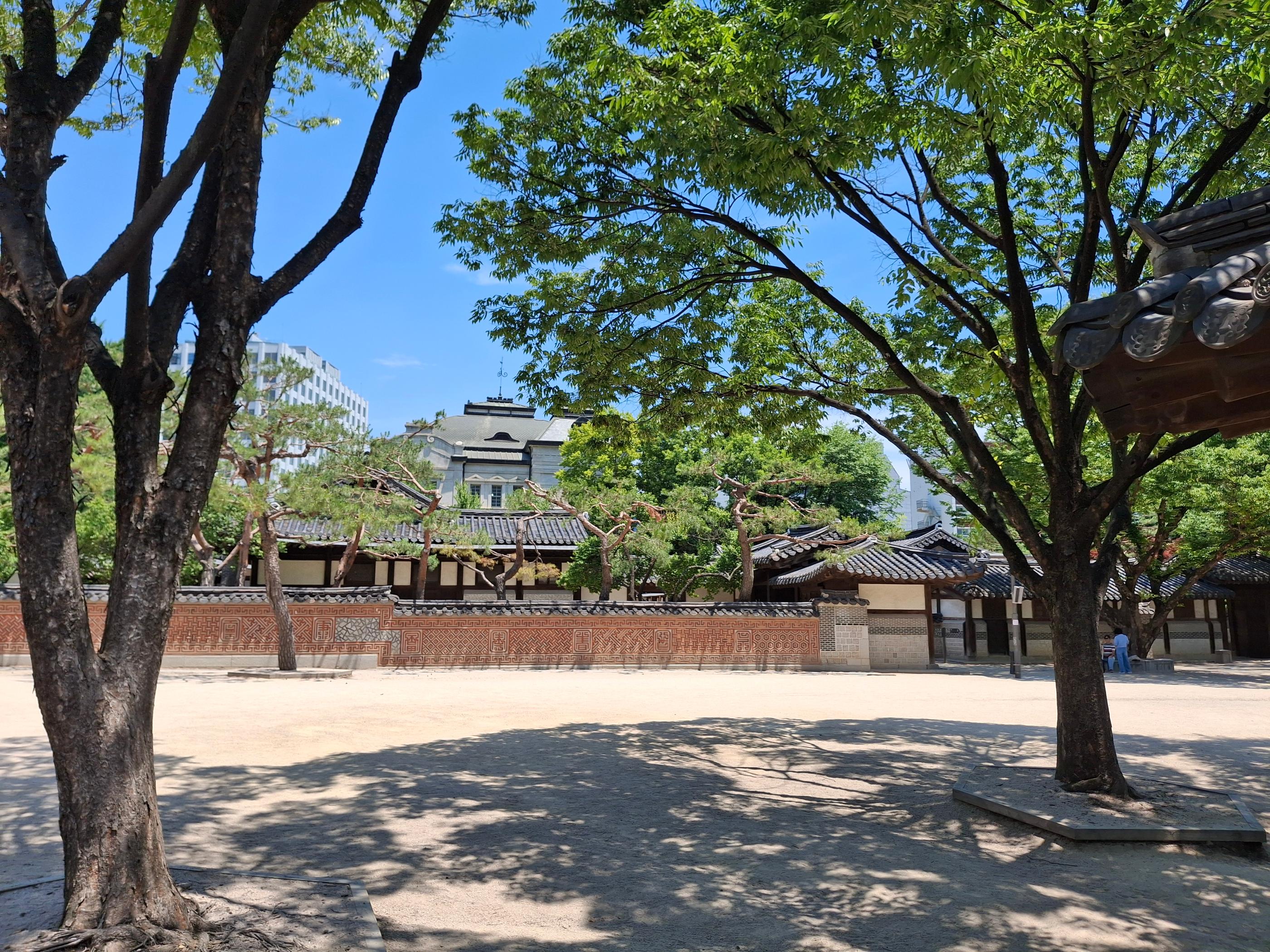
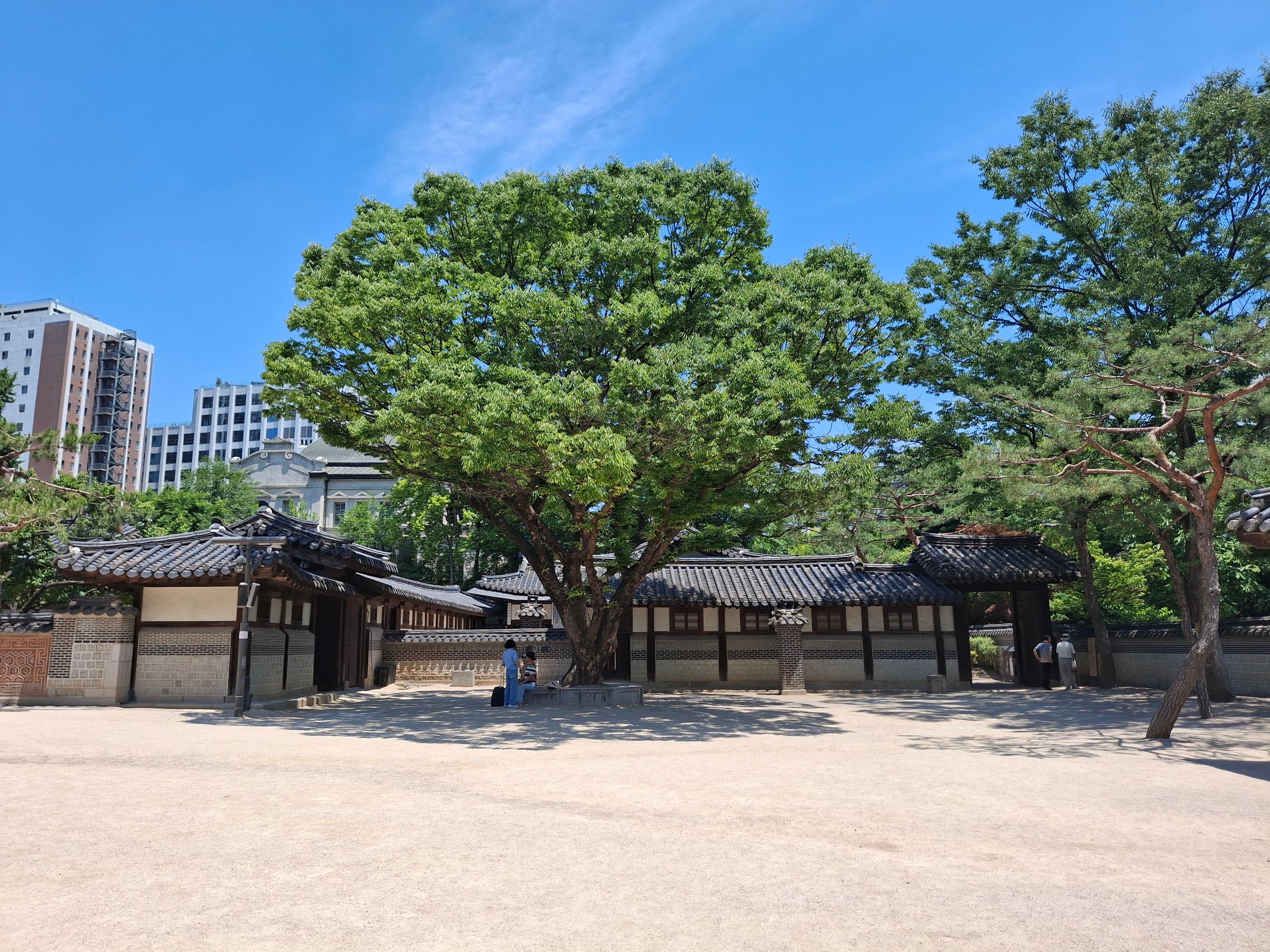
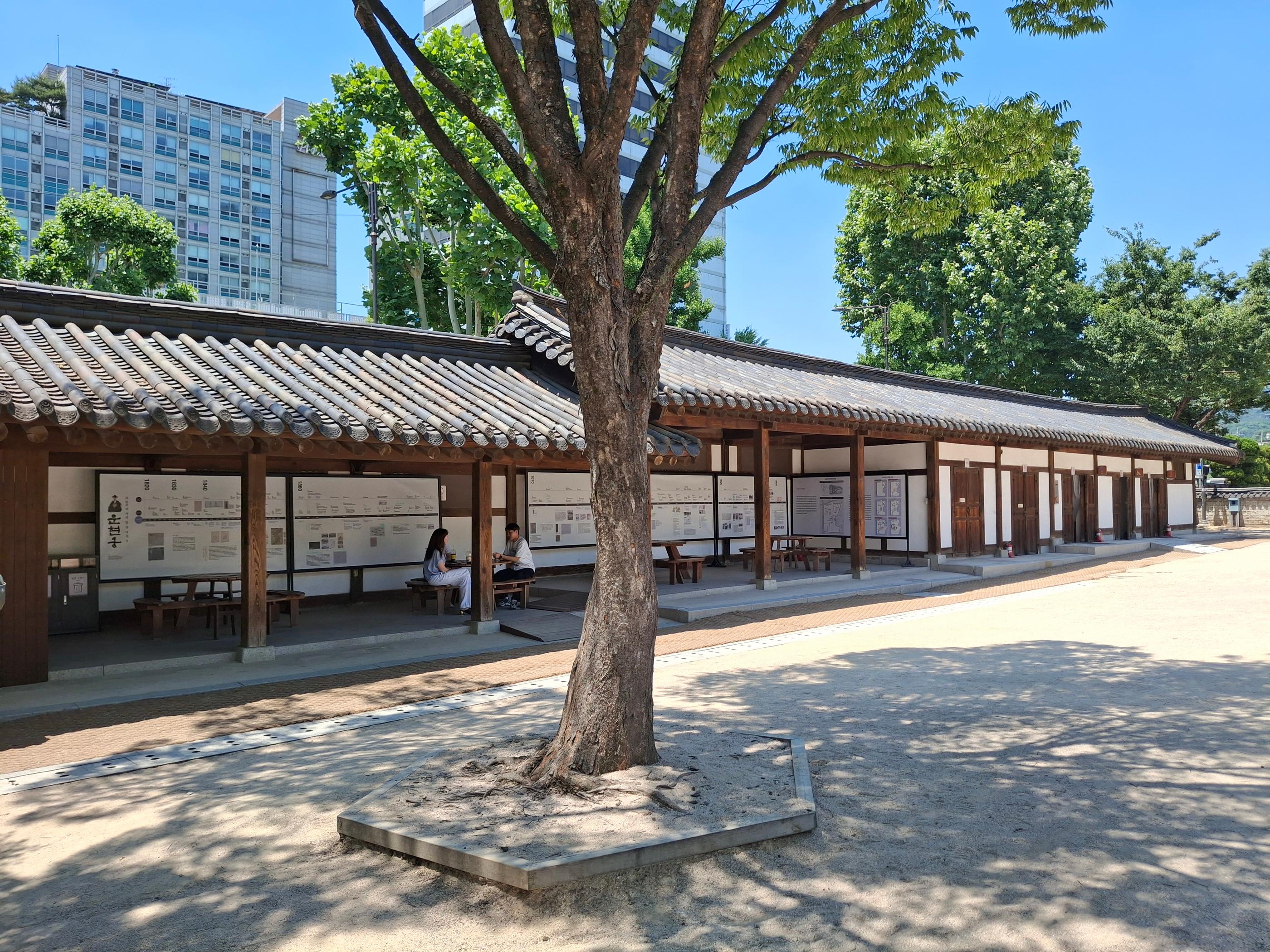
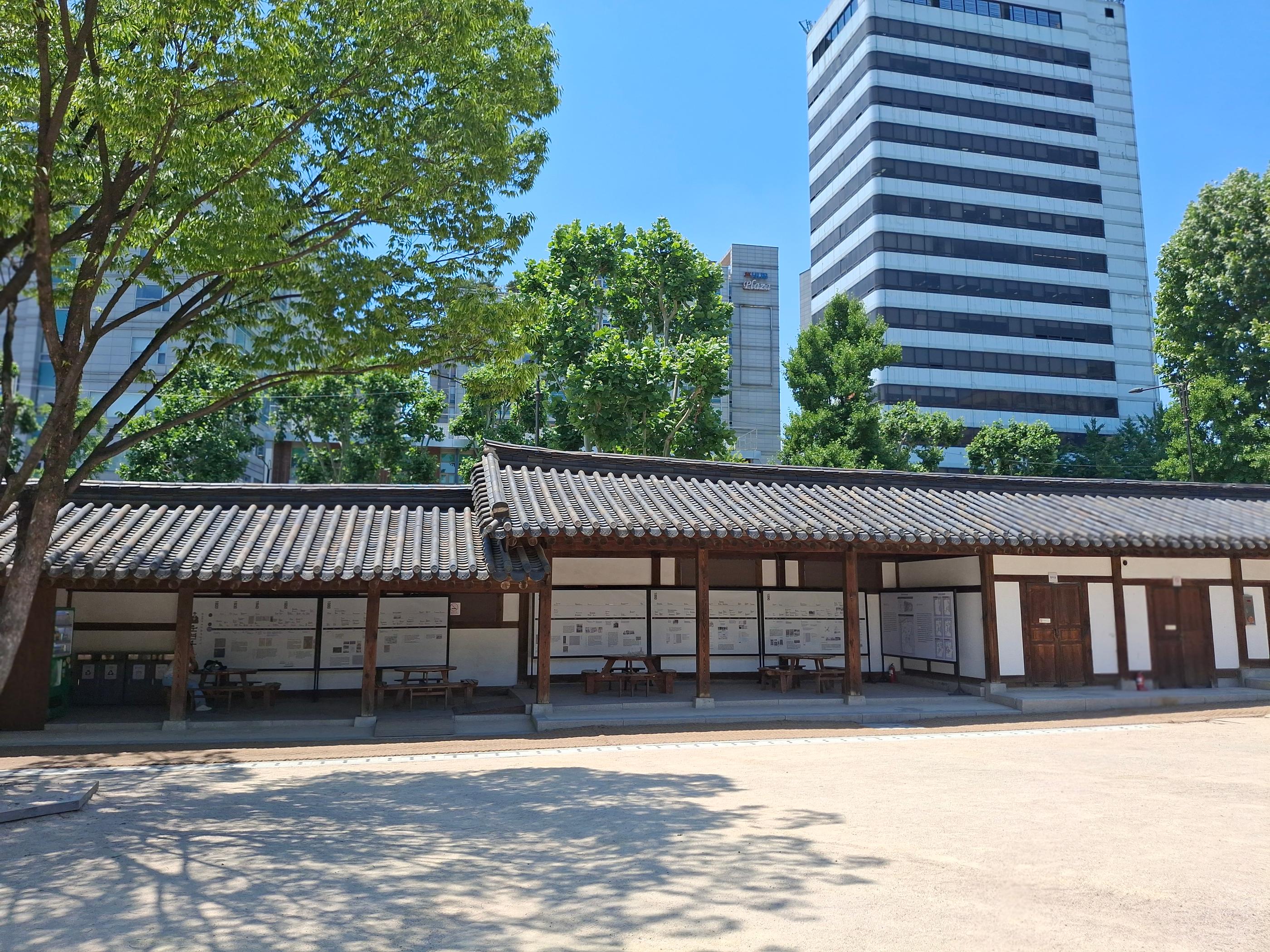
This palace is usually not very crowded. There are tables and benches in the shade right in the courtyard, a vending machine for drinks. You can have a great time away from the noisy crowds, enjoying drinks and views of the palace.
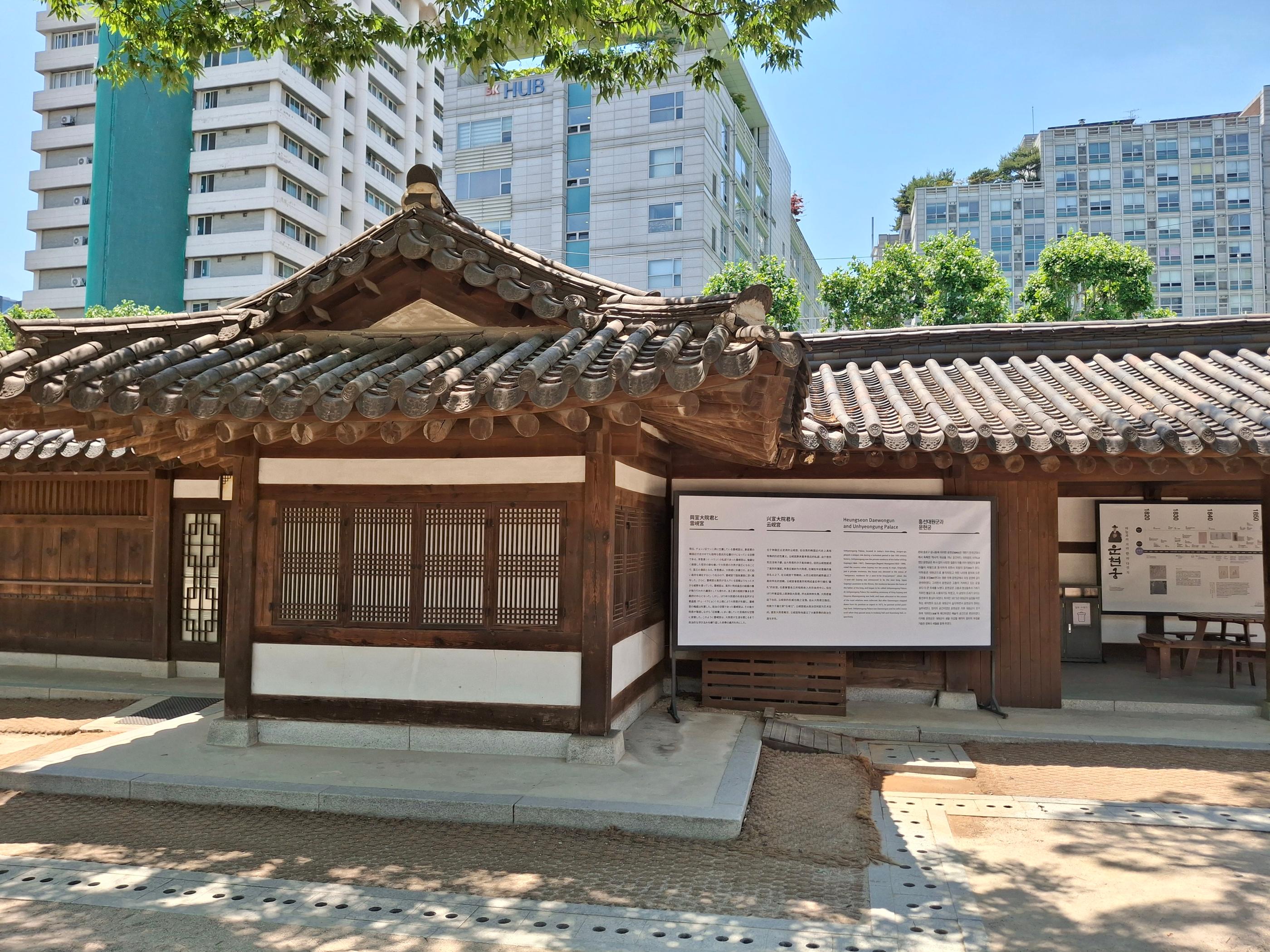
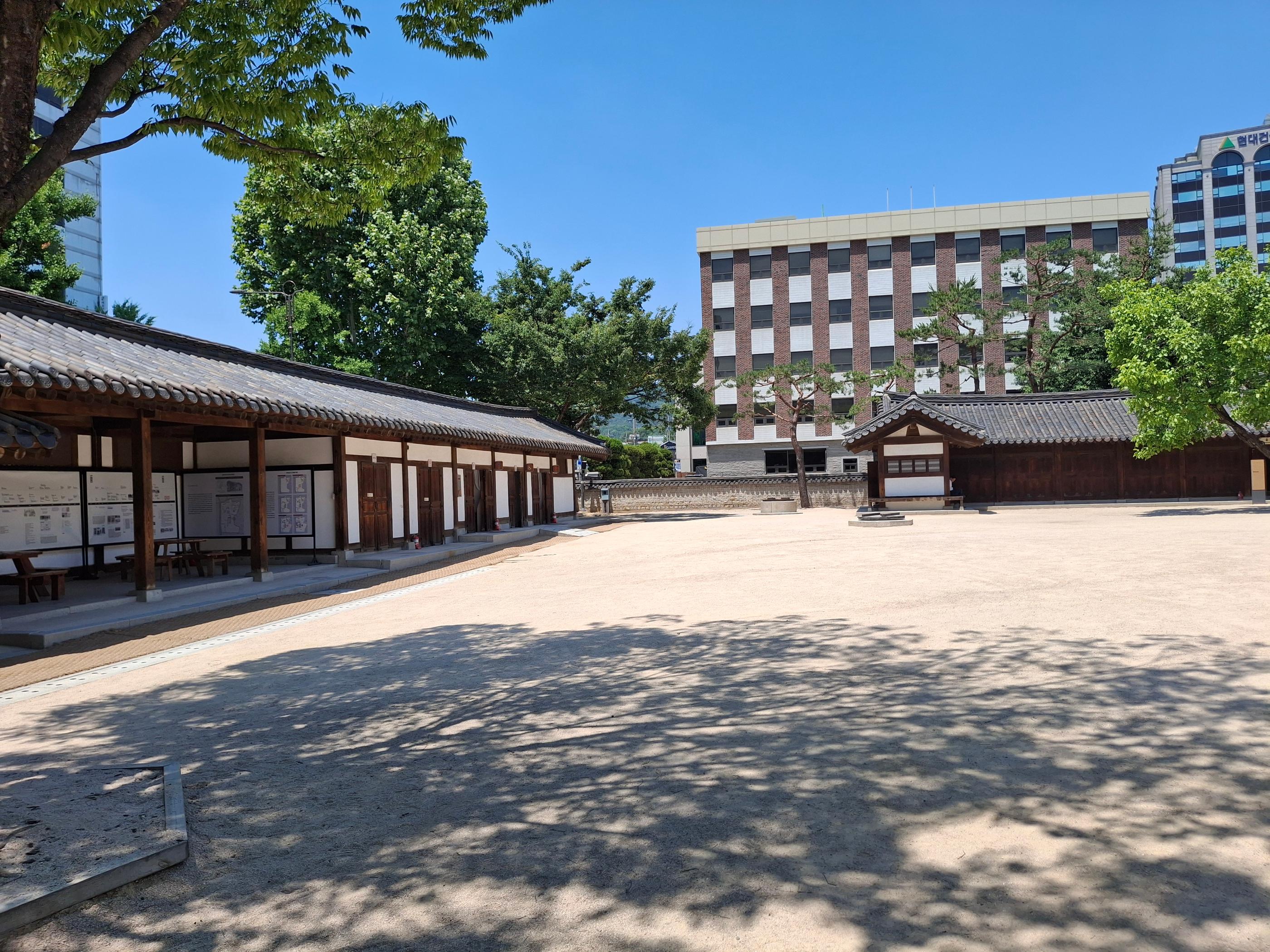
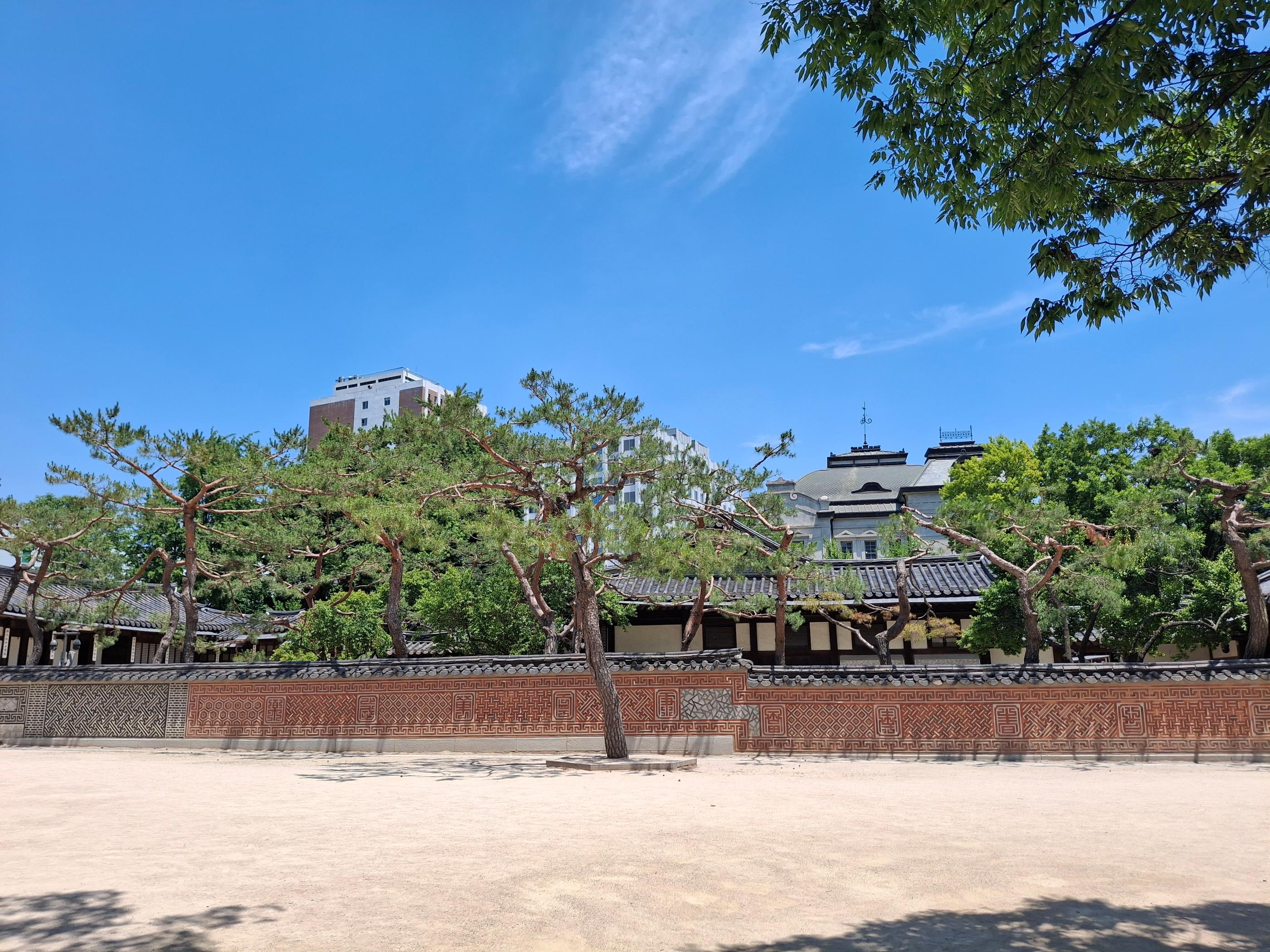
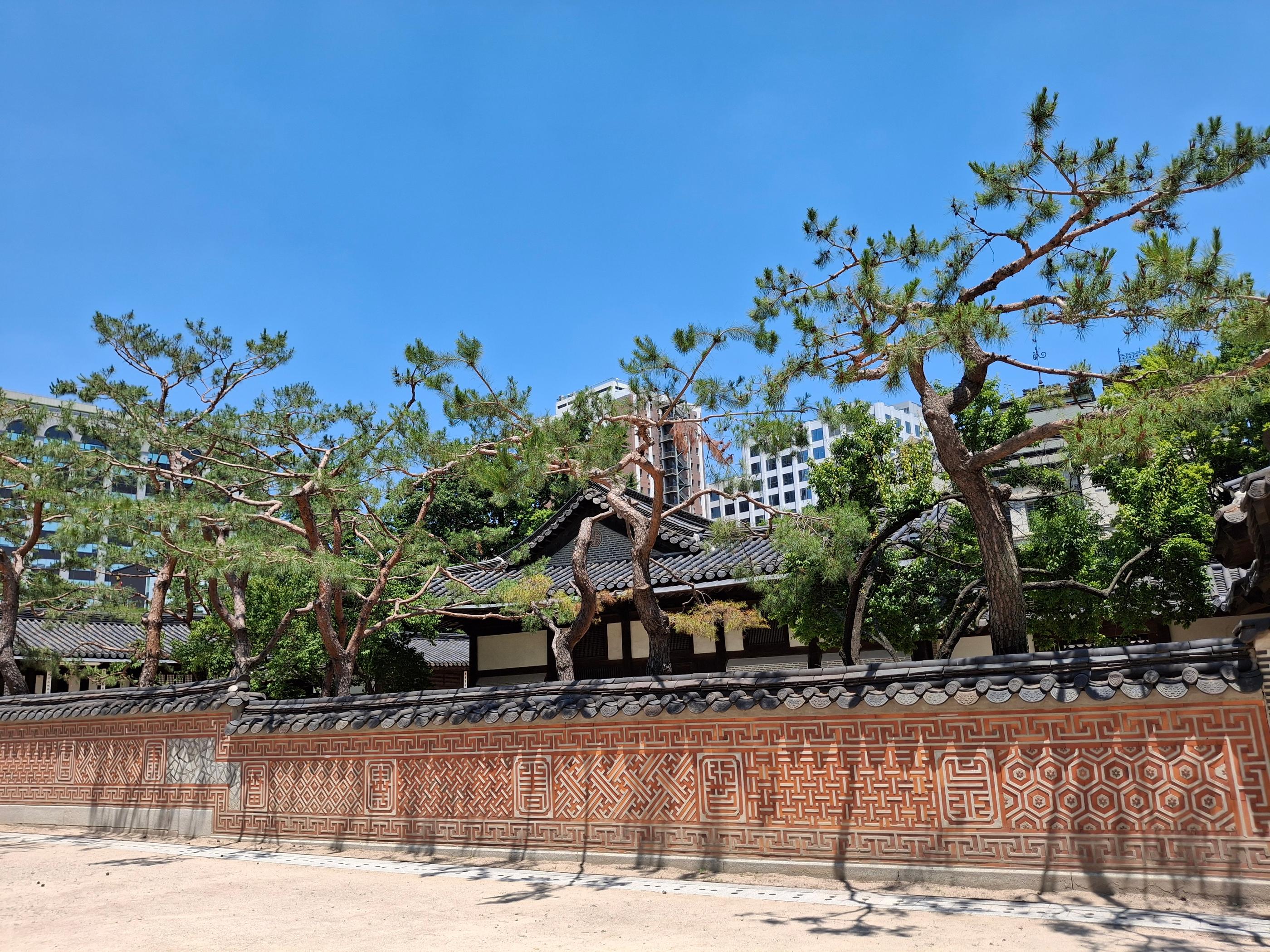
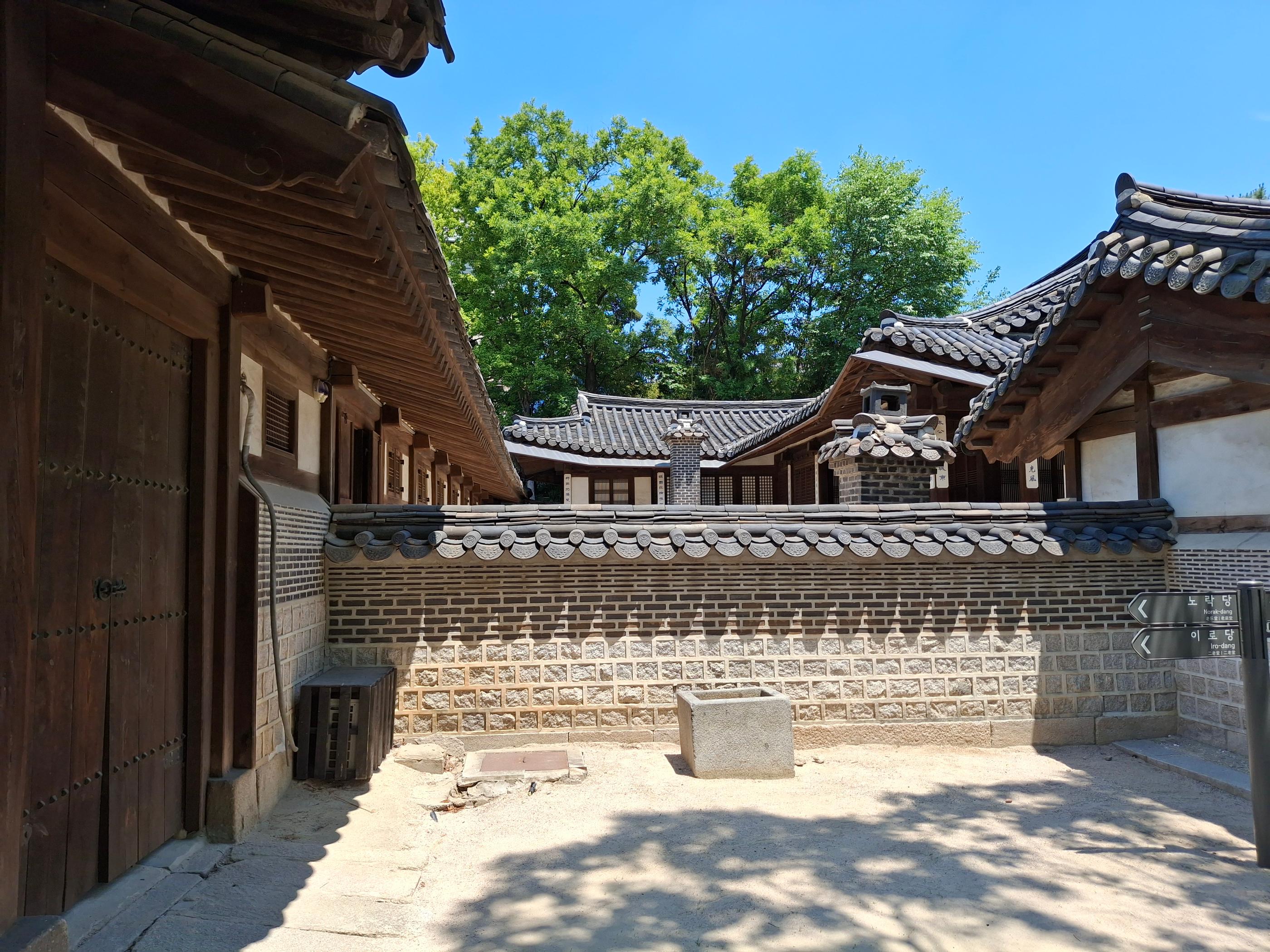
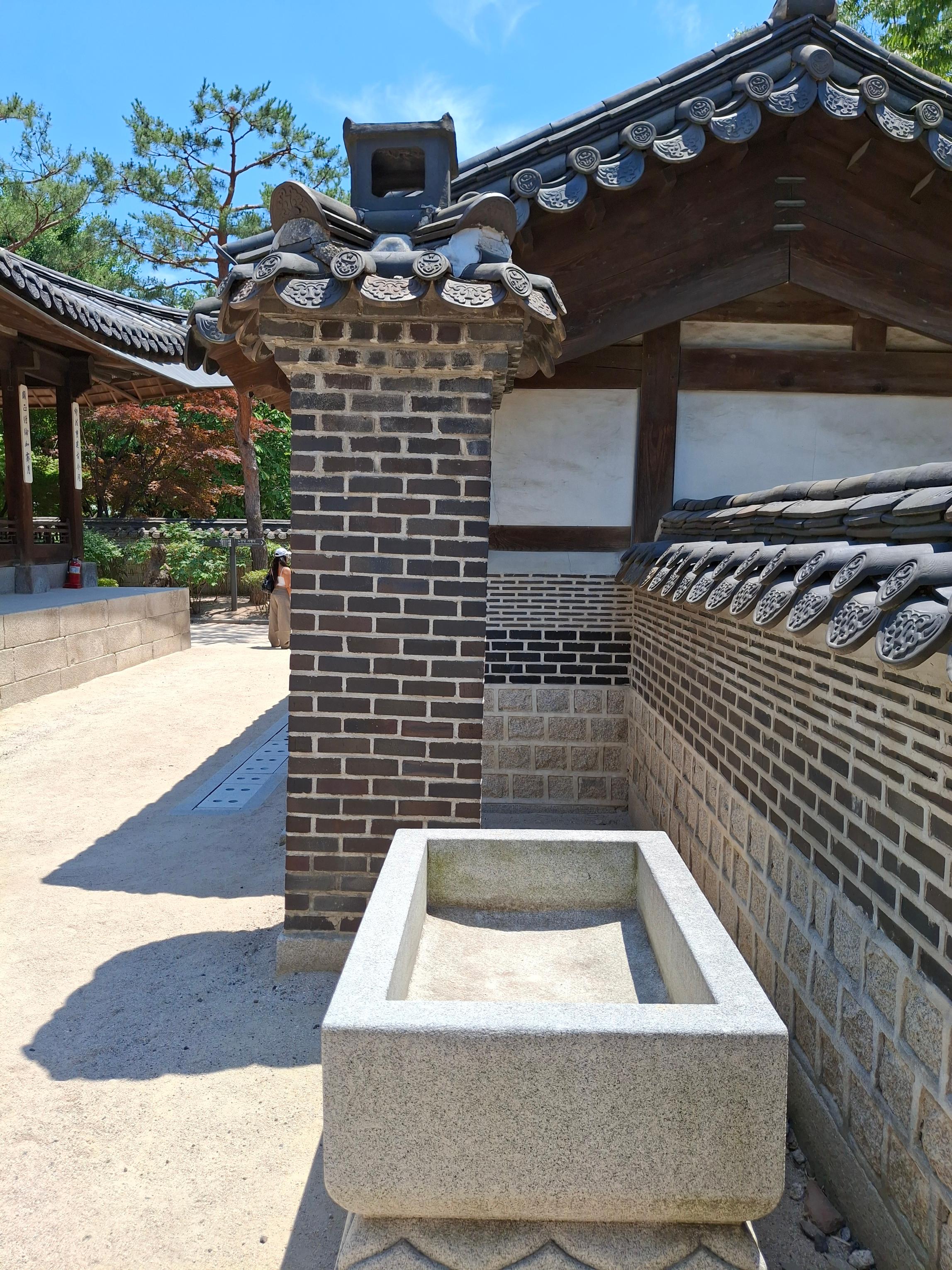
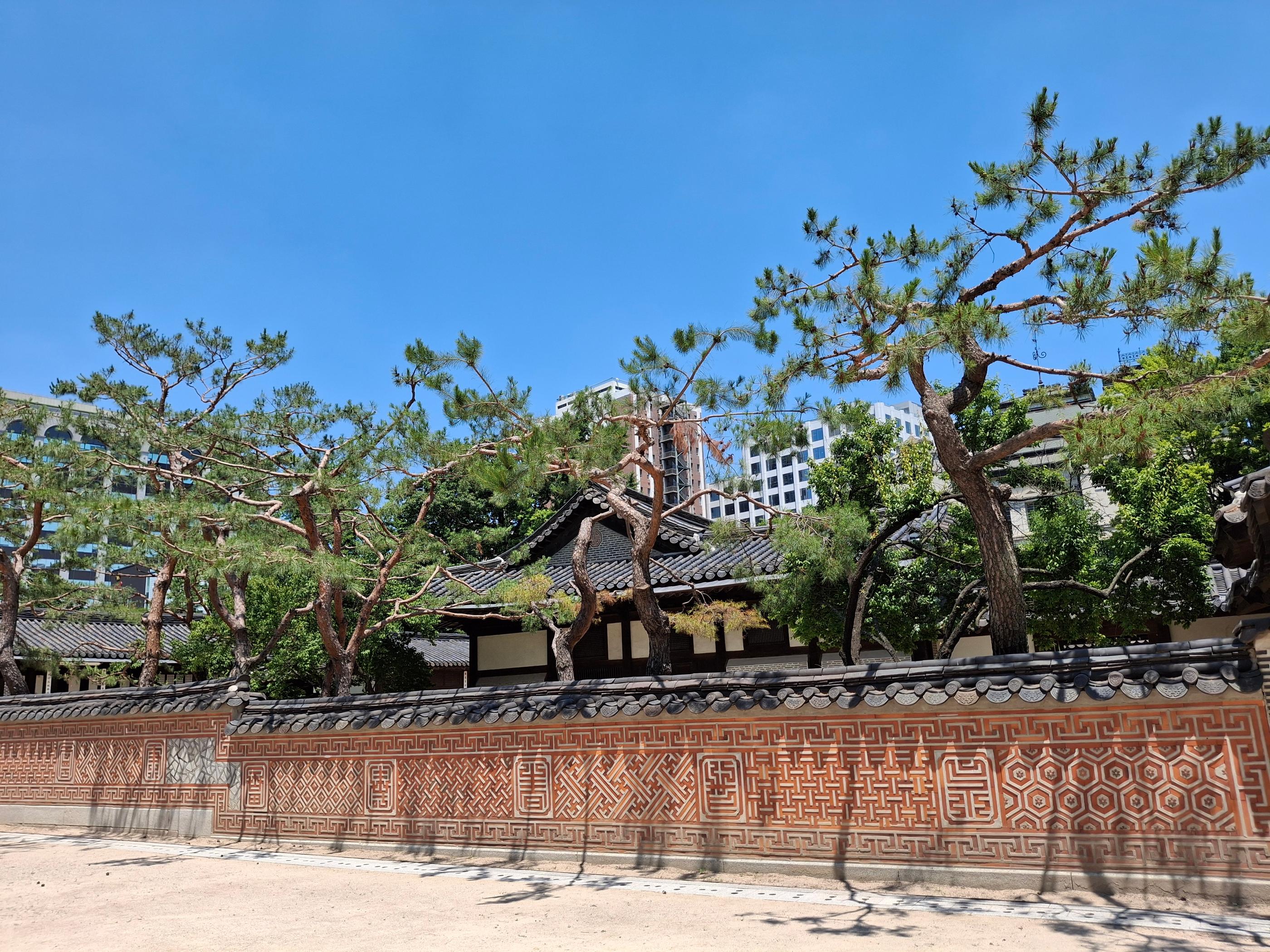
All living quarters are separated by a separate fence. The fence is a real work of art with patterns made of small red tile.
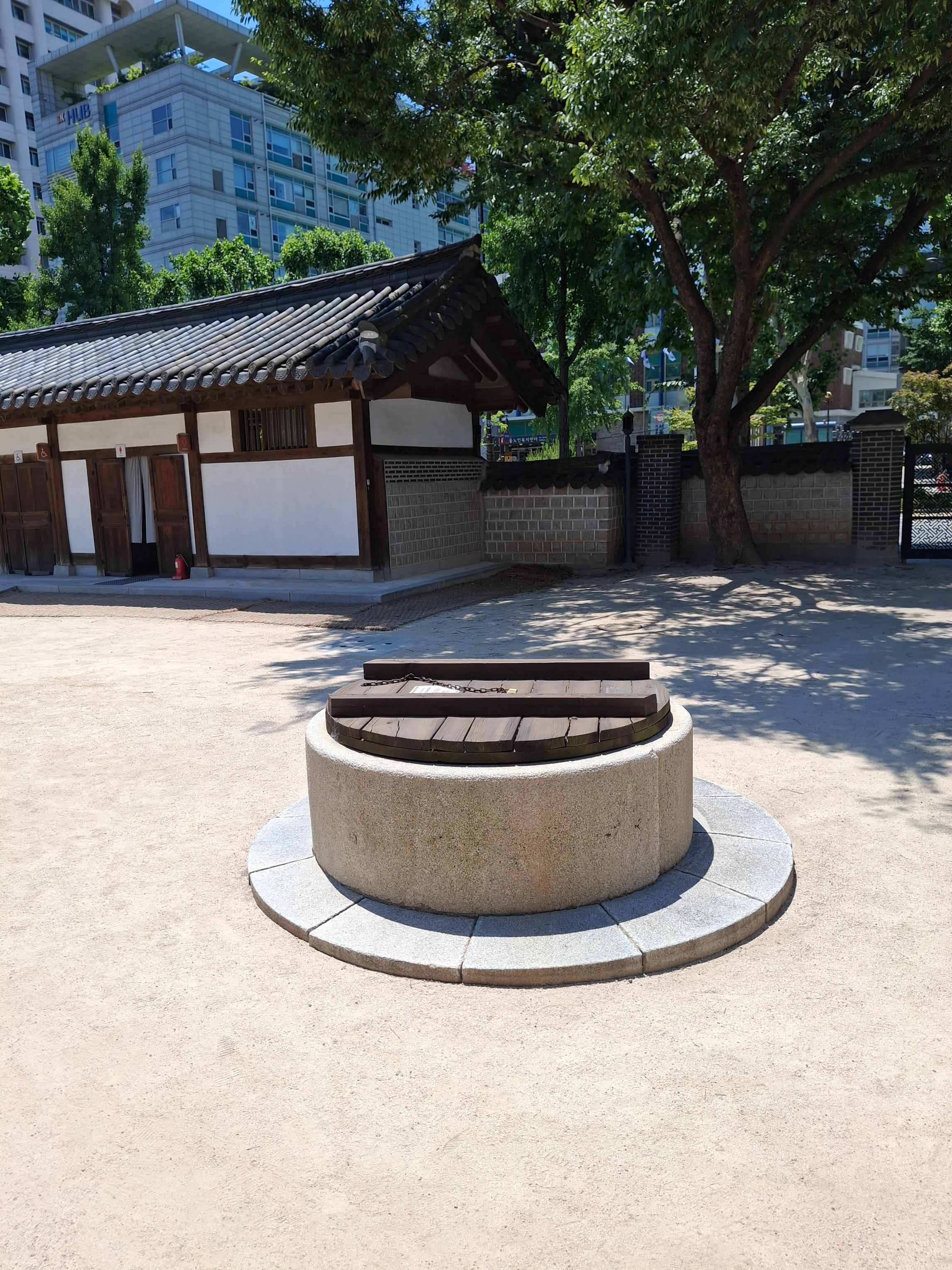
Scattered throughout the palace grounds are wells from which the inhabitants drew water. They are now covered with a lid, and it is not known whether they are still in use.
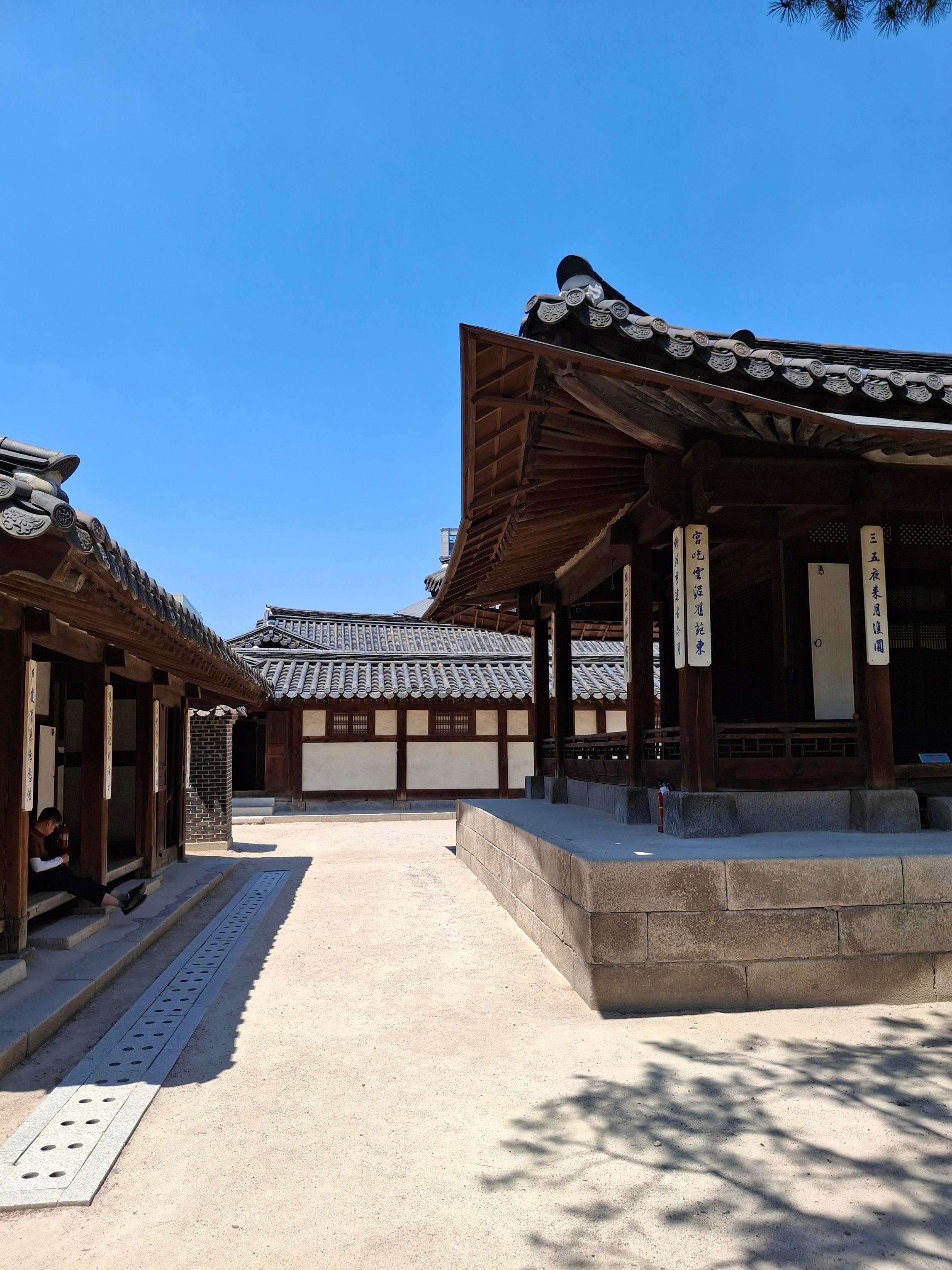
The palace consists of a large courtyard with outbuildings and living quarters separated by a wall.
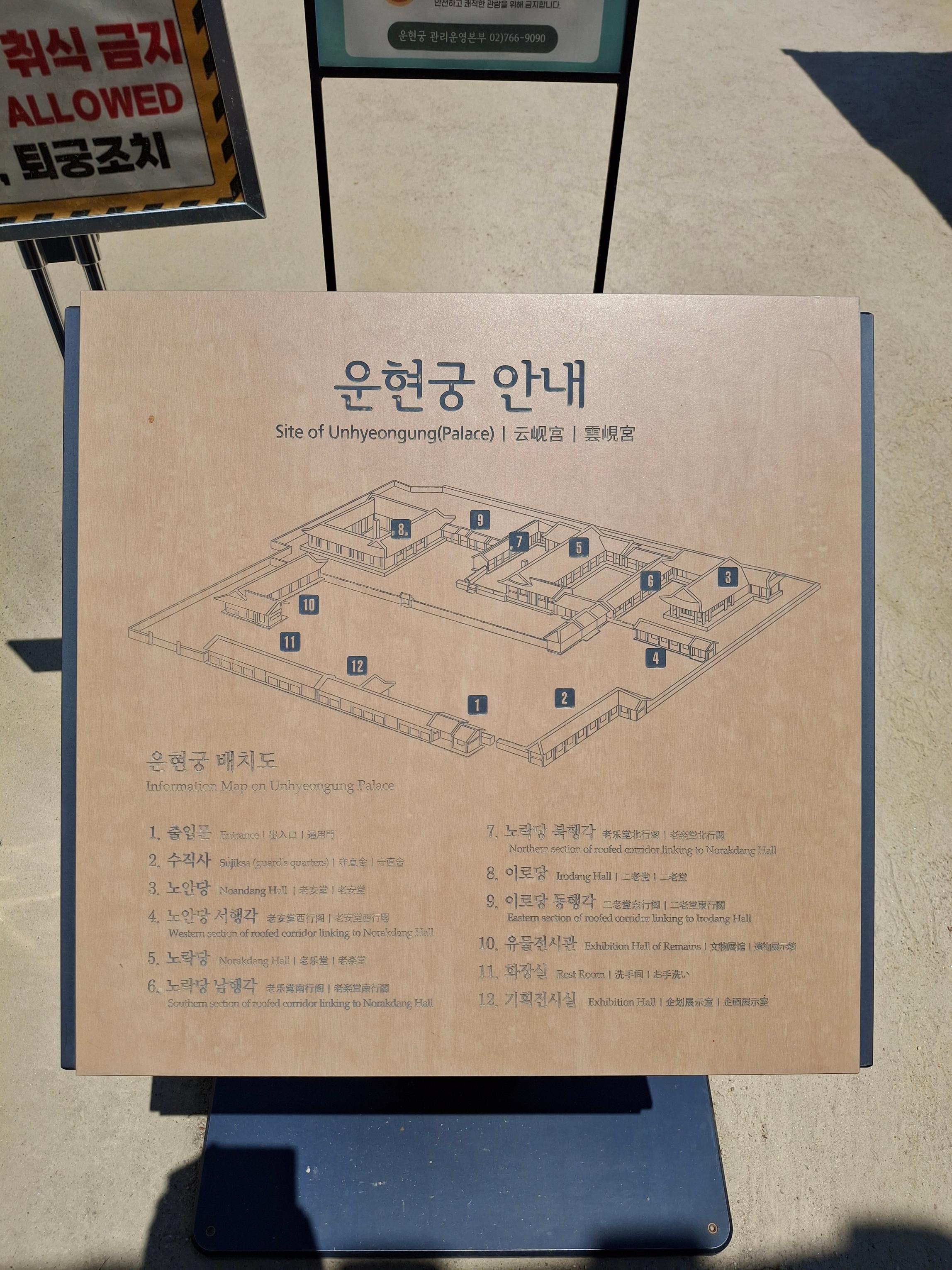
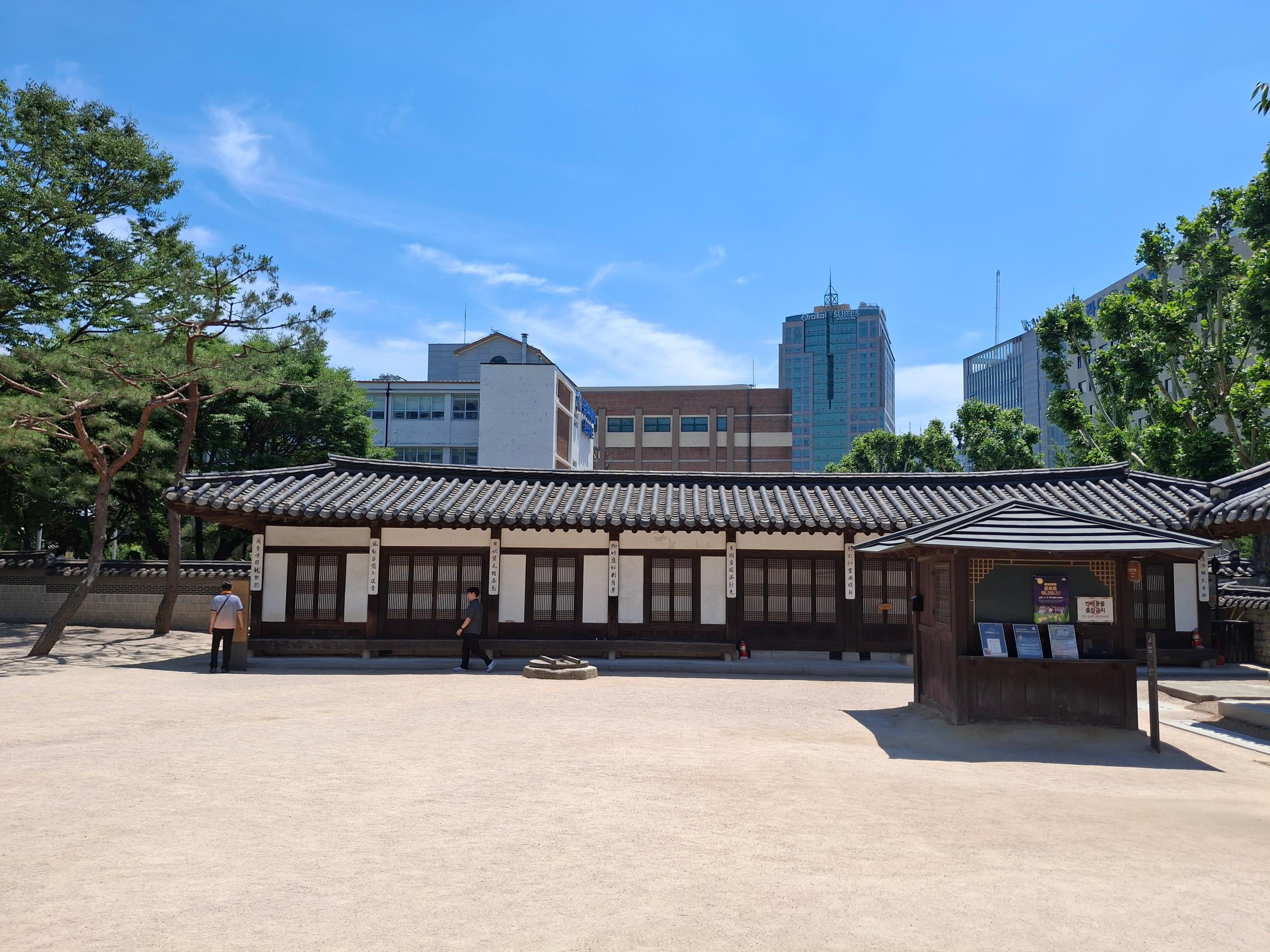
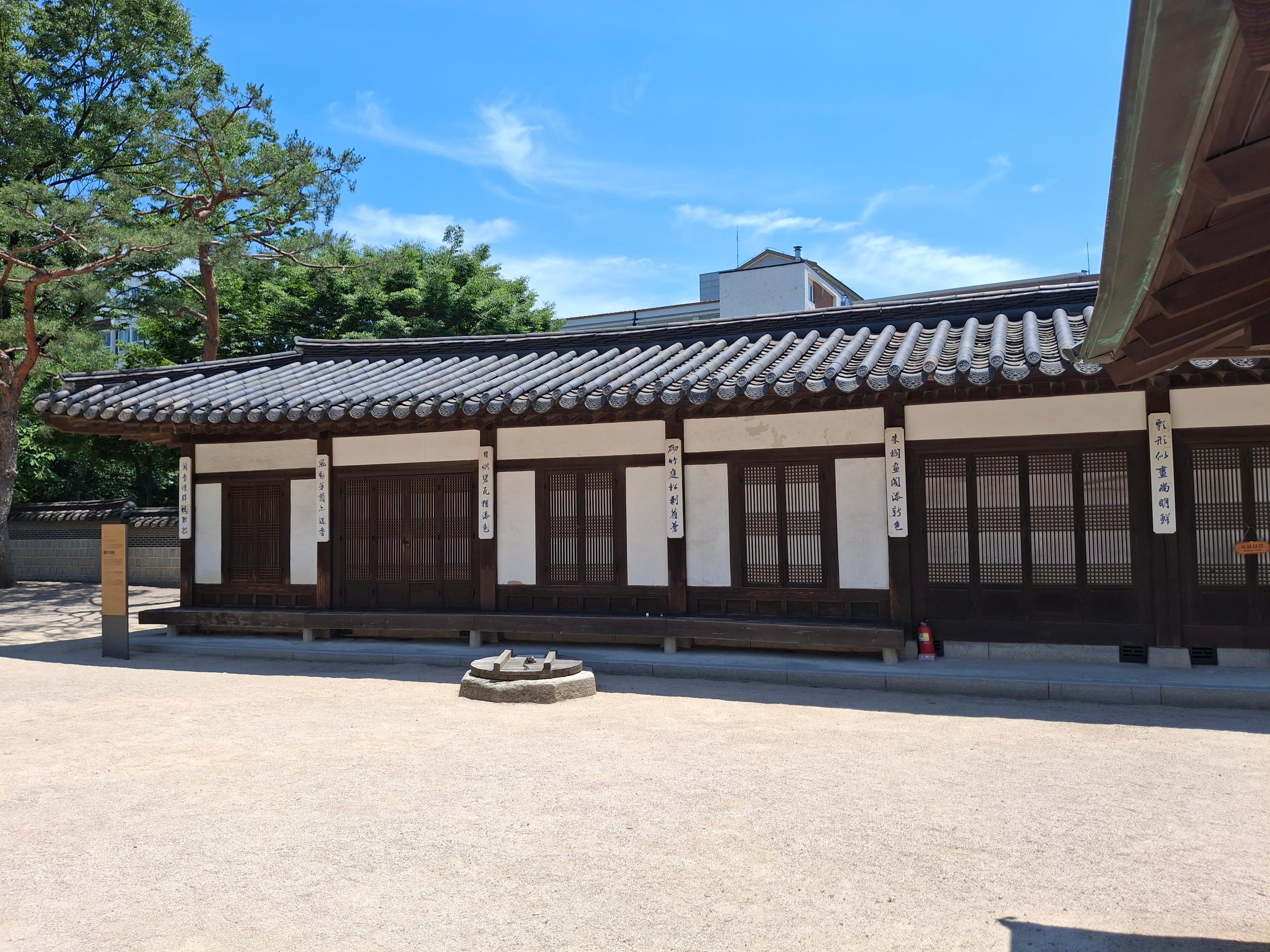
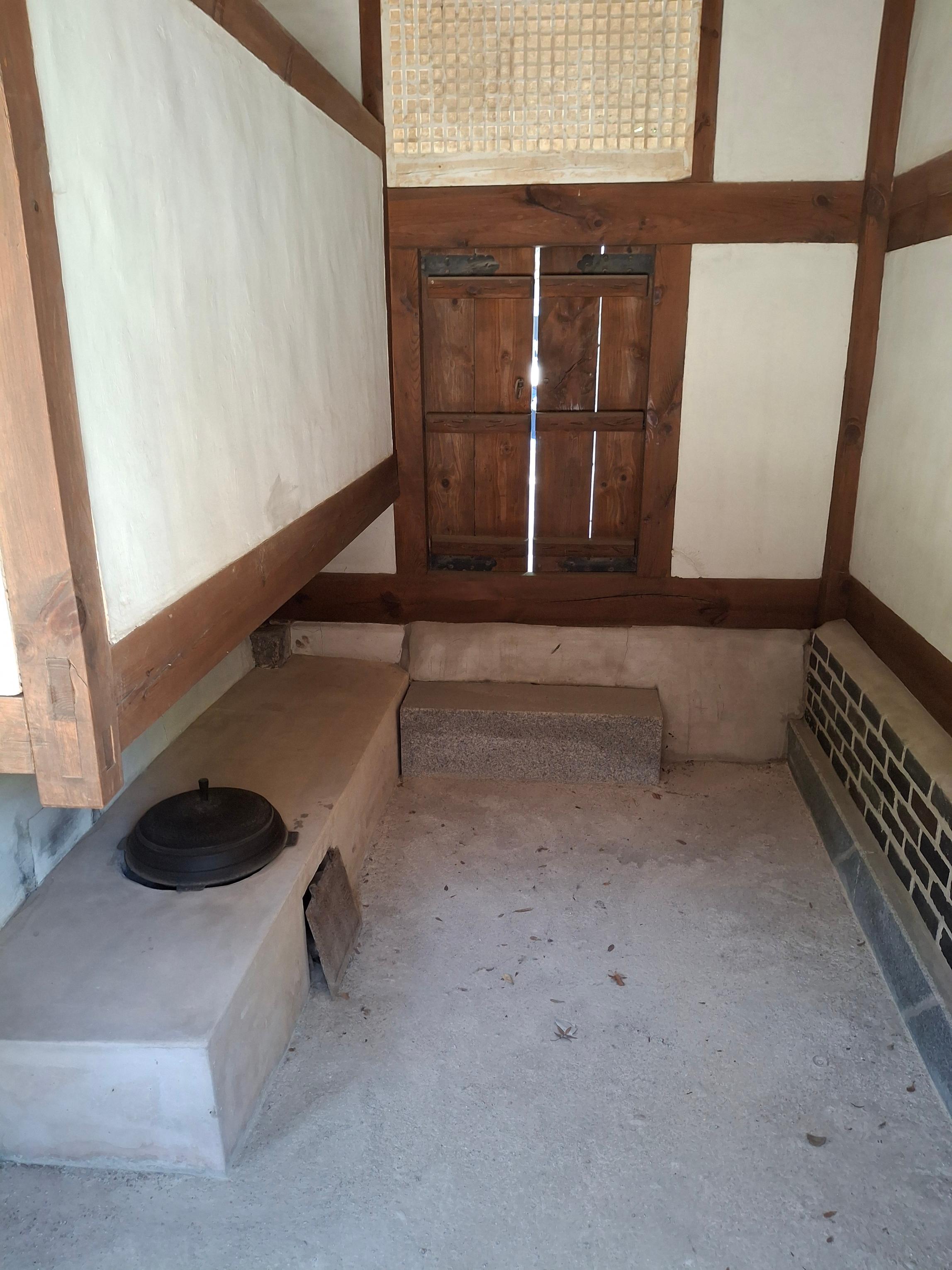
On the right side of the main gate is located Sujiksan, which was the residence of security and building managers of Unhyeongung. As Heungseondaewongu’s power became greater, his security became a necessity and security soldiers were dispatched from the royal palace. Currently, visitors can view artifacts from daily life utilities such as a furnace, furniture and lamps inside Sujiksa.
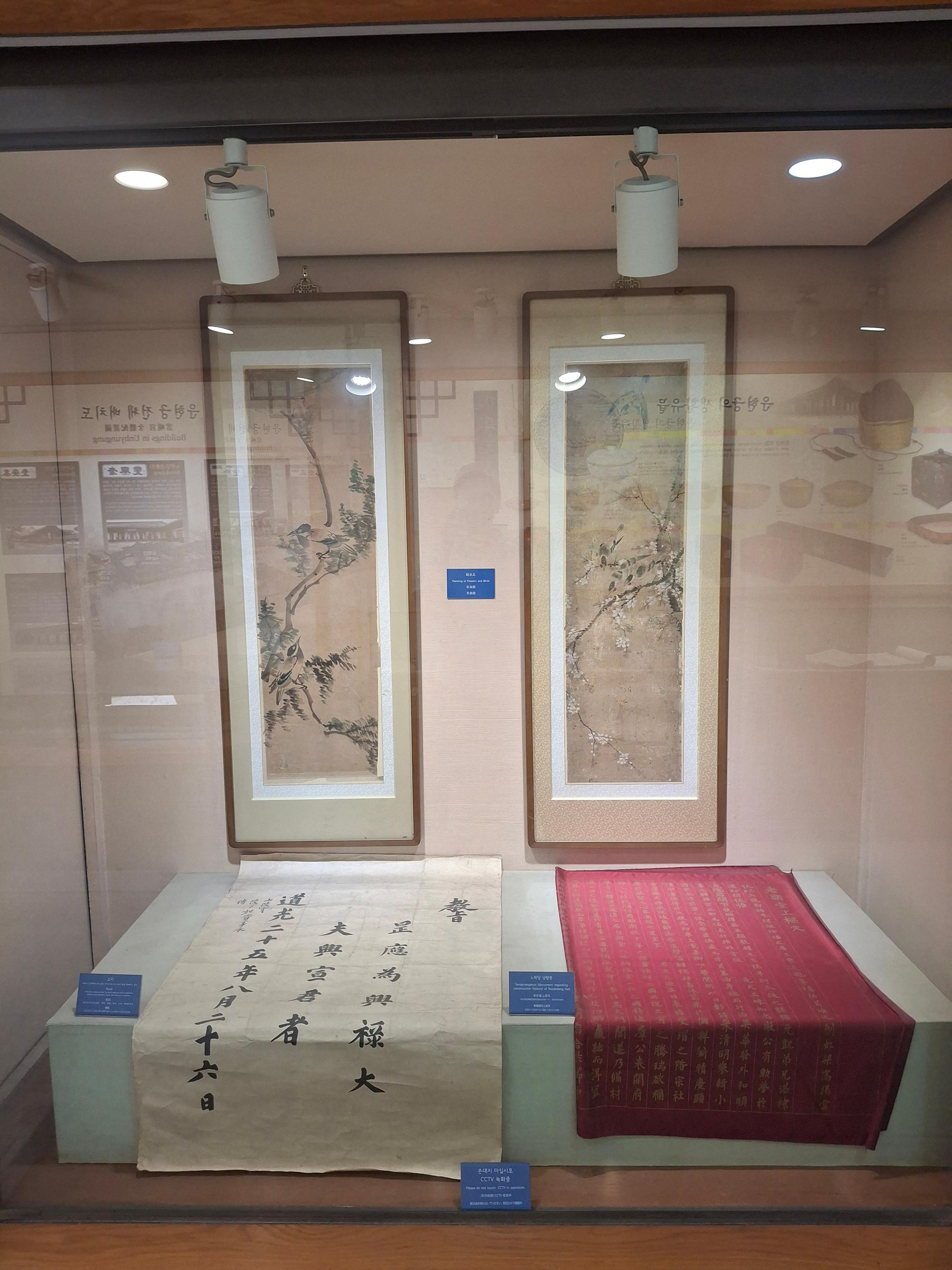
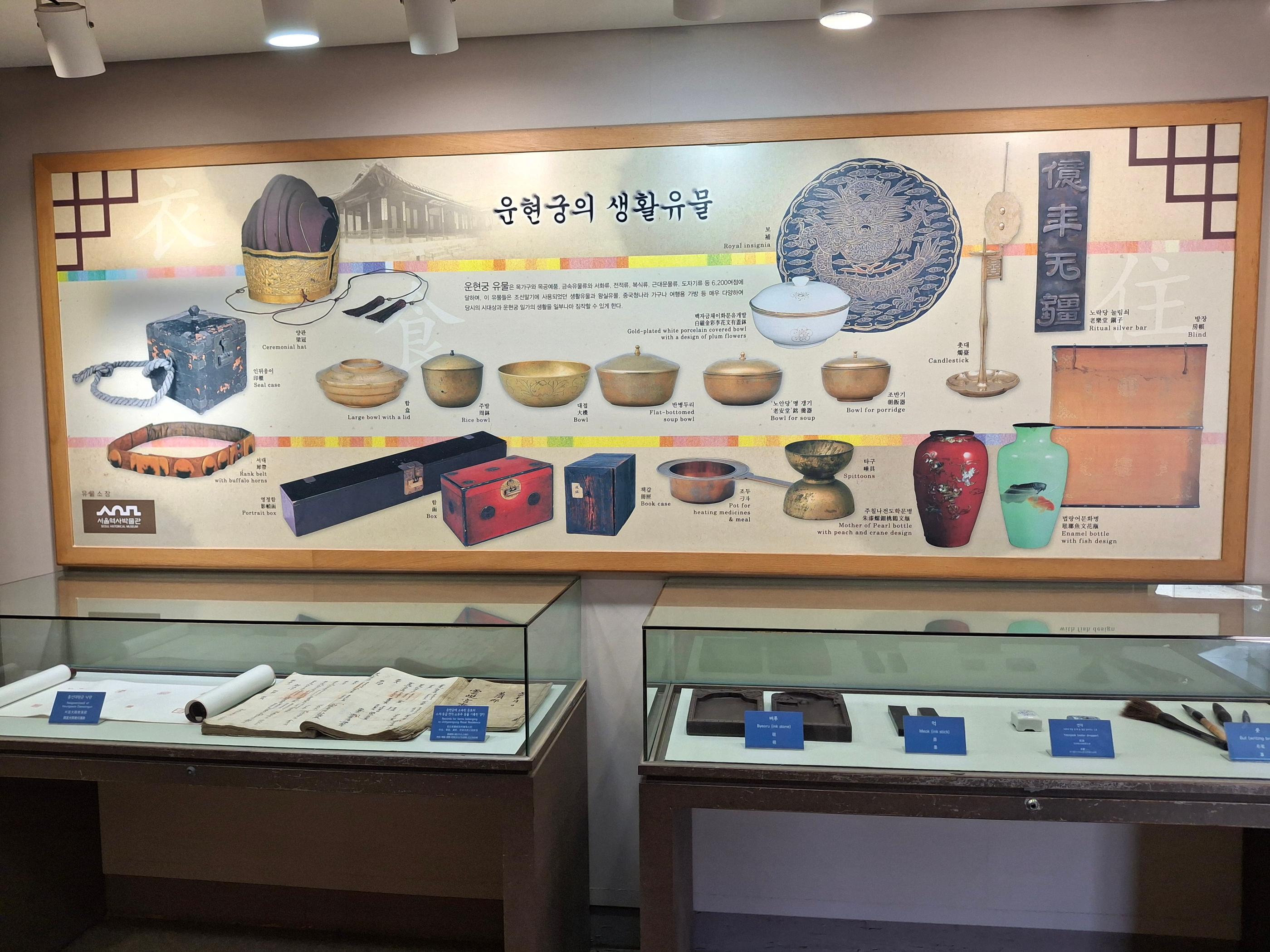
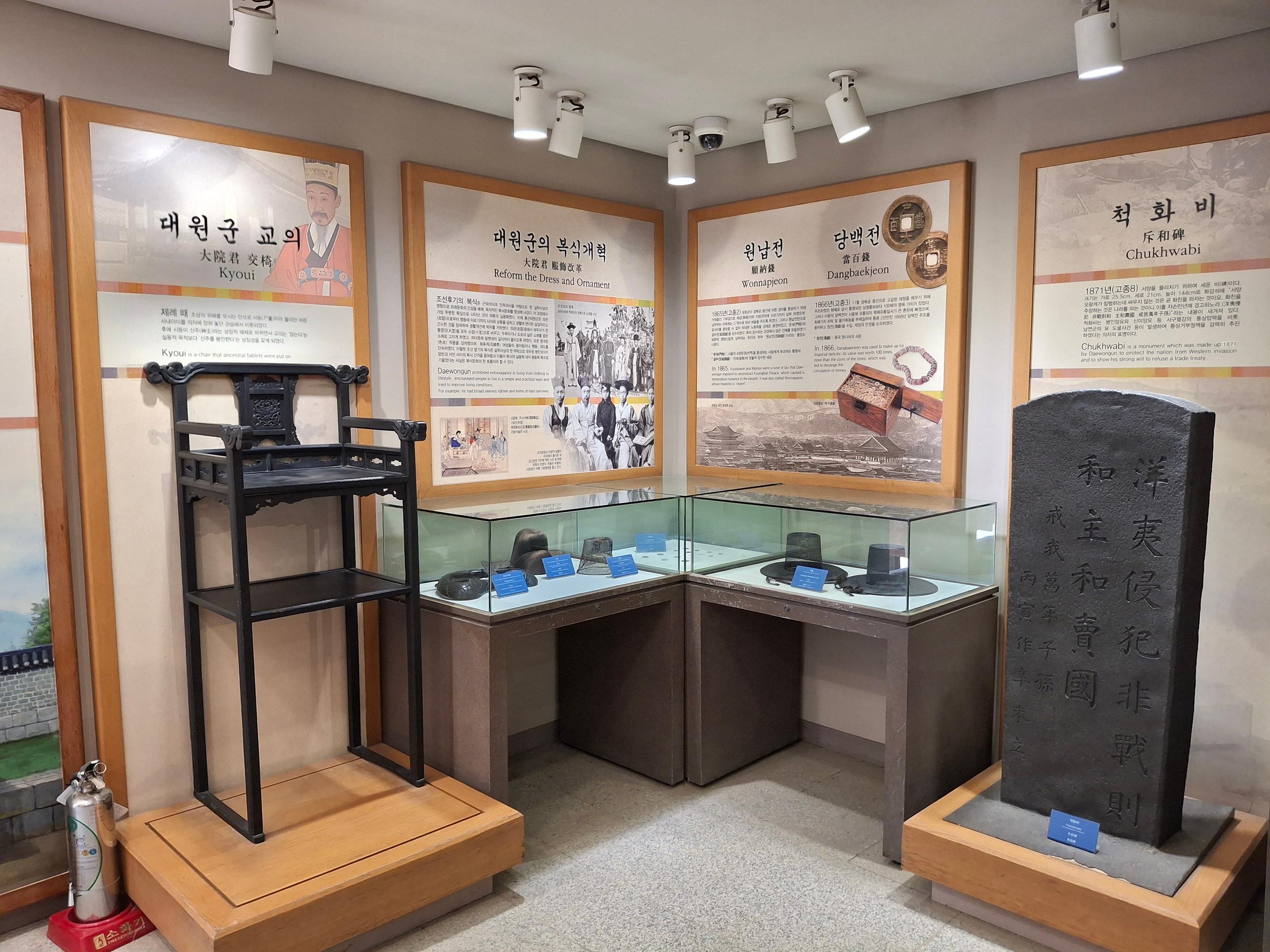
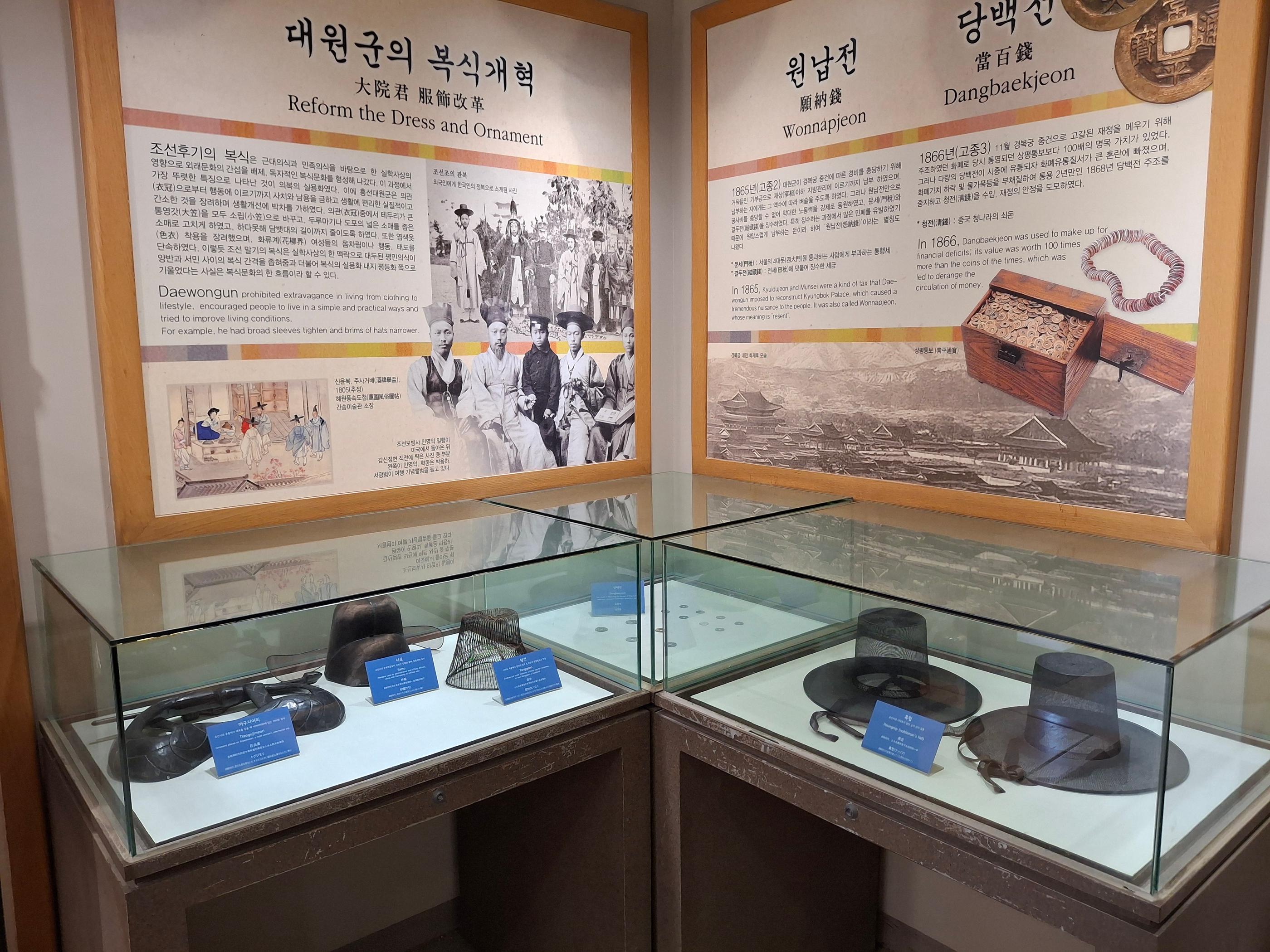
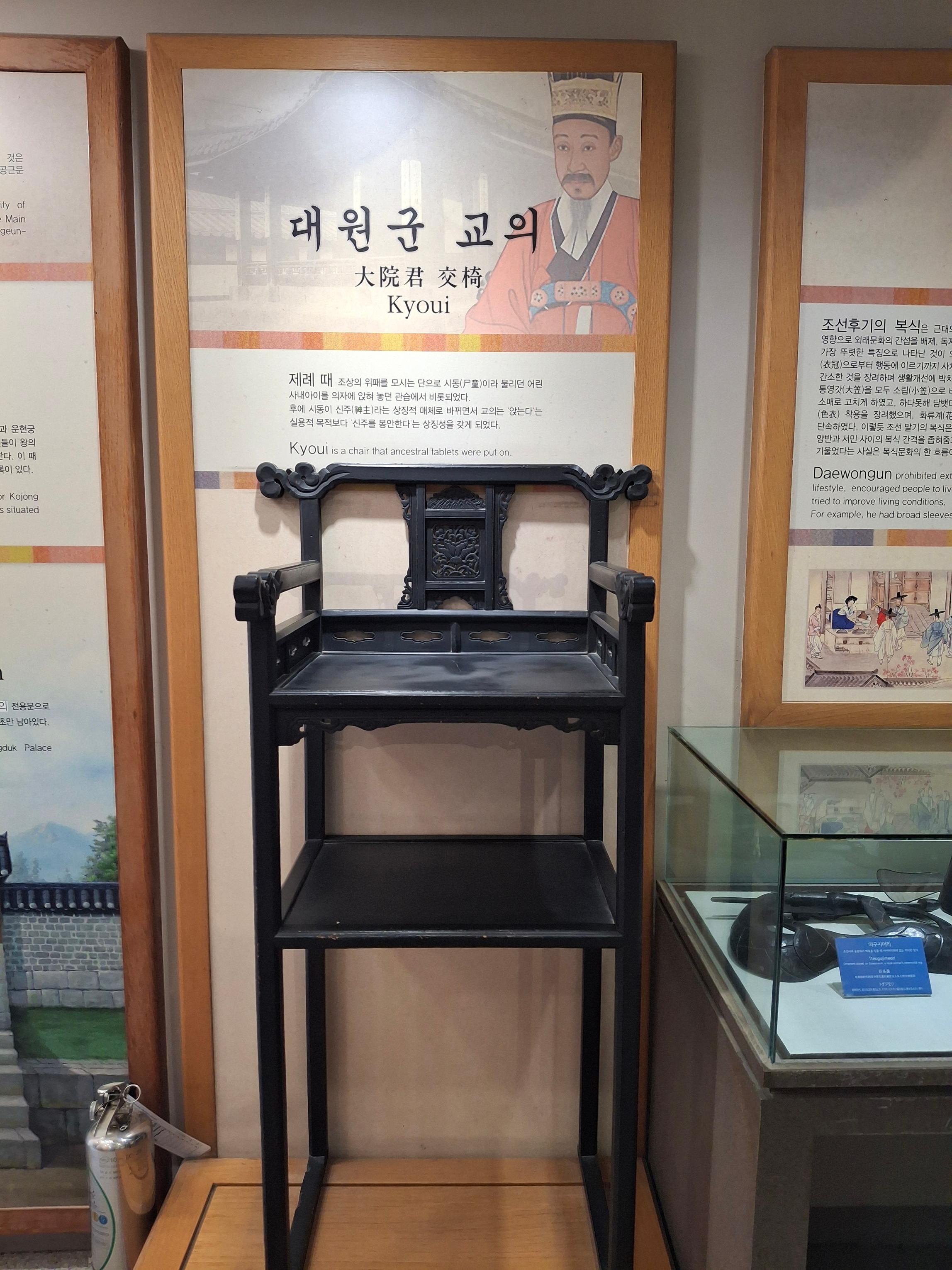
On the left at the end of the courtyard there is a detached building - exhibition hall. This exhibition hall features artifacts related to Unhyeongung Royal Residence and Heungseon Daewongun (1820-1898), which give insight into the house's historic and cultural significance as well as the last five decades of the Joseon dynasty (1392-1910). The artifacts here are replicas of the originals, which are kept at the Seoul Museum of History.
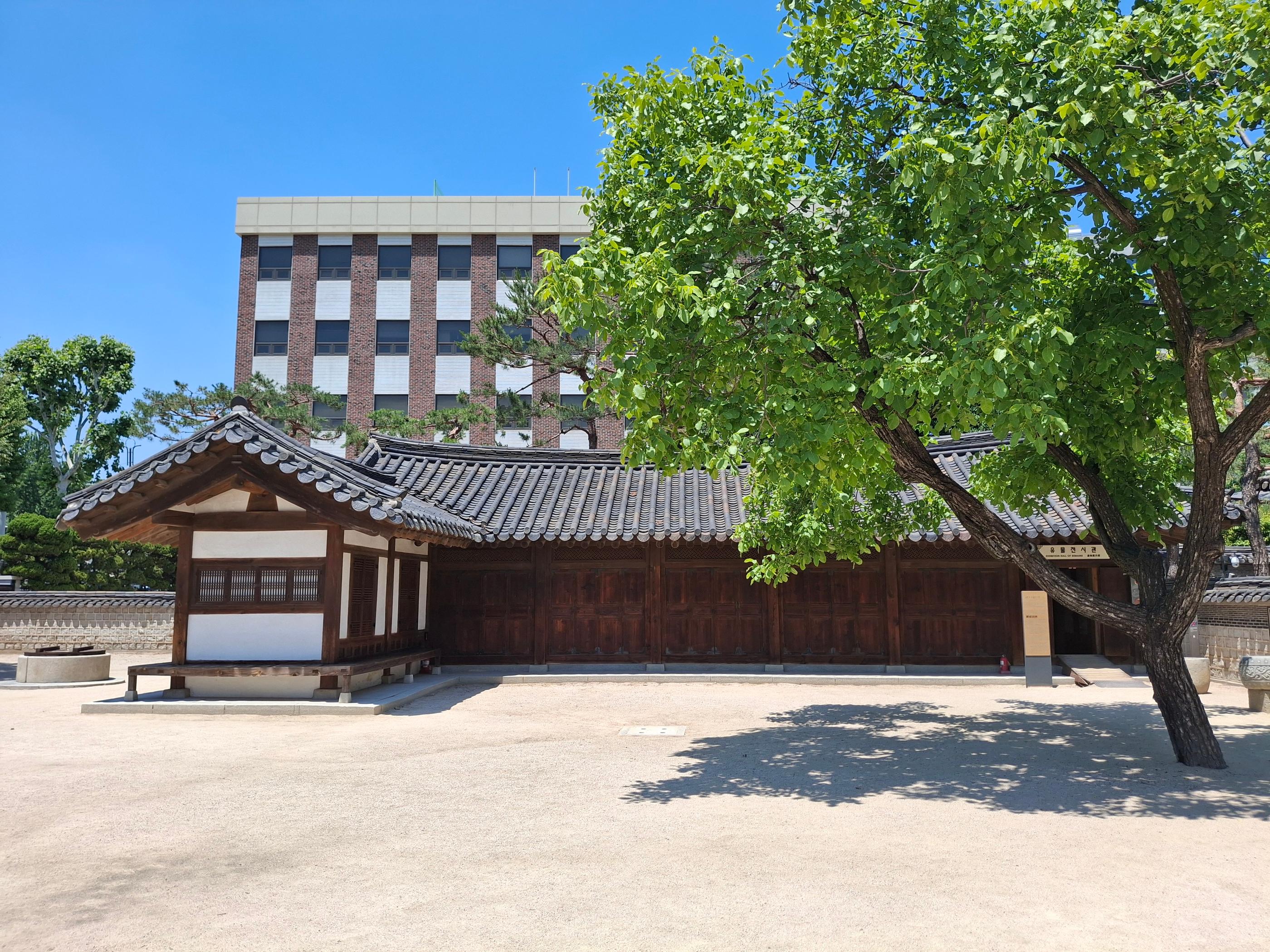
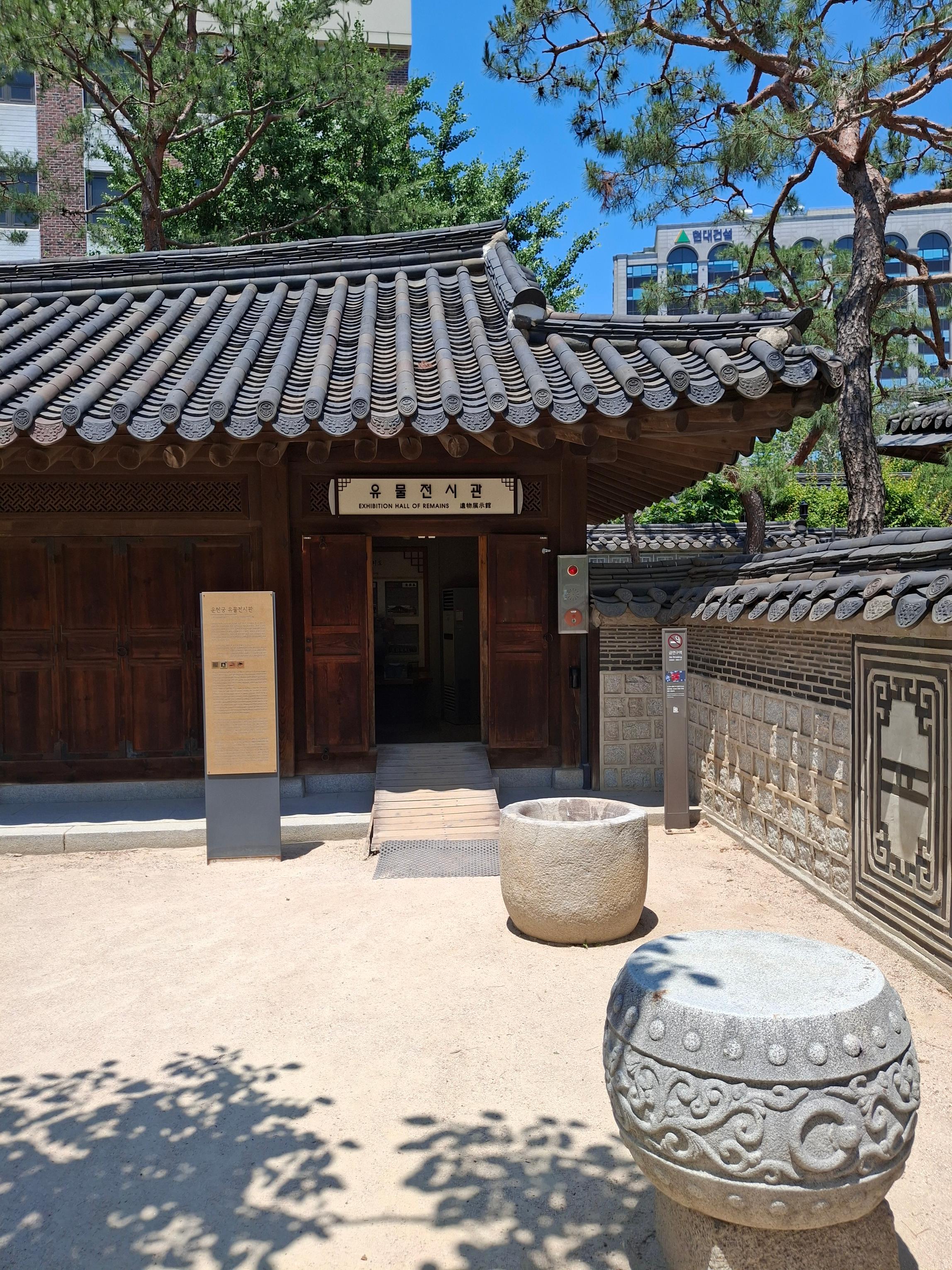
The exhibition hall has 18 sections, including: a timeline showing both domestic and foreign events during the period in which Heungseon Daewongun ruled as prince regent (1864-1873); a miniature model of Unhyeongung; clothes worn by King Gojong (r. 1864-1907) and his wife at their wedding; etc.
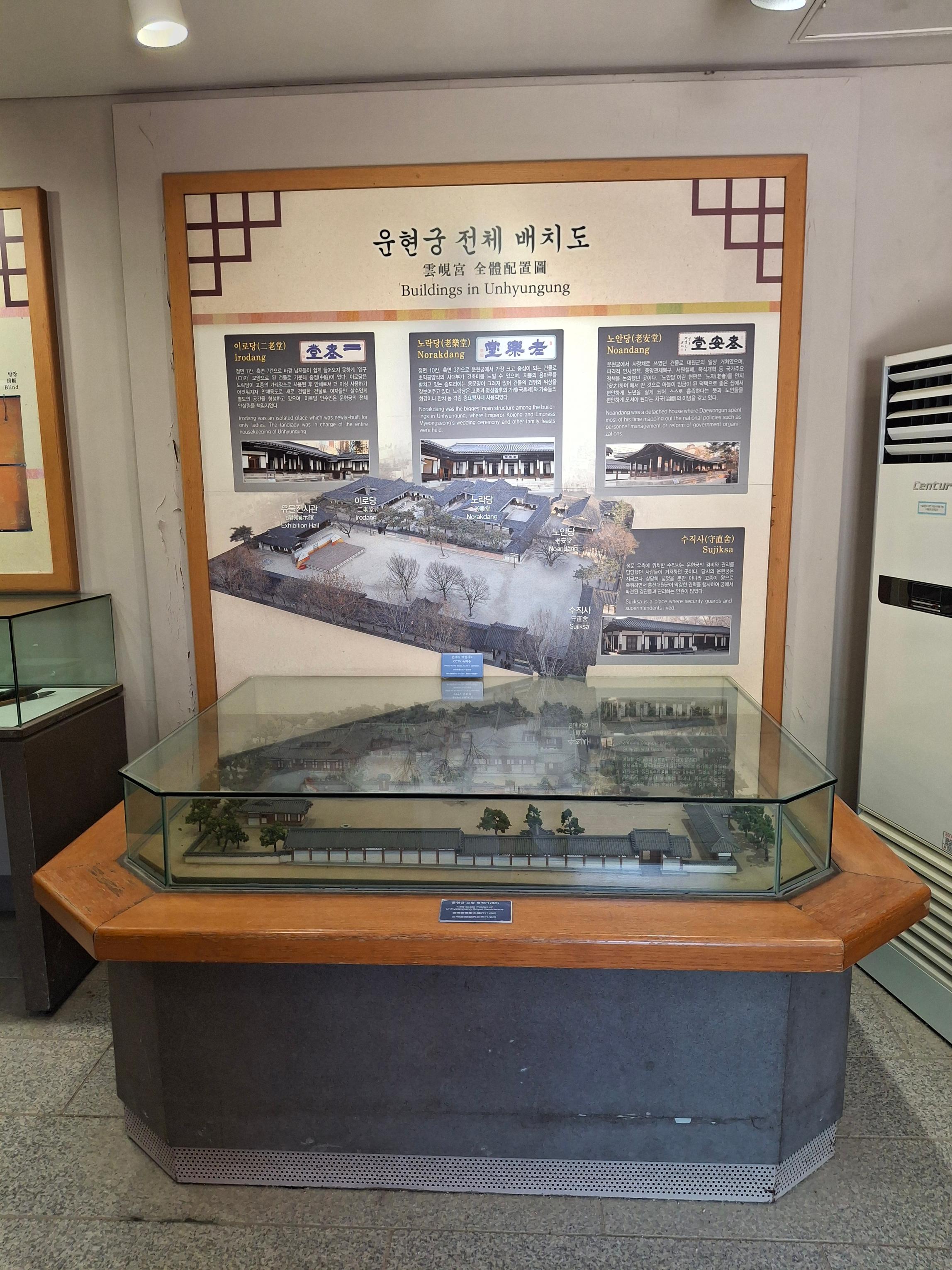
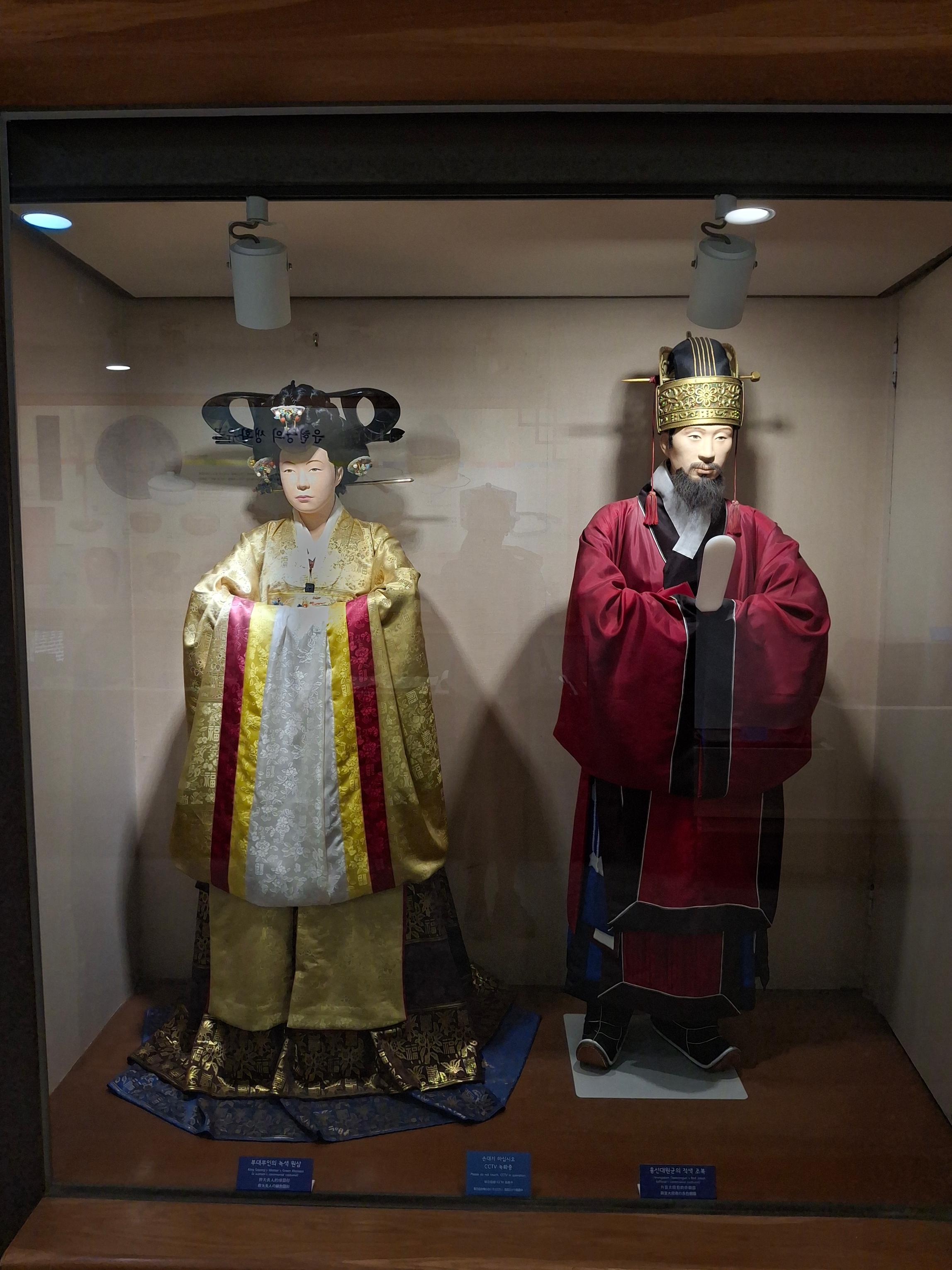
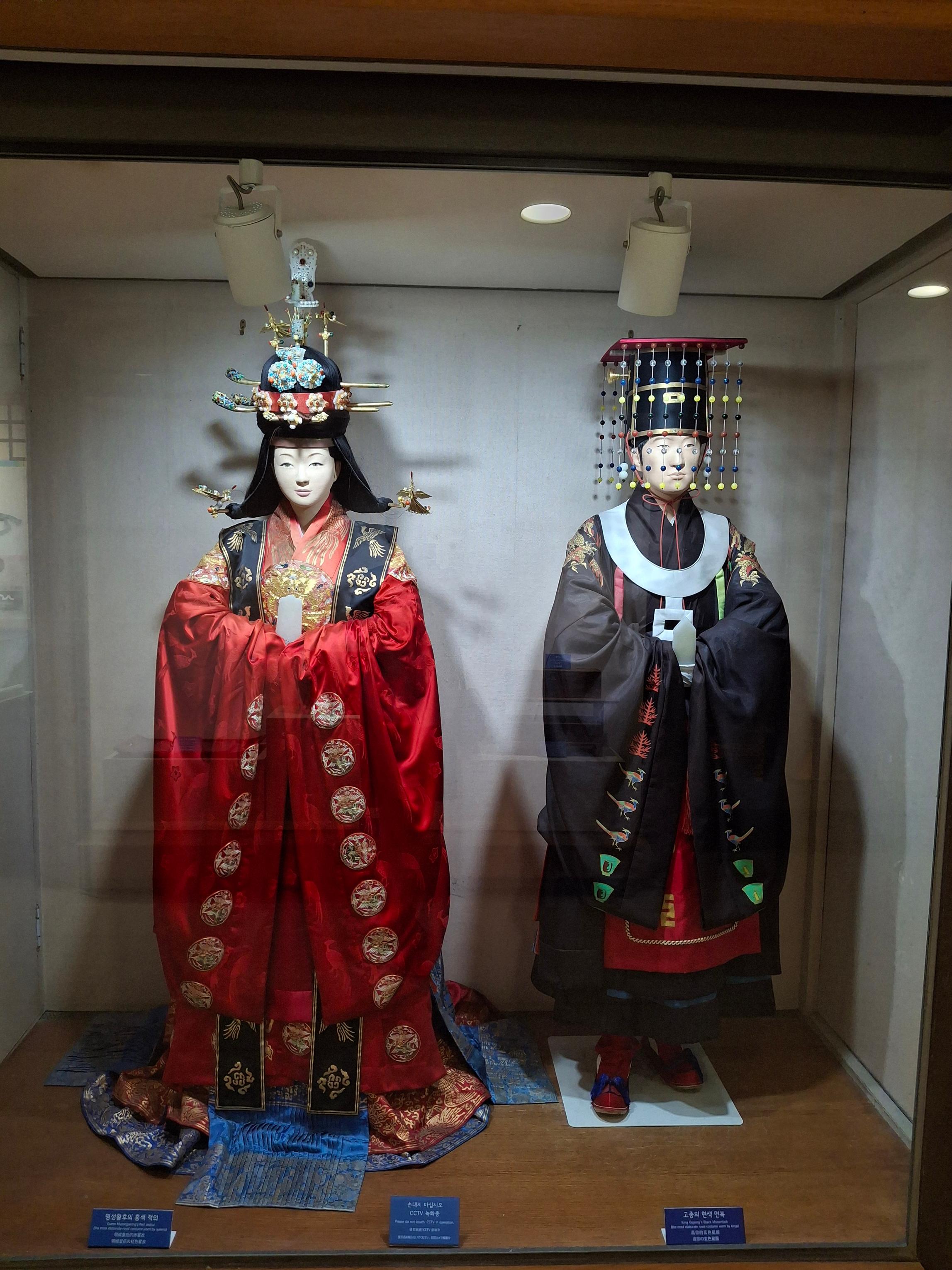
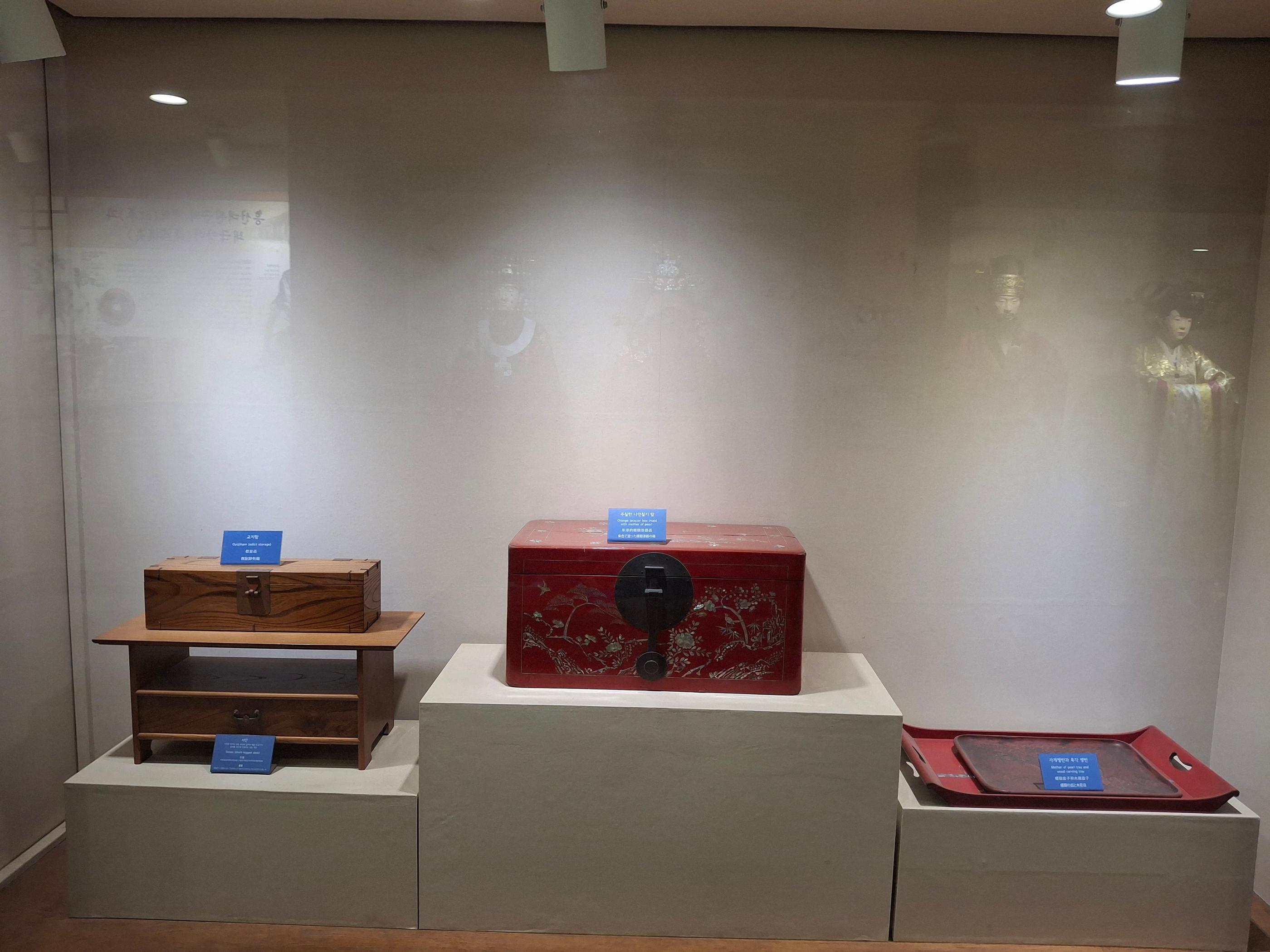
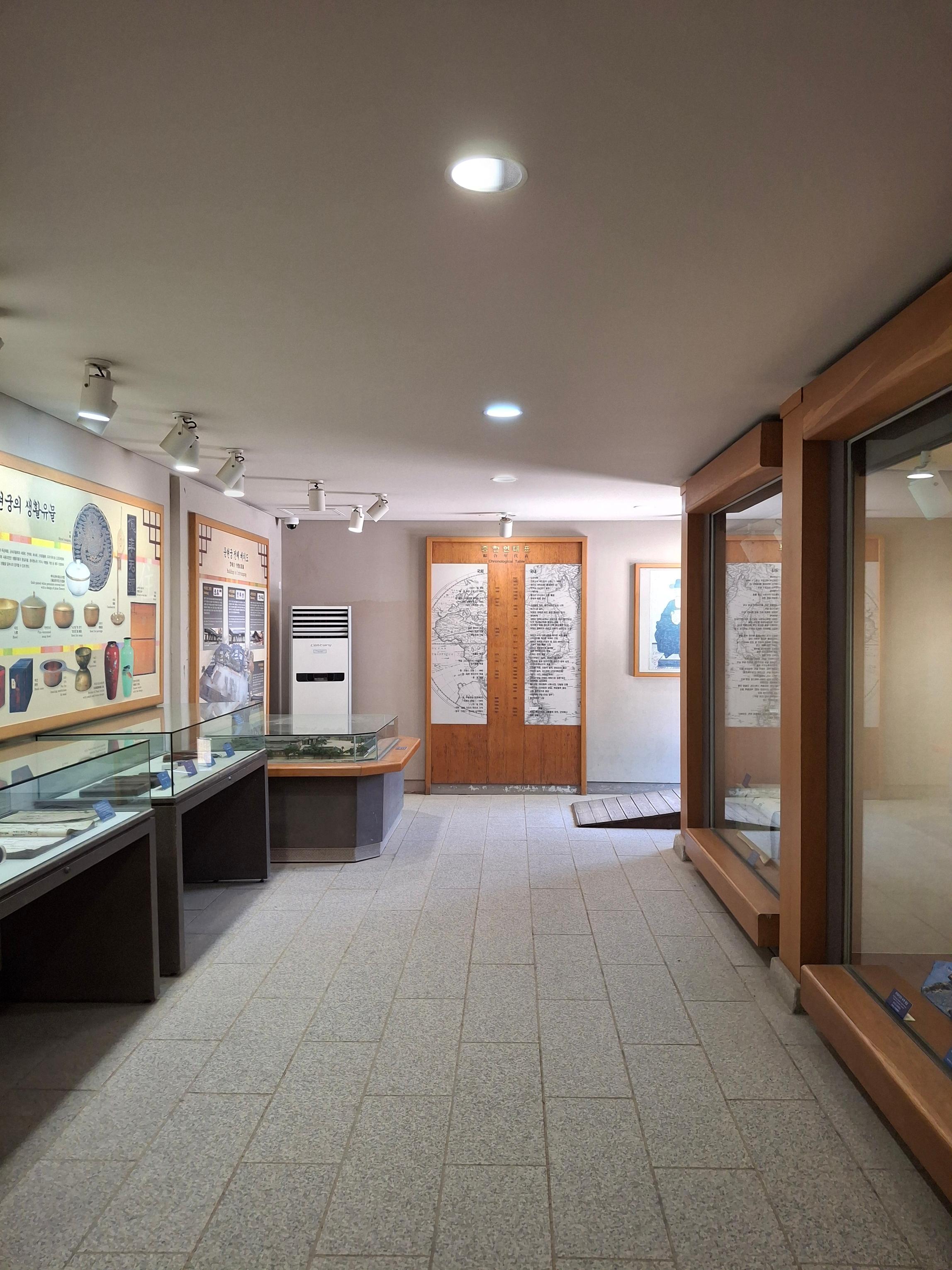
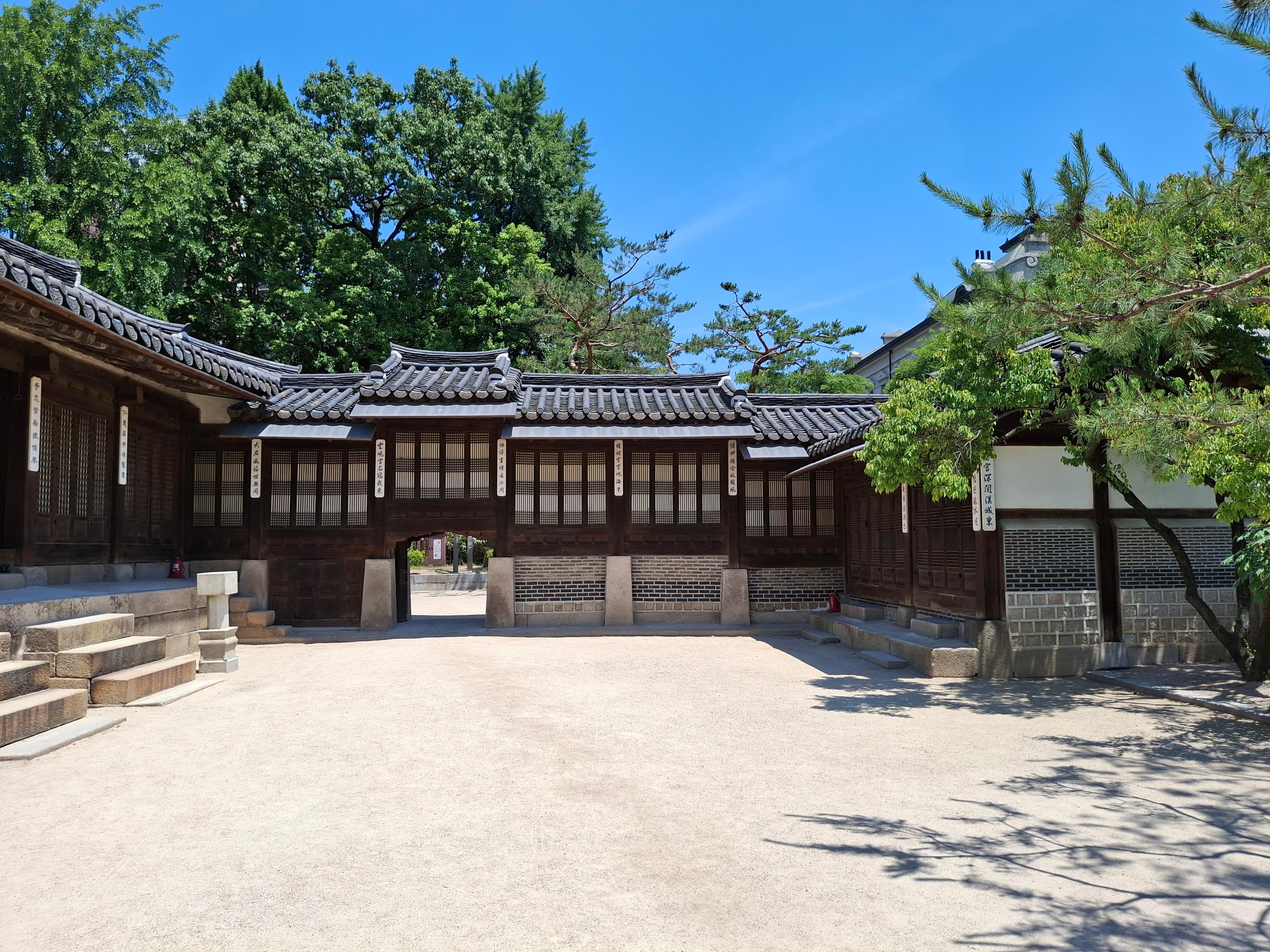
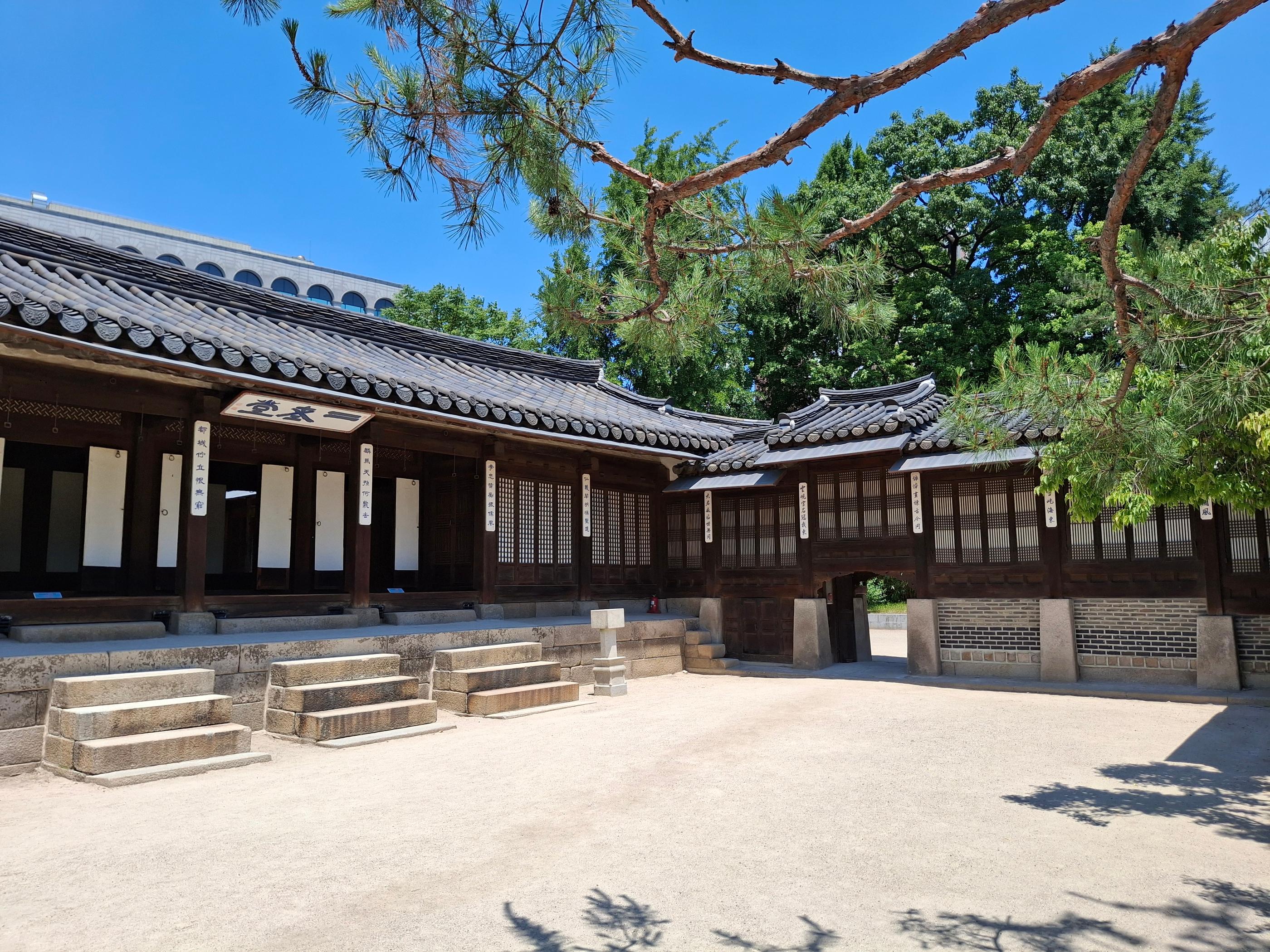
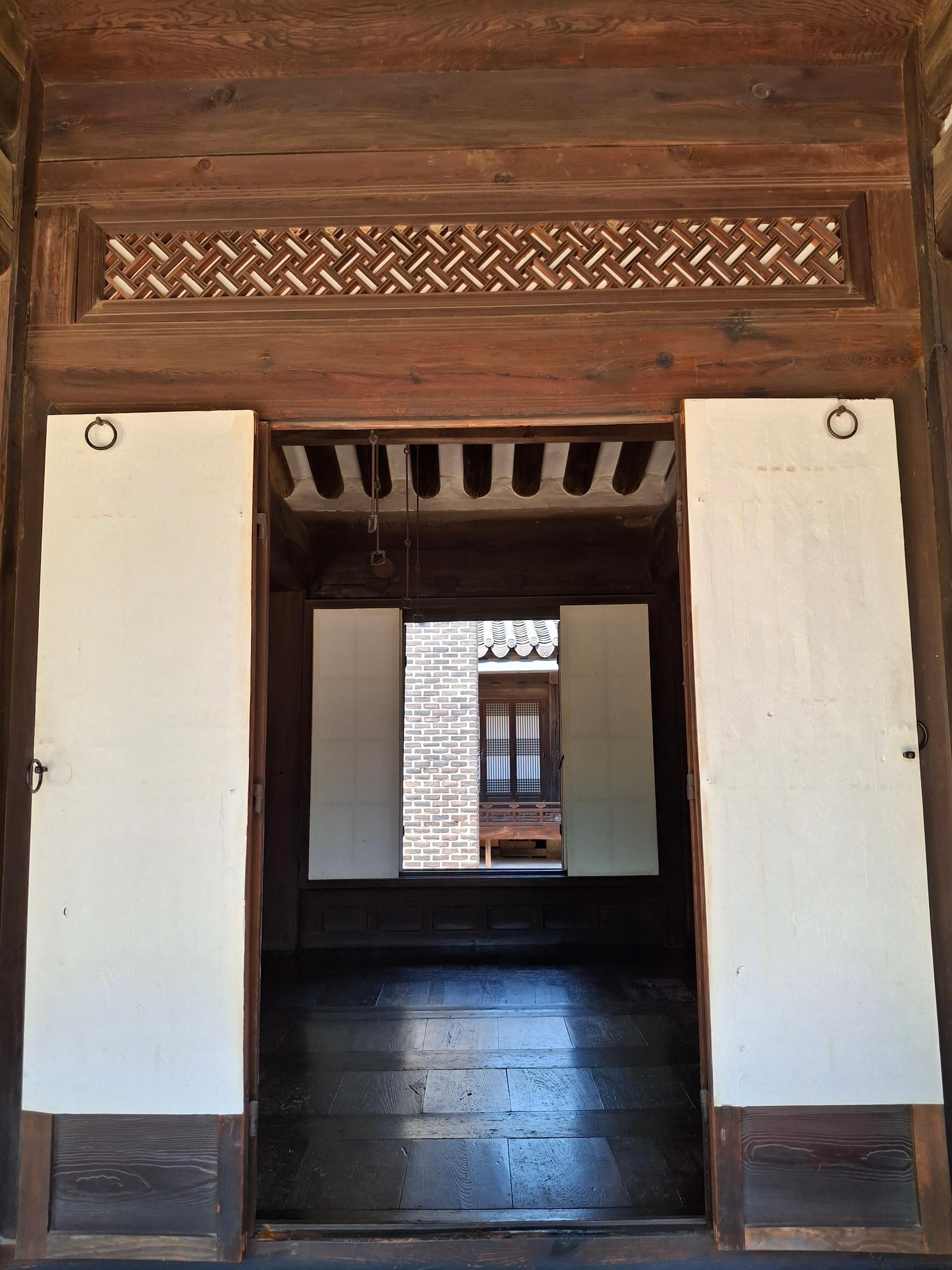
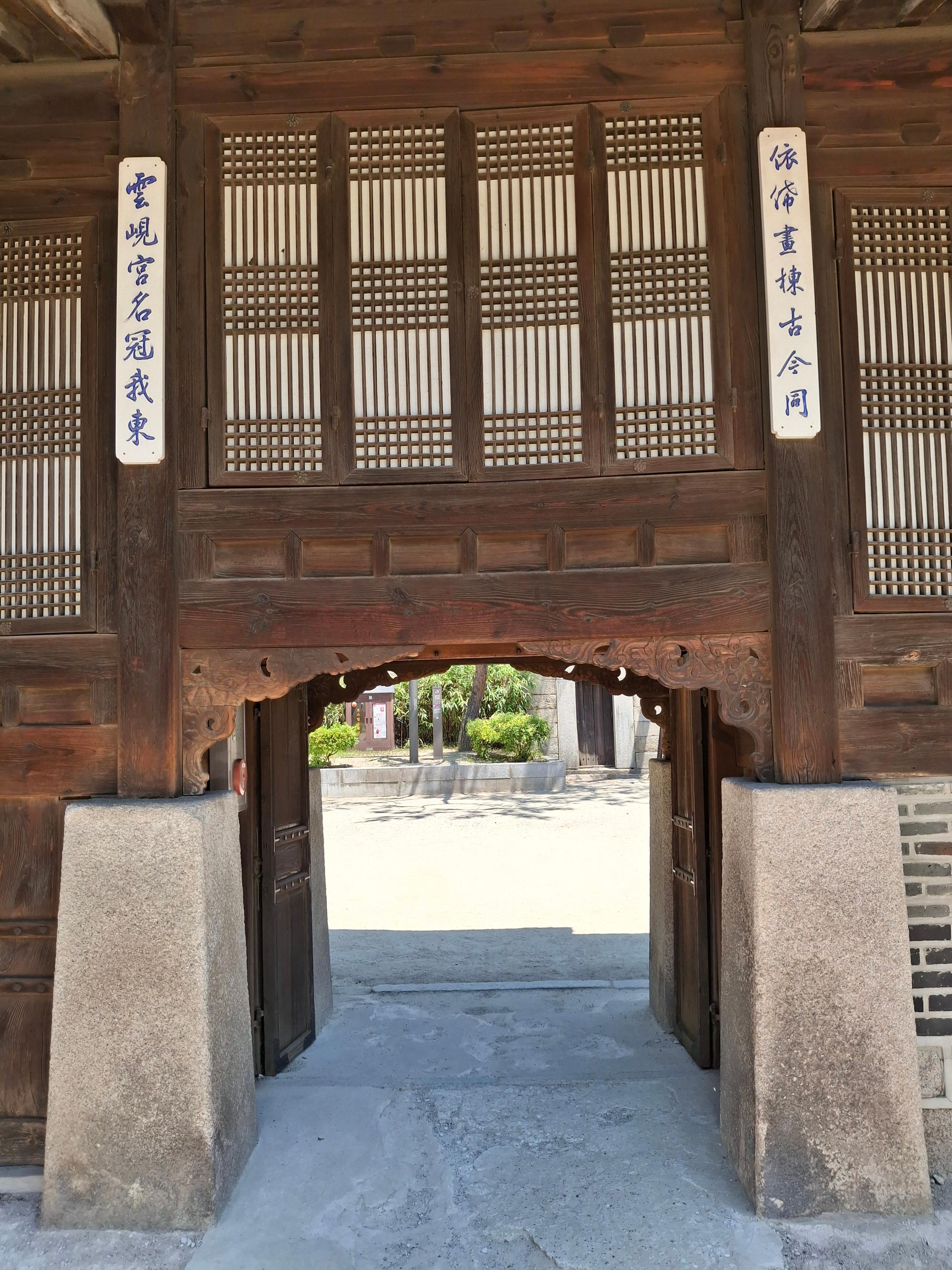
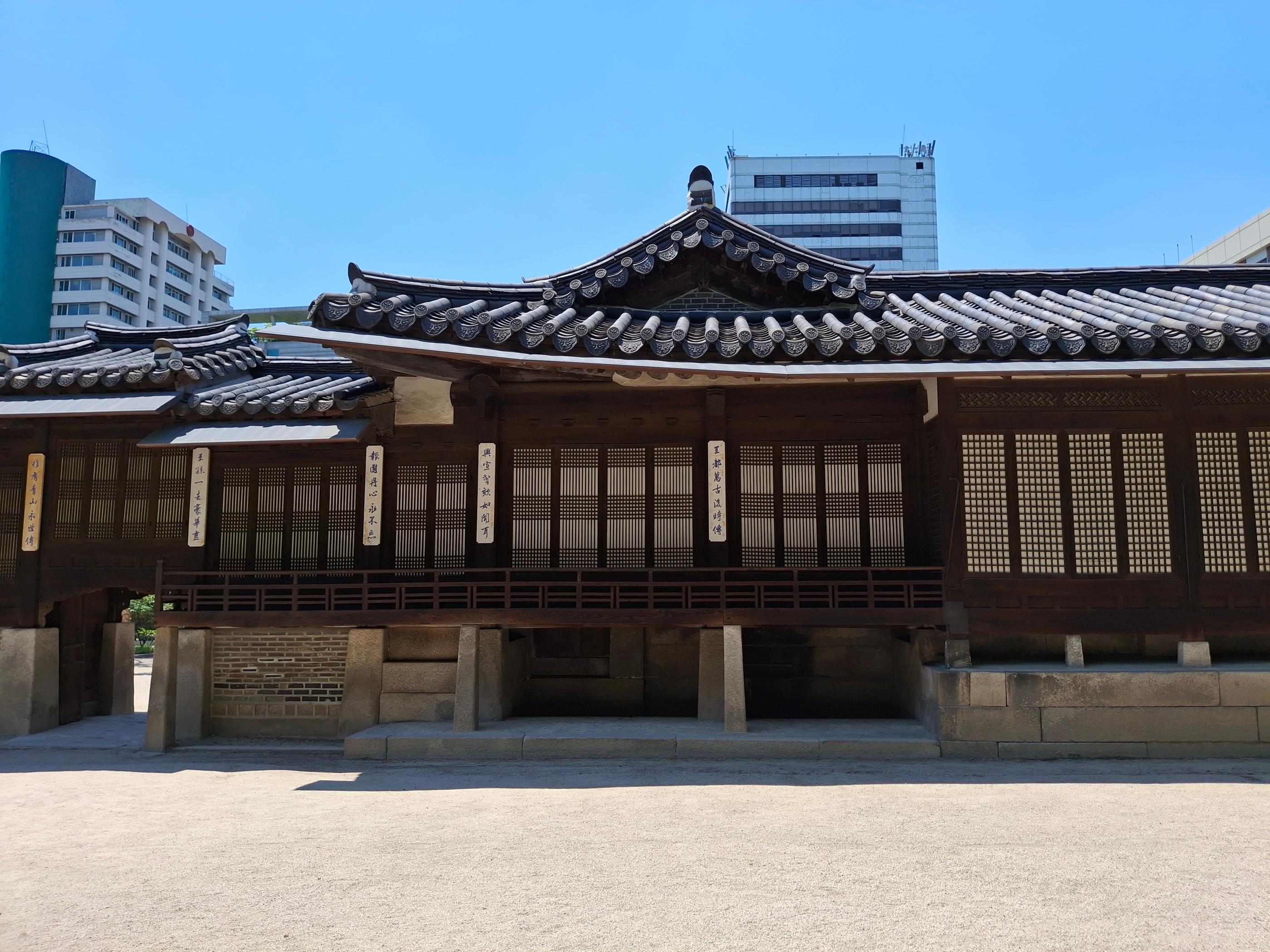
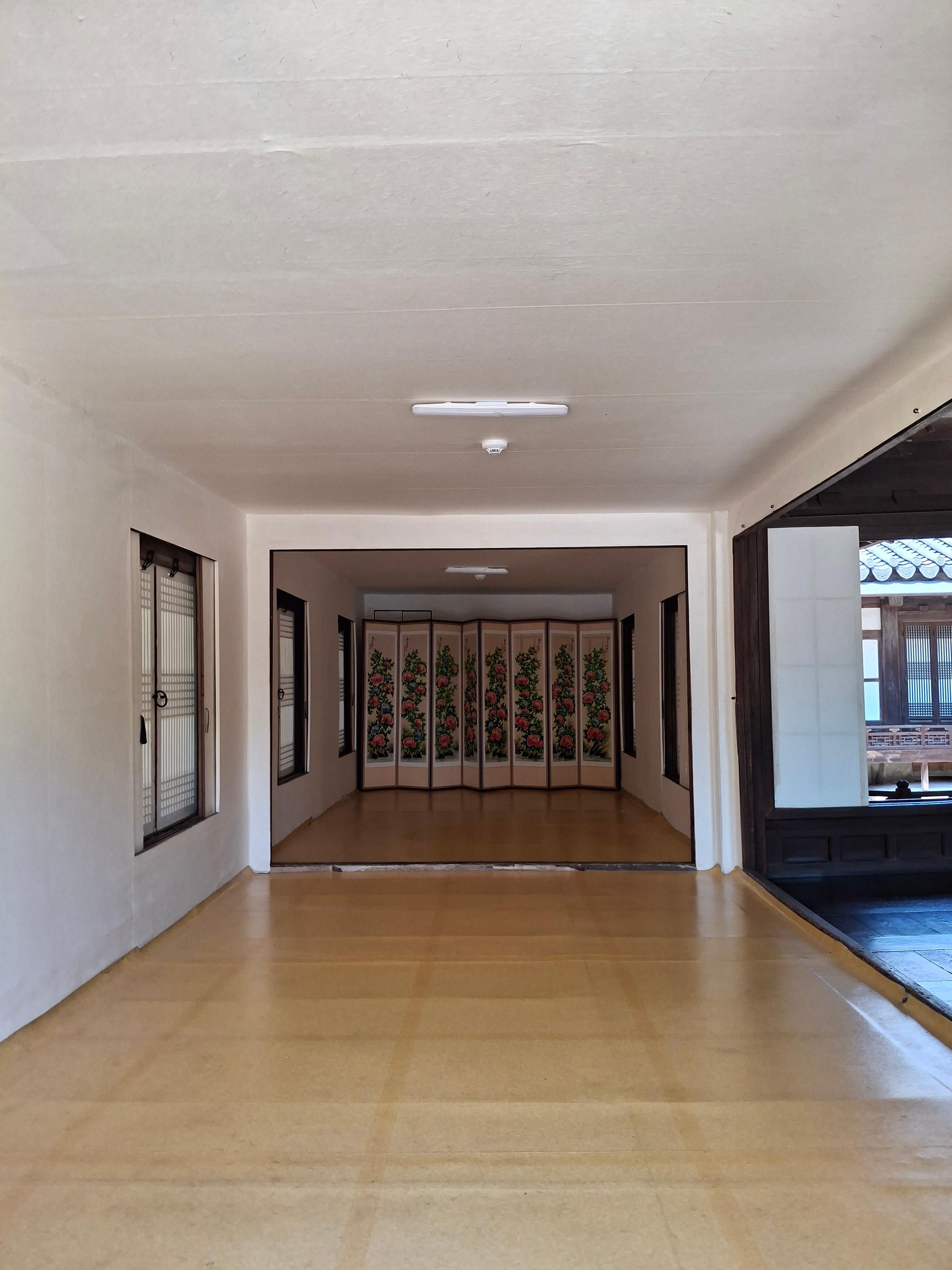
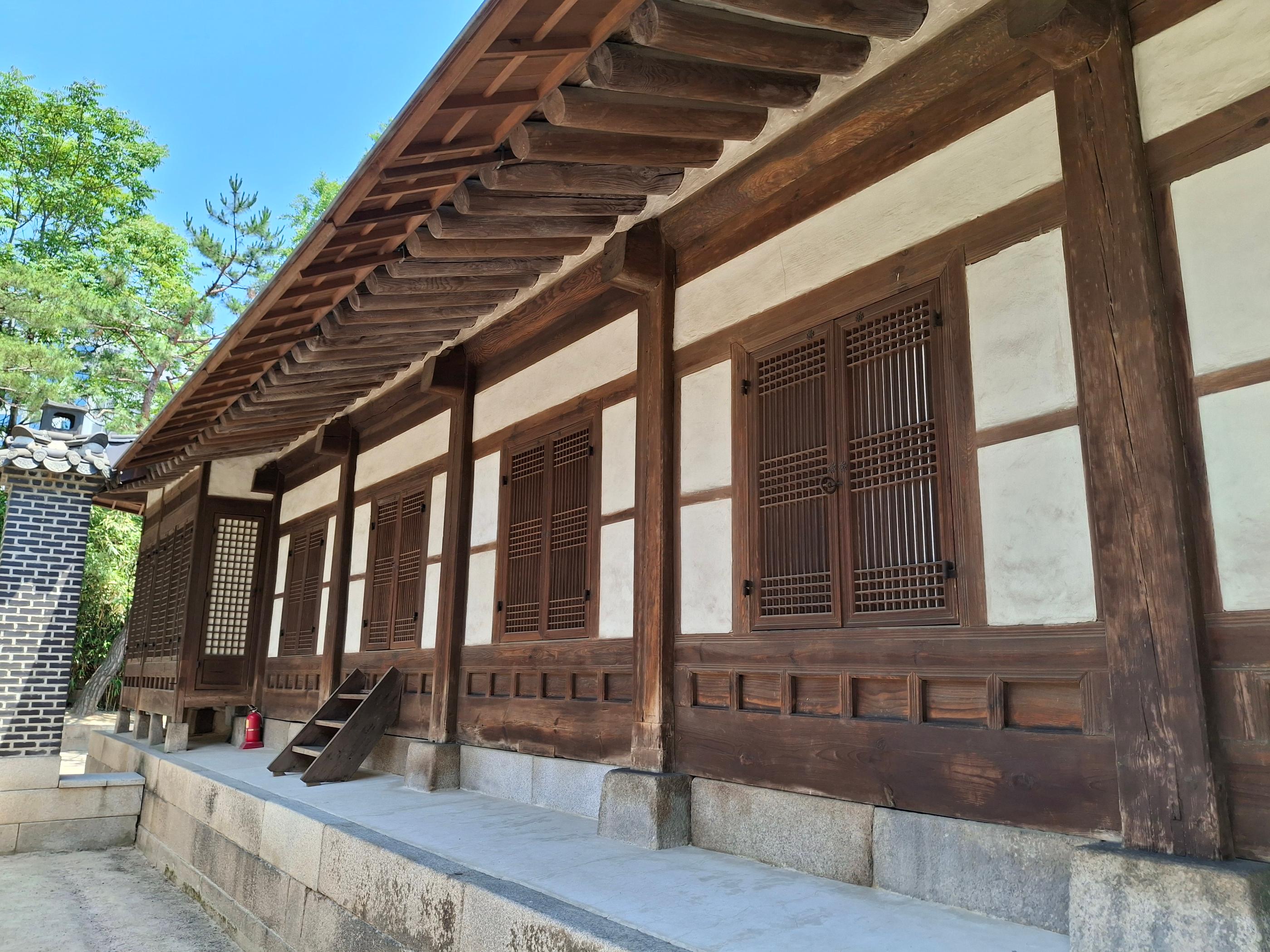
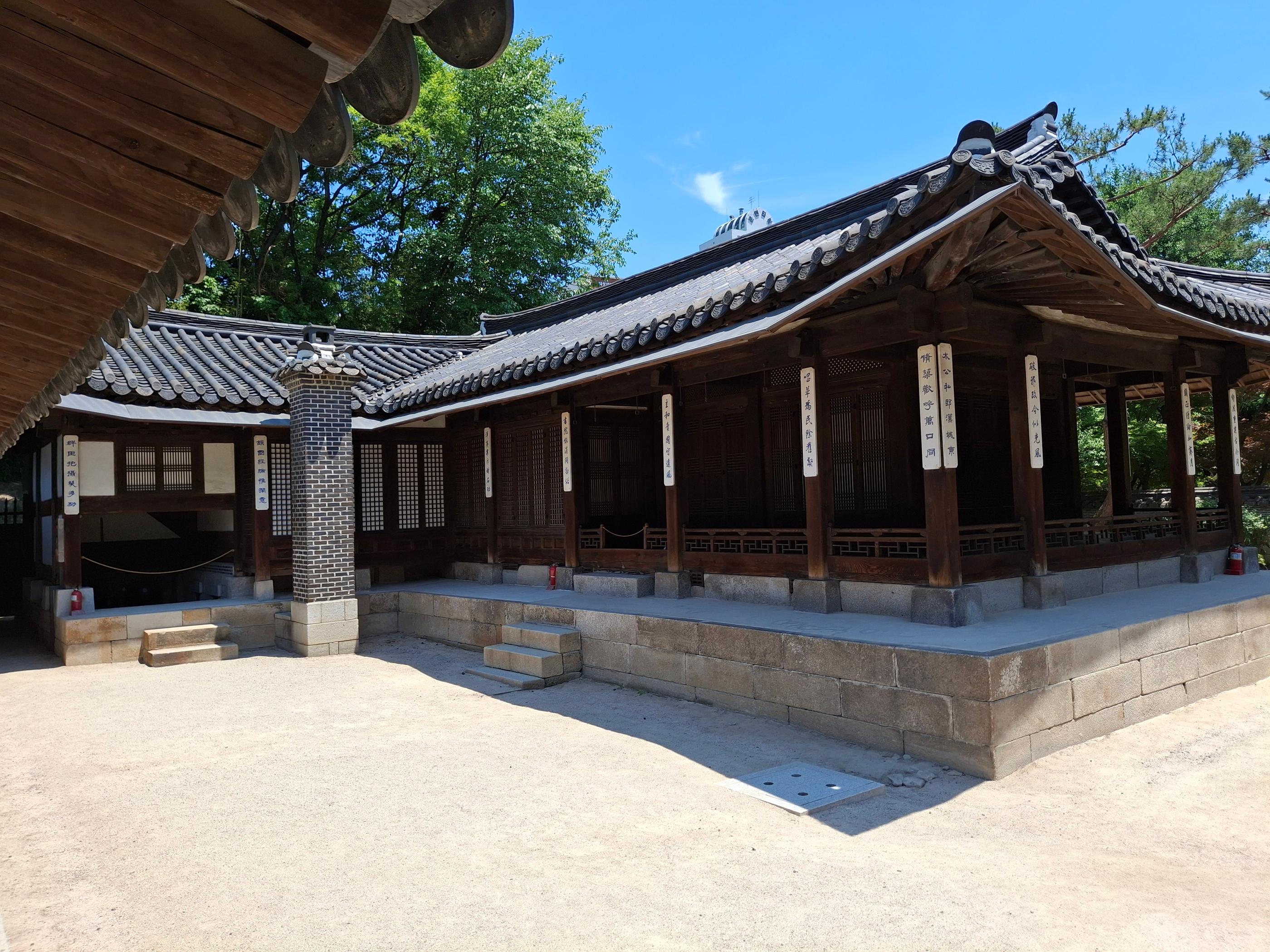
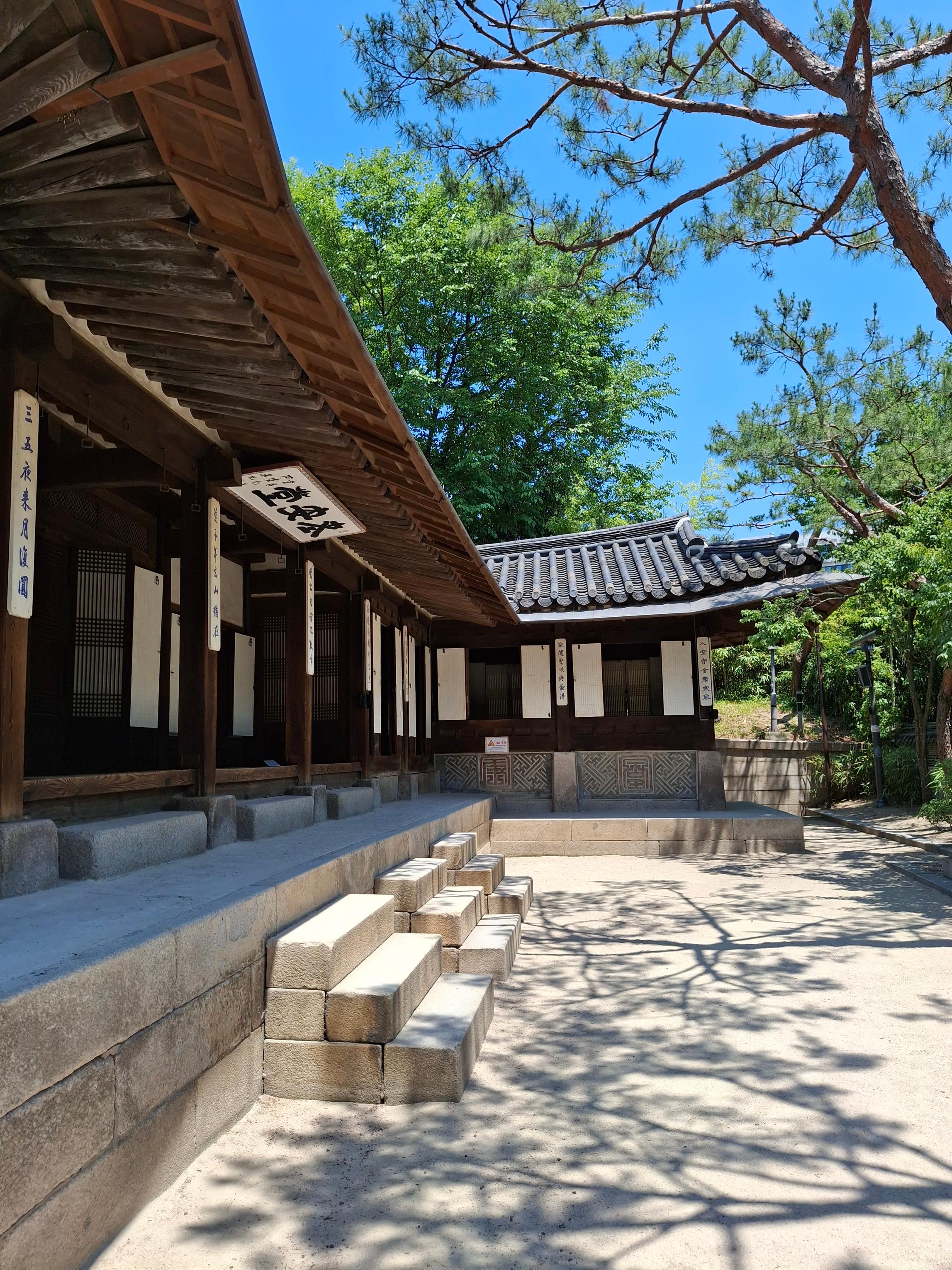
Further on, behind the wall, are the living quarters of the palace. After passing through the gate, you find yourself in a courtyard with a large, long building - Irodang. Unlike the royal palaces, the rooms are painted in brown and beige. Irodang is a Chinese character meaning a nine-shaped building. Its original plan was for 7 sections in the front part and 7 sections of the side parts. The additional section on the west gives this building 8 sections in the front. The building is a traditional hanok with large windows, a stone porch and wooden floors.
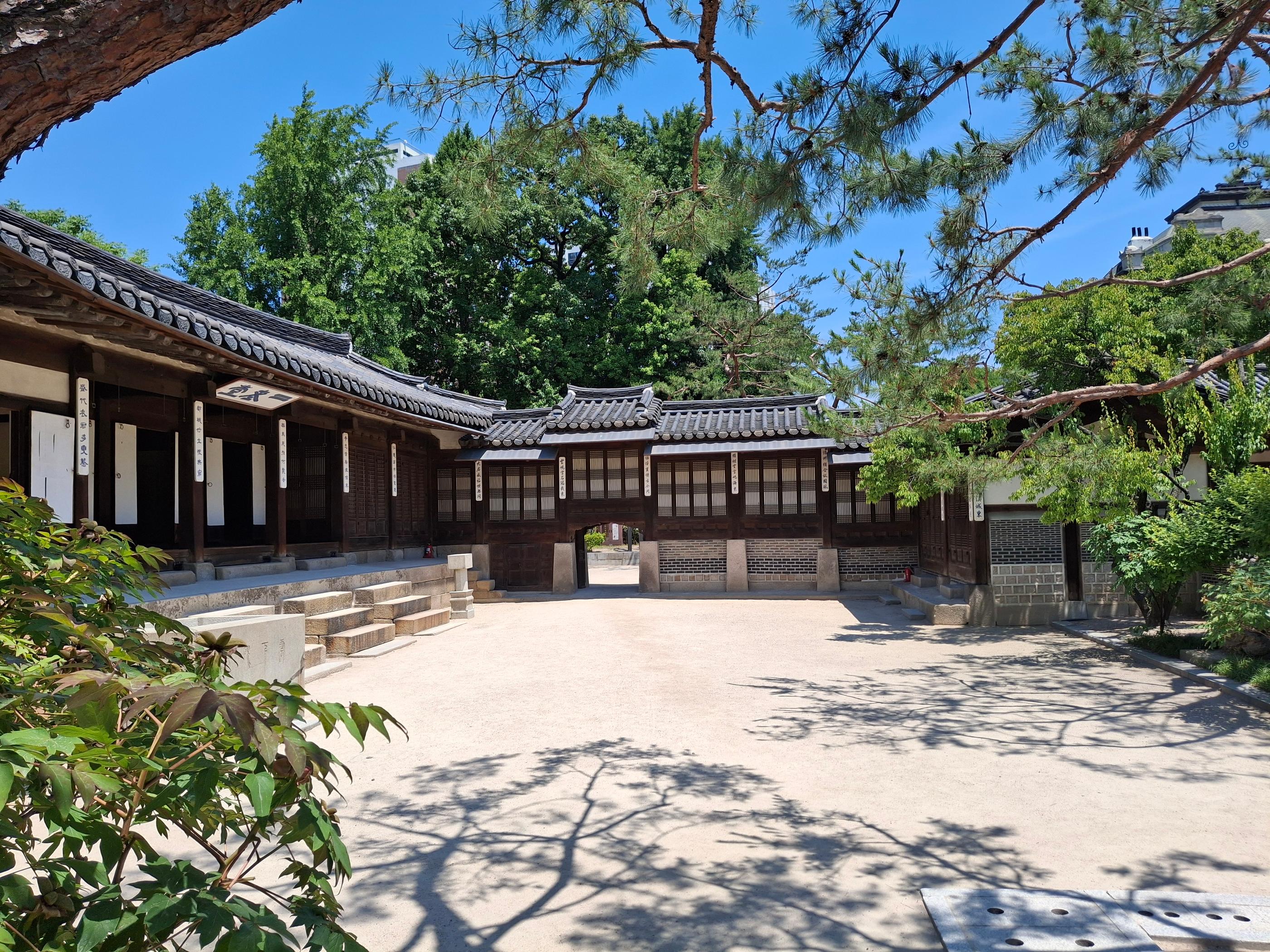
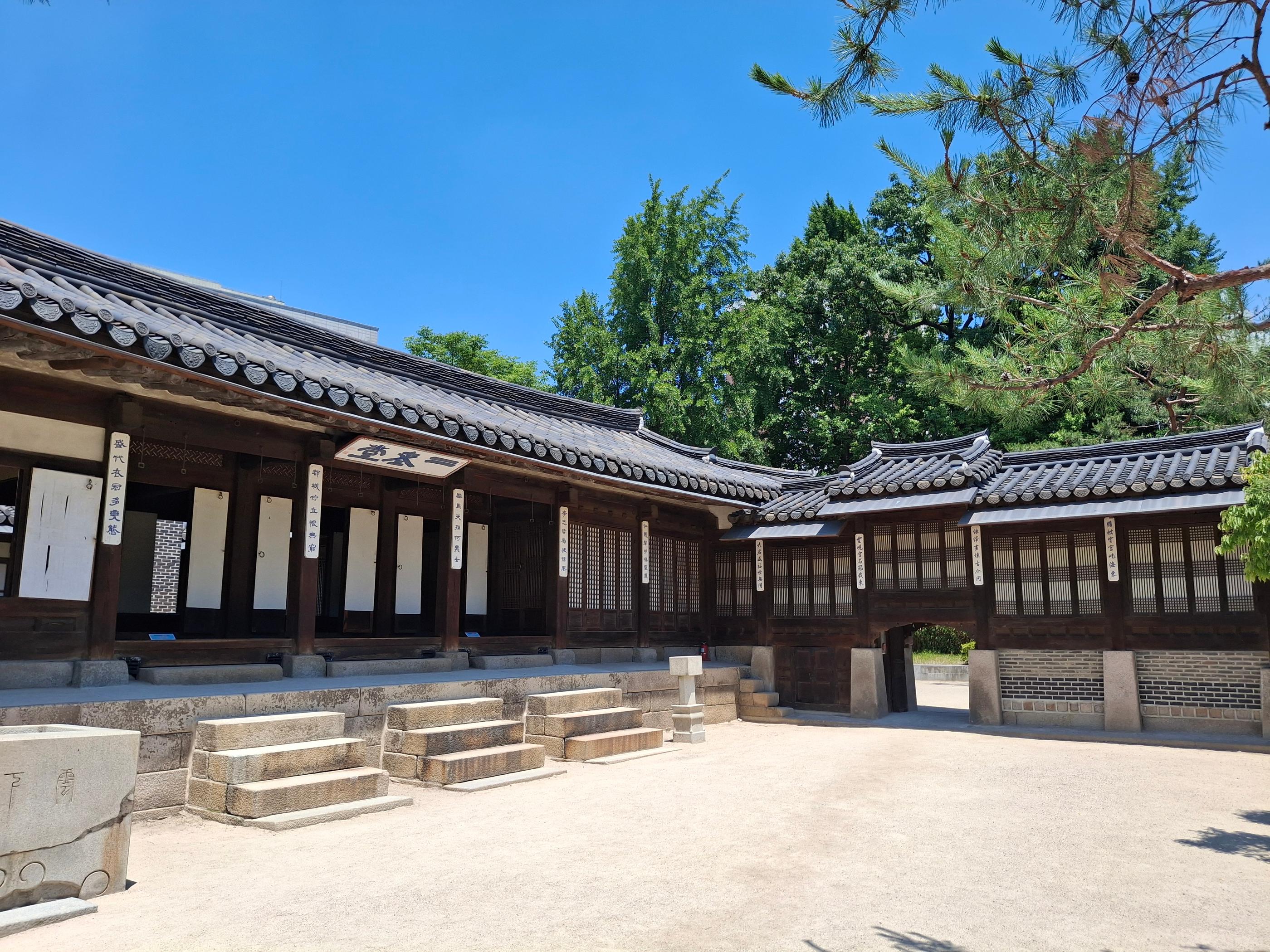
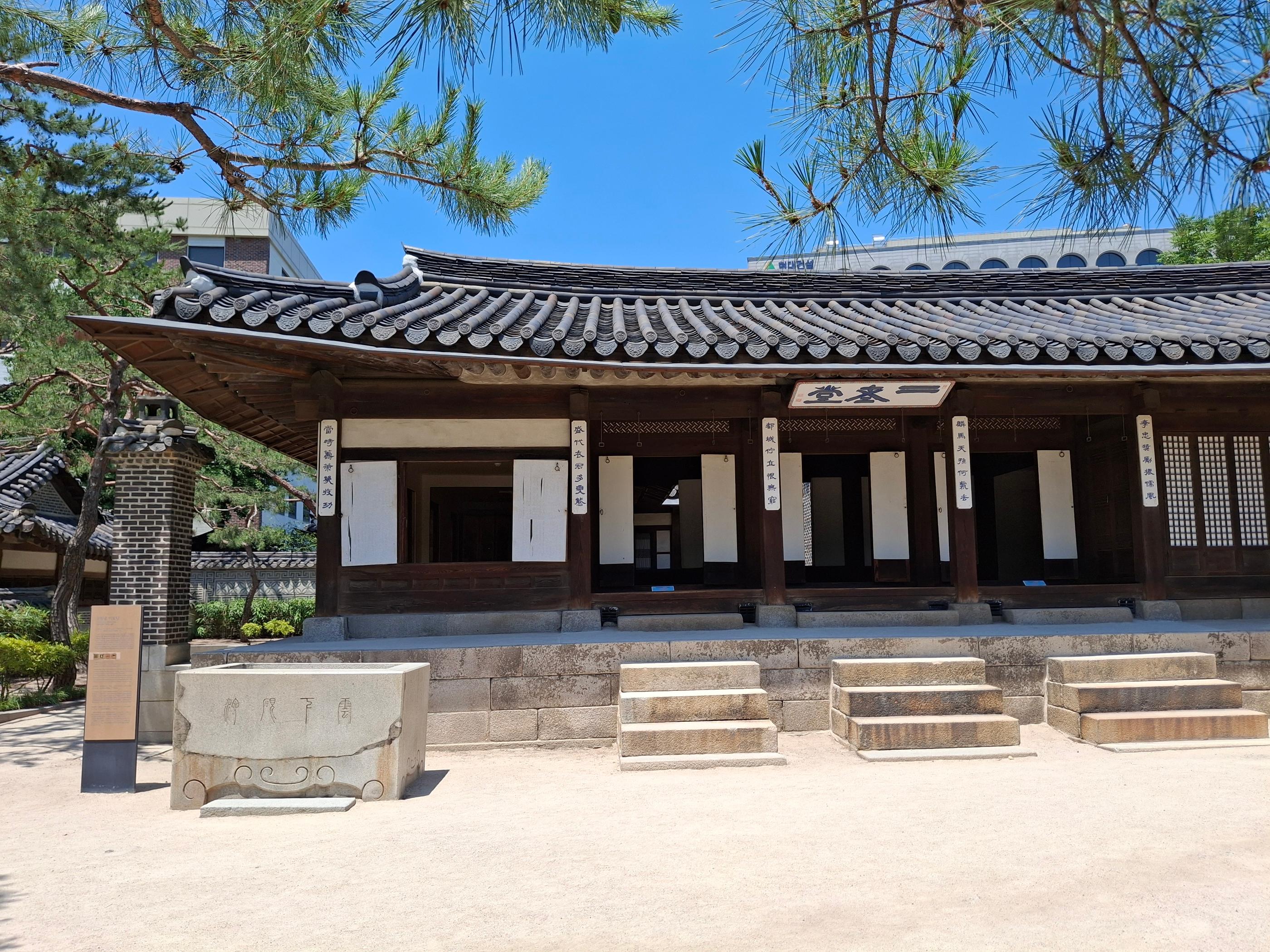
Irodang Hall, along with Norakdang Hall, was used as the inner quarters of Unhyeongung Palace. Iro (literally meaning "two elders") is thought to refer to Regent Heungseon and his wife.
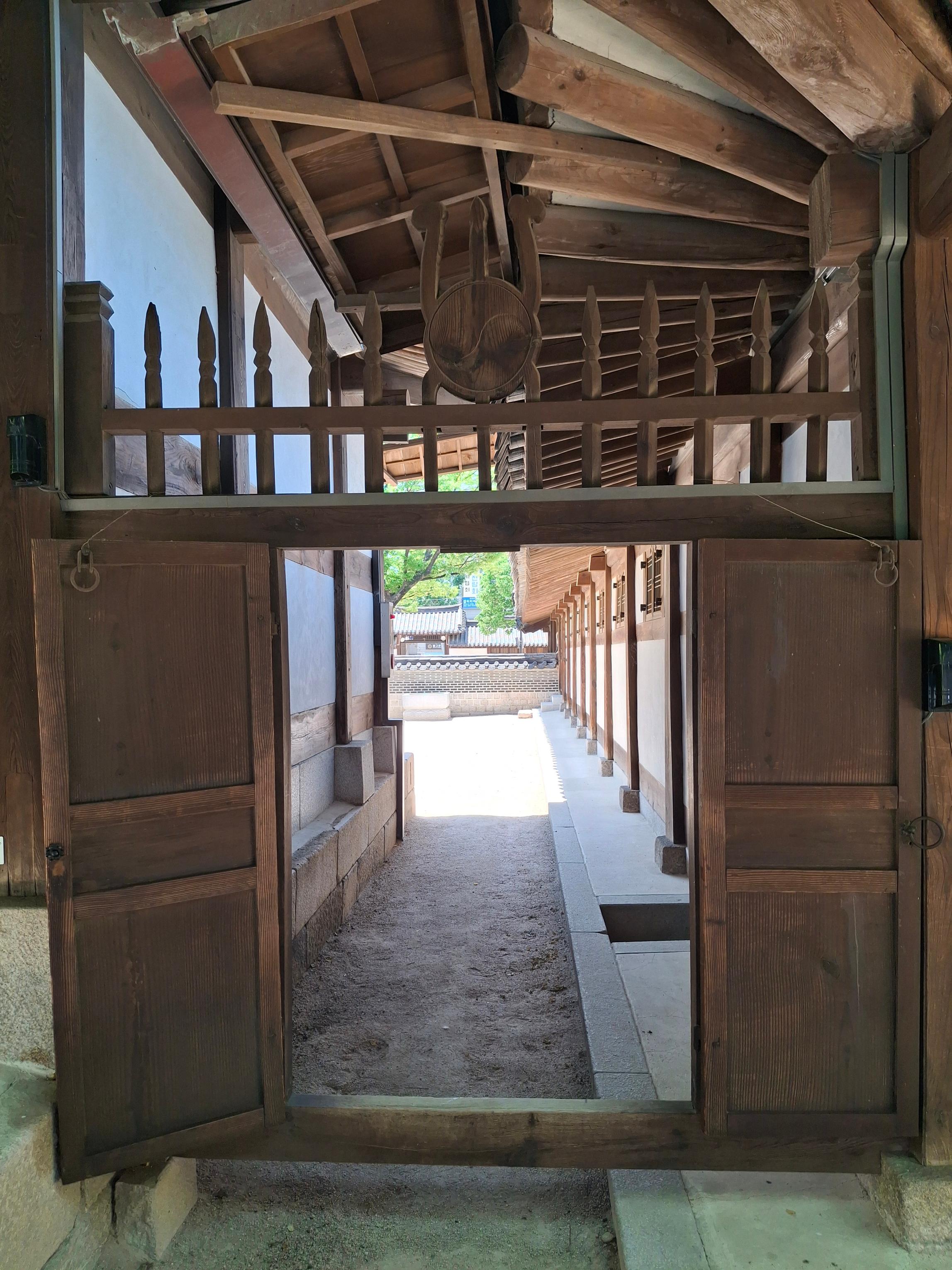
This building was built in 1869 (the 6th. year of Emperor Gojong's reign) behind Noandang Hall and Norakdang Hall after they were built. Irodang Hall displays features such as plane composition, triple-fold windows, sunscreen eaves, etc., which are similar to the Royal Palace. The arch in the middle of the building looks very beautiful. Through it you can go to the backyard, where there is a small garden.
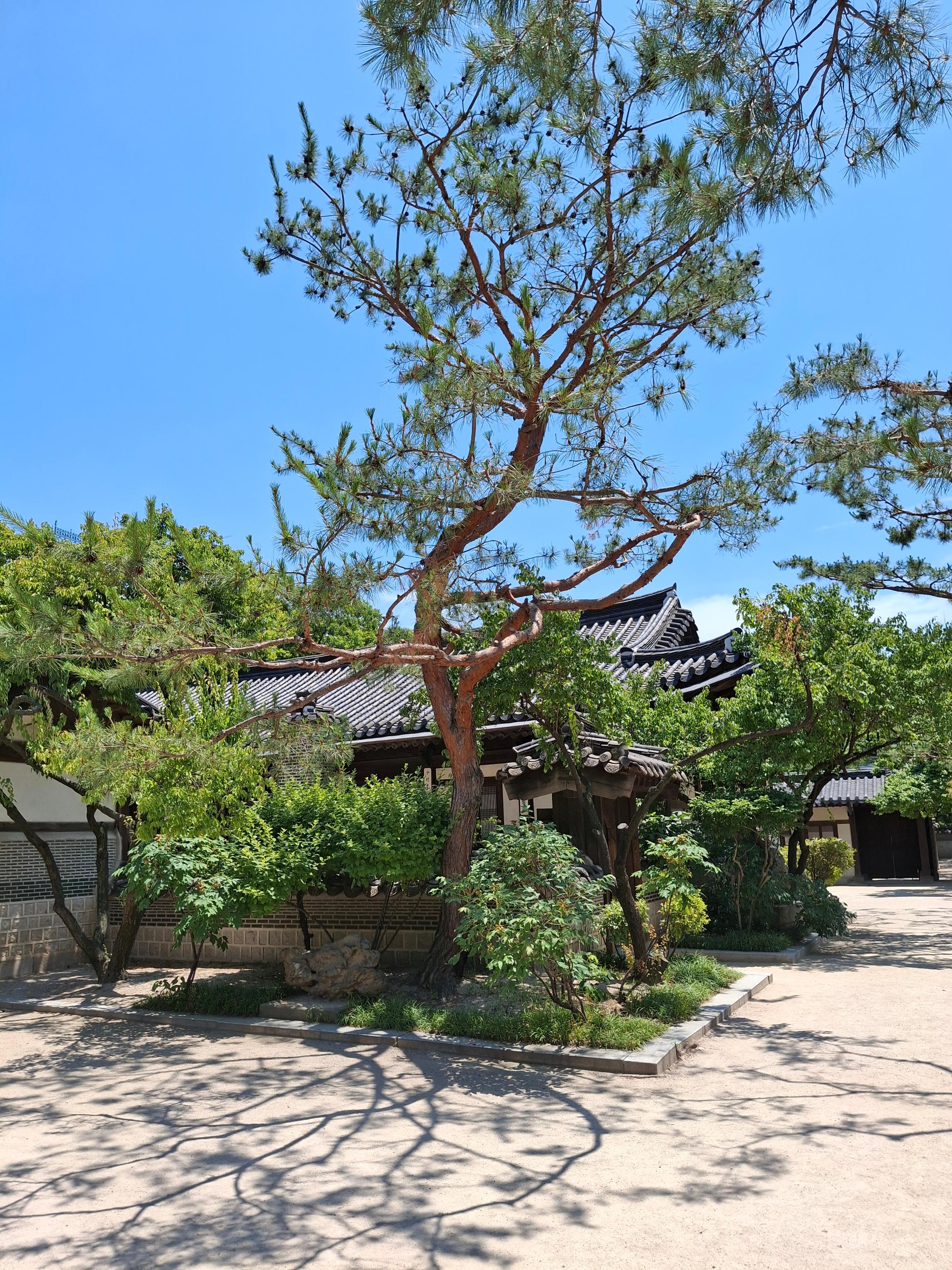
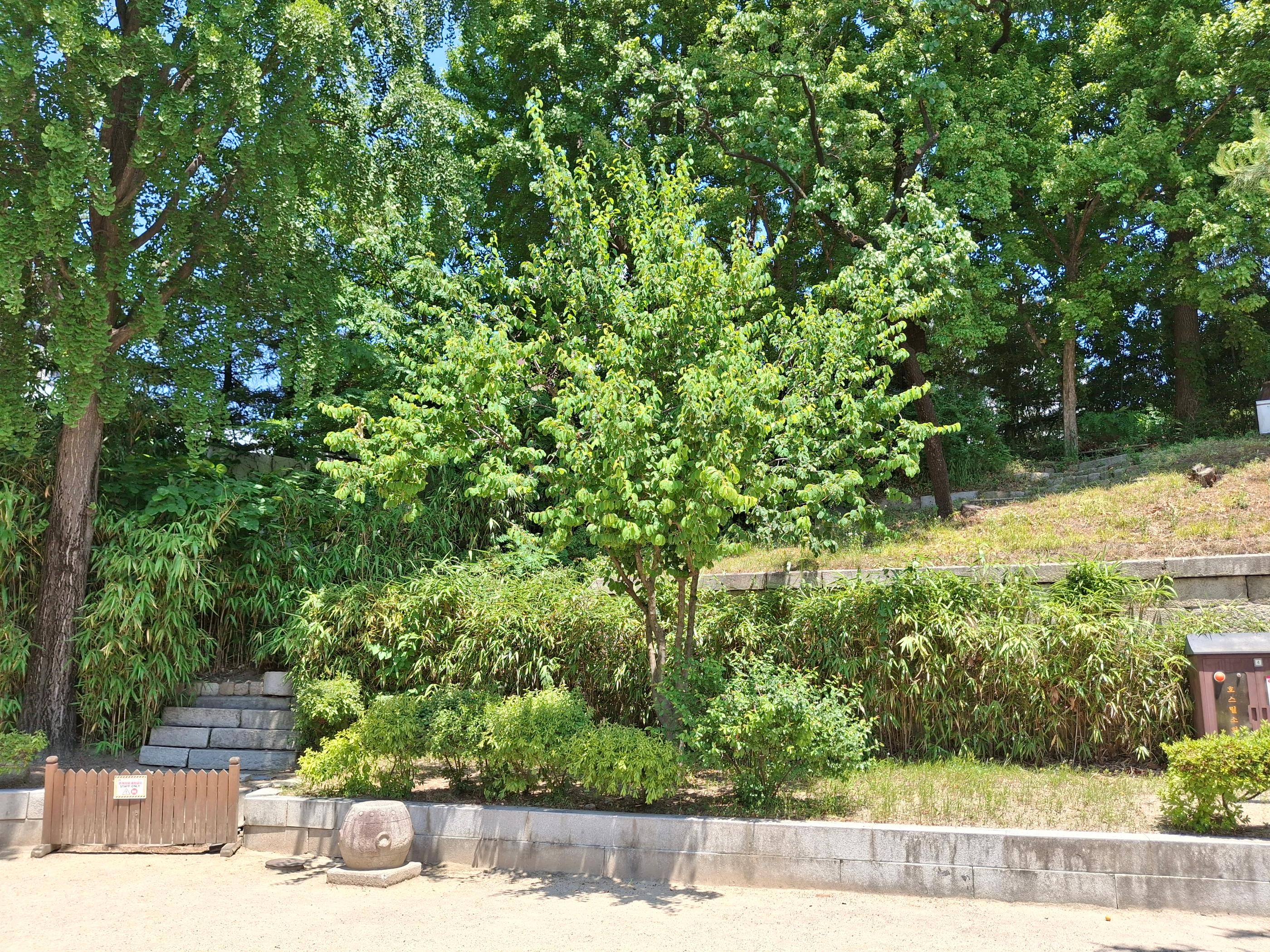
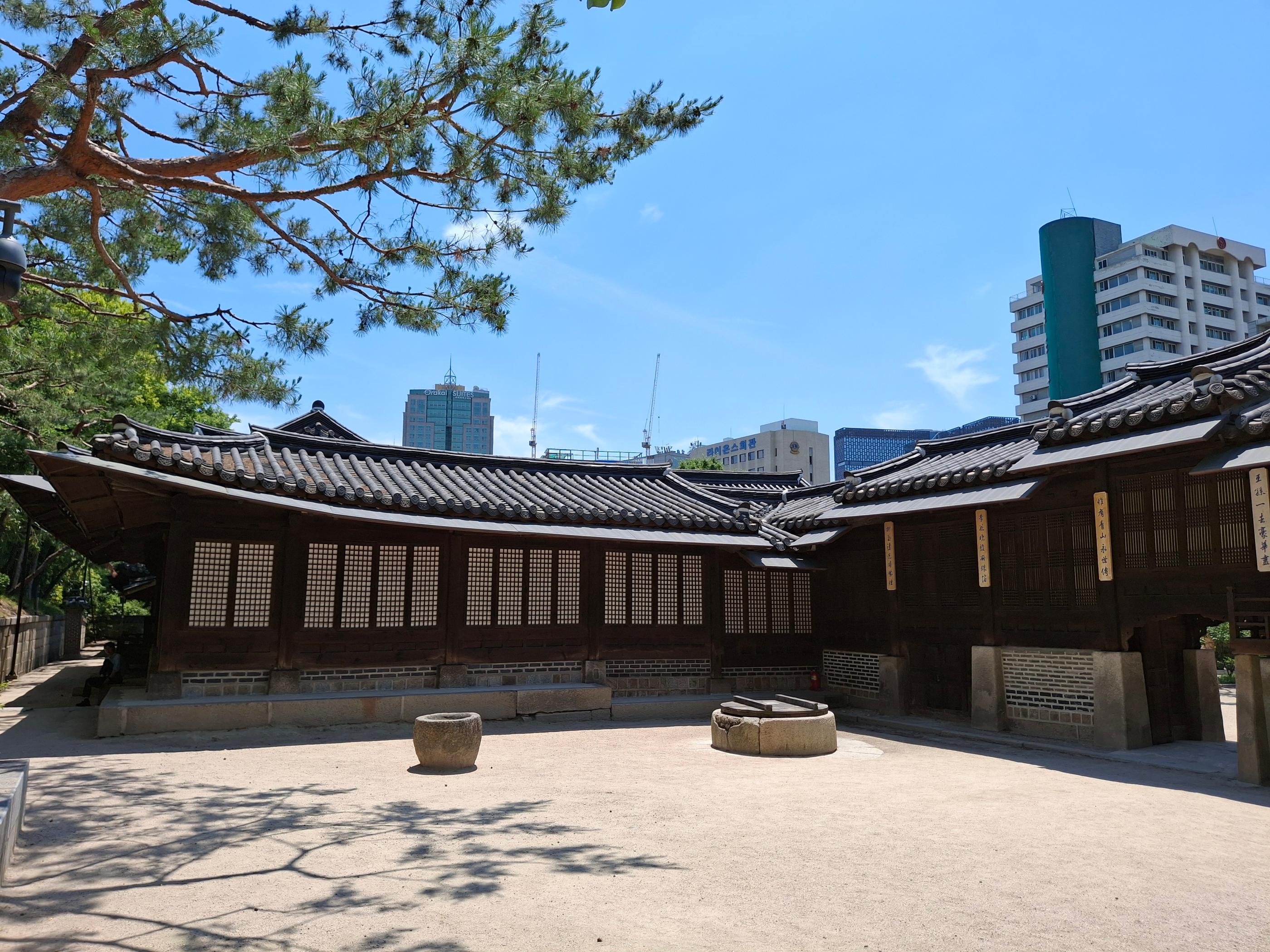
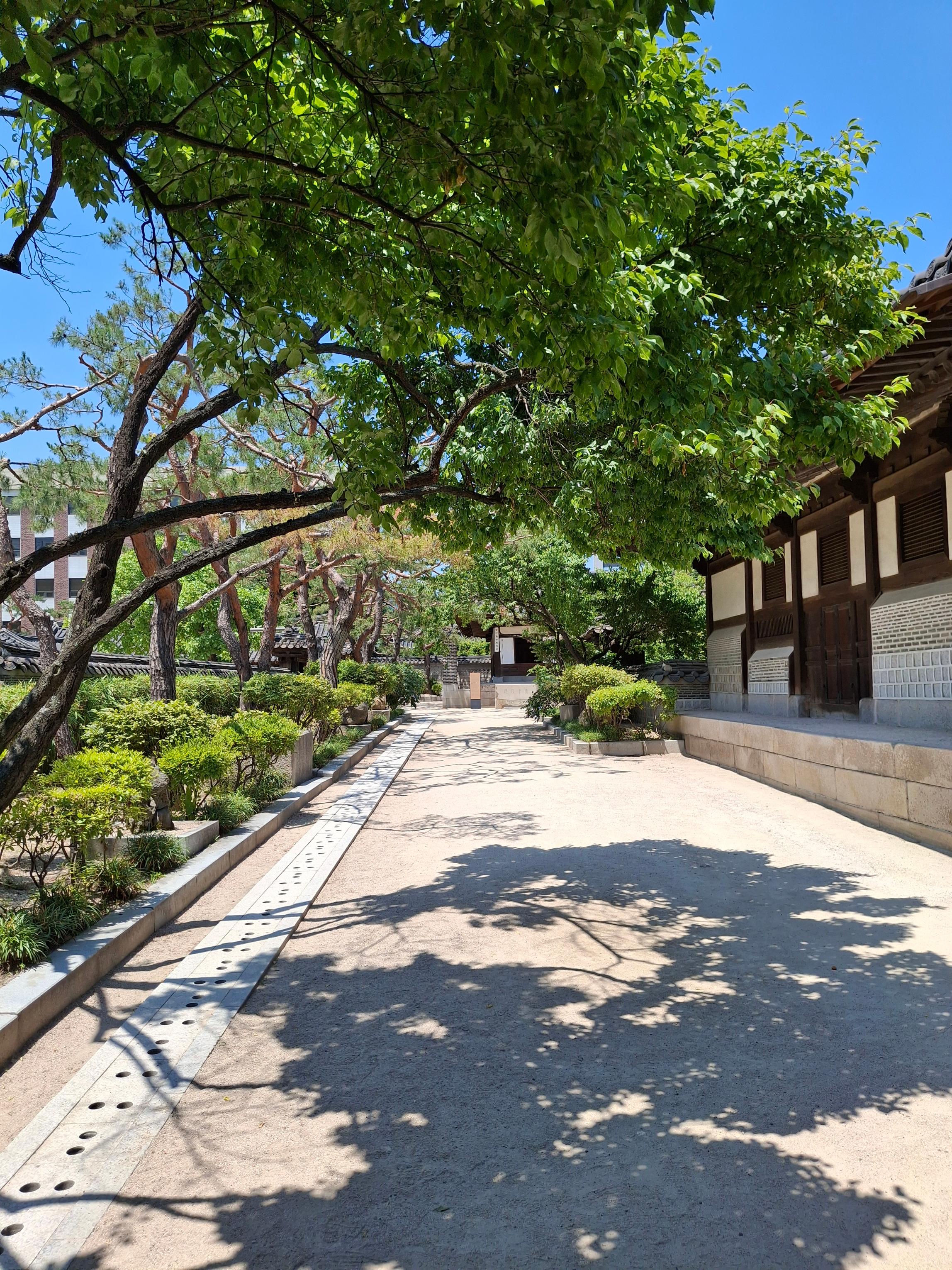
Right next door, separated from Irodang by a wall, is a building Norakdang. A beautiful alley with trees and unusual stones leads to it.
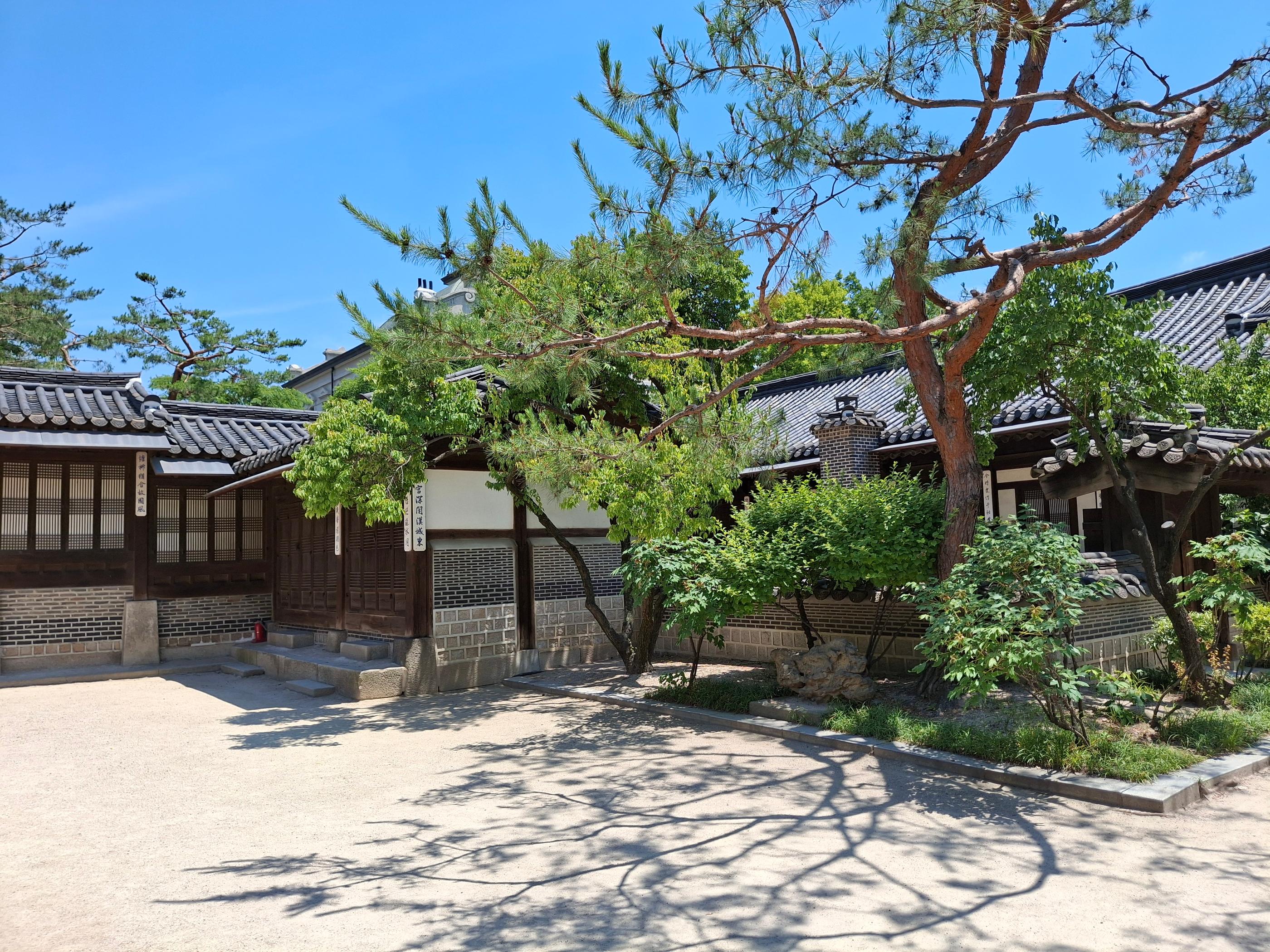
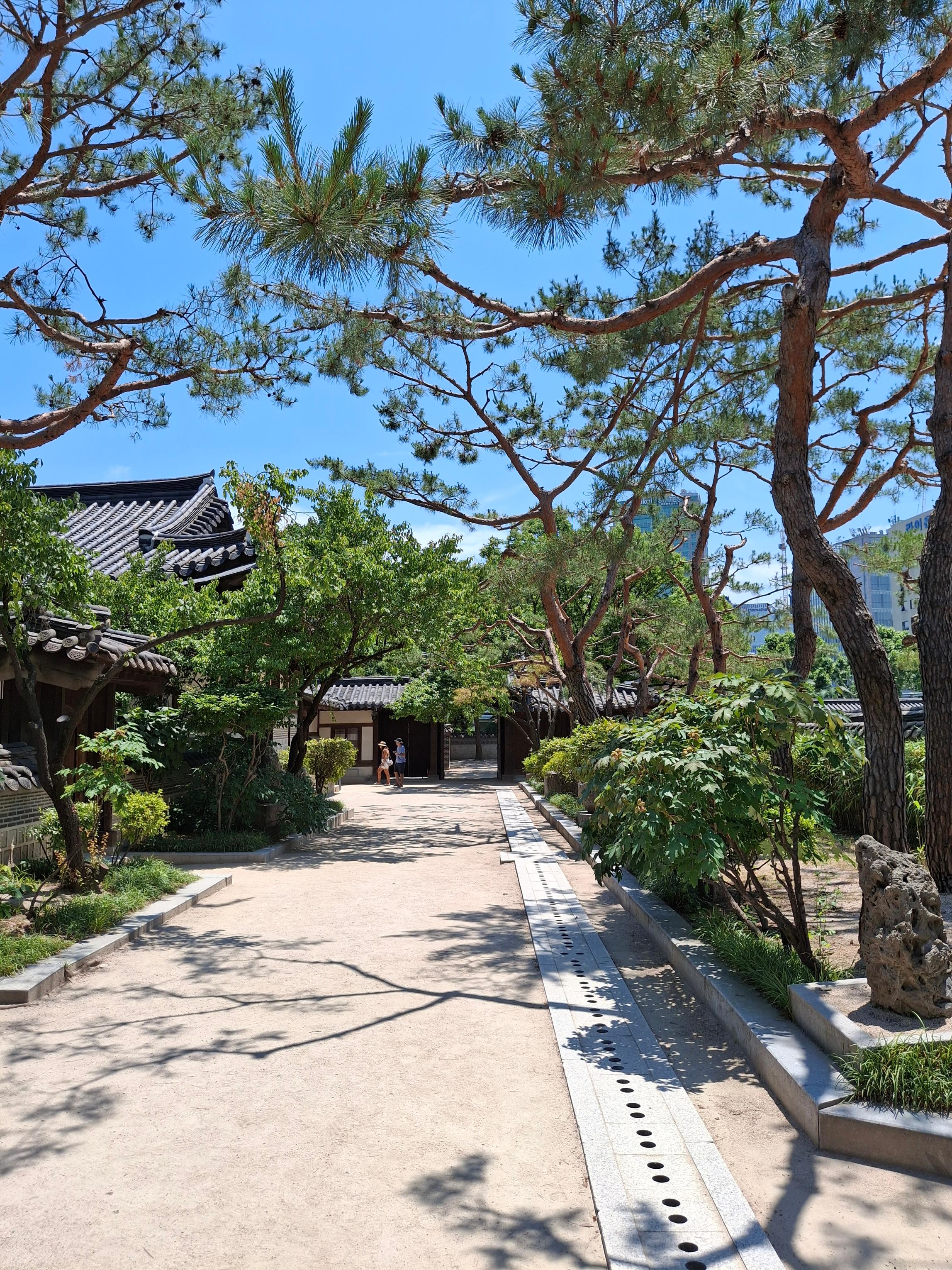
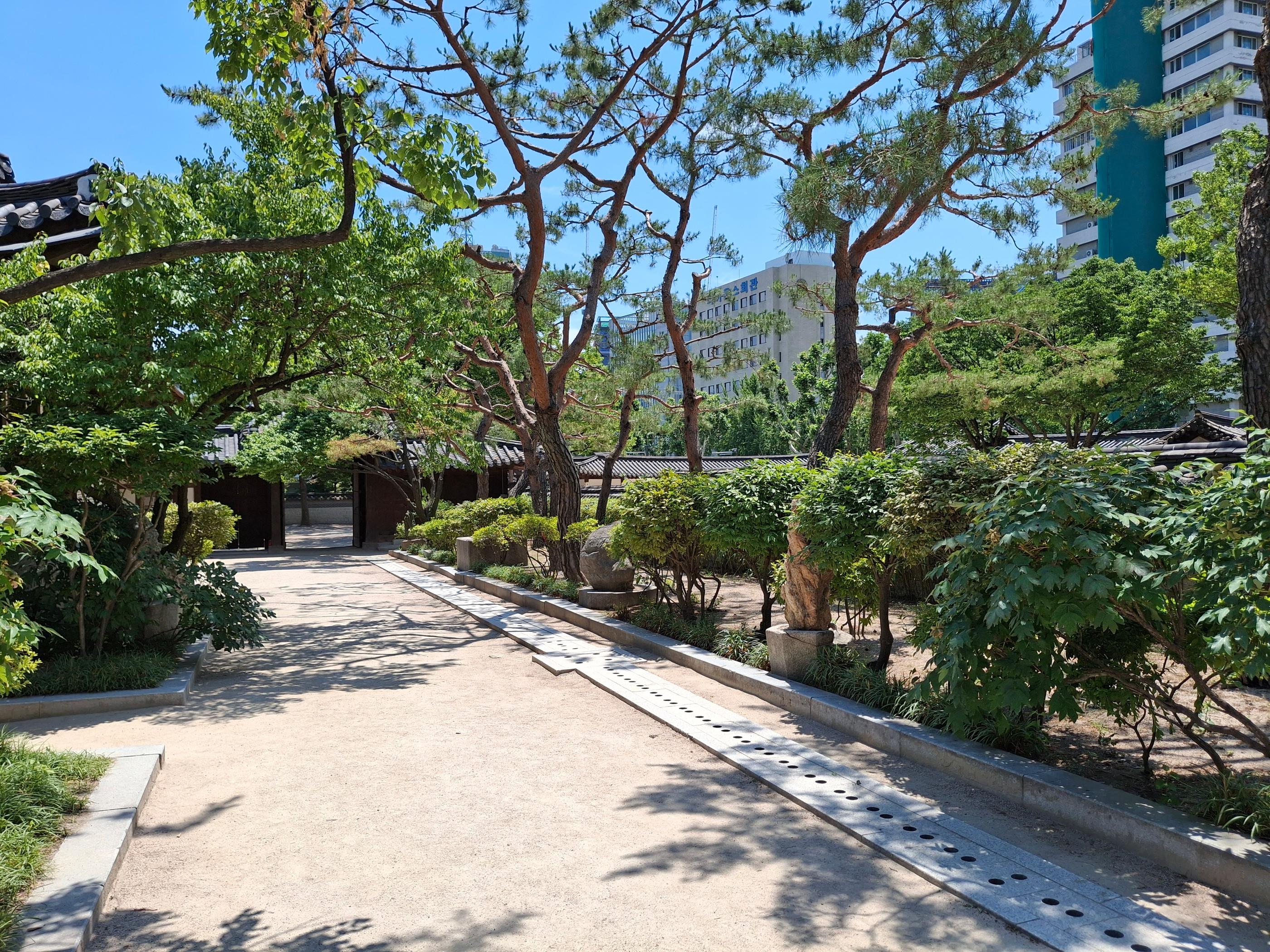
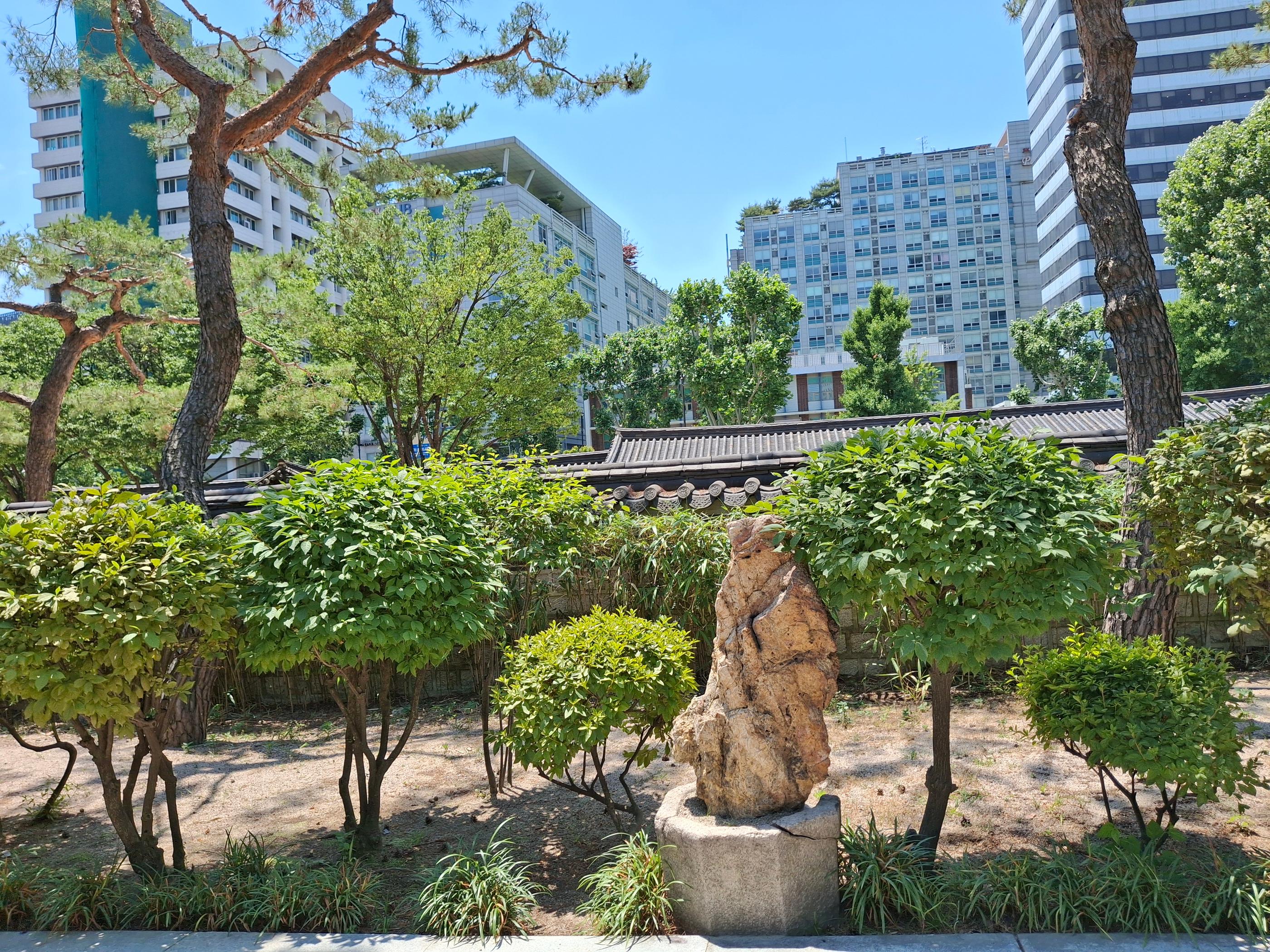
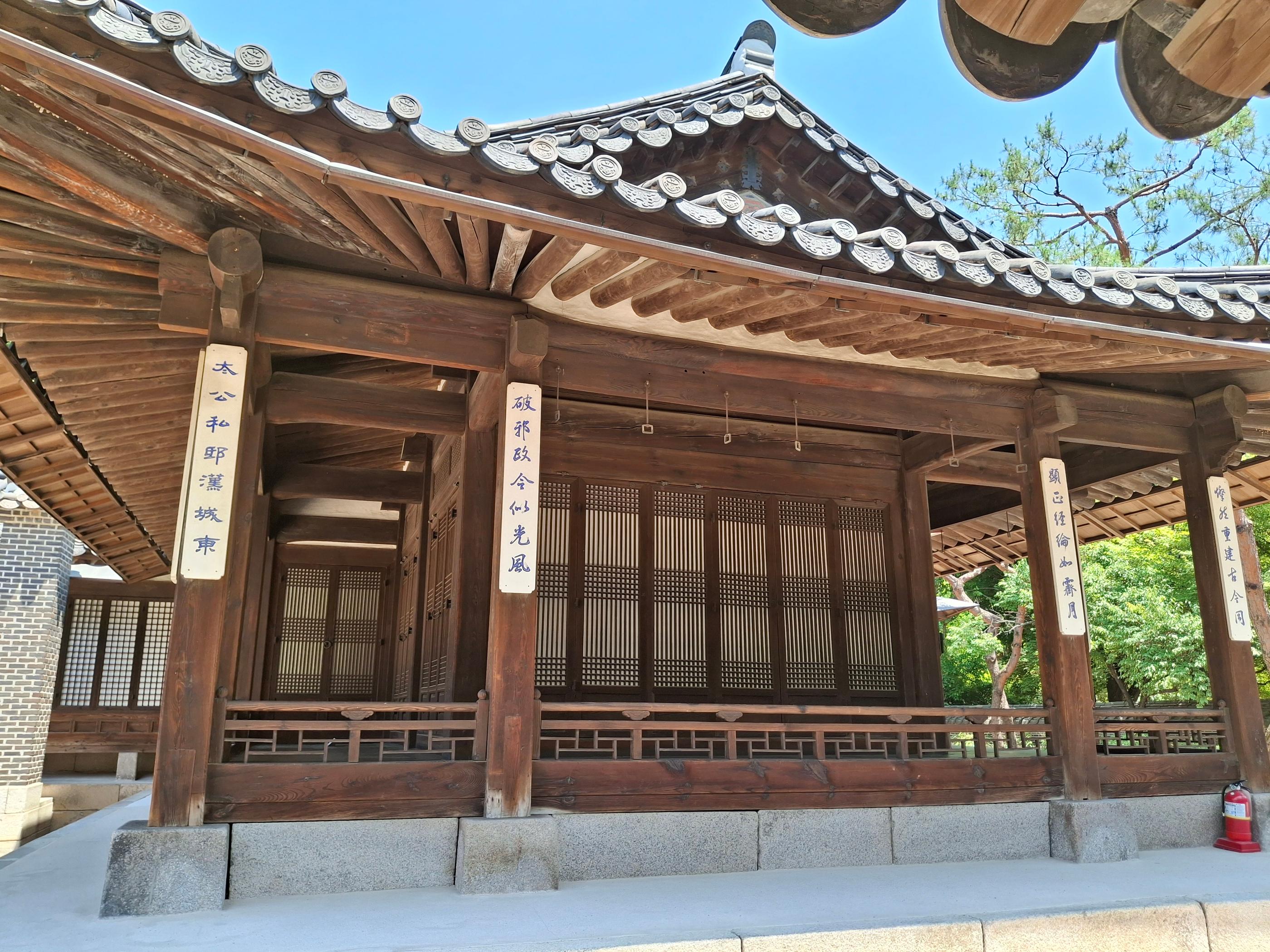
Norakdang Hall is the central place of Unhyeongung Palace. It was built in 1864 (the 1st year of Emperor Gojong's reign). Norakdang Hall is the only building in the house that has decorated column tops, which indicate that it is the central place of the house. It was in this building that Emperor Gojong and his wife, Empress Myeongseong, held their wedding ceremony in 1866 (the 3rd year of Emperor Gojong's reign).
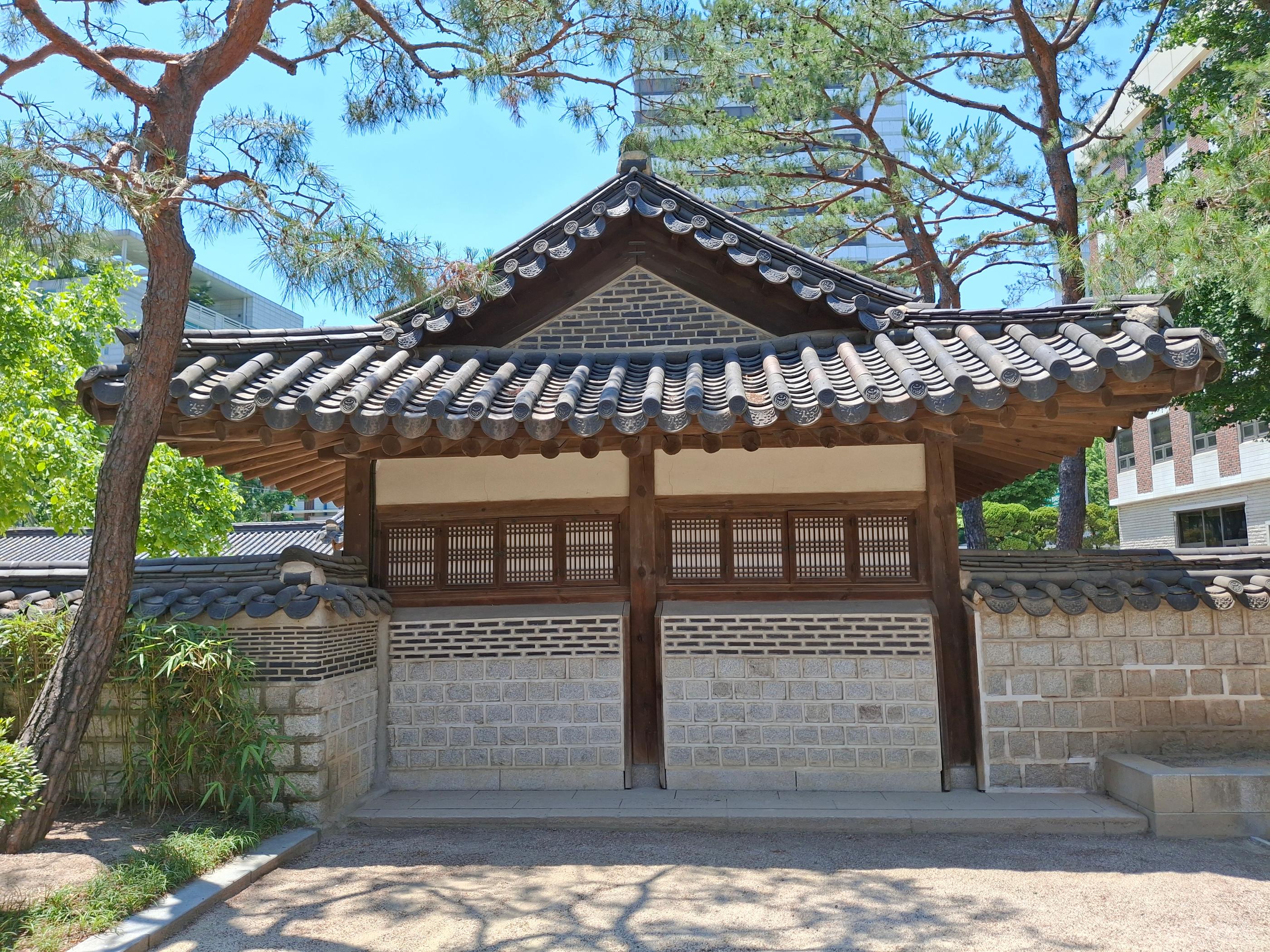
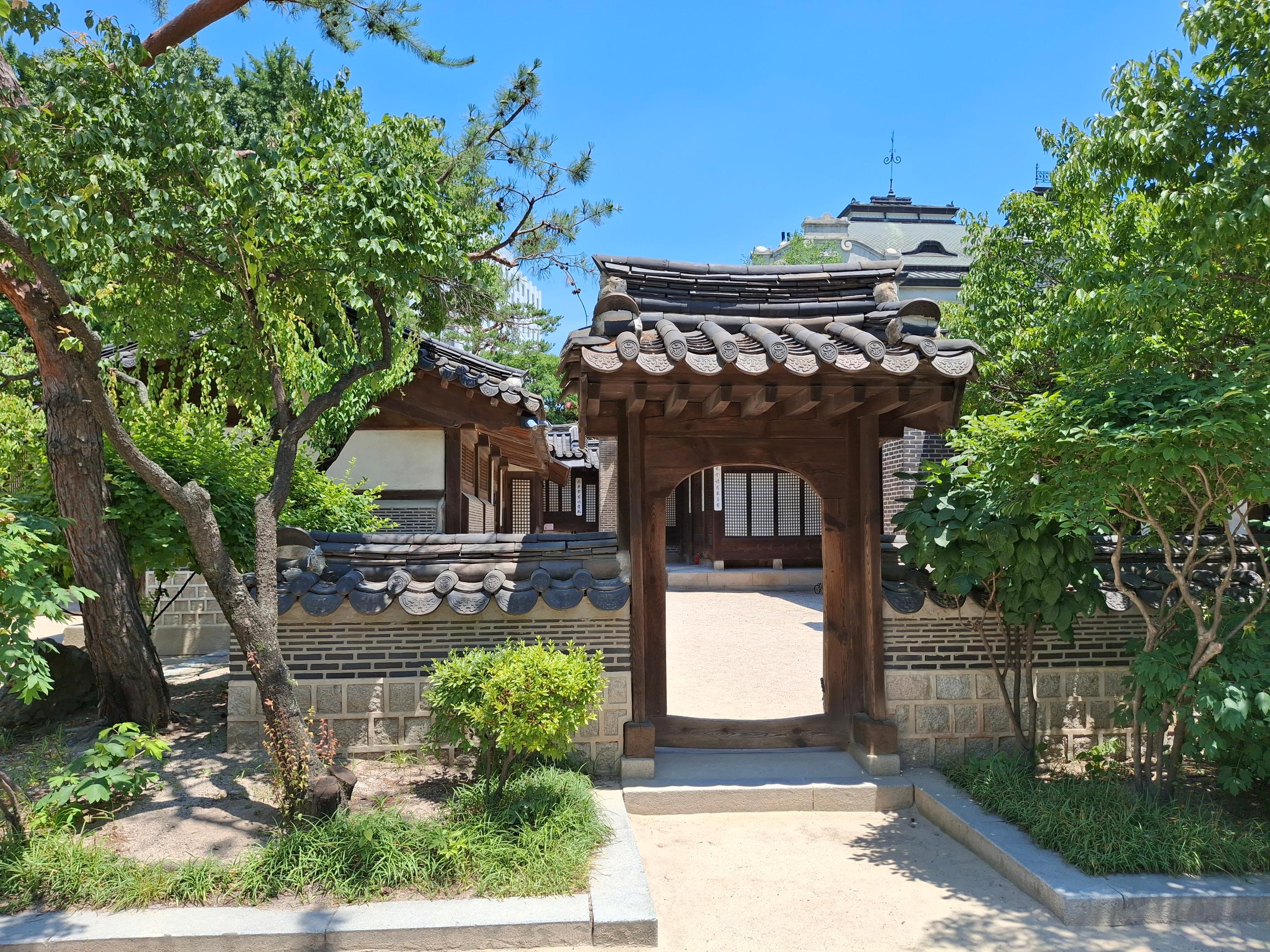
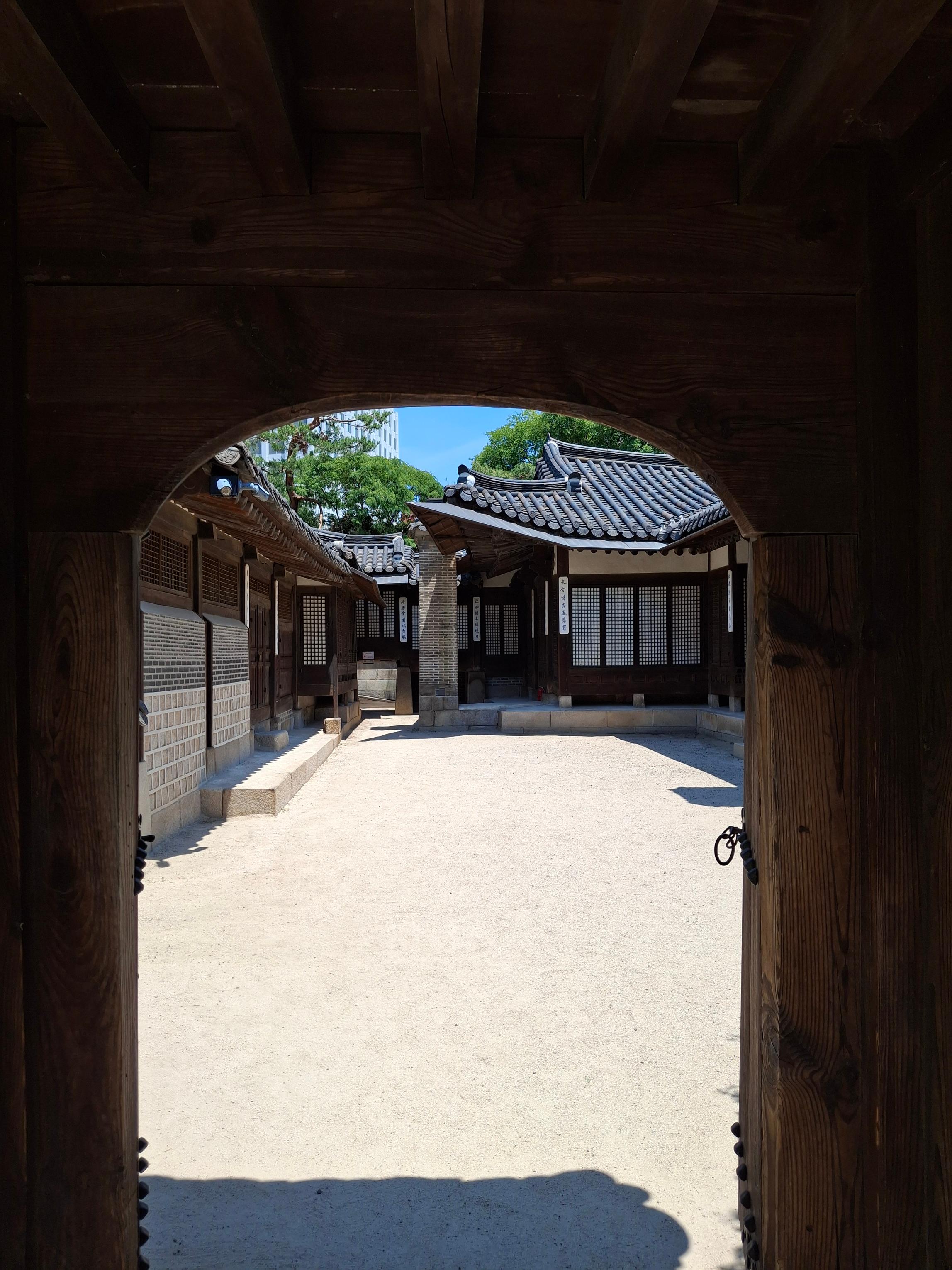
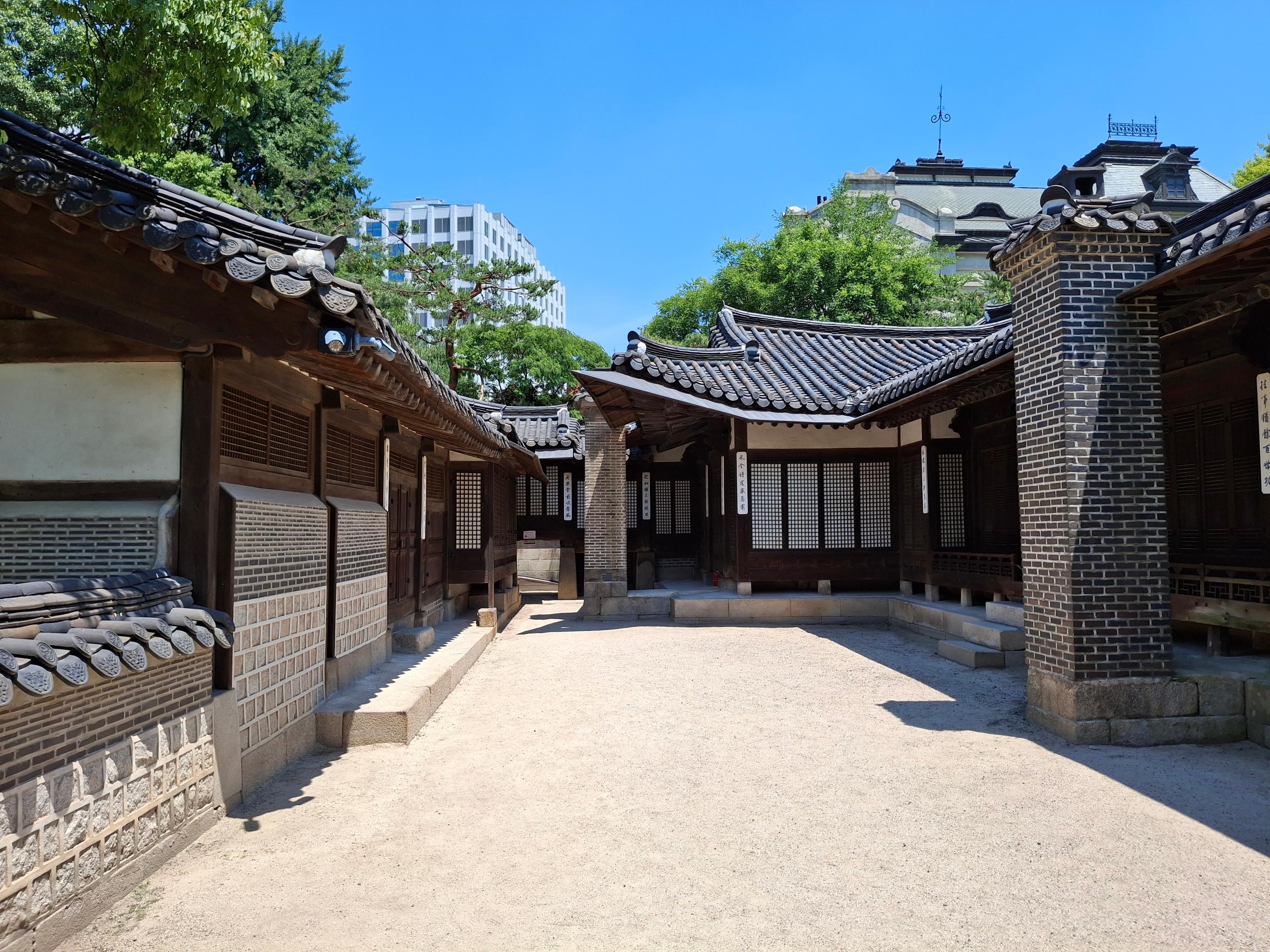
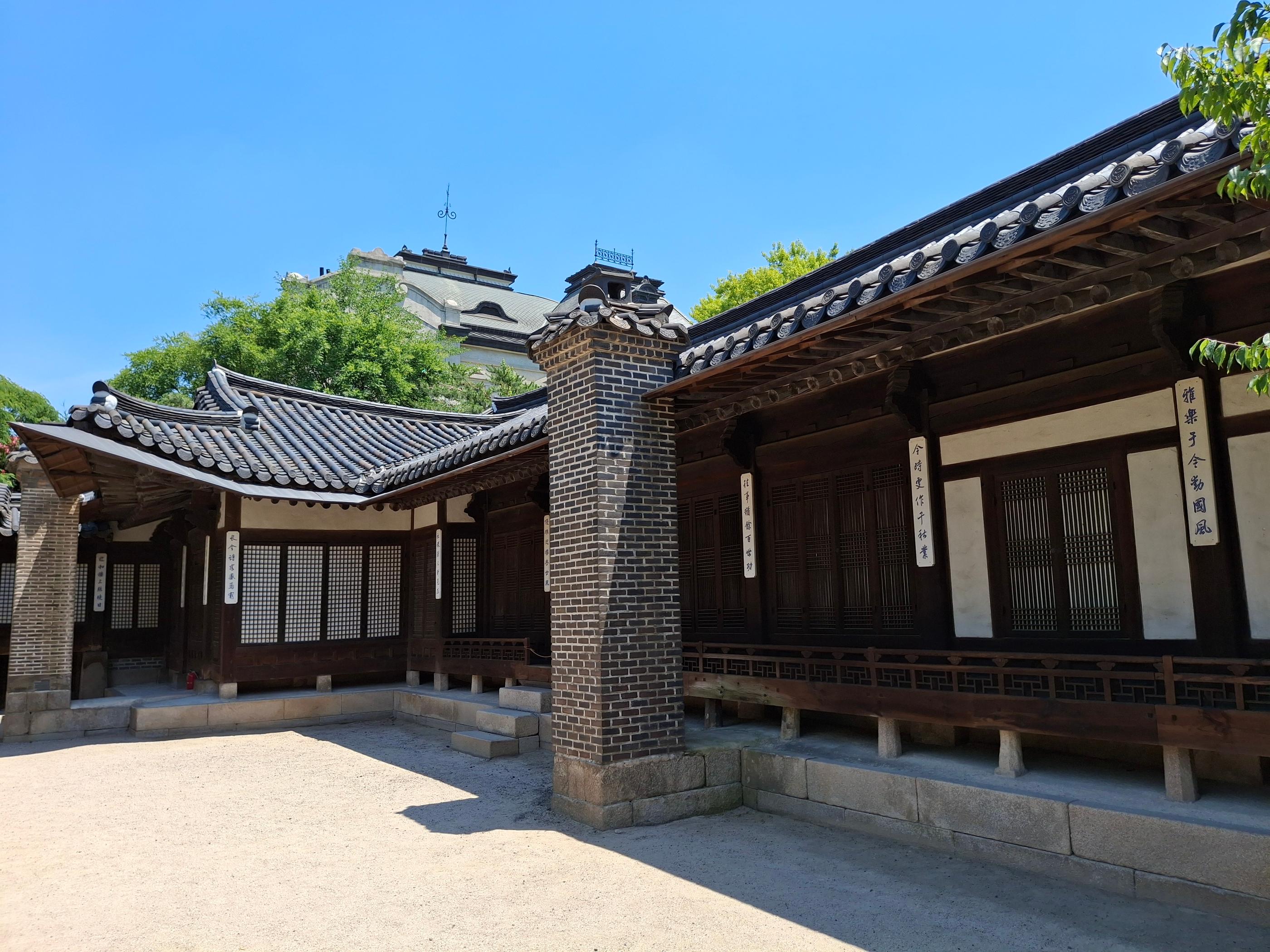
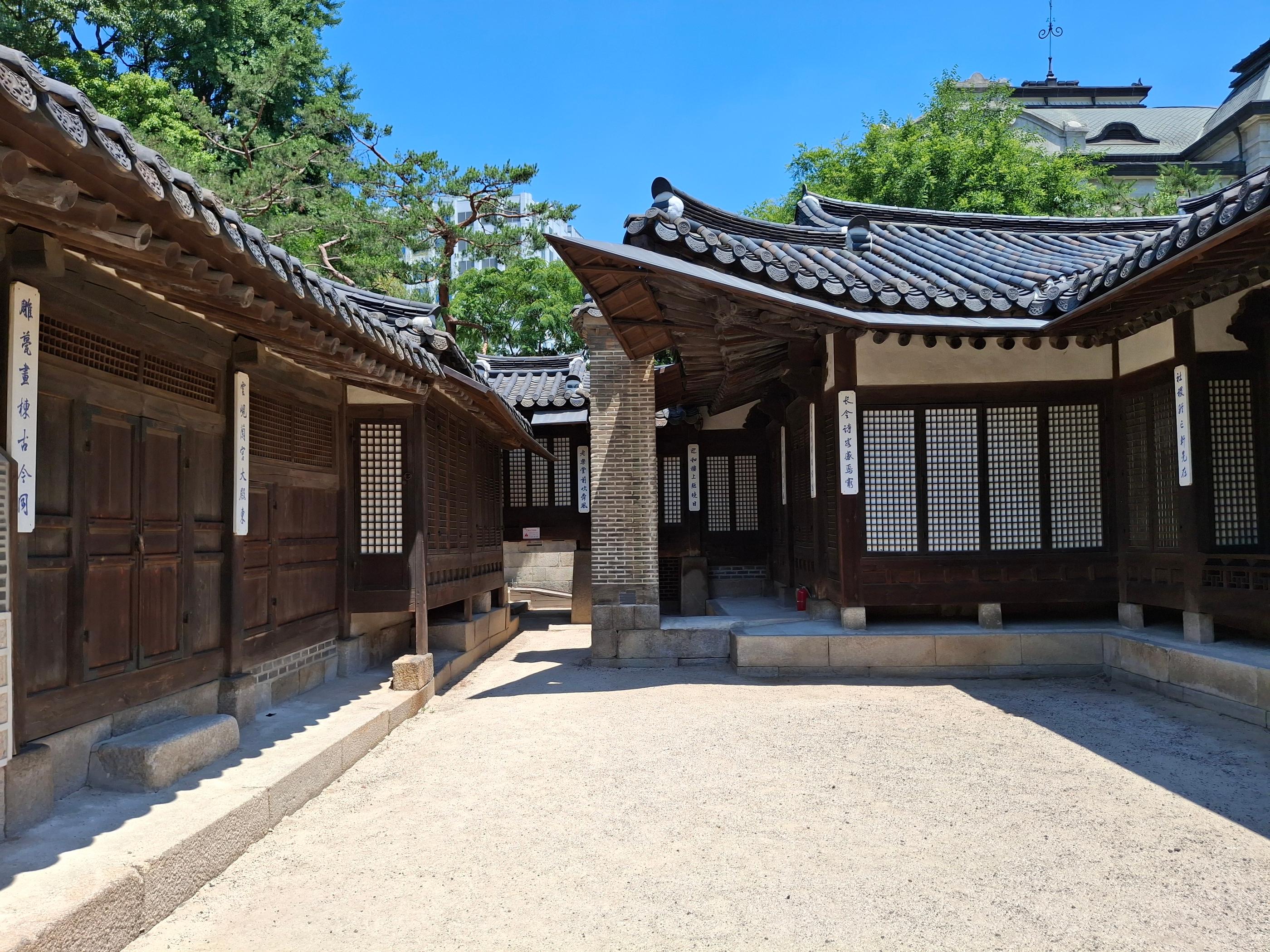
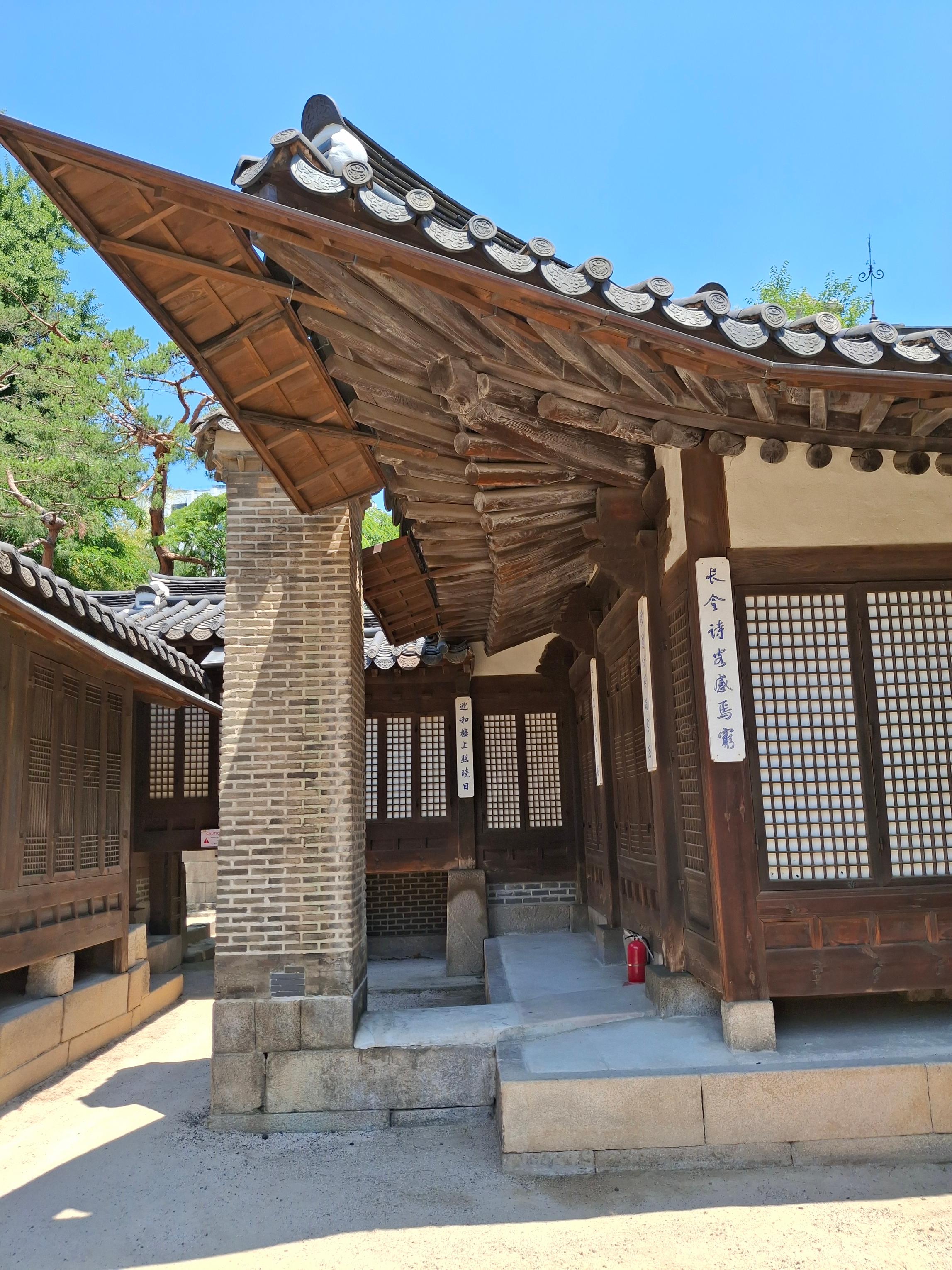
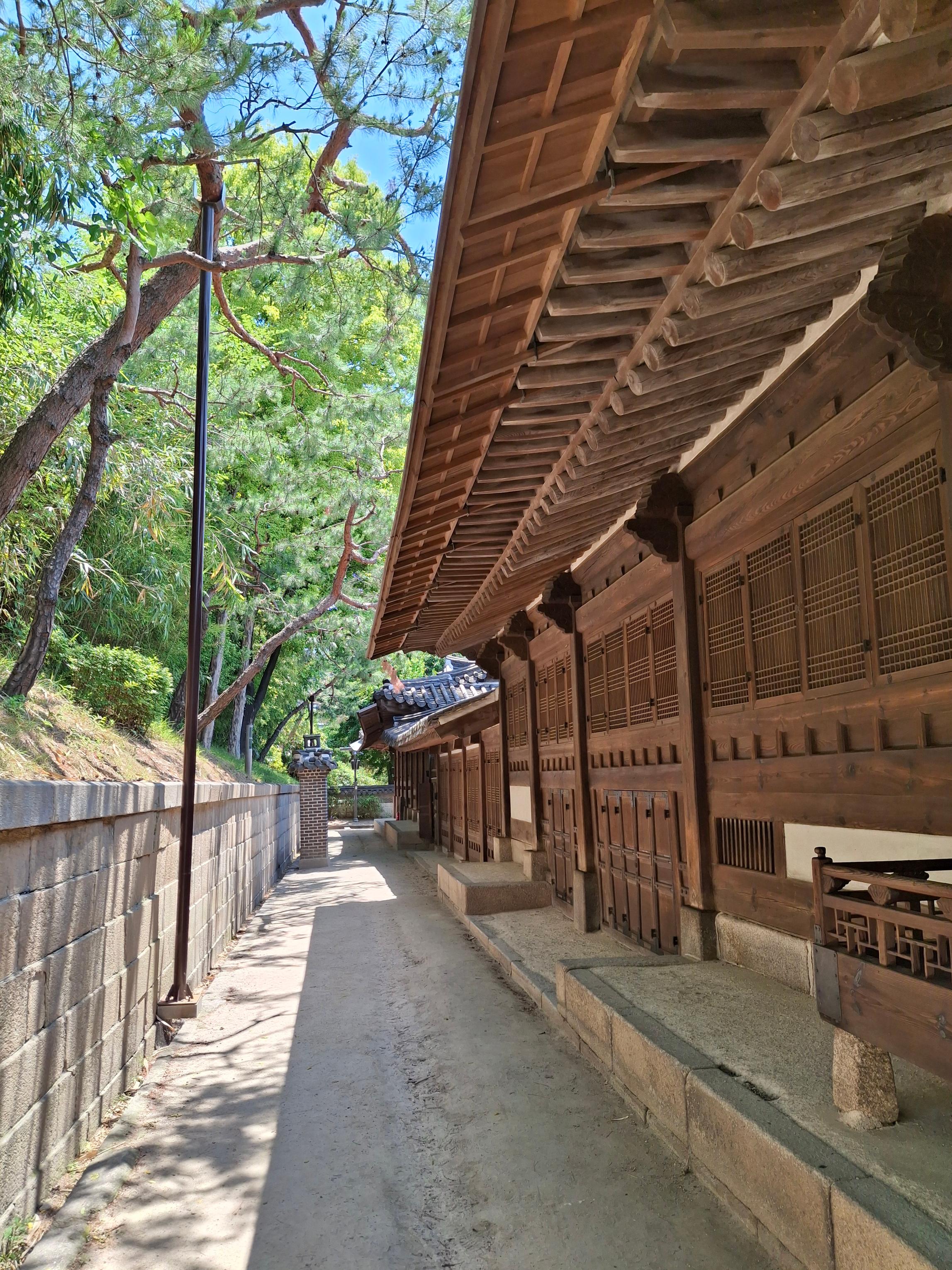
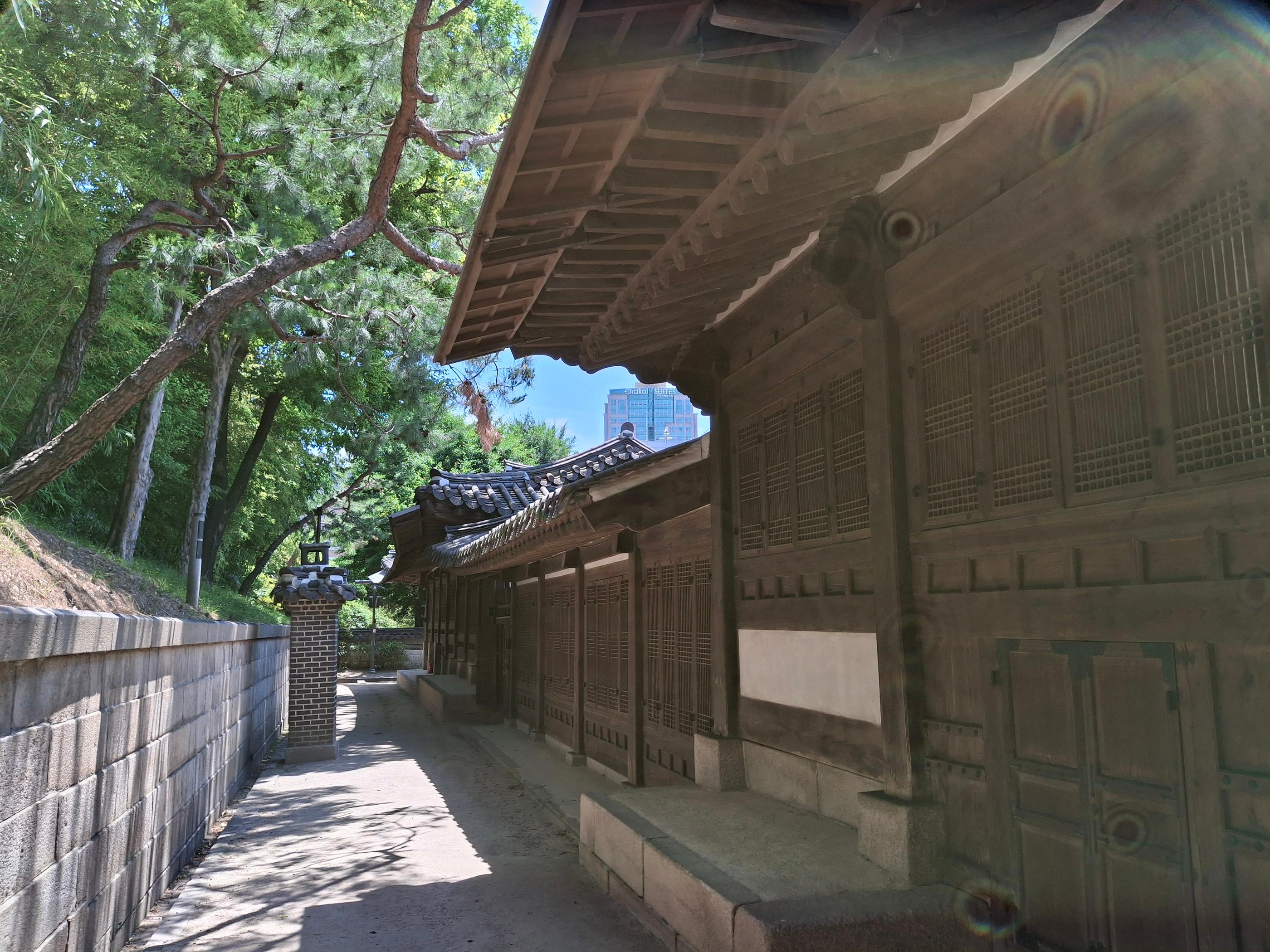
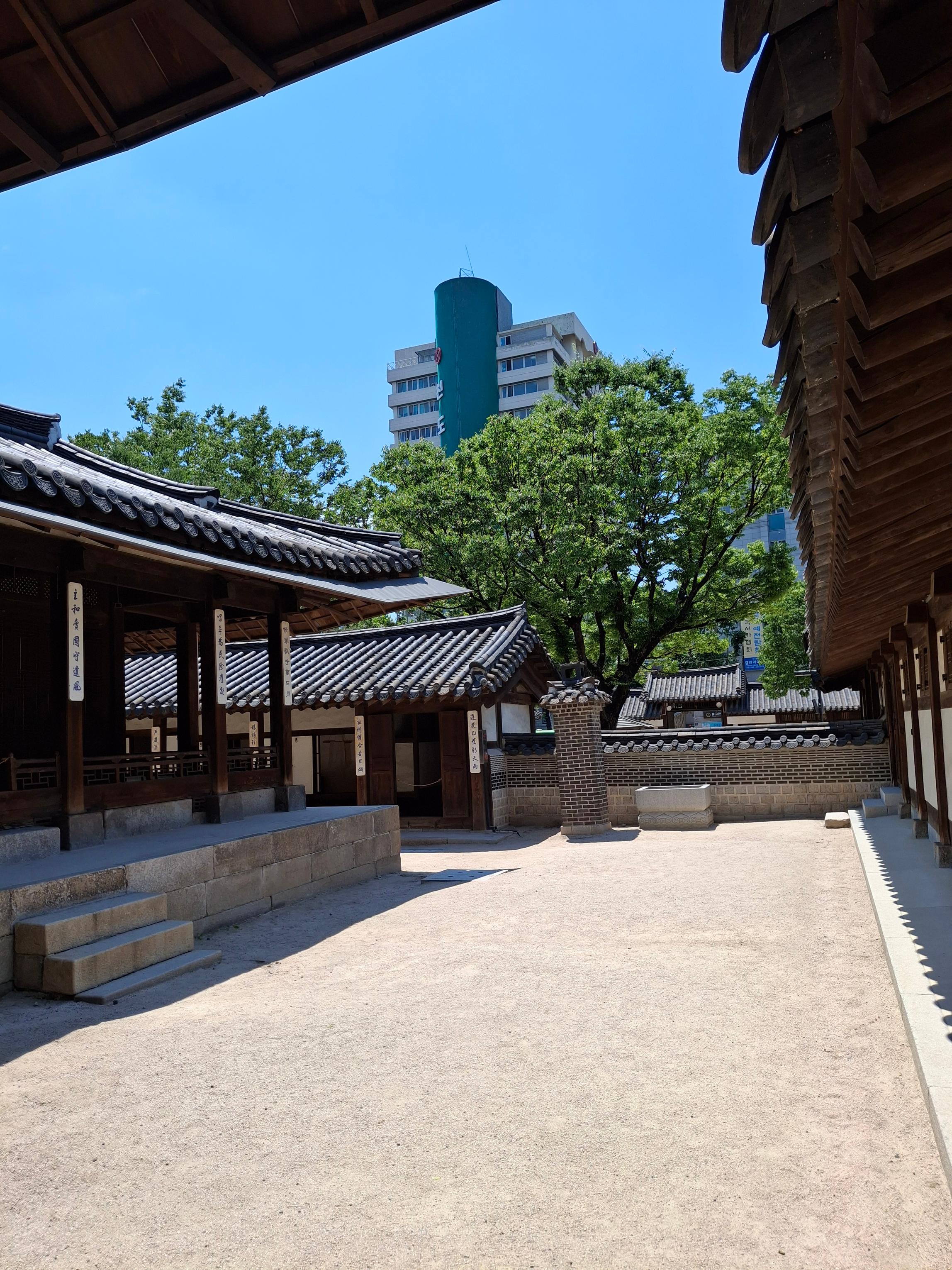
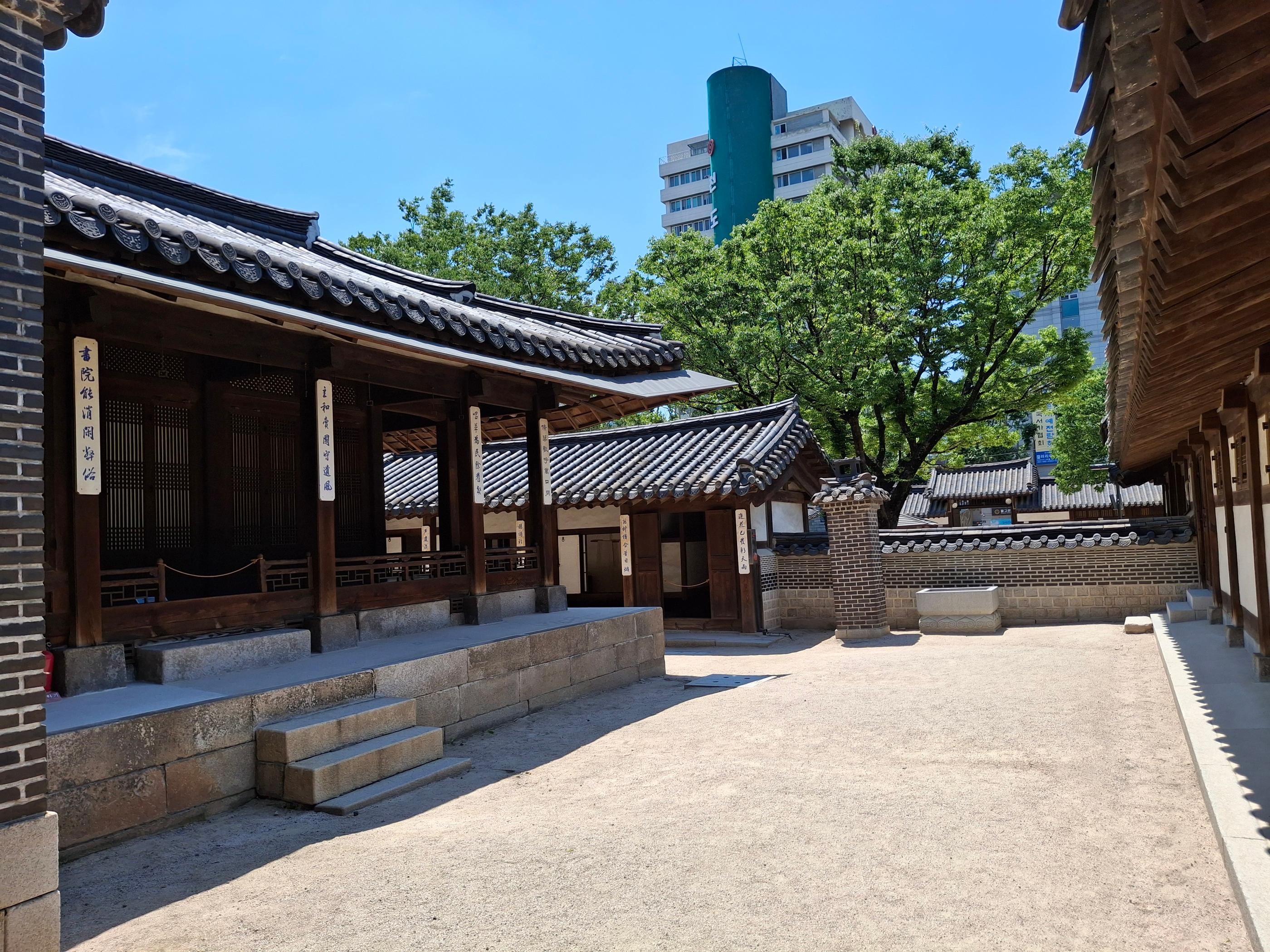
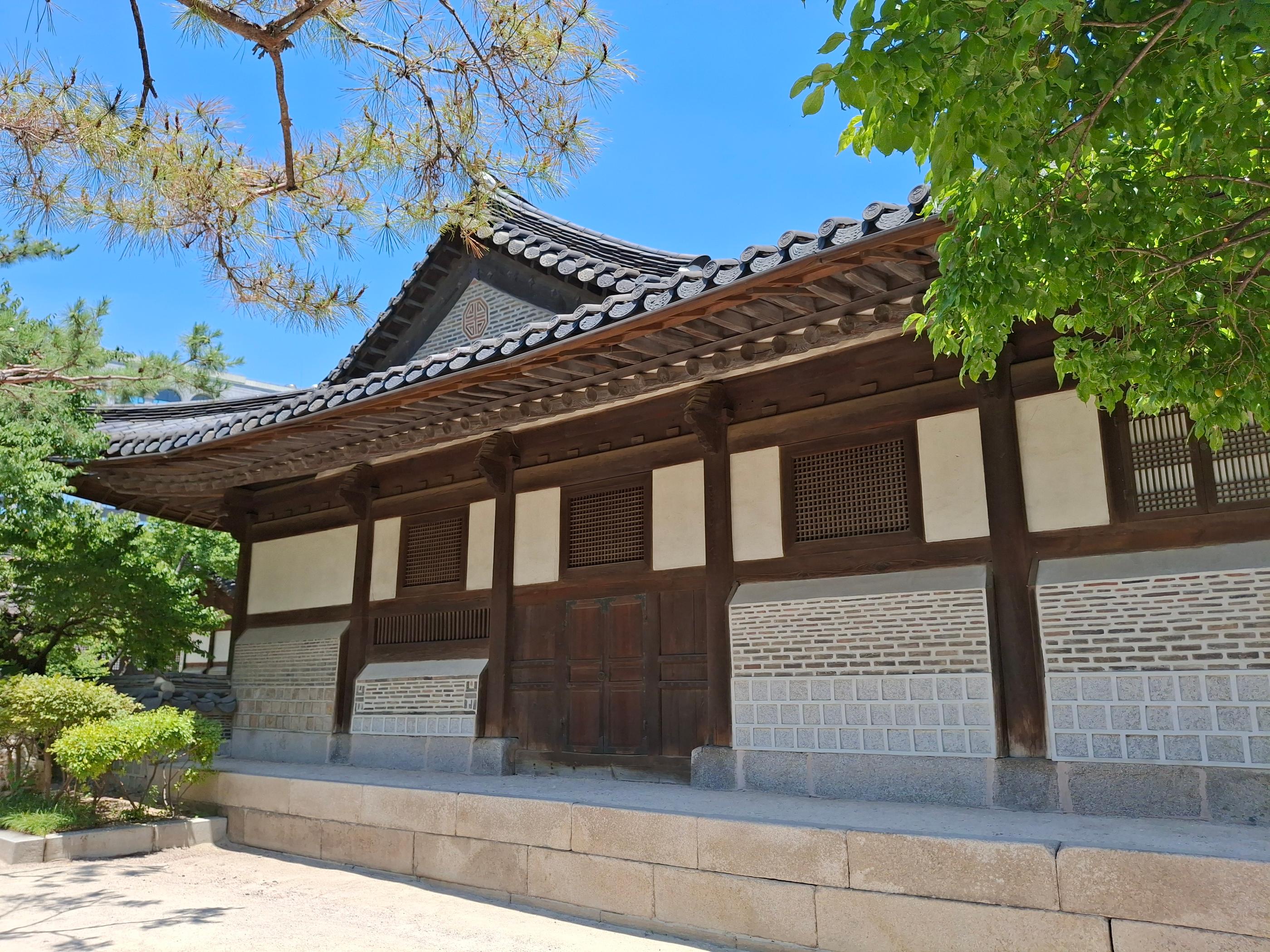
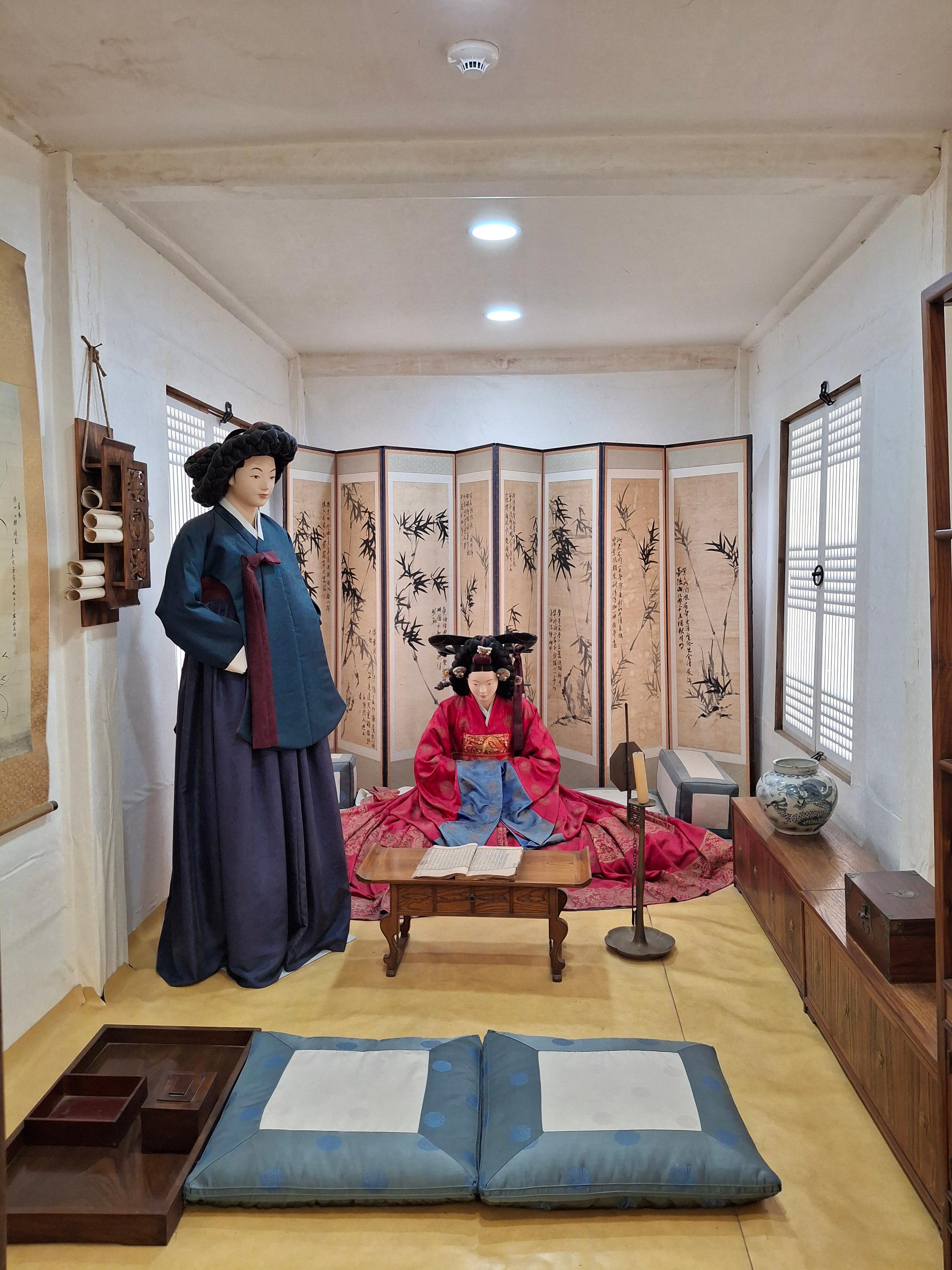
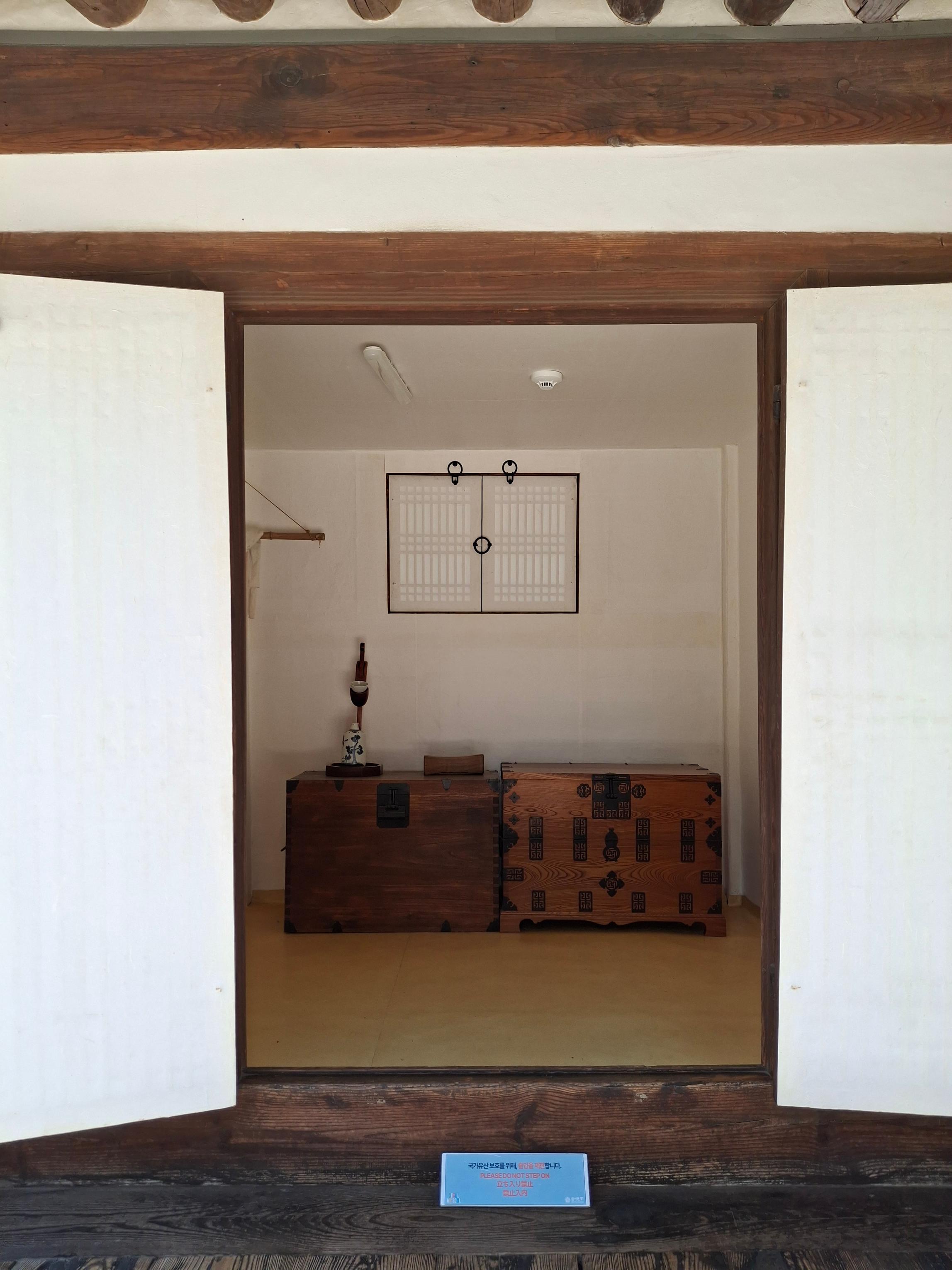
Through a narrow gate you can enter the second part of the hall. Here you will find a wonderful exhibition of everyday life. One can easily imagine oneself as a resident of this palace during the Joseon era!
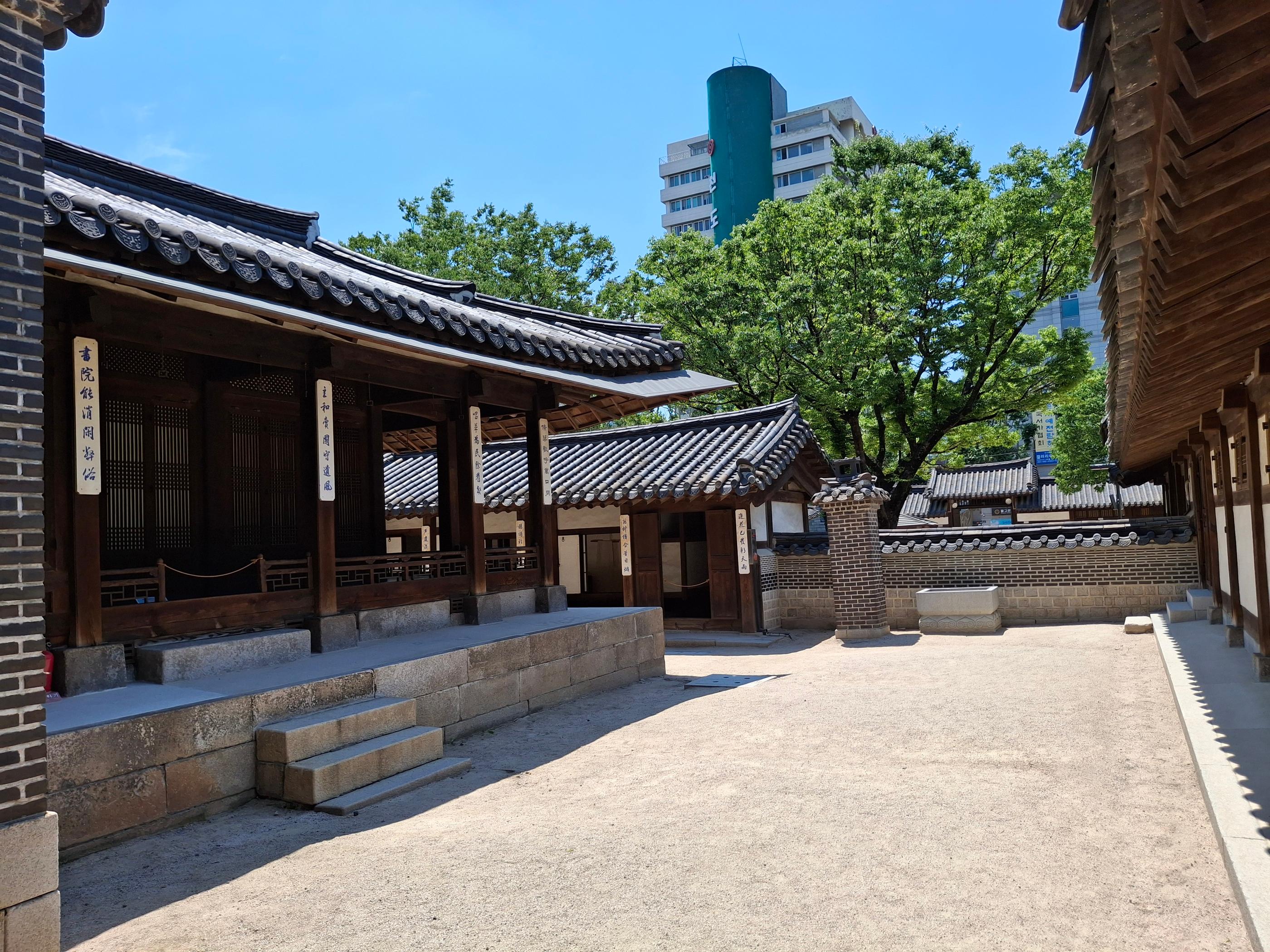
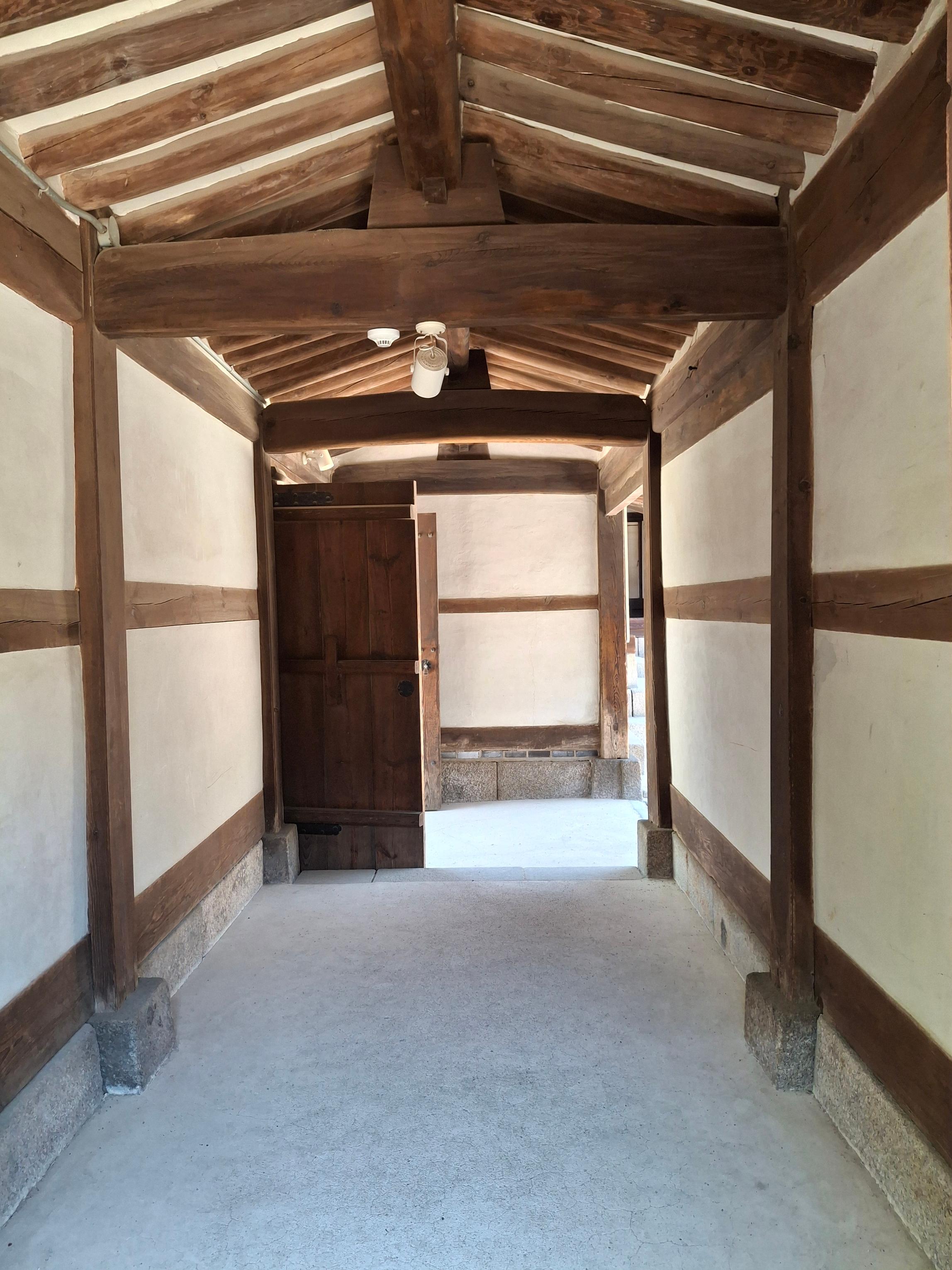
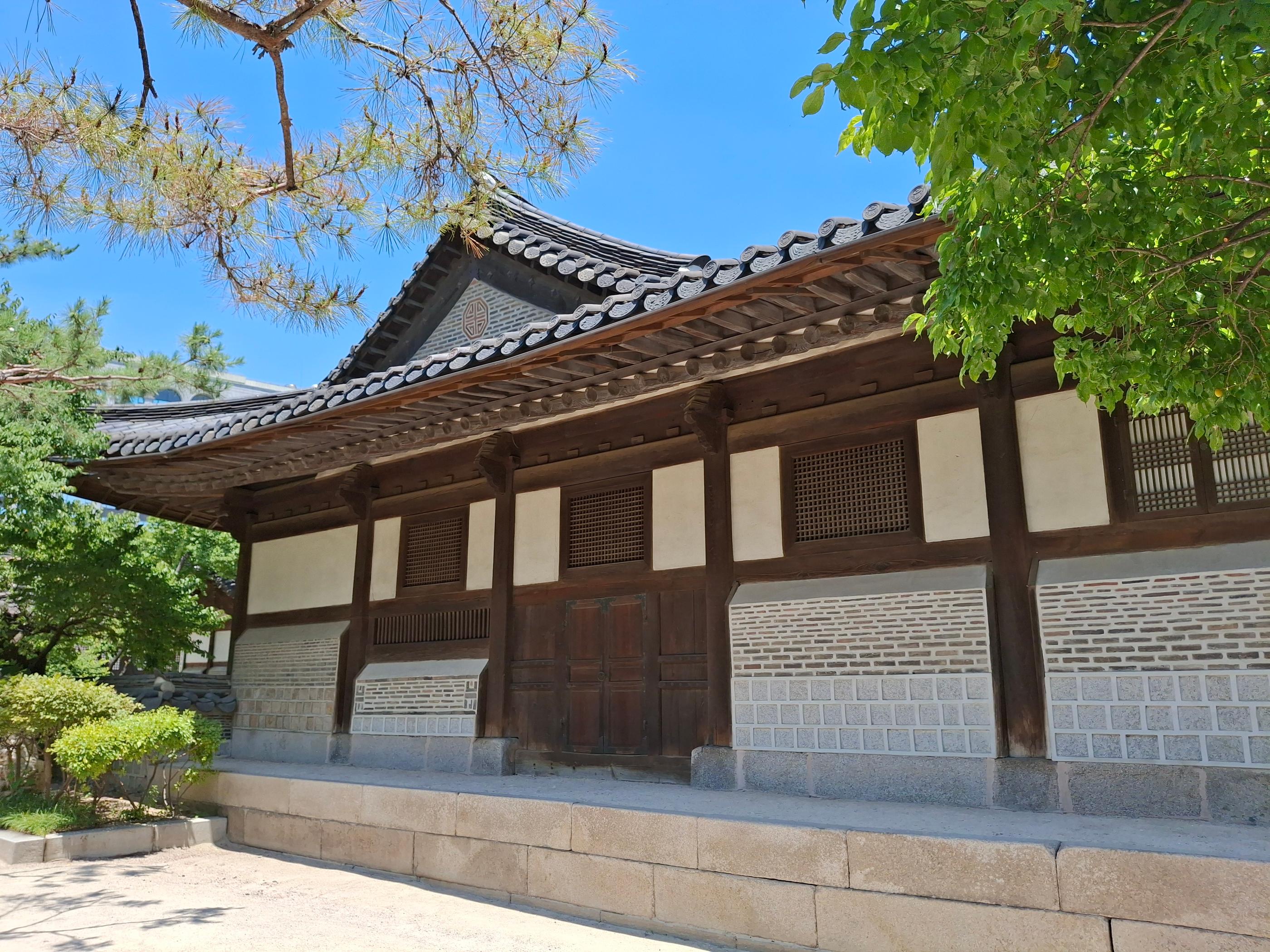
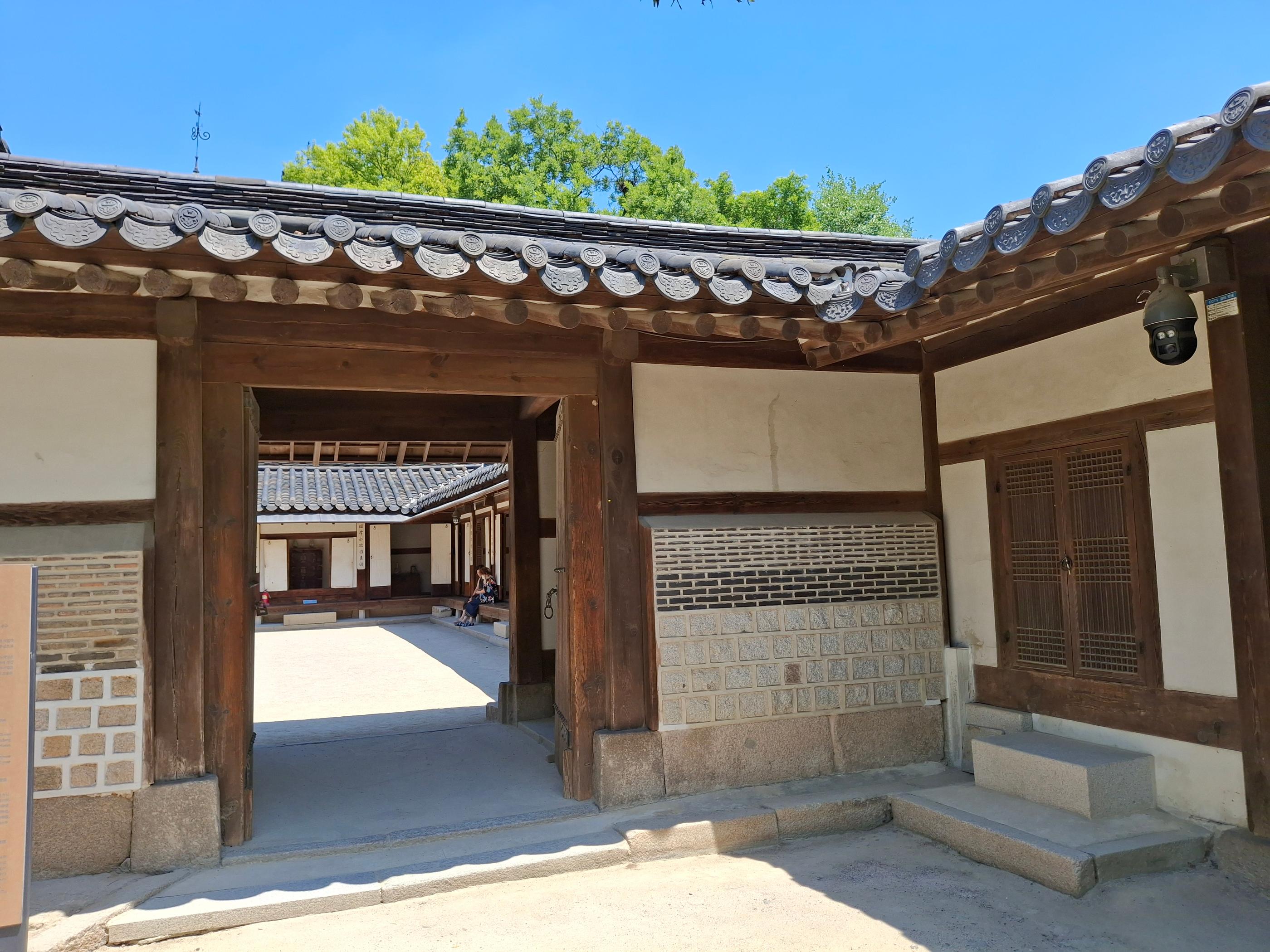
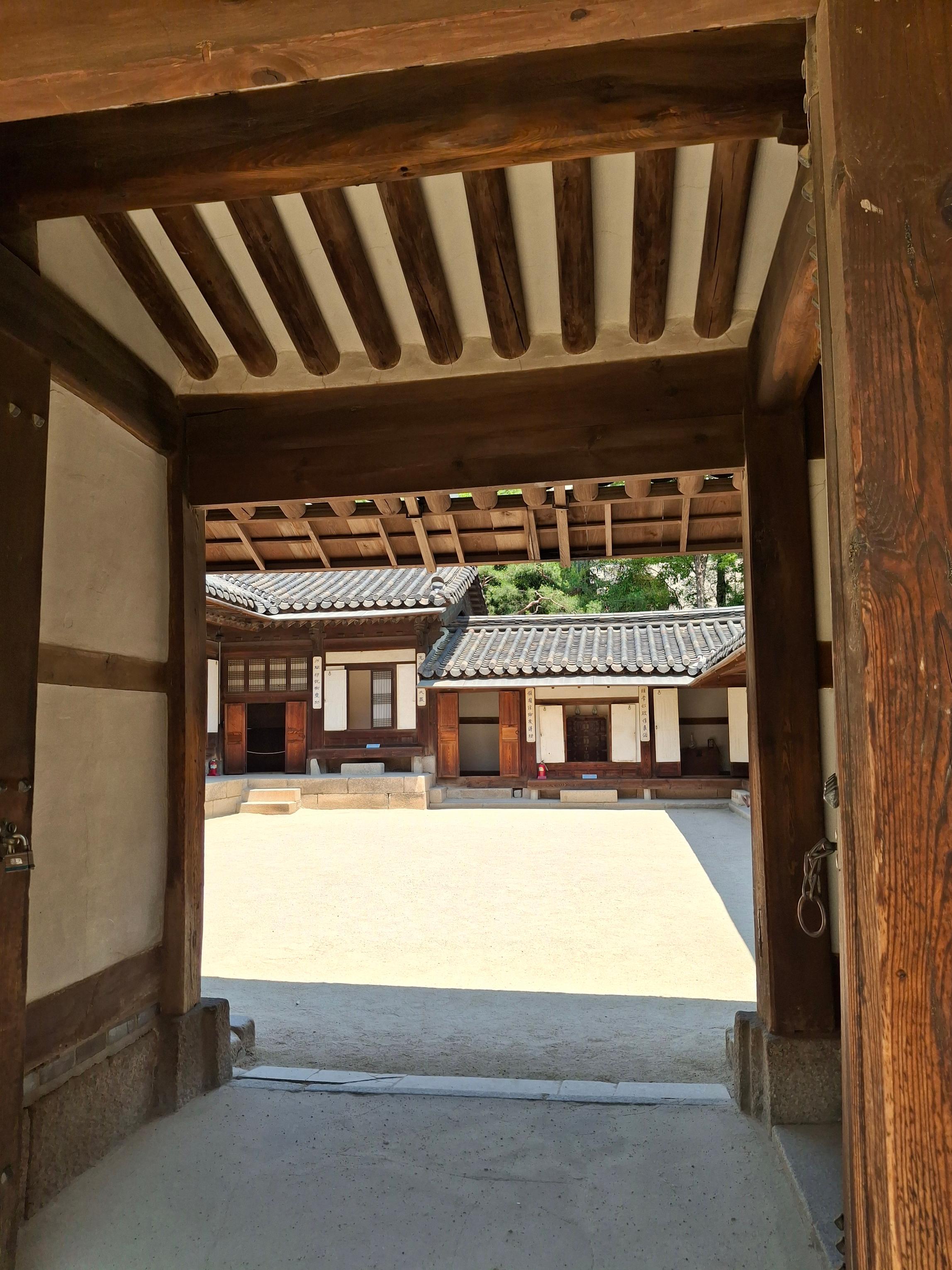
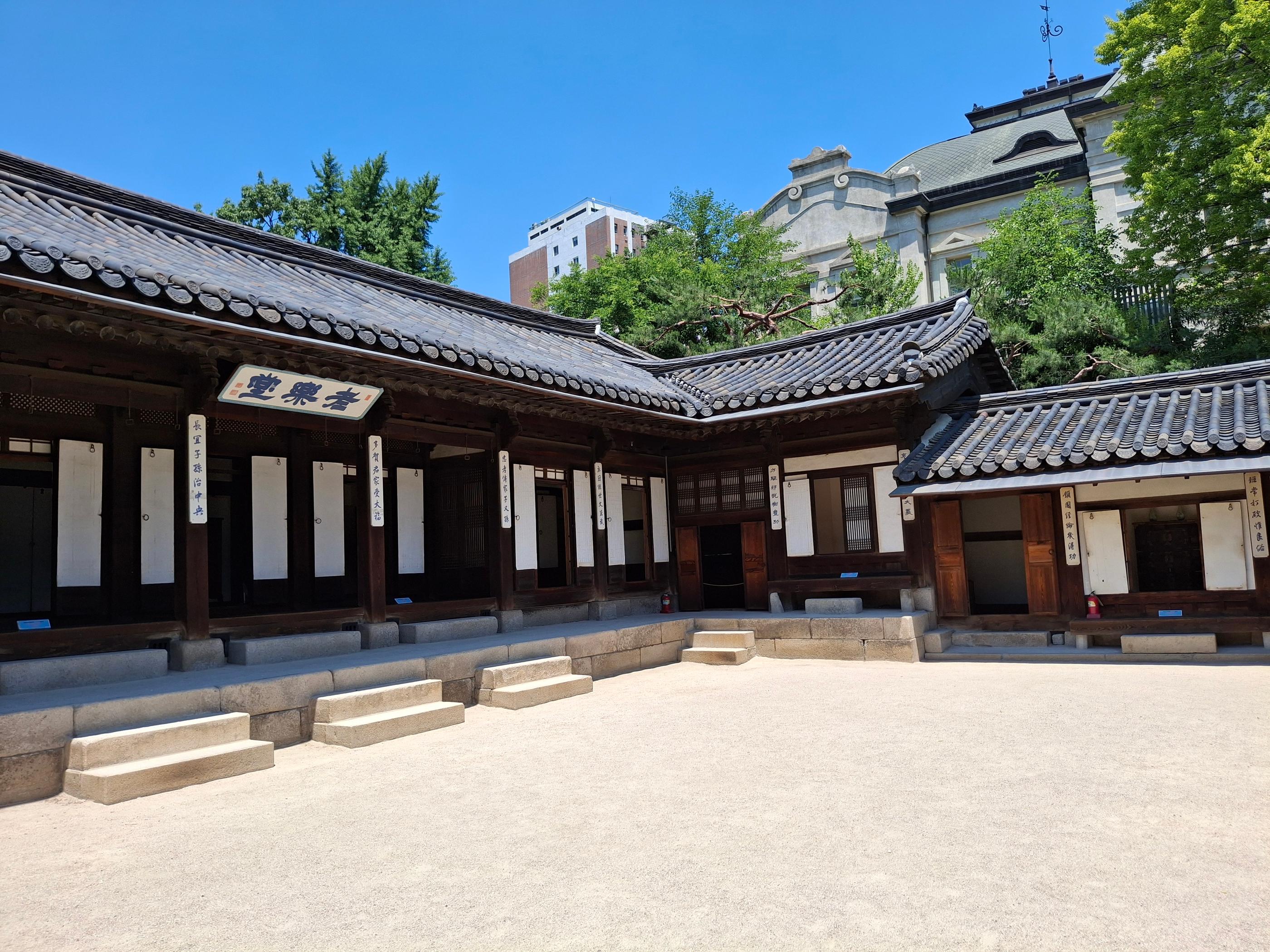
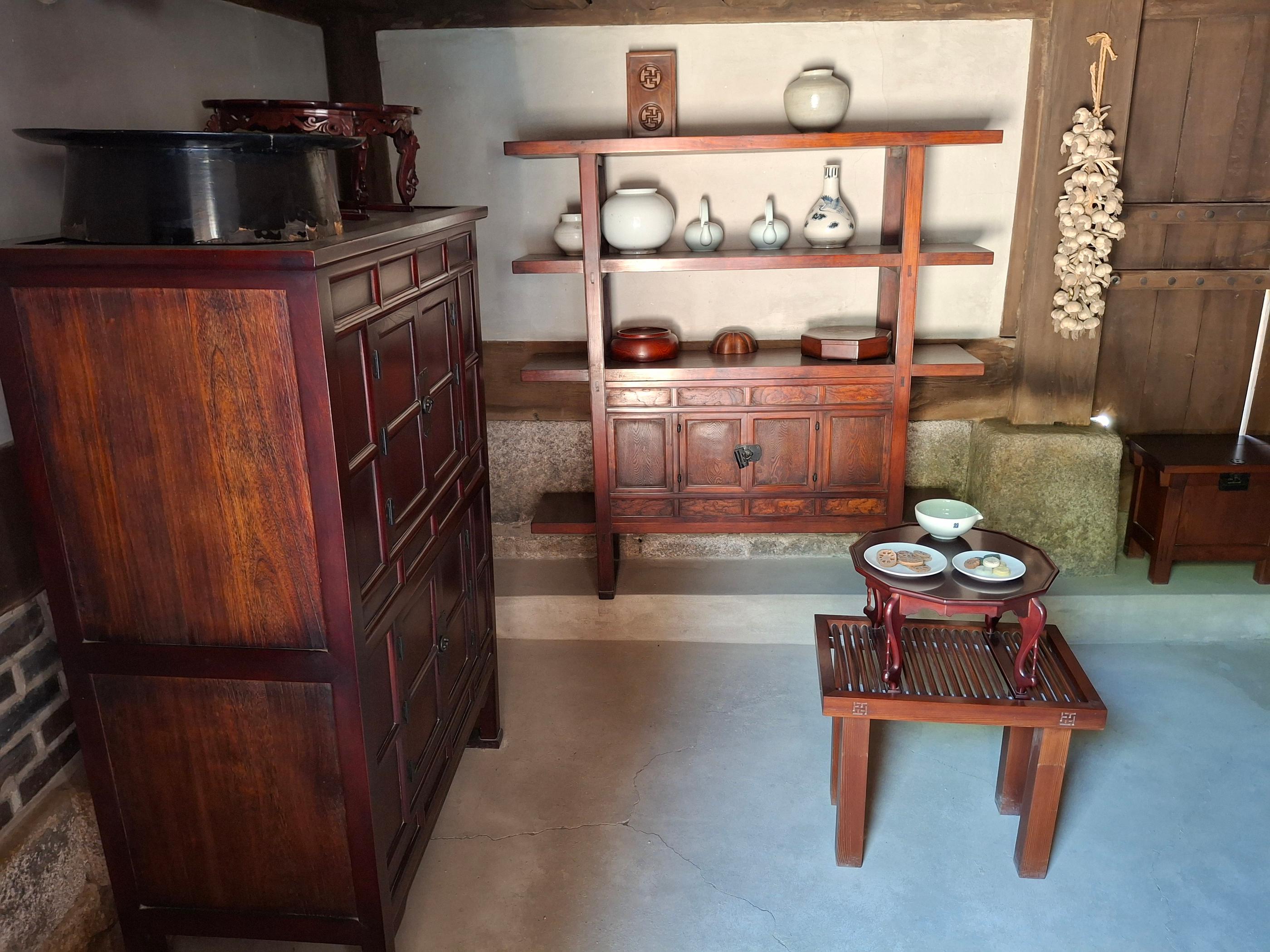
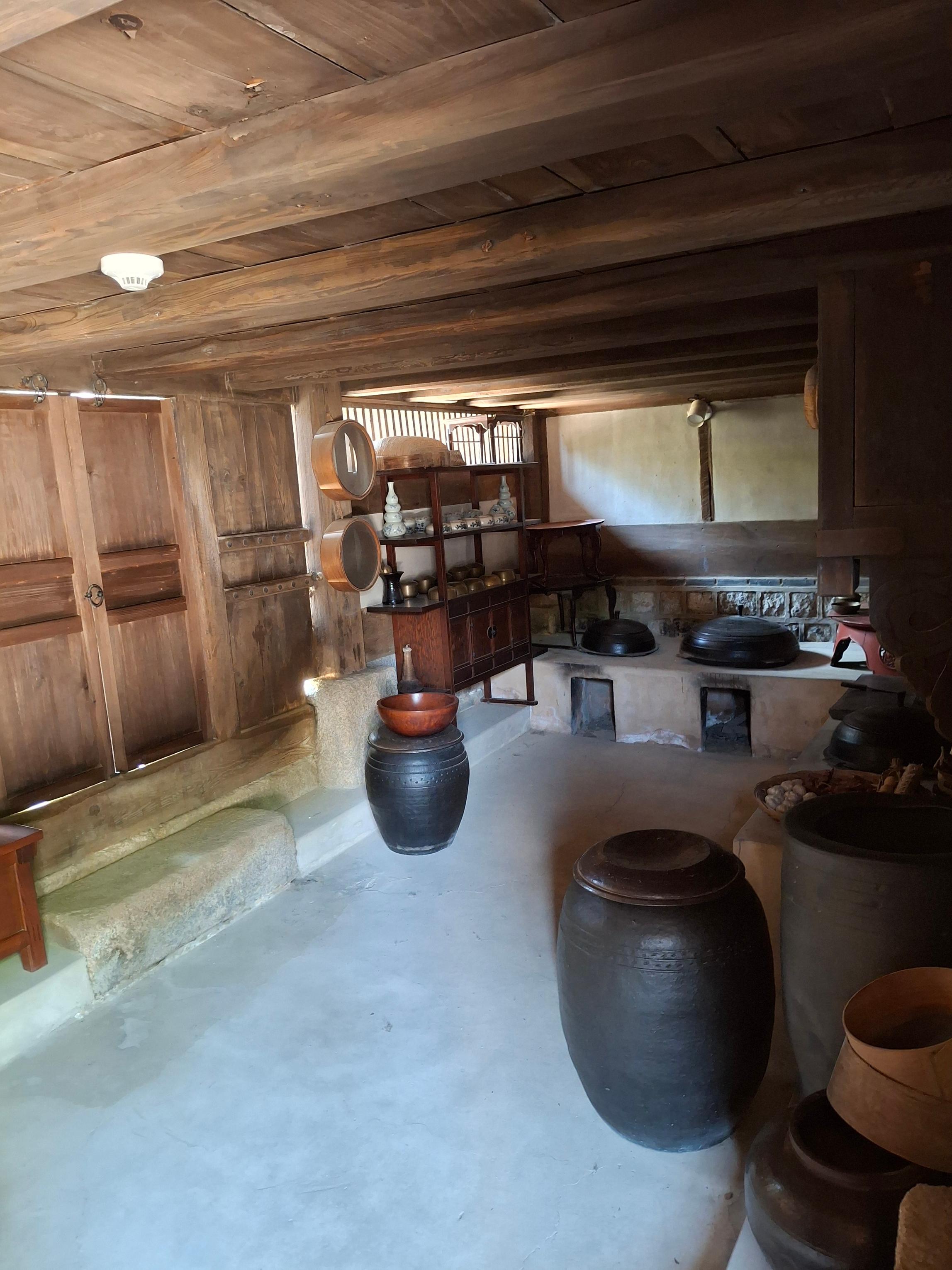
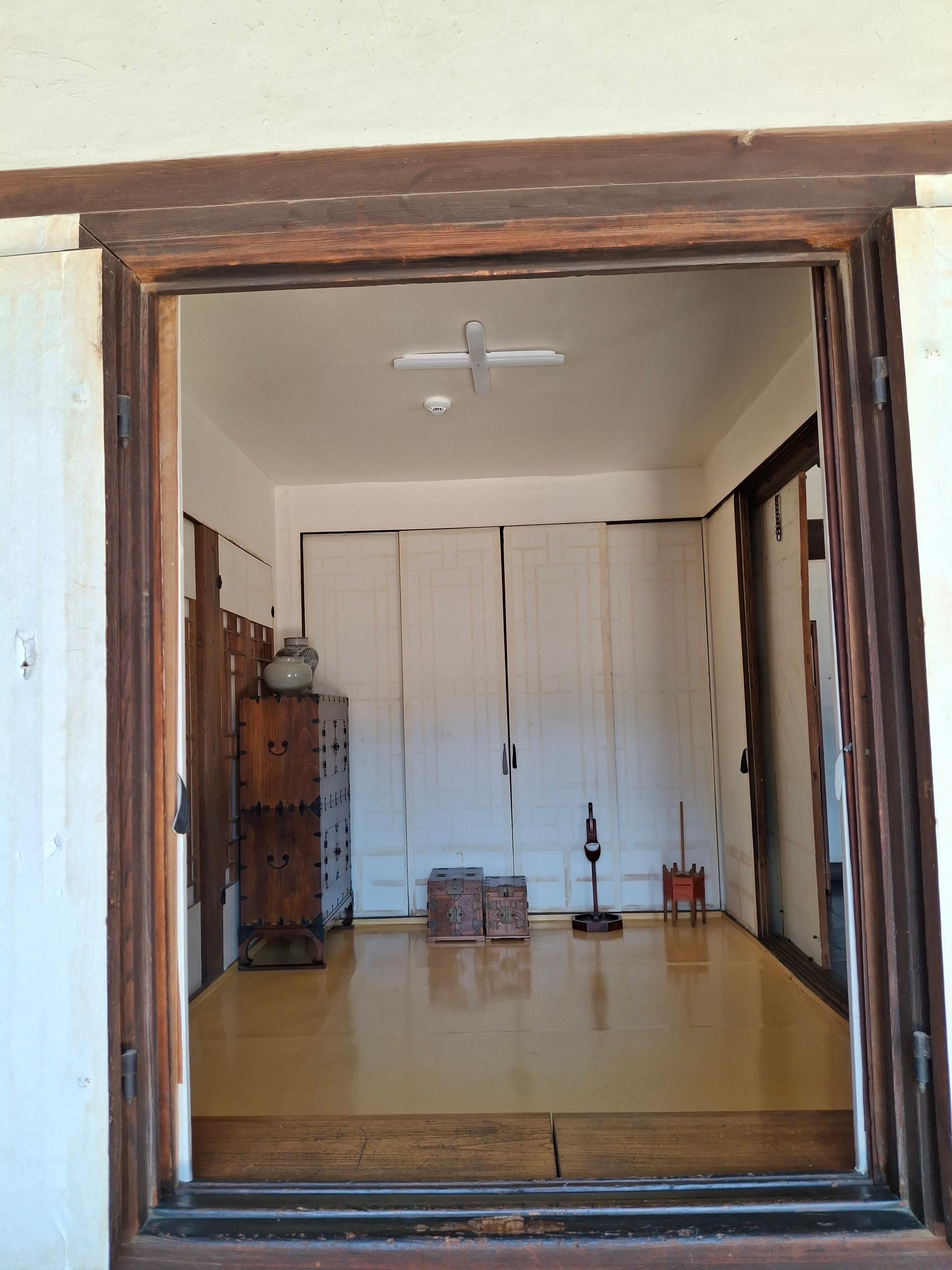
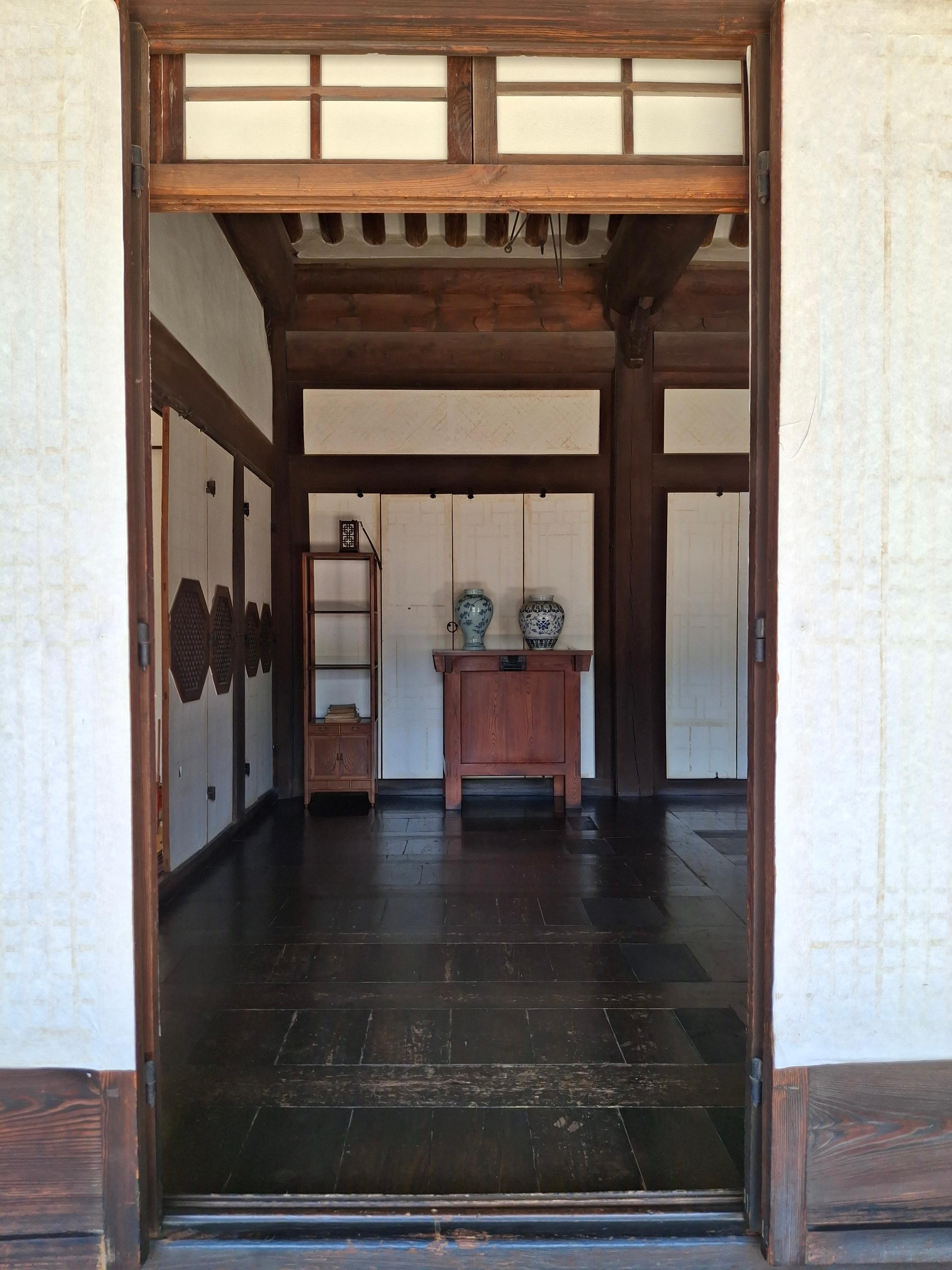
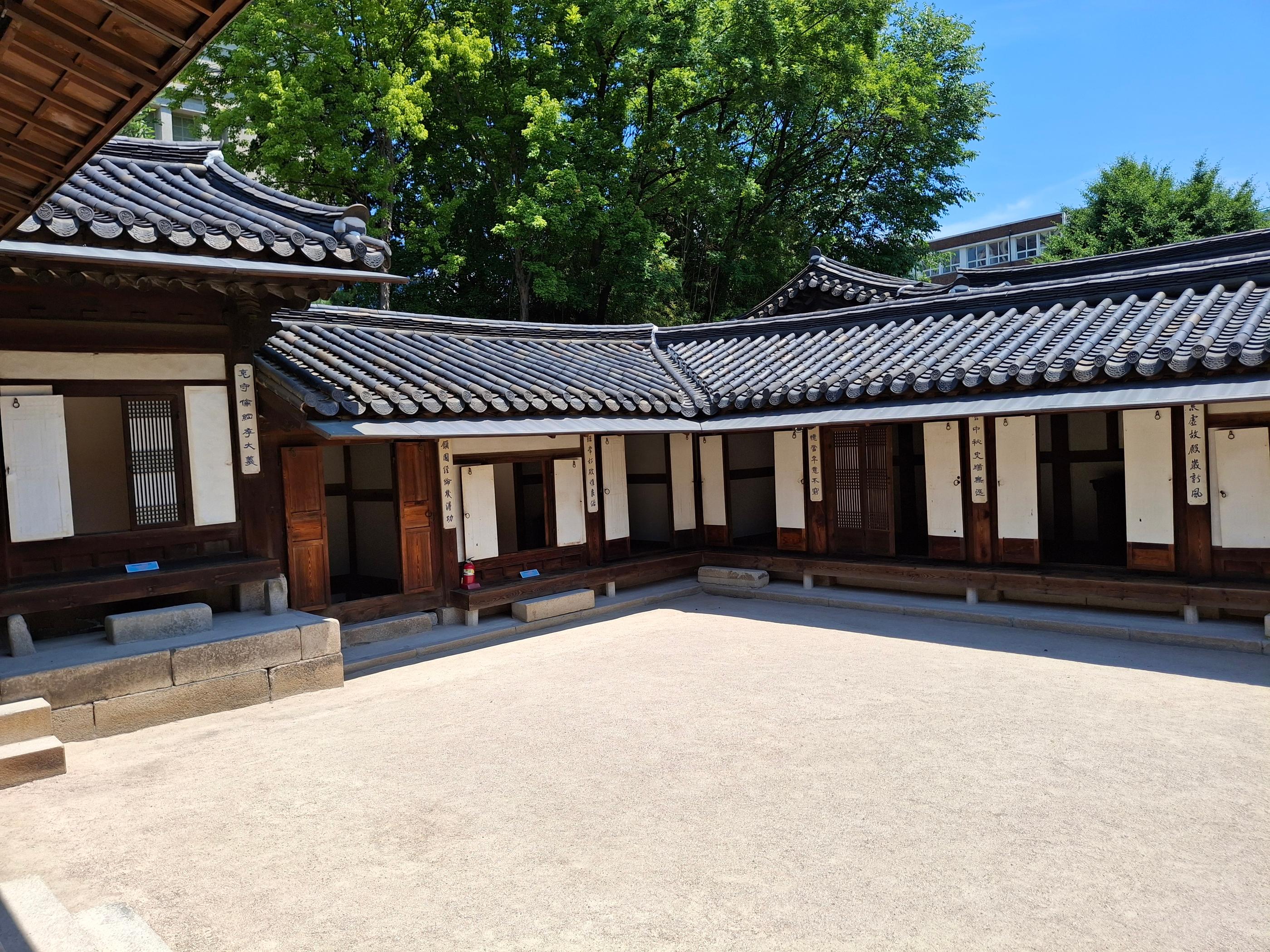
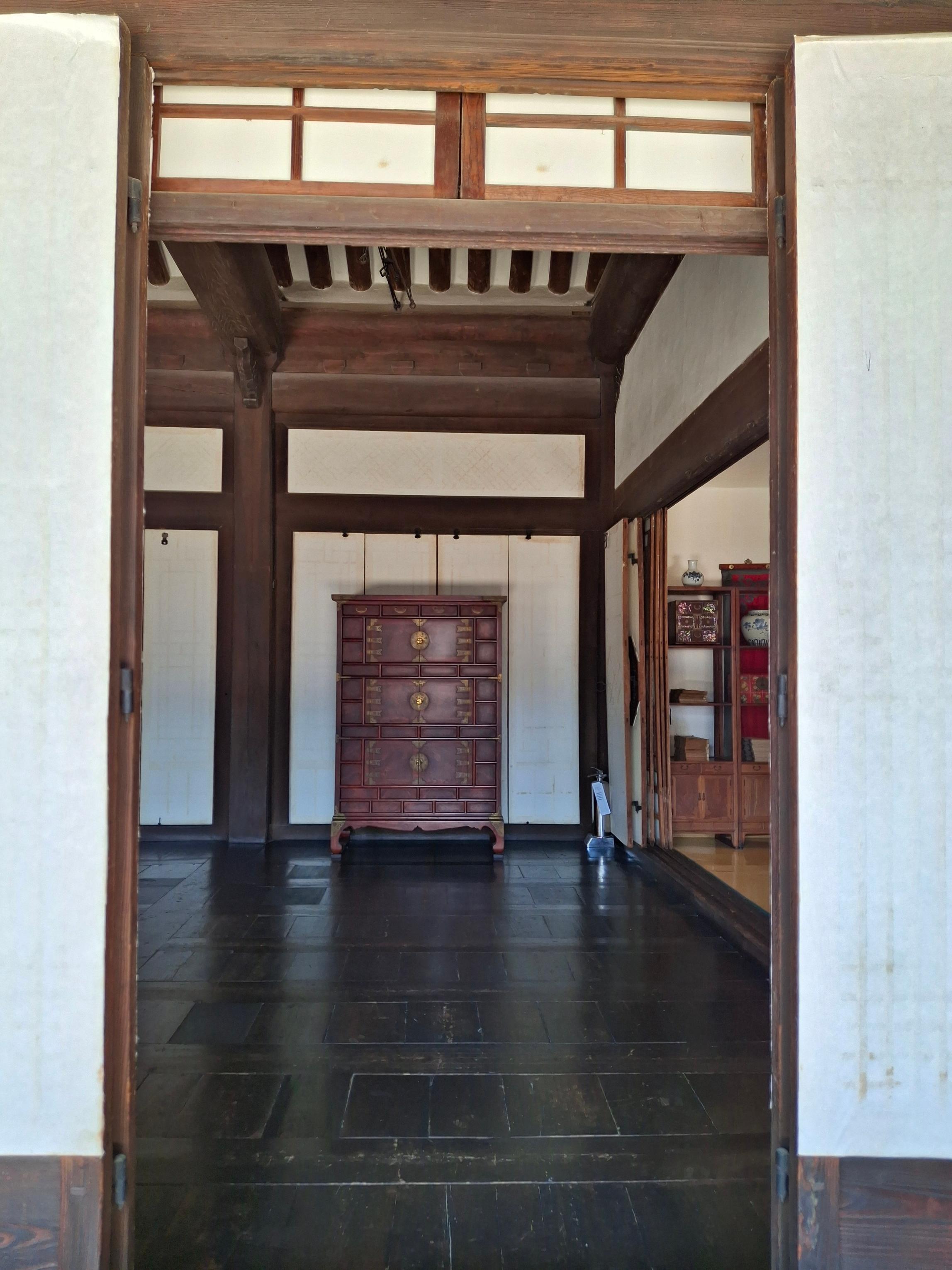
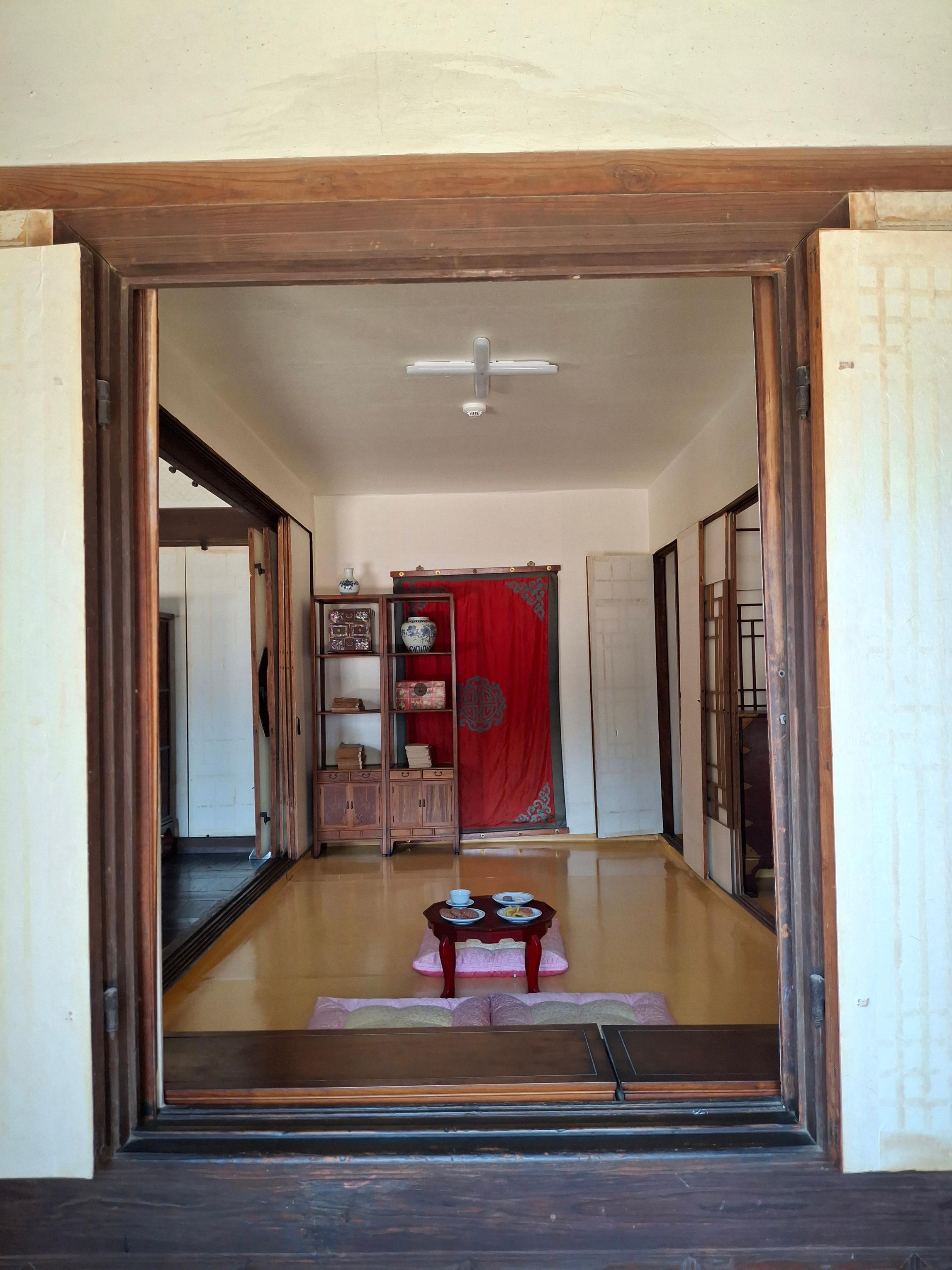
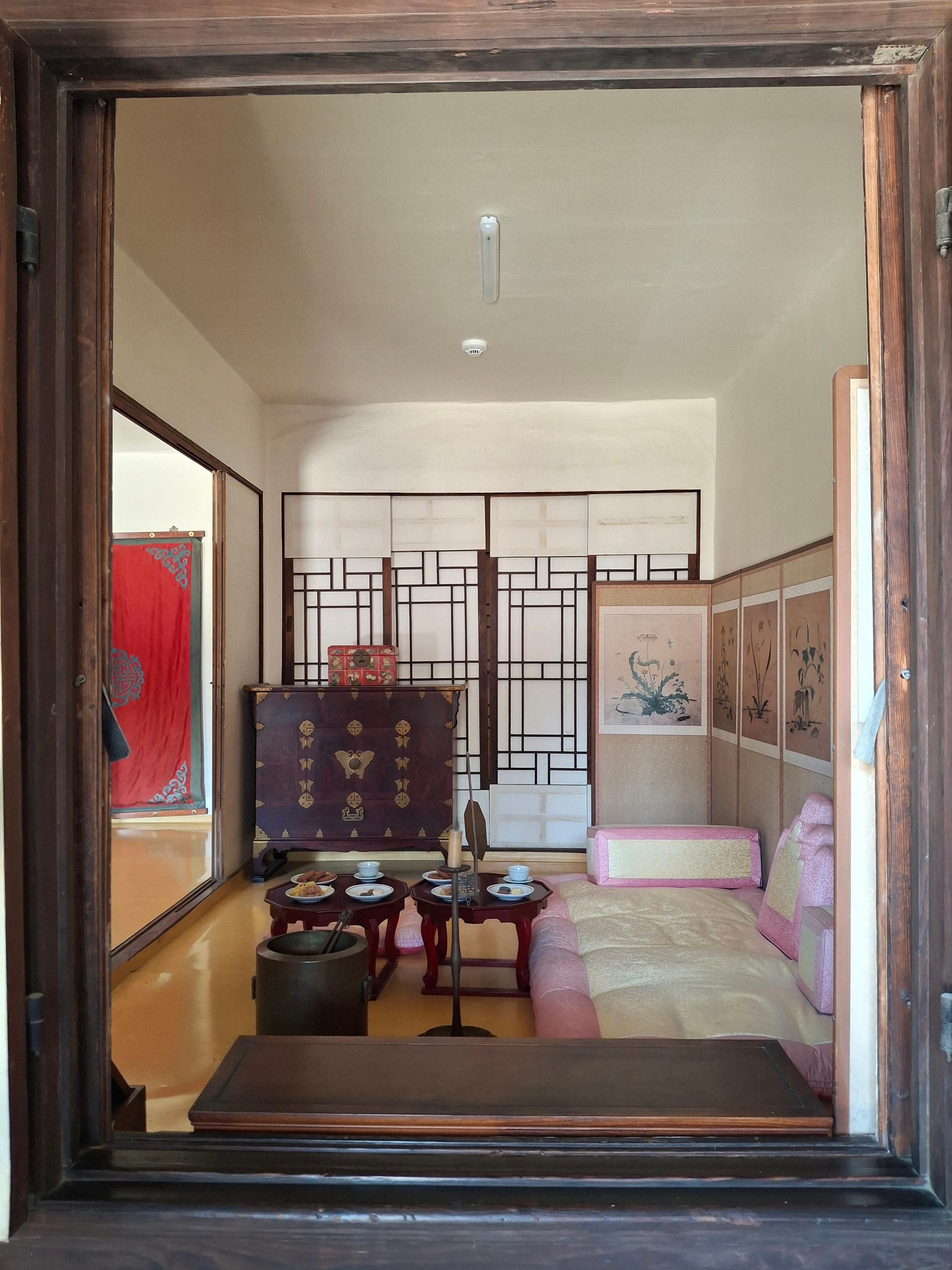
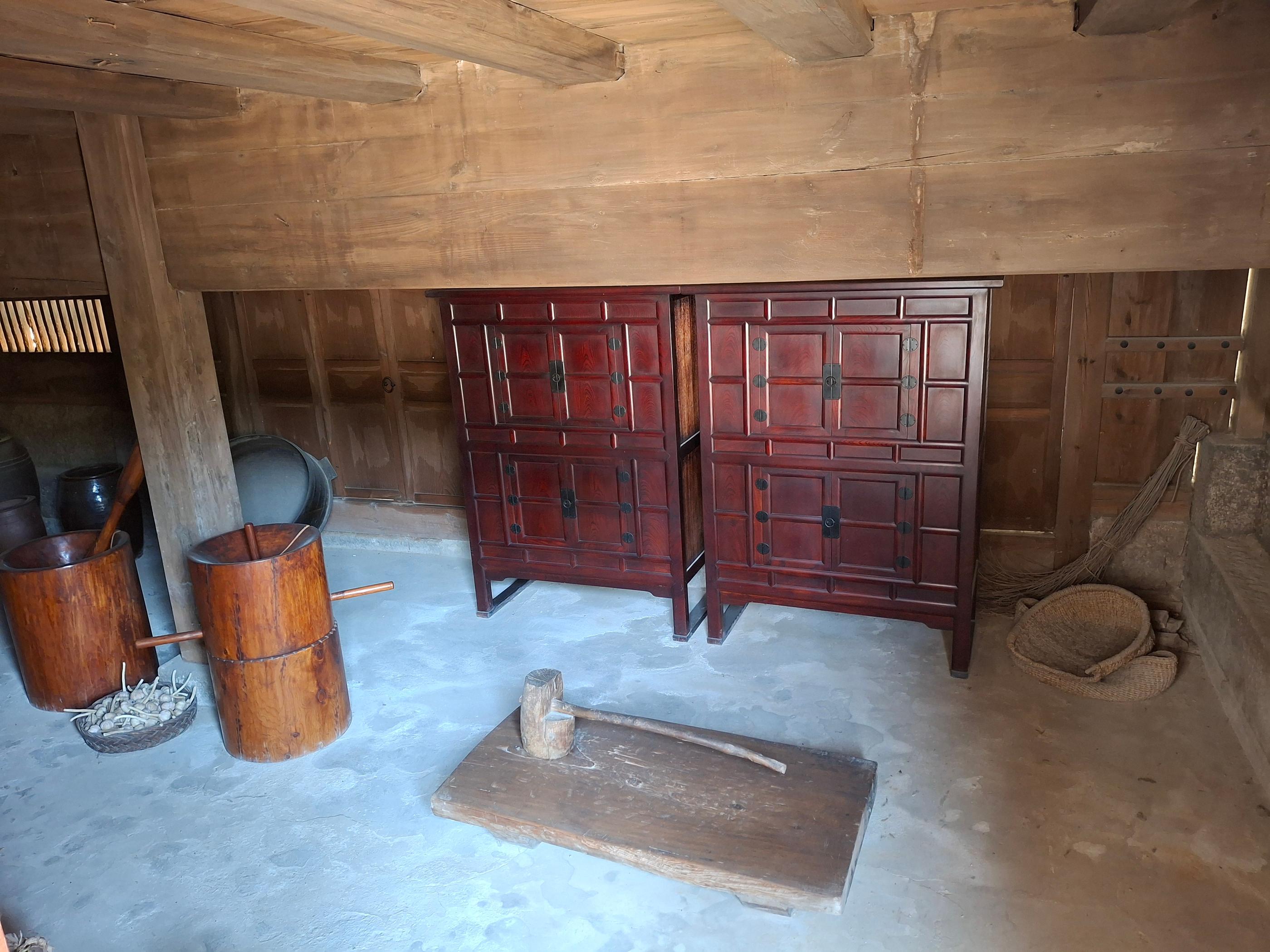
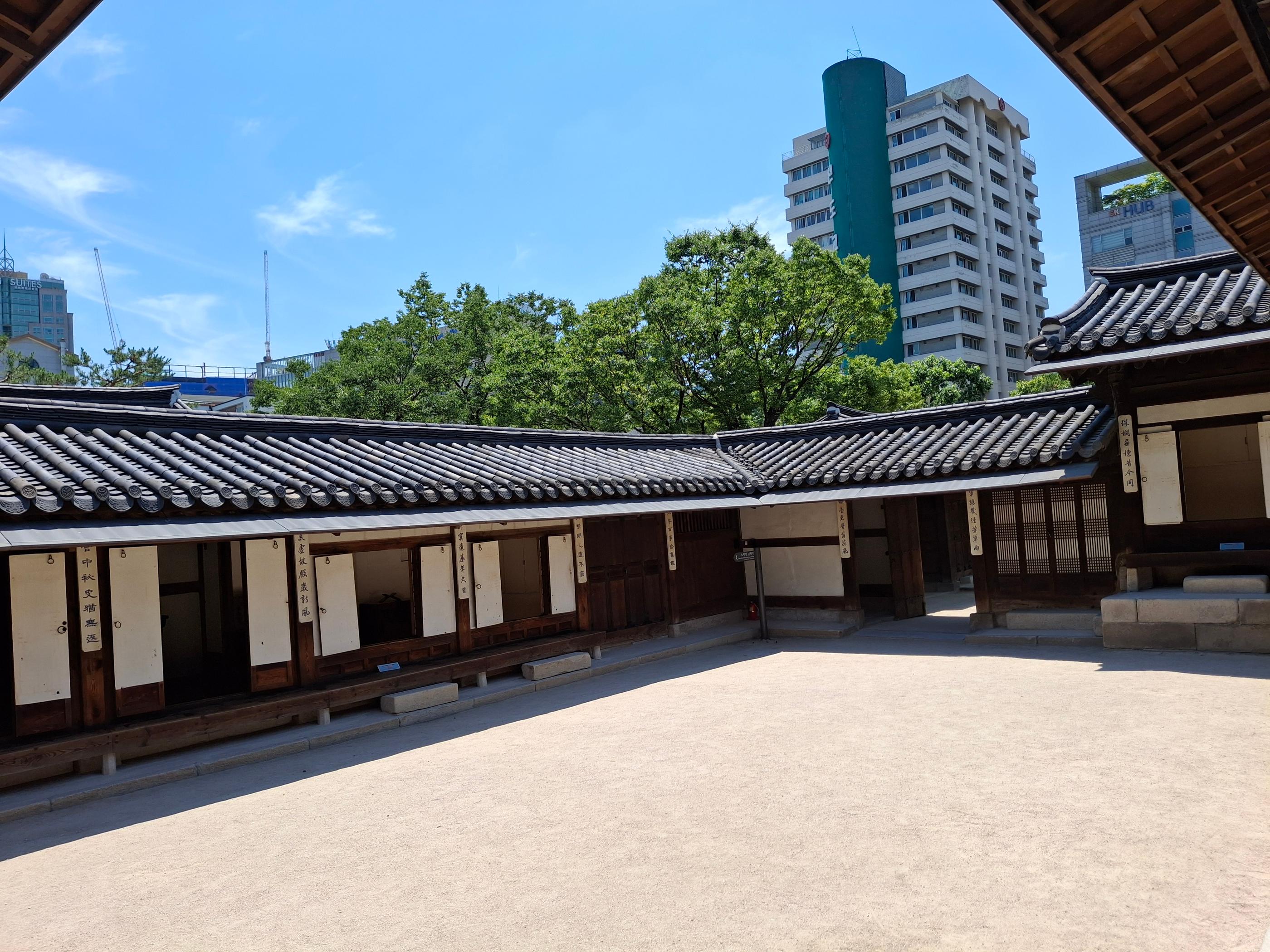
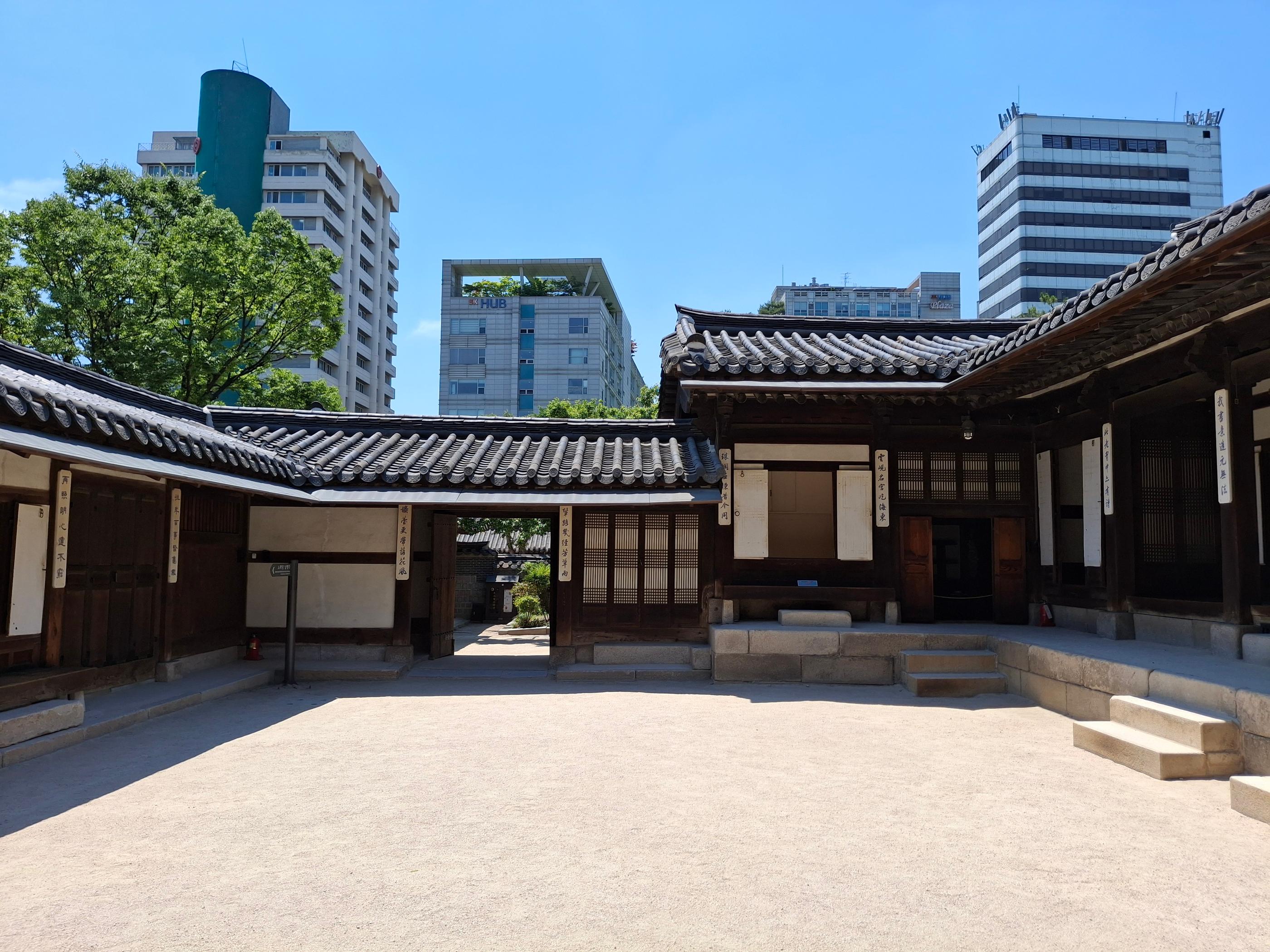
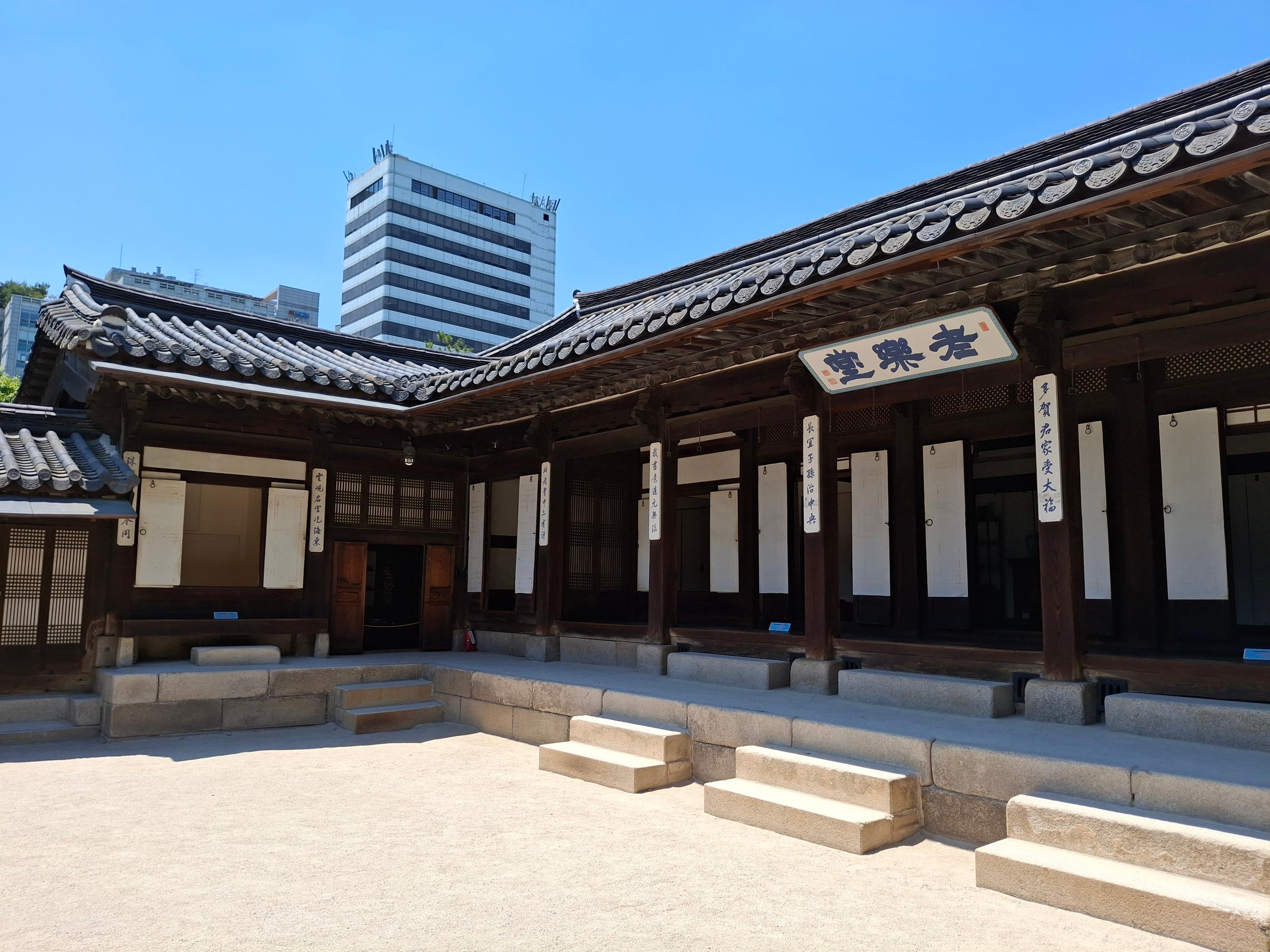
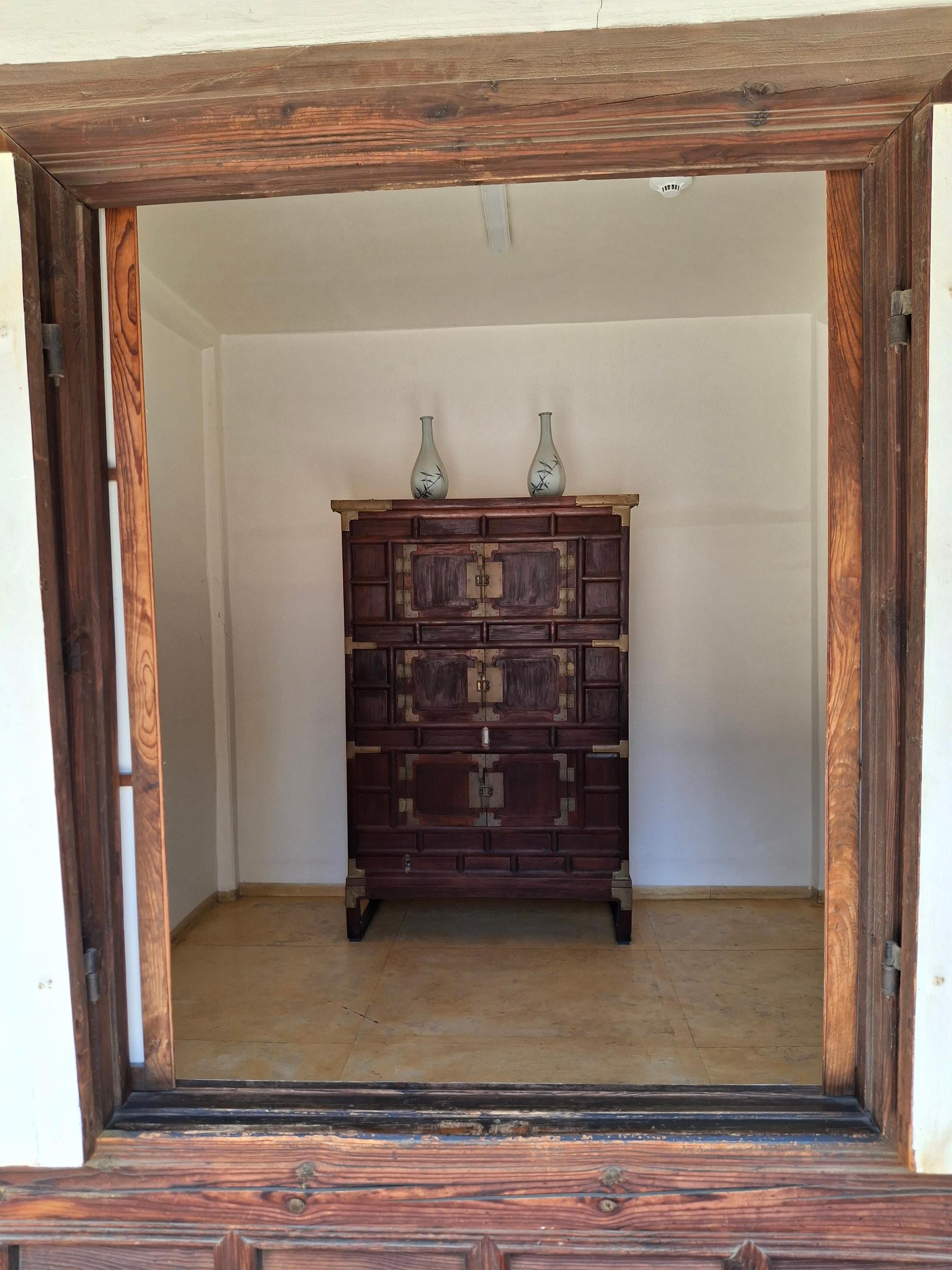
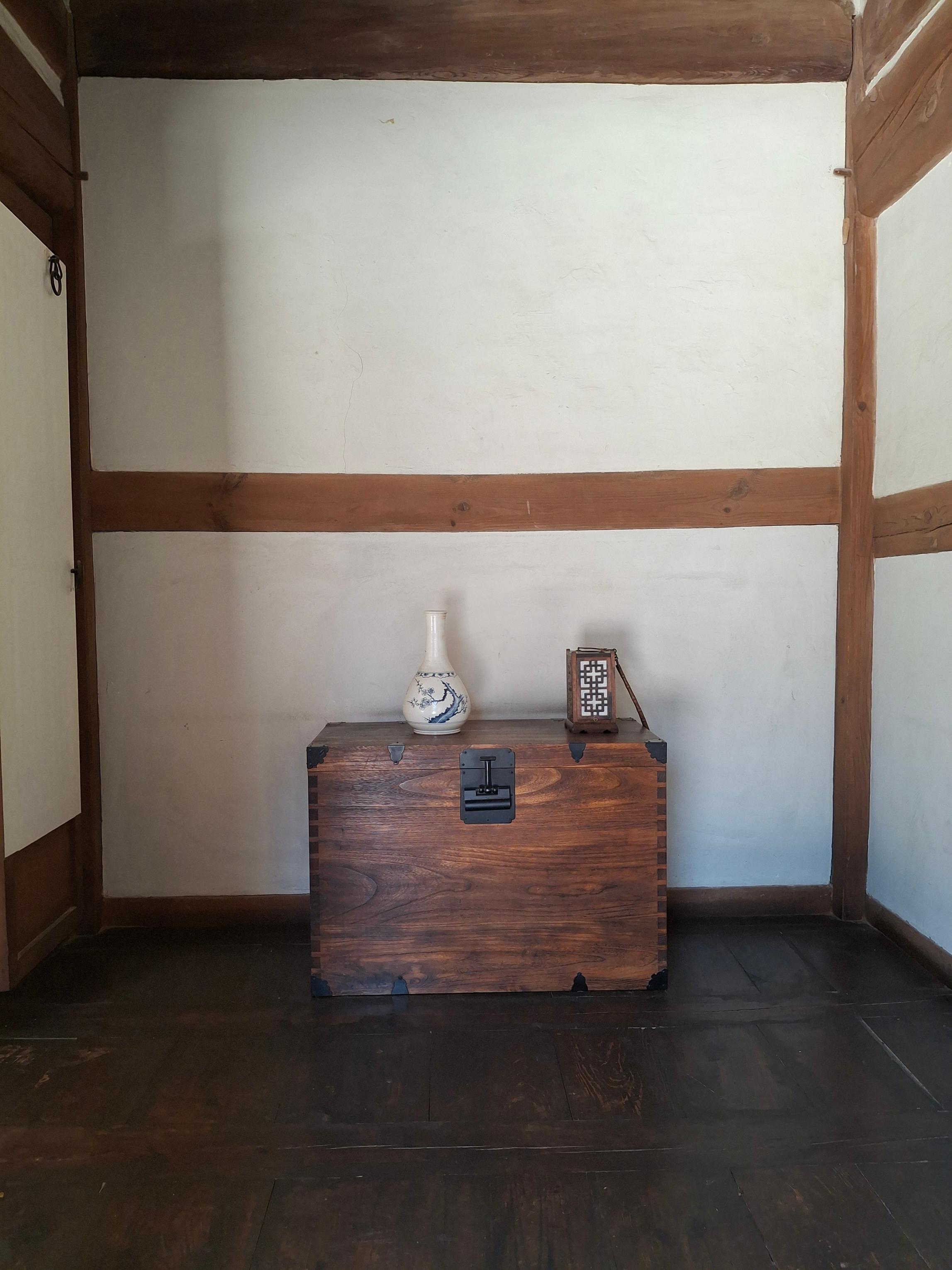
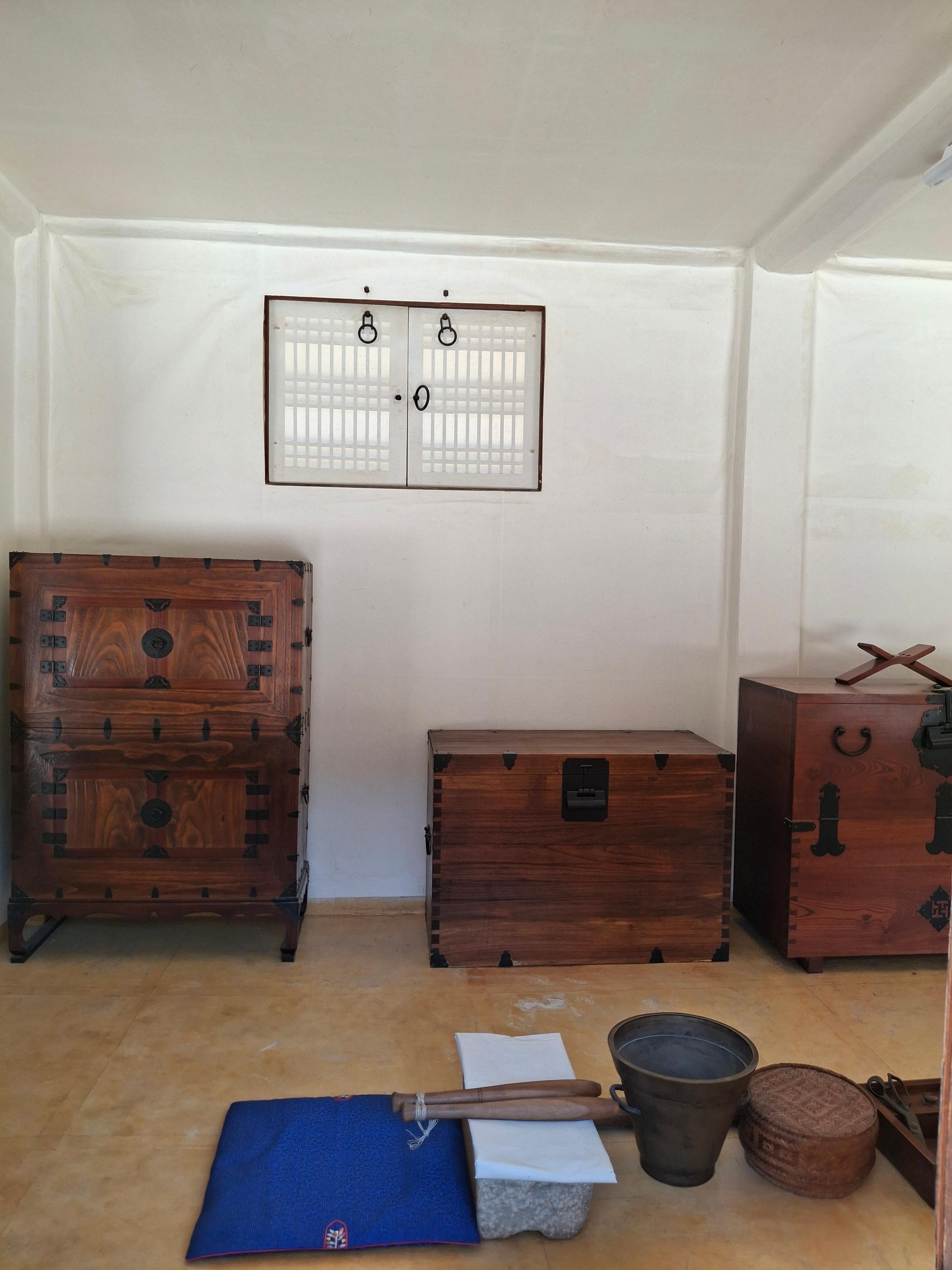
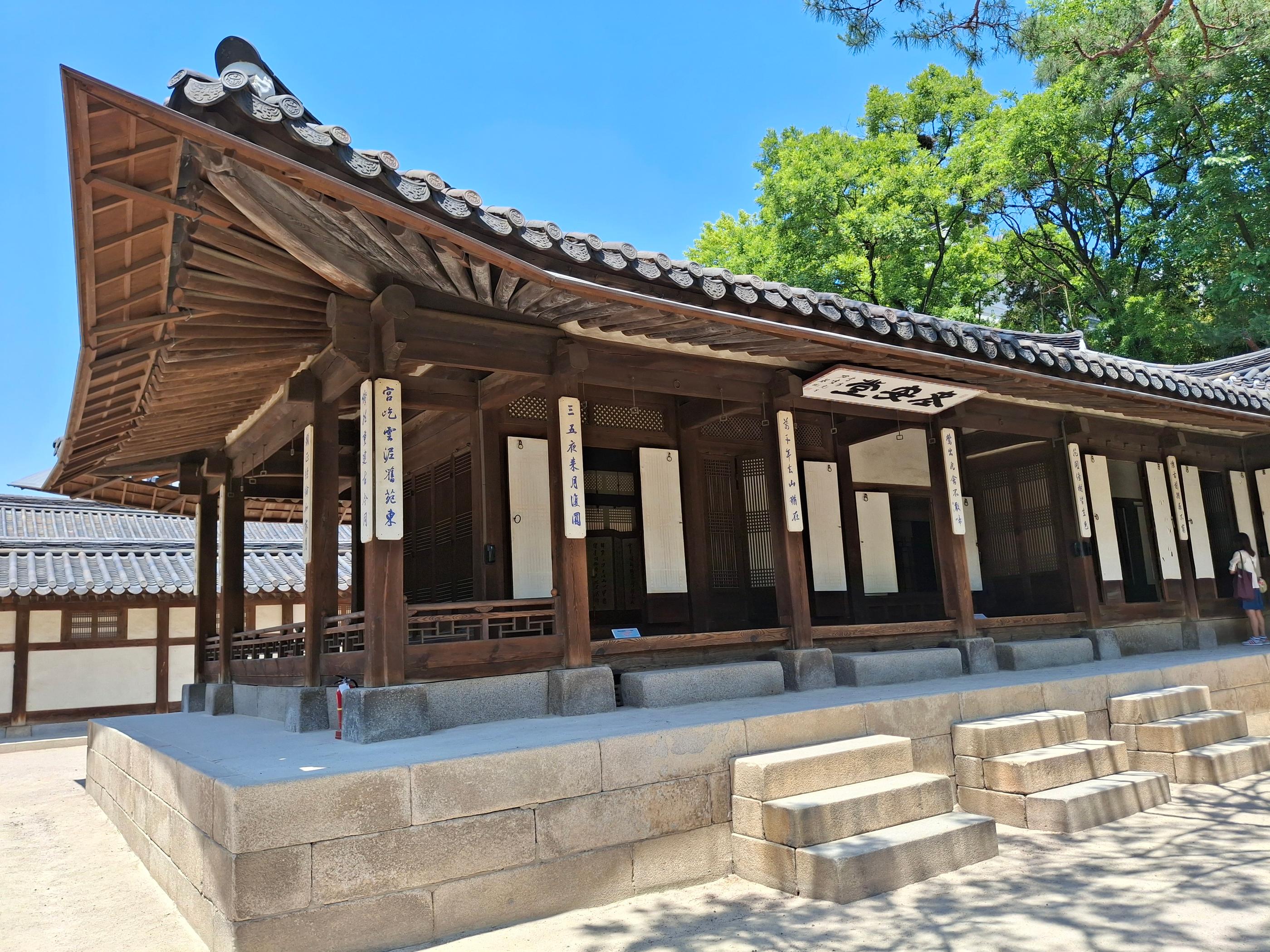
The next and last room of the palace, which can be reached through the gate-Noandang. Noandang Hall is the sarangchae (man's quarter) of Unhyeongung Palace, which is the main residence of Regent Heungseon. The word Noan stems from the Analects of Confucius about paying respect to the elderly and helping them feel comfortable. Noandang Hall was built in 1864 (the 1st year of Emperor Gojong's reign). Its overall spatial layout, solid wooden structures, triple-fold windows, sunscreen eaves, and other features show that it was built like the Royal Palace.
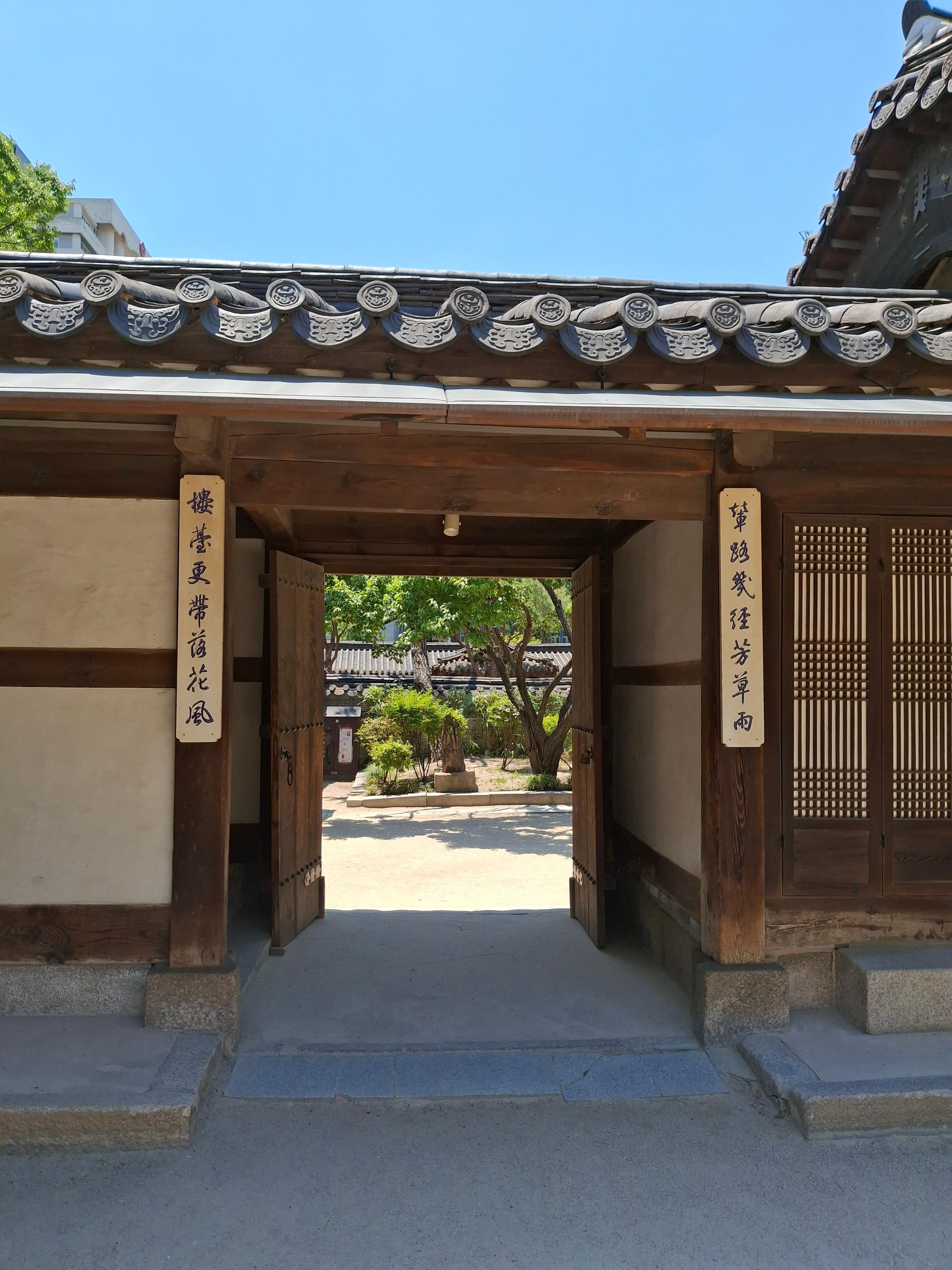
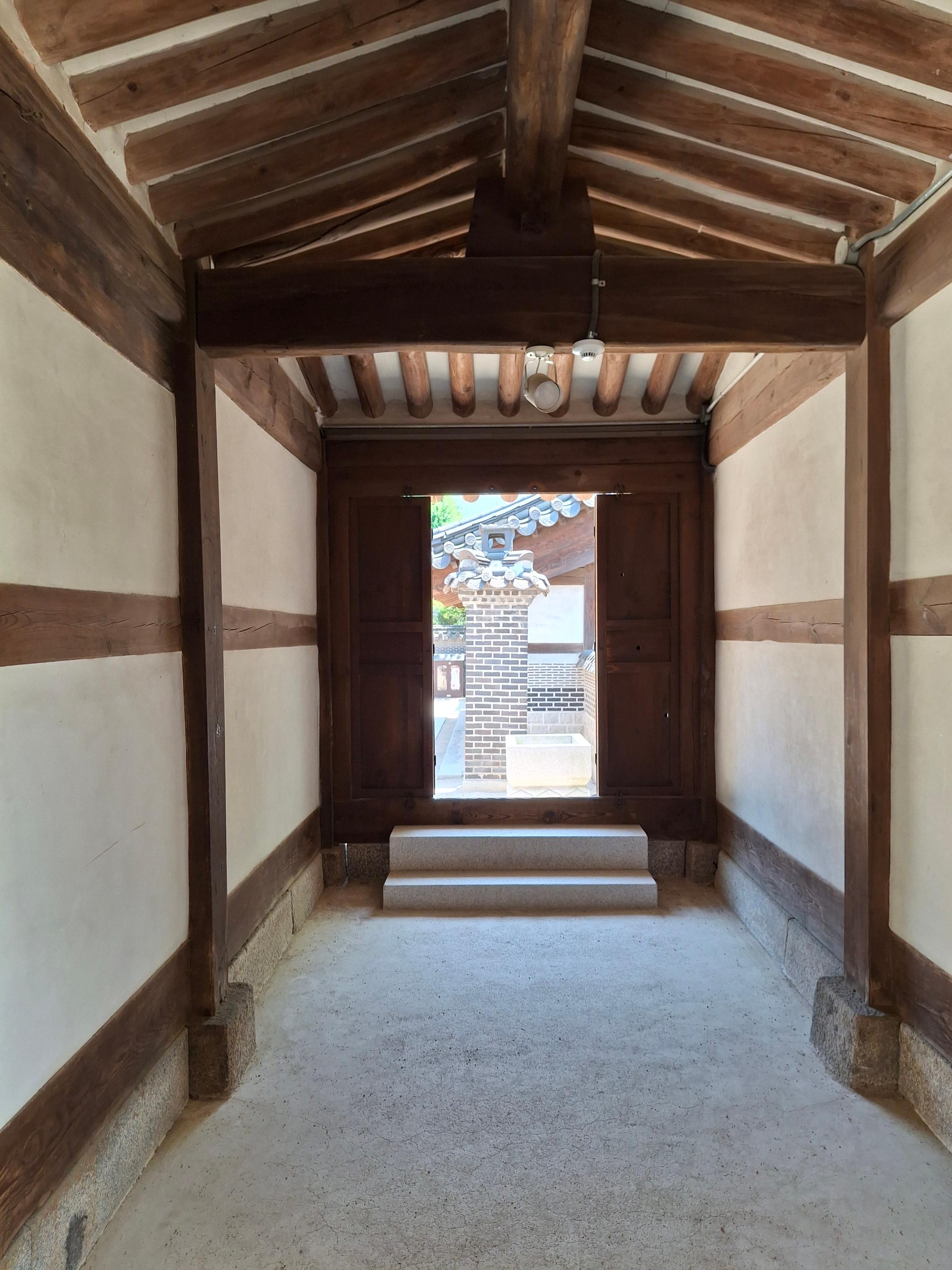
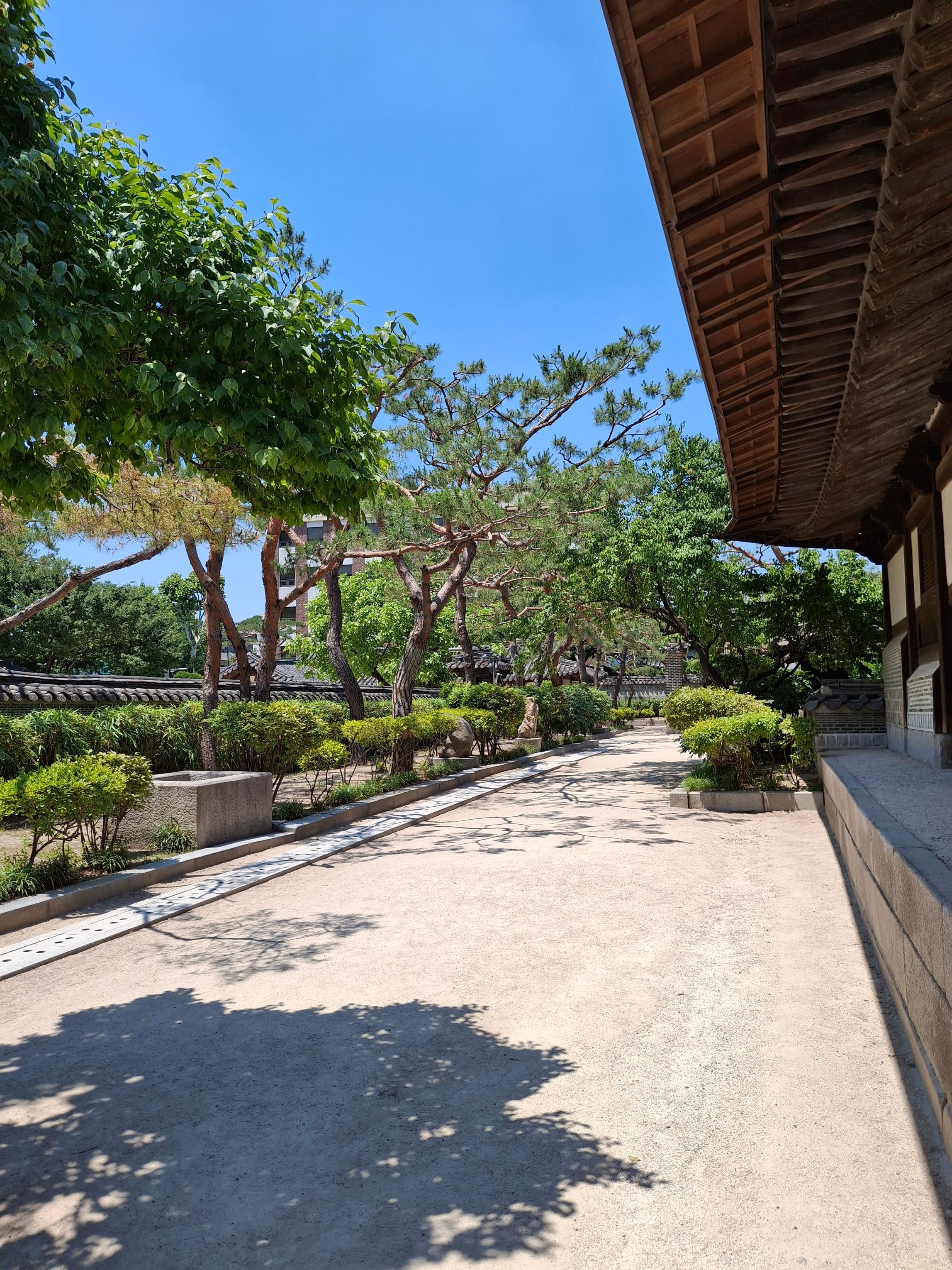
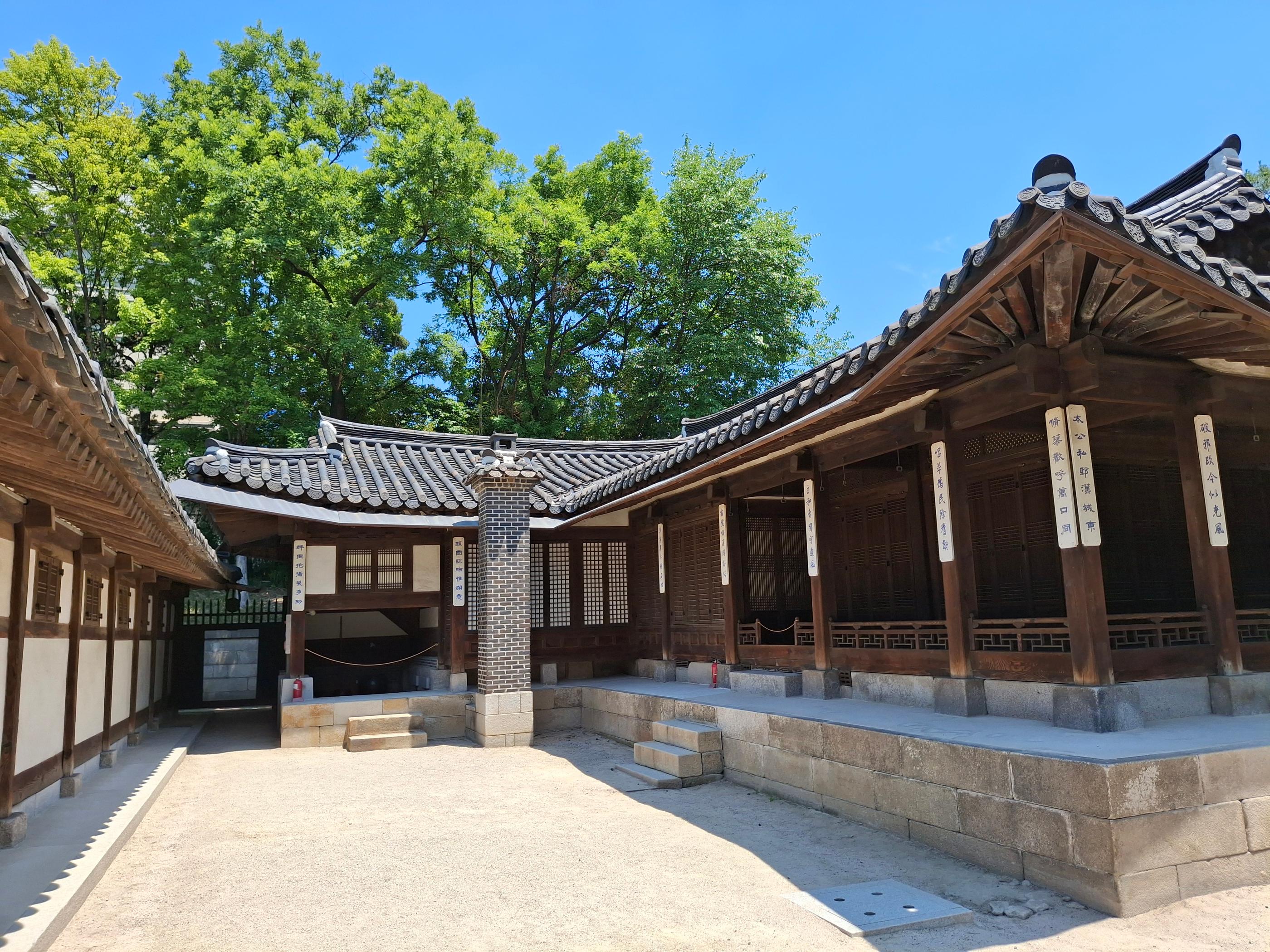
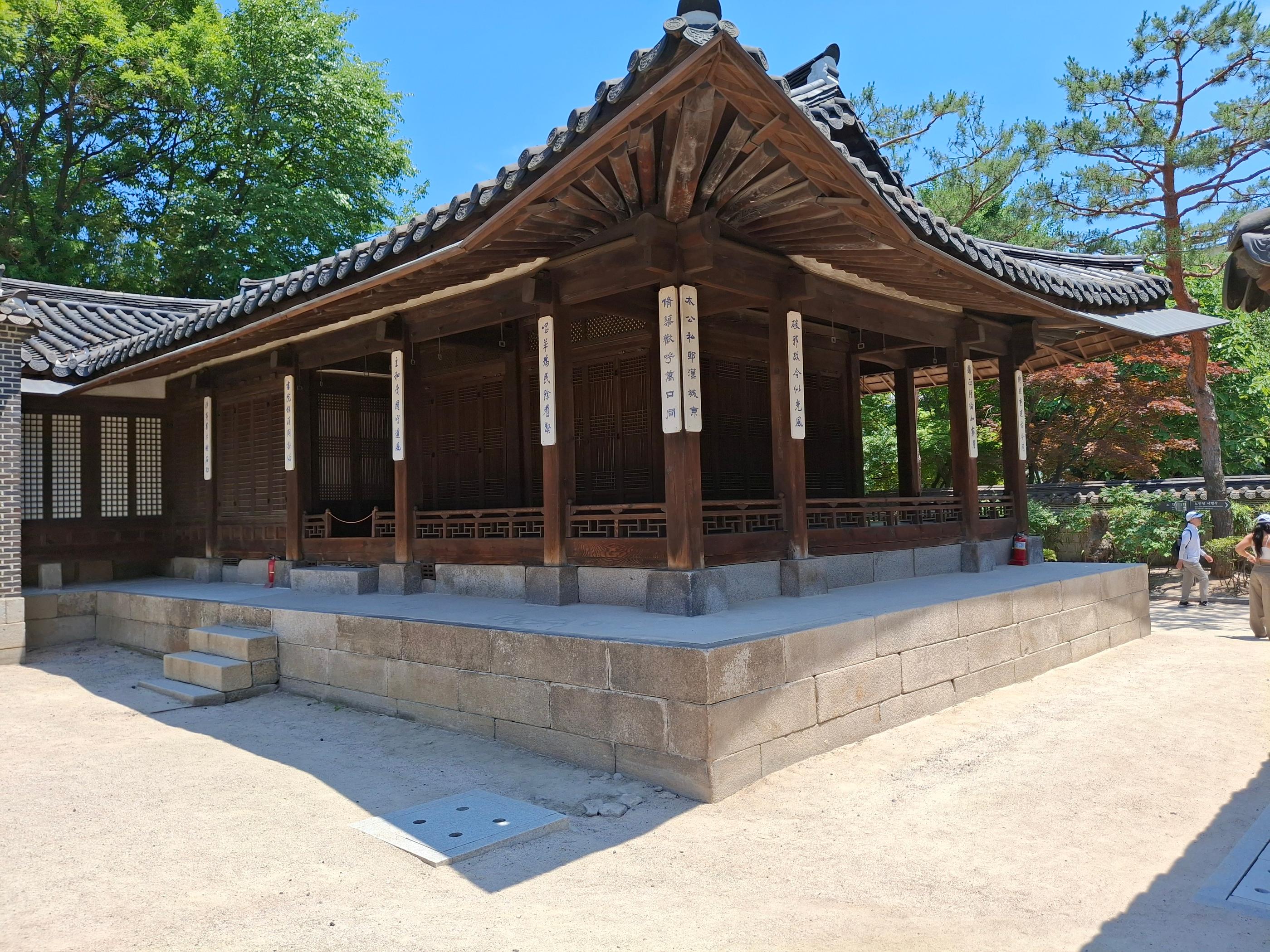

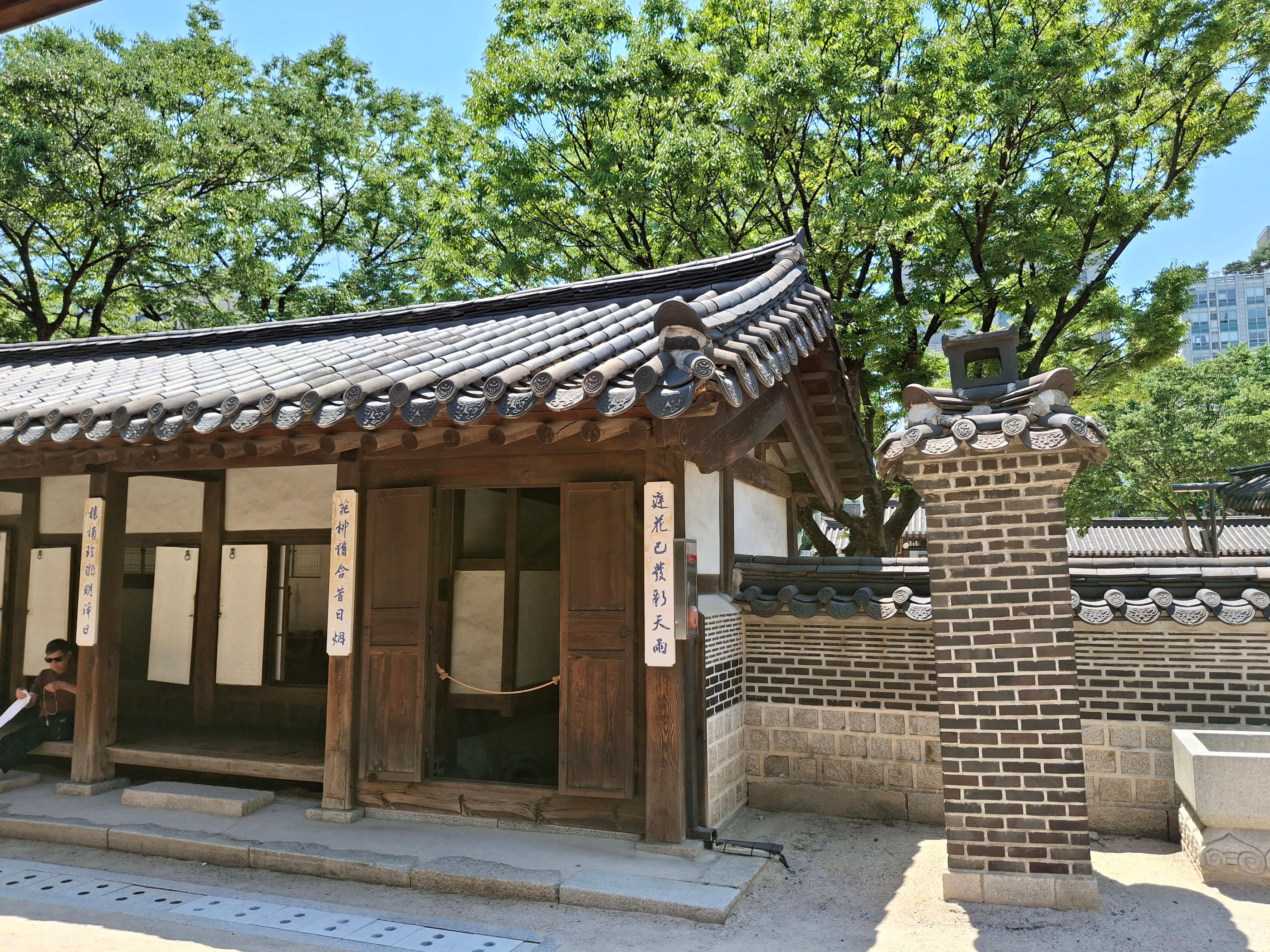
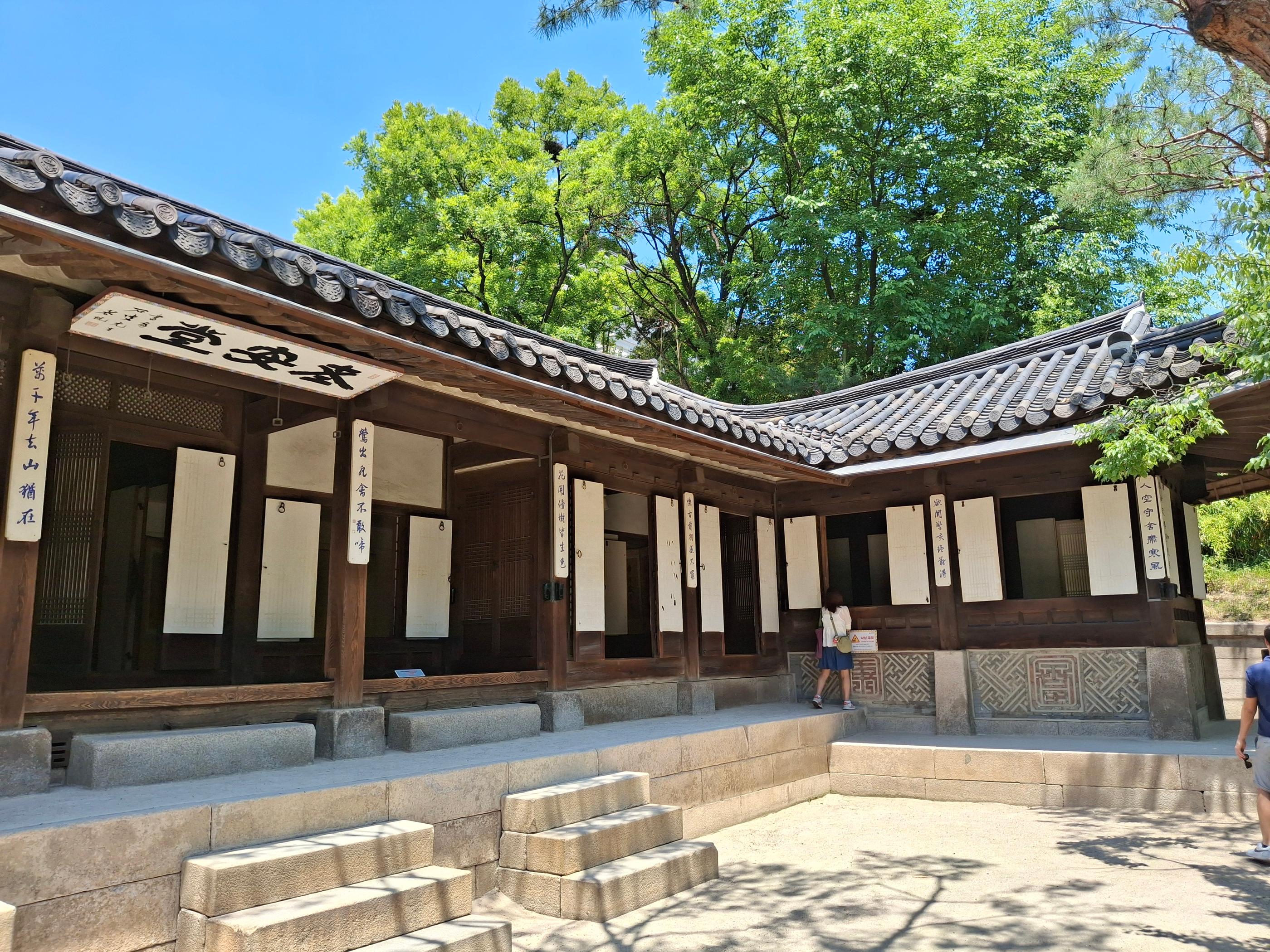
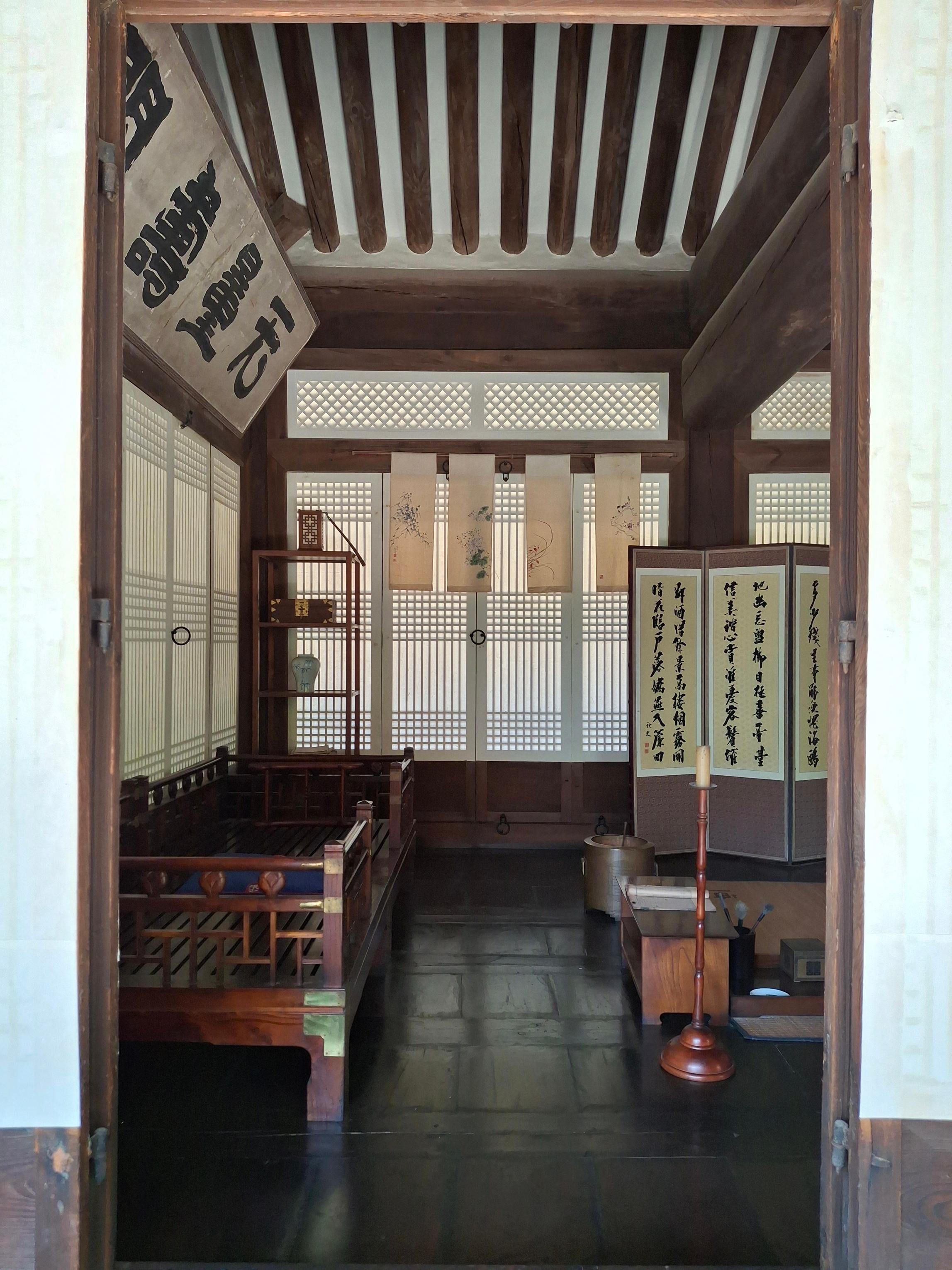
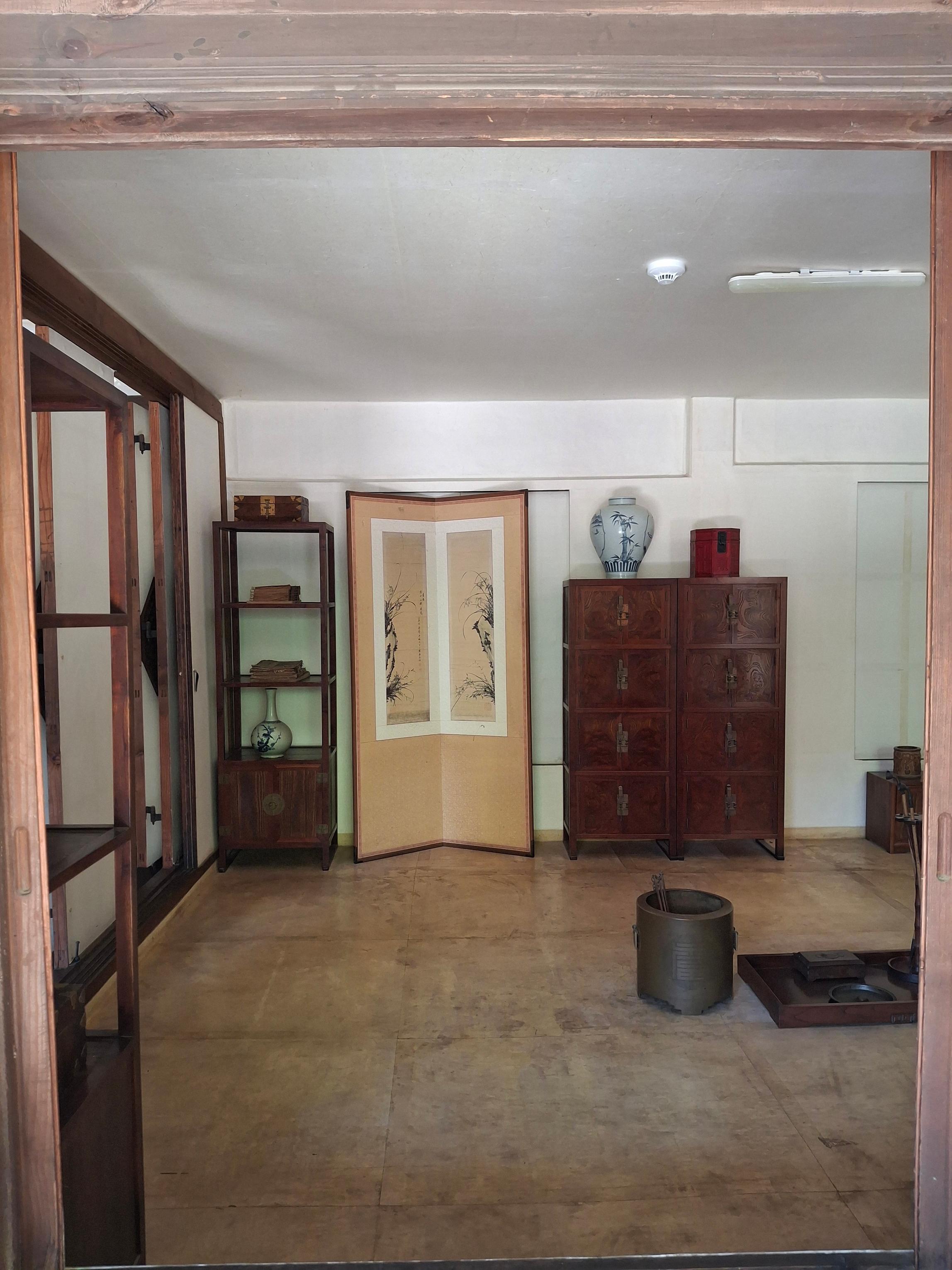
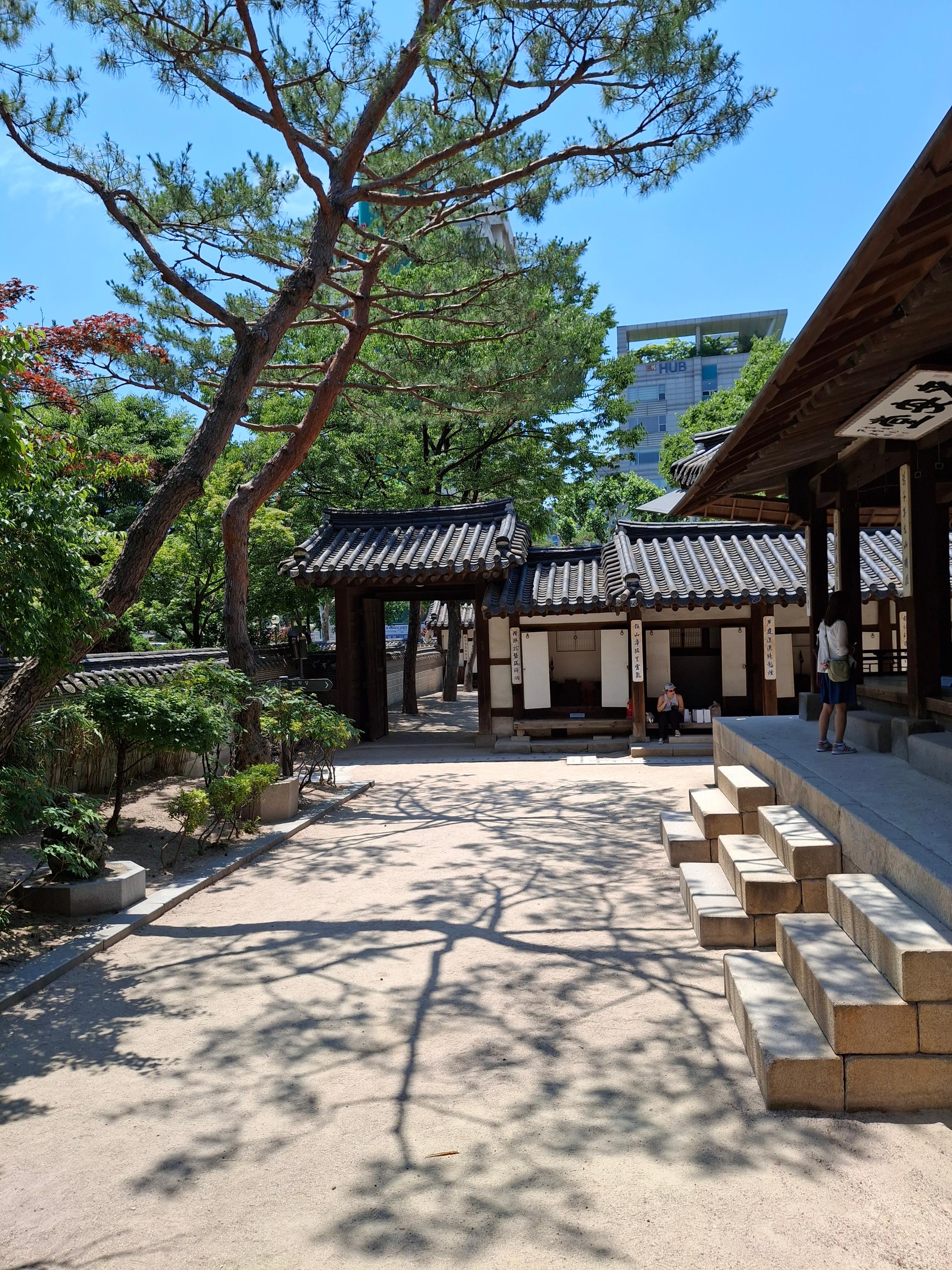
The palace is usually quiet and calm, not many people. You can often see entire families having photo sessions in hanboks. The Royal Residence offers programs like traditional weddings and traditional culture experiences, while the exhibition hall showcases Joseon-era artifacts. A great idea for a pleasant stay in the palace on a sunny day!