



Mok In Museum in Seoul

Olga
7 months ago
Mokin museum is one of the lesser-known museums in Seoul that I recommend visiting for anyone who loves beautiful nature and art. From 2019 it is located in the Buam-dong.
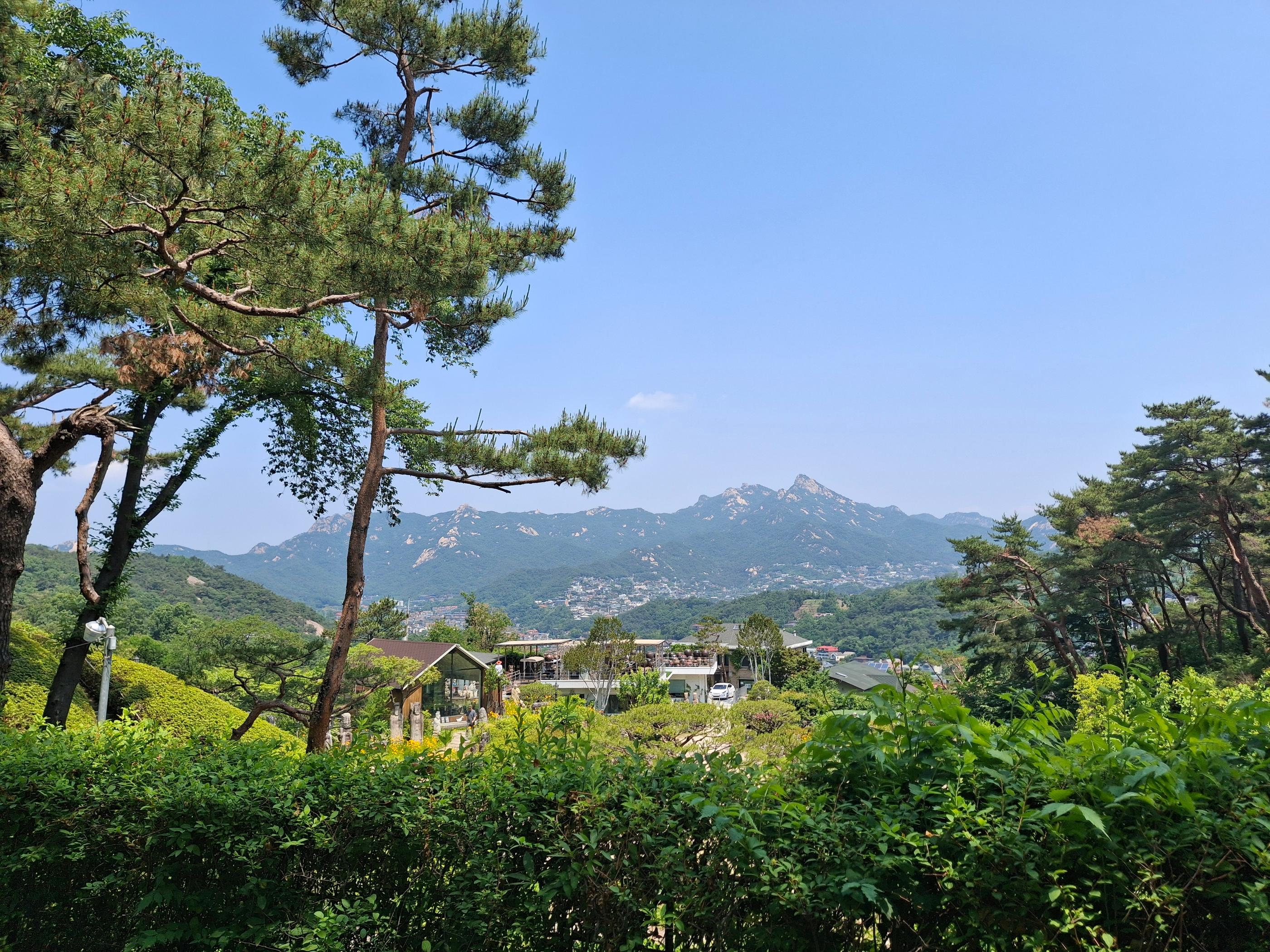
Beautiful views open up on the way to the museum. True, the path lies uphill and is not easy.
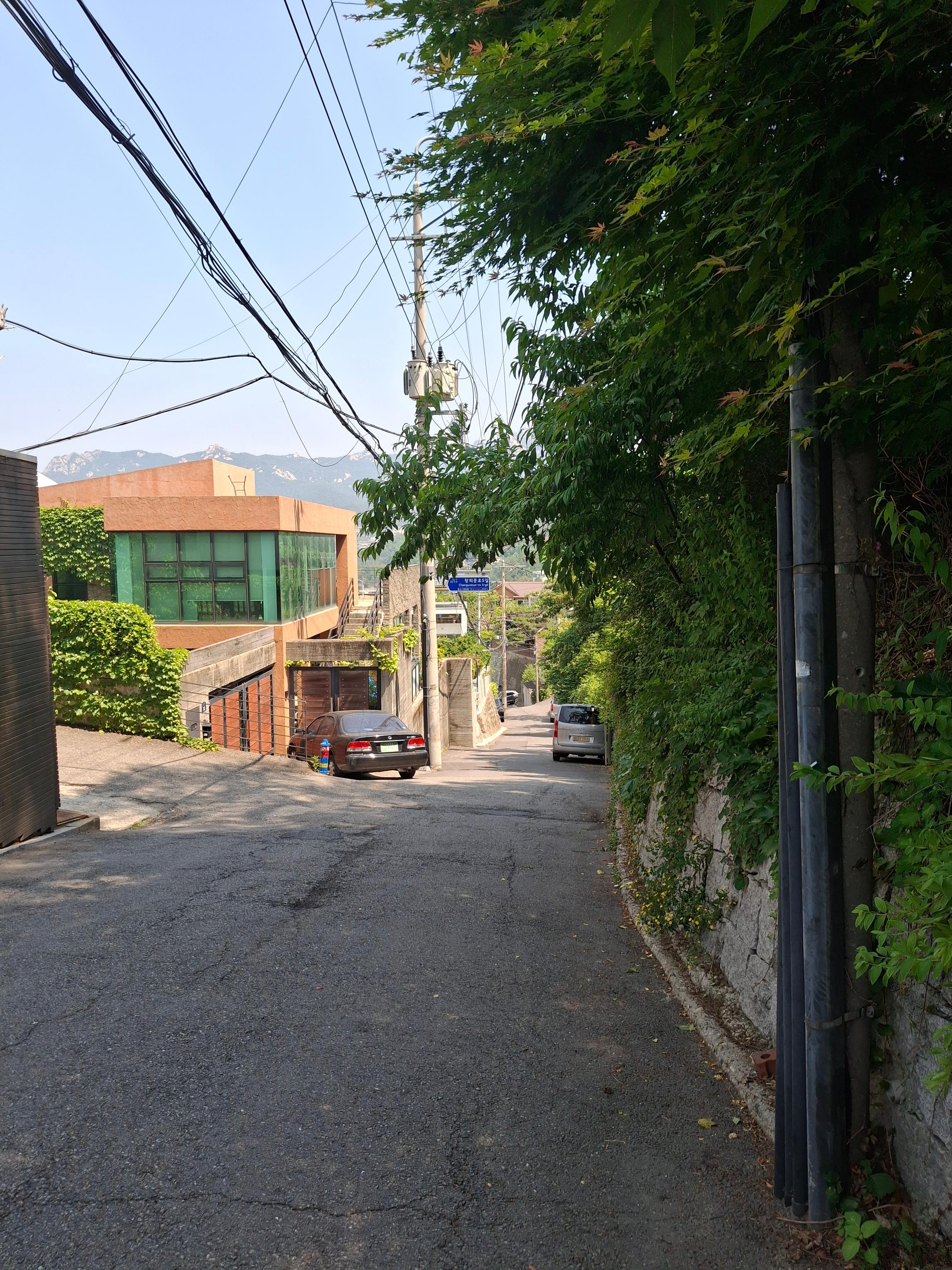
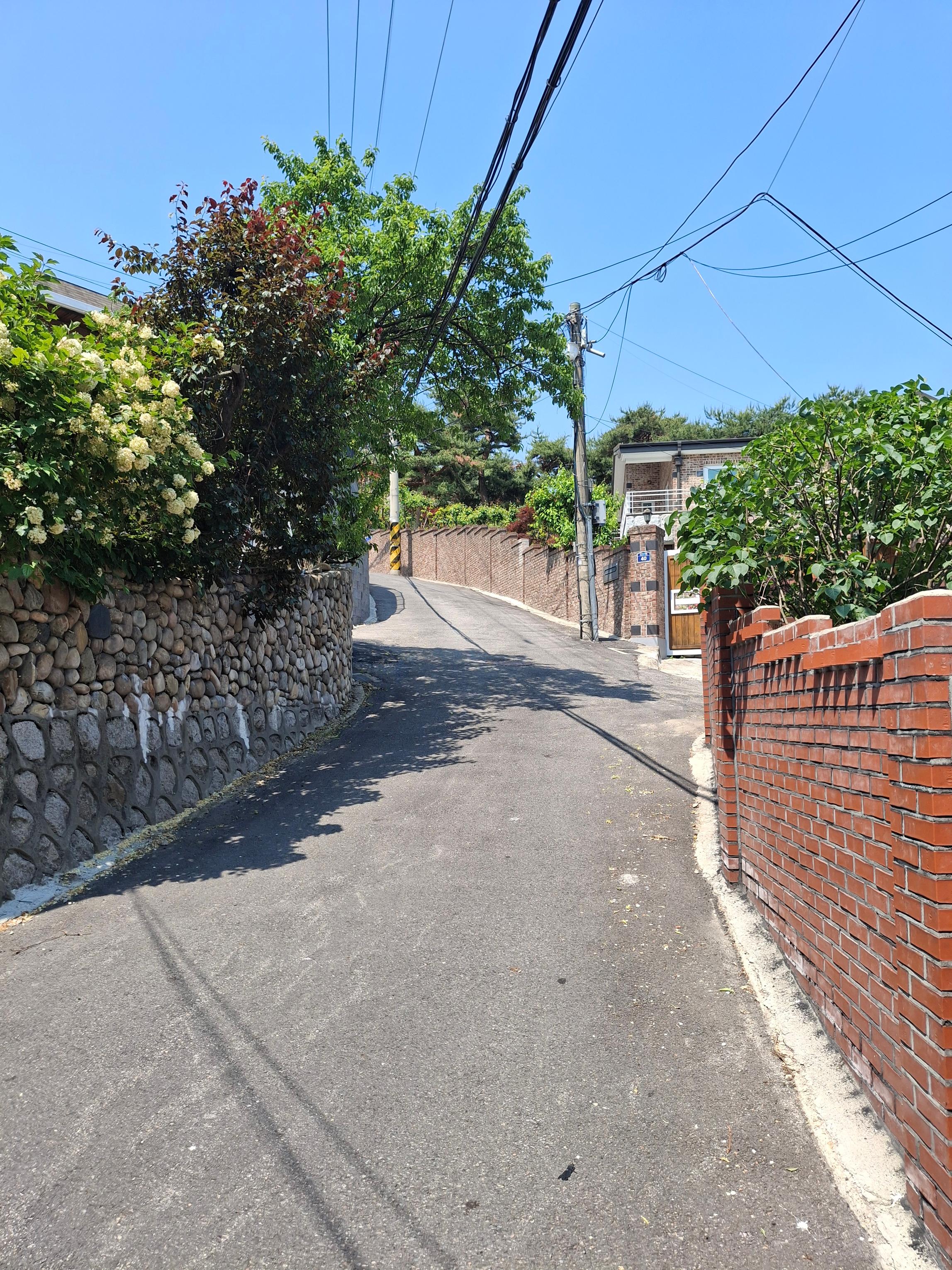
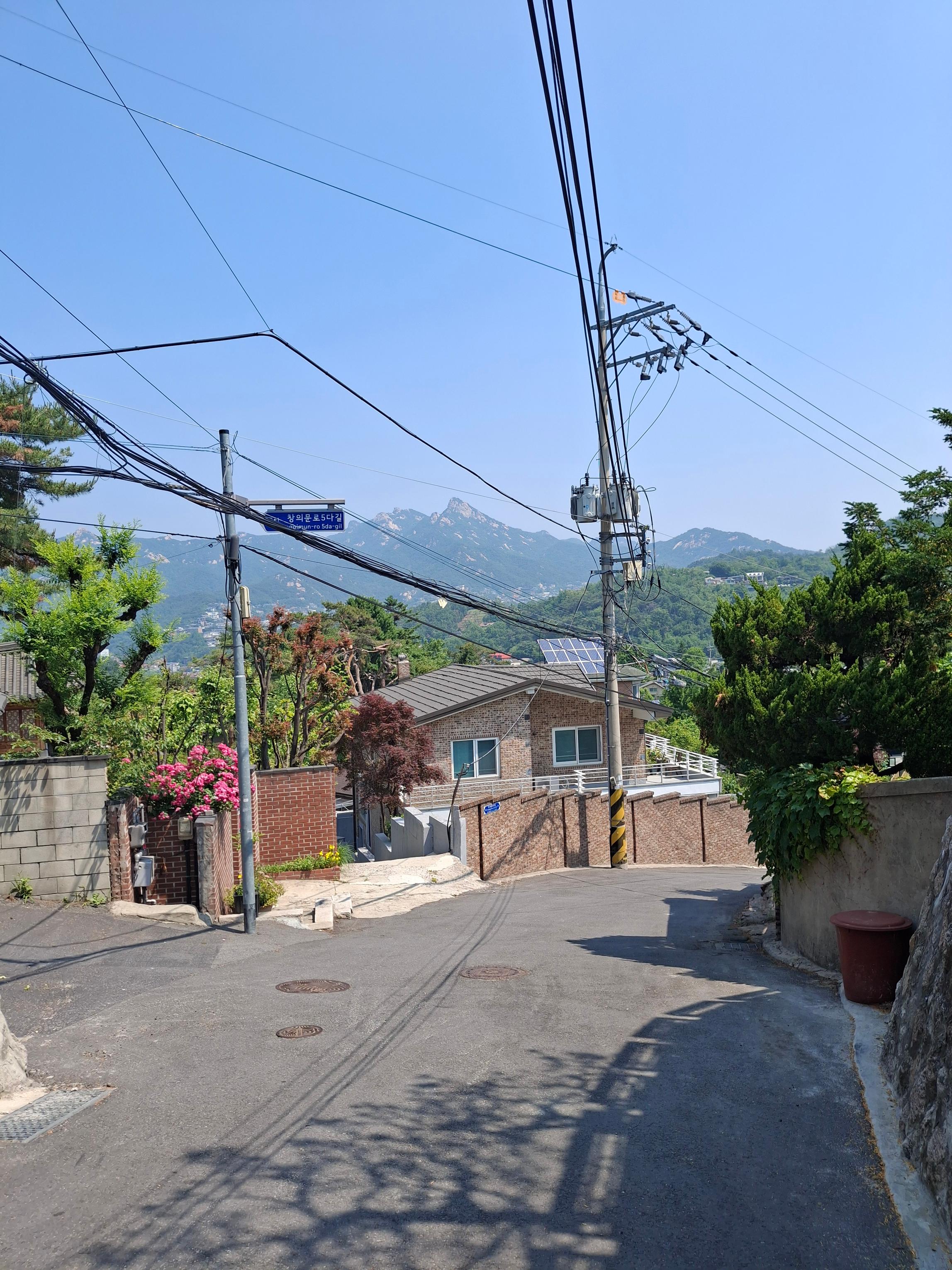
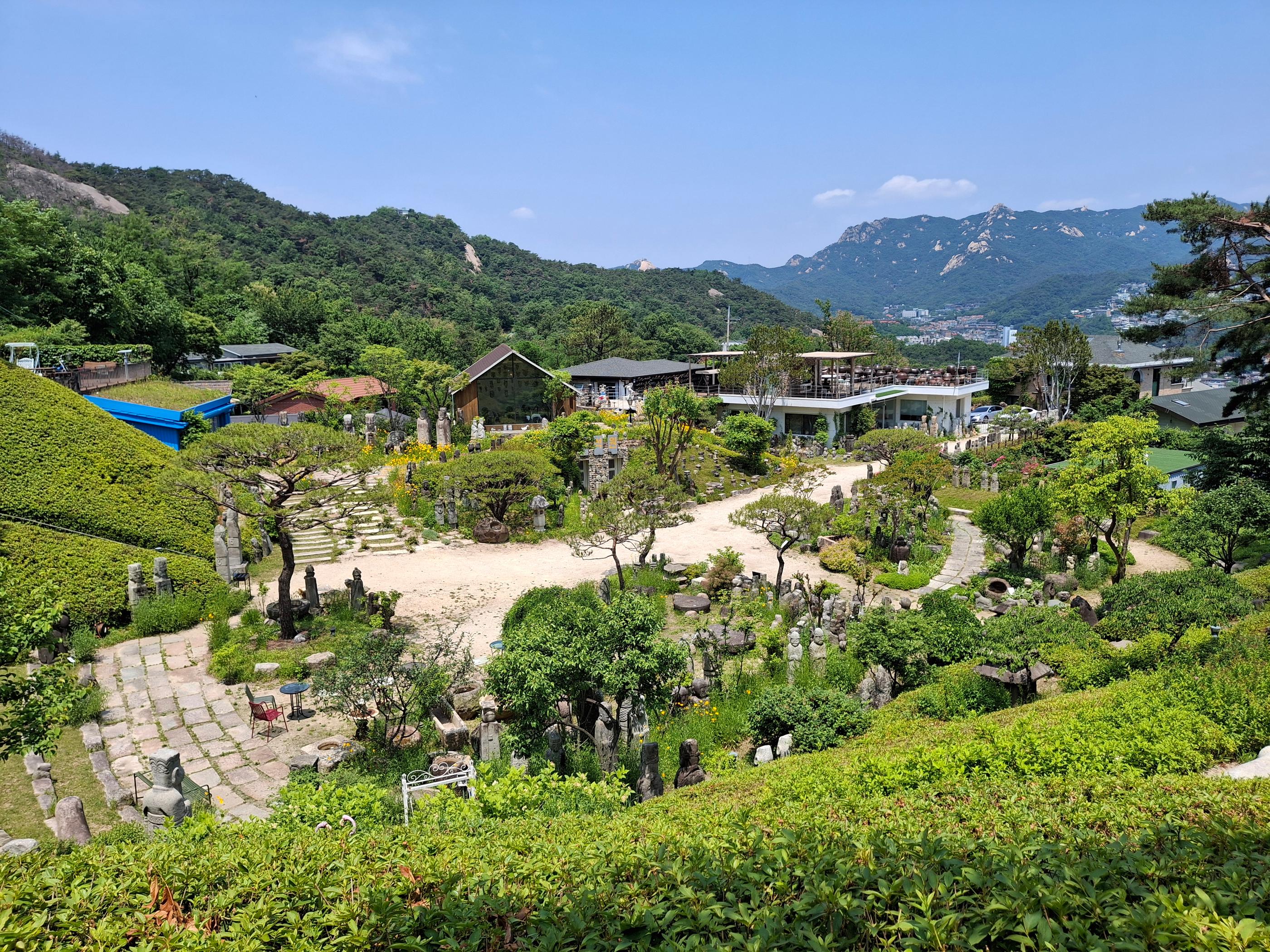
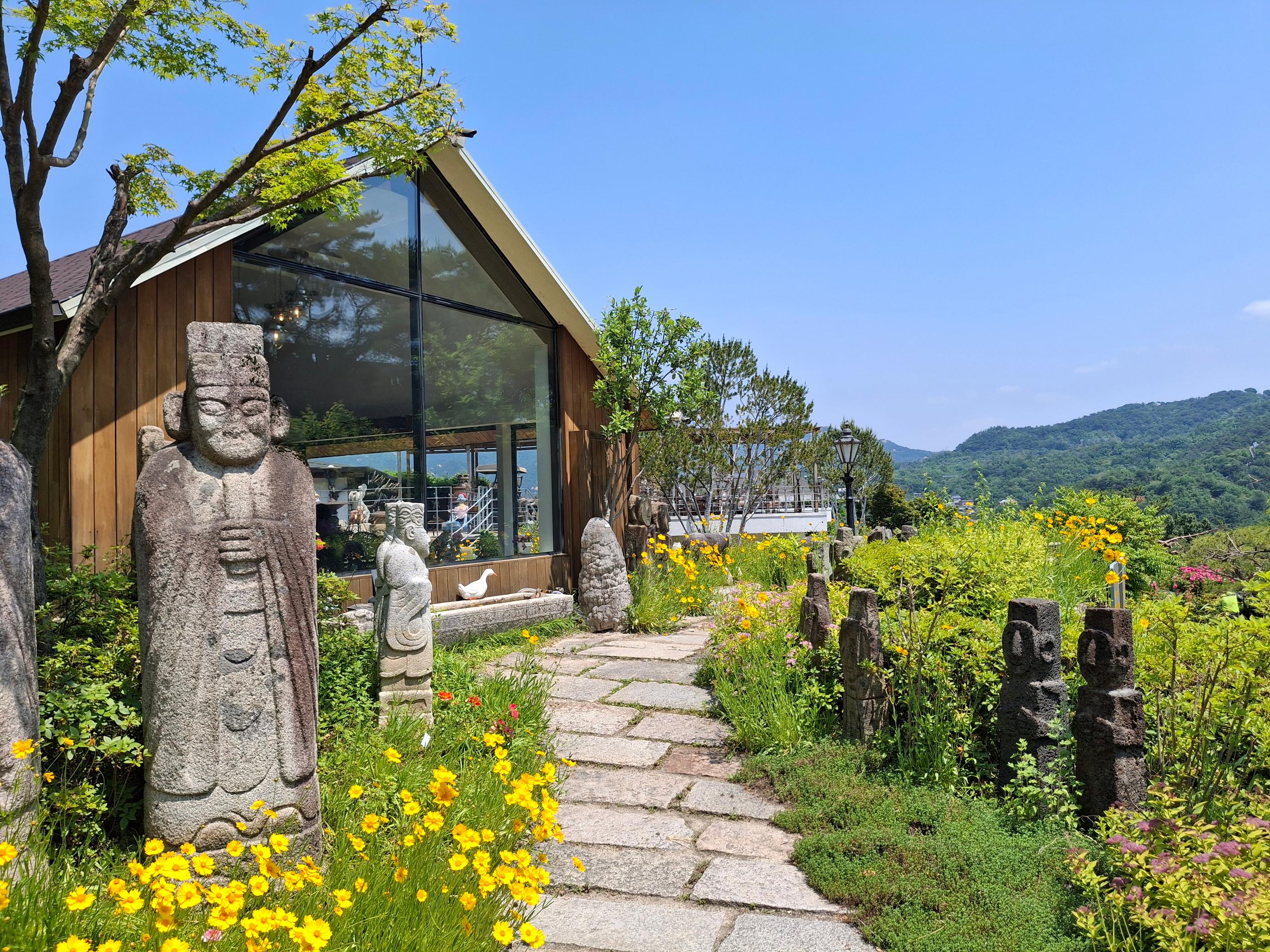
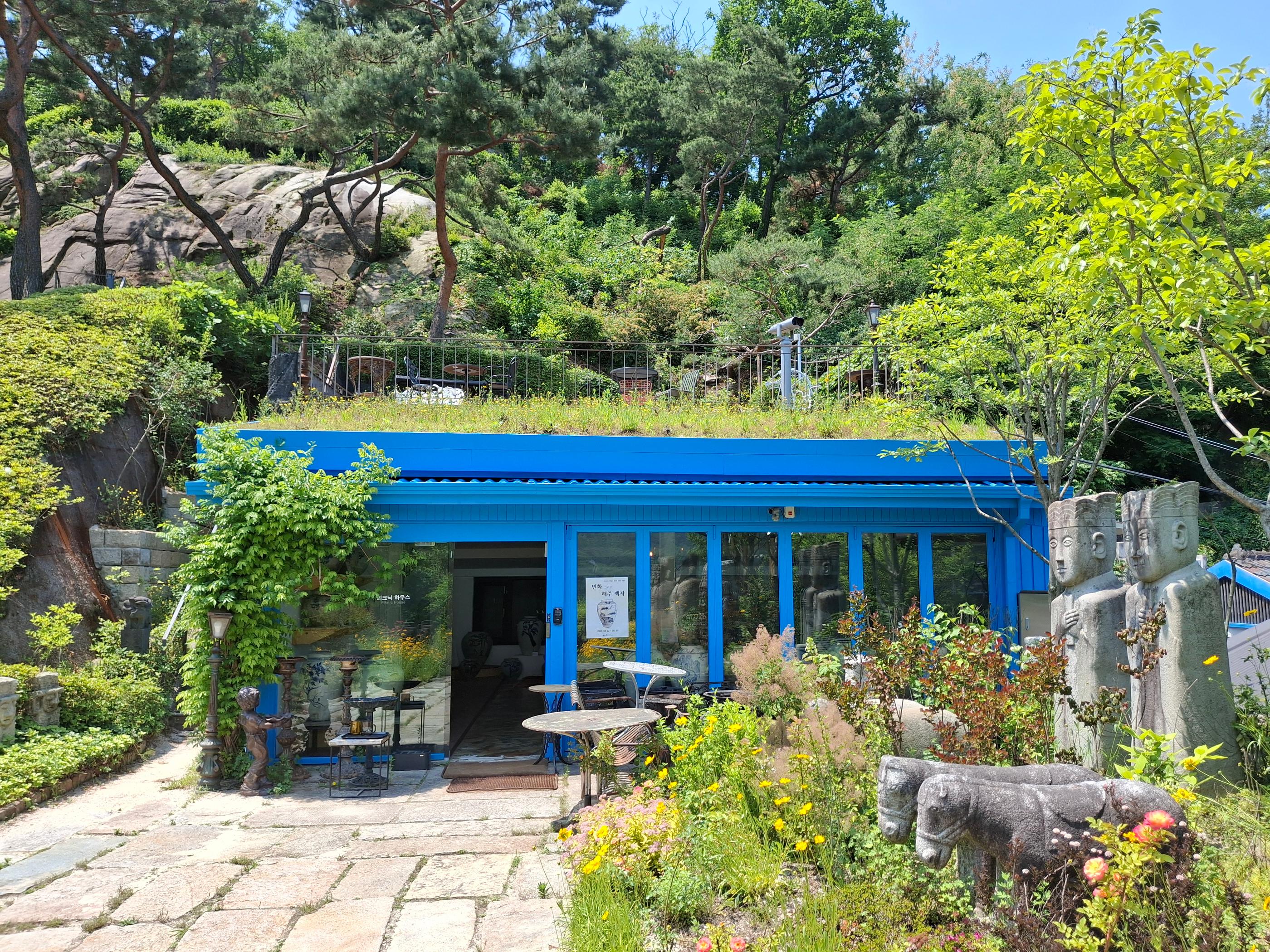
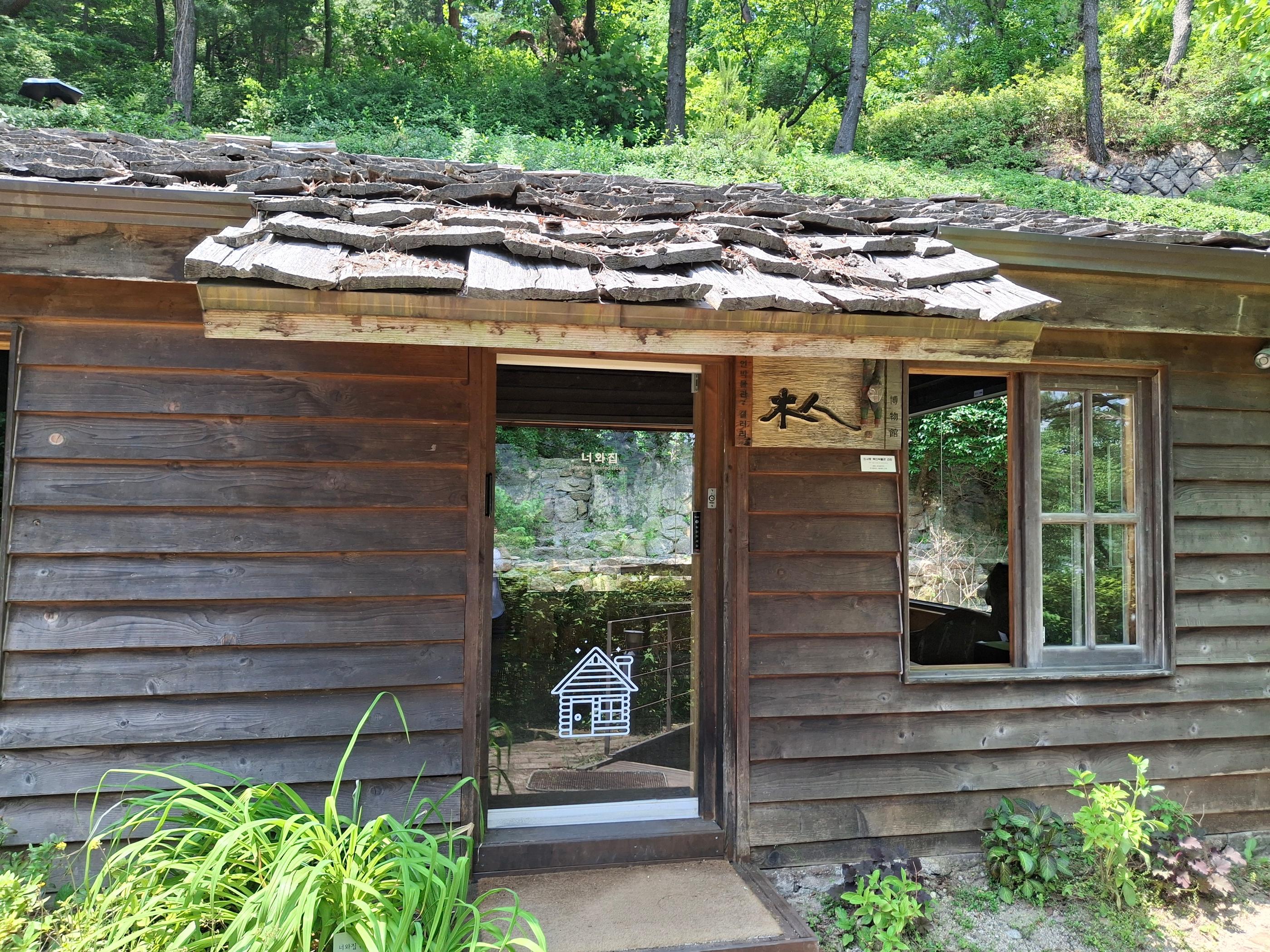
The museum consists of a central building and a large open area around it with a number of exhibition pavilions.
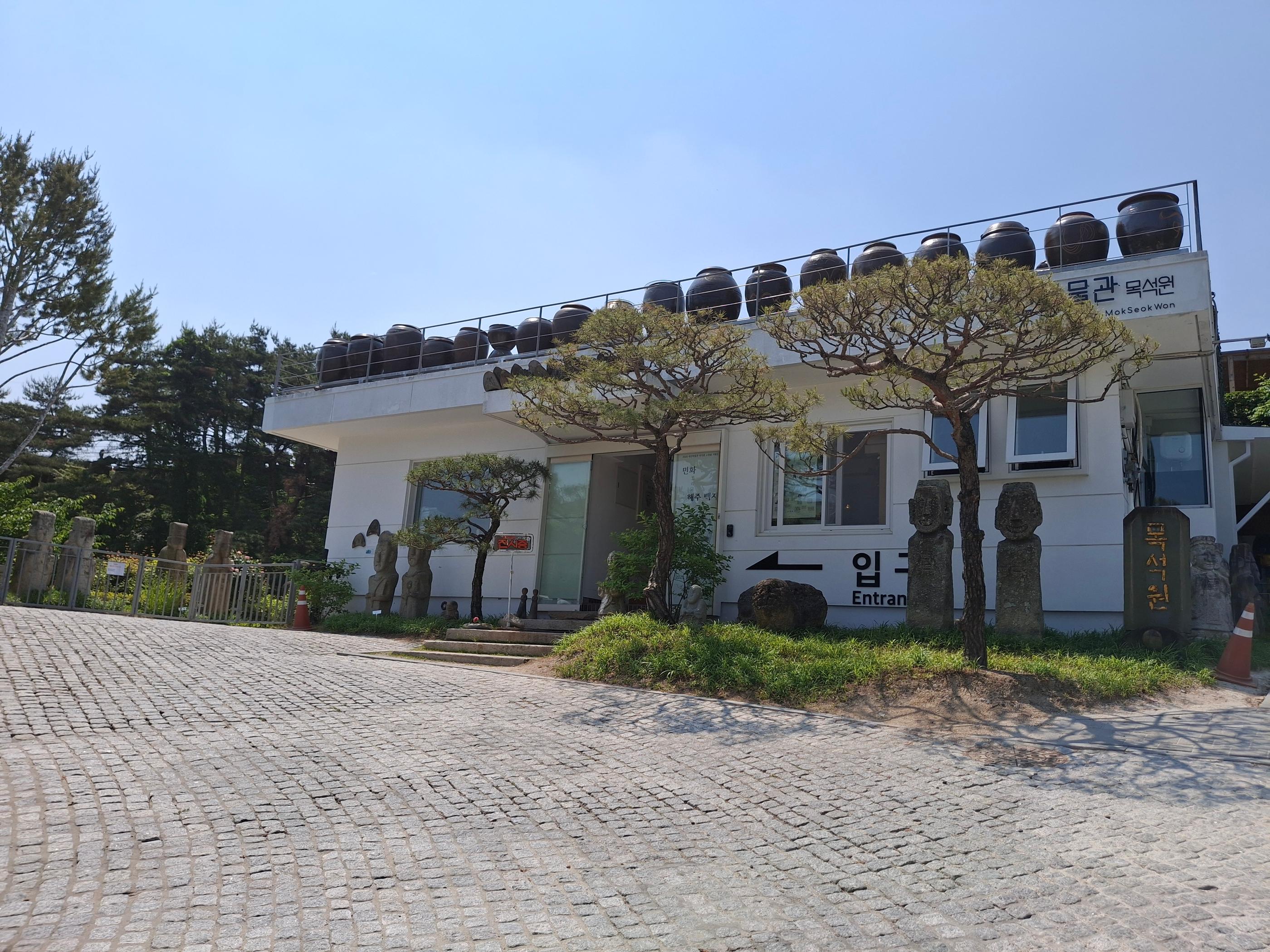
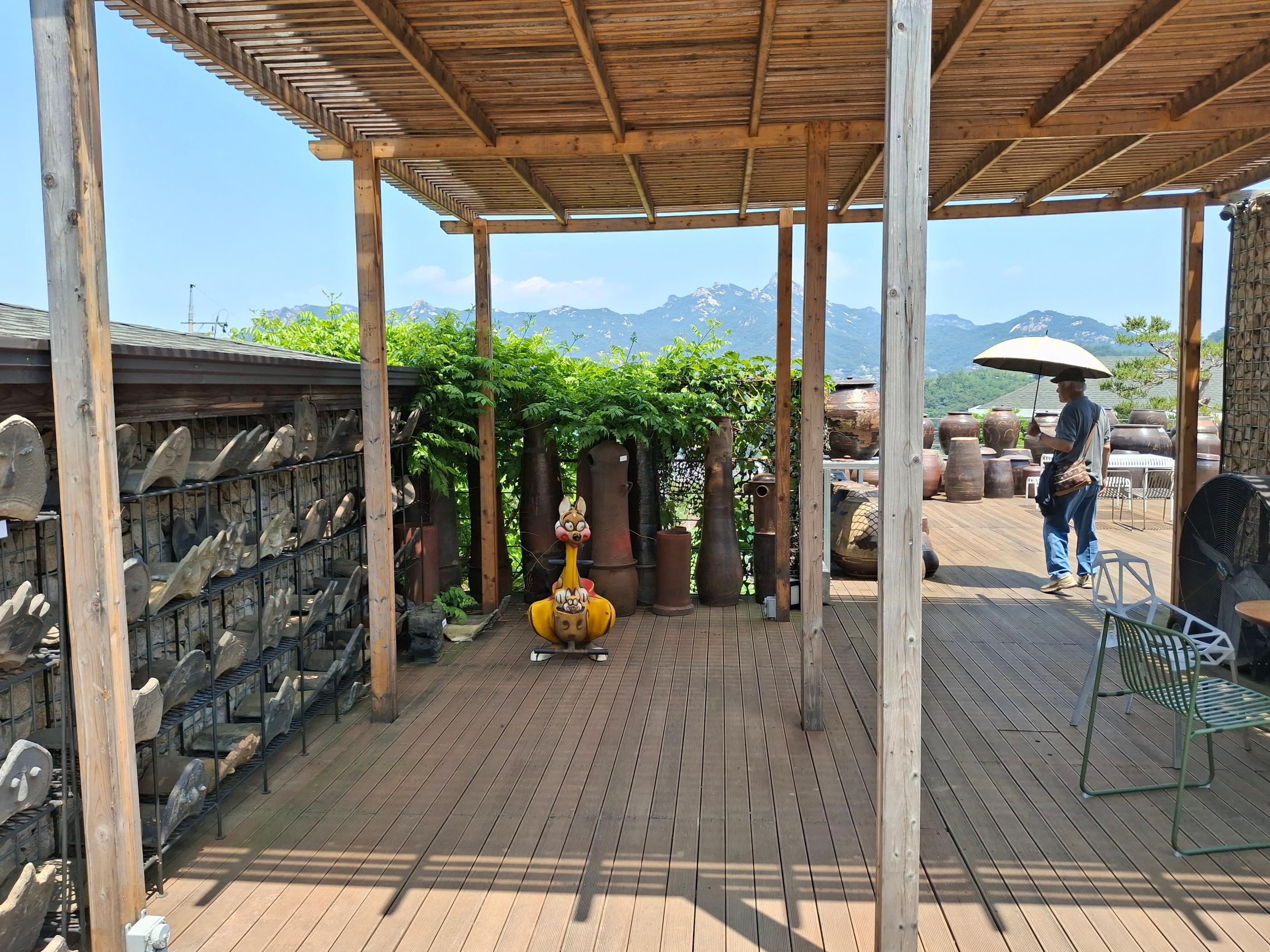
The main building houses the ticket office, as well as a selection of drinks and a place to relax. Various sculptures and ceramics are also on display.
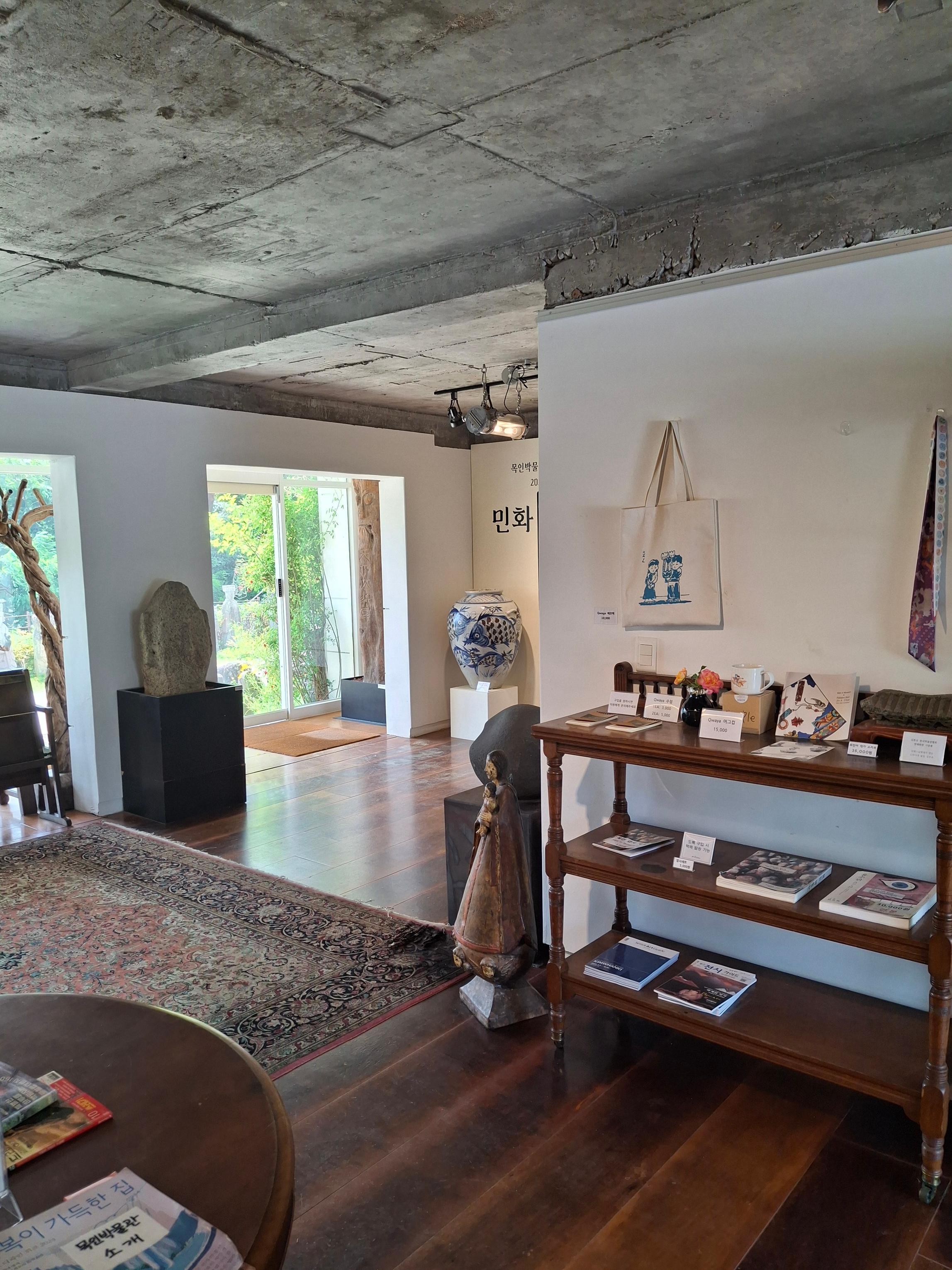
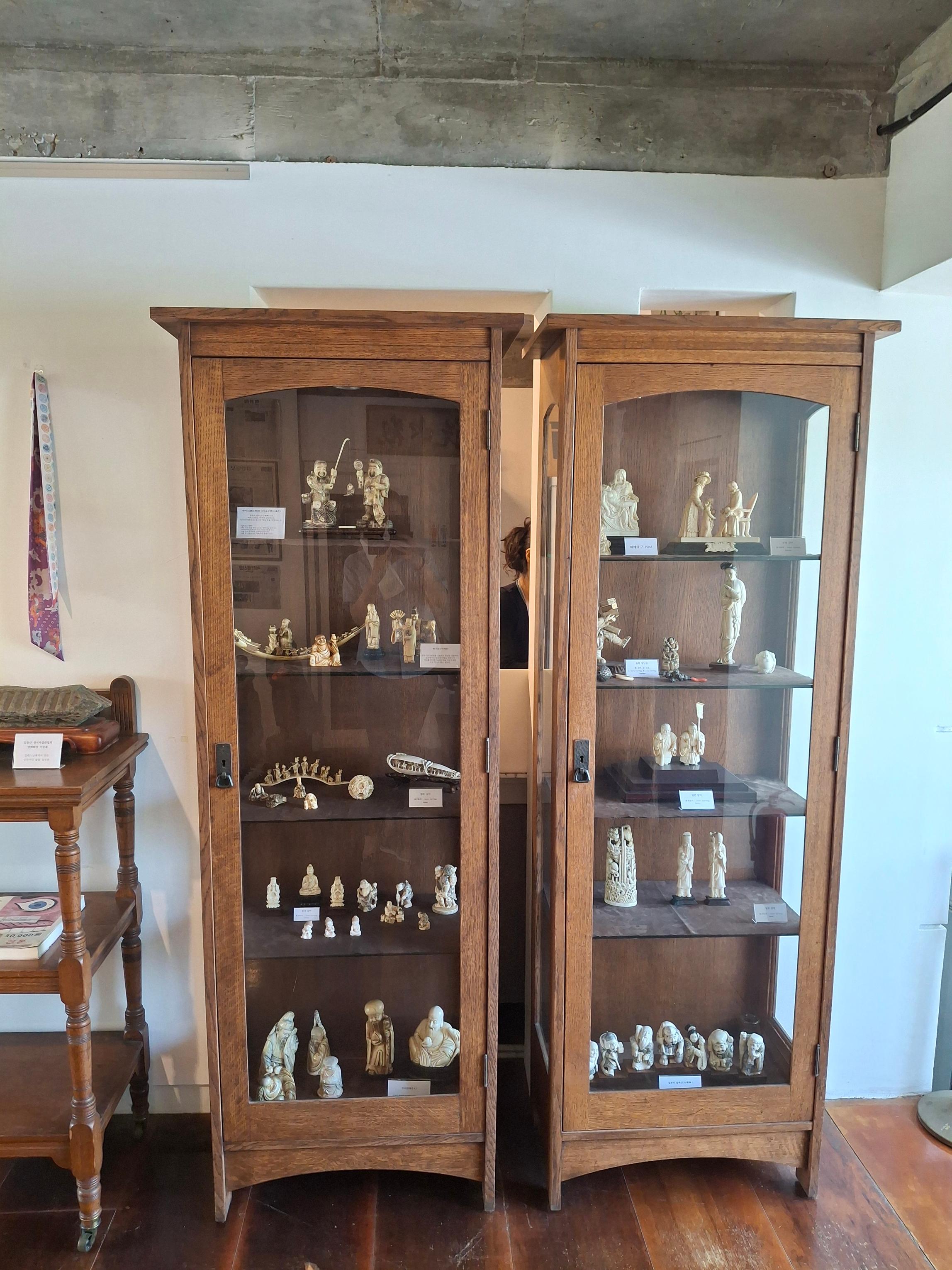
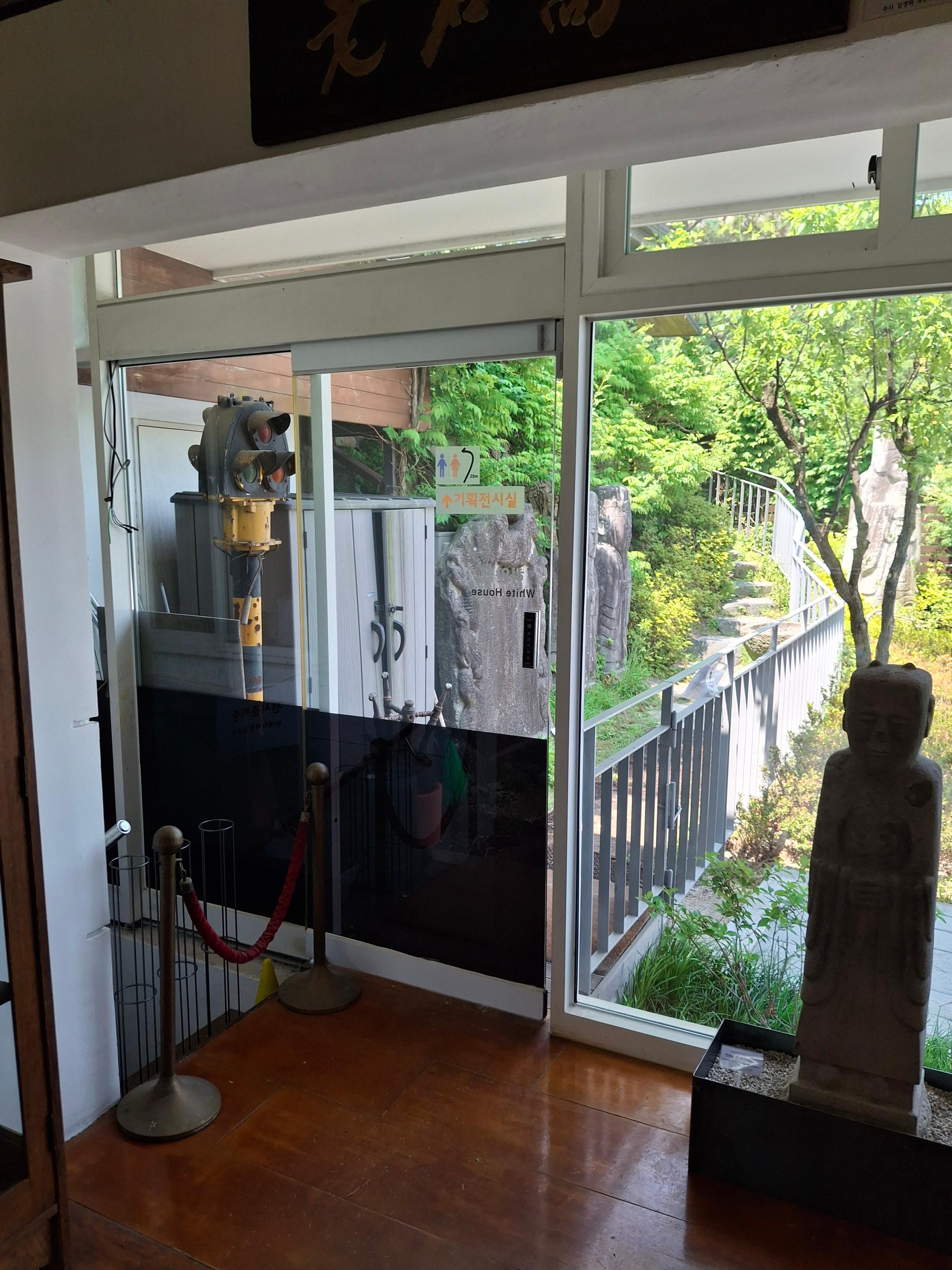
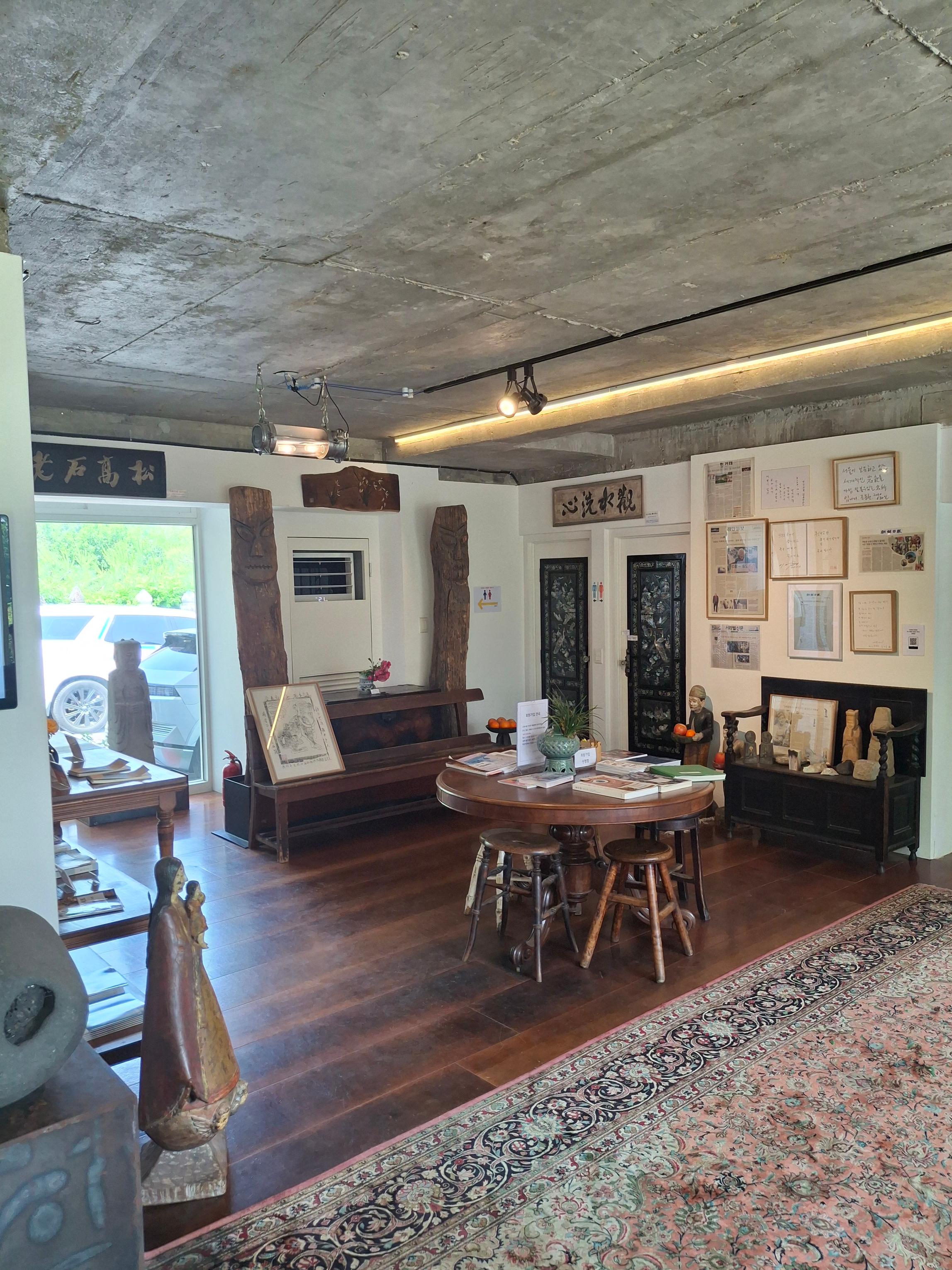
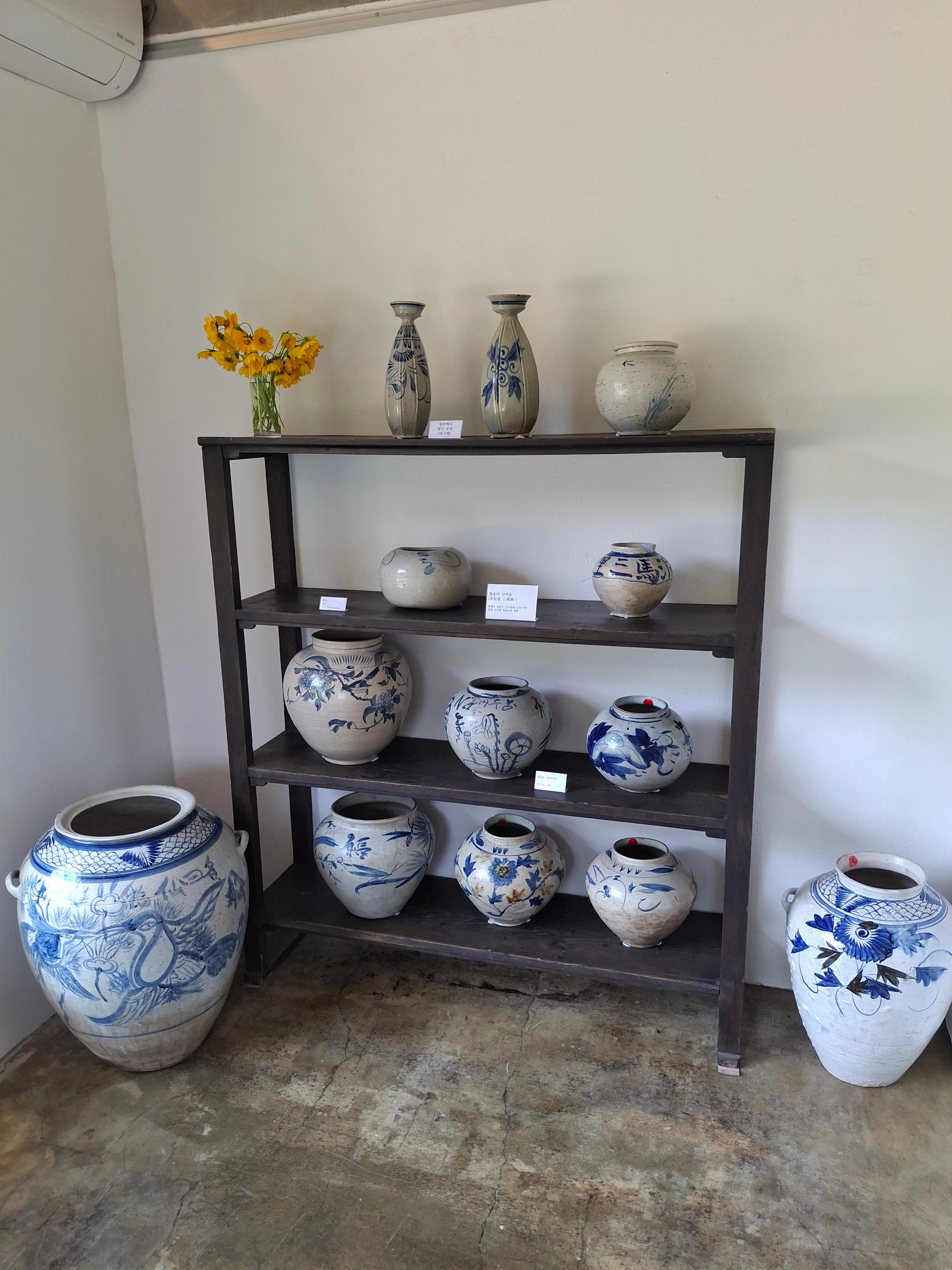
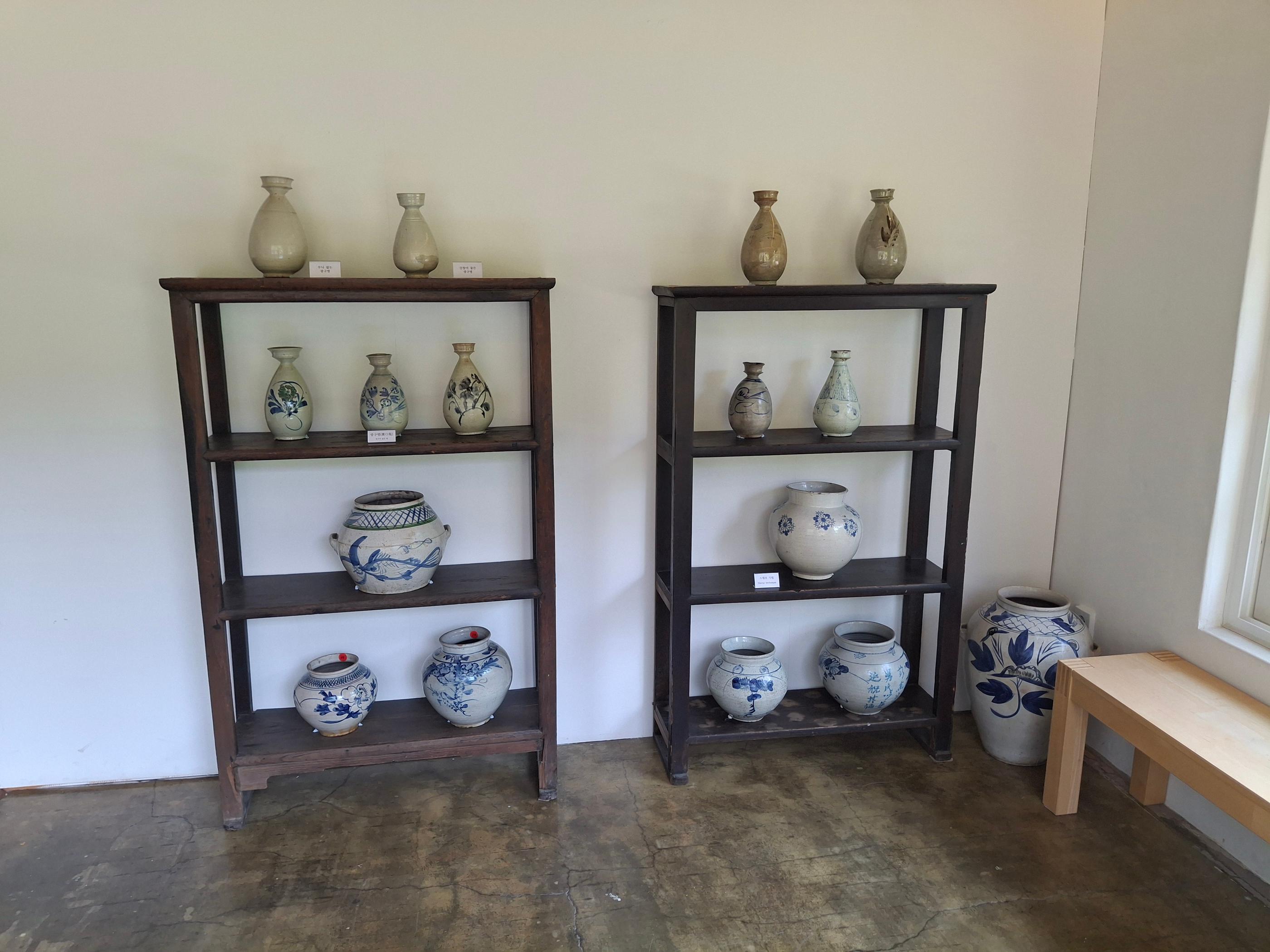
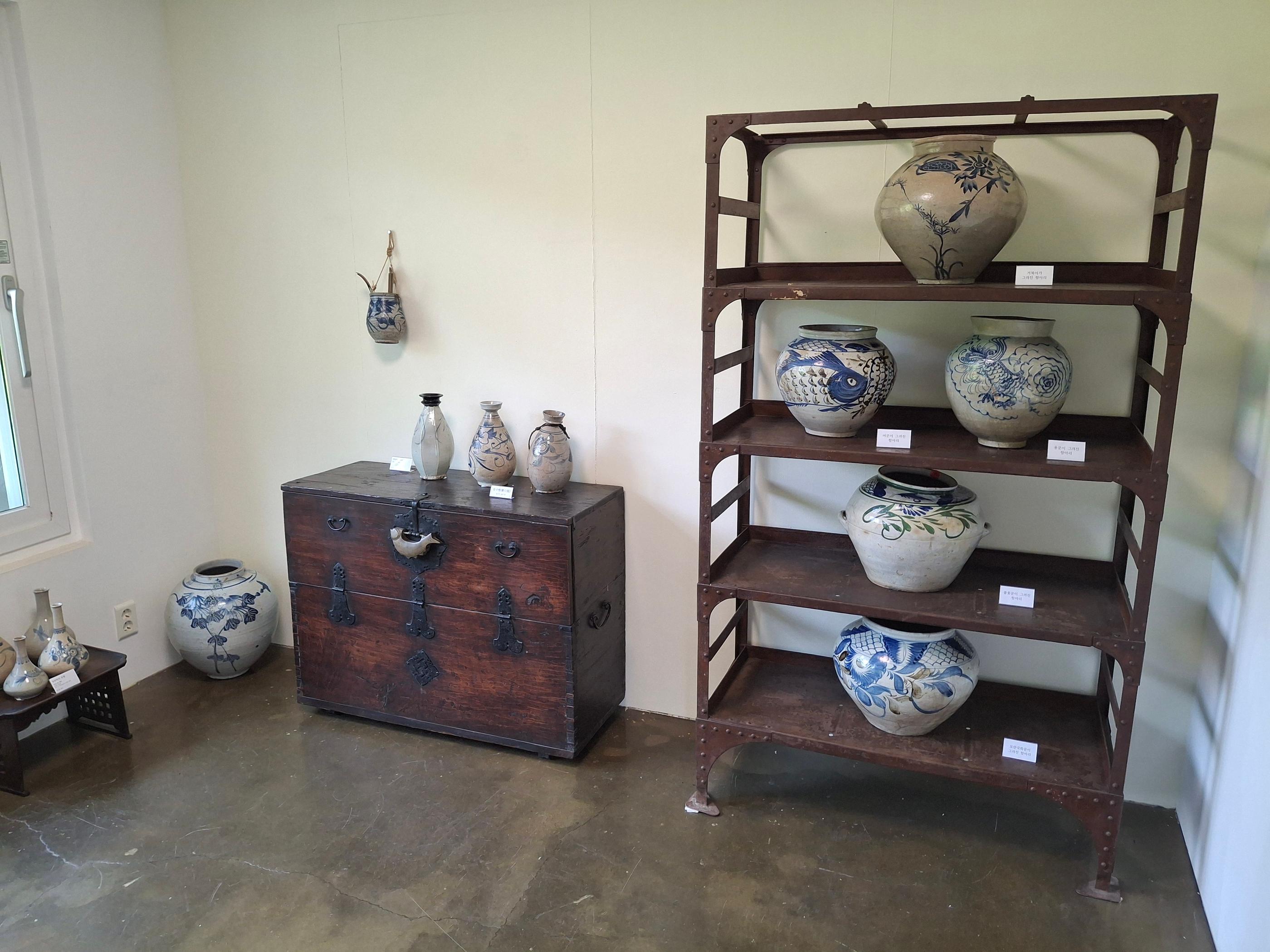
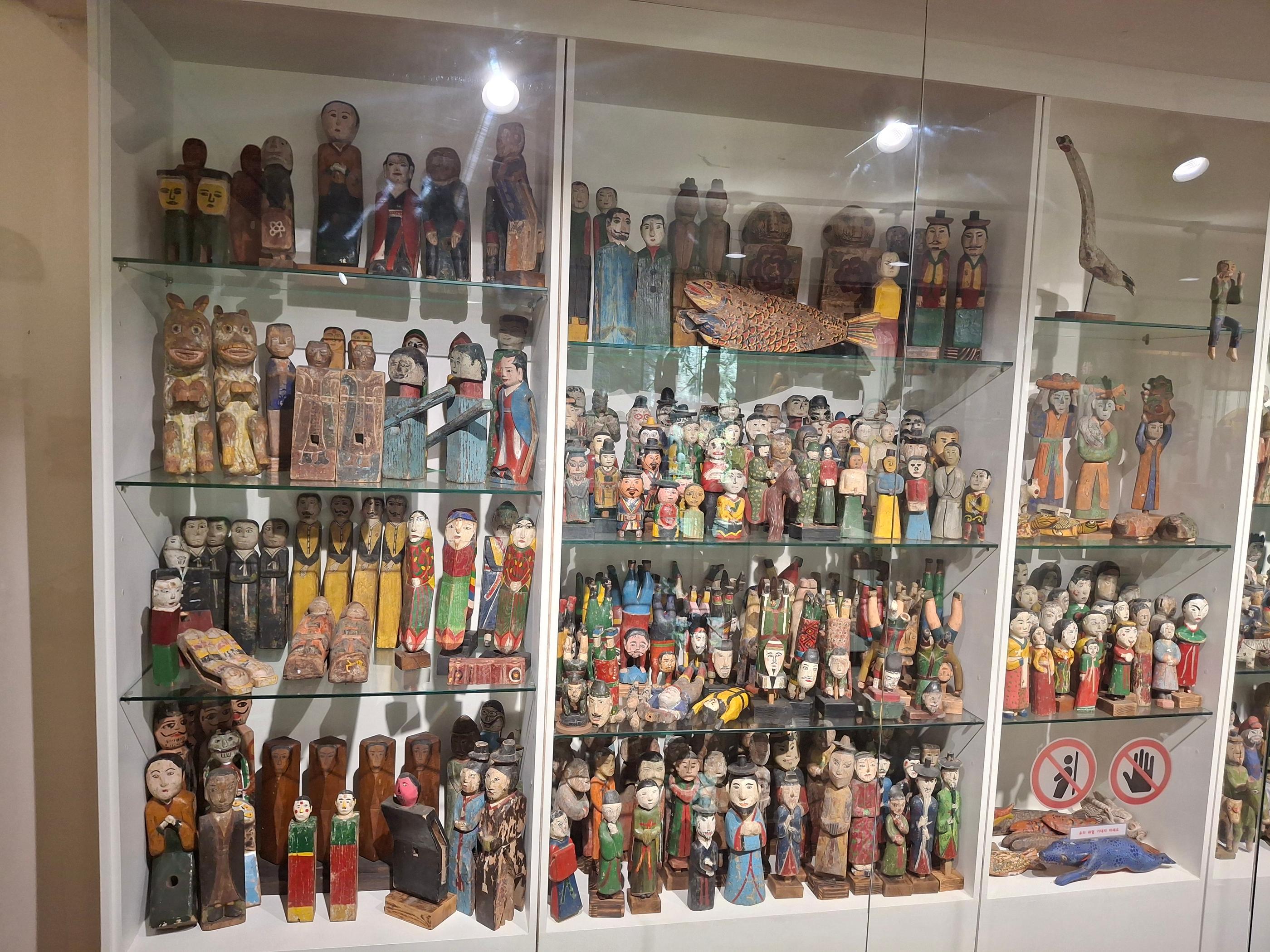
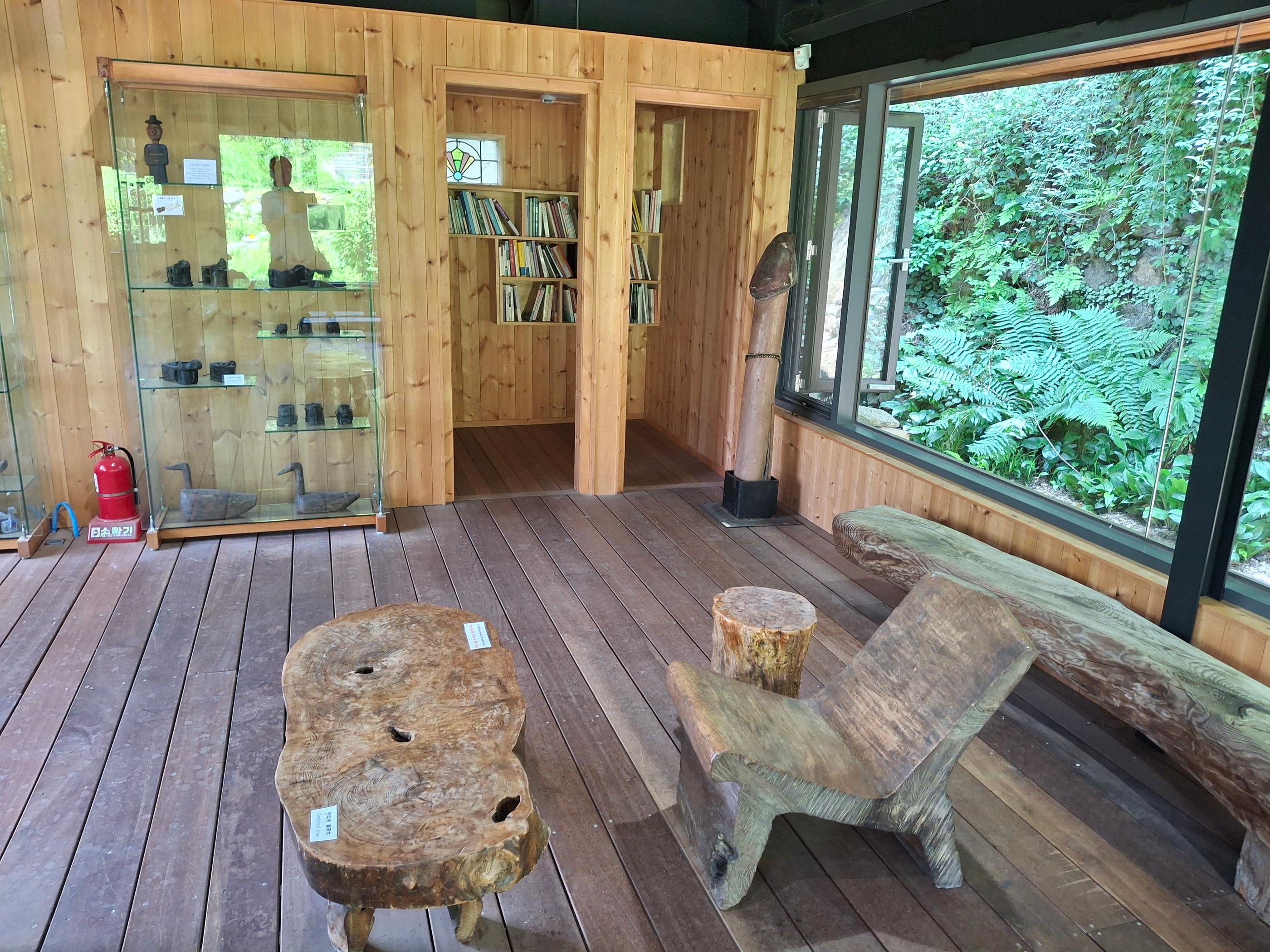
Museum is famous for its wooden figures from around the world are displayed in seven indoor exhibition halls.
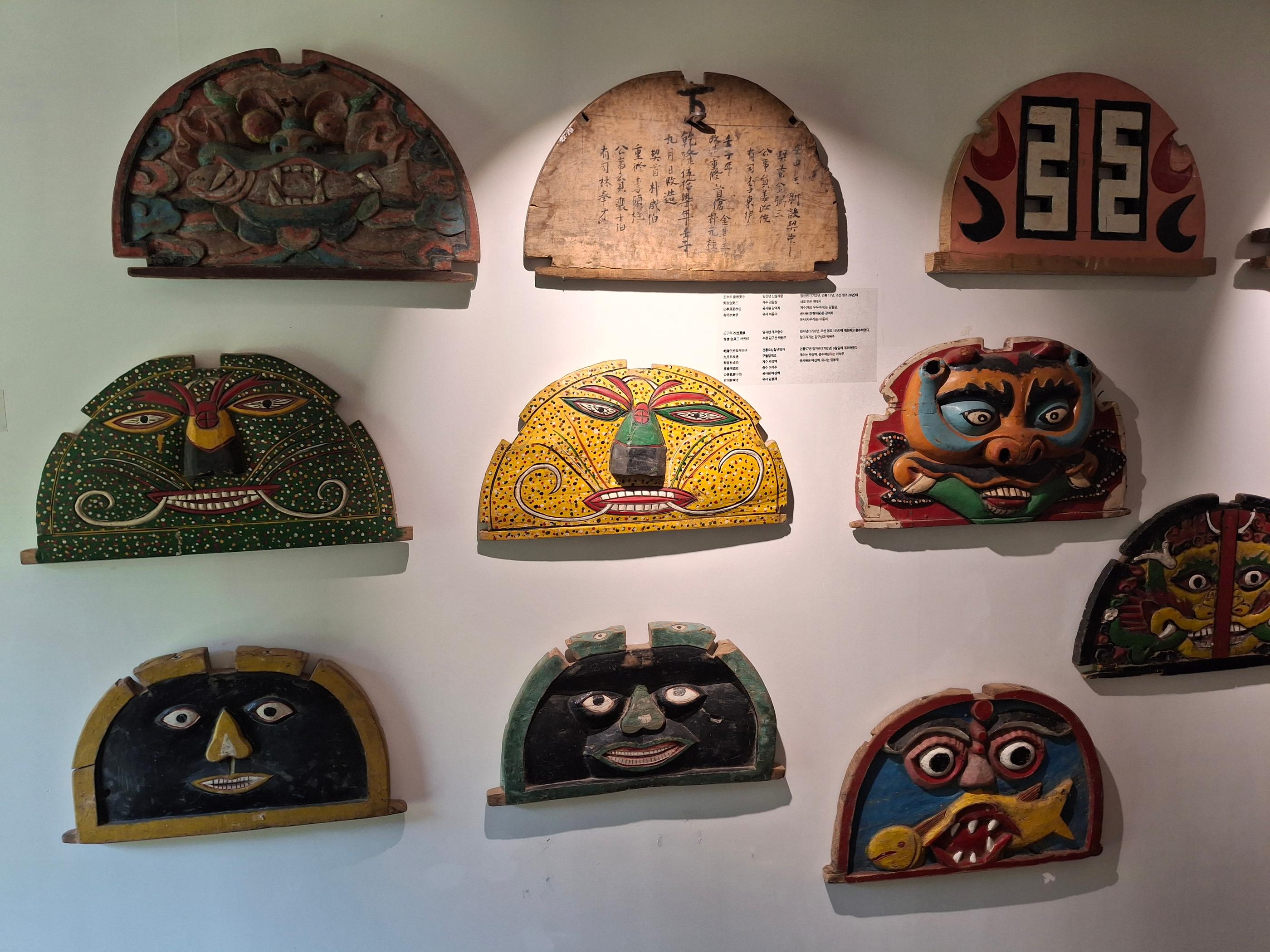
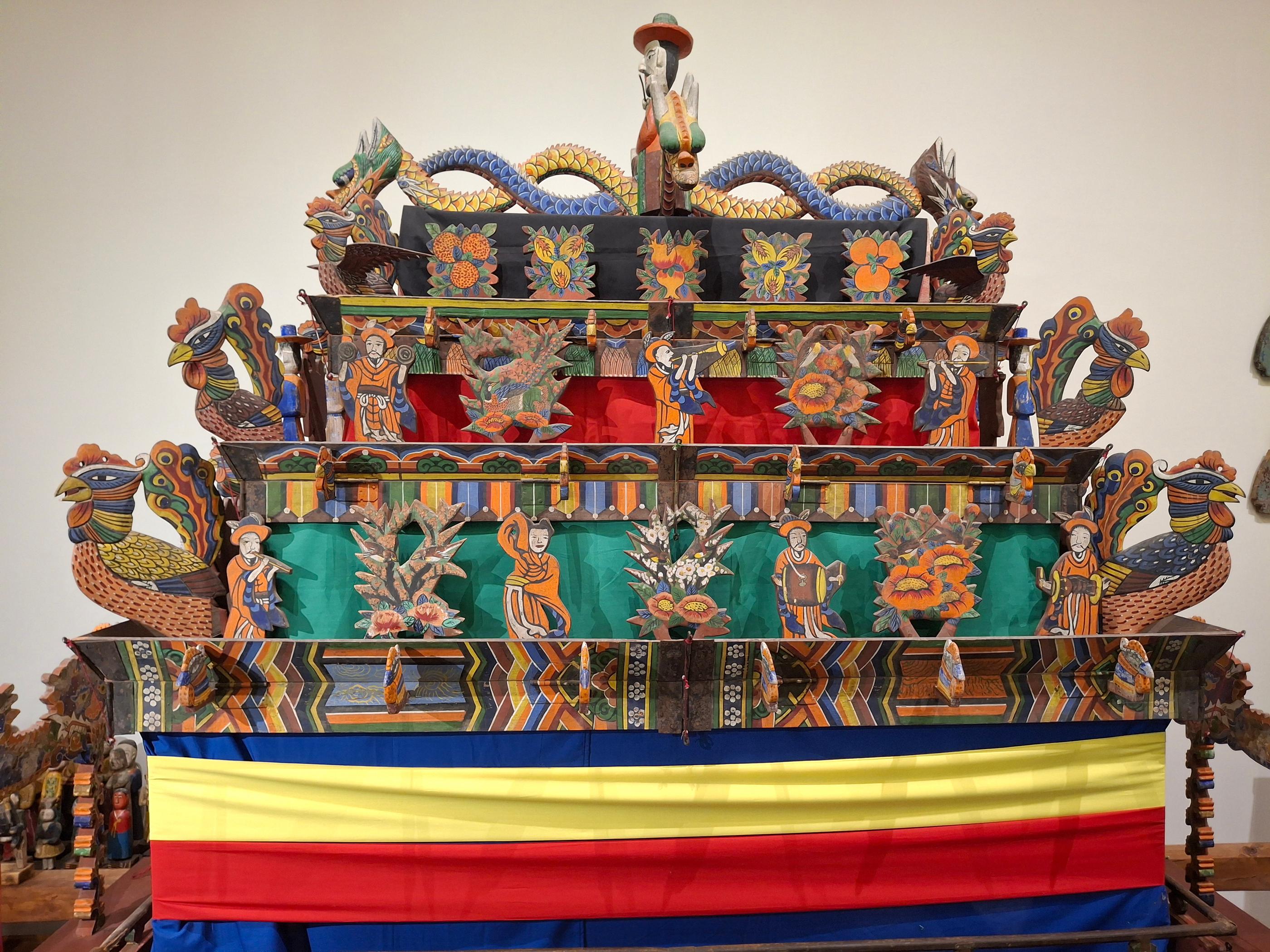
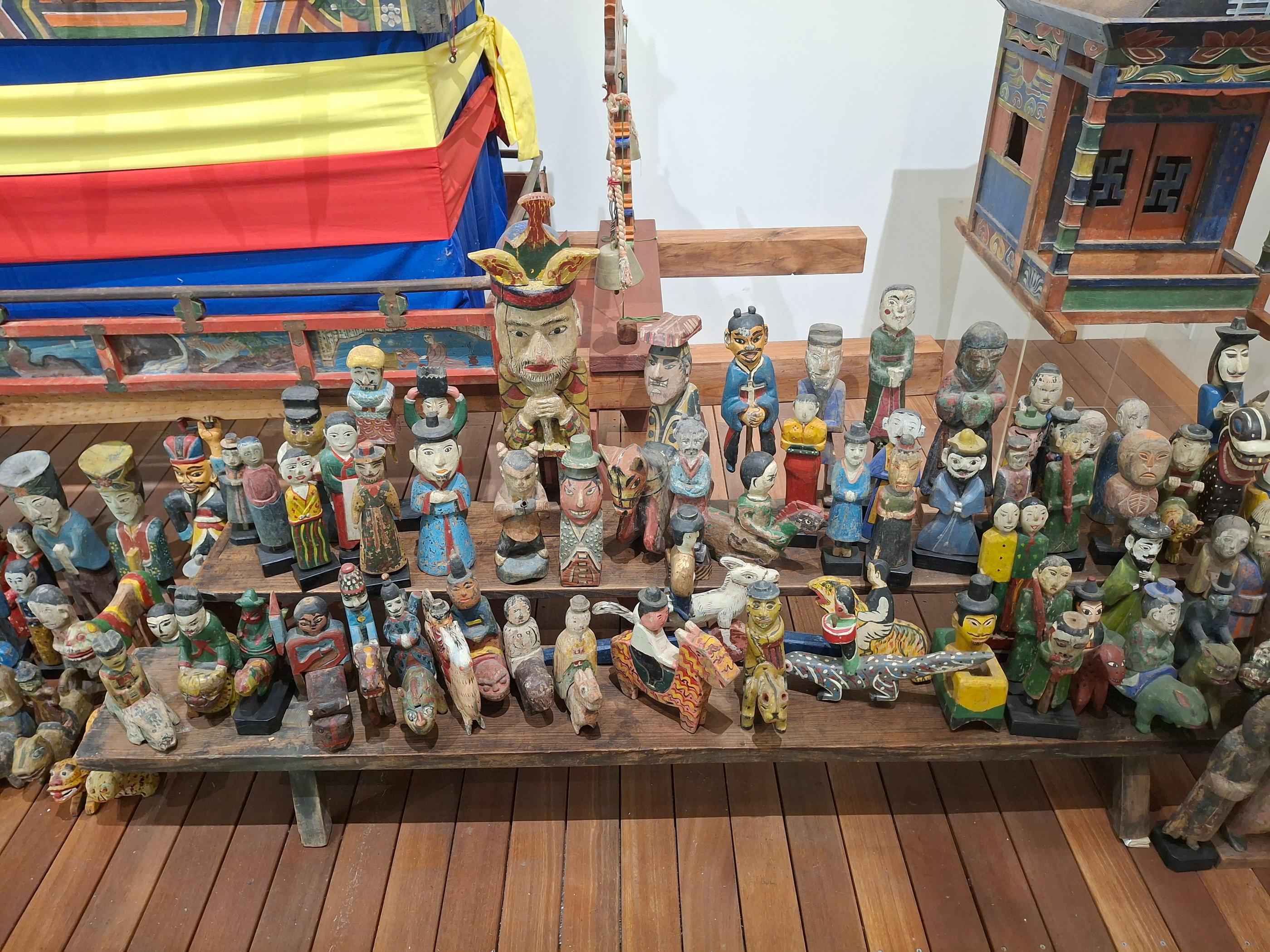
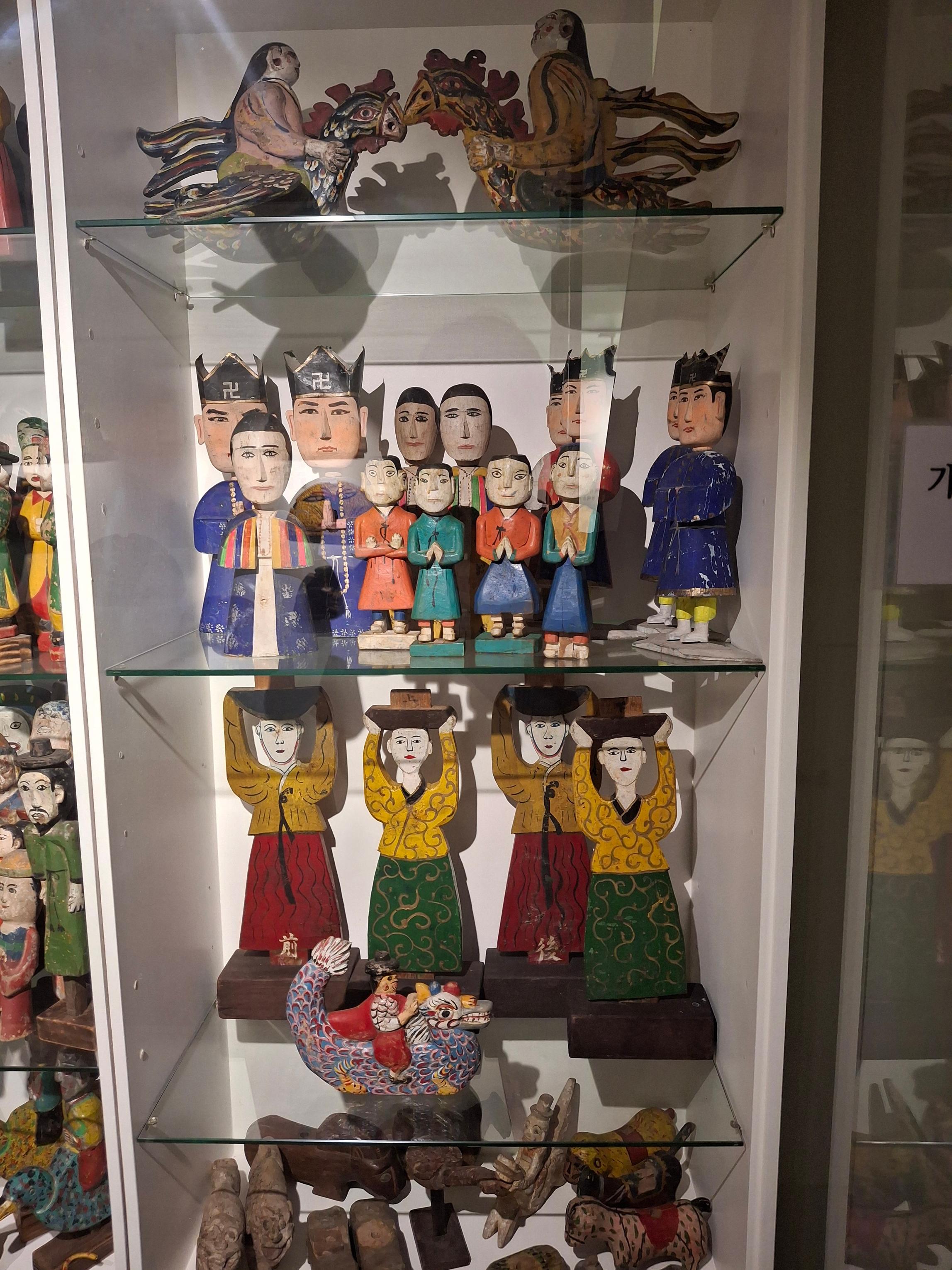
I liked the main pavilion the most, where numerous wooden figurines from funeral stretcher are exhibited (figures of people, dragon-headed boards, boards in the shape of people, flowers, and animals, etc.) You can see approximately 12,000 wooden figures used for funeral decoration. The museum got its name from the word mokin - a human figurine made of wood. In ancient times, they were used in magic and rituals. The location and purpose of each figurine are shown in detail. Color plates from sarcophagi with various images are also presented.


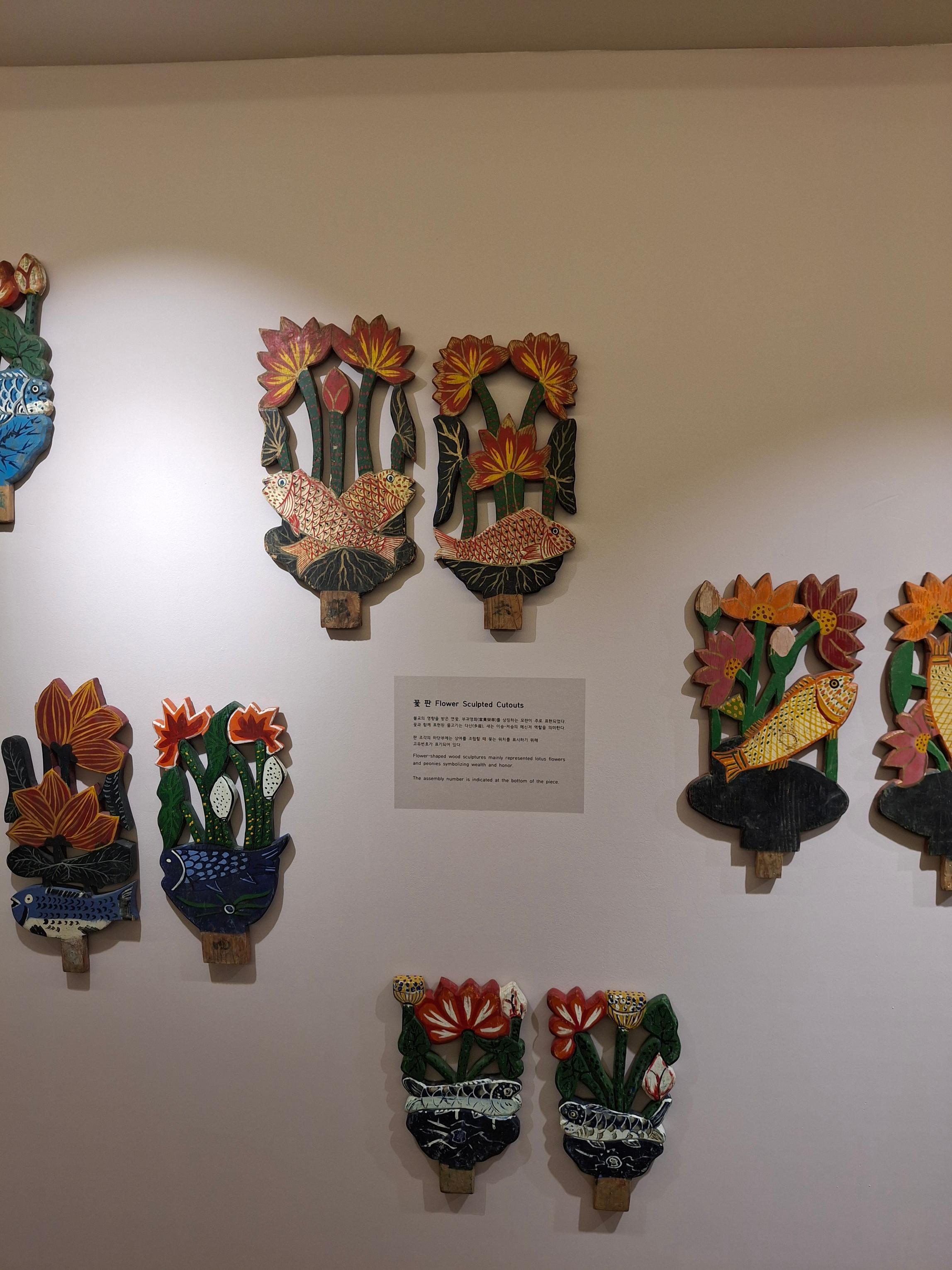
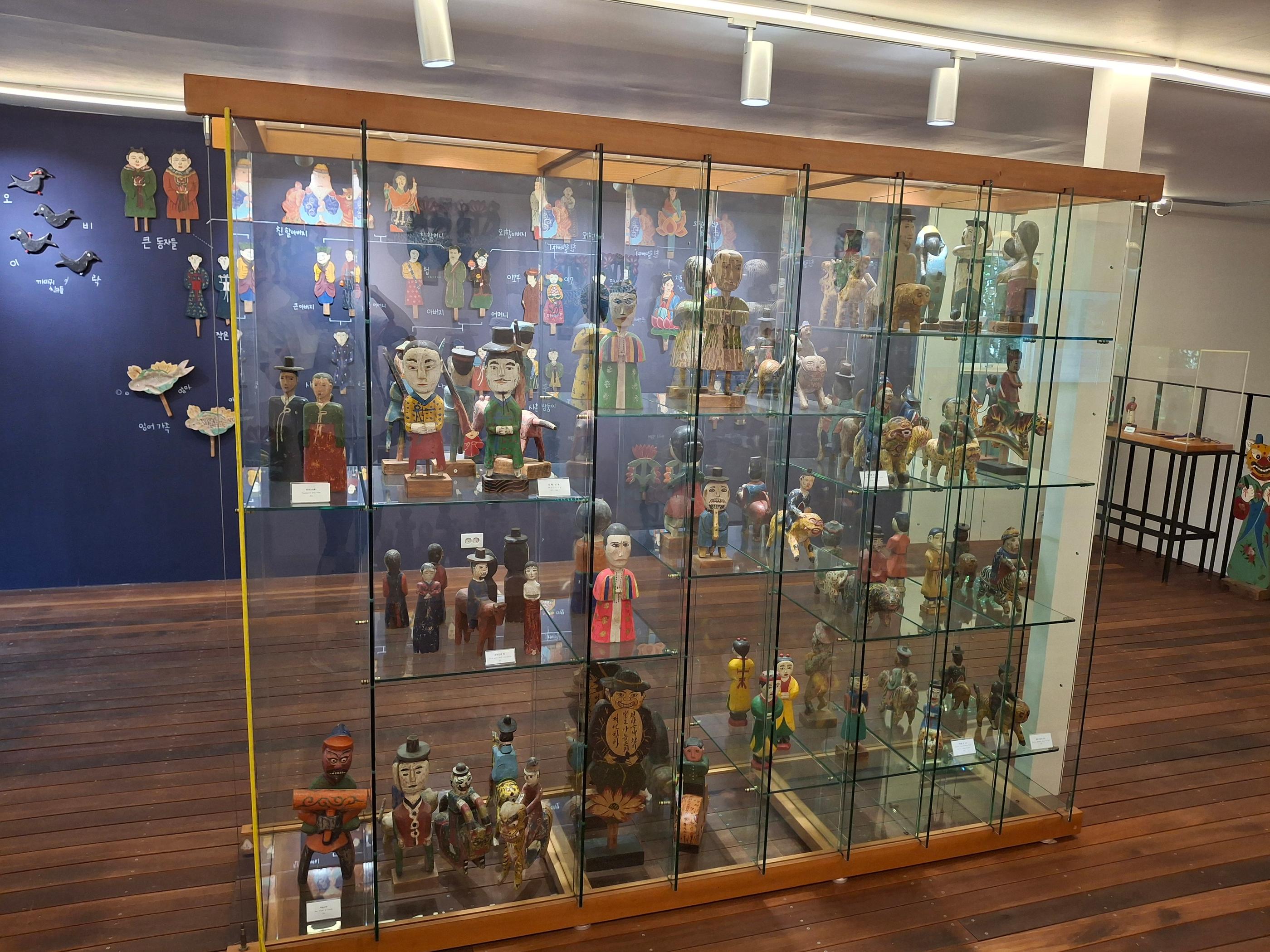
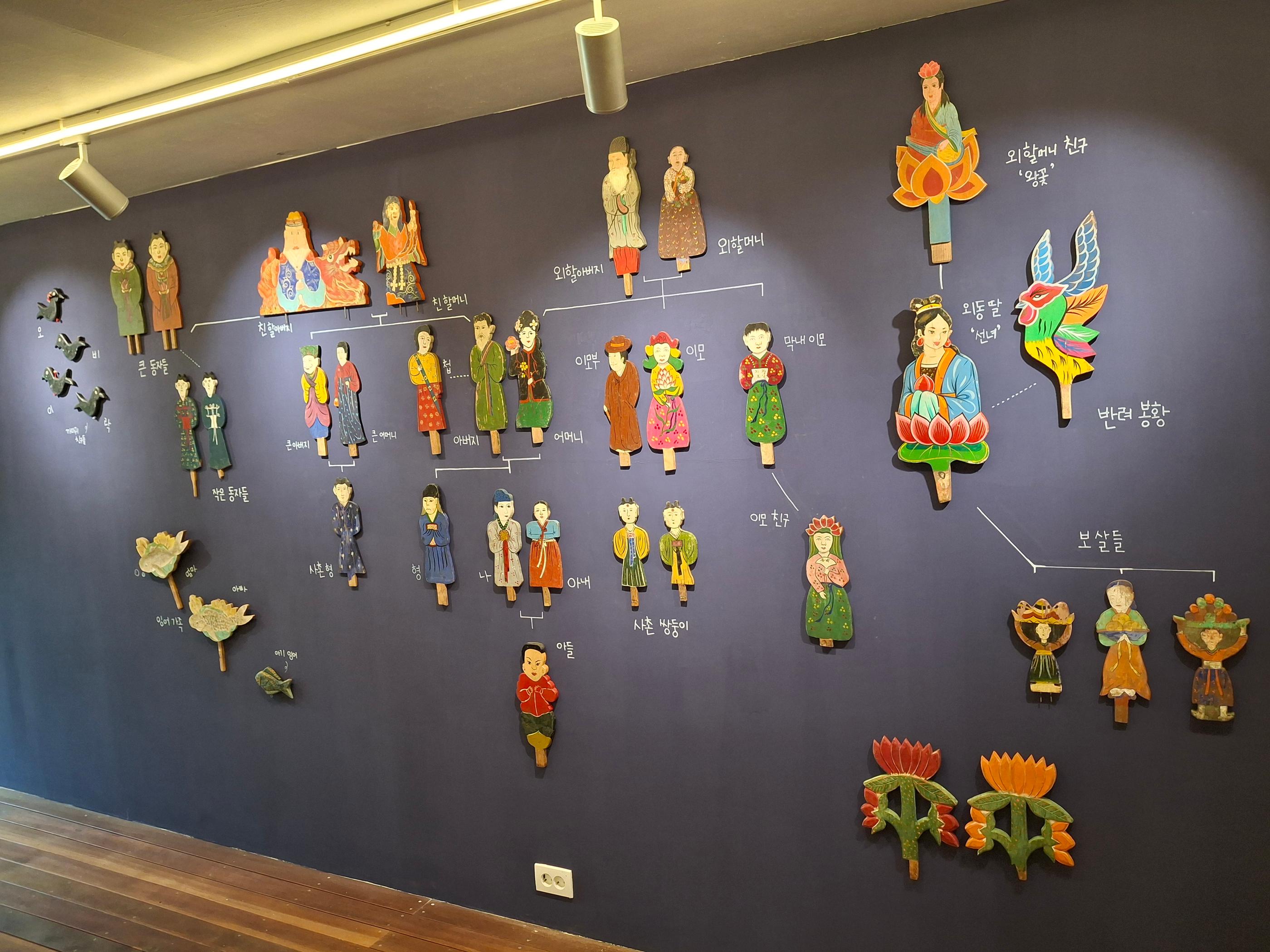
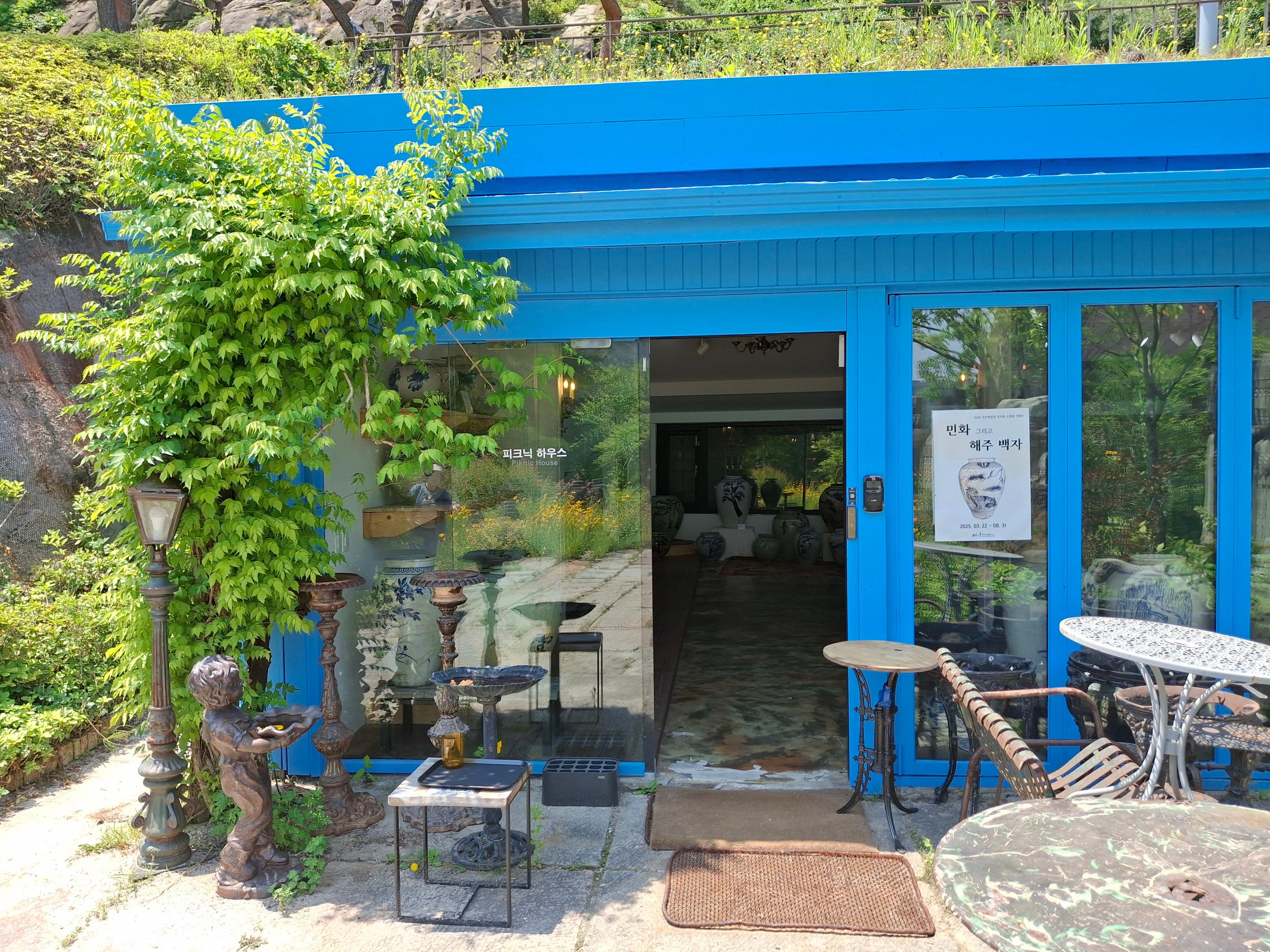
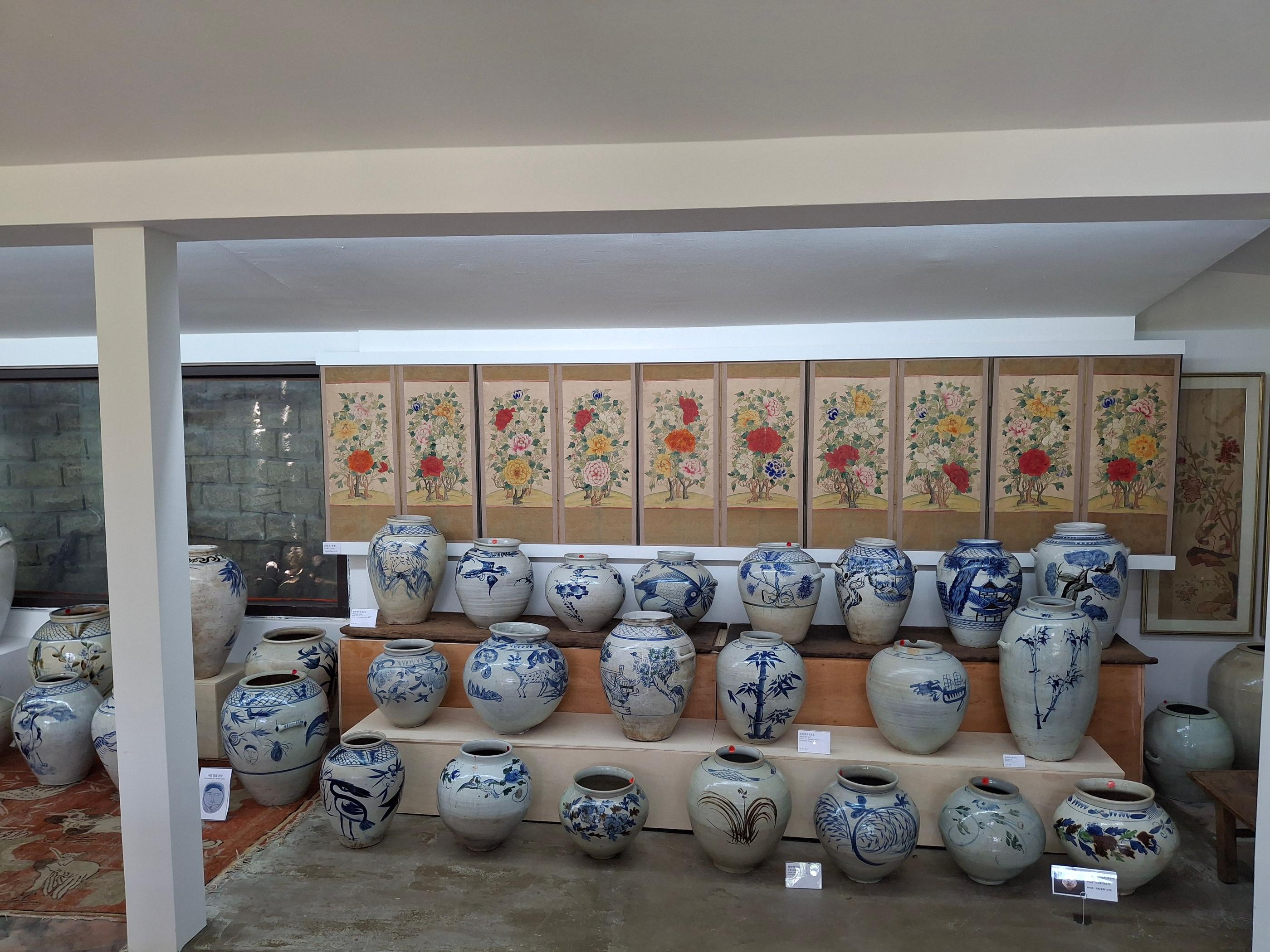
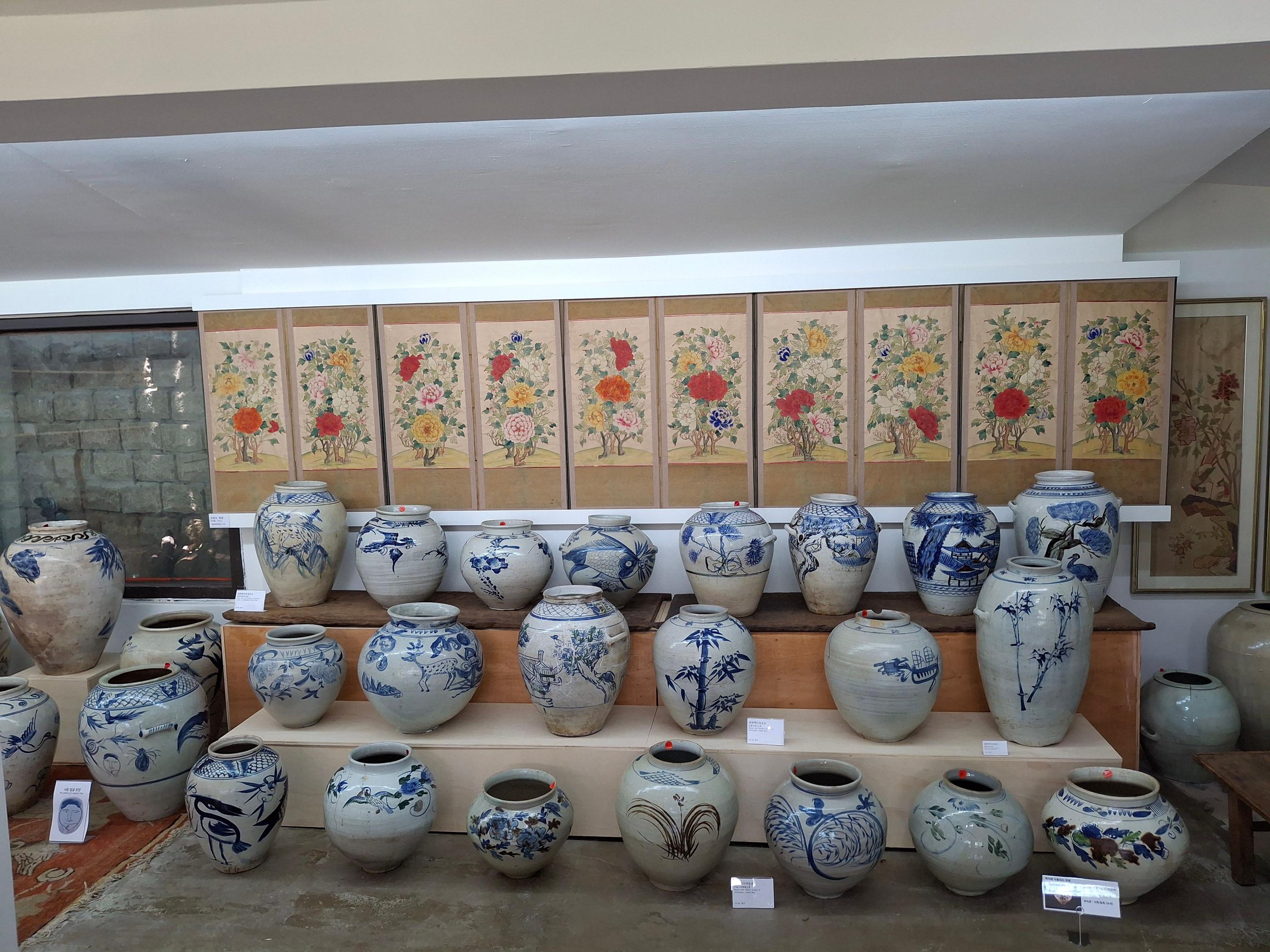
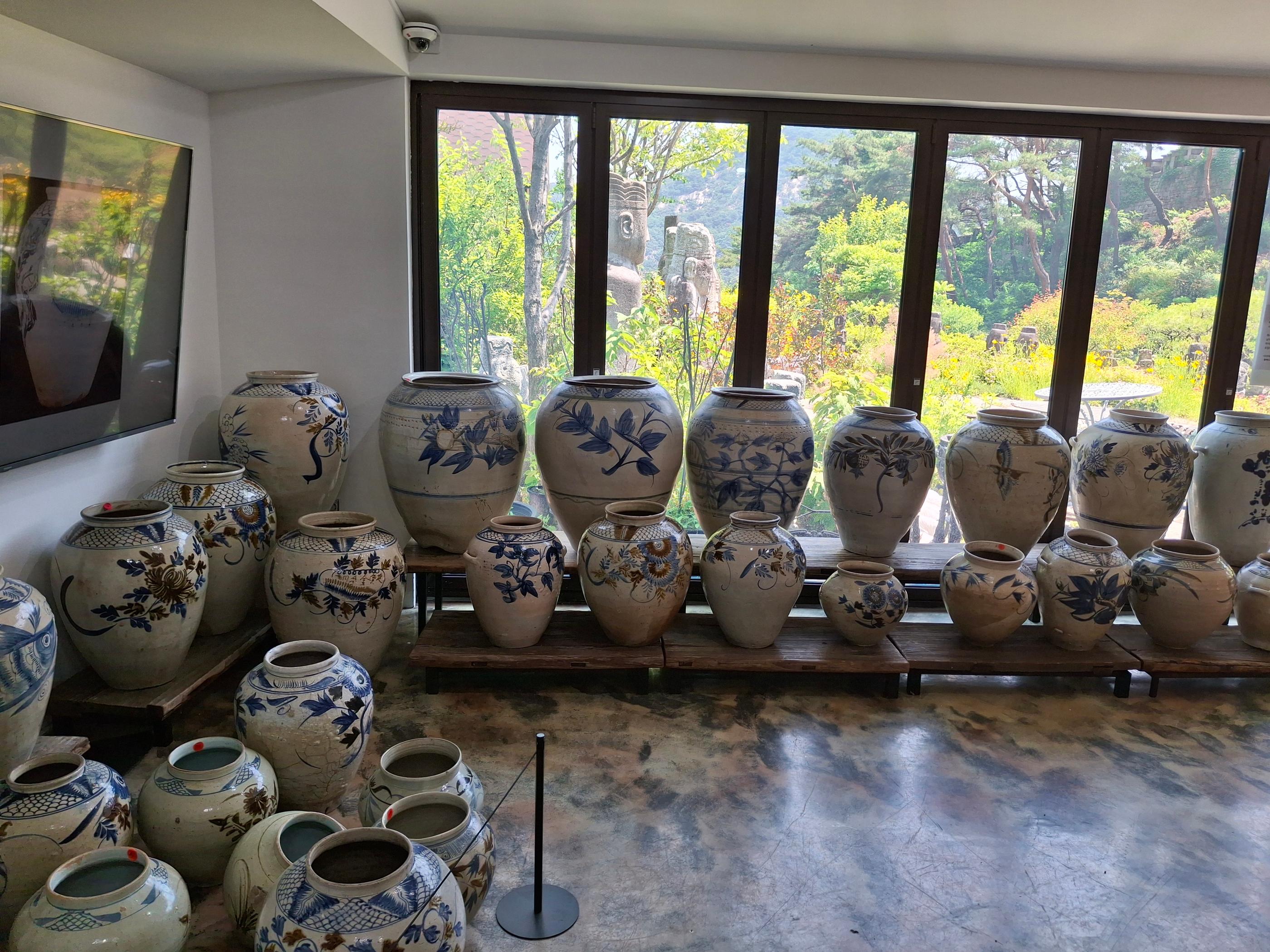
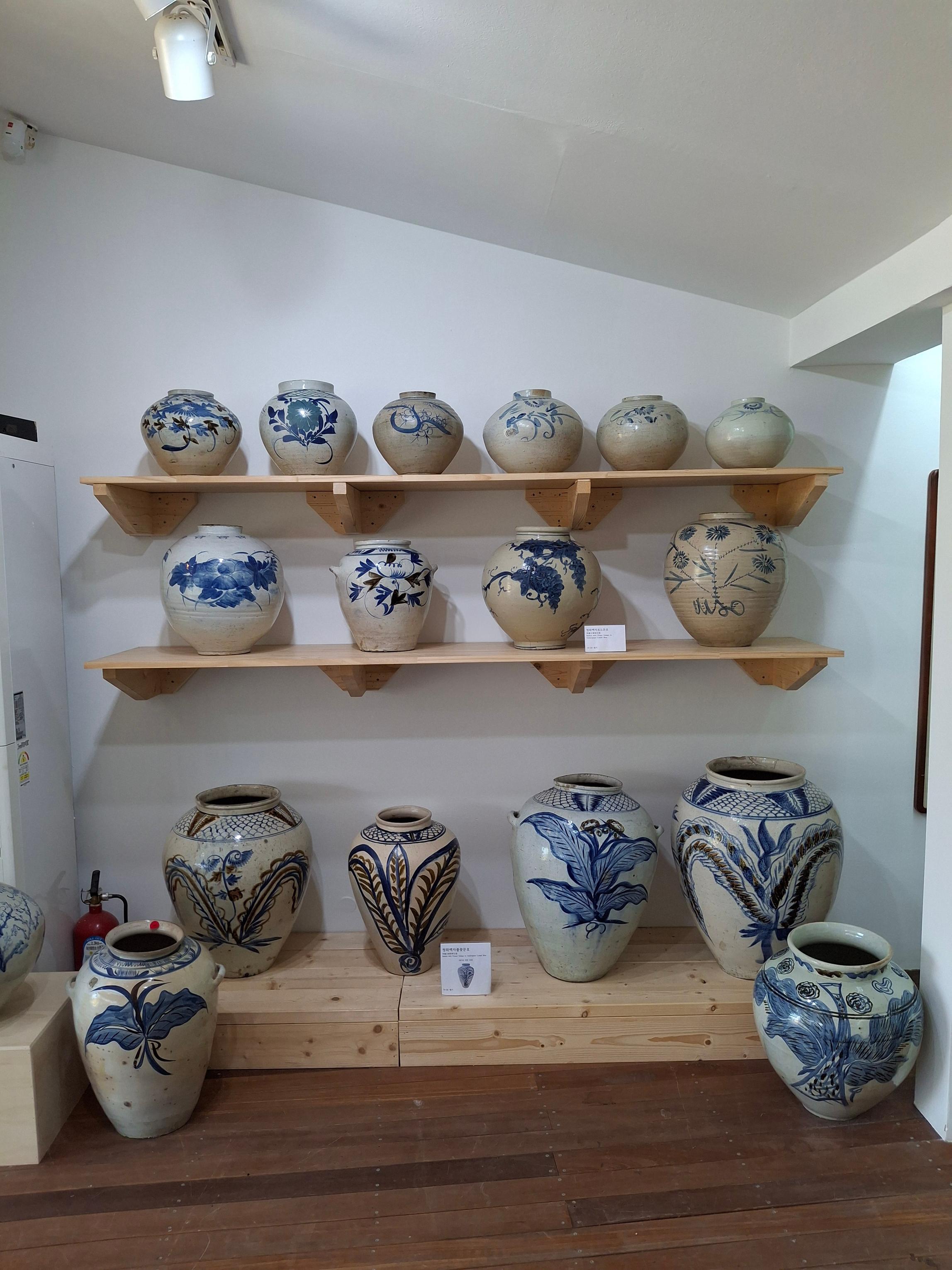
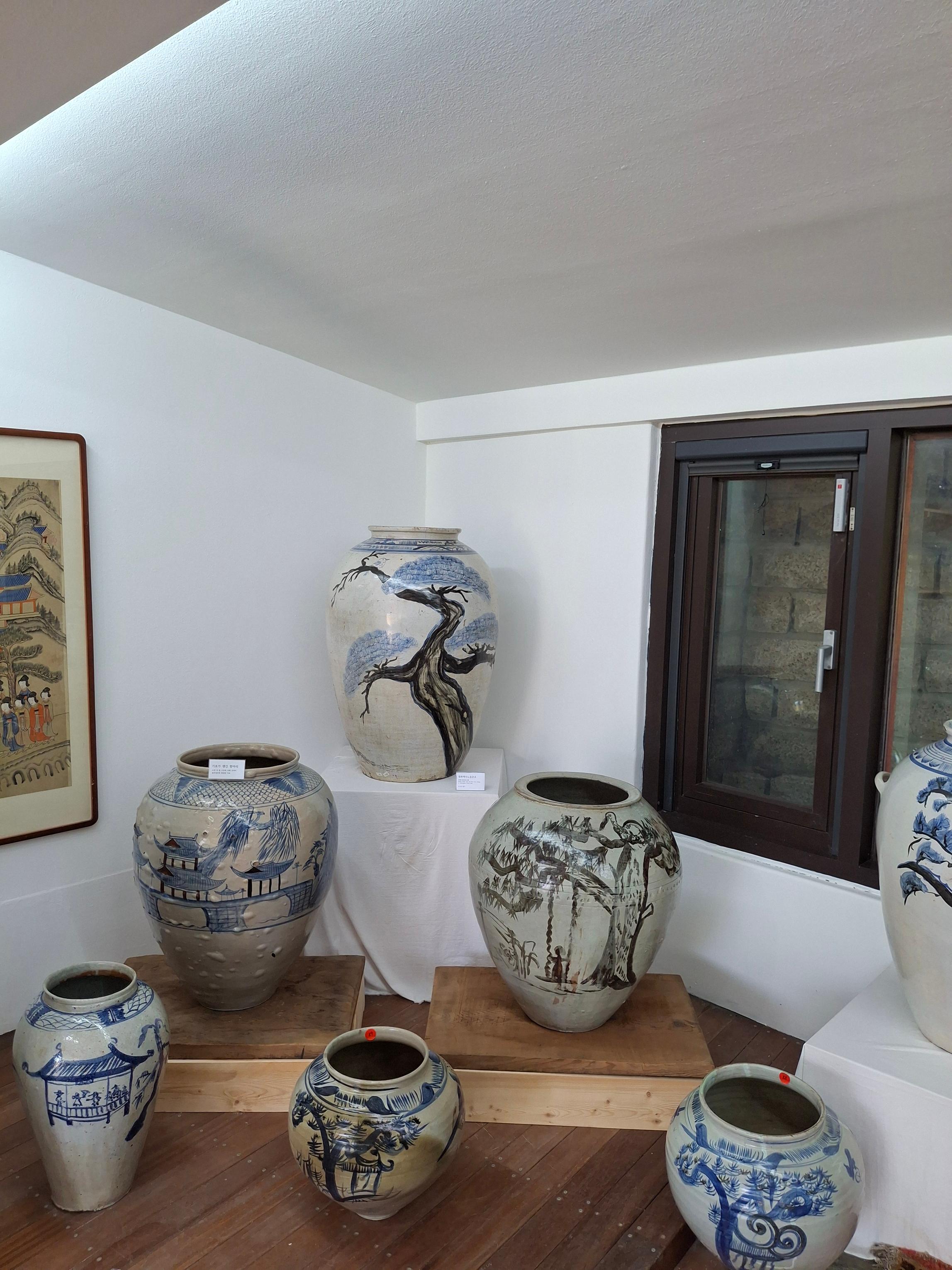
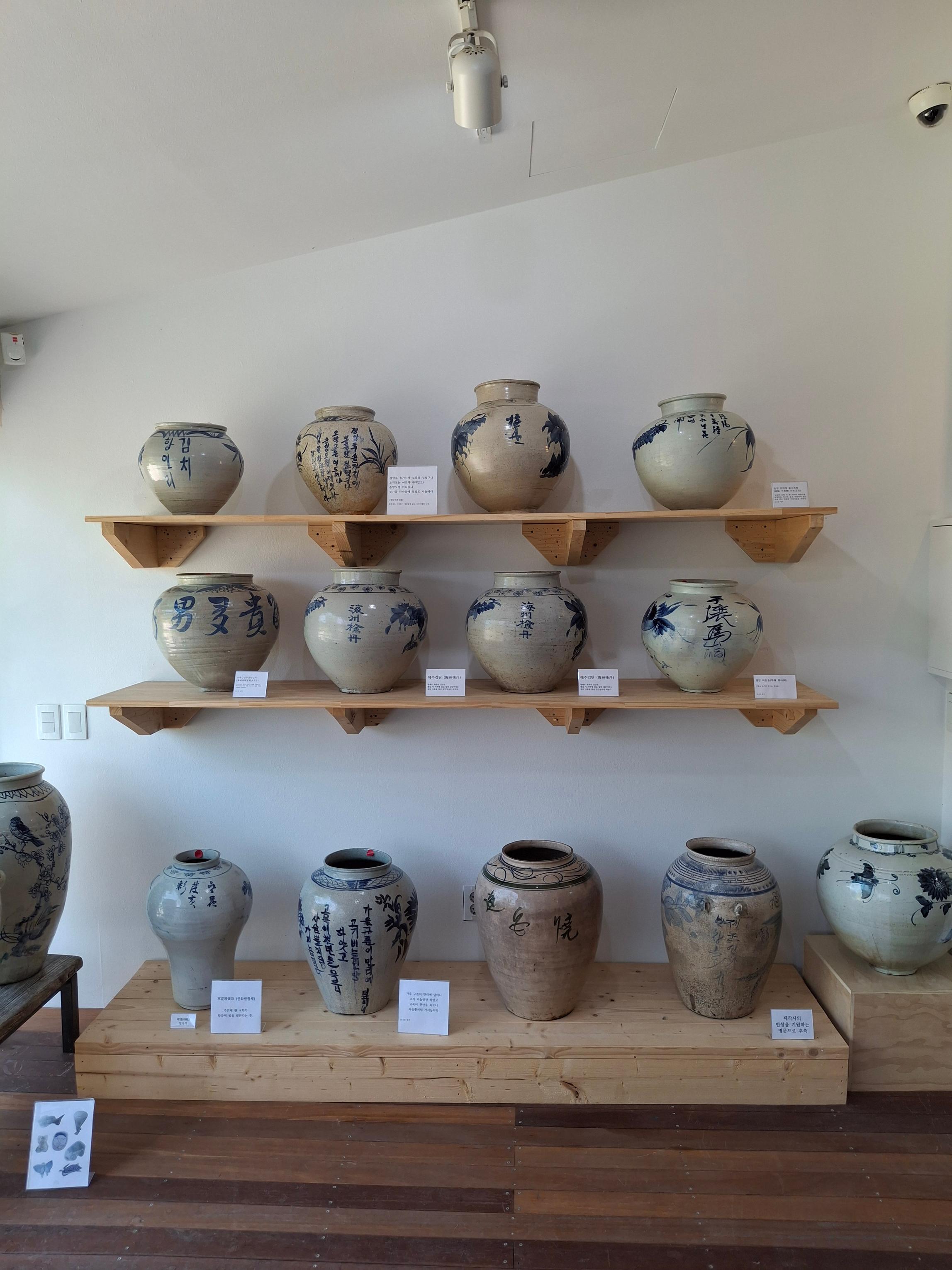
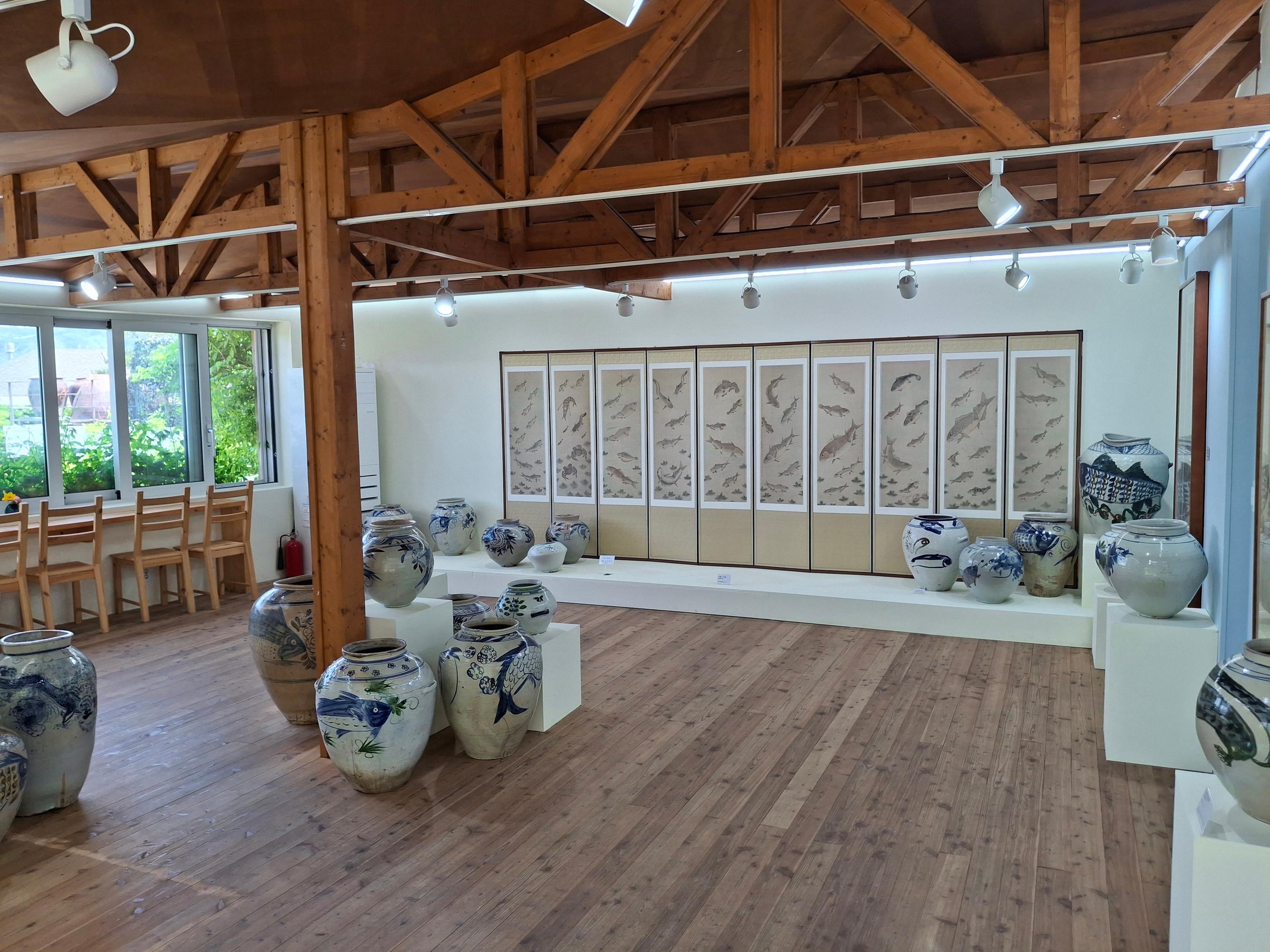
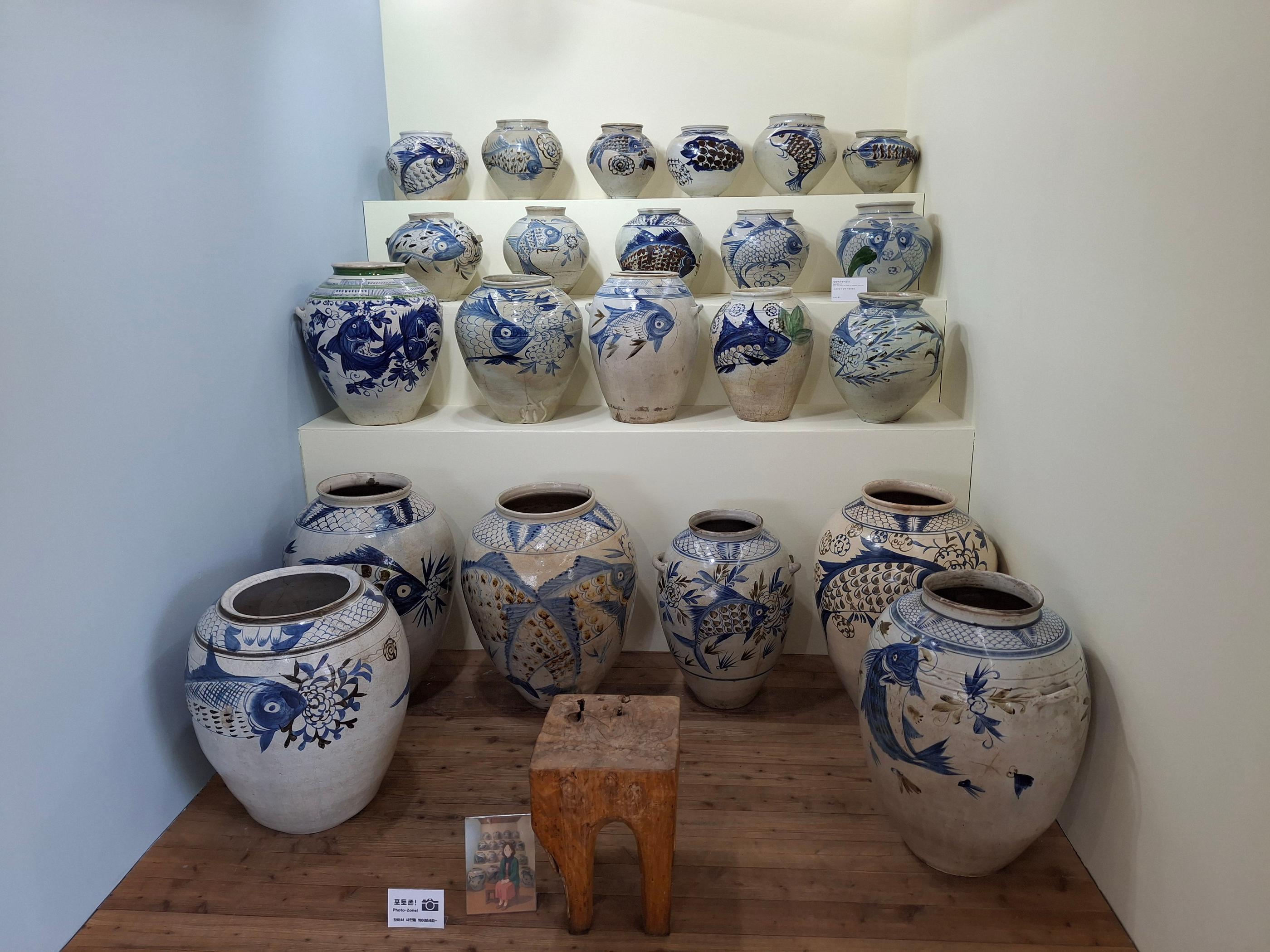
The other pavilions host various exhibitions. For example, during my visit there was an exhibition of magnificent ceramics - Haeju white porcelain (Baekja). It was produced in the Hwanghae Province of North Korea represents the essence of Korea's unique ceramic culture that flourished during the late Joseon period. Characterized by its simple yet elegant form and subtle color, Haeju Baekja was cherished as a practical and beloved part of everyday life.
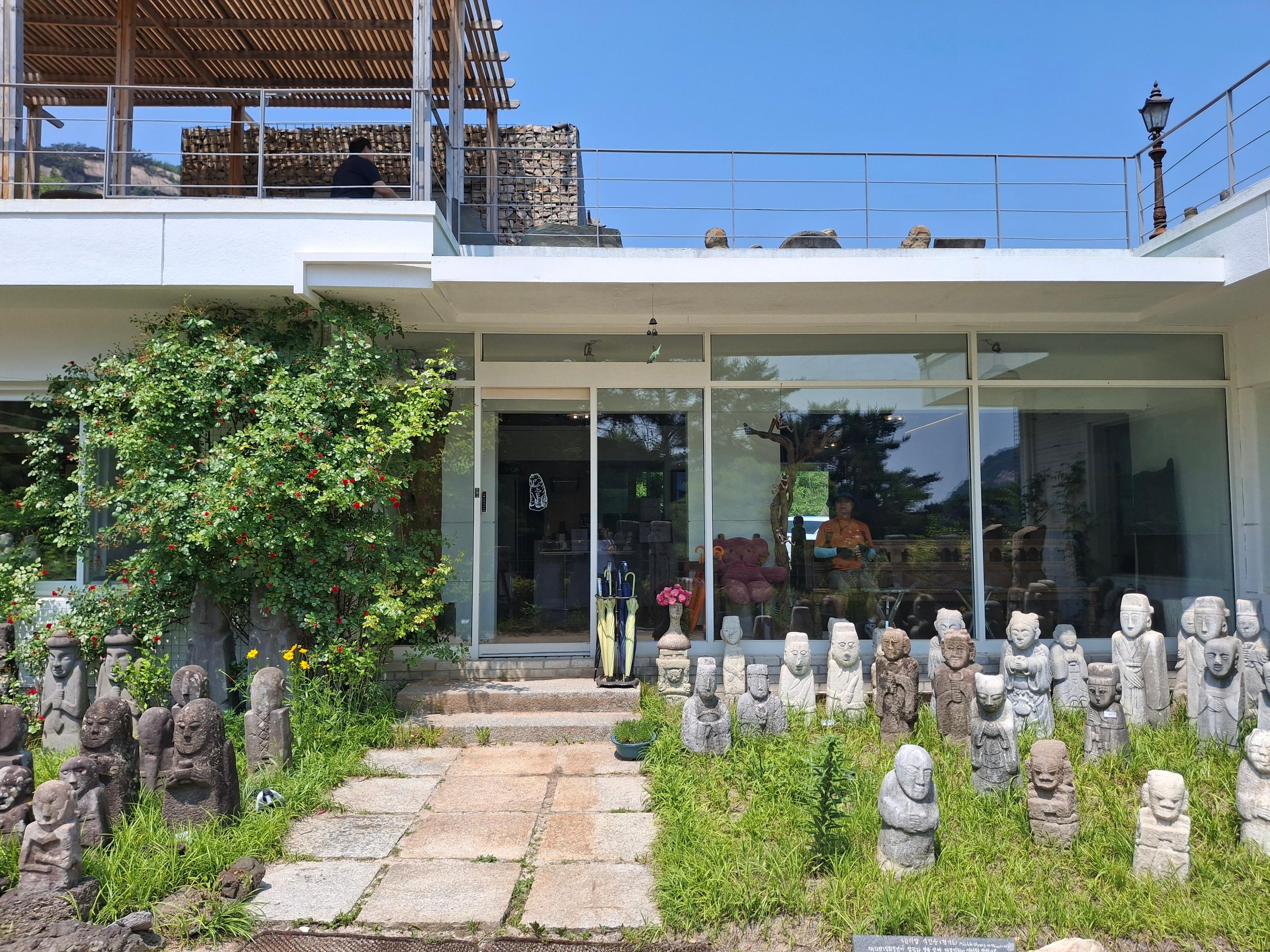


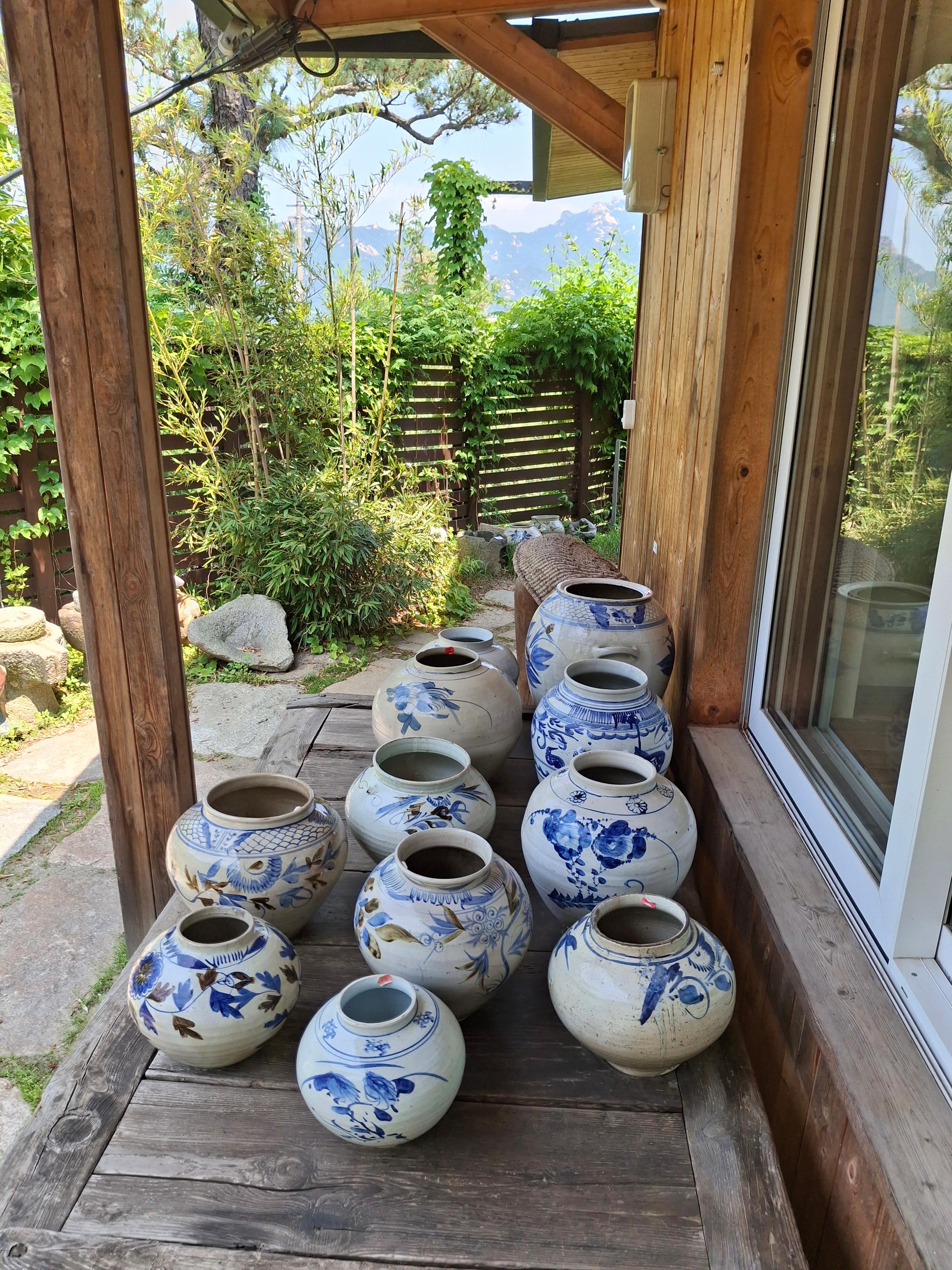
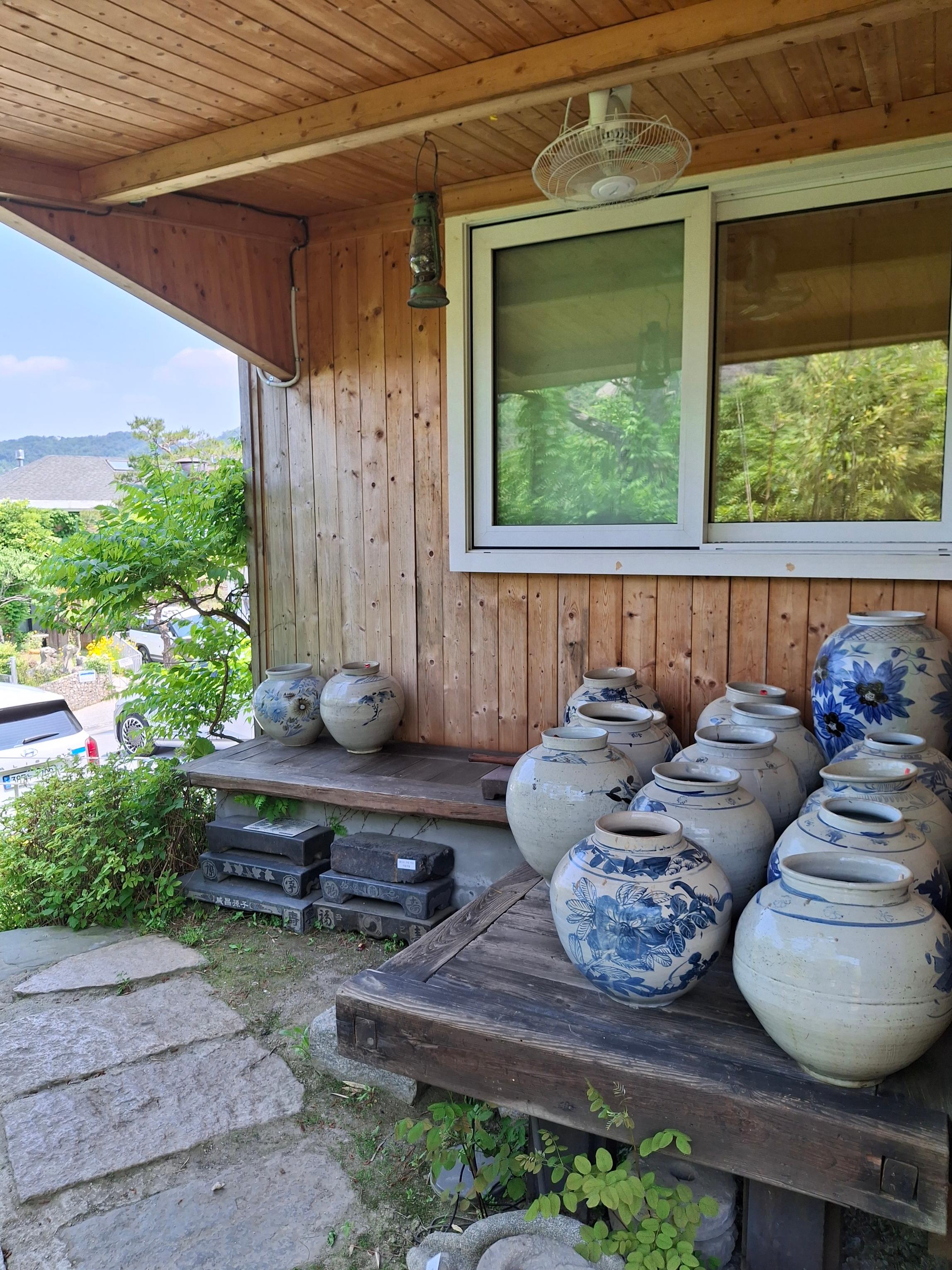
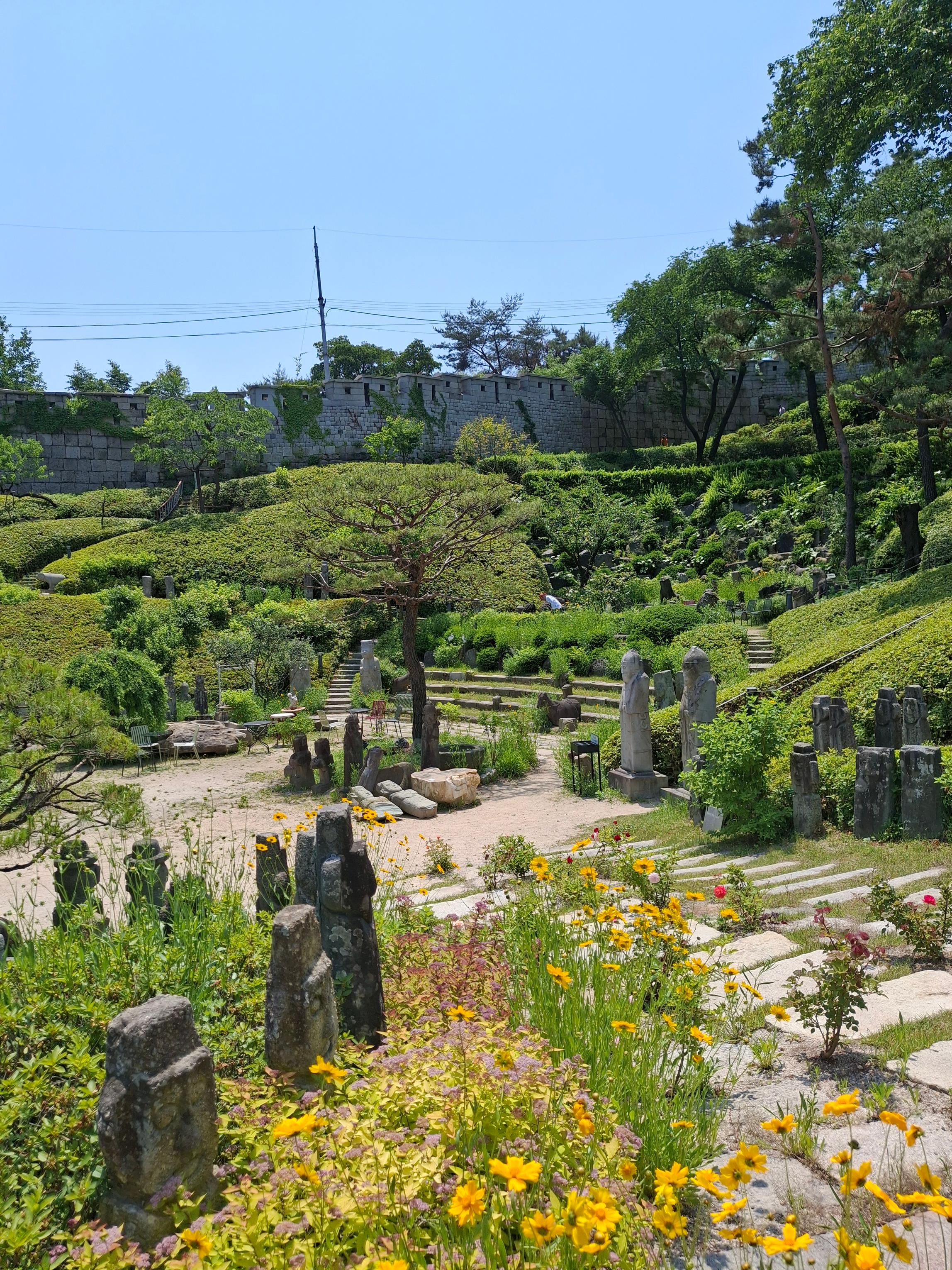
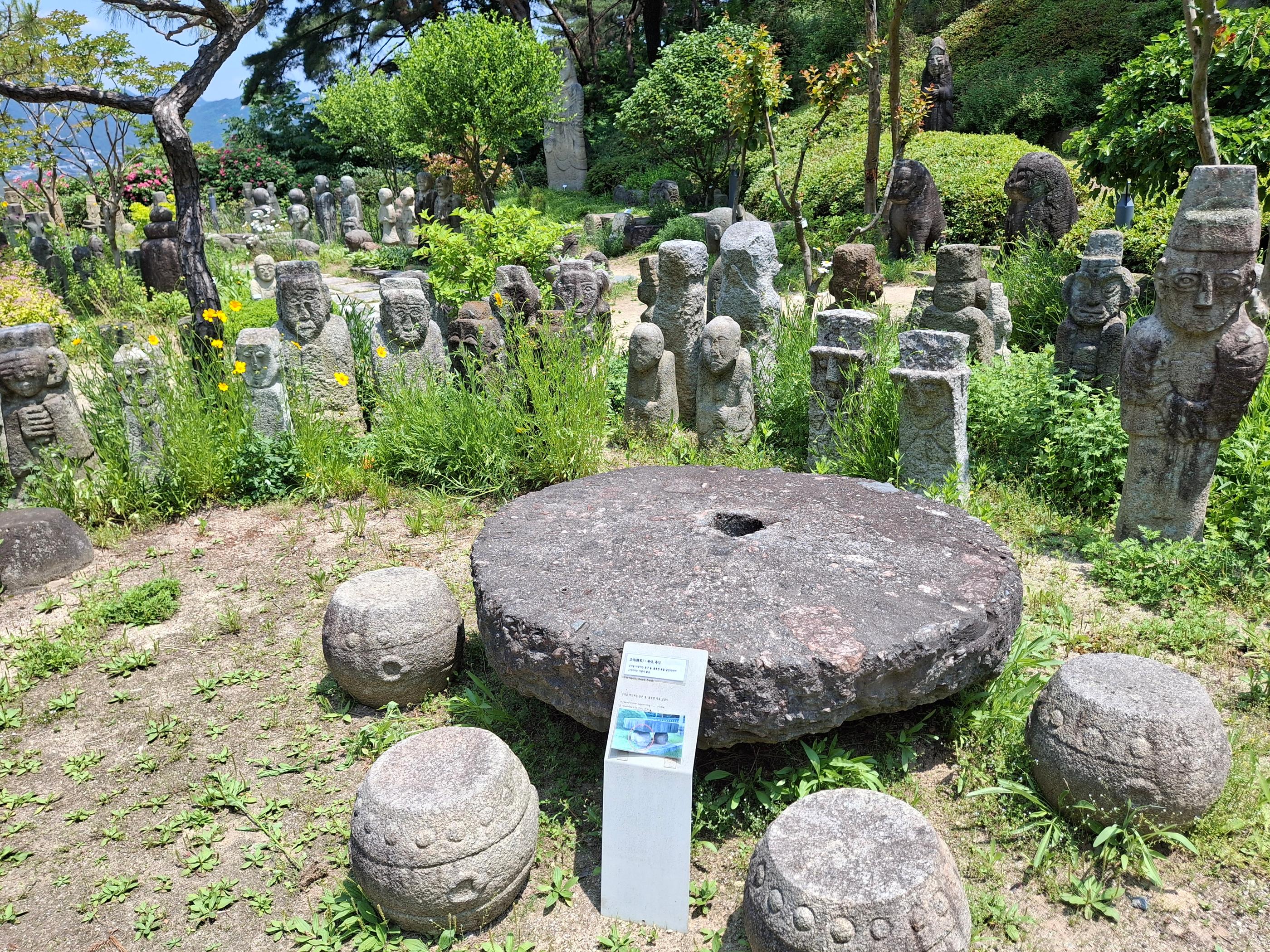
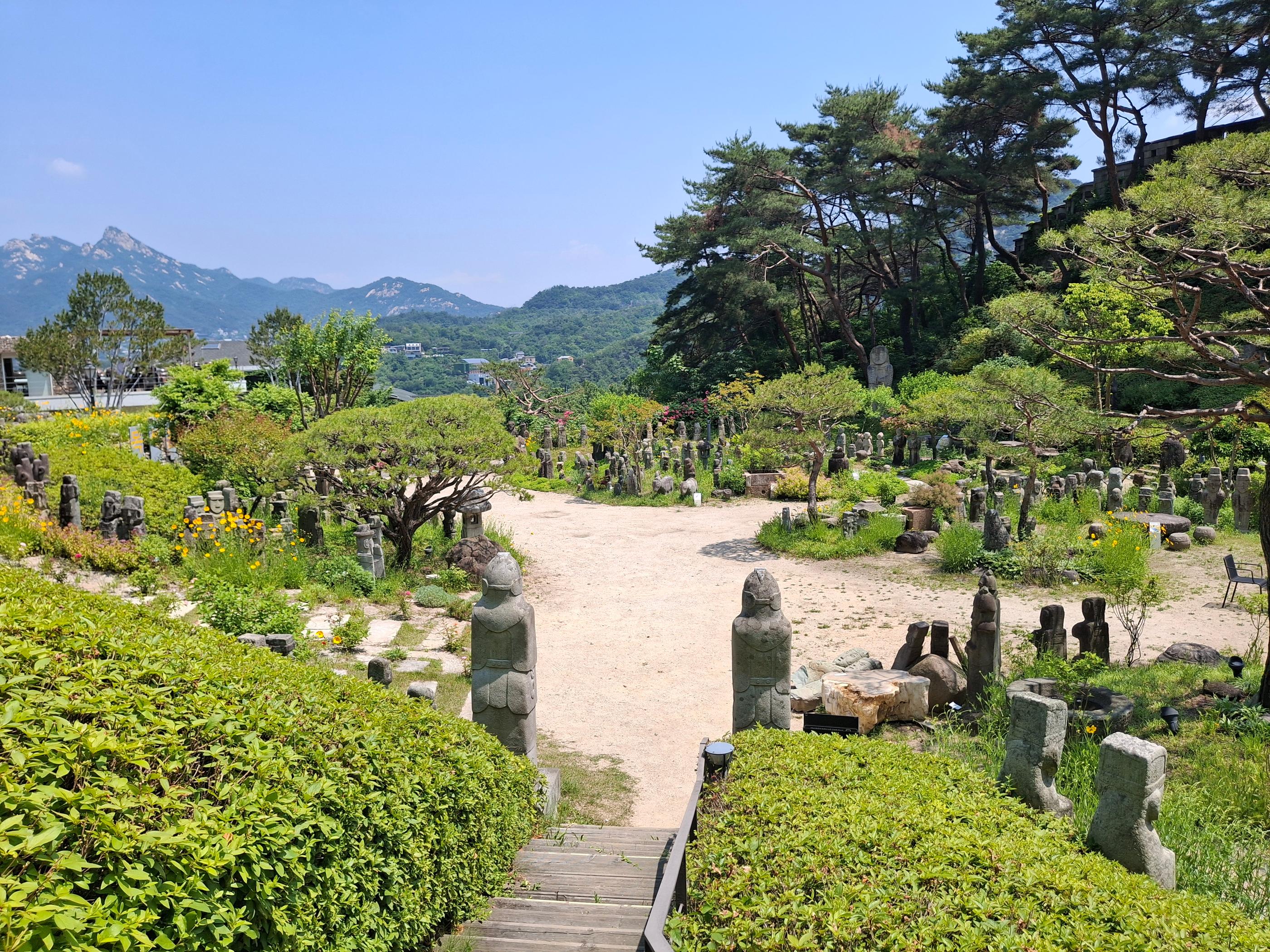
But the most wonderful thing that I liked most of all is the open-air museum. The outdoor exhibition hall, which is approximately 3,000 square meters in size, displays Korean scholar stones. The warrior stone, the boy stone, and the various stones from Asia, including Japan and China. You also can enjoy relaxation in themed zones such as Jeju Garden and Haetaedongsan.
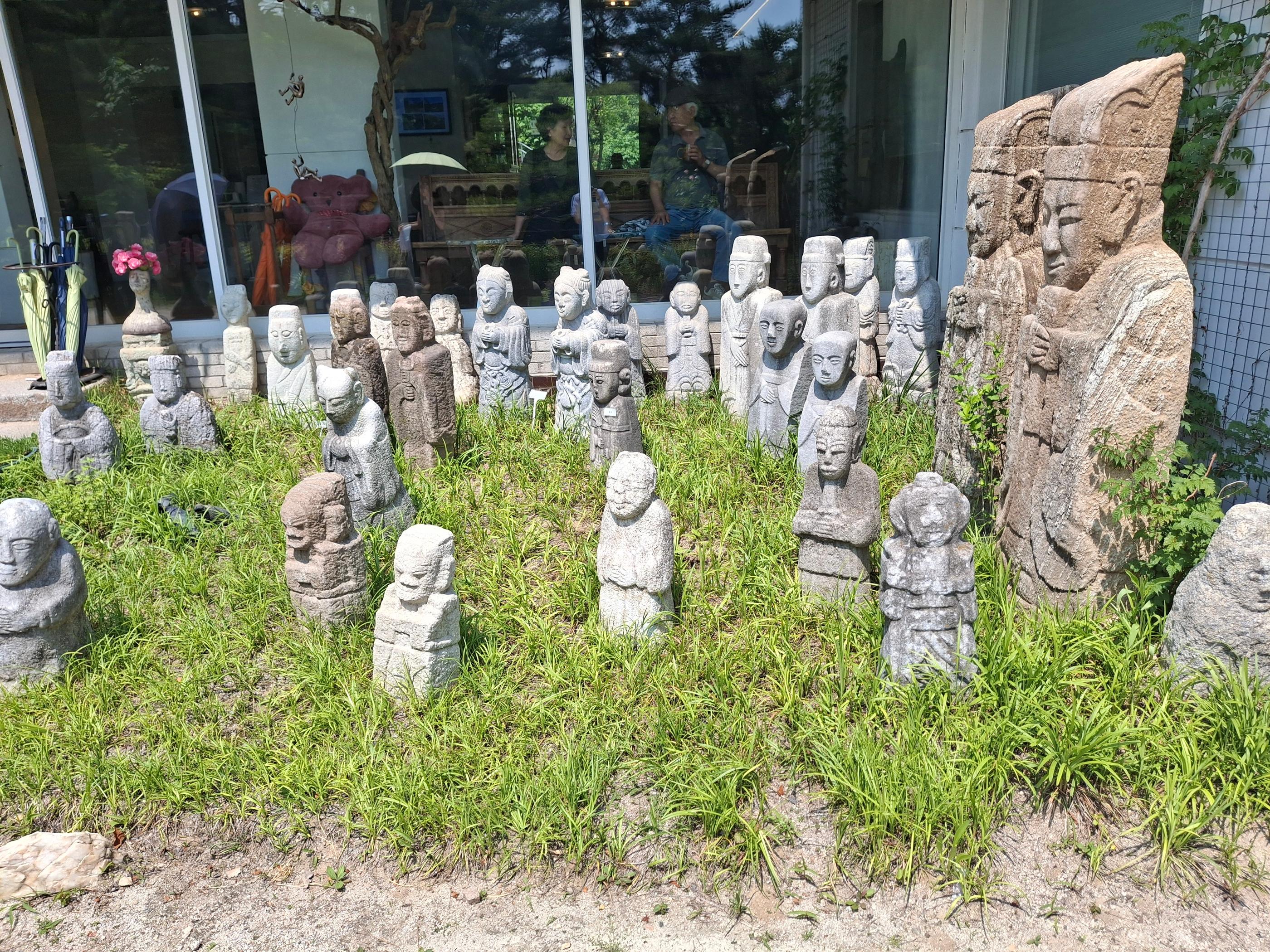
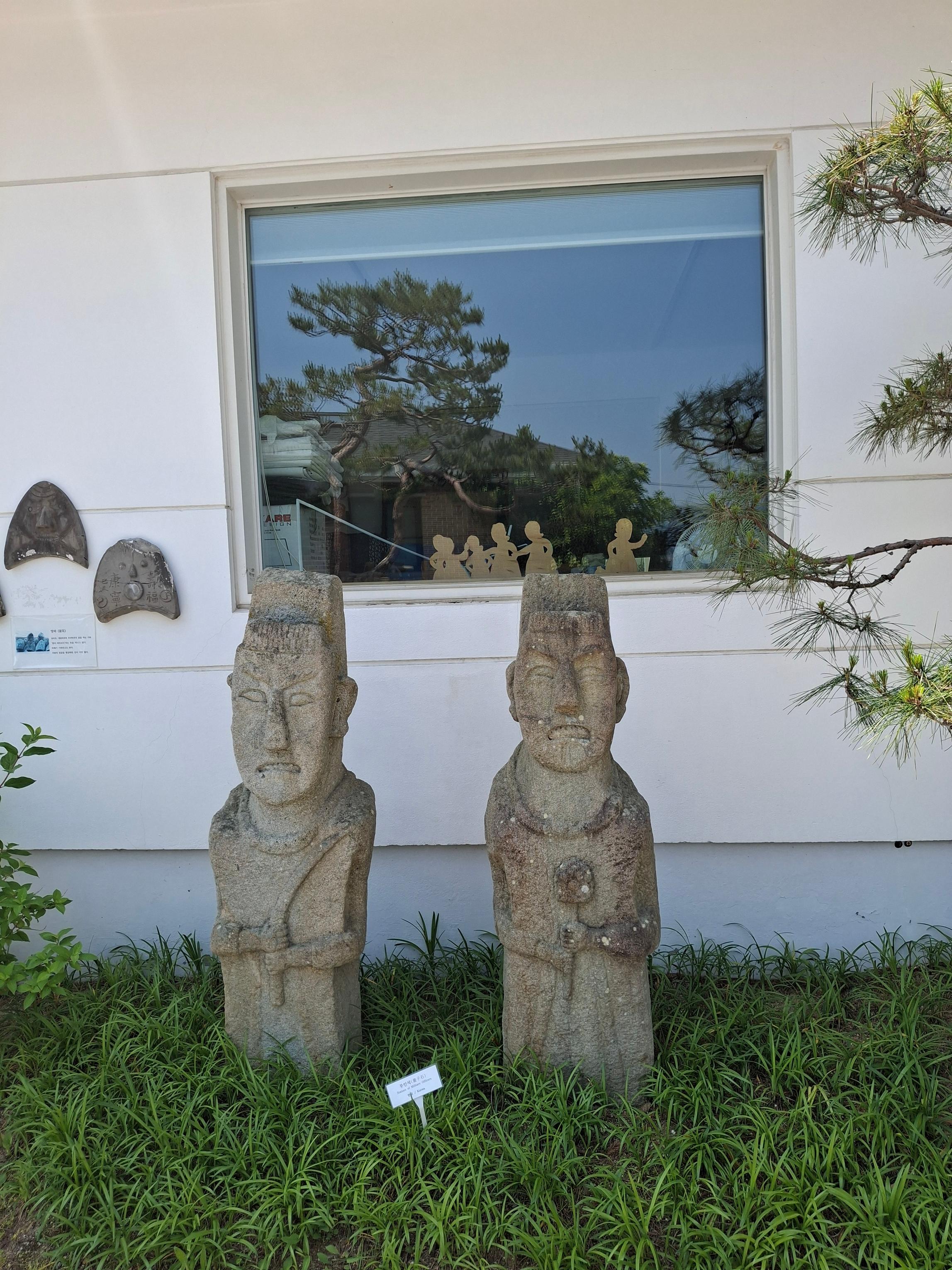
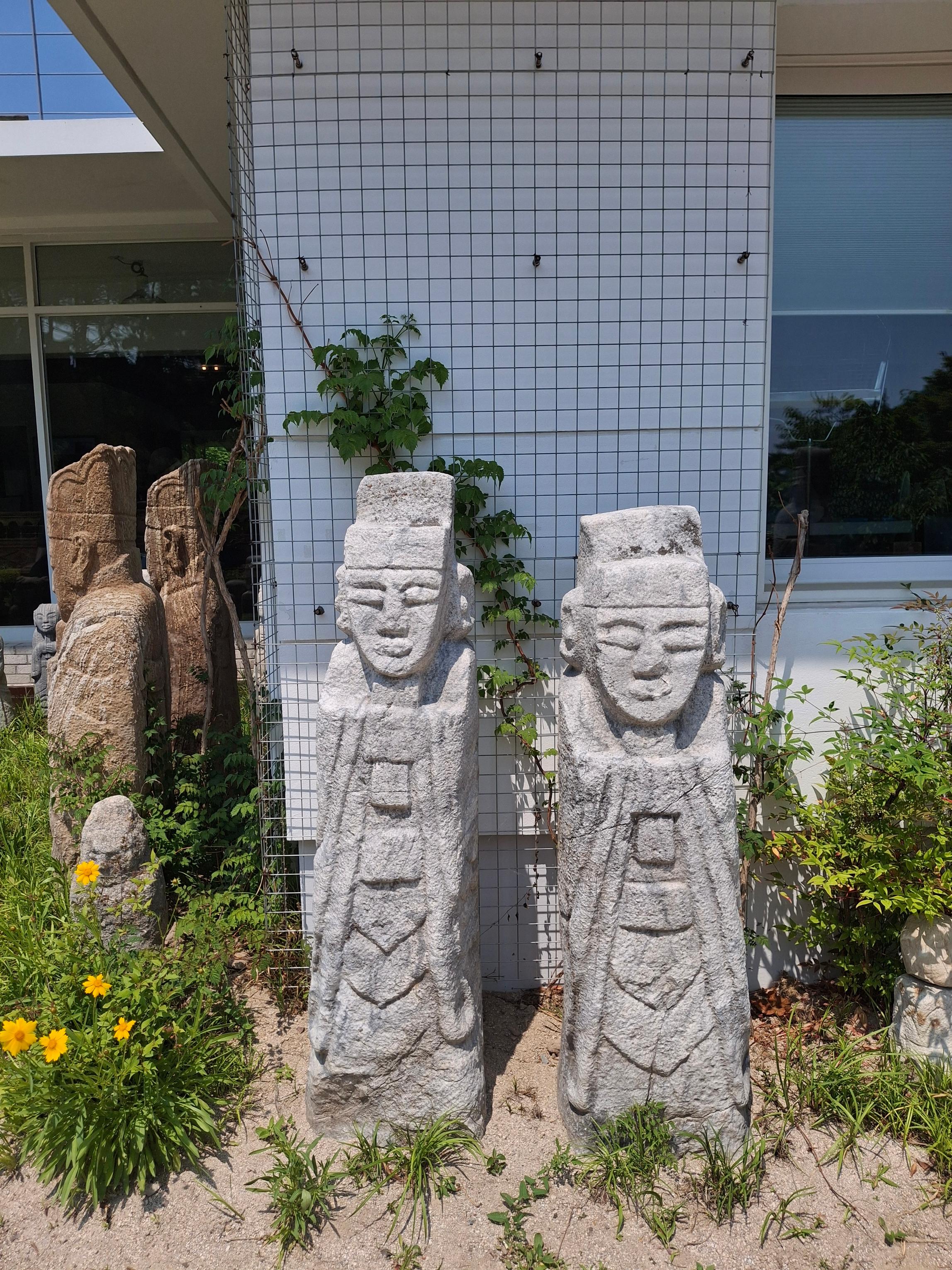
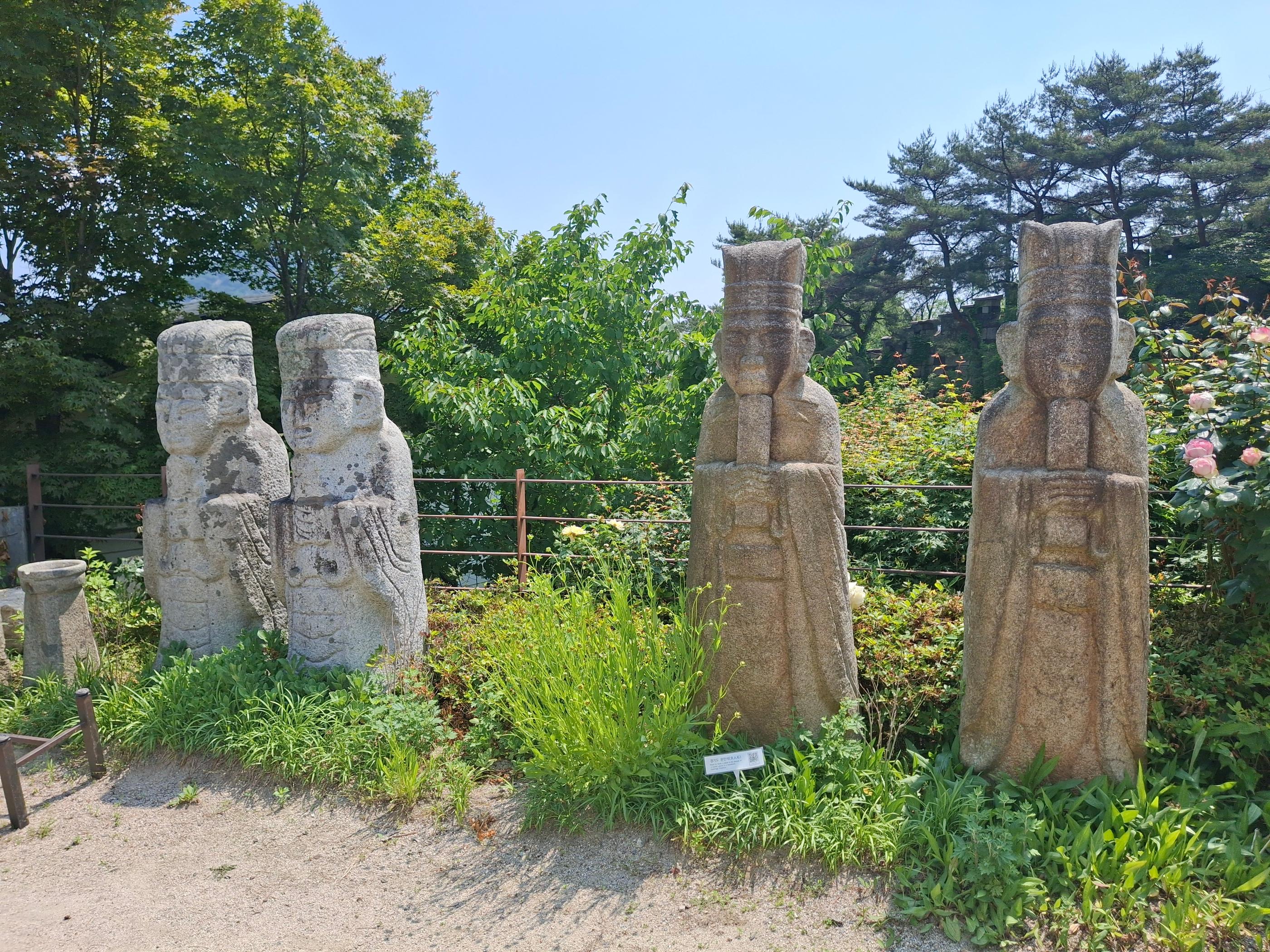
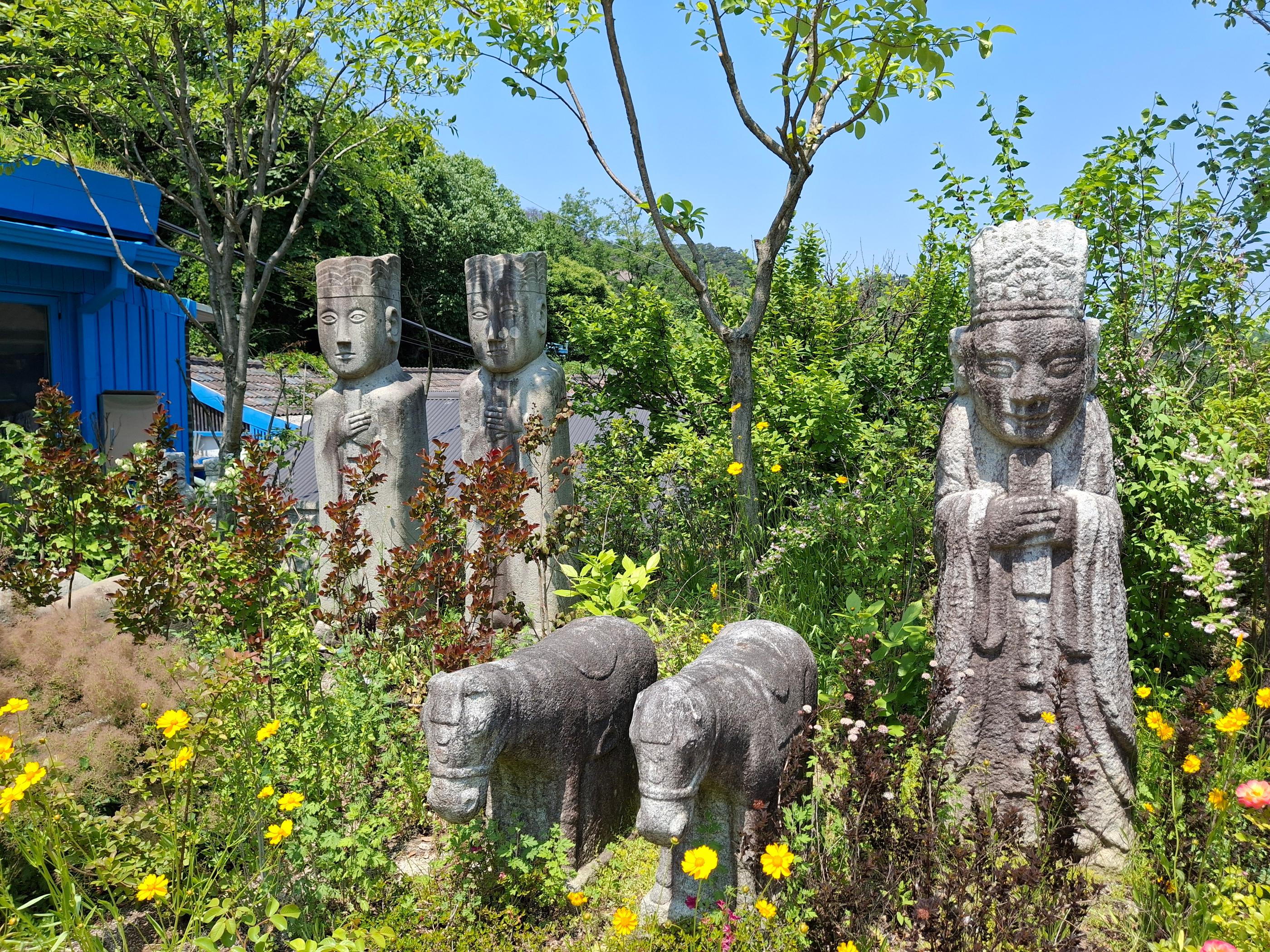
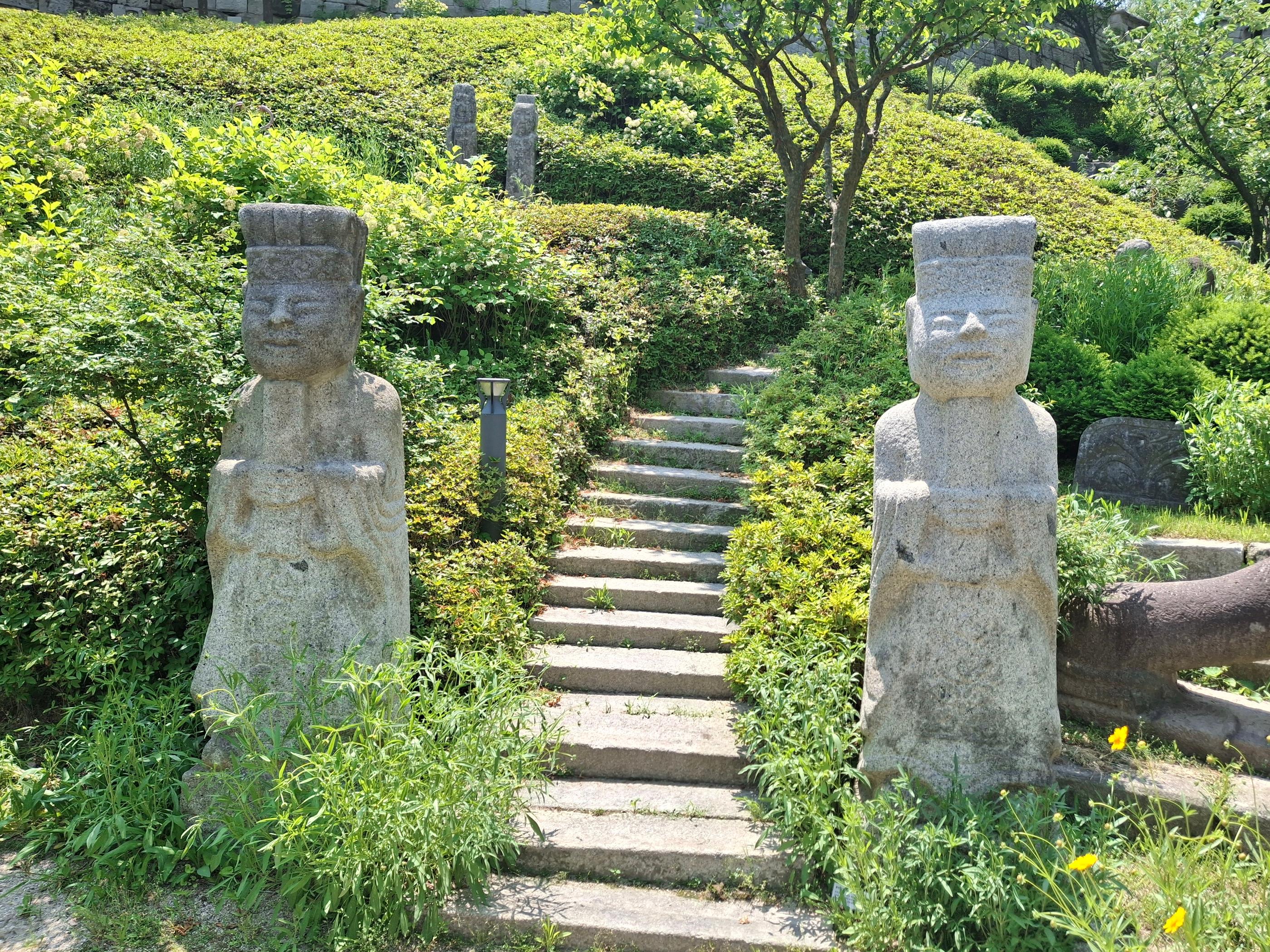
Right next to the entrance to the museum is the Chinese Garden. Most impressive are the ancient sculptures of Chinese generals taller than a human. You immediately feel the greatness and significance of these persons.
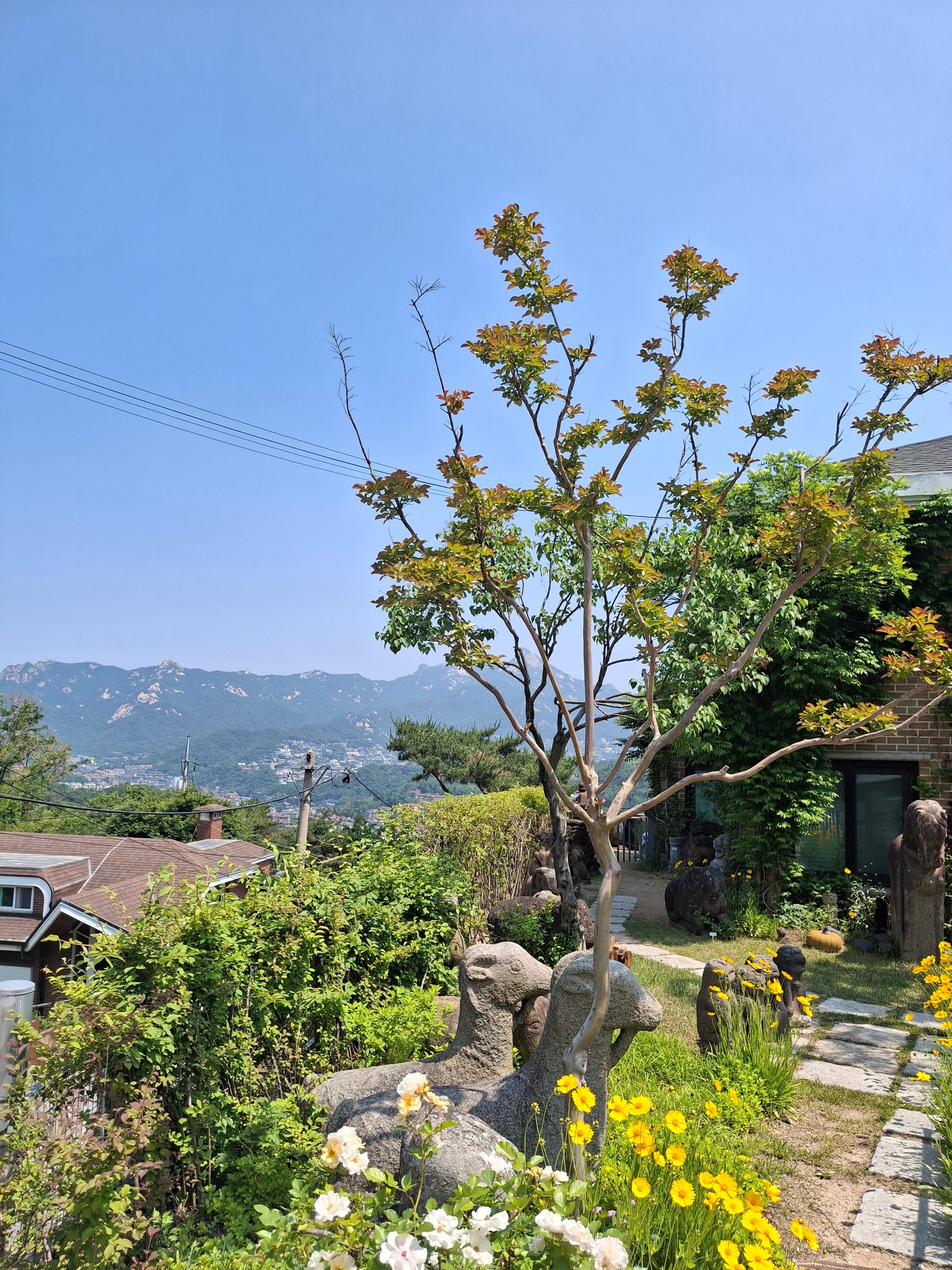
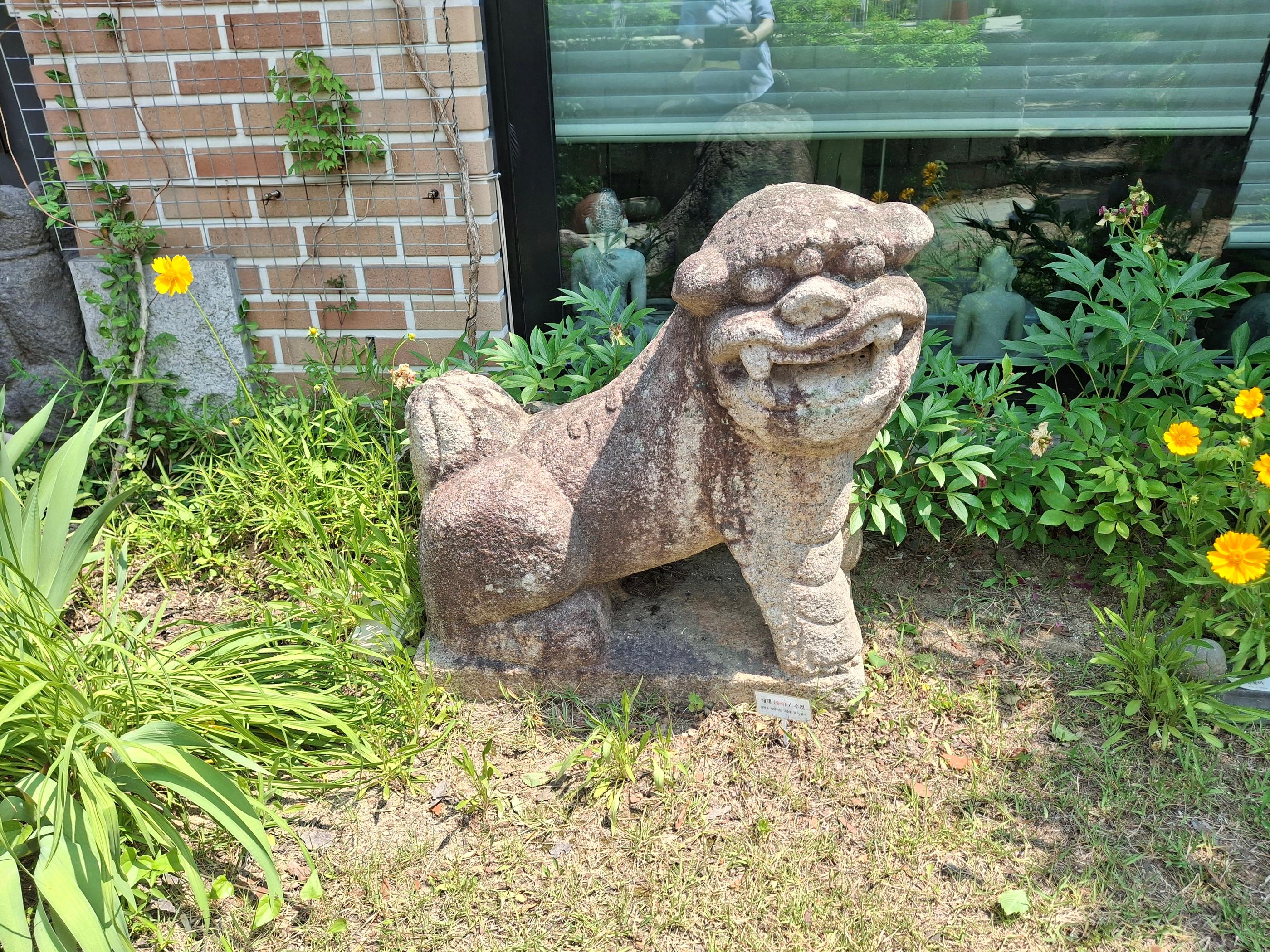
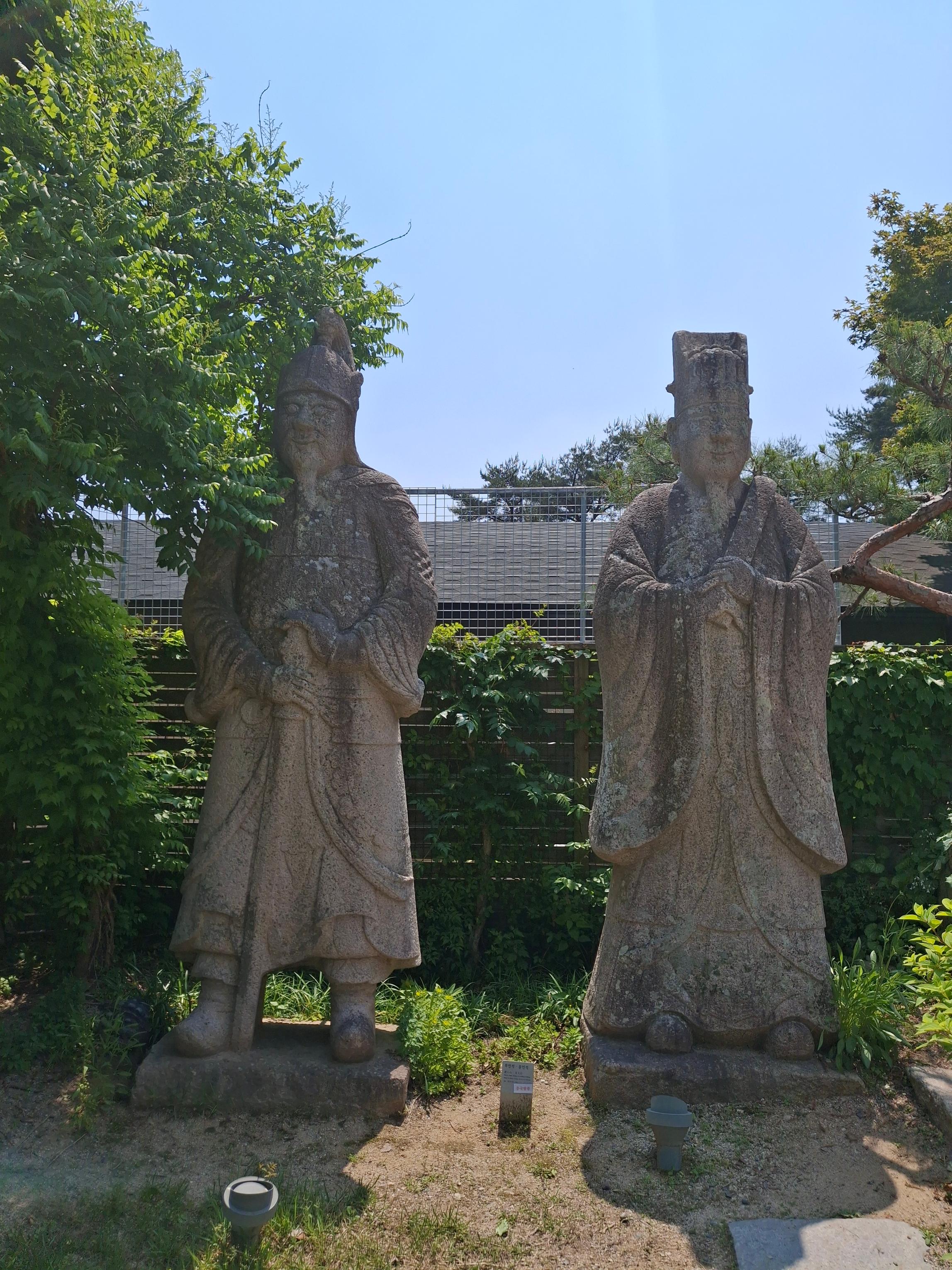
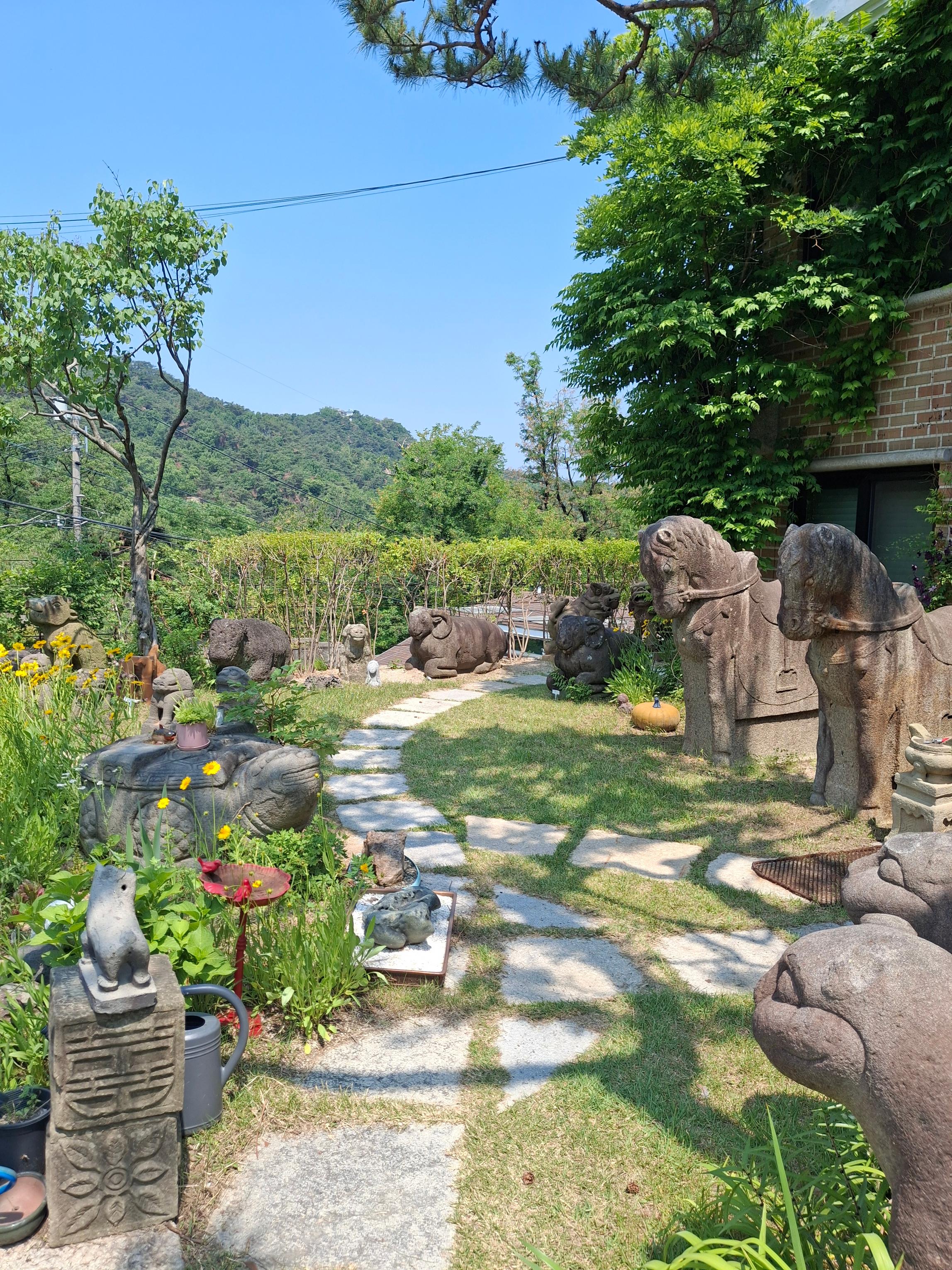
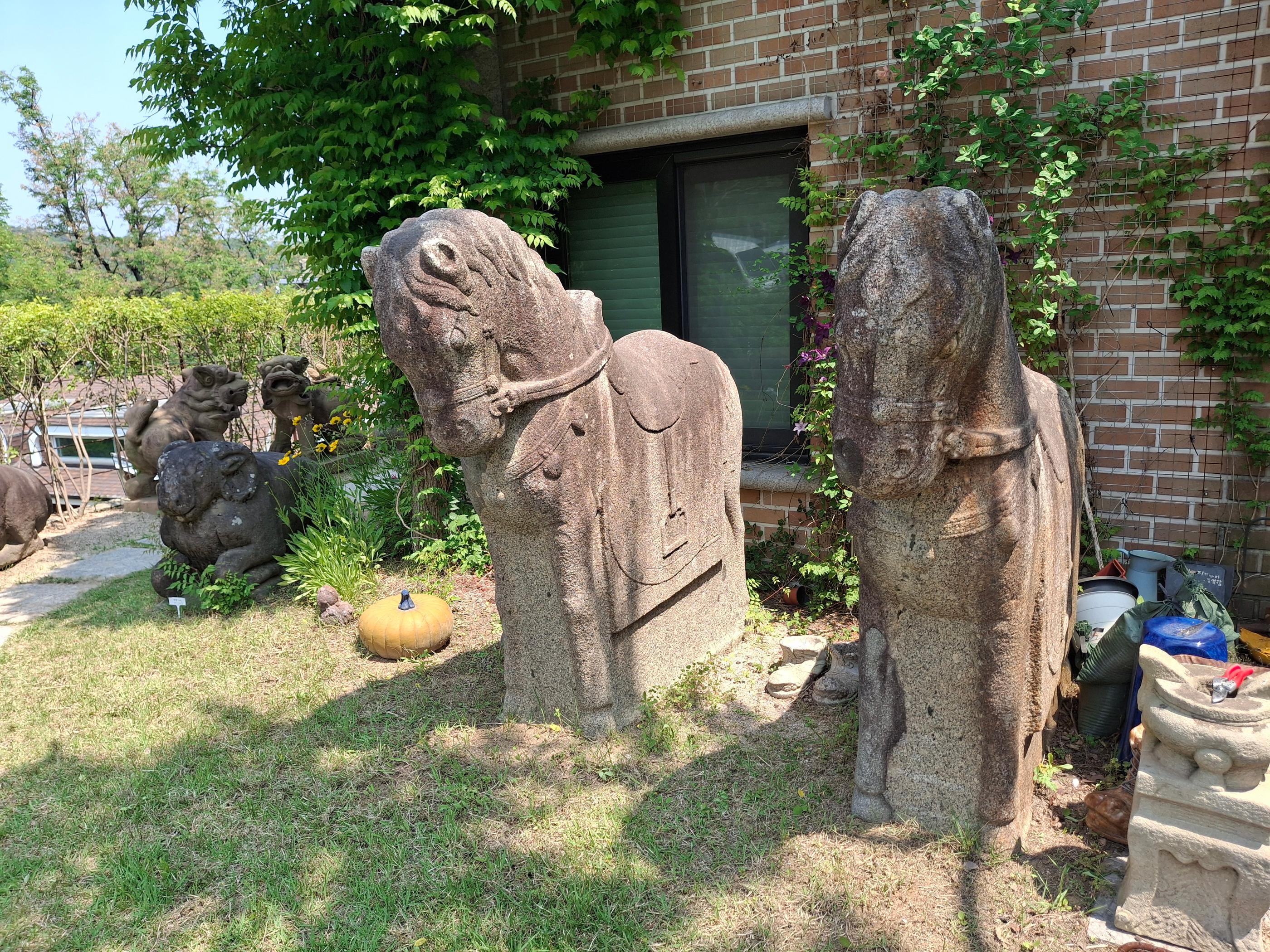
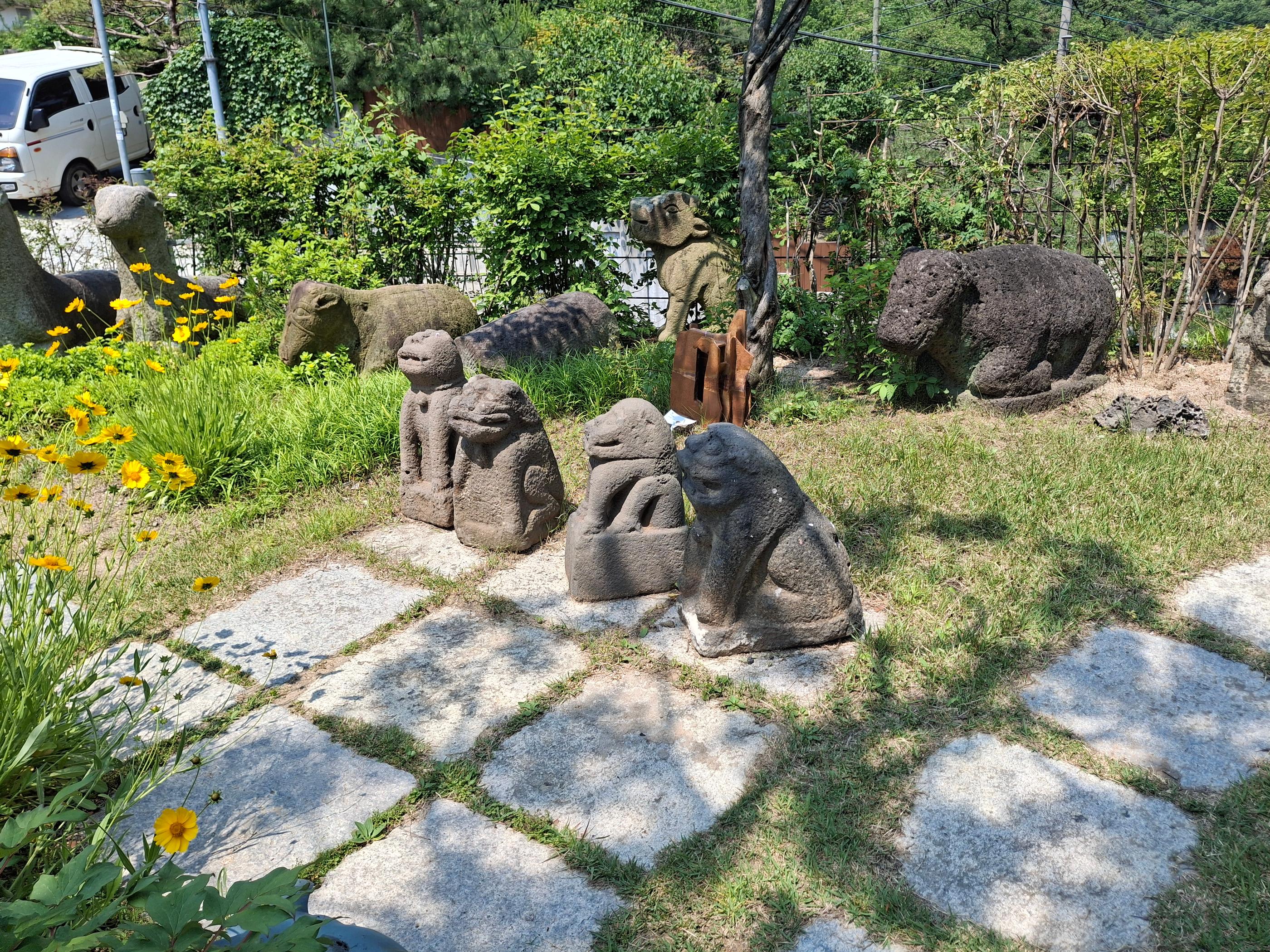
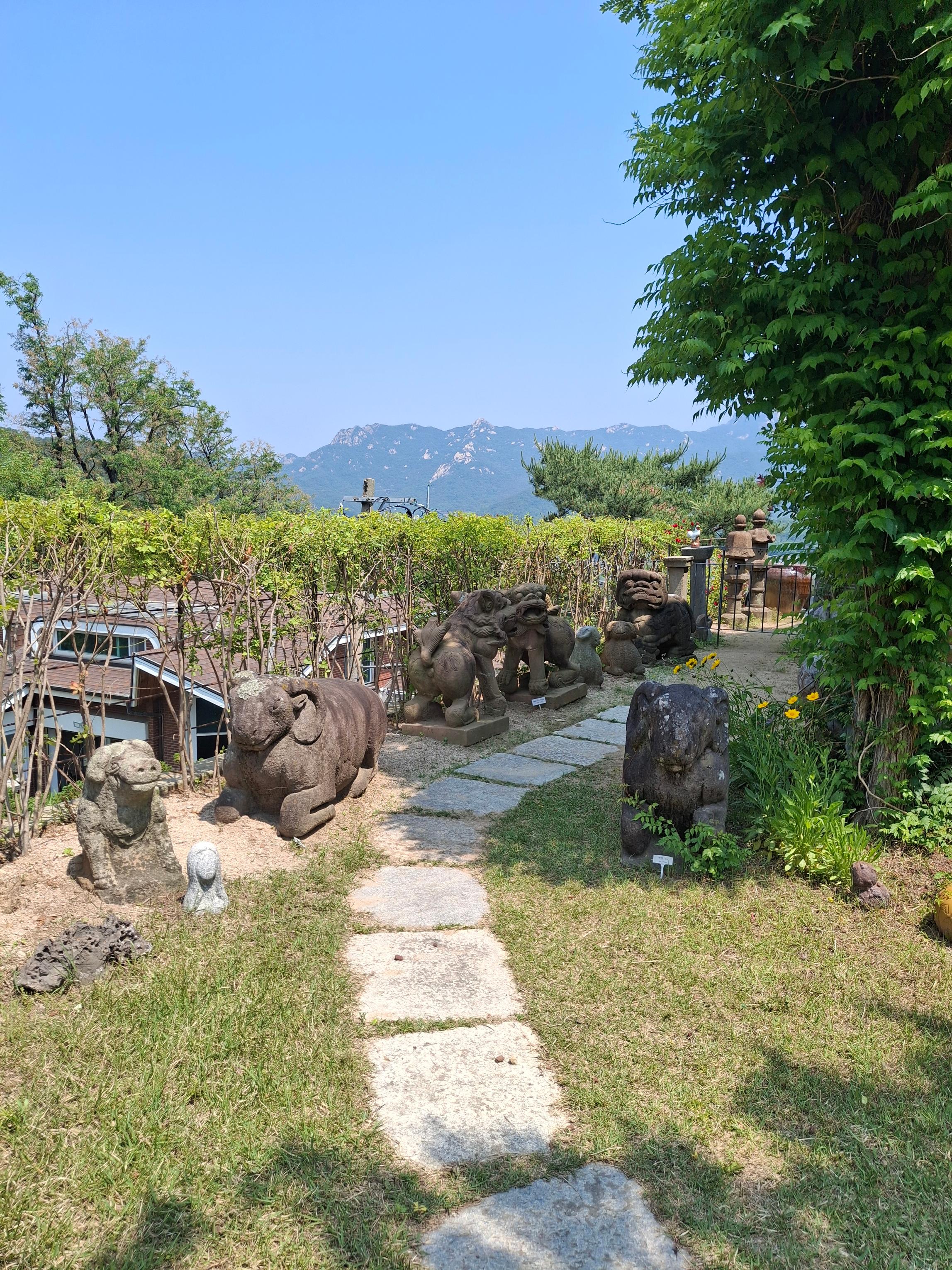
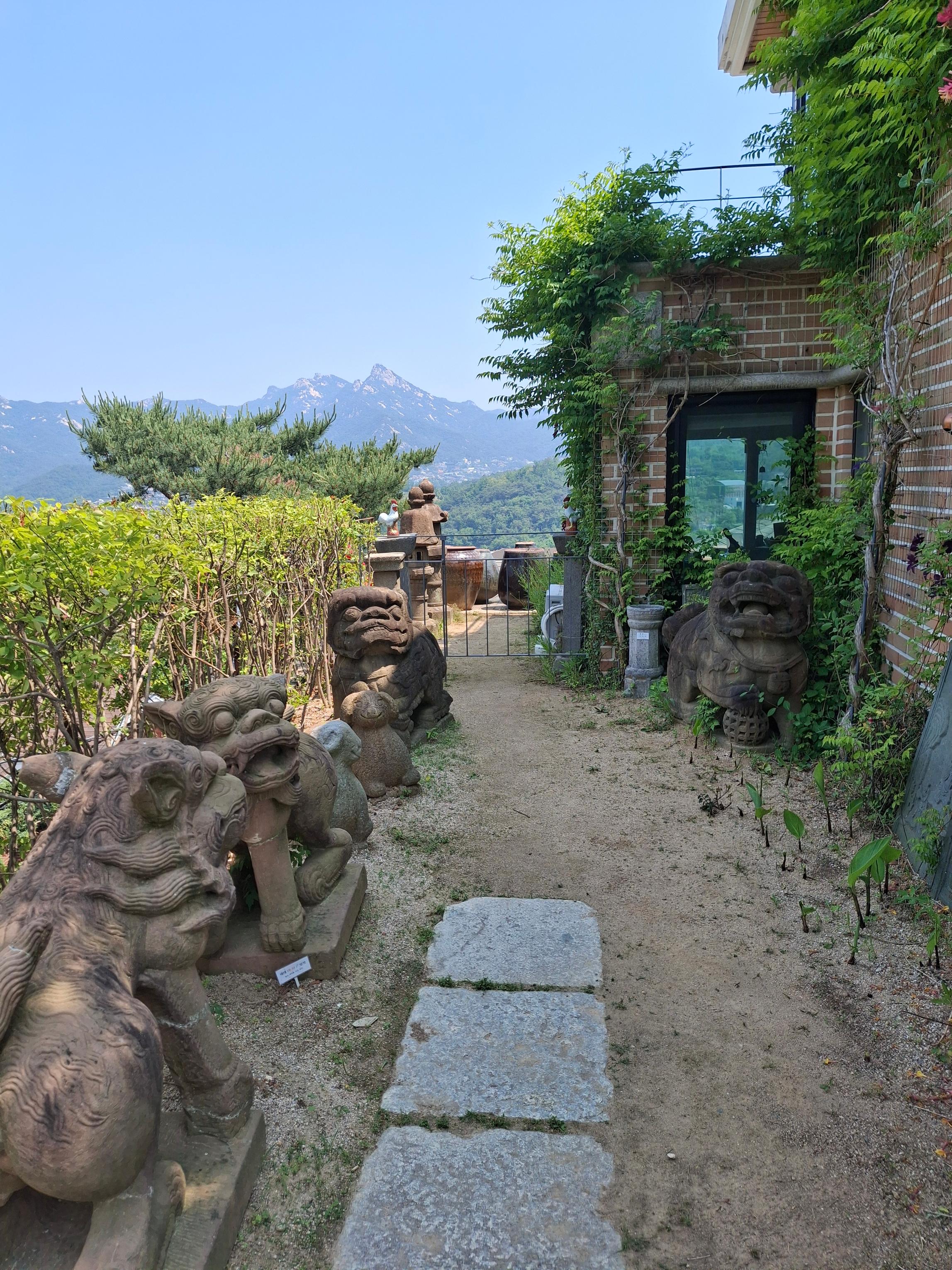
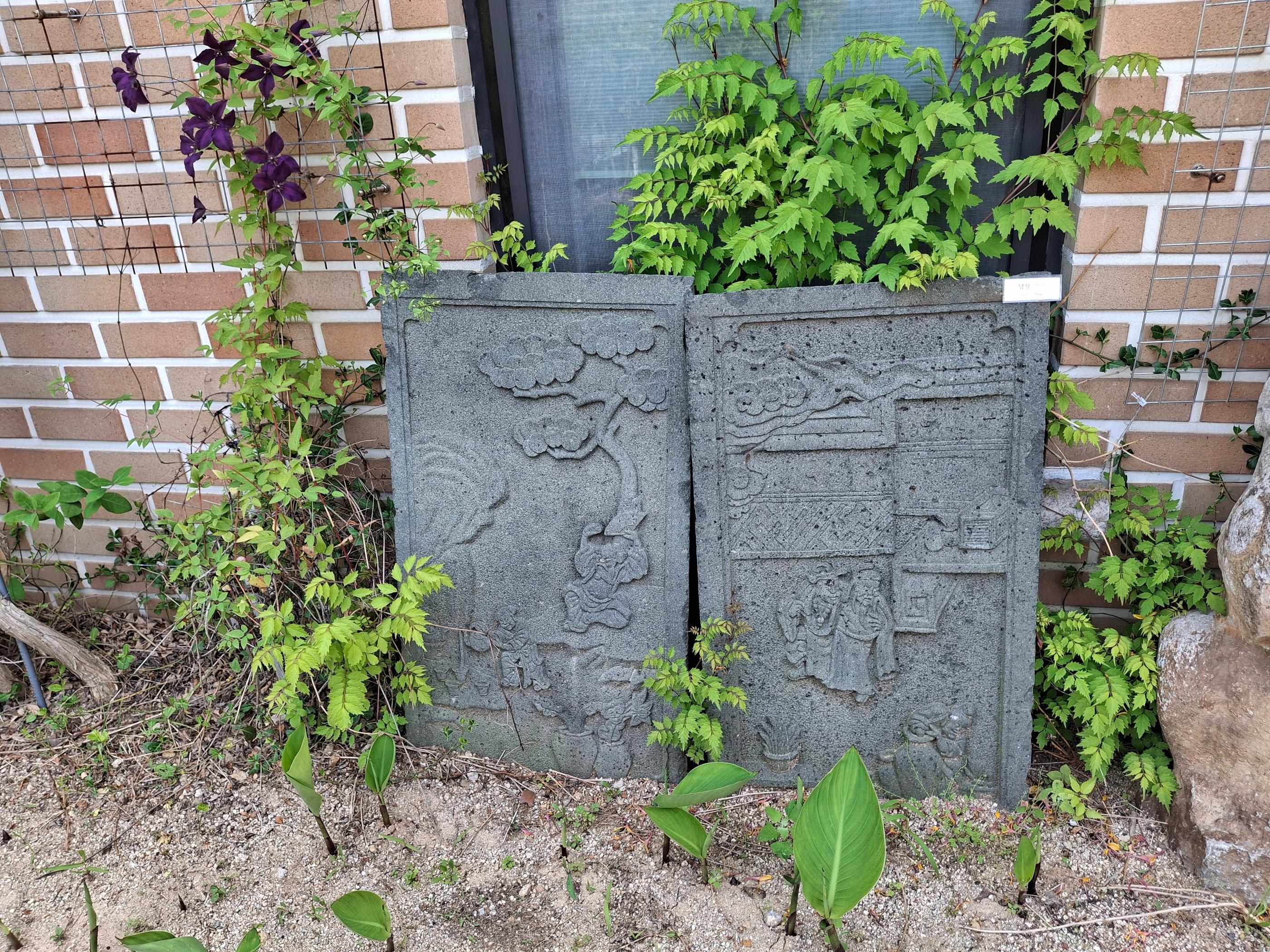
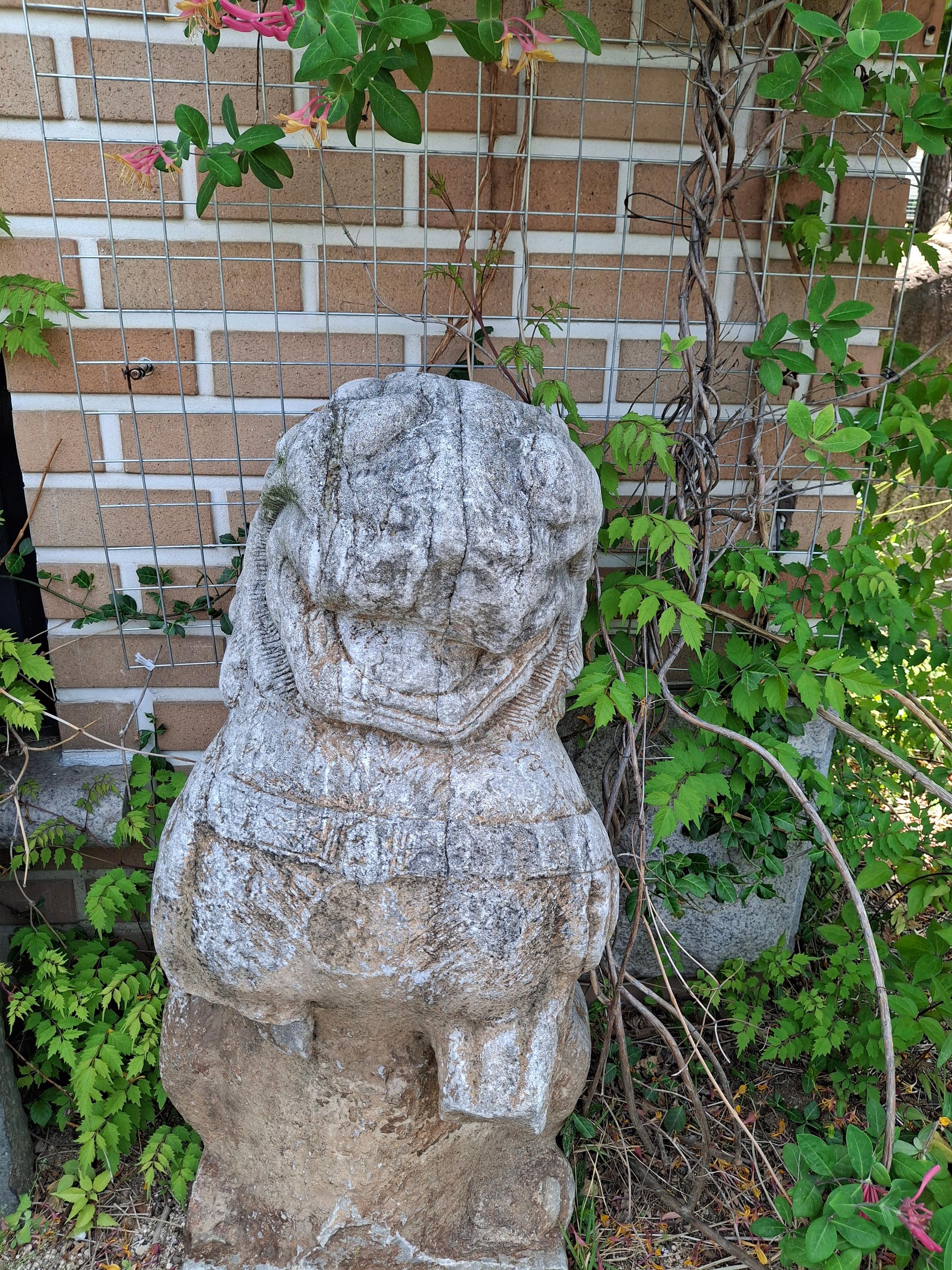
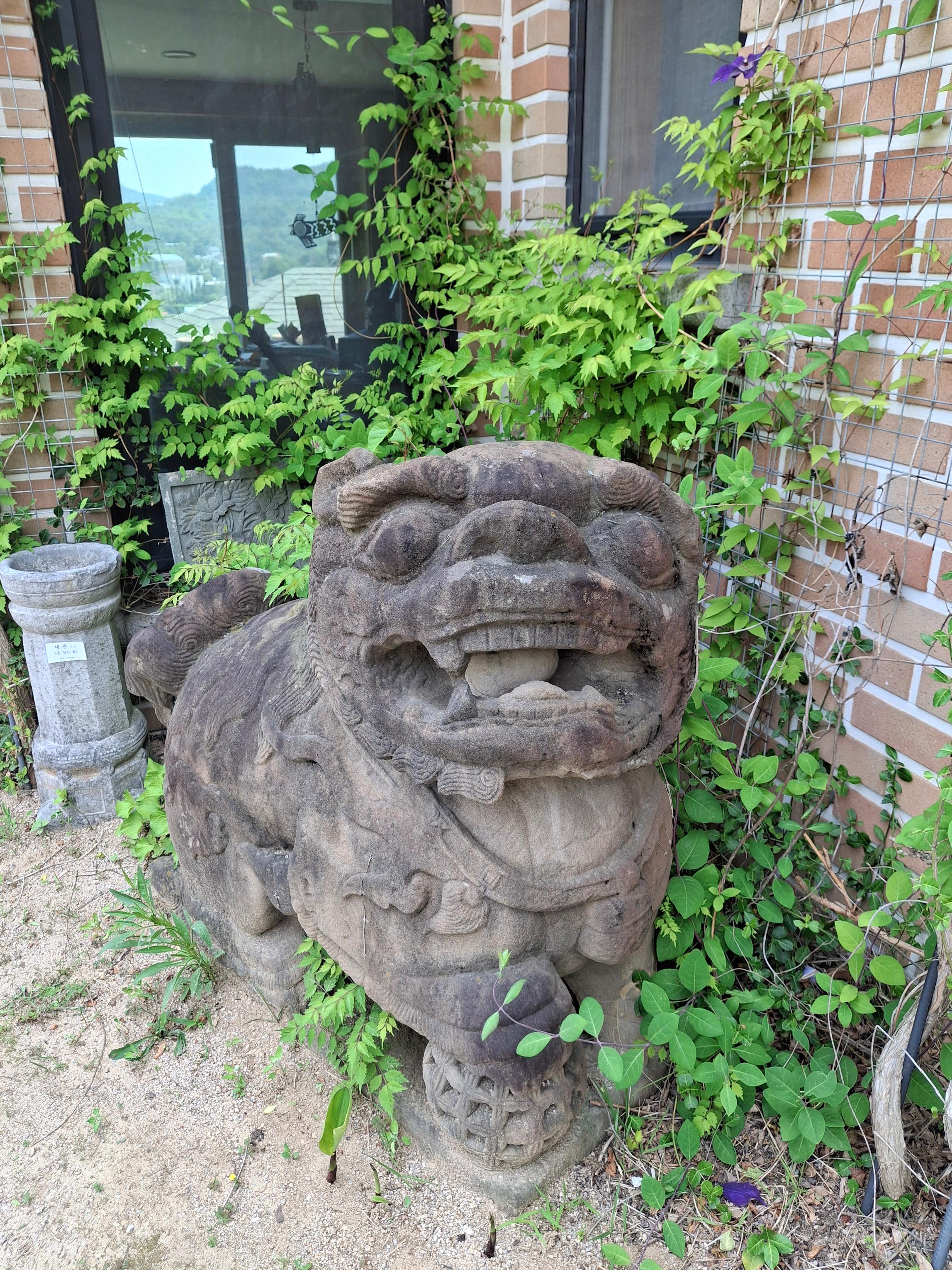
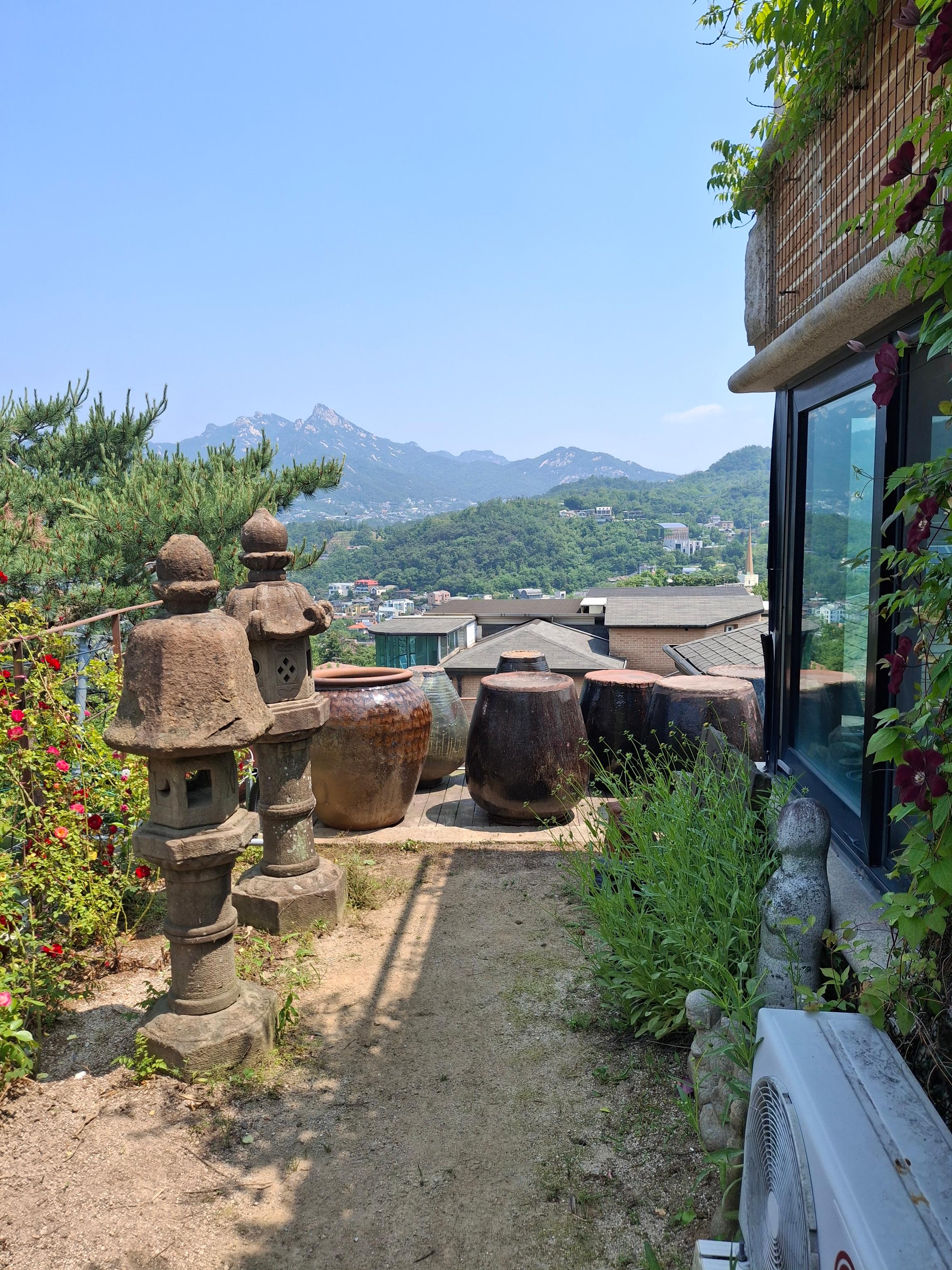
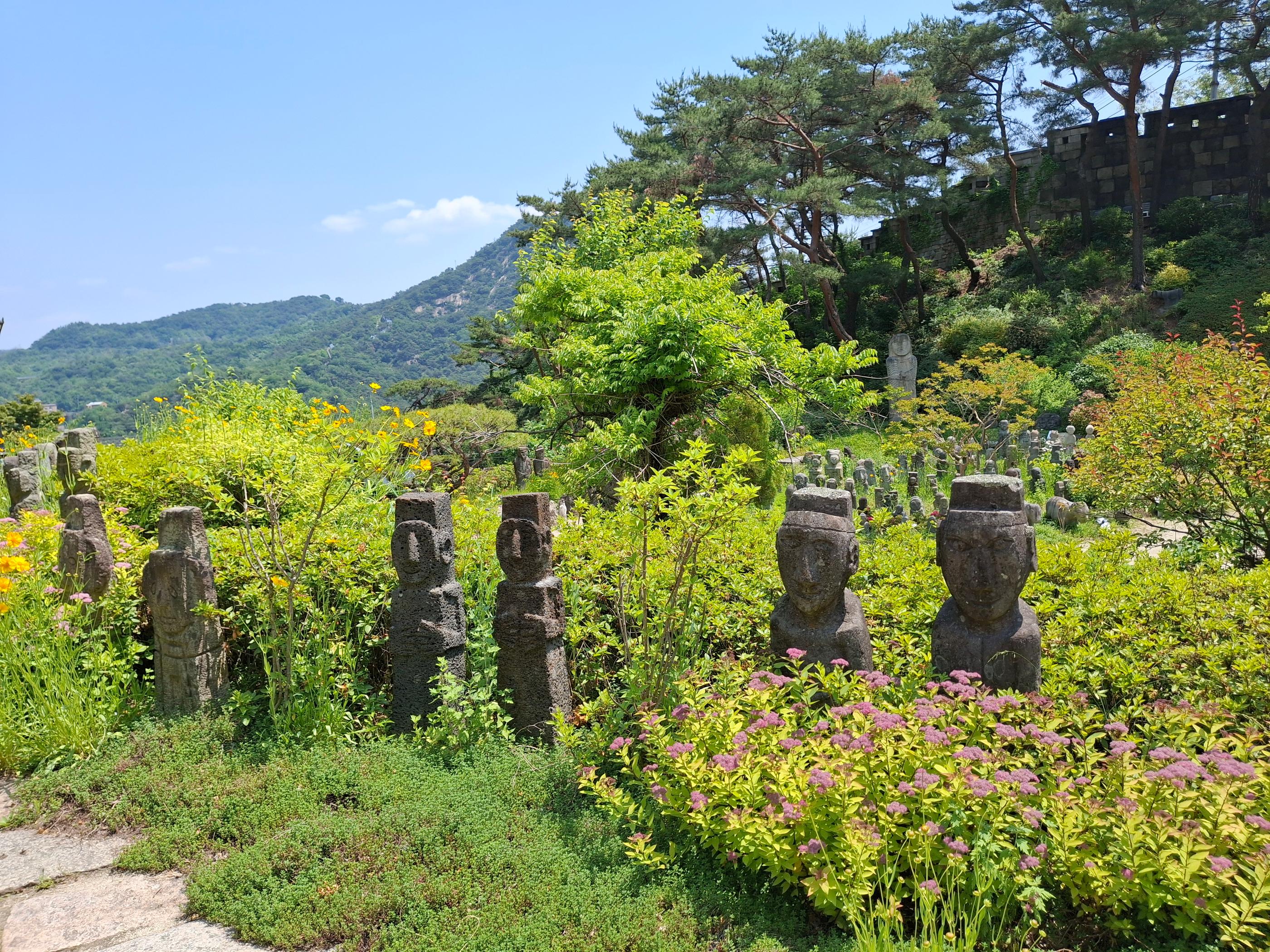
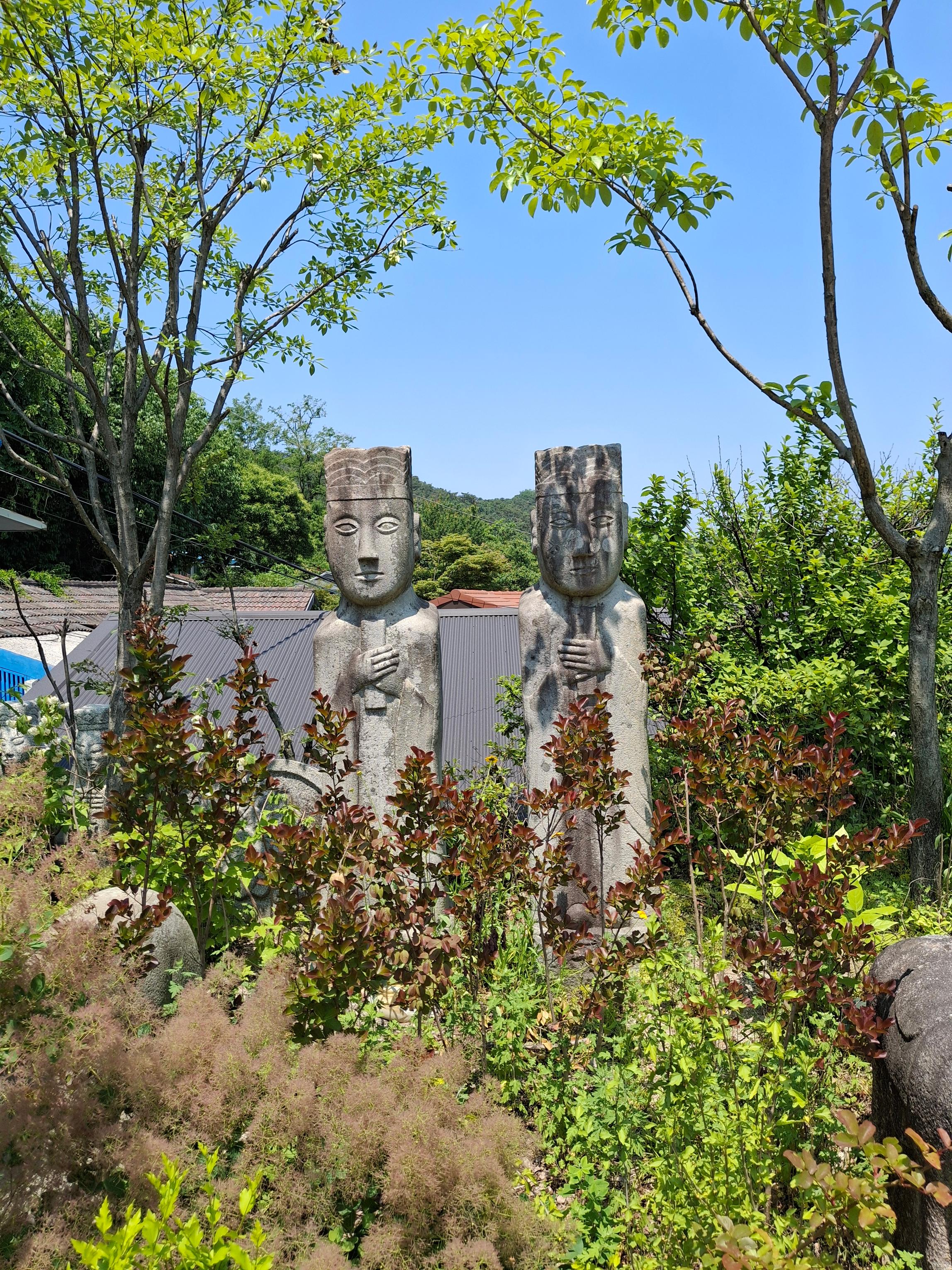
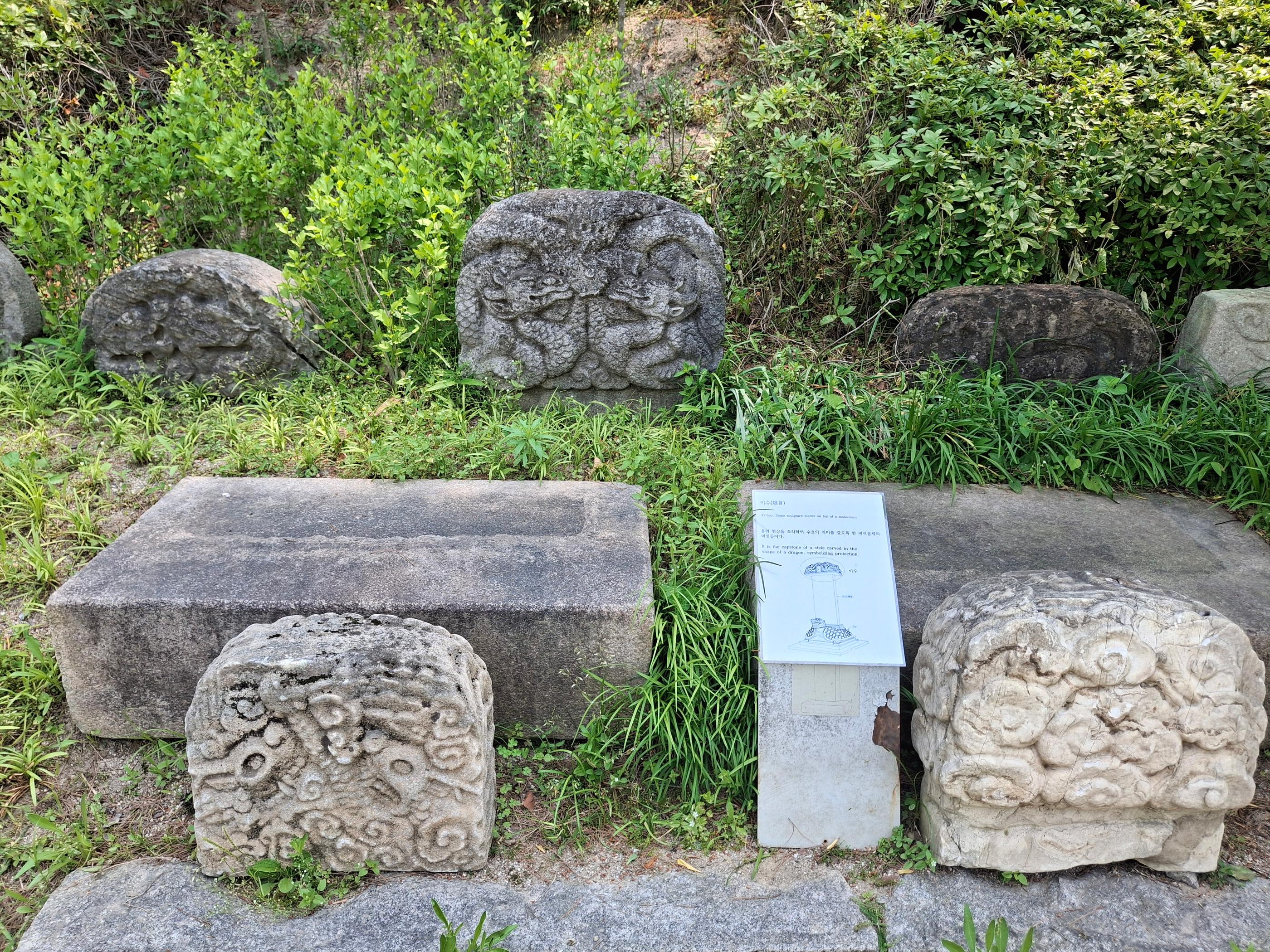
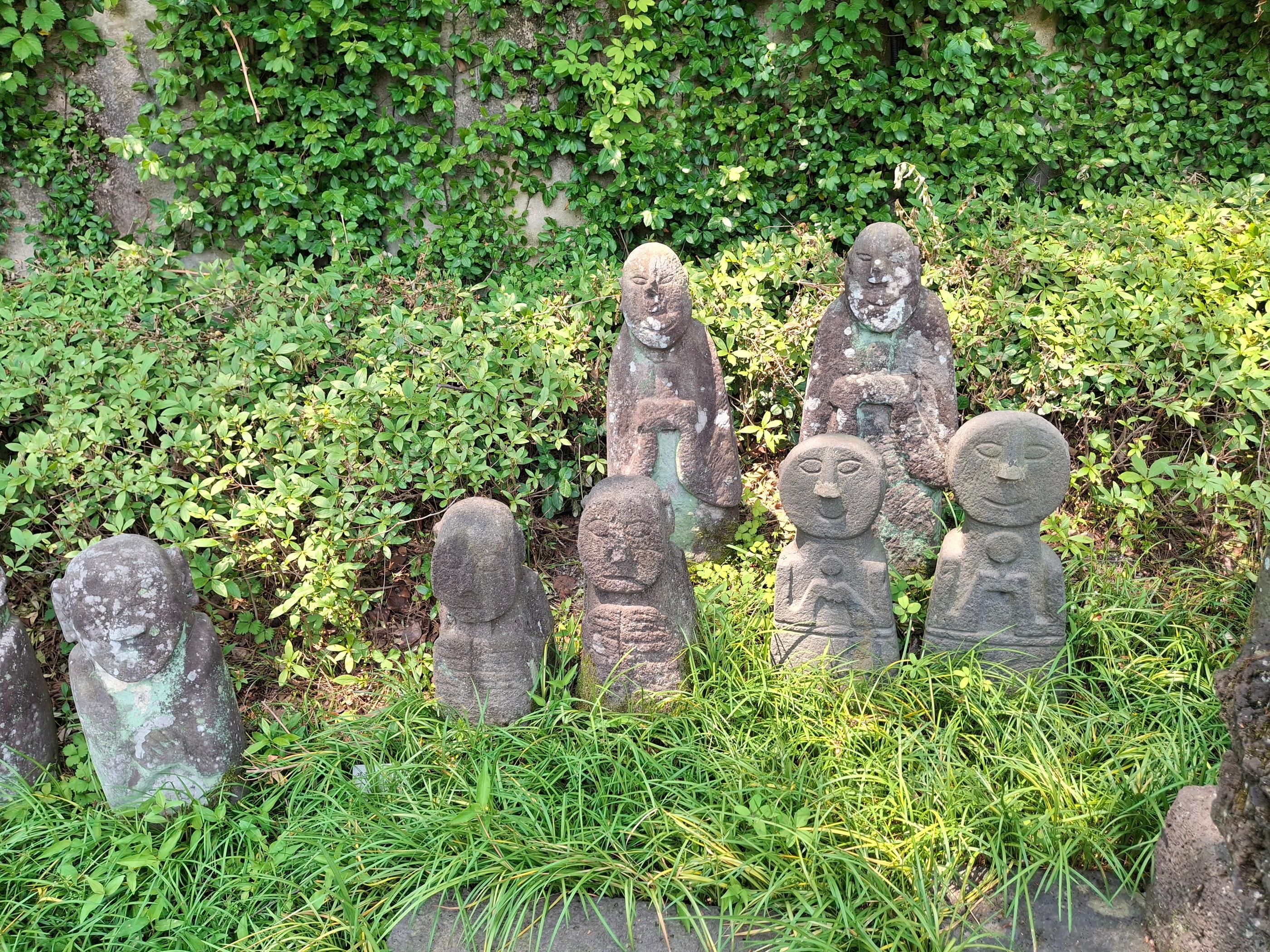
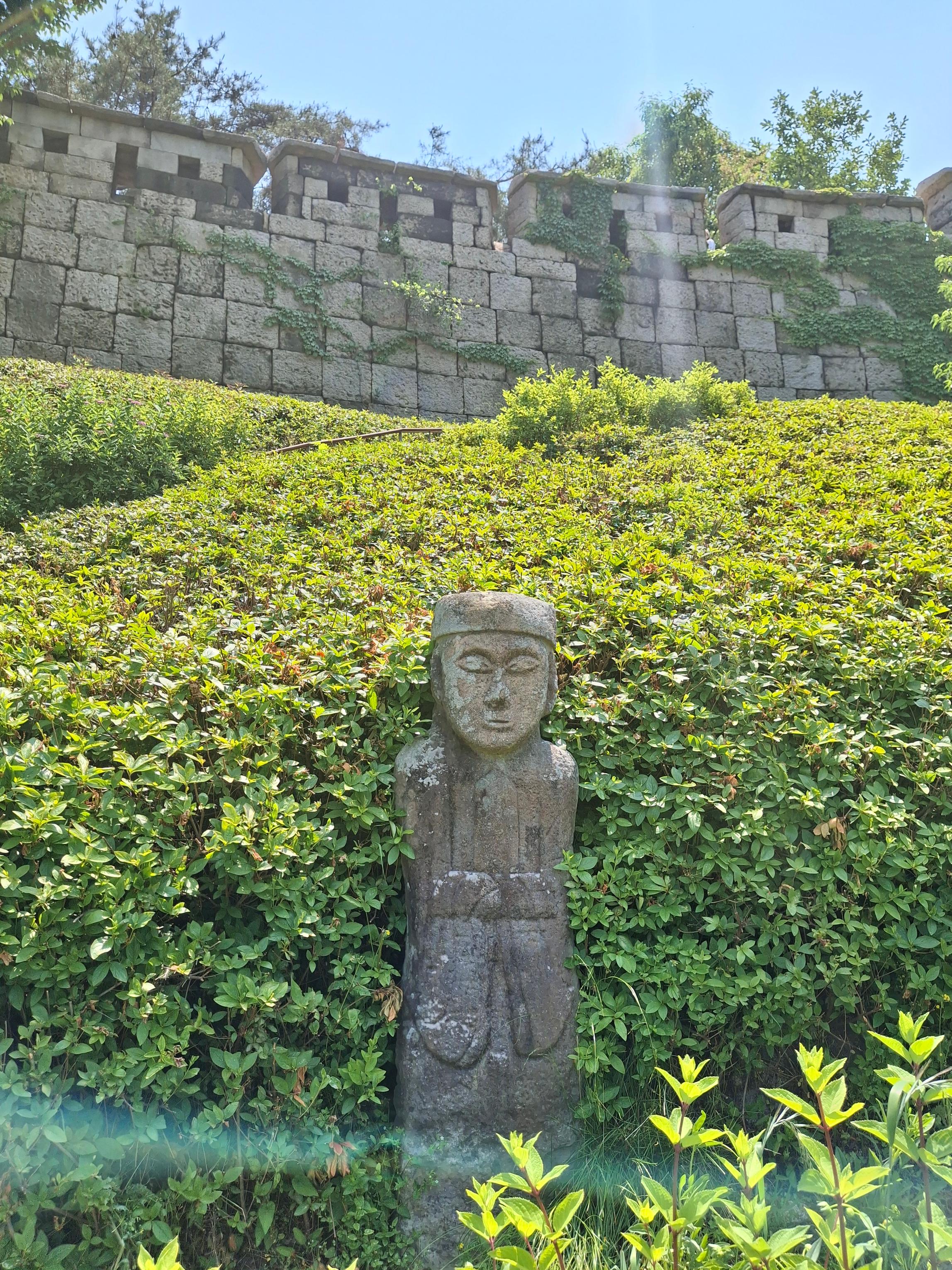
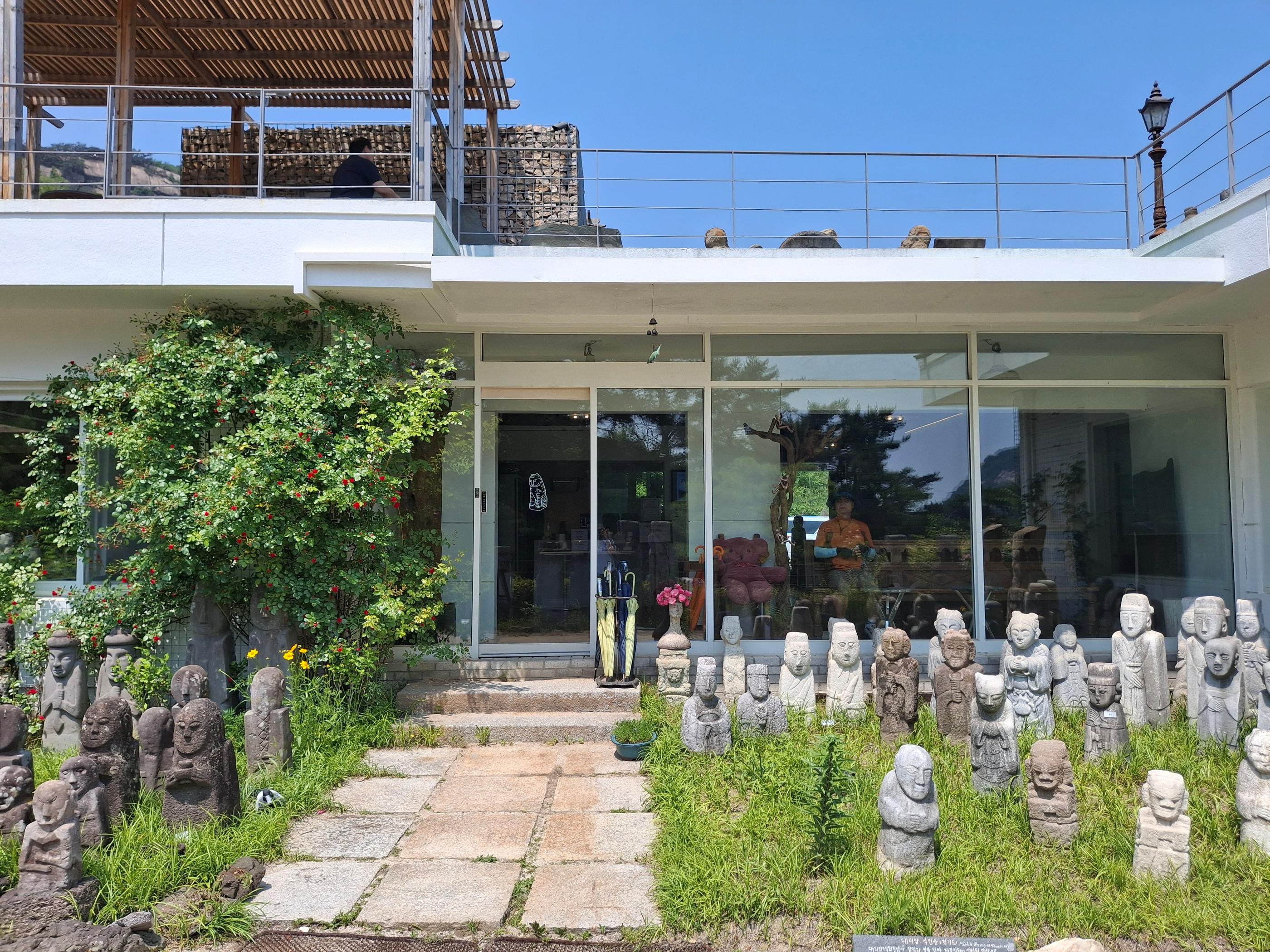
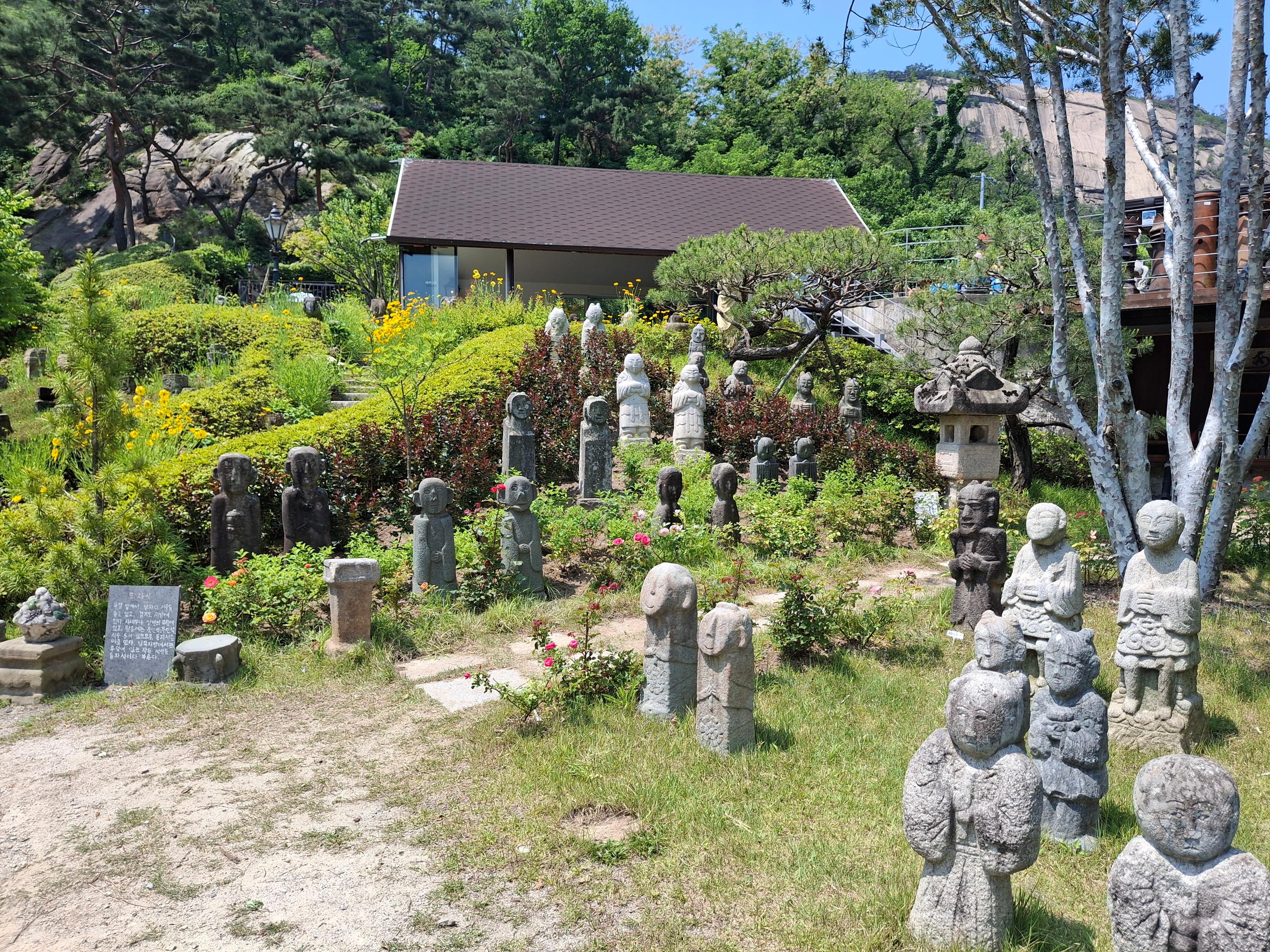
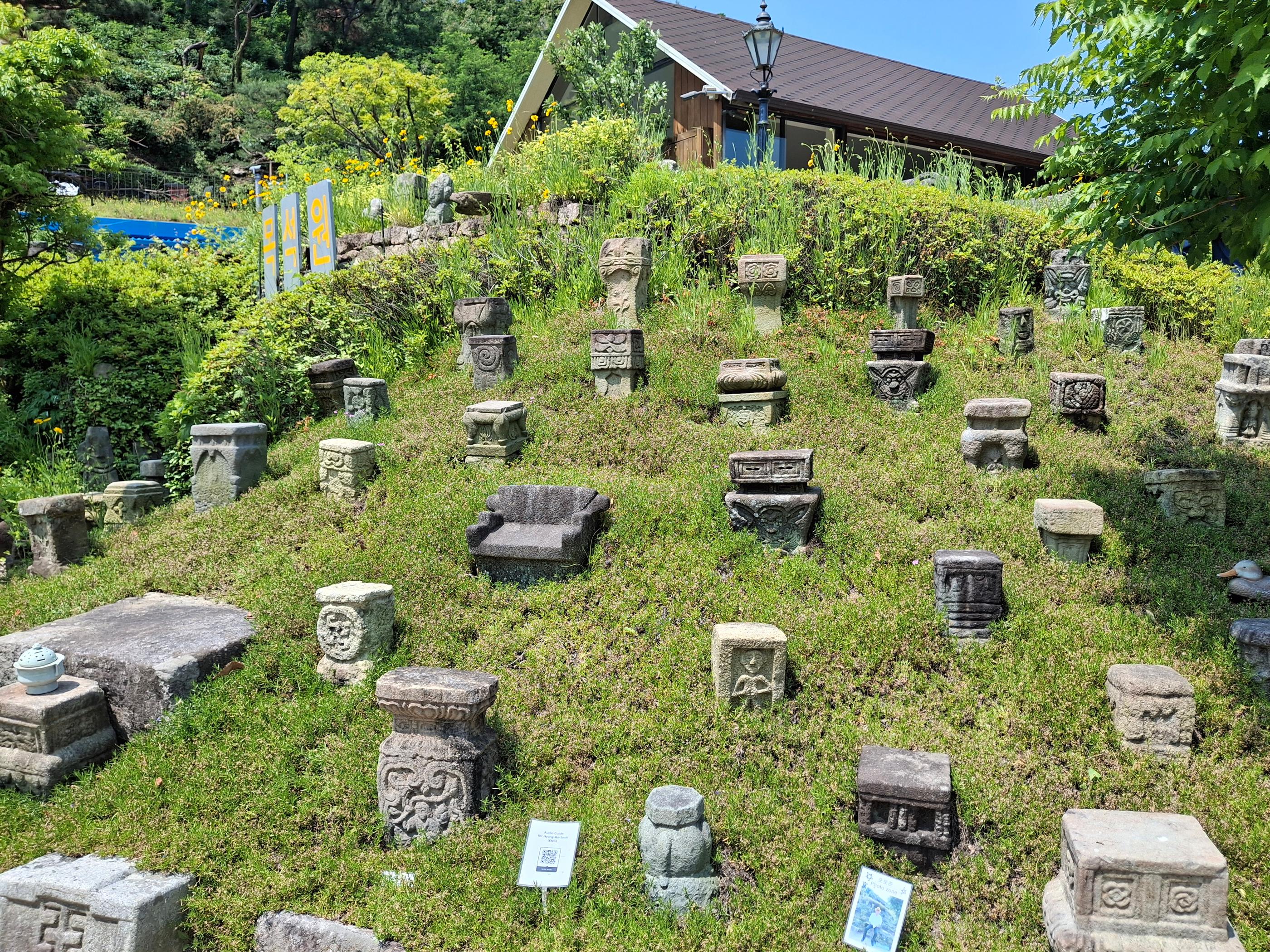
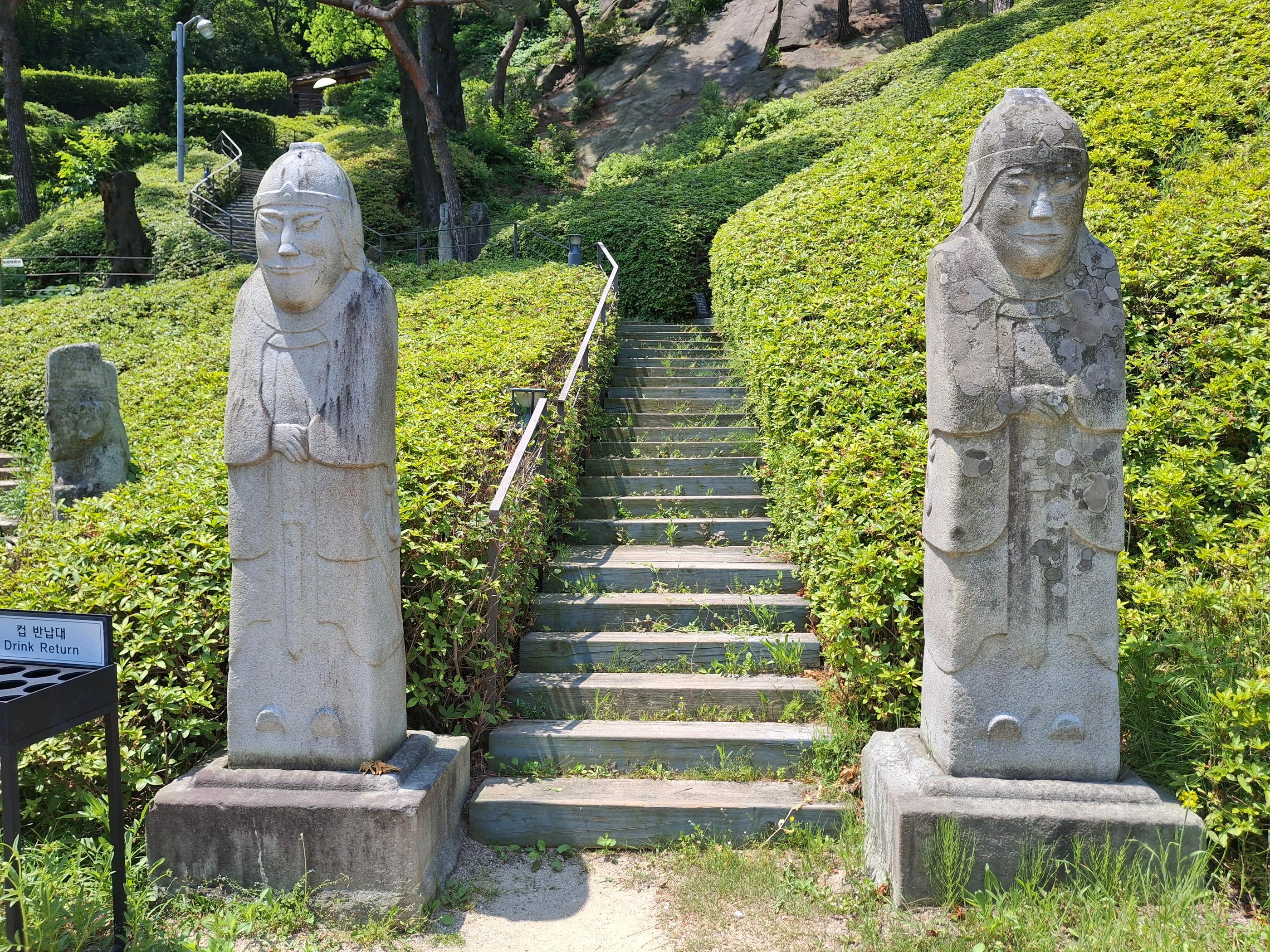
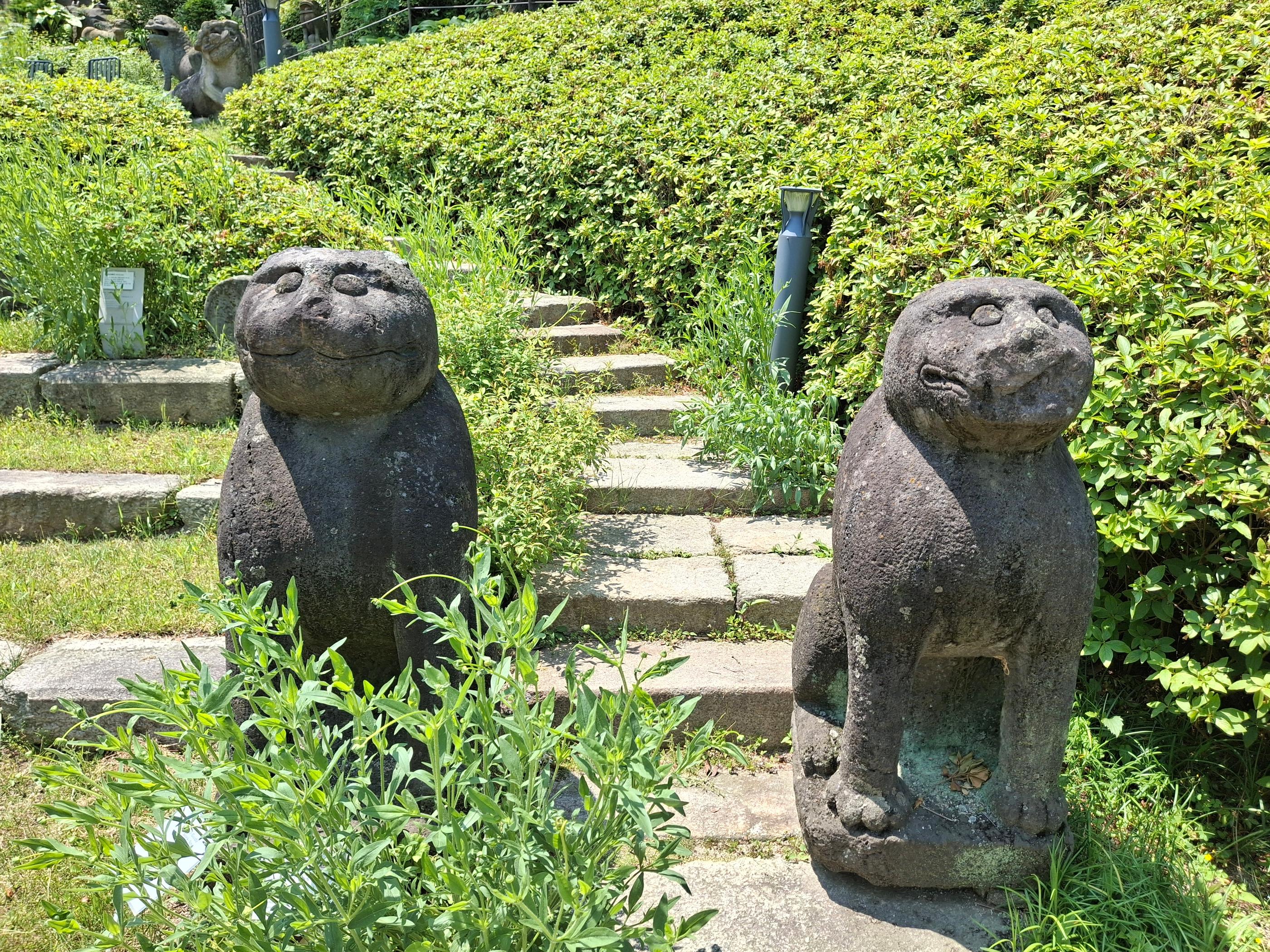
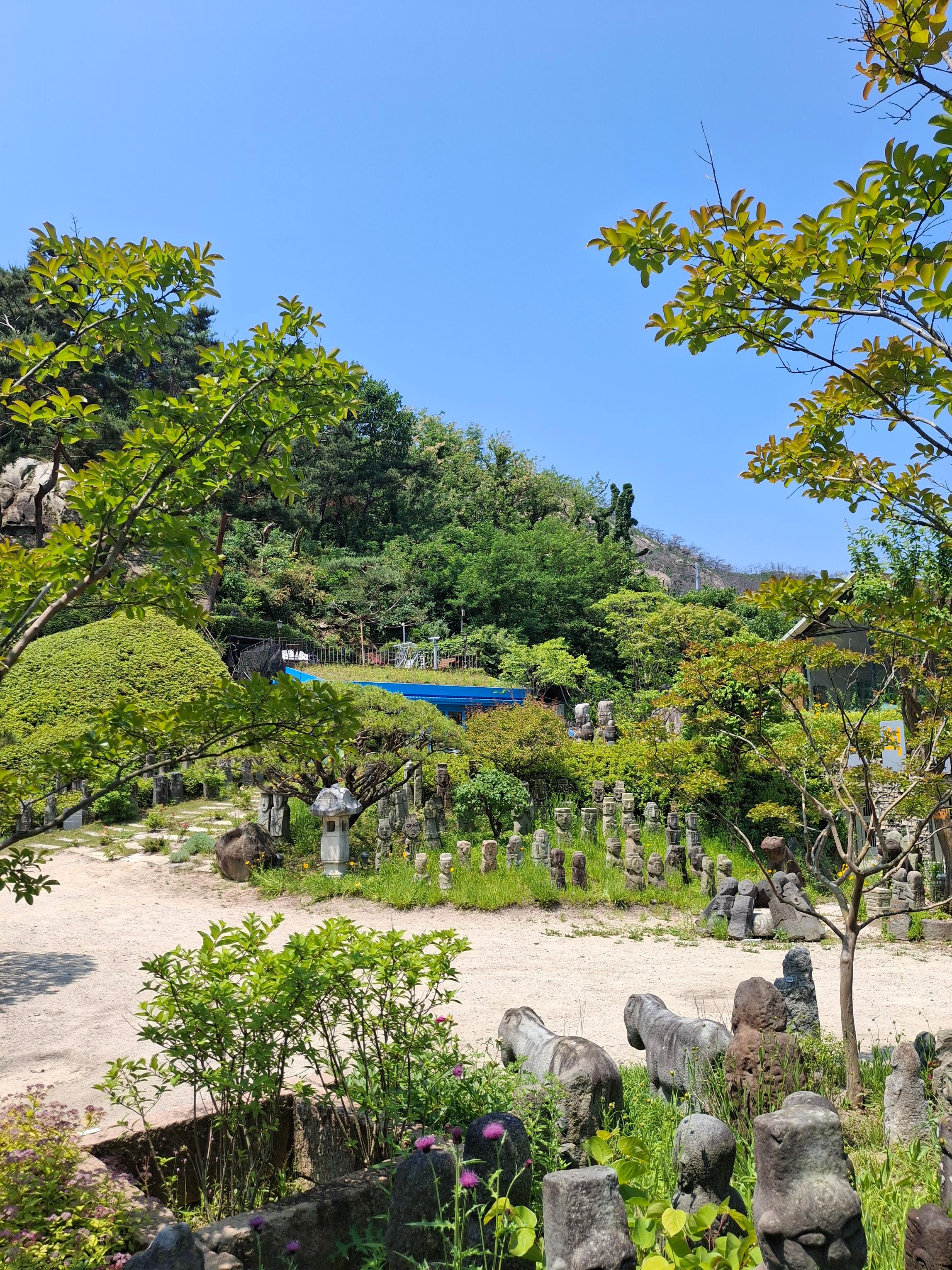
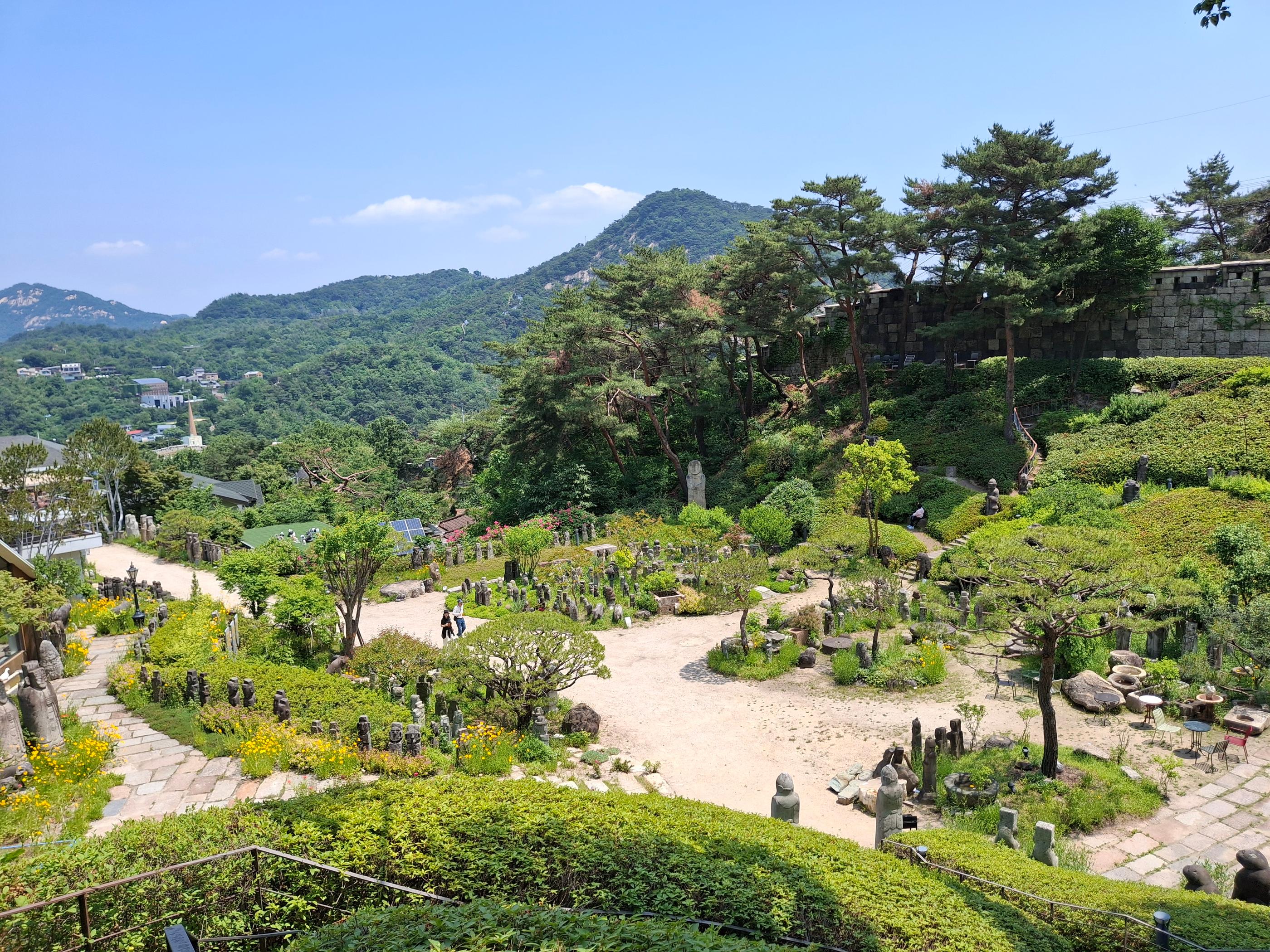
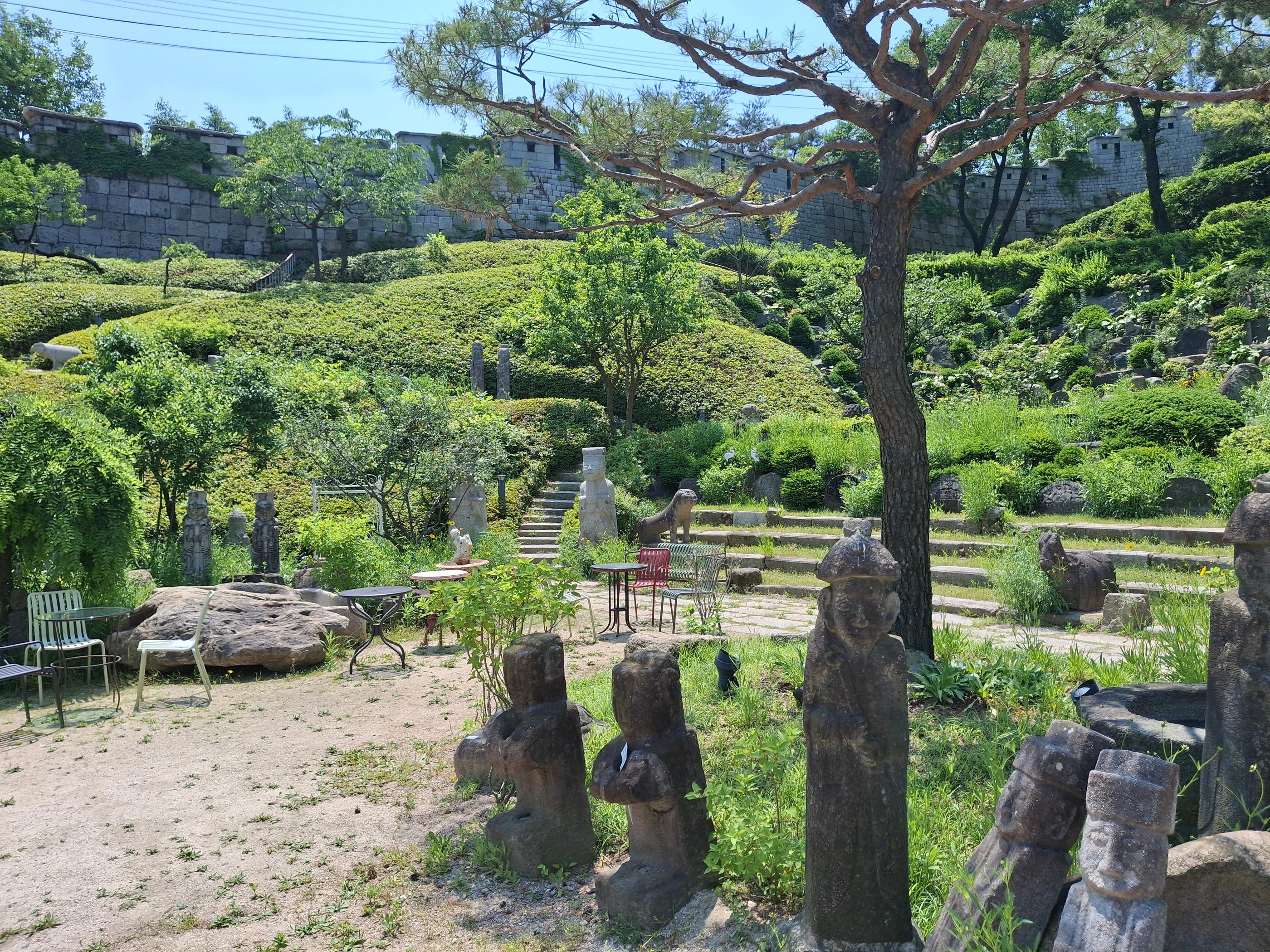
The variety of statues is simply amazing! There are a lot of types of stone figures - stone figures of scholars, stone figures of military officers, stone figures of children, long-light lamps, stone pillars, stone floors.
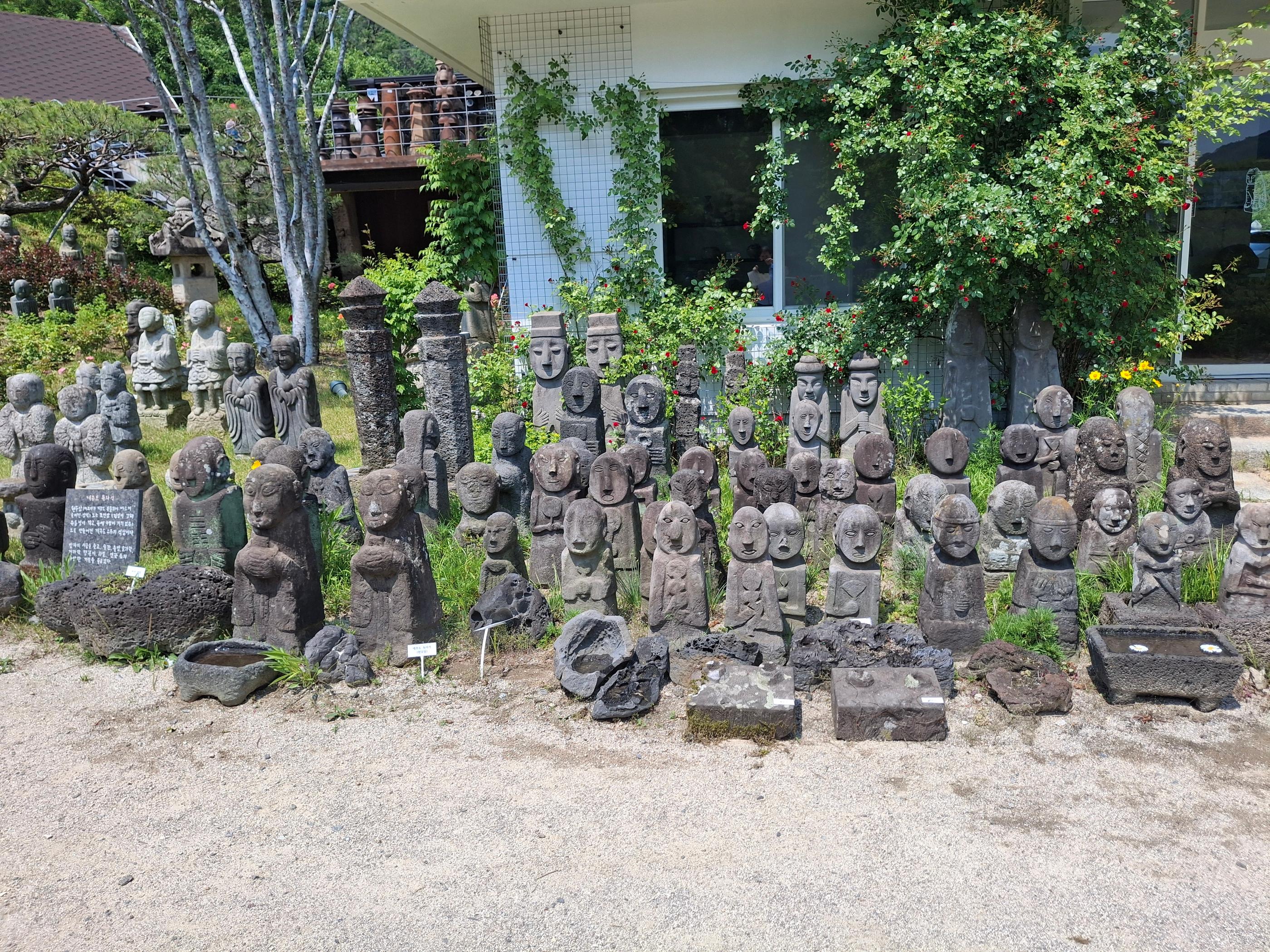
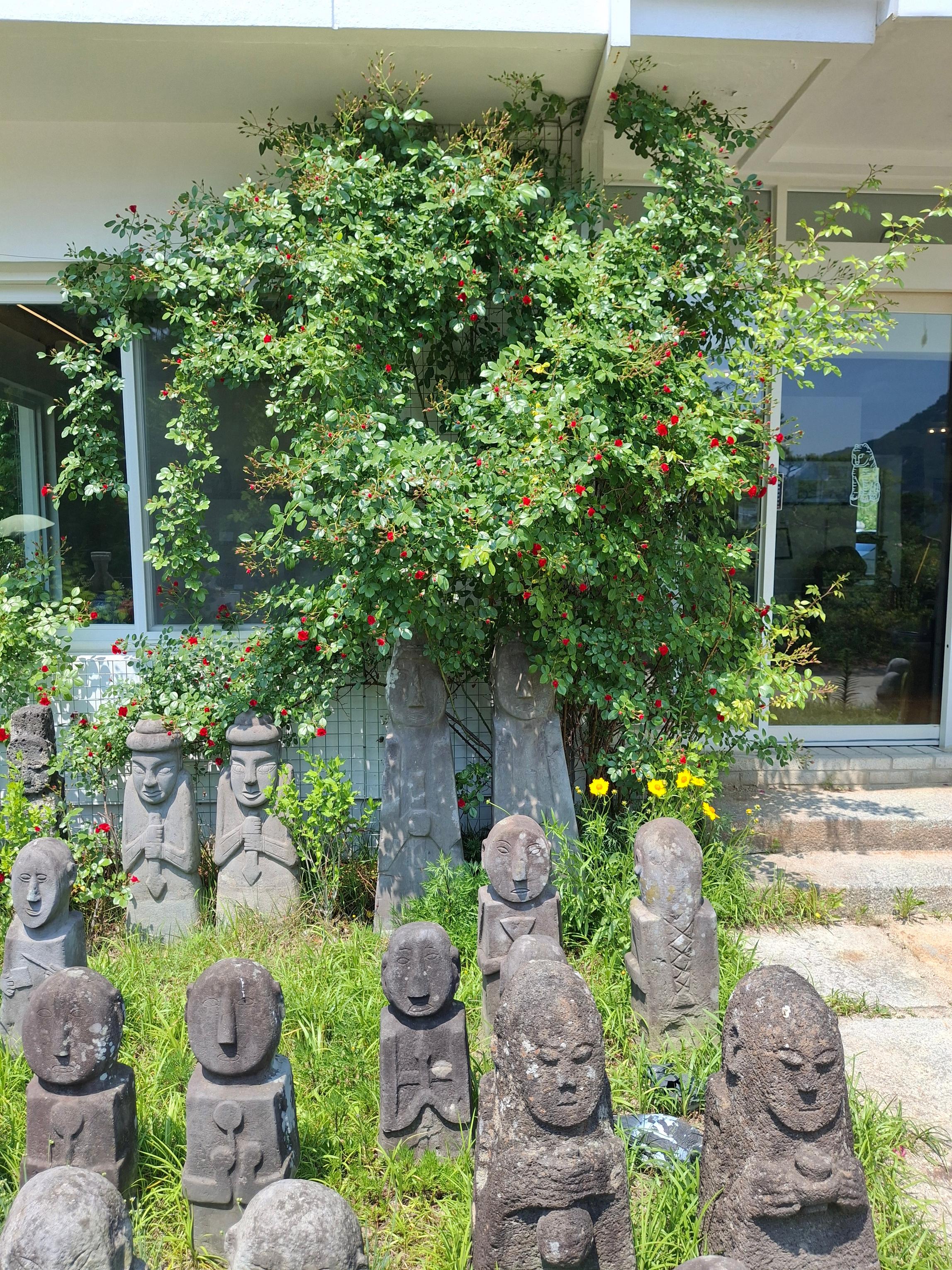
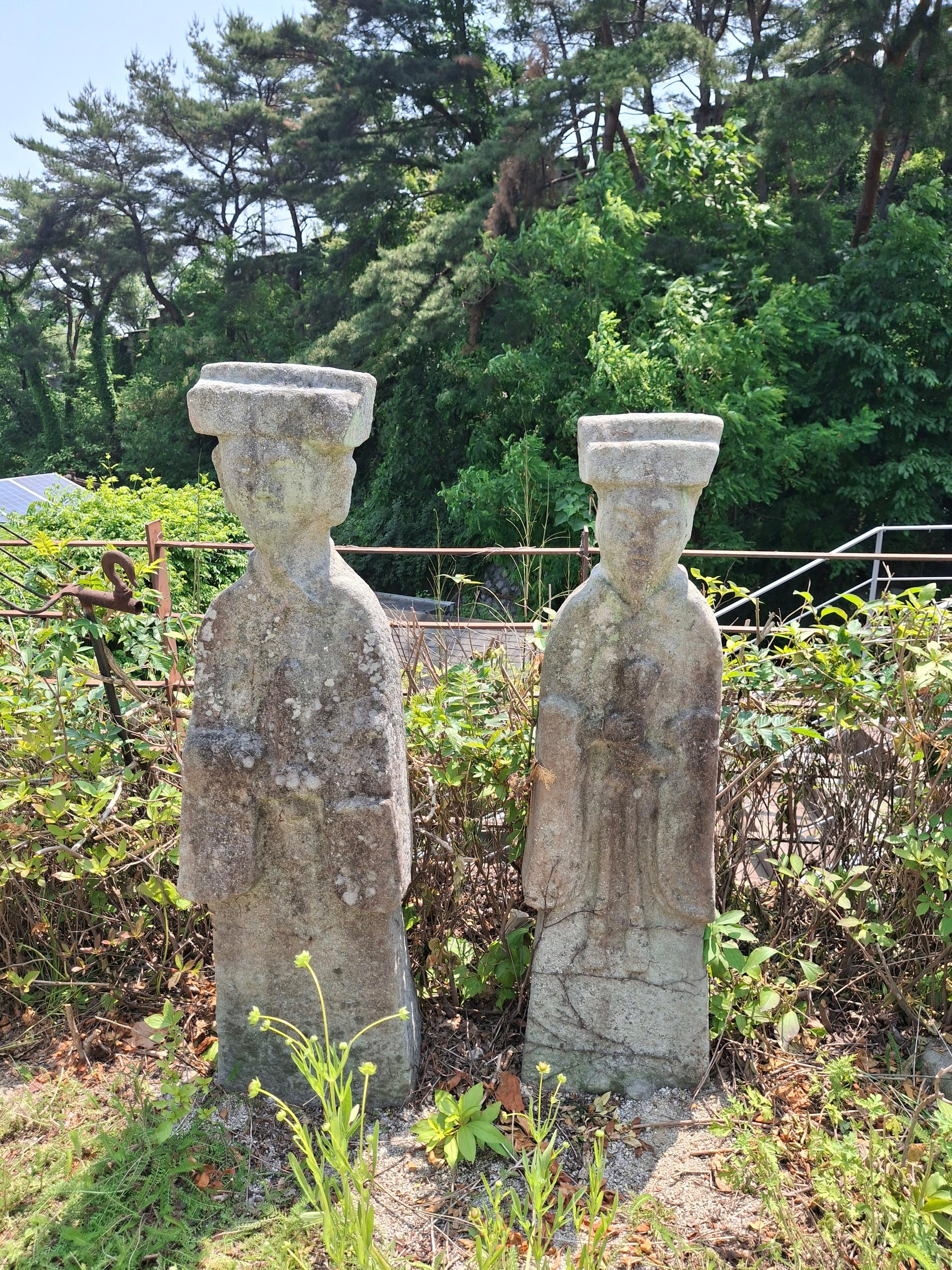
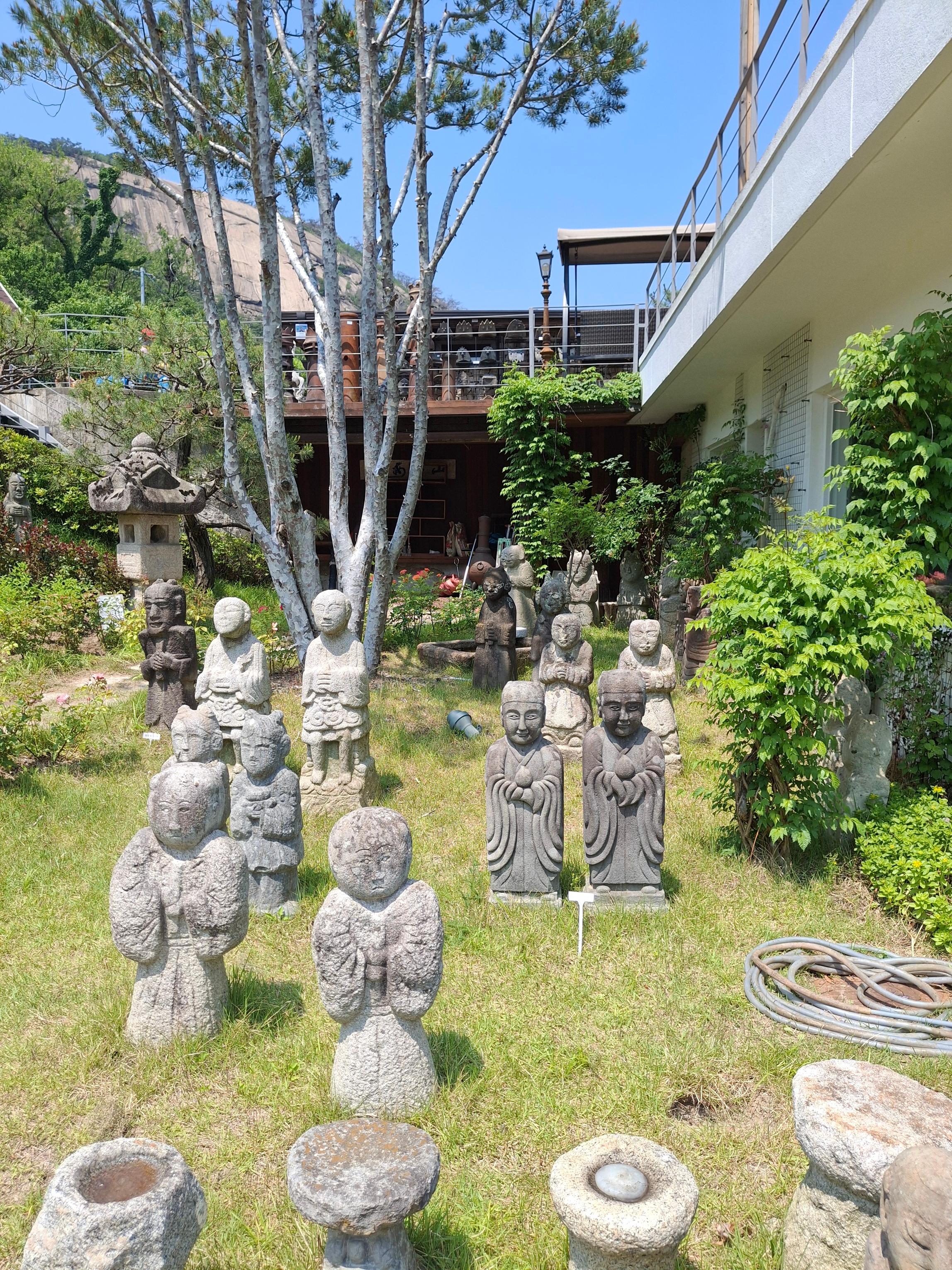
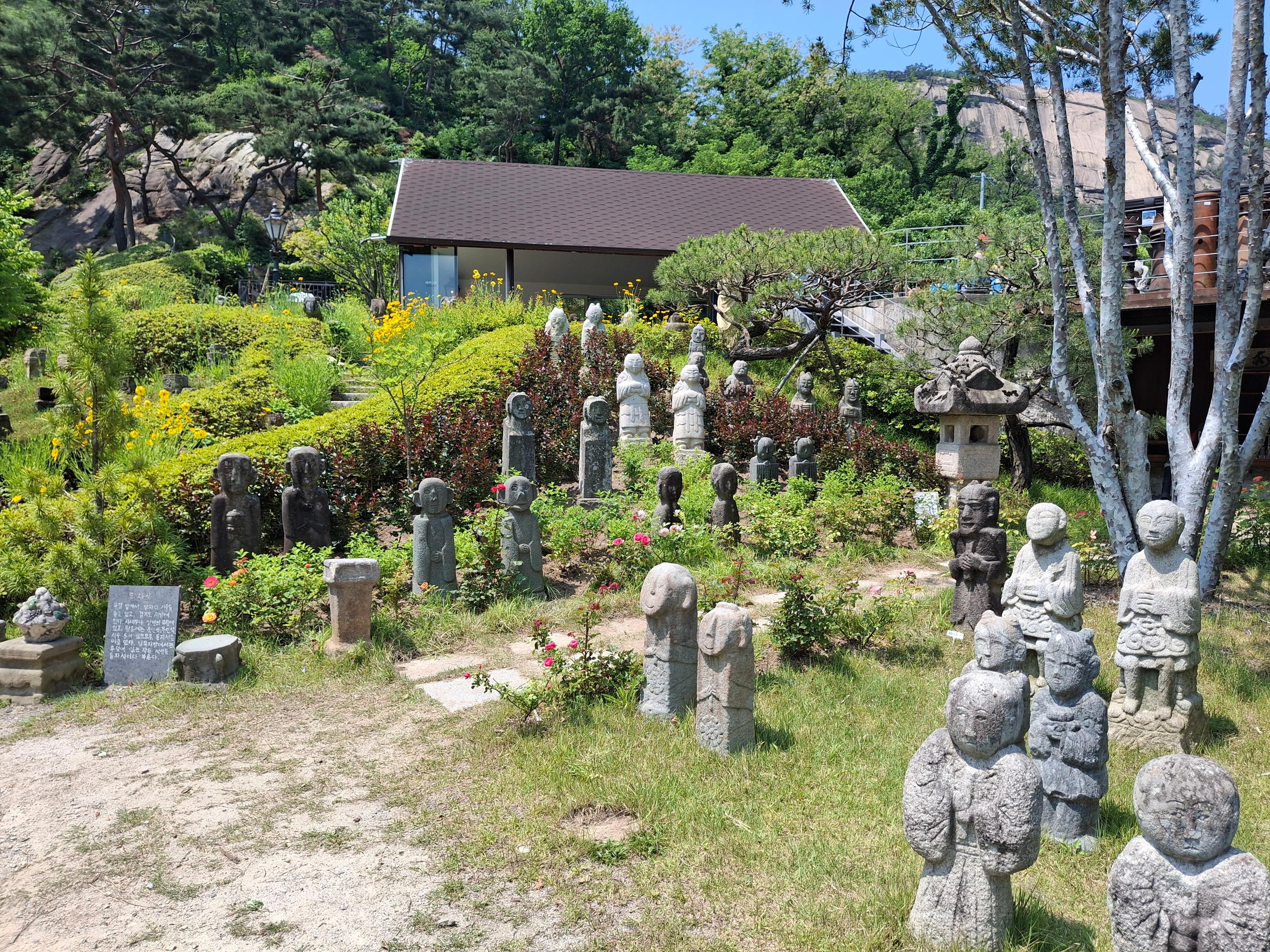
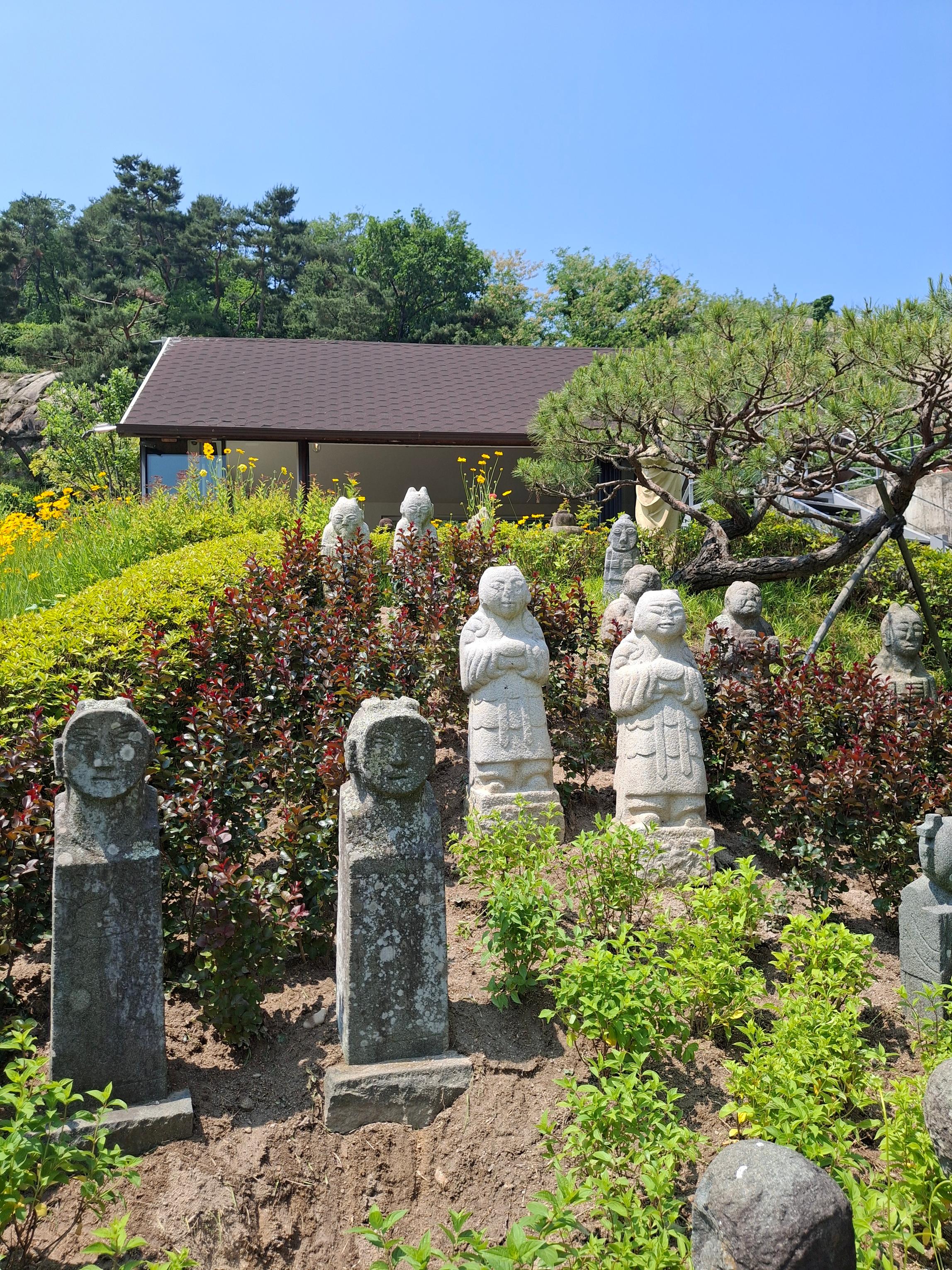
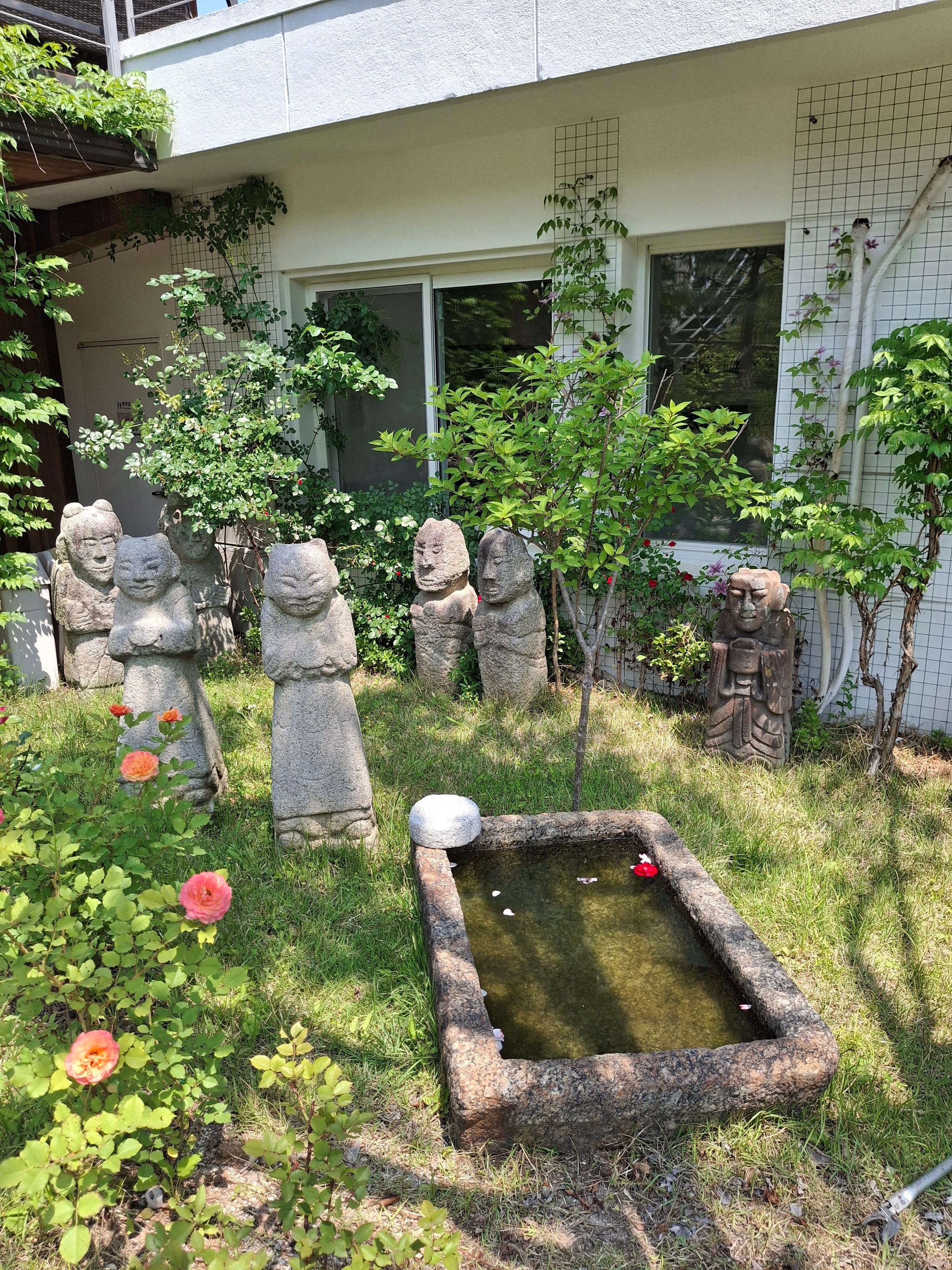
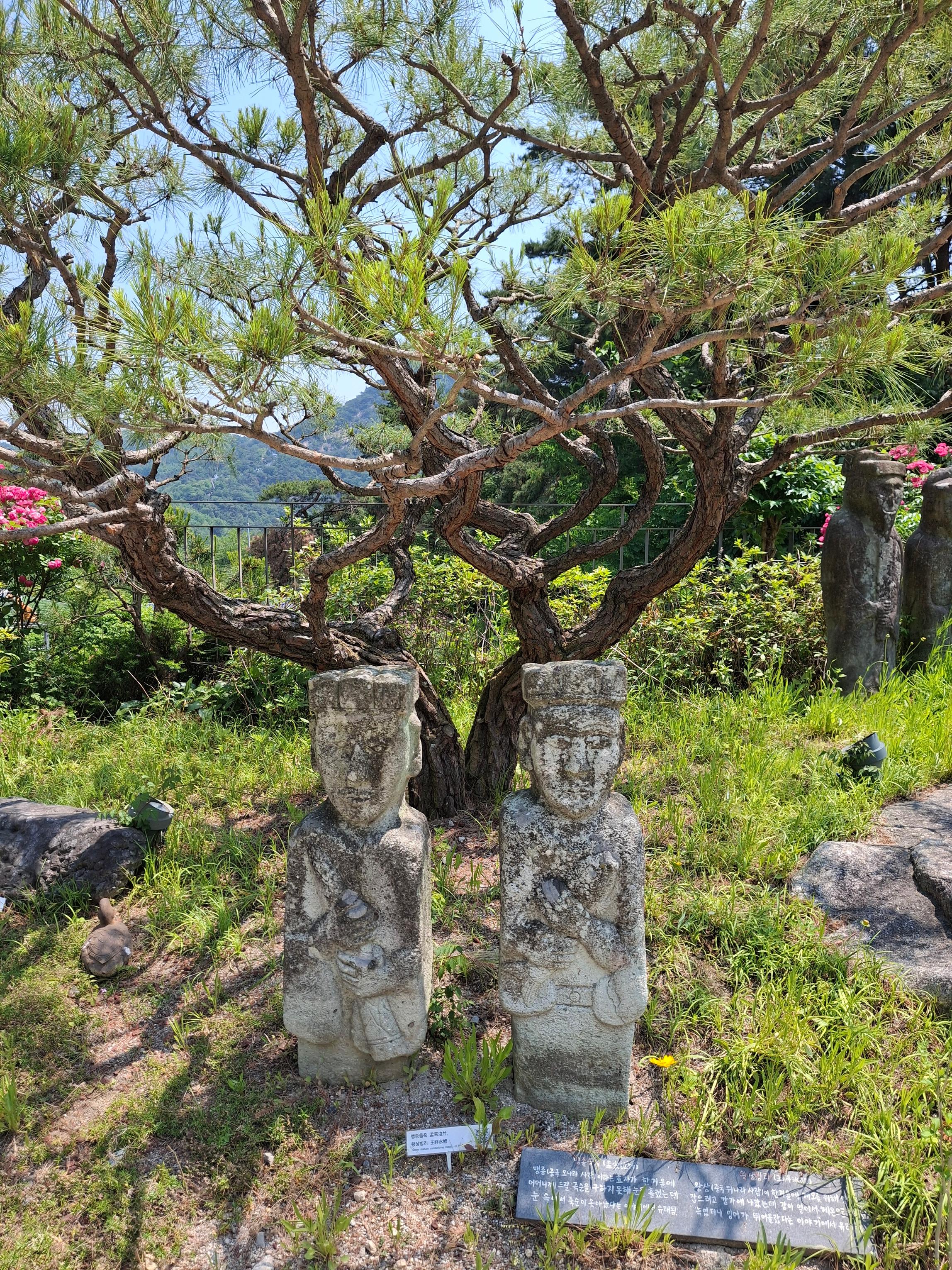

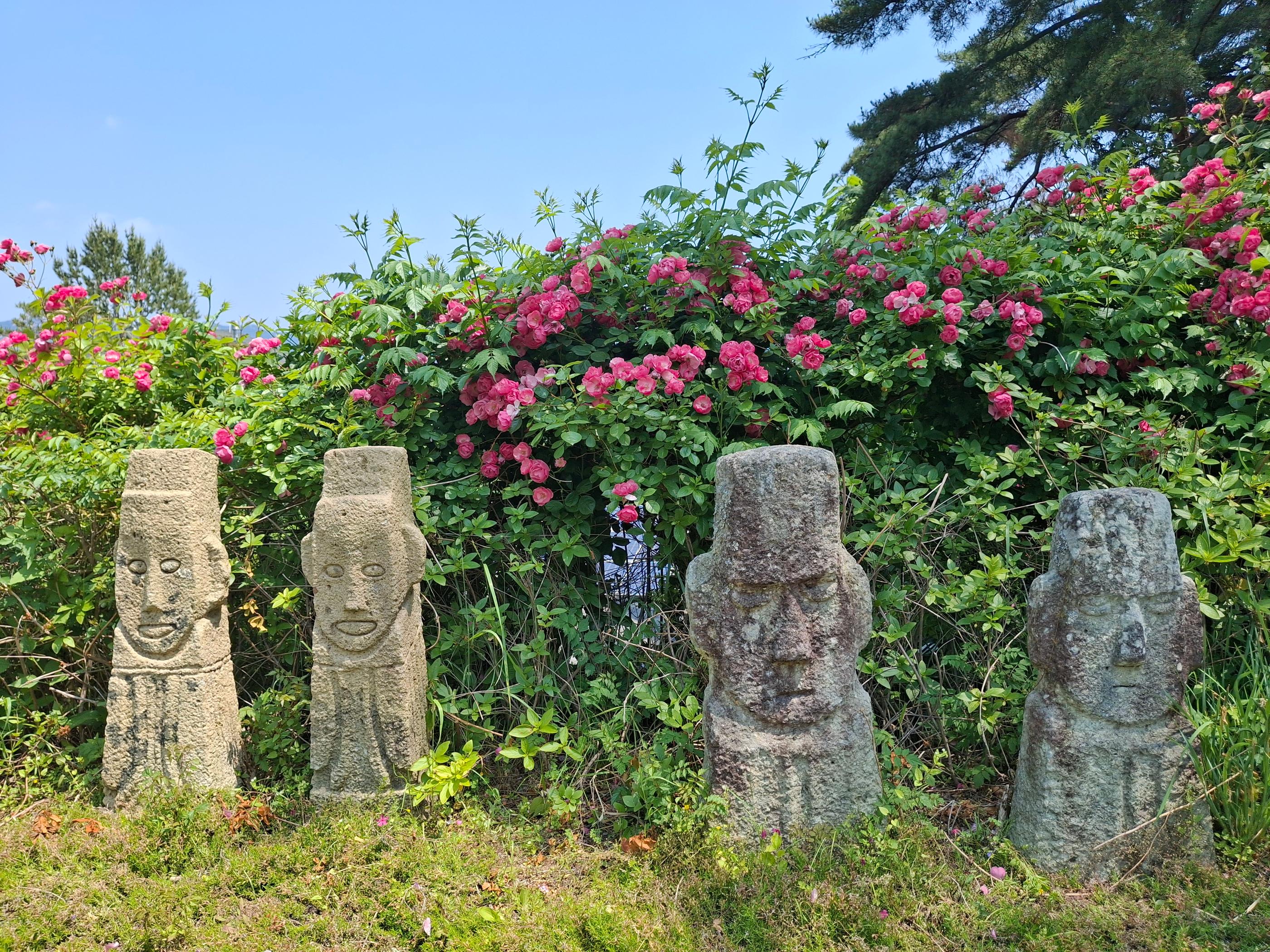
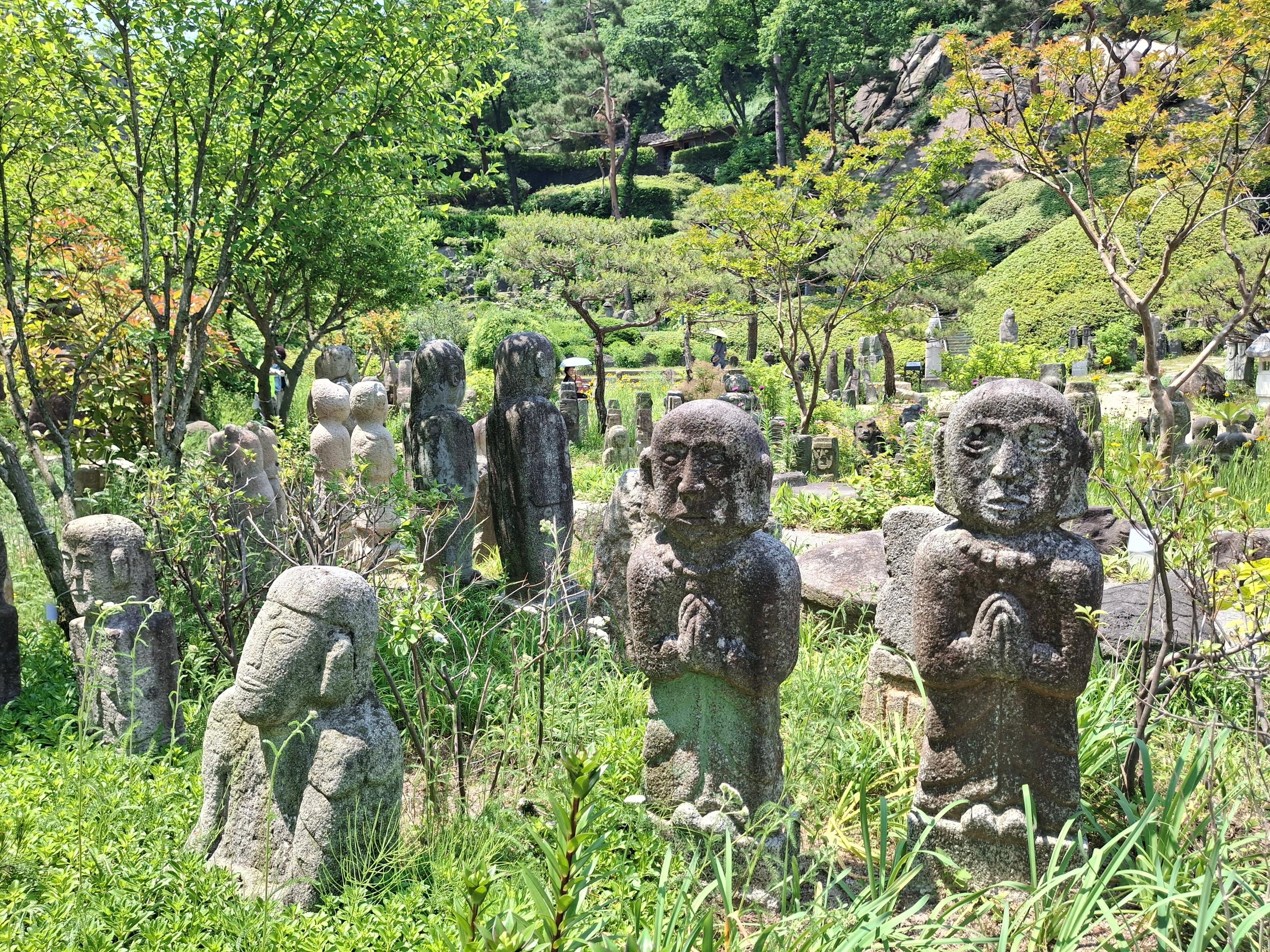
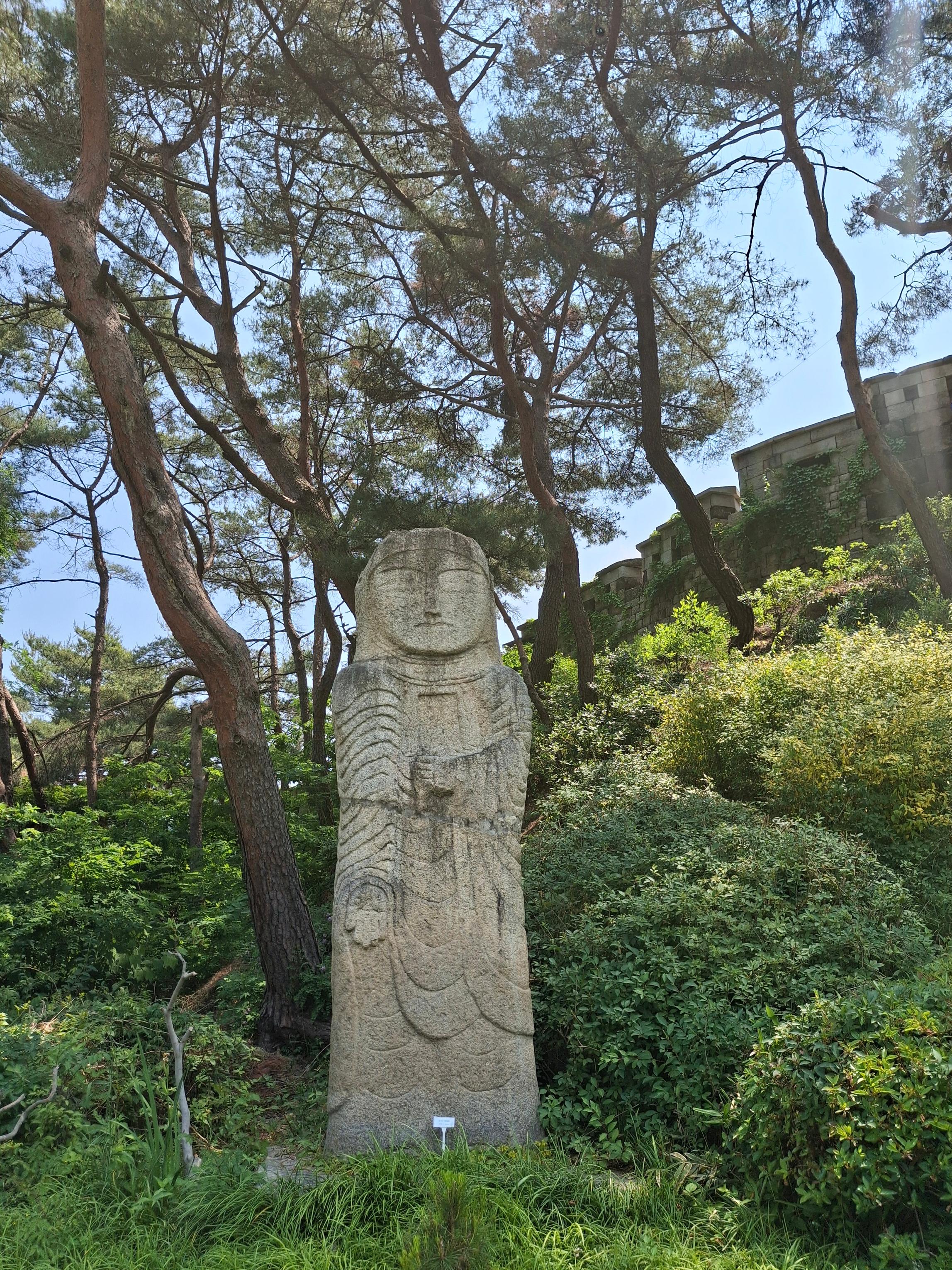
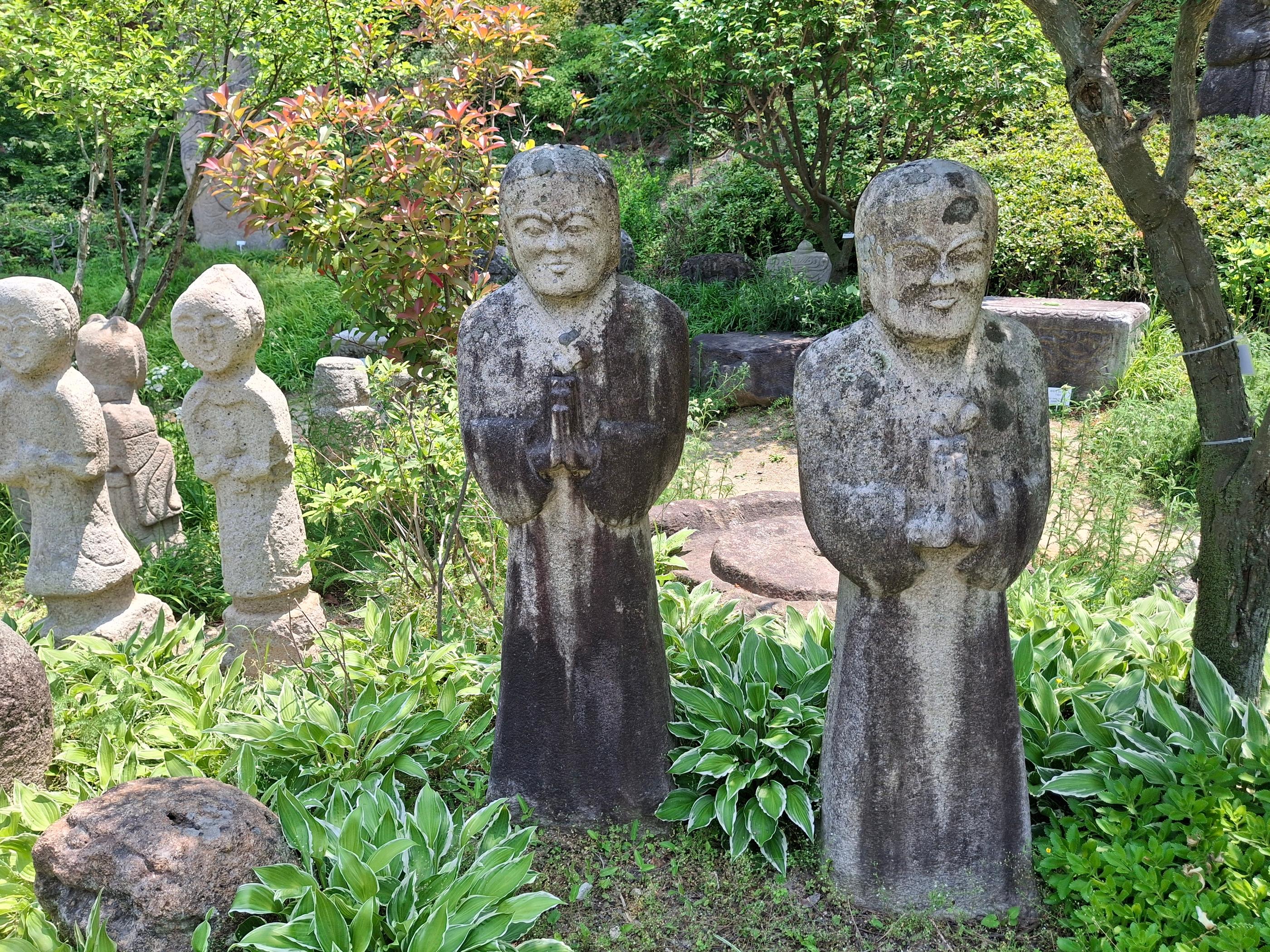
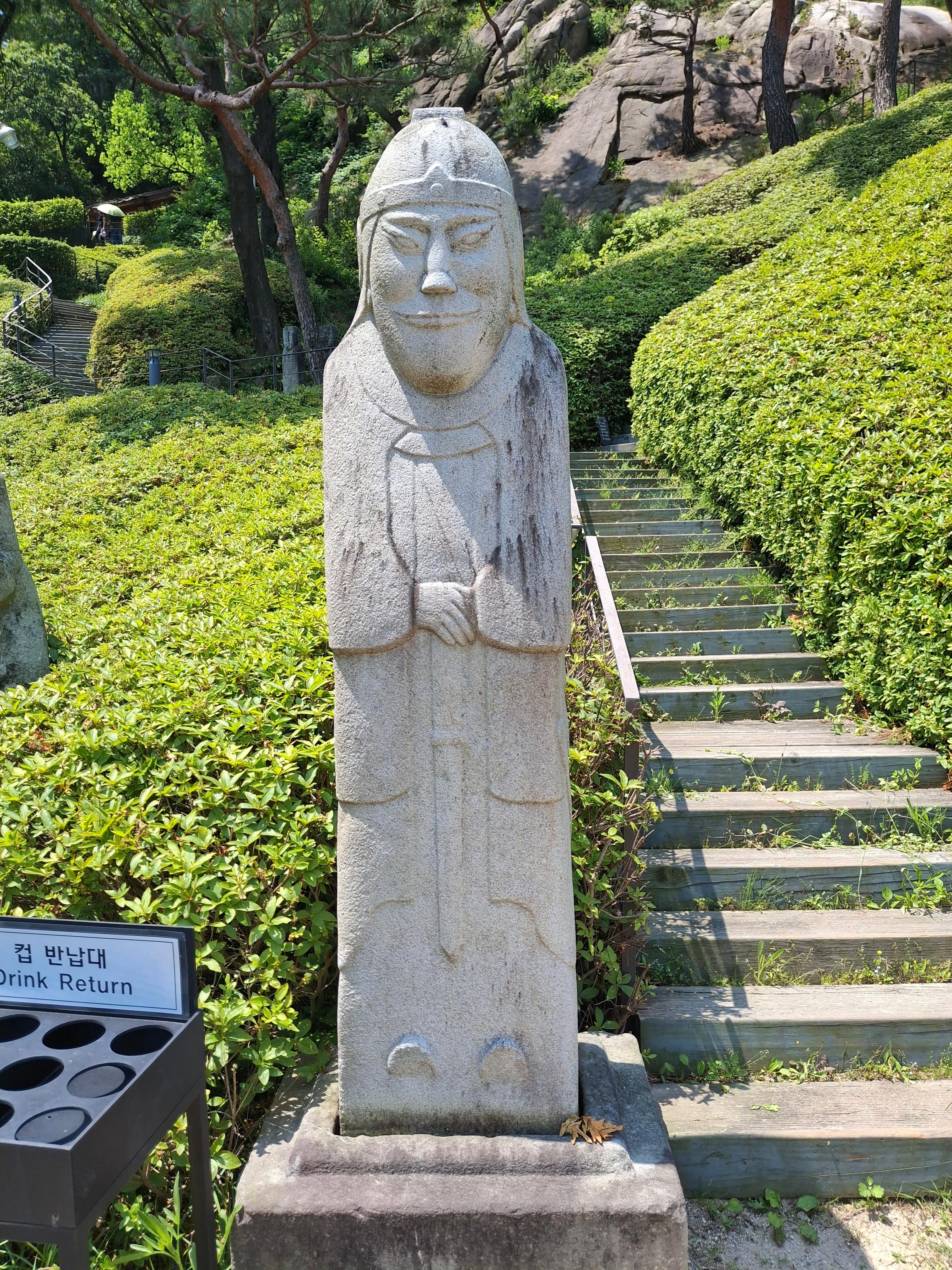
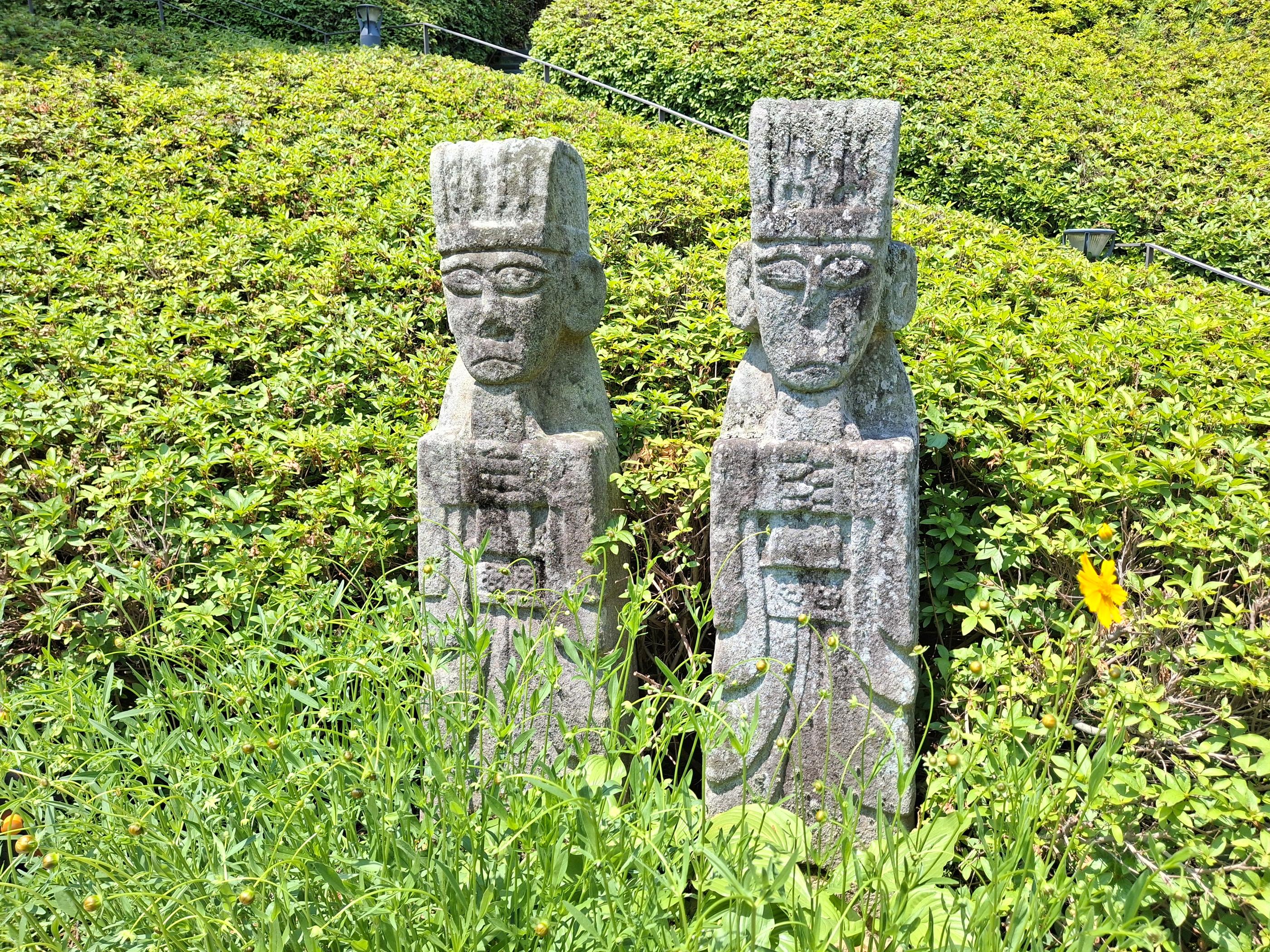
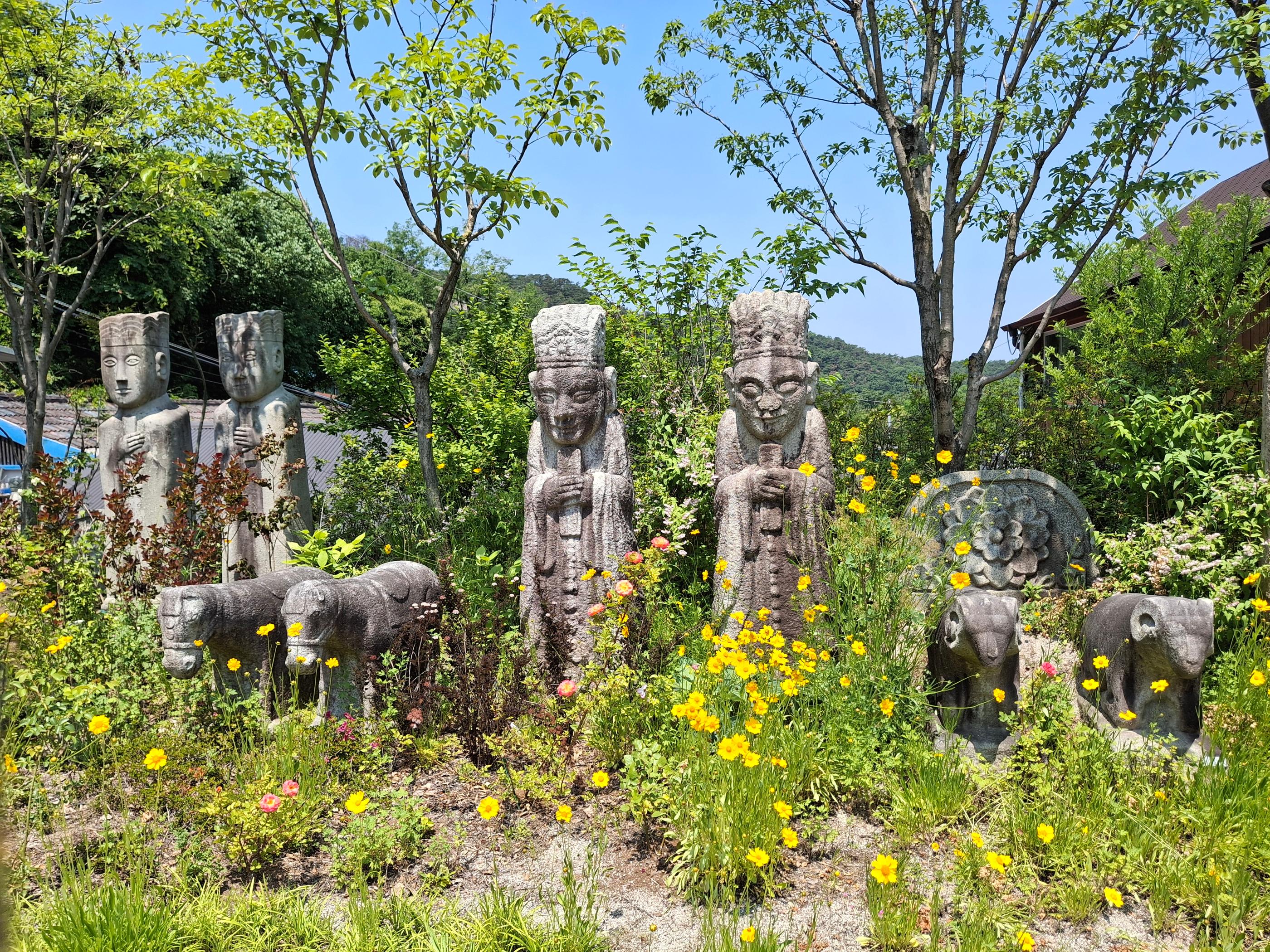
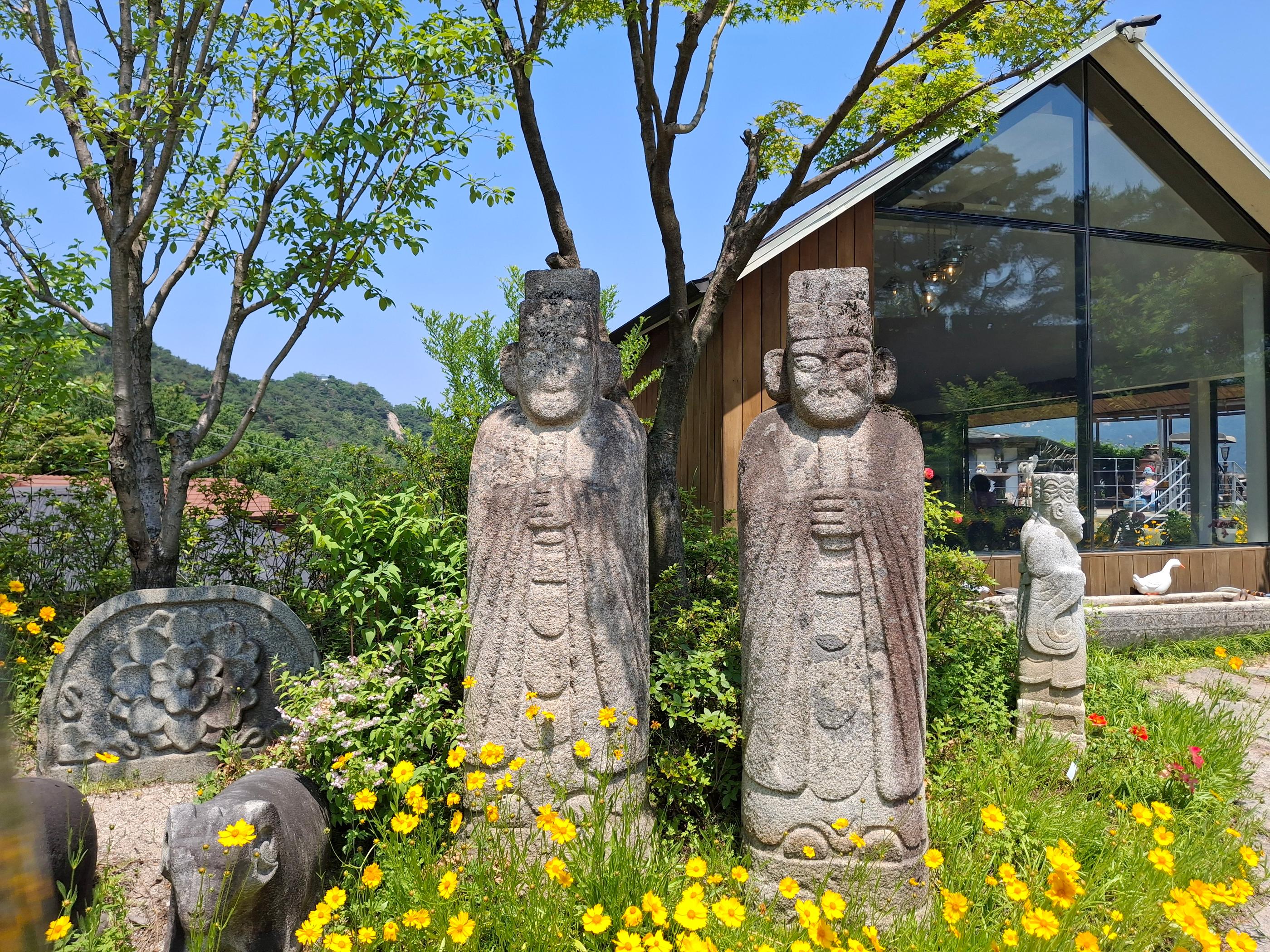
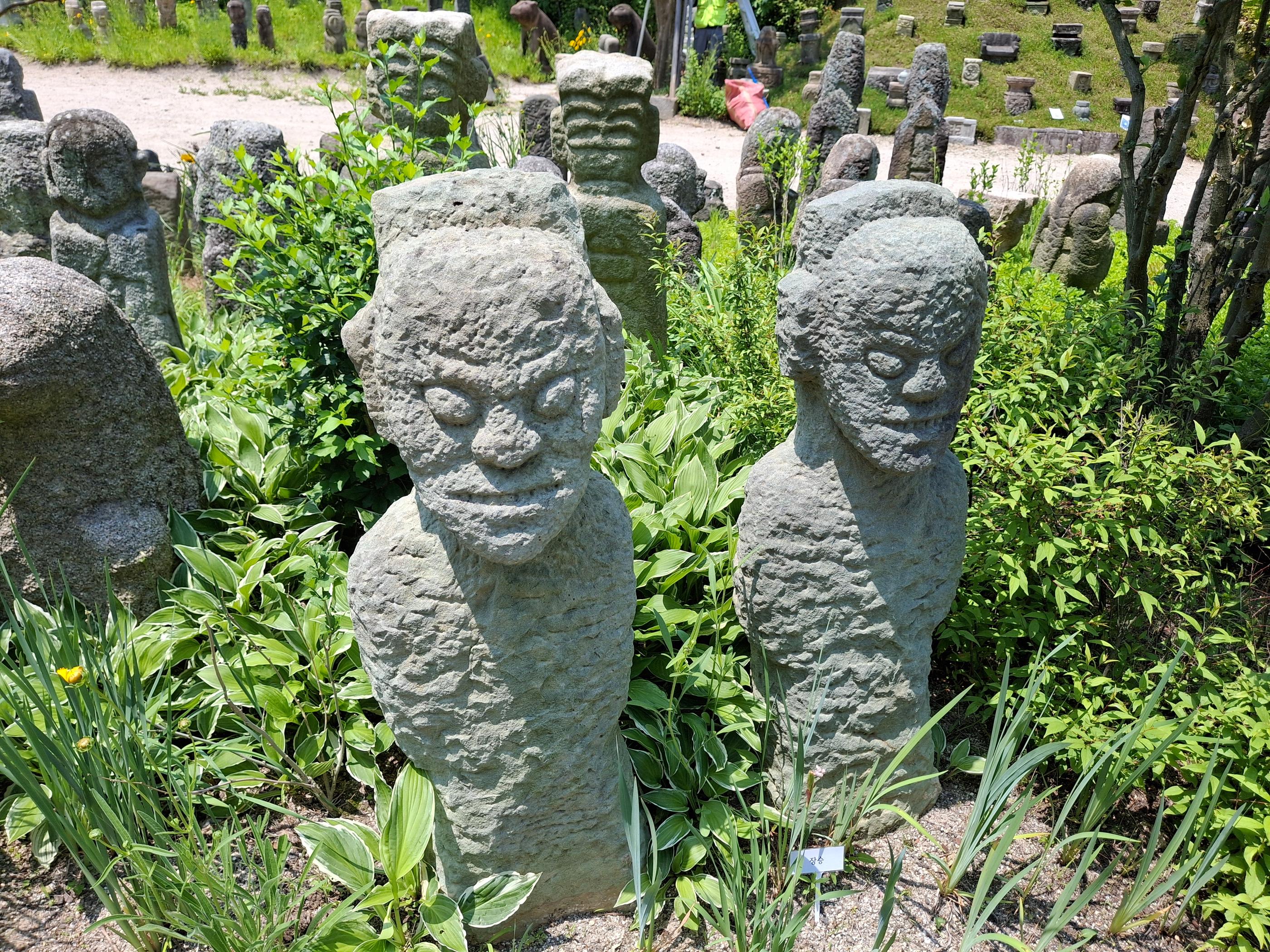
Some statues are completely unique and unrepeatable. For example, cup mark - a sample of prehistoric art, circular hole in the rock. Or a petrified stalagmite or a piece of wood.
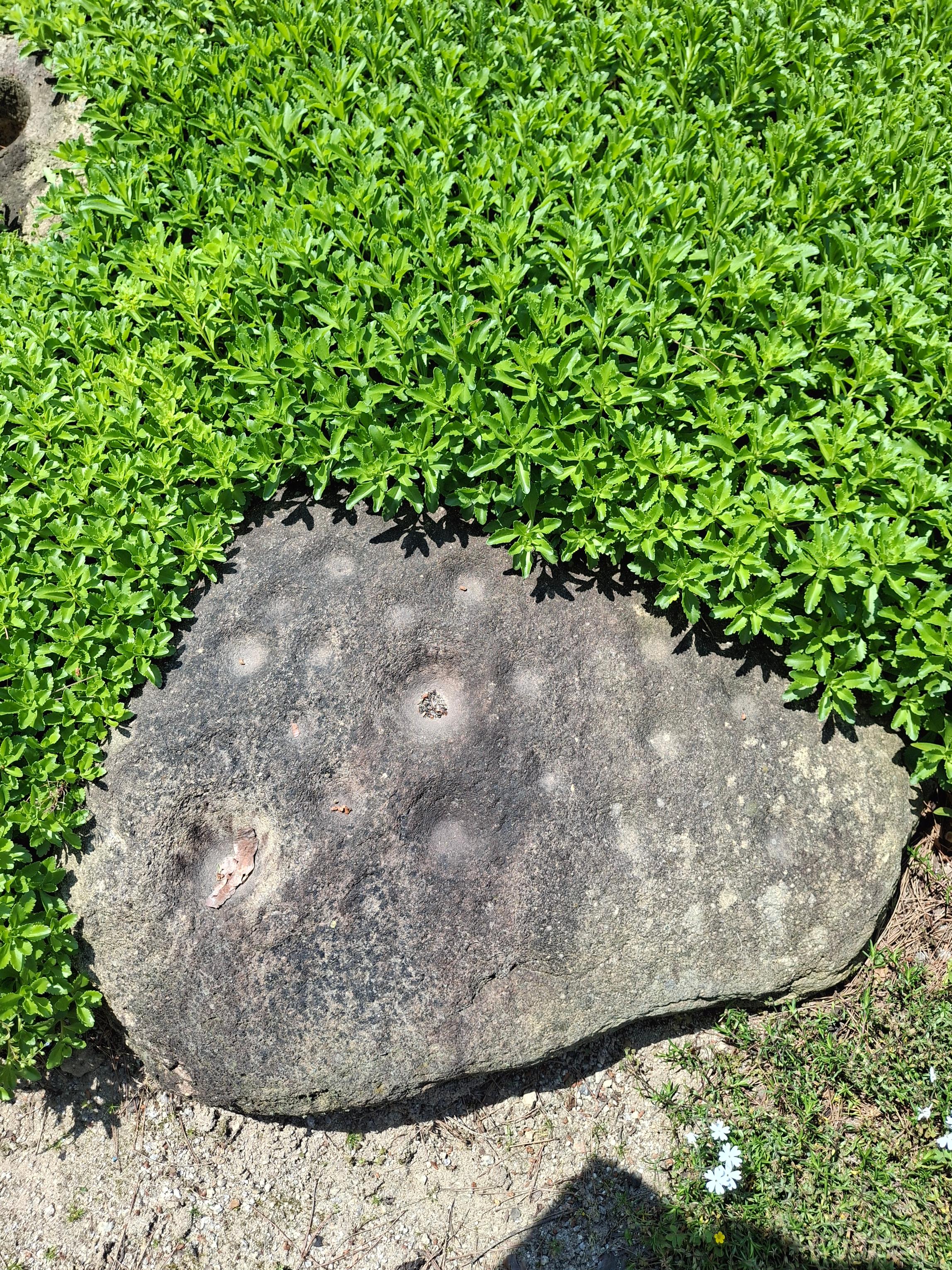
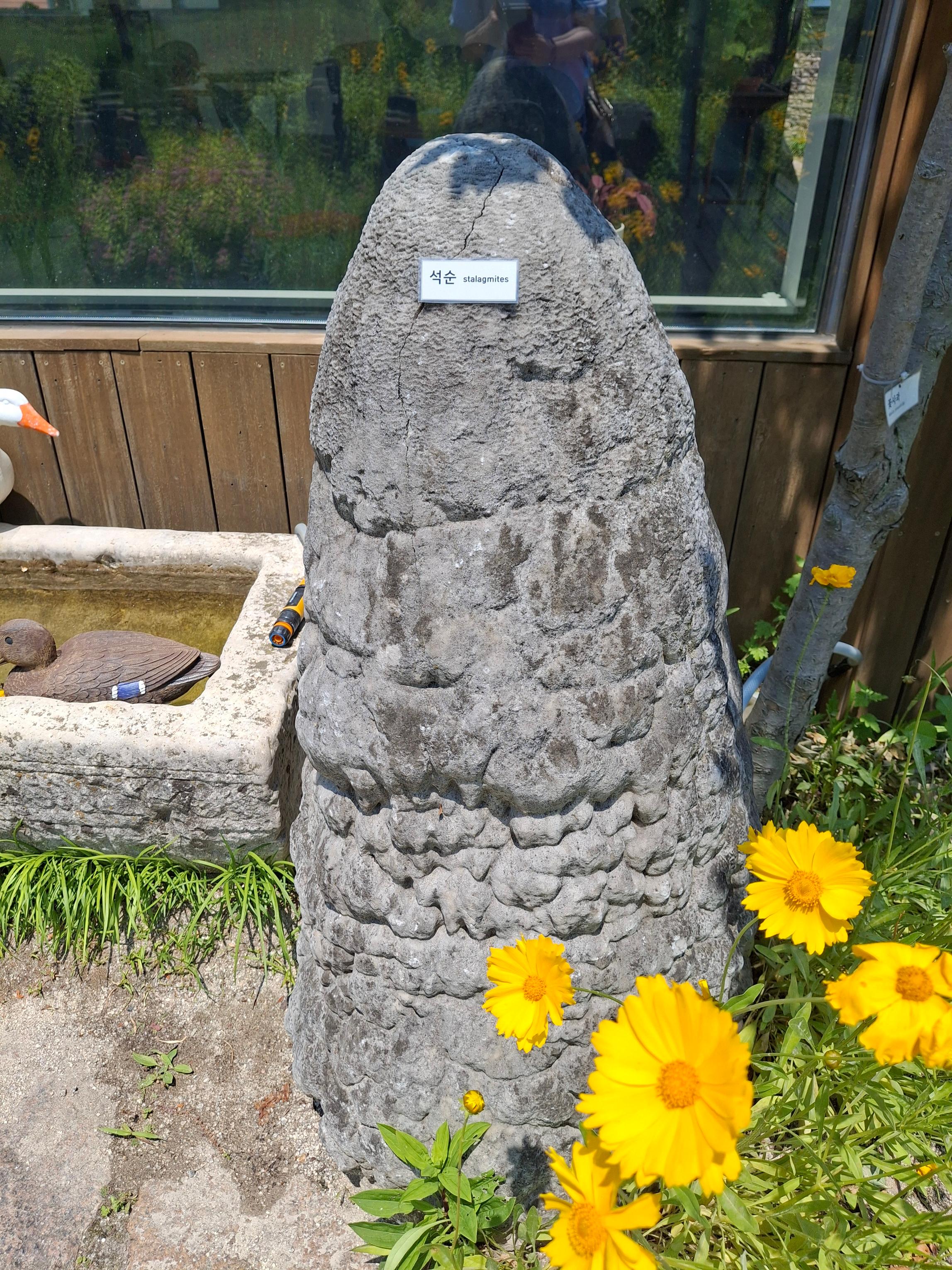
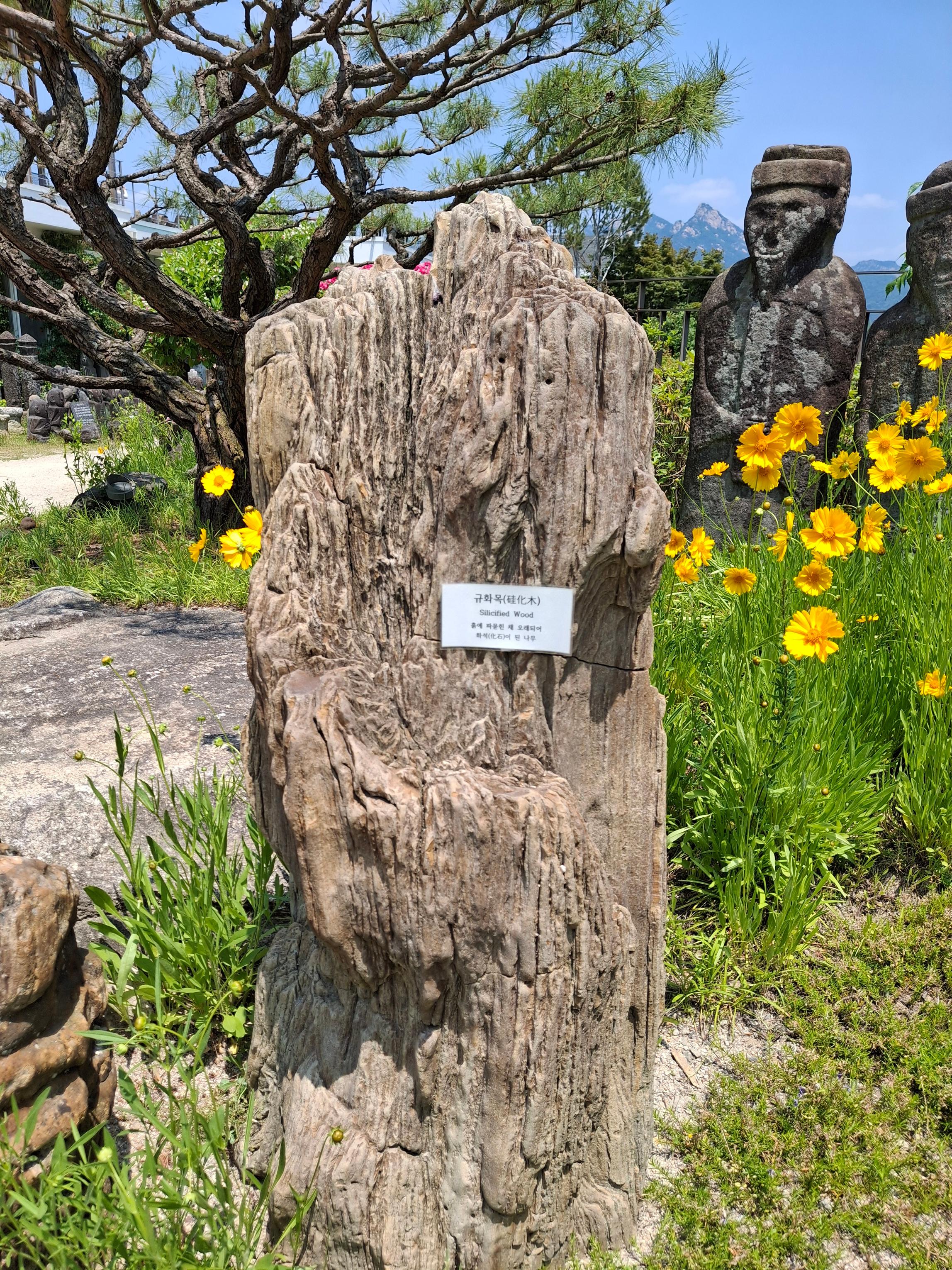
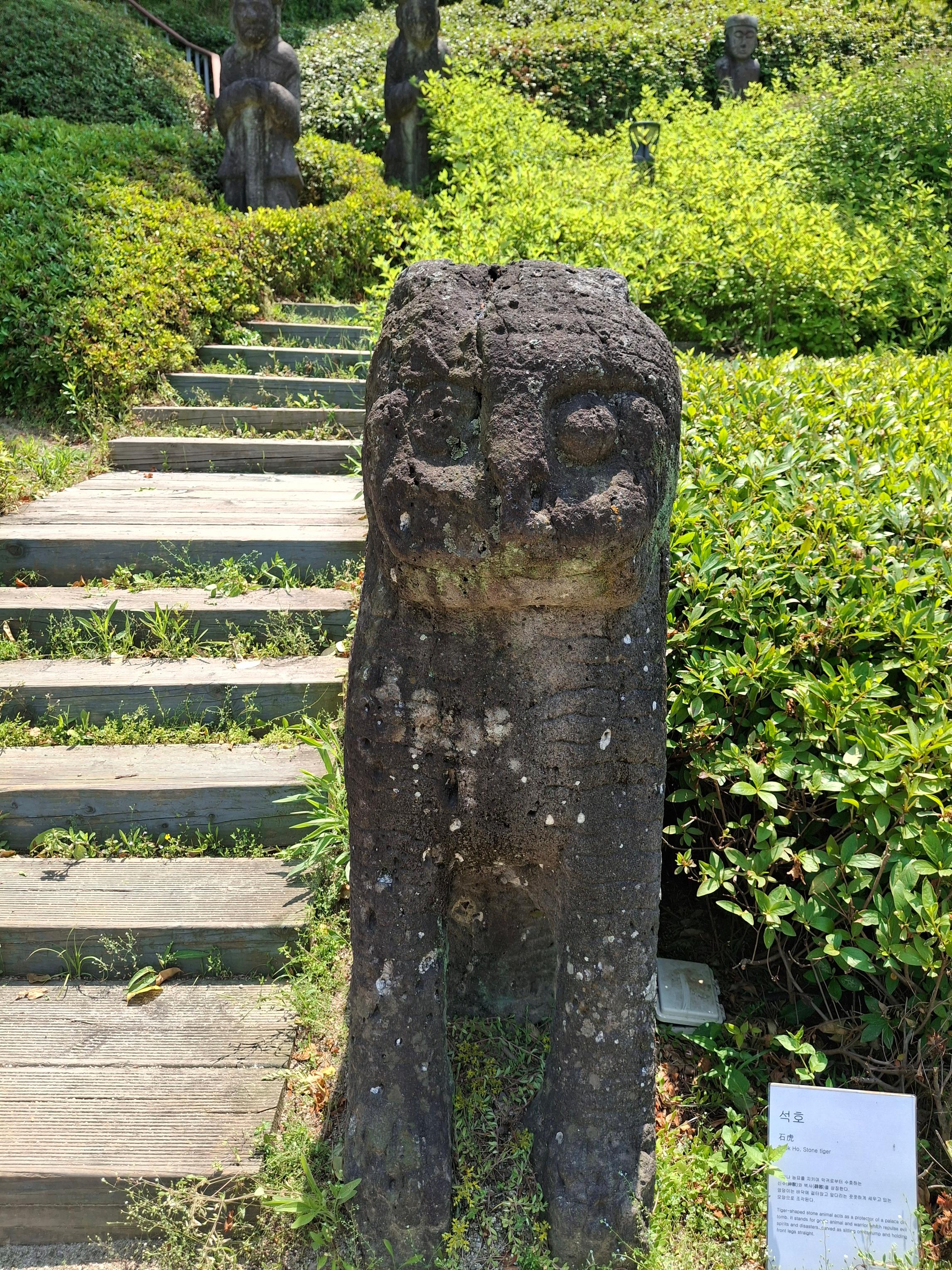
Very interesting are stone beasts- tigers, sheep, horses, etc. Many of them represent real animals, but there are also many fantastic animals.
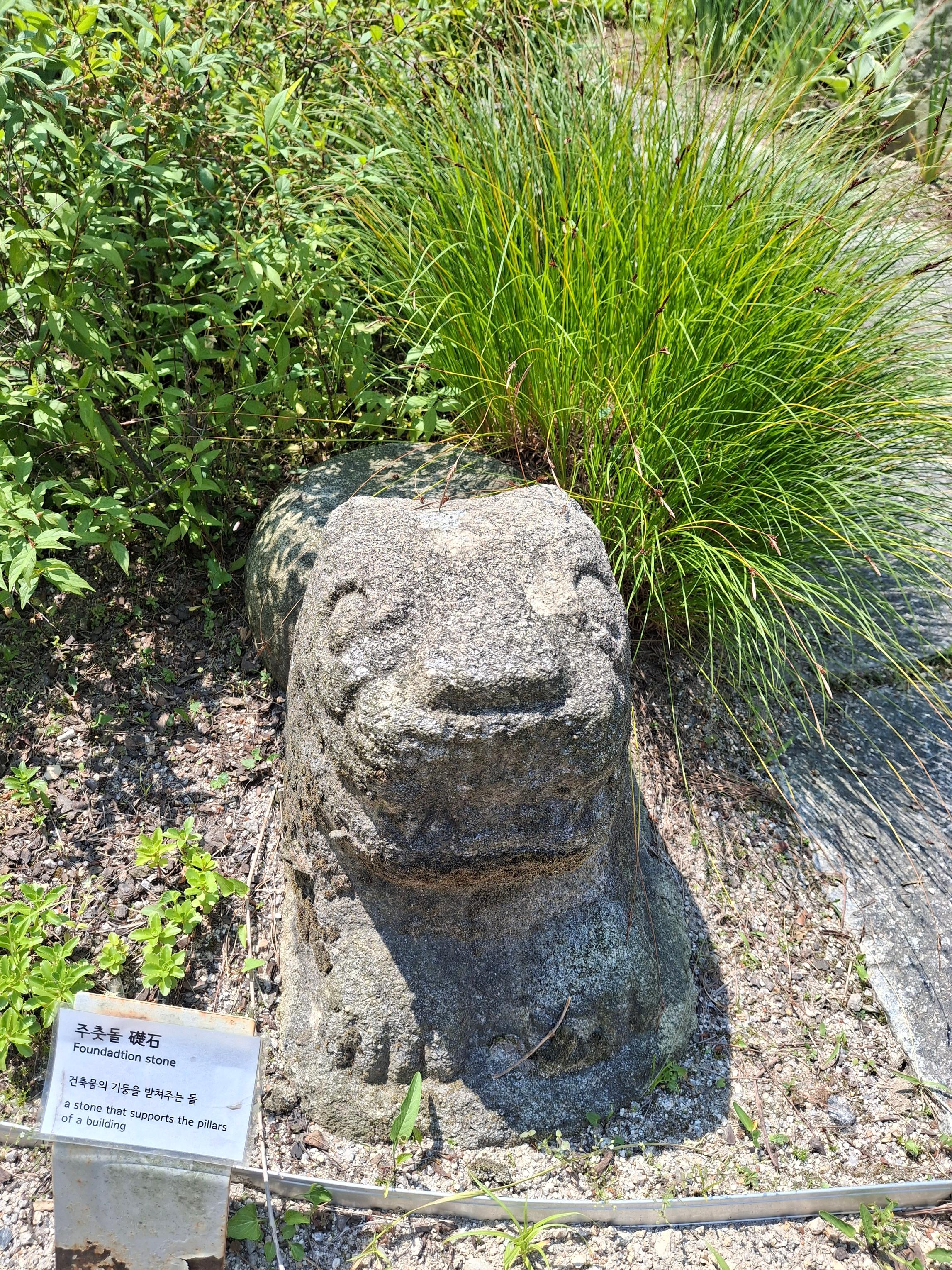
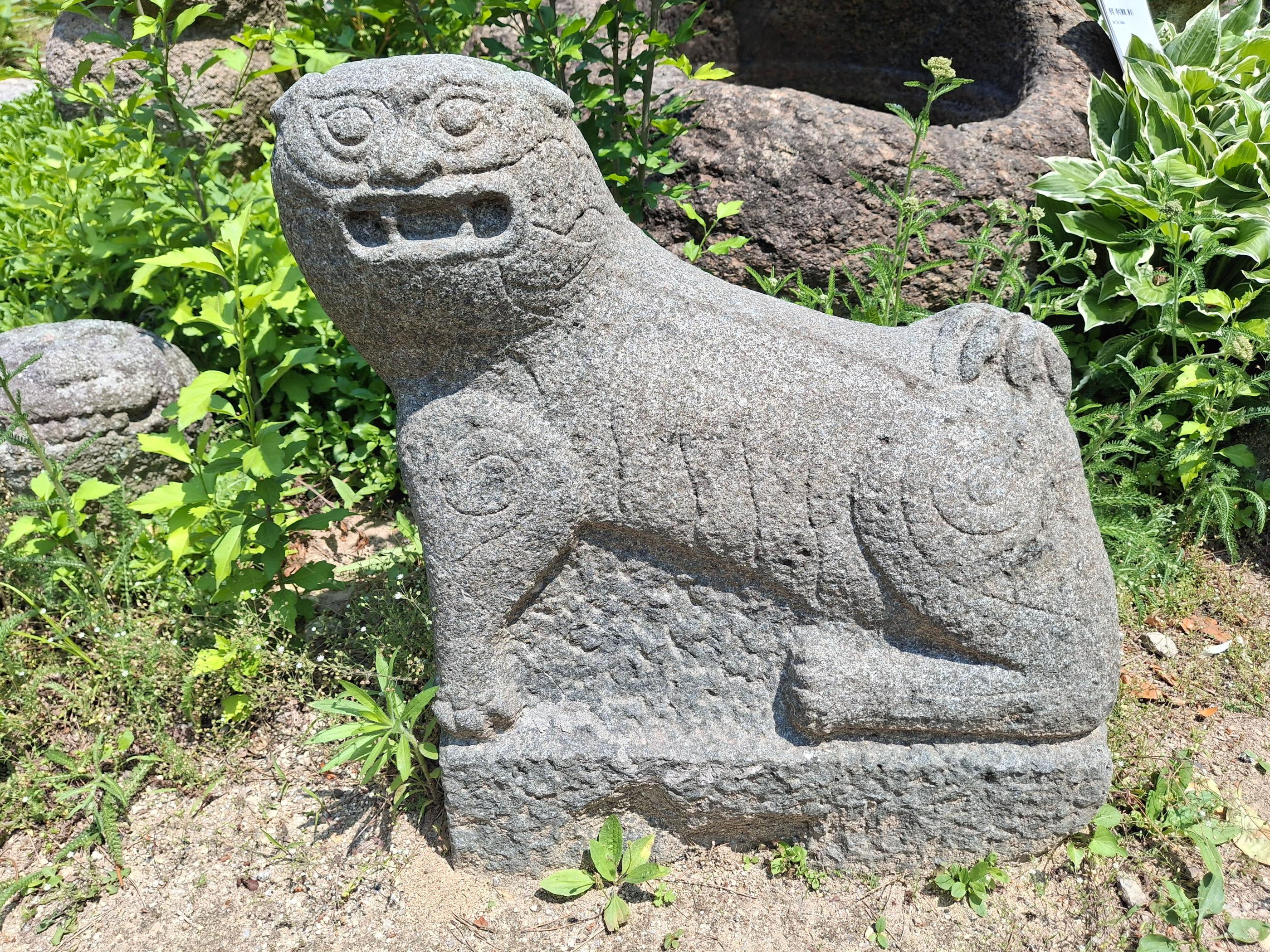
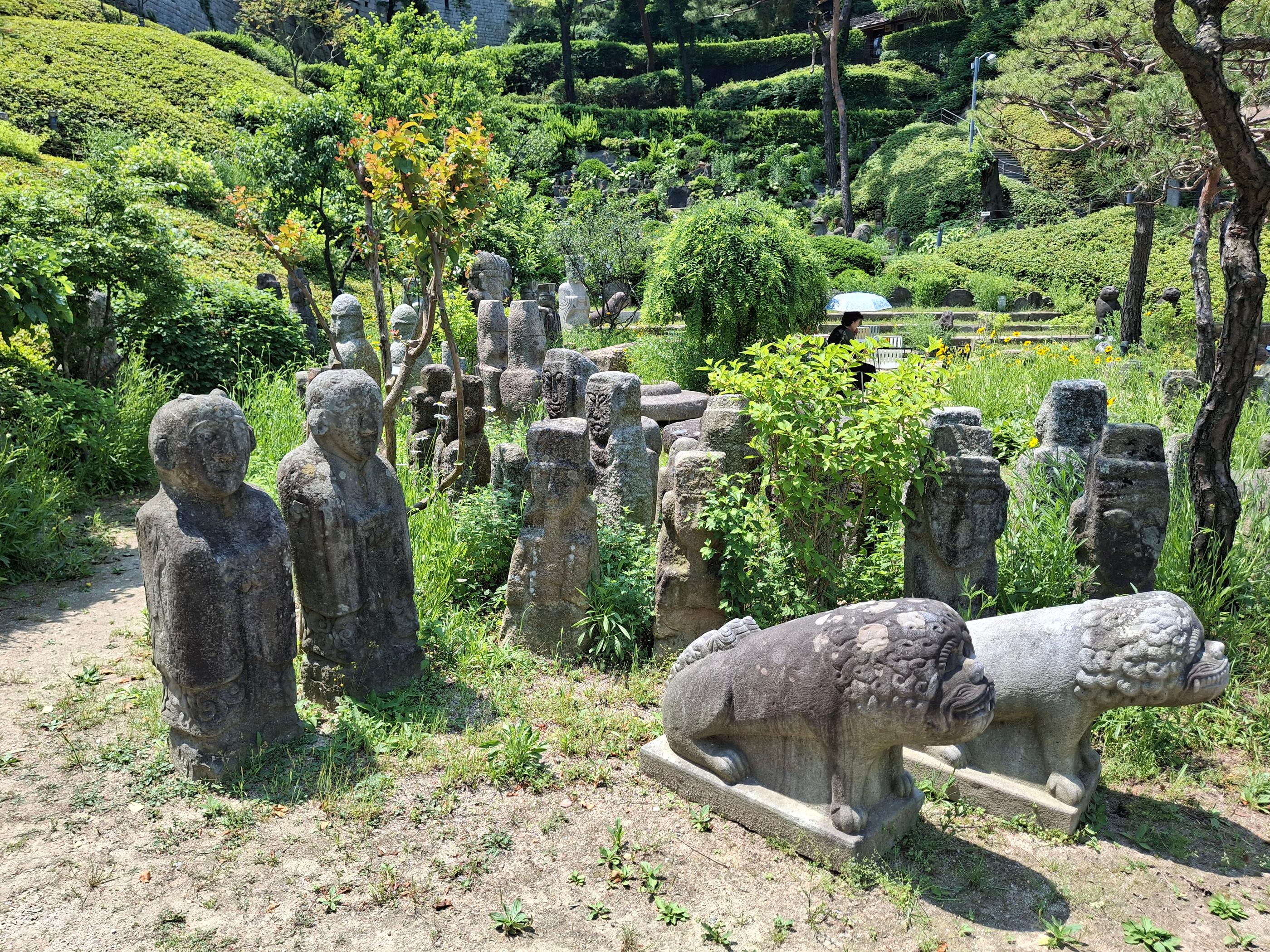
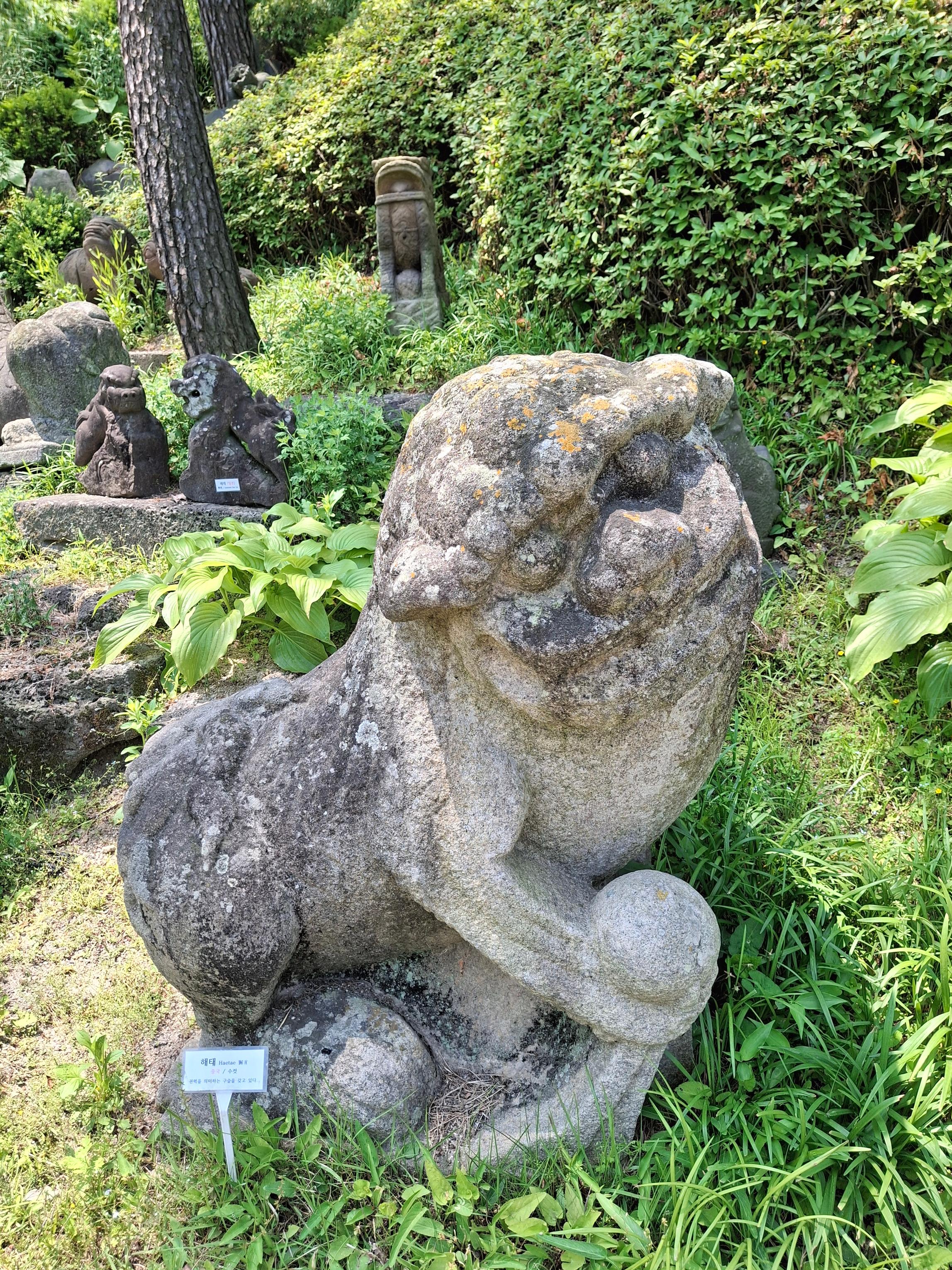

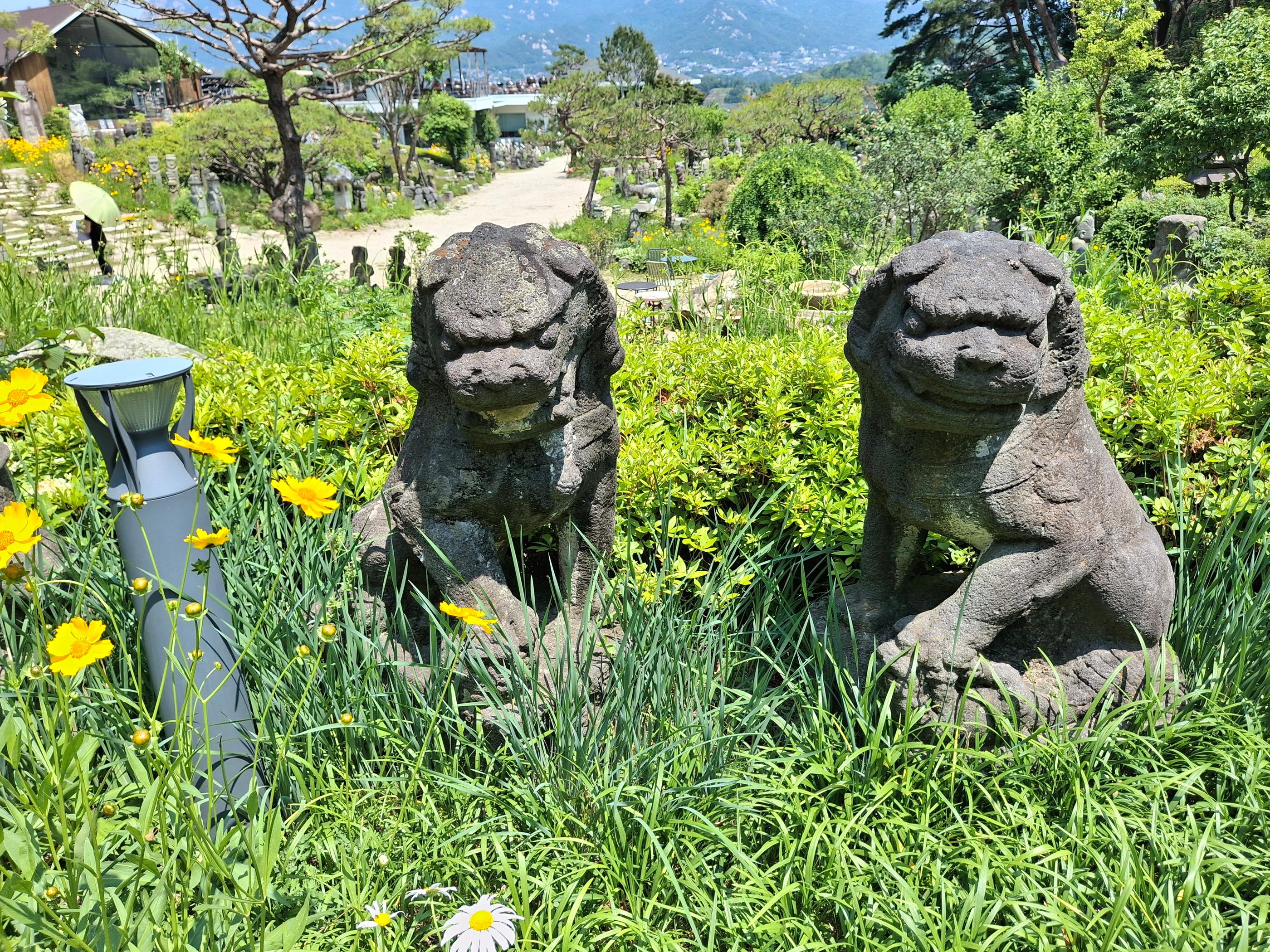
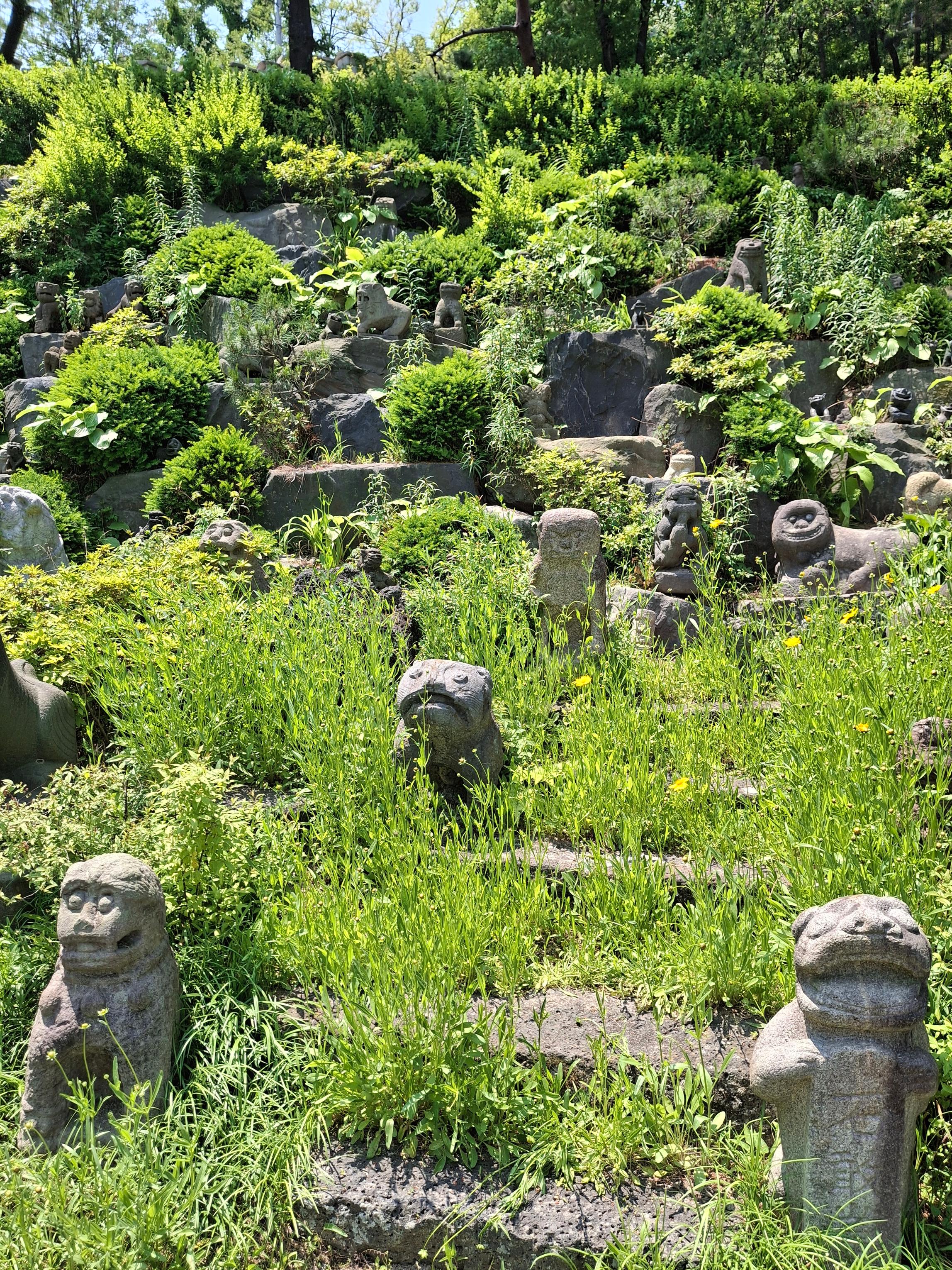
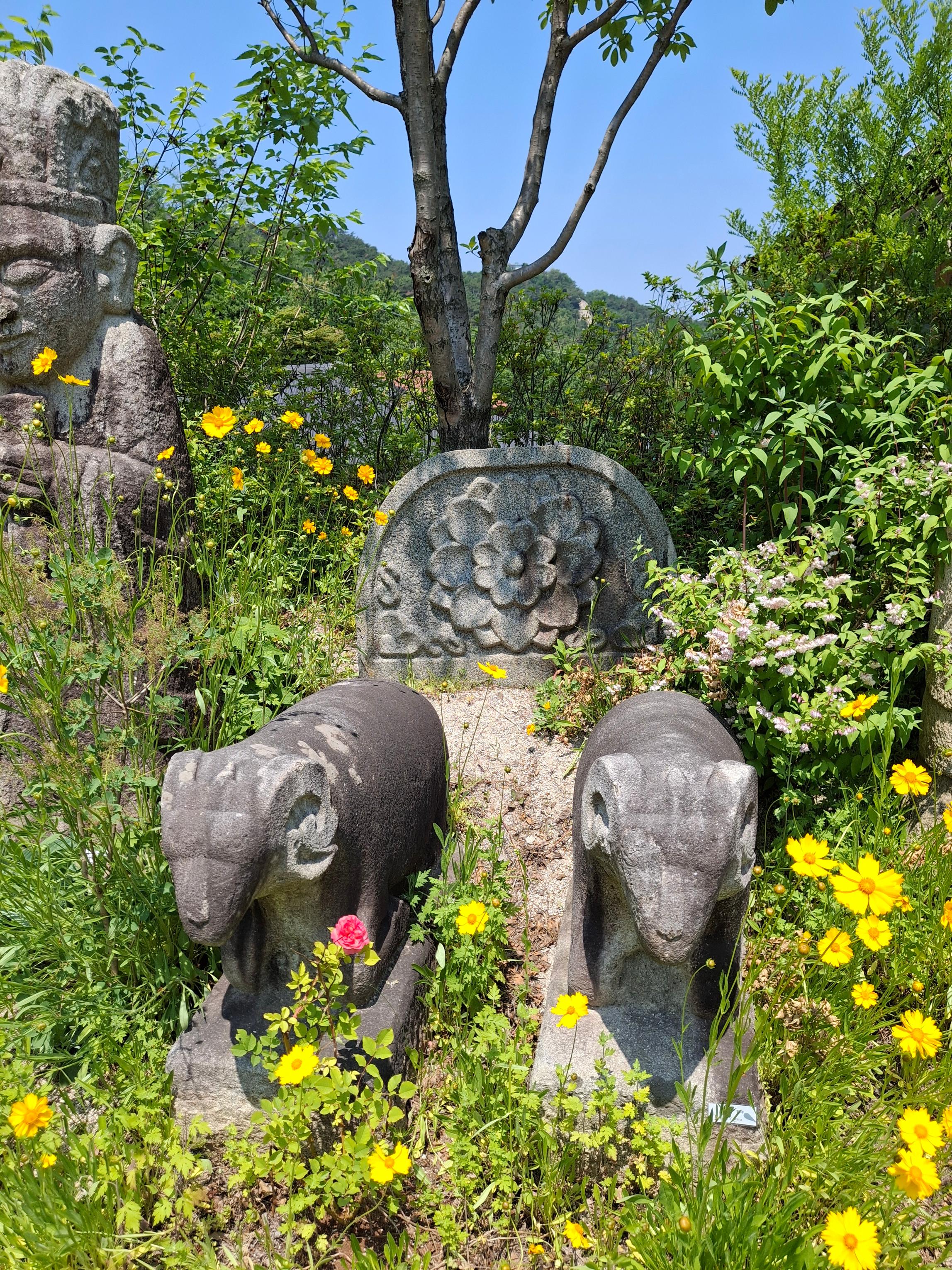

Stone carvings have been made with various meanings since prehistoric times, and their uses and functions are diverse. Various stone objects erected in front of a tombs. Stone objects guard the tomb and symbolize the authority and dignity of the deceased. It also functions as a wall to ward off evil spirits.

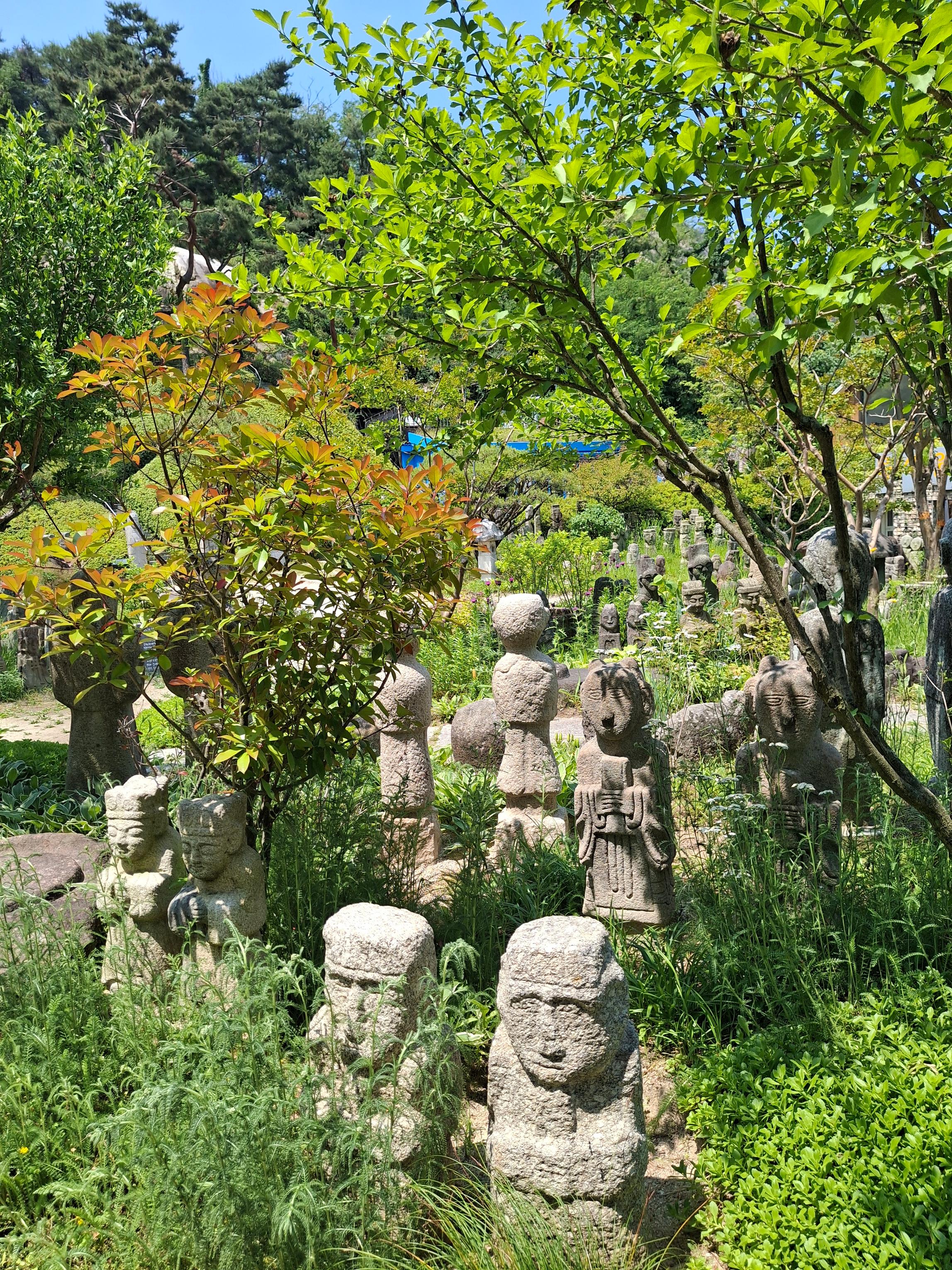
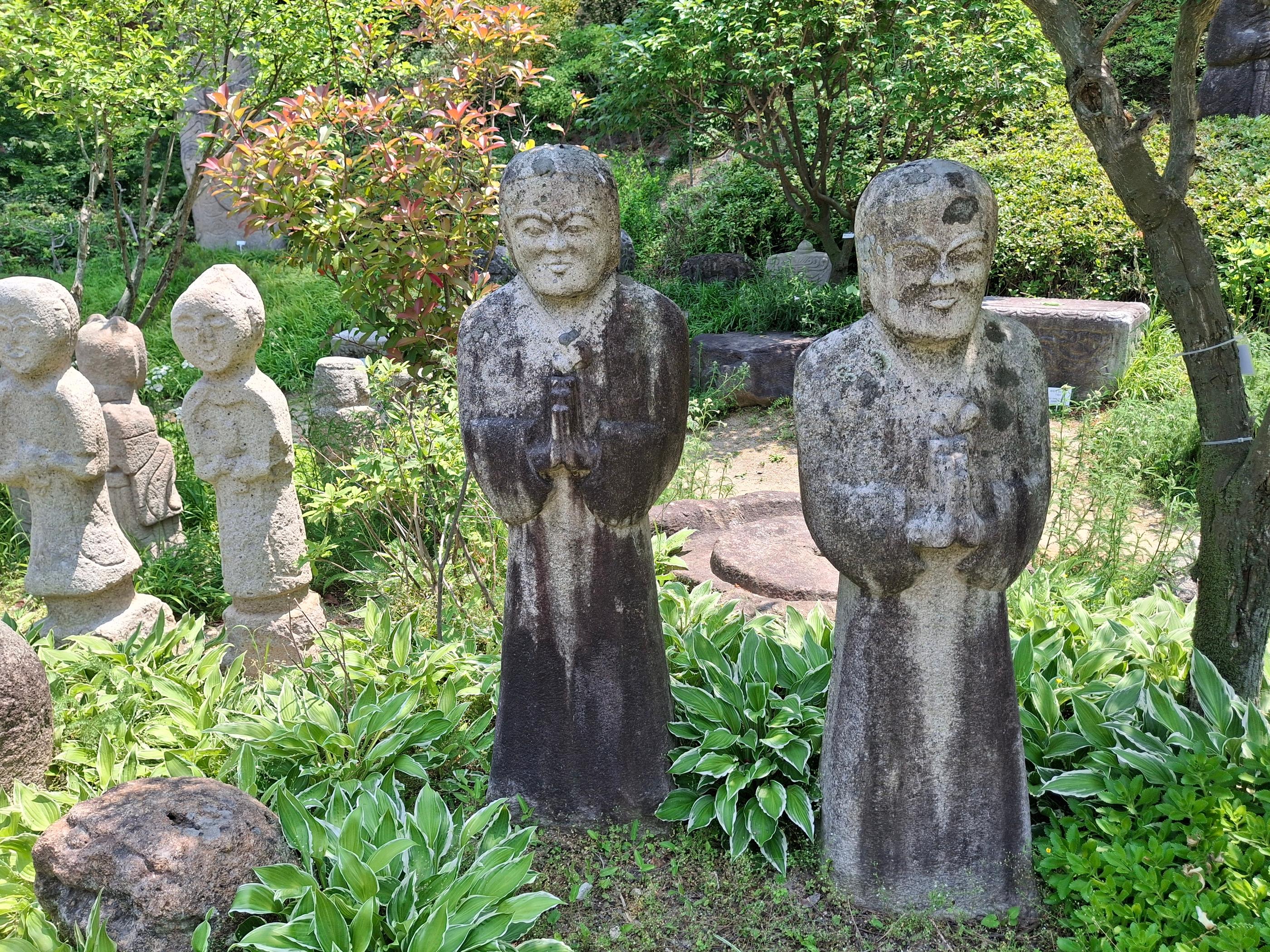
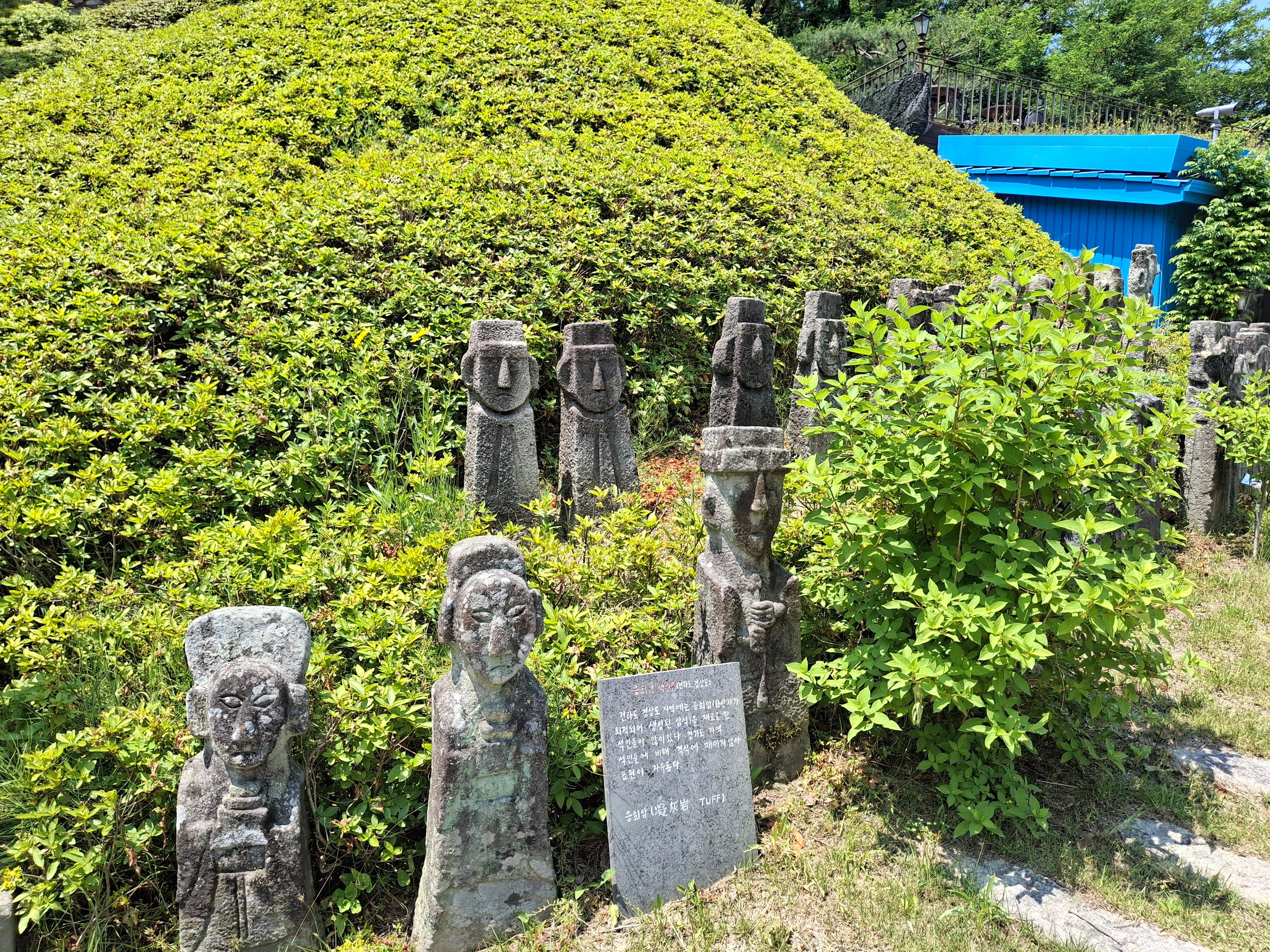
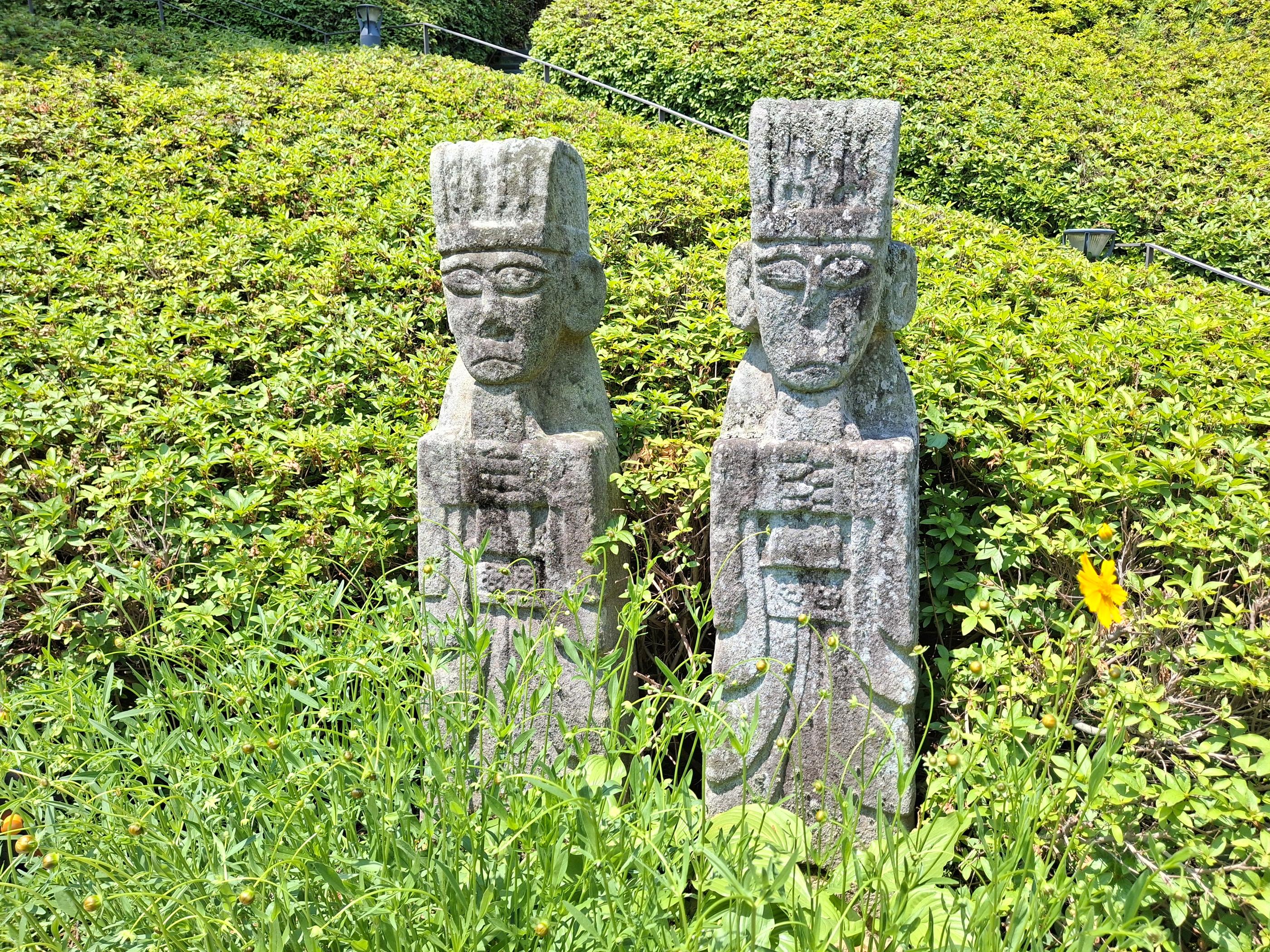
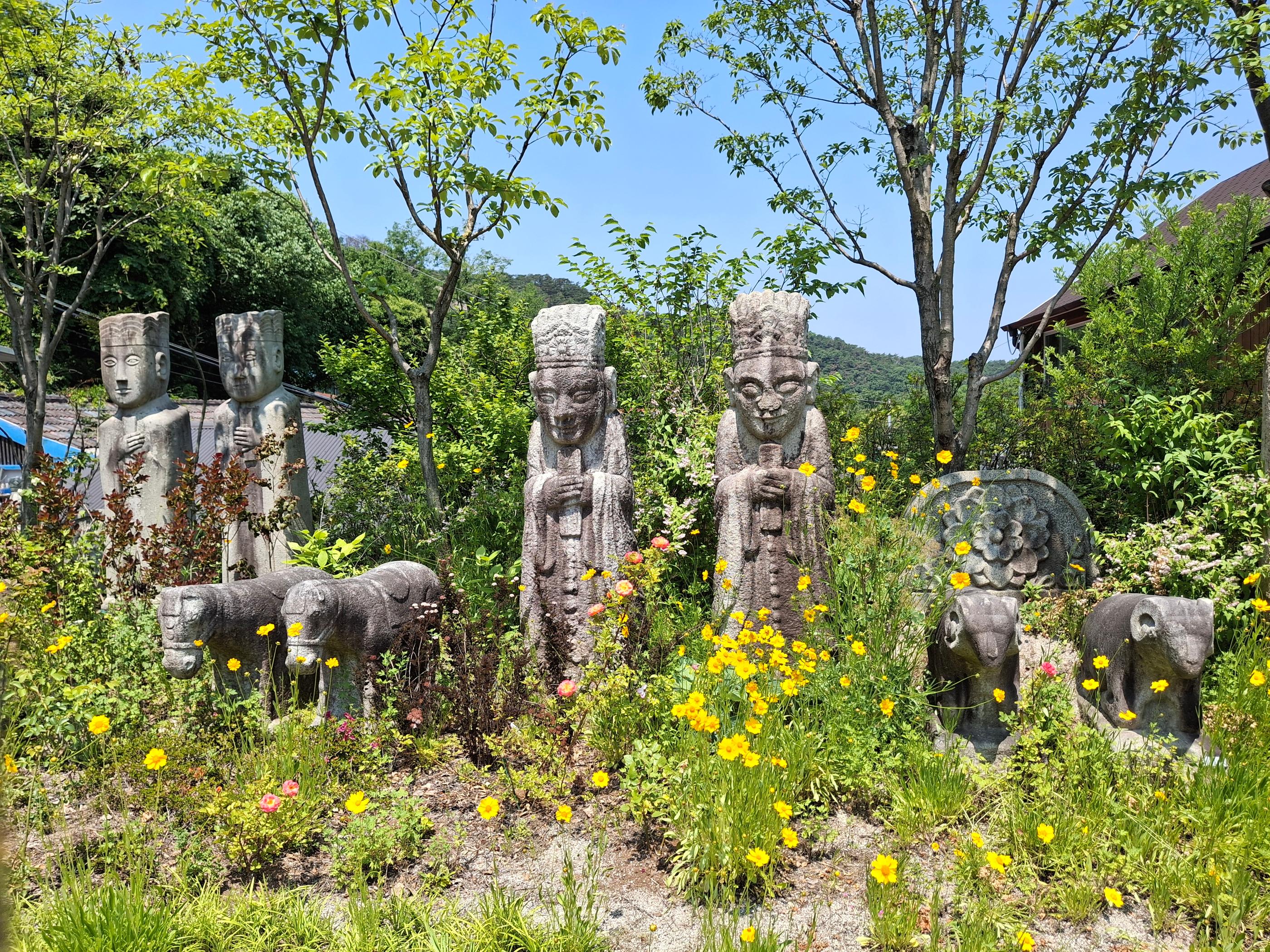

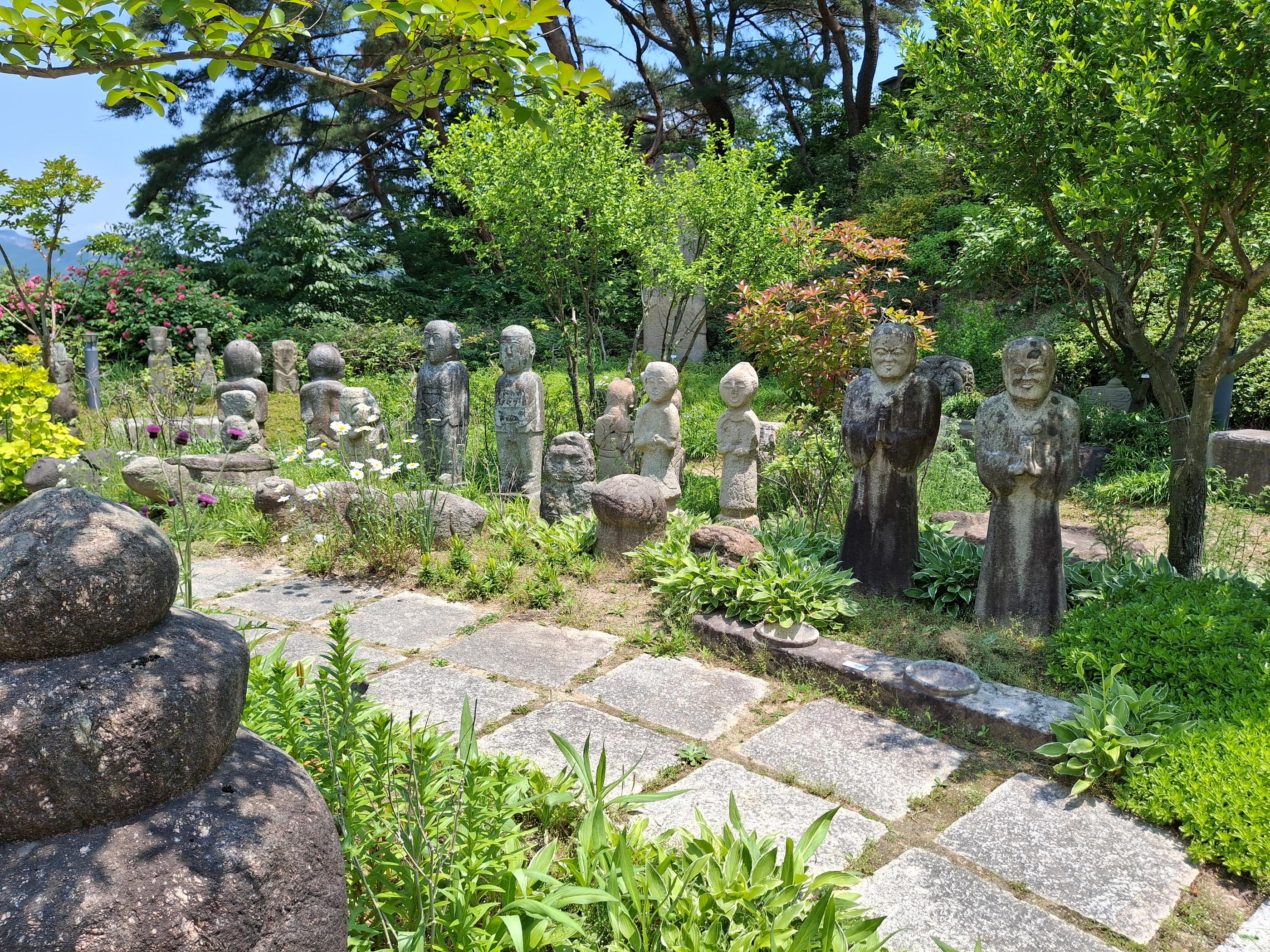
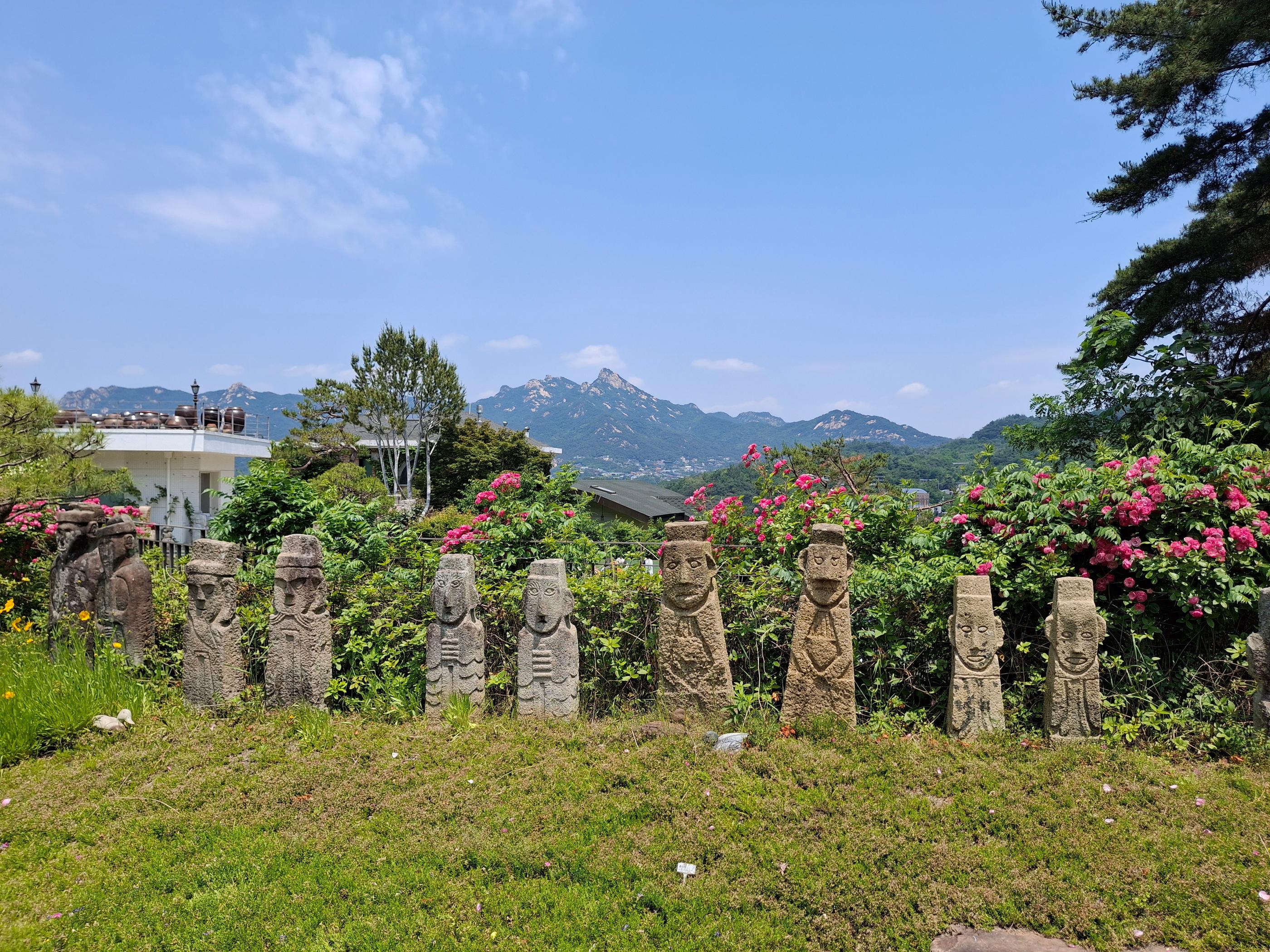
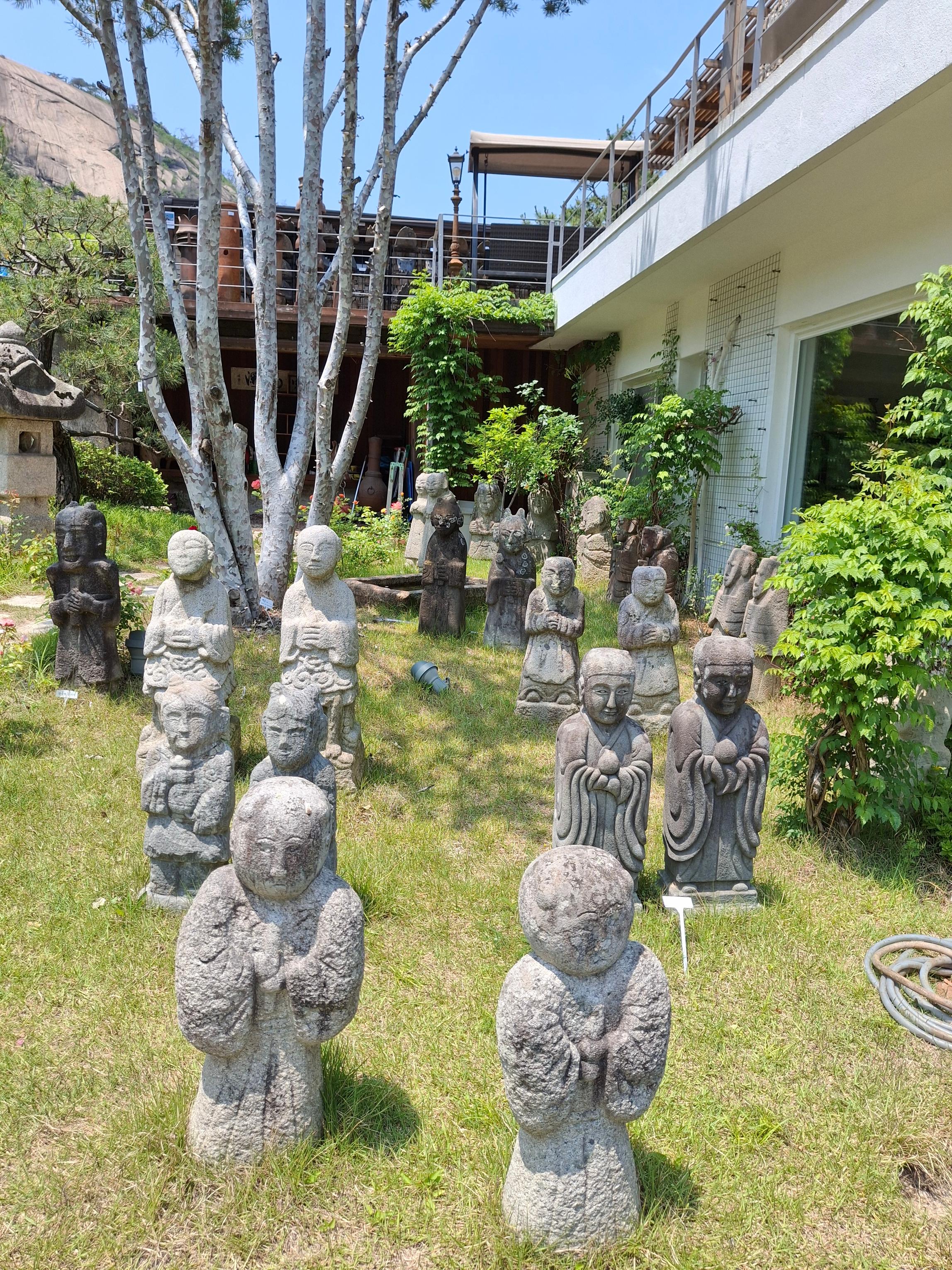
In front of the village, peoples erected a stone pedestal and piled up stones to pray for good fortune.
They also erected a stone guardian deity and worshipped it as a village god, and prayed to the phallic stone for fertility and abundance.
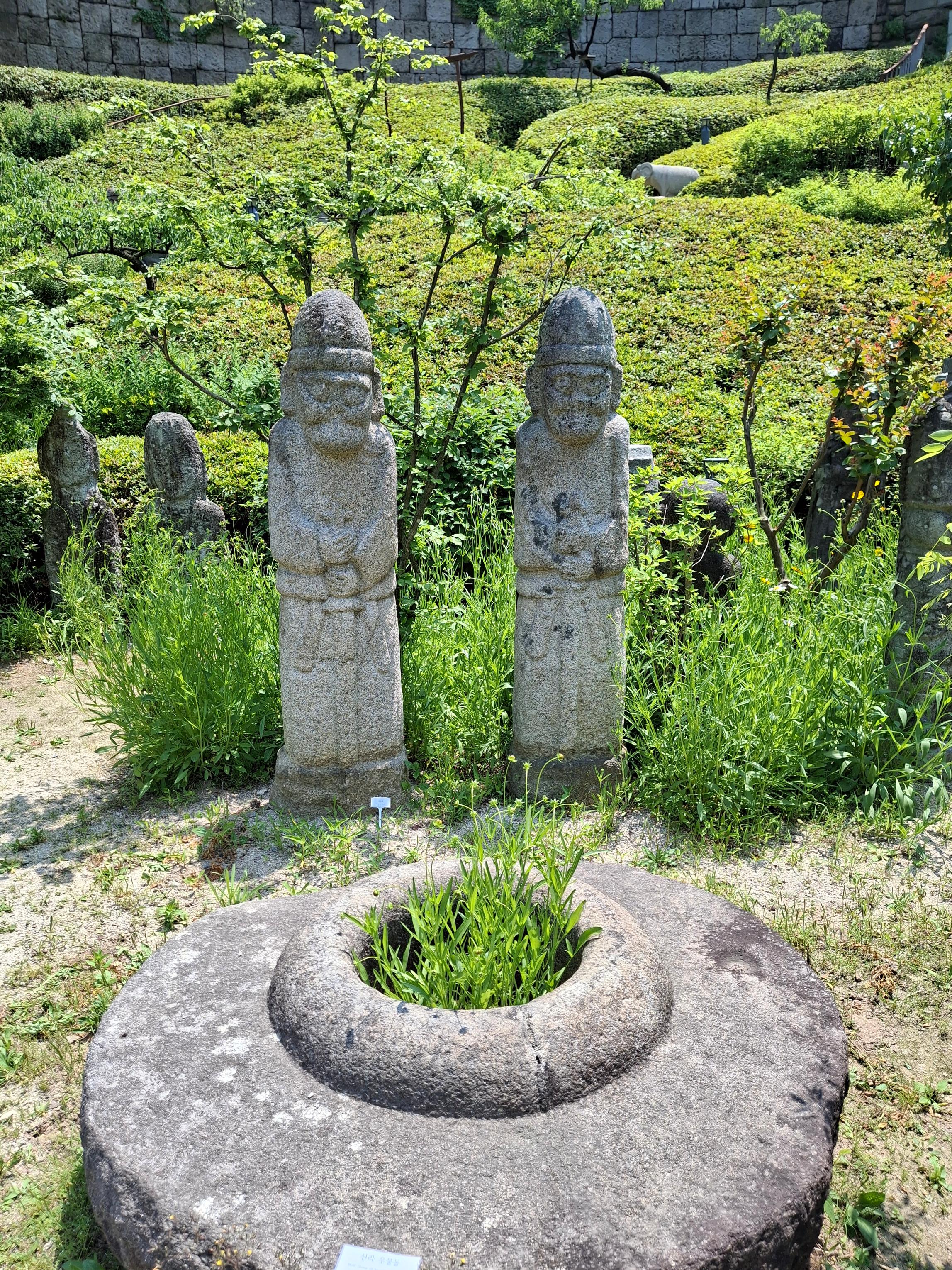
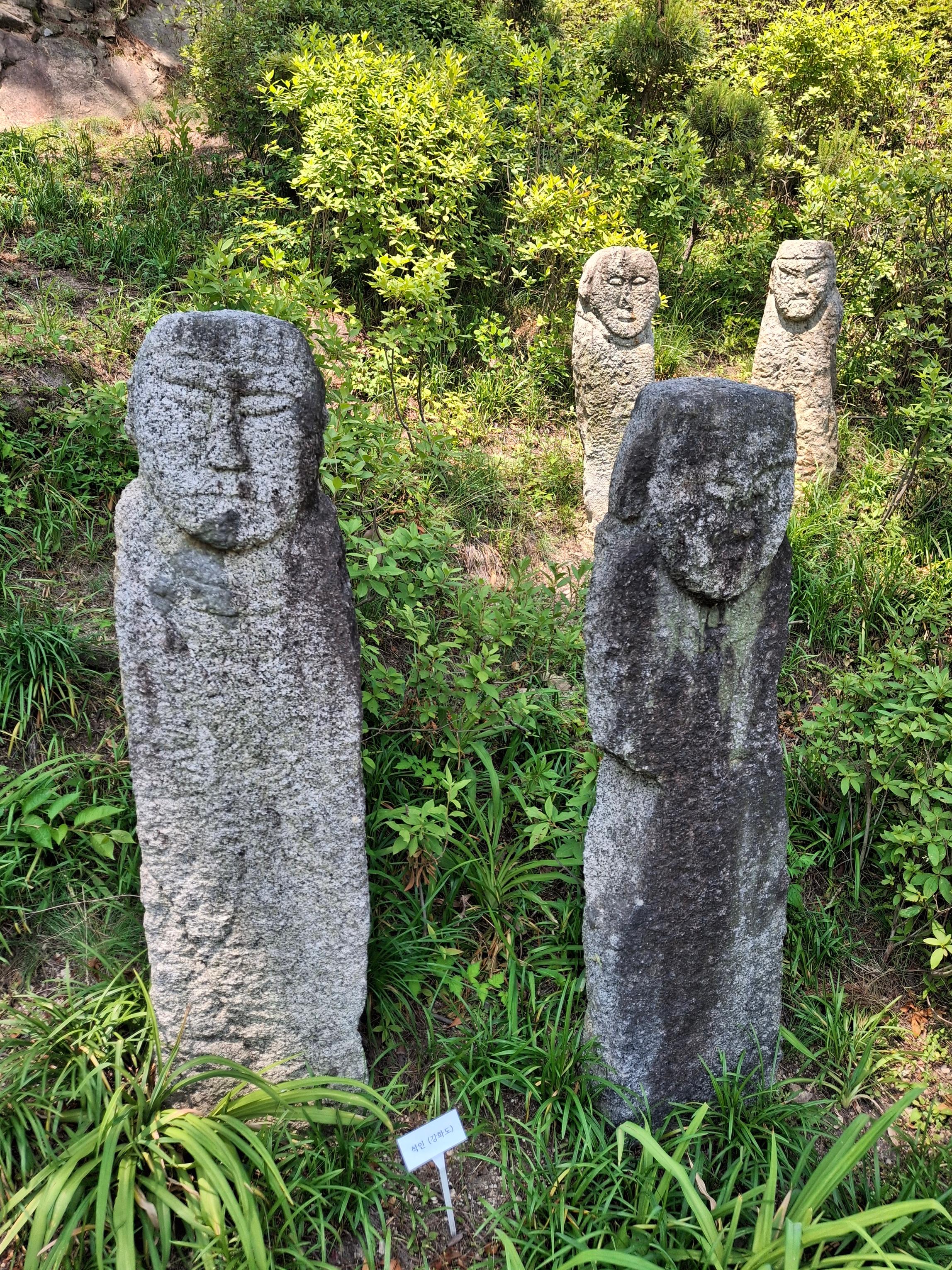
After Buddhism was introduced, excellent stone sculptures such as stone Buddhas and stone pagodas were created.
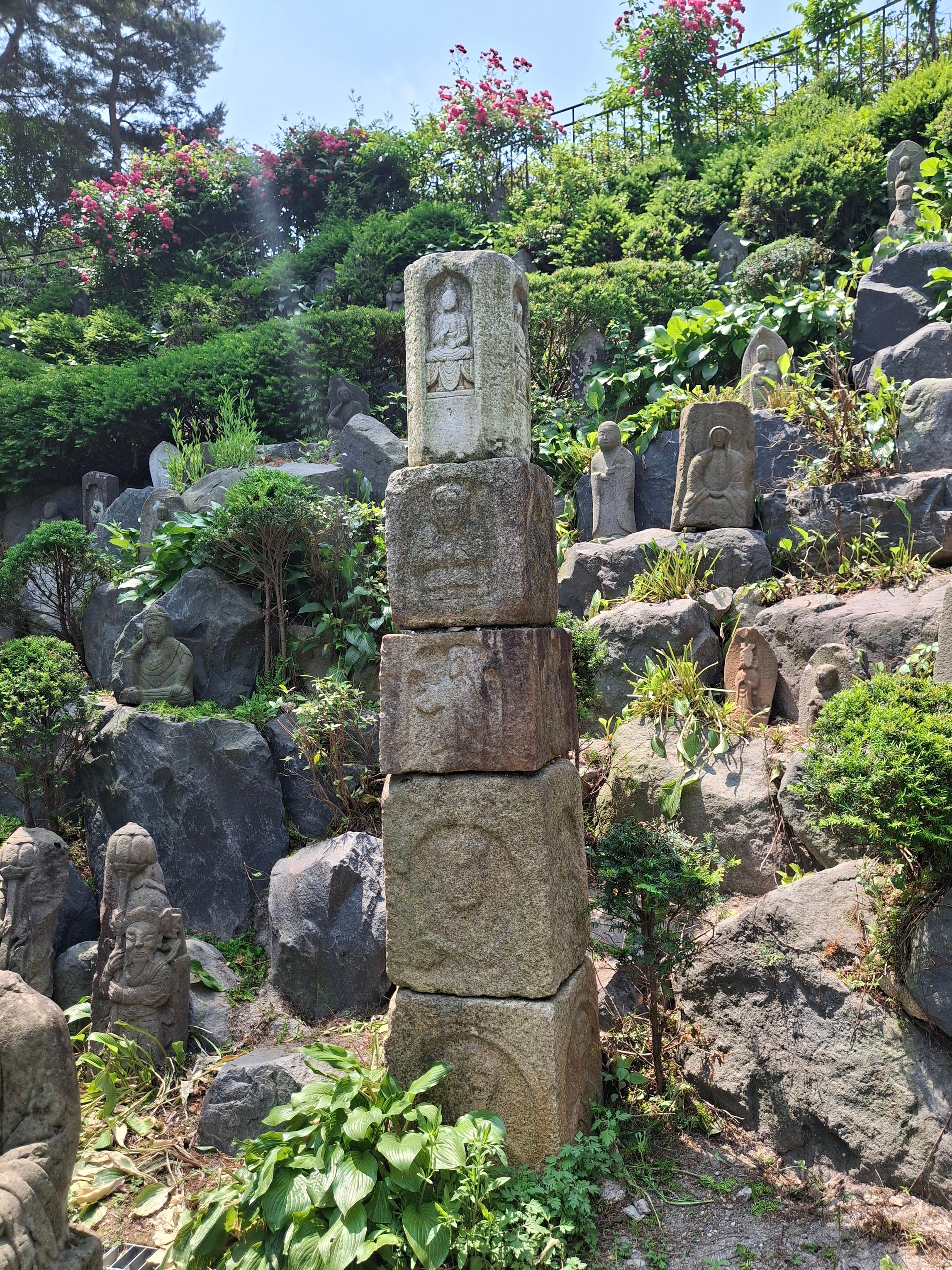
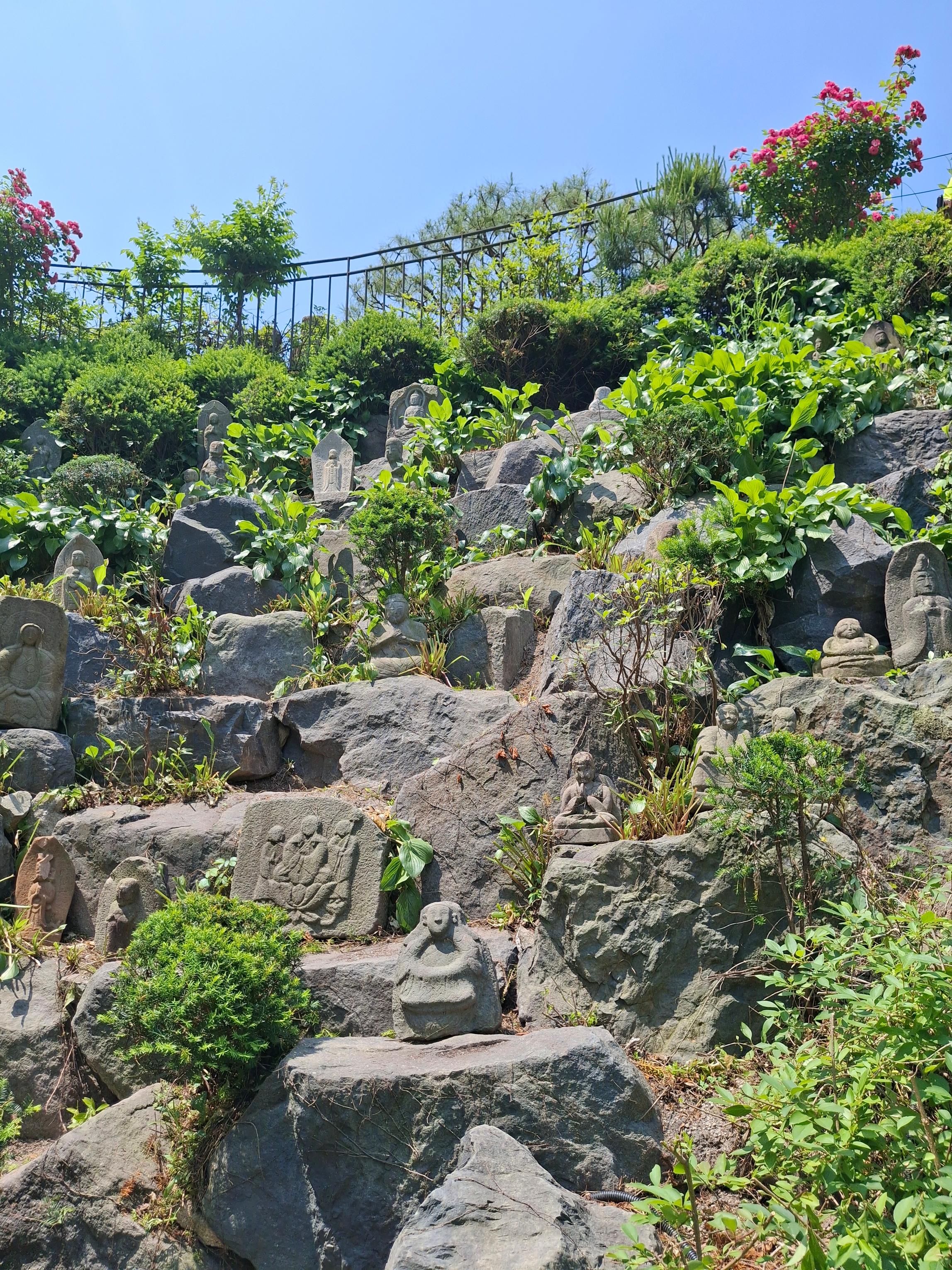
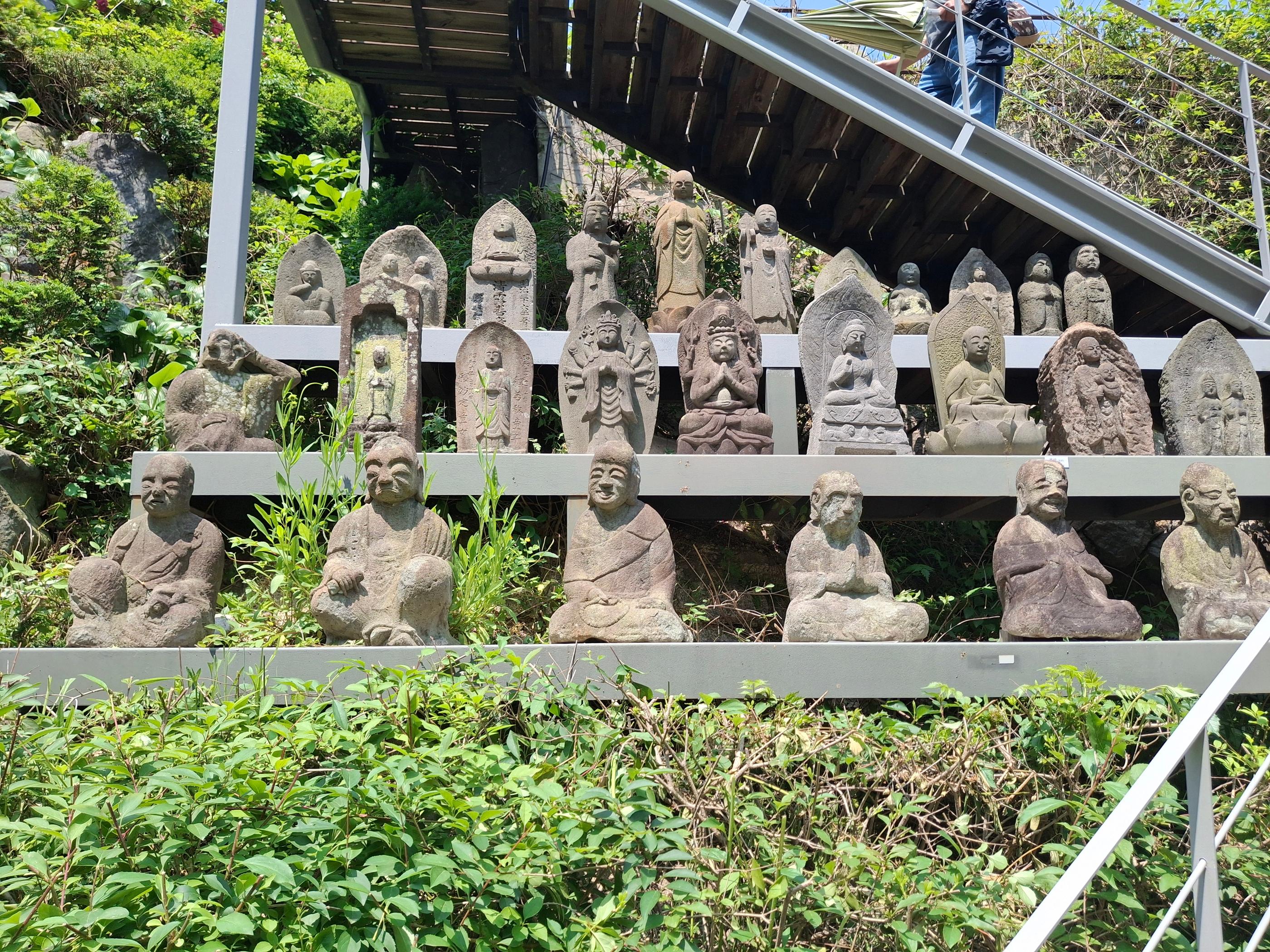
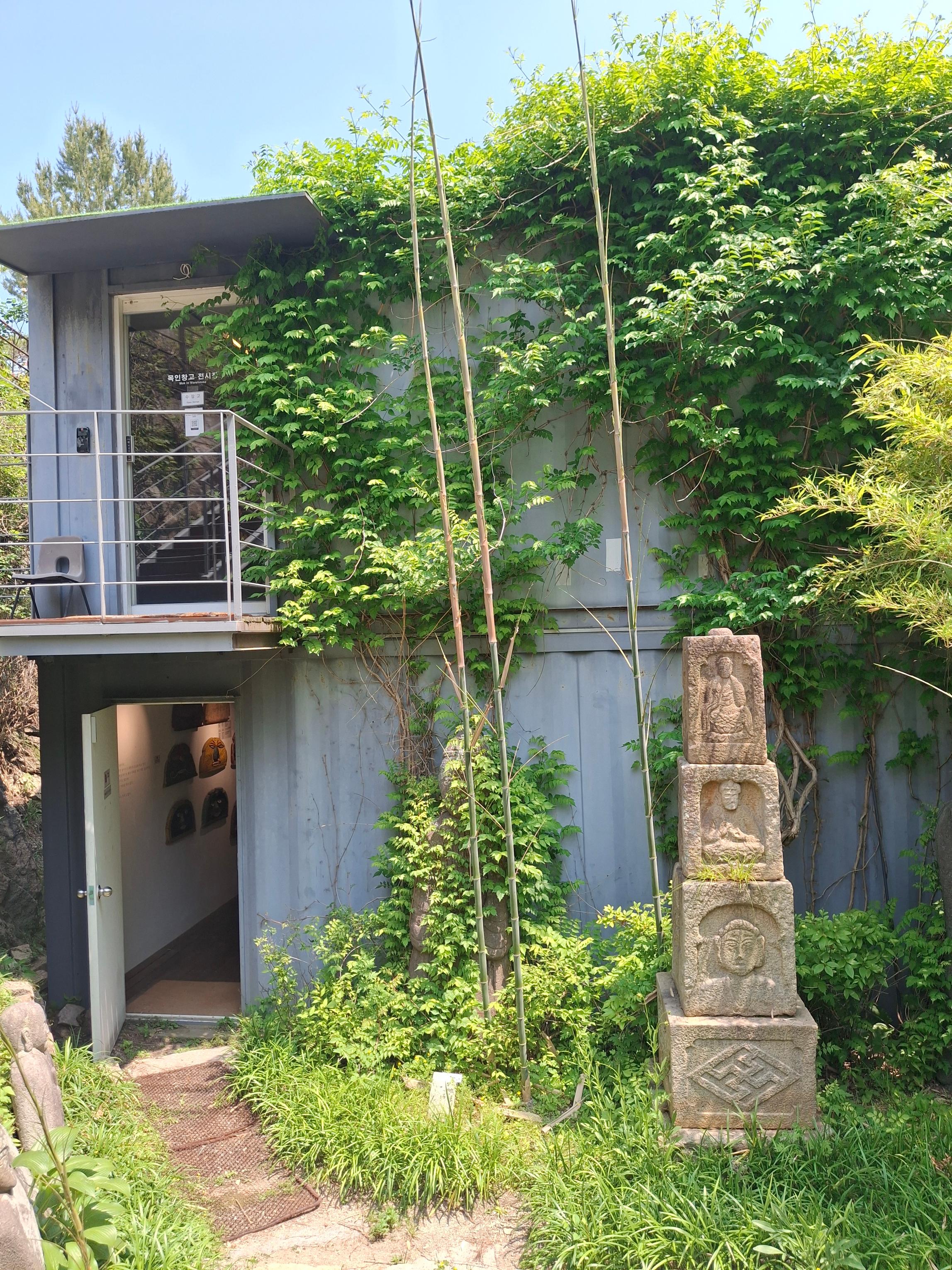
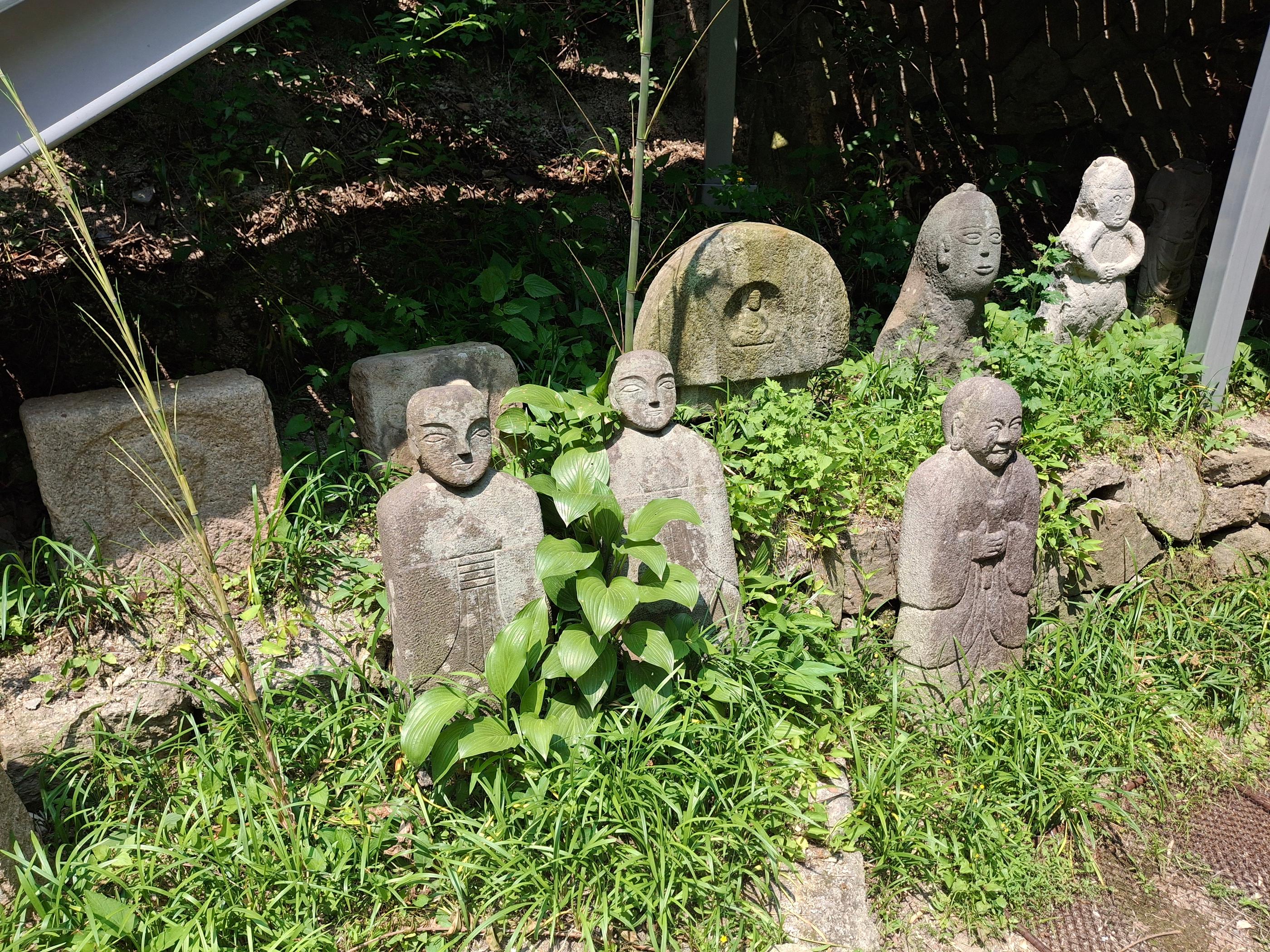
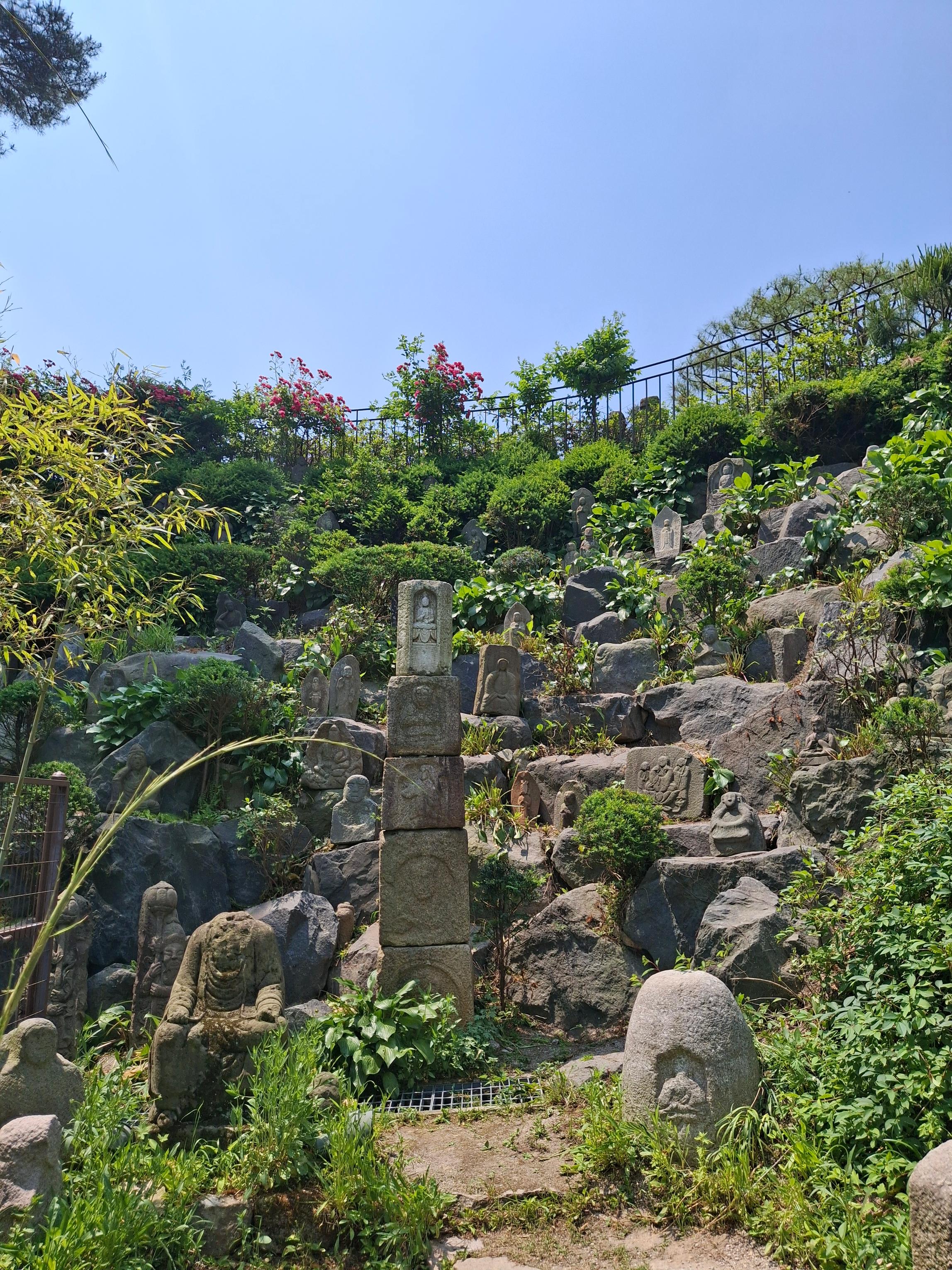
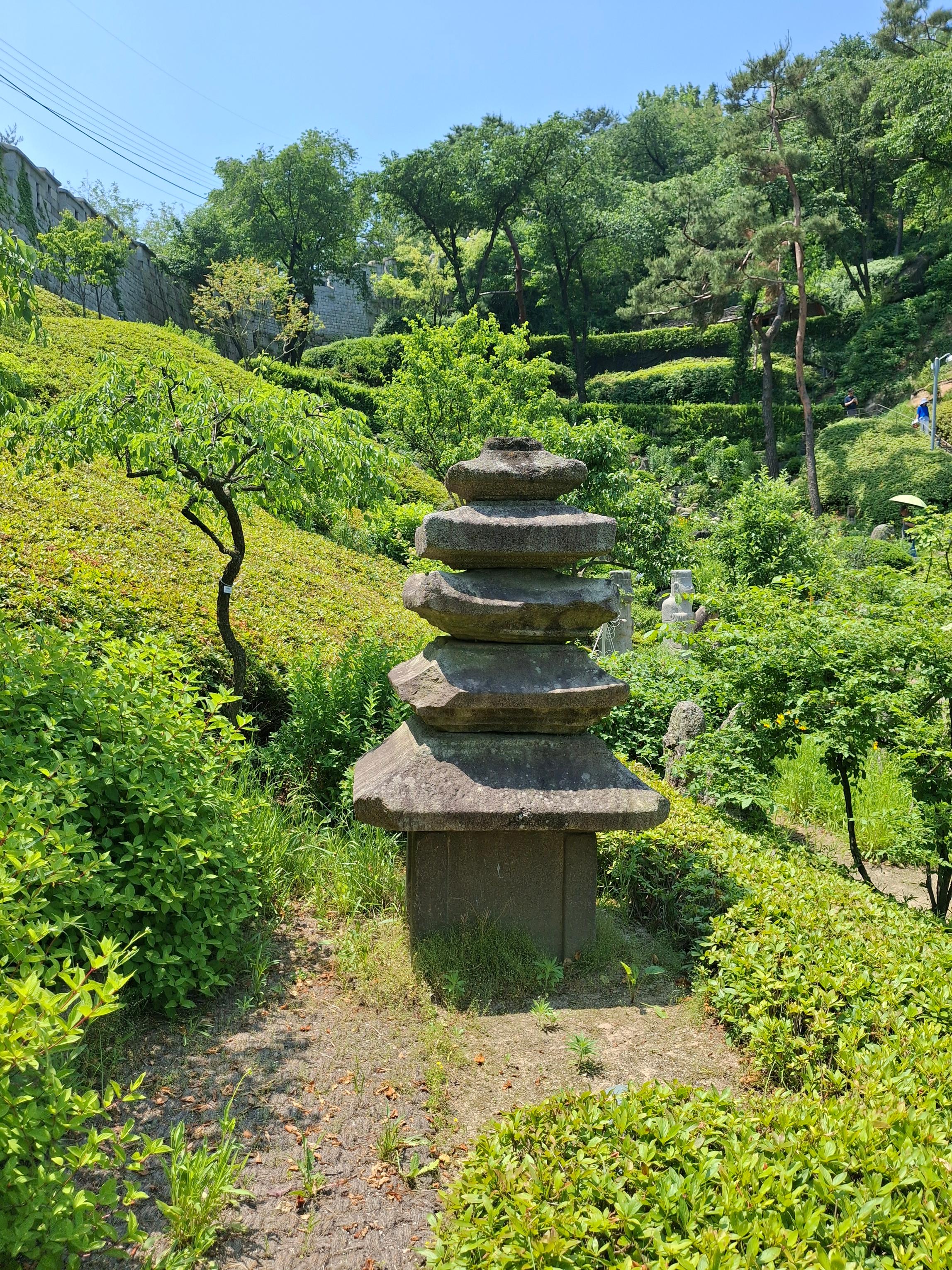
This is how such excellent stonework was created in ancient times. These stone objects represent Korean traditional ideas, history, and beauty.
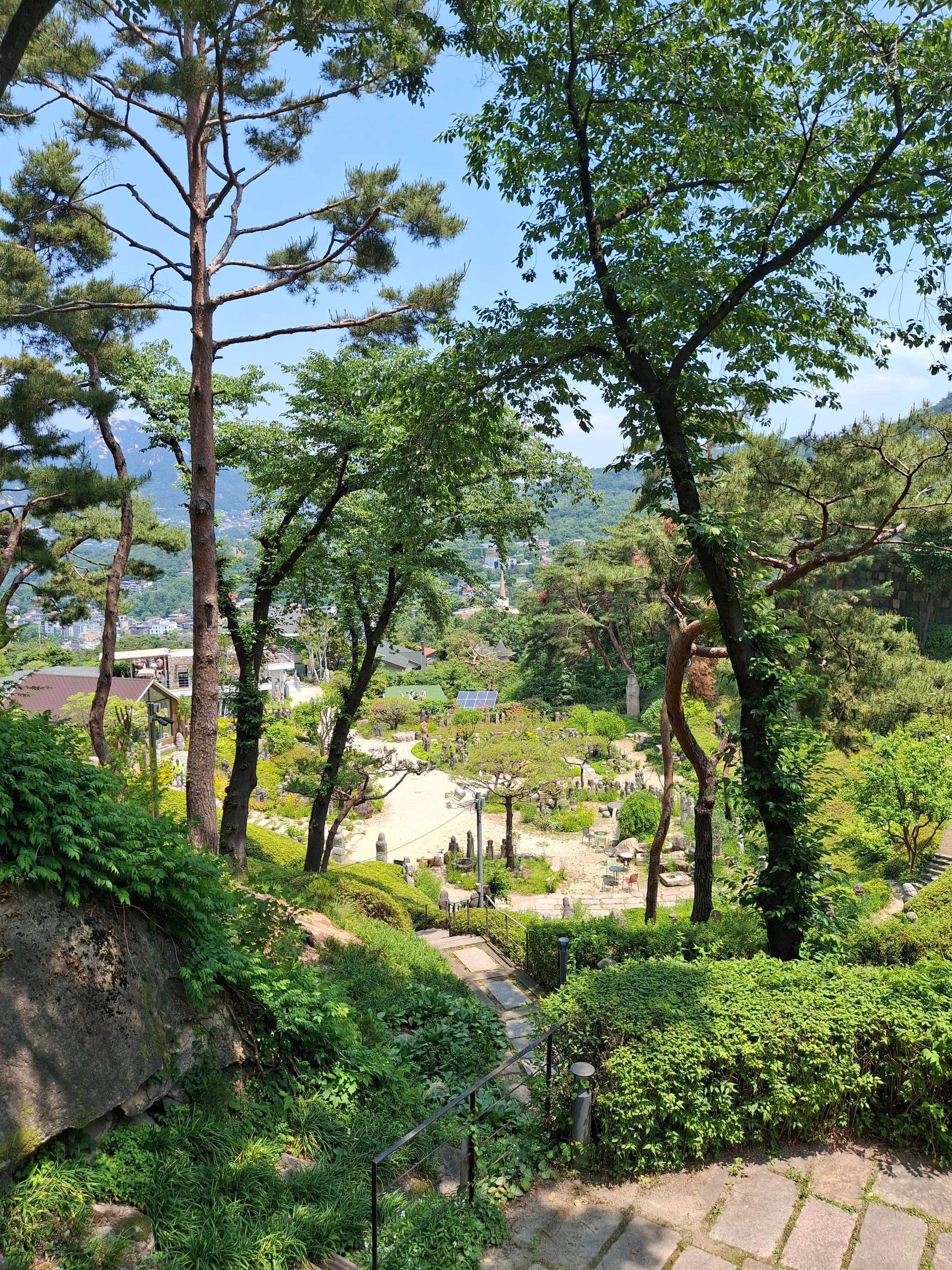
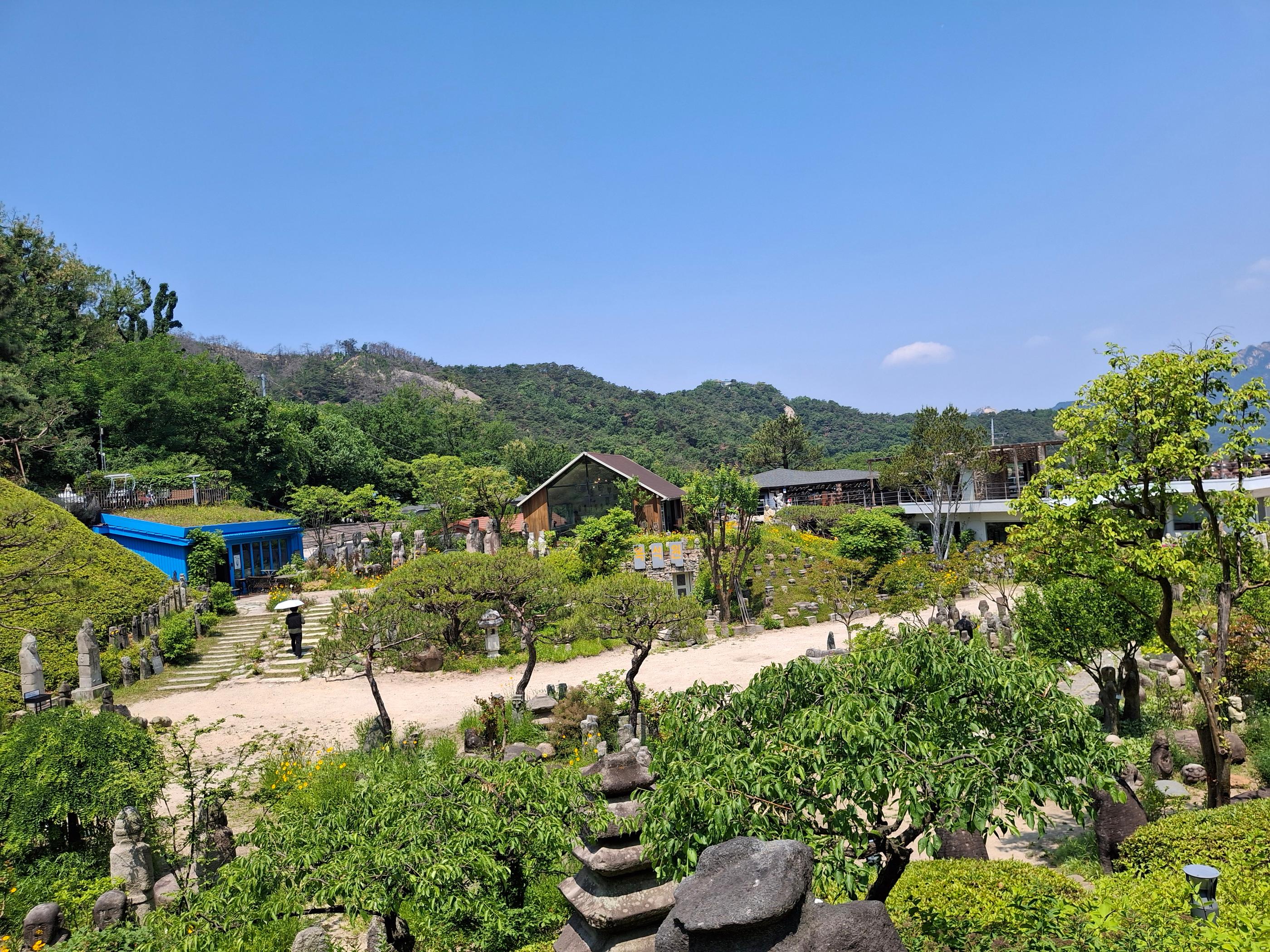
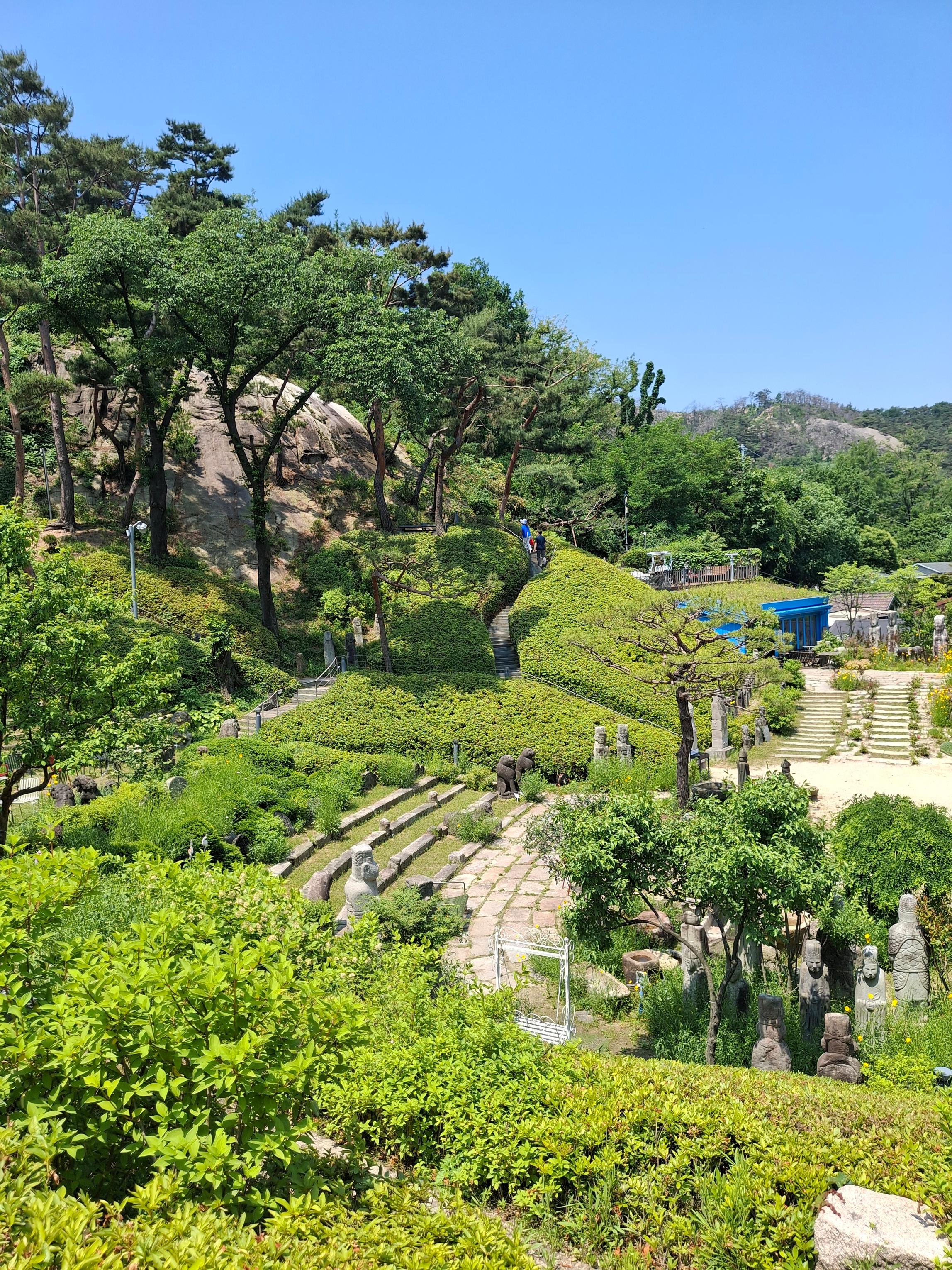
The museum area is very beautiful and green. It seems as if you are walking in a mountain park, and the sculptures in it seem to be in their real ancient place and perfectly complement the landscape.
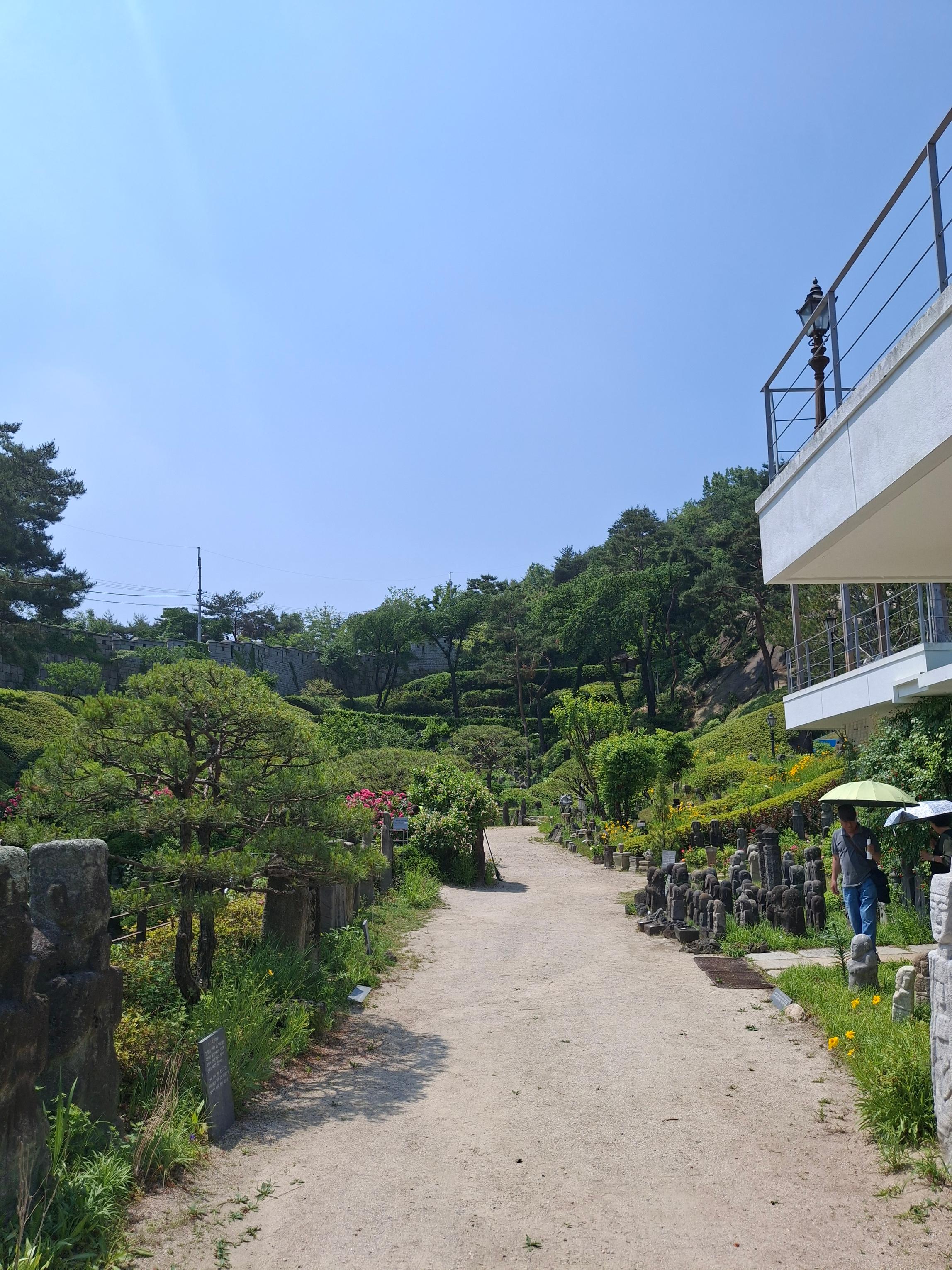
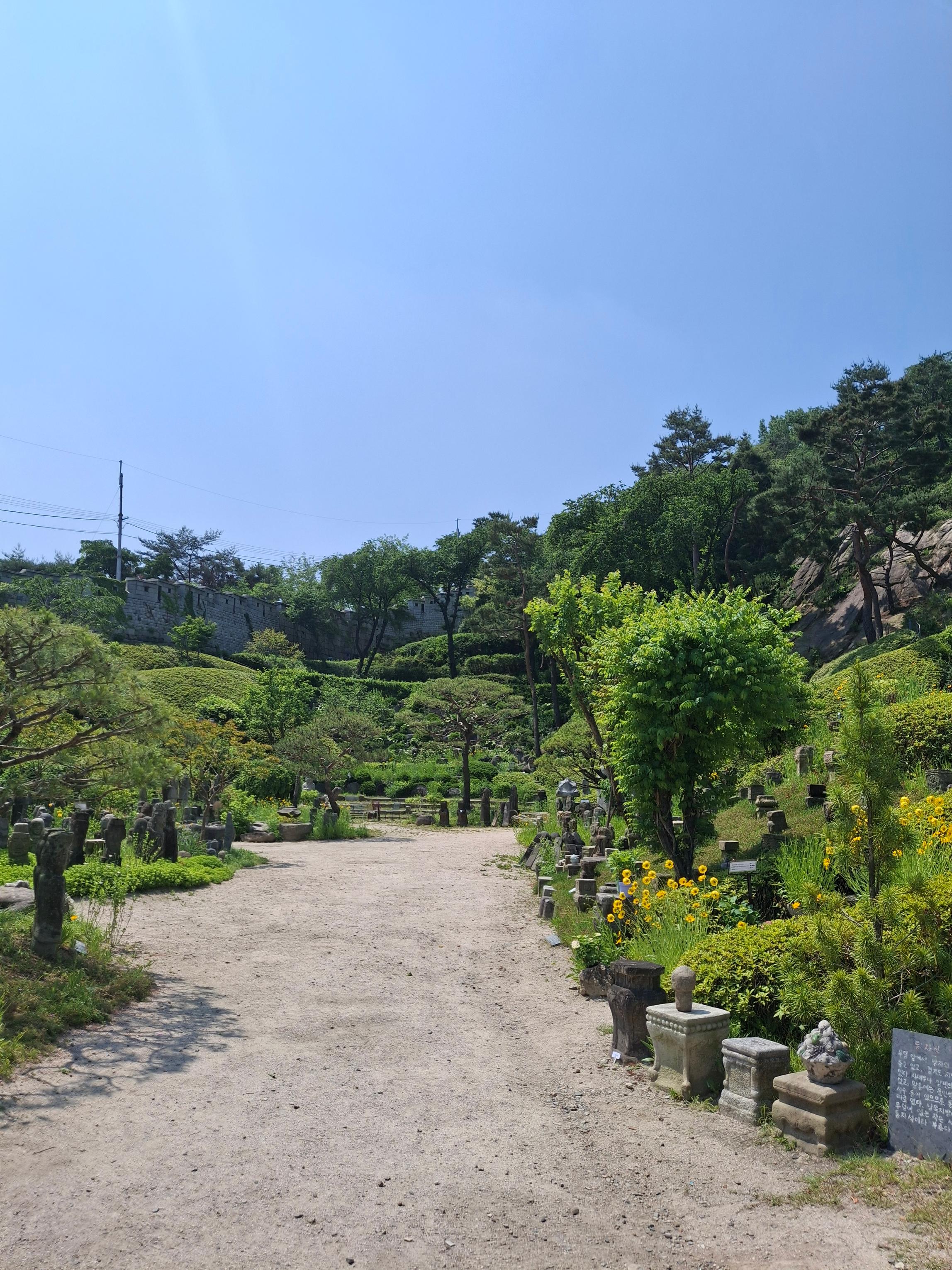
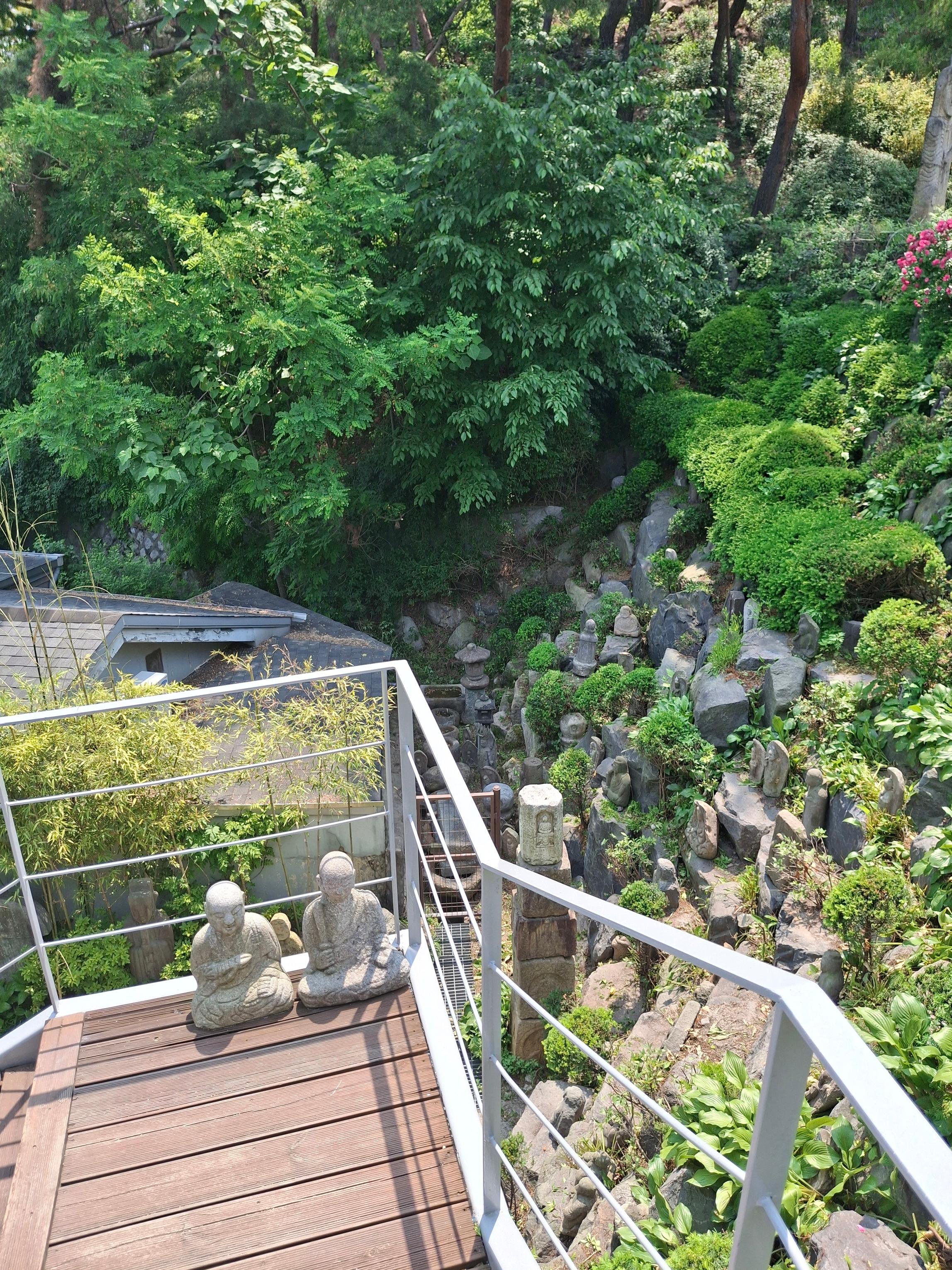
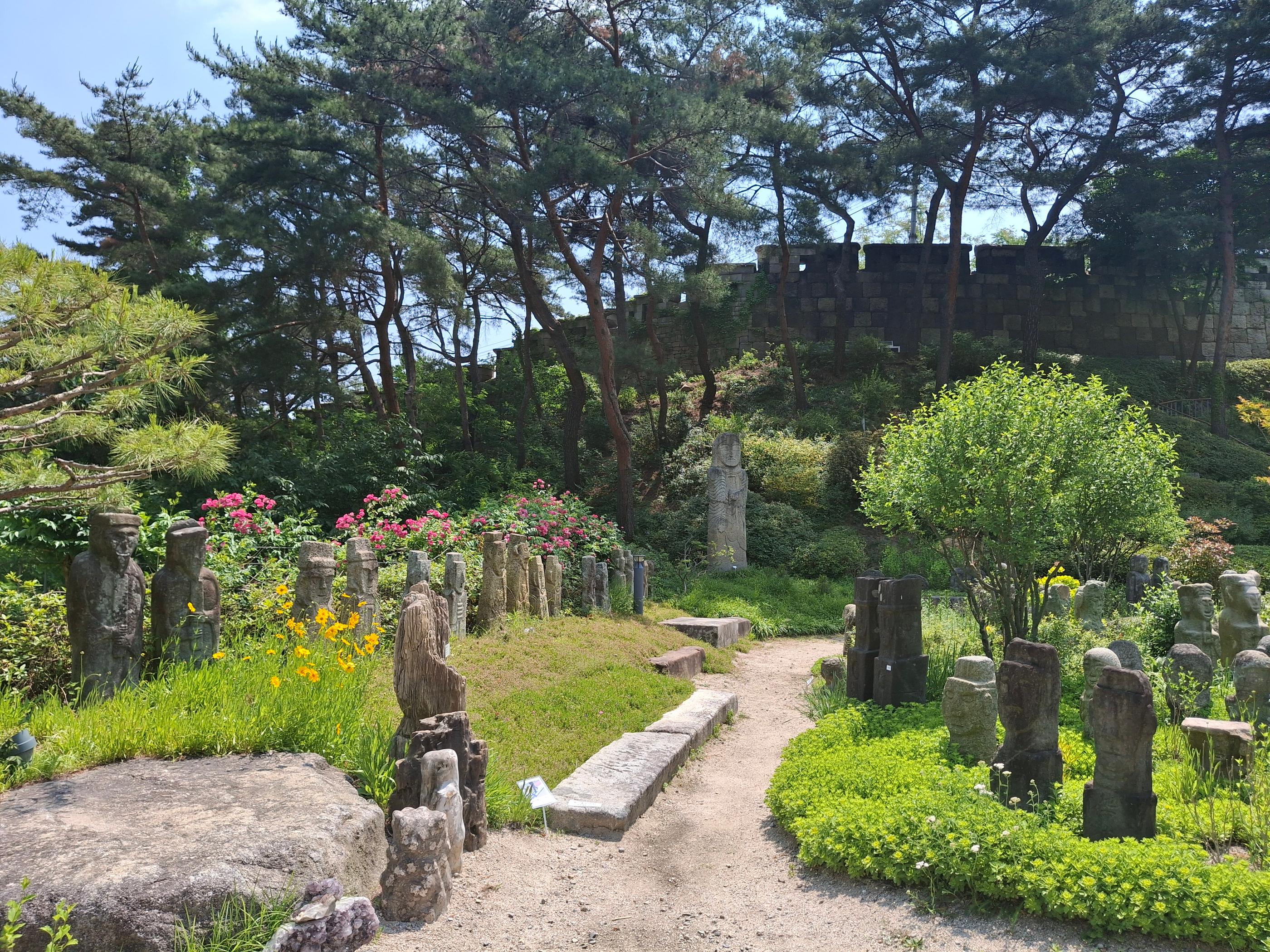
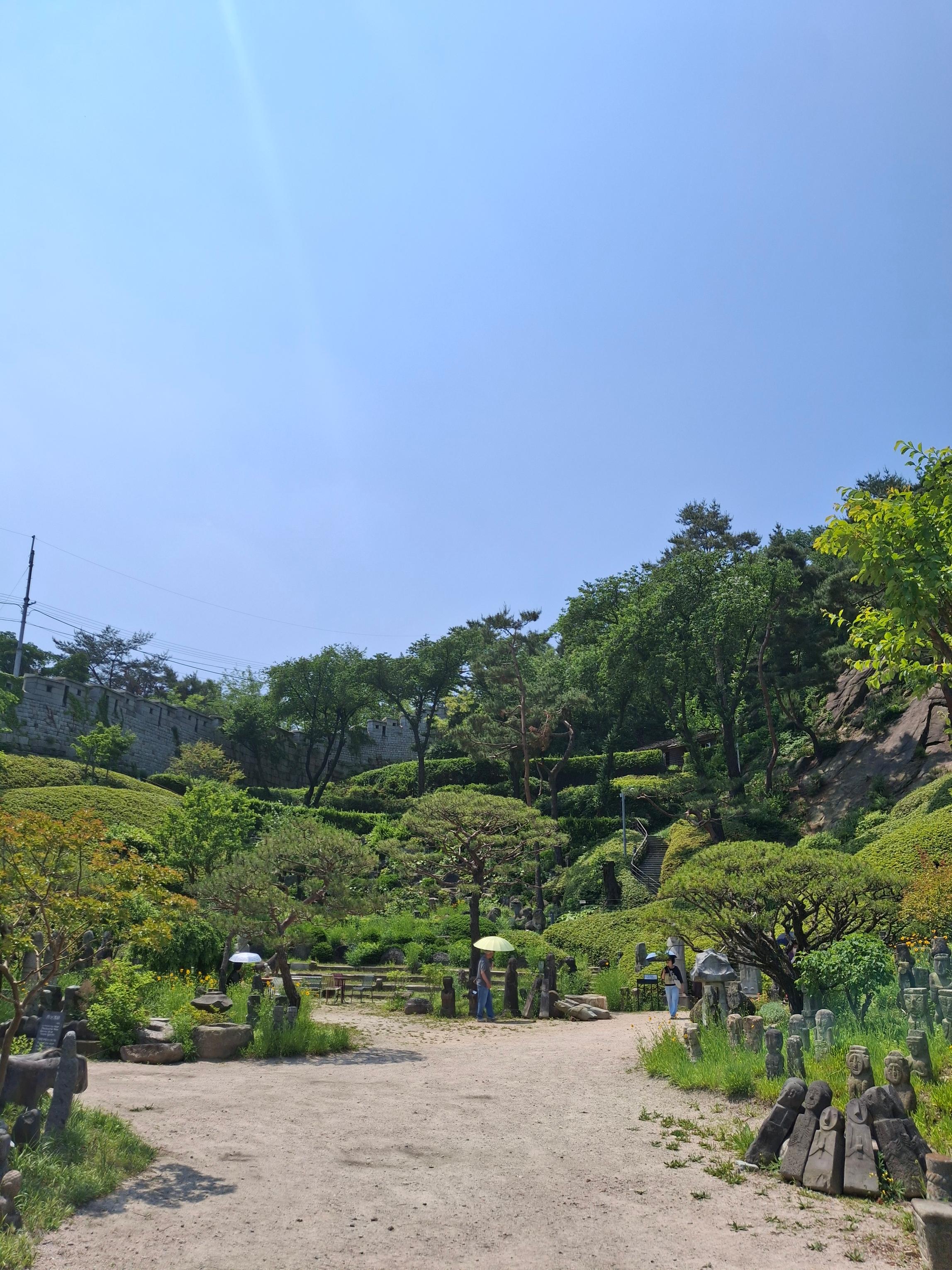
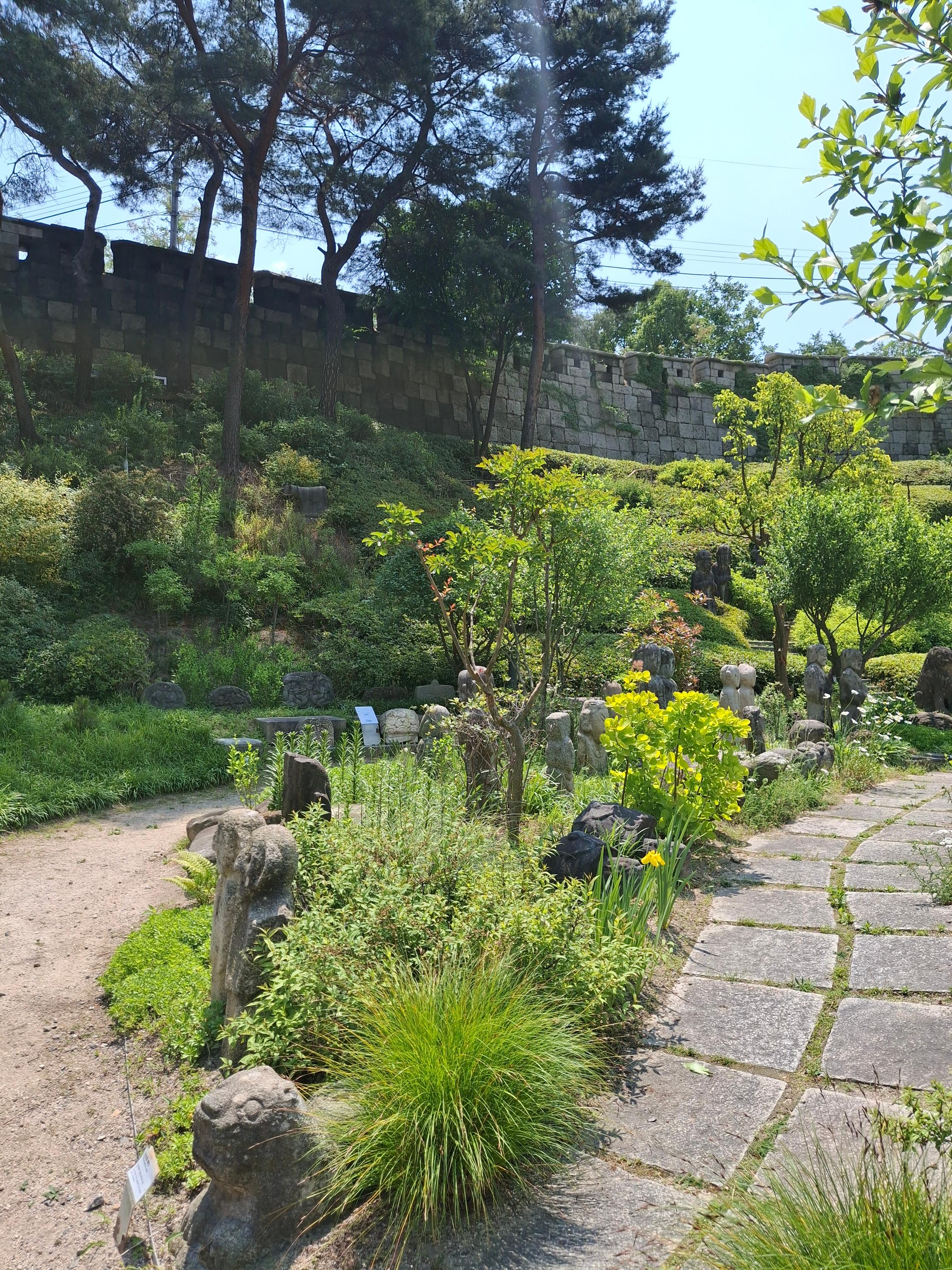
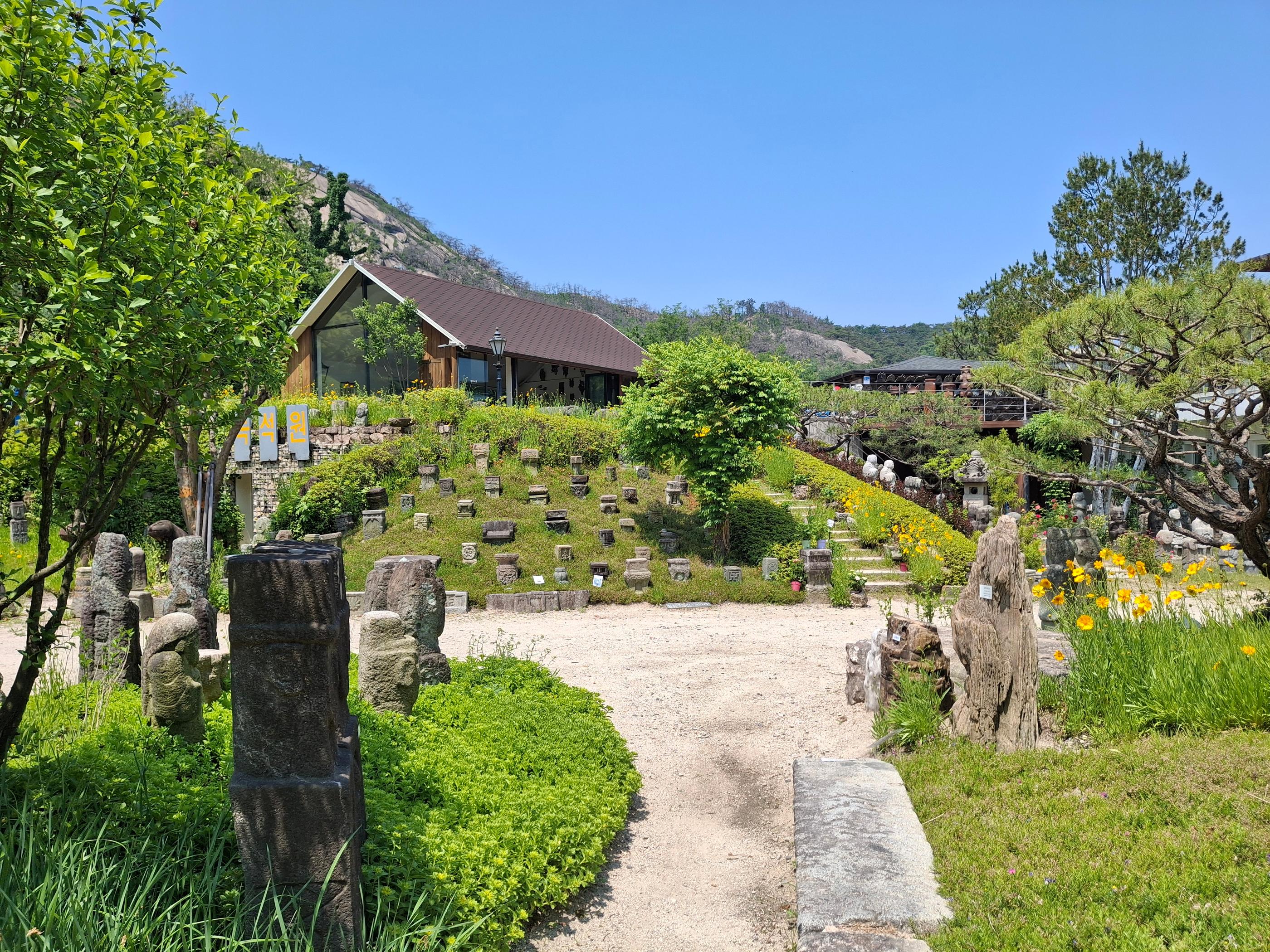
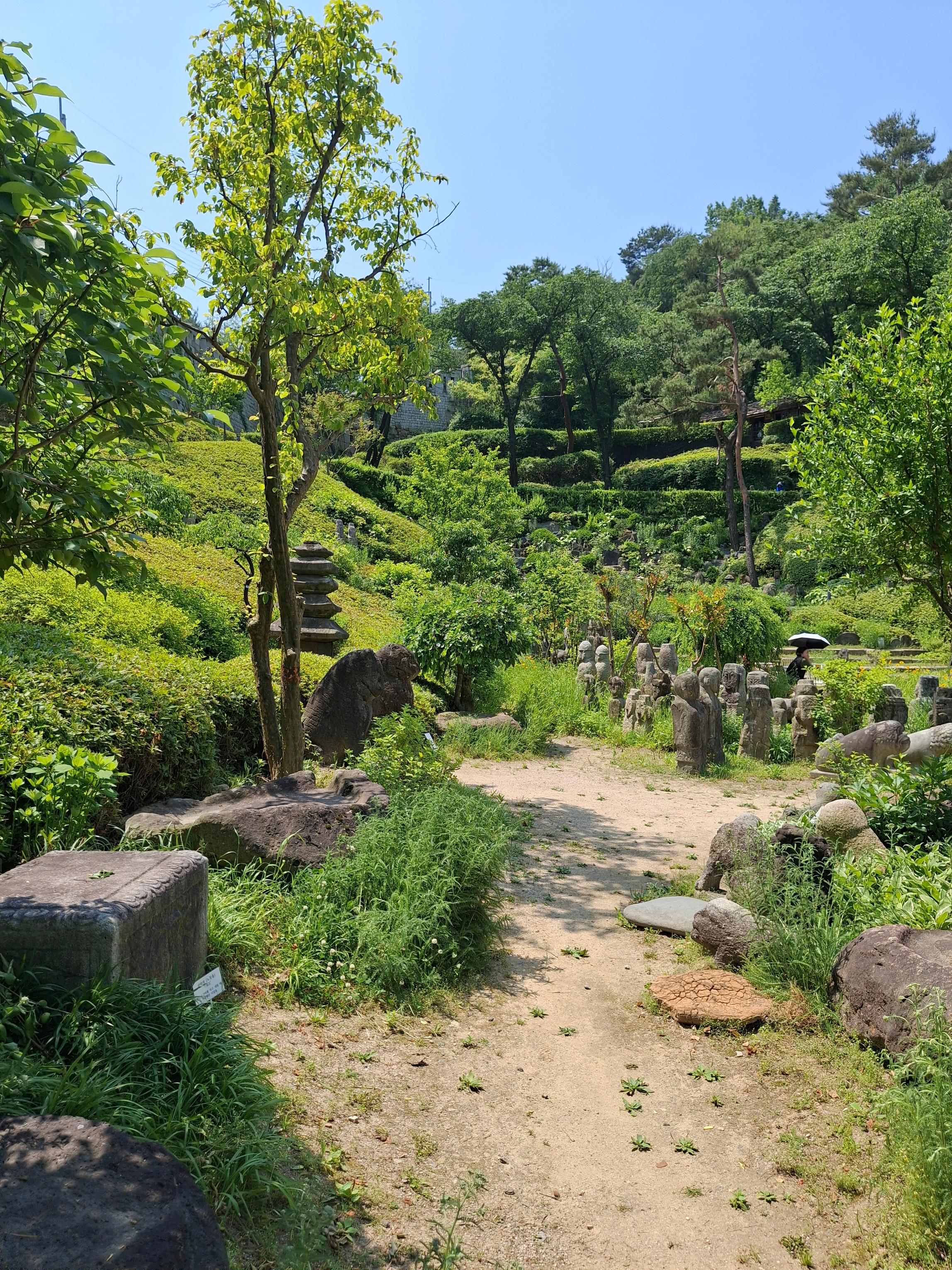
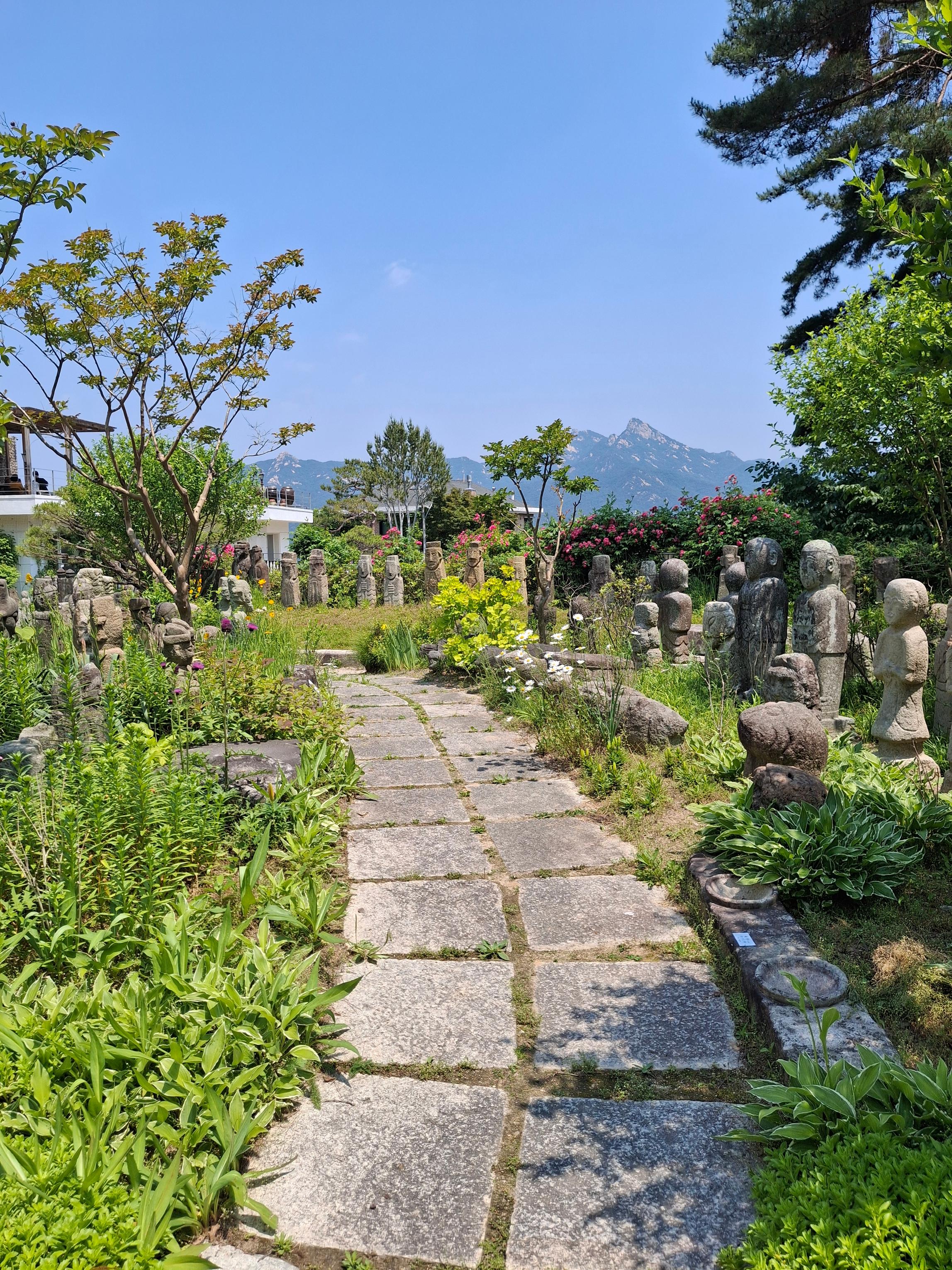
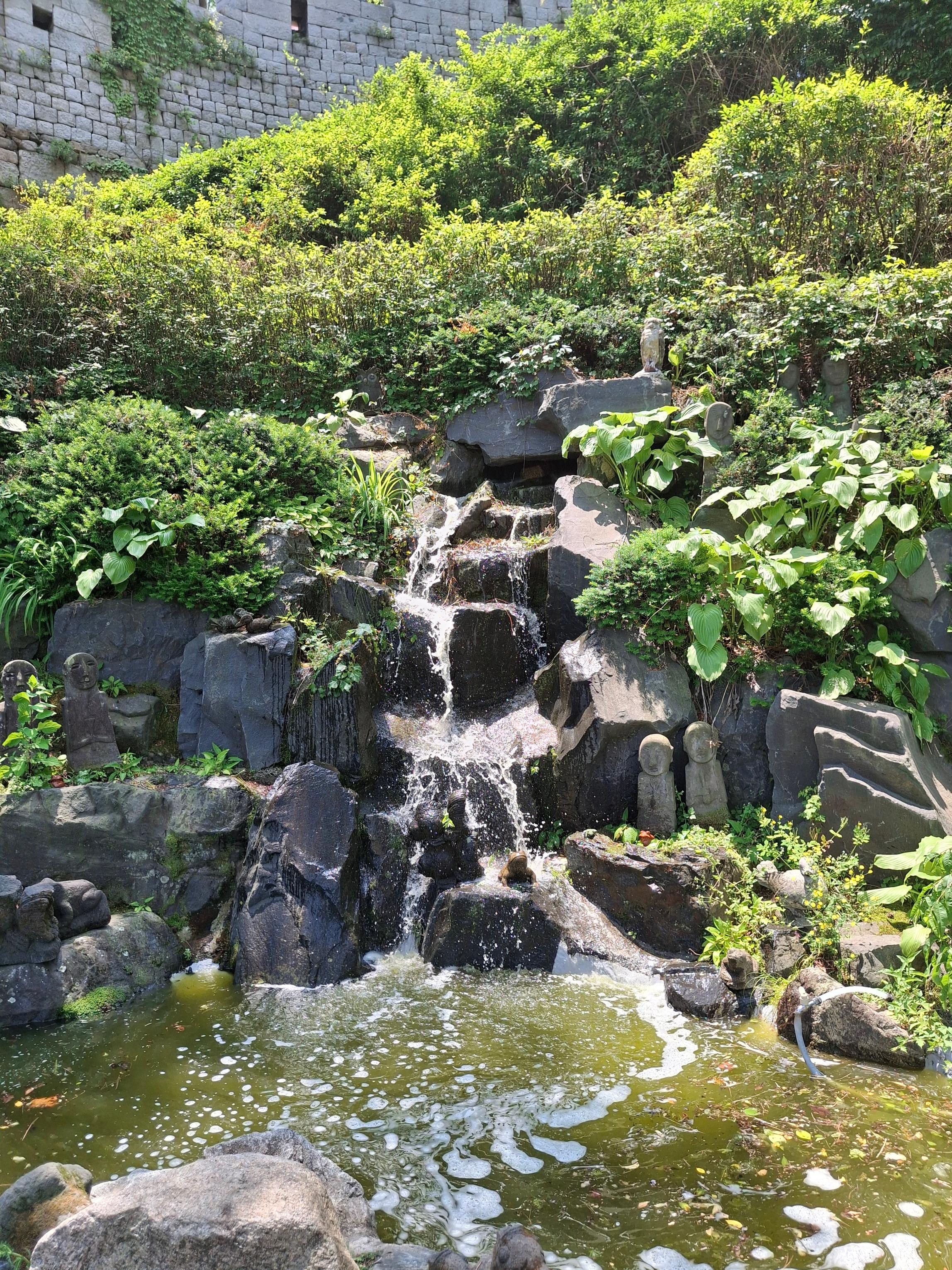
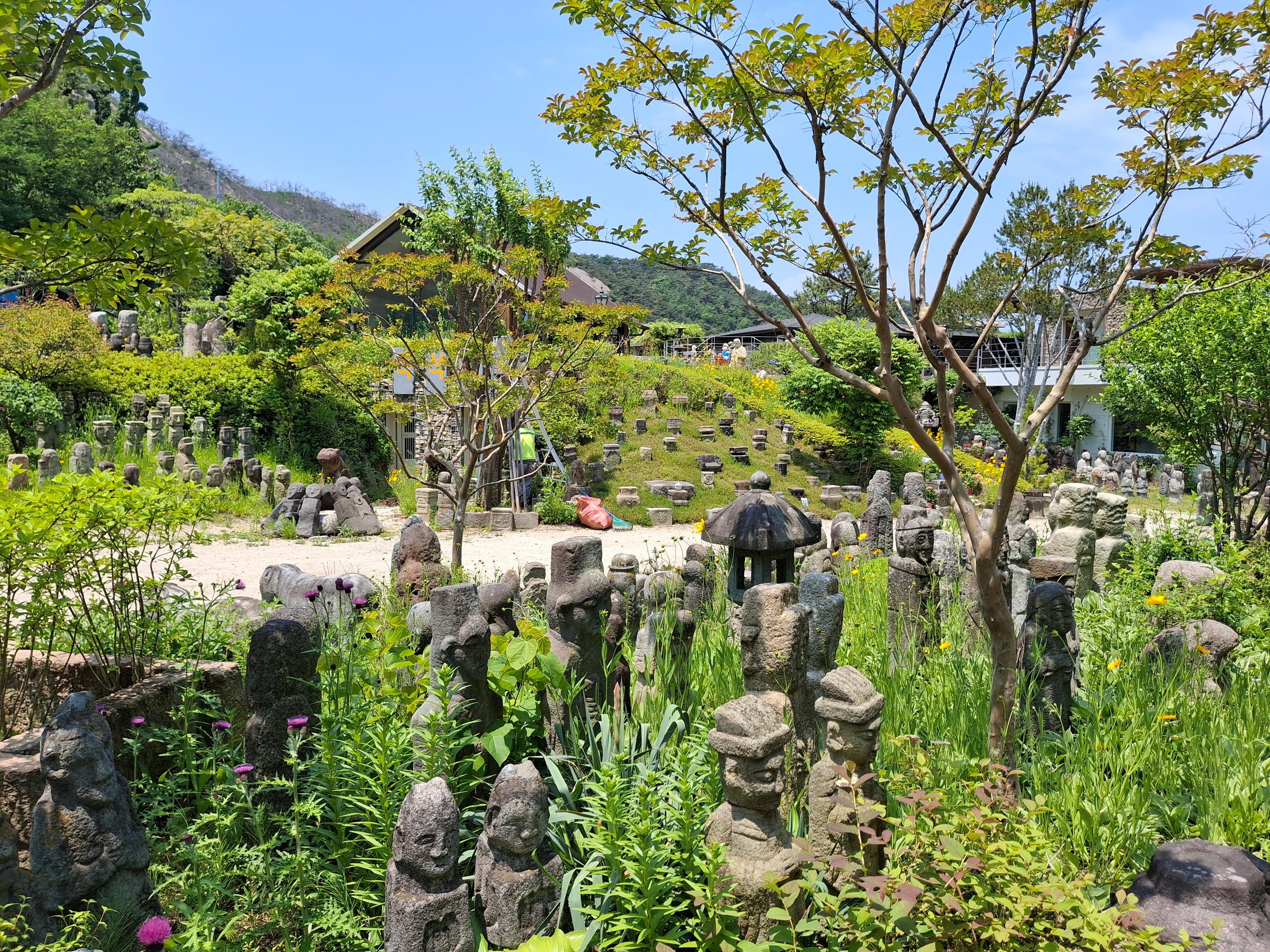
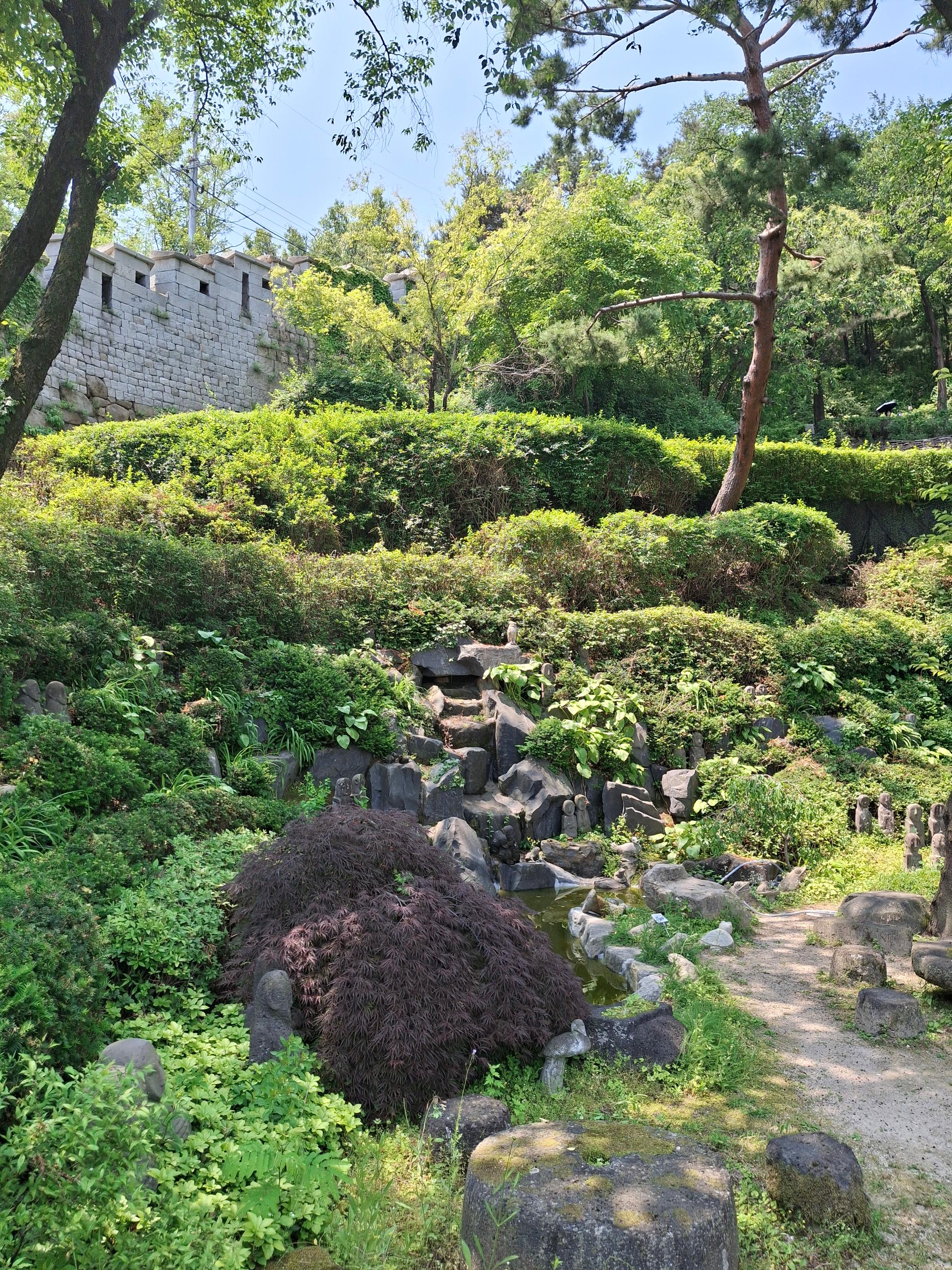
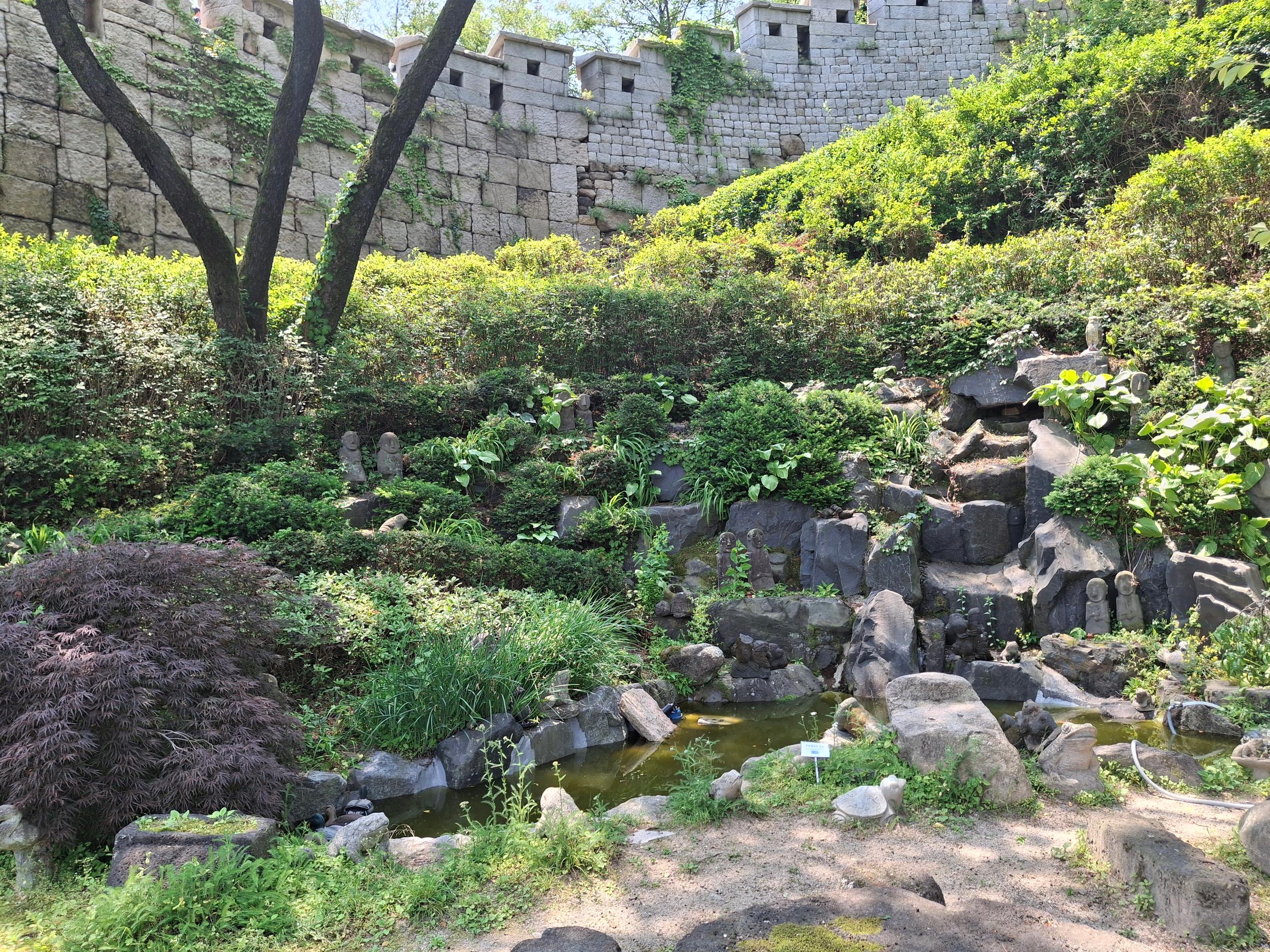
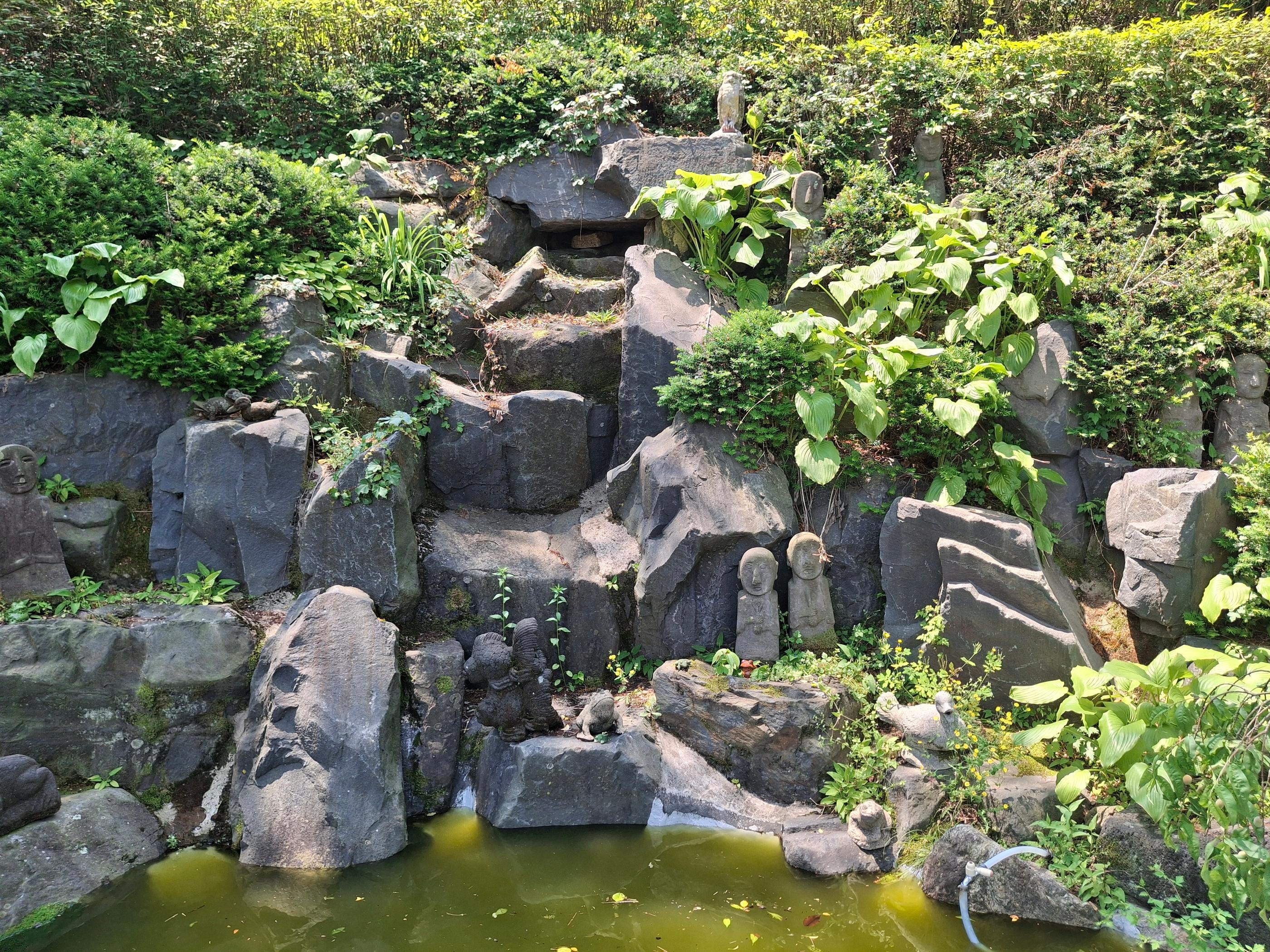
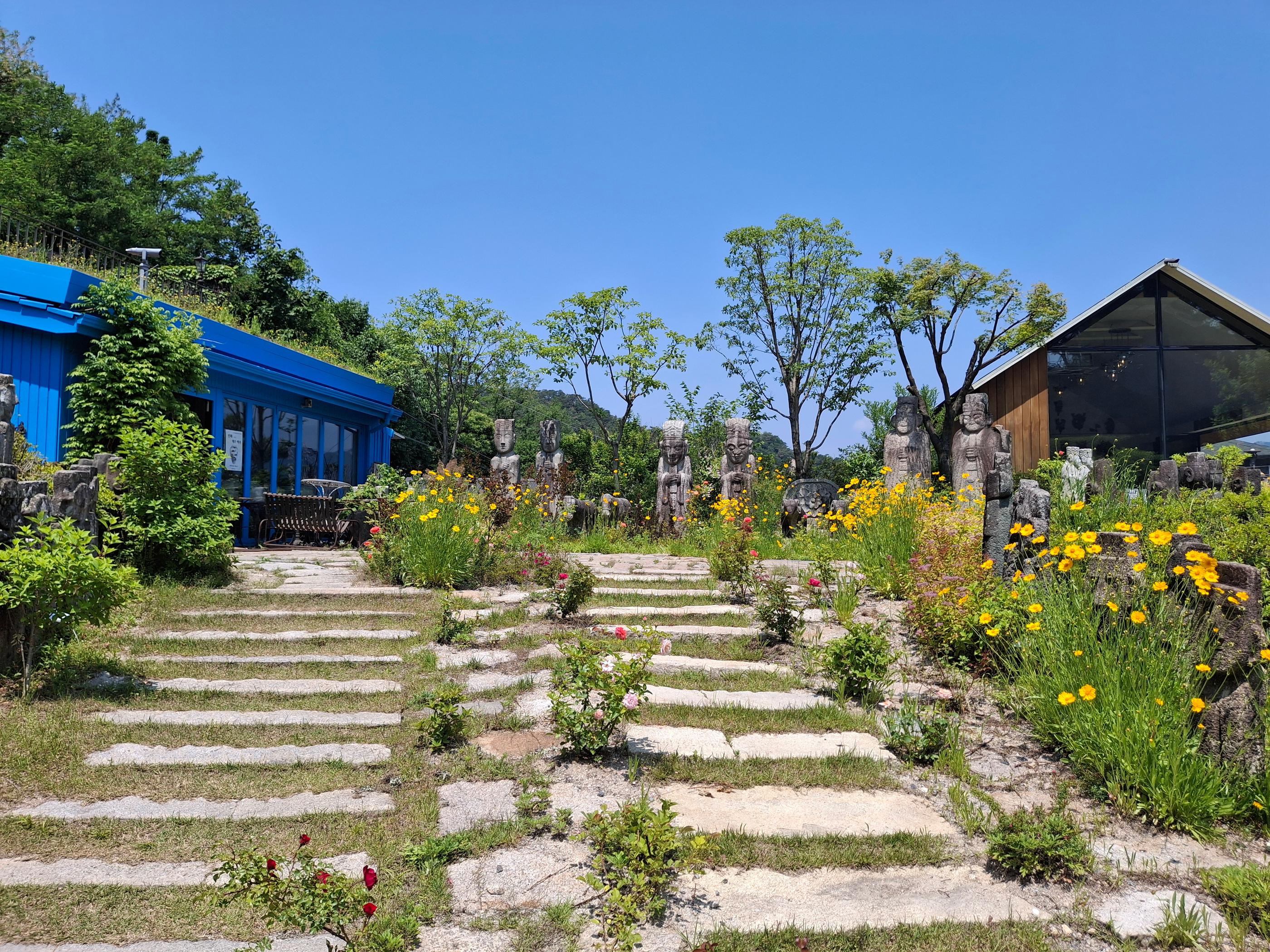
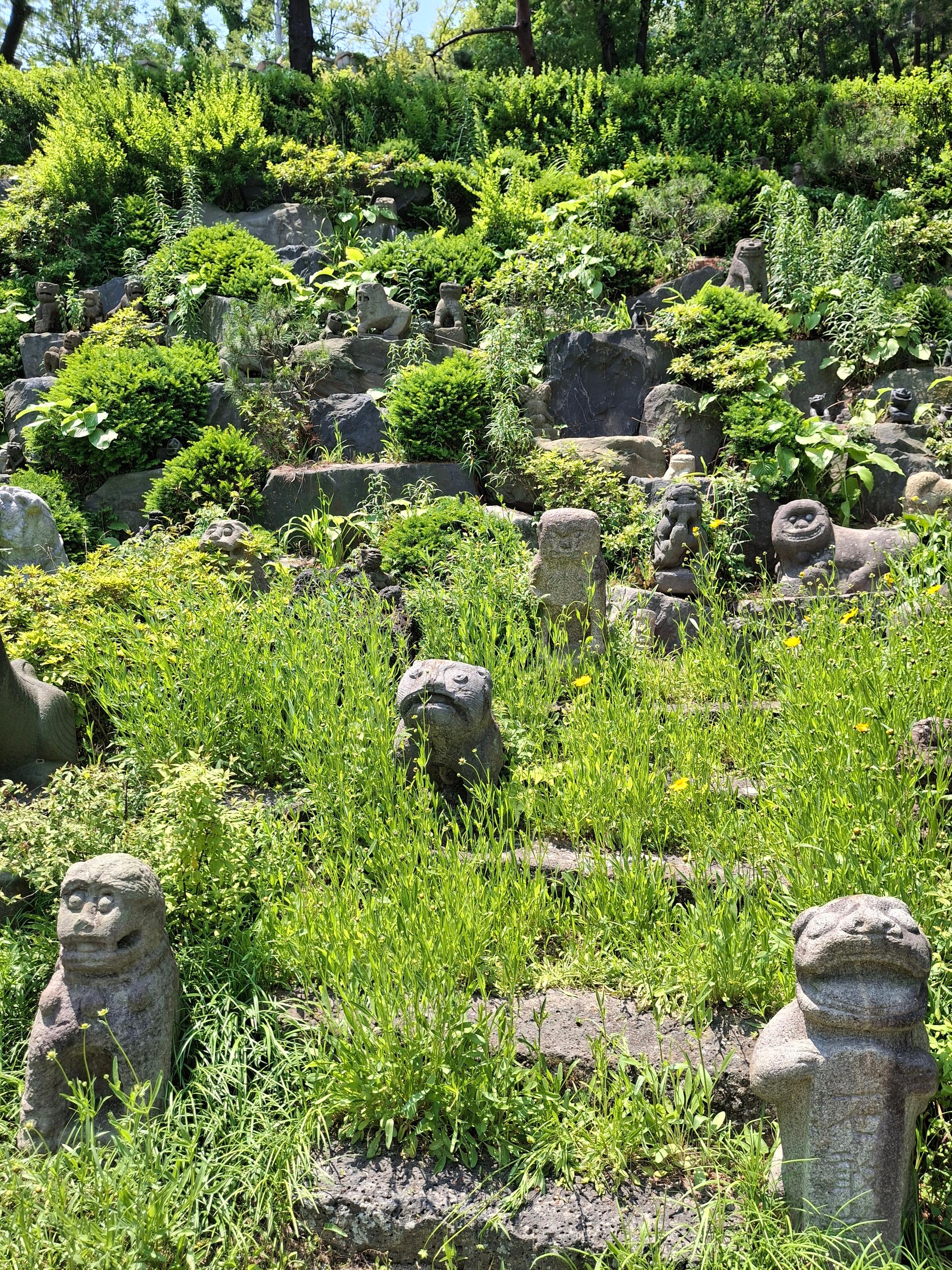
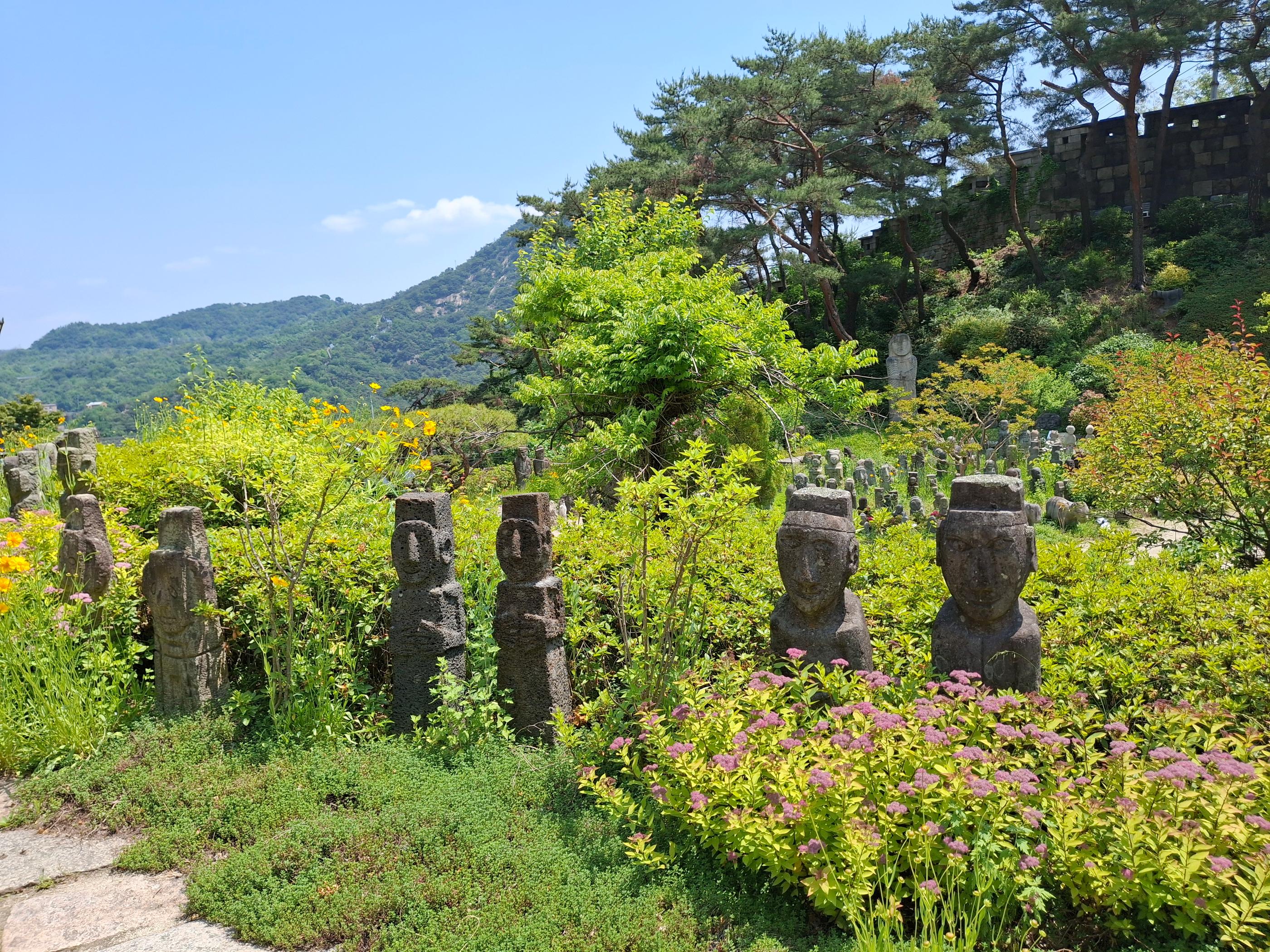
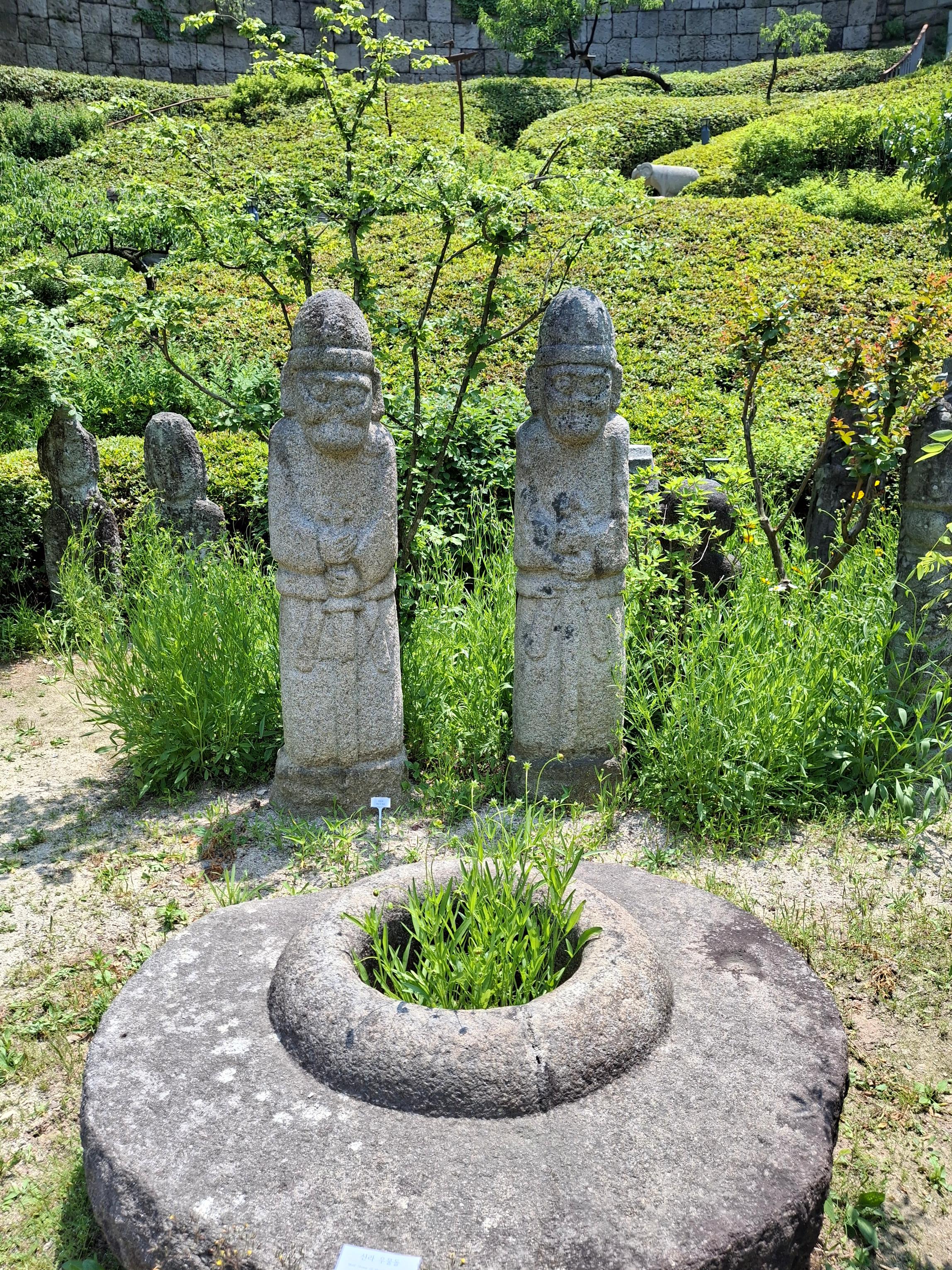
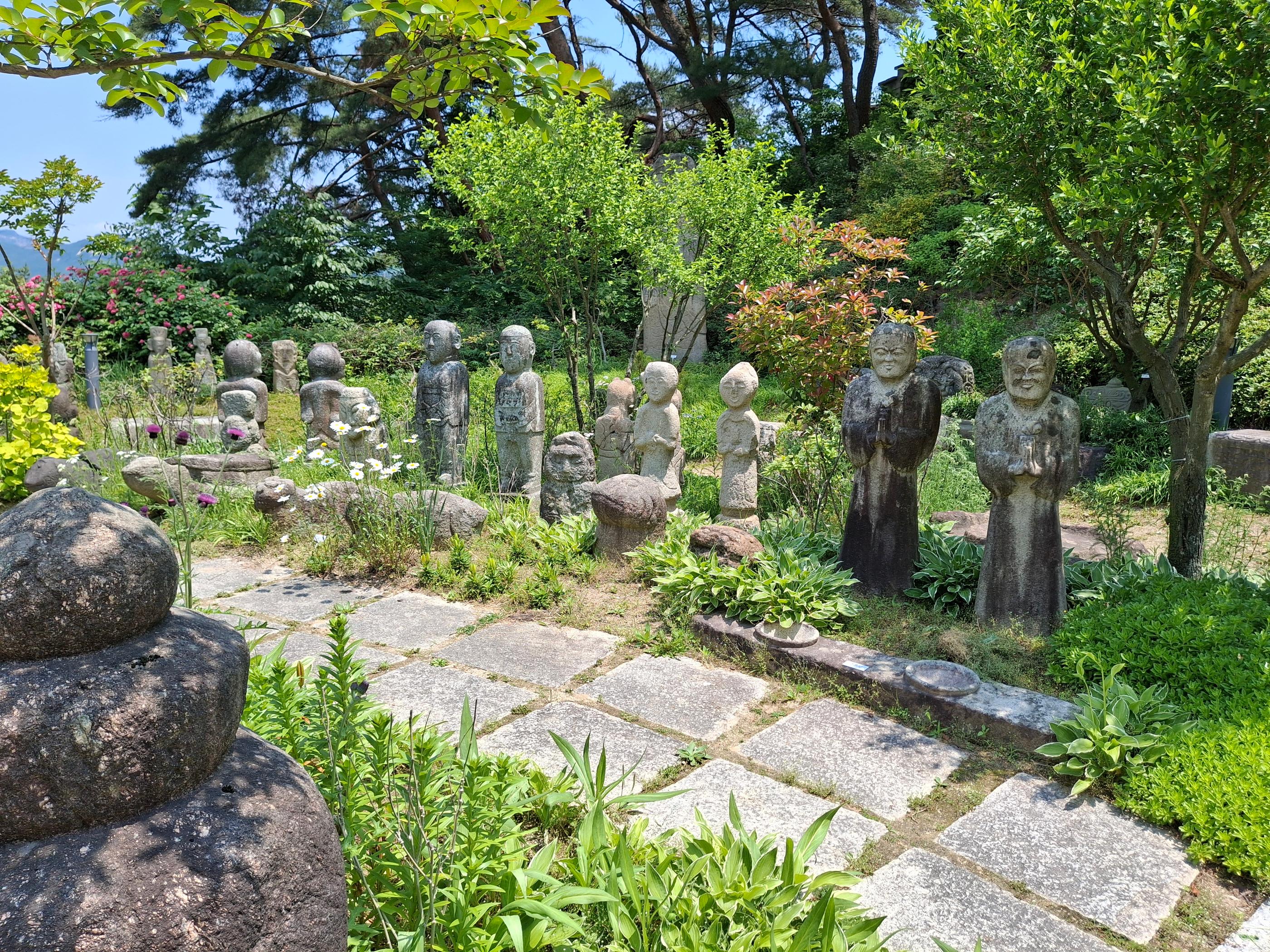
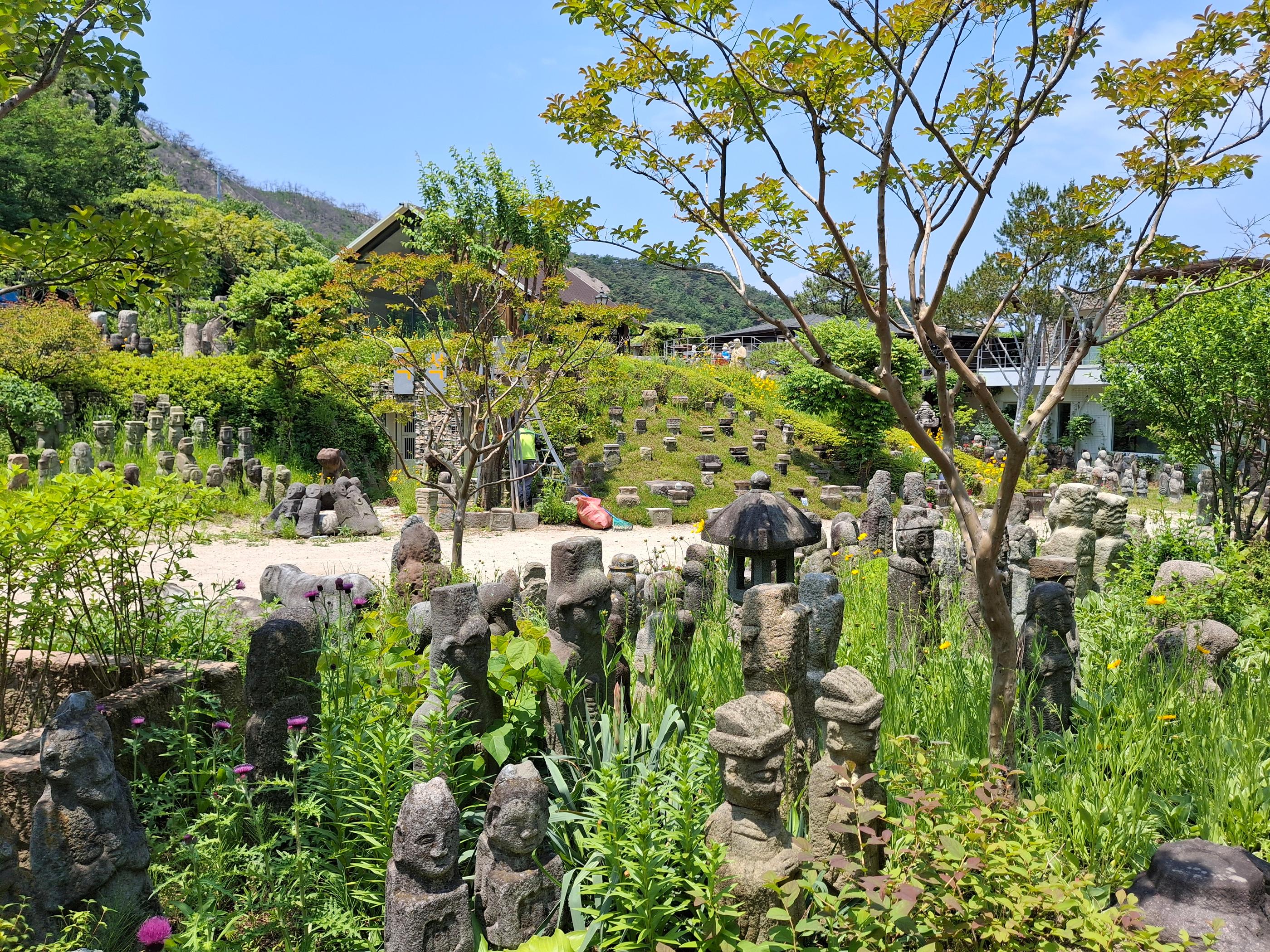
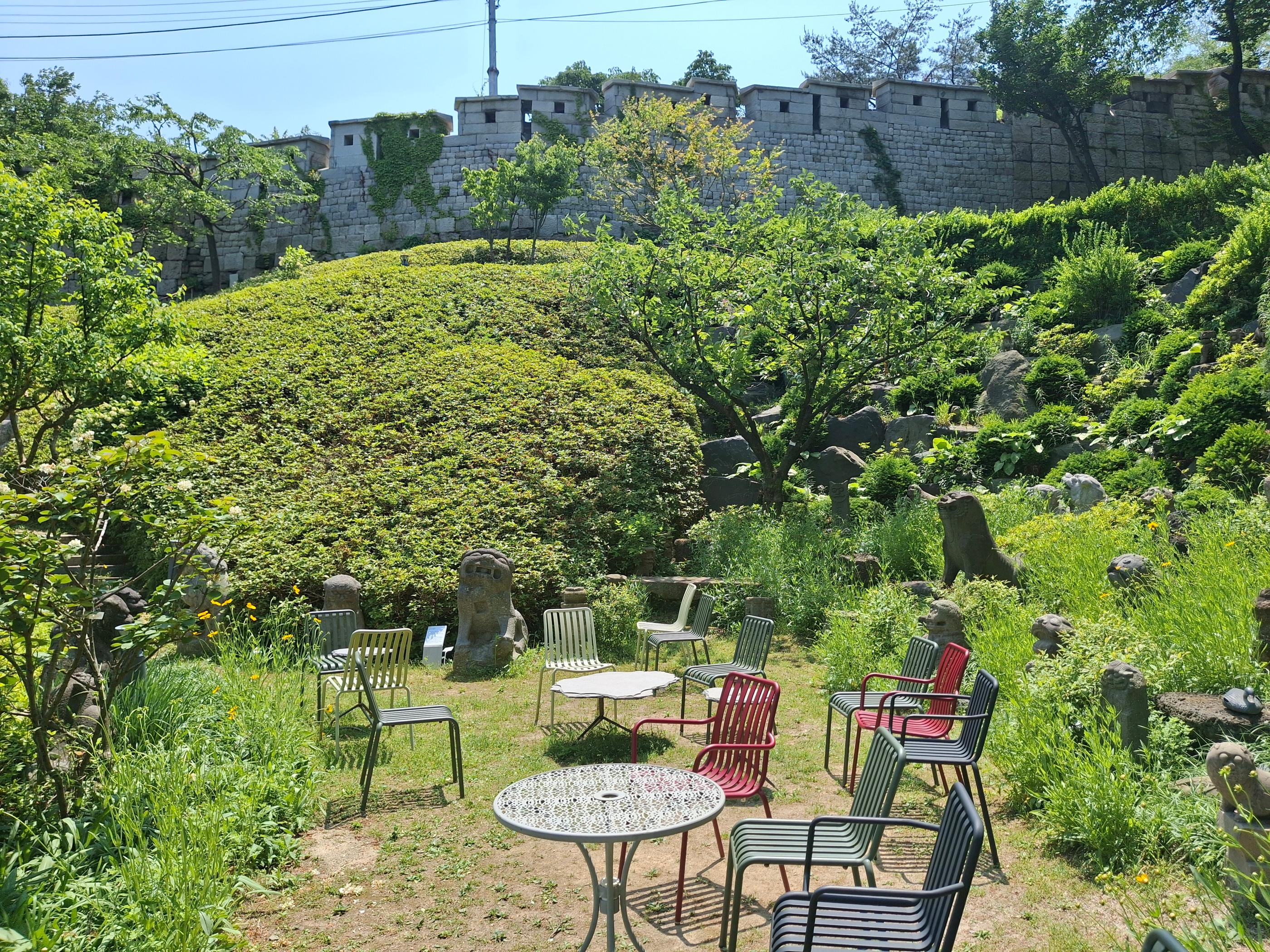
The territory is located at the foot of the Inwangsan and Bukhansan mountains and is like a bowl surrounded by hills. On several sides along the museum there are remains of the ancient fortress wall of Seoul.
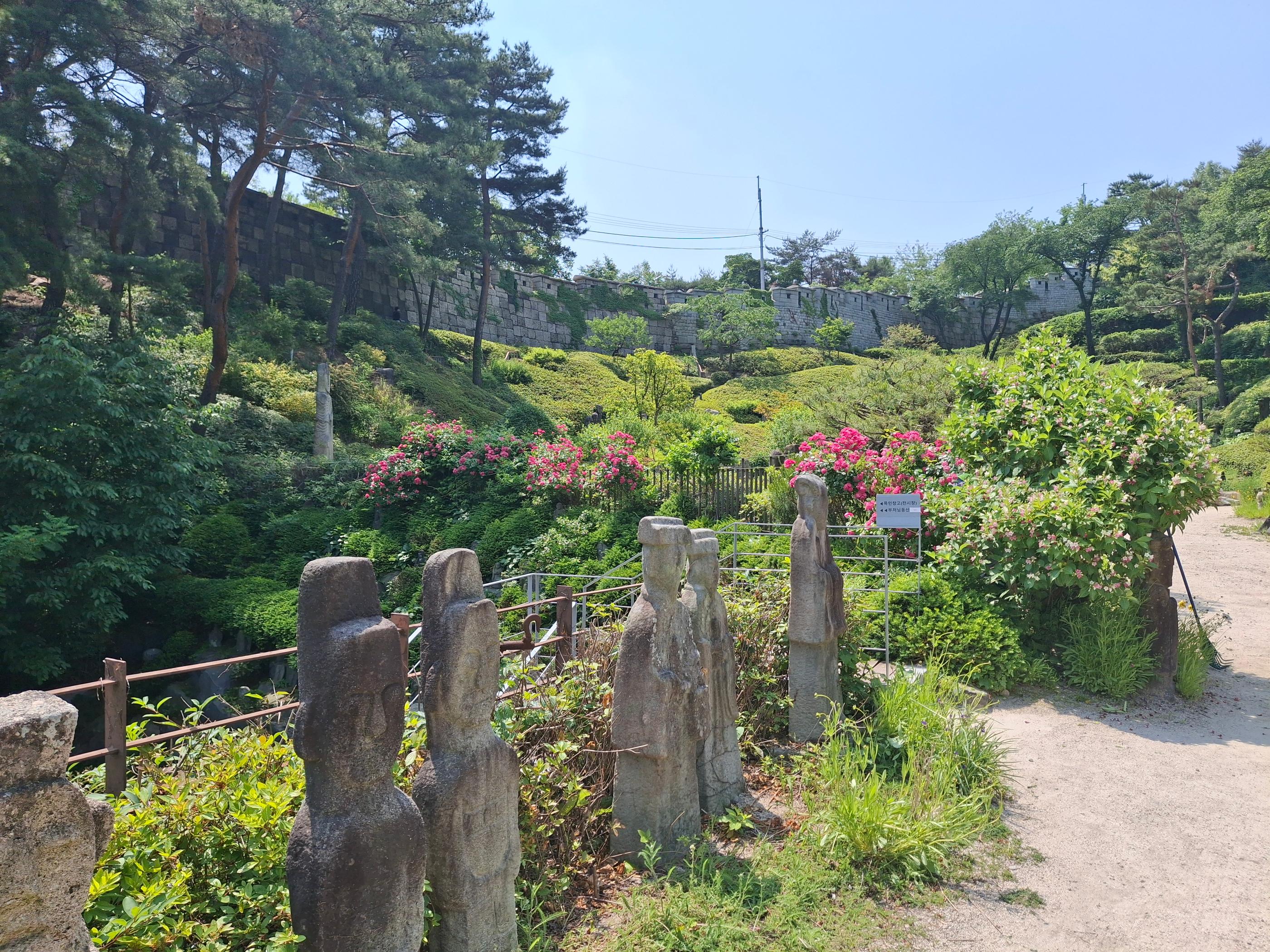
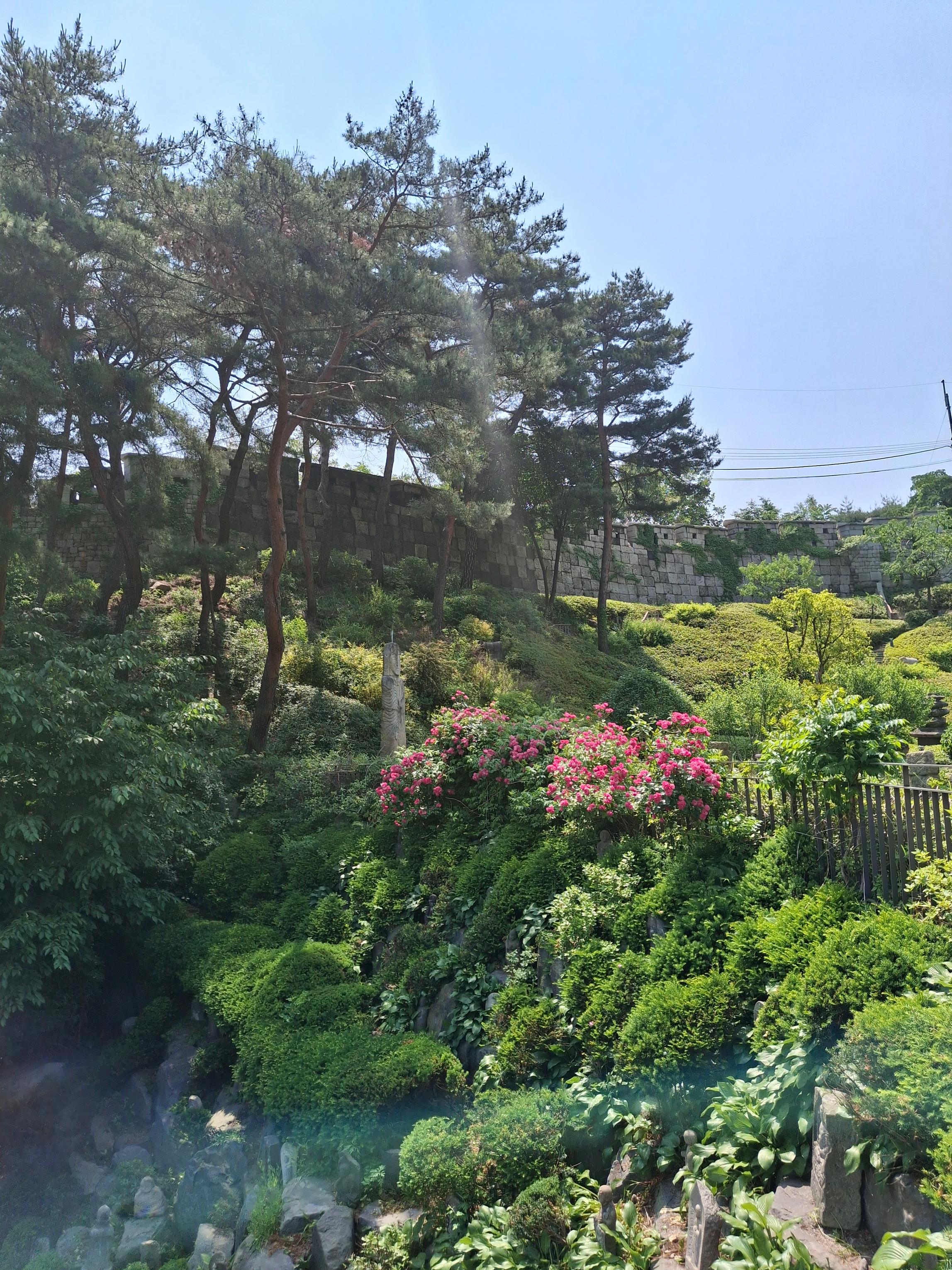
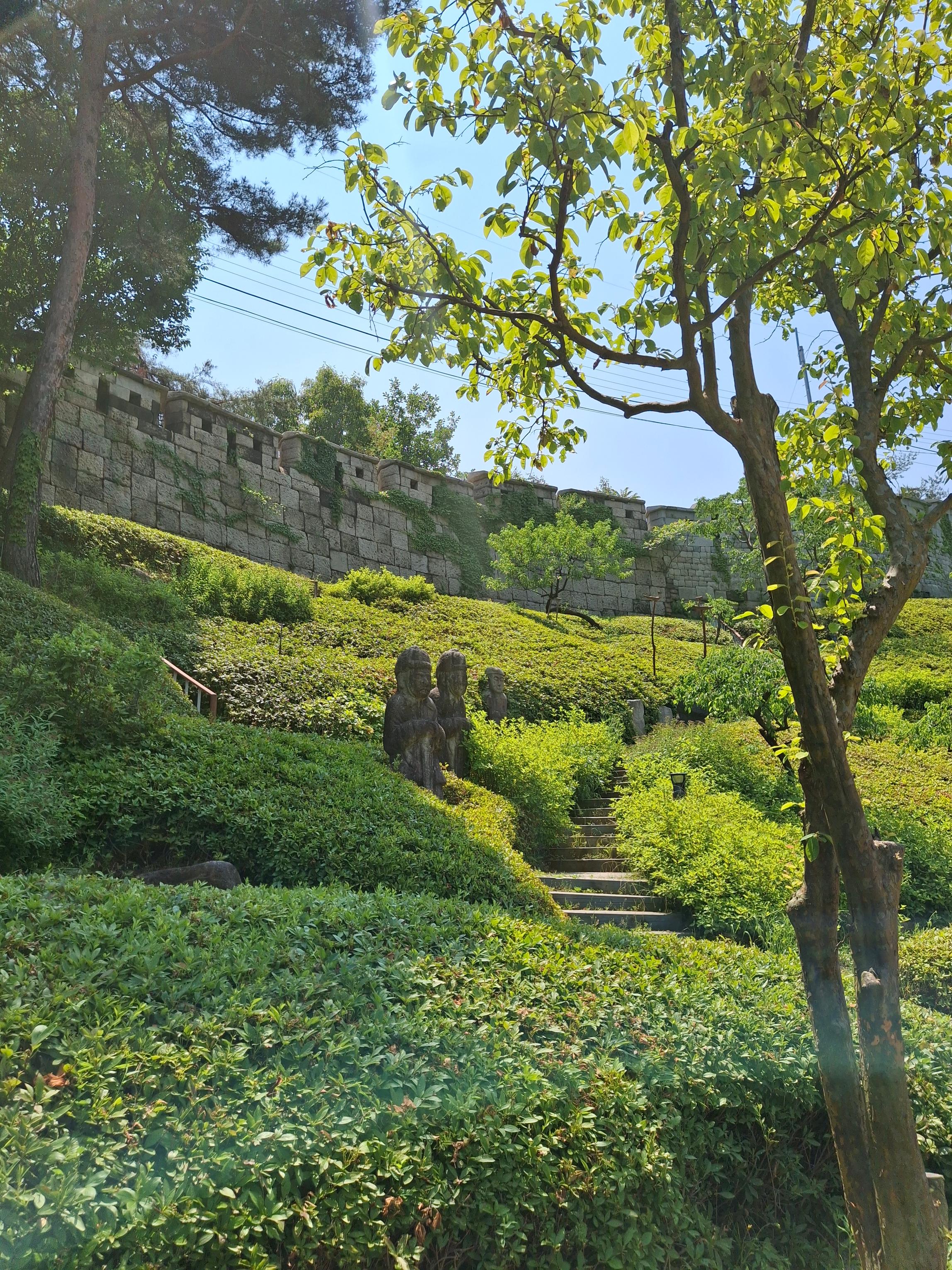
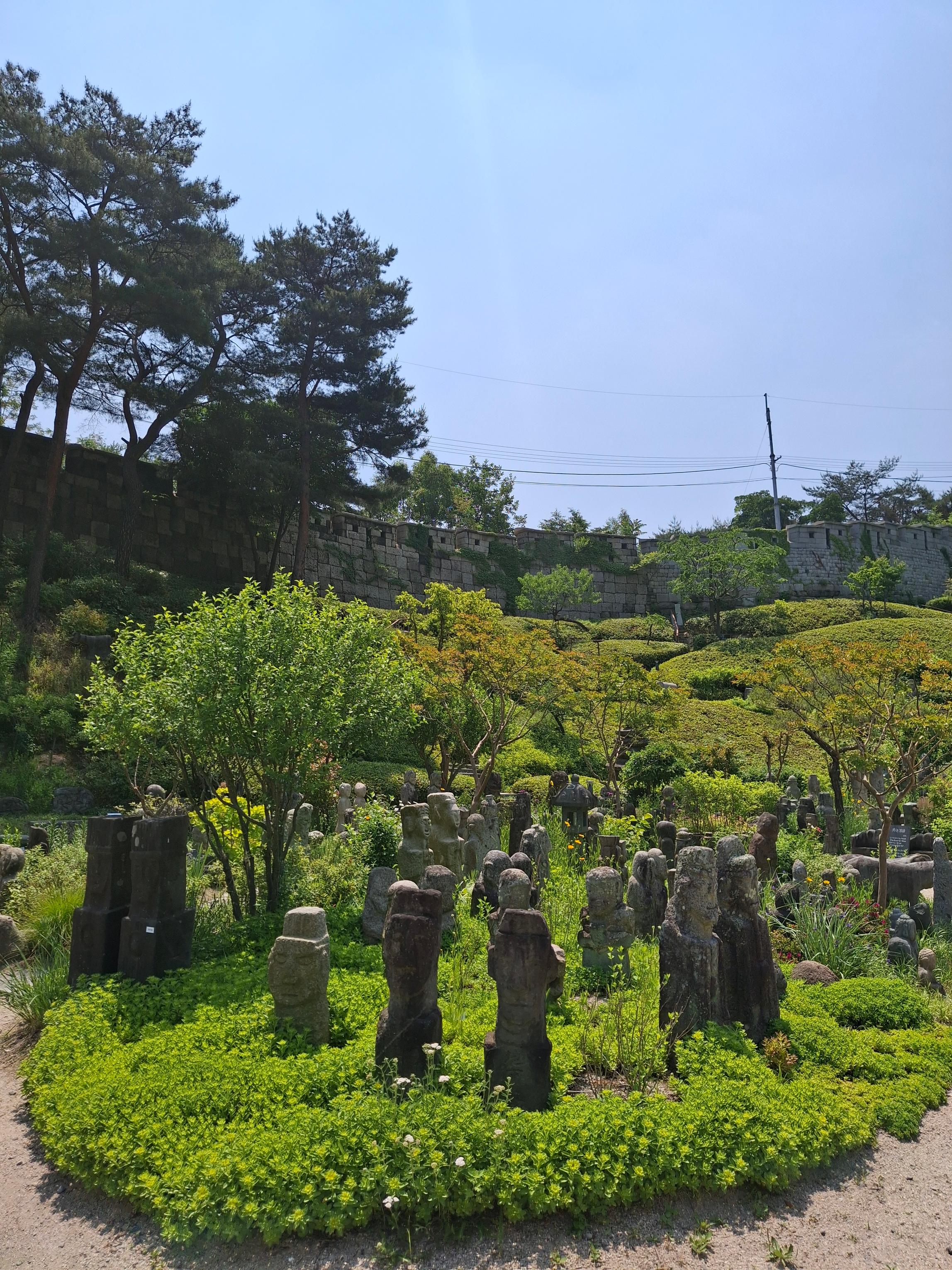
The territory of the museum is made in the form of a garden with many ancient stone sculptures. It is so wonderful to walk on a sunny day among the greenery and flowers, enjoying the art. And also to climb up the slopes of the mountains and admire the magnificent landscapes.
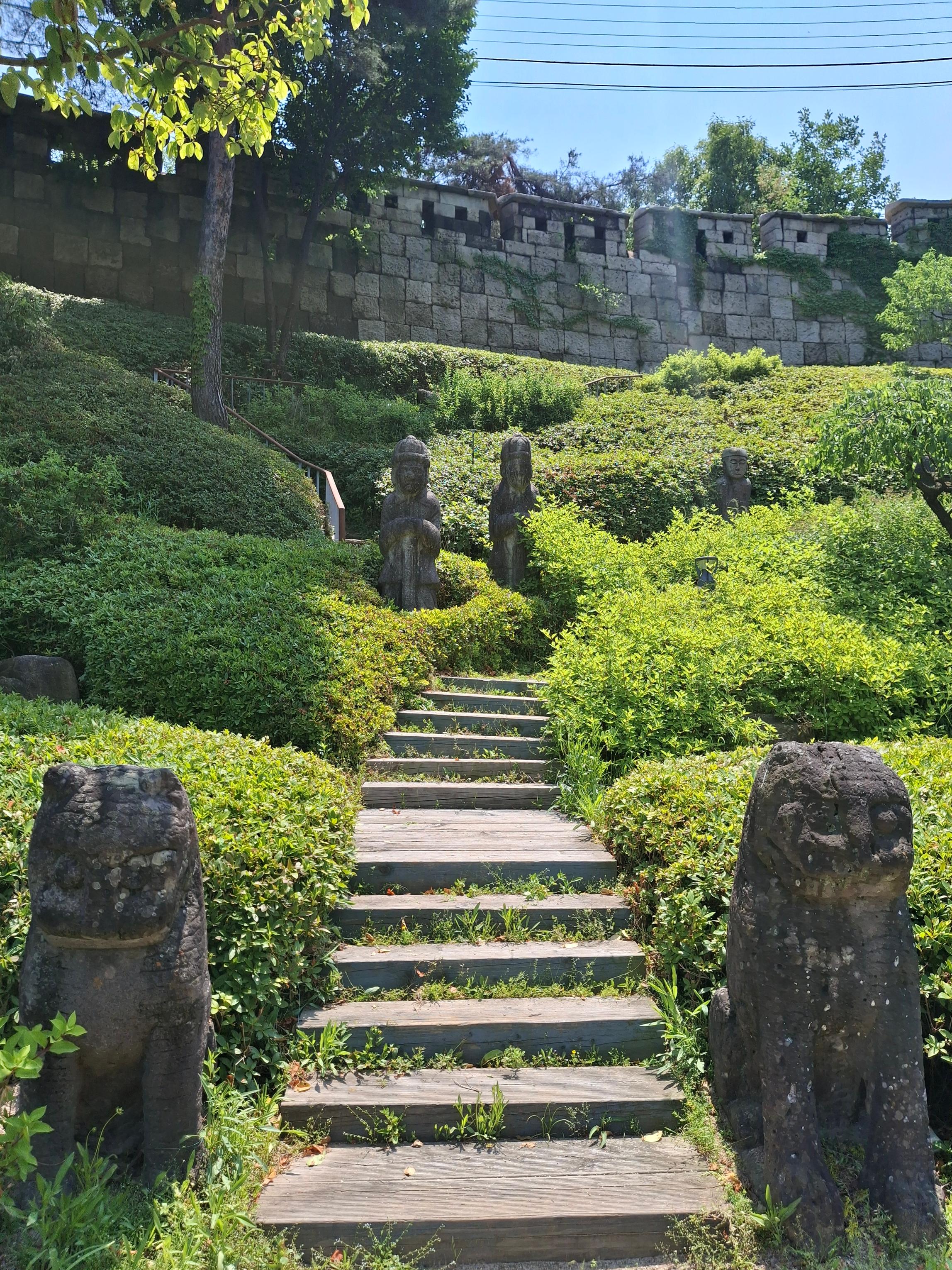
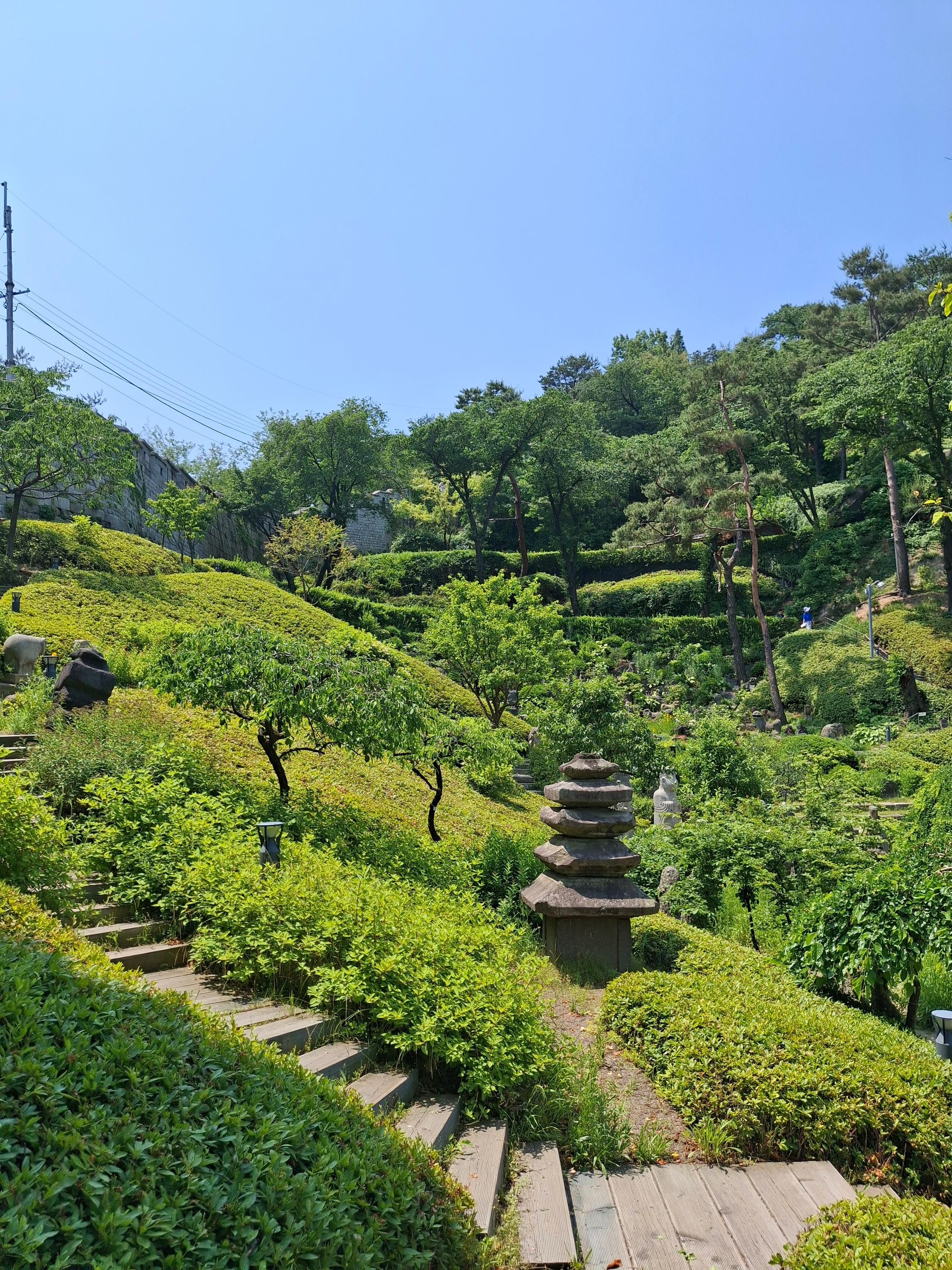
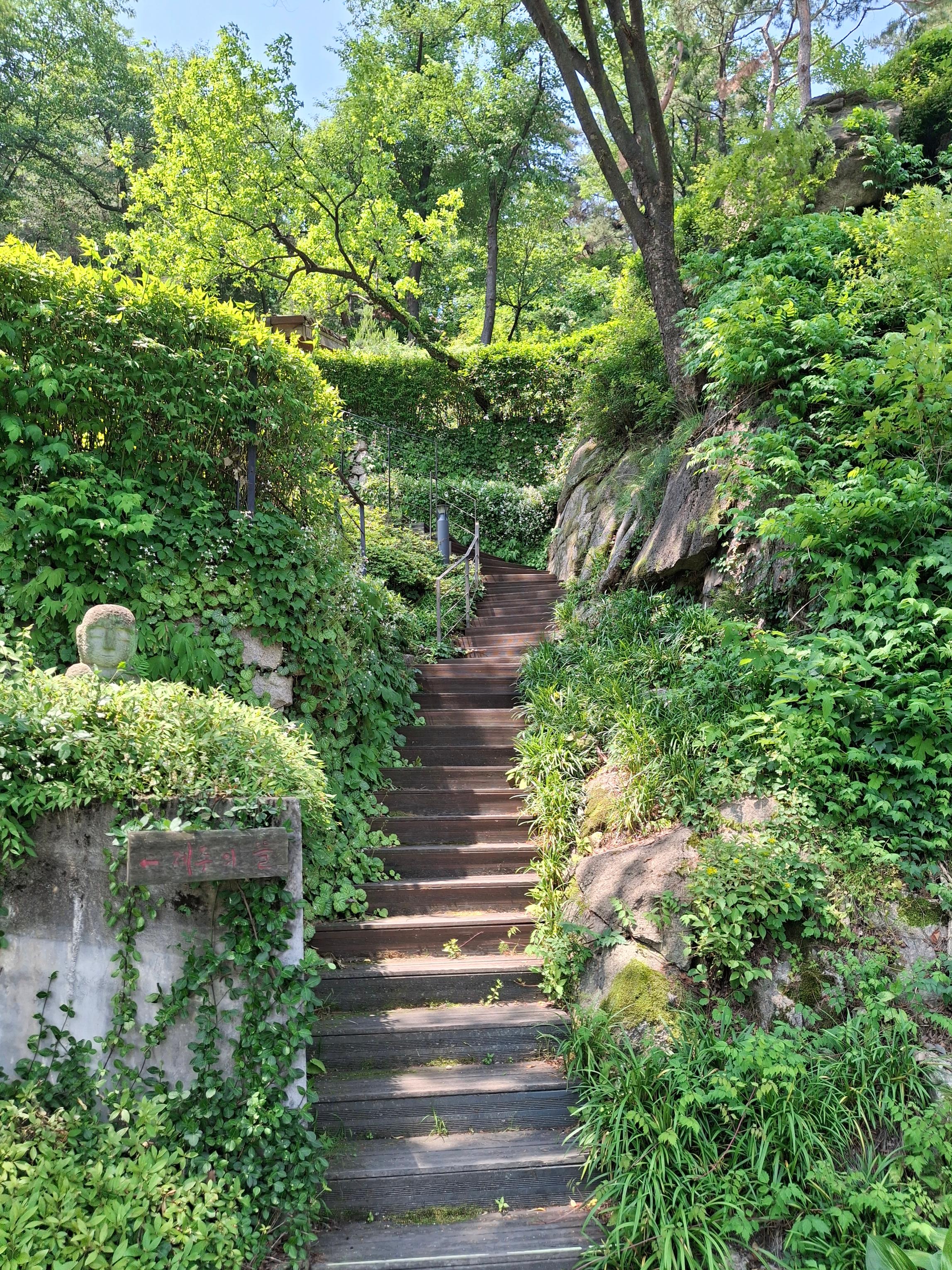
From above, there are breathtaking views of the museum grounds, mountains and the city. Especially in sunny weather with clean air.


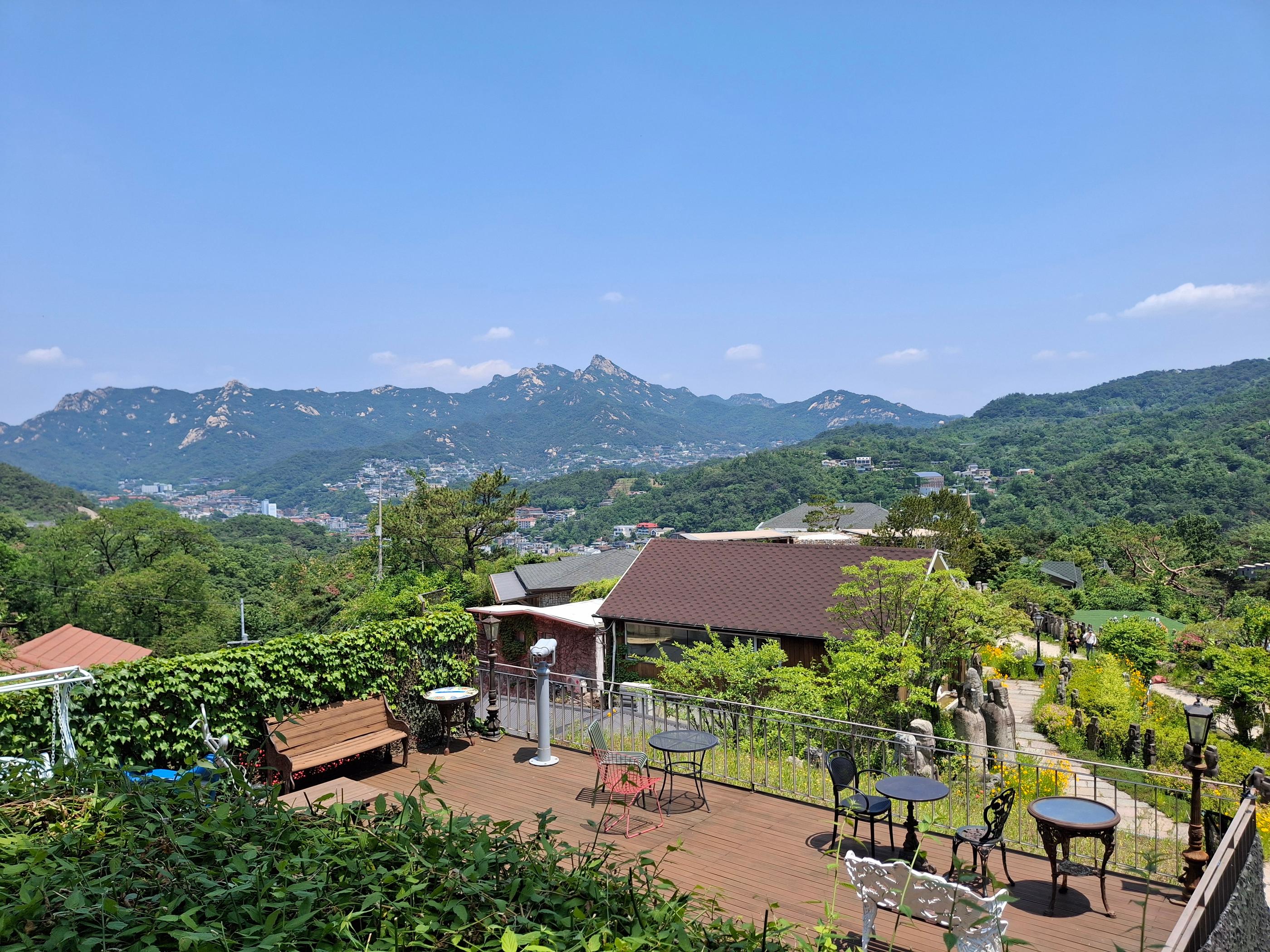
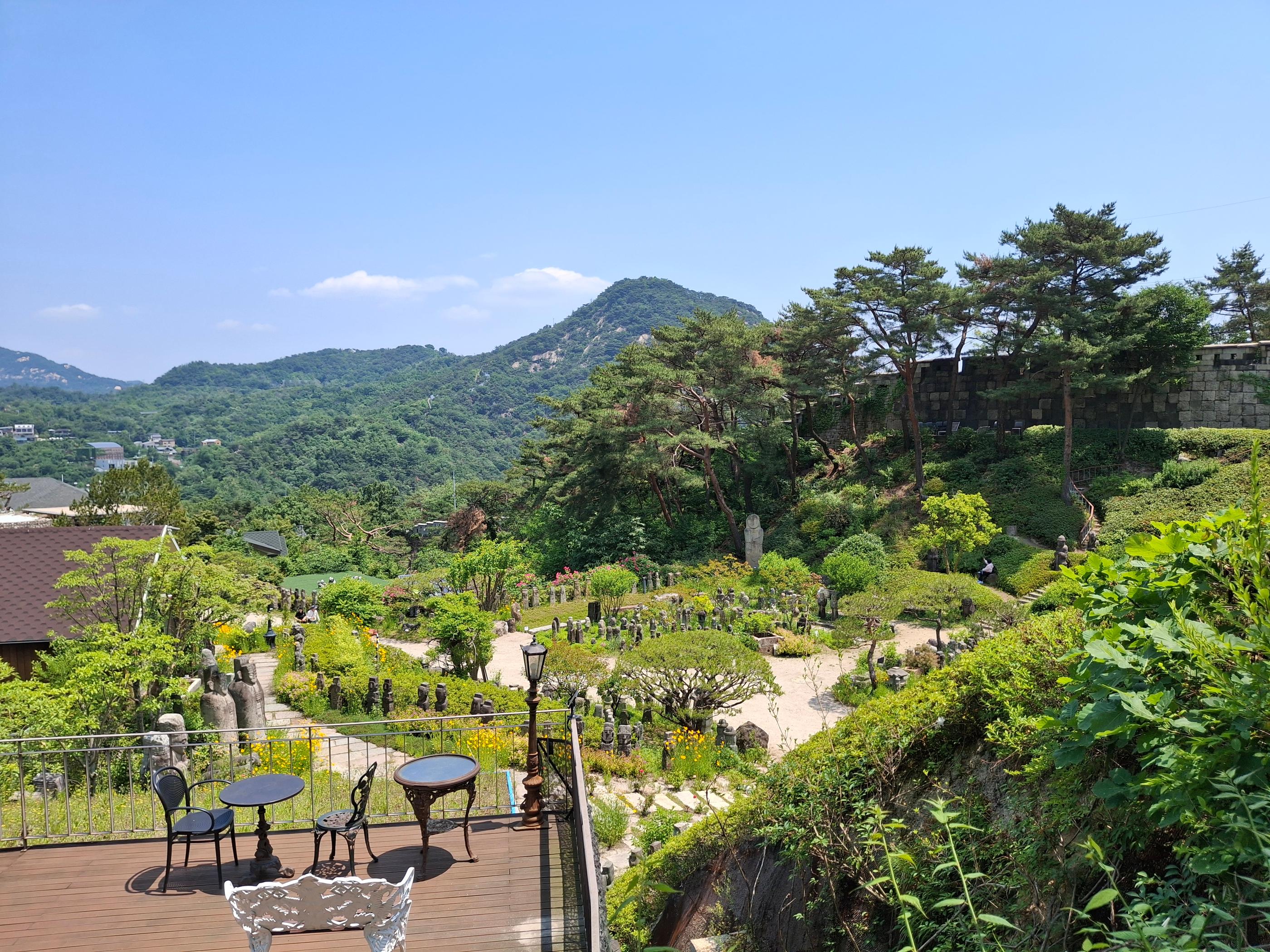
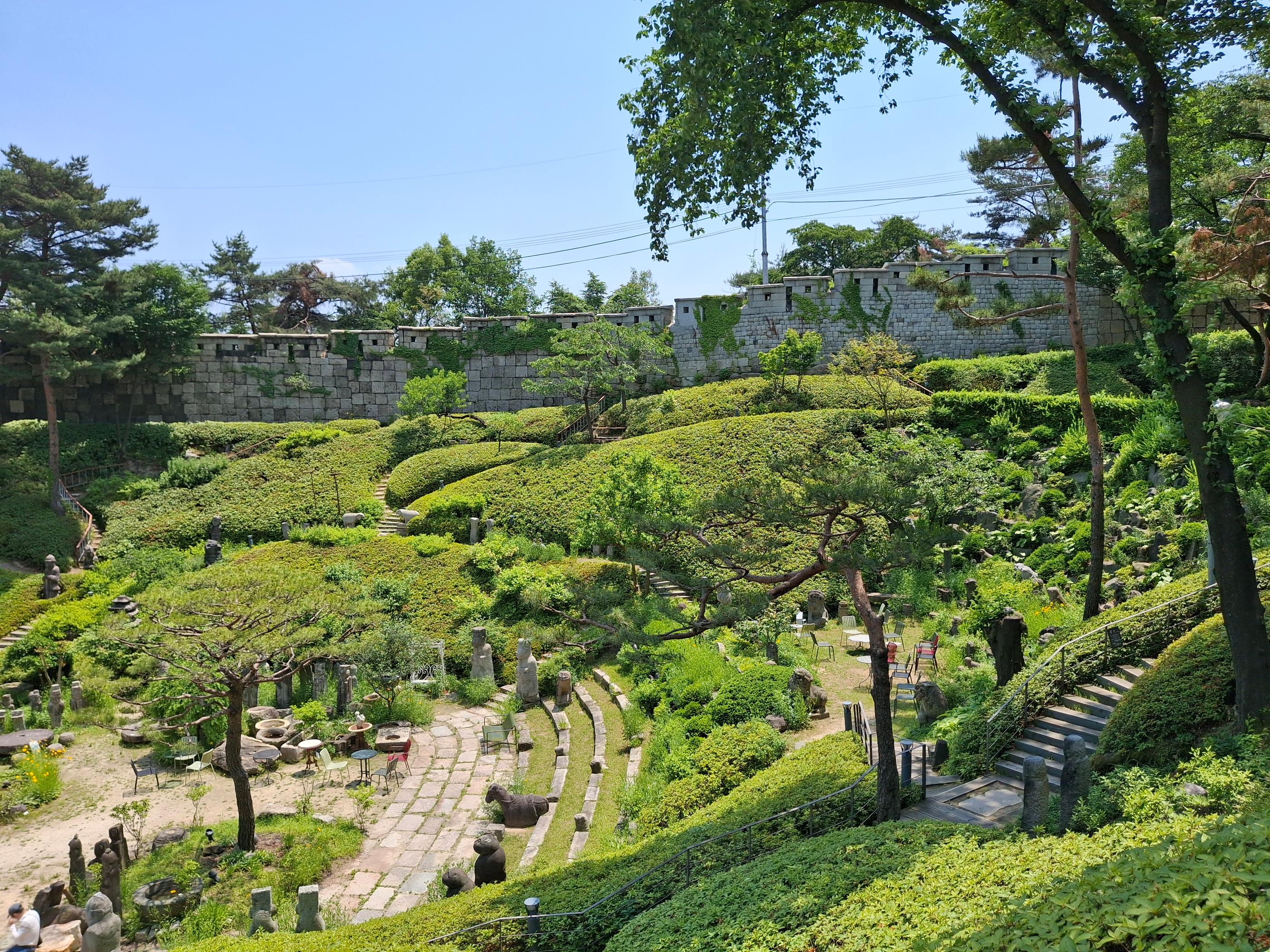
You can sit and relax, enjoying a cool drink and the views. For relaxation there are many gazebos and an open terrace.
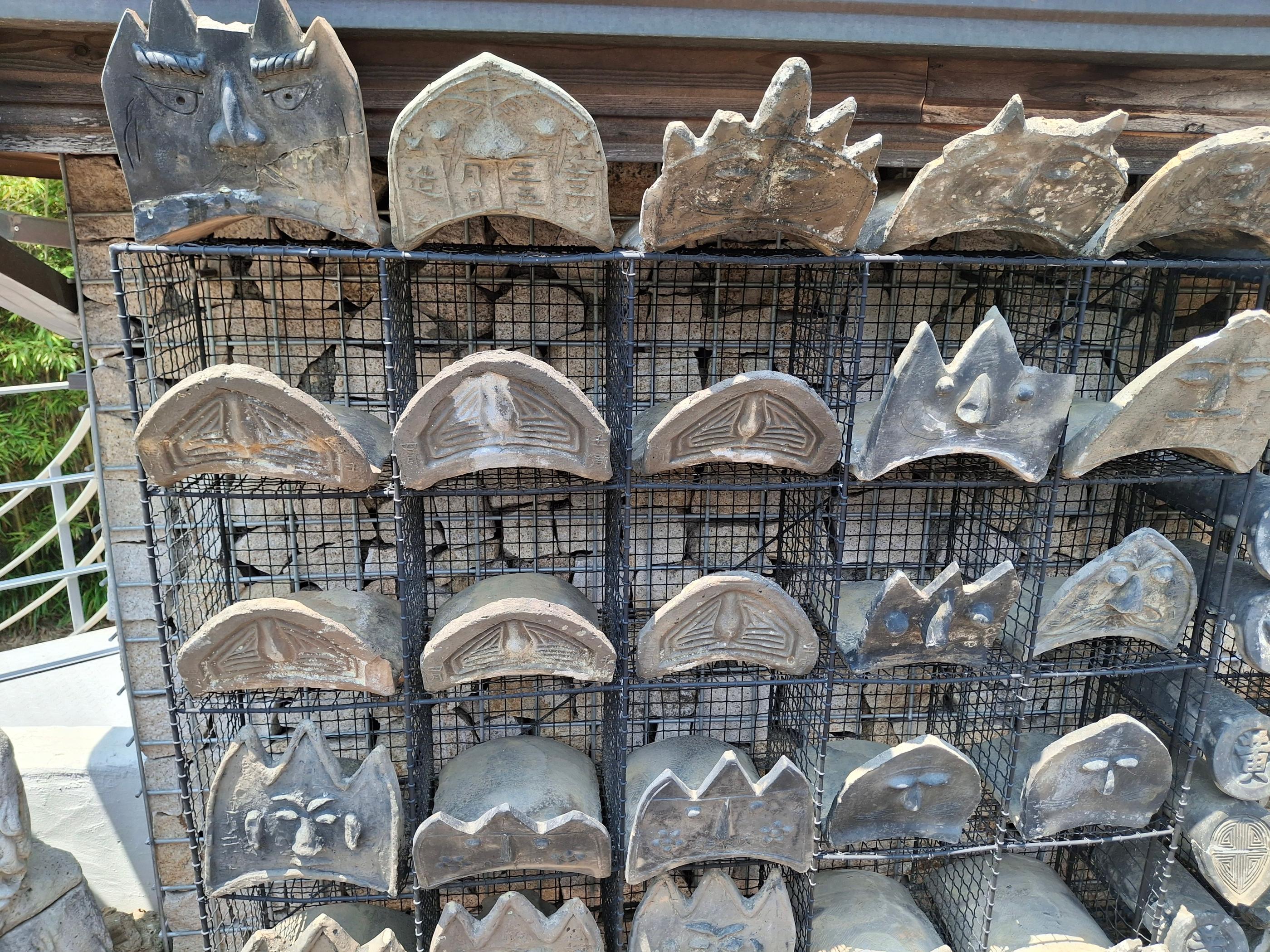
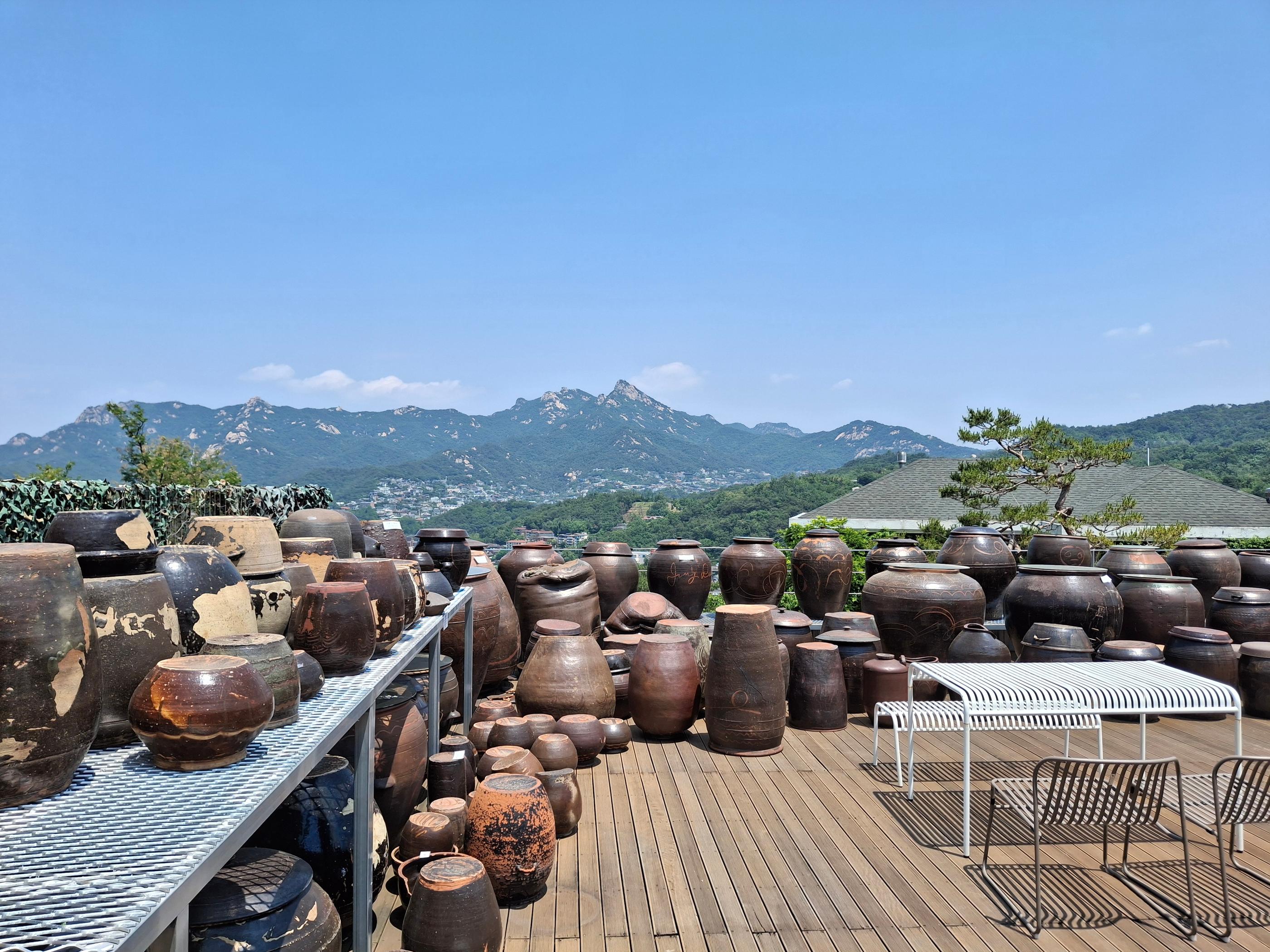
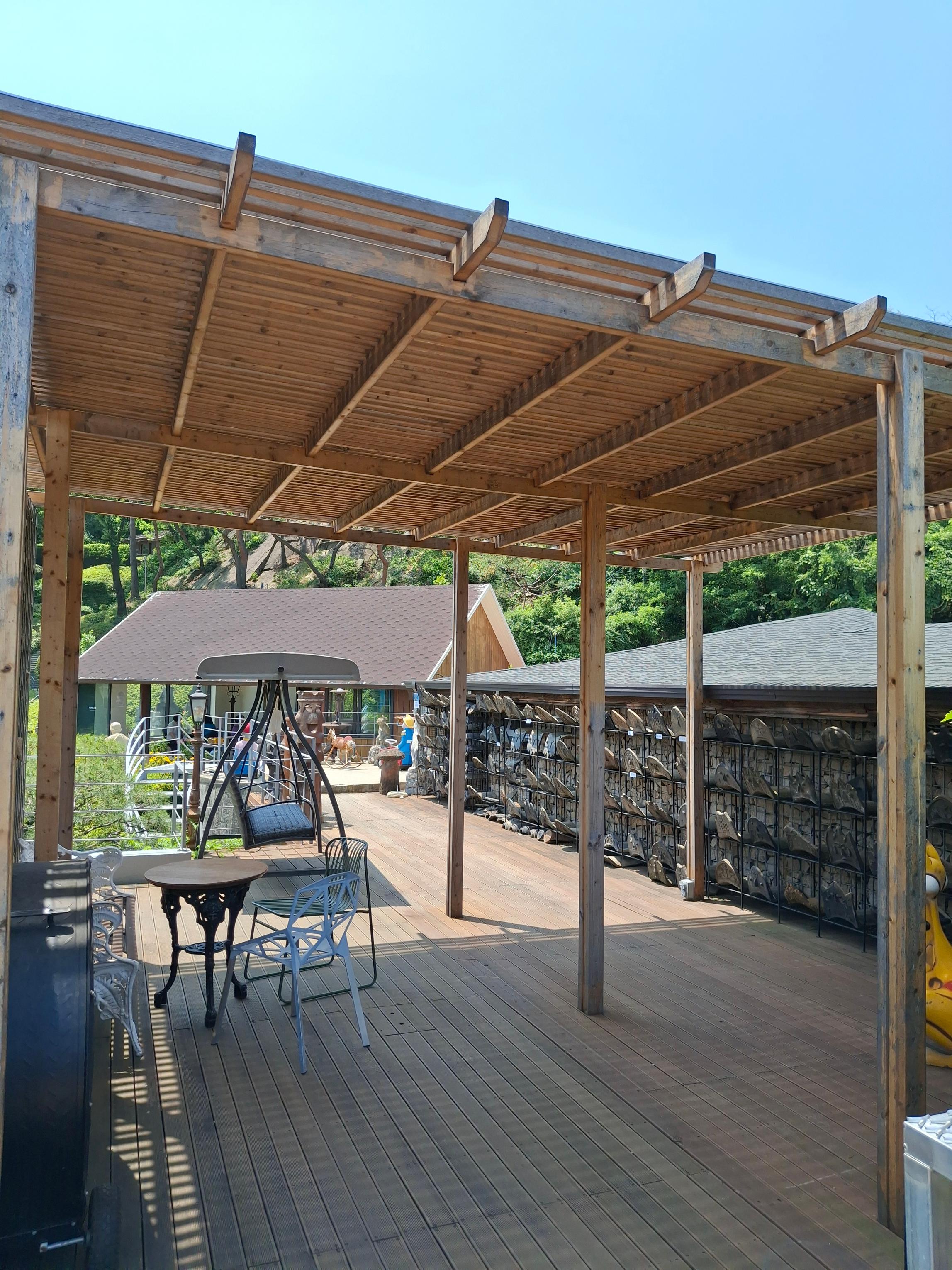
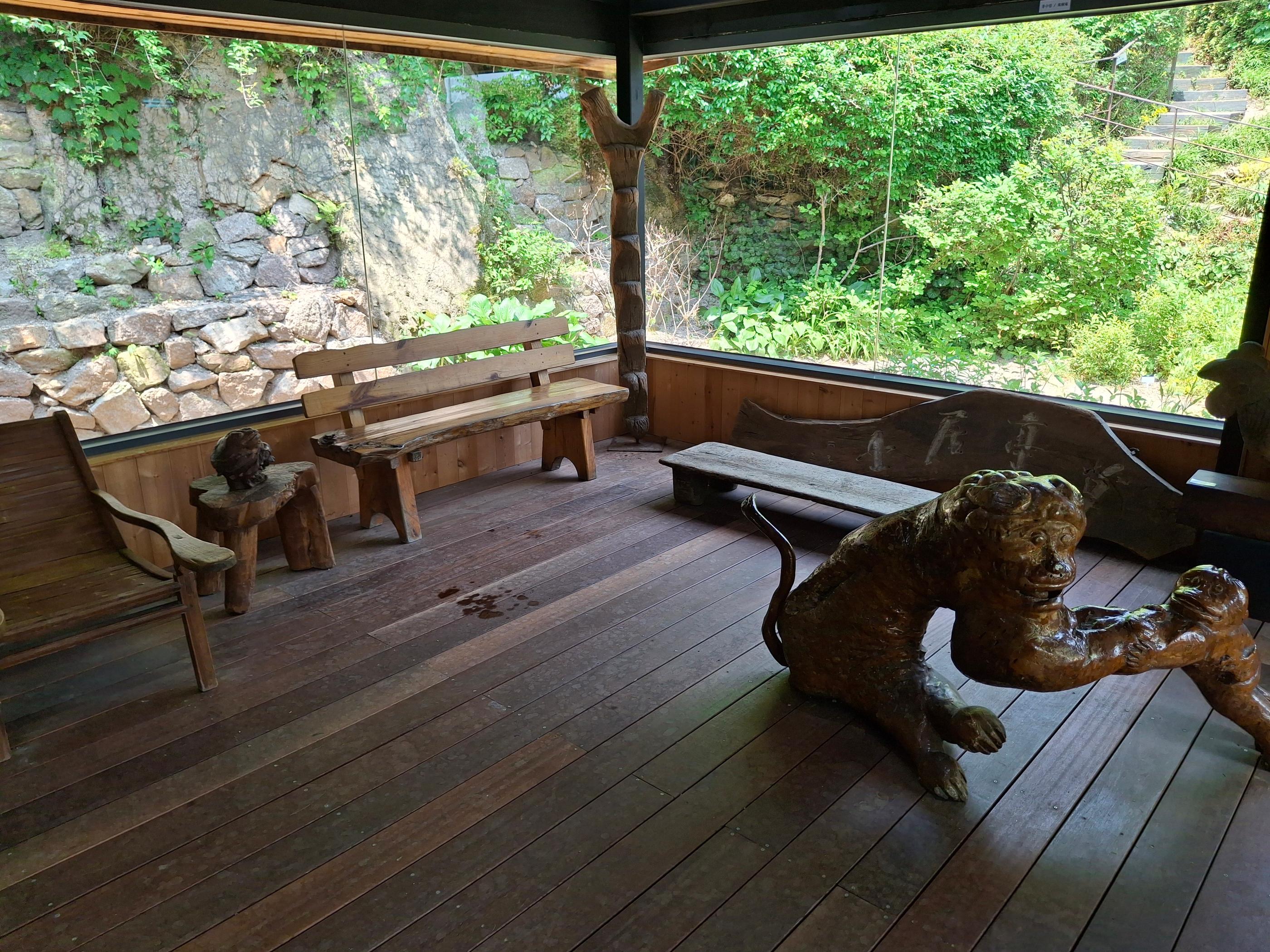
So the museum provided a space for culture and relaxation in the city center, where you can enjoy the beauty of Korean cultural heritage that blends in with nature. It is an oasis of peace, quiet and art in the middle of a noisy city. The only thing is that, unlike many Korean museums, the Mokin's museum entrance fee is higher (10000 won). But in my opinion, it is not such a big price to pay for rest, relaxation and enjoyment of art.