



A Visit to the Past: Former President Kyu-hah Choi’s House
Olga
3 months ago
On a small street deep in the Seogyo-dong, Mapo-gu there is an amazing historical landmark - a President Choi Kyu-ha's house.
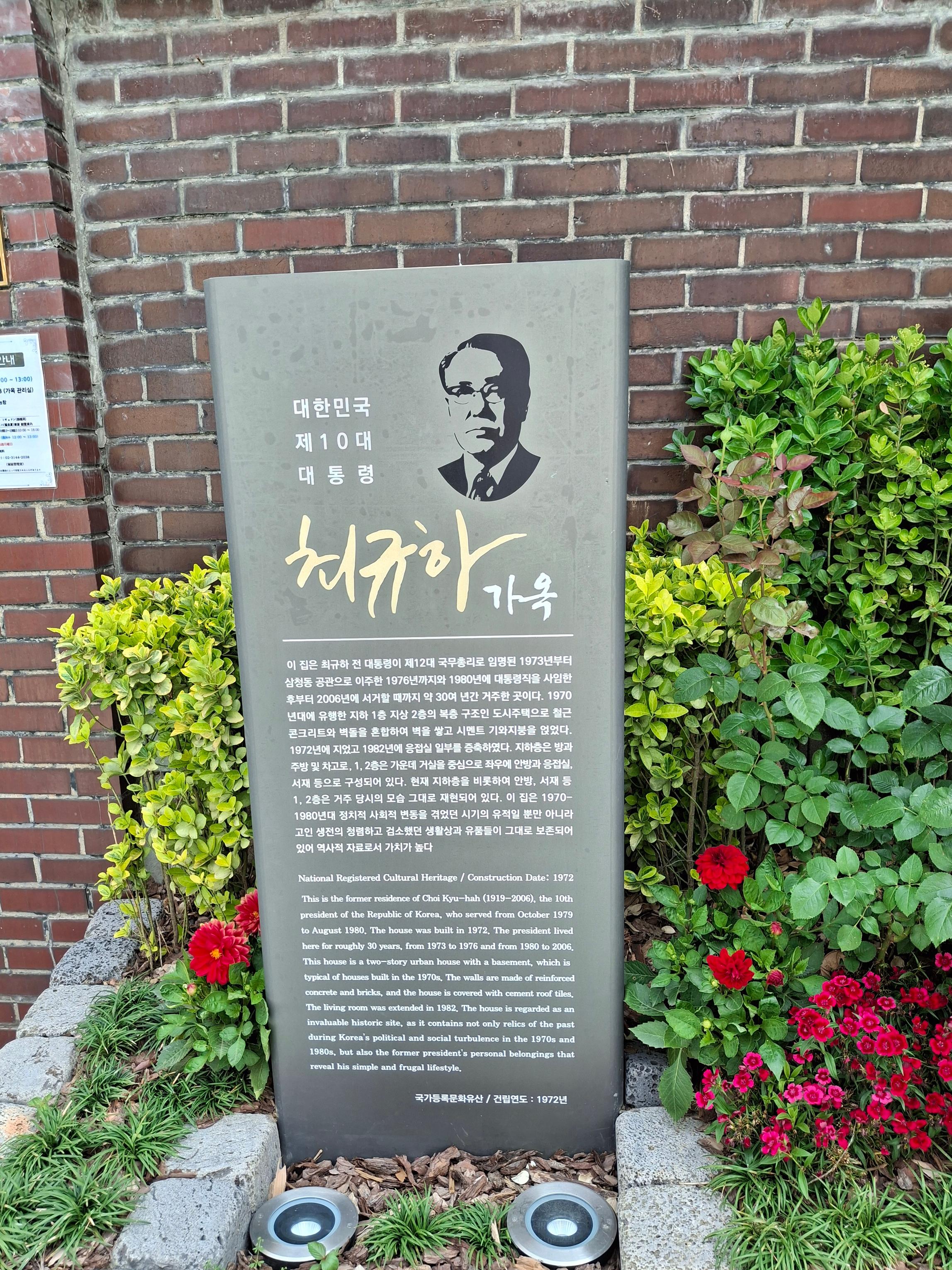
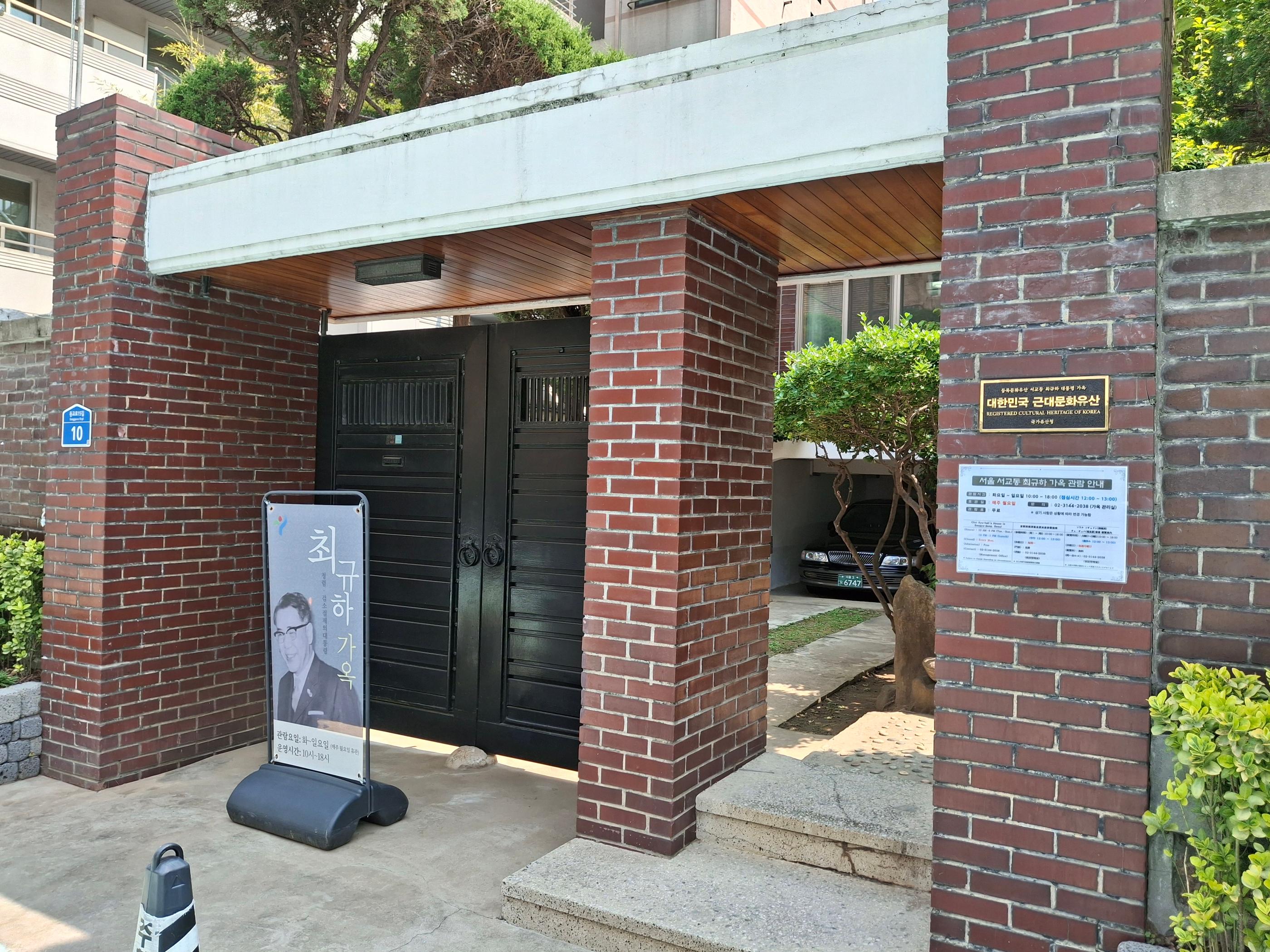
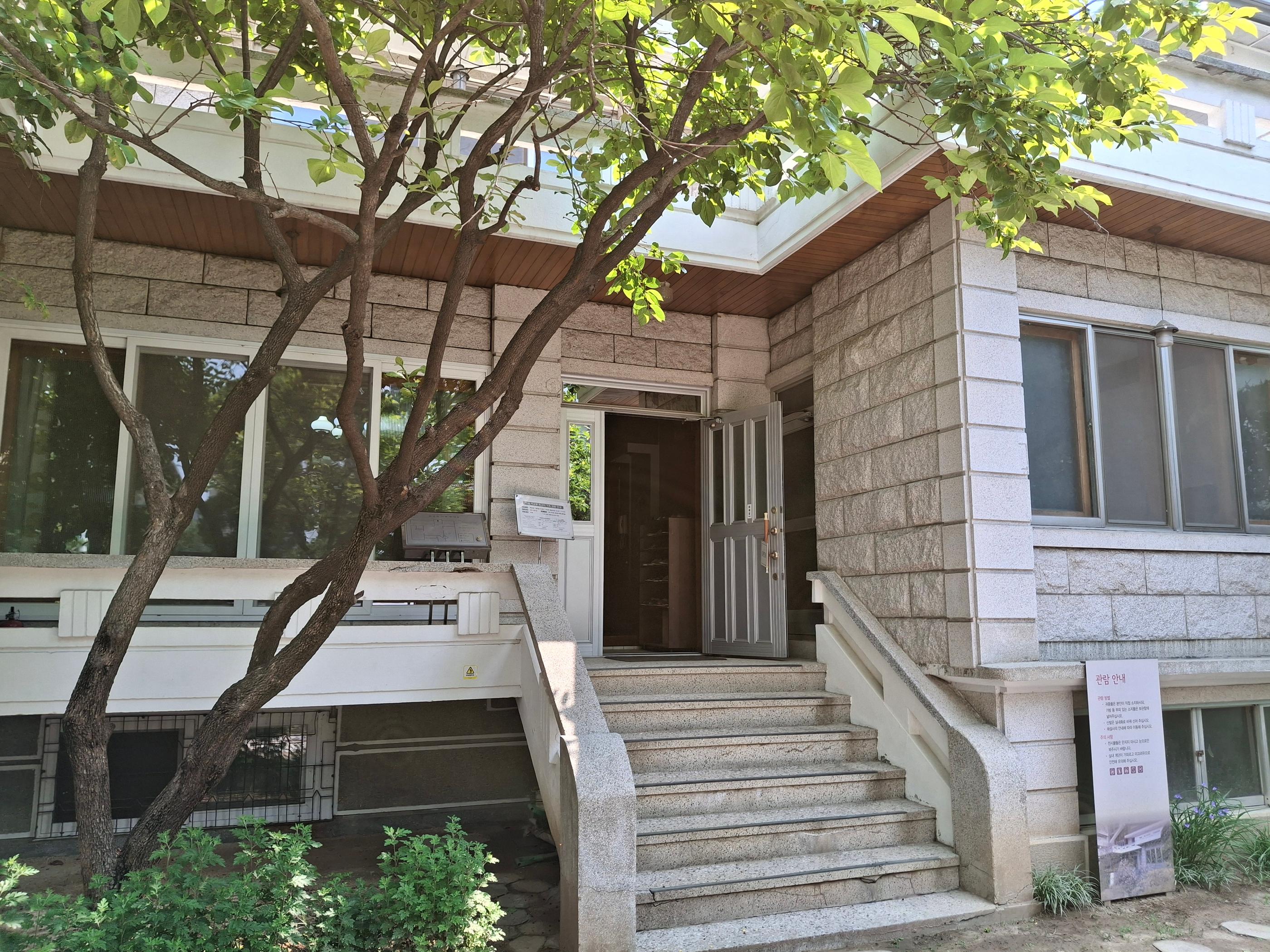
Just beyond the brick fence, a view of a small two-story house opens up. There is also living space in the basement. This house was built in 1972 by the former president Choi Kyu-hah himself as his residence. It is 1-story under and 2-story above the ground structure with cement masonry tile roof. This multi-floor and multi-aligned urban residence type was popular in the 1970s as part of the movement to build “new style” homes.
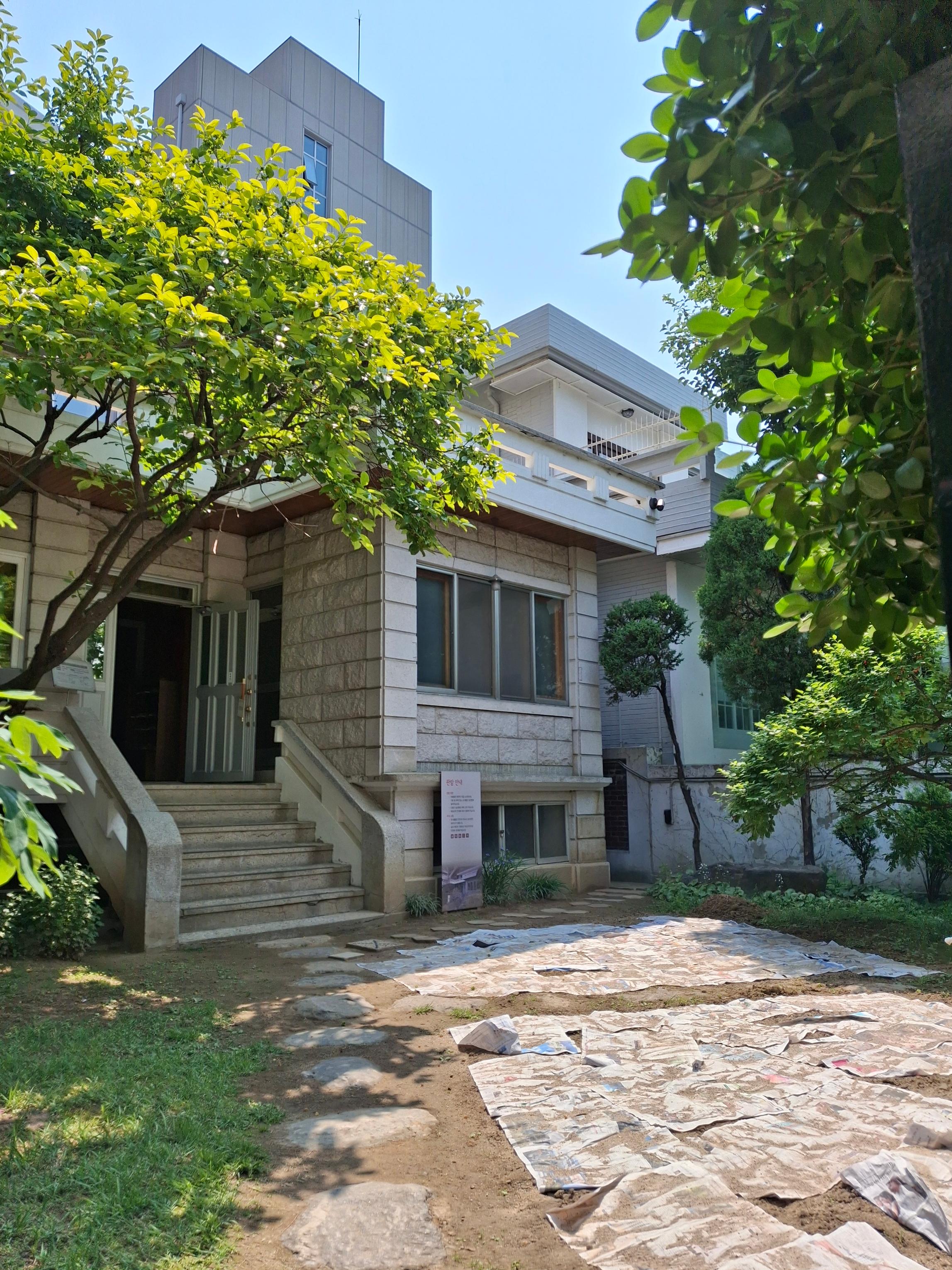
The house also has a small terrace, which is especially pleasant to sit on a hot day.
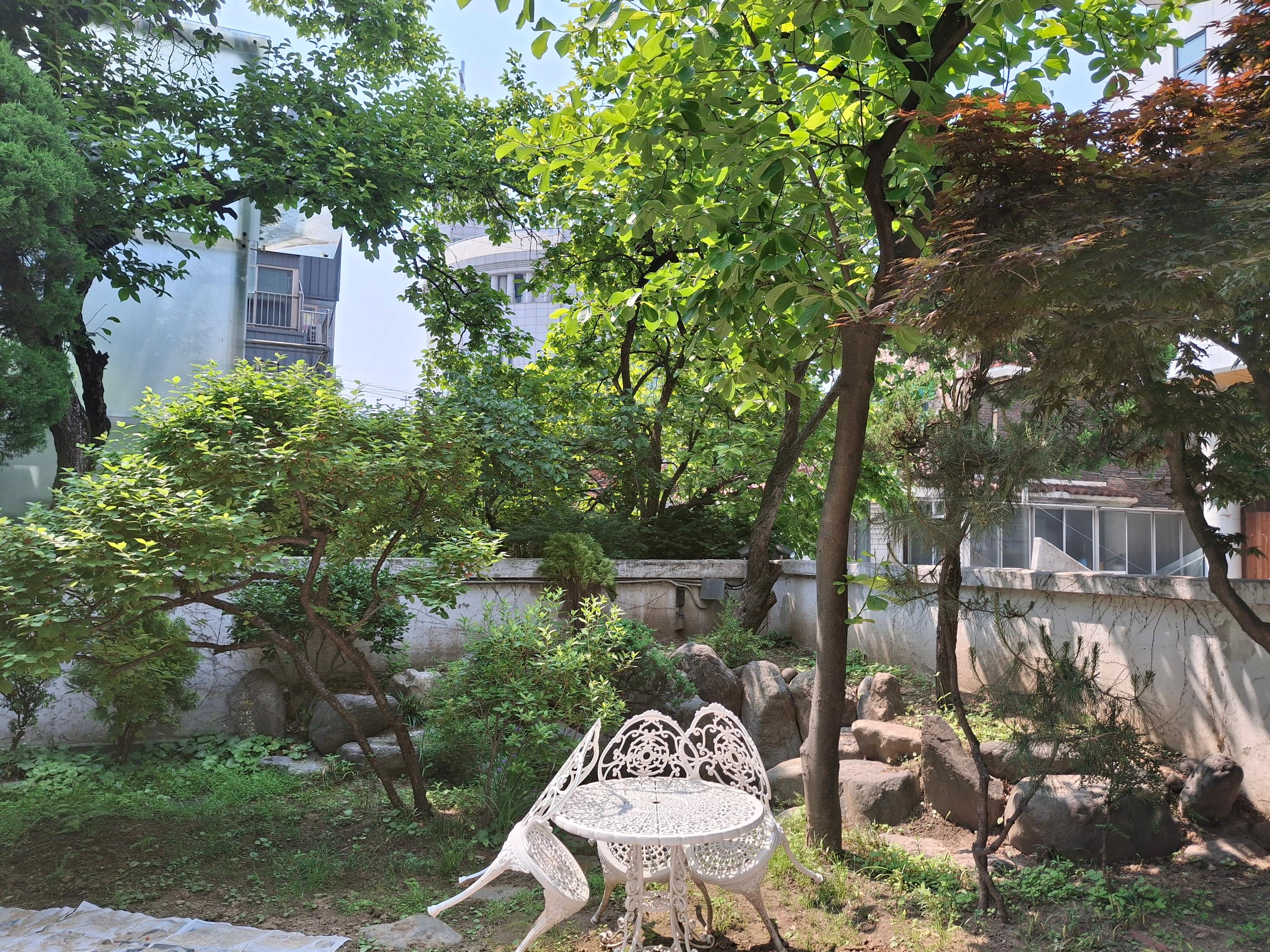
In front of the house there is a small garden with trees and flowers. It is especially beautiful during the rose bloom period!
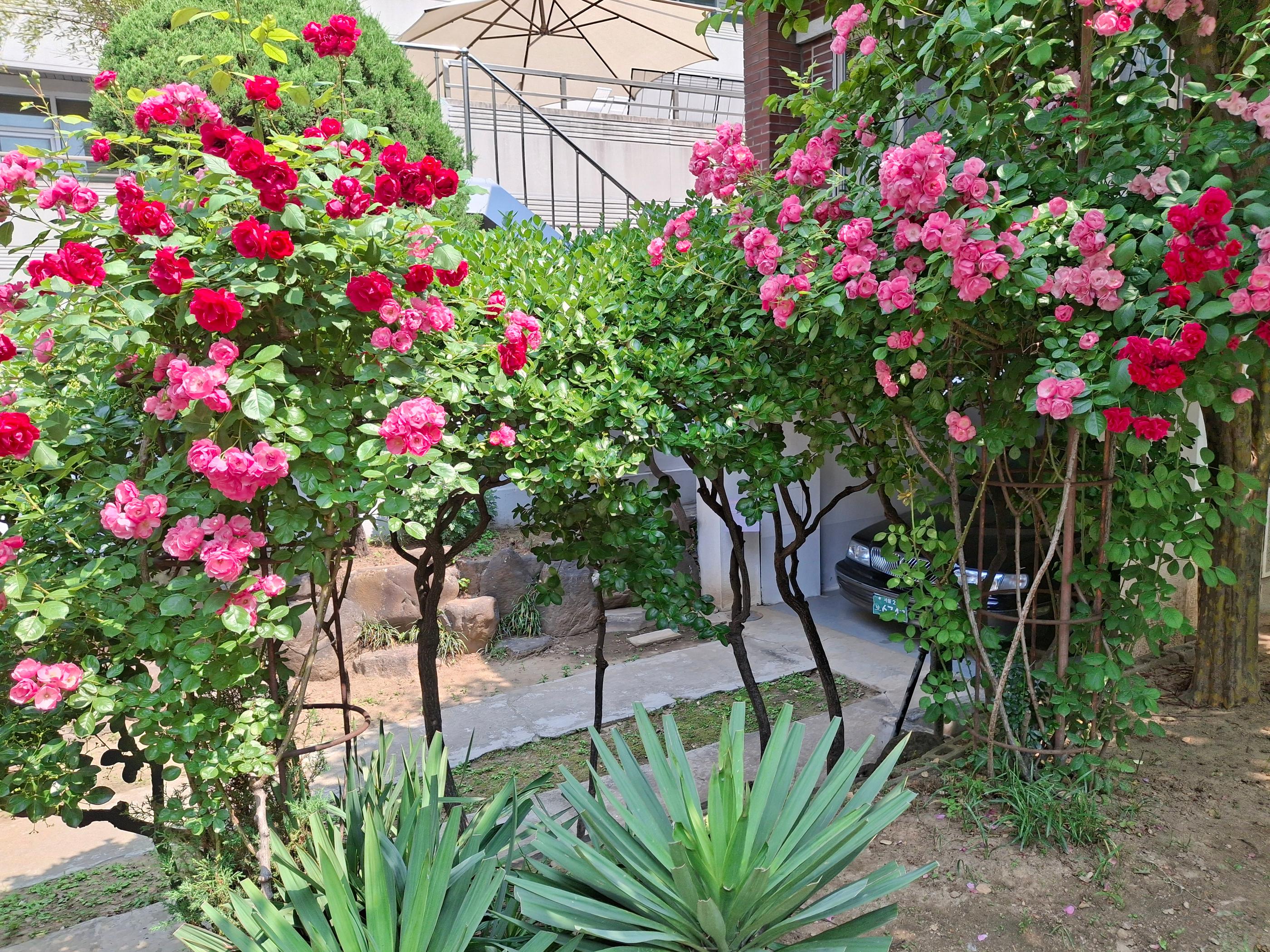
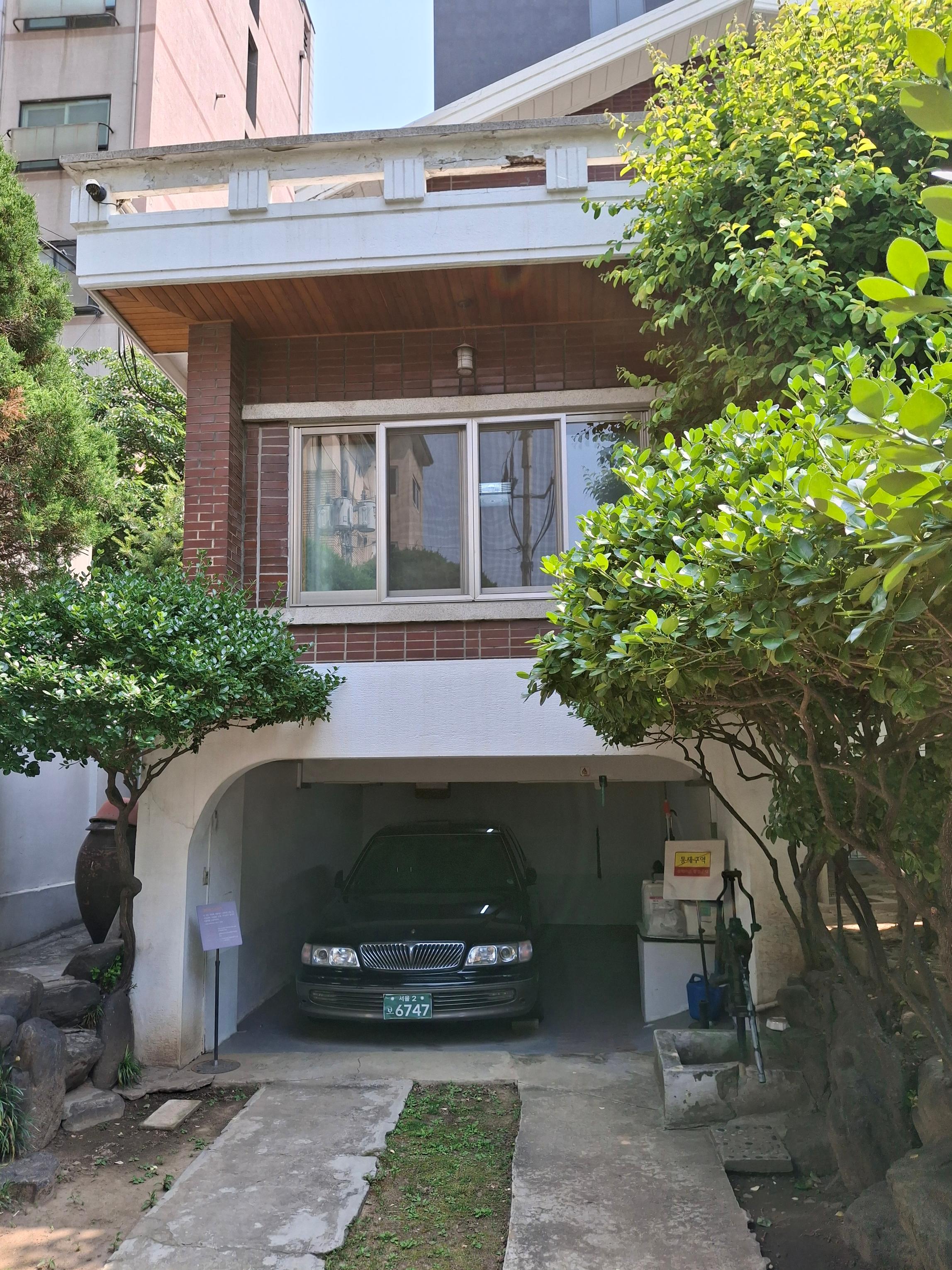
There is a garage next to the house. You can still see the car the president drove there.
Right at the entrance to the house there is a large hallway. It's as if you find yourself in the 70s. The house has preserved the furniture and interior of that time. A glimpse into the president's simple and frugal life.
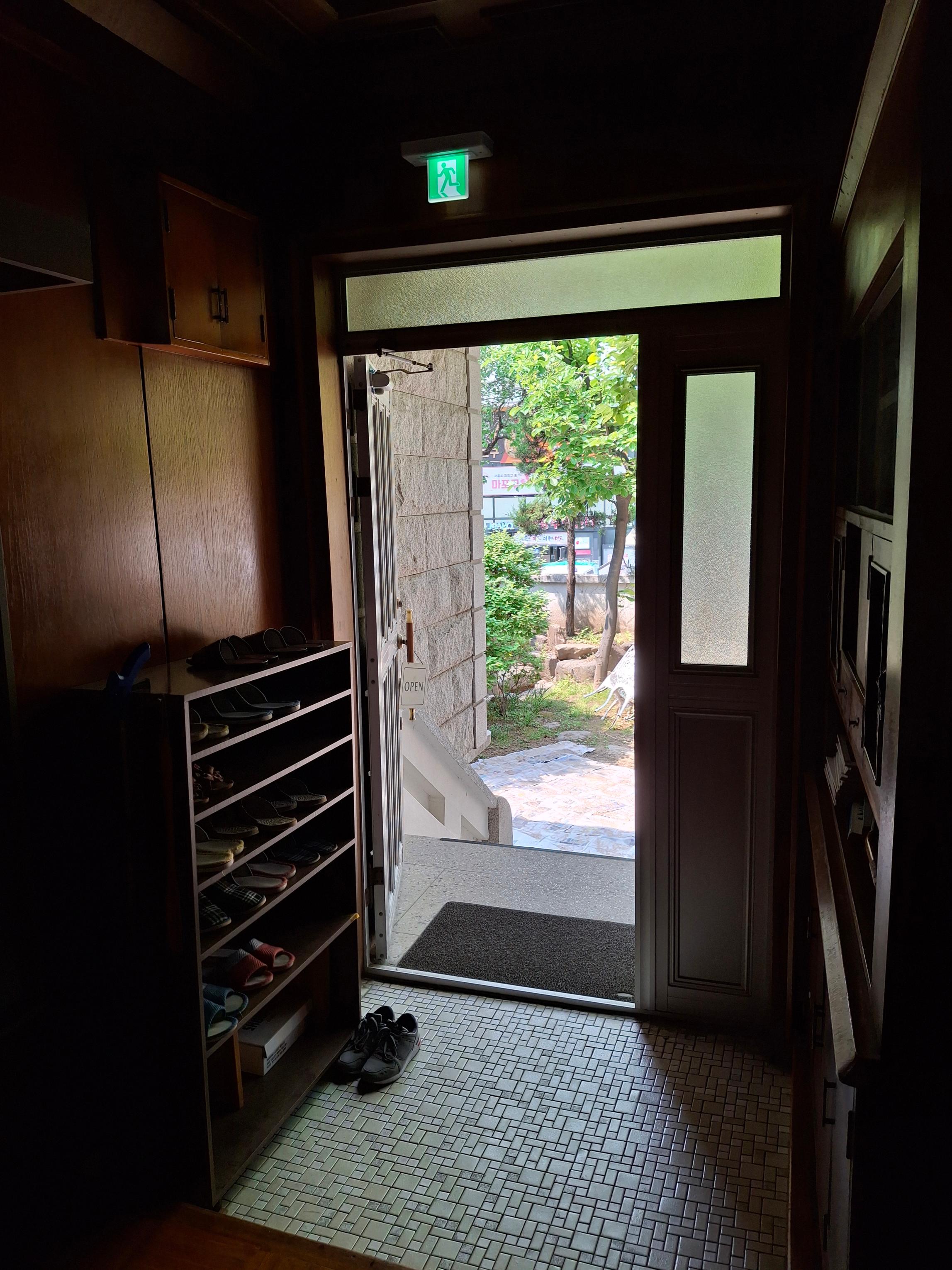
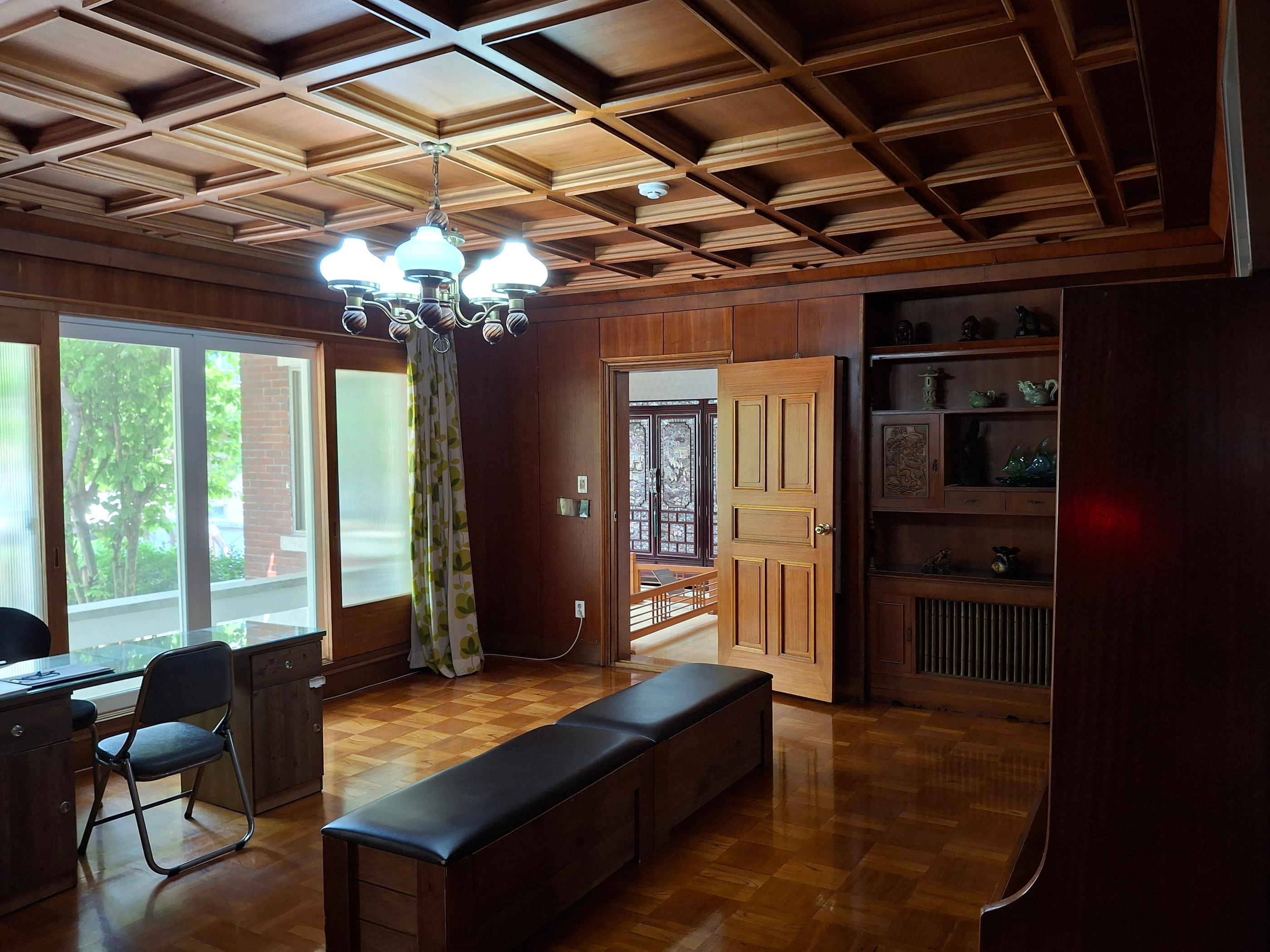
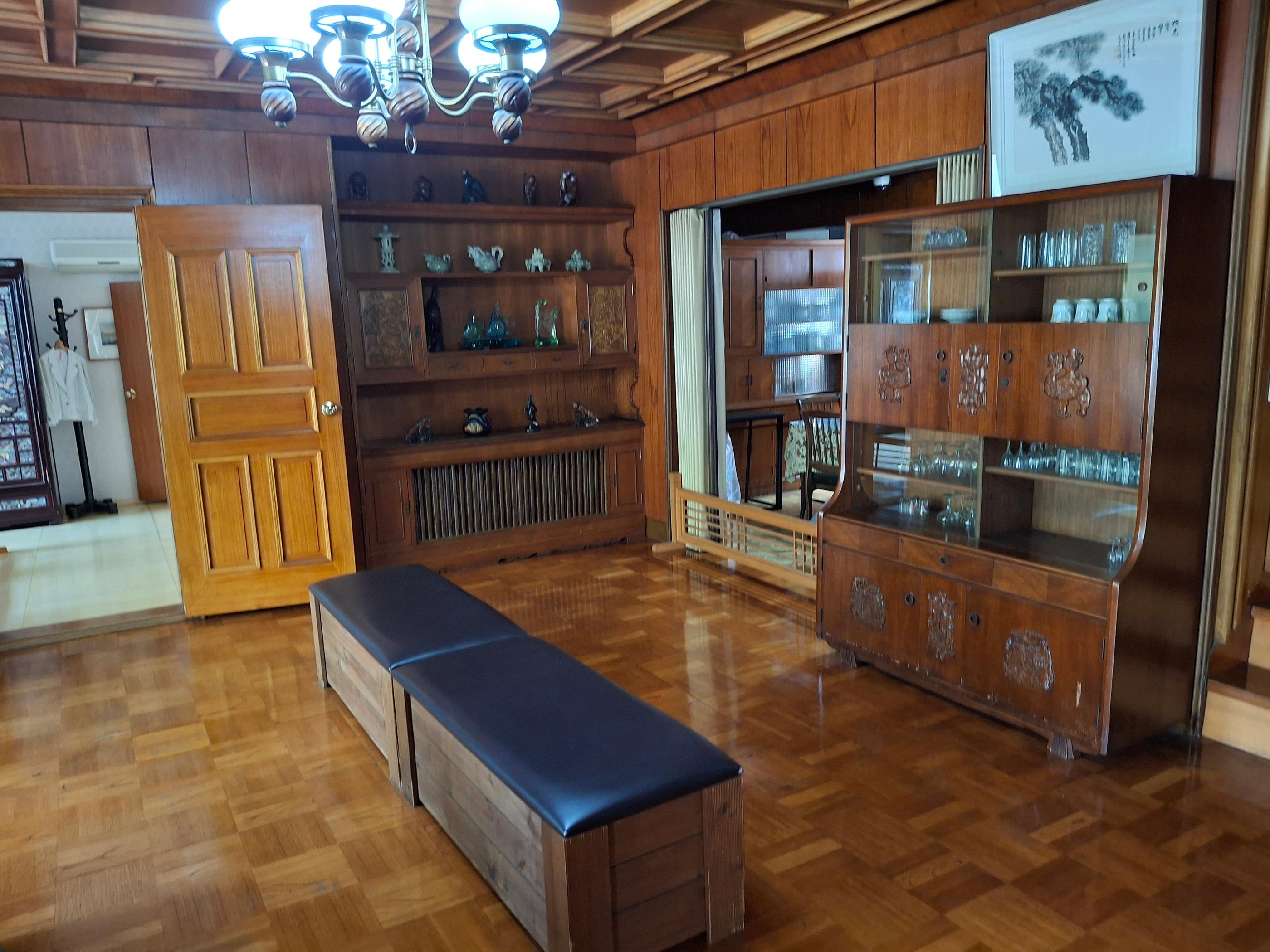
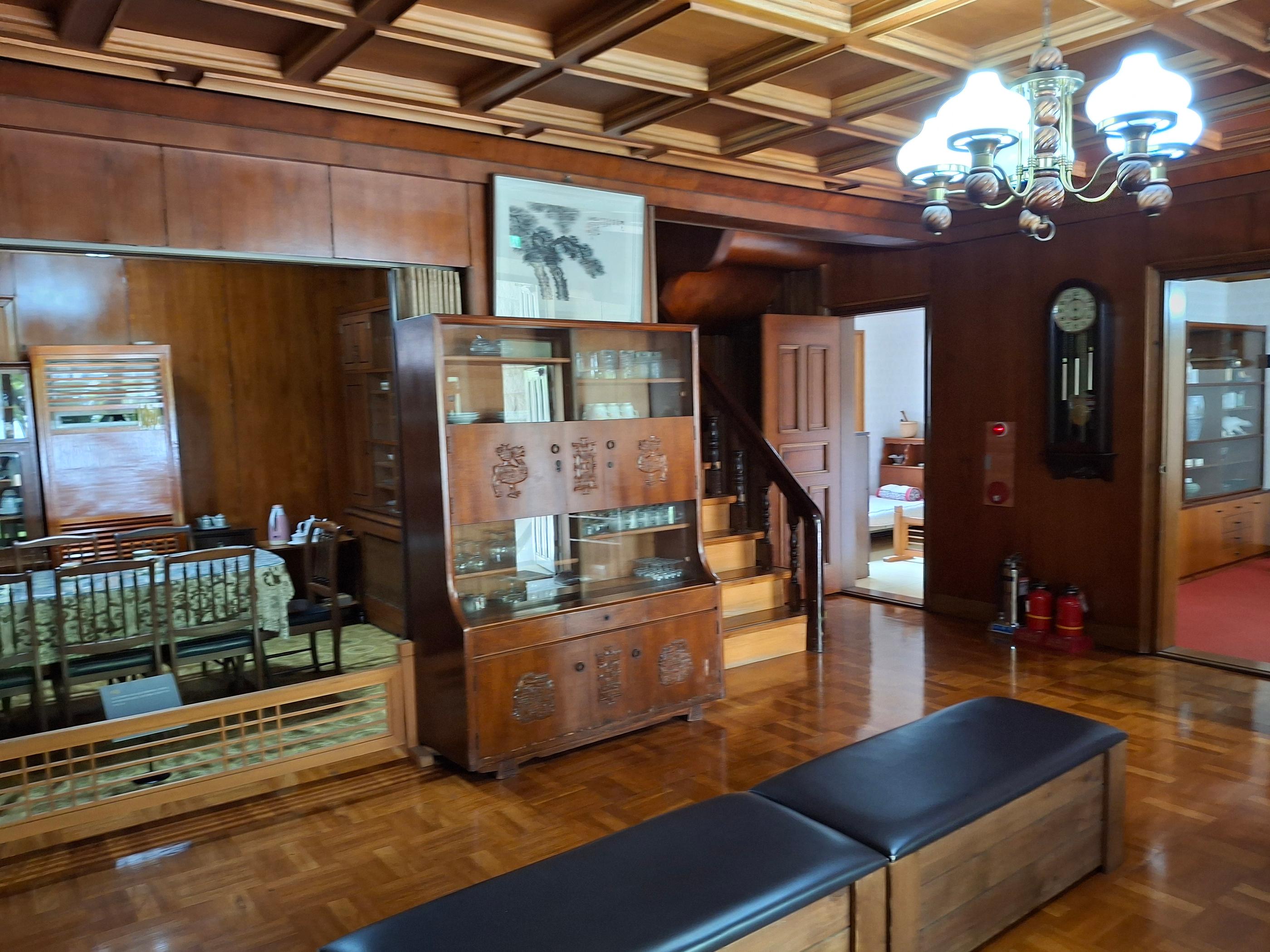
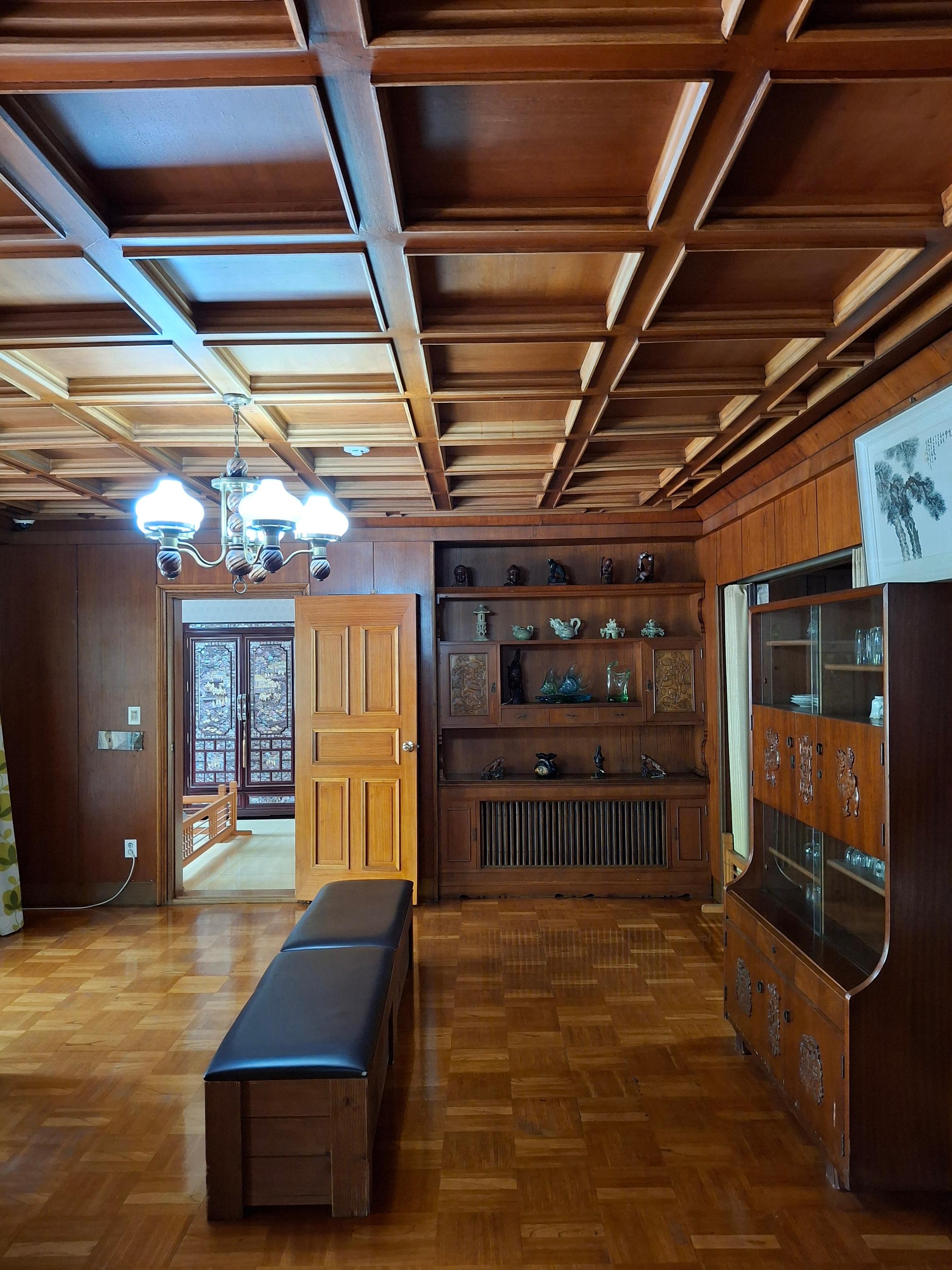
The original interior of the house has been preserved down to the smallest details. It is very interesting to look at everyday objects that have been preserved since the 70s!
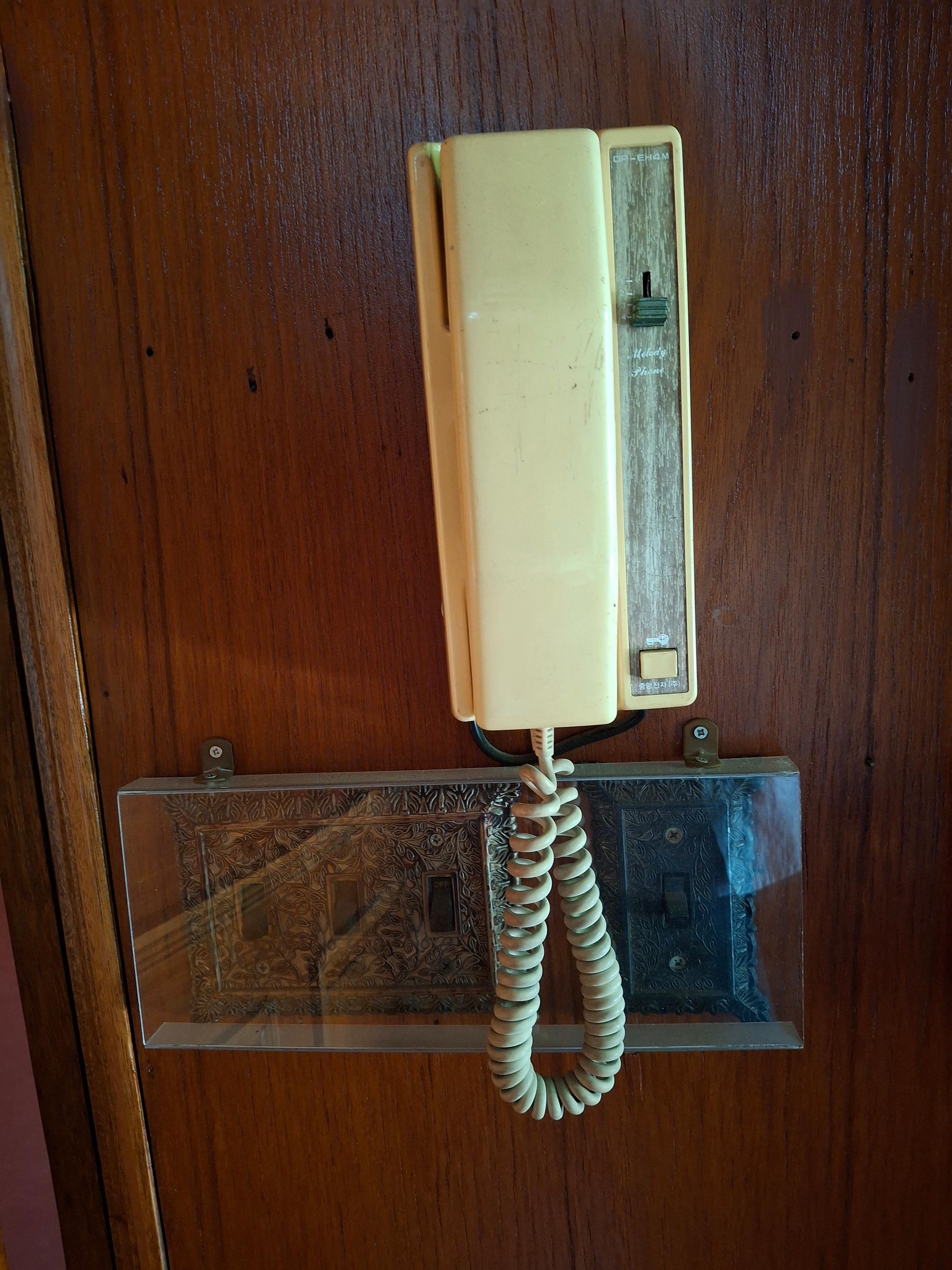
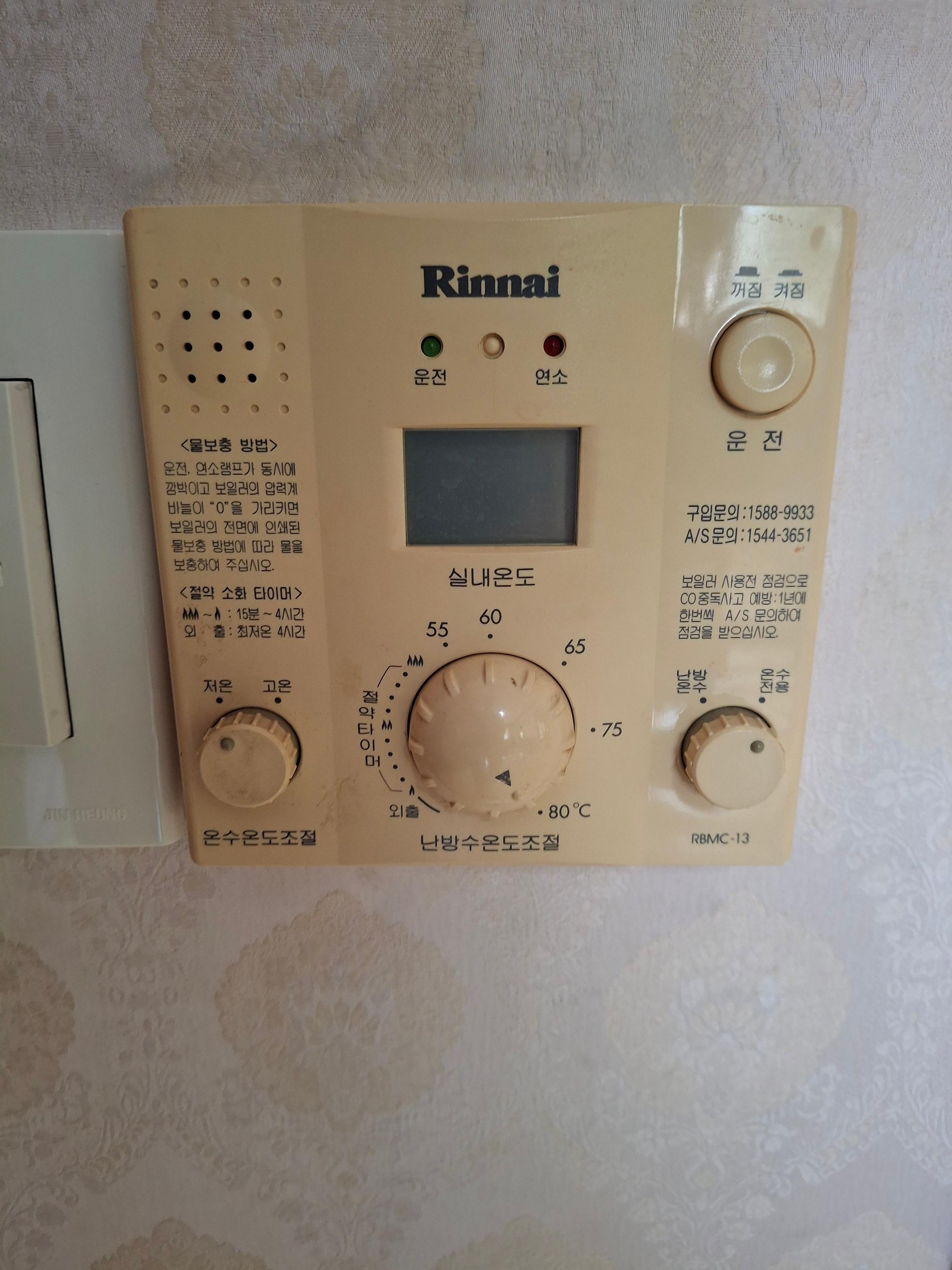
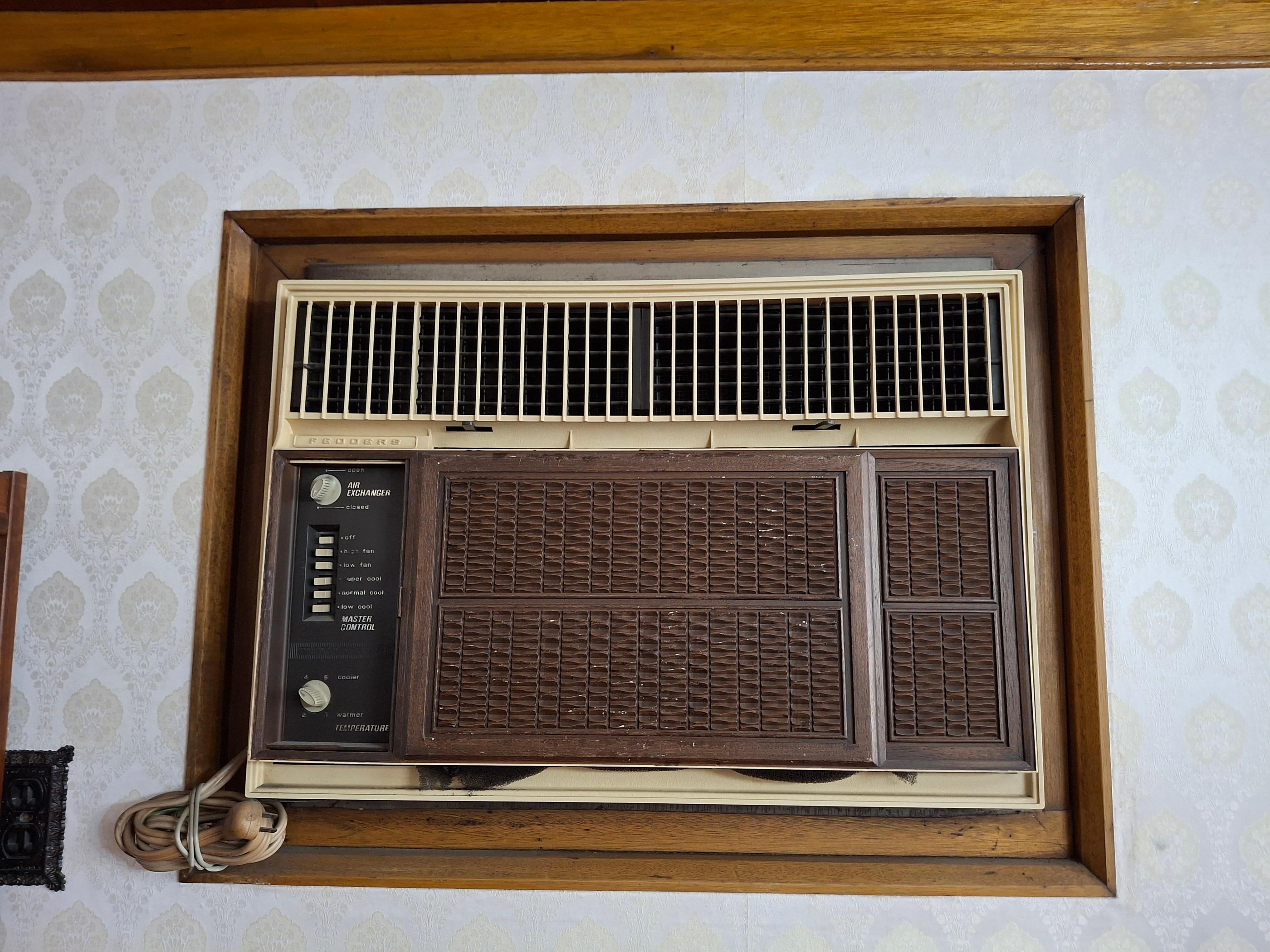
It's amazing that even in those distant years, smart home systems were already being used in Korea. And built-in radios are also a great idea.
The furniture is very simple, but surprisingly beautiful, with a national flavor. For example, these chests of drawers in the hallway with carved images.
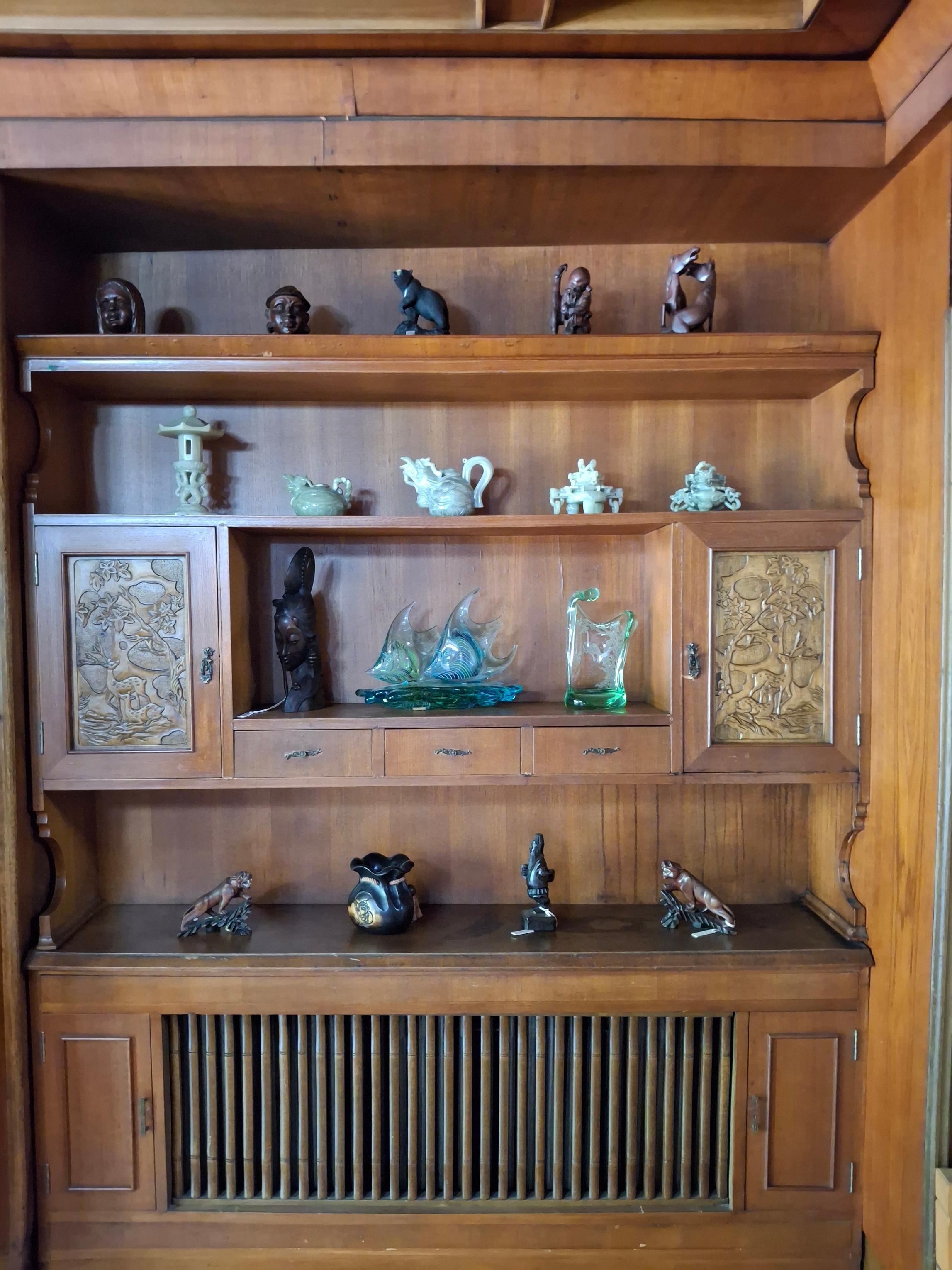
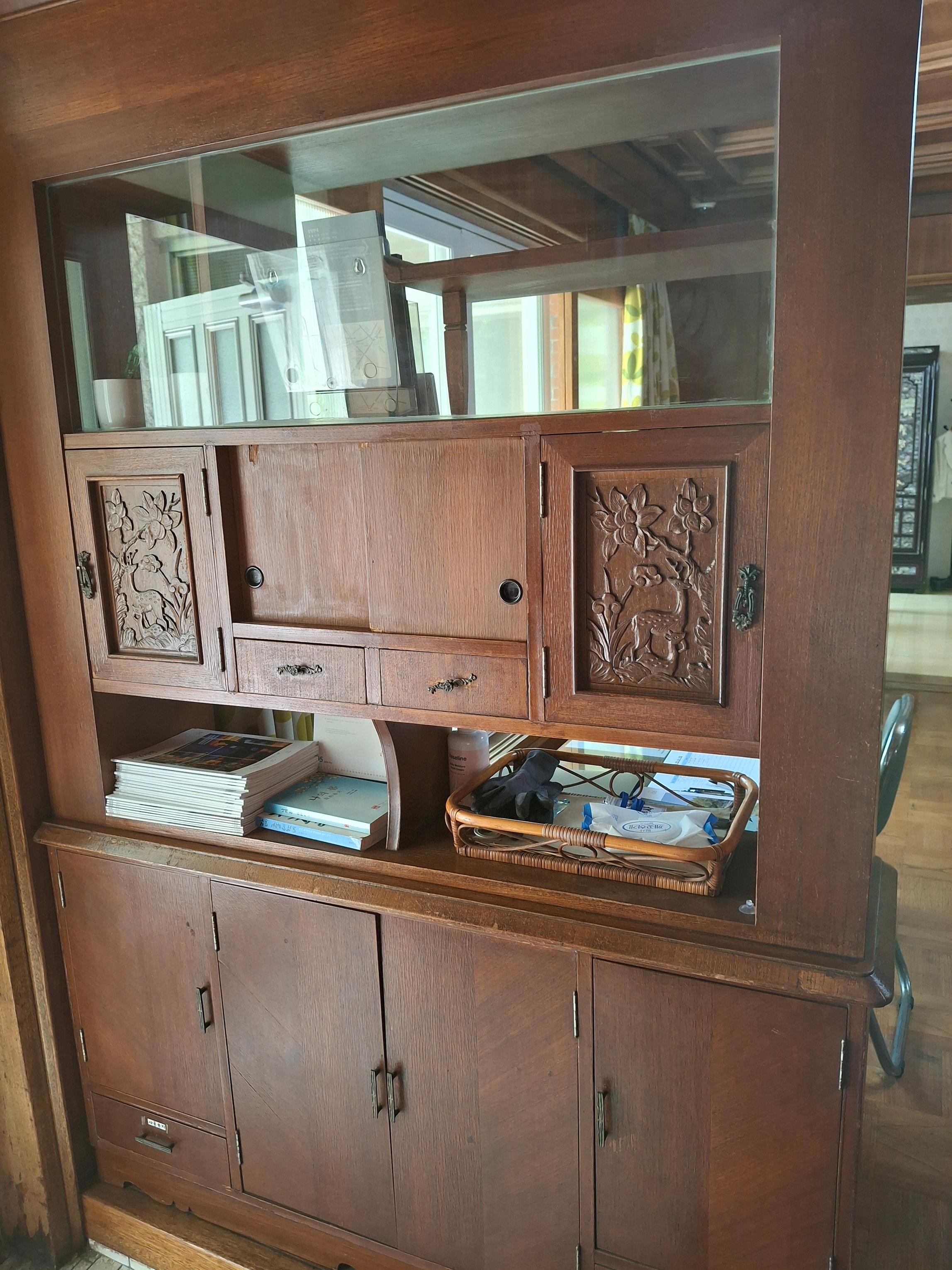
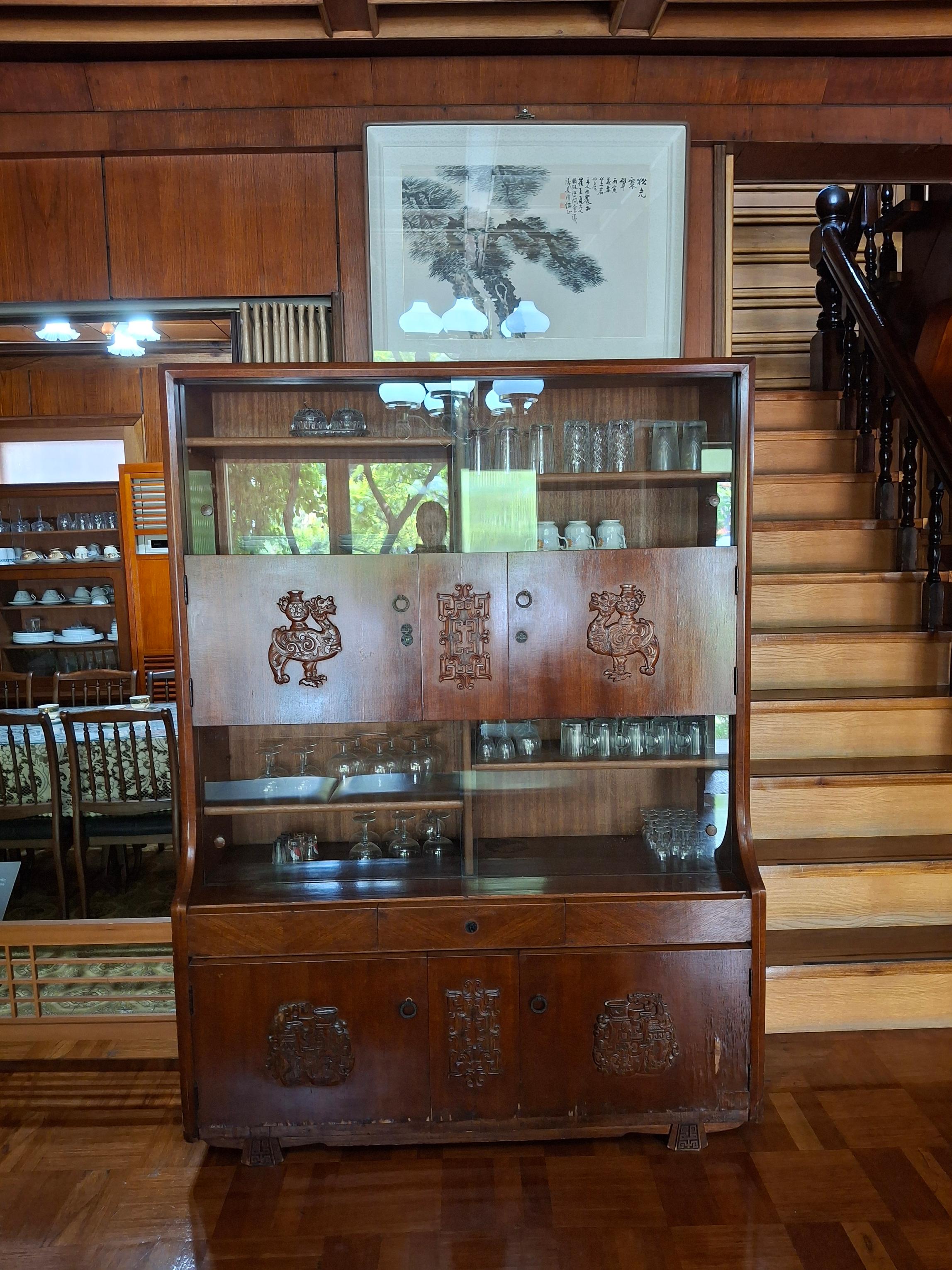
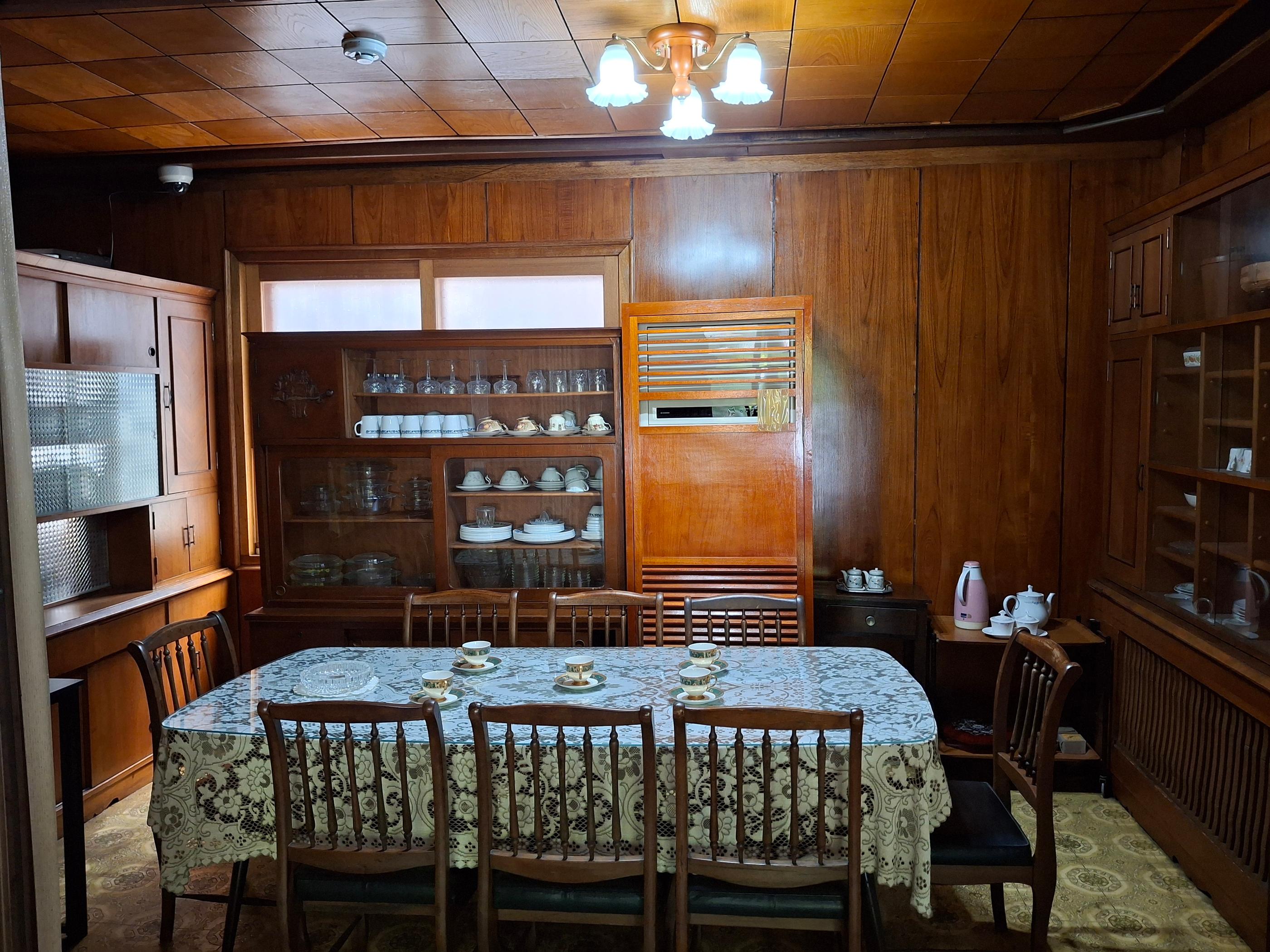
Right in the hall there is a small dining room where the president could dine with his guests if there were only a few of them.
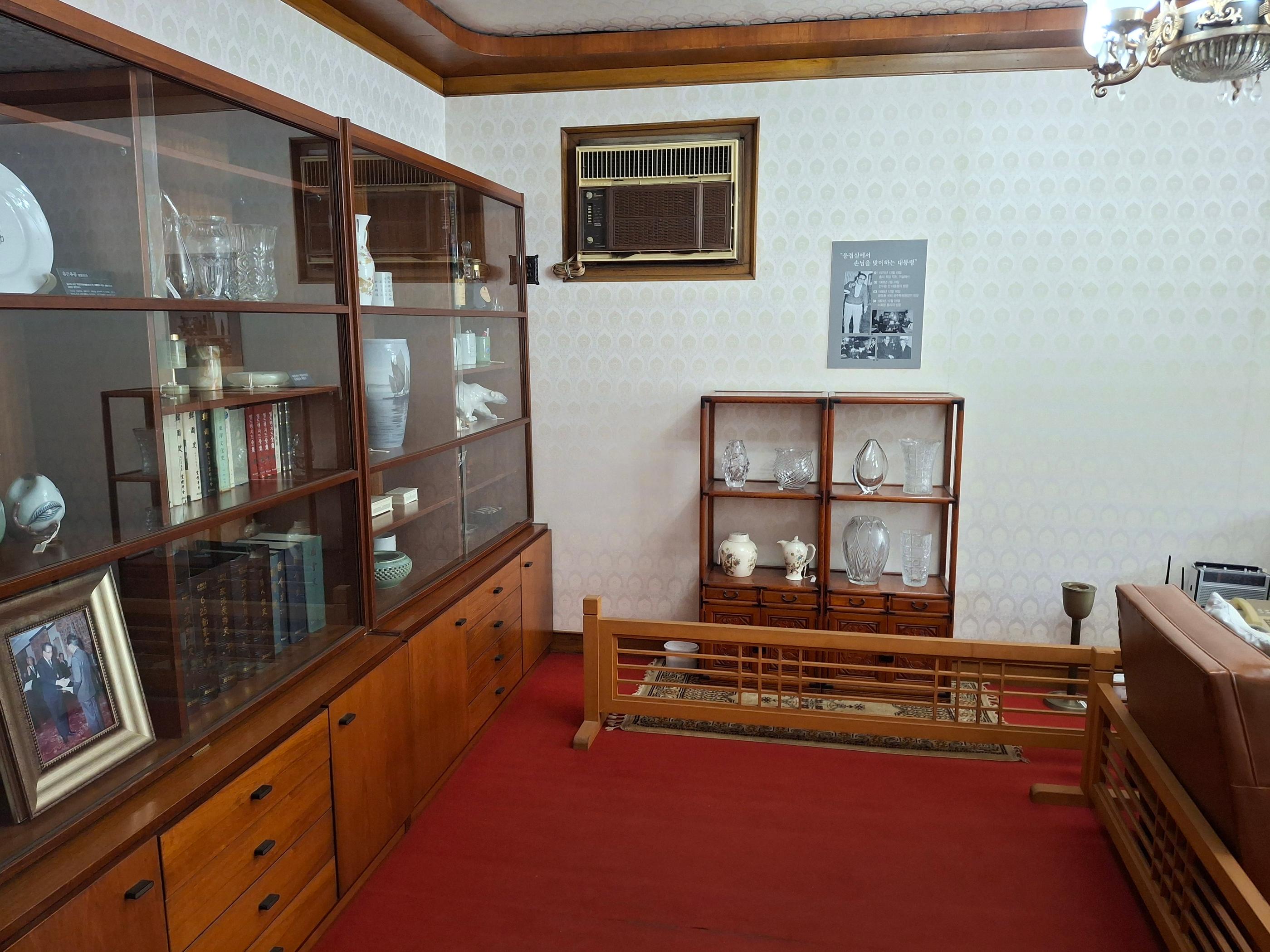
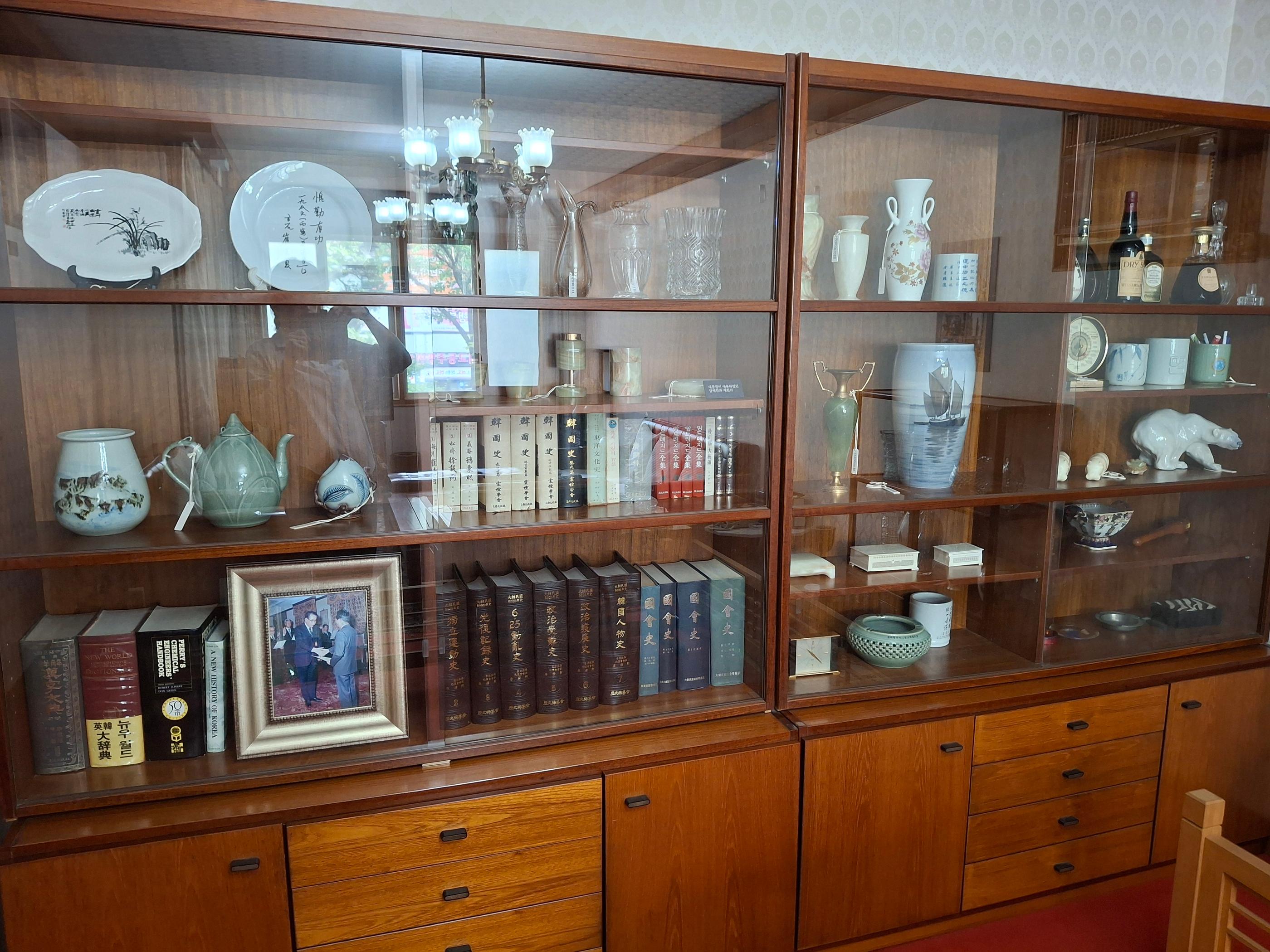
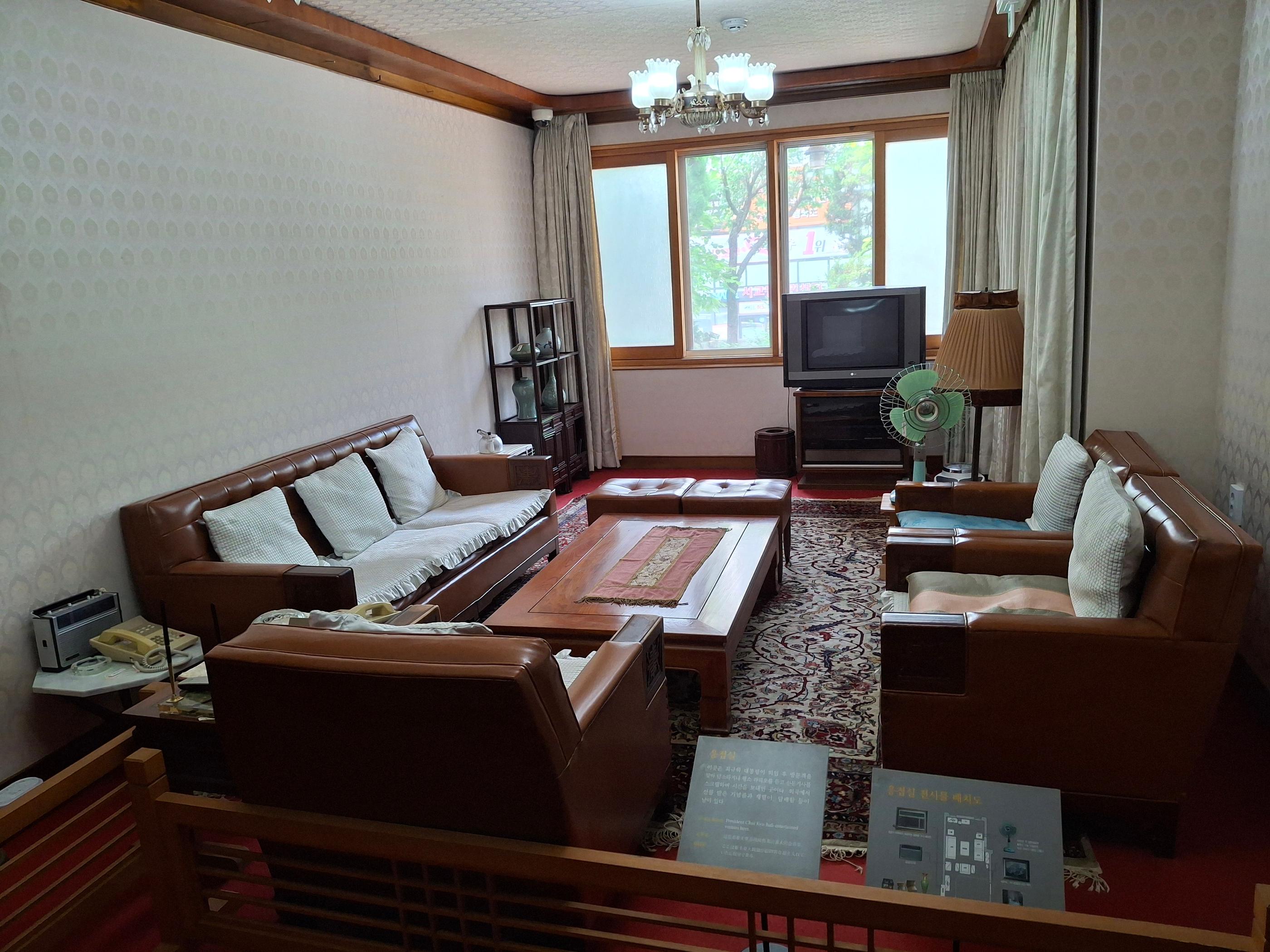
In addition to the dining room, there are three more rooms on the first floor. On the right is the room where the president received visitors. The simplicity of the interior is surprising, no luxury at all. All personal belongings are still preserved here. It seems that the president just went out for a short while and will soon return.
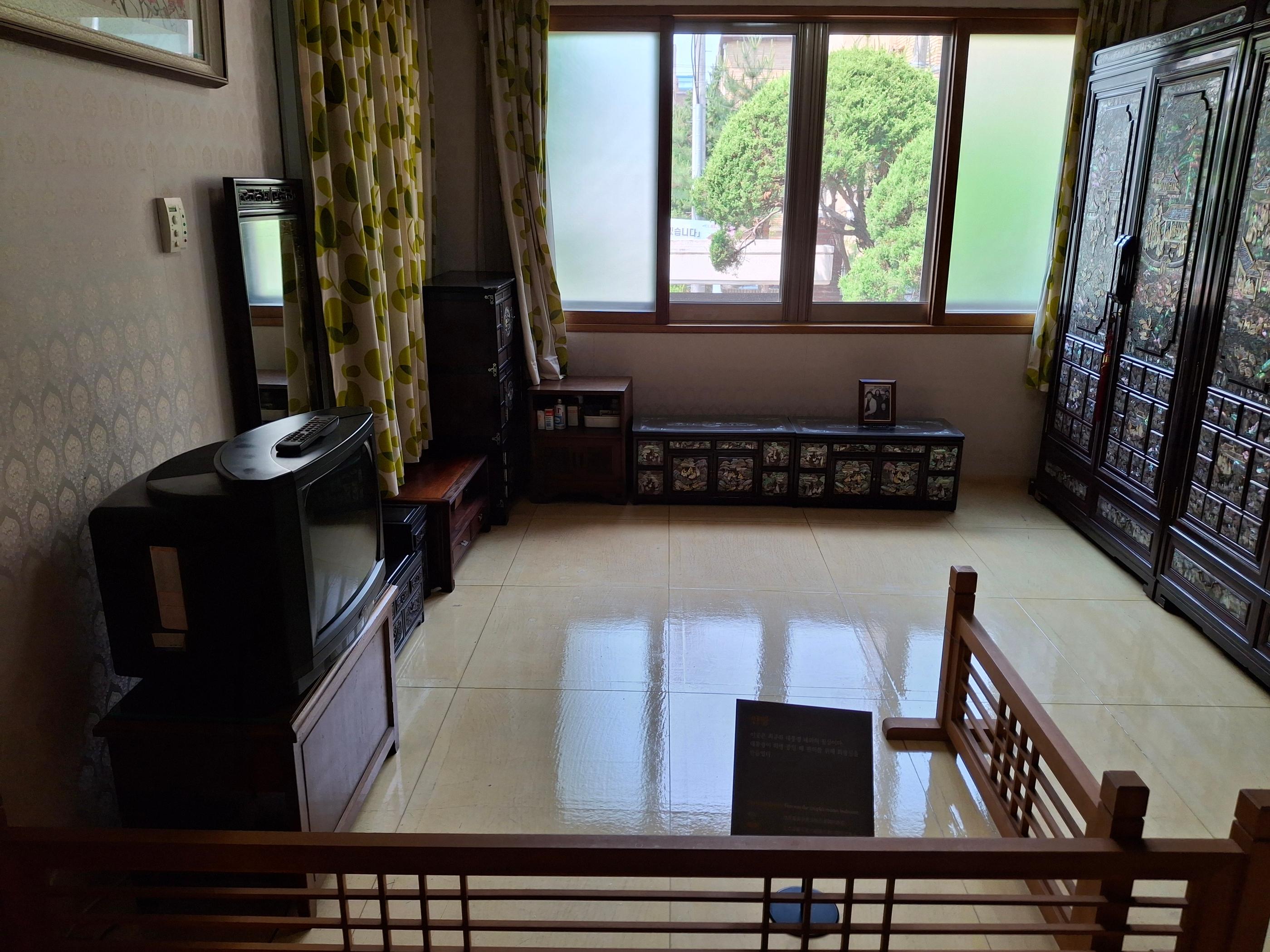
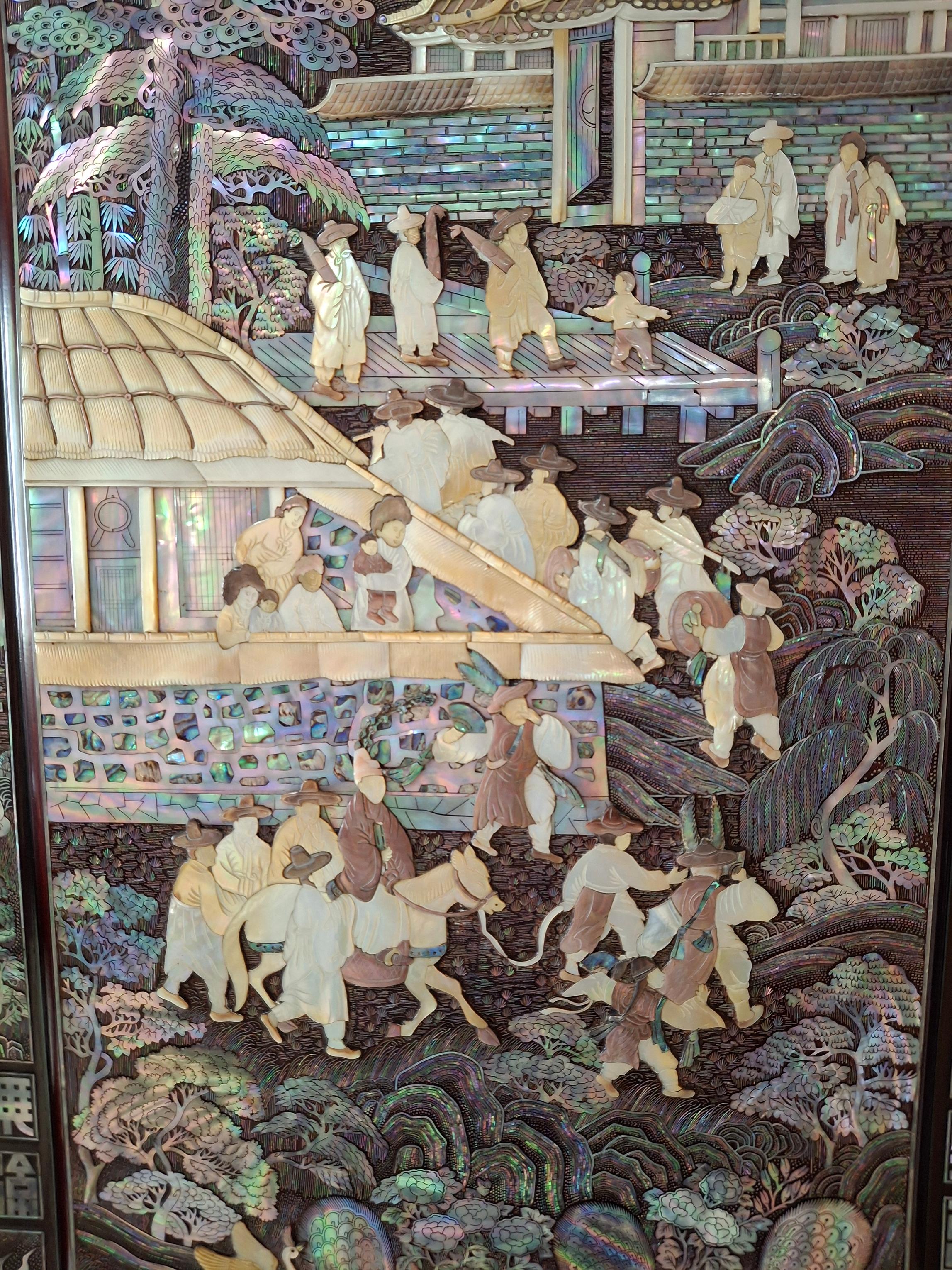
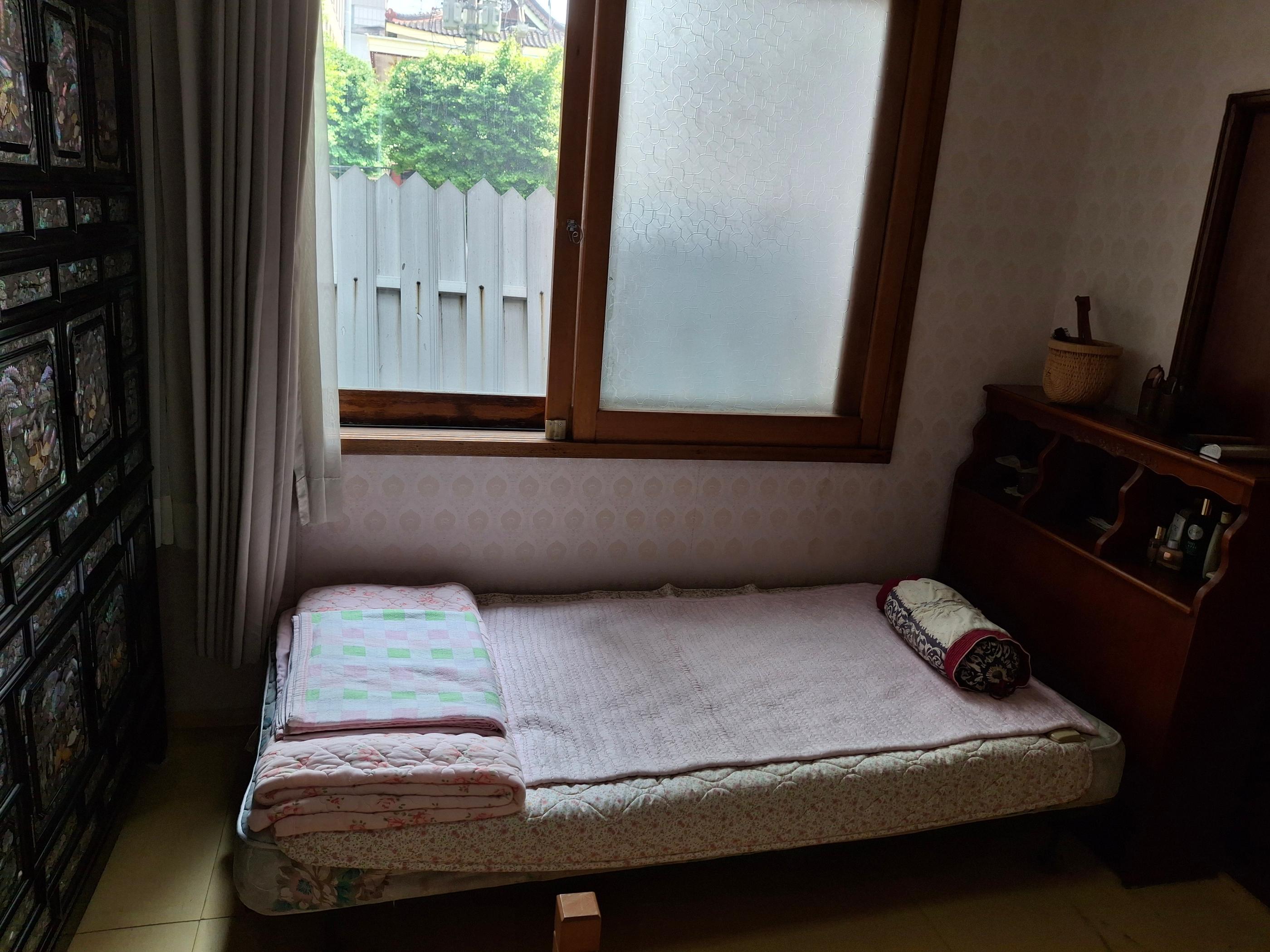
Opposite is the bedroom of the president and his wife. The interior is also very simple. The only "luxurious" thing is a mother-of-pearl wardrobe of amazing beauty and very fine workmanship.
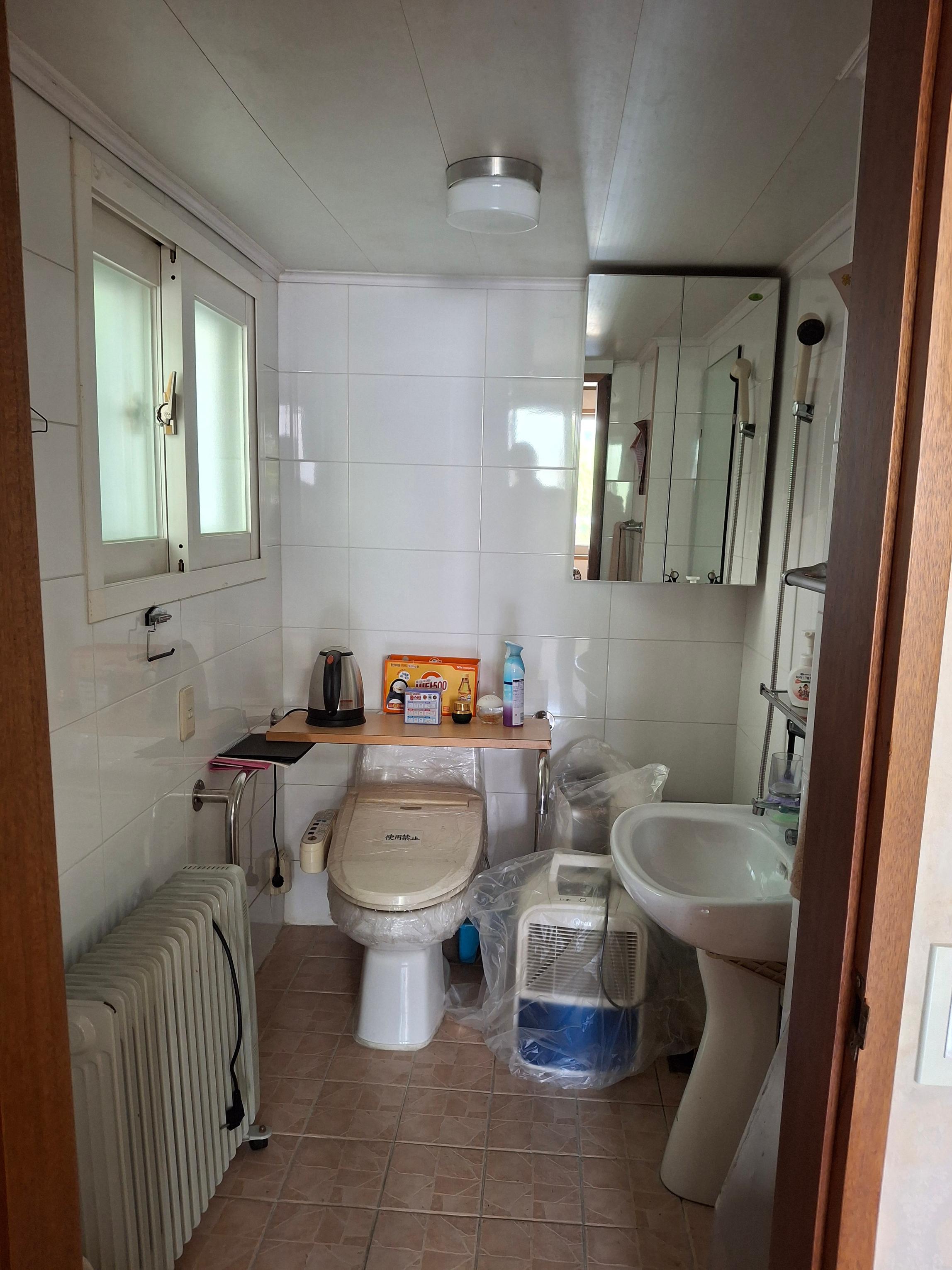
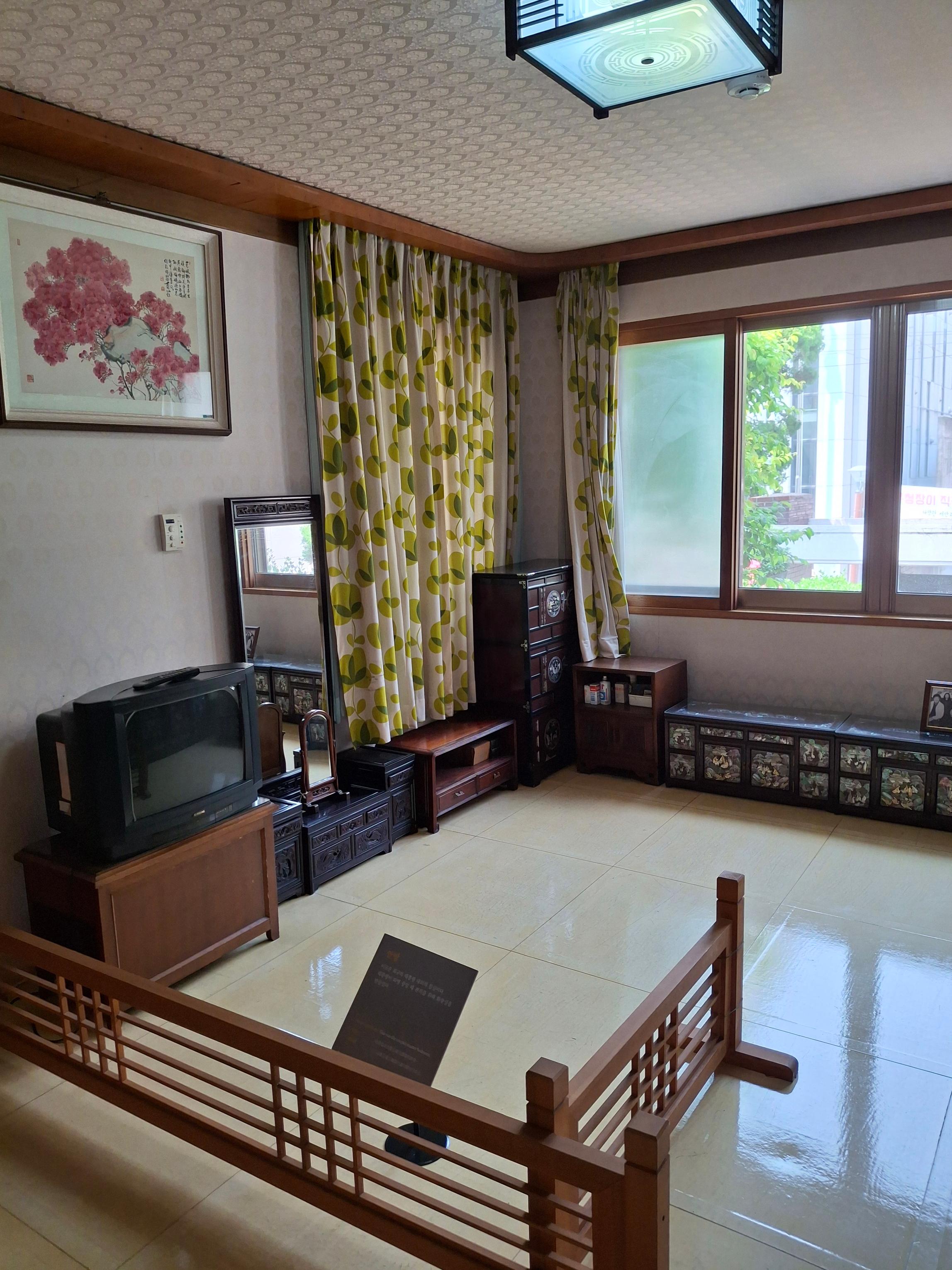
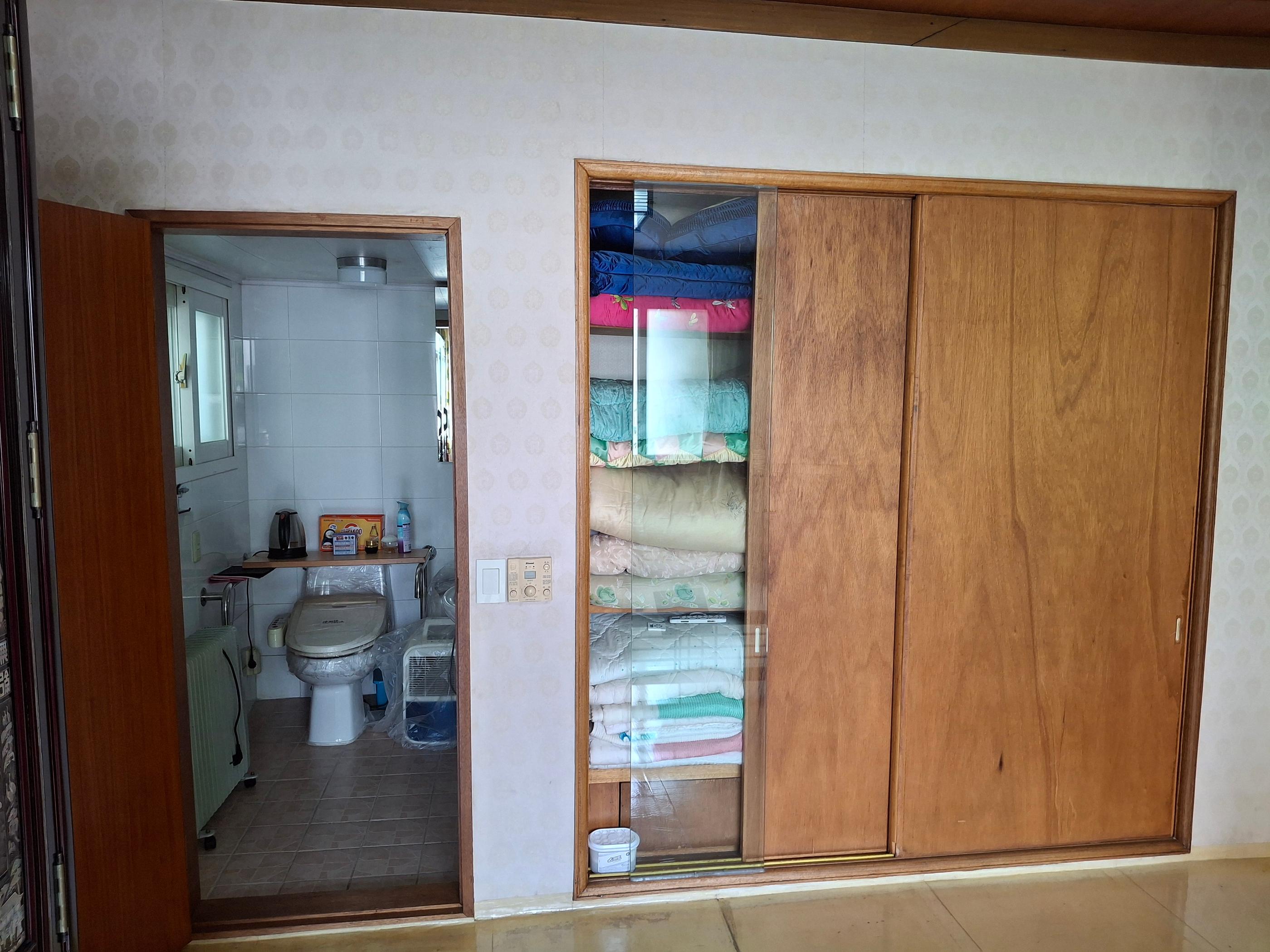
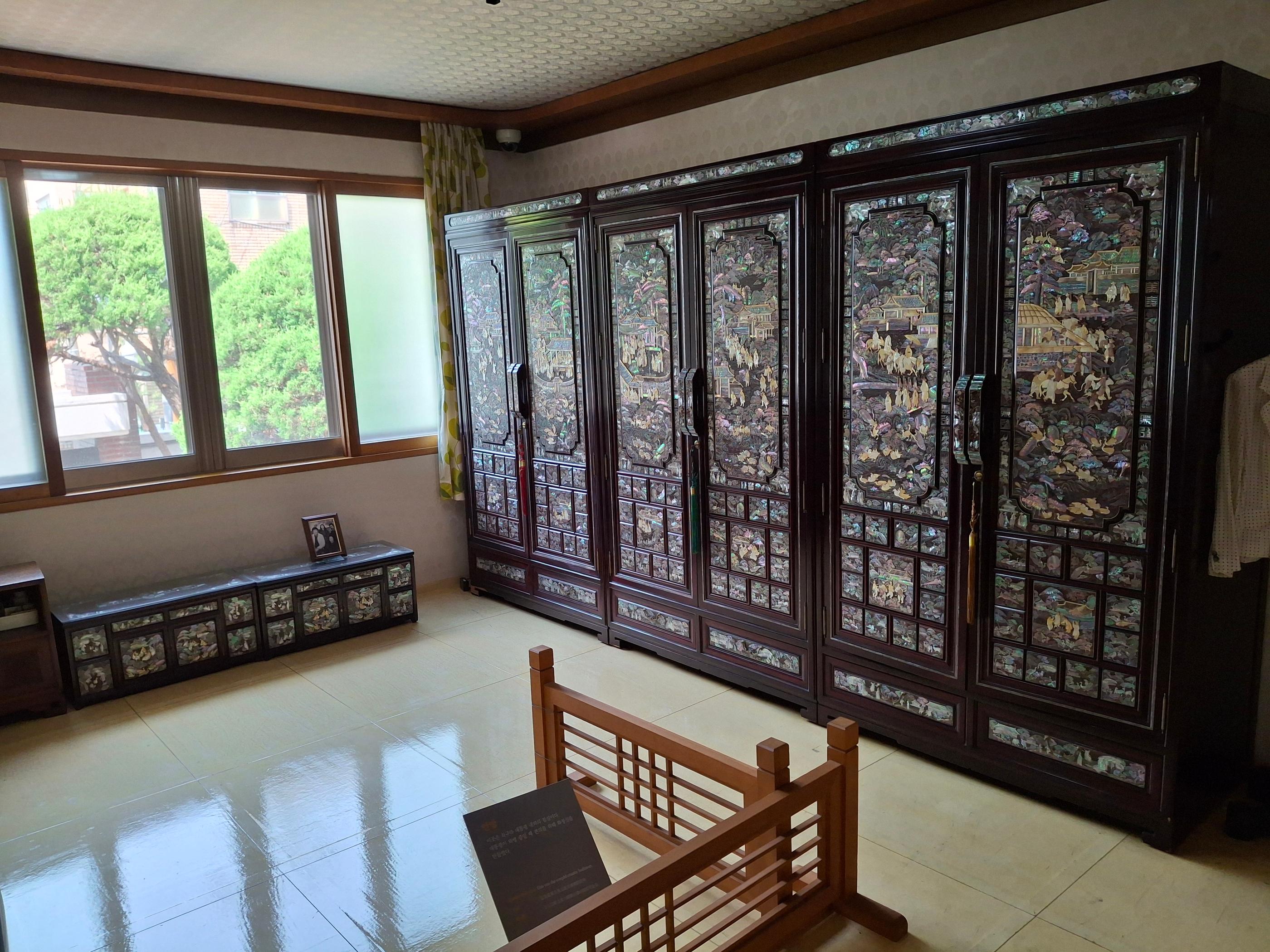
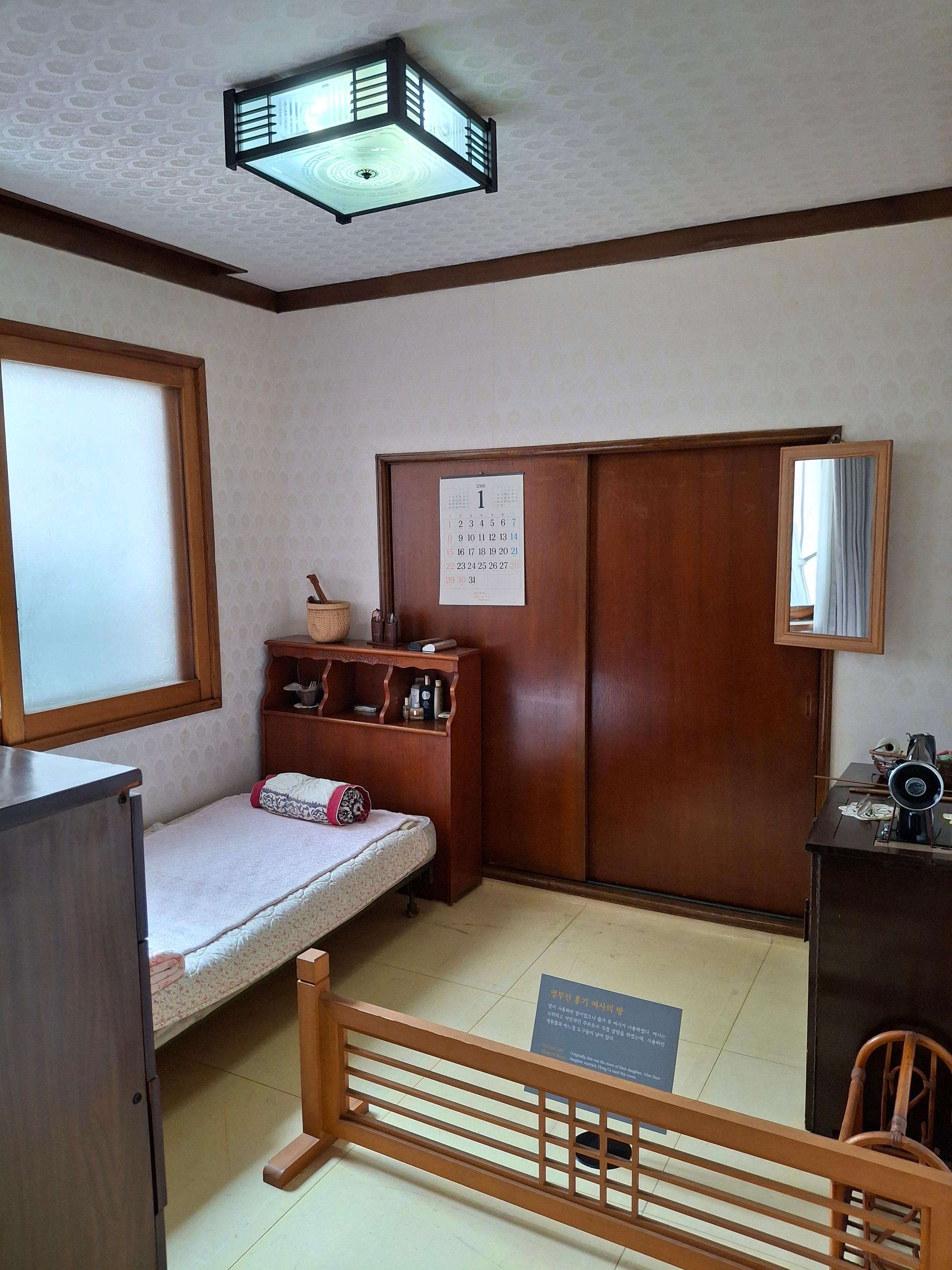
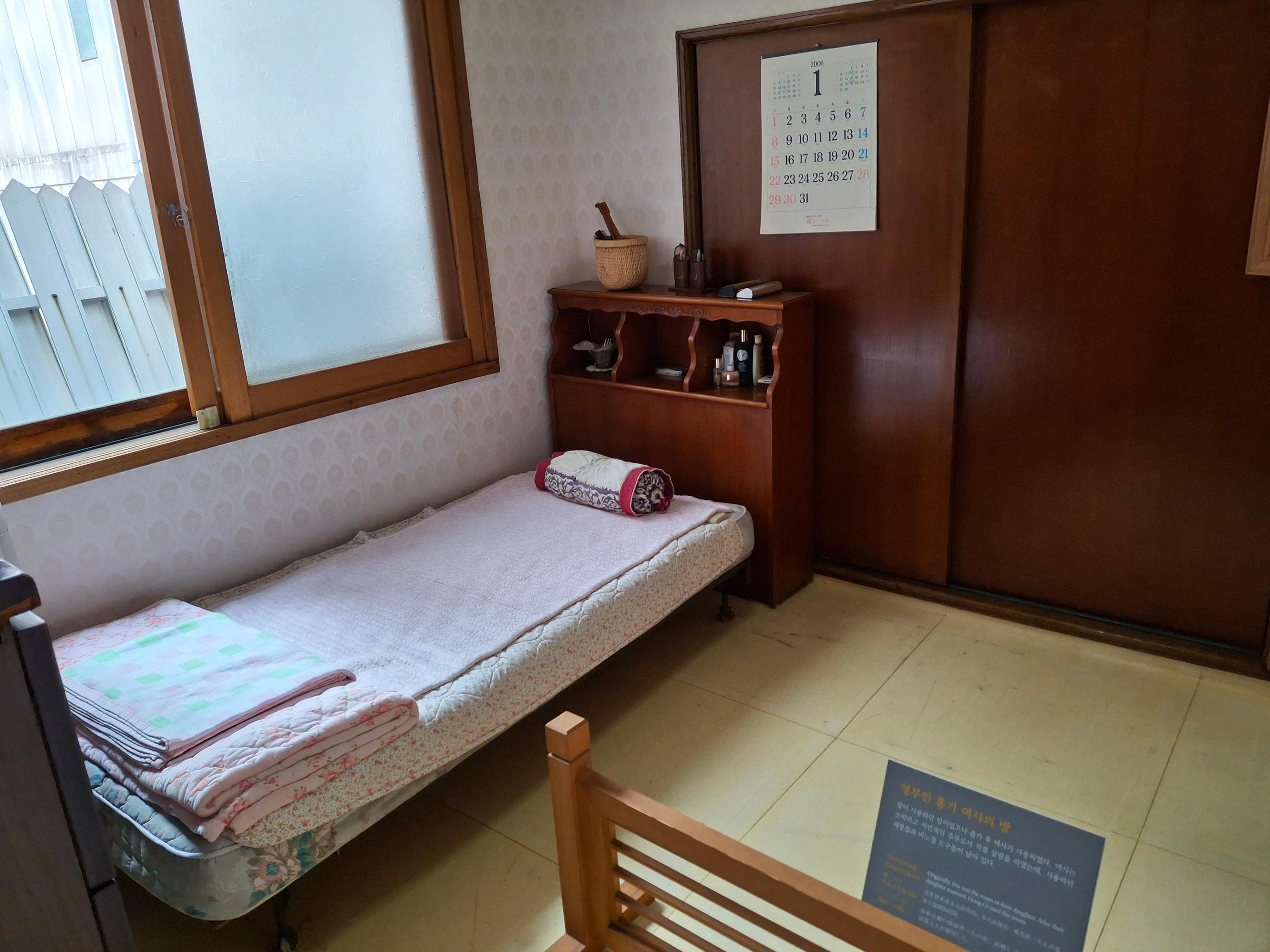
The third room on the first floor served for many years as a nursery for the president's daughter. When the child grew up, the room was used by the first lady. It seems to have been her office, where she relaxed and did needlework.
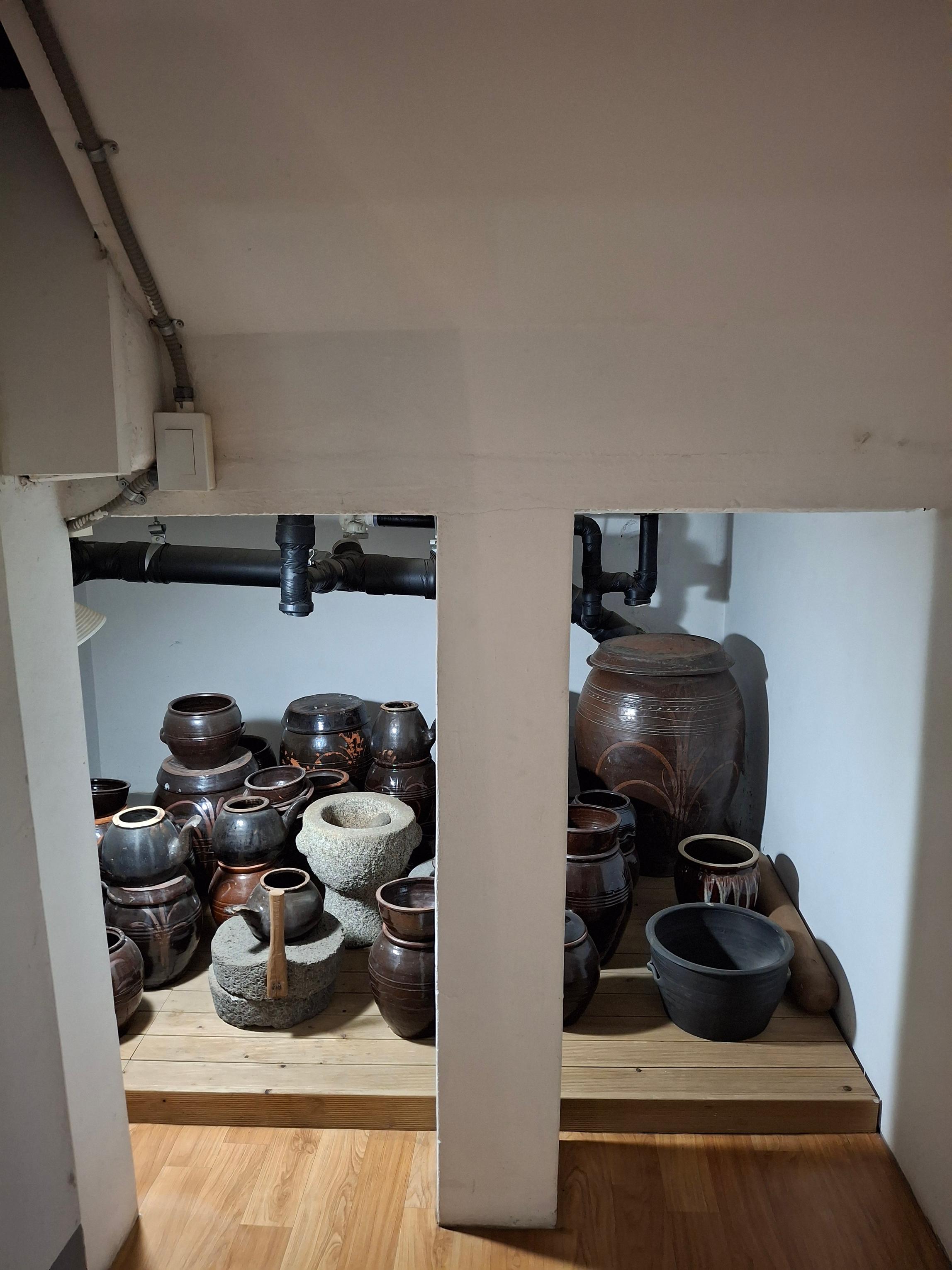
Under the stairs is a basement. Various utility rooms are located here. Of course, there is a traditional corner for storing kimchi and other pickles in traditional pots.
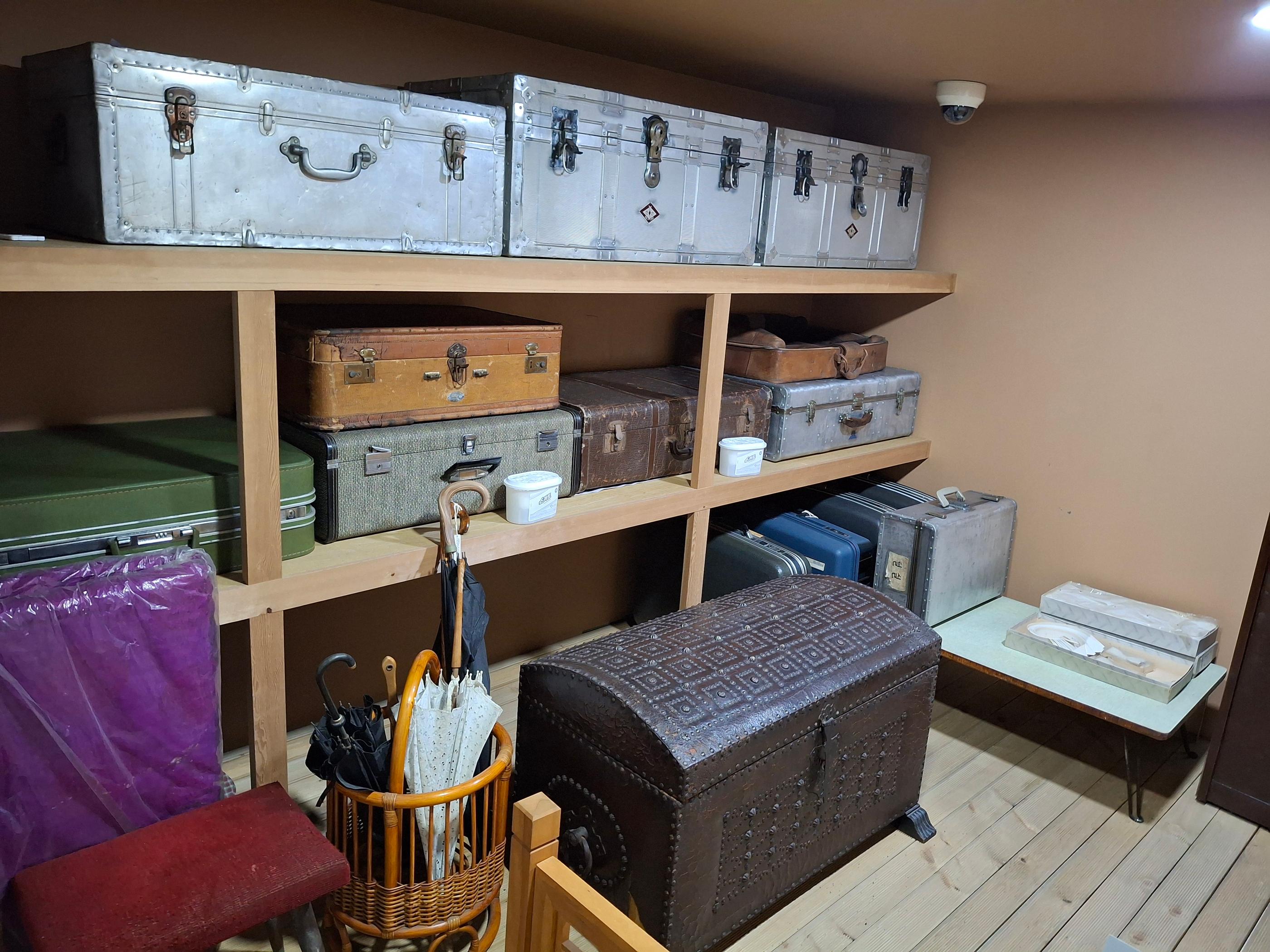
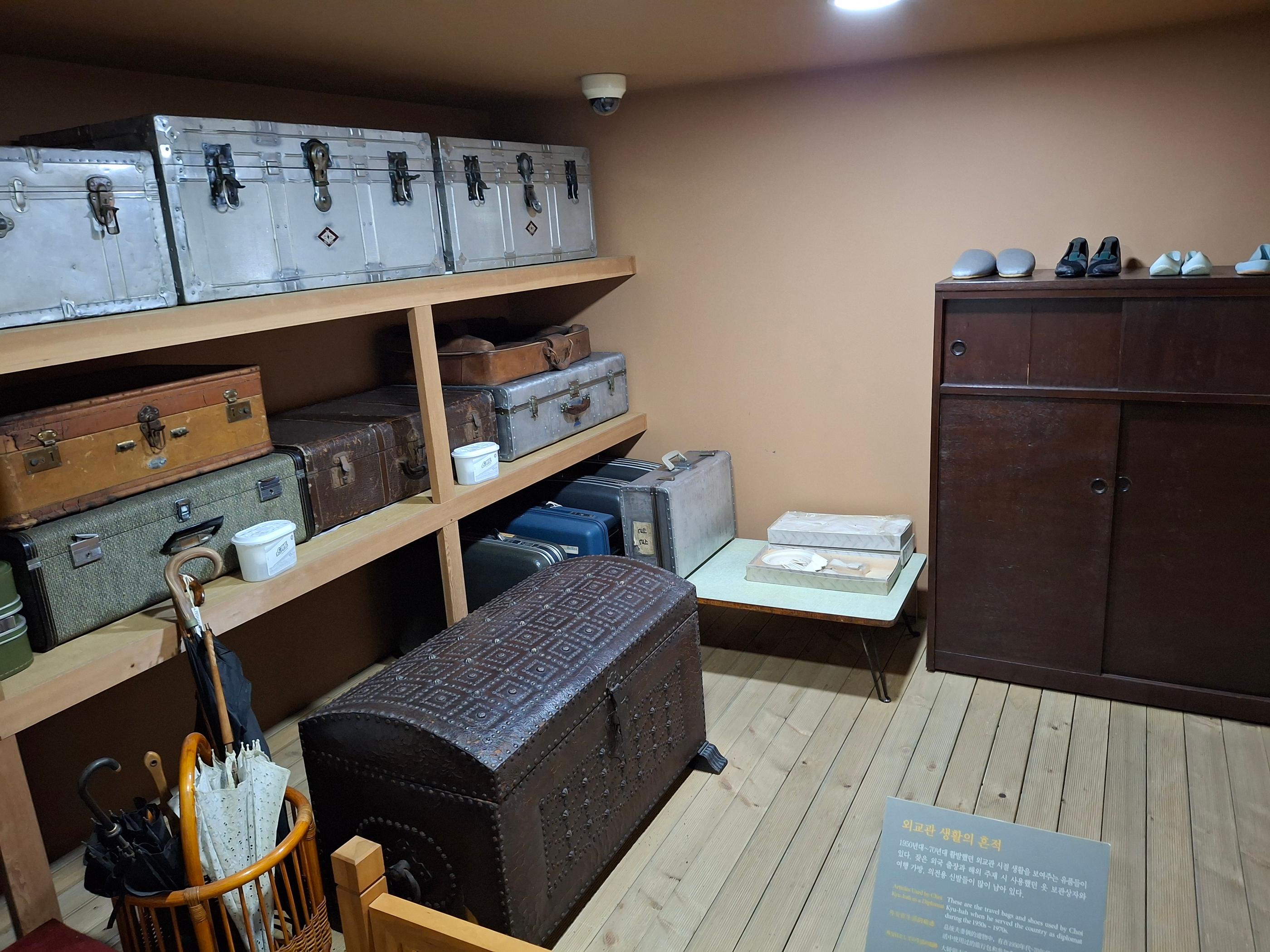
There is a storage room nearby. Before becoming president, Choi Kyu-hah was a diplomat for many years and often traveled to different countries. That is why there are suitcases and travel trunks here, which were needed in large quantities.
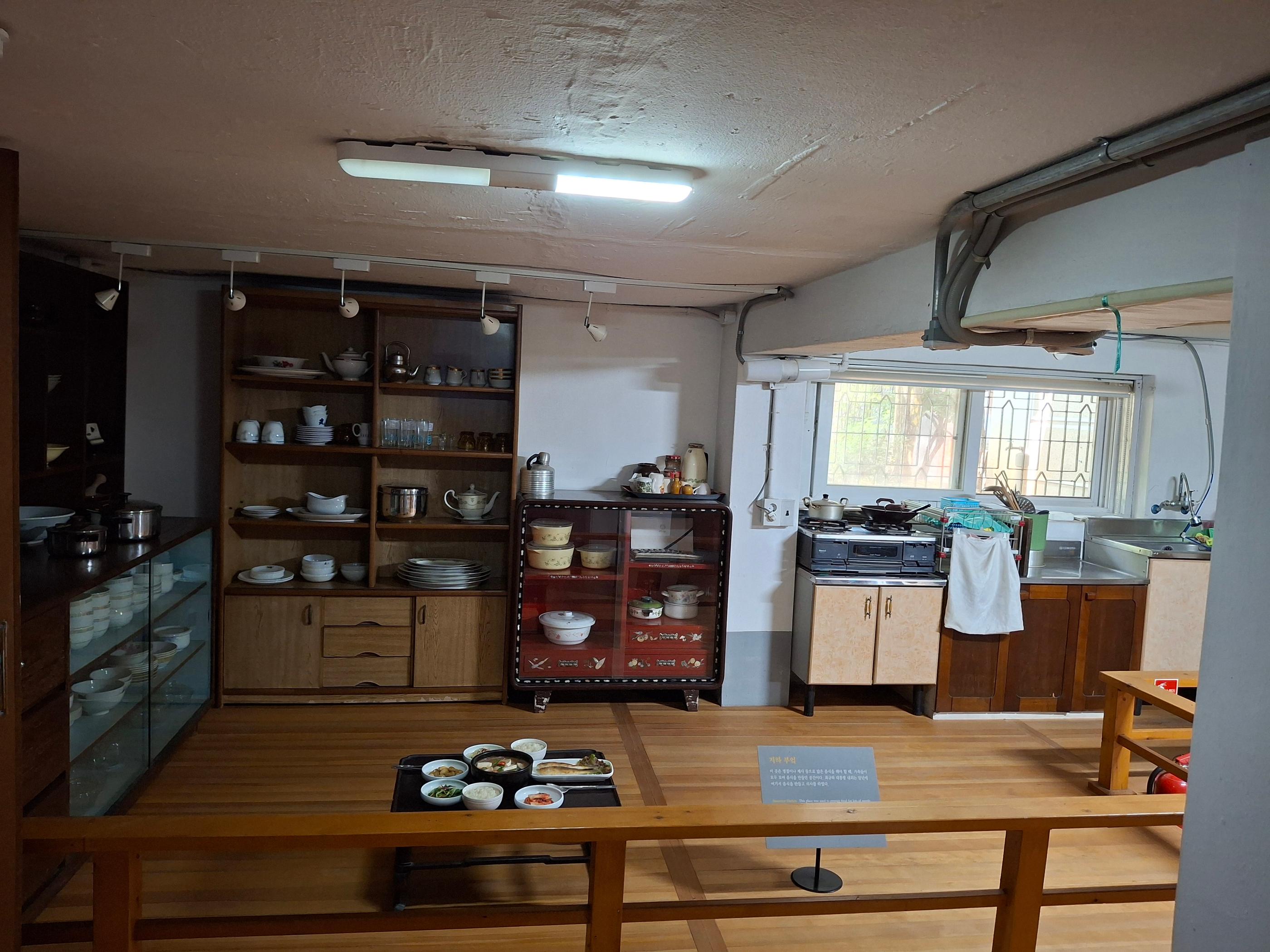
Nearby is a small kitchen that the First Lady used to prepare meals. It contains many of the original cookware and kitchen gadgets, and shows the evolution of these items over the decades.
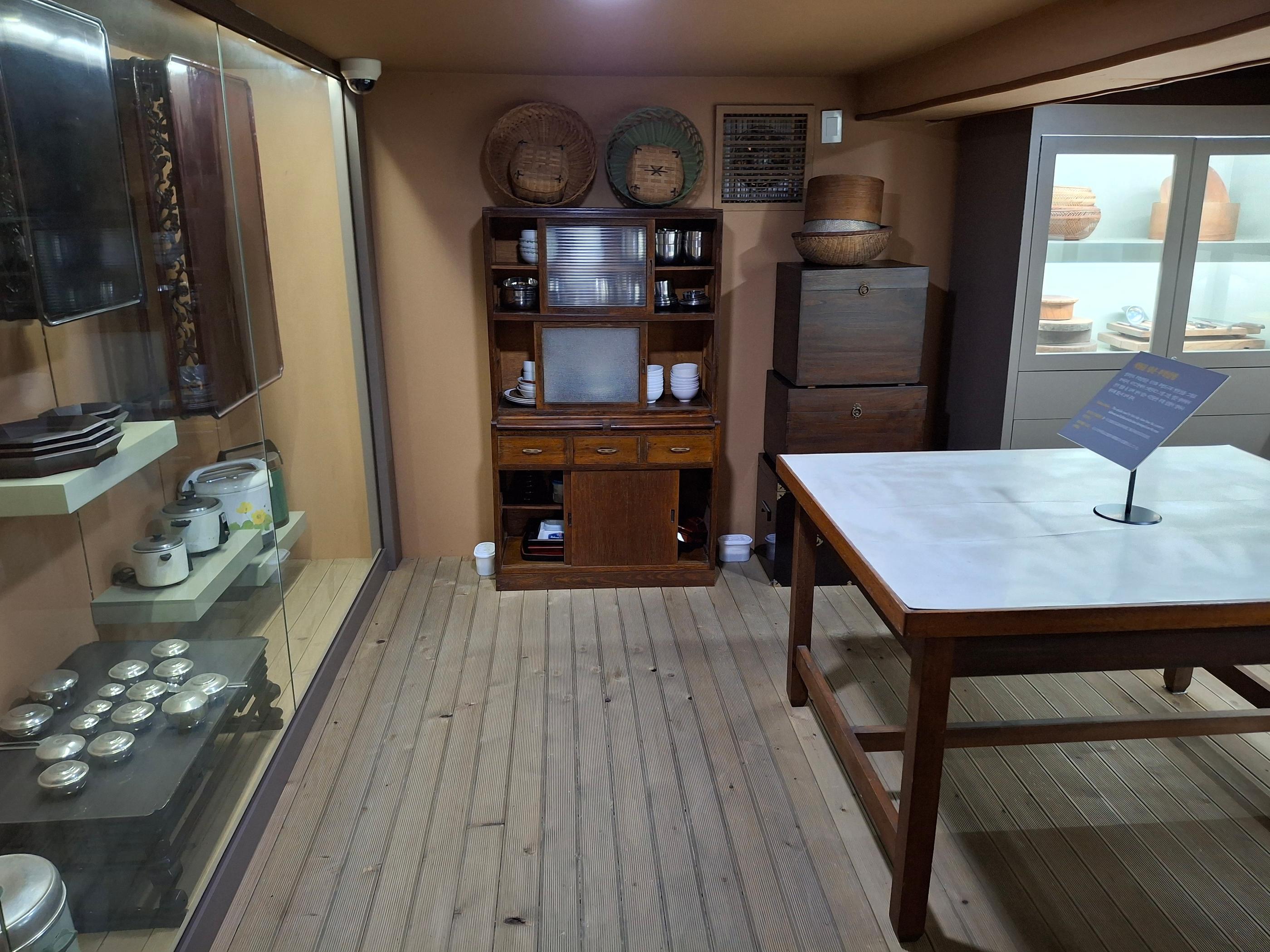
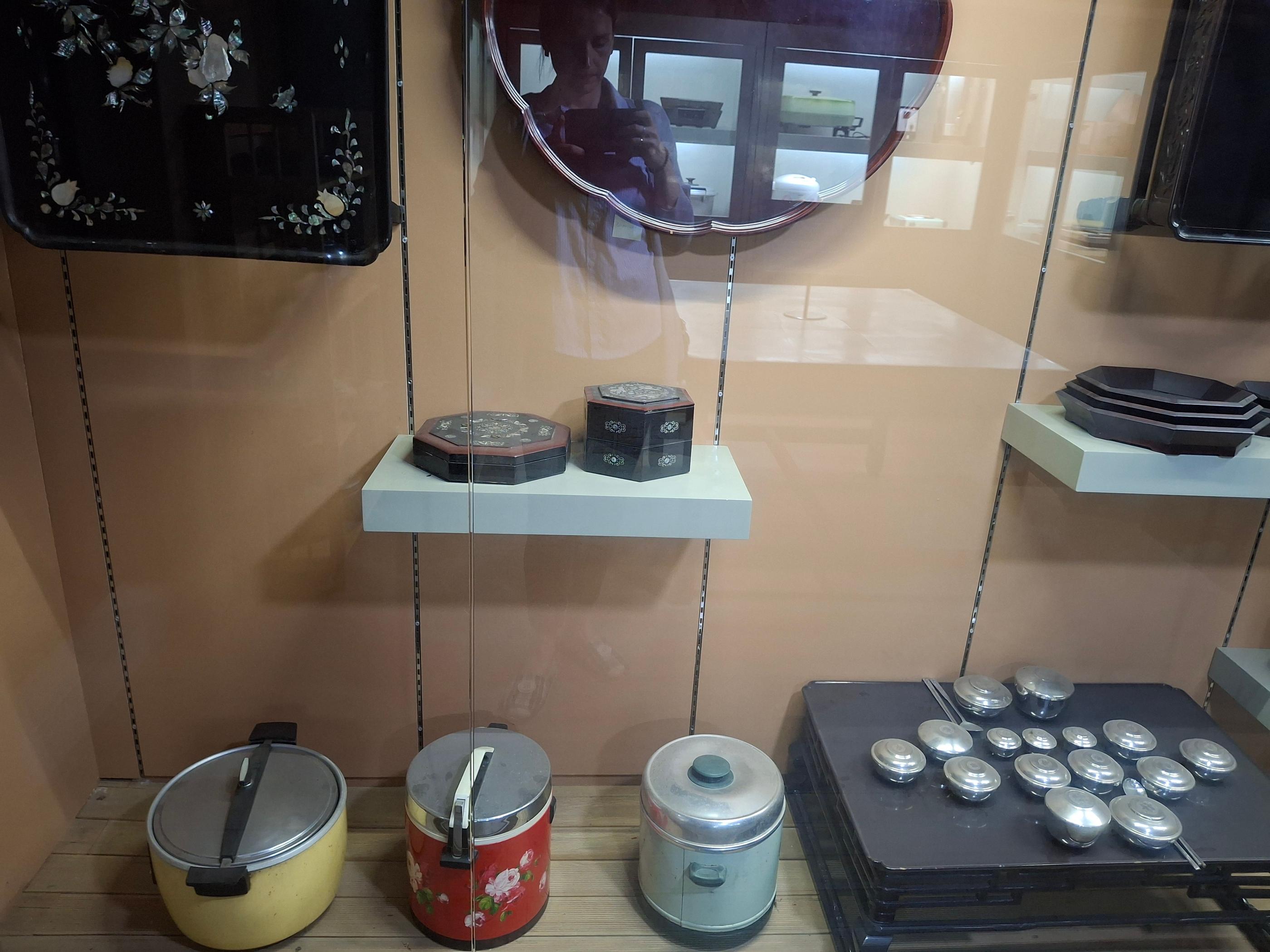
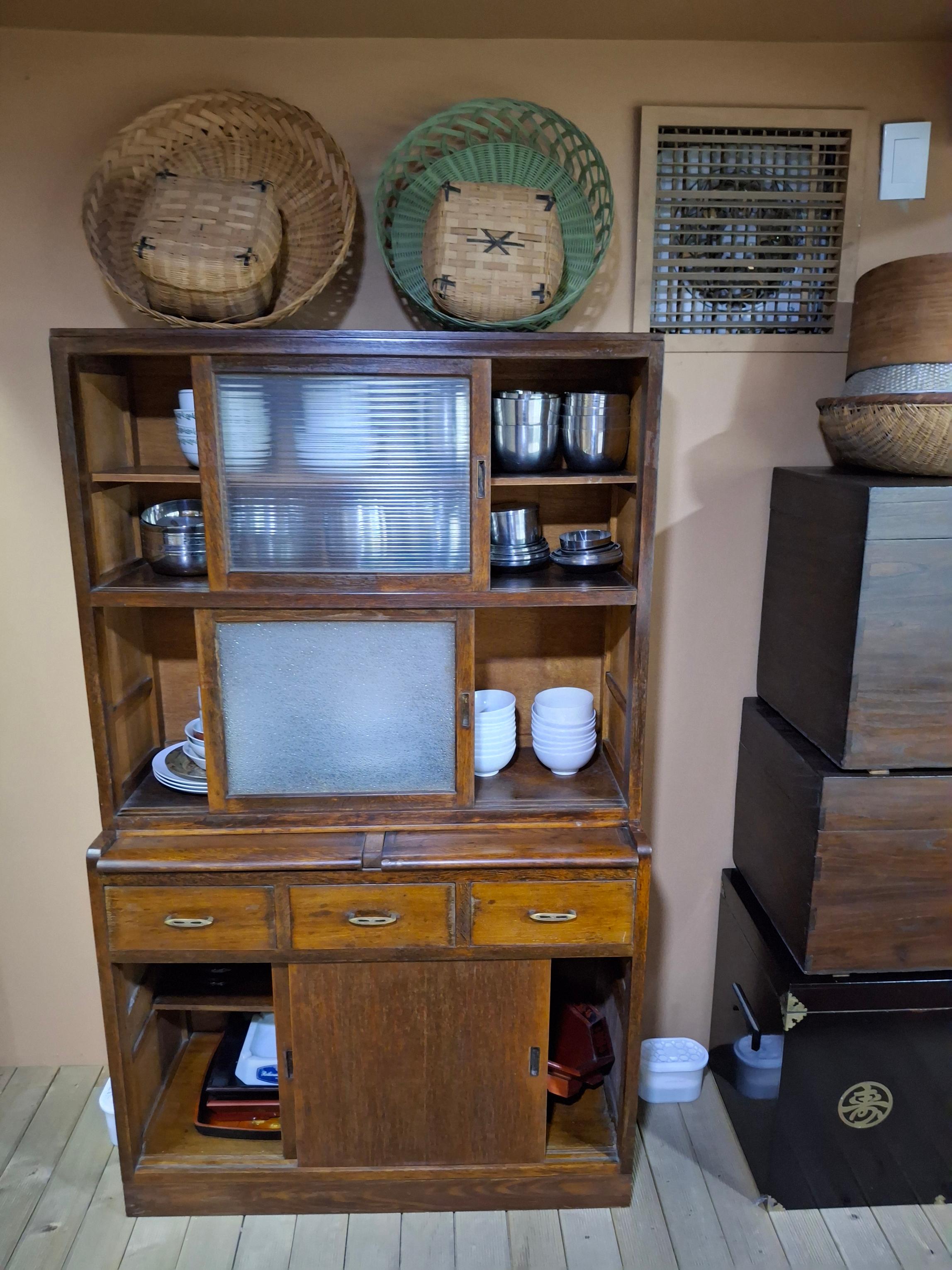
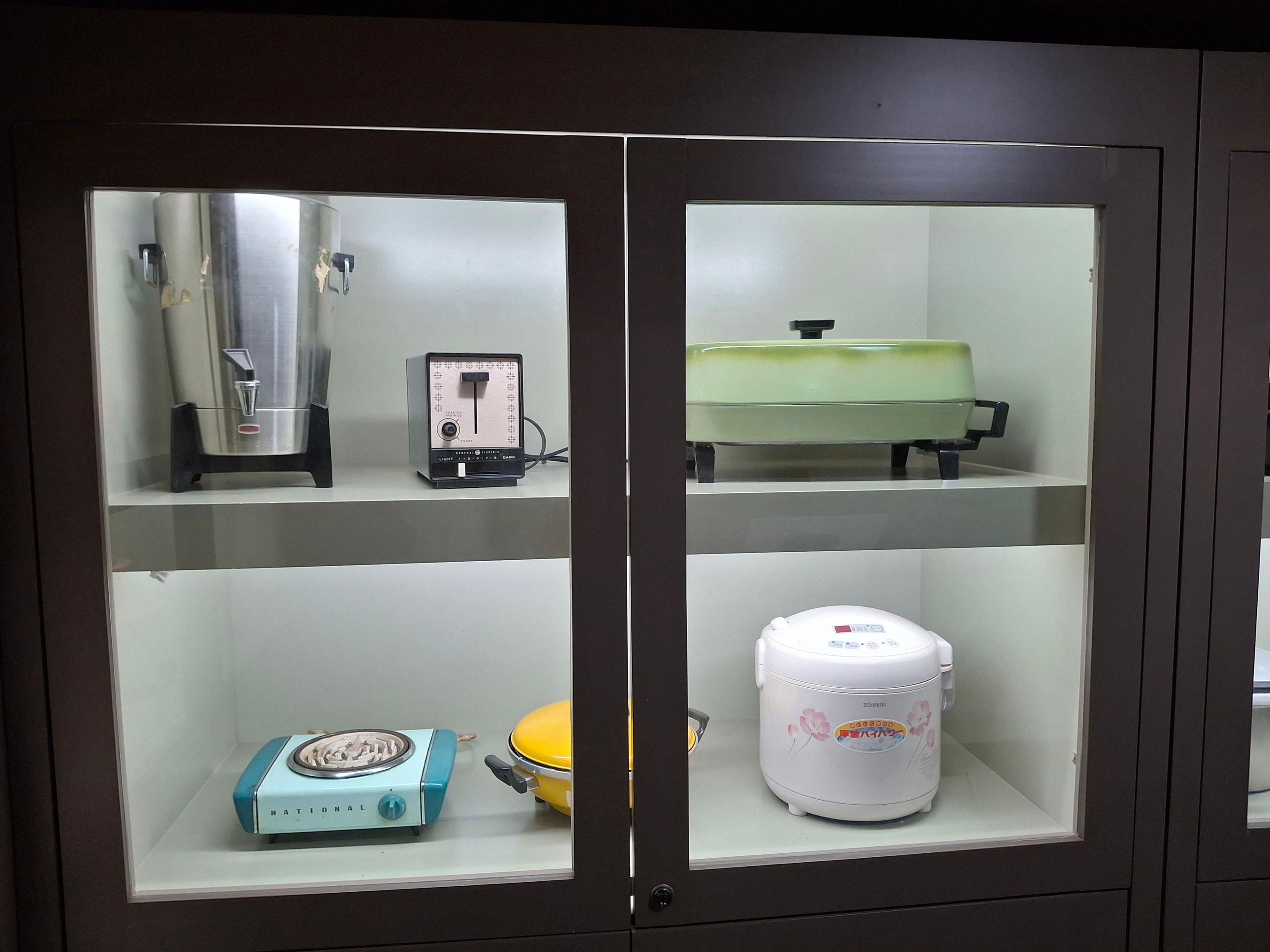
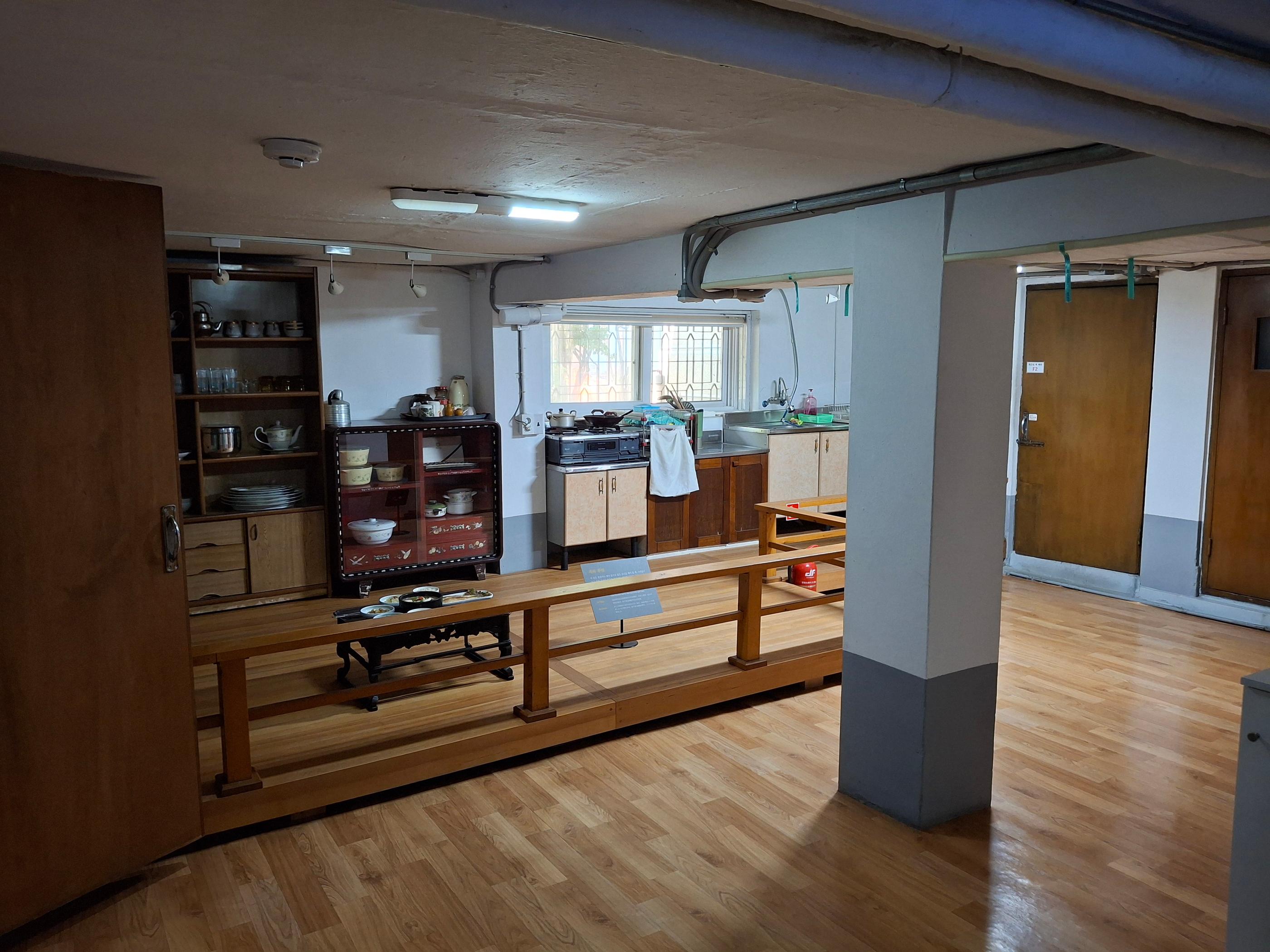
Also in the basement there is a kitchen where food was prepared in case of a large number of guests.
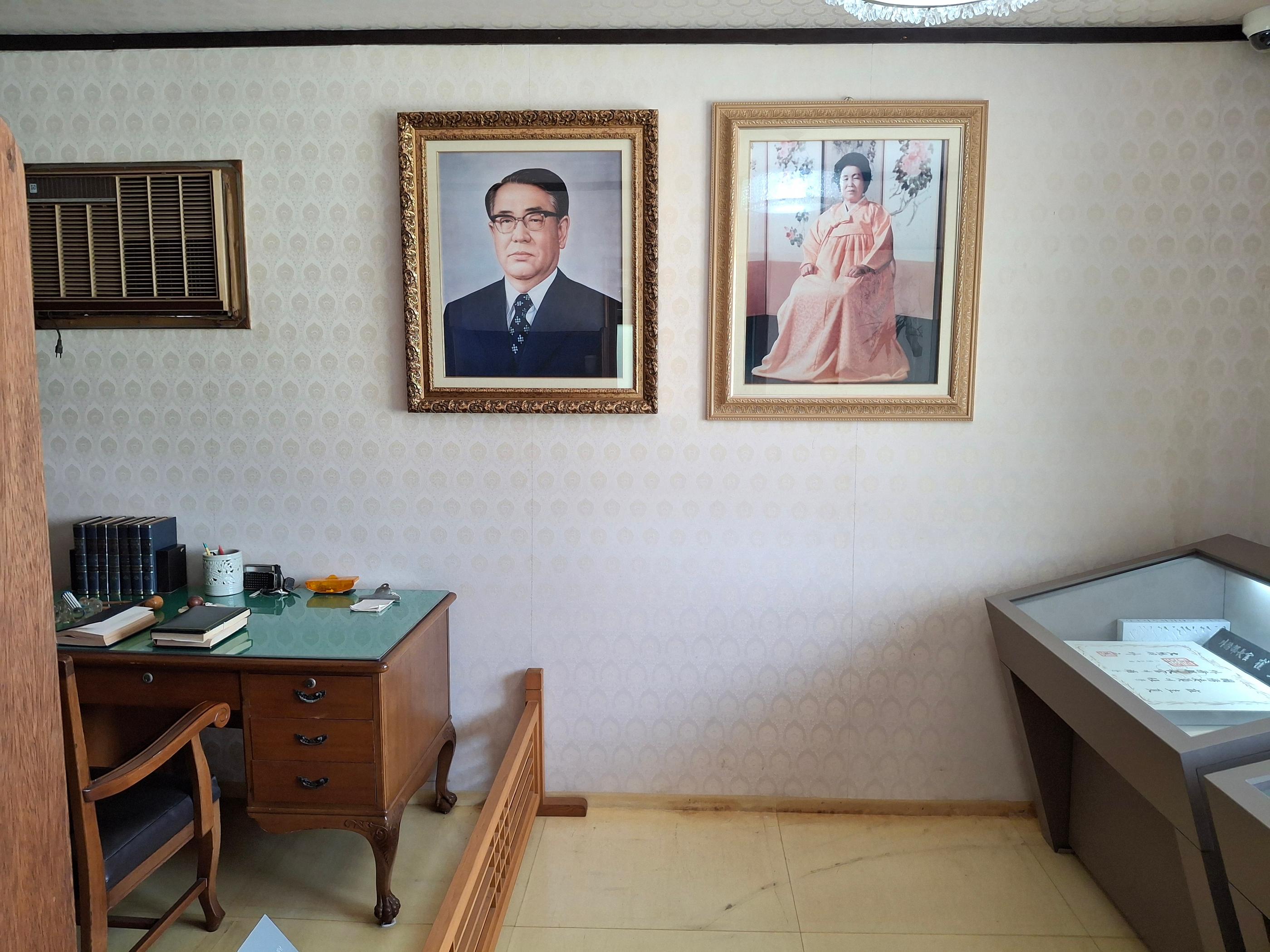
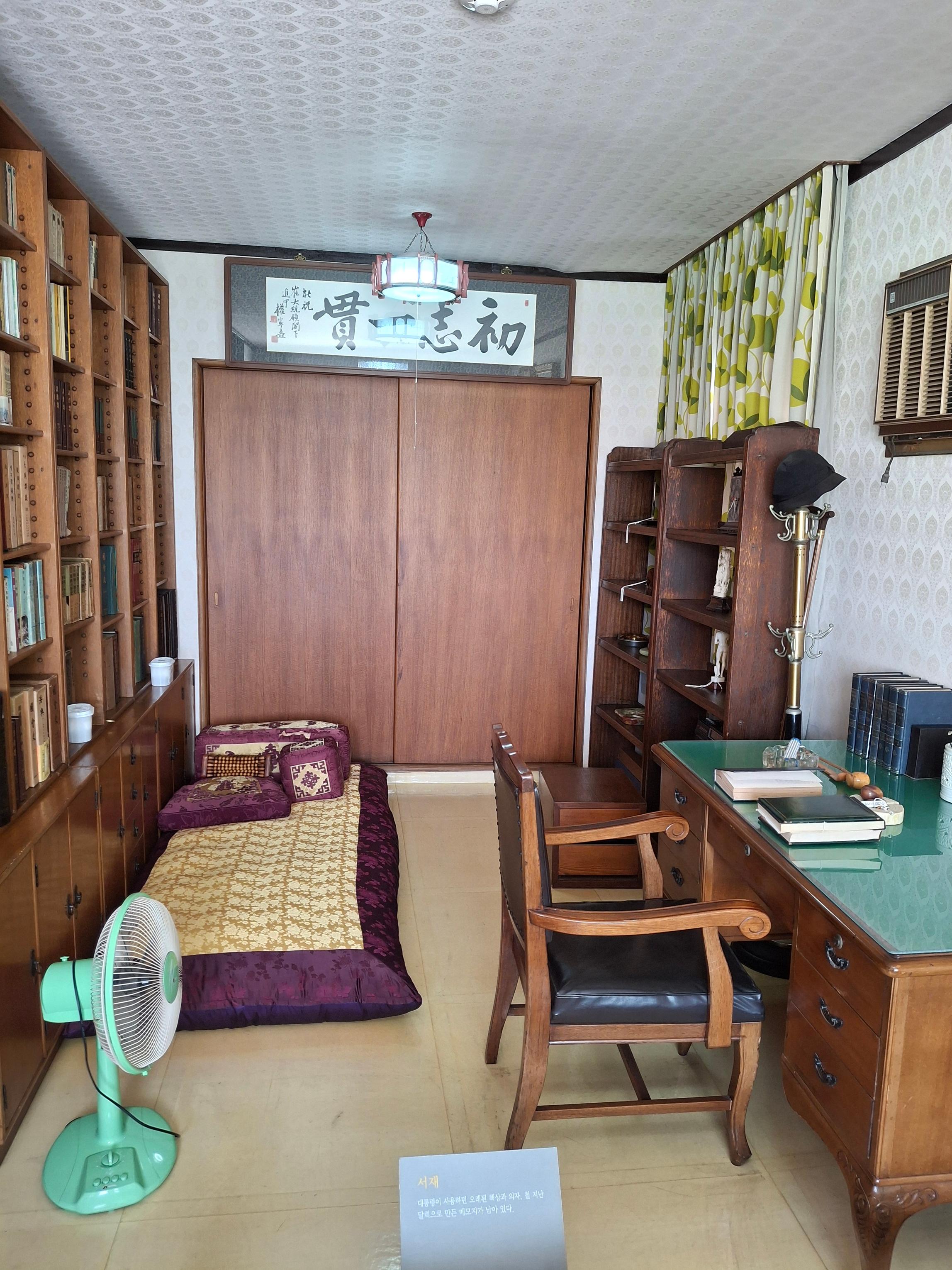
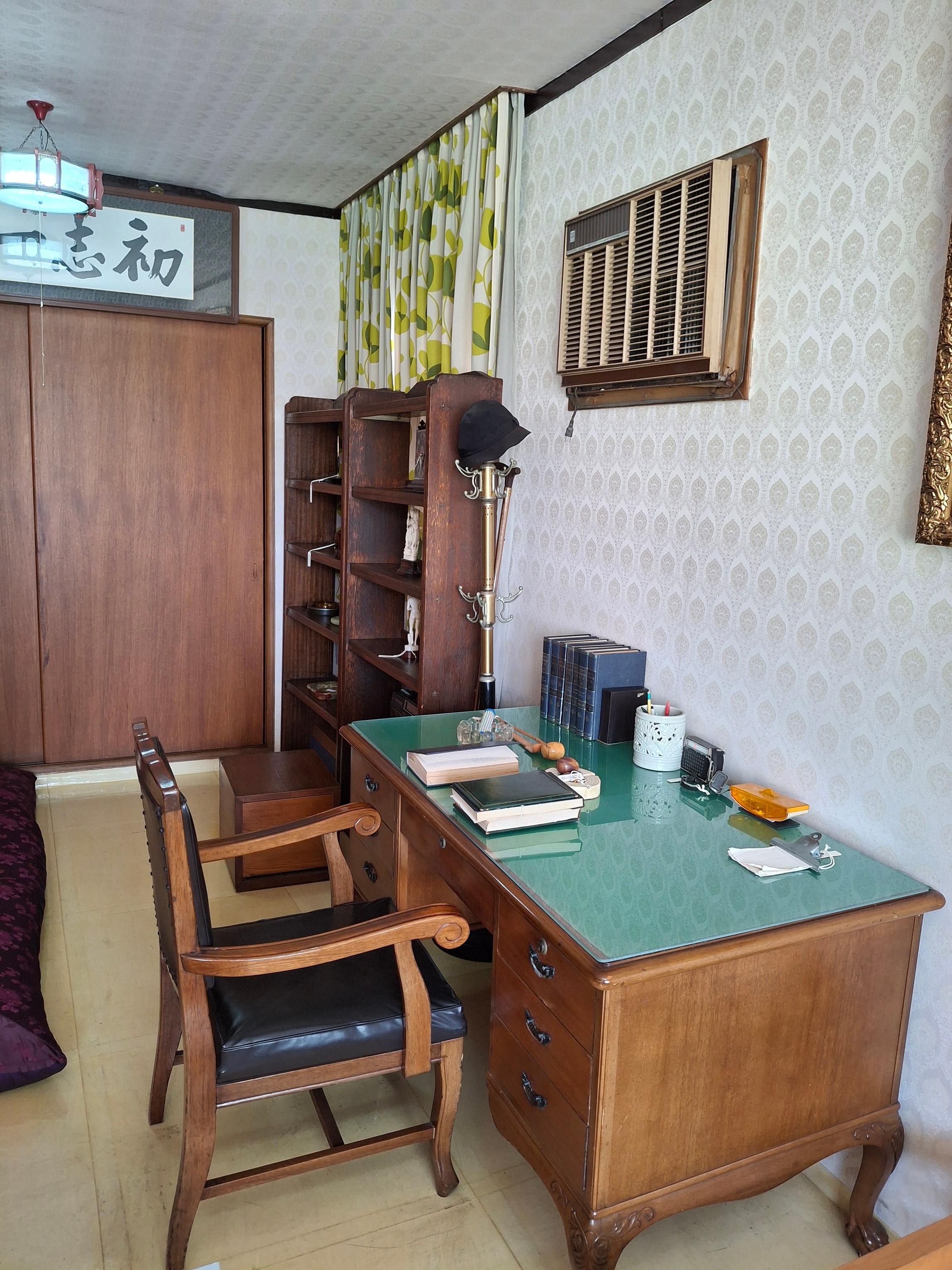
Then you can go up the stairs to the 2nd floor. The president's office is located here. It seems that he worked very hard and sometimes rested in this same room.
There are armchairs in the corridor where you can sit comfortably near the window and watch TV.
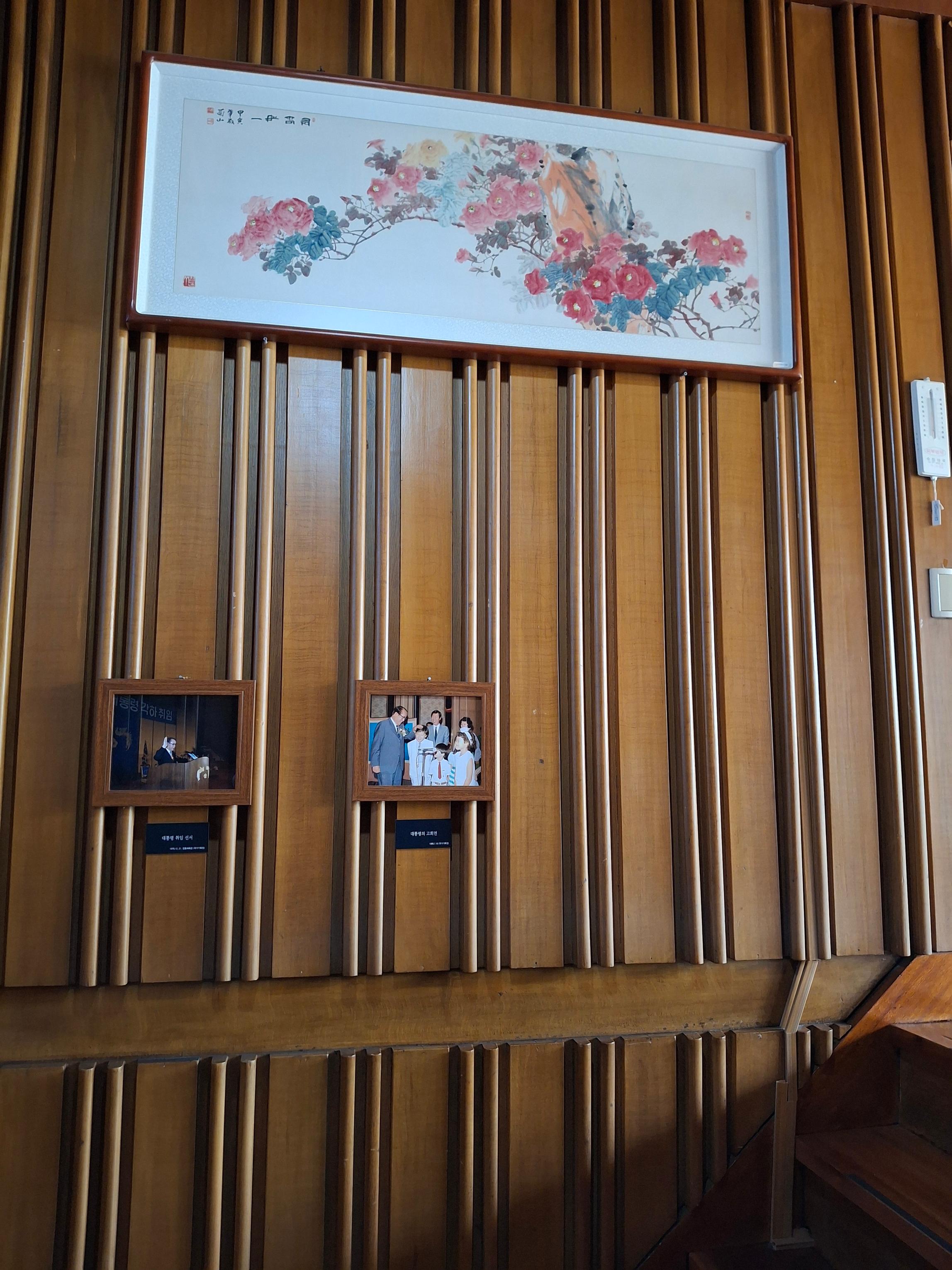
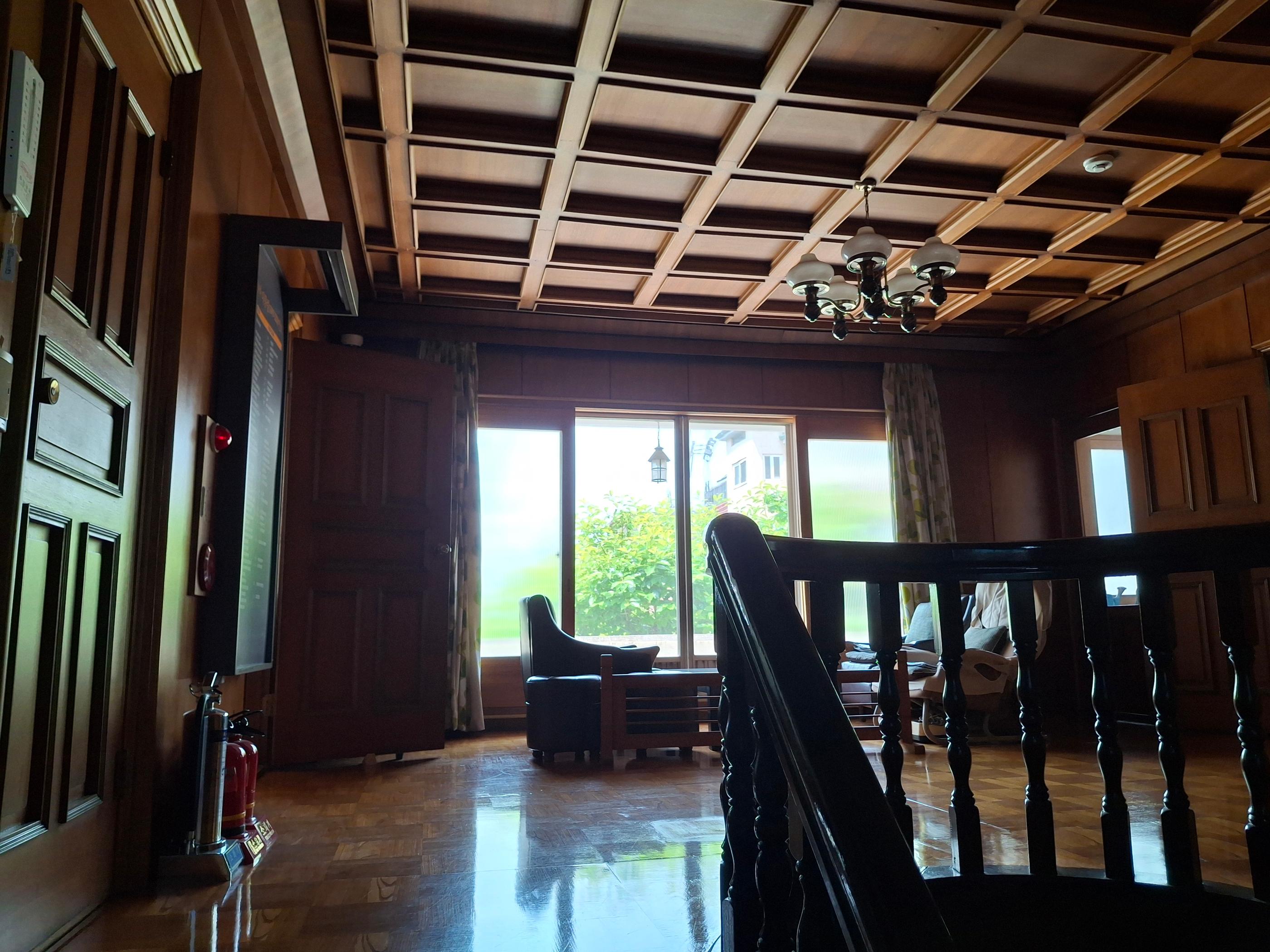
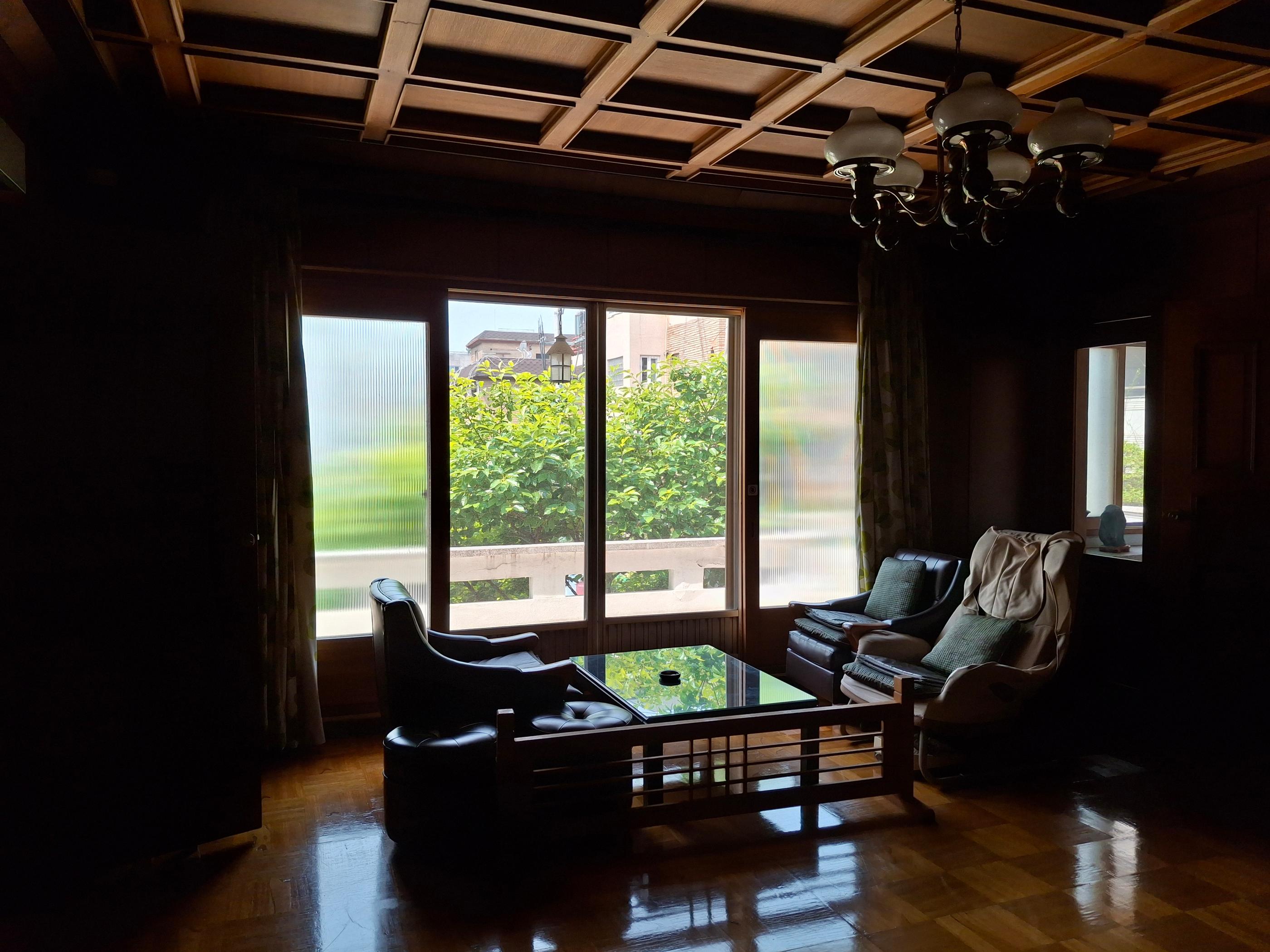
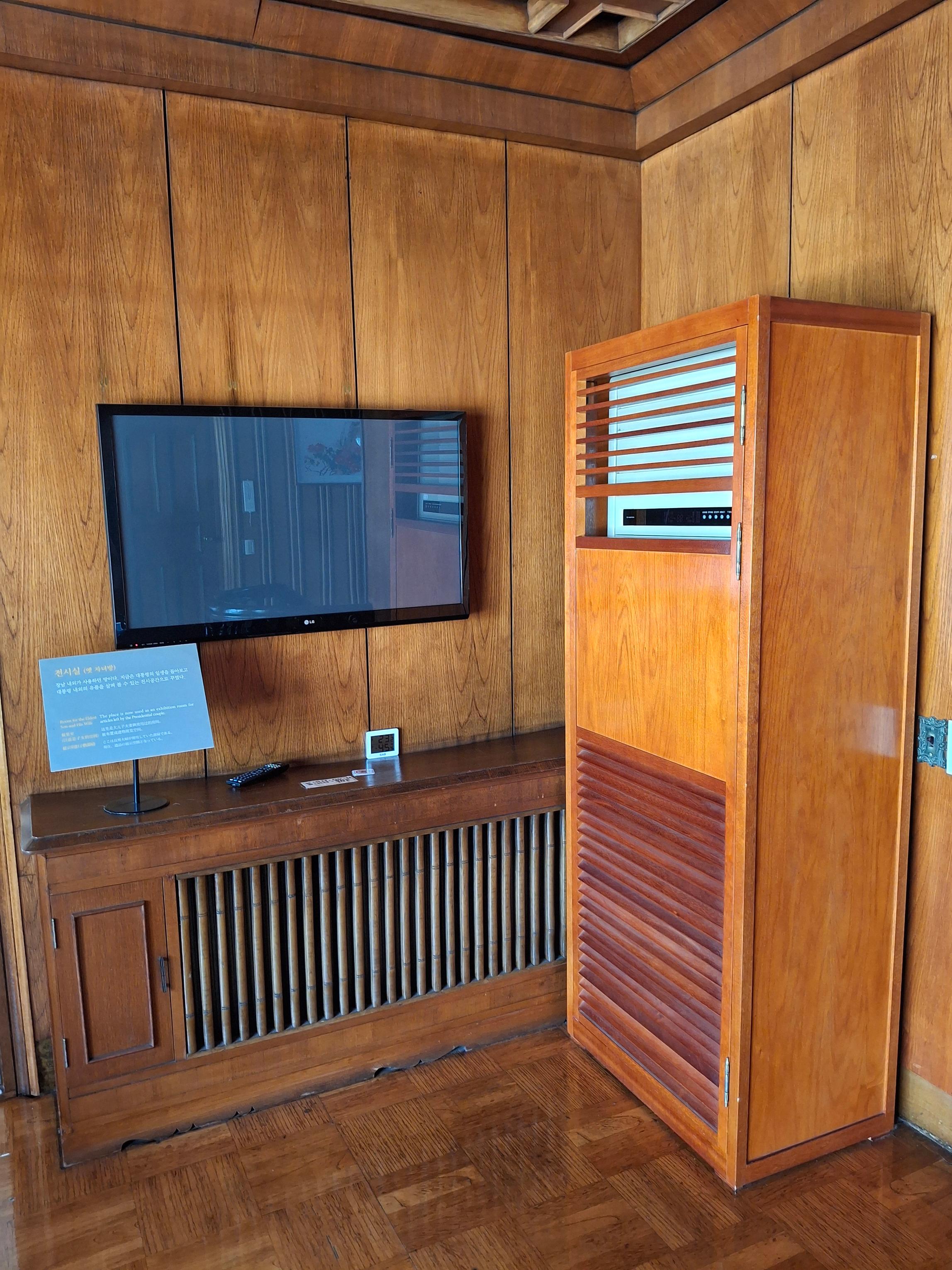
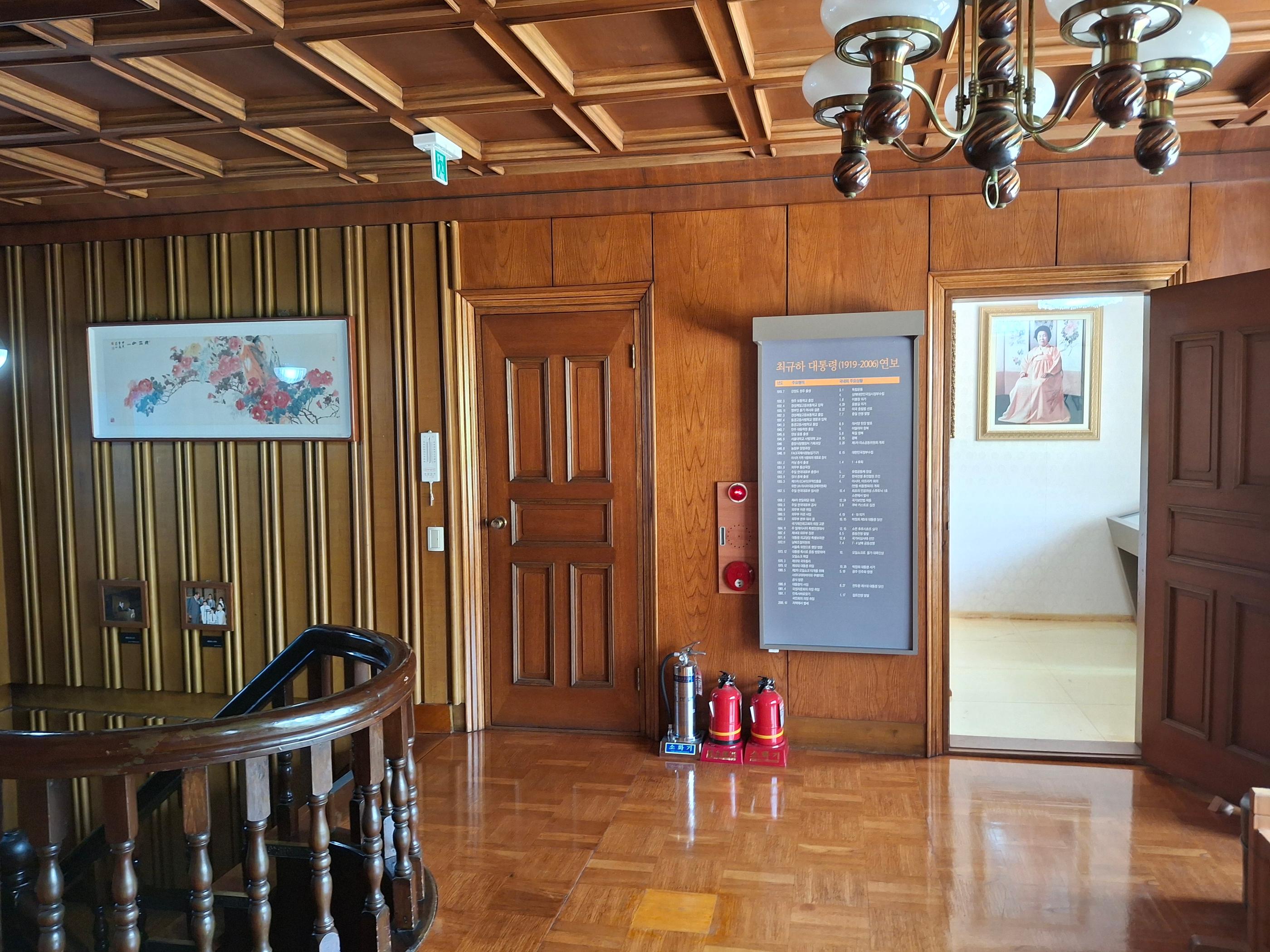
The house is very cozy and nice. The simplicity and modesty of the president's life is surprising. This house gives a wonderful opportunity to see how the famous Korean diplomat, politician, and later the leader of the country lived.
It is also an opportunity to look into the 70s, to see how people lived in those years. The house has preserved the original furniture, clothes and objects of those years. Here you can see how life has changed over the course of decades using the example of the life of one family (the president's family lived in the house in for about 30 years.). It felt like a living history museum.
I recommend visiting Kyu-hah Choi’s House to anyone interested in the history of everyday life. It is a great opportunity to briefly find yourself in the 70s and 80s and imagine yourself as a resident of Seoul at that time. And also to touch the life of a great political figure of Korea and learn about him.