



A secret garden for a relaxing holiday

Olga
4 months ago
Walking along a quiet hilly path in Buamdong, you may suddenly see traditional Koreen houses with tilled roofs. This is Seokpajeong — a Joseon era country villa located in the center of Seoul, not far from the royal palaces. It is hidden from the public eye, so many tourists do not know about it, but if you love Korean history and culture, I recommend visiting this place.
Today, the space is managed by the Seoul Museum and is open to anyone who is viewing the museum's exhibits. There is no separate ticket for Seokpajeong alone.
I went to the palace on a beautiful November day. Having climbed to the 4rd floor, I suddenly felt as if I had opened a portal to the past.
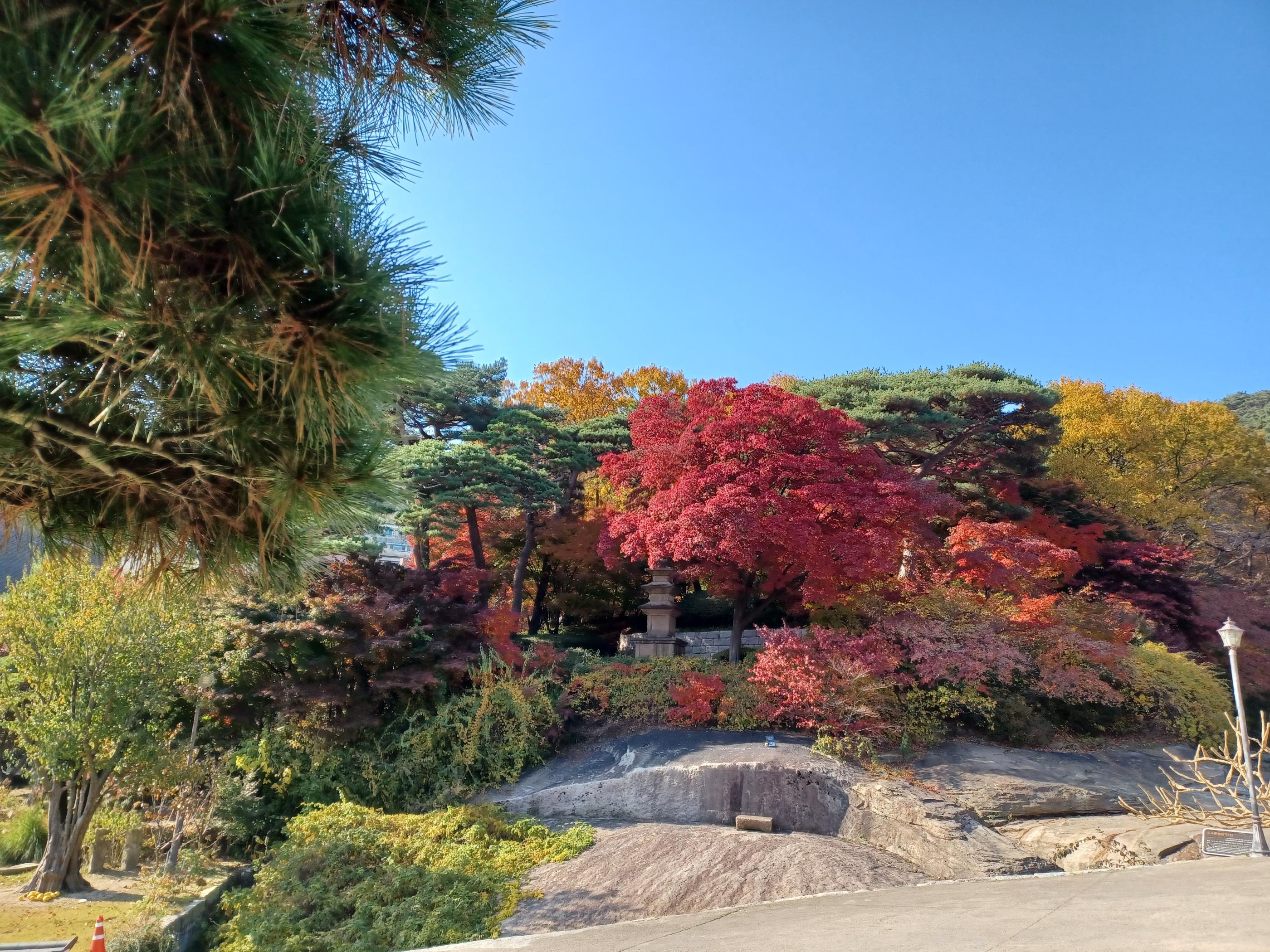
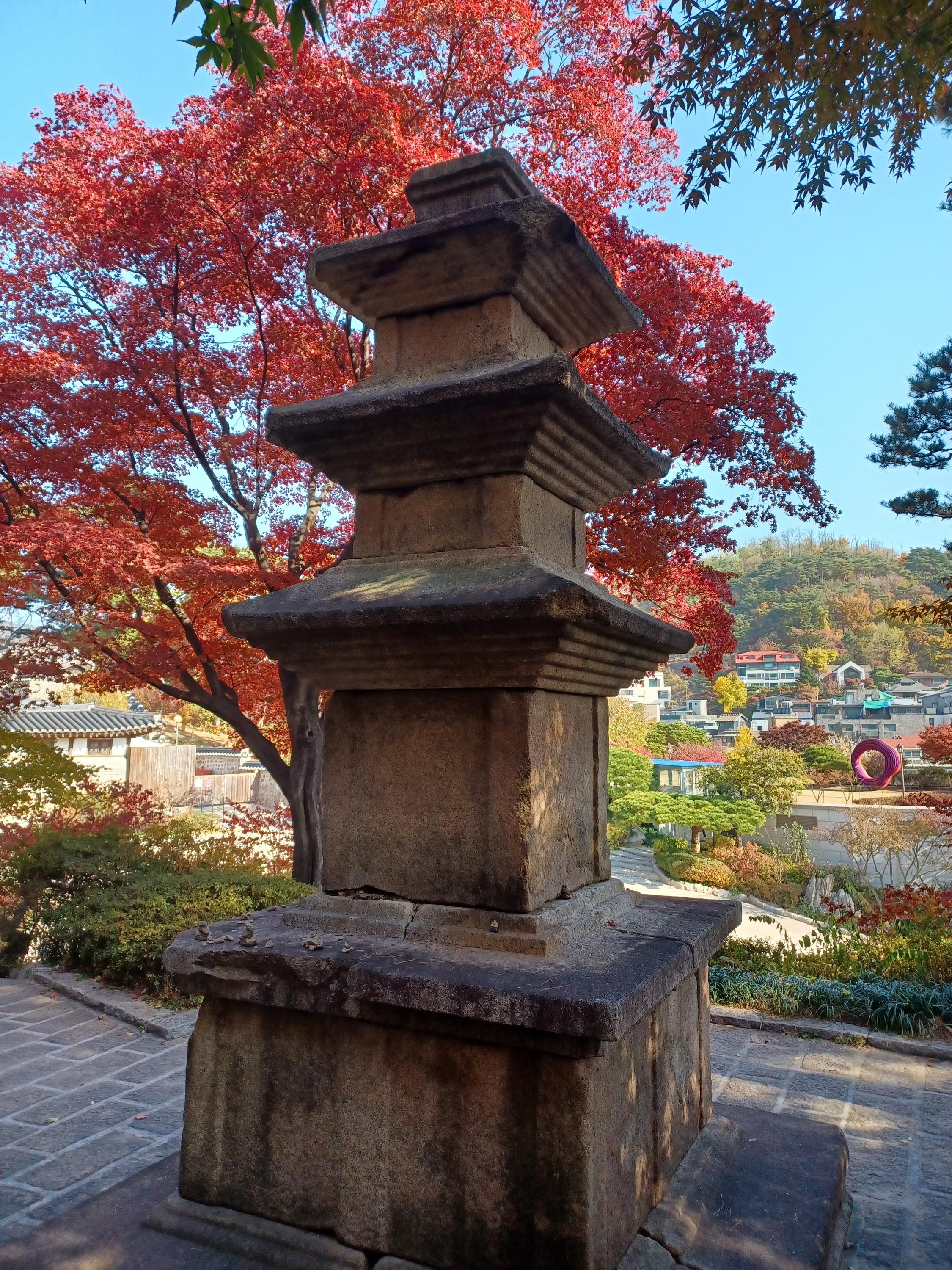
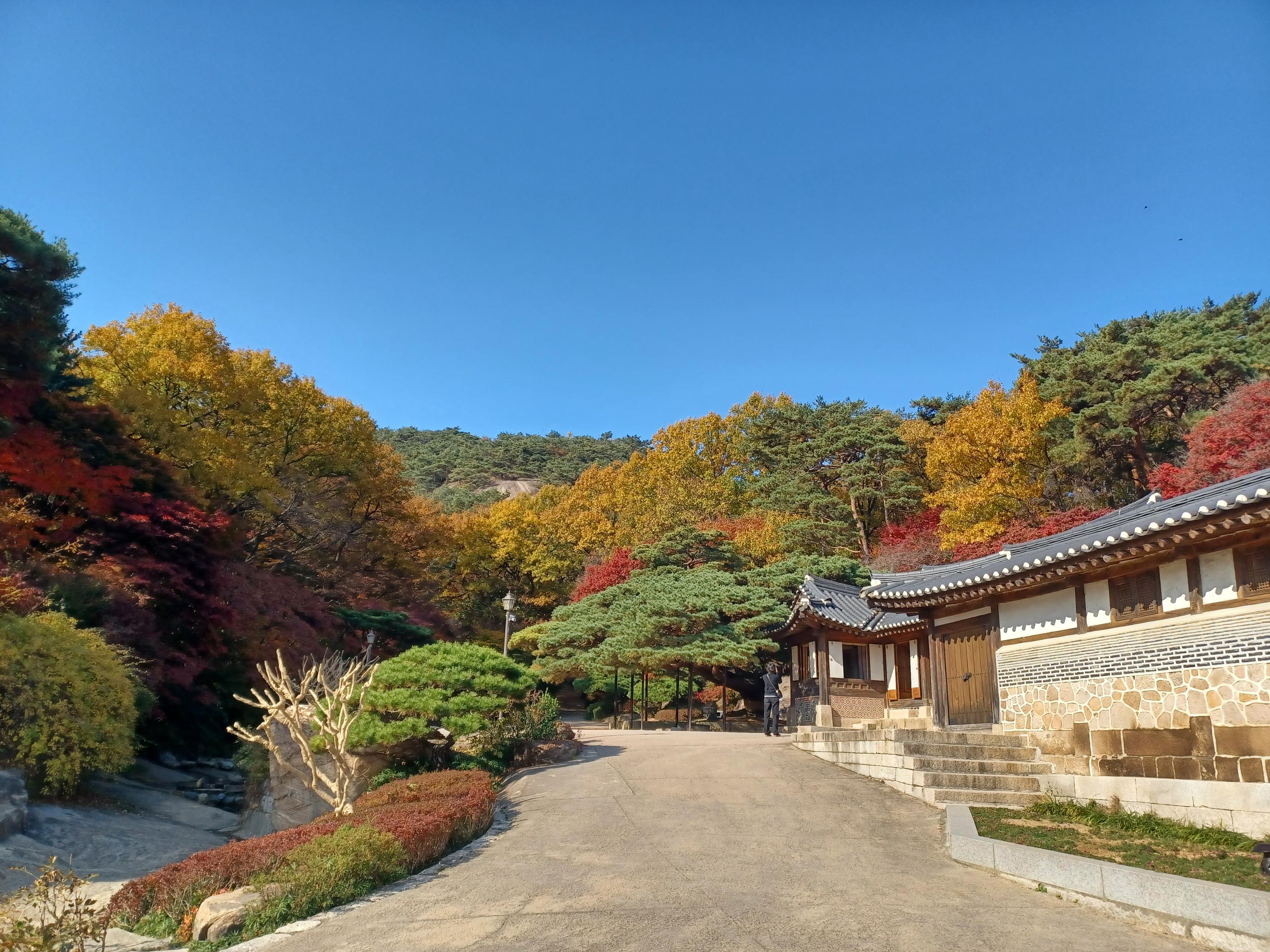
I saw a beautiful complex of traditional Korean hanok houses surrounded by a magnificent garden. The name of this historical complex, "Seokpajeong," translates into English as "surrounded by water, soaring above the clouds" and was given in honor of the great Heungseon Daewongun, the regent of the Joseon Kingdom. The Seokpajeong complex is more than 600 years old, but it has been able to maintain its original appearance through careful preservation. This place is remarkable for its extraordinary beauty and it displays a combination of traditional Korean and Chinese architecture.
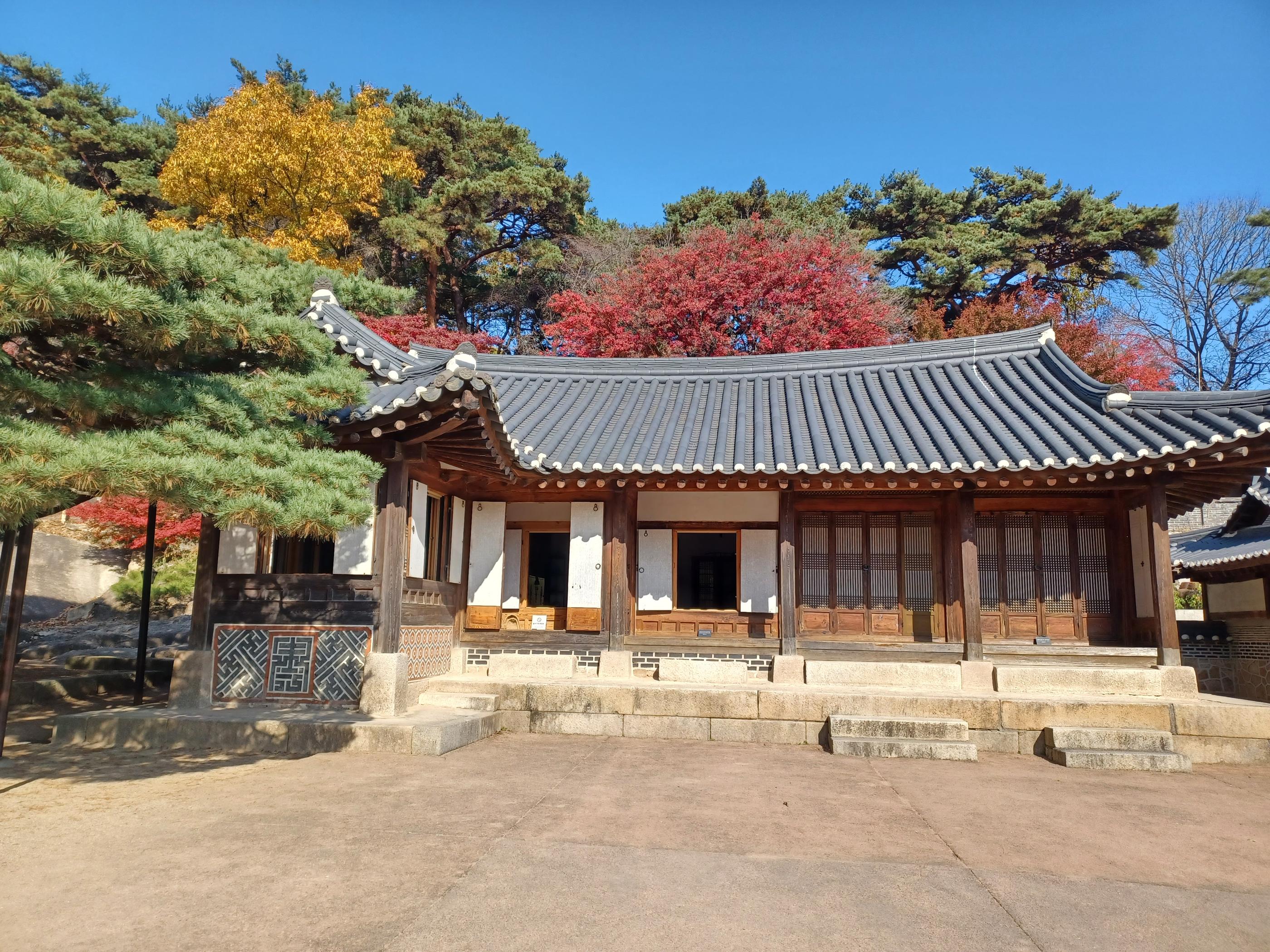
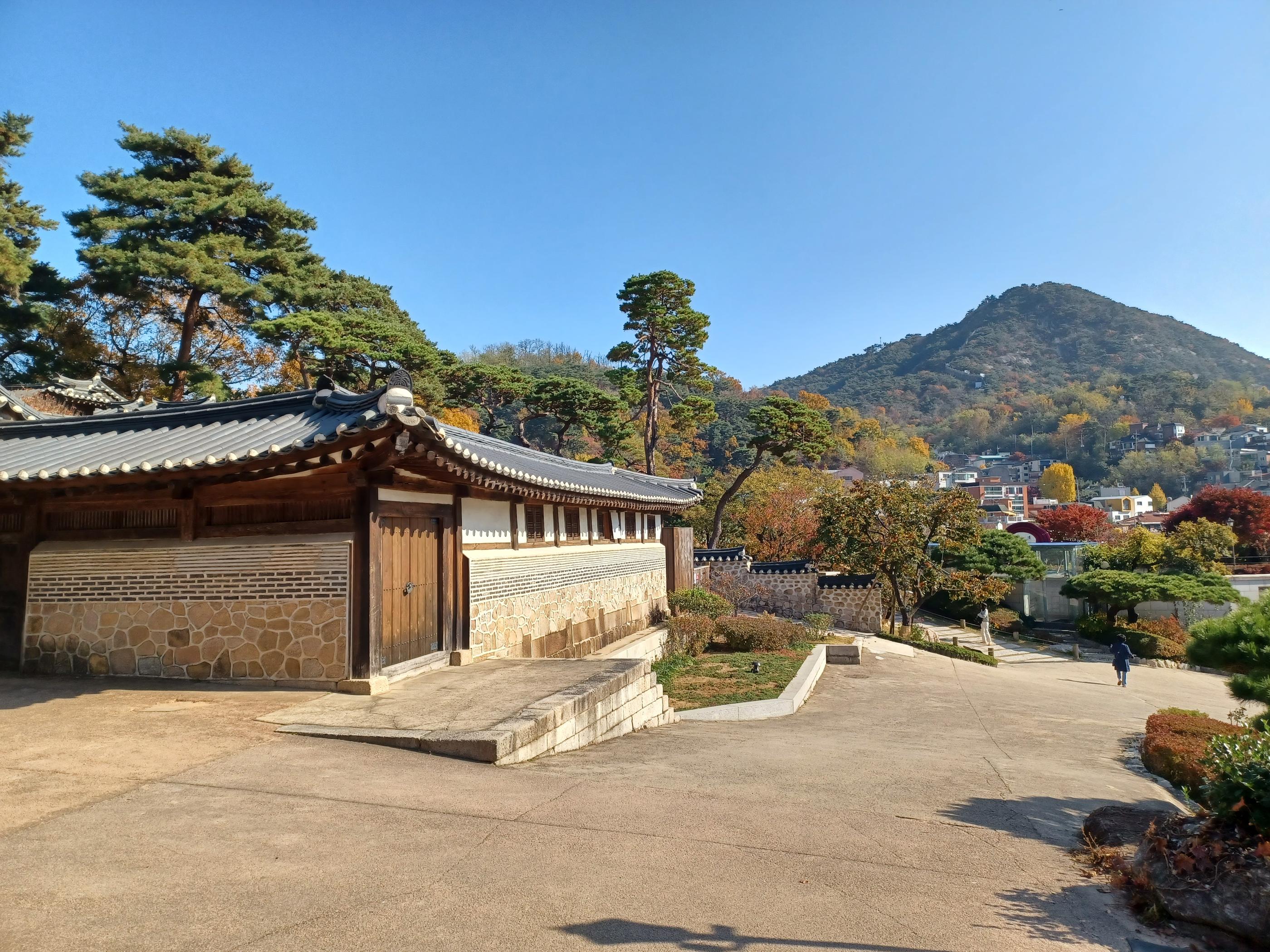
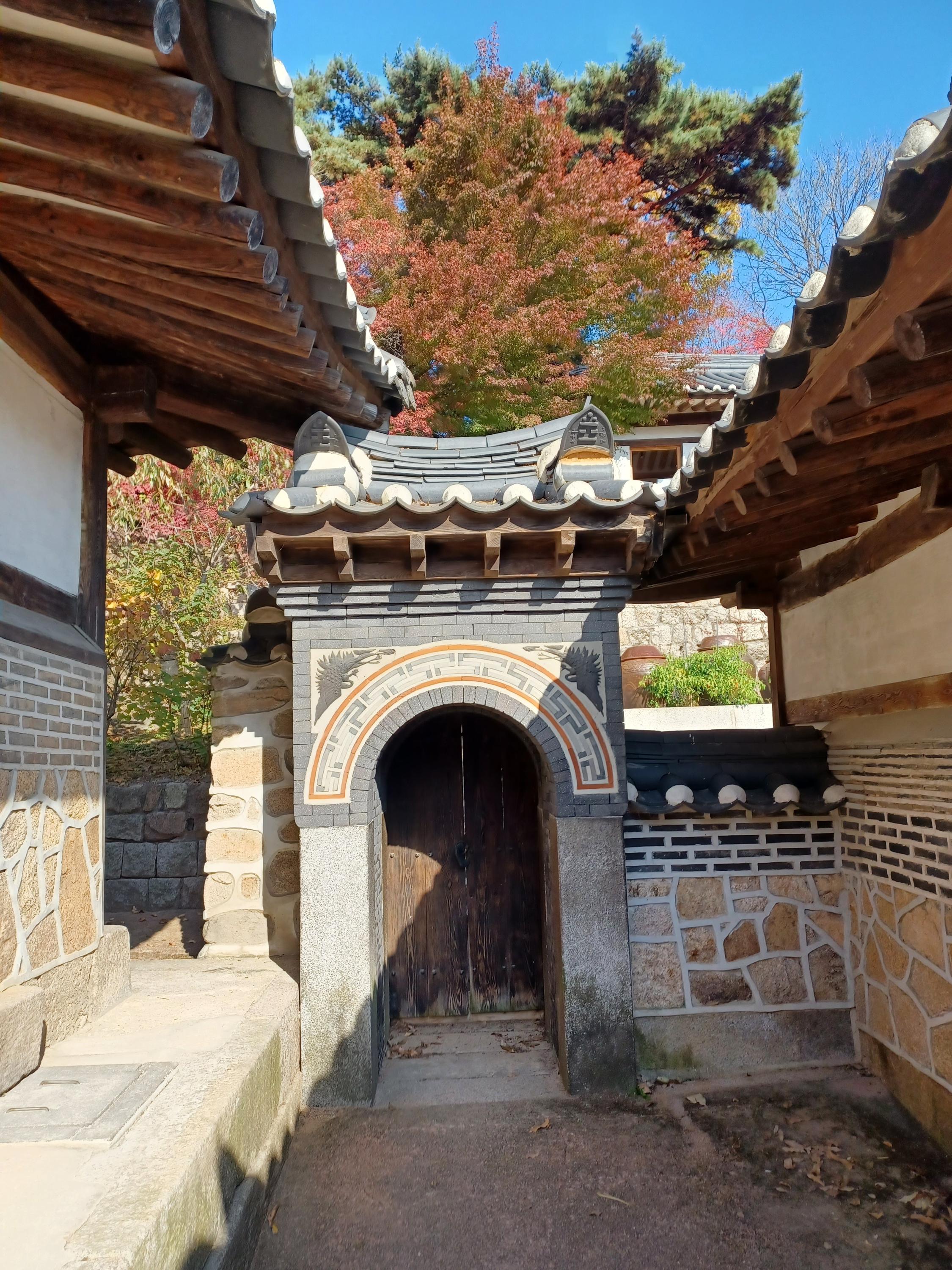
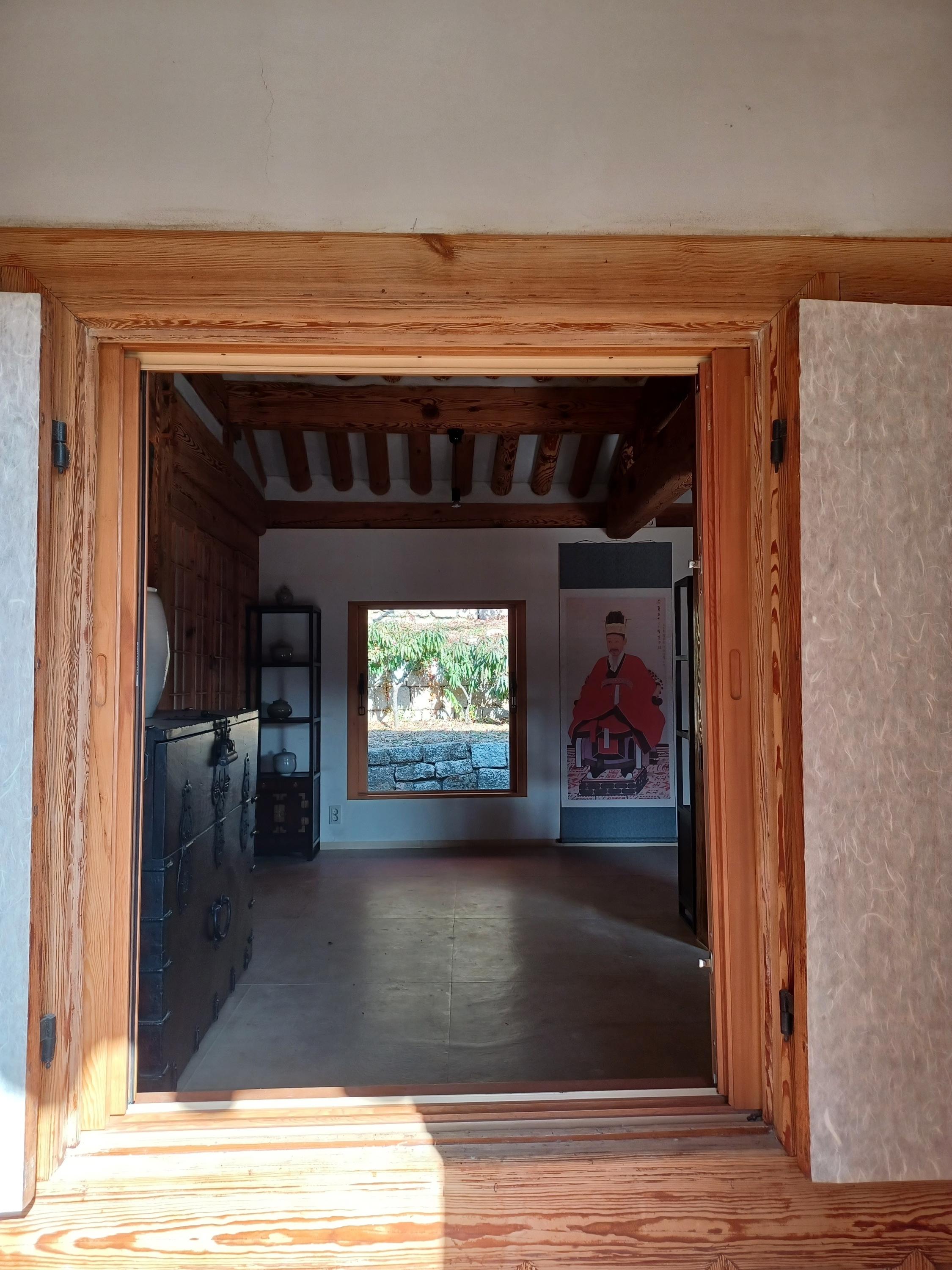
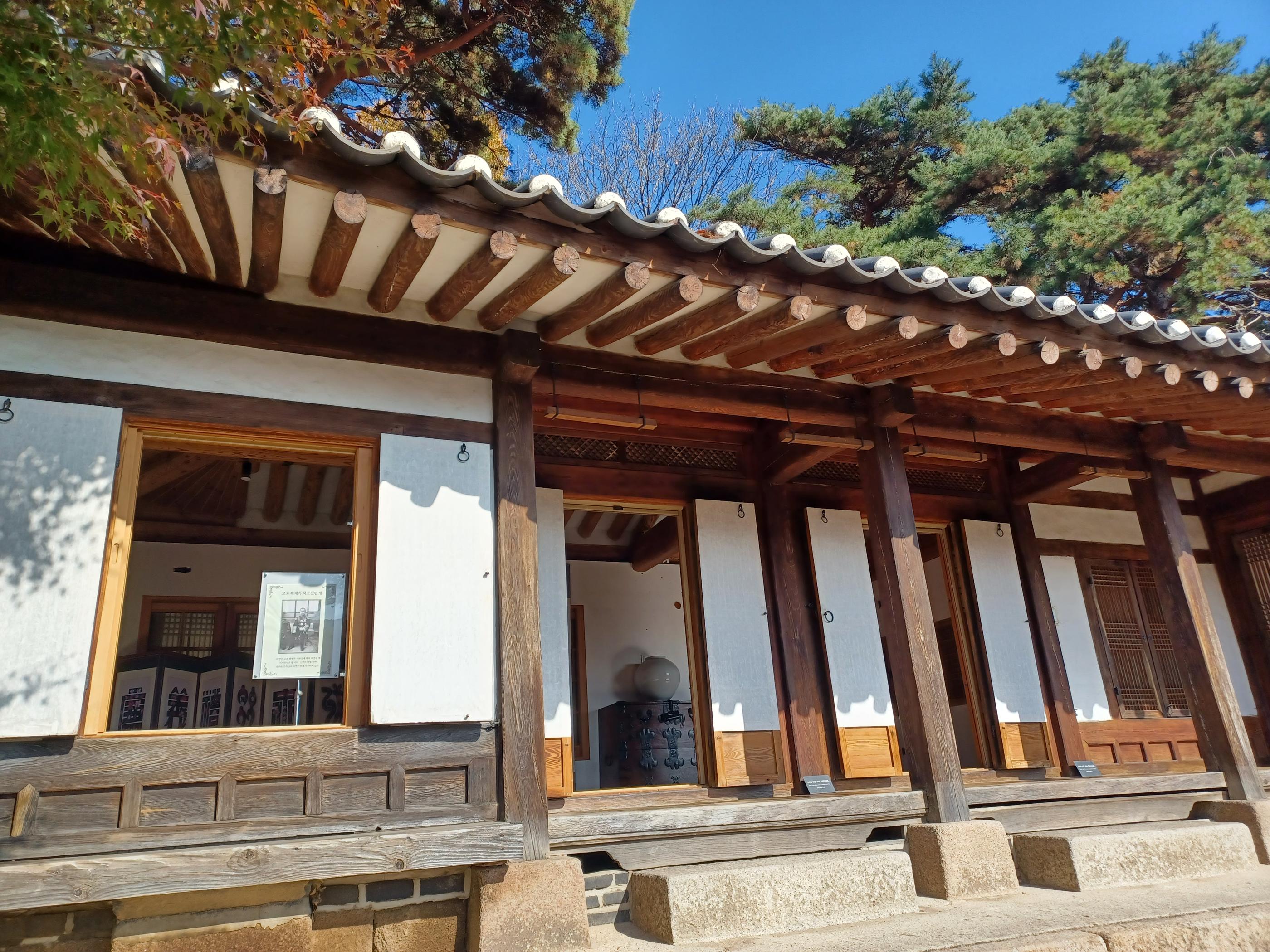
It was used by men of the household for leisure activities and writing poetry during the Joseon Dynasty. Unfortunately, you can't go inside the hanok, but the interior is clearly visible through the open windows. But you can sit on the terrace and enjoy the beautiful views. It is no wonder that the last king of the Joseon Dynasty, Gojong, used this place as a temporary residence, where he met guests and discussed state affairs.
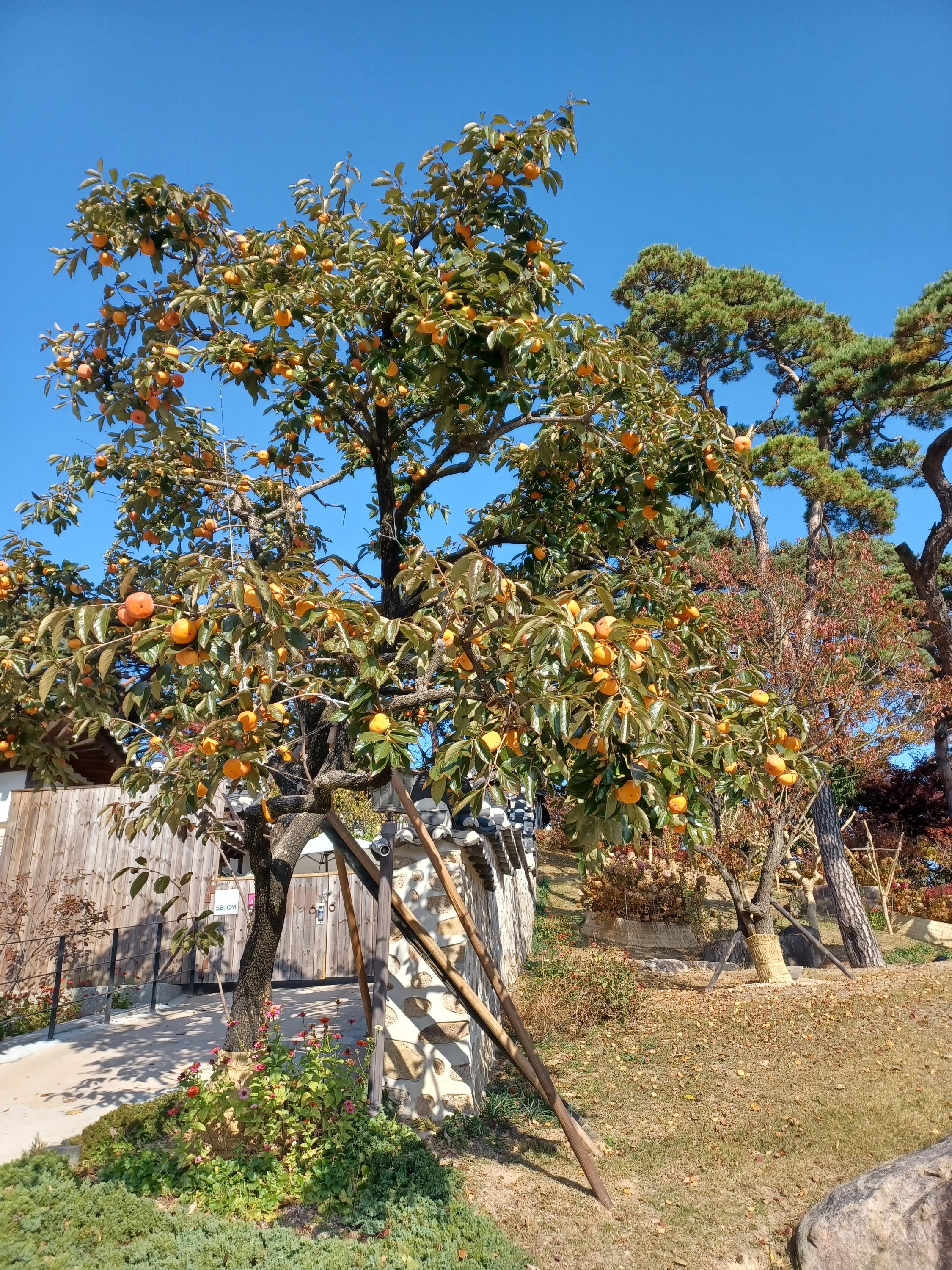
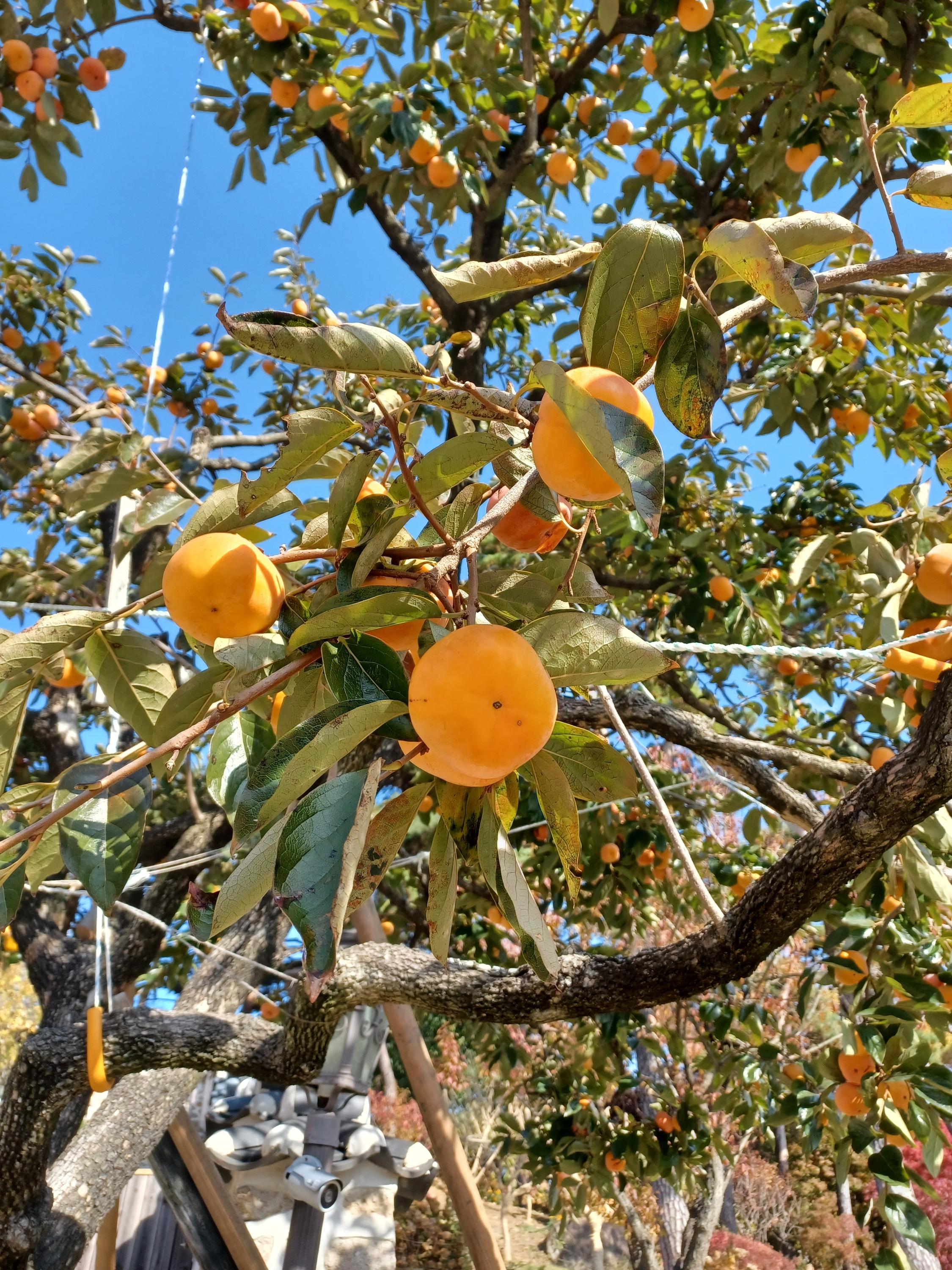
Persimmon trees full of ripe fruit grow near the hanok.
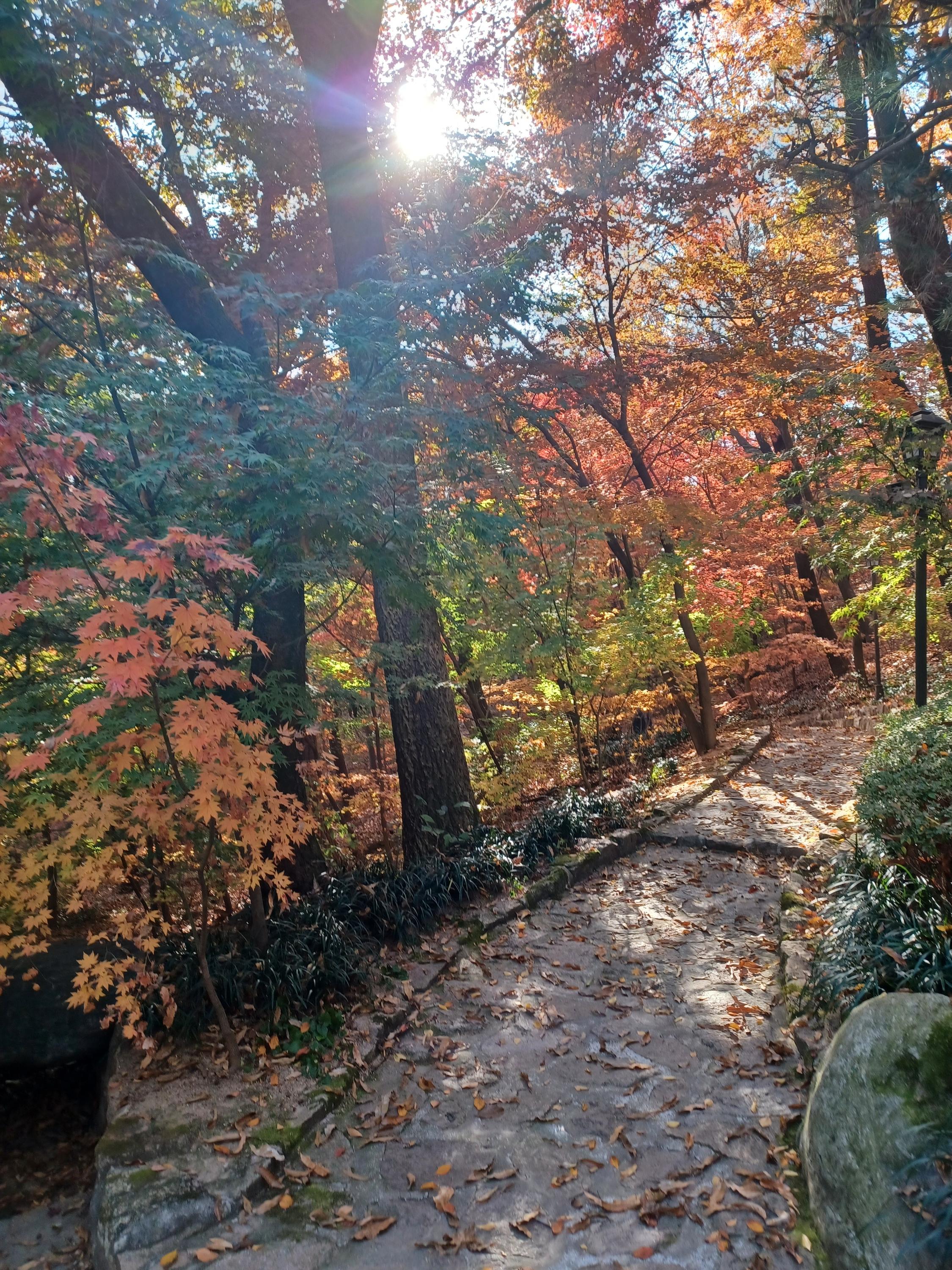
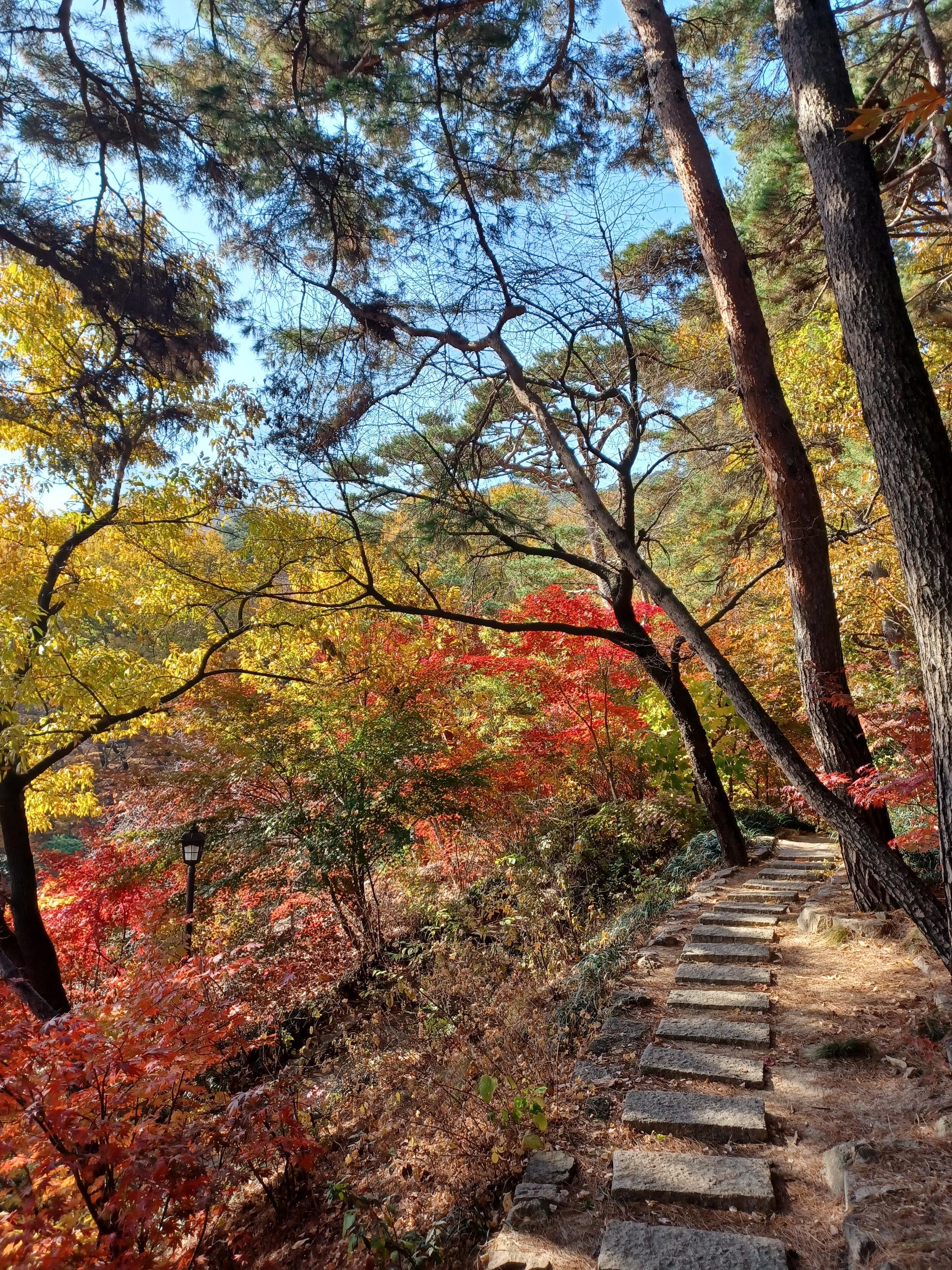
There are magnificent landscapes everywhere you look. Beautiful centuries old trees, painted red and yellow in autumn. The palace is located at the foot of the mountains, so the air here is clean. It is so wonderful to walk along the paths of the garden, enjoying the surrounding beauty and the singing of birds!
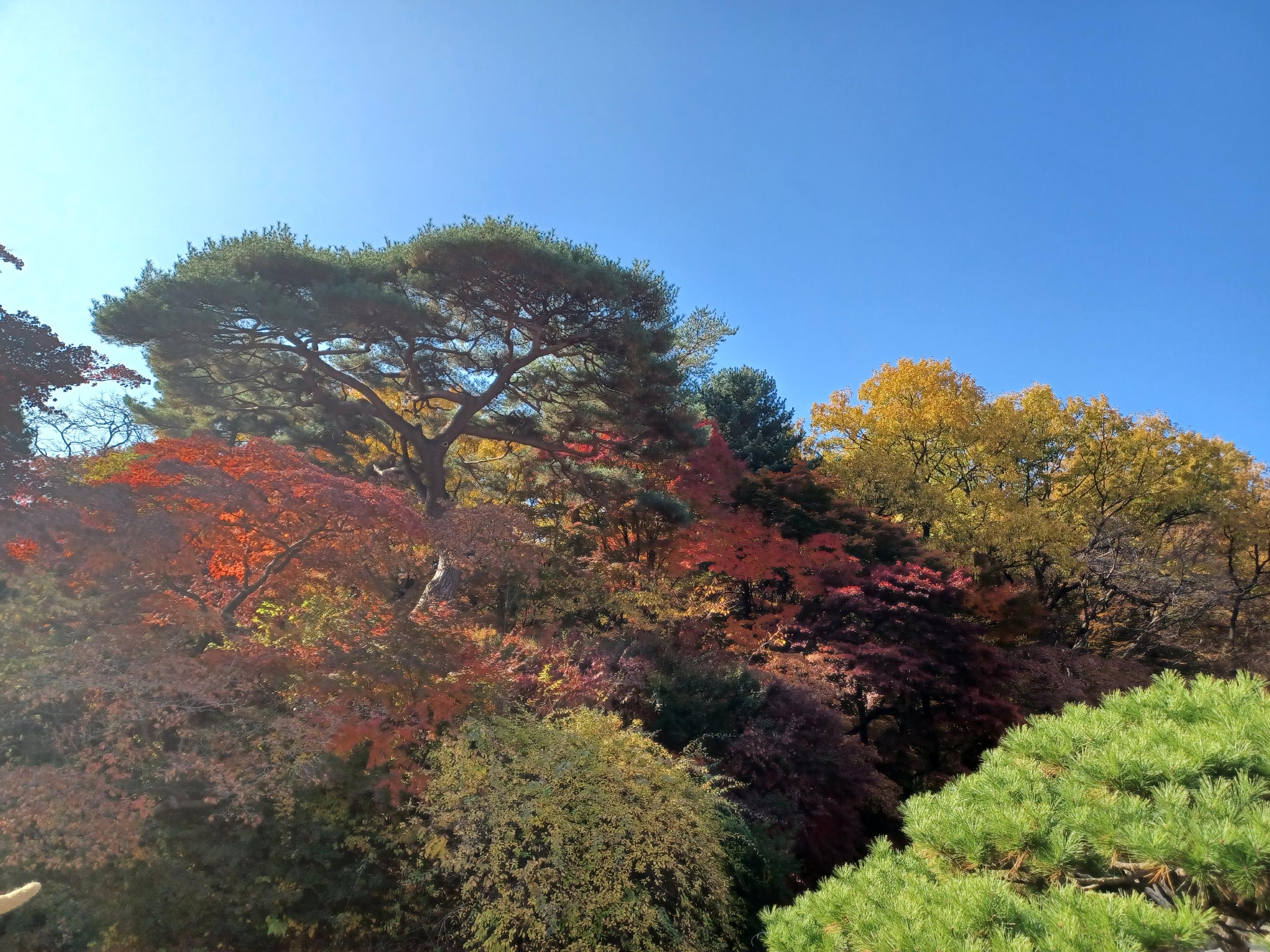
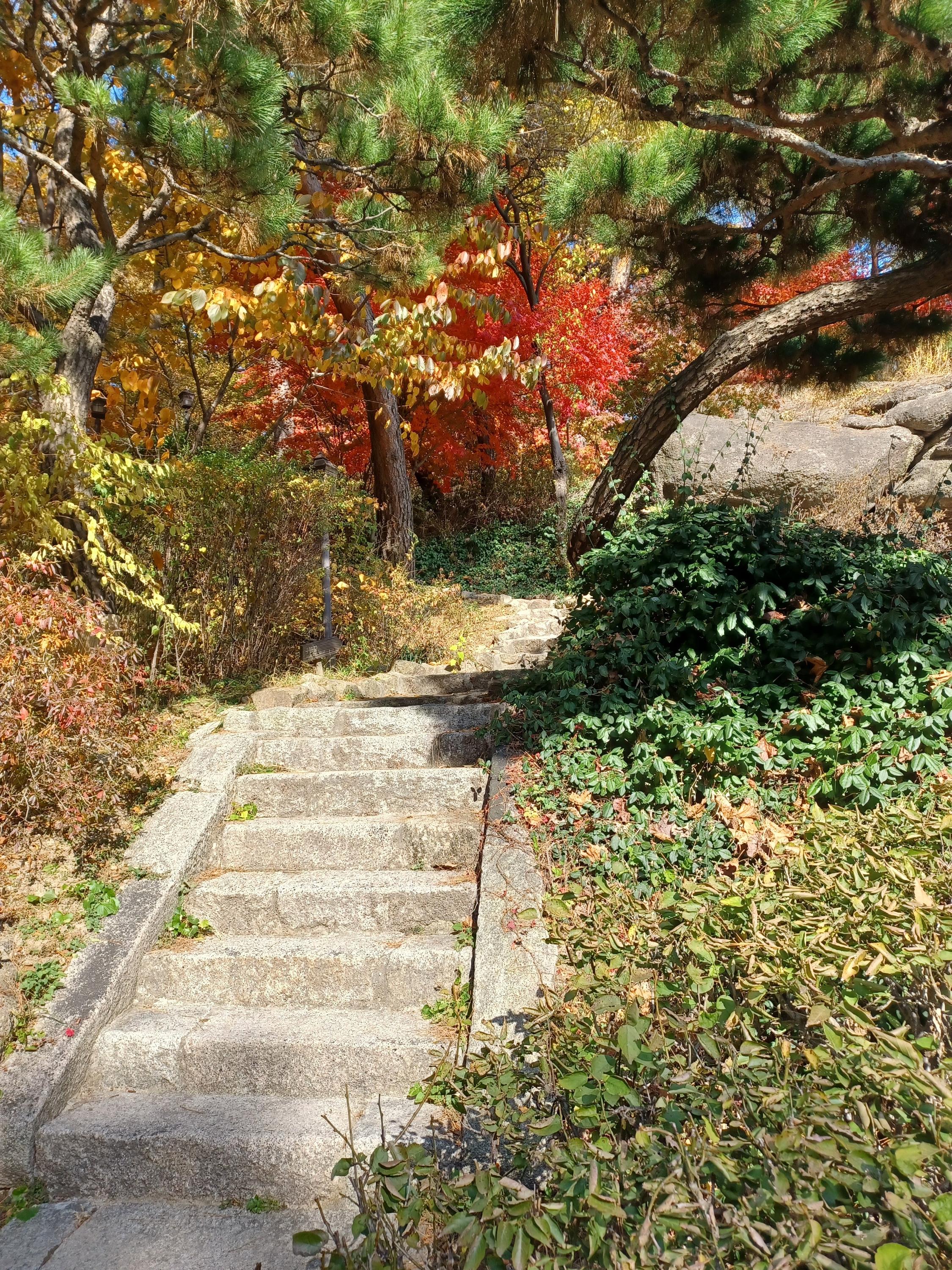
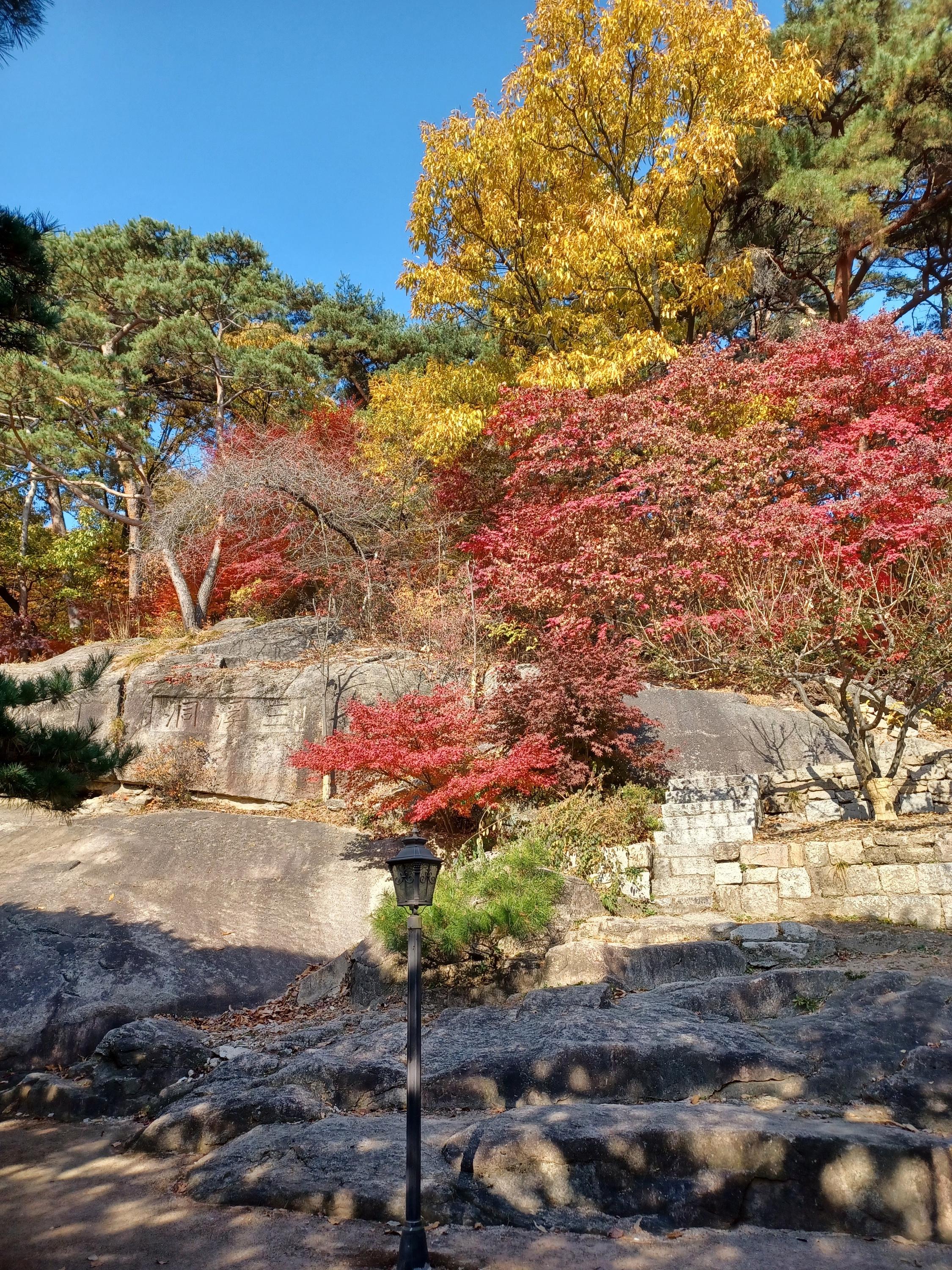
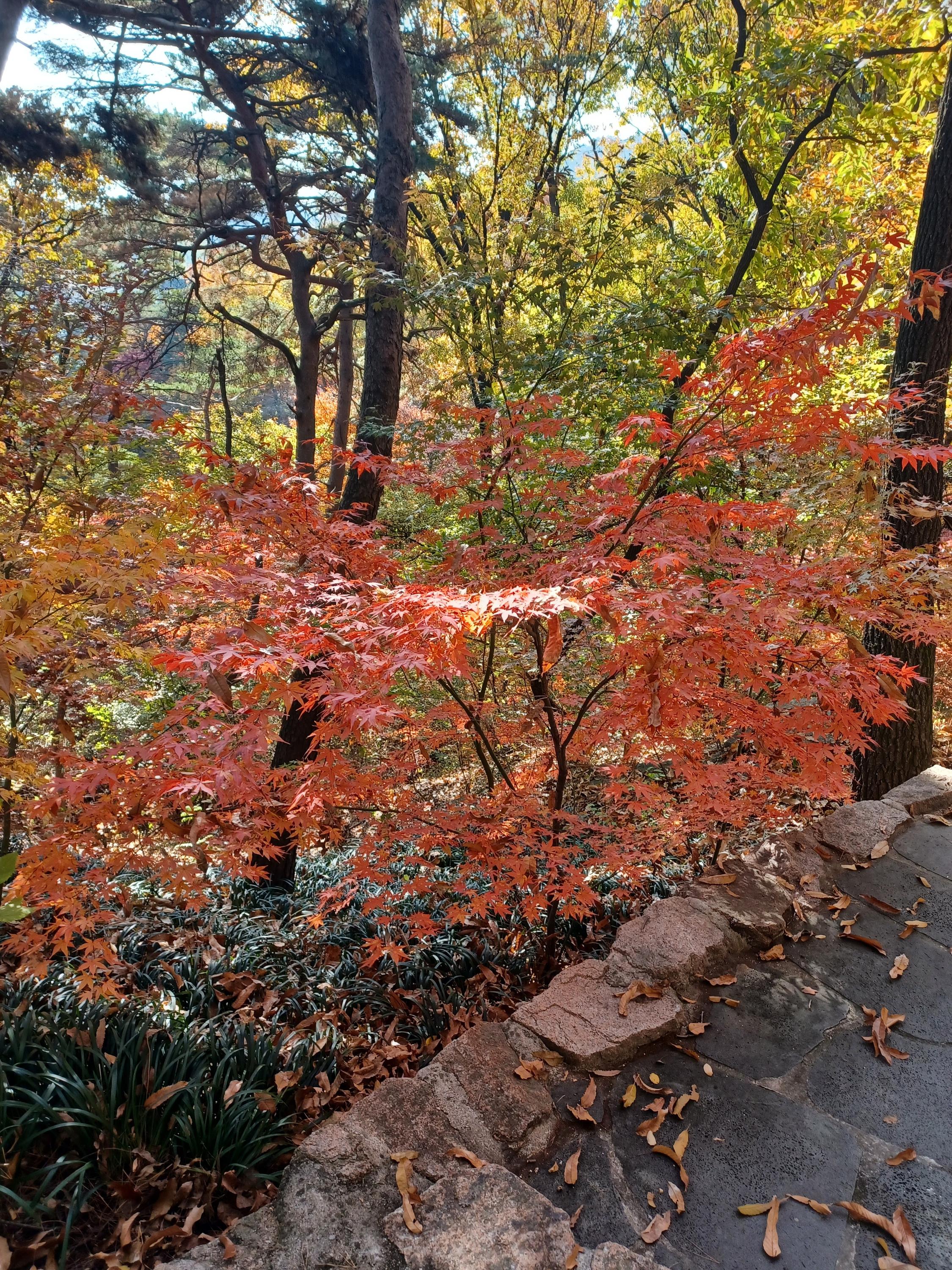
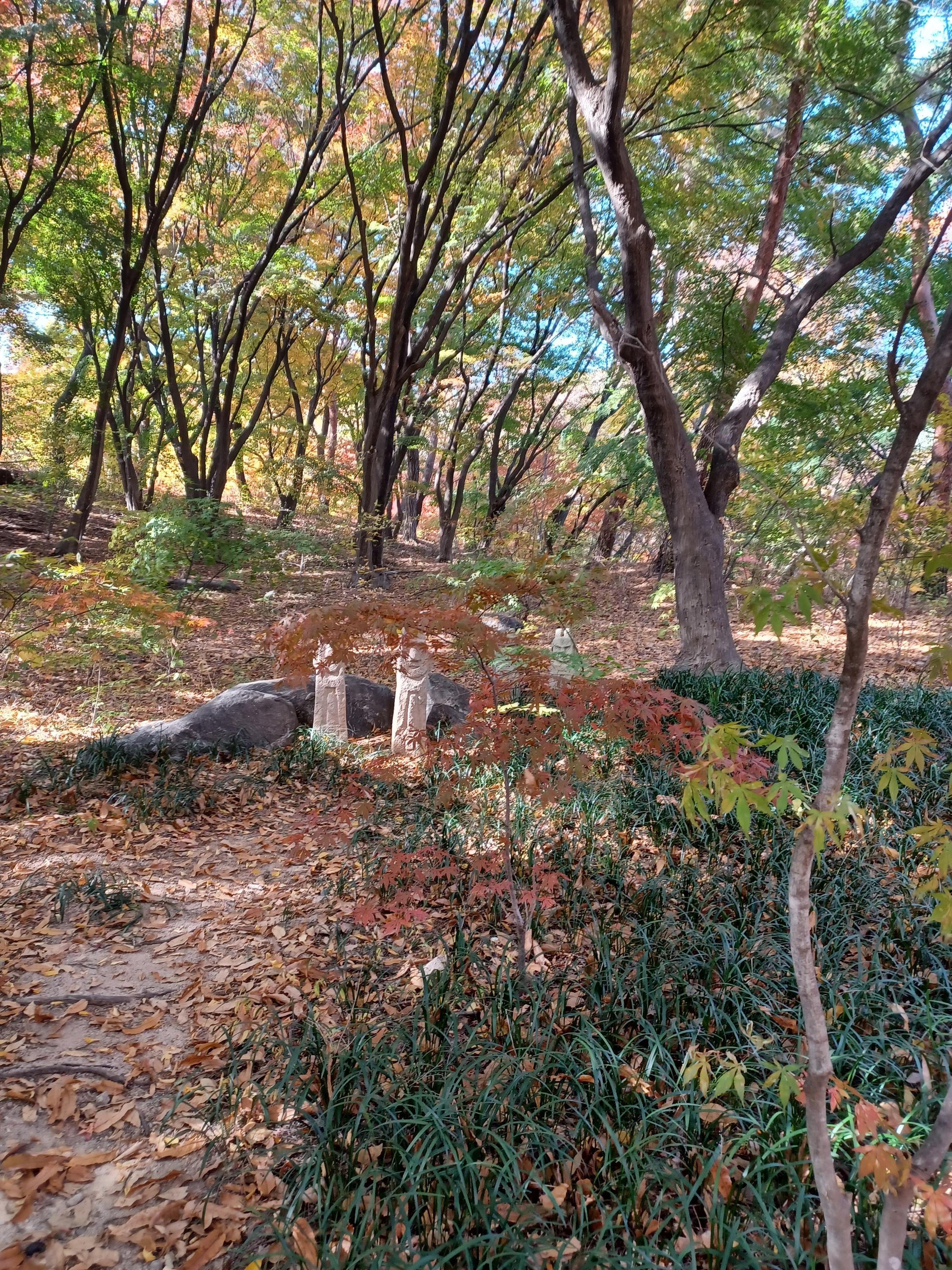
Seokpajeong boasts a breathtaking natural landscape. It is characterized by boulders that make up the nearby mountains — Mount Inwang and Mount Bugak — and a stream that flows through its crevices.
Another must see spot in the garden is the neoreok bawi (broad, flat rock), characteristic of the nearby rocky mountain Mount Inwang. Towering well over several tens of meters, the natural rock is said to grant people wishes and bring them good luck.
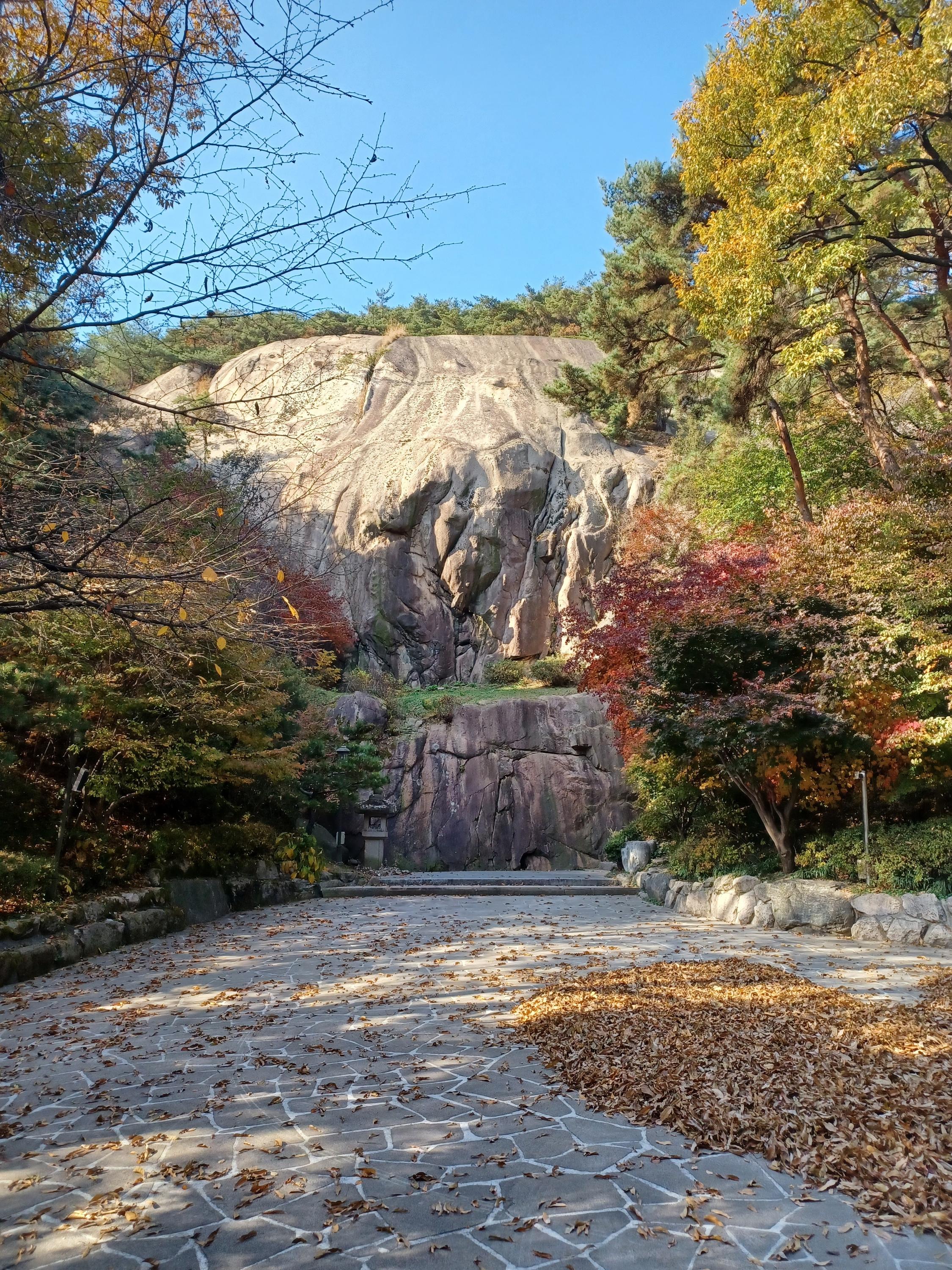
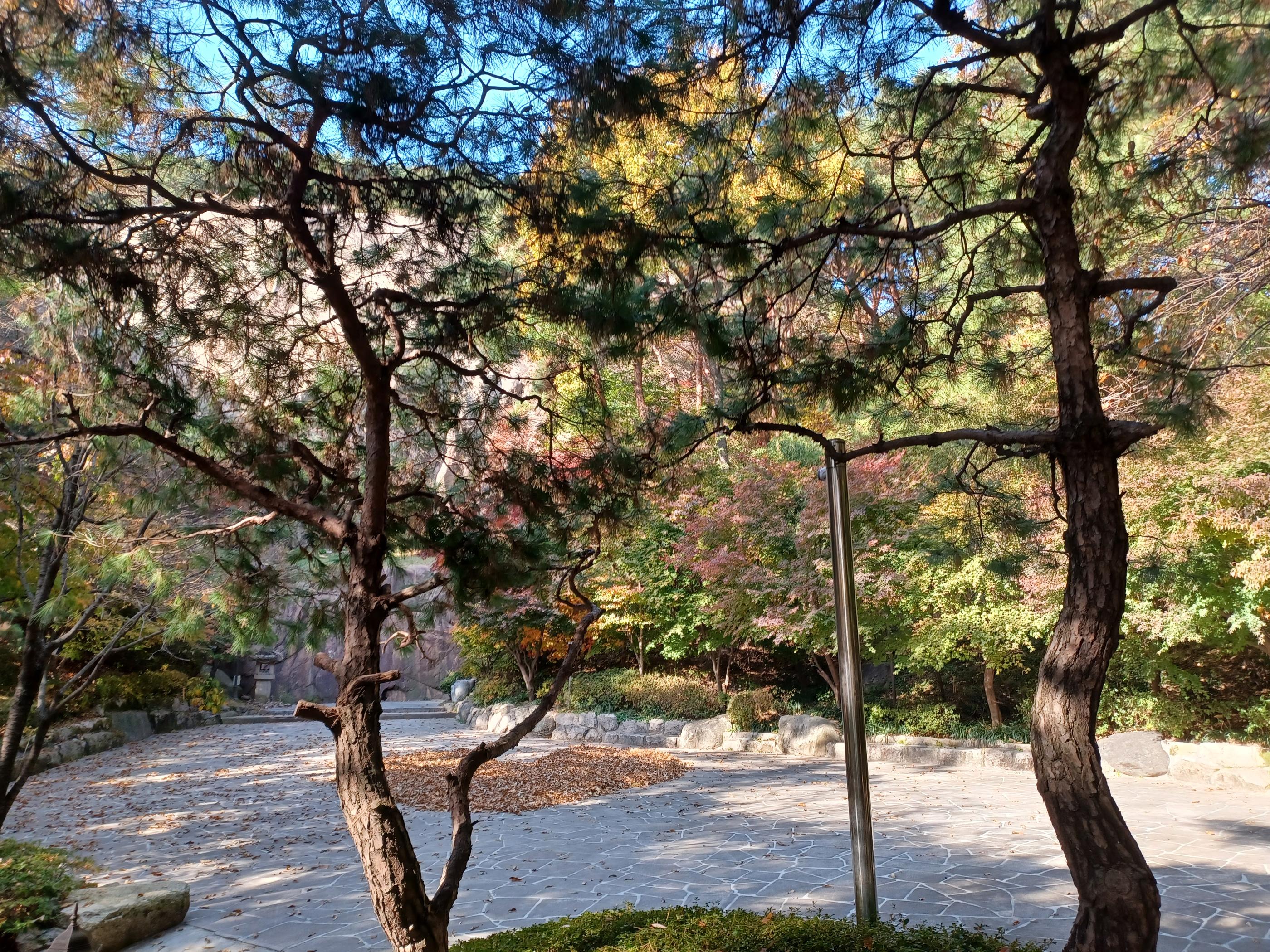
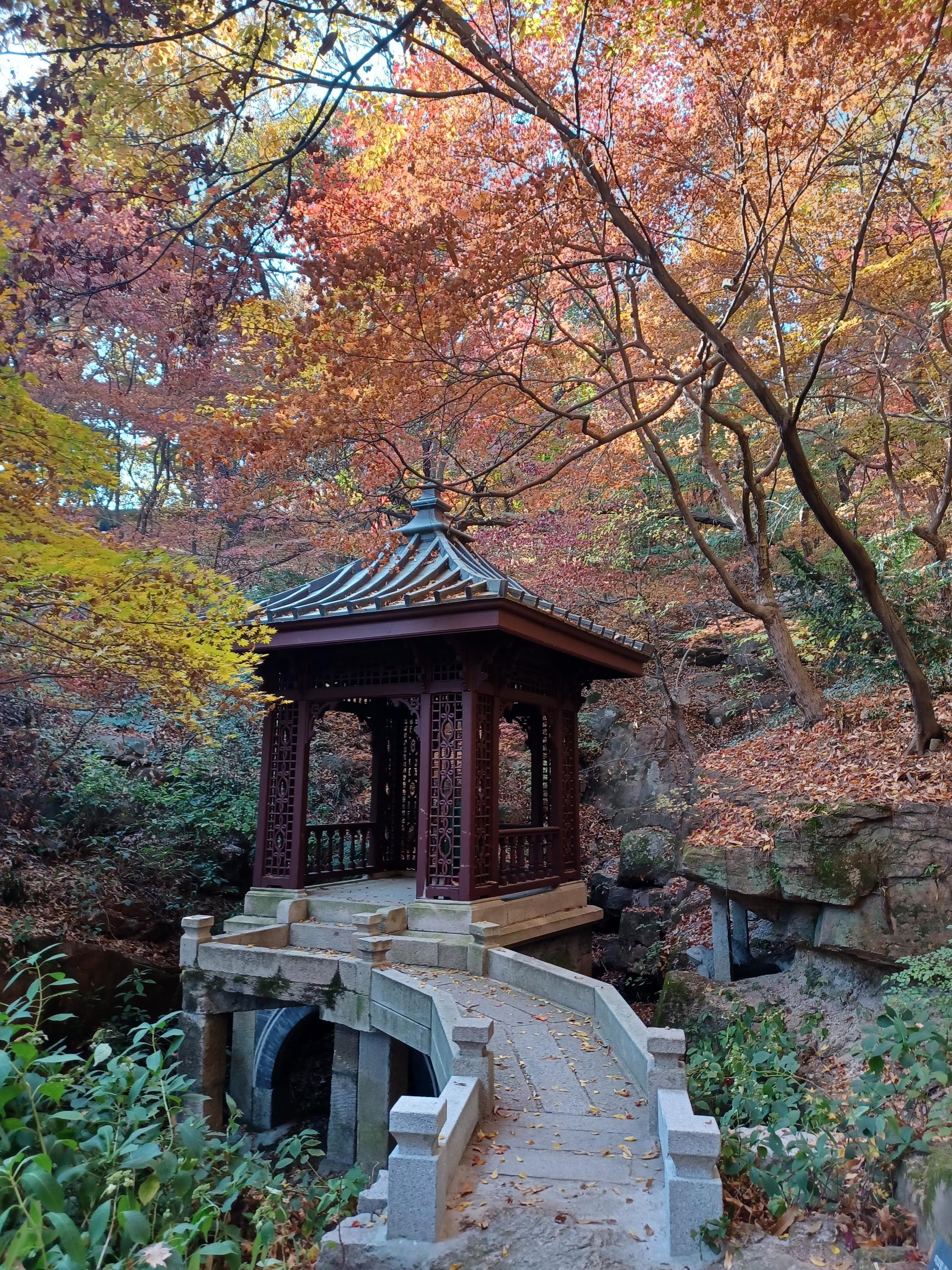
On the opposite side of the hanok complex lies a small pavilion nestled in the woods. The name of the whole area actually comes from the pavilion, which is called Seokpajeong. A very beautiful place where you can enjoy autumn views with the sound of running water!
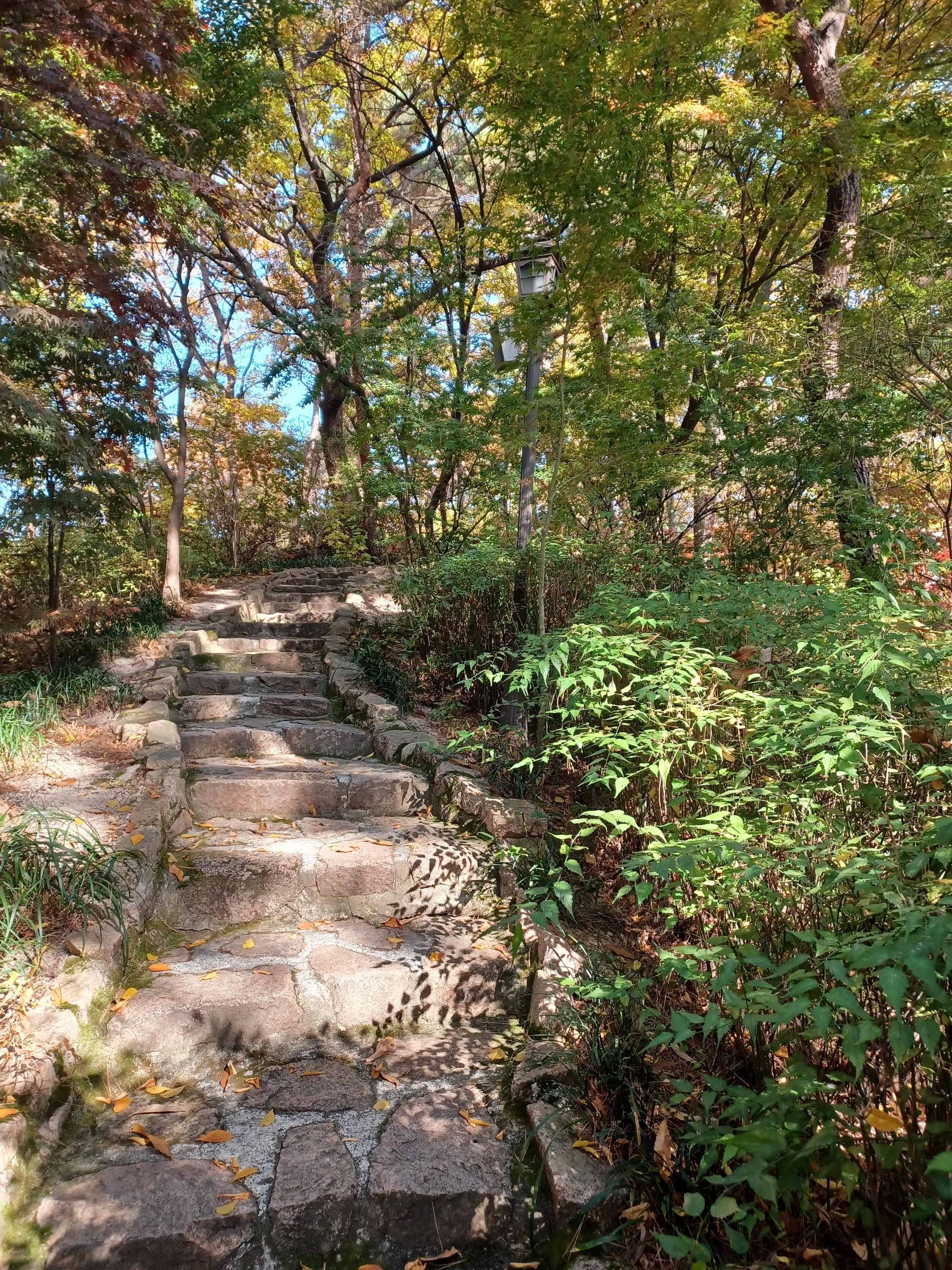
Climbing the picturesque paths up the slopes, another hanok appears before us, this one intended for women.
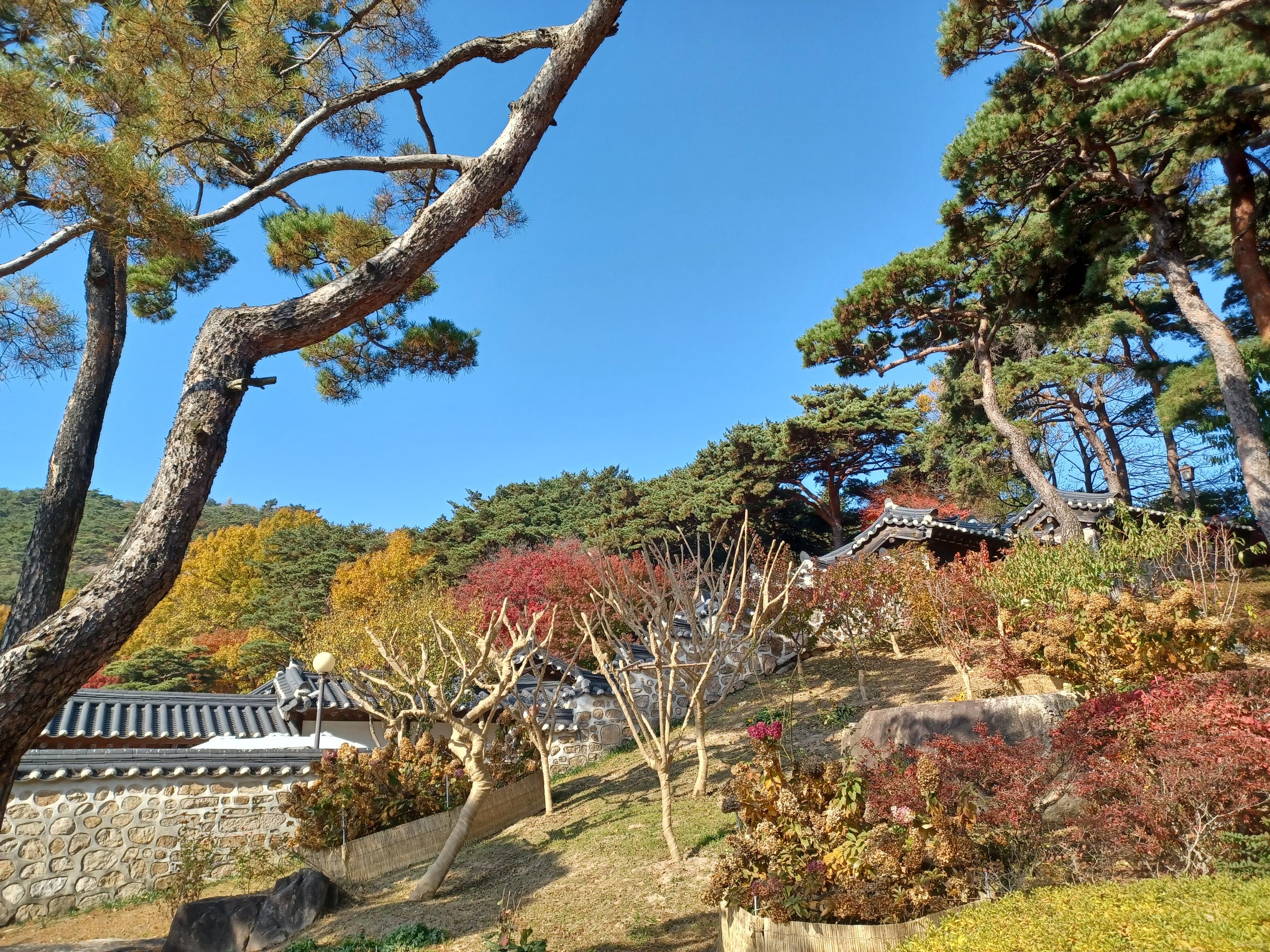
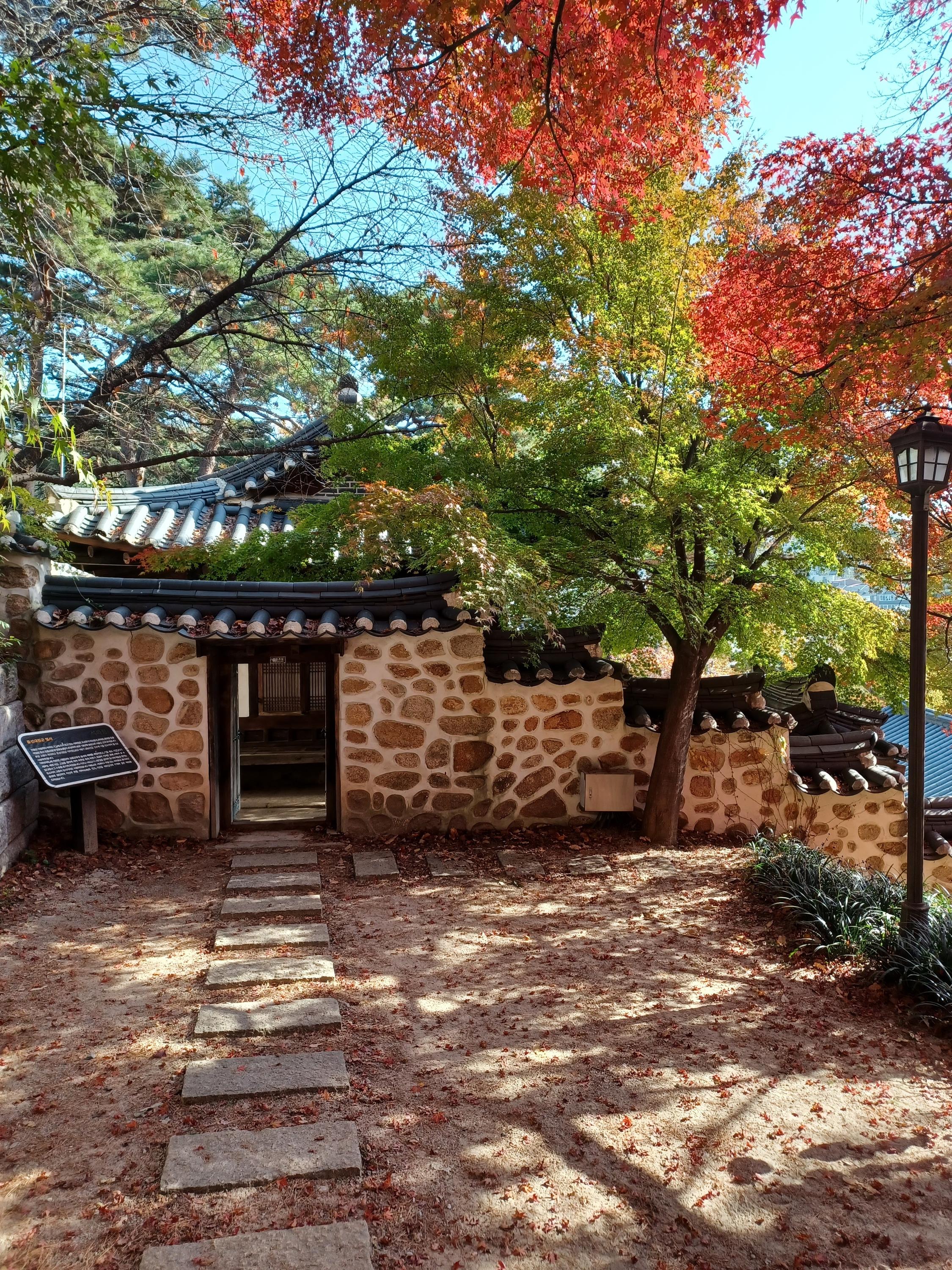
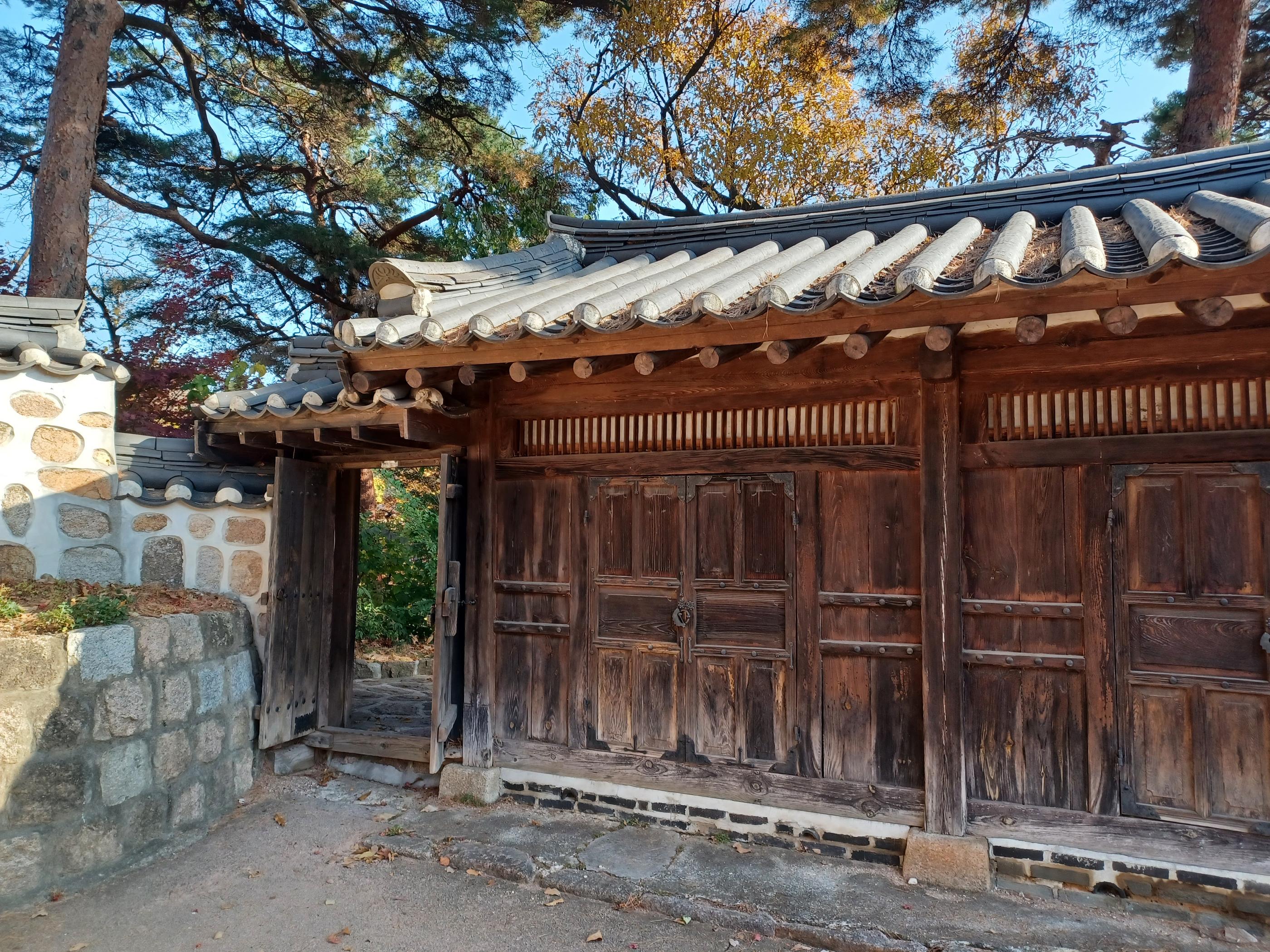
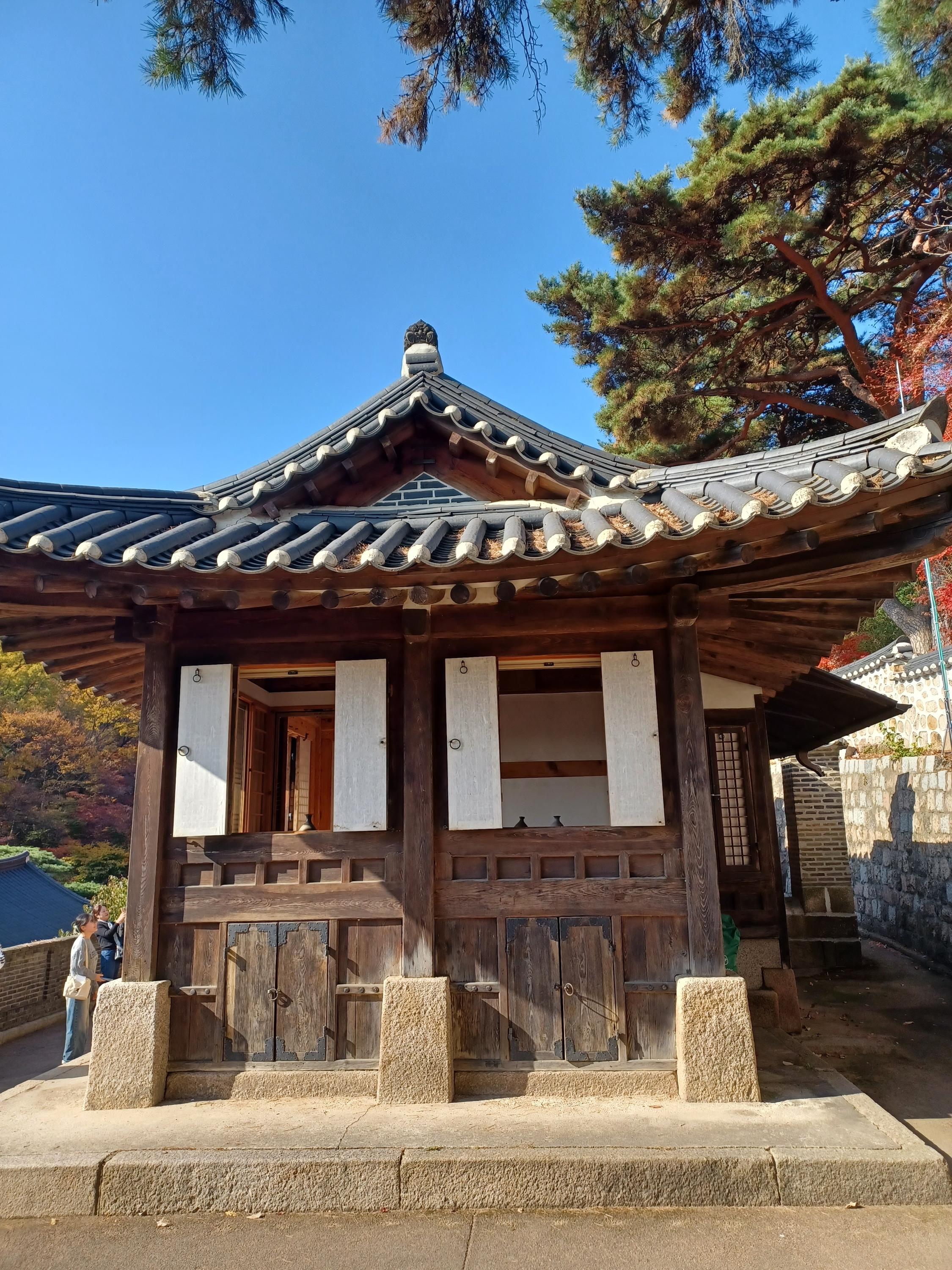
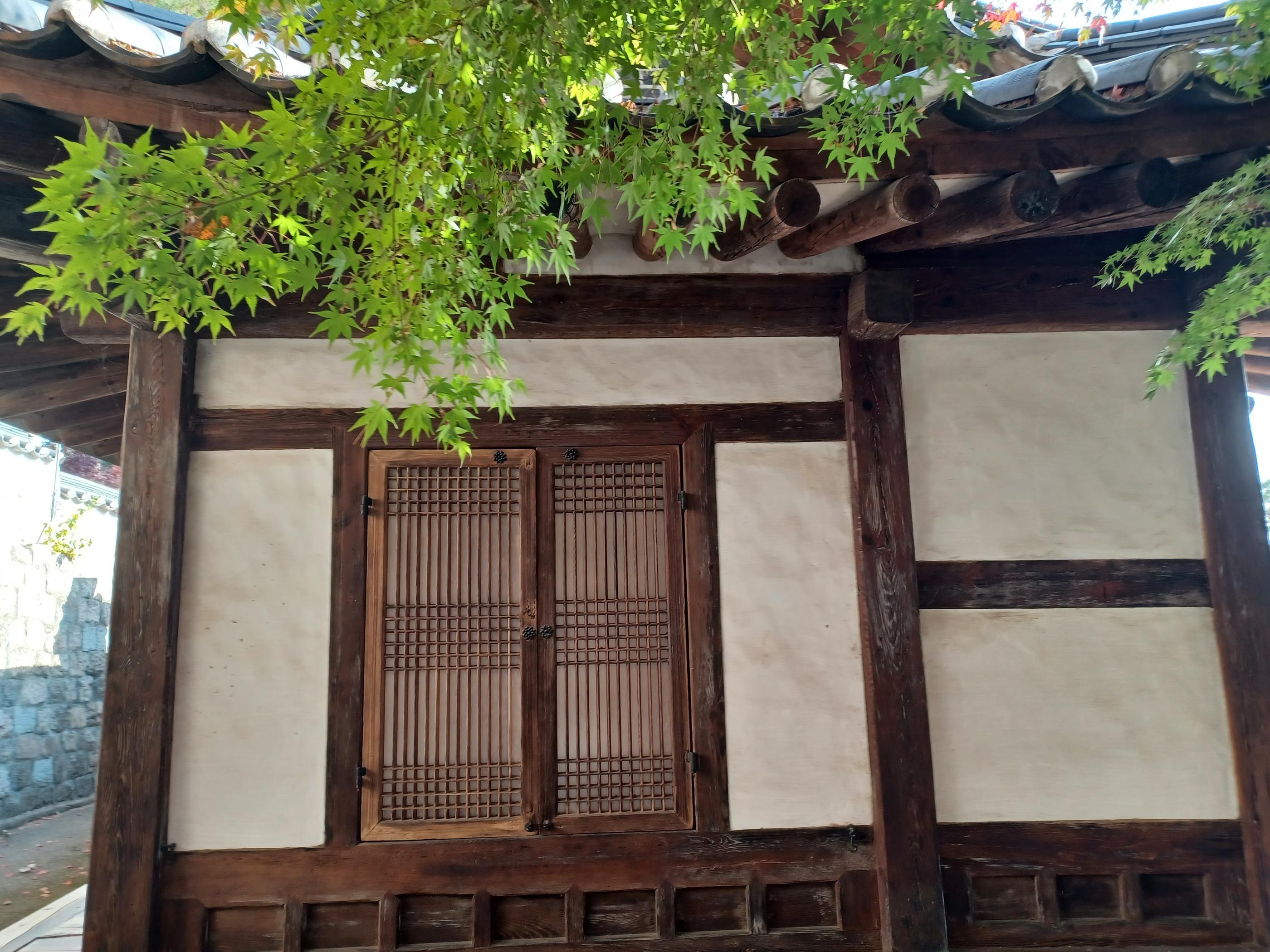
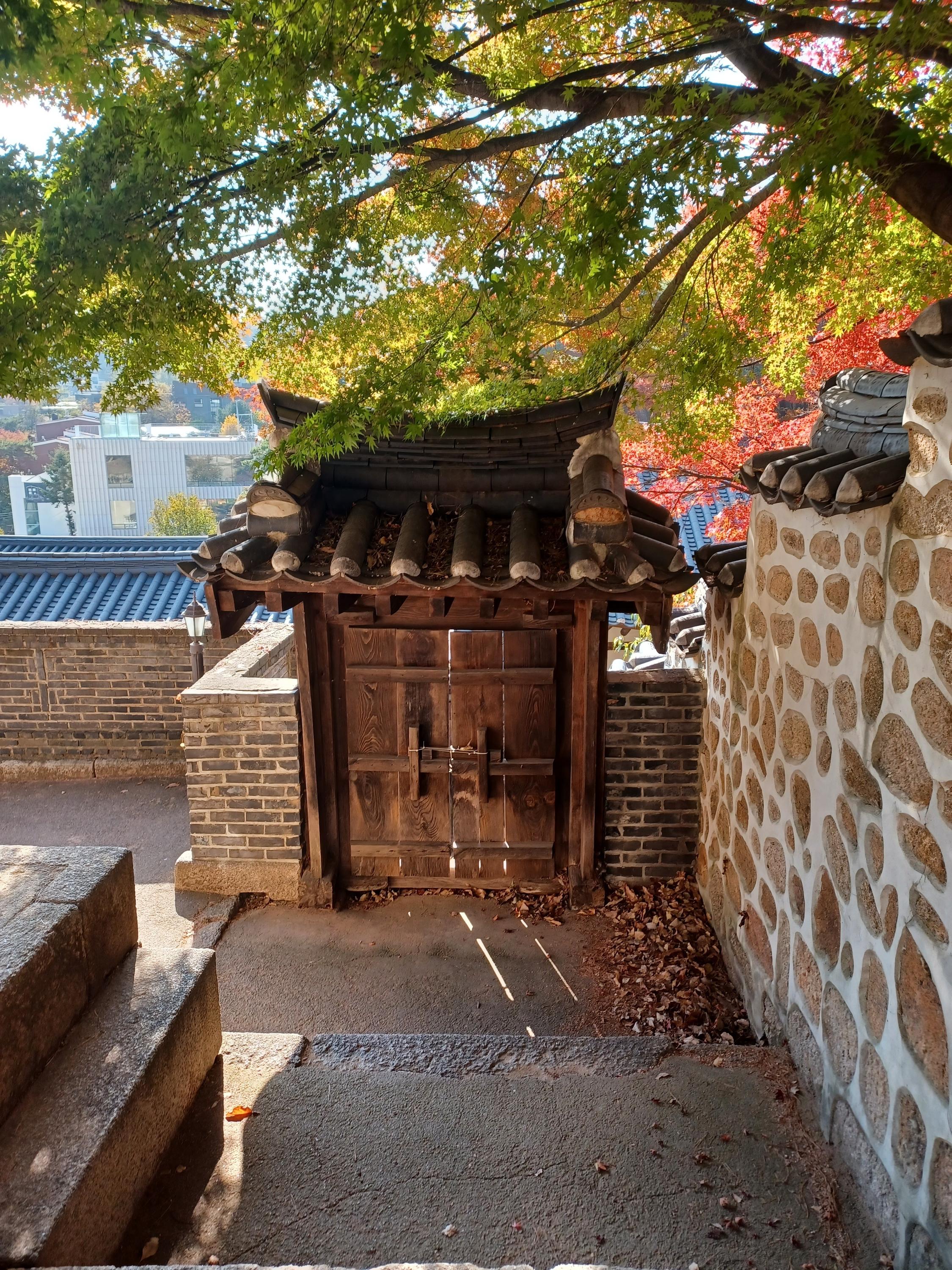
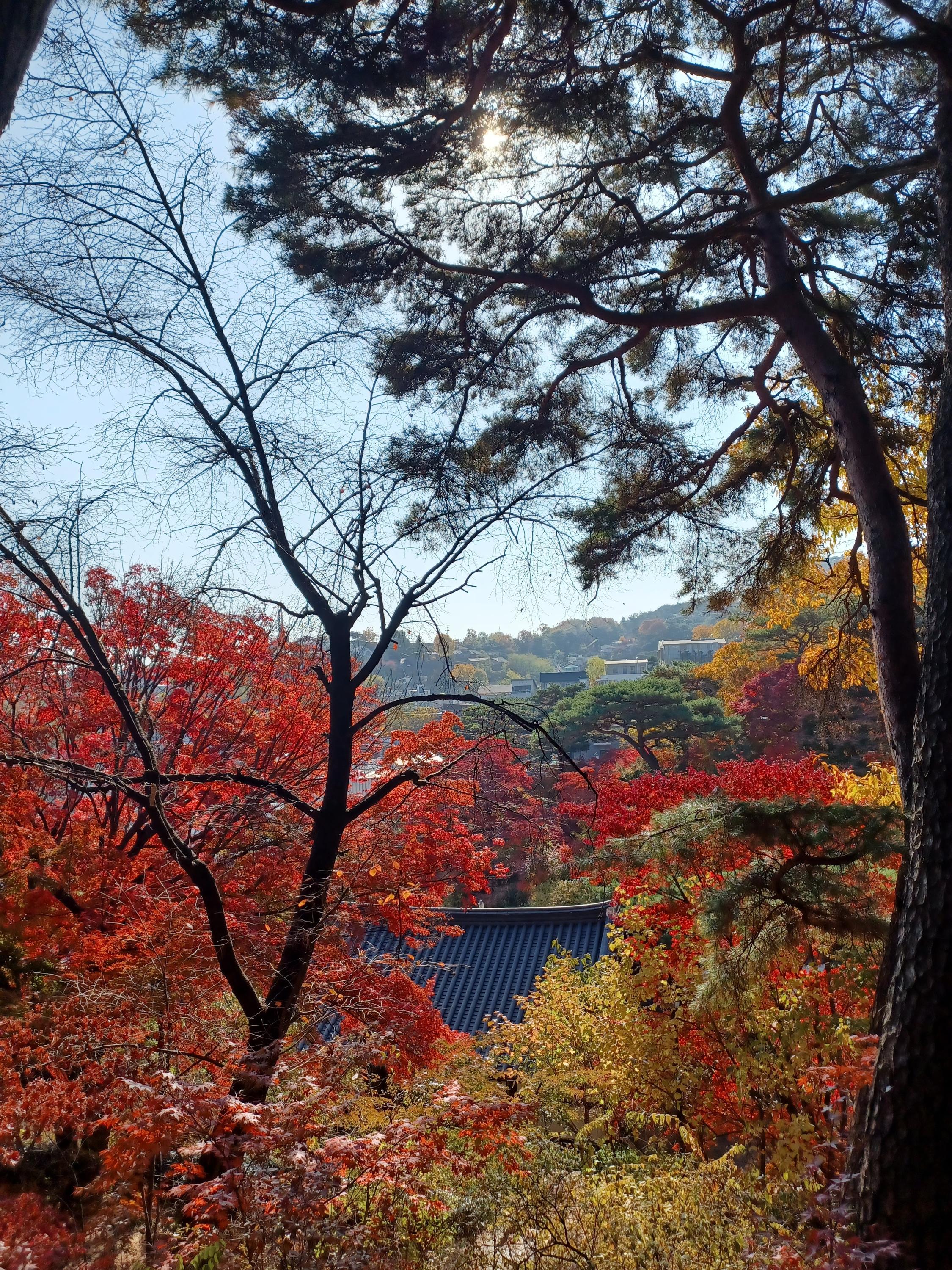
From here, on the hill, the views are simply breathtaking. Such an amazing contrast between modern houses and ancient hanoks, as if you are looking from the past into the future!
The entire Seokpajeong garden is around 534,000 square feet large. It takes about 30 minutes to go around the entire garden. But I don’t want to rush, but rather slowly walk for hours along the paths among the trees, admiring the elegant hanoks.
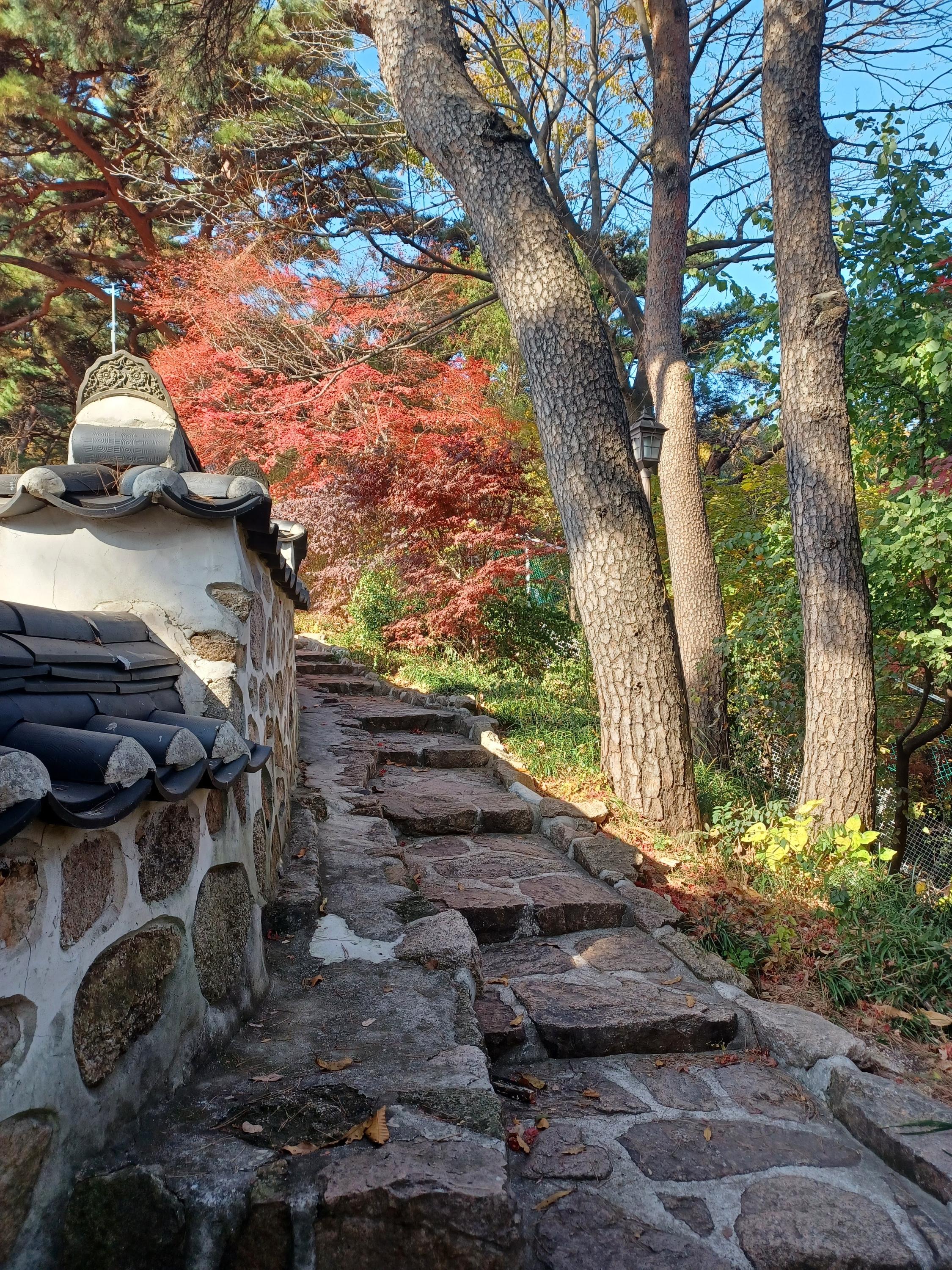
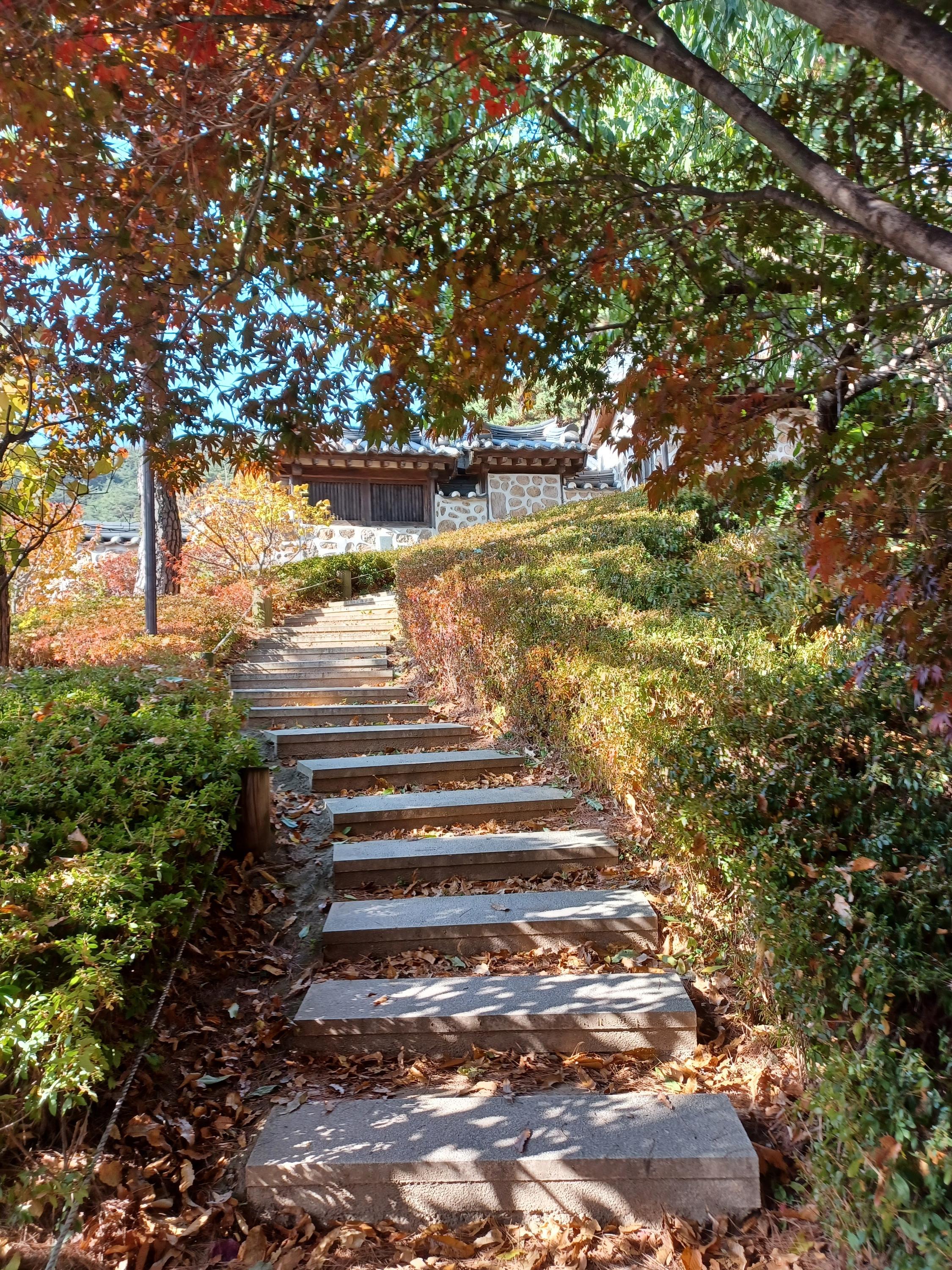
Perhaps what makes this space so rare and precious is its ability to stay static. Despite having been opened to the public for a decade now, Seokpajeong still feels quite hidden away from camera twirling tourists and locals alike. This is the place to enjoy a quiet day of nature and art. Time seems to go slower inside Seokpajeong.