Use points for discounts and let's travel in Korea!After booking, you can earn up to USD 0.86 points and reserve from 3,000 places in Korea at discounted rates.
Get a 50% off coupon for travel products when you book your stay! (up to USD 35 off)
Precautions
If your accommodation booking payment amount is 100,000 KRW or more, the coupon will be issued automatically after payment is completed.
A coupon can only be issued once per account within 30 days.
If you reserve a travel product using this coupon, the accommodation reservation cannot be canceled or refunded, even if a cancellation period is displayed on the accommodation page.
The maximum discount amount for the coupon is USD 35. If the discount amount exceeds the coupon’s maximum discount limit, the coupon cannot be used for that order.
Property Description
Please call the hotel’s main phone number for short-stay inquiries.
Rates may change during peak season, special dates, and holidays (including the ...
Read more
Facilities & Services
Parking Available
Business
Party room
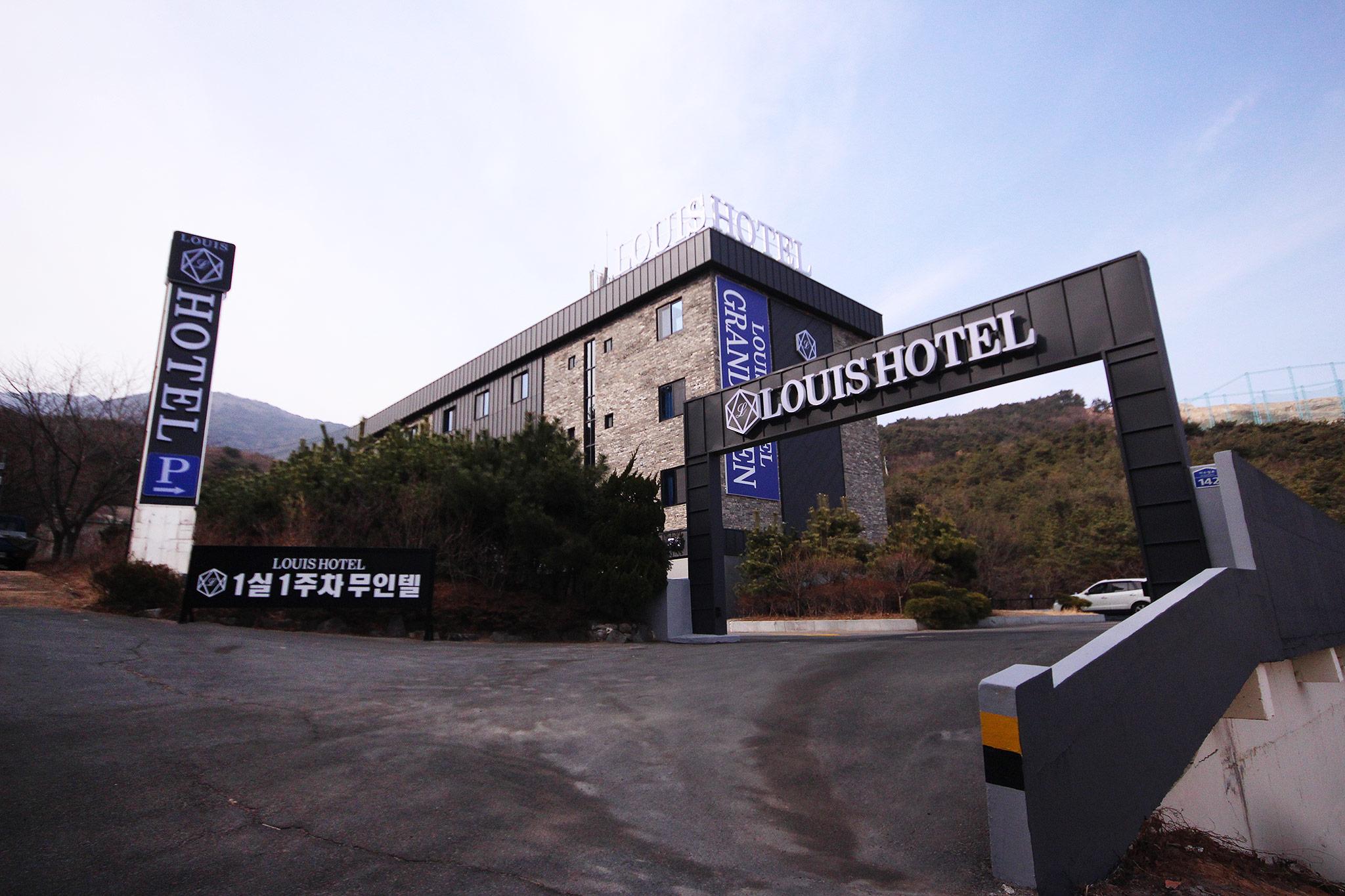
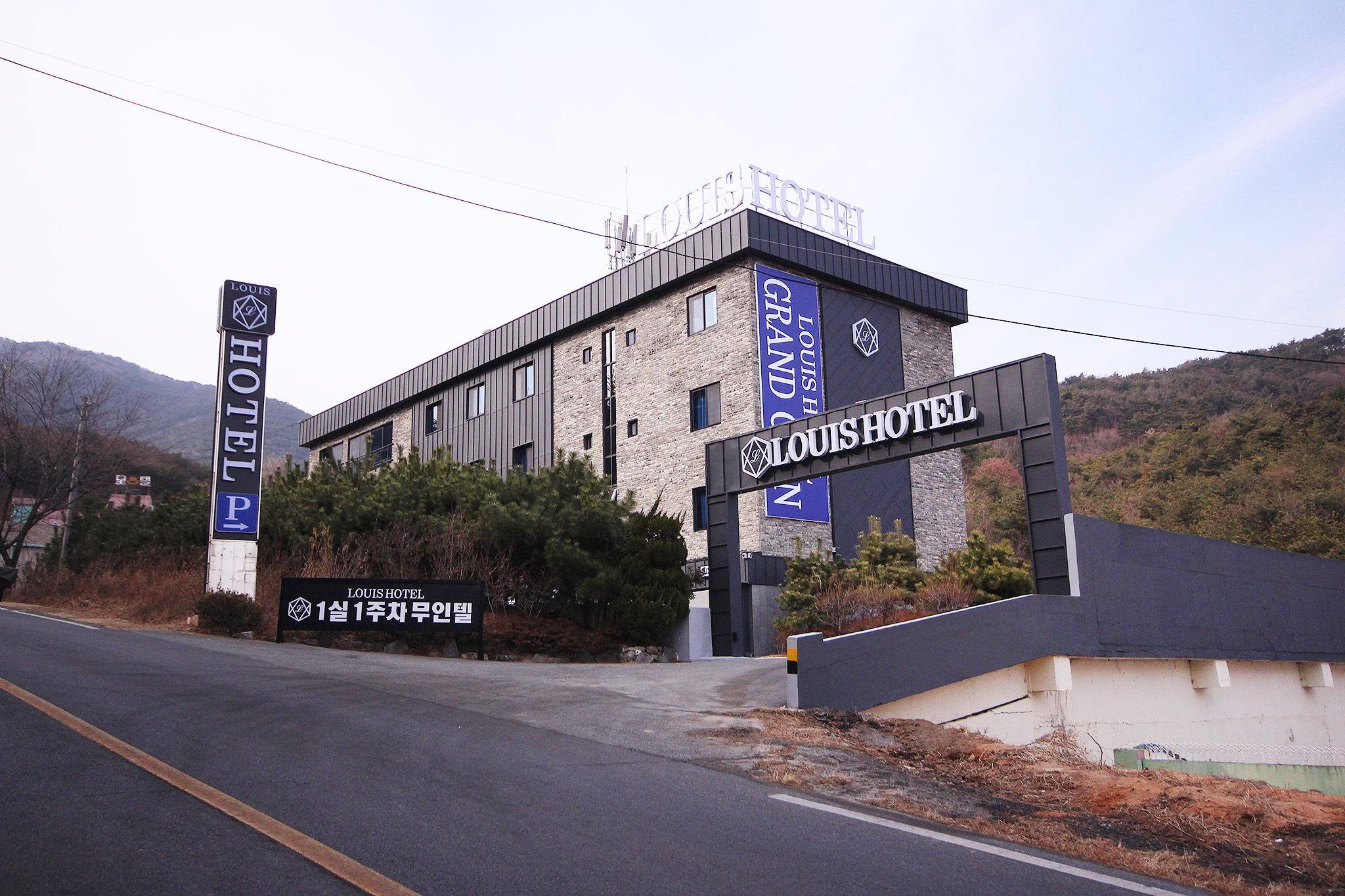
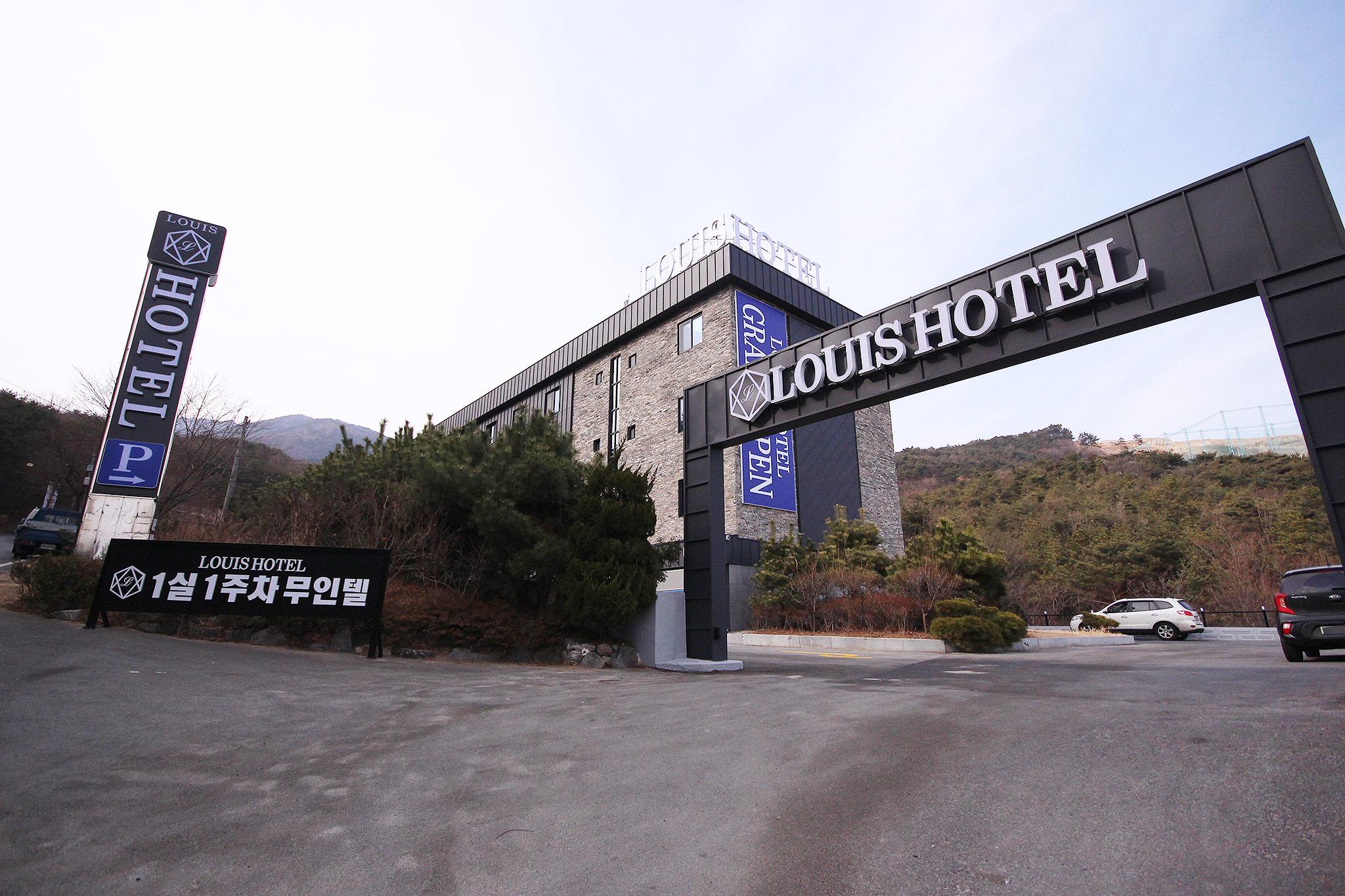
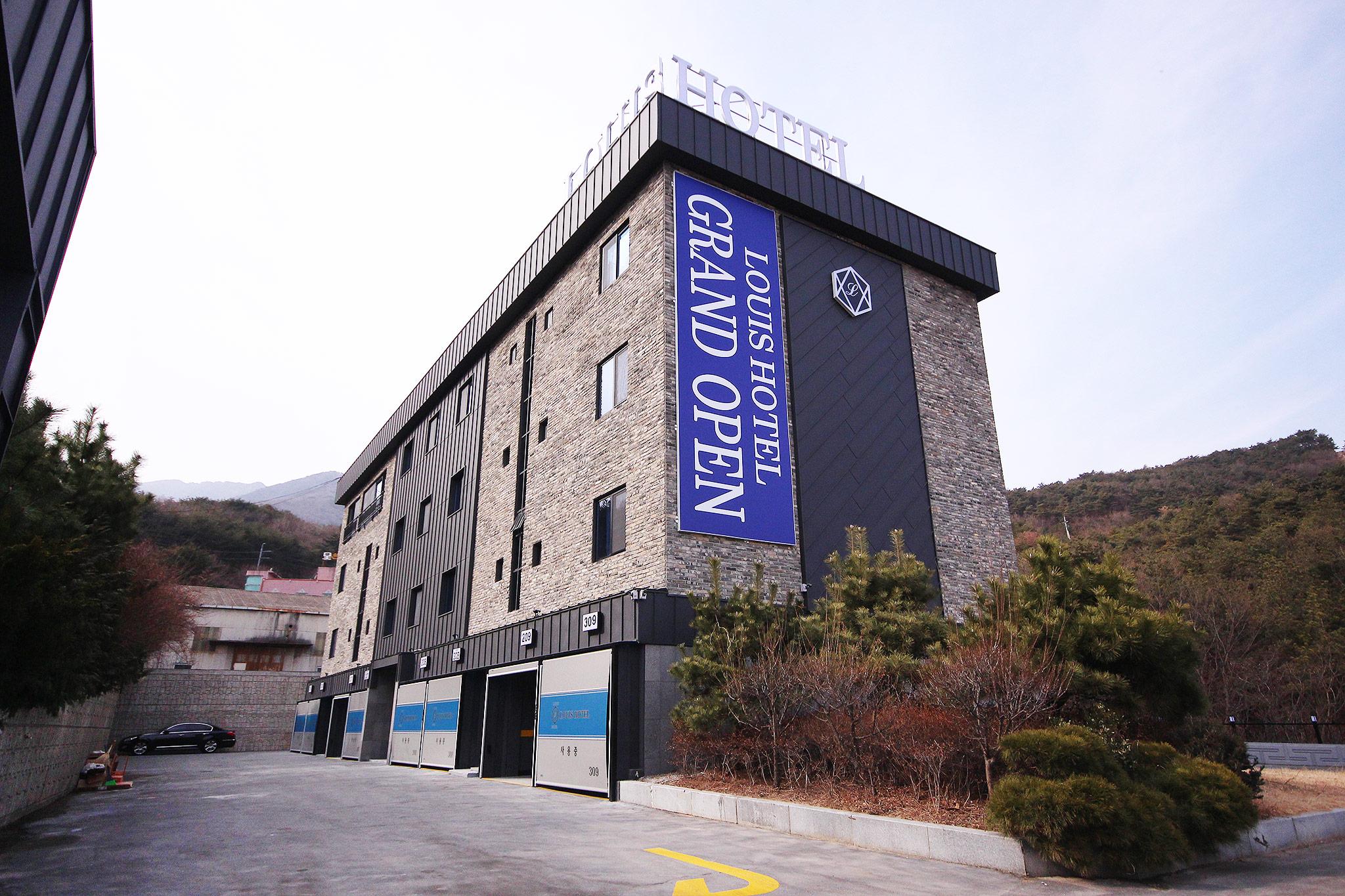
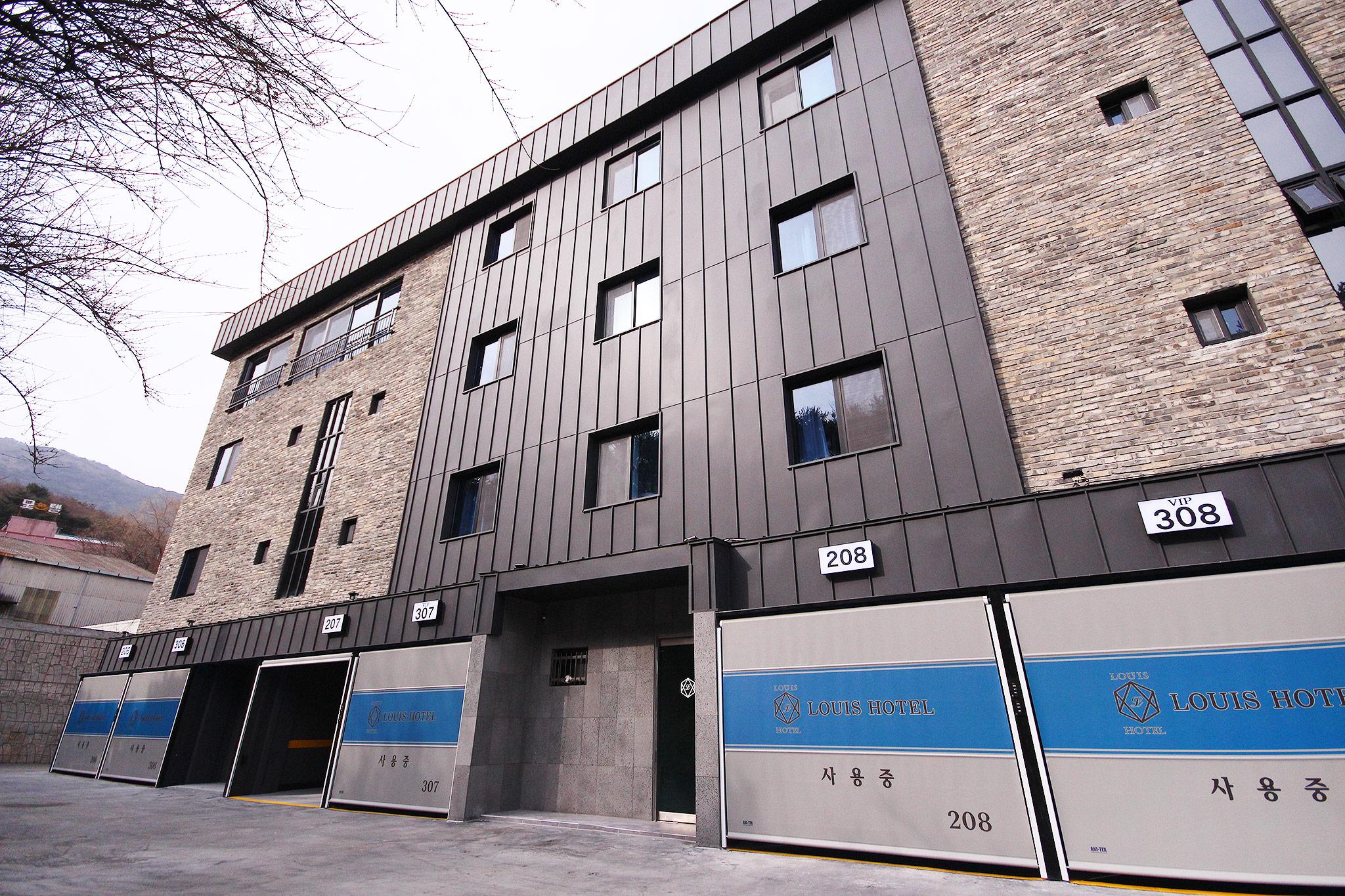
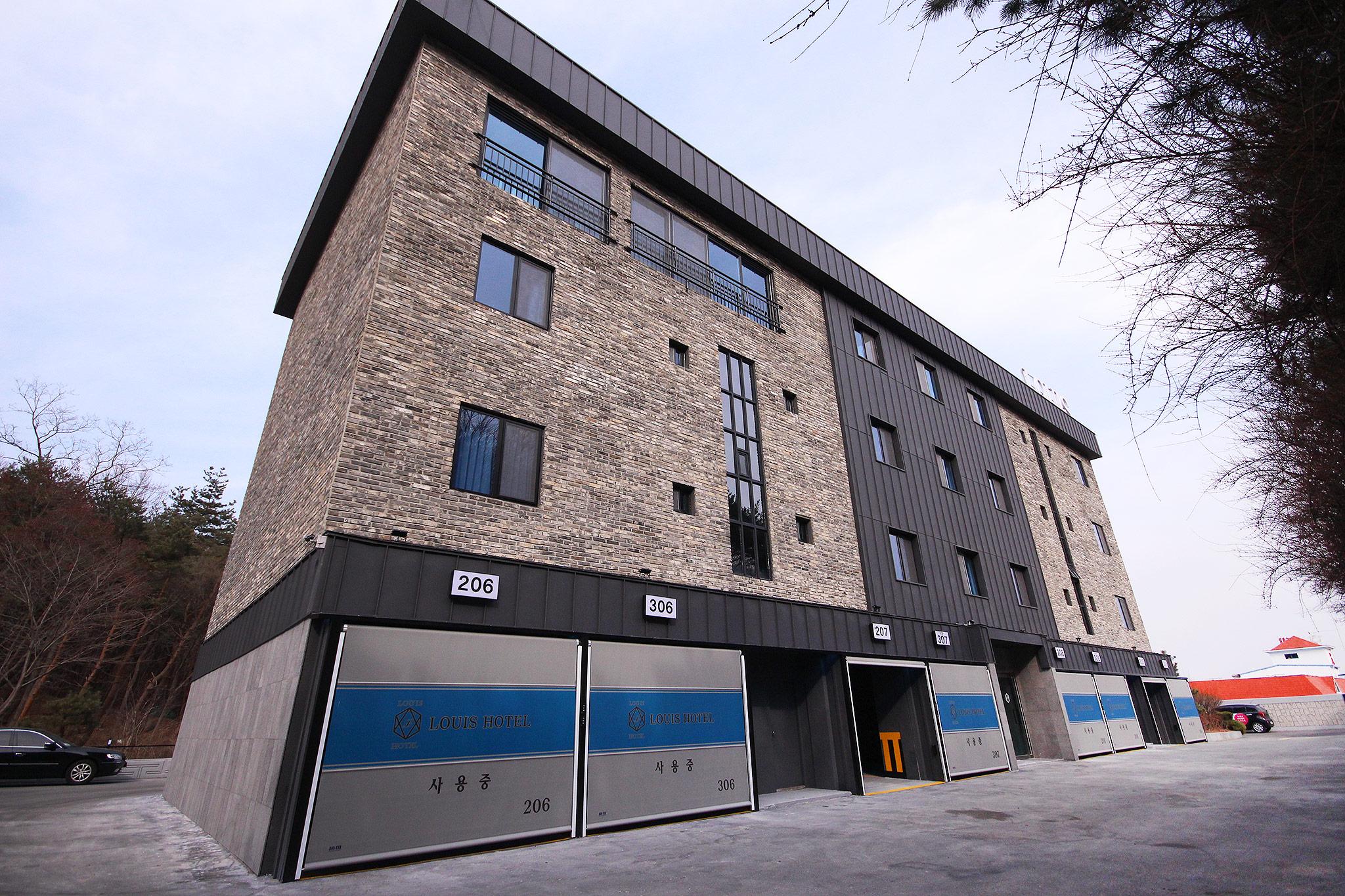
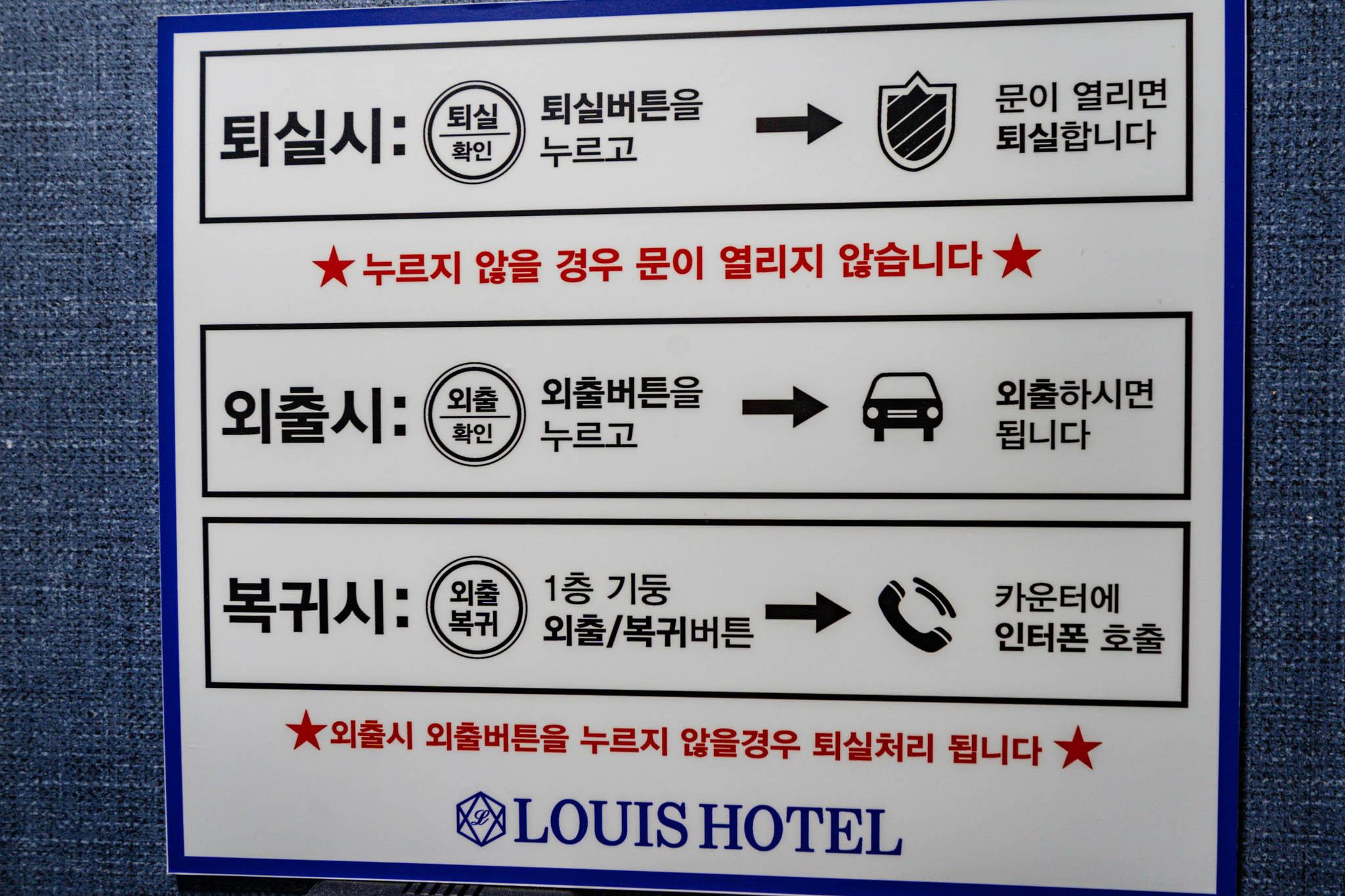
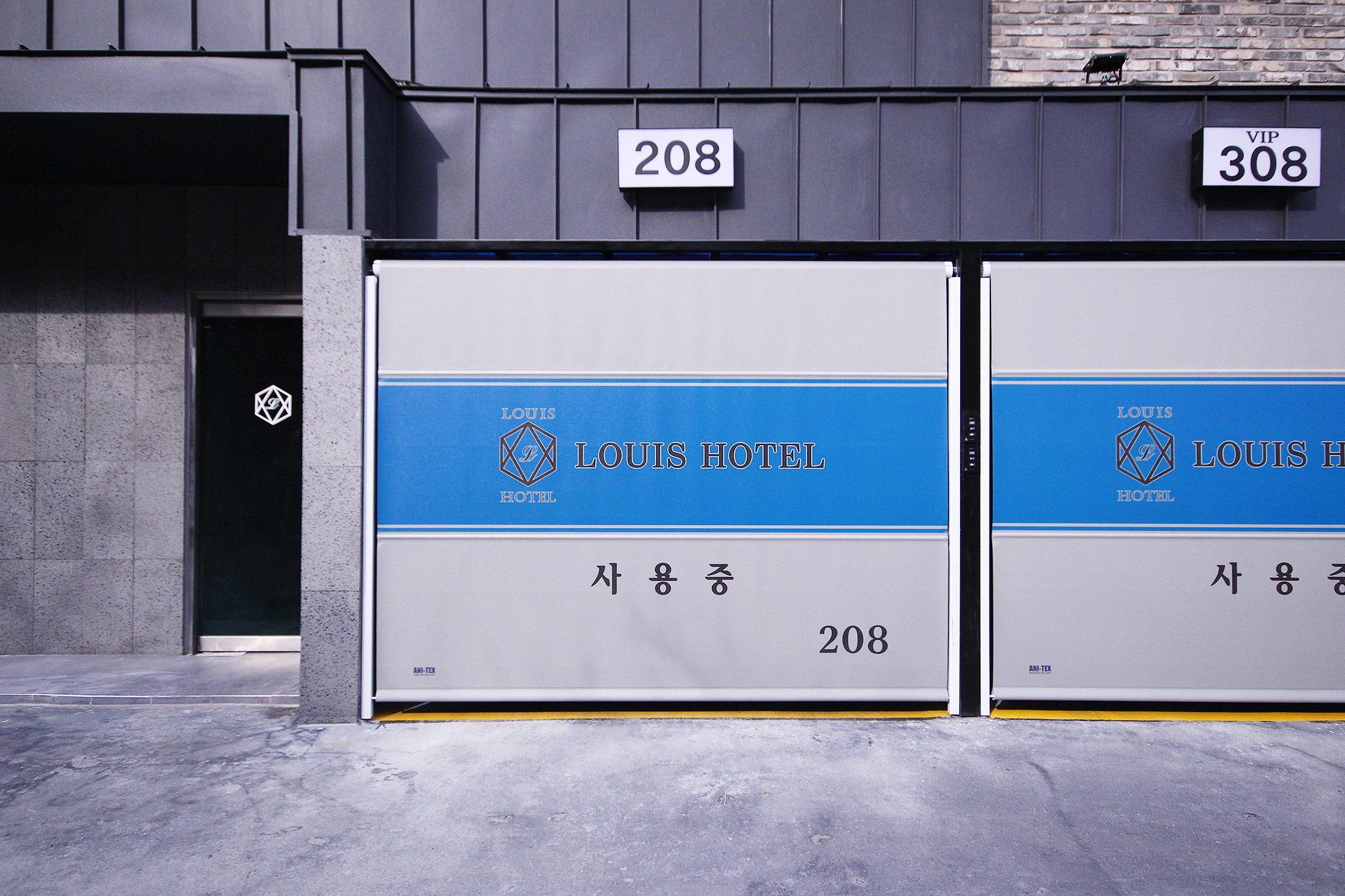
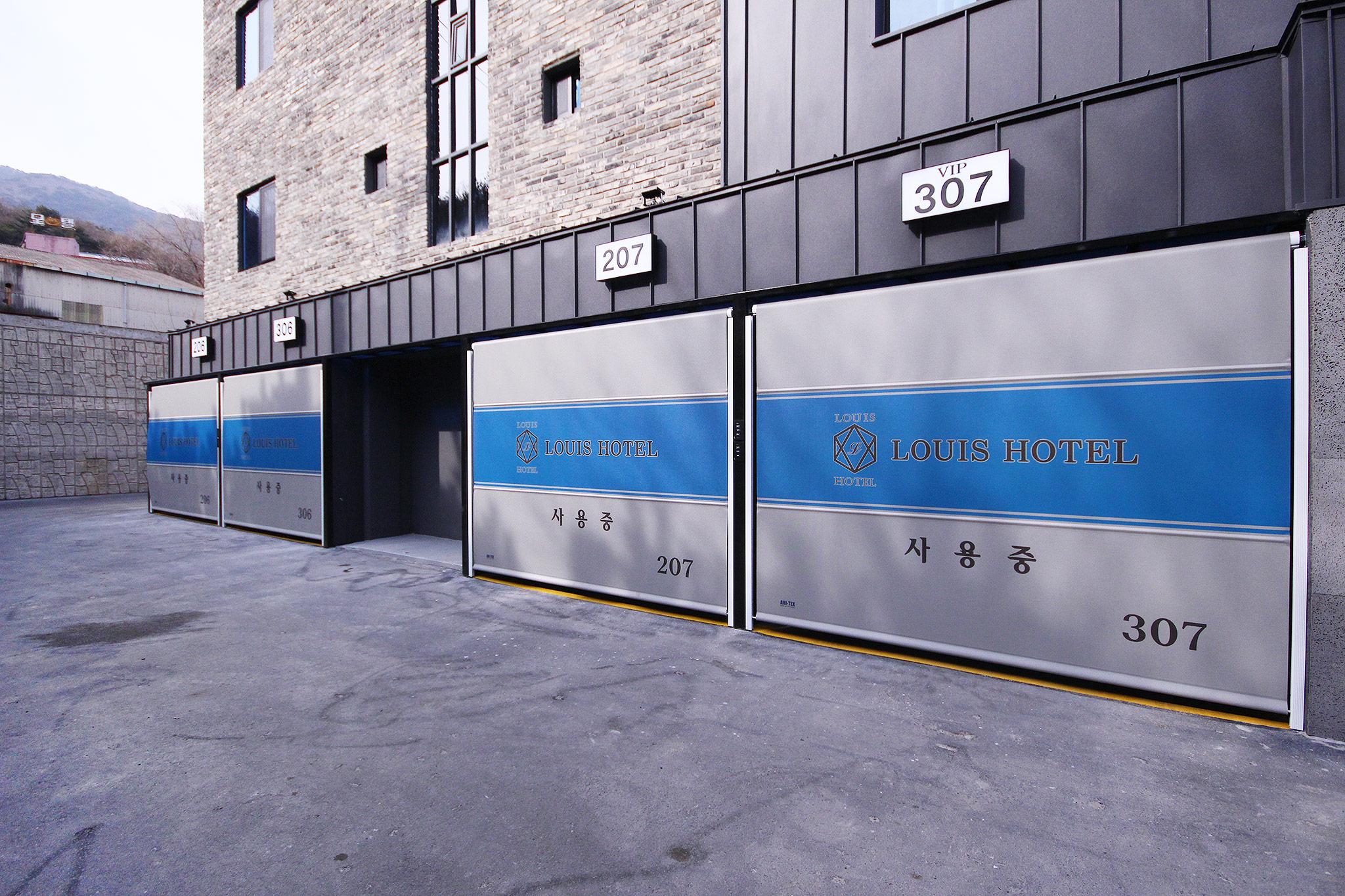
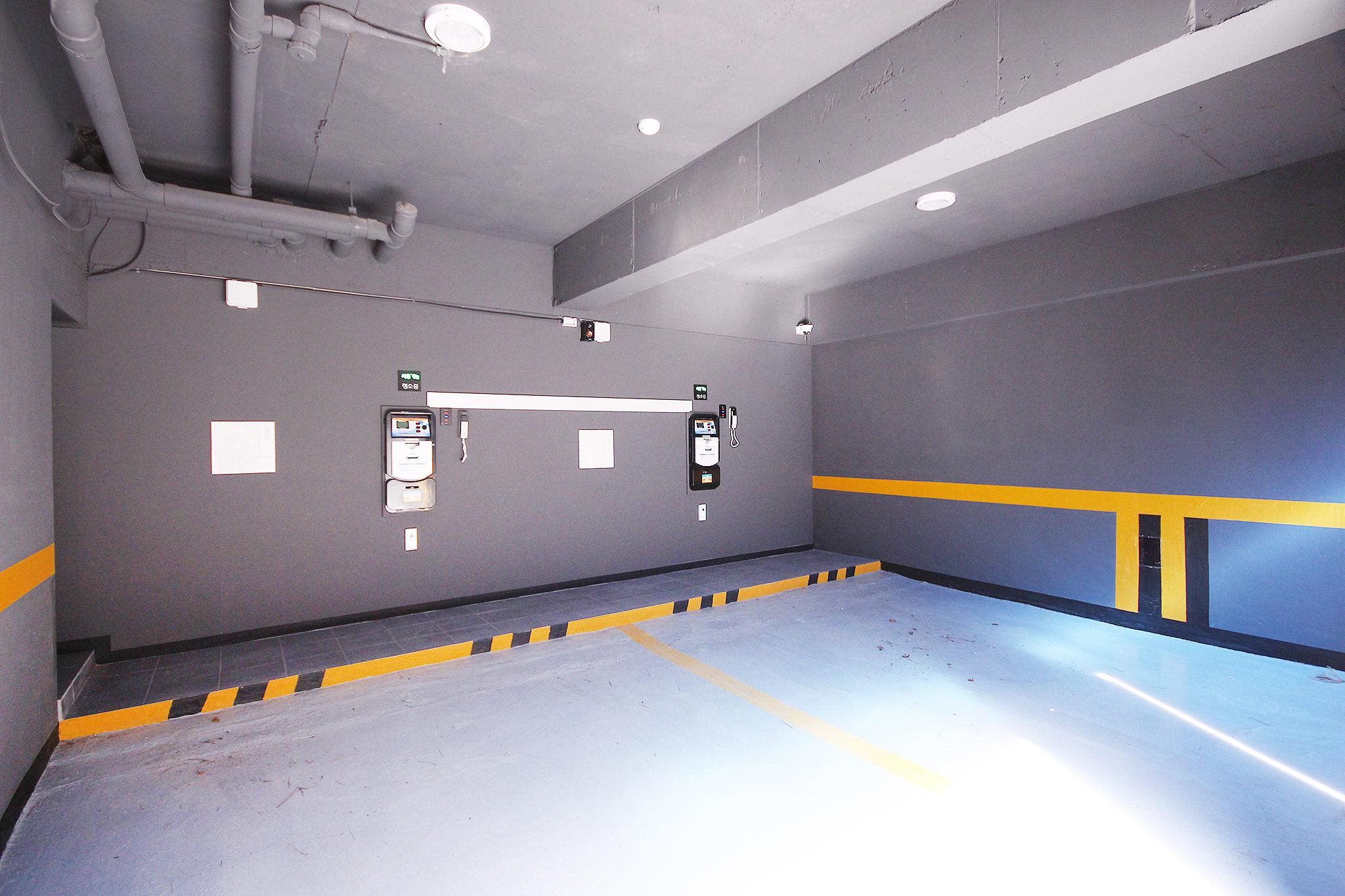
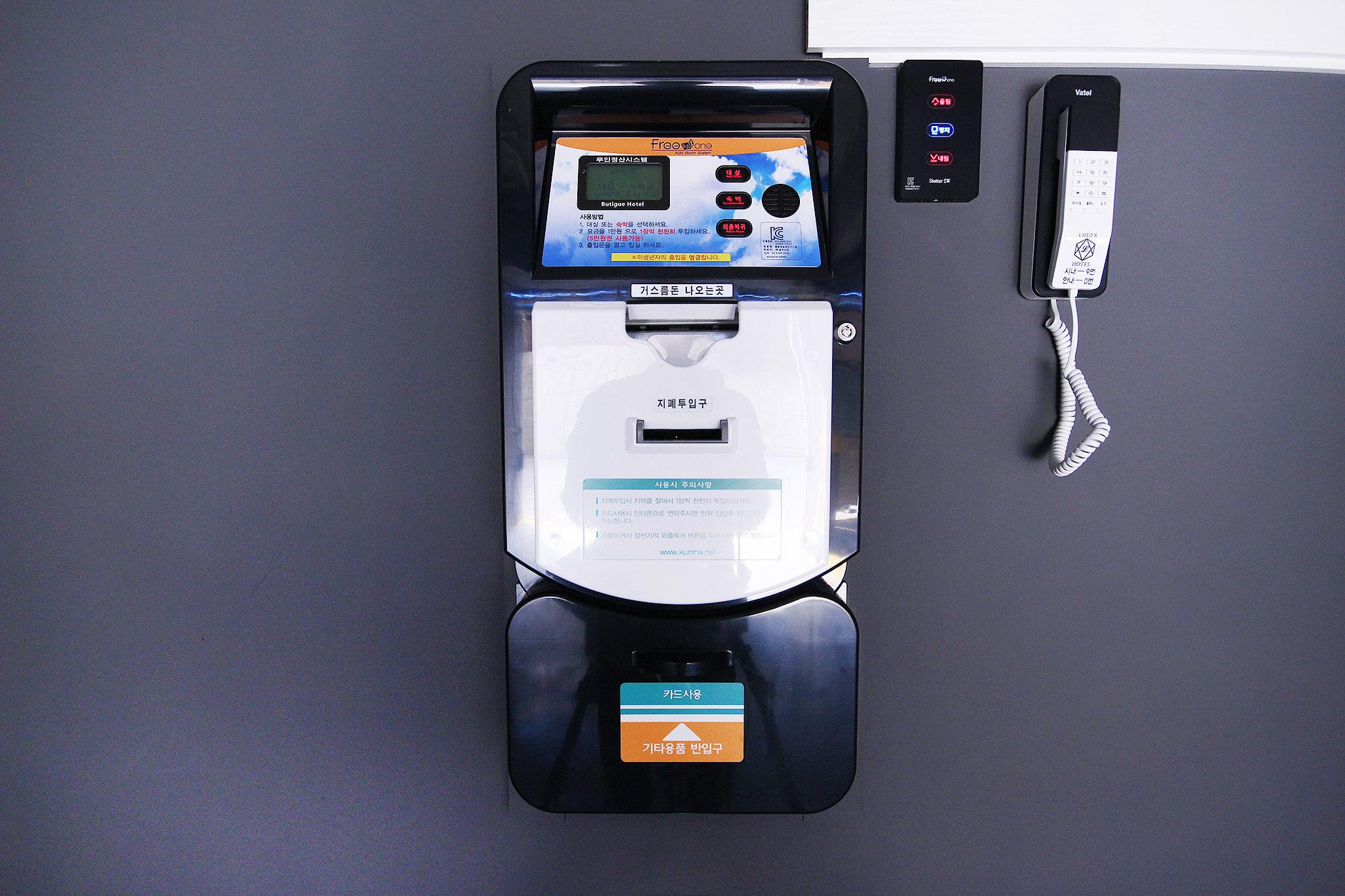
Unmanned Motel
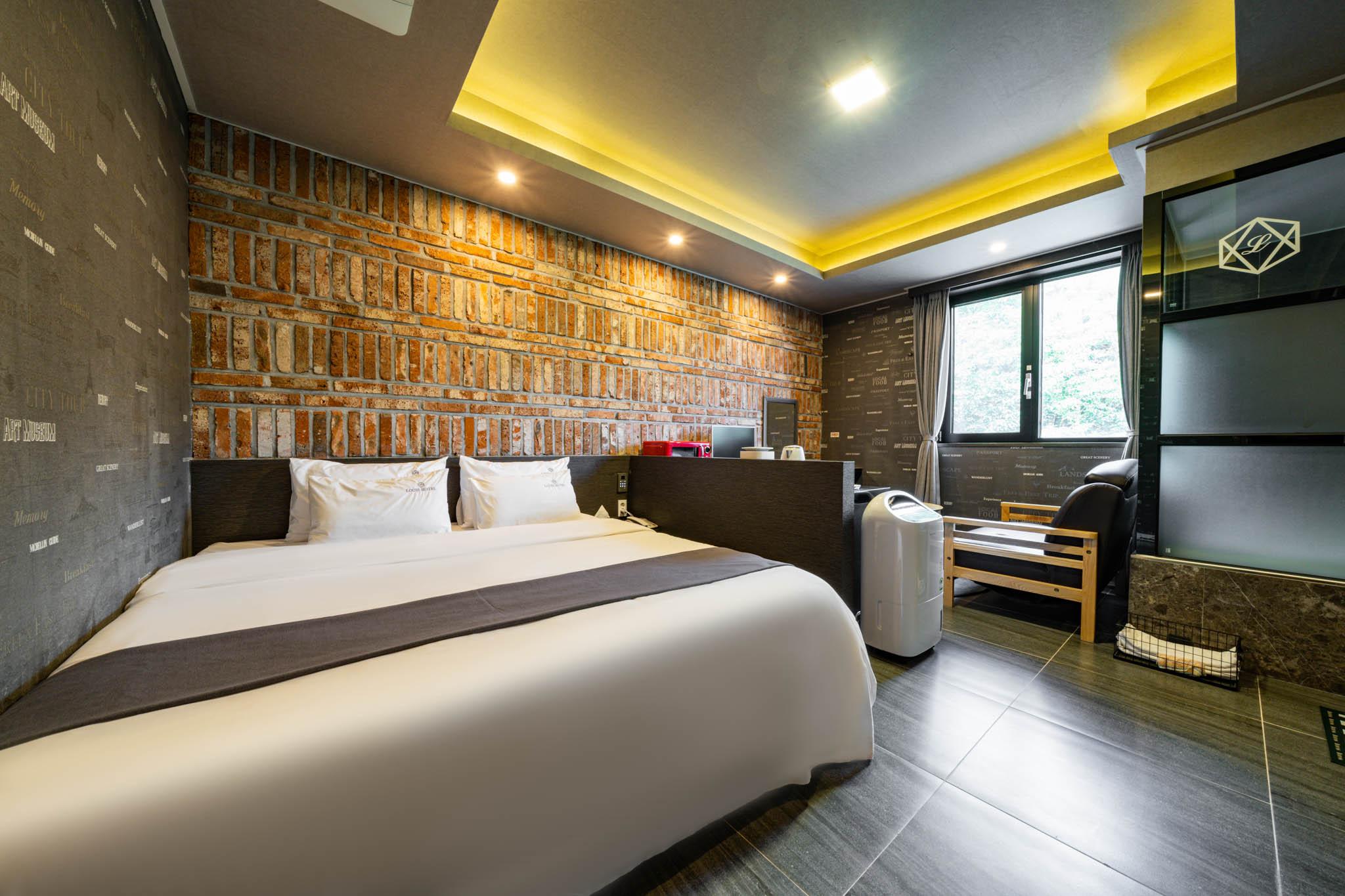
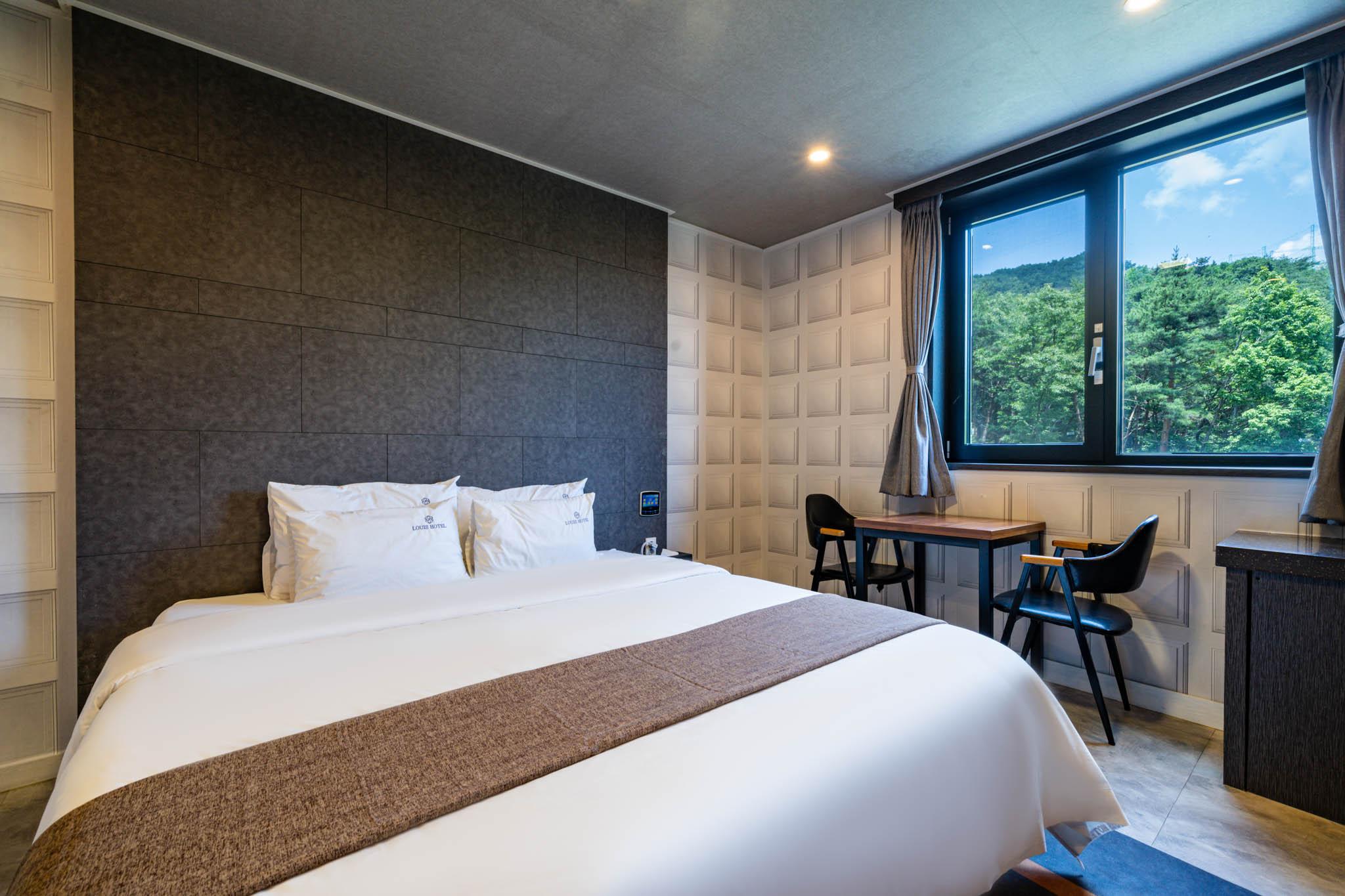
Near Valley
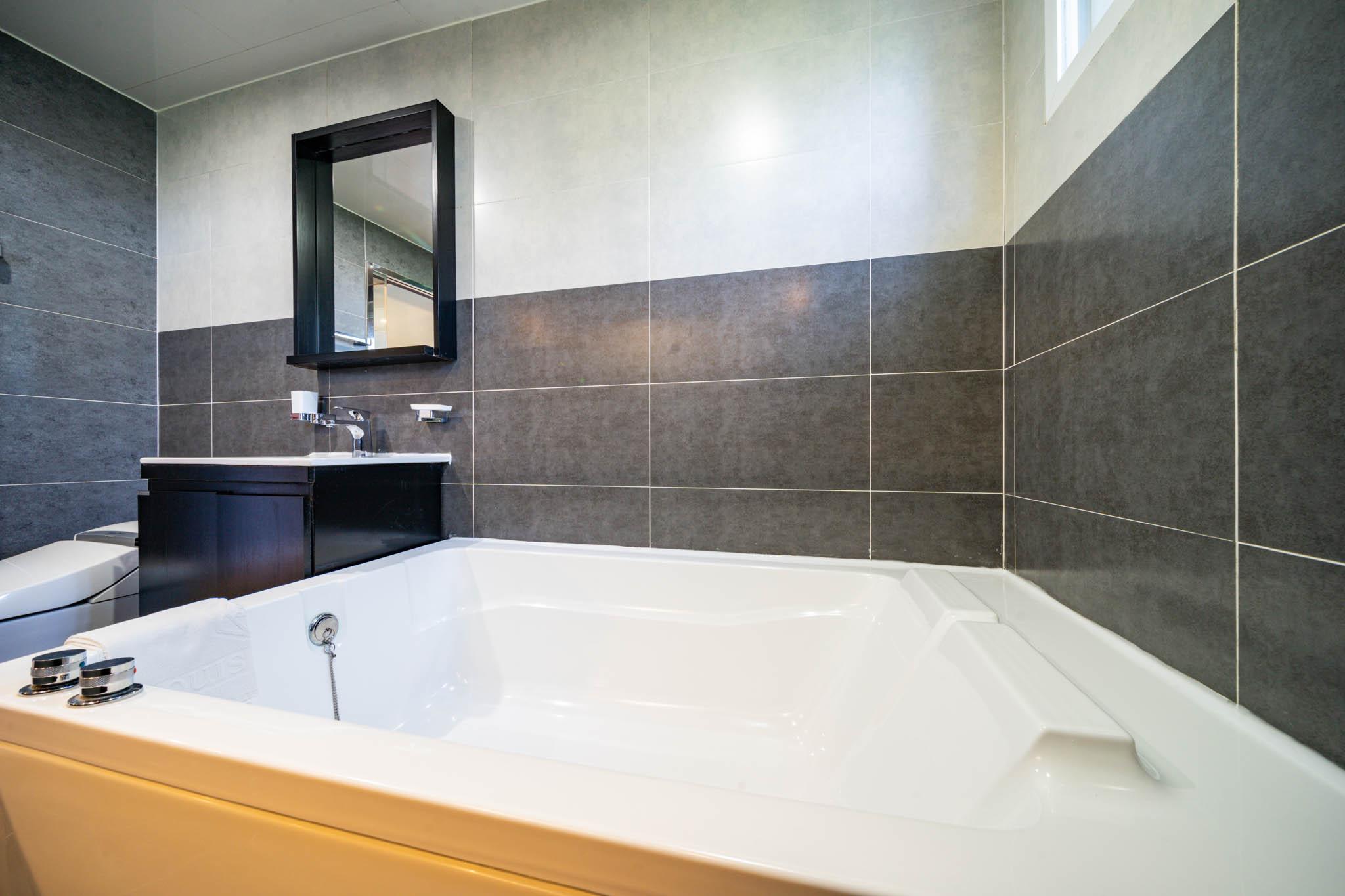
Bathtub
Property Information
Facilities
Parking Available
Business
Party room
Unmanned Motel
Near Valley
Bathtub
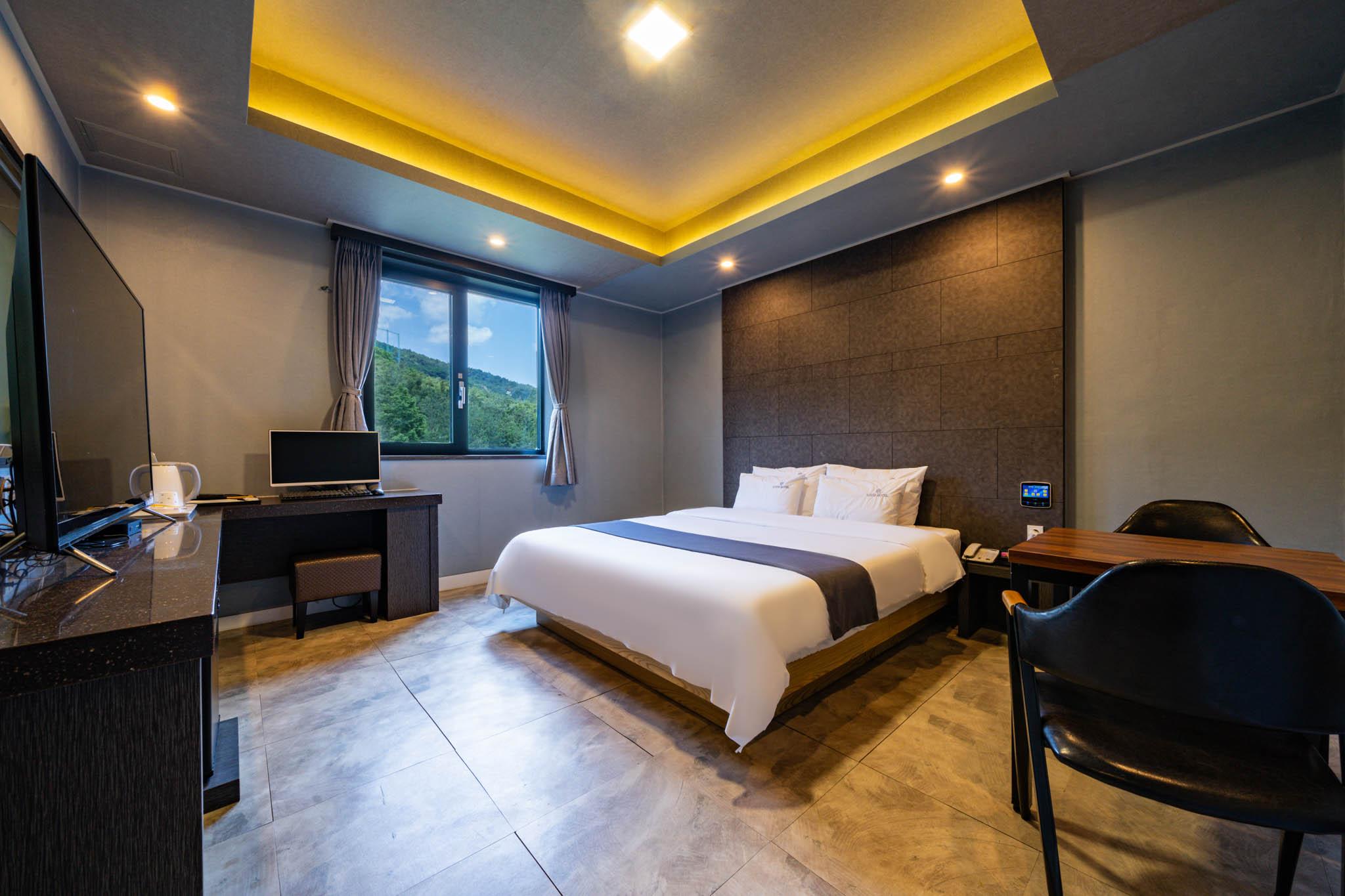
In-room PC
Event
Services
Select a room
No rooms available for the selected dates 🥲 Try searching again after changing the dates.
Location
142, Jasujeong-ro, Samnam-eup, Ulju-gun, Ulsan
울산광역시 울주군 삼남면 자수정로 142
Phone Number (Mobile)050350511197
0 Reviews
If you leave a review after your stay, you will receive point rewards
Receive up to 0.86 points
Reviews from other sites
5
Bonung Gu4 years ago
The Yeongnam Alps stand west of Ulsan.
It has been designated as one of the ‘nation’s top 12 eco-tourism regions’ by the Ministry of Environment and the Ministry of Culture, Sports and Tourism.
The mountains are high and the valleys are deep, but the Yeongnam Alps have as many unexplored scenery as the majestic mountain scenery. More than 3 million hikers visit the Yeongnam Alps every year, and there are nine mountain ranges (Gajisan, Ganwolsan, and Sinbulsan) located in the eastern part of Yeongnam that are over 1,000m above sea level. , Yeongchuksan Mountain, Cheonhwangsan Mountain, Jaeyaksan Mountain, Goheonsan Mountain, etc.), and is called the ‘Yeongnam Alps’ in comparison to the ‘Alps Mountains’ in Europe.
The Yeongnam Alps, located at the southern end of the Taebaek Mountains and parallel to the Nakdong River, spans five cities and counties, including Gyeongju and Cheongdo in Gyeongsangbuk-do, Ulsan, and Miryang and Yangsan in Gyeongsangnam-do.
The high peaks and mountain ranges in this area have many popular hiking courses due to their beautiful scenery, and some of them are designated and managed as Gajisan Provincial Park.
The Yeongnam Alps is a place with as many stories as the visible peaks.
The road leading from Deungeok, Sangbuk, across Ganwoljae to Baenaegol has long been a transportation route connecting Ulsan and Miryang, and it is said that salt and fish from Ulsan moved inland through this road.
Deokhyeonjae, which passed from Baenaegol to Eonyang, Gindeungjae and Ganwoljae (Wangbongjae), which are mountainous roads in the Yeongnam Alps, were the passes through which the people of Baenaegol and Miryang crossed to Eonyang Market.
Ganwoljae is the core of the Yeongnam Alps, considered the best silver grass hiking destination. In fall, silver grass forms a sea.
The Yeongnam Alps was also a place where Catholic believers who escaped religious persecution at the end of the Joseon Dynasty continued their faith by hiding in the bamboo forest caves of Wangbang-gol.
Jukrim Cave played a similar role as the catacombs of an underground church during the Roman era, and is also a place where you can get a glimpse into the difficult lives of Catholic believers during the Joseon Dynasty.
A place filled with the sighs of a woman who said the sky looked yellow while carrying a baby baby on her back and a bean wrap in her hand, the cries of a man who lost all the money he sold while gambling at a tavern, and the laughter of a farmer carrying food for his children on his back. Yeongnam Alps
Due to the rugged mountain slopes, this is the place where the 'Story of the Sinbulsan Mountain Gunner and the Leopard' was told, and it is also the scene of painful history and tragedy where partisans and punitive forces aimed their guns at each other during the Korean War.