


PROGRAM STORY
Korea’s first temple food cultural complex
Seoul Donghaengsanghoe is a regional co-prosperity platform that discovers outstanding local agricultural, fisheries, and specialty products across Korea, then introduces and sells them.
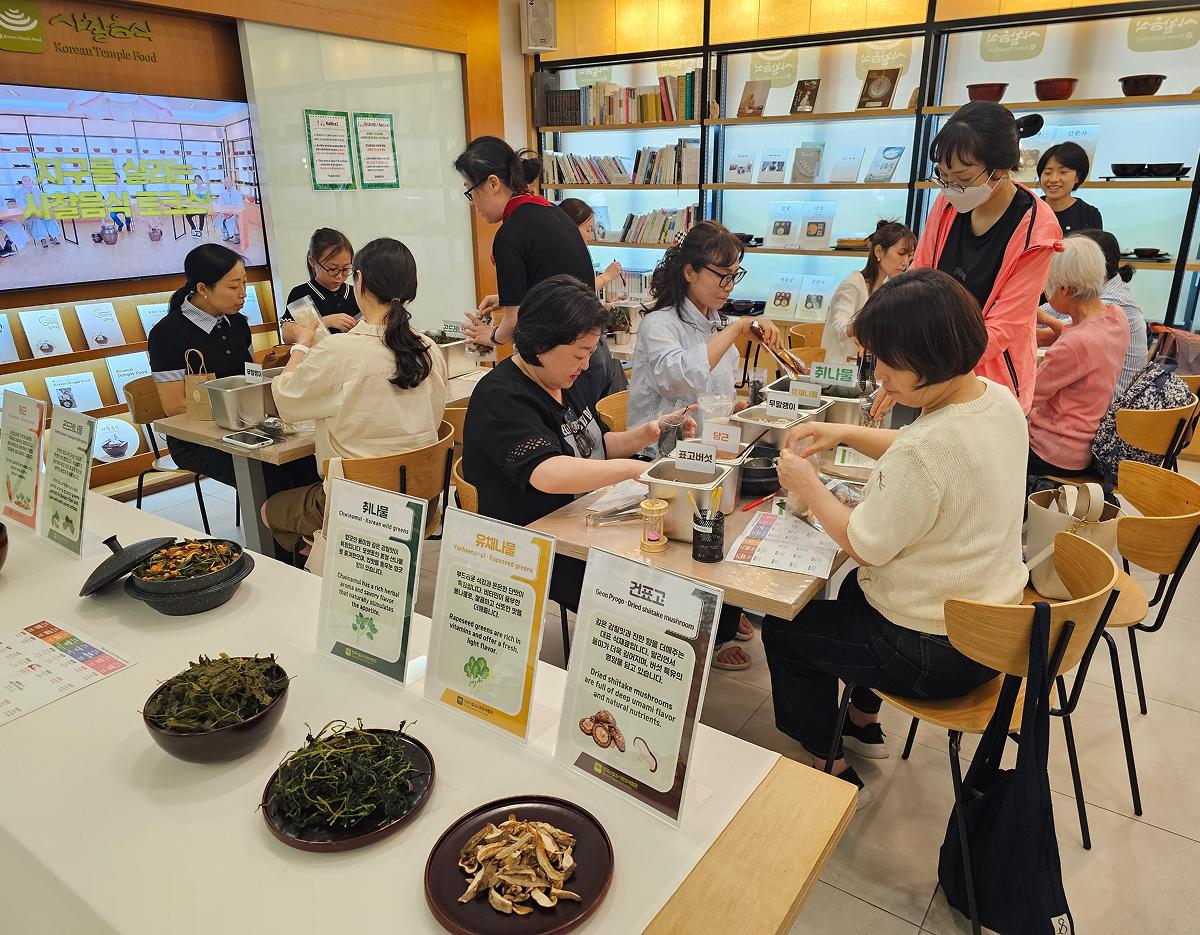
Through this class, created by the two organizations coming together with a shared purpose, we invite you to a meaningful time where you can personally make and taste Korea’s healthy, neatly prepared traditional temple food. In this program, you will cook with fresh greens and vegetables that grow in Korea’s mountains and fields in each season.
Experience the tradition and value of temple food through exhibitions, hands-on activities, and classes.
The Korean Temple Food Culture Experience Center is a cultural complex where you can make and learn temple food firsthand while experiencing the culture.
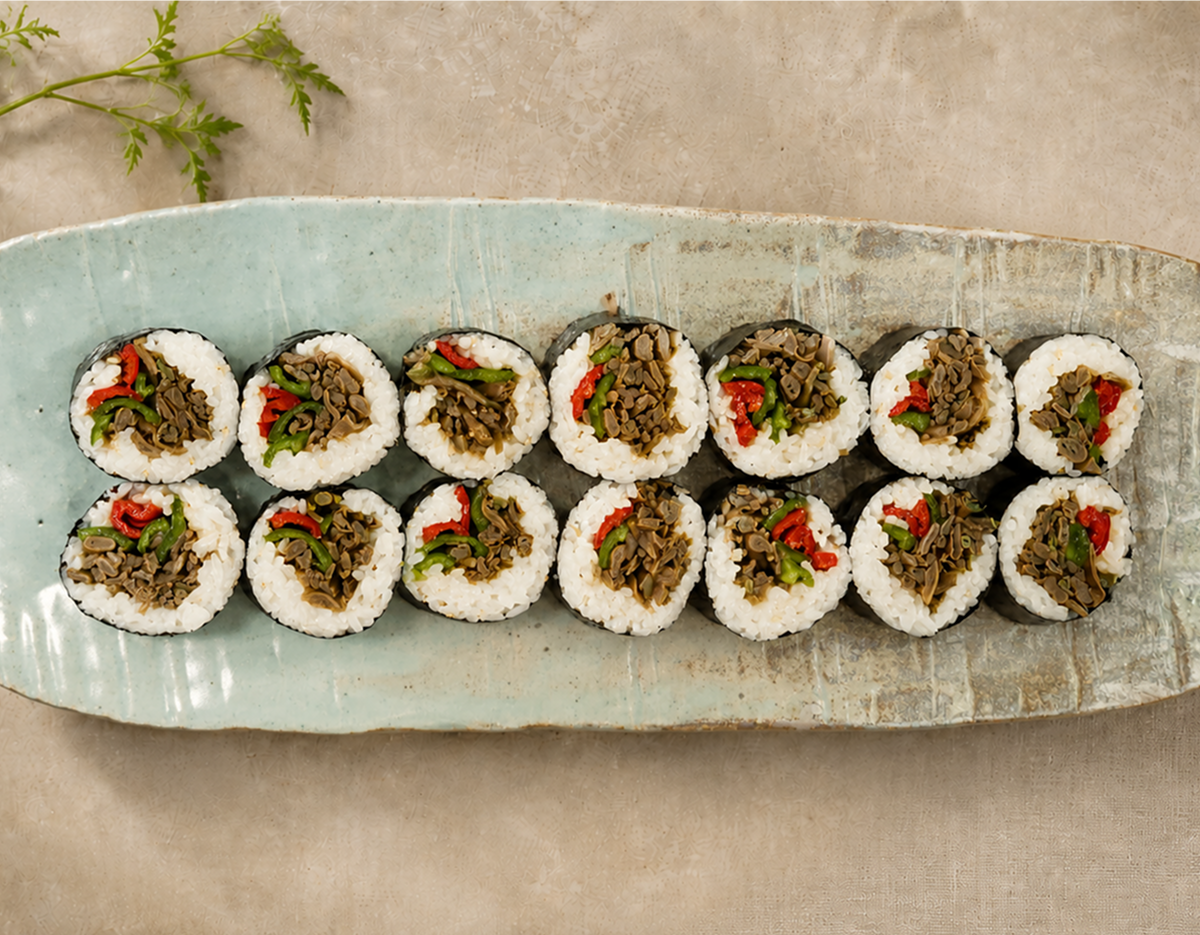
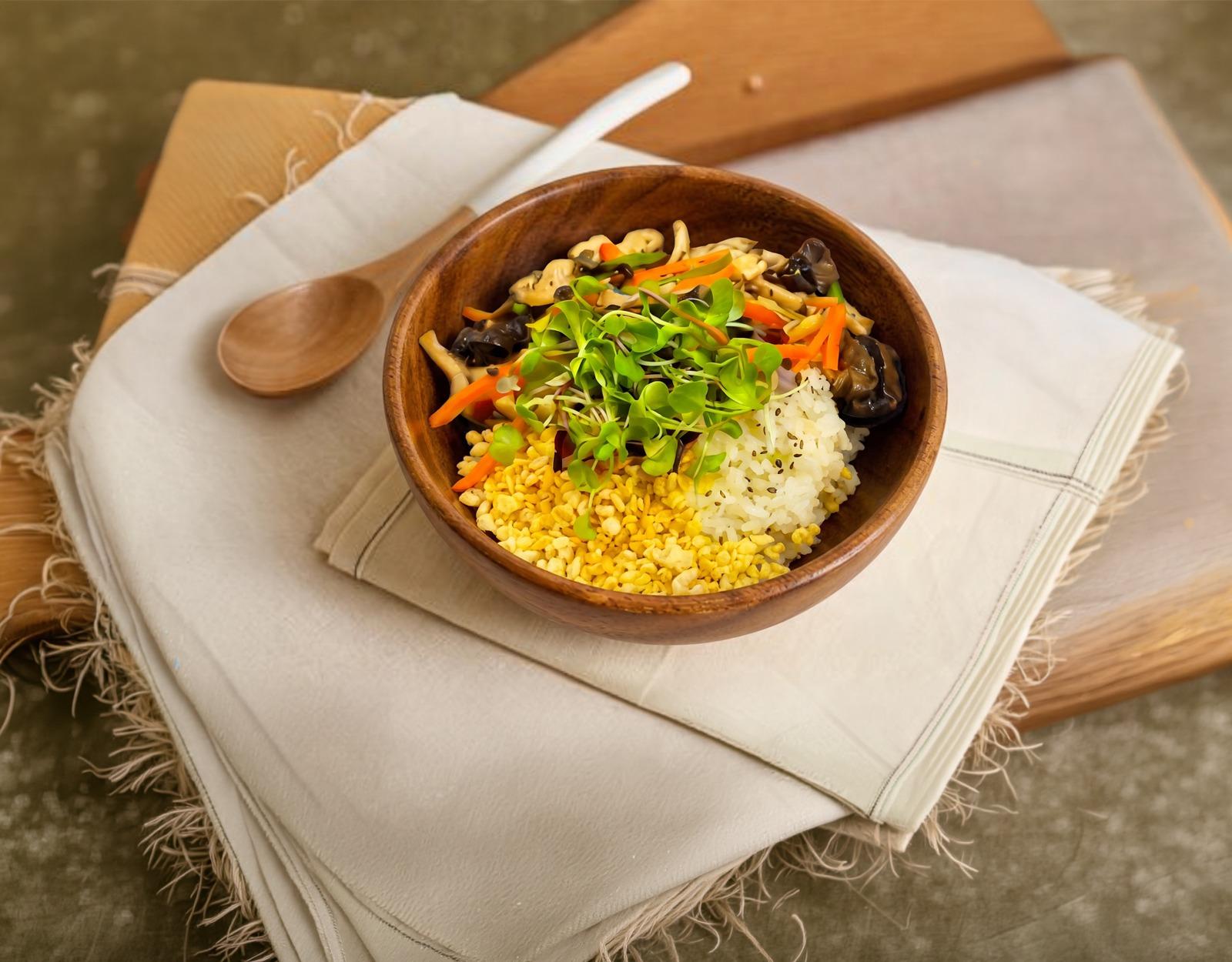
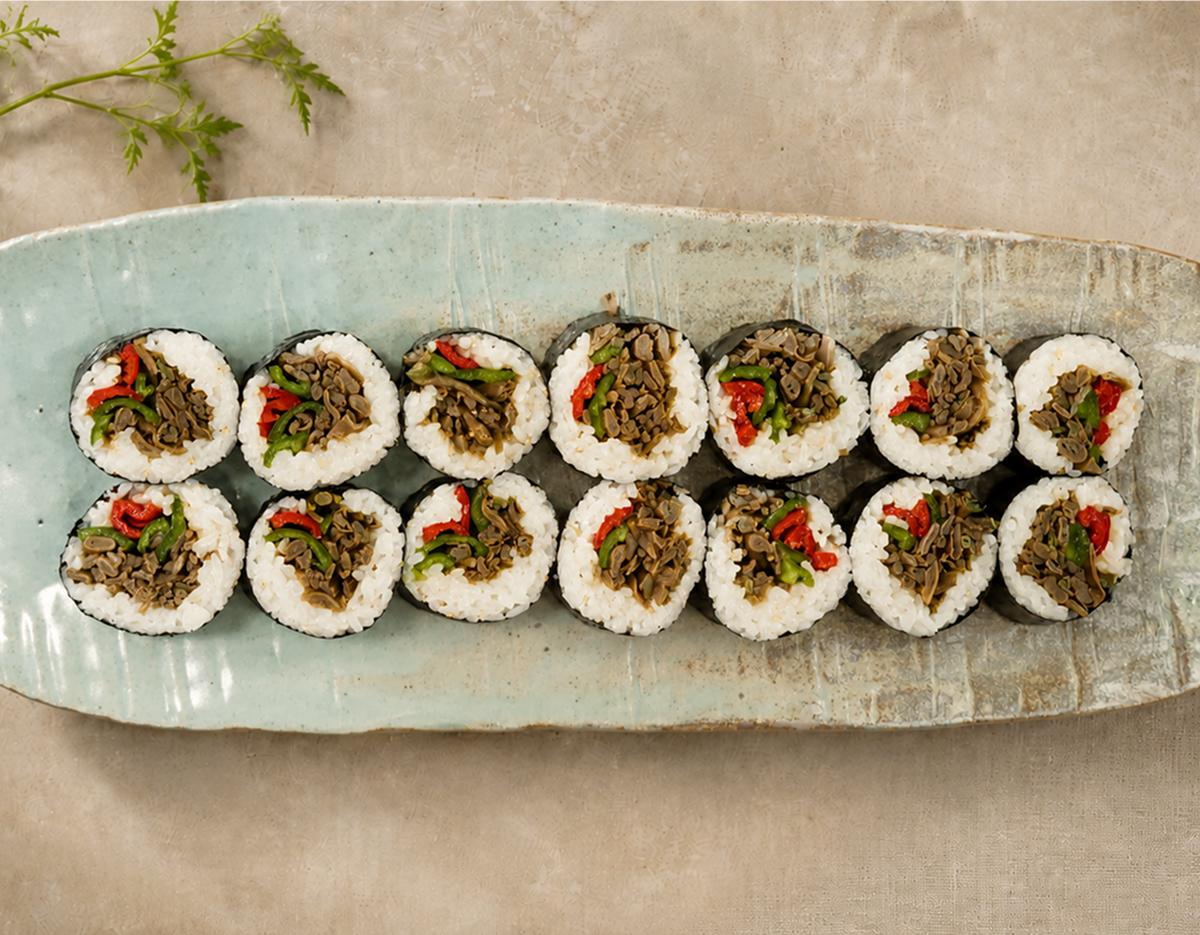
Example Menu 1
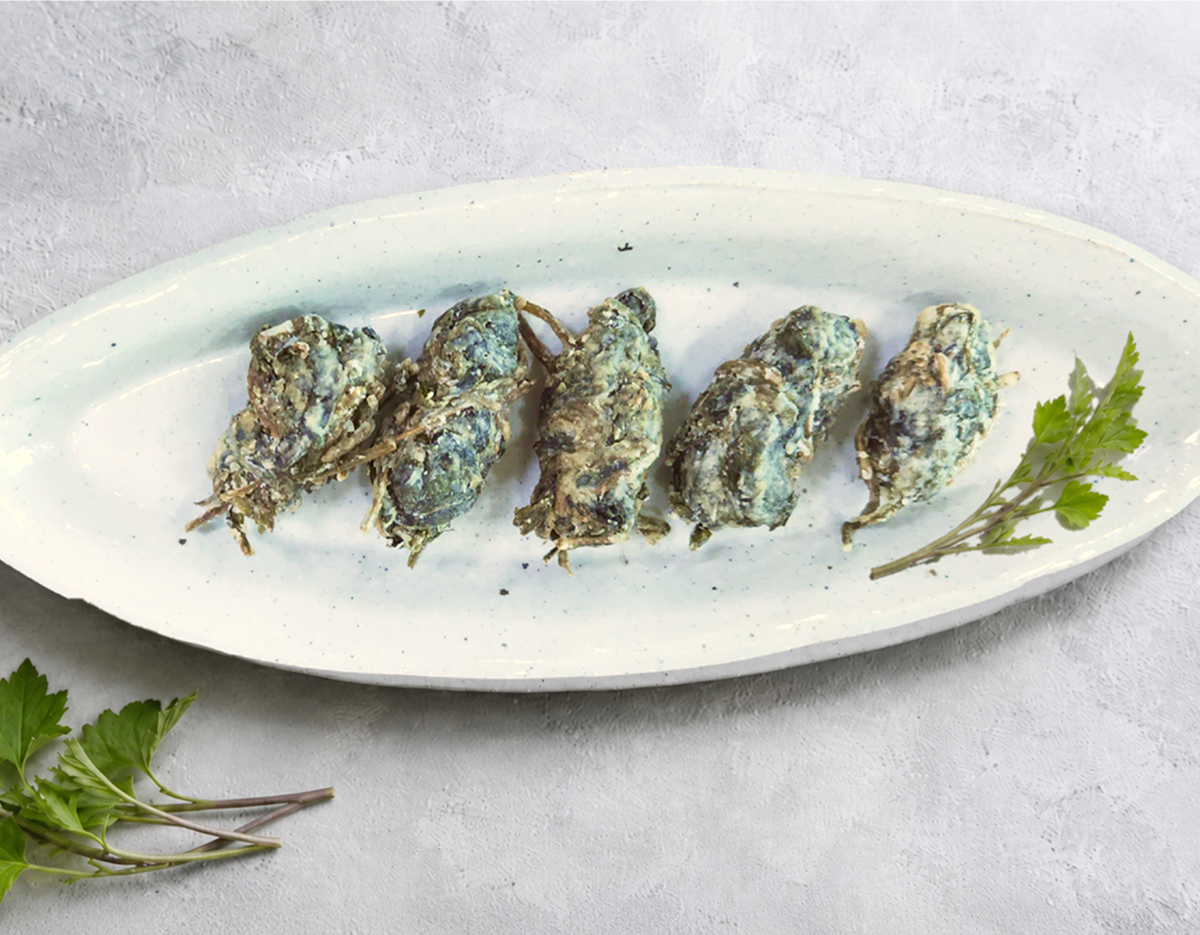
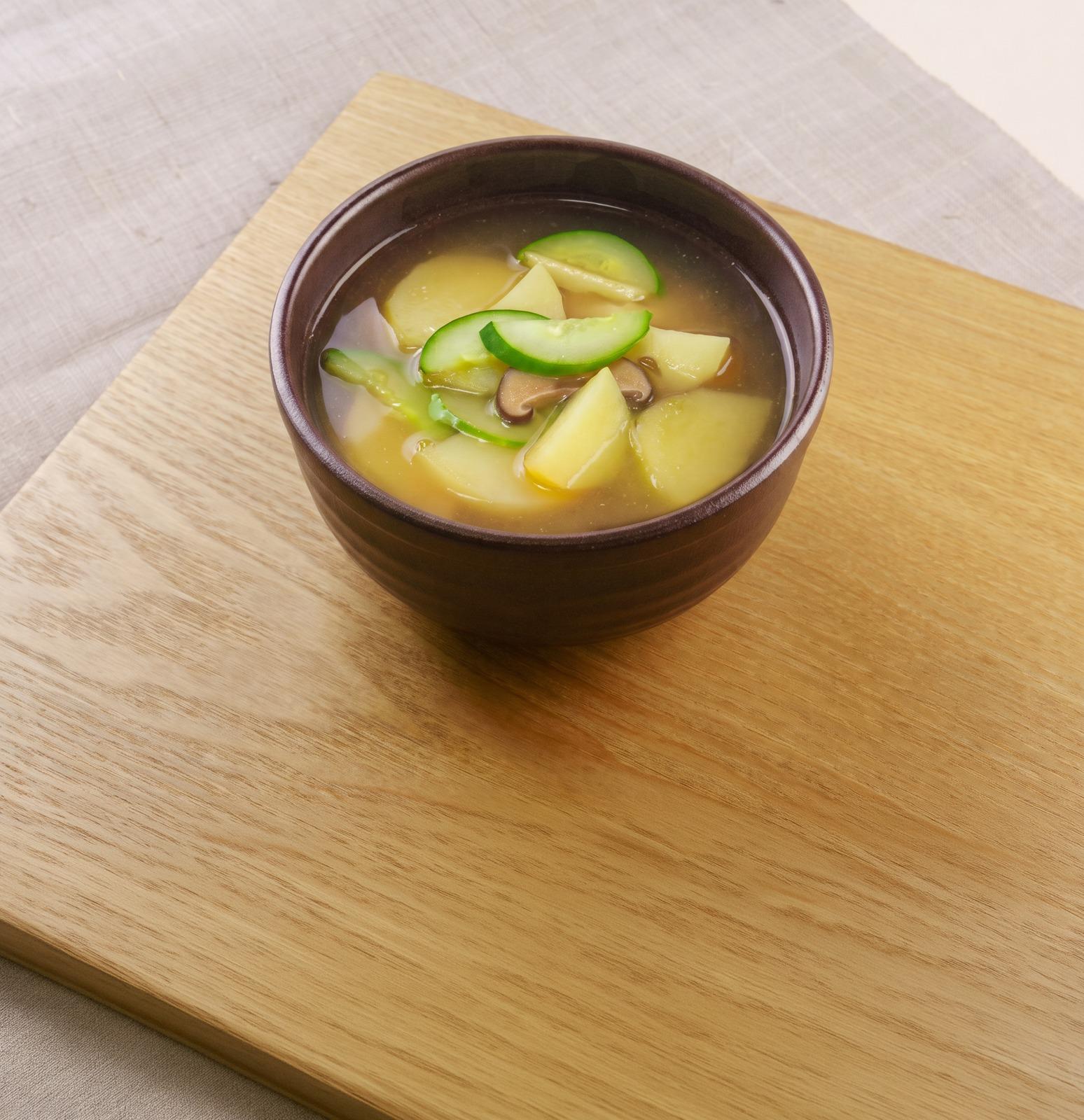
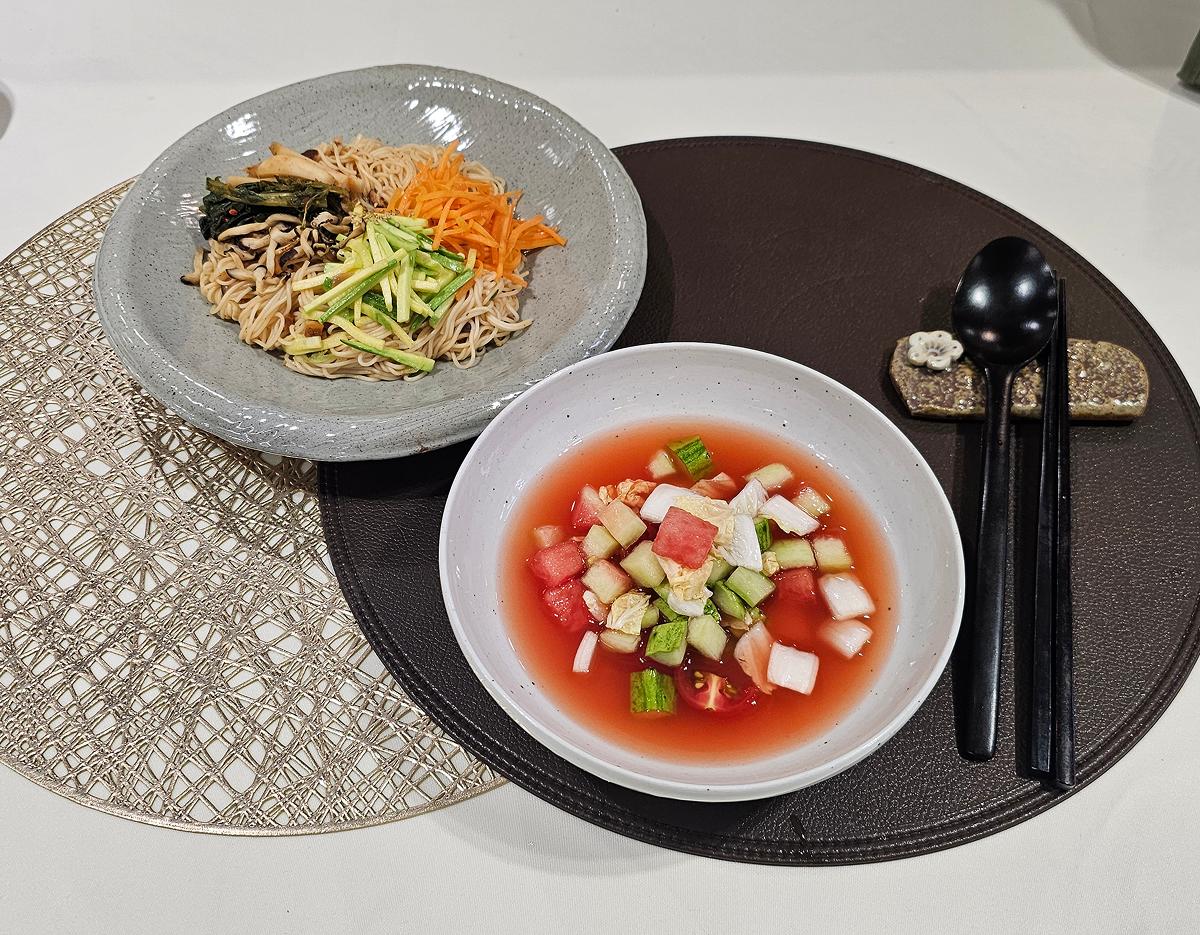
Example Menu 2
WHY BOOK
Why We Recommend It
It’s a chance to make temple food yourself, a wholesome food culture passed down through Buddhist temples.
Korean temple food, rooted in the spirit of balwoo gongyang (a monastic meal tradition), pursues healthy cuisine for the well-being of people around the world and the planet.
You’ll be making healthy dishes using natural ingredients from Korea.
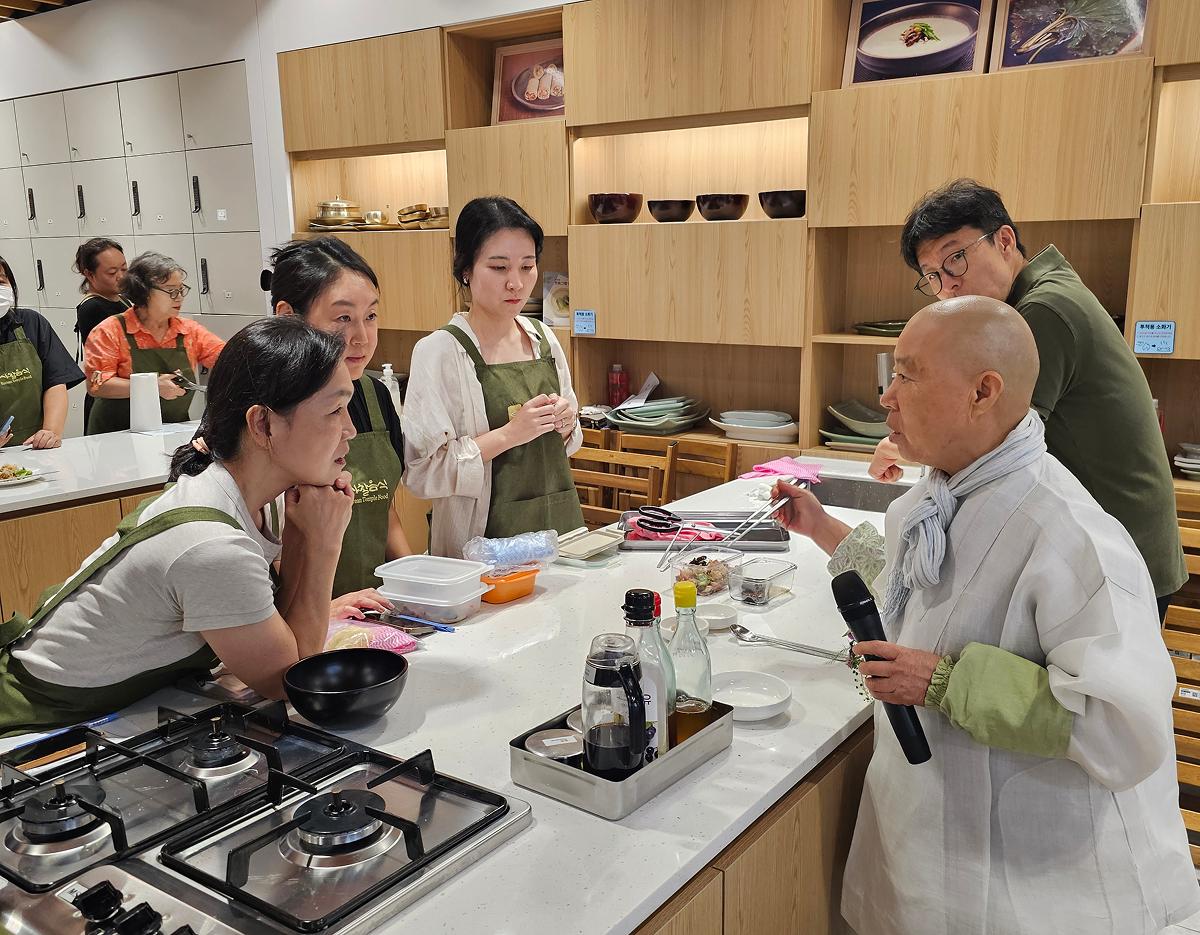
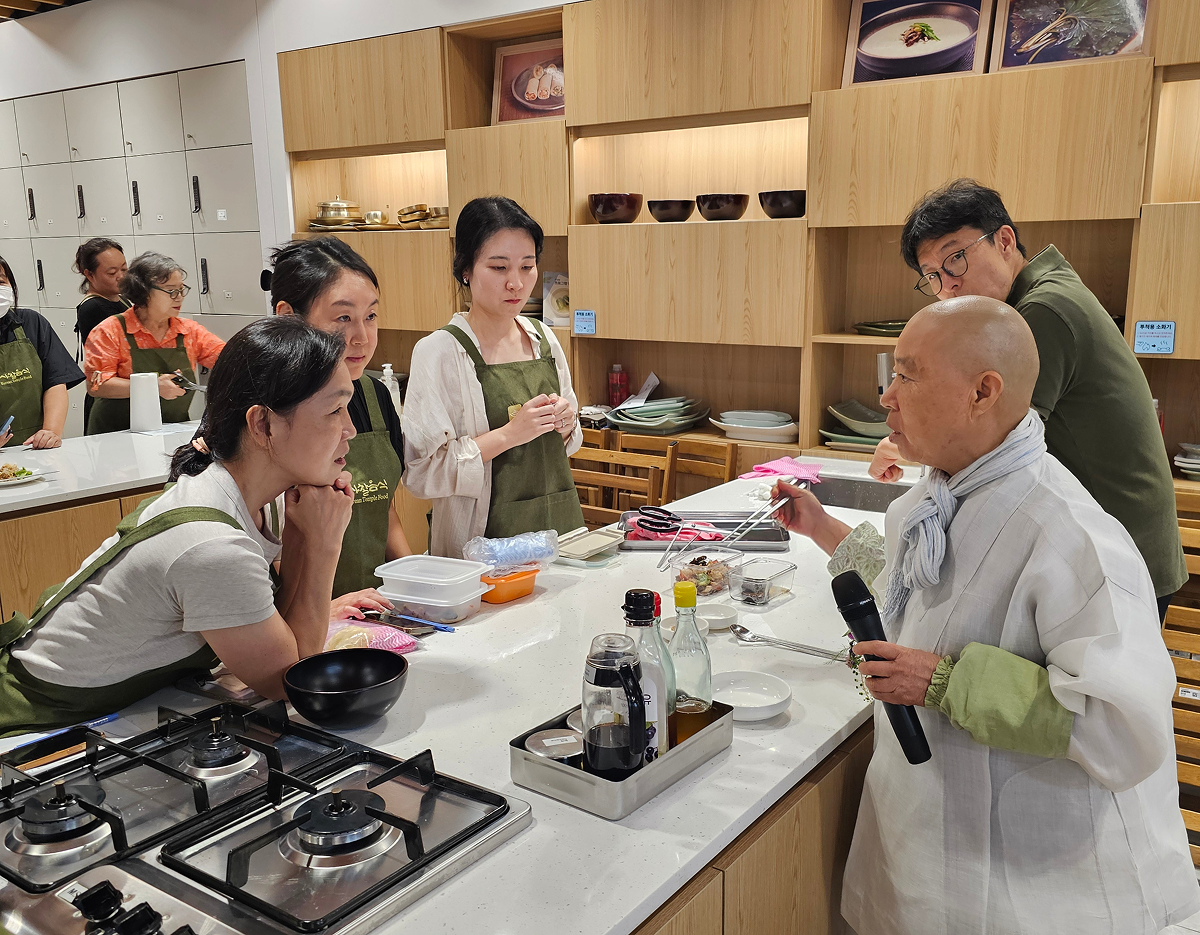
The class is led by a monk who holds a Level 1 Temple Food Artisan Certificate.
You can take the temple food you make home with you. Please bring your own food containers.
PROGRAM GUIDE
Program Guide
[이미지 슬라이더]
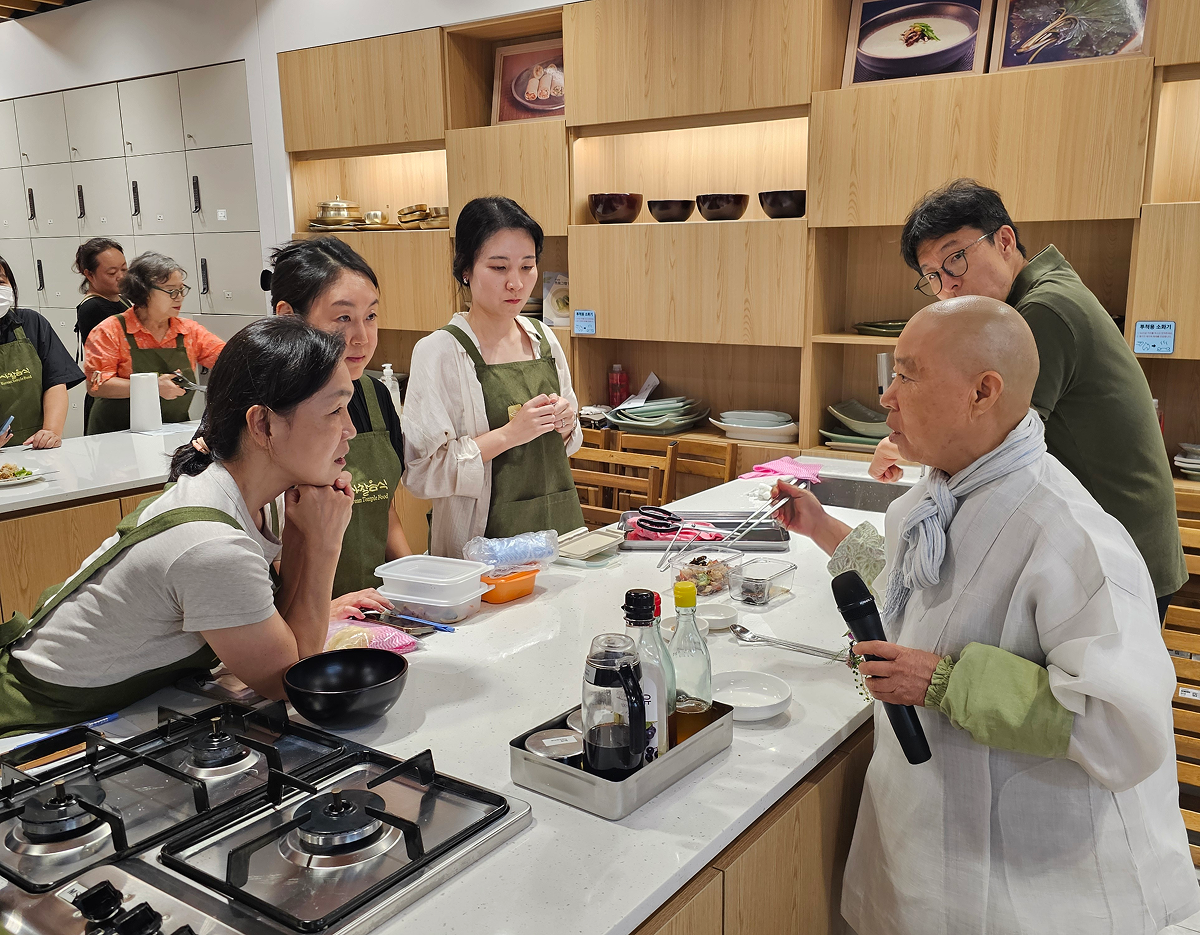
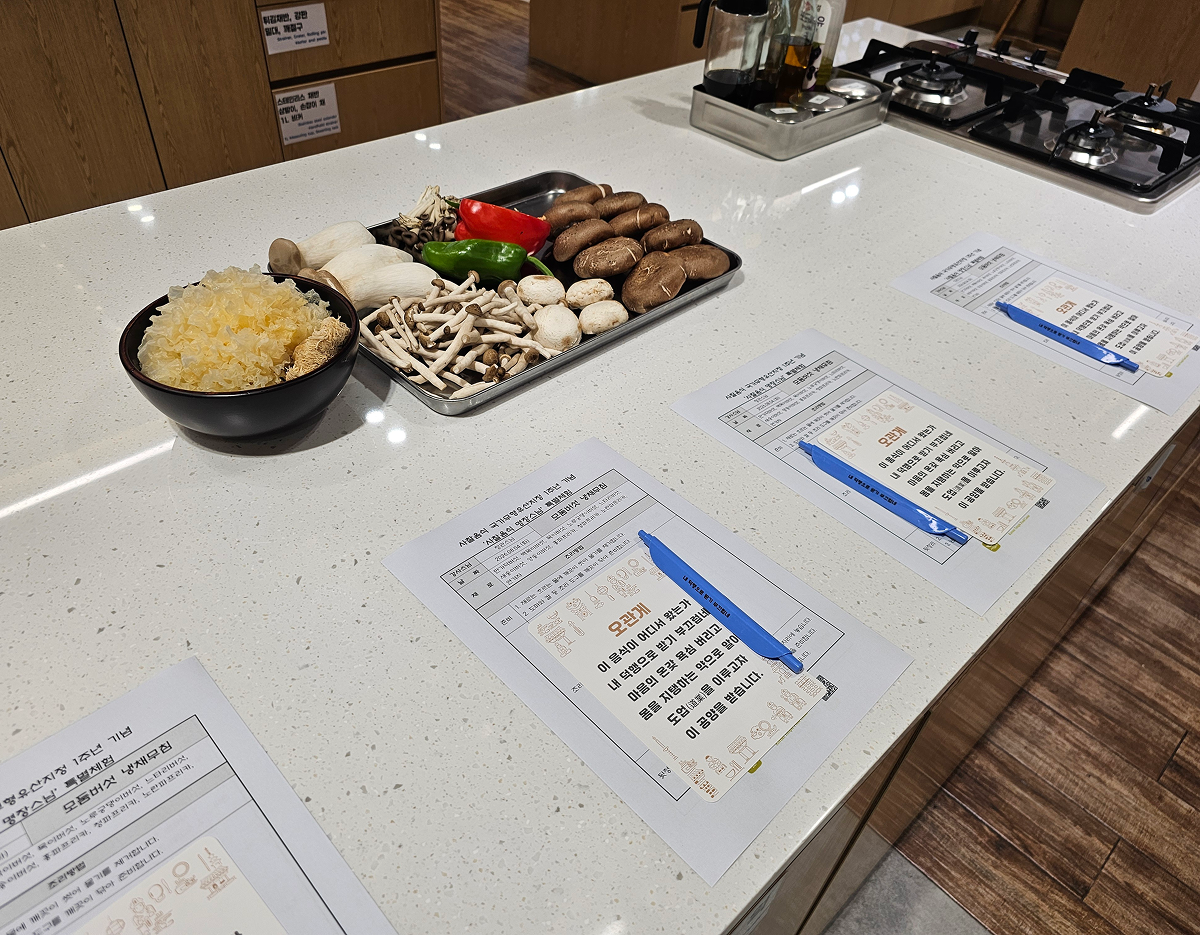
The Korean Temple Food Culture Experience Center is Korea’s first temple food cultural complex, created to widely share the tradition and value of temple cuisine through exhibitions, experiences, and classes.
[이미지 슬라이더]
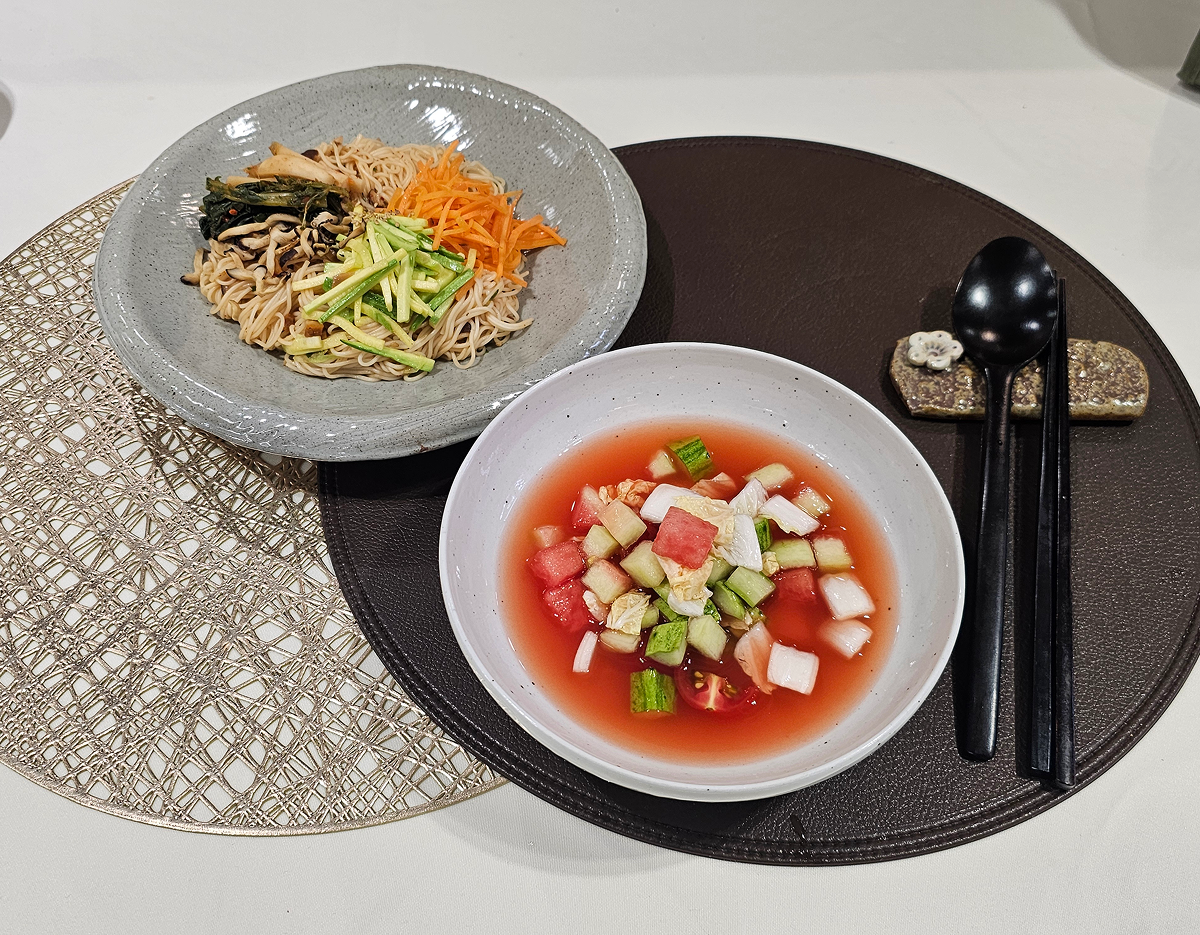
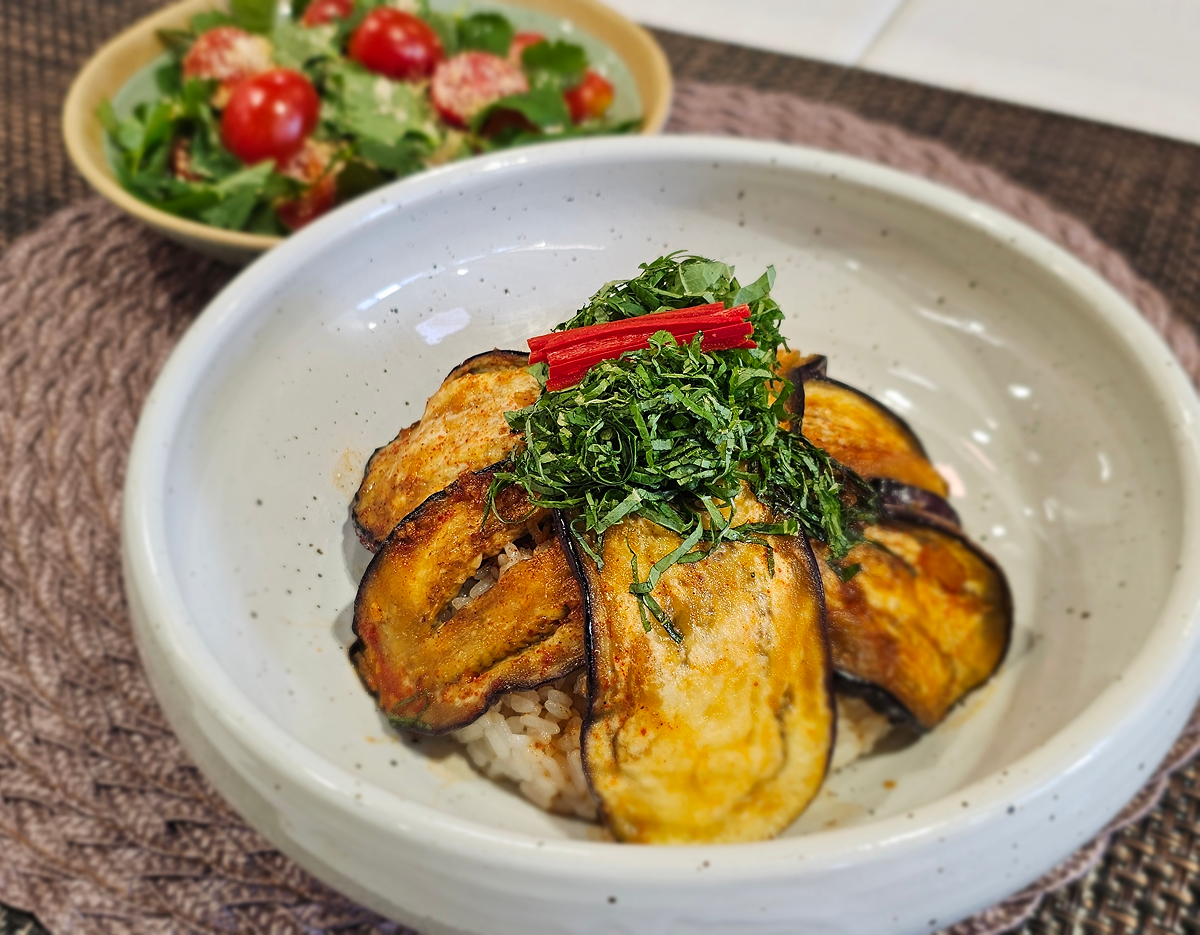
At the Korean Temple Food Culture Experience Center, you can make and learn temple food yourself while experiencing temple food culture.
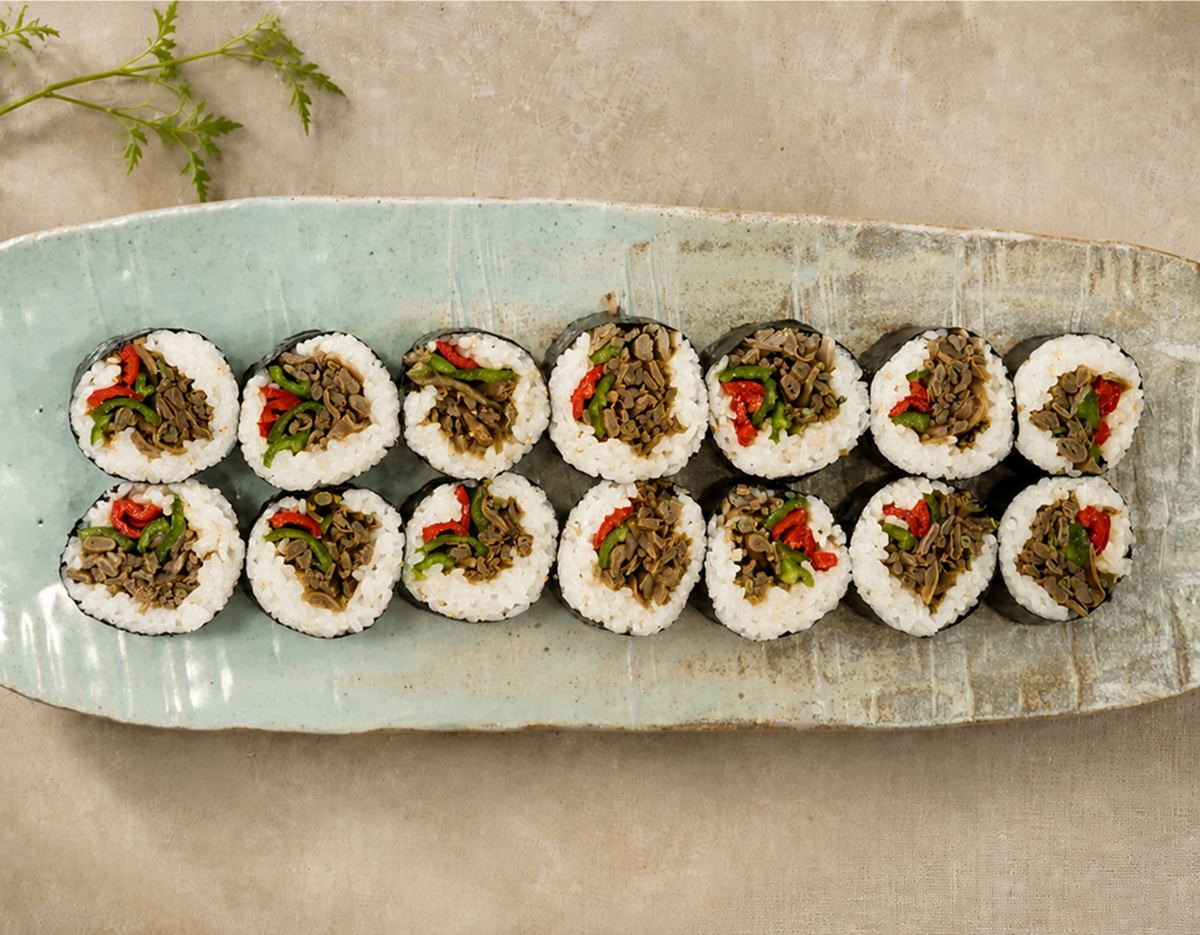
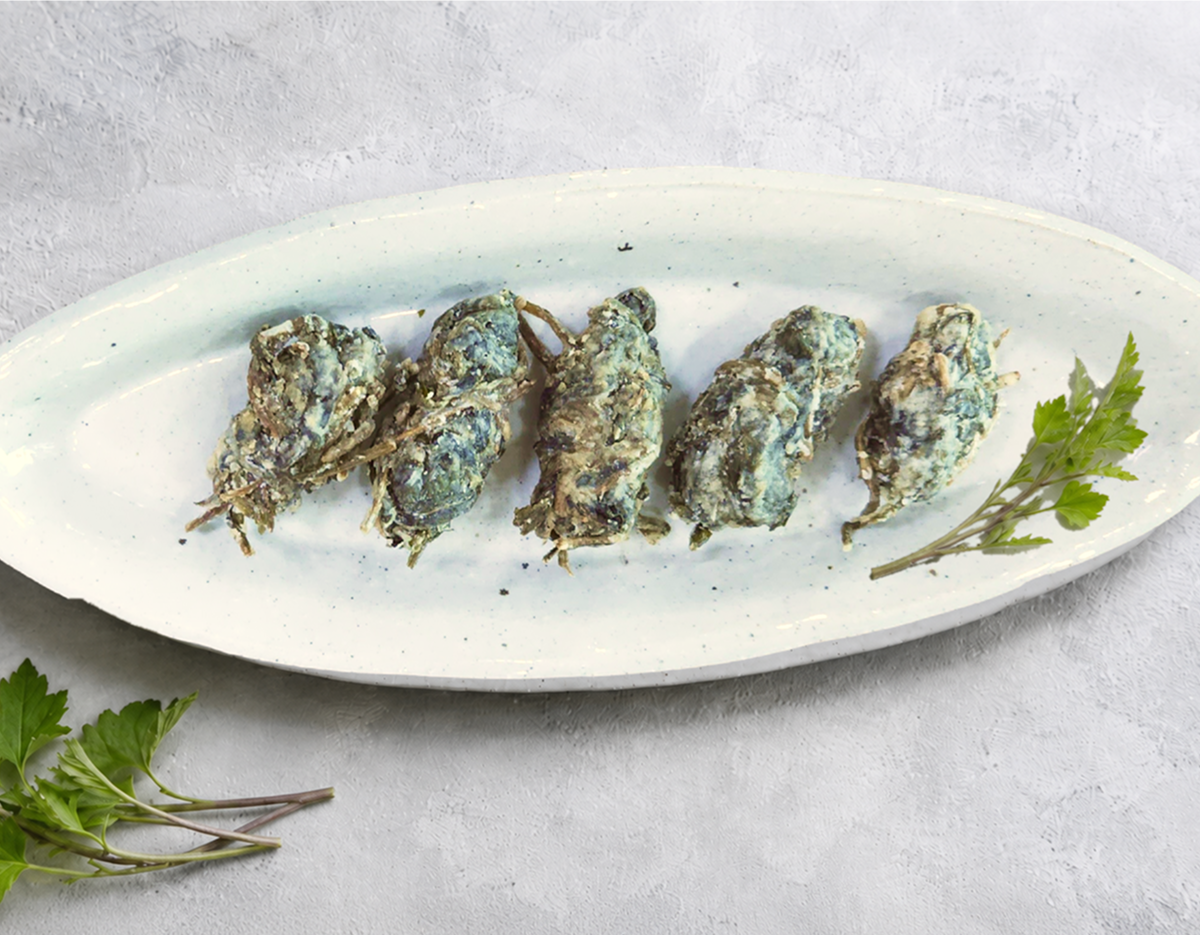
Discover temple food made with mild ingredients that bring calm to body and mind. Experience zero-waste cooking that uses ingredients in their entirety, including peels, roots, and leaves.
[이미지 슬라이더]
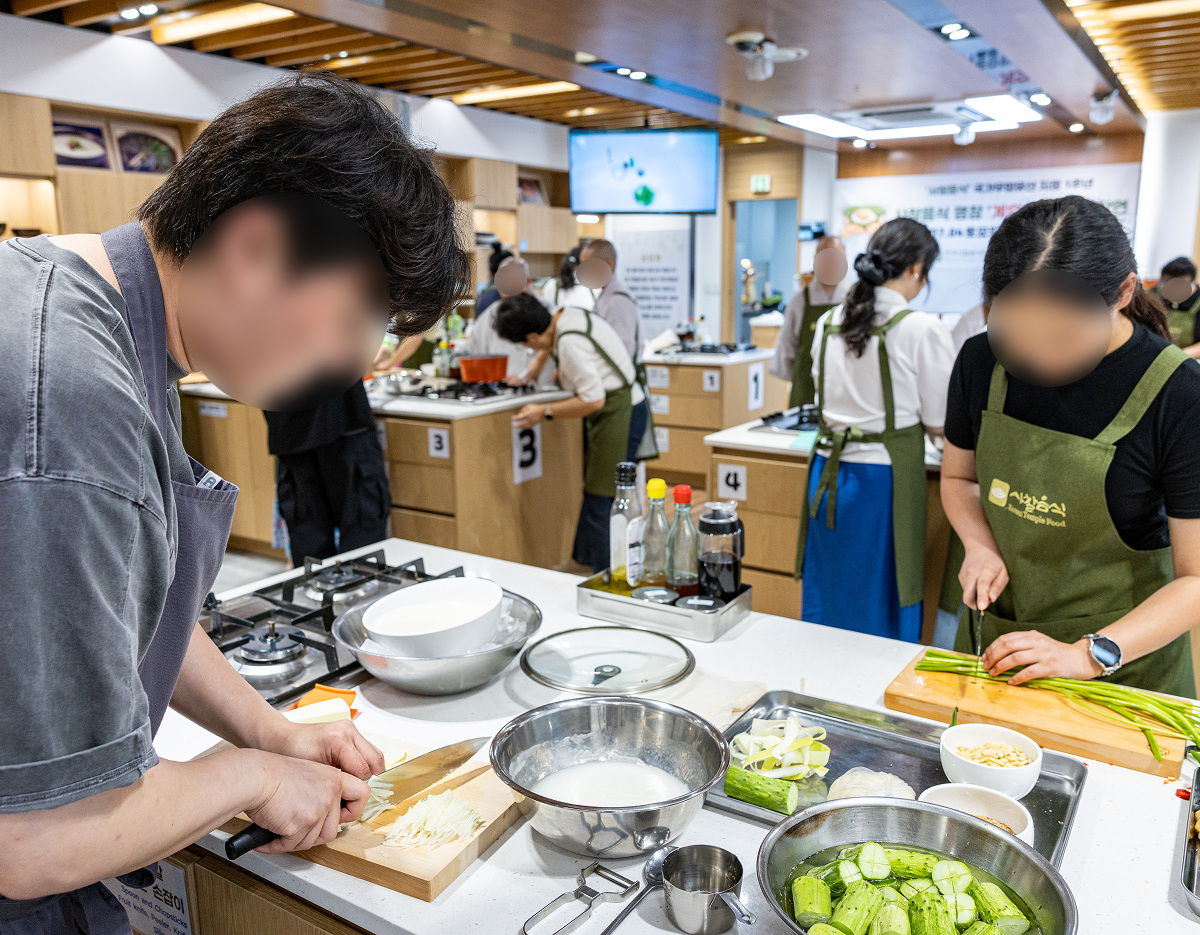
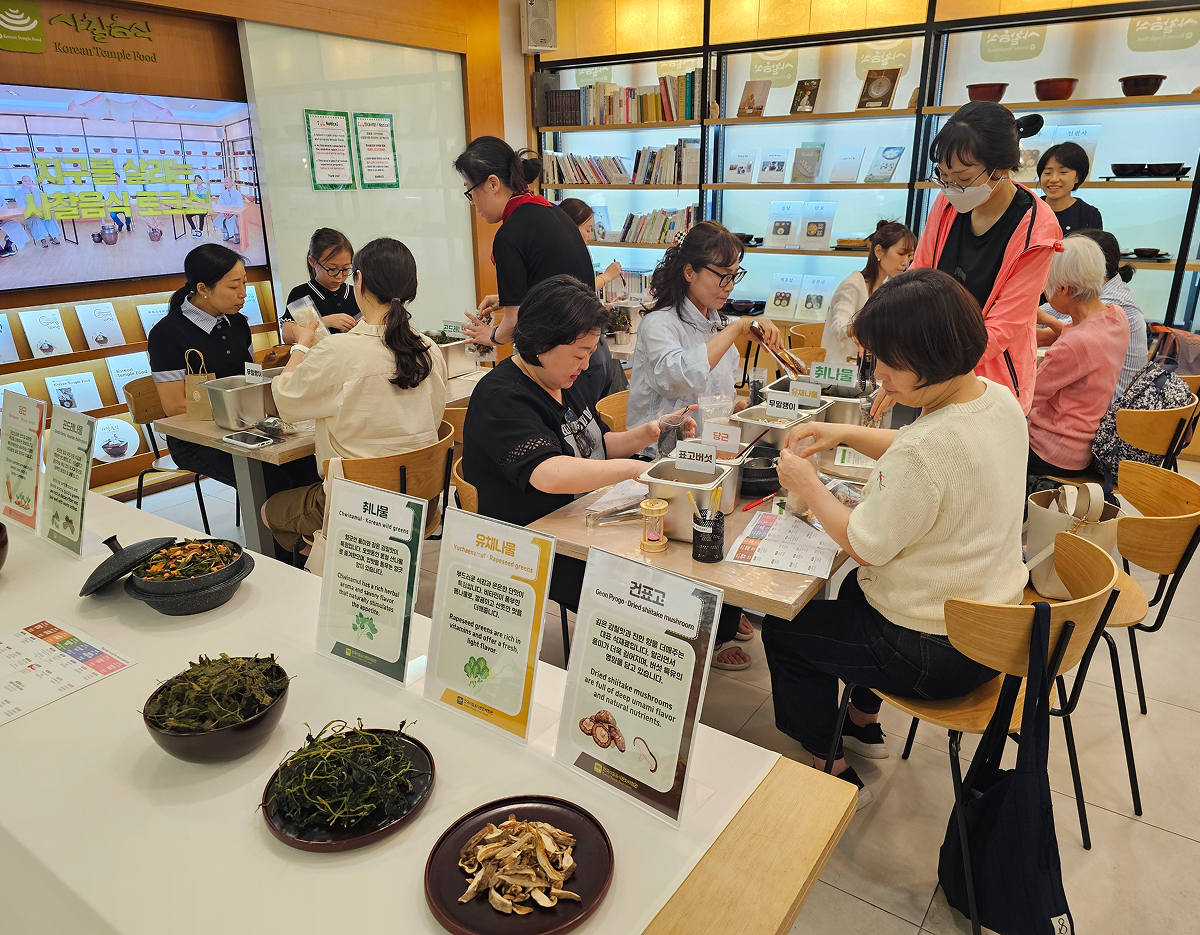
As you make Korean temple food, enjoy a healthy and eco-friendly temple cuisine experience.
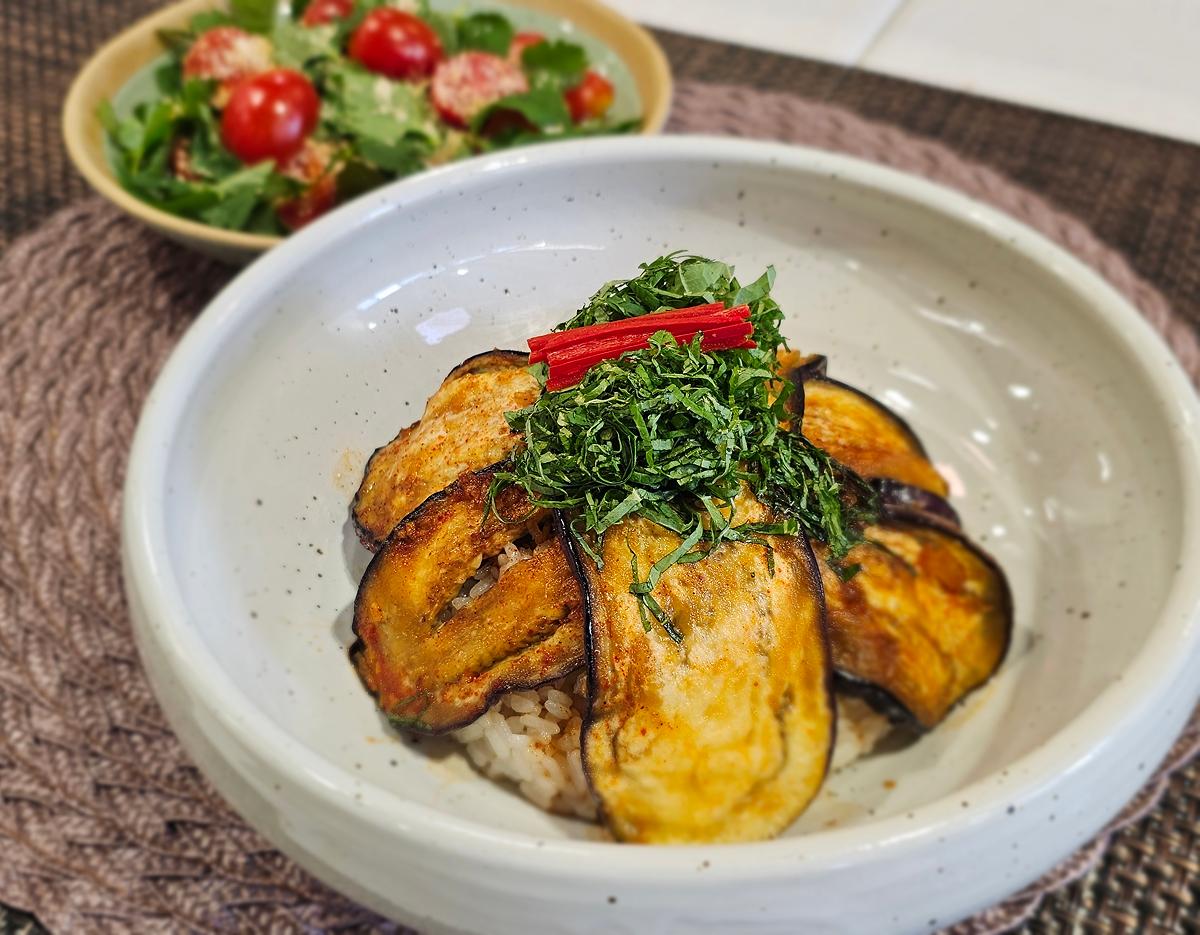
Example dishes (the menu may vary by session).