







5
3K+
⛰️Bukhan Mountain National Park
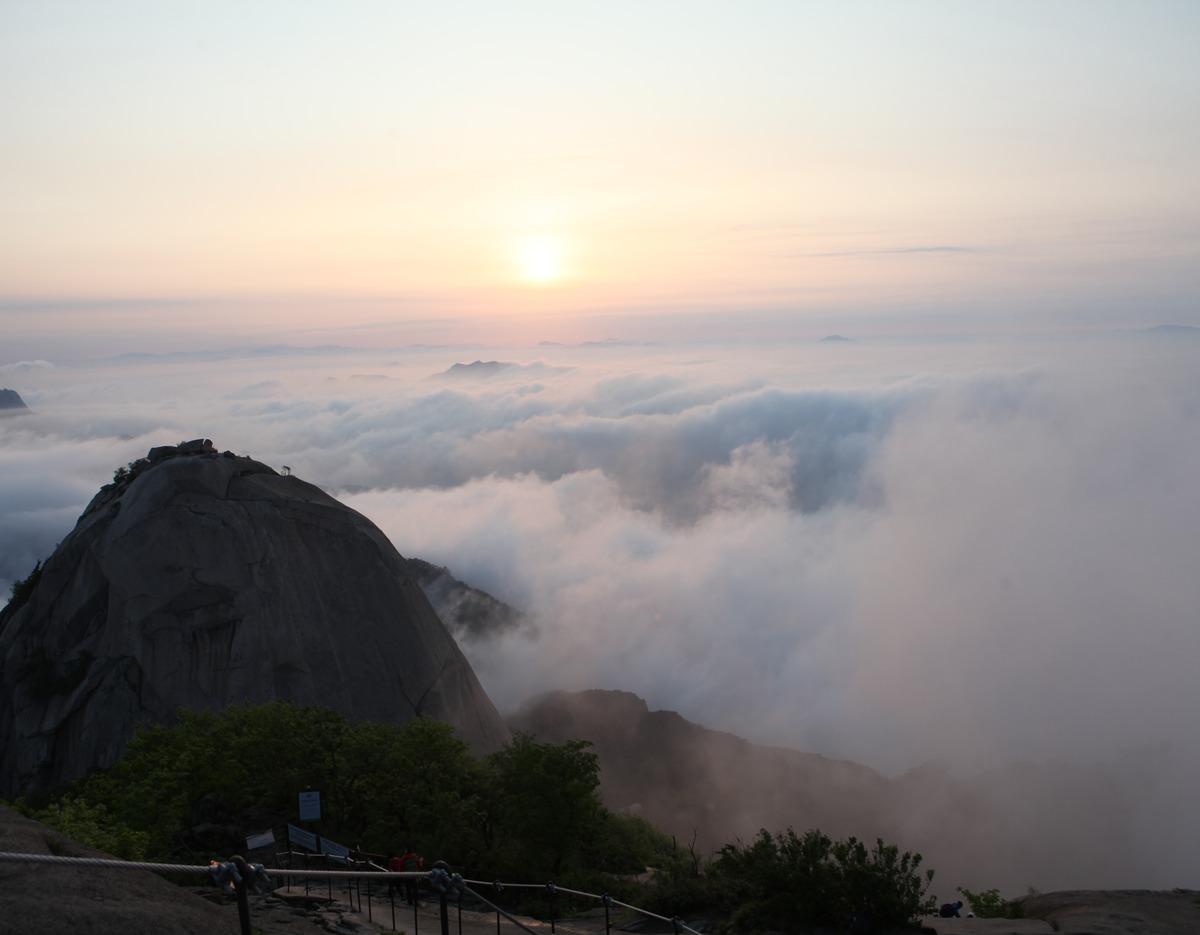
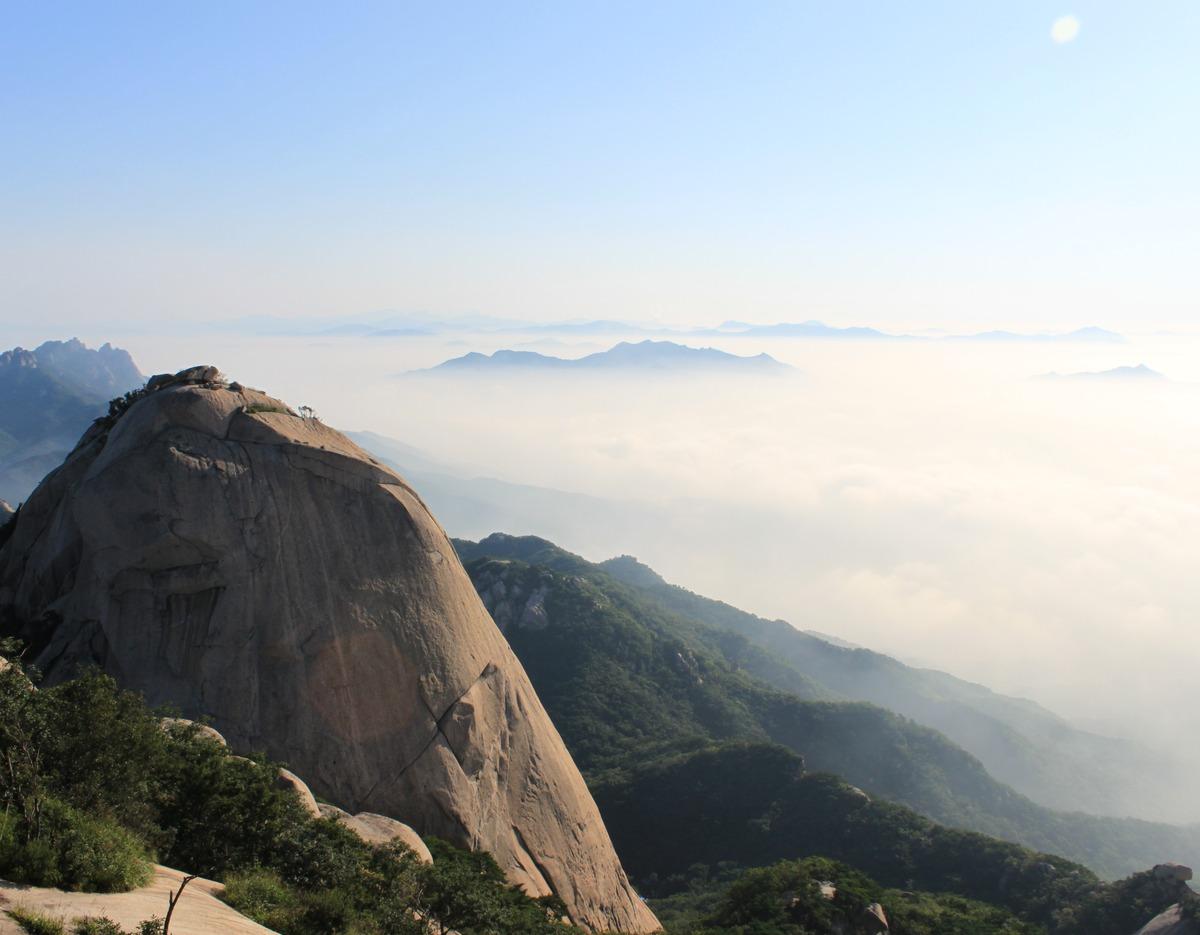
Established as Korea's 15th national park in 1983, Bukhansan spans Seoul and Gyeonggi-do and is one of the few major national parks located within a capital city. The park is split into two main areas: the southern Bukhansan section, centered on Baegundae Peak, and the northern Dobongsan section, anchored by Birobong Peak.
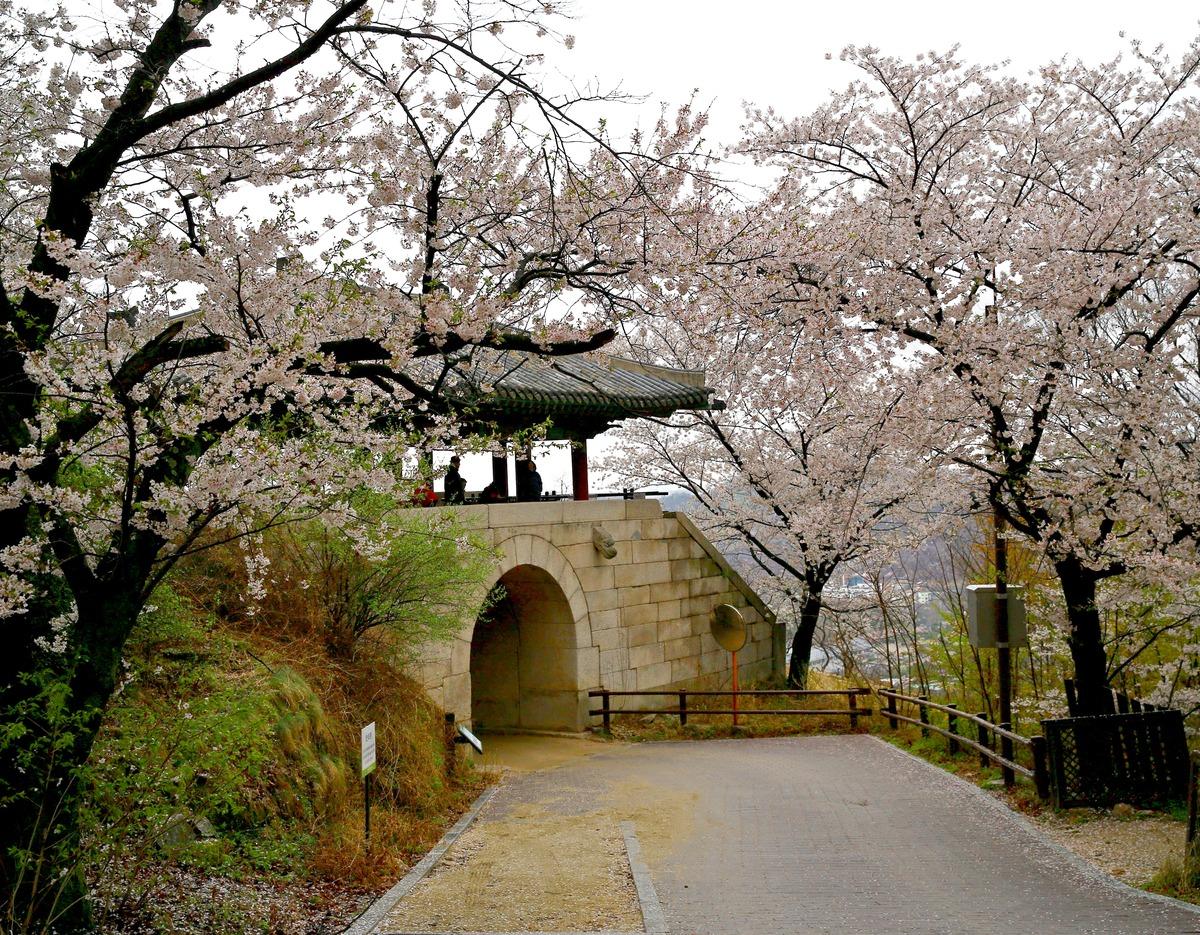
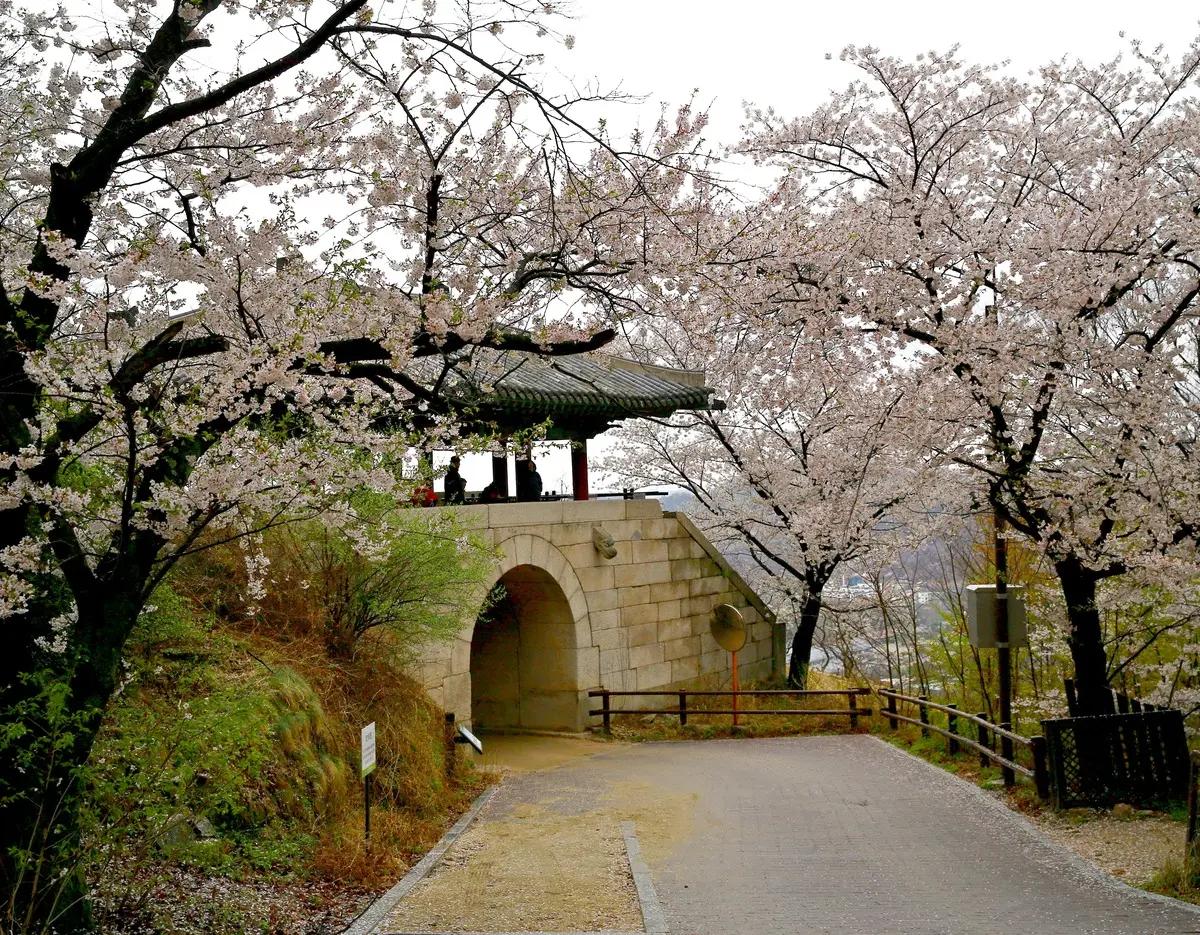
Beyond the trails, the park holds a rich layer of history. Bukhansanseong Fortress, along with scattered temples and hermitages, has been preserved throughout the park, making it a place where nature walks and cultural exploration sit side by side. Thanks to easy access from central Seoul, it draws both casual hikers and serious trekkers year-round.
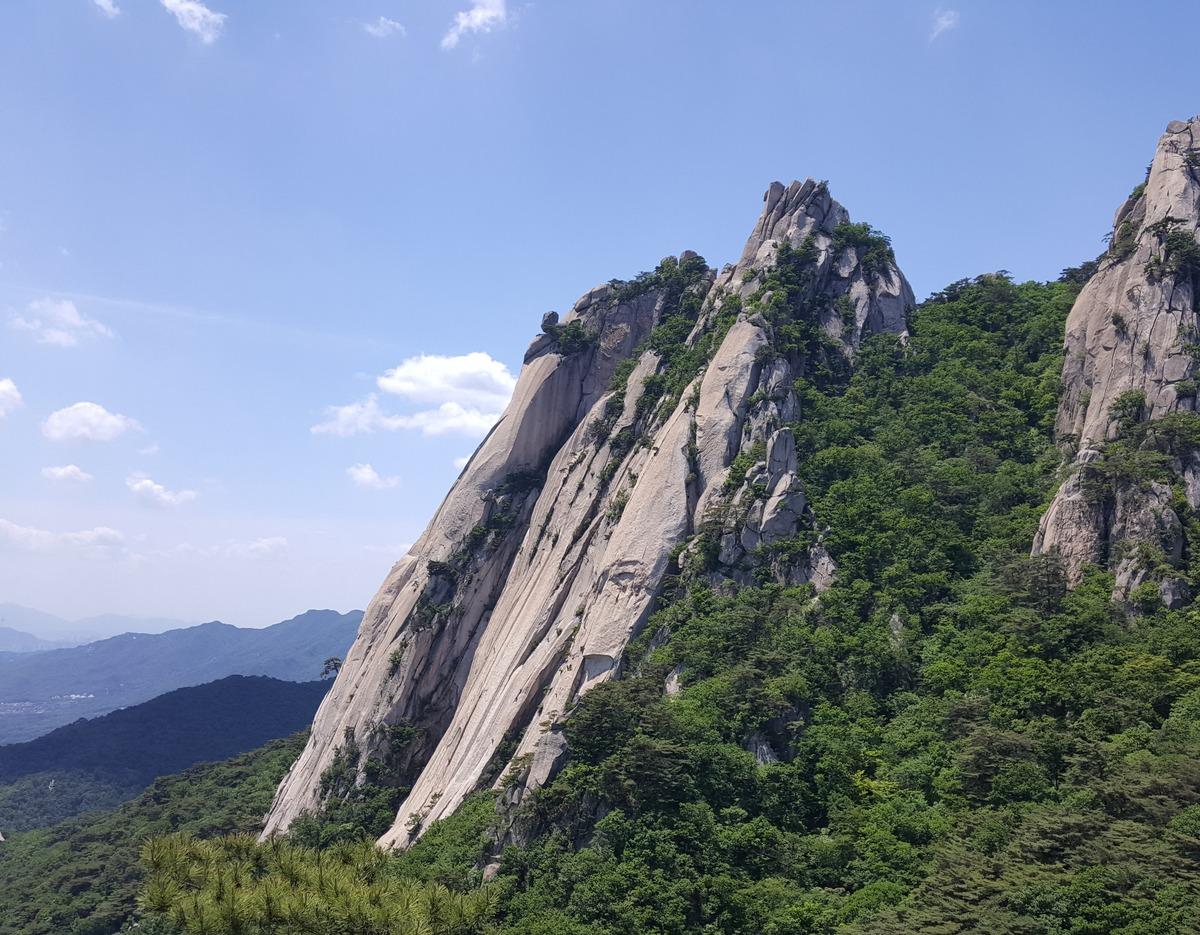
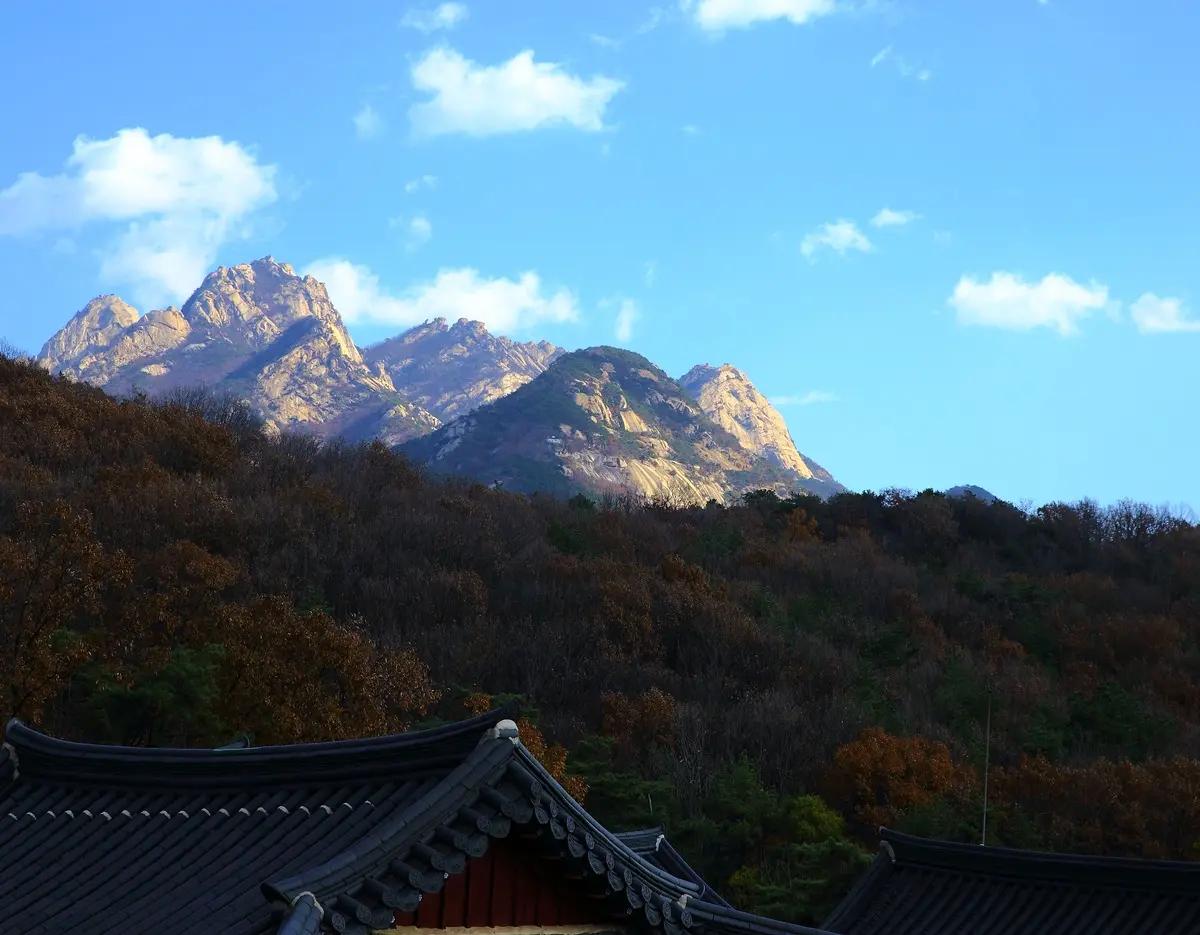
The Bukhansan section features five peaks arrayed around Baegundae (836.5m), including Insubong and Mangyeongdae, with ridgelines that vary from gentle soil paths to exposed granite slabs, offering routes for a wide range of abilities.
[Image Slider] 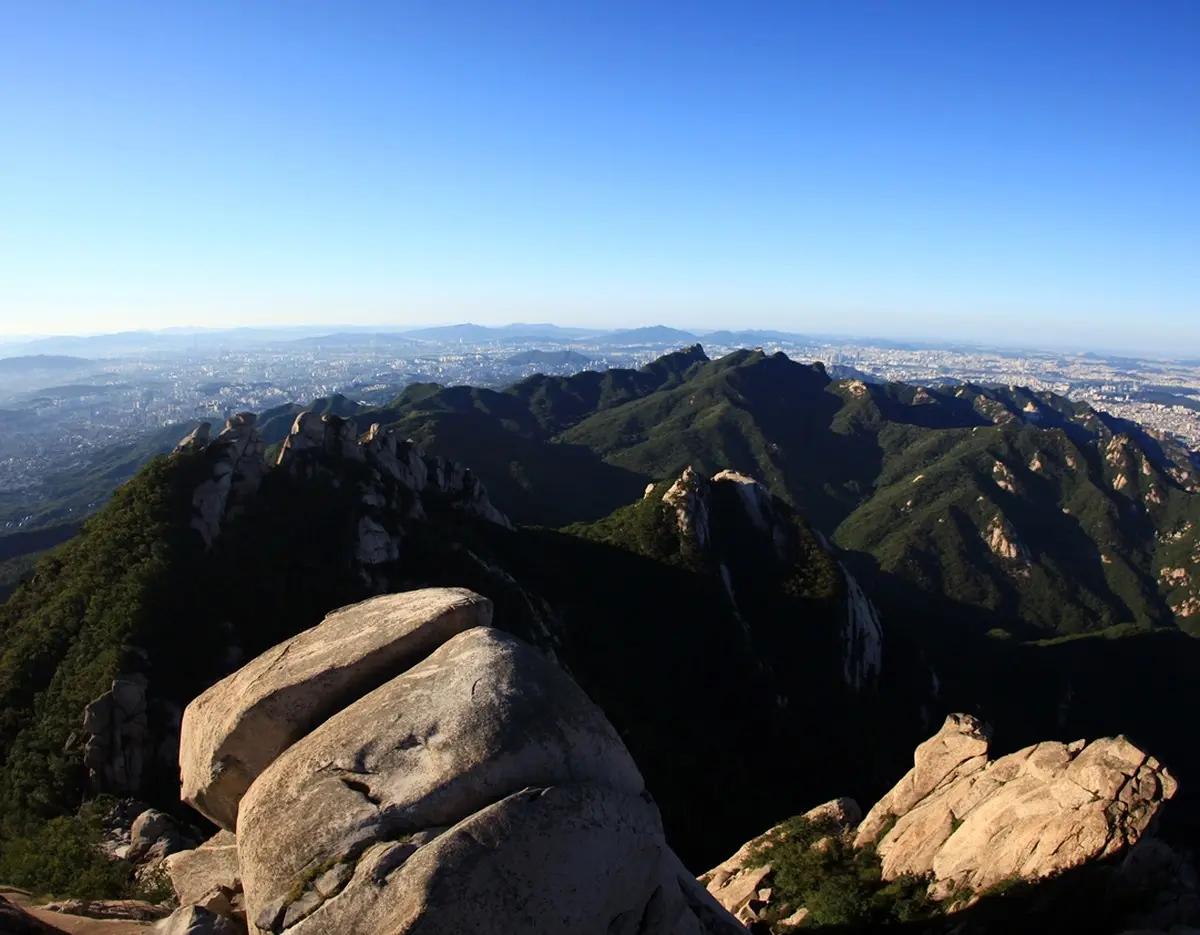
🚩Recommended Trekking Route: Bukhansanseong Course
The Bukhansanseong Course takes you from the fortress entrance all the way up to Baegundae, the highest peak in Bukhansan. It's one of the park's most rewarding routes, combining historical sites with dramatic summit views.
The lower section of the trail passes Daeseomun Gate, the main gate of Bukhansanseong Fortress, along with the Bukhan-dong History Museum and the Endangered Plant Garden. It's a gradual climb through the valley with plenty to take in before the ascent begins.
Past Borisa Temple, the trail gets steeper. The stretch from Yaksuam Site up to Baegunbong Ammun (Fortress Gate) is the most demanding section of the route. Once you clear the gate, the summit of Baegundae is within reach.