



[Image slider] 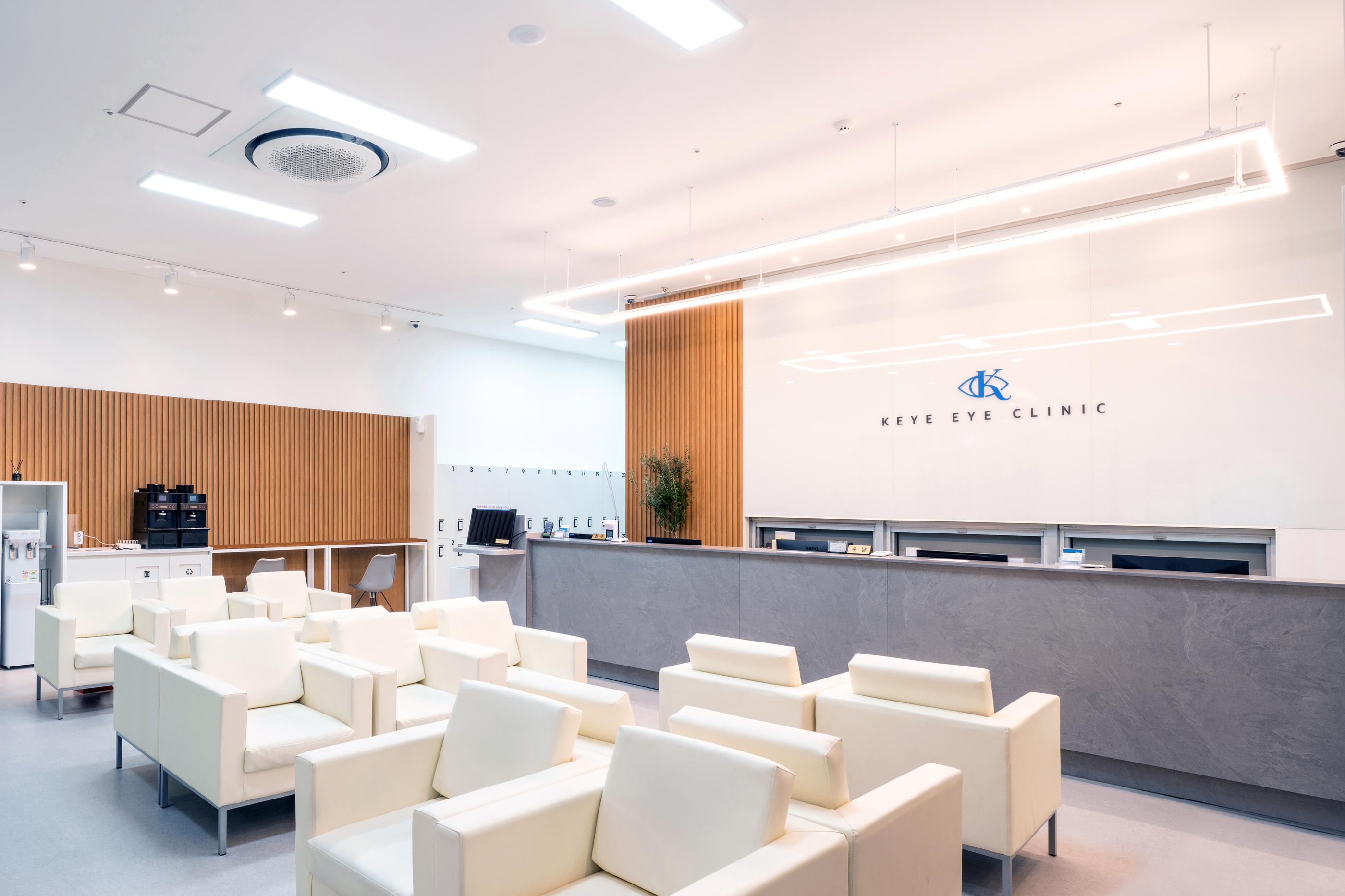
When you’re considering vision correction surgery in Seoul, the first thing to check is not simply whether it’s “a famous clinic.” What matters more is whether many international patients like you have actually visited, how thorough the pre-op examinations are, and whether you can clearly understand your test results and surgical options in your own language.
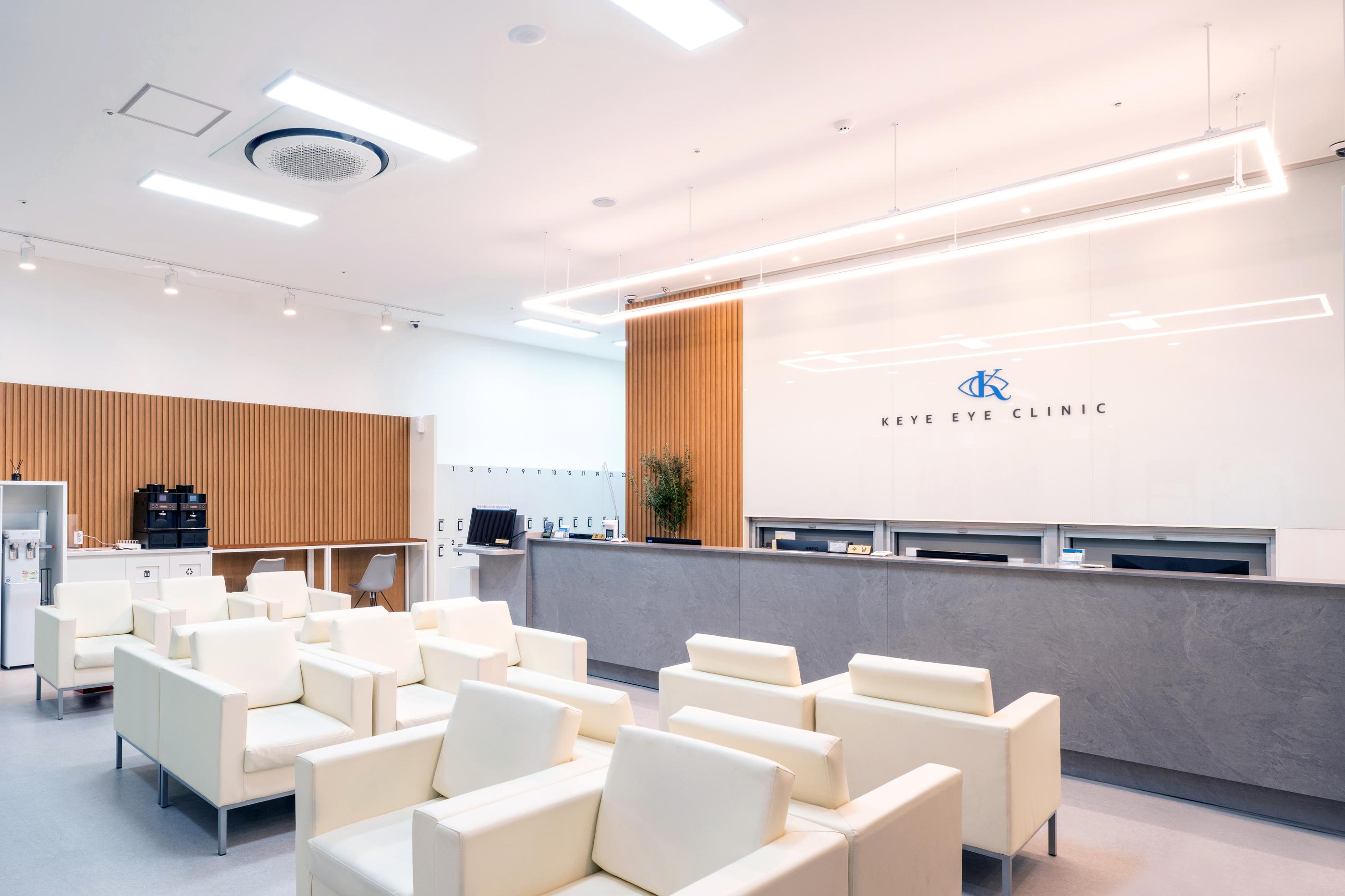
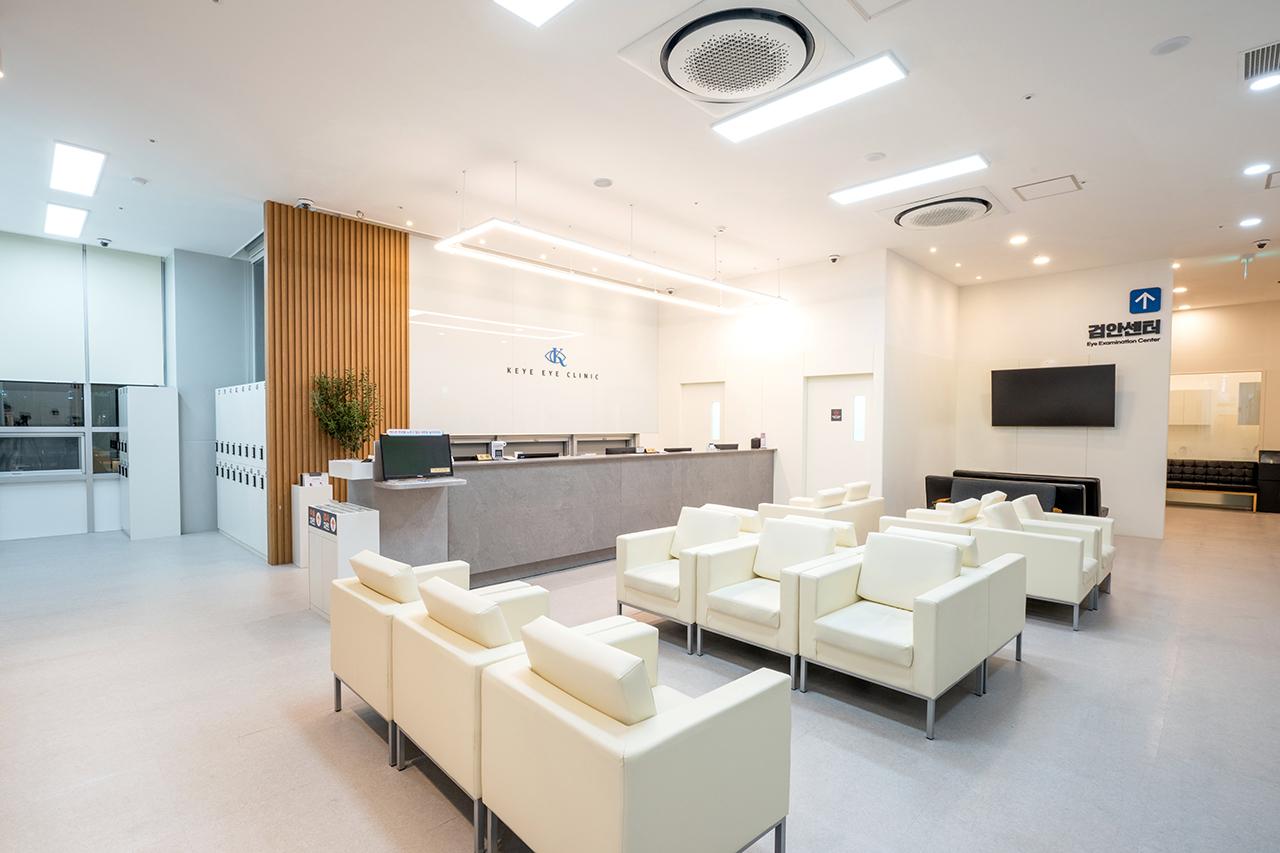
KEYE Eye Center is a clinic specializing in vision correction and eye conditions, located near Seolleung Station in Gangnam, Seoul.
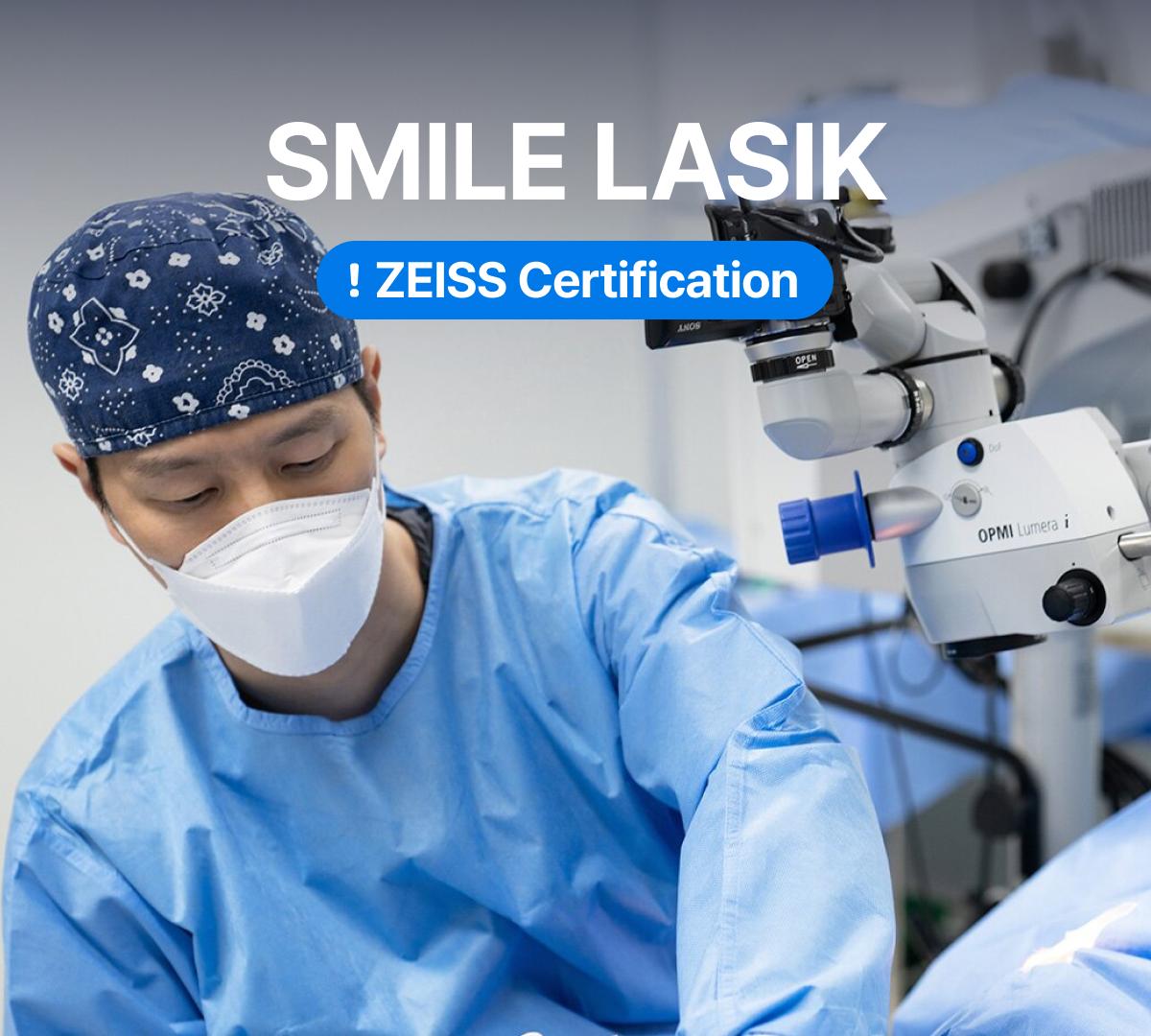
- SMILE BEST SKILLED specialist selected by Germany’s ZEISS
- Selected as a ZEISS SMILE Center
- Certified as an Ophtec Reference Clinic
- Officially certified clinic for AVEDRO Extra
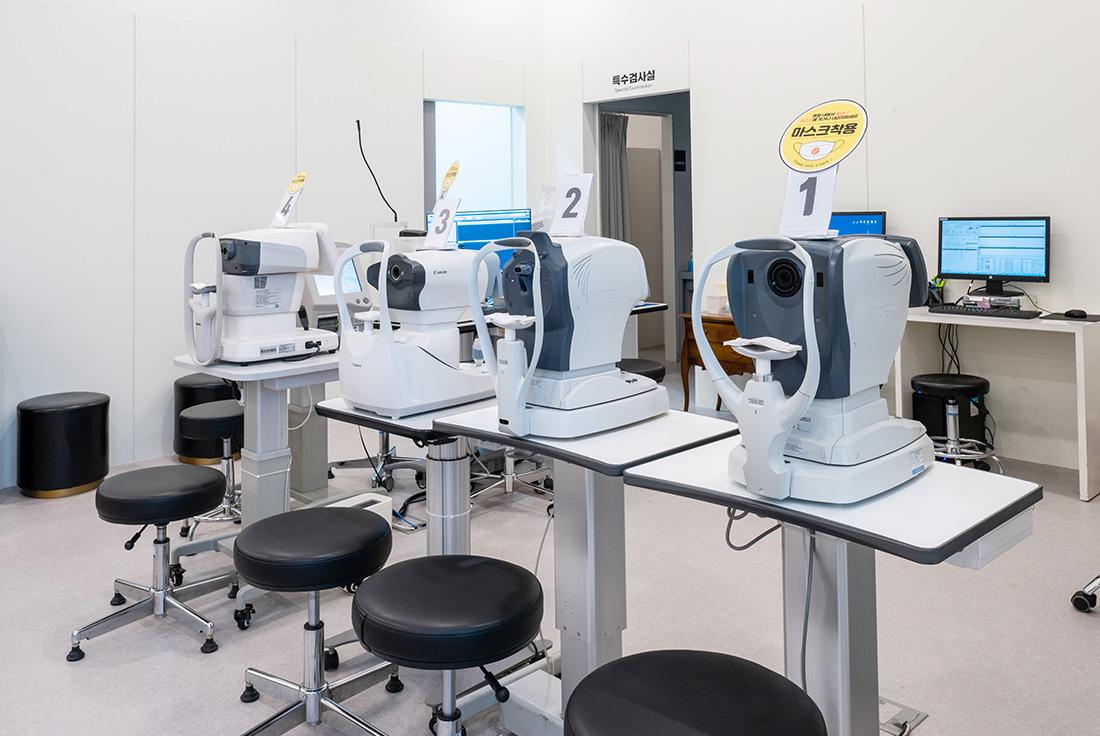
- Equipped with Silverstone ultra-widefield retinal imaging device
- Dedicated medical interpretation support in Chinese, Cantonese, and English
✨ What makes KEYE Eye Centerr stand out, recommended by Creatrip
1. A SMILE BEST SKILLED specialist selected by ZEISS
SMILE LASIK and SMILE Pro are procedures where not only the equipment, but also the surgeon’s planning and experience matter greatly. Even with the same device, results and recovery can vary depending on how the patient’s eyes are analyzed and how the procedure is designed.
Dr. Kwon Hyung-gu, the director of KEYE Eye Center, is a SMILE BEST SKILLED specialist selected by ZEISS in Germany, and based on extensive clinical experience and know-how in vision correction surgery, he recommends the most suitable procedure for each individual patient.
In particular, KEYE Eye Center performs HD SMILE / HD SMILE PRO by applying its own research-based nomogram and HD Energy system, considering not only fast recovery but also the clarity and quality of your vision.
2. Detailed retina testing for patients with severe myopia and severe astigmatism
For patients with severe myopia or severe astigmatism, the issue is not simply having a high prescription. Compared to the average patient, there may be a higher risk of fundus conditions such as retinal tears, retinal degeneration, and retinal detachment, so it is important to check retinal health as well as corneal condition before surgery.
KEYE Eye Clinic is equipped with Silverstone ultra-widefield retinal imaging, allowing precise examination even of the peripheral retina, which can be difficult to assess with standard tests. This helps identify key pre-surgery factors such as small retinal tears or peripheral retinal abnormalities, and enables the clinic to guide patients toward the most appropriate surgical approach.
3. An in-house, ophthalmology-focused medical interpretation team
One of the biggest concerns when having surgery in Seoul is language. To feel confident about proceeding, you need to clearly understand test results, procedure options, possible side effects, and aftercare.
Rather than using an external interpretation agency, KEYE Eye Center provides support through its in-house, ophthalmology-specialized medical interpreters for consultations in Chinese, Cantonese, and English.
From reservation and consultation to testing, consultation with the doctor, surgery, and aftercare, they guide you through the entire process, helping overseas visitors who are not comfortable with Korean understand the procedure and key precautions more accurately.
🏆 KEYE R&D CENTER, an ophthalmology clinic dedicated to vision correction through continuous research
Vision correction surgery is not something that is perfected simply by having good equipment. What matters is a comprehensive analysis of each patient, including corneal condition, astigmatism axis, degree of myopia, retinal health, and recovery patterns, then designing the procedure based on that data.
KEYE Eye Clinic does not stop at performing vision correction surgery and treating eye conditions. To better understand and solve patients’ concerns, the clinic operates the in-house KEYE R&D CENTER and continues ongoing research in both vision correction and eye disease.
Based on advanced diagnostic equipment and real clinical data, the KEYE R&D CENTER conducts research across a wide range of ophthalmology fields, including high myopia, severe astigmatism, corneal strengthening procedures, and implantable lens surgery. Rather than following a one-size-fits-all approach, it analyzes each patient’s unique eye condition and reflects those findings in the surgical plan.
This research-driven approach is also applied to KEYE Eye Center’s customized vision correction procedures, including HD SMILE, HD SMILE PRO, and Contoura LASIK/LASEK. In other words, beyond being “a clinic that performs a lot of surgeries,” KEYE Eye Clinic is a research-focused ophthalmology clinic that continuously studies and innovates to achieve better vision correction outcomes.
👁️ Main Surgery Options and Detailed Guide
The discounted price is a benefit secured exclusively by Creatrip, and it only applies when you make a reservation through Creatrip.
(1) ZEISS HD SMILE: This SMILE procedure corrects myopia and astigmatism through a tiny incision of about 2 mm.
- Equipment: ZEISS VisuMax 500
- Recovery: You can return to daily life starting the day after surgery
- Recommended for: Those who want a quick recovery, those who do a lot of sports or outdoor activities
(2) ZEISS HD SMILE PRO 2.0: This is a SMILE Pro procedure performed based on a short laser treatment time and precise visual axis analysis.
- Equipment: ZEISS VisuMax 800
- Recovery: You can return to daily life starting the day after surgery
- Recommended for: Those with high astigmatism, working professionals and students who want a quick recovery
💡Why is HD SMILE PRO 2.0 suitable for astigmatism?
When correcting astigmatism, it is important to align the center position and the astigmatism axis as accurately as possible during surgery. In particular, the eye can rotate slightly between when you are tested sitting up and when you are lying down for surgery, which can cause the astigmatism axis to change.
HD SMILE PRO 2.0 uses a digital planning system based on ZEISS Refractive Workplace® / FORUM®. This is ZEISS’s digital system that creates an individualized surgical plan based on pre-op exam data and links it to the surgical equipment. Using iris images as a reference, it also helps account for eye rotation, allowing more precise alignment of the astigmatism axis.
(3) All Laser LASEK: This all-laser LASEK procedure removes the corneal epithelium with a laser, then corrects myopia and astigmatism.
- Equipment: WaveLight EX500
- Recovery: About 1 week to return to daily life, vision stabilizes in about 1 to 3 months
- Recommended for: Those with high myopia who still want laser surgery, those looking to reduce costs
(4) Contoura LASEK: This is a personalized LASEK procedure based on a precise analysis of your corneal shape.
- Equipment: WaveLight EX500 X Topolyzer Vario
- Recovery: About 4 days to return to daily life, vision stabilizes in about 3 to 6 months
- Recommended for: Those with corneal asymmetry, those who want customized LASEK
(5) Contoura LASIK: This is a customized LASIK procedure that uses corneal topography data to correct astigmatism and improve overall visual quality.
- Equipment: WaveLight EX500 X Topolyzer Vario
- Recovery: You can return to daily life starting the day after surgery
- Recommended for: Those with asymmetric corneal shape, those who value crisp, clear vision
(6) Artiflex anterior chamber lens implantation: This anterior chamber lens implantation procedure corrects myopia and astigmatism by fixing a lens to the iris.
- Lens: Artiflex lens
- Recovery: You can return to daily life starting the day after surgery
- Recommended for: Extremely high myopia, high astigmatism, thin corneas
(7) ECHO ICL / EVO+ ICL posterior chamber lens implantation: This posterior chamber lens implantation procedure inserts a lens between the back of the iris and the front of the natural lens.
- Lens: ECHO ICL lens / EVO+ ICL lens
- Recovery: You can return to daily life starting the day after surgery
- Recommended for: Extremely high myopia, those with thin corneas who are not good candidates for laser surgery