


5
2K+

Tour Overview
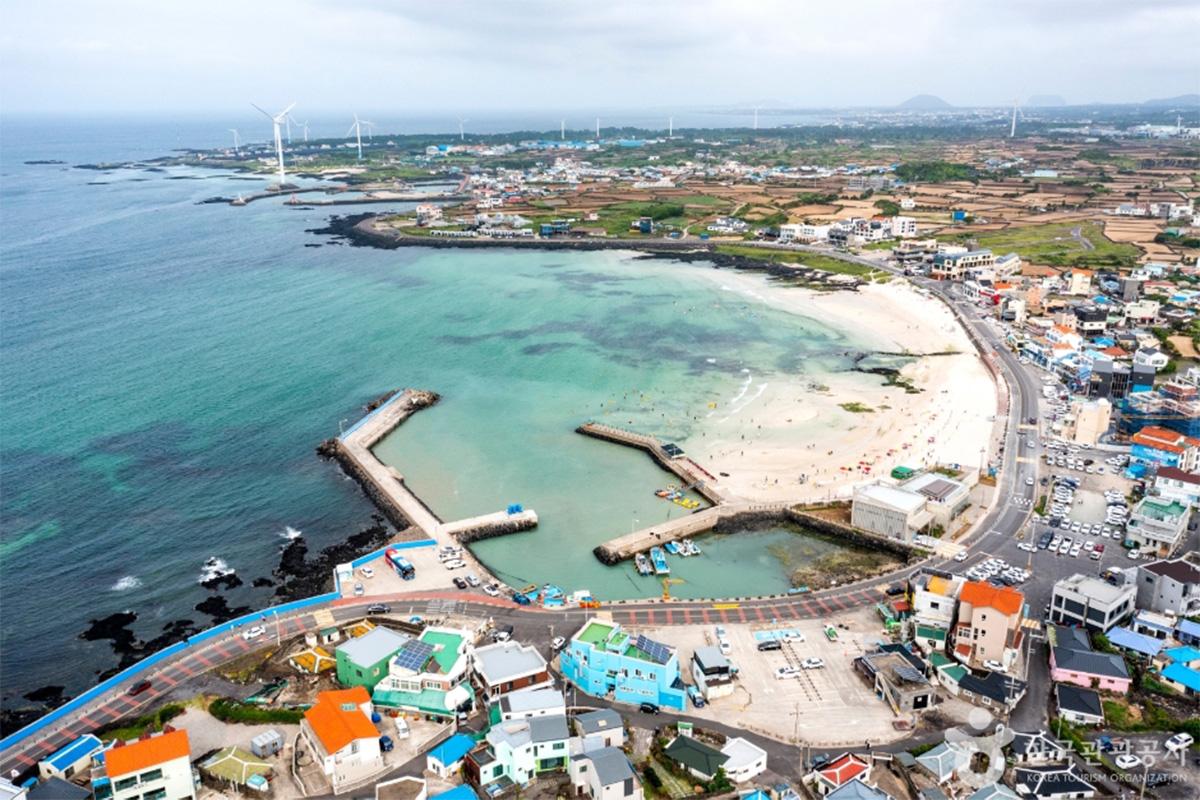
Woljeongri Beach
Woljeongri Beach is a popular east Jeju beach known for its emerald-blue sea and white sandy shores.
It's great for a peaceful walk or taking photos, and there are many cozy seafront cafes where you can relax and unwind.
[image slider] 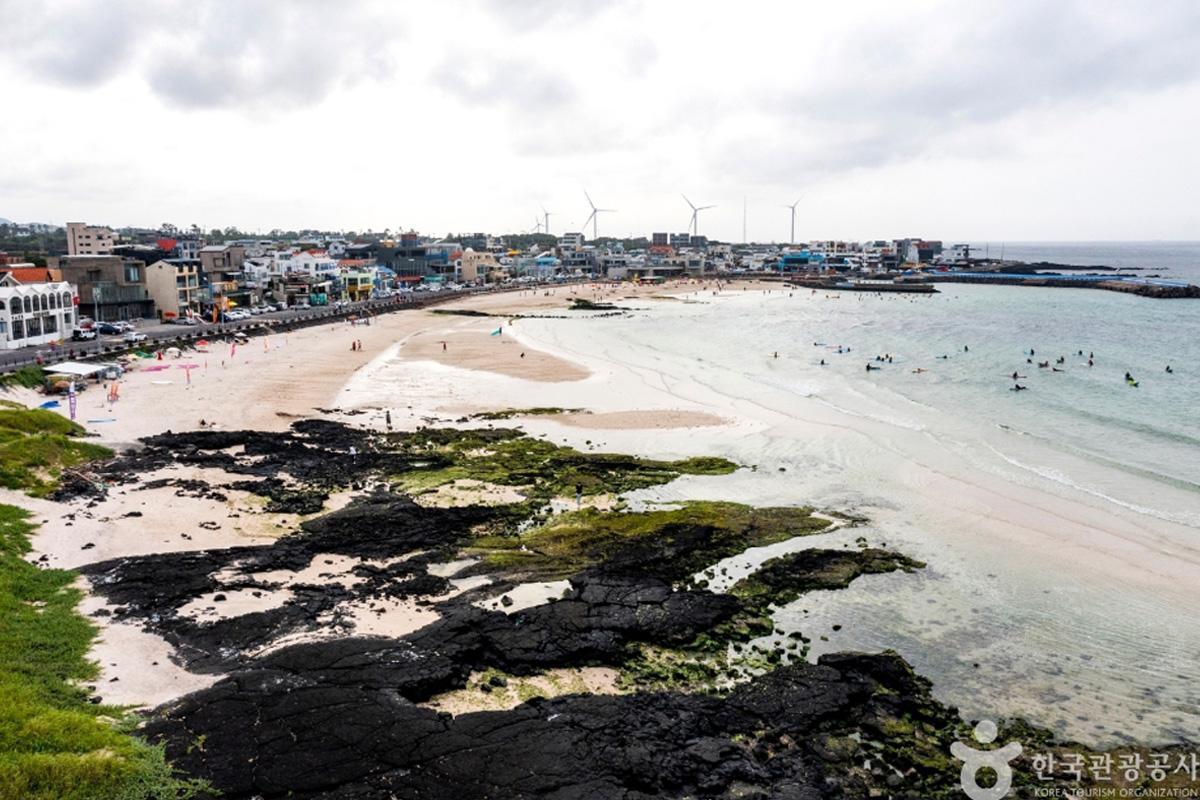
Source: Korea Tourism Organization
Seopjikoji
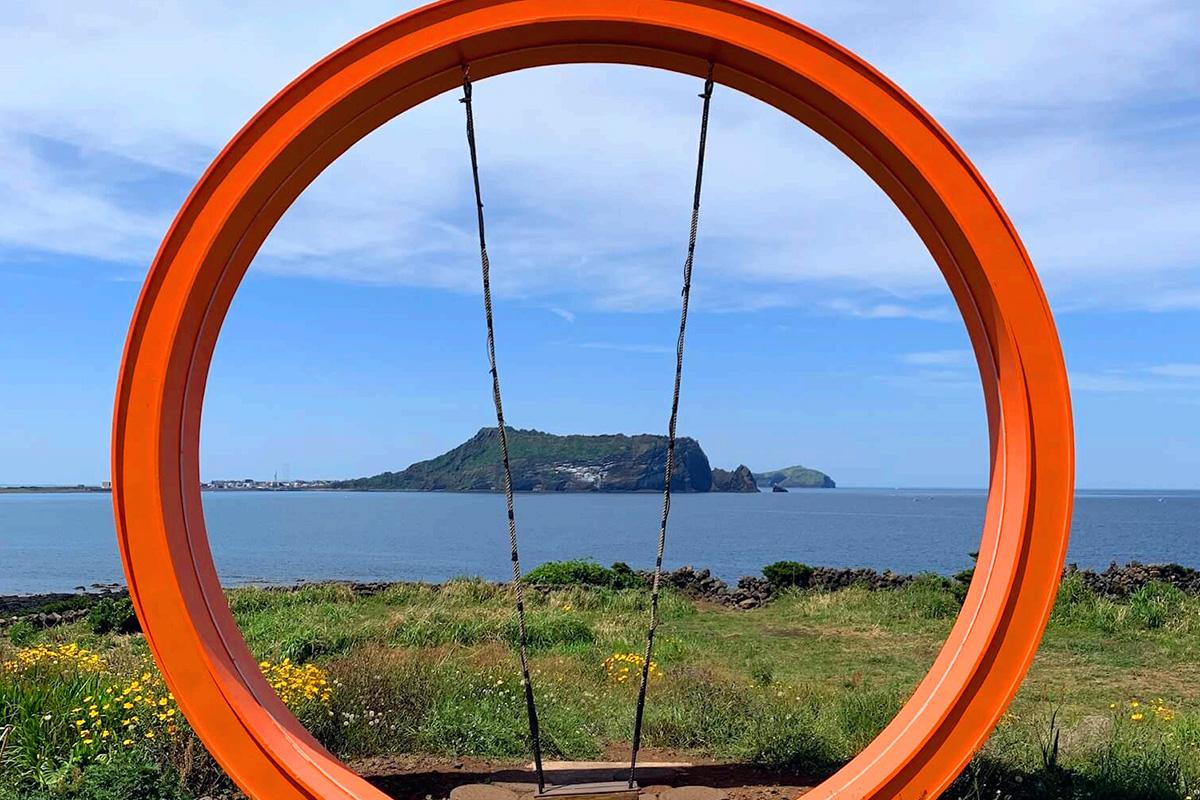
Seopjikoji is a representative coastal spot on Jeju's east coast, where blue sea, grasslands, and dramatic cliffs come together.
The lighthouse and walking trails are well maintained, making it great for a stroll, and the wide-open views make it a popular photo spot.
[image slider] 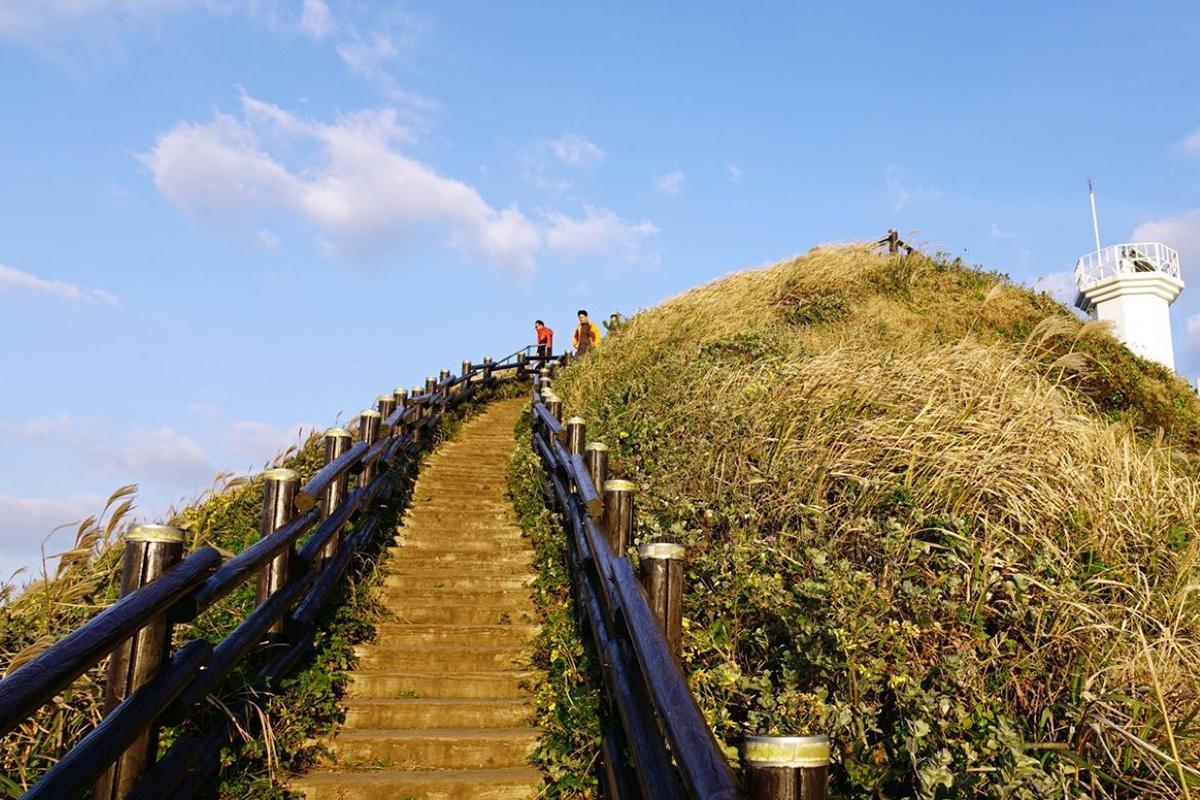
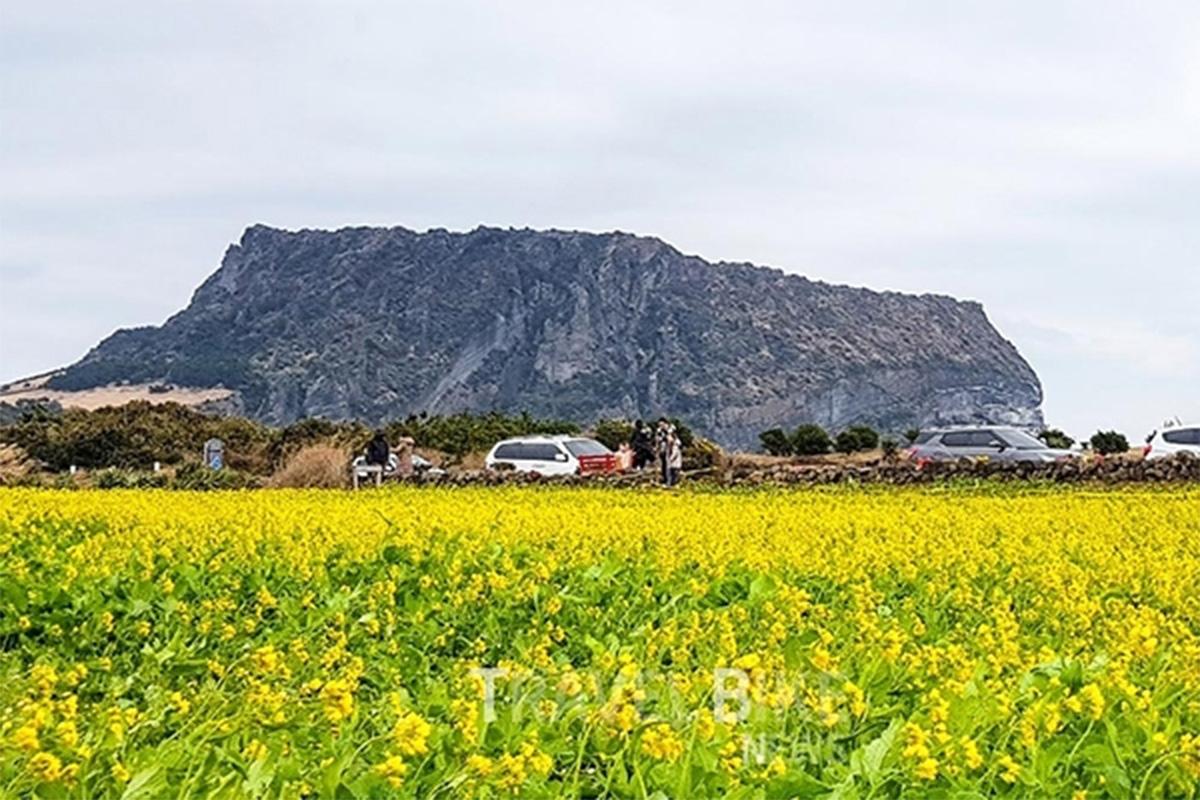
Seongsan Ilchulbong
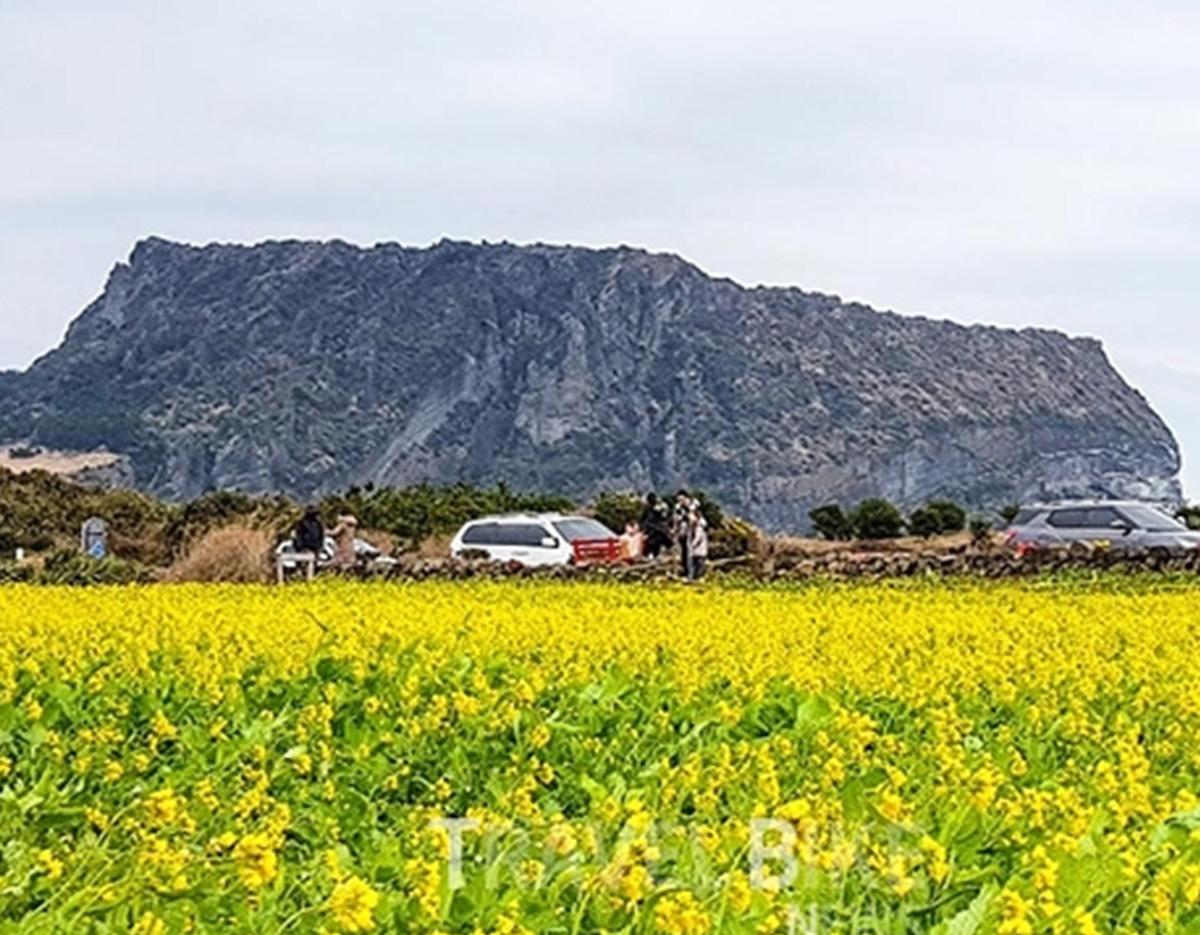
Seongsan Ilchulbong is a volcanic formation rising from the sea, and it’s Jeju’s representative UNESCO World Natural Heritage site.
When you reach the summit, you can enjoy wide-open ocean views along with the crater, and it's especially famous as a sunrise spot.
[image slider] 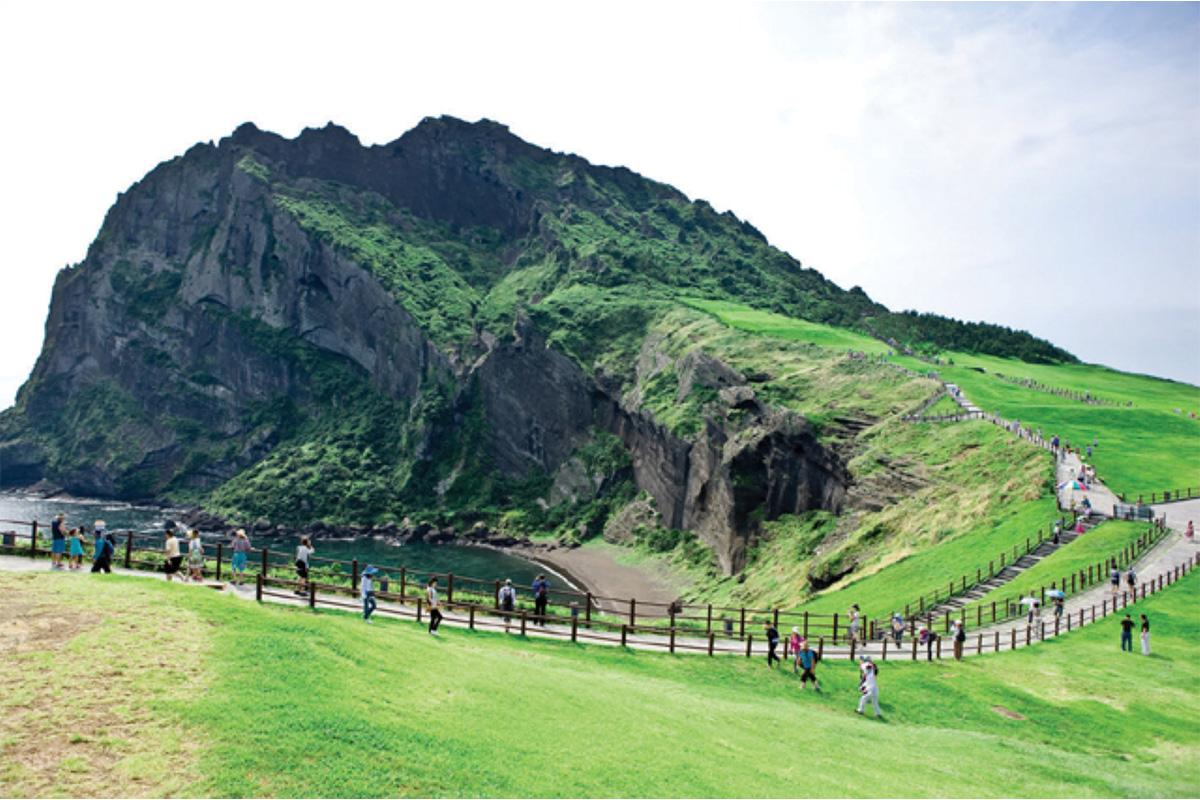
Ilchul Land
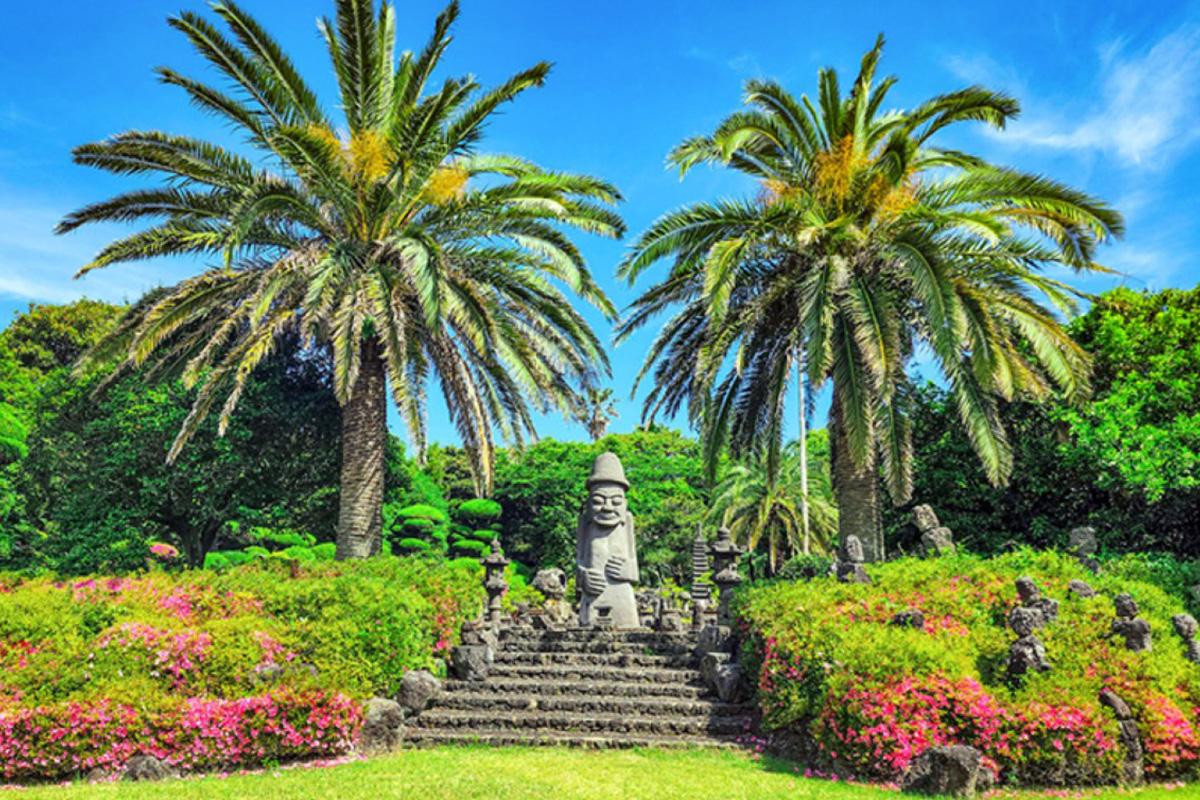
Ilchul Land is a nature theme park located in eastern Jeju, where lava caves and a variety of themed gardens come together.
You can enjoy different scenery each season, and the walking paths are well maintained, so it’s great for a light walk. It’s also perfect for taking photos, making it an easygoing route to explore.
[image slider] 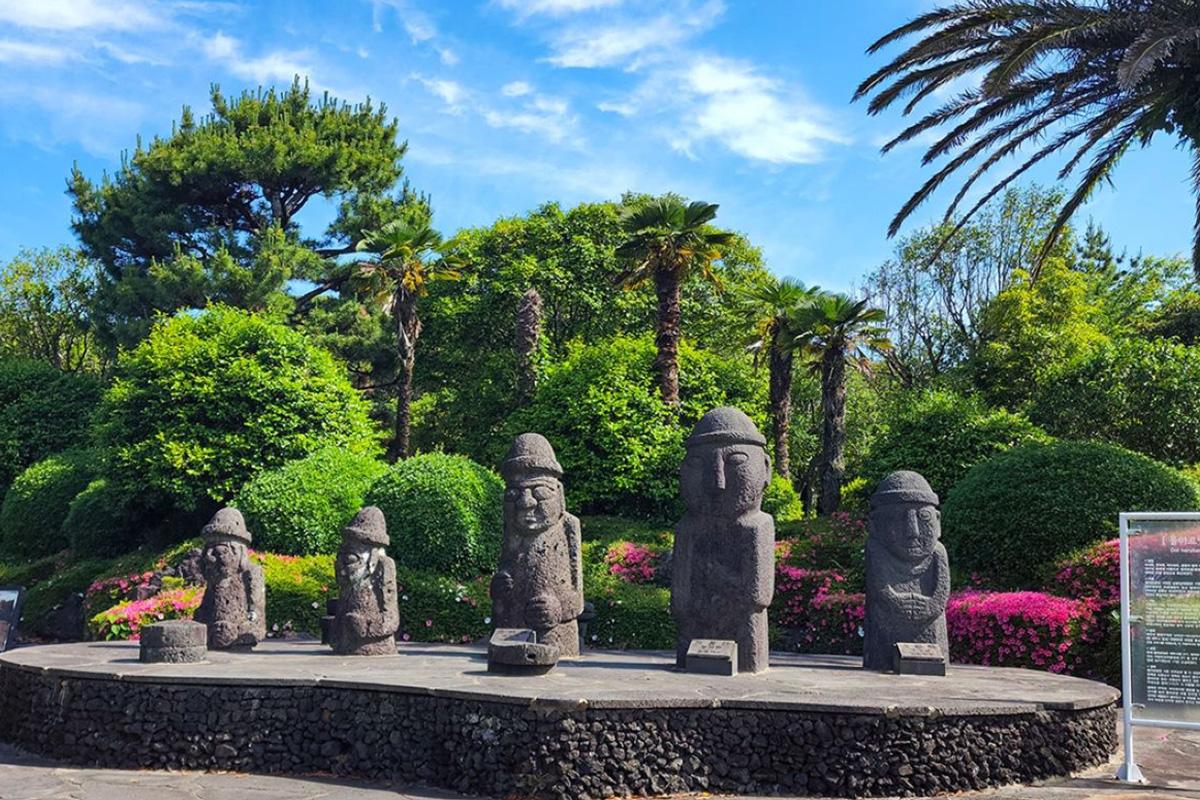
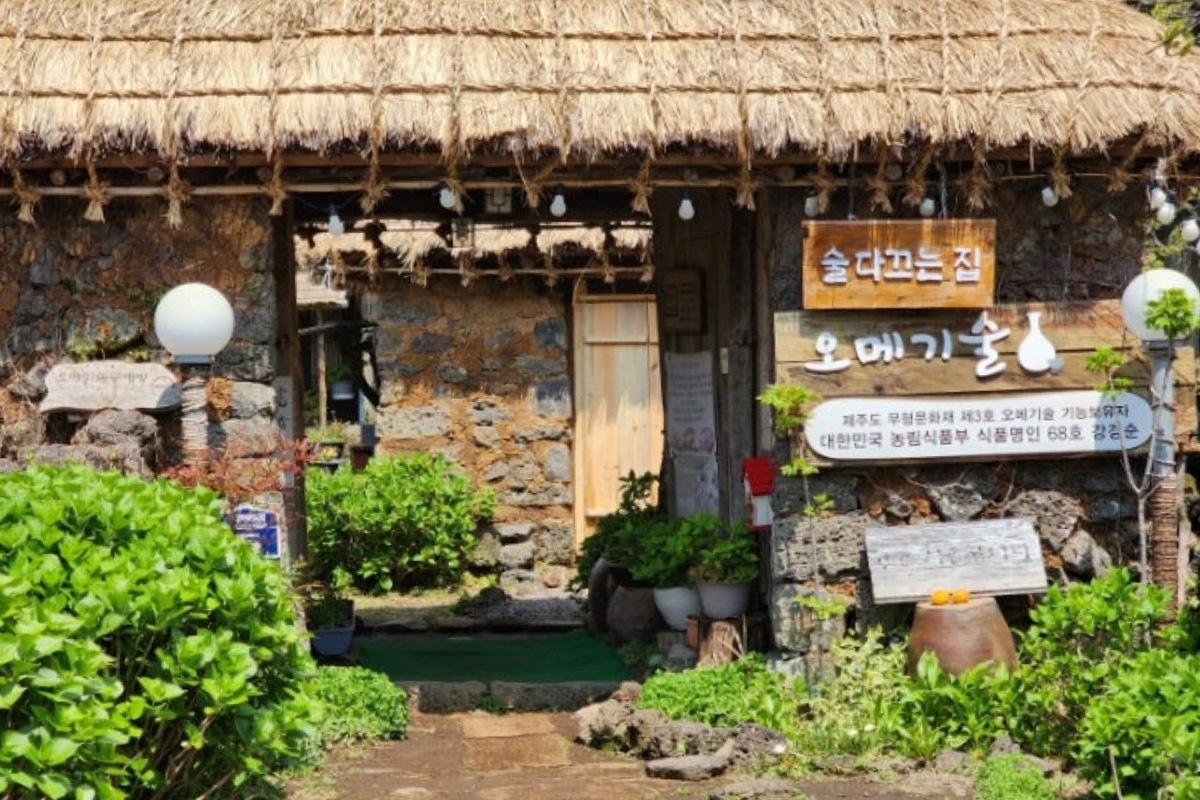
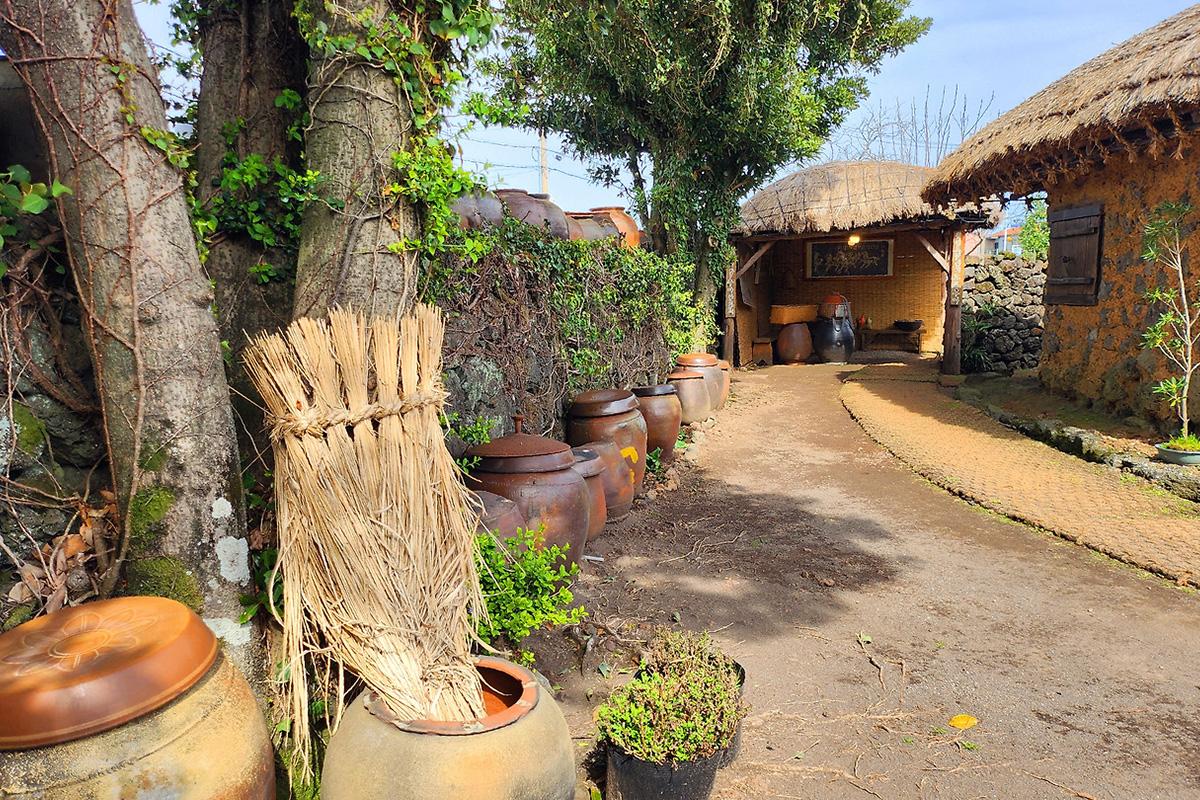
Seongeup Folk Village
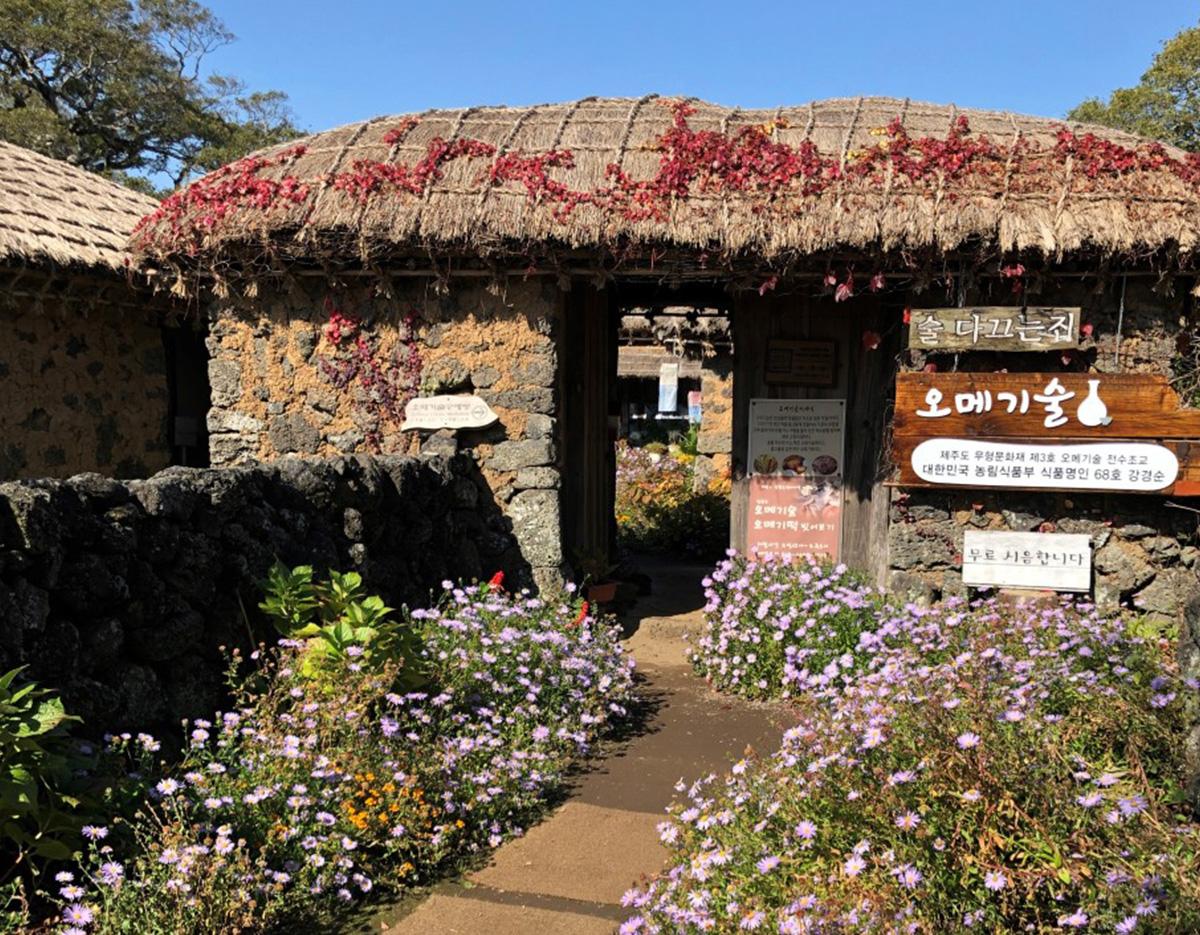
Seongeup Folk Village preserves the traditional Jeju village layout and architecture from the Joseon era.
You can see stone-walled paths and thatched-roof houses, and get a real sense of Jeju people’s daily life and history. It’s a traditional cultural site that’s great for a leisurely visit with a brief guided explanation.
[Image slider] 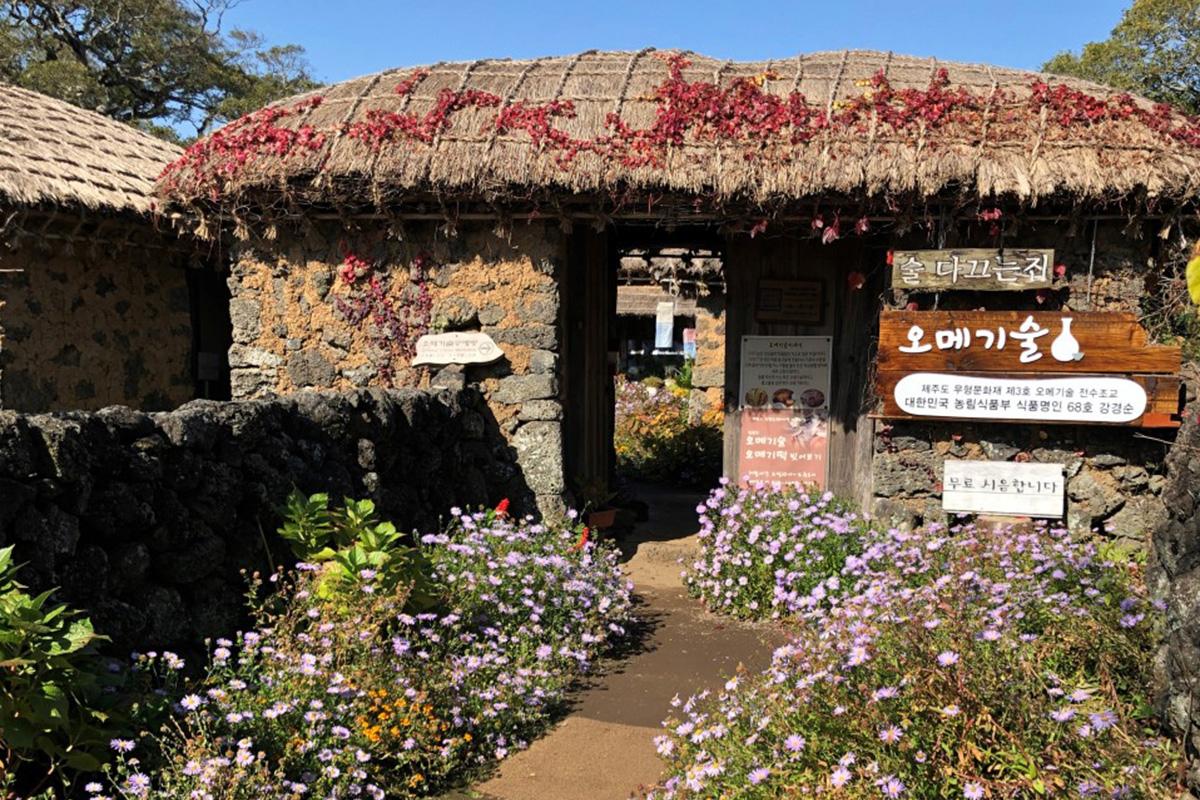
Dongmun Market
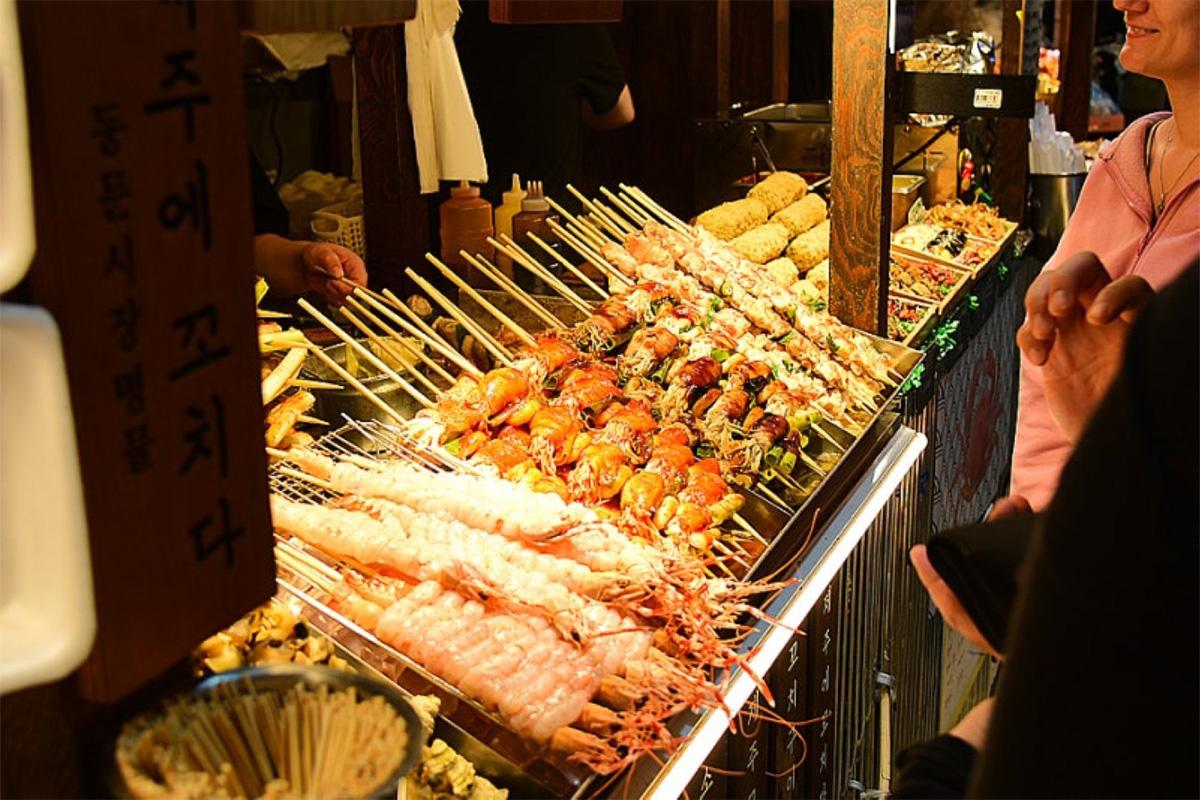
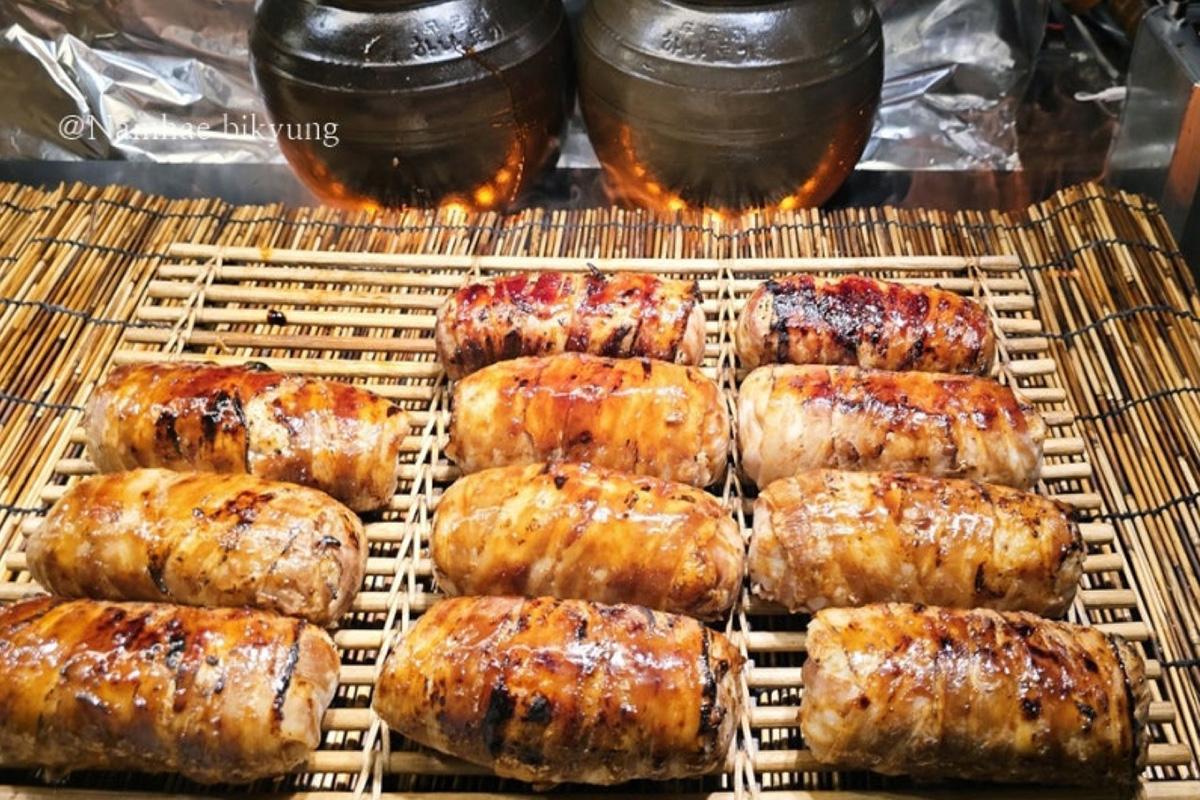
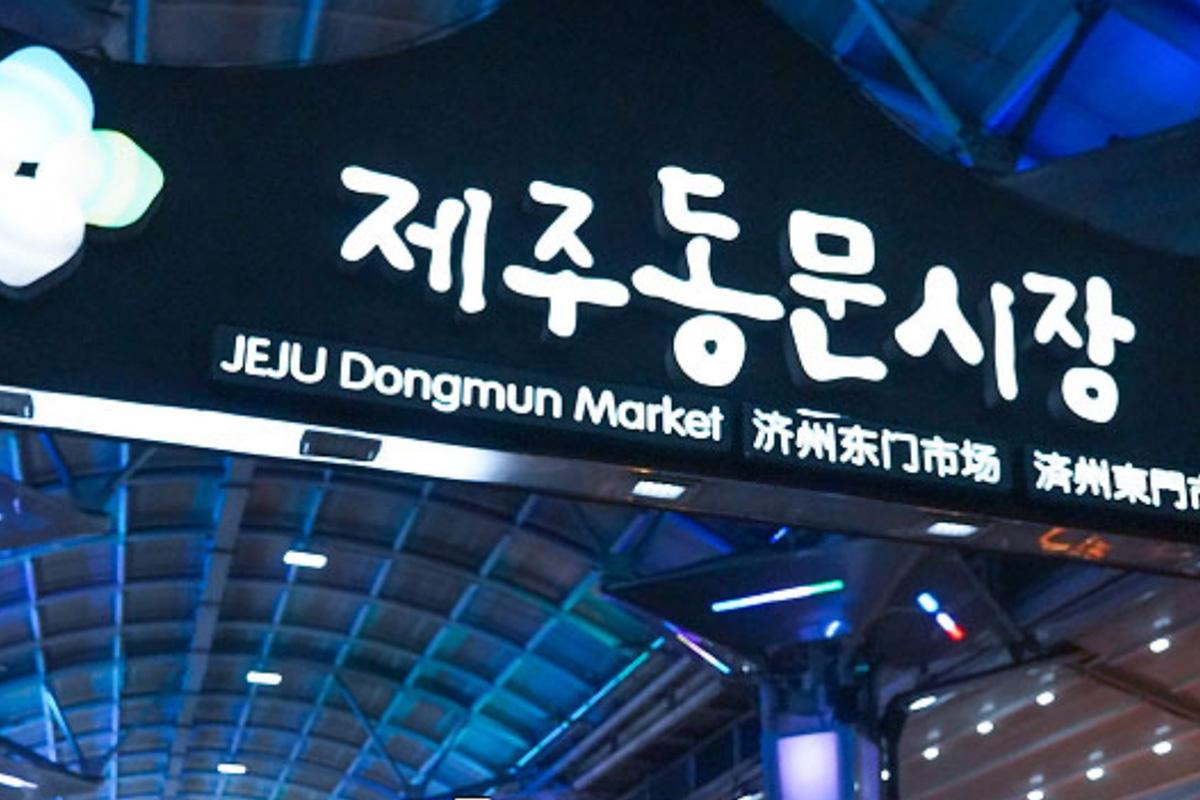
Dongmun Market is Jeju’s largest traditional market, where you can enjoy fresh seafood, fruits, and local Jeju specialty foods all in one place.
This lively spot is a must-visit on your Jeju trip, from street food to souvenir shopping.
[Image slider]