
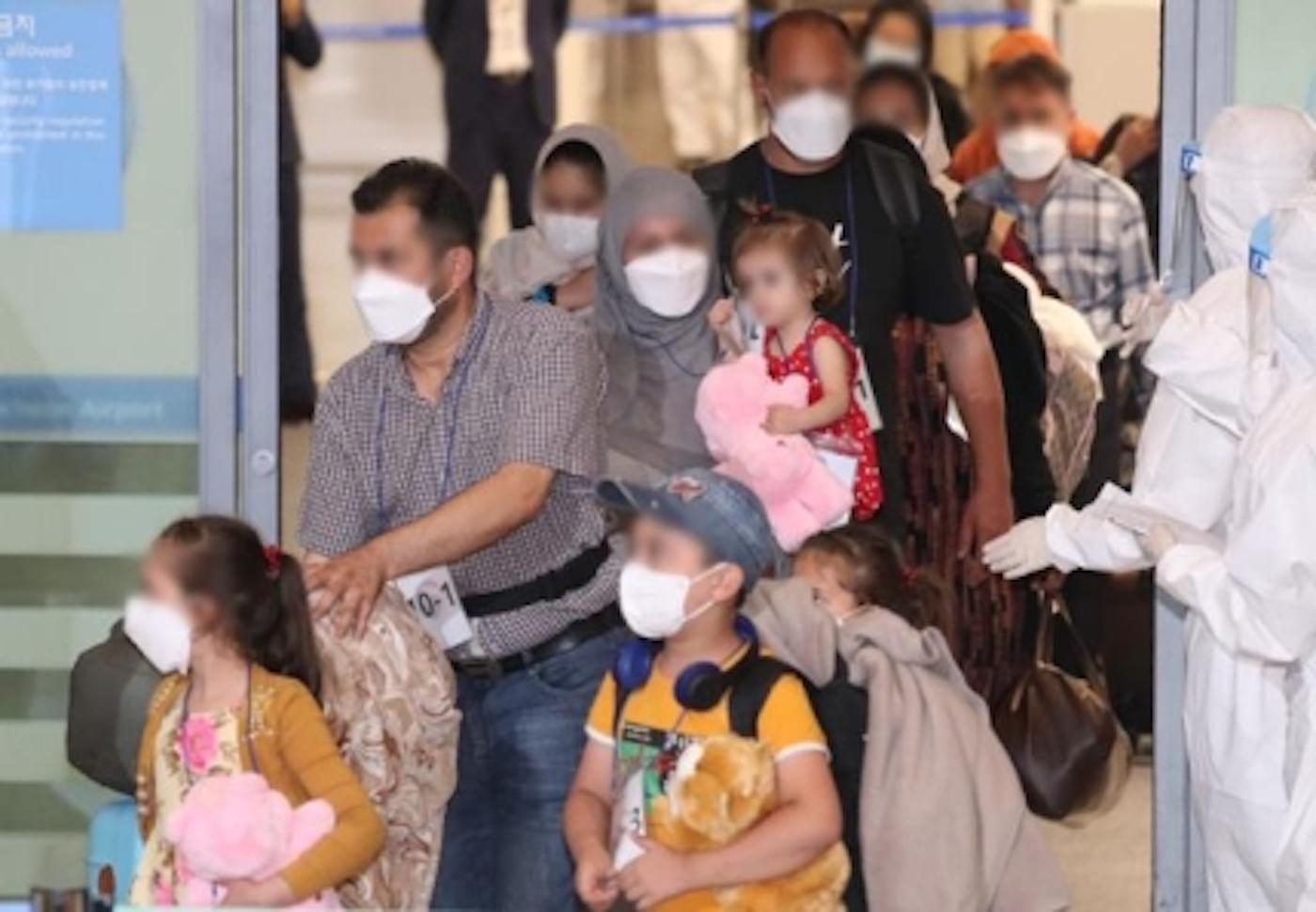
Families arriving at Incheon International Airport (Source: Korea Times)
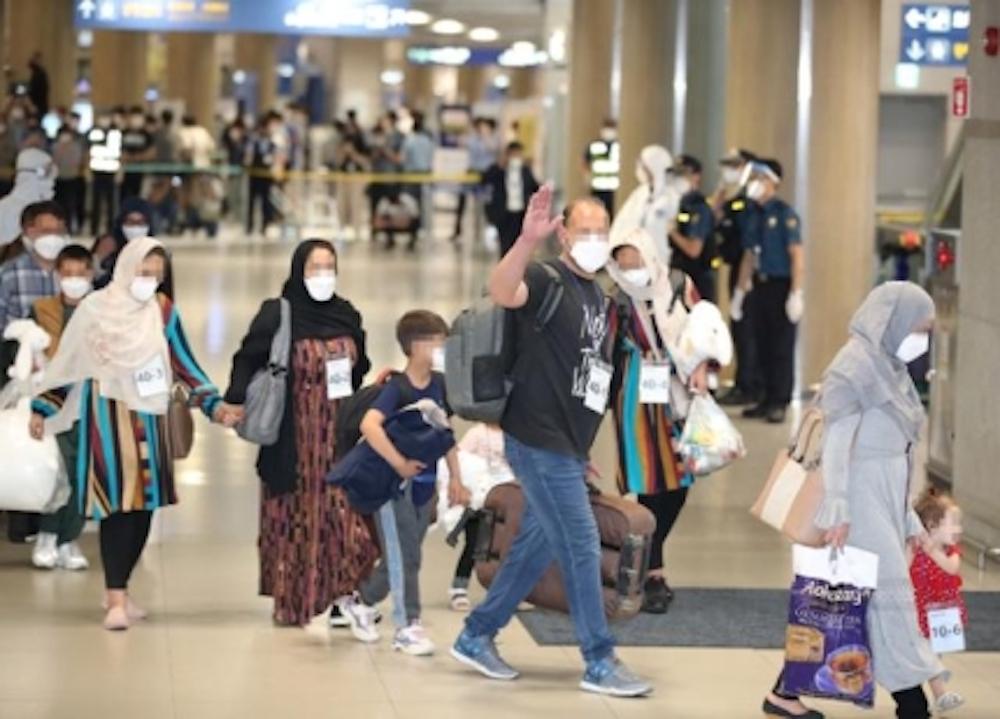
Refugees from Afghanistan arrived in Korea on the 26th. They appeared tired after the long flight, but expressed relief at arriving in a safe country with family to avoid the Taliban. The many young children looked puzzled as they arrived.
Earlier, it was reported that 378 people arrived, but the numbers were re-confirmed on the 27th and it was announced that actually 377 people had arrived from Afghanistan.
The 377 refugees, made up of special contributors who helped South Korea in Afghanistan and their family members, arrived at Incheon International Airport at 4:28 p.m on a South Korean military transport plane after an 11 hour flight from Pakistan's Islamabad airport.
The remaining 13 out of the 390 people who were to be transported to South Korea arrived at 1:07pm on the 27th on another transport plane.
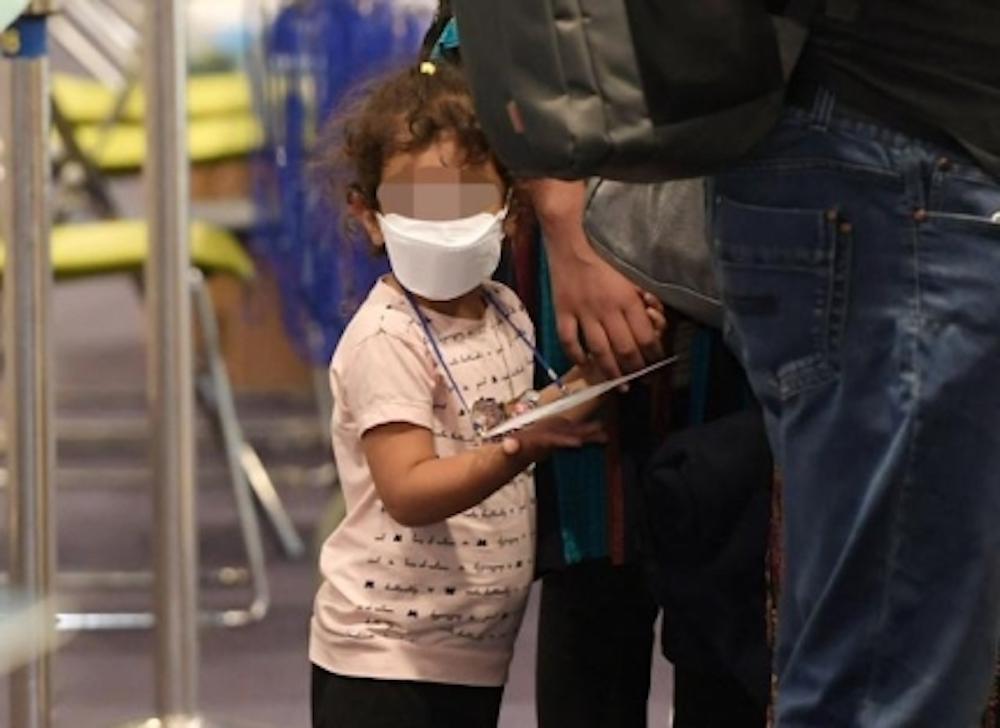 Source: Korea Times
The first people to step on Korean soil were the children.
They each entered holding a stuffed animal being guided by security guards in quarantine suits. Some were surprised by the flashes from the reporters' cameras, but looked to be in good spirits.
On the other hand, the adults had grim looks on their faces. Most of the arrivals were families with children. The Korean government said there were about 100 infants and 80 children aged 6 to 10.
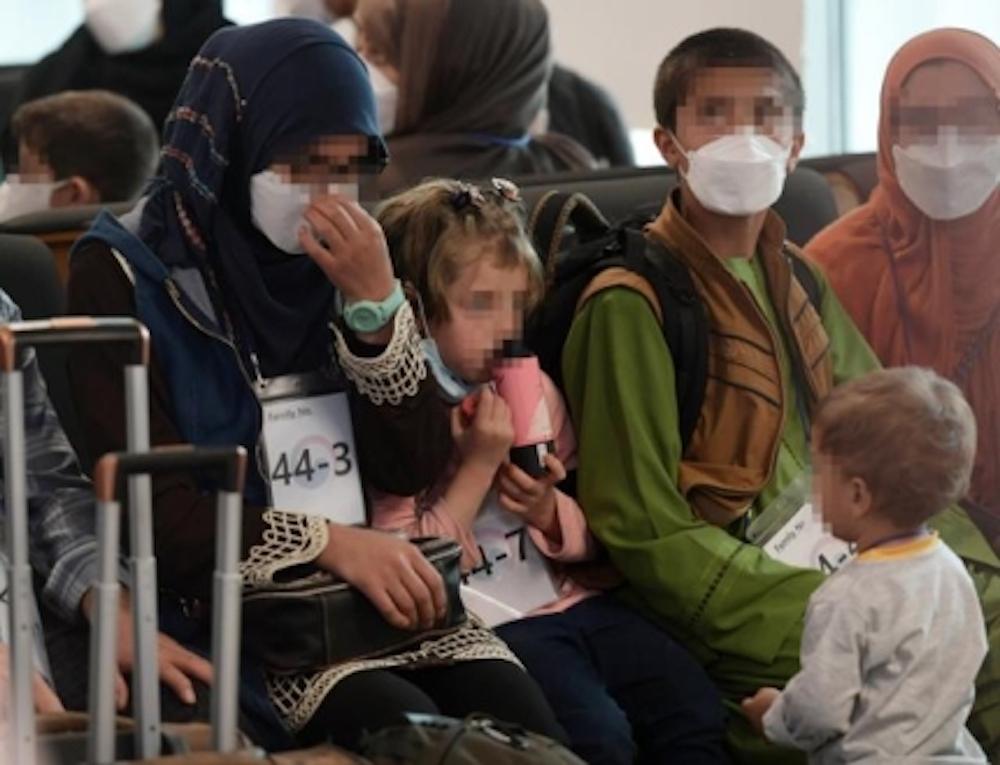 Refugees waiting to take coronavirus test (Source: Korea TImes)
They were tested for COVID-19 in the airport security area shortly after landing and received body temperature checks and PCR exams.
The refugees were then taken to a hotel in Gimpo, Gyeonggi Province on 13 buses prepared by the Ministry of National Defense and the Ministry of Justice and escorted by police patrol cars.
The hotel has been used as a quarantine facility for foreign arrivals since the start of the coronavirus epidemic.
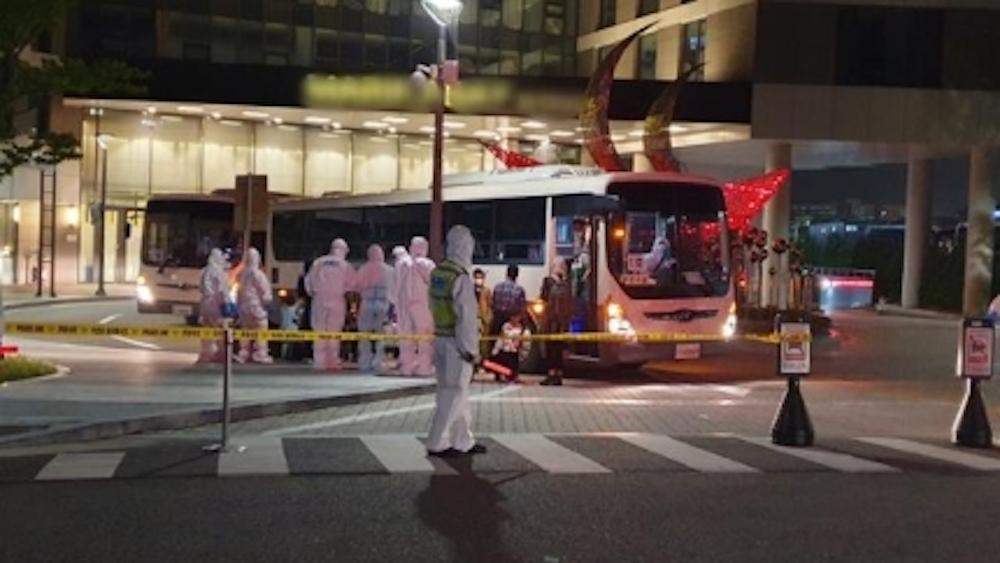 Refugees arriving at their hotel in Gimpo (Source: Korea Times)
They will stay at the hotel for a day and wait for the PCR test results.
If their tests come back negative, they will be moved to a temporary shelter at the National Human Resources Development Institute to complete 14 days of quarantine.
If positive, they will receive medical treatment. The government plans to educate them on the matters necessary for settling down in Korea during their six to eight week stay at the shelter.
 Source: Korea Times
This article was paraphrased from: The Korea Times & News1
Book all things trending in Korea on Creatrip! If you have any questions or concerns, please leave a comment below or send us an email at help@creatrip.com! You can follow us on Instagram, TikTok, Threads, and Youtube to stay updated on all things Korea!