
A complete guide on the Gimpo Airport - facilities, procedures and more (2026)
This summarizes what you should know before using Gimpo Airport for a short trip to Seoul — including access options, in-terminal facilities, domestic transfer procedures, and the departure process.

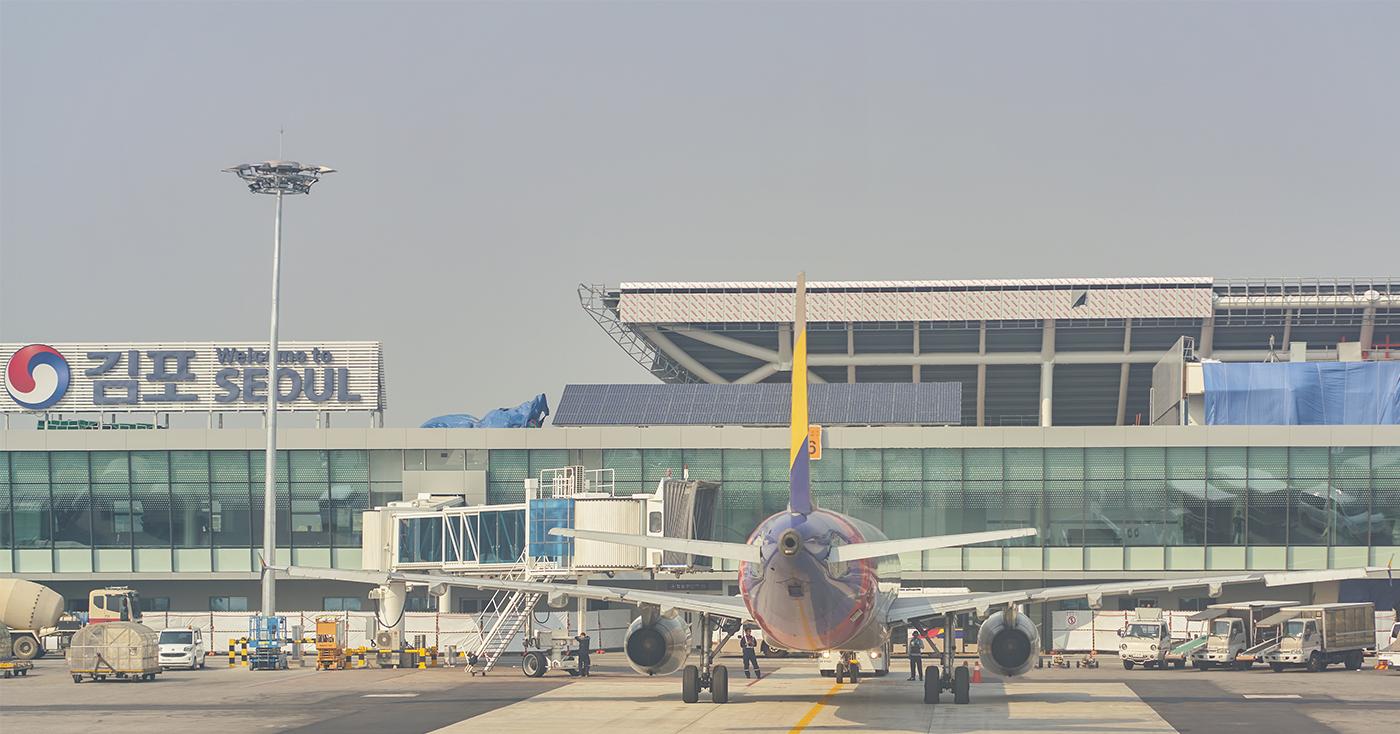
- What’s the difference between Gimpo Airport and Incheon Airport?
- What’s the most convenient way to get from Gimpo Airport to central Seoul?
- How do immigration and departure procedures work at Gimpo Airport?
- How do you transfer between the international and domestic terminals?
- What should you watch out for when connecting to a domestic flight at Gimpo Airport?
- What facilities are at Gimpo Airport?
- Gimpo Airport International Terminal, Floor-by-Floor Guide
- Is it okay to use Gimpo Airport late at night or early in the morning?
- So, how many hours early should you arrive at Gimpo Airport?
- Checklist for Using Gimpo Airport
- Frequently Asked Questions (FAQ) about Gimpo Airport
- Why Gimpo Airport is a Great Choice for Short Trips to Seoul
Last updated: May 15, 2026
When planning a trip to Korea, many travelers find themselves wondering which airport is easier to use, Gimpo Airport or Incheon Airport. Gimpo Airport is convenient because it is close to central Seoul, but before you actually use it, it helps to understand what facilities are inside the airport, the steps before departure, and how to transfer to domestic flights, so you can get around much more smoothly on the day.
This guide was reviewed by the Creatrip editorial team based in Korea, using on-site observations and official Gimpo Airport guidance updated in May 2026.
To share the conclusion first, if you are taking a short 1 to 3-night trip to Seoul and want to cut down on travel time, Gimpo Airport is the convenient choice. On the other hand, if you prioritize a larger number of flights, flexibility for late-night and early-morning departures, and more extensive airport facilities, Incheon Airport is a better fit. If you are staying around Hongdae, Myeongdong, or Seoul Station, Gimpo is usually the easier option. If you need late-night flights, early-morning departures, or more long-haul routes, Incheon is usually easier to plan around.
What’s the difference between Gimpo Airport and Incheon Airport?
If you’re not sure which airport to use for a Seoul trip, it’s easiest to compare “how convenient it is to get into the city” and “the number of flights and how well-equipped the airport is.” Gimpo Airport is close to central Seoul, and it’s great for getting to areas like Myeongdong, Hongdae, and Gangnam. The route from arrival to onward travel is also relatively simple, which makes it especially easy to use for short trips.
Incheon Airport, on the other hand, operates 24 hours a day and offers a wide range of flights, facilities, and plenty of options for duty-free shopping and dining. Choose Gimpo Airport if you want to minimize travel time into Seoul. Choose Incheon Airport if you want more flight options, late-night flexibility, and a wider range of airport facilities.
Comparing Gimpo Airport and Incheon Airport
Item | Gimpo Airport | Incheon Airport |
Distance to central Seoul | Close | A bit farther |
Getting into the city | Easy to get around by subway, AREX, and taxi | Mainly by AREX, bus, and taxi |
Terminal size | Compact and easy to navigate | Larger, with more facilities |
Duty-free shops and dining | You will find the basics, but there are fewer options | Lots of options |
Flight options | Mainly short-haul routes | More long-haul routes and more flights |
Best for | Short Seoul trips, travelers who want to minimize travel time | Travelers who prioritize more flights, more facilities, and convenience inside the airport |
If you want to cut down on travel time during a short trip to Seoul, Gimpo Airport is a great choice. If you care more about flight options and a wider range of airport facilities, Incheon Airport is a better fit.
What’s the most convenient way to get from Gimpo Airport to central Seoul?
There are three main ways to get from Gimpo Airport to central Seoul: subway/AREX, bus, and taxi. The easiest option depends on where you’re staying, how much luggage you have, and what time you arrive.
Transportation | Best for | Pros | Things to note |
AREX, Subway | Solo travelers, light luggage | Affordable, no traffic | Can be a bit tough with large luggage |
Bus | Those who want to get close to their destination | Comfortable to ride seated | You need to check the route |
Taxi, Airport transfer | Families, lots of luggage, late-night arrival | Easy all the way to your hotel | More expensive |
Subway, AREX
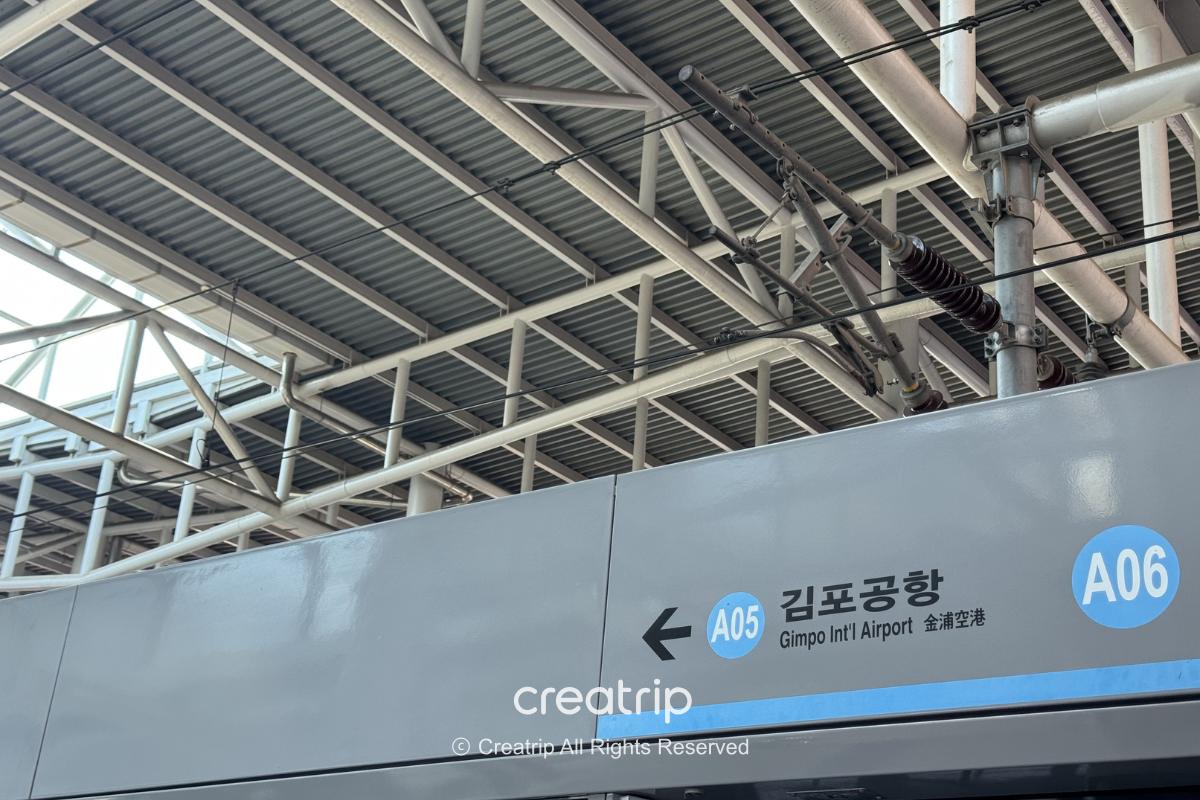
This option is great if you want to keep costs down and have a more predictable travel time. It is especially convenient for getting to areas like Hongdae and Seoul Station, and it is less affected by traffic jams. That said, if you have a large suitcase, getting around inside the station and walking to your hotel can feel a bit tiring.
Buses (Airport Limousine, City/Intercity)


Buses from Gimpo Airport are divided into routes toward downtown, Incheon Airport, and nearby cities. If you are heading into Seoul, you will often use a city bus or a limousine bus, and in many cases you can board regular city buses with your transit card as is. On the other hand, airport limousines and some express buses may require you to purchase a ticket. Boarding locations vary depending on whether you are at the international or domestic terminal and on the route, but if you get lost, just tell the information desk where you are going and they will quickly tell you the stop number.
That said, because buses at Gimpo Airport have different stops and frequencies depending on the destination, for areas that are easy to reach by subway like Hongdae and Seoul Station, the AREX is a great option. If you have a lot of luggage or subway transfers feel like a hassle, choosing a bus or taxi can make things easier.
Editor’s tip: If you’re heading into Seoul from the domestic bus stops, you can usually ride with a transportation card, but only if you take the bus to Sadang Station (Sadang), you’ll need to purchase a separate ticket. The ticket vending machines also support English, so you won’t have to worry about buying the wrong ticket. |
Taxi
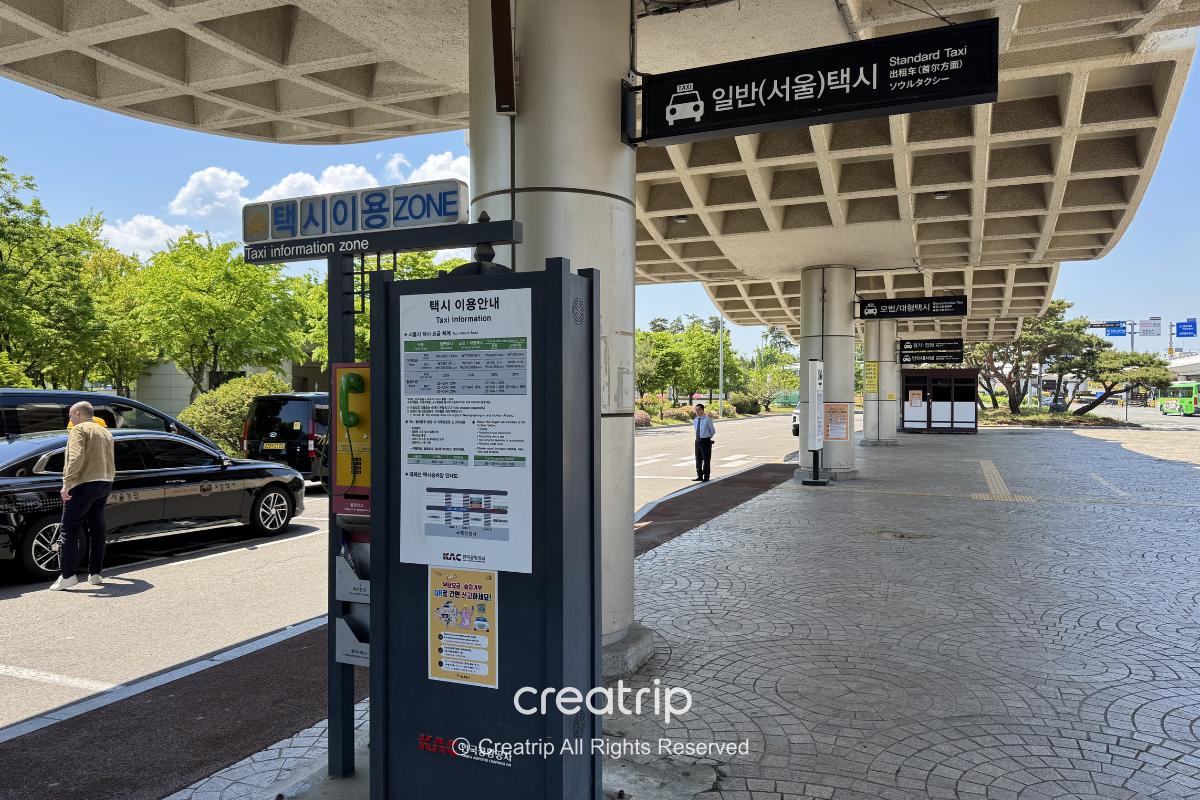
If you are traveling solo and want to keep transportation costs down, the subway or the AREX are good options. If you have large suitcases or are traveling with kids, taking a taxi or booking an airport transfer is usually more comfortable and easier. Especially if you want to head to your hotel right after arrival, it is less likely you will regret your choice if you decide based not only on price, but also on “getting there without draining your energy.”
Editor’s tip: If you’re arriving after 8:00 PM on Friday or Saturday night, it’s easier to book an airport transfer in advance rather than taking a taxi. Taxi stands can get crowded, so being able to go straight to your hotel is a big plus. |
How convenient Gimpo Airport feels can vary a lot depending on where you’re staying. Areas like Hongdae and Seoul Station are especially easy to reach, so on a short trip it’s easier to really feel the benefits of Gimpo Airport. On the other hand, getting to Gangnam can be more affected by road traffic depending on the time of day, so taking the subway can sometimes make it easier to predict your travel time. As a general guide, it’s about 15 to 20 minutes to Hongik Univ. Station by AREX, about 25 to 30 minutes to Seoul Station, about 35 to 45 minutes to Myeongdong by subway, and about 40 to 60 minutes to Gangnam by subway. Actual travel times will vary depending on transfers, crowd levels, and where your accommodation is located.
Recommendations by Destination and Area
Area | Recommended transportation | Estimated time | Best for |
|---|---|---|---|
Hongdae | AREX/Subway | Approx. 15 to 20 min | Short trips, solo travel |
Seoul Station | AREX | Approx. 25 to 30 min | If transfers matter |
Myeongdong | Subway/Taxi | Approx. 35 to 45 min | Choose depending on your luggage |
Gangnam | Subway Line 9 | Approx. 40 to 60 min | If avoiding traffic is a priority |
How do immigration and departure procedures work at Gimpo Airport?
If this is your first time using Gimpo Airport, here is a simple overview of the arrival and departure process. For electronic arrival declarations and required documents, it’s best to check the latest official guidance before you travel for peace of mind.
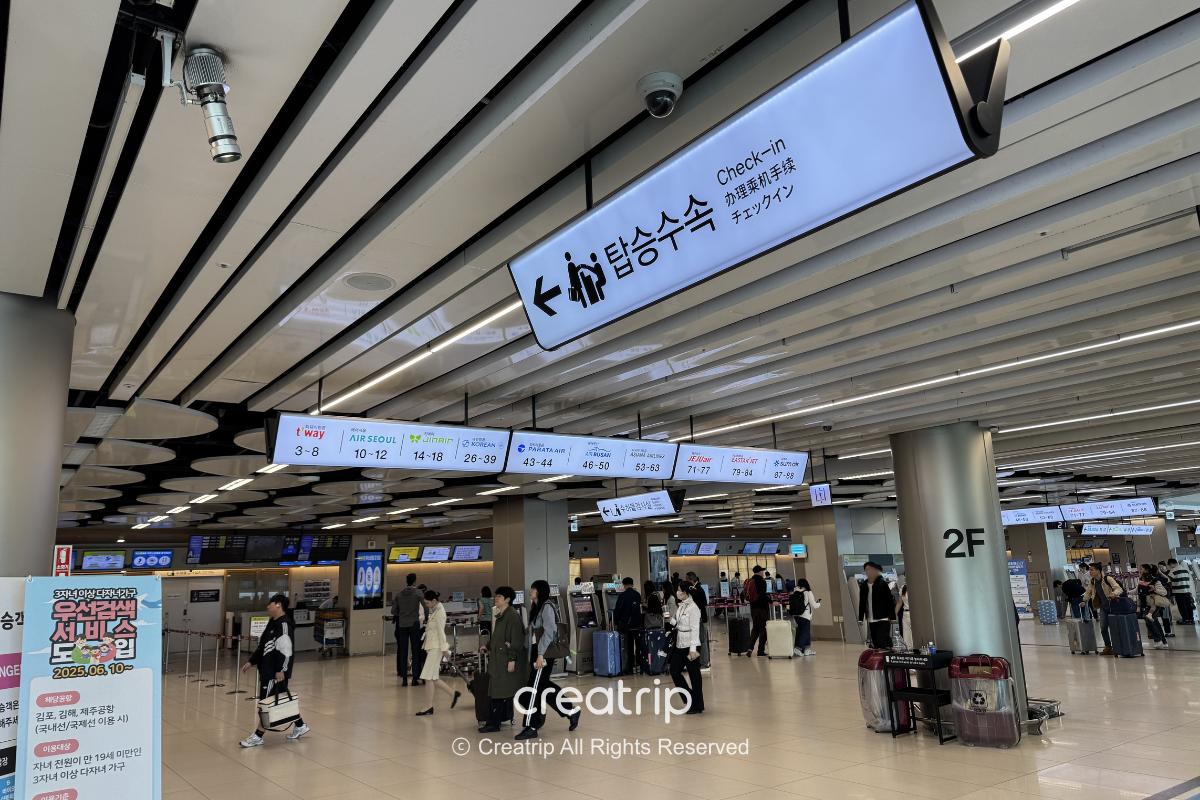
[Arrivals] From landing in Korea to the arrival lobby
- After arrival, follow the signs to immigration
- Pick up your suitcase at baggage claim
- If needed, complete a customs declaration
- Exit to the arrival lobby
[Departures] Returning home from Korea
- Check in on the 2nd floor, or use self check-in
- Check your baggage
- If needed, confirm the process for customs and tax refund
- Proceed to security screening and immigration
- Head to your boarding gate
If you have items eligible for a tax refund, the general flow is: “customs confirmation as needed → check baggage → get your refund in the post-security area.”
However, the order can vary depending on the eligible items, the system, and airport procedures, so it’s best to check the signs or ask at the counter before check-in on the day for peace of mind.
A common mistake travelers make is “checking baggage first and then getting confused about the procedure,” so if you have tax-refund eligible items, we recommend confirming the steps before check-in.
Editor’s tip: Gimpo Airport is more compact than Incheon Airport, but that doesn’t mean we recommend arriving at the last minute. If you’re also factoring in tax refunds and a meal, it’s safer to give yourself a little extra time. |
How do you transfer between the international and domestic terminals?
At Gimpo Airport, the international and domestic terminals are close enough to walk between, but if you have a lot of luggage or it’s your first time, the free shuttle bus is a convenient option. If you’re transferring from an international to a domestic flight, it’s best to allow extra time for getting around after arrival and completing procedures, so you can travel with peace of mind.
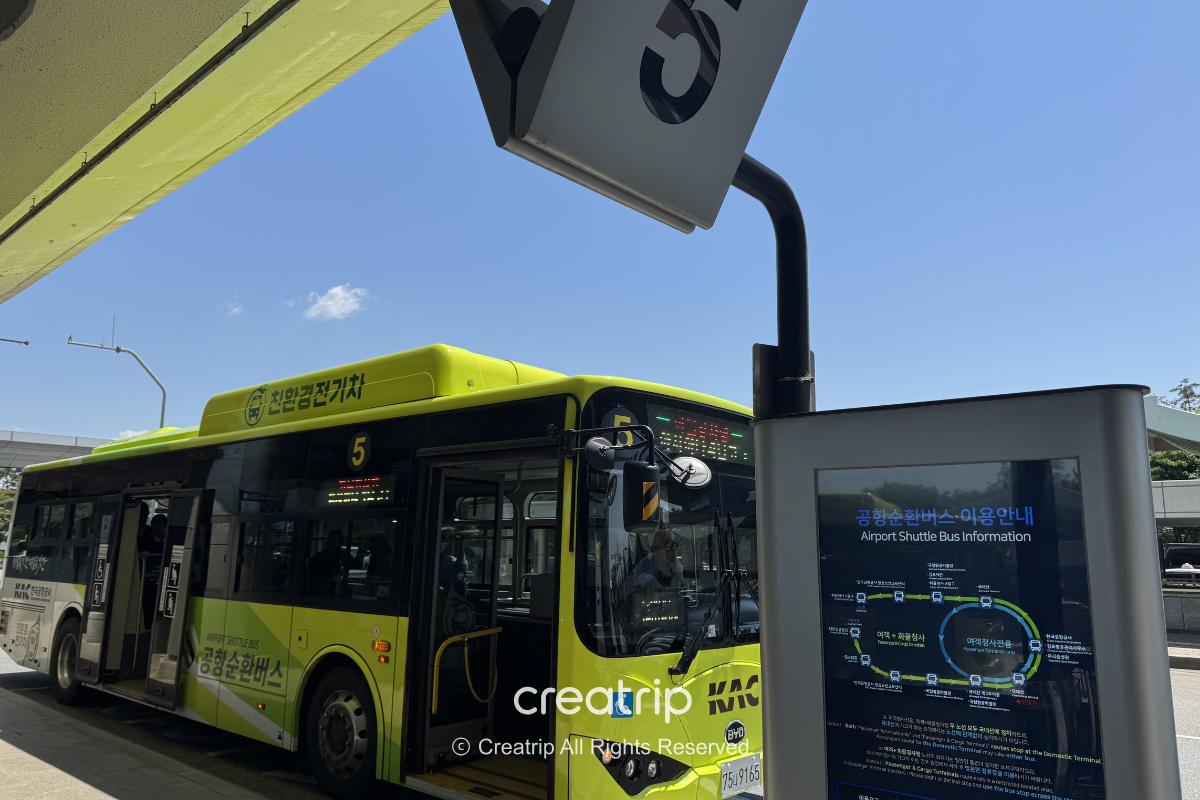
Free Shuttle Bus Service Information (as of May 2026)
- International Terminal → Domestic Terminal: Board at 1F “Stop 5”
- Domestic Terminal → International Terminal: Board at 1F “Stop 8”
- Service interval: approx. every 5 to 10 minutes (travel time: 5 minutes)
* Stop numbers and service intervals may change, so please also check the on-site signage.
Editor’s tip: Walking takes about 15 minutes, and the signage can be a bit confusing, so we recommend taking the bus if it’s your first time. |
What should you watch out for when connecting to a domestic flight at Gimpo Airport?
Gimpo Airport also has a domestic terminal, which is convenient when traveling to cities within Korea such as Jeju Island and Busan. If you are transferring from an international flight to a domestic flight, you will need to go through immigration, pick up your checked baggage, move to the terminal, and check in for your domestic flight, so it is safer to allow plenty of time. It can get especially crowded on weekends and public holidays, so planning a slightly longer connection time will help you transfer at a comfortable pace.
Also, even for domestic flights, identity verification is required, so if you are traveling to Jeju Island or Busan, be sure to bring your passport. The domestic terminal also has essential facilities that are handy before departure, such as check-in counters, restaurants, and convenience stores.…See more facilities
|
|
|
|
|
|
|
|
|
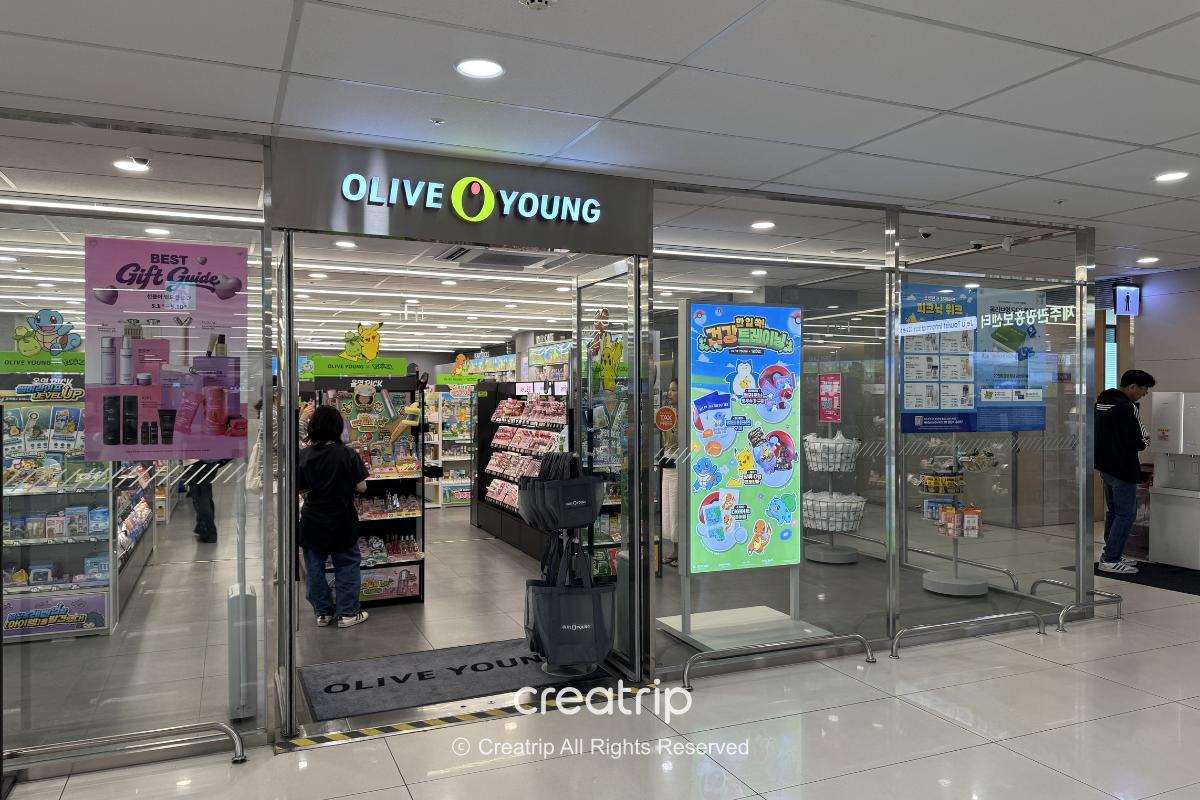
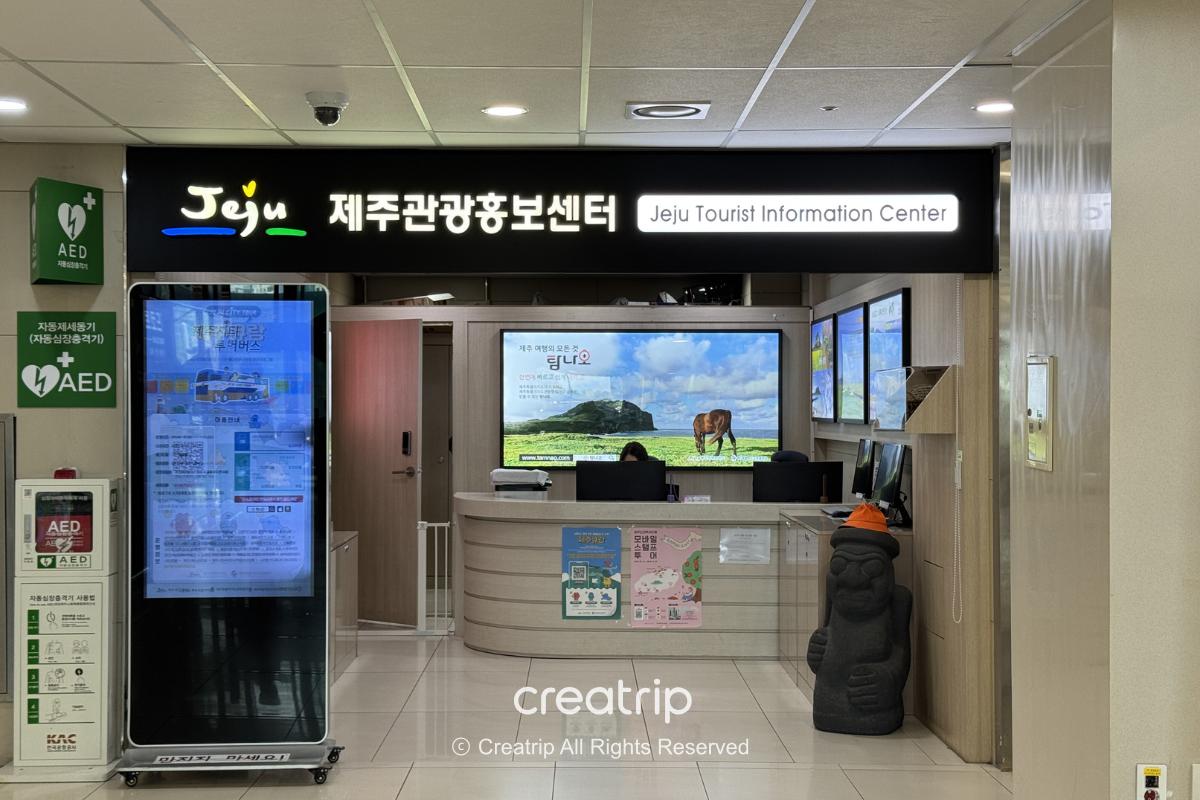
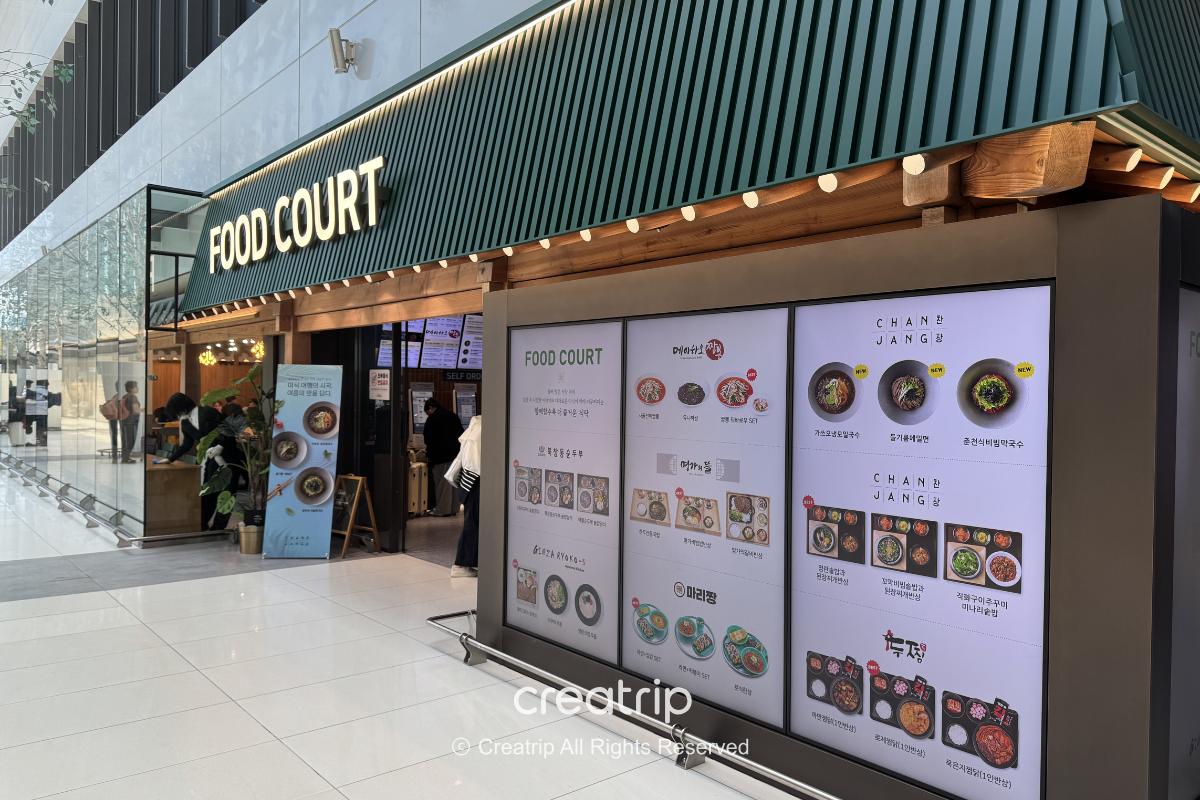
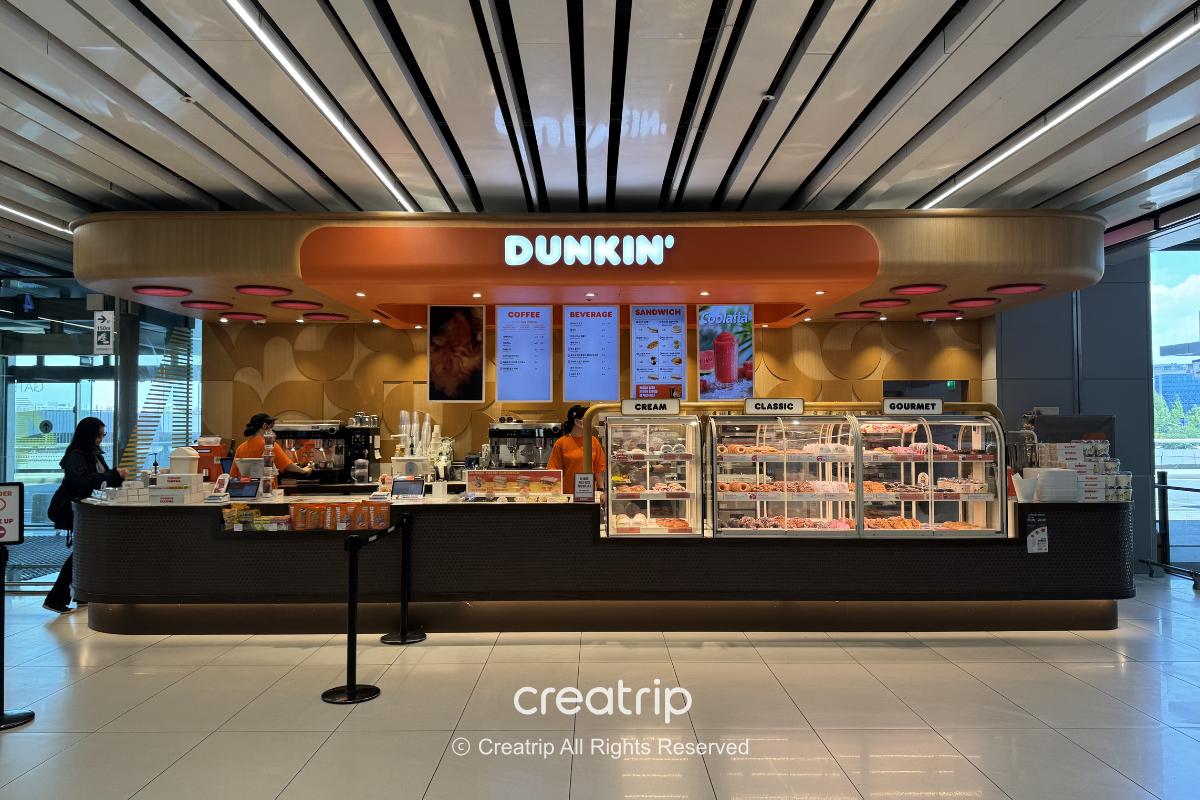
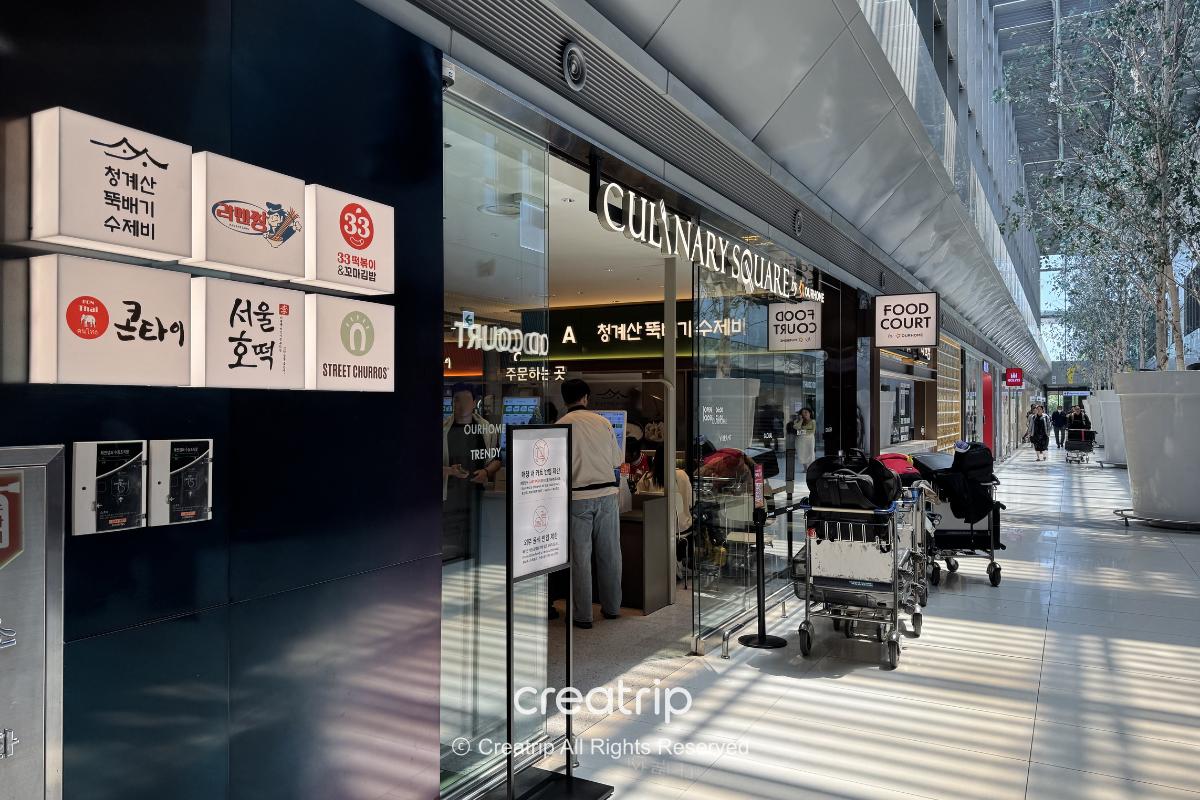
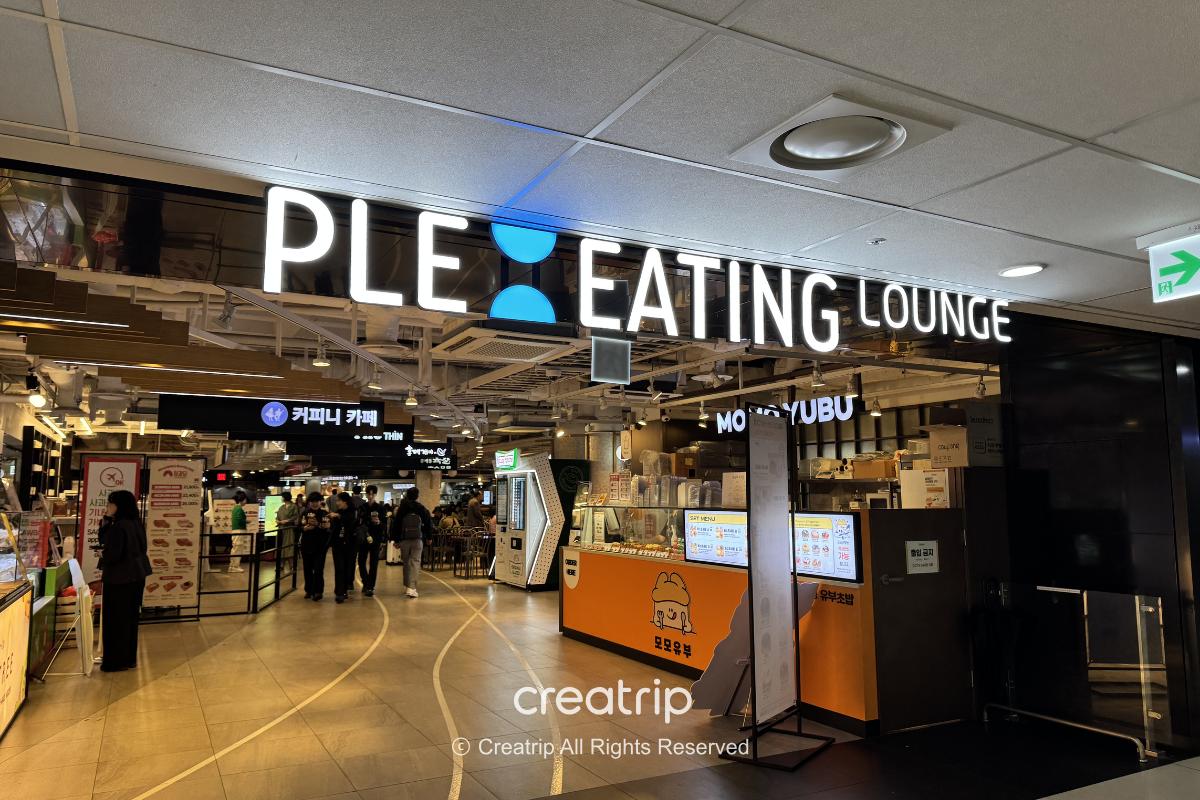
Especially if you are connecting from an international flight to a domestic flight at Gimpo Airport, do not assume you will have plenty of time just because the airport is small. It is best to allow at least 1.5 hours, and ideally around 2 hours.
Gimpo Airport itself is compact, but after arriving on an international flight there is more to do than you might expect, including immigration, baggage claim, moving between terminals, and domestic check-in. Especially on weekends, holidays, and during peak travel seasons, immigration and baggage claim can take longer, so rather than thinking “it’s close if I just walk,” it is safer to plan with a bit of extra time.
What facilities are at Gimpo Airport?
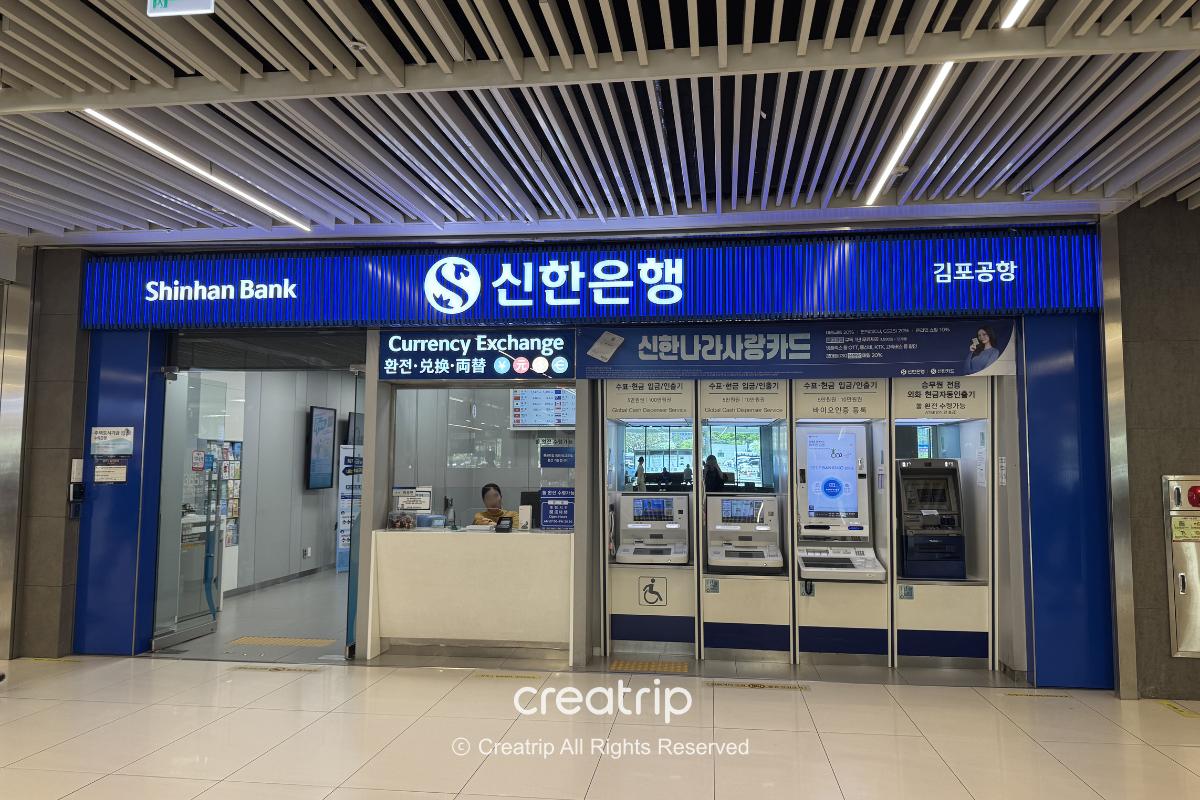
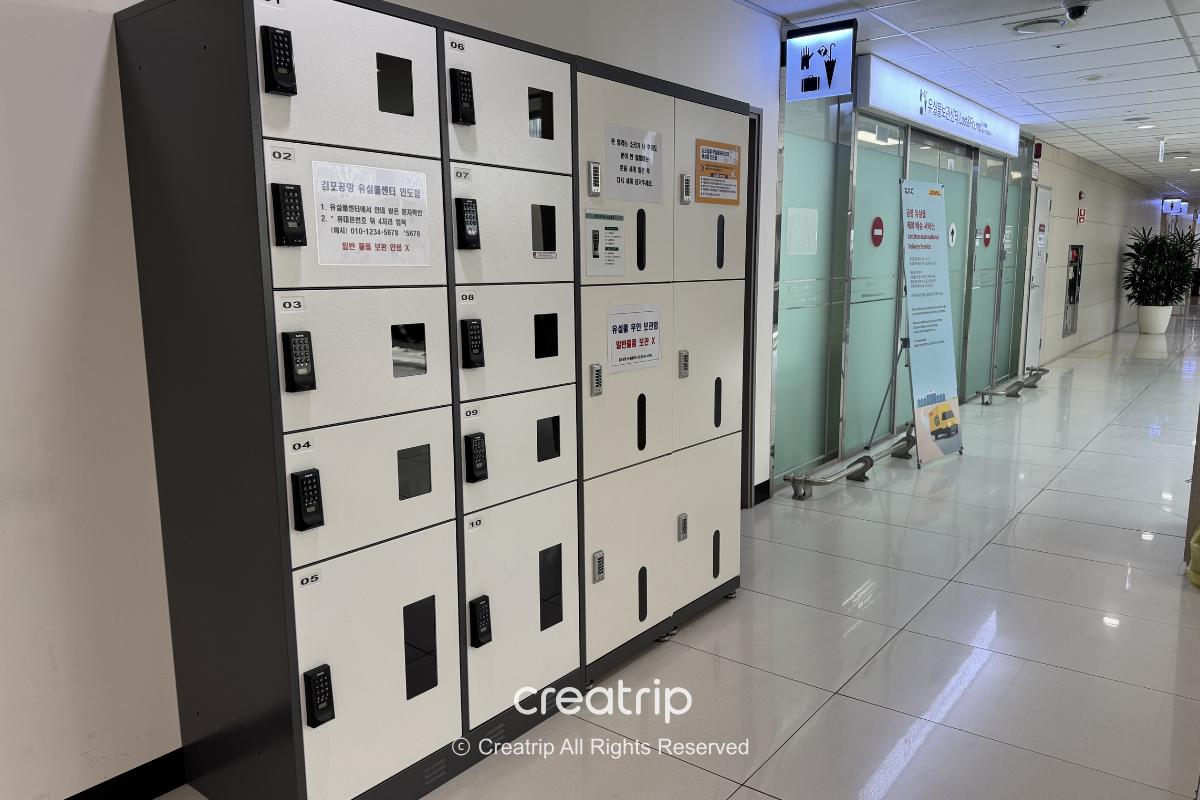
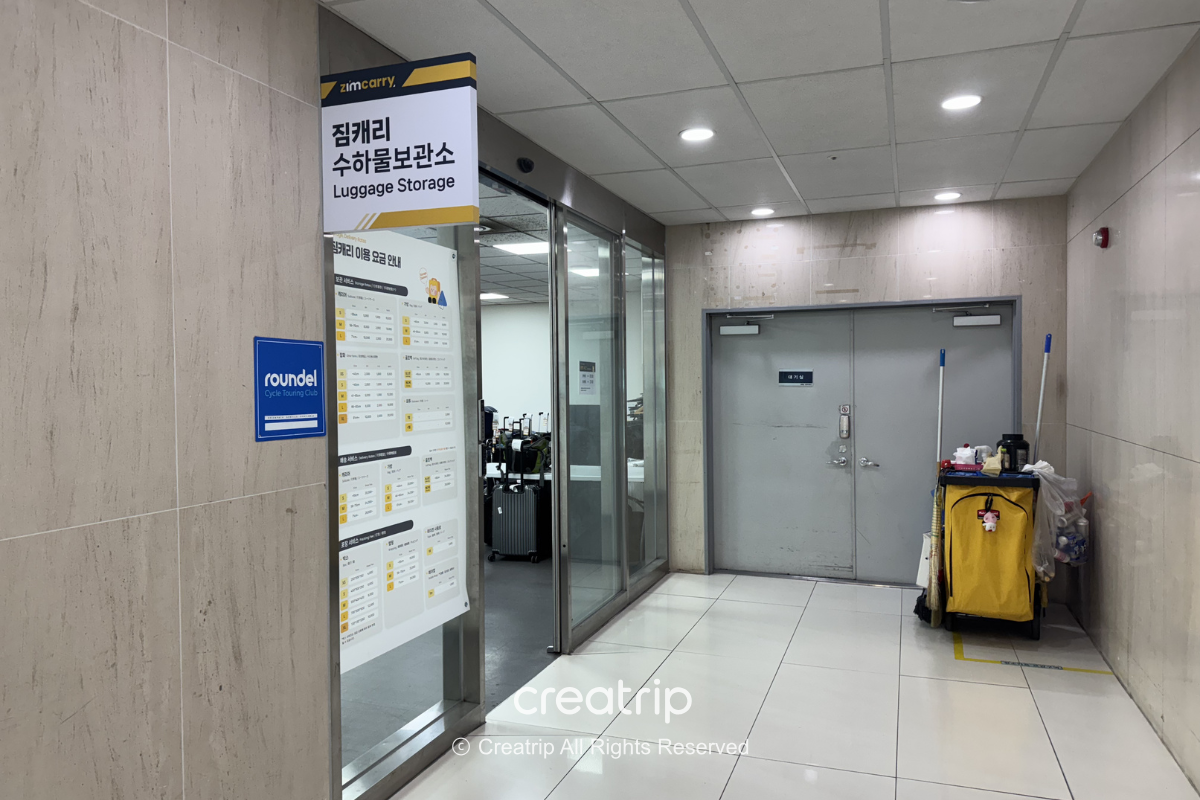
At Gimpo Airport, you will find all the essentials you might need before or after your trip, including currency exchange counters, ATMs, luggage storage, SIM and Wi-Fi pickup counters, restaurants, and lounges. That said, it’s not on the same scale as Incheon Airport, so it’s best to think of it as, “it has what you need, but there aren’t many options.”
In particular, the international terminal has limited restaurants and shops after security, so it’s safer to finish your meal and shopping before you go through immigration. Many travelers find that once they’ve departed, there are fewer choices than they expected.
Gimpo Airport International Terminal, Floor-by-Floor Guide
In general, you will mainly use the 1st floor after arrival, the 2nd floor for check-in and customs-related procedures when departing, the post-immigration area is on the 3rd floor, and the 4th floor is mainly for meals and relaxing before your flight. If you are short on time, it is easier to get around if you narrow down which floor to focus on based on what you need to do at the airport right now.
B1 Level, Lotte Mall, luggage storage, currency exchange, baby care room


B1 Level connects to Gimpo Airport Station and the Lotte Mall area. It is easy to drop by when you have a bit of extra time, and it also has luggage storage services and currency exchange facilities. If you plan to visit Lotte Mall, it is best to go when you have plenty of time, not right before departure or check-in. Even though Gimpo Airport is compact, time can pass faster than you expect when shopping or eating, so it is reassuring to leave yourself enough buffer time, including the route back to the airport.
Editor’s tip: If you’re looking for souvenirs before heading home, it’s convenient to check out Lotte Mall or a mart. If you try to buy everything only inside the airport, you might find the options are more limited than you expect. |
1st Floor, Arrivals Lobby, SIM/Wi-Fi, Information Desk


The 1st floor is the arrivals level. You will find SIM and Wi-Fi pickup counters, an information desk, currency exchange booths, and outside there are also taxi stands and bus stops. That said, for airport currency exchange, we recommend changing only what you need right after arrival, such as transportation costs, snacks, and topping up your transit card, basically enough for the first half day to one day. If you need to exchange a larger amount, using exchange offices in the city, such as Myeongdong, is often better for the rate.
Download a preferential exchange rate coupon
Editor’s tip: Roaming counters can get surprisingly busy around 8 to 10 a.m. We’ve sometimes had to wait about 30 minutes, so if you want to use data right after you arrive, it’s a good idea to set up an eSIM in advance for peace of mind. |
There is also an information counter for Seven Luck Casino, where you can check how to get to the venue and usage details. If you plan to visit, be sure to check the great-value coupons below as well.
2nd Floor, Check-in, Customs, Tax Refund


The 2nd floor is the first place to go to when heading home. This is where you will find airline check-in counters, self check-in kiosks, and customs-related facilities. Where to process your tax refund, and the steps involved, may change depending on the system and how it is operated inside the airport. If you have items eligible for a tax refund, it is best to check customs and the signs first before checking your baggage for peace of mind.
Procedures may vary by airline, terminal operations, and system updates, so please confirm on-site signage or official airport guidance on the day of travel.
3rd Floor | Departures Area, Duty-Free Shops, Lounges


The 3rd floor is where you go through security screening and immigration, then head to your boarding gate. Since Gimpo Airport’s post-security area is compact, it’s safer to take care of dining and shopping before security.
4th Floor, A great level for dining and taking a break


If you want a proper meal, it’s worth checking out the 4th floor. After you pass through departures, your options are limited, so this is a convenient floor if you’d like to sit down and eat comfortably before boarding.
What international travelers should check at Gimpo Airport
From an international traveler’s perspective, the three key things you’ll want to check at Gimpo Airport are “connectivity,” “currency exchange,” and “getting from the airport into the city.” If you need internet access right after arrival, it’s a good idea to stop by the SIM or Wi-Fi pickup counter on the 1st floor first. It will make getting around much easier. You can also exchange money at the airport, but if you care most about the exchange rate, currency exchange shops in the city are often a better deal. At the airport, it’s best to exchange only what you need for transportation and small purchases so you don’t waste money. Also, if you’re transferring to a domestic flight or expect situations where you’ll need to verify your identity, it’s recommended to keep your passport somewhere in your carry-on where you can quickly take it out. |
Is it okay to use Gimpo Airport late at night or early in the morning?
Gimpo Airport is convenient for international flights, but it is not ideal for late-night or early-morning itineraries. Gimpo is not a 24-hour airport, and there are restrictions on takeoffs and landings at night, so it is a bit different from Incheon Airport, which you can use more flexibly with late-night flights in mind.
In particular, if you plan to head into the city after arriving late at night, or if you expect to be on the move very early, it is reassuring to check the last subway, bus, and taxi options for that day in advance. If you have a lot of luggage or feel unsure about getting around, another option is to book an airport transfer ahead of time.
On the other hand, if your schedule lets you head into Seoul right after arrival, Gimpo will make it a shorter trip. If late-night or early-morning flexibility matters most, choose Incheon Airport. If a shorter trip into Seoul matters more, choose Gimpo Airport. That’s the simplest way to decide.
So, how many hours early should you arrive at Gimpo Airport?
If you’re flying internationally, arriving about 2 to 3 hours before departure is a safe guideline. If you’ve already checked in online and don’t have any checked baggage, things tend to go fairly smoothly, but if you’re also planning to do a tax refund or grab a meal, it’s better to give yourself a little extra time so you can move around comfortably.
For domestic flights, arriving 1 to 1.5 hours early is a good rule of thumb. That said, weekends and holiday periods can get crowded, so getting there a bit earlier is recommended. As a guideline, it may be smoother if you have no checked baggage and have checked in online, but if you have tax refund items or you’re traveling on a weekend or holiday, arriving a little earlier than usual will give you peace of mind.
Editor’s tip: Personally, when I arrive too early, my go-to is spending an hour window-shopping at the B1 Lotte Mart, then heading to the 4F food court to fill up while watching YouTube. The free Wi-Fi is fast and reliable, so you will have no trouble killing time. |
Checklist for Using Gimpo Airport
□ If you need a tax refund, check the process before checking your bags
□ If possible, eat before security screening
□ The post-immigration area is compact, so plan your shopping in advance
□ If you are stopping by Lotte Mall, allow extra time to get back to the airport
□ If you have a lot of luggage, consider transportation options other than the subway
□ If your flight is late at night or early in the morning, check the last transportation option for that day
□ If you are connecting to a domestic flight, keep your passport somewhere you can take it out quickly
□ If you are picking up a SIM or Wi-Fi, check the pickup location in advance
Frequently Asked Questions (FAQ) about Gimpo Airport
Q1. Which is recommended, Gimpo Airport or Incheon Airport?
If you want to keep travel time into Seoul as short as possible, Gimpo Airport is the more convenient choice.It is easy to reach areas like Myeongdong, Hongdae, and Gangnam, and it is also a great fit for short trips. On the other hand, if you prioritize the number of flights and a wider range of facilities inside the airport, Incheon Airport is a better option.
Q2. If you’re going from Gimpo Airport to Myeongdong, which transportation option is the most convenient?
If you’re traveling light, it’s easy to get around by subway or the AREX.If you have a large suitcase, or you want the easiest ride possible straight to your hotel, a taxi can feel more convenient. We recommend choosing based on the nearest station to where you’re staying and your arrival time.
Q3. Is it easy to get from Gimpo Airport to Hongdae?
Yes, it’s relatively easy.Getting to the Hongik University Station area is straightforward by subway or the AREX, and it’s one of the areas where you’ll really feel the advantages of Gimpo Airport. If you’re staying around Hongdae on a short trip, you’ll likely notice just how convenient Gimpo Airport is.
Q4. Can I pick up a SIM card or Wi-Fi router at Gimpo Airport?
Yes, there are counters near the International Terminal arrivals lobby where you can pick them up.It can get busy depending on the time of day, so booking in advance makes the process smoother.
Q5. Can I complete my tax refund at Gimpo Airport?
Yes, tax refund services are available at Gimpo Airport. The exact kiosk locations and procedures may change, so please check the airport signs or ask staff before check-in.
Q6. At Gimpo Airport, can I use self check-in and self bag drop?
Depending on the airline and flight, self check-in kiosks may be available.In some cases, you can also use a self bag drop that lets you check your baggage right after self check-in, but the airlines, time slots, and conditions can vary, so it is best to check the airport or airline guidance on the day. If your baggage is overweight, you have special items, or your documents need to be verified, you may need to complete the process at a staffed counter.
Q7. Can I travel from Gimpo Airport to Incheon Airport?
Yes, you can. You can get there by AREX or by bus, but the travel time varies depending on the time of day and your transfer connections.If you’re planning to transfer by moving to another airport, it may take longer than you expect, so it’s best to leave plenty of time in your schedule.
Q8. Is Gimpo Airport open 24 hours?
No, it’s not open 24 hours. Gimpo Airport is not operated like a 24-hour airport for passenger flights, so late-night and early-morning use is limited. Check your airline and airport guidance in advance if you have an unusual schedule.
Q9. How many hours early should I arrive at Gimpo Airport to be safe?
As a general guideline, arriving 2 to 3 hours before departure for international flights, and 1 to 1.5 hours before for domestic flights, should give you peace of mind.Even if check-in is relatively smooth, if you’re also planning on doing a tax refund or grabbing a meal, it’s better to arrive a bit earlier so you can take your time.
Q10. Is Gimpo Airport a good choice for short trips?
Yes, it is a great option.It’s close to central Seoul, so it’s easier to keep travel time from the airport to your hotel to a minimum. That makes it a big advantage for planning an itinerary even on a 1-night, 2-day trip or a 2-night, 3-day trip. It’s especially convenient for travelers who want to make the most of their time.
Why Gimpo Airport is a Great Choice for Short Trips to Seoul
The biggest appeal of Gimpo Airport is that it’s close to central Seoul, so it’s easy to get moving soon after you arrive. The airport itself is compact, which makes the flow of getting around simple and straightforward, a major plus when you’re on a tight schedule and want to make the most of your time. On the other hand, if you consider things like the number of flights, how well-equipped the facilities are, and how convenient it is late at night or early in the morning, Incheon Airport may be the better choice in some cases.
Choose Gimpo Airport if your priority is getting into Seoul quickly, especially for a short trip. Choose Incheon Airport if you want more flight choices, better late-night flexibility, and a wider range of airport facilities.
This article was prepared by the Creatrip editorial team in Korea, based on official Gimpo Airport guidance as of May 2026 and frequent firsthand use of the airport.
If you have any questions or concerns, Creatrip provides 24/7 real-time support in English, Chinese, and Japanese for international visitors completely free of charge. Reach us anytime on WhatsApp (+82 10-8818-2915) or LINE (@creatrip). You can also follow us on Instagram, TikTok, Threads, and Youtube to stay updated on all things Korea!