
How to Ride and Book Express Buses in Seoul, Korea (2026)
A must-read before traveling from Seoul to other cities. This clear guide explains the differences between the four major bus terminals, how to book express buses, and the step-by-step process for the day of travel.

- How are Seoul “express buses” and “intercity buses” different?
- Which bus terminal in Seoul should you depart from?
- What’s the difference between the seat classes for the Express Bus?
- Where can you buy express bus tickets?
- What should foreign travelers check in advance to feel more at ease?
- How do you board an express bus on the day?
- If you’re using express buses in Seoul, who is it recommended for?
- Seoul Express Bus FAQ
- Summary, if you’re traveling outside Seoul, express buses are a strong option
Last updated: May 16, 2026
Planning to take a long-distance bus from Seoul? Here's everything you need to know from choosing the right terminal to booking tickets and picking the best seat class.
Because Seoul’s departure terminal for express buses differs depending on your destination, the basics are to first confirm the correct terminal, then choose how to book and which bus class to take. Many routes are cheaper than the KTX, making express buses a highly practical long-distance option for travelers heading to places like Busan, Daegu, Sokcho, Jeonju, and more.
For example, routes toward Busan, Daegu often depart from Seoul Express Bus Terminal, while routes toward Jeonju, Gwangju, and Mokpo often use Central City Terminal. If you mix these up, it can be very stressful on the day. Seoul’s long-distance buses also have classes such as Standard, Deluxe, and Premium, which affect both comfort and price. Since popular routes fill up quickly on weekends and holidays, if your travel dates are set, it’s reassuring to book in advance using a method that suits you.
In this article, we’ve put together the key points foreign travelers often get stuck on, including Seoul’s four major bus terminals, bus classes, rough fare ranges, how to book, and how to board on the day.
How are Seoul “express buses” and “intercity buses” different?
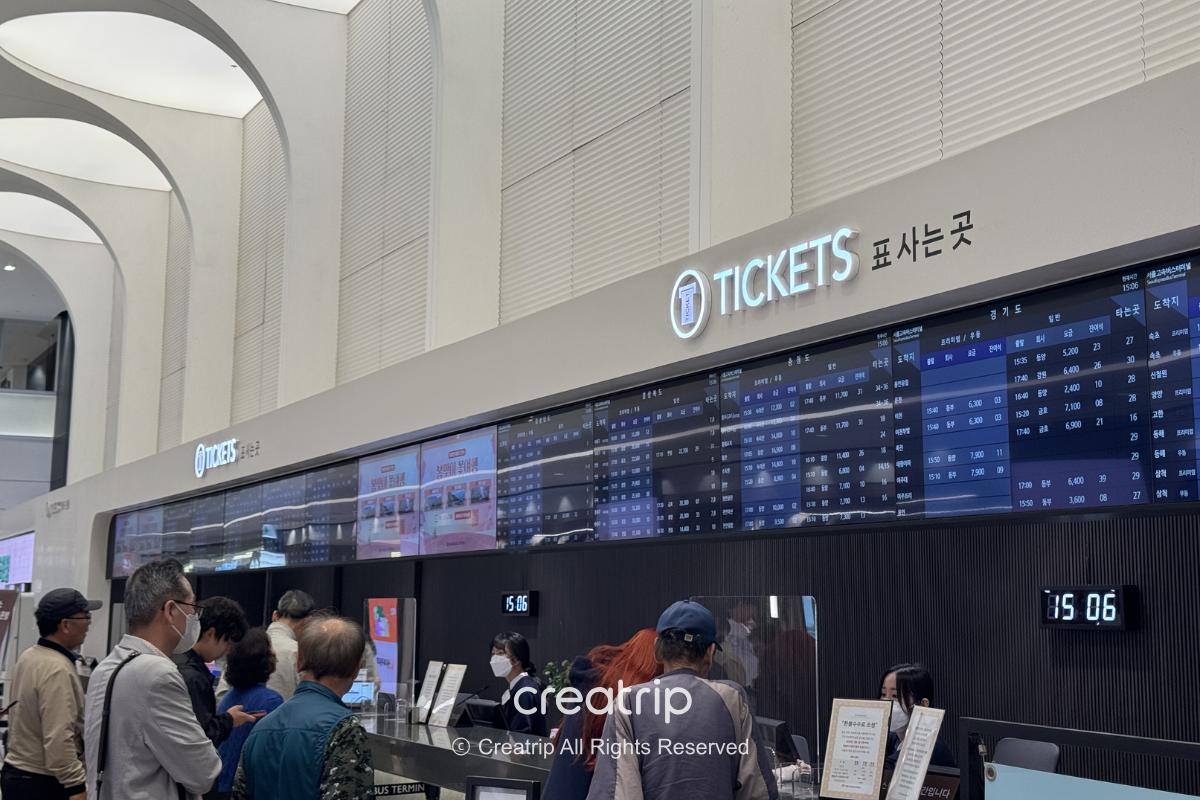 Long-distance buses in Seoul are broadly divided into “express buses (고속버스)” and “intercity buses (시외버스).” In general, express buses mainly run between major cities, and their classes and seat types are easy to understand. Intercity buses, on the other hand, tend to serve more routes that connect smaller cities and regional areas in detail, so you’ll often use them for trips outside the big cities.
That said, what travelers should pay attention to first is not so much the category itself, but “which terminal your destination departs from.” In Seoul, Seoul Express Bus Terminal and Central City are in the same Express Terminal Station area, while Nambu Terminal and Dong Seoul General Bus Terminal are in completely different locations. So when using long-distance buses in Seoul, you’re less likely to make mistakes if you check in this order: “destination → departure terminal → how to book.”
Which bus terminal in Seoul should you depart from?
Seoul’s main long distance bus terminals include a mix of facilities that mainly serve express buses and others that handle many intercity bus routes. From a traveler’s perspective, the most important thing is to know in advance which terminal you’ll most often use for the city you’re heading to.
Comparing bus terminals in Seoul
Terminal name | Nearest station | Main destinations | Features |
|---|---|---|---|
Seoul Express Bus Terminal (Gyeongbu, Yeongdong lines) | Subway Lines 3, 7, 9 | Busan, Daegu, Gyeongju, Sokcho, and more | Seoul’s main express bus terminal, with many key routes on the Gyeongbu and Yeongdong lines |
Central City Terminal (Honam Line) | Subway Lines 3, 7, 9 | Jeonju, Gwangju, Mokpo, Yeosu, and more | Mainly serves the Honam Line. With lots of restaurants and Shinsegae Department Store, it’s an easy place to spend time while you wait |
Nambu Terminal | Subway Line 3 | Some small to mid-sized cities in Chungcheong-do, Jeolla-do, and Gyeongsang-do | More intercity bus routes, a good option when heading to regional cities |
Dong Seoul General Bus Terminal | Subway Line 2 | Gangwon-do’s east coast, Gyeongsangbuk-do, and more | Strong for the east side and Gangwon-do, depending on the destination it operates both express buses and intercity buses |
Who is Seoul Express Bus Terminal best for?


Seoul Express Bus Terminal is one of the first terminals to consider when you are heading to popular cities such as Busan, Daegu, Gyeongju, and Sokcho. It is directly connected to Express Bus Terminal Station, and it is also fairly easy to understand as the first terminal you will use when traveling outside the city. Since major routes like the Gyeongbu Line and Yeongdong Line are concentrated here, when you are traveling “from Seoul to other regions,” checking here first helps you get around efficiently.


When we visited Seoul Express Bus Terminal, we found that it was easy to reach from Express Bus Terminal Station through the underground shopping area, but the terminal complex was larger than it first appeared. For first-time travelers, the biggest mistake is assuming they have “already arrived” once they reach the station, even though it can still take several more minutes to reach the correct boarding area.


Especially for travelers, it is easy to think “I have arrived because I got to Express Bus Terminal Station,” but the station and the surrounding terminal area are quite large, and walking while following the signs can take longer than you might expect. The more popular the route, such as toward Busan or Daegu, the more users there are, and the concourse can get crowded on weekends and holidays, so if it is your first time using it, arriving with a bit of extra time is safer than cutting it close.
Editor’s tip: If this is your first time using Express Bus Terminal Station, do not assume the boarding area is right beside the subway exit. The station complex is large, so arriving 20–30 minutes early gives you enough time to find the correct terminal building, buy snacks, and check the platform calmly.
Where can you go from Central City Terminal?
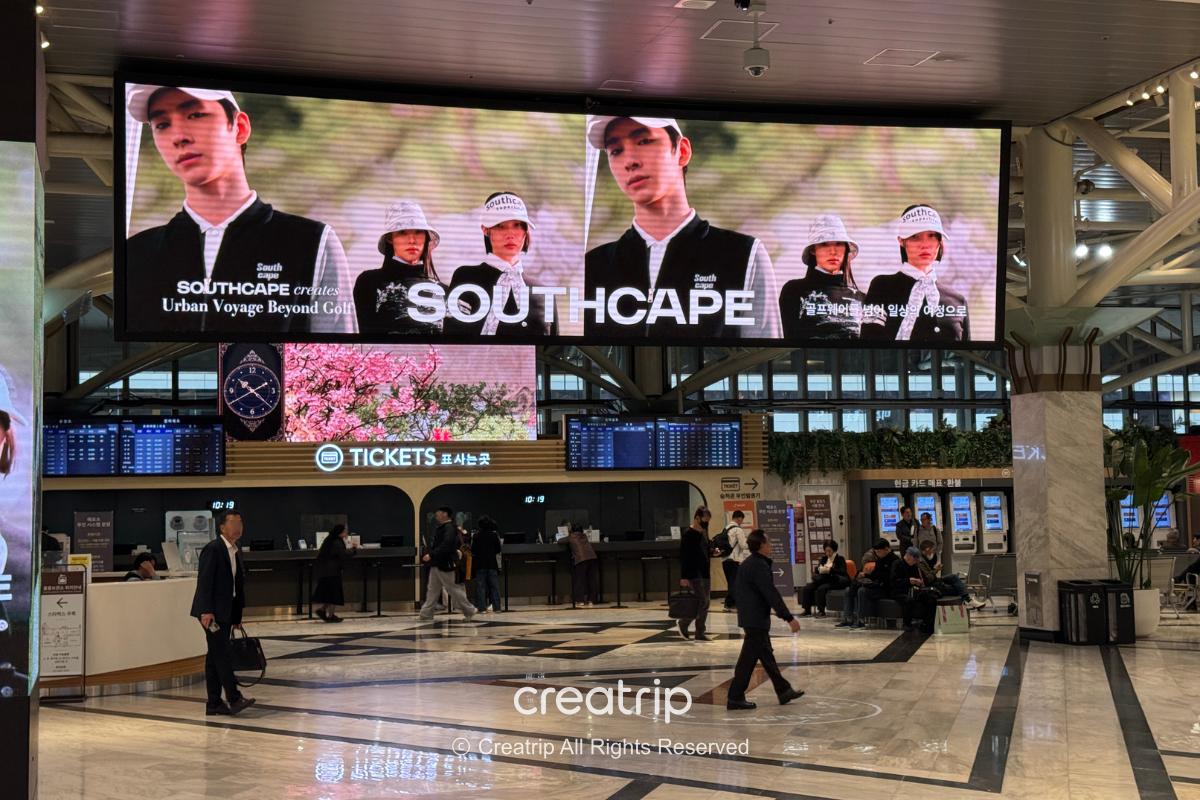 Central City Terminal is the terminal you use mainly when you want to travel toward the Honam area, to places like Jeonju, Gwangju, Mokpo, and Yeosu. Because it’s in the same Express Bus Terminal Station area, it can feel like it’s part of the Seoul Express Bus Terminal, but in reality the building and boarding platforms you use differ depending on your destination, so travelers need to keep this clearly in mind.
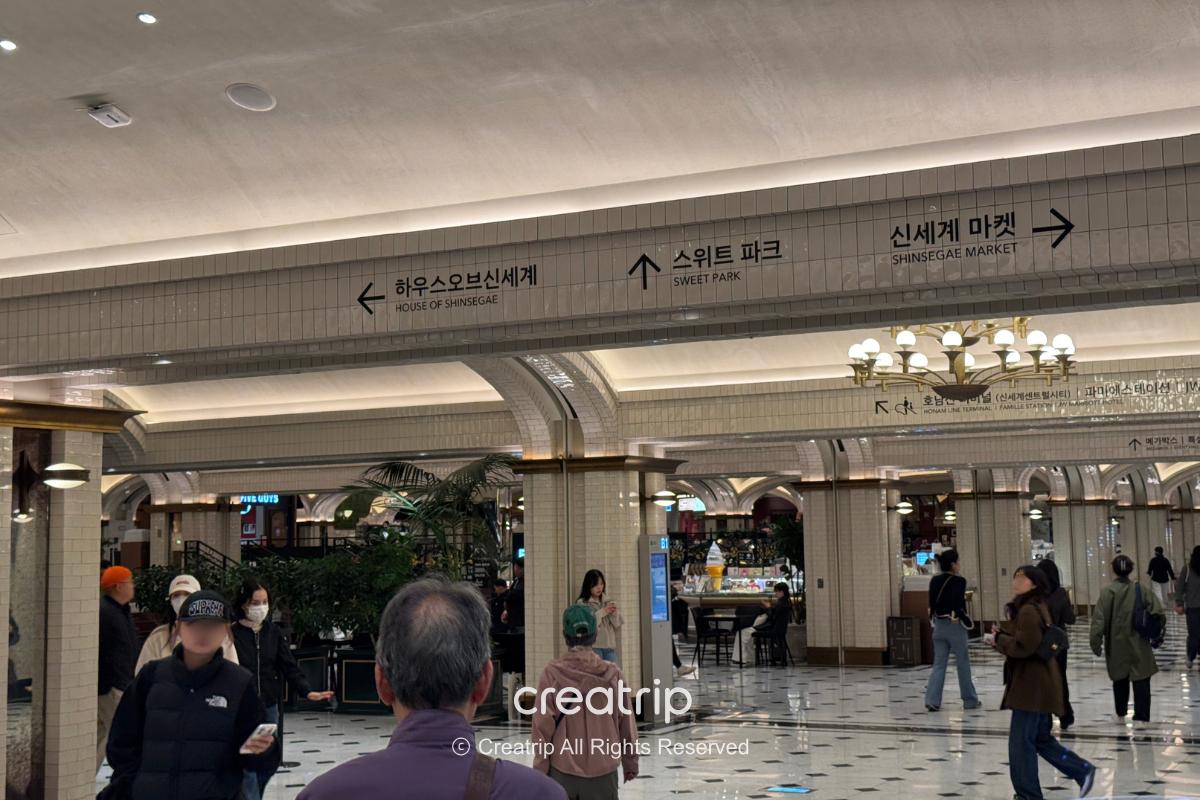 When we checked Central City in person, it felt more approachable than many travelers expect from a regional bus terminal because it is integrated with shopping and dining facilities. That makes it easier to wait comfortably before departure, but it also increases the chance that first-time visitors overlook the difference between Central City and the Gyeongbu-side terminal in the same station area.
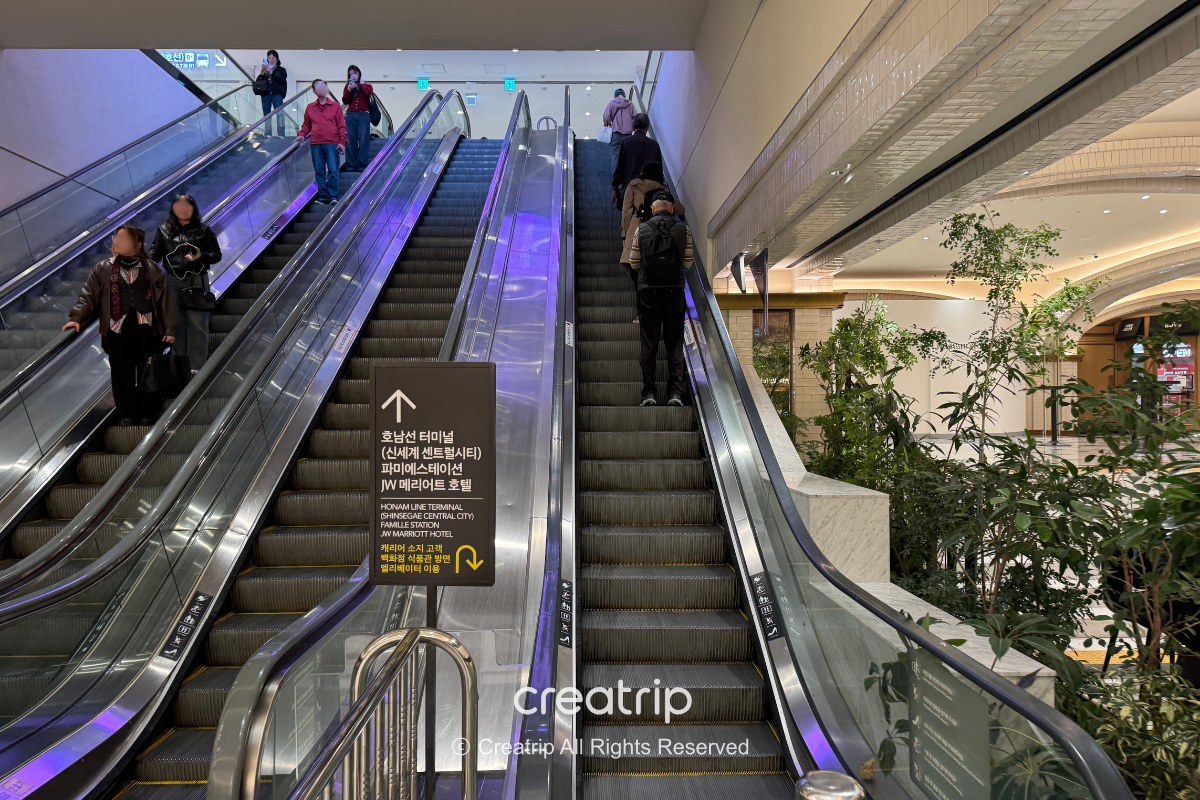 That said, this is also exactly where travelers often get confused, it’s easy to assume, “I’m at Express Bus Terminal Station, so I’m good.” In reality, even within the same station area, the Gyeongbu side and the Honam side have different boarding areas, so if you’re heading toward Jeonju or Gwangju, checking in advance whether your reservation screen or ticket says it departs from Central City will make things much smoother on the day.
When is Nambu Terminal convenient?


Nambu Terminal is not as well known to travelers as the Seoul Express Bus Terminal or Central City, but it is a convenient terminal when you are using intercity bus routes to smaller regional cities. For some areas of Chungcheong-do, Jeolla-do, and Gyeongsang-do, depending on your destination, it may actually be easier to travel from here. It is easy to focus only on the big major terminals, but for regional trips, this terminal can sometimes be the most practical option.


When you actually visit, because it is not as large as the Seoul Express Bus Terminal, the layout is relatively simple. If you are taking regional routes, this level of easy-to-navigate simplicity can be reassuring. If you feel uneasy about “big stations or complicated terminals” when traveling in Seoul, you may find this one easier to use.
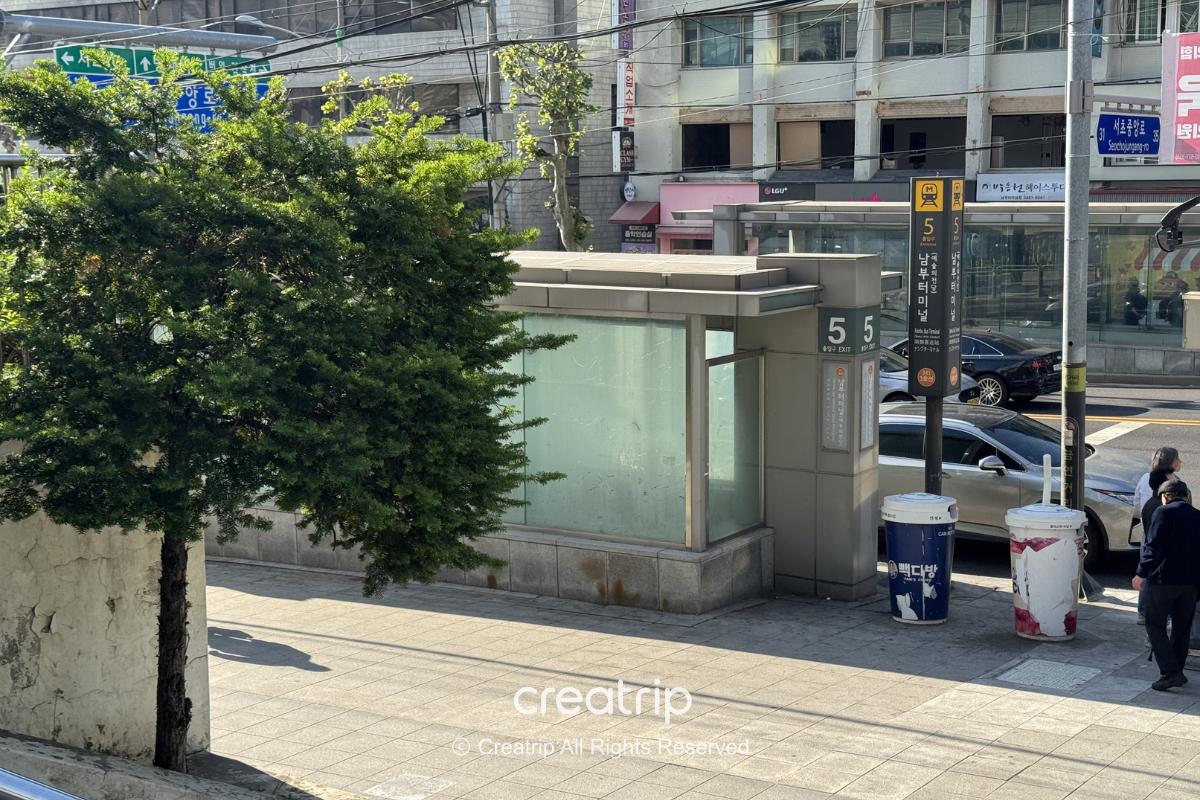
On the other hand, a downside for travelers is that because it is not a famous terminal, it is easy to overlook and not even consider it as an option. If you assume “It’s a regional city, so it must depart from the Express Terminal,” you might find it actually departs from Nambu Terminal. If you are planning to visit a smaller regional city, it is safest to check not only the city name but also the departure terminal name as a set.
Editor’s tip: When you actually go there, it feels less crowded than the big terminals, and has a calm atmosphere like a terminal locals use day to day. With fewer complicated routes to navigate, it’s recommended for anyone who wants to start their trip outside the city at a relaxed pace. |
When should you use Dong Seoul General Bus Terminal?
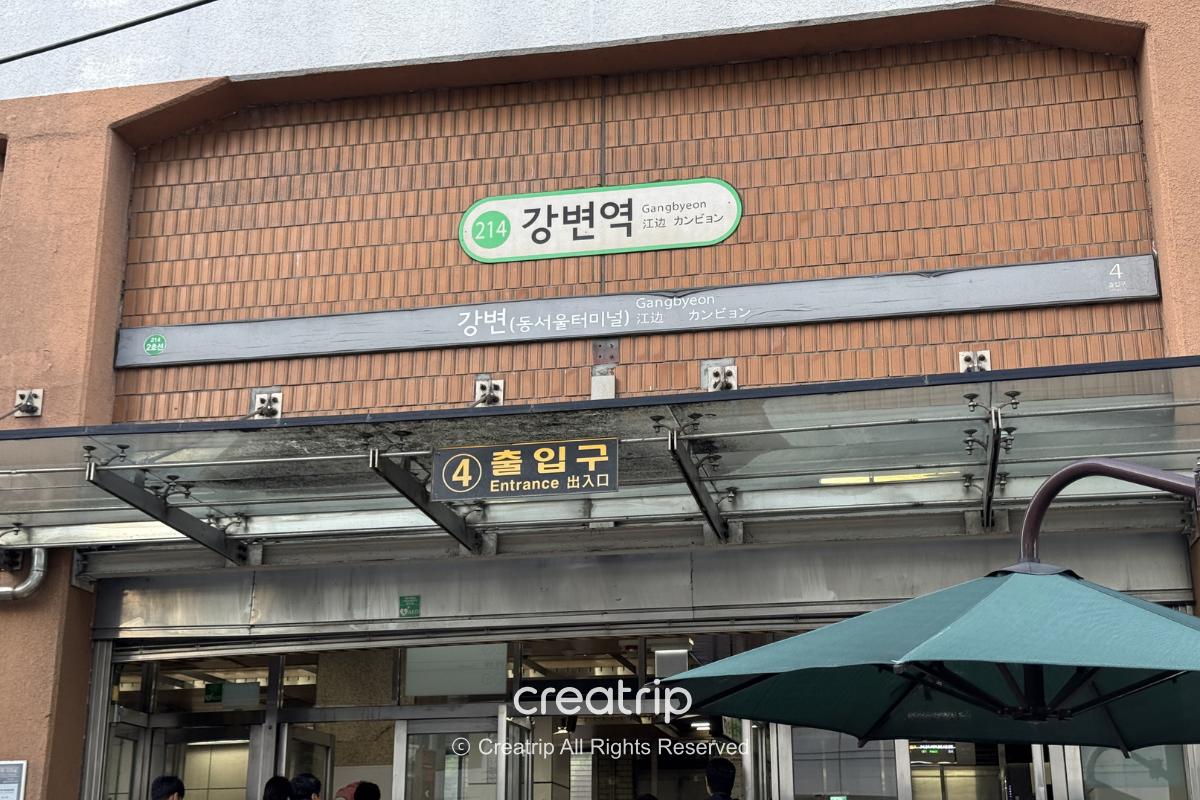 Dong Seoul General Bus Terminal is a convenient terminal when you are heading toward Gangwon-do, the East Coast, or Gyeongsangbuk-do. It’s across the road from Gangbyeon Station on Subway Line 2, and it’s a good option when traveling to eastern areas such as Daegu and Sokcho. Since it’s on the east side of Seoul, depending on your itinerary and where you’re staying, it may be easier to get around from here than from the Express Terminal Station area.


When we visited Dong Seoul General Bus Terminal, the first thing we noticed was that the signage for different bus types could feel more mixed than at Seoul Express Bus Terminal. For travelers going to the East Coast or Gangwon-do, it is still practical, but first-time users should give themselves extra time to confirm the correct boarding floor and platform.


One thing to watch out for is that boarding areas may be separated between the 1st and 2nd floors depending on your destination and bus type. You’ll need to navigate by checking the signboards and your ticket yourself, so on the day, don’t move forward on assumptions, carefully confirm your destination, platform number, and bus type.
What’s the difference between the seat classes for the Express Bus?
One key feature of express buses departing from Seoul is that even on the same route, seat size and fare vary by class.
Class | Korean name | Seat layout image | Best for |
|---|---|---|---|
Standard | 일반 / 고속 | 2 seats + 2 seats | Anyone who wants to get around as cheaply as possible |
Deluxe | 우등 | 2 seats + 1 seat | Anyone who wants a good balance of price and comfort |
Premium | 프리미엄 | 2 seats + 1 seat, with more space | Anyone who wants to prioritize comfort even on long trips |
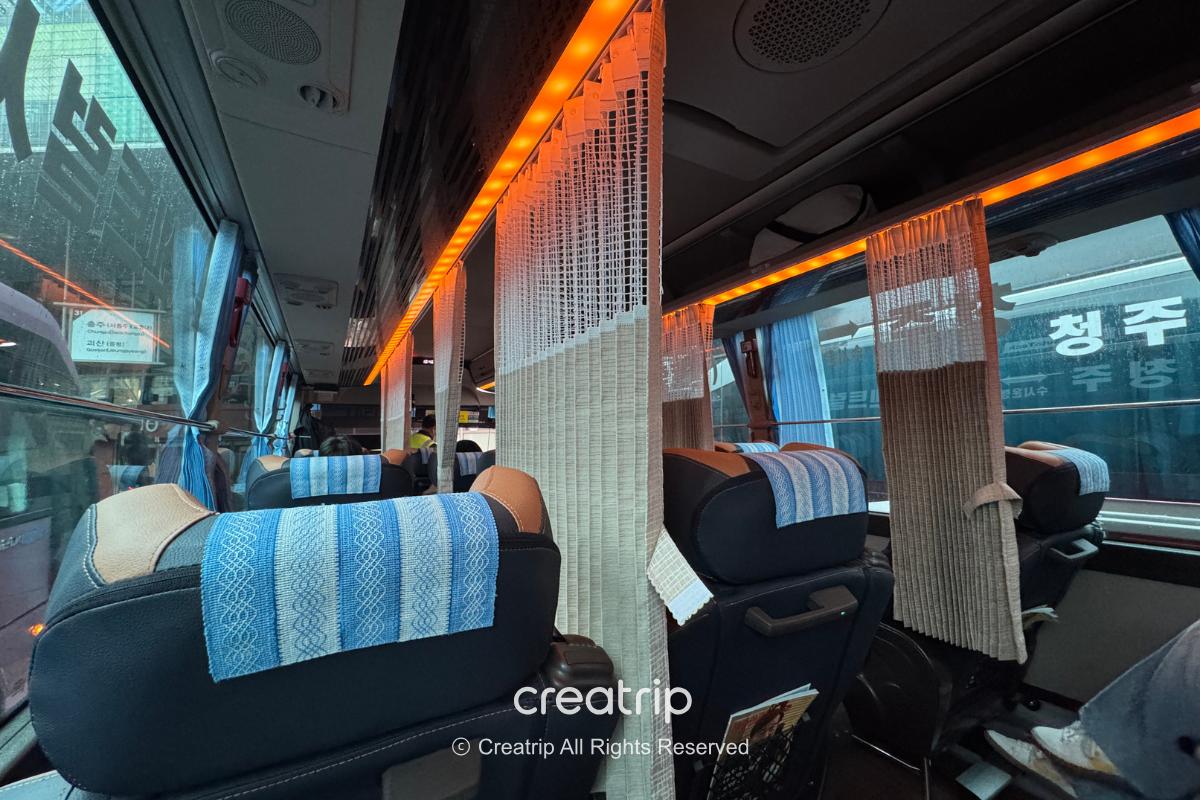 What's the difference between the classes of Seoul's express buses?
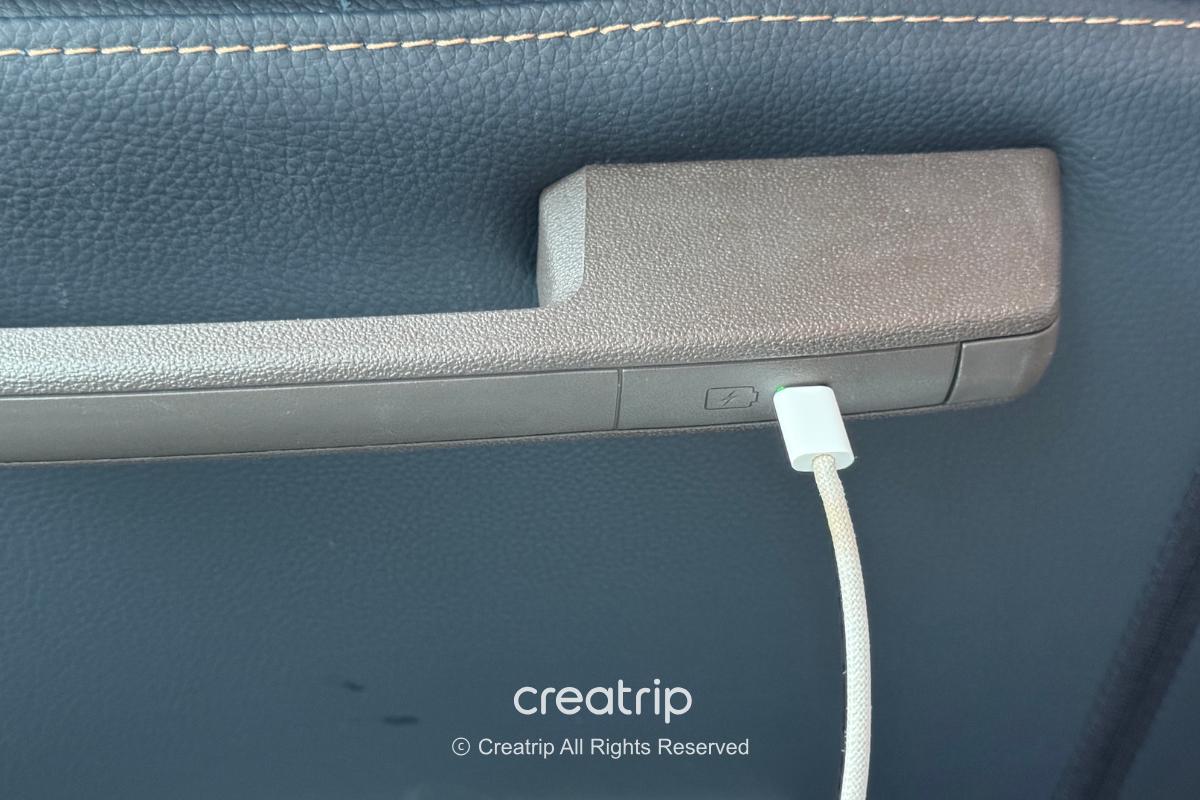 The easiest option for foreign travelers to use is, as expected, the premium express bus. The seats feel less cramped, and even trips of around 2 to 4 hours from Seoul are relatively comfortable, so for your first long distance bus ride in Seoul, choosing premium is a safe bet. On the bus we checked this time, there were partition curtains around the seats and Type-C charging ports.
Where can you buy express bus tickets?
In Seoul, there are three main ways to ride a long-distance bus.
How to buy | Best for | Pros | Things to note |
|---|---|---|---|
Terminal ticket counter, ticket machine | Those who want to decide on the spot that day | Easy to buy right there | Weekends and long holidays sell out easily |
Official website, app | Those familiar with Seoul’s booking systems | Easy to compare times and class options yourself | May be hard to use depending on the route, verification, and payment setup |
Creatrip express bus reservation | Those who want to check in English, and those who want to secure a seat in advance | Easy to review your reservation details, convenient even for short trips | You’ll need to check eligible routes, booking deadlines, and change conditions |
1. Buy at the terminal counter or ticket machine
The simplest option is to buy your ticket at the terminal on the day of departure. Even if you are not confident in Korean, you can often purchase it by showing the city name or your phone screen, and some terminals also have self ticket machines that support foreign languages. However, during busy periods like Friday nights, weekends, Lunar New Year, and Chuseok, popular time slots fill up quickly, so if you want to make a day trip, booking in advance is more reliable than buying on the day.
2. How to book on the official website or app
Seoul’s express buses can be searched and booked through the official reservation site. It’s great for easily comparing time slots and seat classes yourself, but some international travelers may get stuck partway through the booking process.
Especially for short-term travelers, common concerns include:
- Whether payment with an overseas-issued card is accepted
- The verification and membership sign-up process
- Switching between Korean and English screens
These can feel stressful. It’s convenient if you’re used to Seoul’s reservation systems, but if you want to minimize hassle before your trip, choosing another option can be more reassuring.
3. If you want to book reliably in English, Creatrip is also one option!
For short-term travelers who do not have a Korean phone number and want to complete the reservation process in English, Creatrip’s express bus booking can be an easy option. From Seoul, it is easy to check routes to Busan, Daegu, Sokcho, Yangyang, Pohang, Gyeongju, and the Jeonju area, and you can also book buses to Cheongju Airport.
Editor’s tip: There are only five buses a day from Cheongju Airport to Seoul Express Bus Terminal, so seats can be highly competitive. In addition to travelers heading overseas from Cheongju Airport, the bus also stops at Cheongju University along the way, so lots of students use it too, and popular time slots tend to sell out quickly. With Creatrip, you can use it without verification and you do not need to line up on-site, which makes planning your trip much more stress-free. |
What should foreign travelers check in advance to feel more at ease?
Seoul’s express buses are an easy way for foreigners to get around, but if it’s your first time, the following points can be confusing.
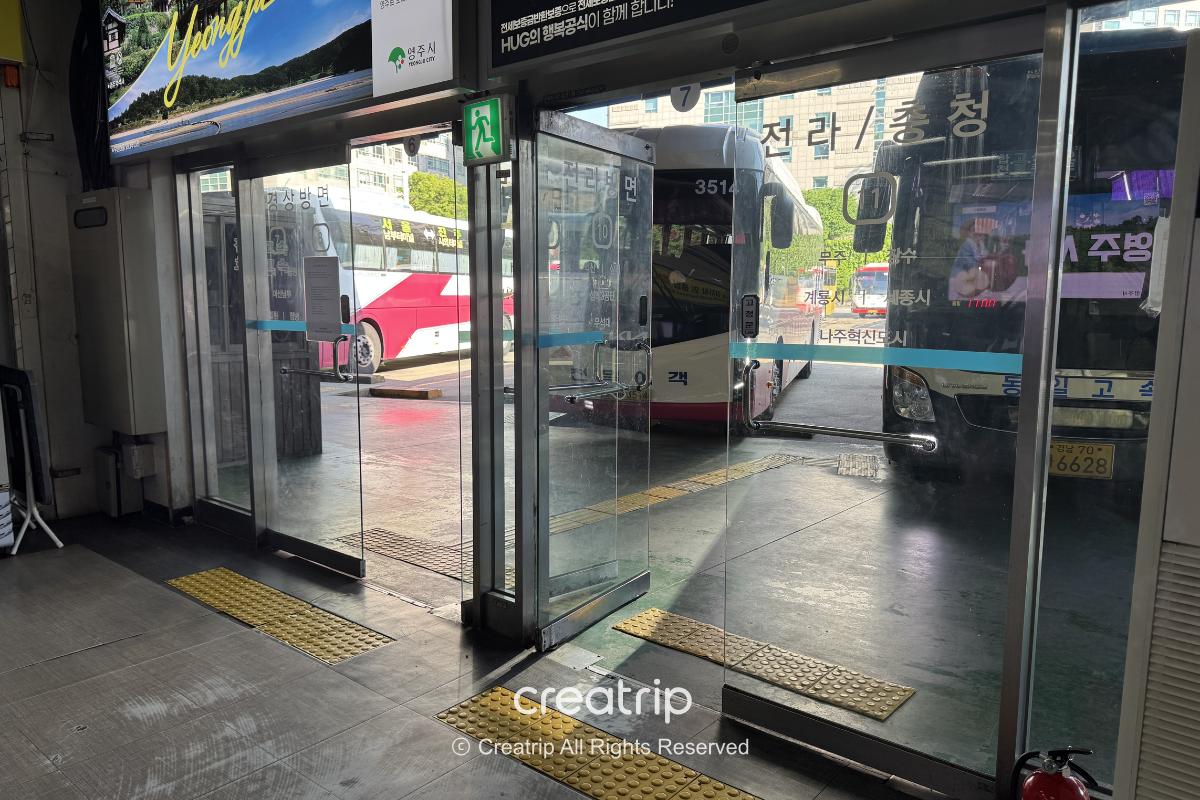
□ Be sure to double-check the departure terminal name
Even if you’re departing from Seoul, the terminal you use changes depending on your destination, for example, routes to Busan and the Gangneung area leave from Seoul Express Bus Terminal, while routes to Jeonju and Gwangju leave from Central City.
□ Check how to board after booking
Some reservations let you board by showing a QR code, but depending on the service, the screen you need to show and whether you need to exchange a voucher can vary. For peace of mind, review your booking confirmation email and instructions before departure.
□ Don’t rely too much on buying tickets on the day during peak seasons
On weekends, long holidays, Lunar New Year, and Chuseok, seats fill up quickly, and the more you’re traveling, the harder it is to find alternatives. If you want to make sure you can fit in a trip outside the city, booking in advance is a better option.
How do you board an express bus on the day?
Even if it’s your first time, it’s not too difficult as long as you know the basic steps for the day.
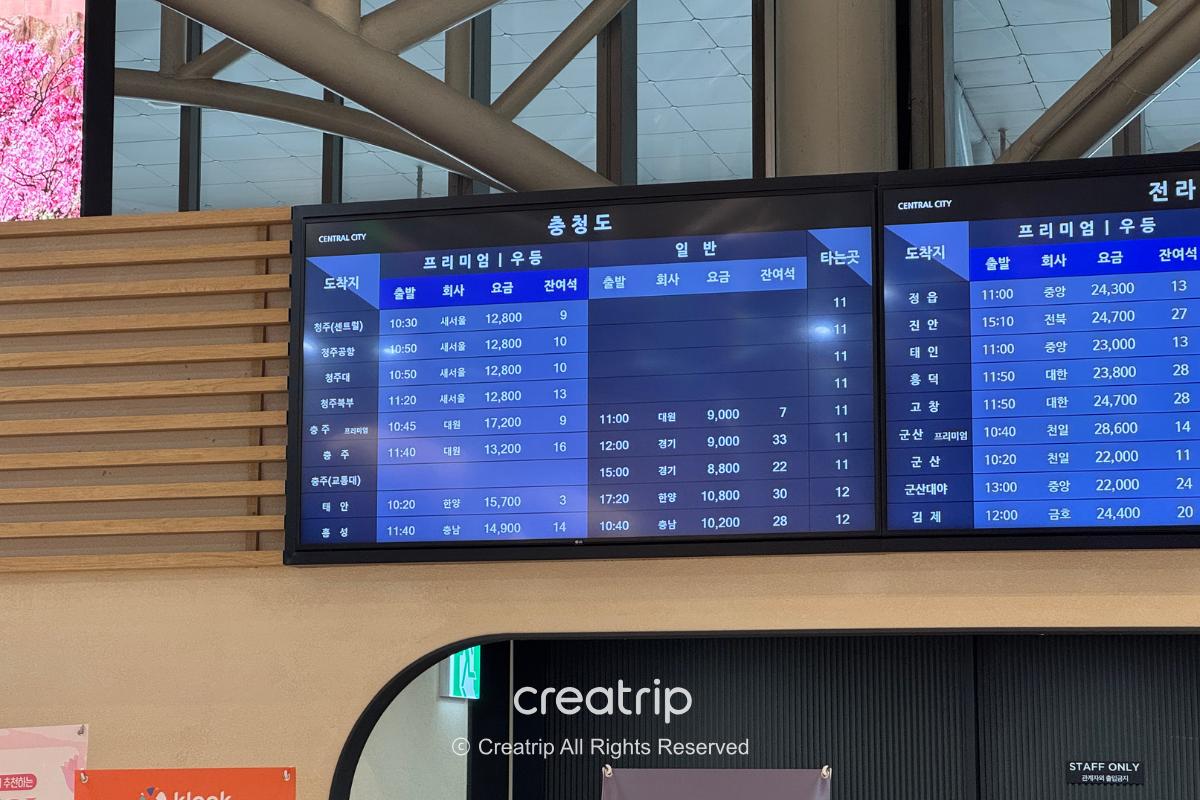
1. Arrive early and check the electronic display board for your boarding gate
As a guideline, arrive at the terminal 20 to 30 minutes before departure. If it’s your first time using it, or the station complex is large, planning for 30 minutes early is reassuring. Even if most of the signage is in Korean, city names are relatively easy to spot, and your ticket will show the departure point, destination, boarding platform, and seat number.
Editor’s Tip: Long-distance buses in Seoul tend to depart on time. Especially at a terminal you’re using for the first time, don’t assume “I still have a few minutes”, it’s safest to get moving early, allowing time to check the electronic departure board and walk to your platform. |
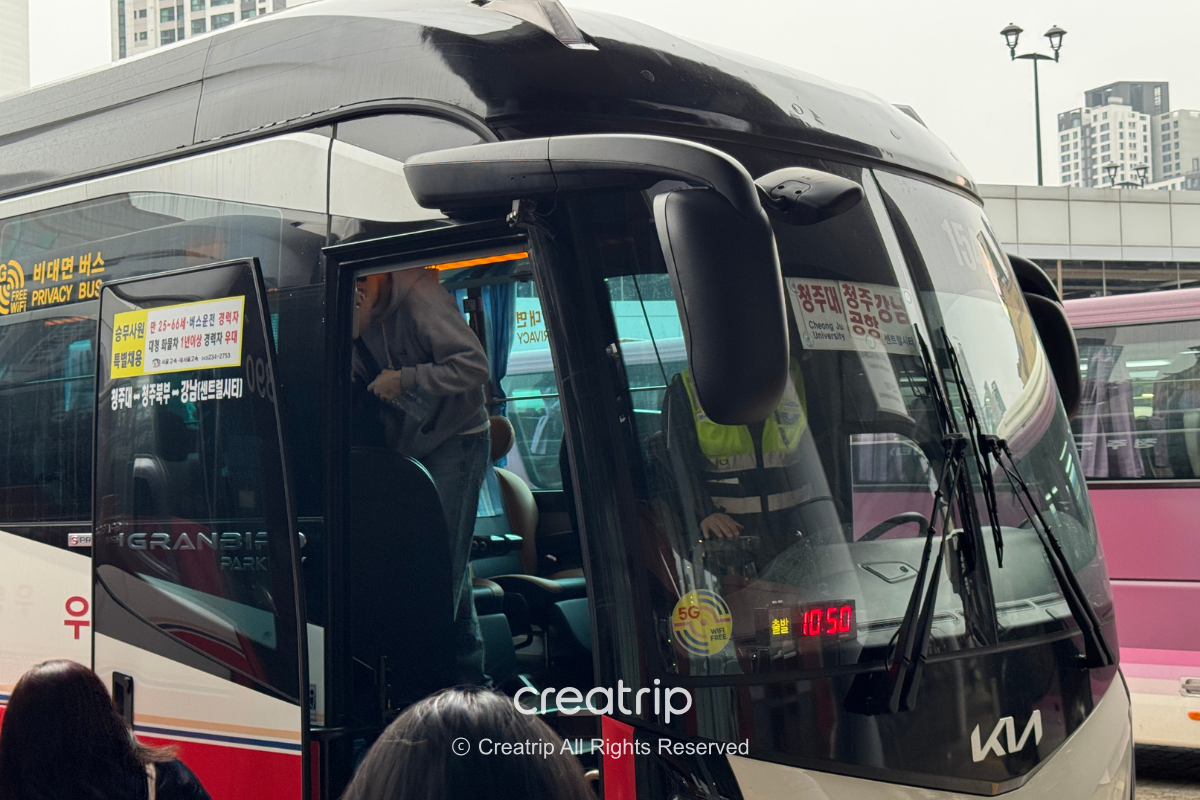
2. Head to the boarding platform, check in large luggage
Since Seoul Express Bus Terminal and East Seoul are very large, make sure you double-check your platform number. In many cases, the driver will load your luggage. Keep valuables and your passport with you when you board.
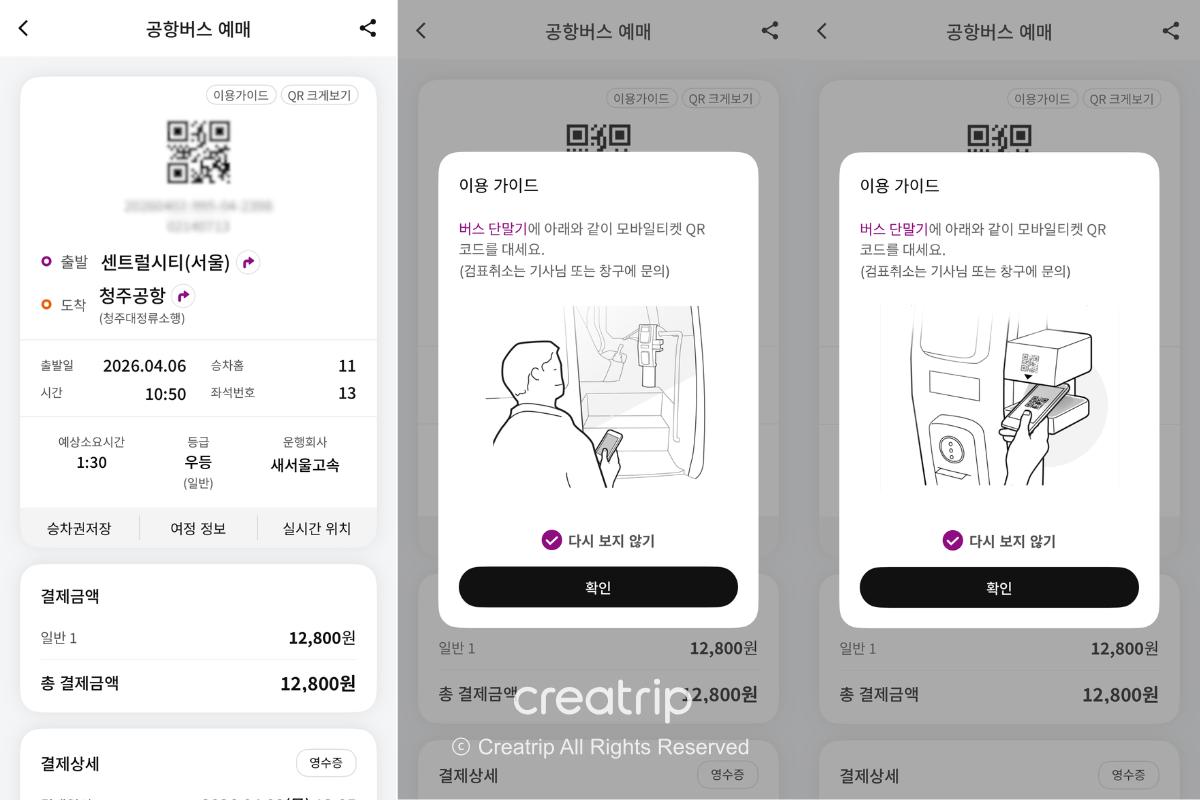
3. Check your seat number and take your seat
Premium express buses have a 2 seats plus 1 seat layout, so they tend to feel more spacious than standard buses. On long-distance routes, the bus may stop at a rest area along the way.
If you’re using express buses in Seoul, who is it recommended for?
Express buses are a great option for traveling from Seoul to other cities if you:
- Want to keep transportation costs lower than KTX
- Want to travel directly from Seoul to regional cities
- Want to add a regional trip to places like Daegu, Sokcho, or Jeonju
- Are staying closer to a bus terminal than to a train station
- Want to take your time and enjoy the scenery out the window
On the other hand, KTX or SRT may be a better fit if you:
- Want to get there in the shortest time possible
- Are used to traveling by rail and want to plan your itinerary around stations
Still, when you look at the balance of price, frequency, and ease of reaching regional cities, express buses are still very practical. In some cases, getting to Seoul’s regional cities can actually be more direct by bus than by train, so it’s a great choice if you want to broaden your travel options.
Seoul Express Bus FAQ
Q1. Can I ride a Seoul express bus without a reservation?
If you're lucky. If there are open seats, you may be able to buy a ticket the same day and board. However, weekends, long holidays, and popular routes fill up quickly, so if you’re planning a trip to the regions, booking in advance is recommended.
Q2. Is the T-money GO app available in English?
English support may feel limited depending on the route and booking flow. If you want a smoother English-language booking experience, it may be easier to use a service designed for international travelers.
Q3. Can I book an express bus without a Korean phone number?
Yes, depending on the booking platform. Some services are easier for international travelers than others, especially if they do not require Korean phone verification.
Q4. Can I ride an express bus using my T-money card as-is?
Unlike city buses or the subway, you cannot simply tap your T-money card to board. In general, you should plan to buy a ticket in advance before getting on.
Q5. Are there child fares?
Yes. However, the eligible age range and conditions may vary depending on the route and where you book.
Q6. What happens if I miss my bus?
Seoul’s express buses generally depart on time. Change and refund policies vary depending on where you booked, so be sure to check before departure. In general, it’s recommended to board at least 10 minutes before departure.
Q7. Are there late-night services?
Yes. However, the number of departures, fares, and service class vary depending on the route. If you’re planning to travel late at night, it’s a good idea to check not only the schedule, but also onward transportation at your destination.
Q8. Can I take an express bus even if I don’t speak Korean?
Yes, in general, it’s not a problem. If you can confirm the city name, platform number, and seat number, you can use it. If you’re worried, it’s best to choose a method that makes it easy to check your reservation details in English.
Q9. Can I bring a suitcase on board?
Yes, in most cases you can. For large luggage, it is standard to store it in the luggage compartment under the bus. Do not check your passport or valuables, be sure to keep them with you.
Q10. Which is cheaper, an express bus or the KTX?
On many routes, express buses make it easier to keep transportation costs down. On the other hand, the KTX is often faster, so we recommend choosing based on whether you want to prioritize price or time.
Summary, if you’re traveling outside Seoul, express buses are a strong option
If you’re heading out of Seoul to other regions, express buses are a great way to get around with a good balance of affordability, frequent departures, and convenience. The most important thing is to check in advance which terminal you’ll be departing from. Once you’ve got that down, it’s pretty easy to use, even for first-timers.
Also, if any of these apply to you, deciding how you’ll book in advance will make your whole trip go more smoothly.
- You want to take popular routes to Busan, Daegu, Sokcho, Jeonju, and more
- You’re planning to travel on weekends or during holidays
- You want to confirm your reservation details in English
This article was prepared by the Creatrip editorial team, a Korea-based travel content team that regularly updates transportation and booking guides for international travelers. Information in this article was reviewed in May 2026 using official terminal information, booking platform checks, and on-site observations.
If you have any questions or concerns, Creatrip provides 24/7 real-time support in English, Chinese, and Japanese for international visitors completely free of charge. Reach us anytime on WhatsApp (+82 10-8818-2915) or LINE (@creatrip). You can also follow us on Instagram, TikTok, Threads, and Youtube to stay updated on all things Korea!