
🖋️ About the Editor
Creatrip Editorial Team / A Korea-based editor who continuously researches and edits content on Korea's must-see spots, cultural attractions, and food scene.
When you're traveling in Seoul and thinking, "I want a truly Korean experience," cafe-hopping and shopping alone can sometimes feel a bit lacking. For travelers like that, the place I'd love to recommend is Korea House Kohojae, located right by Chungmuro Station.
Kohojae is a premium Gungjung cha-gwa (royal court tea & sweets) brand where you can enjoy seasonal traditional Korean sweets and tea inside a Hanok, a traditional Korean house. Visiting in person, I realized this isn't simply a place to eat sweets — it's a place where you can take in Korea's beautiful spaces, ceramics, music, garden, and the slow passage of time all at once.
In this article, based on my actual visit in April 2026, I'll walk you through Kohojae's charm, how to make a reservation, how to get there, and the menu items I'd genuinely recommend.
Article Highlights ✍🏻
- A Hanok tea-time spot just about 1 minute on foot from Chungmuro Station Exit 3
- The single-serving royal court tea & sweets set is fully reservation-based
- Enjoy seasonal Korean traditional sweets and tea at a relaxed pace
- Perfect for date nights, family trips with parents, solo travel, or visiting with friends
What is Korea House Kohojae?
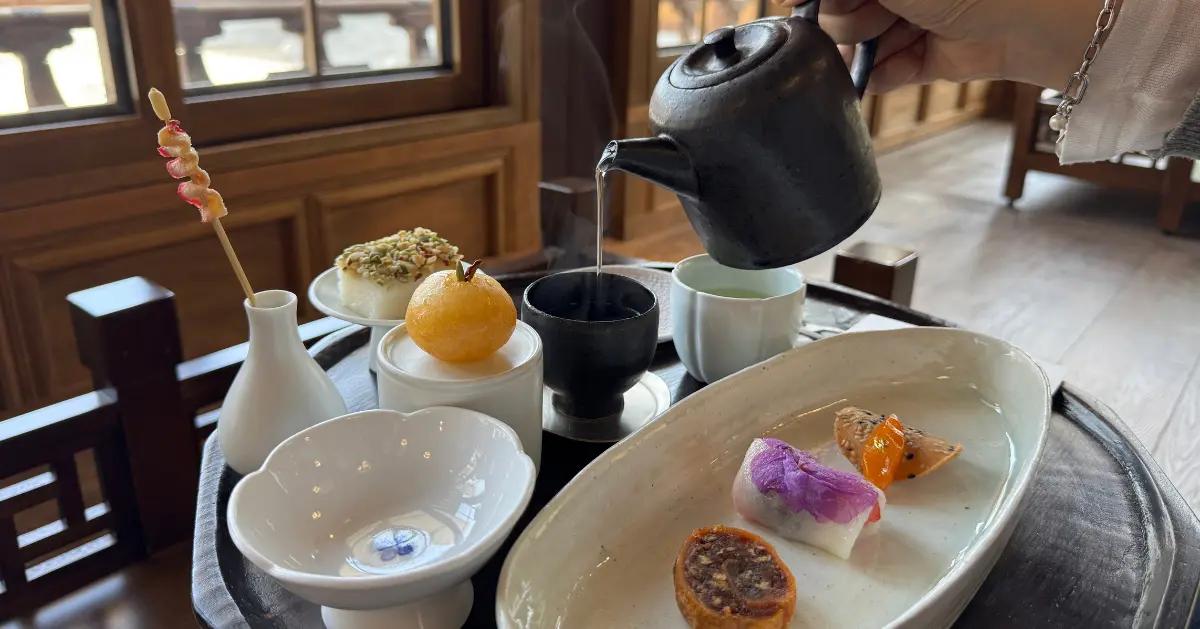
Kohojae is a premium royal court tea & sweets brand operated within Korea House, a venue dedicated to experiencing Korea's traditional culture.
The name Kohojae carries the meaning of "a house for those who love things of the past." True to its name, the place is designed so you can enjoy Korean traditional sweets, tea, and a Hanok setting in a contemporary way.
What you can enjoy here isn't your usual cafe menu — it's a traditional Gungjung cha-gwa (royal court tea & sweets) set, prepared individually with care. Different traditional sweets and teas are offered for each season — spring, summer, fall, and winter — so each visit brings something a little different.
✨ A Place Like This
Kohojae is a place in central Seoul where you can experience Korea's traditional tea-and-sweets culture.
Rather than a "photo-op cafe," it's an experience-based spot where you slow down inside a Hanok and savor the beauty of Korea.
[스팟] Korea House Kohojae | Royal Korean Tea & Sweets in a Serene Hanok
What is Korean traditional Gungjung cha-gwa (royal court tea & sweets)?
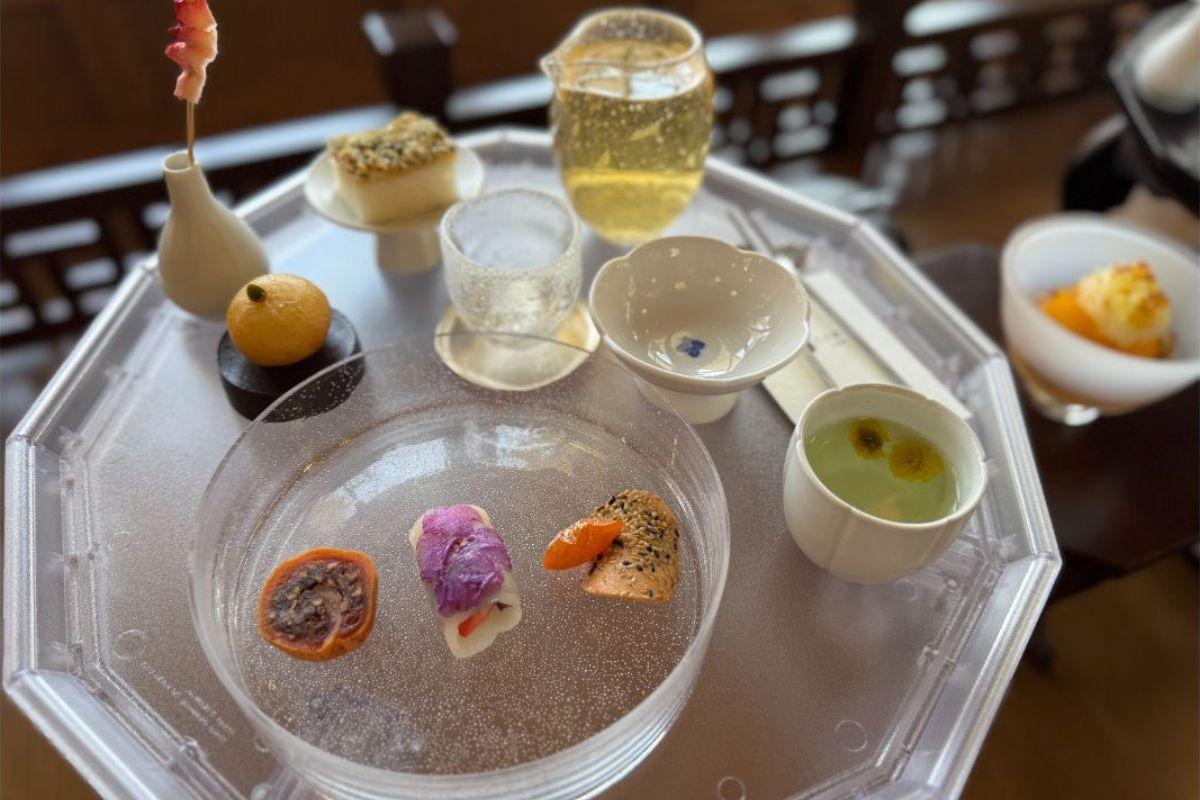
Gungjung cha-gwa (royal court tea & sweets) is a Korean traditional pairing of tea and confections rooted in the royal court culture of the Joseon Dynasty.
At Kohojae, this traditional tea-and-sweets culture has been reinterpreted in a way that's accessible to modern travelers. Traditional rice cakes, hangwa (Korean confections), fruit-based sweets, and seasonal teas are all served together as a single tea & sweets set.
When you actually taste them, the sweetness is never overpowering — the natural flavors of the ingredients come through. The gentle sweetness feels familiar and approachable, and I imagine it will resonate well with international travelers, too.
Who is Kohojae a good fit for?
Recommended for 💡
- Seoul travelers looking for a truly Korean experience
- Anyone in the Myeongdong, Chungmuro, or Euljiro areas wanting a quiet place to rest
- Travelers visiting with parents or going on grown-up girls' trips who want a calm spot
- Fans of Korean culture, or anyone who wants beautiful Hanok photos
- Solo travelers who'd like to slowly enjoy Korean traditional tea sweets on their own
On my visit, I actually saw several solo guests there. Single-serving tea sets and even single-seat options are available, so even if you're traveling alone, you can settle in at your own pace without feeling out of place — that's one of its real charms.
Why is Kohojae so popular? Why do reservations fill up fast?
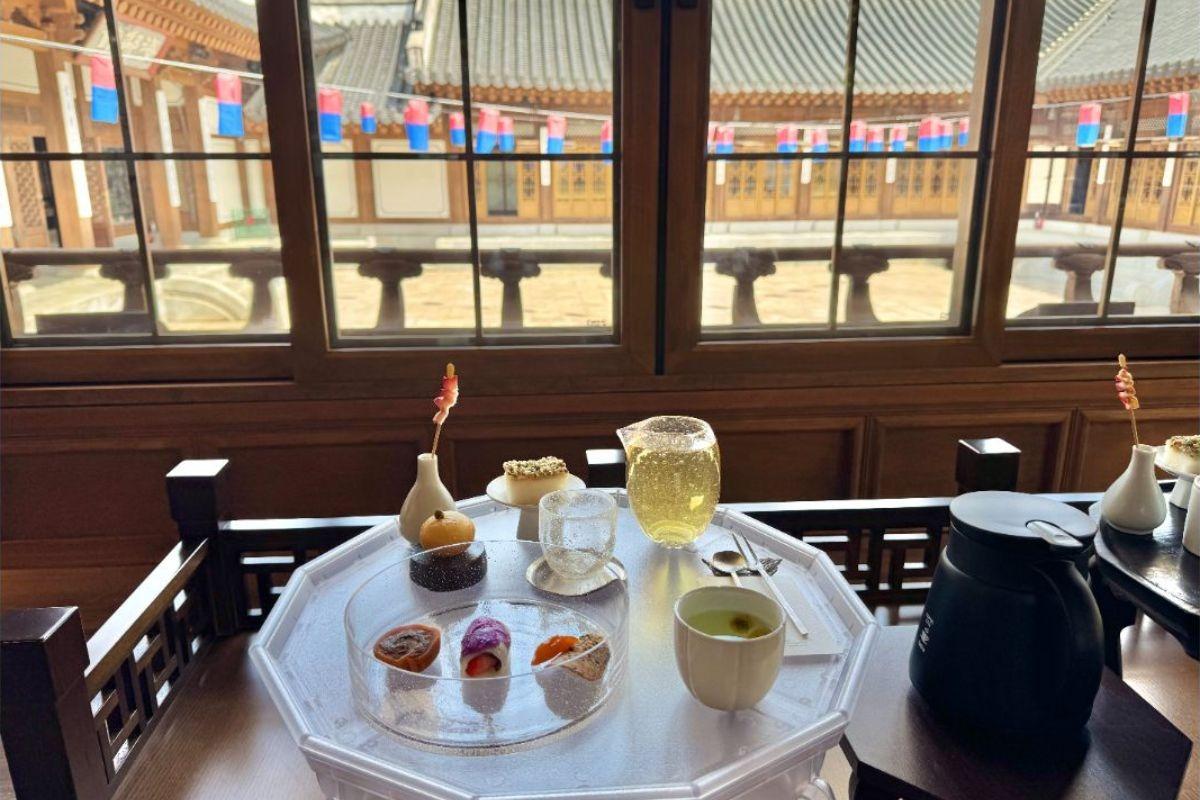
Kohojae's single-serving tea & sweets set is, in principle, by reservation only. Each available time slot has a limit of 38 guests, so popular dates and times can sell out quickly. And the reason isn't just that "the sweets taste good."
The Hanok atmosphere, the garden view, staff dressed in modern hanbok, traditional background music, the carefully chosen ceramics, and the seasonal sweets and tea — all of it comes together to create a special slice of time you can only experience while traveling in Korea.
For international travelers in particular, the easy access from Myeongdong or Dongdaemun, plus the surprise of a Hanok appearing right in the middle of the city, adds another layer of appeal.
Right by Chungmuro Station! How to get to Kohojae
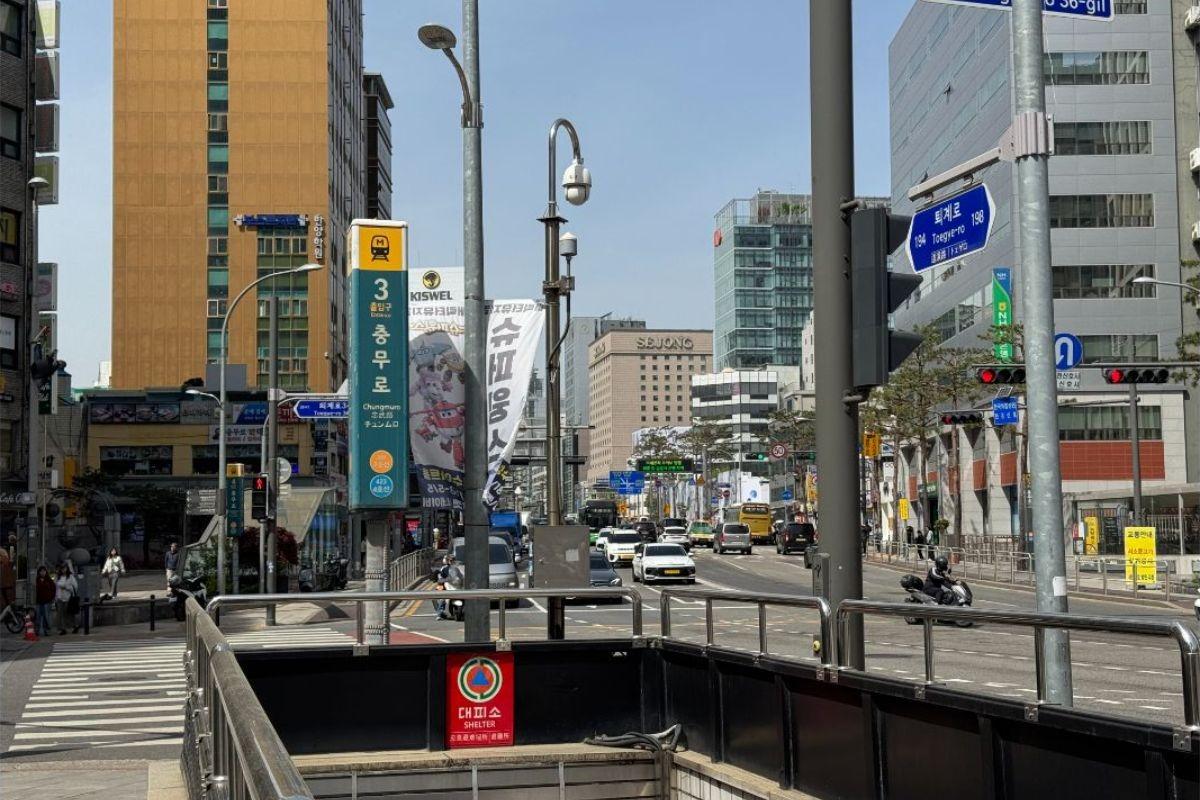
Korea House, where Kohojae is located, is right next to Chungmuro Station Exit 3 on the subway.
When I went, it really was that close — about a 1-minute walk from the station.
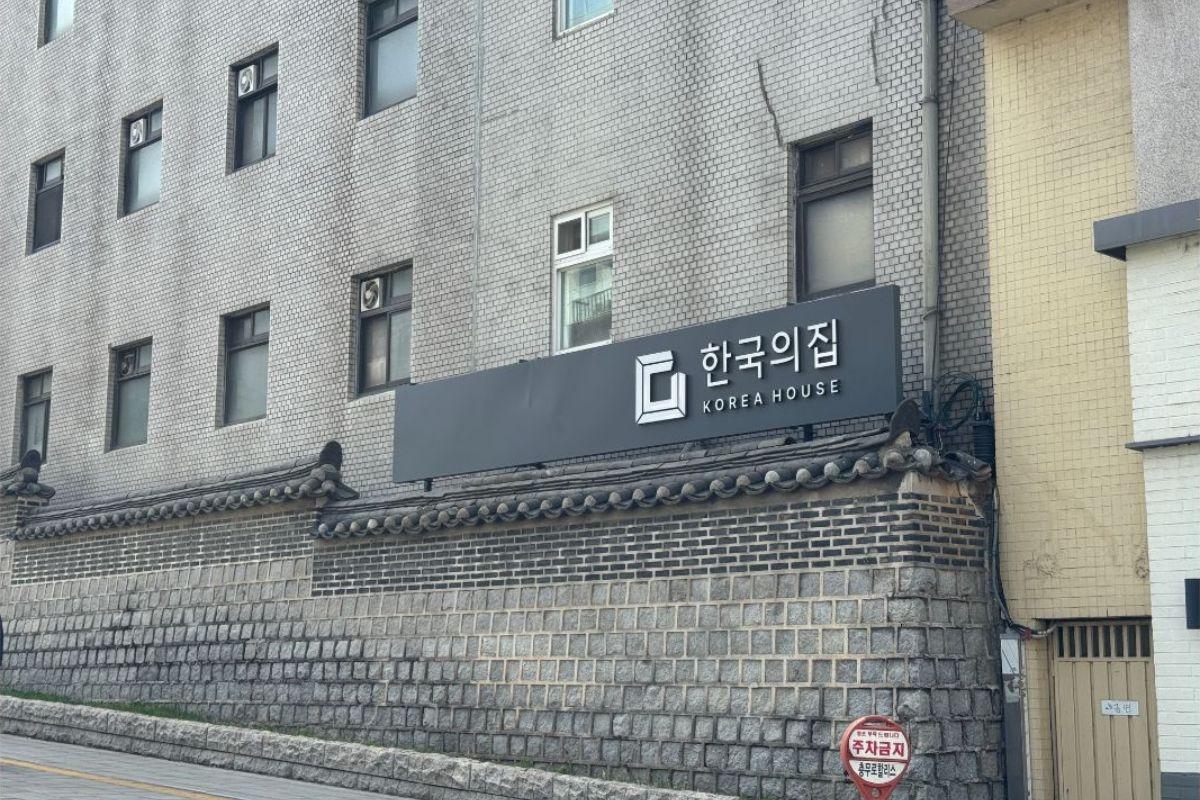
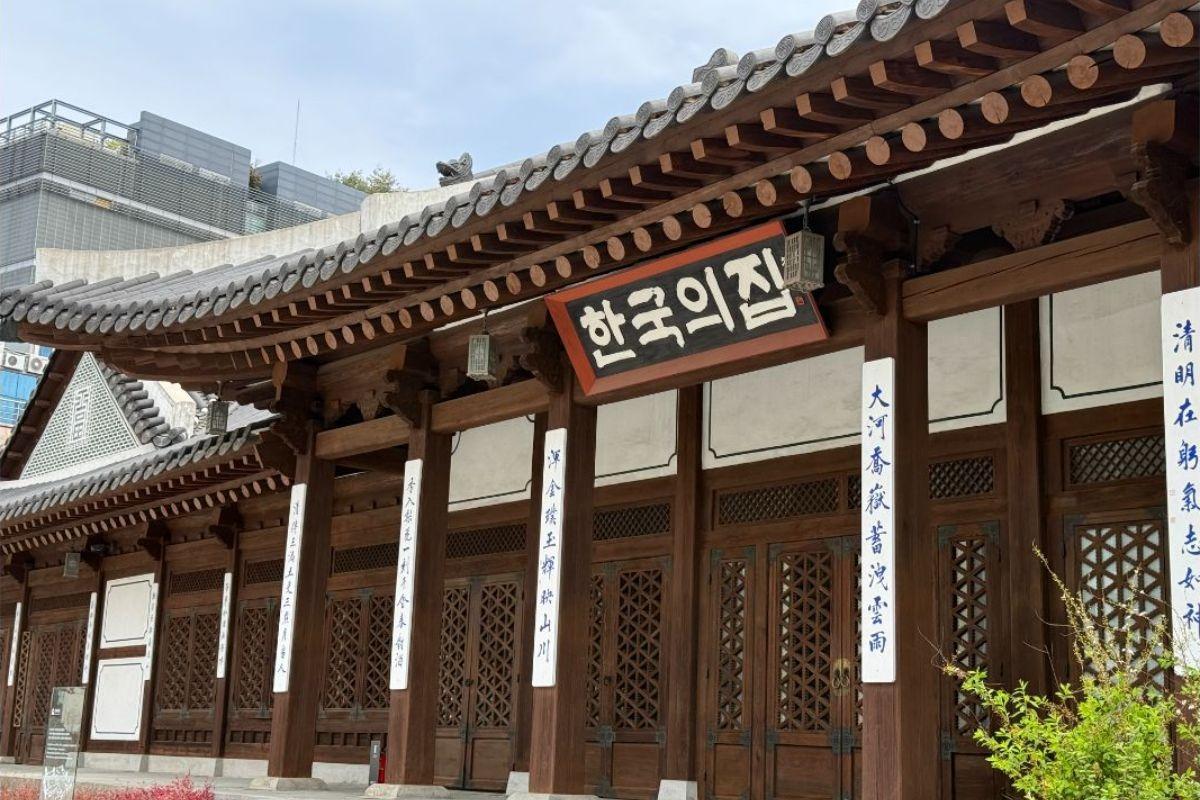
Step out of the subway, walk a short distance, and a striking Hanok appears right in the middle of the city. Outside, it's a typical Seoul streetscape, but the moment you step onto the grounds, the atmosphere shifts — that contrast really stayed with me.
📍 Venue Information
Name: Korea House Kohojae
Address: 10 Toegye-ro 36-gil, Jung-gu, Seoul (Korea House Annex)
Access: About 1–2 minutes on foot from Chungmuro Station Exit 3
Hours: 10:00–21:00
Regular Closing Days: Every Sunday and Monday
Note: Additional closures may occur due to weddings or private events. We recommend checking the reservation calendar before your visit.
※ Business hours, menu, and reservation rules are subject to change. Please check the latest information on the Creatrip booking page, the official Korea House page, or the reservation calendar before your visit.
What were my first impressions on arrival?
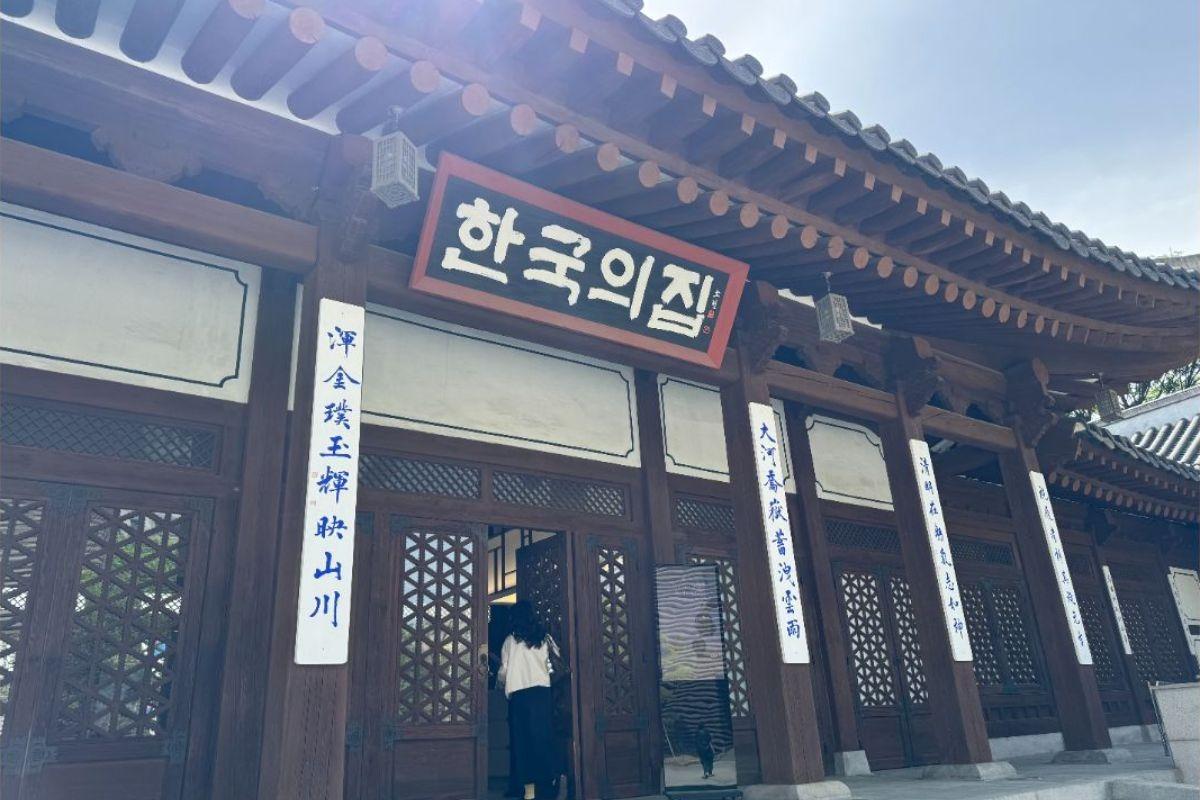
Korea House, just a quick walk from Chungmuro Station. The first thing that struck me was the sheer presence of a Hanok appearing in the middle of the city.
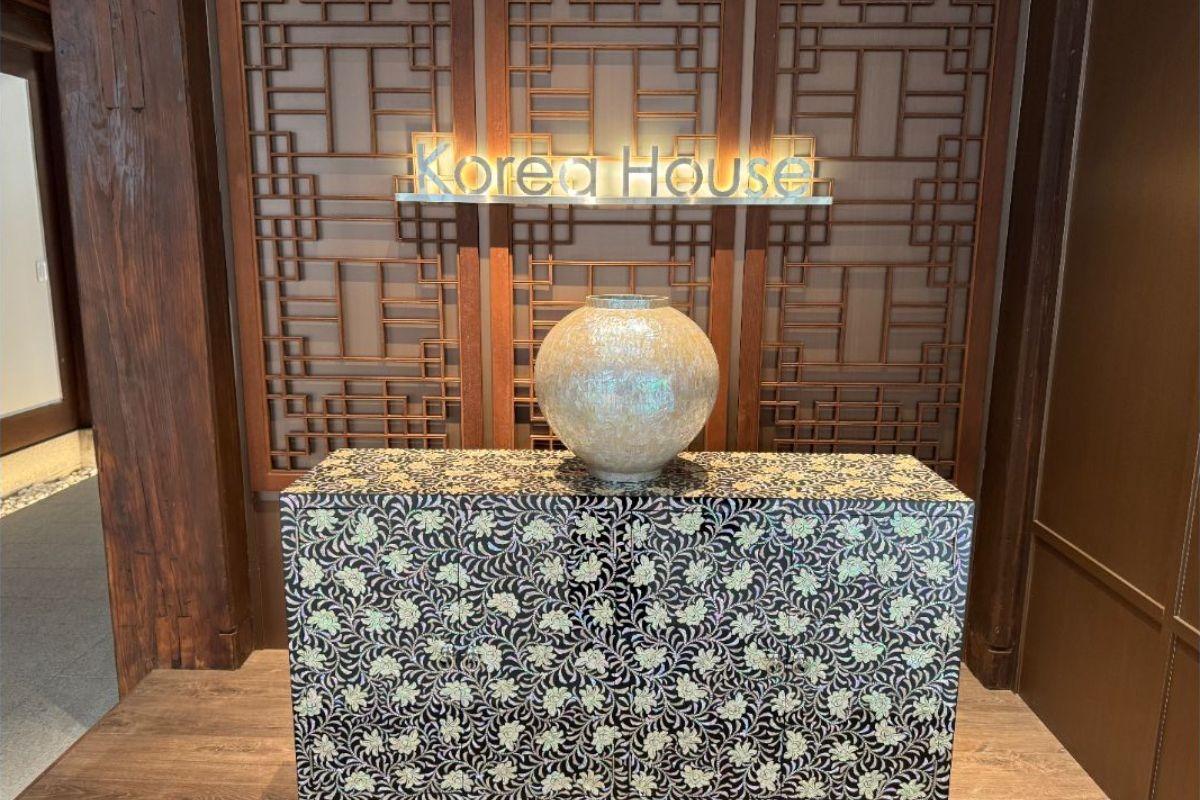
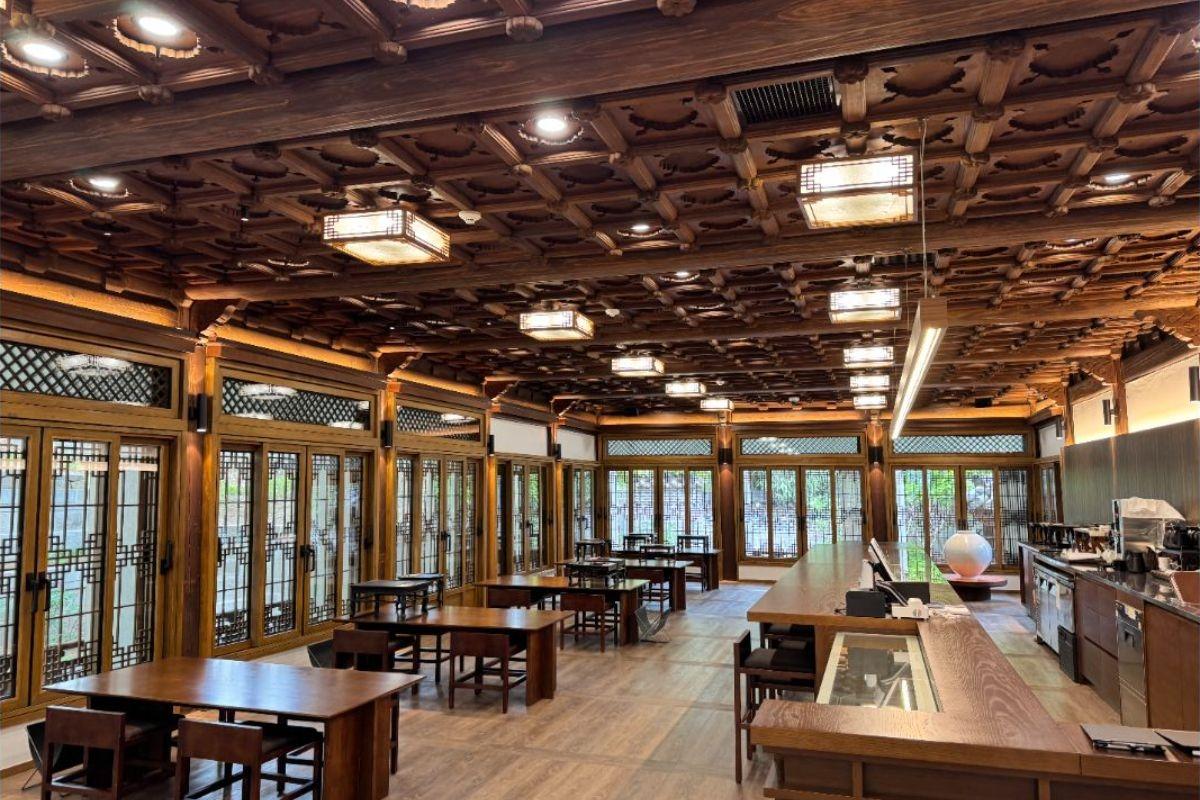
You're right in central Seoul, yet the moment you step inside the grounds, the air feels just a little different. Staff members were dressed in modern hanbok, and traditional music played softly throughout the space.
It doesn't feel like a "Korean-themed cafe dressed up for tourists" — the space itself has real weight to it. The Hanok, the garden, the ceramics, the music, and the service all feel cohesive, and my expectations went up considerably from the very start.
Is the Hanok space really that special?
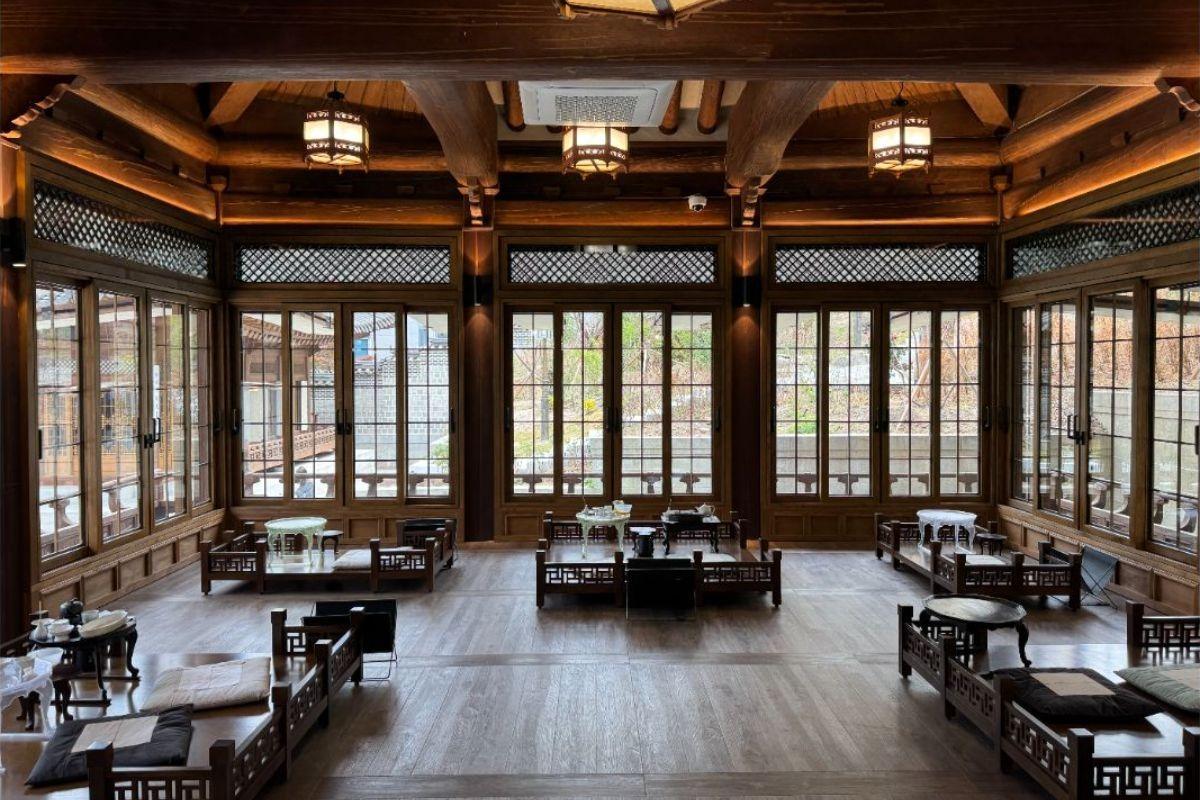
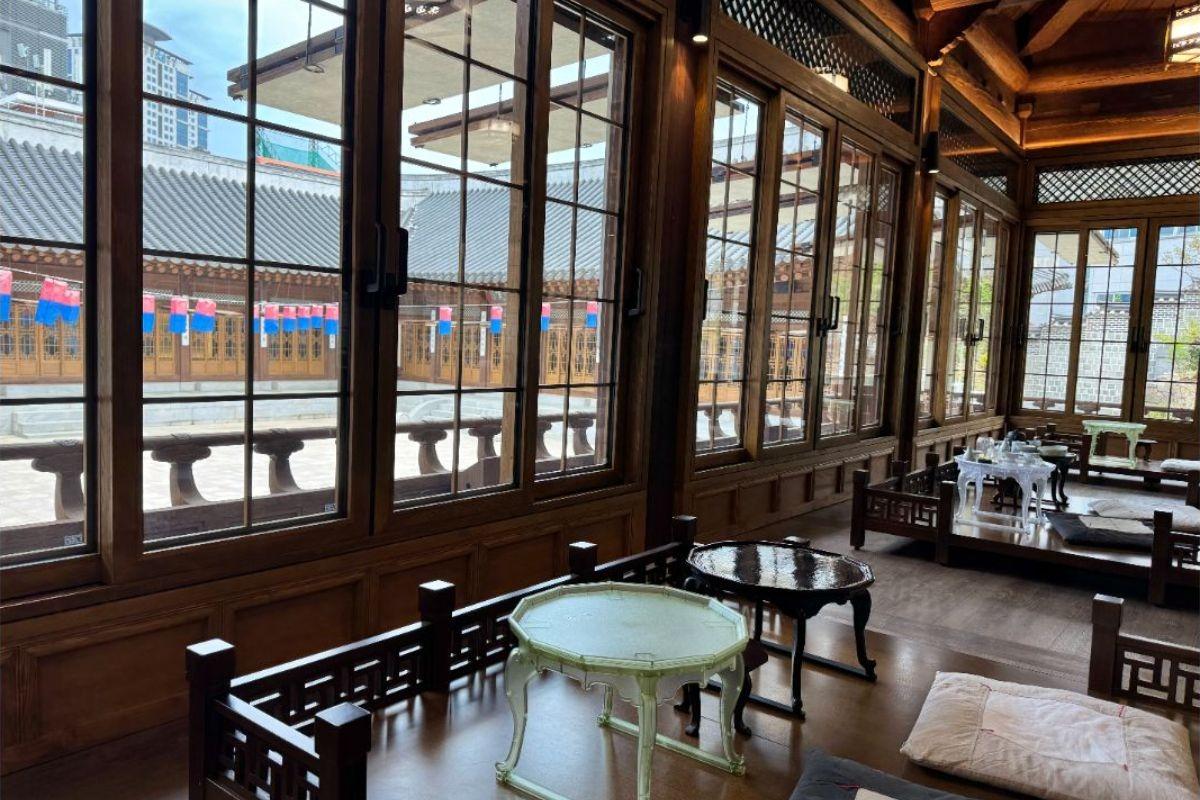
Kohojae's appeal isn't just the sweets — it's also the space itself. Inside, the layout preserves the feel of a traditional Hanok while mixing in comfortable Western-style table seats with Korean-style floor seating. Natural light pours in through large windows, and you can spend time gazing at the garden outside.
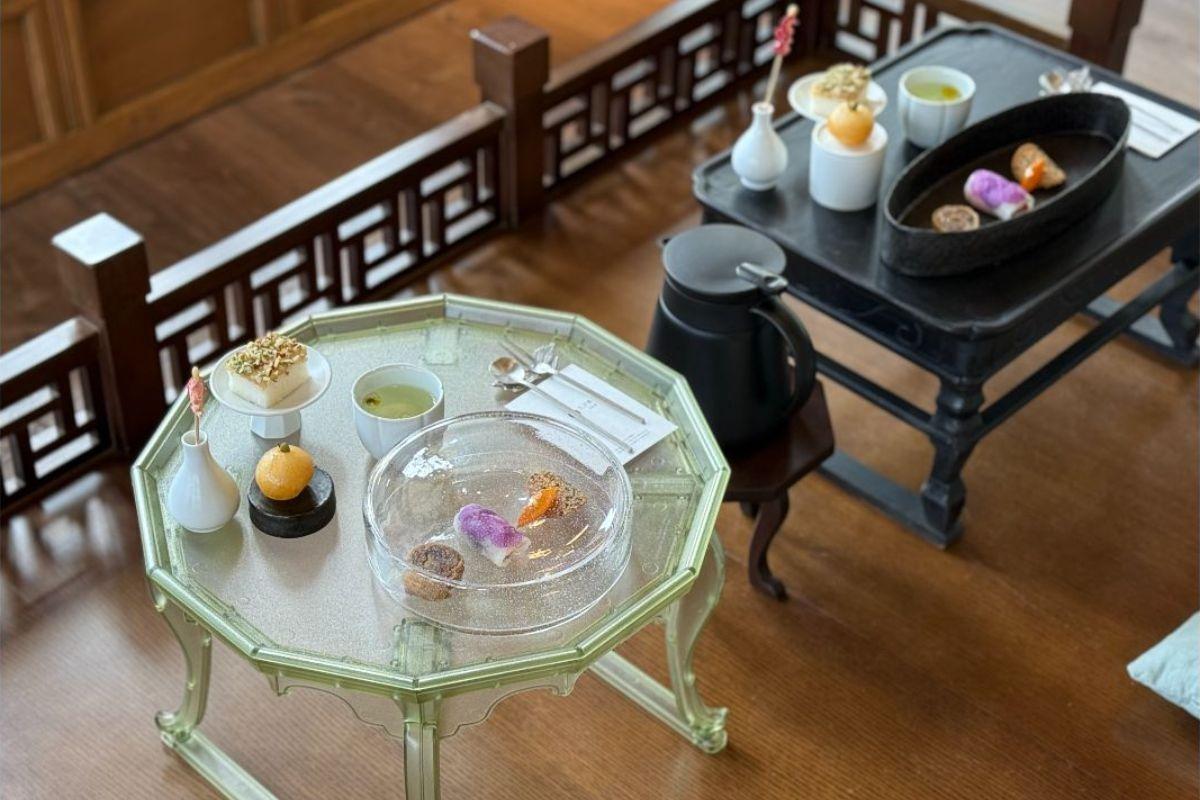
Once you sit down, the feeling isn't simply "this is beautiful" — it's a space that naturally lowers your voice and slows you down. Rather than rushing while looking at your phone, it invites you to sip the tea, eat a sweet, and pause to look at the view. The pacing of the place sets you up for that.
📝 Editor's Tip
If you want great photos, the window-side seats are a strong pick. The garden view comes in behind your tea-set shots, giving them an even stronger Korean feel. That said, seating is limited and there's no guarantee of getting your preferred spot, so keep that in mind!
What's in Kohojae's single-person tea & sweets set?
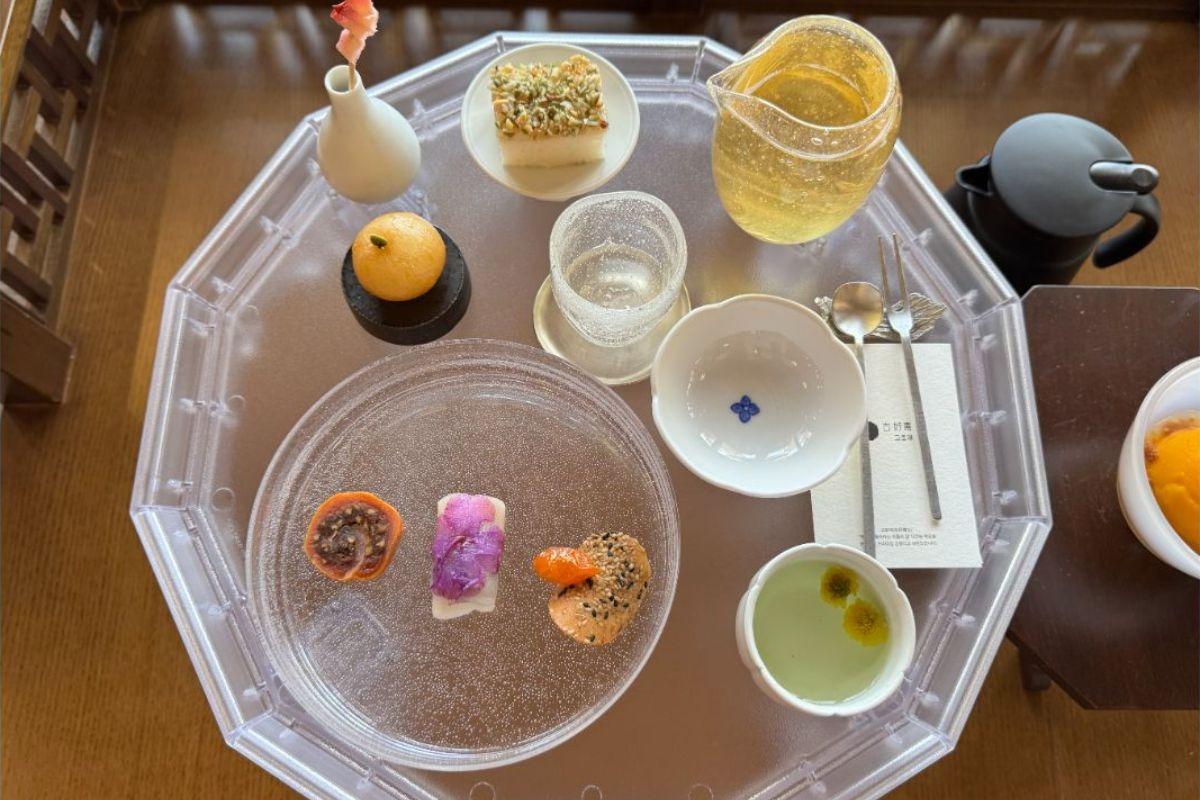
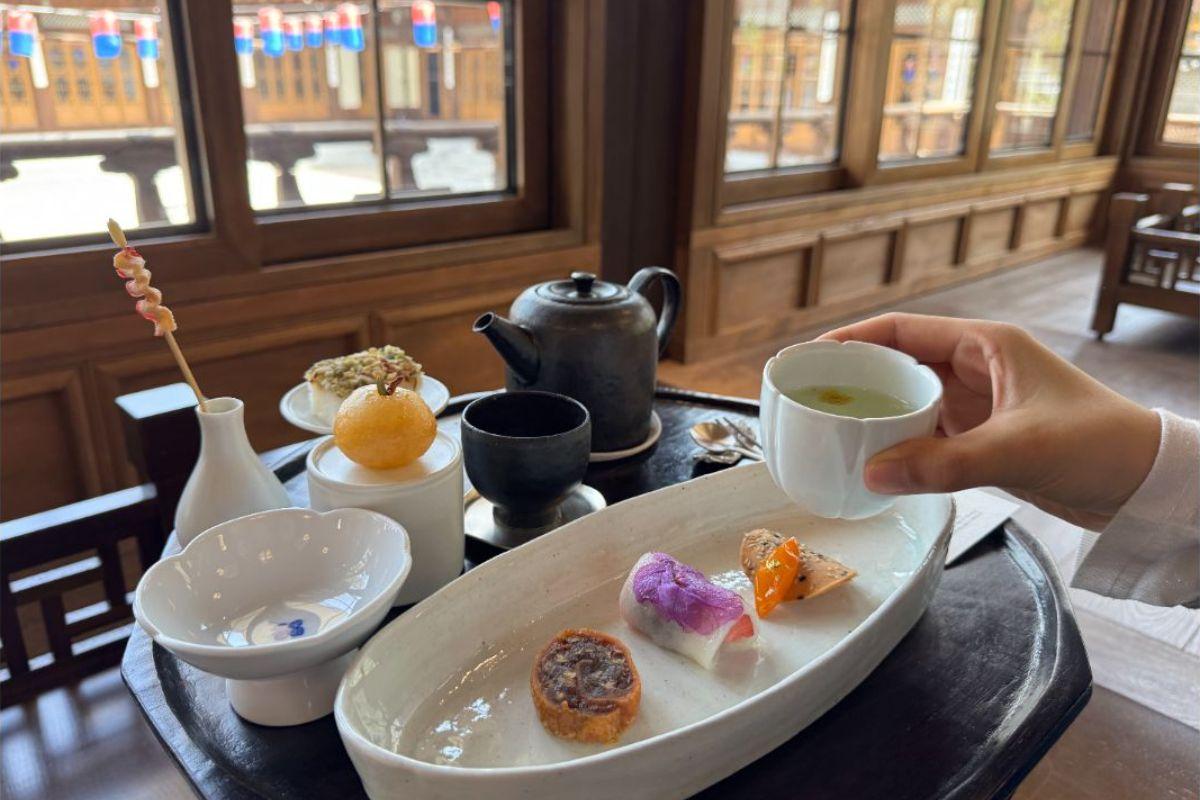
Kohojae's signature offering is the single-person dagwasang (tea & sweets) set, with seasonal traditional sweets and tea served as a single, individual portion.
Based on the spring 2026 menu, the single-person tea & sweets set with tea is in the 30,000-won range. The composition changes by season and ingredient availability, so the contents can vary depending on when you visit.
Each sweet is plated with care, so the moment the set arrives, the visual is genuinely impressive. But it's never showy — there's a quiet, unmistakably Korean sense of beauty to it.
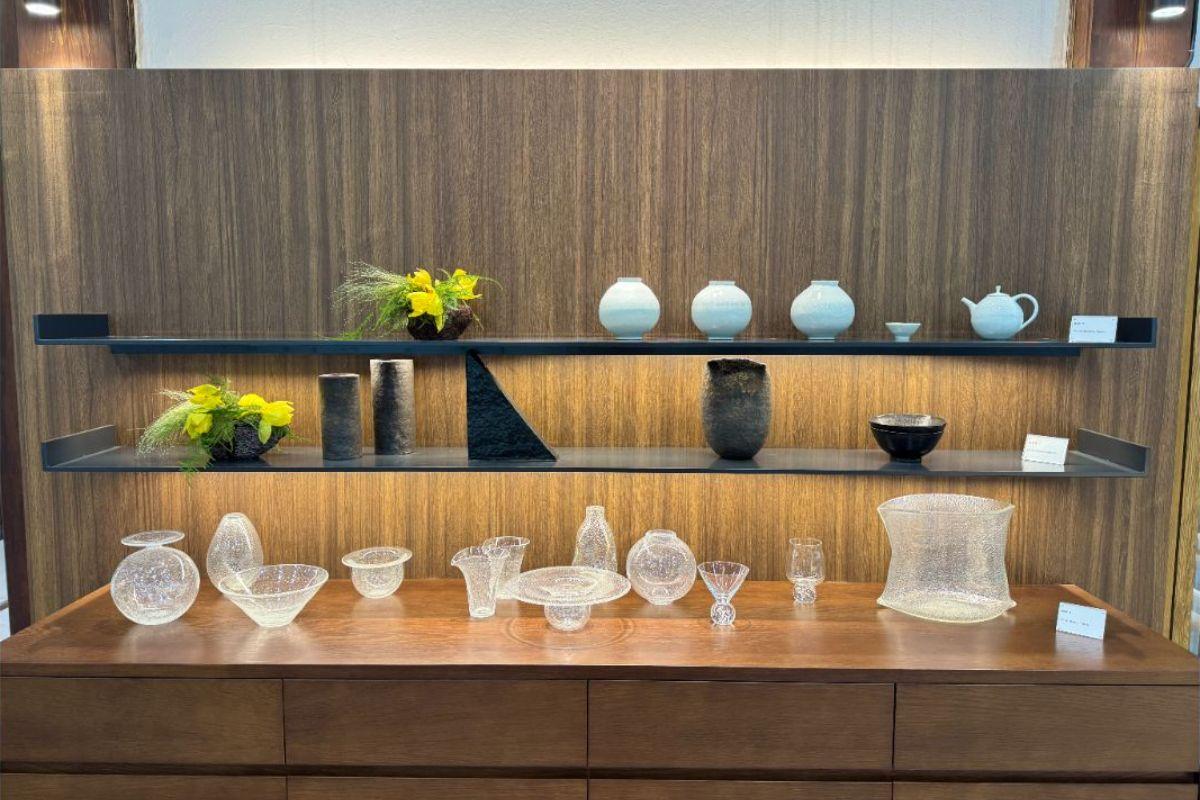
What stood out most to me was the tableware. Artisan-made glass pieces and other carefully chosen vessels — each one felt almost like a small piece of art.
How did everything actually taste?
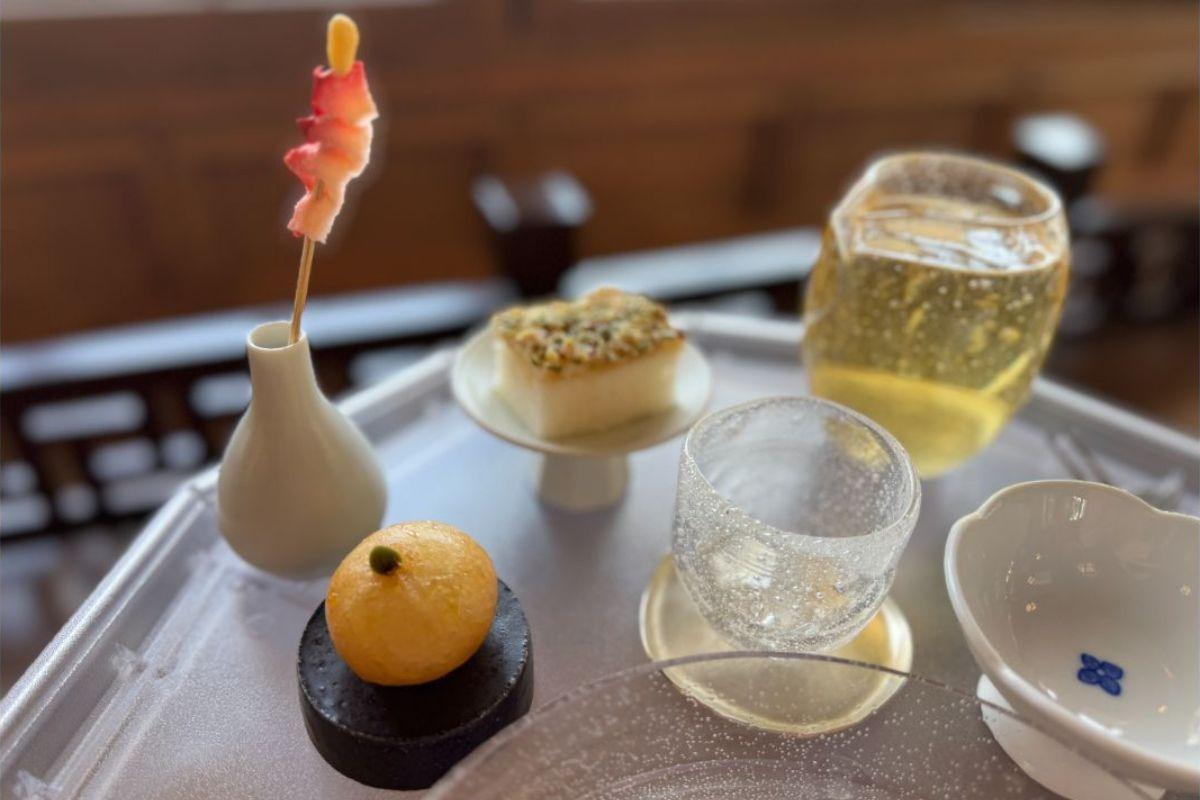
Overall, Kohojae's tea sweets have a refined, naturally restrained sweetness. Even guests who don't usually love sugary desserts will find them easy to enjoy, and the flavors should appeal broadly to international visitors.
Each sweet has a different texture and aroma, so there's a real pleasure in trying a bit of each. The roughly 90-minute time limit gave me plenty of time to take it slow, and I left feeling well-satisfied.
Honestly, even after finishing, I caught myself thinking, "I'd love to stay just a bit longer."
Menu Review | The sweets I loved on my visit
From here, these are my impressions of the items I actually tried. The lineup changes with the seasons, so please use this as a reference before you go.
Welcome Tea (Geumguk-cha / Golden Chrysanthemum Tea)
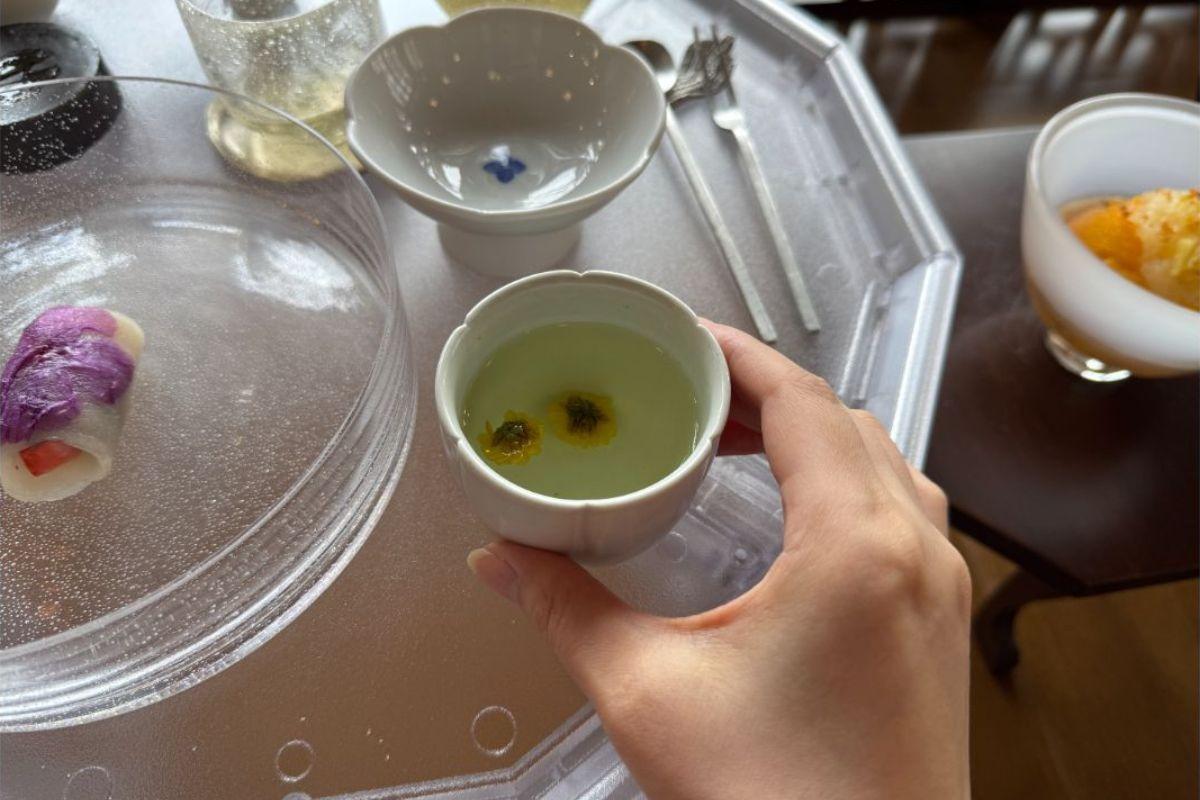
Once seated, the very first tea served is the welcome tea, geumguk-cha (golden chrysanthemum tea). This tea is offered to every guest who visits Kohojae. Carrying the meaning of "welcoming the guest who has come to us," the very first cup already conveys the kind of attentive hospitality that defines Kohojae.
Geumguk-cha has a soft floral aroma and a clean finish — the kind of tea that gently settles your mind before the full tea-and-sweets experience begins. As the first sip in this quiet Hanok space, it pairs beautifully with the mood of the room.
Signature Tea
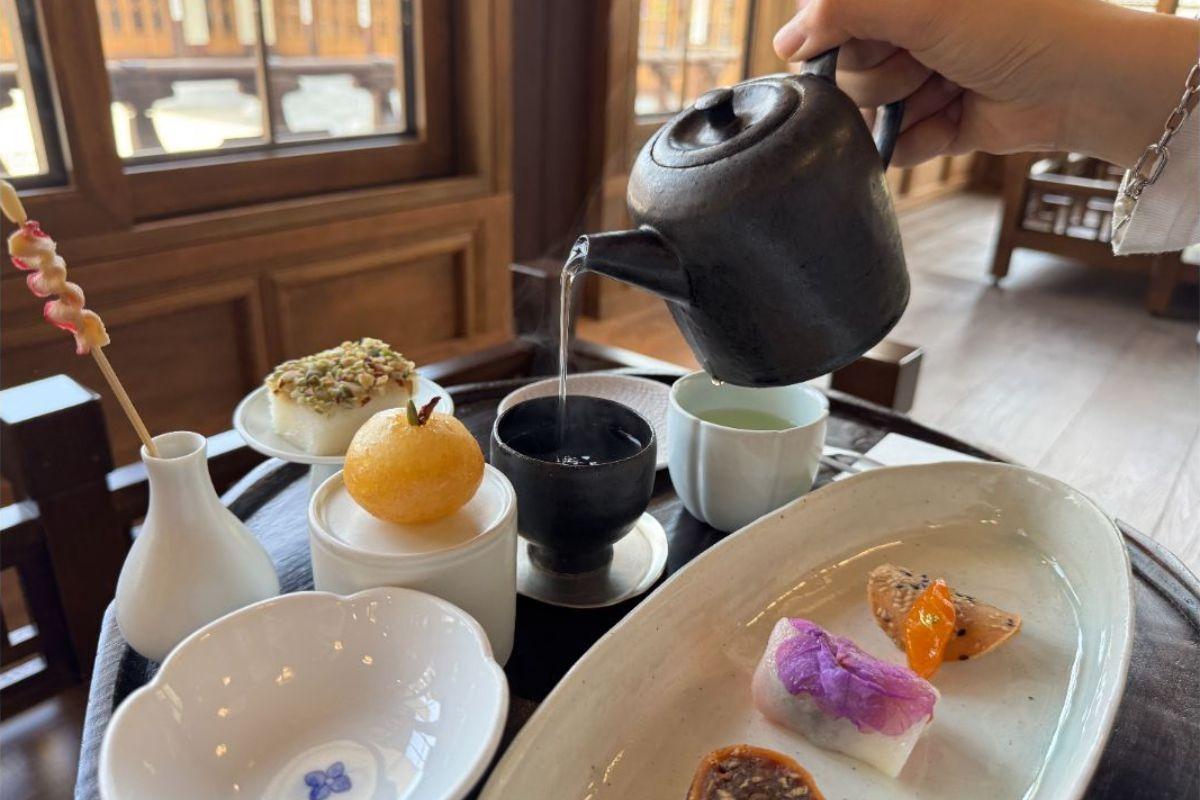
Starting this year, Kohojae has partnered with the popular tea brand House of Oon, making the tea menu noticeably more substantial. You can enjoy a refined tea experience that builds on Korean traditional teas with a modern sensibility.
The teaware also varies slightly depending on the type of tea — yet another detail that shows how much care goes into the experience. The signature tea is a blend of bamboo leaf, yuzu, and sweet osmanthus. Clean and easy to drink, it pairs perfectly when alternated with the sweets.
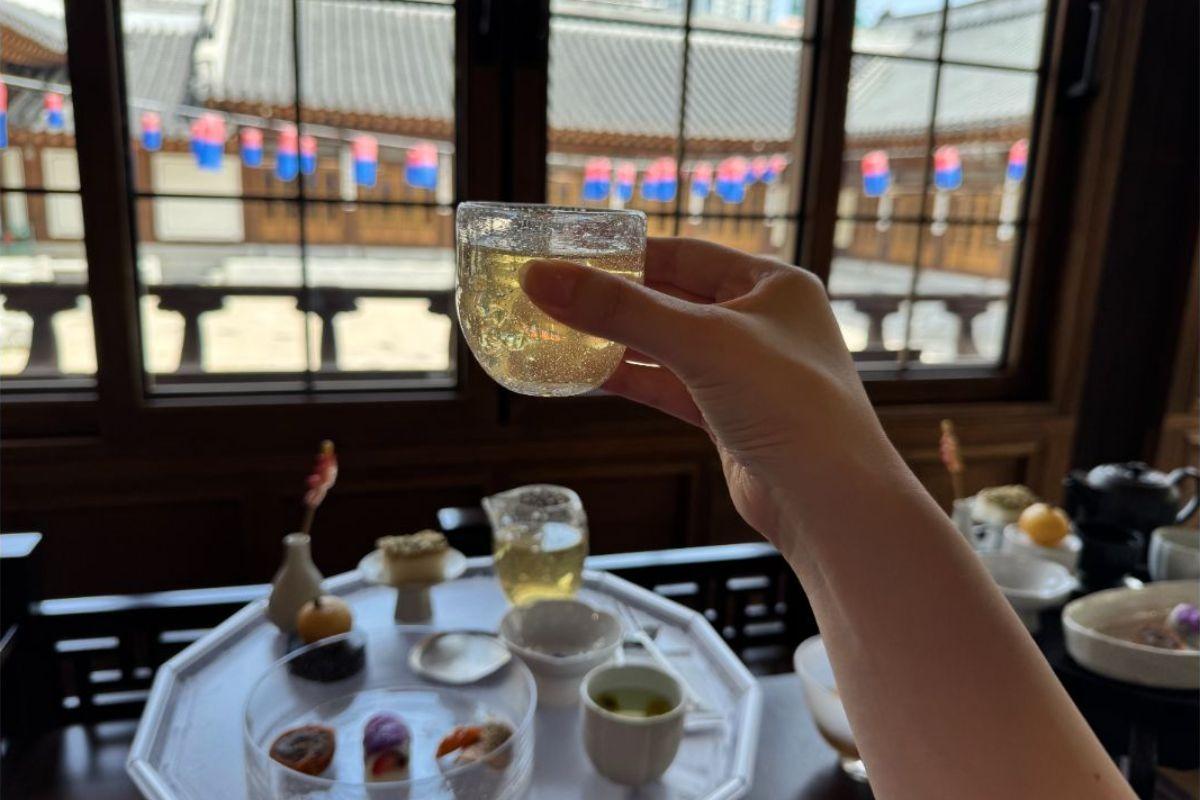
For the cold version, the tea is slowly cold-brewed at room temperature for about 12 hours, while the hot version is steeped for around 3 minutes in hot water. There's almost no bitterness — just a clean, lingering finish.
Seasonal Tea
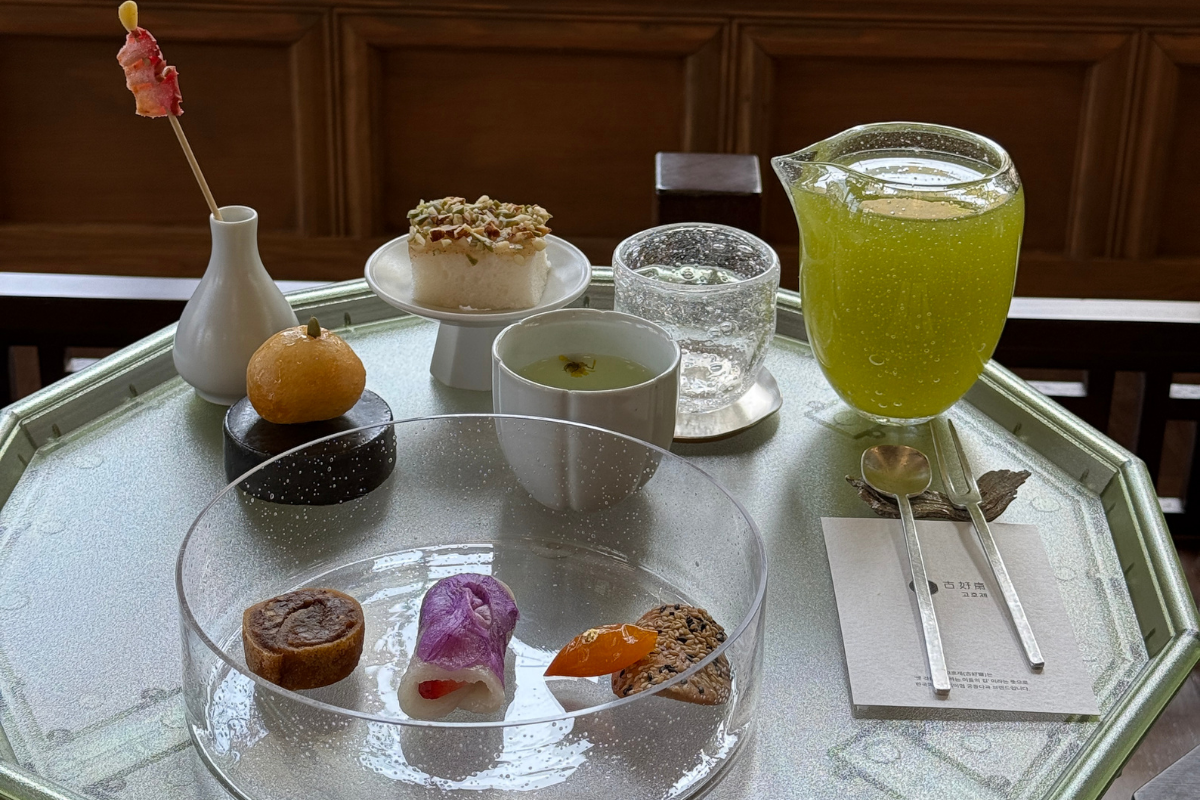
The seasonal tea on offer was Jeju Mal-nokcha (Jeju green tea). Made with tea from Jeju Island, this seasonal tea changes alongside the seasonal sweets at Kohojae.
Jeju is well known as one of Korea's tea-producing regions, and its tea is characterized by a soft aroma and clean taste. Paired with the natural sweetness of the traditional confections, the overall balance comes together really nicely.
Getting to encounter different teas depending on when you visit is, I think, one of the real joys of Kohojae.
Guwun Jeungpyeon (Grilled Steamed Rice Cake)
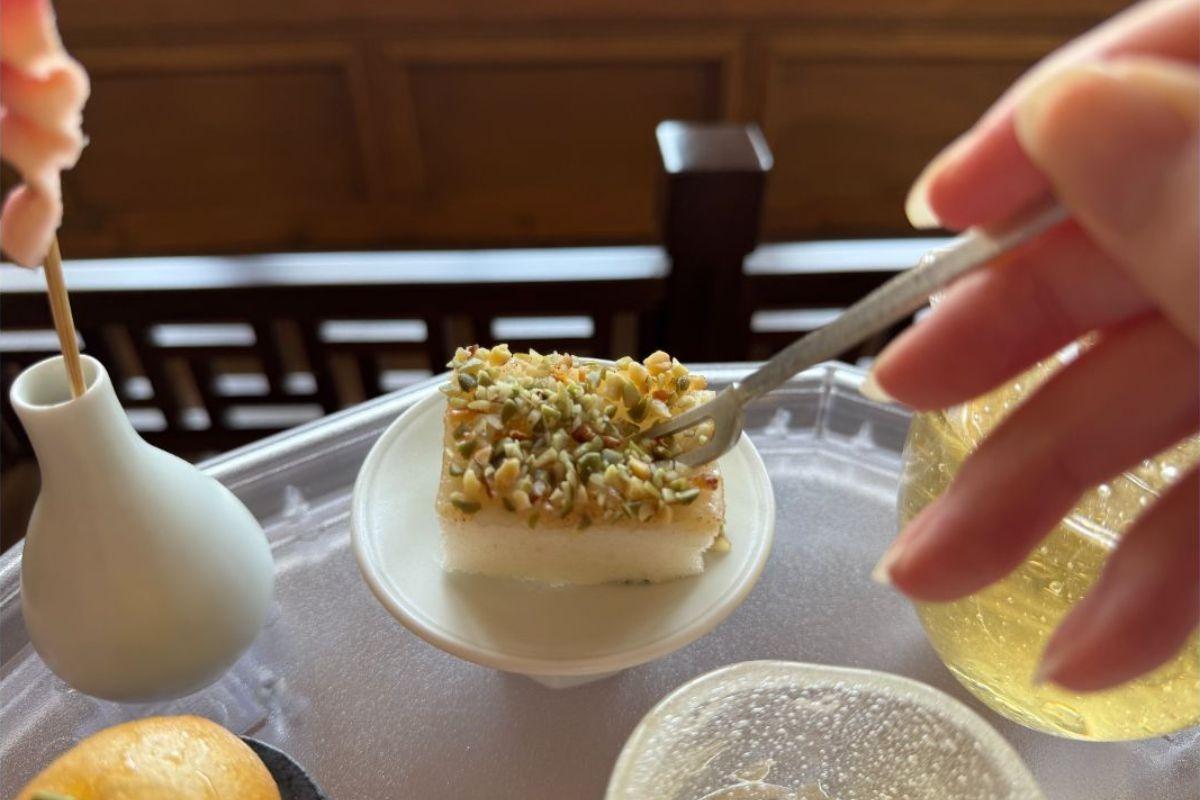
A square-shaped rice cake, lightly grilled and topped with nuts — one of Kohojae's signature sweets.
The outside is slightly crisp, while the inside stays soft and chewy. Cinnamon notes drift through gently, and the texture from the nuts adds a nice extra dimension.
It carries the calm, restrained character of a traditional sweet, but the toasted aroma from the grilling makes it very approachable.
Geumgyul-jeonggwa & Sagwa-jeonggwa | Candied Kumquat and Apple
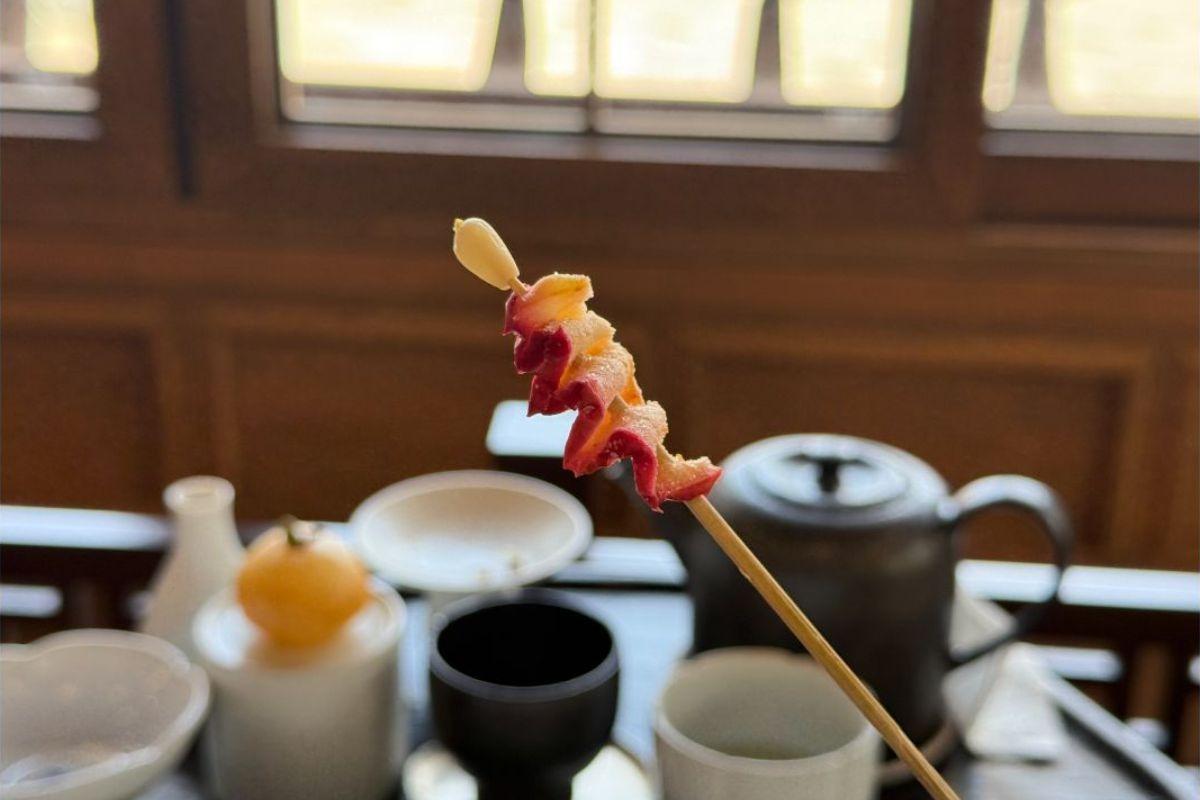
The candied apple had a dried-fruit-like texture, with a sweet-and-tart balance that worked really well.
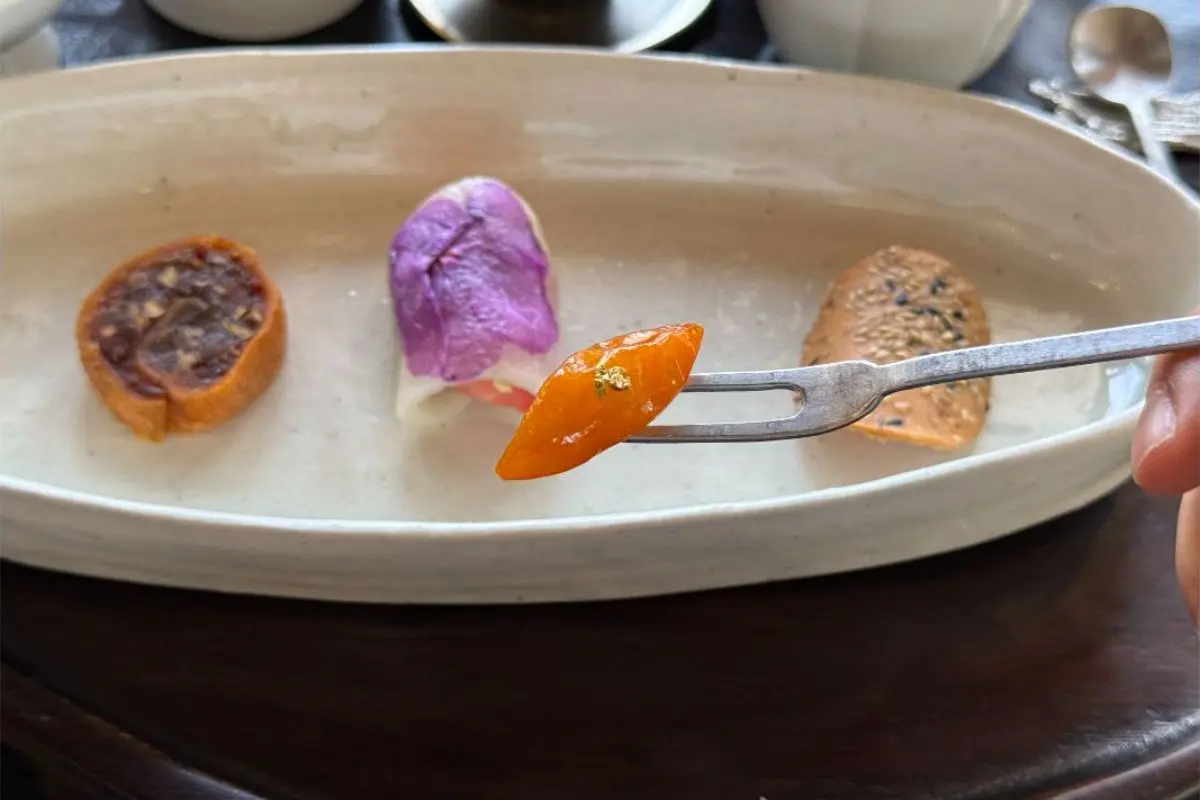
The kumquat is topped with edible gold leaf, making it strikingly beautiful to look at. Inside, it's packed with concentrated sweetness, with a juicy quality you can really feel. Even though it's a tiny bite, it adds a meaningful shift in flavor across the whole tea & sweets set.
Kkae-jeonbyeong (Sesame Crisp)
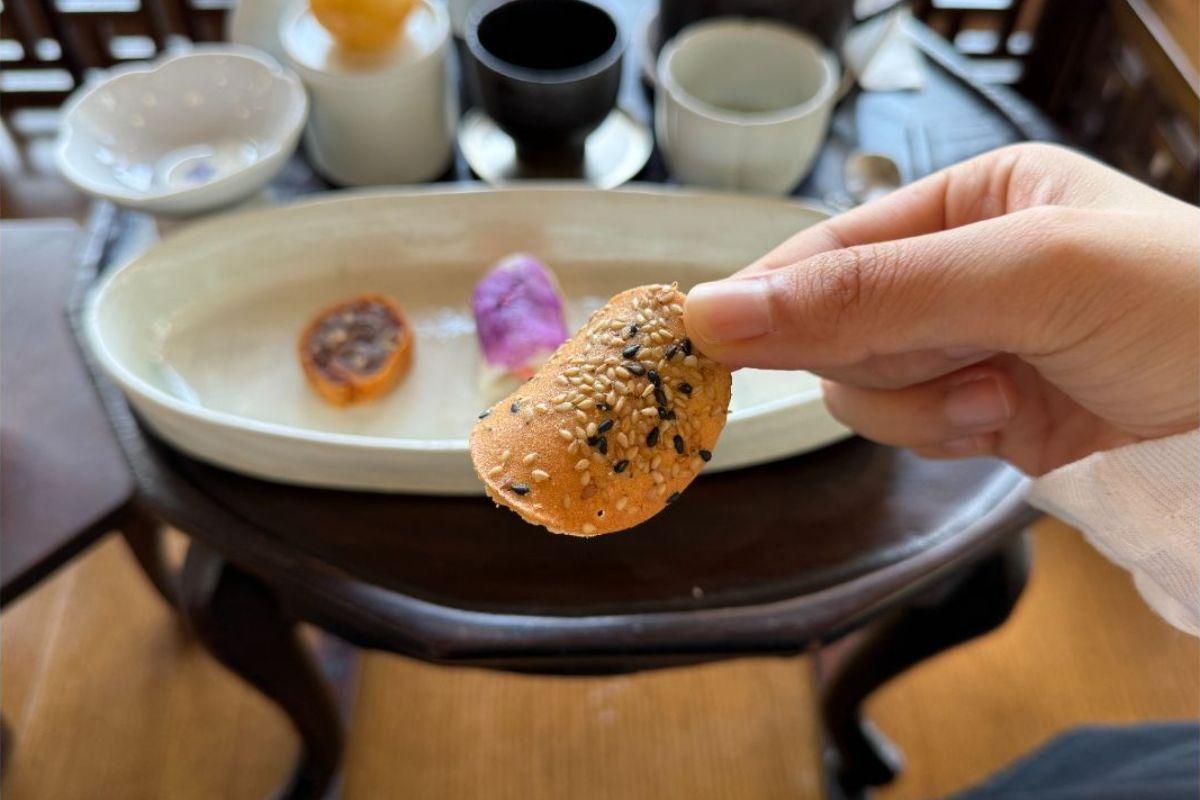
It looks thin and crispy at first glance, but in the mouth there's actually more softness than expected, and it's surprisingly easy to eat. The toasted sesame aroma and flavor come through richly, and even though it's simple, it's the kind of sweet that makes you want just one more. A confection that should feel familiar to international visitors as well.
Gaeseong Juak (Filled Glutinous Rice Donut)
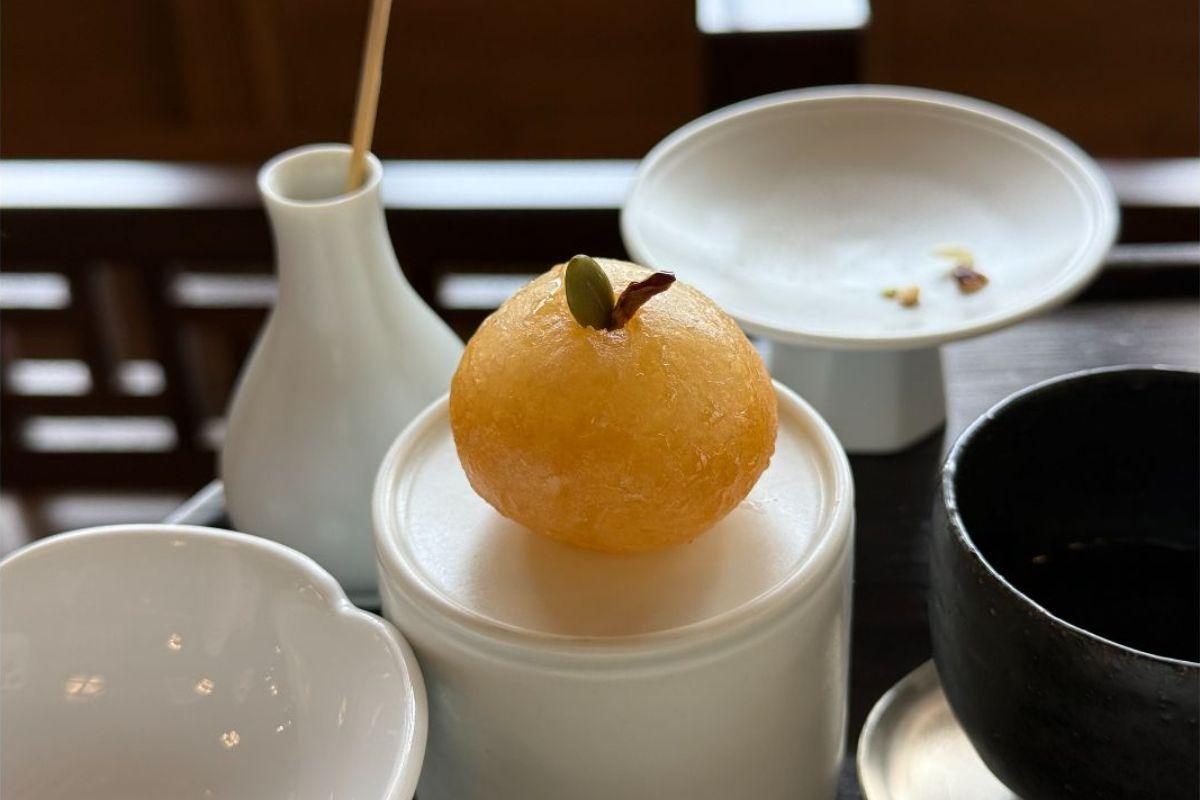
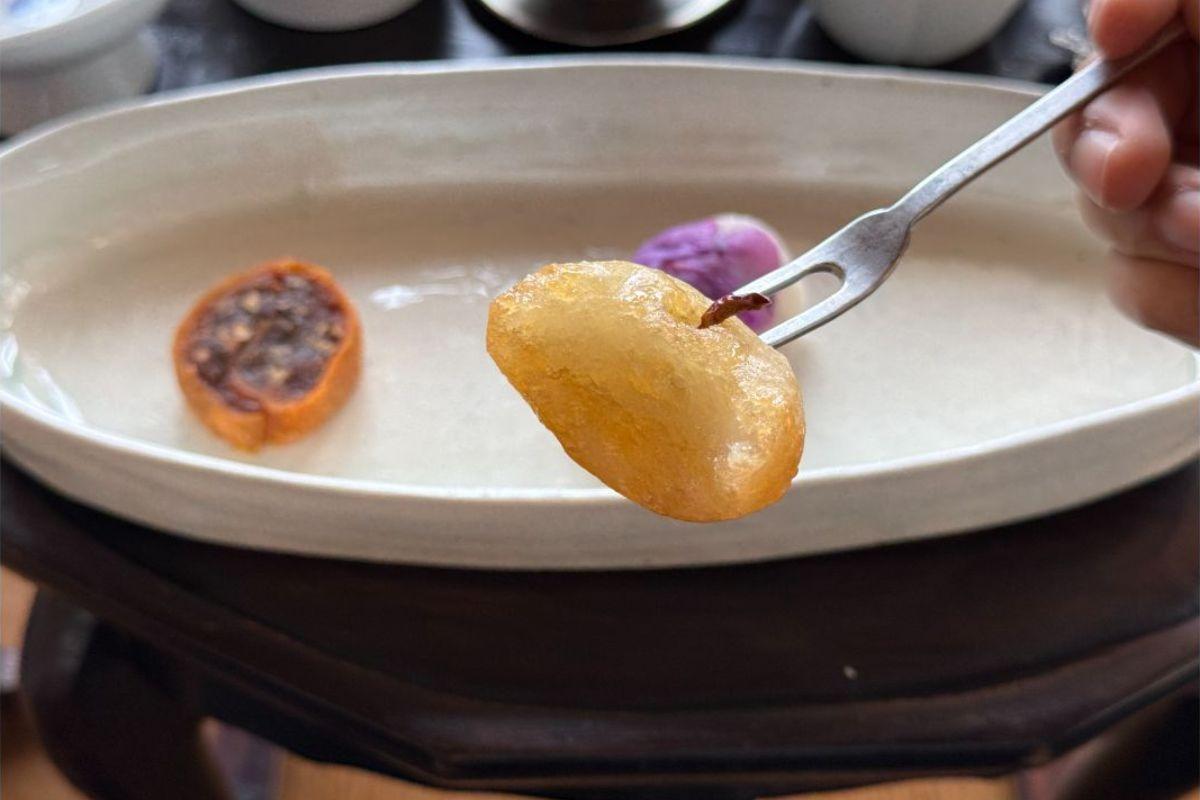
My personal pick of the visit goes to Gaeseong Juak. It's also widely known as one of Kohojae's most popular items. The outside is golden and crisp from frying. The inside is delightfully chewy, and one bite releases a moist, gentle sweetness. It's a bit like a fried doughnut, but chewier, and the syrup has a more refined sweetness. After tasting it, the popularity makes complete sense.
💖 Editor's Pick
Gaeseong Juak was the standout of everything I tried.
The harmony of the crisp exterior, chewy interior, and gently sweet syrup makes it a great entry point for anyone trying Korean traditional sweets for the first time.
Flower-wrapped Rice Cake
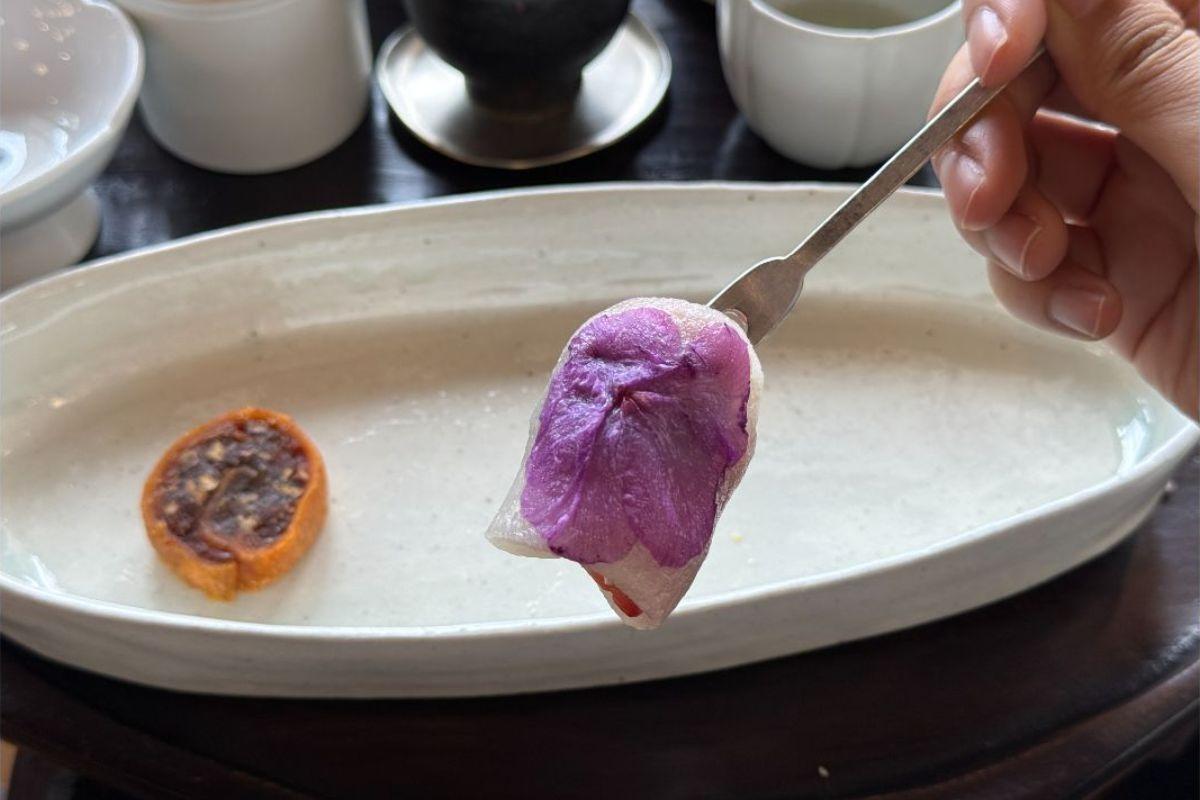
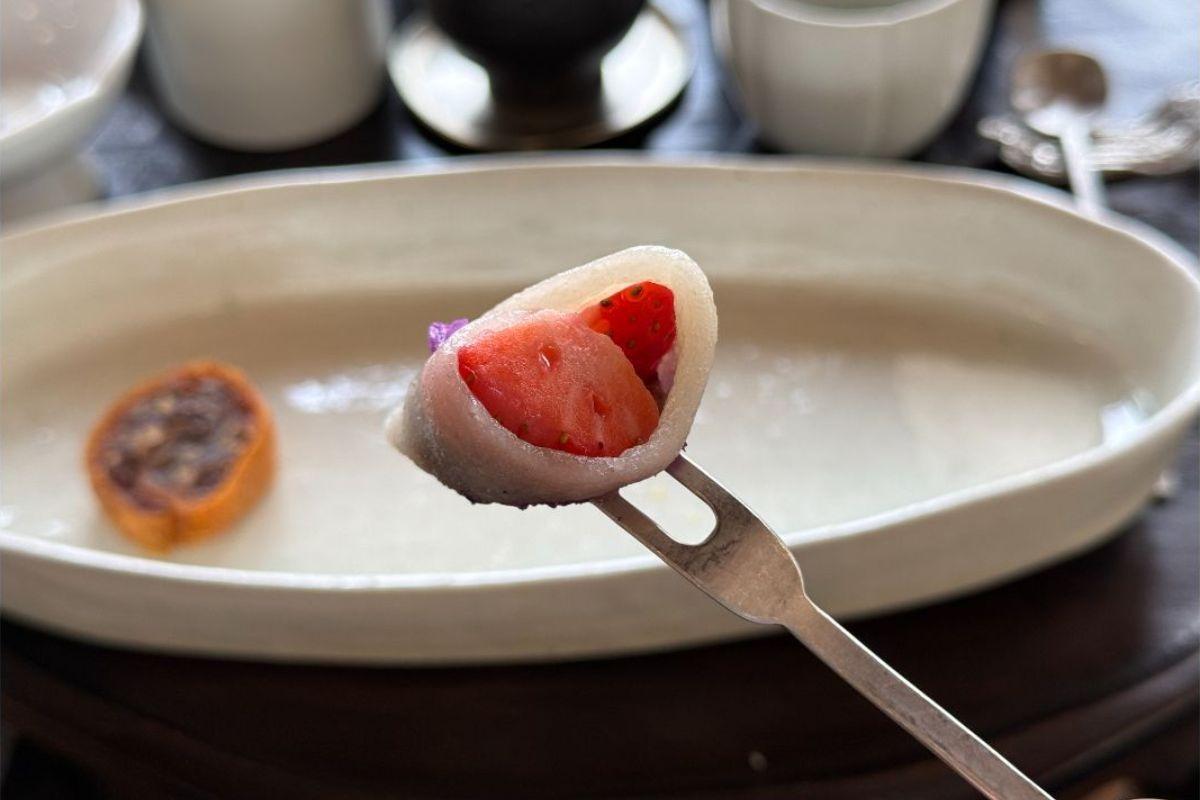
Visually beautiful and very photo-friendly. The flower decoration gives it a striking presence — it's one of the highlights of the tea & sweets set. The exterior has the same chewy rice-cake texture you'd expect. Inside, you'll find strawberry and red bean paste — a combination that's almost guaranteed to taste good. The bright, slightly tart strawberry, the gentle natural sweetness of the red bean, and that chewy bite all come together for a truly happy mouthful.
Pumpkin Sikhye Sorbet
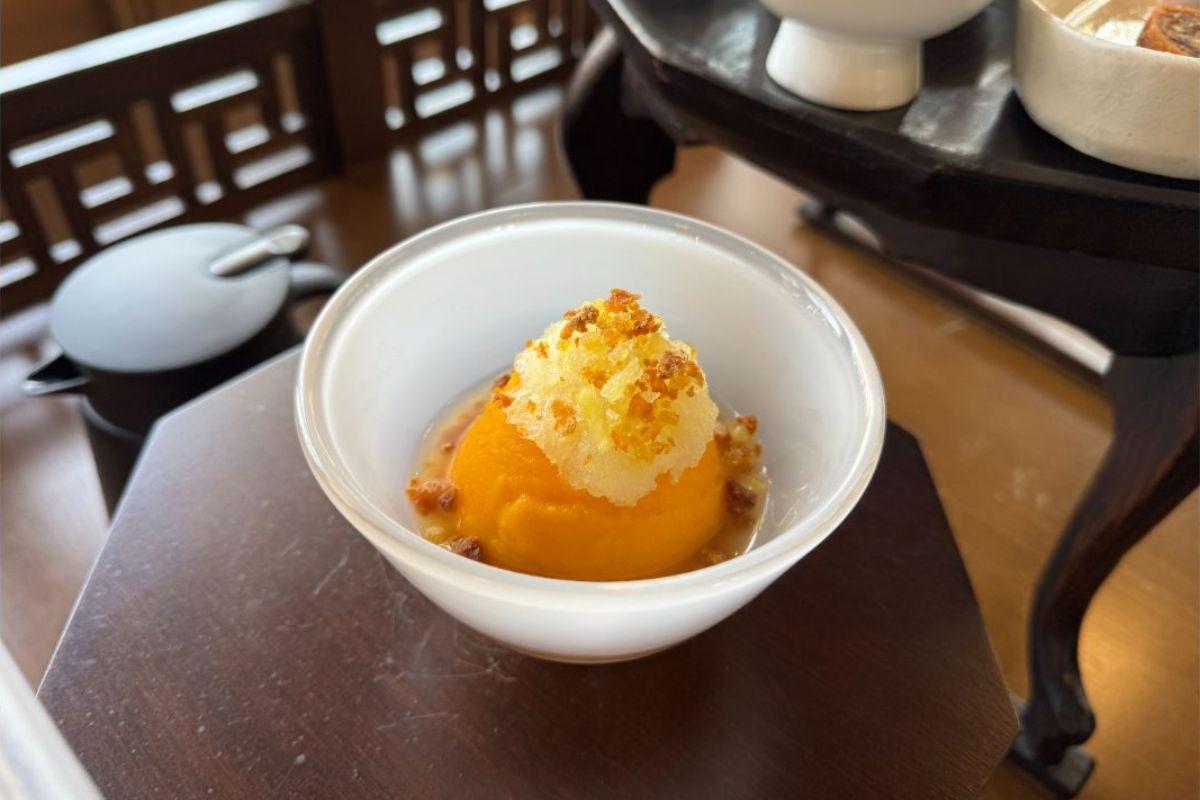
An add-on item I'd strongly recommend: the Pumpkin Sikhye Sorbet.
This was genuinely outstanding. The deep, natural sweetness of pumpkin married with the flavor of sikhye (Korean sweet rice drink) elevates the whole experience for a really satisfying finish.
It's made by blending fully ripened sweet pumpkin into a sorbet-style frozen dessert. Reduced sikhye is used as a sauce, and it's topped with yuzu pulp and toasted sikhye rice grains for the final touch.
Traditional yet new, sweet but never heavy — even if it means an add-on, this is one I'd really recommend ordering.
📝 Editor's Tip
- The Pumpkin Sikhye Sorbet is offered in limited quantities, so on-site orders may not always be possible. We recommend reserving it in advance.
- The tea & sweets set on its own is plenty satisfying, but if you have a sweet tooth, adding this will make the experience even better.
Is the single-person tea & sweets set worth the price?
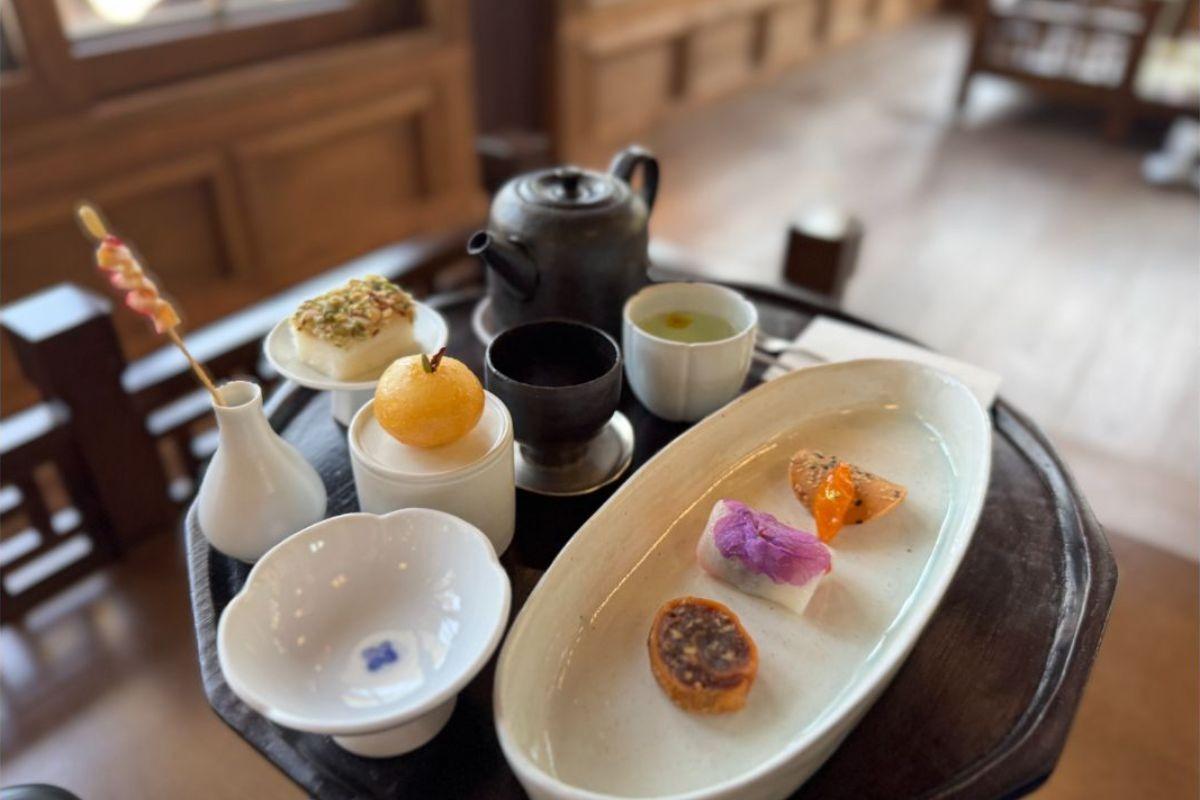
Based on the spring menu, Kohojae's single-person tea & sweets set with tea is in the 30,000-won range. Compared to a regular cafe in Korea, that's not exactly cheap.But once you experience it, you realize you're not just paying for "sweets and tea." The price reflects the Hanok space, the ceramics, the service, the garden view, and the overall experience of Korean traditional culture.
A Regular Cafe vs. Kohojae
| Category | Typical Cafe | Korea House Kohojae |
|---|---|---|
| Purpose | Quick break / drinks | Korean traditional tea-and-sweets experience |
| Setting | Cafe space | Hanok with garden view |
| Menu | Cake & coffee focus | Seasonal traditional sweets & tea |
| Best Suited For | A casual rest stop | Special occasions & travel experiences |
This isn't really for "I just want a cheap tea." It's for travelers who want to spend a memorable hour or two during their Seoul trip.
Do I need a reservation? How to book Kohojae
Reservation & Visit Information
How to Book: Reserve in advance on Creatrip (up to 4 seats per person)
[스팟] Korea House Kohojae | Royal Korean Tea & Sweets in a Serene Hanok
How to Check In: Show your reservation name on-site for entry
Time Allowance: 90 minutes (open to all ages)
Time Slots (38 guests max per slot)
- Slot 1 — 11:00–12:30 / Slot 2 — 13:00–14:30
- Slot 3 — 15:00–16:30 / Slot 4 — 17:00–18:30
Kohojae's single-person tea & sweets set is listed as 100% reservation-only via Creatrip. Popular dates and time slots can sell out shortly after reservations open, so if you have a fixed travel date, we recommend checking availability early.
Tea-only visits may sometimes be possible as a walk-in. However, walk-ins won't be possible during full bookings, so if you want to be sure, we recommend confirming seat availability in advance.
There is one window-side table for 3–4 guests, but parties larger than that may be split into two tables of two, or seated at standard tables — keep this in mind when booking.
⚠️ Things to Check Before Booking
- The single-person tea & sweets set is reservation-only
- Closed every Sunday and Monday
- Additional closures may occur due to weddings or private events
- Pets are not allowed
- The tea sweets may contain nuts, so guests with allergies should be cautious
- Strict vegan or other detailed dietary requirements may be difficult to accommodate, so please confirm in advance
When you book through Creatrip, you can review all the details in English while making your reservation — convenient if you're not comfortable booking in Korean.
Take time to walk around the Korea House grounds, too
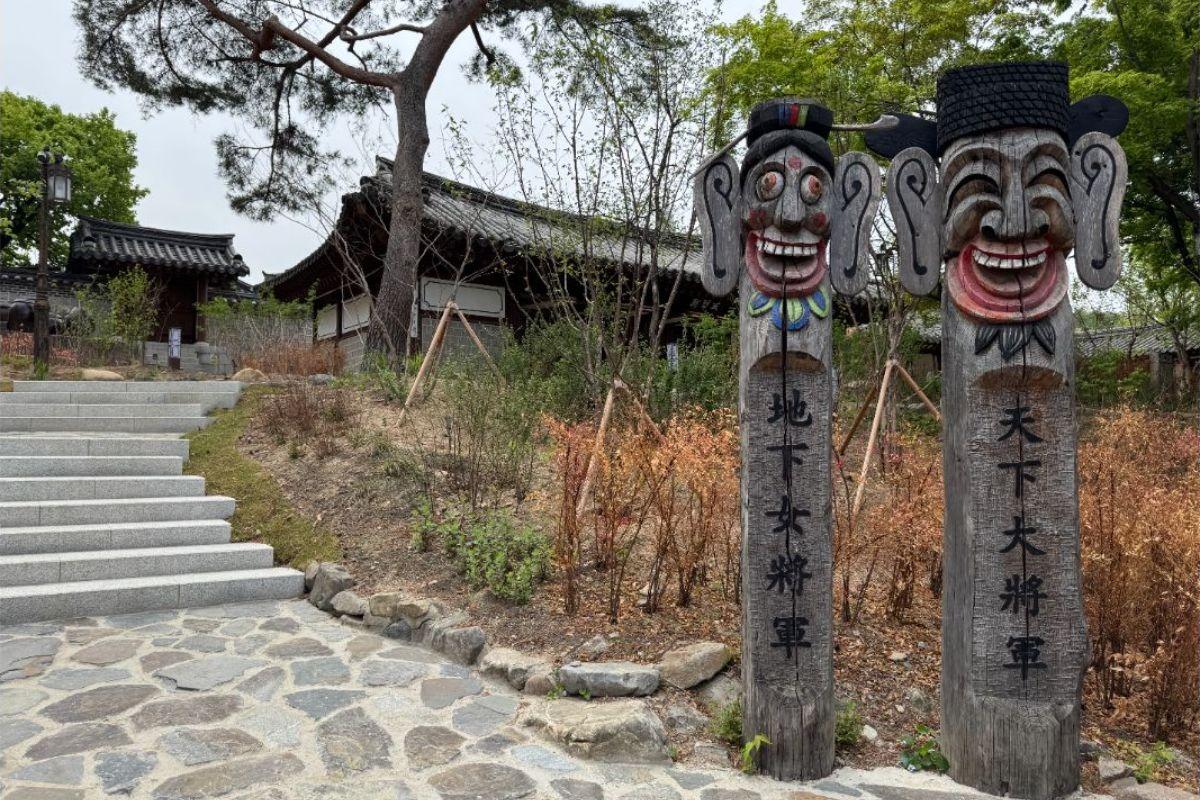
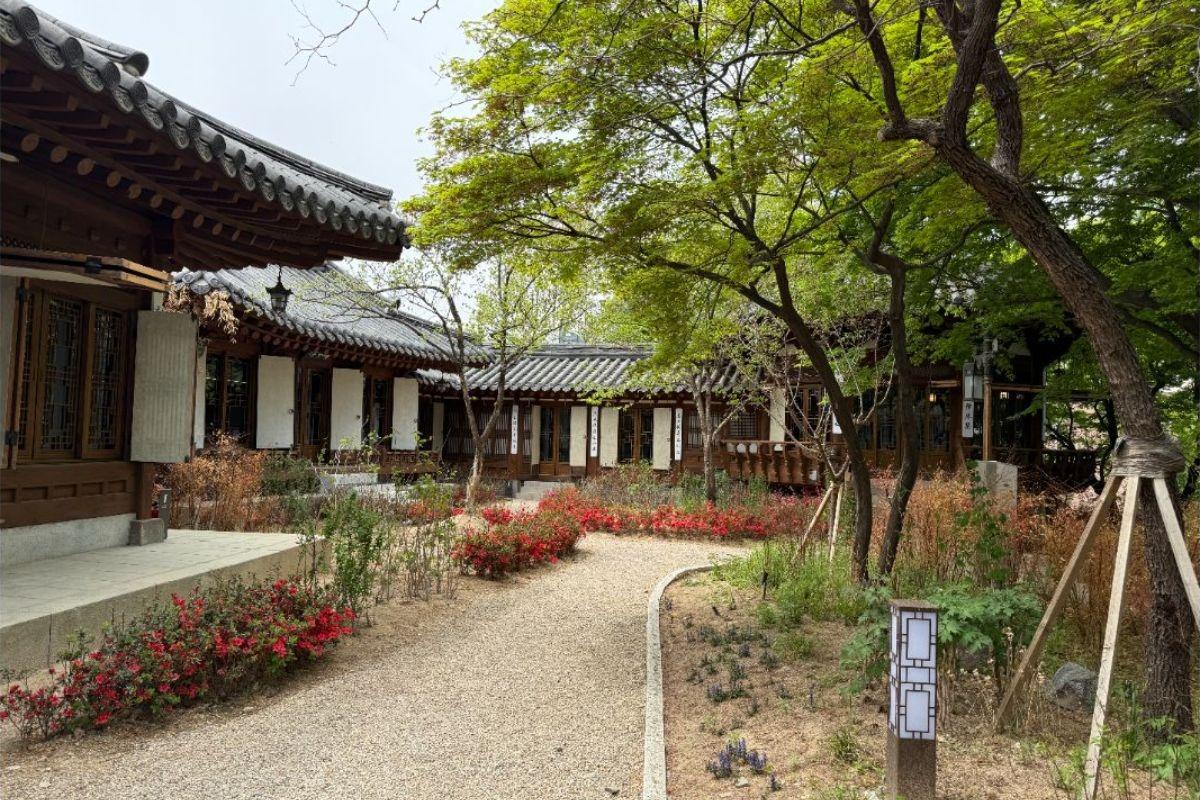
After enjoying your tea & sweets, I'd recommend taking a quick stroll through the Korea House grounds.
Once you walk outside and head up the stairs, there's another beautiful Hanok with a really nice atmosphere. If you enjoy photography, leaving right after your tea would feel like a missed opportunity.

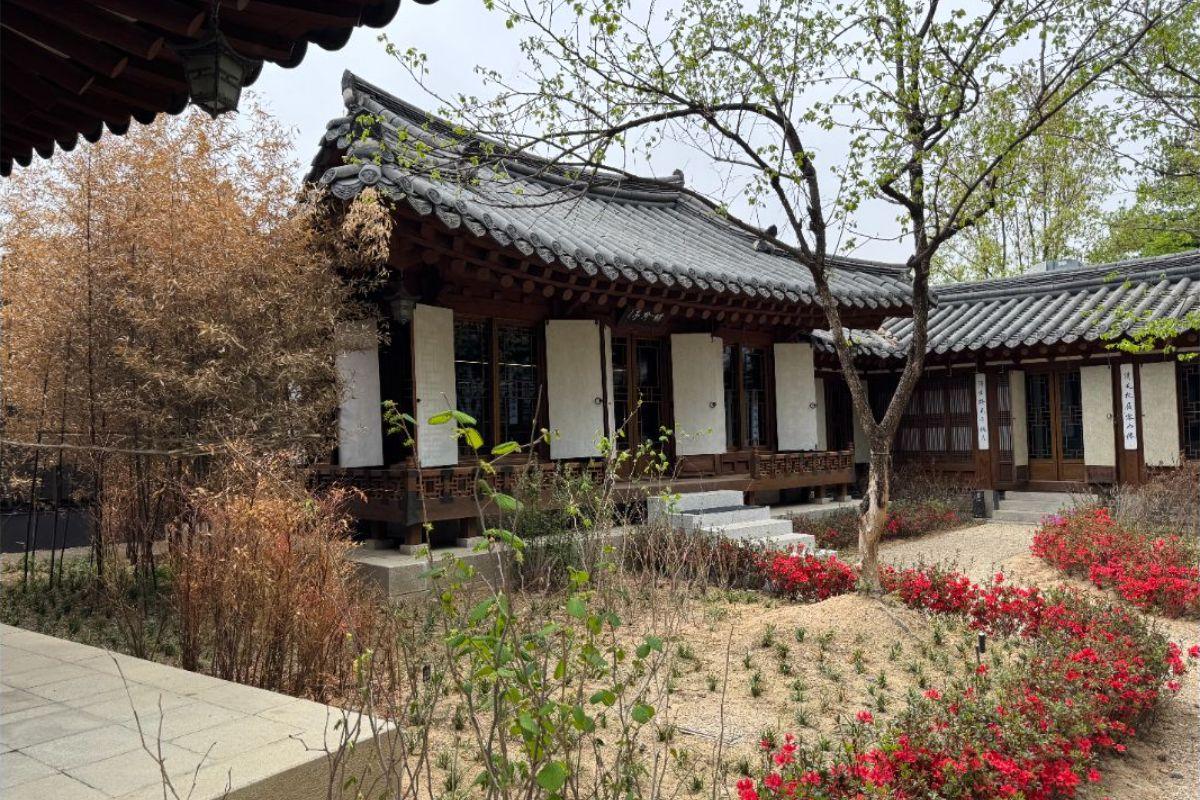
On the same grounds, you'll also find Nogeumjeong Pavilion, known as a BTS filming location. After climbing the stairs and going straight ahead, it sits at the end on the left. Note that other guests may be dining inside the building at the time of your visit. If you're a fan stopping by for photos, please be considerate of others around you so that everyone can enjoy the space.

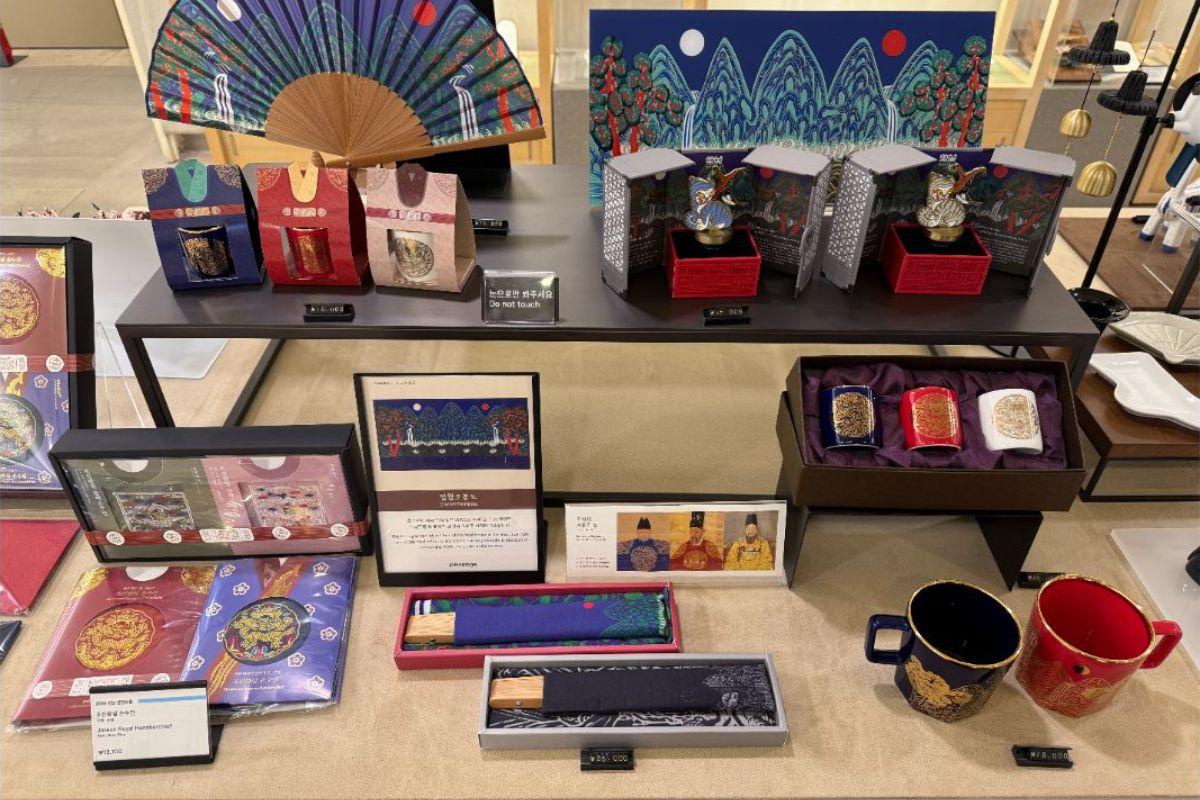
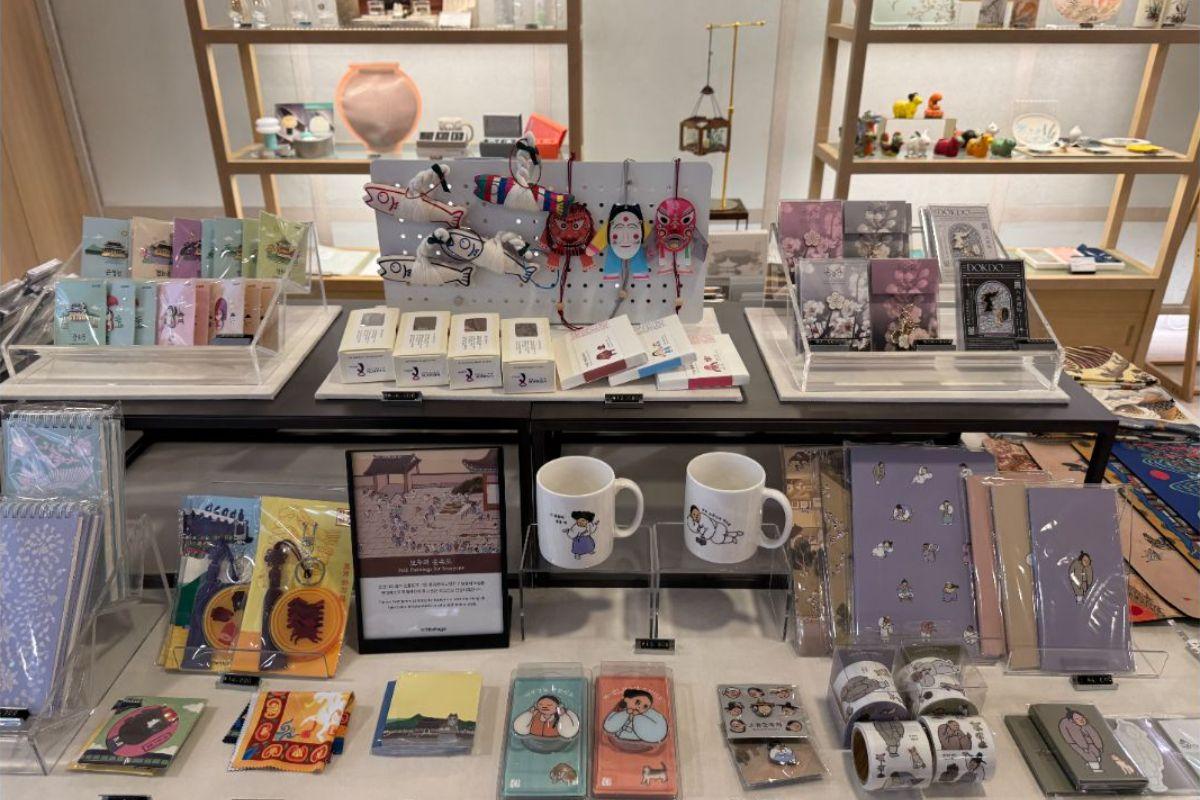
After your meal or a walk around the grounds, take a moment to browse the on-site shop, where you'll find Korean traditional-motif goods and gifts. The selection leans calm and refined, and it's especially popular with international visitors.
Is Korea House also used for weddings or special meals?
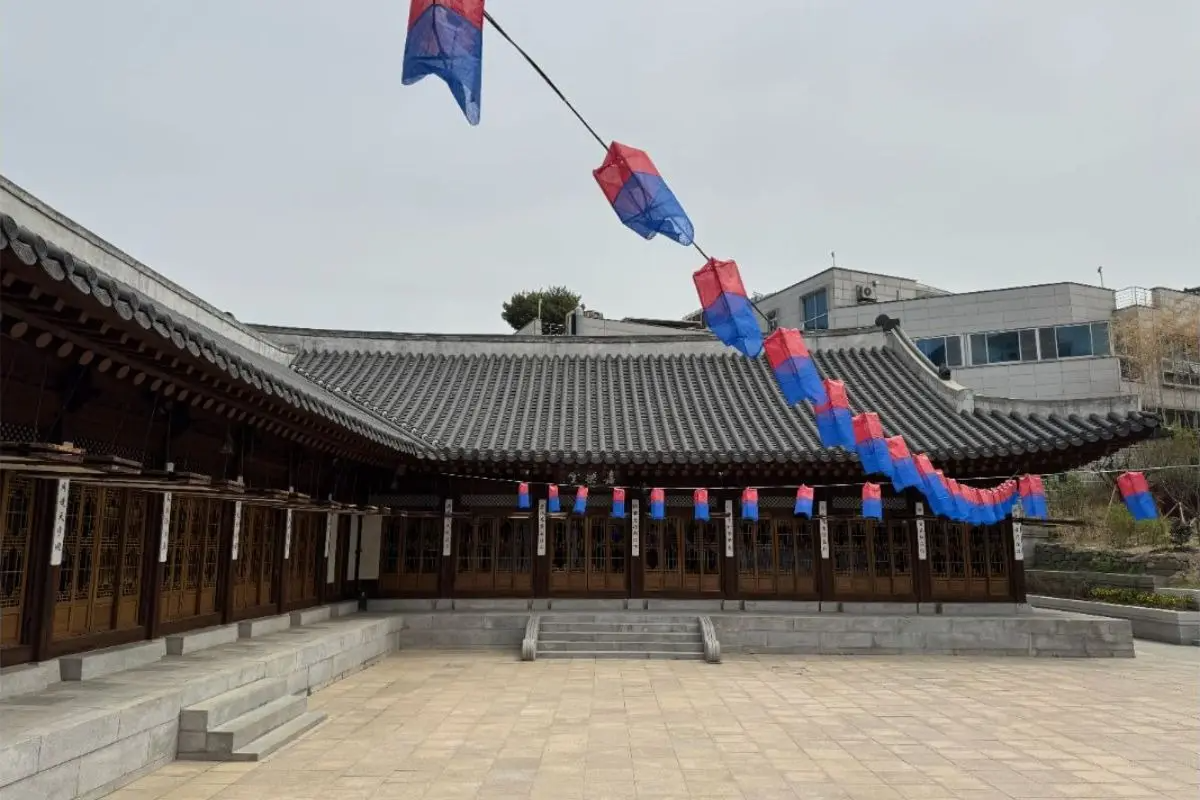
Korea House is operated by the Korea Heritage Agency and serves as a venue for traditional-style meals and events. It's also commonly used for sangkyeonrye (the formal pre-wedding meeting between two families), and dinner courses are also offered. Kohojae itself is best for tea time, but Korea House as a whole gives the impression of a refined, formal space well-suited to special occasions and family gatherings.
In Summary | If you want a memorable tea time in Seoul, head to Kohojae
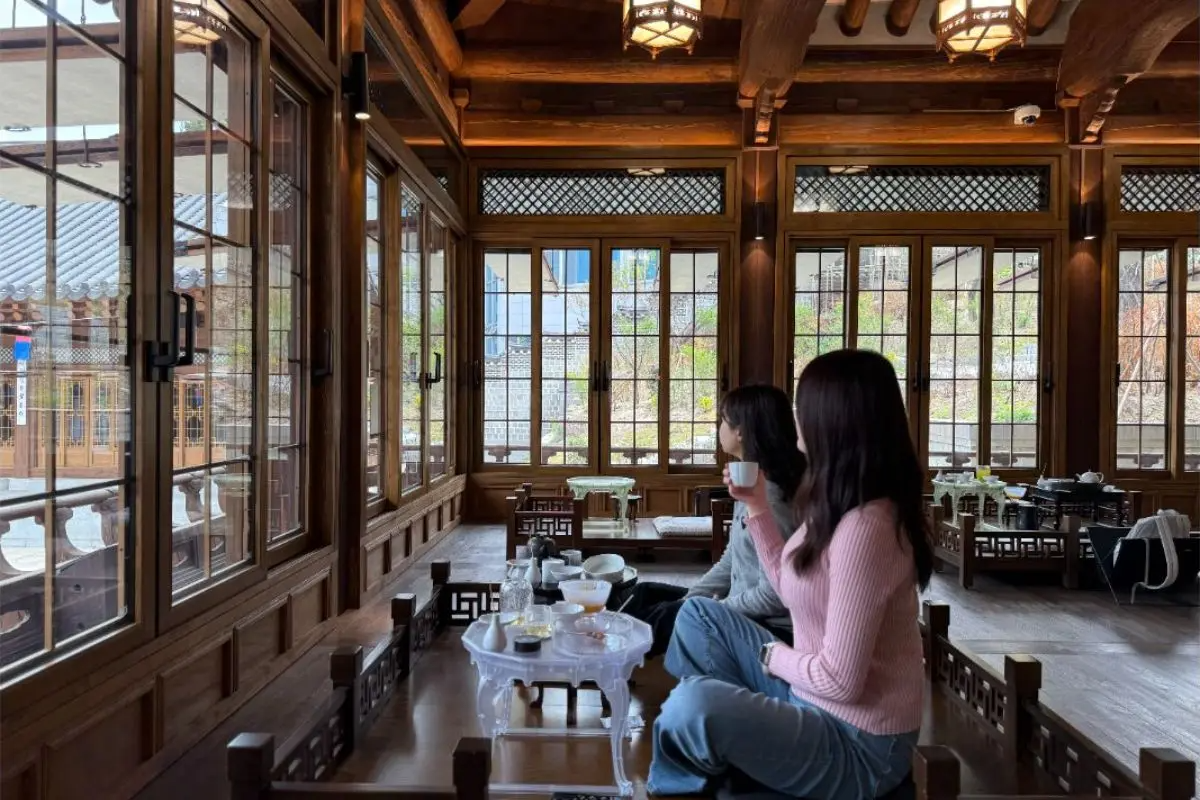
Korea House Kohojae is more than just a cafe.
The Hanok space, the garden view, staff in modern hanbok, traditional music, the carefully chosen ceramics, and seasonal tea & sweets. All of these elements come together to create a place where you can savor Korean culture and a relaxed sense of time, side by side.
Each of the sweets is beautiful to look at, with naturally restrained sweetness — flavors that are easy to recommend to international travelers. Trendy cafes in Seoul are a lot of fun, but if you have the chance, why not spend a memorable tea time inside a truly Korean space?
[스팟] Korea House Kohojae | Royal Korean Tea & Sweets in a Serene Hanok
Frequently Asked Questions (FAQ)
Q1. Can I visit Kohojae without a reservation?
The single-person Gungjung cha-gwa (royal court tea & sweets) set is reservation-only.
Tea-only visits may sometimes be possible as a walk-in, but walk-ins are not guaranteed during full bookings, so we recommend confirming in advance.
Q2. How much does Kohojae cost?
Based on the spring 2026 menu, the single-person tea & sweets set with tea is in the 30,000-won range.
A common add-on, the Pumpkin Sikhye Sorbet, runs about 12,000 won. Menus and prices are subject to change by season.
Q3. Is it okay to go alone?
Yes. Single-seat options are available, and the atmosphere is comfortable for solo visitors.
Since it's a single-serving tea & sweets set, you can enjoy it at your own pace even when traveling alone.
Q4. Who would you recommend it to?
Travelers seeking a Korean cultural experience, family trips with parents, dates, solo travelers, and anyone wanting to show international friends around Korea.
It's also a great fit if you're looking for a quiet retreat near Myeongdong.
Q5. What are the hours and closing days?
Operations focus on midday through afternoon hours; there is no evening service.
Regular closing days are every Sunday and Monday. Additional closures may occur due to weddings or private events, so be sure to check the reservation calendar before your visit.
Q6. Are pets allowed?
Pets are not permitted.
Q7. Anything to be cautious of if I have allergies?
Yes. The tea sweets may contain nuts.
If you have allergies or other dietary restrictions, please be sure to confirm before your reservation.