

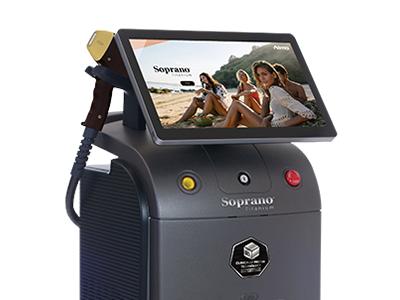
Titanium Lifting has become a popular name in Korea’s aesthetic scene, often praised for its instant tightening and glow-boosting effects. But what exactly does it do, who is it really for, and how does it compare to other lifting treatments? In this guide, we break down how Titanium Lifting works, what results you can realistically expect, and whether it’s the right choice for your skin.
Thinking about getting a skin procedure in Korea?
Compare clinics below!
How to Save on K-beauty Treatments?
Tax refunds for beauty & medical treatments will not be available starting January, 2026. Bad news for travelers, but Creatrip users still have a way to save that 10% back! If you got a beauty or medical treatment recently, here is how 10% Beauty Cashback Event works:
✅ Upload your receipt on Creatrip & write a review about your experience
✅ Get the 10% of the total amount back as Creatrip points
✅ Use your points like cash to book other travel experiences (beauty&medical, photoshoots, tours & more!)
Check out more details below!

How Titanium Lifting Works
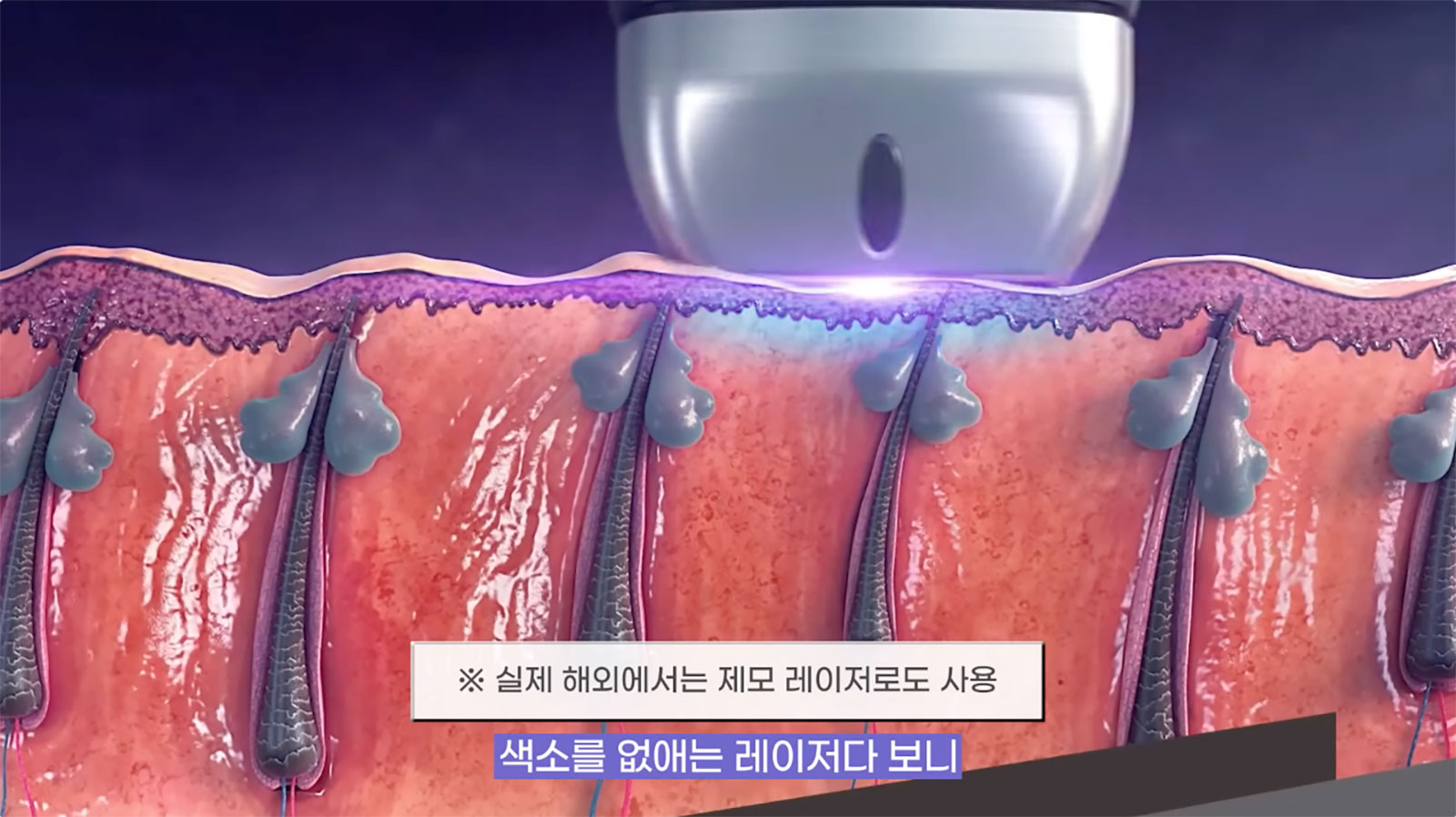
Titanium lifting uses diode laser technology that was originally designed for hair removal, but over time, clinicians noticed additional benefits for skin texture and firmness. This led to its expanded use in facial aesthetic treatments.
The treatment combines multiple laser wavelengths—755 nm, 810 nm, and 1064 nm—to target different skin layers. The 755 nm and 810 nm wavelengths focus on the epidermis and mid-dermis, helping reduce excess pigmentation, even out skin tone, and improve the appearance of pores. The 1064 nm wavelength penetrates deeper into the skin, where it can stimulate collagen and affect deeper supportive layers, contributing to firmer, more lifted-looking skin.
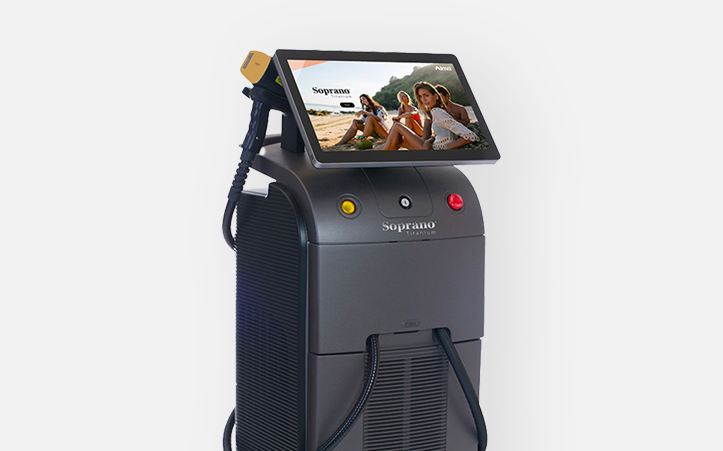
In addition, the Titanium Lift is equipped with a cooling system that keeps the skin surface temperature low. This allows laser energy to reach deeper layers effectively while minimizing heat buildup and discomfort on the skin.
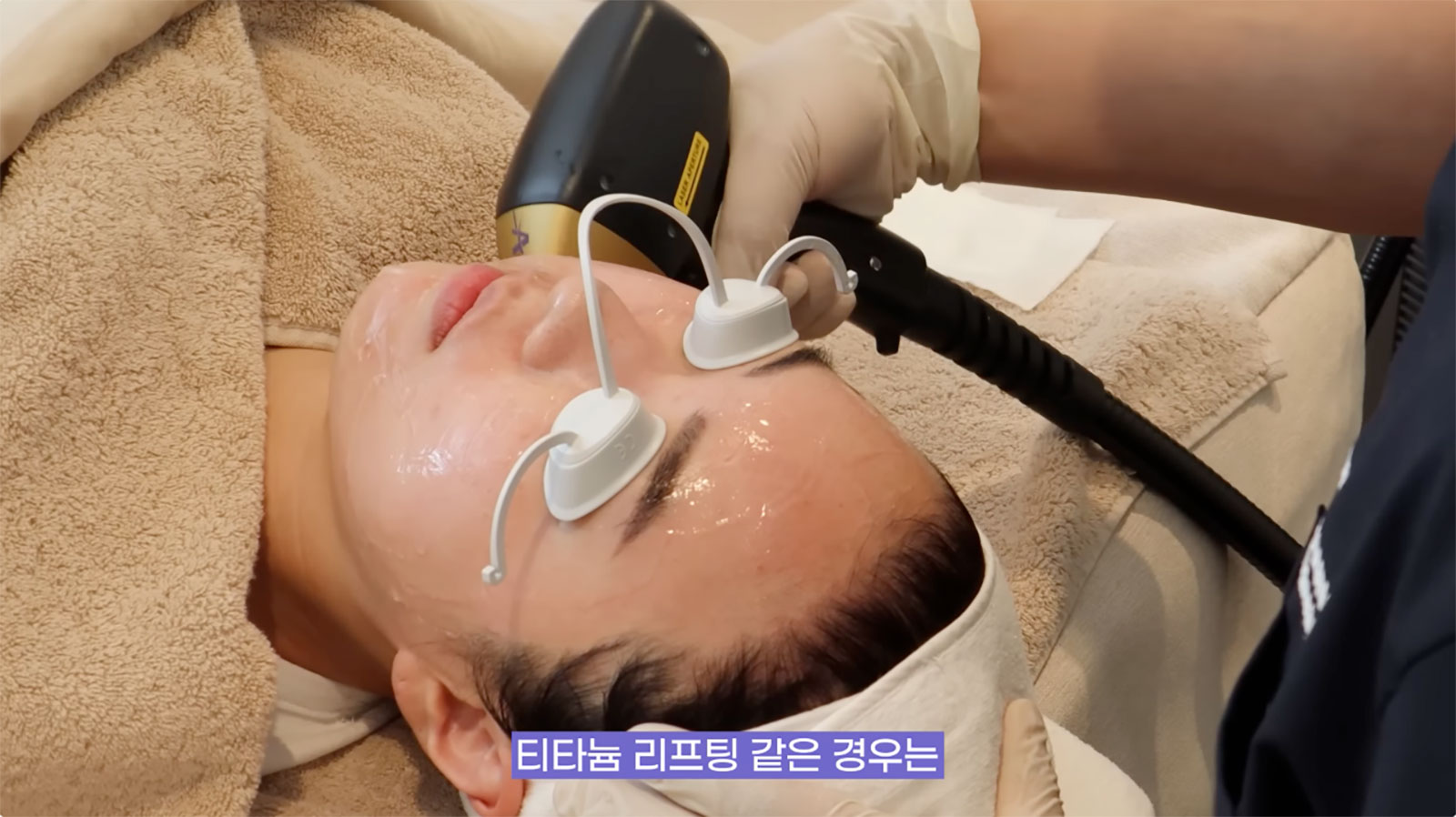
Because Titanium Lift is a non-surgical treatment with no needles or puncture marks, it delivers thermal energy into the skin using a gentle, sweeping technique. For this reason, many skin clinics promote the “Korean Titanium Lift” as a multifunctional laser treatment that helps tighten and lift the skin, brighten the complexion, and improve overall skin texture in a single session.
Source: doctornow
That said, it’s important to note that the equipment used for “Titanium Lift” can vary depending on the brand and model.
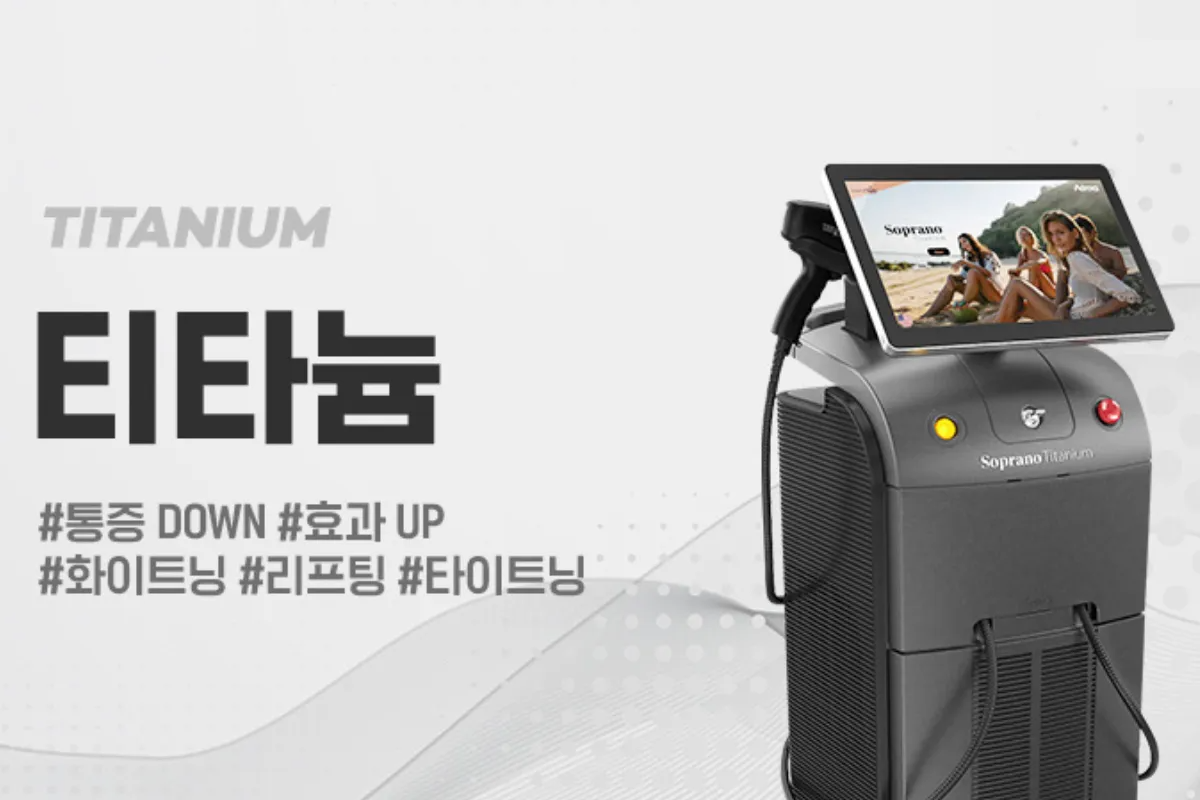
Some treatments are based on hair removal devices like Soprano Titanium, while others use diode laser systems such as EPILAB. Because the wavelength combinations and operating modes differ by device, results and treatment experiences may vary—this is also why many people find the research process confusing.
Effects of Titanium Lifting
Many people who try Titanium Lifting in Korea mention an immediate visible lifting effect. Right after the treatment, looking in the mirror often reveals smoother jowls and more defined facial contours.
This happens mainly because the laser’s thermal energy causes temporary tissue tightening and mild swelling. In addition, the removal of fine facial hair can make the skin look cleaner and more contoured, which further enhances the lifting effect in the short term.
Thanks to its multi-wavelength design, Titanium Lifting can also target melanin and blood vessels, helping improve dullness and uneven skin tone. However, if only the lower face is treated and the forehead is excluded, some people may notice a slight difference in skin tone between treated and untreated areas.
In terms of discomfort, Titanium Lifting is generally less painful than treatments like Thermage or Ultherapy. For this reason, it’s often considered a gentler option for those who are sensitive to pain but still want a tightening and lifting effect.
Why Does Titanium Lifting Receive Negative Reviews?
While many people share positive experiences with “Korean Titanium Lifting,” there are also plenty of critical opinions online. Most of the negative feedback tends to focus on a few key concerns.
One common criticism is that Titanium Lifting is essentially based on hair removal technology but is marketed as a powerful lifting treatment. Some doctors and online commentators point out that devices like Soprano Titanium were originally designed for laser hair removal, and that wavelengths such as 755 nm, 810 nm, and 1064 nm have been widely used for laser treatments and hair removal for many years. In other words, the technology itself isn’t new or groundbreaking.
Another point of skepticism is the rebranding itself. Renaming a hair removal device as a “Titanium Lift” and heavily promoting its lifting effects has led some people to question whether the treatment is being oversold, rather than offering truly revolutionary results.
Source: doctornow
From a conservative standpoint, Titanium Lifting mainly improves skin texture and provides surface-level tightening. For deeper lifting that targets the SMAS layer or more severe sagging, ultrasound or radiofrequency treatments are still more effective.
In simple terms, Titanium Lifting is a booster treatment with an immediate but short-term effect. It works best when combined with other lifting procedures, rather than used alone. Overall, it does have results, but expectations should be realistic—marketing often overstates what it can actually achieve.
Why Should Get Titanium Lifting?
Based on real-world experience and current market feedback, Titanium Lifting is best suited for early signs of aging and mild skin laxity. It’s also a good option if you’re dealing with dullness or rough texture, as it can help brighten the complexion, refine pores, and leave the skin looking more refreshed.
However, if sagging is already quite noticeable or you’re looking for long-lasting lifting effects from a single session, Titanium Lifting alone may not be sufficient. In those cases, radiofrequency or ultrasound treatments are usually more appropriate.
One of Titanium Lifting’s biggest advantages is that there’s no downtime. There’s typically no obvious redness, swelling, or wounds, and you can wash your face and apply makeup the same day. Because of this, it’s often considered a go-to “secret weapon” in Korea before important events.
Recovery & Aftercare
As mentioned earlier, Titanium Lift is best suited for quick touch-ups and routine maintenance. It’s a good option for those who are sensitive to pain but still want visible, short-term results. Unlike Thermage, which can take months to show full effects, Titanium Lift delivers noticeable improvement right after treatment—making it ideal if you have a date or an important event coming up.
That said, the results don’t last as long as those from radiofrequency treatments. Effects typically fade over several weeks to a few months, so it’s best to consult with a doctor about whether regular maintenance sessions are needed.
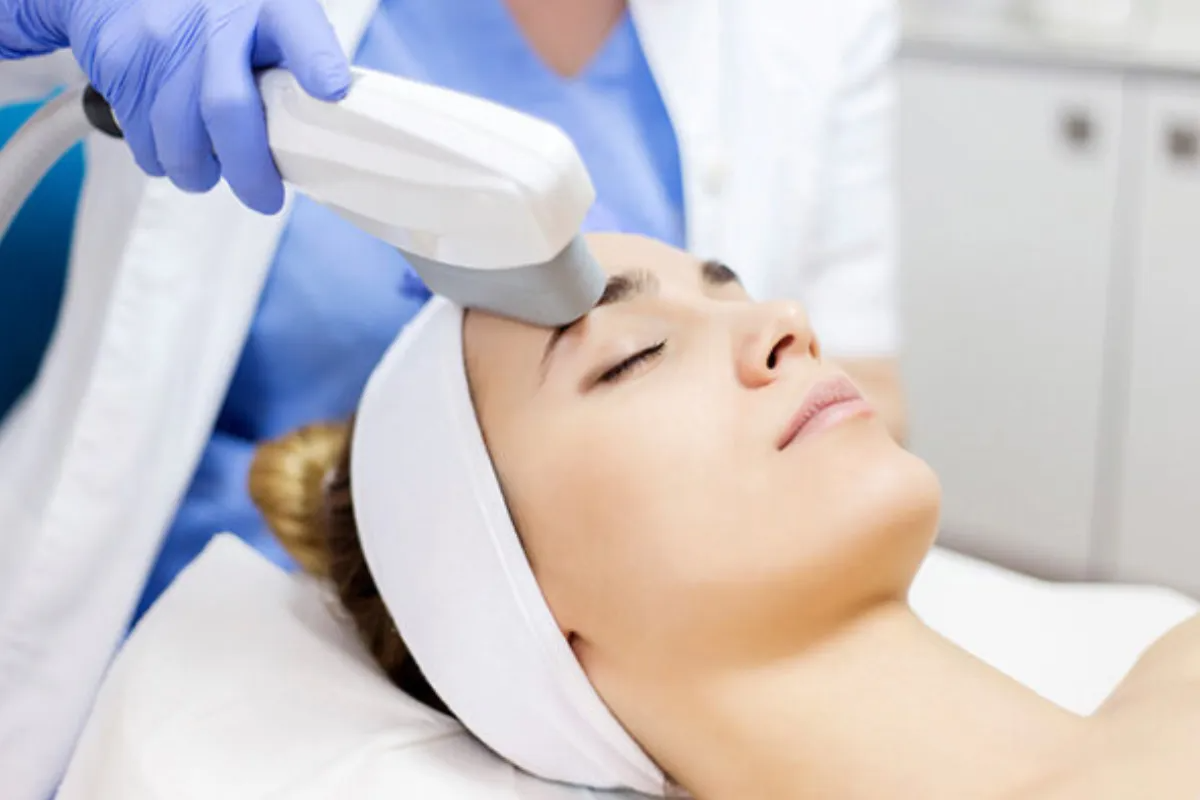
If we look at results alone, Titanium Lift is essentially a premium laser treatment that offers a lifting feel, rather than deep structural lifting. It can’t fully replace established radiofrequency or ultrasound lifting treatments.
Every procedure has its ideal candidates. The key is choosing what best matches your skin condition and goals. If you’re interested in Titanium Lifting in Korea—especially when combined with other treatments at package prices—you can check the clinics listed below, all offering free reservations and highly rated medical aesthetic services.
Still not sure which treatment to get?
Reserve for free now, pay later!
Book all things trending in Korea on Creatrip! If you have any questions or concerns, please leave a comment below or send us an email at help@creatrip.com! You can follow us on Instagram, TikTok, Threads, and Youtube to stay updated on all things Korea!
Book all things trending in Korea on Creatrip! If you have any questions or concerns, please leave a comment below or send us an email at help@creatrip.com! You can follow us on Instagram, TikTok, Threads, and Youtube to stay updated on all things Korea!