

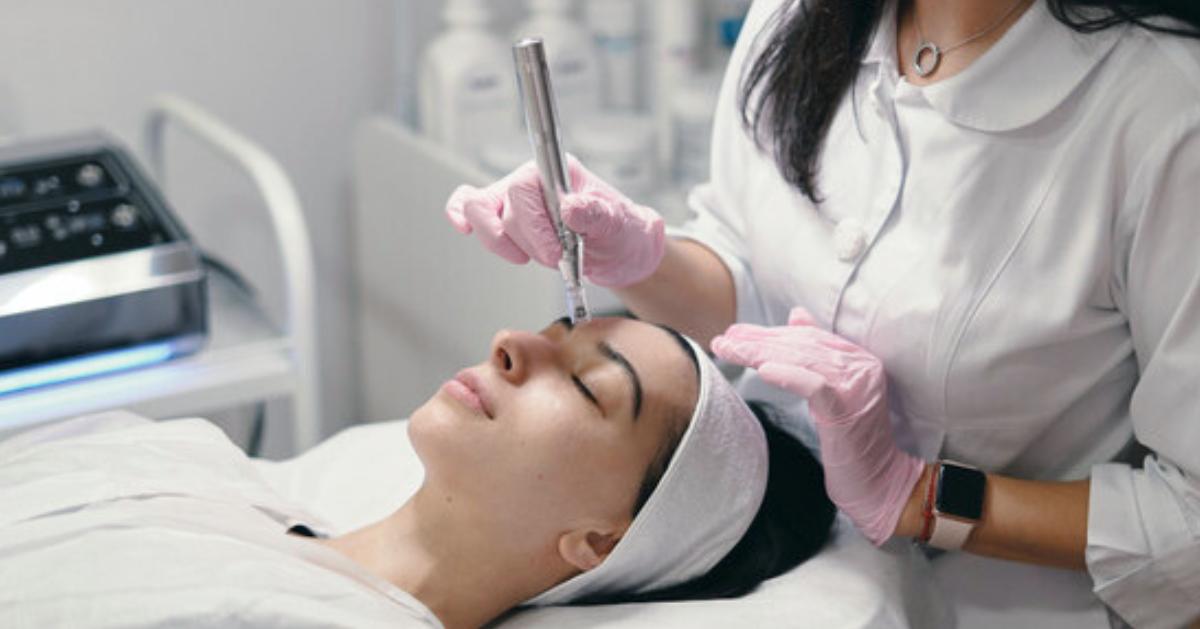
📅 Last Updated: March 24, 2026 |
I'll be honest: my first Korean skin clinic visit 8 years ago was a mess. I walked into a Gangnam clinic with zero preparation, couldn't explain what I wanted in Korean, and left with a treatment I didn't fully understand (though my skin looked amazing afterward). Since then, I've probably visited dermatology clinics in Seoul 30+ times, dragged countless visiting friends to appointments, and learned every trick to make the experience smooth.
If you're reading this, you're probably wondering: Is it safe? Will they understand me? How much will it actually cost? What if I get pressured into something I don't want?
I get it. Korean dermatology tourism has exploded in popularity, but the information out there is either overly promotional or frustratingly vague. This guide is different—I'm going to walk you through exactly what to expect, based on real experiences (mine and my friends'), actual prices, and the mistakes you should avoid.
Let's dive in.
Thinking about getting a skin procedure in Korea?
Compare clinics below!
How to book Korean beauty & medical treatments online safely?
Check out Top Skin Treatments that Korean Celebrities Get!
[블로그] Top Skin Treatments that Korean Celebrities Get | Skin Treatments You Need to Get Glass Skin
Do you have specific skin concerns? Check out our guides to find the best treatment for you!
[블로그] How to Find the Perfect Lifting Procedure to Target Wrinkles and Improve Elasticity at Any Age (20s to 60s)
[블로그] The Ultimate Guide to Getting Botox in Korea: Best Clinics, Prices & Recommendations
[블로그] Dermatologist-Approved Acne Treatments You Need to Try! | Popular Korean Skin Clinics in Gangnam, Myeongdong & Hongdae
[블로그] How to Easily Get Rid of Blemishes, Hyperpigmentation, & Dark Spots at a Korean Skin Clinic
Why Do People Travel to Korea for Skin Treatments?

How Much Cheaper Are Korean Skin Clinics Compared to the US or UK?
Here's the part that makes people's jaws drop: Korean dermatology treatments cost a fraction of what you'd pay in Western countries. I'm not talking about 10-20% savings—I'm talking about 50-60% less in many cases.
Why so cheap? It's not because the quality is lower—it's because the market is hyper-competitive. Seoul's Gangnam district alone has hundreds of dermatology clinics within a few subway stops. When I lived near Sinnonhyeon Station, I counted 14 clinics just on my 10-minute walk to the subway. That level of competition drives prices down and service quality up.
My friend Rachel visited from New York last year and got Ultherapy, Rejuran, and Botox over three days. Her total was around $1,300. She looked up the same combination in Manhattan—over $4,500. She basically paid for her flight with the savings.
What Makes Korean Dermatology Technology Different?
Korea isn't just following global trends—it's often setting them. The country has become a testing ground for new aesthetic technology because the local market is so active. Koreans are incredibly open about getting "maintenance" treatments (it's as normal as getting a haircut), which means clinics accumulate thousands of hours of hands-on experience with each device.
Here's what sets Korean clinics apart:
1. Access to the newest technology first
Devices like Shurink, Volnewmer, and InMode often debut in Korea before rolling out globally. When Thermage FLX launched, Korean clinics were among the first to adopt it—and doctors gained enough experience to refine techniques quickly.
2. Doctors who specialize in specific treatments
In Korea, it's common for dermatologists to hyper-specialize. You'll find doctors who only do thread lifts, or clinics that focus exclusively on acne scar treatments. That level of focus means they've seen every skin type and complication imaginable.
3. Combination treatment culture
Korean dermatology embraces layering treatments for synergistic results. It's not unusual to get Botox + laser toning + a skin booster in one session. Clinics have protocols to safely combine treatments without over-stressing your skin—something I rarely see offered as seamlessly elsewhere.
Can I Really Get Treatments During a Short Trip?
Yes—and this is one of my favorite things about Korean skin clinics. Most treatments are designed for minimal downtime, which means you can literally get a procedure during your lunch break and go back to sightseeing.
Here's what "downtime" actually looks like:
| Treatment Type | Immediate Apperance | Downtime |
| Botox | No visible change | None |
| Laser Toning | Slight redness (1-2 hours) | None |
| Rejuran/Skin Boosters | Small injection marks, mild swelling | 2-3 days |
| Ultherapy/Shurink | Slight redness, possible swelling | 1-2 days |
| Potenza | Redness, rough texture | 1-2 days |
I've gotten laser toning at 11 AM and met friends for lunch in Myeongdong at 1 PM with zero issues (just wore sunscreen and a hat). My skin looked a little pink for about an hour, but nothing a bit of makeup couldn't handle.
That said, if you're getting something more intense like Fraxel or CO2 laser, plan for a few days of flaky skin. I made the mistake of scheduling Fraxel two days before a wedding once—not my smartest move. My face peeled like a sunburn for four days.
Pro tip: Schedule treatments at the beginning of your trip, not the end. That way, if there's any redness or swelling, you'll have time to recover before flying home.
How Do I Choose Right Clinic in Korea?
What's the Difference Between "Factory-Style" and "Premium" Clinics?
This is the question I get asked most, and honestly, it took me a few visits to figure out the distinction myself.
Factory-Style Clinics
These clinics prioritize efficiency and affordability. They see a lot of patients every day. Because of the high volume, they can offer lower prices.
What to expect:
- Shorter consultation times (5-10 minutes)
- English interpreter available
- Nurses or physician assistants may perform parts of the procedure (under doctor supervision)
- Less one-on-one time with the head doctor
- Very efficient, streamlined process
Best for:
- Follow-up or maintenance treatments (when you already know what you want)
- Budget-conscious travelers
- Simple, straightforward procedures like Botox or laser toning
My experience: I go to a factory-style clinic in Gangnam for my quarterly Botox touch-ups. I'm in and out in 40 minutes, it costs around $60, and I know exactly what I'm getting. No complaints.
Premium Clinics
These clinics focus on personalized care, detailed consultations, and a more "luxury" experience. You'll spend more time with the doctor, and treatments are often performed entirely by the head physician (not delegated to assistants).
What to expect:
- Longer, more detailed consultations (20-40 minutes)
- Customized treatment plans
- One-on-one care with senior doctors
- Higher price point (often 30-50% more than factory clinics)
- More attention to your specific skin concerns and goals
Best for:
- First-time visitors who need guidance
- Complex skin concerns (severe acne scarring, melasma, combination treatments)
- People who want a thorough consultation and personalized approach
My experience: For my first Ultherapy treatment, I went to a premium clinic in Cheongdam. The doctor spent 30 minutes mapping out my face, explaining exactly where sagging was happening, and adjusting the intensity based on my pain tolerance. It cost more, but I felt completely informed and confident.
So which should you choose?
If it's your first time getting a particular treatment, I'd recommend starting with a premium clinic. The extra consultation time is worth it, especially if you're nervous or unsure. Once you understand the treatment and know it works for your skin, you can switch to a factory-style clinic for maintenance.
Which Seoul Neighborhoods Have the Best Skin Clinics?
Seoul's skin clinic scene is concentrated in a few key areas, each with its own vibe.
Gangnam / Sinnonhyeon / Apgujeong
This is the epicenter. The sheer density of clinics here is overwhelming—some buildings have 3-4 clinics stacked on different floors. Because competition is so intense, you'll find frequent promotions and package deals.
Pros:
- Widest selection of clinics
- Competitive pricing
- Easy to compare multiple treatments & clinics in one day
Cons:
- Can feel overwhelming
- Some clinics are very sales-heavy
- Tends to be busier
Best for: People who want options and don't mind doing some research.
Myeongdong
These tourist-heavy areas have clinics that are extremely experienced with international visitors. English support is strong, and the booking process is usually very smooth.
Pros:
- English-speaking staff (often native speakers)
- Tourist-friendly systems
- Central location (easy to combine with sightseeing)
Cons:
- Slightly higher prices than other areas
- Can feel touristy
Best for: First-timers who prioritize language support and convenience.
Hongdae / Sinchon
Clinics here tend to attract a younger crowd and often have a more relaxed, less luxury vibe. Prices are generally on the lower end.
Pros:
- Affordable
- Younger, trend-focused treatments
- Fun neighborhood to explore afterward
Cons:
- Fewer English resources than Myeongdong, Gangnam area
- Less established reputation for medical tourism
Best for: Budget travelers and people in their 20s-30s.
My recommendation? If it's your first visit and you're nervous about language, start in Myeongdong. If you're comfortable navigating and want the best deals, go to Gangnam.
How Can I Verify a Clinic Is Legitimate?
This is important. With so many clinics competing for business, a few bad actors have popped up over the years. Here's how to protect yourself:
✅ Check for official licensing
Legitimate Korean dermatology clinics are registered with the Ministry of Health and Welfare. You can ask to see the doctor's medical license during your consultation—it's a normal request.
✅ Look for verifiable reviews
Check platforms like Naver, Google Reviews, specialized medical tourism sites and Reddit. Be wary of clinics with only glowing 5-star reviews in English—that's sometimes a red flag.
✅ Ask about the doctor's credentials
Don't be shy—ask how long the doctor has been practicing, what their specialization is, and how many times they've performed the specific treatment you're getting. Good clinics will answer confidently.
How Do I Book an Appointment at a Korean Skin Clinic?
Do I Need to Book in Advance or Can I Walk In?
Short answer: Always book in advance.
Popular clinics—especially in Gangnam and Myeongdong—are packed. Walk-ins are technically possible, but you could wait 2-3 hours or be turned away entirely. I've seen tourists show up at a clinic near Sinsa Station on a Saturday afternoon and get told the next available slot was in four days.
How far in advance should you book?
- Weekday appointments: 3-5 days ahead is usually safe
- Weekend appointments: 1-2 weeks ahead
- Popular treatments (Ultherapy, Thermage): 2 weeks ahead
What Information Do I Need to Provide When Booking?
Most clinics (or booking platforms) will ask for:
- Passport name (must match your ID)
- Contact information (email + phone number)
- Preferred date and time
- Treatment of interest (you can change this during consultation)
- Medical history basics (allergies, current medications, previous procedures)
Are There English-Friendly Booking Platforms?
Yes—and this is a game-changer for first-timers. Platforms like Creatrip let you browse clinics, compare prices, read reviews, and book entirely in English. No awkward phone calls in broken Korean, no confusion about appointment times.
Why I recommend booking platforms over direct contact:
- Transparent pricing: You see the exact cost upfront (no surprise fees)
- English customer support: If something goes wrong, you can get help in your language
- Verified clinics: Platforms vet clinics before listing them
- Cancellation protection: Clear refund policies (direct bookings can be messy)
A friend of mine booked directly through a clinic's Korean website and accidentally reserved for the wrong month. The clinic refused to refund her deposit. When she booked through Creatrip the next time, customer service helped her reschedule with zero hassle.
👉 Browse verified clinics and book your appointment here:
Want a makeover during your trip?
[Blog] 9 Recommended Aesthetic Clinics/Dermatology Clinics in Hongdae, Seoul
Get 10% Back Your Payment
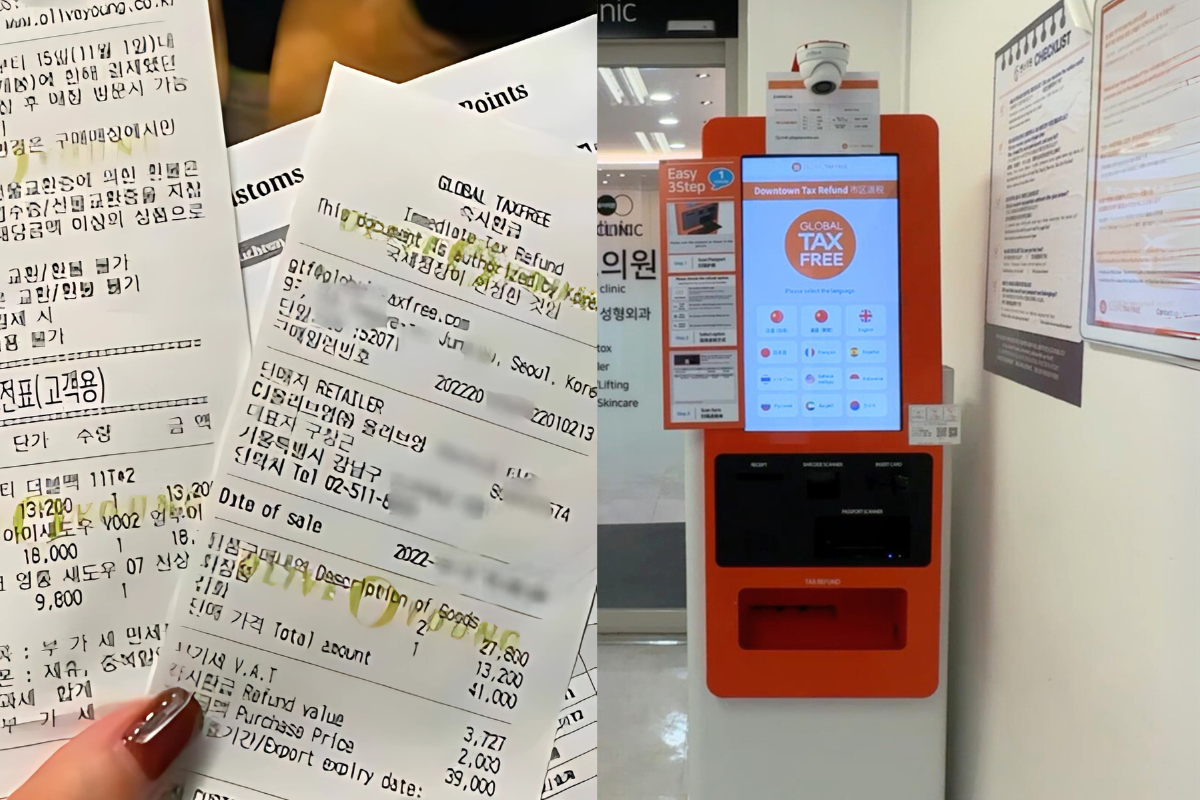
In the past, international visitors could receive about 7 to 10 percent back through a medical tax refund on dermatology treatments in Korea. Unfortunately, this program ended in December 2025, leaving many travelers disappointed.
That is why Creatrip has launched a special event just for international visitors.
If you book your dermatology appointment through Creatrip and submit your treatment receipt, you will receive 10 percent of your payment back as Creatrip Points.
This promotion is available through June 2026.
Creatrip Points can be used immediately for other travel experiences in Korea, including:
Airport pickup services
N Seoul Tower tickets
Hanbok rental experiences
and many other travel activities
Simply upload your receipt after your treatment, and the points will be credited to your account within 24 hours.
What Do You Need?
The process is simple.
Just book your appointment through Creatrip and keep your payment receipt from the clinic.
Since the process is so easy, make sure to save your receipt, claim your 10 percent back in points, and use those points for other fun experiences during your trip to Korea.
Join the Creatrip 10% Beauty Cashback Event now!

[블로그] Is the Korea Beauty Tax Refund Ending in 2026? Here’s How to Get 10% Back with Creatrip Beauty Cashback
[Blog] 9 Recommended Medical Aesthetic Clinics/Dermatology Clinics in Hongdae, Seoul
What Should I Bring to My Appointment?
Do I Need My Passport?
Yes, absolutely. Your passport is mandatory. Korean clinics use it for:
- Identity verification (required by law for foreign patients)
- Medical records (if you become a repeat patient)
Don't bring a photo or copy—bring the physical passport. I forgot mine once and had to Uber back to my apartment to grab it. Not fun.
Should I Bring Photos of My Skin Concerns?
This is optional, but highly recommended if you have specific concerns like:
- Acne scars
- Pigmentation spots
- Before/after tracking for repeated treatments
Having photos helps the doctor understand your skin history, especially if you're visiting for the first time. I take close-up photos of my skin every few months in the same lighting—it makes consultations way more productive.
What Documents Are Required?
- Passport (mandatory)
- Medical history list (if you have allergies, chronic conditions, or take medications)
- Previous treatment records (if you've had Botox, fillers, or lasers before—dates and types)
If you're on blood thinners, acne medication (like Accutane), or have a history of keloid scarring, mention this before booking. Some treatments may not be safe.
What Happens During My Clinic Visit? (Step-by-Step)
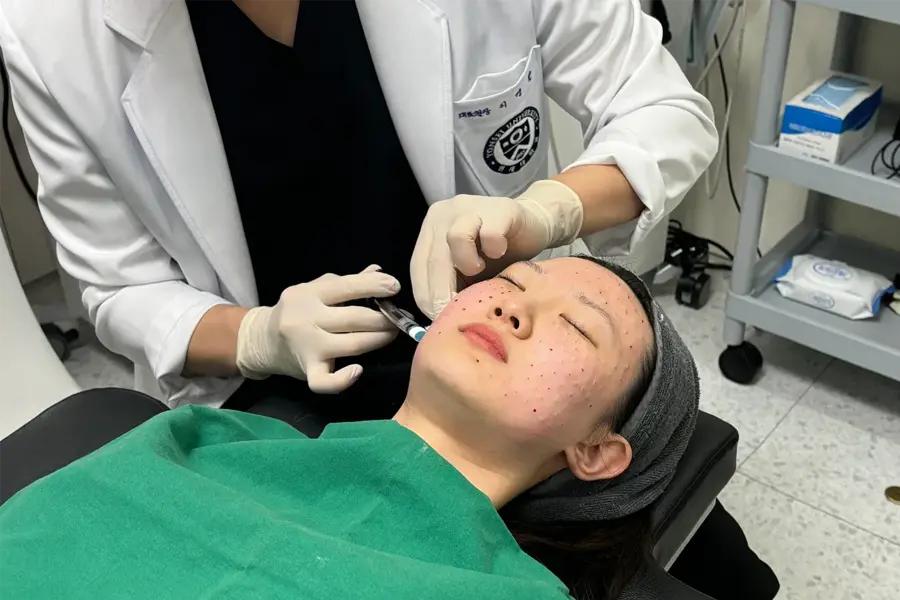
This is what a typical 2-hour dermatology appointment looks like in Korea. I'll break it down so there are zero surprises.
Step 1: Check-In (5-10 minutes)
You'll arrive at the clinic, show your passport, and fill out a medical questionnaire. The form is usually available in English at foreigner-friendly clinics.
Questions you'll answer:
- Allergies (especially to anesthesia or topical numbing creams)
- Current medications
- Previous cosmetic procedures
- Medical conditions (diabetes, autoimmune disorders, etc.)
- Pregnancy status
Tip: Fill out the form honestly. I know it's tempting to skip details, but proper disclosure protects you. If you have a reaction and didn't disclose an allergy, the clinic isn't liable.
Step 2: Consultation (10-30 minutes)
This is where you meet with either a consultation manager (at factory-style clinics) or the doctor directly (at premium clinics).
What happens:
- They'll examine your skin under bright lighting
- You'll explain your concerns and goals
- They'll recommend a treatment plan (sometimes multiple options)
- You'll discuss pricing, expected results, and aftercare
Questions you should ask:
- "What are realistic results for my skin type?"
- "What are the possible side effects?"
- "How much will this cost, including all fees?"
- "What's your refund policy if I'm not satisfied?"
Red flag: If a clinic pushes you toward the most expensive option without explaining why it's better for your specific concerns, walk away. Good clinics tailor recommendations to your skin and budget, not their profit margins.
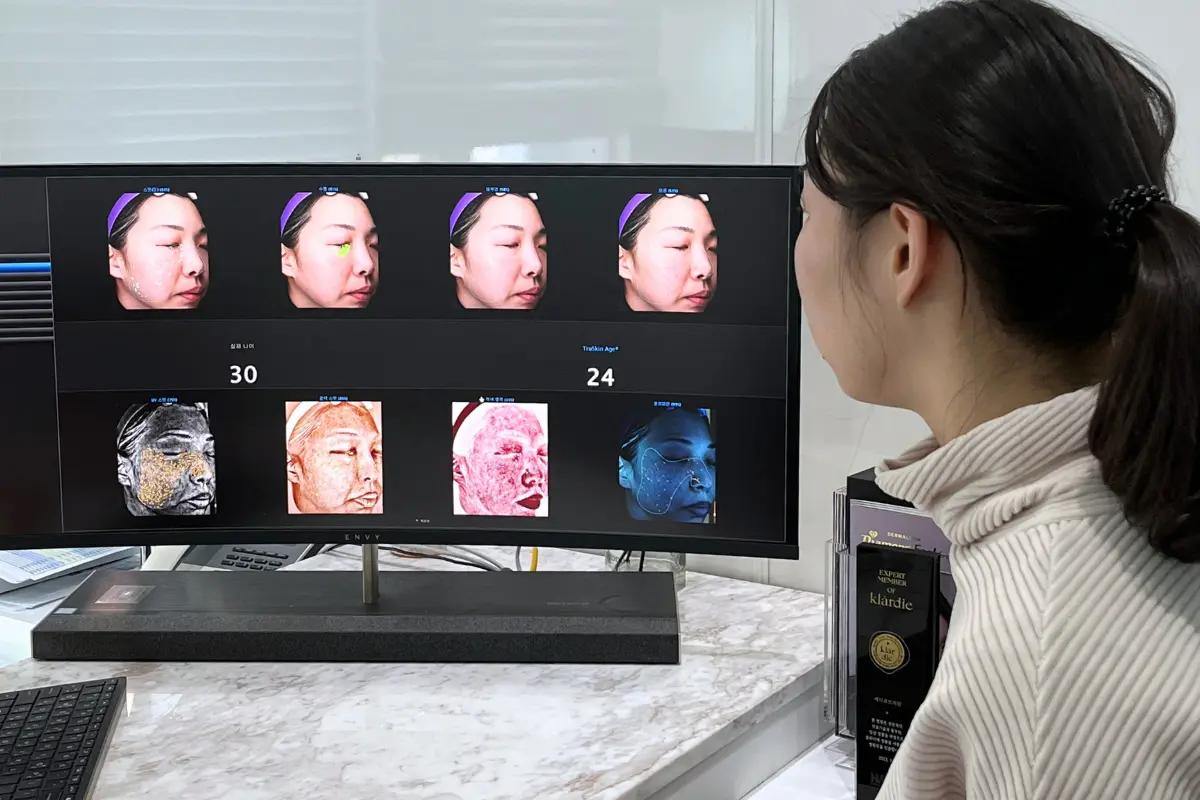
My first consultation at a premium clinic in Cheongdam lasted 25 minutes. The doctor used a skin analyzer tool to show me exactly where my collagen was breaking down and why Ultherapy was a better fit than thread lifts for my face shape. That level of detail made me feel completely confident.
Step 3: Cleansing (5-10 minutes)
Before any treatment, you'll need to remove all makeup and skincare. Some clinics have you cleanse yourself in a private room; others have a staff member do it for you.
What to expect:
- Makeup removal (double cleansing)
- Sometimes a light exfoliating step
- Toner application
If you wear contact lenses and you're getting eye-area treatments (like Botox around crow's feet), you may need to remove them. Bring your glasses or a lens case.
Step 4: Numbing (20-30 minutes)
For treatments that involve needles or lasers, clinics apply a topical numbing cream. You'll sit in a waiting area or private room while it takes effect.
Tip: If you have a low pain tolerance, ask for extra numbing time. Most clinics are happy to let the cream sit for an additional 10 minutes. When I got Rejuran for the first time, I asked for extra numbing, and it made a huge difference.
Step 5: Treatment (15-40 minutes, depending on procedure)
This is the main event. The doctor performs the treatment, and the time varies:
- Botox: 5-10 minutes
- Laser Toning: 10-15 minutes
- Rejuran Healer: 20-30 minutes
- Ultherapy: 30-60 minutes
- Fraxel Laser: 20-30 minutes
What it feels like:
- Botox: Quick pinches (like a mosquito bite)
- Laser Toning: Warm snapping sensation (like a rubber band)
- Rejuran: Pressure and burning (even with numbing)
- Ultherapy: Deep, intense heat (this one's rough, not gonna lie)
My Ultherapy experience was...memorable. Even with numbing, I felt sharp heat along my jawline and forehead. The doctor checked in every few minutes, and I asked her to lower the intensity twice. No shame in that—everyone's pain tolerance is different.
Step 6: Post-Treatment Care (10-20 minutes)
After the procedure, clinics usually provide soothing care to calm the skin. This might include:
- A cooling modeling mask (looks like a white clay mask)
- LED light therapy to reduce inflammation
- Calming laser or cold compress
This is honestly one of my favorite parts. After the intensity of the treatment, the soothing care feels amazing. Plus, it helps reduce redness so you don't leave the clinic looking too done.
Step 7: Payment and Aftercare Instructions
You'll head back to the front desk to complete payment. Most clinics accept:
- Cash (KRW)
- Credit cards (Visa, Mastercard, Amex)
- Mobile payment apps (KakaoPay, Samsung Pay—requires Korean bank account)
The staff will give you aftercare instructions, usually printed in English if you're at a foreigner-friendly clinic. If you need prescription medication, they'll write a prescription you can fill at any Korean pharmacy.
Important: Keep your receipt! If you booked through Creatrip, you'll need it to claim your 10% cashback.
Which Treatment Should I Get for My Skin Concerns?
What Are the Most Popular Treatments for First-Timers?
If you're overwhelmed by options, here are the treatments that consistently get rave reviews from first-time visitors:
Skin Concern | Recommended Treatments | Key Benefits |
Skin Tightening & V-Line | Shurink, InMode, Ultherapy | Lifts sagging skin and helps define the jawline for a slimmer face shape |
Hydration & Glow | Rejuran Healer, Skin Boosters, “Glass Skin” injections | Improves deep skin hydration and strengthens the skin barrier for a radiant glow |
Brightening & Pigmentation | Pico Toning, IPL, Laser Toning | Reduces melasma, freckles, and dark spots while evening out overall skin tone |
Pores & Acne Scars | Fraxel, Potenza | Improves enlarged pores and acne scars by stimulating collagen regeneration |
Wrinkles & Facial Contouring | Botox, Dermal Fillers | Softens expression lines and restores volume to areas that have lost fullness |
Read more about popular skin treatments here!
[블로그] Thermage FLX in Korea: What It Is, How It Works, and Why Travelers Choose It
[블로그] The Complete Guide to Korean Skin Boosters
[블로그] Ultimate Guide to Ulthera | Effects, Results, and Price Differences in Korea vs. the U.S.
[블로그] 10 Must-Try No-Downtime Korean Skin Treatments for Travelers
Can I Combine Multiple Treatments in One Visit?
Yes—and this is actually very common in Korea. Combining treatments can give you better results and save time.
Popular combinations:
- Botox + Laser Toning (wrinkle reduction + brightening)
- Rejuran + Skin Booster (deep hydration boost)
- Ultherapy + Dermal Fillers (lifting + volume restoration)
- Fraxel + LED Therapy (resurfacing + inflammation control)
Just make sure the doctor approves the combination. Some treatments shouldn't be done together (for example, aggressive lasers + injectable fillers in the same area on the same day).
When I did my first combination treatment (Botox + Rejuran + Laser Toning), I was nervous about over-treating my skin. The doctor spaced out the procedures—Botox first, then laser toning after 30 minutes, then Rejuran at the end. My skin handled it beautifully.
Frequently Asked Questions (FAQ)
Before visiting a dermatology clinic in Korea, these are some of the most common questions international visitors ask.
Q. Will language be a problem at Korean skin clinics?
A. It depends on the clinic. Clinics in Myeongdong, Gangnam that cater to tourists usually have English-speaking staff—sometimes even native English-speaking consultants.
That said, the doctor may not speak fluent English. In those cases, a translator or consultation manager will relay information. I've found this works fine as long as you're clear about what you want.
If language is a major concern, book through a platform like Creatrip that offers English customer support. If something gets lost in translation during your visit, you can contact them for help.
Q. How painful are the treatments?
A. Honestly, this varies by person. Here's my personal pain scale (1 = painless, 10 = unbearable):
- Botox: 1/10 (quick pinches)
- Laser Toning: 2/10 (snapping sensation, tolerable)
- Rejuran: 7/10 (even with numbing, it stings)
- Ultherapy: 9/10 (intense heat, especially on bony areas)
- Fraxel: 7/10 (with numbing; feels like sunburn)
If you're worried, ask about additional pain management:
- Extra numbing cream
- Laughing gas (some clinics offer this for Ultherapy)
- Lower intensity settings (results may take longer, but it's more comfortable)
My friend Claire has a super low pain tolerance and got through Ultherapy by asking the doctor to use the lowest setting and take breaks every few minutes. It took longer, but she was fine.
Q. Can I wear makeup after laser treatments?
Generally, you should avoid makeup for 24 hours after any laser treatment. Your skin needs time to heal, and makeup (especially foundation) can clog pores and cause irritation.
After 24 hours, you can usually wear makeup again—but stick to gentle, non-comedogenic products for the first few days.
If you absolutely need to wear makeup immediately (like if you have an event), ask the clinic. Some may apply a light mineral sunscreen or BB cream for you before you leave.
Q. Can I receive multiple treatments in one day?
A. Yes, it is very common. Many Koreans receive combination treatments, such as a lifting procedure together with a skin booster.
By consulting with a professional, you can create a treatment plan that targets multiple concerns without over-stressing the skin. Combining treatments can also save both time and money while delivering better overall results, so be sure to ask your consultation manager about recommended combinations.
Q. What if I have sensitive skin or allergies?
Definitely disclose this during check-in and consultation. The clinic will do a patch test if necessary (especially for topical products or numbing creams).
If you have a history of allergic reactions to skincare or medications, bring a list of ingredients you know you react to. Korean clinics take allergies seriously, but they need accurate information to keep you safe.
Q. Can I get treatments if I'm only in Korea for 3 days?
Yes, absolutely. Most treatments are one-time procedures with no required follow-up. Even if you're only in Seoul for a short time, you can still get Botox, Rejuran, laser toning, or Lifting Treatments.
Just make sure to: Book in advance & Schedule treatments early in your trip (in case of swelling/redness) & Bring or buy post-care products you can use while traveling
I've had friends fly in for a long weekend, get treatments on day one, and spend the rest of the trip exploring. Totally doable.
Q. Are there any treatments I should avoid as a first-timer?
I'd skip anything with significant downtime unless you're prepared for it. Avoid:
- Aggressive CO2 laser (major peeling and sensitivity)
- Rejuran Healer (small injection marks can last 2-3 days)
- Thread lifts (bruising and swelling can last a week)
Stick to beginner-friendly treatments: Botox, laser toning, or Ultherapy. These give you great results without ruining your vacation.
Q. How do I handle aftercare if I'm traveling to other cities?
Korean pharmacies are everywhere, and you can find post-treatment essentials at any Olive Young.
If your clinic prescribes medication, fill the prescription at a nearby pharmacy before you leave Seoul. Pharmacies in smaller cities may not stock specialty items.
Also, pack a small post-care kit in your suitcase:
• SPF 50+ sunscreen • Healing cream (like Cicaplast) • Gentle cleanser • Wide-brimmed hat
Q. What's the refund policy if I need to cancel?
This varies by clinic and booking platform. If you book directly with a clinic, refund policies can be strict—some require 48-72 hours notice, and some don't refund deposits at all.
If you book through a platform like Creatrip, cancellation policies are usually more flexible and clearly stated upfront. Check before you book.
Pro tip: If you're unsure about your schedule, look for clinics with free cancellation up to 24 hours before your appointment.
Insider Tips for Visiting a Korean Dermatology Clinic
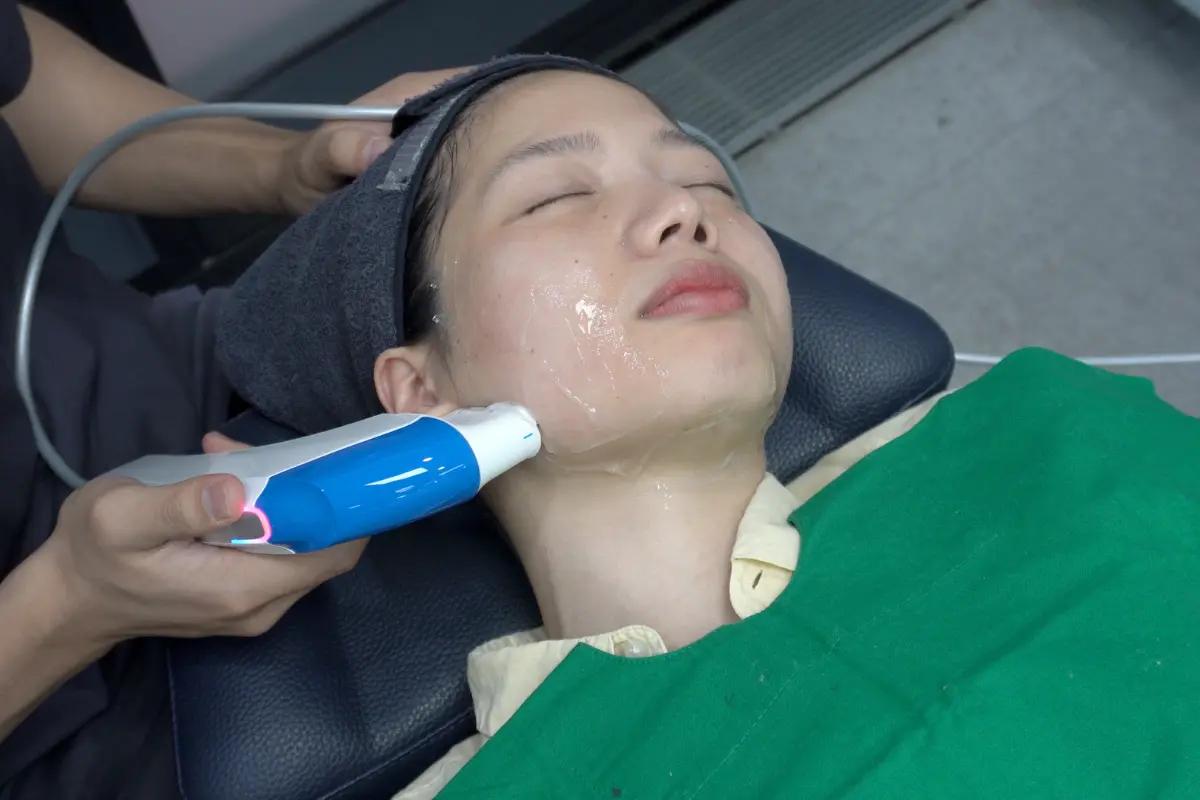
Here are a few extra tips I've picked up over the years:
Best Time to Visit
Weekday mornings (10 AM - 2 PM) are the least crowded. Evenings and weekends are packed because Korean office workers schedule appointments after work.
Another bonus of morning appointments? Doctors are fresher and less rushed. My 10 AM Ultherapy consultation was thorough and relaxed. My friend's 7 PM consultation felt more hurried.
Bring a Portable Charger
You might be at the clinic for 2-3 hours (especially if you're combining treatments). Bring a charger or portable battery so you can entertain yourself during numbing time.
Don't Skip Sunscreen
I'm going to say this one more time because it's that important: after any laser or injectable treatment, your skin is more vulnerable to UV damage. Wear SPF 50+ and reapply every 2-3 hours, even if it's cloudy.
Download a Translation App
Even at English-friendly clinics, having Papago or Google Translate on your phone can help. I've used it to translate aftercare instructions written in Korean.
Consider Buying a Recovery Cream
Many Korean dermatology clinics sell medical-grade recovery creams that help calm and repair the skin after treatments. These are often more soothing than regular skincare products.
If you cannot purchase one at the clinic, you can also find excellent recovery creams at Olive Young, Korea’s popular beauty store. Having one on hand can be very helpful throughout your trip.
Save Your Receipt for Cashback
If you book through Creatrip, keep your clinic receipt so you can claim your 10% cashback. Take a photo of it right away so you don't lose it.
Your Korean Skin Clinic Experience Starts Here
Visiting a Korean dermatology clinic doesn't have to be intimidating. With a little preparation—booking ahead, bringing your passport, knowing your budget, and understanding what to expect—you can have a smooth, confidence-boosting experience.
Your trip to Korea might just be the moment you discover your best skin yet.
Browse the list of top-rated dermatology clinics for international visitors on Creatrip and book your appointment today.
And do not forget, if you book through Creatrip and submit your receipt before June 2026, you will receive 10 percent back in Creatrip Points, which you can use for other travel experiences during your trip!
Check below to see more!
Book all things trending in Korea on Creatrip! If you have any questions or concerns, please leave a comment below or send us an email at help@creatrip.com! You can follow us on Instagram, TikTok, Threads, and Youtube to stay updated on all things Korea!