What do you think of when you hear the word "music"?
I'm sure everyone has their own definition and connotations of the word.
Many would argue that one of the most important roles of music is that of a social commentary. Through lyrics, music videos and by other means, artists can convey many messages. These can be obvious or sometimes hidden in the form of metaphors.
Today we will take a look at a number of K-pop songs to find out what they might be trying to tell us!
March for our Beloved
임을 위한 행진곡
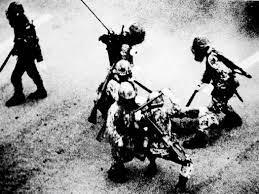
This song is perhaps not considered K-pop, but it is a representative song of the democratization movement in South Korea.
March for our Beloved was composed in 1982, based on a poem by the pro-democracy activist Baek Gi-wan.
The novelist Hwang Sok-yong wrote the lyrics, and the song was composed by Kim Jong-ryul, a student at Chonnam National University.
March for our Beloved was written after the Gwangju Uprising in 1980. The song commemorates two young activists: Yun Sang-won, a young man shot dead by the army, and his beloved Park Gi-sun, who had passed away a few years before due to carbon monoxide poisoning.
The song quickly spread among pro-democracy activists, becoming a thorn in the side for Chun Doo-hwan's regime. It was used as a symbolic song for the Gwangju Uprising as well as for the subsequent Korean democratic movement.
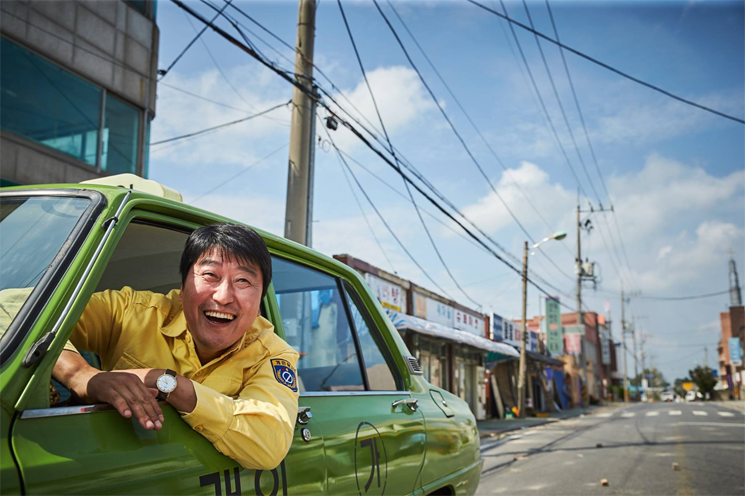
After the democratization of South Korea, the Gwangju Uprising became known as a milestone for Korea's pro-democracy movement. The song March for our Beloved, which reflects on the stories of the victims of the brutal repression, has continued to be sung by later generations.
In 1997, the South Korean government designated May 18 as the official anniversary of the Gwangju Uprising. March for our Beloved is played at the Gwangju National Democratic Cemetery on this day every year.
In addition to being widely sung at various events in Korea, in 2018 director Park Ki-bok released the film The March for the Lost about the events in Gwangju. The Korean title of the film (임을 위한 행진곡) corresponds to the Korean name for March for our Beloved.
The song has also been used in labor movements and democratic protests in Hong Kong, Taiwan, Thailand, Cambodia, Malaysia, Indonesia and other places.
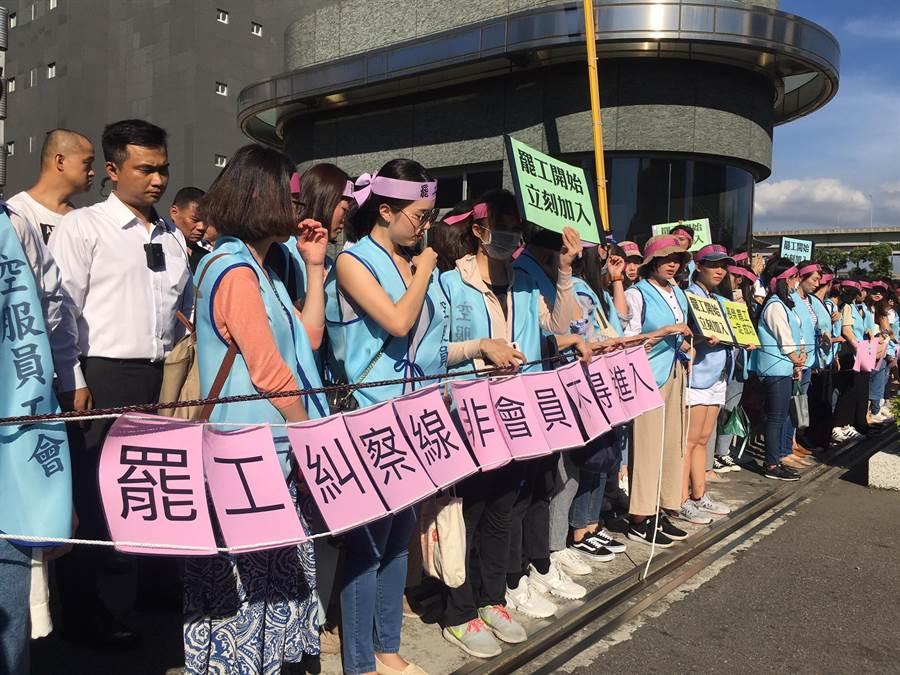 Source: China Times
When the Executive Director of Taiwan Taoyuan Flight Attendants' Union came to South Korea to discuss experiences of labor movement, he heard March for our Beloved during a factory strike in Masan City.
Then, in 2011, another labor union member wrote a Chinese version of the song to be used for the Occupy Movement in Taipei.
This version of the song was also used by the Sunflower Student Movement in 2014 as well as during the EVA Air flight attendant strikes in 2019.

사랑도 명예도 이름도 남김 없이
We will leave no honors, no love, no fame.
한평생 나가자던 뜨거운 맹세
We promised to keep working on, long as we shall live
동지는 간데없고 깃발만 나부껴
Dear comrades have gone; our flag still waves.
새 날이 올 때까지 흔들리지 말자
While working for days to come we will not be swayed
세월은 흘러가도 산천은 안다
Streams and mountains remember though the years pass by
깨어나서 외치는 뜨거운 함성
Waken'd spirits are calling us as they shout this cry:
앞서서 나가니 산 자여 따르라
We are marching on; keep faith and follow us.
The sacrifices of the many people fighting for democratization are acknowledged in the lyrics.
These are the people who sacrificed their lives in the hope of a better life for future generations.
Although they might not have had the opportunity to see the change themselves, their names and actions will never be forgotten.
H.O.T. - I Yah!
아이야!
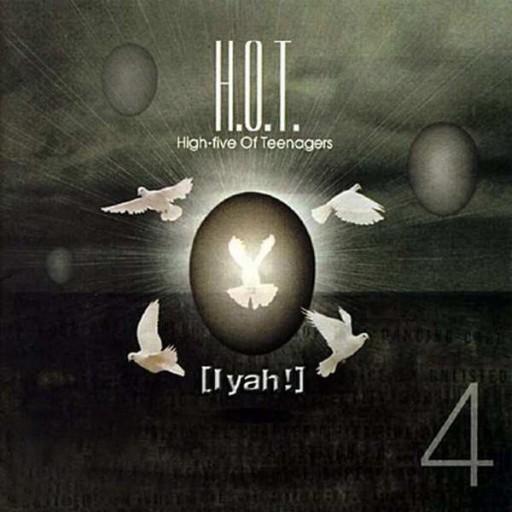
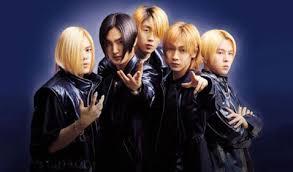
H.O.T.'s fourth album was released on September 15, 1999.
The title track I Yah! commemorates the nineteen children who died at a summer camp in South Korea, in what is known as the Sealand Youth Training Center Fire.
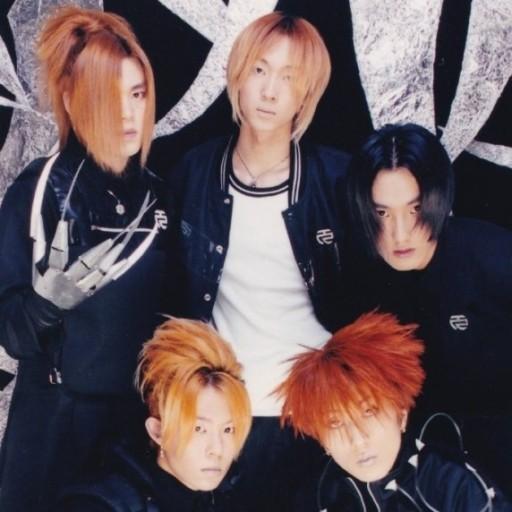
On June 30, 1999, a fire broke out at the Sealand Youth Training Center in Hwaseong, Gyeonggi Province. This resulted in the death of nineteen children and four adults. Most of the children were between five and seven years old.
The year prior to the incident, the youth center had been approved by the Hwaseong Council as a reinforced concrete structure.
However, unauthorized modifications of the structure were made in the form of cargo containers that were stacked on the concrete base. The owner also put up other structures, such as roller coasters and other attractions, without notifying the authorities.
The 52 cargo containers that were stacked to make a second and third floor had ceilings made of styrofoam, which is highly flammable and gives off off toxic gas when burning. Evacuation was hampered by narrow exits, and the streets beside the building was too narrow to accommodate fire trucks.
More than one red flag should have been raised, but shockingly the Hwaseong Council carried out two safety inspections in the year before the accident, both times passing the center.
The government later blamed the fire on a lit mosquito coil. With the amount of flammable material at the scene, the fire quickly spread.
The fire started at about 12:30 a.m. However, the phone line being damaged by the fire, coupled with the fact that the center's staff lacked proper training, meant that firefighters did not receive the alarm until about an hour later.
The firefighters arrived around 2:00 a.m., and crews from 50 fire engines fought for over three hours to bring the fire under control.
Children who could not escape were killed in the fire.
The owner of the center was sentences to seven and a half year in prison on charges of involuntary manslaughter, bribery, and violating building laws. Considering the terrible tragedy and loss of so many children's lives, many believed that the owner and other people that were charged got off easy.
Later, parents of the children established a foundation, hoping that the tragedy never be forgotten, and to help prevent similar incidents in the future.
피우지도 못한 아이들의 불꽃을 꺼버리게 누가 허락했는가
Who gave the permission to put out the sparks of children who had yet to turn into fires
언제까지 돌이킬 수 없는 잘못을 반복하고 살텐가
How long will we repeat mistakes that cannot be undone
누구나가 다평등하게 살아갈 때
When we all live in equality
모두 다 자기것만 찾지 않을 때
When everyone stops looking only for what's theirs
어떤 것이 무엇이 제일 조중한지 깨달을 때 그때
When we realize what is the most valuable
밝은 내일이 살아 돌아온다
Then will the bright tomorrow return
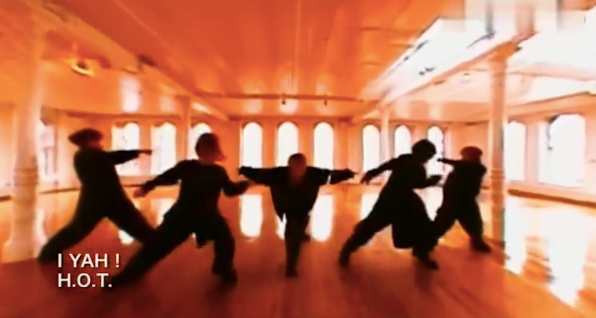
Once you know the story behind, the simple lyrics suddenly feel heavy. The music video uses an orange background, similar to the raging sea of fire that the children faced.
If all adults involved had had a little conscience and sense of responsibility, the fate of those children could have been different.
BTS - Spring Day
봄날
 Source: BANGTANTV
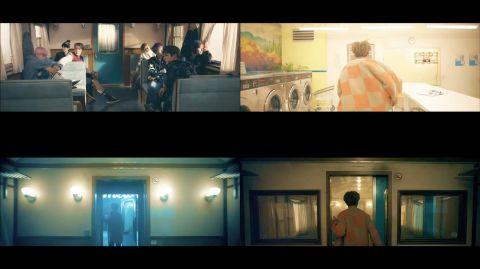
BTS' single Spring Day, released on February 13, 2017, was interpreted by fans as a memorial for the victims of the Sewol ferry disaster.
The band members themselves answered at a press conference that the Spring Day and its music video can be interpreted in a variety of ways based on the listeners point of view, and there are also other interpretations of the song.
The Sewol ferry disaster took place on April 16, 2014. On board were 474 passengers, most of them high school students from Ansan. In one of the worst disasters in Korean history, no less than 304 people lost their lives as the ferry capsized.
 Source: BANGTANTV
눈꽃이 떨어져요
Snowflakes fall down
또 조금씩 멀어져요
And fall apart little by little
보고 싶다 보고 싶다
I miss you, I miss you
얼마나 기다려야 또
How long do I have to wait
몇 밤을 더 새워야
And how many nights do I have to pass
널 보게 될까
To see you
만나게 될까
To meet you
One interpretation of the lyrics is that it expresses the thoughts and feelings of the parents and other loved ones of the students who died on the ferry. Perhaps for them, life is like a snowy winter that never seems to end.
The music video is beautiful, but it also leaves you with a feeling of resentment and sadness. The disaster was another example of innocent lives being lost due to the incompetence and negligence of adults.
f(x) - RED LIGHT
 Source: f(x) Facebook
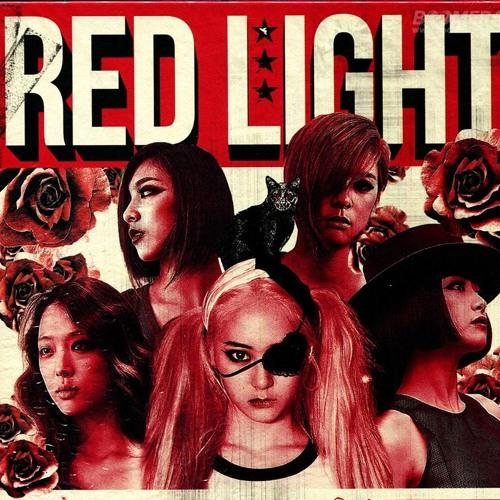
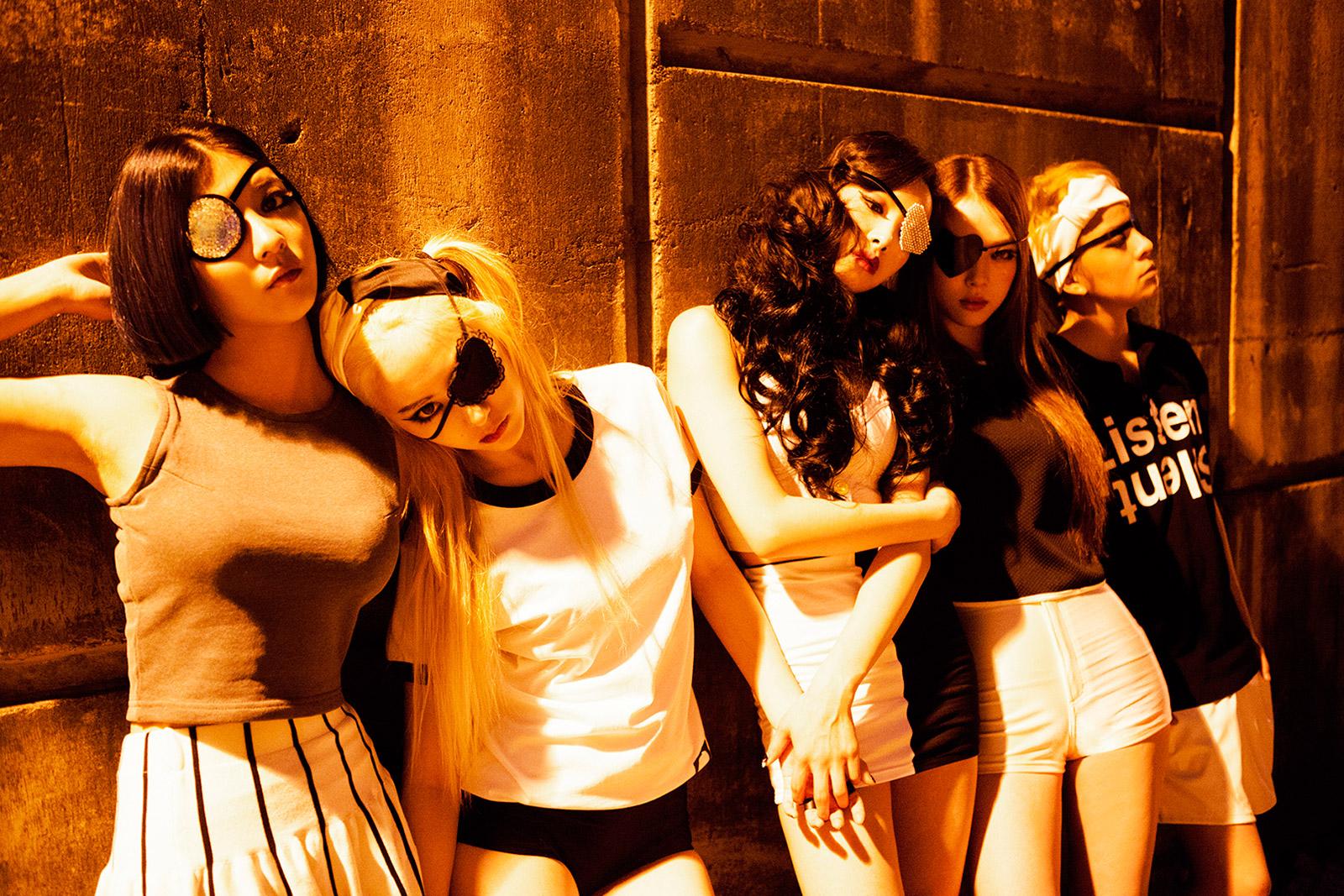
When f(x) released their album Red Light on July 7, 2014, it was soon pointed out that the title track appeared to be a political satire of the government's negligence and incompetence.
The founder of SM Entertainment, Lee Soo-man, admitted in an interview that the song was a criticism of the actions of staff and government during the Sewol ferry disaster.
 FACEBOOK:f(x) OFFICIAL
Ay ay it's a red light, light
경고하는 누군가 목소리를 잘 들어 red light
Listen to the person who's warning you, red light
잠시만 숨을 쉬어봐 이건 전쟁이 아니야
Try to breathe for a moment, this isn't war
눈 크게 떠 거기 충돌 직전 폭주를 멈춰
Open your eyes wide and stop the collision before the crash
변화의 목격자가 되는 거야
You're going to be a witness to change
밀어대던 거친 캐터필러 그 앞에 모두 침몰 할 때
The rough caterpillar who was pushing in front when everything sank
Red Light alludes to the red alarm that goes off when an emergency occurs. The lyrics of the chorus also repeatedly mention keywords such as Red Light and sinking, which seems to speak of the terrible situation that passengers found themselves in at the time of the capsizing.
Red Velvet - One Of These Nights
7월 7일
 Source: Red Velvet Facebook
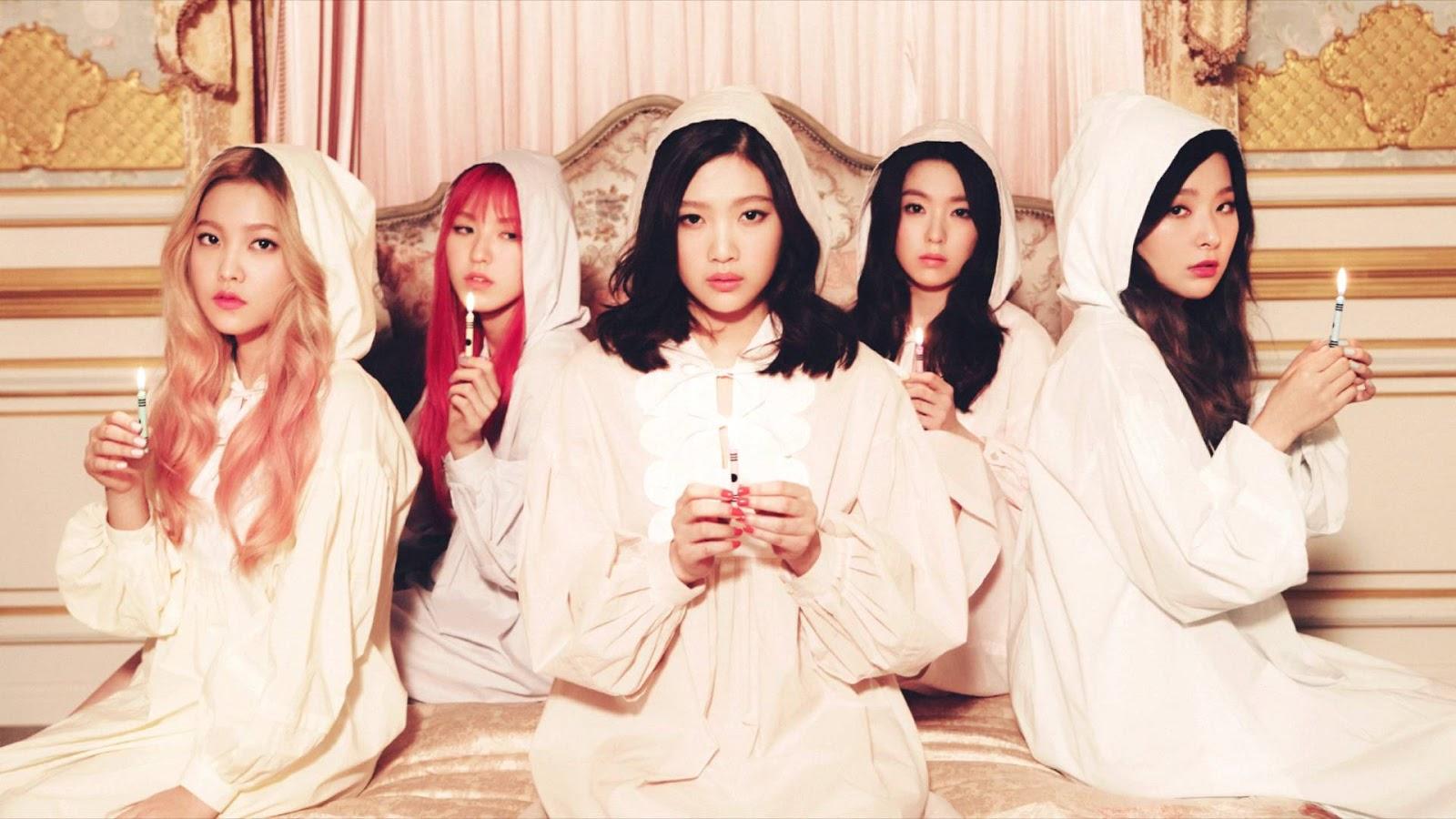
It is speculated that Red Velvet's single One of These Nights also alludes to the sinking of the Sewol ferry.
The music video is very interesting. Although SM Entertainment stated that it tells the folk tale of The Cowherd and the Weaver Girl, it is quite obvious that there is more to it than that. Indeed, the background doesn't show us the Milky Way or the Magpie Bridge; we are shown the dark sea instead.
Towards the end of the video, there is a moon, and under it the date of July 7 (which is also the Korean title of the song). That year, July 7 in the lunar calendar corresponded to April 14, the day the sinking of the ferry occurred.
There is even more to the story. The song was originally expected to release on March 16, but it was suddenly delayed. This was later explained to allude to the delayed response of authorities during the Sewol ferry disaster.
 Source: Red Velvet Facebook
A paper boat which appears in the music video likely alludes to the Sewol ferry.
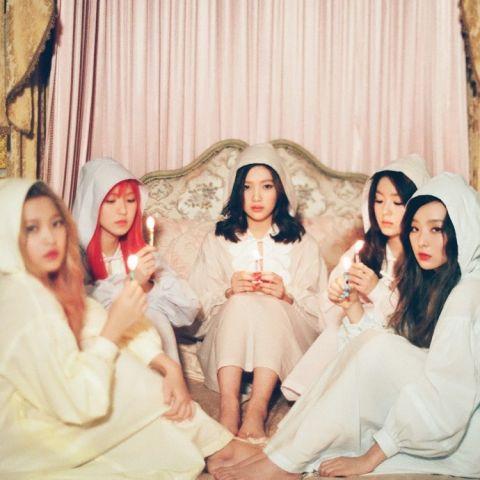
Another mysterious thing was that group member Yeri's face was the only one blurred on the album cover. Surely a big company like SM Entertainment has enough expertise to make sure that all members are in focus in the pictures, right?
That's why many believe that it was on purpose. Yeri was 18 at the time, the same age as most of the students on the boat. Her blurred out face seems to represent the students who tragically passed away.
Furthermore, in the music video the members are trapped in place like a cabin, surrounded by water while they sadly look out the window. They struggle to climb a ladder as they want to escape the flood. However, Yeri fell asleep as the boat starts to submerge.
It seems like only Joy survives the cold water, and all members but her can be seen wearing white clothes and holding candles, symbolizing the arrival of heaven.
SM Entertainment made a fantastic work on the music video. It is filled with symbolism, and we are still moved when we watch it.
San E - BAD YEAR
 Source: San E YouTube
San E released his single BAD YEAR in 2016. It is a sad song that deals with a break up.
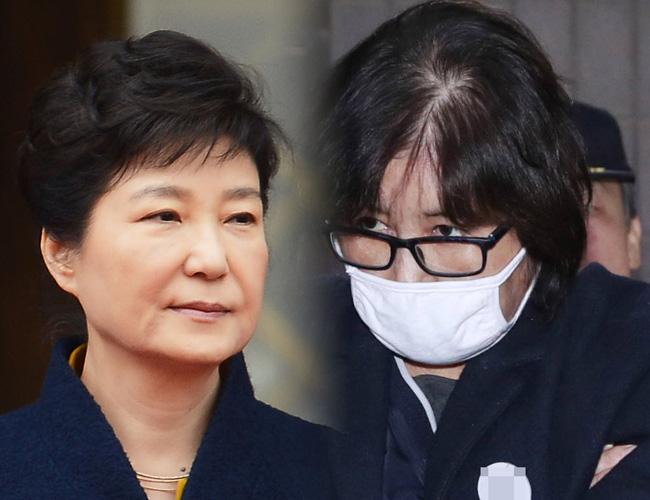
In addition to the direct irony of the song title, San E also sings 병신년 (byeong-shin-nyeon), which was the name given to the year of 2016 according to the sexagenary cycle. However, it can also mean an idiot woman.
Furthermore, the artist also sings the line 그저 편히 싹 맡긴 채 숨 실, which can be translated as "breathing comfortably while leaving everything to someone else". However, the last three words, 채 숨 실, are pronounced almost the same as Choi Soon-sil's name (최순실).
San E also sings Ha Ya (하야 - step down) and even mimics President Park's apology.
BTS - Am I Wrong
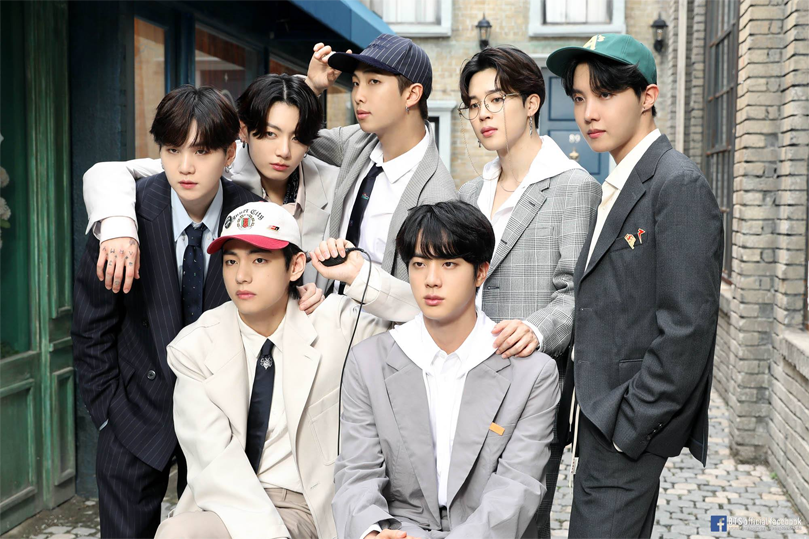 Source: @BTS_twt
Finally, we will take a look at the BTS single Am I Wrong.
This song is also said to be a commentary on the Park Geun-hye and Choi Soon-sil scandal.
The line "Am I Wrong?" is sung over and over again, perhaps implying that former government did not repent. Instead, the government continued to conceal facts and not admit guilt.
BTS and their label haven't directly stated that the song is referring to the scandal, and it is possible that it is just an coincidence. However, the timing of the release of the song seems to indicate that it is indeed a commentary on the state of political affairs in South Korea.
And when BTS unexpectedly performed the song on MBC's Show! Music Core in the midst of the political scandal, many fans couldn't help but link the two together.
You think it is okay
난 좀 아닌 것 같어
I don't think it's okay
귀가 있어도 듣질 않어
Have ears but don't listen
눈이 있어도 보질 않어
Have eyes but don't see
……
뉴스를 봐도 아무렇지 않다면
If what you see on the news is nothing to you
그 댓글이 아무렇지 않다면
If that comment is nothing to you
그 증오가 아무렇지 않다면
If that hatred is nothing to you
넌 정상 아닌 게 비정상
You're not normal, you're abnormal
It turns out that many Korean songs, K-pop songs included, are more complex than we thought.
A closer look at their lyrics and symbolism tell us that they often deal with more than love and failing relationships.
Instead, many idols use their platform to try to make the society a better and more sincere place.
Book all things trending in Korea on Creatrip! If you have any questions or concerns, please leave a comment below or send us an email at help@creatrip.com! You can follow us on Instagram, TikTok, Threads, and Youtube to stay updated on all things Korea!