Korean Dumplings May Be Native: The 'Mandu Belt' Around the Taebaek Range
Creatrip Team
4 months ago
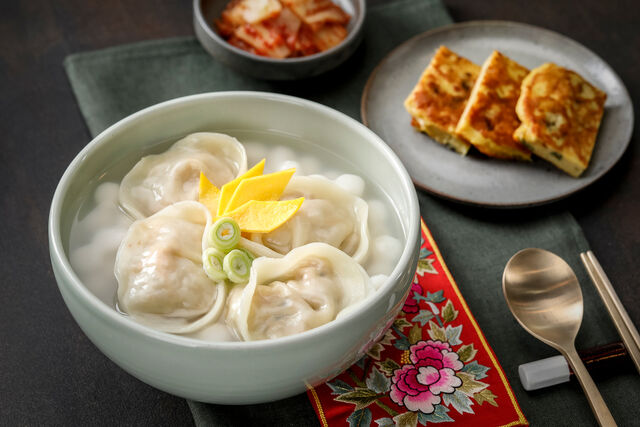
A 2024 study by Korean researchers argues that Korean mandu (dumplings) likely developed indigenously rather than being a direct import from China. The paper maps a distinct “mandu belt” in a reversed-G (역디귿) shape encircling the Taebaek Mountains across Gangwon, Gyeonggi, Chungcheong and northern Gyeongsang provinces where seasonal ritual dumplings (se-si mandu) appear around Lunar New Year and other year-end festivals. One unique form, the large “seom-mandu” (섬만두) shaped like a woven grain sack (섬) symbolized wealth and was sometimes fed to livestock or hung on fruit trees as a wish for abundance. The study links Korea’s soup-and-mix food culture to the creation of tteok-mandu-guk (rice cake and dumpling soup) in border regions between rice- and grain-growing areas; combining both foods added symbolic “aging one year” meaning and bulk to celebratory meals. Researchers note Korean mandu differ from Chinese versions in ingredients and eating habits—using buckwheat in some regions and fillings like kimchi and tofu—though the name likely came via broader Northeast Asian contact. The article suggests remembering these traditions when eating store-bought dumplings in holiday soups, as each dumpling served in the New Year is like a little fortune pouch (복주머니).