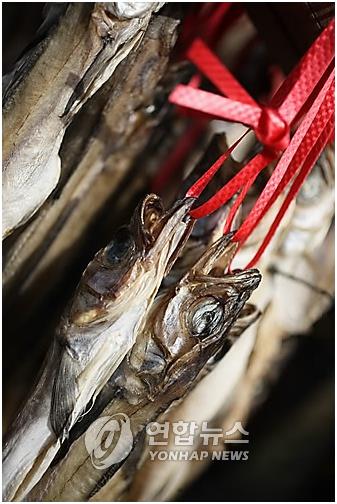
[K-VIBE] Myeongtae: Korea’s Humble Winter Fish and a Lesson in Living
Creatrip Team
7 months ago
As winter winds bite, the pollock (명태) becomes central to Korean tables in many forms—fresh (saengtae), frozen (dongtae), sun-dried (hwangtae), semi-dried (kodari), and as various preserved foods like myeongran (seasoned fish roe). The fish is celebrated not for luxury but for its restorative qualities in traditional Korean medicinal-cooking (약선): neutral in thermal nature, mildly sweet, high in easily absorbed protein, omega-3s, vitamin B12 and D, and selenium. These properties make it gentle on digestion and supportive of recovery for children, elderly, and convalescents, and a popular hangover remedy. The drying and preservation processes deepen flavor and increase digestibility—paralleling Daoist and Sun Tzu philosophies of measured transformation and balance (중용, 무위자연, 구변). Every part of the fish is used (roe, entrails, skin), reflecting a cultural ethic of frugality and respect for nature. Different cooking methods—soups, stews, grilling, steaming, pan-frying, and fermented jeot—are framed as thoughtful “changes” matched to people’s conditions and seasons, teaching restraint, patience, and slow nourishment rather than instant fixes.