U.S. Eggs Arrive in Korea: How to Check Safety and Freshness
Creatrip Team
7 months ago
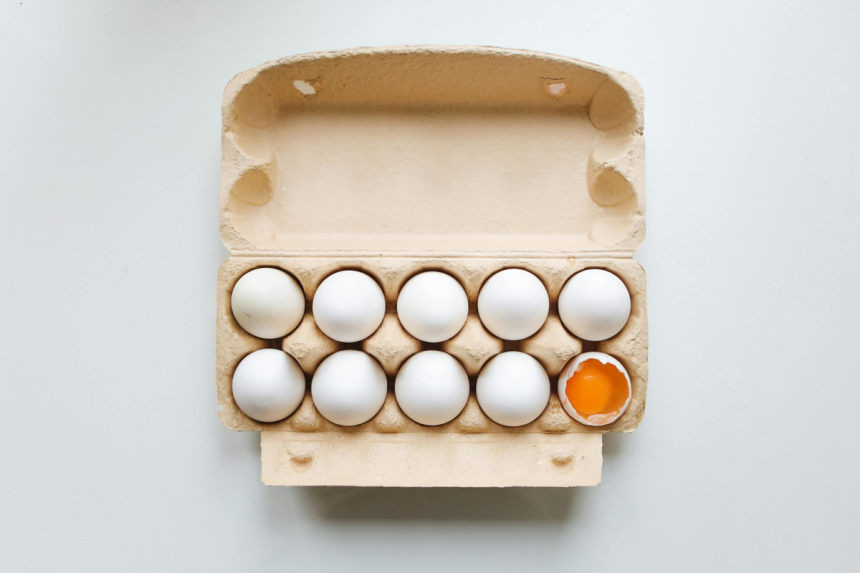
High-path avian influenza has disrupted Korea’s egg supply, prompting imports of U.S.-produced eggs ahead of the Lunar New Year to stabilize prices and availability. Domestic eggs typically show a 10-digit code on the shell (laid date, farm registration number, and farming method), but U.S. eggs display only a 5-digit code (laid date and farming method), so origin can be distinguished by label length. Consumers should know how to inspect eggs: small spots or rough calcium deposits on shells are usually natural and safe, while cracks, unpleasant odors, or discoloration inside indicate spoilage and eggs should be discarded. Check the shell code for freshness (recent laid date) and farming environment, note that fresh eggs are generally safe to use within 28–30 days from the laid date, and store eggs refrigerated on an inner shelf without washing for best quality.