Korean Retailers Tighten Belts as Strong Dollar and Weak Domestic Demand Bite
Creatrip Team
2 months ago
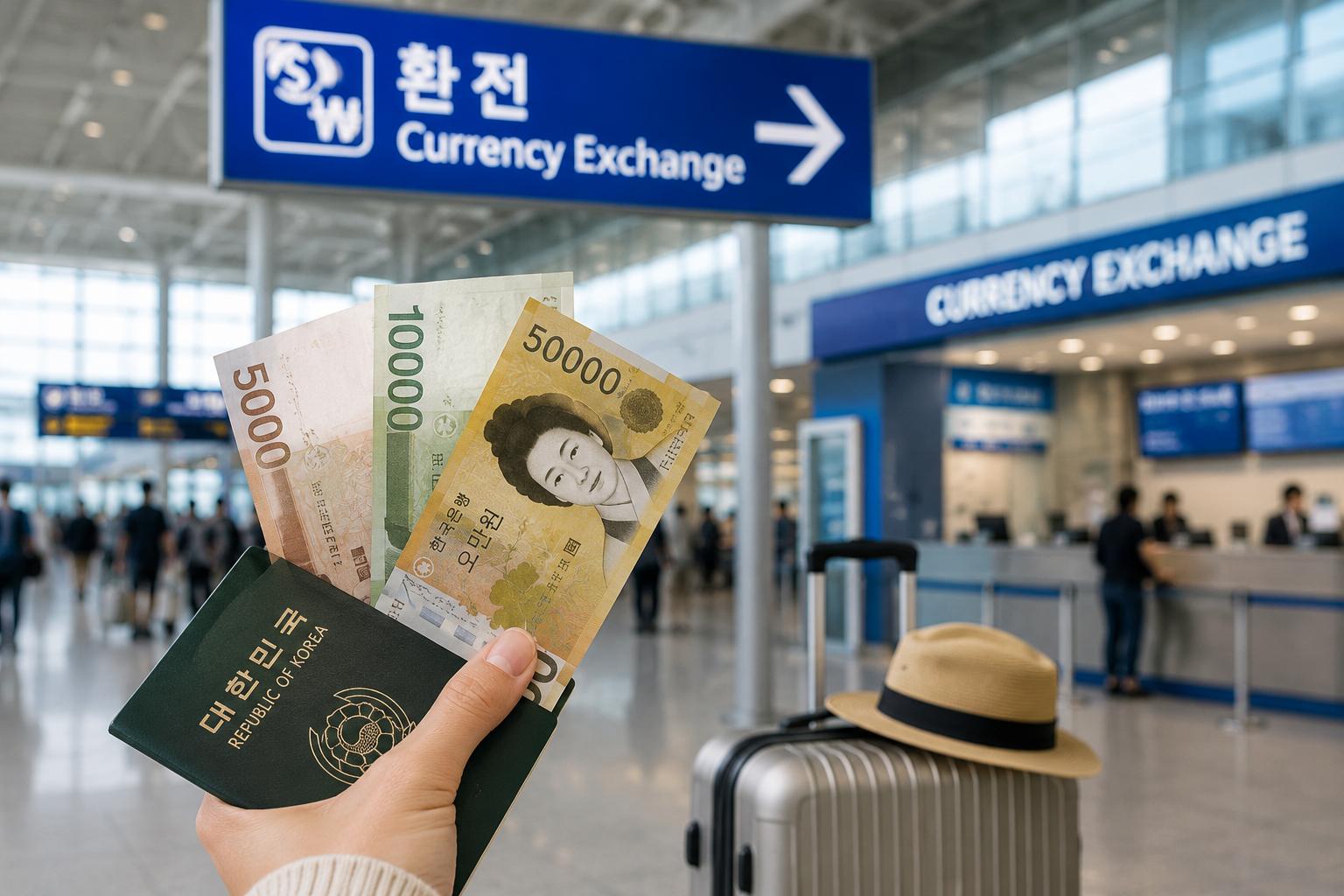
Korean retail and consumer goods firms are shifting to conservative, efficiency-focused management for next year amid persistent currency volatility and weak domestic consumption. In a survey of 30 companies, 73.3% named exchange-rate swings as their biggest risk, followed by domestic demand weakness (66.7%) and rising costs (60%). Firms reported that a weaker won raises import raw material costs, pressuring prices and consumer purchasing power. Most companies prefer flexible pricing or price freezes rather than broad hikes, and 70% plan selective investment alongside cost control. Common measures include tighter inventory and operational efficiency and organizational cost savings, while drastic steps like mass layoffs are limited. Sector responses vary: food makers are most exposed to import-cost risks, offline retailers focus on improving existing store efficiency, e-commerce and convenience store operators prioritize margin defense amid promotional and logistics pressure, and fashion/cosmetics firms are more willing to invest for overseas growth. Despite cautious outlooks, 56.6% expect next-year sales growth and 63.4% foresee improved operating profits, suggesting firms believe efficiency actions can protect performance.