From Elite Dish to Office Favorite: The Rise of Naengmyeon Delivery in 19th-Century Korea
Creatrip Team
5 months ago
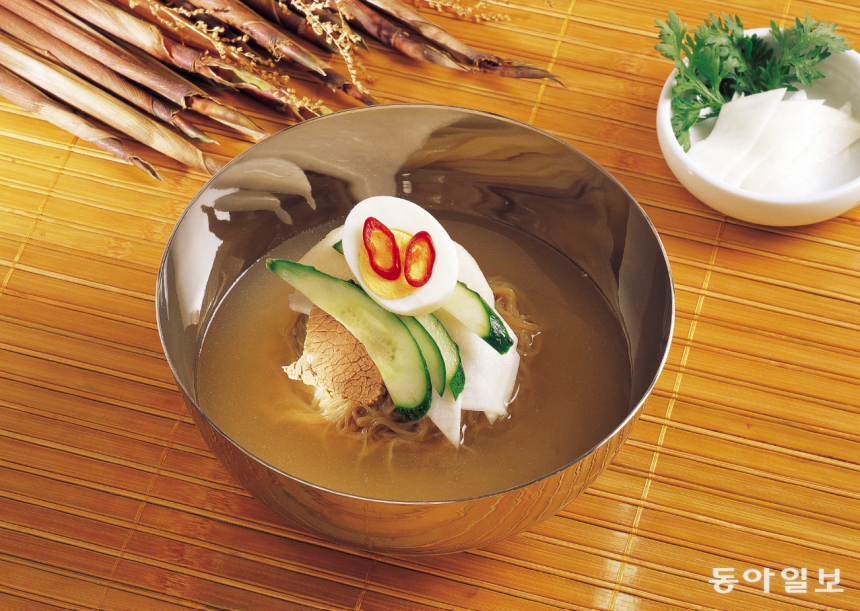
Historically a luxury eaten by yangban (Korean aristocrats) on special occasions, naengmyeon (cold buckwheat noodles) became widely available from the mid-19th century as agriculture and food technology improved. Potato cultivation and the use of potato starch made noodle production easier, replacing rare mung-bean starch. After the 1894 Gabo Reform, restaurants grew in port cities and urban centers like Seoul and Pyongyang, and naengmyeon became a quick, popular lunch for office workers. The spread of telephones and bicycles enabled early delivery services, and ice-making and metal noodle presses in the early 20th century allowed chilled summer naengmyeon to flourish. The introduction of the Japanese seasoning Ajinomoto also boosted summer naengmyeon’s appeal by providing easy umami. Dumplings (mandu) commonly served with naengmyeon likely became widespread in South Korea only after flour grew more available around the 1980s.