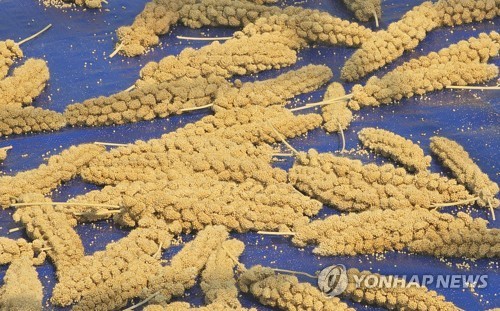
[K-VIBE] Millet: A Thousand-Year Korean Supergrain
Creatrip Team
7 months ago
Millet (좁쌀) has sustained Koreans for millennia — cultivated on the peninsula since at least 3500–2000 BCE and prized as a drought-resistant, nutritious staple and traditional remedy. Once a symbol of survival rather than wealth, millet varieties (차조, 메조) were used for porridges, alcoholic drinks (막걸리, 문배주), and medicinal preparations to soothe digestion, reduce internal heat, and support recovery. Traditional texts and modern studies cite millet’s benefits: fiber and β-glucan for gut health, minerals (iron, magnesium, potassium), higher vitamin E than rice, lower glycemic index (~65), and higher protein—making it suitable for diabetics, the elderly, and convalescents. Contemporary chefs revive millet in teas, porridges (e.g., with pumpkin, mountain yam, jujube), soups, and desserts, framing it as both K-food and cultural memory. The column likens millet’s seasonal and therapeutic uses to Sun Tzu’s terrain strategies, showing how different millet dishes serve distinct restorative roles. Reintroducing millet, the author argues, is not only a health choice but a way to reclaim a lost life-sustaining food culture.