
Colonoscopy & Upper Endoscopy in Korea: Cost, Prep, and Health Checkup Guide


Colonoscopy & Upper Endoscopy in Korea: Cost, Prep, and Health Checkup Guide
Learn about colonoscopy and upper endoscopy in Korea, including cost comparison, bowel prep, non-invasive alternatives, and how U.S. visitors can book a Korean health checkup.
Hi—I'm Millie, a Creatrip editor.
In the first part of this series, I talked about MRI in Korea. For part two, we’re talking about endoscopy in Korea—especially gastroscopy and colonoscopy.
Have you been dealing with acid reflux, indigestion, stomach pain, constipation, or changes in your bowel habits?
Or do you have a family history of stomach cancer, colon cancer, or colon polyps?
If you’ve been thinking about getting an endoscopy but felt worried about the cost, prep, or booking process, this guide will walk you through what you need to know about getting gastroscopy or colonoscopy in Korea.
Today’s Topic: Endoscopy in Korea
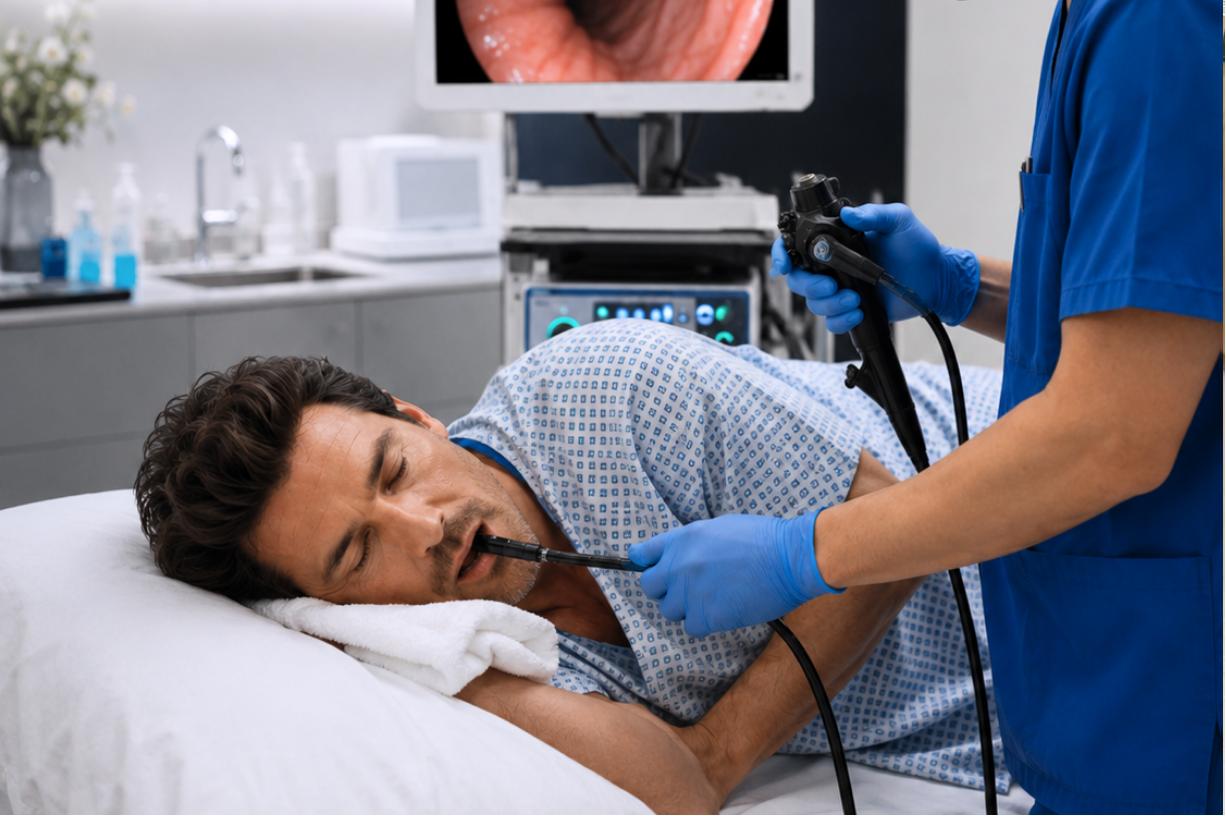
Today’s topic is endoscopy in Korea, especially gastroscopy and colonoscopy as part of a Korean health checkup.
In this post, I’ll cover:
- Why do foreigners choose endoscopy in Korea?
- When should you consider gastroscopy or colonoscopy?
- Can I choose non-invasive alternatives to gastroscopy or colonoscopy?
- How do you prepare for gastroscopy and colonoscopy in Korea?
- How can foreigners book endoscopy in Korea through Creatrip?
- FAQ: fasting, sedation, prep, travel after biopsy, and English results
Millie’s Tip: If you already know you want to book gastroscopy or colonoscopy in Korea, check the current health checkup packages through the link below.
Limited-Time Benefit: Book a Signature or Noble package on Creatrip and get a MRI or CT for free!
1. Why Do Foreigners Choose Endoscopy in Korea?
1) Endoscopy cost in Korea can be much lower than in the U.S.
For many foreign visitors, the biggest reason to consider endoscopy in Korea is the price.
In the U.S., colonoscopy and upper endoscopy can be expensive, especially without insurance or when extra costs are added.
In Korea, pricing is usually more predictable. For the comparison below, I used KMI, one of Korea’s representative health checkup centers, as the Korea-based reference.
🦠 Colonoscopy cost in Korea vs the U.S.
Test | Korea Price | U.S. Price |
|---|---|---|
Colonoscopy | approx. $150 | approx. $1,250–$4,800+ |
The Korea price includes the colon prep kit and the final health checkup result report.
- Additional costs may apply if biopsy, pathology, or polyp removal is needed
🔬 Gastroscopy(upper endoscopy) cost in Korea vs the U.S.
Test | Korea Price | U.S. Price |
|---|---|---|
Upper endoscopy | approx. $360 | approx. $1,000–$3,000+ |
The $360 price is not just for upper endoscopy. At KMI, gastroscopy is usually included as part of a health checkup package. This basic package may also include other screening items such as tumor markers, mammogram, ultrasound, and more, depending on the package.
Millie’s Tip: Want to see what else is included in the Standard package besides endoscopy? Check the package details through this link.
2) The booking process is easier to fit into a Korea trip
Endoscopy is not only about the procedure itself. The steps before the procedure matter too.
🇺🇸 In the U.S., getting a colonoscopy often looks something like this:
Book a hospital → Talk to a doctor or GI specialist→ Check insurance or out-of-pocket cost → Schedule with an endoscopy center→ Get prep instructions or medication → Visit the center for the procedure
🇰🇷 In Korea, when colonoscopy is booked as part of a health checkup, the process is usually much simpler:
Book your checkup → Pick up or receive the prep kit → Visit the center

That shorter flow is one reason endoscopy can be easier to fit into a Korea trip. Instead of arranging a separate medical procedure from scratch, you can select colonoscopy or gastroscopy as part of an organized checkup schedule.
3) More adults are considering gastroscopy and colonoscopy earlier
Endoscopy used to feel like something people only started thinking about in their 40s or 50s. But recently, more younger adults are paying attention to stomach and colon health.
Looking at Creatrip health checkup customers, we also see that many people choosing gastroscopy or colonoscopy are not necessarily in the “traditional screening age” group.
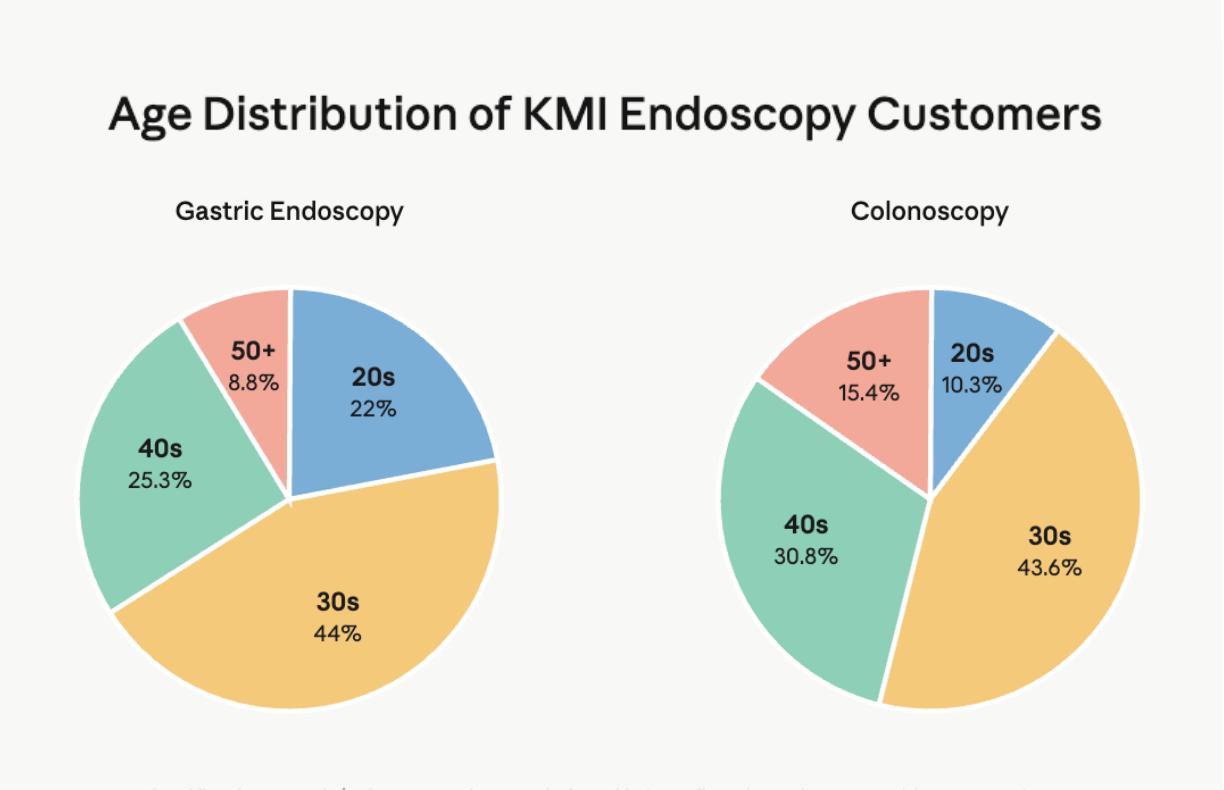
*The table is based on Creatrip health checkup customers who selected gastroscopy and/or colonoscopy.
This is not only happening on Creatrip. In the U.S., colorectal cancer rates have been rising among people under 50, making younger adults more aware of colon health. At the same time, gut health has become a major wellness topic, with more people paying attention to digestion, bloating, bowel habits, and the gut microbiome.

For many younger visitors, interest in gastroscopy or colonoscopy is not just about cancer screening. It is also about understanding their digestive health earlier and taking a more proactive approach to overall wellness. Korea makes that easier to consider because endoscopy can be booked more affordably and smoothly as part of a health checkup.
2. When Should You Consider Gastroscopy or Colonoscopy in Korea?
In the U.S., colorectal cancer screening is generally recommended from age 45 for average-risk adults. For stomach cancer, routine screening is usually not recommended unless you have higher-risk factors or symptoms.
Korea’s checkup culture is a little different. Endoscopy is often used more proactively as part of preventive health screening, especially because the cost and booking process are more approachable.
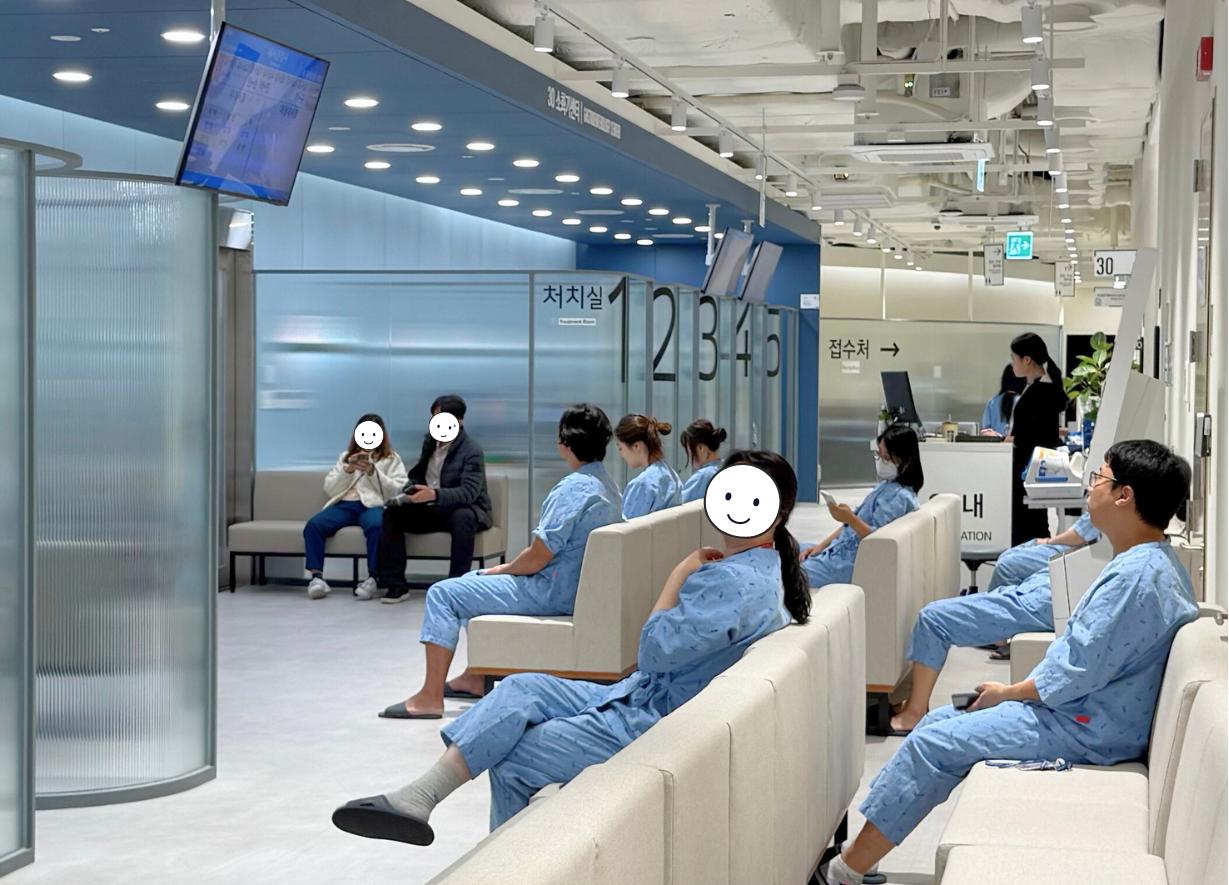
That means you do not have to think only in terms of age or family history. If you have ongoing symptoms or a specific area you are worried about, Korean health checkups can make endoscopy easier to consider.
The symptoms below can help you decide whether gastroscopy or colonoscopy may be worth adding to your checkup.
*For the symptom guide below, I referenced information from the CDC, Mayo Clinic, and NIDDK.
“My constipation, diarrhea, or bowel changes won’t go away.” — colonoscopy symptoms to know

Colonoscopy is used to look directly inside the colon and rectum. It can help check for polyps, inflammation, bleeding, tumors, and other colon-related problems.
People often consider colonoscopy when they have:
- Blood in stool or rectal bleeding
- Persistent constipation or diarrhea
- A noticeable change in bowel habits
- A feeling that the bowel does not empty completely
- Ongoing lower abdominal pain, cramps, or bloating
- Unexplained anemia
- Unexplained weight loss
- Family history of colon cancer or colon polyps
Not every bowel change means something serious. But if the symptom is repeated, persistent, or unusual for you, it may be worth checking instead of ignoring it.
“My reflux, indigestion, or stomach pain keeps coming back.” — gastroscopy symptoms to know

Gastroscopy is used to look directly at the esophagus, stomach, and duodenum. It can help check for reflux-related damage, gastritis, ulcers, bleeding, suspicious lesions, and some upper digestive cancers. If needed, biopsy may also be done during the exam.
People often consider gastroscopy when they have:
- Frequent acid reflux or heartburn
- Chronic indigestion
- Upper abdominal pain
- Nausea or vomiting
- Difficulty swallowing
- Feeling full too quickly
- Black stool or possible upper GI bleeding
- Unexplained anemia
- Family history of stomach cancer
If symptoms keep coming back, the value of gastroscopy is not about worrying over every small discomfort. It is about getting a clearer picture of what is happening inside your body.
3. Non-Invasive Alternatives to Gastroscopy or Colonoscopy in Korea?
If you want to check your stomach or colon health but feel hesitant about endoscopy, I get it.
When I suggested that my mom get a colonoscopy in Korea, her first reaction was, “Is there any other way to check without doing that?”
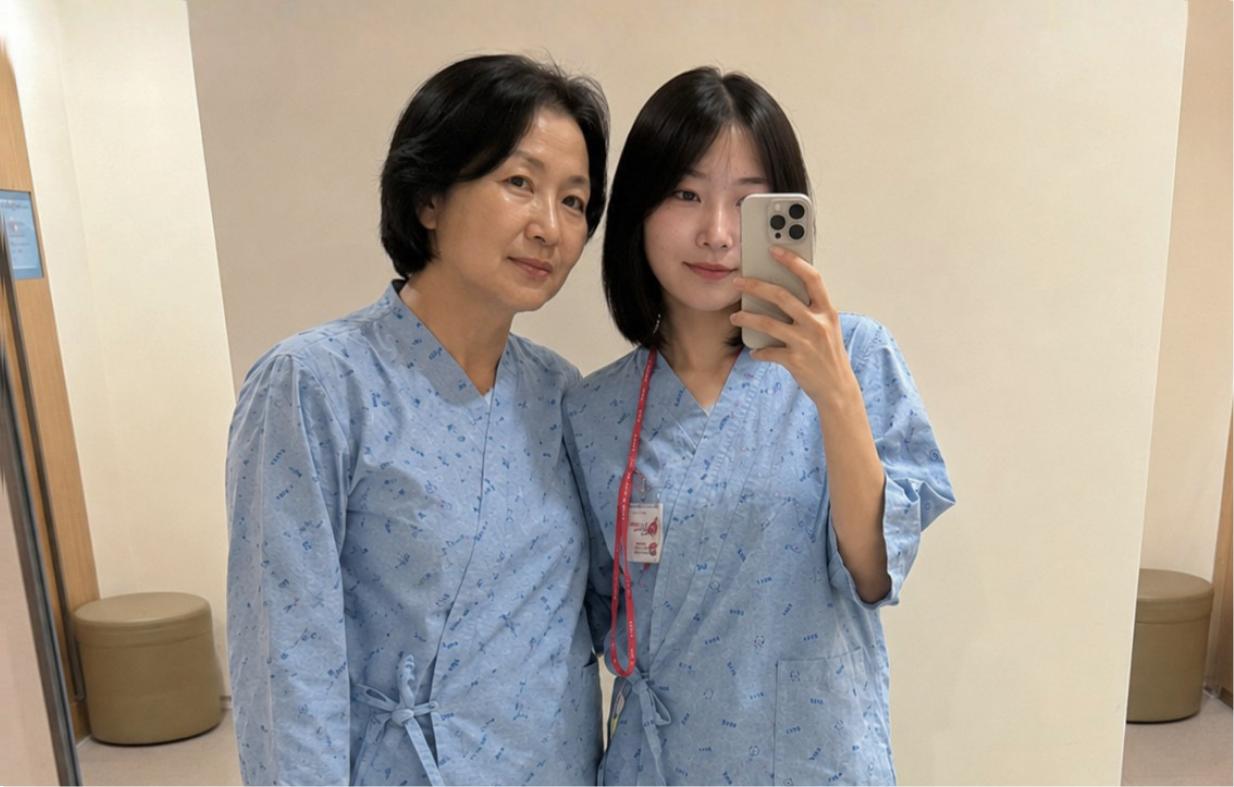
And yes, there are other screening options. But this is the part I think is important: non-invasive tests do not show the exact same things as endoscopy.
So before choosing a non-invasive test just because it feels easier, it helps to understand what each test can and cannot show. That way, you can choose the option that actually fits your symptoms, risk level, and comfort level.
Colon Screening in Korea: M2-PK vs. colonoscopy
If the main concern is avoiding a scope, stool-based screening may be an option.
At KMI, one non-invasive colon screening option is M2-PK.
Colonoscopy | M2-PK | |
|---|---|---|
How it works | A camera exam that directly checks the inside of the colon and rectum | A stool test that checks the level of Tumor M2-PK, a marker related to abnormal tumor metabolism |
What it can help check | Visible colon problems such as polyps, bleeding, inflammation, tumors, or suspicious lesions. Polyps may be removed and tested if needed. | A possible warning signal for colorectal cancer or advanced polyps. A high result may mean colonoscopy is needed for confirmation. |
Who it may be good for | People who want the most direct exam, have symptoms or family history, or may need polyp removal or biopsy | People who prefer a non-invasive screening option first or want to check whether further colon evaluation may be needed |
I would think of it this way: M2-PK is like watching the trailer, while colonoscopy is watching the full movie.
M2-PK can give you an early clue that something may be worth checking more closely, but it cannot show the full picture. Colonoscopy lets the doctor actually look inside the colon. If polyps are found, they may be removed and sent for pathology testing.
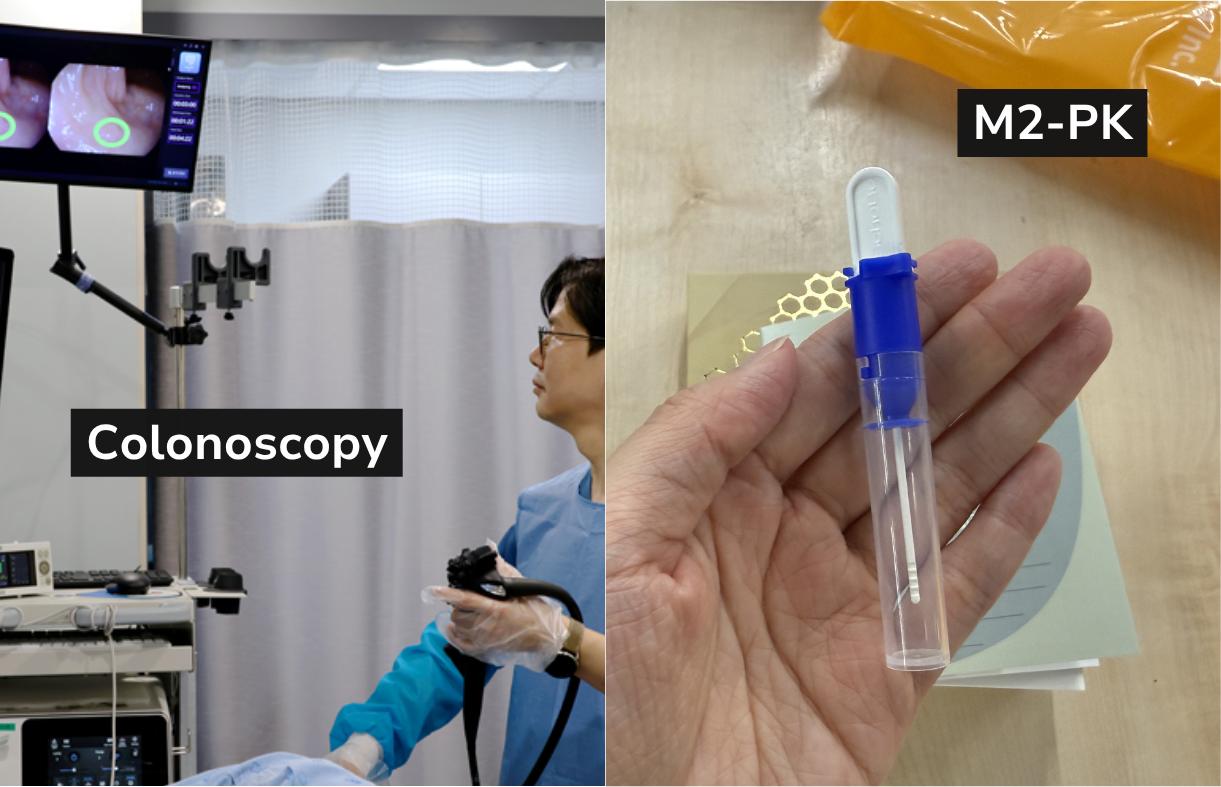
So if you want the most direct colon exam, colonoscopy is the clearer choice. If you strongly prefer a non-invasive screening option first, M2-PK may be worth considering.
Stomach Screening in Korea: gastroscopy vs. upper GI series vs. pepsinogen
For stomach screening, the options are a little different.
At KMI, stomach exam options may include gastroscopy, upper GI series, or pepsinogen depending on the package.
Gastroscopy | Upper GI Series | Pepsinogen | |
|---|---|---|---|
How it works | A camera exam that directly checks the esophagus, stomach, and duodenum | An X-ray exam after drinking contrast material | A blood test related to the stomach lining |
What it can help check | Visible stomach and upper digestive problems such as gastritis, ulcers, bleeding, suspicious lesions, or tumors. Biopsy may be done if needed. | The shape and outline of the upper digestive tract, which may help detect structural abnormalities | Possible stomach lining changes that may suggest the need for closer evaluation |
Who it may be good for | People who want the most direct exam, have symptoms or family history, or may need biopsy | People who want to check for shape-related issues such as narrowing, ulcers, or mass-like changes | People without strong symptoms who want a simple blood-based first check to see whether their stomach lining may need closer evaluation |
I would think of these tests as three different ways to check the same “room.” Gastroscopy is like walking in and looking around yourself. Upper GI series is more like looking at the room’s shape from an image. Pepsinogen is like reading a condition report based on a blood marker.
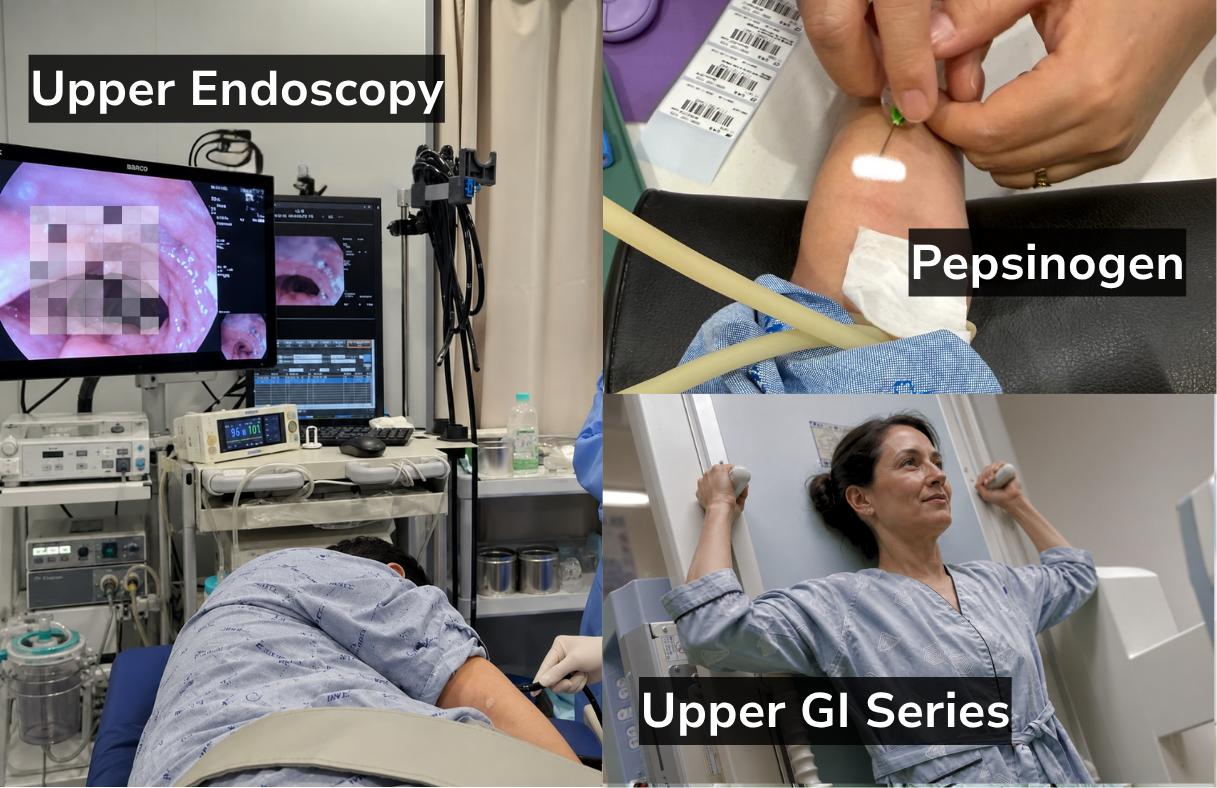
If you want the clearest stomach check, gastroscopy is usually the stronger choice. If you mainly want a less direct first-step option, upper GI series or pepsinogen may be worth considering, depending on whether you want imaging-based information or a simple blood-based check.
4. How to Prepare for Gastroscopy and Colonoscopy in Korea?
Gastroscopy alone usually requires fasting. Colonoscopy takes a little more preparation because your colon needs to be clean enough for the doctor to see clearly.
Below is the general flow if you are doing both gastroscopy and colonoscopy on the same day as part of a Korean health checkup.
Pick Up Your Colon Prep Kit
If you choose colonoscopy or a colon-related stool test, you need to pick up the preparation kit before your checkup.
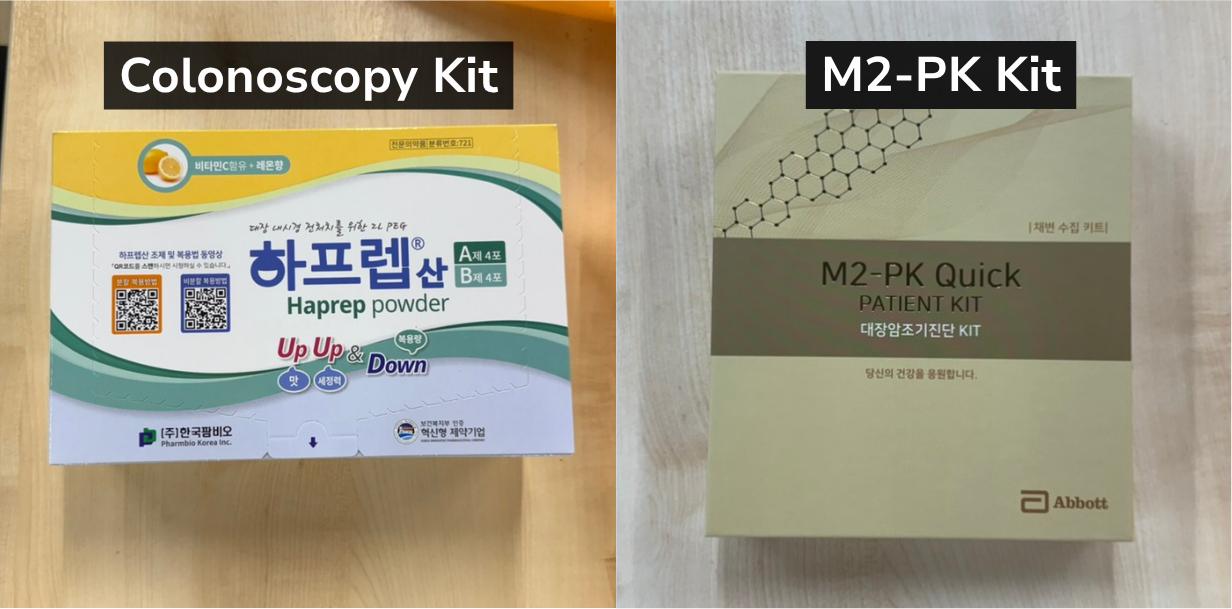
Make sure to pick up the kit from the checkup center where you booked your appointment by the day before your exam. Before visiting the center, also check whether it is closed on certain days or during Korean public holidays.
D-7.
Check medication restrictions 7 days before colonoscopy
Some medications may need to be stopped before colonoscopy, especially anticoagulant or antiplatelet medications such as aspirin, Plavix, warfarin, Pradaxa, Xarelto, Brilinta, and similar drugs.
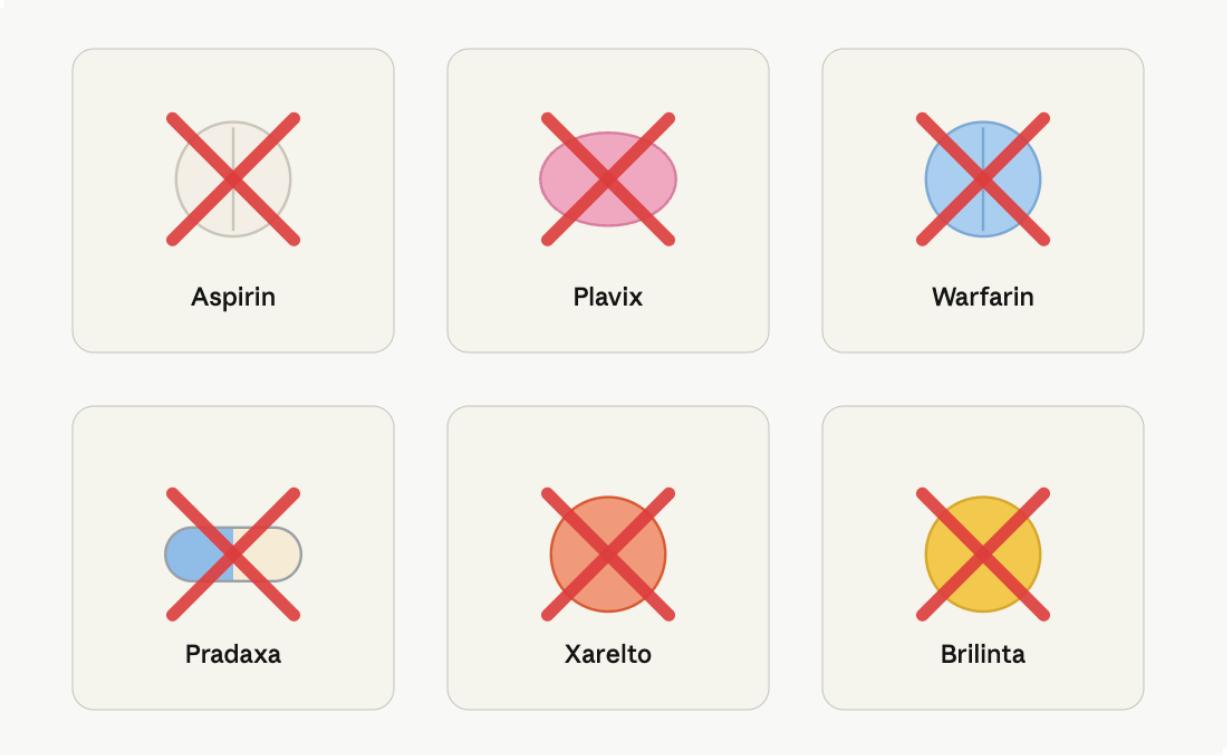
Do not stop medication on your own.
The timing can differ depending on the medication and your medical condition, so you should consult a doctor in advance.
If the medication cannot be stopped safely, there may be limitations on polyp removal during colonoscopy.
D-3.
Avoid certain foods 3 days before the exam
Starting about 3 days before colonoscopy, you may be asked to avoid foods that are hard to digest or can leave residue in the colon.
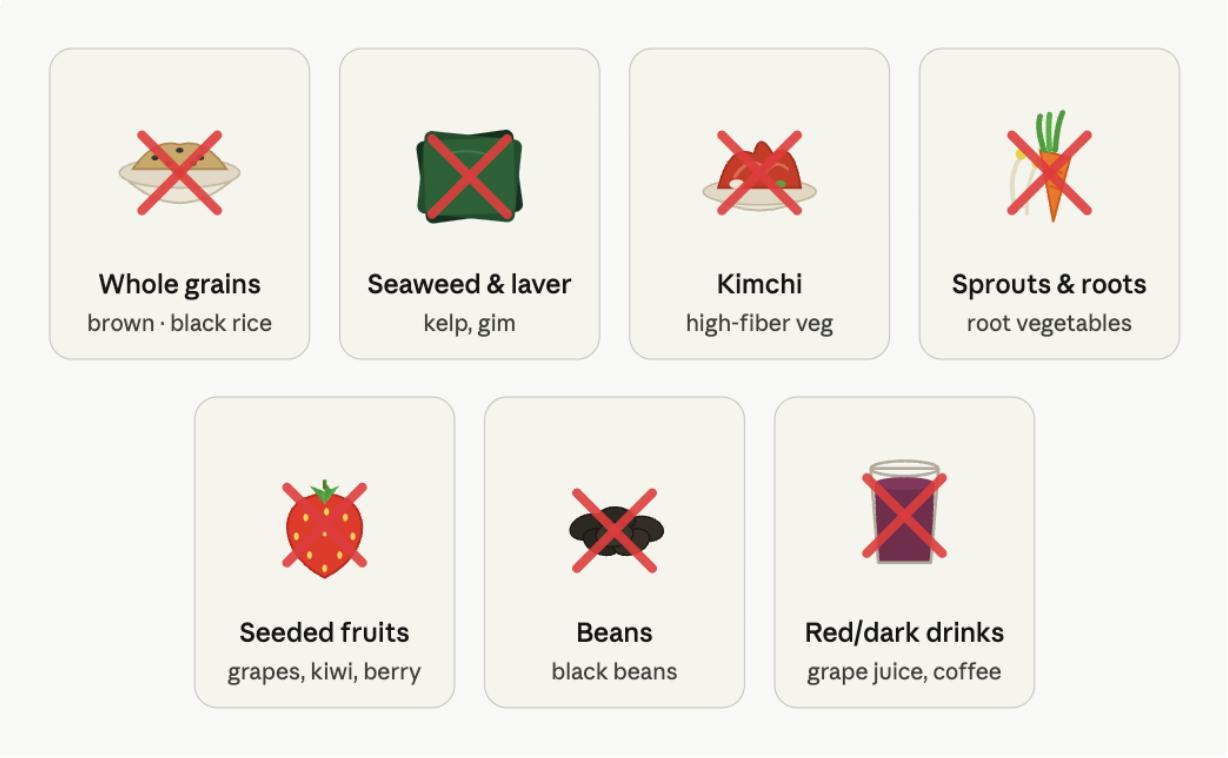
Common examples include:
- Brown rice, black rice, and mixed grains
- Seaweed, laver, kelp, and similar foods
- Kimchi and high-fiber vegetables
- Sprouts and root vegetables
- Fruits with seeds, such as melon, grapes, kiwi, and strawberries
- Black beans and other beans
- Red or dark-colored drinks, such as grape juice or coffee
D-1.
Start Fasting and Take the Prep Medication
At KMI, checkup appointments are divided into morning and afternoon sessions.
- Morning session (7:00 AM – 10:00 AM): If you selected 7:00, 8:00, 9:00, or 10:00, you may arrive anytime between 7:00 AM and 10:00 AM.
- Afternoon session (11:00 AM – 1:00 PM): If you selected 11:00, 12:00, or 13:00, you may arrive anytime between 11:00 AM and 1:00 PM.
Your meal restrictions and bowel prep schedule may differ slightly depending on your checkup session.
The guide below is based on the morning session. KMI provides separate instructions for morning and afternoon appointments, so make sure to follow the guide that matches your own session.
①Light Meal and Fasting
The day before colonoscopy, meals are usually very limited.
For the morning session, the meal guide usually looks like this:
- Breakfast: well-digested, low-fiber food such as white rice, tofu, egg, fish, or porridge
- Lunch: rice soup or porridge without vegetables
- Dinner: fasting, including water
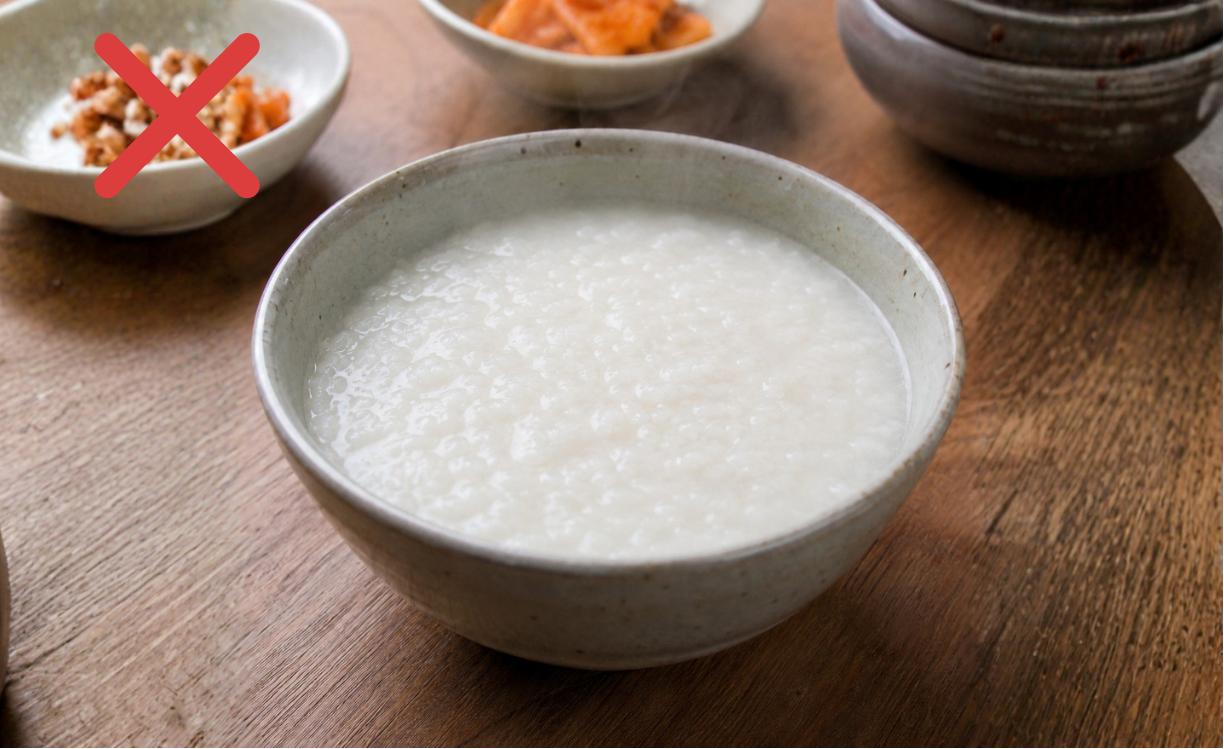
For the afternoon session, fasting usually starts from 3 PM on the day before the checkup.
Millie’s Tip: Once fasting starts, you may feel pretty hungry until the next day. Personally, I would recommend choosing a morning appointment if you can.
②Bowel Prep Medication
This is the part most people worry about.
You will usually take the bowel cleansing solution twice: once at 8 PM the night before, and once at 4 AM on the procedure day. Each time, drink 500 ml of the solution by splitting it into two portions, about 250 ml every 15 minutes.
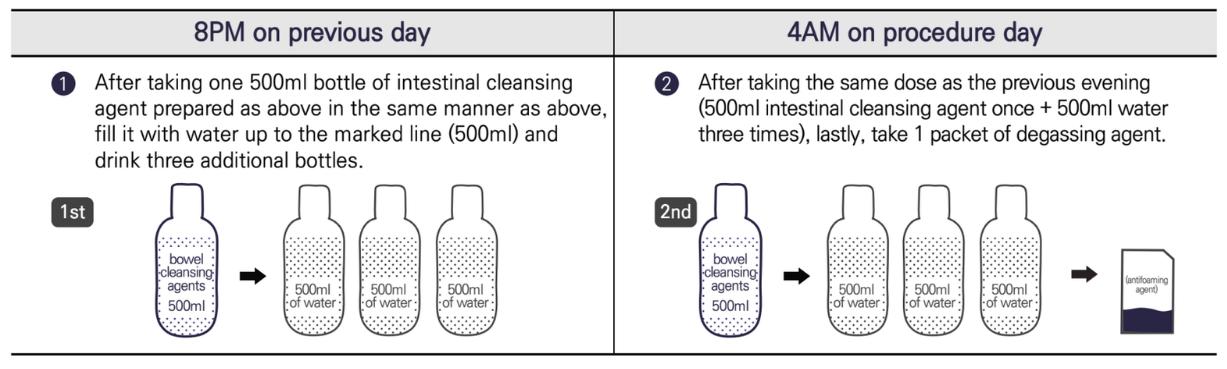
The reaction does not always happen right away. For many people, it starts about 1–2 hours later. Once it starts, you may be in and out of the bathroom for a while, so just brace yourself a little and keep the restroom nearby.
Millie’s Tip: Sleep close to the bathroom the night before your colonoscopy. Don’t plan anything important, stay at your hotel, and follow the prep guide exactly.

D-Day.
Fast until the procedure
On the procedure day, fasting continues until the exam.
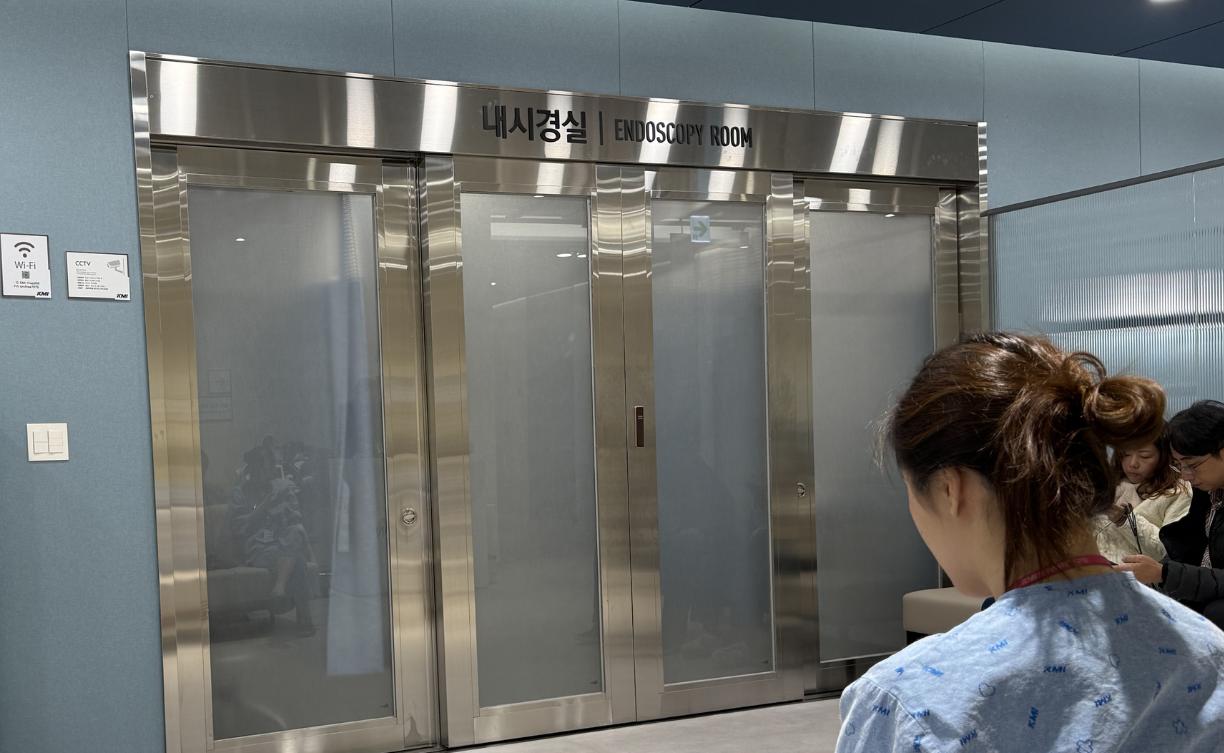
If you take diabetes medication, insulin, blood pressure medication, anticonvulsants, or other regular medications, follow the medical instructions provided in your guide.
For some medications, whether you can take them on the day of the exam may depend on your condition, so consult your doctor in advance.
5. How to Book Endoscopy in Korea Through Creatrip
First things first: check which package includes the tests you want.
Gastroscopy and colonoscopy are not included in every health checkup package, so it’s helpful to compare the options before booking.
In the table below, ✅ means the exam is included in the package price, while ❌ means it is not included by default.
And don’t worry—if a test is not included in the package, you may still be able to add only the exams you need separately.
Package | Stomach Exam | Colon Exam | Best For |
|---|---|---|---|
Standard | ✅ Choose 1: gastroscopy, upper GI series, or pepsinogen | ❌ Colon exam not included (can be added separately) | first-time checkups or people mainly focused on stomach screening |
Signature | ✅ Choose 1: gastroscopy, upper GI series, or pepsinogen | ✅ Choose 1: colonoscopy or M2-PK | people who want both stomach and colon screening |
Noble | ✅ Choose 1: gastroscopy, upper GI series, or pepsinogen | ✅ Choose 1: colonoscopy or M2-PK | people who want a more comprehensive checkup, including CT and MRI options |
Once you’ve found the package that fits what you’re looking for, you can follow the booking flow below to make your reservation. If you want to take a closer look at each package before booking, you can check the details here.
Booking flow
- Choose your preferred branch and date.
- Select Standard, Signature, or Noble.
- Choose your stomach exam option.
- Choose your colon exam option if your package includes it or if you add it.
- If you choose colonoscopy or M2-PK, receive your colon prep kit.
- Follow the fasting and preparation guide.
- Visit the center on your appointment date.
- Receive your results by email after the exam.
Also, keep an eye on the current promotion: if you book the Signature or Noble package now, you can receive one free CT or MRI option.
6. FAQ: Endoscopy in Korea
Q1. How much does endoscopy cost in Korea?
Endoscopy cost in Korea depends on the clinic, package, sedation, and whether biopsy or polyp removal is needed. At KMI, sedated colonoscopy is about $150, while gastroscopy can be selected as part of a health checkup package starting around $360.
Q2. Can I get gastroscopy and colonoscopy on the same day in Korea?
Yes. In many Korean health checkup settings, gastroscopy and colonoscopy can be done on the same day, depending on your package, branch, and medical condition.
This is one reason many foreign visitors choose to do endoscopy as part of a Korean health checkup. Instead of booking separate appointments, you can complete multiple exams in one organized visit.
Q3. Can I get an endoscopy while pregnant?
If you are pregnant, may be pregnant, or are trying to conceive, tell the checkup center before booking.
Colonoscopy is usually not available if you are pregnant or possibly pregnant. For gastroscopy, the test may also require extra medical review depending on your condition. Sedated endoscopy may not be available during pregnancy, while breastfeeding, or when planning pregnancy.
If there is any chance you may be pregnant, check your pregnancy status before taking bowel prep medication.
Q4. Can I fly or travel right after biopsy or polyp removal?
If you only have a basic endoscopy without biopsy or polyp removal, travel is usually easier to plan.
However, if biopsy or polyp removal is performed, long-distance travel, including international flights, may be restricted for about 7–14 days depending on your condition and the center’s guidance.
This is something many travelers forget, so try not to schedule your checkup right before a long flight if colonoscopy, biopsy, or polyp removal may be involved.
Q5. Can I drive after sedated endoscopy?
No. If you receive sedated gastroscopy or colonoscopy, you should not drive on the day of the exam.
Sedation usually wears off within a few hours, but you may still feel drowsy, foggy, or less alert than usual. You should also avoid operating machinery, going to a sauna, exercising heavily, making important decisions, or attending important meetings on the same day.
Q6. Can foreigners book endoscopy in Korea through Creatrip and get results in English?
Yes. Through Creatrip, endoscopy is usually booked as part of a full health checkup package, not as a standalone appointment.
At KMI, health checkup results can be provided in English, which is helpful if you want to review the report later with a doctor in your home country.
In the next part of this series, I’ll cover genetic testing in Korea—why more foreigners are adding it to their health checkup, what it can and cannot tell you, and how to choose the right genetic test for your goals.